
Good Is In The Details
199 episodes — Page 1 of 4
Honest, True, or Authentic? (They're Not the Same Thing)
Cults, Conspiracy Theories & Critical Thinking: The History America Didn't Teach You
Are You Living in an Echo Chamber? The Psychology of Misinformation & Critical Thinking | Matthew Facciani
Rewind, Play, Repeat: Nicole Morrison on Music, Memory, Coming Out, and Memoir
How To Critically Think About Career Choices: Hope for Unhappy Lawyers
How To Navigate The Homeless Crisis With Humanity and Reason
The Good in Getting There: Paul Comfort on Finding Your X Factor and the Philosophy of Public Transportation
Encore: The Philosophy of Star Wars. Eastern Wisdom, Attachment, and the Search for Happiness
The Slow Death of Local News and Its Impact on Critical Thinking
The Sex Recession Is Real: A Sex Coach Explains How to Find Your Way Back to Intimacy
EIn 1990, 55% of American adults reported having sex weekly. By 2024 that number had fallen to just 37%, and among adults aged 18–29, the share reporting no sex at all in the past year has doubled, from 12% to 24%. We are in the middle of a sex recession. And most of us have no idea why, or what to do about it. In this special episode of Good Is In The Details (recorded live at Podapalooza, a one-day podcast matching event) host Gwendolyn Dolske sits down with Xanet Pailet: nationally recognized sexuality educator and coach, somatic sexologist, and bestselling author of Living an Orgasmic Life: Heal Yourself and Awaken Your Pleasure, a former NYC healthcare lawyer who lived in a sexless marriage for over two decades before experiencing her own sexual healing and dedicating her career to helping others do the same. It's philosophy of intimacy, and genuinely useful psychology all in one conversation. What we explore in this episode: What's actually driving the sex recession, from smartphones and "bedtime procrastination" to the collapse of in-person socializing (young adults in 2024 spend less than half as much time with friends as they did in 2010) and what it means for our relationships. Why inadequate sex education and overexposure to pornography are creating unrealistic expectations and disconnecting people from genuine intimacy, and what healthy sexual education actually looks like. How bad early sexual experiences create lasting somatic patterns that shut people down, and what it takes to heal them. The common thread running through every healthy, intimate long-term relationship, and why most couples never talk about it. How to get unstuck in a long-term relationship that has lost its spark: practical, evidence-based, and compassionate strategies from a coach who has helped hundreds of couples. Why sexual expression is inseparable from emotional needs, and what happens to both partners when those needs go unaddressed for years. Whether you're in a long-term relationship that's lost its spark, navigating your own relationship with desire and intimacy, or simply trying to understand why an entire generation seems to be opting out of sex, this episode will give you a new framework for thinking about one of the most fundamental human experiences. About the format: This episode was recorded at Podapalooza — a live podcast matching event where hosts and guests connect in real time, no pre-research, no prepared talking points. What you hear is a genuinely spontaneous conversation. Sometimes the most honest episodes are the unplanned ones. Guest: Xanet Pailet: nationally recognized sexuality educator and coach, bestselling author of Living an Orgasmic Life, certified Somatica Sex and Intimacy Coach, Somatic Sexologist, Holistic Pelvic Care Practitioner, Tantra Educator, and Somatic Experiencing Trauma practitioner. Faculty at 1440 Multiversity, Ecstatic Living Institute, and the Somatica Institute. Based in Asheville, North Carolina. Good Is In The Details is hosted by Gwendolyn Dolske, Ph.D. and Rudy Salo — a philosophy, books, and ideas podcast exploring the examined life in the spirit of Socrates. Learn more about Xanet's work: https://www.passionateintimacyretreats.com Join our Patreon community: https://www.patreon.com/c/GoodIsInTheDetails Get your copy of Interview with Intention on Amazon Get starting on your own podcast with Gwendolyn's class on thinkific: "How to Create Your Podcast" Get in touch: https://www.goodisinthedetails.com
Your Phone Is Watching You: Privacy, Surveillance, and the Law with Prof. Andrew Guthrie Ferguson
Every time you turn on your phone, you're building a case against yourself. You just don't know it yet. Your Ring camera. Your Google searches. Your Alexa. Your 23andMe DNA. Your fitness tracker. The apps running silently in the background. Every one of these generates data, and every one of them can be accessed by police and prosecutors with a warrant. And warrants, it turns out, are easy to get. In this episode of Good Is In The Details, Gwendolyn Dolske and Rudy Salo sit down with Professor Andrew Guthrie Ferguson — Professor of Law at George Washington University, national expert on surveillance technology and the Fourth Amendment, former public defender, and author of Your Data Will Be Used Against You: Policing in the Age of Self-Surveillance (NYU Press, 2026) — for one of the most urgent conversations we've ever had on this show. The central problem Professor Ferguson identifies is one that should concern every person who owns a smartphone: technology has outpaced the law by a generation. The Fourth Amendment, designed to protect against unreasonable search and seizure, was written for a world that could not have imagined the Panopticon we've voluntarily built around ourselves. In Philosophy of Law, Political Theory, and Philosophical accounts of Ethical Uses of Technology, themes concerning autonomy, public good, and individual rights vs the rights of the state underscore this contemporary topic. What we get into in this episode: Why smart devices are surveillance devices and what that means for how you think about every gadget in your home. How apps, Ring cameras, AI, Google searches, and DNA databases like 23andMe are already being used as evidence in criminal prosecutions What "probable cause" means in a world where law enforcement can access months of your location history, your heartrate during a protest, and your late-night search history Why the Fourth Amendment's current limits tilt the balance of power too far toward prosecutors and police — and what it would take to fix it. The philosophical question underneath all of it: what does privacy even mean anymore — and is it worth fighting for? Why creating data and having that data used against you are not the same thing — and why that distinction is the most important legal argument of our digital moment. What you can actually do to minimize your exposure and why Professor Ferguson believes we can still advocate for something better Whether you're interested in law, technology, civil liberties, ethics, philosophy of privacy, or simply want to understand what's actually happening to your data — this episode will change how you think about every device you own. Guest: Andrew Guthrie Ferguson — Professor of Law, George Washington University Law School. Author of Your Data Will Be Used Against You (2026) and the PROSE Award-winning The Rise of Big Data Policing (2017). Featured in the New York Times, Washington Post, NPR, CNN, Time, and The Atlantic. 💛 Support the show: patreon.com/goodisinthedetails Learn more about Professor Guthrie's work: https://www.law.gwu.edu/andrew-guthrie-ferguson Get in touch! https://www.goodisinthedetails.com Subscribe to Rudy's Substack: The Commute
How To Be Mindful about our Brains: Brain Surgery, Free Will, and the Illusion of Mind?
What is it like to be a brain surgeon? How much of our personality is determined by brain structure? Do we truly have free will or is it an illusion created by neural processes? Will there ever be a cure for dementia? And could artificial intelligence replace neurosurgeons? In this episode of Good Is In The Details, hosts Gwendolyn Dolske, Ph.D., and Rudy Salo sit down with renowned neurosurgeon Dr. Theodore Schwartz, author of Gray Matters: A Biography of Brain Surgery, to explore the intersection of neuroscience, philosophy, medical ethics, and culture. Dr. Schwartz offers a rare, inside look at what it means to operate on the human brain: the organ that houses memory, identity, personality, and consciousness itself. From the evolution of brain surgery to cutting-edge research, he explains how the brain functions, how structure shapes behavior, and why understanding neuroplasticity is essential to both medicine and human development. The conversation moves into the philosophical debate of free will vs. determinism. If our thoughts, impulses, and decisions arise from neural circuitry, do we truly choose — or are we the product of biology? Is the "mind" something distinct from the brain, or is it an emergent property of physical processes? Drawing on pop culture references like Star Trek, Memento, and Gattaca, this episode connects neuroscience with questions long explored in philosophy and science fiction. The discussion also addresses: How brain injuries alter personality The future of dementia research The promise and limits of neuroplasticity Why AI is unlikely to replace human neurosurgeons What makes brain surgery uniquely human Dr. Schwartz explains why, despite advances in artificial intelligence, neurosurgery requires intuition, judgment, and embodied skill that cannot be automated. This episode is essential listening for anyone interested in: medical ethics neuroscience and consciousness the philosophy of mind free will and determinism dementia and brain health how identity is shaped by the brain The brain is the seat of personality, memory, and moral agency. Understanding how it functions challenges our assumptions about responsibility, autonomy, and what it means to be human. Through thoughtful dialogue, Good Is In The Details bridges philosophy and real-world expertise, offering listeners tools to think more deeply about science, ethics, and the nature of consciousness. Learn more about Dr. Schwartz's work and get a copy of his book. https://www.theodorehschwartzmd.com Join our Good Is In The Details community, book club, and support the pod. https://www.patreon.com/c/GoodIsInTheDetails Get in touch! Media, Speaking, Pod Topics: https://www.goodisinthedetails.com Get your copy of Interview with Intention. Amazon link here.
Introduction to Philosophy and Critical Thinking: Bill Tomlinson on Reasoning, Paradox, and AI as a Tool for Thinking
In this episode of Good Is In The Details, hosts Gwendolyn Dolske and Rudy Salo are joined by philosopher and author Bill Tomlinson to explore the foundations of critical thinking and the practice of philosophy. Drawing from his book Dialogues with Artificial Intelligence: On the Tools of Philosophy, the conversation offers an accessible introduction to how philosophers think — and how anyone can develop clearer, more rigorous reasoning. What is philosophy, and how do philosophers approach complex questions? What is the difference between inductive and deductive reasoning? How do definitions, distinctions, and paradoxes shape philosophical thinking? This episode addresses these commonly asked questions while guiding listeners through the essential tools used in philosophical inquiry. The discussion also explores a timely question: Can artificial intelligence support critical thinking rather than replace it? Tomlinson explains how students, educators, and curious learners can engage with AI as a tool for reflection, questioning, and deeper reasoning — without surrendering the work of thinking itself. Listeners will explore: what philosophy is and how philosophical thinking works the foundations of critical thinking and clear reasoning inductive vs. deductive reasoning explained what a paradox is and why paradoxes matter in philosophy how making distinctions improves understanding and argument how educators and students can use AI to strengthen, not replace, thinking Blending philosophy, education, and accessible explanation, this episode offers a clear introduction to philosophical inquiry while inviting listeners to think more carefully about how they reason, question, and understand the world. Get your copy of Bill's book: Dialogues with Artificial Intelligence: On The Tools of Philosophy Support the pod and join our community on Patreon: https://www.patreon.com/c/GoodIsInTheDetails Get your copy of Interview With Intention Get in touch! Questions, Partnership opportunities, Speaking Inquiries: https://www.goodisinthedetails.com
Thinking Clearly When Everything Feels Heavy: A Conversation on Media, Bias, and Context
In this special mini-episode of Good Is In The Details, hosts Gwendolyn Dolske and Rudy Salo step away from their usual expert interview format to pause and reflect on the current cultural and political climate and the emotional weight many of us are carrying right now. Rather than taking a political position, this conversation acknowledges something more fundamental: the news, public discourse, and lived reality are affecting all of us, including those of us who spend our time thinking, teaching, and talking about ideas. With particular attention to what's unfolding in Minnesota and ongoing conversations around ICE, Gwendolyn and Rudy share a candid, intentionally unpolished dialogue about how they themselves are processing what they're seeing and hearing. The focus of this episode is critical thinking as a lived practice. Together, the hosts explore: how observation and context shape understanding why considering multiple causal factors matters how bias — conscious and unconscious — influences interpretation and what it means to think carefully in emotionally charged moments This episode offers listeners concrete tools for engaging the news thoughtfully and for navigating difficult conversations with others — not by retreating from complexity, but by slowing down and paying closer attention to how meaning is constructed. Good Is In The Details is dedicated to helping us learn what we didn't know we didn't know. This conversation is an invitation to think together — honestly, imperfectly, and with care — when clarity feels hardest to come by. For getting in touch, media, speaking, and sponsorship opportunities: https://www.goodisinthedetails.com
Revisiting The Challenger Space Shuttle Disaster
On this anniversary of the Space Shuttle Challenger disaster, Good Is In The Details revisits one of history's most consequential moments in engineering, ethics, and public trust. On January 28, 1986, the Challenger broke apart just 73 seconds after liftoff, killing all seven crew members and shocking the world. In this encore episode, Gwendolyn Dolske, Rudy Salo, and Engineering Professor Phil Rosenkrantz explore what really happened behind the scenes, the technical causes of the catastrophic O-ring failure, and the deeply human decisions that led NASA and its contractor to proceed with launch despite known risks. We dive into engineering ethics and professional responsibility, discussing how engineers' concerns were raised and then overruled, and what that teaches us about risk, organizational pressure, and moral reasoning in high-stakes contexts. Whether you're interested in spaceflight history, engineering ethics case studies, or the broader public philosophy of how societies make and justify risky decisions, this episode offers a thoughtful, philosophically framed examination of one of the most studied disasters in aerospace history. 🎧 Listen as we unpack the technical details, ethical dilemmas, and lessons for leaders, engineers, and citizens alike. Get in touch: https://www.goodisinthedetails.com
Everyday Philosophy and Wisdom from the Aztecs
What did the Aztecs believe about ethics, virtue, and the good life? How does Aztec philosophy compare to Aristotle's ethics? And what can Aztec moral thought teach us about community, responsibility, and flourishing today? In this episode of Good Is In The Details, we explore the philosophy and ethics of the Aztecs with philosophy professor Sebastian Purcell, author of The Wisdom of the Aztecs and The Outward Path. Together, we examine how Aztec moral philosophy challenges modern assumptions about individualism, happiness, and success. Rather than grounding ethics in individual achievement or rational perfection, Aztec philosophy emphasizes balance, struggle, and communal responsibility. Purcell explains how Aztec thinkers understood human life as inherently fragile and why moral excellence was cultivated through shared practices, rituals, and social roles. We place Aztec ethics in dialogue with Aristotle's Nicomachean Ethics, contrasting Aristotle's focus on individual virtue and rational activity with the Aztec view that flourishing emerges from belonging, contribution, and endurance within a community. Listeners will learn: What is Aztec philosophy and how did the Aztecs understand ethics? How does Aztec ethics differ from Greek philosophy and Aristotle? What does Aztec moral thought say about happiness, struggle, and meaning? How can Aztec ethical ideas be practiced in everyday life today? This conversation offers concrete examples of how Aztec ethics can inform modern life, especially in times of uncertainty, by shifting our focus from individual success to mutual support, resilience, and shared responsibility. If you're searching for Aztec philosophy explained, ethics in Aztec culture, or comparative philosophy between Aristotle and Indigenous traditions, this episode offers a thoughtful, accessible introduction grounded in scholarship and lived application. Learn more about Professor Purcell: https://sebastianpurcell.com Get in touch for media inquiries and links to our publications: https://www.goodisinthedetails.com Get more Good Is In The Details content and support the pod: https://www.patreon.com/c/GoodIsInTheDetails
Socrates, Wisdom, and Thinking Critically: Philosophy for Everyday Life
Who was Socrates, and why does he still matter today? In this short episode of Good Is In The Details, Gwendolyn explore Socrates' understanding of wisdom and virtue through Plato's Apology, and why philosophy sees critical thinking as a path toward the good life. Gwendolyn gives an accessible introduction of what critical thinking is, why it matters beyond the classroom, and how we've practiced public philosophy throughout 2025 with our guests. This episode is perfect for listeners searching for philosophy podcasts, educational podcasts, public philosophy, or a deeper understanding of how learning to think well can shape a meaningful life. Join our Patreon: https://www.patreon.com/c/GoodIsInTheDetails Get our latest publication: Interview With Intention Get discussion questions and classroom ideas for more in depth analysis of Philosophy and thinking well in a noisy world: Philosophy Unplugged Let's connect: https://www.goodisinthedetails.com.
Arts Education, Community, and Creativity
Gwendolyn and Rudy welcome founder/president of Leaders of Tomorrow Youth Center, Dr. Dermell Brunson. In this episode we focus on the importance of the arts in education, how it contributes to creative skills, connection with community, and self-esteem. Dr. Brunson debunks the myth that the arts are tangential to a good education. Quite the opposite! Students learn the value of discipline through the process of artistic expression and this paves the way for improved mental health and career opportunities. We address several common questions like: How does arts education benefit children? Is arts education linked to academic success? What skills do students learn from arts? How do the arts support social and emotional learning? Learn more about Dermell's work: https://www.ltyc.net/our-history Get your copy of Philosophy Unplugged: Classroom Guide to Good Is In The Details. Philosophy Podcast Discussion Questions Get in touch: https://www.goodisinthedetails.com Join our Book Club on Patreon: https://www.patreon.com/c/GoodIsInTheDetails Get your copy of Interview with Intention.
The Problem With Self-Help: Critical Psychology, Philosophy, and the Real Causes of Distress
Gwendolyn Dolske and Rudy Salo welcome Psychology Professor Dr. Bruno De Oliveira to unpack the real problems with the modern self-help industry. Why does self-help culture thrive despite offering oversimplified advice? How does it ignore the structural forces that shape mental distress? And what does evidence-based psychology actually say about wellbeing? We discuss the rise of pseudo-psychology, the limits of mindset-based advice, and how institutional practices, social inequality, and lived experiences contribute to mental distress. A thoughtful conversation for listeners interested in critical psychology, philosophy, ethics, and the science behind wellbeing. Drawing from critical community psychology, critical realism, and interdisciplinary research, Dr. De Oliveira explores how institutional practices, social inequality, and lived experiences, especially among those facing homelessness or welfare systems, challenge the myth that personal mindset alone determines success. We examine: limits of positive thinking, pseudo-psychology in the self-help space, the wellness industry vs. scientific psychology, how social economics shape mental distress, and why individualistic advice often fails marginalized communities. Learn more about Dr. Bruno: https://www.chi.ac.uk/people/dr-bruno-de-oliveira/ Get Dr. Bruno's Book: The Self Help Industry: Is The Self-Help Industry Really Helping or Are We Being Mislead? Interview like a Pro! Get Dr. Dolske's book for podcasters: Interview With Intention Join our Patreon and get extra GIID + a copy of Philosophy Unplugged when you join the 2nd tier Get in touch: https://www.goodisinthedetails.com.
Biography, History, and Philosophy: Iris Murdoch, Elizabeth Anscombe, Philippa Foot, & Mary Midgley
In this solo episode of Good Is In The Details, Gwendolyn Dolske, PhD explores the lives, ideas, and philosophical impact of four remarkable twentieth-century thinkers: Iris Murdoch, Elizabeth Anscombe, Philippa Foot, and Mary Midgley. Drawing inspiration from Benjamin J.B. Lipscomb's The Women Are Up To Something, the episode examines how these philosophers reshaped modern moral philosophy and offered a powerful alternative to earlier approaches to ethics. Who were these four women philosophers, and why are they so influential in the history of philosophy? How did they challenge dominant ethical theories of their time? What is virtue ethics, and how does it differ from rule-based morality? Through biography, history, and philosophical reflection, this episode answers these commonly asked questions while revealing how Murdoch, Anscombe, Foot, and Midgley transformed the way we think about ethics, moral responsibility, character, and human life. Listeners will explore: the philosophical relationship between Murdoch, Anscombe, Foot, and Midgley how twentieth-century moral philosophy shifted away from strict rule-based ethics what virtue ethics is and why it remains influential today how biography and historical context shaped their philosophical ideas why these women were pivotal figures in a traditionally male-dominated field Blending history, philosophy, and accessible explanation, this episode makes complex ethical ideas understandable and meaningful for students, educators, and curious listeners alike. Whether you are new to philosophy or deeply interested in ethics, this discussion offers insight into how moral thinking evolved — and why these thinkers continue to matter today. Learn more about Professor Libscomb's work: https://www.houghton.edu/staff-members/benjamin-lipscomb/ Support the pod and get extra content: https://www.patreon.com/c/GoodIsInTheDetails Get in touch: https://www.goodisinthedetails.com
Encore: The Ethics of Sexbots
Gwendolyn Dolske and Rudy Salo talk with Professor Neil McArthur (University of Manitoba) about his work on the ethics of sexbots. Are sexbots the future of human connection or a threat to it? Explore the fascinating intersection of ethics, technology, and intimacy. Together, they unpack cultural anxieties, philosophical implications, and the surprising ways AI companions might actually be good for society. From the film Ex Machina to real-world robotics, this conversation examines what it means to be human when machines start to mimic love, emotion, and desire. Whether you're curious about AI ethics, the philosophy of technology, or how innovation challenges our moral compass, this episode invites you to think deeper. What you'll learn: Why fears around sexbots may be misplaced, how technology redefines intimacy and autonomy, and what philosophy teaches us about love, consent, and machine ethics. Follow GIID on Instagram: @GoodIsInTheDetailsPod Join our Patreon & support the pod: https://www.patreon.com/c/GoodIsInTheDetails
Artificial Intelligence, Free Will, and Consciousness
Gwendolyn Dolske and Rudy Salo invite Physicist Samir Varma (The Science of Free Will) to discuss how AI reveals our understanding of the classical philosophical debate: Free Will vs Determinism. What are the possibilities with AI and how can it be useful without disrupting our humanity? Are we purely material beings interacting with an "alien" intelligence? If all of our actions and thoughts are caused does that necessarily mean we are not free? Critical Thinking + Practical Philosophy + Science. Get Samir's book: The Science of Free Will. Join our Patreon for more Good Is In The Details and bonus content: https://www.patreon.com/c/GoodIsInTheDetails Subscribe to our Substack: https://giitd.substack.com Check out the pod's Pinterest: https://www.pinterest.com/GoodIsInTheDetails Pod music by Rich Balling.
The Human Experience and AI
Gwendolyn and Rudy welcome author of Human is the New Vinyl, Micah Voraritskul. How can the metaphor of vinyl help us understand our humanity? What can humans do that leave AI underwhelming? How should we interact with AI and keep our humanity in tact? Practical Philosophy and Critical Thinking is employed to appreciate the uniqueness of our being and the role of AI in our lives. Learn more about Micah and get his book: https://www.micahvoraritskul.com Thank you to Rich Balling for the pod music! Join our Patreon: https://www.patreon.com/c/GoodIsInTheDetails Follow us on Pinterest: https://www.pinterest.com/GoodIsInTheDetails
Individual Choices, Challenges, and Social Changes
Gwendolyn Dolske and Rudy Salo welcome philosophers Dr. Alex Madva and Dr. Daniel Kelly, co-authors of the book Somebody Should Do Something. Together, we explore one of social psychology's most famous concepts: the fundamental attribution error. How does misunderstanding human behavior, responsibility, and government investment lead us to the wrong solutions for the world's biggest problems? Why do we so often blame individuals instead of recognizing the systems, structures, and environments shaping their actions? And why do so many attempts at social change fail when they focus solely on individual choice rather than collective action? This episode examines: • The psychology behind blaming individuals • Why structural problems require structural solutions • How small choices and large systems interact • Practical ways to design meaningful, long-term social change • Why philosophical thinking matters for public policy and everyday life If you've ever wondered "How do we actually change society?", "Why do people behave the way they do?", or "Why do good solutions fail?", this conversation offers insight, clarity, and a fresh way to understand the complexity of social life. Perfect for listeners interested in philosophy, social psychology, bias, ethics, behavioral science, and critical thinking. Learn more about Dr. Madva and Dr. Kelly and get their book! Read Dr. Madva's OpEd in The NY Times: Guest Essay Join our Patreon for more GIID content: https://www.patreon.com/GoodIsInTheDetails
Masculinity, Red Pill, & The Anger Economy
Gwendolyn Dolske and Rudy Salo explore the rise of Red Pill content, the "anger economy," and modern dating myths with guest Rafael Gomez, creator of the Women on Men podcast. We break down the narratives shaping online masculinity, why certain influencers profit from outrage, and how these messages impact real relationships. What exactly is Red Pill ideology? Why is it so effective at keeping audiences angry and engaged? And how do gender stereotypes, dating expectations, and the myth of the "alpha male" distort how men and women relate to one another? Together, we discuss: The psychology of the anger economy Misogyny and gender essentialism in Red Pill spaces Why outrage-based content keeps people hooked Modern masculinity and cultural expectations What women actually say they want in dating How critical thinking helps us navigate online gender narratives Strategies for healthier conversations around dating and relationships Perfect for listeners interested in gender studies, modern masculinity, psychology of online culture, philosophy, and critical analysis of social media narratives. Listen to Rafael's podcast: Women on Men Join Good Is In The Details on Patreon: https://www.patreon.com/c/GoodIsInTheDetails Instagram: GoodIsInTheDetailsPod TikTok: ProfDolske Get your copy of Philosophy Unplugged. Thank you to our sponsor: http://www.avonmoreinc.com Pod music by Rich Balling.
Health, Influencers, and The Truth
Gwendolyn and Rudy welcome back friend, third time guest of the pod, expert in Fitness, Education for Sports Medicine, Rich Fahmy (National Academy of Sports Medicine). We dive into the world of influence, social media, and marketing tricks that intentionally mislead consumers. From our Critical Thinking tool box, Rich breaks down the importance of science based research for health and how we can distinguish truth from rhetoric. Learn more about Rich Fahmy: https://www.linkedin.com/in/rich-fahmy/ Bioethicist mentioned in the Introduction: Evan Thornburg. Shoutout to our friend & podcast guru, Greg Wasserman: https://www.linkedin.com/in/gregwasserman/ Music for GIID by Rich Balling. Get more of GIID: https://www.patreon.com/c/GoodIsInTheDetails Thank you to our sponsor: http://www.avonmoreinc.com
The Paranormal, Ghosts, and Aliens
Gwendolyn Dolske and Rudy Salo welcome journalist Matthew Hongoltz-Hetling (The Ghost Lab). What does it mean to be in the paranormal space? How do we understand belief, religion, and spirits? What cultural and economic factors are considered when we examine mediums, Tarot, Ghost Hunters, and all things UFO? What does Rudy really think about aliens? Learn more about Matt's work and get his book: https://www.matt-hongoltzhetling.com Check out Rudy's Substack: https://thecommute.substack.com/?utm_medium=podcast Check out the pod's new Pinterest page! https://www.pinterest.com/GoodIsInTheDetails Join our Patreon: https://www.patreon.com/c/GoodIsInTheDetails Thank you to our sponsor: http://www.avonmoreinc.com
Hidden History of Los Angeles: Mexican Repatriation, Immigration, and Forgotten Stories
What part of American history have we overlooked and why? In this episode of Good Is In The Details, we explore a lesser-known chapter of Los Angeles history: the mass deportation efforts of the 1930s that targeted Mexican and Mexican American communities. After attending a lecture by writer and professor Desiree Zamorano, Gwendolyn reflects on what it means to encounter a history you didn't know, and why these stories matter today. Zamorano's historical novel Dispossessed brings to life a period often left out of mainstream discussions of U.S. immigration and civil rights. Questions we explore in this episode: What was the Mexican Repatriation of the 1930s? Why is this part of California and U.S. history not widely discussed? How do historical narratives shape our understanding of immigration today? What can literature reveal that history books sometimes leave out? Why is it important to revisit overlooked or uncomfortable histories? This conversation connects history, immigration, and philosophy, inviting us to think more critically about collective memory, identity, and the stories that shape public understanding. If you're interested in: U.S. history and immigration, Los Angeles history, Mexican American experience, social justice and historical memory, philosophy and critical thinking, this is an episode you won't want to miss. Thank you to Rich Balling, the Rockstar Educator, for producing music for Good Is In The Details! Learn more about Desiree's novel Dispossessed: https://desireezamorano.com/dispossessed/ Get extra content and support the pod: https://www.patreon.com/c/GoodIsInTheDetails Deepen your knowledge of Philosophy with Philosophy Unplugged Thank you to our sponsor: http://www.avonmoreinc.com
Confidence and Presence
Gwendolyn welcomes owner of Master Your Presence and fellow podcaster, Kate Ziuz. In partnership with Modern Day Wife, Good Is In The Details brings you Business Details! Kate offers advice for women on how to speak and present themselves with confidence. What is presence? How do our gestures and attire impact our ability to communicate expertise? Learn concrete tips for your next presentation. Learn more about Kate's work: https://masteryourpresence.com Check out Gwendolyn's interview on Kate's podcast Confidence Secrets. Join our Patreon and get more out of GIID: https://www.patreon.com/c/GoodIsInTheDetails Thank you to our sponsor: http://www.avonmoreinc.com
Fatherhood, Masculinity, Generational Shifts
Gwendolyn and Rudy welcome back finance and relationship expert Brian Page of Modern Husbands. In honor of Father's Day we're diving into the meaning of fatherhood. How has the role changed? What should one prioritize as a father? How can stress be managed? What cultural dynamics impact ideas of fatherhood? Learn more about Brian Page's work: https://www.modernhusbands.com Get your copy of Philosophy Unplugged. Join our Patreon: https://www.patreon.com/c/GoodIsInTheDetails Check out Matt Ritter's podcast: Man of the Year Thank you to our sponsor: http://www.avonmoreinc.com
Discretion, Laws, and Moral Questions
In this episode of Good Is In The Details, hosts Gwendolyn Dolske, PhD, and Rudy Salo are joined by philosopher, author, and Hi-Phi Nation host Barry Lam to explore one of the most enduring questions in ethics and public life: Can rules and laws ever fully capture moral reality? Drawing from Lam's book Fewer Rules, Better People, the conversation examines how moral decision-making often involves complexity, context, and human judgment beyond what legal systems can anticipate. When should we follow rules strictly, and when does moral discretion matter? How do individuals navigate situations where law, ethics, and real-world circumstances collide? Through engaging examples and accessible philosophical insight, this episode explores: the relationship between law and morality the role of discretion in ethical decision-making how context and human judgment shape moral responsibility why simple rules often fail in complex moral situations Blending philosophy, ethics, and real-world reflection, the discussion makes big ideas approachable without sacrificing depth. Whether you are a student, educator, lifelong learner, or simply curious about how we make moral decisions, this episode offers thoughtful tools for understanding justice, responsibility, and human behavior. Check out Professor Lam's podcast: https://hiphination.org Get your copy of Fewer Rules Better People: Amazon Get Philosophy Unplugged Discussion guide for Good Is In The Details. Join our Patreon: https://www.patreon.com/c/GoodIsInTheDetails Thank you to our sponsor: http://www.avonmoreinc.com
Romantic Love, Attraction, and Asexuality
Can you fall deeply in love with someone without any sexual attraction? Philosophy says yes — and the answer changes everything we think we know about desire. Most of us were taught, implicitly or explicitly, that romantic love and sexual attraction are inseparable. This episode gently, rigorously dismantles that assumption, and in doing so, opens up a richer, more honest account of what love actually is. In this episode of Good Is In The Details, Gwendolyn Dolske sits down with two of the world's leading philosophers of love and intimacy: Luke Brunning, author of Romantic Agency (Polity Press, 2024) and co-director of the Centre for Love, Sex, and Relationships at the University of Leeds, and Natasha McKeever, his co-author and fellow philosopher at Leeds, with whom he also co-wrote the new textbook The Philosophy of Love, Sex, and Relationships: An Introduction (Polity, 2025). Together they co-authored the landmark peer-reviewed article "Asexuality" in the Journal of Applied Philosophy — and that article is the springboard for one of the most nuanced conversations this show has ever had. What we explore in this episode: What asexuality actually is — and what it definitively is not (it is clearly different from celibacy or disorders of desire, and the philosophy makes that case rigorously) Why sexual attraction and sexual desire are not the same thing and why that distinction matters enormously for how we understand ourselves and our relationships Asexuality as a spectrum: what gray-sexuality and demisexuality tell us about the full range of human attraction How asexual experiences are diverse; some asexual people have sex; some have romantic relationships in the complete absence of sex and what that reveals about what romantic love actually requires The myths and social erasures that harm asexual people and why overlooking asexuality in philosophy and wider society produces incomplete and inaccurate accounts of romantic life for everyone, not just asexual people What asexuality teaches us about the nature of attraction, desire, and intimacy more broadly — including for people who don't identify as asexual at all. Whether romantic relationships require sexual attraction and the philosophical arguments for why they don't. This is an episode for anyone who has ever questioned the standard scripts around love and desire, anyone who identifies anywhere on the asexual spectrum, anyone who loves someone who does, or anyone who simply wants to think more carefully and compassionately about what it means to be in relationship with another person. Guests: Luke Brunning — Philosopher, University of Leeds. Author of Romantic Agency (Polity, 2024). Co-director, Centre for Love, Sex, and Relationships. lukebrunning.com Natasha McKeever — Philosopher, University of Leeds. Co-author, The Philosophy of Love, Sex, and Relationships (Polity, 2025). Co-director, Centre for Love, Sex, and Relationships. Learn more about Dr. Brunning's and Dr. Mckeever's work: https://www.ethicaldatingonline.com/team Join our community and get exclusive content: https://www.patreon.com/c/GoodIsInTheDetails Get Philosophy Unplugged: Discussion Questions Digital Copy on Amazon Contact us: https://www.goodisinthedetails.com Thank you to our sponsor: http://www.avonmoreinc.com
Memoir, History, and the Ambiguity of Color
Gwendolyn Dolske and guest co-host Konstantin Hatcher welcome Historian and Legal Scholar Dr. Martha Jones to discuss her incredible book: The Trouble of Color An American Family Memoir. We learn how Professor Jones's research into her own family lineage tells a richer story of American society, culture, and complexities about color. What does Blackness mean in America? How does our emboddied experience reveal the story of our ancestors? Learn more about Martha's work and get her book: https://www.marthasjones.com/bio Get your copy of Philosophy Unplugged on Amazon. Join our Patreon (and you can get a printable version of Philosophy Unplugged here): https://www.patreon.com/c/GoodIsInTheDetails Thank you to our sponsor: http://www.avonmoreinc.com
Existentialism, Myth, and Film with Dr. Lewis Gordon
What do myths, film, and existentialism have in common? They all make us ask: what does it mean to be human. In this episode of Good Is In The Details, Gwendolyn Dolske and Rudy Salo sit down with one of the most celebrated and wide-ranging thinkers in contemporary philosophy — Dr. Lewis Gordon, Board of Trustees Distinguished Professor and Head of the Department of Philosophy at the University of Connecticut and author of Fear of Black Consciousness (Farrar, Straus and Giroux). Dr. Gordon's work spans existentialism, phenomenology, Africana philosophy, aesthetics and philosophy in film, philosophy of race, and social and political philosophy. This conversation travels across all of it. What begins as a discussion of myth and meaning takes an unexpected turn into film, philosophy of existence, and the deep human need for stories that are retold — stories that enter our lives as something meaningful. In this episode, we explore: Why myths require repetition to produce meaning — and what that tells us about how humans make sense of the world Existentialism beyond the European canon — and what Africana philosophy adds to our understanding of freedom, identity, and consciousness The philosophy hidden inside film — how movies function as modern myth and what they reveal about the human condition The work of Frantz Fanon, W.E.B. Du Bois, and black existential thought What it means to live an examined, self-aware life in the 21st century Whether you're encountering existentialism for the first time or you've spent years with Sartre and Fanon, this episode will leave you thinking differently about the stories you tell yourself — and why they matter. Guest: Dr. Lewis Gordon — philosopher, author, and public intellectual whose work engages fundamental questions about existence, race, liberation, and what it means to be human. Books mentioned: Fear of Black Consciousness · Existentia Africana · Bad Faith and Antiblack Racism · What Fanon Said Good Is In The Details is hosted by Gwendolyn Dolske, Ph.D. and Rudy Salo — a philosophy and books podcast exploring big ideas in the spirit of Socrates, with the aim of a more curious, knowledgeable, and examined life. 🎧 Subscribe | ⭐ Leave a Review | 💛 Support on Patreon Keywords: existentialism, philosophy podcast, Lewis Gordon, Africana philosophy, black existentialism, Frantz Fanon, W.E.B. Du Bois, myth and meaning, philosophy of film, phenomenology, philosophy of race, consciousness, free will, identity, meaning of life, what is a human being, education podcast, philosophy lecture, Socrates, examined life, Good Is In The Details Learn more about Professor Gordon: https://philosophy.uconn.edu/person/lewis-gordon/ https://www.goodisinthedetails.com Join our Patreon for extra content: Patreon.com/GoodIsInTheDetails Thank you to our sponsor: http://www.avonmoreinc.com
Murder, Politics, and The Law with Matt Murphy
EIn this episode of Good Is In The Details, hosts Gwendolyn Dolske, PhD, and Rudy Salo are joined by former Orange County prosecutor, true crime expert, and author of The Book of Murder, Matt Murphy, for a compelling conversation at the intersection of philosophy, justice, law, and true crime. What is justice in real-world criminal cases? How do prosecutors decide when to pursue charges? Can the legal system truly deliver moral justice, or only legal outcomes? Drawing on Murphy's experience trying high-profile murder cases, this episode explores how law, human judgment, and ethical reasoning meet in moments where lives, responsibility, and truth are at stake. Together, they examine: how prosecutors approach murder cases and real criminal investigations the difference between legal justice and moral justice how philosophy informs decision-making in law and the courtroom why true crime stories reveal deeper questions about human behavior, responsibility, and fairness how the justice system works in real cases beyond headlines Blending true crime insight with philosophical reflection, this conversation makes complex legal and moral questions accessible while offering a deeper look at how justice operates in practice. Whether you are interested in philosophy, law, ethics, criminal justice, or true crime, this episode provides thoughtful perspective on how real-world decisions shape outcomes — and what they reveal about human nature. Learn more about Matt Murphy: https://www.mattmurphylaw.com/about-matt-murphy-law/ Join our Patreon for extra content and support the pod: https://www.patreon.com/c/GoodIsInTheDetails Book your next photo shoot with Jamie! https://www.fishyfoto.com Thank you to: http://www.avonmoreinc.com
Natural Disasters & Recovery with George Siegal
Gwendolyn and Rudy welcome back documentarian George Siegal (The Last House Standing and Built to Last: Buyer Beware). George helps us navigate questions around disasters: What is the responsibility of the individual, the community, and the state? What can people do to prepare? What things should one be mindful of when buying or securing property? What are the steps post disaster? Learn more about George Siegal's work: https://www.thelasthousestanding.org/about Join our Patreon: https://www.patreon.com/c/GoodIsInTheDetails Get in touch: https://www.goodisinthedetails.com Follow us on BlueSky: https://bsky.app/profile/goodisinthedetails.bsky.social Thank you to our sponsor: http://www.avonmoreinc.com
Justice, Tradition, and the FBI
Gwendolyn and Rudy welcome back former FBI agent, Law Enforcement Analyst, and author, Jeff Cortese. Jeff helps us understand the history and purpose of the FBI and the relationship between politics, public trust, and law enforcement. Learn more about Jeff Cortese's work: https://www.jeffcortese.com Join our Patreon: https://www.patreon.com/c/GoodIsInTheDetails Get your Magic Mind and join the 7 day challenge! Use offer code GIID20: Magic Mind shots! Get in touch: https://www.goodisinthedetails.com
God, Eternity, and Spinoza
What did Baruch Spinoza really believe about God, ethics, and the nature of reality? Was Spinoza an atheist or did he propose one of the most radical philosophical conceptions of God ever written? In this episode of Good Is In The Details, hosts Gwendolyn Dolske, Ph.D., and Rudy Salo explore the philosophy of Spinoza, one of the most influential thinkers of early modern philosophy and the author of the groundbreaking work Ethics. Joining the conversation is a scholar who has spent decades studying Spinoza and teaching the profound ideas that reshaped how philosophers think about God, determinism, human freedom, and the structure of the universe. Spinoza's philosophy challenged traditional religious thought by proposing that God and nature are one and the same—a view often summarized as "Deus sive Natura" (God or Nature). Because of this radical perspective, some commentators labeled him the "God-intoxicated philosopher," while others accused him of atheism. But what did Spinoza actually mean? In this conversation, we explore some of the most enduring philosophical questions raised by Spinoza's work: Is God identical with the universe? What does Spinoza mean by substance, nature, and reality? Are we free, or is everything determined by the laws of nature? What role does reason and understanding play in human happiness? Does Spinoza believe in the eternity of the soul? How does Spinoza's philosophy compare with Descartes and other early modern thinkers? Spinoza's philosophy continues to influence contemporary debates about religion, science, ethics, and the nature of consciousness. By examining his ideas, this episode invites listeners to rethink what we mean by God, freedom, and the search for a meaningful life. If you're curious about philosophy, metaphysics, religion, and the history of ideas, this episode offers an accessible introduction to one of philosophy's most fascinating and controversial thinkers. Check out Professor Barbone's work: https://www.amazon.com/Books-Steven-Barbone Get your Magic Mind Bundle! 45% off with GIIDJAN offer code! Join us on Patreon: https://www.patreon.com/c/GoodIsInTheDetails Get the GIIID Substack: https://giitd.substack.com Subscribe to Rev Dr Angela Gorrell's podcast: More Human Connect on BlueSky: https://bsky.app/profile/goodisinthedetails.bsky.social Thank you to our sponsor: http://www.avonmoreinc.com
Ethics, Action, and Intention
Gwendolyn Dolske and Rudy Salo welcome Philosopher Constantine Sandis (Founding Director, Lex Academic) to discuss his book From Acton to Ethics. What makes an action ethical? What is the relationship between Psychology and Philosophy? What is the difference between motive and intention? Learn more about Professor Sandis: https://www.constantinesandis.com Get 45% of your Magic Mind bundle!: Click here for GIID coupon! Read Rudy's Substack: https://thecommute.substack.com/p/mid-month-anti-special-noir-and-the?r=18kfdj&utm_campaign=post&utm_medium=web&triedRedirect=true Follow on BlueSky: https://bsky.app/profile/profdolske.bsky.social Join our Patreon: https://www.patreon.com/c/GoodIsInTheDetails GIID made the list for top Philosophy Podcasts! Check it out: https://podcast.feedspot.com/philosophy_podcasts/?feedid=5596031&_src=f1_featured_email
2024 Moments and Behind the Scenes
Enjoy a few behind the scenes clips and segments from guests of 2024! GIID guests in this episode: https://www.profmdwhite.com https://meganmaemiami.com https://jaaronsimmons.com/camping-with-kierkegaard https://saraprotasi.weebly.com https://www.bu.edu/law/profile/robert-l-tsai/ https://www.toritelfer.com Join our Patreon community: https://www.patreon.com/c/GoodIsInTheDetails Check out Dolske's interview on Podcasting for Business and Growth: Click to watch
Truth vs Conspiracy with Jason Cavanagh
Gwendolyn and Rudy welcome executive producer, writer, and podcaster Jason Cavanagh. We discuss his True Crime podcast Son of a Hitman, the story of Charles Harrelson. How can we discern truth from conspiracy? What are the methods and critical thinking skills for navigating different angles and revealing the truth of a story? What makes a source credible? How can we spot bias in information? Learn more about Jason and listen to his podcast: https://www.jason-cavanagh.com Check out GIID substack: https://giitd.substack.com Connect with us on BlueSky: https://bsky.app/profile/profdolske.bsky.social More on Charles Harrelson from the Disgraceland Podcast: Conspiracy & Contract Killers Get extra content and support GIID: https://www.patreon.com/c/GoodIsInTheDetails Thank you to our sponsor: http://www.avonmoreinc.com
Infrastructure Details: The History of Traffic, Car Dependency, and the Ethics of Urban Design
How did traffic become a defining feature of modern life? Was car dependency inevitable or engineered? In this episode of Good Is In The Details, hosts Gwendolyn Dolske and Rudy Salo interview History Professor Peter Norton (Fighting Traffic) to explore the history of traffic, the rise of automobile infrastructure, and the political and ethical forces that shaped modern transportation systems. Drawing from historical analysis and contemporary debates, the conversation examines how the language of "progress" and "technological superiority" was used to promote car dependency in the United States. What if congestion, school drop-off traffic, and urban sprawl are the result of policy decisions, infrastructure design, and legal frameworks? This episode addresses frequently searched questions such as: How did car dependency develop in America? Why do American cities rely so heavily on automobiles? What role did law and public policy play in shaping traffic systems? Is traffic a natural result of modernization? How does infrastructure design affect social behavior? What is the ethical responsibility of urban planners and policymakers? How does transportation policy shape daily life and inequality? By connecting transportation history, infrastructure engineering, public policy, law, and ethics, this episode reveals how built environments influence freedom, mobility, community, and opportunity. Get Peter Norton's book: Fighting Traffic: The Dawn of the Motor Age in the American City Get in touch! Questions, Media, Sponsorship Opportunities: https://www.goodisinthedetails.com Join our Patreon and enter our giveaway: https://www.patreon.com/c/GoodIsInTheDetails Connect with us on BlueSky: https://bsky.app/profile/profdolske.bsky.social https://bsky.app/profile/rudysalo.bsky.social https://bsky.app/profile/goodisinthedetails.bsky.social Read Rudy's work on Forbes.com: https://www.forbes.com/sites/rudysalo/
The Philosophy of Star Wars
Gwendolyn Dolske and Rudy Salo welcome Professor Dr. Krista Noble to discuss her book One With The Force, 18 Universal Truths in Star Wars. We learn about the underscoring spiritual themes in Star Wars, specifically concerning the Vedic Tradition (Indian Philosophy). What is the meaning of "the force"? How do the Star Wars films illustrate Eastern Philosophical ideas about consciousness, connection, meditation, and happiness? Learn more about Dr. Noble's work and get her book: https://www.kristanoble.com Get extra content: https://www.patreon.com/c/goodisinthedetails Thank you to our sponsor: http://www.avonmoreinc.com Get in touch: https://www.goodisinthedetails.com
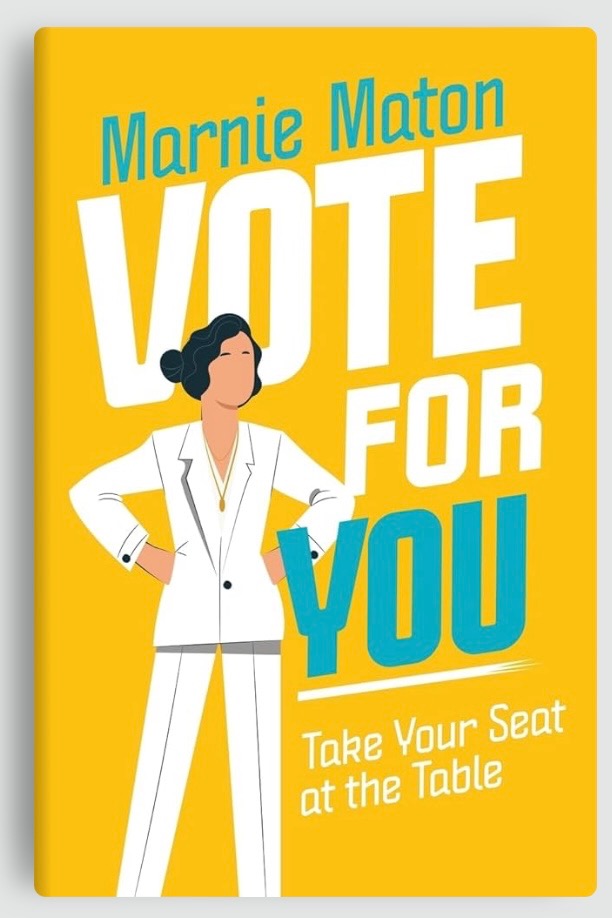
How to Advocate for Yourself at Work: Negotiation, Career Growth, and Finding Meaning
What does it really mean to advocate for yourself at work? In this episode of Good Is In The Details, we explore how to align your career with your values, negotiate effectively, and rethink what success looks like in modern work life. From flexibility in the workplace to understanding what motivates you, this conversation goes beyond traditional career advice. It's about asking better questions: What do you want from your work? What kind of life are you building? And how can you make decisions that reflect that? In this episode, we discuss: how to advocate for yourself in the workplace, negotiation strategies that align with your values, why flexibility matters for long-term success and well-being, how to identify what truly motivates you, and rethinking productivity, contribution, and career fulfillment. This episode connects business, philosophy, and personal development, offering a more thoughtful approach to navigating your work life. If you're interested in: career growth and development workplace negotiation work-life balance and flexibility personal fulfillment and purpose women in business and leadership this conversation will give you a new perspective on how to "vote for yourself" in your career. Learn more about Marnie and get her book: https://www.marniematon.com Support us on Patreon and get exclusive content: https://www.patreon.com/c/GoodIsInTheDetails Get in touch: https://www.goodisinthedetails.com Read Rudy's "The Commute" and subscribe for all the details on transportation. Thank you to our sponsor: http://www.avonmoreinc.com
The Public Square Post Covid
Gwendolyn Dolske and Rudy Salo welcome back Sociology Professor Dr. Jack Fong to discuss his book Reconfiguring Global Societies in the Pre Vaccination Phase of the Covid-19 Pandemic. How did the change to public spaces impact us sociologically? How do we navigate interactions with each other, with strangers, with people who hold different political ideologies? How are virtual spaces impacting us? Learn more about Professor Fong: https://csupomona-fong.org Join our Patreon: https://www.patreon.com/c/GoodIsInTheDetails Take Gwendolyn's course on How To Create Your Podcast. https://www.goodisinthedetails.com Thank you to our sponsor: http://www.avonmoreinc.com
Encore: The Climate is Above Politics
Our hearts and minds are with the people who've been devasted by the hurricanes in Florida, NC, and surrounding areas. GIID is donating for disaster relief. Thank you to our patrons who've made this platform possible to not only educate but to also contribute to those in need. Gwendolyn Dolske and Rudy Salo welcome documentarian/podcaster, George Siegal (Make It Better Podcast). We discuss George's film The Last House Standing, an examination of the way in which homes have been designed and ways in which homes can be designed given the impact of natural disasters. What questions should home buyers be asking? What is the responsibility of the individual, the community, and the government? Check out George Siegal's documentary: The Last House Standing. Join our patreon: https://www.patreon.com/GoodIsInTheDetails
Being Philosophical About Post Punk Rock
Gwendolyn Dolske and Rudy Salo welcome back Philosophy Professors Joshua Heter and Richard Greene to discuss their book Post Punk and Philosophy. Rip It Up and Think Again. What exactly is post punk rock? How does the shift in the music genre make us think about culture, emotions, and politics? What philosophical texts lend insight to the meaning and significance of the music? What music is giving us pause to reflect on philosophy? Get your copy of this wonderful collection of essays: Post Punk and Philosophy. Get more content and support the pod: https://www.patreon.com/GoodIsInTheDetails Take Gwendolyn's course: How To Create Your Podcast. https://www.goodisinthedetails.com Thank you to our partner for this episode: https://studioqueenhair.com
Critical Thinking Details: Beware of Con Women
Gwendolyn and Rudy welcome back author/podcaster Tori Telfer to discuss her book Confident Women. What does it mean to be a Con Artist? How can we learn about sorting through relevant information, fact, and fiction? Are women con artists different? What are the legal and moral lines when it comes to a con or scam? Learn more about Tori's work: https://www.toritelfer.com Get extra content and support the pod: https://www.patreon.com/GoodIsInTheDetails Get Gwendolyn's online course How To Create Your Podcast. Vote for Good Is In The Details in the Education Category for the Women in Podcasting Awards.
Business Details: The Story Behind Success
Gwendolyn Dolske interviews four women about the origin stories of their success in business. We discuss creativity, beliefs about what is possible, and how to handle the ups and downs of business. Get inspired by their journey of self-reflection and motivation. Thank you, Jen Sugermeyer, Megan Mae, Ashunta Sheriff-Kendricks, and Tracey Hicks-Kearse! Learn more about their business: https://www.atacosmetics.com/pages/about-us https://meganmaemiami.com https://ashuntabeauty.com/pages/ashunta-sheriff https://www.acarre.co Take Gwendolyn's Course: How To Create Your Podcast. Get Extra Content and Support the Pod: https://www.patreon.com/GoodIsInTheDetails This episode is in partnership with https://themoderndaywife.com
Life Lessons from "The Dude": Philosophy in The Big Lebowski
The Dude abides. But is abiding a virtue — and is the Dude actually a moral philosopher in disguise? It turns out that one of the greatest cult films in cinema history is also one of the richest case studies in ethics, authenticity, nihilism, and what it means to live a good life. And we brought in a philosopher to prove it. In this episode of Good Is In The Details, Gwendolyn Dolske and Rudy Salo sit down with Troy Jollimore , philosophy professor, award-winning poet, and co-author (with Robert C. Jones) of the essay "That Ain't Legal Either: Rules, Virtue, and Authenticity in The Big Lebowski," to unpack what the Coen Brothers' masterpiece reveals about some of the most enduring questions in ethical philosophy. What we explore in this episode: Why the Dude is not just a stoner but a genuine model of virtue ethics, and what Aristotle would make of him How the Dude navigates a "Goldilocks" approach to morality — neither Walter's rigid rule-following nor the nihilists' rejection of all values — and why that balance makes him the film's true moral center. What virtue ethics actually asks: not "What should I do?" but "What kind of person should I be?" and how the Dude answers that question better than almost anyone else in the film. Why Walter's strict, rule-based approach to morality, closer to Kantian deontology, leads him repeatedly into error, certainty without evidence, and moral rigidity that damages everyone around him. The role of compassion as a moral quality: why the Dude's ability to see the good in seriously flawed people is a form of genuine moral insight, not naivety What The Big Lebowski reveals about nihilism — and why the film ultimately argues against it through friendship, solidarity, and the simple act of showing up for the people you care about. Authenticity vs. inauthenticity: how the Big Lebowski, Jackie Treehorn, and others represent the moral failures of performance, hypocrisy, and social role-playing, and why the Dude's refusal to perform is itself a philosophical stance The Epicurean dimension: how the Dude embodies "contented poverty," equality, and a vision of the good life rooted in friendship and community rather than wealth and status. Games, rules, and morality: what bowling has to do with how we understand ethical behavior Is the Dude happy? What eudaimonia (Aristotelian flourishing) looks like for a man who just wants his rug back This is public philosophy at its most joyful: virtue ethics, deontology, nihilism, existentialism, Taoism, Epicureanism, and authenticity — all illuminated through one of the most quotable films ever made. Whether you're a philosophy student, a Big Lebowski devotee, or simply someone who has ever wondered what it means to live well in a chaotic world, this episode is for you. Guest: Troy Jollimore, Professor of Philosophy, award-winning poet, and contributor to The Big Lebowski and Philosophy: Keeping Your Mind Limber with Abiding Wisdom (Wiley Blackwell). Visit troyjollimore.com and check out his podcast No Podcast for Old Men. 💛 Support the show: patreon.com/GoodIsInTheDetails Learn more about Professor Jollimore: https://www.troyjollimore.com Check out Professor Jollimore's podcast: No Podcast For Old Men Thank you to our sponsor: http://www.avonmoreinc.com