
Futureproof with Jonathan McCrea
497 episodes — Page 7 of 10

Nature’s most effective and delicious toxins
Prof. Noah Whiteman has been exploring the secrets of nature’s toxins, how they evolved, and how we use them. Noah is Professor of Genetics, Genomics, Evolution, and Development and Director of the Essig Museum of Entomology at UC-Berkeley and author of ‘Most Delicious Poison: The Story of Nature's Toxins - From Spices to Vices’ - he joins Jonathan to discuss.Also joining Jonathan for Newsround is Dr. Lara Dungan and Dr. Oran Kennedy from RCSI.

Futureproof Extra: Pigments in the fossil record & the medical applications of Biophotonics
Why is your cat ginger or black? Often it comes down to a very small type of pigment that scientists in Cork have been examining to learn more about the colourisation of ancient animals. Joining Jonathan to discuss is Dr Tiffany Slater, Palaeobiologist at UCC who is interested in the preservation of ancient biomolecules.Also on the programme, did you know you can use light to detect specific cells in the body? Professor Stefan Andersson-Engles is the Head of Biophotonics and Deputy Director of IPIC based at the Tyndall National Institute and is also a Professor of Physics at University College Cork who has just been awarded a €5.3 million grant by Science Foundation Ireland to further investigate the application of light-based technologies. He joins Jonathan to discuss.

Does free will exist?
When it comes to free will, we think of our ability to independently make decisions based on our own desires or interests. That being said, there are those who say that we are the mere conscious witnesses of decisions that, deep in our brains, have already been made. Our guest argues that we are not mere vessels responding to physical forces, but agents acting with purpose. Kevin J. Mitchell is Associate Professor of Genetics and Neuroscience at Trinity College Dublin and author of ‘Free Agents – How Evolution Gave Us Free Will’.

Do athletes perceive the world differently?
Now when it comes to elite sports, there are many attributes that set the best apart from the rest. Not only do you probably have to have won the genetic lottery in the physical stakes, but also the mentality to persevere and work tirelessly to get to the top of the pile.So, with all that setting them apart from those of us sitting on the couch, do some athletes perceive the world differently as well? David McGovern, Assistant Professor in the School of Psychology at Dublin City University has been conducting research looking to answer that very question, and joins Jonathan on this week's episode.Dr Ruth Freeman of Science Foundation Ireland and Phil Smyth, Physicist join Jonathan for the latest science stories in the news this week.

Futureproof Extra: What causes male pattern hair loss?
Male pattern hair loss is something that over 80% of men will experience in their lifetime. Yet despite it being so widespread, the fundamentals of what actually causes it to occur, in the manner in which it occurs, still elude researchers to this day. According to a new paper, the secret may lie deep in our genetic past, with our embryonic origins. Dr. Claire Higgins, Reader in Tissue Regeneration from the Faculty of Engineering in the Department of Bioengineering of Imperial College London joins Jonathan to discuss.

What are the "JuMBO" objects found in the Orion Nebula?
Scientists at the European Space Agency have used the James Webb Space Telescope to reveal the presence of pairs of planet-like objects in the Orion Nebula that have never been detected before.Referred to as "JuMBOs" - free-floating objects the size of Jupiter - the discovery has the potential to upend our understanding of how stars and planets are formed.Joining Jonathan to discuss this is Mark McCaughrean, ESA Senior Advisor for Science & Exploration.

Futureproof Extra: Just how big can our brains get?
Researchers at the University of Cambridge have conducted the largest-ever study of the genetics of our brain structure. But how can the shape and size of our brain impact our understanding of neurological and psychiatric conditions? Joining Jonathan to discuss is the co-lead of this study Professor Richard Bethlehem who specialises in brain imaging, genomics, and computational neuroscience.

Are we too fixated on optimising our world?
What are the consequences of living in a world so driven by efficiency, pace, and cost? Applied mathematician Coco Krumme, uses mathematical modelling to get to the bottom of this in her new book 'Optimal Illusions: The False Promise of Optimisation' - she joins Jonathan to discuss.Also joining Jonathan to go through the top news stories from the world of science is Dr. Fergus McAuliffe from iCRAG & Laura Healy, Sustainable Food Production Scientist with Teagasc.

Futureproof Extra: Toxoplasma Gondii
What if we told you that a tiny parasite might be influencing the very core of wolf behaviour, making these fierce predators act in ways contrary to their survival instincts? Enter Toxoplasma Gondii, the unseen puppeteer. Kira Cassidy, a leading research biologist from the Yellowstone Wolf Project - who has delved deep into the mysteries of this parasite and its staggering effects not just on wolves, but possibly on us humans as well - joins Jonathan to discuss.

Lessons in longevity from the naked mole-rat
Listeners to the show might remember that last year we spoke to Dr. Vera Gorbunova from Rochester Aging Research Center at the University of Rochester about her work on SIRT6 - often referred to as the “longevity gene” because of its important role in organising proteins and recruiting enzymes that repair broken DNA. Since then, she and her team have made significant progress in the study of longevity by successfully transferring a different gene from naked mole rats into mice, resulting in improved health and an extension of the mouse’s lifespan. Jonathan is joined by Dr. Vera Gorbunova to discuss.

Futureproof Extra: Protecting our underwater cultural heritage
Walk into any national museum, in any part of the world, and you will see artifacts of significance – from coins and jewellery, to weapons, utensils, artwork, clothing, and even human remains. They are preserved because these objects tell us something about who we are and where we came from.But what if there is an artifact that is tens, or even hundreds, of meters underwater? How do we protect it from deterioration?Joining Jonathan to discuss this is Dr. David Gregory, Senior Researcher and Honorary Professor from the National Museum of Denmark.

Can a robot be a person?
While the question of 'what is a robot?' might have been easily answered just a few years ago, it is increasingly difficult to define.So, rather than try to fit robots into the existing categories of what is a person and what is a thing, do we need a new framework for the twenty-first century?David J. Gunkel thinks so. He is Professor of Media Studies at Northern Illinois University and author of ‘Person-Thing-Robot: A Moral and Legal Ontology for the 21st Century and Beyond’ - he joins Jonathan to discuss.

Futureproof Extra: The World of Dust
Dust. You might hate it, you might want to get rid of it, you might not know where it comes from, but did you know there are actually two billion tonnes of dust lifted into the Earth’s atmosphere each year? Joining Jonathan to discuss the world of dust is researcher Jay Owens, who has written a new book called ‘Dust – The Modern World in a Trillion Particles’.

What our eyes can tell us about our health
We think of our eyes as external organs, but anatomically we can also consider them to be an extension of the brain, and this feature is proving to be really useful when trying to understand not just what's happening in our brains, but in our bodies as well.Joining Jonathan to discuss is David Keegan, Consultant Ophthalmologist at the Mater Hospital.

Futureproof Extra: How rotational force is essential to everything
Did you know that in one sleep you will have travelled close to million miles by the time you wake up? This is due to the fascinating science of spin and rotational force. Joining Jonathan to detail his fascinating new book “The Science of Spin" and explain how understanding this force we can enhance our lives was Roland Ennos visiting professor of biological sciences at the University of Hull

Will we soon be able to cure obesity?
Weight loss drugs such as Wegovy and Ozempic have exploded in popularity over the past few years with them producing some quite incredible results. But could these drugs be the cure to obesity and do we have the wrong approach in dealing with the illness? Joining Johathan to discuss was Dr Margaret Steele a post-doctorate researcher at the School of Public Health at University Colledge Cork.

Futureproof Extra: The Science of Cultured Meat
From dietary downsides to the environmental impact large-scale farming has on the planet - not to mention the profound cruelty to which billions of animals are subjected annually - there are plenty of arguments against human consumption of animal meat. But what about meat that’s not derived from animals who once roamed in fields, but grown in labs instead? Is it really the future of food? Dr. Mark Post, Professor of Sustainable Industrial Tissue Engineering at Maastricht University joins Jonathan to discuss.

Womb transplants and the future of reproductive medicine
In a pioneering operation, the first womb transplant took place in the UK this week. But how soon could we see this in Ireland? Joining Jonathan to reflect on this is Conor Harrity, Consultant Gynaecologist, Sub-specialist in Reproductive Medicine at the Rotunda & Beaumont, and Medical Director of First IVF.

Futureproof Extra: Capturing Cosmic Dust
Cosmic dust might be closer than you think - in fact, it might even be on top of a nearby tall building. And that’s exactly where Dr. Penelope Wozniakiewicz, Senior Lecturer in Space Science at the University of Kent, is focusing her searches as she and her colleagues are exploring cathedral roofs to find traces of these particles. But why? What can we learn from cosmic dust and what is it in the first place? Penelope joins Jonathan to discuss.

Can we reverse or stop ageing completely?
You might think becoming eternally young isn’t possible but scientists from Cornell University, the University of Oxford, the University of Cambridge, and Cancer Research UK, are actively exploring how to reverse the ageing process. Dr. Meng Wang, Clinician Scientist in Haematology at Cornell University joins Jonathan to discuss.
Futureproof Extra: Burying nuclear waste in Finland
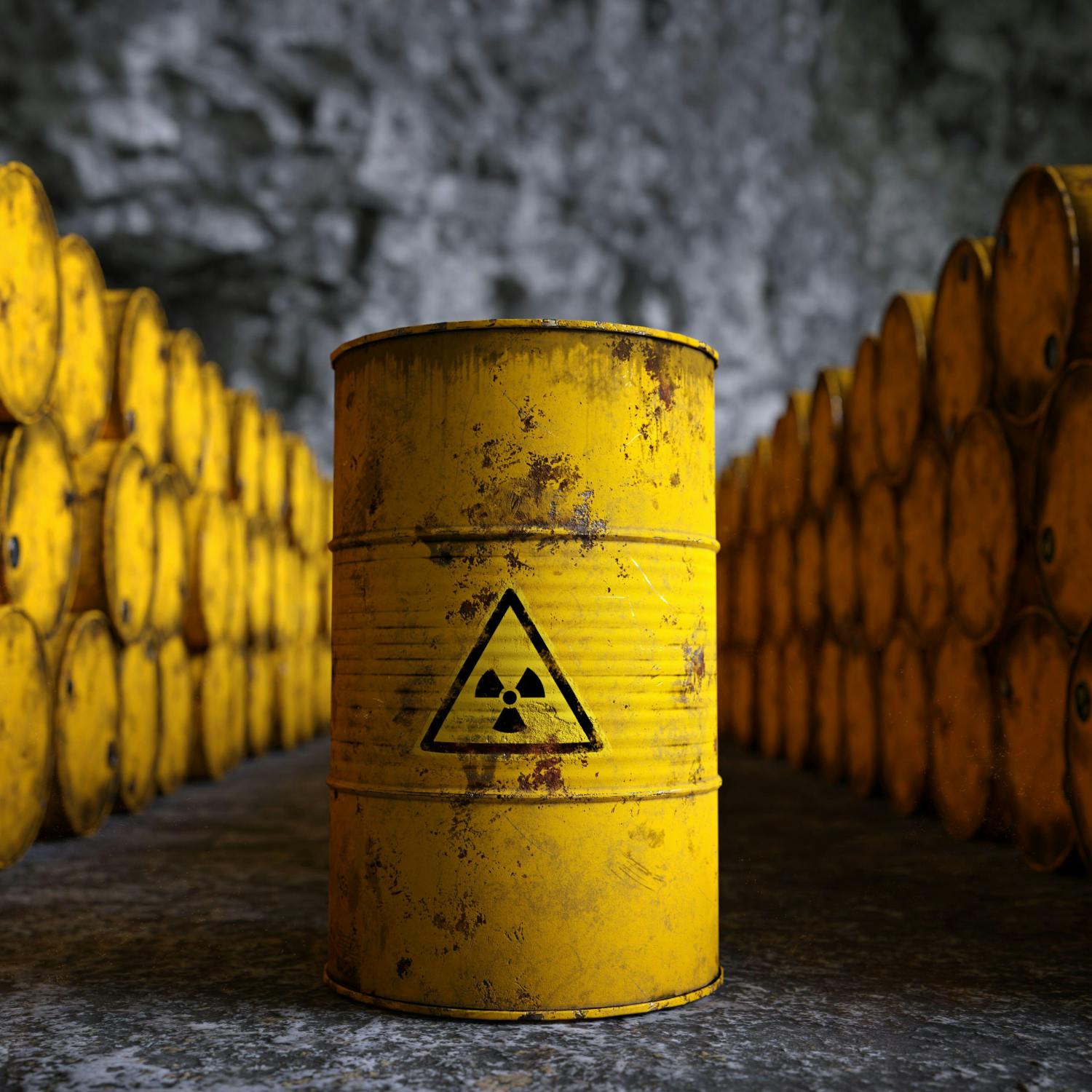
In the depths of the ground in Finland, high-level radioactive nuclear waste will be buried in the world’s first such permanent storage facility of this kind. So, what does this process look like and will other countries in Europe soon be following suit? Joining Jonathan is journalist Erika Benke who has been writing about this for the BBC.
How to build a spacesuit
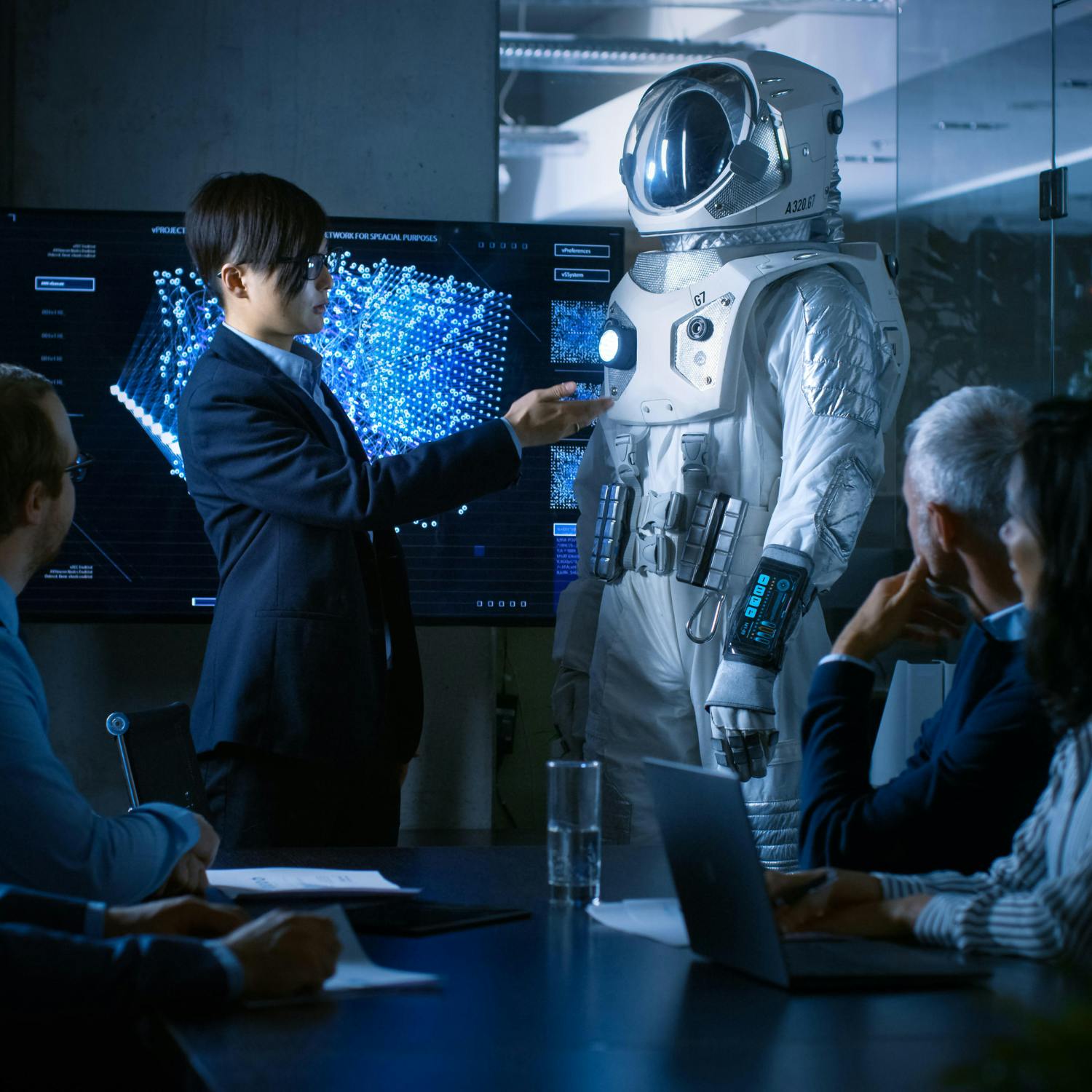
Have you ever wondered about what goes into making a spacesuit? Amy Ross has been with NASA for 30 years, and is a spacesuit engineer specialising in pressure garments. She joins Jonathan to discuss her work. This week’s Newsround with Dr Lara Dungan and Dr Ruth Freeman features a vaccine showing promise against the virus linked to multiple sclerosis; a massive sun 'umbrella' could be tethered to an asteroid to shield Earth from the sun and fight global warming; walking fewer than 10,000 daily steps still reduces the risk of death; and babies' and adults' love for Van Gogh shows a connection between early sensory preferences and later aesthetic judgments.

Futureproof Extra: The Science of Suncream
The science behind suncream is really surprising, as explored by writer Grace Browne in her recent piece in Wired. She joins Jonathan to shed light on something most people haven't thought of.

Black Holes in Bathtubs
Black holes - cosmic enigmas with immense gravitational forces - have long perplexed scientists. At Nottingham University's Black Hole Laboratory, Prof. Silke Weinfurtner pioneers an unconventional method using a hi-tech bathtub and superfluid helium as analogues to explore black hole behaviours. How might these analogues provide us with new insights into the mysteries of black holes and the fundamental laws of physics? Prof. Weinfurtner joins Jonathan to discuss her innovative research.

How technology affects our sleep
The way we sleep has dramatically changed in recent years. Our alarm clock used to be the only piece of tech we associated with sleep, but we now have apps that track our sleep, evaluate its quality, and how much more or less we may need on a day-to-day basis. But how do all of these advances in sleep-orientated actually technology affect us? Katie Coveney is a senior lecturer in Sociology at Loughborough University in the UK & a medical sociologist with expertise in social and ethical aspects of medicine and health care. Catherine has just co-authored 'Technosleep: Frontiers, Fictions, Futures', a book that examines the relationship between sleep and technology. She joins Jonathan to discuss.

The relationship between your gut and your relationships
Did you know your gut might be able to tell you about the strength of your relationships? A recent study from Arizona State University shows that the strength of a couple’s emotional connection is correlated with the diversity of their individual microbiome. Joining Jonathan to discuss their findings is Rosy Krajmalnik-Brown, Director of the Biodesign Center for Health Through Microbiomes and a Professor at the School of Sustainable Engineering and The Built Environment at Arizona State University & Shelby Langer, Associate Professor at the ASU’s College of Nursing and Health Innovation and a member of the Center for Health Promotion and Disease Prevention. Also joining Jonathan for this week's Newsround is Dr. Shane Bergin, Assistant Professor in Science Education at University College & Dr. Ruth Freeman from Science Foundation Ireland.

Futureproof Extra: How To Expect The Unexpected
Dr. Kit Yates, senior lecturer in the Department of Mathematical Sciences and co-director of the Centre for Mathematical Biology at the University of Bath, joins Jonathan to teach him ‘How To Expect The Unexpected: The Science of Making Predictions and the Art of Knowing When Not To’.
How deepfakes impact your memory
With the advancement of artificial intelligence, deepfakes are becoming easier and cheaper to produce and as a result, scientists are testing the potential benefits and risks of incorporating them into your movie-going experience. Joining Jonathan to discuss is Dr Gillian Murphy, a lecturer in Cognitive Psychology at the School of Applied Psychology in University College Cork, who supervises projects on memory distortion, fake news, deepfake technology, critical thinking, conspiracy theories, and the ethics of deception in research.

Weapons of the Future, The Fibonacci Sequence & Cryo Conservation
Weapons of the Future We can see it in our newsfeeds every single day, as war rages on the eastern frontiers of Europe - so too are the changing dynamics evident in the way war is conducted in the 21st century. But as tactics and strategies continue to evolve, so too do the technologies that underpin the armed forces of nations the world over. So, when it comes to the weapons of the future, what can we expect exactly? Jonathan is joined by military technology journalist, Kelsey D. Atherton. The Fibonacci Sequence They’re found so commonly in the natural world, such a precise mathematical pattern. From pine cones to ferns unfolding, hurricanes, many other natural phenomenon. Essentially it’s still an ongoing question about why they are so common. Jonathan talks to someone who is trying to get to the bottom of this natural phenomenon, Dr Sandy Hetherington, UKRI Future Leaders Fellow, Institute of Molecular Plant Sciences, University of Edinburgh. Cryo Conservation It’s a sad truth that the number of species on this planet is diminishing every day, mostly due to human activity. In order to save what we have and even one day restore species back from the edge of extinction, we need to save as many samples of living animals as we can. Joining Jonathan to talk about cryo conservation and its importance in science is Dr Andrew Mooney who is with Dublin Zoo and the Department of Zoology at Trinity College Dublin.

Futureproof Extra: Geothermal Power
Jonathan is joined by Jon Blundy, Royal Society Research Professor, Department of Earth Sciences at the University of Oxford who proposes we utilise volcanic power to help metal extraction.
MDMA as a treatment for PTSD
You might think of MDMA as more of a recreational drug but actually it is being clinically trialled in a therapeutic setting as a potential treatment for PTSD among a number of health conditions. To break it down, Jonathan is joined by Rachel Nuwer, science journalist & author of 'I Feel Love: MDMA and the Quest for Connection in a Fractured World'.

Futureproof Extra: Ηow air pollution affects our health
According to the World Economic Forum, 99% of the world’s population experiences air pollution levels exceeding WHO guidelines. But recent studies have shown that air pollution doesn’t just impact our lungs, but can also lead to heart attacks and strokes. Joining Jonathan to discuss is Annette Peters, Chair of Epidemiology at the Faculty of Medicine at LMU Munich, Director of the Institute of Epidemiology, Helmholtz Zentrum München, and Visiting professor at Harvard T.H. Chan School of Public Health, Boston.

The Woman Who Feels No Pain
The biology underpinning a rare genetic mutation that allows its carrier to live virtually pain-free, heal more rapidly, and experience reduced anxiety and fear, has been uncovered by new research from University College London. Dr. Andrei Okorokov, Associate Professor at the Wolfson Institute for Biomedical Research at UCL joins Jonathan to discuss.

Futureproof Extra: Harvesting electricity from thin air
As our energy consumption continues to grow, we will need to find more and more ways to actually create the electricity we need. But soon you might be able to generate clean energy from thin air and that’s just one of the potential uses of a new device created by Dr. Jun Yao, Associate Professor in the Department of Electrical and Computer Engineering, and his team at the University of Massachusetts. He joins Jonathan to discuss.

The development of a new drug to prevent blood clotting
According to new research, the drug dimethyl fumarate has been shown to block blood clotting during infection, which could make a sizable impact on people who are suffering from a number of different conditions, one of which being the life-threatening disseminated intravascular coagulopathy (DIC). Joining Jonathan to discuss this development is one of those behind the research, Professor Luke O’Neill from the Trinity Biomedical Sciences Institute. Also joining Jonathan for this week's installment of Newsround is Dr. Jessamyn Fairfield, physicist at the University of Galway & Dr. Oran Kennedy, from the Department of Anatomy and Regenerative Medicine and the Tissue Engineering Research Group at RCSI.

Futureproof Extra: Creating the First Synthetic Human Embryo
Have we just been made futile as a reproductive species? This week researchers in the University of Cambridge and in the US announced their creation of synthetic human embryos that won’t need eggs or sperm. To explore how they did this and its practical implications, Dr David Walsh, chairman of First IVF joins Jonathan to discuss.

Why Ireland Has Fewer Earthquakes Than Britain
Generally speaking, Ireland is a pretty safe place. For example, when it comes to natural phenomena, insects, or animals, very few things can do you serious harm. We have no snakes, bears, wolves, or venomous species, and our spiders are 99.9% benign. And it's also the case that seismic activity is very rare here and even if it is detected, it pales in comparison to our nearest neighbour, the UK. Why? Chris Bean who leads the Geophysics Section at DIAS joins Jonathan to discuss.

Futureproof Extra: The Dangers & Opportunities of Artificial Intelligence
Recently hundreds of leading technology experts, journalists, and policymakers from across the world released a statement saying that: “Mitigating the risk of extinction from AI should be a global priority alongside pandemics and nuclear war”. But as we are just now beginning to grapple with this brave new world of generative artificial intelligence it can still be difficult to know what the future might actually hold for us, what role AI will have in our lives, and where the danger really lies. Patricia Scanlon, Ireland’s AI ambassador, and founder of Dublin-based speech recognition tech company SoapBox Labs joins Jonathan to discuss.

Tackling the growing problem of light pollution
When you look up into the night sky and you see the incredible array of stars and planets that are visible to us here on Earth, it is impossible not to feel something. Wonder. Amazement. Insignificance. Inspiration - maybe all of these things and more. Either way, it’s truly humbling to see just how small we really are. But soon you might have a very different experience - one where there is nothing to gaze up at at all - and that future might be nearer than we think. Prof. Peter Gallagher, Head of Astrophysics, Dublin Institute for Advanced Studies joins Jonathan to discuss the impact of light pollution on our night sky. Dr. Shane Bergin from UCD & science communicator, Catherine McGuinness also join us for this week's installment of Newsround.

Futureproof Extra: Combating Bad Data & Misleading Numbers
Nature is, without over-egging things, an unstoppable force – one which we pale miserably in comparison to with all our brio and intellect. But we do try to understand nature and the world we live in and perhaps the most fundamental way that we do that is through numbers. And while we like to think we have a pretty good grasp of them, that’s unfortunately, not always the case. Georgina Sturge, author of ‘Bad Data: How Governments, Politicians and the Rest of Us Get Misled by Numbers’ and the House of Commons Library's statistics specialist. She joins Jonathan to discuss.

Innovating Healthcare: Galway's Clinical Revolution
Induced temporary hibernation for surgery and long-term space travel, creating energy from nothing, skin patch immunotherapy for peanut allergies, and the mechanism of our foot arches- Jonathan looks back at the latest breaking stories from the world of science this week with Catherine McGuinness, science communicator and Dr Shane Bergin, physicist, and an assistant professor in science education at UCD's School of Education. Jonathan explores the establishment of Ireland's first Institute for Clinical Trials at the University of Galway. Led by Director Peter Doran, the Institute aims to transform the clinical research landscape by translating scientific advances into improved patient care. Through collaboration with academia, clinicians, and industry partners, the Institute will prioritize research areas that benefit the wider population, with a focus on improving patient outcomes and positioning Ireland as a leader in clinical trials. Jonathan hears from Peter Doran and parent Noreen Doyle about how this new initiative will drive innovation and positively impact healthcare delivery.

Futureproof Extra: Immunology Breakthrough
Immunotherapy is a type of treatment which helps the immune system fight cancer. It enhances the system ability to recognize, target, and eliminate cancer cells, wherever they are in the body, making it a potential universal answer to cancer. However, not all cancers respond to this type of treatment. Why is it only effect in 20-40% of cases? And is there anything we can do to improve the response rate? Aideen Ryan joins Jonathan to bring us up to date on new research which may hold the answers for improving cancer treatment. She is an associate professor in tumour immunology from the University of Galway.

The First Egyptian Astronaut
People with prosthetic limbs are able to feel warmth in their missing hands, a type of bacteria in babies being a predictor of future weight struggles, car racers seemingly blink in synchronicity, and new research suggesting chronic and acute pain are two different things. The latest science news is brought to you by Dr Ruth Freeman from Science Foundation Ireland, and Dr Jessamyn Fairfield from the University of Galway. Jonathan also speaks with Sara Sabry, an astronaut who was selected from 7,000 citizens to go into space at the age of 29. She was the first Egyptian astronaut, the first Arab woman in space, and the first woman from the African continent to go to space. She is the Co-Founder of Deep Space Initiative and appearing at the Dublin Tech Summit, held between 31 May 2023 and 1 June 2023.

Futureproof Extra: AI Mindreading
Speech to text, text to speech, but what about thoughts to text? A new technology has been developed which allows AI to convert your thoughts into text. The person behind the research is Alexander Huth, Assistant Professor of Neuroscience and Computer Science at the University of Texas at Austin. He joins me on this week’s Futureproof Extra to discuss “semantic decoders”.

Why can’t we breathe underwater?
On this week’s episode, Eoin Murphy and Dr Jessamyn Fairfield take us through the latest stories in our Newsround. We hear about the world’s deadliest mushrooms, gender disparity in science referencing, dream gloves and what bears are telling us about blood clot prevention. Not only that, but we get to hear from a lung and evolutionary expert on why humans can’t breathe underwater and what the likelihood is of us ever developing that ability again.

Futureproof Extra: Is Immortality by 2045 Possible?
It is not a matter of how we become immortal, it's a matter of when- that’s according to this week’s guest, José Luis Cordeiro. He is the author of ‘The Death of Death’, and believes we are getting closer to discovering the secrets of nature by identifying cells that do not age.
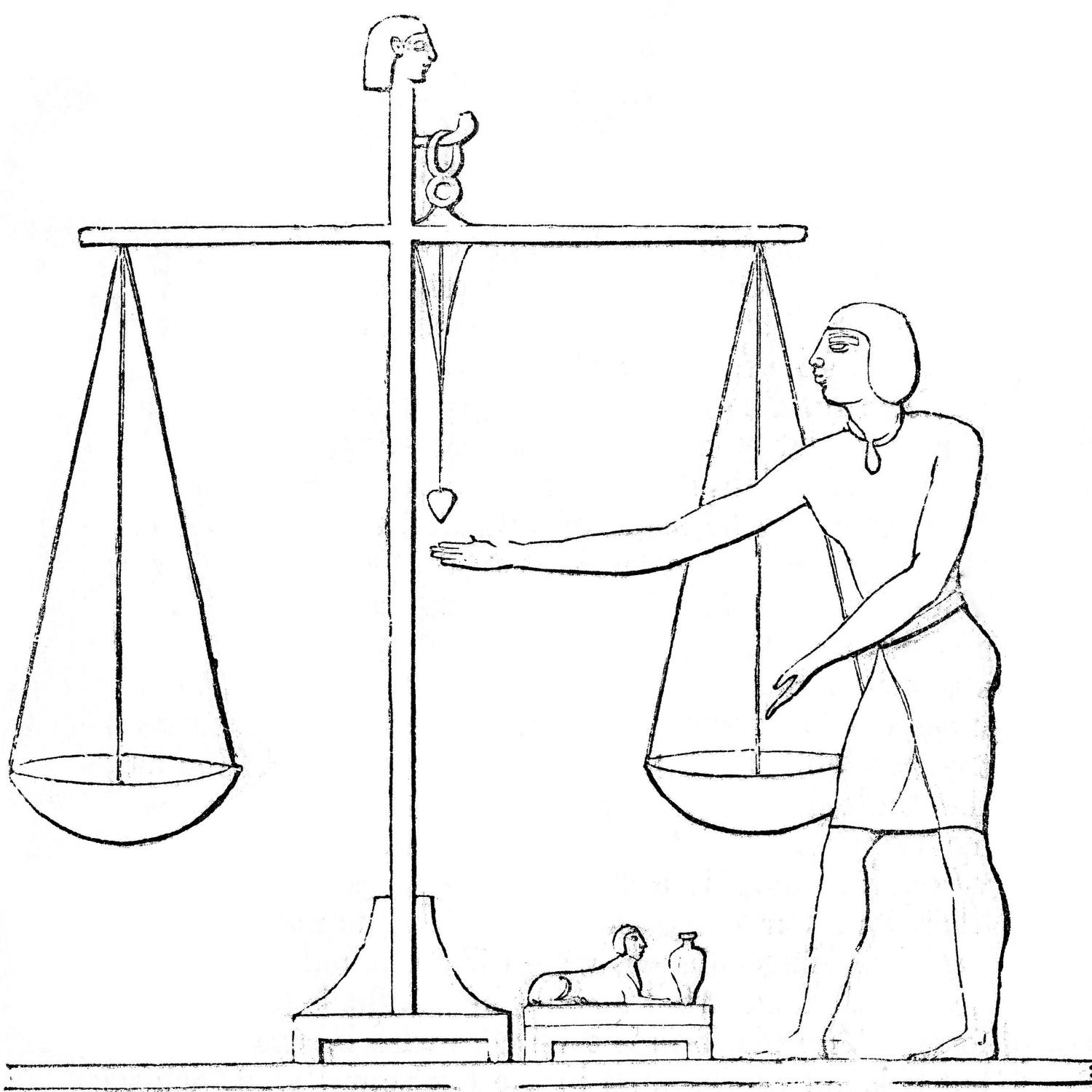
The Science of Measurement
Have you ever wondered how humans came about the concept of ‘measuring’ things? How did Ancient Egyptians use giant rulers to predict the harvest in coming months? James Vincent is the author of ‘Beyond Measure: The Hidden History of Measurement from Cubits to Quantum Constants’ and he joins me this week to talk about how this concept shapes the way we see the world. I'm also joined by Dr Lara Dungan and Dr Shane Bergin for this week's Newsround discussing intrauterine surgery, blood tests to check sleep, a new organelle and how body odour could be the antidote to social anxiety.

Futureproof Extra: The Secrets Of Our Seas
Helen Czerski, bubble physicist and the author of 'Blue Machine: How the Ocean Shapes Our World', joins Jonathan McCrea to discuss the secrets of our seas.

Lab-Grown Blood
In this episode of Futureproof, Dr Susan Kelleher and Dr Lara Dungan join Jonathan McCrea for Newsround, and he explores the future of lab-grown blood with Dr Rebecca Cardigan, National Head of Component Development from NHS Blood & Transplant.

Futureproof Extra: Curing Hearing Loss
Dr. Zheng-Yi Chen, Associate Scientist in the Eaton-Peabody Laboratories at Mass Eye and Ear Hospital in Boston, speaks with Futureproof host Jonathan McCrea about his efforts to cure hearing loss.