
Futureproof with Jonathan McCrea
497 episodes — Page 6 of 10
The Interstellar Workshop
Joseph Meany is a Science consultant and board member of the IRG (Interstellar Research Group)
Extra: Extinctions: How Life Survives, Adapts and Evolves
Mike Benton is Professor of Vertebrate Palaeontology at University of Bristol and author of Extinctions: How Life Survives, Adapts and Evolves
The Purpose of the Universe
Philip Goff is Professor of Philosophy at Durham University and author of Why? The Purpose of the Universe
Extra: Could We Cure Brain Tumours?
Bryan Choi - Assistant Professor of Neurosurgery at Harvard Medical School and Associate Director of the Centre for Brain Tumour Immunology and Immunotherapy at Mass General (Massachusetts General Hospital)
Near Death Experiences
Jimo Borjigin is Associate Professor of Molecular & Integrative Physiology at the University of Michigan
Gold: Where Are We?
Vanessa Collingridge is an Author, Broadcaster and Doctor of Historical CartographyHelene Courtois is Professor of Astrophysics at the University of Lyon and Author of Finding Our Place In The Universe
Gold: DARPA - The Pentagon's Brain
Annie Jacobsen is a Bestselling author & Pulitzer Prize finalist and author of DARPA - The Pentagon's Brain
Extra: Studying psi
Chris French is Emeritus Professor and Former Head of the Anomalistic Psychology Research Unit at the University of London and author of The Science of Weird Shit: Why Our Brains Conjure the Paranormal
Nuclear War: A Scenario
Annie Jacobsen is a Bestselling author & Pulitzer Prize finalist and author of Nuclear War: A Scenario
The Science of Menstruation
Dr. Jennifer Gunter is a Gynaecologist & author of Blood: The Science, Medicine and Mythology of Menstruation
Eat, Poop, Die
Joe Roman - Conservation biologist and marine ecologist at the University of Vermont and Author of Eat, Poop, Die: How Animals Make Our World
Extra: Enhancing Daylight
Jonathan speaks with Professor Brian Norton from the Tyndall National Institute
The Nocebo Effect
Charlotte Blease is Associate Professor in the Department of Women's and Children's Health, Uppsala University, Sweden and co-author of The Nocebo Effect: When Words Make You Sick
Extra: The Ice Cube Neutrino Observatory
Francis Halzen is Professor of Physics at the University of Wisconsin–Madison and the Principle Investigator at the Ice Cube Neutrino Observatory
Who Owns The Moon?
Professor AC Grayling is a Philosopher and Author of Who Owns the Moon?: In Defence of Humanity’s Common Interests in Space
Extra: Brain Fog
It’s almost exactly 4 years since the Covid 19 pandemic came to these shores and although thankfully the pandemic is over, there is still a lot to learn about the disease and its after effects.Long Covid is particularly perplexing but Irish scientists from the FutureNeuro Centre may have shed some light on one specific aspect of it; Brain FogSo what exactly is brain fog and how does a Covid infection bring it about?Dr. Matthew Campbell is a Professor in Trinity’s School of Genetics and Microbiology and Principal Investigator at the FutureNeuro Centre
Why We Humans Can Get Used To Just About Anything
Jonathan speaks to Cass Sunstein - Robert Walmsley University Professor at Harvard and Co-Author of "Look Again: The Power of Noticing What Was Always There" about habituation and his new book.
Futureproof Extra: A New Habitat in the Pacific Garbage Patch
Jonathan is joined by Jim Carlton - Professor of Marine Sciences, Emeritus, Williams College, Williamstown, Massachusetts
Why Do Humans Grow Up So Slowly?
Jonathan is joined by Brenna Hassett - Lecturer in forensic osteology and archaeology at the University of Central Lancashire and author of Growing Up Human
Documentary Special: Scorched Earth
In this special edition of Futureproof, Jonathan joins researchers from DIAS as they travel to a volcano on the Galapagos Islands. Funded by Coimisiún na Meán with the TV licence fee. Also funded by the Dublin Institute for Advanced Studies.
Extra: Managing Stress Via The Gut
Jonathan speaks to Professor John Cryan from UCC
Could We Delay The Menopause?
Scientists at Yale think freezing ovarian tissue at a young age could help us to postpone or event prevent the onset of menopause altogether. Jonathan speaks to Dr Kutluk Oktay, Professor of Obstetrics, Gynecology and Reproductive Sciences, and Director of the Laboratory of Fertility Preservation and Molecular Reproductive Biology at the Yale School of Medicine.

Futureproof Extra: The origins of Guinness yeast
Researchers from Diageo have discovered that the yeast used to make Guinness is genetically different from any other Irish beer. Joining Jonathan to discuss this is Daniel Kerruish, Group Microbiologist at Diageo.
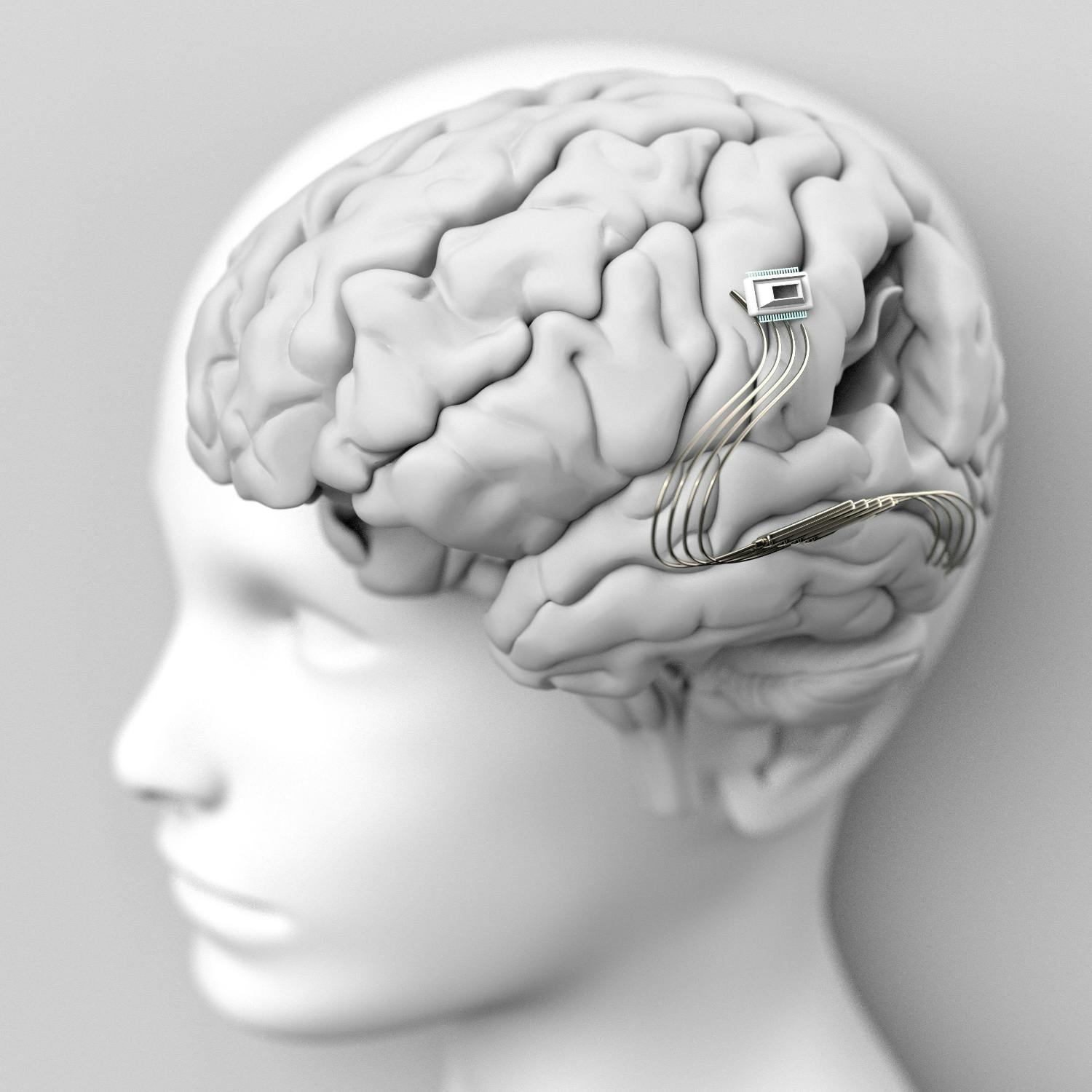
How does a brain implant affect your mind?
This week Elon Musk announced his Neuralink company has implanted a wireless brain chip into a human for the first time.But how significant is this step and how exactly does a brain implant affect the mind?Joining Jonathan to discuss this is Dr. Manus Biggs, Associate Professor at the University of Galway and Investigator with Curám, the SFI research centre for medical devices. Also joining Jonathan for this week's installment of Newsround is Dr. Ruth Freeman from Science Foundation Ireland & Laura Healy, Sustainable Food Production Scientist.

Futureproof Extra: What is the Coriolis Effect?
As we’ve discussed before on Futureproof, nature has some strange but very cool patterns - one such pattern is the Coriolis Effect. Joining Jonathan to explain this is Dr. Conor Sweeney, Lecturer in Applied and Computational Mathematics in the School of Mathematical Sciences at UCD; Deputy Director of the UCD Earth Institute; and President of the Irish Meteorological Society.
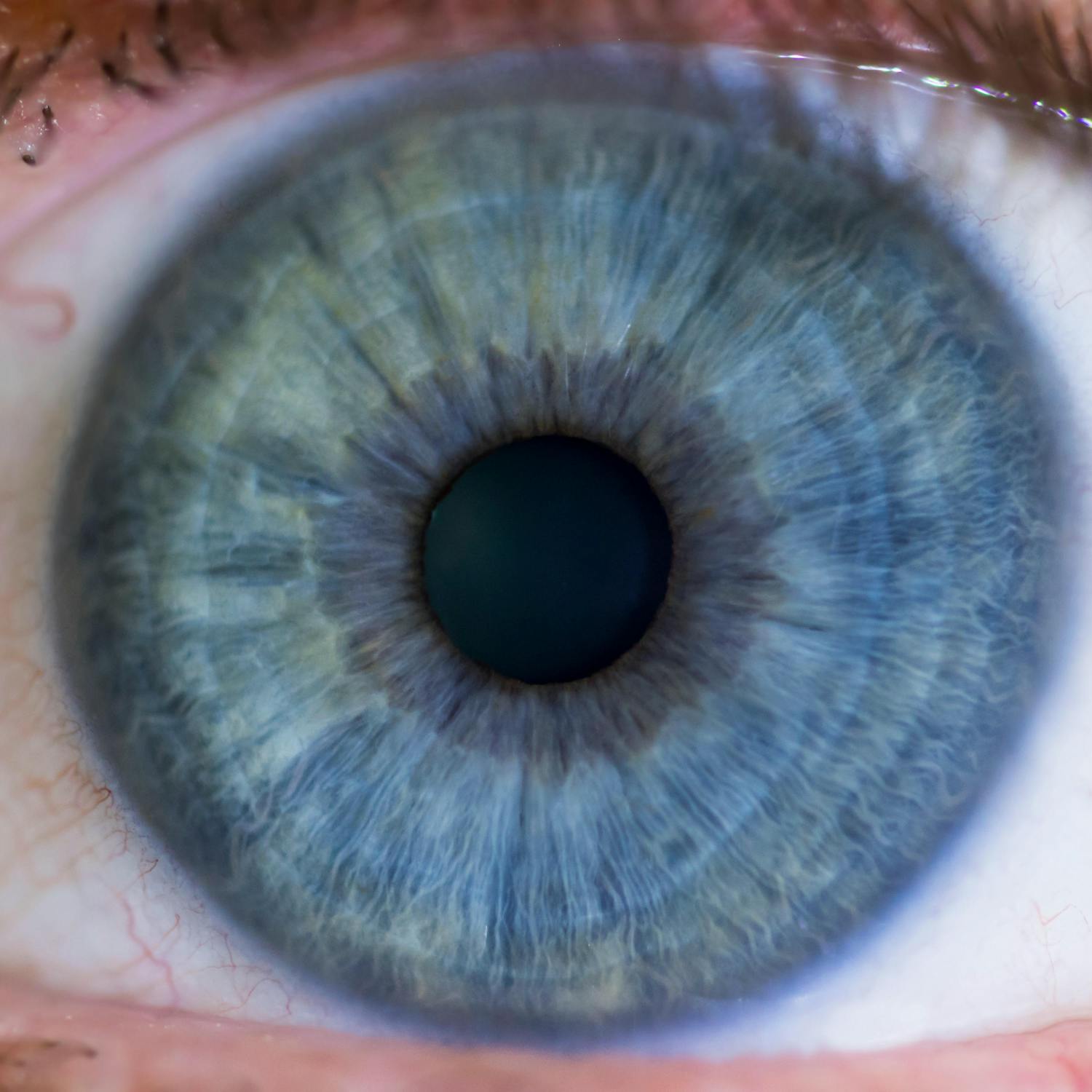
How does the human eye see so many colours?
Scientists in Maryland in the United States are exploring what a lab-grown retina can tell us about how we can see millions of colours. Joining Jonathan to explain more about the research is Robert J. Johnston Jr. Associate Professor in the Department of Biology at Johns Hopkins University.Also joining Jonathan for this week's Newsround is Dr. Susan Kelleher, School of Chemical Sciences, DCU & Dr Fergus McAuliffe, Communications and Engagement Manager, iCRAG.

Futureproof Extra: How does our skin age?
As we grow older, we experience a multitude of changes - both emotionally and physically - and while those changes can be challenging at times, it is inevitable.One way we see the process of ageing is right in front of us with the skin on our faces, our hands, and the rest of our body - in many ways telling the story of our lives.But what is actually happening as our skin continues to age throughout our lives.Joining Jonathan to discuss this is consultant dermatologist, Professor Caitriona Ryan.

The science of quantum teleportation
That old maxim of “knowledge is power” is as true today as it was when Francis Bacon first coined the term back in the late 1500s; and while that is itself still true, the speed at which we send and receive knowledge and information can be just as powerful.We have been witnesses to this through the years as we laid Atlantic telegraph cables in the 1860s, sent satellites into space, and now we may stand again on the precipice of a new age of rapid communication with groundbreaking research into “teleportation”.Joining Jonathan to discuss is Prof Andrew Forbes from the School of Physics at Wits University in South Africa.Also joining us for this week's installment of Newsround is Lianne Shanley, PhD Researcher from the School of Biochemistry and Immunology, Trinity College Dublin & Dr. Shane Bergin, Assistant Professor in Science Education, UCD.
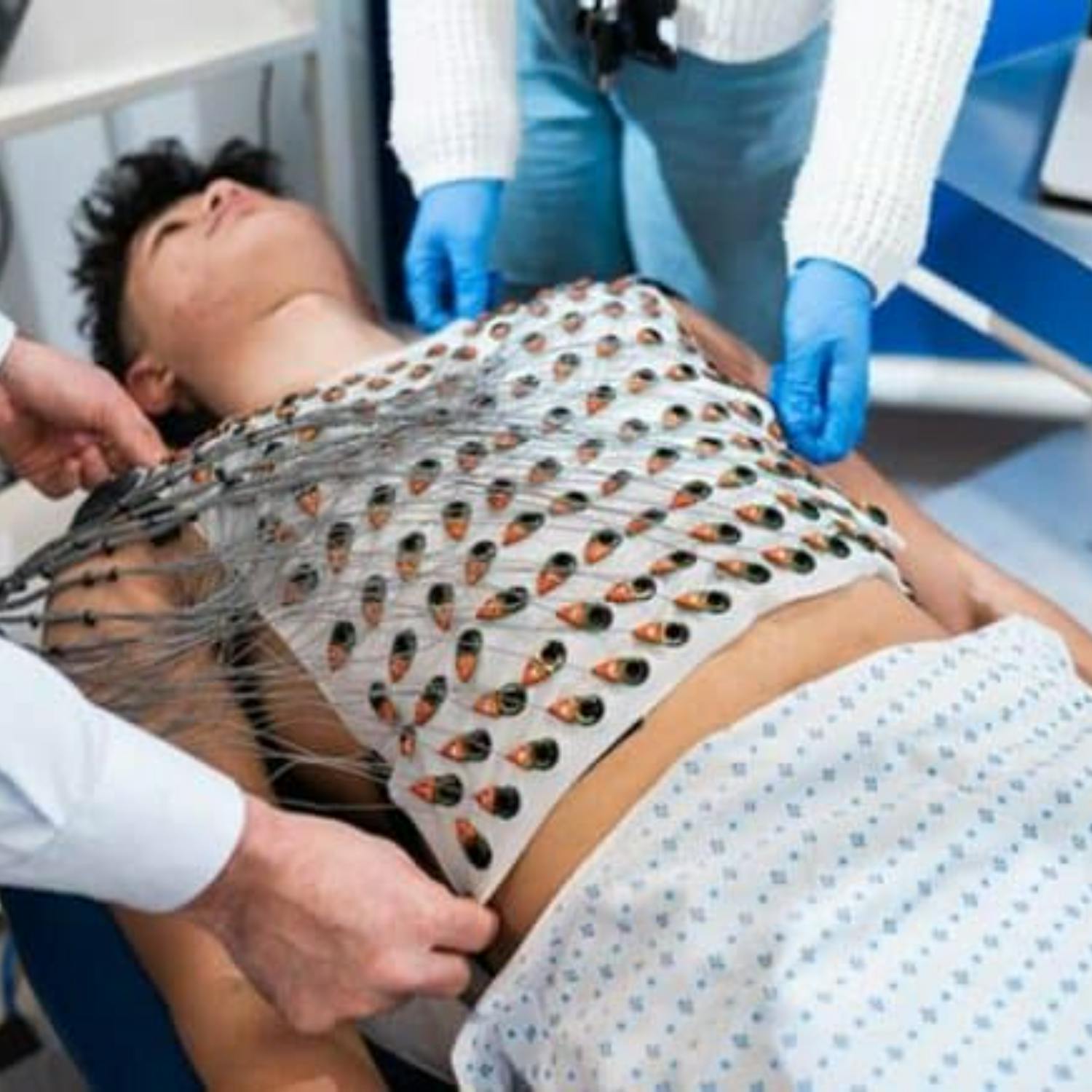
Futureproof Extra: The vest that could help predict sudden cardiac death
Researchers from University College London have developed an electrocardiographic imaging (ECGI) vest that might help identify individuals at a higher risk of sudden cardiac death. Joining Jonathan to explain how it works is Gaby Captur, Consultant cardiologist in Inherited Heart Muscle Conditions at the Royal Free London NHS Foundation Trust & Senior lecturer at the UCL Institute of Cardiovascular Science.

What makes urine yellow?
We all know that our urine is yellow, or at least, it should be. While we have known for some time that it is urobilin that's responsible for the yellow pigment, it was unclear what was responsible for the urobilin's production - that is of course, until very recently. Brantley Hall, Assistant Professor in the Department of Cell Biology and Molecular Genetics at the University of Maryland joins Jonathan to discuss.Also joining us for this week's installment of Newsround is Fergus McAuliffe, Education, Public Engagement, and Communications Manager at iCRAG & Dr. Oran Kennedy, Associate Professor in Anatomy and Regenerative Medicine at RCSI.

Futureproof Extra: Reaching for the Sun
This year we will come closer than ever to touching the Sun than ever before. That’s because of an upcoming NASA mission called the Parker Solar Probe that has been compared in significance to that of the Moon landing. Joining Phil Smyth to discuss is one of the scientists involved, Dr Nour Raouafi from Johns Hopkins Applied Physics Laboratory.

Warning drivers of road obstacles with 3D holograms
Road safety has been at the forefront of the minds of many of us with the significant death toll last year but scientists at the University of Cambridge are exploring a new way of warning drivers of road obstacles through 3D holograms. Joining Phil Smyth to discuss this is Jana Skirnewskaja from Cambridge’s Department of Engineering.Also joining Phil for Newsround is Lianne Shanley, Ph.D. Researcher from the School of Biochemistry and Immunology, Trinity College Dublin & Dr. Fergus McAuliffe from iCrag.
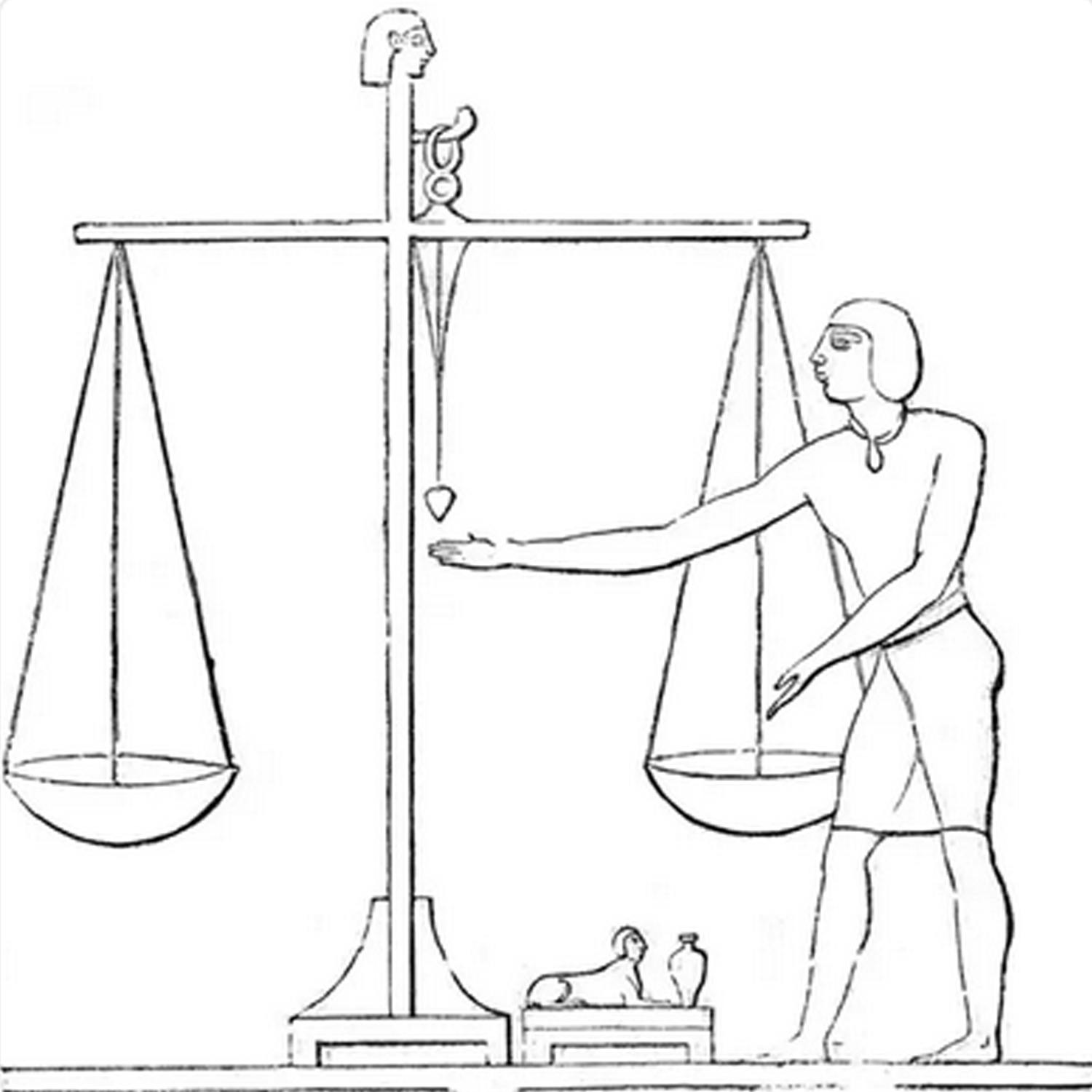
Best of 2023 - The Fascinating History of Measurement
Looking back at the best episodes in 2023: Have you ever wondered how humans came about the concept of ‘measuring’ things? How did Ancient Egyptians use giant rulers to predict the harvest in coming months? James Vincent is the author of ‘Beyond Measure: The Hidden History of Measurement from Cubits to Quantum Constants’ and he joined Jonathan to talk about how this concept shapes the way we see the world.

Best of 2023 - Why Can't we Breathe Underwater?
One of the best conversations from 2023: Ryan Kerney, organismal biologist at Gettysburg University, joined Jonathan to discuss why humans can’t breath underwater and what the likelihood is of us ever developing that ability again.

Best of 2023 - Can we Live on Mars?
The notion of human beings getting to and settling on Mars has been a staple of science fiction for decades.But what are the social, scientific, and engineering constraints for establishing a colony, and what are the current blueprint and design concepts for the settlement of an entire Martian city?Justin Hollander, Urban Planning Professor at Tufts University and the author of ‘The First City on Mars: An Urban Planner’s Guide to Settling the Red Planet’ joins Jonathan to discuss.https://jholla03.pages.tufts.edu/

How can Humans Survive Extreme Cold?
Professor Mike Tipton from the University of Portsmouth joins Jonathan to discuss the effect of the extreme cold on our bodies and how we try to stay warm.

The Atmospheric Phenomenom: STEVE
Claire Gasque, physics graduate at the University of California, Berkeley, joins Jonathan to discuss the mysterious atmospheric phenomenon only known as STEVE.Also joining Jonathan for the Newsround is Dr Ruth Freeman from Science Foundation Ireland and Shane Bergin from UCD to look back on 2023's biggest science stories.Image by Elfiehall - Own work, CC BY-SA 4.0, https://commons.wikimedia.org/w/index.php?curid=58633661
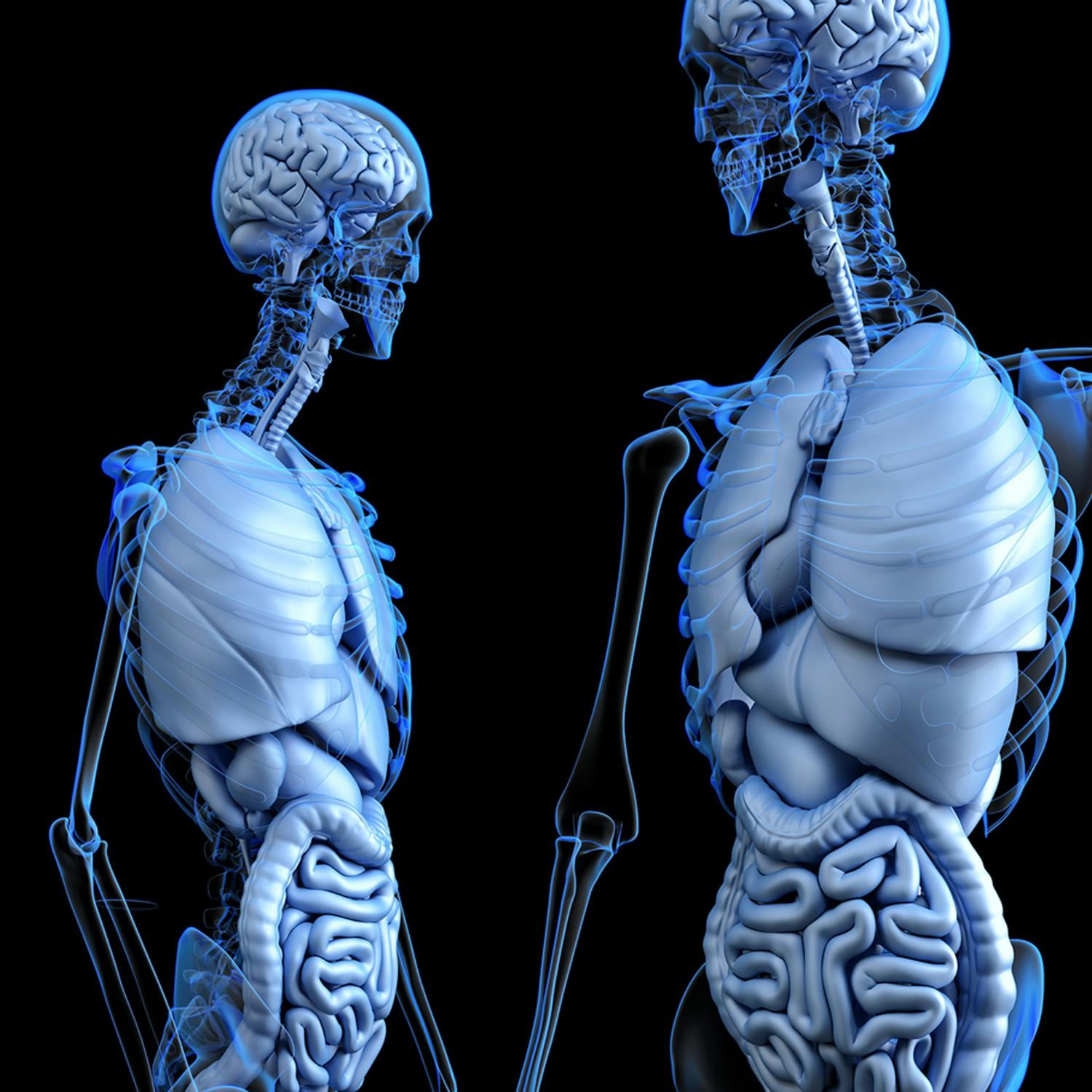
Futureproof Extra: How your organs can be a different age to the rest of your body
Did you know that your organs can be a different age than your body? Jonathan is joined by Jarod Rutledge, longevity scientist and Stanford Excellence Bridging Fellow to discuss what this means.

Creating VR Goggles for Mice
If you’ve ever experimented with VR, you know it can trick your brain into thinking that what you see is real.But in the United States, they are taking this technology to a whole new level – a minuscule one. Scientists there have created miniature VR goggles for mice to wear, but why?Professor Daniel Dombeck, Department of Neurobiology, at Northwestern University, joins Jonathan to discuss.Also joining Jonathan for this week's Newsround is Lianne Shanley, PhD Researcher from the School of Biochemistry and Immunology, Trinity College Dublin & Dr. Ruth Freeman from Science Foundation Ireland.

The Potential of Functional Foods
Jonathon is joined by Prof. Daniel Granato, course director for Functional Foods and Product Development at the University of Limerick to discuss functional foods and what benefits they can give to us.
The Benefits of Hypoxia Training with Prof. Phil Jakeman
Hypoxia training could help patients at risk of health complications ahead of surgery, scientists at the University of Limerick have found. Joining Jonathan to discuss more is Professor Phil Jakeman, Professor of Sport and Exercise Sciences at UL.

Futureproof Extra: How leaves form their shapes
Leaves have many different jobs: photosynthesis, gas exchange, water exchange, and more. But how do they end up in the shapes that they are? Joining Jonathan to discuss is Dr Katie Gray Ferris, Assistant Professor in the Department of Ecology and Evolutionary Biology at Tulane University in the United States.

The importance of scepticism in science
For centuries we have been marketed and sold products that claim extraordinary things only to find out that the evidence and application don’t match up.So-called snake oil products have littered the internet recently and despite pretty clear regulations, the internet has turned on the firehose when it comes to advertising and marketing, to the point where regulators can’t keep up.So, to protect ourselves we should be developing a sceptical approach, so says Nick Teller, the author of 'The Skeptic’s Guide to Sports Science' - he joins Jonathan to discuss.Also joining Jonathan for Newsround is Catherine McGuinness, Research and Education Officer at Cavan County Museum & Lianne Shanley, PhD Researcher from the School of Biochemistry and Immunology, Trinity College Dublin.

Futureproof Extra: Where do we save our memories?
Our brain has about 86 billion neurons making it a pretty busy place but how much of that space is dedicated to storing our memories and where exactly does that happen? Joining Jonathan to get a better understanding of how we store memories is Tomás Ryan, Associate Professor in Trinity’s School of Biochemistry and Immunology, Trinity Biomedical Sciences Institute, and the Trinity College Institute of Neuroscience.

Should we delay clamping the umbilical cord?
Joining Jonathan to discuss new research that indicates that a delay in clamping the umbilical cord of premature babies could decrease the risk of death by as much as two-thirds is Professor Eugene Dempsey, Horgan Chair in Neonatology at the INFANT Centre at UCC.Also joining Jonathan for Newsround is physicist, Philip Smyth, and sustainable food production scientist, Laura Healy.

Science Week Special: What are the biggest threats to humanity?
When it comes to the end of humanity, there are numerous ways it might come to pass - be it a wayward asteroid, the eruption of a super volcano, the ever-growing presence of Artificial Intelligence in our lives, or the unseen spores of a killer fungus. But which one of these poses the greatest risk? This is the question posed by Jonathan in this very special episode of Futureproof which was recorded in front of a live audience at the Dublin Royal Convention Centre.Joining us to discuss is:Dr. Robert Ross, Senior Lecturer in the School of Computer Science at TU DublinProfessor Chris Bean, Senior Professor and Head of Geophysics at the Dublin Institute for Advanced StudiesProfessor Caitriona Jackman, Senior Professor of Space Physics at Dunsink ObservatoryJerry Clancy, PhD student at the School of Chemical Sciences in DCUDr. Shane Bergin, physicist and an assistant professor in science education at UCD's School of Education & Immunologist, Dr. Lara Dungan, also join Jonathan for this week's Newsround.With thanks to Science Foundation Ireland.
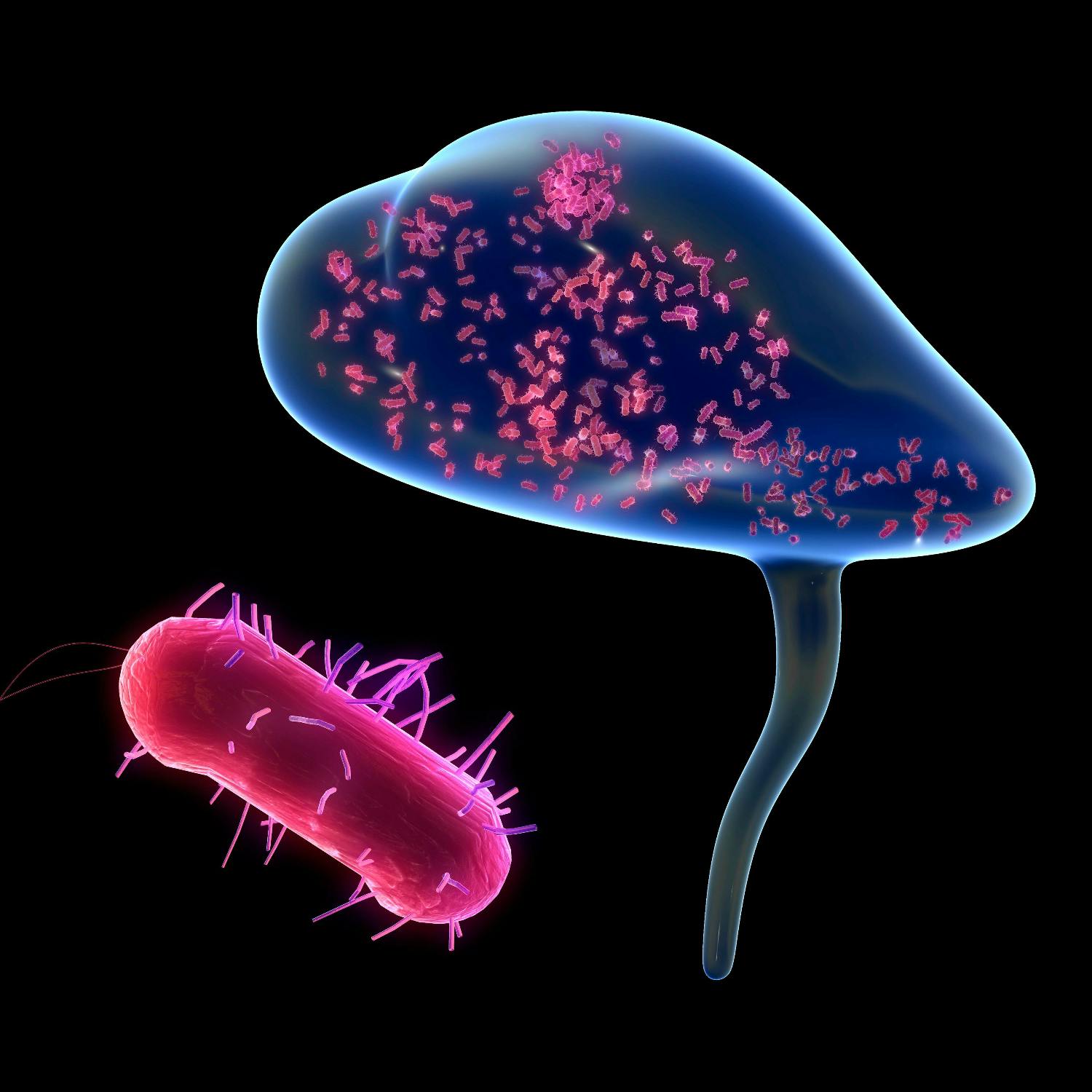
Futureproof Extra: Exploring why UTIs persist with artificial bladders
There are around 400 million global cases of UTIs or urinary tract infections per year, and they can often persist, but why? Researchers in the UK have been using artificial bladders to find out what makes them stick around. Joining Jonathan to discuss is Prof Jennifer Rohn, Professorial Research Fellow in Renal Medicine at University College London and Head of the Centre for Urological Biology.

EIRSAT-1: Ireland’s first satellite set for launch
The Educational Irish Research Satellite 1 (EIRSAT-1) is set for launch in November, which will make it Ireland’s first venture into space. To discuss, Jonathan is joined by Dr. David McKeown, Assistant Professor/Lecturer in the School of Mechanical and Materials Engineering at UCD, and the Engineering Manager for the EIRSAT-1 project.For this week's episode of Newsround, Jonathan is joined by Dr Oran Kennedy, Associate Professor of Anatomy and Regenerative Medicine, RCSI & Dr. Fergus McAuliffe, Communications and Public Engagement Manager at iCRAG, the Science Foundation Ireland Research Centre for Applied Geosciences.

Best of Futureproof: Why You Can't Focus
On this episode of Futureproof, Jonathan McCrea interviews Johann Hari, author of ‘Stolen Focus: Why You Can't Pay Attention'.

Futureproof Extra: The problem with 'Forever Chemicals'
Synthetic compounds are found in a multitude of items that we manufacture. They can help us create newfound or superior chemical composites that go into the everyday items we take for granted like non-stick and water-resistant materials. But these synthetic compounds are now being detected in drinking water sources worldwide, being dubbed ‘Forever Chemicals’.So, what can be done about it?Dr. Ruairí Brannigan, Assistant Professor in the School of Chemical Sciences at DCU joins Jonathan to discuss.