Food Matters Live Podcast
525 episodes — Page 7 of 11

Ep 330330: The man leading a nutrition revolution among fire fighters
"I've always realised the power of physical fitness, ever since I was very young," says Dr Greg Lessons, Health Improvement Lead at the Fire Fighters Charity. "Being in the fire service, the food environment was leading me to gain body fat."Dr Lessons says it was not just the thought of losing some weight that got him interested in nutrition, he was interested in the other ways a healthy diet could help him and his colleagues.He says things like obesity and poor nutrition within the fire service are reflective of wider society, but that there are specific challenges that need to be addressed.In this episode of the Career Conversations podcast series, Dr Lessons explains all about his role at the Fire Fighters Charity and the path that led him to his current job.Initially, he wanted to be a Royal Marine and went to the University of Exeter to study Sports Science, as a way into the military at officer level."It wasn't long after starting that I realised I didn't want to join the military after all," he says.So, he decided to carry on with his education before joining the fire service as a fire fighter.Find out more about the up-coming Food Matters Live careers event seriesWhen it comes to comparing the military to the fire service, Dr Lessons has this to say: "There are parallels, but in terms of what you actually do, it couldn't be further apart."In the military, one of the main objectives is to injure and kill. As a fire fighter, you're doing the opposite, you're purely trying to rescue people."That appealed more to my nature."Listen to the full episode to find out why, after 17 years, he decided to stop fighting fires, how he became an award-winning student whilst studying at London Metropolitan University, and find out about opportunities for new starters who are interested in forging a career in nutrition.Dr Greg Lessons, Health Improvement Lead, the Fire Fighters CharityDr Greg Lessons is a registered nutritionist specialising in public health, sports and exercise nutrition. He holds an MSc and PhD in nutrition and a postgraduate certificate in learning and teaching in higher education. His innovative research has resulted in the first fire service-specific nutritional assessment tools and the first dietary intervention trials at UK fire stations. These trials resulted in significant improvements to fire fighter dietary behaviour, body composition and markers of health and wellbeing. Prior to his career in nutrition, Greg served London for 17 years as a full-time operational firefighter. In 2019 Greg was named ‘Nutritionist of the year’ by the Caroline Walker Trust. He then went on to win the Public Sector Catering ‘Health and Nutrition Award’ in 2020 for his pioneering work in the delivery of a clear health and nutrition strategy in the London Fire Brigade. In addition to leading on the Fire Fighters Charity ‘ill-health prevention' portfolio of services, Dr Lessons is an associate lecturer of Human Nutrition and continues his research to benefit the health of the UK fire service community.

Ep 329329: How do you make a global food processing and packaging company sustainable?
Sustainability has become a key goal for so many companies in the food and drink industry, but how do you go about actually making your business more sustainable? It is clear that the food system has plenty of work to do in this area, but what is equally clear is that many things are already being achieved. In this episode of the Food Matters Live podcast, made in partnership with Tetra Pak, we dive into the company's 2022 Sustainability Report, and learn the secrets of an organisation identified as one of the 50 leading companies in the world for sustainability. How do you react to sustainability challenges when you are a vast, global organisation, with hundreds of millions of people relying on your products each day? Tetra Pak says sustainability has been at the heart of the business throughout its 70-year history, and that means it is built into the company's ethos. But things have changed over the decades, and sustainability priorities throughout the world have moved on from where they were in the middle of the 20th Century. The headline figure in Tetra Pak's 2022 Sustainability Report is that it achieved a 36% reduction in greenhouse gas emissions linked to its operations in 2021. So, how did the company do it? There are obvious challenges around packaging for an organisation like Tetra Pak. What innovations are helping with its sustainability goals? Sustainability is not simply about reducing carbon emissions. One of the commitments in the report is 'acting for nature' - what does that mean, and how does it play out in real life? Listen to the full episode to get answers to those questions, and learn about Tetra Pak's land restoration initiative in Brazil, how a sustainability agenda can boost innovation, and the company's progress towards resilient and sustainable food systems. . Lisa Rydén, Vice President Corporate Social Responsibility, Tetra Pak Lisa and her team are driving excellence in the company’s sustainability approach linked to the brand pillars ‘Food, People, Planet’ and ensuring progress towards Tetra Pak’s commitment to the United Nations Sustainable Development Goals (SDGs). Lisa is engaged in several industry coalitions and platforms driving joint actions and collaboration in different areas of sustainability. Lisa is a Swedish citizen, based in Lund. She holds an MSc in Industrial Management and Engineering from Lund University. She completed the Prince of Wales’s Business & Sustainability Programme in 2016 at Cambridge Institute for Sustainability Leadership. Lisa joined Tetra Pak in 2005 and has previously held positions within R&D and Services as well as being globally responsible for Recyclability and Recycling Technologies. Previous Tetra Pak episodes Is collaboration the key to the future of food? Plant-based? Healthy? Sustainable? How ice cream is changing

Ep 328328: Caffeine culture - how coffee shaped the world
The morning coffee is an absolute staple of many people's lives. That first sip still feels like something of a miracle.The caffeine, the complexities of the aroma, the ritual of making it, and the associations and stories around it, all make for a special moment in the day.And across hundreds of years, those things have driven an industry to grow from nothing, to today's $460 billion market. It has been an incredible rise.More than that, it has created culture. There isn’t a part of the world that coffee has not reached and transformed. To the point where there has even been an espresso machine used on the International Space Station.In this episode of the Food Matters Live podcast, we delve into the history of coffee and discover how it became one of the world's most popular drinks.The history of coffee is, of course, steeped in politics, not least through the evil of slavery. We look into that shameful part of coffee's story and how the impacts are still being felt today.There is intrigue too around the coffee houses that sprung up in Europe in the 17th Century and became centres for political debate.Why did coffee beans spread around the world at such pace? Did early coffee-bean drinks taste like the ones we drink today? And why did coffee spread into the industrial working classes in continental Europe, whilst tea took off in the UK?Listen to the full episode to find out more about Brazil's defining role in the modern coffee industry, when and how the cappuccino first appeared, and when sugar and milk were first gained popularity among coffee drinkers.Oh, and there are some top tips on how to make the perfect cup of coffee.Professor Jonathan Morris, "the Coffee Historian"Jonathan Morris is Research Professor in History at the University of Hertfordshire, and Vice-President of the Royal Historical Society. He trained as an historian of Modern Italy, specialises in the history of consumption, and is now recognised as one of the world’s leading coffee historians. His book Coffee: A Global Historyexplains how coffee became popular the world over, and why coffee tastes differ around the world. His A History of Coffeepodcast series, explains how coffee’s dark history laid the foundations for the current sustainability crisis. Jonathan has also published Coffee: A Comprehensive Guide to the Bean, the Beverage, and the Industry, and directed the Cappuccino Conquests research project tracing the rise of espresso beverages to global dominance.

Ep 327327: My path to a senior sustainability role at WWF
“From a very young age, I wanted to be a lawyer,” says Paula Chin. “But I completely flunked my A-levels.”So, she followed her heart and did French at university, which eventually led to her first job in packaging.Her advice to anyone who is not sure exactly which career path to follow? “Just do the subjects that you love.”It appears to be sound advice, as Paula’s career has seen her work for Sainsbury’s, M&S, Pret A Manger, and now the World Wildlife Fund.She has worked in packaging for years and her current job title at WWF is Senior Policy Advisor on Consumption.Paula’s expertise in food packaging has proved invaluable in her current role, which involves researching, collecting evidence, and putting forward arguments to persuade authorities to design policies to the benefit of the natural environment.“There’s always reading to be done,” she tells Elisa Roche in this episode of the Career Conversations podcast series. “You have to keep abreast of studies, reports and information that is coming out from across the world.”She says she maintains close links with former colleagues in the food industry, which helps her understand how they are thinking and feeling about specific issues, and then she works with them to perhaps persuade them towards a different view, if needed.Paula says her interest in sustainability really kicked in when she worked at Sainsbury’s: “It was instrumental in shaping my thoughts about sustainability and presented me with the opportunity to work on projects that were sustainability-related.”Now she works for an organisation that has offices all around the world. That can present challenges, but Paula says there is something special about working for a non-governmental organisation.“My experience of WWF is that it doesn’t matter where you sit in the world, you instantly have this connection and ultimately you’re working towards the same purpose, which is fighting for people and nature and ensuring that we achieve the most positive outcomes for the planet and communities throughout the world.”Listen to the full episode to find out what a typical day is like for Paula, how to get into a career like hers, and what you can expect to earn.Paula Chin, Senior Policy Adviser on Consumption, WWF-UKFollowing 20 years in industry, primarily in packaging-related roles at Proctor & Gamble, M&S, Sainsbury’s and Pret, Paula joined WWF in 2019 to work on the packaging element of the Tesco partnership.Additionally, she provides internal and external technical expertise on materials-related issues including plastics, with her policy and advocacy work focusing more broadly on resources, waste and circular economy thinking.Most recently, she played a leading role in influencing Government to adopt Greener UK’s priority amendment for the Resource and Waste chapter of the Environment Act and co-authored a chapter on Waste Prevention and Waste Management for a UNEP Finance Initiative Sustainable Blue Economy guide.As well as being invited regularly to speak at events, she is the current Chair of the Wildlife and Countryside Link’s Resources and Waste Working Group, an advisor on UKRI’s Smart Sustainable Plastic Packaging Fund and sits on several government and industry stakeholder advisory groups addressing this broad topic.

Ep 326326: The link between nutrition and cardiovascular disease
Cardiovascular Disease (CVD) is the leading cause of death globally, but can nutrition play a role in reducing its prevalence?The UK National Health Service has identified CVD as the single biggest condition where lives can be saved over the next decade.It says, often, cardiovascular disease can be prevented by leading a healthier lifestyle.It is worth making that point again, the biggest cause of death in the world can be prevented through lifestyle choices. It begs a couple of questions: how did we end up here in the first place? And what is preventing us from fixing it?It is obviously complex, something we don’t shy away from on this podcast, but perhaps we need to look again at the science and what people are being advised to do. What advice can modern nutritional science bring, with its understanding of macronutrients and whole-diet approaches? And how important can diet be in reducing our personal risk factors?Thomas Sander, Emeritus Professor of Nutrition & Dietetics, King's College LondonThomas Sander is a scientist who has spent his career working in the field of human nutrition.He was appointed to the established chair in Nutrition and Dietetics at King's College London in 1994 from which he retired at the end of September 2014. He remains involved in research and publishing as well as TV, radio and consultancy.Thomas Butler, Senior Lecturer Nutrition and Health, Edgehill University.Dr Tom Butler joined the faculty in 2020 following previous appointments at the University of Chester and Manchester Metropolitan University. Tom completed his undergraduate degree in Human Biology at the University of Hull, before undertaking his PhD at the same university with a thesis titled "Impact of dietary manipulation on cardiac hypertrophy". Following this, Tom completed a PD diploma in Nutrition and Dietetics at the University of Chester, subsequently becoming a Registered Dietitian with the Health and Care Professions Council and registered nutritionist with the Association for Nutrition. Tom's research interests are broadly focussed on nutrition and cardiovascular health, including both primary and secondary prevention of cardiovascular disease. Recent research projects have considered the impact of sarcopenic obesity on health, in addition to the role of portion distortion and energy intake of various breakfast cereals. He has a special interest in the role of nutrition in the management of heart failure.

Ep 325325: How to inspire the next generation of alt protein scientists
With the vast growth in the consumption of animal protein in the 20th century came equally vast ecological problems, taking into account land use and emissions, the sector is a significant contributor to climate change. Now that may have been foreseen by some. But what might not be fully appreciated, is the remarkable way in which the food industry has innovated to address the problem. The alternative protein sector, with its lab grown-meat, plant-based products, and precision fermentation, has been one of the most vibrant and downright fascinating stories of the past few years. But, the challenge remains huge and there are concerns we do not have enough scientists or alternative protein solutions to meet future demand and to address climate challenges. So, how can the alternative protein sector be turbo charged? Where are the gaps? Is it a lack of funding? Too little collaboration? And what about education? Is enough being done to bring through the next generation of scientists and researchers who will help the alternative protein market grow? We hear a lot about new start-ups in this area, and there is no doubt there have been some huge successes in this area, but there is still more to do. The question is: what is preventing the realisation of the alternative protein explosion that appears to be just beyond the horizon? The Good Food Institute's Alt Protein Project is a programme that finds and trains students at key research universities around the world and advocates for alternative protein research. The idea is to increase awareness and collaboration between student groups, whilst also building a stream of talent for alternative protein companies to employ. Could such a project be just the ticket to catapult alternative protein into the promised land? Amy Huang, University Innovation Manager, Good Food Institute Amy Huang oversees the Good Food Institute’s efforts to transform universities into engines for alternative protein research and education. Amy leads GFI’s university-level engagement to catalyse alternative protein R&D and cultivate an inclusive workforce to power the future of food. She led the establishment of GFI’s Alt Protein Project and continues to support students and faculty as they build research and training ecosystems to reimagine our protein supply. Amy has a background in global health, education, effective altruism, and design thinking. She holds a bachelor’s degree in economics from Harvard University and is thrilled to be devoting her career to accelerating alternative proteins in the service of human, animal, and planetary health.

Ep 324324: "Why I simply love working with food start-ups"
"Pick an area that's either a hobby of yours or something you invest in yourself day-to-day, be that time or money," says Nat Cooper, freelance start-up consultant. "That's what's always worked for me. Thinking about products I really like, reaching out and seeing what the opportunity is."And it is an approach that has worked wonders for Nat.Her career has seen her work with a number of different start-ups within the food and drink industry, and for the past few years she has been able to go it alone as a consultant.She also does regular work as Head of OOH at the crisp-making company Simply Roasted.But, as we often find on the Career Conversations podcast series, her career path looked like it would go in a very different direction when she first started out.Find out more about the up-coming Food Matters Live careers event series"I was really interested in the property sector and ended up doing real estate management at university," she says. "I ended up trying to explore a couple of other industries and stumbled across a position at a food and drink brand."That brand was Vita Coco and Nat says she loved working there: "Like most entry level roles, you end up getting into anything and everything to do with the business."One highlight saw her representing the company at London Fashion Week: "I could get into quite a lot of VIP areas. I felt very cool and important at the grand old age of 23!"Despite enjoying her time at Vita Coco, she decided she needed a break from London life, wanted to learn to surf, and to do more yoga. So she booked a one-way flight to Morocco.Nat still managed to find relevant work out there and after six months she returned to the UK having already lined up a new role at a start-up coffee company.Listen to the full episode to find out how and why Nat moved from being employed to being a consultant, what the OOH stands for in her job title, and why she describes Simply Roasted as "more than just a client".30% Discount at Simply RoastedNat and the team at Simply Roasted have very kindly given Food Matters Live podcast listeners a 30% discount on all products bought through their website.Just visit the Simply Roasted site, fill up your basket, and enter the discount code below when prompted.Happy eating!Discount Code: FML30%Nat Cooper, Startup Consultant and Head of OOH, Simply RoastedAfter 10 years of sales and marketing roles within fast-moving consumer goods (FMCG) and working for the likes of Vita Coco, Doisy & Dam, and Modern Standard Coffee, Nat is now Head of OOH for Simply Roasted crisps as well as mentoring founder-led businesses. Nat is an enthusiastic and knowledgeable sales professional and offers valuable insight into the often-intimidating world of sales and account management. Nat is a passionate foodie and conscious consumer, with a particular interest in start-ups and challenger brands.

Ep 323323: Planet Organic CEO: 'Why we're more planet than organic'
The future of organic food has looked healthy in recent years, but how will the cost of living crisis impact the sector's growth?George Dymond, Chief Executive Officer of the organic supermarket chain Planet Organic, has a remarkable CV; featuring senior jobs at Morrisons, Tesco and Holland & Barrett. But as he has come on board at Planet Organic, there have been rapid expansion plans announced. So how do you go about executing a large expansion in a period where customers’ food and fuel prices are going up, when your own food and fuel prices are going up, and after the past couple of years of economic turmoil?It takes a fascinating combination of attributes to lead such change, especially in an organisation which has been a pioneer for organic food for a quarter of a century.George previously held a senior position at the mobile phone company, the Carphone Warehouse. Mobile phones sound like they are a-million miles away from organic food, but George thinks there is a link between his previous and current roles.Listen to the full episode to find out why he thinks sales of organic produce are on the rise, why the company is looking to increase its store count from 13 to 50 by 2025, and how the chain plans to maintain its position as a market leader, as sustainability rises to the top of many competitors' agendas.George Dymond, CEO, Planet OrganicGeorge is a senior leader with more than 20 years’ experience in the retail industry in the UK, Australia and US. He has a wealth of leadership, customer, product and buying knowledge which he has developed while working for retailers such as Coles, Carphone Warehouse and Holland & Barrett. For the last few years, George has focused in on the health and wellness sectors and has been proudly running Planet Organic since December last year.
Ep 322322: Biodiversity in soil - why it matters to us all
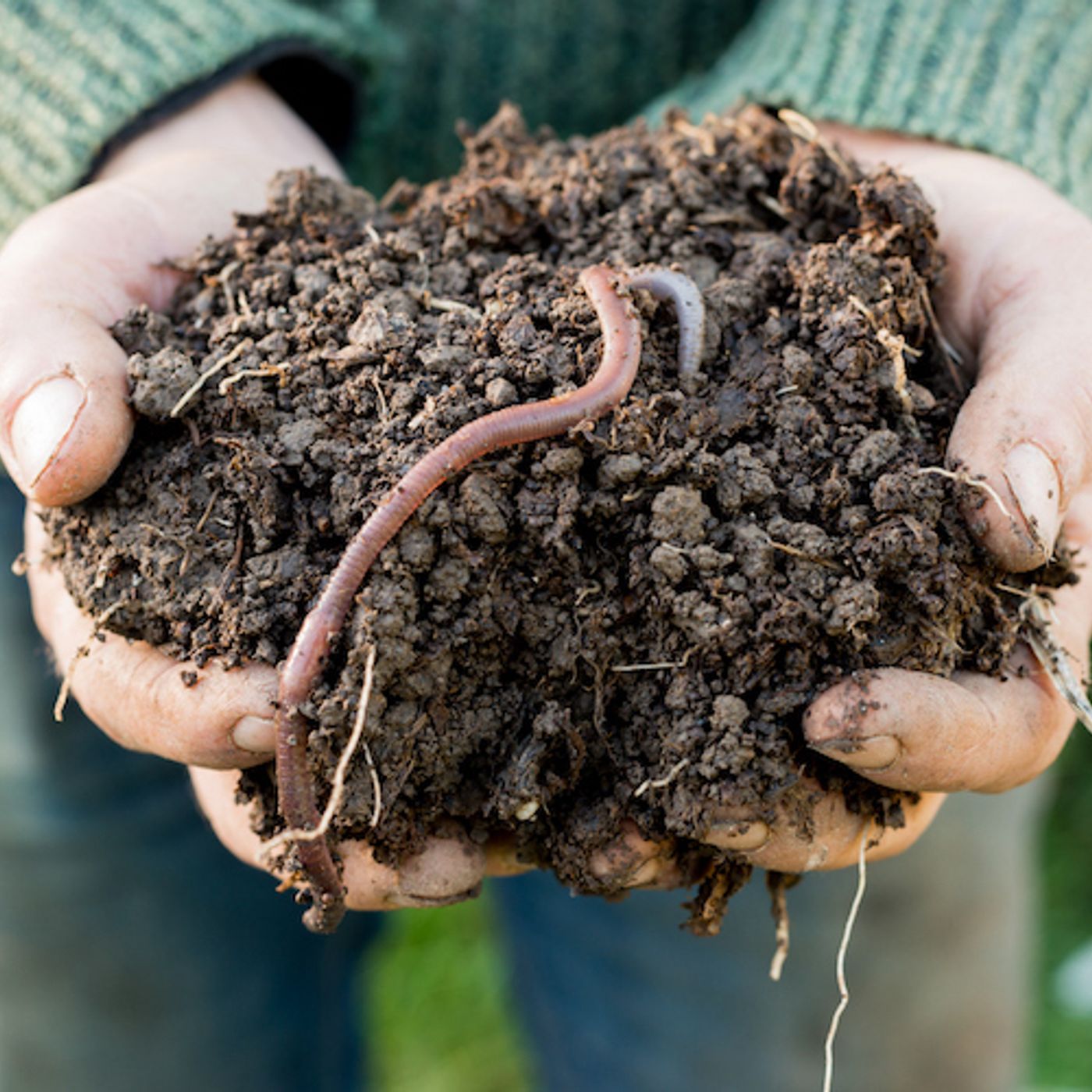
Just how important is biodiversity in soil, and are we doing enough to protect and promote it?These are the big questions many working in the agricultural sector are asking on a near-daily basis.In this episode of the Food Matters Live podcast, made in partnership with Anglo American, we delve into the crucial role biodiversity plays in soil health, and ask what role fertilizers have to play in protecting it.We have made episodes in the past looking at how important biodiversity is within soil, and it can be incredibly complex stuff.The British journalist, author and activist, George Monbiot has previously told this podcast soil is home to as diverse and abundant an ecosystem as a coral reef. Protecting that biodiversity is as crucial now as it has ever been, but the question is: How can that be done, whilst also maintaining crop yields?Biodiversity plays a big part in our lives. The UN defines it as the variety of life on Earth and the natural patterns it forms.But why is it so important? Why does it need to be protected? And what impact can fertilizers have?We know fertilizers play a crucial role in growing crops, particularly on a large scale, but how can the use of sustainable fertilizers support biodiversity?Listen to the full episode to learn more about the 4Rs approach to sustainable fertilizer use, find out why simply adding lots of nutrients to soil is rarely the best approach to farming, and discover the farming practices that are setting the standards for the future.POLY4 FertilizerPOLY4 is the trademark name for polyhalite products from Anglo American. It is a naturally-occurring, low-chloride, multi-nutrient fertilizer certified for organic use.It includes four of the six key macro nutrients that all plants need to grow: potassium, sulphur, magnesium and calcium, and a range of valuable micro nutrients.It allows farmers to maximise their crop yield, increase quality and improve soil structure with one simple product.Previous episodes featuring Anglo AmericanHow do we stop the rapid erosion of essential soils?Can regenerative agriculture fix our food system?What can be done to ensure that agricultural practices are sustainable?

Ep 321321: Paul A Young - the secret to becoming a fine chocolatier
"If you feel stuck in a rut or bored at work, it may simply be down to the fact you've stopped learning," says Paul A Young, one of the world's leading chocolatiers. "You shouldn't feel guilty about that."Paul's career is fascinating, as much for the various twists and turns, as for the sheer level of achievement.He says it all began as a child, helping his mother and grandmother with the baking on a Sunday: "I wasn't very academic at school," he says. "But I did excel at arts and home economics."After initially getting into art college, he had a very late change of heart and ended up doing a BTEC in hotel and catering management at New College Durham.Find out more about the up-coming Food Matters Live careers event seriesIn this episode of the Career Conversations podcast series, he reveals how he ended up working with Marco Pierre White, forming a lifelong friendship: "That's when my world changed."Paul also reveals the one piece of advice from Marco that sticks with him to this day, and it was more to do with what he wore than what he cooked.But just as he was on a career trajectory that most could only dream of, disaster struck.He had managed to rise to the position of Head Pastry Chef at Marco's restaurant when things took a turn for the worse: "I was on the treadmill trying to be the best I could be. But I left because I got ill. I just couldn't keep up the pace anymore."I didn't know how to look after myself. I wasn't eating very well, that's no reflection on Marco and the team, that's my own responsibility."Eventually Paul saw a doctor who told him he was seriously dehydrated and malnourished.After a period of time out of the kitchen, Paul returned and started the next phase of his career, which has led to the launch of his own chocolate brand, seen him become an author, and cemented his place as one of the world's leading chocolatiers.Listen to the full episode to find out how he ended up making regular television appearances, started creating his own award-winning chocolates, and published four books including his latest release "The Joy of Chocolate: Recipes and Stories from the Wonderful World of the Cacao Bean". Paul A Young, ChocolatierPaul A Young is a ground breaking and inspirational chocolatier who is at the forefront of the British chocolate scene. Paul trained as a chef before moving into the world of chocolate; his passion for his craft and his cutting-edge creativity have won him numerous awards including Best Sea Salted Caramel in the World, two years’ running, which led to him being ranked amongst the world’s best chocolatiers. Paul has his own chocolaterie located on Camden Passage, Islington and all of ‘Paul A Young Fine Chocolates’ can also be purchased via their online shop. Paul has a reputation as an incredibly creative chocolatier, a flavour alchemist who often incorporates unusual flavours into his wonderful chocolates and develops flavour combinations that are original, experimental, sometimes daring, yet always perfectly balanced.Paul’s first book ‘Adventures with Chocolate’ won the World’s Best Chocolate Book at the Gourmand Cookbook Awards in Paris, shortly after publication, and was included in the Independent’s Top 50 cookbooks. He went onto write two further books including charity book Sensational Chocolate in 2016.Paul’s latest book The Joy Of Chocolate was published in Autumn 2022 and is a love letter to chocolate including fascinating facts, stories and of course delicious recipes

Ep 320320: Is it inevitable that we'll all remove animals from our diets?
There is no doubt that the alternative meat and dairy sector is growing, but it is likely that we as a species will ever completely remove animals from our diet? There are huge existential reasons we should all remove meat and dairy from our diets, and thus the reliance on industrial farming and the damage that can do to the planet, not to mention the obvious; animal welfare. A 2019 YouGov report, looking at the eating habits of people in Britain, showed only one per cent identified as being vegan and just three per cent as vegetarian. So, it looks like a big mountain to climb and it could take some time. But in this episode of the Food Matters Live podcast, we meet a man who not only thinks it will happen, he thinks it will happen relatively soon. Klaus Mitchell is founder of the media platform Plant Based News, which produces podcasts, editorial, and plant-based lifestyle news all about making veganism and plant-based living part of the mainstream. We delve into his personal story to find out what inspired him to form Plant Based News and why he believes it is only a matter of time before we move away from the current model of food production. We also discuss the rise of Plant Based News and how shifting ideas around veganism and vegetarianism have helped the platform to grow. Listen to the full episode to find out why he believes current economic concerns could accelerate the transition away from meat and dairy, what he sees as the main obstacles to change, and the parts of the world he believes are leading the way in overcoming those obstacles. Klaus Mitchell, Founder, Plant Based News Klaus Mitchell has always had a passion for health and nutrition, initially coming top of his year for Human Biosciences BSc from the University of Exeter, and then doing a masters in The Genetics of Human Disease MSc on a full scholarship at University College London. Upon graduating in 2015, Klaus launched Plant Based News to raise awareness around the health and environmental benefits of a plant-based diet, which now boasts over 2.8 million followers on social media. In 2021, Plant Based News raised over £1 million via investment platform SeedRS as a way of scaling up and expanding its reach. Klaus has been an author of an article published in the journal of Public Health Nutrition, which explored the effect of diet on various health markers; was script editor on groundbreaking Netflix documentary Seaspiracy; and directs an annual documentary series on Plant Based News, showcasing the developments in the sustainability and alternative protein sector.

Ep 319319: How the world of nutraceuticals is evolving
For the past few years, nutraceuticals have been a wild success story. Whatever a customer has needed, there has been a team of researchers, product developers and marketeers bringing new solutions to aid gut health, sleep, mood, immunity, sports performance, and so on.During the pandemic, when we all became more focused on our health, the sector continued to innovate.So as we move into a time where the world is opening up, where we perhaps have a different perspective on our personal and collective health, which areas in nutraceuticals are seeing the most demand? It is a question worth asking, because nutraceuticals are big business. And the people who can spot consumer trends and shifts in the market, will flourish.Gauging the size of the market though, is difficult. There are so many different types of products that fall into the category, it is tricky to quantify exactly how big it is.But it is clear that it is growing and it is growing across multiple sectors of society.Covid-19 changed a lot of people's perspectives and behaviours, with people of all demographics looking at their long-term health.The question is: Are those changes going to last and form a long-term trend?Listen to the full episode to find out what a nutraceutical is, what is driving the latest trends in the sector, and what role regulation might play in how the market develops.Mike Hughes, Head of Research and Insight, FMCG Gurus Mike Hughes has over 13 years’ experience analysing consumer trends, attitudes and behaviours and currently heads up the research and insight division at FMCG Gurus. Mike has a particular interest in highlighting how consumer attitudes and behaviours can often differ and what the true meaning of trends are for the industry.Chris Newbold, Head of Nutrition Strategy, BiocareChris is an experienced nutritional therapist who worked in the NHS for 12 years before retraining in naturopathic nutrition. Utilising his wide variety of healthcare experience, he ran a busy clinic in Birmingham, working with clients with a range of complex disorders.He has worked in the Biocare nutrition team since 2006 and is now Head of Nutrition Strategy, developing the nutrition vision for the brand, including product development, the adaptive health model and its extensive practitioner education programme.

Ep 318318: The art of being a nutraceuticals scientist
"It's a good conversation starter," says Dr Miriam Ferrer of her job title. "People say 'food supplements? That's just cheap vitamins'. Then I tell them all about it." Dr Ferrer is Head of New Product Development at Cambridge Nutraceuticals, a company that makes health supplements with proven clinical benefits. The company says: "If it isn’t supported by data, we won't sell it." In this episode of the Career Conversations podcast series, Dr Ferrer tells us all about her role and how she ended up in the field of nutraceuticals. Her love of science began when she was a teenager and watched a documentary about the double helix. "I wanted to genetic engineering," she says. "I was told I had to study biology, so I did." She studied at the University of Barcelona before securing a position at the Laboratory of Molecular Biology in Cambridge: "The very first thing you see when you go in is the pictures of all the Nobel Prize winners. So no pressure!" Dr Ferrer decided that she wanted to lay down some roots in Cambridge, something she says is not always easy to do as a scientist. "With science, you end up having to travel, which is great to some extent," she says. "But at some point you might want to start a family and not keep moving from one place to another." She got her current job at Cambridge Nutraceuticals in 2017 and has not looked back since. "The products we develop have a lot of scientific research behind them," she explains. "I am able to read through all of that and say whether or not I agree with the science. "I can also use my expertise to help the marketing team translate the scientific knowledge into layman's terms and communicate that to our customers." Listen to the full episode to find out exactly what a nutraceutical is, why Dr Ferrer thinks it is possible to balance both science and art within your career, and how much you can expect to earn if you follow a career path similar to hers. Dr Miriam Ferrer, Head of New Product Development, Cambridge Nutraceuticals Miriam Ferrer studied Biology at the University of Barcelona (Spain) and later at the Biochemistry Department of Wageningen University (Netherlands). She then moved to the Vrije Universiteit of Amsterdam to start her PhD, which focused on cancer gene therapy. After graduating she took a post-doctoral research position at the prestigious MRC Laboratory of Molecular Biology in Cambridge to work on BRCA1, a DNA repair protein involved in breast cancer. Miriam decided to move into industry and went on to work for nine years at Abcam, a leading supplier of research reagents for life scientists. Her roles included Business Development Associate and Product Manager for biochemical kits. Looking for a change, she took on her current position at Cambridge Nutraceuticals, which commercialises premium supplements under the brand FutureYou Cambridge. Her scientific background helps her to evaluate research data and develop effective supplements that are backed by science.

Ep 317317: Unsustainable fishing - is it too late to turn the tide?
According to the United Nations, a large percentage of fisheries are overfished. In many parts of the world there simply are not enough fish to catch and make a profit. 72% of the world is ocean and one-in-three of the fish on your plate are considered to be fished unsustainably.Given that there are billions of people who depend on fishing, either as food or a source of income, something has to change. Both for the industry and for the wider health of our oceans.It is not known how long we can go on fishing the way we are globally, but there is general consensus that it is not too late to turn things around.The idea of sustainable fishing is nothing new. But the question is, which methods used by the fishing industry are actually sustainable?And how realistic is it to think we will get a vast global industry to adopt them?In this episode of the Food Matters Live podcast, we look what the impact would be if we carried on as we are, on fish stocks, local economies and on food security.And we ask: If we have known about the problems caused by overfishing for so many years, why have we not seen meaningful change so far?Listen to the full episodes to find out what the most damaging fishing methods are, how destructive fishing is defined, and the important role diversification could play in helping fish stocks to recover.Dr Antonia Leroy, Head of Ocean Policy, WWFDr Antonia Leroy, Head of Ocean Policy at WWF European Policy Office, leads the implementation of WWF’s objectives to secure healthy ocean ecosystems and sustainable fisheries at EU level. She is an expert on ocean governance and has worked for many years on in IUU fishing issues, including those related to geopolitical instability and security.WWF is a member of several advisory councils concerning EU policy preparation, including the Market Advisory Council (MAC) and the Long distance Advisory Council (LDAC). The mission of the WWF European Policy Office is to ensure that policies are adopted and implemented for the sustainable management and use of our seas, and to secure the protection of marine wildlife and habitats for the benefit of people and nature.Sophie Benbow, Head of Marine, Flora and Fauna InternationalAs Head of Marine, Sophie leads Flora and Fauna International’s marine programme, supporting implementation of its marine portfolio globally. She supports knowledge exchange and communication between FFI’s marine projects and promotes external collaboration. She has worked for FFI for over seven years supporting marine project delivery and development across Asia, Africa and Eurasia, and previously led coral reef research and sustainable fisheries management focussed in Madagascar.

Ep 316316: How do we stop the rapid erosion of essential soils?
The Food and Agriculture Organization of the United Nations (FAO) says we lose the equivalent of one football field to soil erosion every five seconds.That figure becomes even more shocking the more we learn about what soils are made up of, and the crucial role they play in so many aspects of our lives.Soil is fundamental to human health and society. 95% of food comes from the land, soils filter water to give us clean drinking water, and they provide a range of medicines - most antibiotics come from the soil. Crucially, when it comes to feeding a growing population, soils are essential. Whether that’s boosting food production or making sure what we eat contains sufficient nutrients. The FAO predicts by 2050, we will have up to 10% less crop yield due to erosion, which is the equivalent of removing millions of hectares of land from crop production.In short, soils are so much more than just dirt, and their protection is something that should concern us all.In this episode of the Food Matters Live podcast, made in partnership with Anglo American, we delve deeper into the issues around soil erosion and degradation, look at how different practices impact soil, and ask: What can be done to improve soil health?Listen to the full episode to find out more about what causes soil erosion and how we can reduce it, why biodiversity within soil is crucial to our very existence, and the impact fertilizers can have if the right stuff is used in the right way.POLY4 FertilizerPOLY4 is the trademark name for polyhalite products from Anglo American. It is a naturally-occurring, low-chloride, multi-nutrient fertilizer certified for organic use. It includes four of the six key macro nutrients that all plants need to grow: potassium, sulphur, magnesium and calcium, and a range of valuable micro nutrients. It allows farmers to maximise their crop yield, increase quality and improve soil structure with one simple product.

Ep 315315: Inside the factory - the school kids getting a taste of the food industry
"We hope the students might go on to choose a career in food," says Adele Louise James, Director of Learning for Catering and Technology at Whitefield School in Barnet, North London. "It's a massive industry.""This project shows them the other side of food. Normally, when a student thinks about food they just think about a chef. They don't know about all the other jobs that are involved."Adele is passionate about food and the jobs that the industry can provide in the future for her students.In this episode of the Career Conversations podcast series, made in partnership with the charity School Food Matters, we learn all about the special project that is helping introduce school children to the wonderful world of working in food.The Fresh Enterprise Project is run by School Food Matters in collaboration with the food manufacturer, Belazu. Schools: Find out more about the Fresh Enterprise project and how to apply to join Ethical food brands: How you can partner with School Food Matters It sees teams of students come up with their own ideas for sources and pastes. They get to do everything, from choosing the ingredients, to naming their product and designing the label.As part of the competition, they get to go on a tour of the Belazu factory to see how food manufacturing really works. And the winners get the best prize of all, seeing their source made, bottled and sold to real world consumers."We thought it was an ideal opportunity to get the students hooked into food and see where it could go," says Adele, who tells us she was initially encouraged to get involved in the project by the Food Teachers Centre.Rachel Copus, Partnerships and Programmes Officer at School Food Matters, says the project is designed to educate a new generation about food."It's so cool to think you could actually make something that ends up on the shelf," she says. "I would have loved to have done something like this when I was at school."For this episode of the podcast, we've sent our host Elisa Roche back to school to meet the students who won the latest Fresh Enterprise competition.She also got her very own tour of the Belazu factory to see what the students experience, and met Linde Stael, Foundation and Sustainability Manager at the company."Schools love to come in and often I hear from the children that it's the first time they've actually seen production from inside," says Linde. "For children having that better understanding of one part of the food industry is a very valuable thing.Find out more about the up-coming Food Matters Live careers event series"The food industry is struggling to find new talent, so we hope this project helps children to realise there are opportunities in food."Listen to the full episode to learn more about the Fresh Enterprise Project, the incredible work done by School Food Matters, and find out all about this year's winning source.School Food MattersSchool Food Matters' mission is to teach children about food and to improve children’s access to healthy, sustainable food during their time at school.The charity provides fully funded food education programmes to schools. Its experience delivering these programmes informs and strengthens its campaigns, bringing the voices of children, parents and teachers to government policy.School Food Matters was founded in 2007 by Stephanie Slater, a parent who was perplexed by the school food offered to her two small children; frozen food, unappealing and quite often unidentifiable.In the 15 years since, nearly 55,000 children have taken part in its food education projects, but the charity's work goes way beyond even those fantastic schemes.It has a big focus on securing an extension to free school meal provision, making sure children have access to fresh good quality food at school, and re-instating the food A-level, the only GCSE that does not have its own A-level.BelazuBelazu was founded in 1991, under the name The Fresh Olive Company.It was started by two friends, Adam Wells and George Bennell, who met at secondary school.The company has grown from selling buckets of olives to a restaurant in Oxford, to selling a whole range of pastes, oils, truffles and snacks.Belazu says one of its guiding principles is: The Ingredient is King. But it also has a big focus on how it works with the local communities it is part of.As well as its work as part of the Fresh Enterprise project, it has established the Belazu Foundation which has helped to set up two schools in the Atlas Mountains in Morocco.Whitefield SchoolWhitefield School is a secondary school and sixth form located in the London Borough of Barnet. Its Headteacher, Chris Hunt, says its purpose is to ensure it develops well-rounded pupils who achieve great grades and have great character.Whitefield students are resilient and determined, focused and driven, qualities which are central to success.

Ep 314314: FDF Chief Exec: 'New PM needs a plan to help food industry'
"I find it interesting how poorly understood the food system is by politicians in the UK," says Karen Betts, Chief Executive of the Food and Drink Federation (FDF)."Food manufacturing is something we need to educate them on better. We're often hidden away and out of view, but what goes on in our industry is absolutely vital."Karen took on the role at the FDF in December 2021 and what a time to do it. Since her appointment, the food industry has faced enormous challenges, including inflation, a fuel crisis, and the global effects of the war in Ukraine, not to mention the fallout from the Coronavirus pandemic.But she is well-placed to face those challenges, with a CV that is as intriguing as it is impressive. She is a former lawyer and has had posts including: ambassador to Morocco, positions in the Cabinet Office and the Joint Intelligence Committee, and senior jobs in industry, recently as Chief Executive of the Scotch Whisky Association.So what is her vision for the FDF? What are her priorities amongst a plethora of challenges for the industry? And how will she go about affecting the change she believes is needed?Karen tells the Food Matters Live podcast she wants to work with the UK's new prime minister to tackle the biggest issues.On inflation and energy prices, she says: "It would be really good to see a new prime minister really grip the economic issues and come up with a coherent and sensible plan. "The country and industry needs to have a clearer idea from government about how they think we can all collectively best cope. Businesses are doing everything they can now. "But we want to put businesses in a strong position where they can focus on growing and thriving into the future."Karen says sustainability and health are ongoing issues for the food and drink industry, with the pressure on to play a responsible role in helping to make food a "source of health, not ill-health".She says labour shortages are a big concern for many and wants to see the issue confronted "long-term"."If we are in an employed economy now," she says. "How do we use automation, technologies, and digital to help us overcome labour shortages and become more productive?"Listen to the full episode to find out what keeps her up at night when she thinks about the food and drink industry, her view on the potential loss of the Groceries Code Adjudicator, and what she sees as the challenges and opportunities of Brexit.Karen Betts OBE, Chief Executive, Food and Drink FederationKaren Betts joined the Food and Drink Federation as Chief Executive in December 2021. Prior to this, Karen was the Chief Executive of the Scotch Whisky Association for four years. While she was there, she steered the UK’s largest food and drink export industry through the UK’s departure from the EU, a trade war with the US which targeted Scotch Whisky with import tariffs, and through the COVID-19 crisis and recovery. She led the industry’s engagement in the UK’s new, independent trade policy and renewed trading relationships with partners around the world to the benefit of Scotch Whisky exports, alongside overseeing a review of the industry’s environmental policies, which drove the agreement of new and stretching industry-wide sustainability targets. And under her leadership, the industry committed to a Diversity and Inclusion Charter and to work together more effectively on drawing a wide of people, with a diverse set of skills and backgrounds, into the industry.Prior to joining the SWA, Karen was a diplomat in the Foreign and Commonwealth Office for 16 years, where she held a variety of posts in London and overseas. Latterly, she was British Ambassador to Morocco and non-resident Ambassador to Mauritania. Prior to that, Karen was Counsellor to the British Embassy in Washington, and held roles at the UK's Permanent Representation to the EU in Brussels and the British Embassy in Baghdad. In London, she served in the Cabinet Office and the Joint Intelligence Committee, as well as in several roles in the Foreign Office. Before joining the FCO, Karen was a lawyer at Clifford Chance, working in London and Hong Kong. She studied law at the College of Law in Guildford and history at St Andrews University. Karen is an Adviser to the UK Government’s Board of Trade and received an OBE in the Queen’s birthday honours in 2022 for her services to international trade.

Ep 313313: The crucial role of nutrition in reversing Type 2 Diabetes
The World Health Organization says there are four-times as many people with Type 2 Diabetes today than there were just 30 years ago.Type 2 Diabetes is often called a “lifestyle disease”, with inactivity and an unhealthy diet greatly increasing the risk of developing it. Food is a central part of the cause and appears to be a major part of the solution. So what role has the food industry played in the huge rise in cases, and what role it might be able to play in bringing them down?This episode also delves into the advice given to people to avoid developing Type 2 Diabetes and looks at the work being done to reverse the condition in those who have it.For both of the above, we ask: Is general advice applicable to everyone, or do we need to adopt a more personalised approach?Listen to the full episode to find out what happens deep within someone's body when they go intro remission, how much is known about diabetes in people in all populations, and where anyone worried about Type 2 Diabetes can go for support and advice.Roy Taylor, Professor of Medicine, Newcastle UniversityRoy Taylor qualified in medicine at the University of Edinburgh, and is Professor of Medicine at Newcastle University. He was formally Professor of Medicine at Newcastle Hospitals NHS Trust. He founded the Newcastle Magnetic Resonance Centre in 2006 to develop innovative research techniques ‘looking’ at structure and function actually inside the living body.In 2011, he showed that Type 2 Diabetes was a simple, reversible condition of excess fat within liver and pancreas. Subsequent he has clarified what causes Type 2 Diabetes and how it works. This has led to practical application in the NHS with the NHS remission programme now well underway.Between 1986 and 2000, Professor Taylor developed the system now used throughout the United Kingdom for screening for diabetic eye disease, with major reduction in blindness due to diabetes across the UK.He has published books in lay language explaining Type 2 Diabetes, including "Life Without Diabetes", as well as training books on retinal screening. He has been invited to deliver named lectures including the 2012 Banting Lecture 2015, Harry Keen Lecture (Diabetes UK), the 2016 Samuel Gee Lecture (Royal College of Physicians of London) and Sir Robert W Philip Lecture of The Royal College of Physicians of Edinburgh 2021).

Ep 312312: Peter's Yard co-founder on the power of a strong plan
"I've always been driven, not by wealth, but by a desire to make a difference."Wendy Wilson-Bett is the co-founder of Peter's Yard, the food company that makes sourdough treats, most-famously their sourdough crackers.Her career has seen her working for some of the biggest food brands in the world, and her story of launching Peter's Yard is one of perseverance.She discovered a baker making the crackers whilst touring Sweden and approached him about working together to take the product to the UK.Now, 12 years after the brand was first launched, Peter's Yard has been bought by a bigger company, potentially helping the business to grow even further.Despite the timescales involved in the journey, Wendy says she does not regret a thing mainly because: "I love what I do."She is a big advocate of having a solid plan if you want to achieve success, something she says comes from her time working at big companies: "I don't think you can work in marketing in a big corporation and not believe in the strength of having a plan."Wendy is at the top of her game when it comes to food and drinks businesses and she has some incredible advice for anyone considering a similar career path. She recommends contacting a group called Young Foodies, which provides support and a sense of community for food and drinks start-up founders.She also strongly believes that you should try to find a job you are proud of doing and that you believes, in otherwise, she says, you will not stick with it.Wendy Wilson-Bett, Co-founder, Peter's YardWendy Wilson-Bettn loves developing brands, businesses and people.For 22 years she worked at Cadbury Schweppes in Brand Management, Category Management, Innovation and General Management. Her last role was Global Commercial Capability Director on the Cadbury Schweppes Global Leadership Team.She said she would leave when she stopped learning and 13 years ago, she left to do something she had always dreamed of, which was to run her own business. Together with her business partner, Ian Tencor, she built the business from scratch leading to the employment of over 40 bright, capable people which makes both Ian and Wendy very proud. The business continues to grow and flourish and in July 2022 Lotus Bakeries purchased Peter’s Yard and have exciting plans for its future growth.She is equally proud to be Co-Owner of Söderberg, a Swedish bakery café business with eight retail outlets offering great coffee, Swedish pastries and an inviting space to relax and enjoy the company of loved ones and friends.Wendy likes to support other managers and entrepreneurs who can learn a little from the highs and lows she's experienced on her journey.

Ep 311311: Which crops might feed the world in 2050?
For decades, the global food system has evolved around a small number of plants and animals. 75% of our calories now come from just five animals and 12 crops. But as the world becomes more insecure, and the climate crisis worsens, the risk of relying on a small number of crops rises. And the risks are not just around the crops, they are around the geography of the system. We are all seeing that now, as the war in Ukraine causes global issues in food price and supply.So the food system needs to adapt and change; we should be growing different crops in different places.The good news is, our world is full of incredible, edible things. There are thousands of plants which can give us what we need, and which are not currently being eaten at scale. Within that diversity, surely there are plants which could become new global or regional staples, which could resist drought, which could make us healthier.In this episode of the Food Matters Live podcast, our panel of experts look at what the diet of the future might be like and ask whether the food system is adaptable enough to get us there.Marybel Soto Gomez, Project Manager, Kew GardensMarybel's research interests lay at the interface of plant evolution, systematics, crop wild relatives, and agrobiodiversity. At Kew, she is responsible for managing a project on the sustainable use and conservation of Ethiopia's rich plant bioresources for enhancing local food security and socio-economic development. She is additionally leading phylogenomic studies to (i) resolve the contentious evolutionary history of the monocot order Dioscoreales, and (ii) identify crop wild relatives of the major yam crop, Dioscorea alata.Richard Ellis, Professor of Crop Production, University of ReadingAs Professor of Crop Production, teaching and research in seed and crop physiology and production in relation to agriculture, horticulture and biodiversity conservationRihcard's research covers reproductive crop plant biology and the effect of environment on seeds, plants and crops. Research on seeds includes seed quality development, seed storage (including the seed viability equation), seed dormancy and germination (including seed testing and crop establishment), and these interests in anhydrous biology extend to related aspects in fungal spores and pollen. The application of much of the seed research has been within the international networks of gene-banks; i.e. long-term seed stores for plant genetic resources conservation (one element of biodiversity conservation). Research on flowering has been concerned ultimately with crop adaptation, by determining the quantitative effects of temperature and photoperiod on flowering.Dorothy Shaver, Global Sustainability Director, UnileverDorothy is a Registered Dietitian working in food sustainability with unique experience in and passion for driving behaviour change for positive health and environmental outcomes. Over the past fifteen years she has worked across media, retail, health care, and the fitness industry championing food choices to enable personal and planetary health. Her most recent piece of work is theKnorrFuture 50 Foods report, which is a collaborative thought leadership report in which food system issues are outlined and nutrient dense foods that promote agrobiodiversity and reduce the negative environmental impact of food are identified. Dorothy’s recent work has been featured in over 6,000 national, international and social media pieces with features in far reaching credible channels across 95 countries.She has been a long-term spokesperson for sustainable nutrition and has spoken at well-known conferences and events including the International Festival of Creativity In Cannes, France and at the EAT Forum in Stockholm, Sweden. In addition to this, Dorothy has written various pieces as a guest blogger, news contributor, and guest food writer. Her expertise has brought her all over the world, joining forces with renowned experts and partners to achieve measurable change.

Ep 310310: Is there still a link between social class and food?
Throughout history, the link between social class and food has been undeniable. But is it still there today?So many of the things we do signify social status; how we speak, our hobbies, the things we buy. But how does food fit into all that? We may no longer live in a country where the upper classes are feasting on peacock, whilst the lower classes make do with gruel, but that doesn’t mean social class and food are not linked. Avocados have almost been weaponised in recent years in Britain, often used by those apparently keen on a class war.How have avocados ended up being used in that way? And are there other examples of certain foods becoming powerful symbols in quite the same way?The language of food can be important too in this context. Just think about the different ways people refer to their dinner, supper, or tea.In this episode of the Food Matters Live podcast we look to the history for clues about how much class still influences food in the modern world.Are there certain foods in today’s society that still denote social class? Who do we look to for inspiration in food? And how much does the food industry recognise and perpetuate social differences? And in a time of food poverty and food banks, can we overcome these prejudices, and improve people’s diets?Pen Vogler, authorPen Vogler is the author of Scoff, Dinner with Mr Darcy and Dinner with Dickens, and curated the exhibition Food Glorious Food at the Charles Dickens Museum. She edited Penguin's Great Food series, writes and reviews on food history for the press and has recreated recipes from the past for BBC Television. She has given talks and tastings on food in history, including on meals and dining in the Georgian era, throughout the UK. She has appeared on television, cooking and discussing recipes, including on Mrs Dickens' Family Christmas on BBC2 with Sue Perkins. She has also written on the subject for the Guardian, the Observer, and The Lady.

Ep 309309: What it's like going through the Mondelez graduate scheme
"Your first job is not necessarily what you're going to do for the rest of your life. Just think about what you would enjoy, rather than stressing that you've committed to a career for 50 years."Ella Jones is Junior Brand Manager at Mondelez International, the multinational company which boasts the likes of Cadbury, Oreo, Ritz, and Green and Black's in its portfolio.She's only been in the role a few years, but her story could prove inspirational for anyone receiving exam results this summer, and starting to consider where their career might be heading.Ella studied English Literature at the University of Exeter and wasn't entirely sure what she would do after.In this episode of the Career Conversations podcast series, she reveals the unconventional approach she took to hunting for a job and ended up at Mondelez.She says she looked at the Times Top 100 Graduate Employers list and thumbed through, highlighting companies that she though looked interesting.When she came across Mondelez, she says she thought to herself "I know that I'm passionate about chocolate", so she took a look online to see what jobs were available.She ended up on the company's graduate scheme, which lasts three years and covered finance, sales, and marketing."It gave me exposure to a real breadth of roles," she says. "I would definitely recommend doing a graduate scheme."Ella says the scheme was a great way to set her up for the world of work, including basic things like booking a meeting room or having an end of year review - small experiences that can give you confidence in the workplace.Listen to the full episode to find out what it's like to work at Mondelez, how Ella has managed to overcome bouts of imposter syndrome in the past, and she tells just about the nicest Curly Wurly story you're ever likely to hear.Ella Jonas, Junior Brand Manager, Mondelez InternationalElla is from Winchester in Hampshire, but now lives in London. She studied English Literature at Exeter University.She applied to Mondelez, an international FMCG company which owns Cadbury, Oreo, Green & Black’s, Toblerone, Philadelphia and lots more. She did three years on the Sales and Marketing graduate scheme. That scheme saw her cover revenue planning, a type of internal finance, working on Christmas biscuits, Freddo marketing, sales, managing Christmas and Easter in Co-Op. She is now back in marketing, but the scheme was a great opportunity to experience multiple functions and enhance her skillset.

Ep 308308: What difference would it make if we all ate seasonal food?
Should we all be considering switching to a diet made up of seasonal food? It's a big question, and the impact could be huge too. How would it affect the food system? What difference would it make to the planet? In theory, only eating foods that are produced in your region at certain times of the year should mean fewer carbon emissions and less waste. But how big an impact would it really have? How likely is it that such a big change can be affected? And would it really benefit all of us? Our guest in this episode of the podcast is the food entrepreneur, Emilie Vanpoperinghe. Emilie is co-founder of Oddbox, a company that delivers thousands of boxes of in-season fruit and vegetables every week as part of its fight to make the world more sustainable. Oddbox has one of the clearest tag-lines around: Wonky Fruit & Veg | Deliciously Odd & Delivered to Your Door. Listen to the full episode to find out more about Emilie and Oddbox, why she believes switching to a seasonal diet could have a dramatic impact on the environment, and how the idea of seasonal eating fits, or otherwise, with the cost of living crisis. Emilie Vanpoperinghe, Co-founder, Oddbox Oddbox is a sustainable fruit and veg box tackling food waste. Oddbox rescues delicious fresh fruit and veg which is deemed ‘too big’, ‘too ugly’, the ‘wrong’ colour, or ‘too many’ from going to waste. A supply-led model, Oddbox partners with growers throughout the UK to box up and deliver this ‘too odd’ or ‘too many’ produce to a food waste fighting community across the UK. With every box its community reduces food waste, saves CO2 and water. Since its inception in 2016, the business has distributed over 5 million boxes, with its community rescuing a combined 30,000 tonnes of fresh fruit and veg. Emilie has over 15 years’ project and team management experience in Fortune 500 companies (3M and BT) across the globe. She was previously Director of Finance & Operations for Girl Effect, an international NGO set up by the Nike Foundation, working in developing countries to empower adolescent girls to reach their potential. Before that, she worked close to 10 years in finance in the corporate sector in France, India and the UK. Emilie is originally from northern France and has been in the UK for the past 10 years. Her grandparents were potato farmers and so she knows what it takes to grow fresh produce.

Ep 307307: Nutrition and the menopause - can diet affect the symptoms?
Is there a link between nutrition and the health changes associated with the menopause? It’s an area that traditionally has not received as much attention as one might hope, but things are perhaps changing. There has been a lot of recent media interest in the menopause, notably Davina McCall’s TV programmes, Scotland First Minister Nicola Sturgeon’s interviews, and other celebrity interventions getting lots of coverage. But while this public discussion is a welcome change, it has also helped highlight that far-from-enough is known about the health issues associated with the menopause. And the question of menopause and nutrition is an area unfortunately still swamped in myth and pseudoscience. That is where our guest, Dr Sarah Berry comes in. She is Reader in the Department of Nutritional Sciences at King's College London and is Chief Scientist at the health science company ZOE. ZOE has been studying the effect of the menopause on body composition, sleep, heart disease risk, gut microbiome composition, and the impact our diets can have on these factors. Listen to the full episode to get a proper definition of what the menopause is, and how the symptoms compare to those experienced during the perimenopausal phase. We also find out how what you eat could potentially affect symptoms, and why this latest ZOE research could act a springboard for more to come. Dr Sarah Berry, Lead Nutritional Scientist, ZOE Dr Sarah Berry’s research interests relate to the influence of dietary components on markers of cardiovascular disease risk, with a particular focus on: - Precision nutrition - Postprandial metabolism - Food and fat structure Since commencing her research career at King’s College London in 2000, she has been the academic leader for more than 30 human nutrition studies in cardio-metabolic health. Sarah has made a leading contribution to the knowledge-base on the influence of interesterification of triacylglycerols on postprandial metabolism. Her research also focuses on the influence of manipulation of food structure and subsequent effects on lipid and carbohydrate bioaccessibility and changes in postprandial metabolism. Ongoing research involves human and mechanistic studies to elucidate how markers of cardiometabolic health can be modulated following acute and chronic intakes of different fatty acids and interesterified fats, as well as studies to investigate the influence of cell wall integrity on macronutrient and micronutrient release from different plant-based foods. Sarah is also the lead nutritional scientist on the PREDICT programme, assessing the genetic, metabolic, metagenomic, and meal-dependent effects on metabolic responses to food in >3,000 individuals in the UK and US. This research is at the forefront of developments in personalised nutrition and is forging a new way forward in the design and implementation of large-scale remote nutrition research studies integrating novel technologies, citizen science and AI.

Ep 306306: 'How a Coca-Cola internship launched my career'
"Don't be shy. Don't be ashamed. Apply for the jobs and schemes you would love to do."So says Taïeb Mestiri, Scientific and Regulatory Affairs Manager at the Coca-Cola Company, in this episode of the Career Conversations podcast series with Elisa Roche.As millions of students prepare to receive exam results this summer, many will be thinking about their next steps, and Taïeb's story is one which should provide some inspiration.Less than four years ago he applied for an internship at Coca-Cola in Paris and it has been the start of a great partnership.He says that when he first applied, he didn't think he stood much of a chance of being taken on. But he was proved wrong and now his advice to others is to put yourself forward, even if you have some self-doubt.Find out more about the up-coming Food Matters Live careers event seriesInitially Taïeb studied for a degree in engineering, but his love of food forced him to change course, eventually studying Food Science and Nutrition at Sorbonne University.To help him through his studies, he took on various jobs, including a stint in sales at a large bakery chain.Although a career in sales wasn't his ultimate goal, he says the job gave him valuable insights into how products were made, and he has used that to help him in his later career.So, why did he take on the internship at Coca-Cola? He says he knew he wanted to work there, from the moment he went in for his internship interview."It was very impressive. I was invited into the office and it was a discussion more than an interview," he says."The most important thing is to ensure that you have a good feeling with the people doing the interview."The connection was great and I knew I wanted to work with these people."Find out more about internships and trainee schemes at the Coca-Cola CompanyWorking at such a huge company might sound like a daunting prospect for some. But Taïeb says the firm puts people at the centre of what it does and offers lots of fantastic opportunities for progression.Listen to the full episode to find out exactly what a Scientific and Regulatory Affairs Manager does, how much you can expect to earn in a similar role, and see if Taïeb reveals the top secret Coca-Cola recipe (spoiler - he doesn't but Elisa really did try).Taïeb Mestiri, Scientific and Regulatory Affairs Manager, the Coca-Cola CompanyAfter obtaining his master’s degree in nutrition, quality, and health from Sorbonne University, Taïeb stepped into the Coca-Cola Company’s world to explore his passion for food and beverage innovations. In addition to overseeing scientific and regulatory compliance for France, he has joined the research and development team for a part time experience to express his creativity and co-create refreshing beverage innovations. His aim is to support food and beverage companies to meet the evolving consumer expectations by creating meaningful, sustainable, and tasty innovations.He is a naturally curious person who believes in safe, collision-rich spaces as fertile ground for creativity and innovation.He spends his free time reading articles, playing the guitar, and cooking comforting dishes.

Ep 305305: How curry conquered the world
There is no doubt that the UK is a nation of curry lovers, curry addicts even, with many of our best, and biggest nights out happening in Indian restaurants. They are a huge player in the UK food industry. Estimates vary, but one trade group suggests curry houses employ 100,000 people and have annual sales of £4.2 billion. And that’s not even counting supermarket sales, recipe book sales, and so on. The impact on our food culture is immense.And the UK is not alone. In so many parts of the world, there’s a big curry culture. Whether you’re sitting under palm trees in Durban, or on a night out in Glasgow, you’re part of a global curry scene.And with this global spread comes a fascinating history, bringing together centuries of trade, immigration, colonisation and culinary innovation.But how do you define a curry? Why has this amalgamation of cuisines become so popular? And what does the future hold?Listen to the full episode to find out why the British in particular have fallen in love with curry, how curry powder first emerged, and how curry has travelled around the world and influenced so many dishes.Shrabani Basu, Journalist and AuthorShrabani Basu is a journalist and Sunday Times best-selling author. Her books include the critically acclaimed The Mystery of the Parsee Lawyer: Arthur Conan Doyle, George Edalji and the Foreigner in the English Village, For King and Another Country: Indian Soldiers on the Western Front 1914-18, Victoria & Abdul: The True Story of the Queen’s Closest Confidant (now a major Oscar-nominated motion picture starring Dame Judi Dench and Ali Fazal) Spy Princess: The Life of Noor Inayat Khan, and Curry: The Story of the Nation’s Favourite Dish. She is the founder and chair of the Noor Inayat Khan Memorial Trust which campaigned for a memorial for the World War II heroine in London. It was unveiled by Princess Anne in 2012. She is an ambassador for the RAF Museum in London. Shrabani is a frequent commentator on radio and television on Indian history and Empire. She has featured on BBC Saturday Kitchen and appeared on Heston Blumenthal's programme on Channel 4. Lizzie Collingham, Historian and AuthorLizzie Collingham is an independent historian who uses food as a way of linking the minutiae of daily life to the broad sweep of historical processes. She is the author of Imperial Bodies: the physical experience of the Raj c.1800–1947, Curry: a tale of cooks and conquerors, The Taste of War: World War II and the battle for food, The Hungry Empire: how Britain’s quest for food shaped the modern world and The Biscuit: the history of a very British indulgence. She is currently a Visiting Fellow at Jesus College, Cambridge.

Ep 304304: Are consumers ready for gene-edited crops?
For decades, there has been a fiery debate around Genetic Modification. It’s seen by many as a solution to some of the world’s biggest food problems, but by others as a reckless scientific gamble, endangering human health and the environment. Those of us with memories of the 1990s and 2000s will remember GM trial crops in East Anglia being trashed by protesters, with farmers defending them using tractors as battering rams.Genetically modified crops are effectively banned across Europe and the same applies to gene edited crops.And it’s gene editing we’re interested in because the UK Government is trying to pass a new law which could lead to these crops being grown commercially in England.Researchers hope gene editing might help solve global food and health problems, and be more palatable to the public than GM.So, will it be a game changer?To discuss its potential, we are joined by Professor Cathie Martin from the John Innes Centre, where she is leading a research project creating tomatoes which boost the body’s vitamin D.And former Chief Scientific Adviser to the Food Standards Agency, Professor Guy Poppy.Cathie Martin, group leader at the John Innes Centre and Professor at the University of East AngliaCathie researches the relationship between diet and health and how crops can be fortified to improve diets and address the global challenge of escalating chronic disease. This work has involved linking leading clinical and epidemiological researchers with plant breeders and metabolic engineers to develop scientific understanding of how diet can help to maintain health, promote healthy ageing and reduce the risk of chronic disease.Cathie has recently initiated collaborative research in China to research on Chinese Medicinal Plants, particularly those producing anti-cancer metabolites used for complementary therapies.Cathie was Editor-in-Chief of The Plant Cell (2008-2014) and is now an Associate Editor for Molecular Horticulture. She is a member of EMBO, AAAS, a Fellow of the Royal Society, in 2014 she was awarded an MBE for services to Plant Biotechnology, in 2019 she was elected Janniki Ammal Chair of the Indian Academy of Sciences for outstanding women in science and in 2022 she will receive the Rank Prize for outstanding contributions to research on nutrition.Professor Guy Poppy, former Chief Scientific Adviser to the Food Standards Agency,Professor Guy Poppy served as the FSA’s Chief Scientific Adviser from 2014 to 2020. His research on food systems and food security at the University of Southampton, is interdisciplinary and he has twice served as Associate Vice President for Interdisciplinary research. He was appointed Companion of the Order of Bath (CB) in the Queen’s Birthday Honours 2021 and made a fellow of the Academy of Medical Sciences in 2022.Professor Poppy has significant research experience in food systems and food security and has advised governments around the world on these issues. He has published over 100 peer-reviewed papers including a number of highly cited articles on risk assessment, risk analysis and risk communication. He was a member of the Research Excellence Framework (REF2014 and REF2021) panel assessing the quality of agriculture, food and veterinary science in the UK.A graduate of Imperial College and Oxford University, Professor Poppy previously worked at Rothamsted Research, becoming Principal Scientific Officer. He left in 2001 to join the University of Southampton. As the FSA’s Chief Scientific Adviser, Professor Poppy provided expert scientific advice to the UK government and played a critical role in helping to understand how scientific developments will shape the work of the FSA as well as the strategic implications of any possible changes. His series of CSA reports have reached a very wide audience and have had impact on issues ranging from AMR to Big data and Whole Genome Sequencing through to the Food Hygiene Rating Scheme (FHRS). He has focused on connecting science to those using it and has pushed for scientists to be intelligent providers to intelligent customers of science within the FSA and beyond.After completing his term of six years at the FSA, Professor Poppy became the Programme Director for the SPF Transforming the UK Food systems programme. This £47.5 million interdisciplinary research programme is supported by UKRI’s Strategic Priorities Fund (SPF) and brings together researchers from almost 40 research organisations and over 200 private and public sector organisations including almost 20 Government Departments/Agencies.

Ep 303303: Creating menus for Virgin Atlantic at 35,000 feet
"I literally have the best job in the world," says Hari Ghotra, Global Food and Beverage Manager at Virgin Atlantic. "I get to travel a lot, meet some amazing chefs, and eat some incredible food."It's hard to argue with that assessment. If you love food and love travel, this is up there as one of the dream jobs.Added to that, Hari is also a hugely successful cook, author and entrepreneur, founding the biggest Indian food digital platform in the UK harighotra.co.ukHer book "Indian for Everyone: 100 Easy, Healthy Dishes the Whole Family Will Love" is proving extremely popular too.Hari's job at Virgin Atlantic sees her travelling all around the world, working with caterers, and trying to find the best food to serve in the air.She manages the menus on all inbound flights to the UK and goes to painstaking lengths to make sure that what is served meets the needs of the passengers and crew.There are certain challenges to serving 300 meals at 35,000-feet, not least the way our taste pallets change at altitude.There's also limited equipment to contend with on a plane, and the pure logistics of trying to serve hundreds of meals very quickly in a small space.Hari and her team go through hours and hours of testing to get the best results. "It is personal," she says. "The chefs that I work with take it personally if something they've created doesn't come across how they want it to be or if a customer isn't happy."Listen to the full episode to find out how she launched her own business, why she believes loving what you do is the key to success, and why certain wines taste better than others when you're in the air.Hari Ghotra, Global Food and Beverage Manager, Virgin AtlanticHari Ghotra's website and social platforms feature hundreds of easy to follow recipes, videos, articles and live weekly cooking sessions that attract a global audience. Her community App is a real time location with a thriving community of food lovers who share pictures and ideas, it’s a place Hari communicates with her followers daily.She is also the global food and beverage manager for Virgin Atlantic where she manages a number of separate catering units across the world. The catering units are responsible for producing the in flight food for the airline for flights returning to the UK. The role includes managing the Virgin Atlantic food proposition for each of the cabins, the equipment the food is served on, food safety, budget as well as managing the day to day issues.Having trained as a Biologist at the University of Bath she went on to work for Unilever as a food microbiologist. Hari went on to undertake a Masters in Marketing management for food and drinks related industries at Cranfield School of Management and secured a position on the Tesco graduate training scheme. After 14 years with Tesco PLC working in a number of different disciplines, she went on to create her food business Hari Ghotra.She then trained at Michelin-starred Tamarind of Mayfair to understand the restaurant world and now contributes to many publications, creates engaging online content and works with many different brands.Raised in an environment where food played a central role in family life, Hari learned to cook amazing dishes from her mother. Hari quickly understood the difficulty people feel when preparing Indian food at home so continues her work to be the conduit between cookbooks, TV and actually cooking with you, in your home, through her digital presence.

Ep 300300: Personalised nutrition - looking at the impact of different interventions
Personalised nutrition has been making headlines for some time, but how much impact do different types of interventions have, and which work best? Science has now advanced to a point where it can look deep inside us as individuals and calculate individual nutrition and health needs. As a result, the personalised nutrition sector is rapidly expanding. But among the hundreds of apps and advisors out there, reliable research about the effectiveness of these tools isn’t easy to find. The health advice may be personal, the question is: Will it work? And will any lifestyle changes stick around long-term? This where the Preventomics Programme comes in. It has been gathering evidence on the effectiveness of different approaches to personalised nutrition, and analysing their worth. It is a huge bit of research, looking at the potential of omics sciences, especially metabolomics, and changes in habits as drivers of development. Participants were given personalised plans for nutrition and lifestyle habits to improve their health, based on the individual, such as physical and behavioural traits, lifestyle, genotype, preferences and physical condition. There were three scenarios: Personalised recommendations at the point of sale with products suggested to be added to the basket beneficial for the users. Personalised delivery food service responding to the nutritional user’s profile, preferences and physical and behavioural traits. Personalised nutritional advice by nutritionists for subjects with abdominal obesity through a software and mobile app. Listen to the full episode to find out what was learned and how it might impact the personalised nutrition sector in the future. Josep Maria del Bas, Senior researcher in the Nutrition and Health Department, Eurocat Josep Maria del Bas has degrees in Chemistry and Biochemistry and holds a PhD in Nutrition and Metabolism from Rovira i Virgili University in Tarragona. He has focused his professional career on the study of molecular mechanisms involved in the interaction between nutrition and health. His current duties at Eurecat include coordinating multidisciplinary teams dedicated to researching the health effects of food and pharmaceutical products.
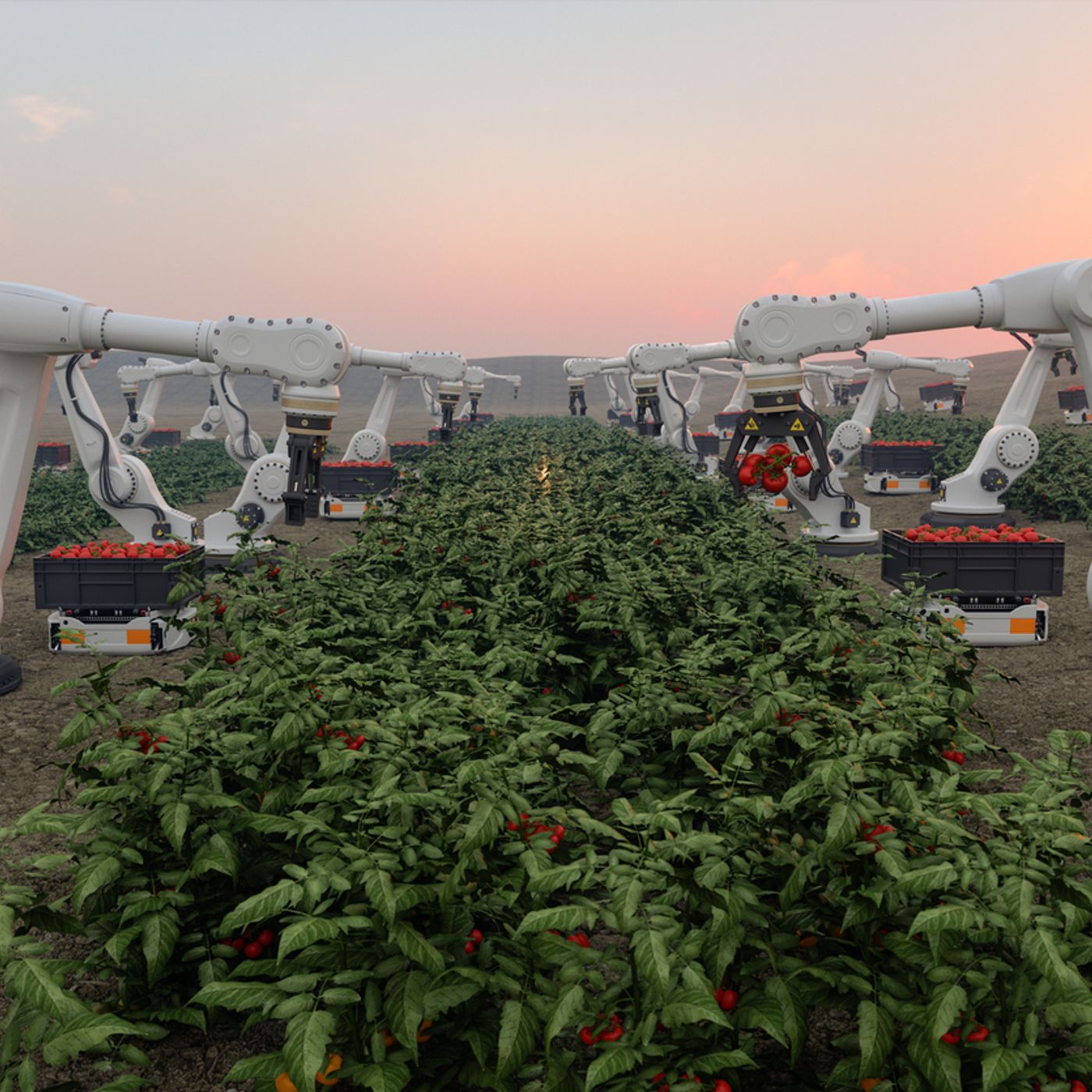
Ep 299299: How Spain is staking its claim as a global agtech leader
Spain is a food superpower; the fourth largest agri-food player in Europe and the tenth biggest in the world. It is perhaps less well-known as an obvious choice for agritech and innovation.But that feeling is misplaced, and it is changing, as Spain grows as a leading light in this area.In this episode of the Food Matters Live Podcast, we meet one of the organisations fuelling that growth, Eatable Adventures.Eatable Adventures discovers and supports innovative foodtech start-ups.Spain has always been famous for its fishing, aquaculture, vegetables, and much more. Eatable Adventures is helping to raise the country’s profile in areas such as alternative proteins, biotech, AI, and innovative, climate-friendly solutions.It supports start-ups, helping them grow from good ideas, to real-world solutions to the global food system’s biggest challenges.Eatable Solutions’ main focus is on start-ups that supply industry, rather than being consumer-facing.That’s partly down to funding opportunities, but it appears to be a smart move.Less money needs to be spent on creating a brand, and there have been notable successes including: Alternative protein company - Innomy Cocuus – which prints 3D meat Indoor hop farm - Ekonoke Listen to the full episode to find out how Eatable Adventures helps companies like those listed, and why those businesses were chosen.We also ask: What is driving the agtech sector in Spain?Other countries with flourishing scenes, such as Israel, Singapore, the UAE, and the US tend to have fairly obvious push factors.They are usually places with a tradition of hi-tech industries, such as Silicon Valley. Or places where geography has forced innovation, such as being surrounded by desert.Is Spain blooming in this area because of government support? Or is something else driving the growth? José Luis Cabañero, Founder and CEO, Eatable AdventuresOver 30 years experience in the development of emerging markets in the tech sector and since 2015 in the Food and Beverages segment. Held senior management positions at European level at Oracle, Cisco, Unisys and as Open Innovation Sr Director in BBVA.BS Computer Science by University de Extremadura, General Management program SEP at Stanford University Graduate School of Business, Diplôme de Cuisine by Le Cordon Bleu, Diplome Universitaire DUGGAT by University Reims Champagne-Ardennes.

Ep 302302: The Co-Op chef who's hooked on the food industry
"There's no industry like the food industry," says Dai Llewellyn. "No other industry encapsulates all of your senses in the same way."Dai is Head Chef of Product Development at Co-Op UK, but it didn't always looks like he would have a successful food career.In fact, he started out studying a business degree: "I fell into a world of business by sort of doing what I thought I was meant to do, or what my parents expected me to do."Everything changed for him when he got his first job in a restaurant. He says he was instantly hooked after experiencing the comradery and fun: "There was just an amazing buzz around the place."Before taking on his role at Co-Op, Dai worked in a number of high-end restaurants, and he used to work in sandwich development at Greencore.He even won some awards, including one for, what he calls "just a chicken sandwich". We think he's being modest.Listen to full episode to find out why he finds the food industry so exciting, why he believes experience is not the be-all and end-all, and what you can expect to earn if you manage to have a career as successful as Dai's. Dai Llewellyn, Executive Chef of Product Development, Co-Op UKDai has always been fascinated with food, not only the creative, immersive nature of it but its power to share heritage and stories.His food journey started within a small local restaurant in his hometown of Mumbles, Swansea learning and soaking up the hustle and buzz the hospitality industry has to offer before he made the decision to further and test himself in fine dining and made the move to London.He was lucky enough to work in some great kitchens and gain several mentors within the industry which have immensely helped shape his career so far.It is the continuous learning element of food that drove him to make the change out of restaurants and into product development. Starting with food manufactures such as Greencore and Bakkavor and brands such as Charlie Bigham’s was a amazing journey into food retail and gave him great understanding of the processes, teams and challenges faced.He has also had experience within retailers themselves having previously held positions in Waitrose and now in his current role as Executive Chef of Product Development at Co-Op.His current role help bring together food trends and culinary knowledge to support the team's of product developers to deliver not only new and exciting products but delicious, convenient, accessible food and drink.

Ep 298298: What next for gut health claims in food and drink?
In the last few years there’s been a growing interest in food and drink products that claim to improve gut health.Research has been booming and, on the Food Matters Live Podcast, we have spoken to some of the world’s leading experts, exploring connections between our gut, what we eat, and our physical and mental health. In this episode we explore the many different ways the food and nutrition industry is tapping into this market. It is already a large territory to navigate, around every corner there’s a new probiotic. So which avenues are most beneficial for our individual health, and for developing a business?We take a look at some of the latest trends; fermentation, grain-based foods, and yoghurts spring to mind. But what else is out there?Which parts of the world are most interested in products that claim to promote gut health? Which demographics are fuelling the rapid rise? And how can consumers protect themselves from potentially dubious claims?Listen to the full episode for some advice on building a business in this market, how proposed new HFSS rules in the UK are already impacting the products that are available, and get a glimpse into the future of where the gut health food and drinks market might be heading. Jon Walsh, Founder and CEO, Bio & MeJon Walsh is Co-Founder and CEO of Bio&Me, the UK's fastest growing gut health start-up.He has a commercial and marketing background spanning 30 years, with successful roles working on some of the UK's best-known FMCG brands including P&G, John West, sitting on the UK Board of Nestlé and the European Board of the Thai Union Food Group as well as being a founding employee of Betfair, formerly Flutter.com. María Mascaraque, Analyst, EuromonitorMaría is a Global Industry Manager at Euromonitor International with a focus on Food and Nutrition. Based in London, she has more than nine years of experience in the industry.María drives the content and quality of Euromonitor’s global food industry research, provides global expertise and forward-thinking insights and identifies latest product developments and key market trends.María advises clients on food and nutrition trends and has a special interest in the dairy industry, plant-based eating and health and wellness trends.She holds a PhD in Nutrition from Complutense University, Spain. Rosemary Ferguson, NutritionistRosemary comes from a homeopathic/complementary medicine background and has always been interested in what food can do for you. After a successful 15 years of modelling; from being featured in campaigns for Miu Miu and Prada, walked the runway for designers from Galliano to McQueen, and features on Vogue and The Face, her inner nutrition nerd led her back to college to study at The College of Naturopathic Medicine. She qualified as a naturopath and nutritionist in 2009 and now runs a clinic on Harley Street in London. She also writes for Vogue and Beauty Papers. Rosemary is the founder of The 5 Day Plan, and co founder of healthy junk food brand Filth. She is also the author of ‘Juice’, published in April 2015, which features 100 juice recipes to help cope with modern day life!

Ep 297297: Why the UK is heading towards having Europe's highest obesity rate
Imagine it’s the year 2032. The summer Olympics are just kicking off in Brisbane, the Perseverance rover has arrived back on Earth carrying Martian rocks, we’ve just finished recording the 2,000th episode of this podcast, and the UK has just become the fattest nation in Europe. OK snap back to the present and there is still something we can do about that last one. A report by the World Health Organization warns that obesity has already reached “epidemic proportions” in Europe, causing 200,000 cancer cases and 1.2 million deaths a year. The UK is currently 4th in its European rankings and in ten years is predicted to top the charts. The question is: How is this possible in a country where the Government has an obesity strategy, and where at least a dozen policies or white papers have been announced on the topic since 1997? In this episode of the Food Matters Live Podcast, we are going to look at the possible solutions and ask what the food industry can do, to help solve the crisis. We will also ask: Given this situation, why has the Government decided to delay the ban on the promotion of foods high in fat salt and sugar (HFSS)? Michele Cecchini, the Organisation for Economic Co-operation and Development Michele Cecchini leads work on Public Health at the OECD, the Organisation for Economic Co-operation and Development. Michele’s research interests include priority setting and programme evaluation of policies influencing population health. He is the editor and co-author of publications on the economic aspects of public health, including the OECD flagship publication on the heavy burden of obesity. Michele holds a position of adjunct professor in applied health economics at the School of Public Health of the University of Siena and served as temporary advisor to governments and intergovernmental agencies such as the World Health Organization, International Agency for Research on Cancer, the European Commission and the World Bank. Michele is a medical doctor specialized in public health and holds a master’s degree from the London School of Economics and a PhD from Imperial College London. Professor Paul Gately, Leeds Beckett University Paul Gately is Director of MoreLife and a Professor of Exercise and Obesity at Leeds Beckett University, he is the Co-Director of the Obesity Institute at Leeds Beckett University. Paul was the Principle Investigator on Public Health England’s Whole Systems Approach to Obesity and he is the Co-director of the Centre for Applied Obesity Research. His primary research interest is child and adult obesity treatment strategies but also the wider determinants of obesity. Paul has delivered over 600 presentations and scientific publications, as well as numerous policy documents on obesity treatment, whole systems approaches to obesity and physical activity promotion.
Ep 301301: Leading the taste test team at the Good Housekeeping Institute
"When I go into a supermarket, I look at the ingredients of a product and I can tell exactly what something is going to taste like," says Angela Trofymova. "It's boring shopping with me."Angela has one of those jobs that sounds too good to be true. She is Group Testing Manager for the Good Housekeeping Institute.That means she is in charge of the institute's world-famous taste tests, which are so renowned they have a huge impact on sales and trends.In this episode of the Career Conversations podcast series, we find out exactly what's involved in running taste testing sessions, and what a typical day looks like for someone in a role like Angela's.Her route to the job has not been simple. She's held many roles within the food industry, and outside of it.At one point she worked for a company where things really didn't click. "That completely depleted my energy," she says."It made me feel inadequate and I felt like I didn't know what I was doing."But the truth is, things just hadn't worked out in this particular role and Angela dusted herself down, found a new job and has flourished ever since.Angela's story shows that even the most successful people working in the food industry will have ups and downs in their careers."Where there's a will, there's a way," she says.Listen to the full episode to find out how to work towards securing a job like Angela's, what qualifications you might need, what you can expect to earn, and how a meeting with Heston Blumenthal set her up for where she is today. Sign up to join a testing panelYou can sign up to be part of a taste-testing panel at the Good Housekeeping Institute.All you need to do is fill out a short questionnaire and you could be tasting next season's latest trends before they're available on the supermarket shelves. Follow this link to sign up. Angela Trofymova, Group Testing Manager, the Good Housekeeping InstituteAngela has over 13 years’ food industry experience, helping companies such as Pret, Sainsbury’s, Nando’s and Leon achieve sustainable growth through innovative product development – she’s even cooked for Heston Blumenthal! Her sensory evaluation training and finely honed taste buds mean she knows exactly what’s worth spending your money on, and leads the Hearst Institute food and drink testing team who test over 1500 products each year. Angela is WSET Wine and Spirits Level 2 certified and has been a judge five years in a row for the British Sandwich Awards and the Pizza and Pasta Awards.

Ep 296296: The glimmer of hope in an otherwise damning WHO obesity report
The World Health Orgnization's European Regional Obesity Report makes grim reading.It says nearly two-thirds of European adults are obese, a third of children are overweight or obese, and crucially, the numbers are rising.The WHO says no European country is on track to stop obesity rising by 2025.For UK readers, the standout headline is that Britain is on course to have the worst obesity rate in Europe by 2033.But there is one line within the report that offers a glimpse of hope. It says: "Europe can reverse its obesity epidemic."In this episode of the Food Matters Live Podcast, we interview one of the authors of the report, Kremlin Wickramasinghe, Acting Head of the WHO European Office for the Prevention and Control of Non-communicable diseases.For decades obesity has been a major global health issue and as time has ticked on, despite research, government health legislation, campaigns, changes within the food industry, things continue to get worse.It’s a topic we’ve covered before on the podcast, but when we have asked where the solutions are coming from, convincing answers have often been in short supply. In order to understand how we might reverse rising obesity rates, we first need to understand how we ended up here in the first place.This WHO report is the first we've had for 15 years and some of the changes that have happened in that time, appear to be contributing to the obesity crisis.The Coronavirus pandemic is highlighted in the report as having increased our consumption of fast-food, led to more screen time, and a more sedentary lifestyle.The increased use of food delivery apps is also playing a role, says the report, and in more ways than might immediately be obvious.Listen to the full episode to get some answers to questions such as; why are all of Europe's nations failing to get a grip of the obesity crisis? Whose responsibility is it to reverse the current trend? And where can European countries look to for inspiration?And then there's that slight glimmer of hope. If Europe really can reverse its obesity epidemic, how exactly does it go about doing it? Dr Kremlin Wickramasinghe, Acting Head, WHO European Office for the Prevention and Control of Noncommunicable DiseasesKremlin leads the Nutrition, Physical Activity and Obesity Programme which is responsible for providing support to the 53 Member States of the WHO European Region on the implementation of the European Food and Nutrition Action Plan and Physical Activity. Prior to this position he worked as a Technical Officer on Noncommunicable Diseases (NCD) Risk Factors, since 2017 in the same office. Before joining WHO, he was a researcher and the co-director of the WHO Collaborating Centre on Population Approaches to NCD Prevention at the University of Oxford, United Kingdom. He co-edited the text book “An Introduction to Population-level Prevention of Non-Communicable Diseases” published by the Oxford University Press. He has a special interest in multisectoral responses to health promotion, quantifying the outcome of health policies and implementation research. Kremlin graduated as a medical doctor with MBBS from the University of Colombo. He holds an MSc in Global Health Science and a DPhil (PhD) in Public Health from the University of Oxford.

Ep 295295: Inside the Technion Institute - leading Israel's foodtech revolution
Technion, Israel’s Institute of Technology is the oldest university in the country and one of the leading universities in the world. Its Faculty of Biotechnology and Food Engineering is a unique department where expertise from many disciplines comes together. Israel is a global centre of food and agri-tech, producing remarkable innovations, and attracting astonishing levels of investment.But, like anywhere else in the world, there are problems; food waste, overfishing, unsustainable practices, feeding a growing population. Israel is facing all of the above and the issues are taxing its brightest minds.The Food Matters Live Podcast has looked at innovation in Israel before, but in this episode we are going to get a unique insight into one of the world’s leading research centres.The Faculty of Biotechnology and Food Engineering is led by Professor Marcelle Machluf, a remarkable woman who was named Lady Globe Magazine’s ‘Woman of the Year’ in 2018.Her work has been included in the Israel Ministry of Science and Technology’s list of ‘Israel’s 60 Most Impactful Developments’.During this episode of the Food Matters Live Podcast, we learn about the new Carasso FoodTech Innovation Center being built at Technion.It has an R&D centre, packaging laboratory, kitchens, tasting, and evaluation units.Professor Machluf says: "It's not enough to just sit in the classroom. Our students need the right equipment to develop their ideas and they need to be prepared for whatever the future holds."Listen to the full episode to hear her views on the importance of building relationships to drive innovation, learn more about the work being done at Technion, and how the institute is going about developing a centre for ideas that haven't yet been born. Professor Marcelle Machluf, Dean of the Faculty of Biotechnology and Food Engineering, TechnionProfessor Marcelle Machluf is renowned for her cutting-edge cancer and drug delivery research, and her work in tissue regeneration. She is head of the Technion’s graduate Interdisciplinary Program in Biotechnology, a member of the Affiliate Engineering Faculty of the Technion Integrated Cancer Center, and former deputy executive vice president for research for the Technion’s Pre-Clinical Research Authority. She also works closely with the Russell Berrie Nanotechnology Institute.Professor Machluf is developing a targeted drug delivery system using modified stem cells called Nano-Ghosts to home in on tumours, unleashing its therapeutic load at the cancer site. She is also developing scaffolding for tissue engineering of the pancreas, heart, and blood vessels, and developing carriers for cell delivery with applications for treating diabetes and more. She has a laboratory at Nanyang Technological University of Singapore, where she is working on a leading tissue regenerative project.Professor Machluf has authored book chapters and more than 80 peer-reviewed journal papers in leading journals. Her work has been cited more than 2,800 times. She has six national patents and two approved international patents in the fields of drug delivery and tissue engineering. She is the recipient of many honours including the Alon Award for excellence in science, the Gutwirth Award for achievements in gene therapy, the Hershel Rich Technion Innovation Award, and the Juludan Research Prize for outstanding research.
Ep 294294: Meet Belvoir Farm's 'storyteller in chief'
"It came as it of a surprise," says Jessica Pinnick about landing her job as Brand Manager for the soft drinks company, Belvoir Farm. "As the best thing often do" Jessica has been in the role for around a year and describes her job as being about telling the story of the brand. Belvoir Farm has been around for more than 40 years and is perhaps best-known for its elderflower cordial. So how did Jessica end up in this fantastic marketing role? Her career began at Boots, where she joined as an apprentice and went on a development programme. She says that really helped her decide which direction to take her career in: "I was able to try lots of things until I worked out what I really wanted to do." Jessica stayed at Boots for nearly ten years, before making the move to Belvoir and says it was the level of creativity required in the role, that really attracted her. "It's about getting to understand what consumers want and what they're looking for," she tells Elisa Roche in this episode of the Career Conversations podcast series. "This is probably one of the most creative jobs I've ever done." She see herself as the chief storyteller for the brand and has been integral in the launch of the company's first television advert, which hit screens in July 2022. Listen to the full episode to learn the difference between product marketing and brand marketing, find out how to get a job like Jessica's, as well as what you can expect to earn, and learn the correct way to pronounce Belvoir. Jessica Pinnick, Brand Manager, Belvoir Farm Belvoir Farm is a premium soft drinks brand with sustainability at its heart. The brand is best known for its Elderflower Cordial, which is still produced on the family farm in Leicestershire, using elderflowers handpicked by the local community as it has been for the last 40 years. Jessica's role as Brand Manager is to be the guardian and chief storyteller for the brand, bringing to life its amazing brand history, provenance and product quality through creating engaging content, inspiring marketing activation and market leading innovation to ultimately delight customers. Passionate about the power of brands and captivated by the infamous “here come the girls” Boots TV ads, Jessica began her career with Boots in 2011 where she worked for ten years across its portfolio of brands including Boots own label, partner brands and Soltan sun care. She says she is most proud of working on Soltan’s ‘tattooed child’ campaign, designed to raise awareness of the long-term effects of UVA damage. Along with a complete relaunch of the brand look and feel and an award-winning ATL activation plan that resulted in double digit sales growth between 2018-2020 and overtaking key competitors to become the No1 suncare brand in the UK. Right now, Jessica is excited about the year ahead, which sees the launch of Belvoir Farm’s first brand campaign centred around its unique story and how its dedication to nurturing nature is reflected in the quality of its drinks.

Ep 293293: How post-Brexit trade deals could affect UK food standards
What will be the impact of Britain’s withdrawal from the EU on food standards in the UK? When the Brexit referendum was held, trade was trumpeted as a great benefit. No longer would the UK be constrained by EU deals; the country could sign trade agreements with whomever it wanted. Almost immediately, concerns were raised about the effect on food standards, food quality and animal welfare. Consumers and farmers would suffer, it was said. Well, several years on, those trade deals are slowly emerging, and the warnings have returned. A recent focus has been the big trade deal signed with Australia, which eliminates tariffs on a vast range of products, including lamb, beef, sugar, and dairy. The Australia deal was the first to be built from scratch, most others have rolled over from what the UK had when it was in the EU, or in some cases deals have been slightly extended. The brand-newness of the Australia deal makes it significant. But how big a deal is it and how significant is the food and farming sector within it? Critics say the Australia deal is bad news for British agriculture and environmental standards. The UK Government says it will unlock billions in additional trade, and boost wages across the country. The policy paper from government said “imports will still have to meet the same food safety and biosecurity standards as they did before. "For the UK this means, for example, that imports of hormone-treated beef will continue to be banned.” And it's not just food standards that people are worried about. The RSPCA says the UK has higher legal animal welfare standards than Australia in virtually every area. The National Farmers Union has warned that UK producers cannot compete with Australia's vast cattle and sheep stations. So where does the truth lie? And what might the real impact of post-Brexit trade deals be on the UK food sector? Dr Marco Springmann, Senior Researcher, Nuffield Department of Population Health, Oxford Martin School Marco Springmann is a senior researcher in the Centre on Population Approaches for Non-Communicable Disease Prevention in the Nuffield Department of Population Health, and leads the Centre’s programme on environmental sustainability and public health. He is interested in the health, environmental, and economic dimensions of the global food systems. He often uses systems models to provide quantitative estimates on food-related questions. Marco joined the Centre in December 2013. Between 2013 and 2017, he has been a James Martin Fellow of the Oxford Martin Programme on the Future of Food to work with researchers from the Nuffield Department of Population Health, the Department of International Development, and the Environmental Change Institute, to develop an integrated model of environmental sustainability, health, and economic development. Since 2017, he is working on extending the health and environmental aspects of that model as part of the Wellcome funded project “Livestock, Environment and People” (LEAP), working closely with different departments across Oxford, as well as international collaborators, such as the International Policy Research Institute based in the US. Marco holds a PhD in Economics from the University of Oldenburg (Germany), a MSc in Sustainability from the University of Leeds (UK), and a MS in Physics from Stony Brook University (USA). He maintains international research collaborations, and has conducted regular placements, including at the International Food Policy Research Institute (USA), Deakin University (Australia), Tsinghua University (China), the Massachusetts Institute of Technology (MIT, USA), Resources for the Future (USA), the European Investment Bank (Luxemburg), and the German Federal Ministry for the Environment (Germany). He is a Junior Research Fellow at Linacre College, and a Honorary Research Associate in the Food Systems Group of the Environmental Change Institute. Kath Dalmeny, Chief Executive, Sustain: The Alliance for Better Food and Farming Kath has been Chief Executive of Sustain: The alliance for better food and farming, since 2016. She is leading the alliance's response to Brexit and its profound implications for healthy and sustainable food, farming and fishing. She is also a member of the London Food Board and helped establish the Sustainable Food Cities Network. She is a vocal advocate of high standards for food, environment and animal welfare, and champions better trading practices and government support to reward food producers and workers for all the benefits they generate. Kath instigated Sustainable Fish Cities to persuade major foodservice companies to serve only sustainable fish; and the Right to Food initiative to address food poverty systematically so that everyone can eat well. She also helps run the Campaign for Better Hospital Food, and sits on Defra’s food procurement taskforce. On a voluntary basis she serves on the board of Growing Communities, an award-winning community-run sustainable food trading enter

Ep 292292: Exactly why is a Mediterranean diet good for you?
The Mediterranean diet is the cornerstone of cultures considered to be the healthiest in the world, but do you know exactly what defines it?In many previous editions of the Food Matters Live podcast, it’s kept cropping up…When we talked about Covid and nutrition, there it was. When we talked about the gut microbiome, there it was. And when we talked about nutrition and age, you guessed it, there it was again.It’s hugely influential, but our guest in this episode, says many people are confused about what a Mediterranean diet actually is.That confusion means many people are failing to get the benefits of the diet.So if people are confused, how can they be sure that they are eating the right foods? Apparently, it's all in the colour and the taste of what we consume.And what are the benefits? Why is the Mediterranean diet so good for us? What chemistry is happening inside our bodies when we eat certain foods?Critics of adopting the diet away from the Mediterranean think it's difficut to replicate outside the region, saying many factors such as lifestyle, climate, and community play too big a role.But our guest, although acknowleding those wider factors, says there is evidence it can be beneficial to anyone, anywhere in the world.Listen to the full episode to learn more about the science supporting the adoption of the Mediterranean diet, its role in reducing inflammation, and why extra virgin olive oil is such an crucial element. Simon Poole, doctor, author and consultant Simon Poole MBBS DRCOG FBMA MIANE is a Cambridge-based medical doctor, author, communicator and consultant, and is an internationally renowned authority on the science and application of the Mediterranean Diet and lifestyle. His award winning books, "The Olive Oil Diet" and "The Real Mediterranean Diet" offer a way to access the healthiest nutrition in the world.

Ep 291291: The chef fuelling the Tour de France peloton
"Rice for breakfast is absolutely standard," says James Forsyth, Performance Chef for elite cycling team the INEOS Grenadiers.That's just one of the many, slightly odd, things he has to think about as part of his role.His job is to prepare meals for all members of the cycling team, as they compete at major events such as the Tour de France.So much thought goes into what the athletes eat and it varies depending on what role the individual cyclist has within the team.One thing is for certain, a lot of food needs to be consumed to make sure the riders are fit and ready to compete at the very top level."It's about the volume of what they eat at each mealtime," James tells Elisa Roche in this episode of the Career Conversations podcast series. "Each meal would probably equate to around six or seven meals."The INEOS Grenadiers, formerly known as Team Sky, are one of the most successful cycling teams of recent years.Geraint Thomas, who won the Tour de France in 2018, currently rides for them, and former team members include Bradley Wiggins and Chris Froome.An INEOS Grenadiers rider has won the Tour de France in seven of the last ten years.James says he wasn't sure he had the right qualifications to become one of team's chefs and his career started in a very different setting.He started off as a chef in a country restaurant, before moving on to work in Michelin-starred restaurants in London.Listen to the full episode to find out how he managed to make the move to one of the world's leading sports teams, what it's like working on the road for so much of the year, and why you "sometimes get an evil eye across the table" when dealing with riders with different roles within the team.James also has some top tips for landing yourself a job just like his. James Forsyth, Team Chef, INEOS GrenadiersJames Forsyth has been cooking for 15 years. Starting his working career as a butchers assistant and washing dishes at the local pub. He took up a commis position at a catering events company, working side by side with the head chef, here he learnt the fundamentals of cooking.Moving on to a 1AA rosette restaurant with a small kitchen brigade, the mentoring continued from a highly experienced head chef for two years. Needing a greater challenge, he moved to London for 4 years to work at the 2* Michelin The Square and 1* Michelin Dinner by Heston Blumenthal.It was at Dinner where he won the William Heptinstall award after being nominated by his peers. This took him to Sydney to gain experience working in the 3 Hats fusion kitchen of Rockpool.After some time away from the stove exploring east Asia and Oceania he took up a role cooking for professional cyclists at Team Sky, now INEOS Grenadiers. Being in the role of senior chef for 7 years, it has come with much team success.From being a part of six grand tour wins including Chris Froomes’ three consecutive grand tour victories to multiple stage and one-day race victories.

Ep 290290: Dan Saladino: Why I won't stop telling the stories of food
What is it that motivates Dan Saladino; journalist, broadcaster and author, to continue to tell stories of food?He has spent years producing and presenting BBC Radio 4's prestigious and long-running show The Food Programme, has made documentaries about food all over the world, and most recently has published an award-winning book."Eating to Extinction: The World's Rarest Foods and Why We Need to Save Them" has been picking up awards left, right, and centre since it was published, most recently picking up two prizes at the Guild of Food Writers Awards 2022.In this episodes of the Food Matters Live Podcast, Dan reveals how his passion for food, and the stories behind it, are inspired by his Sicilian roots.Not only because of the fantastic array of different foods he was exposed to at a time when UK cuisine left a little to be desired, but also because he saw first-hand just how central food was to people's lives and livelihoods.That drove him to a career telling stories about food, how it's made, who it's made by, and beyond.His book takes things a little further, exploring the foods that are disappearing from our plates and the planet, and explaining why he thinks it's vitally important that they are saved from complete extinction."We have had a success story in the last 100 or so years in producing calories," he says. But he points out that those calories are dependent on burning fossil fuels, and using large amounts of water and chemicals. "There have been unintended consequences."One of those consequences is a lack of diversity in the crops we grow. Dan uses the example of the Cavendish banana, which makes up almost the entirety of global banana exports.By relying on just one variety, the world's banana industry is at great risk as a single disease could wipe out global supply.That would be devastating for the banana industry, but we could be heading in the same direction with other crops, with even more dire consequences.Listen to the full episodes to find out what Dan thinks could save us from such an apocalyptic future, what keeps him going as a food journalist through an already glittering career, and after making hundreds of episodes of The Food Programme which one really sticks in his mind. Dan Saladino, Journalist, Broadcast, AuthorDan Saladino is a journalist and broadcaster. He makes programmes about food for BBC Radio 4 and BBC World Service. His work has been recognised by the Guild of Food Writers Awards, the Fortnum and Mason Food and Drink Awards, and in America by the James Beard Foundation. "Eating to Extinction" was awarded the 2019 Jane Grigson Trust Award. He lives in Cheltenham but his roots are Sicilian.

Ep 289289: Career Conversations: Meet the woman behind Montezuma's chocolate
"You don't have to do what everyone else does. Really, really think about what you love in life."That's the advice from Helen Pattinson, co-founder of the hugely successful Montezuma's chocolate brand, in this episode of the Career Conversations podcast series.Helen started her working life as a lawyer, and enjoyed a successful career.But she says, she "didn't really know" what her passion was at the time.Whilst still working is a lawyer, she met her future husband and the pair decided to pack it all in and go travelling.It was whilst they were in Argentina that the idea of starting a chocolate brand first emerged.Helen says they were staying in a small town which had a whole host of chocolate shops."They can sustain all of these chocolate shops in this tiny little town," she says, "what have we got in the UK?"The couple drew up a business plan, returned to the UK, and opened their first shop in Brighton in the south of England.Listen to the full episode to find out about some of the setbacks they've had to overcome, how they managed to grow the business to the size it is today, and Helen reveals their biggest celebrity fan! Helen Pattinson, Co-founder, Montezuma'sAfter studying maths and business at university, Helen took another two years out to study and to train as a lawyer, starting a training contract in London in 1994. She focussed on corporate and commercial law, and became fascinated by the businesses she acted for and how they funded their growth but often felt she was on the wrong side of the table. She met her husband, Simon, working in the same law firm and very quickly they decided that they couldn’t see themselves continuing with their legal careers for much longer. They decided to leave their jobs and embarked on a life-changing trip to South America where they came up with the idea for Montezuma’s when they were trekking in Argentina in 1999 and discovers a tiny town filled with chocolate shops. Helen was hooked and determined to bring the ideas back to the UK where the chocolate offering on the UK high streets was incredibly unexciting. Almost a year to the day that they returned from South America, they opened the doors to the first Montezuma’s store in Brighton.

Ep 288288: The elite athlete getting back on track with collagen peptides
When elite triathlete Justus Nieschlag suffered a partial rupture of his Achilles tendon, it couldn't have come at a worse time.The Tokyo Olympics in 2021, delayed by a year because of the Coronavirus pandemic, were just around the corner and the then 29-year-old was in pain."Knowing I couldn't perform as I would like and I couldn't train and race 100 per cent meant it was a really tough time for me," he tells Stefan Gates in this episode of the Food Matters Live Podcast, made in partnership with GELITA."You prepare for four years then it's like this. It was super hard and it was not a good time for me."Justus did compete at the Games, representing Germany in the Triathlon. Despite carrying the Achilles injury, he helped the team to an impressive sixth-placed finish in the team relay.But after the Games came the prospect of a long period of rehabilitation. Profile: Justus Nieschlag Age: 30 Nationality: German Discipline: Triathlon Honours: Germany’s middle-distance IRONMAN 70.3 Kraichgau record holder Five Arena Games podium finishes Represented Germany at the 2020 Summer Olympic Games, Tokyo Justus was told he had to stop running for three months. For context, he would usually have a two-week break at the end of the season, before returning to the track. The prospect of a complete break from running for at least 12 weeks was not a welcome one.Up until he suffered the partial rupture of his Achilles tendon, Justus admits that nutrition was "never a big part" of his thinking. That changed when his management team recommended he start working with GELITA and, in particular, their bioactive collagen peptide supplement. TENDOFORTE is designed to increase the health and quality of ligaments and tendons, which are made of collagen, decreasing the risk of injury and improving flexibility.Pre-clinical and clinical trials have shown the positive effects of TENDOFORTE. Bioactive Collagen Peptides at a Glance Bioactive collagen peptides are protein fragments with health-promoting properties GELITA Bioactive Collagen Peptides are optimized for specific physiological benefits They maximize stimulation of the human cell types involved in collagen biosynthesis GELITA applies a proprietary, carefully controlled process to obtain the beneficial peptides About 30 per cent of our total body protein is collagen. It is the primary structural protein of connective tissues. Collagen is crucial for mobile joints, stable bones, healthy muscles, strong tendons and ligaments.Suzane Leser, Nutritionist and Director of Nutrition Communication at GELITA, says strong tendons and ligaments contribute to the foundation of high physical performance and fast return-to-training in athletes. But it's not only elite sports people who need to be thinking about protecting their bodies in this way."We lose collagen at a rate of one or two per cent per year from around the age of 25," says Suzane. “We can slow down our collagen decline with this bioactive effect."Listen to the full episode to find out how quickly Justus recovered whilst using TENDOFORTE, how he thinks it helped in his rehabilitation, and learn more about the science behind the supplement. Download GELITA’s White Tissue Guide Justus Nieschlag, Professional triathlete, member of the German National TeamJustus is the current champion and new record holder of Germany’s middle-distance IRONMAN 70.3 Kraichgau.He is also set to become the most successful triathlete of all time in the Arena Games, having achieved five podium finishes since the inaugural event in Rotterdam 2020. This year, the Arena Games was the first eSport World Championship, with Justus finishing in second place.Alongside his ever-growing triathlon career, Justus is a licensed triathlon coach, with a BA in Sports Science, currently working hard also towards a Masters in Sports Science. Suzane Leser, Nutritionist and Director of Nutrition Communication at GELITASuzane is a sports nutritionist who built a career in the food industry dedicated to turning nutrition research into products that can make a real difference to the performance of athletes.At GELITA, Suzane promotes the fast-advancing science behind the use of specific bioactive collagen peptides and their potential to improve people’s quality of life, optimal health, and sports performance. GELITAGELITA is the world's leading supplier of collagen proteins for the food, health and nutrition, and pharmaceutical industries, and for numerous technical applications. ReferencesJerger et al. (2022) Effects of specific collagen peptide supplementation combined with resistance training on Achilles tendon properties. Scandinavian Journal of Medicine & Science in Sports 32:1131-1141. DOI: https://doi.org/10.1111/sms.14164Praet et al. (2019) Oral Supplementation of Specific Collagen Peptides Combined with Calf-Strengthening Exercises Enhances Function and Reduces Pain in Achilles Tendinopathy Patients. Nutrients 11:76. DOI: https://doi.org/10.3390/nu11010076Alcock et al.

Ep 287287: Is there such thing as an American cuisine?
The US is, of course, a huge player in the food industry and its influences are felt far and wide.From agricultural production, to processing, to fast food chains and advertising. And it’s home to some of the biggest food companies in the world.But is there such a thing as a defined American cuisine?Is it new world ingredients like corn, squash and beans, fast-food foods such as hamburgers, hotdogs and fries? Of course it is more than that, but how do you define it? Can it be defined?In such a vast country, both in terms of area and population, is there one dish that everyone identifies with?Paul Freedman is an expert on the subject and tells the Food Matters Live Podcast there are three elements to US food; Regional, Modern Industrial Food, and Variety.Listen to the full episode to hear about the different dishes that play a major role in the eating habits of Americans, why how and where you eat can be just as important as what you eat, and the important role of race and gender in defining US cuisine.Professor Freedman specialises in medieval social history, the history of Catalonia, comparative studies of the peasantry, trade in luxury products, and the history of cuisine. His latest book is Ten Restaurants That Changed America (Liveright/Norton, 2016).His other boooks include The Diocese of Vic: Tradition and Regeneration in Medieval Catalonia (1983); Origins of Peasant Servitude in Medieval Catalonia (1991); Images of the Medieval Peasant (1999); and two collections of essays: Church, Law and Society in Catalonia, 900-1500 and Assaigs d’historia de la pagesia catalana ( “Essays on the History of the Catalan Peasantry,” translated into Catalan); Out of the East: Spices and the Medieval Imagination. A Fellow of the Medieval Academy of America, Freedman is also a corresponding fellow of the Real Academia de Buenas Letras de Barcelona and of the Institut d’Estudis Catalans. He is a member of the American Philosophical Society and the American Academy of Arts and Sciences. His honors include a 2008 cookbook award (reference and technical) from the International Association of Culinary Professionals (for Food: The History of Taste) and three awards for Images of the Medieval Peasant: the Haskins Medal of the Medieval Academy (2002), the 2001 Otto Gründler prize given by the Medieval Institute at Western Michigan University in Kalamazoo, and the Eugene Kayden Award in the Humanities given by the University of Colorado. He won the American Historical Association’s Premio del Rey Prize in 1992 (for The Origins of Peasant Servitude in Medieval Catalonia) and shared the Medieval Academy’s Van Courtlandt Elliott prize for the best first article on a medieval topic in 1981.

Ep 286286: Is it time for environmental impact scores on food?
How much do consumers want to know about the environmental impact of the food products they buy? There's no doubt that environmental issues are increasingly on the minds of shoppers, but it can be difficult to know if what you're buying is "good" or "bad" for the planet. With that in mind, Foundation Earth is trying to establish a simple front-of-pack grading system that offers answers at a glance, whilst also providing the opportunity for further reading through a QR code. The United Nations estimates that the food system accounts for more than one-third of global greenhouse gas emission, a sobering thought. But the environmental impact of a food product goes well beyond just how much carbon is pumped into the atmosphere. Foundation Earth says we need to be looking much more broadly at things like land use, water pollution, and biodiversity. And it's no use just looking at how production impacts the environment without considering transport, how the product is cooked, and how waste packaging is disposed of. In short, it is very difficult to calculate the environmental impact of a food product. But, it is not impossible. Listen to this episode of the Food Matters Live Podcast to hear how Foundation Earth is working with industry to try to get data that is as accurate as possible, is trying to find the right balance between providing too much information and not enough, and why the vegan option might not always be the best option for the planet. Cliona Howie, Chief Executive Director, Foundation Earth Cliona has broad background in the environmental sector and has worked as an environmental specialist for over 23 years. She has chaired the European Commission’s Enterprise Europe Network Environment Sector Group, driving the uptake of resource efficiency and circular economy solutions for SMEs across Europe, and has collaborated as an expert with the European Commission on advancing the circular economy, climate policy and innovation agenda. She has worked across Europe with national and regional public authorities to design, develop and deliver large scale, multi-sectorial plans for decarbonisation and transition to a low-carbon, circular economy for industrial value chains.

Ep 285285: Career Conversations: 'The humbling experience that led me to OLIO'
"It was a very humbling experience, with many learnings that I still treasure."That's how Alberto Lo Bue, Managing Director at the food waste app, OLIO, describes an attempt earlier in his career to launch his own start-up."It's not enough to do something just because you want to do it," he tells Elisa Roche in the latest episode of the Career Conversations podcast series. "You can do a much better job if you care deeply about the mission and the cause."Alberto's career has seen him work for some of the biggest players in the tech sector.He started life in southern Italy, but moved to the north of the country and eventually the UK to complete his studies.After doing a degree in management and economics, his first job was working with a start-up incubator in Berlin. He describes his role as helping new companies solve their biggest issues.Next up was Foodpanda, an online food and grocery delivery programme which is massive in Asia and many other parts of the world. "That was my 'in' into the food tech world," he says.After launching his own start-up, an app that found products in local independent stores, he landed a job at Deliveroo, helping to launch its B2B function, 'Deliveroo for Work'.Alberto says of his experience at Deliveroo: "I was very very lucky and privileged to see it grow to hundreds-of-millions in revenue, and thousands of clients."But the move to OLIO was where he found his true home.The app connects neighbours with each other and businesses with volunteers so that surplus food is given away instead of thrown away.His says his role as Managing Director is massively varied, taking in sales, business development, account management, marketing and all sorts.Listen to the full episode to find out what makes an ideal OLIO employee (they're recruiting!), why he loves working for the company, and why he thinks the food industry in general is a fantastic place to have a career. Alberto Lo Bue, Managing Director, OLIOAlberto is the Managing Director of the food waste hero programme at OLIO, a free app tackling the problem of food waste by connecting neighbours with each other, and volunteers with local businesses, so that surplus food can be given away, not thrown away. OLIO has grown to five million users in just over five years, and its impact has been widely recognised, most notably by the United Nations which highlighted OLIO as a "beacon” for the world, and by Vivatech who awarded OLIO "Next European Unicorn". Prior to OLIO, Alberto led Deliveroo for Work, the B2B arm of Deliveroo, and founded Papem, an online marketplace to find products in stock in local stores. He also spent time at Foodpanda in its early days and Rocket Internet throughout its IPO. He is from Sicily and loves local, seasonal food! He is on the advisory board of Slow Food in the UK.

Ep 284284: How to make your food business more sustainable
Sustainability is at the top of the agenda for many consumers and businesses in the food sector, but how do you make your hospitality business more sustainable without breaking the bank? There's no doubt that consumers are more aware than ever of climate change, and in some cases are willing to pay more for the planet-friendly choice. But sustainability works on many levels, it's not just about your carbon footprint, and highlighting your environmental credentials can be tricky. And it must not be forgotten that for many, a more expensive choice simply isn't an option. In this episode of the Food Matters Live Podcast, we look at how hospitality businesses can be more sustainable and how doing so could even help to bring their costs down. Join our Masterclass: How to integrate sustainability into your foodservice business The Sustainable Restaurant Association (SRA) is helping businesses in this area and says, when it comes to sustainability, a 360-degree approach is needed. Companies need to think about the impact on the environment of sourcing the food they serve, the energy and water they use, and the waste they produce. But the SRA also says they should be thinking about their social impact as well, sustainability means treating people well, paying them well and having a diverse workforce. Listen to the full episode to learn about the huge impact the hospitality sector has on the environment, how simple changes can reduce a restaurant's carbon footprint as well as bringing down costs, and why cutting back on the volume of some products can benefit both the environment and the quality of what ends up on the plate. Juliane Caillouette Noble, Managing Director, the Sustainable Restaurant Association Juliane Caillouette Noble joined the Sustainable Restaurant Association as Development Director in 2016 after five years of running Jamie Oliver’s programmes for improving school food and food education across the UK. The SRA is committed to accelerating change toward an environmentally restorative and socially progressive hospitality sector around the world. As Development Director, Juliane’s role included designing and developing strategic partnerships and campaigns, ensuring that the impact and influence of the SRA grows along with the size of our network. Juliane became the Managing Director of the SRA in January 2021 and is focused on growing the impact of the SRA around the world.

Ep 283283: What might the future hold for personalised nutrition?
There's no doubt that the personalised nutrition market is growing, and fast. Forecasts suggest the sector could be worth anything between $15bn and $25bn within the next five years. And it seems to be everywhere you look, with a wealth of apps, advisors, and new companies entering the market. But it’s an area that’s pushing the boundaries of science and medicine. In this episode of the Food Matters Live Podcast, we take stock and ask: Where are we at with personalised nutrition? What does the science say? Just how optimistic, or cautious, should we be about how effective this approach is? And what’s driving the growth in the sector? Technology is certainly helping the sector to grow, but does the future of personalised nutrition lay online or face-to-face consultations? Is there much difference, both in quality of advice and outcomes, between visiting a trained professional and using a data-driven app? Personalisation could be as simple as following a vegan diet, but it can be as complex as reversing diabetes, or lowering your cholesterol. And the future potential appears to be almost endless. But with so many apps fighting for your attention, how do you determine which are offering evidence-based advice, and those looking to make a quick buck? Listen to the full episode as we look at what the future might for personalised nutrition. Could it be a game-changer in the developing world? Could it solve the obesity crisis? Dr Suzan Wopereis, Principal Scientist, TNO Dr Wopereis, principal scientist, joined TNO in 2006 and works with a systems biology research group active on the theme ‘quantification of health and effects of lifestyle on health’, acting as principal investigator in several public private partnerships, as well as on international research programmes focusing on systems health applying genomics technology, bioinformatics, and standardized infrastructures focusing on systems health. Moreover, she is responsible for scientific contents in the TNO programme on personalised health, focusing on inflammatory resilience. In her 16 years of research at TNO, her main focus has been on phenotypic flexibility as a measure of health, where she uses standardised challenge tests to study the response of a multitude of biological processes to quantify resilience in health optimization and chronic lifestyle related diseases such as Diabetes Mellitus type II. Mariette Abrahams, CEO & Founder, QINA Mariëtte Abrahams is the CEO and founder of Qina, a platform that helps companies connect and innovate in personalised nutrition. Qina bridges the gap between science and solutions to make nutritious food accessible to all by providing market intelligence, research and innovation services via a global network of domain experts.

Ep 282282: Career Conversations: Creating new products for Asda
"I never knew that my job existed," says April Dear, Senior Product and Packaging Development Manager for Asda. "That's why I'm really passionate about letting younger people know about all the different paths that are out there."In this episode of the Career Conversations series, we learn all about April's role at one of the UK's biggest supermarkets.Her job means she is responsible for a large team of product development managers, covering meat, fish, poultry, vegetables, and frozen foods.That means coming up with ideas for new products from scratch, doing market research, then taking them from the drawing board to the supermarket shelves.It's no mean feat and can take many months, and thousands of man-hours before a product is ready to be sold.April says her career began in the kitchen, where she was a successful chef: "I started working in kitchens when I was 13, just doing pots. And I worked in kitchens the whole time I was a teen."Then I had my daughter when I was 19, and I continued to work in kitchens, but obviously as a single mum with a baby, it didn't really work out."April decided she needed a 9-5 job and so she decided to go to the University of Brighton and study Food and Culinary Arts.She says, it opened her eyes to the world of a career in food: "There are also so many roles where you can test it out and figure out which part you do like. "You could love food but the bit that really sets you on fire is how you make it safe. Or you could love food but the bit that really sets you on fire is how to make tonnes and tonnes of it."Listen to the full episode to find out why April was named Meat Business Women's One to Watch, how working in kitchens set her up for spending some of her time in her current role on the factory floor, and the important role a foot-long pig in blanket has played in her career. April Dear, Senior Product and Packaging Development Manager, AsdaPrior to beginning her role at Asda, April built on her love for food from a young age training as a professional chef working in an array of kitchens from Michelin star restaurant’s to running festival kitchens at Glastonbury. Ten years later to accommodate a more family-friendly work-life balance after having her daughter, April gained her degree in Food and Culinary arts before starting her journey in the meat industry. Kicking off as a commercial graduate, April’s flair for creating products progressed into an New Product Development (NPD) role at pace across product area’s including sausages, beef and ready-to-cook developing products as part of ABP for Asda and the discounters predominantly. From there April joined Cranswick in the cooked meats convenience division leading the NPD team with first-to-market innovation for M&S and Sainsburys, it is here April won the Meat Business Women award and has been fully supported by her Cranswick family in launching, ‘Feed Your Future’ a school enterprise programme in partnership with MBW. The project’s aim is to demonstrate the breadth of opportunity available to young people in the food industry through a mentored product development programme resulting in the opportunity to launch into a retailer.

Ep 281281: Saliha Mahmood-Ahmed - from MasterChef winner to NHS campaigner
Dr Saliha Mahmood-Ahmed's career has taken her in all sorts of different directions. She is a junior doctor working in the NHS, an author, and of course she won MasterChef in 2017. But her passion for good food doesn't stop there, Saliha co-founded the No Hungry NHS Staff campaign. It's about making sure NHS staff have access to hot, affordable, nutritious food - whatever time of the day or night they are working. In this episode of the Food Matters Live Podcast, Saliha says she sees the impact bad diet has on people's health every day in her NHS work. That's mainly in patients (she specialises in digestive disorders), but also the short-term impact of staff going hungry or being forced to eat poorly. She's also keen that, when it comes to diet-related health outcomes, prevention should be given more prominence. Saliha believes as much attention should be paid to what people eat in the years before they become ill, as the medicine they are given once a problem emerges. Listen to the full episode to hear her views on nutrition as medicine, why she's celebrating what she calls a "new age of curry", and how winning MasterCher in 2017 changed her life - it involves pyjamas and slippers! Dr Saliha Mahmood Ahmed, chef, author, campaigner Saliha is a junior doctor working in the NHS. She graduated from Kings College London in 2012. Starting her career at St Mary’s Hospital, she has subsequently worked in Hillingdon Hospital and Watford General Hospital. She is training to specialise in Gastroenterology, focussing her energies on the treatment of Digestive disorders. She is a member of the Royal College of Physicians, having completed her postgraduate exams. Saliha won MasterChef in 2017, facing off competition from 63 other determined contestants, through seven gruelling weeks of culinary challenges and an exhilarating final cook-off. Saliha has published two books. Khazana: An Indo-Persian cookbook with recipes inspired by the Mughals and Foodology: A food-lover's guide to digestive health and happiness.