Food Matters Live Podcast
525 episodes — Page 5 of 11

Ep 429429: Paul Lindley - from Ella's Kitchen to tackling childhood obesity
Paul Lindley OBE is a renowned entrepreneur, best-selling author, and philanthropist whose career has been one of innovation and social responsibility.In 2006, he founded the organic children’s food brand Ella's Kitchen which has seen phenomenal success.In the UK, it is the largest baby food business, amongst the 10 fastest growing private companies, and was one of the first certified B Corporations.Paul's work has been recognised globally, receiving numerous awards for his contributions to entrepreneurship and the food industry – including an OBE in 2019.As well as founding Ella’s Kitchen, his other work includes being Chair of the London Child Obesity Taskforce.

Ep 428428: Honey: Are we overlooking the bees' needs?
We could probably survive in a world without bees, but it would be a poorer one.It is nothing new to say that bees play a crucial role in supporting ecosystems.In a world without bees, not only would we have to get by without their delicious honey, many of the food stuffs we currently enjoy would likely disappear.Food insecurity would rise, and we would be financially worse off – bees contribute a significant chunk of money to the global food industry.We also know they are in danger. The International Union for Conservation of Nature says nearly 10% of wild bee species in Europe may be at risk of extinction.So, is sustainable beekeeping the answer? What does sustainability mean in this context? And is keeping bees, itself, inherently harmful?Listen to the end for our guests' favourite bee facts!Guests:Paul Horton, Director, Bee Farmers AssociationNicola Bradbear, Director, Bees for DevelopmentAnne Rowberry, President, British Beekeepers Association
Ep 427427: Why food education matters more now than ever before
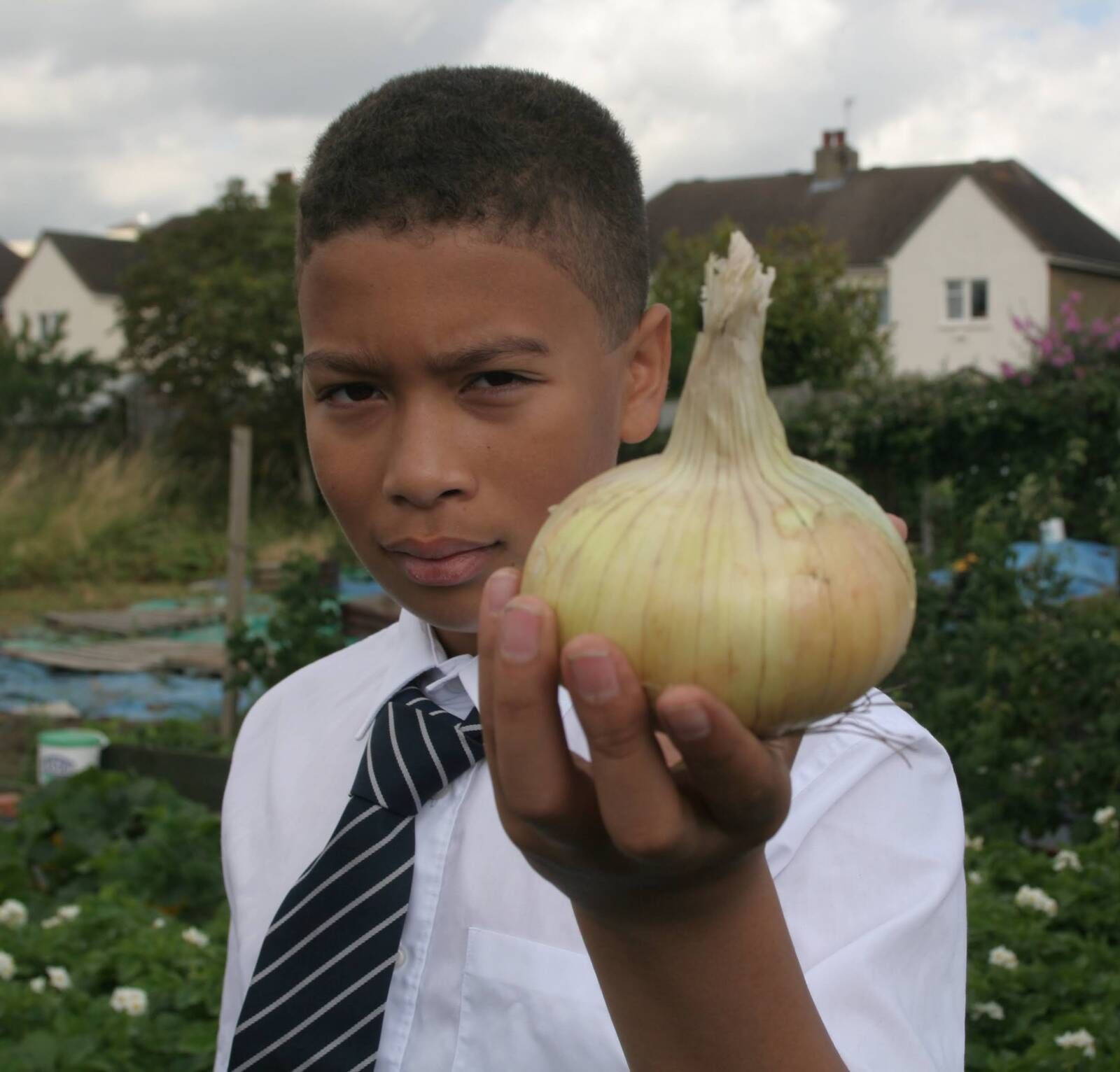
Knowing where food comes from may not seem essential to some. Why know how to grow a courgette when you can simply buy one at the supermarket? But is that attitude sustainable in a world with rising costs, rising temperatures, and rising global insecurity? A recent study suggests our knowledge about food in the UK – how it is made and where it comes from – is limited. 25% of children surveyed said they thought strawberries grow underground. You may be tempted to blame the parents – 20% of them could not recognise a courgette. These figures are not designed to attack anyone, but they highlight the point, there is a knowledge gap. So, in this episode of the Food Matters Live podcast, made in partnership with the charity School Food Matters, we ask: How do we, as adults, help kids learn more about food? Guests: Stephanie Slater, Founder & Chief Executive, School Food Matters Chantelle Nicholson, Chef & Owner of Apricity Restaurant Linde Stael, Sustainability and Foundation Manager, Belazu Foundation

Ep 426426: Deep dive: How to overcome the difficulties in creating plant-based cheese and dairy
Plant-based dairy is, perhaps, the longest-running success story of the plant-based movement. In parts of the world, people have been drinking milk alternatives for centuries, whilst margarine has widely been made without the use of animal products since the end of the Second World War. But there is no doubt that the dairy-free trend has really picked up in recent years. There is now a lot more choice when it comes to plant-based dairy, such as plant-based yoghurts, desserts, dips and spreads, creams, and plant-based cheeses like slices or shreds. And for producers, particularly in creating plant-based cheesewith the right taste and texture, the results can be disappointing. In short, it is a challenge to get right. So, in this episode of the Food Matters Live podcast, made in partnership with Royal Avebe, we are turning once again to potatoes to see how versatile versatile ingredients from this vegetable might be able to help. It is a source for starch and protein ingredients, as well as being a staple, and products derived from it can be used across the plant-based dairy sector. The question is: How does potato overcome the challenges in creating the perfect plant-based dairy and plant-based cheese? Royal Avebe Royal Avebe is a market-oriented cooperative of starch potato growers with a great heritage. They take responsibility for the whole process, from crop to shop and have been doing so since 1919. They are on top of trends, and their international experts help food producers worldwide with the right application of their potato-based ingredients. From plant-based burgers with the perfect texture and taste, to Asian noodles with the perfect bite, to plant-based desserts that requires no cow, they strive to eliminate allergies, e-numbers and unnatural additives. Guests: Meleknur Tüzün, Global Segment Manager, Royal Avebe Akkelien Vermüe, Strategic Marketing Manager, Royal Avebe

Ep 425425: Spotlight: World Hunger Day
Across the world, hunger is a daily reality for far too many people.Around 2.4 billion people lack access to sufficient nutrition, which is almost a third of the global population.It is often passed through generations, making the vicious cycle of hunger hard to tackle.And factors like poverty, conflict and climate change only exacerbate the problem.Each year, World Hunger Day acts to call attention to these issues.Founded by The Hunger Project, the day not only highlights the realities of hunger but encourages us to participate in finding solutions.And it is in long-term, sustainable solutions that the organisation has its focus, favouring bottom-up strategies that work to help those most impacted.So, to mark world hunger day, we are eager to explore these strategies, look at the work being done and understand how a difference can be made.World Hunger Day 2023 - How you can get involvedSundays are for getting together with your family and friends. For sharing a meal together, and sharing stories.World Hunger Day falls on Sunday May 28th this year. You can get involved by hosting a Sustainable Supper with loved ones and raise funds to end hunger, for good.Not sure what to cook? Get some inspiration from the people behind World Hunger Day.They have enlisted help from chefs from around the world to inspire you with your menu. Cook from one of their sustainable menus and help celebrate food, and the people who make it.Guest:Rebecca Burgess, Country Director, The Hunger Project

Ep 424424: The story behind Denmark's £1bn plant-based revolution
Denmark is a key player in the global food system, from meat and dairy exports to beer production, the label “Made in Denmark” means a lot. And now, the country is turning much of its attention to plant-based in a major way. Over the last couple of years, the Danish government has set aside well over £1bn to support the production of plant-based food and a ‘green transformation’ of the agriculture sector. With plans to halve the country’s greenhouse gas emissions from agriculture by 2030, the investment will provide support to businesses, new product development, education and research as they all make their moves towards plant-based. It is the largest ever investment in plant-based food throughout the European Union. So, politically, how have they got to this stage? What is the money likely to be spent on? And what is on the horizon for plant-based food in Denmark? Guest: Rune-Christoffer Dragsdahl, Secretary-General, the Vegetarian Society of Denmark

Ep 423423: Interview: Defra's Chief Scientific Adviser on gene-edited crops
In March this year, the UK Government passed a new law allowing gene-edited food to be developed commercially in England. It is a controversial subject and one which has its supporters and its detractors. Those in favour say it will improve food security, making it easier to develop hardier crops that will help us meet one of the challenges of climate change. Critics fear as-yet, unknown, unintended consequences for the food system and the environment. So, what does the new law actually allow for? What safeguards are in place? And what does all of this mean for the food industry? In this episode of the Food Matters Live podcast, Stefan Gates interviews a key figure in the introduction of the Precision Breeding Act. Guest: Professor Gideon Henderson, Chief Scientific Adviser, Defra

Ep 422422: How King Charles "moved the dial" on sustainable farming
The coronation of King Charles the Third is upon us.But away from the street parties and the pomp at Westminster Abbey and Buckingham Palace, we are going to focus on the new King’s impact on agriculture.As Prince of Wales, Charles was a long-time advocate for sustainable agriculture – sometimes getting in trouble for expressing his views.Once described as a one-man NGO, he was arguably ahead of his time as a high-profile figure talking about things like climate change, pollution, and organic produce.But why was he so focused on the environment? Just how influential has he been? And how will things change now that he is king?Guests:Dr Tony Juniper CBE, EnvironmentalistBob Ward, Grantham Research Institute on Climate Change and the Environment

Ep 421421: Can processed food affect your mental health?
In this episode of the Food Matters Live podcast, we investigate the potential link between mental health and ultra-processed foods.The term ‘processed food’ encompasses more than you might think. From grinding wheat to cooking an egg, processed just means altering a food in some way during preparation.Ultra-processed foods are a bit different, usually altered beyond recognition and with plenty of additives thrown into the mix – there is not a part of a chicken called a nugget, for example.Around the world, processed foods account for a large portion of what we eat.According to one study, they now make up for roughly 55% of total food intake in the UK.We have spoken on the podcast before about physical health and ultra-processed foods, but what about mental health?Is there a link? What does the science say? And if there is a problem, how do we go about fixing it?Guest:Kimberley Wilson, Chartered Psychologist and Author

Ep 420420: African Swine Fever - how worried should we be?
African Swine Fever is an incurable disease that is currently spreading between pig populations in Africa, Asia and Europe. It affects domestic pigs and wild boar, and has a mortality rate between 95% and 100%. There is no risk to human health, but the World Organisation for Animal Health says the disease is the biggest threat to commercial pig production the industry has ever seen. In the UK, there have been no reported cases, and the Government says there is a medium risk of it arriving here. So how are pig farmers and the wider pork industry preparing? What preventative measures can be taken? And how well will those industries cope should the disease be detected in the UK? Guests: Stewart Houston CBE, Chair, Red Tractor Pigs Rebecca Veale, Chief Policy Adviser, the National Pig Association Nick Allen, Chief Executive, the British Meat Processing Association

Ep 419419: Turmeric - what does the science say about 'the Golden Goddess'?
There are probably few spices that have been written about as much as turmeric.It is a fantastic thing to behold, the colour alone, a rich yellow or deep orange, makes it stand out from the crowd.Half of the world's turmeric is consumed in India where it is often referred to as "the golden goddess".It has been used in cooking for centuries and, in the UK at least, has long been regarded as merely a versatile, fragrant and colourful spice for many dishes.More recently, claims have been made about its health benefits.Perhaps it is just the UK catching up with the rest of the world; medicinal claims around turmeric go back hundreds of years.But why has turmeric captivated us for so long? Is there any truth in the medicinal claims? And what is next for the famous yellowy-orange powder?Guests:Dr Vivien Rolfe, Head of Herbal Research, Pukka HerbsDr Kristopher Paultre, University of Miami

Ep 418418: Allergen awareness - innovation and building trust
With Allergen Awareness Week in full swing, the Food Matters Live podcast, in partnership with Dutch Spices, is focussing on allergen-free food.Food allergies and intolerances affect millions of people worldwide. In Europe alone, more than 17 million people suffer with them.They may find themselves avoiding eating out, missing meals with family and friends, and endlessly checking food labels.And when it comes to something as serious as food allergies, trust is a big issue.We have had high-profile cases in recent years which have shown the devastating effects of what can happen when things go wrong.With food allergies seemingly on the rise, the need for innovation is becoming ever more important.So, how is the food industry responding to these safety concerns?Guests:Piet Buis, Business Unit Manager Export, Dutch Spices Peter Curry, Managing Director, Gastrome Professional IngredientsJohn Smith, General Manager, Finnegan’s Farm

Ep 417417: The rhizosphere - the mysterious world crucial to the future of food
There is a bewildering world beneath our feet that is both teeming with life and crucial to the global food system.It is a narrow, constantly moving, ever evolving, region within the soil known as the rhizosphere and it is vital to the health of crops and the land itself.A healthy rhizosphere is filled with a diverse range of microorganisms, which means taking care of it is anything but simple.In fact, there is lots we do not know about this complex region, or about the way those microorganisms interact with the soil and crops.In this episode of the Food Matters Live podcast, made in partnership with Anglo American, we delve into what we do know about the rhizosphere and gain an understanding of what else science is trying to learn about it.The prospect of acquiring new knowledge makes this a fascinating topic, and we know that gaining a greater understanding of the rhizosphere is crucial to the future of farming.There are few people in the world who know more about this topic than our guest.Guest:Kathryn Bartlett, Soil Scientist, Anglo American Crop Nutrients

Ep 416416: Microplastics - a very small big problem
Microplastics; tiny pieces of plastic usually less than 5mm in length, are a growing concern in the food industry.They come from a variety of sources, and the more research that is done, the more it seems they are making their way into every corner of the globe.Microplastics have been found in our oceans, our farmland, and our woodlands.They are not only polluting the environment, they are also finding their way into our food.One study estimates that the average person consumes roughly five grams of plastic per week, that is about the weight of a credit card.So, in this episode of the Food Matters Live podcast, we ask: How worried should we be, for the planet’s health and our own?And how on earth do we go about eradicating something so tiny, yet so omnipresent?GuestsJeanette Rotchell, Professor of Aquatic Toxicology, University of HullJames Lofty, PhD Research Student, Cardiff University School of Engineering

Ep 414414: Does front-of-pack labelling actually work?
How much does front-of-pack information affect the food choices we make?When we shop, many of us have our health in mind, but it can be a challenge to work out which products are genuinely good for us.Nutritional labelling is supposed to help us along the way, but how effective is it? Since the introduction of the traffic light system in the UK, obesity numbers have actually risen.Health claims are made, but do not often give us the full picture, so how do we make food labelling more transparent?And underlying all of this is the big question: Does any of the information on food packaging actually make a difference to our diets and our health?Guests:Zoe Davies, Nutritionist, Consensus Action on Salt, Sugar and HealthJo Tucker, Senior Lecturer, University of West London

Ep 415415: Deep dive: Potato, could this be the future of plant-based meat?
As more and more of us turn to a plant-based diet, the challenges the sector faces continue to come into sharper focus.One of the biggest, is recreating the appearance, texture, flavour and mouthfeel of meat products.On the Food Matters Live podcast, we have often talked to companies investing heavily in Research and Development to try to address these complex challenges.In this episode, made in partnership with Royal Avebe, we are asking if the answers could be found in a surprising place - inside starch potatoes?The potato is a vegetable which feeds a billion people a day, but it is also becoming renowned as a source of protein, fibre and starch ingredients. It is also being used as an ingredient for processes like gelation and emulsification. So, as the latest data shows that 25% of the UK population alone might be vegan or vegetarian by 2025, could the potato be about to increase its already significant influence on the global food industry?Guests:Jaap Harkema, Segment Manager, Royal AvebeAkkelien Vermüe, Strategic Marketing Manager, Royal Avebe

Ep 413413: Why there's still more to learn about diet and ADHD
Attention Deficit Hyperactivity Disorder, or ADHD, is a condition that affects people’s behaviour. It is estimated that globally, around 5% of children and 3% of adults have it. There is no cure for ADHD, although there are some medications to help manage the condition. There is also growing evidence that nutrition may have a role to play. The question is: How much can what we eat and drink affect a condition like ADHD? Is it a crucial part of managing the condition, a total red herring, or one important cog in a very complex wheel? Guests: Dr Duane Mellor, Nutrition and Evidence Based Medicine Lead, Aston Medical School Alex Richardson, Founder, Food and Behaviour Research

Ep 412412: How strong is the link between processed food and obesity?
Obesity is one of the most visible public health problems right across the world. The World Health Organization started sounding alarm bells in the 1990s. But despite various interventions by governments, so-called “globesity” has continued its inexorable progress.It is clear that our changing diet plays a role, and many experts have singled out highly processed and refined foods as a major problem, particularly in the West.But in this episode of the Food Matters Live podcast, we ask: What is it about these particular types of food that contribute to obesity? And given the complexity of the issue, would eliminating them from our diets actually make much of a difference?Guests:Professor David Raubenheimer, Leonard Ullmann Chair in Nutritional Ecology, Charles Perkins Centre, University of Sydney Dr Amanda Grech, Research Fellow, Charles Perkins Centre, University of Sydney

Ep 411411: Following the green - sustainability investment trends for 2023
Over the past few years sustainability has really come to the fore – becoming an essential aspect of any forward-looking food business.On the Food Matters Live podcast, the topic comes up again and again.Given the scale of the global challenges around climate change and a growing population, it seems inevitable we will be talking about it for some time to come. The tricky thing is lots of claims are made about sustainability, so for investors looking to back businesses, the question is: How do you separate greenwashing from genuine progressive thinking? Join the conversation – take part in Sustainable Food WeekAnd where should climate-conscious people, who want to see real change in the food system, be looking to invest?In this episode, we investigate sustainable investment trends and ask how investments can help build a sustainable food system.Guests:Rogier Pieterse, Managing Director, Pymwymic Patrick Thomas, Investment Director, Head of ESG Portfolio Management, Canaccord Christian Guba, Investor, Atlantic Food Labs

Ep 410410: Food as preventative medicine, with Dr Rupy Aujla
Dr Rupy Aujla is an NHS GP who is making waves, linking food and medicine.His story is a remarkable and deeply personal one, which has led him on a journey he never imagined he would embark on.Claims about the medicinal properties of certain foods have been spoken about for years.The use of food as medicine dates back centuries – the Ancient Egyptians, for instance, consumed onions to aid digestion and goose fat was used to ease pain.But how far can we go with the idea of using food to help with medical conditions?It is clear there are dangers in getting the messaging wrong around this, medicine has saved countless lives.So in this episode of the Food Matters Live podcast, we speak to Dr Rupy and ask: What does the science say? Guest:Dr Rupy Aujla, NHS GP, best-selling author, Founder ‘The Doctor’s Kitchen’

Ep 411411: Passover - telling stories with food
Millions of Jewish families around the world are celebrating Passover with storytelling, wine, and food.If you do not know, Passover is a religious festival that commemorates the liberation of the Israelites from slavery in ancient Egypt.The celebrations are filled with deep meaning and powerful symbolism.The Seder Meal takes centre stage. It has many elements, with each item having its own symbolic meaning.And like the story behind Passover, these foods have been passed down for generations and hold significance for lots of people.So, in this episode of the Food Matters Live podcast, we explore this delicious tradition, unpack the symbolism within, and look at how people are celebrating in the modern world.Guests:Nora Rubel, Chair of the Department of Religion and Classics, University of RochesterHelene Sinnreich, Director of the Fern and Manfred Steinfeld Program in Judaic Studies, University of Tennessee

Ep 409409: A joint approach? Exploring the links between nutrition and arthritis
Arthritis is a debilitating condition which affects millions of people around the world. In the UK alone, there are up to 10 million people living with it and it affects people of all ages. So, what role can what we eat play in preventing and managing the condition? Spoiler alert - there is no one-size-fits-all miracle diet. But while we can be sure there is no miracle diet for arthritis, there are many foods which appear beneficial in fighting inflammation and joint pain. So a greater understanding of the role of diet and nutrition is really important. In this edition of the Food Matters Live podcast, we discuss which foods might be useful and which to avoid. And we ask whether supplements can play a role, and whether current research into areas like the gut microbiome might bring new solutions. Guest: Martin Lau, Services Development Manager and Dietitian, Arthritis Action
Ep 408408: The secrets behind mankind's fascination with fermentation
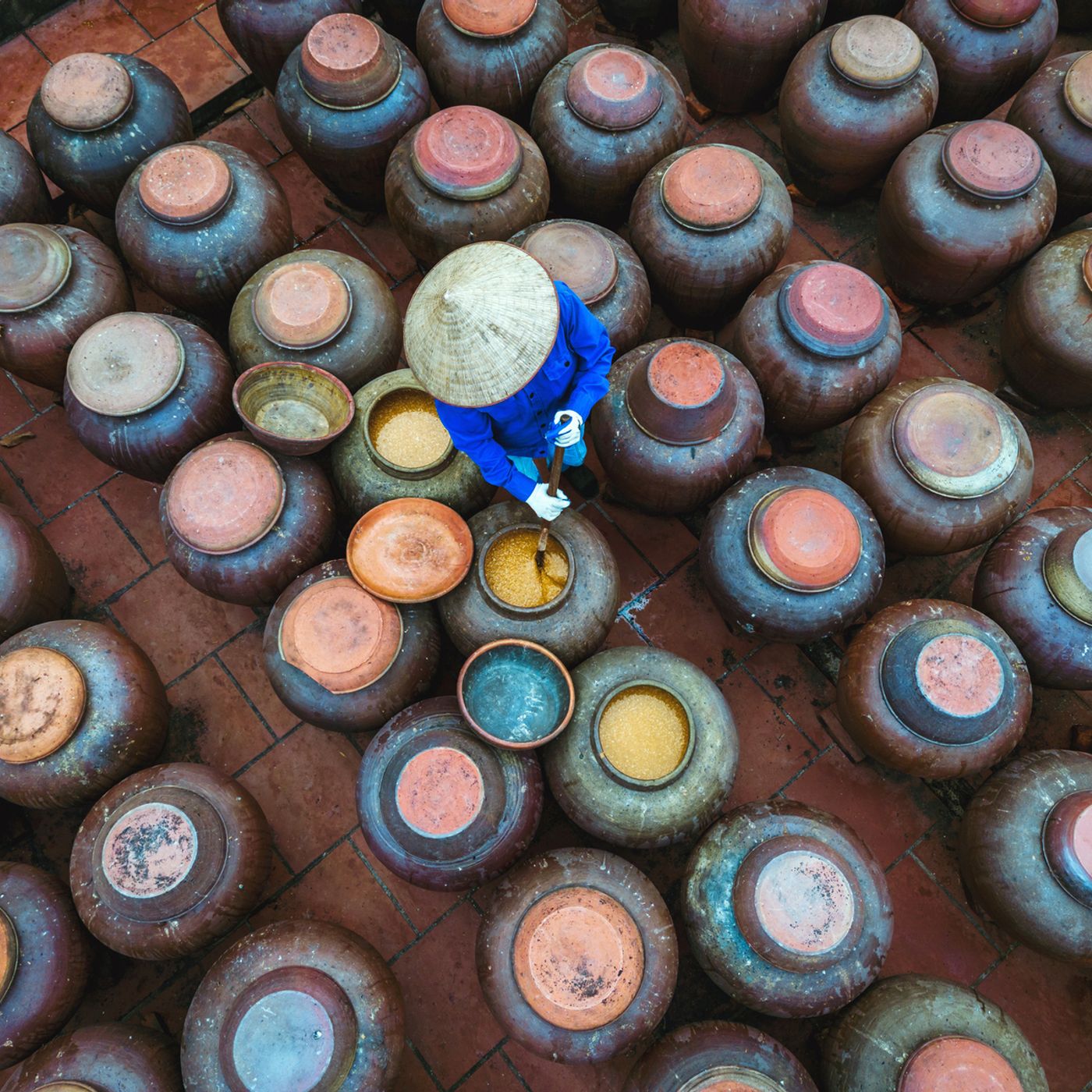
Throughout history, where there have been human beings, there has been fermentation.Human beings have a long-standing fascination with fermented foods, the question is: why?Fermented products are enjoying a huge boom at the moment, Kimchi, Kefir and Kombucha are all on the up.But that is just the tip of the iceberg. The truly interesting fact is something like a third of all food consumed by humans is fermented.Fermentation is used in the making of pickles, olives, bread, beer, wine, chocolate, coffee, vinegar, soy sauce – the list goes on.And we have been doing it for thousands of years.So, in this episode of the Food Matters Live podcast, we look at why humans ferment their food, find out about different fermentation methods, and ask what today’s food innovators are taking from this vast, rich tradition.Guests:Simon Poffley, Founder, The FermentariumEve Kalinik, Registered Nutritional Therapist, Author and Podcaster
Ep 407407: Are we on the cusp of a mushroom renaissance?
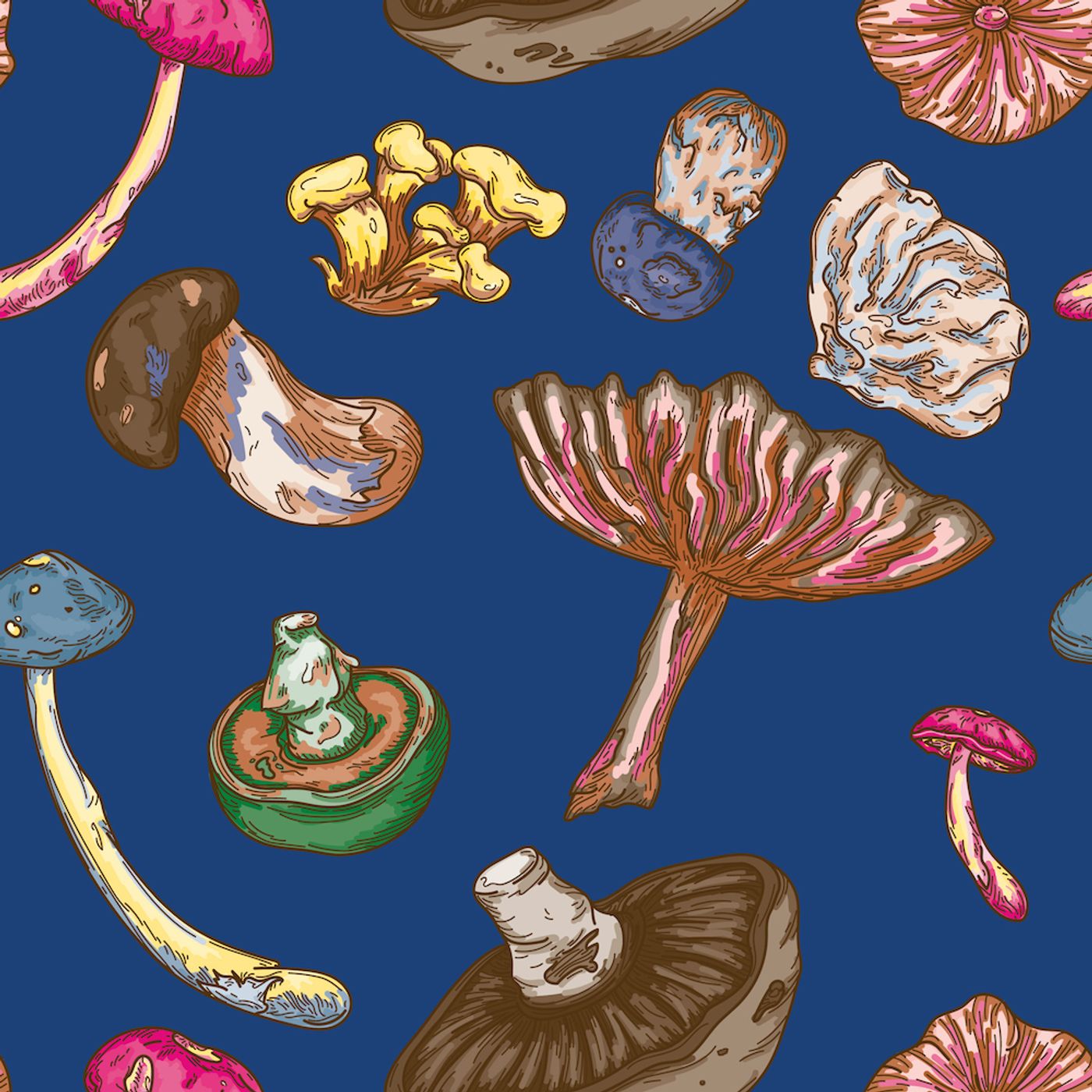
Mushrooms have been eaten since the earliest history; a constant, in cuisines and medicine. So, harnessing their functional properties is nothing new but the mushroom is turning out to be the perfect modern food. Low in calories and carbohydrates, fat, and sodium, cholesterol-free, chock full of vital nutrients and fibre, and, importantly, apparently loaded with nutraceutical properties. There is something of a boom in the mushroom world at the moment, in foraging, in sales of medicinal products, in grow-your-own mushroom kits. So how is the food and supplements industry taking advantage of this boom? And how might they be used in the functional foods of the future? There are 140,000 species of mushrooms, and still lots to learn about many of them. So, are we on the cusp of a mushroom renaissance? Guests: Andy Overall, Field Mycologist Simon Salter, Co-Founder, DIRTEA Zoey Henderson, Founder, Fungtn Grayson Hart, Founder, Puresport

Ep 406406: The spice of life - the surprisingly varied world of ginger flavours
For thousands of years, ginger has been an essential part of many cuisines. It would be hard to think of an ingredient which has quite as distinctive a combination of flavour, aroma and taste. Ginger is a versatile and widely used flavouring in the food and beverage industry, and is used in a range of products, from baked goods and confectionery to drinks, sauces and marinades. Its characteristics are valued by manufacturers of food and drink but increasingly, functional foods, and products in the wellness sector too. It has become a powerful ingredient in many products. So in this episode of the Food Matters Live podcast, made in partnership with Lionel Hitchen, we explore ginger’s potential as a flavour ingredient and look at its complexities, the differences in flavour profiles and the opportunities. We also look at the innovative ways ginger is being used in products to create distinctive tastes that appeal to consumers. Lionel Hitchen Lionel Hitchen is a UK family-owned company manufacturing and supplying natural flavours and flavour ingredients to the food and beverage industry in over 50 countries globally. Founded in 1965, it has over 58 years of expert knowledge in the creation and manufacture of flavours and speciality ingredients, using in-house manufactured raw materials to meet consumer demand for great-tasting natural products. Lionel Hitchen prides itself on its extensive range of flavour ingredients, following the highest quality practices at all stages of manufacturing, from raw material sourcing, processing and production consistency, through to delivery to customer. Guests: Geraldine Coombes, Technical Sales Manager, Lionel Hitchen Fran Padgham, Marketing Manager, Lionel Hitchen

Ep 405405: Spotlight: Wageningen University's alt-protein research
When it comes to food research, there are few places playing a bigger role than Wageningen University and Research. It has been the beating heart of Dutch agricultural innovation for nearly 150 years, helping the country’s food industry become the envy of the world since opening as an agricultural college in 1876. Today, the university is still leading the way in a country with an incredibly entrepreneurial food sector. Whether it is alternative proteins, sustainability, or innovative production processes, the Dutch are forging ahead. In this episode of the Food Matters Live podcast, we try to understand what is behind Wageningen's success, and how it hopes to maintain its place at the forefront of food innovation. And we look in particular at its projects on the future of proteins, part of a drive to make the Netherlands more sustainable. Guest: Luisa Trindade, Professor of Bioresources Breeding and Genetics, Wageningen University and Research

Ep 404404: Exploring the links between nutrition and Irritable Bowel Syndrome
Irritable Bowel Syndrome (IBS) affects more than one-in-twenty people worldwide.It occurs in populations all over the planet and it can be debilitating.But what role can food, diet, and nutrition play in managing IBS flare ups?The causes of IBS are not currently well understood, which makes managing it very difficult for sufferers.There is a lot of research underway into the role diet and nutrition can play in managing the condition though.So, in this episode of the Food Matters Live podcast, we look in detail at which foods might cause flare-ups, the foods you should eat and those you should avoid, and we look at nutrition and lifestyle strategies for dealing with IBS.Guest:Monika Bettney, Founder, MB Dietetics

Ep 400400: The secrets within - how the potato is reshaping the food industry
Have you ever stopped to consider the huge role the potato plays in the global food industry? This humble root vegetable, native to the Americas, has become a staple around the world. It is at the centre of the food industry and at the heart of many of our diets.But what is really interesting, is that over time the potato has revealed even more of its secrets and is emerging as a perfect source of many ingredients. We are not just talking about starches, but protein and fibre too.In an age where the desire for plant-based products is rising, the potato is becoming ever more useful.In this episode of the Food Matters Live podcast, made in partnership with Royal Avebe, we explore the potato's centuries-long journey from exotic foodstuff, to being one of the world's largest food crops.And we ask two big questions: What can the potato offer in today’s cutting edge food industry? And what secrets are still inside the potato, waiting to be discovered?Royal AvebeRoyal Avebe is a market-oriented cooperative of starch potato growers. From plant-based burgers with the perfect texture and taste, to Asian noodles with the perfect bite, to plant-based desserts that requires no cow, they strive to eliminate allergies, e-numbers and unnatural additives.They take responsibility for the whole process, from crop to shop. They are on top of trends, and their international experts help food producers worldwide with the right application of their potato-based ingredients.Guests:Goos Wierbos, Business Leader, Food, Royal AvebeAnnelies Huisingh, Marketing Director, Royal Avebe

Ep 403403: Sustainability v the cost of living - is it one or the other?
Does making greener food choices always come with a cost? More specifically, is the cost of living crisis forcing consumers to act less sustainably? There is tons of research out there on how cost effective going green can be, some people say it is cheaper, while others claim it is simply too expensive. And it can be hard to get to the facts, especially when products labelled as eco-friendly often seem to be at a premium. Join the conversation - take part in Sustainable Food Week The Independent newspaper even claims 6/10 shoppers say they have had to make less sustainable choices during the crisis due to costs. So what is the truth in all of this and how do we all, consumers and producers alike, arrive at a more sustainable future? Guests: Kate Mesher, Research Executive, Ipsos UK Jonathan Hall, Managing Partner, Kantar’s Sustainable Transformation Practice Aoife Allen, Director, Hubbub

Ep 399399: Study: Could whey protein slowdown muscle loss in later life?
Whey protein may conjure up images of gym-goers and competitive athletes, but there is growing evidence that it could benefit many more people.As we see aging populations around the world, attention is increasingly turning to our physical health in later life.As we get older, it becomes more challenging to maintain and build muscle mass, and the effects of that can be devastating.The main hazards are trips and falls, but muscle loss is also associated with comorbidity and mortality.In this episode of the Food Matters Live podcast, made in partnership with Volac, we dig deep into the science and ask: How much can we support the health of our muscles through the things we consume?Volac is currently working with Dr Leigh Breen from the University of Birmingham on a clinical study examining the link between dietary protein and muscle loss in older age.Listen to the full episode to find out more about the study, why some proteins are better able to help slow muscle loss, and what the future holds for whey protein in particular.VolacThanks to Volac’s 25 years of industry expertise and innovative, sustainable technology, the UK-produced Volactive® range supports health through nutrition by offering the finest whey protein isolates in the market. Meticulous research, in partnership with world-leading universities, ensures customers across the globe are provided with superior ingredients developed with proven nutritional efficacy at their core.As pioneers of the industry, Volac specialises as the only whey protein manufacturer dedicated to Sports and Active Nutrition. As a result, in addition to producing quality ingredients perfect for Ready-to-Mix shakes, the in-house R&D team delivers unrivalled support in developing many protein-snacking formats.Guests:Dr Elisa Glover, Nutrition Specialist, Volac InternationalDr Leigh Breen, Professor of Metabolic Physiology, University of Birmingham

Ep 402402: From nutrition to nappies - the truth about diet and fertility
Many aspects of our lives can potentially affect fertility, but there are few we can control.Our environment, stress and sleep are difficult to change, and our genetics are what they are.But diet is one of the factors we can, in theory at least, have some level of control over.So, how can adjustments to our diet help aid fertility?It is certainly a question the supplements industry has asked, the shelves of chemists sag under the weight of fertility supplements for men and women.And, of course, there is an awful lot of myth, hearsay and tradition about foods which it is claimed can help you get pregnant.But there is strong evidence too - and that is what we are interested in looking at. What does the evidence say about the link between what we eat and fertility for both men and women?Guests:Grace Dugdale, Reproductive Biologist, Nuffield Leeds Hospital

Ep 401401: How influential is the influencer? Nutrition and diet in the social media age
Social media is credited with many things and blamed for many more, but what role does it play in the food choices people make?Online, we are bombarded by images of all kinds and food has taken its place alongside everything else.And, of course, we are trapped in our own social media bubbles - drawn to things because our friends have liked them, or because our favourite influencers have been paid to endorse them, or because the algorithms have analysed our online shopping lists and other personal details, and have decided we should see pictures of steaming Sunday roasts, salads or pizzas.We are often warned about the dangers social media can pose to young people, but we are all susceptible to being influenced.So what does all of this add up to when it comes to our diet and nutrition?Has social media made us less healthy, more at risk of eating problems, or more aware of healthy choices? Guests:Suzanne Higgs, Professor in the Psychobiology of Appetite, University of BirminghamSuzanna Forwood, Associate Professor of Psychology & Sports Science, Anglia Ruskin University
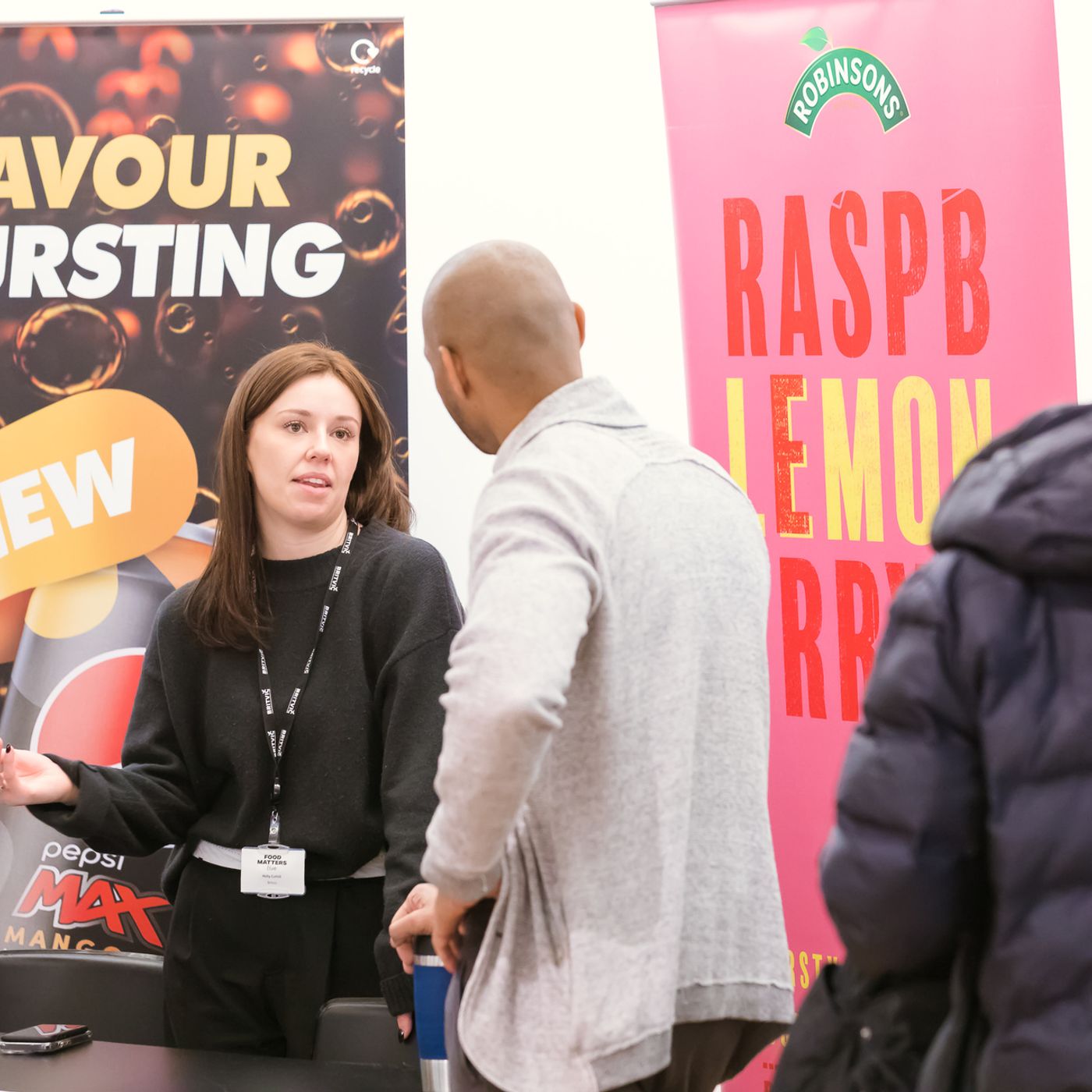
Ep 398398: The future of food marketing
Marketing is an integral part of the food industry, helping to set trends, change behaviour, and of course, sell products.It is a hugely interesting part of the food industry, both creative and analytical, and it has to be said, competitive.So, what skills are needed to succeed? What are the biggest challenges? And what will the role of a marketing professional look like 10 years from now?This episode of the Food Matters Live podcast was recorded in front of a live audience at the BFI in London as part of our Inspiring Careers in Food events.We were delighted to be joined by three wonderful guests to help answer some of those key questions.Guests:Vhari Russell, Founder, The Food Marketing ExpertsRomy Miller, Global Brand Director, KellyDeliRosie Long, Nutrition Marketing Lead, Nutrilicious and MyNutriWeb

Ep 397397: Mind over matter? The role of sensory science in our eating experience
The food industry spends an increasing amount of time, energy and money on sensory science. Millions are ploughed into carefully studying and manipulating the taste, smell and texture of food. And not just that, but the sounds that packaging makes, the colours of products and packaging; adjusting them for maximum sensory impact. All these work together to have a significant psychological and physical effect, changing our eating experience. But the work of food companies only goes so far. Once the food is on our table at home, what happens then? The plates we eat from, the cutlery we use, the lighting, they all have an effect. In this episode of the Food Matters Live podcast, we discuss the latest science, ask just how much impact receptacles have on what we taste, and we ask whether we can use these techniques to eat more healthily. Guests: Kezia Cruz, Food Scientist Dr G.B. (Garmt) Dijksterhuis, Senior scientist, Wageningen University and Research

Ep 396396: How TRIP became one of the world's fastest growing drinks brands
Olivia Ferdi, Co-Founder of TRIP, a brand which produces drinks and oils using cannabidiol (CBD), is nothing if not inspiring.You have more than likely seen the brand advertised or on shop shelves in recent months, and it continues to grow.None of that is by accident, Olivia and her husband and Co-Founder, Daniel Khoury, have worked tirelessly to get the brand out there. She is a former lawyer, which may have come in useful in a sector which has been so controversial with legislators. Globally the CBD boom is continuing and Trip is achieving remarkable things here in the UK, getting listed in Sainsbury’s, Ocado, and Selfridges among others, and around the world.Trip recently announced a partnership with the international supermarket chain Carrefour.It has been an incredible journey so far and, perhaps, it is just the beginning.Olivia Ferdi, Co-Founder, TRIPOlivia is the co-founder of TRIP, the innovative CBD lifestyle brand on a mission to transform mental wellbeing. Creating calm in the everyday chaos, TRIP is a range of next-gen wellness products. After a career in law at Allen & Overy LLP and Farfetch, Olivia launched TRIP in 2019. Featured in Vogue, described as "Glossier for CBD" by Dazed magazine - TRIP's range of CBD infused drinks and wellbeing products are crafted to support daily stress and anxiety. Harnessing plant-power, TRIP is sold in the most prestigious bars and restaurants globally including Soho House and wellness destinations including Boots. TRIP is disrupting the alc-alt landscape catering to shifting consumption moments to support the nation's mental wellbeing.

Ep 395395: What's feeding the future of the nutritionist?
The role of the nutritionist is constantly changing, but what might it look like in the future? Over the last few decades, there have been big advances in nutritional science, and technology is transforming the industry too. There is a whole plethora of apps offering personalised nutritional advice and, as consumers, we are probably more aware than ever of the nutritional value of the food we eat. It is an exciting time to be a nutritionist, but what will the job look like in 10, 20, or 30 years’ time? In this episode of the Food Matters Live podcast, we dive into the role of the nutritionist, explore the jobs they do today and what they might look like in the future. This episode was recorded in front of a live audience at the BFI in London as part of our Inspiring Careers in Food events. Guests: Rosie Martin, Registered Dietitian, Rosemary Nutrition Lizzie Hennig, Nutritionist, BaxterStorey Laura Street, Senior Nutritionist, Marks and Spencer

Ep 394394: What's the best food industry innovation since sliced bread?
When the bread slicing machine was invented in the 1920s in the US it was initially met with some scepticism by consumers. But it is a huge success story – within five years of that first slicing machine being used in a Missouri bakery it is estimated that 80% of bread sold in the US was pre-sliced. It was so successful that it became the subject of a phrase. Who hasn't heard: 'This is the best thing since sliced bread'? So what does it take to invent such game-changing ideas and make them succeed? Is it genius, luck, or are they somehow just inevitable as society develops? There are so many remarkable food industry innovations to look back at. In this episode of the Food Matters Live podcast, we pick out the very best from the last 100 years or so. Guests: Neil Buttery, Evolutionary Biologist and Food Historian Dr Morgaine Gaye - Food Futurologist

Ep 393393: A surprisingly un-British story - the history of fish and chips
In this episode of the Food Matters Live podcast, we are delving into the history of one of Britain’s favourite dishes.If you are already smelling salt, vinegar, and tartare sauce, you have guessed right… Fish and Chips is an absolute British classic and a colossal earner for the food industry.382 million portions are sold every year by fish and chip shops alone, and Britain has 8,600 of those. And whether you are at the local chippy, a pub, or a high-end restaurant, it is usually on the menu in some form, countless variations on a very simple theme.But why are fish and chips so popular? Why do Brits love them so much? And, shock horror, is it even a British dish at all?Professor Panikos Panayi, De Montford UniversityPanikos Panayi is Professor of European History at De Montfort University. He has worked there since 1990 and has held a personal Chair since 1999. He has published widely and his research fits into the following areas: the history of immigration and interethnic relations; the history of food; the First World War; German history; the history of London; and the history of the Cypriot people.His book "Fish and Chips: A Takeaway History" unwraps the origins, history and identity of Britain's most popular take-away.

Ep 392392: What is the future of New Product Development?
In this episode of the Food Matters Live podcast, we are gazing into our crystal ball to look at what the future might hold for New Product Development.New Product Development, or NPD, is at the heart of what makes the food and drink industry an exciting place to be.As we shift to prioritising sustainable diets, it is crucial to adapting our food systems to make that a reality.So how do you get into an NPD role? How can New Product Developers make a difference? And what might the rewards look like personally, professionally, and environmentally?This episode was recorded in front of a live audience at the BFI in London as part of our Inspiring Careers in Food events.Guests:Manisha Kotecha, Product Developer, Waitrose and PartnersMarian Tandy, Culinary Chef, Bowman IngredientsBen Richardson-Hughes, Food Development Manager, Greene King

Ep 389389: Innovation and tradition - the changing face of dairy
The dairy industry has been a staple of human society for centuries, but in recent years it has begun going through nothing short of a revolution.There have been huge innovations in the types of dairy products available on our shelves, and in the way dairy products are produced.But the story of dairy goes even further than that, and the really big changes have been seen in the emergence and growth of plant-based dairy products.Once the preserve of health food shops, dairy-free milk for example is now available in just about every supermarket and coffee shop.And plant-based has enjoyed such sharp growth that it can be difficult to get a handle on. The constant emergence of new dairy-alternative products can be bewildering, but energising.The question is, what do consumers want? What do chefs and food manufacturers want? And how can innovation be married with tradition to get the best results?In this episode of the Food Matters Live podcast, made in partnership with Corman, we look at some of those innovations and ask: What lies ahead for plant-based dairy and the traditional dairy sector? CormanSince 1935, Corman’s vocation has been to design, manufacture and market the best butters, creams and functional milk fats.The family company was created by Nicolas Corman and for nearly 100 years has been building its leadership on international acumen and the development of a unique butter know-how to write a history of innovation.Since 1990, Corman has been a subsidiary of Savencia Fromage & Dairy.Guests:Adrien La Neve, Ingredients Marketing Manager, CormanSylvain Midey, Sales Director, SB BIOTECHNOLOGIES

Ep 390390: "Of Ice and Men" - how the cold stuff has shaped our culinary history
The evolutionary success of humankind has relied on a handful of fundamental but often unsung food and drink developments. Featuring on that shortlist are salt, the domestication of plant species, the flint, the invention of irrigation, the potato, fermentation, the domestication of animals, and Jethro Tull's seed drill. The list goes on, but they are some of the fundamentals. One development that is rarely discussed, which is strange because it is so important, is the domestication of ice. When you take a closer look at it, ice is fascinating and has been crucial to so much of our culinary history. So, sit back and chill out because in this episode of the Food Matters Live podcast, we take you through a short history of ice with the brilliant writer Fred Hogge. Fred's book "Of Ice and Men" is all about how we have used cold to transform humanity. Guest: Fred Hogge, Author

Ep 391391: Green jobs in a changing world
Food security and the sustainability of our food supply chains are major global issues.For anyone considering a green job in the food and drink sector, it is crucial to gain a better understanding of the sustainability challenges we face.It is also vital to explore what is being done to overcome those challenges, and the kind of work the next generation might be doing.This episode of the Food Matters Live podcast was recorded in front of a live audience at the BFI in London as part of our Inspiring Careers in Food events.Our host, Stefan Gates, was joined by experts from across the food and drink industry to investigate green jobs in a changing world.Guests:Kate Cawley, Founder, Future Food MovementAlastair Trickett, Founder, Grassroots FarmingHenry Hamilton Stibber, COO, GrowUp Farms

Ep 388388: Aphrodisiacs - is anything really up to the job?
In this episode of the Food Matters Live podcast, we are turning down the lights, turning up the music, and getting out the finest cutlery as we talk about the food of love. And specifically, the idea of aphrodisiacs – those foods which, it is claimed, have a love-inducing power on us, which are stimulating, potent, and get the blood flowing. In modern times, oysters or chocolate are claimed to do the job. Further back, foie gras and caviar. Through history, stranger things still. The question is: Do food aphrodisiacs actually work? And if so, are they always sexy or is it about context? We are going to dig into the history to find out and on the way we will see how the food industry has tapped into these sensual foods and drinks. Guests: Martha Hopkins, Author Dr Ursula Janssen, Culinary Historian

Ep 387387: Brexit's impact on the food industry in Ireland
The impact of Brexit has been huge for the food and drink industry in the UK, but it has also had a profound effect on its nearest neighbour, the Republic of Ireland.In recent decades, the European Union has been beneficial for Ireland. Not just because of frictionless, tariff-free trade, but in terms of economic development, cultural ties and politics too.And in the middle of all this; the delicate border between Northern Ireland and the Republic. A border which became ever more transparent after the Good Friday Agreement of 1998.In the aftermath of Brexit, and in order to protect the Good Friday Agreement, there were no new checks on goods passing between Northern Ireland and the Republic.Instead, the border was placed in the Irish Sea between Northern Ireland and the rest of the UK.This has had a ripple effect on politics, on trade, and on the food industries in Northern Ireland, the Republic of Ireland, and Great Britain.So in this episode of the Food Matters Live podcast, we are going to look at all of this from a food industry perspective.Guests:Paul Kelly, Head of Sectors and Director, Food Drink IrelandMichael Haverty, Partner, The Andersons Centre

Ep 386386: What role can nutrition play in the health of your bones?
Fragile bones mean we are more likely to get fractures, but what role can the foods we eat play in helping us to keep our bones strong and healthy?Osteoporotic or fragility fractures affect an awful lot of us, globally one-in-three women and one-in-five men who are older than 50. They can be very serious and severely impair quality of life.We know nutrition can play a vital role here. It has long been known that protein, calcium and vitamin D are important elements in bone health. So in this episode of the Food Matters Live podcast, we look at the latest science, and ask: How do we get the right amounts of those nutrients at various stages in our lives?We also investigate the role other factors can play, from magnesium to alcohol consumption and exercise.We also look at how the food industry might learn from this and ask how we could innovate or reformulate to help improve the population’s bone health.Guest:Professor Janet Cade, University of Leeds

Ep 385385: How do we get children engaged with nutrition?
It is clear our early years are crucial in shaping the rest of our lives, but when it comes to food, those years can be a roller coaster. The foods that comfort children, the foods they want, the foods they crave (and the foods they are sold), are not always the best things for them.As any parent knows, it can be a nightmare trying to get your children to eat a balanced diet. And, sorry folks, it does not get any easier with teenagers.So, how should we go about engaging kids in food?How do we help them appreciate tastes and flavours, and go beyond that, to appreciate concepts like healthy nutrition, or diet or sustainability? It is important, not just for their health, but for the health of the world they are growing up in.Guests:Dr Paul Myers, Managing Director, Farm UrbanHelenna Vaughan-Smith, Senior Product Manager, EnginuityTomo Delaney, Founding Partner, Noshi

Ep 384384: Net Zero emissions by 2045 - is Scotland on track?
Scotland has set itself an ambitious target, to reach net zero emissions of all greenhouse gas emissions by 2045.The Climate Change Act 2019 commits the country to the target, which is more difficult to achieve than a net-zero carbon target, which commits only to balancing carbon dioxide emissions.So how is Scotland doing in its drive to meet this target? And how will it affect the food and drink industry?Scotland was one of the very first countries to declare a climate emergency, and in the last 30 years it has halved its greenhouse gas emissions.Learn more about our Sustainable Food ForumThe targets make for wonderful headlines, but to make a real impact, it is all about the detail. And unless action is taken, net zero commitments are just hot air.So, how is the Scottish food industry adapting and to what extent are Scottish consumers switching to sustainable food choices?Guests:Pete Richie, Executive Director, Nourish ScotlandIain Clunie, Net Zero Director, FDF Scotland

Ep 383383: Michelle Berriedale-Johnson - the UK's free-from fighter
We all want to make an impact with the work we do, there can be no doubt that Michelle Berriedale-Johnson has achieved just that. She is an expert on food allergies and intolerances, and it would be no underestimation to say she has been crucial in spreading that knowledge to healthcare professionals and the wider public. Over the past decade, we have all become much more aware of food allergies and intolerances. For those who have them, the experience of shopping, cooking and eating can be challenging. But things have improved. Laws have been introduced to improve labelling and the variety and quality of free-from food has vastly increased too. But when Michelle first took an interest in the subject, there was very little information out there at all. In this episode of the Food Matters Live podcast, which is part of our Big Interviews series, we ask: Where does the free-from sector go next? Guest: Michelle Berriedale-Johnson, Founder, Freefrom Awards

Ep 382382: Post-Brexit trade - the opportunities and pitfalls
It is three years since the United Kingdom officially withdrew from the European Union.One year later, in January 2021, a new post-Brexit trade deal came into force between the UK and the EU. There is no doubt, it has been a bumpy ride for anybody importing or exporting. Gone are many of the old certainties. Instead, we have had what a recent study from the London School of Economics called a "major shock" to UK-EU trade, with uncertainty, insecurity and hold-ups.But, trade deals are being done around the world. Businesses are trading and those who understand any opportunities emerging, will be best placed to benefit.So in this episode of the Food Matters Live podcast, we are asking: What are the post-Brexit trading opportunities for food and drink companies?What are the best ways to expand into overseas markets? How might companies around the world take advantage of the new trading landscape? And how is the UK government supporting companies who want to trade?Guest:Rachel Gwyon, Department for International Trade, UK Government

Ep 381381: Investment trends - where's the smart money heading in the food industry?
In this episode of the Food Matters Live podcast we are following the money, looking ahead and asking where investors will be putting their cash in 2023. It is not necessarily a straightforward question, the world continues to be a complex place. We have had heatwaves and floods, inflation is causing economic turmoil all over the place, and the ongoing conflict in Ukraine is causing global turbulence as well as devastation for the people and the industry in that country. So what does this mean for investors? Is food and agri-tech still a good bet? If we had recorded this episode 12 months ago, alternative meat and ag-tech would be two of the big hits rising up the investment charts. But there are signs of a slow down in both these areas. So where are the sharp-eyed investors looking as 2023 approaches? And where is the smart money heading? Guests: Andrew Ive, Founder, Big Idea Ventures Ivan Farneti, Managing Partner, Five Seasons Ventures