Food Matters Live Podcast
525 episodes — Page 6 of 11

Ep 380380: The ingredients for launching a successful coffee brand
Launching and establishing a successful coffee brand is no mean feat. There are plenty of well-established brands already in the market and finding space for a new one presents a whole host of challenges. Will Little, Managing Director of Little's Coffee, puts the success of his brand down to a quality product, honesty, and most importantly, passion. In this episodes of the Career Conversations podcast series, Will reveals all about his journey from being a graphic designer to where he is today. He speaks about how to get your product on supermarket shelves, the importance of strong branding, and his ambitions for the future. Sign up for the next Inspiring Careers in Food events in 2023 Will Little, Managing Director, Little's Coffee As managing Director of Little’s Coffee and co-founder of Roastworks Coffee Co., Will Little has clocked up an impressive 12 years of experience at the helm of some of the most innovative and quality-driven coffee companies in the UK. With a background in Graphic Design, Will’s main focus now is his family business; Little’s Coffee, which he runs with his wife Caroline. Together they’ve taken the business from humble beginnings and built arguably the most exciting challenger brand in the category that is challenging the status quo with their innovative flavoured coffees. Having gained listings in Sainsbury’s, Waitrose, and Tesco, Little’s Coffee is here to turn up the flavour, level up on quality and put our planet first. Will believes you should have coffee your way not the way, and that quality and convenience shouldn’t be mutually exclusive.

Ep 379379: Shift work and nutrition - a marriage of inconvenience
Anyone who has worked irregular hours knows that the world is built around daytime eating, not just in the home, but at shops, cafes, restaurants and canteens.But there are millions of us working rotating shifts, nightshifts and irregular hours.And when the shops are shut, and decent food is in short supply, we tend to reach all too often for those quick fixes – the crisps and the chocolate bars.Vending machines at dark, deserted bus stations can tide us over until the next meal. Shift work has long been associated with negative health outcomes, but does when we eat matter as much as what we eat?And considering all of that, is it really possible for most people to separate the two?What can shift workers do to make healthy lifestyle choices? And what solutions could the food industry offer?Guests:Professor Alexandra Johnstone, The Rowett Institute, University of AberdeenDr Sally Wilson, Principal Research Fellow, Institute for Employment Studies

Ep 378378: Is plant-based always better for you - and the planet?
Plant-based meat alternatives are supposed to be better for the planet and they are supposed to be good for you.But as they have grown in popularity, there are claims from some quarters that there is something of a halo effect at play, and that some of these health and environmental claims do not quite stack up.Evidence is offered which mentions the nutritional shortcomings of plant-based processed foods, as well as the carbon footprint being far higher than vegetables or legumes. In the midst of a climate crisis, where greenwashing is commonplace, this stuff really matters and it can be hard to cut through the noise to get to the facts.Which is where today's guest on the Food Matters Live podcast, Chris Bryant comes in, he has reviewed a host of previous studies to see where we are up to.Dr Chris Bryant, Research Associate, University of Bath - Director, Bryant ResearchChris Bryant PhD is a social scientist and an expert on alternative protein markets and marketing. He is a Research Associate at the University of Bath.He has published several papers on consumer acceptance of cultivated meat, plant-based meat, and fermentation-derived animal product alternatives. Through his company, Bryant Research Ltd, he works with alternative protein companies and non-profits, including Formo, Ivy Farm Technologies, Aleph Farms, Wild Type, and the Good Food Institute.

Ep 376376: How you could help fix the global food system
"We have a growing population, lots of changes in the climate, lots of greenhouse gas emissions which are jeopardising our food production, and we are at risk of not being able to feed the world."Natalia Falagán, Lecturer in Food Science and Technology, Cranfield University, succinctly sets out some of the major issues the world is facing, and why students are queuing up to enrol on her courses.Enthusiasm for the subject is key, she says, and students "will get that enthusiasm and passion back from the lecturers".In this episode of the Career Conversations podcast series, made in partnership with Cranfield University, we delve into the detail of what the courses cover and how they can set students on the path to a rewarding career.Cranfield's Masters in Future Food Sustainability is described as taking a whole system approach to solving some of the biggest challenges facing the global food system.Natalia says usually food people look at food, energy people look at energy, and water people look at water. "That's not going to take us anywhere," she says. "We need co-operation."That co-operative approach presents itself in a number of different ways. One of the key elements of the course is the opportunity to work alongside industry.Students work with Cranfield's industry partners to ensure they get real world experience and a real sense of what is actually happening on the ground.Another key element is the group project, where students work alongside others on different Masters courses at Cranfield to solve a problem posed by an industry partner or academic. Natalia says this helps students develop crucial soft skills, as well as broadening their knowledge base.Kate Jones studied on the course in 2021-22, leaving behind her job and salary.Despite the risk, she says she felt confident taking the leap "because I was following my passion. I knew there would be an answer at the end of it".Future Food Sustainability MSc at a glanceDuration: One year full-time, two or three years part-timeWho it's for: Graduates who are passionate about food production and the sustainability of our food system.Potential future roles: Technical managers, sustainability managers, technical development managers, product technologists, resilience officers, supply chain/logistics analysts, commodity analysts, regulatory affairs advisers, and policy officers.Find out more and applyCranfield also runs a Masters in Food Systems and Management, which is slightly more technical.Natalia says students often go on to work in quality and safety of food products, as well as certification.Food Systems and Management MSc at a glanceDuration: One year full-time, two or three years part-timeWho it's for: Science or technology graduates, or professionals already in the food industry looking to further their career. You will be passionate about improving major worldwide problems such as food security and food safety.Potential future roles: Management, food innovation, production, logistics, research or academia, retail sector, food storage.Find out more and applyListen to the full episode to find out more about the big challenges facing the global food system, what life is like on the Cranfield University campus, and how you might go about choosing which course is right for you.Natalia Falagán, Lecturer in Food Science and Technology, Cranfield UniversityDr Natalia Falagan is an agricultural engineer by training and is driven by the need to reduce food waste and improve food security; while maintaining the quality and safety of fresh produce across the supply chain. Her work focuses on optimising food systems from an integrated perspective, considering the impacts on the environment to develop mitigating actions for a more sustainable and resilient supply chain. In particular, she investigates the underlying ripening and senescence mechanisms of fruit and vegetables and develops innovative strategies for postharvest management, combining both biology and technology fields. Natalia is a Member of the Royal Society of Biology, Member of the Institute of Agricultural Engineers, Fellow of the Higher Education Academy, and Member of the Scientific Advisory Committees in the Food Standards Agency. In 2021, Natalia won the 'Top 50 Women in Engineering: Engineering Heroes' award and a medal awarded by the Royal Academy of Engineering (Spain) in 2022 for her work towards food loss and waste reduction.Kate Jones, PhD student, Cranfield UniversityKate studied for an MSc in Future Food Sustainability at Cranfield University in 2021-2. After starting out as a teacher, Kate gained an MSc in Development Studies, and went on to work in education for sustainability, including at the Fairtrade Foundation (2010-2017) and Marine Stewardship Council (since 2015). She has nearly 20 years’ experience managing major projects to create educational and awareness raising campaigns for adults and young people, including at Comic Relief (2005-2010), with Greenpeace (2008-10) and a

Ep 377377: How can we get more fibre into our diets?
When it comes to fibre, the fact is we are not getting enough of it.Across most of the Western world, there is a lack of adequate fibre in our diets and that is contributing to health problems.In the UK, the Government says we are consuming an average of 20 grams per day, but we should be consuming 30 grams. And it is similar around the world.But why is fibre lacking in so many countries, across different cultures and diets? And why does it matter?In this episode of the Food Matters Live podcast, made in partnership with Puratos, we take a look at the innovations that are out there in the food industry, helping us to increase our fibre intake.There used to be a view that fibre did not really do much, that our bodies could not digest it and it just sailed through. Thankfully, because of a wealth of scientific research, that view has been comprehensively debunked and we are learning even more about its benefits.Fibre is crucial to maintaining our health, in particular a healthy digestive system.Adequate fibre intake is associated with good health, and a lack of fibre is a risk factor for a number of diseases, including heart disease, diabetes, and colon cancer.A global study in 2017 estimated that 100,000 deaths per year can be linked to poor fibre intake.All of which leads to the question: How can we get more fibre into our diets? PuratosPuratos’ journey started in Belgium in 1919, and has evolved from a father-and-son start-up to a successful international business. The company is now in 81 countries to date and has 93 innovation centres, offering a full range of cutting-edge services and the best quality ingredients to customers in bakery, patisserie and chocolate.Innovation and people have always been key motivators for Puratos, whether that is working with artisans, retailers or food-service enterprises of any size, its focus is on ‘Food Innovation for Good’. This is evident within the Happy Gut bakery products range, which includes specific types of fibres to support consumers’ gut health. Learn more about how Puratos supports customer success.Guests:James Slater, Director of Research and Development for Puratos UKDr Raluca Florea, Gut Health Lead, PuratosPhil Metcalfe, Managing Director Biopower Technologies Limited

Ep 375375: Can recycling habits be transformed using nudge theory?
Today we are looking at plastic bottle Deposit Return Schemes and, in particular, a scheme due to be introduced in the UK in the next couple of years.The idea is to reduce the millions of plastic bottles a day that go un-recycled, by getting consumers to pay a little extra for a drink.They can then claim that extra payment back if they return the bottle for recycling.Deposit return schemes are nothing new, they have been around in various forms for decades.So, you might ask why it is taking the UK so long to get this off the ground.But what does the drinks industry make of the scheme? And will this really persuade consumers to change their recycling habits?Guests: Gavin Partington, Director General, British Soft Drinks AssociationJulian Hunt, Vice President of Public Affairs, Communications & Sustainability for GB, and Northern Europe, Coca-Cola Europacific Partners.

Ep 374374: Charles Michel - putting the philosophy into food
Charles Michel is a man of many talents, not least, thinking deeply about cooking.You may recognise him from the Netflix show "The Final Table", where he was selected to take part in a global culinary competition.But Charles' career has taken him on all sorts of journeys, and his love of the art, science and philosophy of cooking is what motives him.In this episode of the Career Conversations podcast series, he reveals all about his career to date, and discusses some of the philosophical issues he feels are relevant to the food industry today.Sign up for the next Inspiring Careers in Food events in 2023Charles Michel, Educator and ActivistCharles Michel is a nomad philomath, working at the intersection of food education and food activism. He connects art, gastronomy, psychology, cross modalism, human-centred design, theory of change and ritual to catalyse communities and foster human development. He was recently selected as ‘one of the best chefs in the world’ to participate in Netflix’s Global Culinary Competition ‘The Final Table’.Originally trained at the Institut Paul Bocuse and in classical fine-dining kitchens in Europe, including two years at Dal Pescatore Santini, one of the best restaurants in the world. Between 2009 and 2012, he ran a multi-disciplinary community of artists creating immersive cultural events in abandoned urban spaces in Bogotá.Based at Oxford University between 2013 and 2015, he studied the convergence of art, science and multi-sensory food aesthetics at the department of experimental psychology-publishing over a dozen papers in scientific journals on modalsensory perception. Most recently, he was a co-editor of the Gastrophysics issue of the International Journal of Food Design. He has given over 50 talks on the future of food, including three TEDx talks, and presentations at the Royal Institution of Science in London, and the Royal Society.Today, he works as an experience designer in a variety of fields, as a Creator on Patreon, as a food educator, flavour expert, and as an artist using food and ritual as medium. He is co-founder of Michel/Fabian, a design studio looking at the future of cutlery, has worked with the World Food Programme in Colombia, and teaches culinary leadership, sensorial exploration and transformational hospitality at the Institut Paul Bocuse in Lyonand the Basque Culinary Center in San Sebastián.The World’s 50 Best Restaurants and Bars recently named him an Empowering Educator in the 50 Next Class of 2022, a list of global game changers shaping the future of gastronomy.At the intersection of science, food, community and entrepreneurship, Charles is currently writing his first book, aiming to inspire solutions for substantial challenges in the human/nature relationship.

Ep 373373: A new dawn for plant-based alternatives?
As Veganuary 2023 gets into full swing, we are taking a look at the future of plant-based food.The plant-based sector is one of the most innovative in the food industry, with new ideas, new concepts, and new technologies emerging all the time.That makes it a fascinating area to be involved in, and a fascinating area to watch as it develops at seemingly lightning speed.In this episode of the Food Matters Live podcast, made in partnership with Givaudan, we look at some of the latest innovations taking the sector to the next level.For those in the industry, the incredible growth in plant-based alternatives is not new, but it continues to astonish.There is a huge range of innovative solutions, meeting challenges like taste, colour and texture, as well as supporting the health, environmental and ethical goals of consumers.One of the leaders in this field is Givaudan, which has solutions that address the challenges associated with creating delicious and nutritious plant-based food experiences. Listen to the full episode to learn about the company's new solution that imitates animal fat cells, why meat-free pork is gaining so much attention, and find out where alternative protein could be heading in the future.Dr Flavio Garofalo, Global Platform Director, Culinary & Plant Attitude, GivaudanDr Flavio Garofalo is a chemical engineer who joined Givaudan in 1990. For his first 20 years at the company he worked in technical areas, then in 2010 he transitioned to a commercial role; throughout this time he has worked in many different regions (and lived in seven countries) and is now settled in the Netherlands. Flavio is currently responsible for developing and executing the Global Savoury strategy which includes plant protein as a significant component. Currently a flexitarian, he is an aspiring vegetarian.Igor Parshin, Global Marketing Manager Plant Attitude, Givaudan Igor has more than 12 years of marketing experience across several industries and regions. Igor joined Givaudan in 2020 and has held several roles in marketing and Innovation. He is based in the Netherlands and took on his current role in 2022.Camila Carrascal, Marketing Manager for Plant Attitude in Europe, Givaudan Camile holds a Bachelor's in Business Administration from Esade Business School in Barcelona and a Master's in Marketing Management from the Rotterdam School of Management. Camila joined Givaudan in 2021 and since then has been involved in the development of European innovation initiatives, with a focus on plant-based alternatives. She is passionate about nature and food innovation.

Ep 372372: Caring for your kidneys - the crucial role nutrition plays
It is probably fair to say the kidney is one of the more overlooked organs in the body.As with a lot of things, we do not tend to pay it much attention until it is not functioning properly.But kidney disease is more prevalent than you might think. 3.5 million people in the UK are living at risk of chronic kidney disease and it can affect anyone at any time.While kidney disease can be extremely serious, nutrition is vital in managing the condition effectively, and correct nutrition can also help prevent kidney damage in the first place. Eating with our kidneys in mind is a very good idea.In this episode of the Food Matter Live podcast, we look at some of the most common issues with kidney disease, how diet can be used to prevent and control it, and ask: what role can the food industry play in improving our kidney health?Dr Barbara Engel, Programme Director Dietetics, University of SurreyBarbara has been a dietitian for over 25 years and has covered most areas of dietetics but, in particular, she has worked in the fields of renal disease, gastroenterology, diabetes and intensive care. She has been the Programme Director for Dietetics for the last seven years. Her main remit as Programme Director is to ensure the Dietetic Programme meets the high standards expected by the British Dietetic Association and the Health and Care Professions Council. As the Team Lead for Dietetics, Barbara coordinates the activities of a small but vibrant team to ensure high standards of teaching and excellent placement opportunities for the students.Until March 2020, she worked one day a week at St George's hospital as a renal dietitian where she cared for people with renal disease on dialysis in particular looking after the young adults on dialysis. In the last 10 years, she has also worked for Central Surrey Health where she was the highly specialist Nutrition Support Dietitian and Team Leader for Acute Dietetic Services. She was awarded the Spirit Award for outstanding contribution to patient care (March 2011).Since March 2020, she has developed and led a Public Health Project called Be Your Best. Throughout lockdown Barbara's nutrition and dietetic students, aided by facilitators, have been running a five-week course for families on healthy eating, the importance of exercise and sleep, budgeting and meal planning.

Ep 371371: Meet the man dreaming of a world without industrial farming
Max Jamilly has a vision - a world where the industrial farming of animals is a thing of the past. With its impact on the environment, human health, and the health and wellbeing of animals, his vision is not unique. But where Max Jamilly differs from many others, is the work he is doing to make that vision become a reality. Max set up Hoxton Farms in 2020 alongside his childhood friend Ed Steele. The company is a cellular agriculture and biotech start-up that cultivates cell-grown fat which can be added to meat-alternative products. The idea is that you get all the desirable things about cooking animal fat, without harming any animals. In this episode of the Career Conversations podcast series, recorded in front of a live audience as part of our Inspiring Careers in Food event, Max reveals all about his career so far. Sign up for the next Inspiring Careers in Food events in 2023 Listen to the full episode to find out what drove Max and Ed to set up Hoxton Farms, their ambitions for the future, and how the company just secured a massive round of investment. Max Jamilly, Co-Founder, Hoxton Farms Max Jamilly is the co-founder of Hoxton Farms. Based in London, Hoxton Farms make real animal fat – without the animals. Max has a PhD in synthetic biology from Oxford and two degrees in biotech and business from Cambridge. He has spent the past decade in the UK and US using biotechnology to solve problems. He is obsessed with the future of food.

Ep 370370: What impact can precision nutrition have on our health?
Everyone knows that we are not all the same, there is wonderful diversity in our bodies, our genetics, our lifestyles, and our preferences.And yet, when it comes to nutrition, the most successful public health messages are the broad guidelines, which suggests one size can fit all. Think five-a-day, taking Vitamin D through the autumn and winter, and so on.At the same time, the science behind nutrition, the understanding of our metabolism and of our gut microbiome, has been increasing at a fantastic rate.The question is: how do you bring these two worlds together? How do you bring the best of intricate nutritional science to a broader population?Could the answer lay in precision nutrition? It is an emerging and exciting field which helps tailor dietary recommendations and nutritional guidelines, and there is some evidence it can have remarkable health impacts.It is an area which seems to offer huge potential, but exactly how much is yet to be discovered.Karen Vousden, Principal Group Leader, Francis Crick InstituteKaren received her PhD from the University of London and following postdoctoral fellowships at the ICR and NCI, she returned to London to establish a research group at the Ludwig Institute. Returning to the US, she was Chief of the Regulation of Cell Growth Laboratory at the NCI before coming back to the UK to take on the role of Director of the CRUK Beatson Institute in Glasgow. In 2017, she moved her research group to the Francis Crick Institute in London and served as Chief Scientist for Cancer Research UK from 2016-2022.Karen’s research has made contributions to our understanding of how the tumour suppressor protein p53 is regulated and the functions of p53 that contribute to its ability to control cancer progression. During these studies, her group revealed an unexpected ability of p53 to help cells adapt and survive under transient periods of nutrient starvation. This work led to a more general investigation of cancer cell metabolism, focused on exploring the role of oxidative stress and serine metabolism in cancer development and metastatic progression.Greg Hannon, Director of Cancer Research UK Cambridge InstituteGreg Hannon FRS FMedSci is a professor of molecular cancer biology and director of the Cancer Research UK Cambridge Research Institute at the University of Cambridge. Professor Hannon is internationally recognised for his contributions to small RNA biology, cancer biology, and mammalian genomics. He has a long history in the discovery of cancer genes, beginning with work at CSHL that led to the identification of CDK inhibitors and their links to cancer. More recently, his work has focused on small RNA biology, which led to an understanding of the biochemical mechanisms and biological functions of RNAi. Building upon this foundation, he has developed widely-used tools and strategies for manipulation of gene expression in mammalian cells and animals and has generated genome-wide shRNA libraries that are available to the cancer community. He was among the first to uncover roles for microRNAs in cancer, including the discovery of the miR-17-92 cluster as an oncogene, the placement of miR-34 within the p53 pathways, and the understanding that let-7 and miR-93 are critical regulators of both normal stem cells and tumour initiating cells in several tissues. His laboratory also discovered the piRNA pathway and linked this to transposon repression and the protection of germ cell genomes.

Ep 369369: Could AI solve our meat alternative challenges?
Eating is a multi-sensory experience, all our sensory mechanisms working together to judge taste, flavour, texture, and assess the underlying nutrition.Humans have evolved to become incredibly good at this, which can be a problem for innovators, particularly for those in the plant-based sector.Because despite the huge amount of brainwork going into developing the taste and texture of plant-based meat alternatives, the bottom line is, we can often tell that it is a substitute. Our senses tell us that it is not the same.Now for some that is all part of the fun, having new taste experiences. But for many, the lure of animal protein is just too strong and they want an exact replica just without the animal.So could artificial intelligence be the answer? Could we use machine learning to match animal products to meat-free ingredients at the molecular level? To outsmart our senses and, possibly, save the environment at the same time.That is the question which the people at the food tech company NotCo have asked themselves and which we explore in this episode of the Food Matters Live podcast.Karim Pichara, Co-Founder, The Not CompanyThe Not Company is a global plant-based food tech unicorn founded in Chile, and the fastest growing food tech brand in Latin America. Karim Pichara is known as “the father of Giuseppe,” the brand’s patented artificial intelligence technology that is the key to cracking one of the most challenging aspects facing the food industry today, creating mind blowing, delicious food that is good for our bodies and the environment.Pichara leads a team of more than 50 people, including Machine Learning and Software engineers, food scientists and chefs in multiple countries working alongside Giuseppe to combine machine learning technology and breakthrough science to rapidly advance the development of the plant-based industry. He is tasked with the design of NotCo's AI approach and vision, and mapping Giuseppe’s collaboration with the human team.The first-of-its-kind technology is designed to constantly learn, matching products at the molecular level to deliver plant-based derived options that taste, cook, and function just like their animal-based counterparts, the key to consumer adoption.

Ep 368368: You are what you eat - the link between nutrition and stress
Over the past few years there has been increasing public discussion of mental health. The food industry is a big part of this trend, with foods, supplements and nutraceuticals promising to boost energy, aid concentration, and banish lethargy.The relationship between nutrition and mood is complex. So increasing our understanding of this area seems really important, not just for consumers hoping to lift their mood or reduce anxiety, but for the food industry too.But this a world where on the one hand there is pseudo-science and creative marketing, and on the other very generalised government advice; think 5 a day and plenty of exercise.So how should consumers find their way to a diet which can really help mental wellbeing? And what lessons from science should the food industry be taking on board?Jackie Lynch, NutritionistAward-winning nutritionist and author, Jackie Lynch is the founder of the WellWellWell nutrition clinic, where she specialises in women’s health and the menopause. Keen to break the taboo about discussing the menopause, she launched the hugely popular diet & lifestyle podcast The Happy Menopause in 2019 and her latest book, The Happy Menopause: Smart Nutrition to Help You Flourish is out now. She is also the author of Va Va Voom; The 10-Day Energy Diet (Headline, 2017) and The Right Bite: Smart Food Choices for Eating on the Go (Nourish, 2016). Jackie’s advice features in a range of national media and she has appeared as a guest expert on radio and TV, including Channel 4’s Superfoods. Jackie’s nutrition clinic was recognised as Menopause Nutrition Clinic of the Year in the 2021 and 2022 London & South-East Prestige Awards. She is also a Guardian Masterclass tutor. Visit her website www.well-well-well.co.uk.

Ep 367367: Freya Cox - Blazing a trail in vegan baking
Whichever way you look at it, Freya Cox is a trailblazer. In 2021 she was the first vegan baker to appear on the popular TV cooking show The Great British Bake Off. She took part in the gruelling filming schedule whilst studying for a degree in psychology and since the show, she has built a huge online profile. Freya is no shrinking violet. A quick look at her Instagram account shows her penchant for colourful fashion, and that bold approach is reflected in her work. She has a new book out "Simple Vegan Baking" which is full of colour and, most importantly, a plethora of delicious vegan bakes. In this episode of the Career Conversations podcast series, recorded in front of a live audience as part of our Inspiring Careers in Food event, Freya reveals all about her career so far. Sign up for the next Inspiring Careers in Food events in 2023 She lifts the lid on life in the Great British Bake Off tent, opens up about life in the media spotlight, and tells us about her ambition to launch a career as a food writer. Freya Cox, Vegan Baker and Author Freya is a psychology student who has taken a year out to pursue baking. From Scarborough, she was a breath of fresh air on The Great British Bake Off in 2021 with her North Yorkshire accent and her status as the first vegan baker on the show. She is passionate about simple vegan baking and about showing everyone how effortless and delicious it is.

Ep 366366: Is red wine good for you?
Ever since wine production began 8,000 years ago, people have suggested it can do remarkable things. Whether it increases courage, passion, happiness, is good for your heart, bad for your heart, good for your mental health, bad for your mental health, claims and counter claims are still made to this day. But in this episode of the Food Matters Live podcast, we are looking at the evidence, not the stories. Red wine is particularly intriguing for health researchers because there are so many claims about it reducing cholesterol, improving heart health, being beneficial for our bones, and so on. But, we know that drinking too much alcohol is bad for us. So, do the health claims stack up? Are some wines healthier than others? And how much is too much? Alex Glover, Senior Nutritionist, Holland & Barrett Alex is senior nutritionist within the global R&D team at Holland & Barrett and graduated with an MSc in Clinical Nutrition from the University of Aberdeen. He has published research in the field of public health nutrition specifically looking at the effects of plant-based alternative products and cardiovascular health. Alex is currently looking to publish further research in the field of Sarcopenia. Jo Travers, AKA The London Nutritionist, Registered Dietitian Jo Travers, The London Nutritionist and author of The Low-Fad Diet, is a state Registered Dietitian with a First Class BSc (Hons) in Human Nutrition & Dietetics. She has been in private practice for five years, and in her media role has consulted on and off-screen for the BBC; Channel 4; and comments regularly in print and on radio (more often than not as the voice of reason when the latest outlandish food story hits the news). She is also a spokesperson for the British Dietetic Association.

Ep 365365: 2022 year in review - a good vintage or a turkey?
For many, 2022 has felt like a very long year. Even after the turmoil of 2020 and 2021, the last 12 months have been particularly difficult, and last Christmas seems like a very long time ago.On the positive side, there has been possibly more innovation, ideas and forward thinking in the food sector than ever before.Stacked up against that have been an incredible number of challenges.Drought, floods, political comings and goings, the continuation of and the fallout from the pandemic, rising energy prices, avian flu and, of course, the war in Ukraine.There has been a lot to take in.So to reflect on a turbulent 12 months, in this episode of the Food Matters Live podcast, we scrutinise our traditional Christmas dinner, and consider how the food and drink we are going to enjoy on December 25th has been affected by the events of 2022. We are joined by three fantastic guests, offering their insights on the year that was. Paul Kelly is Managing Director of KellyBronze Turkeys, Tom Bradshaw is Deputy President of the National Farmers Union, and Mardi Roberts is Director of Communications at Ridgeview Wine Estate.

Ep 364364: Having a HECK of a time making sausages
Jamie Keeble is the man behind one of the most recognisable sausage brands in the UK.HECK products are seen on supermarket shelves up and down the country and, for Jamie, it is a lifelong passion.By his own admission, he struggled at school, and went to work in the family business making sausages.In this episode of the Career Conversations podcast series, recorded in front of a live audience as part of our Inspiring Careers in Food events, we hear all about Jamie's journey to launching HECK and beyond.Jamie started on the factory floor, sold sausages at markets, and worked long and hard hours.He eventually started out on his own, launching HECK, which makes a wide variety of meat and meat-free products.Listen to the full episode to find out how they managed to secure deals with major retailers, and why Jamie believes flexitarian diets are a key driver for the company's future growth.Sign up for the next Inspiring Careers in Food events in 2023

Ep 363363: Why everyone's talking about nutrient use efficiency
How well crops take up and use nutrients from the soil is of vital importance, in terms of crop yield, soil health, and the wider environment. In this episode of the Food Matters Live podcast, made in partnership with Anglo American, we investigate why nutrient use efficiency is taking on evermore importance in the world of farming. The increased global demand for food and the depletion of many natural resources, including our soils, has posed a big challenge for farmers. Namely, getting the right nutrients into crops to meet the ever-increasing demand in a way that is sustainabl, whilst also being gentle on the environment. Fertilisers play a critical role in making this possible by providing essential nutrients to the soil. Previous episodes featuring Anglo American Biodiversity in soil - why it matters to us all How do we stop the rapid erosion of essential soils? Can regenerative agriculture fix our food system? What can be done to ensure that agricultural practices are sustainable? As with anything, the incorrect use of fertilisers can also have negative effects on the soil and the wider environment too. So finding a more sustainable approach is vital. And there is a big discussion in the industry about nutrient use efficiency. Because increased nutrient efficiency could help improve crop yield and also move agriculture along the road towards net-zero. But what exactly is nutrient use efficiency and how do we improve it? POLY4 Fertilizer POLY4 is the trademark name for polyhalite products from Anglo American. It is a naturally-occurring, low-chloride, multi-nutrient fertilizer certified for organic use. It includes four of the six key macro nutrients that all plants need to grow: potassium, sulphur, magnesium and calcium, and a range of valuable micro nutrients. It allows farmers to maximise their crop yield, increase quality and improve soil structure with one simple product. Juergen Berwinkel, Commercial Agronomist, Anglo American Juergen has been a Commercial Agronomist at Anglo American working on the market introduction of POLY4 in Germany, Poland, Austria and Southeast Europe since 2022. He lives in North West Germany, running his own small farm with arable land and nature reserves (grassland for bird sanctuary). He studied agriculture at the University of Applied Sciences in Osnabrueck and has worked in various areas of fertilization since 1995 (fertilization with organic residue products such as compost, sewage sludge, food production waste [1995 – 2007]). He has worked in the fertiliser industry since 2007, and until 2021 was with EuroChem Agro in various research, consultancy and fertilizer sales positions in Central and Northern Europe.

Ep 362362: Grace Dent: 'The meal that made me cry with joy'
In this episodes of the Food Matters Live podcast, Stefan meets Grace Dent.Grace is a restaurant critic, broadcaster, author and podcaster.She is well known to audiences in the UK in particular, having written for the Guardian and Evening Standard newspapers, making regular appearances on MasterChef, and presenting The Untold, a series on BBC Radio 4.She has also written a number of novels and her award-winning memoir “Hungry”, as well as hosting the hugely popular podcast “Comfort Eating with Grace Dent.”Listen to the full episode to find out about the one meal that has made Grace cry with joy, why she once dressed up as a Christmas pudding, and why she generally prefers a restaurant with one Michelin star over one that has three.Oh, and there is a quick-fire round which reveals some of her more controversial food opinions!Grace Dent, Restaurant Critic, Author, BroadcasterGrace Dent is an award-winning restaurant critic who regularly writes for The Guardian and is a frequent guest judge on the hit BBC show Masterchef.Grace also hosts a chart-topping podcast, Comfort Eating, for The Guardian and has written a best-selling memoir, Hungry.Grace has partnered with P&G Professional to reveal how hospitality businesses can impress even the toughest critics, highlighting the importance of superlative cleaning to help lift up businesses, so they can lift up their communities.

Ep 361361: Club Soda Founder: "When I see a problem, I want to fix it"
"You wouldn't have wanted to have been my friend when I was at school," says Club Soda Founder, Laura Willoughby. " I'd have had you doing all sorts of things."Laura describes herself as a doer: "When I see a problem, I want to fix it."That level of drive has seen her career move in a number of different directions, but always with politics and social change playing some role.In this episode of the Career Conversations series, recorded in front of a live audience at our Inspiring Careers in Food event, she reveals all about her journey.It started with student politics, progressed to a powerful role in local politics, and even saw her dabble in Westminster politics.Throughout all of that, alcohol was a feature. Laura says she never got to the stage where she needed help, but says she started to bore herself and found she was drinking without even thinking about it.After a period of turning up to pubs with teabags so she had something intersting to drink whilst still socialising, she decided to start Club Soda.It's all about promoting non-alcoholic options that are designed for adults and still serve as a treat ("cola poured from a hose is not a treat," she says).Club Soda has gone from success to success and that is largely down to Laura's committment, can-do attitude, and an unwavering desire for change.Listen to the full episode to find out about the latest exciting evolution in the Club Soda journey, why Laura did not particularly enjoy university, and her unlikely connection to the Premier League football club, Arsenal.Laura Willoughby MBE, Founder, Club SodaLaura Willoughby MBE is the founder of the world’s largest mindful drinking, Club Soda, and the UK’s foremost expert in low and no alcoholic drinks. Receiving an MBE for services to the community in 2004, Laura’s devotion to Club Soda means hundreds of thousands of people are supported in their journeys to live well by being more mindful about drinking alcohol. Laura is an IWSC judge, and was voted one of 2022’s 100 most influential women in hospitality by CODE, named as one of Drinks Retailing’s latest Top 100 Most Influential People in Drink and is a Trustee for The Drinks Trust.
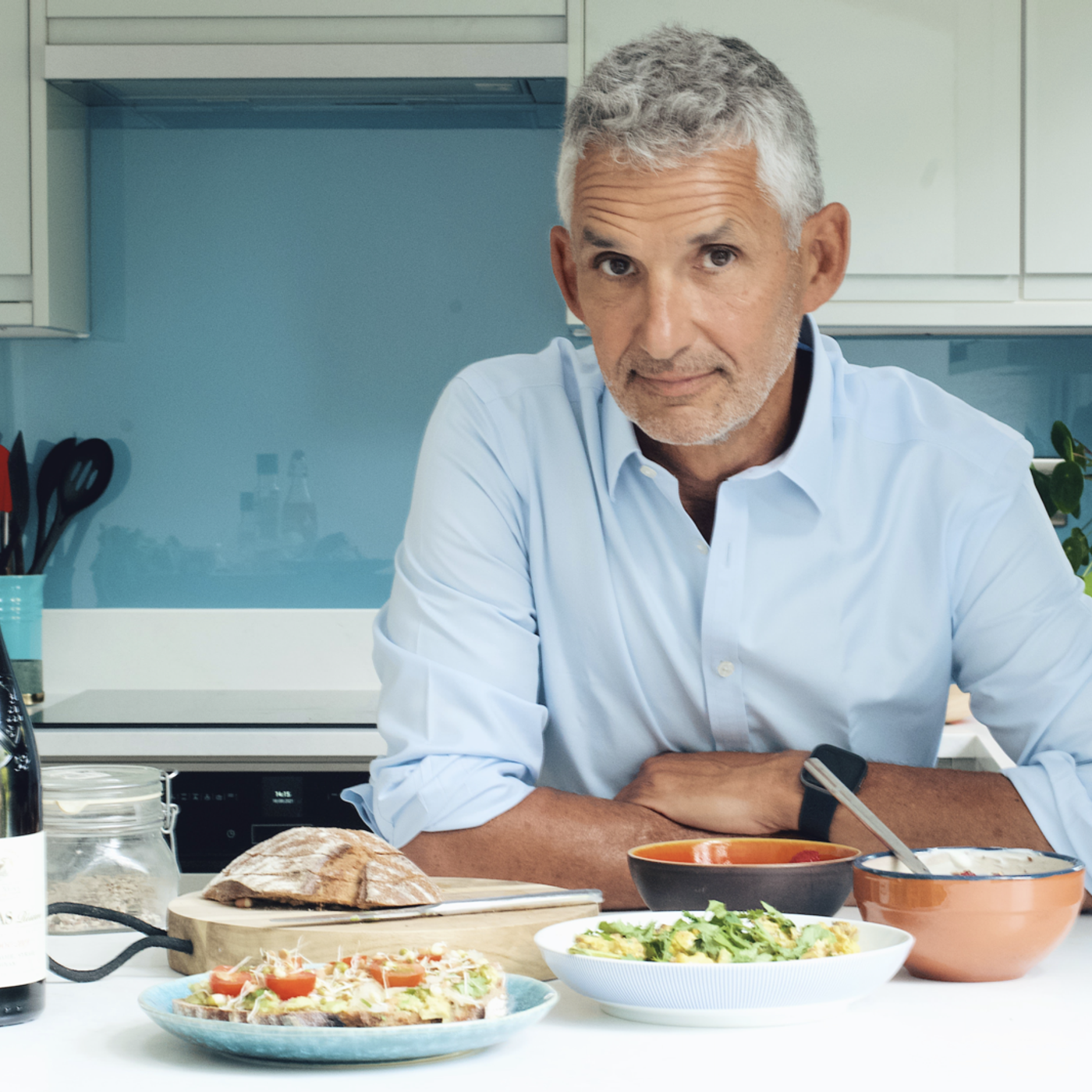
Ep 360360: Tim Spector: 'Food is not a religion, the rules keep changing'
In 2015 a book was published that, for millions, was their first introduction to the gut microbiome.“The Diet Myth: The Real Science Behind What We Eat” looks at the relationship between microbes, genetics, and diet.A few years later, along came “Spoon-Fed” – a book which claimed to expose the bad science behind many government diet recommendations.The author of both is, of course, Tim Spector, one of the most interesting, engaging, and knowledgeable speakers in the world of food.He is also one of the most qualified. He is Professor of Genetic Epidemiology at King’s College London, honorary consultant physician at Guy’s and St Thomas’ hospital, and he is one of the top 100 most-cited scientists in the world.He has been on the podcast before, and we were delighted to welcome him back to talk about his new book “Food For Life”.Tim Spector, Professor of EpidemiologyTim Spector is a medically qualified Professor of Epidemiology and Director of the TwinsUK registry at King’s College London. His current work focuses on the microbiome and nutrition, and he is co-founder of the data science company ZOE Ltd which has commercialised a home kit for personalised nutrition. He is also the lead researcher behind the world's biggest citizen science health project - the ZOE Covid study of over 4 million people, for which he was awarded an OBE. Having published more than 900 research articles, he is ranked in the top 100 of the world’s most-cited scientists by Google. He is the author of four popular science books, including "The Diet Myth”, “Spoon-Fed” and the most recent “Food for Life" which is a Sunday Times bestseller. He makes regular appearances on social and mainstream media

Ep 359359: How to enjoy food again when illness affects your senses
Eating food is one of the most multisensory, emotional experiences we can have. It is not something we are always that conscious of, but the smell of food cooking in the lead up to mealtime can take you back to your childhood, and the taste of a certain meal can transport you halfway around the world to a holiday that lives somewhere in the depths of your memory.Even on a day-to-day basis, tasting food is one of life’s pleasures. A bit of joy on an otherwise dull day, it can be the focus of your evening, even a comfort at times.So for people whose senses have been altered by illness, cooking and eating can become joyless, even isolating.It is something lots of people have experienced with Covid. But it can be true too for people suffering other illnesses or going through invasive treatments, and the effect can be profound for people’s wider health and wellbeing.So in this episode of the Food Matters Live podcast, we are exploring sensory cooking techniques which can help people to start enjoying their food again.Ryan Riley, Co-Founder, Life KitchenRyan Riley opened a cookery school for people with Cancer in 2019.Life Kitchen is a not-for-profit cookery school for people whose taste has been affected by cancer or cancer treatment. It also teaches anyone who is experiencing an altered sense of taste due to Covid. Life Kitchen’s focus is on taste and flavour and helping people enjoy food again.During cancer treatment and Covid, a lot of patients lose or experience changes to their sense of taste or smell. This is a really difficult side effect that can make mealtimes difficult and isolating. Life Kitchen is run by co-founders Ryan Riley, author, cook and food stylist, and Kimberley Duke, recipe developer, trained chef and food stylist.Both Ryan and Kim were inspired to launch Life Kitchen after losing parents to cancer. Throughout Ryan’s mum Krista’s two-year battle with cancer, Ryan saw how chemotherapy was affecting her ability to taste and experience food. After her death, he wanted to honour his mother’s memory and use his cooking skills to help cancer patients find flavour and pleasure in food again. And so, Life Kitchen was born.Life Kitchen is backed by science and they are advised by Professor Barry Smith, the founder of the Centre for Study of the Senses. Professor Smith guides the Life Kitchen team on recipes and ingredients so that people living with an altered sense of taste get enjoyment out of food.

Ep 358358: The highly versatile mycoprotein heading to a plate near you
2023 looks set to be another challenging year, and rising to those challenges is going to require innovation and new thinking about how the global food industry feeds a growing population.This episode Food Matters Live podcast is part of a short series shining a light on some of the start-ups who are shaping the future of the food industry.They are the big thinkers, with big ideas about how to solve some of the world's biggest problems.In this episode, we meet Jim Laird, CEO and co-founder of alternative protein company Enough.Enough grows ABUNDA mycoprotein, a fermented food ingredient which is rich in protein and fibre.ABUNDA is a highly versatile mycoprotein. It can be incorporated as a protein and fibre rich ingredient in established recipes or used to inspire new culinary creations.Listen to this short episode to find out more about the work Enough is doing, the company's ambitions for the future, and how investors and customers can get involved in their journey.EnoughAs a food-tech company whose purpose is “to make protein sustainable” ENOUGH passionately believes in the merits of fermentation as the most technologically and economically viable solution to sustainably feed a growing global population.As a team of 55 representing 17 nationalities, we want to do something that is “bigger than us” and are building what we hope will become the World’s largest protein facility, located in the Netherlands and from where we will start to supply in early 2023, initially producing the equivalent of five cows worth of protein every hour. ENOUGH’s product Abunda® mycoprotein is a solution to make great tasting food that both provides an alternative and removes the need for the unacceptable impacts of intensive animal farming. This addresses demand for non-animal protein that is forecast to grow by +15k tonnes every day for the next 5,000 days. ENOUGH’s current plans are not enough to meet a relevant share of this but with collaboration, we embrace the opportunity to go further and faster.Find out more by visiting the Enough website, emailing [email protected] or following Enough on LinkedInJim Laird, CEO and co-founder, EnoughAs CEO and co-founder of ENOUGH, Jim has worked in the food industry for 30 years. This included supply chain roles running frozen beef and chicken factories in the early 1990s and managing the Quorn brand internationally in the late noughties.Jim co-founded ENOUGH (formerly 3F BIO) in 2015 and feels massively privileged to work with a team who span three locations and 17 nationalities, and who are motivated by a collective purpose “to do something where the impact is bigger than us”. As a motivated reducetarian Jim continues to acknowledge the need for further improvements in the way that we grow and produce protein to make great tasting foods and celebrates collaboration as a means to achieve this goal.

Ep 357357: The dietitian who loves changing people's lives
Sophie Medlin is quite clear about why she loves her job as a dietitian so much.For her, it is all about making a difference to people's lives, something she describes as giving her "the best job satisfaction".Sophie has her own practice, City Dietitians, and is the London Chair of the British Dietetic Association.In this episode of the Career Conversations podcast series, recorded in front of a live audience at our first Inspiring Careers in Food event, she tells us all about her journey to the top.She is one of the UK's leading dietitians and she is incredibly passionate about helping young people join the industry.Sophie says the best way to get experience as a dietitian is to go and work in the NHS.Although many people want their own practice, she says it is important to learn the trade in the national health service, where you will encounter a huge variety of issues.She thinks that stands you in good stead, should you wish to go it alone in future.Sophie specialises in gut health and says she was first drawn to it "because it's embarassing and taboo"."We often see patients who have never spoken about it. De-stigmatising that and giving people help when they need it is magic," she says. Listen to the full episode to find out what you can expect from a role like Sophie's, the types of skills you need to be a successful dietitian, and the courses you need to study.Sophie Medlin, Consultant DietitianSophie worked for many years in hospitals before moving to a career in academia where she was a lecturer in Nutrition and Dietetics at King’s College London before leaving to run City Dietitians and work as a consultant.In her clinical work, Sophie specialised in managing the nutritional needs of people with intestinal problems. She is considered a leading specialist in the dietary management of bowel conditions such as Crohn’s disease, ulcerative colitis, diverticular disease and the nutritional management of colostomies and ileostomies.Sophie carried this through to her research which focuses on the nutritional consequences of bowel surgery. Her experience in complex nutrition support sees her overseeing the nutritional management of patients with complex feeding needs such as tube feeding and intravenous nutrition support.

Ep 355355: Leading an insect protein revolution
2023 looks set to be another challenging year, and rising to those challenges is going to require innovation and new thinking about how the global food industry feeds a growing population.This episode Food Matters Live podcast is part of a short series shining a light on some of the start-ups who are shaping the future of the food industry.They are the big thinkers, with big ideas about how to solve some of the world's biggest problems.In this episode, we meet Kestutis Lipnickas, CEO of the insect protein company, Divaks.Divaks makes oils, powders, and proteins using from high-quality insect-derived ingredients.Its products are created for the food industry, and customised to meet the highest needs of both clients and consumers. Listen to this short episode to find out more about the work Divaks is doing, the company's ambitions for the future, and how investors and customers can get involved in their journey.About DivaksStarted in 2020 in Vilnius, Lithuania, Divaks is developing fully automated vertically integrated insect protein business. The company is committed to creating high-quality insect-derived ingredients for the food industry, that excel in nutritional and functional qualities. Divaks is growing rapidly and recently launched its own pilot facility, that will allow it to produce and develop high quality insect protein ingredients that can be customised to clients’ needs. Find out more on the Divaks website or via email: [email protected]

Ep 356356: The inconvenient truth is the food industry needs more CO2
We could be heading for a shortage of carbon dioxide. Yes, you read that right, despite carbon emissions hitting record levels in 2022, CO2 for use in the food and drink industry is in short supply.CO2 is used all across the sector, soft drink production of course, but also meat processing, brewing, baking, and many many othersBut with the soaring price of natural gas, dwindling supply, and the shutdowns of CO2 plants in Cheshire and Teeside, there are fears that major shortages are just around the corner.We have been here before. Significant CO2 scarcity in 2018 sent shockwaves through the industry.But could we be facing an even worse situation this time around? Prices of CO2 are already rocketing, so what can the industry do to prepare itself?Mark Lorch, Professor of Public Engagement and Science Communication, University of HullMark Lorch is a chemist, writer and science communicator. He started his research career working on protein folding and has since delved into many other aspects of biological chemistry ranging from how organisms' signalling molecules will be affected by ocean acidification to monitoring micro-pollutants in waterways.Alongside his research, Mark spends his time communicating science to as wide an audience as possible. He founded and directs the Hull Science Festival and leads on widening participation projects in the region. He still finds time to contribute to various media outlets, his prose regularly appears in the mainstream press, and he pops up regularly on broadcast media. He has also provided science consultancy services to film, game production companies and he sits on the Science Advisory Council of the National Police Chiefs' Council.Emma McClarkin, Chief Executive, The British Beer and Pub AssociationEmma McClarkin was appointed Chief Executive of the British Beer and Pub Association in 2019.A passionate beer and pub lover, Emma is the voice for the beer and pub sector leading them through the pandemic, interfacing with government and stakeholders to secure vital grant support and economic stimulus to aid the recovery of the Sector. Protecting the future of the Great British Pub and our world-renowned brewers.Prior to joining the BBPA, Emma served as a Member of the European Parliament for the East Midlands for 10 years. As a true beer lover, she also served as Vice President of the European Parliament Beer Club during this time. She has also held posts including Chairman of the Commonwealth Forum and Director of Global Policy for the Sports Integrity Global Alliance and is currently a Special Advisory Board Member at the Commonwealth Enterprise and Investment Council and a Director of the Ivors Academy.Outside of work, Emma is a big fan of music and sport, closely following the rugby, football and cricket – as well as watching them in her local pub.

Ep 354354: Pregnancy and nutrition - busting the myths
Good nutrition is vital during pregnancy, but how do you separate the myth from the science-based fact? During the time between conception and birth, there are significant changes in the body’s nutritional requirements. But of course there is no one-size-fits-all approach. Changes during pregnancy are far-reaching and every woman requires different nutrition based on their body, their lifestyle, and their pregnancy. Join our trends panel: Nutrition insight panel: eating for two – what are the latest trends in pregnancy nutrition? There are other challenges too, myths and misleading stories about pregnancy would fill a very large book, or a never-ending twitter feed. And with diet being so tied up with culture, it is hard to escape their pull. In this episode of the Food Matters Live podcast, look at the nutritional demands of pregnancy and discuss which aspects of diet are most important, and which advice and products are actually worth taking seriously. Hannah Love, Paediatric Nurse Hannah Love is a paediatric nurse, nutritional therapist, parenting and sleep expert. She has spent the last 25 years helping growing families with everything parenting related- from pregnancy all the way to toddlers. Through her CALM approach (Consistent, Achievable, Loving and Manageable) she shows families that small changes can make a huge difference, whatever situation they find themselves in. You can be a gentle parent, have a baby who sleeps well and who fits into your lifestyle - whatever that means to you. She advises parents ,and parents to be, on everything from nutrition and weaning, to toddler behaviour and her favourite subject - sleep. Visit Hannah's free private parenting Facebook community.

Ep 353353: 'How I landed my dream job as Beverage Lead at Virgin Atlantic'
Shiada Drysdale is a high-flyer, and not just because she works for Virgin Atlantic.As the company's Beverage Lead for Inflight Services, she selects the drinks that appear on all of Virgin's flights.There is so much thought and research that goes into the selection of drinks you get on a flight, and it is Shiada's job to make sure what's on offer is the perfect fit.That manifests itself in a number of different ways, from making sure the beverages chosen are the most popular with passengers, to ensuring the way they are packaged maximises use of space onboard.Throw into that the complexities of how our sense of taste changes at altitude, and working out the logistics of making sure there is the right amount of the right drinks on flights crossing the globe, Shiada's job is not one for the faint-heart.This episode of the Career Conversations podcast series was recorded in front of a live audience as part of our Inspiring Careers in Food event.Listen to the full episode to find out how Shiada worked her way up to her current role, why she says she is always learning on the job, and hear about some of the female leaders who have inspired her throughout her career.Shiada Drysdale, Inflight Services, Beverage Lead, Virgin AtlanticShiada has worked for Virgin Atlantic since 2007 holding a variety of key management roles with a customer focus. Shiada currently manages and leads the global beverage proposition for Virgin Atlantic based within Inflight Services. She curates and selects the beverage listings across all cabins, manages the supplier relationships and brand partnerships from concept to execution. She enjoys the variety and the fast-paced aviation environment, and being part of the current evolution the beverage industry is entering in order to support the airlines sustainability ambitions.

Ep 352352: Food survey - biggest consumer concerns revealed
What is the state of the relationship between consumers and the food industry? What do consumers think about the food they eat? How safe do they consider the food they buy to be? And what can the food industry learn from tracking consumer behaviour? In the UK, many of those questions can be answered by looking at the results of the Food Standards Agency's flagship Food and You 2 Survey. We all have individual concerns and behaviours around food, but what do these individual preferences add up to when scaled to the national level? And how can the food industry use that information? According to the survey, the biggest consumer concerns are food waste, the amount of sugar in food, and animal welfare. More than 50% of respondents reported feeling worried about these issues. The environment has shown itself to be a key issue too, with one third of people who responded to the survey saying they have intentionally bought food which has a low environmental impact. Consumer confidence appears high, with 92% saying they believe food bought in Britain is safe to eat. Listen to the full episode to find out more about the survey's results, how the data is being used in the food industry and beyond, and how the cost of living crisis is already having an impact on people's behaviour around food. Michelle Patel, Food Standards Agency Michelle Patel is the Deputy Director of Analysis and Insight within the Science team at the Food Standards Agency. With nearly twenty years in Government and a background in communications she remains an endlessly curious scholar of public attitudes and behaviours. She leads a fine team of over 50 analysts and has access to leading experts and a wide range of research tools to understand how and why people do what they do, and what the future holds when it comes to food.

Ep 351351: The great balancing act - how nutrition affects our hormones
The hormones which charge around in our bloodstream are incredibly influential, but what role can nutrition play in regulating them?We are probably most familiar with oestrogen, progesterone and testosterone, the female and male sex hormonesBut they are just part of a vast endocrine system, affecting our bodies in countless ways.Things like appetite, metabolism, sleep, reproduction, body temperature, mood, you name it, there is a hormone controlling it. But this is a delicate system and, if hormonal balance is out of sync, it can affect pretty much everything else. So how does our nutrition interact with this system? Is it possible to improve overall hormonal balance by tweaking what we eat? And can we target specific things like better sleep or a more regulated appetite, without adversely affecting other aspects of the system? Finally, in this episode of the Food Matters Live podcast, we ask: Is the food industry aware of its effect on our inner hormonal lives?Suzie Sawyer, Clinical NutritionistSuzie Sawyer is a Clinical Nutritionist with over 20 years’ experience in the natural healthcare arena. From working in a private clinic in Harley Street, to managing a team of nutritionists in one of the UK’s leading food supplement manufacturers, Suzie is passionate about the topic of nutrition with a specialisation in female health and menopause. Working within a very evolved industry also requires her to be current on the latest science and researchSuzie’s work is broad and varied, running a busy nutrition clinic dealing with complex health conditions, offering sophisticated DNA testing, writing for a myriad of health publications, working as a regulatory consultant for various food supplement manufacturers, to educating others on the topic of nutrition. She enjoys delivering inspirational and motivational seminars in the workplace including in 10 Downing Street, and speaking at industry events. Suzie encourages positive change and lasting results. She has also worked as a Guest Presenter on QVC television and is a member of the Guild of Health Writers.
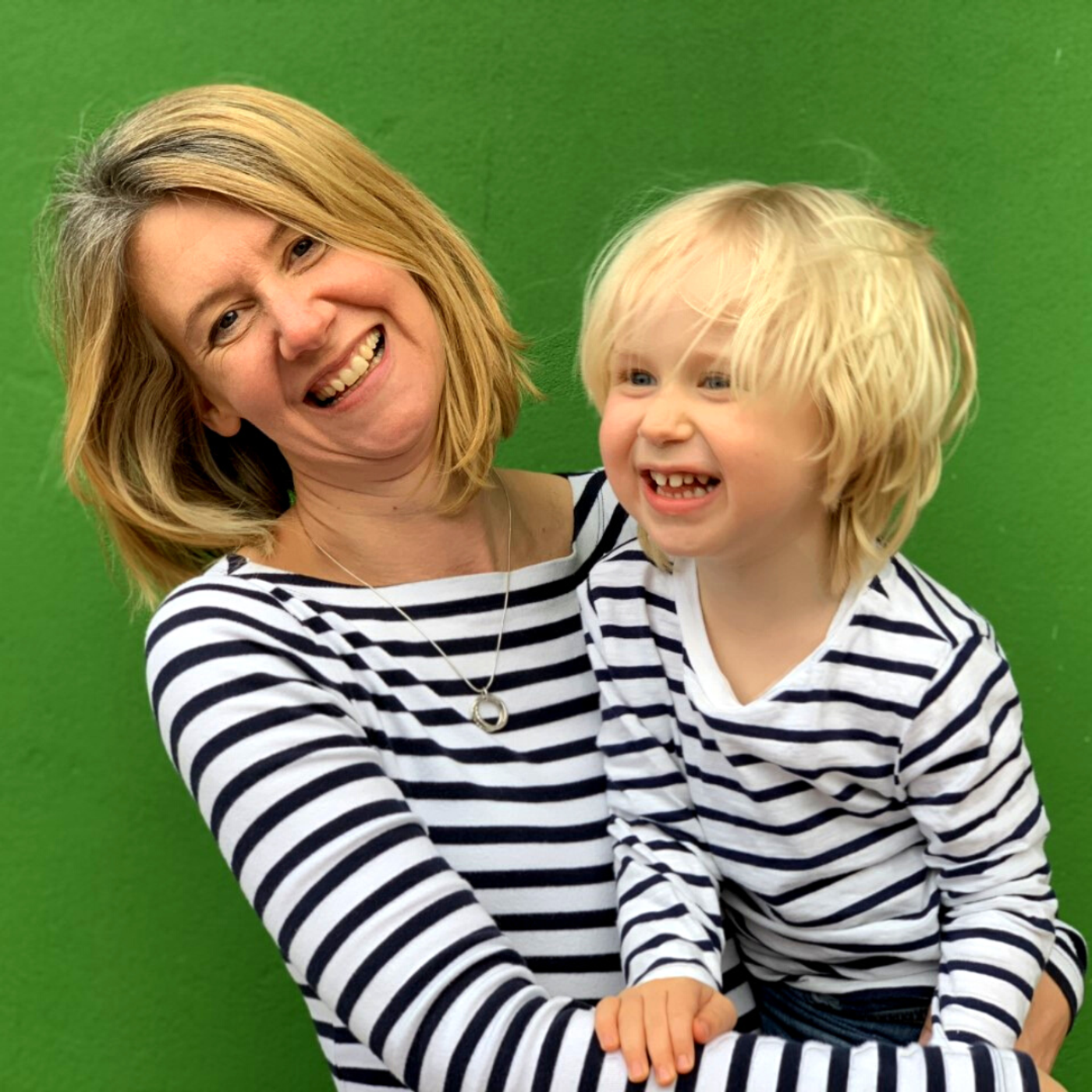
Ep 350350: 'How my son's allergies led to an unexpected career in food'
Sometimes the best ideas are born out of necessity, and that is exactly what happened for Jessica Harris, Founder of Little Bandits.Her journey into the food industry began when her son was diagnosed with a severe allergy to cow's milk.She had never worked with food before but was driven to create her own products after being disappointed with the free-from range that was on offer for children at the time.In this episode of the Career Conversations podcast series, recorded in front of a live audience at our Inspiring Careers in Food event, Jessica tells us she was driven by a feeling that she did not want her son to feel excluded.The ultimate guide to setting up your food and drinks brandLittle Bandits makes yoghurts which are free from the top 14 allergens, low in sugar, and free from additives.But Jessica says it is not just about making free-from products, her aim has always been to make them tasty and convenient.One of the big challenges was making sure the yoghurts were available in supermarkets, so parents could buy them as part of the weekly shop.Listen to the full episode to find out how she got the business off the ground, and how she managed to beat cancer and raise a child all at the same time.Useful organisations mentioned in the episode:Bread and Jam - a community of emerging UK food and drink brandsBig Idea Ventures - a venture capital fund supporting start-upsJessica Harris, Chief Bandit and Founder, Little BanditsJess formerly worked in the international development sector directly raising and managing income of over £80 million during her 22-year career. Prior to launching Little Bandits, Jess ran her own consultancy for five years and before that was a Director at Restless Development, responsible for a global team of 16 and accountable for partnerships, strategy and investments doubling income from £5m to £9m under her tenure. Little Bandits has been inspired by her son Jonah’s food allergies and the lack of healthy, allergy-friendly products available. Determined that Jonah and children like him, shouldn’t miss out on fun, tasty treats Little Bandits was born and launched into 157 Asda stores in July 2020.

Ep 349349: A quick guide to clean and clear labels
How concerned are consumers with what is included on food and drink labels? To some, it might sound like something regulators are more concerned about than shoppers. But a European survey shows more than 80% of consumers believe product information is of major importance. So, it is crucial that food and drink producers get them right. In this episode of the Food Matters Live podcast, which is part of a short series made in partnership with Brenntag, we take a look at the differences between clean and clear labels. We hear a lot about clean label products, but is there an agreed definition of what it actually means? Does it mean the same to regulators, producers and consumers? And what about clear labels? What is the difference? What is needed? What could be improved? And what might a clear label look like in the future? More from Brenntag: How to get a slice of the alternative protein market Functional drinks - more than just a question of taste In short, clean labels make it easier for consumers to recognise certain ingredients, often by using simple language. Clear labels are about transparency, sign-posting claims about provenance or sustainability, for example. But there is a lot more to it than those two simple lines of text. Labelling can be a complex world to navigate without expert guidance. Listen to the full episode to learn more about informed consumers and connected consumers (and how to cater for both), why e-numbers are not always a bad thing, and how technology is helping food and drink manufacturers tell a more complete story about their products. If you would like assistance from Brenntag with your development projects you can visit their booth at the upcoming Food Ingredients Europe show in Paris between 6th-8th December, or get in touch via their website. Brenntag Brenntag’s Nutrition team is home for more than 900 technical and commercial experts who are passionate about food and sustainable nutrition. In its 28 fully-equipped application and development centres worldwide the team has specialized technical service capabilities and offers excellent service in co-creating the solutions for tomorrow. The team’s aim is to achieve the optimum balance in nutritional composition looking for healthier options and nutritious formulations that satisfy every appetite.
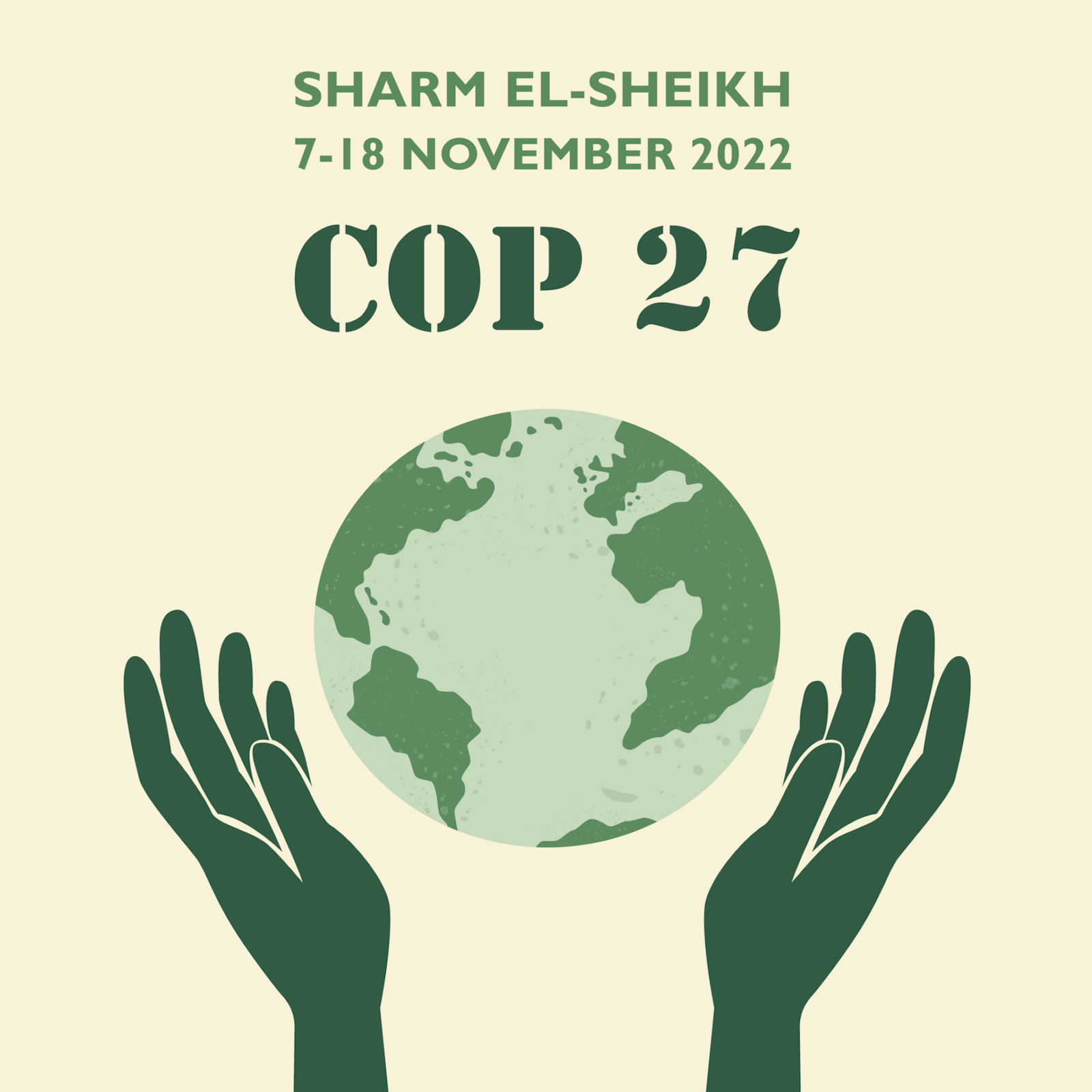
Ep 348348: Will COP27 be a turning point for the food industry?
The United Nations Climate Change Conference is underway in Sharm El Sheikh in Egypt. In this episode of the Food Matters Live podcast, we are taking stock to ask the food industry about its hopes for COP27. We have spoken to key figures from the sector to ask them: - What they want to see achieved - How hopeful they are that meaningful change can come about - Whether or not the food industry gets enough attention at these climate change conferences And we ask them to reflect on COP26 and what progress has been made in the last 12 months. Dr Emma Keller, Head of Sustainability, Nestlé UK & Ireland Emma Keller is Head of Sustainability for Nestlé UK&I, focussing on delivering the ambitious net-zero climate commitment and driving the business to be a force for good. Prior to joining Nestlé, Emma led a team at WWF on food system transformation and before that was in Unilever’s sustainability team working on bringing the Unilever Sustainable Living Plan to life. She also holds a doctorate in supply chain sustainability. Toni Vernelli, International Head of Communications and Marketing, Veganuary The daughter of a butcher from a small town in Northern Canada, Toni gave up meat in her teens when she learned that we can live and be healthy without it. Now vegan for more than 30 years, she believes passionately that we need a mass shift towards plant-based eating and is proud to be part of an organisation, Veganuary, fuelling this change. She also holds a PhD in Animal Behaviour. James Hand, Co-Founder, Giki James Hand is a data scientist and carbon footprint specialist who co-founded Giki with his wife Jo in 2017. Before setting up Giki, James worked for 20 years in fund management at Ninety One where he was co-CIO, co-head of the 4Factor equity team and built the ESG team. James has worked with various academics, including Dr Richard Carmichael, on the role that individuals can play in achieving Net Zero and lectured on behavioural finance and personal carbon footprints

Ep 347347: Do school meals really affect a child's learning?
To mark National School Meals Week in the UK, the Food Matters Live podcast is making a series of episodes looking at the challenges around providing nutritious food for our children in the school canteen. In recent episodes, we have heard from the school caterer’s trade body, LACA, about the challenges they are facing, and from School Food Matters, a charity fighting to improve school meals. Rising prices and supply chain issues are leading to some providers saying they will have to change their menus. In this episode, we meet Dr Jennie Parnham, a researcher at Imperial College London who has studied the impact school meals can have on a child’s learning. Dr Jennie Parnham, Researcher, Public Health Policy Evaluation Unit, Imperial College London Dr Jennie Parnham is a researcher based in the Public Health Policy Evaluation Unit at Imperial College London whose work focuses on the inequalities in diet and nutrition for low-income children and the policies which can be used to address these. Through her work she has developed an expertise in policy evaluation, nutritional epidemiology, and nutrition welfare policies. These research interests were developed through her studies in Nutrition (BSc) at the University of Leeds and Social Epidemiology (MSc) at University College London. She completed a NIHR School of Public Health Research funded PhD evaluating nutrition welfare policies in the UK at Imperial College London. As part of this project, she used quantitative methods to explore the impact of the Healthy Start voucher scheme and free school meals on low-income children, filling critical evidence gaps for these policies.

Ep 346346: National School Meals Week - fighting to improve our childrens' food
To mark National School Meals Week in the UK, the Food Matters Live podcast is making a series of episodes looking at the challenges around providing nutritious food for our children in the school canteen. In the last episode, we heard from the school caterer’s trade body LACA, about the challenges they are facing from rising costs and supply chain issues. There is no denying the difficulties being faced by school meal providers, but are there some innovative solutions out there? In this episode we meet Stephanie Slater, Founder and Chief Executive of the charity School Food Matters. Look out for the next episode, where we hear from a researcher, who has studied the important role school meals can play in a child’s learning. Stephanie Slater, Chief Executive and Founder, School Food Matters Stephanie Slater is Founder and Chief Executive at School Food Matters. She set up the charity in 2007 after successfully campaigning to improve the food at her children’s primary school. In 2012, she was invited to join the School Food Plan's expert panel, tasked by the Department of Education to create an action plan to help head teachers improve school food. Ten years on, Stephanie has brought together leading charities in the School Food Review, a group calling on government to reform school food funding and policy so that no child misses out on good nutrition at school. Stephanie is vice-chair of Sustain; the alliance for better food and farming, a trustee of Alexandra Rose Charity and a member of the London Food Board.

Ep 345345: National School Meals Week - the reality of feeding thousands of kids
To mark National School Meals Week in the UK, the Food Matters Live podcast is making a series of episodes looking at the challenges around providing nutritious food for our children in the school canteen. School meals are under pressure. Rising costs and supply chain issues are leading to some providers saying they will have to change their menus. So what does that mean for the food that is provided and the children who are eating it? Later in the series we will speak to a researcher, who has studied the impact of school meals on a child’s learning, and a school food charity. But in this episode we meet Brad Pearce, Managing Director of the school caterers trade body LACA, to find out more about the challenges they are facing and how they are hoping to overcome them. Brad Pearce, Managing Director, LACA Brad started his local government career straight from school at 16 joining Devon’s Trading Standards Team before taking up Client roles for Compulsory Competitive Tendering (CCT) in cleaning and school catering in the late 1980’s. Plymouth born and bred, Brad moved to the new unitary authority of Plymouth City Council in 1998 and took on the role of sales and marketing of services direct to schools. In 2007 the Director of Education asked Brad to take on the role of Education Catering Manager and run the school meals service at a time of immense change and the initial impact of Jamie Oliver’s school meals campaign which, helpfully, lead to a significant opportunity and government funding to enable a plan to fully refurbish the school kitchen estate and build 21 new kitchens – ending transported meals across the city over the next 5 years. In 2013, Brad worked with the team at the national School Food Plan and lead the small schools project across rural Devon and Cornwall whilst at the same time working with schools in the city of Plymouth and the Council to secure a new way forward in providing their school food. In April 2015, CATERed was launched as the country’s first and only cooperative school meals provider owned by schools and the council where all schools share resources and funding - the big supporting the small – to ensure all children and young people, whatever their background, can access great tasting, freshly prepared, hot school food made from locally and regionally sourced produce and ingredients. Brad is the Managing Director of CATERed, has been a member of LACA since the early 1990’s, held the position of Regional Chair for the South West Region becoming a Board Member in 2018 and is now the National Vice Chair.
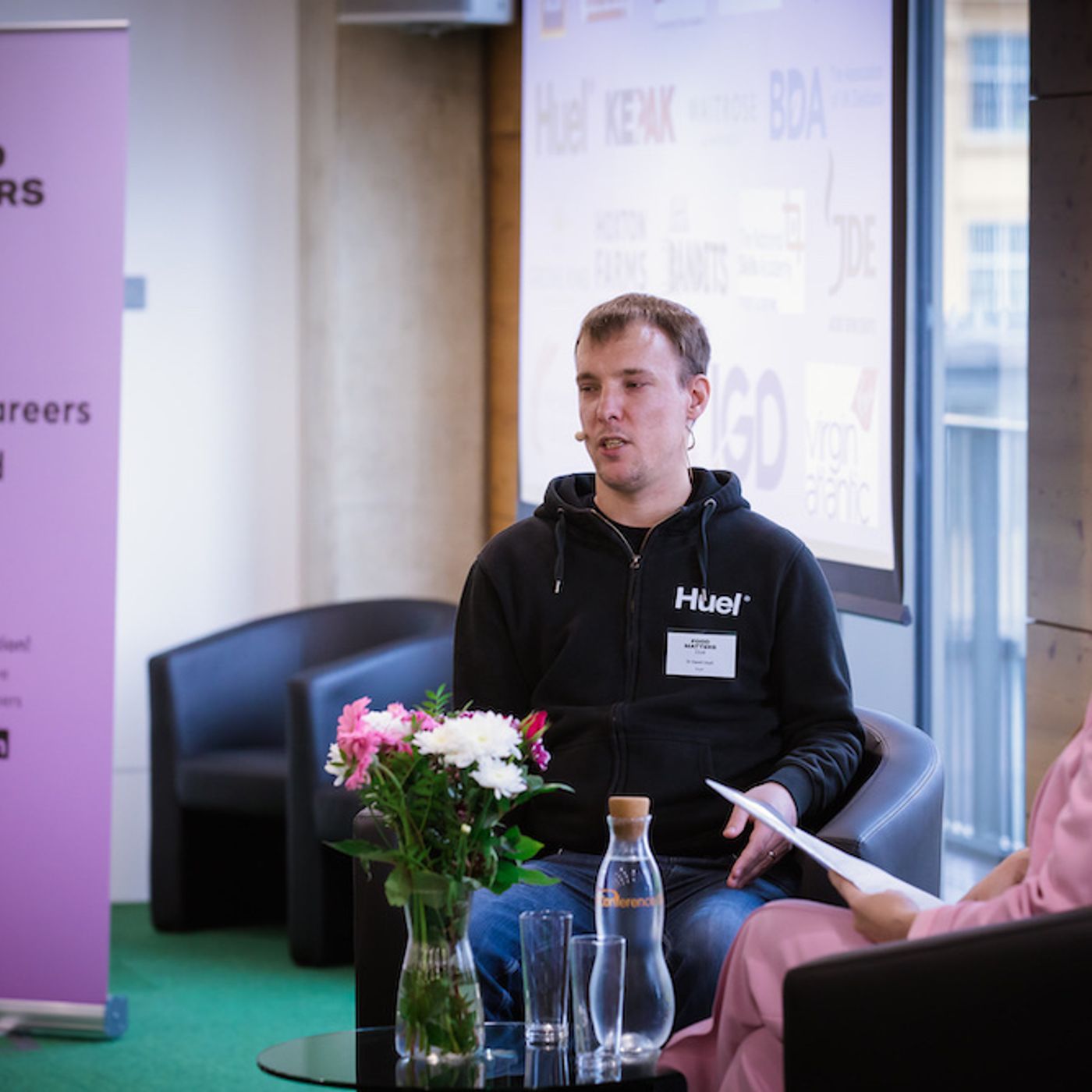
Ep 344344: How to get ahead at a company like Huel
What is it like to work for one of the most well-known and growing brands in the food industry?That's exactly the position Dr David Lloyd, Senior Research and Development Manager at Huel, finds himself in.In this episode of the Career Conversations podcast series, the first to be recorded in front of a live studio audience as part of our Inspiring Careers in Food Series of events, he reveals all about his journey to the top.Dr Lloyd's role as Huel is heavily science based and includes a lot of project management.He has a degree in Chemical Engineering, which he got at Loughborough University, and he has a PhD in Formulation Engineering from the University of Birmingham.Before joining Huel, he was chief scientist at the huge multinational Unilever.Listen to the full episode to find out how Dr Lloyd found the move from Unilever to Huel, how much you can expect to earn if you follow a career path like his, and enjoy some questions from our audience of students who attended the event.Dr David Lloyd, Senior R&D Manager, HuelDr David Lloyd is Senior R&D Manager of Huel, a food company that makes a variety of nutritionally complete, plant-based meal products.As Huel has expanded in employees, sales revenue and scientific capability, David has played an important role on that journey over the last 3 years. He is now co-ordinating Huel’s longer-term R&D strategy to drive further growth and help Huel move up another gear.A passionate scientist and engineer (depending on the task at hand), David whilst still in the relatively early stages of his career has had a somewhat varied experience across industry and academia.Graduating from Loughborough with a degree in Chemical Engineering, it is slightly unconventional David wasn’t swallowed into the world of Petrochemicals and Pharmaceuticals with most of his peers but his passion for food led him in a different direction.After studying an Engineering Doctorate in Formulation Engineering under well renown food scientist Prof. Ian Norton, David worked 5 years for FMCG giants Unilever carrying out R&D innovation projects on ice cream & Ready-to-drink Iced Tea. Looking for a new challenge brought him into the early stages of the rapidly growing Huel business looking after their Ready-to-drink category before a switch to his current role.A common theme throughout David’s career is the ability to adapt and thrive in different environments. Industry or academia, small or large business, he has won multiple accolades for presentations, business delivery and most recently been nominated for Food & Drink Scientist of the Year 2022.

Ep 343343: Shooting for the stars - the secrets to successful product innovation
The food industry is arguably one of the most innovative sectors in the world, but what are the strategies and ideas that underpin successful product innovation?Innovation is big business in the food and drink industry. On the Food Matters Live podcast, we are often meeting people with great new ideas or tapping into growth trends, whether that is wellness, nutrition, plant based, ag-tech, or a whole host more.In this episode, made in partnership with Sopheon, we dig deep into the art and science of innovation, and ask: Are there certain practices that support most, if not all, successful product innovation projects?Which approaches can drive product innovation forwards? And what are the key questions innovators should be asking themselves?The modern world is ultra-connected, things are manufactured and assembled in multiple countries, team members work in different time zones, products are sold in different places. That creates plenty of opportunity for innovation, but it can throw up challenges too. So, what does an ultra-connected world mean for innovation leaders?We delve into the potential opportunities provided by the Metaverse, and how innovators are looking at exploiting that brand new environment.What about smaller companies looking to innovate? Are the challenges different compared to larger businesses?Sopheon is a company with a long history of considering these ideas and applying them through its innovation management software and services.Our guest on this episode is Paul Heller, Sopheon's Chief Evangelist.Paul has led technology strategy and product development for Sopheon for nearly 25 years and is just the man to provide an informed perspective on how to go about your product innovation project.SopheonEnriched by experience with hundreds of longstanding, blue-chip customers, Sopheon provides the ability to control and manage innovation and new product development programs and pipelines more effectively and efficiently. Sopheon solutions deliver an innovation decision command centre that gives companies complete visibility, smarter decision-making, and better time to value.Sopheon offers a flexible and scalable single innovation system that integrates with any system or innovation process, is straightforward to deploy and use, and which is based on deep industry best practices and powerful decision support and data visualization capabilities.Sopheon clients enjoy superior strategy-to-execution performance and growth because they can consistently innovate, define, and develop a successful portfolio of products, and achieve faster time to market.Paul Heller, Chief Evangelist, SopheonPaul Heller has led technology strategy and product development for Sopheon since 1999. Today, his leadership helps Sopheon’s blue-chip client portfolio achieve high levels of success from their investments in innovation. Paul navigates the technology landscape for both Sopheon and its customers and identifies the business values linked to investments in innovation management systems and processes. He also advises executives on how to be more successful in innovation and regularly speaks and writes about innovation to business audiences.

Ep 342342: Functional drinks - more than just a question of taste
Functional beverages may have begun life as a niche part of the drinks market, but with them now generating billions of dollars in revenue globally, it is a sector that cannot be ignored.Just go to your local supermarket or convenience store and see how many are on offer.But where is the market heading? What are the latest developments in terms of ingredients? And what does the data show consumers are after?In this episode, which is part of a short series made in partnership with Brenntag Food and Nutrition, we seek to answer those questions.Functional drinks have a market value of around $120 billion and that covers a whole range of different products.Some are attractive to people looking to stay active and mentally alert, but there are lots of different reasons people are attracted to functional drinks.The difficulty can be in seeing which way the market is moving and where the opportunities might be.There are other challenges thrown up by adding functional ingredients to drinks, not least getting the flavour right.Today's functional drinks market is about offering more than just one benefit per beverage, and creating a product using multiple functional ingredients presents its own challenges and is a fine balancing act.Brenntag share their expertise in this field, giving some insights into how they do it and how they work with their customers to meet their requirements on both functionality and taste.Listen to the full episode to find out about the main trends in the market, why some flavours work better with specific ingredients, and the important role e-gaming could play in the future of functional beverages.If you would like assistance from Brenntag with your development projects you can visit their booth at the upcoming Food Ingredients Europe show in Paris between 6th-8th December, or get in touch via their website. BrenntagBrenntag’s Nutrition team is home for more than 900 technical and commercial experts who are passionate about food and sustainable nutrition. In its 28 fully-equipped application and development centres worldwide the team has specialized technical service capabilities and offers excellent service in co-creating the solutions for tomorrow. The team’s aim is to achieve the optimum balance in nutritional composition looking for healthier options and nutritious formulations that satisfy every appetite.

Ep 341341: How energy prices are hurting the hospitality sector
Energy prices are soaring and having a profound and growing impact on businesses of all kinds. But the hospitality sector has faced incredible pressure across two years of the Covid pandemic. So, how is it coping with this latest, significant challenge? It is a sector where showing a positive, welcoming face to your customers is vital. But businesses in the sector are reporting energy price rises of 95%, and many are being forced to raise prices, drastically reduce energy use, and cut trading hours. In the UK, the Government has offered support in its Mini Budget. But, with a tough winter looming, will that help be enough? Will the smile be back on the face of the hospitality sector in the medium term? In this episode we hear from two people who can offer a rounded view of how the energy price crisis is affecting the industry. Gareth Fulford is chef and patron at a restaurant in Cheltenham, where he is feeling the effects every single day. His business, like many others, is fighting battles on two fronts; the increased cost of energy and the fact his customers have less disposable income as inflation soars. Harriet Walker is an analyst at Cornwall Insight, a firm that predicted a typical household energy bill could hit more than £4,000 next year. Gareth Fulford, Chef/patron, Purslane Restaurant Purslane specialises in sustainable British seafood paired with the best Cotswold produce. Gareth comes from a family of butchers and has been working as a chef since his 16th birthday in various kitchens across the UK. Then, after five years working at prestigious events cooking for royalty and various A-list celebrities, he settled in the Cotswolds to work at a top-quality gastro pub before realising his dream of opening Purslane Restaurant in 2012. Harriet Walker, Analyst, Cornwall Insight Harriet is an Analyst at Cornwall Insight in the Consumer Markets team, focusing on non-domestic supply and services. Harriet leads the delivery of the quarterly SME Pricing report and co-produces the monthly and quarterly reports for the Non-Domestic Supplier Insight Service (NDSIS). Harriet joined Cornwall Insight in September 2021 after completing a MSc in Climate Change and International Development at the University of East Anglia. She also volunteered as a Blog Content Coordinator for the virtual Climate Exp0 conference in 2021, working on the Green Recovery topic.

Ep 340340: The chance work placement that created "the queen of cheese"
Anne Marie Butler did not always want to work in the food industry, in fact, she had originally hoped to become a lawyer.But she ended up becoming the "queen of cheese" at the dairy firm Edlong, thanks in part to a chance bit of work experience."I just didn't bother to arrange anything," she tells Elisa Roche in this episode of the Career Conversations podcast series.She ended up doing at stint at Kerry and so began her lifelong passion for food innovation, flavour and dairy.Anne Marie tells Elisa she believes everything happens for a reason and that work placement really has seen her land on her feet.She is now Edlong's Global Director of Innovation and Commercial Development.Like many people in the industry, she started off with a science degree and moved into new product development.Anne Marie says she believes everything happens for a reason and she urges others to "follow their gut" when making career decisions.Listen to the full episode to find out how she made it to her current role.Anne Marie Butler, Global Director of Innovation, EdlongAnne Marie has been in the food industry for over 15 years. With a varied background covering manufacturing, R&D and applications focusing on cheese, processed cheese, dairy alternatives, and flavours she has a passion for all things food.

Ep 339339: How to get a slice of the alternative protein market
There is no doubt that the alternative protein market is growing, but how can food companies make their own mark in this area?We are certainly hearing more and more about these products and there is no doubt that it has never been easier to find them on our supermarket shelves.In this episode of the Food Matters Live podcast, made in partnership with Brenntag Food and Nutrition, we explore the challenges and the solutions for creating meat and dairy-free alternative products that excite the taste buds and entice consumers.Meat-alternatives, in particular, throw up a number of challenges, but work is being done right around the world to get things like the taste, texture and nutrient profile just right.And the prize for achieving those things is huge. It is predicted that the alternative protein market will grow to $26 billion by 2024.So does that mean we are all about to adopt a vegetarian diet? It seems the answer is no, with a growing number of consumers declaring themselves to be flexitarian.That throws up even more intriguing possibilities for producers, with hybrid products potentially taking centre stage.It is sometimes a difficult world to navigate, which is where Brenntag comes in.The company, with its knowledge of ingredients, market data and future trends, works with food producers to help them create the products they want to take to market.Listen to the full episode to learn more about the current state of the alternative protein market and where it might be heading, how Brenntag works with its customers to develop new products, and listen to our host, Stefan Gates, take part in a taste test.If you would like assistance from Brenntag with your development projects you can visit their booth at the upcoming Food Ingredients Europe show in Paris between 6th-8th December, or get in touch via their website. BrenntagBrenntag’s Nutrition team is home for more than 900 technical and commercial experts who are passionate about food and sustainable nutrition. In its 28 fully-equipped application and development centres worldwide the team has specialized technical service capabilities and offers excellent service in co-creating the solutions for tomorrow. The team’s aim is to achieve the optimum balance in nutritional composition looking for healthier options and nutritious formulations that satisfy every appetite.

Ep 338338: The food industry pioneers turning prisoners' lives around
For people coming out of prison, finding work can be a real struggle, but could the food industry hold the answer?There is a labour crisis in the industry at the moment, with a desperate need for a larger workforce.The Government’s Environment, Food and Rural Affairs Committee says chronic shortages could lead to further price rises and the UK becoming more dependent on food imports.In fact, it says if nothing is done to address the issue, labour shortages will shrink the sector permanently.The latest data suggests that as many as 80% of ex-prisoners are still unemployed a year after release. So skilling up for this sector seems like a great idea.But with an industry which is increasingly hi-tech and forward thinking, is it possible to provide the right kind of up-to-date training and teach the right skills inside the prison walls?Listen to the full episode to find out more about two initiatives aimed at helping people into work after prison, how they are trying to overcome some of the unique challenges, and why there is a move towards training prisoners in the latest technological advances.Yvonne Thomas, Chief Executive, The Clink CharityYvonne joined The Clink Charity in January 2022 having spent her career to date in public and private sector organisations including BT, The Ministry of Justice and Interserve. Latterly, she has been advising organisations including charities and community interest companies, particularly those who help find people good jobs and decent accommodation. Much of her career has been spent trying to find ways to support people in their rehabilitation journey. She is also a trustee of the national charity, People, Potential, Possibilities (P3).Charlie Guy – co-founder and CEO of LettUs GrowCharlie is co-founder and CEO of LettUs Grow, an indoor farming technology company on a mission to reduce the waste and carbon footprint of fresh produce, whilst increasing the sustainability and resilience of our global food system for future generations.Charlie has led LettUs Grow’s growth from three to over 30 staff members over the last five years, overseeing strategic direction and core business development activities.He was 2018 UK Tech Founder of the Year, Shell’s Young Entrepreneur of the Year 2019 and a finalist in the 2018 global Green Challenge sustainability award. Charlie is a founding member of the UK Urban Agritech Advisory Board and a judge for the internationally acclaimed Postcode Lotteries Green Challenge competition.

Ep 337337: How cutting food waste is hitting food banks
In the UK today there are millions of people going hungry, including an estimated two million children.It is hard to believe in a rich and resourceful country like the UK where there is, of course, more than enough food to go round. It is just not in the right place.And that is where FareShare UK comes in. FareShare is a national network of charitable food redistributors, who take surplus and waste food from the food industry and get it to frontline charities and community groups.However, this system is under severe stress. As the retailers and food producers are becoming more sustainable and managing to reduce food waste, donations to food charities have been reducing. To compound that, the cost of living crisis is having a major detrimental effect on the food charities themselves.So, is the food still getting to where it needs to go? And can the food industry do more to help?Carl Hawkes, Head of Network Support, FareShare UKCarl Hawkes is a multi award-winning third sector leader who is passionate about creating opportunities for all. Currently the Head of Network Support at FareShare UK, Carl manages the distribution of FareShare’s food and also leads FareShare UK’s Employability Services and Community Development Team. Over the past 8 years, Carl has managed over £65 million worth of grants supporting those most in need. Carl is a regular guest lecturer at Leeds Beckett University, lecturing the Food Nutrition students on the societal benefit of redistributing surplus food. Carl has served on the Board of Trustees at the South Yorkshire Eating Disorder Association and is currently a Board Member at the Leeds Community Foundation. Outside of work Carl enjoys walking his dog and supporting Everton FC.

Ep 336336: Leading the fight against diabetes in Wales
Catherine Washbrook Davies is one of the UK’s leading experts in diabetes, diet and weight management. She currently has two roles, as a Diabetes UK clinical champion in Wales, and as the All Wales Nutrition and Dietetic Lead for Diabetes for NHS Wales. Catherine advocates an "everything in moderation" philosophy and says she still enjoys chocolate! She says no food group should be banned when trying to get healthier. Catherine has an amazing job whether she is advising individuals or entire communities about how to make life changing improvements. Find out more about the up-coming Food Matters Live careers event series Listen to the full episode to find out how she ended up with such a prominent role in the place she studied, why she is not so keen on nutrition advice being given out on social media, and her take on how some elements of the food industry are fuelling obesity. Catherine Washbrook-Davies MSc, BSc (Hons) RD, All Wales Nutrition and Dietetic lead for diabetes and All Wales Diabetes Prevention Programme Catherine has 20 years experience delivering patient education in both type 2 diabetes and weight management. She currently holds a dual role across Wales and is a Diabetes UK Clinical champion. Catherine is the all Wales nutrition & dietetic lead for diabetes for NHS Wales, responsible for ensuring a consistent approach to food and nutrition education across Wales for people living with diabetes. Within this role she leads the all Wales type 2 diabetes remission project. Catherine is also the dietetic clinical lead for the All Wales Diabetes Prevention Programme working in partnership with public health Wales and partners to instigate a once for Wales diabetes prevention programme. She has gained a great deal of understanding and empathy for people living with obesity and/or diabetes and the complexities of coping with these through the use of motivational interviewing techniques and skills.

Ep 335335: What would happen if we ditched the sugar tax?
The Soft Drinks Industry Levy, also known as the Sugar Tax, was introduced in the UK in 2018 with the aim of tackling childhood obesity.But what might the implications be if the UK Government decides to scrap it?According to many people, it has been a great success. Drinks manufacturers have reformulated their products, reducing the sugar content in drinks, around £300 million a year has been raised, which has been spent on things like school sports and breakfast clubs, and it is estimated the amount of sugar purchased by households through soft drinks fell by 10% in the year following the introduction.However, not everyone thinks it is a good thing. And its existence is under threat. At the time of writing, Liz Truss has announced her resignation as UK Prime Minister, but it is not clear who will replace her.In the weeks before her resignation, it was widely reported that she was considering scrapping the Sugar Tax.As treasury minister Liz Truss said "taxes on treats" hit those on the lowest incomes and people should be "free to choose". Whoever takes over at 10 Downing Street will have a decision to make; keep the Sugar Tax or abandon it.So, we are asking: how well has the tax worked, and what might happen if it was to disappear?Christopher Snowdon, Head of Lifestyle Economics, Institute of Economic AffairsChristopher Snowdon is Head of Lifestyle Economics at the Institute of Economic Affairs.He is the author of The Art of Suppression, The Spirit Level Delusion and Velvet Glove; Iron Fist. His work focuses on pleasure, prohibition and dodgy statistics. He has authored a number of publications including Sock Puppets, Euro Puppets, The Proof of the Pudding, The Crack Cocaine of Gambling and Free Market Solutions in HealthGiles Yeo MBE, Professor of Molecular Neuroendocrinology at the Medical Research Council’s Metabolic Diseases UnitGiles Yeo is a Principal Research Associate at MRC Metabolic Diseases Unit and the Scientific Director of the Genomics/Transcriptomics Core at the University of Cambridge. His main research focus is exploring brain control of food intake and the role genetics plays in appetite behaviour. Giles is not just a researcher; he is also a published author and broadcaster.

Ep 334334: Is fermentation still the future of food?
It is boom time for the ancient method of food production known as fermentation.And it is being driven by the growth in alternative proteins. As the sector grows, new ingredients are being created by fermentation, and research is showing even greater possibilities for the future.Of course, as any lover of beer, wine, yoghurt, and cheese knows fermentation is nothing new. But modern methods like biomass fermentation and precision fermentation are helping people innovate, not just through new products but also through incredible efficiencies in production. Even at its most basic, fermentation seems like a slightly magical process. So, in this episode of the Food Matters Live podcast, we investigate at the science and look to the future to ask where the sector might be heading.Listen to the full episode to find out how fermentation is defined, how the process works, and why, despite being around for centuries, it could have a significant role in the future of food.Dr Tim Finnigan, Chief Scientific Officer, Quorn FoodsDr Tim Finnigan serves as Chief Scientific Officer at Quorn Foods, responsible for the research collaborations that underpin our agenda for sustainable nutrition. With more than 30 years at Quorn, Tim has designed many of the products, processes and intellectual property held by the business, as well as advancing an ever deeper scientific understanding of Quorn mycoprotein and its contemporary role in assuring a sustainable food future. Tim is also a keen exercise enthusiast committed to the possibilities of healthy ageing.Tim is a PhD graduate of the Food and Biosciences faculty of the University of Reading and has held innovation roles in UK government food research, Kraft General Foods, APV, RHM, AstraZeneca and Premier Foods. He designs and directs fast-paced and profitable scientific research and innovation through high-performing teams. Tim has been instrumental in helping to establish Quorn Foods as the world’s leading sustainable protein business.Carlotte Lucas, Corporate Engagement Manager, Good Food InstituteCarlotte supports the food industry to make delicious and affordable plant-based meat available across Europe, and prepare the sector for the arrival of cultivated meat.Carlotte leads the Good Food Institute's corporate engagement work, connecting with companies and investors across Europe to encourage investment and innovation in sustainable proteins.She is based in Amsterdam, Netherlands, and her background is in change management consultancy with Deloitte, supporting companies and stakeholders through large-scale transformations.

Ep 333333: COOK Chief Exec: 'Business can be a huge force for good'
"I see my job as being the guardian of COOK's values and purpose," says the company's Co-CEO, Rosie Brown. "To make sure that everybody in COOK is living the values that were set out when he started the business."It is clear from listening to Rosie that the way COOK does business is just as important to her as making a profit, if not more so.In this episode of the Career Conversations podcast series, she tells us how she ended up co-running the hugely popular frozen meals company.She tells host Elisa Roche she started life wanting to be a nurse, then moved into the political world, before deciding to join her brother Ed at COOK.Ed founded the business and Rosie joined three years later.They also work with another of their brothers. "We've always got on," she says."I think it helps that Ed and I share values and have been completely united in our vision for COOK, not just in what we want to achieve but how we want to get there."Listen to the full episode to find out why Rosie believes business can be a force for good in the world, her secret to maintaining a company's values when you have 1,600 staff members, and how the cost of living crisis is affecting the business.Find out more about the up-coming Food Matters Live careers event seriesRosie Brown, Co-CEO, COOKGrowing up, Rosie Brown dreamed of a career in nursing, but a year into training she realised it wasn’t for her. Then she worked in the City. Another mistake. Aged 25, she joined her brother Ed’s new frozen meals business – COOK. Together, the siblings built it into a £100m company, with nearly 90 stores, hundreds of concessions, and a thriving e-commerce arm – making it one of the largest independently owned food businesses in the UK.Rosie was the company’s first Head of People – and people remain at the core of her work today. She believes in the power of business to make a positive impact and, for her, COOK is about building community one plate, one person at a time. “The biggest impact a company can have is its people,” says Rosie. “Employment can change people’s lives. Given the right support, everyone can achieve extraordinary things.”Rosie is proud to chair the employment board at HMP Wandsworth – and ex-offenders, former addicts and the homeless made up 10 per cent of COOK’s new recruits last year, as part of its pioneering RAW Talent programme.Founded in 1997, COOK nourishes the nation through 90 retail stores (but notably not in the big four supermarkets), 800 concessions, and a rapidly expanding delivery business. Their kitchens use the same techniques you would at home, so everything looks and (more importantly) tastes – homemade. They just use bigger pans. Resolutely independent, today COOK has 1,700 employees and turned over £94.4m in 2021/22 – without selling a single meal through one of the Big Four supermarkets.There are three key strands to COOK: food that tastes like it’s been made at home, business independence, and creating community.

Ep 332332: The challenge of getting food aid to those most in need
Millions of people around the world go to bed hungry every night.It is an appalling fact, especially in a world where billions of tonnes of food is wasted every year.There are few places on Earth, if any, were hunger is more of a critical issue than in Somalia, East Africa.Malnutrition is rife in the country, which has been beset by drought and conflict. Government officials warn Somalia is on the brink of famine.In this episode of the Food Matters Live podcast, we meet the people who are working tirelessly to stop hunger, in Somalia and elsewhere in the world.Action Against Hunger works in more than 50 countries around the world, providing life-saving programmes and helping millions of people.But how does an organisation like this go about helping so many people?The Love Food Give Food CampaignAction Against Hunger UK’s Love Food Give Food campaign brings together the food and hospitality industry and their customers to take action against hunger. Through our shared love of food, we can fight the hunger crisis and help vulnerable communities to build a brighter future.Just £1 can provide a mother with a day’s worth of life saving therapeutic food to treat a malnourished child. In September and October, you can support our life-saving work by donating on Action Against Hunger’s website or at one of the restaurants participating in the campaign.Click here to find out moreWhat work goes into getting the right help, to the right people, at the right time?We are joined from Mogadishu by Action Against Hunger's Country Director in Somalia, Ahmed Khalif, detailing the exact work that is happening in the country.He tells us about the groundwork that needed to be laid to allow aid to arrive, as well as how they overcome the challenge of working with different communities in the country.Alison McNutly, Action Against Hunger UK's Director of Operations reveals how the charity works out what help is needed, and the logistics of getting it where it is most needed.Action Against Hunger UK's Head of Nutrition, Alexandra Rutishauser-Perera, sheds some light on the innovations in nutrition that are helping to ensure the maximum amount of help is sent to the maximum number of people.Alexandra Rutishauser-Perera, Action Against Hunger UK’s Head of Nutrition Alexandra is a multi-skilled registered nurse holding an MSc in Nutrition for Global Health from the London school of Hygiene and Tropical Medicine and a Diploma in Tropical Medicine. She has 16 years' experience in the field of public health nutrition in diverse settings across Africa and Asia. Before Action Against Hunger, she worked for Doctors Without Borders, International Medical Corps and Save the Children. Recognised for her technical skills, she is a guest lecturer at the LSHM, LSTM, Metropolitan and Westminster Universities, King’s College and the American University of Beirut. She is, amongst others, a member of the strategic advisory groups of the Global Nutrition Cluster and Infant Feeding in Emergency core group and co-chairs the Global technical Assistance Mechanism on Nutrition Information Systems. She also coordinates a group of researchers working on the topic of Kwashiorkor Alison McNulty, Action Against Hunger UK’s Director of Operations Alison McNulty has been Operations Director at Action Against Hunger UK since 2020. She brings a strong background in research, evaluation and strategy following a career as a health and social care researcher, and has managed and led teams to support the creation of strong evidence. Alison has worked in the humanitarian sector since 2010, after leaving the academic sector, and has a passion to showcase the impact of the charity as it strives for a world free from hunger. Ahmed Khalif, Action Against Hunger Country Director in Somalia Ahmed is a seasoned humanitarian and development professional who has held middle and senior leadership positions in various organisations. Ahmed holds a Master of Arts in Humanitarian Assistance from Tufts University, USA; a Post Graduate Certificate in Humanitarian Leadership from Deakin University; and a Bachelor of Arts in Business Studies from the University of Northampton, UK. He has a specific interest in strengthening systems, such as food, health, and water as well as disaster resilience.

Ep 331331: The long-term impact of Britain's hottest summer
How much impact will the drought of 2022 have on the food system in the UK, Europe, and around the world?The summer of 2022 will be remembered for a lack of rain, wildfires, and extreme temperatures.For the first time since records began, Britain endured temperatures of 40 degrees Celsius.Records were broken across Europe too, with a high of 47 degrees recorded in Portugal.Rivers dried up and wildfires broke out in 19 European countries, including England, France, Spain, and Greece.The high temperatures were compounded by a lack of rain. For the UK, 2022 is the driest in nearly 50 years.In this episode of the Food Matters Live podcast, we ask: how is the extreme weather affecting food production?With climate change promising more summers like this, what does it mean for the future of the global food system?And what might the long-term impacts be of some the challenges we are beginning to face today?Professor Tim G. Benton, Research Director, Environment and Society Programme, Chatham HouseProfessor Tim G. Benton joined Chatham House in 2016 as a distinguished visiting fellow, at which time he was also dean of strategic research initiatives at the University of Leeds.From 2011-2016 he was the ‘champion’ of the UK’s Global Food Security programme, which was a multi-agency partnership of the UK’s public bodies (government departments, devolved governments and research councils) with an interest in the challenges around food.He has worked with UK governments, the EU and G20. He has been a global agenda steward of the World Economic Forum, and is an author of the IPCC’s Special Report on Food, Land and Climate (2019), and the UK’s Climate Change Risk Assessment (2017, 2022).He has published more than 150 academic papers, many tackling how systems respond to environmental change. His work on sustainability leadership has been recognized with an honorary fellowship of the UK’s Society for the Environment, and a doctorate honoris causa from the Université catholique de Louvain, BelgiumJack Ward, Group CEO, British Growers AssociationJack Ward is the Group CEO and he has a prestigious background in the sectors having previously held roles such as Regional Director for the NFU, Director for the Oxford Farming Conference, Chairman & Trustee for Nuffield Farming Scholarship, CEO of the City & Guilds Land Based Services before becoming CEO of British Growers in 2014.As he states “We aim to raise the profile of UK Fresh Produce and horticulture by encouraging a greater understanding of the industry and its importance to the UK economy. The sectors are a major employer, an important source of investment and an integral part of the UK food supply chain. We believe that raising the profile is an ongoing process and our ability to bring together a diverse cross sector of the industry enables us to provide a focal point for the Fresh Produce and horticultural industry.”Sylvie Wabbes, Resilience Advisor, Emergency and Resilience Office, Food and Agriculture Organization of the United Nations