Food Matters Live Podcast
525 episodes — Page 4 of 11

Ep 479479: Bridging the fibre gap
There is a global dietary problem that needs addressing, and it is called ‘the fibre gap’.Put simply, it is the difference between how much fibre we should be consuming (roughly 30 grams per day) and how much we are actually consuming (on average, 18 grams per day).That means the average person has a daily fibre deficit of 12 grams and the effects of that can be far-reaching.Fibre plays a crucial role in our overall health and it has been suggested that bridging the fibre gap, could have a significant impact on public health.In this episode of the Food Matters Live podcast, made in partnership with Tate & Lyle and recorded at our Tastes of Better event, we look at how we might get more fibre into our diets.It appears that messaging around eating more fruit and vegetables simply is not working, so could fortification be the answer?Tate & Lyle has developed Promitor Soluble Fibre, with the promise of increasing fibre intake without affecting taste and texture.Listen to the full episode to learn more about Promitor, prebiotics and symbiotics, and delve into the world of the gut-brain axis.Guests:Delphine Forejt, New Product Commercialisation Manager, Tate & LyleMarietta Sayegh, Nutrition Scientist, Tate & LyleAnnette Evans, Principle Scientist, Tate & LyleAmy Jackson, Technical Innovation Expert, Tate & LyleAbout Tate & LyleSupported by its 160-year history of ingredient innovation, Tate & Lyle partners with customers to provide consumers with healthier and tastier choices when they eat and drink. Millions of people around the world consume products containing its ingredients every day.Through its expertise in sweetening, fortification, and texture, Tate & Lyle develops ingredient solutions that reduce sugar, calories, and fat, add fibre and protein, and provide texture and stability in categories including beverages, dairy, bakery, snacks, soups, sauces, and dressings.Tate & Lyle has more than 3,500 employees working in around 57 locations across 39 countries. Science, Solutions, Society is its brand promise and how Tate & Lyle will achieve its purpose of Transforming Lives Through the Science of Food. By living its purpose, Tate & Lyle works to successfully grow its business and have a positive impact on society. The company lives its purpose in three ways: by supporting healthy living, building thriving communities and caring for our planet.

Ep 478478: Low energy availability - and how to combat it
In this episode of the Food Matters Live podcast, we dive deep into the critical topic of fuelling the bodies of athletes, with a particular focus on female athletes. In previous episodes, we have emphasised the importance of achieving the correct nutritional balance, and explored the lack of research regarding the nutritional requirements of female athletes. But now, we are taking a more in-depth look at a specific issue that looms large in the realm of sports nutrition - low energy availability.Low energy availability (LEA), affects both male and female athletes, but its impact can be especially pronounced among sportswomen. So, what exactly is low energy availability, and why does it deserve our attention?LEA can have a significant impact on an athlete's overall performance and health. It is a complex area, with dietary choices, energy expenditure, and physiological functions all having a role to play.Understanding how low energy availability relates to nutrition is essential for athletes and their support teams. Inadequate energy intake can lead to reduced muscle strength, impaired recovery, hormonal imbalances, and increased risk of injuries.In this episode, we delve into the intricacies of low energy availability, explore its causes, consequences, and most importantly, how it can be prevented and managed through proper nutrition strategies. Guest:Renee McGregor, Sports Dietitian, Author and Co-founder of TRAINBRAVE

Ep 477477: Can (re)formulation save us?
The food landscape is undergoing huge change, with one of the main driving forces being a pursuit of more sustainable solutions.One key area of focus is reformulation - can we use different ingredients to make products that are healthy, tastey and attractive to consumers?This episode of the Food Matters Live podcast was recorded in front of a live audience during our Sustainable Food Forum event, held in London in September 2023.Our panel discusses some of the new and innovative ways to disrupt and improve food production without putting further pressure on the environment. They celebrate the progress so far and explore what is coming next. So, can reformulation be the innovation to reduce emissions of existing food products rather than relying on a shift to plant based alternatives? And how do you embed sustainability into every phase of product development?Guests:Reniera O'Donnell, Food Initiative Lead, Ellen MacArthur FoundationAnnelie Selander, Chief Sustainability Officer, Westbury Street Holdings

Ep 476476: Exploring the link between gut health and obesity
By now, you are probably aware of just how important the gut microbiome is. Studies have linked it to playing a role in supporting the immune system, brain health and metabolism. Now, new research from the Universities of Nottingham Trent and Warwick has uncovered yet another potential link between the gut microbiome and our bodies’ metabolic processes. The research explores endotoxins - bacterial substances present in the gut, and their potential role in increasing the risk of metabolic disorders such as obesity and Type 2 diabetes. And with the World Obesity Federation predicting more than half of the world’s population will be overweight or obese within 15 years, research like this could be of great importance. So, in this episode of the Food Matters Live podcast, we delve into what endotoxins are and what the link is between obesity and the gut. Guest: Thomas Barber, Associate Professor and Honorary Consultant Endocrinologist, University of Warwick and University Hospitals Coventry and Warwickshire

Ep 475475: Semaglutide - a game-changer for the obesity crisis?
In England, more people living with obesity will soon have access to the latest weight loss drugs following the announcement of a £40 million two-year pilot scheme.It comes after NICE, the organisation that publishes guidance on the use of new treatments, gave approval for the medical use of the appetite suppressant semaglutide, marketed as Wegovy, earlier this year.Prime Minister Rishi Sunak has stated that the new drug could be a “game-changer” for the obesity epidemic, especially with obesity costing the NHS £6bn a year.But critics say patients put the weight back on after stopping treatment.So how effective is semaglutide? Are we committing people to a lifetime of treatment? And what could it all mean for the fight against obesity?

Ep 474474: Protein, menopause and healthy ageing
As we age, our bodies undergo significant transformations, underscoring the increasing importance of maintaining our health.Protein, often referred to as the cornerstone of life, plays a pivotal role in this transformative journey. Its contributions extend far and wide, from bolstering muscle strength and fortifying bone density, to assisting in the intricate dance of hormone regulation.For women, the journey of aging presents a unique array of challenges. The onset of menopause ushers in a host of changes that touch every facet of life. In this episode of the Food Matters Live podcast, made in partnership with Volac, we explore the vital role protein plays in bolstering the wellbeing of women as they navigate this time in their life. How can protein support the wellbeing of women as they age? Can it help with the symptoms of menopause?And how might it contribute to maintaining an active lifestyle during what can often be a stressful phase of life?Guests:Dr Elisa Glover, Nutrition Specialist, Volac International Ltd Mike Hughes, Head of Research and Insight, FMCG Gurus

Ep 473473: David Nabarro: 'The food industry isn't doing enough on sustainability'
David Nabarro says people are the key to effecting change, and for him, that is no different in the food industry."Some in the food industry tell me that they read the writing on the wall," he says. "We know we're going to have to change."We're going to have to reduce our emissions and be much better at regenerating nature."I would say that's a small proportion of those working in the food sector. So it is starting, but it's not anything like enough."David is Co-Director and Chair of the Institute of Global Health Innovation at Imperial College London.He has had an extraordinary career in public health, working on complex issues that span disease outbreaks, food security, and nutrition.You might remember his regular appearances in the news during the coronavirus pandemic. In 2020, he was appointed Special Envoy of the WHO Director-General on COVID-19.He is also co-lead of the UN Global Crisis Response Group on Food, Energy and Finance.Sustainability has been a key theme throughout his career, curating the Food Systems Summit Dialogues in 2018 and now working as Strategic Director at the 4SD Foundation, providing sustainable development training to leaders in all sectors.Given his expertise and passion for sustainable food systems, David is the ideal person to discuss the critical topics of resilience and equitability in the global food system.In this episode of the Food Matters Live podcast, we explore the existing barriers and assess whether our current system is prepared to tackle the challenges ahead.Guest:Dr David Nabarro, Director, 4SD Foundation

Ep 472472: Lawrence Haddad: 'Nutrition and climate are intrinsically linked'
"The two communities act as if they are ships passing in the night."That is Lawrence Haddad's assessment of how those concerned with climate action and those concerned with nutrition behave towards each other.It is a situation he believes needs to change, and urgently."Climate action, or a lack of action, really affects nutrition status a lot," he says. "What's maybe less known is that nutrition action also affects climate."Lawrence Haddad is the executive director at GAIN - Global Action for Improved Nutrition.Prior to GAIN, he has held a number of executive roles, including founding co-chair and lead author of the Global Nutrition Report, as well as Director of the world-renowned Institute of Development Studies in Sussex.Lawrence’s work has also gained international recognition, seeing him receive the 2018 World Food Prize on top of being made a Companion of the Order of St Michael and St George in 2022.At the heart of it, Lawrence is an economist with an interest in the intersection of poverty, food insecurity, and malnutrition.In this episode of the Food Matters Live podcast, we explore his work at GAIN, look at some of the issues surrounding malnutrition, and discuss how we can create a global food system that sustains us all.Guest:Lawrence Haddad, Executive Director, GAIN

Ep 471471: Sustainable food - it's all about education, education, and education
In this episode of the Food Matters Live podcast, we explore the role of education in making the food industry more sustainable. Although it is a priority for many people, studies show sustainability is often misunderstood when it comes to food. An NFS Youth Engagement Report found that the young people they spoke to mostly had a basic understanding of ‘sustainability’ and some preferred not to think about the effects of their food choices. And it is not just young people. A Food Standards Agency poll found only 48% of consumers believe they know what a sustainable diet consists of. So, as concerns around the food industry's impact on climate change deepen, how is this lack of understanding affecting sustainability? What role does education have to play in creating the next generation of sustainability advocates? And how much does better understanding equal sustainable choices? Guests: Carl Edwards, Director of Education & Public Engagement, LEAF Verity Jones, Associate Professor of Education, the University of the West of England Rosalind Rathouse, Founder of the Cookery School at Little Portland Street

Ep 470470: Sustainable food - how much do consumers care?
Over the last few years, the sale of sustainable foods has seen massive growth.Between 2015 and 2022, sales of food products marketed as sustainable grew 2.7 times faster than conventionally marketed products.However, the figures in 2023 are not looking as promising.Recent figures from the consumer intelligence company NIQ show that in the UK, the sale of chilled meat alternatives during this year’s Veganuary were down 16.8% compared to last year.And a number of brands have recently pulled their plant-based ranges from the shelves.Although plant-based is just one aspect of choosing food sustainably, a 2023 Mintel report claims that due to the cost of living crisis, sustainability is now less of a priority for consumers in general.So, are consumer attitudes towards sustainability changing? What is behind the slowdown in growth? And where could the market be heading?Guest:Klaus Grunert, Founder, MAPP Research Center

Ep 469469: Natalie Bennett: We have to end factory farming
Natalie Bennett sits in the House of Lords, the upper house of the UK Parliament.She was leader of the Green Party between 2012 and 2016, and is one of only two Green Party peers in the Lords.It is a far cry from where it all began. Natalie was born in suburban Sydney to teenage parents and was the first in her family to go to university.After gaining a degree in Agricultural Science, she went on to have a successful career in journalism before moving into politics in 2006, and leading the Greens during the 2015 General Election. In this episode of the Food Matters Live podcast, we learn more about Natalie’s rise to the top of British politics, how a family tragedy had an “indelible” impact on her, why she is so driven to affect change in the world, and what she thinks needs to change in the food industry to ensure a more sustainable future.

Ep 468468: Best bits: The history of food
In this episode of the Food Matters Live podcast, we take a look back at some of the highlights from previous episodes.Since launching in 2019, we have made more than 400 episodes, explored some absolutely fascinating topics, and met hundreds of wonderful people.And those people all have one thing in common – a deep knowledge of, and passion for, the food and drink industry.In this episode, we re-visit some of the best conversations we have had about the history of food.Featured episodes:Caffeine culture - how coffee shaped the worldAphrodisiacs - is anything really up to the job?The dark history of sugarHow curry conquered the world

Ep 467467: Fresh perspective - the crucial role of start-ups and accelerators
Start-ups are often regarded as the lifeblood of innovation, introducing disruptive ideas that challenge the status quo and push the boundaries of what is possible.But behind every successful start-up, there is a support system working tirelessly to fuel growth and unlock their potential.Accelerators and investors, beyond mere financial backing, provide start-ups with a blend of mentorship, guidance, and resources.They serve as a guiding compass, navigating founders through the treacherous waters of early-stage development.And they themselves can be catalysts for innovation, steering start-ups towards sustainable growth and enabling them to tackle some of the industry’s most pressing challenges.But how do accelerators and investors go beyond the numbers? What opportunities can they provide start-ups? And how do they identify those that possess the power to shape our future for the better?Guests:Mark Durno, Co Founder of the global accelerator and investor, RockstartPriya Bhullar, COO & Co Founder, Planboo Philippe Birker, Co-Founder, Climate FarmersJohn Smedegaard, CEO and Co-Founder, Cordulus
Ep 466466: Feeding the future - Spain's foodtech revolution
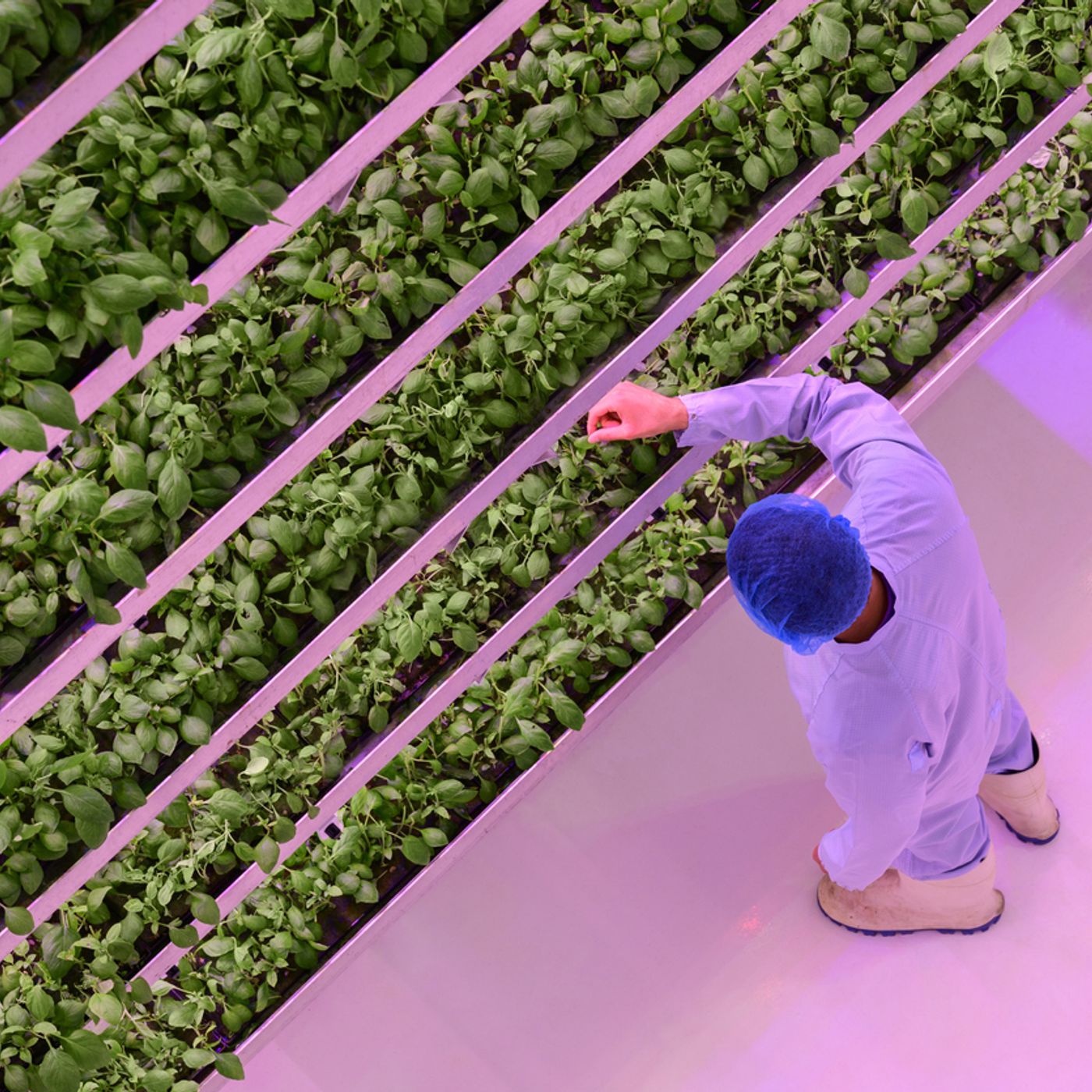
Spain not only stands as a prominent player in the global agricultural landscape, but has also emerged as a powerhouse in the field of agricultural technology.As of 2022, the Spanish foodtech sector has seen a remarkable surge in investment, reaching an impressive €268 million. This represents a substantial 9.38% growth within just a year, as revealed by the latest report from ICEX Spain Trade and Investment. The sector is currently thriving, showcasing Spain's prowess in innovation.From groundbreaking advancements such as 3D-printed meats, to cutting-edge nanotechnology applications, Spain is leading the way in providing inventive solutions to address some of the most pressing challenges within the agricultural industry.So, in this episode, made in partnership with ICEX, we ask: What groundbreaking innovations is Spain bringing to the table? How might these innovations influence the broader food industry on a global scale? And how can Spanish ingenuity contribute to sustainability efforts, crucial in today's world?Guests:Sunil Mahtani, International Business Development Manager, DACSAMaria Naranjo, Director of the Food and Drink Industry, ICEXÁlvaro Nadal, Head Counsellor, Spanish Economic and Commercial Office in London

Ep 465465: Best bits: food industry trends
In this episode of the Food Matters Live podcast, we take a look back at some of the highlights from previous episodes.Since launching in 2019, we have made more than 400 episodes, explored some absolutely fascinating topics, and met hundreds of wonderful people.And those people all have one thing in common – a deep knowledge of, and passion for, the food and drink industry.Today take a look back at some of the best conversations we have had about industry trends with leading figures in the food sector. Getting under the surface to discover what motivates and inspires them, and looking at their work to see how it is shaping the future of food.Featured episodesPost-pandemic - how shifting relationships are influencing consumer trendsIs plant-based always better for you - and the planet?Are we on the cusp of a mushroom renaissance?What does the future look like for CBD?

Ep 464464: Best bits: Sustainability in the food system
In this episode of the Food Matters Live podcast, we are taking a look back at some of the highlights from previous episodes. Since launching in 2019, we have made more than 400 episodes, explored some absolutely fascinating topics, and met hundreds of wonderful people. And those people all have one thing in common – a deep knowledge of, and passion for, the food and drink industry. In this episode, we take a look back at some of the conversations we have had with leading figures in the world of sustainability. Getting under the surface to discover what motivates and inspires them, and looking at their work to see how it has shaping the future of food. Featured episodes Following the green - sustainable investment trends for 2023 Could mycoforestry help feed the world and save the planet? The £3.2bn food waste challenge facing the food industry A measure of success? New initiative to standardise emissions reporting Honey: Are we overlooking the bess' needs?

Ep 463463: Cooking in the world’s most challenging environments
In this episode of the Food Matters Live podcast, we continue our series looking at careers in the food industry.In the UK, thousands of people are receiving their GCSE results and will be thinking hard about their future careers.Our guest in this episode is Sadhbh Moore, who has the fantastic job title of Eco Nutritionist.Sadhbh’s interest in the environment goes right back to her childhood in Ireland and has seen her travel the world, cooking in some of the most challenging environments on the planet.She has two Masters degrees, has worked for Greenpeace, the British Antarctic Survey, and has a passion for sustainable food systems.She has also devoted much of her career to working on youth projects.Guest:Sadhbh Moore, Eco Nutritionist

Ep 462462: Abi Aspen Glencross: 'My career in food'
We are well and truly into exam results season in many parts of the world and so we are having a bit of a focus on careers.In this episode of the Food Matters Live podcast, we welcome the brilliant Abi Aspen Glencross to the podcast.Abi is Co-Founder of FoodSquared, which makes plant-based shellfish.Her previous role at Duchess Farms saw her spending her time searching the globe for the best varieties of grains, whilst she also co-founded The Sustainable Food Story, a platform to help tell stories of what sustainability could look like from different perspectives, including farmers, academics, activists and more.She says her mission is to add a sense of hope to often bleak discussions on the ecological crisis and encourage collaborative efforts towards finding solutions.Abi also has a background in cellular agriculture.Listen to the full episode as we delve into Abi’s career, find out more about FoodSquared and The Sustainable Food Story, and explore her expertise in the worlds of agriculture and biotech.Guest:Abi Aspen Glencross, Co-Founder, FoodSquared

Ep 461461: Best bits: The big interviews
In this episode of the Food Matters Live podcast, we take a look back at some of the highlights from previous episodes.Since launching in 2019, we have made more than 400 episodes, explored some absolutely fascinating topics, and met hundreds of wonderful people.And those people all have one thing in common – a deep knowledge of, and passion for, the food and drink industry.This episode focusses on some of the conversations we have had with leading figures in the food sector.We get under the surface to discover what motivates and inspires them, and looking at their work to see how it is shaping the future of food.Featured episodes:Pip & Nut Founder: 'Entrepreneurs need to be hungry to learn'Paul Lindley - from Ella's Kitchen to tackling childhood obesityThe heartbreaking story that inspires WRAP CEO Harriet LambPlanet Organic CEO: 'Why we're more planet than organic'

Ep 460460: The £3.2bn food waste challenge facing the food industry
Each year, food waste costs the industry £3.2 billion. That’s according to WRAP, which found that 1.1 million tonnes of it comes from food services and hospitality.But businesses are often unsure of how to tackle the issue, so the cycle of waste continues.In 2019, WRAP launched Guardians of Grub, a campaign that aims to empower professionals from across the hospitality and food service sector to take action.Through providing support and resources, the campaign aims to equip them with the proper skills needed to address their food waste problems once and for all.So how is the campaign going? Is it assisting the sector in making the necessary changes? And how much of a dent will this make to the food industry’s waste problem?Guest:Eleanor Morris, Special Advisor Hospitality and Food Service, WRAP

Ep 459459: Best bits: The three priorities? Nutrition, nutrition, nutrition
In this episode of the Food Matters Live podcast, we take a look back at some of the highlights from previous episodes.Since launching in 2019, we have made more than 400 episodes, explored some absolutely fascinating topics, and met hundreds of wonderful people.And those people all have one thing in common – a deep knowledge of, and passion for, the food and drink industry.This episode focusses on some of the best conversations we have had about Nutrition.Join us as we look back at some of the conversations we have had with leading figures in the food sector. Getting under the surface to discover what motivates and inspires them, and looking at their work to see how it is shaping the future of food.Featured episodes:Nutrition and the menopause - can diet affect the symptoms?Ket diet: Exploring the science and busting the mythsIs red wine good for you?You are what you eat - the link between nutrition and stress

Ep 458458: Cultivated meat: World watches after American approval
Cultivated meat is something many of us are yet to experience. But for US consumers, it will soon become a reality. In June this year, the Department of Agriculture approved the sale of lab grown meat, allowing two Californian companies to offer “cultivated chicken” to US consumers.This makes the US just the second country, after Singapore, to clear the sale of these products.With the US being such a huge market, plenty of people will be watching to see what impact the decision has on the wider industry.But cultivated meat is still controversial. We recently made an episode about the Italian government’s intention to ban the products.So, just how much of an impact will this decision have on the future of cultivated meat?Guests:Mathilde Alexandre, Corporate and Institutional Engagement Manager, ProVegRicardo San Martin, Director and Co-founder, the Alt:Meat Lab, University of California BerkeleyStefano Lattanzi, CEO, Brunocell

Ep 457457: Best bits: Meet the food innovators
In this episode of the Food Matters Live podcast, we take a look back at some of the highlights from previous episodes.Since launching in 2019, we have made more than 400 episodes, explored some absolutely fascinating topics, and met hundreds of wonderful people.And those people all have one thing in common – a deep knowledge of, and passion for, the food and drink industry.This episode focusses on some of the best conversations we have had about food innovation.Join us as we look back at some of the conversations we have had with leading figures in the food sector. Getting under the surface to discover what motivates and inspires them, and looking at their work to see how it is shaping the future of food.Featured episodesFunctional drinks - more than just a question of tasteIs fermentation still the future of food?Deep dive: How to overcome the difficulties in creating plant-based cheese and dairyAre consumers ready for gene-edited crops?The rhizosphere - the mysterious world crucial to the future of food

Ep 456456: The challenge of creating a circular food system
Waste is a huge concern for the food industry. According to a 2022 UN report, 17% of global food production is wasted.And it will continue to be if the industry continues as it is.Recognising this, the Ellen MacArthur Foundation is leading the new Big Food Redesign Challenge with the aim of bringing together producers, suppliers and retailers in embracing a circular food system.The challenge, launched in partnership with the Sustainable Food Trust, has tasked participants with designing new food products that reflect this regenerative vision.And with the system still far from being sustainable, the hope is that the Big Food Redesign Challenge will act as a catalyst for necessary change.So, how will the challenge work to inspire this change? Who is taking part? And how do we keep the momentum be kept going once the challenge ends?Guest:Rebecca Hesketh, Food Programme Manager, Ellen MacArthur Foundation
Ep 455455: Nutrition, Crohn's and Colitis
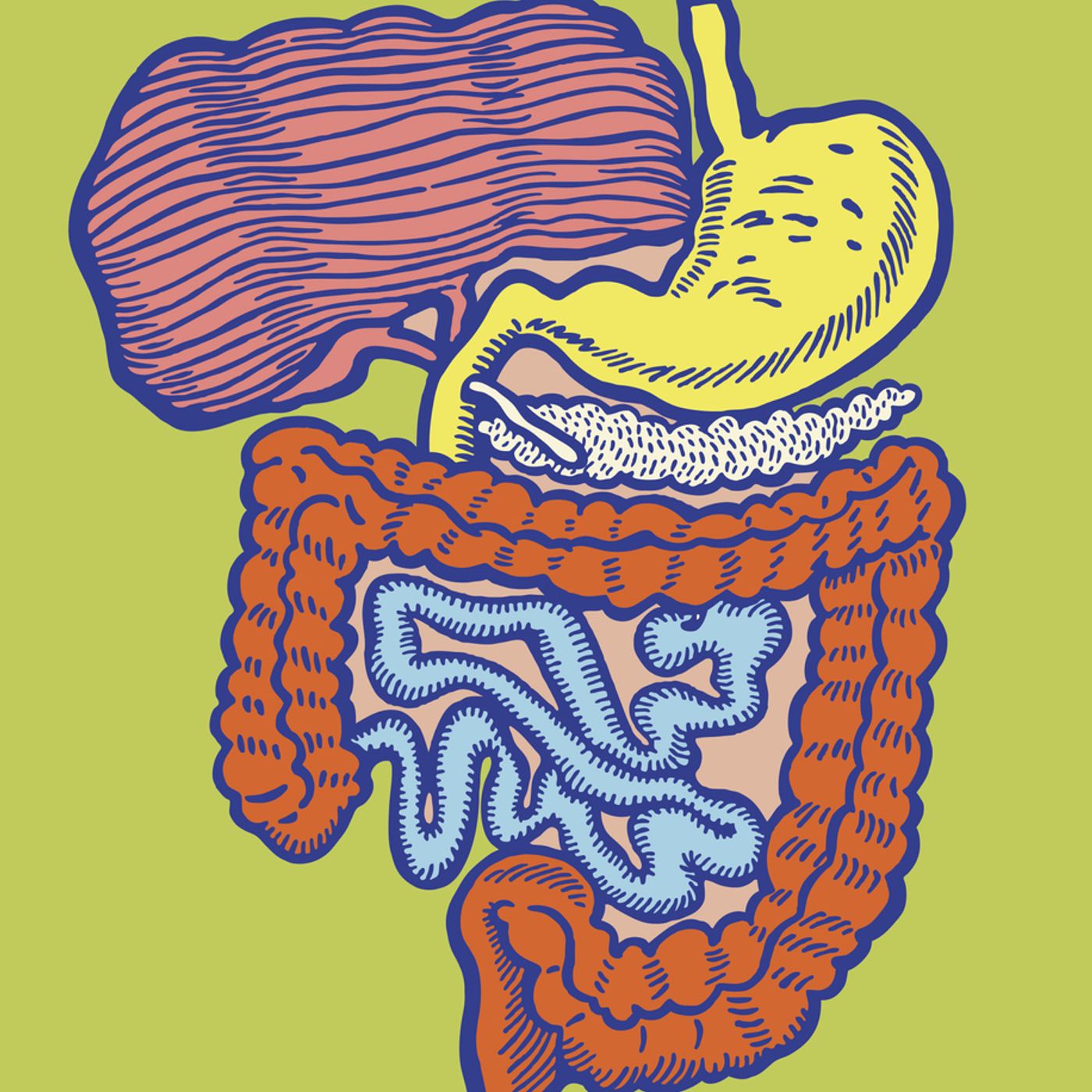
Crohn's disease and colitis are the two main forms of inflammatory bowel disease (IBD) and they affect over 500,000 people in the UK.Characterised by chronic inflammation of the gastrointestinal tract, IBD can cause a whole range of health complications and can have a profound impact on a person's life.Although there is no cure, there are ways of managing the symptoms, including through diet.Regulating what you eat and drink can help ease the impact IBD may have on someone's quality of life.So, how does nutrition affect the development and management of IBD? What food might trigger flares? And how can diet control help with those in remission?Guests:Dr Miranda Lomer, Senior Consultant Dietitian in Gastroenterology, Guy’s & St Thomas’ HospitalMairi Wilcock RD BSc (Hons), Dietitian, Stanner Nutrition Clinic

Ep 454454: Exploring the link between nutrition and Parkinson's disease
Parkinson's disease is a disorder that causes unintended or uncontrollable movements, such as shaking, stiffness, and difficulty with balance and coordination. It is caused by a loss of nerve cells in the brain, but what causes that loss is unclear. Parkinson’s is fundamentally a condition that affects the brain but there is growing evidence that the gut may have a role to play. The idea has ignited a wave of scientific exploration, delving deeper into the gut-brain axis and its potential implications for people with the disease. The question is: if your gut plays a role in the development of Parkinson’s, could what you eat and drink play a role too? Guest: Professor K Ray Chaudhuri, Consultant Neurologist

Ep 453453: Italy's cultivated meat ban - permanent or just ciao for now?
In March 2023, Italy's minister of agriculture, Francesco Lollobrigida, announced that the country will be the first to ban lab-grown foods, including the production and commercialisation of cultivated meat. The draft bill has been put forward in the name of farmers, to protect them from the perceived threats that what they call “synthetic” foods pose to traditional cuisine. Those behind the bill also say it will protect human health and the national agri-food industry. The head of the Italian dairy industry group Assolatte praised the government’s efforts in blocking so-called "unnatural" products that he claims are promoted "under the pretext of protecting the environment". But some feel the proposal completely misses the mark, such as Alice Ravenscroft the European Policy Head for the Good Food Institute. She notes that 54% of Italians want to give cultivated meat a try. She also claims that “the passing of such a law would shut down the economic potential of this nascent field in Italy, holding back scientific progress and climate mitigation efforts”. So, are lab grown meats a real threat to traditional Italian cuisine? How could Italy’s banning of them affect the food industry? And is the ban ever likely to actually come to fruition? Guests: Sharon Cittone, Founder and CEO, Edible Planet Adventures Robert Jones, Chair, Cellular Agriculture Europe & VP Public Affairs, Mosa Meat

Ep 452452: When will food prices start to fall?
Food inflation is a huge concern across the world.Over the course of 2022, food prices were on average 14.3% higher than the year before.In the UK, things are looking a little worse than average.The Office for National Statistics found that in the 12 months leading up to March 2023, food prices rose 19.2%.The thing is, the World Bank is reporting that, globally, wholesale prices are starting to fall.In this episode of the Food Matters Live podcast, we explore the implications of high food prices on consumers, businesses, and the broader food industry.We discuss when we might see a drop in the cost of food, and ask: "Why are food prices still so high?"Guests:Liliana Danila, Lead Economist, the Food and Drink FederationRachelle Earwaker, Senior Economist, Joseph Rowntree Foundation

Ep 451451: The need for more research into nutrition in women's sport
Nutritional studies are vital to the world of sports.The right nutrients can optimise an athlete’s performance, reduce their risk of injury and help them get the most out of training.But traditionally, research on nutrition for female athletes has been lacking.Despite their incredible achievements and contributions to sports, a review from the University of Chester suggests just 6% of sports science research has focused specifically on female athletes.That figure is even more shocking when you consider just how popular women’s sport is.49% of athletes at the last Olympic Games in Tokyo were female, while 50 million people around the world tuned in to watch the England women’s football team win the Euros in 2022.All of this makes it even more important to grow the body of research so that the increasing number of women in sport are not under-served by it.So, what exactly is the role of nutrition in women’s sports? How does it differ to men’s sport. And how can we encourage more studies in this area?Guests:Mhairi Keil, Senior Performance Nutritionist, The UK Sports InstituteRenee McGregor, Sports Dietitian, Author and Co-founder of TRAINBRAVE

Ep 450450: A measure of success? New initiative to standardise emissions reporting
The measuring and reporting of carbon emissions by companies in the food industry is not uncommon. It helps businesses understand where their environmental impacts lie, where they need to reduce emissions most, and helps track their progress towards sustainability. The problem is, they do not all measure their carbon footprint in the same way. That leads to inconsistencies and can make it difficult to compare one company’s emissions with another. But, we have news of progress - among some of the UK’s biggest supermarkets at least. WWF and the charity WRAP have joined forces to create the Retailer Net Zero Collaboration Action Programme, which aims to remove the barriers posed by a lack of standardised reporting methods. And eight supermarkets have signed up. Listen to the full episode to find out more. Guest: Kate Norgrove, Executive Director Advocacy and Campaigns, WWF-UK

Ep 449449: The truth about metabolism - and how to boost it
“I’m putting on weight because my metabolism is slowing down.”It is something many of us hear, or maybe even say ourselves, fairly regularly.Or the contrary: “So-and-so can eat what they like because they have a fast metabolism.”The truth is, for many, we might have a vague idea of what our metabolism is, but do we really understand it?Beyond these casual remarks, do we truly grasp the intricacies of what our metabolism is and does? Do we genuinely comprehend the profound impact our lifestyles can have on this vital bodily process?In this episode of the Food Matters Live podcast, we embark on a journey to unravel the mysteries of metabolism, delving deep into its inner workings. We explore the mechanisms that define metabolism, shed light on how the foods we consume can influence its functioning, and uncover the key steps we can all take to promote and maintain a well-functioning metabolism.Guests:Professor Alexandra Johnstone, Nutrition Scientist, The Rowett Institute of Nutrition and Health, University of AberdeenDylan Thompson, Professor of Human Physiology, the Department for Health, the University of Bath
Ep 448448: Can you eat your way to healthy skin?
The link between nutrition and our skin is complex.Various claims have been made and new products are constantly being developed.Yet a review in the Journal of Cosmetic Dermatology found that the data on the link is not well supported and that this often leaves medical professionals and patients confused and uncertain.Recognising that diet and skin could be better understood, Dr Thivi Maruthappu pioneered the field of Nutritional Dermatology.As the UK’s first dual-qualified dermatologist and nutritionist, she views the skin as being connected to our internal health, in which diet plays a huge role.So exactly how are skin and nutrition related? How does nutritional dermatology differ from conventional medicine? And how could this help improve the treatment of skin conditions?Guest:Dr Thivi Maruthappu, Consultant Dermatologist, Nutritionist and Researcher

Ep 447447: The innovation hubs designed to make us eat better
Six new Diet and Health Innovation Hubs are starting work in the UK to overcome the challenges of producing and getting us all to consume healthier, more nutritious food.They form part of a group called the Diet and Health Open Innovation Club.£15m worth of funding has been made available by three public bodies and a Government department.It is a big project, with big challenges to overcome.Various reports suggest poor nutrition costs our health services around £20bn per year.A key part of the project is encouraging collaboration between researchers and industry.So, in this episode of the Food Matters Live podcast, we find out more about the types of research being undertaken, what it could mean for the food industry, and how the research might translate into improvements in nutrition.Guests:Philip Calder, Professor of Nutritional Immunology, Medicine at the University of SouthamptonGemma Walton, Associate Professor, University of ReadingProfessor Martin Warren – Chief Scientific Officer and Group Leader at the Quadram Institute

Ep 446446: "I lived a double life" - the battle faced by many LGBTQ+ farmers
Pushing for better diversity and inclusion is important in every industry. A 2018 report from the charity Stonewall found that, due to their sexuality, 18% of the UK’s LGBTQ+ workers had been negatively targeted by colleagues. And the agricultural industry is no different. In fact, it can come with a whole lot of its own specific challenges. Farming can be a lonely, high-pressure business. The UK Office for National Statistics says suicide rates in farmers are among the highest in any occupational group. Every year, 50 gay farmers take their own lives, with the fear of coming out as one of the main reasons. This simply cannot continue. And there are great potential benefits to making our agricultural sector more diverse. So, through the lens of LGBTQ+ farmers, in this episode of the Food Matters Live podcast, we explore diversity in agriculture. Relevant resources: The Samaritans The Gay Farmer Helpline Agrespect - the rural LGBTQ+ network Guest: Amie Burke, Inclusivity Programme Manager, IGD

Ep 445445: Could mycoforestry help feed the world and save the planet?
Deforestation, soil health and biodiversity are all major concerns in the agricultural industry.A recent United Nations report claims an estimated 80% of global deforestation is down to agricultural practices, as well as being the leading cause of habitat destruction.But does farming always have to lead to deforestation? Can crops and trees not only co-exist, but possibly thrive together?The emerging field of mycoforestry is a means of managing forest communities through the introduction of fungi.In this episode of the Food Matters Live podcast, we look at a new study which suggests edible fungi could be used, with potentially huge consequences for the future of sustainable agriculture.So what did the study find? What could it mean for deforestation? And how can all of this benefit the food industry?Guest:Professor Paul Thomas, Honorary Professor, Department of Biological and Environmental Sciences, University of Stirling

Ep 444444: Why are eating disorders still rising in girls?
Why have, for many years, eating disorders disproportionately affected girls?In a previous episode of the Food Matters Live podcast, we focused on how eating disorders affect boys and men.For boys and men, it is a relatively new topic of discussion, even if the issue has been around for some time.But girls and young women eating disorders have been spoken about in public discourse for much longer.The problem is, the number of people affected is still rising.According to the NHS, more young people than ever are receiving treatment for eating disorders.In the last year, there has been a 35% increase in hospital admissions, with girls aged 17-to-19 having higher rates than any other demographic.They are difficult figures to ignore and raise the question: Why do eating disorders affect more girls than boys?What role do the media, the food industry, and social pressure have to play?And, as the London Centre for Eating Disorders suggests, has the Covid pandemic had an impact on cases?Guests:Fiona Hamlin, Registered DietitianCliona Brennan, The London Centre for Eating Disorders and Body Image

Ep 443443: EcoTrophelia - meet the future stars of the food industry
In this episode of the Food Matters Live podcast, we are looking to the future.Specifically, at the food innovators who may well be shaping the industry for years to come.EcoTrophelia UK is a national competition where students design eco-innovative food products.The winners go on to compete in a European final and, as well as receiving a cash prize, some of the entrants could see their products end up on supermarket shelves.The competition is organised jointly by the Institute of Food Science and Technology, and Campden BRI. The competition is open to teams of students registered at a university or other establishment of scientific or technical higher education. We went along to the UK final, which was held at Sainsbury’s HQ in central London in June.From all at Food Matters Live, a huge congratulations to each of the finalists.Visit the EcoTrophelia website to find out how you can enter a team into next's year competition.

Ep 442442: Are food systems now central to the climate change conversation?
Last November, the eyes of the world were on Sharm el-Sheik as Egypt hosted COP27, the UN Climate Change Conference.The host country was rallying other nations to gear up their climate action, hoping to persuade politicians around the globe to take us in a direction which avoids climate catastrophe.COP26 in Glasgow in 2021 was criticised in some quarters for failing to put food systems at the heart of the conversation.So, were things any different at COP27?Major global companies attended, including Tetra Pak, which hosted panels on technological innovation, net zero and sustainable protein.In this episode of the Food Matters Live podcast, made in partnership with Tetra Pak, we review the progress made at COP27 and ask: Has there been meaningful discussion, which will result in meaningful change?We also look back at COP15, which focused on biodiversity.At that conference, nearly 200 countries signed an historic agreement to halt biodiversity loss by 2030.Finally, we look ahead to what might be achieved at COP28, the next UN Climate Change Conference, which is being held in Dubai from November 30th 2023.Guest:Gilles Tisserand, VP Climate and Biodiversity, Tetra Pak

Ep 441441: Pip & Nut Founder: 'Entrepreneurs need to be hungry to learn'
Pippa Murray is a visionary entrepreneur, a trailblazer in the world of nut butter, and the founder of the acclaimed brand Pip & Nut. Founded in 2013, it saw incredible success from the very beginning. Just a couple years in, her products were winning awards and were launched in Sainsbury's and Selfridges. It has been B Corp Certified since 2019 and is now the fastest growing nut butter brand in the UK and Ireland. Pippa has also been listed in the Evening Standard’s "London’s Most Influential People" and as ‘Start-Up Entrepreneur of the Year’ at the Natwest Great British Entrepreneur Awards. In this episode of the Food Matters Live podcast, we look into how Pippa’s nut butter went from hobby to business venture, how she successfully grew the brand, and what she has planned for the future of Pip & Nut. Guest: Pip Murray, Founder, Pip & Nut
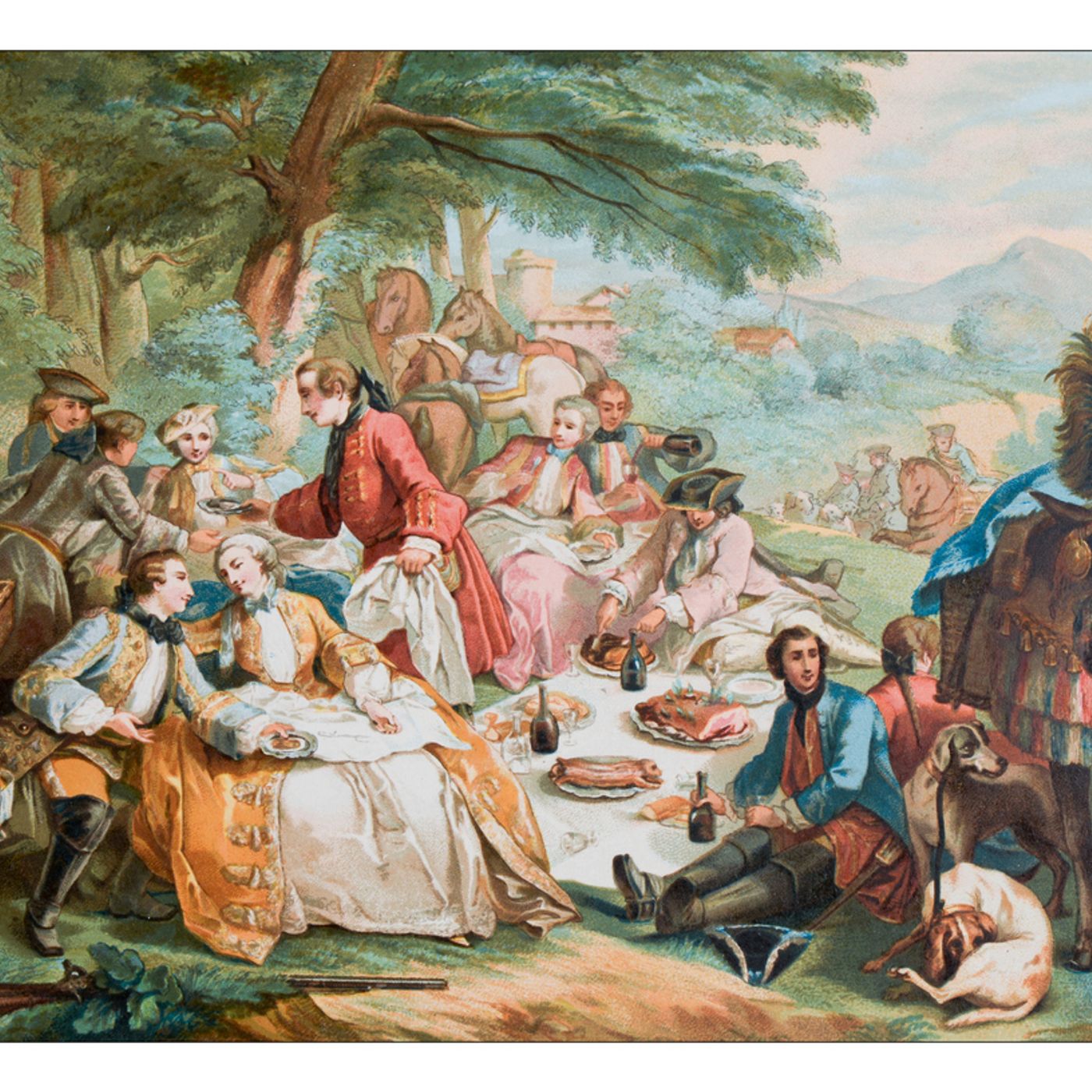
Ep 440440: From Paris to the local park - a potted history of picnics
The picnic is a pastime loved by many. They bring people together, connect us with nature and make mealtime a little more exciting.But the evolution of the picnic is a fascinating one and there is a rich history behind this outdoor feast.From 18th century banquets to modern-day gatherings in the park, the picnic has evolved over time, reflecting changes in social norms and everyday life.Finger foods and picnic blankets were not always typical and – hold the front page! They were not even originally held outside!So where did it all begin? And how did we arrive at the picnic as the summertime staple we know and love today?Guest:Dr Alexander Lee, Fellow, Centre for the Study of the Renaissance, Warwick University

Ep 439439: Is net zero really achievable for the food and drink industry?
Climate change is the great challenge of our time – a problem so big, that tackling it requires co-operation on a scale we have never seen before.Our reliance on fossil fuels means that most aspects of our lives as individuals, and the economies we rely on, contribute to rising temperatures.And the food and drink industry is central to that.There is no getting away from the fact that the global food and drink industry is one of the largest contributors to greenhouse gas emissions; estimated to make up 20 to 30 percent of the total.That means the industry has to play its part when it comes to striving achieve the United Nations’ Sustainable Development Goal of net zero greenhouse gas emissions by 2050.Download our new Sustainable Food DigestNet zero means cutting emissions to as close to zero as possible, with any remaining emissions re-absorbed.By doing so, the United Nations says, we may be able to limit global temperature rises to 1.5 degrees Celsius above pre-industrial levels, and therefore limit the worst impacts of climate change.But that is easier said than done. Scientists are already predicting that we will exceed that temperature within five years, albeit temporarily.Targets have been set and good work is being done, but there is plenty more still to do.So, in this episode of the Food Matters Live podcast, we ask: How is the food industry doing when it comes to its net zero targets?How do we speed up the pace of change?And what challenges lie ahead?Guests:Andy Wright, Director of Responsible Business, Samworth BrothersEmma Piercy, Head of Climate Change and Energy Policy, Food and Drink Federation

Ep 438438: Exploring the role of nutrition and antioxidants
As more of us look to improve our health and wellbeing, antioxidants have piqued the interest of some in the food and drinks industry.There is plenty of evidence that antioxidants are vital in protecting our cells from harm, but how does that link to our diets?How does what we eat correlate with the number and type of antioxidants in our bodies?And what about supplements? What role can they play, if any, in this area?Guest:Dr Christine Bösch, Associate Professor in Nutrition, University of Leeds

Ep 437437: A drop of faith - religion's influence on alcohol
In this episode we explore the links between alcohol and religion.The consumption of alcohol is central to some of the world’s most popular religions, and for centuries it has been an important part of religious and spiritual rituals.The question is – why?This relationship between religion and alcohol has a long and fascinating history, and has been explored in great depth by the author, broadcaster and journalist Tom Morton in his recent book ‘Holy Waters: Searching for the sacred in a glass’.Recently the recipient of a Fortnum and Mason Food and Drink Award, the book explores the spiritual tales of drinks like mead, saké and rum, unpacks their religious significance, and highlights the links between brewing, winemaking, and worship.So how does the connection between religion and alcohol manifest across the world? How has this evolved over time? And what impact has religion had on the alcoholic drinks we make, sell and consume today?Guest:Tom Morton, Writer, broadcaster, musician

Ep 436436: Marginal gains – the growing role of nutrition in eSports
Over the last few years, the world of eSports has exploded in popularity.By 2024, its global audience on platforms like YouTube and Twitch is expected to reach nearly 600 million people.That is a huge increase on the roughly 400 million recorded in 2019.Yet despite the growing recognition of gaming as a serious sport, there remains a significant gap in the research around the role of nutrition.For conventional sports, research often focuses on nutrition as a way to enhance physical ability – what can make you run faster, jump higher and maintain stamina?But considering that eSport athletes spend the majority of their careers sitting down, you would expect their nutritional needs to differ.From an economic perspective, it has been widely reported that the computer games industry is now worth more than the music and movie industries combined.That has been followed by the food and drink industry showing an increased interest in functional beverages aimed at gamers.The question is: Is that boom in functional beverages fuelled by demand for those products, or is it clever marketing from players in the food industry, linking themselves to gaming in order to boost sales?So, what is the role of nutrition in this field? How can it be used to optimise a gamer’s performance? And where is the research heading?In this episode of the Food Matters Live podcast, we seek to answer those questions and more.Guests:Klaudia Buczek, Founder, Made By DietNicholas Morgan, Managing Director, Sports Integrated

Ep 435435: The heartbreaking story that inspires Harriet Lamb
What is it that drives Harriet Lamb, the woman behind the Fairtrade movement and current CEO of WRAP?It is the first question we ask in this episode of the Food Matters Live podcast, and the answer is a chastening one."I was researching why bananas are so cheap in our shops and I went to Costa Rica," she says. "I was met by Carlos, who drives me for miles through plantations of bananas, beautifully green, absolutely silent because so many pesticides have been used that there is none of the normal animal life. "Carlos was one of the tens of thousands of Latin American men who was made sterile as a result of spraying those chemicals. But he took me to meet a woman, Maria, who suffered a worse fate."She gave birth to a baby whose head was swollen like a huge balloon, with no eyelids, with no lips. She said the worst thing was that her baby was in constant pain. "Even when she scooped him up to comfort him, which is of course your instinct as a mum, it only made the crying worse. And there was nothing she could do but cry with him. "Carlos and I left Maria and got back in the car and drove back through those silent banana plantations and I knew then, as I know now, that there has to be a better way to grow food and trade our food, than one that puts people and planet last like that."In the years that followed, Harriet built the Fairtrade movement.Join the conversation – take part in Sustainable Food WeekThe certification system laid out production standards for global trade, protecting countless workers and farmers from exploitation, unlivable incomes, and unacceptable working conditions.She is an experienced CEO, having also led the peace-building organisation, International Alert, and the sustainability focused charity Ashden.She has received an embarrassment of well-deserved recognition for her work, including being awarded a CBE and becoming the first woman Honorary Fellow of Trinity Hall, Cambridge.Harriet has recently taken on the role of CEO at WRAP, an NGO working globally to tackle the climate crisis and ensure a sustainable future.In this episode of the podcast, we explore her extraordinary career, look at some of the work she is doing with WRAP, and talk about the future of sustainability.

Ep 434434: The tumultuous history of British cheese
Britain is a nation of cheese lovers. In 2022 a Mintel report showed a third of us ate it two-to-three times a week. And British cheese is booming. The British Cheese Board says we now produce more than 700 varieties. But it was not always thus… In fact the history of British cheese is a turbulent one, with peaks and troughs throughout the ages. Things got so bad in the post-War period that the social historian Dorothy Hartley wrote: “Our cheeses are lost to England”. In this episode of the Food Matters Live podcast, we explore that past but also look to the future. How rosy do things look for British cheese going forward? And what impact will dairy-free alternatives have on the market? Guest: Ned Palmer, Author
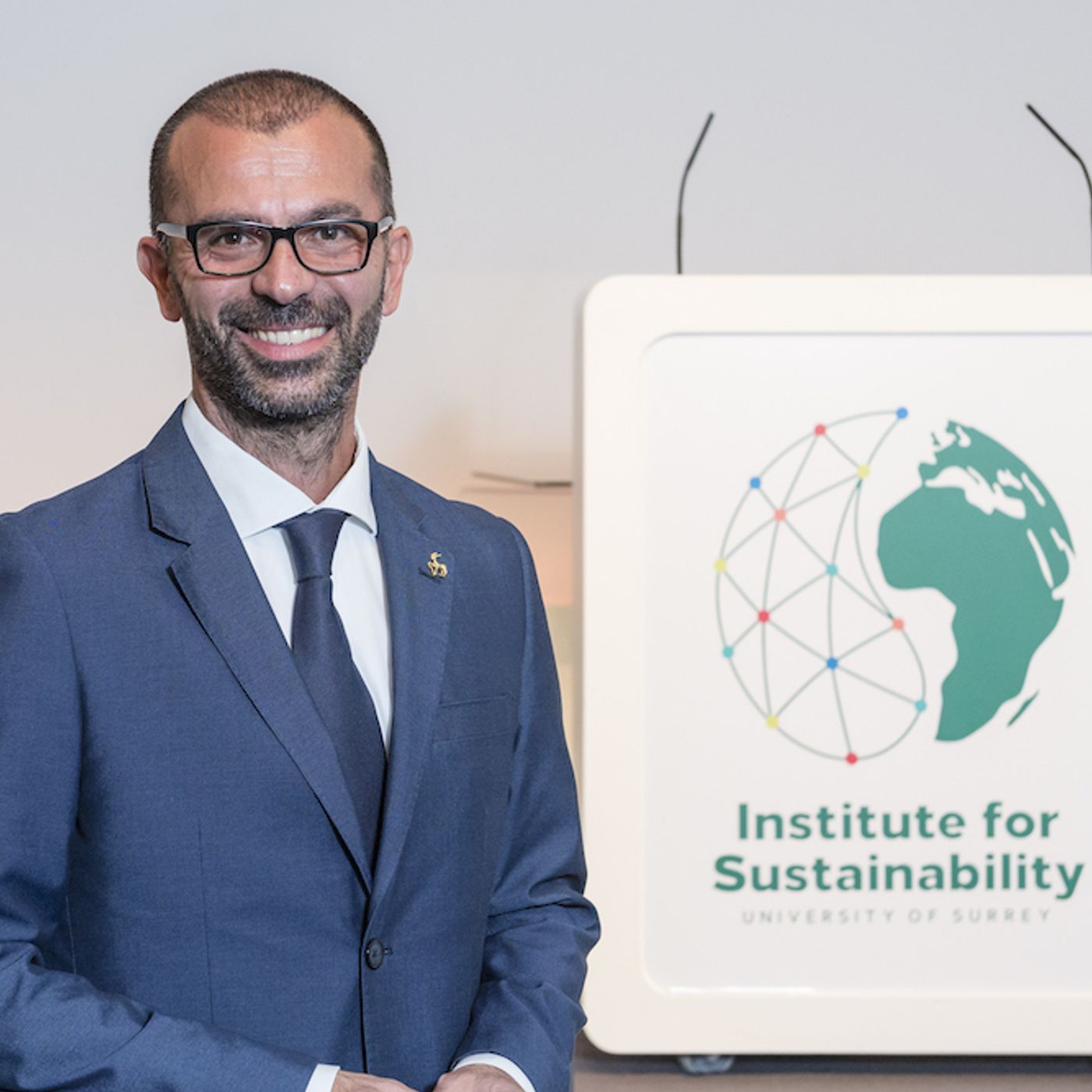
Ep 433433: "Sustainability does not mean sacrifice, it can mean a better life"
When it comes to sustainability, academic research is at the heart of moving ideas forward, creating innovation and generating effective policy.Seeking to maximise the positive impact of the research in this area, in 2022 the University of Surrey launched the Institute for Sustainability.Exploring topics such as green living, net-zero energy and environmental prosperity, the institute promotes an interdisciplinary approach and focuses on contributing to a future where people’s lives are both sustainable and fulfilling.The rallying cry from our guest today is: “For too long, we have perceived sustainability negatively, as a sacrifice. But it actually means achieving a better life”.So, how does that work? And how will Surrey’s Institute for Sustainability help us get there?Guest:Professor Lorenzo Fioramonti, Founding Director, Institute for Sustainability

Ep 432432: We need to talk about eating disorders in men and boys
Eating disorders are a growing problem in the Western world and failure to treat them properly can lead to devastating outcomes. In England, the National Health Service says hospital admissions have risen by more than 80 per cent in the last five years. The increase is particularly stark among boys and young men, with a 128 per cent rise in that time. Various studies show that males account for anywhere between one-in-four and one-in-three people with an eating disorder. And with misdiagnosis reportedly more common in men, the risks to their health may be greater. So what is behind these statistics? How can we stop the numbers rising? And what role, if any, do the food and supplements industries have to play? Guests: Tom Quinn, Director of External Affairs, BEAT Deanne Jade, Founder, the National Centre for Eating Disorders Dr Dominique Thompson, GP and Director of Buzz Consulting BEAT's national Helpline

Ep 431431: Childhood eating habits - and how to change them
It is probably a universal concern for parents: Is my child eating the right food to support their physical and mental development?But in between dealing with everyday life and cooking foods your child actually likes, meeting their nutritional needs can be a challenge.And other factors like the cost of living crisis only add to the stress.A recent study in the UK suggests a fifth of parents have struggled to provide food for their families, and around a quarter say their child’s mental health has declined as a result.So what impact can poor nutrition have on a child’s development?How do their nutritional needs change throughout childhood?And how can we encourage picky eaters to enjoy healthy foods?Guest:Hannah Love, Nutritionist and Paediatric Nurse

Ep 430430: The history of vegetarianism - from persecution to popularity
Vegetarianism, in Western cultures at least, is on the rise.More people are choosing not to eat meat, although globally it is a much more opaque picture.There is no doubt that in the West, adopting a vegetarian diet has been one of the top trends for the food industry to consider in recent years.But the history of vegetarianism is anything but recent.It goes all the way back to new ideas in ancient Greece, through persecution during the early Christian period, two world wars, right up to the present day.So buckle up for a story with more twists than a spiralised courgette as we delve into the history of vegetarianism.Guest:Richard McIlwain, Chief Executive, The Vegetarian Society of the UK