
Finding Genius Podcast
4,332 episodes — Page 33 of 87

Questioning the Narrative? You're in Good Company—Updates on CV1-9 Lockdown Compliance, Lawsuits
"The ruling class and the people who put this all together are in trouble and they know it," says Pamela Popper, president of Wellness Forum Health. She's talking, of course, about the cv1-9 situation. Press play to discover: What a survey conducted by Kaiser Family Foundation showed about the percentage of Americans who are currently vaccinated Why protests don't change anything, and what does Whether the cv1-9 situation will drive some states to secede from the Union How viewership of mainstream media is changing Popper shares the latest developments in the unfolding of the cv1-9 situation around the world, including a number of lawsuits in the U.S. regarding vaccines and mandates (lockdowns, masks, etc.). How were things different a year ago than they are today? What's going on inside the minds of the majority of Americans regarding the cv1-9 situation? How are children being psychologically and intellectually affected by the current situation? What's in store for the coming months and years? Popper explores all of these questions and more. Tune in, learn more about Popper at https://wellnessforumhealth.com/, and get involved at https://makeamericansfreeagain.com/. Episode also available on Apple Podcasts: apple.co/30PvU9C

Digital Therapeutics and Revolutionizing the Healthcare Industry to Treat Chronic Conditions with Omar Manejwala
Many medical institutions only treat the patient when the industry at large is sick. By considering the techniques and practices that realistically work for people, there is hope to save the healthcare industry and treat how it helps people. Listen in to learn: How to change the user experience in the digital health industry Current issues in health portals How behavioral health holds the key to sustained improvement Omar Manejwala, M.D., the Chief Medical Officer of DarioHealth, discusses his work treating the issues in the healthcare industry and how new platforms can more effectively treat more people. Many solutions presented in the healthcare industry provide patients with only narrow solutions for specific problems. A more effective medical field can be reached by using a program that adapts to and enables the patients and users. By using direct consumer solutions, Dario finds new ways to engage its users and empower them to reach their health goals with more success and autonomy. Implementing the analysis of rich data, the platform can continue evolving and developing to benefit users and patients on a broad scale. Visit dariohealth for more information. Episode also available on Apple Podcasts: apple.co/30PvU9C

History of Life on Earth and the Origin and Evolution of Life and Genetics Discussed In-Depth with Eric Bapteste
How can systems of life be analyzed to offer insights into human evolution? By taking a broader approach to examination, a clearer picture materializes than ever before thought possible. Listen in to learn: How coevolution plays a part in the lifecycle of viruses What factors may be manipulated to alter the aging process How the microbiome relates to the phage-ome Eric Bapteste, a CNRS Research Director at the Université Pierre et Marie Curie, shares his insight into viruses and how they evolved to target human cells. Since fitness is often regarded as an evolutionary success, the relationships and systems responsible for this fitness are overlooked. By taking a topographic search into these factors, hints can be gained into which interactions are specifically responsible for effective evolutionary biology. Due to the complexity and variability of the biome within a phage, it is challenging to nail down the specific processes and causes of certain phenomena. Thus, one of the main challenges facing research as we advance is connecting findings across species and genomes. Visit evol-net.fr for more information. Episode also available on Apple Podcasts: apple.co/30PvU9C

High-Speed Evolutionary Mechanisms in Cancer Cells—Why Isn't Anyone Talking About Them?
Why are stage 4 cancer patients not much better off today than in 1930, despite the U.S. government spending $250 billion on cancer research? Why are we losing the antibiotics race against bacteria, with superbugs evolving in a matter of minutes? According to Perry Marshall, author of Evolution 2.0: Breaking the Deadlock Between Darwin and Design, "These problems stem from an inadequate understanding of evolution itself…A prime reason cancer treatments fail is that the tumor cells evolve at tremendous speed by some kind of self-governing process." Even in the most popular, best-selling books on evolution, critical mechanisms of high-speed evolution are hardly discussed or skipped altogether. These include symbiogenesis, transposition, epigenetics, horizontal gene transfer, reverse transcription, and endosymbiogenesis. These mechanisms go far beyond neo-Darwinism, and should compel us to examine what needs to change about the way we think about cancer. Could this be the key to moving cancer research forward…toward better treatments or a cure? The argument for "Yes" is strong. Also, take a look at this accompanying infographic, showing omissions of the most popular evolution books: https://mma.prnewswire.com/media/1583603/Natural_Code_popular_evolution_books.pdf Tune in for all the details.

Mushroom Photography and Fungi Time-Lapses - Exploring the Wide World of Mycology with Stephen Axford
What secrets about the world do various species of fungi hold? By using time-lapse technology, a never before available peek into the life of mushrooms can be seen. Listen up to learn: How mushrooms can be used worldwide The techniques used to best capture the details of mushrooms The problems faced when trying to find fungi Nature photographer Stephen Axford joins the podcast to discuss his work photographing fungi and using time-lapse techniques to explore mycology's more deeply detailed world. Mushrooms are often overlooked in their awe-inspiring beauty and complex communication networks. Yet, by examining their development and taking the time to view them, new insights can be gained, and a glimpse into their extended set of uses can be broken down. Mushrooms are the masters of symbiosis, and therefore can be a gateway to view many fantastic relationships and organisms with fungi as a part of their everyday existence. Moreover, since there are estimated to be around six million varieties of mushrooms, they have the potential to fascinate researchers for decades to come. Visit steveaxford.smugmug.com for more information. Episode also available on Apple Podcasts: apple.co/30PvU9C

David Getoff Addresses the Issues of Unhealthy Lifestyle, the Immune System, and Cancer Prevention
David Getoff is a naturopath and nutritionist who is a renowned traditional naturopathic doctor, nutritionist, and author. He has spoken at a number of scientific medical, nutritional, and organic agriculture conferences and currently works with clients helping them address lifestyle illnesses and regain their health using holistic and nutritional methods. Click on play to learn: How poor diet leads to many of the major diseases. What protocols may prevent and treat cancer. What common household products cause cancer. Mr. Getoff is a highly qualified and popular speaker on preventing and holistically treating health issues such as diabetes, cancer, and heart disease. He is a Board-Certified Naturopath, a Board-Certified Clinical Nutritionist, a Fellow of the American Association of Integrative Medicine, and elected member of the American College of Nutrition and the International College of Integrative Medicine. He currently serves as the Vice-President of the Price Pottenger Nutrition Foundation. Over the years, David has developed and produced more than a dozen educational holistic health DVDs on topics such as cancer, diabetes, detoxification, and heart disease. He specializes in helping people reduce the consequences of lifestyle-related illnesses by eliminating the causes of these diseases using nutrition, detoxing, destressing, epigenetics regulation in cancer, and other diseases. Mr. Getoff advises clients from across the United States and around the world in his home office in California. He educates, guides, and recommends various dietary and lifestyle changes, and supplements that are specific to the issues of each client to strengthen the immune system and promote cancer prevention. The foundation of his work is sharing the benefits of a healthy diet, using non-toxic products in the home, limiting exposure to electrical fields, and the advantages of supplements to provide liver support and kidney support. To learn more visit: Website: davidgetoff.com; naturopath4you.com Twitter: @DetoxProfessor Episode also available on Apple Podcasts: apple.co/30PvU9C

Sarah James Shares the Challenges of Running an Off-Grid Sustainable Farm in Western Australia
Sarah James co-founded Jacaranda Hill Farm, an award-winning, off-grid, self-sustaining farm one hour from Perth in Western Australia. Mrs. James juggles her career in technology and engineering consultancy while helping her Husband Robert run a permaculture farm that uses agriculture technology and renewable resources and services. The farm is open to campers, which provides an opportunity to share permaculture and Holistic farming concepts. Click on play to learn: How technology and nature work together on 108 acres. Why partnerships with neighbors and local businesses are essential to the growth of Jacaranda Hill Farm. What future upgrades are in the works for the farm. Nestled on just over one hundred acres outside of Perth, Jacaranda Hill Farm is a work in progress. Sarah and her husband value the importance of using technology in agriculture and are firm believers in the benefits of regenerative farming. They are in the process of transforming their land into a completely sustainable farm without using pesticides through partnerships with neighbors, local businesses, and technology. Running a self-sufficient farm requires the essential elements: electricity, water, and sustenance. The James family has an ambitious approach to becoming self-sufficient by irrigating their crops using the three dams on the farm and exchanging resources with neighbors and visitors. Noteworthy accomplishments include the recent installation of a lithium-ion battery system, establishing 20 beehives on the farm, and raising ducks and chickens. You can read more in Sarah's book. Jacaranda Hill Farm is part of a growing community of like-minded people who provide opportunities to others to get out into the wide-open spaces and enjoy all nature has to offer. Currently, the farm is open to campers through Hipcamp, and Sarah James and Robert Cass hope to add two glamping tents in the future and more technology and livestock. To learn more visit: Facebook: Jacaranda Hill Farm Twitter: @JacarandaHill Episode also available on Apple Podcasts: apple.co/30PvU9C

Breno Fragomeni, Ph.D. Discusses Current Research on Genetics and Livestock
Breno Fragomeni, Ph.D. is an Assistant Professor in Genomics at the University of Connecticut. He is currently conducting research to identify genetics that may play a role in heat tolerance in farm animals such as pigs and cattle. The goal is to be able to identify the genetics of farm animals such as cows and pigs who lose less weight or produce less milk during hot seasons and use the genomic information to identify better suited animals. Click on play to learn: What misconceptions are associated with genetics research. How genomic information may be used to determine which animals will perform better. How genomic selection may improve disease resistance and environmental hardiness. Dairy farmers and corporate farms would prefer an animal that may produce a little less but is more tolerant of heat stress. Dr. Fragomeni is interested in finding out whether there are any genetic aberrations that may maintain milk production in dairy cows, even during times of extreme heat. Generally, higher milk production makes cows more sensitive to heat stress. The questions are why and what mechanism causes that sensitivity to heat. In an effort to mitigate heat stress, Dr. Fragomen is using genomic information to predict animals' performance and applies the information when making selection and breeding decisions. The use of genetics studying the basic data collected from thousands of animals such as body weight, date of birth, and phenotypes is easier and less expensive than physically testing thousands of animals to gather data. The objective is not necessarily to identify the best gene to alleviate heat stress but to identify the animal that can best tolerate heat. To learn more visit: animalscience.uconn.edu Episode also available on Apple Podcasts: apple.co/30PvU9C

Lishan Aklog, M.D. Shares Insights into Cost Effective Medical Innovations That Facilitate Health Care Logistics
Lishan Aklog, M.D. is the Chairman and Chief Executive Officer of PAVmed, a multiproduct commercial stage medical device company with a unique business model. He is also the Executive Chairman of Lucid Diagnostics, a subsidiary of PAVmed. The first half of Dr. Aklog's impressive career was focused on becoming a heart surgeon. He has always been interested in medical device innovation, how things are done, and how to do them better to improve the logistics of health care, the patient experience, as well as the clinician and nursing experiences. Click on play to learn: What EsoCheck is and how it functions as an alternative to endoscopy. How PAVmed has streamlined the process of bringing innovative products to market. What medical device projects are on the horizon. From the beginning, one of the goals of PAVmed was to commercialize innovative products to quickly get them to market. Of particular interest was finding ways to interact with academic medical centers, small start-up companies, and medical device entrepreneurs to expedite the leap to a commercial path. Their proprietary model provides access to capital. PAVmed has a combination of internal innovations and external licensing and acquisitions. One of the most interesting medical products is a new diagnostic device for detecting esophageal cancer. Developed by Lucid Diagnostics, EsoCheck is a non-invasive diagnostic test for biomarkers of esophageal cancer that can be done in five minutes in the doctor's office. New products are on the horizon at PAVmed including CarpeX, a minimally invasive device that is designed to treat carpal tunnel syndrome without the traditional surgical incision. Another project is focused on the treatment of recurrent pediatric ear infections that sometimes requires the insertion of tubes to drain the ears. The new product is made out of a silk material that can be molded and is resorbed by the body. To learn more visit: Websites: www.pavmed.com, https://luciddx.com Email: [email protected] Episode also available on Apple Podcasts: apple.co/30PvU9C

Cognitive Behavioral Therapy Techniques and the Benefits of a Daily Mindfulness Practice with Seth J. Gillihan
How can even the simplest of daily CBT practice provide drastic positive change in your life? By taking time to improve your state of mind and getting familiar with your mental health, cognitive behavioral therapy techniques can be incredibly effective. Listen up to learn: Which practices CBT can be divided into How the CBT deck is used as a daily practice Questions you can ask yourself to improve mindfulness Seth J. Gillihan, a clinical psychologist, best-selling author, podcast host, and creator of the Think Act Be Online School, joins the discussion to share his experience helping people reach their full mental potential. Cognitive behavioral therapy has developed dramatically in recent years and offers an option for individuals struggling with their mental health who seek options other than medication. For issues like anxiety, OCD, and even substance abuse issues, CBT has been shown to be incredibly effective. By creating a system using cards in a deck to help implement the daily practice, Seth J. Gillihan has seen incredible results for people struggling with their day-to-day mental health. One of the most important aspects of CBT is asking the right questions, and the cognitive behavioral therapy deck provides a fantastic starting point to begin your daily practice. For more information, visit sethgillihan.com. Episode also available on Apple Podcasts: apple.co/30PvU9C

Health and Fitness Discussed in Terms of Healthy Dieting, Exercises, and Healthy Habits for Losing Weight with Dave Sherwin
How can the weight loss industry be reimagined to benefit those struggling with a healthy lifestyle? Through new techniques and understanding of health gained in new business models, effective weight loss and lifestyle improvements are more available than ever. Press play to learn: What "brown fat' is How your body resists diet plans Which supplements can be more effective than others Dave Sherwin, Founder of the Dirobi Health Show, certified fitness nutrition coach and entrepreneur stops by to share his experience helping thousands of people achieve the healthy lifestyle they desire. Drastic health changes are often not sustainable, and historically, one of the most challenging portions of losing weight through a diet is keeping it off after the program has ended. However, by turning this model on its head and implementing the maintenance techniques throughout the diet plan, many more people have successfully maintained healthy habits. Those seeking to reinvent their health and lifestyle have faced challenges that may not have been previously involved in a typical diet and weight loss plan. However, by accounting for factors like sleep and other often overlooked but essential keys, the complete image of a healthy lifestyle can be found. Visit dirobi o learn more. Episode also available on Apple Podcasts: apple.co/30PvU9C

Frequency Therapy and Healing the Body Using Cutting-Edge Physical Therapy Techniques and Technology with Santiago Villamil
How can the body's natural frequencies be used to solve pain and hindrances throughout? New frequency therapy techniques used by certified strength and conditioning specialists are leading to excellent results. Press play to learn: The frequencies located throughout the body How changing patterns in the body and lifestyle can be healing How many ANF practitioners are found around the world Pain therapist and instructor Santiago Villamil shares his work with frequency therapies and how they may be the key to the next cutting-edge physical therapy techniques. Since our understanding of the frequencies throughout the body in the 1800s, they have often been overlooked as the root cause of pain and mobility issues. However, with the help of new technology that can target specific frequencies and alter or correct them, targeted treatment can help patients that have been unable to find solutions elsewhere. With the education and training of frequency therapy practitioners worldwide and in almost every state, these techniques have the potential to revolutionize the fitness healing world. Many clients can even experience relief within 20 minutes of treatment. To learn more, visit https://www.santivillamil.com. Episode also available on Apple Podcast: http://apple.co/30PvU9C

Cerebella Ataxia, Brain Anatomy, and Deep Brain Stimulation Side Effects Discussed with Aasef Shaikh
How can neurodegenerative diseases be better understood to find new therapeutic techniques? Researchers use tools like deep brain stimulation and virtual reality to make new leaps. Press play to learn: The physical signs that hint at the development of Parkinson's How brain circuits can be modulated The next stages of research planned by Aasef Shaikh Aasef Shaikh, a neurologist, and neuroscientist from Daroff-Dell'Osso Ocular Motility Laboratory at Cleveland VA Medical Center, shares their experience researching neurodegenerative diseases and Parkinson's Disease particularly. By identifying key risk factors and signals that an individual may develop Parkinson's Disease, therapeutic techniques can be implemented early to begin proactive treatment. In addition, techniques like deep brain stimulation can give patients insight into their condition and allow neurologists a peek behind the curtain. Systems neuroscientists study the circuits within the brain that allow proper function throughout the body. To prevent unfortunate events like falls and slips, neuromodulators work to solve faulty brain circuits. While Parkinson's never kills the patient, the side effects do. Episode also available on Apple Podcast: http://apple.co/30PvU9C

The Cure for Cancer is Prevention, And It's Here
Cancer survival exceeds 90% when detected during Stage I. Novel technologies are making early detection easier, especially for cancers that usually aren't diagnosed until after metastasis has occurred. Tune in to discover: The important distinction between multi-cancer early detection and liquid biopsy The benefits provided by looking for molecular signs of cancer rather than anatomical, such as by mammogram or colonoscopy How stage I cancer is defined Eric Fung, MD, PhD, is Vice President of Clinical Development at Grail, a company with a mission to detect cancer early, before it has spread to other parts of the body. Unfortunately, as it currently stands, only a fraction of cancers are detected at Stage I, especially when it comes to cancers for which there are no screening guidelines. Over the past 50 years, the primary focus in cancer research has been on therapeutics. But many FDA-approved therapeutics have very little impact on survival rates, because when it comes down to it, the best way to reduce cancer mortality is to detect cancers early, when they can still be cured. Fung explains how a new multi-cancer early detection (MCED) test called the Galleri test can detect the presence of 50 Stage I cancers, and with only a single blood draw. He also discusses the studies supporting the validity of this test, namely the Circulating Cell-free Genome Atlas (CCGA) study and prospective clinical study called PATHFINDER. The Galleri test is now available to patients by prescription. Press play to hear the full conversation and learn more at grail. https://www.galleri.com/. Episode also available on Apple Podcasts: apple.co/30PvU9C
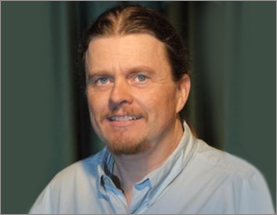
Discussing the Toxic Effects of Aluminum and Related Remedies with Dr. Bill McGraw
Dr. Bill McGraw is a research scientist currently living in Panama and is a prolific writer on a variety of topics such as aquaculture, the environment, heavy metals in the body, and related health issues. He is currently studying for a degree in naturopathic healing and helps people afflicted with chronic disease find the path to health using heavy metal detox techniques and Rife technology. Click on play to learn: Why the body is exposed to aluminum every day. How the sources of aluminum can lead to aluminum toxicity and affect health. How silica water may facilitate the elimination of aluminum from the body. Dr. McGraw explains the dangers of aluminum to the body and the many ways it affects our health and environment. Aluminum occurs naturally in soil, water, and air. It can enter the body as we breath, through the digestive tract, and through our skin. We are constantly being exposed to aluminum in products such as aluminum cooking utensils, beverage cans, sunscreen, antacids, and vaccines. Eleven sources of aluminum exposure are found in products we use every day. While it may not be possible to avoid naturally occurring aluminum in the environment, there are steps we can take to avoid exposure to this toxic metal. Dr. McGraw shares the 11 common sources of aluminum exposure and encourages eating a healthy diet using organic foods. He also recommends drinking silicon-rich mineral waters to reduce the burden of aluminum in the body. To learn more visit: Website: newaquatechpanama.com Episode also available on Apple Podcasts: apple.co/30PvU9C

Comparing the Connections Between Cancer and Viruses with Dr. Richard Allen White III
Dr. Richard Allen White III is an Assistant Professor with the College of Computing and Informatics at the University of North Carolina in Charlotte. Dr. White describes himself as a computational and molecular virologist working on the systems aspect of ecosystems. He is the founder, chairman, and CEO of RAW Lab in Concord, North Carolina that is developing a repository of genetic data on the global virosphere. Click on play to learn: The difference between viruses and cancer. How viruses may cause cancer. Why eliminating some viruses could eliminate many types of cancers. What therapies look promising in the fight against cancer. Cancer is many diseases with different causes. DNA and RNA viruses have the capability to cause some types of cancer in the human body. Dr. White is conducting studies of the links between viruses and cancer with a goal of finding possible targeted therapies for treating virus caused cancers. Six viruses are currently being evaluated for the development of new types of cancer fighting therapies: Epstein-Barr virus, human papilloma virus, hepatitis B virus, and human herpes virus-8 are DNA viruses that may cause the development of human cancers. Two RNA viruses may contribute to human cancers: human T lymphotrophic virus type 1 and hepatitis C viruses. The RAW Lab is involved in the search for possible bacteriophage therapy for multi-drug resistant bacteria and produce universal antivirals for RNA viruses. The lab is using synthetic biology to overcome human viruses and other RNA viruses such as Influenza and Henipavirus. To learn more visit: cci.uncc.edu/directory/richard-allen-white-iii https://rawlab.org @raw9371 (Twitter) Episode also available on Apple Podcasts: apple.co/30PvU9C

Understanding Viruses and Finding Geniuses with Richard Jacobs
"At first, it was like trying to drink from a firehose of knowledge…but I kept doing it, and getting better at it…" says Richard Jacobs, as he explains his experience in creating what's now known as the Finding Genius Podcast. Tune in for all of Jacobs' insights, and discover: What it took to co-author a book on viruses alongside 30 virologists and researchers How and why an auto accident compelled Jacobs to investigate medicine, health, and bioscience How to identify a real 'genius' in their area of expertise The topic of the next book in the Finding Genius pipeline The difference between people who are "splitters" vs. "clumpers" Since 2016, Jacobs has interviewed nearly 3,000 genius-level researchers, practitioners, scientists, and entrepreneurs on various topics, ranging from cryptocurrency and artificial intelligence to sleep science and chronic diseases. Through this process emerged Finding Genius: Understanding Viruses, a compilation of 100 unique insights about viruses from researchers and virologists who answer some of the toughest questions that can be asked. One of Jacobs' biggest takeaways from his work thus far is this: "If you want to solve the big, incredibly difficult problems, at the very least you've got to get together a consortium of people in the field and really go interdisciplinary…science and knowledge in general…needs to utilize the great minds that are working on a given problem to really solve it." Learn more about Richard Jacobs and the Finding Genius Foundation here: https://www.findinggeniusfoundation.org/. Episode also available on Apple Podcast: http://apple.co/30PvU9C

Your Thoughts as Friend or Foe—Understanding Cognitive Behavioral Therapy (CBT) with Liz Ross, PhD
No one likes me. I'm going to fail this exam. I really shouldn't have eaten all that lasagna. Ever have these or similar thoughts? If so, you're not alone. Most of us are overrun by certain thinking patterns, which lead to certain feelings, which lead to certain behaviors. And often, the result is detrimental to our mental and physical health. Tune in to discover: What's unique about the use of CBT in treating anxiety and depression Tips and tricks for dealing with bouts of depression and/or anxiety The importance of psychoeducation and practical skills to reframe negative thoughts A longstanding interest in psychology and the mind-body relationship led Liz Ross to become a licensed psychotherapist who specializes in the application of cognitive behavioral therapy techniques for people dealing with anxiety, depression, and chronic pain. Having spent over a decade in the field, she recounts how things have changed since her early days, like the advent of social media and its impact on mental health, the growing prevalence of virtual therapy, and expectations surrounding therapy. Ross explains cognitive behavioral therapy, describing each component in detail, as well as her approach in treating people who present with certain issues. Tune in for all the details and visit https://drlizross.com/ to learn more. Episode also available on Apple Podcasts: apple.co/30PvU9C

Developing Microbiome Therapeutics and Gastrointestinal Conditions Explored with Dr. Lisa von Moltke
How can GI health significantly determine the general health of the rest of the body? Since so many bodily systems utilize products produced along the gastrointestinal tract, minor issues can be increased throughout the body. Listen up to learn: How the gut microbiome has the potential to make or break the body's health How the Western diet may be threatening your gut's health How "bacterial economics" governs GI systems Executive vice president and chief medical officer at Seres Therapeutics, Dr. Lisa von Moltke, discusses her work developing therapeutic techniques to treat gastrointestinal conditions and microbiomes. Through the study of how the gut microbiome and gastrointestinal health affect the operation of the rest of the body, new therapies have been developed to combat GI-targeted infections. New therapies are also being produced to prevent infection with patients undergoing transplants and grafts. Immunosuppressants are also a weak point regarding gut health since they open windows of vulnerability for infections to target your gut. Therefore, developing techniques to treat various diseases without affecting GI health and the gut microbiome may be the next most valuable step in developing pharmaceutical therapeutics. For more information, visit serestherapeutics.com. Episode also available on Apple Podcasts: apple.co/30PvU9C

Looking at the Controversies Surrounding Childhood Inoculation With Brian Hooker, Professor at Simpson University
Dr. Brian Hooker is an Associate Professor of Biology at Simpson University. He specializes in microbiology and biotechnology and has a keen interest in the importance of inoculation and the safety of childhood inoculation. He has written numerous articles about childhood inoculation side effects including allergies, developmental delays, infections, and neurodevelopmental disorders. He is currently interested in the association between the cv1-9 inoculation and subsequent health issues such as the number of adverse events and deaths thought to be related to the inoculation. Click on play to learn: How inoculation has become lucrative for pharmaceutical companies. What studies of uninoculated children reveal about the side effects of childhood inoculation. What long-term and acute effects are being associated with childhood and cv1-9 inoculation. Childhood inoculations are meant to protect children from serious and potentially fatal diseases such as measles, polio, diphtheria, mumps, rubella, and others. Sometimes, a child has an adverse reaction after getting inoculate that may be linked to the inoculation itself. Some of those reactions include developmental delays, autism, allergies, ear infections, ADD, and ADHD. However, the medical community does not acknowledge any links between childhood inoculation and these types of reactions. Dr. Hooker has an interest in medical epidemiology and adverse events and has been doing research on childhood inoculation and possible reactions. Using data retrieved through 2016 from the Inoculation Safety Datalink, his studies have found that uninoculated children seem to have fewer chronic disorders and appear to be healthier than children who received inoculations on schedule. Some adverse reaction events surrounding the cv1-9 inoculation have lead to questions about the safety, testing, and effectiveness of the inoculation. The issue of mandated inoculation by corporations and educational institutions and the possibility of a inoculate passport have raised questions relating to the infringement of the civil rights of U.S. citizens. Dr. Horn discusses these issues, the power of big pharma companies, and inoculation pros and cons. To learn more visit: childrenshealthdefense.org childrenshealthdefense.org/defender Episode also available on Apple Podcasts: apple.co/30PvU9C

Exploring Opportunities for Solutions to the Mental Health Crisis and Lack of Appropriate Care with Janet Hays, Founder of Healing Minds NOLA
Janet Hays, founder of Healing Minds NOLA, is a formidable advocate for those who suffer from severe mental illness in New Orleans and across the country. She works tirelessly to bring those afflicted with mental illness, their families, and other stakeholders together to find a path to more productive and humane treatments of mental illness. Click on play to learn: Why someone who is mentally ill ends up being incarcerated instead of being admitted to a hospital for treatment. How anosognosia impairs a person's ability to acknowledge their mental illness and subsequent refusal of treatment. What the vision is for assisted outpatient treatment (AOT). Janet Hays has been instrumental in New Orleans in shining a spotlight on the mismanaged mental health care system for more than six years. Having witnessed the inadequacies of mental health care in the United States, Hays has made it her life's work to advocate for better ways to care for the mentally ill. Her vision includes residential treatment communities, assisted outpatient treatment, and even clubhouses to provide a venue for the mentally ill to reconnect to the community and make new friends. One of the issues that impedes medical treatment is anosognosia, a medical condition that impairs the ability of the individual recognize that they suffer from mental illness. They are unaware of their mental health condition, or they do not understand it correctly. The perception of their mental health can shift back and forth over time which adds to the belief that the person is denying the condition to avoid seeking treatment. One of the proposed plans for the treatment of mental illness is AOT, a community-based program of providing mental health treatment under civil court commitment. One of the objectives of the AOT program is to unite and encourage the mental health system in taking responsibility for collecting the necessary evidence of mental illness and prepare a petition for AOT to present to the court so the individual can receive the treatment they need. To learn more visit: https://healingmindsnola.org https://treatmentadvocacycenter.org Episode also available on Apple Podcast: http://apple.co/30PvU9C @HealingMindsNO

Investigating an Extremely Rare and Aggressive Type of Cancer
Imagine feeling perfectly healthy and heading to your doctor for a simple cholesterol check, only to be told your blood work indicates that you may have an extremely rare, aggressive form of cancer. This is how most people are diagnosed with T-cell prolymphocytic leukemia (T-PLL). Dr. Marco Herling specializes in this type of cancer and shares his insights with listeners. Press play to learn: The difference between leukemia and lymphoma How the study of T-cell prolymphocytic leukemia (T-PLL) has led to a change in its name, and why it matters The most common physiological findings in patients who end up with a T-PLL diagnosis Why T-PLL is mostly a disease of the elderly, and the one exception Dr. Herling is an adjunct assistant professor in the Department of Hematopathology at the MD Anderson Cancer Center who was drawn to the study of T-PLL precisely because it is so rare and so understudied. In fact, he explains that most doctors struggle to diagnose it correctly and refer patients to the proper treatment. This lack of understanding exists even in large-volume academic centers and major university hospitals. In Western and European countries, the incidence of T-PLL is low, at about one to two cases per one million each year. "International networking is of the essence in order to make progress in this disease," says Dr. Herling. He explains how T-PLL is generally diagnosed, the signs and symptoms of the disease, theories about why and how it develops, and possible ways to detect and eliminate it earlier on. He also talks about the current efforts being made to further the study and understanding of T-PLL, which hold promise for an eventual effective treatment. Interested in learning more? Tune in, and visit https://herlinglab.com/. Episode also available on Apple Podcast: http://apple.co/30PvU9C

Carcinogenesis Pathology and the Carcinogenic Conditions that can Affect Cancer Diagnosis and Therapeutics with James DeGregori
Is cancer its own separate organism? While we believe that it may not be most of the time, some instances of contagious cancer variants do not die with the host. Listen in to learn: How cancers may first arise Why metastatic sites hold vital clues to begin understanding metastasis How to backtrack a tumor to see how it may have formed Courtenay C. and Lucy Patten Davis Endowed Chair in Lung Cancer Research, James DeGregori, shares his expertise on various forms of cancer and the theoretical questions of the future. Many people think that random mutations may be the root cause of many forms of cancer. However, new research disputes this, and specialists have begun on a new research path of carcinogens and their effects on the body. While they may cause a higher rate of mutations in the area they affect, carcinogens seem to have many other impacts as well. The critical component of the speculation surrounding cancer is the "why?" of the developing tumors in specific areas that may not be favorable for it. By determining the traits present in particular cells where the tumor began, the genetics can be deciphered, providing a complete image of cancer's development. Visit degregori-lab for more information. Episode also available on Apple Podcasts: apple.co/30PvU9C

Parasitic Insect Behavior and the Wondrous World of Cicadas and how They Can Change the World - Samuel Ramsey Shares His Insight
You may be familiar with cicadas but are you aware of the vast impact they have on the environment. A cicada emergence can leave lasting effects on the world around them. Press play to learn: What years cicadas emerge Why cicadas live most of their life underground What Samuel Ramsey plans on studying next Samuel Ramsey, founder and director of the Ramsey Research Foundation, joins the podcast to discuss his research regarding parasitic insects and the wondrous world of cicadas. While many refer to them as locusts, there is much that distinguishes cicadas, and they have a vast benefit on the world around them. Unlike what we may have previously believed, cicadas bring benefits that can have favorable effects on crops and the ecosystem they emerge in. From having a boon on growth and providing vast energy sources for animals across the ecosystem, the 13 and 17-year broods can have an incredible impact. By studying emergence patterns and the lifespans of cicadas, information can be gleaned on many natural systems. Search for Samuel Ramsey on Twitter at @drsammytweets Episode also available on Apple Podcasts: apple.co/30PvU9C

George Calin, MD Discusses Promising Research on Small RNAs in Treating Cancers
Dr. George Calin holds M.D. and Ph.D. degrees from Carol Davila University of Medicine in Bucharest, Romania. He completed cancer genomics training at the University of Ferrara in Italy and was a post-doctor fellow at the Kimmel Center in Pennsylvania. The focus of his work is exploring new RNA therapeutic options for cancer patients. Click on play to learn: Why research on non-coding RNAs is important and what makes them special. How studies of ultraconserved gene sequences led to the discovery of distinct signatures in human cancers. How combinatorial therapeutics for small RNAs shows promise in treating cancers. Dr. Calin is the Principal Investigator at the Calin Laboratory at MD Anderson. He is currently working on all aspects of molecular biology and biomarkers with a focus on deadly cancers such as ovarian, gastric, colon, pancreatic, and cholangiocarcinoma. It has become evident in recent cancer research that the genomic complexity of cancer cells is more significant than originally assumed. For more than 30 years, the focus was on the development and testing of new gene therapy strategies involving protein-coding genes. The research done by Dr. Calin and his colleagues has led to the concept that small non-coding RNAs knowns as microRNA genes (miRNAs) are involved in the production of human tumors. His research also showed that another family of ncRNAs, ultraconserved genes (UCGs) plays a role in cancer initiation, progression, and the mechanisms of a predisposition to cancer. Looking to the future, the results of the studies of miRNAs and ncRNAs has led to the possibilities of combinatorial therapeutics that are customized for a specific cancer patient. Dr. Calin believes that there is a strong need to focus on the early diagnosis of cancer which has the potential to increase the survival of cancer patients significantly. To learn more visit: mdanderson.org/research Episode also available on Apple Podcasts: apple.co/30PvU9C

Exploring the Possibilities of New Diagnostic Tools and Advanced Computer Technologies in the Fight Against Heart Failure with Dr. Eliot Peyster
Dr. Eliot Peyster is a heart transplant surgeon at the University of Pennsylvania Cardiovascular Institute. He is a member of the primary cardiology treatment team that specializes in cardiovascular conditions. In addition to heart transplant as a tool for treating end stage heart disease, Dr. Peyster is interested in the possibilities of using tissue samples from heart biopsies to study the heart at a microscopic level. Click on play to learn: What role inflammatory mediators plays in heart disease. How heart transplants and left ventricular assist devices are being used to treat people with severe heart disease. How computer vision analysis may be used to as a screening tool for high-risk heart disease in the future. Dr. Peyster describes coronary vascular disease as a leading cause of death, a disease of aging. Ischemic myopathy is generally understood regarding what causes heart blockages and how they relate to heart failure. However, too little is known about the role genetic and environmental factors play in the development of heart disease. Grading pathology slides from the biopsies of heart transplant patients has been somewhat problematic. A current concern is the grading criteria for tissue biopsies of the heart during the first year after a heart transplant. Rarely do the pathologists agree with each other when they assign a grade to this type of biopsy. The inconsistency of grading leads to confusion, making it more difficult to conduct multicenter research. Dr. Peyster and his colleagues have found a way to digitize the pathology slides. They have programmed a Computer-Assisted Cardiac Histologic Evaluation Grader to read the slides of the tissue samples from transplant patients to further study CMD. The hope is that a preventative approach can be developed to prevent small vessel disease To learn more visit: pennmedicine.org Episode also available on Apple Podcasts: apple.co/30PvU9C

What Drives Your Decision-Making?—An Economical Perspective with Amit Gandhi
What dictates your decision to buy one type of cereal over the other? Cost? Nutritional content? Or is something else…like the colors of the packaging, or the nostalgic association you have with it from childhood? The truth is, you might not even be consciously aware of why you make the product purchases you do. But rest assured…others are studying this topic very closely. Press play to learn: How to distinguish between and understand the deep drivers vs. random factors of decision-making How to bridge the disconnect between perceptual and mathematical models of probability in product purchase decisions Whether and how to use large amounts of unstructured data in decision-making processes Amit Gandhi is a professor at the University of Pennsylvania and applied economist at Microsoft, where he specializes in industrial organization and econometrics. In simpler terms, he focuses on the use of data in economic models and decision-making processes, whether at the organization, industry, or individual level. He explains the most common deep drivers of decision-making and their impact on behavioral outcomes, but draws special attention to the 'random' factors that impact decisions, but have no real connection to deep drivers like cost and utility. "Do you want to try to design choice architectures that make those things go away, or do you recognize them as part of the human condition and build your product strategy in such a way as to accommodate them?" asks Gandhi. Most of his current research is about answering this question. Tune in for all the details, and learn more about Gandhi's work by finding him on Google Scholar. Episode also available on Apple Podcasts: apple.co/30PvU9C

Molecular Evolution, Genetic Modification, and the Synthesis of Artificial Proteins Discussed In-Depth with Steven Benner
How does understanding molecular evolution hold the key to significant advances in technology and preserving life? By studying it, there may even be clues to how to survive on planets other than Earth. Press play to learn: How synthesizing unnatural DNA building blocks is possible If we can test Martian geology to determine its base properties Why the "Vitamin C Gene" was integral to evolution A distinguished fellow and part of the Foundation for Applied Molecular Evolution, Steven Benner, discusses his research in molecular evolution and testing the viability of sustaining life on other planets. By understanding the basis of molecular DNA and its four natural bases, researchers can begin expanding that number to eight or even 12. This opens the possibility that various lifeforms may not have the same basis for evolution and developed using different mechanisms. By adapting to the world as the established systems were destroyed through phenomena like climate change, primates' DNA shifted and allowed the beings to evolve. This may be a similar trend to how humans will evolve to face future challenges. Visit https://primordialscoop.org to learn more. Episode also available on Apple Podcast: http://apple.co/30PvU9C

Discussing the Timing of Life and Evolutionary Changes with Nicholas P. Money
Nicholas (Nik) P. Money is a Professor and Director of the Western Program at Miami University. He has spent most of his professional career studying fungi and other microorganisms and has published several books on the topics. His new book, Nature Fast and Nature Slow, was released in the summer of 2021 and focuses on biology from a unique perspective, the timing of life. Click on play to learn: How miniscule units of time can be used to study fast mechanisms over slivers of time. Why Professor Money chose to focus his new book on the passing of time. What the prospects may be for human life extension. The subtitle of Nik Money's new book is, "How Life Works, From Fractions of a Second to Billions of Years." He captures the reader's attention with thought provoking statements about how quickly time seems to pass, shares the concept of milliseconds, and discusses nature slow which stretches out over billions of years. The book explores the timetable of the universe in ten chapters with each chapter focusing on a particular slice of time beginning with nature fast. In the first chapter, Money discusses the evolution of nematocysts and expands on the evolution of the branches of the tree of life including sea slugs, anemones, comb jellies, and flatworms. Each chapter in the book opens a new world of information on evolutionary changes over time. The author discusses specific topics such as bowhead whales, bats, and bristlecones. He is already planting the seeds of a new book that focuses on nature big and small. To learn more visit: https://themycologist.com Episode also available on Apple Podcast: http://apple.co/30PvU9C

Global Health Issues, The Pros and Cons of the inoculation and looking Inside Big Pharma with Greg Glaser
Is someone pulling the wool over the country's eyes when it comes to the pros and cons of the inoculation? Informed consent is an important right to retain and may be the key to safely inoculating the population. Press play to learn: The number of inoculation suggested by the CDC How inoculation may have been shown to correlate with adverse side affects The social groups which are responsible for inoculation pressure Health freedom lawyer Greg Glaser shares his experience fighting for informed consent for a large population of civilians and doctors around the country, especially in the age of high-pressure inoculation. Inoculation have been an integral part of American society since the latter decades of the 1900s, regardless of whether they actually make people healthier. Unfortunately, due to the social pressure cultivated by years of high-profit marketing from the inoculation industry, the truth may not correlate with the information widely pushed in the media. The social constructs that have held inoculation status in paramount status for years now are also the same that cause the alienation and ridicule imposed by the inoculated population. However, this is reaching a fever pitch as mandatory inoculation have become increasingly popular among some political parties. Visit informedconsentdefense.org to learn more. Episode also available on Apple Podcasts: apple.co/30PvU9C

Dr. Abdul Kadir Slocum Discusses New Ways of Treating Cancer in Conjunction with Conventional Cancer Treatments
Dr. Abdul Kadir Slocum is a co-founder of Chemothermia, an oncology center in Turkey that combines conventional cancer treatments with "out-of-the-box" therapies to improve cancer treatment outcomes. Dr. Slocum began the clinic in 2010 in Turkey with two partners, Professor Bulent Berkarda, M.D., and Professor Mehmet Salih İyikesici, M.D. to treat cancer patients from around the world. Click on play to learn: What role cellular metabolism has in health. How diet, hyperthermia, and hyperbaric oxygen therapy maximise the efficacy and reduce the side effects of conventional treatments. How holistic treatments support the patient undergoing traditional cancer treatments with promising results. Dr. Slocum has been working with Dr. İyikesici and Dr. Berkarda on the development and application of conventional and unconventional cancer treatments such as oxygen therapy for cancer to support and balance the system. These supportive treatments give the patient more time to fight the disease. Therapies include metabolically supported chemotherapy, hyperthermia (local and whole body) therapy, hyperbaric oxygen therapy, and the ketogenic diet that all work synergistically with the standard conventional cancer treatments. Integrating the genetic and metabolic approaches with supportive strategies can maximise the efficacy of conventional treatments and reduce their side effects. Chemothermia claims to have one of the highest success rates in the world with their unique approach on cancer treatment. The clinic publishes their results in leading peer reviewed journals. Patients with stage 3 and stage 4 cancers can be treated at the clinic. Doctors develop personalized protocols for each patient treated at the clinic with promising results. To learn more visit: chemothermia.com Episode also available on Apple Podcasts: apple.co/30PvU9C

Does Animal Protein Cause Cancer?—The Answer Might Surprise You
"This is one of the biggest stories ever," says T. Colin Campbell. What story is he talking about? The one that offers clear evidence of a safe, natural, and effective way to reverse cancer, diabetes, heart disease, and more. Tune in to discover: Whether there is a difference between the protein from pasture-fed animals and feedlot animals How taste preferences can change powerfully over a relatively short period of time Hidden sources of animal protein that you may not even know you consume Why most vegans still develop some of the same diseases as non-vegans and non-vegetarians T. Colin Campbell grew up on a farm, which meant growing up on dairy and animal meat. His doctoral dissertation was on the importance of animal protein consumption, and he even led a program in the Philippines aimed at helping malnourished children by providing them with quality animal proteins. His belief was firm, and in line with the rest of the nutritional science community: malnourishment results from inadequate amounts of quality protein from animal sources. But in reality, he encountered evidence which completely challenged this position: the Filipino children who were consuming animal protein like those in the Western world were at a higher risk of developing liver cancer. Animal studies showed the same thing: animals who consumed animal protein were more susceptible to the rapid growth of liver cancer. Campbell was faced with a dilemma: would he move forward with all the work he'd already promoted, or back up and carefully re-examine the evidence? He chose the latter, and received plenty of NIH funding to study whether animal protein really does cause cancer. The answer? An emphatic "Yes," says Campbell. He has since published extensively on the topic and even served on government policy boards. "The further I got into this story and learned so much about it—not just about animal protein itself but also about the entire medical system and the way we actually tell the public the information we tell them—the more I realized there's a serious problem here," says Campbell. Heart disease, diabetes, and cancer are just a few of the diseases that can be treated and altogether reversed through a whole foods, plant-based diet. Interested in learning more? Press play, and visit https://nutritionstudies.org/. Episode also available on Apple Podcasts: apple.co/30PvU9C

Breast Cancer Awareness and the Importance of Monitoring Breast Health and Regular Risk Assessment with Kornelia Polyak
How can early detection and regular monitoring of breast health play a significant role in the severity of breast cancer? The earlier cancer can be detected, a significant possibility emerges that an early understanding can benefit the patient when treatment begins. Listen in to learn: How heterogeneity impacts various tumors If chemotherapy is contributing to tumors in specific ways How early-stage testing can save lives Professor of Medicine at Harvard Medical School and member of the Dana-Farber Cancer Institute, Kornelia Polyak, shares her research on the monitoring and preventing breast cancer. Through understanding why and when an individual gets breast cancer, better treatment techniques may become available, and prevention methods can be uncovered. In addition, through a deeper understanding of cause and early behavior, the next stages of treatment and prevention research can progress. The location of tumors and the environment within the body can play a significant part in determining the heterogeneity of cancer. This level of heterogeneity is one of the defining characteristics of how to treat and prevent tumors. For more information, visit polyaklab.dfci.harvard.edu. Episode also available on Apple Podcasts: apple.co/30PvU9C

News Flash Freeze: Inhalable Therapies Improve Drug Efficacy and Adverse Events Profiles
Finally, you can take a deep breath in and relax…knowing you've also taken the lowest efficacious dose of your medicine, with less worry over adverse events. And it's all thanks to a company called TFF Pharmaceuticals. Press play to learn: What specific problem TFF technology solves in terms of drug metabolism and systemic absorption How TFF technology can be applied to the area of vaccines Whether TFF technology could be used with cannabinoids as an alternative to vaping Glenn Mattes has worked in the pharmaceutical industry for over forty years now, and for the past four years, has served as CEO of TFF Pharmaceuticals, a Thin Film Freezing technology platform that can improve the properties of drug formulation, delivery, and administration while maintaining efficacy and avoiding many adverse events associated with other drug therapies. The Thin Film Freezing technology uses flash freezing to capture pharmaceutical drugs in a highly active state and convert them into highly concentrated powders. These powders can then be put into a capsule and inhaler device, allowing for administration directly into the lungs. Since the lung is an ideal organ for drug metabolism and distribution throughout the body, lower doses of the drug can be used to achieve the same or better efficacy with lower incidence of adverse events. Other substances being formulated at TFF Pharmaceuticals can be inhaled through the nose, and in the works is a formulation that can be applied to the eyes or skin. Mattes explains the science behind this technique, including the details of how and why it works, and the specific ways in which it can be applied. Learn more at https://tffpharma.com/. Episode also available on Apple Podcast: http://apple.co/30PvU9C

Examining the Conscience of Psychiatry with Dr. Peter Breggin
"When psychiatry became wedded with the drug companies, it became very little more than a sales department of the pharmaceutical industry," says Dr. Peter Breggin. He explains the pre-wedding state, post-wedding state, the future of psychiatry, and how it's all related to the current virus situation. Tune in to discover: What a lobotomy is, how it works, and how recently it's been performed in the US Why various competing views in psychiatry have been reduced to one predominant viewpoint (and what that viewpoint is) The damaging side effects and deaths related to the vaccine for the current virus Dr. Breggin is a psychiatrist and author of over 20 books, with one of his most recent publications addressing the current virus situation and the influence of global predators. He's been involved with reform work his whole life, starting with giant volunteer projects in state mental hospitals over 60 years ago, to taking on almost all major lobotomy programs in the US since then, and to this very day, trying to tackle electroshock therapy, and what he calls "chemical lobotomies" through psychiatric drugs. Dr. Breggin is the first psychiatrist to take various issues to the courtroom, and has been in trial over 100 times. Along the way, he's been attacked and slandered by scientists, clinicians, fellow psychiatrists, and the medical-scientific establishment at large, but nonetheless remains firm in his stance against what he perceives to be unethical and even violent practices aimed at controlling humanity. In today's show, he reveals these practices in detail and explains how they are intimately tied to the current virus situation. Tune in to hear the full conversation. Visit www.wearetheprey.com to check out his latest book and learn more. Episode also available on Apple Podcasts: apple.co/30PvU9C

The Fourth Era of Cancer Treatment: Where Immunotherapy Meets Precision Medicine
"All malignant diseases are derived from a normal cell in the body," says Dr. Owen O'Connor, MD, PhD. But how different are the malignant cells from the normal ones, and how hard is it to differentiate one from the other? This question is at the heart of the 'therapeutic window' problem in cancer treatment. But with new research in full swing, a solution may be within reach. Press play to learn: The four eras of cancer treatment, and where the future of cancer therapy is headed The problem of the therapeutic window and modern-day chemotherapies, and how a combination of immunotherapy and precision medicine could overcome it The function of B cells in the body; how they behave differently in malignant disease vs. autoimmune disease Dr. O'Connor is an international authority on lymphoma and drug development with over 25 years of experience in academic medicine. He is also Chief Scientific Officer at TG Therapeutics, a biotechnology company that focuses on targeting diseases related to underlying B cell dysfunction, like non-Hodgkin's lymphoma and some autoimmune diseases. B cells are a type of white blood cell that produce antibodies designed to rid the body of pathogens. In lymphoma and some autoimmune diseases, however, these normal B cells begin wildly misbehaving or proliferating rapidly. In the case of malignant disease, the goal is to inhibit the proliferation of and kill these B cells; in the case of autoimmune disease, the goal is to suppress their activity and interactions with other cells in the body. How is this accomplished? And what's wrong with most modern chemotherapies? Answering these questions leads Dr. O'Connor to discuss the meaning of the therapeutic window and two drugs that have been acquired and studied extensively by the team at TG Therapeutics. One of these drugs is an immunotherapy, and the other is a precision targeted therapy. The idea is that working together, these drugs could provide an effective treatment without the serious downsides of chemotherapies. Visit https://www.tgtherapeutics.com/ to learn more. Episode also available on Apple Podcasts: apple.co/30PvU9C

Learning About How the CRISPR Chip Technology and Biology May Lead to the Next Generation Electronic Sensors From Dr. Kiana Aran
Kiana Aran, Ph.D. is an associate professor and director of the Aran Lab at Keck Institute and is also the Chief Scientific Officer at Cardea Bio. She is an electrical engineer with a driving interest in biology that has led her to combining these two seemingly unconnected fields. Her research has led to the discovery that amplification is not required for targeted DNA and gene detection. Click on play to learn: How functionalizing materials can be used in biosensing technologies and in lab-on-a-chip (LOC) systems. How linking biology directly with electronics molecular control signals can be accessed and studied. How the first DNA search engine is possible using a CRISPR-SNP-chip and graphene. Dr. Aran is interested in the integration electrical, mechanical, chemical, and bioengineering to develop new device solutions for use in clinical research. She thinks of the CRISPR chip as a microscopic robot that can be used as a genome typing tool, a kind of DNA search engine. This tool provides the ability to search through a complete genome in record time, among other things. Currently, the sensitivity of the platform is being evaluated and improved to allow for more types of research. Work is currently being conducted to assess the accuracy and efficiency of CRISPR itself. Research continues on combining the power of CRISPR in its search capabilities and the power of biology as a technology to facilitate research and new discoveries. To learn more visit: aranlab.org and cardeabio.com Episode also available on Apple Podcasts: apple.co/30PvU9C

The Latest in Cancer Immunotherapy: Potential Cure for End-Stage Patients
A cure for cancer? Immunotherapy could be the key. Tune in to discover: How an antiviral response is similar to an anti-tumor response The various ways in which cancer evades the immune system Which immunotherapies can treat end-stage patients, and how they work Samantha Bucktrout is the senior director of research at Parker Institute for Cancer Immunotherapy, where she focuses on bringing curative immunotherapy for patients with cancer. She begins by explaining the basics of immunotherapy, noting that all throughout each and every day, our immune systems are at work detecting and eliminating pre-cancerous cells in the body. For patients who have developed metastasis and where the standard of care has failed, immunotherapy might provide promise. Research in immunology has led to an understanding of the ways in which cancer co-opts the body's natural ability to regulate the immune system, and thereby actively blocks it from doing its job. Equipped with this knowledge, it's possible to block the barriers put up by cancer through the use of antibodies. Immunotherapy, in some cases, can be considered to 'cure' patients who otherwise have fatal metastatic processes. Bucktrout discusses how chemotherapy affects the immune response, when it is used as the sole approach to cancer treatment as opposed to in conjunction with chemotherapy, how cancer cells may have evolved to evade the immune response, and much more. Press play to hear the full conversation and learn more at https://www.parkerici.org/. Episode also available on Apple Podcasts: apple.co/30PvU9C

Sleep Health, Anxiety, and "Re-Entry" Therapy with Annie Miller
"If you can't sleep, so what?" asks Annie Miller. Well, you may or may not agree, but the point she's making is that it's far better to not care about a lack of sleep than to panic about it. Press play for more of her insights and learn: How different people are responding differently to the virus-related shutdowns and re-entry into the "old" way of life Why the bed should only be for sleeping Why eight hours of sleep isn't best for everyone Annie Miller is a psychotherapist and the founder of DC Metro Sleep and Psychotherapy, a private practice in Bethesda, Maryland. Her specialties include sleep and insomnia, anxiety, trauma, and chronic pain. In today's show, she discusses how the current virus situation has been impacting people's anxiety and sleep health, and also explains her approach to helping people through these issues. In the process, she provides several tips on establishing and maintaining good sleep hygiene. Tune in for all the details and visit https://dcmetrotherapy.com/ to learn more. Episode also available on Apple Podcasts: apple.co/30PvU9C

How Industry Is Improving Access To and Advancing Treatments for People Living With Diabetes with Ali Dianaty
How can Diabetes treatment be made more accessible and easy to use? By encouraging the availability of products to be all under one roof and finding less invasive treatment methods, patients can find new ease of lifestyle. Listen in to learn: The latest products coming on the market How pumps function and their limitations How algorithms assist with Diabetes treatment Ali Dianaty, the vice president of product innovation for the Diabetes Business at Medtronic, shares his work developing products to ease the burden placed on diabetes patients. In recent history, patients who have Diabetes were limited to very scarce, expensive, and painful treatment techniques. However, by innovating using machine learning, pumps, and similar therapeutic methods, the lifestyle surrounding Diabetes has changed and simplified treatment for many. With data storage and algorithms working with smartphone apps, devices may even remember meals one has consumed in the past and automatically adjust treatment. This will allow patients to build a database of normal behavior, tailoring treatment specifically to their lifestyle. To learn more, visit medtronicdiabetes.com/home. Episode also available on Apple Podcasts: apple.co/30PvU9C

Stem Cell Therapeutics and Cystic Fibrosis Affected Lung Regeneration - A Conversation with Barry Stripp and John Mahoney
How can victims of cystic fibrosis and other degenerative lung diseases be treated and even reverse? Stem cells may hold the key to a new world of treatments. Press play to learn: The genes that are responsible for the proliferation of CF How the regulation of genes can change the disease landscape Common complications of lung transplants Barry Stripp, Ph.D. and professor of medicine and director of the lung stem cell program at Cedars-Sinai Board of Governors Regenerative Medicine Institute, and John Mahoney, Ph.D., and head of the stem cell biology team at the Cystic Fibrosis Foundation Therapeutics Lab, join the podcast to share their work with lung regeneration and cystic fibrosis treatment. Cystic fibrosis, while not inherently destroying the lung, it disrupts bodily systems that allow the lung to function correctly. Due to mucus buildup after not allowing lungs to be appropriately hydrated, asphyxiation is one of the most common causes of death among CF sufferers. Since the repercussions and long-term maintenance requirements for lung transplants, they are not a viable solution for long periods. Due to this, the hope is to apply stem cell techniques and gene correction to aid in lung tissue regeneration. Visit cff.org or cedars-sinai.org to learn more. Episode also available on Apple Podcasts: apple.co/30PvU9C

Discovering the Effects of High Quality Herbal Supplements and Health with Logan Christopher
Christopher Logan is an avid health and nutrition reader who is continuously searching for the next best thing in the wide world of physical culture and herbalism. He is the co-founder and CEO of Lost Empire Herbs, an online store that offers herbal medicine for men's health and herbal supplements for athletic performance. Logan has an interesting perspective on the history of snake oil in the United States and its impact on pharmaceuticals, supplements, and herbs. Click on play to learn: How the use of snake oil at the turn of the century to treat muscle strains and pain became a derogatory term in spite of some amazing health benefits. Why some drugs have been found to be ineffectual in treating conditions as approved by the FDA. How the environment tends to produce food that is tainted by pesticides and lacks micronutrients leading to unhealthy conditions. Christopher Logan discusses the philosophy of scientism as it relates to health and sickness. The United States is one of the most technologically advanced countries on the planet. In contrast, it has one of the worst birth outcomes. The long-term effects of the use of pesticides on crops grown in the United States serves as a reminder that less technology is better in terms of a healthy population. Less technology and living a more natural lifestyle appears to have a healthier impact on society. Supplements and herbs are not considered medicine in spite of the fact that they reduce or eliminate deficiencies in the human body. On the other hand, the FDA conducts intensive studies on proposed drugs and approves them even though they do not necessarily work as intended. To learn more visit: lostempireherbs.com Email: [email protected] Episode also available on Apple Podcasts: apple.co/30PvU9C

Investigating the Thought-Provoking Concept of Mimetic Desire with Luke Burgis
Luke Burgis is an entrepreneur by experience who worked on Wall Street for a short time before moving to California to jump into the startup world in Silicon Valley. He established four companies and experienced many successes and failures while in California. From the outside, Burgis appeared to have everything. However, he felt he was on a never-ending journey to find "something" while not really understanding what that something was. Click on play to learn: How the influences of René Girard and mimetic desire redirected Burgis' life path. What drives people to pursue systems of desire. How to juggle competing multiple tribes. How the concept of tribes may play a role in blaming others. As a successful entrepreneur, Burgis struggled with wanting one thing one day and wanting something else the next day. Dealing with conflicting wants on an ongoing basis led to Burgis stepping back to revaluate his life. As an avid reader, he studied various theories of want and the self and found a connection with René Girard's ideas on the concept of mimetic desires and what drives them. His research led him to spending three years in Italy in the quest to identify the driving forces of his life. As a student of psychology, classical philosophy, and theology, he learned to create distance to examine his true desires and distinguish the origins of his aspirations. Burgis learned how to identify various systems of desire and realized that people move in and out of those systems as their life changes over time. He wrote a book, Wanting: The Power of Mimetic Desire in Everyday Life that explores why we want what we want. This profound book shows readers how mimetic desire is present in their relationships. One of the chapters focuses on the rise of scapegoating and resulting violence that demonstrates how understanding the power of mimetic desire psychology can keep us from becoming involved in the negative behaviours of blaming others. To learn more visit: https://lukeburgis.com Twitter: @lukeburgis Episode also available on Apple Podcasts: apple.co/30PvU9C

Bacterial Genetics, RNA Based Infection Engineering, and the Immune System - A Discussion with Chase Beisel
How can CRISPR technology be viewed in perspective past regular lab use? By examining the bacteria left after genetic editing, the potential for new research emerges. Press play to learn: How the cell-free system works The unanswered questions that remain in the field How CAS-9 functions with mRNA Chase Beisel, a Group Leader (W2) at Helmholtz Institute for RNA-based Infection Research in Würzburg (Germany), discusses his research using CRISPR bacteria beyond their typical scope of work. While CRISPR is commonly used and known for manipulating DNA strings, there is actually a fascinating byproduct left behind. Using the bacteria responsible for the editing during the process, they are still viable for use after editing and can be seen as an extensive natural immune system. By watching and studying how mRNA functions within the system, there may be possibilities for new technology. By recruiting mRNA and turning them into guide RNA, the nature of how this change occurs can be uncovered and applied to other areas of study. Visit https://www.helmholtz-hiri.de/en/research/organisation/people/person/prof-chase-beisel/ to learn more.

Deliberating the Development of Gene Drive Systems to Control Genetic Diseases And Associated Research of the Unintended Consequences With Jianghong Min
Jianghong Min is a graduate student with the Department of Genetics at Harvard Medical School who is currently involved in genomics studies of the heritability of CRISPR-based gene drive cassettes to control specific functionalities in non-human species and their impact on genetic diseases. He is working on these projects at MIT with the Sculpting Evolution Group and Kevin Esvelt, Assistant Professor. Listen to the podcast to discover: Why trial work with CRISPR-based gene drive systems is important. What unintended consequences might result from genome editing techniques. What measures are being taken in the new CRISPR method to ensure safety in this area of science. What potential benefits are associated with manipulating heritable genes in non-human species such as mosquitos and mice. Min is working on a study involving the genetic editing of heritable genes using gene drive cassettes in a non-human genus. The study is in the exploration phase at this time. Of particular interest is the evolution of a gene drive system once it is released into the wild. How much genetic information can be included in the gene drive cassettes? How much control of the heritability of the gene drives do scientists have once the are released into the wild? Min is especially interested in discovering unintended consequences. Could these heritable changes spread into other nearby species? He believes in the precautionary principle that scientists should not intervene until all of the negative effects are known and should identify the greater impact of genetically modifying these organisms. To learn more, visit: MIT Media Lab: https://www.media.mit.edu Sculpting Evolution Group: www.sculptingevolution.org Episode also available on Apple Podcasts: apple.co/30PvU9C

Millions of Years of Evolution Brought to the Cancer Research Lab
"Nature, over millions of years, developed the immune system in vertebrate animals," says Martin Steegmaier. And one of those developments is the antibody—a large protein that detects and neutralizes threats to the body, like viruses and bacteria. Learn how one company is using this to tackle cancer, and discover: How the monoclonal antibody production process works The half-life of an antibody in the human body, and why it matters Methods of antibody-based treatment administration Steegmaier is head of research at MorphoSys AG, a company that's focused on antibody discovery and development, with an aim to become a leader in hematology-oncology and autoimmune disease treatment. He discusses the benefits and observed effects of antibody-based treatment for various cancers, and the key differences between the use of antibodies (large molecules) and small molecules in the treatment of cancer. He also explains the function of the most notable antibody treatments on the MorphoSys drug discovery platform, one of which was launched last July for the treatment of an aggressive type of cancer called diffuse large B-cell lymphoma. For a deep dive into the science behind antibody development and how antibodies interact with cancer cells, press play. Visit https://www.morphosys.com/ for more information. Episode also available on Apple Podcasts: apple.co/30PvU9C

New CRISPR Protein and Genome Editing Techniques Using Machine Learning Techniques with Hannah Spinner
How can the application of machine learning make CRISPR even more beneficial than it already is? By lowering bench time, researchers may free time to find even more beneficial advancements. Listen in to learn: The potential concerns some researchers pose How domains can serve multiple functions The function of fetal hemoglobin Hannah Spinner, a research specialist and Ph.D. candidate at Harvard, discusses her work in applying machine learning on CRISPR technologies and new CRISPR proteins. Applying machine learning techniques that have been proven to advance technologies in other fields holds promising results in increasing the efficiency of CRISPR technology. Reducing the tedious lab work required by researchers will allow new advancements in how we interact during the research process. New advancements and discoveries regarding proteins and their use in CRISPR have opened the possibilities of adding a function that was not previously available. By editing various bases on the genome, the function of CRISPR in that area has a wide array of possibilities. To learn more, search for Hannah Spinner on Twitter at @bellespinner. Episode also available on Apple Podcasts: apple.co/30PvU9C

Studying How Normal Cells are Formed to Understand How Cancer Forms with Dr. Ana M. Soto
Dr. Ana Soto is a Professor of Immunology at Tufts University who by training is a physician with a deep interest in science. She began working in labs while attending the university and eventually discovered an interest in how estrogens and hormones control the proliferation of cells in the breast, uterus, etc. Dr. Soto is currently conducting research on a new theory of cell proliferation and carcinogenesis at The Ana Soto – Carlos Sonenshein Lab at Tufts University. Click on play to learn: How this new theory of the proliferation of cancer cells contrasts with the predominant somatic mutation theory (SMT). How a related study on endocrine disruption became the focus of one of Dr. Soto's studies. What are the current theories on factors that trigger cancer. Dr. Soto and Schonnenschein have been focusing their research on the origins of carcinogenesis known as the Tissue Organization Field Theory (TOFT). While their studies involve the biomechanics of morphogenesis, SMT theorizes that mutations are central to the development of cancer. The TOFT theory suggests that the mutations are an epiphenomenon. According to Dr. Soto, all cells will proliferate and produce tissue architecture that is normal. When cancer is introduced by some mechanism, there is an alteration in the organization of cells and a tumor may begin to grow. One of the goals of their research is to identify the mechanism that results in the alteration of the organization of cells and the subsequent development of cancer tissues. Several influences may be at play in this situation: biochemical factors and their receptors; biochemical communication; the proliferation of mechanical forces, bioelectricity, and the formation of an extracelluar matrix. To learn more visit: https://sites.tufts.edu/sotosonnlab/ https://gsbs.tufts.edu/facultyResearch/faculty/soto-ana/research Episode also available on Apple Podcasts: apple.co/30PvU9C

Exploring Current Research Efforts and Computational Biology to Learn About the Origin and Evolution of Life with Joana C. Xavier
One of the most profound questions in life is how did cells first materialize on Earth? Joana C. Xavier, Ph.D. is a scientist at University College London, bioengineer, and author who has focused her life's work on finding possible answers to that question. She has an interest in systems biology, specifically the origin, evolution, and diversity of prokaryotic cells, minimal cells and chassis cells. Examples of Dr. Xavier's work in computational biology include the analyses of the evolution of genes, species, and communities. She is also involved in large scale and integrative studies of metabolism. Press play to learn more about: The characteristics of prokaryotic cells and how they differ from eukaryotic cells. How the dynamics of hydrothermal vents may have played a role in the origins of life. How the vitamins and co-factors essential for us today played a vital role in establishing the first biochemical networks. Dr. Xavier has a keen interest in the origin and evolution of life and believes that hydrothermal vents may have been the site where the first cells appeared. The ocean floor is well protected from the ultraviolet light produced by the sun. Natural chimneys form around the hydrothermal vents that release heated fluids necessary for cell development and they create a dynamic environment that would be favourable for life to evolve. Because the focus of Dr. Xavier's research is on the possibility of the origins of life deep in the ocean, collecting samples to conduct research is extremely limited and expensive. As a computational biologist, she uses massive amounts of specific types of data collected by other scientists and researchers to conduct big data analysis to test her theories. The Earth is believed to be 4.5 billion years old which adds to the complexity of finding the origin of the first cell. Dr. Xavier believes there must be some type of necessity at the origin of the first cells that is governed by laws we do not yet understand. While it is difficult to determine exactly when life first emerged on the planet, some believe that it took place shortly after the Earth was formed. Identifying which genes are the oldest is challenging and the search continues to establish the last universal common ancestor (LUCA) which may lead to answers to the question of how cells materialized on Earth. To learn more visit: Joana C. Xavier website at https://jcxavier.org Twitter @jrcxavier Episode also available on Apple Podcasts: apple.co/30PvU9C

Deuterated Water and Effects of Nutrition on Disease - Dr. Petra Davelaar Discusses Functional Medicine
How can the water you drink contribute to the formation or treatment of cancer? Deuterium present in the water may play a significant role. Press play to learn: What heavy water is How deuterium factors into MRI's Where to find deuterium-depleted water Functional medicine doctor Petra Davelaar joins the podcast to discuss her research on deuterated water and how it may be a critical factor in health and cancer. Deuterium present in water and the food around us is often overlooked but plays a significant role in maintaining health and staving off potentially severe diseases. The lower the deuterium present in what is put into the body, the better it is. Despite the evidence that deuterium plays such a significant role in many different processes within the body, the medical industry continues to overlook the benefits of manipulating the levels within the body. However, drinking deuterium-depleted water and honing one's diet may be effective strategies to combat certain diseases. To learn more, visit https://drpetrad.com. Episode also available on Apple Podcasts: apple.co/30PvU9C