
Finding Genius Podcast
4,332 episodes — Page 34 of 87

Utensils for Conscious Consumption: A New Way to Be Intentional About How You Eat
When you're out and about and stop for a bite to eat, what else are you putting in your body with those plastic utensils? Well…plastic. Leaching from plasticware is real, and it could be causing damage to your body. But there's a healthier, less wasteful option available--and it comes with the perk of being intentional about the way you eat. Tune in to learn: What's unique about the alchemy of brass The mechanism by which brass, copper, and sterling silver self-sanitize What products are offered by a company named Fed Twenty-five years ago, Dawn Prokop picked up a book that would eventually define the trajectory of her career. It was about a Tibetan monk who was issued a single wooden bowl to use for each and every meal. He would rinse it in the river, scrub it with sand, and let it dry in the sun before tucking it away in a special place. It was more than a routine--it was a ritual. Today, the way most people consume food couldn't be further from this. We often do it mindlessly, choosing the most convenient options and not thinking twice about using plastic utensil after plastic utensil. How can we change the way humans consume food? That was the question on Prokop's mind when she started brainstorming ideas that would eventually lead to a company called Fed. It's a company that values conscious, mindful eating that's good for people and the environment. She explains all the details of what Fed believes in, strives for, and offers. Press play to learn more, and check out https://fed.today/. Episode also available on Apple Podcasts: apple.co/30PvU9C

Understanding the Possibilities of Next Generation Biotherapeutics With Beverly Mok
Beverly Mok is a graduate student in Chemistry and Chemical Biology at Harvard University. She is currently working in the complex field of genes and genomics focusing on genome editing in the David Liu Lab. She is also involved in the development of programmable tools to perform detailed and accurate modifications on the human genome. Current tools do a double-stranded break which the cell may try to resolve in a way that may not be ideal. Once the break happens, the cells resolve the break in two ways. They make repairs by insertions or deletions which is not ideal. Or they supply a template DNA that undergoes homogenous DNA repair back to the original sequence to precisely repair the DNA. Base editing is a new way of targeting and repairing faulty genes. The new genome editing techniques do not use double-strand breaks. The benefits of the base editing approach is that it facilitates precise genome editing and minimizes undesired by-products and toxicity associated with the double-strand breaks in DNA. Click on play to learn about: How CRISPR-Cas9 is used to edit parts of the genome. A new process of base editing that does not introduce double-strand breaks. How the new process achieves exquisite levels of specificity with base editing. What genetic diseases are being considered for future studies involving base editing. Mok is participating in studies to identify possible next generation biotherapeutics and genome editing techniques that have the potential to treat and possibly cure genetic diseases like Huntington's disease, blood cancers, and cystic fibrosis. She applies chemical biology strategies to genome editing to advance the capabilities and safety of genome-engineering proteins. To learn more visit: https://liugroup.us David R. Liu @davidrliu liugroup @liugroup Episode also available on Apple Podcasts: apple.co/30PvU9C

Shining a Non-Linear Light on New Applications in Nuclear Physics
Turn lead into gold? Yes, it's possible. But according to Denys Bondar, PhD, that's beside the point. He's asking this question: can any substance be made to look like any other one? Press play to explore the meaning and implications of this and more: How much computing power you can get from shining 'bright' light on a single atom How it's possible to make one element look like another, and why it matters Whether it's possible for a computer to process information at the speed of light Bondar is an assistant professor at the Tulane University School of Science & Engineering whose most recent work has been on nonlinear optics. It's a field of study that describes the behavior of bright light (high-intensity light, like that given off by lasers) in nonlinear substances. He contrasts an explanation of this with an explanation of linear optics, which is observed when everyday light—like that from the lightbulbs in your house—interacts with materials and reflects back to the eye. Using analogies and metaphors, Bondar discusses these concepts in depth. He also dives into the history of optics, and provides three concrete ways in which nonlinear optics can be applied in the lab and commercially. These include the possibility of computation at the speed of light, and the induction of superconductivity into certain materials. Tune in for the full conversation and check out https://sse.tulane.edu/pep/faculty/bondar to learn more about his work. Episode also available on Apple Podcasts: apple.co/30PvU9C

Innovatively Balancing Sugar Highs and Lows with Dr. David Kendall
This year marks the 100th anniversary of the discovery of insulin as a treatment for diabetes. For the past several decades, innovation in the diabetes space has reached unprecedented levels. Dr. David Kendall has been a key player in this space, and shares the latest insights and developments. Press play to learn: The key difference between glucose and glucagon What causes severe hypoglycemic events in the body How dasiglucagon works, how it can be administered, and who is a good candidate for it Dr. David Kendall is a senior global medical advisor at Zealand Pharma, a company that for decades has been committed to innovation in the peptide therapeutics space. By modifying naturally-occurring peptides—the tiny building blocks of proteins and enzymes—the team at Zealand is using them as treatments for human diseases. The primary focus is on metabolic diseases, like diabetes and certain GI diseases. For example, Zealand has created dasiglucagon, a now FDA-approved analog of naturally-occurring glucagon designed to treat episodes of severely low blood sugar, commonly known as hypoglycemia. Dr. Kendall explains the function and benefits of dasiglucagon, and when it can be used as a lifesaving measure in those with insulin-requiring diabetes and hypoglycemic events. He also discusses one of Zealand's latest projects, a bihormonal artificial pancreas system that provides insulin and counteractive glucagon to help people with the long-term management of diabetes. Tune in for all the details and visit https://www.zealandpharma.com/ to learn more.
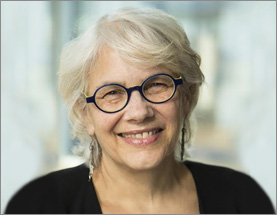
Bioethics on Health and Novel Human Genetic Technologies - A Detailed Conversation with Françoise Baylis
What are the ethical limits of human genetic engineering? While there may never be a firm answer to this question, it is critically important to contemplate possible limitations. Listen in to learn: The differences between genetic selection and genetic design. The technologies that fall on either side of the divide between selection and design. How biases shape our perception of which traits are desirable and which traits are not. Françoise Baylis, University Research Professor and author of Altered Inheritance, joins the podcast to discuss the bioethics of human genetic engineering. The focus is on heritable human genome editing where it is anticipated that genetic modifications will be passed on to future generations. This prospect raises a number of challenging ethical questions likely to become increasingly important over time. Visit https://francoisebaylis.ca for more information.

Using Gene Therapies to Fight Cancer and Tumor Cell Therapeutics - An In-Depth Discussion with Eric Ostertag
How can cancer be treated differently than how many others have accepted as standard? Gene therapy may be the solution to change the course of cancer treatment. Listen in to learn: The chances of getting cancer in your lifetime How CAR-T therapy operates How genetic therapies are limited CEO of Poseida Therapeutics, Eric Ostertag, discusses his work to develop safe, single-treatment cures for cancer and other diseases. Since cancer has a genetic basis for operation, gene therapy can be even more effective than the previously used viruses or other therapeutic techniques. Immuno-oncology is the bleeding edge of cancer treatment and has shown the most promising results in solid tumors. Due to the genetic limitations of viral technology, it does not have the capacity for efficacy found in non-viral therapeutics. The next generation of CAR-T will have higher chances of not being thwarted by mutations and solid tumors. Visit poseida.com for more information. Episode also available on Apple Podcasts: apple.co/30PvU9C
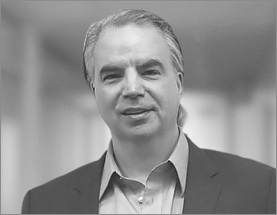
Plasmalogens and Longevity - Dr. Dayan Goodenowe Discusses Age-Related Diseases and how Age Affects Health
How can plasmalogens lead researchers to discoveries in age-related disease? By giving clues of how various bodily functions work, they may be the missing piece of the puzzle. Press play to learn: How plasmalogens facilitate biogenesis Why low-level plasmalogens are problematic in the body How maximum lifespan can be extended CEO and founder of Prodrome Sciences, discuss his work with plasmalogens and how their function in the body facilitates necessary tasks throughout. As we age, our body begins to struggle to carry out processes that did not pose a challenge earlier in life. One of the keys to these functions is the presence of plasmalogens throughout the body to help facilitate proper pathways that are working as they should. Age-related diseases may have been found to be caused, at least in part, by the absence or deficiency in plasmalogens. Rather than treating diseases and increasing average lifespan, Prodrome Sciences focuses on the conditions in the body that lead to disease susceptibility. To learn more, visit prodromesciences.com. Episode also available on Apple Podcasts: apple.co/30PvU9C
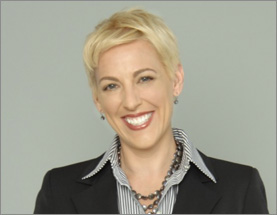
Humanizing Healthcare Through the Lens of a Paramedic-Turned-Physician and Digital Care Activation Platforms Discussed with Dr. Summer Knight
Can the healthcare experience be made more comfortable and humanized? Research may show that seeking more holistic care may make some treatments and experiences more beneficial. Press play to learn: How more medical services can be coordinated How the healthcare consumer can play a role in their own healthcare journey The three main pillars of patient comfort in treatment Author and paramedic-turned-physician, Dr. Summer Knight, shares her work to shift the field of healthcare to a more human-focused experience that puts comfort at the forefront. The current focus of the healthcare industry is less on the comfort of the patient and more on the profitability and efficiency of the operations. While this may work from a business perspective, a more empathetic approach may be more beneficial for patients and families involved in ongoing treatment. By coordinating services and various silos of the medical field, the patient will have a better understanding of their enduring process. By focusing more heavily on patient happiness alongside health, the healthcare industry can begin to focus on treating the person and not just the ailment. To learn more, visit humanizing.healthcare. Episode also available on Apple Podcasts: apple.co/30PvU9C

Using Detoxing and Therapeutic Grade Herbal Formulas to Heal the Body Naturally With Nykki Hardin, Founder of 21 Cleanse
As a world traveller, Nykki Hardin has learned about time-tested and proven methods to heal the body mentally and emotionally. She used the knowledge gained from her travels working with experts in foreign lands to create a nontoxic, detox program that is easy to use and produces amazing results for weight loss, metabolism, and hormone balance. Click on play to learn: What detoxing is about and how to do it the right way to maximize results and achieve health. How to improve nutrition and create new habits that can become a part of a healthy lifestyle. How 21 Cleanse works to rid the body of toxins and heavy metals to boost energy and clarity. Why 21 Cleanse is successful where other methods fail. At the age of 15, Nykki Hardin was a three-sport athlete and straight A student and learned how food affects physical performance and mental health. As a world traveller visiting India, Australia, Thailand, and other countries, she learned about the bodily harm caused by toxins and heavy metals in the environment. The knowledge Nykki obtained during her travels became the seeds of the creation of new products and the start of her current business, 21 Cleanse. Using exceptional entrepreneurship skills, she developed and delivers the highest quality, therapeutic grade herbal formulas and supplements for her clients. The 21 Cleanse program includes daily emails and a private session with Nikki at the end to ensure that the individual has a good foundation to maintain a healthy lifestyle. Hardin understands the harm caused in the body by toxic chemicals, the advantages of a plant-based diet, and the benefits of an herbal cleanse. Her education, life experiences, and enthusiasm are evident as she shares health and nutrition information. Nykki provides empowerment to those participating in 21 Cleanse and facilitates healing for depression and anxiety and the achievement of health goals. To learn more visit: nykkihardin.com therightwaytodetox.com Episode also available on Apple Podcasts: apple.co/30PvU9C

Molecular and Cellular Biology of Viruses and Biochemical Balance - An In-Depth Discussion with Dr. Sandy Bevacqua
How can the body's equilibrium impact your overall health and immune system's strength? By maintaining blood chemistry balance, your body may be able to fight off disease that to which it may have been previously prone. Press play to learn: The optimal range of balance for each individual What can cause toxicity within the body How the HPAT system regulates overall health Dr. Sandy Bevacqua shares her insight into balancing blood chemistry and maintaining equilibrium within the body. If the body is not in a state of equilibrium, it will continue to function while doing significant harm to various systems throughout. Outside toxicity is also a considerable contributor to throwing the system out of balance and can be a primary cause of sickness and chronic disease. Since many of the systems rely on each other to function correctly, a shutdown or malfunction in one can cause widespread poor health in many parts of the body. As toxicity in our environments builds, it becomes increasingly important to be mindful of what we allow into our bodies. To learn more, visit drsandybevacqua.com. Episode also available on Apple Podcasts: apple.co/30PvU9C

Exploring the Significant Intelligence of One of the Top Talking Birds, the African Grey Parrot, with Irene Pepperberg, Ph.D.
With the help of an African Grey parrot named Alex, Irene Pepperberg, Ph.D. has conducted years of research that helped the world understand the unique and amazing communication abilities of Grey parrots. In this podcast, Dr. Pepperberg shares the results of more than four decades of her research into the cognitive and communitive capabilities of Grey parrots. Press play to learn How Dr. Pepperberg's research influenced how scientists perceive avian intelligence Why Pepperberg used the model/rival technique to train Alex About Alex's ability to identify shapes, colors, and sizes, and count objects The pros and cons of having an African grey parrot as a pet Dr. Pepperberg completed her studies in chemistry at Harvard University in the 70s. While finishing her degree, Pepperberg became interested in the use of sign language and computer interfaces and studied the available data on interspecies communication. Her ultimate objective was to establish two-way communication with a Grey parrot that was similar to ongoing efforts with chimpanzees and dolphins. An African Grey parrot named Alex joined Pepperberg in her research on animal cognition and communication skills. With training by Pepperberg, Alex developed the ability to express more than 100 vocal labels for objects, colors, and actions. He understood the concepts of materials, same and different, relative size, and absence/none. His decades of work and achievements with Dr. Pepperberg demonstrated that Grey parrots have an intellect much greater than what was originally perceived. Dr. Pepperberg believes that Alex had the intelligence of a five-year-old child and the speech abilities of an 18-month to two-year-old child. She continued to train him using a modeling technique to demonstrate to Alex the things she wanted him to learn such as counting, colors, and shapes. One person would model the desired behavior with another individual and they would exchange roles as Alex observed their interactions. They would occasionally answer a question incorrectly to demonstrate to Alex that only the right answer was acceptable. Sadly, Alex passed away unexpectedly in 2007. In the scientific world, the work done by Dr. Pepperberg has increased the awareness of bird intelligence. She continues to develop research possibilities in pitch perception and visual optic illusions. With the assistance of Griffin, an African Grey parrot who was hatched in 1995, Pepperberg plans to complete her studies on delayed gratification to add to existing data in the field of language learning of animals To learn more visit: alexfoundation.org Episode also available on Apple Podcasts: apple.co/30PvU9C

Regulatory Gene Expression, RNA Molecules, and Molecular Biology Techniques Discussed with Professor Ailong Ke
How do various CRISPR systems interact with the body in beneficial ways? Using different techniques, specific immunity systems may be targeted and cleaved. Listen up to learn: How molecules are targeted to be cleaved Why RNA helps target specific systems Where the RNA fuses onto the DNA Professor in the Department of Molecular Biology and Genetics at Cornell, Ailong Ke, shares his research working with CRISPR interference and RNA molecules. By degrading and cleaving DNA in rounds, the molecule may be repaired, and the DNA can be made to function in the intended way. By editing DNA in this way, insertions and deletions can be accomplished, and DNA can be corrected to perform in its intended role. This technique can be used to correct genetic diseases and other ailments caused by errors embedded in the DNA. As these tools and techniques advance, broader targeting abilities will become available, and deletion abilities may become more precise and effective. Visit https://scholar.google.com/citations?user=Dw2YCUcAAAAJ&hl=en for more information. Episode also available on Apple Podcasts: apple.co/30PvU9C

The Superpower of a Robe — Transforming Post-Op Life with Allison Schickel
The aftermath can be just as challenging and uncomfortable—the aftermath of major surgery, that is. Tune in to learn about a revolutionary product that's changing the post-op lives of thousands. You'll learn: The specifics behind the robe design that enables better movement, greater comfort, and erases the risk of skin irritation from other methods of securing Jackson Pratt (JP) drains The incredible story of how the "Elliott" Superhero Robe got its name, and what makes this robe so unique About how many surgeries requiring JP drains occur in the US each year Allison Schickel is a mother, wife, mentor, speaker, and Creator/Founder/CEO of Brobe, a company that has helped tens of thousands of people feel more comfortable, secure, and independent while recovering from major operations. The company began with a focus on the needs of breast cancer survivors in the post-op phase of recovery. The Brobe is a bra and robe combination designed specifically to hold JP drains, which are used in most major surgeries to reduce post-op swelling. Since Brobe's launch in 2012, over 40,000 women have found comfort in the product after having a mastectomy. But Brobe isn't just helping women. The product has proven useful for both men and women who've undergone virtually any type of surgery, whether open heart, organ transplant, cosmetic, etc. And the most recent product is even helping children who battle cancer: the new Elliott Superhero Robe is gender-neutral, and comes with two superhero capes, an eye mask, and doctor hats. With "snap-on" pockets that can be placed in almost any location, it's designed to fit almost any set of needs that a child might face—including, of course, the need for confidence, excitement, and fun. The team at Brobe always has their ears open to customer feedback, which has been overwhelmingly positive. It has also led to a number of other products, including Jackson Pratt drain belts, comfort accessories, and cold therapy products. Tune in and visit https://thebrobe.com/ for more. Episode also available on Apple Podcasts: apple.co/30PvU9C