
Eurodollar University
1,459 episodes — Page 28 of 30
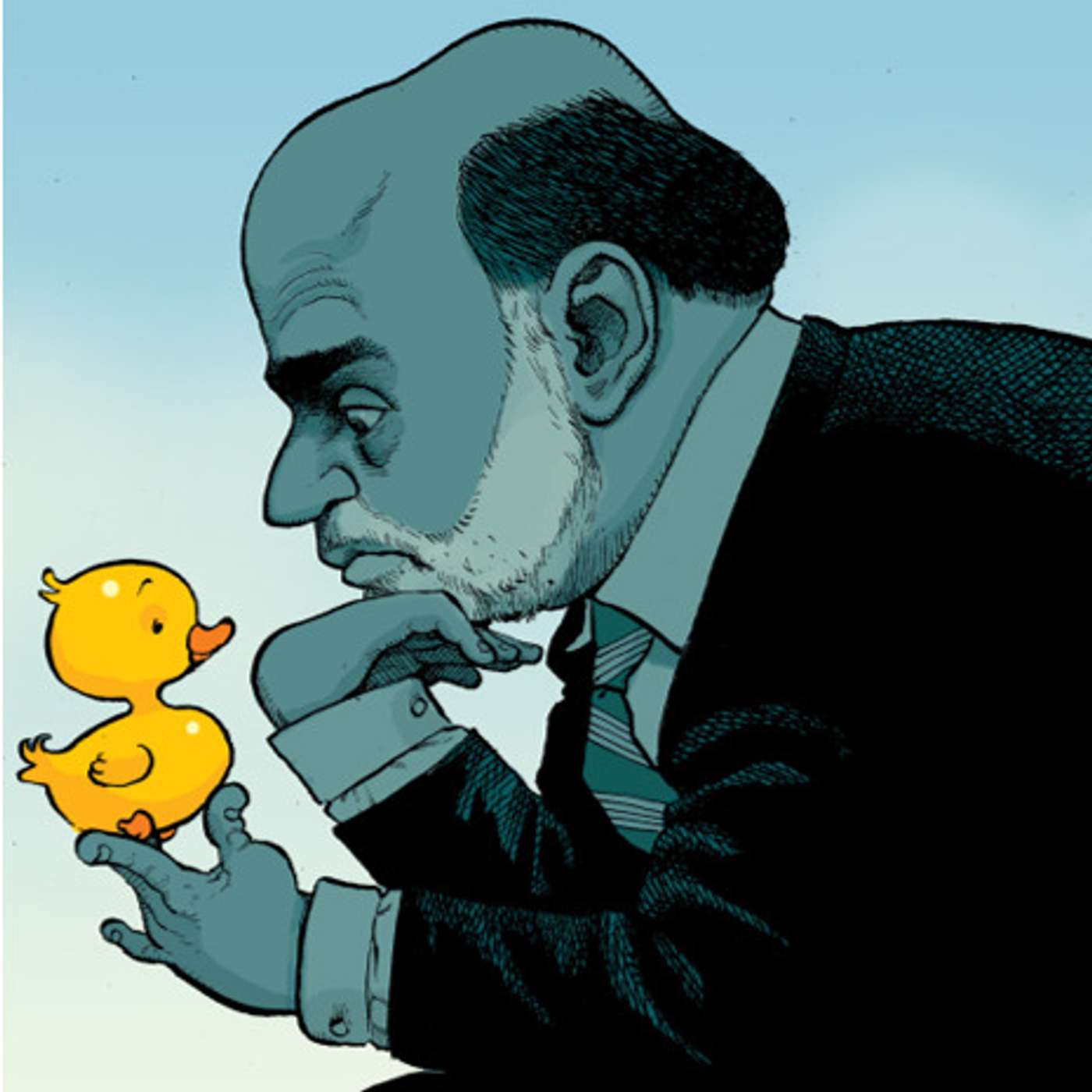
Ep 110Reading Jeff Snider: Liquidity Risk Concerns Given Credit Risk 'Solutions' [Ep. 110]
Jeff Snider reviews the recent Bank of Japan experience with quantitative and qualitative easing. The central bank starts off on the wrong foot, focusing on credit quality issues instead of market participants' liquidity preferences and it goes sideways from there. A reading, by Emil Kalinowski.----------WHO----------Jeff Snider of Alhambra Investments. Read by Emil Kalinowski. Art by David Parkins. Intro/outro is "36mm" by Jobii at Epidemic Sound.----------WHAT----------Central Bankers Refuse to Learn QE's Obvious Lessons: https://bit.ly/3F0faOi----------WHERE----------Jeff's Alhambra Blog: https://bit.ly/2VIC2wWJeff's RealClearMarkets Essays: https://bit.ly/38tL5a7Jeff's Twitter: https://twitter.com/JeffSnider_AIPEmil's Twitter: https://twitter.com/EmilKalinowskiDavid's Art: https://davidparkins.com/---------HEAR IT----------Vurbl: https://bit.ly/3rq4dPn Apple: https://apple.co/3czMcWNDeezer: https://bit.ly/3ndoVPEiHeart: https://ihr.fm/31jq7cITuneIn: http://tun.in/pjT2ZCastro: https://bit.ly/30DMYzaGoogle: https://bit.ly/3e2Z48MSpotify: https://spoti.fi/3arP8mYPandora: https://pdora.co/2GQL3QgBreaker: https://bit.ly/2CpHAFOCastbox: https://bit.ly/3fJR5xQPodbean: https://bit.ly/2QpaDghStitcher: https://bit.ly/2C1M1GBPlayerFM: https://bit.ly/3piLtjVPodchaser: https://bit.ly/3oFCrwNPocketCast: https://pca.st/encarkdtSoundCloud: https://bit.ly/3l0yFfKListenNotes: https://bit.ly/38xY7pbAmazonMusic: https://amzn.to/2UpEk2PPodcastAddict: https://bit.ly/2V39Xjr
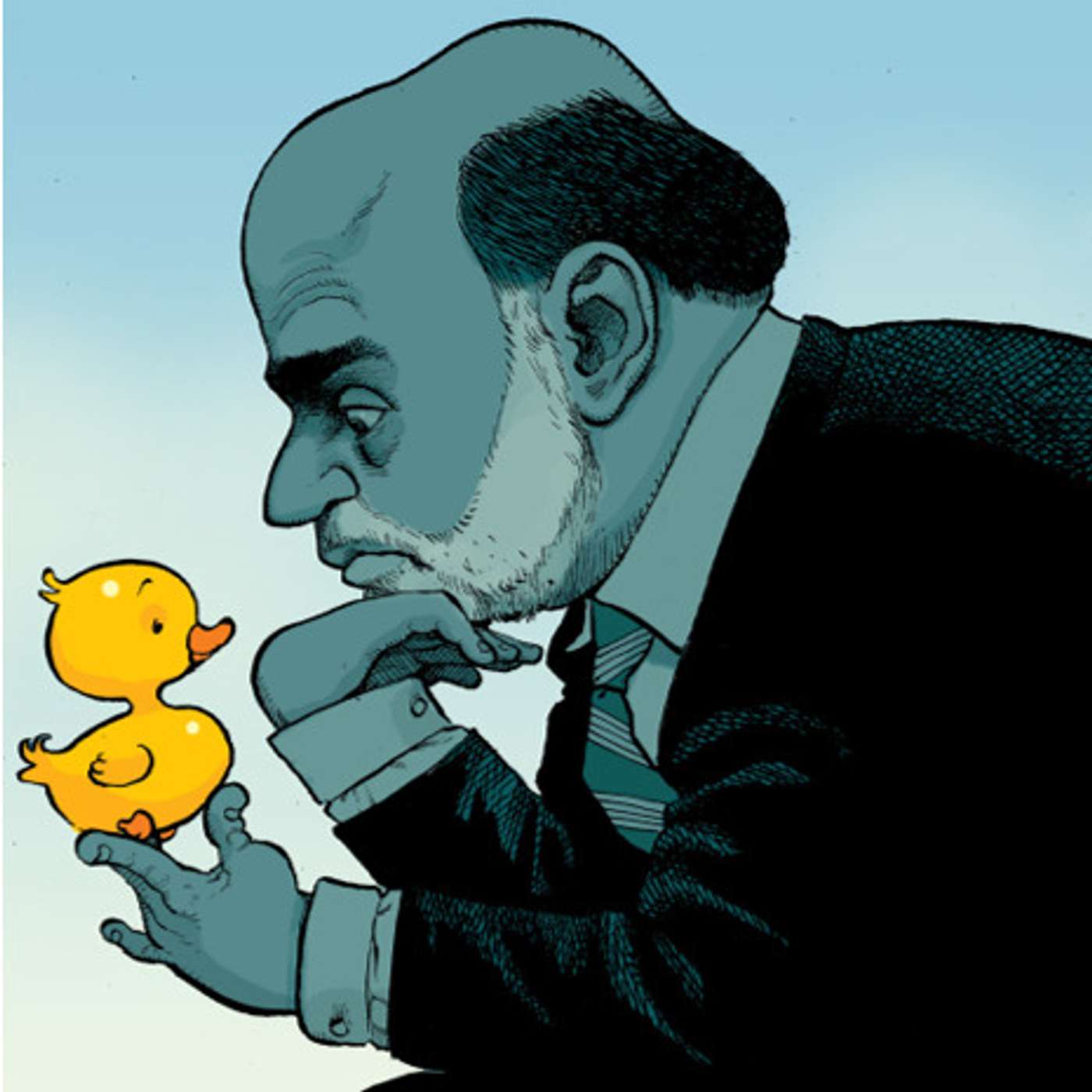
Ep 109Reading Jeff Snider: If a Fed Taper Falls in the Woods... [Ep. 109]
The Fed's expected taper is just empty, insignificant theater. The Fed is tapering never once having answered for headwinds, false dawns, and the world’s true wealth repeatedly suffering under stagnation and decline. A reading, by Emil Kalinowski.----------WHO----------Jeff Snider of Alhambra Investments. Read by Emil Kalinowski. Art by David Parkins. Intro/outro is "Born in the 90's" by Ameryh at Epidemic Sound.----------WHAT----------Previewing The Taper Theater: https://bit.ly/3CEBQ4N----------WHERE----------Jeff's Alhambra Blog: https://bit.ly/2VIC2wWJeff's RealClearMarkets Essays: https://bit.ly/38tL5a7Jeff's Twitter: https://twitter.com/JeffSnider_AIPEmil's Twitter: https://twitter.com/EmilKalinowskiDavid's Art: https://davidparkins.com/---------HEAR IT----------Vurbl: https://bit.ly/3rq4dPn Apple: https://apple.co/3czMcWNDeezer: https://bit.ly/3ndoVPEiHeart: https://ihr.fm/31jq7cITuneIn: http://tun.in/pjT2ZCastro: https://bit.ly/30DMYzaGoogle: https://bit.ly/3e2Z48MSpotify: https://spoti.fi/3arP8mYPandora: https://pdora.co/2GQL3QgBreaker: https://bit.ly/2CpHAFOCastbox: https://bit.ly/3fJR5xQPodbean: https://bit.ly/2QpaDghStitcher: https://bit.ly/2C1M1GBPlayerFM: https://bit.ly/3piLtjVPodchaser: https://bit.ly/3oFCrwNPocketCast: https://pca.st/encarkdtSoundCloud: https://bit.ly/3l0yFfKListenNotes: https://bit.ly/38xY7pbAmazonMusic: https://amzn.to/2UpEk2PPodcastAddict: https://bit.ly/2V39Xjr
Ep 108Ticker Tape(r) Parade? [Ep. 108]
PART 1: Offshore shadow money funds the global economy, but it lies in the shadows; it's off-balance sheet and off-the-regulatory-radar. A good place to get a sense of offshore shadow money is the Treasury International Capital report. Jeff Snider serves as our guide through July's data - and warnings.PART 2: Interest rate swap spreads are negative. These 'underwater' derivatives indicate very high market demand relative to money dealer supply. So, if bank balance sheet capacity remains constrained--available only at a premium--that means there's not enough 'money' in the world economy.PART 3: Will 2022-demand be strong enough to absorb 2021-supply surges? A review of the US inventory cycle and how global covid-related restrictions have convinced retailers, wholesalers and producers to surge goods orders. If demand isn't there, they will have over-ordered.-----SEE EPISODE 108------Alhambra YouTube: https://bit.ly/2Xp3royEmil YouTube: https://bit.ly/310yisL-----HEAR EPISODE 100----Vurbl: https://bit.ly/3rq4dPnApple: https://apple.co/3czMcWNDeezer: https://bit.ly/3ndoVPEiHeart: https://ihr.fm/31jq7cITuneIn: http://tun.in/pjT2ZCastro: https://bit.ly/30DMYzaGoogle: https://bit.ly/3e2Z48MSpotify: https://spoti.fi/3arP8mYPandora: https://pdora.co/2GQL3QgBreaker: https://bit.ly/2CpHAFOCastbox: https://bit.ly/3fJR5xQPodbean: https://bit.ly/2QpaDghStitcher: https://bit.ly/2C1M1GBPlayerFM: https://bit.ly/3piLtjVPodchaser: https://bit.ly/3oFCrwNPocketCast: https://pca.st/encarkdtSoundCloud: https://bit.ly/3l0yFfKListenNotes: https://bit.ly/38xY7pbAmazonMusic: https://amzn.to/2UpEk2PPodcastAddict: https://bit.ly/2V39Xjr----EP. 108 REFERENCES---Dollar Warning Update From The Islands Which Started It: https://bit.ly/3ESLFhIPracTICal Remainders and Reminders: https://bit.ly/3kBfpr0Hey Jay, Maybe Check The Swaps Before Committing to Taper: https://bit.ly/3ET9VjM(WSJ) Spread on 30-Year Treasury Swaps Turns Positive: https://on.wsj.com/2XNJLxrAll Eyes On Inventory: https://bit.ly/2Wg6ty8-----------WHO-------------Jeff Snider, Head of Global Investment Research for Alhambra Investments and Emil Kalinowski. Art by David Parkins, grand marshal of editorial cartoons. Podcast intro/outro is "Digital Breath" by ELFL from Epidemic Sound.
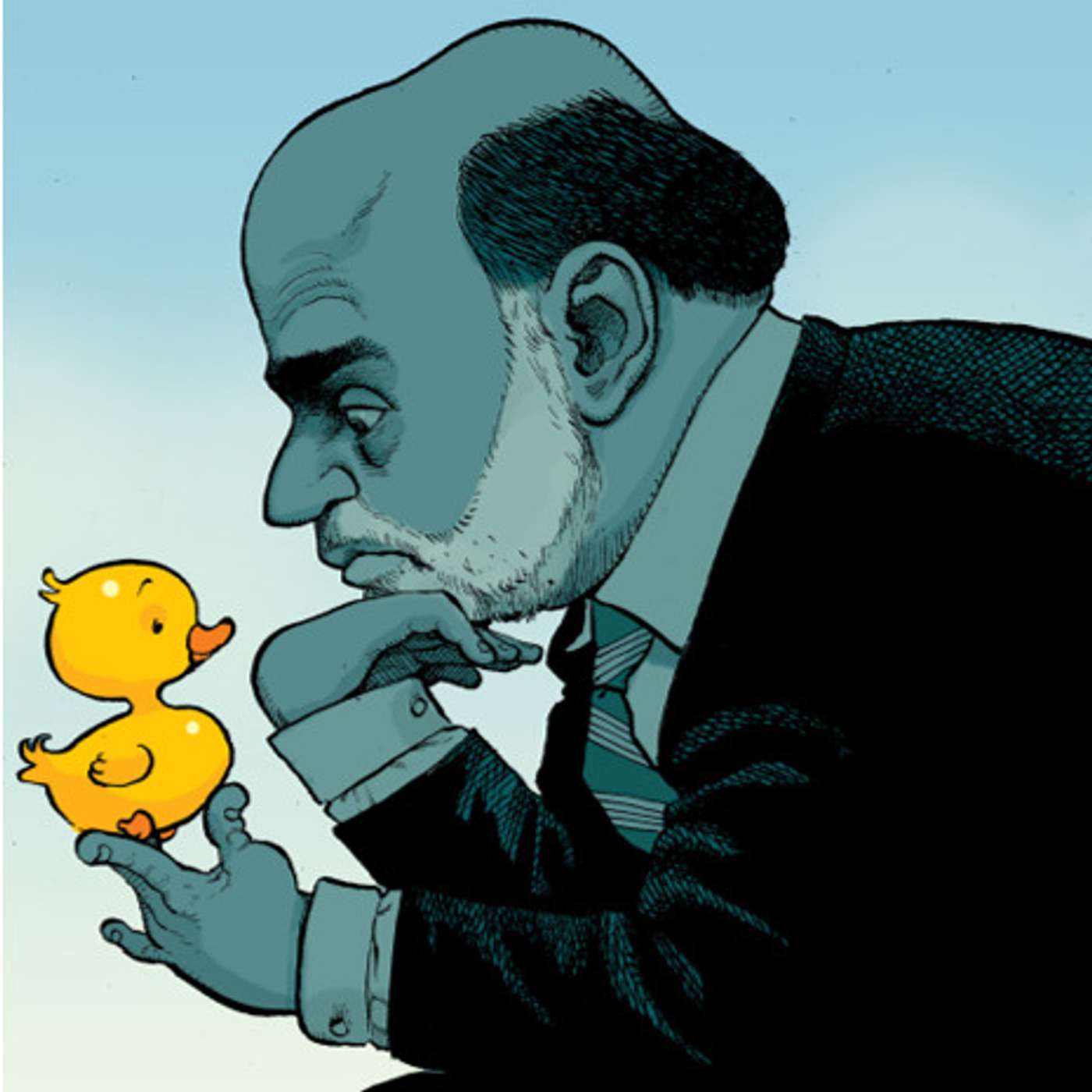
Ep 107Reading Karl Marx: The Paris Manuscripts [Ep. 107]
Karl Marx, the 19th-century German philosopher, economist, historian, sociologist, political theorist, journalist and socialist revolutionary, on the confounding and inverting nature of money and wealth. A reading, by Emil Kalinowski.----------WHO----------Karl Marx. Read by Emil Kalinowski. Art by David Parkins. Intro/outro is "Born in the 90's" by Ameryh at Epidemic Sound.----------WHAT----------Economic & Philosophic Manuscripts of 1844: https://bit.ly/2XG9I2c----------WHERE----------(Wikipedia) Economic and Philosophic Manuscripts of 1844: https://bit.ly/3hUSHs4(SparkNote) Economic and Philosophic Manuscripts of 1844: https://bit.ly/3hZPnvVEmil's Twitter: https://twitter.com/EmilKalinowskiDavid's Art: Art: https://davidparkins.com/---------HEAR IT----------Vurbl: https://bit.ly/3rq4dPn Apple: https://apple.co/3czMcWNDeezer: https://bit.ly/3ndoVPEiHeart: https://ihr.fm/31jq7cITuneIn: http://tun.in/pjT2ZCastro: https://bit.ly/30DMYzaGoogle: https://bit.ly/3e2Z48MSpotify: https://spoti.fi/3arP8mYPandora: https://pdora.co/2GQL3QgBreaker: https://bit.ly/2CpHAFOCastbox: https://bit.ly/3fJR5xQPodbean: https://bit.ly/2QpaDghStitcher: https://bit.ly/2C1M1GBPlayerFM: https://bit.ly/3piLtjVPodchaser: https://bit.ly/3oFCrwNPocketCast: https://pca.st/encarkdtSoundCloud: https://bit.ly/3l0yFfKListenNotes: https://bit.ly/38xY7pbAmazonMusic: https://amzn.to/2UpEk2PPodcastAddict: https://bit.ly/2V39Xjr
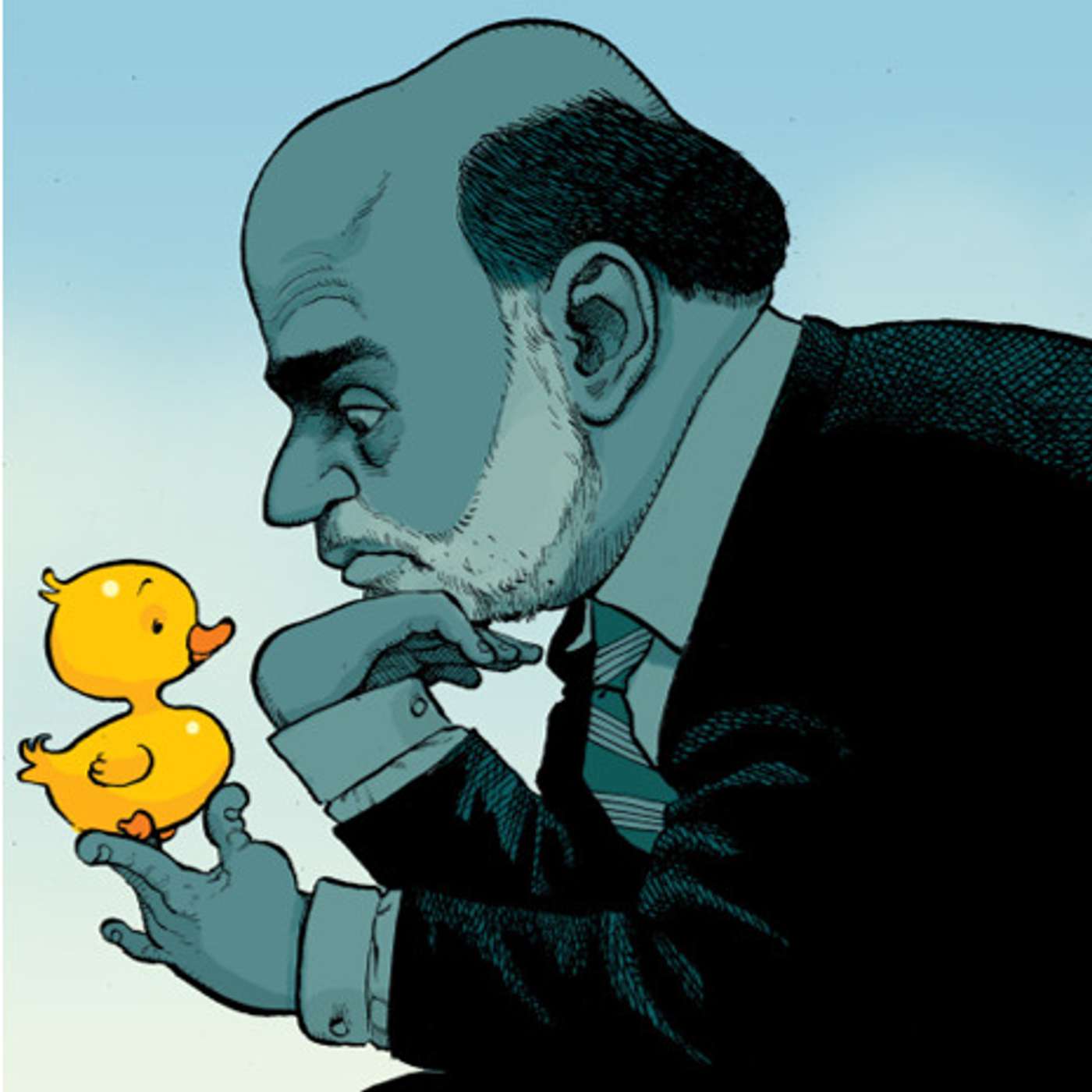
Ep 106Reading Myrmikan: Real Rates Go More Negative [Ep. 106]
Financial historian Daniel Oliver's essay on real rates, the profligacy of the Federal Reserve, inflation and the path of nominal gold prices. A reading, by Emil Kalinowski.----------WHO----------Daniel Oliver of Myrmikan Capital. Read by Emil Kalinowski. Art by David Parkins. Intro/outro is "Born in the 90's" by Ameryh at Epidemic Sound.----------WHAT----------Real Rates Go More Negative: https://bit.ly/3EG5ada----------WHERE----------Myrmikan: http://myrmikan.com/Daniel Oliver: https://twitter.com/MyrmikanEmil's Twitter: https://twitter.com/EmilKalinowskiDavid's Art: Art: https://davidparkins.com/---------HEAR IT----------Vurbl: https://bit.ly/3rq4dPn Apple: https://apple.co/3czMcWNDeezer: https://bit.ly/3ndoVPEiHeart: https://ihr.fm/31jq7cITuneIn: http://tun.in/pjT2ZCastro: https://bit.ly/30DMYzaGoogle: https://bit.ly/3e2Z48MSpotify: https://spoti.fi/3arP8mYPandora: https://pdora.co/2GQL3QgBreaker: https://bit.ly/2CpHAFOCastbox: https://bit.ly/3fJR5xQPodbean: https://bit.ly/2QpaDghStitcher: https://bit.ly/2C1M1GBPlayerFM: https://bit.ly/3piLtjVPodchaser: https://bit.ly/3oFCrwNPocketCast: https://pca.st/encarkdtSoundCloud: https://bit.ly/3l0yFfKListenNotes: https://bit.ly/38xY7pbAmazonMusic: https://amzn.to/2UpEk2PPodcastAddict: https://bit.ly/2V39Xjr
Ep 105Reading George Friedman: JFK & the Origin of Forever Wars [Ep. 105]
Historian and geopolitical strategist George Friedman asks, 'Why has the United States, the most powerful state (since the Roman Empire) lost three wars in the past 50 years?' A reading, by Emil Kalinowski.-------HEADS UP-------In October Geopolitical Futures will do a special series on Geopolitics and Economics. George Friedman and special guests as we dig into the socio-economics of international conflict, the relationship between a nation’s economics, military, and political aspects, and technology, innovation, and the geopolitical system.----------WHO----------George Friedman of Geopolitical Futures. Read by Emil Kalinowski. Art by David Parkins. Intro/outro is "Born in the 90's" by Ameryh at Epidemic Sound.----------WHAT----------John F. Kennedy and the Origin of Wars Without End: https://bit.ly/3zvzumK----------WHERE----------George Friedman's Writings: https://bit.ly/3gUl7msGeorge Friedman's Twitter: https://twitter.com/George_FriedmanGeopolitical Futures: https://geopoliticalfutures.com/Geopolitical Futures Twitter: https://twitter.com/gpfuturesEmil's Twitter: https://twitter.com/EmilKalinowskiDavid's Art: Art: https://davidparkins.com/---------HEAR IT----------Vurbl: https://bit.ly/3rq4dPn Apple: https://apple.co/3czMcWNDeezer: https://bit.ly/3ndoVPEiHeart: https://ihr.fm/31jq7cITuneIn: http://tun.in/pjT2ZCastro: https://bit.ly/30DMYzaGoogle: https://bit.ly/3e2Z48MSpotify: https://spoti.fi/3arP8mYPandora: https://pdora.co/2GQL3QgBreaker: https://bit.ly/2CpHAFOCastbox: https://bit.ly/3fJR5xQPodbean: https://bit.ly/2QpaDghStitcher: https://bit.ly/2C1M1GBPlayerFM: https://bit.ly/3piLtjVPodchaser: https://bit.ly/3oFCrwNPocketCast: https://pca.st/encarkdtSoundCloud: https://bit.ly/3l0yFfKListenNotes: https://bit.ly/38xY7pbAmazonMusic: https://amzn.to/2UpEk2PPodcastAddict: https://bit.ly/2V39Xjr
Ep 104Reading Jeff Snider: PracTICal Remainders and Reminders [Ep. 104]
A review of August's Treasury International Capital data. The chief benefit is, unlike most who don’t know or can’t read the data, which is pretty much everyone, you at least know in which direction to start looking. A reading, by Emil Kalinowski.----------WHO----------Jeff Snider of Alhambra Investments. Read by Emil Kalinowski. Art by David Parkins. Intro/outro is "Born in the 90's" by Ameryh at Epidemic Sound.----------WHAT----------PracTICal Remainders and Reminders: https://bit.ly/3u98BnX----------WHERE----------Jeff's Alhambra Blog: https://bit.ly/2VIC2wWJeff's RealClearMarkets Essays: https://bit.ly/38tL5a7Jeff's Twitter: https://twitter.com/JeffSnider_AIPEmil's Twitter: https://twitter.com/EmilKalinowskiDavid's Art: https://davidparkins.com/---------HEAR IT----------Vurbl: https://bit.ly/3rq4dPn Apple: https://apple.co/3czMcWNDeezer: https://bit.ly/3ndoVPEiHeart: https://ihr.fm/31jq7cITuneIn: http://tun.in/pjT2ZCastro: https://bit.ly/30DMYzaGoogle: https://bit.ly/3e2Z48MSpotify: https://spoti.fi/3arP8mYPandora: https://pdora.co/2GQL3QgBreaker: https://bit.ly/2CpHAFOCastbox: https://bit.ly/3fJR5xQPodbean: https://bit.ly/2QpaDghStitcher: https://bit.ly/2C1M1GBPlayerFM: https://bit.ly/3piLtjVPodchaser: https://bit.ly/3oFCrwNPocketCast: https://pca.st/encarkdtSoundCloud: https://bit.ly/3l0yFfKListenNotes: https://bit.ly/38xY7pbAmazonMusic: https://amzn.to/2UpEk2PPodcastAddict: https://bit.ly/2V39Xjr
Ep 103Reading Jeff Snider: Evergrande isn't Lehman but (another) Bear Stearns [Ep. 103]
The mainstream media is asking if China's property developer imminent demise will be the "Lehman" moment. Unlikely. It's more likely this will be yet another Chinese Bear Stearns. The first? Shanghai Chaori Solar. In 2013. This is no new development catching authorities offguard. A reading, by Emil Kalinowski.----------WHO----------Jeff Snider of Alhambra Investments. Read by Emil Kalinowski. Art by David Parkins. Intro/outro is "Born in the 90's" by Ameryh at Epidemic Sound.----------WHAT----------China’s Managed Decline Ain’t Ever To Be Grand(e), It’s (euro)Dollars: https://bit.ly/3AtwqJr----------WHERE----------Jeff's Alhambra Blog: https://bit.ly/2VIC2wWJeff's RealClearMarkets Essays: https://bit.ly/38tL5a7Jeff's Twitter: https://twitter.com/JeffSnider_AIPEmil's Twitter: https://twitter.com/EmilKalinowskiDavid's Art: https://davidparkins.com/---------HEAR IT----------Vurbl: https://bit.ly/3rq4dPn Apple: https://apple.co/3czMcWNDeezer: https://bit.ly/3ndoVPEiHeart: https://ihr.fm/31jq7cITuneIn: http://tun.in/pjT2ZCastro: https://bit.ly/30DMYzaGoogle: https://bit.ly/3e2Z48MSpotify: https://spoti.fi/3arP8mYPandora: https://pdora.co/2GQL3QgBreaker: https://bit.ly/2CpHAFOCastbox: https://bit.ly/3fJR5xQPodbean: https://bit.ly/2QpaDghStitcher: https://bit.ly/2C1M1GBPlayerFM: https://bit.ly/3piLtjVPodchaser: https://bit.ly/3oFCrwNPocketCast: https://pca.st/encarkdtSoundCloud: https://bit.ly/3l0yFfKListenNotes: https://bit.ly/38xY7pbAmazonMusic: https://amzn.to/2UpEk2PPodcastAddict: https://bit.ly/2V39Xjr
Ep 102Reading Jeff Snider: The Caribbean's Dollar Warning [Ep. 102]
Central bankers had a choice in the 1970s: follow the offshore money, diving headfirst down the rabbit hole; or, ignore it entirely, pretend none of this exists, and then hope by stroke of luck it won’t matter. We’re still paying for the ignorance and dereliction. A reading, by Emil Kalinowski.----------WHO----------Jeff Snider of Alhambra Investments. Read by Emil Kalinowski. Art by David Parkins. Intro/outro is "Born in the 90's" by Ameryh at Epidemic Sound.----------WHAT----------Dollar Warning Update From The Islands Which Started It: https://bit.ly/3zBCezn----------WHERE----------Jeff's Alhambra Blog: https://bit.ly/2VIC2wWJeff's RealClearMarkets Essays: https://bit.ly/38tL5a7Jeff's Twitter: https://twitter.com/JeffSnider_AIPEmil's Twitter: https://twitter.com/EmilKalinowskiDavid's Art: https://davidparkins.com/---------HEAR IT----------Vurbl: https://bit.ly/3rq4dPn Apple: https://apple.co/3czMcWNDeezer: https://bit.ly/3ndoVPEiHeart: https://ihr.fm/31jq7cITuneIn: http://tun.in/pjT2ZCastro: https://bit.ly/30DMYzaGoogle: https://bit.ly/3e2Z48MSpotify: https://spoti.fi/3arP8mYPandora: https://pdora.co/2GQL3QgBreaker: https://bit.ly/2CpHAFOCastbox: https://bit.ly/3fJR5xQPodbean: https://bit.ly/2QpaDghStitcher: https://bit.ly/2C1M1GBPlayerFM: https://bit.ly/3piLtjVPodchaser: https://bit.ly/3oFCrwNPocketCast: https://pca.st/encarkdtSoundCloud: https://bit.ly/3l0yFfKListenNotes: https://bit.ly/38xY7pbAmazonMusic: https://amzn.to/2UpEk2PPodcastAddict: https://bit.ly/2V39Xjr
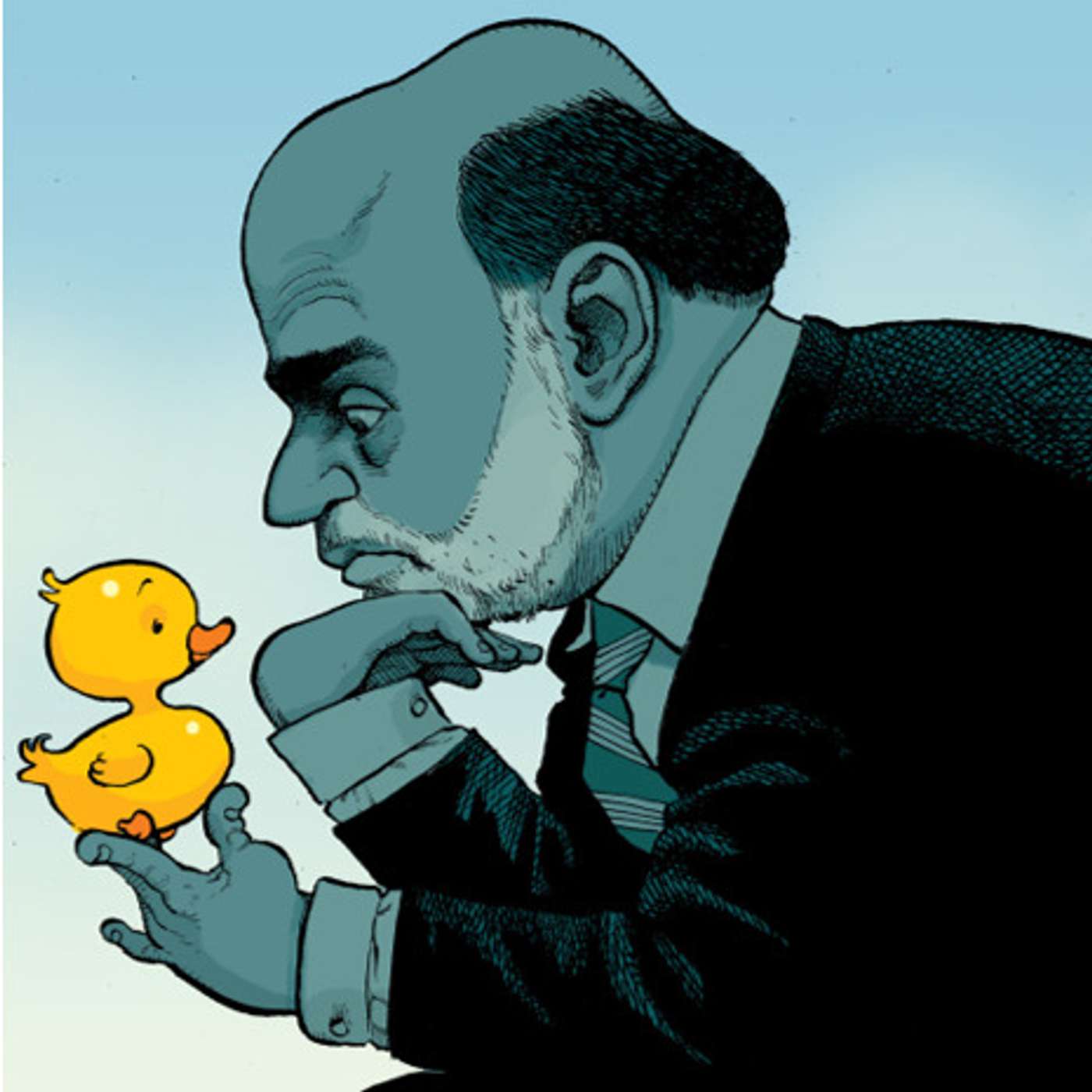
Ep 101Reading Jeff Snider: There's Too Little Money Now [Ep. 101]
It’s becoming too obvious to keep overlooking Keynes' statement when little credit-collateral-money, "is...available our wealth suffers stagnation or decline.” The problem is hardly anyone knows what just why there might be so little. A reading, by Emil Kalinowski.----------WHO----------Jeff Snider of Alhambra Investments. Read by Emil Kalinowski. Art by David Parkins. Intro/outro is "Born in the 90's" by Ameryh at Epidemic Sound.----------WHAT----------They're Ignoring That There's Too Little Money Now: https://bit.ly/3u7So2l----------WHERE----------Jeff's Alhambra Blog: https://bit.ly/2VIC2wWJeff's RealClearMarkets Essays: https://bit.ly/38tL5a7Jeff's Twitter: https://twitter.com/JeffSnider_AIPEmil's Twitter: https://twitter.com/EmilKalinowskiDavid's Art: https://davidparkins.com/---------HEAR IT----------Vurbl: https://bit.ly/3rq4dPn Apple: https://apple.co/3czMcWNDeezer: https://bit.ly/3ndoVPEiHeart: https://ihr.fm/31jq7cITuneIn: http://tun.in/pjT2ZCastro: https://bit.ly/30DMYzaGoogle: https://bit.ly/3e2Z48MSpotify: https://spoti.fi/3arP8mYPandora: https://pdora.co/2GQL3QgBreaker: https://bit.ly/2CpHAFOCastbox: https://bit.ly/3fJR5xQPodbean: https://bit.ly/2QpaDghStitcher: https://bit.ly/2C1M1GBPlayerFM: https://bit.ly/3piLtjVPodchaser: https://bit.ly/3oFCrwNPocketCast: https://pca.st/encarkdtSoundCloud: https://bit.ly/3l0yFfKListenNotes: https://bit.ly/38xY7pbAmazonMusic: https://amzn.to/2UpEk2PPodcastAddict: https://bit.ly/2V39Xjr
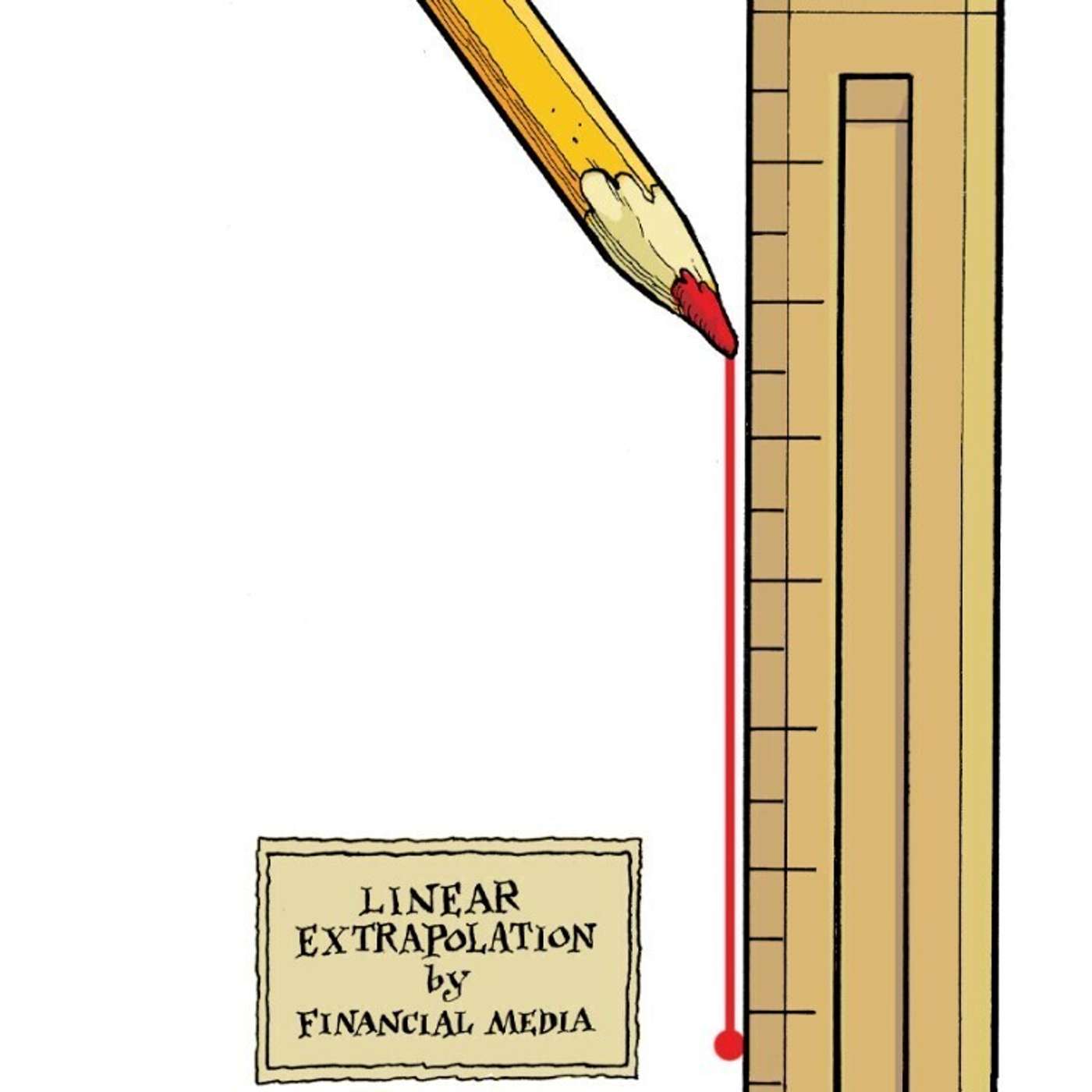
Ep 100Inflation is not a Price Increase [Ep. 100]
PART 01: Producer prices in the US are elevated, but decelerating. They're elevated because of demand surges, supply shocks and logistics snarls - all TRANSITORY factors. Producer prices ARE NOT elevated because of permanent, pervasive central bank or government inflationary action.PART 02: Consumer prices in the US are elevated, but decelerating. They're elevated because of demand surges, supply shocks and logistics snarls - all TRANSITORY factors. Consumer prices ARE NOT elevated because of permanent, pervasive central bank or government inflationary action.PART 03: Import and export prices are elevated in the US, but decelerating. They're high because of demand surges, supply shocks and logistics snarls - all TRANSITORY factors. Import/export prices ARE NOT elevated because of permanent, pervasive central bank or government inflationary action.-----SEE EPISODE 100------Alhambra YouTube: https://bit.ly/2Xp3royEmil YouTube: https://bit.ly/310yisL-----HEAR EPISODE 100----Vurbl: https://bit.ly/3rq4dPnApple: https://apple.co/3czMcWNDeezer: https://bit.ly/3ndoVPEiHeart: https://ihr.fm/31jq7cITuneIn: http://tun.in/pjT2ZCastro: https://bit.ly/30DMYzaGoogle: https://bit.ly/3e2Z48MSpotify: https://spoti.fi/3arP8mYPandora: https://pdora.co/2GQL3QgBreaker: https://bit.ly/2CpHAFOCastbox: https://bit.ly/3fJR5xQPodbean: https://bit.ly/2QpaDghStitcher: https://bit.ly/2C1M1GBPlayerFM: https://bit.ly/3piLtjVPodchaser: https://bit.ly/3oFCrwNPocketCast: https://pca.st/encarkdtSoundCloud: https://bit.ly/3l0yFfKListenNotes: https://bit.ly/38xY7pbAmazonMusic: https://amzn.to/2UpEk2PPodcastAddict: https://bit.ly/2V39Xjr----EP. 100a REFERENCES---The Non-Charitable economics of (Not) Inflation: https://bit.ly/3EpQA9rCPI Comes ‘Home’ To The Other Side of Inverted TIPS: https://bit.ly/3tPG3j5First Transitory In Producers, Then More For Consumers, Now A Negative For Import Prices: https://bit.ly/2YZ0uP1Alhambra Investments Blog: https://bit.ly/2VIC2wWlinRealClear Markets Essays: https://bit.ly/38tL5a7-----------WHO-------------Jeff Snider, Head of Global Investment Research for Alhambra Investments and Emil Kalinowski. Art by the complex pencil himself, David Parkins. Podcast intro/outro is "The Kill" by Particle House feat. Le June from Epidemic Sound.

Ep 99Labor Shortage: The Fed's Get Out Of Jail Free Card [Ep. 99]
PART 1: 'Maybe the economy isn't in as good a condition as you economists / academics / technocrats think it is,' says the labor force participation rate. 'The economy is in fantastic shape,' says the unemployment rate. Which one is correct?PART 2: Labor shortages are normal, at the microscale, from time to time, in this or that industry. Yet since 2008, establishment economists use "labor shortage" as an excuse to: A) support a misleadingly low unemployment rate and, B) explain away the participation problem.PART 3: In 1971, US Treasury Secretary John Connally told a group of European finance ministers that the US dollar "is our currency, but your problem." Half a century later, the problem has grown bigger encompassing the whole world. A world that is short of dollars.-----SEE EPISODE 99-------Alhambra YouTube: https://bit.ly/2Xp3royEmil YouTube: https://bit.ly/310yisL-----HEAR EPISODE 99-----Vurbl: https://bit.ly/3rq4dPnApple: https://apple.co/3czMcWNDeezer: https://bit.ly/3ndoVPEiHeart: https://ihr.fm/31jq7cITuneIn: http://tun.in/pjT2ZCastro: https://bit.ly/30DMYzaGoogle: https://bit.ly/3e2Z48MSpotify: https://spoti.fi/3arP8mYPandora: https://pdora.co/2GQL3QgBreaker: https://bit.ly/2CpHAFOCastbox: https://bit.ly/3fJR5xQPodbean: https://bit.ly/2QpaDghStitcher: https://bit.ly/2C1M1GBPlayerFM: https://bit.ly/3piLtjVPodchaser: https://bit.ly/3oFCrwNPocketCast: https://pca.st/encarkdtSoundCloud: https://bit.ly/3l0yFfKListenNotes: https://bit.ly/38xY7pbAmazonMusic: https://amzn.to/2UpEk2PPodcastAddict: https://bit.ly/2V39Xjr----EP. 99 REFERENCES----Just In Time For Labor Day: It’s Not Payrolls Missing The Mark By Such A Wide Margin: https://bit.ly/3lc1k2jBad-Monetary-Joke Twitter: https://bit.ly/3A3RHZNTurning The LABOR SHORTAGE Up to 11: https://bit.ly/3hifOwwThe Eurodollar’s Nose: https://bit.ly/2X6LApBAlhambra Investments Blog: https://bit.ly/2VIC2wWlinRealClear Markets Essays: https://bit.ly/38tL5a7-----------WHO-------------Jeff Snider, Head of Global Investment Research for Alhambra Investments and Emil Kalinowski. Art by the top hat of illustrated monetary satire, David Parkins. Podcast intro/outro is "Nite Glo" by Molife from Epidemic Sound.
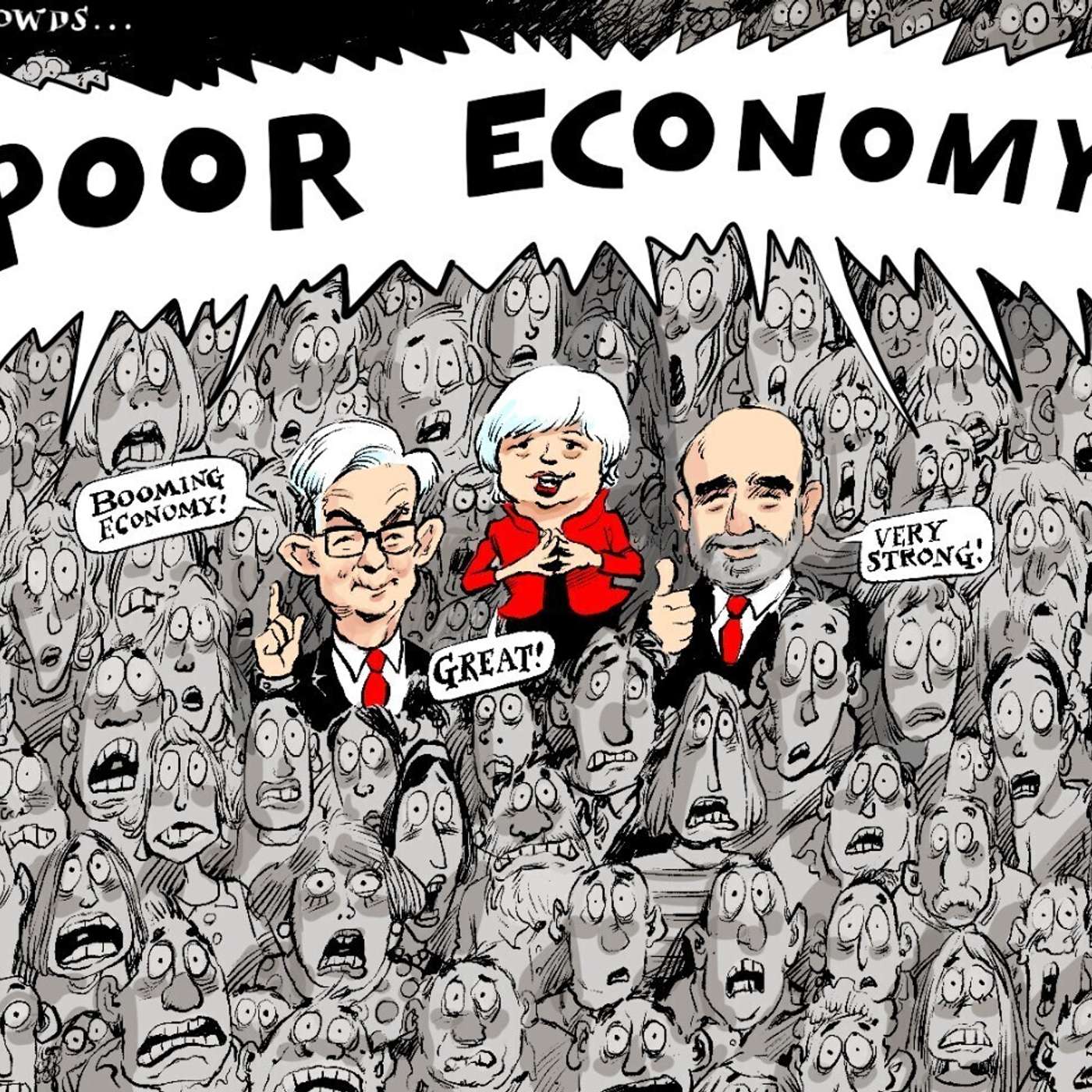
Ep 98Wisdom of the Crowds [Ep. 98]
PART 01: A lousy labor market report for August is being blamed on a "labor shortage". Also, 'lazy Americans' and 'the delta'. But the real problem is that businesses will not pay a market-clearing wage to hire the workers they need. Why not? Because the economy is lousy.PART 02: A long-standing NBC News Survey shows John & Jane Q. Public perceive the economy's condition BETTER than economists who anchor to the unemployment rate. Since 2005, US citizens have sensed each global dollar squeeze. They may be noticing another one, right now.PART 03: Lightning round review of the: Australian dollar, Chinese yuan, gold-silver ratio, Federal Reserve's reverse repo program, European Central Bank's symmetric inflation target and natural gas. Also, the House of Lords questions the Bank of England's use of QE.-----SEE EPISODE 98-------Alhambra YouTube: https://bit.ly/2Xp3royEmil YouTube: https://bit.ly/310yisL-----HEAR EPISODE 98-----Vurbl: https://bit.ly/3rq4dPnApple: https://apple.co/3czMcWNDeezer: https://bit.ly/3ndoVPEiHeart: https://ihr.fm/31jq7cITuneIn: http://tun.in/pjT2ZCastro: https://bit.ly/30DMYzaGoogle: https://bit.ly/3e2Z48MSpotify: https://spoti.fi/3arP8mYPandora: https://pdora.co/2GQL3QgBreaker: https://bit.ly/2CpHAFOCastbox: https://bit.ly/3fJR5xQPodbean: https://bit.ly/2QpaDghStitcher: https://bit.ly/2C1M1GBPlayerFM: https://bit.ly/3piLtjVPodchaser: https://bit.ly/3oFCrwNPocketCast: https://pca.st/encarkdtSoundCloud: https://bit.ly/3l0yFfKListenNotes: https://bit.ly/38xY7pbAmazonMusic: https://amzn.to/2UpEk2PPodcastAddict: https://bit.ly/2V39Xjr----EP. 98a REFERENCES----Yes And No Taper To Labor (and inflation): https://bit.ly/38E77YJ----EP. 98b REFERENCES----They’ve Lost That Loving Feeling: https://bit.ly/3zJ6sB3NBC News Survey Study #210188: https://bit.ly/3n5o0Ec----EP. 98c REFERENCES----China, Australia, and The European Way Into Reverse Repo: https://bit.ly/2WYpuFrECB: The new monetary policy strategy: implications for rate forward guidance: https://bit.ly/3h2hlXmFinally, QuEstioning ‘Easy Money’: https://bit.ly/3h2hlXmQuantitative easing: a dangerous addiction?: https://bit.ly/3tmCUa7Alhambra Investments Blog: https://bit.ly/2VIC2wWlinRealClear Markets Essays: https://bit.ly/38tL5a7-----------WHO-------------Jeff Snider, Head of Global Investment Research for Alhambra Investments and Emil Kalinowski. Art by the pen of the people, David Parkins. Podcast intro/outro is "UntrainedEye" by _91nova from Epidemic Sound.
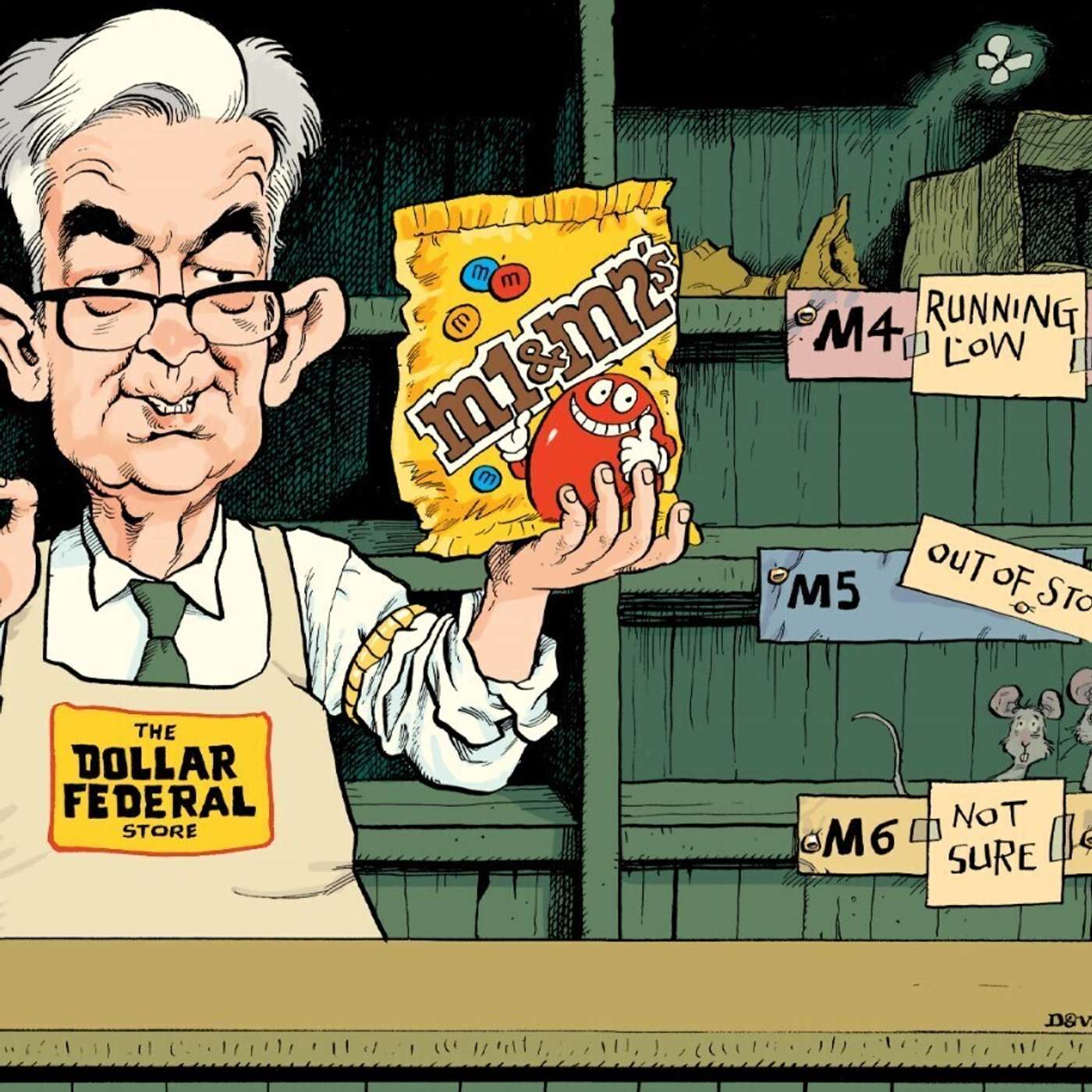
Ep 97Taper (but no) Tantrum! Why not? [Ep. 97]
Jay Powell announced his central bank is satisfied (enough) with the economy's direction. Thus, the Fed will soon be 'tapering'; lessening the 'monetary stimulus'. What did bond-money markets say? Did they have a tantrum? No, because they don't believe what Jay believes.-----SEE EPISODE 97-------Alhambra YouTube: https://bit.ly/2Xp3royEmil YouTube: https://bit.ly/310yisL-----HEAR EPISODE 97-----Vurbl: https://bit.ly/3rq4dPnApple: https://apple.co/3czMcWNDeezer: https://bit.ly/3ndoVPEiHeart: https://ihr.fm/31jq7cITuneIn: http://tun.in/pjT2ZCastro: https://bit.ly/30DMYzaGoogle: https://bit.ly/3e2Z48MSpotify: https://spoti.fi/3arP8mYPandora: https://pdora.co/2GQL3QgBreaker: https://bit.ly/2CpHAFOCastbox: https://bit.ly/3fJR5xQPodbean: https://bit.ly/2QpaDghStitcher: https://bit.ly/2C1M1GBPlayerFM: https://bit.ly/3piLtjVPodchaser: https://bit.ly/3oFCrwNPocketCast: https://pca.st/encarkdtSoundCloud: https://bit.ly/3l0yFfKListenNotes: https://bit.ly/38xY7pbAmazonMusic: https://amzn.to/2UpEk2PPodcastAddict: https://bit.ly/2V39Xjr----EP. 97 TOPICS--------00:10 Intro: Jay Powell announced it anticipates its purchases of US Treasury bonds will slow.00:48 Financial press puts the Federal Reserve upon a pedestal of omnipotence, competence.03:29 A previous Fed "taper", in 2013, resulted in a so-called tantrum. But was it, really?08:13 Knut Wicksell told us 114 years ago that rising interest rates signal a healthy economy.10:34 Markets are not considered reliable leading indicators by technocrats at the Fed.13:24 Leading market indicators include: sovereign bonds, eurodollar futures, the US dollar.14:57 In mid-August it was clear there would be no tantrum if there ever was a taper.18:16 Fed officials demurred to define what maximum employment is last year, but now... 20:11 (Fed officials believe that inflation surges are and will be transitory; so does Jeff).21:01 ...but now, Fed officials believe maximum employment is within sight; achievable.22:34 Maximum employment will be considered only after Fed inflationary targets are achieved.25:42 The US labor force participation rate may not return to pre-pandemic conditions. 29:49 The US unemployment rate has detached itself from the US participation rate.32:31 Mainstream expectations were for rising US Treasury yields after the Fed's taper news.38:30 Bond yields did not rise after the taper announcement -- no tantrum.40:38 US debt ceiling deadlines (2011, 2013, 217) caused/correlated with monetary turbulence.----EP. 97 REFERENCES----Tapering The Truth: https://bit.ly/38oyvcWTaper *Without* Tantrum: https://bit.ly/38sdMVHThe Fed’s True Love: He Tapers Me, He Tapers Me Not: https://bit.ly/3yrOaCTAs Fed Focuses on Taper, It’s About To Get (a lot?) More Interesting In Bills: https://bit.ly/38n2Sk8Alhambra Investments Blog: https://bit.ly/2VIC2wWlinRealClear Markets Essays: https://bit.ly/38tL5a7-----------WHO-------------Jeff Snider, Head of Global Investment Research for Alhambra Investments and Emil Kalinowski. Art by David Parkins. Podcast intro/outro is "1AM OMW" by Ballpoint from Epidemic Sound.
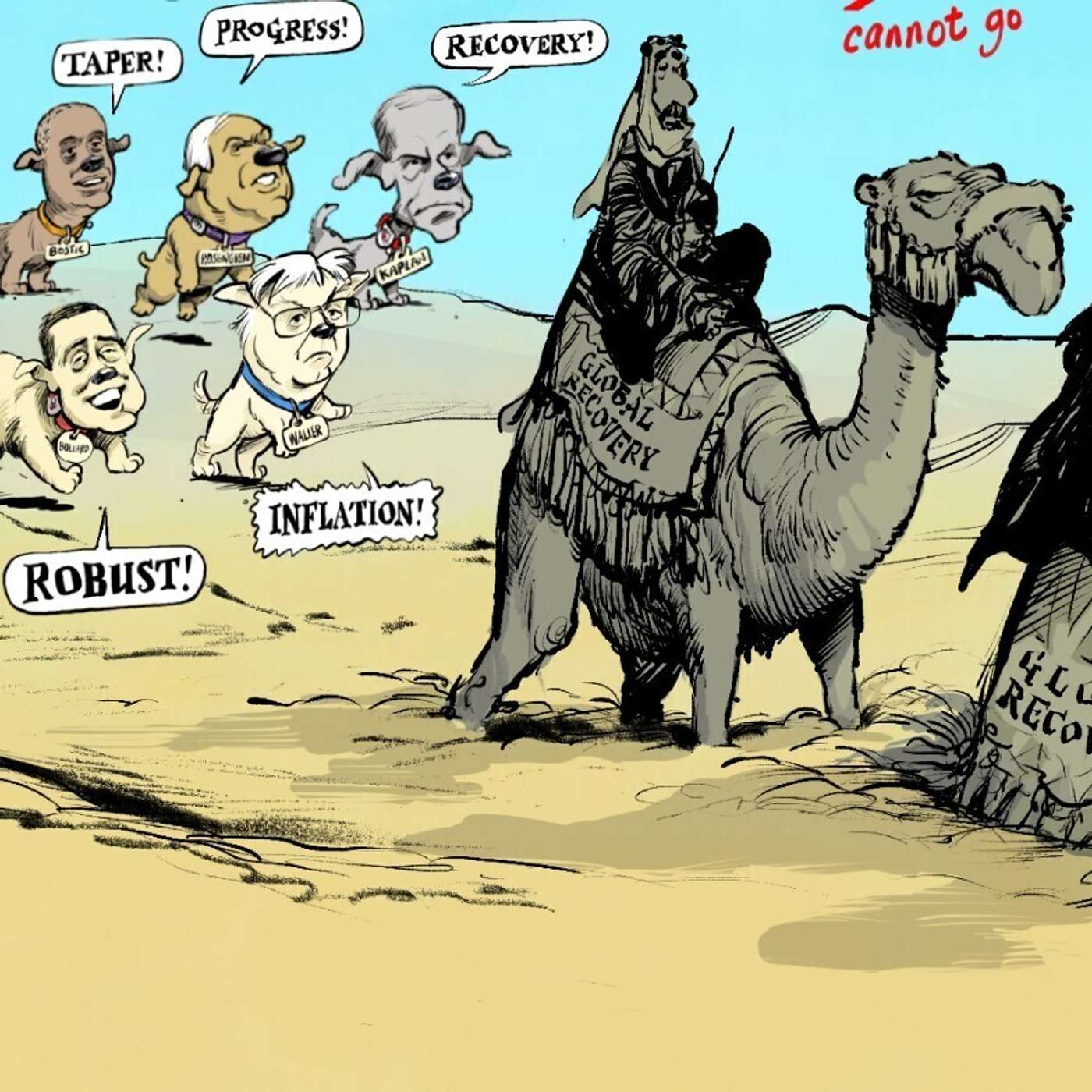
Ep 96The dogs bark, but the caravan goes on... [Ep. 96]
PART 01: What did the Federal Reserve think about gold and the Nixon Shock in 1971? According to the transcripts they didn't think much about gold, neither pre- nor post-announcement. The Fed did not see the move as a release from its 'golden fetters' so as to dominate the monetary order.PART 02: The US Treasury Department released their Treasury International Capital, one of the keyholes analysts can look through to get a sense what is happening in the eurodollar system. Jeff Snider explains three items that caught his attention. Three concerns.PART 03: German financiers and American consumers reported HISTORIC DROPS in optimism in August. Meanwhile, in Britain and Japan, consumer confidence remains steady though both nations are reporting they intend to consume less. 'Not great, Bob!'-----SEE EPISODE 96-------Alhambra YouTube: https://bit.ly/2Xp3royEmil YouTube: https://bit.ly/310yisL-----HEAR EPISODE 96-----Vurbl: https://bit.ly/3rq4dPnApple: https://apple.co/3czMcWNDeezer: https://bit.ly/3ndoVPEiHeart: https://ihr.fm/31jq7cITuneIn: http://tun.in/pjT2ZCastro: https://bit.ly/30DMYzaGoogle: https://bit.ly/3e2Z48MSpotify: https://spoti.fi/3arP8mYPandora: https://pdora.co/2GQL3QgBreaker: https://bit.ly/2CpHAFOCastbox: https://bit.ly/3fJR5xQPodbean: https://bit.ly/2QpaDghStitcher: https://bit.ly/2C1M1GBPlayerFM: https://bit.ly/3piLtjVPodchaser: https://bit.ly/3oFCrwNPocketCast: https://pca.st/encarkdtSoundCloud: https://bit.ly/3l0yFfKListenNotes: https://bit.ly/38xY7pbAmazonMusic: https://amzn.to/2UpEk2PPodcastAddict: https://bit.ly/2V39Xjr-----EP. 96 REFERENCES----The Two Big Anniversaries of August: The Lost Decade (plus) Of The ‘Fiat’ Half Century: https://bit.ly/3gkpENPA TIC Trio of More Serious Deflation Potential: Asset Rebound, Banks Can’t Borrow T-bills From Foreigners, And The China Cringe Which Goes Along: https://bit.ly/3zjhBs0Germans Got Global: https://bit.ly/3D6sCPWThe Third Of The Transitory Inflation Trifecta And Today’s Surprisingly Consistent Ugly Surprise: https://bit.ly/3mmSoJYAlhambra Investments Blog: https://bit.ly/2VIC2wWlinRealClear Markets Essays: https://bit.ly/38tL5a7-----------WHO-------------Jeff Snider, Head of Global Investment Research for Alhambra Investments and Emil Kalinowski. Art by lead Bedouin driving the camel train of monetary satire, David Parkins. Podcast intro/outro is "Multidimensional" by Sarah, the Illstrumentalist from Epidemic Sound.
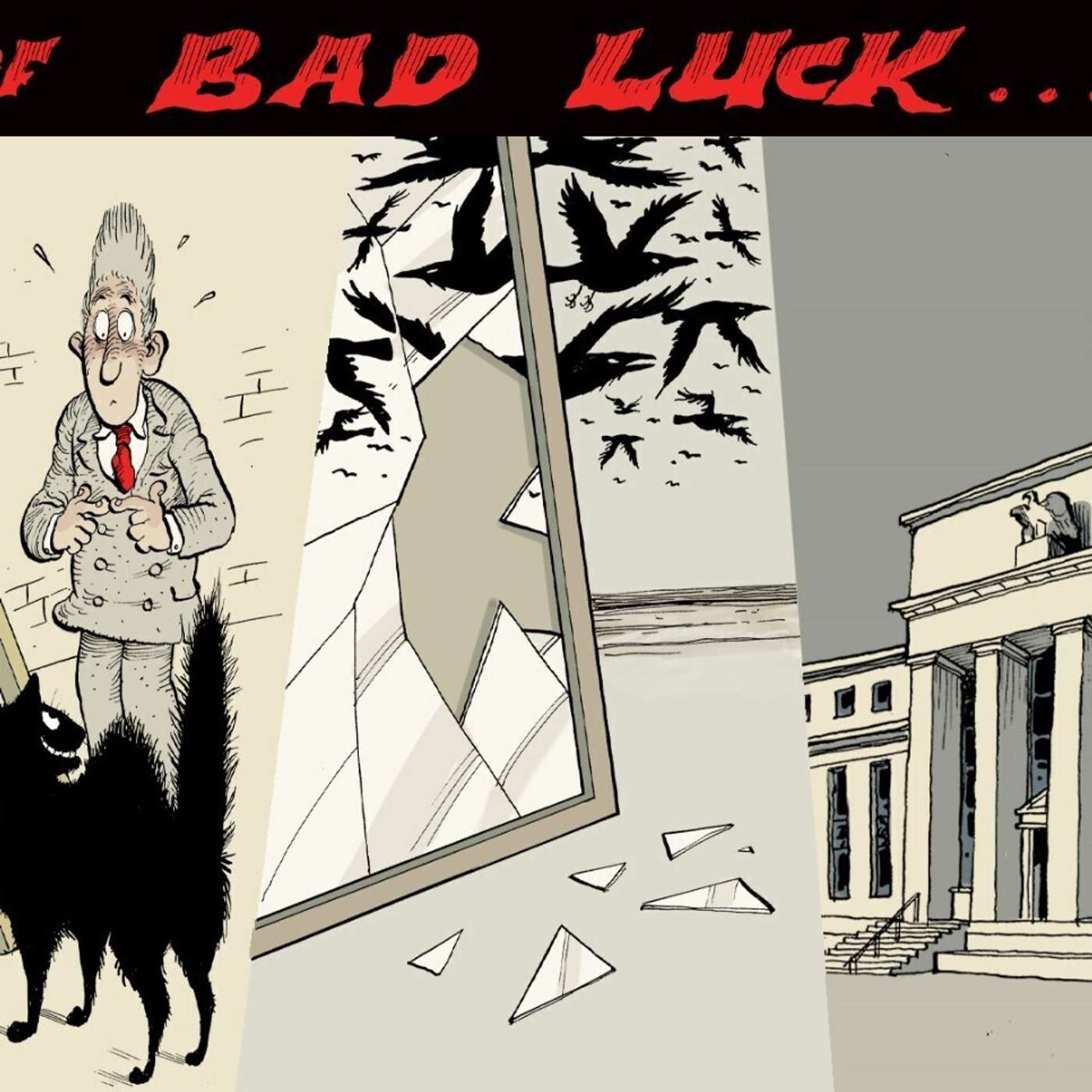
Ep 95Omens of Bad Luck [Ep. 95]
PART 01: Inflation is a broad, sustained monetary phenomenon. Price deviations in a narrow set of economic sectors, though they last months, are just that: price deviations. Today's high CPI-readings will in all likelihood subsumed by the global monetary disorder, like in 2008 and 2011.PART 02: A review of July's HUGE increase in consumer prices. We conclude these price surges are due to supply problems, base comparison effects and mostly Uncle Sam stimmy checks. None of which are permanent changes to the situation of monetary malfunction and economic depression.PART 03: In 1998 the Bank of England completed its transformation from "central bank" to "economist club" - the two are not synonymous. The former defines, identifies, measures and maps money-credit-collateral. The latter is a narrative machine.-----SEE EPISODE 95-------Alhambra YouTube: https://bit.ly/2Xp3royEmil YouTube: https://bit.ly/310yisL-----HEAR EPISODE 95-----Vurbl: https://bit.ly/3rq4dPnApple: https://apple.co/3czMcWNDeezer: https://bit.ly/3ndoVPEiHeart: https://ihr.fm/31jq7cITuneIn: http://tun.in/pjT2ZCastro: https://bit.ly/30DMYzaGoogle: https://bit.ly/3e2Z48MSpotify: https://spoti.fi/3arP8mYPandora: https://pdora.co/2GQL3QgBreaker: https://bit.ly/2CpHAFOCastbox: https://bit.ly/3fJR5xQPodbean: https://bit.ly/2QpaDghStitcher: https://bit.ly/2C1M1GBPlayerFM: https://bit.ly/3piLtjVPodchaser: https://bit.ly/3oFCrwNPocketCast: https://pca.st/encarkdtSoundCloud: https://bit.ly/3l0yFfKListenNotes: https://bit.ly/38xY7pbAmazonMusic: https://amzn.to/2UpEk2PPodcastAddict: https://bit.ly/2V39Xjr-----EP. 95 REFERENCES----There Is So Much, Too Much, Just Enough the Same: https://bit.ly/37IluusInflation More Than Hints ‘Transitory’: https://bit.ly/3iQc9aDThe Money Is 'Double Missing' Thanks to Economists: https://bit.ly/3yHqKKRAlhambra Investments Blog: https://bit.ly/2VIC2wWlinRealClear Markets Essays: https://bit.ly/38tL5a7-----------WHO-------------Jeff Snider, Head of Global Investment Research for Alhambra Investments and Emil Kalinowski. Art by David Parkins. Podcast intro/outro is "Dress Code: Black" by oomiee from Epidemic Sound.
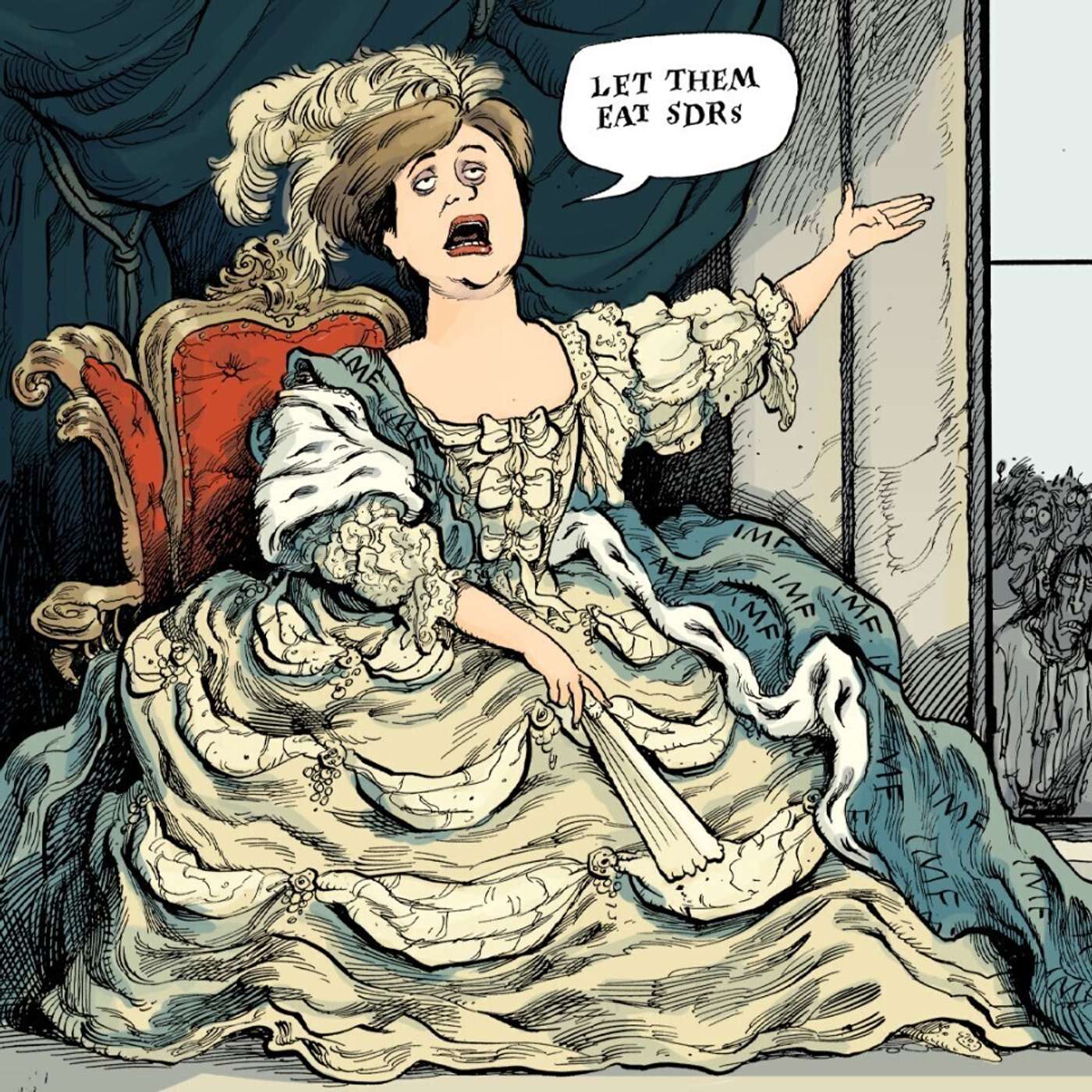
Ep 94Let them Eat SDRs
PART 01: Fifty years ago the "Nixon Shock" closed the 'Gold Window' on "international speculators" and killed the Bretton Woods gold exchange era. That's what we're told. Actually, Bretton Woods died a decade (or more!) earlier; it's just that we only noticed in 1971.PART 02: The IMF will 'print' $650 billion -- BILLION! -- in SDR-money to help with global liquidity. BIG numbers! BIG Deal! But we've heard this before from the IMF, like in 2009, their last BIGGEST EVER allocation, which was as effective as QE1, QE2, QE3, QE4, QE5, QE6... PART 03: "This might be one of the biggest downward revisions I have ever observed," says Jeff Snider. The benchmark revision to Real Personal Income ERASED billions of dollars in presumed earnings from US workers since 2015, and especially in 2020 to 2021. "Truly stunning."-----SEE EPISODE 94-------Alhambra YouTube: https://bit.ly/2Xp3royEmil YouTube: https://bit.ly/310yisL-----HEAR EPISODE 94-----Vurbl: https://bit.ly/3rq4dPnApple: https://apple.co/3czMcWNDeezer: https://bit.ly/3ndoVPEiHeart: https://ihr.fm/31jq7cITuneIn: http://tun.in/pjT2ZCastro: https://bit.ly/30DMYzaGoogle: https://bit.ly/3e2Z48MSpotify: https://spoti.fi/3arP8mYPandora: https://pdora.co/2GQL3QgBreaker: https://bit.ly/2CpHAFOCastbox: https://bit.ly/3fJR5xQPodbean: https://bit.ly/2QpaDghStitcher: https://bit.ly/2C1M1GBPlayerFM: https://bit.ly/3piLtjVPodchaser: https://bit.ly/3oFCrwNPocketCast: https://pca.st/encarkdtSoundCloud: https://bit.ly/3l0yFfKListenNotes: https://bit.ly/38xY7pbAmazonMusic: https://amzn.to/2UpEk2PPodcastAddict: https://bit.ly/2V39Xjr----EP. 94a REFERENCES----No Matter What They Say, the Future Isn't Inflationary: https://bit.ly/3AjfK6NRealClear Markets Essays: https://bit.ly/38tL5a7----EP. 94b REFERENCES----Sophistry Dressed (as) Reallocation: https://bit.ly/3rZOhUMAlhambra Investments Blog: https://bit.ly/2VIC2wWlin----EP. 94c REFERENCES----Inflation Estimates (PCE) *Totally* Overshadowed By Benchmark Income Revisions, And The (Deflationary) Implications of Them: https://bit.ly/3yB5JkY-----------WHO-------------Jeff Snider, Head of Global Investment Research for Alhambra Investments and Emil Kalinowski. Art by David Parkins. Podcast intro/outro is "Sweet Distraction" by Ealot from Epidemic Sound.
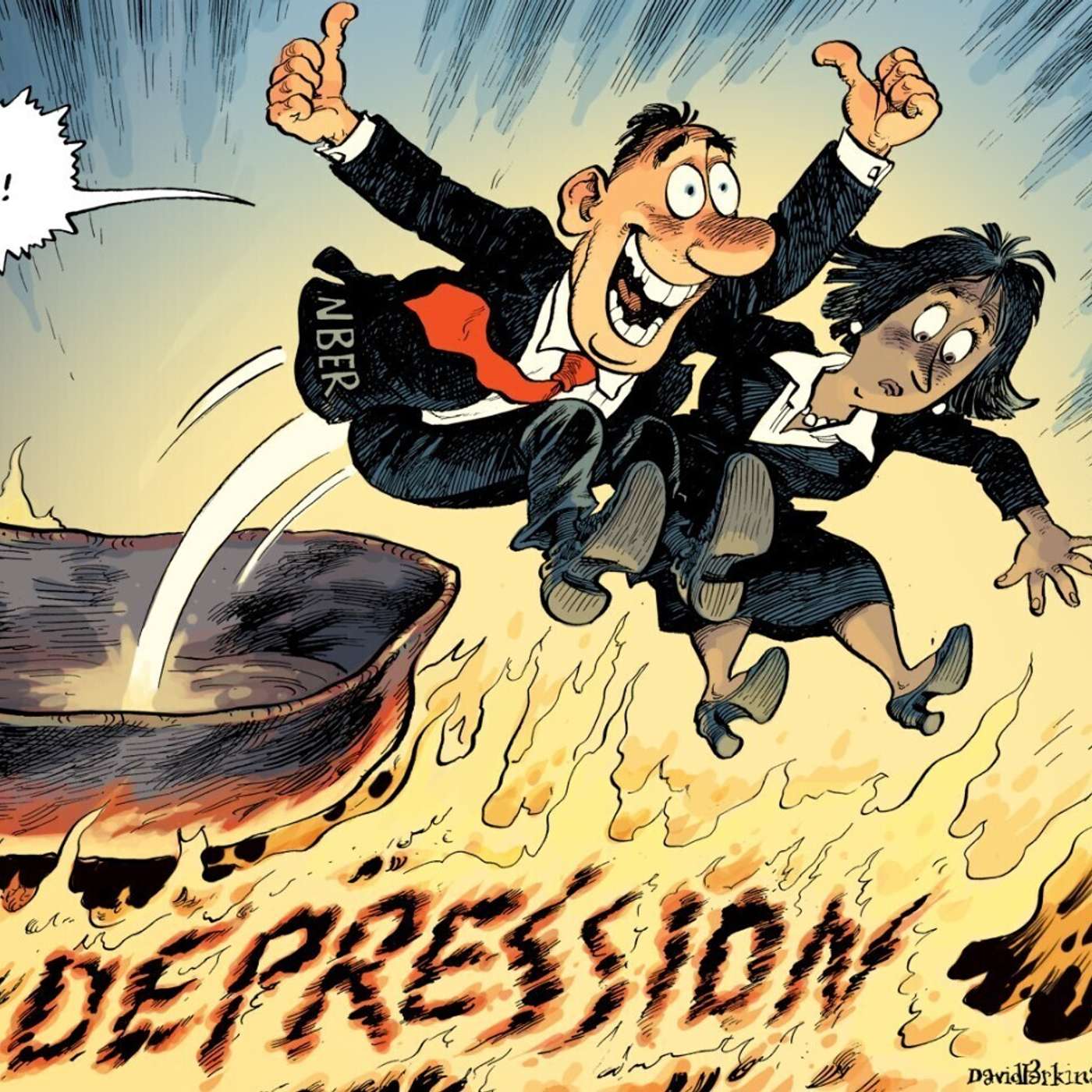
Ep 93Out of the Frying Pan Recession and into...
PART 01: Gold Slams! Rapid, huge sales in early morning hours are warnings about a malfunction deep within the plumbing of global capital flows. They're also multi-week, precipitous price declines. We review the last few months of gold price to triangulate if the pipes are rattling warnings.PART 02: Foreigners were heavily selling US Treasuries in May 2021. Is this a GEOPOLITICAL plot? Is America's BANKRUPTCY imminent?!? Almost certainly not. We review the LONG HISTORY of foreigners selling US Treasuries in acute periods of dollar shortage. May's selling is a monetary warning.PART 03: America's Covids Recession lasted only two months, says the National Bureau of Economic Research. But what if it wasn't a recession? What if 2007-09 wasn't a recession either? What if 2007-21 has been a depression? The Silent Depression.-----SEE EPISODE 93-------Alhambra YouTube: https://bit.ly/2Xp3royEmil YouTube: https://bit.ly/310yisL-----HEAR EPISODE 93-----Vurbl: https://bit.ly/3rq4dPnApple: https://apple.co/3czMcWNDeezer: https://bit.ly/3ndoVPEiHeart: https://ihr.fm/31jq7cITuneIn: http://tun.in/pjT2ZCastro: https://bit.ly/30DMYzaGoogle: https://bit.ly/3e2Z48MSpotify: https://spoti.fi/3arP8mYPandora: https://pdora.co/2GQL3QgBreaker: https://bit.ly/2CpHAFOCastbox: https://bit.ly/3fJR5xQPodbean: https://bit.ly/2QpaDghStitcher: https://bit.ly/2C1M1GBPlayerFM: https://bit.ly/3piLtjVPodchaser: https://bit.ly/3oFCrwNPocketCast: https://pca.st/encarkdtSoundCloud: https://bit.ly/3l0yFfKListenNotes: https://bit.ly/38xY7pbAmazonMusic: https://amzn.to/2UpEk2PPodcastAddict: https://bit.ly/2V39Xjr----EP. 93a REFERENCES----Golden Collateral Checking: https://bit.ly/3j7HKmSAlhambra Investments Blog: https://bit.ly/2VIC2wWlin----EP. 93b REFERENCES----Yet Another Key Warning Sign, Piece Of Strong Evidence: TIC & The Long Misunderstood History of Selling Treasuries: https://bit.ly/3yezqrVRealClear Markets Essays: https://bit.ly/38tL5a7----EP. 93c REFERENCES----The Contraction Is Over, Which Means The Hard Part Only BeginsNBER Business Cycle FAQ: https://bit.ly/2TQqIkM-----------WHO-------------Jeff Snider, Head of Global Investment Research for Alhambra Investments and Emil Kalinowski. Art by David Parkins. Podcast intro/outro is "MUNEY" by Beiba from Epidemic Sound.
Ep 92What FRONTLINE got SO wrong about the Fed
FRONTLINE critiques the Fed for showering big banks, big business and Wall Street with easy money, which reached neither the real economy nor the vast majority of Americans. Yes to the latter, but no-no-no-no to the former.----SEE EPISODE 92-----Alhambra YouTube: https://bit.ly/2Xp3royEmil YouTube: https://bit.ly/310yisL----HEAR EPISODE 92----Vurbl: https://bit.ly/3rq4dPnApple: https://apple.co/3czMcWNDeezer: https://bit.ly/3ndoVPEiHeart: https://ihr.fm/31jq7cITuneIn: http://tun.in/pjT2ZCastro: https://bit.ly/30DMYzaGoogle: https://bit.ly/3e2Z48MSpotify: https://spoti.fi/3arP8mYPandora: https://pdora.co/2GQL3QgBreaker: https://bit.ly/2CpHAFOCastbox: https://bit.ly/3fJR5xQPodbean: https://bit.ly/2QpaDghStitcher: https://bit.ly/2C1M1GBPlayerFM: https://bit.ly/3piLtjVPodchaser: https://bit.ly/3oFCrwNPocketCast: https://pca.st/encarkdtSoundCloud: https://bit.ly/3l0yFfKListenNotes: https://bit.ly/38xY7pbAmazonMusic: https://amzn.to/2UpEk2PPodcastAddict: https://bit.ly/2V39Xjr----EP. 92 TOPICS--------00:00:10 Frontline: the Fed is pumping billions of dollars into the financial system. 00:01:46 Frontline: the Fed is powerful and misunderstood.00:04:58 Frontline: speculators crashed the system and the Fed rescued it. 00:12:24 Frontline: the Fed came up with the idea of quantitative easing. 00:14:38 Frontline: QE's purpose was to lower interest rates. 00:18:14 Frontline: QE was to increase credit to the economy. 00:20:33 Frontline: QE was a new experiment because Fed officials said it was. 00:23:48 Frontline: QE flooded the economy with easy money. 00:26:40 Frontline: QE powered the stock market.00:33:40 Frontline: QE disconnected stocks from the real economy. 00:35:42 Frontline: QE didn't fix the economy because banks didn't allow it. 00:40:50 Frontline: QE2 was necessary because the Tea Party hobbled Congress. 00:47:10 Frontline: QE caused inequality because money went to banks. 00:59:33 Frontline: Wall St. was so addicted to QE it had a taper tantrum in 2013. 01:03:19 Frontline: QE helped the rich. KASHKARI: We were helping the people. 01:10:17 Frontline: QE gave easy money to corporates who used it to buy back company stock.01:17:51 Frontline: Shadow banks gorged on easy money, increasing system fragility.01:22:31 Frontline: In 2020 the Fed saved the world from a true depression.01:26:01 Frontline: The Fed saved risky parts of the financial system, like junk bonds.01:30:56 Concluding thoughts on the Frontline episode, central banking and the media.----EP. 92 REFERENCES----FRONTLINE The Power of the Fed: https://youtu.be/9RbL8lTsITYThe Power of the Fed (transcript) : https://to.pbs.org/3zC3HBnAlhambra Investments Blog: https://bit.ly/2VIC2wWlinRealClear Markets Essays: https://bit.ly/38tL5a7 ---------WHO-----------Jeff Snider, Head of Global Investment Research for Alhambra Investments and Emil Kalinowski. Art by David Parkins. Podcast intro/outro is "Electro Animal" by Oh the City from Epidemic Sound.
Ep 91Glowing Orange: Repo Market Collateral Rumble
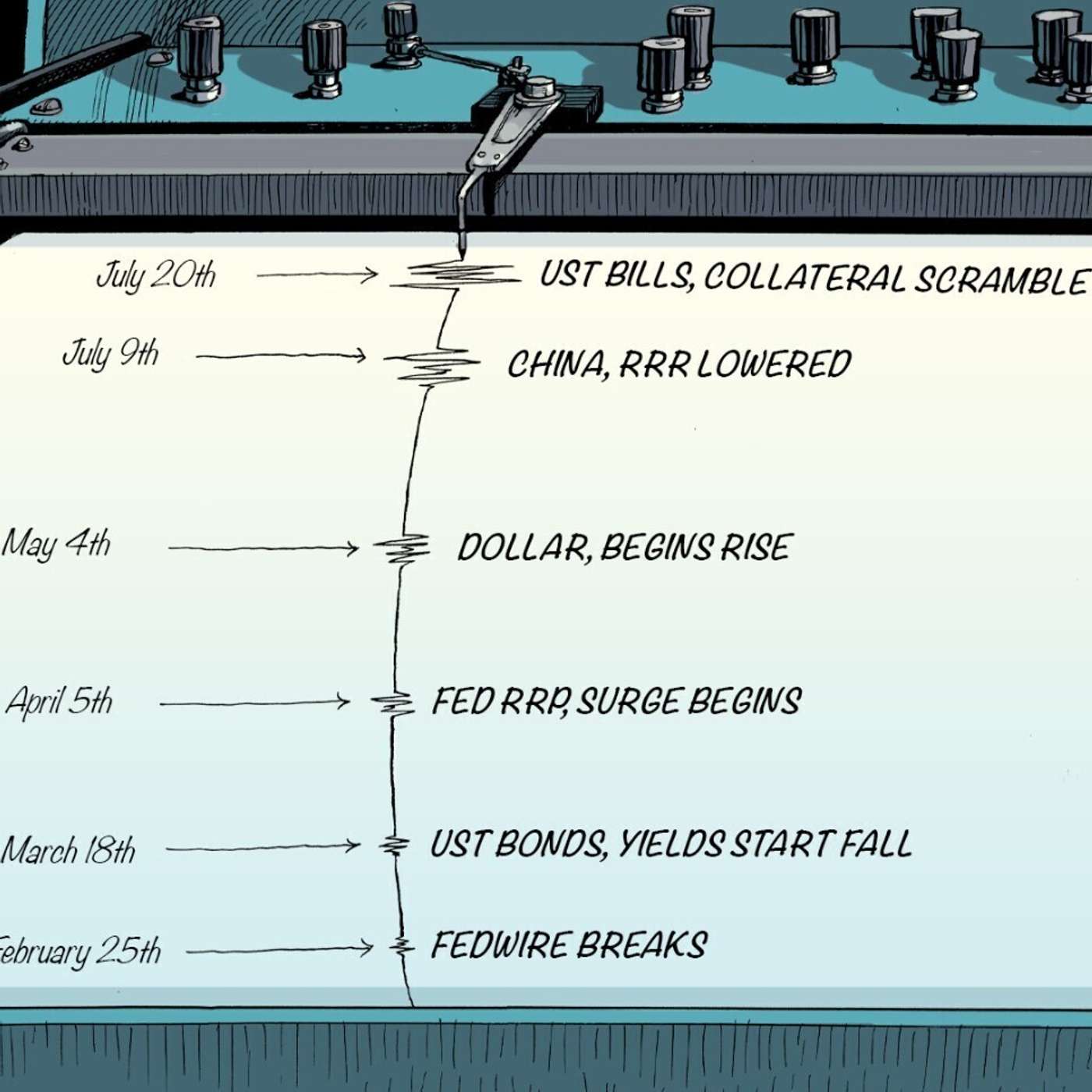
Early-morning action in the repo market shows a musical chairs-like collateral scramble; it has the Fed's attention. But the Fed is blasé about it (i.e. 'too much cash'). Yet these collateral scrambles resemble what we saw in March 2020.----SEE EPISODE #91----Alhambra YouTube: https://bit.ly/2Xp3royEmil YouTube: https://bit.ly/310yisL----HEAR EPISODE #91---Vurbl: https://bit.ly/3rq4dPnApple: https://apple.co/3czMcWNDeezer: https://bit.ly/3ndoVPEiHeart: https://ihr.fm/31jq7cITuneIn: http://tun.in/pjT2ZCastro: https://bit.ly/30DMYzaGoogle: https://bit.ly/3e2Z48MSpotify: https://spoti.fi/3arP8mYPandora: https://pdora.co/2GQL3QgBreaker: https://bit.ly/2CpHAFOCastbox: https://bit.ly/3fJR5xQPodbean: https://bit.ly/2QpaDghStitcher: https://bit.ly/2C1M1GBPlayerFM: https://bit.ly/3piLtjVPodchaser: https://bit.ly/3oFCrwNPocketCast: https://pca.st/encarkdtSoundCloud: https://bit.ly/3l0yFfKListenNotes: https://bit.ly/38xY7pbAmazonMusic: https://amzn.to/2UpEk2PPodcastAddict: https://bit.ly/2V39Xjr----EP #91 TOPICS-------01:53 Montana Senator Daines asked a Jeff-Snider-question to Jerome Powell in testimony. 05:02 Jerome Powell stated the Fed is focusing on the [dead] Federal Funds rate / range. WHY?!06:29 In later testimony Powell changes his mind from "too much cash" to "not little collateral"11:11 The NYFed notices that most repo transactions take place very early in the morning. Why?13:39 Early morning collateral scrambles? The repo market? These took place in March 2020.17:53 The NYFed offers several other reasons for the scramble: fees and liquidity.19:07 The NYFed notes that more trades are taking place pre-market (to preempt the scramble?)20:27 Monday, July 19 UST Bond yields dropped - but that was not a Jeff Snider "collateral day"23:32 Tuesday, July 20 UST Bill yields traced out a fang-like drop in an early morning scramble25:25 Show Conclusion: collateral scrambles are not rainbow/unicorn-reflationary phenomena----EP #91 REFERENCES---Lower Yields And (fewer) Bills: https://bit.ly/3BDZSxiWhy Don't Bonds Reflect CPI Alarm About Inflation?: https://bit.ly/3kMx2oqSorry, One More On Bills: Today A Really Good Example of All The Things We’ve Been Focused On Lately: https://bit.ly/3i20FAoIntraday Timing of General Collateral Repo Markets: https://nyfed.org/2VbxIZvAlhambra Investments Blog: https://bit.ly/2VIC2wWRealClear Markets Essays: https://bit.ly/38tL5a7 ---------WHO-----------Jeff Snider, Head of Global Investment Research for Alhambra Investments and Emil Kalinowski. Art by David Parkins. Podcast intro/outro is "Night Driver" by Ballpoint and Cushy from Epidemic Sound.
Ep 90Interview-Professor Samuel Williamson: What is that Thing's Value Today? [Eurodollar University, Ep. 90]
Professor Sam Williamson, economic historian, explains how the value of commodities, projects and income/wealth should be properly measured across time (AND IT IS NOT WITH A CPI INDEX!). Otherwise, like a recent NY Times article, your worth may be off by a factor of 20!!!!--------EP. 90 REFERENCES--------Measuring Worth: https://bit.ly/36TfZZDMeasuring Worth Twitter: https://bit.ly/3BuZotfMeasuring Worth Blog: https://bit.ly/3rqyz4RNY Times Tulsa Article: https://nyti.ms/3eKKDIRNational Geographic Tulsa Article: https://on.natgeo.com/3izkL41---------SEE IT-----------Alhambra YouTube: https://bit.ly/2Xp3royEmil YouTube: https://bit.ly/310yisL---------HEAR IT----------Vurbl: https://bit.ly/3rq4dPn Apple: https://apple.co/3czMcWNDeezer: https://bit.ly/3ndoVPEiHeart: https://ihr.fm/31jq7cITuneIn: http://tun.in/pjT2ZCastro: https://bit.ly/30DMYzaGoogle: https://bit.ly/3e2Z48MSpotify: https://spoti.fi/3arP8mYPandora: https://pdora.co/2GQL3QgBreaker: https://bit.ly/2CpHAFOCastbox: https://bit.ly/3fJR5xQPodbean: https://bit.ly/2QpaDghStitcher: https://bit.ly/2C1M1GBPlayerFM: https://bit.ly/3piLtjVPodchaser: https://bit.ly/3oFCrwNPocketCast: https://pca.st/encarkdtSoundCloud: https://bit.ly/3l0yFfKListenNotes: https://bit.ly/38xY7pbAmazonMusic: https://amzn.to/2UpEk2PPodcastAddict: https://bit.ly/2V39Xjr----EPISODE #90 TOPICS----0:00:00 The NYTimes says the 1921 Tulsa Race Riot cost $27M. And Professor Williamson? $534m.0:06:24 Introducing Professor Samuel H. Williamson0:09:21 At what point does using "CPI" to value something in the past stop making sense?0:11:25 George Washington's nephew asked to borrow $1,000 in 1800 - how much is that worth now?0:16:03 Why does the mainstream press continue to use woefully inadequate estimates of worth?0:16:38 How does one select the correct measure of present worth for a historical value?0:20:45 What does Professor Williamson think about the current "transitory" inflation debate?0:29:41 Is the CPI a good, best effort measure of inflation in the United States?0:31:53 Are alternative measures of inflation better than the CPI?0:36:06 Mainstream economic data implies a preciseness that is illusory.0:38:56 The headlines in the media are merely the surface of deeper, complex concepts.0:40:26 A real price value of the Empire State Building doesn't tell us what it is worth today.0:44:26 MeasuringWorth has data for the US, UK, Spain, Australia, gold, silver, stocks, etc.0:47:48 Is their a pension crisis? ---------WHO-----------Samuel H. Williamson, cofounder / president of MeasuringWorth, cofounder of The Cliometric Society, creator of EH.net and Professor of Economics, Emeritus, from Miami University with Jeff Snider, Head of Global Investment Research for Alhambra Investments, and Emil Kalinowski. Podcast intro/outro is "Mama's Woogie Mojo" by Wendy Marcini at Epidemic Sound. Art by David Parkins.
Ep 89Light at the End of the Tunnel
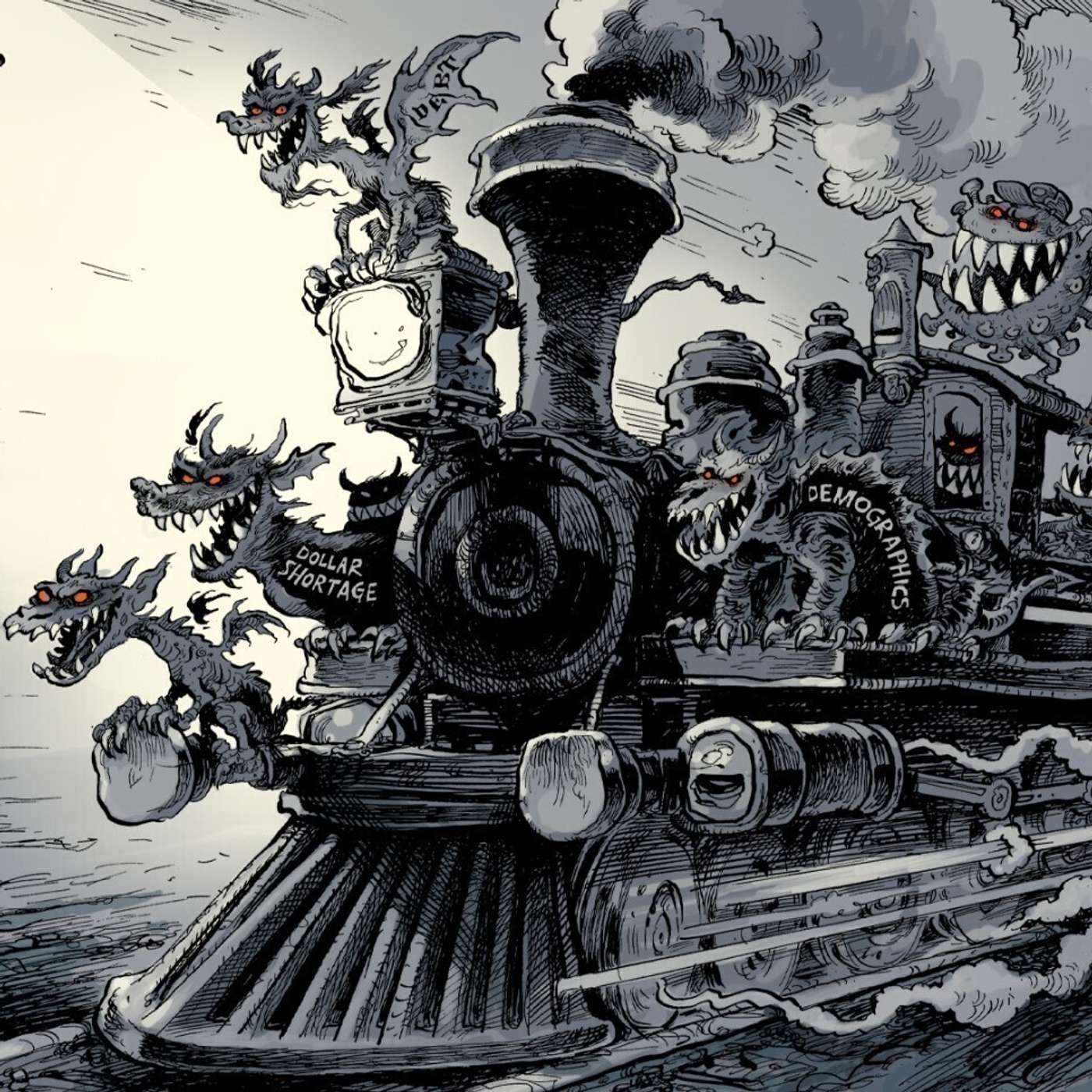
PART 01: Jay Powell has confirmed a surging Fed program (RRP) is partly the result of safe-asset demand. But he plays it off as a monetary technicality, mere arcana. Nope! Safe-asset scarcity is step one along a well-trod path towards a malfunctioning economy. Here's what happens next.PART 02: The People's Bank of China lowers its bank Required Reserve Ratio to get money into a slowing economy. A lowered RRR means that there aren't enough (euro)dollars flowing into China. Why? Because there aren't enough (euro)dollars in the world. A lower RRR is a warning for the whole world.PART 03: El Salvador announced its crypto intentions seemingly out of the blue. But a closer look reveals the nation had run dangerously short of (euro)dollars in early 2021. It went to the IMF for a bailout. Now it heads to the crypto world for one. Just like people did in the 14th-century. Wait, what?!----SEE EPISODE #89----Alhambra YouTube: https://bit.ly/2Xp3royEmil YouTube: https://bit.ly/310yisL----HEAR EPISODE #89---Vurbl: https://bit.ly/3rq4dPnApple: https://apple.co/3czMcWNDeezer: https://bit.ly/3ndoVPEiHeart: https://ihr.fm/31jq7cITuneIn: http://tun.in/pjT2ZCastro: https://bit.ly/30DMYzaGoogle: https://bit.ly/3e2Z48MSpotify: https://spoti.fi/3arP8mYPandora: https://pdora.co/2GQL3QgBreaker: https://bit.ly/2CpHAFOCastbox: https://bit.ly/3fJR5xQPodbean: https://bit.ly/2QpaDghStitcher: https://bit.ly/2C1M1GBPlayerFM: https://bit.ly/3piLtjVPodchaser: https://bit.ly/3oFCrwNPocketCast: https://pca.st/encarkdtSoundCloud: https://bit.ly/3l0yFfKListenNotes: https://bit.ly/38xY7pbAmazonMusic: https://amzn.to/2UpEk2PPodcastAddict: https://bit.ly/2V39Xjr----EP #89a REFERENCES---Powell Admits RRP and Collateral Scarcity, Still Unaware Of What It Means: https://bit.ly/3hK2dP9To This Day, the World Still Thinks It Was About QE: https://bit.ly/3zbSS8VThe China of Today Seeks Nothing But Its Own Terms: https://bit.ly/3ks2qII----EP #89b REFERENCES---How Do You Spell Escalating? C-H-I-N-A-R-R-R: https://bit.ly/3kzlOmSA Practical History of Financial Markets: https://www.didaskoeducation.org/----EP #89c REFERENCES---Bitcoin, El Salvador, And…The Eurodollar’s Ghost: https://bit.ly/3hIom0bAlhambra Investments Blog: https://bit.ly/2VIC2wWRealClear Markets Essays: https://bit.ly/38tL5a7---------WHO-----------Jeff Snider, Head of Global Investment Research for Alhambra Investments and Emil Kalinowski. Art by David Parkins. Podcast intro/outro is "Neon Raceway" by ELFL from Epidemic Sound.
Ep 88Götterdämmerung
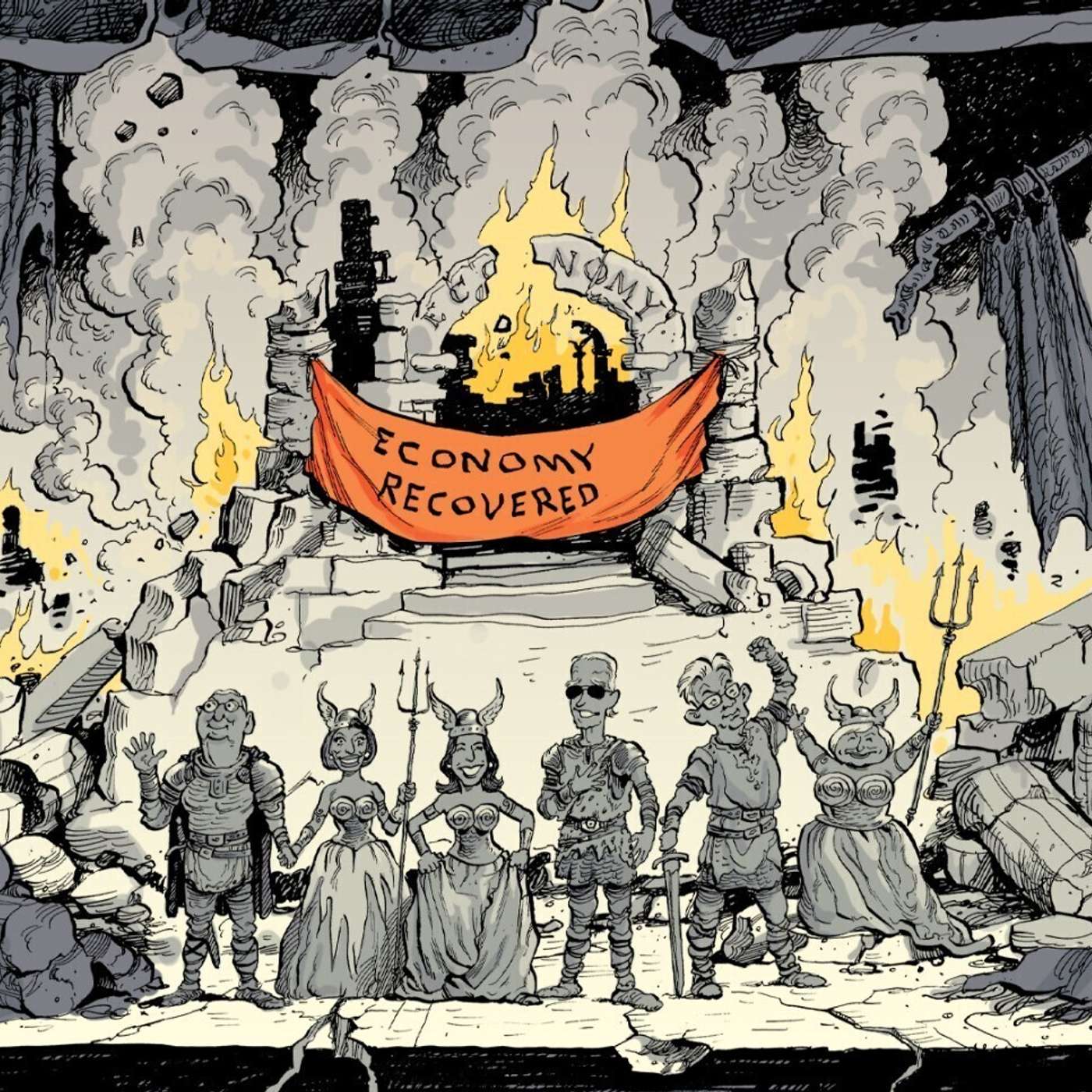
PART 01: When the US Treasury yield curve inverts it is a warning that recession is on the horizon. What about when the Eurodollar Futures yield curve rolls over on its back? Not good news either. Would you believe that there's a kink in the curve now? Would you believe it's not great news?PART 02: The yields on German sovereign bonds began to tumble in May - now we know why. German Factory Orders and Industrial Production delivered lousy results that month. Germany is an export power so these negatives say a lot about the global customer - that's us.PART 03: A review of US, Chinese and global purchasing manager indices for manufacturing and services shows just a few too many "not great" readings. Not necessarily bad but within the context of HUGE 'money printing' and GIGA deficit blowouts shouldn't the economy be rip-roaring?----SEE EPISODE #88----Alhambra YouTube: https://bit.ly/2Xp3royEmil YouTube: https://bit.ly/310yisL----HEAR EPISODE #88---Vurbl: https://bit.ly/3rq4dPnApple: https://apple.co/3czMcWNDeezer: https://bit.ly/3ndoVPEiHeart: https://ihr.fm/31jq7cITuneIn: http://tun.in/pjT2ZCastro: https://bit.ly/30DMYzaGoogle: https://bit.ly/3e2Z48MSpotify: https://spoti.fi/3arP8mYPandora: https://pdora.co/2GQL3QgBreaker: https://bit.ly/2CpHAFOCastbox: https://bit.ly/3fJR5xQPodbean: https://bit.ly/2QpaDghStitcher: https://bit.ly/2C1M1GBPlayerFM: https://bit.ly/3piLtjVPodchaser: https://bit.ly/3oFCrwNPocketCast: https://pca.st/encarkdtSoundCloud: https://bit.ly/3l0yFfKListenNotes: https://bit.ly/38xY7pbAmazonMusic: https://amzn.to/2UpEk2PPodcastAddict: https://bit.ly/2V39Xjr----EP #88 REFERENCES----Eurodollar Curve Quirk Trivia, But Not Trivial To Anti-Inflation: https://bit.ly/2UFv51PBond Reversal In Japan, But Pay Attention To It In Germany: https://bit.ly/2VvCa5JISM’s Nasty Little Surprise Isn’t Actually A Surprise: https://bit.ly/3k2Y1LUAlhambra Investments Blog: https://bit.ly/2VIC2wWRealClear Markets Essays: https://bit.ly/38tL5a7---------WHO-----------Jeff Snider, Head of Global Investment Research for Alhambra Investments and Emil Kalinowski. Art by David Parkins. Podcast intro/outro is "So Casual" by Tigerblood Jewel from Epidemic Sound.
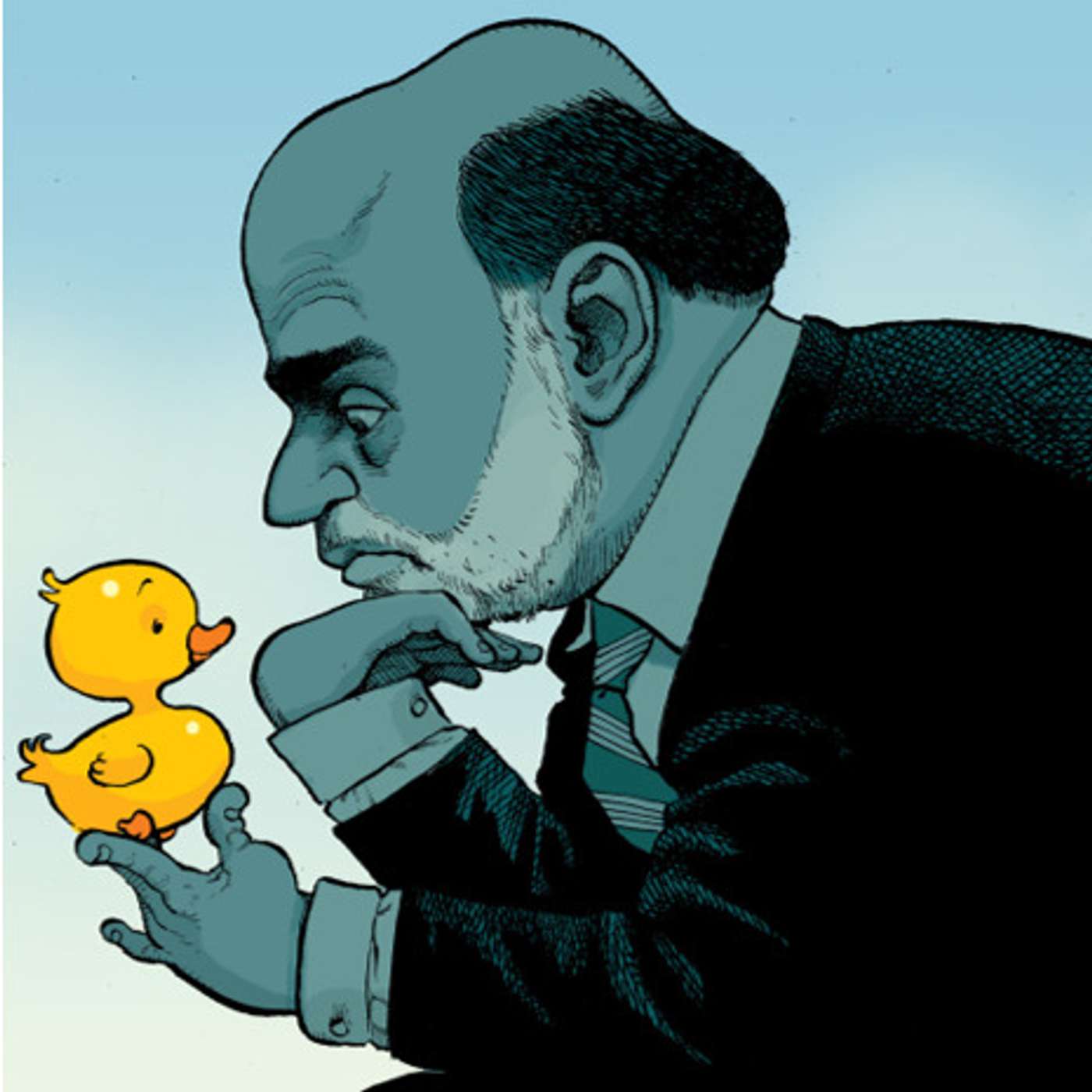
Ep 87Reading Jeff Snider on the Fed's Not-Hot Dot-Plot
Non-economist, monetary iconoclast Jeff Snider's commentary on the the 'big news' about the 'hawkish' new Fed forecast implying economic recovery championed by the business press while at the same time an underlying liquidity reading (RRP) glows orange. A warning. And a reading, by Emil Kalinowski.----------WHO----------Jeff Snider of Alhambra Investments. Read by Emil Kalinowski. Art by David Parkins. Intro/outro is "Strolling with You" by John Runefelt at Epidemic Sound.----------WHAT----------The Dots Are On the Move, But So Are the Dot Spoilers: https://bit.ly/360hjJMOvernight Reverse Repurchase Agreements: https://bit.ly/3jDOLxV----------WHERE----------Jeff's Alhambra Blog: https://bit.ly/2VIC2wWJeff's RealClearMarkets Essays: https://bit.ly/38tL5a7Jeff's Twitter: https://twitter.com/JeffSnider_AIPEmil's Twitter: https://twitter.com/EmilKalinowskiDavid's Art: https://davidparkins.com/---------HEAR IT----------Vurbl: https://bit.ly/3rq4dPn Apple: https://apple.co/3czMcWNDeezer: https://bit.ly/3ndoVPEiHeart: https://ihr.fm/31jq7cITuneIn: http://tun.in/pjT2ZCastro: https://bit.ly/30DMYzaGoogle: https://bit.ly/3e2Z48MSpotify: https://spoti.fi/3arP8mYPandora: https://pdora.co/2GQL3QgBreaker: https://bit.ly/2CpHAFOCastbox: https://bit.ly/3fJR5xQPodbean: https://bit.ly/2QpaDghStitcher: https://bit.ly/2C1M1GBPlayerFM: https://bit.ly/3piLtjVPodchaser: https://bit.ly/3oFCrwNPocketCast: https://pca.st/encarkdtSoundCloud: https://bit.ly/3l0yFfKListenNotes: https://bit.ly/38xY7pbAmazonMusic: https://amzn.to/2UpEk2PPodcastAddict: https://bit.ly/2V39Xjr
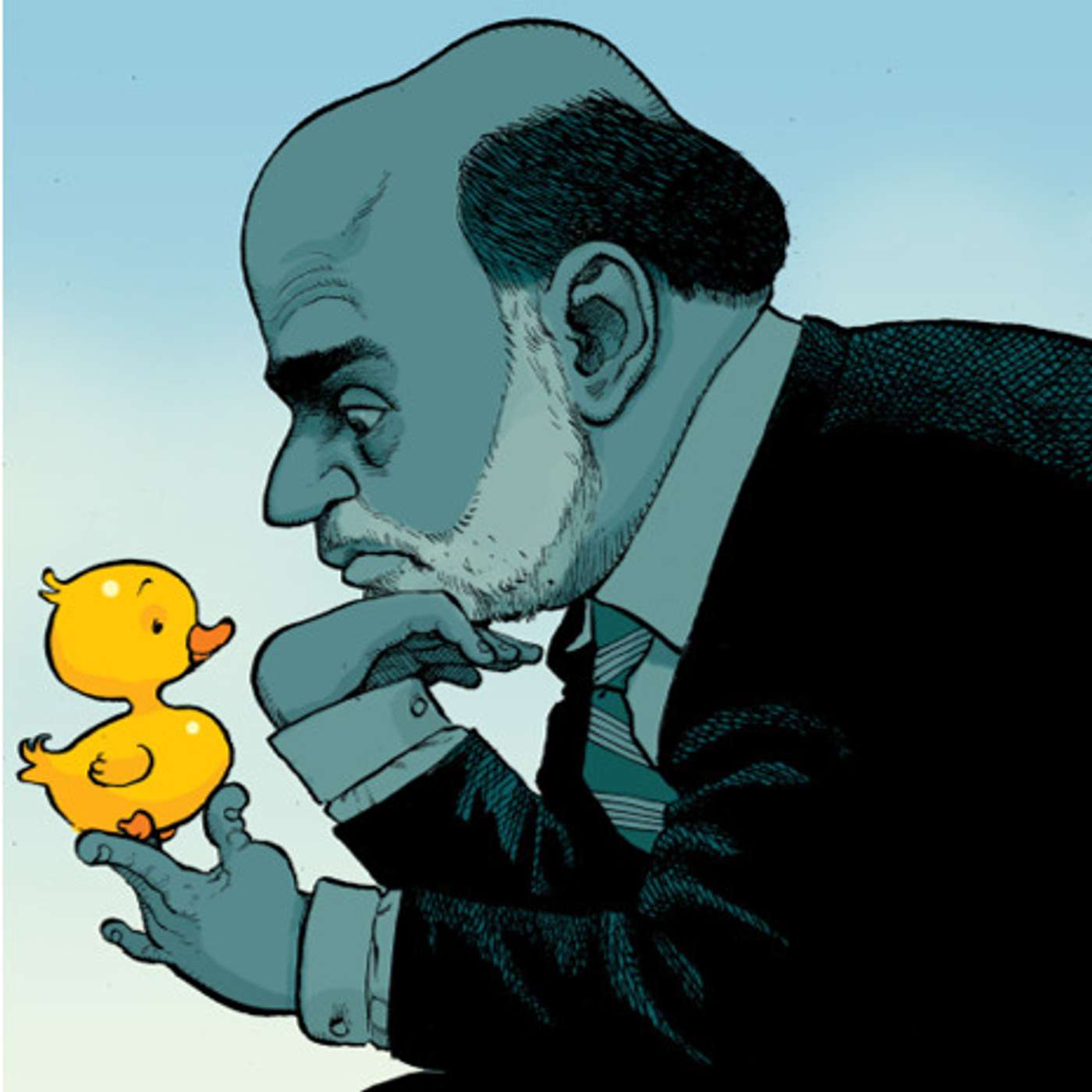
Ep 86Reading Jeff Snider on Central Bankers Having No New Ideas
Non-economist, monetary iconoclast Jeff Snider's commentary on yet another central bank study concluding that there are TANGIBLE problems with quantitative easing and what benefits can be observed are INTANGIBLE. Sweden's Riksbank observes collateral shortages. A reading, by Emil Kalinowski.----------WHO----------Jeff Snider of Alhambra Investments. Read by Emil Kalinowski. Art by David Parkins. Intro/outro is "Steak Frites" by Dylan Sitts at Epidemic Sound.----------WHAT----------Because Central Bankers Have No Clue What Else To Do: https://bit.ly/3xXInFxThe Liquidity of the Government Bond Market – What Impact Does Quantitative Easing Have? Evidence from Sweden: https://bit.ly/3w8iWjm----------WHERE----------Jeff's Alhambra Blog: https://bit.ly/2VIC2wWJeff's RealClearMarkets Essays: https://bit.ly/38tL5a7Jeff's Twitter: https://twitter.com/JeffSnider_AIPEmil's Twitter: https://twitter.com/EmilKalinowskiDavid's Art: https://davidparkins.com/---------HEAR IT----------Vurbl: https://bit.ly/3rq4dPn Apple: https://apple.co/3czMcWNDeezer: https://bit.ly/3ndoVPEiHeart: https://ihr.fm/31jq7cITuneIn: http://tun.in/pjT2ZCastro: https://bit.ly/30DMYzaGoogle: https://bit.ly/3e2Z48MSpotify: https://spoti.fi/3arP8mYPandora: https://pdora.co/2GQL3QgBreaker: https://bit.ly/2CpHAFOCastbox: https://bit.ly/3fJR5xQPodbean: https://bit.ly/2QpaDghStitcher: https://bit.ly/2C1M1GBPlayerFM: https://bit.ly/3piLtjVPodchaser: https://bit.ly/3oFCrwNPocketCast: https://pca.st/encarkdtSoundCloud: https://bit.ly/3l0yFfKListenNotes: https://bit.ly/38xY7pbAmazonMusic: https://amzn.to/2UpEk2PPodcastAddict: https://bit.ly/2V39Xjr
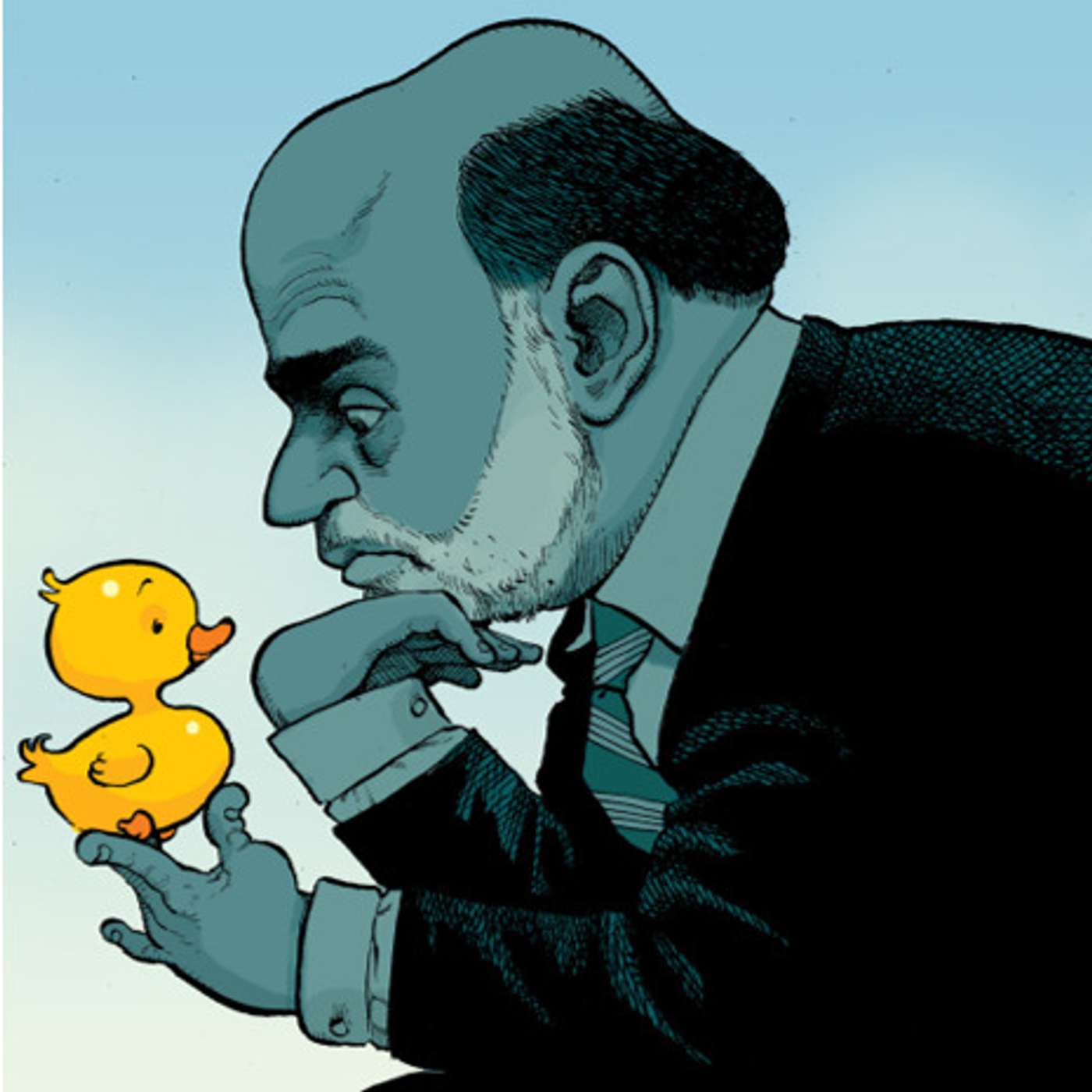
Ep 85Reading Jeff Snider on Trouble Ahead
Non-economist, monetary iconoclast Jeff Snider's commentary on why inflation is unwelcome directly and welcome indirectly. Also, economic depression and hopelessness have struck the United States many times. A review of contemporary accounts of despair and hope about the future from the 19th and 20th centuries. A reading, by Emil Kalinowski.----------WHO----------Jeff Snider of Alhambra Investments. Read by Emil Kalinowski. Art by David Parkins. Intro/outro is "Nocturnal Jam" by Sarah, the Illstrumentalist at Epidemic Sound.----------WHAT----------Growing Indications There's More Trouble Ahead: https://bit.ly/35XF1Xc----------WHERE----------Jeff's Alhambra Blog: https://bit.ly/2VIC2wWJeff's RealClearMarkets Essays: https://bit.ly/38tL5a7Jeff's Twitter: https://twitter.com/JeffSnider_AIPEmil's Twitter: https://twitter.com/EmilKalinowskiDavid's Art: https://davidparkins.com/---------HEAR IT----------Vurbl: https://bit.ly/3rq4dPn Apple: https://apple.co/3czMcWNDeezer: https://bit.ly/3ndoVPEiHeart: https://ihr.fm/31jq7cITuneIn: http://tun.in/pjT2ZCastro: https://bit.ly/30DMYzaGoogle: https://bit.ly/3e2Z48MSpotify: https://spoti.fi/3arP8mYPandora: https://pdora.co/2GQL3QgBreaker: https://bit.ly/2CpHAFOCastbox: https://bit.ly/3fJR5xQPodbean: https://bit.ly/2QpaDghStitcher: https://bit.ly/2C1M1GBPlayerFM: https://bit.ly/3piLtjVPodchaser: https://bit.ly/3oFCrwNPocketCast: https://pca.st/encarkdtSoundCloud: https://bit.ly/3l0yFfKListenNotes: https://bit.ly/38xY7pbAmazonMusic: https://amzn.to/2UpEk2PPodcastAddict: https://bit.ly/2V39Xjr
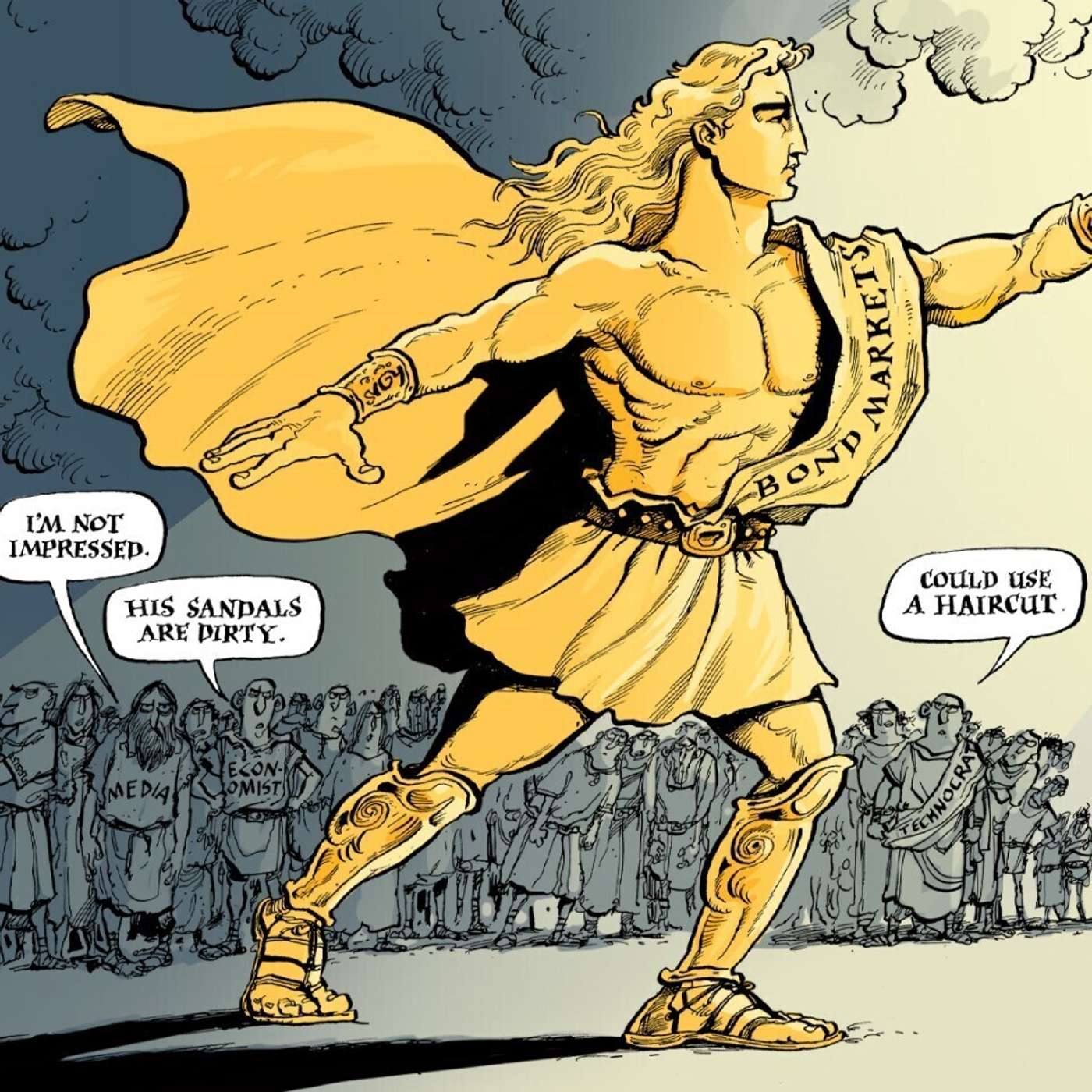
Ep 84The Bond Market Foreshadows
PART 01: After the Federal Reserve raised the return on one of its bank programs, a record $756 billion flowed into the central bank’s reverse repo facility. Jerome Powel said, "We're not concerned." He should be. Like the Fed should've been in 2017 when something similar happened. A warning. Again.PART 02: How is it possible 14 years of data shows the Federal Reserve FLAILING ABOUT trying to raise or lower bond yields with MASSIVE purchases of securities via quantitative easing? Because they were 'massive'. The CENTRAL BANK IS NOT CENTRAL to money. The bond market is.PART 03: The multi-year benchmark revisions to Retail Sales and Industrial Production reveal - Surprise! - the economy was much worse than initially reported. But guess who wasn't surprised? The bond market.---------SEE IT-----------Alhambra YouTube: https://bit.ly/2Xp3royEmil YouTube: https://bit.ly/310yisL---------HEAR IT----------Vurbl: https://bit.ly/3rq4dPnApple: https://apple.co/3czMcWNDeezer: https://bit.ly/3ndoVPEiHeart: https://ihr.fm/31jq7cITuneIn: http://tun.in/pjT2ZCastro: https://bit.ly/30DMYzaGoogle: https://bit.ly/3e2Z48MSpotify: https://spoti.fi/3arP8mYPandora: https://pdora.co/2GQL3QgBreaker: https://bit.ly/2CpHAFOCastbox: https://bit.ly/3fJR5xQPodbean: https://bit.ly/2QpaDghStitcher: https://bit.ly/2C1M1GBPlayerFM: https://bit.ly/3piLtjVPodchaser: https://bit.ly/3oFCrwNPocketCast: https://pca.st/encarkdtSoundCloud: https://bit.ly/3l0yFfKListenNotes: https://bit.ly/38xY7pbAmazonMusic: https://amzn.to/2UpEk2PPodcastAddict: https://bit.ly/2V39Xjr--------REFERENCES--------The FOMC Accidentally Exposes Itself (Reverse Repo-style): https://bit.ly/3zCfXTe79a Warning: the Fed's Reverse Repo Program Surges!: https://youtu.be/9VqAB07ny4wUpcoming Bill Cliff Refunding Recalls Rerun Reverse Repo: https://bit.ly/3j59E4POvernight RRP Operations as a Monetary Policy Tool: https://bit.ly/2TN1XFrNo Reason To Toss Out Low Rates In The Inflation Debate: The Repo Rat Rate Fallacy: https://bit.ly/3wKjjS860a Quantitative Easing: 20-Year Anniversary!: https://youtu.be/9eTqYTP0VqoYields, Not Dots; Another Example of Why Inflation Had(s) No Chance: https://bit.ly/3cUi8YCMore Than A Benchmark Peeve: https://bit.ly/3vGaWG0---------WHO-----------Jeff Snider, Head of Global Investment Research for Alhambra Investments and Emil Kalinowski. Art by David Parkins. Podcast intro/outro is "Purist" by Ballpoint at Epidemic Sound.
Ep 83Interview: Daniel Want
Daniel Want, the early-21st century Australian philosopher and Chief Investment Officer of Prerequisite Capital, discusses: absence of knowledge at educational institutions, transitory inflation, first principles, disconnected markets, justice as prerequisite and the unified magnitude of the crisis.--------REFERENCES--------Prerequisite Capital: https://bit.ly/3gjMvd7Training Videos: https://bit.ly/3czM4sMDaniel LinkedIn: https://bit.ly/3gt3RmqDaniel Twitter: https://bit.ly/3gsH0r3Daniel Gold Presentation: https://youtu.be/W619cfz25lQ---------SEE IT-----------Alhambra YouTube: https://bit.ly/2Xp3royEmil YouTube: https://bit.ly/310yisL---------HEAR IT----------Vurbl: https://bit.ly/3rq4dPn Apple: https://apple.co/3czMcWNDeezer: https://bit.ly/3ndoVPEiHeart: https://ihr.fm/31jq7cITuneIn: http://tun.in/pjT2ZCastro: https://bit.ly/30DMYzaGoogle: https://bit.ly/3e2Z48MSpotify: https://spoti.fi/3arP8mYPandora: https://pdora.co/2GQL3QgBreaker: https://bit.ly/2CpHAFOCastbox: https://bit.ly/3fJR5xQPodbean: https://bit.ly/2QpaDghStitcher: https://bit.ly/2C1M1GBPlayerFM: https://bit.ly/3piLtjVPodchaser: https://bit.ly/3oFCrwNPocketCast: https://pca.st/encarkdtSoundCloud: https://bit.ly/3l0yFfKListenNotes: https://bit.ly/38xY7pbAmazonMusic: https://amzn.to/2UpEk2PPodcastAddict: https://bit.ly/2V39Xjr----EPISODE #83 TOPICS----0:01:04 Will you receive an education if you attend college / university in the year 2021?0:12:38 The Treasury, Eurodollar and US dollar markets are in agreement: transitory inflation.0:26:16 What condition is the world (excluding the USA) economy in?0:28:52 What condition is China's economy in?0:37:02 Are sovereign bond yields still reliable signals if central banks are buying bonds?0:45:58 Collateral demand signals system deterioration and impediments to private enterprise.0:53:36 Economists pursue an ideal technocracy unaware of limits to understanding / knowledge.0:59:53 Properly functioning markets rest upon a just, reliable legal system.1:08:53 What do the months and quarters ahead suggest about the post-Covids reflation?1:17:28 Has the world ever faced such an all-encompassing crisis as today?1:20:22 Prerequisite Capital Management - portfolio manager, researchers and consultants.---------WHO-----------Daniel Want, Chief Investment Officer and Director at Prerequisite Capital Management, with Jeff Snider, Head of Global Investment Research for Alhambra Investments, and Emil Kalinowski. Art by David Parkins. Podcast intro/outro is "Earth Awakens" by Jon Björk at Epidemic Sound.
Ep 82Janitor, Not Central Bank
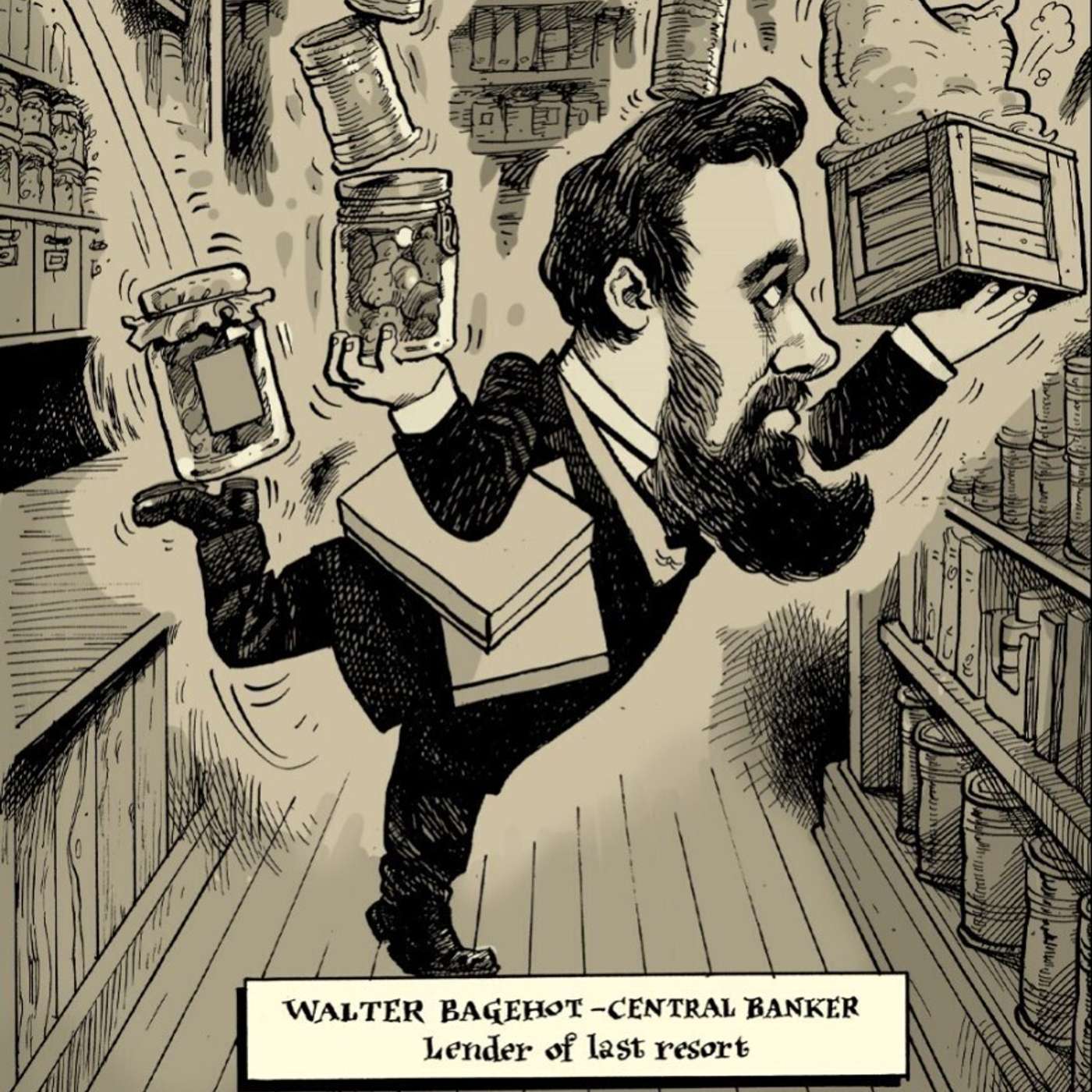
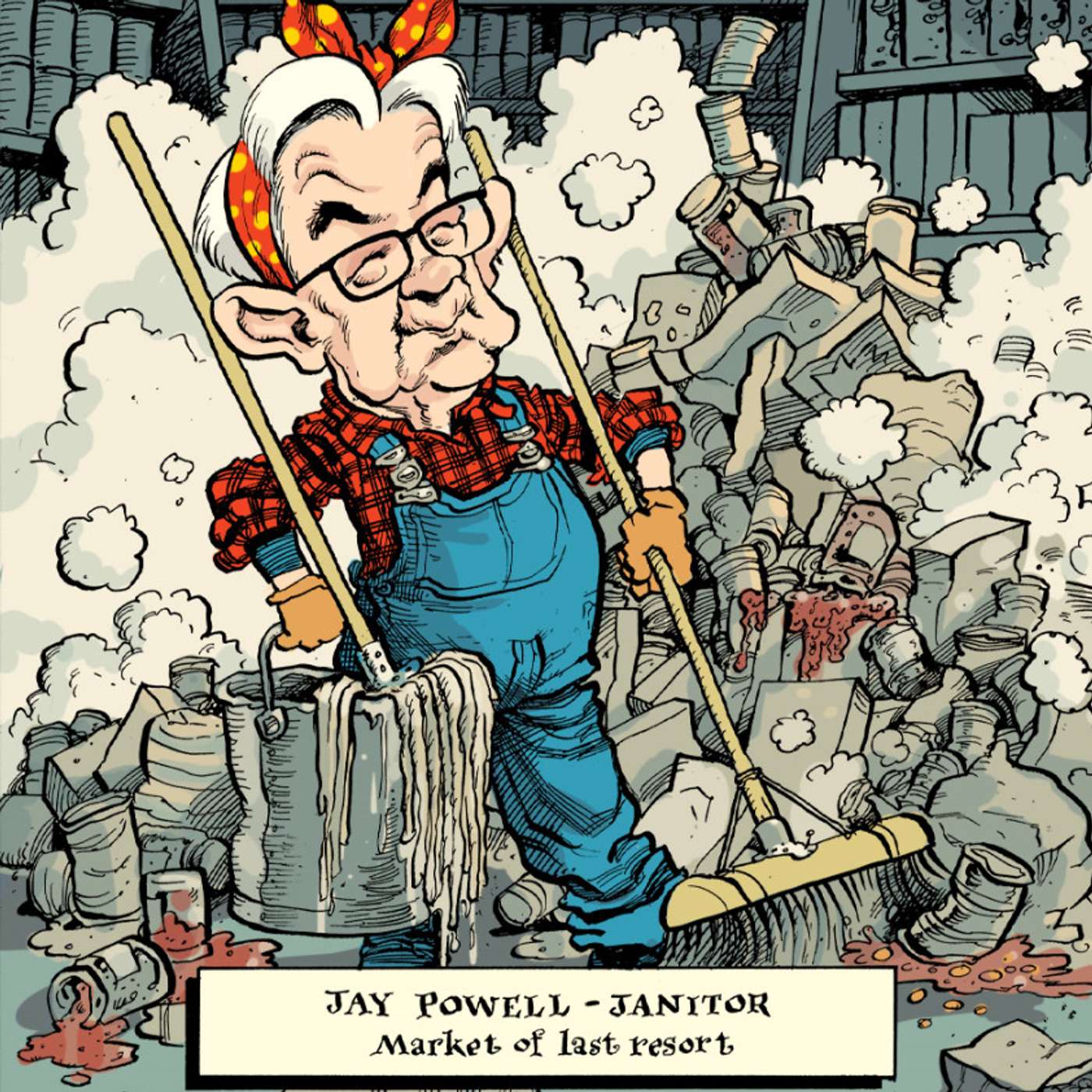
PART 01: What should a central bank be? What does one do? Is what the Fed does 'central banking'? What did Ben Bernanke promise in 2002 that the Fed would never do again -- learning the lesson of the 1930s -- and how did he break his promise less than 5 years later?PART 02: In March 2020 long-term US Treasury yields shot higher - why? Aren't these safe assets? Did the 'Treasury market break'? No. Yields shot higher due to illiquidity. And liquidity is JOB #1 of a central bank. So... here's looking at you Federal Reserve.PART 03: Central banks inject liquidity into money markets to PREVENT a crisis. Let us review the last 14 years: Global Financial Crisis I (2008), European Sovereign Debt Crisis (2011), Chinese Reserve Crisis (2015), Global Financial Crisis II (2020). Not too good. Do they know what they're doing?---------SEE IT-----------Alhambra YouTube: https://bit.ly/2Xp3royEmil YouTube: https://bit.ly/310yisL---------HEAR IT----------Vurbl: https://bit.ly/3rq4dPn Apple: https://apple.co/3czMcWNDeezer: https://bit.ly/3ndoVPEiHeart: https://ihr.fm/31jq7cITuneIn: http://tun.in/pjT2ZCastro: https://bit.ly/30DMYzaGoogle: https://bit.ly/3e2Z48MSpotify: https://spoti.fi/3arP8mYPandora: https://pdora.co/2GQL3QgBreaker: https://bit.ly/2CpHAFOCastbox: https://bit.ly/3fJR5xQPodbean: https://bit.ly/2QpaDghStitcher: https://bit.ly/2C1M1GBPlayerFM: https://bit.ly/3piLtjVPodchaser: https://bit.ly/3oFCrwNPocketCast: https://pca.st/encarkdtSoundCloud: https://bit.ly/3l0yFfKListenNotes: https://bit.ly/38xY7pbAmazonMusic: https://amzn.to/2UpEk2PPodcastAddict: https://bit.ly/2V39Xjr--------REFERENCES--------When You Aren’t Actually A Central Bank, Part 1: The Real Inflation: https://bit.ly/350rgXeThe Fed Is the Perpetual Janitor, Cleaning Up After Itself: https://bit.ly/3ird5CwWhen You Aren’t Actually A Central Bank, Part 2: The Stubborn Deflation: https://bit.ly/3x5fMxtAlhambra Investments Blog: https://bit.ly/2VIC2wWRealClear Markets Essays: https://bit.ly/38tL5a7---------WHO-----------Jeff Snider, Head of Global Investment Research for Alhambra Investments and Emil Kalinowski. Art by David Parkins. Podcast intro/outro is "Right Timing" by Cushy at Epidemic Sound.

Ep 81Uncertain Shadow Money
PART 01: A new measure of the monetary order will be unveiled at the end of this two-part episode. But first, a discussion of uncertainty, incomplete pictures, relativity, perspective and the limits of human knowledge. Also, bank reserves and repurchase agreements.PART 02: Within the US Triparty Repo environment, utilizing data from the Federal Reserve Bank of New York, we observe that three dollar shortages between 2010-20 appeared as a stagnation and/or contraction in observations per repurchase agreement transaction.---------SEE IT-----------Alhambra YouTube: https://bit.ly/2Xp3royEmil YouTube: https://bit.ly/310yisL---------HEAR IT----------Vurbl: https://bit.ly/3rq4dPn Apple: https://apple.co/3czMcWNDeezer: https://bit.ly/3ndoVPEiHeart: https://ihr.fm/31jq7cITuneIn: http://tun.in/pjT2ZCastro: https://bit.ly/30DMYzaGoogle: https://bit.ly/3e2Z48MSpotify: https://spoti.fi/3arP8mYPandora: https://pdora.co/2GQL3QgBreaker: https://bit.ly/2CpHAFOCastbox: https://bit.ly/3fJR5xQPodbean: https://bit.ly/2QpaDghStitcher: https://bit.ly/2C1M1GBPlayerFM: https://bit.ly/3piLtjVPodchaser: https://bit.ly/3oFCrwNPocketCast: https://pca.st/encarkdtSoundCloud: https://bit.ly/3l0yFfKListenNotes: https://bit.ly/38xY7pbAmazonMusic: https://amzn.to/2UpEk2PPodcastAddict: https://bit.ly/2V39Xjr--------REFERENCES--------The First Part of the Quantum of Money: QE, Repo, and…Niels Bohr: https://bit.ly/3fRdITUThe Second Part of the Quantum of Money: Results From The Triparty Repo Experiment: https://bit.ly/3vSWzPsNY FRB Tri-Party/GCF Repo: https://nyfed.org/2TxpV7BAlhambra Investments Blog: https://bit.ly/2VIC2wWRealClear Markets Essays: https://bit.ly/38tL5a7 ---------WHO-----------Jeff Snider, Head of Global Investment Research for Alhambra Investments and Emil Kalinowski. Art by David Parkins. Podcast intro/outro is "36mm" by Jobii at Epidemic Sound.
Ep 80Reading Around - Myrmikan on The Path to Hyperinflation
Historian and political economist Daniel Oliver's commentary on why the quantity of currency is less important than the quality of the collateral backing it. In the USA the quality of the Federal Reserve's assets suggests two options remain: searing hyperinflation or wrenching austerity. A reading, by Emil Kalinowski.----------WHO----------Daniel Oliver of Myrmikan Capital. Read by Emil Kalinowski. Art by David Parkins. Intro/outro is "Glitterati" by Fox Morrow at Epidemic Sound.----------WHAT----------The Path to Hyperinflation: https://bit.ly/3uDNmZW----------WHERE----------Daniel Oliver's Writings: http://www.myrmikan.com/Daniel Oliver's Twitter: https://twitter.com/myrmikanEmil's Twitter: https://twitter.com/EmilKalinowskiJeff's Twitter: https://twitter.com/JeffSnider_AIPArt: https://davidparkins.com/---------HEAR IT----------Vurbl: https://bit.ly/3rq4dPn Apple: https://apple.co/3czMcWNDeezer: https://bit.ly/3ndoVPEiHeart: https://ihr.fm/31jq7cITuneIn: http://tun.in/pjT2ZCastro: https://bit.ly/30DMYzaGoogle: https://bit.ly/3e2Z48MSpotify: https://spoti.fi/3arP8mYPandora: https://pdora.co/2GQL3QgBreaker: https://bit.ly/2CpHAFOCastbox: https://bit.ly/3fJR5xQPodbean: https://bit.ly/2QpaDghStitcher: https://bit.ly/2C1M1GBPlayerFM: https://bit.ly/3piLtjVPodchaser: https://bit.ly/3oFCrwNPocketCast: https://pca.st/encarkdtSoundCloud: https://bit.ly/3l0yFfKListenNotes: https://bit.ly/38xY7pbAmazonMusic: https://amzn.to/2UpEk2PPodcastAddict: https://bit.ly/2V39Xjr
Ep 79Ghost Money, the Eurodollar and Crypto
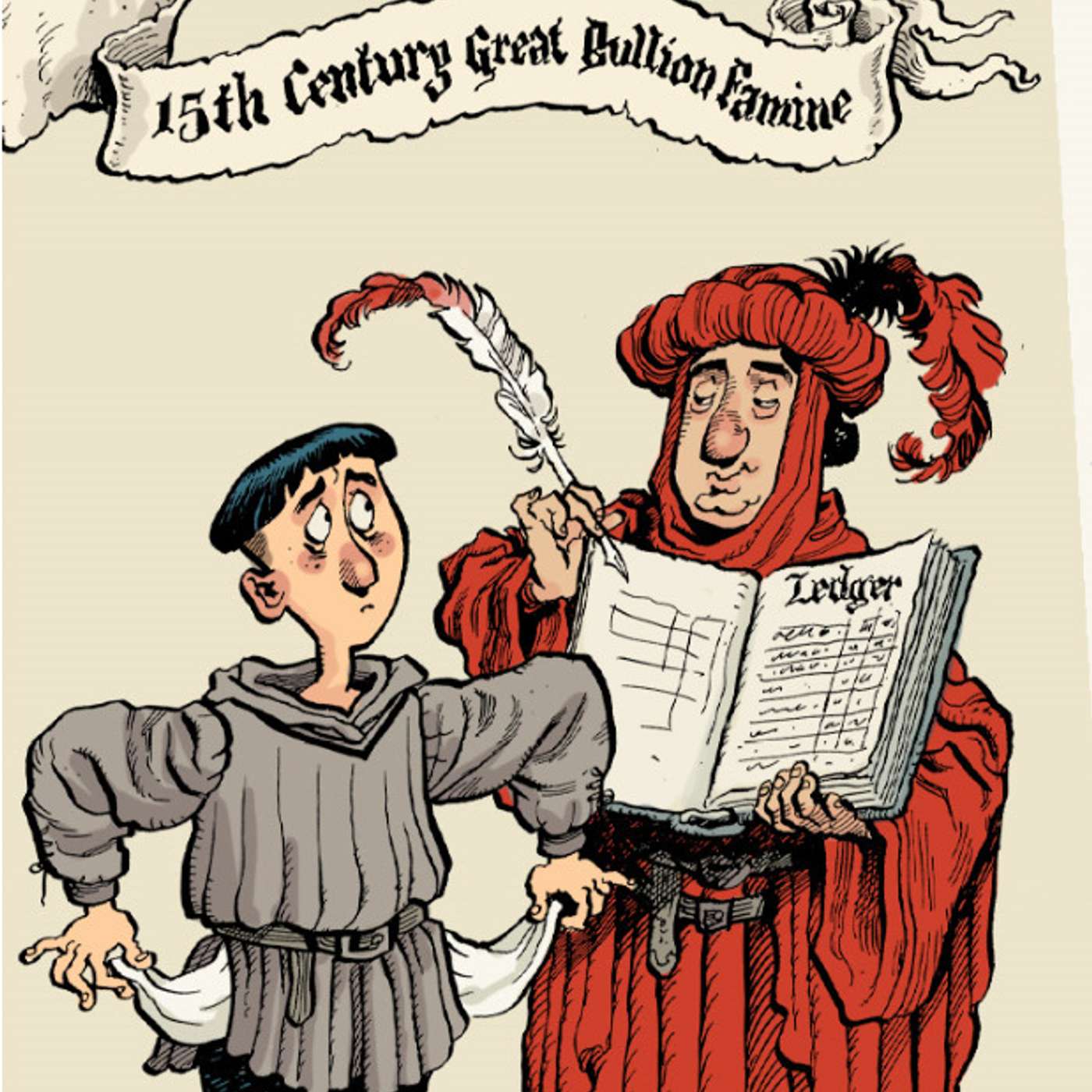
PART 01: All of a sudden the Federal Reserve's Reverse Repo Program has exploded higher to half-a-trillion dollars. Why? The mainstream, orthodox narrative is that 'this is fine'; a response to 'too many bank reserves'. What does it really mean? Collateral scarcity. Systemic fragility. A warning.PART 02: Chile, one of the 20th-century's rare economic success stories - from a low level of development to just short of advanced - held an election to rewrite its constitution. The winners? Anti-capitalists. And why not? After all, if a decade-long depression is capitalism...PART 03: In the 15th century there was a Great Bullion Famine, which was solved by "ghost money". In the 1950s there was a Dollar Shortage, which was solved by the "eurodollar". In 2007 the Great Eurodollar Famine began (and hasn't ended!). Will it be solved by crypto currencies?---------SEE IT-----------Alhambra YouTube: https://bit.ly/2Xp3royEmil YouTube: https://bit.ly/310yisL---------HEAR IT----------Vurbl: https://bit.ly/3rq4dPn Apple: https://apple.co/3czMcWNDeezer: https://bit.ly/3ndoVPEiHeart: https://ihr.fm/31jq7cITuneIn: http://tun.in/pjT2ZCastro: https://bit.ly/30DMYzaGoogle: https://bit.ly/3e2Z48MSpotify: https://spoti.fi/3arP8mYPandora: https://pdora.co/2GQL3QgBreaker: https://bit.ly/2CpHAFOCastbox: https://bit.ly/3fJR5xQPodbean: https://bit.ly/2QpaDghStitcher: https://bit.ly/2C1M1GBPlayerFM: https://bit.ly/3piLtjVPodchaser: https://bit.ly/3oFCrwNPocketCast: https://pca.st/encarkdtSoundCloud: https://bit.ly/3l0yFfKListenNotes: https://bit.ly/38xY7pbAmazonMusic: https://amzn.to/2UpEk2PPodcastAddict: https://bit.ly/2V39Xjr--------REFERENCES--------Reserving Observations On The Reverse Repo Of Reserves: https://bit.ly/3c4hyXzNo Reserving Interpretation About Reverse Repo Collateral Connection(s): https://bit.ly/3usmxb7Chilling Global Wind Blowing Stronger: Chilly In Chile: https://bit.ly/3vy1Yv9We'll Continue Hearing About a Global Recovery That Isn't Real: https://bit.ly/3yW4TQzMonetary Wrongness Has Authored a Crypto Response: https://bit.ly/3uzLIZ4Enter the Ghost - Cashless Payments in the Early Modern Low Countries, 1500-1800: https://bit.ly/3fuagyCThe Vagaries of the Sea: Evidence on the Real Effects of Money from Maritime Disasters in the Spanish Empire: https://bit.ly/3fwXKyrAlhambra Investments Blog: https://bit.ly/2VIC2wWRealClear Markets Essays: https://bit.ly/38tL5a7 ---------WHO-----------Jeff Snider, Head of Global Investment Research for Alhambra Investments and Emil Kalinowski. Art by David Parkins. Podcast intro/outro is "All Right" by William Benckert feat. Johan Tengholm, Jonas Bäckman at Epidemic Sound.
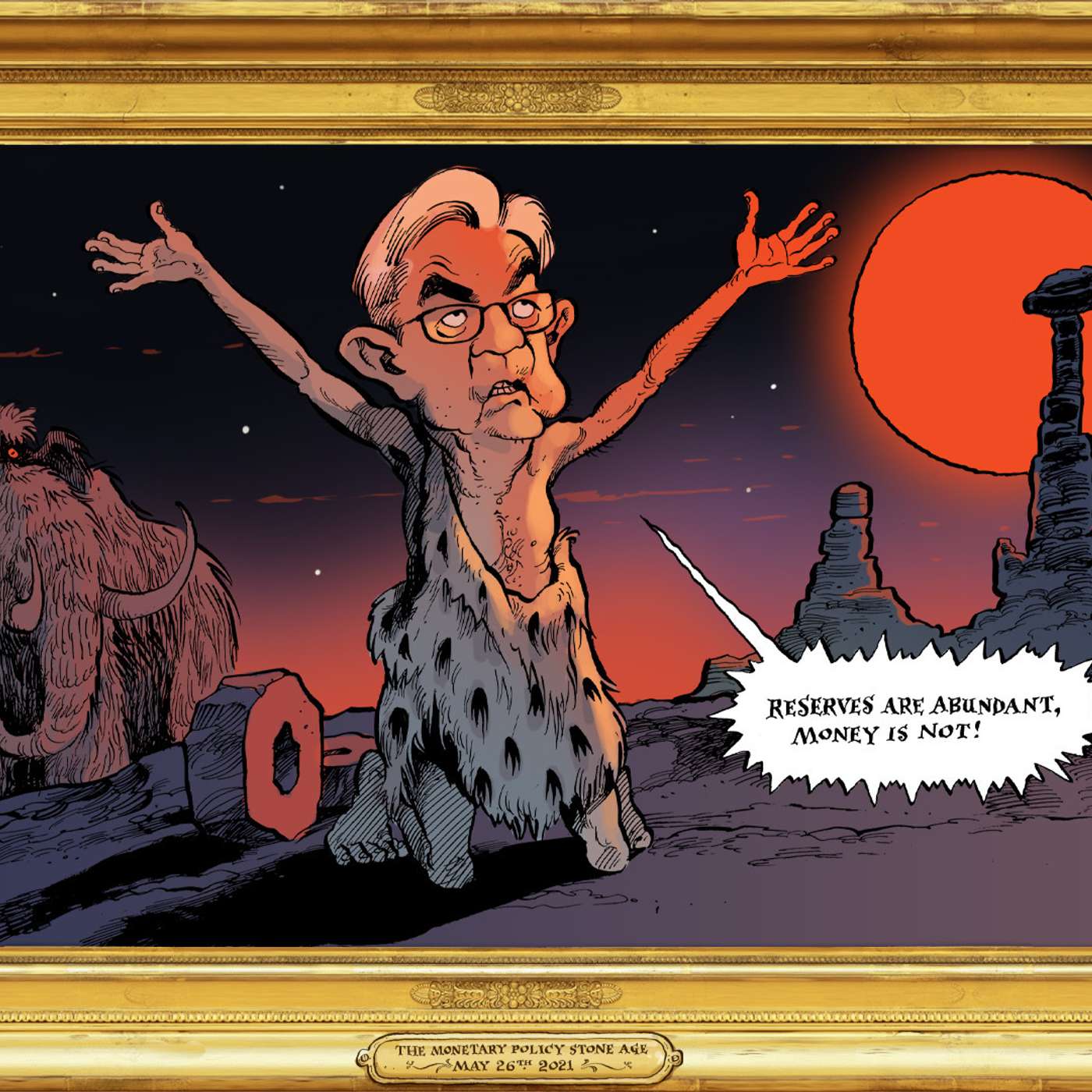
Ep 78Confessions to the Super Blood Moon
PART 01: On May 26, 2021 the Earth will witness a Super Flower Blood Moon - a sure sign of the apocalypse (again). It is no wonder then that, with the end upon us all, the Federal Reserve took the opportunity to confess in their recent meeting minutes that bank reserves are not money.PART 02: There may be no better view into the incomprehensibly complex global monetary order than the Treasury International Capital report. We review the March TIC report and find a number of positive, good reflationary signals. We also find a number of bad, anti-reflationary warnings.PART 03: A review of three economic accounts and three monetary accounts produce the same message: "Meh". Retail Sales, Fixed Asset Investment and Industrial Production point to continued economic deceleration. Meanwhile the People's Bank of China is not bothering to stimulate. Why? ---------SEE IT-----------Alhambra YouTube: https://bit.ly/2Xp3royEmil YouTube: https://bit.ly/310yisL---------HEAR IT----------Vurbl: https://bit.ly/3rq4dPn Apple: https://apple.co/3czMcWNDeezer: https://bit.ly/3ndoVPEiHeart: https://ihr.fm/31jq7cITuneIn: http://tun.in/pjT2ZCastro: https://bit.ly/30DMYzaGoogle: https://bit.ly/3e2Z48MSpotify: https://spoti.fi/3arP8mYPandora: https://pdora.co/2GQL3QgBreaker: https://bit.ly/2CpHAFOCastbox: https://bit.ly/3fJR5xQPodbean: https://bit.ly/2QpaDghStitcher: https://bit.ly/2C1M1GBPlayerFM: https://bit.ly/3piLtjVPodchaser: https://bit.ly/3oFCrwNPocketCast: https://pca.st/encarkdtSoundCloud: https://bit.ly/3l0yFfKListenNotes: https://bit.ly/38xY7pbAmazonMusic: https://amzn.to/2UpEk2PPodcastAddict: https://bit.ly/2V39Xjr--------REFERENCES--------Inflation Huge: Jay Powell Did Blink, But It Had *Nothing* To Do With ‘Taper’: https://bit.ly/3vnrJOzMinutes of the Federal Open Market Committee (April 27–28, 2021): https://bit.ly/3bVjnpJTIC Reflation Rolling (Over?): https://bit.ly/3fQwPwgChina Repeats Its Same Case For No-Inflation Bond Yields: https://bit.ly/3wHPMrTThe Chinese Money Behind Global Inflation Baseball: https://bit.ly/3fwgdevAlhambra Investments Blog: https://bit.ly/2VIC2wWRealClear Markets Essays: https://bit.ly/38tL5a7---------WHO-----------Jeff Snider, Head of Global Investment Research for Alhambra Investments and Emil Kalinowski. Art by David Parkins. Podcast intro/outro is "Scary Stairsteps" by Stationary Sign at Epidemic Sound.
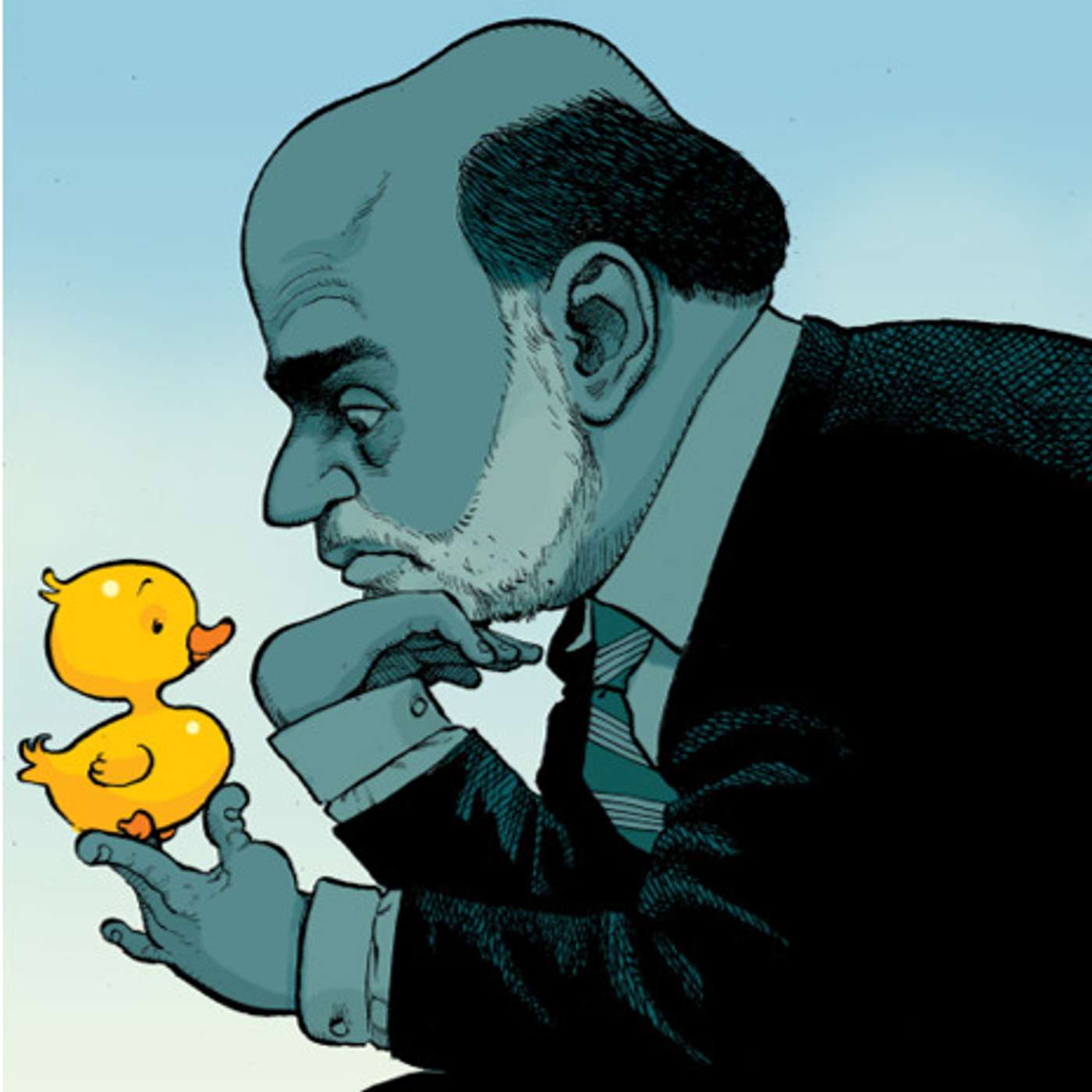
Ep 774 Reasons Why Inflation is Transitory
"Inflation" is a generalized, sustained increase in consumer prices. A spike in consumer prices is just that - a transitory spike. Watch as Jeff gives four reasons and examples (2000, 2008, 2021 bond yields and auctions) why the probabilities favor a rise in CPI, not "inflation".---------SEE IT-----------Alhambra YouTube: https://bit.ly/2Xp3royEmil YouTube: https://bit.ly/310yisL---------HEAR IT----------Vurbl: https://bit.ly/3rq4dPn Apple: https://apple.co/3czMcWNDeezer: https://bit.ly/3ndoVPEiHeart: https://ihr.fm/31jq7cITuneIn: http://tun.in/pjT2ZCastro: https://bit.ly/30DMYzaGoogle: https://bit.ly/3e2Z48MSpotify: https://spoti.fi/3arP8mYPandora: https://pdora.co/2GQL3QgBreaker: https://bit.ly/2CpHAFOCastbox: https://bit.ly/3fJR5xQPodbean: https://bit.ly/2QpaDghStitcher: https://bit.ly/2C1M1GBPlayerFM: https://bit.ly/3piLtjVPodchaser: https://bit.ly/3oFCrwNPocketCast: https://pca.st/encarkdtSoundCloud: https://bit.ly/3l0yFfKListenNotes: https://bit.ly/38xY7pbAmazonMusic: https://amzn.to/2UpEk2PPodcastAddict: https://bit.ly/2V39Xjr----EPISODE #77 TOPICS----00:00 What is the difference between a rise in consumer prices and inflation?02:10 What are some examples of generalized "inflation" versus "consumer price increase"04:09 Does generalized, sustained inflation mean real generalized, sustained economic activity?06:30 The summer-autumn of 2000 delivered surging inflation - right on the cusp of a recession.09:06 The bond market looked through the 2000 inflation surge to... the incoming recession.13:06 The bond market looked through the 2008 inflation surge to... the incoming recession.17:43 The April 2021 reading of US consumer price (including core) was nuclear explosion hot.19:46 In 2000 we witnessed a similar inflation shock, that was not sustained (transitory?).21:23 Since 2000 we have witnessed a number of inflation SURGES... that proved transitory.23:18 What would change Jeff's mind about "transitory" inflation?26:04 Producer prices were reported at the same time as CPI, strong but perhaps base effects?28:30 The secondary bond market seems to be unbothered by both the CPI and PPI readings.31:06 The primary bond market showed no perturbance; auctions went off swimmingly.32:47 US Treasury 4-Week Bill auctions have been delivering "zeros" - demand is so high!33:38 The balance of probabilities is that the market sees "transitory" inflation.--------REFERENCES--------How Can Anyone In Their Right Mind Say This Much Inflation Is Transitory?: https://bit.ly/3bO8k1wWhat CPI (and PPI)?: https://bit.ly/34cONUnAlhambra Investments Blog: https://bit.ly/2VIC2wWRealClear Markets Essays: https://bit.ly/38tL5a7 ---------WHO-----------Jeff Snider, Head of Global Investment Research for Alhambra Investments and Emil Kalinowski. Art by David Parkins.
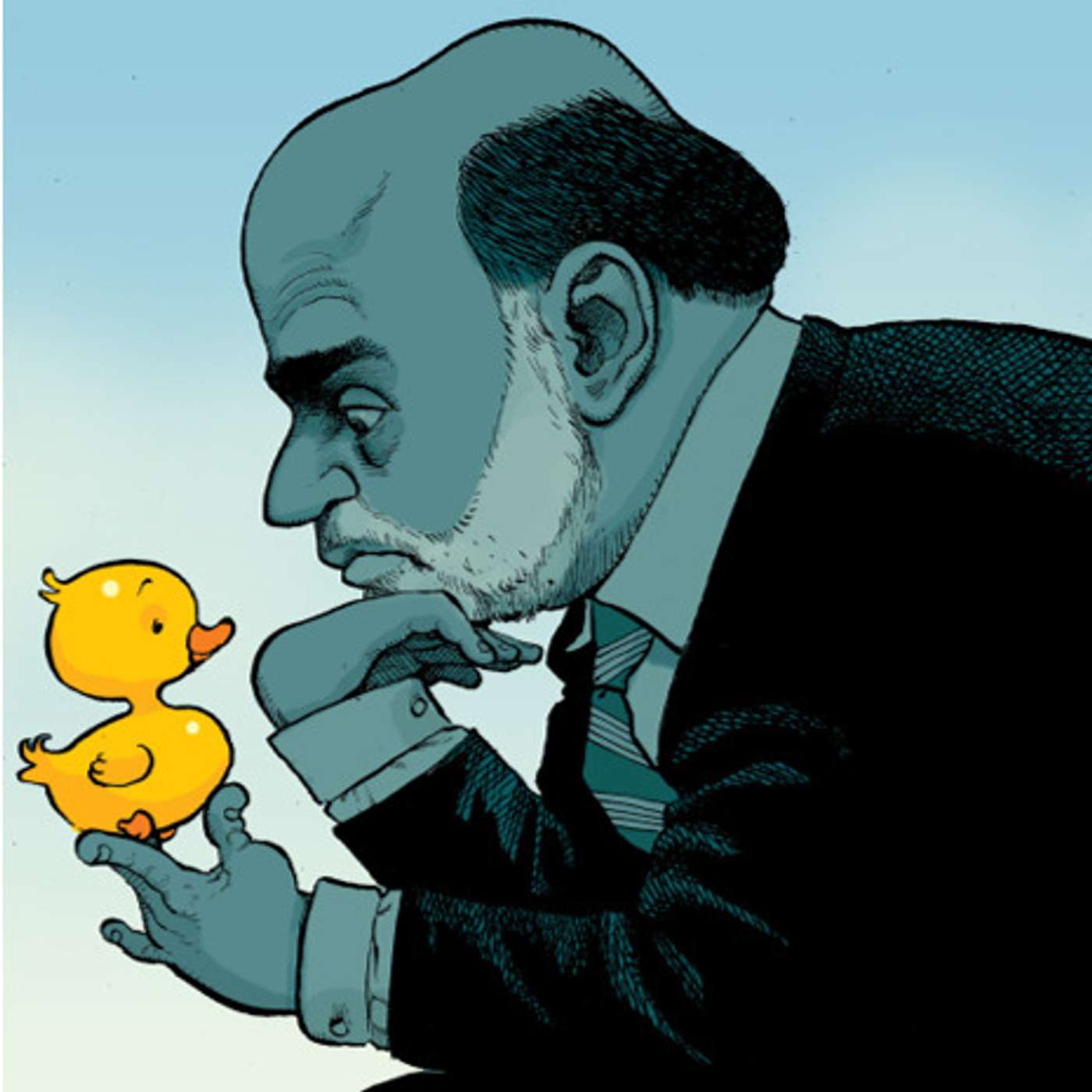
Ep 76Reading George Friedman on The Myth of a Rules-Based World
Historian and geopolitical strategist George Friedman's commentary on two concepts of international relations: a liberal international order and a rules-based system. A reading, by Emil Kalinowski.----------WHO----------George Friedman of Geopolitical Futures. Read by Emil Kalinowski. Art by David Parkins. Intro/outro is "South Is That Way" by Lofive featuring Divty at Epidemic Sound.----------WHAT----------The Myth of a Rules-Based World: https://bit.ly/3ugx2yP----------WHERE----------George Friedman's Writings: https://bit.ly/3gUl7msGeorge Friedman's Twitter: https://twitter.com/George_FriedmanGeopolitical Futures: https://geopoliticalfutures.com/Geopolitical Futures Twitter: https://twitter.com/gpfuturesEmil's Twitter: https://twitter.com/EmilKalinowskiJeff's Twitter: https://twitter.com/JeffSnider_AIPArt: https://davidparkins.com/---------HEAR IT----------Vurbl: https://bit.ly/3rq4dPn Apple: https://apple.co/3czMcWNDeezer: https://bit.ly/3ndoVPEiHeart: https://ihr.fm/31jq7cITuneIn: http://tun.in/pjT2ZCastro: https://bit.ly/30DMYzaGoogle: https://bit.ly/3e2Z48MSpotify: https://spoti.fi/3arP8mYPandora: https://pdora.co/2GQL3QgBreaker: https://bit.ly/2CpHAFOCastbox: https://bit.ly/3fJR5xQPodbean: https://bit.ly/2QpaDghStitcher: https://bit.ly/2C1M1GBPlayerFM: https://bit.ly/3piLtjVPodchaser: https://bit.ly/3oFCrwNPocketCast: https://pca.st/encarkdtSoundCloud: https://bit.ly/3l0yFfKListenNotes: https://bit.ly/38xY7pbAmazonMusic: https://amzn.to/2UpEk2PPodcastAddict: https://bit.ly/2V39Xjr
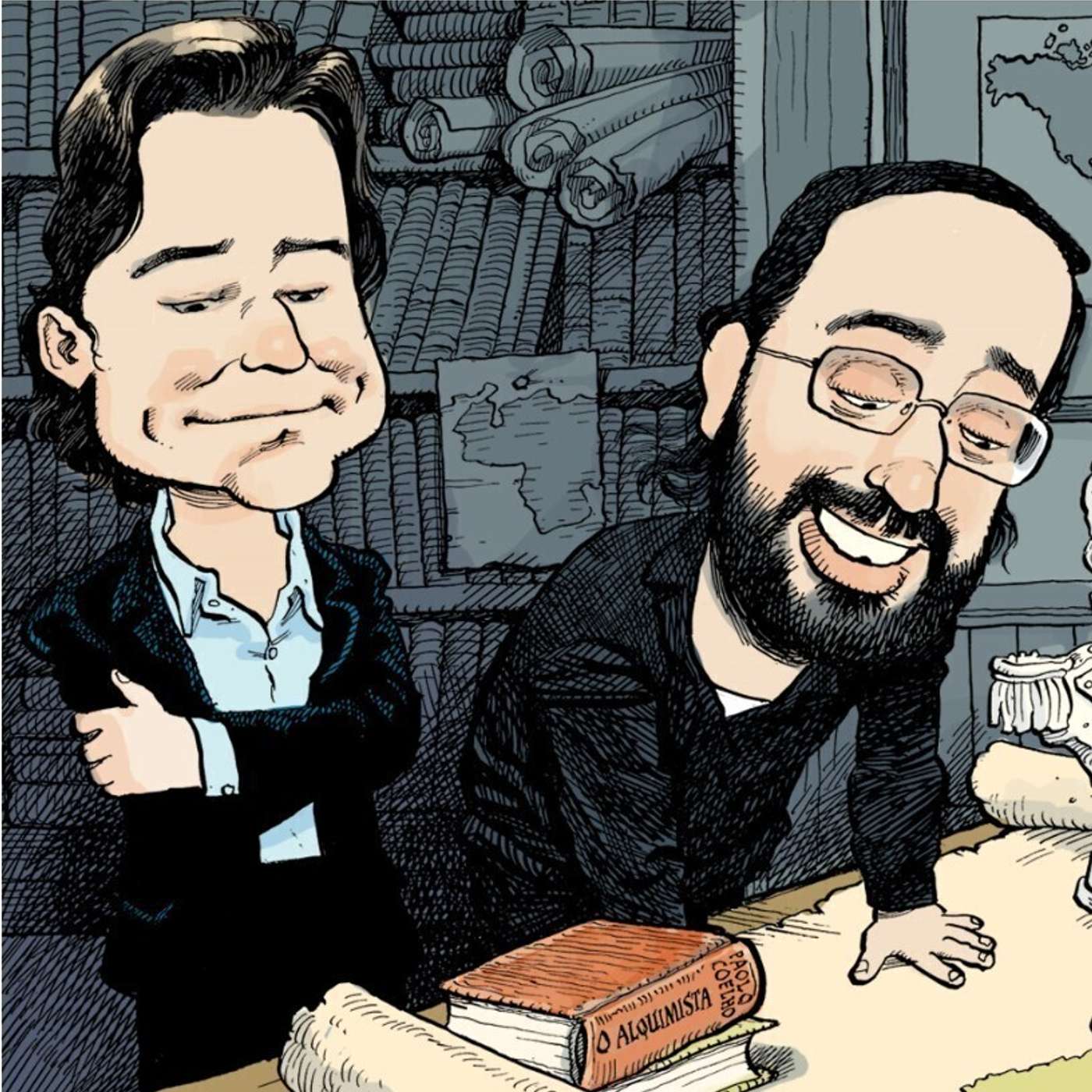
Ep 75A Rise in Prices or Dictators or Both
PART 01: In the 1930s the economic devastation was so bad that only radical solutions remained. But then, like now in our Silent Depression, radicalism does not mean success necessarily. The key is to first understand why the devastation in the first place. Otherwise? Dictators.PART 02: Starting in October 2019 the Federal Reserve began to buy US Treasury Bills, EXCLUSIVELY. Starting in March 2020 the Fed stopped buy UST Bills, EXPLICITLY. What happened in between? Only the second Global Financial Crisis. 'Oops! Sorry we stripped the system of collateral.'PART 03: Claudius Ptolemy, a genius, reconciled a geocentric model of the Universe with unexpected planetary paths with "deferent", "epicycle", "eccentric" and "equant" movements. Ben Bernanke, a technocrat, reconciled the unexpected path of bond yields with "term premia".---------SEE IT-----------Alhambra YouTube: https://bit.ly/2Xp3royEmil YouTube: https://bit.ly/310yisL---------HEAR IT----------Vurbl: https://bit.ly/3rq4dPn Apple: https://apple.co/3czMcWNDeezer: https://bit.ly/3ndoVPEiHeart: https://ihr.fm/31jq7cITuneIn: http://tun.in/pjT2ZCastro: https://bit.ly/30DMYzaGoogle: https://bit.ly/3e2Z48MSpotify: https://spoti.fi/3arP8mYPandora: https://pdora.co/2GQL3QgBreaker: https://bit.ly/2CpHAFOCastbox: https://bit.ly/3fJR5xQPodbean: https://bit.ly/2QpaDghStitcher: https://bit.ly/2C1M1GBPlayerFM: https://bit.ly/3piLtjVPodchaser: https://bit.ly/3oFCrwNPocketCast: https://pca.st/encarkdtSoundCloud: https://bit.ly/3l0yFfKListenNotes: https://bit.ly/38xY7pbAmazonMusic: https://amzn.to/2UpEk2PPodcastAddict: https://bit.ly/2V39Xjr--------REFERENCES--------Higher Prices Must Be Engineered to Restrain Dictators: https://bit.ly/3ttRxXtSOMA’s Been Talking For Over A Year: Jay’s Got Some Explaining To Do (bills): https://bit.ly/33sXYjaGlobal, Not Term Premiums: What Low Yields Really Say: https://bit.ly/2RCgVgLIs There a Global Factor in U.S. Bond Yields?: https://bit.ly/3f7qjRoAlhambra Investments Blog: https://bit.ly/2VIC2wWRealClear Markets Essays: https://bit.ly/38tL5a7 ---------WHO-----------Jeff Snider, Head of Global Investment Research for Alhambra Investments and Emil Kalinowski. Art by David Parkins. Podcast intro/outro is "Fort Green Sunset" by Brendon Moeller at Epidemic Sound.
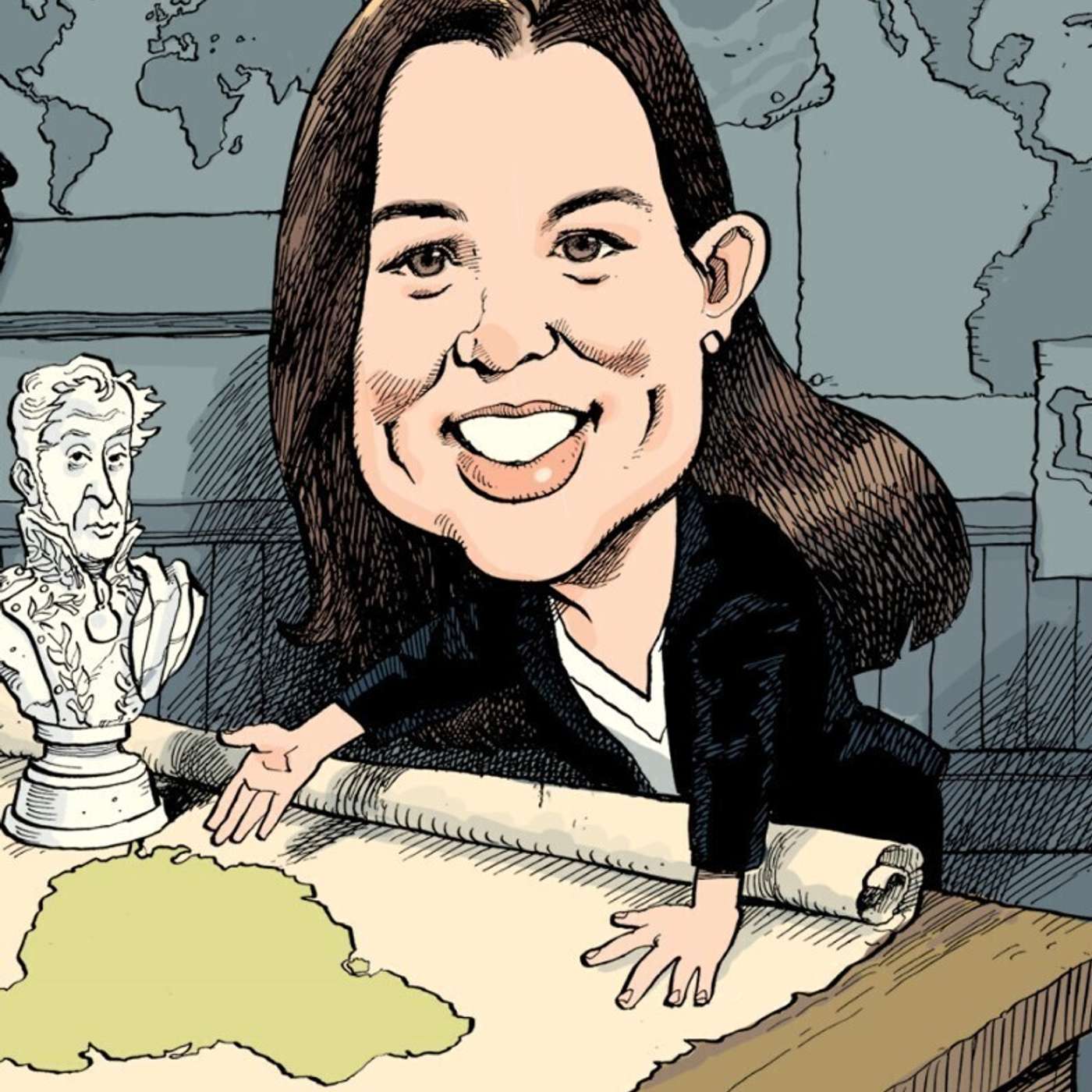
Ep 74Interview: Allison Fedirka
Geopolitical analyst Allison Fedirka explains what made some countries socioeconomic success stories, where the next emerging market stars may be, and whether a decentralized international balance is in our future.---------SEE IT-----------Geopolitical Futures: https://bit.ly/3hv7Px0LinkedIn: https://bit.ly/3eN7qEiTwitter: https://twitter.com/AFedirkaAlhambra YouTube: https://bit.ly/2Xp3royEmil YouTube: https://bit.ly/310yisL---------HEAR IT----------Vurbl: https://bit.ly/3rq4dPn Apple: https://apple.co/3czMcWNDeezer: https://bit.ly/3ndoVPEiHeart: https://ihr.fm/31jq7cITuneIn: http://tun.in/pjT2ZCastro: https://bit.ly/30DMYzaGoogle: https://bit.ly/3e2Z48MSpotify: https://spoti.fi/3arP8mYPandora: https://pdora.co/2GQL3QgBreaker: https://bit.ly/2CpHAFOCastbox: https://bit.ly/3fJR5xQPodbean: https://bit.ly/2QpaDghStitcher: https://bit.ly/2C1M1GBPlayerFM: https://bit.ly/3piLtjVPodchaser: https://bit.ly/3oFCrwNPocketCast: https://pca.st/encarkdtSoundCloud: https://bit.ly/3l0yFfKListenNotes: https://bit.ly/38xY7pbAmazonMusic: https://amzn.to/2UpEk2PPodcastAddict: https://bit.ly/2V39Xjr----EPISODE #74 TOPICS----01:10 Allison Fedirka, director of analysis for Geopolitical Futures (and polyglot!) as guest.06:18 Uruguay is the (very?) rare socioeconomic success story - how did they do it?14:52 Chile is the (very?) rare socioeconomic success stories - how did they do it?18:55 Where does long-term political stability emanate from?23:46 Which country or region has the potential to be the next emerging market success story?26:52 How does the trend of deglobalization factor into geopolitical analysis?29:31 Which countries demonstrate and execute successfully on a long-term vision? How do they?40:06 Was the conceit of post-Cold War Globalization that it was inevitable and an evolution?45:23 The biggest danger to geopolitical strategists is to not forecast serious changes.49:40 What does the next world order look like? What is the next geopolitical equilibrium?55:01 Is a decentralized international order possible?60:57 Does cryptocurrency fit into a geopolitical analysis? What's its presence in S. America?66:37 Do either Argentina or Venezuela, once wealthy nations, hold lessons for rich countries?--------REFERENCES--------Geopolitical Futures: https://geopoliticalfutures.com/welcome/ ---------WHO-----------Allison Fedirka, director of analysis for Geopolitical Futures, with Jeff Snider, Head of Global Investment Research for Alhambra Investments, and Emil Kalinowski. Art by David Parkins. Podcast intro/outro is "Queen of the Night" by Andrés Cantú at Epidemic Sound.
Ep 73LIVE! Reaction Answering the WSJ's Greg Ip
Might the economy take off? According to a Wall Street Journal opinion column, solid wage growth and unfilled openings point to much less labor market slack than headline unemployment data. Jeff Snider reacts live.---------SEE IT-----------Alhambra YouTube: https://bit.ly/2Xp3royEmil YouTube: https://bit.ly/310yisL---------HEAR IT----------Vurbl: https://bit.ly/3rq4dPnApple: https://apple.co/3czMcWNDeezer: https://bit.ly/3ndoVPEiHeart: https://ihr.fm/31jq7cITuneIn: http://tun.in/pjT2ZCastro: https://bit.ly/30DMYzaGoogle: https://bit.ly/3e2Z48MSpotify: https://spoti.fi/3arP8mYPandora: https://pdora.co/2GQL3QgBreaker: https://bit.ly/2CpHAFOCastbox: https://bit.ly/3fJR5xQPodbean: https://bit.ly/2QpaDghStitcher: https://bit.ly/2C1M1GBPlayerFM: https://bit.ly/3piLtjVPodchaser: https://bit.ly/3oFCrwNPocketCast: https://pca.st/encarkdtSoundCloud: https://bit.ly/3l0yFfKListenNotes: https://bit.ly/38xY7pbAmazonMusic: https://amzn.to/2UpEk2PPodcastAddict: https://bit.ly/2V39Xjr----EPISODE #73 TOPICS----00:58 Some data suggests the US labor market is starting to look - well - tight.02:08 Expect to hear about labor shortages and bottlenecks for the rest of the year.02:46 In a bad labor market workers would accept much lower pay. That hasn’t happened.04:34 Another sign of a tightening labor market: employers having trouble staffing up.06:59 Why do some numbers suggest labor slack while other numbers suggest it is tight?09:20 Greg Ip suggests "Only a small share of those labor market dropouts want a job."14:52 The jobs market is not as bad as we think, therefore there is a risk of inflation.--------REFERENCES--------The Job Market Is Tighter Than You Think: https://on.wsj.com/3heuQ7qAlhambra Investments Blog: https://bit.ly/2VIC2wWRealClear Markets Essays: https://bit.ly/38tL5a7 ---------WHO-----------Jeff Snider, Head of Global Investment Research for Alhambra Investments with Emil Kalinowski. Art by David Parkins. Podcast intro/outro is "Sunset Drive" by Future Joust at Epidemic Sound.
Ep 72Is Warren Buffett Beautiful?
From 2009-12 Buffett warned that emergency monetary and fiscal action would stoke inflation, that the dollar was in the hands of a profligate Congress and that Treasuries would lose real value. He was wrong. Now he's back."Number one rule of Wall Street: nobody - I don't care if you're Warren Buffett or Jimmy Buffett - nobody knows if the stock's going to go up, down, sideways, or in [#]ucking circles; least of all stockbrokers. It's all a Fugazzi. You know what a Fugazzi is?"- Matthew McConaughey as Mark Hanna in "The Wolf of Wall Street"---------SEE IT-----------Alhambra YouTube: https://bit.ly/2Xp3royEmil YouTube: https://bit.ly/310yisL---------HEAR IT----------TuneIn: http://tun.in/pjT2ZVurbl: https://bit.ly/3rq4dPnDeezer: https://bit.ly/3ndoVPEiHeart: https://ihr.fm/31jq7cICastro: https://bit.ly/30DMYzaGoogle: https://bit.ly/3e2Z48MApple: https://apple.co/3czMcWNBreaker: https://bit.ly/2CpHAFOCastbox: https://bit.ly/3fJR5xQPodbean: https://bit.ly/2QpaDghStitcher: https://bit.ly/2C1M1GBPlayerFM: https://bit.ly/3piLtjVSpotify: https://spoti.fi/3arP8mYPandora: https://pdora.co/2GQL3QgPodchaser: https://bit.ly/3oFCrwNSoundCloud: https://bit.ly/3l0yFfKPocketCast: https://pca.st/encarkdtListenNotes: https://bit.ly/38xY7pbAmazonMusic: https://amzn.to/2UpEk2PPodcastAddict: https://bit.ly/2V39Xjr----EPISODE #72 TOPICS----01:16 Howard Buffett, Warren's father, was an outspoken opponent of the New Deal fiscal deficits03:04 Prior to 1933 the gold standard was an opportunity for people to act as 'bond vigilantes'05:14 In 2009 Buffett warned of fiscal irresponsibility; the dollar's value in danger (nope).09:21 In 2011 Buffett warned that the US dollar purchasing power would suffer losses (nope).12:13 In 2011 Buffett warned that the potential for inflation was significant (nope).12:26 In 2012 Buffett warned that the value of US Treasuries would suffer real losses (nope).14:29 Are stocks a discounting mechanism that accurately reflect economic fundamentals? (nope).17:14 Have US stocks, since 2008, performed better during non-QE periods than QE periods?20:06 Academic studies explain that the three ways QE may affect the economy don't affect it.24:25 In 2021 Buffett warns that inflation is happening and that the US economy is red hot. 26:03 Is inflation a K-shaped phenomenon where the less-well off are bearing the brunt of it?--------REFERENCES--------Is Warren Buffett Beautiful?: https://bit.ly/2Q13nuJBuffet's "The Greenback Effect": https://nyti.ms/3f2mey3Crypto & Coffee with @NicholasBlack60: https://youtu.be/oaz-n6ayL1wAlhambra Investments Blog: https://bit.ly/2VIC2wWRealClear Markets Essays: https://bit.ly/38tL5a7 ---------WHO-----------Jeff Snider, Head of Global Investment Research for Alhambra Investments, and Emil Kalinowski short stocks since March 6, 2009. Art by David Parkins. Podcast intro/outro is "The Bayou" by Tigerblood Jewel at Epidemic Sound.
Ep 71Interview: Carolyn Sissoko
Professor Sissoko focuses attention on the fact that the post-2008 financial system has changed dramatically but that technocrats have not tackled what the changes mean. Sissoko discusses the path to the 2008 and 2020 shocks and proposes we turn the clock back to a wiser time.---------SEE IT-----------Alhambra YouTube: https://bit.ly/2Xp3royEmil YouTube: https://bit.ly/310yisL---------HEAR IT----------Vurbl: https://bit.ly/3rq4dPn Apple: https://apple.co/3czMcWNDeezer: https://bit.ly/3ndoVPEiHeart: https://ihr.fm/31jq7cITuneIn: http://tun.in/pjT2ZCastro: https://bit.ly/30DMYzaGoogle: https://bit.ly/3e2Z48MSpotify: https://spoti.fi/3arP8mYPandora: https://pdora.co/2GQL3QgBreaker: https://bit.ly/2CpHAFOCastbox: https://bit.ly/3fJR5xQPodbean: https://bit.ly/2QpaDghStitcher: https://bit.ly/2C1M1GBPlayerFM: https://bit.ly/3piLtjVPodchaser: https://bit.ly/3oFCrwNPocketCast: https://pca.st/encarkdtSoundCloud: https://bit.ly/3l0yFfKListenNotes: https://bit.ly/38xY7pbAmazonMusic: https://amzn.to/2UpEk2PPodcastAddict: https://bit.ly/2V39Xjr----EPISODE #71 TOPICS----01:57 Who is Carolyn Sissoko, associate professor of at the University of the West of England?05:41 What legal decisions led to such a preeminent position for the modern day repo market?11:03 The Fed delivered liquidity in 2008 and 2020 but should markets come to count on it?17:02 Profound legal changes in financial markets caught central bank economists unawares.19:26 A summary of Carolyn's "The Collateral Supply Effect on Central Bank Policy"22:27 When the Fed stopped freely financing intraday credit for banks, it encouraged repo25:30 Is a collateralized loan safer than uncollateralized at both the micro and macro levels?27:36 What 'moment' led to the 'birth' of the modern-day, systemically critical repo market?34:15 Is the repo market inherently and irredeemably unstable?39:27 Is there a solution: central counterparty, dealer of last resort, standing repo facility43:16 Carolyn suggests the best solution is to return to an unsecured interbank money market--------REFERENCES--------Dr. Sissoko's Twitter: https://twitter.com/@csissokoDr. Sissoko's "The Collateral Supply Effect on Central Bank Policy": https://bit.ly/3tCslOVDr. Sissoko on Social Science Research Network: https://bit.ly/3fhK5KjDr. Sissoko's Macro Musings Interview: https://bit.ly/3trTCTV ---------WHO-----------Carolyn Sissoko, associate professor of economics at the University of the West of England with Jeff Snider, Head of Global Investment Research for Alhambra Investments, and Emil Kalinowski. Art by the Mr. Chips of colour, David Parkins. Podcast intro/outro is "Revolt" by Luwaks at Epidemic Sound.
Ep 70Reading Around: George Friedman on War with China and Russia
Historian and geopolitical strategist George Friedman's commentary on the (un)likelihood of war with China and Russia. A reading, by Emil Kalinowski.----------WHO----------George Friedman of Geopolitical Futures. Read by Emil Kalinowski. Art by David Parkins. Intro/outro is "Sweet Violet" by Yi Nantiro at Epidemic Sound.----------WHAT----------The Unlikelihood of a War With China and Russia: https://bit.ly/2Rg3LWnThe most dangerous place on Earth: https://econ.st/3nHHcG5Putin’s next move: https://econ.st/3aVQQQw----------WHERE----------George Friedman's Writings: https://bit.ly/3gUl7msGeorge Friedman's Twitter: https://twitter.com/George_FriedmanGeopolitical Futures: https://geopoliticalfutures.com/Geopolitical Futures Twitter: https://twitter.com/gpfuturesGeopolitical Futures Podcast: https://bit.ly/3tgFahjEmil's Twitter: https://twitter.com/EmilKalinowskiArt: https://davidparkins.com/---------HEAR IT----------Vurbl: https://bit.ly/3rq4dPn Apple: https://apple.co/3czMcWNDeezer: https://bit.ly/3ndoVPEiHeart: https://ihr.fm/31jq7cITuneIn: http://tun.in/pjT2ZCastro: https://bit.ly/30DMYzaGoogle: https://bit.ly/3e2Z48MSpotify: https://spoti.fi/3arP8mYPandora: https://pdora.co/2GQL3QgBreaker: https://bit.ly/2CpHAFOCastbox: https://bit.ly/3fJR5xQPodbean: https://bit.ly/2QpaDghStitcher: https://bit.ly/2C1M1GBPlayerFM: https://bit.ly/3piLtjVPodchaser: https://bit.ly/3oFCrwNPocketCast: https://pca.st/encarkdtSoundCloud: https://bit.ly/3l0yFfKListenNotes: https://bit.ly/38xY7pbAmazonMusic: https://amzn.to/2UpEk2PPodcastAddict: https://bit.ly/2V39Xjr
Ep 69LIVE! Reaction: Answering The Economist
The Economist magazine states that "the covid-19 crisis is highlighting the limits of unemployment-insurance figures" and therefore "jobless-claims data give little insight into America’s economy". Jeff Snider reacts Live! to the article and offers his own thoughts.---------SEE IT-----------Alhambra YouTube: https://bit.ly/2Xp3royEmil YouTube: https://bit.ly/310yisL---------HEAR IT----------Vurbl: https://bit.ly/3rq4dPnApple: https://apple.co/3czMcWNDeezer: https://bit.ly/3ndoVPEiHeart: https://ihr.fm/31jq7cITuneIn: http://tun.in/pjT2ZCastro: https://bit.ly/30DMYzaGoogle: https://bit.ly/3e2Z48MSpotify: https://spoti.fi/3arP8mYPandora: https://pdora.co/2GQL3QgBreaker: https://bit.ly/2CpHAFOCastbox: https://bit.ly/3fJR5xQPodbean: https://bit.ly/2QpaDghStitcher: https://bit.ly/2C1M1GBPlayerFM: https://bit.ly/3piLtjVPodchaser: https://bit.ly/3oFCrwNPocketCast: https://pca.st/encarkdtSoundCloud: https://bit.ly/3l0yFfKListenNotes: https://bit.ly/38xY7pbAmazonMusic: https://amzn.to/2UpEk2PPodcastAddict: https://bit.ly/2V39Xjr----EPISODE #69 TOPICS----01:34 The Economist finds some of the unemployment data in the United States unbelievable03:32 The 80 million claims filed last year does not mean that 80 million were unemployed05:09 The Economist implies that because the 80M is preposterous the other labor stats are too07:34 It is legitimate to acknowledge distortions to the labor stats; there are anomalies09:32 Many economic accounts indicate that bad news in unemployment is perfectly reasonable10:22 The jobless claims / labor market is improving over recent weeks.13:13 Is there a clearly, unambiguous positive economic metric in the US economy?--------REFERENCES--------Why jobless-claims data give little insight into America’s economy: https://econ.st/3xzZn5rAlhambra Investments Blog: https://bit.ly/2VIC2wWRealClear Markets Essays: https://bit.ly/38tL5a7 ---------WHO-----------Jeff Snider, Head of Global Investment Research for Alhambra Investments with Emil Kalinowski. Art by David Parkins. Podcast intro/outro is "Rollerblade" by Arc De Soleil at Epidemic Sound.
Ep 68Constrained Money Dealers
PART 01: The rise and fall of an arbitrage trade by hedge funds known as the Treasury cash-futures basis trade. That was the focus of an excellent research paper by two government researchers. But there's just one problem. They don't ask what caused the rise of the basis trade in the first place.PART 02: Open interest in US Treasury Long Bond futures have crossed the 800,000-line only a few times in the past quarter-century. Nothing ever good happened in markets or the world economy when that happened. Where are they today? Almost 1.2 million. Why, who and when?PART 03: On April 23 the 5-year US Treasury Inflation Protected Security auction resulted in LOWER inflation expectations. For years now these auctions conveyed RISING market-based inflation expectations. But now? With monetary 'printing' and fiscal 'stimulus' gone wild the market says, "Put your shirt back on."---------SPONSOR----------But first, this from Eurodollar Enterprises! Friends, are you employed by the Ministry of Treasure? Do your political masters require foaming asset prices to placate the great unwashed? Are you unsure how to balance maniacal froth with sustainable momentum? Then a box of Bath Suds from Eurodollar Enterprises is for you! Yes, practice blowing bubbles in the gurgling luxury of your free-standing clawfoot tub. Find the perfect mix between liquidity and hot air with the capital markets foam formulation. Our line of bubble brews include: currencies, commodities, cryptos and collectibles. Blow them all! Orders received today will come with a fussy central banker - typically retailing for the price of hedge fund general partner - absolutely free! Simulate the political arena trying to blow it in the presence of an erratic technocrat. Don't blow it! Blow it, with Bath Suds. New! From Eurodollar Enterprises. (Central banker swimsuit not included.)---------SEE IT----------- Alhambra YouTube: https://bit.ly/2Xp3royEmil YouTube: https://bit.ly/310yisL---------HEAR IT----------Vurbl: https://bit.ly/3rq4dPn Apple: https://apple.co/3czMcWNDeezer: https://bit.ly/3ndoVPEiHeart: https://ihr.fm/31jq7cITuneIn: http://tun.in/pjT2ZCastro: https://bit.ly/30DMYzaGoogle: https://bit.ly/3e2Z48MSpotify: https://spoti.fi/3arP8mYPandora: https://pdora.co/2GQL3QgBreaker: https://bit.ly/2CpHAFOCastbox: https://bit.ly/3fJR5xQPodbean: https://bit.ly/2QpaDghStitcher: https://bit.ly/2C1M1GBPlayerFM: https://bit.ly/3piLtjVPodchaser: https://bit.ly/3oFCrwNPocketCast: https://pca.st/encarkdtSoundCloud: https://bit.ly/3l0yFfKListenNotes: https://bit.ly/38xY7pbAmazonMusic: https://amzn.to/2UpEk2PPodcastAddict: https://bit.ly/2V39Xjr--------REFERENCES--------A Profound Statement In the Ongoing Saga of Shadow Money: https://bit.ly/3aOcHcsHedge Funds and the Treasury Cash-Futures Disconnect: https://bit.ly/3nIqFBVThe Warehouse Gap Does Much To Fill In Why There Were Never Too Many Treasuries: https://bit.ly/332LpL5What Is It About TIPS 5s Auctions? What Was It About *This* One?: https://bit.ly/3gObbLnAlhambra Investments Blog: https://bit.ly/2VIC2wWRealClear Markets Essays: https://bit.ly/38tL5a7 ---------WHO-----------Jeff Snider, Head of Global Investment Research for Alhambra Investments and Emil Kalinowski, all about that basis (trade). Art by the nice version of Gordon Ramsey, David Parkins. Podcast intro/outro is "Pa Na Ma" by Giants' Nest at Epidemic Sound.
Ep 67Collateral 'Cloning'
PART 01: Government stimulus seems to work sometimes (e.g. US recessions after WW2). Other times it clearly fails: 1970s USSR, 1980s S. America and Africa, 1990s Japan, and USA post-2008. Presidents Bush (ECA 2008), Obama (ARRA 2009) and Trump (TCJA 2017) tried and failed. Will Biden be any different?PART 02: When public debt rises to around 90% of GDP economic growth falls by 1% each year. A review of Carmen Reinhart and Kenneth Rogoff's study and a look at global debt levels in 2008, 2011 and 2020.PART 03: US Treasury Securities are the financial system's best collateral. But quantitative easing pulls Treasuries out of the system! In response market participants are 'forced' to repledge the SAME security more and more and more and more and more and more (and more and more and more and more and more and more and more and more and more and more and more and more and more and more)!---------SPONSOR----------The motion picture event of the summer: (Con)Tango & Cash. When an international smuggling ring uses the local commodity exchange to send gold into backwardation, two macroeconomists take matters into their own hands... and onto the spot market. Starring Travis 'the President' Kimmel as Contango, "You can take delivery of lead -- punk." And Steven 'the Monarch' Van Metre as Cash, "You know how I promised to let you close out that trade?" "Yeah man, you did Cash! You did promise!" "I lied."With Grant Williams as the polite British guy, “Well chaps, you put the mockers on, didn’t you?” This motion picture will never be rated. Available only on-demand at Real Vision.---------SEE IT-----------Twitter: https://twitter.com/JeffSnider_AIPTwitter: https://twitter.com/EmilKalinowskiAlhambra YouTube: https://bit.ly/2Xp3royEmil YouTube: https://bit.ly/310yisLArt: https://davidparkins.com/---------HEAR IT----------Vurbl: https://bit.ly/3rq4dPn Apple: https://apple.co/3czMcWNDeezer: https://bit.ly/3ndoVPEiHeart: https://ihr.fm/31jq7cITuneIn: http://tun.in/pjT2ZCastro: https://bit.ly/30DMYzaGoogle: https://bit.ly/3e2Z48MSpotify: https://spoti.fi/3arP8mYPandora: https://pdora.co/2GQL3QgBreaker: https://bit.ly/2CpHAFOCastbox: https://bit.ly/3fJR5xQPodbean: https://bit.ly/2QpaDghStitcher: https://bit.ly/2C1M1GBPlayerFM: https://bit.ly/3piLtjVPodchaser: https://bit.ly/3oFCrwNPocketCast: https://pca.st/encarkdtSoundCloud: https://bit.ly/3l0yFfKListenNotes: https://bit.ly/38xY7pbAmazonMusic: https://amzn.to/2UpEk2PPodcastAddict: https://bit.ly/2V39Xjr--------REFERENCES--------Neither Keynes, Trump, Pumps Nor Priming: https://bit.ly/3gBbE39The Economist: America’s extraordinary economic gamble https://econ.st/3xiGkwfThe Durable Hibernating of Vigilantism: https://bit.ly/3esvtafGrowth in a Time of Debt: https://bit.ly/2S3COplBIS Total credit to the government sector: https://bit.ly/2Pl3UHBThe QEnundrum: https://bit.ly/2QuMJDYAlhambra Investments Blog: https://bit.ly/2VIC2wWRealClear Markets Essays: https://bit.ly/38tL5a7---------WHO-----------Jeff Snider, Head of Global Investment Research for Alhambra Investments and Emil Kalinowski. Art by the Sir Ian Wilmut of the color pipette David Parkins. Podcast intro/outro is "Amber Lights" by Chill Cole at Epidemic Sound.
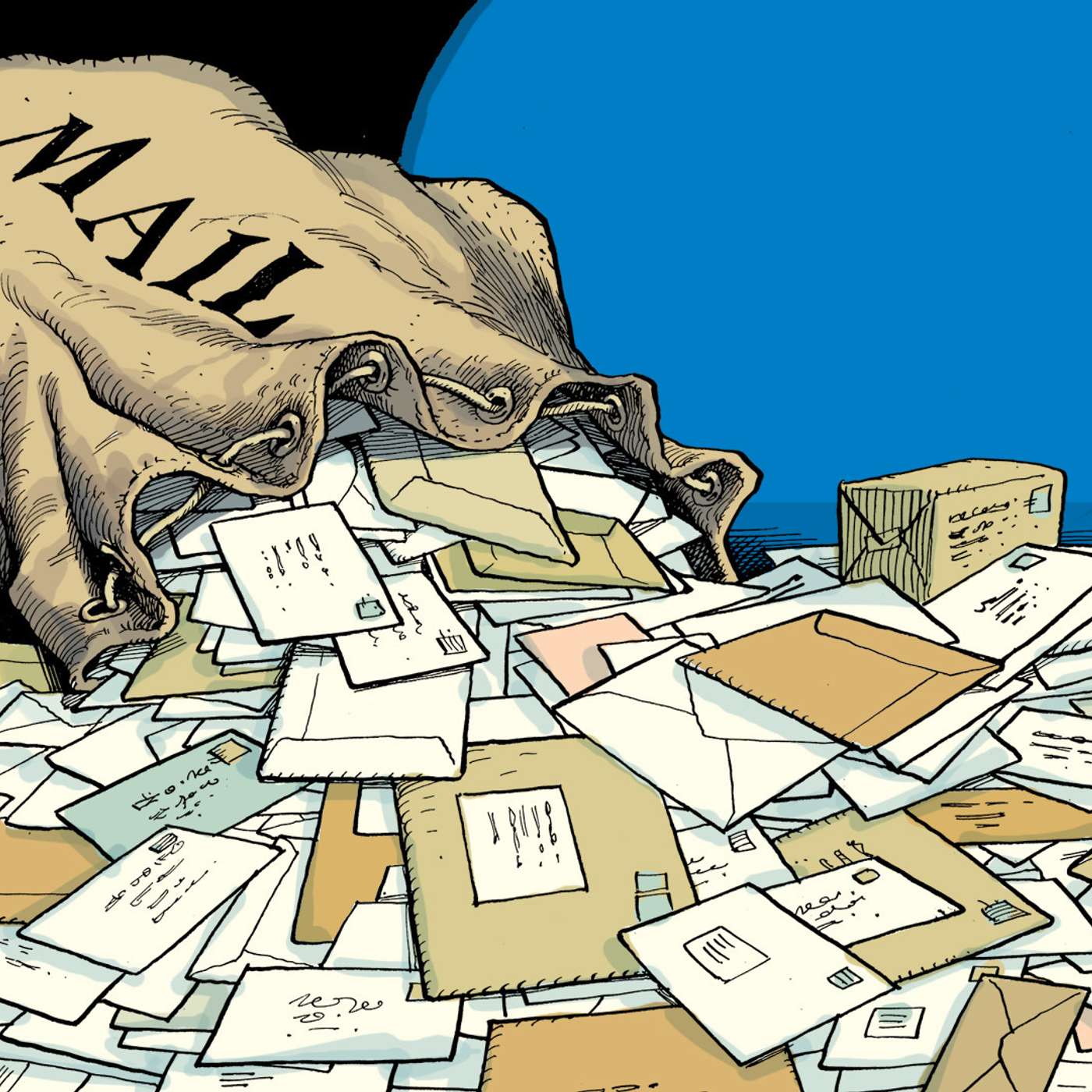
Ep 66LIVE! Reaction: Answering the St. Louis Fed
In 2014 the St. Louis Federal Reserve noted that despite a MASSIVE increase in money the expected 4 to 6% inflation did not materialize. The researchers suggest it was a "liquidity trap". Yes, and no. But mostly no. ---------SEE IT-----------Twitter: https://twitter.com/JeffSnider_AIPTwitter: https://twitter.com/EmilKalinowskiAlhambra YouTube: https://bit.ly/2Xp3royEmil YouTube: https://bit.ly/310yisLArt: https://davidparkins.com/---------HEAR IT----------Vurbl: https://bit.ly/3rq4dPnApple: https://apple.co/3czMcWNDeezer: https://bit.ly/3ndoVPEiHeart: https://ihr.fm/31jq7cITuneIn: http://tun.in/pjT2ZCastro: https://bit.ly/30DMYzaGoogle: https://bit.ly/3e2Z48MSpotify: https://spoti.fi/3arP8mYPandora: https://pdora.co/2GQL3QgBreaker: https://bit.ly/2CpHAFOCastbox: https://bit.ly/3fJR5xQPodbean: https://bit.ly/2QpaDghStitcher: https://bit.ly/2C1M1GBPlayerFM: https://bit.ly/3piLtjVPodchaser: https://bit.ly/3oFCrwNPocketCast: https://pca.st/encarkdtSoundCloud: https://bit.ly/3l0yFfKListenNotes: https://bit.ly/38xY7pbAmazonMusic: https://amzn.to/2UpEk2PPodcastAddict: https://bit.ly/2V39Xjr----EPISODE #66TOPICS----00:05 In the pre-2007 period an increase in money supply lead to an increase inflation but...02:59 ...the post-2007 period displayed a break in the relationship (or did it?!)04:57 Possible causes include: labor slack, banks not lending, and 'too credible' central banks06:59 Another cause (perhaps likely?) is the Liquidity Trap.08:16 If the Fed controls interest rates, then a liquidity trap explanation sounds legitimate10:58 If the Fed controls interest rates, then raising rates will unwind a liquidity trap14:39 In 2005 Greenspan testified to Congress that a fundamental monetary assumption had failed17:57 The Fed identified market desire for safe, liquid instruments but got the "why" wrong19:39 The St. Louis Fed paper was published in April 2014, just as the third crisis had begun--------REFERENCES--------St. Louis Fed's "The Liquidity Trap": https://bit.ly/2Qc858ZAlhambra Investments Blog: https://bit.ly/2VIC2wWRealClear Markets Essays: https://bit.ly/38tL5a7---------WHO-----------Jeff Snider, Head of Global Investment Research for Alhambra Investments with Emil Kalinowski. Art by David Parkins. Podcast intro/outro is "Amber Lights" by Chill Cole at Epidemic Sound.
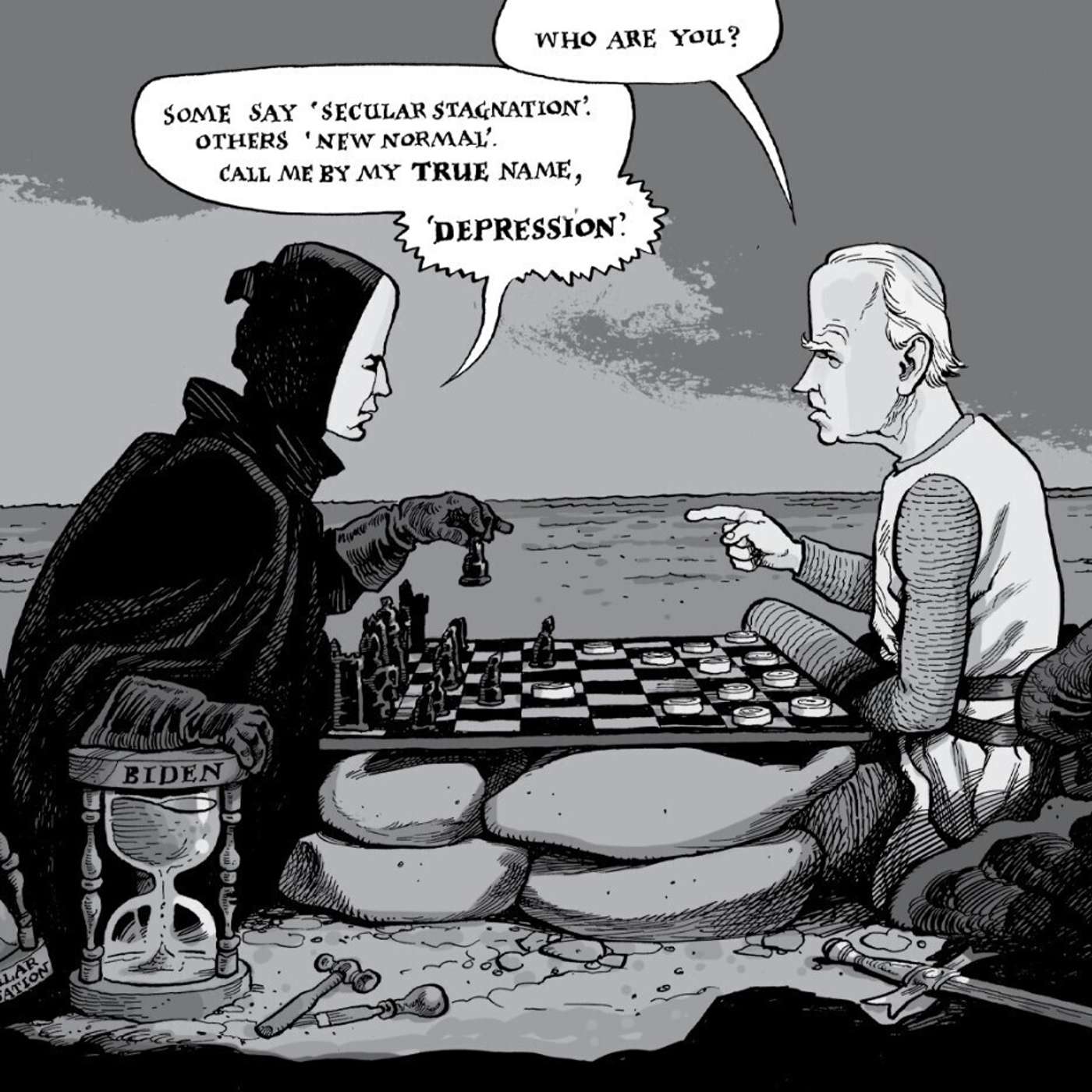
Ep 65Like 1970s, Like 2010s But Opposite
-----PART 01 SUMMARY------US President Jimmy Carter told the nation that the US dollar's devaluation "is clearly not warranted by the fundamental economic situation". In fact, it was unreservedly deserved as the necessary consequence of prolonged official incompetence.-----PART 02 SUMMARY------US producer prices surged in the month of March. But Federal Reserve chairman Jay Powell said they won't last, that they are "transitory". HE IS RIGHT! But the reason he gives - the covo - is not correct. No, the reason is the same one since 2007: the global, silent depression.-----PART 03 SUMMARY------On February 23rd the US Treasury 2-year auction put in some record-low bids. But then, on February 24th, the snowflake (or feather, or spark... maybe all three at once) came, so that by the 25th perceptions had reversed (melo)dramatically. Had Death come for US Treasuries?---------SPONSOR----------Friends, are you worried your monetary policies are causing lurid levels of inequality? Are you concerned civil war, its hour come round at last, slouches toward K Street? Do you worry how your supple neck will fare when the blood-dimmed tide is loosed? Then the new Eurodollar Enterprises Second Skin Neck Brace is for you! Yes, strut through The Waste Land knowing that marauding lynch mobs of War Boys pose no danger. The carbon-fibre nanoweave is comfortable, flexible and the ultimate luxury in an April dystopia you hastened. Barter aquacola for guzzoline at Thunderdome with no concern of the guillotine. Is that the Road Warrior with a chainsaw? Then save your skin... with your Second Skin Neck Brace.---------SEE IT-----------Twitter: https://twitter.com/JeffSnider_AIPTwitter: https://twitter.com/EmilKalinowskiAlhambra YouTube: https://bit.ly/2Xp3royEmil YouTube: https://bit.ly/310yisLArt: https://davidparkins.com/---------HEAR IT----------Vurbl: https://bit.ly/3rq4dPn Apple: https://apple.co/3czMcWNDeezer: https://bit.ly/3ndoVPEiHeart: https://ihr.fm/31jq7cITuneIn: http://tun.in/pjT2ZCastro: https://bit.ly/30DMYzaGoogle: https://bit.ly/3e2Z48MSpotify: https://spoti.fi/3arP8mYPandora: https://pdora.co/2GQL3QgBreaker: https://bit.ly/2CpHAFOCastbox: https://bit.ly/3fJR5xQPodbean: https://bit.ly/2QpaDghStitcher: https://bit.ly/2C1M1GBPlayerFM: https://bit.ly/3piLtjVPodchaser: https://bit.ly/3oFCrwNPocketCast: https://pca.st/encarkdtSoundCloud: https://bit.ly/3l0yFfKListenNotes: https://bit.ly/38xY7pbAmazonMusic: https://amzn.to/2UpEk2PPodcastAddict: https://bit.ly/2V39Xjr--------REFERENCES--------History Isn't On Your Side If You're Looking for Inflation: https://bit.ly/3uW97EJScorching, Blistering, Highest In A Decade! Powell’s The Voice of Reason Here?: https://bit.ly/32kpNcWWhy *Only* That Specific One? https://bit.ly/2Qe8zLFAlhambra Investments Blog: https://bit.ly/2VIC2wWRealClear Markets Essays: https://bit.ly/38tL5a7---------WHO-----------Jeff Snider, Head of Global Investment Research for Alhambra Investments and Emil Kalinowski. Art by the Ingmar Bergman of the pen, David Parkins. Podcast intro/outro is "Strolling with You" by John Runefelt at Epidemic Sound.
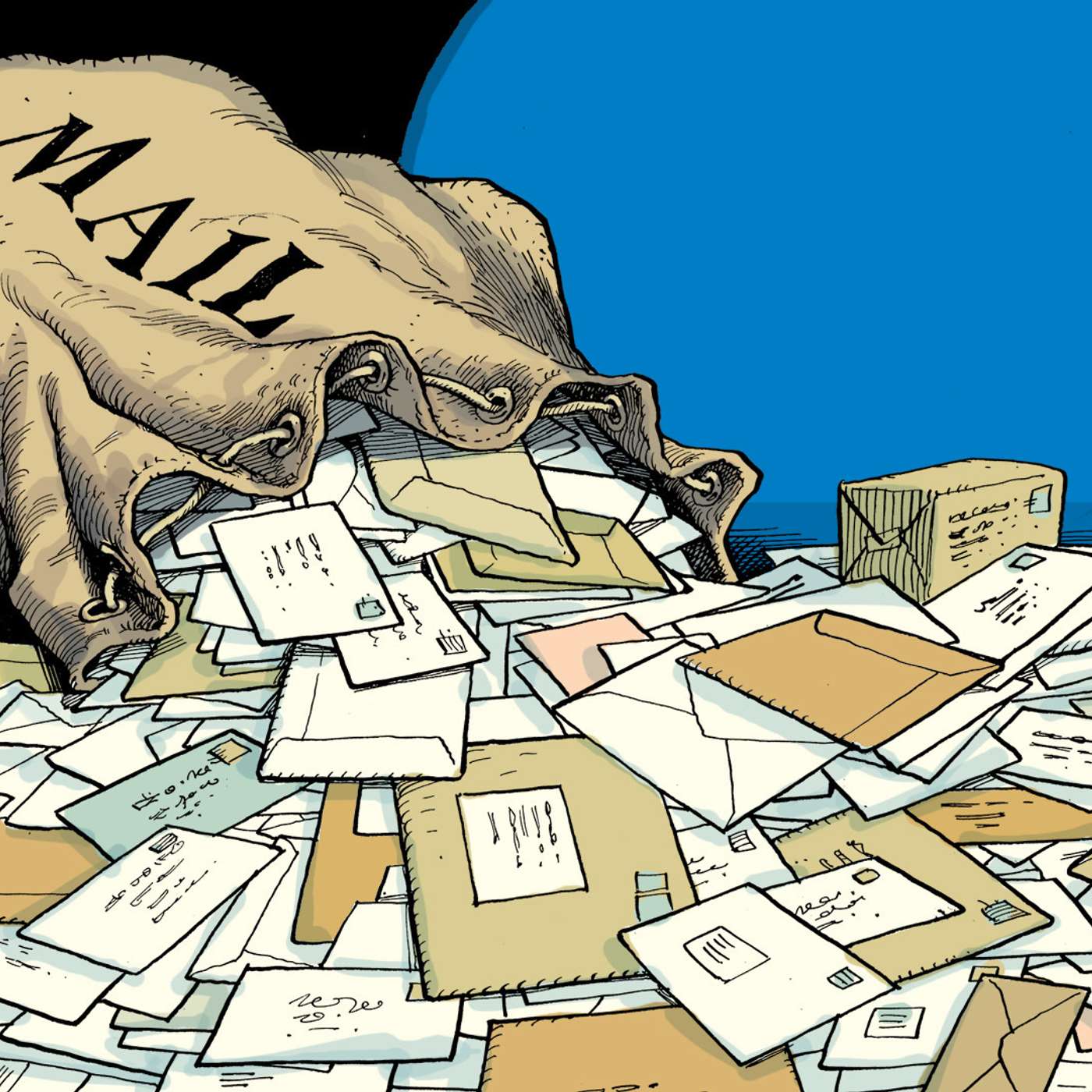
Ep 64LIVE! Reaction: Answering The Economist
The Economist says, 'No! They are white knights to be held in reserve; don't sully them with politics.' Jeff Snider agrees on the 'No!', but for entirely opposite reasons.---------SEE IT-----------Alhambra YouTube: https://bit.ly/2Xp3royEmil YouTube: https://bit.ly/310yisL---------HEAR IT----------Vurbl: https://bit.ly/3rq4dPnApple: https://apple.co/3czMcWNDeezer: https://bit.ly/3ndoVPEiHeart: https://ihr.fm/31jq7cITuneIn: http://tun.in/pjT2ZCastro: https://bit.ly/30DMYzaGoogle: https://bit.ly/3e2Z48MSpotify: https://spoti.fi/3arP8mYPandora: https://pdora.co/2GQL3QgBreaker: https://bit.ly/2CpHAFOCastbox: https://bit.ly/3fJR5xQPodbean: https://bit.ly/2QpaDghStitcher: https://bit.ly/2C1M1GBPlayerFM: https://bit.ly/3piLtjVPodchaser: https://bit.ly/3oFCrwNPocketCast: https://pca.st/encarkdtSoundCloud: https://bit.ly/3l0yFfKListenNotes: https://bit.ly/38xY7pbAmazonMusic: https://amzn.to/2UpEk2PPodcastAddict: https://bit.ly/2V39Xjr----EPISODE #64TOPICS----01:08 Central bank mission creep is a result of their failure at the original job: manage money04:38 When and why were central banks given independence and assumed a political detachment07:14 Both governments and central bankers have taken an expansive view of the latter's mission.08:06 Politicians do not want to tackle difficult issues, shirking their duty to central bankers11:30 A central bank's original mission is money - not employment, not inflation.--------REFERENCES--------The perils of asking central banks to do too much: https://econ.st/3fZNZt5Alhambra Investments Blog: https://bit.ly/2VIC2wWRealClear Markets Essays: https://bit.ly/38tL5a7---------WHO-----------Jeff Snider, Head of Global Investment Research for Alhambra Investments with Emil Kalinowski. Art by David Parkins.
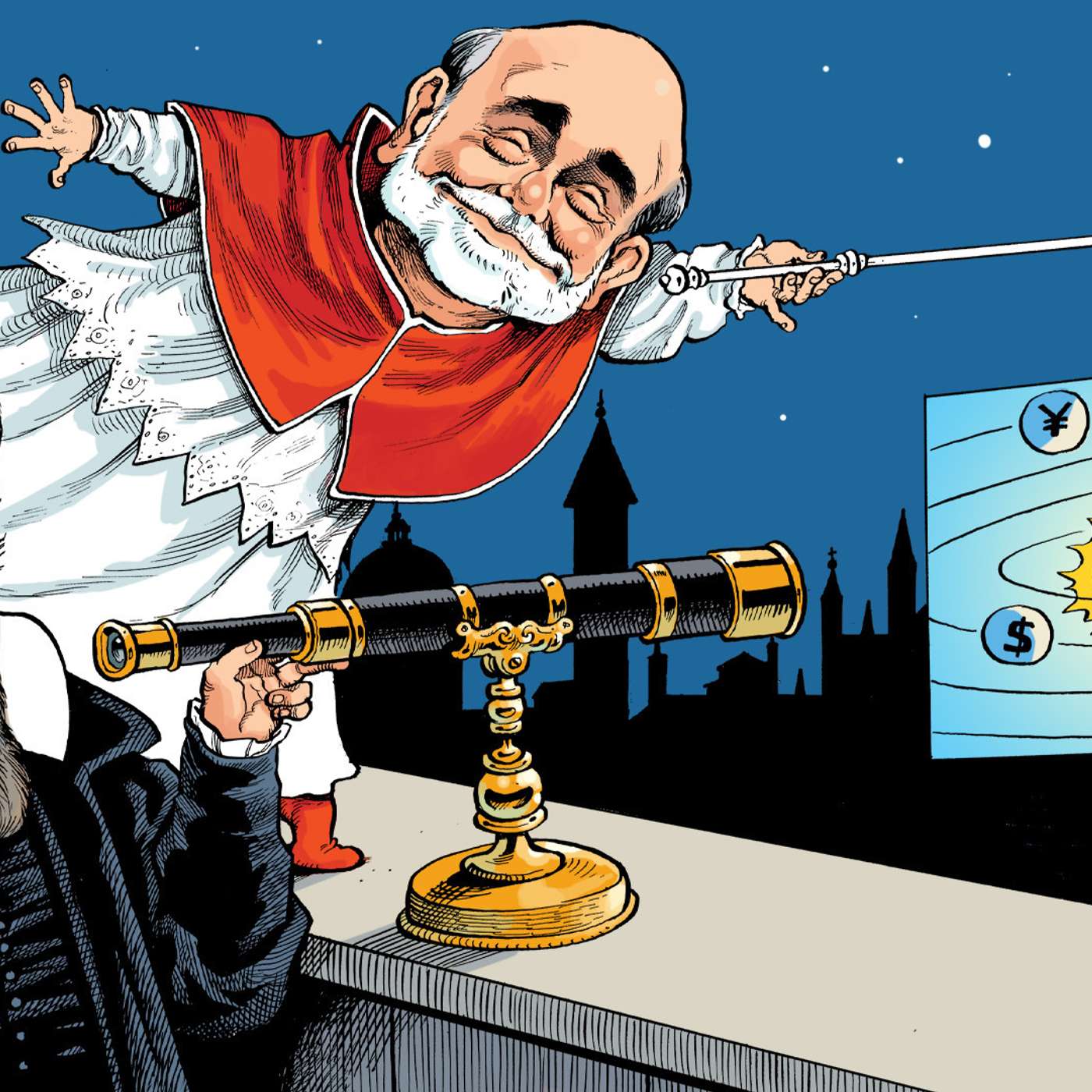
Ep 63The Gospel of Bernanke's Global Savings Glut
Karen King of the Harvard Divinity School wasn't the first 'professor' to discover "the long-buried secret of Jesus' marriage." That distinction belongs to fellow Harvard faculty member Robert Langdon, protagonist in Dan Brown's 2003 novel, The Da Vinci Code. Langdon was a fiction. King on the other hand was not; she held the very real Hollis Professorship of Divinity established in 1721 - the oldest, and arguably most prestigious, endowed chair in America. And there she was, in Rome, just seven years after serving as a consultant for the novel's film adaptation, to present at the International Congress of Coptic Studies. Like Langdon she would cast a stone at 2,000 years of patriarchal tradition.King had in her possession a business-card-sized papyrus, bearing 30-some Coptic words, including this astounding sequence: "Mary is worthy of it... Jesus said to them, My wife... she is able to be my disciple..." King proposed the fragment was a fourth-century Coptic translation of a late-second-century Greek gospel. She called it the Gospel of Jesus' Wife - "something that would stick", she later explained.Incredulous complaints emerged almost immediately: the handwriting appeared blatantly modern, misspellings were "monstrous". One bemused Egyptoligist noted the copyist would, "have benefited from one more semester of Coptic." Still King persisted; she leveraged her institution's reputation and that of her office to engineer a defense from the prestigious Harvard Theological Review. Not until two years later, when the forger was revealed, did she conditionally concede the scrap was "likely a fake". Ariel Sabar, the author of Veritas, the 2020 book which chronicles the affair, summarized King's behavior thusly: “[I]deological commitments were choreographing her practice of history. The story came first; the dates managed after. The narrative before the evidence; the news conference before the scientific analysis.” In this, the 63rd episode of Making Sense, we review the latest scholarship that questions the Gospel of Bernanke's Global Savings Glut. We note that ideological commitments are choreographing monetary practice. Expectations before the evidence; the forward guidance before the scientific analysis.-----PART 01 SUMMARY------In the early 2000s, bond markets ignored the Fed. Alan Greenspan called it a "conundrum". Ben Bernanke blamed a "Global Savings Glut". But recent Federal Reserve research notes events since 2008 upend the Bernanke glut and instead suggest economic weakness and financial fear as causal.-----PART 02 SUMMARY------Economic recovery? Then why aren't US Treasury Securities being OBLITERATED by the combined power of vaccines, fiscal stimulus and monetary easing? Maybe because stimulus is really 'stimulus' and easing is 'easing'. Indeed, US Treasury Bills are being bid and signalling angst.-----PART 03 SUMMARY------America's unemployment rate is a miraculously low 6% - a remarkable achievement. But behind the headlines is the sad fact that labor force participation is awful.---------SEE IT-----------Twitter: https://twitter.com/JeffSnider_AIPTwitter: https://twitter.com/EmilKalinowskiAlhambra YouTube: https://bit.ly/2Xp3royEmil YouTube: https://bit.ly/310yisLArt: https://davidparkins.com/---------HEAR IT----------Vurbl: https://bit.ly/3rq4dPn Apple: https://apple.co/3czMcWNDeezer: https://bit.ly/3ndoVPEiHeart: https://ihr.fm/31jq7cITuneIn: http://tun.in/pjT2ZCastro: https://bit.ly/30DMYzaGoogle: https://bit.ly/3e2Z48MSpotify: https://spoti.fi/3arP8mYPandora: https://pdora.co/2GQL3QgBreaker: https://bit.ly/2CpHAFOCastbox: https://bit.ly/3fJR5xQPodbean: https://bit.ly/2QpaDghStitcher: https://bit.ly/2C1M1GBPlayerFM: https://bit.ly/3piLtjVPodchaser: https://bit.ly/3oFCrwNPocketCast: https://pca.st/encarkdtSoundCloud: https://bit.ly/3l0yFfKListenNotes: https://bit.ly/38xY7pbAmazonMusic: https://amzn.to/2UpEk2PPodcastAddict: https://bit.ly/2V39Xjr--------REFERENCES--------Slight, But Only Slight, Movement In the Understanding of Rates: https://bit.ly/3t9B37QThe Global Saving Glut and the Fall in U.S. Real Interest Rates: https://bit.ly/39WgTq0Global Imbalances Tracker: https://on.cfr.org/3mIWx7WRechecking On Bill And His Newfound Followers: https://bit.ly/39Ysh4YReopening 2: https://bit.ly/3s0w9skAlhambra Investments Blog: https://bit.ly/2VIC2wWRealClear Markets Essays: https://bit.ly/38tL5a7---------WHO-----------Jeff Snider, Head of Global Investment Research for Alhambra Investments and Emil Kalinowski. Art by David Parkins.
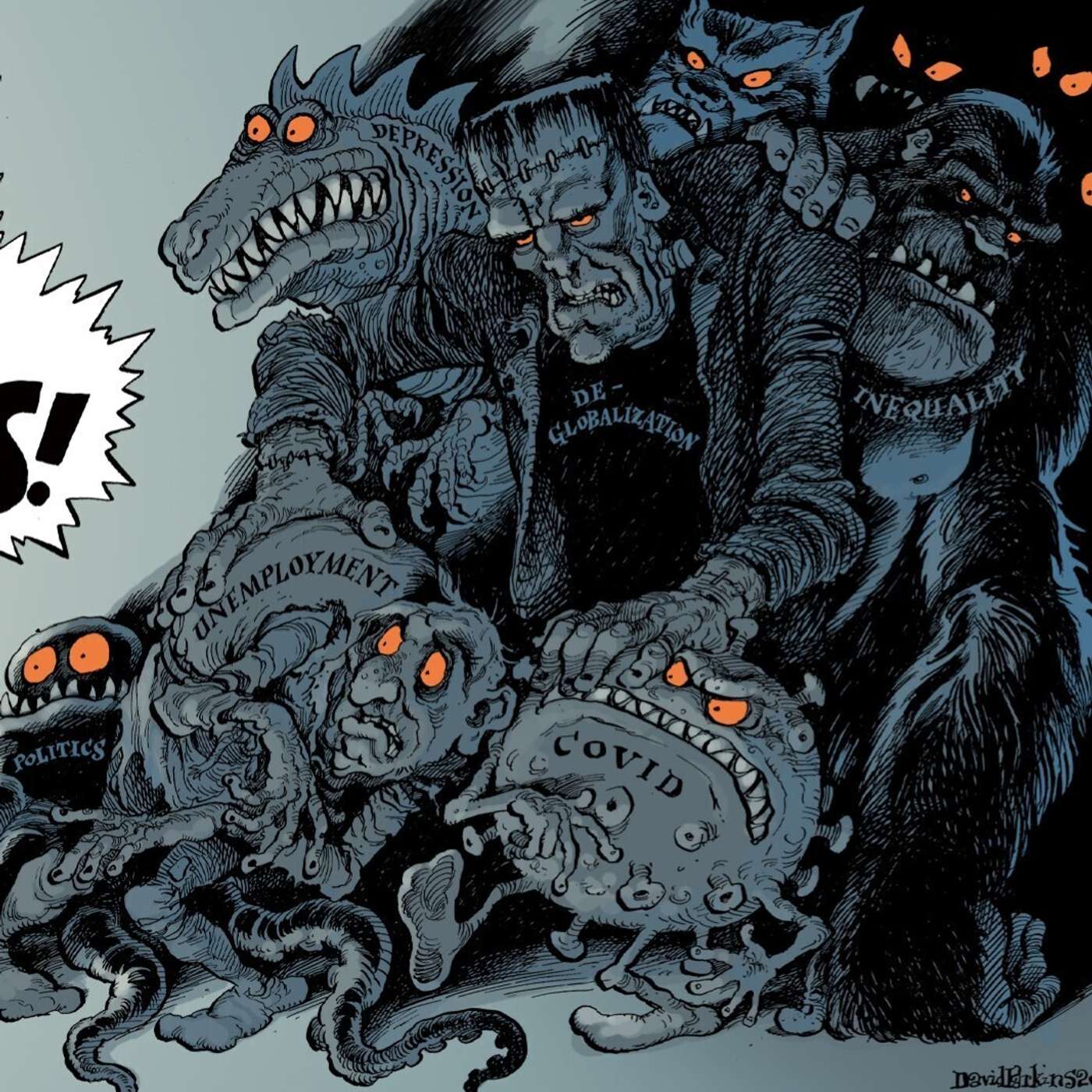
Ep 62The Monetary Shadows
"I glanced at the list, running over names (probably misspelled) that meant nothing to me, with my hand on the butt of my righthand gun. That one now contained a very special load. According to Vannay, there was only one sure way to kill a skin-man: with a piercing object of the holy metal. I had paid the blacksmith in gold, but the bullet he’d made me – the one that would roll under the hammer at first cock – was pure silver." The scene is from The Wind Through the Keyhole, a 2012 Stephen King novel. It's not unheard of for the horror/fantasy-master's characters to call on silver to battle something from the dark and murky gray.From his 1986 novel, IT: "But that, of course, is only a joke, and not a very good one; there is only one story left, at least one he remembers, and that is the story of the silver slugs – how they were made in Zack Denbrough's workshop on the night of July 23rd and how they were used on the 25th." A great yarn, to be sure, but as members of an advanced civilization we KNOW there's nothing in the shadows with blood-red eyes and tentacles. Then again... that's precisely why Count Dracula moved to cosmopolitan London in Bram Stoker's 1897 classic. You see, the superstitious peasants of Transylvania knew the preternatural was real. Not so post-Enlightenment England where mucus-oozing pores and frightful claws were disclaimed. And what better place to hide disgusting aberrations, but in the shadows of denial and willfully forgotten knowledge?Today, enlightened monetary-scientists placate us with soothing expectation policies that the shadows harbor no ill-proportioned beasts. But supposing there were. Is there a silver bullet we could roll under the hammer? In Part 2 of this, the 62nd Episode of Making Sense, Jeff Snider discusses one candidate: the Eurodollar Futures market. But first, two researchers for the Federal Reserve uncover the horror of quantitative easing. Then we conclude with the fantasy of government stimulus.---------SUMMARY----------01: Two Federal Reserve researchers claim the Fed, "can effectively reduce the [fragility] of the financial system by reducing the size of its balance sheet." REDUCING, not growing! To understand their conclusion we discuss: money dealers, interbank loans and collateral.02: If there was A SILVER BULLET, if there was ONE RING TO RULE THEM ALL - if there was ONE MARKET TO FOLLOW to track the health of the global monetary order and world economy - it would be the Eurodollar Futures market. Incredibly, the Federal Reserve has a very low opinion of it.03: The 2007-09 crisis was a permanent shock. Neo-Keynesians do not believe such a thing is possible. But consumers? Not only do they believe in permanent shocks, they KNOW they are very real. Therefore, the Trump and Biden stimulus payments have NO CHANCE of fixing the economy.---------SEE IT-----------Alhambra YouTube: https://bit.ly/2Xp3royEmil YouTube: https://bit.ly/310yisL---------HEAR IT----------Vurbl: https://bit.ly/3rq4dPn Apple: https://apple.co/3czMcWNDeezer: https://bit.ly/3ndoVPEiHeart: https://ihr.fm/31jq7cITuneIn: http://tun.in/pjT2ZCastro: https://bit.ly/30DMYzaGoogle: https://bit.ly/3e2Z48MSpotify: https://spoti.fi/3arP8mYPandora: https://pdora.co/2GQL3QgBreaker: https://bit.ly/2CpHAFOCastbox: https://bit.ly/3fJR5xQPodbean: https://bit.ly/2QpaDghStitcher: https://bit.ly/2C1M1GBPlayerFM: https://bit.ly/3piLtjVPodchaser: https://bit.ly/3oFCrwNPocketCast: https://pca.st/encarkdtSoundCloud: https://bit.ly/3l0yFfKListenNotes: https://bit.ly/38xY7pbAmazonMusic: https://amzn.to/2UpEk2PPodcastAddict: https://bit.ly/2V39Xjr--------REFERENCES--------Seeing Interest Rates Counter To What They Actually Are: https://bit.ly/2QX730xFederal Reserve - What Drives U.S. Treasury Re-use?: https://bit.ly/2PMHCOKHow Does Reflation Look From The Point of View of the One Market That Gets It: https://bit.ly/3cKZKlbYes, Curves Have Been Forced To Speak Japanese: https://bit.ly/3uhsWWWData Downgrading Uncle Sam’s Helicopter: https://bit.ly/3sQefcX---------WHO-----------Jeff Snider, Head of Global Investment Research for Alhambra Investments and Emil Kalinowski. Art by David Parkins. Podcast intro/outro is "Shadow of a Gunman" by Sight of Wonders and "Night Remains" by Farrell Wooten at Epidemic Sound.
Ep 61LIVE! Reaction: Answering Jay Powell
So says Federal Reserve Chairman Jerome Powell in a recent Wall Street Journal opinion column. Jeff Snider listens and reacts to Powell's case that the disruption wasn't the Fed's fault and that the central bank did the best it could.---------SEE IT-----------Alhambra YouTube: https://bit.ly/2Xp3royEmil YouTube: https://bit.ly/310yisL---------HEAR IT----------Vurbl: https://bit.ly/3rq4dPnApple: https://apple.co/3czMcWNDeezer: https://bit.ly/3ndoVPEiHeart: https://ihr.fm/31jq7cITuneIn: http://tun.in/pjT2ZCastro: https://bit.ly/30DMYzaGoogle: https://bit.ly/3e2Z48MSpotify: https://spoti.fi/3arP8mYPandora: https://pdora.co/2GQL3QgBreaker: https://bit.ly/2CpHAFOCastbox: https://bit.ly/3fJR5xQPodbean: https://bit.ly/2QpaDghStitcher: https://bit.ly/2C1M1GBPlayerFM: https://bit.ly/3piLtjVPodchaser: https://bit.ly/3oFCrwNPocketCast: https://pca.st/encarkdtSoundCloud: https://bit.ly/3l0yFfKListenNotes: https://bit.ly/38xY7pbAmazonMusic: https://amzn.to/2UpEk2PPodcastAddict: https://bit.ly/2V39Xjr----EPISODE #61 TOPICS----01:03 Is a central bank's job to prevent crisis or to make the crisis less worse?04:34 The Fed's goal should've been to maintain US dollar exchange rate stability and liquidity06:01 US Treasuries were being sold by the market in March 2020, but why?10:28 Powell says the recovery is continuing apace and on a good trajectory12:21 The employment recovery took place almost entirely in the first months, but sideways since14:34 What role does the mainstream media have in explaining what standard to hold the Fed to?--------REFERENCES--------Jerome Powell on the Pandemic Year: https://on.wsj.com/39kdnp6One Year Later: Why No ‘V’?: https://bit.ly/3dhBaY0Alhambra Investments Blog: https://bit.ly/2VIC2wWRealClear Markets Essays: https://bit.ly/38tL5a7---------WHO-----------Jeff Snider, Head of Global Investment Research for Alhambra Investments with Emil Kalinowski. Art by David Parkins. Podcast intro/outro is "Habitual" by Ava Low at Epidemic Sound.