
Distillations | Science History Institute
370 episodes — Page 1 of 8
Live Show! October 29th in Philly
From Hysteria to Long COVID: Invisible Illnesses
Chasing Shiny Things
The Acid Queen: An Interview with Susannah Cahalan
Jersey City's Secret Water Experiment
Cigarettes in America, Part 2: The Reckoning
Cigarettes in America, Part 1: The Rise
American Vice: New Season Coming September 15th
The History of Clinical Trials: From Fake Exorcisms to Testing Today

Agnes Pockels and the Kitchen Sink Myth
This episode is a co-production with Lost Women of Science. Agnes Pockels did pioneering work in surface science. Her invention, the Pockels Trough, became the basis for an instrument that helped Katherine Burr Blodgett and Irving Langmuir make discoveries in material science that quietly shape our everyday world. But the way we talk about Agnes's life and work often falls back on familiar tropes about women's domestic roles, assumptions about how science gets done, and what it looked like to do science as a woman in the 19th century. Agnes's story invites us to rethink how we define success for scientists. Is our definition too narrow? And what might we gain if we crack it open a bit wider? Credits Host: Alexis PedrickExecutive Producer: Mariel CarrProducer: Rigoberto Hernandez Additional Reporting: Sophia Levin Art Design: Lily Whear Fact-Checking: Alexandria Attia Sound Design: Ana Tuirán Guests Brigitte Van Tiggelen Brigitte Van Tiggelen is the Science History Institute's director of international affairs, working from the Institute's office in Paris. Trained as both a physicist and a historian, she is the coeditor of Women in Their Element: Selected Women's Contributions to the Periodic System (2019), a volume that brings together more than two decades of research and publication of the life and work of women in science. Donald L. Opitz Donald L. Opitz is a historian of science who teaches in the School of Continuing and Professional Studies and Department of History at DePaul University. He is writing a book that traces the international movement for the advancement of women in agriculture and horticulture from the mid-19th to mid-20th centuries. Petra Mishnik Petra Mischnick was a professor of food chemistry at Technische Universität Braunschweig, Germany. There she founded and ran the Agnes Pockels Student Lab to inspire young children, especially girls, to pursue science. Resource List Kohlstedt, Sally Gregory and Opitz, Don. "Agnes Pockels - Surface Chemist and 'Hausfrau'," The Changing Image of the Sciences. 2002. Pockels, Agnes. "On the Relative Contamination of the Water-Surface by Equal Quantities of Different Substances." Nature, 1892. Sella, Andrea. "Pockels' Trough." Chemistry World, 2015. Tiggelen, Brigitte Van. "Fräulein Agnes Pockels: The Shaping of a 'Forschende Hausfrau'," paper presented at the 24th International Congress of History of Science, Technology, and Medicine. Bergwik, Staffan; Opitz, Donald L.; Tiggelen, Brigitte Van. Domesticity in the Making of Modern Science. 2016. A full transcript is available on our website.
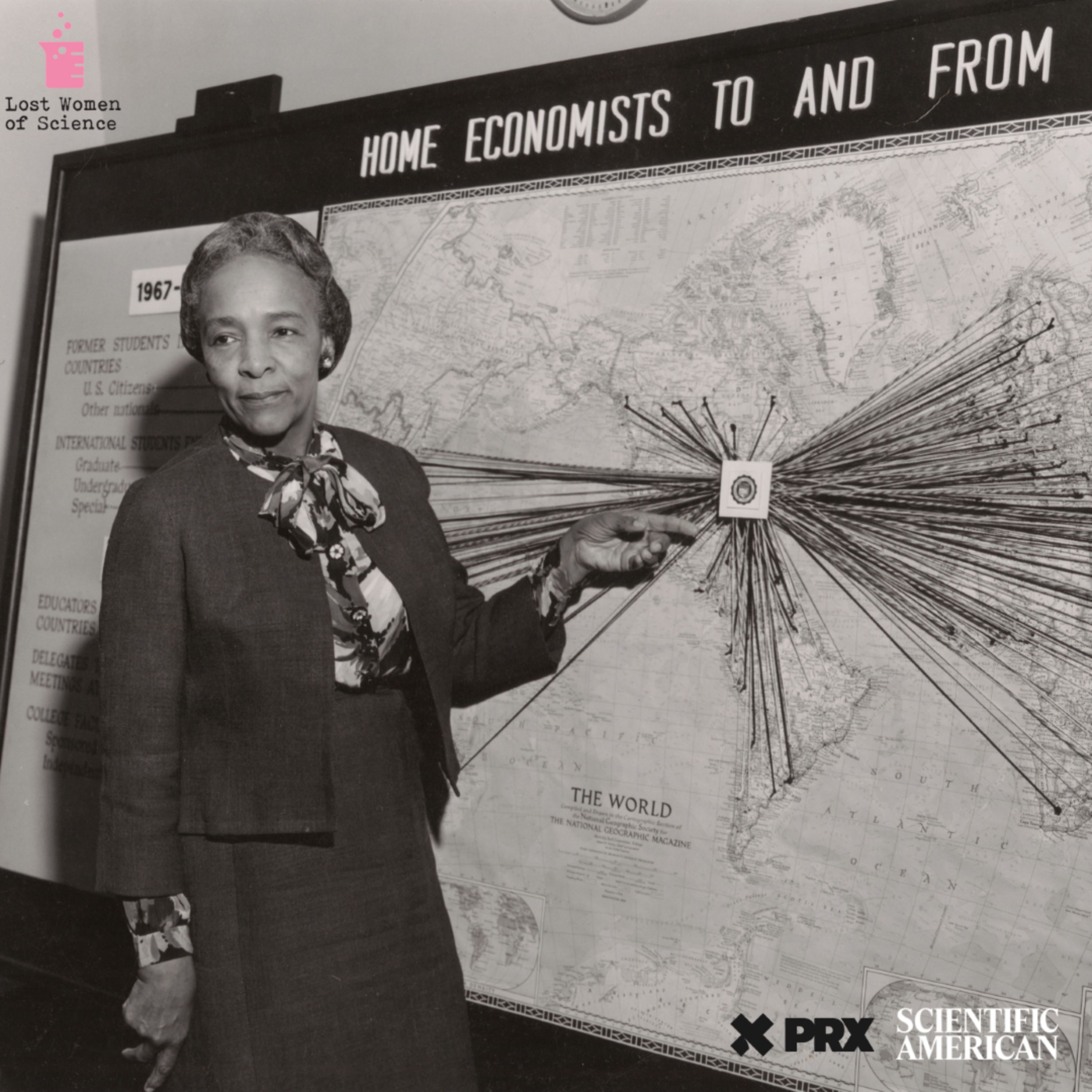
Flemmie Kittrell and the Preschool Experiment
Alexis Pedrick joins Katie Hafner to bring you an episode from The Lost Women of Science Initiative, a non-profit educational organization dedicated to telling the forgotten or untold stories of remarkable female scientists and their groundbreaking work through history. The episode, which originally aired in October 2023, is about Flemmie Kittrell, the first Black woman to earn a PhD in Home Economics. In the early 1960s, Flemmie decided to see what would happen if you gave poor kids a boost early in life, in the form of a really great preschool. Every day for two years, parents would get free childcare, and their kids would get comprehensive care for body and mind—with plenty of nutritious food, fun activities, and hugs. What kind of difference would that make? And would it matter later on? Credits Host: Alexis Pedrick Executive Producer: Mariel Carr Producer: Rigoberto Hernandez Associate Producer: Sarah Kaplan Music by Blue Dot Sessions Resource List Flemmie Kittrell audio interviews, Black Women Oral History Project Interviews, 1976–1981, the Harvard Radcliffe Institute's Schlesinger Library Institute Kittrell, Flemmie, "The Negro Family as a Health Agency," The Journal of Negro Education, Vol. 18, No. 3, The Health Status and Health, 1949 Baure, Lauren, "Does Head Start Work?," The Brookings Institution, 2019 Horrocks, Allison, Good Will Ambassador with a Cookbook: Flemmie Kittrell and the International Politics of Home Economics, University of Connecticut, 2016 First report on Howard Preschool Experiment: Prelude to School: An Evaluation of an Inner-City Preschool Program, Children's Bureau (DREW), Washington, D.C. Social and Rehabilitation Service, 1968 Talbot, Margaret, " Did Home Economics Empower Women?," The New Yorker, 2021 Zigler, Edward, and Muenchow, Susan, Head Start: The Inside Story Of America's Most Successful Education Experiment, 1994.
The CRISPR Babies
In 2018 news broke that a Chinese scientist, He Jiankui, had used CRISPR to edit human embryos, and twin girls had been born as a result. The story set off an explosive bioethical controversy. As gene editing expert Kiran Musunuru put it, "He Jiankui's genetic misadventures were the biggest medical story of the century so far." Both scientists and the public had a lot of questions. What was the unmet medical need that justified the gene editing? Was the science ready for prime time? And, if it was, was He Jiankui the right scientist to do it? Seven years later these questions are far from resolved. Credits Host: Alexis Pedrick Executive Producer: Mariel Carr Producer: Rigoberto Hernandez Associate Producer: Sarah Kaplan Audio Engineer: Samia Bouzid Music by Blue Dot Sessions Resource List Baylis, Françoise. Altered Inheritance: CRISPR and the Ethics of Human Genome Editing. Cambridge, MA: Harvard University Press, 2019. CBS News. "Chinese Researcher Claims He Helped Make First Gene-Edited Babies." CBS News, November 26, 2018. CBS News. "Chinese Scientist Behind Gene-Edited Babies Sentenced to 3 Years in Prison." CBS News, December 30, 2019. Cobb, Matthew. As Gods: A Moral History of the Genetic Age. New York: Basic Books, 2022. Greely, Henry T. CRISPR People: The Science and Ethics of Editing Humans. Cambridge, MA: MIT Press, 2021. "He Jiankui presentation and Q&A, International Summit on Human Genome Editing." Youtube Video, November 26, 2018. Marchione, Marilynn. Associated Press. "Chinese researcher claims first gene-edited babies." AP News, November 26, 2018. "Meet Cathy Tie, Bride of 'China's Frankenstein.'" MIT Technology Review, May 23, 2025. Musunuru, Kiran. The CRISPR Generation: The Story of the World's First Gene-Edited Babies. BookBaby, 2019. NBC News. "Chinese Scientist Says He Helped Create First Gene-Edited Babies." NBC News, November 26, 2018. "World's first successful tailor-made gene therapy saves baby born with rare disorder." CBS Mornings. May 16, 2025.
Humans and Monsters: An Interview with Surekha Davies
The fears about genetic engineering were stoked when experiments took off in the 1970s. From lab leaks to disease epidemics to the ability to make "Frankenstein creations," many of those fears are still with us today. We talk to author Surekha Davies about her latest book, why she thinks of monsters as category breakers and why blurring boundaries can be so terrifying for us, but maybe doesn't have to be. Credits Host: Alexis Pedrick Executive Producer: Mariel Carr Producer: Rigoberto Hernandez Associate Producer: Sarah Kaplan Audio Engineer: Samia Bouzid Music by Blue Dot Sessions Resource List Davies, Surekha. Humans: A Monstrous History. University of California Press: 2025.
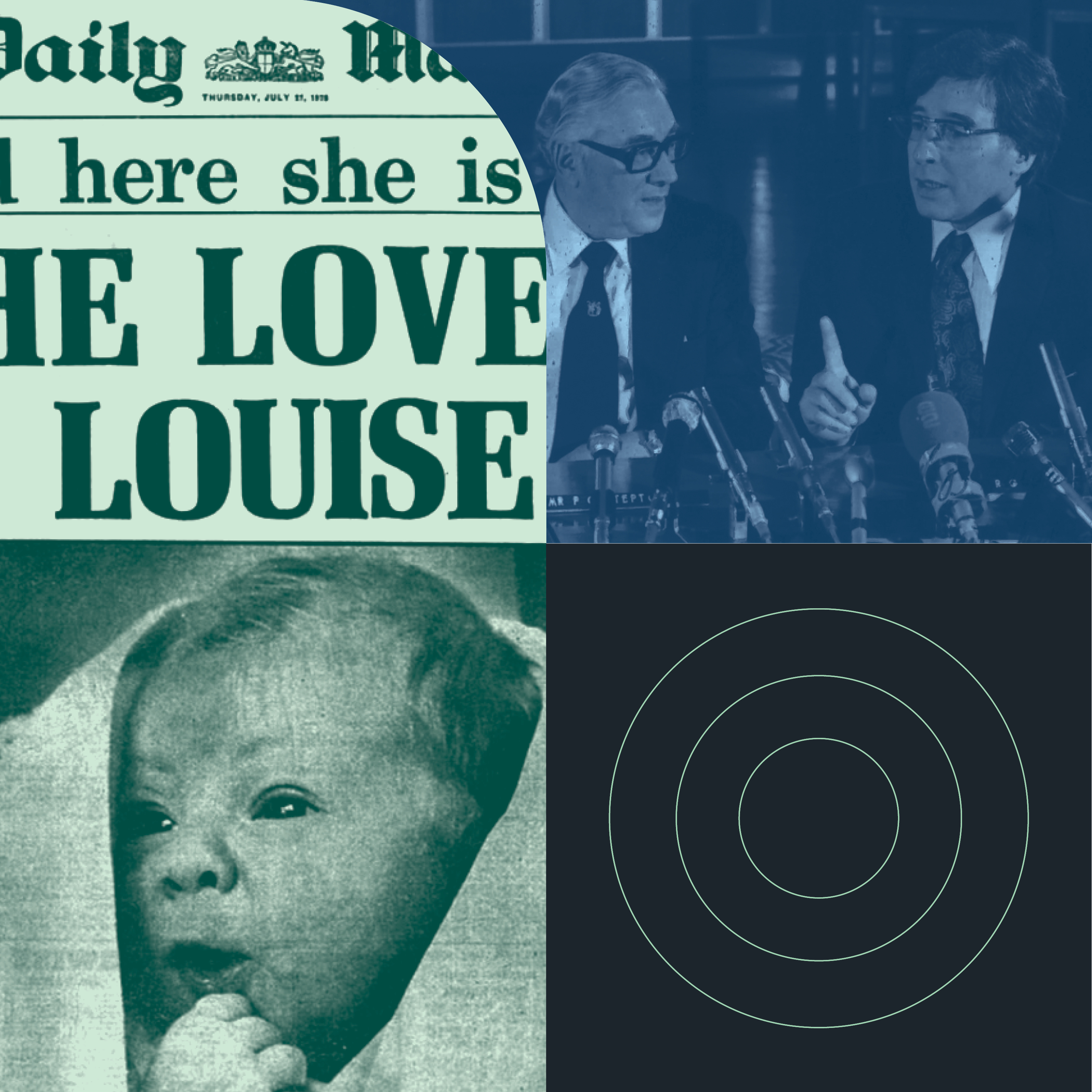
IVF: An Interview with Robin Marantz
Our producer Rigoberto Hernandez spoke with Robin Marantz, the author of Pandora's Baby: How the First Test Tube Babies Sparked the Reproductive Revolution. She tells us about the history of IVF, from the first known artificial insemination by donor produced in Philadelphia in the 19th century to the scientific race in the 1960s and 1970s that resulted in the first so-called "test-tube baby." Credits Host: Alexis Pedrick Executive Producer: Mariel Carr Producer: Rigoberto Hernandez Associate Producer: Sarah Kaplan Audio Engineer: Samia Bouzid Music by Blue Dot Sessions Resource List Henig, Robin Marantz. Pandora's Baby: How the First Test Tube Babies Sparked the Reproductive Revolution. Cold Spring Harbor Laboratory Press, 2006.

Gene Therapy's Families
When Rebekah and Evan Lockard's daughter, Naomi, was diagnosed with a devastating ultra-rare genetic disease, they didn't know where to turn. Then they found Terry Pirovolakis, an IT professional who had made a gene therapy for his son with the same disease. But the process of getting Naomi treated has been an uphill battle, full of financial and logistical obstacles. The Lockard's story flips the question we've been asking all season on its head. Instead of wondering, "if we could do something, should we," we're now asking, "if we can do something that helps patients, should we do it at any cost?" And this question isn't for scientists or researchers, it's for the rest of us. Credits Host: Alexis Pedrick Executive Producer: Mariel Carr Producer: Rigoberto Hernandez Associate Producer: Sarah Kaplan Audio Engineer: Samia Bouzid Music by Blue Dot Sessions Resource List Mast, Jason. "A dad built a gene therapy for his son. Can he save other kids, too?" STAT News. Elpida Therapeutics. "Battling SPG50 and changing the world." August 17, 2022. The Jackson Laboratory. Brent, Jonathan R. and Deng, Han-Xiang. "Paving a way to treat spastic paraplegia 50." "AAV gene therapy for hereditary spastic paraplegia type 50: a phase 1 trial in a single patient." June 28, 2004. "Colorado family pushes for more funding, awareness around rare neurological disorder." August 12, 2024. CBS News Colorado. Naomi's Corner.

Gene Therapy's Dark Ages
Gene therapy is based on a simple-sounding, yet deceptively complicated premise: adding or replacing faulty genes to fix medical problems. A compelling idea that came out of breakthroughs in DNA research, the field grew lightning fast. But the death of teenager Jesse Gelsinger after a gene therapy clinical trial left the public and scientists questioning the field's promise. Why did researchers push ahead with clinical trials despite gene therapy still being in its infancy? What does the Jesse Gelsinger story tell us about the personal risk behind medical breakthroughs? Credits Host: Alexis Pedrick Executive Producer: Mariel Carr Producer: Rigoberto Hernandez Associate Producer: Sarah Kaplan Audio Engineer: Samia Bouzid Music by Blue Dot Sessions Resource List American Experience: The Boy in the Bubble. PBS. Begley, Sharon. "Out of Prison, the 'Father of Gene Therapy' Faces a Harsh Reality: a Tarnished Legacy and an Ankle Monitor." STAT News, July 23, 2018. Cobb, Matthew. As Gods: A Moral History of the Genetic Age. New York: Basic Books, 2022. "C‑SPAN: Paul Gelsinger." C‑SPAN. Gelsinger, Paul L. "Jesse's Intent." Circare. ABC Evening News. Vanderbilt Television News Archive, December 8, 1999. CBS Evening News. Vanderbilt Television News Archive, May 28, 1999. NBC Nightly News Broadcast. Vanderbilt Television News Archive, December 8, 1999. "Report and Recommendations of the Panel to Assess the NIH Investment in Research on Gene Therapy." Georgetown University Library. Rinde, Meir. "The Death of Jesse Gelsinger, 20 Years Later." Science History Institute, June 4, 2019. Stolberg, Sheryl Gay. "The Biotech Death of Jesse Gelsinger." New York Times Magazine, November 28, 1999. "Teen Dies Undergoing Experimental Gene Therapy." Washington Post, September 29, 1999. "The Glimmering Promise of Gene Therapy." MIT Technology Review, November 1, 2006. The NewsHour with Jim Lehrer, 1999-12-08. NewsHour Productions. American Archive of Public Broadcasting (GBH and the Library of Congress), Boston, MA and Washington, DC. Wilson, James . "Lessons learned from the gene therapy trial for ornithine transcarbamylase deficiency."
'The Andromeda Strain': An Interview with Luis Campos
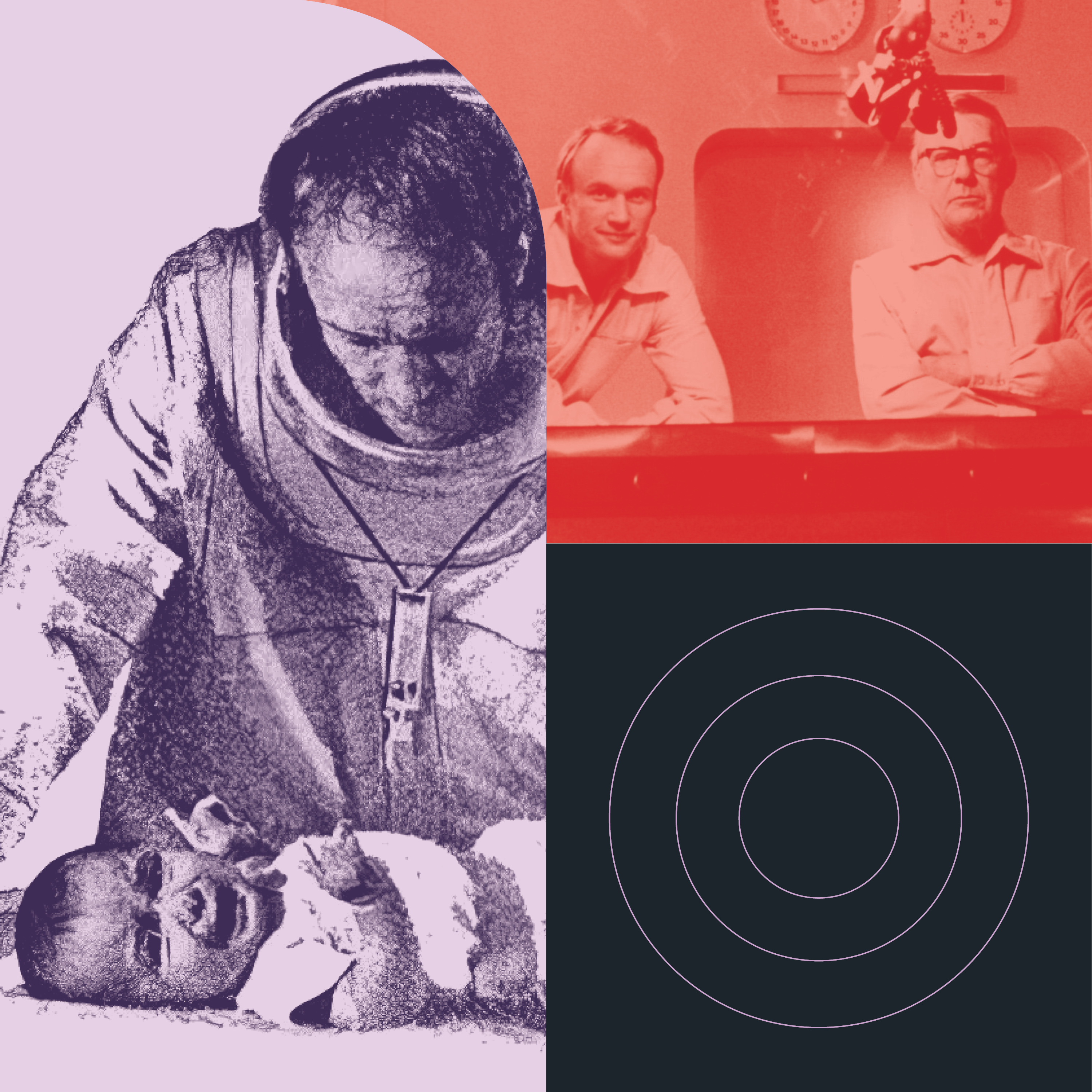
Producer Mariel Carr talks to historian of science and former Science History Institute fellow, Luis Campos, about his article "Strains of Andromeda: The Cosmic Potential Hazards of Genetic Engineering." He shares how Michael Crichton's first novel and the subsequent film influenced the conversation and controversy around recombinant DNA research in the 1970s. Credits Host: Alexis Pedrick Executive Producer: Mariel Carr Producer: Rigoberto Hernandez Associate Producer: Sarah Kaplan Audio Engineer: Samia Bouzid Music by Blue Dot Sessions Resource List The Andromeda Strain. IMDb. Campos, Luis A. "Strains of Andromeda: The Cosmic Potential Hazards of Genetic Engineering."

The People vs. Recombinant DNA
In 1976, Harvard University wanted to build a specialized lab for recombinant DNA research. But first, it had to get permission from the city of Cambridge. The resulting city council hearings drew TV stations and captured the attention of the whole country. At the center of the controversy? A wise-talking mayor, a young outspoken molecular biologist, and an important question: in scientific research, how much say should the public have? Credits Host: Alexis Pedrick Executive Producer: Mariel Carr Producer: Rigoberto Hernandez Associate Producer: Sarah Kaplan Audio Engineer: Samia Bouzid Resource List Cobb, Matthew. As Gods: A Moral History of the Genetic Age. New York: Basic Books, 2021. Krimsky, Sheldon. Genetic Alchemy: A Social History of the Recombinant DNA Controversy. Cambridge: The MIT Press, 1984. Rogers, Michael. "Biohazard." Nova: The Gene Engineers. Dailymotion. "Cambridge DNA Hearings, 1976." Massachusetts Institute of Technology, Oral History Program, oral history collection on the recombinant DNA controversy. "Cambridge RDNA hearings, volume 1, 1976." Massachusetts Institute of Technology, Oral History Program, oral history collection on the recombinant DNA controversy. "National Academy of Sciences. Forum. Washington, DC, 1977 March 7–9." Massachusetts Institute of Technology, Oral History Program, oral history collection on the recombinant DNA controversy. "The MacNeil/Lehrer Report: Genetic Engineering." American Archive of Public Broadcasting. From Controversy to Cure: Inside the Cambridge Biotech Boom. MIT Video Productions. "Pantechnicon; Dna, 1976." WGBH. The Andromeda Strain. IMDb. Jurassic Park. IMDb. CBS News – 04.06.1977 NBC News – 05.24.1977

Science, Interrupted: Part 2
Genetic engineering breakthroughs in the late 1960s and early 1970s came with a lot of promise—and peril too. Fears about what could happen with recombinant DNA experiments put scientists in the middle of a moral dilemma. Did they have a responsibility to consider how others might use their work? Or was their place simply to be on the lab bench? In this two-part episode, we'll share the story about the first time scientists stopped and considered the ramifications of their work, with a self-imposed moratorium. And we'll explore all the controversy that led to the historic pivotal meeting at the Asilomar Conference Grounds in 1975 to determine the future of genetic engineering. Credits Host: Alexis Pedrick Senior Producer: Mariel Carr Producer: Rigoberto Hernandez Associate Producer: Sarah Kaplan Audio Engineer: Jonathan Pfeffer Music by Blue Dot Sessions Resource List A Deep Conversation with Jon Beckwith: A History of Scientific and Social Activism. University of California Television. YouTube. Berg, Paul. "Paul Berg Letter." Wellcome Collection. Chemical Heritage Foundation: The Emergence of Biotechnology. Science History Institute. Cobb, Matthew. As Gods: A Moral History of the Genetic Age. New York: Basic Books, 2021. Cohen, Stanley N. Science, Biotechnology, and Recombinant DNA: A Personal History. UC Berkeley. DNA Learning Center. "Asilomar Meeting." Genetic Dreams, Genetic Nightmares. BBC. Fredrickson, Donald S. Asilomar and Recombinant DNA: The End of the Beginning. DNA: The Secret of Life. IMDb. Jurassic Park. IMDb. Late 1960s-Early 1970s Anti-War Marches. YouTube. "Letter from Maxine Singer and Dieter Söll to Philip Handler." Lear, John. Recombinant DNA: The Untold Story. Goodreads. Mukherjee, Siddhartha. The Gene: An Intimate History. Simon & Schuster. McElheny, Victor. Attempting the Impossible at Asilomar. McElheny, Victor. Gene Transplants Seen Helping Farmers and Doctors. The New York Times, May 20, 1974. Nova: The Gene Engineers. Dailymotion. Protein Synthesis: An Epic on the Cellular Level. YouTube. Rejection of Science Worries American Scientists. The New York Times, April 5, 1970. Rogers, Michael. The Pandora's Box Congress. Rolling Stone. The Gene: PBS. PBS Learning Media. "The MacNeil/Lehrer Report: Genetic Engineering." American Archive of Public Broadcasting.

Science, Interrupted: Part 1
Genetic engineering breakthroughs in the late 1960s and early 1970s came with a lot of promise—and peril too. Fears about what could happen with recombinant DNA experiments put scientists in the middle of a moral dilemma. Did they have a responsibility to consider how others might use their work? Or was their place simply to be on the lab bench? In this two-part episode, we'll share the story about the first time scientists stopped and considered the ramifications of their work, with a self-imposed moratorium. And we'll explore all the controversy that led to the historic pivotal meeting at the Asilomar Conference Grounds in 1975 to determine the future of genetic engineering. Credits Host: Alexis Pedrick Senior Producer: Mariel Carr Producer: Rigoberto Hernandez Associate Producer: Sarah Kaplan Audio Engineer: Jonathan Pfeffer Music by Blue Dot Sessions Resource List A Deep Conversation with Jon Beckwith: A History of Scientific and Social Activism. University of California Television. YouTube. Berg, Paul. "Paul Berg Letter." Wellcome Collection. Chemical Heritage Foundation: The Emergence of Biotechnology. Science History Institute. Cobb, Matthew. As Gods: A Moral History of the Genetic Age. New York: Basic Books, 2021. Cohen, Stanley N. Science, Biotechnology, and Recombinant DNA: A Personal History. UC Berkeley. DNA Learning Center. "Asilomar Meeting." Genetic Dreams, Genetic Nightmares. BBC. Fredrickson, Donald S. Asilomar and Recombinant DNA: The End of the Beginning. DNA: The Secret of Life. IMDb. Jurassic Park. IMDb. Late 1960s-Early 1970s Anti-War Marches. YouTube. "Letter from Maxine Singer and Dieter Söll to Philip Handler." Lear, John. Recombinant DNA: The Untold Story. Goodreads. Mukherjee, Siddhartha. The Gene: An Intimate History. Simon & Schuster. McElheny, Victor. Attempting the Impossible at Asilomar. McElheny, Victor. Gene Transplants Seen Helping Farmers and Doctors. The New York Times, May 20, 1974. Nova: The Gene Engineers. Dailymotion. Protein Synthesis: An Epic on the Cellular Level. YouTube. Rejection of Science Worries American Scientists. The New York Times, April 5, 1970. Rogers, Michael. The Pandora's Box Congress. Rolling Stone. The Gene: PBS. PBS Learning Media. "The MacNeil/Lehrer Report: Genetic Engineering." American Archive of Public Broadcasting.
New Season Trailer! Coming August 5th.
trailerCheck out our new season, dropping weekly on Tuesdays, starting August 5th.

The History of the School Lunch
Feeding kids a healthy lunch every school day is a feat of science and logistics. Molded into shape by nutrition scientists who wanted to optimize children's health, the school lunch has endured war, economic depression, and even a global pandemic. Some might say it's all the stronger for it. So how did all these crises shape school lunch? And is there any room to give our rectangle pizzas and frozen chicken patties a little grace? Credits Host: Alexis Pedrick Executive Producer: Mariel Carr Producer: Rigoberto Hernandez Associate Producer: Sarah Kaplan Audio Engineer: Jonathan Pfeffer Music by Blue Dot Sessions. Resource List 1930s Farmer Talks About the Great Depression and Poverty. YouTube video. 1:54. Posted by Timeless Footage, March 10, 2020. ABC Evening News. May 14, 1969. Vanderbilt Television News Archive. CBS News. CBS Evening News. September 4, 1981. Vanderbilt Television News Archive. CBS News. September 25, 1981. Vanderbilt Television News Archive. C-SPAN. House Session, Part 1. Daily School Meals During Coronavirus Closures. YouTube video. 4:59. CBS Sacramento. Great Depression, Film Archives NYC. YouTube video. 6:46. Posted by Reel America, October 30, 2020. Hunger in America. CBS News. "Hunger in America: The 1968 CBS Documentary That Shocked America." Levine, Susan. School Lunch Politics: The Surprising History of America's Favorite Welfare Program. Princeton, NJ: Princeton University Press, 2008. Lunch Line. Directed by Michael Graziano and Ernie Park. Uji Films, 2010. Mitman, Greg. YouTube video. 2:44. Posted January 13, 2023. Mrs. Croft talks to parents about the need to provide hot lunch to students at a school in Pittsford, Vermont. Critical Past. NBC News. December 21, 1981. Vanderbilt Television News Archive. Nixon Addresses Hunger, 1969. YouTube video. 3:02. Posted by AP Archive, November 5, 2015. Poppendieck, Janet. Free for All: Fixing School Food in America. Berkeley: University of California Press, 2010. "Ronald Reagan on Big Government: 'Government is the Problem.'" YouTube video, 0:15. Ruis, Andrew R. Eating to Learn, Learning to Eat: The Origins of School Lunch in the United States. New Brunswick, NJ: Rutgers University Press, 2017. "The Twisted History of School Lunch, Part 1." Pressure Cooker. Podcast audio, 35:17. Hosted by Jane Black and Liz Dunn. Omny Studio, February 6, 2024.

ALS Patients Take on the FDA
ALS is a fatal neurological disease that kills motor neurons. Even though it was first described more than 150 years ago, there is no cure, and the few drugs available only dampen the symptoms or slow the progression by a few months. In recent years new drugs have emerged. However, there is one problem: the life expectancy is just two to five years after diagnosis. This timeline is incompatible with the FDA drug approval process, which takes years and even decades. This has created a tense situation for desperate patients who are demanding the FDA approve unproven drugs. What's the harm in giving desperate patients an imperfect drug? Credits Host: Alexis Pedrick Senior Producer: Mariel Carr Producer: Rigoberto Hernandez Associate Producer: Sarah Kaplan Audio Engineer: Jonathan Pfeffer "Color Theme" composed by Jonathan Pfeffer. Additional music by Blue Dot Sessions

The Fraud that Transformed Psychiatry
In 1973 a bombshell study appeared in the premier scientific journal Science. It was called "On Being Sane in Insane Places." Its author, a Stanford psychology professor named David Rosenhan, claimed that by faking their way into psychiatric hospitals, he and eight other pseudo-patients had proven that psychiatrists were unable to diagnose mental illness accurately. Psychiatrists panicked, and, as a result, re-wrote what's known as "psychiatry's bible"—the Diagnostic and Statistical Manual of Mental Disorders, or DSM. The study and the subsequent overhaul of the DSM changed the field forever. So it was a surprise when, decades later, a journalist reopened Rosenhan's files and discovered that the study was full of inconsistencies and even blatant fraud. So should we throw out everything it revealed? Or can something based on a lie still contain any truths? Credits Host: Alexis Pedrick Senior Producer: Mariel Carr Producer: Rigoberto Hernandez Associate Producer: Sarah Kaplan Audio Engineer: Jonathan Pfeffer "Color Theme" composed by Jonathan Pfeffer. Additional music by Blue Dot Sessions

Cancer Virus Hunters: An Interview with Gregory J. Morgan
For more than 100 years, biologists who suggested that some cancers may be caused by viruses were the pariahs of genetics. However, they persevered and incrementally built their knowledge, leading to the discovery of retroviruses, the development of a test to diagnose HIV, and the creation of the HPV vaccine. Join us as we interview Gregory J. Morgan about his book Cancer Virus Hunters: A History of Tumor Virology. Credits Host: Alexis Pedrick Senior Producer: Mariel Carr Producer: Rigoberto Hernandez Associate Producer: Sarah Kaplan Audio Engineer: Jonathan Pfeffer "Color Theme" composed by Jonathan Pfeffer. Additional music by Blue Dot Sessions
The Ames Test
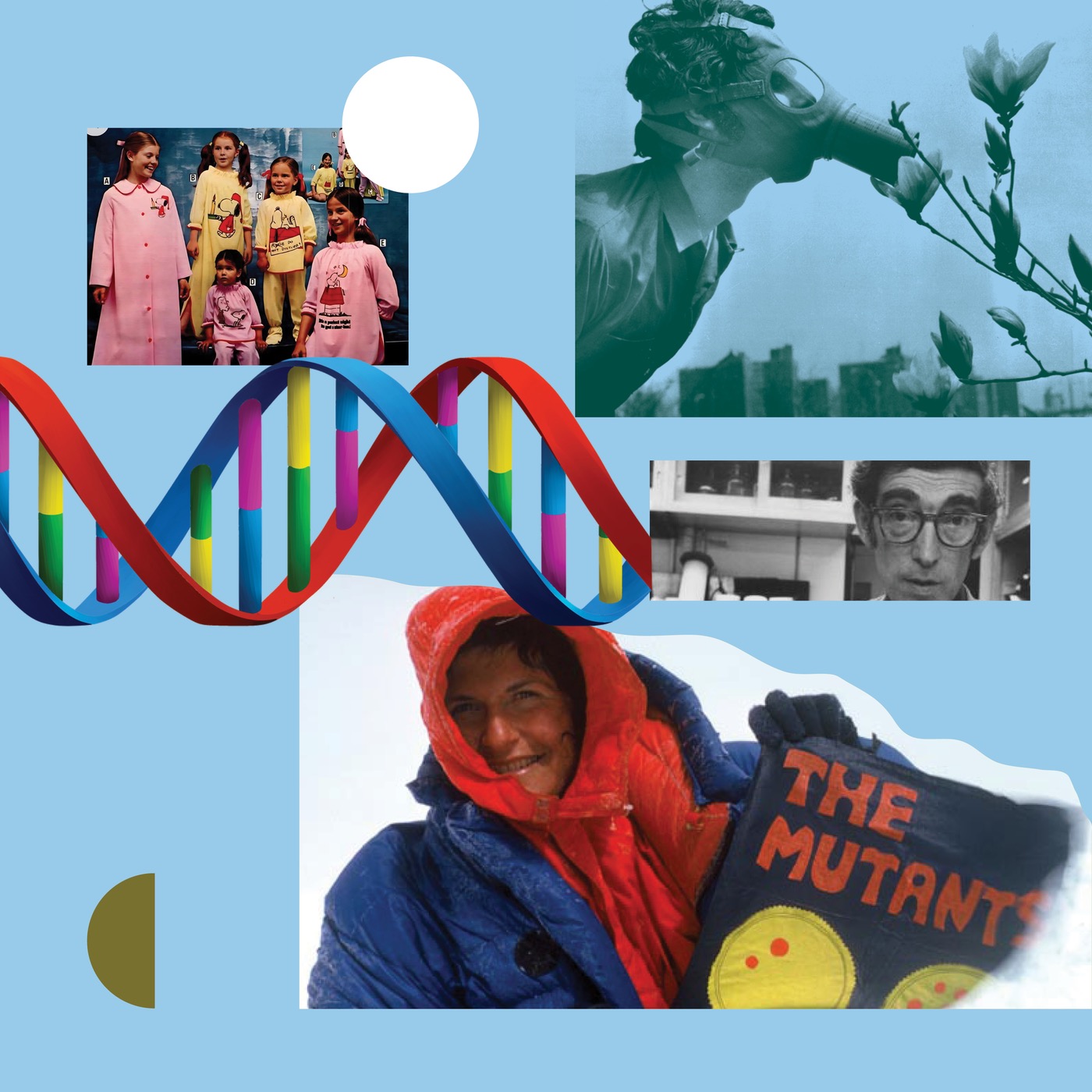
In 1973 biochemist Bruce Ames created a simple test that showed if chemicals had the potential to cause cancer. The Ames test made him a hero of the emerging environmental movement. But then he completely changed course and said concerns about chemicals were overblown. So what happened? Did Ames change? Or did our understanding of what causes cancer change? Featured Oral History Bruce N. Ames, "Bruce N. Ames: The Marriage of Biochemistry and Genetics at Caltech, the NIH, UC Berkeley, and CHORI, 1954–2018" conducted by Paul Burnett in 2019 and 2020, Oral History Center, The Bancroft Library, University of California, Berkeley, 2021. Credits Host: Alexis Pedrick Senior Producer: Mariel Carr Producer: Rigoberto Hernandez Associate Producer: Sarah Kaplan Audio Engineer: Jonathan Pfeffer "Color Theme" composed by Jonathan Pfeffer. Additional music by Blue Dot Sessions

Is Ozempic Different?
Ozempic and others in this family of drugs are nothing short of miraculous. Meant to treat Type 2 Diabetes, the drug exploded in popularity after researchers found that patients were reporting losing 15-21% of their body weight in clinical trials. There were some side effects, but none so severe that it raised concerns. Doctors began prescribing it to people who weren't diabetic but could benefit from weight loss, and now, our only problem seems to be getting enough of it for all the people who need it. It all seems magical, but is it too good to be true? Join us as we dive into the history of weight loss drugs, drug manufacturing regulations, and the role we think medicine should play in our lives. Credits Host: Alexis Pedrick Senior Producer: Mariel Carr Producer: Rigoberto Hernandez Associate Producer: Sarah Kaplan Audio Engineer: Jonathan Pfeffer "Color Theme" composed by Jonathan Pfeffer. Additional music by Blue Dot Sessions

Traffication: An Interview with Paul Donald
The impact of cars on wildlife extends beyond roadkill, affecting species that never venture near roads. Car noise disrupts bird communication and behavior, and tire and brake dust from pollutes waterways with microplastics. In this wide-ranging interview, we talk to the author of Traffication: How Cars Destroy Nature and What We Can Do About It, Paul Donald about how he coined the term "traffication," the history of road ecology, and what we can do about the problem. Credits Host: Alexis Pedrick Senior Producer: Mariel Carr Producer: Rigoberto Hernandez Associate Producer: Sarah Kaplan Audio Engineer: Jonathan Pfeffer "Color Theme" composed by Jonathan Pfeffer. Additional music by Blue Dot Sessions

Dyes, Drugs, and Psychosis
In 1856, Henry Perkin's attempt to synthesize quinine led to something very different: a vibrant purple dye. Perkin's mauve revolutionized the fashion industry when Queen Victoria wore a dress of the color to her daughter's wedding. And in an ironic twist, synthetic fabric dyes ultimately led to synthetic drugs, including the first antipsychotic. This drug, known by its trade name Thorazine, was a gamechanger. "Nobody thought there could be a drug that would treat schizophrenia effectively," says sociologist Andrew Scull, "and then suddenly there was." In this episode we explore the enduring relationship between dyes and drugs, and the role that mistakes and serendipity still play in drug development. Credits Host: Alexis Pedrick Executive Producer: Mariel Carr Producer: Rigoberto Hernandez Associate Producer: Sarah Kaplan Audio Engineer: Jonathan Pfeffer "Color Theme" composed by Jonathan Pfeffer. Additional music by Blue Dot Sessions.

Pink: An Interview with Dominique Grisard
The color pink has long been in vogue, and when Barbie hit theaters in 2023, its appeal only increased. But its popularity dates back much further than the Mattel doll. In this bonus episode, Dr. Dominique Grisard, a gender studies professor at the University of Basel, discusses the hue and its ties to femininity, class, and Whiteness, as well as how pink has been used to subdue men in detention centers. This episode was inspired by our museum exhibition, BOLD: Color from Test Tube to Textile, on view through August 3, 2024. Credits Host: Alexis Pedrick Senior Producer: Mariel Carr Producer: Rigoberto Hernandez Associate Producer: Sarah Kaplan Audio Engineer: Jonathan Pfeffer "Color Theme" composed by Jonathan Pfeffer. Additional music by Blue Dot Sessions

Can Color Heal Us?
For centuries people have been drawn to the potential healing powers of colored light. From a civil war general to a Thomas Edison wannabe, people have touted it as a medical miracle. Despite claims to the contrary, though, colored light won't regrow limbs or heal burns. And yet, we are still drawn to the idea that somehow it can fix us. Today there are actual medical studies investigating the health benefits of colored light. So is there any validity to the claims of the past? Can color really heal us? This episode was inspired by our museum exhibition, BOLD: Color from Test Tube to Textile, on view through August 3, 2024. Credits Host: Alexis Pedrick Senior Producer: Mariel Carr Producer: Rigoberto Hernandez Associate Producer: Sarah Kaplan Audio Engineer: Jonathan Pfeffer "Color Theme" composed by Jonathan Pfeffer. Additional music by Blue Dot Sessions

The Word for Blue
In his epic poem, The Odyssey, Homer mentions the colors black, white, red, and yellow. But despite numerous mentions of the brilliant Greek sea and sky, the word blue never makes an appearance. This omission set off a debate between perception and language that would repeat itself over and over again throughout history: was there something wrong with the ancient Greek's eyes? If they didn't name blue, did that mean they couldn't see it? We treat color like it's a clear measure of whether or not our brains are working the same. We expect an answer we can all agree on. Only it turns out some colors elude us. So when it comes to blue, are we truly seeing things differently or just seeing the same thing and describing it differently? Credits Host: Alexis Pedrick Senior Producer: Mariel Carr Producer: Rigoberto Hernandez Associate Producer: Sarah Kaplan Audio Engineer: Jonathan Pfeffer "Color Theme" composed by Jonathan Pfeffer. Additional music by Blue Dot Sessions
New Season Trailer! Coming June 4th
trailerCheck out our new season, dropping weekly on Tuesdays, starting June 4th.

Exploring 'Health Equity Tourism'
bonusIn the wake of the murder of George Floyd and the COVID-19 pandemic, there has been a new public interest in health inequities research. With this new focus, there also has come new funding with many researchers and institutions clamoring to receive lucrative funding and recognition in the field, but there are no official guidelines to distinguish a health equity expert. In this episode we sit down with Dr. Elle Lett who coined the term "health equity tourism" to describe when privileged and previously unengaged scholars enter the health equity field without developing the necessary expertise. Credits Hosts: Alexis Pedrick Senior Producer: Mariel Carr Producer: Rigoberto Hernandez Associate Producers: Padmini Raghunath & Sarah Kaplan Audio Engineer: Jonathan Pfeffer "Innate Theme" composed by Jonathan Pfeffer. Additional music by Blue Dot Sessions

The Mothers of Gynecology
Of all wealthy countries, the United States is the most dangerous place to have a baby. Our maternal mortality rate is abysmal, and over the past five years it's only gotten worse. And there are huge racial disparities: Black women are three times more likely to die than white women. Despite some claims to the contrary, the problem isn't race, it's racism. In this episode we trace the origins of this harrowing statistic back to the dawn of American gynecology—a field that was built on the bodies of enslaved women. And we'll meet eight women who have dedicated their lives to understanding and solving this complex problem. Credits Host: Alexis Pedrick Senior Producer: Mariel Carr Producer: Rigoberto Hernandez Associate Producer: Padmini Raghunath Audio Engineer: Jonathan Pfeffer "Innate Theme" composed by Jonathan Pfeffer. Additional music by Blue Dot Sessions.

Correcting Race
Certain medical instruments have built-in methods of correcting for race. They're based on the premise that Black bodies are inherently different from White bodies. The tool that measures kidney function, for example, underestimates how severe some Black patients' kidney disease is, and prevents them from getting transplants. Medical students and doctors have been trying to do away with race correction tools once and for all. And they're starting to see some success. About Innate: How Science Invented the Myth of Race "Correcting Race" is Episode 9 of Innate: How Science Invented the Myth of Race, a podcast and magazine project that explores the historical roots and persistent legacies of racism in American science and medicine. Published through Distillations, the Science History Institute's highly acclaimed digital content platform, the project examines the scientific origins of support for racist theories, practices, and policies. Innateis made possible in part by the National Endowment for the Humanities: Democracy demands wisdom. Credits | Resource List | Transcript Credits Hosts: Alexis Pedrick and Elisabeth Berry Drago Senior Producer: Mariel Carr Producer: Rigoberto Hernandez Associate Producer: Padmini Raghunath Audio Engineer: Jonathan Pfeffer "Innate Theme" composed by Jonathan Pfeffer. Additional music by Blue Dot Sessions. Resource List A Unifying Approach for GFR Estimation: Recommendations of the NKF-ASN Task Force on Reassessing the Inclusion of Race in Diagnosing Kidney Disease, by Cynthia Delgado, Mukta Baweja, Deidra C Crews, Nwamaka D Eneanya, Crystal A Gadegbeku, Lesley A Inker, Mallika L Mendu, W Greg Miller, Marva M Moxey-Mims, Glenda V Roberts, Wendy L St Peter, Curtis Warfield, Neil R Powe A Yearslong Push to Remove Racist Bias From Kidney Testing Gains New Ground, by Theresa Gaffney 'An entire system is changing': UW Medicine stops using race-based equation to calculate kidney function, by Shannon Hong Breathing Race into the Machine: The Surprising Career of the Spirometer from Plantation to Genetics, by Lundy Braun Expert Panel Recommends Against Use of Race in Assessment of Kidney Function, by Usha Lee McFarling Hidden in Plain Sight – Reconsidering the Use of Race Correction in Clinical Algorithms, by Darshali A. Vyas, Leo G. Eisenstein, and David S. Jones Medical student advocates to end racism in medicine, by Anh Nguyen Precision in GFR Reporting Let's Stop Playing the Race Card, by Vanessa Grubbs Reconsidering the Consequences of Using Race to Estimate Kidney Function, by Nwamaka Denise Eneanya, Wei Yang, Peter Philip Reese

"That Rotten Spot"
When the plague broke out in San Francisco in 1900 the public health department poured all of their energy into stopping its spread in Chinatown, as if Chinatown were the problem. This episode reveals why they did it, what it has to do with race science, and what it tells us about the history of public health. Credits Host: Elisabeth Berry Drago Senior Producer: Mariel Carr Producer: Rigoberto Hernandez Associate Producer: Padmini Raghunath Audio Engineer: Jonathan Pfeffer "Innate Theme" composed by Jonathan Pfeffer. Additional music by Blue Dot Sessions.

Black Pills
In 2005 the FDA approved a pill to treat high blood preassure only in African Americans. This so-called miracle drug was named BiDil, and it became the first race-specific drug in the United States. It might sound like a good a good thing, but it had the unintended consequence of perpetuating the myth that race is a biological construct. Credits Hosts: Alexis Pedrick and Elisabeth Berry Drago Senior Producer: Mariel Carr Producer: Rigoberto Hernandez Associate Producer: Padmini Raghunath Audio Engineer: Jonathan Pfeffer "Innate Theme" composed by Jonathan Pfeffer. Additional music by Blue Dot Sessions. Resource List Fatal Invention: How Science, Politics, and Big Business Re-create Race in the Twenty-first Century, by Dorothy Roberts Oprah's Unhealthy Mistake, by Osagie K. Obasogie Race in a Bottle: The Story of BiDil and Racialized Medicine in a Post-Genomic Age, by Jonathan Kahn Saving Sam: Drugs, Race, and Discovering the Secrets of Heart Disease, by Jay Cohn The Slavery Hypertension Hypothesis: Dissemination and Appeal of a Modern Race Theory, by Jay S Kaufman, Susan A Hall Superior: The Return of Race Science, by Angela Saini

Bad Blood, Bad Science
The word "Tuskegee" has come to symbolize the Black community's mistrust of the medical establishment. It has become American lore. However, most people don't know what actually happened in Macon County, Alabama, from 1932 to 1972. This episode unravels the myths of the U.S. Public Health Service (USPHS) Syphilis Study (the correct name of the study) through conversations with descendants and historians. Credits Hosts: Alexis Pedrick and Elisabeth Berry Drago Senior Producer: Mariel Carr Producer: Rigoberto Hernandez Associate Producer: Padmini Raghunath Audio Engineer: Jonathan Pfeffer "Innate Theme" composed by Jonathan Pfeffer. Additional music by Blue Dot Sessions. Resource List Black Journal; 301; The Tuskegee Study: A Human Experiment Descendants of men from horrifying Tuskegee study want to calm virus vaccine fears, by David Montgomery Examining Tuskegee: The infamous Syphilis Study and Its Legacy Nova: The Deadly Deception Susceptible to Kindness: Miss Evers' Boys and the Tuskegee Syphis Study Tuskegee Legacy Stories Under the Shadow of Tuskegee: African Americans and Health Care, by Vanessa Northington Gamble Voices For Our Fathers Legacy Foundation

The African Burial Ground
In 1991, as crews broke ground on a new federal office building in lower Manhattan, they discovered human skeletons. It soon became clear that it was the oldest and largest African cemetery in the country. The federal government was ready to keep building, but people from all over the African diaspora were moved to treat this site with dignity, respect, and scientific excellence. When bioarchaeologist Michael Blakey took over, that's exactly what they got. But it wasn't easy. Credits Host: Alexis Pedrick Senior Producer: Mariel Carr Producer: Rigoberto Hernandez Associate Producer: Padmini Raghunath Audio Engineer: Jonathan Pfeffer "Innate Theme" composed by Jonathan Pfeffer. Additional music by Blue Dot Sessions. Resource List Archaeology under the Blinding Light of Race, by Michael Blakey African Burial Ground Project: Paradigm for Cooperation? by Michael Blakey The African Burial Ground in New York City: Memory, Spirituality, and Space, by Andrea E. Frohne The African Burial Ground: An American Discovery, documentary film by David Kutz Reassessing the "Sankofa Symbol" in New York's African Burial Ground, by Erik R. Seeman The New York African Burial Ground Final Reports, by multiple authors

Return, Rebury, Repatriate
In 2019, Abdul-Aliy Muhammad, a community organizer and journalist, learned that the Penn Museum of Archaeology and Anthropology had a collection of skulls that belonged to enslaved people. As Muhammad demanded that the university return these skulls, they discovered that claiming ownership over bodies of marginalized people is not just a relic of the past—it continues to this day. Credits Host: Alexis Pedrick Senior Producer: Mariel Carr Producer: Rigoberto Hernandez Associate Producer: Padmini Raghunath Audio Engineer: Jonathan Pfeffer "Innate Theme" composed by Jonathan Pfeffer. Additional music by Blue Dot Sessions. Resource List It's past time for Penn Museum to repatriate the Morton skull collection, by Abdul-Aliy Muhammad Penn Museum seeks to rebury stolen skulls of Black Philadelphians and ignites pushback, by Abdul-Aliy Muhammad Penn Museum owes reparations for previously holding remains of a MOVE bombing victim, by Abdul-Aliy Muhammad City of Philadelphia should thoroughly investigate the MOVE remains' broken chain of custody, by Abdul-Aliy Muhammad Black Philadelphians in the Samuel George Morton Cranial Collection , by Paul Wolff Mitchell Some skulls in a Penn Museum collection may be the remains of enslaved people taken from a nearby burial ground, by Stephan Salisbury Remains of children killed in MOVE bombing sat in a box at Penn Museum for decades, by Maya Kassutto The fault in his seeds: Lost notes to the case of bias in Samuel George Morton's cranial race science, by Paul Wolff Mitchell She Was Killed by the Police. Why Were Her Bones in a Museum?, by Bronwen Dickey Corpse Selling and Stealing were Once Integral to Medical Training, by Christopher D.E. Willoughby Medicine, Racism, and the Legacies of the Morton Skull Collection, by Christopher D.E. Willoughby Final Report of the Independent Investigation into the City of Philadelphia's Possession of Human Remains of Victims of the 1985 Bombing of the MOVE Organization, prepared by Dechert LLP and Montgomery, McCracken, Walker & Rhoads LLP, for the city of Philadelphia The Odyssey of the MOVE remains, prepared by the Tucker Law Group for the University of Pennsylvania Move: Confrontation in Philadelphia, film by Jane Mancini and Karen Pomer Let the Fire Burn, film by Jason Osder Philadelphia Special Investigation Commission (MOVE) Records, archival collection at Temple University's Urban Archives

The Vampire Project
In the 1990s a liberal population geneticist launched the Human Genome Diversity Project. The goal was to sequence the genomes of "isolated" and "disappearing" indigenous groups throughout the world. The project did not go as planned—indigenous groups protested it, and scientists and anthropologists criticized it. This episode examines what went wrong and asks the question: can anti-racist scientists create racist science? About Innate: How Science Invented the Myth of Race "The Vampire Project" is Episode 4 of Innate: How Science Invented the Myth of Race, a podcast and magazine project that explores the historical roots and persistent legacies of racism in American science and medicine. Published through Distillations, the Science History Institute's highly acclaimed digital content platform, the project examines the scientific origins of support for racist theories, practices, and policies. Innate is made possible in part by the National Endowment for the Humanities: Democracy demands wisdom. Credits Hosts: Alexis Pedrick and Elisabeth Berry Drago Senior Producer: Mariel Carr Producer: Rigoberto Hernandez Associate Producer: Padmini Raghunath Audio Engineer: Jonathan Pfeffer "Innate Theme" composed by Jonathan Pfeffer. Additional music by Blue Dot Sessions.

Keepers of the Flame
In the 1970s Barry Mehler started tracking race scientists and he noticed something funny: they all had the same funding source. One wealthy man was using his incredible resources to prop up any scientist he could find who would validate his white supremacist ideology—and make it seem like it was backed by a legitimate scientific consensus. About Innate: How Science Invented the Myth of Race "Keepers of the Flame" is Episode 3 of Innate: How Science Invented the Myth of Race, a podcast and magazine project that explores the historical roots and persistent legacies of racism in American science and medicine. Published through Distillations, the Science History Institute's highly acclaimed digital content platform, the project examines the scientific origins of support for racist theories, practices, and policies. Innate is made possible in part by the National Endowment for the Humanities: Democracy demands wisdom. Credits Hosts: Alexis Pedrick and Elisabeth Berry Drago Senior Producer: Mariel Carr Producer: Rigoberto Hernandez Associate Producer: Padmini Raghunath Audio Engineer: Jonathan Pfeffer "Innate Theme" composed by Jonathan Pfeffer. Additional music by Blue Dot Sessions. Resource List 'The American Breed': Nazi eugenics and the origins of the Pioneer Fund, by Paul Lombardo The Funding of Scientific Racism: Wickliffe Draper and the Pioneer Fund, by William Tucker The New Eugenics: Academic Racism in the U.S. Today, by Barry Mehler The Phil Donahue Show Superior: The Return of Race Science, by Angela Saini

Calamity in Philadelphia
In 1793 a yellow fever epidemic almost destroyed Philadelphia. The young city was saved by two Black preachers, Richard Allen and Absalom Jones, who organized the free Black community in providing essential services and nursing the sick and dying. Allen and Jones were assured of two things: that stepping up would help them gain full equality and citizenship, and that they were immune to the disease. Neither promise turned out to be true. About Innate: How Science Invented the Myth of Race "Calamity in Philadelphia" is Episode 2 of Innate: How Science Invented the Myth of Race, a podcast and magazine project that explores the historical roots and persistent legacies of racism in American science and medicine. Published through Distillations, the Science History Institute's highly acclaimed digital content platform, the project examines the scientific origins of support for racist theories, practices, and policies. Innate is made possible in part by the National Endowment for the Humanities: Democracy demands wisdom. Credits Hosts: Alexis Pedrick and Elisabeth Berry Drago Senior Producer: Mariel Carr Producer: Rigoberto Hernandez Associate Producer: Padmini Raghunath Audio Engineer: Jonathan Pfeffer Richard Allen voiceover by Jason Carr "Innate Theme" composed by Jonathan Pfeffer. Additional music by Blue Dot Sessions. Resource List How the Politics of Race Played Out During the 1793 Yellow Fever Epidemic, by Alicia Ault A short account of the malignant fever, lately prevalent in Philadelphia: with a statement of the proceedings that took place on the subject in different parts of the United States, by Mathew Carey Medicalizing Blackness: Making Racial Difference in the Atlantic World, 1780-1840, by Rana A. Hogarth A narrative of the proceedings of the black people, during the late awful calamity in Philadelphia, in the year 1793, by Absalom Jones and Richard Allen Freedom's Prophet: Bishop Richard Allen, the AME Church, and the Black Founding Fathers, by Richard Newman Observations upon the origin of the malignant bilious, or yellow fever in Philadelphia, and upon the means of preventing it: addressed to the citizens of Philadelphia, by Benjamin Rush Bishop Richard Allen: Apostle of Freedom, produced by Dr. Mark Tyler Transcript

BONUS EPISODE: Cheddar Man
bonusIn 2018 ancient DNA researchers revealed their analysis of a 10,000 year old skeleton called Cheddar Man. He was the oldest complete skeleton ever discovered in England, and the revelation that he had dark skin challenged assumptions many people had about what the earliest people in Britain looked like.

Origin Stories
It might seem as though the way we think about race now is how we've always thought about it—but it isn't. Race was born out of the Enlightenment in Europe, along with the invention of modern western science. And it was tied to the politics of the age—imperialism and later slavery. This episode traces the origins of race science to the Enlightenment, examines how the Bible influenced racial theories, and considers how we still have a hard time letting go of the idea of race. About Innate: How Science Invented the Myth of Race "Origin Stories" is Episode 1 of Innate: How Science Invented the Myth of Race, a podcast and magazine project that explores the historical roots and persistent legacies of racism in American science and medicine. Published through Distillations, the Science History Institute's highly acclaimed digital content platform, the project examines the scientific origins of support for racist theories, practices, and policies. Innate is made possible in part by the National Endowment for the Humanities: Democracy demands wisdom. Credits Hosts: Alexis Pedrick and Elisabeth Berry Drago Senior Producer: Mariel Carr Producer: Rigoberto Hernandez Associate Producer: Padmini Raghunath Audio Engineer: Jonathan Pfeffer "Innate Theme" composed by Jonathan Pfeffer. Additional music by Blue Dot Sessions. Special thanks to our colleagues, Jacqueline Boytim and James Voelkel, for their help with this episode. Resource List Archaeology under the Blinding Light of Race, by Michael Blakey Breathing Race into the Machine: the Surprising Career of the Spirometer from Plantation to Genetics, by Lundy Braun Divine Variations: How Christian Thought Became Racial Science, by Terence Keel Fatal Invention: How Science, Politics, and Big Business Re-create Race in the Twenty-first Century, by Dorothy Roberts "Jesus Loves the little Children," song by Cedarmont Kids Medicalizing Blackness: Making Racial Differences in the Atlantic World, 1780-1840, by Rana Hogarth The Nuremberg Chronicle, by Hartmann Schedel Superior: The Return of Race Science, by Angela Saini Find the full transcript here.

New Season Trailer! Innate: How Science Invented the Myth of Race
trailerOur new season, Innate: How Science Invented the Myth of Race, drops on February 7th.
Mechanochemistry
What comes to mind when you think of a chemistry lab? Maybe it's smoke billowing out of glassware, or colorful test tubes, or vats of toxic substances. Chemistry and hazardous solvents just seem to go hand in hand. But chemists like James Mack think there's a greener way: It's called mechanochemistry, a kind of chemistry that uses physical force to grind materials instead of solvents. And it's getting the attention of such huge corporations as Exxon Mobil. Still, some chemists are not ready to give up their traditional techniques. "I thought they were married to the molecules," says Mack, who is pictured above placing vials into a machine that uses fast-spinning ball bearings to pulverize molecules. "Little did I know they were actually married to the flask." Credits Host: Elisabeth Berry Drago Reporter, Producer, and Audio Engineer: Jonathan Pfeffer Senior Producer: Mariel Carr Producer: Rigoberto Hernandez Associate Producer: Padmini Raghunath
Lost Tales of Love, War, and Genius as Written by Our Genetic Code
The Disappearing Spoon, a podcast collaboration between the Science History Institute and New York Times best-selling author Sam Kean, returns for its third season on March 8, 2022. To celebrate, our producer, Padmini Parthasarathy, sat down with Kean to talk about his book The Violinist's Thumb: And Other Lost Tales of Love, War, and Genius, as Written by Our Genetic Code. This interview is a great companion piece for the new season of The Disappearing Spoon, which tackles all sorts of strange and interesting stories about the geniuses we know well—from Einstein and his great scientific blunder that turned out to be correct, to Monet and the cataracts that almost made him put down his brush forever. Listen as Kean talks about violin protégé Niccolo Paganini, whose genes were both a blessing and a curse, the scientific arms race that led to the mapping of the human genome, and the sometimes-murky lines between human and non-human. Credits Hosts: Alexis Pedrick and Elisabeth Berry Drago Senior Producer: Mariel Carr Producer: Rigoberto Hernandez Associate Producer: Padmini Parthasarathy Audio Engineer: Jonathan Pfeffer Photo: Wikimedia Commons
The Sinister Angel Singers of Rome
In this episode of The Disappearing Spoon, Sam Kean talks about Alessandro Moreschi, the so-called Angel of Rome. His voice earned him fame and money. So what's the secret behind the voice? What was his trick? It turns out that his trick can also make you taller and prevent baldness. The only catch: it requires castration. Credits Host: Sam Kean Senior Producer: Mariel Carr Producer: Rigoberto Hernandez Audio Engineer: Jonathan Pfeffer