
Distillations | Science History Institute
370 episodes — Page 2 of 8
Disappearing Spoon: The Murderous Origins of the American Medical Association
In this episode of The Disappearing Spoon, Sam Kean talks about the strange origin story of the American Medical Association. The creation of this powerful medical society can be traced back to a duel between two doctors at Transylvania University in Kentucky. Credits Host: Sam Kean Senior Producer: Mariel Carr Producer: Rigoberto Hernandez Audio Engineer: Jonathan Pfeffer
The Big 'What If' of Cancer
In this episode of The Disappearing Spoon, Sam Kean talks about Hermann Muller, a geneticist who in the 1920s discovered that radiation causes genetic mutations. This discovery happened around the same time that other geneticists were starting to link cancer with genetic mutations. Had both of these parties communicated they would have gotten a 50-year head start in cancer research. So why didn't scientists make this realization sooner? It turns out that Muller was a real jerk. Credits Host: Sam Kean Senior Producer: Mariel Carr Producer: Rigoberto Hernandez Audio Engineer: Jonathan Pfeffer
Disappearing Spoon: The Harvard Medical School Janitor Who Solved a Murder
On this episode of The Disappearing Spoon, Sam Kean talks about a murder mystery that rocked Boston in 1849. Harvard University alum and physician George Parkman had gone missing. The last place he was seen alive was at the Harvard medical building, which had plenty of bodies, but police couldn't find Parkman's there. That is until a janitor intervened and implicated a medical school professor. The ensuing murder trial was a media circus equivalent to the O. J. Simpson trial. And just like that trial, it also familiarized the layperson with forensic and anatomical sciences. Credits Host: Sam Kean Senior Producer: Mariel Carr Producer: Rigoberto Hernandez Audio Engineer: Jonathan Pfeffer Photo: Wellcome Collection
Disappearing Spoon: Burn After Watching
In this episode of The Disappearing Spoon, Sam Kean breaks down the history of nitrocellulose. This thick, transparent liquid was the world's first plastic and could be shaped into anything, including billiard balls and photography film. With nitrocellulose film, you could run reels of pictures together quickly, which gave birth to the first movies. The only fatal flaw with this plastic is that it's also extremely combustible—so much so that it can burn underwater once it gets going. This led to notable tragedies in movie theaters, as well as in hospitals that used nitrocellulose X-rays such as the Cleveland Clinic Hospital, where 122 people died in a fire in 1929. Credits Host: Sam Kean Senior Producer: Mariel Carr Producer: Rigoberto Hernandez Audio Engineer: Jonathan Pfeffer
History's First Car Crash Victim
In this episode of The Disappearing Spoon, Sam Kean talks about Mary Ward, a budding naturalist and astronomer from Ireland. She spent a lot of time observing plants and animals through a microscope and published a book of detailed sketches that dazzled readers and colleagues in the 1800s. However, her career was cut short by a strange curiosity of that time period: the automobile. They weren't the same cars that are around today, but her death was the first car death recorded in history, and it foreshadowed the carnage the automobile continues to leave behind. Credits Host: Sam Kean Senior Producer: Mariel Carr Producer: Rigoberto Hernandez Audio Engineer: Jonathan Pfeffer
Real Life Zombies
In this episode of The Disappearing Spoon, Sam Kean talks about memory fugues, a psychological disorder that wipes out biographical information from people's brains. It is estimated that roughly 1 in 100,000 people seeking help for mental disorders have them. This disorder happens worldwide and it usually afflicts people in their 20s. Scientists have only recently started to piece together what is going on in the brains of those impaired by it. Credits Host: Sam Kean Senior Producer: Mariel Carr Producer: Rigoberto Hernandez Audio Engineer: Jonathan Pfeffer
How Climate Change Will Remake the Human Body
On this episode of The Disappearing Spoon, Sam Kean delves deep into the science behind the evolution of animal and human bodies. Like animals, human bodies have also evolved to adhere to the demands of ever-changing climates. This raises a question: how will human bodies respond to climate change? Credits Host: Sam Kean Senior Producer: Mariel Carr Producer: Rigoberto Hernandez Audio Engineer: Jonathan Pfeffer
The 'Mary Poppins' Cancer
In this episode of Disappearing Spoon, Sam Kean discusses the horrors of a particular genetic disease that was, literally, sweeping through London in the 1700s. In 1666, the Great Fire of London consumed about 13,000 homes and caused the modern equivalent about $1.3 billion in damage. After the Great Fire, London officials made chimneys mandatory in all homes and buildings. All these new chimneys meant there was a big demand for sweepers. Who did they employ to clean these narrow, soot-filled chimneys you ask? Very young boys. Credits Host: Sam Kean Senior Producer: Mariel Carr Producer: Rigoberto Hernandez Audio Engineer: Jonathan Pfeffer
Disappearing Spoon: Kangaroo (and Pig and Monkey and Dog and Donkey) Courts
Animal trials have always been part of society, but we are not talking about the ones with lab mice. In medieval times dozens of animals were tried in human courts for committing human crimes. It sounds silly, but the practice raises an uncomfortable question that we are still grappling with today: if we hold animals accountable in court, doesn't that mean that they deserve some sort of legal protection? We kill them for food and skin them for leather after all. What about medical and product trials that sacrifice thousands of animals despite the fact that they have had diminishing returns throughout the years? Credits Host: Sam Kean Senior Producer: Mariel Carr Producer: Rigoberto Hernandez Audio Engineer: Jonathan Pfeffer
Murder, Fraud, Sabotage, Piracy, and Other Dastardly Deeds Perpetrated in the Name of Science
The Disappearing Spoon, a podcast collaboration between the Science History Institute and New York Times best-selling author Sam Kean, returns for its second season on October 5, 2021. To celebrate, our producer, Rigoberto Hernandez, sat down with Kean to talk about his new book The Icepick Surgeon: Murder, Fraud, Sabotage Piracy, and Other Dastardly Deeds Perpetrated in the Name of Science. This interview is a great companion piece for The Disappearing Spoon series since some of the stories in the book relate directly to some of the stories in the upcoming season. In this interview Kean talks about some of the case studies in his book, including how Thomas Edison shifted his ethics on the death penalty because of a grudge, how a part-time chemist from Philadelphia became an unlikely spy, and how an American doctor purposefully infected people in Guatemala with venereal diseases—all in the name of science. Hosts: Alexis Pedrick and Elisabeth Berry Drago Senior Producer: Mariel Carr Producer: Rigoberto Hernandez Audio Engineer: Jonathan Pfeffer

What Causes Alzheimer's?
The human brain is mysterious and complicated. So much so, one might be tempted to argue that it only makes sense that we still don't have a cure for Alzheimer's disease, despite decades of research. But this isn't the whole story. We've partnered with Vox's Unexplainable science podcast to talk about how Alzheimer's researchers have been stubbornly pursuing a single theory for decades. The Amyloid Hypothesis is the reigning champ amongst pharmaceutical companies and scientific scholars and it has pushed all other theories to the wayside. Over the years scientists have developed many drugs based on the Amyloid Hypothesis but the the clinical trials keep failing. Now some researchers are starting to wonder if the reason we still don't have a cure is that we've put all of our scientific eggs in one faulty basket. You can hear more about the Alzheimer's disease on the previous Distillations Podcast episodes: The Alzheimer's Copernicus Problem Parts 1 and 2. Credits: Distillations: Hosts: Alexis Pedrick and Elisabeth Berry Drago Senior Producer: Mariel Carr Producer: Rigoberto Hernandez Audio Engineer: Jonathan Pfeffer Unexplainable: This episode was produced by Rigo Hernandez, Alexis Pedrick, Dylan Scott, and Byrd Pinkerton. It was edited by Noam Hassenfeld and Brian Resnick, with help from Meradith Hoddinott and Mandy Nguyen, who also did the fact checking. Noam Hassenfeld wrote the music, Cristian Ayala did the mixing and sound design. Image courtesy of Vox Media Group.
What the All Souls Trilogy Teaches Us about Alchemy, Family, and Knowledge Hierarchy
Ever since the book A Discovery of Witches debuted in 2011, the All Souls franchise has taken on a life of its own with devoted fans all over the world. The TV show and annual All Souls Con—which the Science History Institute occasionally hosts—is based on the trilogy of books about witches, vampires, and demons by author Deborah Harkness. Distillations sat down with Jen Daine and Cait Parnell, the hosts of the All Souls podcast, Chamomile and Clove; art historian Stephenie McGucken; and medievalist actor, journalist, and author Sarah Durn to talk about the series' alchemical roots, the material culture in the TV show, and how the book's found-family theme mirrors the fandom. Credits Hosts: Alexis Pedrick and Elisabeth Berry Drago Senior Producer: Mariel Carr Producer: Rigoberto Hernandez Audio Engineer: Jonathan Pfeffer

Chasing Immortality
Since humans have been living we've also been dying—best case scenario: after eight or nine decades and plenty of good times. But we're not wholly content with that. Never have been, probably never will be. In fact, working on how not to die is one of the most human things about us. It's occupied the minds of everyone from ancient Chinese emperors and medieval European alchemists to now, Silicon Valley entrepreneurs. They think it's within sight and completely different from how this quest was approached in the past. Or is it? Credits Hosts: Alexis Pedrick and Elisabeth Berry Drago Senior Producer: Mariel Carr Producer: Rigoberto Hernandez Audio Engineer: Jonathan Pfeffer
Interview with Jeremiah McCall
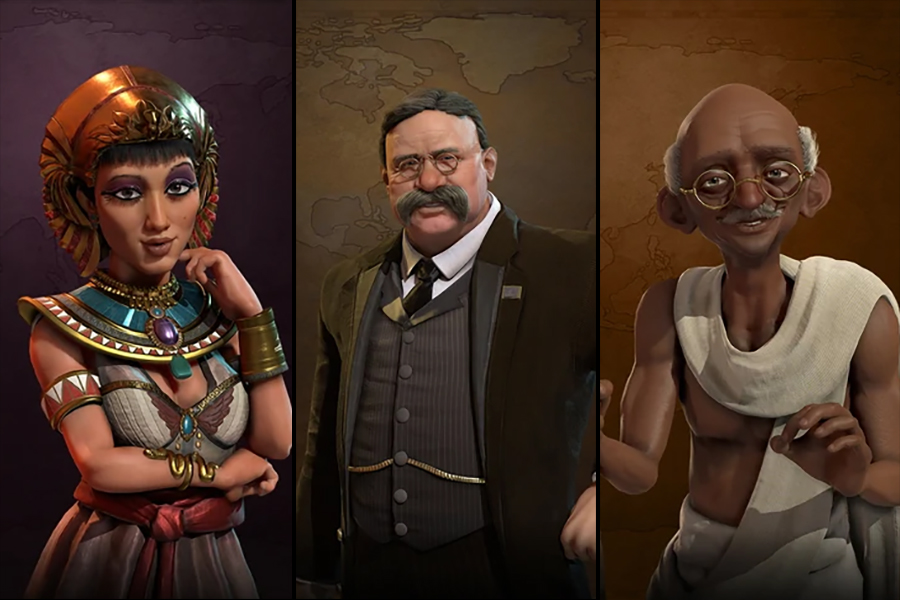
Jeremiah McCall is a history teacher at Cincinnati Country Day School and the author of Gaming the Past: Using Video Games to Teach Secondary School. He talked to Distillations about what it's like to use video games in his history classes, the criteria he uses in choosing games, and why he likes his students to question the media they are consuming. Credits Hosts: Alexis Pedrick and Elisabeth Berry Drago Senior Producer: Mariel Carr Producer: Rigoberto Hernandez Audio Engineer: Jonathan Pfeffer

Learning History with Video Games
The pandemic made gamers out of many Americans, including our producer, Rigoberto Hernandez. He played a lot of historical video games and it got him thinking: can you learn history from video games even though they are obviously fiction? Throughout history there have been many moral panics about people consuming historical fiction and taking what they read and watch as fact, so how do video games stack up? It turns out that they can empower players in better ways than TV shows, films, and books. Credits Hosts: Alexis Pedrick and Elisabeth Berry Drago Senior Producer: Mariel Carr Producer: Rigoberto Hernandez Audio Engineer: Jonathan Pfeffer

Ladies Talking to Ladies about Ladies (in Science)
Anna Reeser is a historian of technology and Laila McNeil is a historian of science. Together they co-founded and are editors-in-chief of Lady Science, an independent magazine about women, gender, history, and popular culture of science. Now the duo has a new book titled Forces of Nature: The Women Who Changed Science. They talked to us about moving beyond biographies, how women who had knowledge about the natural world are suspect, and reintegrating women's history into the mainstream.

Paradise Is Burning
For decades, the official fire policy of the Forest Service was to put out all fires as soon as they appeared. That might seem logical, but there is such a thing as a good fire, the kind that helps stabilize ecosystems and promotes biodiversity. Native American communities understood this and regularly practiced light burning. So why did the Forest Service ignore this in favor of unabated fire suppression? In 1910 a massive fire known as "the big blow up" or "the big burn" devastated northern Idaho and Western Montana. It left a huge mark on the then five-year-old Forest Service and had consequences we still see today. Credits Hosts: Alexis Pedrick and Elisabeth Berry Drago Senior Producer: Mariel Carr Producer: Rigoberto Hernandez Audio Engineer: Jonathan Pfeffer
Interview with Colin Dickey
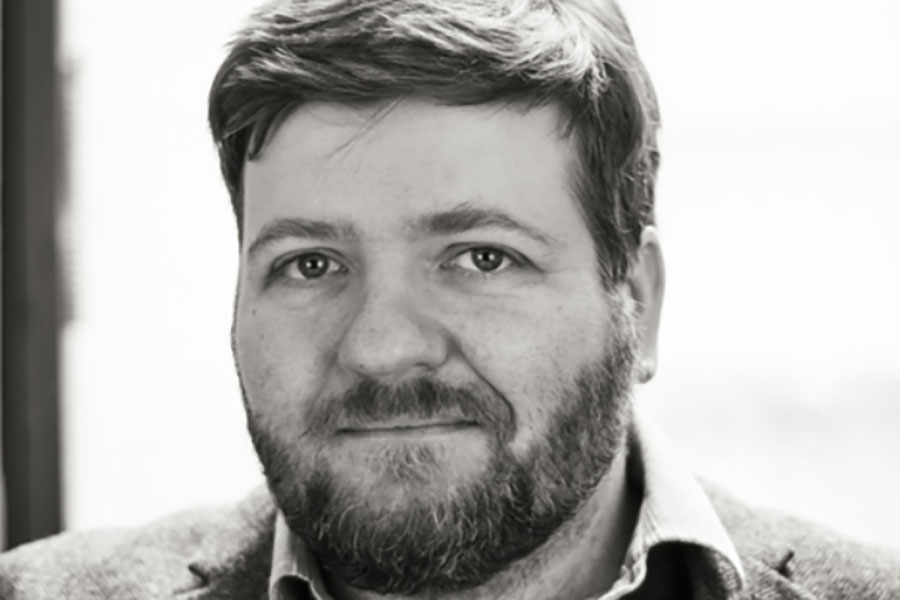
Ghost hunters on television all seem to have a common goal: to prove that ghosts are real using sophisticated, yet inexact technology. Colin Dickey, the author of Ghostland: An American History in Haunted Places, says this is not an accident. The relationship between technology and ghosthunters is as old as the telegraph. But Dickey is not interested in proving they are real; he is fascinated with what the ghost stories we tell reveal about our society. Credits: Hosts: Alexis Pedrick and Elisabeth Berry Drago Senior Producer: Mariel Carr Producer: Rigoberto Hernandez Audio Engineer: Jonathan Pfeffer

Ghost Hunting in the 19th Century
The 19th century was a time of rapid technological leaps: the telegraph, the steam boat, the radio were invented during this century. But this era was also the peak of spiritualism: the belief that ghosts and spirits were real and could be communicated with after death. Seances were all the rage. People tried to talk to their dead loved ones using Ouija boards and automatic writing. Although it might seem contradictory, it's not a coincidence that this was all happening at the same time. There have always been questions about life after death, but in the 19th century people found new ways to investigate them using these new cutting-edge technological tools. And part of it was that some of these new tools felt supernatural in and of themselves. The radio, the telegraph, the phonograph: these allowed us to speak over inconceivable distances, communicate instantly from an ocean away, and even preserve human voices in time and after death. But something else was going on in the 19th century. The people who were trying to figure out if we could really talk to ghosts were not just on the fringes - many of them were scientists. Credits Hosts: Alexis Pedrick and Elisabeth Berry Drago Senior Producer: Mariel Carr Producer: Rigoberto Hernandez Audio Engineer: Jonathan Pfeffer Music: "Lanterns Ascending" - Jerry Lacey "Shapeshifter" - Martin Klem "Behind that Door" - Farrell Wooten "First Sign" - Mahlert "Black Core" - Guy Copeland "Maximum State" - Ethan Sloan "String Quartet No. 3, Op. 41 Adagio Part 4" - Traditional "Chronicles of a Mystic Dream" - Grant Newman "Deep Cellar" - Experia "Shapeless Inside" - Cobby Costa "Aquamarine" - Mahlert "Decomposed" - Philip Ayers Special thanks to Charley Levin and Lena Kidd-Nicolella for their portrayal of Maggie and Kate Fox. Image courtesy of Wikimedia Commons.

Vampire Panic
In the 19th century a mysterious illness afflicted rural New England. Often called the Great White Plague for how pale it made its victims, it was also called "consumption" because of the way it literally consumed people from the inside out, gradually making them weaker, paler, and more lifeless until they were gone. Today we know it as tuberculosis, an infectious bacterial disease that attacks the lungs and causes a hacking cough, a wasting fever, and night sweats. But back then the main suspect was vampires. Credits Hosts: Alexis Pedrick and Elisabeth Berry Drago Senior Producer: Mariel Carr Producer: Rigoberto Hernandez Audio Engineer: Jonathan Pfeffer

We're Back! Distillations Summer Season Preview
trailerThis summer leave reality behind and join Distillations for an entire season about fantasy! We're talking vampires! Ghosts! Witches! And we promise, it all has to do with the history of science. Season launches on June 29.

Interview with Stéphane Bancel
Last year Distillations talked to people who have special insight into the coronavirus crisis—biomedical researchers, physicians, public health experts, and historians. In this episode we talk to Stéphane Bancel, CEO of Moderna, a biotech company that developed one of the three emergency-approved COVID-19 vaccines in the United States. The Moderna vaccine is unique in that it uses a new technology that has been decades in the making called messenger RNA, or mRNA. Bancel reflects on the development timeline of the vaccine: from learning about the virus while reading the Wall Street Journal in 2019 to the moment he finally got his own shot at a Moderna facility. He talks about the promise of mRNA and what's ahead for Moderna. Credits Host: Alexis Pedrick Senior Producer: Mariel Carr Producer: Rigoberto Hernandez Researcher: Jessica Wade Audio Engineer: Jonathan Pfeffer

The Disappearing Spoon: The Anatomy Riots
In the 1700s human dissection was a big taboo—people feared that it would leave their bodies mangled on Judgment Day, when God would raise the dead. As a result, government officials banned most dissections. This led to some unintended consequences, most notably a shortage of bodies for anatomists to dissect. To meet the heightened demand, a new profession emerged: grave-robbers. These so-called resurrectionists dug up the bodies of poor people to sell to anatomists, which led to riots in the streets. Credits Host: Sam Kean Senior Producer: Mariel Carr Producer: Rigoberto Hernandez Audio Engineer: Jonathan Pfeffer

When a Hole in the Head is a Good Thing
Credits Host: Sam Kean Senior Producer: Mariel Carr Producer: Rigoberto Hernandez Audio Engineer: Jonathan Pfeffer Music: "Trois Gnossiennes 3," "Stately Shadows," "Darklit Carpet," "Vernouillet," and "Tossed" by Blue Dot Sessions. "Conjunto Sol del Peru," by Pockra (Vol. 2: Musica de los Andes Peruanos). "Conjunto Sol del Peru," by Wuaylias Tusy (Vol. 2: Musica de los Andes Peruanos). "Conjunto Sol del Peru," by Ckashampa (Vol. 2: Musica de los Andes Peruanos) Image courtesy of the Wellcome Collection.

The Disappearing Spoon: When Mosquitoes Cured Insanity
How an early 20th century doctor pitted one scourge (malaria) against another (syphilis). Credits Host: Sam Kean Senior Producer: Mariel Carr Producer: Rigoberto Hernandez Audio Engineer: Jonathan Pfeffer Music: "Delamine" by Blue Dot Sessions. All other music composed by Jonathan Pfeffer.

The Death of the Lord God Bird
The ivory-billed woodpecker is sometimes called the Lord God bird, a nickname it earned because that's what people cried out the first time they ever saw one: "Lord God, what a bird." Even though the last confirmed sighting was in the 1930s, birders have been claiming they have seen the Lord God bird throughout the years, turning it into a myth. The sad part is it didn't need to be this way. And it's all Hitler's fault. As crazy as it sounds, the ivory-billed woodpecker was one of last victims of the Nazi war machine. Host: Sam Kean Senior Producer: Mariel Carr Producer: Rigoberto Hernandez Audio Engineer: Jonathan Pfeffer

Disappearing spoon: Chewing it Over—and Over and Over and Over
If Ted Talks were around in the early 1990s, Horace Fletcher would have given his fair share of them. Fletcher was a health reformer who thought people didn't chew their food nearly enough. He believed that most swallowed food way too quickly. This had all sorts of detrimental health consequences, he said, including nasty bowel movements. So he over-chewed his food. He once chewed a green onion 722 times before he let himself swallow it. His idea became such a sensation that it became a movement known as "Fletcherism." His ideas made it to the White House and could have even changed the tide of World War I. Credits Host: Sam Kean Senior Producer: Mariel Carr Producer: Rigoberto Hernandez Audio Engineer: Jonathan Pfeffer Music: Photo: Science History Institute.

The Disappearing Spoon: What's the Longest Word in the English Language?
Shakespeare had a go at at the longest word in the English language with "honorific-abilitude-in-i-tat-i-bus." If you play the game of stacking suffixes and prefixes together, you can get "antidisestablishmentarianism," one letter longer for a total of 28 letters. But the longest word by far appeared in 1964 in Chemical Abstracts, a dictionary-like reference for chemists. The word describes a protein in what's called the tobacco mosaic virus, and it runs 1,185 letters long. Besides being too long to write here, it tells us a lot about the unusual chemistry of carbon. Credits Host: Sam Kean Senior Producer: Mariel Carr Producer: Rigoberto Hernandez Audio Engineer: Jonathan Pfeffer "Delamine" by Blue Dot Sessions. All other music composed by Jonathan Pfeffer.

The Disappearing Spoon: Why Don't We Have a Male Birth Control Pill Yet?
The debut of the female birth control pill in 1960 was revolutionary. The combination of progesterone and estrogen allowed women to control their reproductive lives much more easily and effectively. But the pill had many unpleasant and even dangerous side effects. In fact, some doctors argue that it wouldn't win government approval today. So why haven't scientists tried to create a birth control pill for men? It turns out they have. In the 1950s scientists created a really good one. But it had one problem—you can't drink alcohol when you take it. Credits Host: Sam Kean Senior Producer: Mariel Carr Producer: Rigoberto Hernandez Audio Engineer: Jonathan Pfeffer Music: Jean-Claude Risset - Mutations Peter B - The Growling Dog Hit Perry & Kingsley - Cosmic Ballad Charlie Hoistman - Ptpar(({|i|[i*8,Pbind(\scale,[0,2,4,7,9],\degree,Pseq(32.fib.fold(0,10),4)+(2*i+i)-10,\dur,1+2**i%2/6)]}!4).flat).play // #supercollider Régis Renouard Larivière - Contrée Raymond Scott - Lightworks Deerhoof - Despareceré Juk Suk Reet Meate - B3 (excerpt from Solo 1978/79) Ben Vida - Ssseeeeiiiiii Marmots - Sheath and Knife Tim Walters - play{({|k|({|i|y=SinOsc;y.ar(i*k*k,y.ar(i*k**i/[4,5])*Decay.kr(Dust.kr(1/4**i),y.ar(0.1)+1*k+i,k*999))}!8).product}!16).sum}//#supercollider Eva-Maria Houben - quatuor iv Young Marble Giants - Zebra Trucks All other music composed by Jonathan Pfeffer.

The Disappearing Spoon: Crowdfunding Radium
From the Disappearing Spoon, our new podcast! Radium was once the trendiest element in the world. It glowed alluringly in the dark and was hailed it as a medical panacea. It was also the basis of Marie Curie's research—for which she won her second Nobel Prize in 1911. But by 1920 radium was scarce and its cost was eye-popping: one hundred thousand dollars per gram. When Curie's research ground to a halt because of the expense, thousands of American women stepped in to raise money for the precious chemical element.

The Disappearing Spoon: Parking lot or Peking lot?
From our new podcast, the Disappearing Spoon: The so-called "Peking Man" fossils are some of the first ancient human remains discovered in mainland Asia. So when they disappeared during World War II, it was called one of the worst disasters in the history of archaeology. Now some archeologists claim to have tracked them down. The only problem is they're underneath a parking lot. Credits Host: Sam Kean Senior Producer: Mariel Carr Producer: Rigoberto Hernandez Audio Engineer: Jonathan Pfeffer Original Music by Jonathan Pfeffer Wang Fan - Zero (from An Anthology of Chinese Experimental Music 1992-2008) Listening to the Pine-trees (from Chine / Musique Classique) Sarah Hennies – Fleas Wang Changcun - Through the Tide of Faces (from An Anthology of Chinese Experimental Music 1992-2008) Zhegu Fei (The Partridge) (from Chine / Musique Classique) All other music composed by Jonathan Pfeffer.

The Disappearing Spoon: Orphan Vaccines
The Science History Institute has launched a second podcast! We've teamed up with New York Times best-selling author Sam Kean to bring you even more stories from our scientific past. Don't worry, Distillations podcast isn't going anywhere; we're still producing the in-depth narrative-style episodes you know and love! We've just doubled your history of science listening pleasure. For the next 10 weeks we'll bring you stories from the footnotes of the history of science, from the saga of the male birth control pill to this inaugural episode: how the smallpox vaccine made its way around the world before refrigeration. Amid all the logistical headaches of the COVID-19 vaccine rollout, one huge challenge involves the cold chain. The cold chain is a network of freezers and refrigerators that keep vaccine doses at the consistently cold temperatures they need to stay viable. Though complicated, this is all doable in the 21st century. But how did the world's very first vaccine, created for smallpox in 1796, make it around the world? Live carriers—specifically, orphan boys. Credits Host: Sam Kean Senior Producer: Mariel Carr Producer: Rigoberto Hernandez Audio Engineer: Jonathan Pfeffer "Delamine" by Blue Dot Sessions "La Flecha Incaia" by El Conjunto Sol Del Peru. All other music composed by Jonathan Pfeffer.

Tales of Love and Madness from the Periodic Table
Did you know that Gandhi hated iodine? Or that Silicon Valley was almost called Germanium Valley? Our producer Rigoberto Hernandez talked about these stories and more with Sam Kean, author of The Disappearing Spoon, a book about the stories behind the periodic table. The New York Times best-selling author and regular Distillations magazine contributor described how Dmitri Mendeleev's publisher accidentally shaped the periodic table, why gallium is a popular element for pranksters, and what inspired the title of his book. Kean, Sam. The Disappearing Spoon. New York: Little, Brown & Company, 2010. Credits Host: Elisabeth Berry Drago & Alexis Pedrick Senior Producer: Mariel Carr Producer: Rigoberto Hernandez Audio Engineer: Jonathan Pfeffer Original music by Jonathan Pfeffer

Predicting the Pandemic: An interview with Wendy Zukerman, Host of "Science Vs." Podcast
Distillations is hard at work on our next season. It's not quite ready, but we have a treat for you in the meantime. We interviewed Wendy Zukerman, the host and executive producer of one of our favorite podcasts, Science Vs. In normal times the show pits facts against fads—they talk about everything from detox diets to the supposed benefits of Cannabidiol, or CBD. Since early 2020, however, they've been reporting about the Coronavirus pandemic. But they actually started even earlier than that—in the fall of 2019 they coincidentally produced an episode all about global pandemics. We talked with Wendy about whether or not she's psychic, the challenges of pivoting to news reporting, and why it's so important for Science Vs. to tell history of science stories. The latest season of Science Vs. (which is not about COVID-19) just launched on March 4! Credits Host: Elisabeth Berry Drago Senior Producer: Mariel Carr Producer: Rigoberto Hernandez Audio Engineer: Jonathan Pfeffer Original music by Jonathan Pfeffer

COVID's Hidden Toll on Nurses
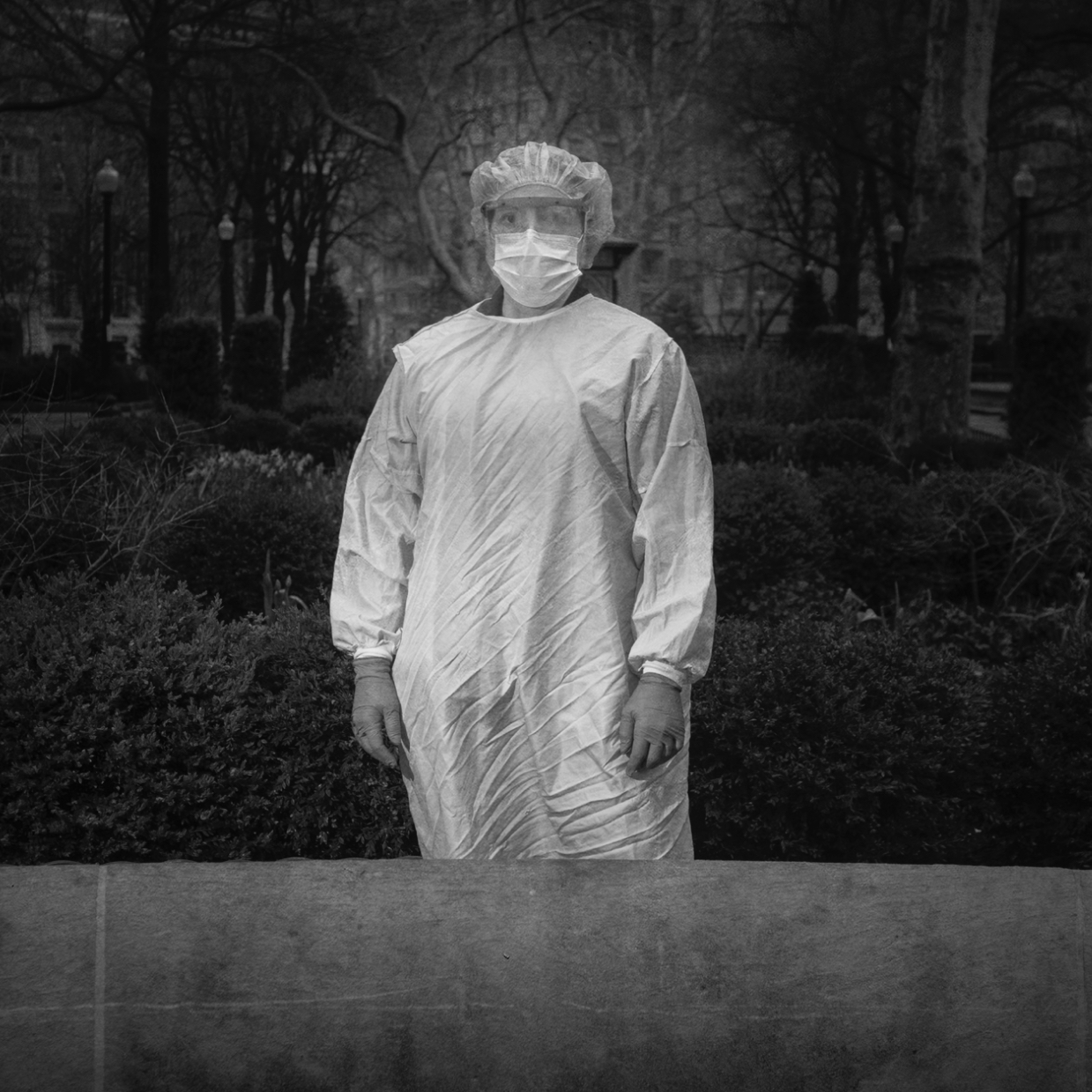
As the pandemic began raging again this fall we talked with nurse Linda Ruggiero about what it's like to be on the front lines for a second wave. She talks about how treatment has changed, what we still don't know about the disease, and how every nurse she knows is suffering from PTSD. Host: Elisabeth Berry Drago Senior Producer: Mariel Carr Producer: Rigoberto Hernandez Music by Blue Dot Sessions. Photograph of Linda Ruggiero by Kyle Cassidy.
Between Us and Catastrophe
We've collaborated with Philadelphia photographer Kyle Cassidy to tell the stories of our city's essential workers. This fall his large-scale portraits of nurses, sanitation workers, Instacart shoppers, mask-makers, and delivery drivers will be on display on the exterior of the Science History Institute, in Old City Philadelphia. Find out more at sciencehistory.org/pandemic. Hosts: Alexis Pedrick and Elisabeth Berry Drago Senior Producer: Mariel Carr Producer: Rigoberto Hernandez Music by Blue Dot Sessions: "Arlan Vale," "Alum Drum," "Setting Pace," "Kalstead," "Drone Pine," and "Raskt Landsby."

Space Junk
Outer space is crowded. Satellites, pieces of rocket, and stuff that astronauts left behind, such as cameras and poop, are just floating around. This space junk can pose a threat to our communication systems. In this episode we talk with Lisa Ruth Rand, a fellow at the Science History Institute, about her upcoming book on space junk. She tells us how space weather—that's right, there's space weather—can have an effect on what falls on Earth. She also talks about how our views on space debris reveal our attitudes back on Earth and how space junk truly made the space age global. Credits Hosts: Alexis Pedrick and Elisabeth Berry Drago Senior Producer: Mariel Carr Producer: Rigoberto Hernandez Audio Engineer: James Morrison Resource List Interview with Marie Ruman. Canadian Broadcasting Corporation, January 24, 1978. Judd, Bridget. "NASA's Skylab met its demise in Australia more than 40 years ago—but was it really an accident?" Australian Broadcasting Corporation, May 30, 2020. The MacNeil/Lehrer Report, "Cosmos 954." January 25, 1978, American Archive of Public Broadcasting. Rand, Lisa Ruth. "Orbital Decay: Space Junk and the Environmental History of Earth's Planetary Borderlands." PhD diss., University of Pennsylvania, 2016. Rand, Lisa Ruth. "Wasted Space: The History of Orbiting Junk." Science History Institute, December 5, 2019. Trudeau, Pierre Elliott. Speech at the House of Commons of Canada, January 24, 1978.
Who Owns Outer Space?
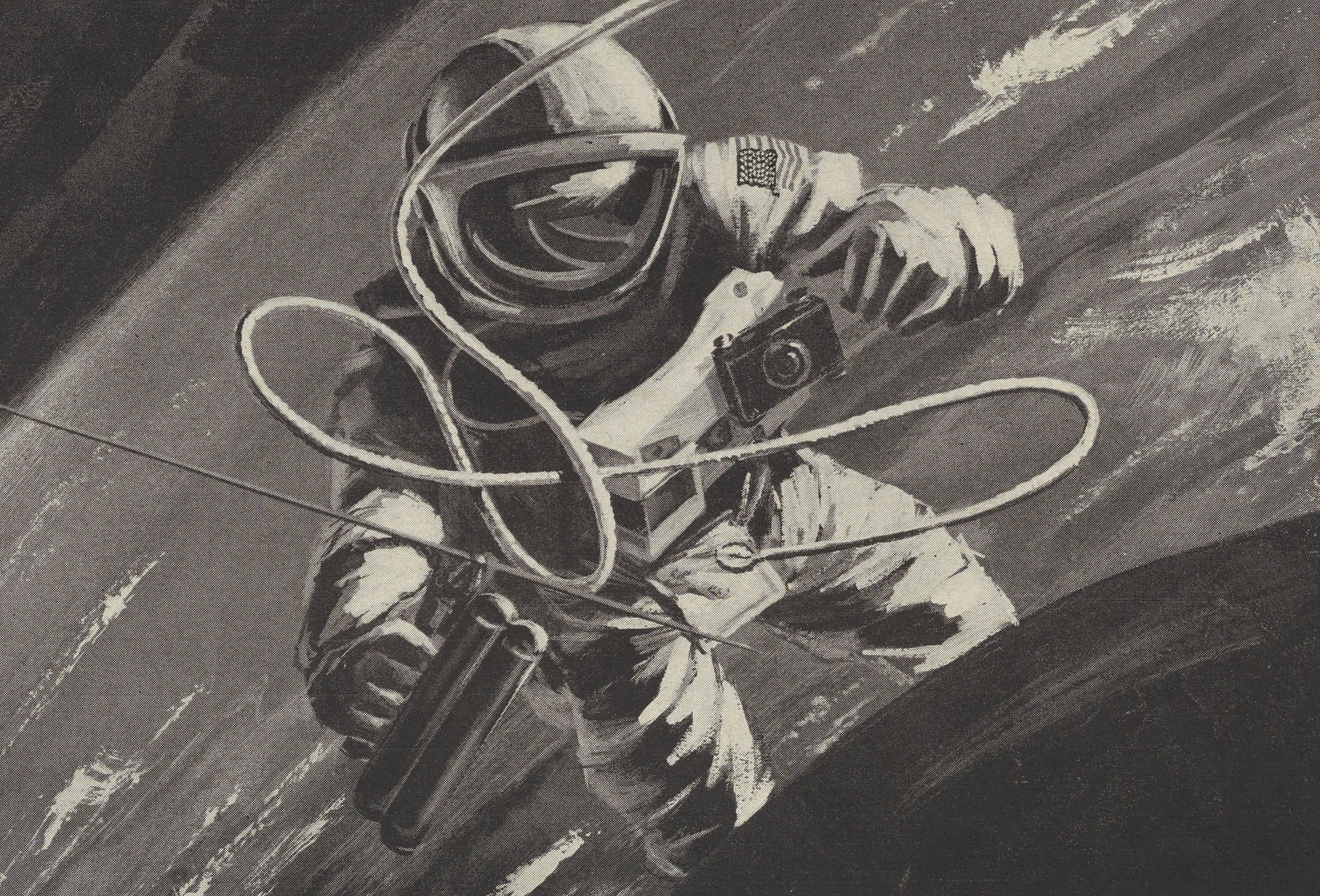
Outer space belongs to everyone and no one, at least that's what the Outer Space Treaty of 1967 says. On its face, this seems like an uncontroversial statement. But in the 1970s a group of equatorial countries challenged this idea. Only the richest and most powerful countries can afford to reach outer space in the first place, they argued, so in principle these nations controlled it. The protesting countries were ignored at the time, but to some their warnings seem more urgent now that it isn't just wealthy nations with space programs, but also individual billionaires. Hosts: Alexis Pedrick and Elisabeth Berry Drago Senior Producer: Mariel Carr Producer: Rigoberto Hernandez Audio Engineer: James Morrison Music by Blue Dot Sessions
The Alchemical Origins of Occupational Medicine
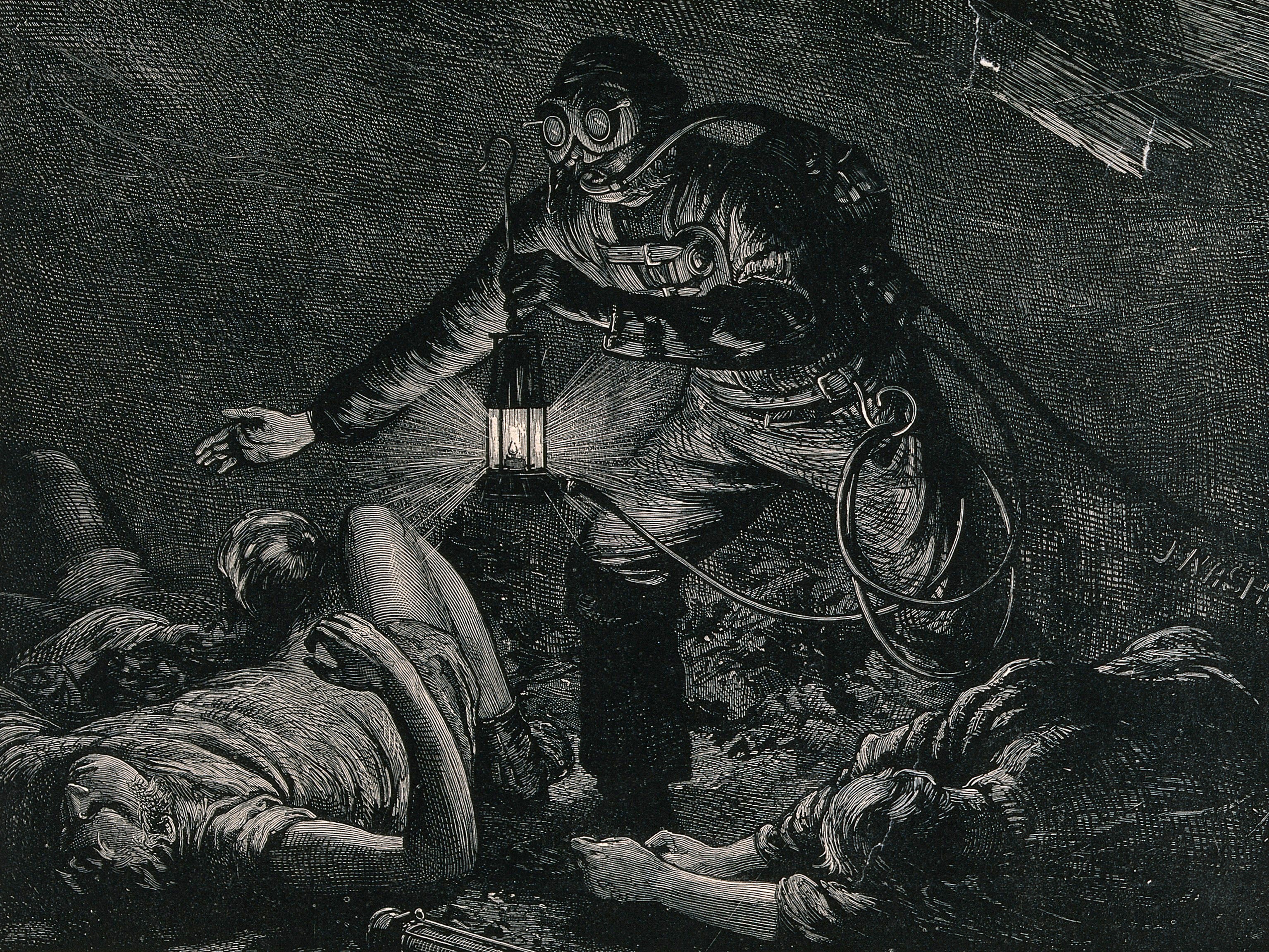
Worldwide nearly 3 million workers die on the job each year. U.S. workers experience roughly that same number of injuries and illnesses each year. Work is hard and dangerous, and we have the data to prove it. But who started collecting that data? The answer takes us back to Paracelsus, an early modern physician and alchemist who noticed that the miners he lived among often became very ill or died. His inquiries laid the foundation for occupational health and the workplace safety standards we have today. Hosts: Alexis Pedrick and Elisabeth Berry Drago Senior Producer: Mariel Carr Producer: Rigoberto Hernandez Audio Engineer: James Morrison
Bonus Episode: Doing Science with an Invisible Disability
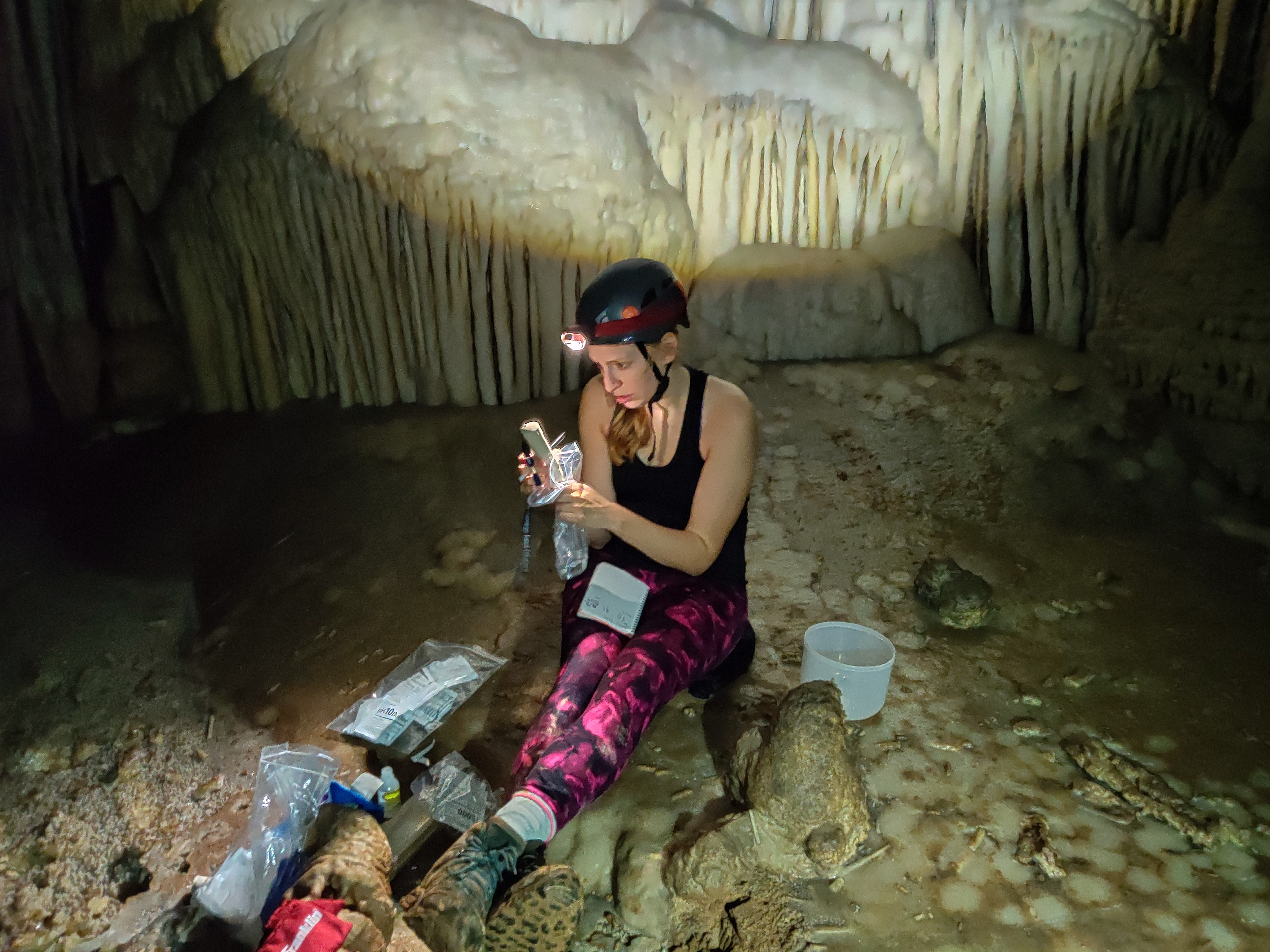
bonusEarning a PhD can be grueling for the healthiest student. But what is it like for a student with widespread pain and fatigue? Is it even possible? Marine geologist and geophysicist Gabriela Serrato Marks tells us that academia was not set up for people like her, and she wants to change that. Hosts: Alexis Pedrick and Elisabeth Berry Drago Senior Producer: Mariel Carr Producer: Rigoberto Hernandez Audio Engineer: Jonathan Pfeffer Original Music by Zach Young
Science and Disability Part 2
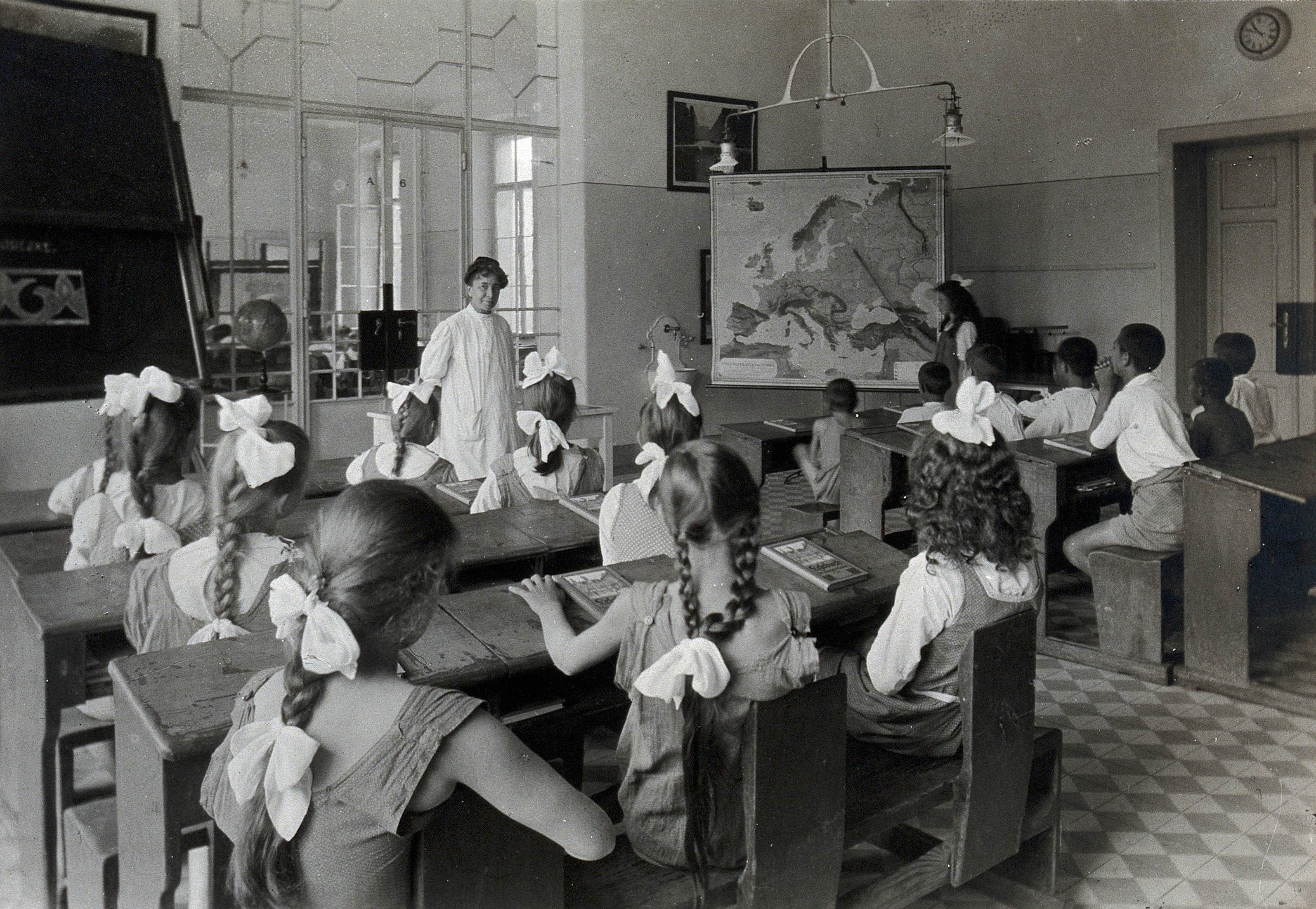
There's a common assumption that to be a scientist you must also be a genius, someone who excelled at school and learns easily and quickly. But are these really the qualities necessary to produce new scientific knowledge? Collin Diedrich is a research scientist with a doctorate in molecular virology and microbiology. On paper he might seem to be the archetypal smart scientist, but the reality is more complicated. Collin has multiple learning disabilities, and he has struggled to overcome the stigma that comes with them for his entire life. In this episode we explore how our narrow definition of intelligence not only holds back people such as Collin, but also prevents the creation of new scientific knowledge that benefits us all. This is the second of two episodes about science and disability and was produced in collaboration with the Science and Disability oral history project at the Science History Institute. Credits Hosts: Alexis Pedrick and Elisabeth Berry Drago Senior Producer: Mariel Carr Producer: Rigoberto Hernandez Audio Engineer: James Morrison Resource List Martucci, Jessica. "History Lab: Through the Lens of Disability." Science History Institute, June 22, 2019. Martucci, Jessica. "Through the Lens of Disability." Distillations, November 8, 2018. Martucci, Jessica. "Science and Disability." Distillations, August 18, 2017. Diedrich, Collin. Oral history conducted on 19 and 22 June 2017 by Jessica Martucci and Gregory S. Waters, Science and Disability project, Science History Institute.

Bonus Episode: A Short History of Disability in the United States
bonusJuly 26th, 2020 marked the 30th anniversary of the signing of the Americans with Disabilities Act. But the history of disability in the United States goes back much further. Historian Kim Nielsen tells us that disability has always been part of American life, from precolonial times to today. Our producer Rigoberto Hernandez talked with Nielsen about her book A Disability History of the United States.
Science and Disability
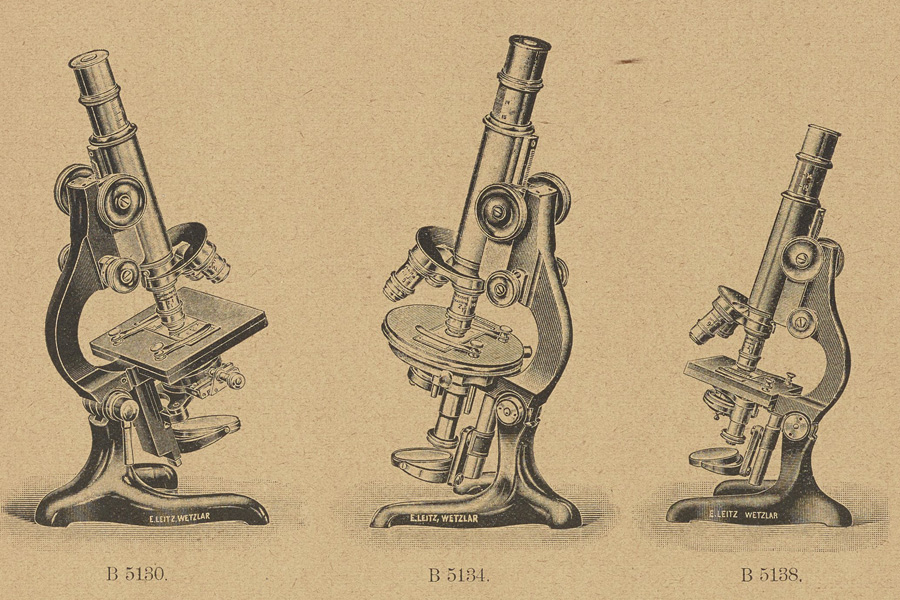
Everyone knows that observation is a key part of the scientific method, but what does that mean for scientists who can't see? Judith Summers-Gates is a successful, visually impaired chemist who uses a telescope to read street signs. If the thought of a blind scientist gives you pause, you're not alone. But stop and ask yourself why. What assumptions do we make about how knowledge is produced? And who gets to produce it? And who gets to participate in science? In this episode we go deep into the history of how vision came to dominate scientific observation and how blind scientists challenge our assumptions. This is the first of two episodes about science and disability and was produced in collaboration with the Science and Disability oral history project at the Science History Institute. Credits Hosts: Alexis Pedrick and Elisabeth Berry Drago Senior Producer: Mariel Carr Producer: Rigoberto Hernandez Audio Engineer: James Morrison Resource List Lemonick, Sam. "Artificial intelligence tools could benefit chemists with disabilities. So why aren't they?" C&EN, March 18, 2019. Martucci, Jessica. "History Lab: Through the Lens of Disability." Science History Institute, June 22, 2019. Martucci, Jessica. "Through the Lens of Disability." Distillations, November 8, 2018. Martucci, Jessica. "Science and Disability." Distillations, August 18, 2017. Slaton, Amy. "Body? What Body? Considering Ability and Disability in STEM Disciplines."120th ASEE Annual Conference & Exposition, January 23, 2013. Summers-Gates, Judith. Oral history conducted on 20 January and 6 February 2017 by Jessica Martucci and Lee Sullivan Berry, Science and Disability project, Science History Institute.

Collecting Monstrosity
We've long been fascinated by the mysteries of reproduction. But that curiosity is piqued most intensely when something unexpected happens. The study of such "monstrous births," as scientists once called them, propelled forward our understanding of how embryos and fetuses develop. And the key to unlocking this knowledge was found gathering dust in the basement of the Russian Academy of Sciences, in a macabre collection assembled by Czar Peter the Great. The story behind this collection reveals a little-known corner of the history of the life sciences and raises some big questions, like how do bodies we see as abnormal inform and define what we see as normal? And how does this influence how we think about disability today? Credits Hosts: Alexis Pedrick and Elisabeth Berry Drago Senior Producer: Mariel Carr Producer: Rigoberto Hernandez Audio Engineer: James Morrison Music by Blue Dot Sessions: "When in the West," "Calisson," "Entwined Oddity," "Stately Shadows," "Louver," "Tuck and Point," "Our Only Lark." Additional songs by the Audio Network.

Preview: New Season Coming August 4th!
trailerOur new season starts August 4th!

BONUS EPISODE: Pandemic Perspectives with Magda Marquet
bonusOver the past few weeks Distillations has been talking to people who have special insight into the coronavirus crisis—biomedical researchers, physicians, public health experts, and historians. In this episode we talk with Magda Marquet, a biochemical engineer and an entrepreneur. Marquet has spent decades working on DNA vaccines, one of the many techniques being used to create a vaccine for Covid-19. She also sits on the board of Arcturus Therapeutics, which is developing a vaccine for the disease. She tells us about how a company she cofounded, AltheaDx, is taking on the mental health crisis, which has been exacerbated by the pandemic. And she discusses her hopes that the lessons learned during the pandemic might change society for the better. Credits | Transcript Credits Host: Lisa Berry Drago Senior Producer: Mariel Carr Producer: Rigoberto Hernandez Researcher: Jessica Wade Audio Engineer: Jonathan Pfeffer Original music by Zach Young.

BONUS EPISODE: Pandemic Perspectives with Robert Langer
bonusWe talk about COVID-19 with Robert Langer, a chemical engineer and an entrepreneur, who runs the largest biomedical engineering research laboratory in the world at MIT. He has also started numerous biotech companies, including Moderna Therapeutics, a company that's been making headlines for the COVID-19 vaccine they're developing. Langer told us about his work with the Gates Foundation to develop a way for vaccines to self-boost in the body, his work with the sneaker company New Balance to create masks, and his thoughts about how diagnostic testing could be better. Credits Host: Alexis Pedrick Senior Producer: Mariel Carr Producer: Rigoberto Hernandez Researcher: Jessica Wade Audio Engineer: Jonathan Pfeffer Original music composed by Zach Young.

BONUS EPISODE: Pandemic Perspectives with Mark Stevenson
bonusOver the next several weeks Distillations will be talking to people who have special insight into the coronavirus crisis—biomedical researchers, physicians, public health experts, and historians. In this episode we talk to Mark Stevenson, the chief operating officer of Thermo Fisher Scientific, an instrumentation company that has designed a diagnostic test for the novel coronavirus. The company is also working on a serology test, which will determine who has already had the virus. He tells us how the company developed those tests and the role they play in managing this pandemic. Credits Host: Alexis Pedrick Senior Producer: Mariel Carr Producer: Rigoberto Hernandez Researcher: Jessica Wade Audio Engineer: Jonathan Pfeffer

BONUS EPISODE: Pandemic Perspectives with John Maraganore
bonusOur senior producer, Mariel Carr, talks with John Maraganore, the CEO of Alnylam Pharmaceuticals, a company developing an antiviral medication for COVID-19. When news broke in January about the new coronavirus, John Maraganore made the decision to pause other drugs in development and pivot to working on an antiviral medication for this new and alarmingly infectious virus. He says it was a difficult decision, but this virus had all the ingredients to become a pandemic. "And when you have a public health crisis like this, that's what you do."

BONUS EPISODE: Pandemic Perspectives with Katrine Bosley
bonusOver the next several weeks Distillations will be talking to people who have special insight into the coronavirus crisis—biomedical researchers, physicians, public health experts, and historians. In this episode our producer Rigberto Hernandez talks with Katrine Bosley, who has worked in the biotech industry for more than 30 years. Until recently she was the CEO of Editas Medicine, a company that focuses on a gene-editing technology known as CRISPR. She's now on the board of the Massachusetts Eye and Ear Hospital and is advising the facility on its quest to create a COVID-19 vaccine. She tells us how CRISPR can be used to make faster diagnostic tests and how the hospital in Boston is creating a vaccine using a gene therapy method. "One of the things that's important for all of us competing against this virus is to have a lot of technologically different strategies to try to make a vaccine." Credits Hosts: Elisabeth Berry Drago, Alexis Pedrick Senior Producer: Mariel Carr Producer: Rigoberto Hernandez Researcher: Jessica Wade Audio Engineer: Jonathan Pfeffer