
Distillations | Science History Institute
370 episodes — Page 3 of 8

BONUS EPISODE: Pandemic Perspectives with William Haseltine
bonusWe talk to William Haseltine, a scientist, entrepreneur, and author who has lived through three epidemics (polio, HIV/AIDS, and now COVID-19). He tells us how his lab in the 1980s was better prepared to deal with HIV/AIDS than we are now for COVID-19 and what he thinks lies ahead for us with this pandemic. Over the next several weeks Distillations will be talking to people who have special insight into the coronavirus crisis—biomedical researchers, physicians, public health experts, and historians. Credits Hosts: Elisabeth Berry Drago, Alexis Pedrick Senior Producer: Mariel Carr Producer: Rigoberto Hernandez Researcher: Jessica Wade Audio Engineer: Jonathan Pfeffer
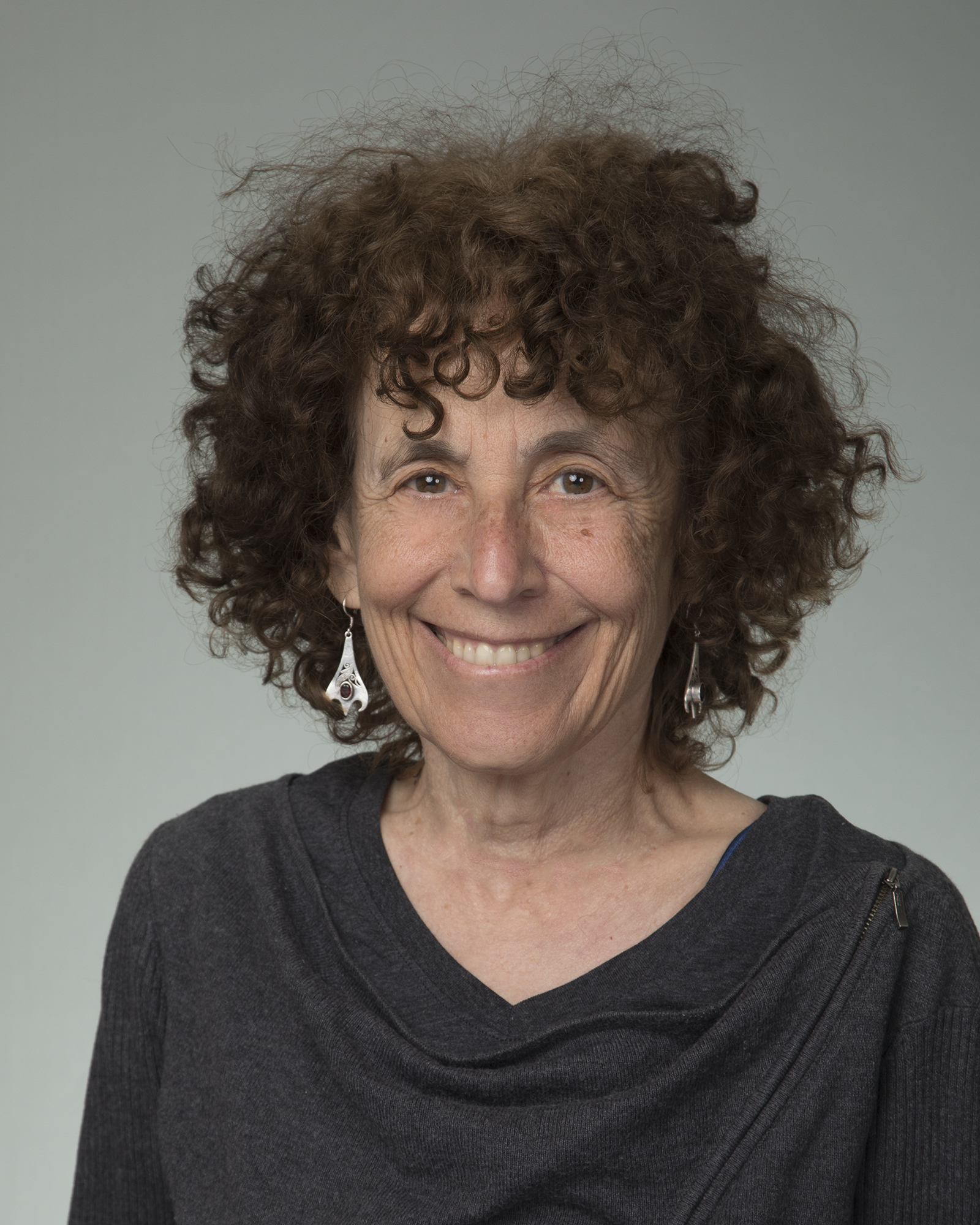
BONUS EPISODE: Pandemic Perspectives with Susan Weiss
bonusOver the next several weeks Distillations will be talking to people who have special insight into the coronavirus crisis—biomedical researchers, physicians, public health experts, and historians. In this episode we speak with Susan Weiss, a microbiology professor at the University of Pennsylvania and the director for the Penn Center for Research on Coronavirus and Emerging Pathogens. She'll talk about her 40-years of experience researching coronaviruses, how her field reacted to the 2002 SARS and 2012 MERS outbreaks, and the importance of studying diseases that transfer from animals to humans. Credits Hosts: Elisabeth Berry Drago Senior Producer: Mariel Carr Producer: Rigoberto Hernandez Researcher: Jessica Wade Additional production: Dan Drago
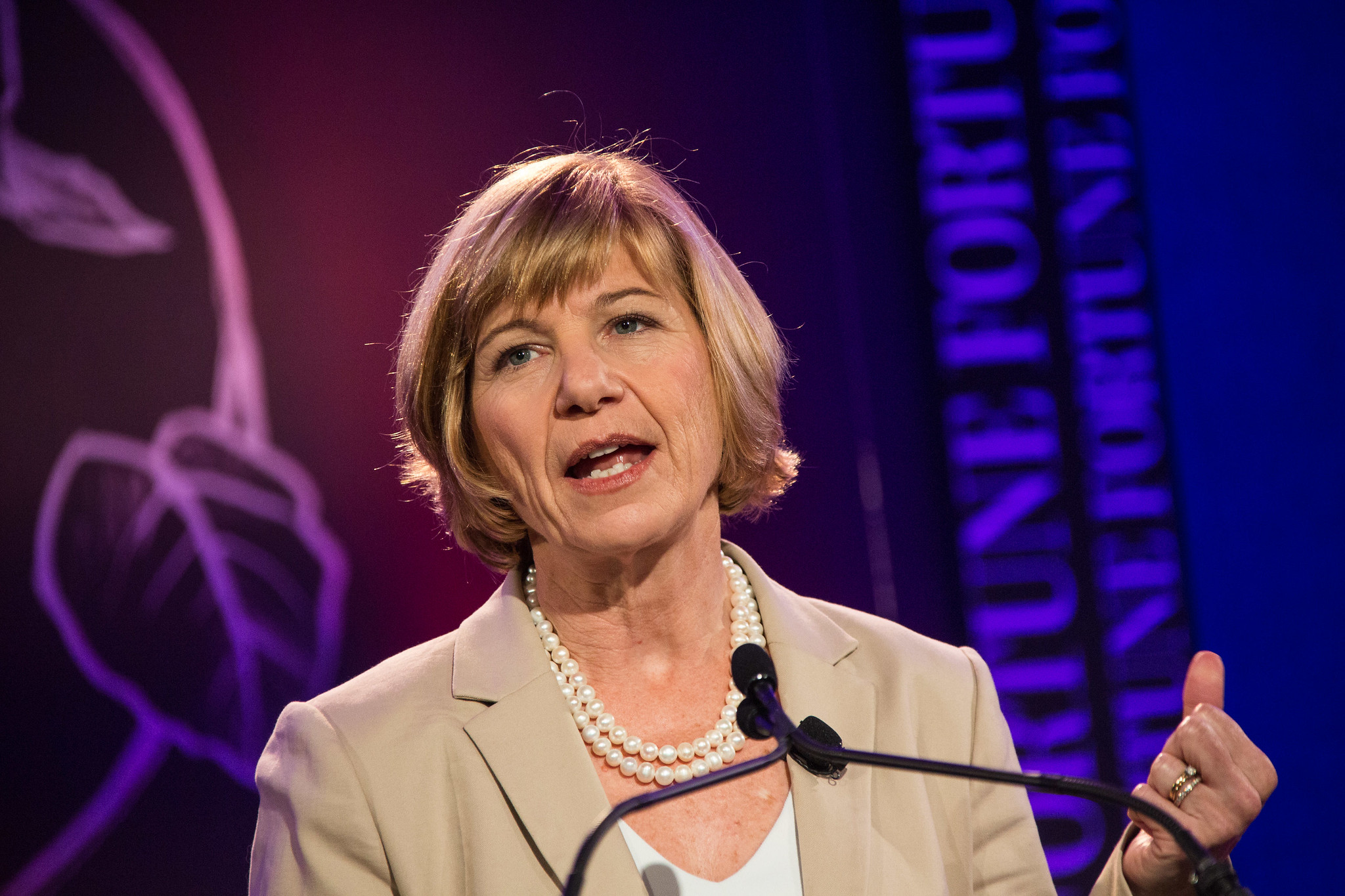
BONUS EPISODE: Pandemic Perspectives with Sue Desmond-Hellmann
bonusOver the next several weeks Distillations will be talking to people who have special insight into the coronavirus crisis—biomedical researchers, physicians, public health experts, and historians. In this episode we speak with Sue Desmond-Hellmann, an oncologist who worked with HIV patients in San Francisco in the 1980s during the HIV/AIDS epidemic. She was also the CEO of the Bill and Melinda Gates Foundation up until December 2019. Desmond-Hellmann tells us about her experiences working as a doctor during the HIV/AIDS epidemic and as a CEO of the Gates Foundation during the Ebola pandemic. She also discusses what we learned from HIV and Ebola that can help us in fighting COVID-19. Credits Hosts: Alexis Pedrick and Elisabeth Berry Drago Senior Producer: Mariel Carr Producer: Rigoberto Hernandez Researcher: Lisa Grissom Image: by Krista Kennell/Fortune Most Powerful Women Summit.
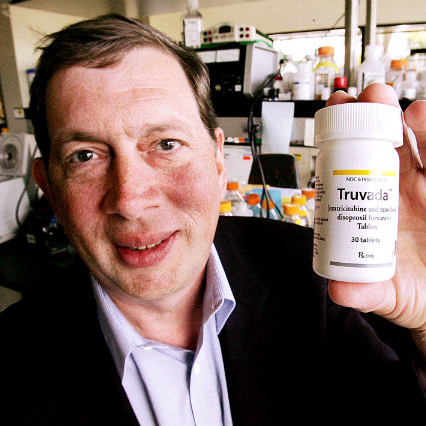
BONUS EPISODE: Pandemic Perspectives with John C. Martin
bonusOver the next several weeks Distillations will be talking to people with special insight into the coronavirus crisis—biomedical researchers, physicians, public health experts, and historians. In this episode we speak with John C. Martin, a biomedical researcher and former CEO of Gilead Sciences. Gilead is a pharmaceutical giant best known for its antiviral therapies for HIV/AIDS and hepatitis, but it's also the company behind remdesivir, an antiviral drug that has recently made headlines as a possible treatment for COVID-19. Martin talked to senior producer Mariel Carr about remdesivir, antiviral treatments for HIV and other illnesses, and working with Anthony "Tony" Fauci. Credits Hosts: Alexis Pedrick and Elisabeth Berry Drago Senior Producer: Mariel Carr Producer: Rigoberto Hernandez Music: "Balti," "Tuck and Point," and "Slimheart" by Blue Dot Sessions. Research Notes "Fauci: New Drug Remdesivir Cuts Down Coronavirus Recovery Time," NBC Nightly News. April 29, 2020.

BONUS EPISODE: Spit Spreads Death
bonusThe historical curator of a new exhibition at the Mütter Museum discusses the eerie parallels between the 1918-1919 flu pandemic and the coronavirus. In the fall of 1918 the (misnomered) Spanish flu ravaged much of the world. Philadelphia was hit especially hard: it had the highest death rate of any major American city. Over the course of six weeks 12,000 people in the city died. Hospitals were overcrowded and bodies piled up. When the Mütter Museum embarked on the multiyear exhibition and public art project Spit Spreads Death, the curators and researchers behind it had no idea how relevant it would become—or how quickly.

BONUS EPISODE: The Blooper Reel
bonusOver the past few years our producers have been saving all the raw tape from our tracking sessions (maybe to blackmail us at some point?) But because we all need some levity these days, we dug it out for your listening pleasure. We hope these outtakes (improvised songs about the history of science, complaints about squeaky chairs, and musings about various forms of a dystopian future) amuse you as much as they amused us. "Climbing the Mountain" by Podington Bear.

Preview: We're moving to seasons!
trailerStay tuned for our upcoming season, dropping in summer 2020!

How Philadelphia's Water Pollution Problems Shaped the City
Philadelphia just had the wettest decade on record, and all that precipitation has wreaked havoc on the city's waterways. Like most old cities, Philadelphia has a combined sewer system—that is, one pipe is used to carry both sewage and stormwater. When it rains a lot, the system gets overwhelmed, forcing the water department to send raw sewage into rivers and creeks. City officials and engineers knew this was going to be a problem when they built the sewer system in the 1800s. The reason why they used a combined system anyway can be best explained by two forces: knowledge ceilings and path dependency. In this episode we're going to explore how the city got to this point and how, in an interesting twist, it led to Philadelphia having one of the most innovative water systems in the country. Philadelphia is home of the Distillations podcast. For this episode we are going to break down three centuries of water-pollution history in our backyard. It is a special collaboration with the Philadelphia Inquirer as part of their series From the Source: Stories of the Delaware River. Credits Host: Elisabeth Berry Drago Reporter: Rigoberto Hernandez, Sebastian Echeverri Senior Producer: Mariel Carr Producer: Rigoberto Hernandez Audio Engineer: James Morrison Additional production: Dan Drago Special thanks to the Science History Institutes, oral history department, and the museum team for doing some of the research that went into this episode. This includes Rebecca Ortenberg, Christy Schneider, Samantha Blatt, Zackary Biro, and Grey Pierce. Resource List Grabar, Henry. "Tunnel Vision." Slate, January 2, 2019. Handy, Jam. "Waters of the Commonwealth." Pennsylvania Sanitary Water Board, 1951. Henninger, Danya. "The Incredible Fairmount Water Works: Explosions, Mark Twain and the Long-Lost Philadelphia Aquarium." Billy Penn, October 10, 2015. Kummer, Frank. "The Secret Scourge of Climate Change? More Raw Sewage in Philadelphia's Waterways." Philadelphia Inquirer, September 13, 2019. Levine, Adam. "Fairmount Water Works." Philadelphia Water Department Water and Drainage History Course, 2015. Nemiroff, Sydney P., dir. "Road Ahead: Milestone 3." Philadelphia Department of Records, ca. 1960. Schulman, Alexis. "Sustainable Cities and Institutional Change: The Transformation of Urban Stormwater Management." PhD diss., Massachusetts Institute of Technology, 2018. Stutz, Bruce. "Philadelphia Is Tackling Its Stormwater Problem." Yale Environment 360 (March 29, 2018).

BONUS EPISODE: Jane Hodgson
bonusIn 1970 Jane Hodgson became the only person in the United States ever convicted for performing an abortion in a hospital. A patient came to her St. Paul, Minnesota OB/GYN practice seeking an abortion. She had two kids, was pregnant with her third, and had rubella. Minnesota's abortion law was one of the strictest in the country, but Jane Hodgson broke it. Then she called her local DA and turned herself in. This is a bonus episode exploring one part of the story from our last episode: Roe v. Wade v. Rubella. Special thanks to Physicians for Reproductive Health for giving us permission to use the 2000 oral history interview with Jane Hodgson.

Roe v. Wade v. Rubella
The story of how abortion became legal in the United States isn't as straightforward as many of us think. The common narrative is that feminist activism and the sexual liberation movement in the 1960s led to Roe v. Wade in 1973. But it turns out the path to Roe led over some unexpected and unsettling terrain, and involves a complicated story involving culture, society, disease, and our prejudices and fears about disability. In the 1960s a rubella epidemic swept the United States and panicked every pregnant woman in the country. Rubella, also called German measles, is a disease we hardly remember anymore, but it's the "R" in the MMR vaccine. Though the virus is relatively harmless for most people, when contracted during pregnancy, it can severely harm the developing fetus. During the epidemic many pregnant women who may have never identified as abortion-rights advocates suddenly found themselves seeking abortions and dismantling barriers to access. Though not everyone agreed with these women, people listened. And this historical moment, sparked by a virus, helped pave the way for the legalization of abortion.

Preview: Roe v. Wade v. Rubella
trailerTune in to our next episode on December 17th.

Promo: LIVE Halloween show!
trailerCome see Distillations LIVE for our Halloween Spooktacular! The show is Wednesday, October 30th at 7pm at the Science History Institute in Old City Philadelphia.

The Alzheimer's Copernicus Problem, Part 1
Almost six million people in the United States have been diagnosed with Alzheimer's disease. And with baby boomers getting older, those numbers are only expected to rise. This disease, despite being studied by scientists for more than 100 years, has no cure. In our two-part series we first dive into the personal lives of the people at the heart of this disease: the patients and their caregivers. Then we uncover why effective treatments for Alzheimer's lag so far behind those for cancer, heart disease, and HIV. It turns out that for all the decades researchers have been at war with the disease, they've also been at war with each other. Credits Hosts: Alexis Pedrick Reporter: Rigoberto Hernandez Producer: Rigoberto Hernandez Senior Producer: Mariel CarrAudio Engineer: James Morrison Music courtesy of the Audio Network. These songs were used courtesy of Blue Dot Sessions: "Kalsted,""Stretch of Lonely," "Thin Passage," "Waltz and Fury," "Dash and Slope," "Gilroy Solo," 'House of Grendel," "Uncertain Ground," and "Watercool-Quiet." Research Notes "2019 Alzheimer's Disease Facts and Figures." Alzheimer's Association, 2019. Begley, Sharon. "As Alzheimer's Drug Developers Give Up on Today's Patients, Where Is the Outrage?" Stat News. August 15, 2018. Begley, Sharon. "The Maddening Saga of How an Alzheimer's 'Cabal' Thwarted Progress toward a Cure for Decades." Stat News. June 25, 2019. "Biogen Alzheimer's Drug Shows Positive Results." CNBC. July 25, 2018. "The Clinical Trial Journey." Mayo Clinic. Youtube video. June 5, 2019. Garde, Damian. "Alzheimer's Study Sparks a New Round of Debate over the Amyloid Hypothesis." Stat News. July 30, 2018. Hogan, Alex. "The Disappointing History of Alzheimer's Research." Stat News. May 21, 2019. Itzhaki, Ruth. "Alzheimer's Disease: Mounting Evidence That Herpes Virus Is a Cause." The Conversation. October 19, 2018. Keshavan, Meghana. "On Alzheimer's, Scientists Head Back to the Drawing Board—and Once-Shunned Ideas Get an Audience." Stat News. July 22, 2019. Li, Yun. "Biogen Posts It's the Worst Day in 14 Years after Ending Trial for Blockbuster Alzheimer's Drug." CNBC. March 21, 2019. "Lilly Alzheimer's Drug Does Not Slow Memory Loss: Study." CNBC. November 23, 2016. "The MacNeil/Lehrer Report; Living with Alzheimer's." 1983-04-12, National Records and Archives Administration, American Archive of Public Broadcasting (WGBH and the Library of Congress), Boston and Washington, DC, accessed October 16, 2019. "The MacNeil/Lehrer NewsHour," 1991-08-16, NewsHour Productions, American Archive of Public Broadcasting (WGBH and the Library of Congress), Boston, MA and Washington, DC, accessed October 22, 2019. Makin, Simon. "The Amyloid Hypothesis on Trial." Nature. July 25, 2018. Prusiner, Stanley. Madness and Memory: The Discovery of Prions—A New Biological Principle of Disease. New Haven: Yale University Press, 2014. Robakis, Nikolaos, et al. "Alzheimer's Disease: A Re-examination of the Amyloid Hypothesis." ALZforum.org. March 26, 1998. Shenk, David. "The Forgetting—Alzheimer's: Portrait of an Epidemic." New York: Anchor, 2013. "Virginia Lee and John Trojanowski on the Protein Road Map to Alzheimer's." Science Watch. December 2011.

The Alzheimer's Copernicus Problem, Part 2
Almost six million people in the United States have been diagnosed with Alzheimer's disease. And with baby boomers getting older, those numbers are only expected to rise. This disease, despite being studied by scientists for more than 100 years, has no cure. In our two-part series we first dive into the personal lives of the people at the heart of this disease: the patients and their caregivers. Then we uncover why effective treatments for Alzheimer's lag so far behind those for cancer, heart disease, and HIV. It turns out that for all the decades researchers have been at war with the disease, they've also been at war with each other. Credits Hosts: Alexis Pedrick Reporter: Rigoberto Hernandez Producer: Rigoberto Hernandez Senior Producer: Mariel CarrAudio Engineer: James Morrison Music courtesy of the Audio Network. These songs were used courtesy of Blue Dot Sessions: "Kalsted,""Stretch of Lonely," "Thin Passage," "Waltz and Fury," "Dash and Slope," "Gilroy Solo," 'House of Grendel," "Uncertain Ground," and "Watercool-Quiet." Research Notes "2019 Alzheimer's Disease Facts and Figures." Alzheimer's Association, 2019. Begley, Sharon. "As Alzheimer's Drug Developers Give Up on Today's Patients, Where Is the Outrage?" Stat News. August 15, 2018. Begley, Sharon. "The Maddening Saga of How an Alzheimer's 'Cabal' Thwarted Progress toward a Cure for Decades." Stat News. June 25, 2019. "Biogen Alzheimer's Drug Shows Positive Results." CNBC. July 25, 2018. "The Clinical Trial Journey." Mayo Clinic. Youtube video. June 5, 2019. Garde, Damian. "Alzheimer's Study Sparks a New Round of Debate over the Amyloid Hypothesis." Stat News. July 30, 2018. Hogan, Alex. "The Disappointing History of Alzheimer's Research." Stat News. May 21, 2019. Itzhaki, Ruth. "Alzheimer's Disease: Mounting Evidence That Herpes Virus Is a Cause." The Conversation. October 19, 2018. Keshavan, Meghana. "On Alzheimer's, Scientists Head Back to the Drawing Board—and Once-Shunned Ideas Get an Audience." Stat News. July 22, 2019. Li, Yun. "Biogen Posts It's the Worst Day in 14 Years after Ending Trial for Blockbuster Alzheimer's Drug." CNBC. March 21, 2019. "Lilly Alzheimer's Drug Does Not Slow Memory Loss: Study." CNBC. November 23, 2016. "The MacNeil/Lehrer Report; Living with Alzheimer's." 1983-04-12, National Records and Archives Administration, American Archive of Public Broadcasting (WGBH and the Library of Congress), Boston and Washington, DC, accessed October 16, 2019. "The MacNeil/Lehrer NewsHour," 1991-08-16, NewsHour Productions, American Archive of Public Broadcasting (WGBH and the Library of Congress), Boston, MA and Washington, DC, accessed October 22, 2019. Makin, Simon. "The Amyloid Hypothesis on Trial." Nature. July 25, 2018. Prusiner, Stanley. Madness and Memory: The Discovery of Prions—A New Biological Principle of Disease. New Haven: Yale University Press, 2014. Robakis, Nikolaos, et al. "Alzheimer's Disease: A Re-examination of the Amyloid Hypothesis." ALZforum.org. March 26, 1998. Shenk, David. "The Forgetting—Alzheimer's: Portrait of an Epidemic." New York: Anchor, 2013. "Virginia Lee and John Trojanowski on the Protein Road Map to Alzheimer's." Science Watch. December 2011.
Preview: The Alzheimer's Copernicus Problem
trailerListen to The Alzheimer's Copernicus Problem on October 22nd.

Science on TV
For almost as long as there have been television networks, science shows have been part of the TV landscape. But science programming didn't begin by accident. At first it was a way for TV stations to build trust with their audiences; then it was used as a ploy to get families to buy more television sets. But as the world changed, so did science on TV. Distillations interviewed Ingrid Ockert, a fellow at the Science History Institute and a historian of science and media, about five key contributors to the science television landscape: the Johns Hopkins Science Review, Watch Mr. Wizard, NOVA, 3-2-1 Contact, and our favorite turtleneck-wearing celebrity scientist, Carl Sagan. Our conversation revealed that successful science shows have always had one thing in common: they don't treat their audiences like dummies.

Preview: Fall 2019
trailerWe're in the thick of producing episodes for our fall season! Here's a taste of what's coming.

Rare Earths: The Hidden Cost to Their Magic, Part 2
The 17 rare earth elements are often called the spices or vitamins of industry. While we don't need much of them, they're sprinkled in small amounts through our most powerful, futuristic, and dare we say it, magical tools. They power our iPhones and computers; they're in wind turbines and hybrid cars. They're in dental implants, X-ray machines, and life-saving cancer drugs. They have unusual magnetic and electrical properties that make our gadgets faster, stronger, and lighter. And we've all been coasting along enjoying their magic for a while now. In fact, we've come to expect magic. But magic comes at a cost, and in the case of mining and processing rare earths, that cost is environmental devastation. Most of us in the Western world aren't aware of the destruction/ because most rare earths are mined elsewhere. But some scientists are trying to find a more environmentally sound way to get them. Credits Hosts: Alexis Pedrick and Elisabeth Berry Drago Reporter: Rigoberto Hernandez Senior Producer: Mariel Carr Producer: Rigoberto Hernandez Audio Engineer: James Morrison Music courtesy of the Audio Network, Blue Dot Sessions, and the Free Music Archive. Research Notes Abraham, David. Elements of Power. New Haven, CT: Yale University Press, 2015. The Californian Rare Earths Mine Caught between Trump and China. Bloomberg News, September 26, 2018. "China-Japan Boat Crash Video Posted." Al Jazeera, November 5, 2010. "China Threatens to Cut Off Rare Earth Minerals as Trade War Escalates." MSNBC, May 30, 2019. "Colorado Experience: Uranium Mania." Rocky Mountain PBS, November 2, 2017. "Critical Materials Strategy." U.S. Department of Energy, December 2010. Desai, Pratima. "Tesla's Electric Motor Shift to Spur Demand for Rare Earth Neodymium."Reuters, March 12, 2018. Gifford, Rob. "Yellow River Pollution Is Price of Economic Growth." National Public Radio, All Things Considered, December 11, 2007. Haxel, Gordon, Hedrick, James, Orris, Greta. "Rare Earth Elements—Critical Resources for High Technology." U.S. Geological Survey, Fact Sheet 087-02, November 20, 2002. Kalantzakos, Sophia. China and the Geopolitics of Rare Earths. New York: Oxford University Press, 2018. Kean, Sam. "Ytterby: The Tiny Swedish Island That Gave the Periodic Table Four Different Elements." Slate, July 16, 2010. Kim, Meeri. "Exposing the Trail of Devastation." Sarah Lawrence College Magazine," Fall 2018. Klinger, Julie. Rare Earth Frontiers. Ithaca, NY: Cornell University Press, 2017. Lovins, Amory. "Clean Energy and Rare Earths: Why Not to Worry." Bulletin of the Atomic Scientists, May 23, 2017. "Obama Denounces China on Rare Earth Elements." AFP News Agency, March 13, 2012. "PBS NewsHour; June 14, 2010 7:00 pm–8:00 pm EDT." American Archive of Public Broadcasting (WGBH and the Library of Congress), Boston and Washington, DC. Accessed June 24, 2019. "Running from Rare Earth Metals." Bloomberg, June 30, 2015. Salomon, Charlotte Abney. "Finding Yttrium: Joan Gadolin and the Development of a 'Discovery.'" CHF Brown Bag Lecture Series, March 10, 2015. "Story of Color Television." RCA, 1956. Thomson, Gene. "Hot Canyon." Ames Laboratory, June 18, 2012. Turner, Roger. "Material Matters: The Past and Present of Rare Earth Elements Essential to Our Future." Joseph Priestley Society Lecture, Science History Institute, Philadelphia, February 14, 2019.

Rare Earths: The Hidden Cost to Their Magic, Part 1
The 17 rare earth elements are often called the spices or vitamins of industry. While we don't need much of them, they're sprinkled in small amounts through our most powerful, futuristic, and dare we say it, magical tools. They power our iPhones and computers; they're in wind turbines and hybrid cars. They're in dental implants, X-ray machines, and life-saving cancer drugs. They have unusual magnetic and electrical properties that make our gadgets faster, stronger, and lighter. And we've all been coasting along enjoying their magic for a while now. In fact, we've come to expect magic. But magic comes at a cost, and in the case of mining and processing rare earths, that cost is environmental devastation. Most of us in the Western world aren't aware of the destruction/ because most rare earths are mined elsewhere. But some scientists are trying to find a more environmentally sound way to get them. Credits Hosts: Alexis Pedrick and Elisabeth Berry Drago Reporter: Rigoberto Hernandez Senior Producer: Mariel Carr Producer: Rigoberto Hernandez Audio Engineer: James Morrison Music courtesy of the Audio Network, Blue Dot Sessions, and the Free Music Archive. Research Notes Abraham, David. Elements of Power. New Haven, CT: Yale University Press, 2015. The Californian Rare Earths Mine Caught between Trump and China. Bloomberg News, September 26, 2018. "China-Japan Boat Crash Video Posted." Al Jazeera, November 5, 2010. "China Threatens to Cut Off Rare Earth Minerals as Trade War Escalates." MSNBC, May 30, 2019. "Colorado Experience: Uranium Mania." Rocky Mountain PBS, November 2, 2017. "Critical Materials Strategy." U.S. Department of Energy, December 2010. Desai, Pratima. "Tesla's Electric Motor Shift to Spur Demand for Rare Earth Neodymium."Reuters, March 12, 2018. Gifford, Rob. "Yellow River Pollution Is Price of Economic Growth." National Public Radio, All Things Considered, December 11, 2007. Haxel, Gordon, Hedrick, James, Orris, Greta. "Rare Earth Elements—Critical Resources for High Technology." U.S. Geological Survey, Fact Sheet 087-02, November 20, 2002. Kalantzakos, Sophia. China and the Geopolitics of Rare Earths. New York: Oxford University Press, 2018. Kean, Sam. "Ytterby: The Tiny Swedish Island That Gave the Periodic Table Four Different Elements." Slate, July 16, 2010. Kim, Meeri. "Exposing the Trail of Devastation." Sarah Lawrence College Magazine," Fall 2018. Klinger, Julie. Rare Earth Frontiers. Ithaca, NY: Cornell University Press, 2017. Lovins, Amory. "Clean Energy and Rare Earths: Why Not to Worry." Bulletin of the Atomic Scientists, May 23, 2017. "Obama Denounces China on Rare Earth Elements." AFP News Agency, March 13, 2012. "PBS NewsHour; June 14, 2010 7:00 pm–8:00 pm EDT." American Archive of Public Broadcasting (WGBH and the Library of Congress), Boston and Washington, DC. Accessed June 24, 2019. "Running from Rare Earth Metals." Bloomberg, June 30, 2015. Salomon, Charlotte Abney. "Finding Yttrium: Joan Gadolin and the Development of a 'Discovery.'" CHF Brown Bag Lecture Series, March 10, 2015. "Story of Color Television." RCA, 1956. Thomson, Gene. "Hot Canyon." Ames Laboratory, June 18, 2012. Turner, Roger. "Material Matters: The Past and Present of Rare Earth Elements Essential to Our Future." Joseph Priestley Society Lecture, Science History Institute, Philadelphia, February 14, 2019.

Preview: Rare Earths
trailerRare earths power our modern world. They make the magic happen. But at what cost? Tune in to our next episode on June 25th.

The Myth of the Cuyahoga River Fire
In the summer of 1969 the Cuyahoga River in Cleveland, Ohio, defied the laws of nature and caught fire. Time covered the event and cemented the fire's place in national lore. The story that followed says this fire captured the country's attention and brought to light the environmental hazards not only in Cleveland but in the country as a whole. And it went on to spark the modern environmental movement. This all sounds like such a nice, tidy story. But in reality things were much more complicated and involved politics, the space race, and just plain timing. Credits Hosts: Alexis Pedrick and Elisabeth Berry Drago Reporter: Larry Buhl Senior Producer: Mariel Carr Producer: Rigoberto Hernandez Audio Engineer: James Morrison Music courtesy of the Audio Network Research Notes "Carl Stokes and the River Fire." National Park Service. Last updated May 2, 2019. "The Cuyahoga River Fire: A New Mayor Tackles an Old Problem." CSU Digital Humanities. YouTube video, 01:07, August 6, 2010. "The Cuyahoga River Fire, Part 1: Don't Fall in the River." CSU Center for Public History and Digital Humanities. Video, 01:23, 2010. "Cuyahoga River Pollution Ohio 1967." YouTube video, 04:45, March 20, 2010. Cuyahoga River Restoration. Doyle, Jack. "Burn On, Big River…," Cuyahoga River Fires, PopHistoryDig.com, May 12, 2014. Heaton, Michael. "Burning River Fest Parties in the Name of the Environment." Plain Dealer, July 19, 2012. Holt, Lawrence R., and Diane Garey, dir. The Return of the Cuyahoga. 2008. Oley, PA: Bullfrog Films. Rotman, Michael. "Cuyahoga River Fire." Cleveland Historical Society, April 27, 2017. Scott, Michael. "Scientists Monitor Cuyahoga River Quality to Adhere to Clean Water Act." Plain Dealer, April 12, 2009. Stradling, David, and Richard Stradling. Where the River Burned: Carl Stokes and the Struggle to Save Cleveland. Ithaca, NY: Cornell University Press, 2015. "Year of the River: A Look at the Cuyahoga River 40 Years after It Caught Fire." Special series, Plain Dealer, 2011.

Preview: The Myth of the Cuyahoga River Fire
trailer
High Steaks at the Border
When we think about the U.S.-Mexico border, it's hard not to think about the current immigration conflict and the contentious idea to build a wall. But the concept of a border wall isn't new: proposals for walls have been made for more than 100 years. Our story starts in 1947, when a group of Texas ranchers demanded a fence along their state's border with Mexico. Their motivation, though, was to stop an outbreak of a disease that struck farm animals. The response to the crisis was complicated and often messy. But in the end two countries came together to solve a complex predicament—instead of building a wall. Credits Hosts: Alexis Pedrick and Elisabeth Berry Drago Senior Producer: Mariel Carr Producers: Rigoberto Hernandez, Alexis Pedrick Photo illustration by Jay Muhlin Music Music courtesy of the Audio Network. Research Notes Cervantes Sanchez, Juan, Roman Diaz, Ana Bertha Velazquez Camacho. "Una historia de vacunos y vacunas: Retrospectiva de la epizootia de Fiebre Aftosa en Mexico a 65 años de distancia." Revista electronica de Veterinaria 11:B (May 2011). Clements, Kendrick. "Managing a National Crisis: The 1924 Foot-and-Mouth Disease Outbreak in California." California History84:3 (Spring 2007). Domel, Jessica. "USDA Expands Fever Tick Fencing in South Texas." Texas Agriculture Daily, January 2, 2019. Dusenberry William. "Foot and Mouth Disease in Mexico, 1946-1951." Agricultural History 29:2 (April 1955). Fox, M. Kel. "The Campaign against Foot-and-Mouth Disease in Mexico, 1946-1951." Journal of Arizona History 38:1 (Spring 1997). Ledbetter, John. "Fighting Foot-and-Mouth Disease in Mexico: Popular Protest against Diplomatic Decisions." The Southwestern Historical Quarterly, 104:(3), (January 2001). Machado, A. Manuel. "Aftosa and the Mexican-United States Sanitary Convention of 1928." Agricultural History 39:4. (October 1965). Mendoza, Mary. "Battling Afotsa: North-to-South Migration Accross the U.S.-Mexico Border, 1947-1954." Journal of the West, 54:1 (Winter 2015). Mendoza, Mary. "Treacherous Terrain: Racial Exclusion and Environmental Control at the U.S.-Mexico Border." Environmental History 23 (January 2018). Mulvey, Ruth. "Cattle Killing Turns Peon against Doctor." The Washington Post, January 4, 1948. Outbreak. Department of Agriculture, Office of Public Affairs. 1949. Proctor, George. "An American Tragedy in Mexico: The Death of Robert Proctor." Journal of Arizona History38:4 (1997). Sill Wickware, Francis. "Crusade in Mexico." Collier's, August 20, 1949. "Texas Cattle Fever." U.S.Department of Agriculture, National Agricultural Library.

Preview: High Steaks at the Border
When Mexico and the United States resolved their beef.

Making the Deserts Bloom
In the late 1950s a Texas town on the Gulf of Mexico was suffering from a devastating, decade-long drought. But while the wells ran dry, the ocean lapped at the town's shore, taunting the thirsty residents with its endless supply of undrinkable water. Undrinkable, that is, until President John F. Kennedy stepped in to save the day with the promise of science. The evolving technology of desalination wouldn't just end droughts: it would give us as much water as we wanted. It would allow us to inhabit otherwise uninhabitable places. It would let us make the deserts bloom. But at what cost? Credits Hosts: Alexis Pedrick and Elisabeth Berry Drago Senior Producer: Mariel Carr Producers: Rigoberto Hernandez, Alexis Pedrick Reporter: Rigoberto Hernandez Photo illustration by Jay Muhlin Music Music courtesy of the Audio Network. Research Notes Barringer, Felicity. "As 'Yuck Factor' Subsides, Treated Wastewater Flows from Taps." New York Times, February 9, 2012. Burnett, John. "When the Sky Ran Dry." Texas Monthly, July 2012. "Countries Who Rely on Desalination." World Atlas. Gies, Erica. "Desalination Breakthrough: Saving the Sea from Salt." Scientific American, June 6, 2016. "Is Desalination the Future of Drought Relief in California?" PBS NewsHour, October 30, 2015. Jaehnig, Kenton, and Jacob Roberts. "Nor Any Drop to Drink." Distillations, November 2018. Leahy, Stephen, and Katherine Purvis. "Peak Salt: Is the Desalination Dream over for the Gulf States?" Guardian, September 29, 2016. Madrigal, Alexis. "The Many Failures and Few Successes of Zany Iceberg Towing Schemes." Atlantic, August 10, 2011. Miller, Joanna M. "Desalting Plant Opens Amid Surplus." Los Angeles Times, February 23, 1992. "President Hails Desalting Plant; He Flips Switch to Dedicate Water Project in Texas." New York Times, June 22, 1961. Pulwarty, Roger, John Wiener, and David Ware. "Bite without Bark: How the Socioeconomic Context of the 1950s U.S. Drought Minimized Responses to a Multiyear Extreme Climate Event." Weather and Climate Extremes 11 (2016): 80–94. Rivard, Ry. "The Desalination Plant Is Finished but the Debate over It Isn't." Voice of San Diego, August 30, 2016. "San Diego's Oversupply of Water Reaches a New, Absurd Level." Voice of San Diego, February 2, 2016. "With the Drought Waning, the Future of Desalination Is Murkier." Voice of San Diego, June 5, 2017. "The Year in San Diego Water Wars." Voice of San Diego, December 29, 2015. Simon, Matt. "Desalination Is Booming. But What about All That Toxic Brine." Wired, January, 14, 2019. "The 1976–1977 California Drought: A Review." California Department of Water Resources, May 1978. Voutchkov, Nikolay. "Desalination—Past, Present and Future." International Water Association, August 17, 2016. Video Archive "The California Drought 1976–77: A Two Year History" (video). California Department of Water Resources. "The MacNeil/Lehrer Report; Drought in the West." Broadcast on February 11, 1977. National Records and Archives Administration, American Archive of Public Broadcasting (WGBH and the Library of Congress), Boston, MA, and Washington, DC, accessed March 19, 2019. "White House Today (1961)." Lake Jackson Historical Museum, 1961. Texas Archive of the Moving Image.
Preview: Making The Deserts Bloom
trailer
Love, Hate, and Sex from the History of Science
This Valentine's Day we could have just brought you some sappy love stories from science's past. But instead we offer you three tales of lust, loneliness, betrayal, pettiness, and not one, but two beheadings. Credits Hosts: Alexis Pedrick and Elisabeth Berry Drago Senior Producer: Mariel Carr Producer: Rigoberto Hernandez Reporters: Alexis Pedrick and Elisabeth Berry Drago Audio Engineer: James Morrison Photo illustration by Jay Muhlin Additional audio production by Dan Drago Music Music courtesy of the Audio Network Research Notes Martha Drinnan "Is Laurel Hill Haunted?" Laurel Hill Cemetery Blog, Laurel Hill Cemetery, Philadelphia, April 30, 2018. https://laurelhillcemetery.blog/2018/04/30/is-laurel-hill-haunted/. Sherman, Conger. Guide to Laurel Hill Cemetery, Near Philadelphia, 1847. Philadelphia: C. Sherman, 1847. https://archive.org/details/guidetolaurelhi00shergoog. Strauss, Robert. "Grave Sights." Philadelphia Inquirer, October 29, 2010. https://www.philly.com/philly/entertainment/20101029_Grave_sights.html. It's a Thin Line Between Love and Hate Duveen, Denis. "Madame Lavoisier 1758–1836. Chymia 5 (1953): 13–29. https://www.jstor.org/stable/pdf/27757161.pdf?seq=1#page_scan_tab_contents. Everts, Sarah. "Acknowledging Madame Lavoisier." Artful Science (blog), C&EN, June 1, 2011. http://cenblog.org/artful-science/2011/06/01/acknowledging-madame-lavoisier/. Hoffmann, Roald. "Mme. Lavoisier." Scientific American 90 (2002): 22–24. http://www.roaldhoffmann.com/sites/all/files/mme_lavoisier.pdf. "The Human Side of Science: Edison and Tesla, Watson and Crick, and Other Personal Stories behind Science's Big Ideas (2016)." Schoolbag.info. https://schoolbag.info/science/human/6.html. "Marie-Anne Paulze Lavoisier." Wikipedia, accessed February 11, 2019. https://en.wikipedia.org/w/index.php?title=Marie-Anne_Paulze_Lavoisier&oldid=874565953. Touched by the Angels Clucas, Stephen, ed. John Dee: Interdisciplinary Studies in English Renaissance Thought. Dordrecht: Springer, 2006. Dee, John. The Compendious Rehearsal. London: Thomas Hearne, 1726. British Library (website), Collection Items. https://www.bl.uk/collection-items/john-dee-is-accused-of-sorcery-after-staging-a-greek-play. Harkness, Deborah. John Dee's Conversations with Angels: Cabala, Alchemy, and the End of Nature. Cambridge: Cambridge University Press, 2006. In, Mystical Metal of Gold: Essays on Alchemy and Renaissance Culture, edited by Stanton J. Linden, 35–79. New York: AMS, 2007. Sherman, William Howard. John Dee: The Politics of Reading and Writing in the English Renaissance. Amherst: University of Massachusetts Press, 1997.

Sex(ism), Drugs, and Migraines
Egyptian scriptures from 1200 BCE describe painful, migraine-like headaches, so we know the disorder has afflicted people for at least three thousand years. Still, the condition continues to mystify us today. Anne Hoffman is a reporter, a professor, and a chronic migraine sufferer. She spent the past year tracing the history of migraines, hoping to discover clues about a treatment that actually works for her. The journey took her in some interesting directions. One common theme she found? A whole lot of stigma. Credits Hosts: Alexis Pedrick and Elisabeth Berry Drago Senior Producer: Mariel Carr Producer: Rigoberto Hernandez Reporter: Anne Hoffman Photo illustration by Jay Muhlin Additional audio production by Dan Drago Music Theme music composed by Zach Young. "Valantis" and "Valantis Vespers" by Blue Dot Sessions, courtesy of the Free Music Archive. Additional music courtesy of the Audio Network. Research Notes Interviews Matthew Crawford, Doan Fellow, Science History Institute. Margaret Heaney, professor of neurobiology, Columbia University Irving Medical Center. Joanna Kempner, sociologist and author of Not Tonight: Migraine and the Politics of Gender and Health. Anne MacGregor, medical researcher and clinician. Brian McGeeney, assistant professor of neurology, Boston University School of Medicine. Sources Brooklyn Museum, Elizabeth A. Sackler Center for Feminist Art. "Hildegarde of Bingen." McClory, Robert. "Hildegard of Bingen: No Ordinary Saint." National Catholic Reporter, March 24, 2012. Meares, Hadley. "The Medieval Prophetess Who Used Her Visions to Criticize the Church." Atlas Obscura, July 13, 2016. PBS Frontline. "Hildegard's Scivias." Songfacts. Für Hildegard Von Bingen. Wikipedia. "Scivias." Last modified October 23, 2018, https://en.wikipedia.org/wiki/Scivias. Cannabidiol (CBD): Bazelot, Michaël, Chen Tong, Ibeas Bih, Dallas Mark, Clementino Nunn, Alistair V. W. Whalley Benjamin. "Molecular Targets of Cannabidiol in Neurological Disorders." Neurotherapeutics 12 (2015): 699–730. Chen, Angus. "Some of the Parts: Is Marijuana's 'Entourage Effect' Scientifically Valid?" Scientific American, April 20, 2017. Grinspoon, Peter. "Cannabidiol (CBD)—What We Know and What We Don't." Harvard Health Blog, Harvard Health Publishing, Harvard Medical School, August 24, 2018. Science Vs. "CBD: Weed Wonder Drug?" Podcast audio, November 15, 2018.. Migraine: Kempner, Joanna. "The Birth of the Dreaded 'Migraine Personality.'" Migraine Again, November 30, 2017. Neighmond, Patti. "Why Women Suffer More Migraines Than Men." Shots: Health News from NPR, National Public Radio, April 16, 2012. Peterlin, B. Lee, Saurabh Gupta, Thomas N. Ward, and Anne MacGregor. "Sex Matters: Evaluating Sex and Gender in Migraine and Headache Research." Headache 51(6) (2011): 839–842. Sharkey, Lauren. "Why Don't We Know More about Migraines?" BBC Future, British Broadcasting Corporation, July 2, 2018. Wikipedia. "Aretaeus of Cappadocia." Last modified December 6, 2018. https://en.wikipedia.org/wiki/Aretaeus_of_Cappadocia. Cannabis for Migraine: Mandal, Ananya. "Migraine History." News-Medical, August 23, 2018. MDede. "Are Cannabinoids and Hallucinogens Viable Treatment Options for Headache Relief?" Neurology Reviews 22(5) (2014): 22–23. Available at MDedge, Clinical Neurology News. Archival: Grass—The History of Marijuana. Directed by Ron Mann. Toronto: Sphinx Productions, 1999. Hildegard of Bingen. Directed by James Runcie. London: British Broadcasting Corporation, 1994. Reefer Madness. Directed by Louis J. Gasnier. Los Angeles: George A. Hirliman Productions, 1938.

Preview: Happy Holidays from Distillations!
Happy holidays from all of us here at Distillations. This holiday season our gift to you is a sneak peak at some of the stories we have in the works for 2019.

The Mouse That Changed Science: A Tiny Animal With a Big Story
In April 1988 Harvard University was awarded a patent that was the first of its kind. U.S. Patent Number 4,736,866 was small, white, and furry, with red beady eyes. His name was OncoMouse. The mouse, genetically engineered to have a predisposition for cancer, allowed researchers to study the disease in an intact living organism. It promised to transform cancer research, but not everyone was happy. Most critics were wary of patenting life forms at all. But academic scientists were also worried about the collision of commercial and academic science. It forced them to face difficult questions: Who should pay for science? Who does scientific knowledge belong to? And should science be for the good of the public or for profit? Credits Hosts: Alexis Pedrick and Elisabeth Berry Drago. Senior Producer: Mariel Carr Producer: Rigoberto Hernandez Reporter: Jessie Wright-Mendoza Photo illustration by Jay Muhlin. Additional audio production by Dan Drago. Music Additional music courtesy of the Audio Network. Research Notes Interviews: Elizabeth Popp Berman, Associate Professor of Sociology, SUNY Albany, and author of Creating the Market University: How Academic Science Became an Economic Engine. David Einhorn, House Counsel, Jackson Laboratory. Harold Varmus, Professor of Medicine, Weill Cornell Medicine. Ken Paigen, Executive Research Fellow and Professor, Jackson Laboratory. Sources: Adler, Jerry. "The First Patented Animal Is Still Leading the Way on Cancer Research." Smithsonian Magazine, December 2016. Chakrabarty, Ananda. Microorganisms having multiple compatible degradative energy-generating plasmids and preparation thereof. U.S. Patent 4259444A, filed June 7, 1981, and issued March 31, 1981. Diamond v. Chakrabarty, 447 U.S. 303 (1980). "Fortune Names Its '88 Products of the Year." Associated Press, November 17, 1988. Hanahan, Douglas, Erwin Wagner, and Richard Palmiter. "The Origins of Oncomice: A History of the First Transgenic Mice Genetically Engineered to Develop Cancer." Genes and Development 21 (2007), 2258–2270. Leder, Philip, and Timothy Stewart. Transgenic non-human mammals. U.S. Patent 4736866A, filed June 22, 1984, and issued April 12, 1988. Leonelli, Sabina, and Rachel Ankeny. "Re-Thinking Organisms: The Impact of Databases on Model Organism Biology." Working paper, University of Exeter, April 5, 2011. Published in Studies in History and Philosophy of Science Part C 43:1 (2012), 29–36. Morse, Herbert C. III, ed. Origins of Inbred Mice. New York: Academic Press, 1978. Google Books. Murray, Fiona. "The Oncomouse That Roared: Resistance and Accommodation to Patenting in Academic Science." Working paper, Massachusetts Institute of Technology, 2006. Published in American Journal of Sociology 116:2 (2010), 341–388. National Association for Biomedical Research. "Mice and Rats." Mice and Rats. Washington, DC, 2018. nabr.org. National Museum of American History. "OncoMouse." Washington, DC, 2018. americanhistory.si.edu. Palmer, Brian. "Jonas Salk: Good at Virology, Bad at Economics." Slate, April 13, 2014. Rader, Karen. "The Mouse People: Murine Genetics Work at the Bussey Institution, 1909–1936." Journal of the History of Biology 31:3 (Autumn 1998), 327–354. Russell, Elizabeth. "Origins and History of Mouse Inbred Strains: Contributions of Clarence Cook Little." Jackson Laboratory, Bar Harbor, Maine. informatics.jax.org. Schneider, Keith. "New Animal Forms Will Be Patented." New York Times, April 17, 1987. Specter, Michael. "Can We Patent Life?" New Yorker, April 1, 2013. Archival Sources: Achbar, Mark, and Jennifer Abbott, dir. The Corporation. Canada: Big Picture Media Corporation, 2003. Albert and Mary Lasker Foundation. "Lasker Archives: Passion and Optimism in Scientific Research." April 9, 2017, laskerfoundation.org. On the 1987 Albert Lasker Basic Medical Research Award. Murrow, Edward. See It Now (Jonas Salk). CBS, April 12, 1955. paleycenter.org Potter, Deborah, and Dan Rather. "Animal Patents." CBS Evening News, April 12, 1988. Ronald Reagan Presidential Library. "Candidacy for Presidency: Ronald Reagan's Announcement for President of U.S." November 13, 1979. youtube.com.

Preview: The Mouse that Changed Science
Tune in to the next episode of Distillations on November 20th!

Treating America's Opioid Addiction Part 3: Searching for Meaning in Kensington
"We should never, ever forget that addiction treatment is a search for meaning in a place other than using drugs." —Nancy Campbell, historian of drug addiction (This is the third and final chapter of a three-part series. See Part 1 and Part 2.) In the final chapter of this series we travel to the heart of our modern opioid crisis. In what is now a notorious Philadelphia neighborhood called Kensington, we meet two victims of the epidemic and follow them on two distinct paths toward recovery. Our current devastating opioid crisis is unprecedented in its reach and deadliness, but it's not the first such epidemic the United States has experienced or tried to treat. In fact, it's the third. Treating America's Opioid Addiction is a three-part series that investigates how we've understood and treated opioid addiction over more than a century. Through the years we've categorized opioid addiction as some combination of a moral failure, a mental illness, a biological disease, or a crime. And though we've desperately wanted the problem to be something science alone can solve, the more we look, the more complicated we learn it is. Credits Hosts: Alexis Pedrick and Elisabeth Berry Drago Reporters: Mariel Carr and Rigoberto Hernandez, with additional reporting by Meir Rinde Senior Producer: Mariel Carr Producer: Rigoberto Hernandez Audio Engineer: James Morrison Photo illustration by Jay Muhlin Additional audio production by Dan Drago Music Music courtesy of the Audio Network. Research Notes Interviews: Claire Clark, author of The Recovery Revolution: The Battle over Addiction Treatment in the United States. Nancy Campbell, historian and director of Science and Technology Studies at Rensselaer Polytechnic Institute. Chris Marshall, former member and director of the Last Stop. Miranda Thomas, Kensington resident. Joseph Garbely, vice president of medical services and medical director of the Caron Treatment Centers. Lara Weinstein, primary care physician, Project HOME and Pathways to Housing PA Special thanks to Jennifer Reardon of Temple Health Communications and to Joseph D'Orazio and David O'Gurek. Sources: American Addiction Centers. "Can Suboxone Get You High?" Brentwood, TN: American Addiction Centers, 2018. American Addiction Centers. "Pros and Cons of Methadone." Brentwood, TN: American Addiction Centers, 2018. Campbell, Nancy, and Anne Lovell. "The History of the Development of Buprenorphine as an Addiction Therapeutic." Annals of the New York Academy of Sciences 1248 (Feb. 2012): 124–39. Clark, Claire. The Recovery Revolution: The Battle over Addiction Treatment in the United States. New York: Columbia University Press, 2017. Giordano, Rita. "Opioid Addiction Treatment with Medicine Works Best. Why Don't More Young People Get It?" Philadelphia Inquirer, April 10, 2018. Oransky, Ivan. "Vincent Dole" [obituary]. Lancet 368 (Sept. 16, 2006): 984. Rockefeller University. "The First Pharmacological Treatment for Narcotic Addiction: Methadone Maintenance." Rockefeller University Hospital: 100 Years of Bridging Science and Medicine website. New York, 2010. Shuster, Alvin M. "G.I. Heroin Addiction Epidemic in Vietnam." New York Times, May 16, 1971. Thompson-Gargano, Kathleen. "What Is Buprenorphine Treatment Like?" Farmington, CT: National Alliance of Advocates for Buprenorphine Treatment. Villa, Lauren. "Methadone and Suboxone: What's the Difference Anyway?" Drugabuse.com. Waldorf, Dan, et al. Morphine Maintenance: The Shreveport Clinic 1919–1923—Special Studies No. 1. Washington, DC: Drug Abuse Council, April 1974. Whelan, Aubrey. "She Was Just out of Rehab. She Was Excited about the Future. Three Hours Later, She Was Dead." Philadelphia Inquirer, June 26, 2018. Winberg, Michaela. "Kensington's Famous Last Stop Addiction Recovery Center Prepares to Move." Billypenn.com, March 26, 2018. Archival Sources: Efootage.com. Richard Nixon "Law & Order" Speech—1968. Video. John Chancellor. "Washington, DC Heroin Addiction." NBC Evening News. February 4, 1971. Columbia Center for Oral History. Marie Nyswander, oral history. New York: Columbia University Libraries, Oral History Archives, 1981.

Treating America's Opioid Addiction Part 2: Synanon and the Tunnel Back to the Human Race.
Our current devastating opioid crisis is unprecedented in its reach and deadliness, but it's not the first such epidemic the United States has experienced or tried to treat. In fact, it's the third. Treating America's Opioid Addiction is a three-part series that investigates how we've understood and treated opioid addiction over more than a century. Through the years we've categorized opioid addiction as some combination of a moral failure, a mental illness, a biological disease, or a crime. And though we've desperately wanted the problem to be something science alone can solve, the more we look, the more complicated we learn it is. Part 2 focuses on a controversial rehabilitation program called Synanon, which became the first significant therapeutic community for opioid addiction. From the time it opened its doors in 1958, it seemed to do what no other hospital, prison, or sanitarium had done before: cure the supposedly incurable heroin addict. But over the years its changing methods became increasingly questionable, and the controversy would ultimately lead to its demise. Despite its faults Synanon had a profound influence on subsequent generations of drug treatment programs—many of which still exist today. CORRECTIONS: In the original episode we said that by the time John Stallone joined Synanon in 1965, stages two and three had been eliminated—meaning that there was no timeline for him to ever leave. In fact, the phasing out of those stages took longer to implement, and they were still in place when he arrived. This statement has been edited out of the updated audio version. In the original episode David Deitch says that he found his dog hanging by a noose outside his house, and he believed that a member of Synanon was responsible. However, this story did not happen to David Deitch but to another former Synanon member named Jack Hurst. This story has been edited out of the updated audio version. All other statements made by David Deitch have been corroborated by other sources. The original episode suggested that John Stallone left Synanon after the group's leaders started endorsing violence against children, but he left before years before the violence started. The original script read, "John left in 1972 because Dederich was asking parents to live separately from their children, to essentially turn them over to Synanon, and John and his wife didn't want to do that to their son. And they made the right decision." John Stallone: They started physically abusing the kids. They started using corporal punishment with the kids. They started hitting them and whatnot. It didn't turn out good at all." The audio version has been edited to replace "And they made the right decision" with "And years later something happened that made it clear they had made the right decision." Credits Hosts: Alexis Pedrick and Elisabeth Berry Drago Reporter: Mariel Carr with additional reporting by Meir Rinde Senior Producer: Mariel Carr Producer: Rigoberto Hernandez Audio Engineer: James Morrison Photo illustration by Jay Muhlin Music Our theme music was composed by Zach Young. Additional music courtesy of the Audio Network. Research Notes Interviews: Claire Clark, author of The Recovery Revolution: The Battle over Addiction Treatment in the United States. Nancy Campbell, historian and director of Science and Technology Studies at Rensselaer Polytechnic Institute. John Stallone, former Synanon member. David Deitch, former Synanon member, clinical and social psychologist, and emeritus professor of clinical psychiatry at the University of California, San Diego. Sources: Claire Clark. The Recovery Revolution: The Battle over Addiction Treatment in the United States. New York: Columbia University Press, 2017. Synanon Foundation records, Online Archive of California, oac.cdlib.org/. Synanon Foundation Oral Histories, UCLA Library, Center for Oral History Research, Los Angeles. David Deitch. "Conversation with David Deitch." Addiction X (May 3, 2002), 791-800. Hillel Aron. "The Story of This Drug-Rehab-Turned-Violent Cult Is Wild, Wild, Country-Caliber Bizarre." Los Angeles Magazine, April 23, 2018. Matt Novak. "Synanon's Sober Utopia: How a Drug Rehab Program Became a Violent Cult." Gizmodo, Paleofuture, April 15, 2014. Film excerpts from: The Distant Drummer: Flower of Darkness. Washington, DC: Airlie Foundation and George Washington University Department of Medical and Public Affairs, 1972. David, 1961, Drew Associates. Instant Guide to Synanon: A Compilation of the Most Frequently Asked Questions about Our Foundation. Synanon, 1973. The House on the Beach. Canadian Broadcasting Corporation, 1965. YouTube, posted on February 29, 2008. Synanon. Richard Quine, director. Columbia Pictures, 1965.

Preview: Treating America's Opioid Addiction, Part 2
trailerIn our next episode we're continuing our three-part series on the history of opioid addiction treatment in the United States. And we're going back to the early 1960s, when the foundations for our modern opioid addiction treatment system were being built--starting with a controversial drug rehabilitation program called Synanon. Tune in to our next episode, Synanon and the Tunnel Back to the Human Race, on September 18.

Treating America's Opioid Addiction Part 1: The Narcotic Farm and the Promise of Salvation
Our current devastating opioid crisis is unprecedented in its reach and deadliness, but it's not the first such epidemic the United States has experienced or tried to treat. In fact, it's the third. Treating America's Opioid Addiction is a three-part series that investigates how we've understood and treated opioid addiction over more than a century. Through the years we've categorized opioid addiction as some combination of a moral failure, a mental illness, a biological disease, or a crime. And though we've desperately wanted the problem to be something science alone can solve, the more we look, the more complicated we learn it is. Part 1 focuses on a government-run prison-hospital, the Narcotic Farm, just for people addicted to opioids. When it opened in 1935, it promised to find a cure for drug addiction. Credits Hosts: Alexis Pedrick and Elisabeth Berry Drago Reporter: Mariel Carr with additional reporting by Meir Rinde Senior Producer: Mariel Carr Producer: Rigoberto Hernandez Audio Engineer: James Morrison Music Our theme music was composed by Zach Young. Additional music courtesy of the Audio Network. Research Notes Interviews: Claire Clark, author of The Recovery Revolution: The Battle Over Addiction Treatment in the United States. Nancy Campbell, historian and the head of Science and Technology Studies at Rensselaer Polytechnic Institute. John Stallone, former Narcotic Farm patient. Sources: Claire Clark, The Recovery Revolution: The Battle Over Addiction Treatment in the United States. The Habit, Opioid Addiction in America, Backstory. Inside the Story of America's 19th-Century Opiate Addiction, Smithsonian Magazine. Films: The Distant Drummer: Flower of Darkness The Distant Drummer: Bridge From No Place The Narcotic Farm

Preview: We're hard at work on our next season!
We're hard at work on our next season. Listen to the first episode on August 21st!

Ep 232Fighting Smog in Los Angeles
If you live in Los Angeles, or even if you've just visited, you know about smog. But what might surprise you is that a half-century ago the city's air quality was more unbearable, even though the city had far fewer cars. In the final installment of our three-part series on environmental success stories, we tell you about Los Angeles's caveat-filled triumph over smog. The battle started in the 1940s and continues today, but along the way crucial pieces of technology and legislation helped clear the air—and forced the whole country to follow. Credits Hosts: Alexis Pedrick and Elisabeth Berry Drago Senior Producer: Mariel Carr Producer: Rigoberto Hernandez Audio Engineer: James Morrison Music Our theme music was composed by Zach Young. Additional music courtesy of the Audio Network. Research Notes To research this episode we read Smogtown: The Lung-Burning History of Pollution in Los Angeles and interviewed its author, Chip Jacobs. We also interviewed Roger Turner, research fellow for the Beckman Legacy Project at the Science History Institute.

Ep 232Preview: Smog in Los Angeles used to be way worse
bonusTune in to the next episode of Distillations on June 26!

Whatever Happened to Acid Rain?
Remember acid rain? If you were a kid in the 1980s like our hosts were, the threat of poison falling from the sky probably made some kind of impression on your consciousness. But thanks to the work of scientists, government, the media, and the pope—that's right, the pope—the problem was fixed! Well, mostly fixed is probably more accurate. This complicated story spans 27 years, six U.S. presidents, and ecologist Gene Likens's entire career. Discover the insidious details in the second chapter of our three-part series on environmental success stories. Credits Hosts: Alexis Pedrick and Elisabeth Berry Drago Senior Producer: Mariel Carr Producer: Rigoberto Hernandez Audio Engineer: James Morrison Additional audio was recorded by David G. Rainey. Image of Gene Likens by Phil Bradshaw of FreshFly. We interviewed Rachel Rothschild, a former Science History Institute research fellow and Rumford Scholar, about her book, "Poisonous Skies: Acid Rain and the Globalization of Pollution." To research this episode we read her 2015 dissertation, A Poisonous Sky: Scientific Research and International Diplomacy on Acid Rain. We also read Merchants of Doubt: How a Handful of Scientists Obscured the Truth on Issues from Tobacco Smoke to Global Warming by Naomi Oreskes and Erik Conway (Bloomsbury, 2010). We interviewed Gene Likens at Hubbard Brook Experimental Forest in New Hampshire in 2015 with Glenn Holsten and FreshFly. We interviewed him again in May 2018. The following are the archival news clips we used as they appear in the episode: Bettina Gregory, Tom Jarriel, and Bill Zimmerman. ABC Evening News, December 14, 1978. Walter Cronkite and Jim Kilpatrick. "Environment: The Earth Revisited/Acid Rain." CBS Evening News, September 11, 1979. Robert Bazell and John Chancellor. "Special Segment: Acid Rain." NBC Evening News, May 9, 1980. "The MacNeil/Lehrer Report: Acid Rain," NewsHour Productions, American Archive of Public Broadcasting (Boston: WGBH; Washington, DC: Library of Congress), aired May 26, 1980, on PBS, http://americanarchive.org/catalog/cpb-aacip_507-pk06w9754b. "The MacNeil/Lehrer NewsHour," NewsHour Productions, American Archive of Public Broadcasting (Boston: WGBH; Washington, DC: Library of Congress), aired on June 30, 1988, on PBS, http://americanarchive.org/catalog/cpb-aacip_507-b56d21s53c. Tom Brokaw and Robert Hager. "Air Pollution: George Bush." NBC Evening News, November 15, 1990. Music Our theme music was composed by Zach Young. Additional music courtesy of the Audio Network.

Preview: Whatever Happened to Acid Rain?
Tune in to the next episode of Distillations on May 22!

Whatever Happened to the Ozone Hole?
If you were around in the 1980s, you probably remember the lurking fear of an ominous hole in the sky. In the middle of the decade scientists discovered that a giant piece of the ozone layer was disappearing over Antarctica, and the situation threatened us all. The news media jumped on the story. The ozone layer is like the earth's sunscreen: without it ultraviolet rays from the sun would cause alarming rates of skin cancer and could even damage marine food chains. And it turns out we were causing the problem. Today, more than three decades after the initial discovery, the ozone hole in Antarctica is finally on the road to recovery. How did we do it? This environmental success story gives us a glimpse into what happens when scientists, industry, the public, and the government all work together to manage a problem that threatens all of us. Happy Earth Day! Credits Hosts: Alexis Pedrick and Elisabeth Berry Drago Senior Producer: Mariel Carr Producer: Rigoberto Hernandez To research this episode we read Merchants of Doubt: How a Handful of Scientists Obscured the Truth on Issues from Tobacco Smoke to Global Warming by Naomi Oreskes and Erik Conway. We read, listened to, and used excerpts from an oral history with chemist Mario Molina that was conducted by the Science History Institute's Center for Oral History. We also interviewed atmospheric chemist Susan Solomon at MIT in 2016. These are the archival news clips we used as they appear in the episode: Dow, David; Quinn, Jane Bryant; Rather, Dan. "Ozone Layer," CBS Evening News. Aug 15, 1986. Hager, Robert; Seigenthaler, John. "Ozone Layer," NBC Evening News. Dec 3, 2000. Gibson, Charles; Blakemore, Bill. "Environment/Ozone Layer," ABC Evening News. Aug 22, 2006. Reasoner, Harry; Stout, Bill. "Supersonic Transport Vs. Concorde," CBS Evening News. Jan 1, 1969. Quinn, Jane Bryant; Rather, Dan. "Ozone Layer Depletion," CBS Evening News. Oct 20, 1986 Chancellor, John; Neal, Roy. "Special Report (Ozone)," NBC Evening News. Sep 24, 1975. Benton, Nelson; Cronkite, Walter. "Ozone/Fluorocarbons/ National Academy of Sciences Study," CBS Evening News. Sept 14, 1976. Brokaw, Tom; Hager, Robert. "Assignment Earth (Ozone Layer)," NBC Evening News. Feb 3, 1992. Music Our theme music was composed by Zach Young. Additional music courtesy of the Audio Network.

The Man, the Myth, the Laser
They're at the grocery checkout. They kill cancer cells. They're in pointers that drive cats crazy and in the fiber networks that connect us to the internet. Lasers are so ubiquitous it's hard to imagine a world without them. So you'd think we would know who the inventor was, right? Turns out it's not so easy. There's the guy who wrote down the initial idea, two other guys who got a patent for it, and then another guy who actually built the first laser. We spoke to Nick Taylor, author of Laser: The Inventor, the Noble Laureate, and the Thirty-Year Patent War about this story and what it tells us about how inventions happen. Credits Hosts: Alexis Pedrick and Elizabeth Berry Drago Senior Producer: Mariel Carr Producer and Reporter: Rigoberto Hernandez Audio Engineer: Catherine Girardeau Music Our theme music was composed by Zach Young. Additional music courtesy of the Audio Network.

The Yoga Pant Problem
Yoga pants are having a moment. And while they're not new, they've moved beyond the gym and yoga studio into nearly every corner of our lives. This so-called athleisure wear trend has made a lot of people happy. "Once I wore [yoga pants], I never wore jeans again if I could help it," says Sage Roundtree, a yoga instructor from North Carolina. But as comfy as the trend is, it has made a lot of people very unhappy—including the entire cotton industry. That's because performance athletic wear isn't made out of cotton. It's made of synthetic fibers such as Lycra, polyester, and spandex. As demand for athleisure wear grows, demand for cotton shrinks. Luckily, cotton has a few tricks up its sleeve to keep consumers interested—because this is only the latest episode in a decades-long rivalry between cotton and synthetic fibers. Credits Hosts: Alexis Pedrick and Elizabeth Berry Drago Reporter and producer: > Facebook | Blog"> James Morrison Senior Producer: Mariel Carr Producer: Rigoberto Hernandez Music Our theme music was composed by Zach Young. Additional music courtesy of the Audio Network.

The Almost Forgotten Story of Katherine Jones, Lady Ranelagh
Every aspiring chemist has heard of Boyle's law—the equation that relates the pressure of a gas to its volume. But even if you know about Robert Boyle himself, it's not likely you've heard of his sister, even though she probably talked him through many of his ideas. Katherine Jones, Lady Ranelagh (1615–1691), had a lifelong influence on her famous younger brother, natural philosopher Robert Boyle. In her lifetime she was recognized by many for her scientific knowledge, but her story was almost lost to time. This episode is a collaboration with Poncie Rutsch, the creator and host of Babes of Science. Poncie interviewed CHF's own Michelle DiMeo, a historian who's writing a book about Lady Ranelagh. Babes of Science is a podcast that tries to answer two questions: Who are the women who changed the trajectory of science? And why has it taken us so long to recognize their work? Credits Hosts: Michal Meyer and Bob KenworthyReporter and producer: Poncie Rutsch Senior Producer: Mariel Carr Producer: Rigoberto Hernandez Music Our theme music was composed by Zach Young. Additional music courtesy of the Free Music Archive: Day Into Night by Rho Daydream Shelshock by Wolf Asylum Am I The Devil by YEYEY History Explains Itself by The Losers Like Swimming by Broke For Free Insatiable Toad by Blue Dot Sessions One And by Broke For Free Modulation of the Spirit by Little Glass Men Melt by Broke For Free Eleanor by The Losers I Am A Man Who Will Fight For Your Honor by Chris Zabriskie Tidal Wave by YEYEY

Sci-Fi Radio Drama: A Cautionary Tale of Technology Run Riot
As you ponder which shiny new gadgets to put in your children's stockings this holiday season, beware of the story of the Abbott family, whose lives were forever changed after a little too much screen time. Distillations brings you a live performance of Ray Bradbury's short story "The Veldt." Originally titled "The World the Children Made," it's a science-fiction tale about the dangers of our growing overdependence on technology. "People ask me to predict the future when all I want to do is prevent it," Bradbury said. "We have too many cellphones. We've got too many internets. We have got to get rid of those machines." Special thanks to Mechanical Theater and the Hear Again Radio Project for the live performance. Credits Hosts: Michal Meyer and Bob Kenworthy Senior Producer: Mariel Carr Producer: Rigoberto Hernandez Music Our theme music was composed by Zach Young. Dream (instrumental) by Chan Wai Fat, courtesy of the Free Music Archive.

Butter vs. Margarine: one of America's most bizarre food battles
It's one of the most bizarre episodes in American food history: when butter and margarine were at war. What you choose to spread on your toast might seem like a boring subject, but it turns out to be fascinating and sometimes hilarious. Margarine's history began with French emperor Napoleon III, a French chemist, and some sheep's stomachs, and went on to include heated courtroom debates, our first federal laws regulating food, and outlaws smuggling faux butter across state lines. The spreads have competed for more than a hundred years, and public preferences shift each time our understanding of health science changes. In this episode of Distillations we learn about the history of butter and margarine and explore the distinctly American debates they inspired involving food, health, science, and regulation. Credits Hosts: Elisabeth Berry Drago and Alexis Pedrick Producer: Mariel Carr Associate Producer: Rigoberto Hernandez Audio Engineer: Catherine Girardeau Reading for this episode: The Dairy Crisis: http://www.jstor.org/stable/40716626 Letters From Our Readers, The Wisconsin Magazine of History: http://www.jstor.org/stable/4636978 The "Oleo Wars": Wisconsin's Fight Over the Demon Spread, The Wisconsin Magazine of History: http://www.jstor.org/stable/4636942 Bogus Butter: An Analysis of the 1886 Congressional Debates on Oleomargarine Legislation: http://scholarworks.uvm.edu/graddis/36/ "If It's Yellow, It Must be Butter": Margarine Regulation in North America Since 1886, The Journal of Economic History: http://www.jstor.org/stable/2566555 What's Cooking, Uncle Sam? The National Archives Foundation: https://www.archives.gov/exhibits/whats-cooking/ Special thanks to our voiceover artists, Hillary Mohaupt, Roger Eardley-Pryor, and Sarah Reisert Music Our theme music was composed by Zach Young.

Grandmothers Matter: Some surprisingly controversial theories of human longevity
Baby horses and giraffes walk soon after they're born, and they can feed and take care of themselves pretty quickly, too. A one-year-old person, on the other hand, is basically helpless. But humans go on to live much longer than most other mammals, and scientists have long been trying to piece together why this is the case. One theory, called the grandmother hypothesis, claims that grandmas are the key to why humans live so long. Unlike most other species, human females live long past their childbearing years and so can help raise their grandchildren, allowing their daughters (or daughters-in-law) to have another baby before the first one can take care of itself. As warm and fuzzy as this idea sounds, it turns out to be pretty controversial. In this episode of Distillations we explore the grandmother hypothesis and find out what the debate is all about. Credits Hosts: Michal Meyer and Bob Kenworthy Producer: Mariel Carr Associate Producer: Rigoberto Hernandez Music Our theme music was composed by Zach Young.

Refugee Doctors: Escape is only the first challenge
Though they lived decades apart, Adolphe Dessauer and Abdelwahhab Azzawi share similar stories. They were both esteemed physicians who faced violence and persecution in their home countries. They both sought refuge abroad and found safety, only to find themselves facing a new struggle—getting permission to practice medicine in their new homes. Dessauer, a Jewish doctor, fled Germany for the United States in 1938. Azzawi, a 36-year-old ophthalmologist from Syria, found asylum in Germany in 2015. Both men's lives were spared through the generosity of their new countries, but they had to struggle to give back in the most meaningful way they could—by sharing their medical expertise. In 2016 every American Nobel laureate in science was an immigrant. And it wasn't just that year; U.S. winners often are born abroad. Yet as global an enterprise as science has become, navigating bureaucracy and straddling boundaries seems to be as difficult in the 21st century as during World War II. Show Clock 00:13 Intro 01:35 The German doctor 14:28 The Syrian doctor Credits Hosts: Michal Meyer and Bob Kenworthy Producer: Mariel Carr Associate Producer: Rigoberto Hernandez Reporter: Catherine Girardeau Audio Engineer: Catherine Girardeau Music Our theme music was composed by Zach Young. Additional music is courtesy of the Audio Network.

High-Tech and Amish: Using 21st-century medicine to maintain a 300-year-old way of life.
There are no parents in the world who want to see their child sick. Often the illness is no big deal—you follow doctor's orders and your kid gets better soon. But what do you do when your child is really sick, and it's because of decisions the founders of your religion made more than 300 years ago? And what do you do when the medical solutions seem to run counter to that very same religion? This is the dilemma faced by many Amish and Mennonite parents in Lancaster County, Pennsylvania, whose children suffer from genetic diseases at rates exponentially higher than the rest of the population. These Plain People, as they call themselves, typically eschew technology. But 30 years ago they chose to step out of character and embrace the latest advances in genomic medicine to help save their children. Reporter Kyrie Greenberg spent almost a year getting to know some of these families, and she produced this podcast with us. Credits Hosts: Michal Meyer and Bob Kenworthy Producer: Mariel Carr Associate Producer: Rigoberto Hernandez Reporter: Kyrie Greenberg Music Original music composed by Zach Young. Additional music courtesy of the Audio Network.

Political Science: Out of the Lab and into the Streets
On April 22, 2017, more than one million people in 600 cities around the world took to the streets in the name of science. Many were scientists themselves, and quite a few donned lab coats. Some were protesting for the first time. It was an unusual sight perhaps, but science has never been immune to politics. "If we could imagine angels doing science maybe it wouldn't be political," says Liz Lopatto, science editor of the technology site the Verge, "But since it's humans, it's inescapable." Throughout the past century quite a few scientists have taken up political causes, but the tide of politics and science ebbs and flows, from the labs to the streets and back again. Now, after a period of relative quiet it seems to be flowing again. But this time it's different. Sociologist Kelly Moore says, "I don't know of any period in American history when scientists have felt the need to collectively defend science as a public good." Show Clock 00:32 March for science 02:14 Science as a noun, science as a verb 04:55 Science and politics throughout history Credits Hosts: Michal Meyer and Bob Kenworthy Producer: Mariel Carr Associate Producer: Rigoberto Hernandez Additional Reporting and Production: Kyrie Greenberg Audio Engineer: Dan Powell Music Original music composed by Zach Young. Additional music courtesy of the Audio Network.