Dementia Researcher
359 episodes — Page 8 of 8

Managing family life and research career
This weeks podcast is chaired by Dr Jo Barnes from University College London. Jo is joined by Dr Gemma Lace-Costigan from University of Salford, Dr Tammaryn Lashley from UCL and Dr Angelique Mavrodaris from University of Cambridge. ‘Work life balance’.... When that work is research, it brings with it an added layer of complexity. The way research posts are funded and delivered can make the decision to start a family or even have a 'life' difficult (assuming it’s a conscious decision, rather than a happy curve ball that life threw your way, and assuming you make it through the dreaded PhD years). Keeping the plates spinning is a challenge. Combine family and home life with the demands of the research process itself, and the funding, and it isn’t surprising to hear that career can impinge on family life too. So like all busy mums and dads, we find creative ways to manage, not just our time but the resonance that engaging in research can have on our way of living. And when you get the balance right… its fantastically rewarding. Our panel talk about their experiences, and share some top tips for those working in the field.

Research outside the NHS setting
Research occurs in a range of arenas, and places not all of which are clinical, or in an NHS setting. Sometimes the research itself may be about the environmental or geographical setting, or the care and impact by that place. Or it may just be the best and easiest way and best to engage with the participants are involved in the study. We know that dementia research is changing. Care, support, activity and environment are finally getting the much needed profile, and being seen as important as new drugs and other areas of science. This means we have to be prepared. An awareness for the context and settings of research and the subsequent application of results is vital. As more ECRs focus on research in these areas, understanding the differences in setting up, delivering and engaging with people in care homes, or in their own sitting rooms is important. We hope the panel in this weeks podcast can help. In the chair we have Megan Calvert-O'Hare from University College London and this week she is joined by Dr Catherine Quinn from the University of Exeter, Suzanne Hill from Bradford University and Charlotte Stoner also from UCL.

Getting funding and grant writing
In this Podcast, Chris Hardy from University College London chats to panellists Professor Simon Mead, Dr Adeel Razi also from UCL, and Dr David Llewellyn from Exeter University Medical School. Finding funding and grant writing is a much needed skill, and one that will be useful throughout your research career. There will be highs and lows. The need for insight, compelling argument and the hope of a novel outcome forms the basis for such applications. Finding the write funding call, and crafting a perfect application can be challenging, our panellists, have been on both sides of the process - writing applications, and as members of a grant review board. In this podcast our panel chat around the subject, sharing advice that will help any Early Career Researcher.

Collaborative work in non-cognitive aspects of Alzheimer's disease
In this weeks podcast we will look at how research has evolved quite considerably from the days of single author papers to exciting collaborations between researchers in different institutions bringing their own skills to the table. The discussion is chaired by Dr Megan O'Hare and on the panel we have Dr James Dachtler from Durham University, Dr Eleftheria Pervolaraki from the University of Leeds and Dr Stephen Hall from the University of York. You can find a transcript of this podcast on our website - https://www.dementiaresearcher.nihr.ac.uk/collaborative-work-in-non-cognitive-aspects-of-alzheimers-disease/

How to choose a postdoc, and find the right PhD
It's a big decision isn't it? In this podcast we hope our panel can help you decide. Identifying an area of interest in working life, requires not only an awareness of where our own curiosity resides, but also an appreciation of the reality in which we can explore it. As such there is a certain degree of pragmatism in matching imaginative possibilities with practical actualities - and that includes finding funding, appropriate supervision, and location. In this weeks podcast our panel is chaired by Dr Charlotte Stoner, Research Associate from University College London. On the panel we have Christopher Madan from University of Nottingham, Angelique Mavrodaris a Clinical Research Fellow and Consultant in Public Health Medicine in Cambridge and Suzanne Hill a PhD student at University of Bradford. You can find a transcript of this podcast on our website - https://www.dementiaresearcher.nihr.ac.uk/how-to-choose-a-postdoc-and-phd/
Discussing the MARQUE Study - Managing Agitation in Dementia
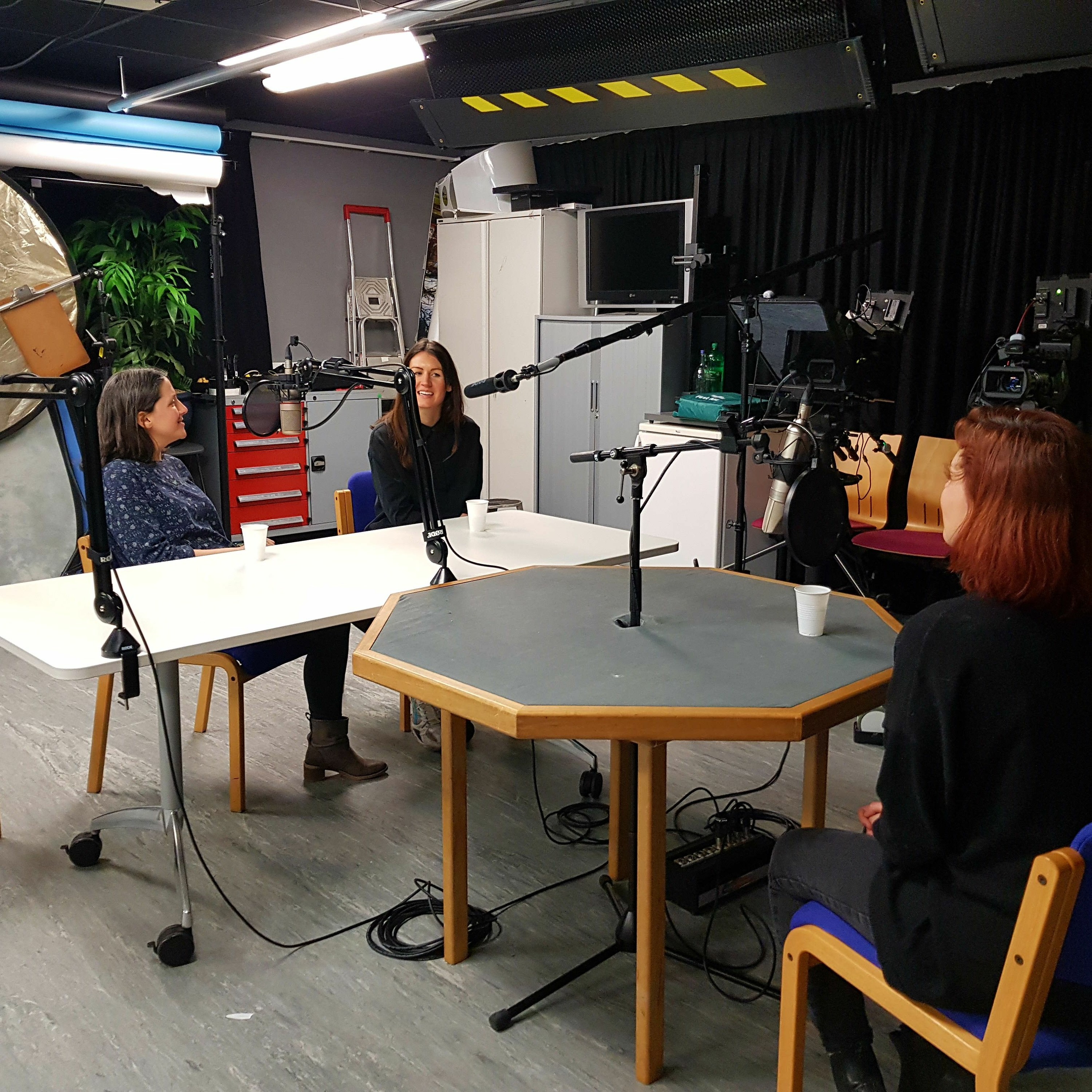
For many years people with dementia have been prescribed anti-psychotic drugs to manage challenging behaviours and agitation. Even today the reliance on this medication is too high, however, attitudes have changed, and over the past 5 years or more there had been a drive to reduce the use of these medications. However, that left the question of ‘what’s the alternative’ this is where studies like MARQUE are so vitally important. In this podcast Francesca La Frenais, and Dr Penny Rapaport from the Division of Psychiatry at UCL talk about the MARQUE Study, and how their work is helping us to understand what causes agitation and how the interventions tested in this study are improving quality of life for those living with dementia, and helping carers. You can find a transcript of this podcast on our website - https://www.dementiaresearcher.nihr.ac.uk/discussing-the-marque-study/

Managing & fostering good relations with PhD supervisors
Working life is inherently relational and in the case of doing a PhD, a specific and unique relation is that with your mentor or supervisor. Mutually nurturing this relationship, is key to success, or is it? In this weeks podcast, our panel explore how they have worked with, and managed their relationships with supervisors. How this develops over time, how you ensure your research is your own and their tips for success. This weeks host is Chris Hardy a Clinical neuroscience and Postdoc from University College London and the panellists are Jacki Stansfield a PhD working also at UCL, Robyn Dowlen, PhD Student at The University of Manchester and finally Lisa Thorpe a PhD Student, University of Chester. (Needless to say, they all have perfect relationships with their supervisors) Please share our podcasts using #ECRDementia and visit our website www.dementiaresearcher.nihr.ac.uk where you will find lots of information and support for Early Career Dementia Researchers. You can find a transcript of this podcast on our website - https://www.dementiaresearcher.nihr.ac.uk/managing-and-fostering-good-relations-with-phd-supervisors/
Working with people with dementia and their carers
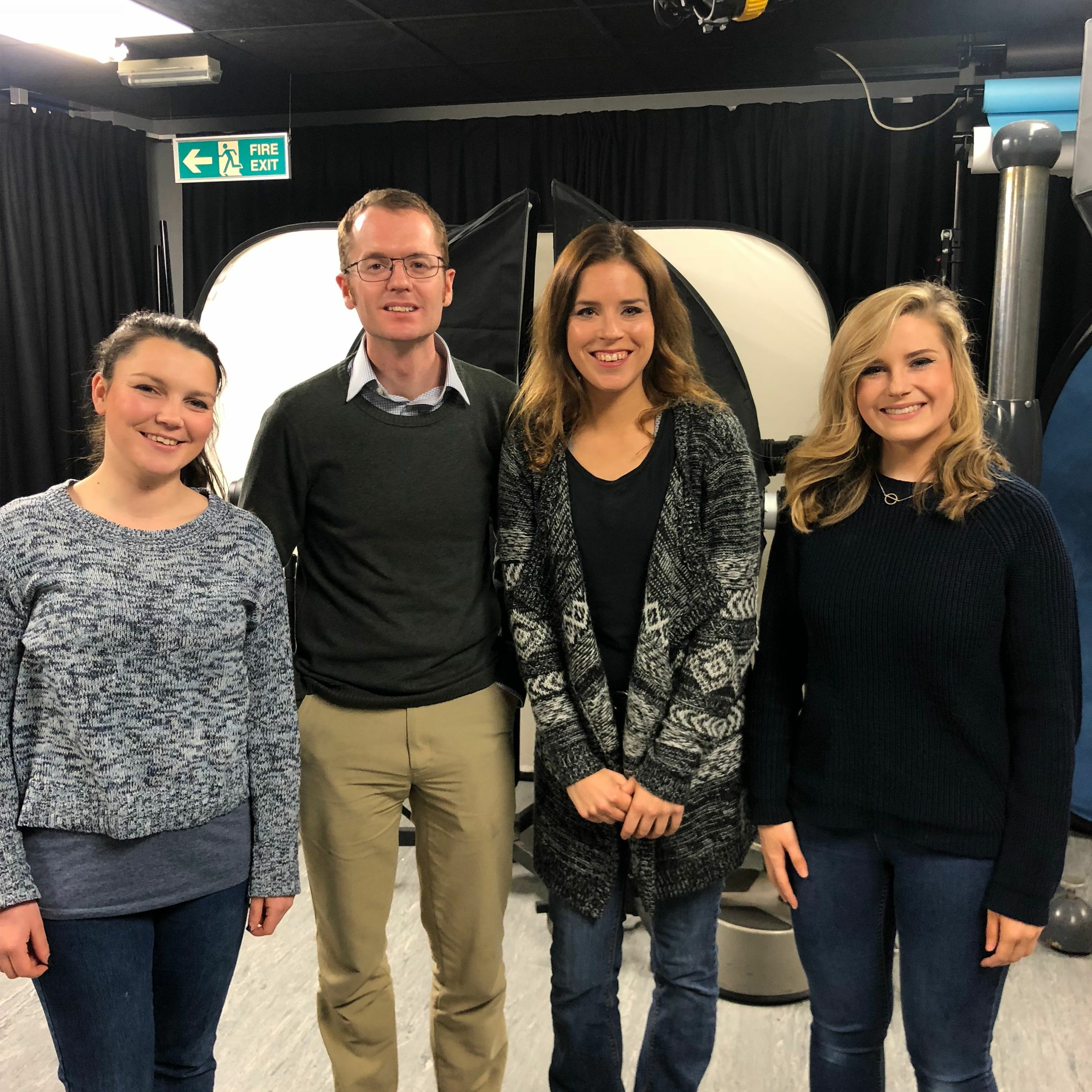
In podcast #2 from dementiaresearcher.nihr.ac.uk we have a great panel line up, talking about 'Working with people with dementia and their carers'. The people behind the disease are at the centre of what we do as dementia researchers. Biomedical research often involves directly working with patients and carers. This offers a fantastic opportunity and some unique challenges. In this recording Amy Monaghan talks to Timothy Rittman from University of Cambridge and Addenbrookes Hospital, Kellie Morrissey from the Open Lab at Newcastle University and Yvette Vermee from the Department of Psychiatry at University College London. We hear how these three individuals work with people with dementia, how this benefits their work, how to prepare, and how to approach working with individuals challenged by their symptoms. You can find a transcript of this podcast on our website - https://www.dementiaresearcher.nihr.ac.uk/working-with-people-with-dementia-and-their-careers/