Dementia Researcher
351 episodes — Page 7 of 8

AAIC 2019 - Day Three
This week we are recording a daily podcast, sharing all the news and highlights from this years Alzheimer's Association International Conference in Los Angeles. Day Three - Adam Smith is joined by Robin Brisbourne from Alzheimer's Research UK, Dr Lucy Stirland from The University of Edinburgh and Thomas Doherty from Syneos Health. Check back at this time tomorrow for news from day four, and checkout the twitter feed with #AAIC19 to find more.
AAIC 2019 - Day Two
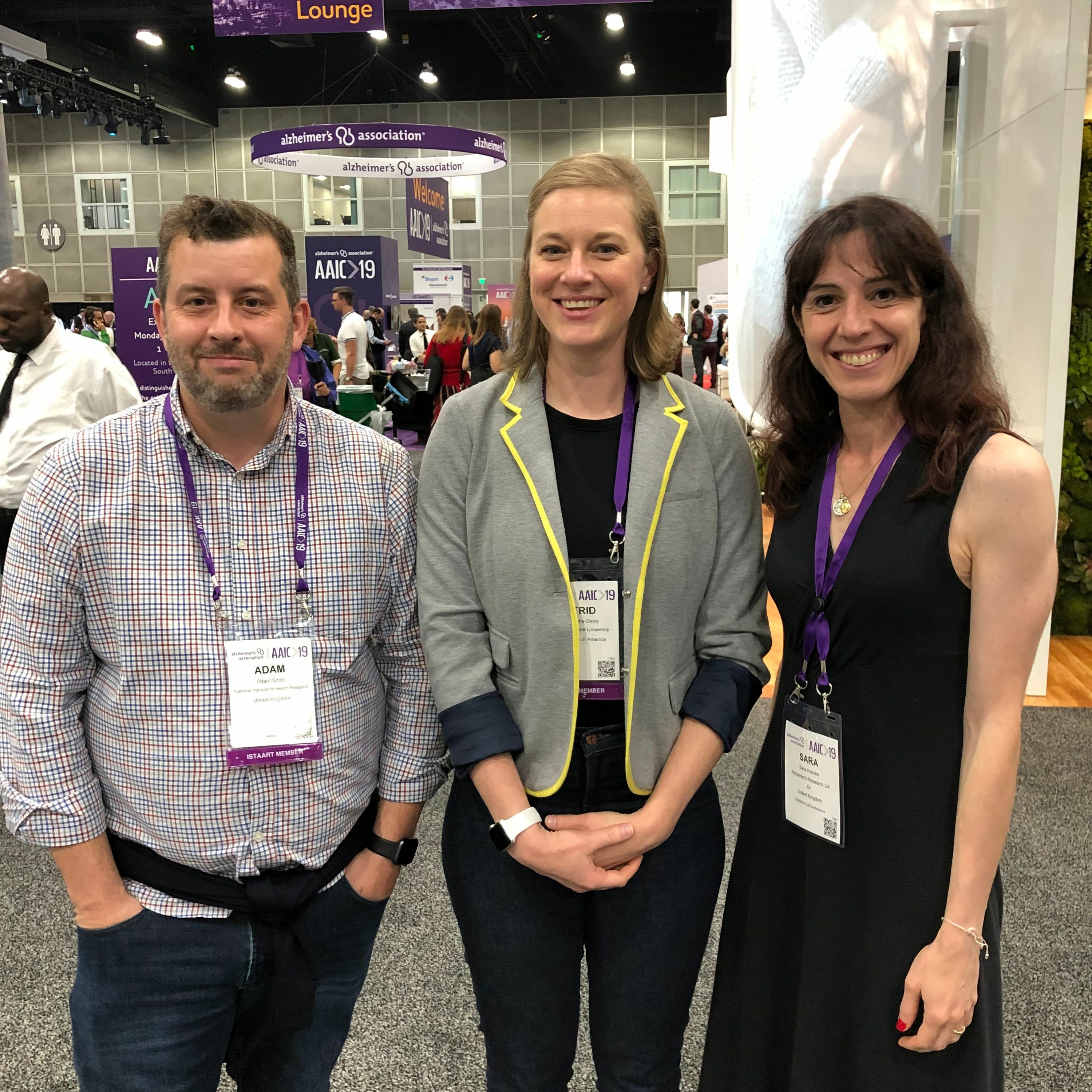
This week we are recording a daily podcast, sharing all the news and highlights from this years Alzheimer's Association International Conference in Los Angeles. Day Two - Adam Smith is joined by Dr Sara Imarisio from Alzheimer's Research UK, Riona McArdle from Newcastle University and Dr Astrid Suchy-Dicey from Washington State University. Check back at this time tomorrow for news from day two, and checkout the twitter feed with #AAIC19 to find more.
AAIC 2019 - Day One
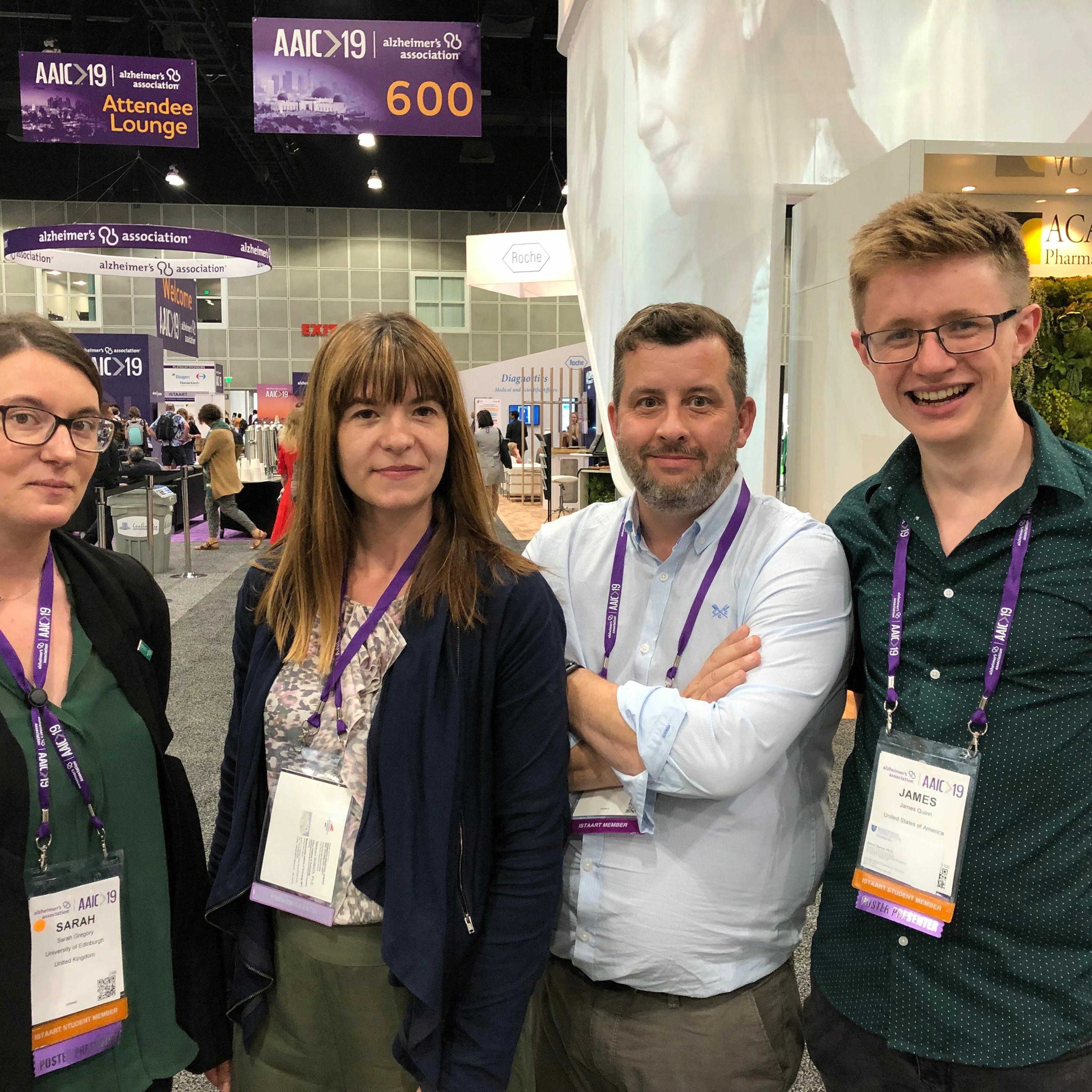
This week we are recording a daily podcast, sharing all the news and highlights from this years Alzheimer's Association International Conference in Los Angeles. Day One - Adam Smith is joined by Dr Clare Walton from Alzheimer's Society, Sarah Gregory from The University of Edinburgh and Dr James Quinn from Harvard Medical School. Check back at this time tomorrow for news from day two, and checkout the twitter feed with #AAIC19 to find more.
Talking Publishing
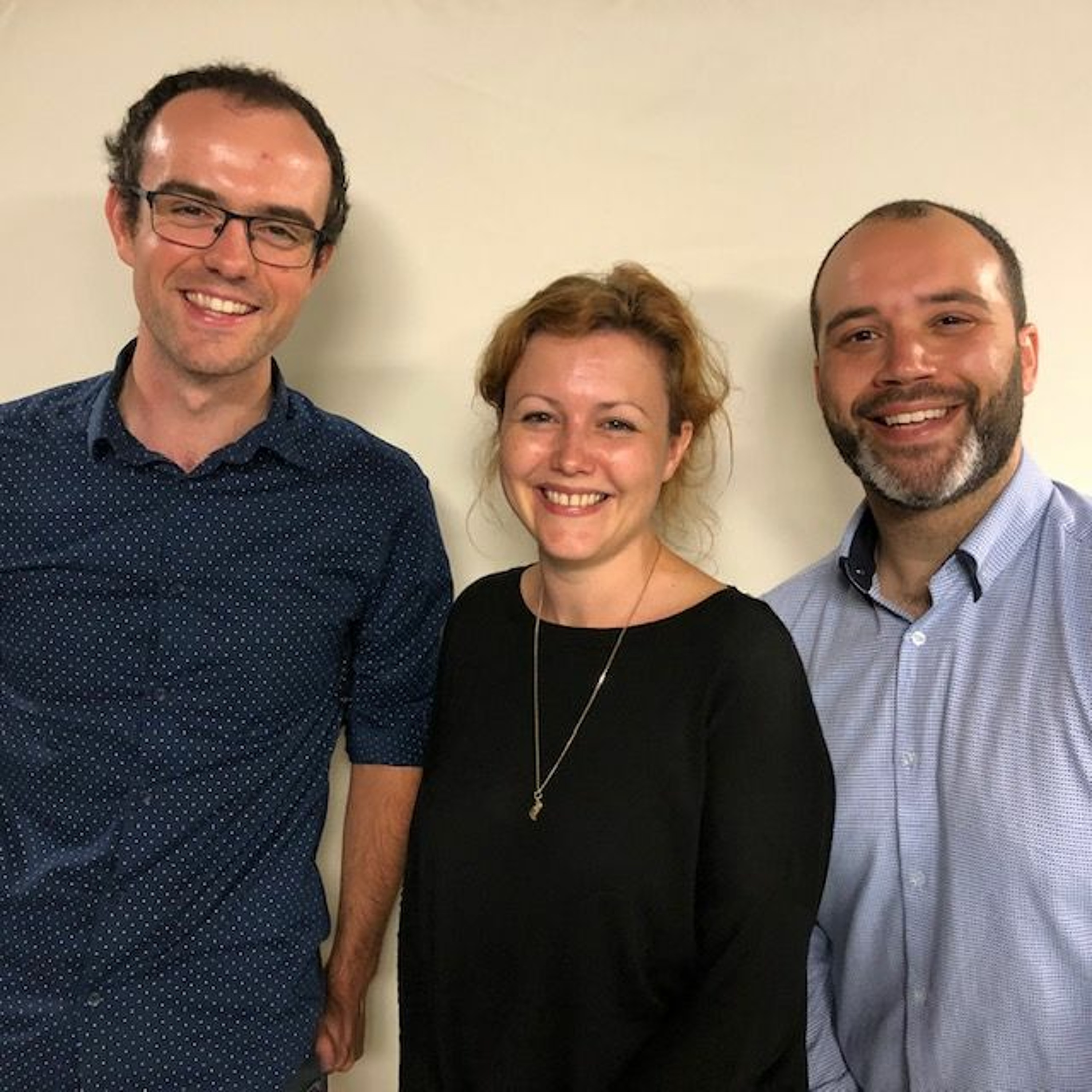
Open science, open access, publication timelines are all discussed in our podcast this week with PLOS ONE Associate Editor George Vousden and Research Manager Rui Maruricio at ARUK. PLOS ONE has launched a call-for-papers, inviting researchers to submit their latest research on the early diagnosis and treatment of Alzheimer’s disease. The impact of AD may be lessened by timely diagnosis, allowing access to care pathways and enabling planning for advanced care. Likewise, the ability to diagnose AD at its early stages is likely a prerequisite for the successful implementation of novel disease-modifying treatments. Submissions are welcome across all disciplines, including basic research, translational studies in animal models and studies in patient populations. https://collections.plos.org/s/alzheimersdisease

Announcing the winner of our 10,000 plays giveaway
Last year the NIHR Office of the National Director for Dementia Research (that's us) launched ‘Dementia Researcher’, a new website and this podcast. The aim being to support early career dementia researchers. Bringing together researchers to talk about the topics that matter to them, and providing a platform to talk about, and share their work. Last month our podcast hit over 10,000 plays, with listeners coming from more than 50 countries - and that is all thanks to you, our listeners. To celebrate the event, we asked listeners to complete a short survey - to help us improve the podcast, and in return for completing, we promised to draw out the name of one of our lucky winners to win a fantastic pair of Sony WH-H900 Wireless Headphones. Professor Rossor, NIHR Director of Dementia Research said “The fantastic influx of new funding for dementia research has helped create a new generation of researchers. We hope that providing support for the community through the dementia researcher website and podcast helps them to progress and remain in the field”. Minister for Care Caroline Dinenage said “I want to make this the best country in the world to live with dementia, but to succeed we need to cultivate world-leading research into both care and cure. We must work together to promote dementia research as a career choice for the brightest and best, to help make breakthroughs into how we better support people with dementia and their families. The National Institute for Health Research are leading the way with their Dementia Researcher website to promote the benefits of working in this field, including their international podcast which has reached a fantastic 10,000 people.” We hope that our podcast and website work together to support you, our community. Helping you to collaborate, network and find the support you need; from funding opportunities, events, jobs, blogs and articles from other like you discussing their work and careers. Anne-Marie Greenaway, PhD Student from Reading University said “This really has helped me to connect with other early career researchers from the UK and further afield. The podcasts and blogs discussing things that genuinely relate to my work, both as a PhD student and specifically because they focus on dementia, have been invaluable resources. Being able to tap into another researcher’s hindsight and experiences has made my PhD journey more manageable and less daunting.”. Thank you again for listening, and if you haven't already visit our website and sign-up to get weekly updates and news that matters to you www.dementiaresearcher.nihr.ac.uk
Building your online profile and using social media
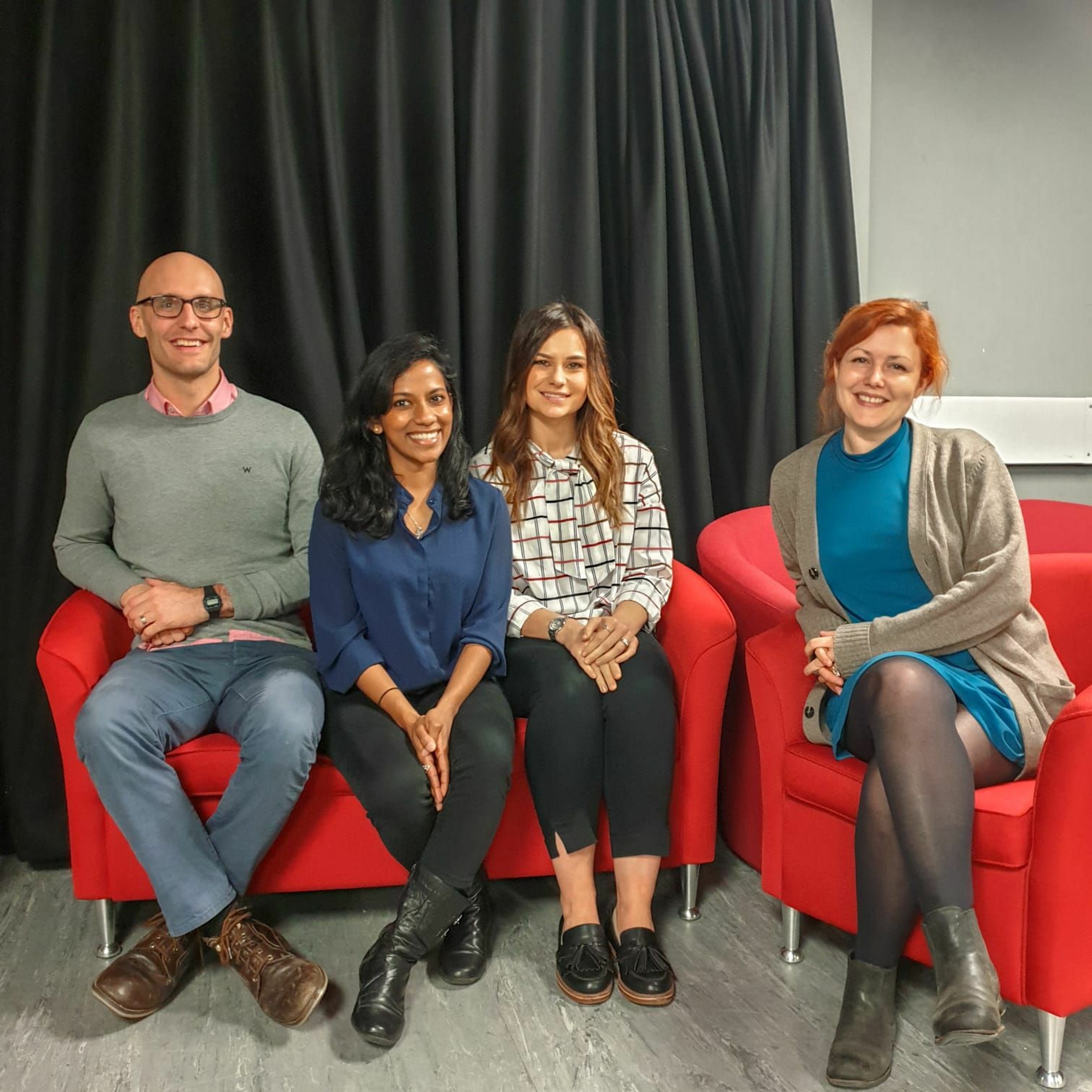
As an Early Career Researcher, having an online profile is more than just 'being on twitter'. In this podcast our panellists Dr Lakshini Mendis, Dr Jack Rivers-Auty and Dr Kirsty McAleese discuss the importance of having an online presence as an ECR, what that might look like, all the different options, benefits and limitations. Later this week we will be celebrating 10,000 podcast plays. Be sure to subscribe to our podcast, like, comment and share - and if you would like to come into the studio to talk about your research, drop us a line via our website: www.dementiaresearcher.nihr.ac.uk

50 Shades of Microglia
This weeks podcast was recorded a few weeks ago at the Alzheimer's Research UK Conference in Harrogate. Dr Katie Stubbs speaks with Dr Katie Askew, Dr Mike Daniels and PhD student Makis Tzioras. This team are all based at the UK Dementia Research Institute at the University of Edinburgh. Our special subject for this week is Microglia. For those listeners who don’t know, Microglia form part of the brain’s immune system and are key players in controlling brain health via multiple mechanisms. These mechanisms include releasing cytokines, phagocytosis of debris, synaptic pruning and forming the glio-vascular unit. In neurodegenerative diseases, like dementia, nearly all physiological microglial functions stray away from homeostasis and contribute to disease pathogenesis. So you can see why research in this field is important, and why it’s been such a hot topic at dementia research conferences this year. In the build up to celebrating 10,000 plays, we are asking listeners to complete our short survey to be in with a chance to win a great pair of high-end Sony Headphones. To find out more visit: https://www.dementiaresearcher.nihr.ac.uk/10000plays/ Please remember to like, subscribe and review our podcast.

Alzheimer's Society Conference 2019 - Day One
Dr Megan Calvert-O'Hare is joined by Alzheimer's Society Research Champion Gillian Harrison, Professor Claudia Cooper from UCL and Professor David Sharp from Imperial College and the Dementia Research Institute. This special recording was made on location from the Alzheimer's Society Conference, at the end of day one. The group share news from the conference, and discuss their own work including the UK Dementia Research Institute Care and Technology programme and the NIDUS (New Interventions for Independence in Dementia) project. In the build up to celebrating 10,000 plays, we are asking listeners to complete our short survey to be in with a chance to win a great pair of high-end Sony Headphones. To find out more visit: https://www.dementiaresearcher.nihr.ac.uk/10000plays/ Please remember to like, subscribe and review our podcast.

Alzheimer's Society Conference 2019 - Day Two
Dr Aoife Kiely from Alzheimer's Society talks to Ruby Ali-Strayton, Journalist and Alzheimer's Society Research Champion, Dr Charlie Arber from UCL and Dr Claire Lancaster from the University of Oxford. This special recording was made on location from the Alzheimer's Society Conference, at the end of day two. The group share news from the conference, and discuss their own work including the latest in Stem Cell research at UCL and how the Game Changer Study is using smartphones to transform early detection of Alzheimer’s. In the build up to celebrating 10,000 plays, we are asking listeners to complete our short survey to be in with a chance to win a great pair of high-end Sony Headphones. To find out more visit: https://www.dementiaresearcher.nihr.ac.uk/10000plays/ Please remember to like, subscribe and review our podcast.

Brains For Dementia Research
This week Dr Aoife Kiely from Alzheimer's Society and Dr Katie Subbs from Alzheimer's Research UK talk with Dr Kirsty McAleese and Dr Keeley Brookes about their work on Brains for Dementia Research. Brains for Dementia Research (BDR) was set up in 2007 to establish a network of brain bank facilities across England and Wales. It is now a ‘gold standard’ for brain tissue banking, linking six leading centres (based in London, Oxford, Newcastle, Bristol, Manchester and Cardiff) in a network of common standards, best practice and cooperation. This lays the foundation to enable the highest quality dementia research, which aims to find a cure for dementia. In each bank, people with mild cognitive impairment or a diagnosis of dementia, and healthy participants, are supported to donate their brain by specialist research nurses. This initiative is unique from other brain banks, as the memory, thinking and behaviour of each prospective donor are monitored throughout their later life through regular assessments. This provides researchers with a complete medical history to accompany the donated brain tissue, allowing them to see how brain changes correlate with symptoms. To find out more about the BDR service, and how it could help your research visit: http://www.brainsfordementiaresearch.org.uk/ You can find our podcast on iTunes, SoundCloud and Spotify, please remember to like, review and subscribe and if you would like to joins us for a recording please drop us a line. www.dementiaresearcher.nihr.ac.uk
Getting A Fellowship
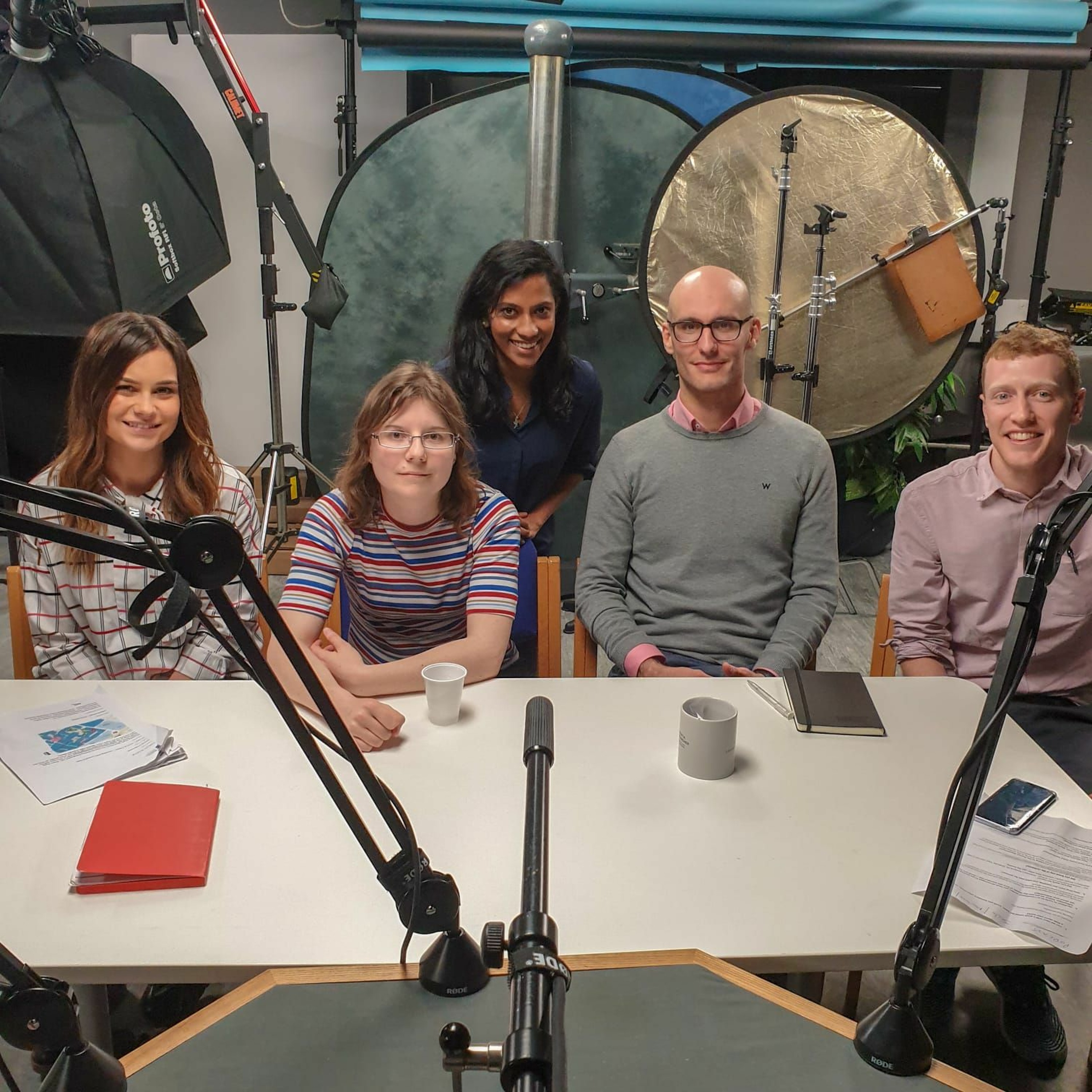
This weeks I have four early career researchers, who have all, very recently managed to successfully secure fellowships! It’s tough making post-doc applications, but with application deadlines for NIHR and ARUK looming, we thought this would be the perfect time to discuss (although maybe for the next round... if you take our panels advise). Dr Lashini Mendis talks with Dr Chris Hardy, Dr Kirsty McAleese, Dr Marianne Coleman and Dr Jack Rivers-Auty. All work in different fields of dementia research, and all shared their advice, tips and experiences of getting a fellowship. You can also read a blog we posted earlier this week on this topic, by Anna Volkmer - https://www.dementiaresearcher.nihr.ac.uk/guest-blog-looking-back-my-experiences-of-applying-for-my-fellowship/ You can find our podcast on iTunes, SoundCloud and Spotify, please remember to like, review and subscribe and if you would like to joins us for a recording please drop us a line via our website www.dementiaresearcher.nihr.ac.uk
Data the new frontiers in dementia research - Exeter Datathon
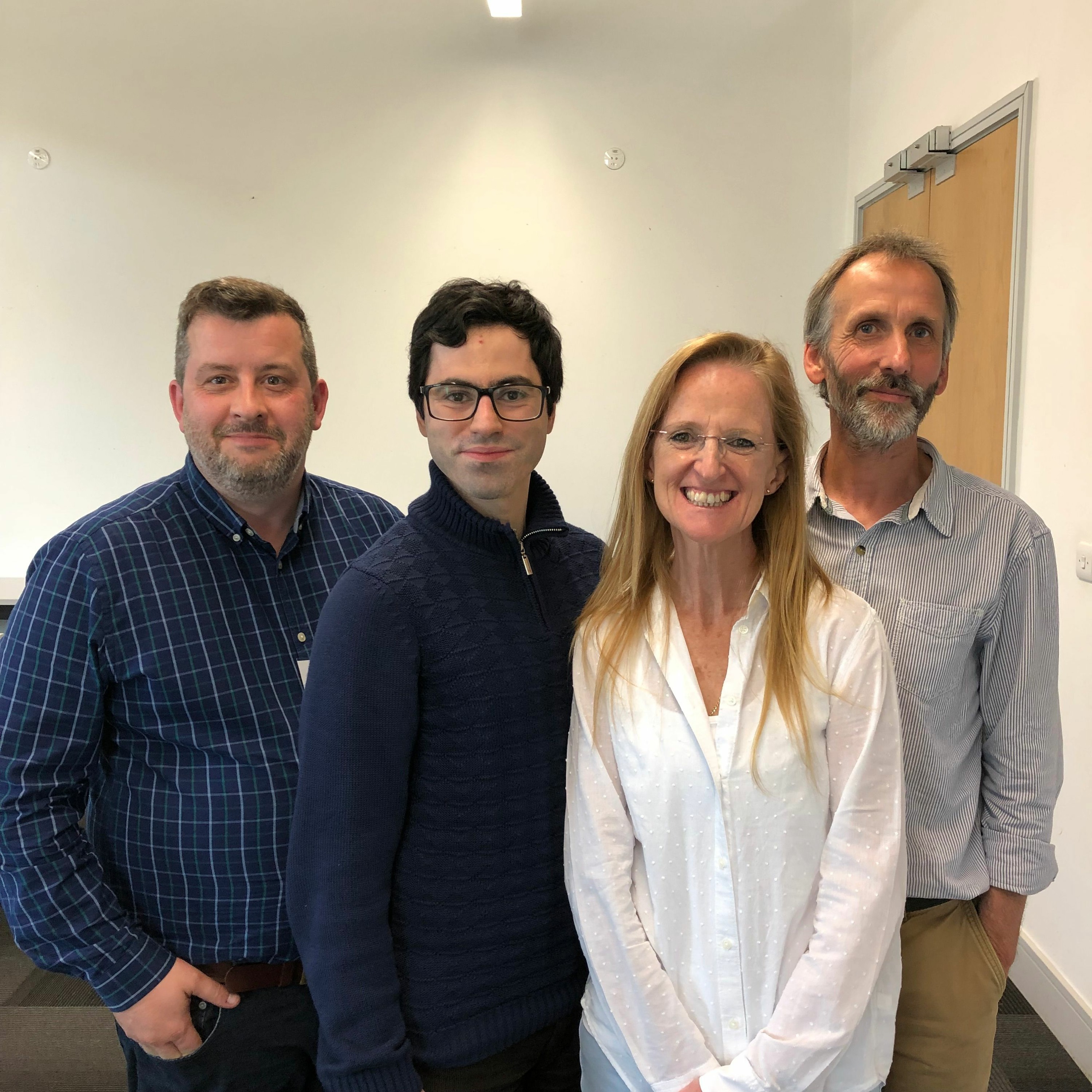
In this special podcast recording made on location from the Dementias Platform UK (DPUK) datathon at the University of Exeter, we discuss how ‘data’ is being used to push new frontiers in dementia research. Exploring what is happening at this ground breaking datathon, and how DPUK is working with researchers and scientists from different fields. Coming together to look at new ways to use cohort longitudinal data to tackle dementia, and potentially finding the causes, ways to better identify risks, improve diagnosis and beat dementia! Adam Smith talks with Richard Everson, Professor of Machine Learning at the University of Exeter, Dr Sarah Bauermeister a Senior Researcher and Senior Data Manager with the Dementias Platform UK at the University of Oxford and Dr Hadi Modarres a Data Scientist from Cognetivity. Form more information on DPUK, the datathon and future events visit their website https://www.dementiasplatform.uk. Finally, please remember to like, subscribe and share our podcast and visit our website at www.dementiaresearcher.nihr.ac.uk and watch out for our soon to be shared 10,000 plays celebration news.

PhD Life And Young-onset Dementia
This week weeks podcast comes from the University of Sydney where Adam Smith spoke to PhD students Michelle Lai and Luisa Krein. We discuss Michelle's research on Young-onset Dementia and how both approach their work and study, as they enter their final year. We also discuss life in Sydney with tips for anyone thinking of studying in a new country, finding a supervisor, pressures to publish and work-life balance. Please remember to subscribe, like, review and share our podcast. If you would like to get involved drop us a line. Visit our website at http://www.dementiaresearcher.nihr.ac.uk for daily career posts, blogs, funding opportunities, events and much more - everything an Early Career Dementia Researcher needs, all in one place.
Dementia & risk enablement in NHS and Social Care settings
Dementia & risk enablement in NHS and Social Care settings by
Language And Communication In The Dementias - London
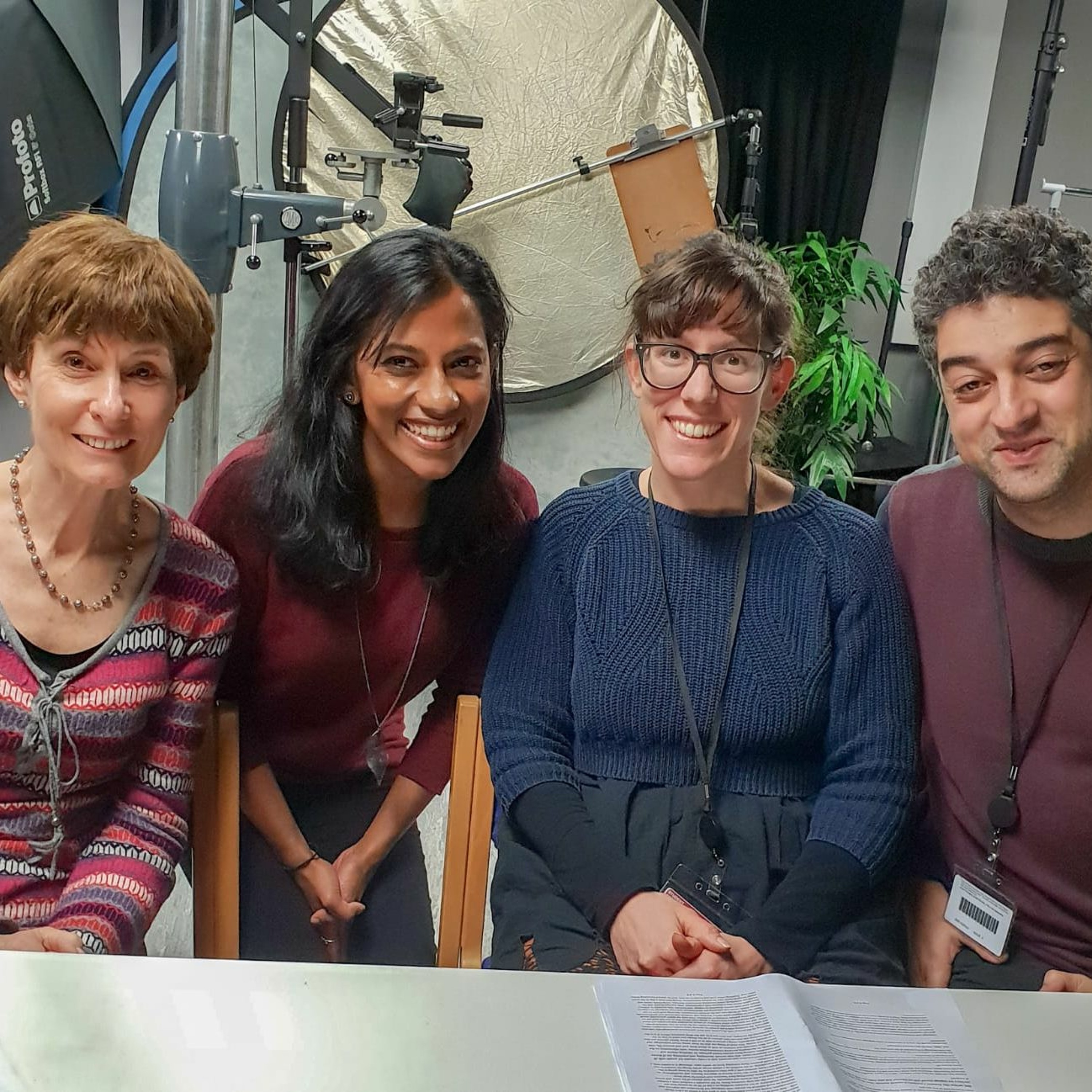
Today we are talking about Language and Communication in Dementia – part of a two part of a global special, where we catch up with people from both sides of the globe tackling the same challenges! Lakshini Mendis talks with this passionate group of people from University College London - Anna Volkmer, Professor Rosemary Varley and Dr Vitor Zimmerer. Language is important to humans, it's how we express our feelings and emotions, it impacts our quality of life, and life of those around us. So the ability to understand and produce language both spoken and written is important. Communication is bigger than language, not all is verbal and is integrated with other behaviours, like politeness and expression, and social behaviour. When the brain goes wrong we see language and communication change. Research is looking at ways to measure language, but it's complicated - how can you measure it? Can machine learning help? And how can we support people to continue to communicate and extend use of language when the brain fails? Is it also possible to determine the type of dementia someone has through how language is lost? In this podcast Rosemary, Victor and Anna will address these issues and more. Please remember to like, share, subscribe and review our podcast - available on SoundCloud, iTunes and Spotify and on our website: www.dementiaresearcher.nihr.ac.uk
Language And Communication In The Dementias - Sydney
Today we are talking about Language and Communication in Dementia – part of a two part of a global special, where we catch up with people from both sides of the globe tackling the same challenges! Communication impairment will affect people with dementia at some stage of the course of the disease. Such an impairment can have devastating effects on the person with dementia themselves but also on those who care about and for them. And for people with primary progressive aphasia (PPA) gradual and insidious deterioration of the ability to communicate profoundly affects their lives and that of their partners. How are researchers in Australia and the UK working to help patients and their carers improve and deal with these life changes challenges... on top of everything else the disease brings? Adam Smith, is recording on location, from the The University of Sydney Susan Wakil School of Nursing and Midwifery, talking to Luisa Krein, from University of Sydney and Cathy Taylor-Rubin from Macquarie University, both at PhD Students and jobbing clinicians working in Speech and Language Pathology. Please remember to like, share, subscribe and review our podcast - available on SoundCloud, iTunes and Spotify and on our website: www.dementiaresearcher.nihr.ac.uk
Alzheimer's Research UK Conference 2019
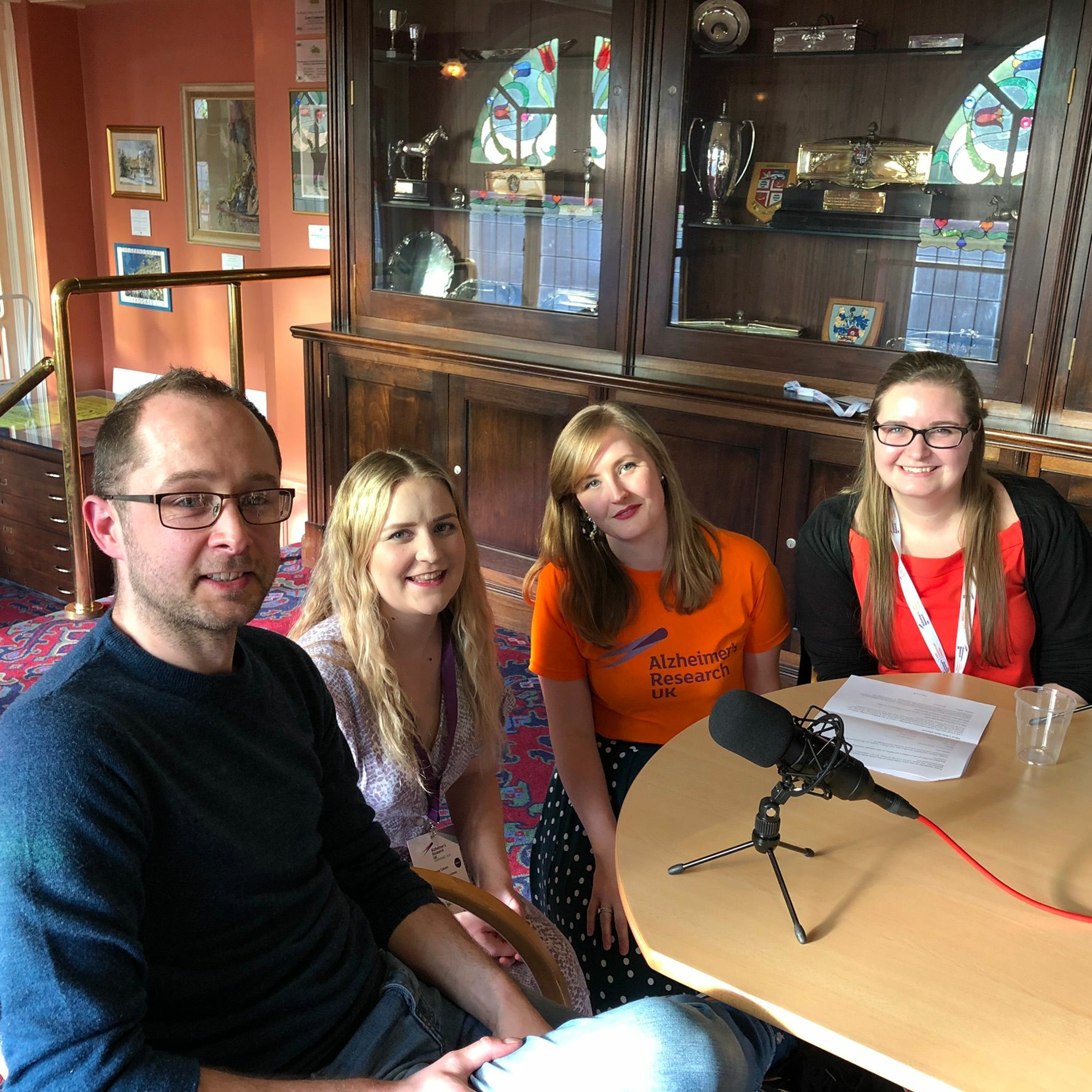
This week has seen Alzheimer's Research UK host its 20th annual conference in Harrogate, bigger than ever, and packed with talks from researchers working at all levels and across many areas. This podcast was recorded on location in Harrogate from the conference. Our panel share their highlights, and all they've seen and heard from across the three days, for those who couldn't make it, . Dr Katy Stubbs from Alzheimer's, Research UK is a great host, she is joined by Dr Chris Henstridge, from the University of Edinburgh, Dr Christina Toomey from University College London and Fiona Calvert from the Wellcome Sanger Institute. Please remember to subscribe, like, review and share our podcast. If you would like to get involved drop us a line www.dementiaresearcher.nihr.ac.uk
Using Join Dementia Research
In this podcast we discuss ‘Join Dementia Research’ the free to use, NIHR service run in the UK which supports Early Career Researchers to find participants both with and without #dementia for theirs studies. Talking about how is helps researchers, and the practicalities of using it. Adam Smith is joined by Clare Shaw, Research Delivery Manager for Join Dementia Research, and two researchers who have used the service. Victoria Shepherd a Research Associate from Cardiff University and Anne-Marie Greenaway, also a research associate but from the University of Reading. A study published in the BMJ last year, showed that 44% of RCTs failed to meet their final volunteer recruitment targets, and at the same time the public is frustrated at not knowing how to get involved in studies. This is where Join Dementia Research helps. To find out more about the service and how you can use it visit: https://www.joindementiaresearch.nihr.ac.uk/content/researchers To find out how you could play a part in promoting the service, and helping more people to become involved visit: https://learn.joindementiaresearch.nihr.ac.uk/ Please remember to subscribe, like, review and share our podcast. If you would like to get involved visit our website and drop us a line http://www.dementiaresearcher.nihr.ac.uk

Career Paths to Studying Huntington's Disease Linked Dementia
In this podcast, Dr Lakshini Mendis speaks with Dr Marina Papoutsi (Research Associate), Dr Akshay Nair (Wolfson Clinical Fellow) and doctoral student Lauren Byrne, who are all based at The Huntington's Disease Centre at University College London. The focus of this podcast is on Huntington's disease (HD) - an inherited neurodegenerative disorder that causes changes in movement, learning, thinking, and emotions. In addition to hearing about the work the panel is doing to understand cognitive impairment and neuropsychiatric symptoms of HD, including HD-linked dementia, we also learn how their research can be translated to other areas of dementia research and the different career paths that led them to HD research.

The practicalities and realities of doing qualitative research – ethics on the move
In this podcast the panel discusses how we as early stage researchers are not always fully prepared for qualitative research and the ethical procedure. There are many challenges surrounding ethical qualitative work; yet, insights from such research are extremely valuable. What did they learn? Dr Lakshini Mendis talks with first time panellist Sarah Wallcook a Doctoral Student from the Karolinska Institutet in Sweden, and regular contributor Yvette Vermeer a PhD student and sociologist based at University College London both are part of the Interdisciplinary Network for Dementia Using Current Technology (INDUCT) Programme (something we also discuss).

International Frontotemporal Dementia Genomics Consortium
Megan O’Hare talks with Dr Raffaele Ferrari a Junior Research Fellow from UCL and Dr Claudia Manzoni, Associate Research Fellow at the University of Reading. The panel are discussing their research and the work of the International Frontotemporal Dementia Genomics Consortium (IFGC). This exciting work is making great progress in understanding FTD, and for those listeners who don’t know, genomics is the branch of molecular biology concerned with the structure, function, evolution, and mapping of genomes – an important focus for dementia research, and particularly in FTD.

Research and Improving NHS Dementia Care
In this weeks podcast Megan Calvert-O'Hare talks to Emily Oliver and Naomi Gallant who are both Clinical Doctoral Research Fellows at the University of Southampton. Emily and Naomi discuss their research into NHS Dementia Care, which focuses mealtimes and relational care. They also discuss their work with the NIHR Collaborations for Leadership in Applied Health Research and Care (CLAHRCs) in Wessex, and how the organisation supports their work and research. There are around 450,000 people with a diagnosis of dementia, and when we further consider those with some form of cognitive impairment, the numbers are probably more than double that. When you consider that on average people with dementia have two of more co-morbidities, it’s should be no surprise that sadly there is a lot of time spent in and around hospitals, as both in-patients and out-patients.

Navigating Research Ethics
Research that involves human subjects (also known as people), or even human tissue will often raise unique ethical, legal and social issues. Research ethics is specifically interested in the analysis of ethical issues that are raised when people are involved, and even the most experienced of researchers find the process of getting a favourable ethical opinion, valuable and frustrating! This week Megan O’Hare speaks with Yvette Vermeer a PhD student from UCL, James Fletcher a Teaching Fellow at King’s College and Danielle Wilson a Clinical Research Operational Manager at Oxford University Hospitals and also Vice Chair of your local research ethics panel. Discussing the challenges, benefits and giving tips and advice for Early Career Researchers navigating this process. There are three objectives in research ethics: 1. The first objective is to protect human participants. 2. The second is to ensure that research is conducted in a way that serves interests of individuals, groups and/or society as a whole. 3. Last of all, the third objective is to examine specific research activities and projects for their ethical soundness, looking at issues such as the management of risk, protection of confidentiality and the process of informed consent. To see more topics on ethics from our website visit https://www.dementiaresearcher.nihr.ac.uk/?s=ethics&submit=Go
2018 Roundup Christmas Special
Welcome to our Christmas Special End of Year Roundup - from the crammed Dementia Researcher archive, here are some of the best bits in a 2018 compilation, featuring choice nuggets from this year,

Time For Dementia Study
Time for Dementia is an exciting, innovative and award-winning educational programme. Funded by Health Education Kent, Surrey and Sussex it provides undergraduate healthcare professionals with on-going, regular contact with a person with dementia and their carer, designed to create a new generation of healthcare professionals who are more aware and understanding of dementia Due to the success of the programme, Time for Dementia has been embedded as a mandatory part of the curriculum for 1st year nursing and paramedics students at the University of Surrey and 2nd year medical students @ Brighton and Sussex Medical School. In this podcast Dr Lakshini Mendis welcomes three guests to discuss the programme and its success: Dr Stephanie Daley, a clinical research fellow at the centre for dementia studies at the Brighton and Sussex Medical School – Stephanie works at the programme and evaluation lead for Time for Dementia programme Gina Sherlock, a research assistant on the Time for Dementia programme also at the centre for dementia studies Ellen Jones, a carer for her mother who was diagnosed with Alzheimer’s Disease and Vascular Dementia 9 years ago. Ellen and her mother were amongst the 1st cohort of families to be involved in Time for Dementia. If you know a family who might be interested in taking part in Time for Dementia, please contact the following number or email address for more information Telephone: 07713 779582 [email protected]

Gender Equality in Research
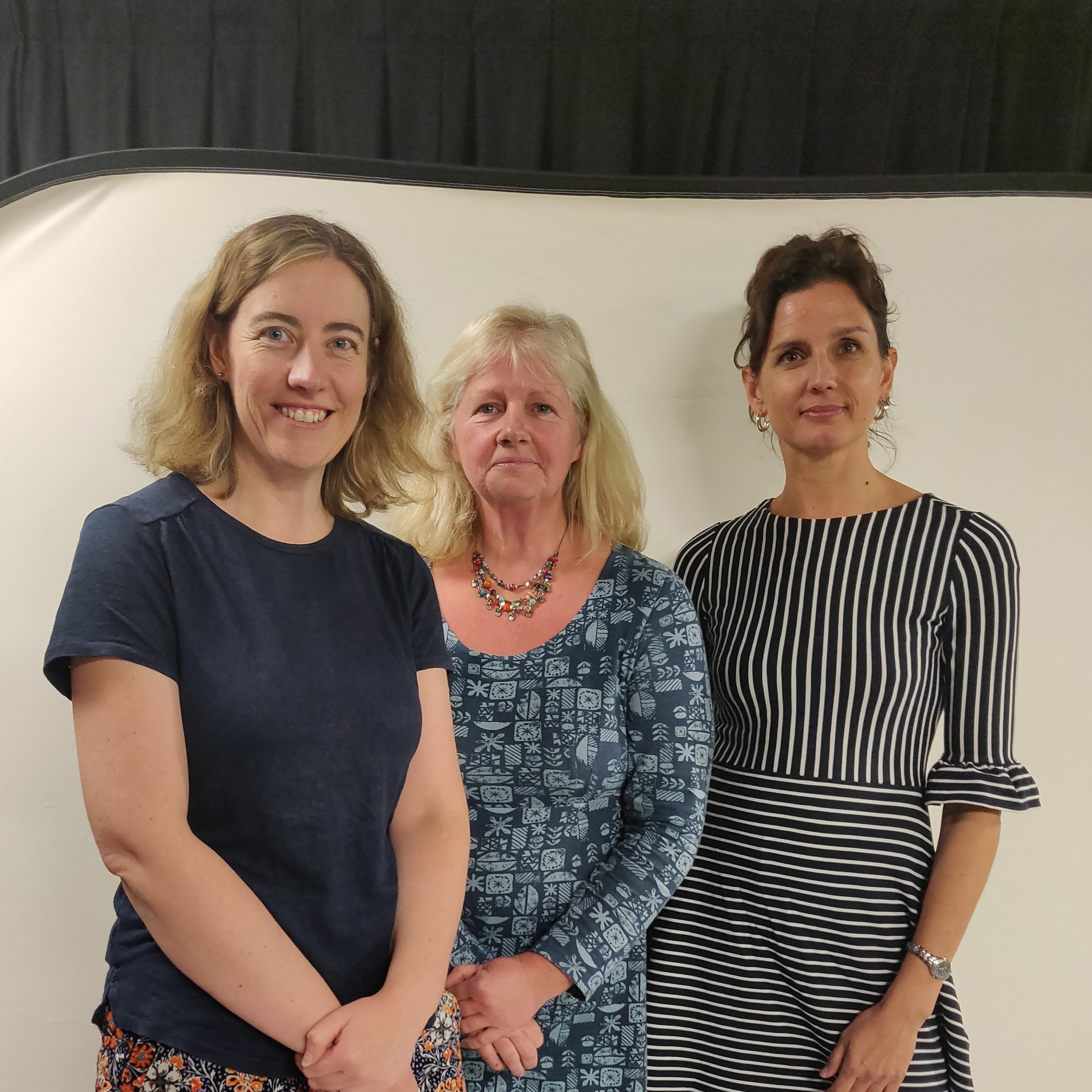
In this podcast we are discussing gender discrimination and the issues that researchers face, and how to raise what we know is a very challenging issue to talk when researchers face concerns about upsetting current or previous institutes that have employed them. We want to openly acknowledge the hurdles that need to be overcome in the pursuit of gender equality as well as the steps that institutions are putting in place to tackle this issue. We also looking at specific issues around paternal leave and being a parent in research and how this is a gendered issue. Understanding that women are conventionally viewed as the default primary care giver, and does this mean women can be seen as a 'poor investment' as an employee as they might take up to a year of leave, if they do are they perceived as being less committed to the field? In the chair we have Dr Aoife Kiely, Research Officer at Alzheimer’s Society and she is joined by: Dr Natalie Marchant – Natalie is an Alzheimer’s Society funded senior fellow based at UCL. Her research focuses on whether repetitive negative thinking increases cognitive debt and so, the risk of dementia. She is a mother of one and has recently returned to work following maternity leave Dr Frances Wiseman – Frances is a senior research fellow based at UCL. She holds an Alzheimer’s Society grant which funds a PhD student and is investigating the cause of Alzheimer’s disease in people who have Down syndrome. She is mum of two and married to a fellow academic. Dr Penny Rapaport - Penny is a clinical psychologist having worked clinically for a number of years with people with dementia in community, hospital and care home settings. Now working in applied health research developing interventions that are fit for purpose in the messy real world.
Impact of Patient and Public Involvement in Research
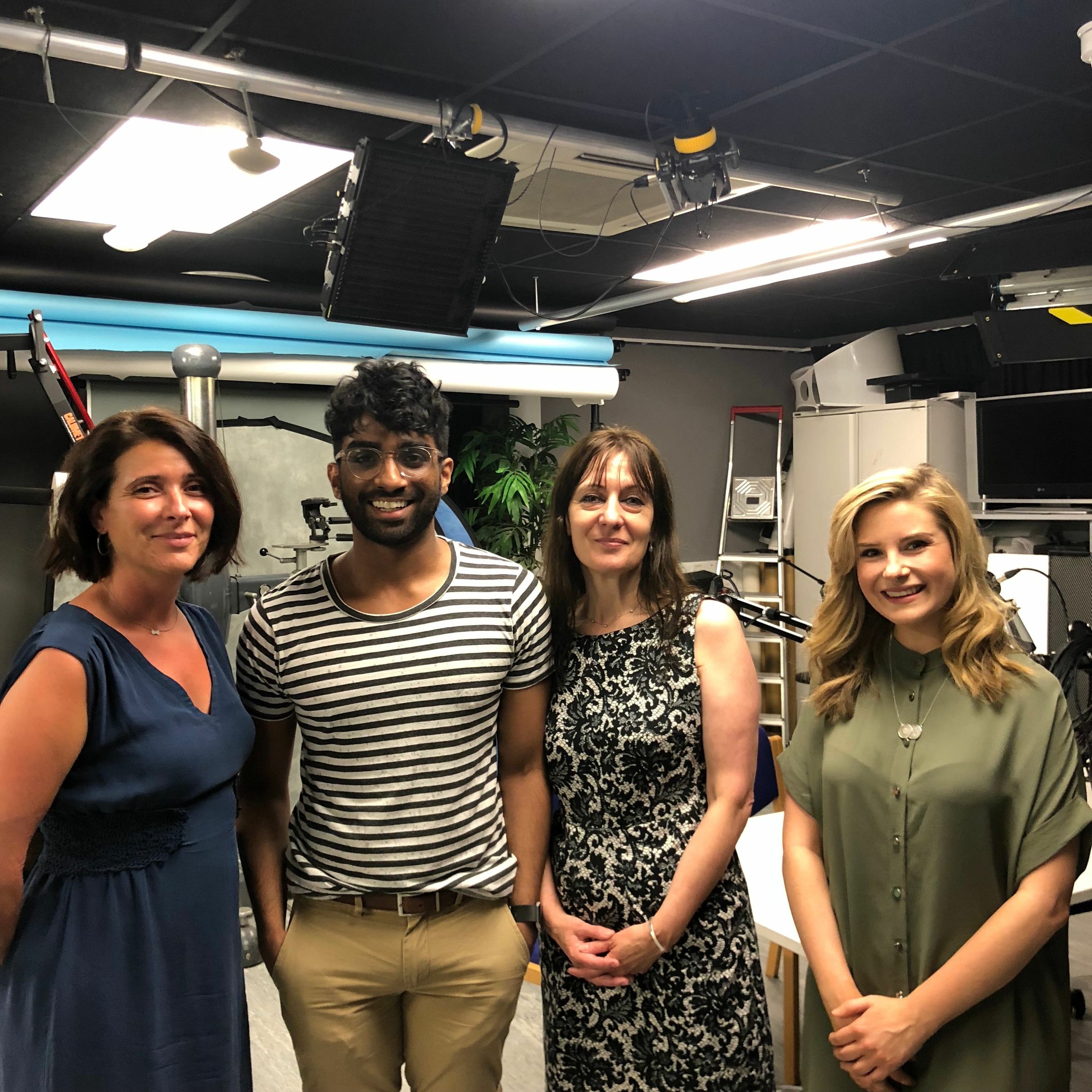
In this latest podcast we hear from a volunteer, researcher and charity working closely together to ensure that people affected by dementia are involved in every stage of research to maximise impact. We discuss the challenges of PPI and provide some practical advice to support you to work with volunteers in a mutually beneficial way. Patient and public involvement (PPI) in research is a philosophy whereby research is carried out ‘with’ or ‘by’ people affected by the condition rather than ‘about’, ‘for’ or ‘to’ people. Over the past twenty years an increasing value has been placed on including the lived experience of patients and the public in research covering the full spectrum of basic science through to health services. Our panellists today all work for or are funded by Alzheimer’s Society - Anna-Louise Smith, Research Engagement Manager, Dr Kirsten Moore, UCL Senior Research Fellow and Jane Ward, Research Network Local Area Coordinator. Alzheimer’s Society has pioneered the active involvement of people affected by dementia through their award winning Research Network, since 1999. More recently, over the last year Alzheimer’s Society has been considering the evidence surrounding how it involves people affected by dementia in research and moving the conversation about PPI forward from ‘proving’ why it should be done to ‘improving’ how it can do it in partnership with researchers. For more information on Alzheimer's Society work on Patient and Public Involvement and to get involved visit: https://www.alzheimers.org.uk/research/play-your-part-research/patient-and-public-involvement To see other content on this topic via our twitter feed #PPIImpact visit: https://twitter.com/search?q=%23PPIImpact&src=typd
Student Health and Wellbeing
Research, the discovery of new knowledge, has been described as an endless frontier. There will certainly be instances during a PhD and beyond when curiosity driven activity can indeed seem vast and relentless. It is critical that researchers at whatever stage in their career develop the capacity and capability to generate an appropriate perspective on what they are facing. Put simply, and starkly, doing research depends on being well. As such, an awareness on health and wellbeing is central, and getting the right support is key. In this podcast Oz Ismail from UCL is joined by Géraldine Garrabet a Student Support and Welfare Officer, from the School of Physics & Astronomy at University of Manchester, Dr Caroline Selai a Senior Lecturer from the UCL Institute of Neurology and finally Kellie Morrissey a Research Fellow working at the Open Lab in Newcastle University.
Part One - What do researchers need to know, advice from people living with dementia
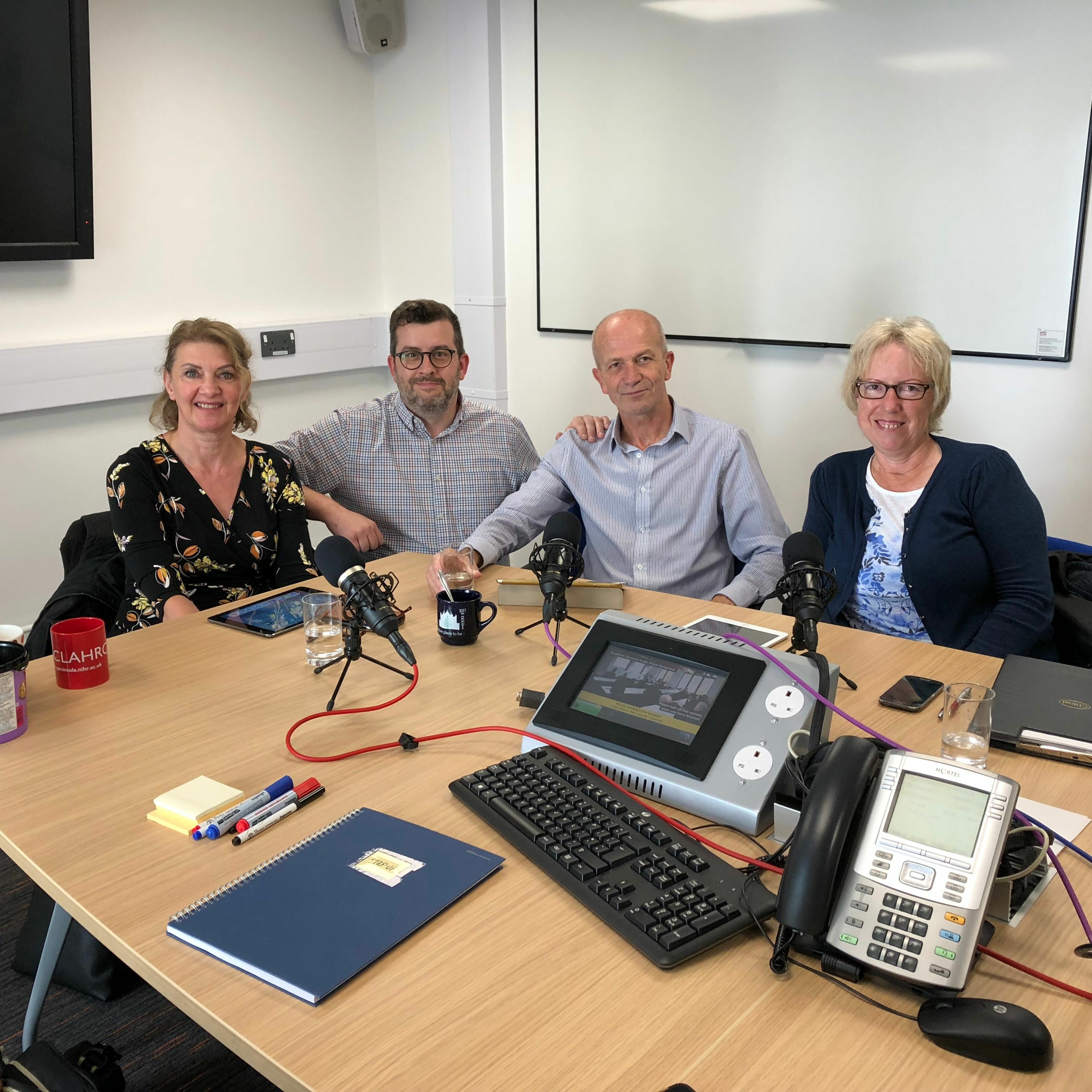
In this podcast Adam Smith from University College London talks to Chris Roberts, Jayne Goodrick and Hilary Doxford. Three fantastic people who directly and indirectly live with the effects of dementia every days, and have spent many years, campaigning to improve dementia awareness and championing the importance of research. In this two part special filmed on location at University of Exeter Medical School, the panel give advice to early career researchers. Exploring their personal experiences as research participants, and what they would like to see done better.

Part Two - What do researchers need to know, advice from people living with dementia
In this podcast Adam Smith from University College London talks to Chris Roberts, Jayne Goodrick and Hilary Doxford. Three fantastic people who directly and indirectly live with the effects of dementia every days, and have spent many years, campaigning to improve dementia awareness and championing the importance of research. In this two part special filmed on location at University of Exeter Medical School, the panel give advice to early career researchers. Exploring their personal experiences as research participants, and what they would like to see done better.

Dealing with Failure and Impostor Syndrome
We all have to deal with failure during our careers. But how do you handle it? In this podcast regular host Chris Hardy is joined by Charlotte Mykura from Swansea University, and Oz Ismail and Anna Volkmer both from University College London. Being a researcher can be incredibly rewarding. The potential to improve the lives of people with dementia, improve care, find new treatments or better understand the disease and its causes is amazing. However, a thick skin is useful. Dealing with rejection, and trying to not feel like an imposter are important things for us to learn. These are issues that come up time and time again, and not just during early careers, but even for the most senior of people. Failed experiments, rejected papers, unsuccessful grant applications are all part of the job, and event when we are successful we have to avoid feeling like impostors, and enjoy the success and the rewards. Finally, of course, we are using the term ‘failure’, however, we are know that failure is open to interpretation. Because we learn from our failures as much as we do successes.... can our panellists help?
Communication training for people with language led dementia (primary progressive aphasia)
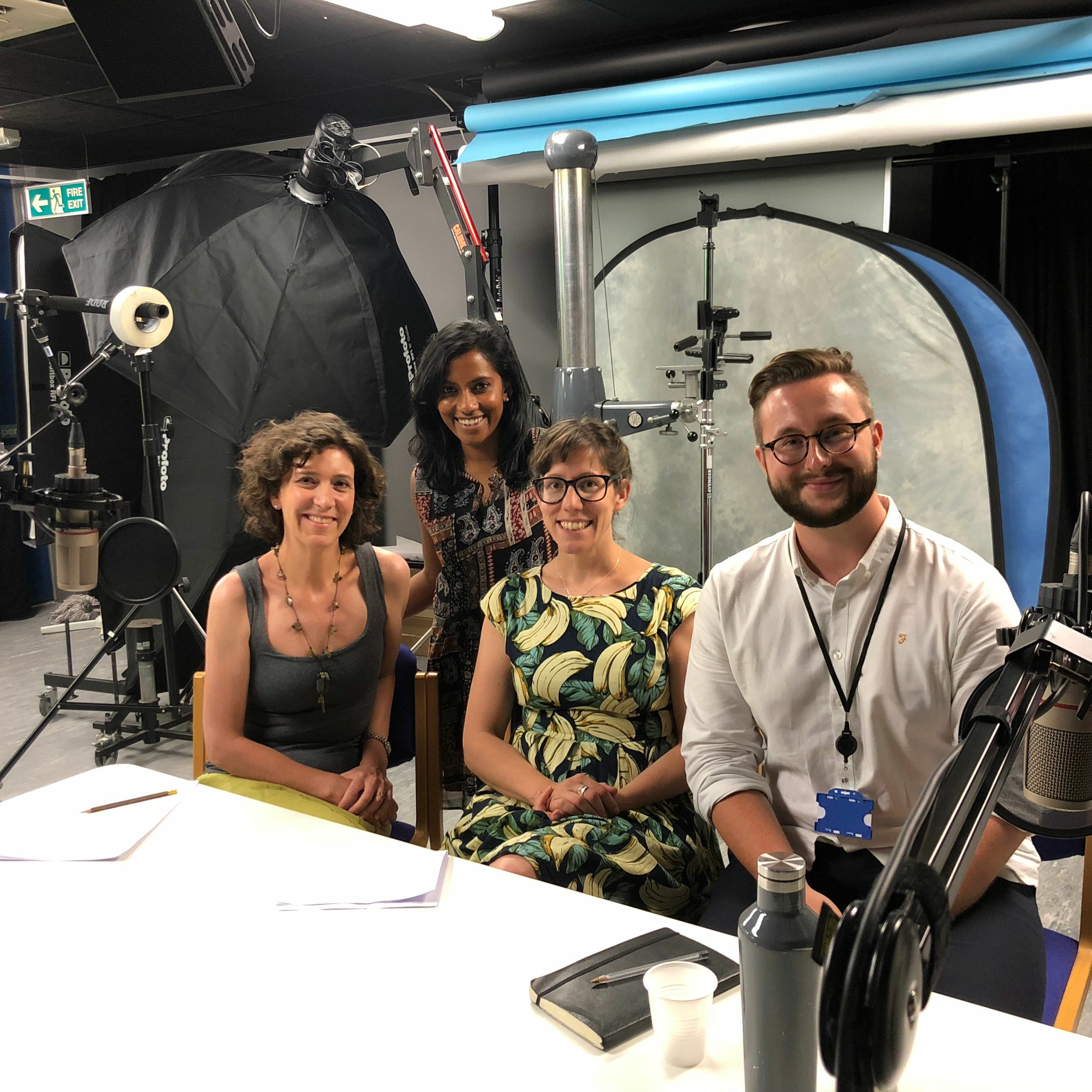
This week we have a fantastic panel of speech and language therapists, who came to studio to discuss their research around communication training for people with language led dementia (primary progressive aphasia). This week, we have Dr Lakshini Mendis from the NIHR Office of the National Director for Dementia Research in the chair. Lakshini is joined by Rosemary Townsend, a Specialist Speech and Language Therapist and Chief Executive of Dyscover, Aphasia Support Charity in Leatherhead Surrey. Oliver Sawyer, a Student Speech and Language Therapist, University College London, and finally, regular contributor and blogger for the Dementia Researcher website, Anna Volkmer, who is a NIHR doctoral research fellow and Speech and Language Therapist, also at University College London.

Mentoring
PhD students today face more challenges than most professors ever did. The supervisor has mentoring responsibilities beyond academic performance, including the student's well-being. But can does your mentoring have to only come from your supervisor or manager? And what if you have finished your PhD, where do you turn? And how can mentoring help, how do you find the right balance between supervision and mentoring, and how can that be applied to you and your career? In this weeks podcast Megan O’Hare talks with Dr Ivan Koychev and Dr Christoph Mueller from the University of Oxford about the challenges, benefits and practicalities of mentoring.

Echos around the home - helping people with PCA Dementia
People with dementia face many challenges to their independence as the condition progresses, often increasingly relying on their caregivers for tasks which had previously been simpler, such as managing appointments and shopping lists. Many studies are looking at how technology can help. In this podcast Emma Harding and Dr Nicholas Firth talking to Megan O'Hare, discussing their cutting edge research and how they researched the use of Amazon Echo and new technologies to help people living with Posterior Cortical Atrophy (PCA).
Things I wish I had known sooner
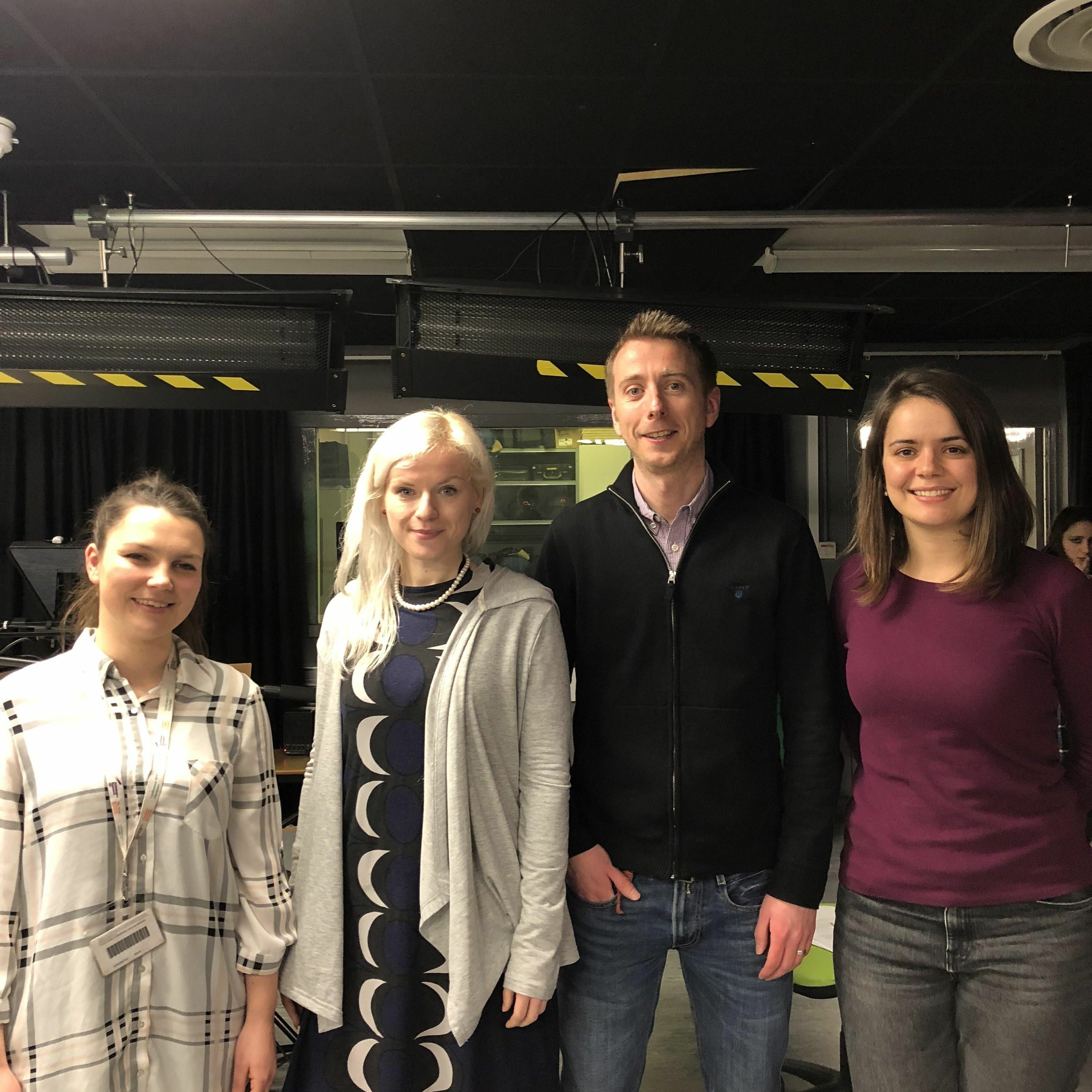
Hindsight suffuses our working life, perhaps none more so than in research. Being as it is a process of discovery and learning of things we didn’t know. As such in many ways there will always be things we wish we’d known earlier. Today we would like to discuss whether the investigative process brings with it complexities and uncertainties that are universal, and can therefore be shared with others as a means to avoid similar pitfalls - as our panel explore 'Things they wish they had known sooner'. In the chair we have Dr Amy Monaghan from the Alzheimer’s Research Drug Discovery Unit at University College London. Amy is joined by Dr Deborah Oliviera from the University of Nottingham, Hanna Isotalus from University of Bristol and Dr Mark Dallas a Lecturer in Cellular and Molecular Neuroscience at the University of Reading.

AAIC 2018 - Day Four
This is our fourth and final podcasts recorded on location at the Alzheimer Association International Conference (AAIC) in Chicago. Each day we have been bringing you news and information from our panellists who are all presenting and attending the world largest dementia conference. Adam Smith the Dementia Researcher website Programme Lead for the NIHR is again hosting and today is joined by Katy Stubbs from Alzheimer’s Research UK, Nicholas Firth from University College London and James Quinn from THE University of Manchester. The panel discuss their work, and today’s highlights, including the news from Biogen and Eisai over the exciting trial results of #BAN2401, how the Gut, sleep and environmental pollutants could be important in #dementia – and James talks about Tau. We hope you enjoyed these podcast, from #AAIC18 – our next podcast will be out on Monday 6th August, when we will resume our usual fortnightly schedule. Please subscribe to our feed and share with your colleagues and friends using #ECRDementia.
AAIC 2018 - Day Three
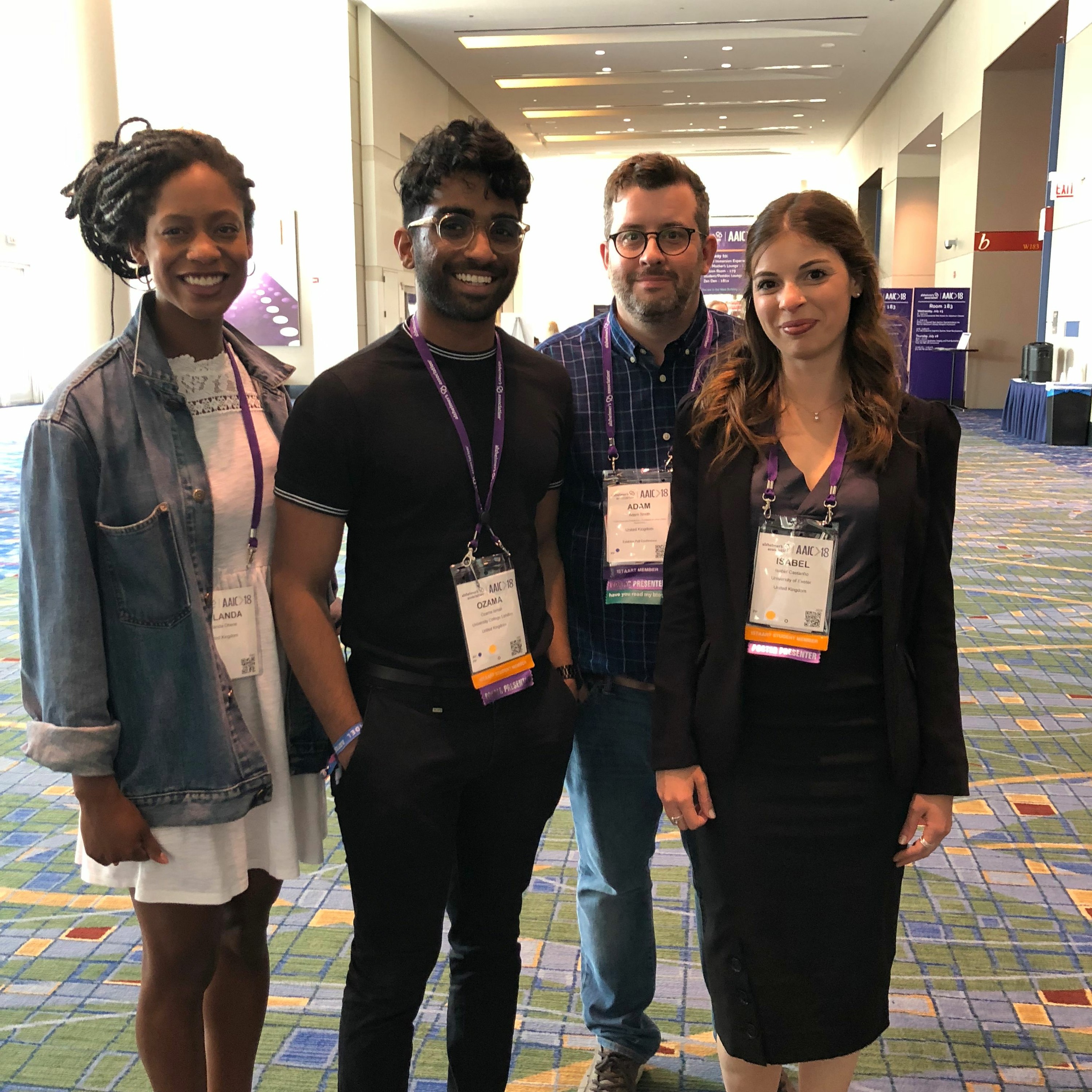
This is the third and penultimate of our podcasts recorded on location at the Alzheimer Association International Conference (AAIC) in Chicago. Each day we will be bringing you news and information from our panellists who are all presenting and attending the world largest dementia conference. Adam Smith the Dementia Researcher website Programme Lead for the NIHR is again hosting and today is joined by Oz Ismail (aka Birthday Boy) and Yolanda Ohene both PhD Students at University College London and Isabel Castanho a PhD Student at Exeter University Medical School. The panel discuss their own presentations, and just how much the brain is like a fantastic water park. We also discuss their highlights from the third day here at the AAIC, including sessions on ‘Microbiome and the brain’ and the latest research on the impact of circadian rhythms. Oz and Isabel also share their experiences as ISTAART volunteers, whilst also encouraging others to consider supporting AAIC19. Tune in again tomorrow for day four, and our next panel.
AAIC 2018 - Day One
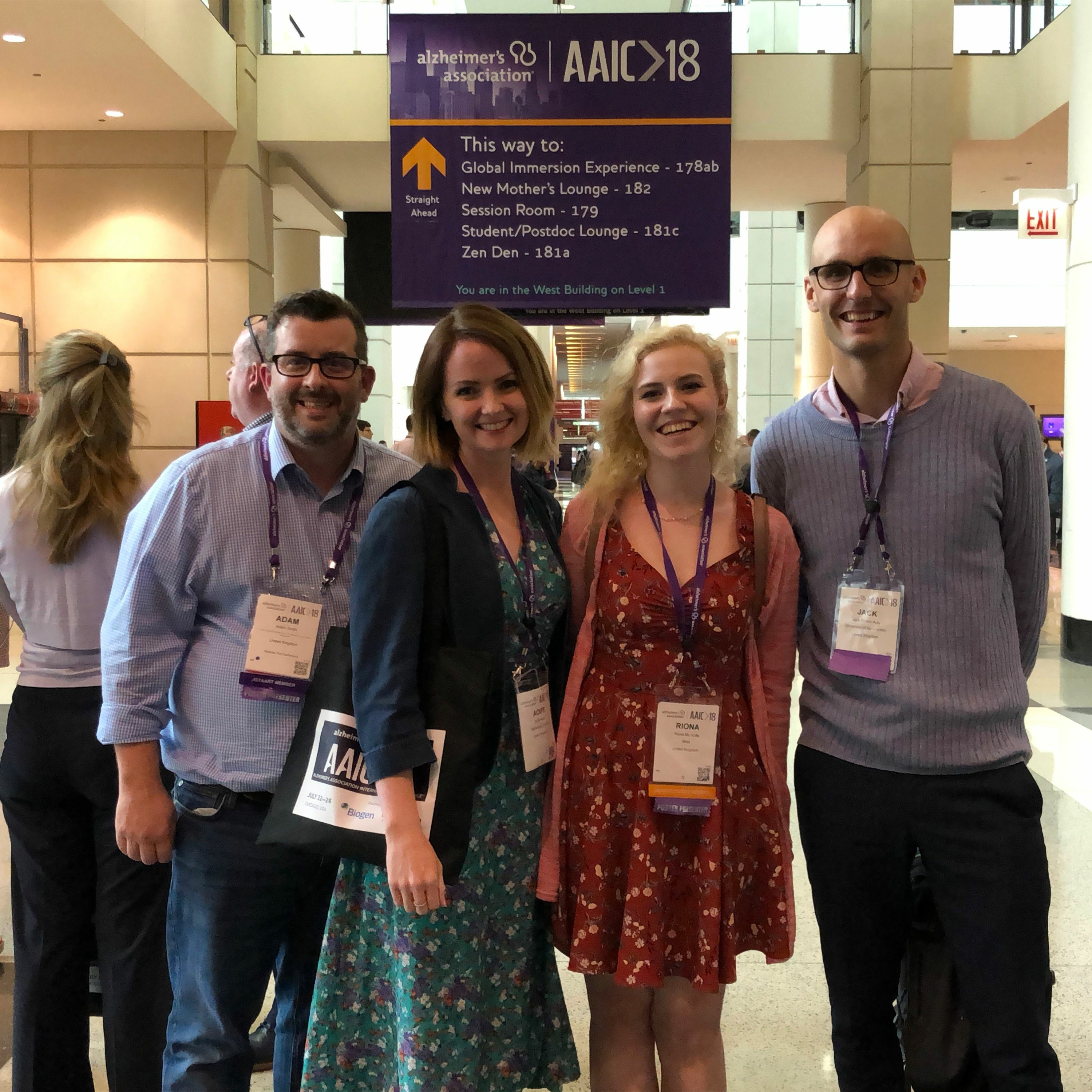
This is the first of our podcasts recorded on location at the Alzheimer Association International Conference (AAIC) in Chicago. Each day we will be bringing you news and information from our panellists who are all presenting and attending the world largest dementia conference. Today’s podcast is hosted by our own programme lead Adam Smith, he is joined by Dr Aoife Kiely from the Alzheimer’s Society, Dr Jack Rivers-Auty from Manchester University and Riona McArdle a PhD student from Newcastle University. The panel discuss their own presentations, the exuberant opening ceremony performance by the Chicago Boyz acrobatic team @ChicagoBoyzTeam, the fantastic research by Lennart Mucke from the Glasdstone institute on ‘Aberent Network Activity in AD, and preclinical investigation to clinical trials’, and other presentations and posters that caught their eye (including some scepticism on beers value in preventing dementia, and ‘Plaque-Out’ a nutraceutical supplement drink claiming to reduce b-amaloid (yes that’s how they spelt it on their sign) plaque in up to 41% of patients. Tune in again tomorrow for day two, and our next panel.
AAIC 2018 - Day Two
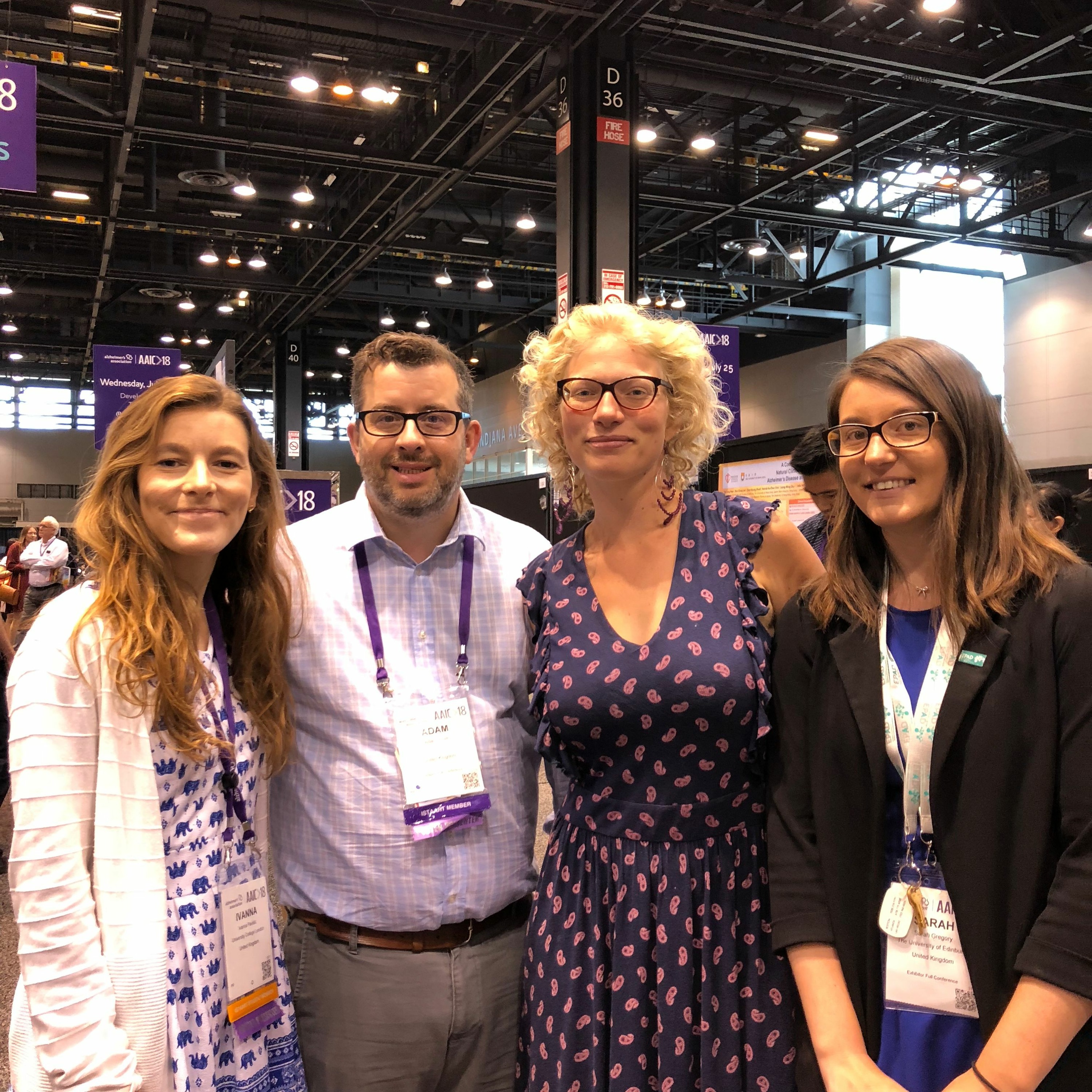
This is the second of our podcasts recorded on location at the Alzheimer Association International Conference (AAIC) in Chicago. Each day we will be bringing you news and information from our panellists who are all presenting and attending the world largest dementia conference. Today’s podcast is again hosted by our own programme lead Adam Smith (he is hosting them all week), he is joined by Sarah Gregory a study coordinator for the EPAD and Prevent studies at the University of Edinburgh, Nika Seblova a PhD student working on the casual effects of education on life-course cognitive ability and dementia at the Karolinska Institute in Sweden and Ivanna Pavisic who is a PhD student at University College London focusing on different neurocognitive assessments. The panel discuss their own presentations, if Chicago Pizza is real pizza…and their highlights from the second fantastic day here at the AAIC, including sessions on ‘Multimodal strategies for dementia prevention’ and the ‘aging brain and the risk for Alzheimer’s disease’ by Denise C Park at the University of Texas. We also discuss the effects of television on cognition and the fantastic ISTAART breakfast session by the Alliance of Women Alzheimer’s Researchers also known as AWARE discussing mentorship Tune in again tomorrow for day three, and our next panel.
Working and studying in the UK
This week we will be looking at ‘Working and studying in the UK. In the chair we have Dr Amy Monaghan from the Alzheimer’s Research Drug Discovery Unit at University College London. Amy is joined by Dr Deborah Oliviera from the University of Nottingham, Hanna Isotalus from University of Bristol and Raysa El Zein from Bournemouth University. All our panellists have made the leap to leave their home countries (Brazil, Lebanon and Finland) to live, study and work in the UK. Making a massive contribution to research here in the UK. Working abroad and travelling can be exciting, if a little scary. It's a big decision, but one which can be exciting and rewarding. But what is a really like? What should I think about? What challenges might you face? These hurdles may be the different infrastructures that provide grants and funding through to overcoming cultural issues a complex set of language barriers. Our panel today are all early career researchers from around the world. In this podcast we discuss their stories and what advice they might have for others thinking of following in the same path (not just to study in the UK but other countries too).
Creating award winning posters
A conference poster can be an effective networking tool, and an effective way to to articulately communicate your research. Sadly, too many posters fail to be really engaging, and turn into a mess of unintelligible data. With our panellists today we hope to offer guidance on how to produce a fantastic award winning conference poster, thinking about the abstract, scripting, concept, design, and logistics. In this podcast we welcome new host Francesa La Frenais, PhD Student from University College London. Frankie is joined by a panel of poster award winning Early Career Researchers, Dr Claire Durrant a Post Doc Researcher from University of Cambridge, Dr Aoife Kiely who works as a Research Communications Officer at Alzheimer’s Society and Physicist and PhD Student Yolanda Ohene also at University College London.

Improving Care & Support for People with Dementia
In this podcast Megan Calvert-O'Hare interviews Alys Griffiths, Rachael Kelley and Cara Sass from the Centre for Dementia Research at Leeds Beckett University. Research Fellows Alys and Rachael and PhD student Cara all work on studies aimed Improving Care & Support for People with Dementia. In podcast they talk about their most recent studies, including looking at the impact of sports-based reminiscence for men with dementia, the experiences of people receiving hospital based cancer treatment or residential care whilst living with comorbid cancer and dementia, and evaluating the impact of an 8-week carers training programme on health and well-being. They also discuss recently completed projects include the EPIC trial, which evaluated the effectiveness and cost-effectiveness of Dementia Care Mapping in care homes, the What Works? study, which explored effective ingredients to dementia training and education for the UK health and social care workforce, and an ethnographic study of the involvement of families in the hospital care of people with dementia. In 2013 the James Lind Alliance and Alzheimer’s Society undertook a priority setting partnership. Essentially, this is a big survey to discover what people feel future research priorities should be. You might may or may not be surprised to hear that 9 out of the top 10 were related to care… here are the top three: 1. What are the most effective components of care that keep a person with dementia as independent as they can be at all stages of the disease in all care settings? 2. How can the best ways to care for people with dementia, including results from research findings, be effectively disseminated and implemented into care practice? 3. What is the impact of an early diagnosis of dementia and how can primary care support a more effective route to diagnosis? Highlighting the importance of care research, and the contribution these three Early Career Researchers are having with their work.

Managing family life and research career
This weeks podcast is chaired by Dr Jo Barnes from University College London. Jo is joined by Dr Gemma Lace-Costigan from University of Salford, Dr Tammaryn Lashley from UCL and Dr Angelique Mavrodaris from University of Cambridge. ‘Work life balance’.... When that work is research, it brings with it an added layer of complexity. The way research posts are funded and delivered can make the decision to start a family or even have a 'life' difficult (assuming it’s a conscious decision, rather than a happy curve ball that life threw your way, and assuming you make it through the dreaded PhD years). Keeping the plates spinning is a challenge. Combine family and home life with the demands of the research process itself, and the funding, and it isn’t surprising to hear that career can impinge on family life too. So like all busy mums and dads, we find creative ways to manage, not just our time but the resonance that engaging in research can have on our way of living. And when you get the balance right… its fantastically rewarding. Our panel talk about their experiences, and share some top tips for those working in the field.

Research outside the NHS setting
Research occurs in a range of arenas, and places not all of which are clinical, or in an NHS setting. Sometimes the research itself may be about the environmental or geographical setting, or the care and impact by that place. Or it may just be the best and easiest way and best to engage with the participants are involved in the study. We know that dementia research is changing. Care, support, activity and environment are finally getting the much needed profile, and being seen as important as new drugs and other areas of science. This means we have to be prepared. An awareness for the context and settings of research and the subsequent application of results is vital. As more ECRs focus on research in these areas, understanding the differences in setting up, delivering and engaging with people in care homes, or in their own sitting rooms is important. We hope the panel in this weeks podcast can help. In the chair we have Megan Calvert-O'Hare from University College London and this week she is joined by Dr Catherine Quinn from the University of Exeter, Suzanne Hill from Bradford University and Charlotte Stoner also from UCL.

Getting funding and grant writing
In this Podcast, Chris Hardy from University College London chats to panellists Professor Simon Mead, Dr Adeel Razi also from UCL, and Dr David Llewellyn from Exeter University Medical School. Finding funding and grant writing is a much needed skill, and one that will be useful throughout your research career. There will be highs and lows. The need for insight, compelling argument and the hope of a novel outcome forms the basis for such applications. Finding the write funding call, and crafting a perfect application can be challenging, our panellists, have been on both sides of the process - writing applications, and as members of a grant review board. In this podcast our panel chat around the subject, sharing advice that will help any Early Career Researcher.

Collaborative work in non-cognitive aspects of Alzheimer's disease
In this weeks podcast we will look at how research has evolved quite considerably from the days of single author papers to exciting collaborations between researchers in different institutions bringing their own skills to the table. The discussion is chaired by Dr Megan O'Hare and on the panel we have Dr James Dachtler from Durham University, Dr Eleftheria Pervolaraki from the University of Leeds and Dr Stephen Hall from the University of York. You can find a transcript of this podcast on our website - https://www.dementiaresearcher.nihr.ac.uk/collaborative-work-in-non-cognitive-aspects-of-alzheimers-disease/

How to choose a postdoc, and find the right PhD
It's a big decision isn't it? In this podcast we hope our panel can help you decide. Identifying an area of interest in working life, requires not only an awareness of where our own curiosity resides, but also an appreciation of the reality in which we can explore it. As such there is a certain degree of pragmatism in matching imaginative possibilities with practical actualities - and that includes finding funding, appropriate supervision, and location. In this weeks podcast our panel is chaired by Dr Charlotte Stoner, Research Associate from University College London. On the panel we have Christopher Madan from University of Nottingham, Angelique Mavrodaris a Clinical Research Fellow and Consultant in Public Health Medicine in Cambridge and Suzanne Hill a PhD student at University of Bradford. You can find a transcript of this podcast on our website - https://www.dementiaresearcher.nihr.ac.uk/how-to-choose-a-postdoc-and-phd/
Discussing the MARQUE Study - Managing Agitation in Dementia
For many years people with dementia have been prescribed anti-psychotic drugs to manage challenging behaviours and agitation. Even today the reliance on this medication is too high, however, attitudes have changed, and over the past 5 years or more there had been a drive to reduce the use of these medications. However, that left the question of ‘what’s the alternative’ this is where studies like MARQUE are so vitally important. In this podcast Francesca La Frenais, and Dr Penny Rapaport from the Division of Psychiatry at UCL talk about the MARQUE Study, and how their work is helping us to understand what causes agitation and how the interventions tested in this study are improving quality of life for those living with dementia, and helping carers. You can find a transcript of this podcast on our website - https://www.dementiaresearcher.nihr.ac.uk/discussing-the-marque-study/

Managing & fostering good relations with PhD supervisors
Working life is inherently relational and in the case of doing a PhD, a specific and unique relation is that with your mentor or supervisor. Mutually nurturing this relationship, is key to success, or is it? In this weeks podcast, our panel explore how they have worked with, and managed their relationships with supervisors. How this develops over time, how you ensure your research is your own and their tips for success. This weeks host is Chris Hardy a Clinical neuroscience and Postdoc from University College London and the panellists are Jacki Stansfield a PhD working also at UCL, Robyn Dowlen, PhD Student at The University of Manchester and finally Lisa Thorpe a PhD Student, University of Chester. (Needless to say, they all have perfect relationships with their supervisors) Please share our podcasts using #ECRDementia and visit our website www.dementiaresearcher.nihr.ac.uk where you will find lots of information and support for Early Career Dementia Researchers. You can find a transcript of this podcast on our website - https://www.dementiaresearcher.nihr.ac.uk/managing-and-fostering-good-relations-with-phd-supervisors/
Working with people with dementia and their carers
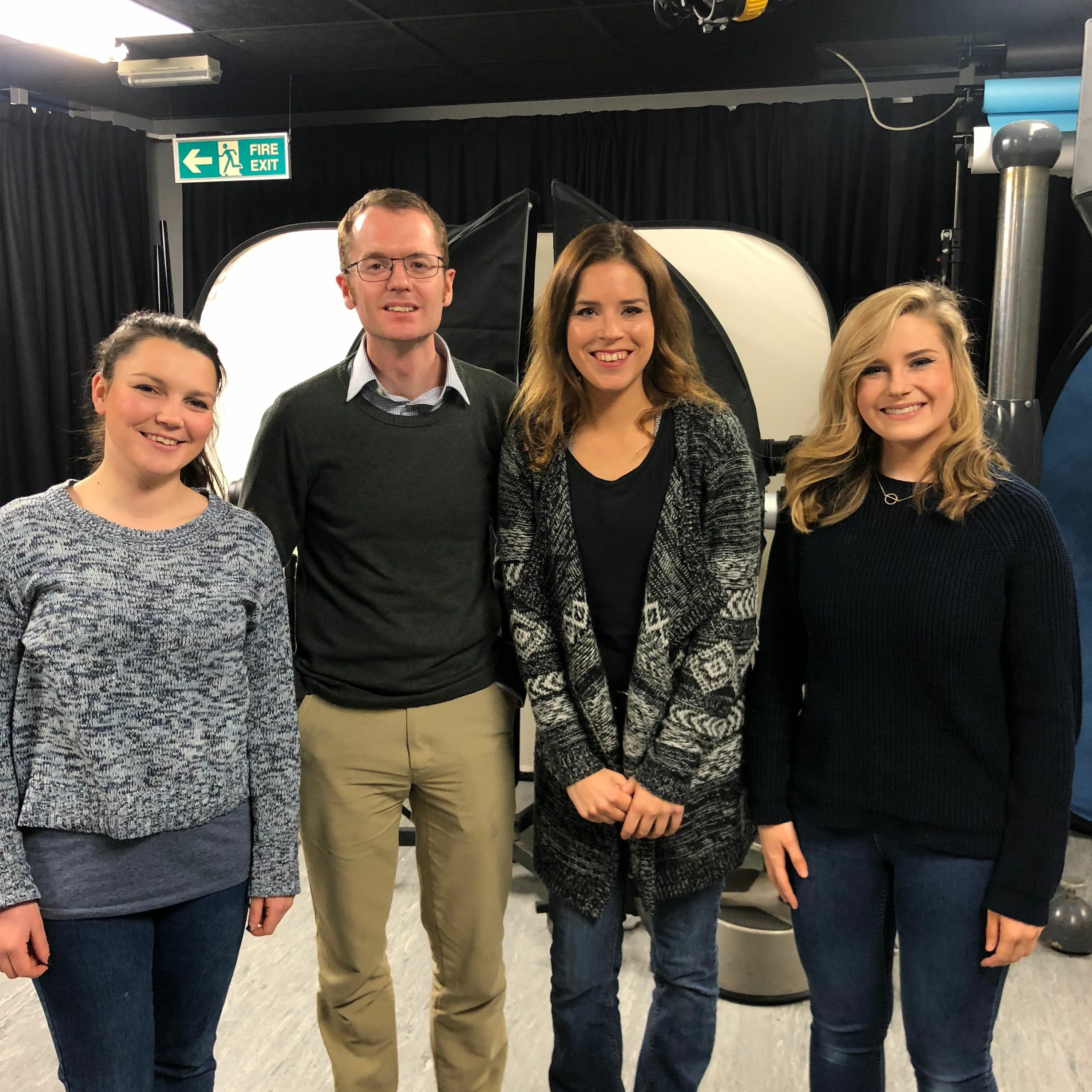
In podcast #2 from dementiaresearcher.nihr.ac.uk we have a great panel line up, talking about 'Working with people with dementia and their carers'. The people behind the disease are at the centre of what we do as dementia researchers. Biomedical research often involves directly working with patients and carers. This offers a fantastic opportunity and some unique challenges. In this recording Amy Monaghan talks to Timothy Rittman from University of Cambridge and Addenbrookes Hospital, Kellie Morrissey from the Open Lab at Newcastle University and Yvette Vermee from the Department of Psychiatry at University College London. We hear how these three individuals work with people with dementia, how this benefits their work, how to prepare, and how to approach working with individuals challenged by their symptoms. You can find a transcript of this podcast on our website - https://www.dementiaresearcher.nihr.ac.uk/working-with-people-with-dementia-and-their-careers/