Dementia Researcher
354 episodes — Page 1 of 8
Happy 200th: How UCL is Changing Dementia Research
XXplored - Why Women's Sleep Is Different
Fellowship vs Lectureship: Which Is Right for You?
Changing the Course of Dementia: What Will Make the Biggest Difference?
XXplored - The Neuroscience of Motherhood
AAIC Day Four 2026 Highlights
AAIC Day Three 2026 Highlights
AAIC Day Two 2026 Highlights
AAIC Day One 2026 Highlights
Relay Podcast - Clinical Trials Advancement and Methods PIA 2026
Relay Podcast - PIA to Elevate Early Career Researchers
Relay Podcast - Lewy Body Dementias PIA
Relay Podcast - Down Syndrome and Alzheimer's Disease PIA
Relay Podcast - Health Policy PIA
Relay Podcast - Technology and Dementia PIA
Supporting Dementia at Home: Insights from PALLDEM
Agentic AI and the Future of Dementia Research
Leaving Academia, Staying in Research
XXplored - Women, Hormones & Mental Health: Rethinking Psychiatric Disorders
Reimagining Dementia with XR and Digital Therapeutics
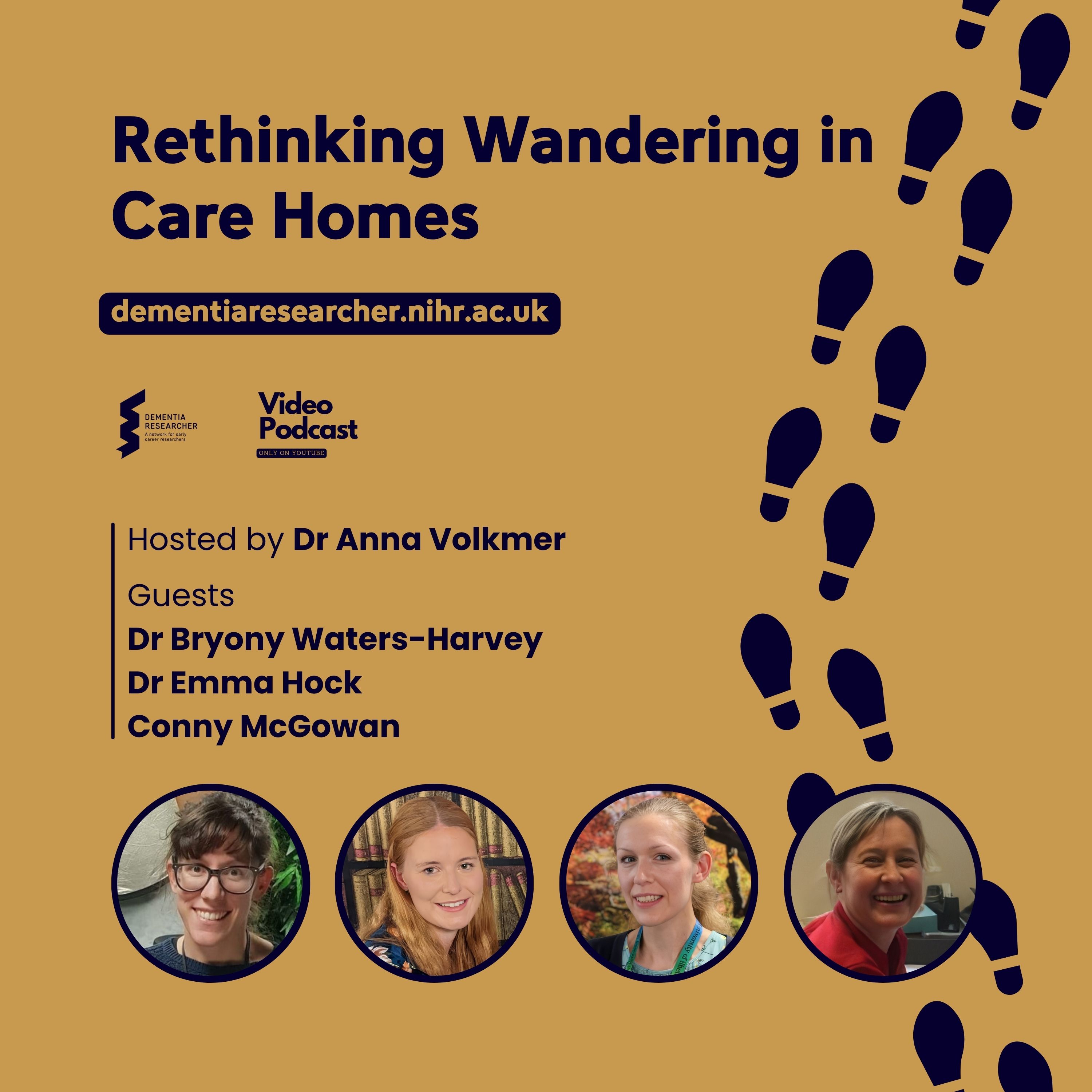
Ep 335Rethinking Wandering in Care Homes
In this episode of the Dementia Researcher Podcast Dr Anna Volkmer hosts a discussion exploring the complexities of wandering in dementia care.Dr Bryony Waters-Harvey & Dr Emma Hock from The University of Sheffield and Conny McGowan from The Orders of St John Care Trust discuss their research and outcomes of the NIHR funded "FREEDEM study" - Reframing 'wandering' as a meaningful activity using realist synthesis and qualitative explorationTakeawaysWandering is often a meaningful activity for residents.Individualised care plans are crucial for supporting residents.Language matters in how we perceive wandering.Positive risk-taking can enhance residents' quality of life.Hydration and nutrition are important for wandering residents.Research should focus on the positive aspects of wandering.Care staff need training to support safe wandering.Environmental factors significantly impact wandering behavior.Residents should have access to outdoor spaces.Future research should involve residents and their familiesAccess the toolkit and resources:https://sites.google.com/sheffield.ac.uk/freedem/homeStrategies to support safe wandering in care homes for older adults – what works, for whom, and in which circumstances? A realist synthesis:https://www.sciencedirect.com/science/article/pii/S0020748926000192A transcript of this show, links and show notes and profile on all our guests are available on our website at https://www.dementiaresearcher.nihr.ac.uk.If you prefer to watch rather than listen, you will find a video version of this podcast on YouTube, on our website, and in selected podcast platforms.Follow us on social media:https://www.instagram.com/dementia_researcher/ https://www.facebook.com/Dementia.Researcher/https://www.twitter.com/demrescommunityhttps://www.linkedin.com/company/dementia-researcher https://bsky.app/profile/dementiaresearcher.bsky.socialDownload and Register with our Community App:https://www.onelink.to/dementiaresearcherWe gratefully acknowledge the support of our funders: Alzheimer’s Association, Race Against Dementia, Alzheimer’s Research UK, Alzheimer’s Society, and the National Institute for Health and Care Research.The views and opinions expressed by guests in this podcast are their own and do not necessarily reflect those of the producers, funders, or sponsors.Subscribe to our sister show 'Dementia Researcher The Blogs':https://podfollow.com/dementia-researcher-blogs
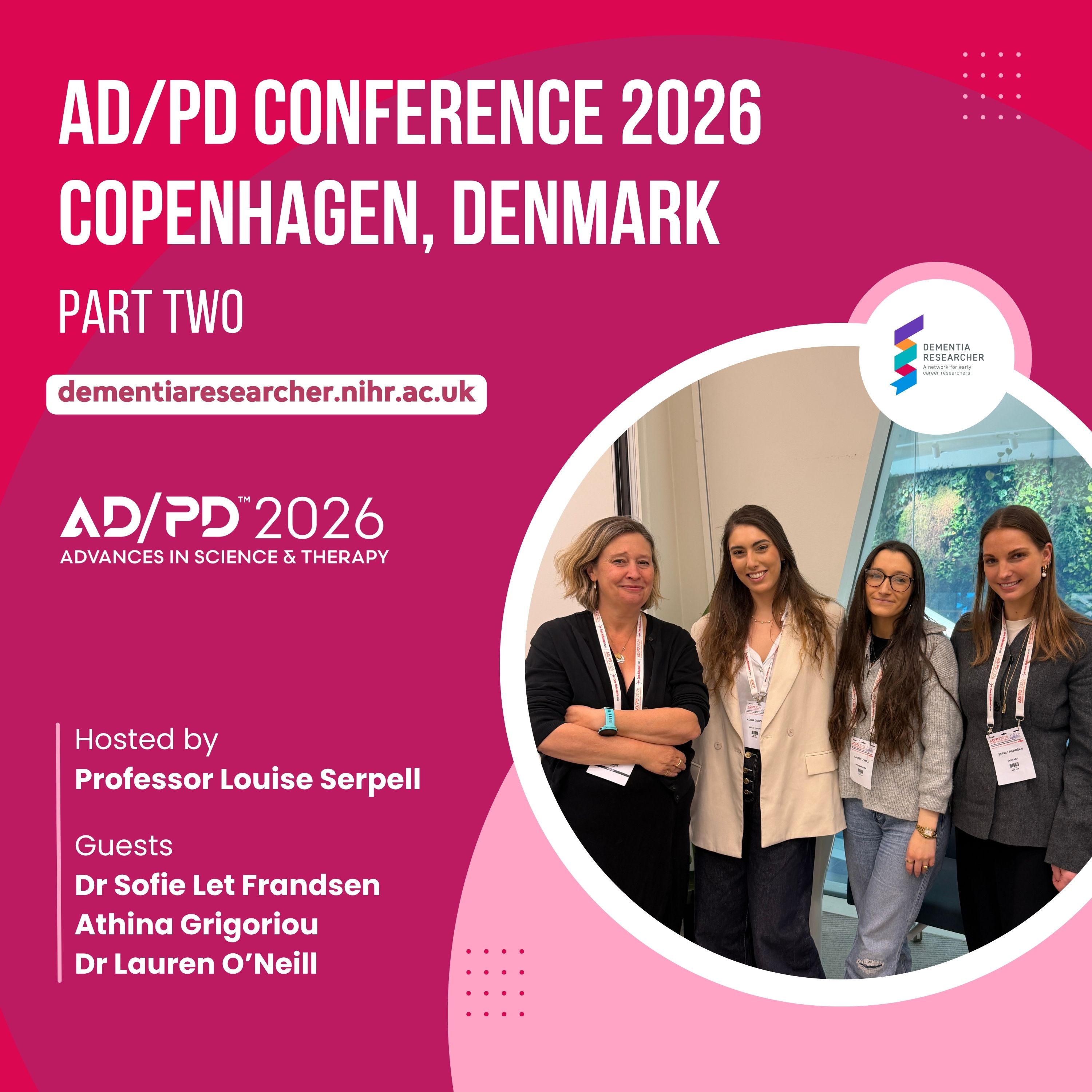
Ep 334ADPD 2026 Conference Highlights - Part Two
This episode of the Dementia Researcher Podcast continues our coverage from the AD PD Conference 2026 in Copenhagen, one of the largest international meetings focused on Alzheimer’s and Parkinson’s disease.Hosted by Professor Louise Serpell, the conversation brings together Athina Grigoriou, Dr Lauren O’Neill, and Dr Sofie Let Frandsen, each sharing highlights from across the conference.The discussion spans a wide range of topics, from the biological role of alpha synuclein and mitochondrial dysfunction, through to emerging therapeutic targets and the growing importance of biomarkers. There is a strong focus on how diseases are more complex and varied than once thought, with increasing attention on stratification, personalised medicine, and early detection.Alongside the science, the episode also reflects on the importance of patient voices, collaboration across disciplines, and the value of sharing both positive and negative research findings.This is Part Two of our AD PD 2026 reflections, offering a thoughtful look at where the field is heading next.ADPD Conference Website - adpd.kenes.com/Top Takeaways:Alpha synuclein may have a normal physiological role, not just a pathological oneMitochondrial dysfunction remains central in Parkinson’s mechanismsBiomarkers are key for both early detection and patient stratificationDiseases like Parkinson’s and dementia are highly heterogeneousPersonalised medicine is becoming a realistic goal, not just an ideaNew therapeutic targets beyond dopamine are emergingEarly stage and presymptomatic intervention is a major focusPatient and carer perspectives remain underrepresented but essentialCollaboration and openness, including sharing negative results, are vitalMore diverse populations are needed to validate biomarkers globallyA transcript of this show, links and show notes and profile on all our guests are available on our website at www.dementiaresearcher.nihr.ac.ukFollow us on social media:www.instagram.com/dementia_researcher/www.facebook.com/Dementia.Researcher/www.twitter.com/demrescommunitywww.linkedin.com/company/dementia-researcherwww.bsky.app/profile/dementiare…archer.bsky.socialDownload and Register with our Community App:www.onelink.to/dementiaresearcher
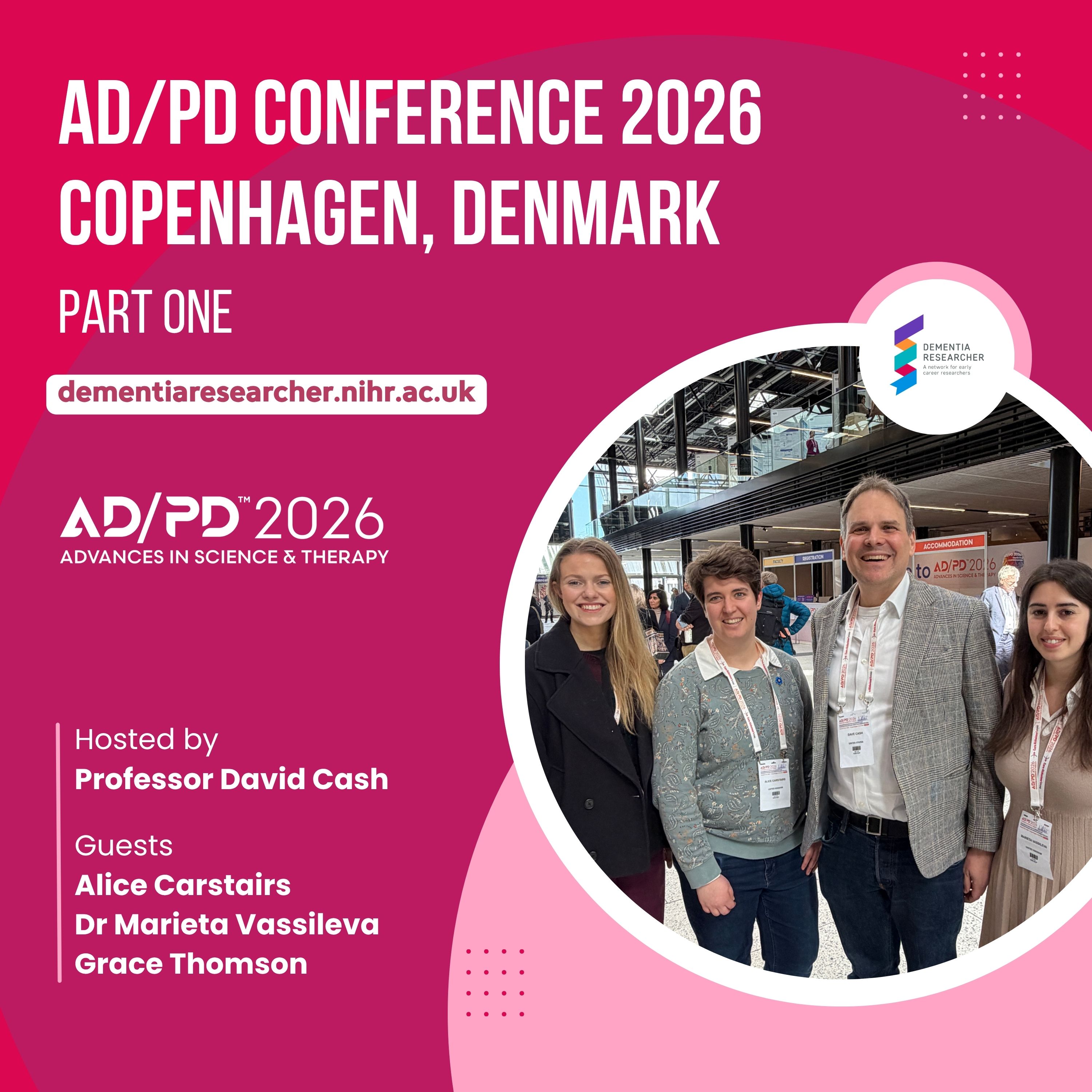
Ep 333ADPD 2026 Conference Highlights - Part One
This episode of the Dementia Researcher Podcast comes from the AD PD Conference 2026 in Copenhagen, bringing together global researchers to share the latest in Alzheimer’s and Parkinson’s disease research.Hosted by Professor David Cash, the episode features Grace Thompson, Dr Marieta Vassileva, and Dr Alice Carstairs, each offering their own highlights from across the conference.Rather than trying to cover everything, the conversation focuses on standout talks and emerging themes. These include advances in biomarkers, growing interest in co pathology, the role of neuroinflammation, and how new tools like AI and multiomics are changing how we understand disease.Across the discussion, the group reflects on what new findings might mean for diagnosis, treatment, and the future direction of dementia research. There is also a strong sense of optimism, with the field moving towards combination therapies and earlier intervention.This is Part One of a two part series capturing reflections from the conference.ADPD Conference Website - adpd.kenes.com/Top Takeaways:Biomarkers are now central across diagnosis, prediction, and trialsCo pathology is a major theme, with diseases rarely existing in isolationTau is emerging as a key driver of cognitive declineMicroglia and neuroinflammation offer new therapeutic targetsMultiomics is helping uncover detailed disease mechanismsAI is becoming essential for handling complex datasetsEarly career researchers are playing a visible role at major conferencesSynaptic loss is strongly linked to cognitive declineCombination therapies are increasingly seen as the futureThe field feels more optimistic than in previous yearsA transcript of this show, links and show notes and profile on all our guests are available on our website at www.dementiaresearcher.nihr.ac.ukFollow us on social media:www.instagram.com/dementia_researcher/www.facebook.com/Dementia.Researcher/www.twitter.com/demrescommunitywww.linkedin.com/company/dementia-researcherwww.bsky.app/profile/dementiare…archer.bsky.socialDownload and Register with our Community App:www.onelink.to/dementiaresearcher
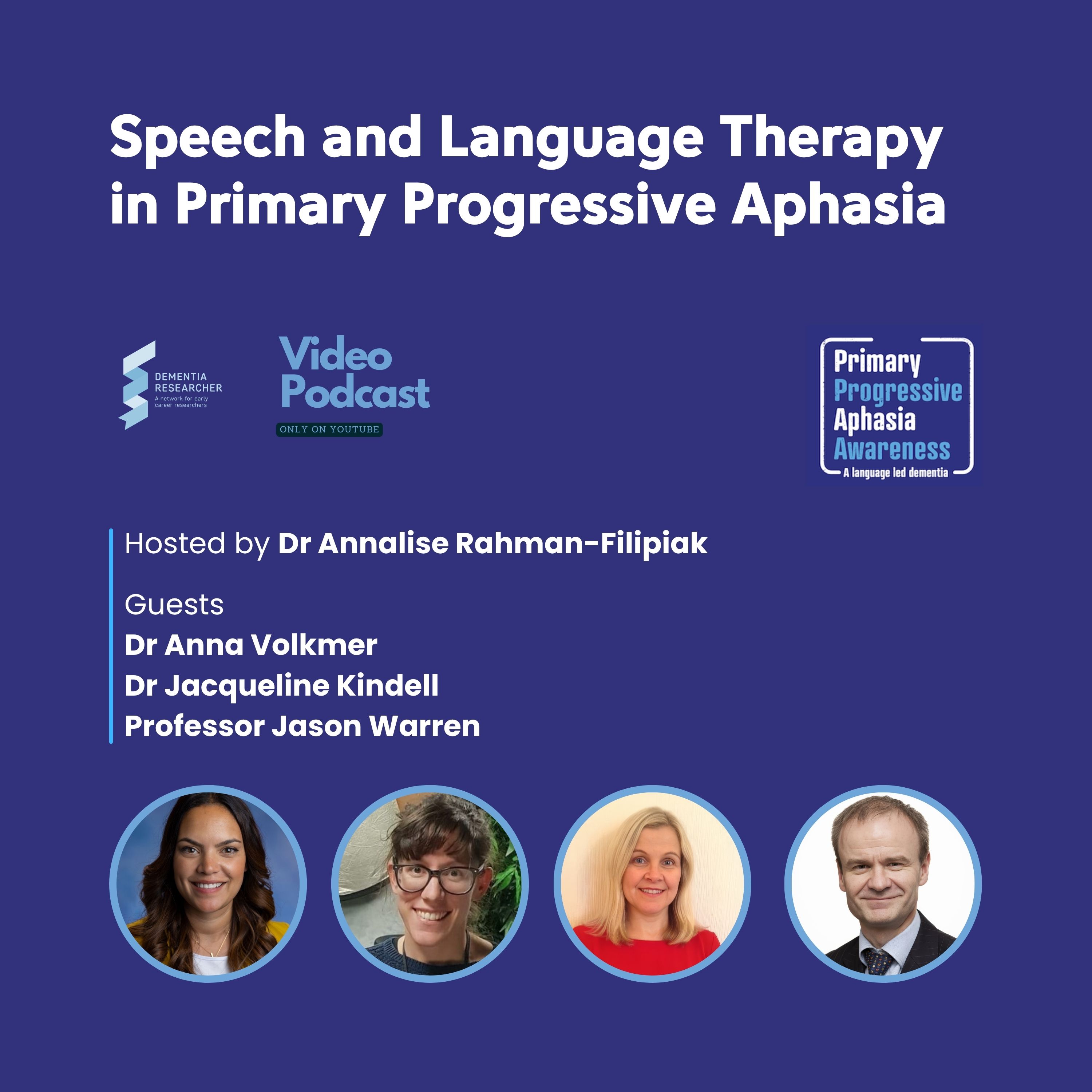
Ep 332Speech and Language Therapy in Primary Progressive Aphasia
Primary progressive aphasia (PPA) is a group of language led dementias where communication difficulties appear before memory loss. Despite this, diagnosis can often take years and access to specialist support remains inconsistent.In this episode of the Dementia Researcher Podcast, Dr Annalise Rahman Filipiak speaks with Professor Jason Warren, Dr Anna Volkmer and Dr Jacqueline Kindell about the role of speech and language therapy in diagnosing and supporting people living with PPA. The discussion explores why diagnosis is often delayed, how speech and language therapists contribute to multidisciplinary assessment and care pathways, and why early referral can make a meaningful difference for patients and families.The conversation also looks at international differences in access to services, the importance of communication support across the course of the condition, and the growing global movement to improve awareness through Primary Progressive Aphasia Awareness Day.PPA Awareness Day 2026 - speechtherapyppa.com/ppa-awareness-dayAbout the guestsJason Warren - Professor of Neurology at University College London and the National Hospital for Neurology and Neurosurgery. His research focuses on dementia, language disorders and diagnostic markers for primary progressive aphasia.Anna Volkmer - Associate Professor and Consultant Speech and Language Therapist at University College London. Her work focuses on communication interventions and support for people living with primary progressive aphasia and their families.Jacqueline Kindell - Speech and Language Therapist and Lecturer at The University of Manchester with extensive clinical and research experience in dementia and communication disorders.Key TakeawaysPrimary progressive aphasia is a group of dementias where language difficulties appear before memory problems, which often makes diagnosis harder.Diagnosis can take several years because many dementia assessment tools focus on memory rather than communication and language.Speech and language therapists play an important role in diagnosing PPA by assessing language, communication and motor speech changes.Speech and language therapy is currently the main treatment available to help people with PPA manage communication difficulties.Early referral to speech and language therapy helps people and families adapt communication strategies and plan for future changes.Access to specialist speech and language therapy services varies widely depending on where people live.Communication support can improve quality of life and reduce wider pressures on health services by improving understanding between patients, families and clinicians.Primary Progressive Aphasia Awareness Day aims to improve recognition of the condition and promote early referral to speech and language therapy.A transcript of this show, links and show notes and profile on all our guests are available on our website at www.dementiaresearcher.nihr.ac.ukFollow us on social media:www.instagram.com/dementia_researcher/www.facebook.com/Dementia.Researcher/www.twitter.com/demrescommunitywww.linkedin.com/company/dementia-researcherwww.bsky.app/profile/dementiare…archer.bsky.socialDownload and Register with our Community App:www.onelink.to/dementiaresearcher
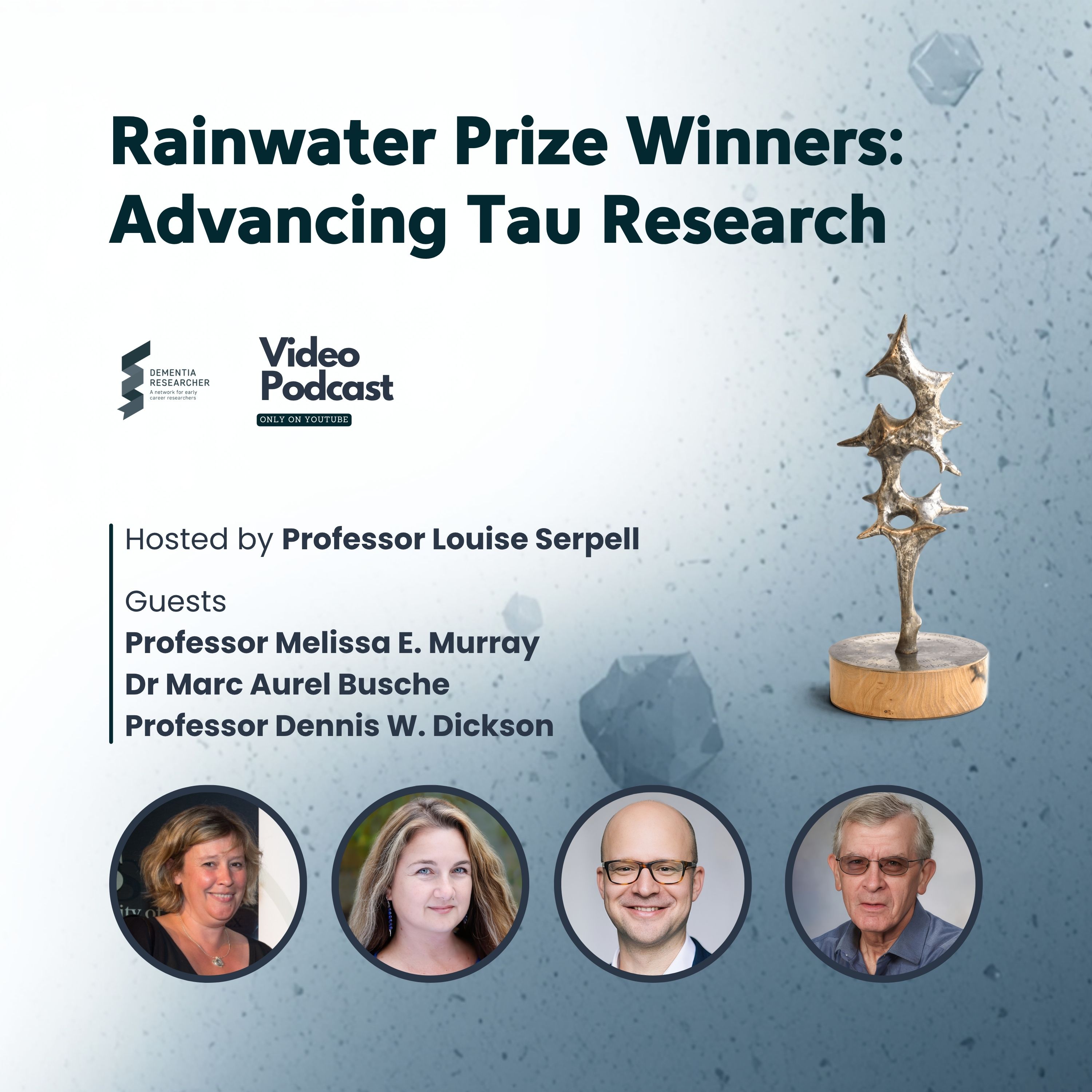
Ep 331Rainwater Prize Winners: Advancing Tau Research
In this episode, Professor Louise Serpell is joined by 2026 Rainwater Prize winners Professor Dennis Dickson, Professor Melissa Murray and Dr Marc Busche.They talk about their work and the science that led to them earning this much deserved award, reflecting on decades of research into tau and its role in neurodegenerative disease. The conversation explores how tau functions in the healthy brain, how it becomes harmful in conditions such as Alzheimer’s disease and progressive supranuclear palsy, and why certain brain regions are especially vulnerable.The discussion covers different forms of tau, including soluble species that may disrupt how neurons fire before visible tangles appear. Brain banking, imaging and fluid biomarkers are highlighted as key tools for understanding disease differences and improving diagnosis. The importance of rare MAPT mutations and what they can teach us about future treatments is also explored.Alongside the science, there are thoughtful reflections on mentorship, risk taking and the value of asking ambitious questions in dementia research.Key TakeawaysTau is essential but context dependent. It is vital for normal brain function, yet changes in its chemistry, structure or location can drive neurodegeneration.Tangles are not the whole story. Soluble tau species can disrupt neuronal firing, even in single cells, before visible aggregates appear.Selective vulnerability defines tauopathies. Disorders such as PSP consistently affect specific brain regions & cell types, including glia, & we do not fully understand why.One biomarker does not fit all. Tau PET and fluid markers behave differently across Alzheimer’s disease and primary tauopathies, reflecting structural differences in tau.Progress depends on bold science. High risk experiments, strong mentorship and access to the right tools are essential for moving the field forward.Find out more about the Rainwater Foundation:https://rainwatercharitablefoundation.org/A transcript of this show, links and show notes and profile on all our guests are available on our website at https://www.dementiaresearcher.nihr.ac.uk.If you prefer to watch rather than listen, you will find a video version of this podcast on YouTube, on our website, and in selected podcast platforms.Follow us on social media:https://www.instagram.com/dementia_researcher/ https://www.facebook.com/Dementia.Researcher/https://www.twitter.com/demrescommunityhttps://www.linkedin.com/company/dementia-researcher https://bsky.app/profile/dementiaresearcher.bsky.socialDownload and Register with our Community App:https://www.onelink.to/dementiaresearcherWe gratefully acknowledge the support of our funders: Alzheimer’s Association, Race Against Dementia, Alzheimer’s Research UK, Alzheimer’s Society, and the National Institute for Health and Care Research.The views and opinions expressed by guests in this podcast are their own and do not necessarily reflect those of the producers, funders, or sponsors.Subscribe to our sister show 'Dementia Researcher The Blogs':https://podfollow.com/dementia-researcher-blogs
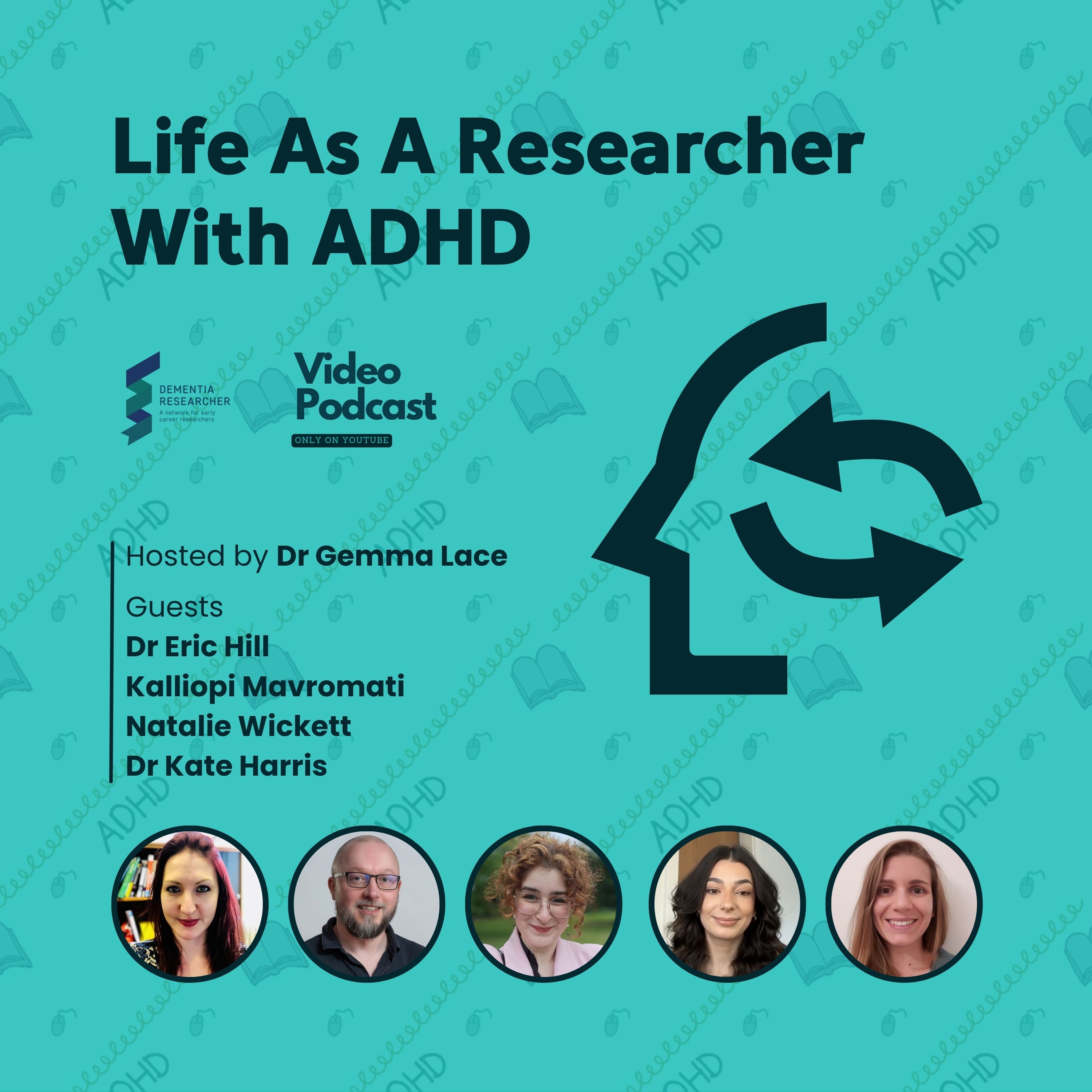
Ep 330Life As A Researcher With ADHD
In this episode of the Dementia Research Podcast, host Dr Gemma Lace is joined by guests, Dr Eric Hill from Loughborough University, Kalliopi Mavromati from University of Glasgow, Natalie Wickett from Simon Fraser University and Dr Kate Harris from Newcastle University.Together they discuss the intersection of ADHD and research, exploring personal experiences, misconceptions, and coping strategies. The conversation highlights the unique challenges faced by researchers with ADHD, the importance of understanding and empathy in academic settings, and the various ways individuals navigate their symptoms. The discussion also touches on the role of medication and the need for tailored approaches to support neurodiverse individuals in academia.Key takeawaysADHD is often misunderstood and is much more than visible hyperactivity.People with ADHD do not lack attention, but can struggle to direct it consistently.Hyperfocus can lead to intense productivity, followed by emotional or physical crashes.Academic culture, with its constant evaluation and rejection, can amplify ADHD challenges.Rejection sensitivity can feel physically painful and trigger fight or flight responses.Clear expectations and structured communication reduce anxiety and procrastination.Breaking work into smaller deadlines can support momentum and reduce overwhelm.Medication can be life changing for some, but it is not a complete solution on its own.Hormonal shifts can significantly influence ADHD symptoms, particularly for women.Curiosity, empathy and flexibility create more supportive research environments for neurodivergent colleagues.A transcript of this show, links and show notes and profile on all our guests are available on our website at https://www.dementiaresearcher.nihr.ac.uk.If you prefer to watch rather than listen, you will find a video version of this podcast on YouTube, on our website, and in selected podcast platforms.Follow us on social media:https://www.instagram.com/dementia_researcher/ https://www.facebook.com/Dementia.Researcher/https://www.twitter.com/demrescommunityhttps://www.linkedin.com/company/dementia-researcher https://bsky.app/profile/dementiaresearcher.bsky.socialDownload and Register with our Community App:https://www.onelink.to/dementiaresearcherWe gratefully acknowledge the support of our funders: Alzheimer’s Association, Race Against Dementia, Alzheimer’s Research UK, Alzheimer’s Society, and the National Institute for Health and Care Research.The views and opinions expressed by guests in this podcast are their own and do not necessarily reflect those of the producers, funders, or sponsors.Subscribe to our sister show 'Dementia Researcher The Blogs':https://podfollow.com/dementia-researcher-blogs
Ep 329Detecting UTIs Early in Dementia
In this episode of the Dementia Researcher podcast, host Adam Smith chats with with Professor Paul Freemont and researcher Tom Adam from the UK Dementia Research Institute at Imperial College London to discuss the critical issue of urinary tract infections (UTIs) in individuals living with dementia.The conversation highlights the complexities of diagnosing UTIs in people living with dementia, where communication barriers and atypical presentations often lead to misdiagnosis and unnecessary hospitalisations. The guests emphasise the urgent need for improved detection methods, as UTIs can exacerbate cognitive decline and lead to severe health complications. They talk about their work to develop and introduce an innovative novel point-of-care diagnostic device designed specifically for dementia patients, which aims to facilitate early detection of UTIs in a home and care home setting, thereby reducing the reliance on traditional symptom reporting and hospital visits.A transcript of this show, links and show notes and profile on all our guests are available on our website at https://www.dementiaresearcher.nihr.ac.uk.If you prefer to watch rather than listen, you will find a video version of this podcast on YouTube, on our website, and in selected podcast platforms.Follow us on social media:https://www.instagram.com/dementia_researcher/ https://www.facebook.com/Dementia.Researcher/https://www.twitter.com/demrescommunityhttps://www.linkedin.com/company/dementia-researcher https://bsky.app/profile/dementiaresearcher.bsky.socialDownload and Register with our Community App:https://www.onelink.to/dementiaresearcherWe gratefully acknowledge the support of our funders: Alzheimer’s Association, Race Against Dementia, Alzheimer’s Research UK, Alzheimer’s Society, and the National Institute for Health and Care Research.The views and opinions expressed by guests in this podcast are their own and do not necessarily reflect those of the producers, funders, or sponsors.Subscribe to our sister show 'Dementia Researcher The Blogs':https://podfollow.com/dementia-researcher-blogs
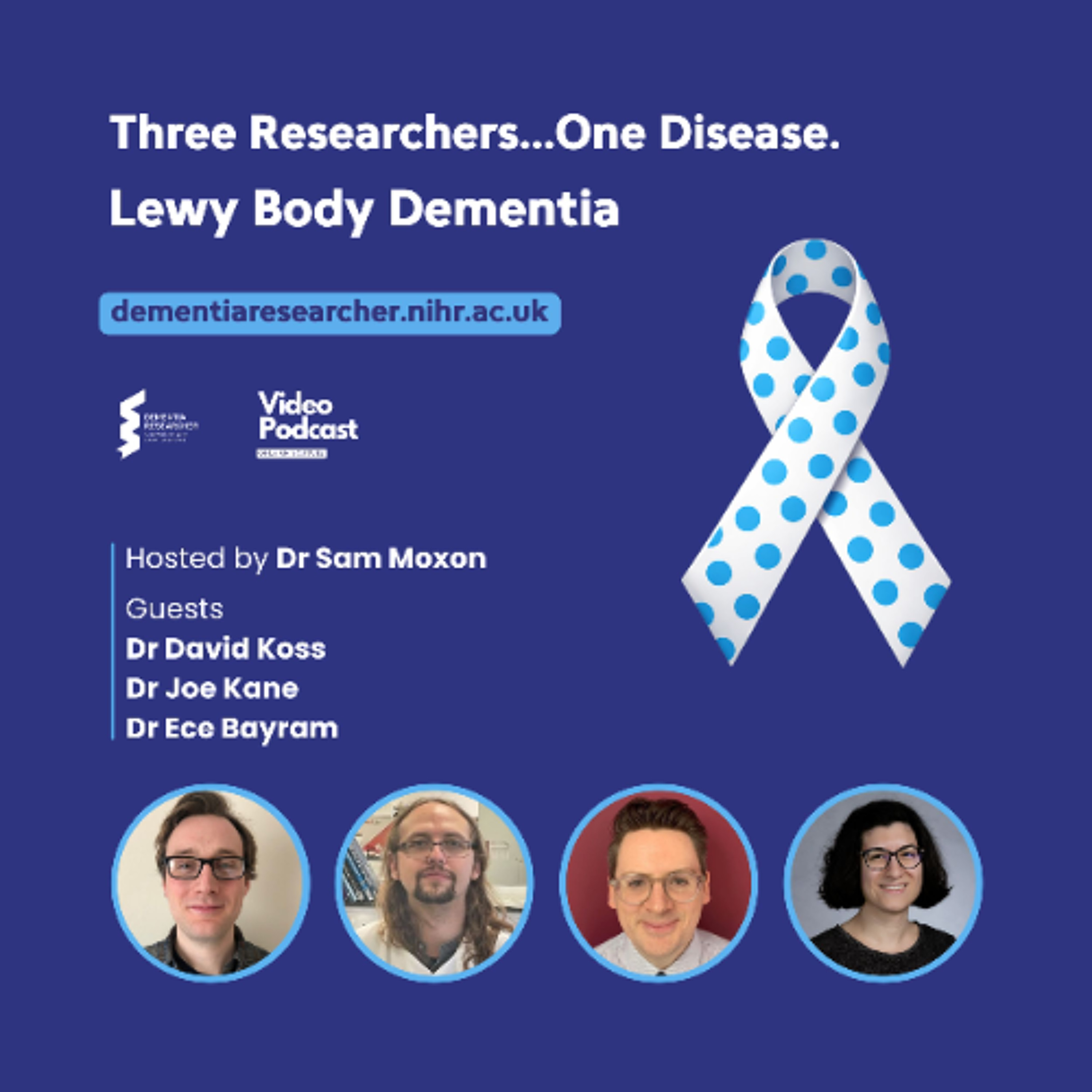
Ep 328Three Researchers. One Disease. Lewy Body Dementia
In this episode of the Dementia Researcher Podcast, we focus on Lewy body dementia and why it remains one of the most misunderstood and frequently misdiagnosed forms of dementia.Released ahead of Lewy Body Dementia Day on 28 January, the conversation explores what Lewy body dementia is, how it sits between existing diagnostic categories, and why it often takes years for people to receive the right diagnosis.Host Dr Sam Moxon is joined by three researchers working on Lewy body dementia from very different angles. Dr Ece Bayram, Assistant Research Professor at the University of Colorado Anschutz, whose work explores differences in risk, progression and diagnosis across sex, gender, ethnicity and race. Dr Joe Kane, Consultant Psychiatrist and Clinical Lecturer, who combines clinical care with research into diagnosis, service delivery and clinical trials. Dr David Koss, Lecturer and Group Lead at the University of Dundee, studying the cellular and molecular mechanisms underlying Lewy body dementiaTogether, they unpack why Lewy body dementia does not follow a neat clinical pathway, how overlapping symptoms can lead to confusion with Alzheimer disease or Parkinson disease, and why uncertainty in diagnosis affects everything from care planning to research outcomes.The discussion highlights the real world consequences of misdiagnosis, including inappropriate treatments, faster than expected progression, and the emotional toll on families and care partners. The guests also reflect on how limited awareness of Lewy body dementia continues to shape health services, research recruitment and public understanding.Across the episode, a clear theme emerges: Lewy body dementia cannot be understood from a single perspective. Clinical insight, biological research and population level studies all need to connect if progress is to be made.Key takeawaysLewy body dementia includes dementia with Lewy bodies and Parkinson disease dementiaSymptoms extend beyond memory and can include hallucinations, sleep disturbance, fluctuations and movement changesDiagnosis is frequently delayed due to overlapping features with other dementiasMisdiagnosis can lead to harmful treatments and inappropriate care planningCare partners play a central role in both diagnosis and ongoing supportResearch cohorts often lack diversity, limiting understanding of theCellular mechanisms such as alpha synuclein dysfunction remain an important area of studyEarly and accurate diagnosis improves care, planning and research qualityMultidisciplinary collaboration is essential to understanding the diseasePublic awareness is key to improving detection, funding and outcomesA transcript of this show, links and show notes and profile on all our guests are available on our website at https://www.dementiaresearcher.nihr.ac.uk.If you prefer to watch rather than listen, you will find a video version of this podcast on YouTube, on our website, and in selected podcast platforms.Follow us on social media:https://www.instagram.com/dementia_researcher/ https://www.facebook.com/Dementia.Researcher/https://www.twitter.com/demrescommunityhttps://www.linkedin.com/company/dementia-researcher https://bsky.app/profile/dementiaresearcher.bsky.socialDownload and Register with our Community App:https://www.onelink.to/dementiaresearcherWe gratefully acknowledge the support of our funders: Alzheimer’s Association, Race Against Dementia, Alzheimer’s Research UK, Alzheimer’s Society, and the National Institute for Health and Care Research.The views and opinions expressed by guests in this podcast are their own and do not necessarily reflect those of the producers, funders, or sponsors.Subscribe to our sister show 'Dementia Researcher The Blogs':https://podfollow.com/dementia-researcher-blogs

Ep 327UKDRI Connectome Conference Highlights
This episode shares highlights from the UK Dementia Research Institute (UKDRI) Connectome Conference. Host Dr Anna Mallach is joined by Dr Dayne Beccano Kelly, Dr Beth Eyre, and Tom Adam to reflect on talks, posters, and discussions that stood out.The conversation covers lived experience sessions, keynote talks, early career presentations, and how informal conversations and parallel sessions shaped ideas and potential collaborations. The episode offers a snapshot of the breadth of work presented across the institute and the importance of connecting people as well as science.Find out more about the UKDRI:https://www.ukdri.ac.uk/Watch our YouTube Shorts Series, with conference attendees presenting their posters in under 3 minutes: https://www.youtube.com/playlist?list=PLeUI1GHB4EvRFJl8tRC-wq5RxkDKF9twUA transcript of this show, links and show notes and profile on all our guests are available on our website at https://www.dementiaresearcher.nihr.ac.uk.If you prefer to watch rather than listen, you will find a video version of this podcast on YouTube, on our website, and in selected podcast platforms.Follow us on social media:https://www.instagram.com/dementia_researcher/ https://www.facebook.com/Dementia.Researcher/https://www.twitter.com/demrescommunityhttps://www.linkedin.com/company/dementia-researcher https://bsky.app/profile/dementiaresearcher.bsky.socialDownload and Register with our Community App:https://www.onelink.to/dementiaresearcherWe gratefully acknowledge the support of our funders: Alzheimer’s Association, Race Against Dementia, Alzheimer’s Research UK, Alzheimer’s Society, and the National Institute for Health and Care Research.The views and opinions expressed by guests in this podcast are their own and do not necessarily reflect those of the producers, funders, or sponsors.Subscribe to our sister show 'Dementia Researcher The Blogs':https://podfollow.com/dementia-researcher-blogs
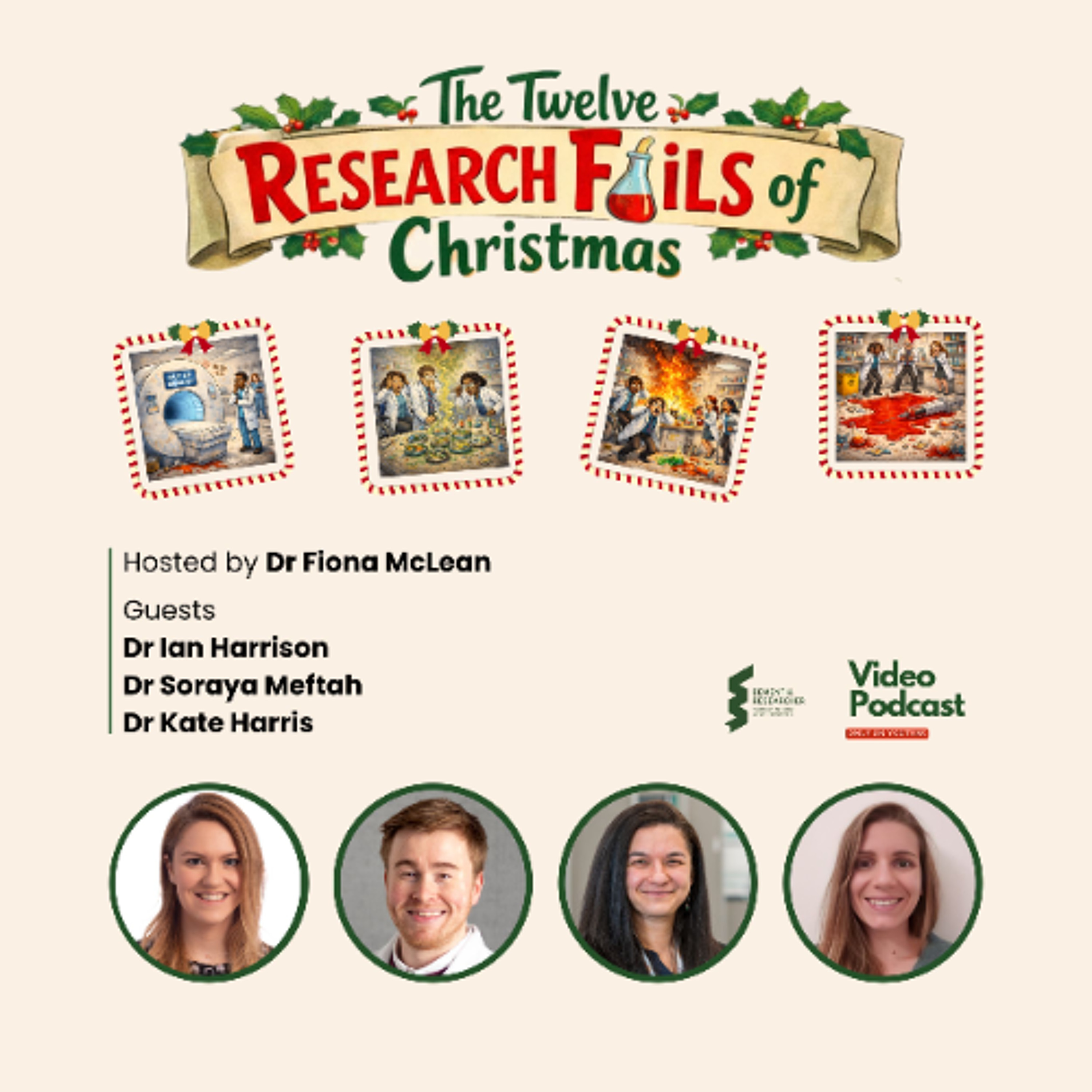
Ep 326Twelve Research Fails of Christmas 💥🧪
This festive special flips the script on polished papers and perfect protocols. Dr Fiona McLean is joined by Dr Ian Harrison, Dr Soraya Meftah, and Dr Kate Harris to share the research moments that did not go to plan but taught them far more than success ever could.From ELISAs gone rogue and antibodies that refuse to behave, to admin systems that quietly derail months of planning, this episode is a reminder that real research is messy, unpredictable, and occasionally hilarious. The conversation moves easily between lab disasters, student supervision realities, near misses with fire, and the emotional rollercoaster of academic life.It is light hearted, reassuring, and (hopefully) relatable. A permission slip to laugh, reflect, and remember that being wrong is often part of doing good science.Merry Christmas from all of us!Top takeawaysMost experiments do not fail, they redirectUnexpected results often open better research questionsRushing protocols almost always backfiresAdmin failures can be as stressful as lab failuresTalking openly about what went wrong saves time and moneyStudents learn more from troubleshooting than from perfect resultsPublishing negative findings can help an entire fieldBeing wrong is built into the scientific methodGiving yourself time and mental space mattersIf no one was hurt, it is probably recoverableA transcript of this show, links and show notes and profile on all our guests are available on our website at https://www.dementiaresearcher.nihr.ac.uk.If you prefer to watch rather than listen, you will find a video version of this podcast on YouTube, on our website, and in selected podcast platforms.Follow us on social media:https://www.instagram.com/dementia_researcher/ https://www.facebook.com/Dementia.Researcher/https://www.twitter.com/demrescommunityhttps://www.linkedin.com/company/dementia-researcher https://bsky.app/profile/dementiaresearcher.bsky.socialDownload and Register with our Community App:https://www.onelink.to/dementiaresearcherWe gratefully acknowledge the support of our funders: Alzheimer’s Association, Race Against Dementia, Alzheimer’s Research UK, Alzheimer’s Society, and the National Institute for Health and Care Research.The views and opinions expressed by guests in this podcast are their own and do not necessarily reflect those of the producers, funders, or sponsors.Subscribe to our sister show 'Dementia Researcher The Blogs':https://podfollow.com/dementia-researcher-blogs

Ep 325🎅 Should Santa be Running a Research Lab? Festive Charity Debate
This festive charity debate asks a question nobody saw coming but everyone had an opinion on. Would Santa Claus make a good principal investigator?Recorded live in the Dementia Researcher Community, this Christmas special brings humour, sharp thinking, and real reflections on leadership, research culture, ethics, and academia.The debate is hosted by Adam Smith and Dr Anna Volkmer.Speaking for the motion is Rebecca Williams, PhD researcher exploring FTD and apathy.Speaking against the motion is Dr Connor Richardson, Research Fellow working in data science, epidemiology, and machine learning in dementia research.Through opening statements, rebuttals, and audience questions, the discussion ranges from logistics and mentorship to ethics, transparency, wellbeing, and what good leadership really looks like in research. While lighthearted on the surface, the debate reveals some very familiar academic tensions beneath the tinsel.This episode was recorded as a charity event in support of Dementia UK and their Admiral Nurses, who provide vital support to people living with dementia and their families, especially during the Christmas period.If you enjoyed the debate and would like to support their work, you can donate here (closes 31st December)Thank you for listening, watching, and supporting dementia research and care.A transcript of this show, links and show notes and profile on all our guests are available on our website at https://www.dementiaresearcher.nihr.ac.uk.If you prefer to watch rather than listen, you will find a video version of this podcast on YouTube, on our website, and in selected podcast platforms.Follow us on social media:https://www.instagram.com/dementia_researcher/ https://www.facebook.com/Dementia.Researcher/https://www.twitter.com/demrescommunityhttps://www.linkedin.com/company/dementia-researcher https://bsky.app/profile/dementiaresearcher.bsky.socialDownload and Register with our Community App:https://www.onelink.to/dementiaresearcherWe gratefully acknowledge the support of our funders: Alzheimer’s Association, Race Against Dementia, Alzheimer’s Research UK, Alzheimer’s Society, and the National Institute for Health and Care Research.The views and opinions expressed by guests in this podcast are their own and do not necessarily reflect those of the producers, funders, or sponsors.Subscribe to our sister show 'Dementia Researcher The Blogs':https://podfollow.com/dementia-researcher-blogs

Ep 324Beyond the Pill: Methodology in Dementia Clinical Trials
In this episode of the Dementia Researcher podcast we look at how dementia clinical trials reach far beyond medicines. Host Dr Annalise Rahman Filipiak speaks with Dr Elizabeth Rhodus, Dr Inga Antonsdottir, and Dr Elisa França Resende about entering the field, working with behavioural and community based interventions, and learning the skills needed to deliver rigorous, reproducible studies that still respect the individual needs of participants.The guests discuss their routes into trials, what surprised them, what they wish they had known earlier, and how mentorship and collaboration shaped their progress. They touch on trial design, regulatory processes, cultural considerations, and the value of early career networks that support researchers across different countries.Topics coveredWhat early career researchers find challenging about trial methodsWorking in homes and communitiesDesigning sensory and environmental interventionsLiteracy based trials in Brazil and issues of inclusionMentorship, networks and training programmesTrial rigour, manuals, assessments and reproducibilityRegulatory hurdles and timeframesPractical advice for researchers wanting to deliver a trial as part of their researchA transcript of this show, links and show notes and profile on all our guests are available on our website at https://www.dementiaresearcher.nihr.ac.uk.If you prefer to watch rather than listen, you will find a video version of this podcast on YouTube, on our website, and in selected podcast platforms.Follow us on social media:https://www.instagram.com/dementia_researcher/ https://www.facebook.com/Dementia.Researcher/https://www.twitter.com/demrescommunityhttps://www.linkedin.com/company/dementia-researcher https://bsky.app/profile/dementiaresearcher.bsky.socialDownload and Register with our Community App:https://www.onelink.to/dementiaresearcherWe gratefully acknowledge the support of our funders: Alzheimer’s Association, Race Against Dementia, Alzheimer’s Research UK, Alzheimer’s Society, and the National Institute for Health and Care Research.The views and opinions expressed by guests in this podcast are their own and do not necessarily reflect those of the producers, funders, or sponsors.Subscribe to our sister show 'Dementia Researcher The Blogs':https://podfollow.com/dementia-researcher-blogs
Ep 323XXplored - The Midlife Transition: Menopause and the Brain
In this episode of the Dementia Researcher - Xxplored Women’s Brain Health podcast, host Dr Laura Stankeviciute speaks with Professor Claudia Barth from Charite University and Dr Gillian Coughlan from Harvard Medical School to examine the midlife transition, menopause and its significance for women’s brain health.Together they outline what the menopause truly involves across the early, late, and post stages, and explain how hormonal change affects brain structure, energy use, mood, and cognition. They also explore why this period may coincide with greater vulnerability to later Alzheimer’s disease and discuss the role of early or surgical menopause, symptom severity, and gaps in existing research cohorts.The episode highlights the need for richer reproductive data, real time biomarker studies, and closer collaboration with digital health tools to better capture women’s lived experiences. It reflects a growing wave of research and public interest aimed at improving understanding, support, and evidence based care during this important life stage.TakeawaysMenopause is a long transition shaped by fluctuating hormones.Cognitive and mood symptoms reflect changes in brain networks.Earlier menopause is linked with increased later Alzheimer’s risk.Major research cohorts lack detailed reproductive data.New real time studies are beginning to track symptoms and biomarkers.Digital tools will be key for future research.Better global representation is needed across studies.Momentum is building to close long standing gaps in women’s health.A transcript of this show, links and show notes and profile on all our guests are available on our website at https://www.dementiaresearcher.nihr.ac.uk.If you prefer to watch rather than listen, you will find a video version of this podcast on YouTube, on our website, and in selected podcast platforms.Follow us on social media:https://www.instagram.com/dementia_researcher/ https://www.facebook.com/Dementia.Researcher/https://www.twitter.com/demrescommunityhttps://www.linkedin.com/company/dementia-researcher https://bsky.app/profile/dementiaresearcher.bsky.socialDownload and Register with our Community App:https://www.onelink.to/dementiaresearcherWe gratefully acknowledge the support of our funders: Alzheimer’s Association, Race Against Dementia, Alzheimer’s Research UK, Alzheimer’s Society, and the National Institute for Health and Care Research.The views and opinions expressed by guests in this podcast are their own and do not necessarily reflect those of the producers, funders, or sponsors.Subscribe to our sister show 'Dementia Researcher The Blogs':https://podfollow.com/dementia-researcher-blogs

Ep 322Exploring Psychotherapy for People with Dementia
In this episode, host Dr Anna Volkmer is joined by Dr Alys Griffiths, Sophie Jeffery, and Esther Whittlesea Reed to explore a two-year Alzheimer’s Society project testing #psychotherapy for people with dementia.Together, they discuss the importance of therapy in #dementia care, the barriers to access, the development of new therapist competencies, and the lived experience of psychotherapy from both clinical and personal perspectives.TakeawaysPsychotherapy can provide meaningful outcomes for people with dementia.Barriers to accessing therapy include stigma and lack of understanding.Core competencies for therapists are essential for effective care.Family therapy is crucial for supporting families affected by dementia.Training for therapists should include specific skills for working with dementia patients.Research findings highlight the need for better communication about therapy options.The importance of lived experience in shaping research and therapy.Future research should focus on improving access to therapy for families.There is a need for a cultural shift in how dementia is perceived in therapy.Essential links / resources mentioned in the show:Core competences frameworkUK Council for PsychotherapyBritish Association for Counselling and PsychotherapyRecent papers on the topicA transcript of this show, links and show notes and profile on all our guests are available on our website at https://www.dementiaresearcher.nihr.ac.uk.If you prefer to watch rather than listen, you will find a video version of this podcast on YouTube, on our website, and in selected podcast platforms.Follow us on social media:https://www.instagram.com/dementia_researcher/ https://www.facebook.com/Dementia.Researcher/https://www.twitter.com/demrescommunityhttps://www.linkedin.com/company/dementia-researcher https://bsky.app/profile/dementiaresearcher.bsky.socialDownload and Register with our Community App:https://www.onelink.to/dementiaresearcherWe gratefully acknowledge the support of our funders: Alzheimer’s Association, Race Against Dementia, Alzheimer’s Research UK, Alzheimer’s Society, and the National Institute for Health and Care Research.The views and opinions expressed by guests in this podcast are their own and do not necessarily reflect those of the producers, funders, or sponsors.Subscribe to our sister show 'Dementia Researcher The Blogs':https://podfollow.com/dementia-researcher-blogs

Ep 321Supporting Young Carers in Dementia
In this episode of the Dementia Researcher Podcast, host Dr Anna Volkmer, Associate Professor at UCL and Speech and Language Therapist explores the experiences of young carers in families affected by dementia, the challenges they face, the support they receive, and what more could and should be done.Anna is joined by Dr Patricia Masterson Algar a Lecturer at Bangor University, leading new research funded by Health and Care Research Wales to develop a peer support programme for young carers. Hannah Gardner a Consultant Admiral Nurse for Children and Young People at Dementia UK, advocating nationally for better awareness and support and Gareth and Euan Heslop, father and son who share their lived experience of caring for a wife and mother with young-onset dementia.Together they discuss the often overlooked impact of dementia on children and teenagers, the stigma and isolation young carers face, and how families, schools, and professionals can work together to provide better understanding and support.In this episode:The hidden realities of growing up as a young carer.Stigma, awareness, and the importance of talking openly about dementia.How schools and communities can recognise and support young carers.Why services must consider the whole family, not just the person diagnosed.The role of peer support and what new research hopes to achieve.Voices from lived experience — what young carers really need.Listen to hear how families, researchers, and practitioners are working together to ensure young carers are seen, heard, and supported.For information on the study, or to be involved Find Hannah on LinkedIn or email ([email protected]) / Find Patricia on LinkedIn or email ([email protected])A transcript of this show, links and show notes and profile on all our guests are available on our website at https://www.dementiaresearcher.nihr.ac.uk.If you prefer to watch rather than listen, you will find a video version of this podcast on YouTube, on our website, and in selected podcast platforms.Follow us on social media:https://www.instagram.com/dementia_researcher/ https://www.facebook.com/Dementia.Researcher/https://www.twitter.com/demrescommunityhttps://www.linkedin.com/company/dementia-researcher https://bsky.app/profile/dementiaresearcher.bsky.socialDownload and Register with our Community App:https://www.onelink.to/dementiaresearcherWe gratefully acknowledge the support of our funders: Alzheimer’s Association, Race Against Dementia, Alzheimer’s Research UK, Alzheimer’s Society, and the National Institute for Health and Care Research.The views and opinions expressed by guests in this podcast are their own and do not necessarily reflect those of the producers, funders, or sponsors.Subscribe to our sister show 'Dementia Researcher The Blogs':https://podfollow.com/dementia-researcher-blogs

Ep 320XXplored - Why Sex Matters & What we've Ignored in Brain Ageing
In our first episode of the XXplored Women's Brain Health podcast, our resident expert and host Dr Laura Stankeviciute from University of Gothenburg engages with leading neuroscientists Professor Liisa Galea from University of Toronto and Dr Maria Teresa Ferretti from Karolinska Institutet to explore the critical intersection of sex, gender, and brain health.Together our guests discuss their personal journeys into neuroscience, the biological differences in brain health, the impact of hormonal changes, and the vulnerability of women to Alzheimer's disease. The conversation also addresses the barriers to inclusion in clinical research, the implications of neurosexism, and the importance of precision medicine. The episode emphasises the need for early diagnosis and the societal stigma surrounding women's health issues, while advocating for a more inclusive and evidence-based approach to brain health research and treatment.This first show sets the scene for what will be an ongoing series of shows, delivered within the Dementia Researcher podcast.Highlights and takeaways:Released during Menopause Awareness Month — and ahead of World Menopause Day on 18 October — this episode shines a light on how menopause shapes women’s brain health and why it matters for ageing and dementia research.Sex differences shape the brain at every level – structure, hormones, immunity, and function.Menopause is a key vulnerability window for women’s brain ageing and Alzheimer’s risk.Women face higher Alzheimer’s prevalence, not just because they live longer.Women were excluded from trials for decades, leaving dangerous gaps in knowledge.Fear of neurosexism and misunderstandings of feminism slowed progress.Precision medicine must include sex and gender or risk missing early diagnoses.Research funding and clinical guidelines lag far behind need.Momentum is building: younger researchers and public interest are pushing change.Core message: Different ≠ inferior. Diversity drives discovery.Essential links / resources mentioned in the show:Womens Brain Ageing ProjectWomen’s Health Research Cluster (Canada)NIH Policy on Sex as a Biological Variable (SABV)A transcript of this show, links and show notes and profile on all our guests are available on our website at https://www.dementiaresearcher.nihr.ac.uk.If you prefer to watch rather than listen, you will find a video version of this podcast on YouTube, on our website, and in selected podcast platforms.Follow us on social media:https://www.instagram.com/dementia_researcher/ https://www.facebook.com/Dementia.Researcher/https://www.twitter.com/demrescommunityhttps://www.linkedin.com/company/dementia-researcher https://bsky.app/profile/dementiaresearcher.bsky.socialDownload and Register with our Community App:https://www.onelink.to/dementiaresearcherWe gratefully acknowledge the support of our funders: Alzheimer’s Association, Race Against Dementia, Alzheimer’s Research UK, Alzheimer’s Society, and the National Institute for Health and Care Research.The views and opinions expressed by guests in this podcast are their own and do not necessarily reflect those of the producers, funders, or sponsors.Subscribe to our sister show 'Dementia Researcher The Blogs':https://podfollow.com/dementia-researcher-blogs

Ep 319Conference Lightning Talks: Preparation to Performance
In this episode of the Dementia Researcher Podcast, host Adam Smith (Programme Director at UCL) is joined by Dr Sam Moxon, Dr Lindsey Sinclair, and Dr Ece Bayram to explore the art of delivering lightning talks.Together they share practical advice on structuring short presentations, handling nerves, designing impactful slides, and engaging diverse audiences. With personal anecdotes and strategies from their own conference experiences, this discussion offers valuable guidance for early career researchers preparing to present their work with clarity and confidence.TakeawaysLightning talks are concise presentations, usually under five minutes.Strong preparation is essential for success.An engaging delivery leaves a lasting impression.Slides should support the message, not overwhelm it.Rehearse to the clock to stay on time.Personal touches help connect with the audience.Focus on one key message instead of overloading with detail.Use clear, accessible language throughout.Treat the format as a teaser that sparks curiosity.Lightning talks are excellent opportunities for early career researchers.A transcript of this show, links and show notes and profile on all our guests are available on our website at https://www.dementiaresearcher.nihr.ac.uk.If you prefer to watch rather than listen, you will find a video version of this podcast on YouTube, on our website, and in selected podcast platforms.Follow us on social media:https://www.instagram.com/dementia_researcher/ https://www.facebook.com/Dementia.Researcher/https://www.twitter.com/demrescommunityhttps://www.linkedin.com/company/dementia-researcher https://bsky.app/profile/dementiaresearcher.bsky.socialDownload and Register with our Community App:https://www.onelink.to/dementiaresearcherWe gratefully acknowledge the support of our funders: Alzheimer’s Association, Race Against Dementia, Alzheimer’s Research UK, Alzheimer’s Society, and the National Institute for Health and Care Research.The views and opinions expressed by guests in this podcast are their own and do not necessarily reflect those of the producers, funders, or sponsors.Subscribe to our sister show 'Dementia Researcher The Blogs':https://podfollow.com/dementia-researcher-blogs
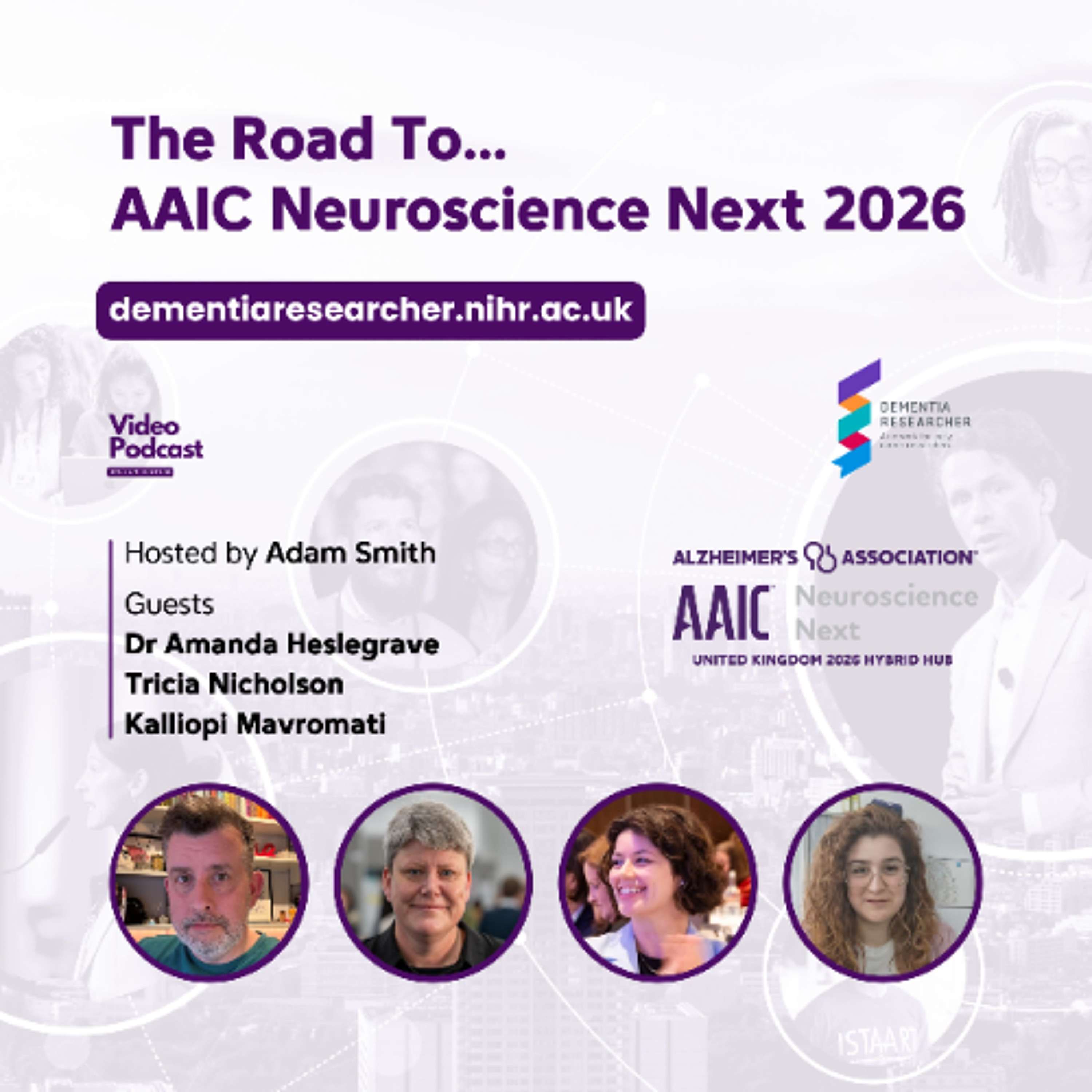
Ep 318The Road To AAIC Neuroscience Next 2026
In this episode of the Dementia Researcher podcast, host Adam Smith discusses the upcoming AAIC Neuroscience Next Conference with guests Tricia Nicholson, Dr Amanda Heslgrave, and Kalli Mavromati. They explore the unique hybrid format of the conference, which combines in-person and virtual elements, making it accessible to a global audience.The conversation highlights the focus on biomarkers in dementia research, the importance of early career researchers, and the abstract submission process, providing valuable tips for potential presenters. The episode emphasizes the conference's goal of fostering collaboration and sharing knowledge within the dementia research community.In this episode:The AAIC Neuroscience Next Conference is free and accessible to all. Taking place across 6 countries and online from the 23rd to 26th February 2026.The UK hub will focus on biomarker advancements in dementia diagnosis, with a full in-person conference on the 26th February.The conference aims to support early career researchers in dementia research.A unique hybrid format allows for both in-person and virtual participation.Abstract submissions open on September 22nd and are encouraged from all researchers. From basic science to dementia care.The UK Hub is particularly keen for researchers to submit abstract in biomarker domains.Fluid BiomarkersCognitive AssessmentsPhysiological and Behavioural BiomarkersNeuroimagingTechnology BiomarkersFollow the event on social media #AAICNeuroA transcript of this show, links and show notes and profile on all our guests are available on our website at https://www.dementiaresearcher.nihr.ac.uk.If you prefer to watch rather than listen, you will find a video version of this podcast on YouTube, on our website, and in selected podcast platforms.Follow us on social media:https://www.instagram.com/dementia_researcher/ https://www.facebook.com/Dementia.Researcher/https://www.twitter.com/demrescommunityhttps://www.linkedin.com/company/dementia-researcher https://bsky.app/profile/dementiaresearcher.bsky.socialDownload and Register with our Community App:https://www.onelink.to/dementiaresearcherWe gratefully acknowledge the support of our funders: Alzheimer’s Association, Race Against Dementia, Alzheimer’s Research UK, Alzheimer’s Society, and the National Institute for Health and Care Research.The views and opinions expressed by guests in this podcast are their own and do not necessarily reflect those of the producers, funders, or sponsors.Subscribe to our sister show 'Dementia Researcher The Blogs':https://podfollow.com/dementia-researcher-blogs

Ep 317Caring, Connecting, Changing - Stories of Dementia and Research
In this episode we welcome three GBHI Fellows: guest host and filmmaker Michelle Memran, documentary photographer Alex Kornhuber, and social sciences academic Dr Sonata Mačiulskytė. Together they explore the ways in which caregiving, creativity, and change come together in the context of dementia.Drawing on their experiences of supporting loved ones with dementia, they reflect on how these personal journeys have influenced their professional work and shaped their understanding of the disease. The discussion touches on the early signs of dementia, the transformation of relationships through caregiving, and the importance of early diagnosis.The conversation also considers the significance of documenting caregiving experiences and the need to reshape the narrative around dementia. By sharing stories and creative perspectives, the guests highlight how shifting this narrative can foster greater awareness, empathy, and understanding.In this episode:Caregiving is a deeply personal journey that shapes professional work.Recognising early signs of dementia can be challenging but crucial.Relationships with loved ones can transform through the caregiving experience.Early diagnosis can lead to better care and understanding.Documenting caregiving experiences can foster connection and awareness.Language and narrative around dementia need to change for better understanding.Sharing personal stories can help others feel less alone in their caregiving journey.The experience of dementia is unique to each individual and family.Advocacy for brain health should start early in life.A transcript of this show, links and show notes and profile on all our guests are available on our website at https://www.dementiaresearcher.nihr.ac.uk.If you prefer to watch rather than listen, you will find a video version of this podcast on YouTube, on our website, and in selected podcast platforms.Follow us on social media:https://www.instagram.com/dementia_researcher/ https://www.facebook.com/Dementia.Researcher/https://www.twitter.com/demrescommunityhttps://www.linkedin.com/company/dementia-researcher https://bsky.app/profile/dementiaresearcher.bsky.socialDownload and Register with our Community App:https://www.onelink.to/dementiaresearcherWe gratefully acknowledge the support of our funders: Alzheimer’s Association, Race Against Dementia, Alzheimer’s Research UK, Alzheimer’s Society, and the National Institute for Health and Care Research.The views and opinions expressed by guests in this podcast are their own and do not necessarily reflect those of the producers, funders, or sponsors.Subscribe to our sister show 'Dementia Researcher The Blogs':https://podfollow.com/dementia-researcher-blogs
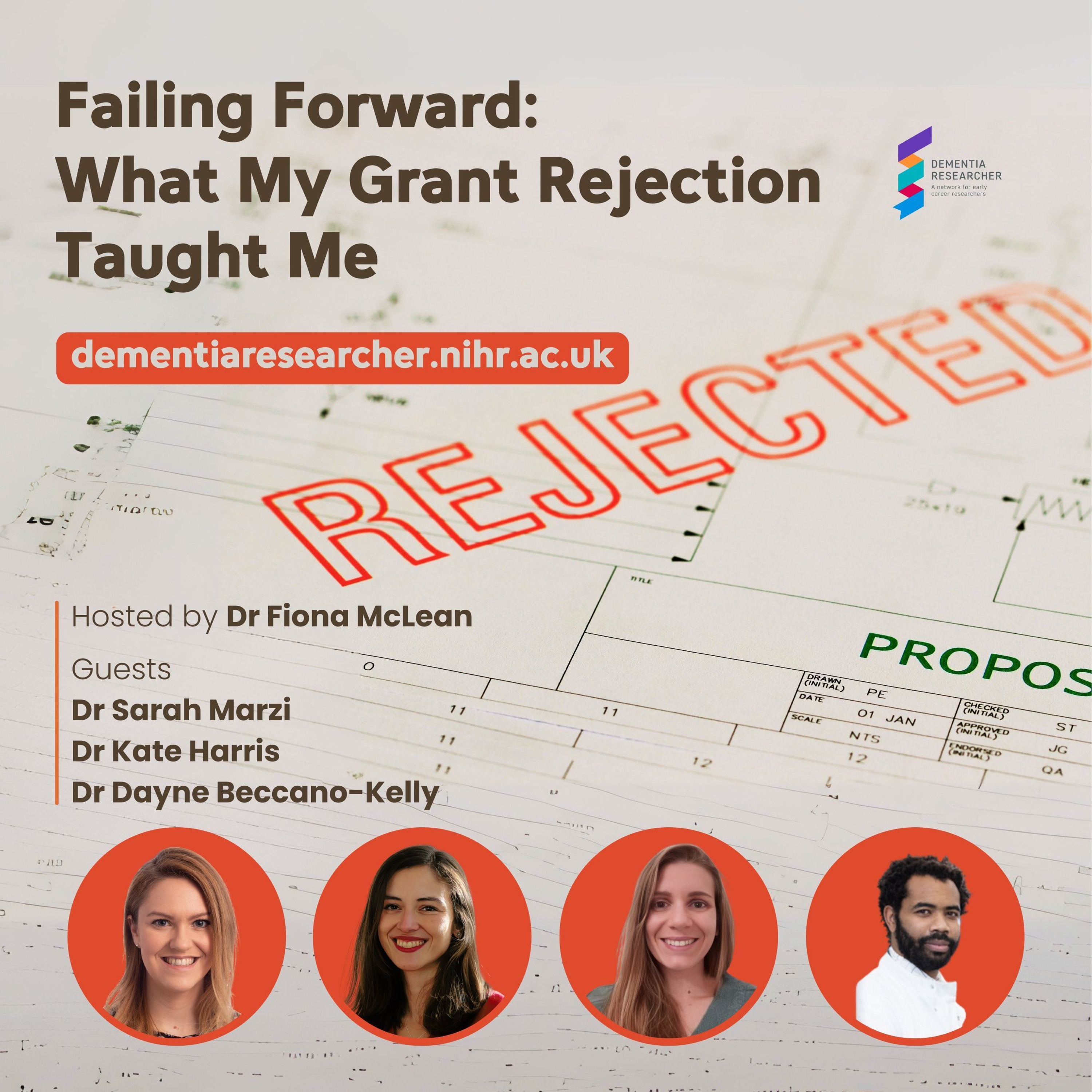
Ep 316Failing Forward: What My Grant Rejection Taught Me
Grant rejection is part of every researcher’s journey — and it never stops, no matter your career stage. In this episode of the Dementia Researcher Podcast, host Dr Fiona McLean (Alzheimer’s Research UK Fellow at the University of Dundee, studying links between metabolic syndrome, learning and memory) speaks with:Dr Sarah Marzi — Senior Lecturer at King’s College London and UK DRI group leader, researching the epigenome in neurodegenerative diseases.Dr Kate Harris — Research Fellow at Newcastle University, soon to be Senior Lecturer, specialising in drug discovery for neurodegenerative diseases.Dr Dayne Beccano-Kelly — UK DRI Future Leader Fellow and group leader at Cardiff University, focusing on synaptic dysfunction in Parkinson’s disease.Together they share personal experiences of failed applications, from crushing first rejections to the resilience that comes with time, blending honest stories with practical strategies.In this episode:First-hand stories of fellowship and project grant rejectionsHow to use reviewer feedback — even when it’s unhelpfulWhy writing style and clarity can change your funding chancesChoosing funders whose remit truly fits your workCoping strategies, from ice cream to badminton to musicBuilding resilience and knowing when to rework or drop an ideaThe value of mentors, networks and peer supportListen to learn why rejection isn’t the end — and how it can be the start of a better grant.Essential links / resources mentioned in the show:Bouncing Back from Rejection - Adam GrantWhat to do when your grant is rejectedA transcript of this show, links and show notes and profile on all our guests are available on our website at https://www.dementiaresearcher.nihr.ac.uk.If you prefer to watch rather than listen, you will find a video version of this podcast on YouTube, on our website, and in selected podcast platforms.Follow us on social media:https://www.instagram.com/dementia_researcher/ https://www.facebook.com/Dementia.Researcher/https://www.twitter.com/demrescommunityhttps://www.linkedin.com/company/dementia-researcher https://bsky.app/profile/dementiaresearcher.bsky.socialDownload and Register with our Community App:https://www.onelink.to/dementiaresearcherWe gratefully acknowledge the support of our funders: Alzheimer’s Association, Race Against Dementia, Alzheimer’s Research UK, Alzheimer’s Society, and the National Institute for Health and Care Research.The views and opinions expressed by guests in this podcast are their own and do not necessarily reflect those of the producers, funders, or sponsors.Subscribe to our sister show 'Dementia Researcher The Blogs':https://podfollow.com/dementia-researcher-blogs
Ep 315AAIC Day Four 2025 Highlights
In this podcast we share a few selected highlights from the Alzheimer’s Association International Conference (AAIC) day two and day three of the main event in Toronto and Online, 27the - 31st July.Dr Shea Andrews, Assistant Professor at University of California San Francisco hosts the show with special guests:Dr Joe Butler, NIHR ARC Research Fellow at University of SunderlandDr Lindsey Sinclair, Clinical Research Fellow & Consultant in Old Age Psychiatrist at University of BristolDr Harriet Demnitz-King, Post-doctoral Research Fellow at Queen Mary University of LondonThe AAIC brings together distinguished basic scientists, clinical researchers, early career investigators, clinicians and the care research community at the largest and most influential international conference on dementia science. They share theories and breakthroughs while exploring opportunities to accelerate work and elevate careers.Main plenary talks from the day came from Professor Sharon Naismith from University of Sydney, Australia giving a talk titled "Waking Up to the Importance of Sleep in MCI and AD" and Professor Katrin Andreasson, M.D. with a talk titled "Restoring Hippocampal Glucose Metabolism Rescues Cognition Across Alzheimer’s Disease Pathologies".A transcript of this show, links and show notes and profile on all our guests are available on our website at https://www.dementiaresearcher.nihr.ac.uk.If you prefer to watch rather than listen, you will find a video version of this podcast on YouTube, on our website, and in selected podcast platforms.Follow us on social media:https://www.instagram.com/dementia_researcher/ https://www.facebook.com/Dementia.Researcher/https://www.twitter.com/demrescommunityhttps://www.linkedin.com/company/dementia-researcher https://bsky.app/profile/dementiaresearcher.bsky.socialDownload and Register with our Community App:https://www.onelink.to/dementiaresearcherWe gratefully acknowledge the support of our funders: Alzheimer’s Association, Race Against Dementia, Alzheimer’s Research UK, Alzheimer’s Society, and the National Institute for Health and Care Research.The views and opinions expressed by guests in this podcast are their own and do not necessarily reflect those of the producers, funders, or sponsors.Subscribe to our sister show 'Dementia Researcher The Blogs':https://podfollow.com/dementia-researcher-blogs

Ep 314AAIC Day Three 2025 Highlights
In this podcast we share a few selected highlights from the Alzheimer’s Association International Conference (AAIC) day two and day three of the main event in Toronto and Online, 27the - 31st July.Dr Connor Richardson, NIHR / Alzheimer's Society Dem Comm Research Fellow from University of Newcastle hosts the show with special guests:Sára Zsadányi, PhD Student at Sant Pau Memory Unit – Neuroimaging Core and Universitat Autonoma de BarcelonaDr Tatiana Giovannucci, Alzheimer's Association Research FellowDr Richard Oakley, Associate Director of Research at Alzheimer's SocietyThe AAIC brings together distinguished basic scientists, clinical researchers, early career investigators, clinicians and the care research community at the largest and most influential international conference on dementia science. They share theories and breakthroughs while exploring opportunities to accelerate work and elevate careers.Main plenary talks from the day came from Professor Inhee Mook-Jung Seoul National University, Korea with a talk titled "The Gut-Brain Axis in Alzheimer’s Disease: Unraveling Pathogenesis and Exploring Novel Therapeutic Strategies" and Dr Juan Fortea, Memory Unit Director — Hospital de la Santa Creu i Sant Pau, Spain with a talk titled "Alzheimer’s Disease in Down Syndrome".A transcript of this show, links and show notes and profile on all our guests are available on our website at https://www.dementiaresearcher.nihr.ac.uk.If you prefer to watch rather than listen, you will find a video version of this podcast on YouTube, on our website, and in selected podcast platforms.Follow us on social media:https://www.instagram.com/dementia_researcher/ https://www.facebook.com/Dementia.Researcher/https://www.twitter.com/demrescommunityhttps://www.linkedin.com/company/dementia-researcher https://bsky.app/profile/dementiaresearcher.bsky.socialDownload and Register with our Community App:https://www.onelink.to/dementiaresearcherWe gratefully acknowledge the support of our funders: Alzheimer’s Association, Race Against Dementia, Alzheimer’s Research UK, Alzheimer’s Society, and the National Institute for Health and Care Research.The views and opinions expressed by guests in this podcast are their own and do not necessarily reflect those of the producers, funders, or sponsors.Subscribe to our sister show 'Dementia Researcher The Blogs':https://podfollow.com/dementia-researcher-blogs

Ep 313AAIC Day Two 2025 Highlights
In this podcast we share a few selected highlights from the Alzheimer’s Association International Conference (AAIC) first and second day of the main event in Toronto and Online, 27the - 31st July.Dr James Brady, Postdoctoral Research Fellow at University of Tasmania hosts the show with special guests:Dr Lucy Stirland, Academic Old Age Psychiatrist at The University of EdinburghDr Isabel Castanho, Instructor at the Beth Israel Deaconess Medical Center (BIDMC), Harvard Medical SchoolFelix Wittmann, Research Fellow & PhD candidate at Leipzig UniversityThe AAIC brings together distinguished basic scientists, clinical researchers, early career investigators, clinicians and the care research community at the largest and most influential international conference on dementia science. They share theories and breakthroughs while exploring opportunities to accelerate work and elevate careers.Main plenary talks from the day came from Professor Katerina Akassoglou, University of California, San Francisco, United States exploring Neurovascular Interactions in Alzheimer’s Disease: From Mechanisms to Treatments + Professor Maria Grazia Spillantini, from University of Cambridge United Kingdom for her plenary titled 'The Multiple Facets of Tau Pathology'.A transcript of this show, links and show notes and profile on all our guests are available on our website at https://www.dementiaresearcher.nihr.ac.uk.If you prefer to watch rather than listen, you will find a video version of this podcast on YouTube, on our website, and in selected podcast platforms.Follow us on social media:https://www.instagram.com/dementia_researcher/ https://www.facebook.com/Dementia.Researcher/https://www.twitter.com/demrescommunityhttps://www.linkedin.com/company/dementia-researcher https://bsky.app/profile/dementiaresearcher.bsky.socialDownload and Register with our Community App:https://www.onelink.to/dementiaresearcherWe gratefully acknowledge the support of our funders: Alzheimer’s Association, Race Against Dementia, Alzheimer’s Research UK, Alzheimer’s Society, and the National Institute for Health and Care Research.The views and opinions expressed by guests in this podcast are their own and do not necessarily reflect those of the producers, funders, or sponsors.Subscribe to our sister show 'Dementia Researcher The Blogs':https://podfollow.com/dementia-researcher-blogs
Ep 312AAIC Day One 2025 Highlights
In this podcast we share a few selected highlights from the Alzheimer’s Association International Conference (AAIC) pre-conference and first day of the main event in Toronto and Online, 27the - 31st July.Dr Tamlyn Watermeyer hosts the show with special guests:Dr Emily Ho, Assistant Professor at Northwestern UniversityDr Laura Stankeviciute, Postdoctoral Researcher & Scientific Project Manager at University of GothenburgJoseph Russell, NIHR Research Assistant at Northumbria UniversityThe AAIC brings together distinguished basic scientists, clinical researchers, early career investigators, clinicians and the care research community at the largest and most influential international conference on dementia science. They share theories and breakthroughs while exploring opportunities to accelerate work and elevate careers.Main plenary talk from the day came from Sylvia Villeneuve, Ph.D. Associate Professor, Department of Psychiatry — McGill University, Canada talk about Biomarker and Clinical Trajectories of Preclinical AD.A transcript of this show, links and show notes and profile on all our guests are available on our website at https://www.dementiaresearcher.nihr.ac.uk.If you prefer to watch rather than listen, you will find a video version of this podcast on YouTube, on our website, and in selected podcast platforms.Follow us on social media:https://www.instagram.com/dementia_researcher/ https://www.facebook.com/Dementia.Researcher/https://www.twitter.com/demrescommunityhttps://www.linkedin.com/company/dementia-researcher https://bsky.app/profile/dementiaresearcher.bsky.socialDownload and Register with our Community App:https://www.onelink.to/dementiaresearcherWe gratefully acknowledge the support of our funders: Alzheimer’s Association, Race Against Dementia, Alzheimer’s Research UK, Alzheimer’s Society, and the National Institute for Health and Care Research.The views and opinions expressed by guests in this podcast are their own and do not necessarily reflect those of the producers, funders, or sponsors.Subscribe to our sister show 'Dementia Researcher The Blogs':https://podfollow.com/dementia-researcher-blogs
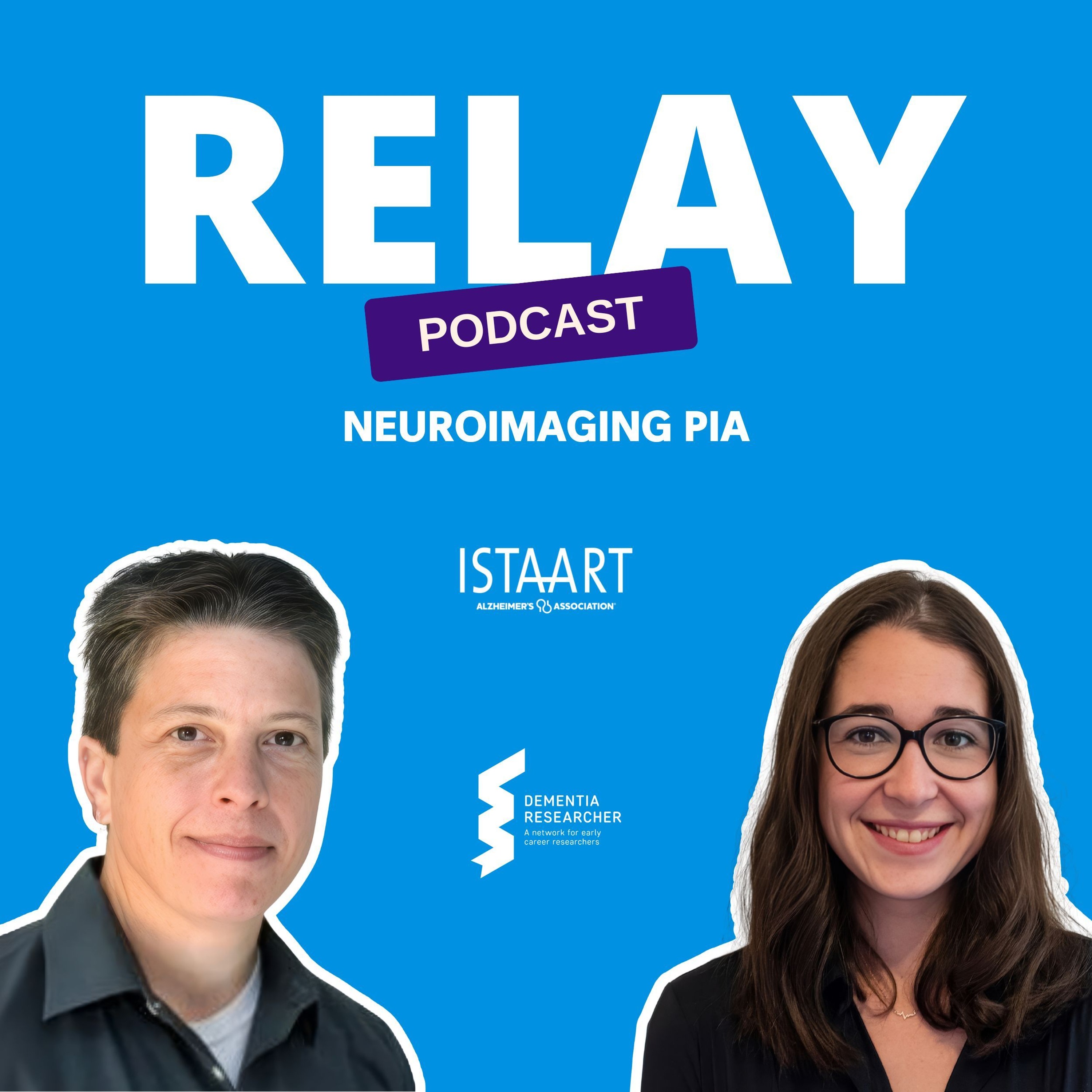
Ep 311RELAY Podcast - Neuroimaging PIA
Welcome to the sixth season of the Dementia Researcher X ISTAART PIA Relay Podcast. This series features interviews with ISTAART PIA committee members talking about their research, the research landscape of their fields, and the work of the ISTAART Professional Interest Areas (PIA) they represent. As we build up to the Alzheimer’s Association International Conference in Toronto, join us for daily episodes that showcase the remarkable work being done in various research fields.In this episode, Dr Shana Stites interviews Dr Alexa Pichet-Binette, Assistant Professor at University of Montreal and Education Chair of the Neuroimaging PIA. Alexa discusses her work using PET and MRI imaging, and how fluid biomarkers like plasma-based assays are reshaping Alzheimer's diagnostics. She also highlights the role of the Neuroimaging PIA in ISTAART, including collaborations, working groups, and the popular “year in review” sessions. They explore how these initiatives support early career researchers and foster community, with a preview of pre-conference workshops at AAIC 2025 in Toronto.The Alzheimer’s Association International Society to Advance Alzheimer’s Research and Treatment (ISTAART) convenes the global Alzheimer’s and dementia science community. Members share knowledge, fuel collaboration and advance research to find more effective ways to detect, treat and prevent Alzheimer’s and other dementias. Professional Interest Areas (PIA) are an assembly of ISTAART members with common subspecialties or interests.There are currently 30 PIAs covering a wide range of interests and fields, from the PIA to Elevate Early Career Researchers to Biofluid Based Biomarkers and everything in between.A transcript of this show, links and show notes and profile on all our guests are available on our website at https://www.dementiaresearcher.nihr.ac.uk.If you prefer to watch rather than listen, you will find a video version of this podcast on YouTube, on our website, and in selected podcast platforms.Follow us on social media:https://www.instagram.com/dementia_researcher/ https://www.facebook.com/Dementia.Researcher/https://www.twitter.com/demrescommunityhttps://www.linkedin.com/company/dementia-researcher https://bsky.app/profile/dementiaresearcher.bsky.socialDownload and Register with our Community App:https://www.onelink.to/dementiaresearcherWe gratefully acknowledge the support of our funders: Alzheimer’s Association, Race Against Dementia, Alzheimer’s Research UK, Alzheimer’s Society, and the National Institute for Health and Care Research.The views and opinions expressed by guests in this podcast are their own and do not necessarily reflect those of the producers, funders, or sponsors.Subscribe to our sister show 'Dementia Researcher The Blogs':https://podfollow.com/dementia-researcher-blogs
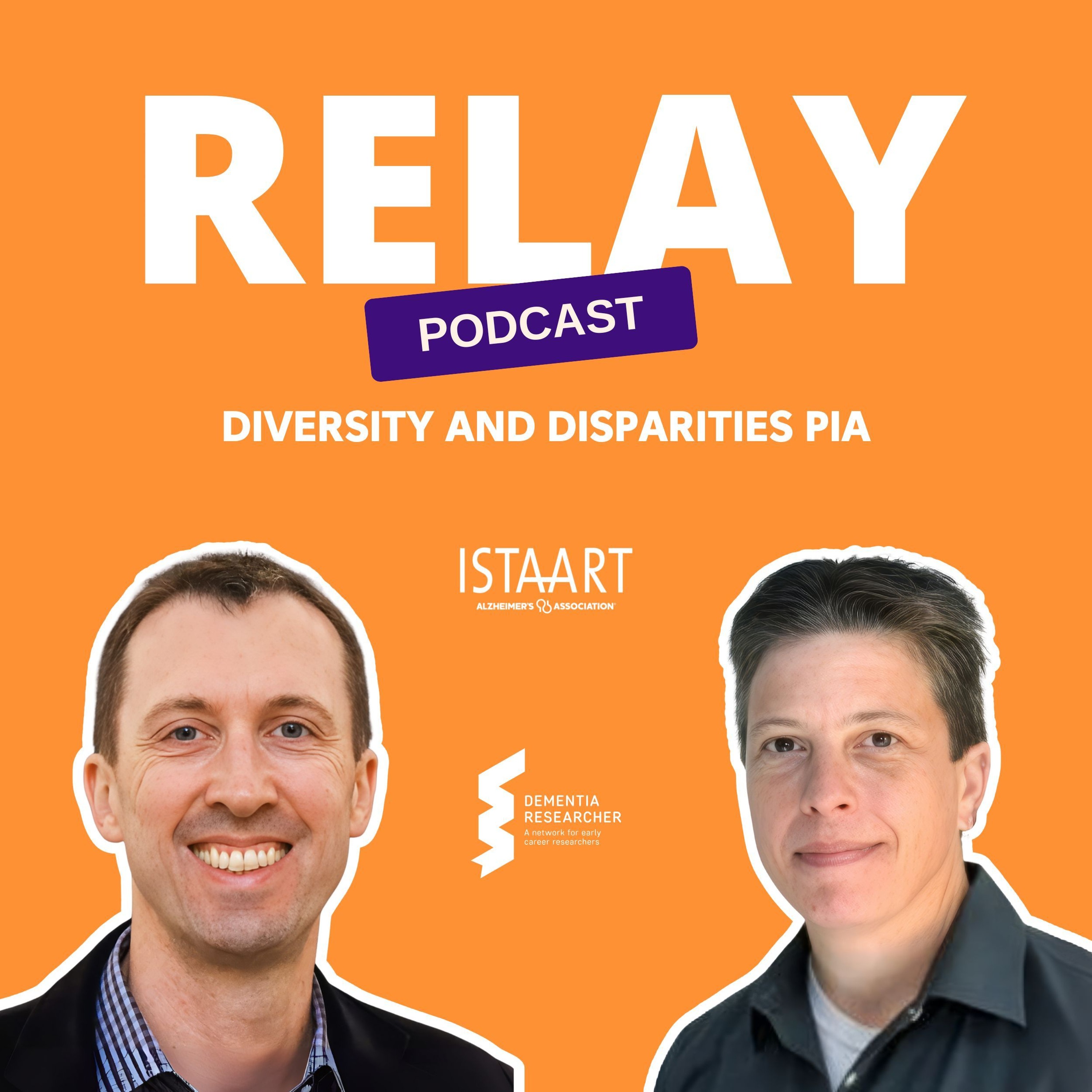
Ep 310RELAY Podcast - Diversity and Disparities PIA
Welcome to the sixth season of the Dementia Researcher X ISTAART PIA Relay Podcast. This series features interviews with ISTAART PIA committee members talking about their research, the research landscape of their fields, and the work of the ISTAART Professional Interest Areas (PIA) they represent. As we build up to the Alzheimer’s Association International Conference in Toronto, join us for daily episodes that showcase the remarkable work being done in various research fields.In this episode, Professor Owen Carmichael talks with Dr Shana Stites, Assistant Professor at University of Pennsylvania and Chair of the ISTAART Diversity and Disparities PIA. In this discussion they explore the importance of inclusive participation in dementia research, the challenges of equitable access to research and care, and the shift toward more community-engaged approaches. The conversation highlights barriers like limited access to healthcare, the ethics of stipends, and the value of transparency, reciprocity, and representation in Alzheimer's disease and related research. They also talk about the wider work and aims of the PIA and what they have planned for the upcoming AAIC.The Alzheimer’s Association International Society to Advance Alzheimer’s Research and Treatment (ISTAART) convenes the global Alzheimer’s and dementia science community. Members share knowledge, fuel collaboration and advance research to find more effective ways to detect, treat and prevent Alzheimer’s and other dementias. Professional Interest Areas (PIA) are an assembly of ISTAART members with common subspecialties or interests.There are currently 30 PIAs covering a wide range of interests and fields, from the PIA to Elevate Early Career Researchers to Biofluid Based Biomarkers and everything in between.A transcript of this show, links and show notes and profile on all our guests are available on our website at https://www.dementiaresearcher.nihr.ac.uk.If you prefer to watch rather than listen, you will find a video version of this podcast on YouTube, on our website, and in selected podcast platforms.Follow us on social media:https://www.instagram.com/dementia_researcher/ https://www.facebook.com/Dementia.Researcher/https://www.twitter.com/demrescommunityhttps://www.linkedin.com/company/dementia-researcher https://bsky.app/profile/dementiaresearcher.bsky.socialDownload and Register with our Community App:https://www.onelink.to/dementiaresearcherWe gratefully acknowledge the support of our funders: Alzheimer’s Association, Race Against Dementia, Alzheimer’s Research UK, Alzheimer’s Society, and the National Institute for Health and Care Research.The views and opinions expressed by guests in this podcast are their own and do not necessarily reflect those of the producers, funders, or sponsors.Subscribe to our sister show 'Dementia Researcher The Blogs':https://podfollow.com/dementia-researcher-blogs
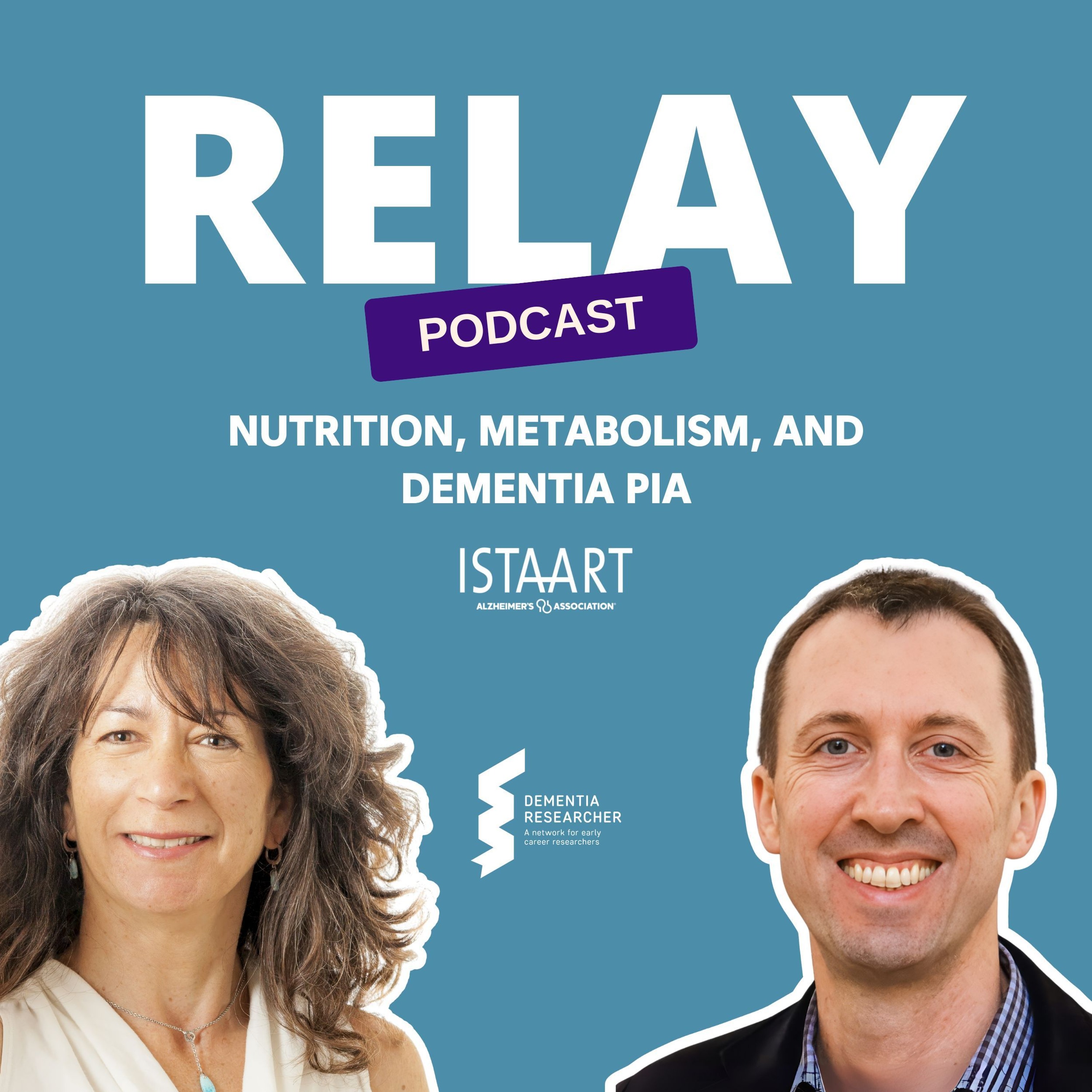
Ep 309RELAY Podcast - Nutrition, Metabolism and Dementia PIA
Welcome to the sixth season of the Dementia Researcher X ISTAART PIA Relay Podcast. This series features interviews with ISTAART PIA committee members talking about their research, the research landscape of their fields, and the work of the ISTAART Professional Interest Areas (PIA) they represent. As we build up to the Alzheimer’s Association International Conference in Toronto, join us for daily episodes that showcase the remarkable work being done in various research fields.In this episode, Professor Natalie Phillips interviews Professor Owen Carmichael, Director of Biomedical Imaging at Pennington Biomedical Research Center and incoming chair of the ISTAART Nutrition, Metabolism, and Dementia PIA. Owen shares his journey from computer science to neuroscience, and how his imaging work investigates how diet and metabolism shape dementia risk. They explore the promise of precision nutrition, the challenges of studying lifelong dietary exposure, and the vital role of olfaction and sensory health in nutrition. The episode also discusses the importance of inclusive research and lifelong data to understand and prevent cognitive decline. The show rounds-up the PIAs upcoming work at the AAIC, and the work of the PIA.The Alzheimer’s Association International Society to Advance Alzheimer’s Research and Treatment (ISTAART) convenes the global Alzheimer’s and dementia science community. Members share knowledge, fuel collaboration and advance research to find more effective ways to detect, treat and prevent Alzheimer’s and other dementias. Professional Interest Areas (PIA) are an assembly of ISTAART members with common subspecialties or interests.There are currently 30 PIAs covering a wide range of interests and fields, from the PIA to Elevate Early Career Researchers to Biofluid Based Biomarkers and everything in between.A transcript of this show, links and show notes and profile on all our guests are available on our website at https://www.dementiaresearcher.nihr.ac.uk.If you prefer to watch rather than listen, you will find a video version of this podcast on YouTube, on our website, and in selected podcast platforms.Follow us on social media:https://www.instagram.com/dementia_researcher/ https://www.facebook.com/Dementia.Researcher/https://www.twitter.com/demrescommunityhttps://www.linkedin.com/company/dementia-researcher https://bsky.app/profile/dementiaresearcher.bsky.socialDownload and Register with our Community App:https://www.onelink.to/dementiaresearcherWe gratefully acknowledge the support of our funders: Alzheimer’s Association, Race Against Dementia, Alzheimer’s Research UK, Alzheimer’s Society, and the National Institute for Health and Care Research.The views and opinions expressed by guests in this podcast are their own and do not necessarily reflect those of the producers, funders, or sponsors.Subscribe to our sister show 'Dementia Researcher The Blogs':https://podfollow.com/dementia-researcher-blogs
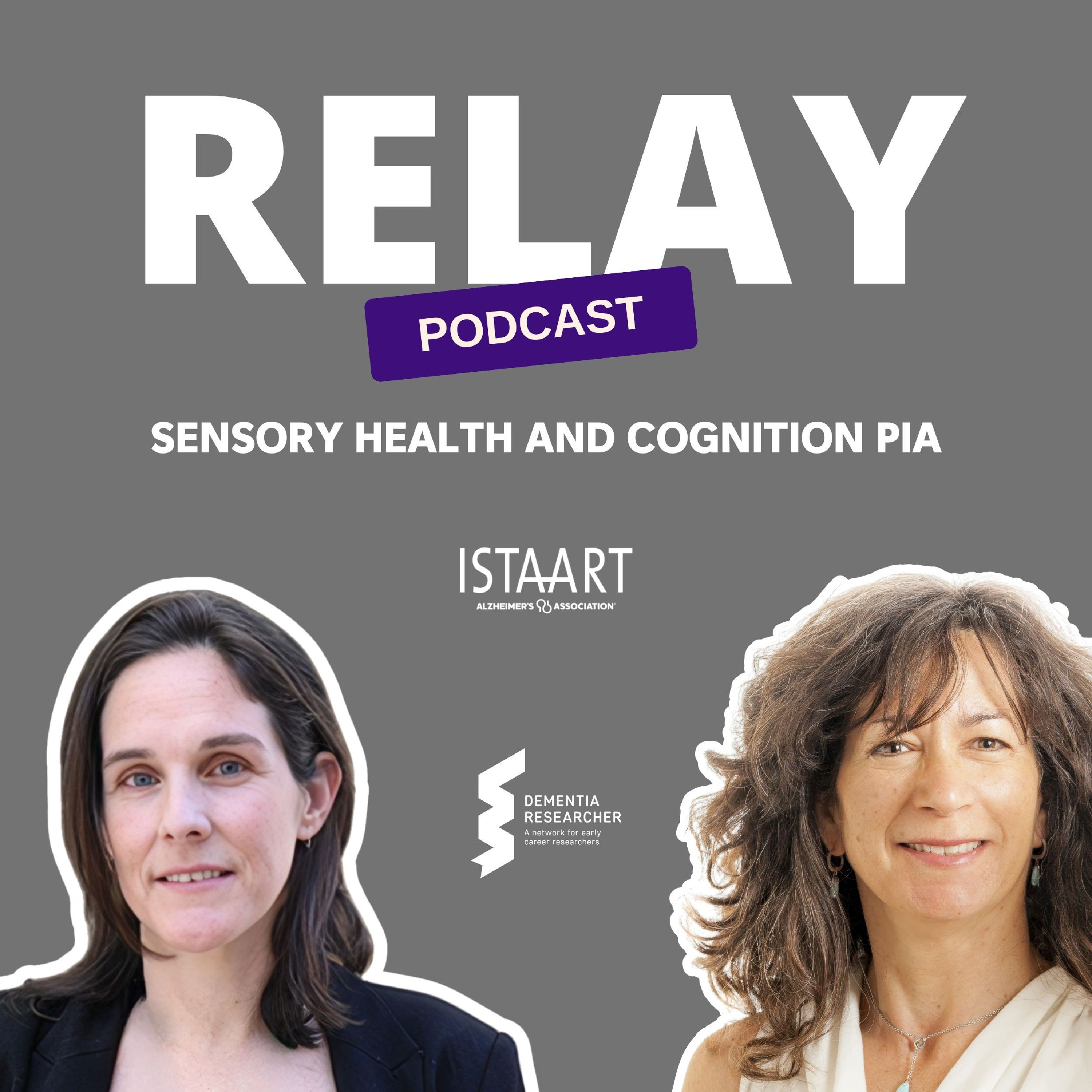
Ep 308RELAY Podcast - Sensory Health and Cognition PIA
Welcome to the sixth season of the Dementia Researcher X ISTAART PIA Relay Podcast. This series features interviews with ISTAART PIA committee members talking about their research, the research landscape of their fields, and the work of the ISTAART Professional Interest Areas (PIA) they represent. As we build up to the Alzheimer’s Association International Conference in Toronto, join us for daily episodes that showcase the remarkable work being done in various research fields.In this episode, Dr Marta del Campo interviews Natalie Phillips, Chair of the Sensory Health and Cognition PIA and Professor of Psychology at Concordia University. Together, they discuss the role of hearing, vision, and olfaction in cognitive ageing and dementia risk. They explore mechanisms behind these links, from cognitive load to social isolation, and discuss emerging biomarker research, challenges in clinical implementation, and how this new ISTAART PIA is fostering interdisciplinary collaboration. The episode also previews upcoming activities at AAIC and highlights opportunities for early career researchers to get involved.The Alzheimer’s Association International Society to Advance Alzheimer’s Research and Treatment (ISTAART) convenes the global Alzheimer’s and dementia science community. Members share knowledge, fuel collaboration and advance research to find more effective ways to detect, treat and prevent Alzheimer’s and other dementias. Professional Interest Areas (PIA) are an assembly of ISTAART members with common subspecialties or interests.There are currently 30 PIAs covering a wide range of interests and fields, from the PIA to Elevate Early Career Researchers to Biofluid Based Biomarkers and everything in between.A transcript of this show, links and show notes and profile on all our guests are available on our website at https://www.dementiaresearcher.nihr.ac.uk.If you prefer to watch rather than listen, you will find a video version of this podcast on YouTube, on our website, and in selected podcast platforms.Follow us on social media:https://www.instagram.com/dementia_researcher/ https://www.facebook.com/Dementia.Researcher/https://www.twitter.com/demrescommunityhttps://www.linkedin.com/company/dementia-researcher https://bsky.app/profile/dementiaresearcher.bsky.socialDownload and Register with our Community App:https://www.onelink.to/dementiaresearcherWe gratefully acknowledge the support of our funders: Alzheimer’s Association, Race Against Dementia, Alzheimer’s Research UK, Alzheimer’s Society, and the National Institute for Health and Care Research.The views and opinions expressed by guests in this podcast are their own and do not necessarily reflect those of the producers, funders, or sponsors.Subscribe to our sister show 'Dementia Researcher The Blogs':https://podfollow.com/dementia-researcher-blogs

Ep 307RELAY Podcast - Biofluid Based Biomarkers PIA
Welcome to the sixth season of the Dementia Researcher X ISTAART PIA Relay Podcast. This series features interviews with ISTAART PIA committee members talking about their research, the research landscape of their fields, and the work of the ISTAART Professional Interest Areas (PIA) they represent. As we build up to the Alzheimer’s Association International Conference in Toronto, join us for daily episodes that showcase the remarkable work being done in various research fields.In this Relay Podcast episode, Dr Colin Groot interviews Dr Marta Del Campo, Head Fluid Biomarker Facility; Ramón y Cajal Research fellow at BarcelonaBeta Brain Research Center and chair of the ISTAART Biofluid Based Biomarkers PIA. Together, they talk about recent advances in fluid biomarkers in dementia research, and explore the growing role of plasma biomarkers, integration with clinical trials, challenges with reproducibility and diversity, and the promise of proteomics and AI. Marta also reflects on the work of ISTAART, their plans for AAIC, the value of publishing negative findings, and why ISTAART offers vital opportunities for early career researchers.The Alzheimer’s Association International Society to Advance Alzheimer’s Research and Treatment (ISTAART) convenes the global Alzheimer’s and dementia science community. Members share knowledge, fuel collaboration and advance research to find more effective ways to detect, treat and prevent Alzheimer’s and other dementias. Professional Interest Areas (PIA) are an assembly of ISTAART members with common subspecialties or interests.There are currently 30 PIAs covering a wide range of interests and fields, from the PIA to Elevate Early Career Researchers to Biofluid Based Biomarkers and everything in between.A transcript of this show, links and show notes and profile on all our guests are available on our website at https://www.dementiaresearcher.nihr.ac.uk.If you prefer to watch rather than listen, you will find a video version of this podcast on YouTube, on our website, and in selected podcast platforms.Follow us on social media:https://www.instagram.com/dementia_researcher/ https://www.facebook.com/Dementia.Researcher/https://www.twitter.com/demrescommunityhttps://www.linkedin.com/company/dementia-researcher https://bsky.app/profile/dementiaresearcher.bsky.socialDownload and Register with our Community App:https://www.onelink.to/dementiaresearcherWe gratefully acknowledge the support of our funders: Alzheimer’s Association, Race Against Dementia, Alzheimer’s Research UK, Alzheimer’s Society, and the National Institute for Health and Care Research.The views and opinions expressed by guests in this podcast are their own and do not necessarily reflect those of the producers, funders, or sponsors.Subscribe to our sister show 'Dementia Researcher The Blogs':https://podfollow.com/dementia-researcher-blogs
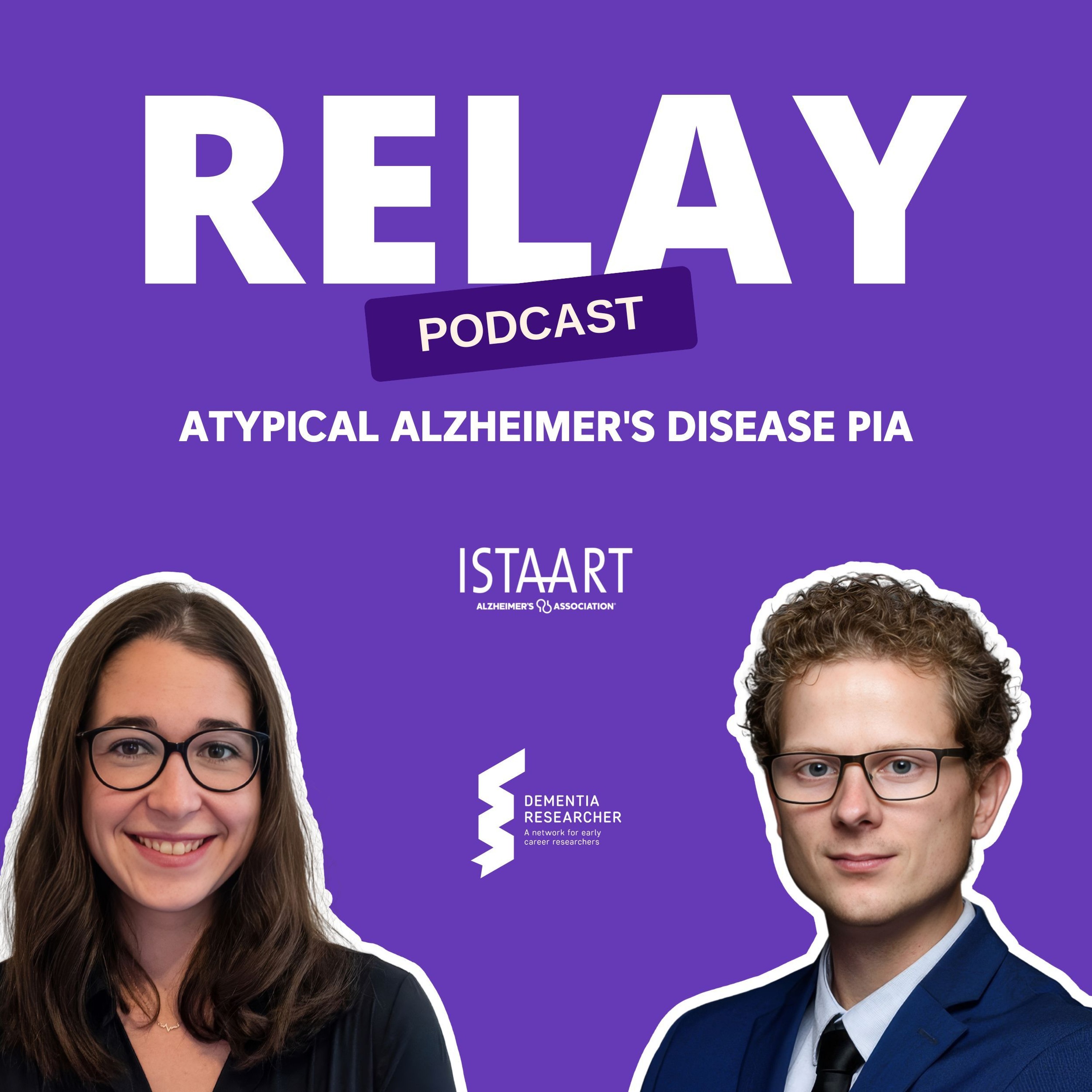
Ep 306RELAY Podcast - Atypical Alzheimer's Disease PIA
Welcome to the sixth season of the Dementia Researcher X ISTAART PIA Relay Podcast. This series features interviews with ISTAART PIA committee members talking about their research, the research landscape of their fields, and the work of the ISTAART Professional Interest Areas (PIA) they represent. As we build up to the Alzheimer’s Association International Conference in Toronto, join us for daily episodes that showcase the remarkable work being done in various research fields.In this episode, Dr Alexa Pichet-Binette interviews Dr Colin Groot, an expert in neuroimaging and atypical Alzheimer's disease from Amsterdam University Medical Centre. They discuss the clinical and biological diversity within atypical variants such as posterior cortical atrophy (PCA), language and behavioural forms, and CBSAD. Colin shares insights into ongoing studies on tau PET, mortality, subtyping PCA, and how ISTAART’s Atypical PIA is pushing forward international collaboration and inclusivity in clinical trials and diagnostic criteria.The Alzheimer’s Association International Society to Advance Alzheimer’s Research and Treatment (ISTAART) convenes the global Alzheimer’s and dementia science community. Members share knowledge, fuel collaboration and advance research to find more effective ways to detect, treat and prevent Alzheimer’s and other dementias. Professional Interest Areas (PIA) are an assembly of ISTAART members with common subspecialties or interests.There are currently 30 PIAs covering a wide range of interests and fields, from the PIA to Elevate Early Career Researchers to Biofluid Based Biomarkers and everything in between.A transcript of this show, links and show notes and profile on all our guests are available on our website at https://www.dementiaresearcher.nihr.ac.uk.If you prefer to watch rather than listen, you will find a video version of this podcast on YouTube, on our website, and in selected podcast platforms.Follow us on social media:https://www.instagram.com/dementia_researcher/ https://www.facebook.com/Dementia.Researcher/https://www.twitter.com/demrescommunityhttps://www.linkedin.com/company/dementia-researcher https://bsky.app/profile/dementiaresearcher.bsky.socialDownload and Register with our Community App:https://www.onelink.to/dementiaresearcherWe gratefully acknowledge the support of our funders: Alzheimer’s Association, Race Against Dementia, Alzheimer’s Research UK, Alzheimer’s Society, and the National Institute for Health and Care Research.The views and opinions expressed by guests in this podcast are their own and do not necessarily reflect those of the producers, funders, or sponsors.Subscribe to our sister show 'Dementia Researcher The Blogs':https://podfollow.com/dementia-researcher-blogs