Dementia Researcher Blogs
689 episodes — Page 7 of 14

Ep 393Hannah Hussain - What is statistical mapping?
Hannah Hussain narrates her blog written for Dementia Researcher. Hannah's blog addresses the intricacies of statistical mapping, a technique essential to her work investigating the differences in quality of life assessments for people living with dementia as reported by themselves and their proxies. She discusses her approach to quantitative analysis and the challenges she faced in understanding and applying statistical mapping. The blog aims to clarify this complex technique and provide guidance to those who are beginning to explore this area of research. Find the original text, and narration here on our website. https://www.dementiaresearcher.nihr.ac.uk/blog-what-is-statistical-mapping/ -- Hannah Hussain is a PhD Student in Health Economics at The University of Sheffield. As a proud third generation migrant and British-Asian, her career path has been linear and ever evolving, originally qualifying as a Pharmacist in Nottingham, then Health Economics in Birmingham. Her studies have opened a world into Psychology, Mental Health and other areas of health, and with that and personal influences she found her passion for dementia. -- This podcast is brought to you in association with Alzheimer's Association, Alzheimer's Research UK, Alzheimer's Society and Race Against Dementia, who we thank for their ongoing support. Enjoy listening? We're always looking for new bloggers, drop us a line [email protected]

Ep 392Dr Anna Volkmer - Building blocks and PhD supervision skills
Dr Anna Volkmer, narrates her blog written for Dementia Researcher. Anna details her evolution from a Speech and Language Therapist to a PhD supervisor, highlighting her unique approach to supervising students. With a background rich in clinical experience, she applies strategies akin to coaching, emphasising reflective questioning and empathic listening. This helps supervisees develop their own conclusions and coping strategies. Drawing on her experiences as a PhD student and early career researcher, Anna emphasises a collaborative and supportive supervisory style. She focuses on refining students' research, presentation, and writing skills, while encouraging independence and responsibility. Her blog reflects on the challenges and joys of supervising, her commitment to supporting students financially, and her efforts in building a research team with a goal to aid people with dementia and their families. Find the original text, and narration here on our website. https://www.dementiaresearcher.nihr.ac.uk/blog-building-blocks-and-supervision-skills/ -- Dr Anna Volkmer is a Speech and Language Therapist and researcher in Language and Cognition, Department of Psychology and Language Sciences, University College London. Anna is researching Speech and language therapy interventions in language led dementia and was once voted scariest speech and language therapist (even her children agree). -- If you would like to write your own blog drop us a line, we're always on the look out for new contributors to write about their research, careers + more [email protected] -- This podcast is brought to you in association with Alzheimer's Association, Alzheimer's Research UK, Alzheimer's Society and Race Against Dementia, who we thank for their ongoing support.

Ep 391Rebecca Williams - The Horror of P-Values
Rebecca Williams, narrates her blog written for the Dementia Researcher website. In this blog Rebecca explores the challenges of using p-values in statistics, comparing their anxiety-inducing nature to horror movie jump scares. Critiquing the arbitrary 0.05 significance threshold, it suggests this leads to false results. Rebecca promotes Bayesian statistics as a more intuitive alternative, offering clearer interpretations and support for null hypotheses. Do you agree? Rebecca argues for the importance of recognising null results in research, aligning with the move towards open science. Find the original text, and narration here on our website. https://www.dementiaresearcher.nihr.ac.uk/blog-the-horror-of-p-values/ -- Rebecca Williams is PhD student at the University of Cambridge. Though originally from ‘up North’ in a small town called Leigh, she did her undergraduate and masters at the University of Oxford before defecting to Cambridge for her doctorate researching Frontotemporal dementia and Apathy. She now spends her days collecting data from wonderful volunteers, and coding. Outside work, she plays board games, and is very crafty. @beccasue99 -- Enjoy listening? We're always looking for new bloggers, drop us a line. http://www.dementiaresearcher.nihr.ac.uk This podcast is brought to you in association with Alzheimer's Association, Alzheimer's Research UK, Alzheimer's Society and Race Against Dementia, who we thank for their ongoing support.

Ep 390Dr Sam Moxon - Feeling Overwhelmed? Get away from your desk!
Dr Sam Moxon, narrates his blog written for Dementia Researcher. Sam's blog addresses the familiar struggle of feeling overwhelmed by work, particularly in demanding fields like academia, industrial research, and medicine. He candidly shares his own experiences with managing a heavy workload, including sorting multiple papers and dealing with grant deadlines, while trying to maintain lab research. Sam emphasises the importance of self-care and taking breaks, drawing on a personal anecdote where a walk in a green space significantly alleviated his stress and anxiety. He notes the evolutionary benefits of nature in inducing calmness and the necessity of stepping away from the desk to maintain well-being and productivity. The blog serves as a reminder that taking time for oneself is not only beneficial but essential in preventing burnout and maintaining mental clarity, especially in high-pressure environments. Find the original text, and narration here on our website. https://www.dementiaresearcher.nihr.ac.uk/blog-feeling-overwhelmed-get-away-from-your-desk/ -- Dr Sam Moxon is a biomaterials Research Fellow at University of Birmingham. His expertise falls on the interface between biology and engineering. His PhD focussed on regenerative medicine and he now works on trying to develop 3D bioprinting techniques with human stem cells, so that we better understand and treat degenerative diseases. Outside of the lab he hikes through the Lake District and is an expert on all things Disney. -- Enjoy listening and reading our blogs? We're always on the look out for new contributors, drop us a line and share your own research and careers advice [email protected] This podcast is brought to you in association with the NIHR, Alzheimer's Association, Alzheimer's Research UK, Alzheimer's Society and Race Against Dementia, who we thank for their ongoing support.

Ep 389Beth Eyre - How to make your PhD application stand out
Beth Eyre narrates her blog written for Dementia Researcher. To make your PhD application stand out, Beth advises crafting a detailed academic CV that highlights specific interests and experiences relevant to the PhD, and supplementing it with a personal statement that conveys genuine enthusiasm for the subject. She emphasises the importance of demonstrating this interest through actions like attending webinars or joining professional societies, such as ISTAART for Alzheimer’s research. Sharing pertinent research experience and expressing a clear rationale for wanting to work in a particular lab or university are also key to differentiating your application from others. Find the original text, and narration here on our website. https://www.dementiaresearcher.nihr.ac.uk/blog-how-to-make-your-phd-application-stand-out/ -- Dr (pending minor amendments) Beth Eyre is a Postdoctoral Researcher at The University of Sheffield, researching Neurovascular and cognitive function in preclinical models of Alzheimer’s disease. Beth has a background in psychology, where she gained her degree from the University of Leeds. Inside and outside the lab, Beth loves sharing her science and in her blogs, she discusses her work, career and shares lessons she learns as she navigates life as an early career researcher. -- This podcast is brought to you in association with Alzheimer's Association, Alzheimer's Research UK, Alzheimer's Society and Race Against Dementia, who we thank for their ongoing support. Enjoy listening? We're always on the look out for new contributors, if you would like to write and narrate your own blog - drop us a line [email protected]. Don't forget to also listen to our fortnightly podcast, just look for Dementia Researcher in your podcast app.
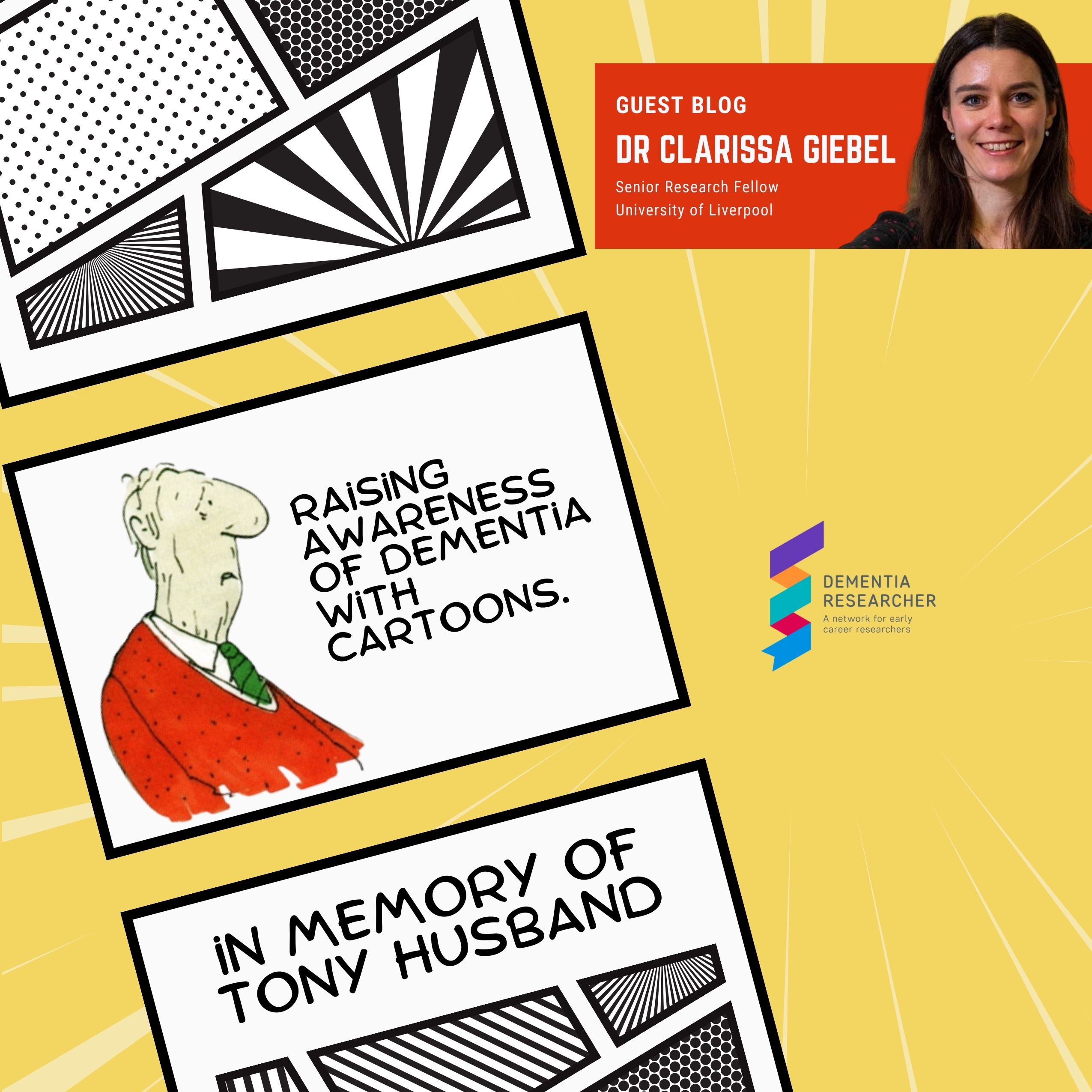
Ep 388Dr Clarissa Giebel - Raising awareness of dementia with cartoons
Dr Clarissa Giebel narrates her blog written for Dementia Researcher. In this blog Clarissa remembers Tony Husband, Private Eye cartoonist and dementia awareness advocate. Tony used his personal experience and artistic prowess to create touching cartoons about his father's dementia, educating and resonating with many. His work lives on in his books and the hearts of the dementia community. Clarissa reflects on Tony's impact and his creative approach to raising awareness. Join us in honouring his contribution to dementia care and understanding. Find the original text, and narration here on our website. https://www.dementiaresearcher.nihr.ac.uk/blog-raising-awareness-of-dementia-with-cartoons/ -- Dr Clarissa Giebel is a Senior Research Fellow at the University of Liverpool and NIHR ARC North West Coast. Clarissa has been working in dementia care research for over 10 years focusing her research on helping people with dementia to live at home independently and well for longer, addressing inequalities that people with dementia and carers can face. Outside of her day work, Clarissa has also organised a local dementia network - the Liverpool Dementia & Ageing Research Forum, and has recently started her own podcast called the Ageing Scientist. -- If you would like to write your own blog drop us a line, we're always on the look out for new contributors to write about their research, careers + more [email protected] This podcast is brought to you in association with Alzheimer's Association, Alzheimer's Research UK, Alzheimer's Society and Race Against Dementia, who we thank for their ongoing support.
Ep 387Adam Smith - Critical Roles That Fuel Clinical Trials
Adam Smith narrates his blog written for Dementia Researcher. In this blog Adam underscores the vital but often overlooked roles that Research Nurses, Clinical Trial Practitioners, and other Leaders and coordinators play in clinical trials. Drawing from his years at UCL and the NIHR, Adam points out that the shortage of these key professionals is could hinder the progress in dementia teatments. As new trials for Alzheimer's are on the horizon, Adam argues that filling these roles is essential for translating lab discoveries into patient benefits. Find the original text, and narration here on our website. https://www.dementiaresearcher.nihr.ac.uk/blog-critical-roles-that-fuel-clinical-trials/ -- Adam Smith was born in the north, a long time ago. He wanted to write books, but ended up working in the NHS, and at the Department of Health. He is now Programme Director in the Office of the NIHR National Director for Dementia Research (which probably sounds more important than it is) at University College London. He has led a number of initiatives to improve dementia research (including this website, Join Dementia Research & ENRICH), as well as pursuing his own research interests. In his spare time, he grows vegetables, builds Lego & spends most of his time drinking too much coffee and squeezing technology into his house. -- Enjoy listening? We're always looking for new bloggers, drop us a line. http://www.dementiaresearcher.nihr.ac.uk This podcast is brought to you in association with Alzheimer's Association, Alzheimer's Research UK, Alzheimer's Society and Race Against Dementia, who we thank for their ongoing support.

Ep 386Dr Connor Richardson - How is working from home affecting research culture in universities?
Dr Connor Richardson narrates his blog written for Dementia Researcher. Discover the complexities and implications of the work-from-home trend in the academic research landscape through Connor's insightful blog. As someone deeply embedded in data science (which lends itself to home working), Connor weighs the pros and cons of remote work, particularly its impact on university research culture. The blog explores the beneficial aspects, including flexibility, cost-saving, and inclusivity. Yet, it also unflinchingly tackles the drawbacks such as isolation, loss of networking opportunities, and the nuanced inequalities that arise, especially for early career researchers. Engaging and comprehensive, this blog is a must-read for anyone invested in the future of academic research. Whether you're considering remote work or already a remote work veteran, you'll find this examination both thorough and thought-provoking. Find the original text, and narration here on our website. https://www.dementiaresearcher.nihr.ac.uk/blog-how-is-working-from-home-affecting-research-culture-in-universities/ -- Dr Connor Richardson is a Neuro-epidemiology Research Associate (soon to be NIHR Research Fellow) in the Newcastle University Population Health Sciences Institute. Connor is the research statistician for the Cognitive Function and Ageing studies (CFAS) multi-centre population cohort. His research interest lies in using advanced statistical modelling and machine learning to measure dementia risk. Connor blogs about his research, Equality, Diversity and Inclusion and sometimes his Pomapoo’s. -- Enjoy listening? We're always looking for new bloggers, drop us a line. http://www.dementiaresearcher.nihr.ac.uk This podcast is brought to you in association with Alzheimer's Association, Alzheimer's Research UK, Alzheimer's Society and Race Against Dementia, who we thank for their ongoing support.

Ep 385Dr Kamar Ameen-Ali - Recent advances in Alzheimer’s treatments: Game-changers or false hope?
Dr Kamar Ameen-Ali narrates her blog written for Dementia Researcher. In Kamar's latest blog post, the recent advances in Alzheimer's treatments are put under the microscope. While some herald these new drugs as breakthroughs, the blog questions the extent of their effectiveness and safety. Drawing on data and firsthand experience, it explores whether these treatments truly offer hope or merely fuel false expectations. A must-read for those seeking a balanced view on Alzheimer's research. Find the original text, and narration here on our website. https://www.dementiaresearcher.nihr.ac.uk/blog-alzheimers-treatments-game-changers-or-false-hope/ -- Dr Kamar Ameen-Ali is a Lecturer in Biomedical Science at Teesside University & Affiliate Researcher at Glasgow University. In addition to teaching, Kamar is exploring how neuroinflammation following traumatic brain injury contributes to the progression of neurodegenerative diseases that lead to dementia. Having first pursued a career as an NHS Psychologist, Kamar went back to University in Durham to look at rodent behavioural tasks to completed her PhD, and then worked as a regional Programme Manager for NC3Rs. -- Enjoy listening? We're always looking for new bloggers, drop us a line. http://www.dementiaresearcher.nihr.ac.uk This podcast is brought to you in association with Alzheimer's Association, Alzheimer's Research UK, Alzheimer's Society and Race Against Dementia, who we thank for their ongoing support.
Ep 384Dr Gaia Brezzo - Sorting FACS from fiction
Dr Gaia Brezzo narrates her blog written for Dementia Researcher. Gaia's blog, serves as a comprehensive guide to Fluorescence Activated Cell Sorting (FACS), a cornerstone technique in immunology. With an inviting blend of technical detail and accessible language, the blog demystifies the differences between FACS and flow cytometry, elaborating on their shared principle of using fluorescence to isolate and analyse individual cells. The author offers an insider's view of how FACS is integral to her own research, particularly in studying cell types like microglia and macrophages in the context of strokes. While acknowledging the challenges and limitations inherent to the technique—such as the need for high numbers of viable cells and the loss of spatial information—the blog ultimately underscores the irreplaceable value of FACS in advancing our understanding of disease mechanisms and cellular functions. Find the original text, and narration here on our website. https://www.dementiaresearcher.nihr.ac.uk/blog-sorting-facs-from-fiction/ -- Dr Gaia Brezzo is a Research Fellow based within the UK Dementia Research Institute at The University of Edinburgh. Gaia's research focuses on understanding how immune alterations triggered by stroke shape chronic maladaptive neuroimmune responses that lead to post-stroke cognitive decline and vascular dementia. Raised in Italy, Gaia came to the UK to complete her undergraduate degree, and thankfully, stuck around. Gaia writes about her work and career challenges, when not biking her way up and down hills in Edinburgh. Follow Gaia on Twitter: @Gaia_Brezzo -- Enjoy listening? We're always looking for new bloggers, drop us a line. http://www.dementiaresearcher.nihr.ac.uk This podcast is brought to you in association with Alzheimer's Association, Alzheimer's Research UK, Alzheimer's Society and Race Against Dementia, who we thank for their ongoing support.
Ep 383Dr Yvonne Couch - Presenting your Research to a Lay Audience
Dr Yvonne Couch, narrates her blog written for the Dementia Researcher website. In Yvonne's latest piece, she offers insights into the art of presenting scientific findings to a non-scientific audience. Highlighting the importance of simplifying complex terms, prioritising engaging visuals, and continuously relating findings back to real-life relevance, Yvonne reminds us of the fundamental basics when communicating intricate research. Reflecting on her own experiences of receiving complex talks and the importance of making research relatable, she emphasises that for many, understanding this work isn't just about curiosity; it's deeply personal. By marrying simplicity with genuine enthusiasm, scientists can effectively convey their vital research in a manner that resonates with everyone Find the original text, and narration here on our website. https://www.dementiaresearcher.nihr.ac.uk/blog-presenting-your-research-to-a-lay-audience/ -- Dr Yvonne Couch is an Alzheimer's Research UK Fellow and Associate Professor at the University of Oxford. Yvonne studies the role of extracellular vesicles and their role in changing the function of the vasculature after stroke, aiming to discover why the prevalence of dementia after stroke is three times higher than the average. It is her passion for problem solving and love of science that drives her, in advancing our knowledge of disease. Yvonne writes about her work, academic life, and careers as she takes a new road into independent research @dr_yvonne_couch -- Enjoy listening? We're always looking for new bloggers, drop us a line. http://www.dementiaresearcher.nihr.ac.uk This podcast is brought to you in association with Alzheimer's Association, Alzheimer's Research UK, Alzheimer's Society and Race Against Dementia, who we thank for their ongoing support.
Ep 382Dr Jodi Watt - Advocating for Yourself in Academia
Dr Jodi Watt, narrating a new blog they wrote for the Dementia Researcher website. Navigating the complexities of academia? Jodi's blog post offers practical advice on self-advocacy, inspired by their own journey. From learning how to say "no" to understanding work-life balance, Jodi sheds light on key strategies to help you manage your academic career effectively. A must-read for anyone in the academic field. Find the original text, and narration here on our website. https://www.dementiaresearcher.nihr.ac.uk/blog-advocating-for-yourself-in-academia/ -- Dr Jodi Watt is a Postdoctoral Researcher at University of Glasgow. Jodi's academic interests are in both healthy ageing and neurodegenerative diseases of older age, and they are currently working on drug repurposing for dementia. Previously they worked on understanding structural, metabolic and physiological brain changes with age, as measured using magnetic resonance imaging. As a queer and neurodiverse person, Jodi is also incredibly interested in improving diversity and inclusion practices both within and outside of the academic context. -- Enjoy listening? We're always looking for new bloggers, drop us a line. http://www.dementiaresearcher.nihr.ac.uk This podcast is brought to you in association with Alzheimer's Association, Alzheimer's Research UK, Alzheimer's Society and Race Against Dementia, who we thank for their ongoing support.

Ep 381Dr Beth Eyre - How to find a PhD… an insider’s guide!
Beth Eyre narrates her blog written for Dementia Researcher. Navigating the labyrinthine world of doctoral research? Beth is our go-to source for demystifying the process. Whether you're set on a specific research question or just know the academic field you want to explore, Beth's comprehensive guide lays out practical steps to find the PhD programme that's right for you. From the utility of websites like findaphd.com, which lists thousands of PhD opportunities worldwide, to the advantages of using social media platforms like X to connect with key researchers (and the Dementia Researcher website), she offers a variety of methods to help you find your perfect match. The blog even includes tips on how to directly approach research group leaders and delves into the specifics of Doctoral Training Programmes (DTPs). It's a must-read for anyone serious about pursuing a PhD. Find the original text, and narration here on our website. https://www.dementiaresearcher.nihr.ac.uk/blog-how-to-find-a-phd-an-insiders-guide/ -- Dr (pending minor amendments) Beth Eyre is a Postdoctoral Researcher at The University of Sheffield, researching Neurovascular and cognitive function in preclinical models of Alzheimer’s disease. Beth has a background in psychology, where she gained her degree from the University of Leeds. Inside and outside the lab, Beth loves sharing her science and in her blogs, she discusses her work, career and shares lessons she learns as she navigates life as an early career researcher. -- This podcast is brought to you in association with Alzheimer's Association, Alzheimer's Research UK, Alzheimer's Society and Race Against Dementia, who we thank for their ongoing support. Enjoy listening? We're always on the look out for new contributors, if you would like to write and narrate your own blog - drop us a line [email protected]. Don't forget to also listen to our fortnightly podcast, just look for Dementia Researcher in your podcast app.
Ep 380Ajantha Abey - Using Time Tracking for Time Management
Ajantha Abey narrates his blog written for Dementia Researcher. Discover the art of effective time management with insights from Ajantha Abey, a PhD student at Oxford University. In this compelling blog, Ajantha reveals how the simple yet transformative technique of Time Tracking can revolutionise both your academic and personal life. Whether you're wrestling with a demanding research schedule or juggling multiple roles, this blog offers practical advice to help you measure your time and achieve a balanced lifestyle. Don't leave your productivity to guesswork—learn to measure it and master it. Find the original text, and narration here on our website. https://www.dementiaresearcher.nihr.ac.uk/blog-using-time-tracking-for-time-management/ -- Ajantha Abey is a PhD student in the Kavli Institute at University of Oxford. He is interested in the cellular mechanisms of Alzheimer's, Parkinson's, and other diseases of the ageing brain. Previously, having previoulsy explored neuropathology in dogs with dementia and potential stem cell replacement therapies. He now uses induced pluripotent stem cell derived neurons to try and model selective neuronal vulnerability: the phenomenon where some cells die but others remain resilient to neurodegenerative diseases. -- Enjoy listening and reading our blogs? We're always on the look out for new contributors, drop us a line and share your own research and careers advice [email protected] This podcast is brought to you in association with Alzheimer's Association, Alzheimer's Research UK, Alzheimer's Society and Race Against Dementia, who we thank for their ongoing support.
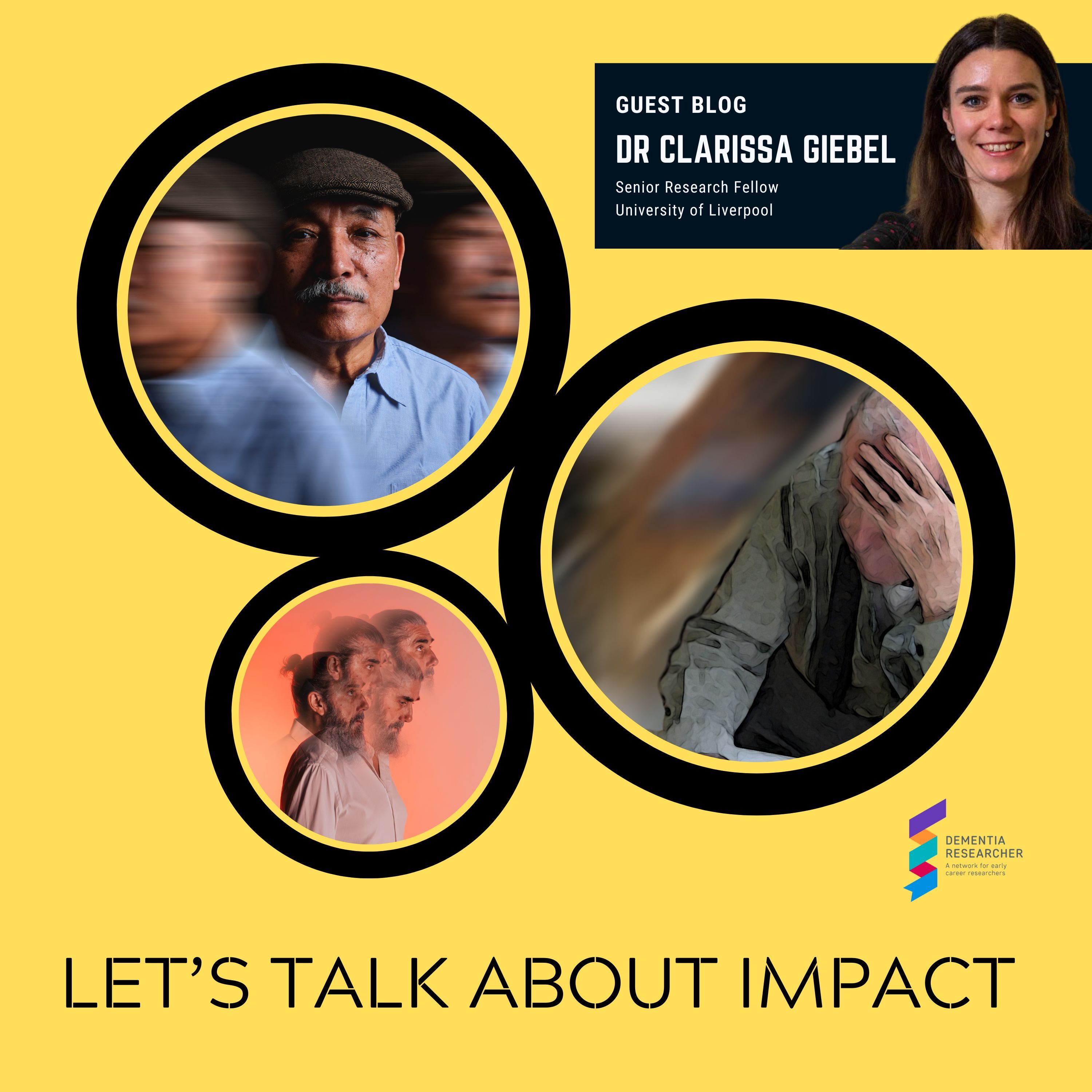
Ep 379Dr Clarissa Giebel - Let’s Talk About Impact
Dr Clarissa Giebel narrates her blog written for Dementia Researcher. In this blog Clarissa challenges conventional notions of what 'impact' in research truly means. She argues that while policy changes and national guidelines are significant, the subtle, everyday impact that researchers can have shouldn't be underestimated. By involving individuals who are personally and professionally connected to dementia—be it patients, carers, or healthcare professionals—in the research process, Clarissa believes we can profoundly affect care access, delivery, and quality. This engagement not only enriches the research but also has a reciprocal impact, empowering these participants to better understand and advocate for their own needs. Find the original text, and narration here on our website. https://www.dementiaresearcher.nihr.ac.uk/blog-lets-talk-about-impact/ -- Dr Clarissa Giebel is a Senior Research Fellow at the University of Liverpool and NIHR ARC North West Coast. Clarissa has been working in dementia care research for over 10 years focusing her research on helping people with dementia to live at home independently and well for longer, addressing inequalities that people with dementia and carers can face. Outside of her day work, Clarissa has also organised a local dementia network - the Liverpool Dementia & Ageing Research Forum, and has recently started her own podcast called the Ageing Scientist. -- If you would like to write your own blog drop us a line, we're always on the look out for new contributors to write about their research, careers + more [email protected] This podcast is brought to you in association with Alzheimer's Association, Alzheimer's Research UK, Alzheimer's Society and Race Against Dementia, who we thank for their ongoing support.

Ep 378Dr Anna Volkmer - Study Recruitment and the Sample Size Jinx
Dr Anna Volkmer, narrates her blog written for Dementia Researcher. Anna explores the complexities of recruiting participants for intervention trials. She stresses that an inadequately powered study risks irrelevance, highlighting the dilemma of determining the ideal sample size in both main and pilot studies. While conventional wisdom suggests benchmarks for participant numbers, these metrics are rarely straightforward, especially when dealing with a heterogeneous disease like dementia. Anna talks about her research in to Primary Progressive Aphasia, and addresses the added challenges posed by disease rarity and diagnostic ambiguity. She also delves into the ethical concerns and emotional toll of recruiting from a vulnerable population, advocating for better public education on the varied scope of medical research. This blog is a must-read for researchers, ethicists, and anyone interested in the intricacies of conducting ethically responsible and scientifically robust clinical trials. Find the original text, and narration here on our website. https://www.dementiaresearcher.nihr.ac.uk/blog-study-recruitment-and-the-sample-size-jinx/ -- Dr Anna Volkmer is a Speech and Language Therapist and researcher in Language and Cognition, Department of Psychology and Language Sciences, University College London. Anna is researching Speech and language therapy interventions in language led dementia and was once voted scariest speech and language therapist (even her children agree). -- If you would like to write your own blog drop us a line, we're always on the look out for new contributors to write about their research, careers + more [email protected] -- This podcast is brought to you in association with Alzheimer's Association, Alzheimer's Research UK, Alzheimer's Society and Race Against Dementia, who we thank for their ongoing support.
Ep 377Rebecca Williams - Starting a PhD: How to Know Nothing
Rebecca Williams, narrates her blog written for the Dementia Researcher website. Embarking on a PhD journey can be an overwhelming experience, filled with complex discussions and a feeling of inadequacy among seasoned academics. In this blog Rebecca provides a heartfelt account of grappling with the pressures and expectations of academic life as a newcomer. From her early struggles of feeling ill-equipped to the surprising advice she received from her supervisor, Rebecca explores the idea that "knowing nothing" is not a sign of failure but an integral part of the learning process. She argues that this sense of unknowing is essential for understanding the depth of a subject and propels one to learn more effectively. This blog serves as both a candid reflection and a reassuring guide for anyone stepping into the often-intimidating world of academia. It's more than just a tale of survival; it's a testament to the ongoing journey of learning and growth in scientific research. Find the original text, and narration here on our website. https://www.dementiaresearcher.nihr.ac.uk/blog-starting-a-phd-how-to-know-nothing/ -- Rebecca Williams is PhD student at the University of Cambridge. Though originally from ‘up North’ in a small town called Leigh, she did her undergraduate and masters at the University of Oxford before defecting to Cambridge for her doctorate researching Frontotemporal dementia and Apathy. She now spends her days collecting data from wonderful volunteers, and coding. Outside work, she plays board games, and is very crafty. @beccasue99 -- Enjoy listening? We're always looking for new bloggers, drop us a line. http://www.dementiaresearcher.nihr.ac.uk This podcast is brought to you in association with Alzheimer's Association, Alzheimer's Research UK, Alzheimer's Society and Race Against Dementia, who we thank for their ongoing support.

Ep 376Dr Yvonne Couch - When to Find Funding as a Post-Doc
Dr Yvonne Couch, narrates her blog written for the Dementia Researcher website. Looking to navigate the complex landscape of post-doctoral funding? Yvonne's incisive blog is your go-to guide for everything from when to start searching for funds to how to strategise for long-term research goals. With a wealth of experience, she demystifies small grants, junior fellowships, and institutional resources, all while shedding light on the realities of pursuing both teaching and research-focused roles in academia. Whether you're in the midst of your PhD or transitioning between post-docs, this blog is an invaluable roadmap to secure your financial and academic future. Find the original text, and narration here on our website. https://www.dementiaresearcher.nihr.ac.uk/guest-blog-when-to-find-funding-as-a-post-doc/ -- Dr Yvonne Couch is an Alzheimer's Research UK Fellow and Associate Professor at the University of Oxford. Yvonne studies the role of extracellular vesicles and their role in changing the function of the vasculature after stroke, aiming to discover why the prevalence of dementia after stroke is three times higher than the average. It is her passion for problem solving and love of science that drives her, in advancing our knowledge of disease. Yvonne writes about her work, academic life, and careers as she takes a new road into independent research @dr_yvonne_couch -- Enjoy listening? We're always looking for new bloggers, drop us a line. http://www.dementiaresearcher.nihr.ac.uk This podcast is brought to you in association with Alzheimer's Association, Alzheimer's Research UK, Alzheimer's Society and Race Against Dementia, who we thank for their ongoing support.

Ep 375Dr Jodi Watt - The Naked Truth About My Academic Confidence
Dr Jodi Watt, narrating a new blog they wrote for the Dementia Researcher website. In this blog Jodi Dr Jodi Watt explores their journey to overcome academic insecurities. Often speaking quickly during presentations due to nerves, they find an unconventional confidence booster: life modelling. They suggest that the key to academic confidence may lie outside the academic realm, challenging the traditional notion that it can be built solely through professional strategies. Find the original text, and narration here on our website. https://www.dementiaresearcher.nihr.ac.uk/guest-blog-the-naked-truth-about-my-academic-confidence/ -- Dr Jodi Watt is a Postdoctoral Researcher at University of Glasgow. Jodi's academic interests are in both healthy ageing and neurodegenerative diseases of older age, and they are currently working on drug repurposing for dementia. Previously they worked on understanding structural, metabolic and physiological brain changes with age, as measured using magnetic resonance imaging. As a queer and neurodiverse person, Jodi is also incredibly interested in improving diversity and inclusion practices both within and outside of the academic context. -- Enjoy listening? We're always looking for new bloggers, drop us a line. http://www.dementiaresearcher.nihr.ac.uk This podcast is brought to you in association with Alzheimer's Association, Alzheimer's Research UK, Alzheimer's Society and Race Against Dementia, who we thank for their ongoing support.
Ep 374Dr Yvonne Couch - The Role of Luck in Academic Success
Dr Yvonne Couch, narrates her blog written for the Dementia Researcher website. Yvonne explores the underestimated influence of luck in academia. Drawing from personal experiences and some seldom mentioned literature, she contends that factors beyond our control often play a pivotal role in shaping academic trajectories. Through anecdotes and empirical evidence, Yvonne reassures us that even when hard work and talent seem insufficient, external elements like luck, often labelled as 'serendipity,' are at play. The blog serves as a comforting reassurance (or a reminder that you're not a lucky person) that success is a complex interplay of skill, preparation, and, yes, a bit of fortune. Find the original text, and narration here on our website. https://www.dementiaresearcher.nihr.ac.uk/guest-blog-the-role-of-luck-in-academic-success/ -- Dr Yvonne Couch is an Alzheimer's Research UK Fellow and Associate Professor at the University of Oxford. Yvonne studies the role of extracellular vesicles and their role in changing the function of the vasculature after stroke, aiming to discover why the prevalence of dementia after stroke is three times higher than the average. It is her passion for problem solving and love of science that drives her, in advancing our knowledge of disease. Yvonne writes about her work, academic life, and careers as she takes a new road into independent research @dr_yvonne_couch -- Enjoy listening? We're always looking for new bloggers, drop us a line. http://www.dementiaresearcher.nihr.ac.uk This podcast is brought to you in association with Alzheimer's Association, Alzheimer's Research UK, Alzheimer's Society and Race Against Dementia, who we thank for their ongoing support.
Ep 373Ajantha Abey - World Alzheimer’s Day 2023: A new era of optimism
Ajantha Abey narrates his blog written for Dementia Researcher. In this blog, Ajantha discusses a renewed sense of optimism in Alzheimer's research, marked by the FDA approval of three new drugs in the last three years. These drugs represent a paradigm shift as they aim to modify the disease itself rather than just alleviate symptoms. Alongside these therapeutic advances, the field is benefiting from an expanded understanding of disease mechanisms and increasing industry investment, signalling meaningful progress and hope for future breakthroughs. Let's raise awarness for World Alzheimer's Day 2023. Find the original text, and narration here on our website. https://www.dementiaresearcher.nihr.ac.uk/guest-blog-world-alzheimers-day-2023-a-new-era-of-optimism/ -- Ajantha Abey is a PhD student in the Kavli Institute at University of Oxford. He is interested in the cellular mechanisms of Alzheimer's, Parkinson's, and other diseases of the ageing brain. Previously, having previoulsy explored neuropathology in dogs with dementia and potential stem cell replacement therapies. He now uses induced pluripotent stem cell derived neurons to try and model selective neuronal vulnerability: the phenomenon where some cells die but others remain resilient to neurodegenerative diseases. -- Enjoy listening and reading our blogs? We're always on the look out for new contributors, drop us a line and share your own research and careers advice [email protected] This podcast is brought to you in association with Alzheimer's Association, Alzheimer's Research UK, Alzheimer's Society and Race Against Dementia, who we thank for their ongoing support.
Ep 372Dr Sam Moxon - Be Your Own Benchmark: Measuring Your Career Journey
Dr Sam Moxon, narrates his blog written for Dementia Researcher. In his blog, Sam explores the common pitfalls of imposter syndrome and the Dunning-Kruger effect in the academic and research fields. He shares his personal experience, transitioning from a successful PhD to a slower-paced postdoctoral project, highlighting the dangers of comparing oneself to others in similar career stages. His key message is to focus on personal growth and self-set benchmarks rather than external standards. By doing so, one nurtures self-compassion and motivation, leading to a more positive and sustainable career trajectory. Find the original text, and narration here on our website. https://www.dementiaresearcher.nihr.ac.uk/guest-blog-be-your-own-benchmark-measuring-your-career-journey/ -- Dr Sam Moxon is a biomaterials Research Fellow at University of Birmingham. His expertise falls on the interface between biology and engineering. His PhD focussed on regenerative medicine and he now works on trying to develop 3D bioprinting techniques with human stem cells, so that we better understand and treat degenerative diseases. Outside of the lab he hikes through the Lake District and is an expert on all things Disney. -- Enjoy listening and reading our blogs? We're always on the look out for new contributors, drop us a line and share your own research and careers advice [email protected] This podcast is brought to you in association with the NIHR, Alzheimer's Association, Alzheimer's Research UK, Alzheimer's Society and Race Against Dementia, who we thank for their ongoing support.

Ep 371Dr Beth Eyre - Demystifying the PhD – what actually is a PhD and what should I expect
Beth Eyre narrates her blog written for Dementia Researcher. Beth provides an essential guide for anyone considering embarking on a doctoral journey. As she approaches the culmination of her own PhD, Beth breaks down the often perplexing aspects of a PhD, from its basic definition to the stages involved and even how to secure funding. Offering a detailed account of what to expect in each year of the programme and the roles one will play, the blog addresses common uncertainties. By elaborating on the application process, different types of PhDs like Doctoral Training Programmes (DTPs), and the unique challenges and opportunities posed by the independent nature of the research, This blog is a prospective roadmap to a fulfilling doctoral experience. Find the original text, and narration here on our website. https://www.dementiaresearcher.nihr.ac.uk/guest-blog-demystifying-the-phd/ -- Dr (pending minor amendments) Beth Eyre is a Postdoctoral Researcher at The University of Sheffield, researching Neurovascular and cognitive function in preclinical models of Alzheimer’s disease. Beth has a background in psychology, where she gained her degree from the University of Leeds. Inside and outside the lab, Beth loves sharing her science and in her blogs, she discusses her work, career and shares lessons she learns as she navigates life as an early career researcher. -- This podcast is brought to you in association with Alzheimer's Association, Alzheimer's Research UK, Alzheimer's Society and Race Against Dementia, who we thank for their ongoing support. Enjoy listening? We're always on the look out for new contributors, if you would like to write and narrate your own blog - drop us a line [email protected]. Don't forget to also listen to our fortnightly podcast, just look for Dementia Researcher in your podcast app.
Ep 370Dr Gaia Brezzo - Beyond the manuscript: disentangling academic authorship
Dr Gaia Brezzo narrates her blog written for Dementia Researcher. In this blog Gaia shares what she has learned to help manage the complexities of academic authorship, highlighting its importance for both early career researchers and principal investigators. She outlines the roles of first, last, and co-authors, and advises on handling the often grey areas in contribution recognition. Emphasising the need for open communication, Gaia provides tips for avoiding disputes and stresses the importance of trust and equitable recognition in academic collaborations. Find the original text, and narration here on our website. https://www.dementiaresearcher.nihr.ac.uk/guest-blog-beyond-the-manuscript-disentangling-academic-authorship/ -- Dr Gaia Brezzo is a Research Fellow based within the UK Dementia Research Institute at The University of Edinburgh. Gaia's research focuses on understanding how immune alterations triggered by stroke shape chronic maladaptive neuroimmune responses that lead to post-stroke cognitive decline and vascular dementia. Raised in Italy, Gaia came to the UK to complete her undergraduate degree, and thankfully, stuck around. Gaia writes about her work and career challenges, when not biking her way up and down hills in Edinburgh. Follow Gaia on Twitter: @Gaia_Brezzo -- Enjoy listening? We're always looking for new bloggers, drop us a line. http://www.dementiaresearcher.nihr.ac.uk This podcast is brought to you in association with Alzheimer's Association, Alzheimer's Research UK, Alzheimer's Society and Race Against Dementia, who we thank for their ongoing support.

Ep 369Dr Connor Richardson - Population Studies, Examples of how they are helping
Dr Connor Richardson narrates his blog written for Dementia Researcher. Connor is back with part two of his blogs discussing population research. In this post Connor highlights key findings from the UK-based Cognitive Function and Ageing Studies (CFAS). He reports a surprising decrease in dementia prevalence among individuals aged 65 and above, especially attributing the decline to better cardiovascular health in men. Connor also touches on the complexities of diagnosing Mild Cognitive Impairment and delves into the varied neuropathologies associated with dementia, underlining the value of population studies for a holistic understanding of the condition. Find the original text, and narration here on our website. https://www.dementiaresearcher.nihr.ac.uk/guest-blog-population-studies-examples-of-how-they-are-helping/ -- Dr Connor Richardson is a Neuro-epidemiology Research Associate (soon to be NIHR Research Fellow) in the Newcastle University Population Health Sciences Institute. Connor is the research statistician for the Cognitive Function and Ageing studies (CFAS) multi-centre population cohort. His research interest lies in using advanced statistical modelling and machine learning to measure dementia risk. Connor blogs about his research, Equality, Diversity and Inclusion and sometimes his Pomapoo’s. -- Enjoy listening? We're always looking for new bloggers, drop us a line. http://www.dementiaresearcher.nihr.ac.uk This podcast is brought to you in association with Alzheimer's Association, Alzheimer's Research UK, Alzheimer's Society and Race Against Dementia, who we thank for their ongoing support.

Ep 368Dr Vitor Zimmerer - Sharing Time and Brain Space
Dr Vitor Zimmerer, narrates his blog written for Dementia Researcher. In this blog Vitor reflects on how parenthood affects his career in UK academia. He shares his deep love for his two sons while acknowledging the challenges of balancing parenthood with the demanding nature of academic research. Vitor discusses the pressure to maximise work hours and adapt to structured time management. He also highlights the additional complexities of parenting a child with special needs and comments on the conflicting aspects of the UK as a place to raise a family. Despite these challenges, he remains hopeful for societal improvements and dedicates this blog to his children and friends, emphasising the love that motivates him to navigate this balance between family and academia. Find the original text, and narration here on our website. https://www.dementiaresearcher.nihr.ac.uk/guest-blog-sharing-time-and-brain-space/ -- Dr Vitor Zimmerer is a Lecturer is the Department of Language and Cognition, University College London. Vitor studied linguistics at Heinrich-Heine-University in Düsseldorf, and has a PhD in Human Communication Sciences from the University of Sheffield. He is very interested in the effects of neurological damage and atypical development on language and study a range of populations including dementia and aphasia, also how language can be used as a marker of cognitive change. -- Enjoy listening? We're always looking for new bloggers, drop us a line. http://www.dementiaresearcher.nihr.ac.uk This podcast is brought to you in association with Alzheimer's Association, Alzheimer's Research UK, Alzheimer's Society and Race Against Dementia, who we thank for their ongoing support.
Ep 366Dr Kamar Ameen-Ali - Barriers to Innovation and what this means for dementia research
Dr Kamar Ameen-Ali narrates her blog written for Dementia Researcher. Explore a realm of scientific innovation and the challenges it faces. In this blog Kamar delves into scientists' resistance to new methods in dementia research, dissecting funding biases and cultural inertia that hinder progress. Discover the push for an open-minded approach to revolutionise scientific exploration and advance dementia research. Find the original text, and narration here on our website. https://www.dementiaresearcher.nihr.ac.uk/guest-blog-barriers-to-innovation-what-it-means-for-dementia-research/ -- Dr Kamar Ameen-Ali is a Lecturer in Biomedical Science at Teesside University & Affiliate Researcher at Glasgow University. In addition to teaching, Kamar is exploring how neuroinflammation following traumatic brain injury contributes to the progression of neurodegenerative diseases that lead to dementia. Having first pursued a career as an NHS Psychologist, Kamar went back to University in Durham to look at rodent behavioural tasks to completed her PhD, and then worked as a regional Programme Manager for NC3Rs. -- Enjoy listening? We're always looking for new bloggers, drop us a line. http://www.dementiaresearcher.nihr.ac.uk This podcast is brought to you in association with Alzheimer's Association, Alzheimer's Research UK, Alzheimer's Society and Race Against Dementia, who we thank for their ongoing support.

Ep 365Ajantha Abey - How Dogs Are Helping Us Understand And Solve Dementia
Ajantha Abey narrates his blog written for Dementia Researcher. Immerse yourself in the world of canine companions and their essential role in decoding the enigmas of dementia through the enlightening blog. In this blog Ajantha sheds light on the compelling connections between dogs and humans in the realm of dementia research. Learn how dogs, naturally encountering a dementia-like condition, provide an authentic and insightful perspective into the intricate complexities of the disease, serving as a vital bridge between scientific exploration and therapeutic advancements. From groundbreaking stem cell therapies to expansive projects delving into aging and dementia, this blog showcases the exceptional potential of our four-legged allies in advancing our understanding of dementia. Join us in acknowledging their unique contributions and envisage a future where dogs guide us in conquering one of humanity's most formidable challenges. Find the original text, and narration here on our website. https://www.dementiaresearcher.nihr.ac.uk/guest-blog-how-dogs-are-helping-us-understand-and-solve/ -- Ajantha Abey is a PhD student in the Kavli Institute at University of Oxford. He is interested in the cellular mechanisms of Alzheimer's, Parkinson's, and other diseases of the ageing brain. Previously, having previoulsy explored neuropathology in dogs with dementia and potential stem cell replacement therapies. He now uses induced pluripotent stem cell derived neurons to try and model selective neuronal vulnerability: the phenomenon where some cells die but others remain resilient to neurodegenerative diseases. -- Enjoy listening and reading our blogs? We're always on the look out for new contributors, drop us a line and share your own research and careers advice [email protected] This podcast is brought to you in association with Alzheimer's Association, Alzheimer's Research UK, Alzheimer's Society and Race Against Dementia, who we thank for their ongoing support.
Ep 364Introducing Dementia Researcher: The Blogs Podcast
Welcome to the Dementia Research Blogs Podcast – the feed that helps you keep on top of our blogs when you’re on the move, or would just rather listen than read. Read the blogs and meet the writers on our website at https://www.dementiaresearcher.nihr.ac.uk and don't forget to subscribe to our main Dementia Researcher Podcast at https://podfollow.com/dementia-researcher.
Ep 362Rebecca Williams - Self-Report: It’s not what you say, it’s how you say it
Rebecca Williams, narrates her blog written for the Dementia Researcher website. In this blog Rebecca talks about the complexities of self-report scales in psychological research. She highlights the common tendency to adopt careless response strategies when completing lengthy questionnaires and discusses the trust placed in participants' meaningful engagement. Rebecca focuses on patients with frontotemporal degeneration-related syndromes, where behavioural symptoms and clinical motivation impact responses. Her study examines unique response strategies, revealing that patients often exhibit invariant, patterned, and internally inconsistent responses. These strategies even predict cognitive factors beyond the scale's intent. Rebecca calls for cautious interpretation of self-report measures, advocating for thorough assumption checks and tailored approaches for specific groups. Find the original text, and narration here on our website. https://www.dementiaresearcher.nihr.ac.uk/guest-blog-self-report-its-not-what-you-say-its-how-you-say-it/ -- Rebecca Williams is PhD student at the University of Cambridge. Though originally from ‘up North’ in a small town called Leigh, she did her undergraduate and masters at the University of Oxford before defecting to Cambridge for her doctorate researching Frontotemporal dementia and Apathy. She now spends her days collecting data from wonderful volunteers, and coding. Outside work, she plays board games, and is very crafty. @beccasue99 -- Enjoy listening? We're always looking for new bloggers, drop us a line. http://www.dementiaresearcher.nihr.ac.uk This podcast is brought to you in association with Alzheimer's Association, Alzheimer's Research UK, Alzheimer's Society and Race Against Dementia, who we thank for their ongoing support.

Ep 360Dr Sam Moxon - How to Prepare a Keynote Talk
Dr Sam Moxon, narrates his blog written for Dementia Researcher. In this blog Sam shares insights on successfully delivering a keynote presentation. He discusses the significance of milestones in academia, particularly receiving an authentic (authentic being an important word there) invitation to give a keynote talk. Sam offers six key tips for preparing a captivating and engaging keynote talk, emphasising the importance of audience engagement, storytelling, strong openings, audience understanding, visual appeal, and impactful conclusions. Remember... a well-crafted keynote talk can leave a lasting impression on the audience and become a highlight of a conference. Find the original text, and narration here on our website. https://www.dementiaresearcher.nihr.ac.uk/guest-blog-how-to-prepare-a-keynote-talk/ -- Dr Sam Moxon is a biomaterials Research Fellow at University of Birmingham. His expertise falls on the interface between biology and engineering. His PhD focussed on regenerative medicine and he now works on trying to develop 3D bioprinting techniques with human stem cells, so that we better understand and treat degenerative diseases. Outside of the lab he hikes through the Lake District and is an expert on all things Disney. Enjoy listening and reading our blogs? We're always on the look out for new contributors, drop us a line and share your own research and careers advice [email protected] This podcast is brought to you in association with Alzheimer's Association, Alzheimer's Research UK, Alzheimer's Society and Race Against Dementia, who we thank for their ongoing support.
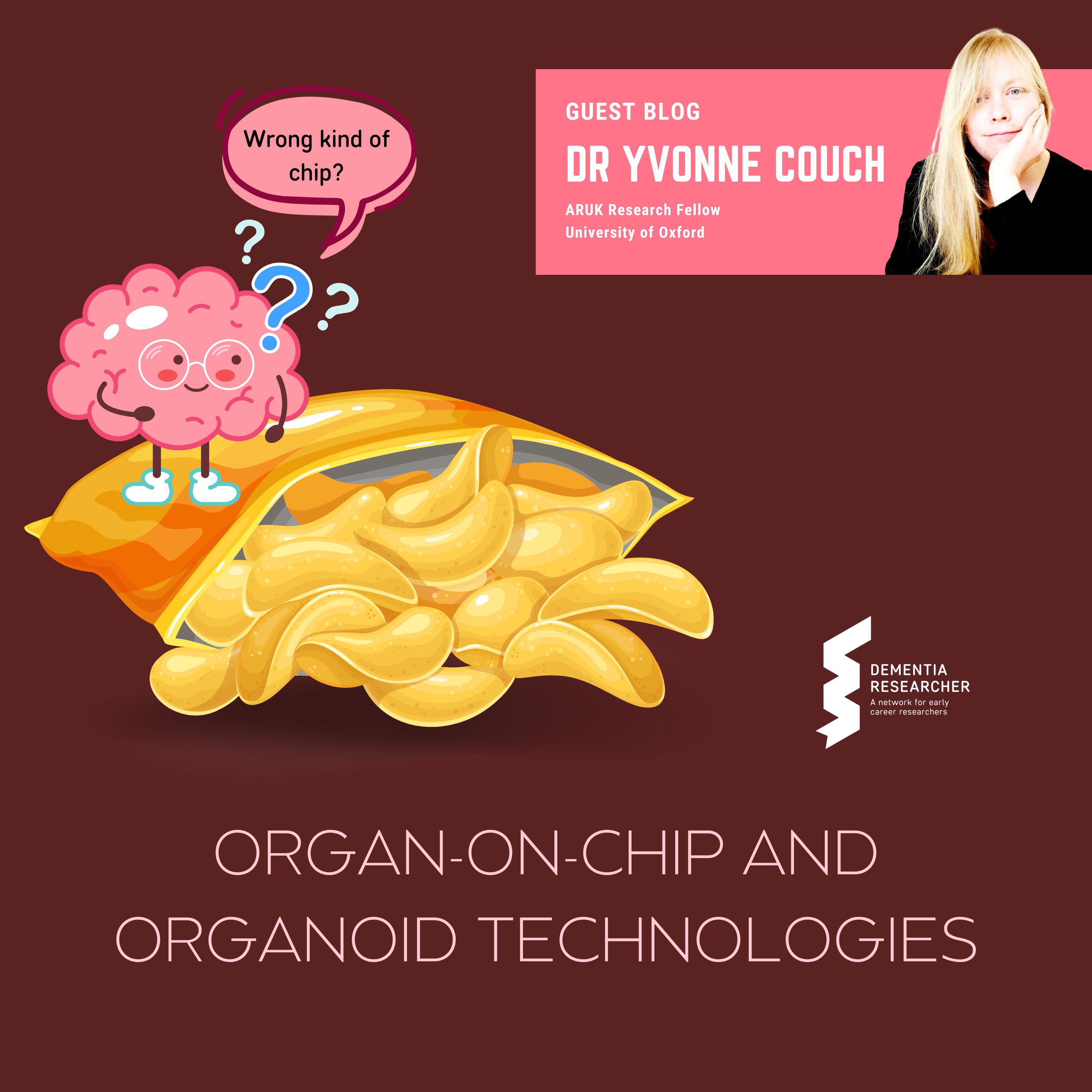
Ep 359Dr Yvonne Couch - Organ-On-Chip and Organoid Technologies
Dr Yvonne Couch, narrates her blog written for the Dementia Researcher website. Yvonne provides a comprehensive overview of Organ-On-Chip and Organoid Technologies. Focusing on her work with blood-brain barrier cells, she explains their growth in 3D using innovative devices. She delves into the history of these techniques, their relevance to dementia research, and the evolution of cell culture. She highlights microfluidics' impact, introducing the concept of "organ-on-chip," and touches on recent breakthroughs in organoid research. Her blog encourages researchers to consider cellular interactions and leverage these tools for transformative insights. Find the original text, and narration here on our website. https://www.dementiaresearcher.nihr.ac.uk/guest-blog-organ-on-chip-and-organoid-technologies/ -- Dr Yvonne Couch is an Alzheimer's Research UK Fellow and Associate Professor at the University of Oxford. Yvonne studies the role of extracellular vesicles and their role in changing the function of the vasculature after stroke, aiming to discover why the prevalence of dementia after stroke is three times higher than the average. It is her passion for problem solving and love of science that drives her, in advancing our knowledge of disease. Yvonne writes about her work, academic life, and careers as she takes a new road into independent research @dr_yvonne_couch -- Enjoy listening? We're always looking for new bloggers, drop us a line. http://www.dementiaresearcher.nihr.ac.uk This podcast is brought to you in association with Alzheimer's Association, Alzheimer's Research UK, Alzheimer's Society and Race Against Dementia, who we thank for their ongoing support.
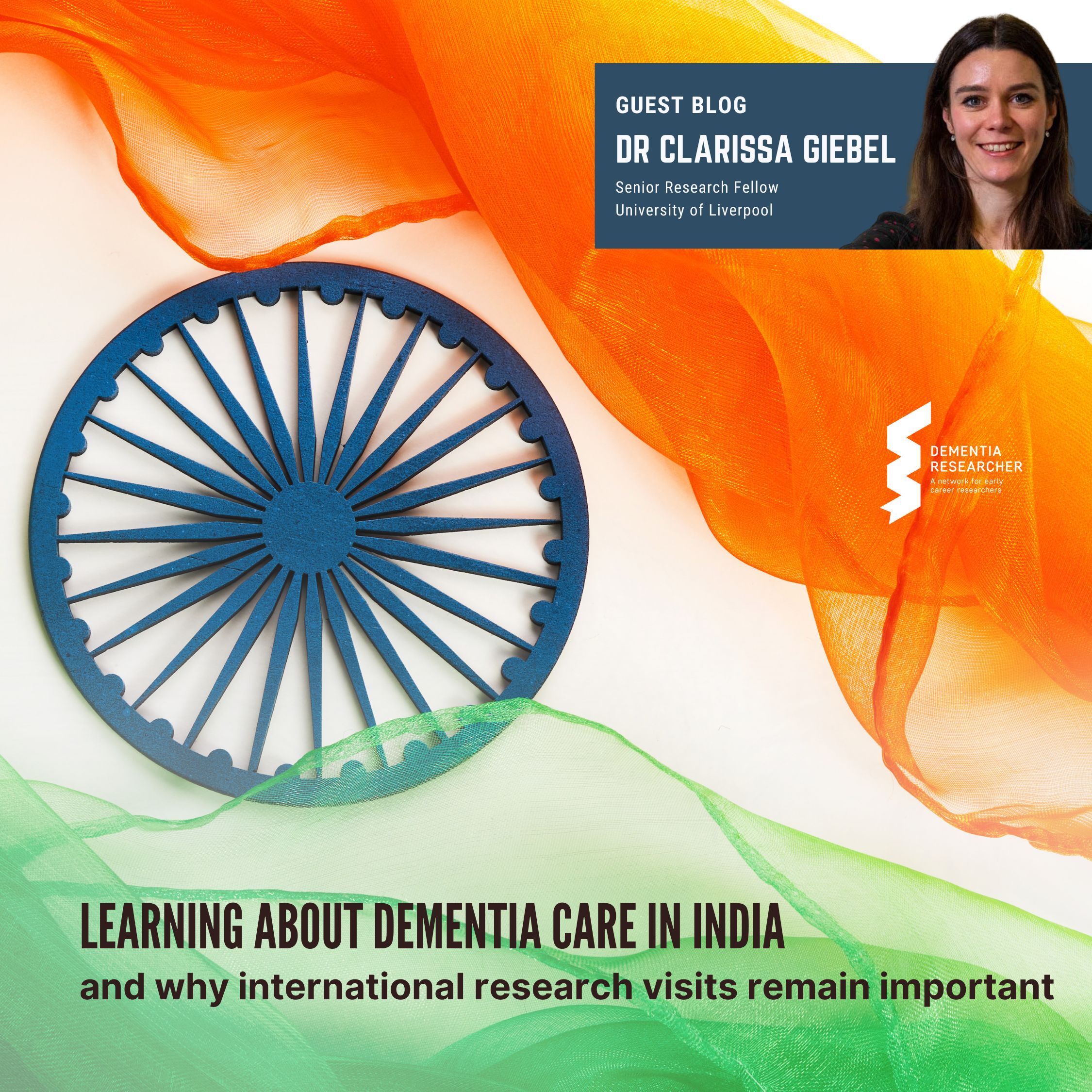
Ep 358Dr Clarissa Giebel - Learning about dementia care in India
Dr Clarissa Giebel narrates her blog written for Dementia Researcher. Clarissa's July travels proved rewarding, from presenting dementia care inequalities at the IPA Congress to establishing collaborations in India. Exploring NIMHANS' dementia care in Bangalore gave her insights impossible to glean from articles. Engaging with clinicians highlighted challenges including stigma and financial barriers. Her in-person talk sparked crucial discussions, contrasting the depth of personal interaction with virtual methods. Observing the city's markets and elderly population further enriched her perspective. This journey emphasised the value of in-person experiences for profound research insights and learning. Find the original text, and narration here on our website. https://www.dementiaresearcher.nihr.ac.uk/guest-blog-learning-about-dementia-care-in-india/ -- Dr Clarissa Giebel is a Senior Research Fellow at the University of Liverpool and NIHR ARC North West Coast. Clarissa has been working in dementia care research for over 10 years focusing her research on helping people with dementia to live at home independently and well for longer, addressing inequalities that people with dementia and carers can face. Outside of her day work, Clarissa has also organised a local dementia network - the Liverpool Dementia & Ageing Research Forum, and has recently started her own podcast called the Ageing Scientist. -- If you would like to write your own blog drop us a line, we're always on the look out for new contributors to write about their research, careers + more [email protected] This podcast is brought to you in association with Alzheimer's Association, Alzheimer's Research UK, Alzheimer's Society and Race Against Dementia, who we thank for their ongoing support.
Ep 357Dr Beth Eyre - Cracking the Viva: Preparing for PhD Success
Beth Eyre narrates her blog written for Dementia Researcher. In this blog, Beth recounts her recent accomplishment of successfully defending her PhD thesis and passing the viva, detailing the unique UK viva process. Amidst the exhilaration, Beth shares valuable insights on preparing for this pivotal assessment. Anchored in a positive mindset, I emphasise viewing the viva as a platform to engage with experts and showcase one's growth. Practical strategies include thorough thesis review through multiple readings, crafting concise chapter summaries for quick reference, simulating an authentic mock viva, and embracing one's role as the foremost authority on the research. With these techniques, Beth offers encouragement and guidance to fellow scholars bracing for their own viva journey. Find the original text, and narration here on our website. https://www.dementiaresearcher.nihr.ac.uk/guest-blog-cracking-the-viva-preparing-for-phd-success/ -- Dr (pending minor amendments) Beth Eyre is a Postdoctoral Researcher at The University of Sheffield, researching Neurovascular and cognitive function in preclinical models of Alzheimer’s disease. Beth has a background in psychology, where she gained her degree from the University of Leeds. Inside and outside the lab, Beth loves sharing her science and in her blogs, she discusses her work, career and shares lessons she learns as she navigates life as an early career researcher. -- This podcast is brought to you in association with Alzheimer's Association, Alzheimer's Research UK, Alzheimer's Society and Race Against Dementia, who we thank for their ongoing support. Enjoy listening? We're always on the look out for new contributors, if you would like to write and narrate your own blog - drop us a line [email protected]. Don't forget to also listen to our fortnightly podcast, just look for Dementia Researcher in your podcast app.
Ep 356Dr Jodi Watt - I didn’t know who I was after my PhD (and maybe I still don’t..)
Dr Jodi Watt, narrating a new blog they wrote for the Dementia Researcher website. Jodi is a "dabbler" (their words) who explores various aspects of life and identity. In this blog Jodi discusses the toll of a PhD and academic expectations on life, mental health and personal growth. They reflect on the pervasive pressure to continuously grind, impacting not only the themselves but also others in academia. Jodie talks about their work to challenge and change these norms and how an ongoing pursuit of self-discovery through a diverse range of interests and activities is making a difference, and could for you too. Find the original text, and narration here on our website. https://www.dementiaresearcher.nihr.ac.uk/guest-blog-i-didnt-know-who-i-was-after-my-phd/ -- Dr Jodi Watt is a Postdoctoral Researcher at University of Glasgow. Jodi's academic interests are in both healthy ageing and neurodegenerative diseases of older age, and they are currently working on drug repurposing for dementia. Previously they worked on understanding structural, metabolic and physiological brain changes with age, as measured using magnetic resonance imaging. As a queer and neurodiverse person, Jodi is also incredibly interested in improving diversity and inclusion practices both within and outside of the academic context. -- Enjoy listening? We're always looking for new bloggers, drop us a line. http://www.dementiaresearcher.nihr.ac.uk This podcast is brought to you in association with Alzheimer's Association, Alzheimer's Research UK, Alzheimer's Society and Race Against Dementia, who we thank for their ongoing support.
Ep 355Dr Gaia Brezzo - Navigating Collaborative Science
Dr Gaia Brezzo narrates her blog written for Dementia Researcher. Exploring the domain of collaborative science, this blog delves into the progression of research dynamics from individual efforts to team collaborations. It emphasises the vital role of interpersonal relationships within laboratories and the significance of harmonising with a supportive lab environment. Gaia provides practical insights, spanning the evaluation of principal investigators to conflict resolution, the cultivation of transparent communication, and the nurturing of mentorship connections. Find the original text, and narration here on our website. https://www.dementiaresearcher.nihr.ac.uk/guest-blog-navigating-collaborative-science/ -- Dr Gaia Brezzo is a Research Fellow based within the UK Dementia Research Institute at The University of Edinburgh. Gaia's research focuses on understanding how immune alterations triggered by stroke shape chronic maladaptive neuroimmune responses that lead to post-stroke cognitive decline and vascular dementia. Raised in Italy, Gaia came to the UK to complete her undergraduate degree, and thankfully, stuck around. Gaia writes about her work and career challenges, when not biking her way up and down hills in Edinburgh. Follow Gaia on Twitter: @Gaia_Brezzo -- Enjoy listening? We're always looking for new bloggers, drop us a line. http://www.dementiaresearcher.nihr.ac.uk This podcast is brought to you in association with Alzheimer's Association, Alzheimer's Research UK, Alzheimer's Society and Race Against Dementia, who we thank for their ongoing support.
Ep 354Dr Kamar Ameen-Ali - Improving clinician-academic partnerships to advance dementia research
Dr Kamar Ameen-Ali narrates her blog written for Dementia Researcher. Discover the path to groundbreaking dementia research in the latest blog from Kamar Ameen-Ali. Kam delves into the crucial role clinicians play in driving clinical research forward. Unveiling the challenges and opportunities of collaboration, Kam draws from firsthand experiences, showcasing how effective partnerships between clinicians and academics can bridge the gap between theory and practice. Through insightful anecdotes and practical insights, this blog unlocks the potential for transformative progress in dementia research, emphasising the need for interdisciplinary collaboration to unlock breakthroughs that could change lives. Find the original text, and narration here on our website. https://www.dementiaresearcher.nihr.ac.uk/guest-blog-improving-clinician-academic-partnerships/ -- Dr Kamar Ameen-Ali is a Lecturer in Biomedical Science at Teesside University & Affiliate Researcher at Glasgow University. In addition to teaching, Kamar is exploring how neuroinflammation following traumatic brain injury contributes to the progression of neurodegenerative diseases that lead to dementia. Having first pursued a career as an NHS Psychologist, Kamar went back to University in Durham to look at rodent behavioural tasks to completed her PhD, and then worked as a regional Programme Manager for NC3Rs. -- Enjoy listening? We're always looking for new bloggers, drop us a line. http://www.dementiaresearcher.nihr.ac.uk This podcast is brought to you in association with Alzheimer's Association, Alzheimer's Research UK, Alzheimer's Society and Race Against Dementia, who we thank for their ongoing support.
Ep 353Ajantha Abey - Why You Should Teach Alongside Your Research (Especially As A PhD Student)
Ajantha Abey narrates his blog written for Dementia Researcher. In the realm of academia, teaching is often viewed as a hindrance to research, a time-consuming chore that distracts from crucial experimental work. However, Ajantha Abey passionately argues that teaching can be a source of wonder and enrichment for aspiring researchers, especially PhD students. By sharing his own experiences as a postgraduate student, he demonstrates how teaching not only fosters better communication and understanding but also serves as a catalyst for new research ideas. Ajantha unveils the transformative power of guiding and inspiring the next generation of scientists, proving that teaching, far from being a burden, is a fulfilling and essential part of the scientific journey. Find the original text, and narration here on our website. https://www.dementiaresearcher.nihr.ac.uk/guest-blog-why-you-should-teach-alongside-your-research/ -- Ajantha Abey is a PhD student in the Kavli Institute at University of Oxford. He is interested in the cellular mechanisms of Alzheimer's, Parkinson's, and other diseases of the ageing brain. Previously, having previoulsy explored neuropathology in dogs with dementia and potential stem cell replacement therapies. He now uses induced pluripotent stem cell derived neurons to try and model selective neuronal vulnerability: the phenomenon where some cells die but others remain resilient to neurodegenerative diseases. -- Enjoy listening and reading our blogs? We're always on the look out for new contributors, drop us a line and share your own research and careers advice [email protected] This podcast is brought to you in association with Alzheimer's Association, Alzheimer's Research UK, Alzheimer's Society and Race Against Dementia, who we thank for their ongoing support.
Ep 352Dr Connor Richardson - Population Studies, What we have learned and why we need them
Dr Connor Richardson narrates his blog written for Dementia Researcher. Connor discusses the significance of population-based epidemiology in dementia research. While often overlooked, population studies play a crucial role in understanding the distribution of cognitive function, estimating dementia prevalence and incidence, and identifying risk factors. The blog highlights the benefits of population-based study design, such as achieving accurate and unbiased estimations and gaining insights into the causes and prevention of dementia. Moreover, it emphasises the importance of studying diverse ageing populations over time and in different regions to contextualise dementia research and develop effective strategies to support older individuals in various settings. This is part one and Connor promises to delve deeper into specific population studies, key findings, and quantitative research techniques in subsequent blogs while acknowledging the influence of Professors Fiona Matthews and Carol Brayne on his writing. Find the original text, and narration here on our website. https://www.dementiaresearcher.nihr.ac.uk/guest-blog-population-studies-what-we-have-learned-and-why-we-need-them/ -- Dr Connor Richardson is a Neuro-epidemiology Research Associate (soon to be NIHR Research Fellow) in the Newcastle University Population Health Sciences Institute. Connor is the research statistician for the Cognitive Function and Ageing studies (CFAS) multi-centre population cohort. His research interest lies in using advanced statistical modelling and machine learning to measure dementia risk. Connor blogs about his research, Equality, Diversity and Inclusion and sometimes his Pomapoo’s. -- Enjoy listening? We're always looking for new bloggers, drop us a line. http://www.dementiaresearcher.nihr.ac.uk This podcast is brought to you in association with Alzheimer's Association, Alzheimer's Research UK, Alzheimer's Society and Race Against Dementia, who we thank for their ongoing support.
Ep 351Dr Sam Moxon - How to Build your Academic Network
Dr Sam Moxon, narrates his blog written for Dementia Researcher. In this blog Sam emphasises the cornerstone role of collaboration in dementia research and provides practical tips and strategies to foster effective partnerships. Dementia profoundly affects millions worldwide, demanding a holistic approach to explore its complexities. By collaborating across disciplines like neuroscience, psychology, genetics, and public health, researchers can access diverse expertise and larger datasets, leading to more impactful findings. Sam stresses the value of recognising collaboration as more than convenience, as it integrates varied perspectives, sparks innovation, and bridges gaps in understanding. Attending conferences and workshops facilitates networking and idea sharing, while clear communication channels, a collaborative culture, and seeking funding sustain and drive dementia research advancements. Disseminating findings widely ensures broader accessibility and creates tangible benefits for those living with dementia. Find the original text, and narration here on our website. https://www.dementiaresearcher.nihr.ac.uk/guest-blog-how-to-build-your-academic-network/ -- Dr Sam Moxon is a biomaterials Research Fellow at University of Birmingham. His expertise falls on the interface between biology and engineering. His PhD focussed on regenerative medicine and he now works on trying to develop 3D bioprinting techniques with human stem cells, so that we better understand and treat degenerative diseases. Outside of the lab he hikes through the Lake District and is an expert on all things Disney. Enjoy listening and reading our blogs? We're always on the look out for new contributors, drop us a line and share your own research and careers advice [email protected] This podcast is brought to you in association with Alzheimer's Association, Alzheimer's Research UK, Alzheimer's Society and Race Against Dementia, who we thank for their ongoing support.

Ep 350Rebecca Williams - Science Communication, Reaching Out of the Bubble
Rebecca Williams, narrates her blog written for the Dementia Researcher website. In this blog Rebecca shares her personal journey from a small town in the North of England to Oxford University, reflecting on the doubts and fears that almost prevented her from applying. With a strong belief in the power of science communication, she emphasises the importance of outreach, especially to underrepresented communities, and encourages academics to take action in inspiring students to pursue higher education. Rebecca's story serves as a call to break barriers and make a difference by reaching out to students and empowering them to believe in their potential, something she has recently been supporting when she returned to school to share her journey and talk science. Find the original text, and narration here on our website. https://www.dementiaresearcher.nihr.ac.uk/guest-blog-science-communication-reaching-out-of-the-bubble/ -- Rebecca Williams is PhD student at the University of Cambridge. Though originally from ‘up North’ in a small town called Leigh, she did her undergraduate and masters at the University of Oxford before defecting to Cambridge for her doctorate researching Frontotemporal dementia and Apathy. She now spends her days collecting data from wonderful volunteers, and coding. Outside work, she plays board games, and is very crafty. @beccasue99 -- Enjoy listening? We're always looking for new bloggers, drop us a line. http://www.dementiaresearcher.nihr.ac.uk This podcast is brought to you in association with Alzheimer's Association, Alzheimer's Research UK, Alzheimer's Society and Race Against Dementia, who we thank for their ongoing support.
Ep 349Dr Aida Suarez-Gonzalez - Getting yourself a senior academic promotion
Dr Aida Suárez-Gonzalez narrates her blog written for Dementia Researcher. In this blog Aida discusses the process of senior academic promotions (grade 9 and 10) in UK higher education institutions, focusing on the underrepresentation of women in such positions. She shares tips and learnings from her own experience, advising readers to prepare in advance, organise their merits according to the framework, attend workshops, download official forms, seek examples of successful applications, be aware of gender bias, craft a strong personal statement, aim for the minimum requirements rather than perfection, seek support from experienced colleagues, and be mindful of internal deadlines to increase their chances of success in the promotions process. Find the original text, and narration here on our website. https://www.dementiaresearcher.nihr.ac.uk/guest-blog-getting-yourself-a-senior-academic-promotion/ -- Dr Aida Suarez-Gonzalez is a Clinical Neuropsychologist and Senior Research Fellow at the Dementia Research Centre, UCL Institute of Neurology at Queen Square. With many years clinical experience working in Spain, Aida now investigating non-pharmacological interventions, services and assistive technologies to support people living well with dementia. -- This podcast is brought to you in association with Alzheimer's Association, Alzheimer's Research UK, Alzheimer's Society and Race Against Dementia, who we thank for their ongoing support. Enjoy listening? We're always looking for new bloggers, drop us a line [email protected]

Ep 348Dr Clarissa Giebel - More than a paper: co-designing a board game
Dr Clarissa Giebel narrates her blog written for Dementia Researcher. Clarissa discusses the process of co-designing a board game, the Dementia Inequalities Game, as an innovative way to share research findings on dementia care inequalities. Through co-production workshops involving people with dementia, carers, care professionals, and Third Sector representatives, the team developed the game's concept. They collaborated with game designers, secured funding, and involved Third Sector organisations to ensure successful production and distribution. Dr. Giebel emphasises the importance of creativity in research dissemination, encouraging academics to explore alternative avenues like games, podcasts, and talks to reach a broader audience and generate greater impact. The game aims to raise awareness, promote discussion, and educate players about dementia and its associated inequalities. Find the original text, and narration here on our website. https://www.dementiaresearcher.nihr.ac.uk/guest-blog-more-than-a-paper-co-designing-a-board-game/ -- Dr Clarissa Giebel is a Senior Research Fellow at the University of Liverpool and NIHR ARC North West Coast. Clarissa has been working in dementia care research for over 10 years focusing her research on helping people with dementia to live at home independently and well for longer, addressing inequalities that people with dementia and carers can face. Outside of her day work, Clarissa has also organised a local dementia network - the Liverpool Dementia & Ageing Research Forum, and has recently started her own podcast called the Ageing Scientist. -- If you would like to write your own blog drop us a line, we're always on the look out for new contributors to write about their research, careers + more [email protected] This podcast is brought to you in association with Alzheimer's Association, Alzheimer's Research UK, Alzheimer's Society and Race Against Dementia, who we thank for their ongoing support.

Ep 347Dr Yvonne Couch - Isolation in Academia
Dr Yvonne Couch, narrates her blog written for the Dementia Researcher website. In this blog Yvonne discusses the isolation experienced in academia and the importance of mentoring for mental health and academic success. She shares personal experiences of feeling alone and the fear it brings, emphasising the detrimental effects of isolation on career progression. Yvonne advocates for mandatory mentoring programmes for early career researchers and highlights the need for mentors to ask the right questions and guide mentees in achieving their goals. Find the original text, and narration here on our website. https://www.dementiaresearcher.nihr.ac.uk/guest-blog-isolation-in-academia/ -- Dr Yvonne Couch is an Alzheimer's Research UK Fellow and Associate Professor at the University of Oxford. Yvonne studies the role of extracellular vesicles and their role in changing the function of the vasculature after stroke, aiming to discover why the prevalence of dementia after stroke is three times higher than the average. It is her passion for problem solving and love of science that drives her, in advancing our knowledge of disease. Yvonne writes about her work, academic life, and careers as she takes a new road into independent research @dr_yvonne_couch -- Enjoy listening? We're always looking for new bloggers, drop us a line. http://www.dementiaresearcher.nihr.ac.uk This podcast is brought to you in association with Alzheimer's Association, Alzheimer's Research UK, Alzheimer's Society and Race Against Dementia, who we thank for their ongoing support.

Ep 346Hannah Hussain - Conference Countdown: Mastering the Art of Preparation
Hannah Hussain narrates her blog written for Dementia Researcher. In this blog, learn how to prepare for a conference to maximise your experience by reviewing the program, setting goals, utilising digital networking, dressing appropriately, taking care of logistics, and following up with connections made, ultimately making the most of the valuable opportunity to network, learn, and share in your field. Find the original text, and narration here on our website. https://www.dementiaresearcher.nihr.ac.uk/guest-blog-conference-countdown-mastering-the-art-of-preparation/ -- Hannah Hussain is a PhD Student in Health Economics at The University of Sheffield. As a proud third generation migrant and British-Asian, her career path has been linear and ever evolving, originally qualifying as a Pharmacist in Nottingham, then Health Economics in Birmingham. Her studies have opened a world into Psychology, Mental Health and other areas of health, and with that and personal influences she found her passion for dementia. -- This podcast is brought to you in association with Alzheimer's Association, Alzheimer's Research UK, Alzheimer's Society and Race Against Dementia, who we thank for their ongoing support. Enjoy listening? We're always looking for new bloggers, drop us a line [email protected]

Ep 345Dr Kamar Ameen-Ali - Pivoting your research area
Dr Kamar Ameen-Ali narrates her blog written for Dementia Researcher. In this blog, Dr Kam discusses the process of pivoting research areas during postdoctoral positions and highlights the significance of leveraging existing skills whilst developing new ones to pursue specific research interests. She emphasises the challenges and opportunities that come with transitioning between research areas, and the need to quickly familiarise oneself with new fields, design studies, choose appropriate methods, and interpret results. Why is this important? Well it's a potential necessity of due to the precarious nature of early career researcher positions, just ask anyone who worked through the pandemic.... Find the original text, and narration here on our website. https://www.dementiaresearcher.nihr.ac.uk/guest-blog-pivoting-your-research-area/ -- Dr Kamar Ameen-Ali is a Lecturer in Biomedical Science at Teesside University & Affiliate Researcher at Glasgow University. In addition to teaching, Kamar is exploring how neuroinflammation following traumatic brain injury contributes to the progression of neurodegenerative diseases that lead to dementia. Having first pursued a career as an NHS Psychologist, Kamar went back to University in Durham to look at rodent behavioural tasks to completed her PhD, and then worked as a regional Programme Manager for NC3Rs. -- Enjoy listening? We're always looking for new bloggers, drop us a line. http://www.dementiaresearcher.nihr.ac.uk This podcast is brought to you in association with Alzheimer's Association, Alzheimer's Research UK, Alzheimer's Society and Race Against Dementia, who we thank for their ongoing support.

Ep 344Beth Eyre - Five things I wish I had known about writing up my PhD thesis
Beth Eyre narrates her blog written for Dementia Researcher. In this blog, Beth reflects on her experience of writing up her PhD thesis and shares five key insights she wishes she had known beforehand. She emphasises the challenges of the writing process, including moments of self-doubt and the need to establish a suitable writing routine. Beth highlights the importance of setting realistic expectations as writing often takes longer than anticipated. She also talks to the importance of the distinction between writing and editing, urging you to view their thesis as an evolving process. Lastly, she encourages aspiring writers to prioritise completion over perfection, reminding you that a good thesis is one that is finished. Find the original text, and narration here on our website. https://www.dementiaresearcher.nihr.ac.uk/guest-blog-5-things-i-wish-i-had-known-about-writing-up-my-phd-thesis/ -- Beth Eyre is a PhD Student at The University of Sheffield, researching Neurovascular and cognitive function in preclinical models of Alzheimer’s disease. Beth has a background in psychology, where she gained her degree from the University of Leeds. Inside and outside the lab, Beth loves sharing her science and in her blogs she discusses her work, career and shares lessons she learns as she navigates life as an early career researcher. -- This podcast is brought to you in association with Alzheimer's Association, Alzheimer's Research UK, Alzheimer's Society and Race Against Dementia, who we thank for their ongoing support. Enjoy listening? We're always on the look out for new contributors, if you would like to write and narrate your own blog - drop us a line [email protected]. Don't forget to also listen to our fortnightly podcast, just look for Dementia Researcher in your podcast app.

Ep 342Dr Sam Moxon - Why Dementia Patients Deteriorate in Hospital
Dr Sam Moxon, narrates his blog written for Dementia Researcher. Sam shares the story of his grandfather, who experienced a rapid decline in his dementia during a hospital stay. Hospital delirium, triggered by the unfamiliar environment, disrupted routines, and increased sensory stimulation, worsened his condition. Infections further accelerated cognitive decline, and antibiotics had negative effects on the gut microbiome and immune system. Sam emphasises the need for improved dementia care in hospitals to provide better support and maintain the well-being and dignity of individuals with dementia. Find the original text, and narration here on our website. https://www.dementiaresearcher.nihr.ac.uk/guest-blog-why-dementia-patients-deteriorate-in-hospital/ -- Dr Sam Moxon is a biomaterials Research Fellow at University of Birmingham. His expertise falls on the interface between biology and engineering. His PhD focussed on regenerative medicine and he now works on trying to develop 3D bioprinting techniques with human stem cells, so that we better understand and treat degenerative diseases. Outside of the lab he hikes through the Lake District and is an expert on all things Disney. Enjoy listening and reading our blogs? We're always on the look out for new contributors, drop us a line and share your own research and careers advice [email protected] This podcast is brought to you in association with Alzheimer's Association, Alzheimer's Research UK, Alzheimer's Society and Race Against Dementia, who we thank for their ongoing support.
Ep 343Adam Smith - Sustainable Travel to International Conferences
Adam Smith narrates his blog written for Dementia Researcher. In this blog Adam emphasises the importance of sustainable travel to international conferences in light of climate change. While attending conferences in person is essential, Adam encourages listeners to consider concious decision making on travel choice, and particuarly carbon offsetting as a way to reduce the environmental impact of their journeys. By supporting projects that reduce or remove greenhouse gas emissions, such as renewable energy initiatives or reforestation efforts, attendees can take personal responsibility for their carbon footprint. The blog also highlights the significance of incorporating discussions on climate change and sustainability within conference agendas, driving greater awareness and promoting actionable solutions. Below are resources for calculating and offsetting carbon emissions, as well as tips for reducing one's carbon footprint while traveling, including choosing greener airlines, flying economy class, and opting for direct flights or train travel for shorter distances. By offsetting travel emissions, attendees can contribute to positive change, inspire others to adopt sustainable practices, and enhance the credibility of conferences as platforms for environmental stewardship. Find the original text, and narration here on our website. https://www.dementiaresearcher.nihr.ac.uk/guest-blog-sustainable-travel-to-international-conferences/ List of Carbon Calculators: https://www.carbonfootprint.com/ https://www.bp.com/en_gb/target-neutral/home/calculate-and-offset-travel-emissions.html#/ https://www.eurostar.com/rw-en/carbon-footprint https://co2.myclimate.org/ Websites that allow you to pay to offset your carbon footprint: https://co2.myclimate.org/ https://www.woodlandtrust.org.uk/support-us/give/personal-carbon/ https://www.worldwildlife.org/pages/offset-your-travel-footprint -- Adam Smith was born in the north, a long time ago. He wanted to write books, but ended up working in the NHS, and at the Department of Health. He is now Programme Director in the Office of the NIHR National Director for Dementia Research (which probably sounds more important than it is) at University College London. He has led a number of initiatives to improve dementia research (including this website, Join Dementia Research & ENRICH), as well as pursuing his own research interests. In his spare time, he grows vegetables, builds Lego & spends most of his time drinking too much coffee and squeezing technology into his house. _____________________________________________________ Enjoy listening? We're always looking for new bloggers, drop us a line. http://www.dementiaresearcher.nihr.ac.uk This podcast is brought to you in association with Alzheimer's Association, Alzheimer's Research UK, Alzheimer's Society and Race Against Dementia, who we thank for their ongoing support.
Ep 341Dr Jodi Watt - My experience as an LGBTQIA+ postgraduate & PhD student
Dr Jodi Watt, narrating a new blog they wrote for the Dementia Researcher website. As Pride month comes to an end, Jodi shares their experience as an LGBTQIA+ postgraduate and PhD student. They discuss the challenges and variability of being 'out' and queer in academia, highlighting both supportive and discriminatory experiences. Josi emphasises the importance of acknowledging the mental, emotional, and physical burdens that LGBTQIA+ individuals may carry in a heteronormative world, which can impact their scientific career. They also express the desire for more representation and role models in academia who identify similarly, as well as the significance of using LGBTQIA+ lanyards, badges, and pronouns in creating a supportive environment. Jodi highlights the opportunities for involvement in extra-curricular experiences that can enrich one's CV and mentions the legal protections provided by The Equality Act 2010 in the UK. Finally, they affirm that it is not only acceptable but essential for LGBTQIA+ individuals to occupy and feel comfortable in scientific spaces. Find the original text, and narration here on our website. https://www.dementiaresearcher.nihr.ac.uk/guest-blog-my-experience-as-an-lgbtqia-postgraduate-phd-student/ -- Dr Jodi Watt is a Postdoctoral Researcher at University of Glasgow. Jodi's academic interests are in both healthy ageing and neurodegenerative diseases of older age, and they are currently working on drug repurposing for dementia. Previously they worked on understanding structural, metabolic and physiological brain changes with age, as measured using magnetic resonance imaging. As a queer and neurodiverse person, Jodi is also incredibly interested in improving diversity and inclusion practices both within and outside of the academic context. -- Enjoy listening? We're always looking for new bloggers, drop us a line. http://www.dementiaresearcher.nihr.ac.uk This podcast is brought to you in association with Alzheimer's Association, Alzheimer's Research UK, Alzheimer's Society and Race Against Dementia, who we thank for their ongoing support.