Show overview
Dementia Researcher Blogs has been publishing since 2020, and across the 6 years since has built a catalogue of 689 episodes. That works out to roughly 80 hours of audio in total. Releases follow a several-times-a-week cadence.
Episodes typically run under ten minutes — most land between 5 min and 8 min — though episode length varies meaningfully from one episode to the next. None of the episodes are flagged explicit by the publisher. It is catalogued as a EN-language Science show.
There hasn’t been a new episode in the last ninety days; the most recent episode landed 5 months ago. Published by Dementia Researcher.
From the publisher
Dementia Researcher blogs are written and then narrated by the authors. Through this podcast channel, we share the narrations, so you can listen back where ever you get your podcasts, as well as on our website - careers, research and your science. Brought to you by www.dementiaresearcher.nihr.ac.uk - everything you need, all in one place.
Latest Episodes
View all 689 episodesDr Becky Carlyle - Building accessible and inclusive research environments
Emily Spencer - Life After the PhD: My Fellowship Application
Professor Louise Serpell - Alzheimer's Disease Takes a Lifetime
Dr Connor Richardson - Leaving Your University After 10 Years
Adam Smith - Remembering Terry Pratchett
Bernie McInally - Making Care Home Research Visible
Kirsty Hynes - No Care Homes Left Out in Dementia Research
Dr Ajantha Abey - PhD Application Advice: Assessing & Approaching a New Lab
Beccy Owen - The Long Way Round to a PhD
Dr Sam Moxon - Knowing When to Apply for Your First Research Fellowship
Dr Andrew Kiselica - Why "Normal" Cognition Is Hindering Preclinical Alzheimer’s Trials
Rahul Sidhu - Momentum in Dementia Research: What I Saw at ARUK

Ep 681Jacqui Kerr - How Clinical Trials Site Initiation Visits work and why they matter
Jacqui Kerr narrates her blog written for Dementia Researcher.Site Initiation Visits mark the transition from clinical trial / study setup to delivery, ensuring research sites are fully prepared before recruitment begins. In this blog, Jacqui explains how SIVs bring together protocol training, regulatory checks, role delegation, and data processes to create a clear, shared understanding across the research team. Far from a routine step, the SIV lays the groundwork for safe, compliant, and consistent trial delivery, helping protect participants and support reliable results.Find the original text, and narration here on our website.https://www.dementiaresearcher.nihr.ac.uk/blog-how-site-initiation-visits-work-and-why-they-matter/Follow us on social media:https://www.instagram.com/dementia_researcher/ https://www.facebook.com/Dementia.Researcher/https://www.twitter.com/demrescommunityhttps://www.linkedin.com/company/dementia-researcher https://bsky.app/profile/dementiaresearcher.bsky.socialDownload and Register with our Community App:https://www.onelink.to/dementiaresearcher
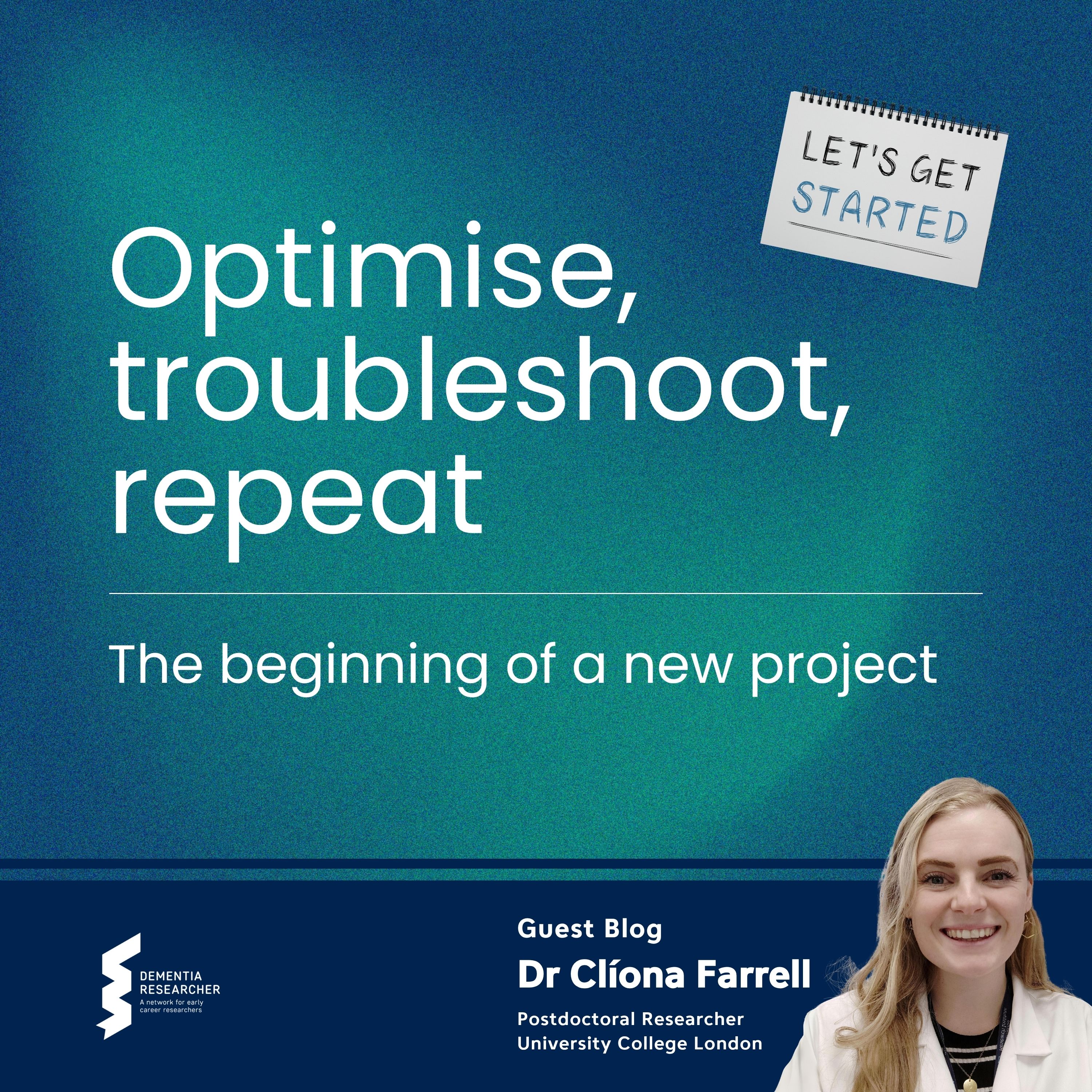
Ep 680Dr Clíona Farrell - Optimise, troubleshoot, repeat - Beginning a new project
Dr Clíona Farrell, narrating her blog written for the Dementia Researcher website.Three months into a new postdoc, Clíona explores the messy reality of starting fresh in research. From failed experiments to adapting protocols, she reflects on how experience shifts your approach, bringing more planning, patience, and reflection. The blog highlights the importance of controls, collaboration, and industry support, while reminding us that perseverance and small wins are what carry researchers through the early stages of a project.Find the original text, and narration here on our website.https://www.dementiaresearcher.nihr.ac.uk/blog-optimise-troubleshoot-repeat-beginning-a-new-project/--Dr Clíona Farrell is a Postdoctoral Researcher in the UK Dementia Research Institute at University College London. Her work focuses on understanding neuroinflammation in Down syndrome, both prior to, and in response to, Alzheimer’s disease pathology. Originally from Dublin, Ireland, Clíona completed her undergraduate degree in Neuroscience in Trinity College, and then worked as a research assistant in the Royal College of Surgeons studying ALS and Parkinson’s disease. She also knows the secret behind scopping the perfect 99 ice-cream cone.--Follow us on social media:https://www.instagram.com/dementia_researcher/ https://www.facebook.com/Dementia.Researcher/https://www.twitter.com/demrescommunityhttps://www.linkedin.com/company/dementia-researcher https://bsky.app/profile/dementiaresearcher.bsky.socialDownload and Register with our Community App:https://www.onelink.to/dementiaresearcher
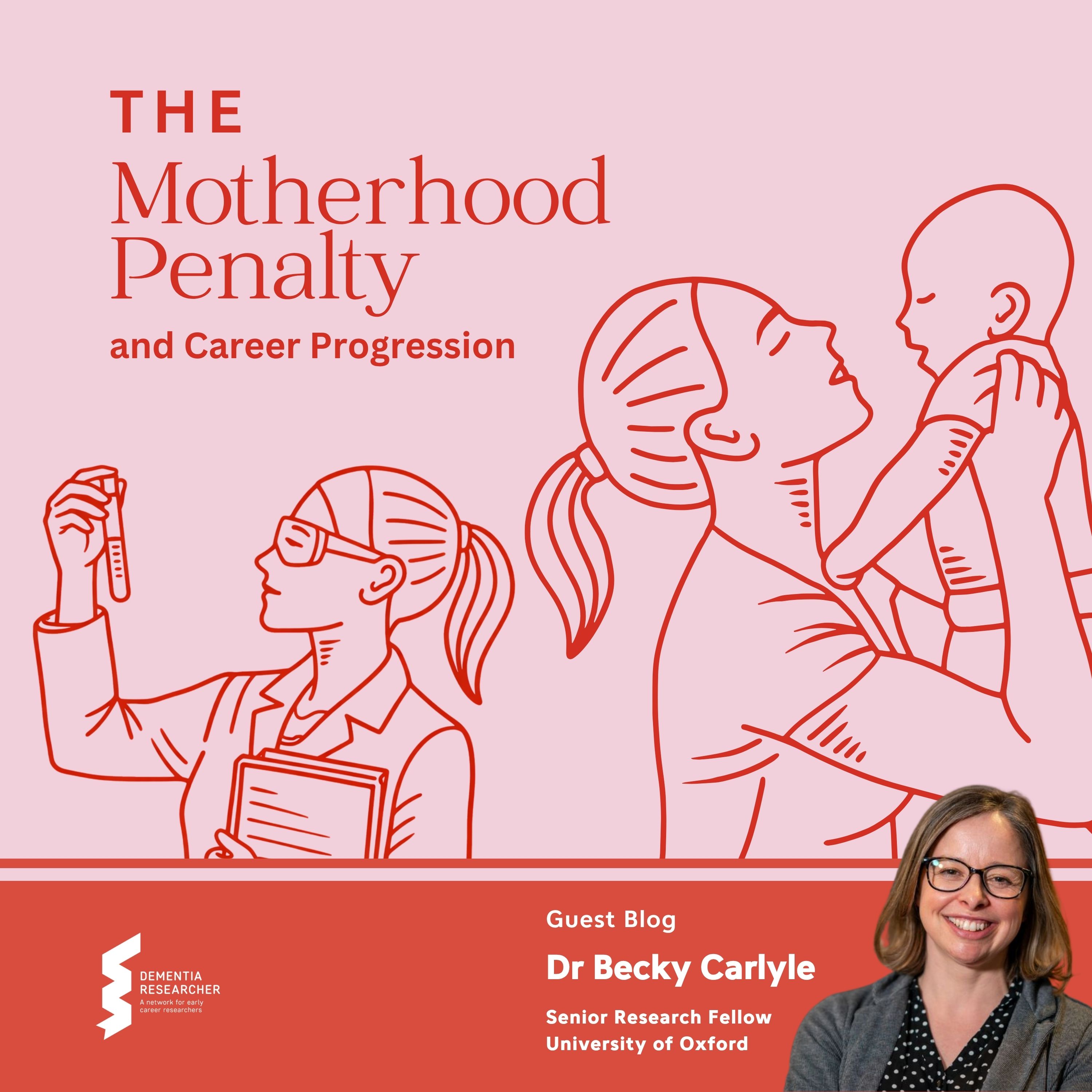
Ep 679Dr Becky Carlyle - The Motherhood Penalty and Career Progression
Dr Becky Carlyle, narrates her blog written for the Dementia Researcher website.In this blog, Becky reflects on the lived reality behind the motherhood penalty in academia, blending personal experience with emerging research evidence. She explores how childcare responsibilities, mental load, and structural expectations shape career progression for women, often in ways that are invisible but deeply felt. The piece moves from the day to day realities of balancing work and family life to wider systemic issues, including publication gaps, career progression barriers, and unequal distribution of care. It also offers practical reflections on collaboration, workplace culture, and the importance of supporting fathers as part of the solution.-Dr Becky Carlyle is an Alzheimer's Research UK Senior Research Fellow at University of Oxford, and has previously worked in the USA. Becky writes about her experiences of starting up a research lab and progressing into a more senior research role. Becky's research uses mass-spectrometry to quantify thousands of proteins in the brains and biofluids of people with dementia. Her lab is working on various projects, including work to compare brain tissue from people with dementia from Alzheimer’s Disease, to tissue from people who have similar levels of Alzheimer’s Disease pathology but no memory problems. Becky is also a mum, she runs, drinks herbal tea's and reads lots of books.Follow us on social media:https://www.instagram.com/dementia_researcher/ https://www.facebook.com/Dementia.Researcher/https://www.twitter.com/demrescommunityhttps://www.linkedin.com/company/dementia-researcher https://bsky.app/profile/dementiaresearcher.bsky.socialDownload and Register with our Community App:https://www.onelink.to/dementiaresearcher
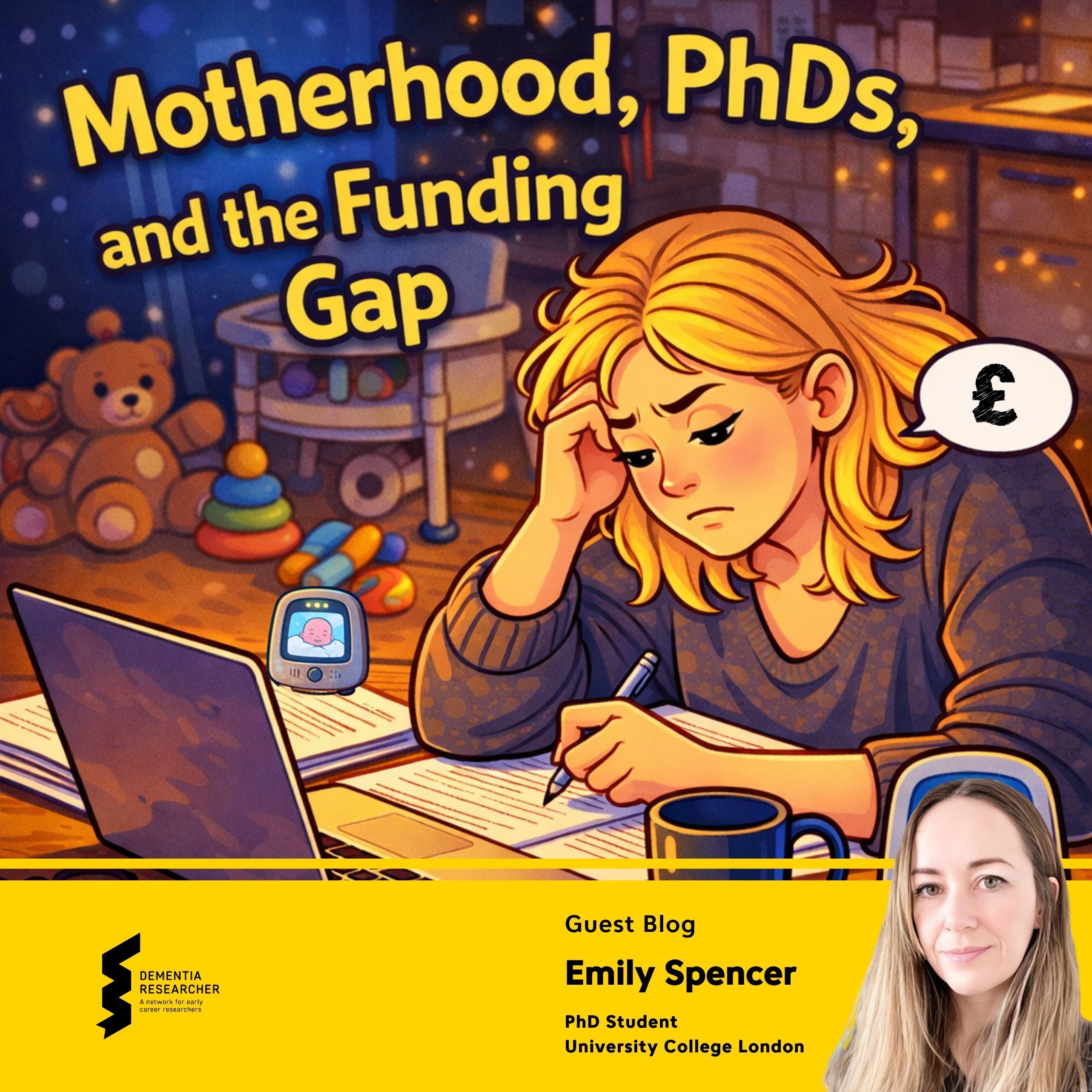
Ep 678Emily Spencer - Motherhood, PhDs, and the Funding Gap
Emily Spencer, narrating her blog written for the Dementia Researcher website. In this blog, Emily shares her experience of balancing a PhD with early motherhood, reflecting on both the encouragement she has felt and the assumptions she made along the way. What begins as a story of managing both roles becomes a sharper look at structural gaps in funding and maternity support for PhD students. She highlights inconsistencies across institutions and funders (in the UK), the lack of transparency around parental leave, and the uncomfortable reality that many researchers must navigate these decisions without clear information. The blog ends not with resolution, but with a call for funders and institutions to take responsibility and better support those combining research careers with parenthood. Find the original text, and narration here on our website. https://www.dementiaresearcher.nihr.ac.uk/blog-motherhood-phds-and-the-funding-gap/ #DementiaResearch #AcademicMother #Academia -- Emily Spencer is a PhD Student at University College London looking at improving how GPs communicate with people with dementia and their family carers about their future care. Emily previous had a 5 year career break to pursue a career as a musician, and has previously undertaken research on improving the care people with dementia receive from their GP practice, as well as end-of-life and palliative care provision in the community. Emily is also a new mum and will be writing about her experiences navigating motherhood and a research career. -- Enjoy listening? We're always looking for new bloggers, drop us a line. http://www.dementiaresearcher.nihr.ac.uk This podcast is brought to you in association with Alzheimer's Association, Alzheimer's Research UK, Alzheimer's Society and Race Against Dementia, who we thank for their ongoing support. -- Follow us on Social Media: https://www.instagram.com/dementia_researcher/ https://www.facebook.com/Dementia.Researcher/ https://x.com/demrescommunity https://bsky.app/profile/dementiaresearcher.bsky.social https://www.linkedin.com/company/dementia-researcher Join our community: https://onelink.to/dementiaresearcher

Ep 677Professor Louise Serpell - From Academia and Beyond
Professor Louise Serpell, narrates her blog written for the Dementia Researcher website. In this reflective blog, Louise looks back on more than three decades in academia researching neurodegenerative diseases and supporting students through their scientific journeys. She shares how mentoring young researchers became the most rewarding part of her career, but also describes the pressures that eventually led to burnout and a difficult decision to step away from university life. Now beginning a new chapter building a consultancy, Louise considers what comes next and how academia might better support creativity, wellbeing, and the people who make research possible. Find the original text, and narration here on our website. https://www.dementiaresearcher.nihr.ac.uk/blog-from-academia-and-beyond/ -- Professor Louise Serpell is an Emerita Professor of Biochemistry at the University of Sussex. Her research focuses on how proteins misfold and form amyloid structures linked to Alzheimer’s disease and other neurodegenerative conditions, using approaches from structural biology and molecular biophysics. Louise completed her DPhil at the University of Oxford and later established her own research group in the UK. Alongside her research career, she has been active in mentoring, public engagement, and supporting early career researchers. Find Louise on LinkedIn -- Enjoy listening? We're always looking for new bloggers, drop us a line. http://www.dementiaresearcher.nihr.ac.uk This podcast is brought to you in association with Alzheimer's Association, Alzheimer's Research UK, Alzheimer's Society and Race Against Dementia, who we thank for their ongoing support. -- Follow us on Social Media: https://www.instagram.com/dementia_researcher/ https://www.facebook.com/Dementia.Researcher/ https://twitter.com/demrescommunity https://www.linkedin.com/company/dementia-researcher https://bsky.app/profile/dementiaresearcher.bsky.social Join our community: https://onelink.to/dementiaresearcher
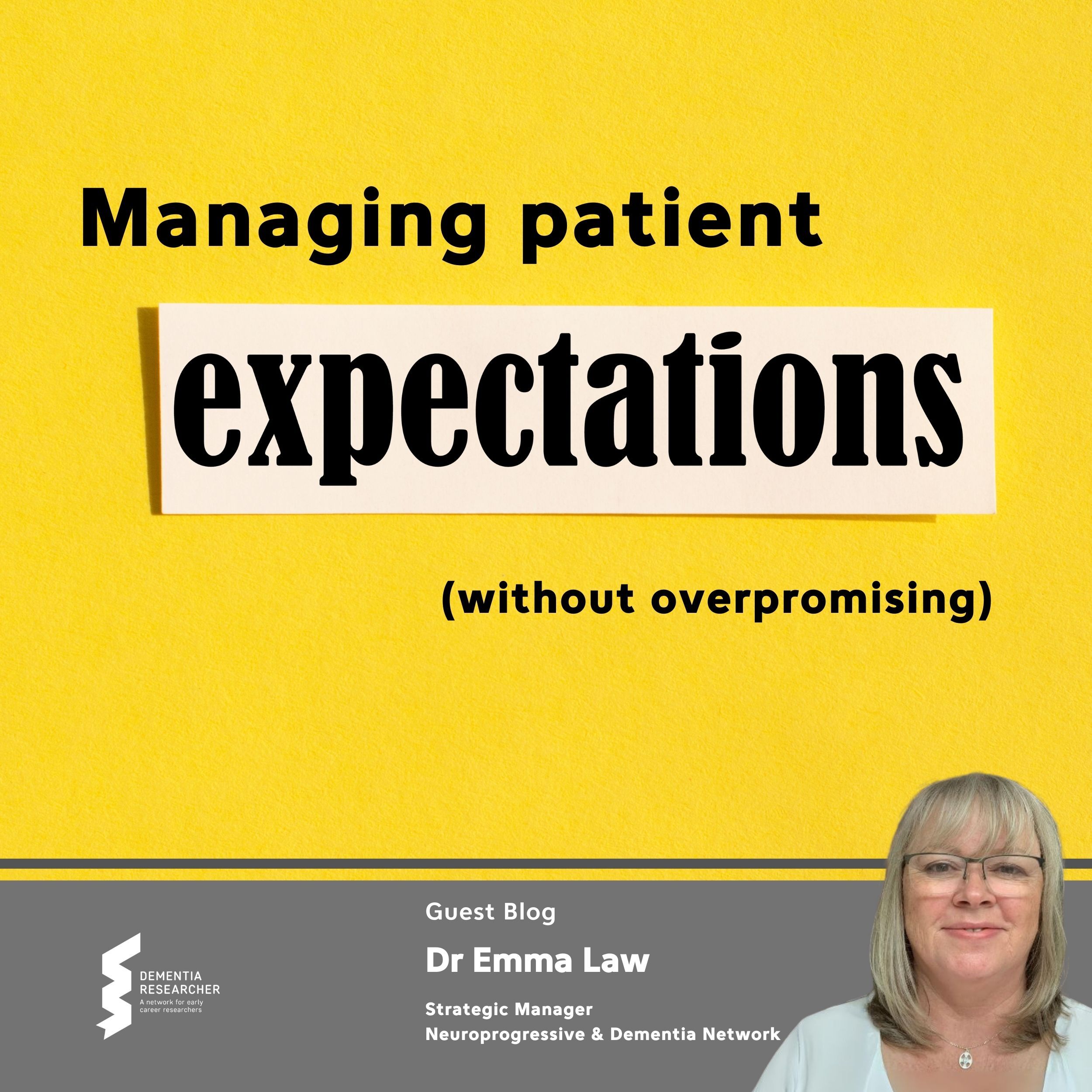
Ep 676Dr Emma Law - Managing patient expectations (without overpromising)
Dr Emma Law, narrating her blog written for the Dementia Researcher website. In this blog, Emma discusses the delicate balance between encouraging participation in dementia research and being realistic about what studies can offer. She explains why people who register interest in research often expect immediate opportunities and how researchers must communicate clearly about eligibility, trial design, and uncertainty. The blog also highlights alternative ways people living with dementia and their carers can contribute to research beyond clinical trials, from public involvement groups to questionnaires and long term studies. At its core, the piece reflects on trust, transparency, and the responsibility researchers have when inviting people into the research process. Find the original text, and narration here on our website. https://www.dementiaresearcher.nihr.ac.uk/blog-managing-patient-expectations-without-overpromising/ #DementiaResearch #ClinicalTrials #Research #TrialDelivery -- Dr Emma Law is Strategic Manager for the The Neuroprogressive and Dementia Network in Scotland. Emma has 13 years experience as a Clinical Trails Network Manager and over 35 years experience as a Nurse, many of which were spent in the delivery of Clinical Research Trials. Emma completed her PhD and is passionate about giving people living with dementia and their carers access to participate in research. -- Enjoy listening? We're always looking for new bloggers, drop us a line. http://www.dementiaresearcher.nihr.ac.uk This podcast is brought to you in association with Alzheimer's Association, Alzheimer's Research UK, Alzheimer's Society and Race Against Dementia, who we thank for their ongoing support. -- Follow us on Social Media: https://www.instagram.com/dementia_researcher/ https://www.facebook.com/Dementia.Researcher/ https://twitter.com/demrescommunity https://www.linkedin.com/company/dementia-researcher https://bsky.app/profile/dementiaresearcher.bsky.social Join our community: https://onelink.to/dementiaresearcher
Ep 675Bernie McInally - If Only I Were an ECR Lessons from a Bangkok Park
Bernie McInally narrates his blog written for Dementia Researcher. In this blog, Bernie describes a striking scene in a Bangkok park where older adults gather every morning to exercise, sing karaoke, and socialise together. Watching this daily routine unfold sparks a research question. Could environments that combine physical activity, social contact, music and routine help support cognitive health in later life. Rather than focusing only on new interventions, Bernie suggests researchers may learn a great deal by studying what communities already do naturally to support active ageing. Find the original text, and narration here on our website. https://www.dementiaresearcher.nihr.ac.uk/blog-if-only-i-were-an-ecr-lessons-from-a-bangkok-park/ -- Bernie McInally is a Clinical Studies Officer at NHS Lothian and the Neuroprogressive and Dementia Network. Bernie's background is in Nursing, working in Mental Health and with Older People. He retired from full time NHS clinical work, and is now back working in Clinical Research supporting delivery of the Enabling Research in Care Homes (ENRICH) Scotland. He is passionate about research delivery, and opening access to people in all communities. -- Enjoy listening and reading our blogs? We're always on the look out for new contributors, drop us a line and share your own research and careers advice [email protected] This podcast is brought to you in association with the NIHR, Alzheimer's Association, Alzheimer's Research UK, Alzheimer's Society and Race Against Dementia, who we thank for their ongoing support. -- Follow us on Social Media: https://www.instagram.com/dementia_researcher/ https://www.facebook.com/Dementia.Researcher/ https://twitter.com/demrescommunity https://www.linkedin.com/company/dementia-researcher https://bsky.app/profile/dementiaresearcher.bsky.social Join our community: https://onelink.to/dementiaresearcher
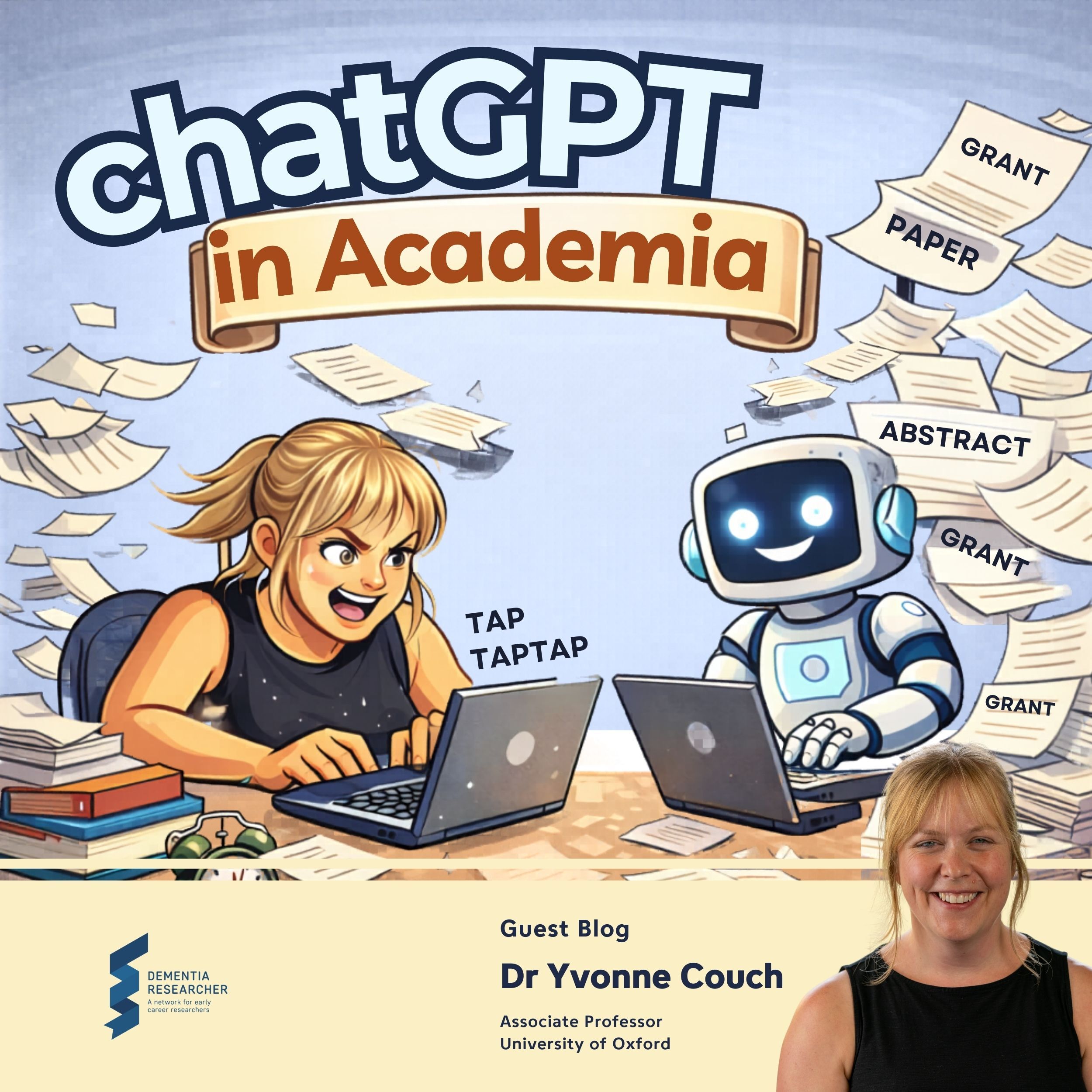
Ep 674Dr Yvonne Couch - chatGPT in Academia
Dr Yvonne Couch, narrates her blog written for the Dementia Researcher website. Artificial intelligence tools such as ChatGPT are rapidly becoming part of academic life. In this reflective blog, Yvonne considers how these tools are actually being used by researchers, from editing grant applications and shortening abstracts to drafting sections of proposals. She wrestles with the ethical tension between efficiency and learning, particularly for early career researchers who still need to develop strong writing skills. The blog also examines wider consequences, including increased grant submissions, potential growth in fraudulent papers, and the risk that productivity pressures may intensify rather than ease. At the same time, AI writing tools may help researchers who write in a second language feel more confident and successful. Rather than reaching a simple verdict, Couch concludes that the impact of ChatGPT depends on how responsibly academics choose to use it. Find the original text, and narration here on our website. https://www.dementiaresearcher.nihr.ac.uk/blog-chatgpt-in-academia/ -- Dr Yvonne Couch is a Research Fellow and Associate Professor at the University of Oxford. Yvonne studies the role of extracellular vesicles and their role in changing the function of the vasculature after stroke, aiming to discover why the prevalence of dementia after stroke is three times higher than the average. It is her passion for problem solving and love of science that drives her, in advancing our knowledge of disease. Yvonne writes about her work, academic life, and careers as she takes a new road into independent research. -- Enjoy listening? We're always looking for new bloggers, drop us a line. http://www.dementiaresearcher.nihr.ac.uk This podcast is brought to you in association with Alzheimer's Association, Alzheimer's Research UK, Alzheimer's Society and Race Against Dementia, who we thank for their ongoing support. -- Follow us on Social Media: https://www.instagram.com/dementia_researcher/ https://www.facebook.com/Dementia.Researcher/ https://twitter.com/demrescommunity https://www.linkedin.com/company/dementia-researcher https://bsky.app/profile/dementiaresearcher.bsky.social Join our community: https://onelink.to/dementiaresearcher