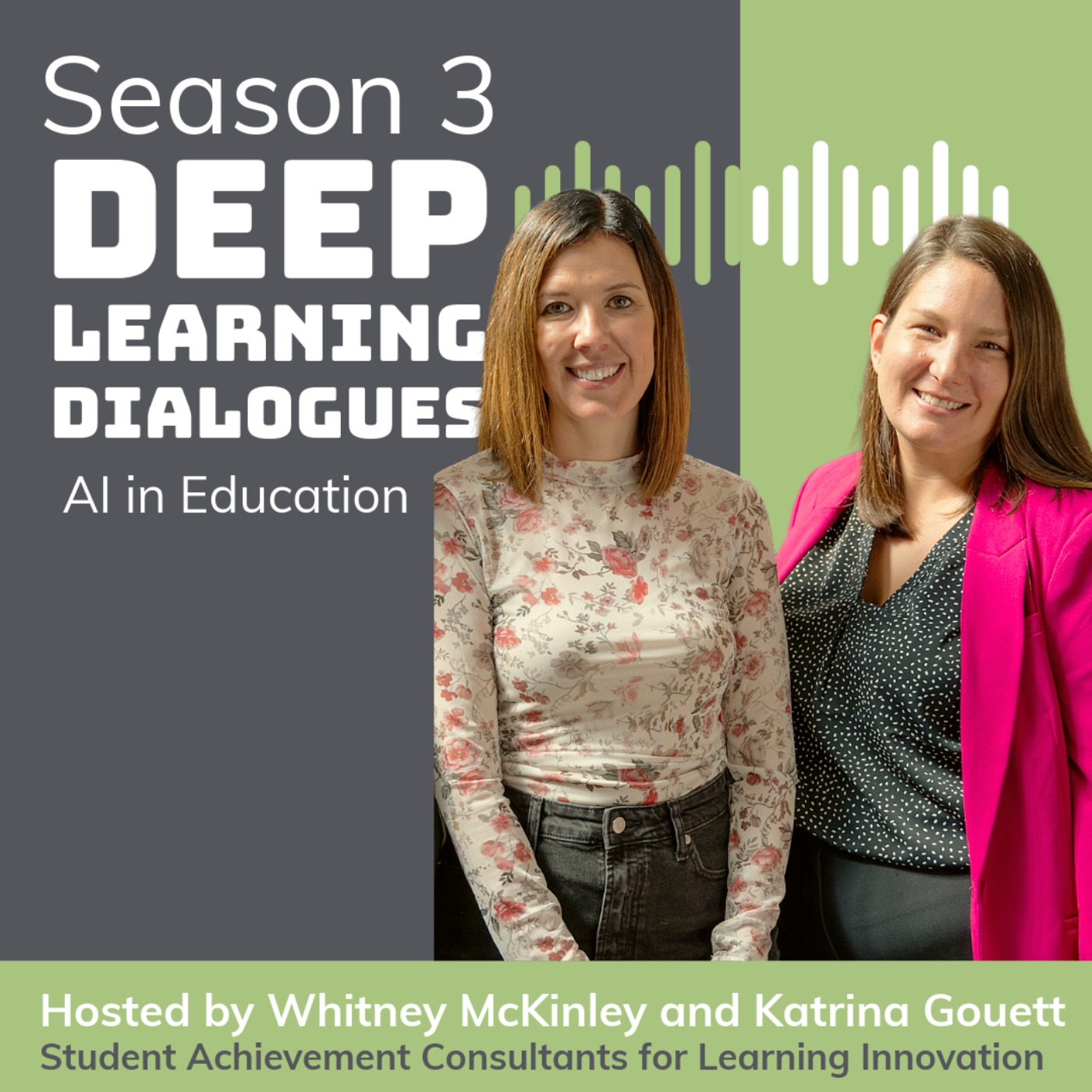
Deep Learning Dialogues
The essential podcast about AI in Education
Katrina Gouett and Whitney McKinley · Katrina Gouett
Show overview
Deep Learning Dialogues has been publishing since 2024, and across the 2 years since has built a catalogue of 84 episodes, alongside 1 trailer or bonus episode. That works out to roughly 55 hours of audio in total. Releases follow a fortnightly cadence, with the show now in its 3rd season.
Episodes typically run thirty-five to sixty minutes — most land between 32 min and 46 min — though episode length varies meaningfully from one episode to the next. None of the episodes are flagged explicit by the publisher. It is catalogued as a EN-language Education show.
The show is actively publishing — the most recent episode landed 2 weeks ago, with 19 episodes already out so far this year. Published by Katrina Gouett.
From the publisher
Welcome to "Deep Learning Dialogues," the essential podcast for K-12 educators diving into the transformative world of generative AI. In each episode, we bring you insights from experts at the forefront of this innovative technology. We will explore how GenAI can be used in a human-centered way to foster equity, inclusion, and belonging in the classroom.Follow us on Instagram @WCDSBInnovates or head over to https://innovate.wcdsb.ca/ for all things Innovation.This is a Waterloo Catholic District School Board podcast Hosted on Acast. See acast.com/privacy for more information.
Latest Episodes
View all 84 episodesThe Power of AI And...
Leading for Human Flourishing in the Age of AI
Season 3 Wrap-up!
Finding the Balance: Environmental Realities, Data Sovereignty, and AI
Beyond the Trap: Why Hidden AI Prompts Fail Educators and Students
The Messy Middle: Navigating Artificial Intelligence in the Classroom
The Messy Middle: Navigating Artificial Intelligence in the Classroom
Critical Thinking, AI Co-Authorship, and the Future of Academic Writing
The Cognitive Death or Deeper Thinking? The AI Tug-of-War
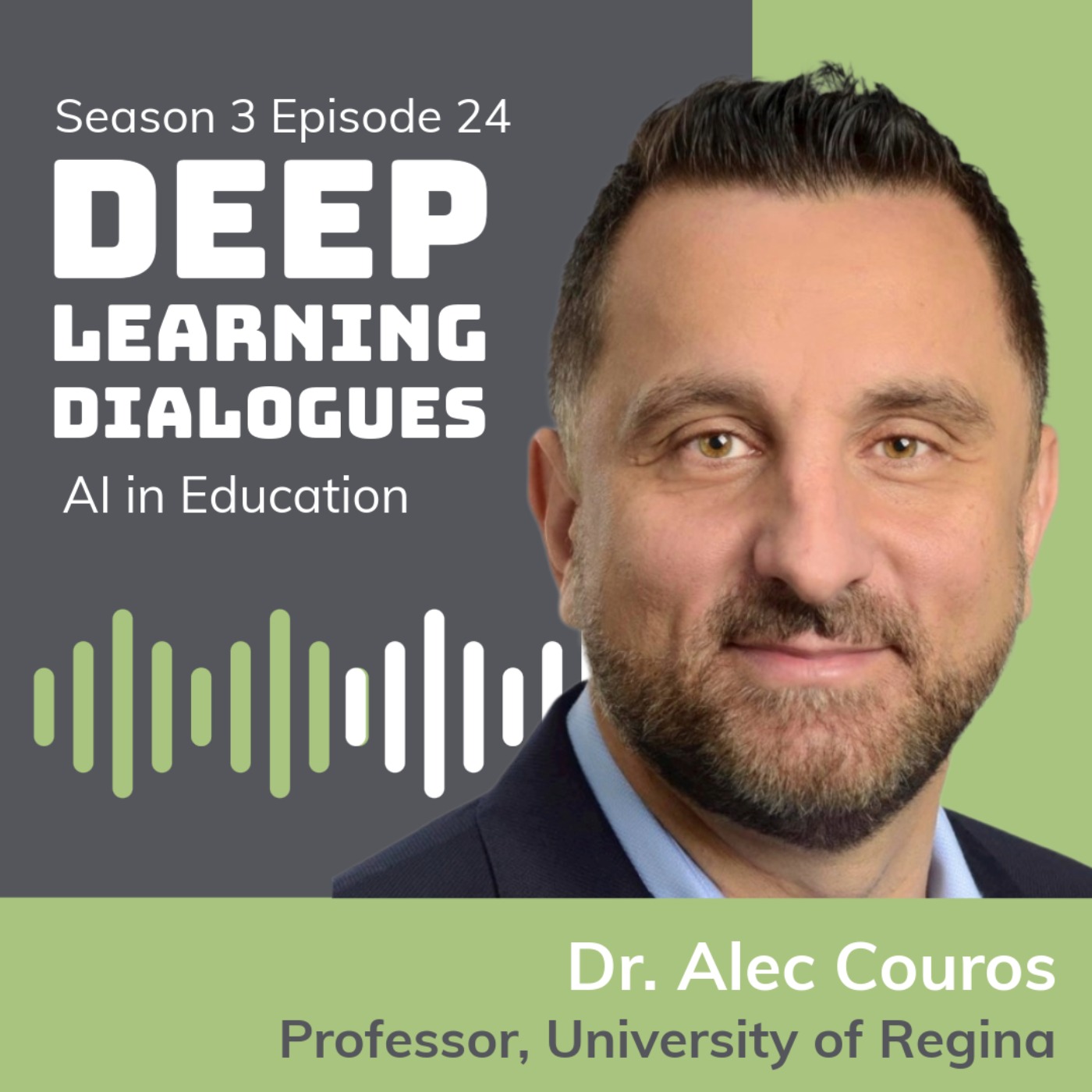
S3 Ep 24The First Draft: Preserving the "Friction" of Human Thinking
In this episode of Deep Learning Dialogues, hosts Whitney McKinley and Katrina Gouett are joined by Dr. Alec Couros to discuss the vital role of "productive struggle" in an era of instant AI outputs. Dr. Couros breaks down the concepts from his viral article, "The Shortcut That Costs Us Everything," warning against a "reverse-Bloom’s Taxonomy" where students analyze AI text without ever learning to compose it themselves. The conversation explores how to "protect the first draft" as a sacred space for human thought and identity. From the risks of "Model Autography Disorder" (MAD) to practical classroom strategies like "Think-Pair-AI-Share," this episode offers a roadmap for using AI as a critical collaborator rather than a replacement for student voice.Episode Links:LinkedInSubstackThink-Pair-AI ShareDr. Alec Couros is a Professor of Educational Technology and Media at the University of Regina and a globally recognized leader in open education and digital citizenship. Throughout his career, he has explored the intersection of technology and pedagogy, recently focusing on the ethical and cognitive implications of generative AI in the classroom. Through his research and popular Substack, Alec advocates for "protecting the human in the loop," emphasizing the importance of preserving the "friction of thinking" and the integrity of the student’s first draft in an increasingly automated world. You can follow his work on Substack or on social media at @courosa.Want to know more?You can check out our: WCDSB GenAI Guidelines, infographics, and Innovation website: https://innovate.wcdsb.ca/Feedback? You can ask your questions or give us feedback on the show here Want to get in touch? Contact Katrina & Whitney by email at: [email protected] and [email protected] or on LinkedIn Hosted on Acast. See acast.com/privacy for more information.
S3 Ep 23Levity and Learning: AI Leadership at St. Benedict CSS
In this episode of Deep Learning Dialogues, hosts Whitney McKinley and Katrina Gouett are joined by Jordan Figueiredo the principal of St. Benedict Catholic Secondary School. Jordan shares his leadership stance on artificial intelligence, moving beyond simple "guardrails" to foster a culture of curiosity and vulnerability among his staff. The conversation explores how to manage the "ping-pong" effect of innovation and how to establish the psychological safety necessary for educators to move from "shadow use" of AI to shared, open practice. From leveraging "lead learners" in staff meetings to using AI "Gems" for analyzing student achievement data, Jordan illustrates how a human-centered approach to technology can actually amplify relationships and professional practice in a large secondary school.Jordan Figueiredo is the Principal of St. Benedict Catholic Secondary School in Cambridge Ontario. Known for his commitment to building a culture of openness and innovation, Jordan focuses on supporting both student and adult learning through collaborative leadership and professional trust. He is an advocate for "being vulnerable on purpose and out loud," encouraging his staff to experiment with new tools like AI without the fear of failure. Beyond his administrative duties, Jordan is active on Instagram (@jordangfigueiredo), where he shares reels aimed at bringing levity and joy to the role of school leadership. He is currently exploring the potential of AI assistants to streamline school operations and better align with strategic system goals.Episode Resource Links:-WCDSB Zero to Infinity Scale-Tutorial Video: How to create a Gem-Webinar: AI-Resistant Assessment: the ADAPT FrameworkWant to know more?You can check out our: WCDSB GenAI Guidelines, infographics, and Innovation website: https://innovate.wcdsb.ca/Feedback? You can ask your questions or give us feedback on the show here Want to get in touch? Contact Katrina & Whitney by email at: [email protected] and [email protected] or on LinkedIn Hosted on Acast. See acast.com/privacy for more information.
S3 Ep 22Students Leading the Way with Benny's Innovator Group
In this episode of Deep Learning Dialogues, hosts Whitney McKinley and Katrina Gouett visit St. Benedict Catholic Secondary School in Cambridge, Ontario to speak with the creators and members of the Benny's Innovator Group (BIG). This student-led initiative, facilitated by teachers Lindsay LeBeau and Lisa Wollziefer, focuses on bringing AI literacy to the school community through interactive workshops. The conversation explores the importance of peer-to-peer learning, where students act as "translators" to help both their classmates and teachers understand how to use generative AI tools effectively and ethically. From discussing the "zero to infinity" mindset to sharing the nerve-wracking but rewarding experience of leading a classroom, students highlight how this program is building essential global competencies and fostering a culture of curiosity and human connection in the age of AI.You can read more about the episode here.About Our GuestsLindsay LeBeau: A teacher at St. Benedict who entered the profession after a 15-year career in nursing. She brings her passion for teaching and healthcare to the school and co-founded BIG to empower students to lead through innovation.Lisa Wollziefer: A teacher at St. Benedict who recently transitioned from elementary to secondary education. With a background in the tech and fitness industries, she co-facilitates BIG and is dedicated to using AI to free up time for deeper human connections with her students.Aliaa, Taha, and Umar: Grade 11 students at St. Benedict and leading members of the Benny’s Innovator Group. Driven by interests ranging from software engineering to a general love of learning, these student leaders facilitate workshops that bridge the gap between complex technology and classroom practice, helping their peers and teachers navigate the ethical use of AI.Want to know more?You can check out our: WCDSB GenAI Guidelines, infographics, and Innovation website: https://innovate.wcdsb.ca/Feedback? You can ask your questions or give us feedback on the show here Want to get in touch? Contact Katrina & Whitney by email at: [email protected] and [email protected] or on LinkedIn Hosted on Acast. See acast.com/privacy for more information.
S3 Ep 21An AI Dialogue with Student Voice at the Center
In this episode of Deep Learning Dialogues, educator Rosie Curie and three of her students Savannah, Dani, and Lilly, discuss the evolving role of generative artificial intelligence in the classroom. Moving away from traditional, rigid rules, the conversation highlights a collaborative approach toward AI literacy, transparency and what it the purpose of school and learning. Rosie and her students describe a sketch note lesson about the illusion of an assignment that helps frame the conversation around AI and academic integrity. The conversation then moves into the development of the "Zero to Infinity" assessment framework, created with student and teacher input to provide clear boundaries and examples of appropriate AI use for specific assignments. The episode explores how involving student voices helps bridge the gap between adult policies and the reality of how these tools are used, ultimately framing education as a journey where AI can support, rather than bypass, the vital struggle of learning.Rosie Curie is a secondary school teacher at St. Benedict Secondary School who is recognized for a practice that prioritizes authentic learning. She is an innovative educator who utilizes creative methods, such as hand-drawn sketch notes, to spark deep reflections with her students about the purpose of school and the nature of deep learning. Her collaborative work with Savannah, Dani, and Lilly was instrumental in refining the "Zero to Infinity" AI framework, ensuring the language and visuals were accessible and meaningful for all learners. Rosie’s approach centers on building trust and empathy, helping students navigate the ethical line between AI as a helpful tool and as a replacement for human thought.You can read the full summary article here.Additional resources:The AI Assessment Scale (AIAS): A Framework For Ethical Integration Of Generative AI In Educational AssessmentGenerative AI Acceptable Use Scale Adapted by Vera CuberoWCDSB Zero to Infinity InformationWCDSB GenAI GuidelinesWant to know more?You can check out our: WCDSB GenAI Guidelines, infographics, and Innovation website: https://innovate.wcdsb.ca/Feedback? You can ask your questions or give us feedback on the show here Want to get in touch? Contact Katrina & Whitney by email at: [email protected] and [email protected] or on LinkedIn Hosted on Acast. See acast.com/privacy for more information.
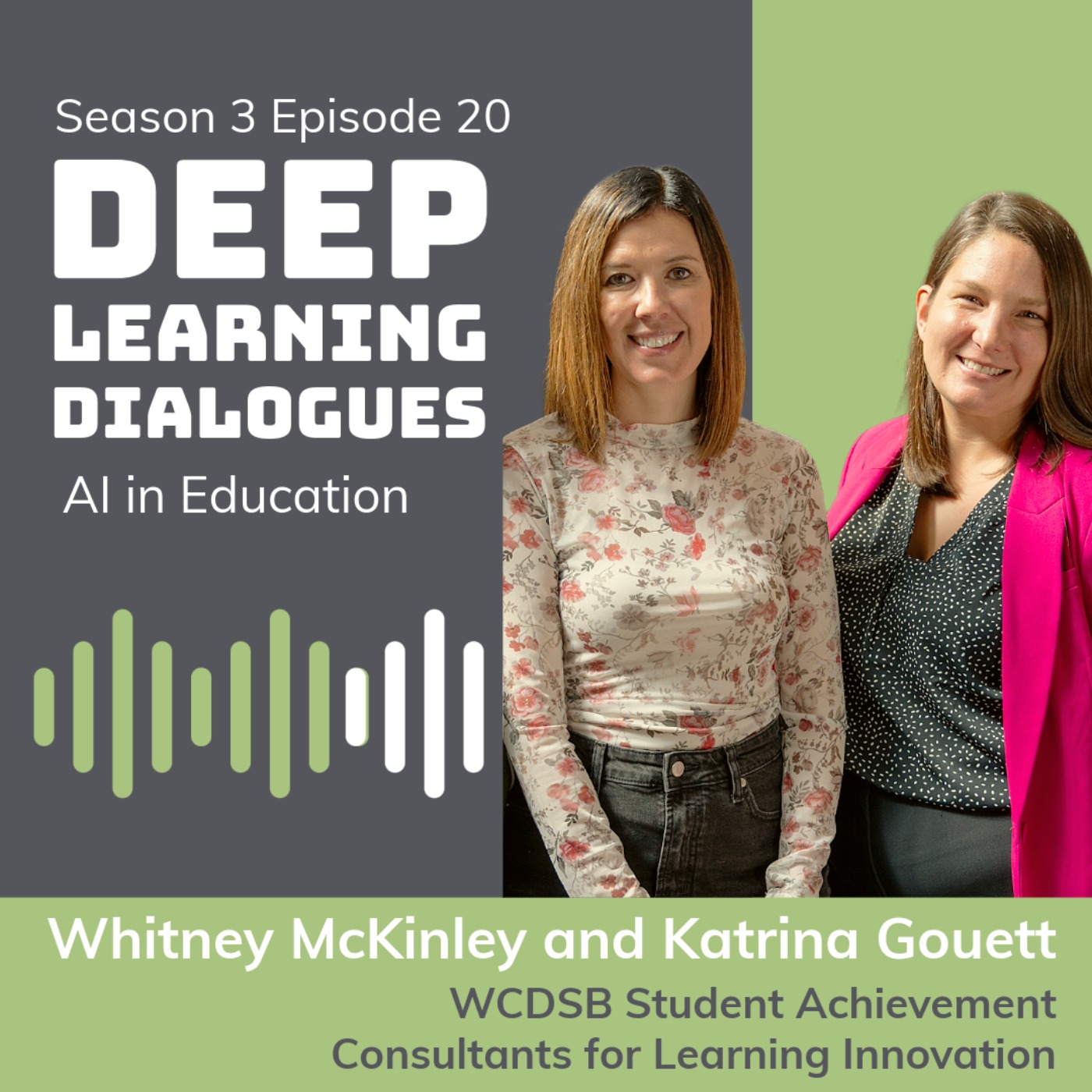
S3 Ep 20From Zero to Infinity: AI Transparency in the Classroom
In this episode of Deep Learning Dialogues, Whitney McKinley and Katrina Gouett dive into the heart of academic integrity in the age of generative AI. Moving away from the "policing" mindset of AI detectors, they introduce the Zero to Infinity scale, a research-based, WCDSB-specific framework designed to bring transparency to the classroom. The conversation highlights how this five-zone tool was refined with WCDSB teachers and students. By focusing on "formation over automation," the hosts discuss how educators can design assessments that prioritize the human process of learning over the final AI-assisted product. You can read the full summary article here.Explore the resources mentioned in this episode:The AI Assessment Scale (AIAS): A Framework For Ethical Integration Of Generative AI In Educational AssessmentGenerative AI Acceptable Use Scale Adapted by Vera CuberoWCDSB Zero to Infinity InformationWCDSB GenAI GuidelinesADAPT FrameworkWant to know more?You can check out our: WCDSB GenAI Guidelines, infographics, and Innovation website: https://innovate.wcdsb.ca/Feedback? You can ask your questions or give us feedback on the show here Want to get in touch? Contact Katrina & Whitney by email at: [email protected] and [email protected] or on LinkedIn Hosted on Acast. See acast.com/privacy for more information.
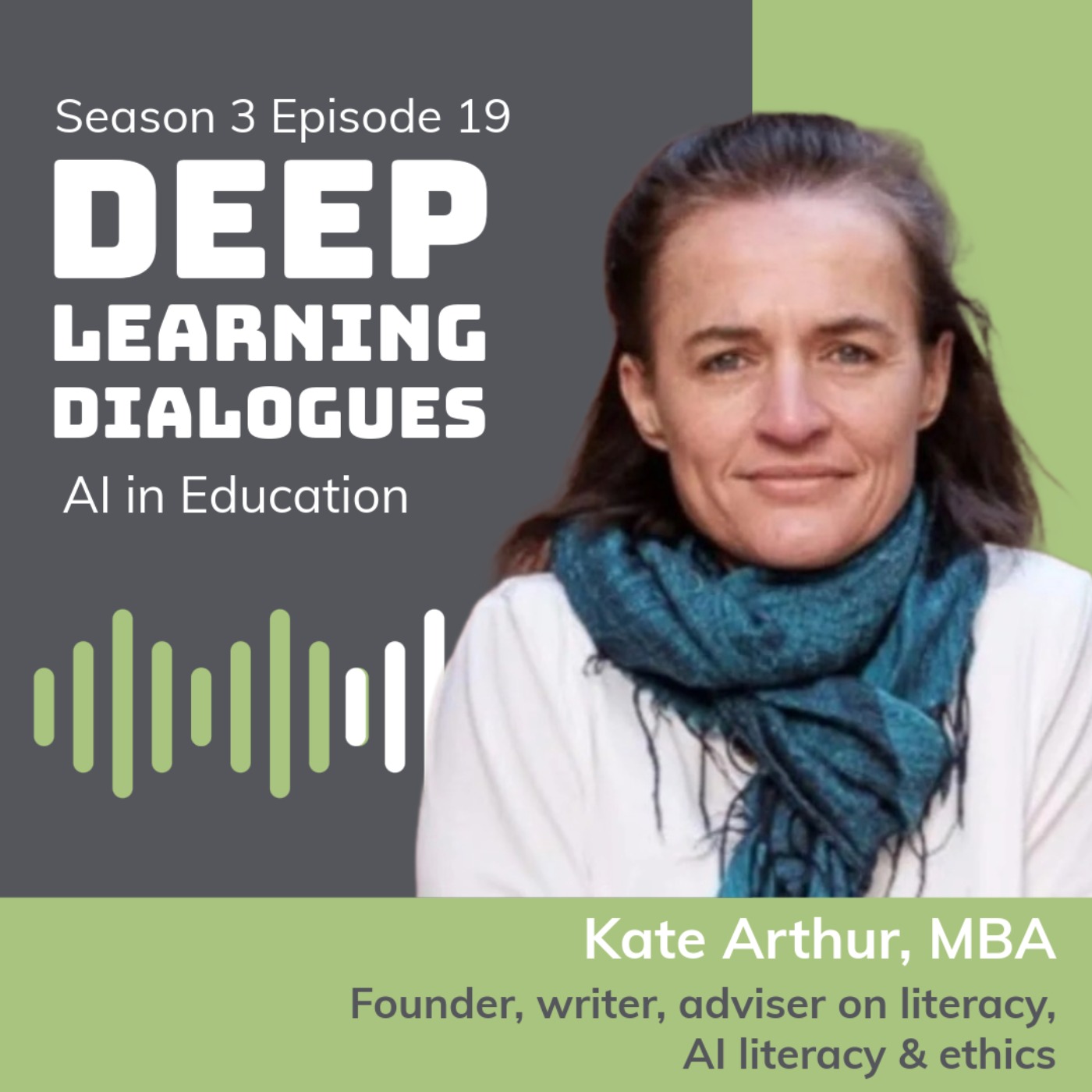
S3 Ep 19Educators: the Chaperons of Knowledge
In this episode, entrepreneur and AI literacy advocate Kate Arthur explores the evolving landscape of education, challenging the traditional model of the teacher as a "knowledge keeper". She suggests a transition toward becoming a "chaperone of knowledge" who guides students through a world where AI often serves as the primary information source. The conversation explores the importance of human agency, the physical and environmental realities of the "cloud," and why AI literacy must be treated as essential social infrastructure to ensure data sovereignty and digital equity. By prioritizing human-centric skills like critical thinking, storytelling, and open curiosity, this episode provides a roadmap for helping the next generation navigate a rapidly shifting technological landscape without losing their unique human voice. You can read the episode summary article here.Kate Arthur is a founder and advocate with over 25 years of experience leading social enterprises at the intersection of technology, education, and ethics. As the founder of Digital Moment, she has introduced digital skills to more than one million youth and thousands of educators globally. An advisor to international bodies such as UNESCO and UNICEF, Arthur contributes to the development of inclusive AI policies and has served as a Canadian delegate to the United Nations. She is the author of Am I Literate? Redefining Literacy in the Age of Artificial Intelligence and the forthcoming Algorithm to Adulthood, focusing on the human skills needed to thrive in an AI-driven world.You can find Kate:LinkedInSubstack On AI & LiteracyWebsiteWant to know more?You can check out our: WCDSB GenAI Guidelines, infographics, and Innovation website: https://innovate.wcdsb.ca/Feedback? You can ask your questions or give us feedback on the show here Want to get in touch? Contact Katrina & Whitney by email at: [email protected] and [email protected] or on LinkedIn Hosted on Acast. See acast.com/privacy for more information.
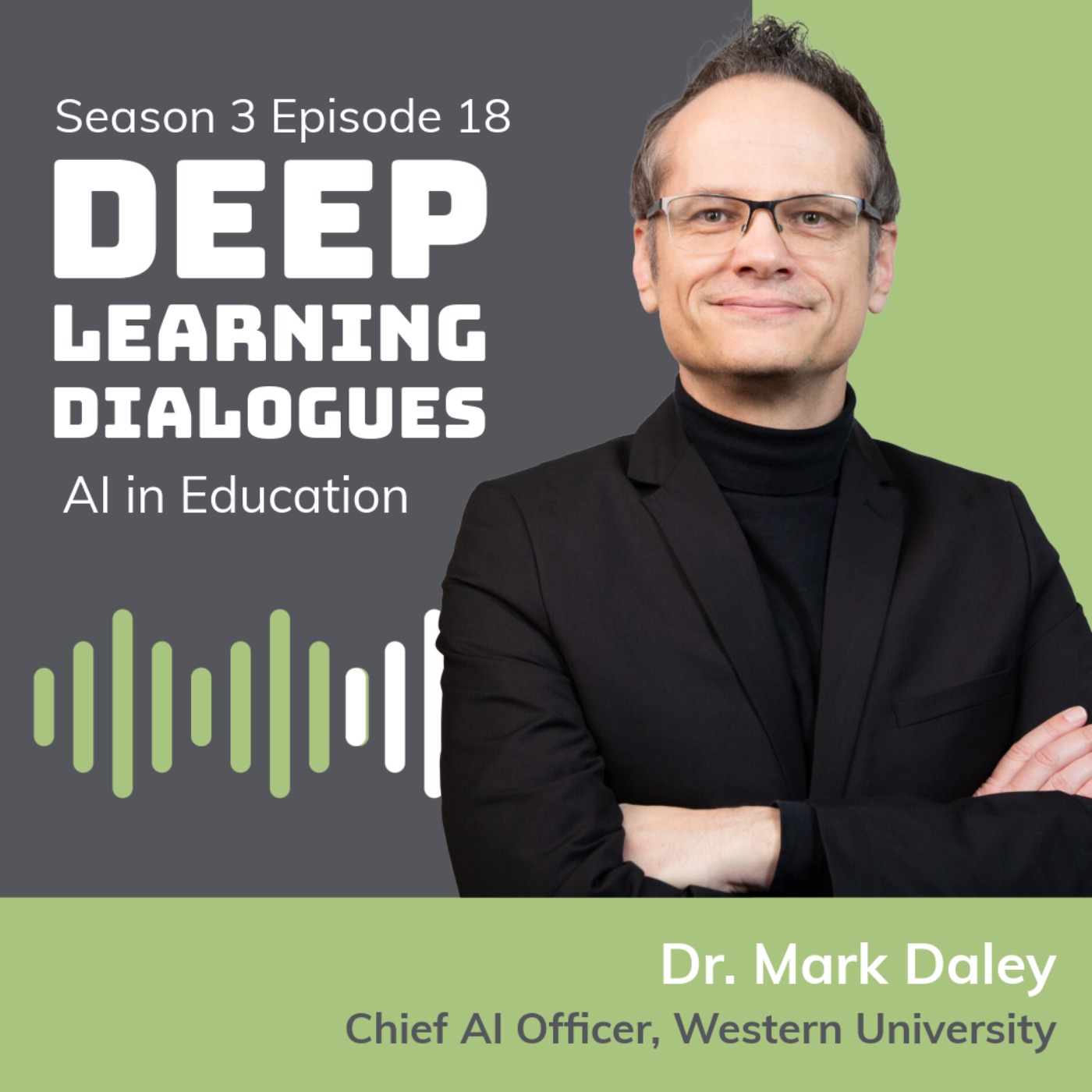
S3 Ep 18Why We Still Teach the Basics When AI Can Do It All
This episode of Deep Learning Dialogues explores the seismic shifts in education and global power triggered by the "step change" in agentic AI. Dr. Mark Daly introduces the "Tower of Abstraction," a metaphor for how technology evolves to hide complexity, and argues that teaching foundational skills like coding and essay writing remains essential, not for the final product, but to build the mental "muscles" required to think and structure logic. The conversation moves from the classroom to the global stage, framing "compute" as a strategic national resource akin to oil or steel and highlighting Canada’s potential as an energy and AI superpower. Ultimately, Daly offers a deeply optimistic vision for the future of K-12 education: as machines automate cognitive labor, the human "value proposition" shifts from being "smart" to being kind, authentic, and connected through the arts and community. You can read the full article summary here.Dr. Mark Daley is Western University’s first-ever Chief AI Officer and a Scholar in Residence in AI at NSERC. A respected researcher in neural computation, his career includes serving as Vice-President Research at CIFAR, where he helped lead Canada’s national AI strategy. Mark is a remarkably multidisciplinary scholar, holding cross-appointments in departments ranging from Computer Science and Biology to Epidemiology and Biostatistics. A frequent "guiding voice" for educators , he is known for his early clarity on why AI detection is mathematically impossible and for his Substack, Noetic Engines, where he explores the intersection of technology and humanity. Recently trained in international mediation in Paris , Mark combines high-level executive leadership with a deep commitment to helping students find "mattering" and purpose in an automated world.Want to know more?You can check out our: WCDSB GenAI Guidelines, infographics, and Innovation website: https://innovate.wcdsb.ca/Feedback? You can ask your questions or give us feedback on the show here Want to get in touch? Contact Katrina & Whitney by email at: [email protected] and [email protected] or on LinkedIn Hosted on Acast. See acast.com/privacy for more information.
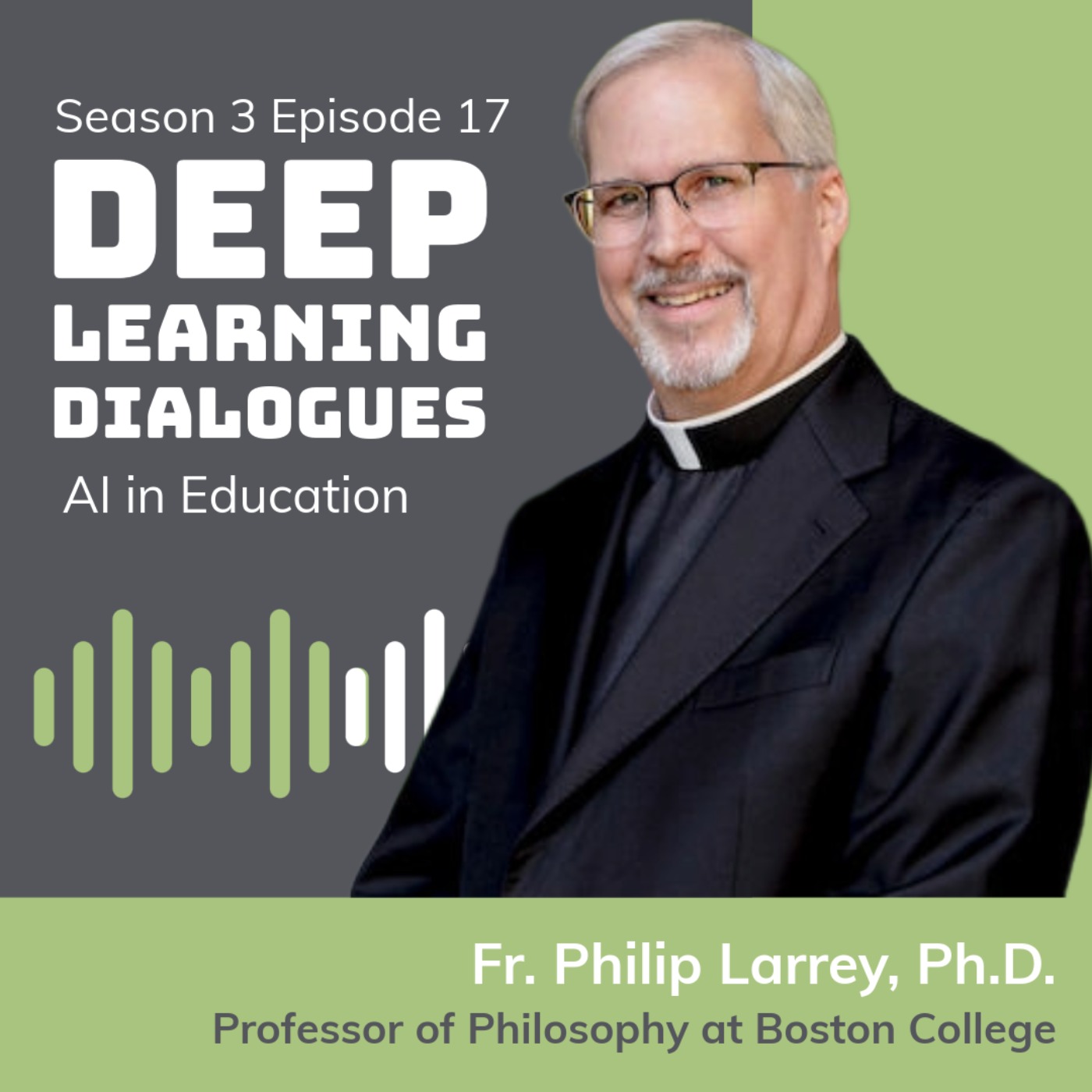
S3 Ep 17The Alignment Problem: Bridging the Gap Between Tech and Tradition
In this episode of Deep Learning Dialogues, hosts Whitney McKinley and Katrina Gouett explore the complex intersection of artificial intelligence and human values with Father Philip Larrey. Under the title "The Alignment Problem: Bridging the Gap Between Tech and Tradition," the conversation delves into the philosophical distinction between a machine's ability to "select" and a human's capacity to "choose". Father Larrey shares insights from his extensive work with Silicon Valley leaders and the Vatican, addressing critical issues such as the "black box" of AI decision-making, the ethical implications of the European AI Act, and how ancient wisdom from thinkers like Aristotle can provide a necessary framework for navigating the future of generative AI. Read the summary here.Fr. Philip Larrey, Ph.D., is a Catholic priest and professor of philosophy at Boston College, where his work focuses on the philosophy of knowledge and the impact of the digital era on society. He previously spent over 20 years in Rome, serving as the Chair of Logic and Epistemology and Dean of the Philosophy Department at the Pontifical Lateran University in the Vatican. As the chairman of Humanity 2.0—a non-profit collaborating with the Vatican to promote human flourishing—he is a leading voice in global discussions on AI ethics and has authored several influential books, including Connected World and Artificial Humanity. Based in Boston, Fr. Philip continues to engage with industry giants and international organizations like the United Nations to bridge the gap between technological advancement and ethical responsibility.Find more information about Father Philip Larrey:https://philiplarrey.com/ LinkedInWant to know more?You can check out our: WCDSB GenAI Guidelines, infographics, and Innovation website: https://innovate.wcdsb.ca/Feedback? You can ask your questions or give us feedback on the show here Want to get in touch? Contact Katrina & Whitney by email at: [email protected] and [email protected] or on LinkedIn Hosted on Acast. See acast.com/privacy for more information.
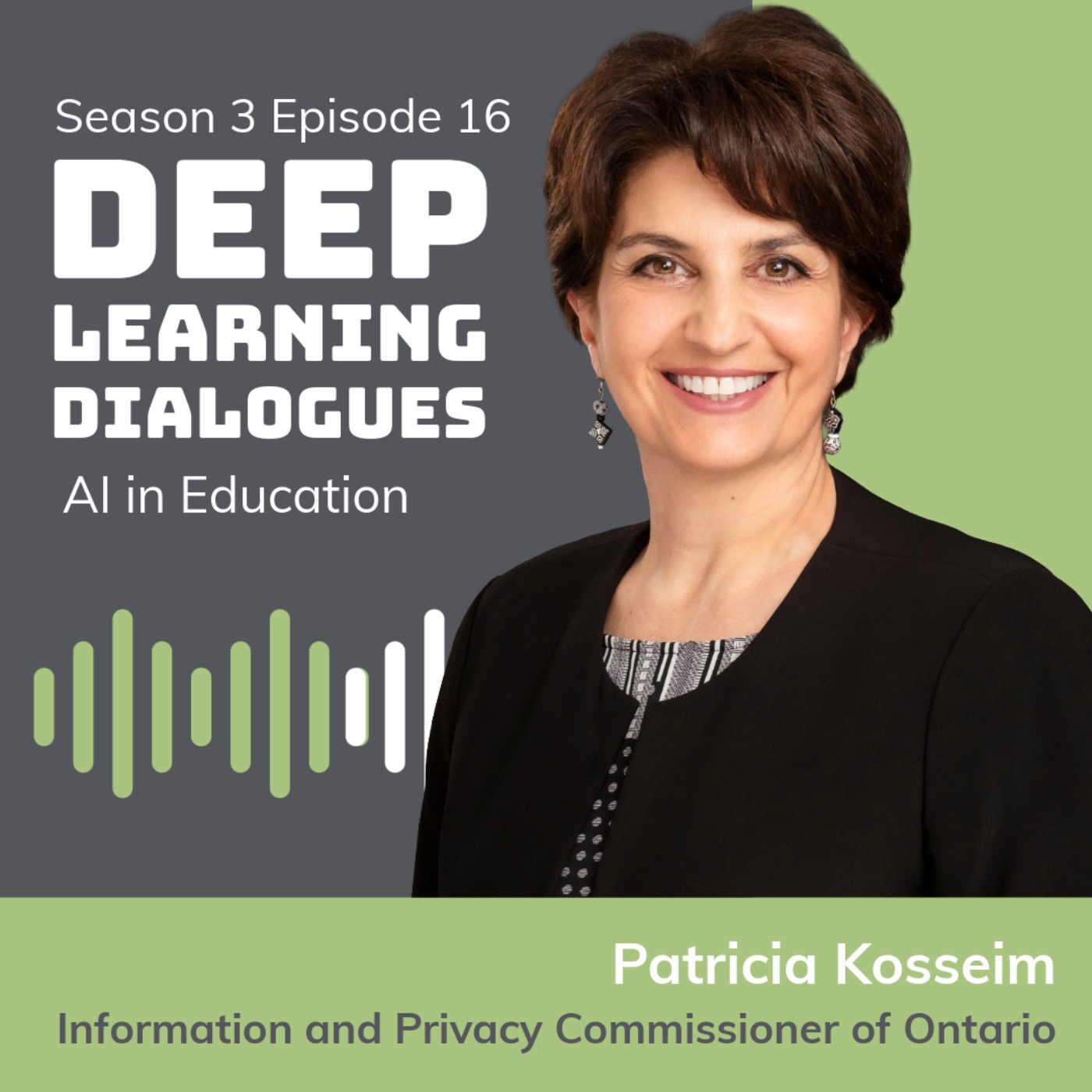
S3 Ep 16Navigating EDSTA: A New Era of Digital Security in Ontario Schools
In this episode, Patricia Kosseim discusses the landmark Enhancing Digital Security and Trust Act (EDSTA). The conversation explores the shifting landscape of student privacy in the age of generative AI. Commissioner Kosseim shares use cases regarding unauthorized "Shadow AI" and offers a roadmap for educators to empower students with the data hygiene skills necessary to navigate a transparent digital future. You can read the article here.Patricia Kosseim is the Information and Privacy Commissioner of Ontario. She is a lawyer by profession and has extensive experience as a senior executive working in complex, inter-disciplinary environments, across public, private and health sectors. Through integration of legal practice, public policy and academic research, she has led large teams and major strategic initiatives to address ethical, legal and social implications of emerging technologies. She connects people and creative ideas to advance critical reflection, converge around common goals and work towards practical solutions. In March 2025, she was awarded the King Charles III Coronation Medal, in recognition of her valuable contribution to Ontario and to Canada.Find further information at:ipc.ca Instagram: https://www.instagram.com/ipc.ontario/Resources Mentioned:2025 Global Privacy Enforcement Network sweep focuses on the protection of children’s privacyPrivacy Pursuit! Lesson PlansA Guide to Privacy and Access to Information in Ontario SchoolsDigital Privacy Charter - 12 commitments supporting teachers and studentsYouth ambassador tool kitYouth advisory councilWant to know more?You can check out our: WCDSB GenAI Guidelines, infographics, and Innovation website: https://innovate.wcdsb.ca/Feedback? You can ask your questions or give us feedback on the show here Want to get in touch? Contact Katrina & Whitney by email at: [email protected] and [email protected] or on LinkedIn Hosted on Acast. See acast.com/privacy for more information.
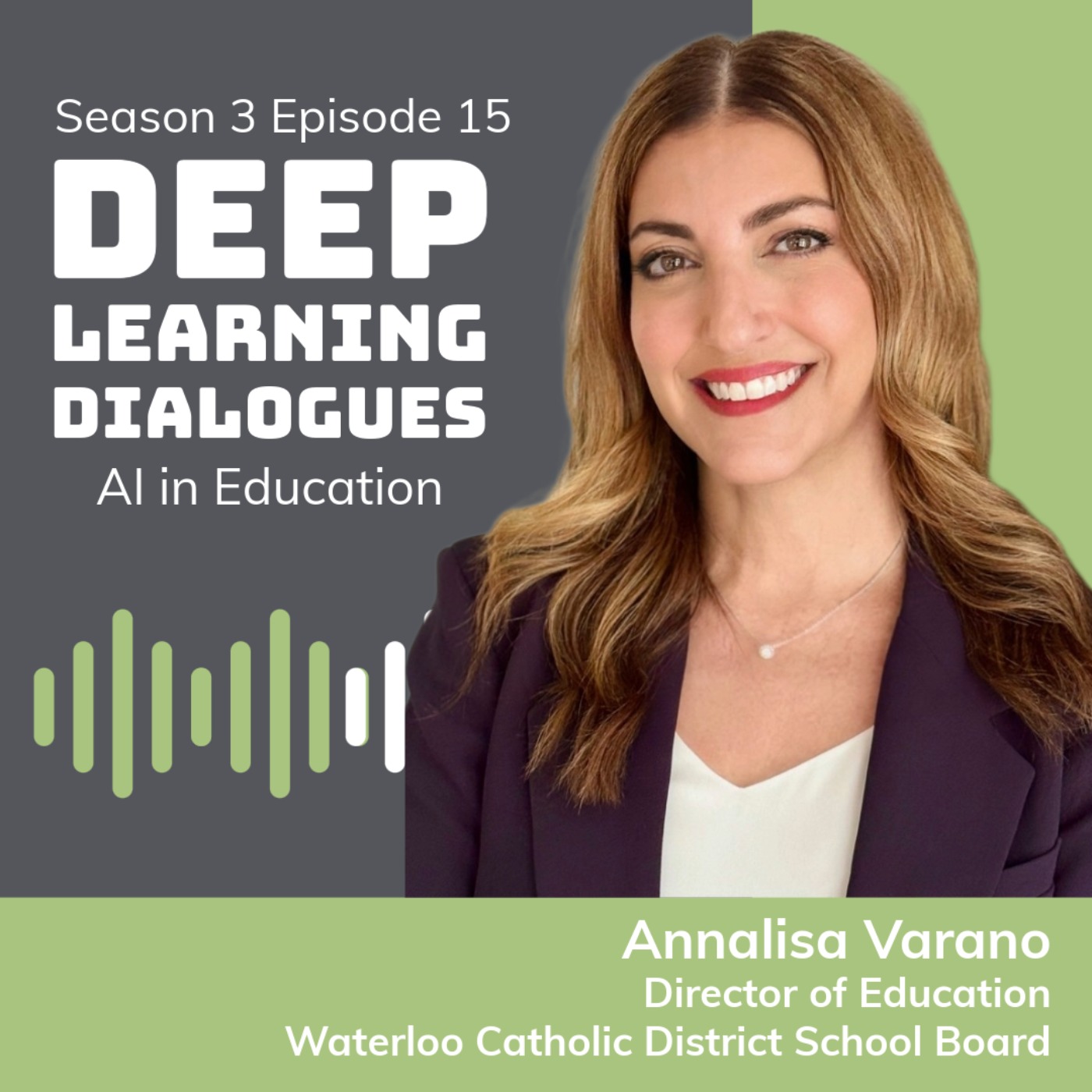
S3 Ep 15The Heart of the Classroom: WCDSB’s Faith-Based Vision for Student-Centered AI
In this episode of Deep Learning Dialogues, WCDSB Director of Education Annalisa Varano explores the intersection of faith, leadership, and generative AI within the Waterloo Catholic District School Board. Adopting a human-centered vision, Varano emphasizes that AI is a tool designed to enhance the sacred relationship between educators and students. The conversation delves into how WCDSB uses Catholic Social Teachings as a "litmus test" for new technology, ensuring every innovation honors human dignity, promotes the common good, and fosters equity. From reimagining authentic assessments to leveraging AI for administrative efficiency, Varano outlines a strategic roadmap where technology serves the mission of the "whole child," grounding the board’s upcoming Multi-Year Strategic Plan in the pillars of learning, serving, and belonging.You can read the full episode summary here.Annalisa Varano is the Director of Education for the Waterloo Catholic District School Board, bringing over 27 years of distinguished experience in Catholic education to the role. Her extensive career includes 23 years with the Simcoe Muskoka Catholic District School Board and global teaching experience in Australia and South Korea. A former President of the Catholic Principals’ Council of Ontario, she has led at the provincial level and overseen diverse portfolios including K–12 student success, virtual learning, and experiential programming. Annalisa is a practicing Catholic and strategic leader dedicated to navigating the future of education through a lens of discernment, equity, and innovation.Want to know more?You can check out our: WCDSB GenAI Guidelines, infographics, and Innovation website: https://innovate.wcdsb.ca/Feedback? You can ask your questions or give us feedback on the show here Want to get in touch? Contact Katrina & Whitney by email at: [email protected] and [email protected] or on LinkedIn Hosted on Acast. See acast.com/privacy for more information.
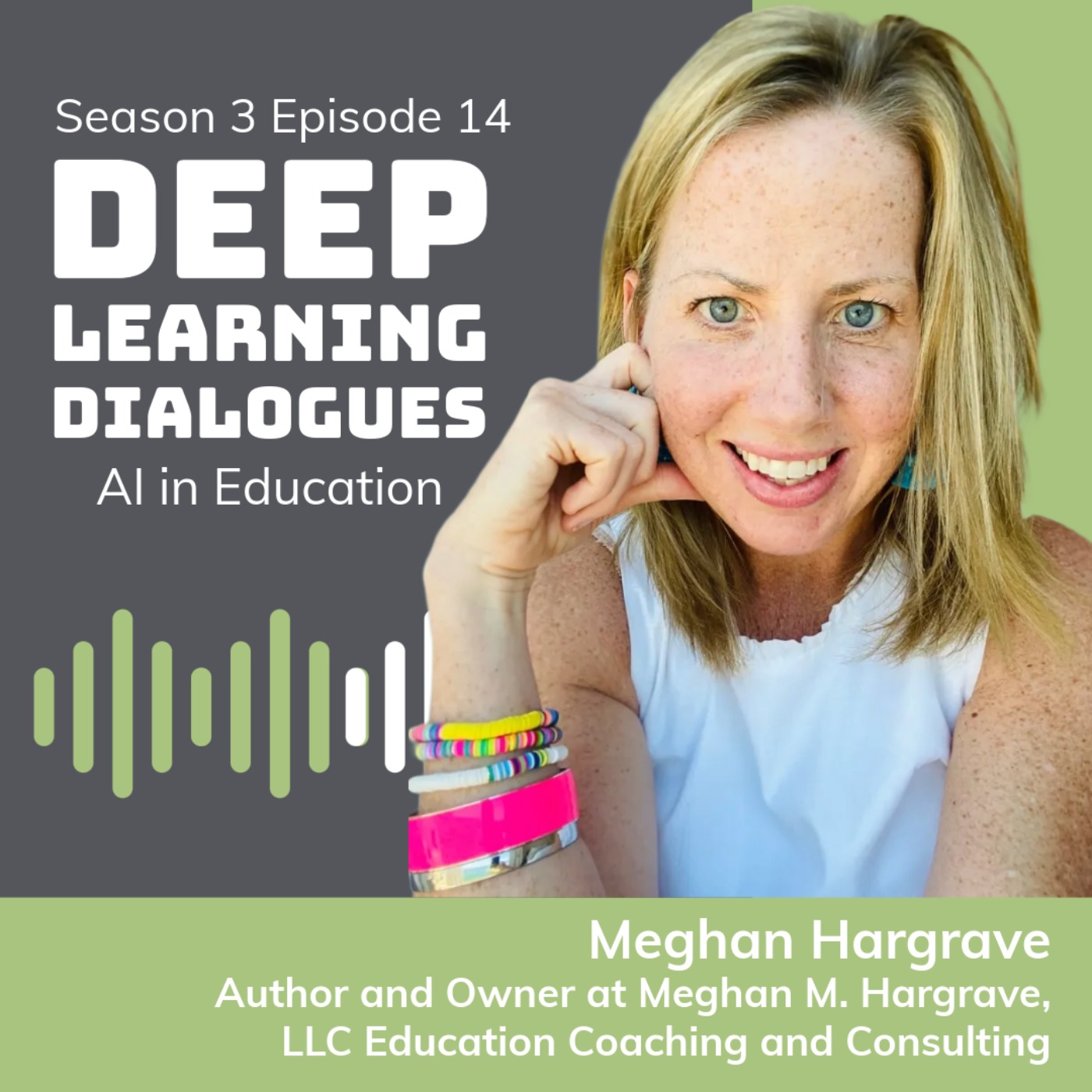
S3 Ep 14From AI Aware to AI Fluent: Practical Steps for Educators
In this episode of Deep Learning Dialogues, hosts Whitney McKinley and Katrina Gouett explore the practical steps required for educators to move from being "AI aware" to "AI fluent". Guest Meghan Hargrave discusses how to bridge the digital divide by integrating generative AI into K-12 classrooms with a focus on purpose and pedagogy rather than just buzzwords. The conversation covers actionable strategies for using AI as a "thought partner" for tasks such as creating formative assessments and brainstorming for Professional Learning Communities (PLCs). Listeners will also learn about the importance of establishing a shared language for AI use within school systems and maintaining a balance between technology and the development of students' authentic personal voices.Read the full summary here.Meghan Hargrave is an educational consultant, coach, and former teacher who specializes in literacy and instructional practices. She is the owner of Meghan M. Hargrave, LLC, where she works with K-12 schools and systems to translate complex research and board demands into practical classroom strategies. As an expert in educational technology, Meghan is the co-author of The Artificial Intelligence Playbook and Teaching Students to Use AI Ethically and Responsibly. Her work focuses on helping educators and caregivers navigate the noise of modern educational technology to support student learning through purposeful, research-grounded tools.You can find Meghan on LinkedIn, Instagram @letmeknowhowitgoes and on her website https://www.meghanhargrave.com/ Want to know more?You can check out our: WCDSB GenAI Guidelines, infographics, and Innovation website: https://innovate.wcdsb.ca/Feedback? You can ask your questions or give us feedback on the show here Want to get in touch? Contact Katrina & Whitney by email at: [email protected] and [email protected] or on LinkedIn Hosted on Acast. See acast.com/privacy for more information.