
CrowdScience
512 episodes — Page 9 of 11
How Much Energy Can I Burn by Thinking?
Wouldn’t it be great if you could lose weight and stay fit just by exercising your brain? Trouble is everything takes so much effort - from burning off excess weight to powering our cars. But why?Presenter Marnie Chesterton rummages through the CrowdScience inbox to tackle all your energy-expending queries. Is the entire universe spinning? How much energy do we expend when sleeping? Can I think myself thinner? Scientists Helen Czerski, Andrew Pontzen and Andrea Sella join listeners from around the world to discover how effort and energy affect our lives.(Image: A young boy sits at an office desk searching for successful ideas using a homemade thinking cap with a lit up light bulb. Credit: Getty Images)

Is There a Logic to Romantic Love?
Loving someone who doesn’t love you in return makes us feel wretched – can science explain why we must suffer? Parental love makes perfect evolutionary sense but romance just seems to have it in for us time after time. CrowdScience listener Leja wants to know why we fall in and out of love. Marnie Chesterton discovers the irrational things, the impulsive things and the financially ruinous things BBC World Service listeners have done in the name of love and meet the rapper who turned herself into a science subject in an effort to flush out thoughts of her ex-boyfriend.We delve into our ancestral past and into our brains to find out why romantic love is so central to the human experience.Presenter: Marnie Chesterton Producer: Louisa Field(Image: A loving couple hugging each other, the woman holding a rose. Credit: Getty Images)

Why do Women Live Longer than Men?
From Russia to Rwanda, women live longer than men and have done so for over 100 years. But why? Is it encoded in our genes or is it something to do with the way we live? This is something CrowdScience listener Michelle from England has been wondering about. From cradle to grave, Marnie Chesterton examines the complex web of factors that are involved in how men and women age differently. It seems that, right from the word go, male embryos are already in the firing line because of their genetics. Marnie hears how women’s genetics are configured so that they have a backup copy of some of their genes, whereas men only have one copy. Not only does this make male embryos less resilient (and therefore more likely to miscarry), men are also at risk of a set of genetic diseases later in life like haemophilia. Puberty is an important component in this story too when a surge of hormones changes girls' and boys’ bodies into adults. But something in the way a boy develops sets them up for diseases late in life. They may be fitter, faster and stronger - all traits that were evolutionary important to make a man the alpha of the group - but this comes at a cost. For instance, the way that a man’s cardiovascular system is ‘configured’ means that they’re far more likely to have a heart attack than women. But it’s not just this, behaviour is also a really important factor and it’s why the gender gap in mortality differs from country to country. In Russia, the gap is nearly 13 years (the highest in the world) and it’s thought that a culture of heavy drinking and smoking is why women outlive men by more than a decade....which got Marnie thinking - could men change their destiny and outlive women? Presenter: Marnie Chesterton Producer: Graihagh Jackson(Photo: A group of ladies having coffee in modern café. Credit: Getty Images)

Is Soil The Secret to Slowing Climate Change?
Removing carbon dioxide from our atmosphere - and stopping it getting up there in the first place - is becoming increasingly urgent if we want to prevent catastrophic climate change. There are some seriously high tech machines being developed to try and tackle this problem, but could an equally powerful solution be found in the dirt under our feet? Prompted by New Zealand farmer and CrowdScience listener Kem, we dig deep to see how effectively plants and soils soak up CO2 from the air; and what that means for how we should farm the land around the world. And we visit a Scottish forest to find out how the ancient art of making charcoal is staging a comeback in the fight against climate change.Presenter: Marnie Chesterton Producer: Cathy Edwards for BBC World Service(Photo: A young plant in soil, in the morning light. Credit: Getty Images)

Do You Smell What I Smell?
We may take our ability to smell for granted but it’s a far more complex sense than many people realise. Listener Annabel wants Crowdscience to investigate why perfume makes her queasy, so Anand Jagatia sets out to discover why we can’t all agree when we follow our noses. He gets a whiff of the world’s stinkiest flower - and finds some people enjoy it – then asks what’s happening in the brain when we love or hate a scent. But could our different perceptions about this under-appreciated sense actually come down to a lack of words to describe it? He hears about one culture which has developed its own language for smell. Presenter: Anand Jagatia Producer: Marijke Peters(Image: A woman smelling roses. Credit: Getty Images)

Which Language is Most Efficient?
Communicating quickly, accurately and, ideally, in a way that's well-received is no easy feat, wherever you live in the world. For this week's listener, who lives and works in several different countries as a member of the armed forces, good communication can be a matter of life or death. And this doesn’t just affect military life – anyone who flies on aeroplanes may be interested to hear how clear use of language is crucial for airline safety.But what do we mean by an efficient language – it is the fastest and most accurate speech, or most widely understood in multiple countries? Maybe there’s even some technology – a machine out there that can do the communicating more efficiently than we can? Presenter Marnie Chesterton attempts to apply science and evidence to the art of speech, in a quest to discover what language is the most efficient on Earth.Produced by Jen Whyntie(Image: A group of people holding up speech bubbles sitting on a bench. Credit: Getty Images)

Can We Make an Artificial Womb?
From IVF to premature babies we explore what science we would need to make a baby outside the body in a pursuit to answer a question from Nigerian listener, Aminu asking: Can we make an artificial womb? To find out, presenter Nastaran Tavakoli-Far gets very close to a uterus transplant operation, peers at the earliest cells of a placenta, and sees a disembodied womb being kept alive in a box full of artificial blood. She asks how close current reproductive medicine brings us to gestating babies in a lab. Producer: Rory Galloway (Photo: A human fetus. Credit: Getty Images)

How Do We Deal with Nuclear Waste?
How should we tackle the biggest clean-up job in history? Listener Michelle from Ireland sends CrowdScience to investigate what to do with years’ worth of spent nuclear fuel. Most of the highly toxic waste is a by-product from nuclear power production and the stockpiles across the world continue to grow. “Could we blast it into the sun? Dilute it across the continent? Or should we bury it?” Michelle asks.We travel deep into the Finnish bedrock to visit what could be its final resting place and speak to the scientists who are securing the facility many ice-ages into the future. The nastiest stuff in the waste soup needs to stay put for thousands of years before it becomes safe. No man-made structure has ever before lasted so long. The Finnish solution is not easy to replicate in other countries as communities oppose nuclear waste being permanently buried in their backyard. Presenter Marnie Chesterton discovers that scientists have come up with solutions that could let us recycle the spent fuel more effectively, but it costs more than the industry is willing to spend. The clean-up job of the century comes down to dollars and not science. Presenter: Marnie Chesterton Producer: Louisa Field(Photo: a man in protective workwear in waste factory. Credit: Getty Images)

Could Bionic Eyes Help Me See Again?
Mohammed is from India and he’s blind. He emailed CrowdScience because he wanted to know more about new technologies that could help him see again. Specifically, he was interested in artificial vision - what is it and what does it look like?Bobbie Lakhera travels to Germany to find out. There, she meets a blind patient called Manuel. He’s about to have a major operation. A computer chip will be implanted into his eye and his surgeon, Florian Gekeler, believes that it will restore some of Manuel’s sight. But what happens if you have no eyes for a chip like this to be inserted into? Bobbie speaks to Dr Nader Pouratian about his brain prosthesis. Because the implant is attached directly to the visual cortex of the brain, it means you could have no eyes or no optic nerve and you could still see with this type of therapy. Whilst both these technologies are limited to black and white vision, Bobbie asks whether one day we may be able to develop systems that give those living with blindness 20/20 vision. Presenter: Bobbie Lakhera Producer: Graihagh Jackson(Photo: A female iris, bionic eye concept. Credit: Getty Images)
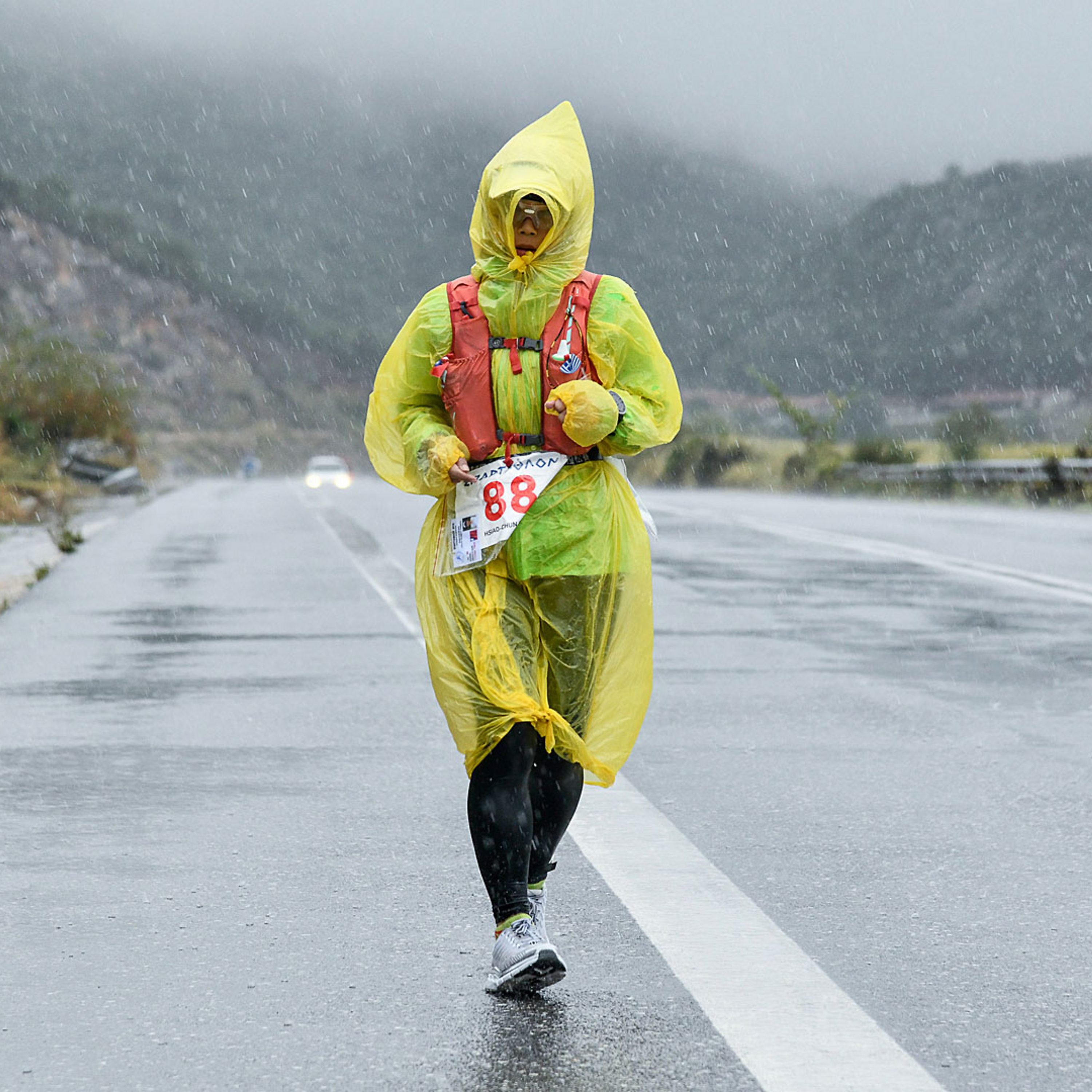
What are the limits of human endurance?
When it comes to speed, humans have got nothing on cheetahs - or greyhounds, kangaroos or zebras for that matter. It’s over long distances we really come into our own: when running for hours or even days, our body structure and excellent sweating skills make us able to outpace much faster mammals.But what are the limits of human endurance? Can we run ever further and faster, and what’s the best diet to fuel such ambitions? This week’s questions come from two CrowdScience listeners in Japan who already know a fair bit about stamina, having run several marathons and long-distance triathlons between them. We head to Greece, legendary birthplace of the marathon, to witness an even more arduous challenge: hundreds of athletes following in the footsteps of the ancient Greek messenger Pheidippides, to run an astonishing 246km across the country. The ever-so-slightly less fit CrowdScience team do our best to keep up, and try to discover the secrets of these runners’ incredible endurance.Presenter: Marnie Chesterton Producer: Cathy Edwards(Photo: a runner in the Spartathlon ultramarathon, with kind permission from the International Spartathlon Association)

What Makes Us Superstitious?
Would you willingly break a mirror, walk under a ladder or cut up an image of someone you love - or might you be worried about tempting fate – even if you don’t believe in supernatural forces? Anand Jagatia enters the world of magical thinking on behalf of CrowdScience listeners to explore why - even in this era of scientific rationalism – superstition, magic and belief in concepts like the evil eye and luck appear deeply entrenched in our cultures and psyche. Meeting historians and psychologists, Anand sets out to reveal the enduring lure of superstition and explore the biological factors that can influence us, like how our brains have evolved to look for connections and find patterns in seemingly random events. Is it possible that some people are ‘lucky’ and can we enhance our own ‘luck’? Experimental evidence is thin on the ground but finger’s crossed, CrowdScience can find some. Presenter: Anand Jagatia Producer: Melanie Brown(Image: A handmade Voodoo Doll with pins. Getty Images)

Can We Prevent Hurricanes?
As the US reaches the end of another hurricane season listener Kelly wants to know if it’s possible to prevent these devastating storms? She lives in Florida, the hurricane capital of the world, and has survived 100mph winds whipping through her home. But could science hold the solution to these extreme weather events?Marnie Chesterton had the unique opportunity to fly into hurricane Florence with the weather scientists gathering data that helped forecasters predict its path, and reports from on board a plane near the eye of the storm. She hears from one researcher who wants to ‘whiten’ clouds to lower sea temperatures and reduce hurricane formation but learns others fear interventions like this could have unintended consequences elsewhere.Presenter: Marnie Chesterton Producer: Marijke Peters(Photo: Hurricane between Florida and Cuba. Credit to: NASA and Getty Images)

Does Asking Questions Improve Your Memory?
As the show that takes your questions and turns them into audio adventures reaches its 100th episode, Marnie Chesterton revisits a few of our most liked, talked-about, and inbox-filling programmes to find out how science is getting on with the answers. Marnie heads to a place where important queries have been tackled for hundreds of years - the University of Cambridge in the UK - to chase down some burning follow-ups on topics that have piqued your interest. She finds out what the future holds for the next generation of batteries as they're expected to power everything from smart phones to your car and even your house. Then she scrubs up to tackle your tough questions on the best ways to keep clean. Finally, Marnie visits a memory laboratory at Cambridge University to discover whether the very process of asking questions might be one way to help us remember more. (Photo: A woman from a group raises her hand to ask a question. Credit: Getty Images)

What’s The Point of Laughter?
This violent and repetitive involuntary constriction of the chest muscles is highly infectious, and can result in convulsions, profuse tears and a reddening of the face. People are known to clutch their chests or roll around on the floor during the more intense bouts. Buy why? It seems a particularly odd thing to do and that’s why CrowdScientists, Erin from Australia, Geraldine from Switzerland, and Musweu from Zambia wanted to find out more about laughter. In pursuit of an understanding of what laughter is, and why we do it, Geoff Marsh attempts to distinguish the sounds of friends from strangers laughing together, and explores the earliest origins of this rib-rending behaviour. In the process he discovers that we’re not alone in laughing, and uncovers the importance of this ability for making and maintaining friendships.Presenter: Geoff Marsh Producer: Rory Galloway(Photo: Two young girls eating an ice-cream and Laughing. Credit: Getty Images)

Is Vaping Bad for your Health?
E-cigarettes and vaping may only have been around for a decade or so but it's estimated more than 35 million people globally have taken it up. Marnie Chesterton heads to a vape show to discover why these gadgets are proving so popular, and hears from one expert who warns they could be damaging lung immune cells. She examines the research behind claims that e-cigarettes can help smokers quit, and finds conflicting evidence about how good they are at giving people the nicotine hit they crave. It's a research field that's in its infancy and with vaping technology constantly changing, it's little wonder some scientists say it's a struggle to keep up.Presenter: Marnie Chesterton Presenter: Marijke Peters(Photo: A woman smoking an e-cigarette. Credit: Getty Images)

Why Do Drivers Zone Out?
Have you ever been out driving and noticed your mind… wandering? CrowdScience listener Sian Gardiner has. When travelling to visit her parents she has to cross a very large, very obvious bridge. But there are times when she finds herself on the other side with no memory of having gone over it. How is that even possible? Presenter Geoff Marsh buckles up to find out. He travels through the science of how driving becomes second nature, brakes sharply when he realises he’s not necessarily in conscious control at 70mph, and tries to refocus when he discovers why drivers don’t always see things that are staring them in the face. He also asks what’s happening when our mind drifts away from the road, and what can be done to help drivers pay more attention and reduce accidents. Presenter: Geoff Marsh Producer: Anna Lacey Sound design: Peregrine Andrews(Photo: A woman sits in her car, looking through window glass with rain drops. Credit: Getty Images)
Why Do Some Animals Change Sex?
In humans if you have two X chromosomes you are female and if you have an X and a Y then you are male. It is textbook science. But CrowdScience listener Du in Singapore has done some extra homework and found a piece of intriguing fish research which suggests a different outcome, at least for one species – tilapia, a popular fish on restaurant menus worldwide and as it happens, the first fish to visit space. Whilst humans couldn’t exist without an X-chromosome, tilapia apparently, can. In fact, they are happy with just two Y chromosomes. The existence of this odd breed comes down to the tilapia fish’s ability to change from male to female. Nature has come up with an array of bizarre solutions when it comes to sex determination and what sets you on one genetic path or another. And like with the tilapia fish, the decision isn't always for life. Some species of fish, lizards and even birds sidestep the chromosome system and morph between the sexes to survive a changing environment. How can they have both genetic sex pathways latent within them? And why can’t humans do the same trick?Presenter: Marnie ChestertonProducer: Louisa Field(Photo: A male Asian sheepshead wrasse courting a female featured in BBC’s Blue Planet II. Credit: Getty Images)
Is there life on Mars?
It’s the central question for the current generation of Mars missions. Since the first close-up pictures of the red planet back in 1965, decades of space missions have revealed our neighbouring planet to be cold, rocky and sterile. But there are hints of a more dramatic past; of raging volcanoes and flash floods. Could this be a planet where life existed? Could life still exist under the surface? And could humans live there, or even travel the distance to get there safely, at some point in the coming decades? CrowdScience listeners from Australia, Ghana and Canada have been musing on all sorts of Martian matters. Presenter Marnie Chesterton visits a corner of Stevenage, UK, with a distinctly unearthly appearance and takes a virtual tour of the Martian atmosphere. She also puts listeners’ questions to the scientists designing the spacecraft and instruments they hope will unlock the secrets of Mars. (Image: illustration of Mars shot from space. Credit: Getty Images)
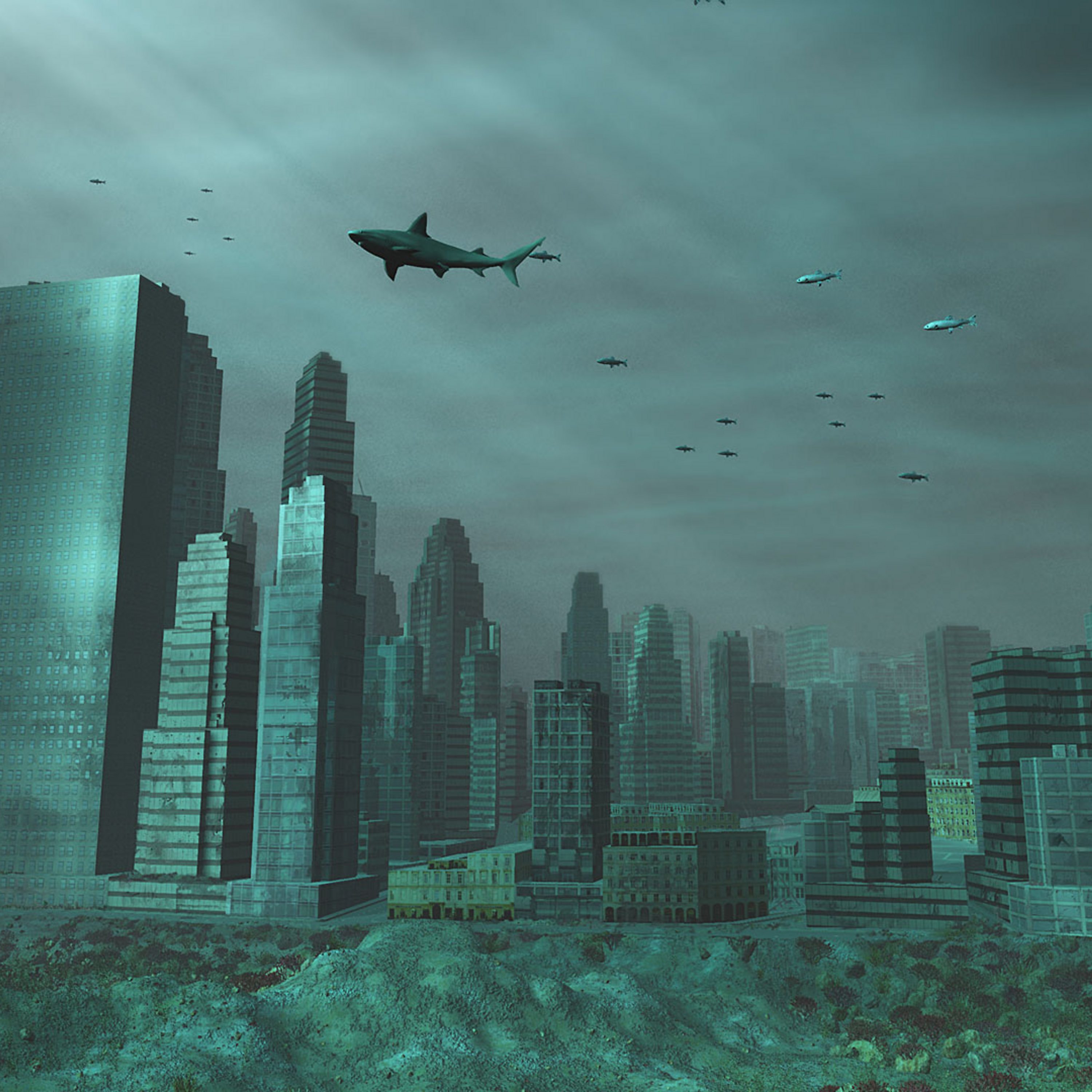
Could humans live in underwater cities?
The idea of creating underwater habitats has captured the imagination of writers, thinkers and scientists for decades. However, despite numerous grand visions, these dreams of aquatic metropolises have not yet come to fruition. Crowdscience listener and scuba enthusiast Jack wonders whether - given improved technology and the growing environmental pressures facing humans on land - it is time to reconsider the ocean as an alternative permanent living space for humans.Marnie Chesterton dons her flippers for Crowdscience in search of the oceanographers and architects who have dedicated their lives to designing vessels, labs and underwater habitats. She explores whether oceanic cities remain a sci-fi dream or a realistic solution to some of our modern challenges. Can the oceans’ largely unexplored resources be harnessed to support living underwater? (Photo: Illustration of a modern city under the sea. Credit: Getty Images)

Can we trap light in a box?
What is light and can we trap it in a box? On this edition of CrowdScience, Marnie Chesterton brings you a kaleidoscope of colourful questions from listeners around the world, from Kampala to Chicago. Shireen asks why people have a favourite colour and whether other animals show colour preferences too. Marnie heads to the zoo to see what the birds, bees and butterflies think. There, she meets a colour-changing chameleon to find out how and why it does because of a question from Dramadri in Uganda. Meanwhile, Paul in Melbourne is interested to know more about colour blindness. And finally, Feroze asks why we only see a portion of the electromagnetic spectrum and wants to know if we might, one day, hack our vision to see beyond the seven colours of the rainbow.Presenter: Marnie Chesterton Producer: Graihagh Jackson(Photo: Stardust and magic in a woman hands on a dark background. Credit: Getty Images)

How Do You Stop a Hedgehog Invasion?
Hedgehogs are the UK’s favourite British mammal. They have cute furry faces, a snuffly nose and the ability to gobble up garden slugs. What’s not to like? Answer: quite a lot if you live in the Outer Hebrides. Hedgehogs were introduced to South Uist in the 1970s as garden pest controllers, but are now serious pests in their own right – munching their way through the eggs and chicks of globally important wading bird populations. This emblem of cuteness is really a killer. So what’s to be done? That’s the quandary facing this week’s CrowdScience thanks to a question from Juan Carlos in Cuba. He wants to know how different parts of the world are dealing with invasive species – one of the biggest threats to global biodiversity. Presenter Anand Jagatia heads to the Uists to hear how having an invader that’s loved by millions can cause a whole host of problems. He also discovers how various warring parties eventually came together to solve this very prickly problem. Also in the programme, Anand travels to South Africa to find out how researchers are coping with invasive trees by introducing another non-native species. While in the Caribbean, we hear how people are dealing with invasive fish by eating them. Presenter: Anand Jagatia Producer: Anna Lacey(Photo: A European hedgehog. Credit: Getty Images)

Why Does History Repeat Itself?
Teenagers are known for ignoring their parents’ advice, but is this reputation for rebellion well-founded? If so, is rejecting the advice of previous generations and treading our own path an important part of what it means to be human? Are we successful as a species precisely because of our questioning natures? Listener Hans started pondering these questions after his own adolescent children repeatedly ignored his nagging. Many animals simply follow in their parents’ footsteps – so what makes human children different? Marnie Chesterton and a panel of experts look at the science of taking advice and making decisions, finding out how human curiosity and exploration compare to other animals, learning the best ways to give and take advice, and seeing whether we’re more likely to trust artificial intelligence than the wisdom of our elders. Finally, we give listener Hans some expert advice on whether or not to keep nagging his kids.Presenter: Marnie Chesterton Producer: Cathy Edwards(Image: A father and son having communication issues. Credit: Getty Images)

How Do Magnets Work?
This deceptively simple question from listeners Andy, Mike and James is actually one of the hardest questions CrowdScience has ever tackled. Why? Because even scientists struggle to explain the true nature of the magnetic force and to do so in a way that even presenter Marnie Chesterton can understand is a serious challenge. What is a magnet? And just what is going on when magnets exert a force?With the help of Melanie Windridge, Sean Giblin, Steve Bramwell, Charlotte New and Peter Morris we attempt to navigate the oddities of one of the most fundamental phenomena in the universe. (Image: A horseshoe magnet attracting some hammer nails. Credit: Getty Images)

Why do Humans have Different Coloured Skin?
Anand Jagatia heads to the rainbow nation of South Africa, to answer listener Lucy’s deceptively simple question. He follows the path of early human migration to understand the relationship between light skin and latitude, and find out how the world become more multi-coloured as people ventured further away from the equator. And he learns how our genes have helped us adapt to less sunny environments, hearing from the remote KhoeSan tribe in the Kalahari desert, who took part in a massive study aimed at giving scientists a better understanding of pigmentation. Producer: Marijke Peters Presenter: Anand Jagatia(Image: Four diverse women’s arms holding each others wrists in a circle. Credit: Getty Images)
Where Do All Our Vegetables Come From?
Listener Pogo wants to know why there aren’t any cabbages – or any of the other vegetables – in his local forest. Where did they all come from? And could they someday disappear? Presenter Gareth Barlow goes hunting for wild snacks in a city park and unearths the evolution of our most beloved greens. The vegetables on our supermarket shelves today were not always nicely wrapped and tasty. Humans have been selecting for specific genes in plants for thousands of years by choosing to grow those we liked the most. Tomatoes have been transformed from a small prickly desert plant in Peru into a water guzzler with round, juicy, sweet fruits. But with breeding – and sometimes cloning – of plants we have also created genetic bottlenecks in many of the crops we rely heavily on. This has left many of our vegetables across the world vulnerable to shifts in climate, natural disasters, wars and diseases. To find solutions to this massive breach in food security, CrowdScience heads to the Millennium Seed-bank in England. By collecting and storing our most precious seeds in vaults beneath the ground, scientists are protecting the genetic diversity that we will need to overcome the challenges ahead.Presenter: Gareth Barlow Producer: Louisa FieldPicture: Man holding basket of vegetables Credit: Getty Images/valentinrussanov

Do Plants Talk about Sex?
Sex – for most organisms - is about meeting the right partner. But what if you and your mate are stuck far apart with no ability to travel? This dilemma could put a bit of a downer on your sex life, but is faced by plants everywhere. Presenter Anand Jagatia uncovers the happy fact that not only have plants overcome this problem, they positively excel at it. From hay fever to honey, the sexual strategies of plants affect us daily, and we couldn’t live without their success. In this episode, CrowdScience is answering the questions you sent after a previous episode entitled ‘Can plants talk?’ which explored the way plants and trees use a fungal network to communicate. This time, we explore how plants ‘feel’ bees as they fly past, and more complex communication involving the ‘wood wide web’.Presenter Anand Jagatia Producer: Rory Galloway(Image: A yellow dandelion flower attracts a pollinator in the evening sunlight. Credit: Getty Images)

Will We Run Out of Groundwater?
Some of the biggest reserves of freshwater are right under our feet and they're really important for farming as well as providing us with water to drink. However, in some areas of the world, groundwater is being slurped up quicker than it can be replenished. In fact, about 1.7 billion people live in regions where groundwater is under stress, 60% of them in India and China. This figure is set to rise as the climate changes and as the population grows.CrowdScience listener Waheed from Afghanistan wants to know if we will run out of groundwater and what the repercussions might be. Marnie Chesterton trots around the globe to find out, starting with a row on the River Thames before hearing from Afghanistan to understand what’s happening where Waheed lives. She learns of what has happened to London, Mexico and Malta when they over pumped their aquifers. Finally, Marnie looks to Bangalore where the population is booming to understand how they’re coping with increasing demands on water. Presenter: Marnie Chesterton Producer: Graihagh Jackson(Image: Children holding their hands up - asking for drinking water. Credit: Getty Images)

What Shapes Our Musical Taste?
What sounds heavenly to one person might sound like boring noise to another - but why are our musical preferences so different? Is it all down to what we hear growing up, or are other factors at play? CrowdScience listener and music lover Jocelyne from Canada wants to know why she has a different song for every mood, and why she likes different music from her friends and family. Meanwhile in Italy, composer Elisabetta Brusa asks us whether the rules of harmony align with the laws of science, and should therefore not be broken. We talk to both musicians and neuroscientists to explore the truth about harmony and discord. We find out how age, personality and experience all affect whether we find certain songs pleasing or offensive, and learn why the search for the true universals of music pleasure is a race against time.Presenter: Marnie Chesterton Producer: Cathy Edwards(Image: A couple laying in the grass listening to music on headphones. Credit: Getty Images)

Is Hypnosis a Real Thing?
Hypnosis has a long and controversial history, with its roots in animal magnetism or mesmerism, the theory developed by 18th Century German doctor Franz Mesmer. He believed he had discovered an invisible natural force possessed by all living things, and that he could channel this force for healing purposes. Popularity of hypnosis has since waxed and waned, but was largely denounced as quackery until the 20th Century, when it began to be studied scientifically. However it is only in the last twenty years or so that is has become incorporated into mainstream science and medicine. But is it a real phenomenon, asks listener Gratian from Poland; and Anton from Ireland wants to know how it works and what happens to people’s brains and bodies under hypnosis?CrowdScience speaks to Dr Quinton Deeley, consultant psychiatrist and senior lecturer at the Institute of Psychiatry, who has used it in practice for many years, and Dr Amir Raz, a magician-turned-neuroscientist who is shedding light on how hypnosis works. To see how hypnosis is being used clinically, CrowdScience visits the Berkeley Clinic in Glasgow, Scotland, to witness a hypnotised patient having a tooth extracted with very little anaesthesia.Meanwhile, presenter and self-confessed arachnophobe Nastaran Tavakoli-Far takes part in the Friendly Spider programme at London Zoo, an afternoon event that uses hypnotherapy and group therapy to ease or eliminate the fear of spiders. Presenter: Nastaran Tavakoli-Far Producer: Helena Selby(Image: A silver pocket watch swinging on a chain on a black background to hypnotize. Credit: Getty Images)

How Green Are Electric Vehicles?
Electric cars are labelled as ‘zero emissions’ vehicles – but what does that really mean? Jack Stewart puts your questions about EVs to the experts. According to a new report by the Union of Concerned Scientists, just how green your EV is compared to a petrol or diesel vehicle, depends on how the electricity powering the battery was produced, as well as how cleanly the battery itself was manufactured. Jack also explores what could be a compelling alternative to plugging in – filing up with Hydrogen, and creating nothing but water as exhaust.Presenter: Jack Stewart Producer: Rami Tzabar(Image: Electric cars on charge. Credit: Getty Images)

Is Fasting Healthy?
For some it's a way to get closer to God, for others a tried and tested way to lose weight - but listener Amine wants to know if fasting has any other, unexpected health benefits? So presenter Marnie Chesterton cuts down on cookies and investigates the science behind low-calorie or time-restricted eating. She hears how some cells regenerate when we're deprived of food, which one researcher says could reduce breast cancer rates. And she finds out what happens in our brains when our bodies rely on our own fat reserves for fuel. Presenter: Marnie Chesterton Producer: Marijke Peters(Image: Clock on an empty plate. Credit: Getty Images)

How is Your Brain Better Than a Computer?
Why is it that computers are so much faster than brains at some tasks? Or could human brains one day be used to better effect? Listener Praveen from India was wondering how it can be that supercomputers are so very powerful compared to the human minds that created them. So CrowdScience, with the help of a small voice-activated guest presenter, is off to discover how the first computers remembered what they were told, how a million processors are being connected together to mimic a small percentage of a human brain, and how the mind-boggling speeds of modern computing is enabling the current leaps in artificial intelligence. Producer: Alex Mansfield Presenter: Marnie ChestertonSpeakers: Sarah Baines, David Lewis - Museum of Science and Industry, Manchester James Sumner, Steve Furber - University of Manchester Aldo Faisal - Imperial College, London.(Photo: 3D transparent human head and brain image. Credit: Getty images)

Why Do Humans Dance?
Kenyan listener Docktor can’t help himself. When music is playing he must move to the beat and he wants to know why. What role does dance play in human evolution? And what does dance mean to us? To help answer the many twists and turns in Docktor’s questions, the CrowdScience team heads to one of the most vibrant and diverse dance scenes in the World, Havana in Cuba. For Cubans dancing is at the heart of their cultural identity. They tell stories, bond with others, practice religion and celebrate their African ancestry through dance ¬– which came to Cuba with the slave trade. For all humans, dancing is intimately connected to our love of music and is likely to be one of our oldest cultural practices. But why would our ancestors have wasted energy on what superficially seems to serve no survival benefits? Evolutionary anthropologist Bronwyn Tarr tells us that one clue lies in the brain. When we dance with others our brains reward us with a cocktail of feel-good hormones and this likely leads to profound social effects. Presenter Anand Jagatia gets challenged on the dance floor, discovers how deeply rooted dance is in Cuban society and why we should dance more.Presenter: Anand Jagatia Producer: Louisa Field(Image: Dancers in Cuba)

Why Don’t We All Like The Same Food?
Humans have the potential to eat pretty much anything – but the reality is we don’t. Wherever we live in the world, we eat just a small fraction of the foodstuffs available and show strong preferences for certain foods over others. Those preferences can change dramatically from person to person, or as the saying goes – one man’s meat is another man’s poison. Then at the extreme end of the spectrum you get so-called ‘fussy eaters’ who reject so many foods that they are confined to beige diets of crisps, crackers and cereal. So why do we show such different preferences for food? And why are some people fussier than others? That’s what CrowdScience listeners Orante Andrijauskaite in Germany and Anna Nicolaou in Belgium would like to know, and what Datshiane Navanayagam is off to find out. She discovers how both biology and culture shape whether a food is disgusting or delicious and learns why we should stop giving children a hard time about finishing their dinner. She also learns how global cuisines evolved and what that can teach us about helping fussy eaters to overcome their food fears.Presenter: Datshiane Navanayagam Producer: Anna Lacey(Photo: Fried Bugs in Bangkok night market. Credit: Getty Images)

Can Sucking CO2 Out of the Air Solve Climate Change?
Carbon dioxide levels are far higher than at any other point in human history, thanks to our reliance on burning fossil fuels. But having pumped huge amounts of CO2 into the air, are there ways to get it back out again? If so, where would we put it all? And the big question: can that help solve our climate change problem, or is it a distraction from the urgent task of reducing our emissions?When CrowdScience delved into ancient carbon dioxide levels last year, it sparked a flurry of emails from our listeners asking these questions and more, so this week we investigate our options for restoring equilibrium to our atmosphere. Since the CO2 came from deep underground - in the form of coal, oil and gas - can we put it back there? We travel to Iceland where they’re capturing carbon dioxide directly from the air - and turning it into rock. Presenter: Marnie Chesterton Producer: Cathy Edwards(Photo: Nesjavellir geothermal power plant in Iceland. Credit: Getty Images)

Are Screens Bad For My Child’s Eyes?
Short-sightedness is reaching epidemic proportions around the world. The way things are progressing, one-third of the world’s population – 2.5 billion people - could need glasses by the end of the decade. And scientists are beginning to understand why: children spend too much time indoors, bent over screens and books. Marnie Chesterton travels to Singapore, where rates of myopia are one of the highest in the world and to see how the government is curbing the condition with an array of tools, from eye-drops to sunshine remedies. She does so in the hope of better understanding whether screens are bad for children’s eyes, a question raised by a concerned Mexican father, Fernando, about his two-year old daughter.Presenter: Marnie Chesterton Producer: Graihagh Jackson(Photo: A little girl wearing headphones while using a digital tablet at home. Credit: Getty Images)
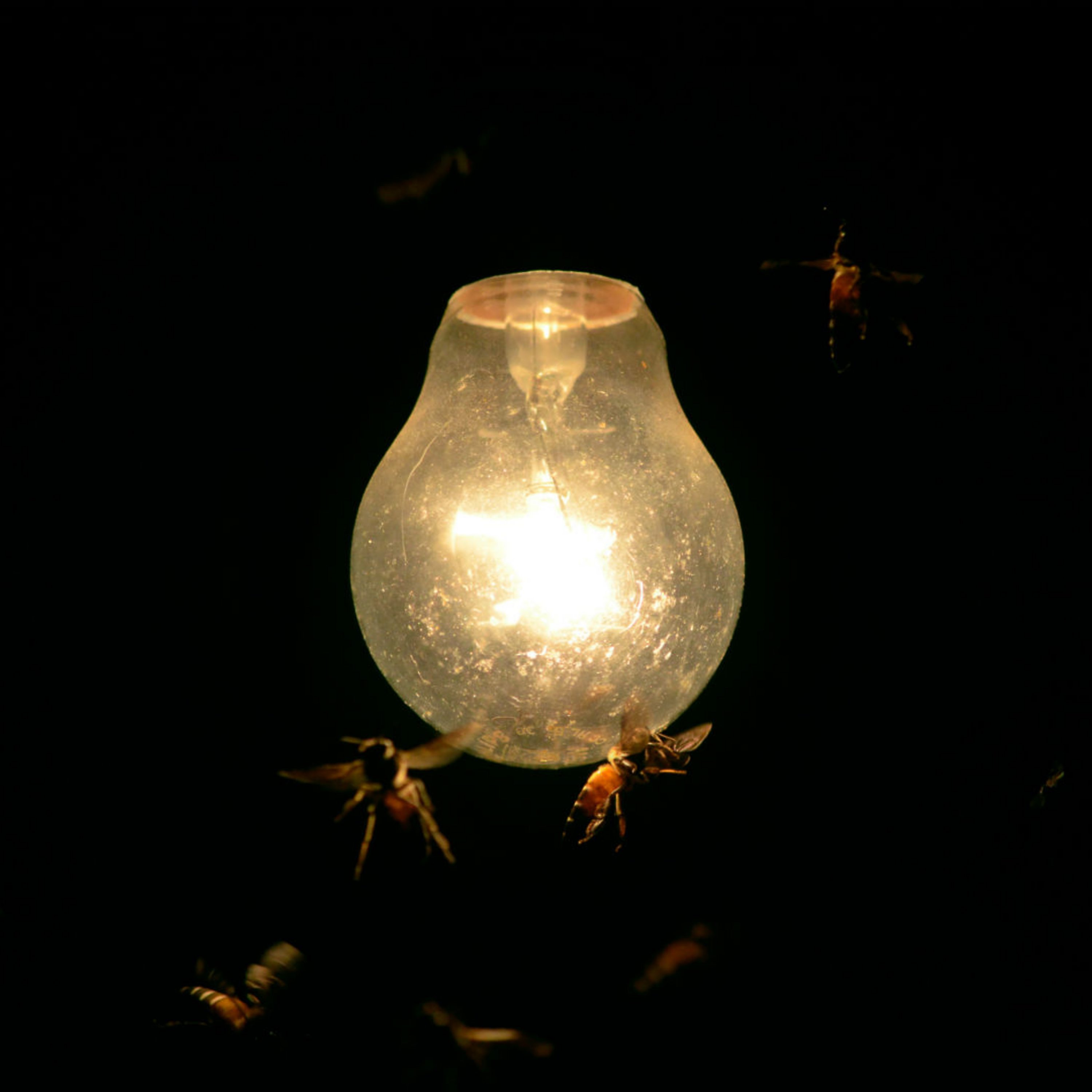
Why Do Insects Fly Towards Lights?
Will gravity on earth ever change? Why do insects fly towards the light? Is the plasma in a TV the same as plasma in a fusion reactor? Why are mosquito bites so itchy? What does the Higgs boson do for the Universe? In a Q+A special, Marnie Chesterton is joined by scientists Malcolm Fairbairn, Kate Lancaster and Erica McAlister to tackle a selection of questions from the CrowdScience inbox. Presenter: Marnie Chesterton Producer: Alex Mansfield(Photo: Alates insects light bulb and night. Credit: Getty Images)
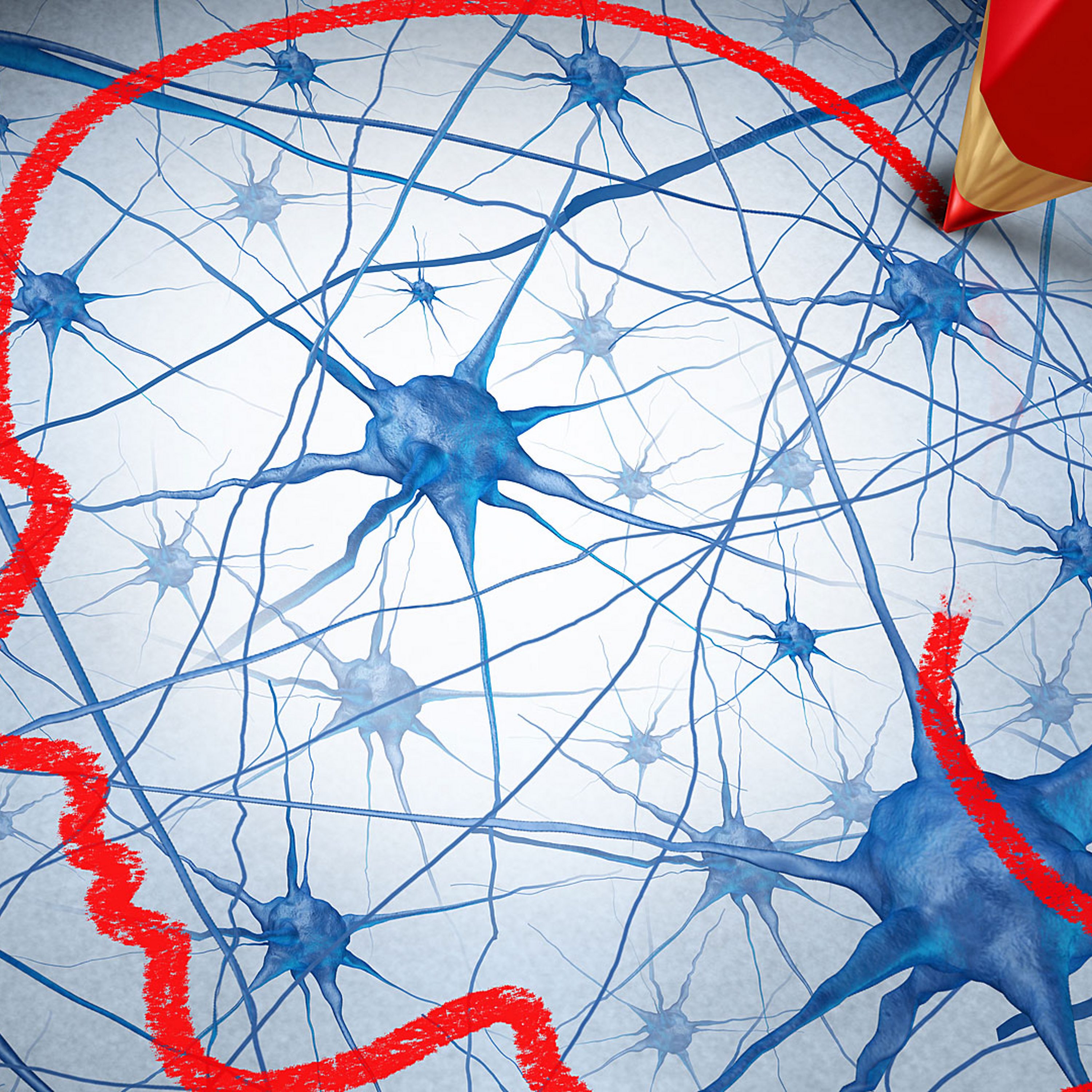
Can We Find a Cure for Dementia?
Dementia affects nearly 50 million people worldwide – but doctors are still struggling to find a cure. CrowdScience investigates why this particular group of brain diseases are so hard to treat, from the difficulties around diagnosis to why the drugs just don’t currently work.In the absence of a medical solution is it time to take a new approach? As geneticists develop tests to predict who might develop brain disease, there are others focusing on better care for those who already have it. Presenter Bobbie Lakhera visits a village in the Netherlands helping sufferers live longer independently, and hears how music projects improve non-verbal communication.Presenter: Bobbie Lakhera Producer: Marijke Peters(Photo: Neurology research examining the neurons of a human head to heal memory loss or cells due to dementia. Credit: Getty Images)
Is The Future of Food a Pill?
Since the end of the 19th century, scientists have been predicting we would be eating a meal in a pill, but is it a serious answer to the world’s food problems? That’s what Australian listener Bridget is wondering and whether it’s possible to produce an artificial food source that can provide all the nutrients for healthy human life.With increasing urbanisation, diets are changing and estimates suggest food production will have to increase some 60 percent by 2050 to keep up with demand. But can we provide all that extra food with limited natural resources and traditional farming methods?First, Marnie Chesterton finds out what artificial food is currently available and whether the existing products are healthy. And while a meal in a pill might sustain our bodies, will it sustain our minds? The experience of eating involves so much more than simply taking in the right nutrients, as Marnie discovers at the Gastrophysics Chef’s Table, a restaurant and multi-sensory dining experience. On the menu is jellyfish, a possible alternative source of food for the future. It’s in plentiful supply in our oceans, but like eating insects, the thought of it may be disgusting to some, so Marnie explores how sensory-driven strategies can be used to make these food sources more appealing.CrowdScience also visits the future of farming: A hydroponic vertical farm called Growing Underground, which is built in World War Two air-raid shelters under London. Using LED lighting instead of sunlight, leafy vegetables grow very quickly and need very little space. With higher crop yields per square metre than traditional farming, vertical farms allow fresh produce to be grown in urban centres with less impact on the environment. Hydroponic farming is something the European Space Agency is also experimenting with as part of Project Melissa, which is developing a closed loop ecological system - using rats instead of astronauts - aimed at one day helping us grow fruit and vegetables on Mars. Listen to the podcast version of the programme to hear this interview.Producer: Helena Selby(Photo: Pills on a plate. Credit: Getty Images)

Does Anything Stand Still?
Listener Nikolai sends CrowdScience hunting through space and time with his deceptively simple question. Can we find perfect stillness? You are probably reading this sentence whilst standing or sitting still. So is it a daft question? We discover that there are no simple answers as we unravel the science of motion, which tells us that we cannot always trust our senses to tell us ‘the truth’ about the natural world. The ancient Greeks believed it was the sun that rises and sets each day and this idea remained until the 16th century astronomer Nicolaus Copernicus showed us that this an illusion – that we are the ones in motion, orbiting the Sun. Later, through the work of Isaac Newton and then Albert Einstein, scientists came to the conclusion that nothing in the universe can ever be truly still. Except perhaps, the fastest thing in the universe – light. Confused? Don’t worry, so is Marnie Chesterton who sets out to explore not just the science of stillness but also the physics of stopping. To satisfy listener Nikolai’s curiosity about motion in space, CrowdScience also travels to ESA’s European Space Research and Technology Centre in the Netherlands. Here we find out how you stop a space craft and hear the story of when things got prickly for astronaut Tim Peake and his crew when docking at the International Space Station. Presenter: Marnie Chesterton Producer: Louisa Field(Photo: Astronaut wearing pressure suit against a space background. Credit: Getty Images)

Why Do We Follow the Crowd?
Are you the master of your own decisions? Independent-minded? A free spirit? Like it or not, the answer is probably no - as we are profoundly influenced by the people around us. But why do humans follow the crowd? CrowdScience listener Cath Danes wants to know and this week we are going to be giving her answers at the BBC’s Free Thinking Festival in Gateshead. Marnie Chesterton is joined by a crack team of neuroscientists and psychologists, who reveal the secrets behind our inner sheep. We also run an experiment to find out whether you should trust the wisdom of the crowds with life’s big decisions.Presenter: Marnie Chesterton Producer: Anna Lacey(Photo: A flock of sheep being herded in a pasture. Credit: Getty Images)

Is Nuclear Fusion Coming Anytime Soon?
Unlike nuclear fission power stations, which leave harmful radioactive waste to be stored or disposed of for thousands of years, a nuclear fusion power plant would create precious little burden on future generations. The fuel source would be seawater, and the energy created limitless. Back in the 1950s, the technology to “tame the hydrogen bomb” seemed just a few decades away from practical deployment, and governments across the divide of the cold war shared the challenges, costs and laboratories.But to the outsider, it might look like progress has been slow. In 1997 the Joint European Torus at Culham in the UK set the world record for energy released from a controlled fusion reaction, but even that was less than the energy was put in. Keeping the plasma – the super-hot atoms of exotic types of hydrogen – at temperatures many times the temperature of the sun safely in place inside a magnetic field is not a trivial task. Last year construction of the International Experimental Thermonuclear Reactor, ITER, reached its halfway point at its huge home in France, and if all goes to plan it should produce its first plasma by 2025. The hope is that operational fusion reactions will take place within a decade after that, paving the way for its successor DEMO - which would actually generate electricity - to be built sometime before 2050.But in parallel with the big intergovernmental roadmap, in recent years a number of small commercial startups have joined the race to achieve commercial fusion energy. With their various different approaches and more ambitious timelines, will the private sector beat the publicly funded science to the goal?Presenter: Bobbie Lakhera Producer: Alex Mansfield(Photo of ITER Organization, with permission)
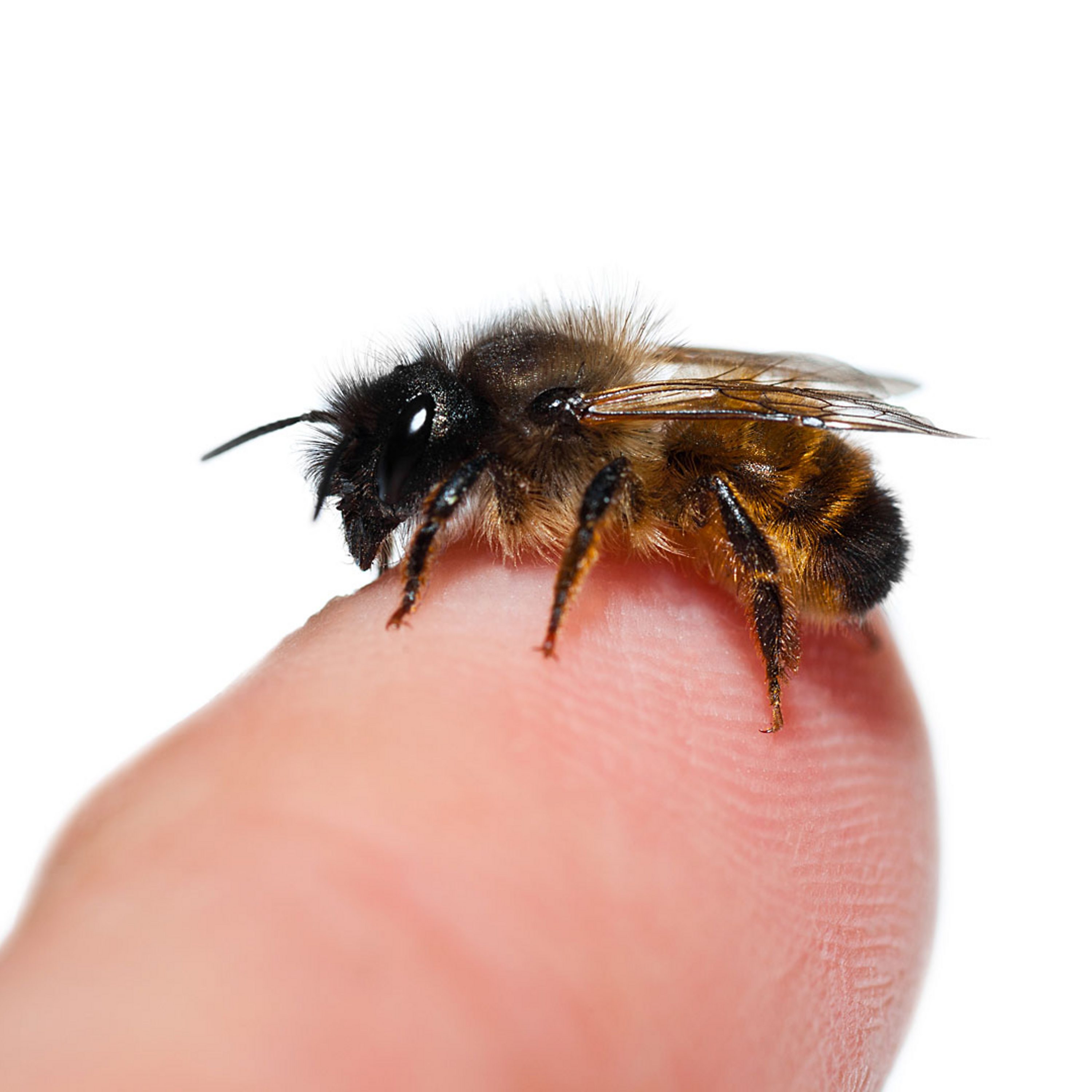
Could Bees Take Over From Sniffer Dogs?
Humans have used dogs' excellent sniffing talents ever since our ancestors figured out that canine companions could help them track down their next meal.But what about other animals? Can they take us beyond the limits of our own senses? That's what CrowdScience listener Beth wants to know, so we obligingly try to sniff out some answers.After immersing ourselves in the world of insect senses at our local zoo, we visit an insect lab in Germany to find out whether sniffer bees could take over from sniffer dogs. And could ants help us fly the drones of the future? We meet the scientists trying to turn ant vision into computer code, to send robots into places GPS can't reach.Presenter: Nastaran Tavakoli-Far Producer: Cathy Edwards(Photo: A bee on a human finger. Credit: Getty Images)

Do Animals Have Accents?
A cacophony of singing and screaming creatures’ accents are explored to answer: Can animals of the same species from different places communicate with each other? Presenter Geoff Marsh tries to identify how different these calls really sound for CrowdScience. From wolves to birds to whales and chimpanzees, most animals use sound to communicate, but if groups in different places vocalise in different ways, they may not be able to communicate with others.CrowdScience questioner, Kitty, sets us on an exploration of the vast and varied world of animal communication with inspiration from her dog Monty. Presenter: Geoff Marsh Producer: Rory Galloway(Photo: Three wolves howling on a cold day. Credit: Getty Images)
How does the Moon affect life on Earth?
From worms who time their mating ritual with an inner lunar calendar, to how full moons could cause cows to give birth early. Listener Andreas sends CrowdScience on a mission to separate fact from fiction.Presenter: Marnie Chesterton Producer: Marijke PetersPicture: The moon rises over Kadam mountain in Uganda, on January 31, 2018, during the lunar phenomenon referred to as the 'super blue blood moon'. Credit: Yasuyoshi Chiba / AFP / Getty Images

Why Does Dark Matter, Matter?
Scientists have been searching for dark matter for 80 years, so CrowdScience wondered whether they could find it faster. Armed with a boiler suit, hard hat and ear defenders, Marnie Chesterton travels over a kilometre underground into a hot and sweaty mine to see how we could catch dark matter in action. She investigates various theories as to what it might be with popping candy and gazes at galaxies to determine how we know it exists in the first place. But most importantly, she questions whether it really matters. And, as our Singaporean listener Koon-Hou askes, what impact would finding it have on our everyday lives? Presenter: Marnie Chesterton Producer: Graihagh Jackson(Photo: Finding dark matter could have galactic implications. Credit: Getty Images)
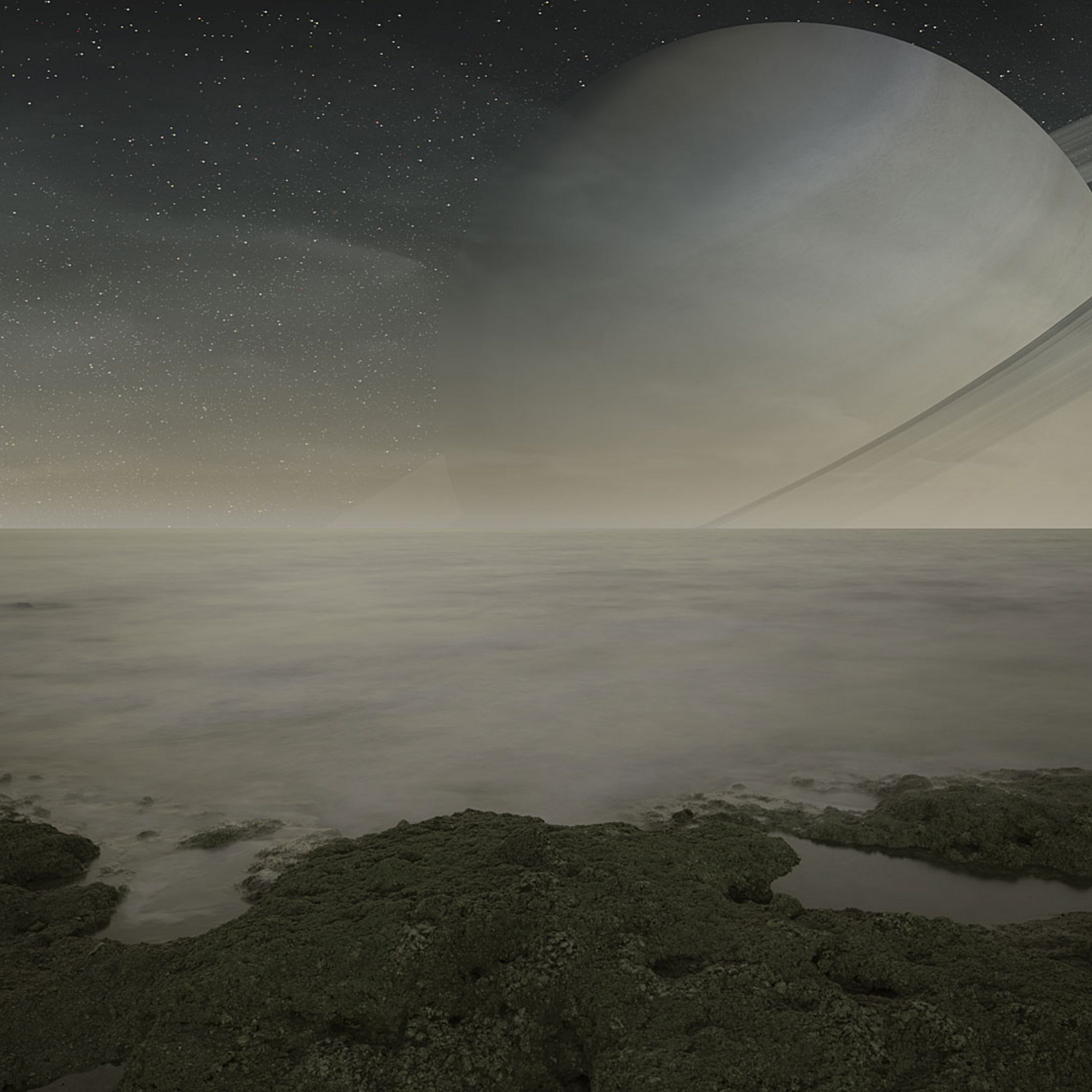
Must Life be Carbon-Based?
Carbon is special, but is it necessarily the unique building block of life in the universe? Science fiction has long speculated on non-carbon biochemistries existing in the universe – notably in the work of authors such as Isaac Asimov as well as in the popular American TV series Star Trek, which once featured a rock-munching, silicon-based life form called ‘Horta’. Marnie Chesterton explores the real science behind this intriguing idea and wonders whether in the current search for Earth-like planets elsewhere in the galaxy, we should be looking at completely different possible sets of rules when it comes to the hunt for life? Producer Alex Mansfield Presenter Marnie Chesterton(Photo: Saturn viewed from Titan moon. Credit: Getty Images)
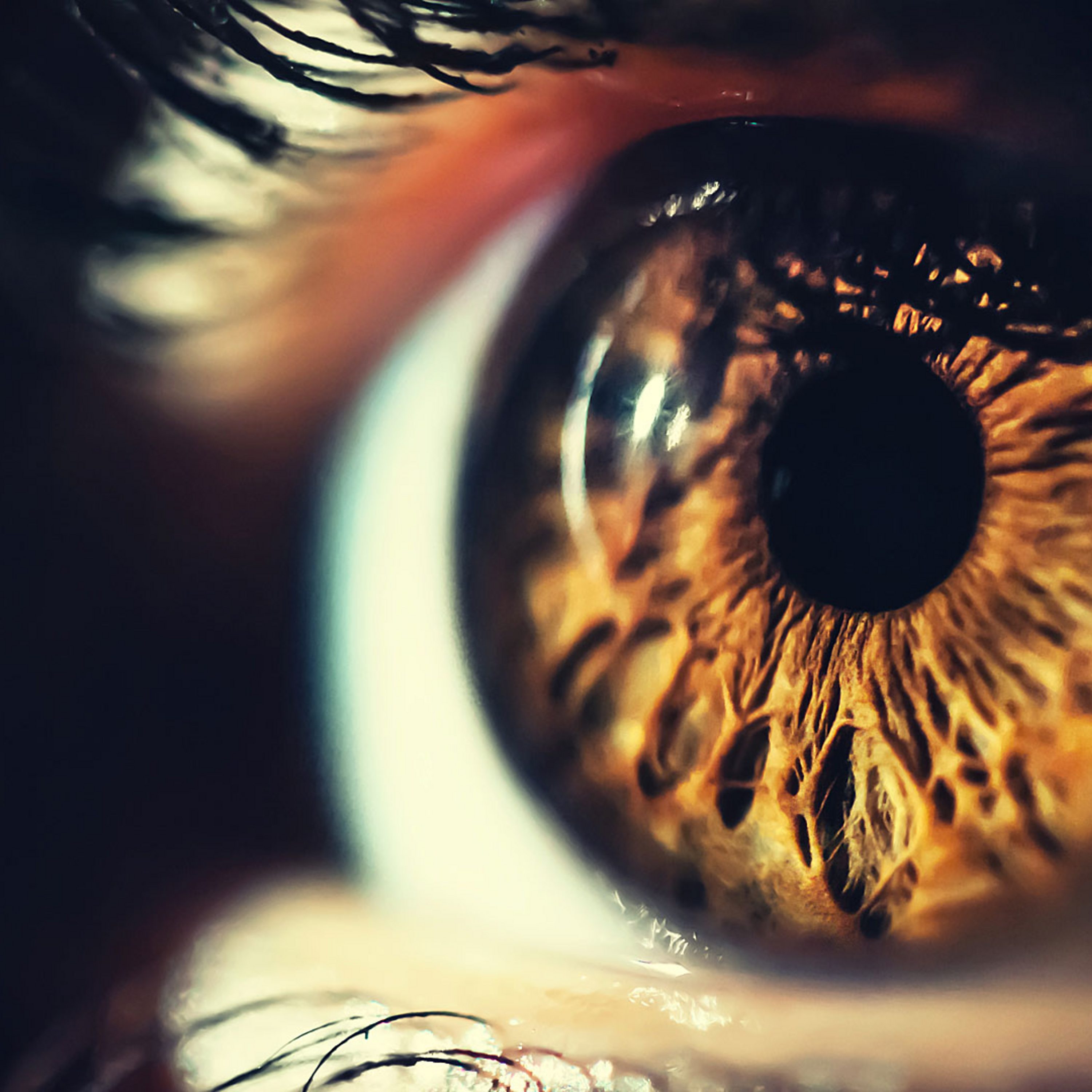
How Far Can I See?
How far can you see? A few kilometres down the road? Or do you struggle to see past the end of your own nose? Well one listener thinks he might be able to see 15 quintillion miles away... but can he really? Marnie Chesterton and Bobbie Lakhera are on the case for this week’s multi-question human body special. As well as delving into the power of vision, they also discover why male mammals have nipples despite not needing to breastfeed, and Marnie puts herself in a giant refrigerator in the name of finding out why some people feel the cold more than others.Presenter: Marnie Chesterton Producer: Anna Lacey

Are Crunchy Caterpillars the Food of the Future?
Meet the entrepreneurs turning bugs into food and get top tips on how to cook them. In this week’s episode we return to the topic of edible insects and the story of Kahitouo Hein’s caterpillar factory in Burkina Faso, West Africa. Kahitouo is trying to turn a traditional food like the shea caterpillar, available for just a few weeks a year, into a year-long sustainable staple for the whole population. We also put your questions about edible insects directly to the researchers in Burkino Faso. Discover the best way to cook a bug, explore the curious effects of hornet venom and find out whether eating insects is better for the environment then eating red meat.Do you have a question we can turn into a programme? Email us at [email protected]: Anand Jagatia Producer: Louisa Field(Photo: Worker at Kahit’s factory cooking caterpillars)

When Does Speech Become Music?
Most of us instinctively know when someone’s singing and when they’re talking. But since music and speech are both just sounds, how do our brains tell them apart? This week’s question comes from Eugene, a music teacher in Northern Ireland, who often hears music in people’s speech, and wonders why.Step forward, the ‘speech-to-song illusion’. This curious phenomenon means that when certain spoken phrases are repeated, they turn into music as if by magic. We talk to the Diana Deutsch, the scientist who discovered this illusion, and find out what it reveals about how the brain is adapted to understand both music and speech.But are some languages more musical than others? Many people around the world speak tone languages, where the pitch of a word affects its meaning. One such language is Dinka, spoken in South Sudan; we meet a Dinka speaker and hear how respecting the melody of the language is essential when writing songs.Presenter: Datshiane Navanayagam Producer: Cathy EdwardsDinka recordings courtesy of Elizabeth Achol and Anyang Malual(Photo:Young woman listening to music on yellow headphones. Credit Getty Images)