Does Anything Stand Still?
Our hunt for perfect stillness takes us back to the early days of science and into space
CrowdScience · BBC World Service
Audio is streamed directly from the publisher (open.live.bbc.co.uk) as published in their RSS feed. Play Podcasts does not host this file. Rights-holders can request removal through the copyright & takedown page.
Show Notes
Listener Nikolai sends CrowdScience hunting through space and time with his deceptively simple question. Can we find perfect stillness? You are probably reading this sentence whilst standing or sitting still. So is it a daft question? We discover that there are no simple answers as we unravel the science of motion, which tells us that we cannot always trust our senses to tell us ‘the truth’ about the natural world.
The ancient Greeks believed it was the sun that rises and sets each day and this idea remained until the 16th century astronomer Nicolaus Copernicus showed us that this an illusion – that we are the ones in motion, orbiting the Sun. Later, through the work of Isaac Newton and then Albert Einstein, scientists came to the conclusion that nothing in the universe can ever be truly still. Except perhaps, the fastest thing in the universe – light.
Confused? Don’t worry, so is Marnie Chesterton who sets out to explore not just the science of stillness but also the physics of stopping. To satisfy listener Nikolai’s curiosity about motion in space, CrowdScience also travels to ESA’s European Space Research and Technology Centre in the Netherlands. Here we find out how you stop a space craft and hear the story of when things got prickly for astronaut Tim Peake and his crew when docking at the International Space Station.
Presenter: Marnie Chesterton Producer: Louisa Field
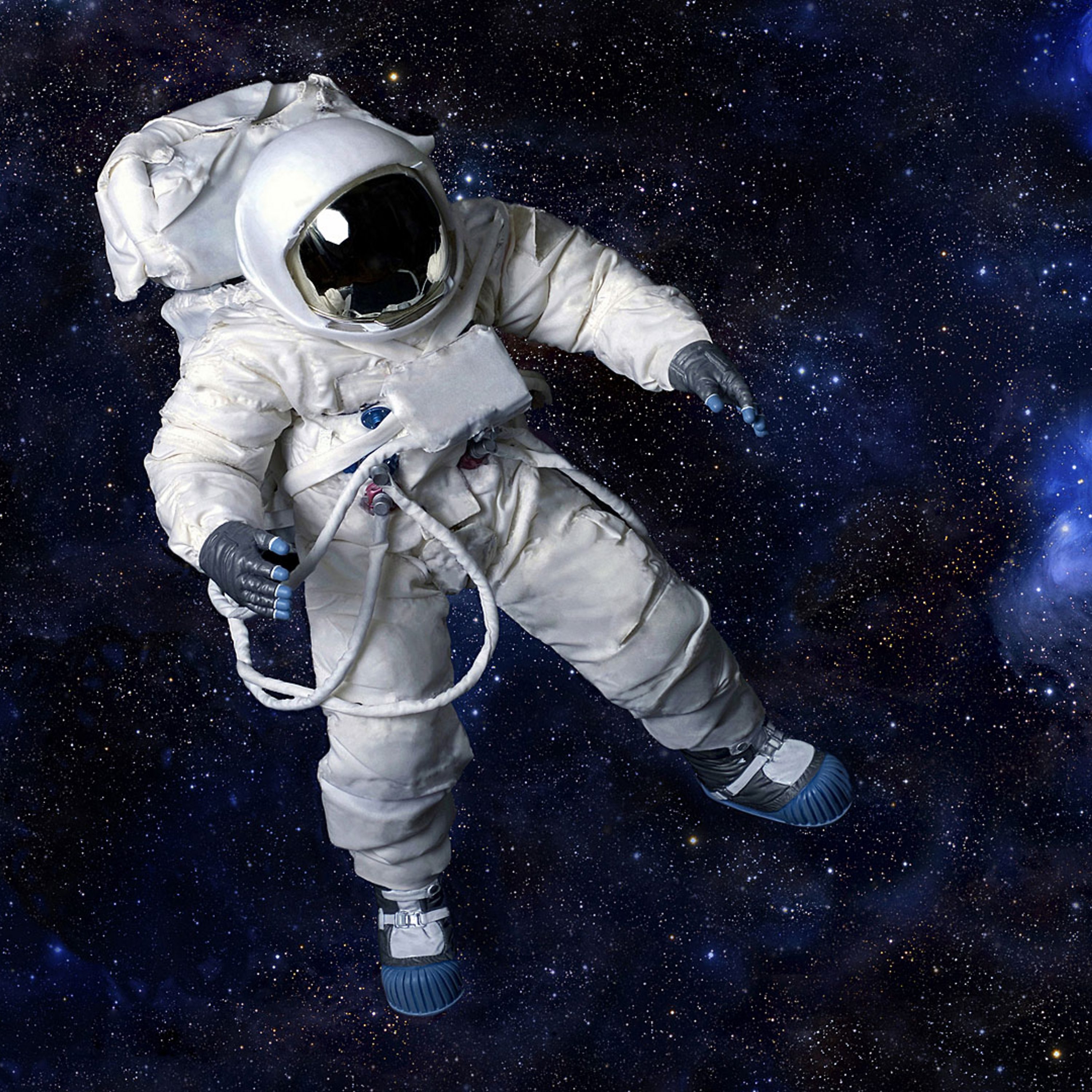
(Photo: Astronaut wearing pressure suit against a space background. Credit: Getty Images)