CrowdScience
512 episodes — Page 8 of 11
Can I save the insects?
Buzzing insects that sting and fall into your food can be annoying. But perhaps we should think twice before taking aim with the fly swatter because bug populations around the world are in rapid decline. This worries CrowdScience listener Daria; she wants to know what will happen to our food production without the help from our tiny friends – the pollinators? And what can she do, as a city-dweller, to help the bugs?The dollar value of agricultural services that insects supply – for free – is estimated to be 350 billion dollars worldwide. For scientists, a major challenge is the lack of long-term studies of insects on a global scale – in fact – entomologists worry that species are dying out faster than we can document their existence. The culprits, they believe, are climate change, invasive species, land-use and pesticides. CrowdScience speaks to the scientists who want to save the bugs; one project capitalises on the chemical signals that attract certain species of pollinators while others are building ‘bee hotels’ to encourage native bees back into our cities. Presenter: Marnie Chesterton Produced by Louisa Field for BBC World Service. (Photo: Hoverfly on Yellow Dandelion Flower. Credit: Getty Images)
Would humans exist if dinosaurs were still alive?
66 million years ago, a huge asteroid hit the earth, wiping out most of the dinosaurs that roamed the land. It would still be tens of millions of years before the first humans appeared - but what if those dinosaurs hadn’t died out? Would we ever have evolved?CrowdScience listener Sunil was struck by this thought as he passed a Jurassic fossil site: if dinosaurs were still around, would I be here now? We dive back into the past to see how our distant mammal ancestors managed to live alongside huge, fierce dinosaurs; and why the disappearance of those dinosaurs was great news for mammals. They invaded the spaces left behind, biodiversity flourished, and that led – eventually – to humans evolving. It looks like our existence depends on that big dinosaur extinction. But we explore a big ‘what if?’: if the asteroid hadn’t hit, could our primate ancestors still have found a niche – somewhere, somehow - to evolve into humans? Or would evolution have taken a radically different path: would dinosaurs have developed human levels of intelligence? Is highly intelligent life inevitable, if you give it long enough to develop? We look to modern day birds - descendants of certain small dinosaurs who survived the asteroid strike - to glean some clues.With artist Memo Kosemen, palaeontologists Elsa Panciroli and Darren Naish, palaeobiologist Anjali Goswami, and Professor of Comparative Cognition Nicola ClaytonPresented by Marnie Chesterton and Anand Jagatia Produced by Cathy Edwards for the BBC World Service(Photo: Silhouette of people and Dino. Credit: Getty Images)
Could humans hibernate during interstellar travel?
Science fiction is full of people settling on distant planets. But even the closest stars would take millennia to reach with current speeds of travel, by the time any passengers reached an extra solar planet, they would be long dead. So CrowdScience listener Balaji asked us to find out whether humans could hibernate for interstellar travel?To uncover the science fact behind this idea, Anand Jagatia holds a tiny hibernating dormouse at the Wildwood Trust in Kent, and meets Dr Samuel Tisherman who puts his patients into suspended animation for a couple of hours, to save their lives after traumatic injuries that cause cardiac arrest. We ask if Dr Tisherman’s research could be extended to put healthy individuals to sleep for much longer periods of time? It’s a question that neuroscientist, Professor Kelly Drew is studying, in Alaska Fairbanks. She uses Ground Squirrels as a model to understand internal thermostats, and how hibernating mammals manage to reduce their core temperatures to -3 degrees Celsius. Anand speculates wildly with science fiction authors Adrian Tchaikovsky and Temi Oh whose characters in their books ‘Children of Time’ and ‘Do You Dream of Terra Two?’ traverse enormous distances between habitable planets. But is human stasis something that would actually be useful? John Bradford is the director of SpaceWorks, this company works with NASA to try to investigate human hibernation for space travel. He’s trying to make space-based human hibernation a reality, and it seems that may be closer than you’d think. Presented by Anand Jagatia Produced by Rory Galloway(Photo: People in hibernation. Credit: Getty Images)
Should I stop eating palm oil?
Australian listener Lizzy is trying to reduce her footprint on this planet and is particularly interested in palm oil. It is everywhere - in shampoo, lipstick and face cream and even food stuffs like biscuits and spreads. In fact, WWF say it is used in 50% of all supermarket products so it's something most of us will come into contact with every day.Lizzy wants to know whether she should stop eating it. Because on the one hand, she sees emotive adverts depicting dying orangutans, deforestation and burning peatlands, releasing vast amounts of climate changing gases like carbon dioxide. On the other, she has read that palm oil is the most productive of the vegetable oils, using far less land than others. So would boycotting palm oil displace the problem elsewhere, she wonders? Would buying sustainable palm oil be best? Partnering up with with another BBC World Service programme, The Food Chain, presenter Graihagh Jackson heads to one of the biggest producers of palm oil: Malaysia. She visits small holder plantations, who collectively provide 40% of the world’s palm oil, to find out how palm oil is grown and to ask them about their perspective on a product that provides them with their livelihood. What would incentivise them to engage in greener practices? And what would that look like? For the latter question, Graihagh speaks to the largest sustainable certifier of palm oil, the RSPO and looks to science to see how we can continue to grow palm oil without having any more adverse effects on wildlife. This episode is part of the Crossing Divides season which runs from 18 - 24 November. You can find a link to the Food Chain episode below.Produced and presented by Graihagh Jackson with help from Marijke Peters and editor Rami Tzabar for the BBC World Service.(Photo: Woman shopping in supermarket Credit: Getty Images)
Can a machine read my mind?
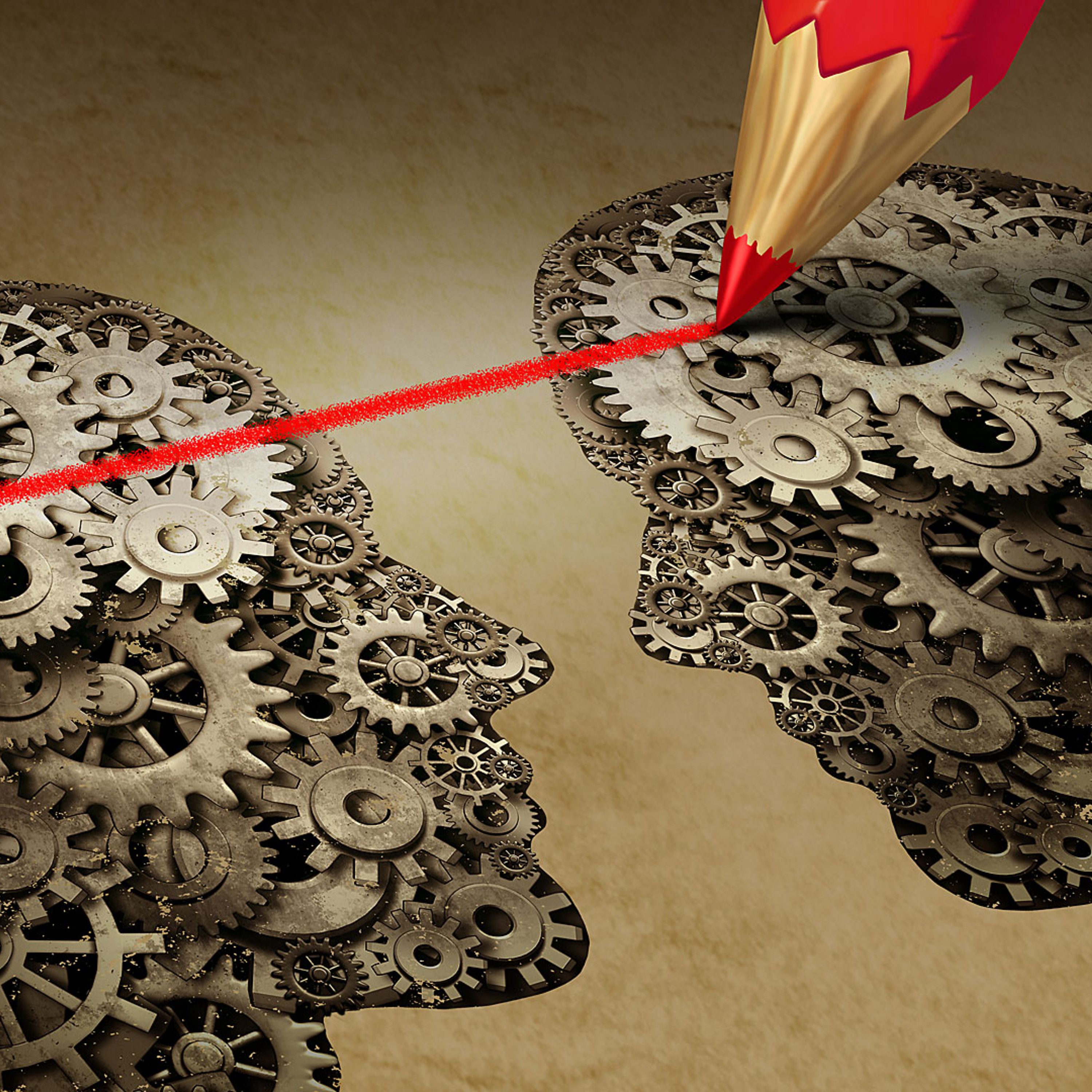
For decades science fiction has been imagining the incredible ways that machines might interact directly with our minds, from enabling telepathic communication to controlling robotic suits, solely using the power of thought. Getting computers to interface directly with the human brain has proven extremely challenging, but rapidly advancing computer technology is changing the landscape. CrowdScience listener Daniel wonders if we might finally be on the cusp of enabling machines to meld with our minds. To find out, presenter Alex Lathbridge goes in search of the latest efforts to connect brains to computers. He learns how researchers are combining brain scans with machine learning and gets to test whether an fMRI machine can decode his emotions. He then meets someone with a brain implant but discovers there are many hurdles to overcome before these become mainstream in clinical practice – for example, how can scientists develop implants that won’t damage the brain? With tech companies like Facebook and Elon Musk’s Neuralink starting to invest in this sector, many experts believe it is only a matter of time before thoughts are ‘readable’. Whilst currently this technology is focussed on helping people with serious medical conditions, other potential applications for it are raising ethical considerations. Could it be possible to read someone's mind against their will? Might this be used in warfare? Listener Daniel wonders how far this technology might go, leading Alex to ask an ethicist what mind-reading technology might do to society.Presented by Alex Lathbridge Produced by Melanie Brown(Photo: Telepathic people symbols are connected, mind reading as 3D illustration. Credit; Getty Images)

Why do I get sleepy?
We’re all familiar with the sensation of sleepiness – heavy eye-lid, that warm, fuzzy feeling. But, one CrowdScience listener wants to know, what’s actually going on in our body and brain when tiredness takes over?Presenter Marnie Chesterton takes up the challenge and follows a trail that leads to circadian scientists working at the NASA Ames research centre in Silicon Valley. It turns out aviators and astronauts take sleepiness very seriously indeed.Marnie sends out roving reporter Anand Jagatia to investigate how our psycho-motor skills are affected by fatigue in a driving simulator. And we ask how does sleepiness change with age? Why, when tired, do adults crave a nap but children become ever more excitable? And what the hell’s going on with teenagers? We have some answers.Presented by Anand Jagatia Produced by Dom Byrne (Photo: Tired woman taking a nap at work sitting at office desk. Credit: Getty Images)

Can my stutter be cured?
Most of us take the ability to speak fluently for granted, but for listener Breeda it has been a lifelong struggle. She has asked CrowdScience to investigate whether there is a cure for stuttering and, if not, what the best way to live with it is. Breeda is not alone, as stammering is a neurological condition that affects 70 million people worldwide. The CrowdScience team head to Oslo in Norway to follow a group of young people who have signed up for a highly disciplined and potentially life-changing training course. The first milestone is to learn to say their name without a stutter. For many, this is a huge challenge that triggers years of distress and anxiety.With hundreds of muscles and many parts of the brain being involved, speaking is one of the most complex tasks that humans perform. Scientists have discovered subtle differences in the insulation surrounding nerve cells, so-called myelin, between people who stutter and those who don’t. This irregularity may be the source of a tiny time delay in signals between crucial regions of the brain that need to work closely together to produce speech. In the future, it may be possible to stimulate certain brain areas to boost growth and connectivity.Presenter: Gareth Barlow Produced by Louisa Field for the BBC World Service(Image: Illustration of humans speaking with quotation marks, credit: Getty Images)
Will my salmon swim home?
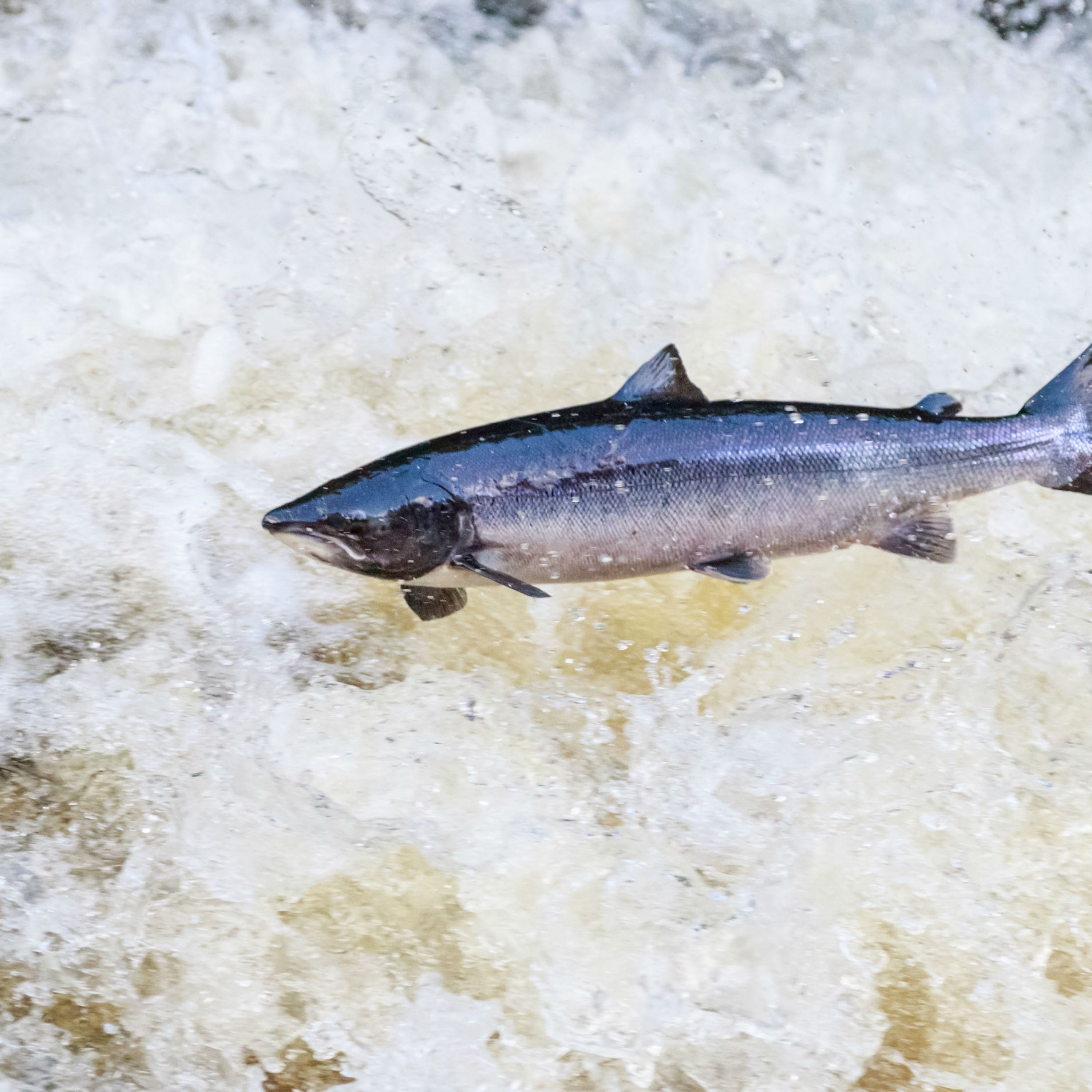
Crowdscience listeners Michael and Ricky have been walking a tributary of the River Thames in London, UK. They’ve noticed that there are loads of fish, which have only returned in recent years thanks to clean water initiatives. But what about salmon, they wonder? Could they one day return too? If they popped some salmon eggs in the river, would they return to spawn later on in their lives? Marnie Chesterton heads to Norway to find out whether it’s possible. There, she follows the life cycle of salmon, from birth to death and travels to the salmon’s spawning grounds, before following their path out to sea and beyond. She explores the science behind ‘natal homing’ - returning to the place of your birth in order to reproduce. It isn’t just confined to salmon. But how does it work? Marnie also learns to fish as she joins an active research project that's evaluating if escaped farmed salmon are threatening their wild counterparts by interbreeding. Could this stop salmon swimming home?Back in the UK, Marnie finds out if all this Norwegian expertise could be transplanted to a river in London? Quite possibly, but it's not without its challenges, as the UK's Environmental Agency found out after attempting to re-introduce salmon into the River Thames.Presenter: Marnie Chesterton Produced by Graihagh Jackson for the BBC World Service(Photo: The mighty Wild Atlantic salmon travelling to spawning grounds in the Scottish highlands. Credit: Getty Images)

Is maths real?
Faced with one cake and eight hungry people, it’s pretty obvious how maths underpins reality. But as mathematics gets further from common sense and into seemingly abstract territory, nature still seems to obey its rules - whether in the orbit of a planet, the number of petals on a flower, or the structure of an atom. But what exactly is the relationship between mathematics and reality? That’s the impossibly difficult question CrowdScience has been set this week by our listener Sergio in Peru. It’s one that’s been pondered by humans for millennia: the Greek philosopher Pythagoras believed “All is number”. Is maths a human construct to help us make sense of reality - a tool, a model, a language? Does maths create its own reality? Or is it reality itself?CrowdScience explores these questions with the help of experts from the fields of philosophy, mathematics and science: Dr Eleanor Knox, Dr Eugenia Cheng, Professor Lucie Green, Alex Bellos and Stefano Centineo. Presenter: Marnie Chesterton Produced by Cathy Edwards for the BBC World Service(Photo: A young woman with her eyes closed standing in front of chalkboard, working out maths formulas. Credit: Getty Images)

How can I live a longer life?
Human life expectancy has been increasing for decades. In many developed countries, we can now expect to live into our 80s, and it isn’t uncommon to live to 90 or even 100 years old. But eventually our bodies fail, old age is undoubtedly a clear indicator of approaching death. This fact annoyed 79 year old CrowdScience listener Bill, who emailed in to set presenter Geoff Marsh the task of seeking out the secrets to a longer, healthier life. Bill has a personal target to live to 200 years old, so can he do it? Well some people appear to age more slowly. In one part of Costa Rica, people commonly hit their hundredth birthday. CrowdScience’s Rafael Rojas visits these Central American centenarians to ask them their secrets to a longer life. Then, in interviews with the best age researchers around the world, including Professor Linda Partridge and Professor Janet Lord, Geoff reveals the science behind longer lifespans, and what people can do to live for longer, healthily. Presented by Geoff Marsh Produced by Rory Galloway(Image: A group of older men sitting together at an event, Costa Rica. Credit: Rafael Rojas)

Is a vegan diet better for your health?
The number of vegans is on the rise in many parts of the world, with many people swearing by the health benefits of a plant-based lifestyle. But is a vegan diet really better for your health? Is there any evidence to show that vegans are likely to live longer? And what about the new, highly processed meat analogues becoming increasingly available in supermarkets and restaurants menus? They look, feel and taste just like meat products but what affect are they having on our health? To find out more, presenter Anand Jagatia talks to the experts and joins listener Samantha in following a vegan diet. Presenter Anand Jagatia Produced by Caroline Steel for the BBC World Service(Photo: Healthy vegan food with herbs and spices. Credit: Getty Images)

Could I learn to think like Sherlock Holmes?
Sir Arthur Conan Doyle’s famous fictional detective is renowned for his feats of memory, his observational capacity, tireless energy and an almost supernatural ability to solve the most perplexing crimes from seemingly unconnected facts.CrowdScience listener Asghar wants to know whether the way Sherlock Holmes solves crimes goes beyond fiction. What does science have to say about the matter? We pit fact against fiction with a leading forensic expert, a sleep scientist and presenter Marnie Chesterton puts herself to the test under the guidance of memory champion Simon Reinhard. She discovers that most humans are able to train their brain to rival the memory capacity of Sherlock Holmes. And who wouldn’t want that?Presenter: Marnie Chesterton Producer: Louisa Field(Photo: A Sherlock Holmes hat and magnifying glass on a wooden table. Credit: Getty Images)

Can my migraines be cured?
The World Health Organization ranks migraines as the second most disabling neurological disorder in the world and in people under the age of 50, it is the single most disabling medical condition. With stats like that, it’s no wonder that so many CrowdScience listeners have got in touch wanting help with their headaches. Peter from Germany askes what happens in his brain when he’s got a migraine, whilst Nika from Germany has found that changing lifestyle has dramatically reduced hers but she’s not sure why. What’s the link between diet, exercise and migraines, Nika wonders? Meanwhile, Judy from USA wants to know if there’s a cure, as her son gets chronic migraines and she wants to know what the future looks like for him.Anand Jagatia and migraine sufferer Graihagh Jackson take a trip into the neurology of migraines, investigating some of the latest research in headache and migraine research to find some answers. Presenters: Anand Jagatia & Graihagh Jackson Producer: Graihagh Jackson(Photo: A young man suffering from a migraine. Credit: Getty Images)

Are extroverts really happier?
Sociable, lively, outgoing people are highly valued in certain cultures - think of the stereotype of the hyper-confident American. And there’s even evidence that extroverts all over the world tend to be happier. But are the positive qualities that quieter types can bring to society being ignored or underappreciated? And couldn’t introverts be just as happy as extroverts, if only they lived in a more accepting culture? These are controversial areas of personality psychology into which CrowdScience strayed earlier this year when exploring the question “Why am I shy?” It prompted a whole bunch of other questions from our listeners which we tackle in this follow-up programme, with the help of psychologist and shyness expert Professor Jonathan Cheek. We probe the links between happiness, personality and culture, and find out what makes introverts happy.Presenter: Datshiane Navanayagam Producer: Cathy Edwards(Photo: A woman smiling with her arms spread out. Credit: Getty Images)
Do we need more space stations?
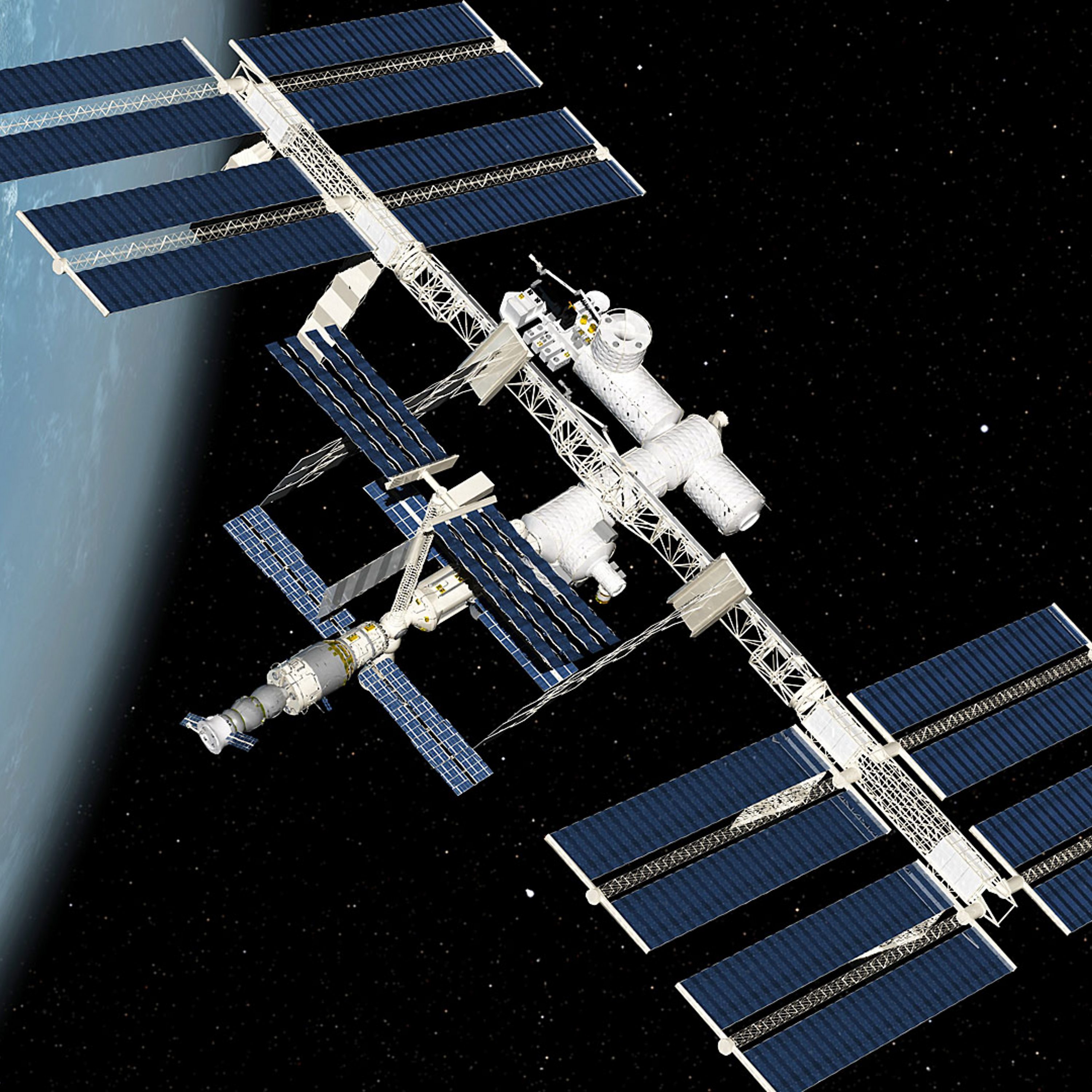
Satellites have transformed our lives, giving us digital communications, navigation and observations of Earth, and even an artificial place to live above the atmosphere: The International Space Station. CrowdScience listener Dana wants to know: would more of these satellites and stations help us get back to the Moon, as well as further into the solar system? As we discovered in a previous episode, being able to mine resources such as fuel and water in space could be handy for extra-terrestrial exploration. Asteroids could perhaps one day become self-fuelling gas stations for spaceships, as many contain ice which you could turn rocket fuel (hydrogen and oxygen). But what else would astronauts need for living beyond Earth? Marnie Chesterton asks the engineers working on the possibilities – from communications satellites that could transform lunar missions to a brand new moon-orbiting space station: The Lunar Gateway. These technologies could help humans get back to the Moon, and perhaps one day to Mars, for hopefully reduced costs – but funding missions beyond our planet still isn’t going to be cheap. Why might we need deep space-based infrastructure, and how could it help humanity back here on Earth? Presented by Marnie Chesterton Produced by Jennifer Whyntie for the BBC World Service(Photo: International Space Station, orbiting Earth. Credit: The Science Photo Library)

How can I motivate myself?
Many of us struggle to motivate ourselves to carry out certain tasks, from hanging out the washing to writing a job application. How can we best motivate ourselves? And how can we avoid procrastination? Listener Moses in Uganda wants to find out. Presenter Anand Jagatia puts the science to the test as he trains and participates in an open water swimming race which Marnie Chesterton has kindly volunteered him for. Presented by Anand Jagatia and Marnie Chesterton Produced by Caroline Steel for the BBC World Service(Photo: Yes you can, motivational message written on a sandy beach. Credit: Getty Images)

Global infertility: Could The Handmaid’s Tale become reality?
CrowdScience listeners Mark and Jess have been watching TV series, The Handmaid’s Tale. It's an adaptation of a book by Margaret Atwood and depicts a dystopian future where many have become infertile. The remaining few fertile women, known as Handmaids, are forced into child-bearing servitude. Why so many have become infertile isn’t clear but the series hints at several possible causes, from radiation to environmental pollutants. All of which got Mark and Jess wondering… What could cause mass infertility? Would we descend into a political landscape akin to Gilead? Award-winning author Margaret Atwood has left a paper trail for us to follow in the pages of her novel. There’s a ream of possible causes, and so Marnie Chesterton investigates which ring true. Presented by Marnie Chesterton. Produced by Graihagh Jackson for the BBC World Service.(Photo: Filming of the Handmaid's Tale. Credit: Getty Images)

Can I predict the future?
Humans have been trying to predict the future since ancient times. The Chinese had the I-Ching while the Greeks preferred to search for answers in animal entrails. These days intelligence agencies around the world mostly rely on expert opinions to forecast events. But there are ordinary people among us that routinely outperform experts when it comes to making accurate predictions about the future. Listener Cicely wants to know whether these non-experts, so-called “super-forecasters”, really exist and if so, how does it work? She has noticed that people in her family – herself included – are surprisingly good at predicting events.CrowdScience investigates and finds that there is no hocus-pocus involved. On the contrary, scientists have found that super-forecasters tend to have certain personality traits and skills. And there is more good news; researchers believe that these skills can been taught. CrowdScience presenter Graihagh Jackson takes up the challenge and tests her own predicting abilities.Presented by Graihagh Jackson and produced by Louisa Field(Photo: A barefoot woman on a beach, showing two lucky dices in her hands. Credit: Getty Images)
How many fossils are there?
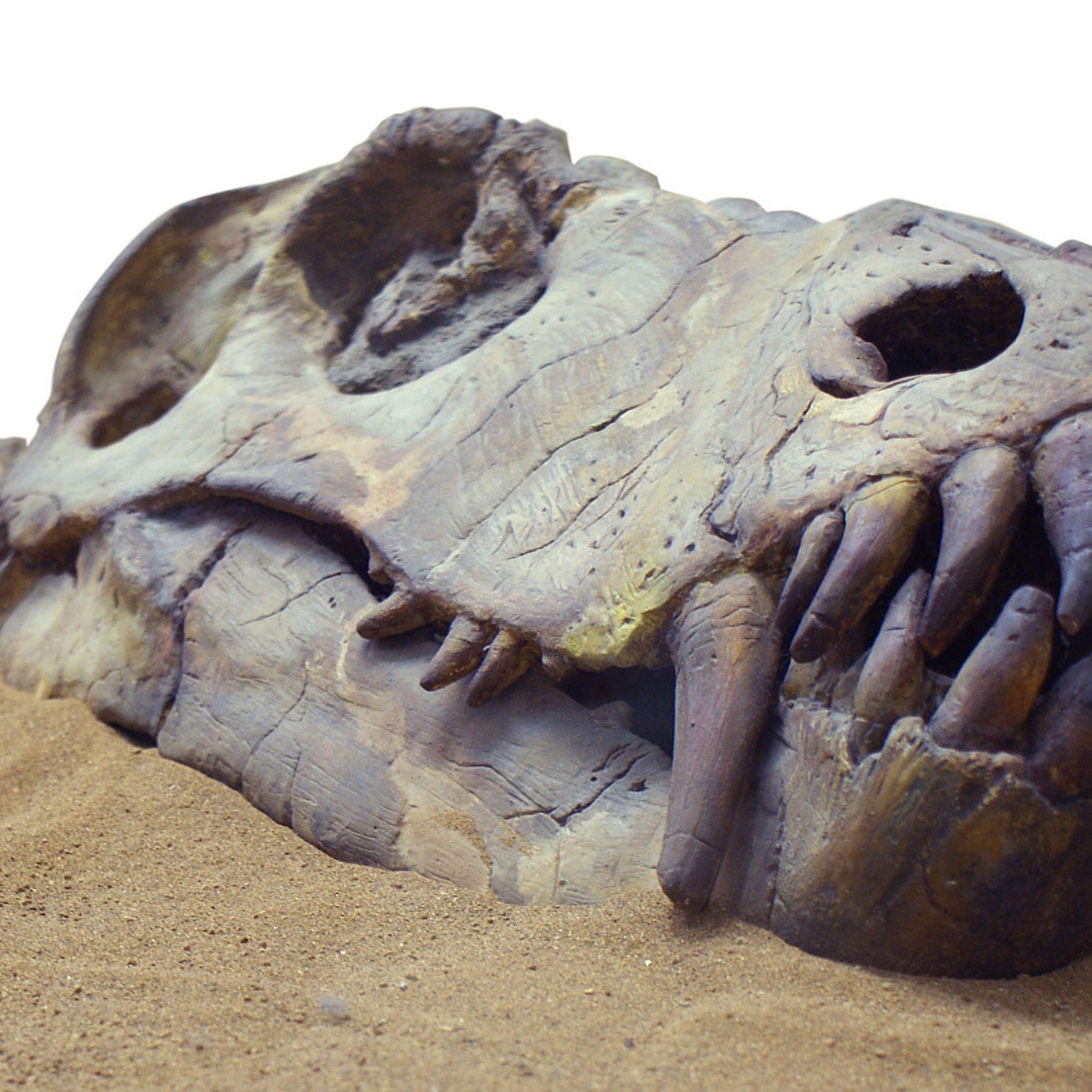
The odds of becoming a fossil are vanishingly small. And yet there seem to be an awful lot of them out there. In some parts of the world you can barely look at a rock without finding a fossil, and museum archives worldwide are stuffed with everything from ammonites to Archaeopteryx. But how many does that leave to be discovered by future fossil hunters? What’s the total number of fossils left to find? That’s what listener Anders Hegvik from Norway wants to know and what CrowdScience is off to investigate. Despite not having the technology or time to scan the entire planet, presenter Marnie Chesterton prepares to find a decent answer. During her quest, she meets the scientists who dig up fossils all over the world; does some very large sums; and asks, have we already found all the T-rexes out there?Presented by Marnie Chesterton and produced by Anna Lacey(Photo: Fossilized dinosaur bones and skull in the send. Credit: Getty Images)

Why do we pull faces when we concentrate?
Do you stick your tongue out or scowl when you concentrate? Maybe, like one of our listeners, you screw up your face when you’re playing music. Do these facial expressions actually help with the task in hand? And could they hold clues to humans’ evolutionary past? In this edition of CrowdScience we tackle the science of face-pulling, along with several more burning science questions sent in from listeners around the world. We explore why it’s almost impossible to talk without moving your hands; and why bilingual people often switch to the first language they learned when they’re counting, even if they speak another language the rest of the time.Presented by Anand Jagatia and Marnie Chesterton Produced by Cathy Edwards(Photo: A boy sits at a table, looking down in concentration as he draws in a note pad. Credit: Getty Images)

Where’s my time machine?
Laser swords, time machines, matter transporters - before the turn of the millennium, movies, books and television promised some extraordinary future technology. Now we’re twenty years into the next century and CrowdScience listeners are wondering: Where is it all?Marnie Chesterton delves into the sci-fi cupboard to dust off some imaginary gadgets and find out if any are finally becoming reality. How far into the future will we have to go to find a time machine as imagined by H.G. Wells in 1895? Where are the lightsabers wielded by fictional Jedi? Why are we still using cars, planes and trains when a matter transporter or a flying taxi could be so much more convenient? Marnie is joined by a panel of experts to find out if and when any of these much-longed for items are going to arrive.Presenter Marnie Chesterton. Producer Jennifer Whyntie(Photo: Dr Who, Tardis. Travelling through time and space. Credit: BBC Copyright)

Who were the first farmers?
Farming is a relatively recent invention for our species. For most of human history, people were hunter-gatherers. They moved around the landscape to get their food, hunting prey and gathering fruits and cereals from their environment. But then, around 10 thousand years ago, human society shifted, and the first farmers appear in archaeological records around the world. So how did this idea start? Who planted the first seed and domesticated the wild ancestors of our cows and chickens? That’s what Listener Brian wanted to know, and so CrowdScience presenter Anand Jagatia seeks out the archaeologists, geneticists and anthropologists who can give us the answers.Presenter: Anand Jagatia, Producer: Rory Galloway (Photo: A farmer working in a green cotton field with two bulls. Credit: Getty Images)

Why do some people eat soil?
For some people, the idea of eating soil is weird at best and at worst disgusting and dirty. But globally the practice of geophagy – or the regular and intentional consumption of earth – is more common than you might imagine. The ancient Greek physician Hippocrates described it 2500 years ago and even today, eating soil, earth and clay can be seen in a wide range of human cultures as well in hundreds of animal species. But what’s the point of it? And what’s going on in the body to drive cravings for things that aren’t bona fide food?That’s the question bothering CrowdScience listener Amy. Anna Lacey discovers the special properties of the soil people eat and the purpose geophagy might serve for our health. She also finds out the extent to which our bodies can tell us what we’re lacking and drive us to crave the substances we need to reset the balance. Produced and Presented by Anna Lacey(Photo: Hands holding some soil. Credit: Getty Images)

Can we prevent traffic jams?
It’s frustrating to be stuck in traffic. Listener Collins from Nairobi, Kenya, spends at least three hours a day in traffic and he counts himself lucky. Many of his friends will easily spend six hours in traffic jams to get back and forth from work. Collins wants to know whether there is hope for his hometown – has any city managed to eliminate the worst of the traffic hot spots and how did they do it? Collins is not alone in his frustration. CrowdScience finds that congestion plays a major factor in the happiness and health of urban citizens. Commuters have been measured to have stress levels equivalent to that of riot police facing angry protesters. So should our cities cater less for cars and what are the alternatives? Presenter Gareth Barlow heads to Copenhagen to meet the politicians and urban designers who have transformed the Danish capital from a city for cars to one for bikes and people. Presenter: Gareth Barlow. Produced by Louisa Field(Photo: Afternoon traffic along Likoni road in Nairobi's Kilimani susburb. Credit: Getty Images)

What’s the best way to breathe?
Breathing is automatic: awake or asleep, running or resting, our bodies unconsciously make sure we get enough oxygen to function. But - unlike other bodily functions such as heart rate and digestion - it’s not hard to control our breathing consciously. If you’ve ever been to an exercise, meditation or yoga class, you’re probably familiar with instructions about how and when to breathe.It was one of these instructions - “breathe in through your nose and out through your mouth” - that prompted CrowdScience listener Judi to wonder if this really was the best way to breathe during her exercise class. Is there good evidence to support the benefits of different breathing techniques - whether through the nose or mouth, fast or slow, noisy or quiet? And is consciously controlling your breath more about improving psychological focus, or optimising body mechanics?Sports scientist Mitch Lomax takes us through the biology, chemistry and physics of breathing, and shows us how to train our respiratory muscles. We meet yoga guru Hansa Yogendra in India, where the study of pranayama - literally “breath control” in Sanskrit - is thousands of years old; and find out what scientists have discovered about the effects of these ancient techniques on the body and mind.Presenter: Anand Jagatia. Producer: Cathy Edwards(Photo: A woman jogging outside, wearing sports clothes on a blue sky background. Credit: Getty Images)

Are there new ways to beat depression?
For decades, people suffering from chronic depression have relied on medicines that affect the levels of chemicals in the brain like serotonin, which regulate mood and emotion. But ten percent of people don’t benefit from any of the existing treatments for this devastating condition. Sisters Annie and Kathryn have both been diagnosed with long-term depression that makes it hard for them to experience pleasure as others do. But they’re interested in whether there are new solutions on the horizon that could improve their wellbeing, in particular ones that don’t necessarily involve conventional medication. Datshiane Navanayagam learns how a technique called mindfulness could strengthen neural connections in bits of the brain that communicate with each other. This, it’s said, may harness the ability of the brain to adapt and self-repair which can change people’s emotional responses to life’s ups and downs. She meets a psychologist who shows how this simple technique could improve our overall ability to process information and reverse negative thought patterns.CrowdScience also hears about cutting edge research into the use of psychedelics as potential treatment for depression and heads to the UK’s only centre for ketamine therapy, where patients say a drug once popular with partygoers, is having a profound effect on their mental health.Produced by Marijke Peters for BBC World Service.(Photo: A woman sitting on the top of a mountain and meditating. Credit: Getty Images)

Can singing improve our health?
Singing can lift our spirits, but research suggests it could also benefit our health, improving breathing for people with lung conditions and helping us cope with dementia. Could it even have a preventative effect? CrowdScience heads to Cheltenham Science Festival in the UK county of Gloucestershire - one of the first places to pioneer this kind of “social prescribing” - to find out. Presenter Anand Jagatia teams up with panellists Dr Daisy Fancourt, Senior Research Associate in Behavioural Science, Dr Simon Opher, family doctor and Clinical Lead for Social Prescribing, and Maggie Grady, Director of Music Therapy at charity Mindsong to learn more. They’re joined on-stage by their Breathe In Sing Out and Meaningful Music volunteer singing groups to find out what this much-loved musical pastime can do for us.Producer: Jen Whyntie(Photo: Students singing in a choir with their teacher. Credit: Getty Images)

How are we evolving?
Medical intervention has disrupted natural selection in humans as many more children survive into adulthood than did a few centuries ago. And as our DNA continues to evolve, in order to adapt to our environment, how might human beings of the future be different from us? Anand Jagatia explores how some humans, over just a few thousand years, have adapted genetically to live at high altitudes of the Tibetan Himalayas or in the cold climates of Inuit Greenland. Several Crowdscience listeners got in touch to ask about the ways in which humans might evolve in future but understanding how we’re adapting to modern ways of living is much harder to measure. So what adaptions do evolutionary biologists expect for the human race? How will IVF, gene-editing, mass migration and our constantly changing culture affect how we evolve?Presenter: Anand Jagatia. Produced by Dom Byrne and Melanie Brown for BBC World Service(Photo: People in a crowded street. Credit: Getty Images)

Could our household microbes help or harm us?
As scientists keep finding ever more fascinating facts about the invisible housemates that share our homes, we dust off our episode on what might be lurking in quiet household corners or under our beds. Marnie Chesterton reminds us how dust can contain all sorts of secrets about our habits and everyday lives, and Anand Jagatia bravely ventures into parts of our homes that are usually overlooked. He heads out on a microbial safari with expert tour guide Dr Jamie Lorimer from the University of Oxford to find out what kind of creatures are living in our kitchens, bathrooms and gardens - from bacteria normally found in undersea vents popping up in a kettle, to microbes quietly producing tiny nuggets of gold. For so long this hidden world has been one that we’ve routinely exterminated - but should we be exploring it too? Presenters: Marnie Chesterton and Anand Jagatia. Produced by Jen Whyntie for BBC World Service.(Photo: A woman using a damp sponge to clean dust collected on a window sill. Credit: Getty Images)
Could dark matter harbour dark life?
Where the conditions are right, life can arise. But what might the ‘right’ conditions be? Could the dark sector of our Universe be inhabited? That’s what Gautam from Delhi, India has been wondering. He points out that dark matter and dark energy make up around 95% of the Universe and the remaining segment is normal matter - the stuff we’re all made up of. Given that there’s so much of this dark material, could dark life have evolved? Marnie Chesterton investigates with Dr Matt Middleton, Dr Burçin Mutlu-Pakdil and Dr Renato Costa. Together, they unpick what dark matter and dark energy are and test out some listener theories as to what these mysterious mediums might be. For instance, Yoseph from Ogden, USA questions whether black holes could account for the missing matter and it turns out, he might just be on to something… Presented by Marnie Chesterton. Produced by Graihagh Jackson for BBC World Service.(Photo: Arrangement of Nebula, Stars and a colourful galaxy. Credit: Getty Images)
How does a single cell become me?
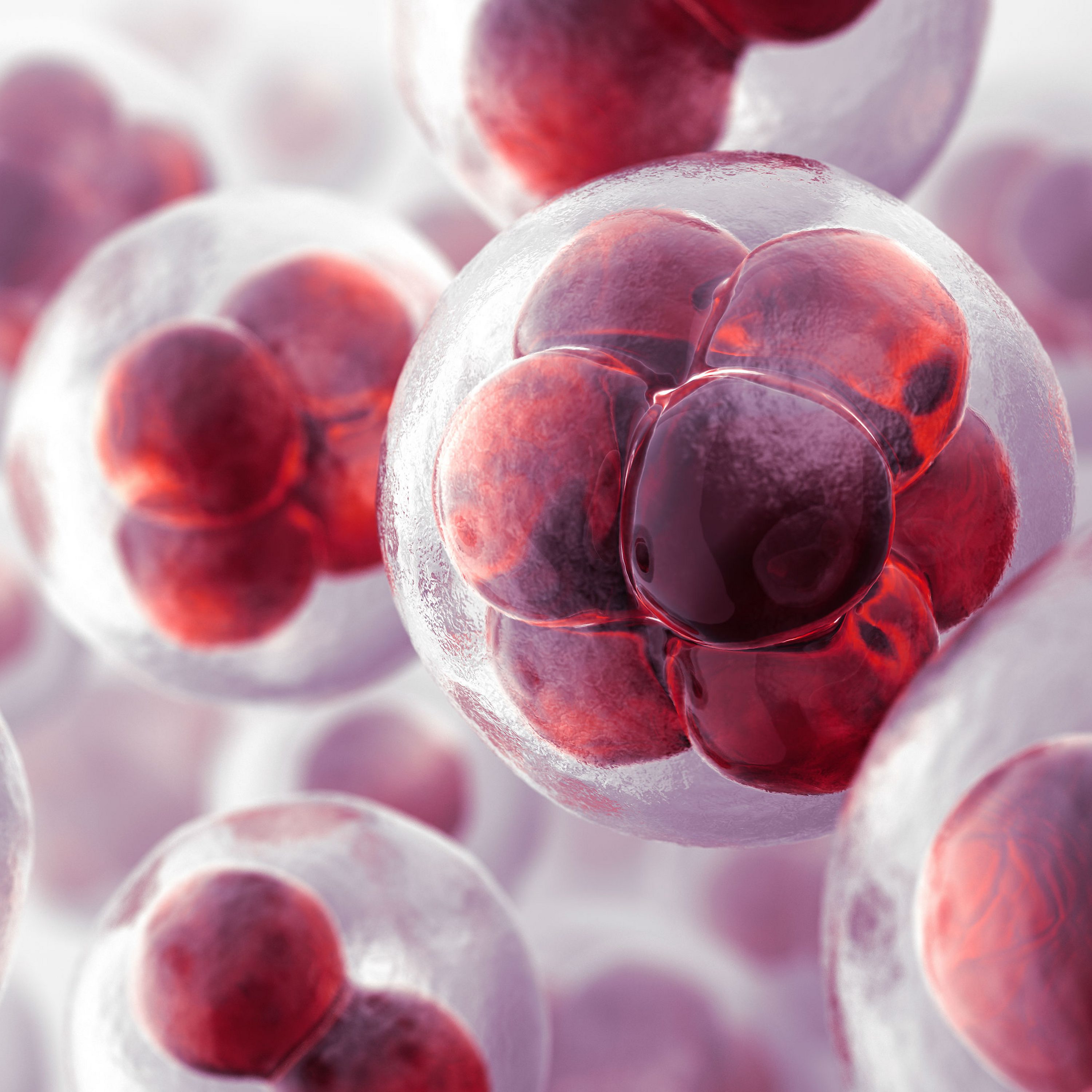
Our bodies are made of cells, tens of trillions of cells. They all have particular roles and functions in the body, from digesting food, to producing hair, to hunting down pathogens. But all of this incredible complexity started as just a single cell.Gila, from Israel, asked CrowdScience to find out how the development of incredible structures, and systems in the body are coordinated by the cells. Are cells communicating? How do cells know what they should be doing? To find out, Geoff Marsh meets a Cambridge researcher uncovering the first cell division in our lives, and peers into a fertile chicken egg to see the developing embryo as it grows a limb. CrowdScience finds out why scientists like Dr Megan Davey use chickens to understand the development of human fingers and investigates how individual cells with the same DNA manage to choreograph a dance of cell replication, movement and communication to create our bodies in all of their complexity. Presenter: Geoff Marsh Producer: Rory Galloway (Photo: Cells grouped together. Credit: Getty Images)

Did cooking make us human?
Many of us enjoy cooking – but when did we switch from eating our food raw, to heating it? Listener Logan enjoys his beef burgers rare, but wants to know why he still feels compelled to grill them? Presenter Anand Jagatia travels to a remote South African cave where our ancestors first used fire at least a million years ago, which one man says could help prove when our species started cooking. And he talks to a scientist who shows how the composition of food changes when it’s cooked, to allow us more access to give us more access to calories - and hears how a completely raw food diet could have disastrous consequences for health.Producer: Marijke Peters Presenter Anand Jagatia(Image: A large pan held over an open fire. Credit: Getty Images)
Could viruses help fight super-bugs?
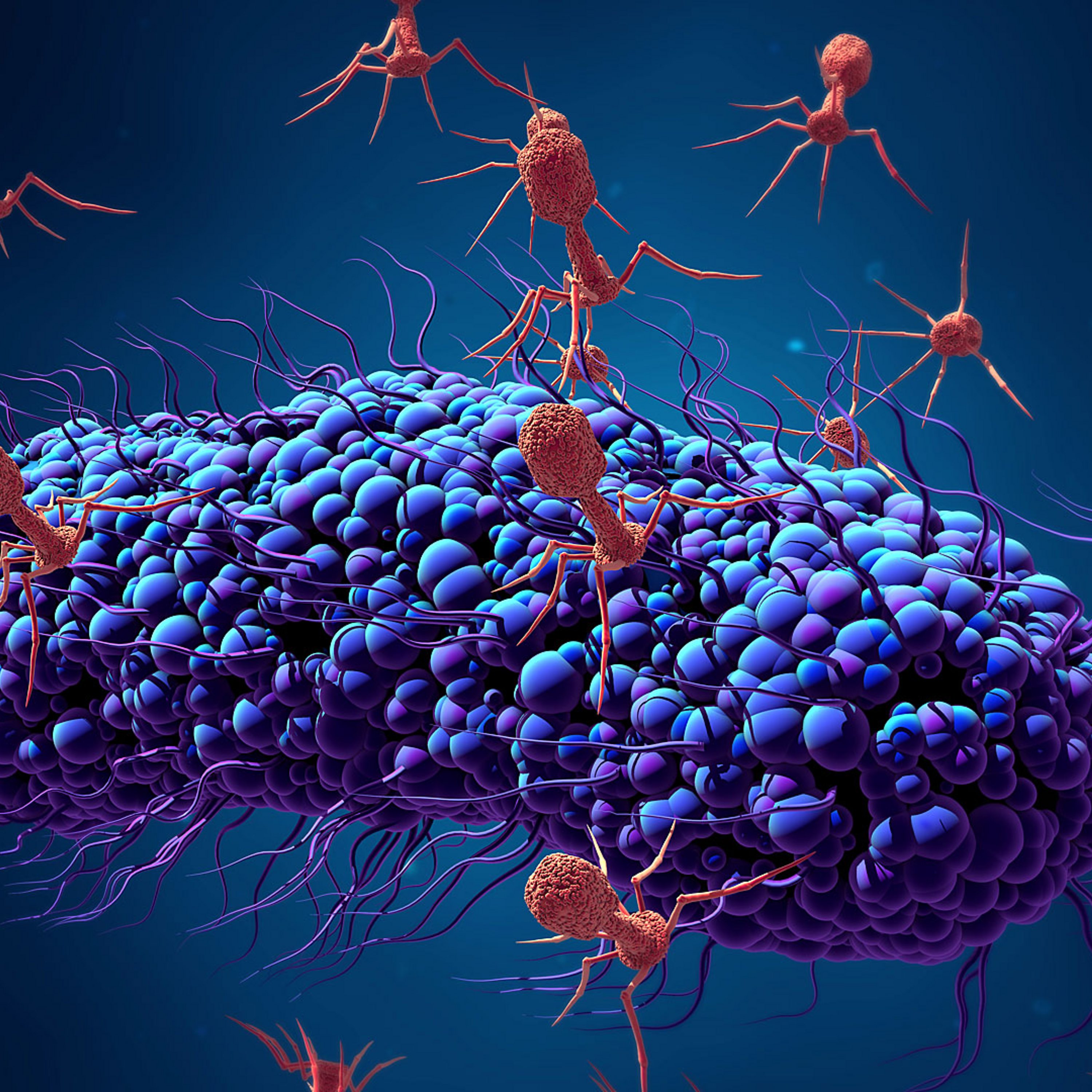
We are slowly running out of ammunition to fight antibiotic resistant bacteria. Listener Peter wants to know whether a therapy that he’d heard about in the 1980s could be revived to help us where antibiotics falls short.CrowdScience travels to Georgia where “phages”, viruses that hunt and kill bacteria, have been used for nearly 100 years to treat illnesses ranging from a sore throat to cholera. Phages are fussy eaters – a specific phage will happily chew on one bug but ignore another. In Georgia, scientists have kept rare phages safe for decades and are constantly on the look-out for new ones.CrowdScience presenter Marnie Chesterton speaks to the scientists and doctors who are pioneering phage-therapy as well as overseas patients who have travelled thousands of miles in hope of finding a cure.Presenter: Marnie Chesterton Producer: Louisa Field(Photo: Bacteriophage infecting bacterium. Credit: Getty Images)
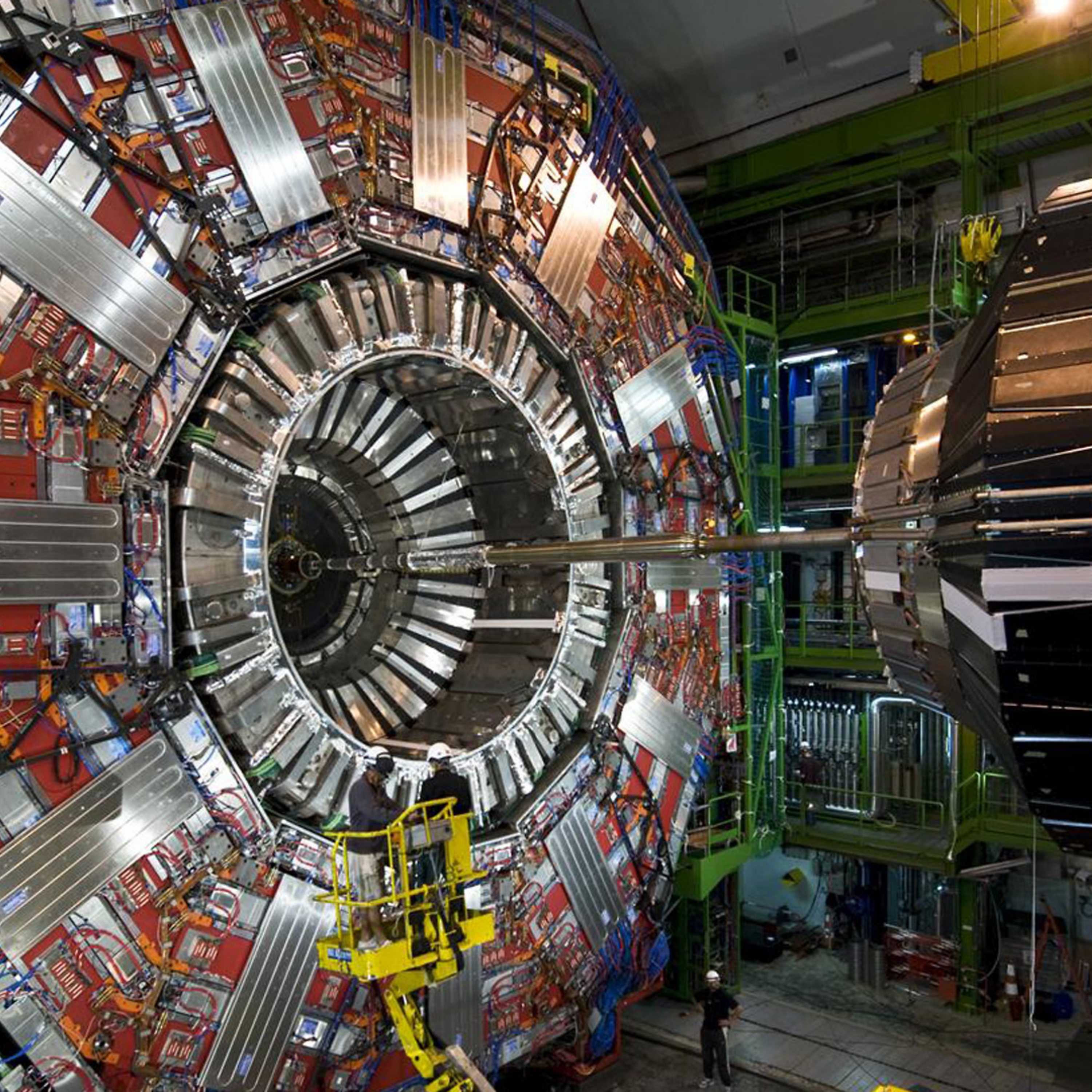
Will we ever know what the universe is made of?
We are all made of particles – but what are particles made of? It’s a question that’s been perplexing scientists for centuries - for so long, in fact, that listener Doug in Canada wants to know if there’s a limit to how much they can ever discover. CrowdScience heads out to CERN, in Switzerland, to find out. Birthplace of the internet, home to the Large Hadron Collider, and the site of the Higgs Boson’s discovery – the fundamental particle that is thought to give all other particles their mass, and one of the most important scientific finds of the 21st Century. But that revelation wasn’t an end to the quest – in fact, it has raised many more questions for the physicists and engineers involved. Dr David Barney, CMS, and Dr Tara Nanut, LHCb, tell us why.And now they have announced that they are considering building a new, larger particle collider to find answers. The Future Circular Collider would be a hundred kilometres long and sited partly under Lake Geneva, smashing together sub-atomic particles at unprecedented energies in the hope of revealing the fundamental building blocks of all matter in the Universe. But any outcomes are by no means certain, and it could cost up to €29 billion. Perhaps physicists need to think completely differently about how to unpick what makes our universe – we see how one research team at Rutherford Appleton Laboratory near Oxford is doing just that, as they’re developing a collider that is not kilometres but centimetres long. Dr Charlotte Palmer, University of Oxford, tells us how.However these fundamental questions are tackled, critics say that the money could be better spent on other research areas such as combating climate change. But supporters argue that its discoveries could uncover new technologies that will benefit future generations in ways we can’t predict. Anand Jagatia meets the scientists responsible to making this next giant leap into the quantum unknown.(Photo: CMS experiment at CERN, Switzerland. Photo credit: CERN)
Why do we find things beautiful?
Humans seem programmed to appreciate beauty - whether that’s an attractive face, a glorious sunset, or a stirring piece of music. Of course, our individual tastes are all different, and culture plays a huge part too - but why are we so struck by whatever it is we find beautiful? What is that pleasurable sensation we get when we see or hear something we like? And has the ability to appreciate beauty given us any evolutionary advantages?In a special edition of CrowdScience from the International Science Festival in Gothenburg, Sweden, we are joined by a panel of experts to explore how far science can explain the mystery of beauty. We look to biology, the brain, art and mathematics, to see how patterns, rhythms and symmetry contribute to our experience of beauty. And we ask whether machines can recognise or ‘appreciate’ beauty – and to what extent artificial intelligence is starting to confuse or influence what we think of as beautiful.Presenter: Marnie Chesterton Producer: Cathy EdwardsPhoto: A peacock. Credit: Getty Images/bobbieo

What are dreams for?
There are very good reasons to sleep: to regulate the body’s metabolism, blood pressure and other aspects of health. But do we actually need to dream? Is there an evolutionary reason for it?Marnie Chesterton takes her dream diary to a dream lab to explore this very popular preoccupation of many CrowdScience listeners.What would happen if we didn’t dream? What purpose do dreams serve? Can we really interpret them meaningfully, or are they merely random signals from the brain? The latest research says talking about them could be more important than we realise.And what about controlling our dreams? Marnie finds herself a willing participant in a study on lucid dreaming – of which sleep scientists are only just starting to understand the psychological benefits.Presenter: Marnie Chesterton Producer: Dominic Byrne(Image: Woman dreaming on a cloud up in the sky. Credit: Getty Images)

Which milk is best for me and the planet?
Swapping dairy milk for a plant-based milk is a growing trend that promises environmental benefits. But what is the best milk considering both our health and the planet’s? Scottish listener Nancy asks CrowdScience to unpick the pros and cons of plant-based milks. Presenter Graihagh Jackson digs into the research and finds that if the whole world were willing to swap dairy for soy, we would free up a land mass the size of Australia and reduce greenhouse gas emissions dramatically. So in theory the planet would be happier – but would we? Milk is packed with calcium and other nutrients that we humans need in our diet. And the ability to digest the sugar in dairy called ‘lactose’ is, according to evolutionary geneticist Mark Thomas, the most advantageous genetic mutation in human history. So can we live without it? Presenter: Graihagh Jackson Producer: Louisa Field(Image: A family enjoying milk at breakfast. Credit: Getty Images)
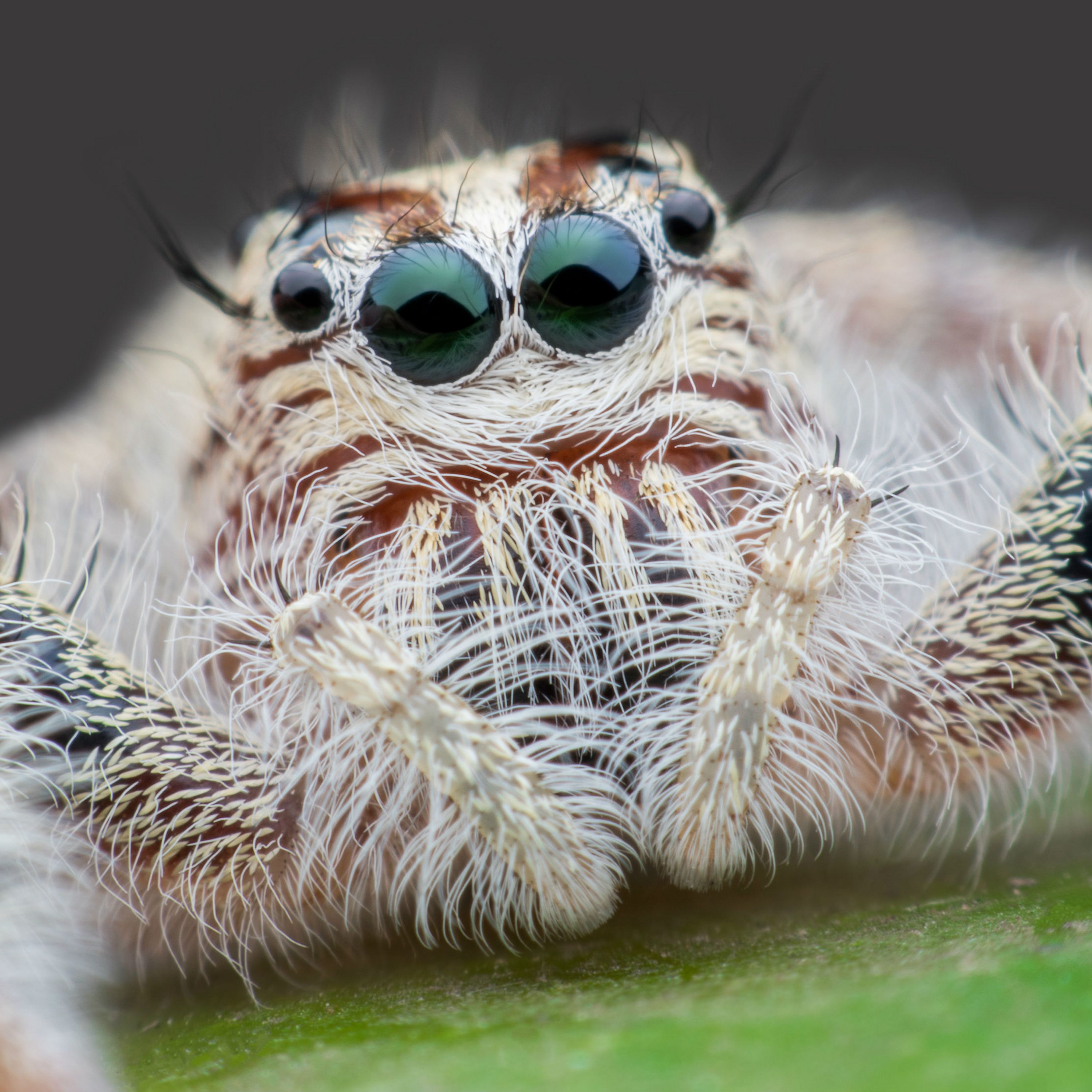
Why do we like some animals and hate others?
Cute isn't exactly a scientific term but we all know what we mean by it, don't we? Endearing, adorable, lovable and sweet. So what makes us fawn over a puppy, but run away from rats? Why do we spend millions on trying to keep Giant Pandas alive but spend even more on pushing endangered species like blue-fin Tuna to the brink of extinction by eating them? And if we changed what we classified as cute or ugly, how might that change the battle to protect the Earth's fragile biodiversity?CrowdScience listener Oleksiy, from Ukraine, wanted to know if cuteness is universal and what drives it? Seeking the answers, Marnie Chesterton cuddles puppies and enters a cramped spider nursery, seeking the science of cute, and exploring the evolutionary reasons for fear and disgust.Presenter: Marnie Chesterton Producer: Rory Galloway(Image: A cute and scary spider sitting on a green leaf. Credit: Getty Images)
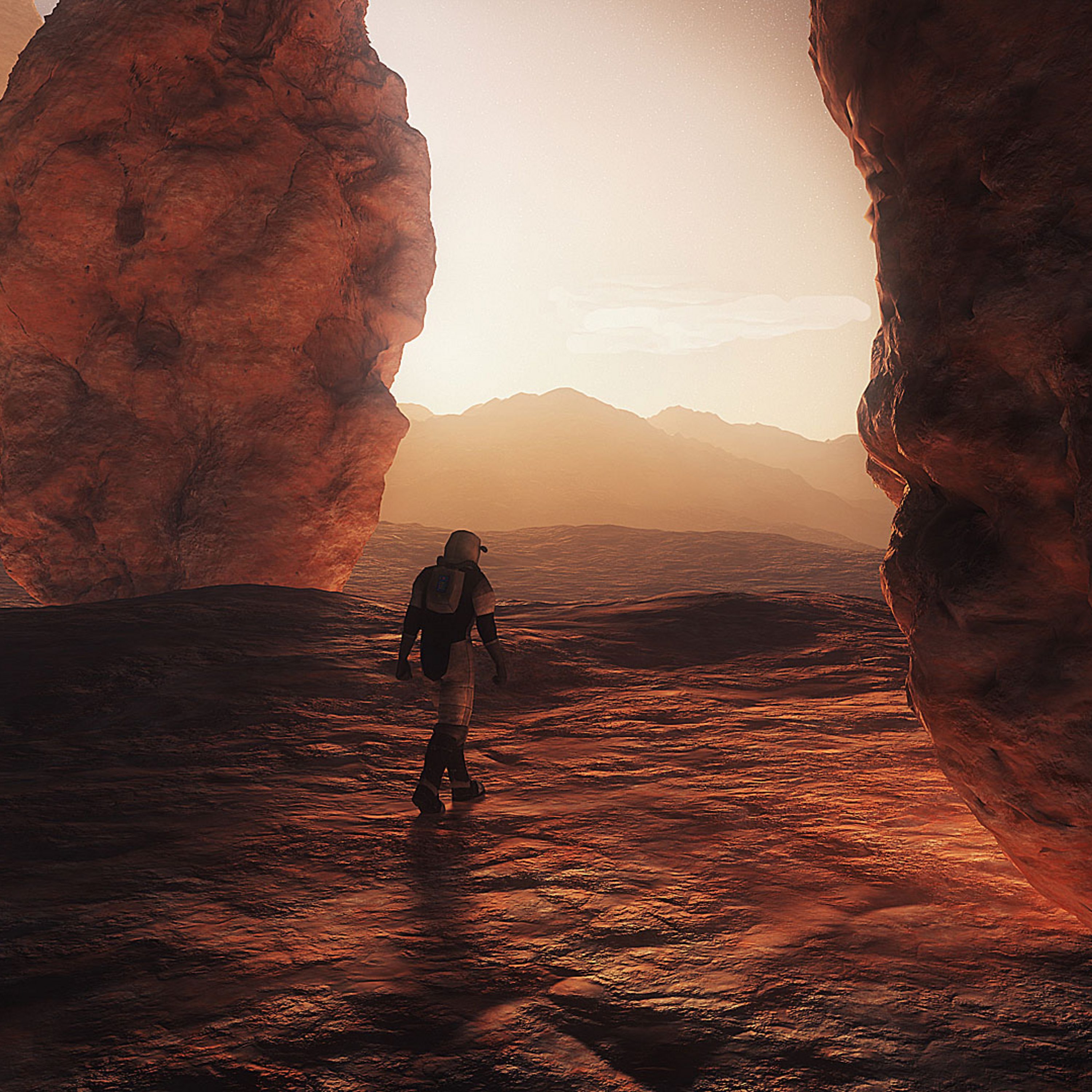
When will an African visit Mars?
Crowdscience heads to Africa's biggest science festival for a panel debate in front of a live audience that takes us into space then back down to earth to solve listeners' questions. Marnie Chesterton and Anand Jagatia are joined by aspiring extra-terrestrial, Dr Adriana Marais, who hopes to travel to Mars, along with cosmologist Palesa Nombula and sustainable energy expert Dr Sampson Mamphweli. They all explain how solving challenges on the ground will eventually help us set up home in space. Producers: Marijke Peters and Mel Brown Presenters: Marnie Chesterton and Anand Jagatia(Photo: Astronaut walking on Mars. Credit Getty Images)

Why am I shy?
A racing heart, blushing, feeling sick - most people experience symptoms of shyness in certain situations. But some of us are much shyer than others, and if it gets on top of you, shyness can really limit what you get out of life.That’s why this week’s listener got in touch with CrowdScience. He wants to know why he’s shy: is it genetic, or more to do with his upbringing? Is there anything he can do to overcome his shyness – and on the other hand, could being shy actually have some benefits?We find out how much shyness is down to our genes, and why ‘shy types’ might have evolved the first place. A psychologist gives us her top tips for dealing with social anxiety, and we take part in some drama therapy designed to help people break out of their shell. And we ask if quieter, more introverted types are disadvantaged in modern society, where outgoing, extraverted behaviour can bring more tangible rewards.(Photo: Shy young man hiding behind one eye. Credit: Getty Images)

What do clouds feel like?
This week we turn our gaze skywards to tackle three questions about what’s going on above us. Three year old Zac from the UK wants to know what clouds feel like – if they’re supposedly like steam, then how are they cold? Presenter Graihagh Jackson meets a meteorologist who can not only tell us but show us the answer, as we attempt to make a tiny cloud at ground level in the studio. Listener Agnese is looking beyond the cloud base and up to our nearest neighbour. She’d like to know why it is that we can see the Moon during the day. And Graihagh heads out to one of the longest-running and largest steerable telescopes in the world: The 76-metre Lovell Telescope at Jodrell Bank Observatory in the UK. Here, she finds out the answer to Sandeep from India’s extra-terrestrial question: Could aliens find us?(Image: Clouds in a blue sky. Credit: Getty Images)

Does brain size matter?
The size of brains in the animal kingdom is wildly different, from melon-sized in blue whales to pea-sized in shrews. But does a bigger brain mean a more powerful one? CrowdScience listener Bob wondered just this as he watched various sized dogs running amok in his local park: the Great Dane has a much larger brain than a Chihuahua’s, yet the job of ‘being a dog’ surely requires the same brain power. So why have a big brain if a small one would do? A search for the answer takes Geoff Marsh to dog agility trials, behind the scenes at London’s Natural History Museum and a laboratory that studies bumble bees. It turns out that size does matter, but not in the way you might think. Presenter: Geoff Marsh Producer: Dom Byrne(Photo: Great Dane HARLEQUIN and a chihuahua Getty Images)
Where was the last place humans made home?
Our species started in Africa, but what was the last habitable landmass we reached? CrowdScience presenters Marnie Chesterton and Geoff Marsh team up to investigate how and when our species journeyed around the world and settled its most far flung landmasses. Geoff heads to some ancient caves in Israel to investigate the ‘false starts’ humans made out of Africa, and Marnie speaks with Professor Lisa Matisoo-Smith in New Zealand, uncovering the development of Polynesian sailing canoes and how they enabled the last landmasses to be found by people. This is a story spanning over seventy thousand years, huge changes in culture and technology, and the repeated remodelling of the earth thanks to the ice ages. Produced by Rory Galloway (Photo: Polynesian canoeists at sunset. Credit: Richmatts/Getty Images)
Could a ‘zombie’ virus kill us all?
It’s the sort of plot you would expect from a classic sci-fi movie; what if there are viruses trapped deep in Antarctic ice that could wreak havoc on humans? Crowdscience presenter Alex Lathbridge puts on warm gloves and meets the scientists venturing into the icy wilds. He wants to answer listener Tony’s question - can viral life exist in such inhospitable climes and if so, might it pose us a danger? Alex meets teams who venture to the Antarctic to find out about how their work to understand climate change leads them to drilling and analysing ice cores that are tens of thousands of years old. He then visits a dynamic husband and wife duo in France who are extracting viruses from 30,000 year old Siberian permafrost and bringing them back to life. He discovers that - rather than killing us all, - their findings of novel giant viruses might contribute to medicine and our understanding of evolution.(Photo: Scientists working in a laboratory. Credit: Getty Images)

Is Recycling All Our Waste at Home Possible?
Waste, trash, garbage – whatever you call it, unwanted materials have become a major presence in many of our lives and our environment. Every year it is estimated that humans around the world produce 2 billion metric tonnes of waste. Listener Clare from Devon in the UK wants to start tackling this herself. She would like to know if she can not just sort but process all her own recycling at home.Presenter Marnie Chesterton attempts to find out by asking the professionals. She heads out to an industrial-scale recycling plant to see if any of their gear could work in our homes, hears from reporter Chhavi Sachdev how waste collectors in Mumbai, India have to balance thrift with risk, and asks environmental engineer Jenna Jambeck whether she thinks solely domestic recycling is possible.(Image: Garbage bags with various bits of recycling, iron, paper and plastic. Credit: Getty Images)

Why Do We Bury Our Dead?
The ritual of burying the dead stretches back to the obscure beginnings of human history - and perhaps beyond, with archaeologists uncovering evidence of burials that pre-date our own species. But why do we bury our dead? How important is it, and how did the practice evolve? CrowdScience listener Moses from Uganda began pondering these questions after attending a close relative’s funeral.We search for clues in some of the earliest known burial sites, compare other methods for dealing with human remains, and explore how the funeral practices around the world today compare to those of our ancestors. Did these rituals originally develop for reasons of simple hygiene, or are religious and symbolic aspects the real key to understanding them?Presented by Anand Jagatia Produced by Cathy Edwards for the BBC World Service(Photo: A bereaved young woman in black, taking flowers to a grave. Credit: Getty Images)

Why can’t I remember my accident?
When CrowdScience listener, Grady, crashed violently on his motorbike in the desert, he thought he was going to die. Years later he still can’t remember the dramatic seconds just before the impact. Where did the memory disappear to? Did the hard hit to the head knock his memories out or are they still in his brain somewhere? CrowdScience turns to brain science to find out if those last few seconds are lost for good or if the brain tells a different story. Under normal circumstances our brains like to hold onto memories that are emotionally important to us. We can remember our wedding day but not yesterday’s breakfast. But scientists have discovered that during near-death experiences, our brains are flooded with chemicals that disrupt our ability to remember. Grady may never recall how he was able to keep his motorbike steady as he drove off the road because – maybe – the memory was never created in the first place.Presenter: Marnie Chesterton Producers: Melanie Brown and Louisa Field Sound design: Eleni Hassabis(Image: A biker helmet lies on street near to a motorcycle accident. Credit: Getty Images)
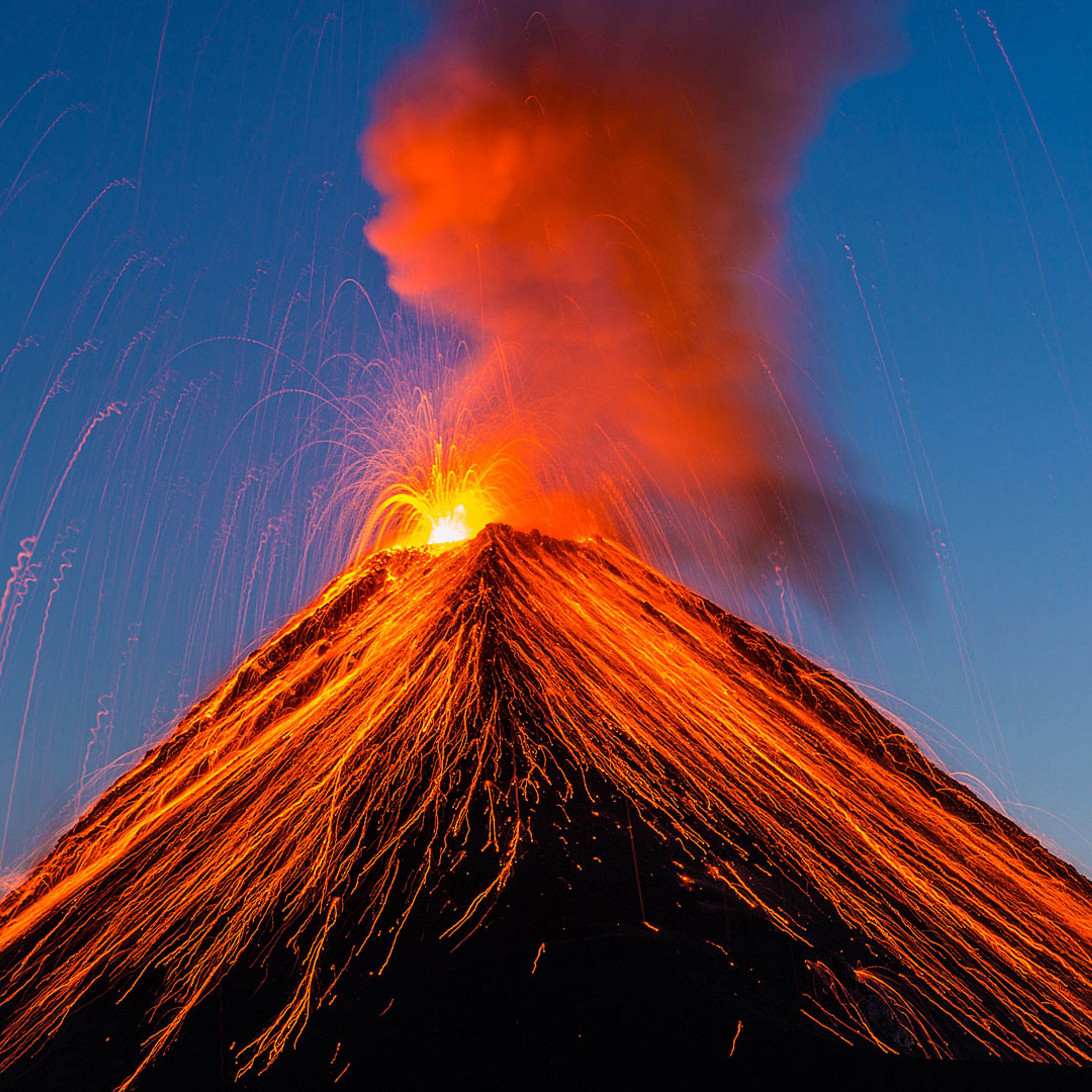
Can Volcanoes Power the World?
Magma is the hot, molten rock found beneath the Earth’s crust. It’s so plentiful that it got Greek listener Dimitrios wondering whether we could harness this heat. Could we drill directly into the magma and use it to power our homes, he asks presenter Marnie Chesterton? And from Ghana, Madock also got in touch with CrowdScience to ask why there are lots of volcanoes in some areas of the world, but then none in others?Marnie dispatches Anand Jagatia to Kenya, a country that is one of the biggest providers of geothermal energy in the world and home to the East African Rift system. At 4,000 miles long, a string of volcanoes sits along this fault line. Anand hikes up one of these to find out why volcanism is so active here. Anand then travels to a geothermal power plant to get to grips with how conventional geothermal energy works, before turning to Iceland, where they’ve drilled directly into magma - albeit by accident. What they discovered was supercritical steam. It’s neither a liquid nor a gas but holds up to 10 times more energy than both. And to find it naturally occurring is the ‘holy grail’ of geothermal power. But can our equipment stand such temperatures? Presenter: Anand Jagatia and Marnie Chesterton Producer: Graihagh Jackson(Image: A volcano erupts. Credit Getty Images)
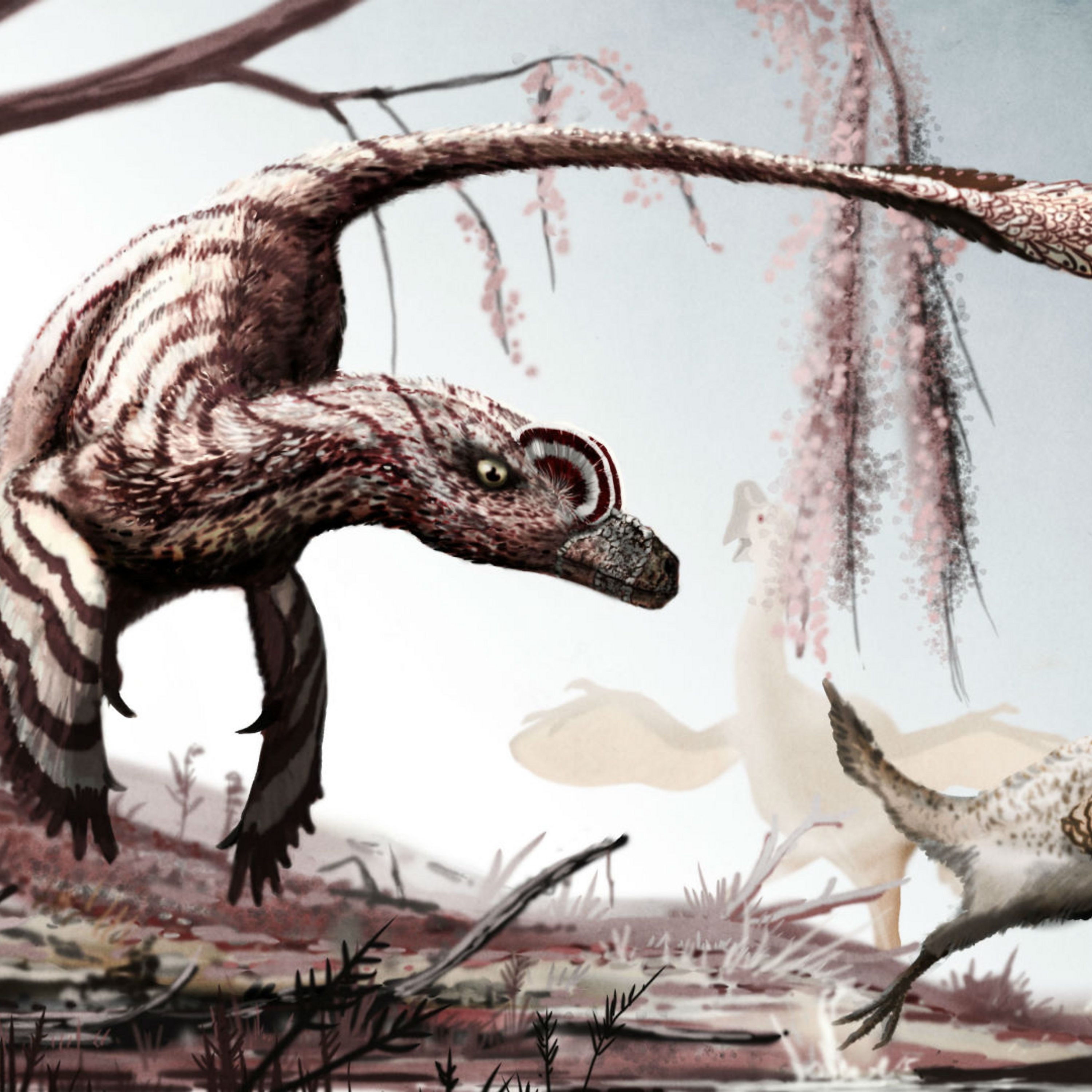
How Bird-Like Were Dinosaurs?
Birds are dinosaurs, but did their extinct relatives move, look, or even sing like their avian relatives? From revealing the hidden information within fossilised dinosaur footprints, to reading the messages left by muscle attachments on fossil bones and seeing how modern palaeo-artists have started to draw fluffy feathered Tyranosaurs, presenter Geoff Marsh starts to reimagine dinosaurs as living animals. Beginning with CrowdScience listener Malcolm asking about hopping dinosaurs while on a fossil finding mission with world expert Dr Peter Falkingham, Geoff explores the vaults of the Natural History Museum with Dr Susie Maidment and meets palaeoartist Dr Mark Witton’s pet dinosaurs in his living room studio. Producer: Rory Galloway(Image: A Velociraptor dinosaur. Credit to Mark Witton)
What is the future of space travel?
CrowdScience goes interstellar this week to answer listeners’ questions about the future of space travel. Marnie Chesterton heads to Nasa’s Kennedy Space Centre in Florida, where she hears about the engineering challenges of creating a spacecraft that could eventually take us all the way to Mars. Then there are the challenges of engineering the humans for that momentous journey. In space, no-one can hear you scream, which is probably a good thing if you’re going to be trapped in a metal box for two years with the same people, as you cruise through the void on your way to the red planet. So how do astronauts prepare for the physical and psychological impacts of long-term space travel? We also discover how space travel can be made greener and cleaner as the European Space Agency implement the next phase of their plan to tackle the millions of pieces of space debris floating around our planet that potentially, could impact a mission before it even leaves Earth orbit.(Image: An astronaut in outer space. Credit: Getty Images)