Charlotte Mason Poetry
499 episodes — Page 1 of 10
Conference Lessons — Class IA
The Place of Classics in a Modern Education
Swedish Drill in the 21st Century
Rousseau (1712–1788)
The Teaching of Citizenship, by Laura Faunce
Faith Without Guile
Knowledge the Pathway to the Dawn
With a Difference
Fire in the Bones
Wandering in Wealth
Sacred and Sane
Outside-in or Inside-out
A New Educational Frontier
Idyll Challenge VI
The Imagination in Childhood
A Charlotte Mason Feast Spread for Our Children with Special Needs
The Evolution of Home Education for Girls
English Literature and the Teaching Methods of Miss Mason
Holidays
Ourselves, by R. A. Pennethorne
Highways and By-Ways of Modern Thought
A Liberal Education for All — Letter III
A Liberal Education for All — Letter II
A Liberal Education for All — Letter I
Miss Mason’s Letter to the Children
What Next?
The True League of Nations
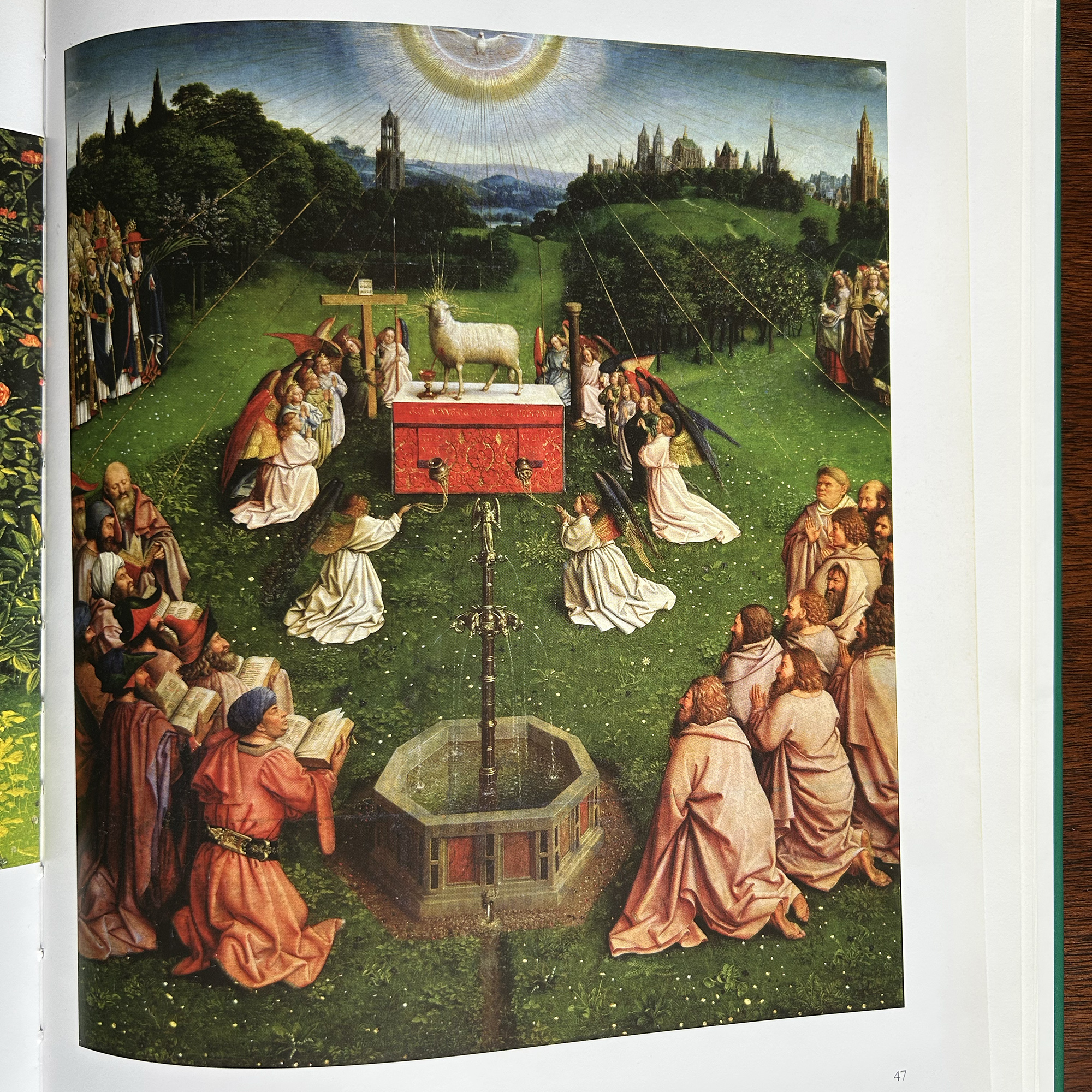
<p>Editor’s Note, by Art Middlekauff In December 1918, American President Woodrow Wilson visited Europe and gave speeches in which he “reaffirmed that the making of peace and the creation of a League of Nations must be accomplished as one single objective.”[1] That same month, Charlotte Mason’s beloved friend Rev. Francis Lewis contributed an article to …</p> The post <a href="https://charlottemasonpoetry.org/the-true-league-of-nations/">The True League of Nations</a> first appeared on <a href="https://charlottemasonpoetry.org">Charlotte Mason Poetry</a>.
The Application of PNEU Principles in the Home
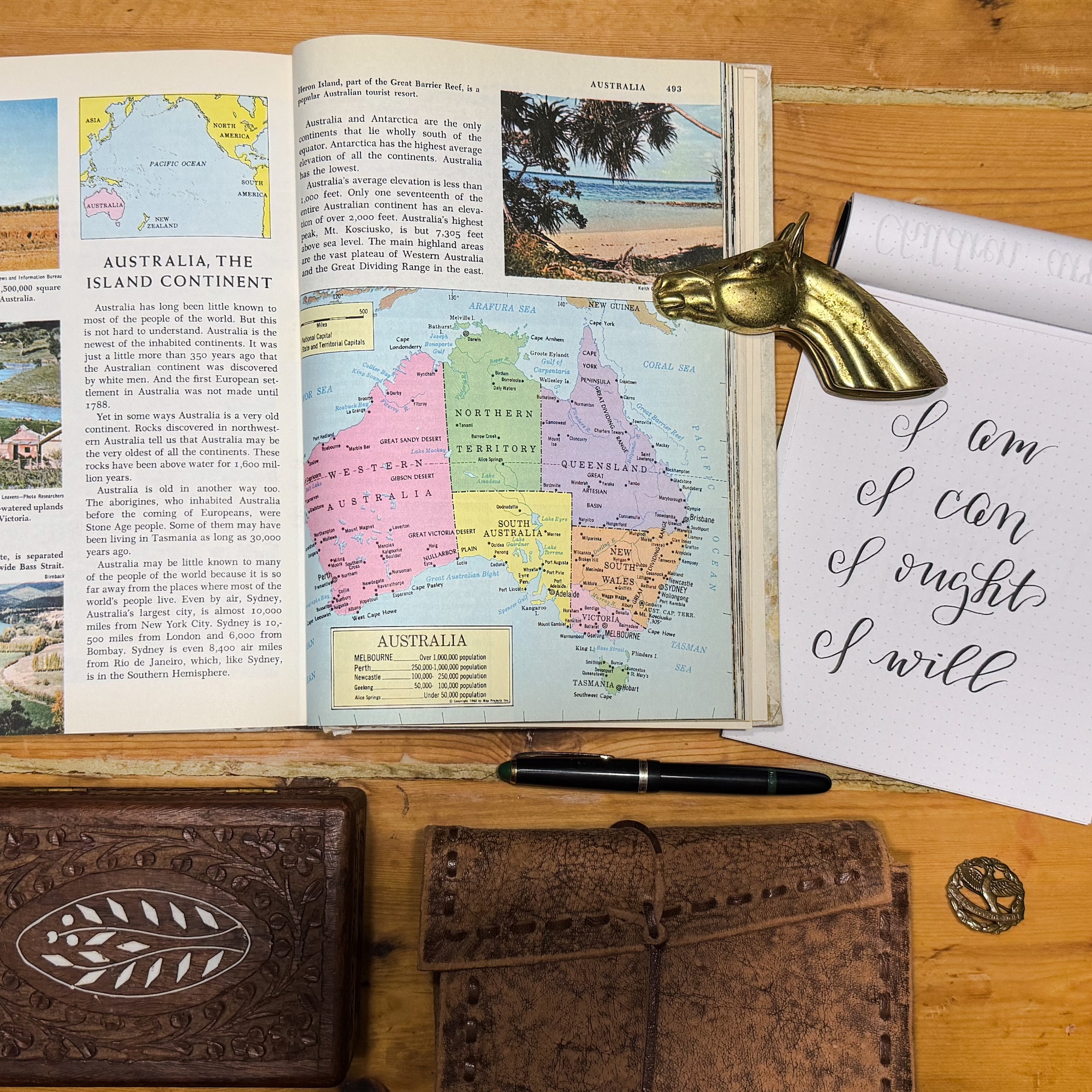
<p>Editor’s Note, by Art Middlekauff The first annual meeting of the Melbourne, Australia branch of the PNEU was held in 1905. One of the speakers had just arrived from England, and she riveted the audience with a detailed account of the House of Education in Ambleside. Then the vice-president of the branch “said that though …</p> The post <a href="https://charlottemasonpoetry.org/the-application-of-pneu-principles-in-the-home/">The Application of PNEU Principles in the Home</a> first appeared on <a href="https://charlottemasonpoetry.org">Charlotte Mason Poetry</a>.
The Value of Handicrafts in Education
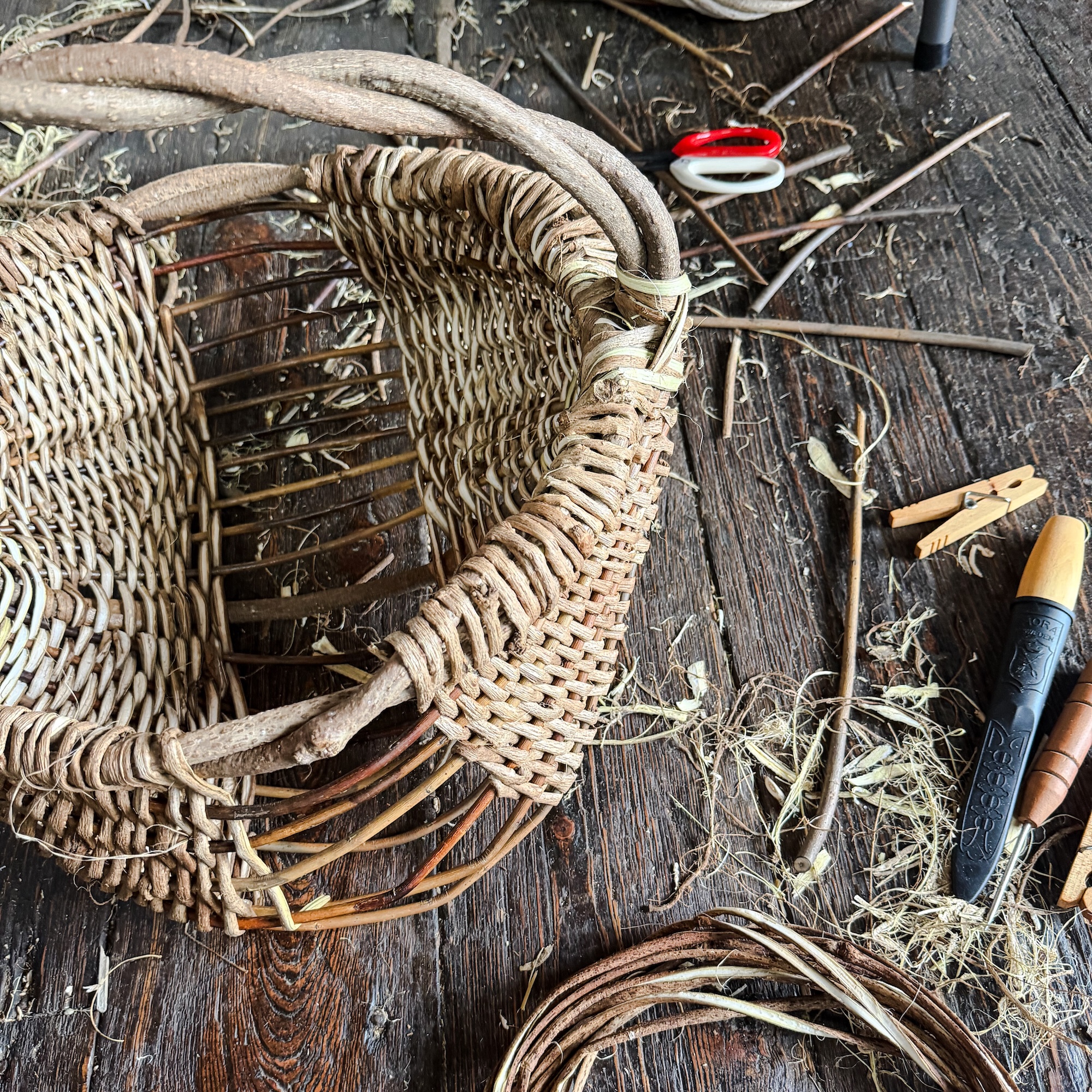
<p>Editor’s Note, by Art Middlekauff Agnes Drury (1874–1958) was “brought up … on lines very similar to those advised by Charlotte Mason.” We are told this about her mother: She loved flowers and out-of-door things; she was skilful with her hands, teaching the children to bind their books and encouraging a sense of colour which …</p> The post <a href="https://charlottemasonpoetry.org/the-value-of-handicrafts-in-education/">The Value of Handicrafts in Education</a> first appeared on <a href="https://charlottemasonpoetry.org">Charlotte Mason Poetry</a>.
Some Difficulties Overcome
<p>Editor’s Note, by Art Middlekauff When H. W. Household first introduced the Charlotte Mason method to the schools of Gloucestershire, he began with five schools in 1917. Miss F. M. Clark was a teacher at one of those schools. She spoke briefly about her experiences at a teacher conference in 1920, and her words may …</p> The post <a href="https://charlottemasonpoetry.org/some-difficulties-overcome/">Some Difficulties Overcome</a> first appeared on <a href="https://charlottemasonpoetry.org">Charlotte Mason Poetry</a>.
Olive Norton: The Transcript
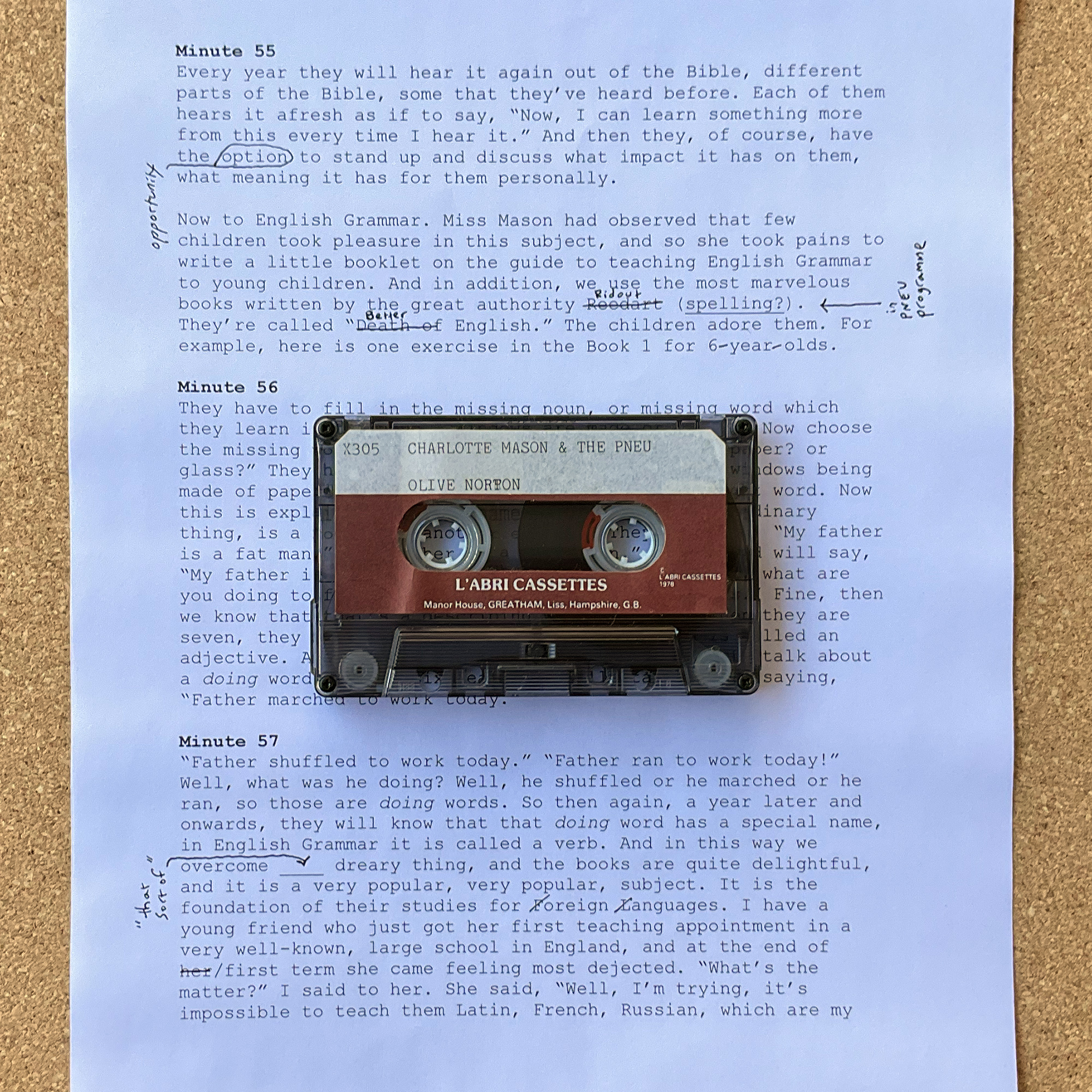
<p>Editor’s Note, by Art Middlekauff On a fateful January day in the early 1970s, two girls visited a school. Their names were Margaret and Kirsteen. Their mother recalled that it “was a small PNEU school, run in a classroom built onto the back of someone’s private home, looking into an English country garden.”[1] The mother …</p> The post <a href="https://charlottemasonpoetry.org/olive-norton-the-transcript/">Olive Norton: The Transcript</a> first appeared on <a href="https://charlottemasonpoetry.org">Charlotte Mason Poetry</a>.
The PNEU Ideal in Education
<p>Editor’s Note, by Art Middlekauff The June 1918 Parents’ Review shared some good news: “The generosity of members has enabled the Committee to engage Miss Wix, ex-student of the House of Education, as an additional Organising Secretary, and with her help they look forward to an even more successful year’s work.”[1] A letter from Henrietta …</p> The post <a href="https://charlottemasonpoetry.org/the-pneu-ideal-in-education/">The PNEU Ideal in Education</a> first appeared on <a href="https://charlottemasonpoetry.org">Charlotte Mason Poetry</a>.

Education Is a Life
<p>Editor’s Note, by Art Middlekauff Today we continue our Helen Wix series. Last week we saw that Miss Wix was widely recognized for her ability to teach the Charlotte Mason method to professional teachers. This was no easy task, as Wix herself pointed out in a 1927 letter: Indeed, the training of a [university] graduate …</p> The post <a href="https://charlottemasonpoetry.org/education-is-a-life/">Education Is a Life</a> first appeared on <a href="https://charlottemasonpoetry.org">Charlotte Mason Poetry</a>.
A Few Roots
<p>Editor’s Note, by Art Middlekauff One of the most dramatic chapters in the story of Charlotte Mason’s life is the adoption of her methods by a large number of state schools. The logistical challenge alone must have been staggering. Imagine trying to convince hundreds of teachers to teach in a new way and then finding …</p> The post <a href="https://charlottemasonpoetry.org/a-few-roots/">A Few Roots</a> first appeared on <a href="https://charlottemasonpoetry.org">Charlotte Mason Poetry</a>.
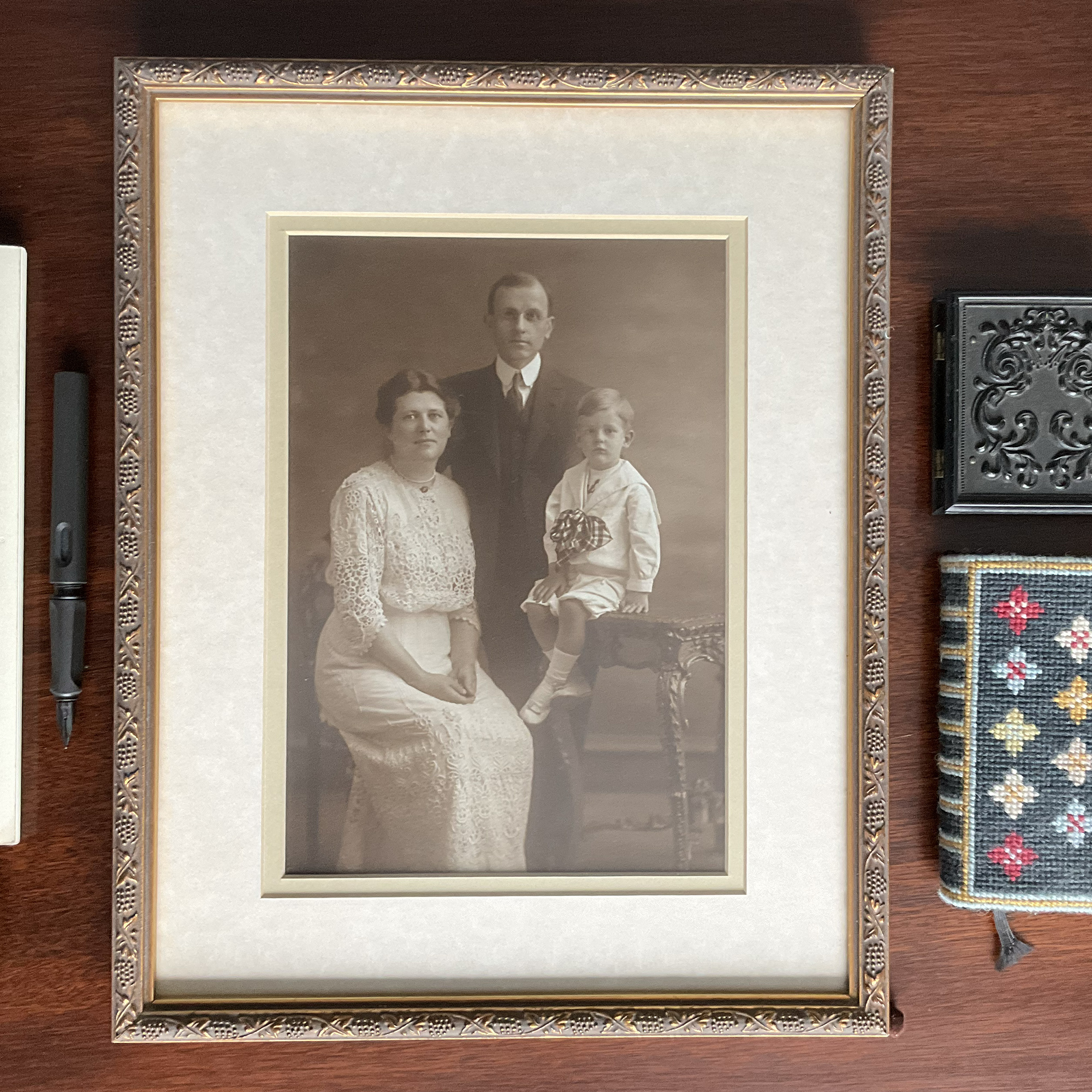
If I Could Begin Again
<p>Editor’s Note, by Art Middlekauff The “Books” section of the 1909 Parents’ Review contains a brief notice by Miss Mason of a new book: The Training of Children, by Mrs. H. C. Cradock (Bell, 2/–). Contains many useful hints, carefully arranged.[1] An earlier notice that year indicated that Mrs. Cradock’s first book, The Care of …</p> The post <a href="https://charlottemasonpoetry.org/if-i-could-begin-again/">If I Could Begin Again</a> first appeared on <a href="https://charlottemasonpoetry.org">Charlotte Mason Poetry</a>.
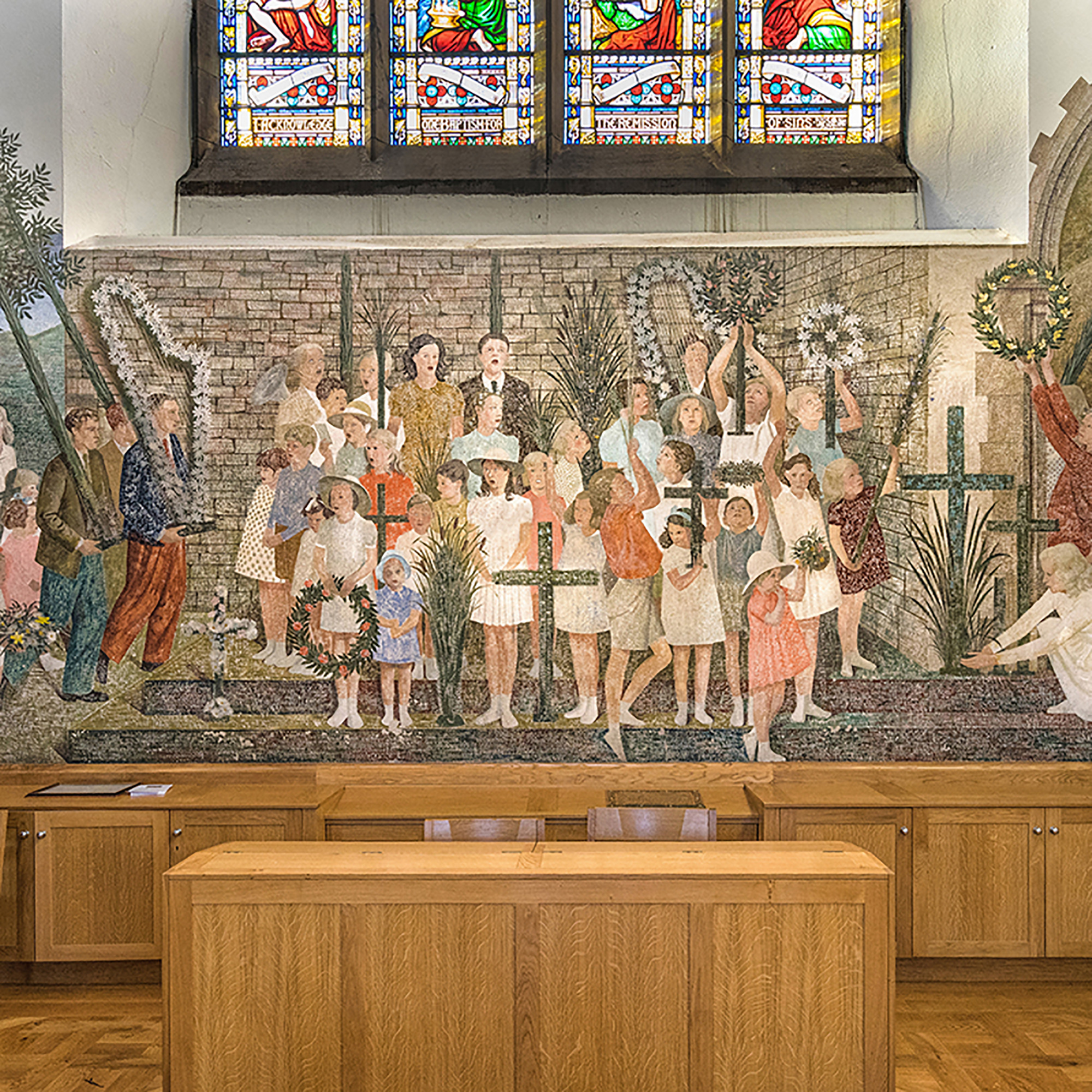
By My Spirit
<p>Editor’s Note, by Art Middlekauff The first time a visitor enters St. Mary’s Church in Ambleside, the first thing she notices is the beautiful and intriguing mural on the back wall. Everything about it is unusual, including its history. Gordon Ransom was a student at London’s Royal College of Art, but during World War II …</p> The post <a href="https://charlottemasonpoetry.org/by-my-spirit/">By My Spirit</a> first appeared on <a href="https://charlottemasonpoetry.org">Charlotte Mason Poetry</a>.
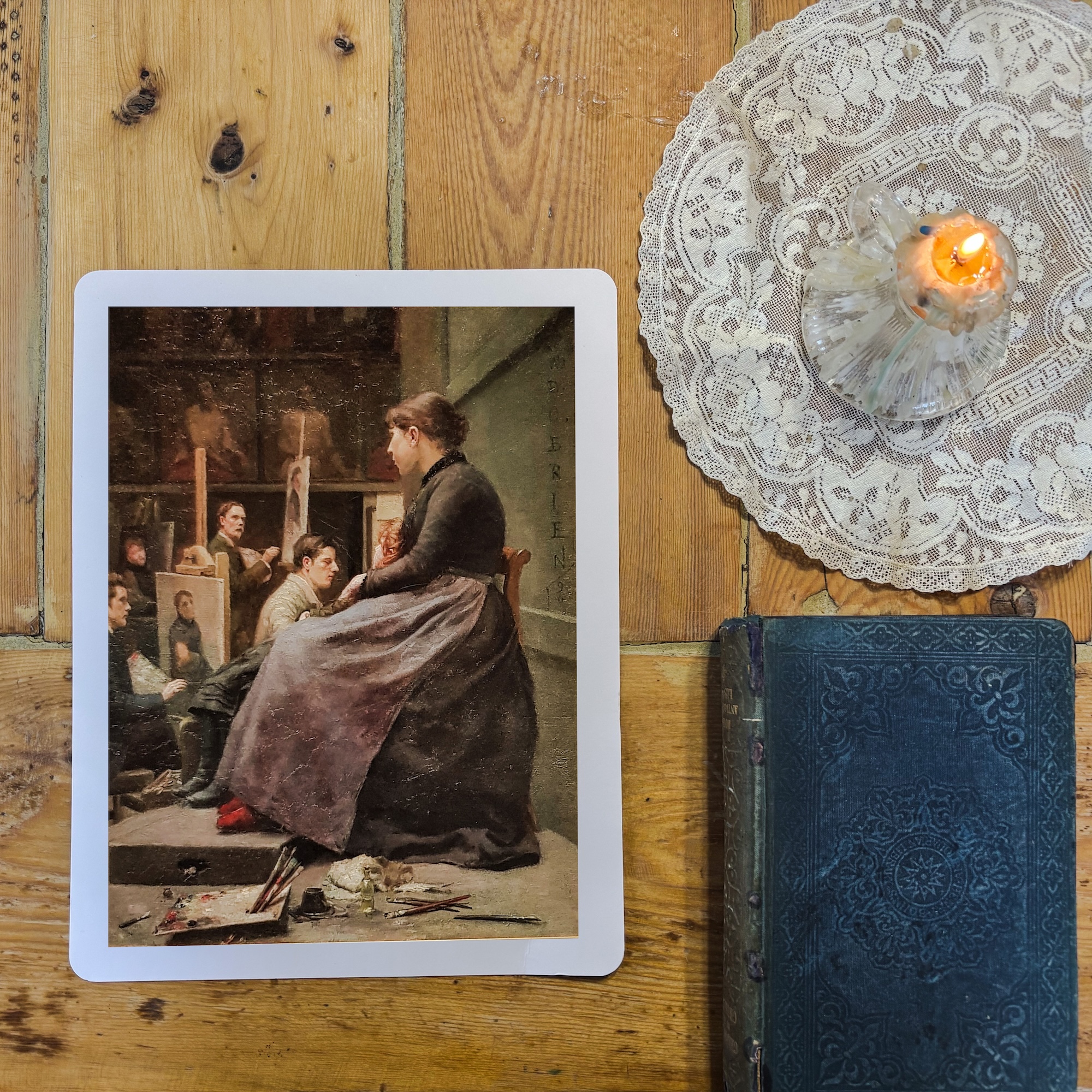
Obedience as a Vice
<p>Editor’s Note, by Art Middlekauff The Table of Contents of the 1921 Parents’ Review lists an article entitled “To What Extent Obedience may be Considered as a Vice”[1] By Mrs. Dermod O’Brien. Mrs. O’Brien was memorialized in the 1943 Parents’ Review with these words: Once again we have to mourn the passing of a most …</p> The post <a href="https://charlottemasonpoetry.org/obedience-as-a-vice/">Obedience as a Vice</a> first appeared on <a href="https://charlottemasonpoetry.org">Charlotte Mason Poetry</a>.
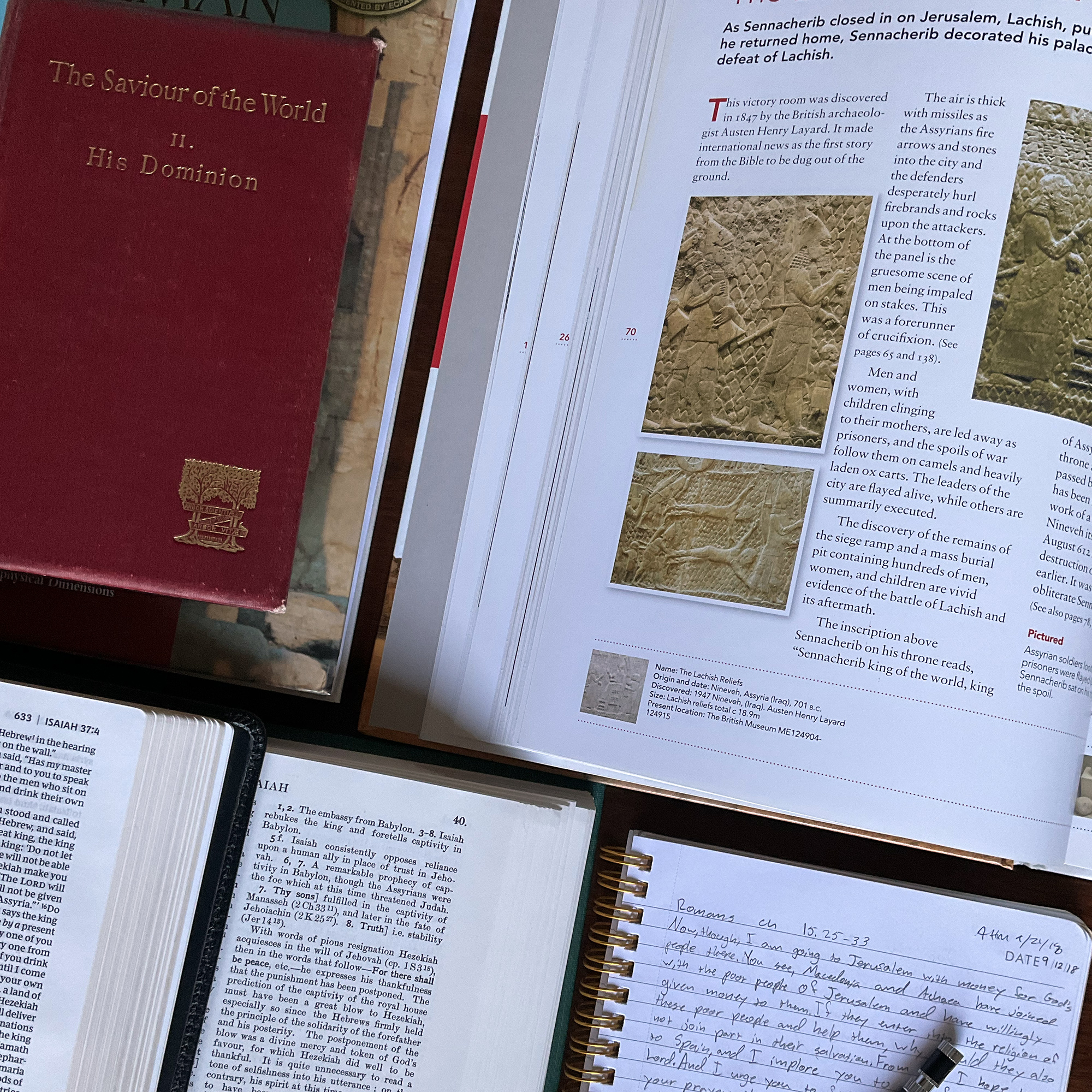
The Teaching of Scripture in the Parents’ Union School
<p>Editor’s Note, by Art Middlekauff Rose Amy Pennethorne was Organising Secretary of the PNEU from 1921 to 1940. In her first year in office, she contributed two articles on the teaching of Scripture to The Parents’ Review. The first article was published in March and the second in November. Charlotte Mason celebrated Pennethorne’s work with …</p> The post <a href="https://charlottemasonpoetry.org/the-teaching-of-scripture-in-the-parents-union-school/">The Teaching of Scripture in the Parents’ Union School</a> first appeared on <a href="https://charlottemasonpoetry.org">Charlotte Mason Poetry</a>.
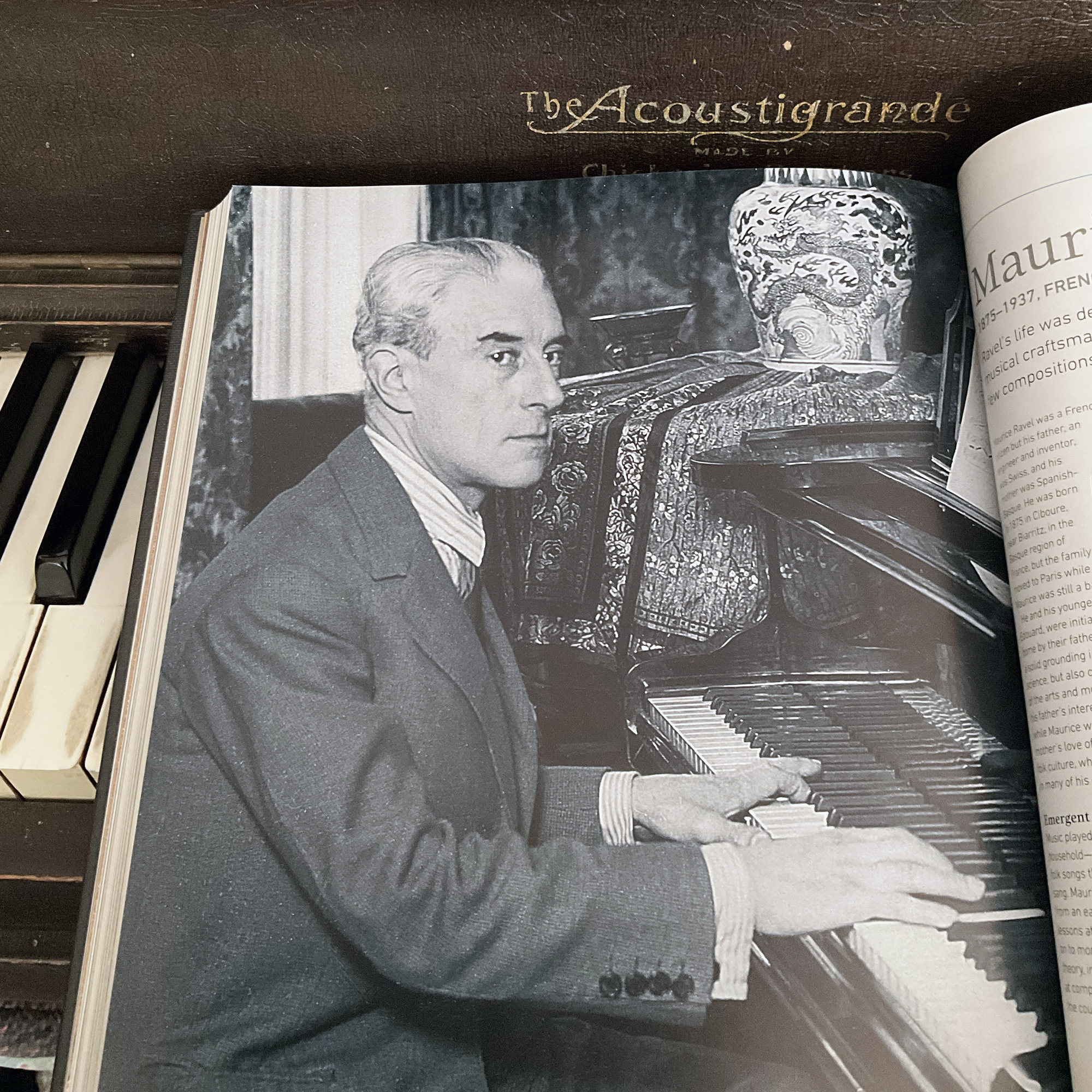
Maurice Ravel
<p>Editor’s Note, by Art Middlekauff When does a composer qualify for composer study? And when is music “good enough” for music appreciation? I have wondered this as I have surveyed Dawn Tull’s table of composers studied in the Parents’ Union School from 1908–1953. Many modern composers are listed. Some were studied in their own lifetimes. …</p> The post <a href="https://charlottemasonpoetry.org/maurice-ravel/">Maurice Ravel</a> first appeared on <a href="https://charlottemasonpoetry.org">Charlotte Mason Poetry</a>.
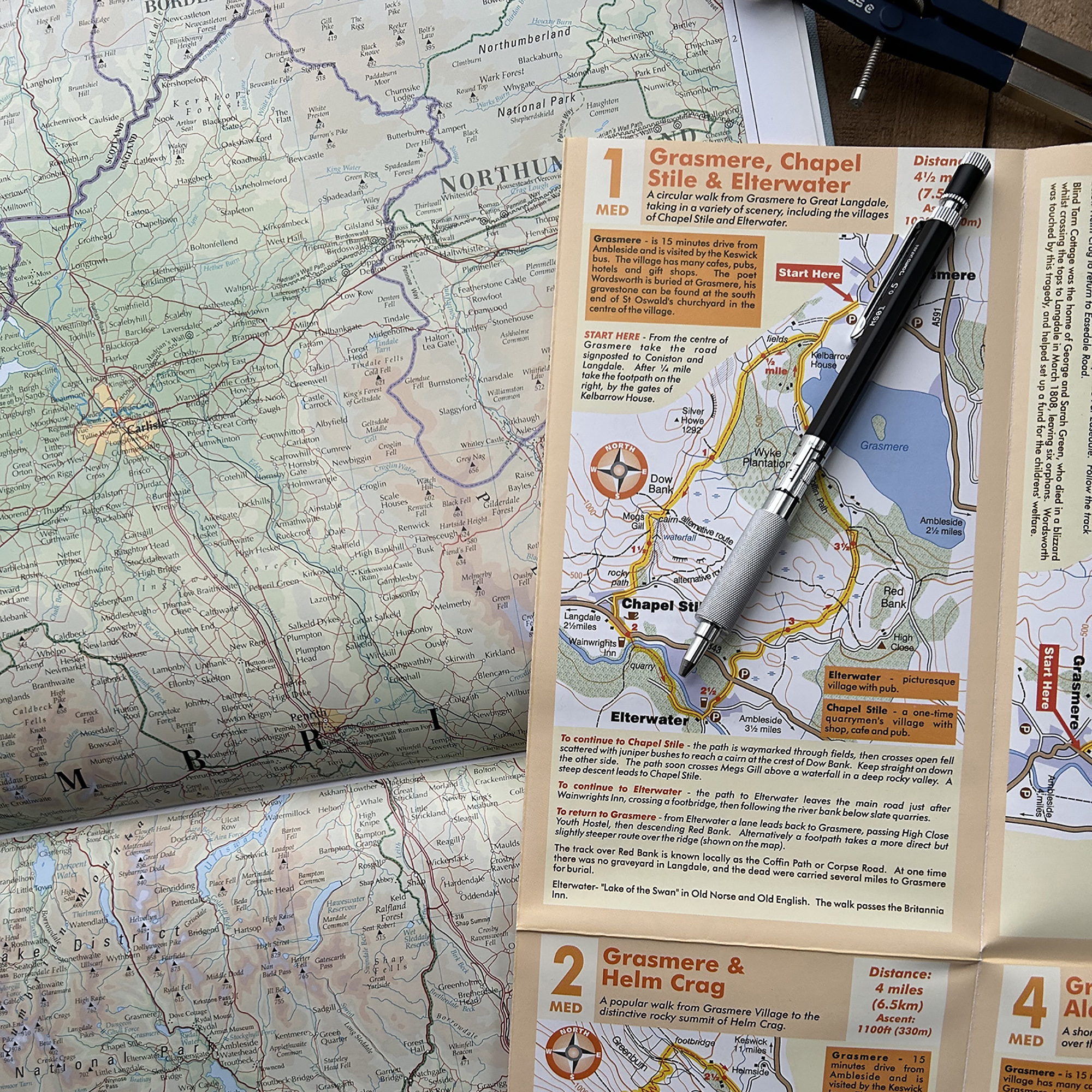
Hints for Home Schoolrooms
<p>Editor’s Note, by Art Middlekauff Among my favorite Parents’ Review articles are the occasional pieces by homeschooling parents. I find great inspiration in the advice and perspective of these dedicated mothers and fathers from a prior generation. This short piece from 1923 is no exception. The hints from Mrs. Thompson remind us that a Charlotte …</p> The post <a href="https://charlottemasonpoetry.org/hints-for-home-schoolrooms/">Hints for Home Schoolrooms</a> first appeared on <a href="https://charlottemasonpoetry.org">Charlotte Mason Poetry</a>.

The Teaching of Geography, by Mr. G. H. Smith
<p>Editor’s Note, by Dawn Tull This article was of particular interest to me because of my research on the Ambleside Geography Readers and the role of map questions in the study of geography. As with the previous two conference articles released, Mr. G. H. Smith addresses concerns that others, and perhaps previously he, had held …</p> The post <a href="https://charlottemasonpoetry.org/the-teaching-of-geography-by-mr-g-h-smith/">The Teaching of Geography, by Mr. G. H. Smith</a> first appeared on <a href="https://charlottemasonpoetry.org">Charlotte Mason Poetry</a>.
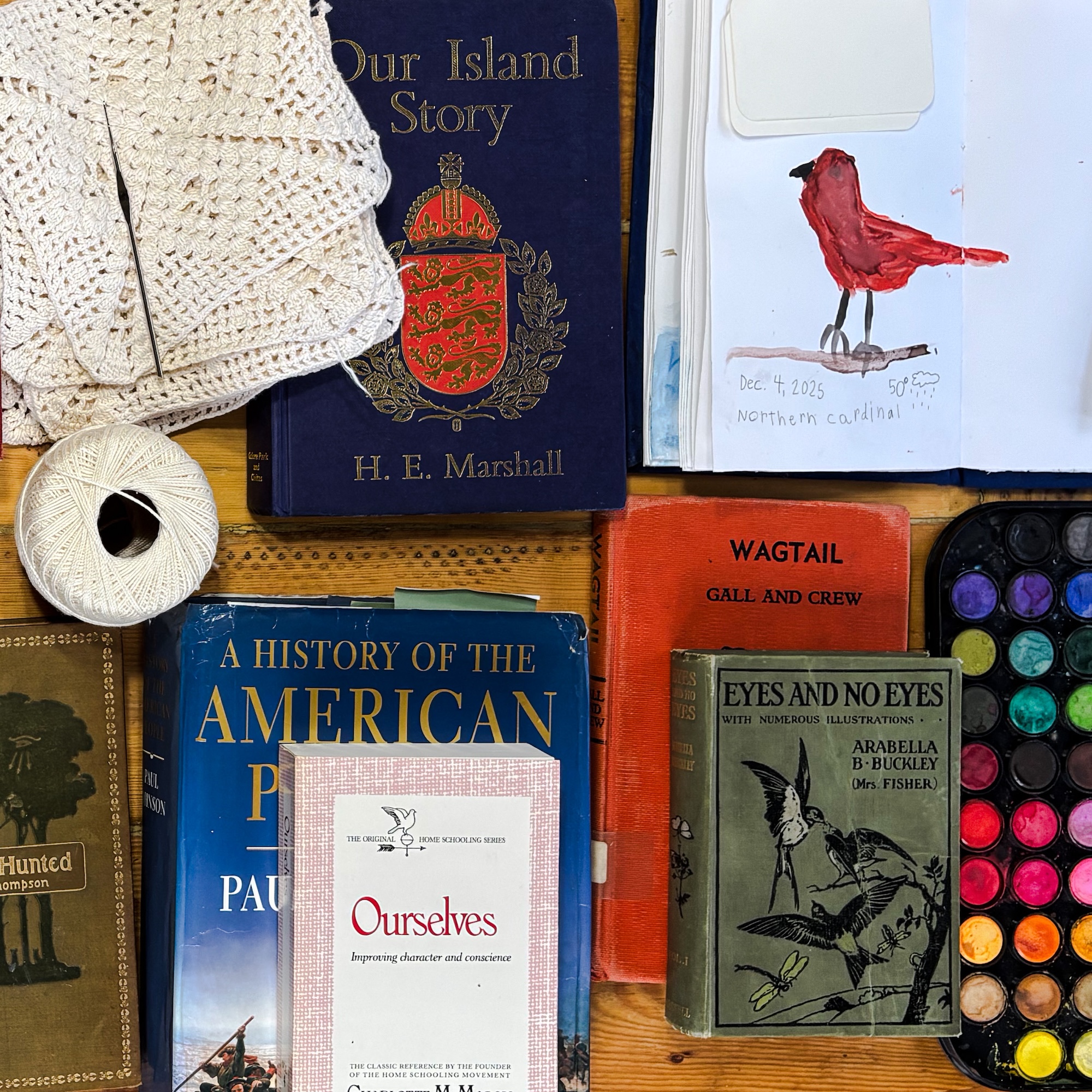
A Liberal Education For All, by Daisy Golding
<p>Editor’s Note, by Art Middlekauff Miss Mason was looking through the Christmas examination papers in February 1920. ‘What a long time since I have written to you! It is the school—it has taken me ten to twelve days to look through more than 1,200 sets, at about a hundred a day—heaps of elementary school children …</p> The post <a href="https://charlottemasonpoetry.org/a-liberal-education-for-all-by-daisy-golding/">A Liberal Education For All, by Daisy Golding</a> first appeared on <a href="https://charlottemasonpoetry.org">Charlotte Mason Poetry</a>.

The Need for a Liberal Education
<p>Editor’s Note, by Art Middlekauff The Contemporary Review was a monthly journal, founded in 1866, which “became known as a forum for open, erudite inquiry into controversial theological and philosophical issues of the day.”[1] In the July 1922 issue, an article by H. W. Household appeared which advocated for a liberal education for all according …</p> The post <a href="https://charlottemasonpoetry.org/the-need-for-a-liberal-education/">The Need for a Liberal Education</a> first appeared on <a href="https://charlottemasonpoetry.org">Charlotte Mason Poetry</a>.
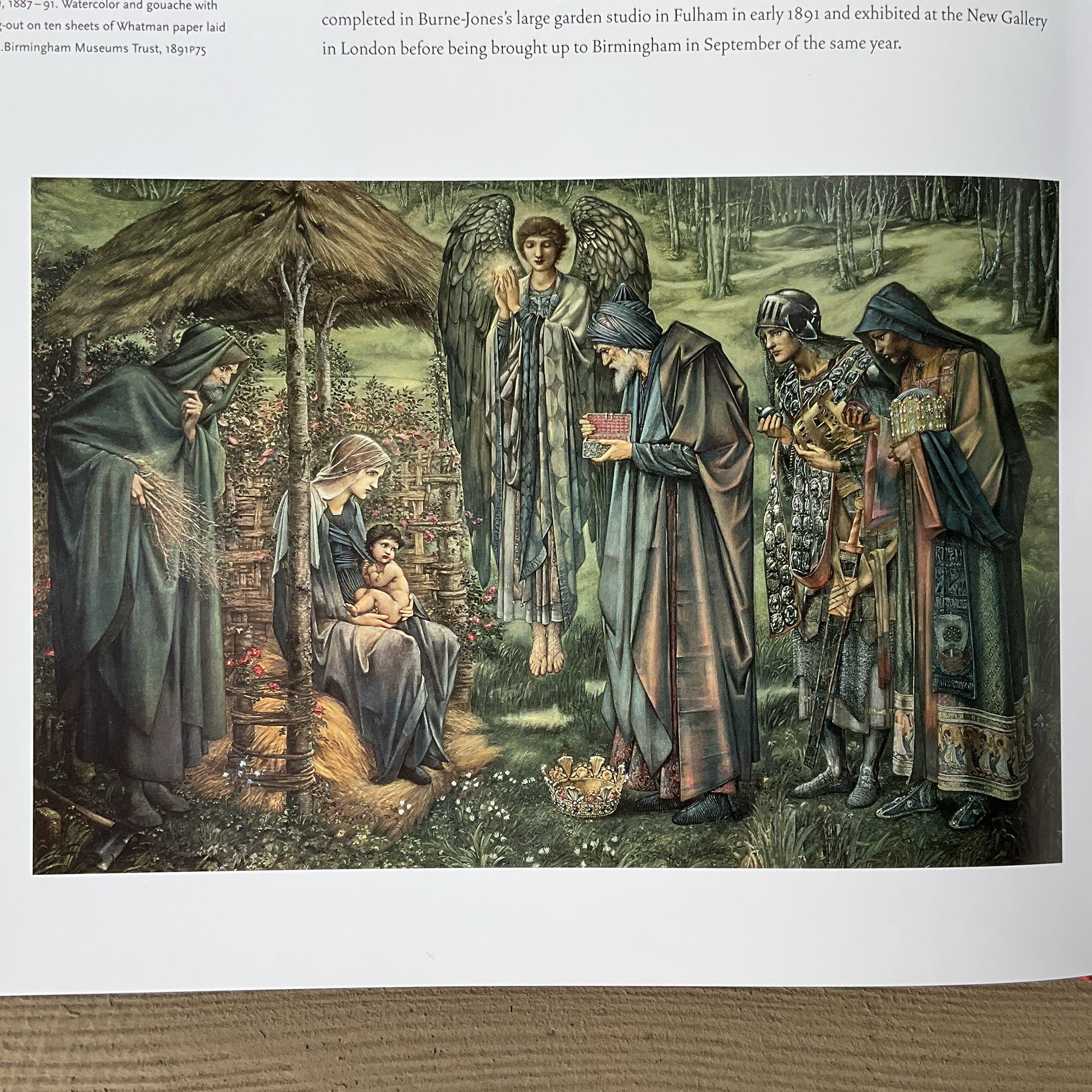
The Manifestation of Christ in Worship
<p>Editor’s Note, by Art Middlekauff The April 1924 Parents’ Review included a powerful piece by Francis Lewis. We are not told whether it was originally a sermon, or whether it was composed specifically for The Parents’ Review. In either case, it contains references that would be familiar to members of the Charlotte Mason community of …</p> The post <a href="https://charlottemasonpoetry.org/the-manifestation-of-christ-in-worship/">The Manifestation of Christ in Worship</a> first appeared on <a href="https://charlottemasonpoetry.org">Charlotte Mason Poetry</a>.
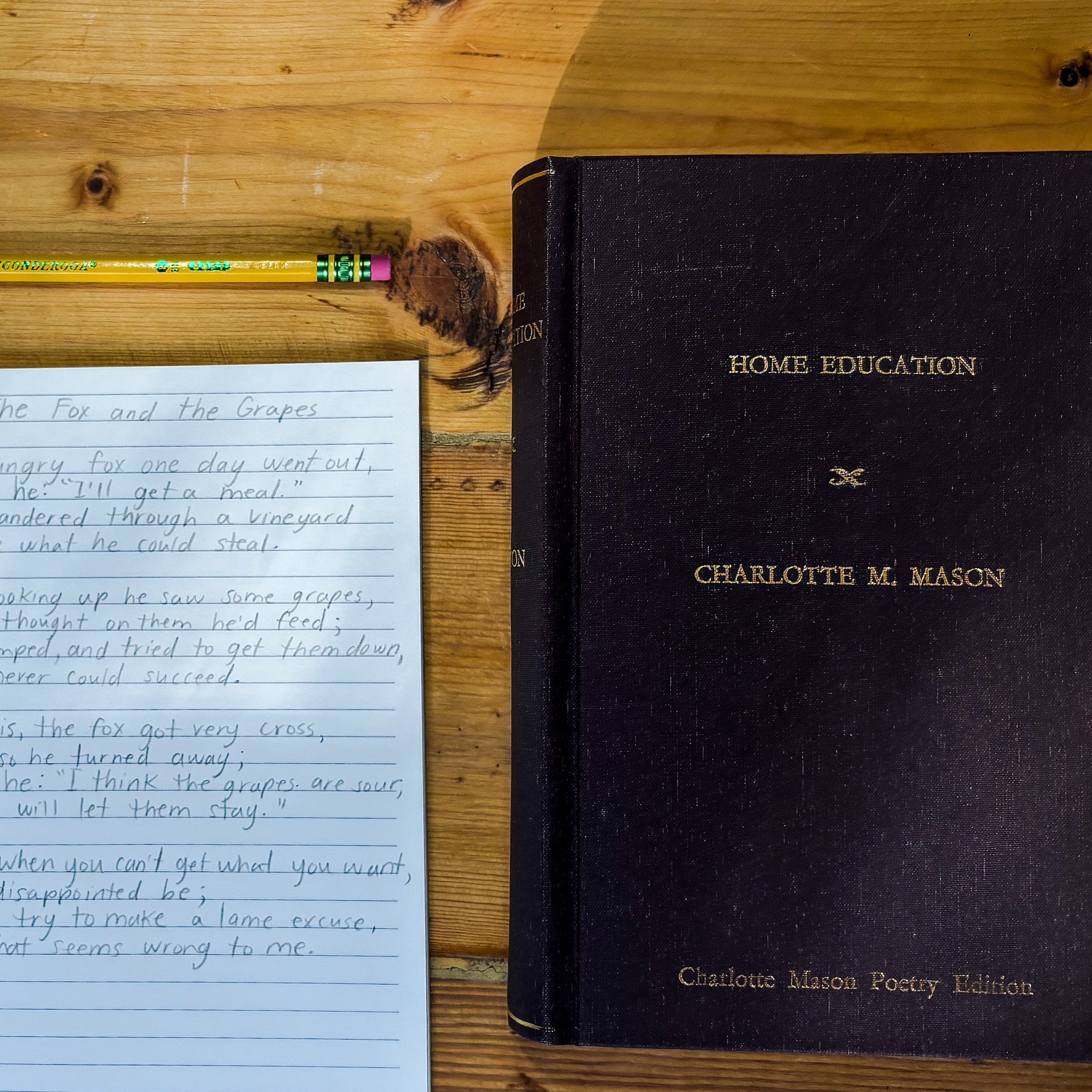
The New Facility in Composition
<p>Editor’s Note, by Art Middlekauff In last week’s episode we shared a second paper from the June 1920 teacher’s conference in Gloucester. This week we share a third paper by a professional teacher who embraced Charlotte Mason’s method, along with some brief discussion that followed. By Mr. C. Jones The Parents’ Review, 1920, pp. 570-575 …</p> The post <a href="https://charlottemasonpoetry.org/the-new-facility-in-composition/">The New Facility in Composition</a> first appeared on <a href="https://charlottemasonpoetry.org">Charlotte Mason Poetry</a>.
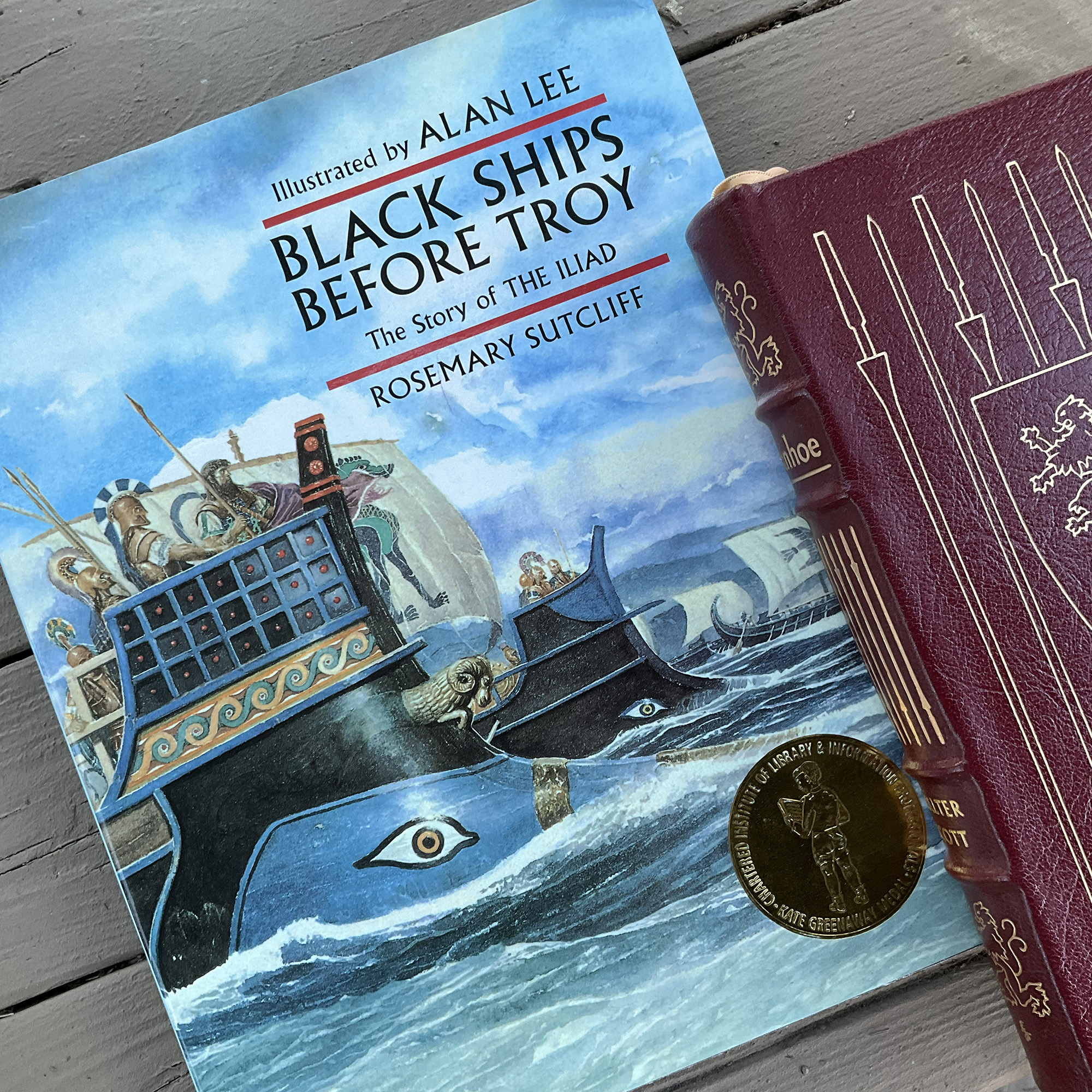
Certain Difficulties
<p>Editor’s Note, by Art Middlekauff One of the great chapters in the epic story of the Charlotte Mason method involves the introduction of the complete method, principles and practices, into the established British schools of Gloucestershire. H. W. Household began this project with five schools in 1917, and by May 1920 he had gone to …</p> The post <a href="https://charlottemasonpoetry.org/certain-difficulties/">Certain Difficulties</a> first appeared on <a href="https://charlottemasonpoetry.org">Charlotte Mason Poetry</a>.
Vehicle of Imagination
<p>Editor’s Note, by Art Middlekauff On the front page of the November/December 1971 PNEU Journal, editor Joan Molyneux wrote: There are PNEU Members in 95 countries living amongst people of other cultures, having different approaches to life, and it is essential that there should be understanding and communication between Members of every country. Later in …</p> The post <a href="https://charlottemasonpoetry.org/vehicle-of-imagination/">Vehicle of Imagination</a> first appeared on <a href="https://charlottemasonpoetry.org">Charlotte Mason Poetry</a>.
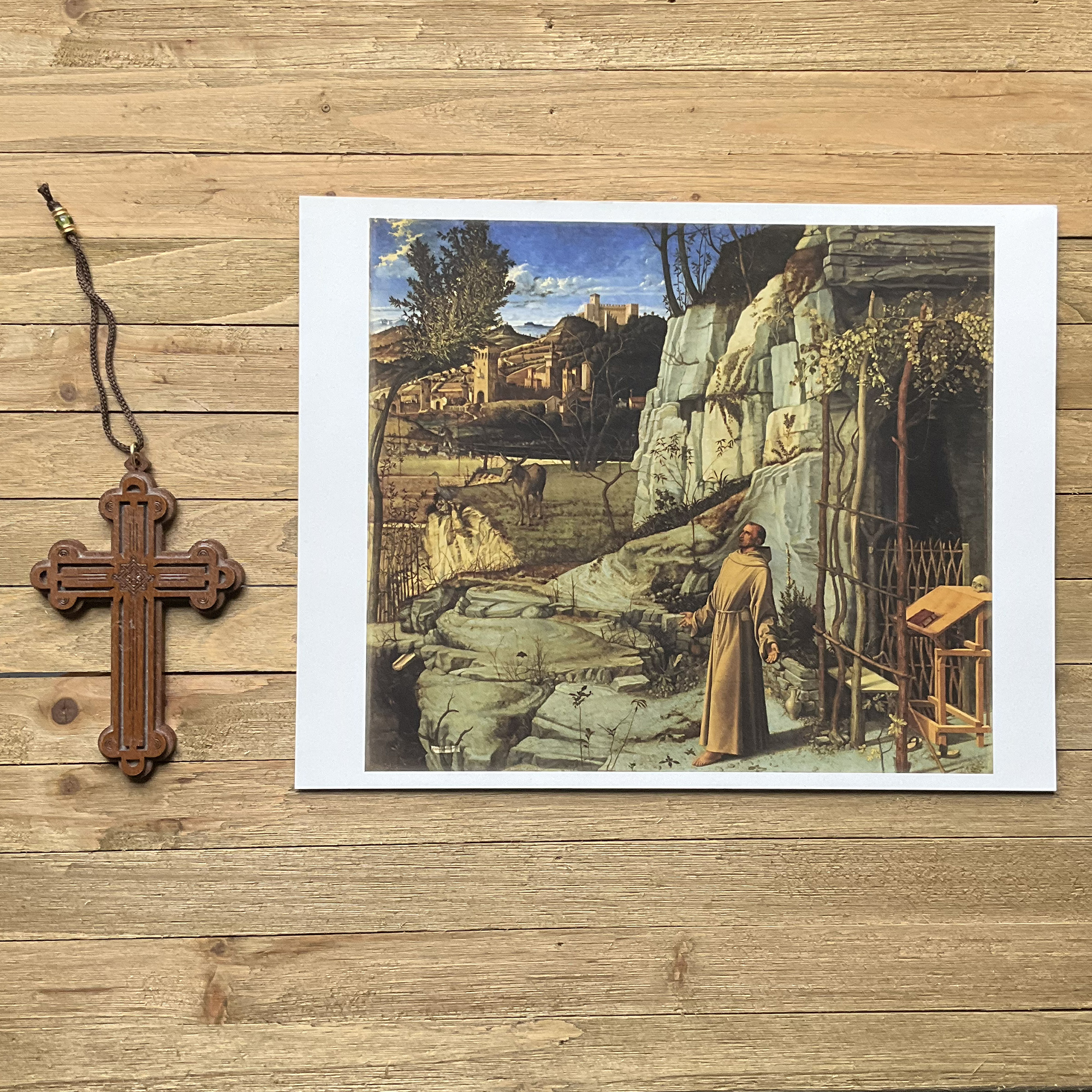
The Heart of a Child
<p>Editor’s Note, by Art Middlekauff Sermons by Francis Lewis frequently appeared in the pages of The Parents’ Review. He was a devoted friend of Charlotte Mason, and his sermons reveal how like-minded they were. Both pondered the child’s estate, and Rev. Lewis shared his reflections in this 1924 sermon. It was published the year after …</p> The post <a href="https://charlottemasonpoetry.org/the-heart-of-a-child/">The Heart of a Child</a> first appeared on <a href="https://charlottemasonpoetry.org">Charlotte Mason Poetry</a>.

First Bible Lessons
<p>Editor’s Note, by Art Middlekauff Essex Cholmondeley (1892–1985) is known to many as the first biographer of Charlotte Mason. In fact, she spent most of her adult life advancing Charlotte Mason’s ideas. Cholmondeley studied under Charlotte Mason at the House of Education and received her certificate in 1919. On February 15, 1923, she gave a …</p> The post <a href="https://charlottemasonpoetry.org/first-bible-lessons/">First Bible Lessons</a> first appeared on <a href="https://charlottemasonpoetry.org">Charlotte Mason Poetry</a>.
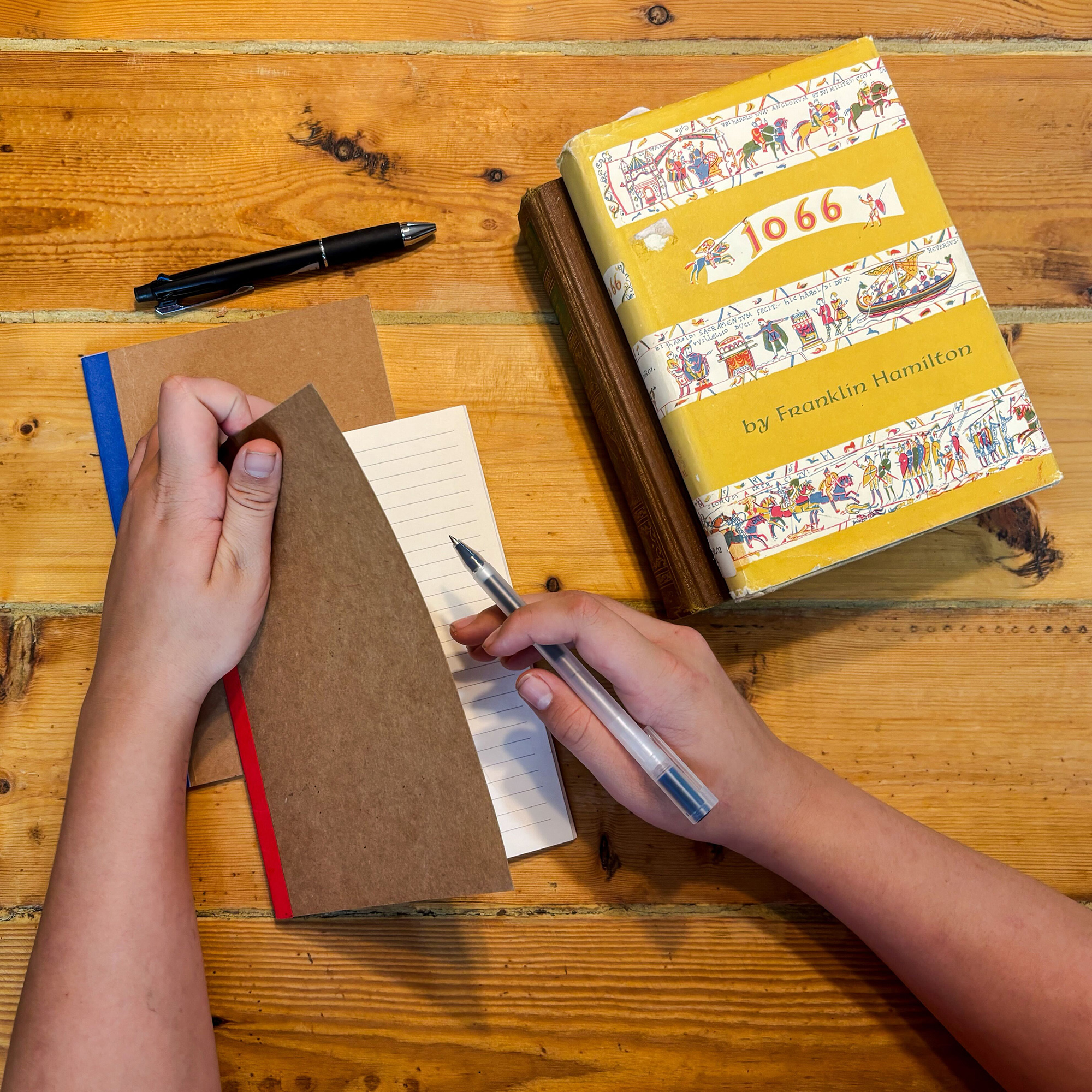
Some Notes on Narration
<p>Editor’s Note, by Art Middlekauff In 1902, George F. Husband left Stockton-on-Tees to work for the school system of neighboring Middlesbrough. There he eventually found himself headmaster of an elementary school. But it was no ordinary elementary school. It was a school “where the children came from among the poorest and most disreputable part of slumland, familiarized with …</p> The post <a href="https://charlottemasonpoetry.org/some-notes-on-narration/">Some Notes on Narration</a> first appeared on <a href="https://charlottemasonpoetry.org">Charlotte Mason Poetry</a>.