Charlotte Mason Poetry
499 episodes — Page 3 of 10
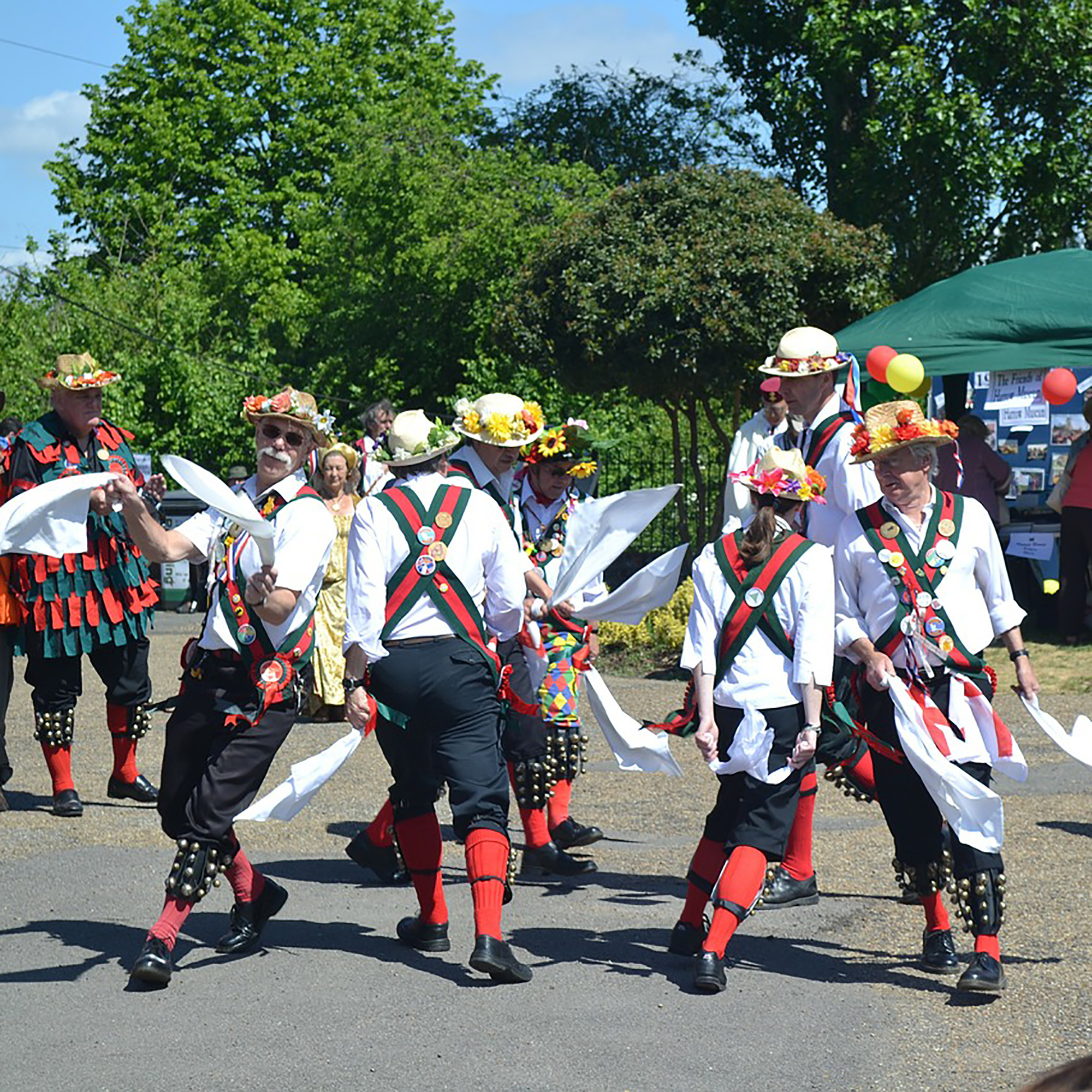
Something About Morris and Country Dances
<p>Editor’s Note, by Heidi Buschbach Why do we dance? Why was folk dance included in Charlotte Mason’s programmes? Why would an article which describes the history of collecting folk dances matter enough to be included in a Parents’ Review article in 1914? Why does it matter to you and me? Mason expressed in her volumes …</p> The post <a href="https://charlottemasonpoetry.org/something-about-morris-and-country-dances/">Something About Morris and Country Dances</a> first appeared on <a href="https://charlottemasonpoetry.org">Charlotte Mason Poetry</a>.
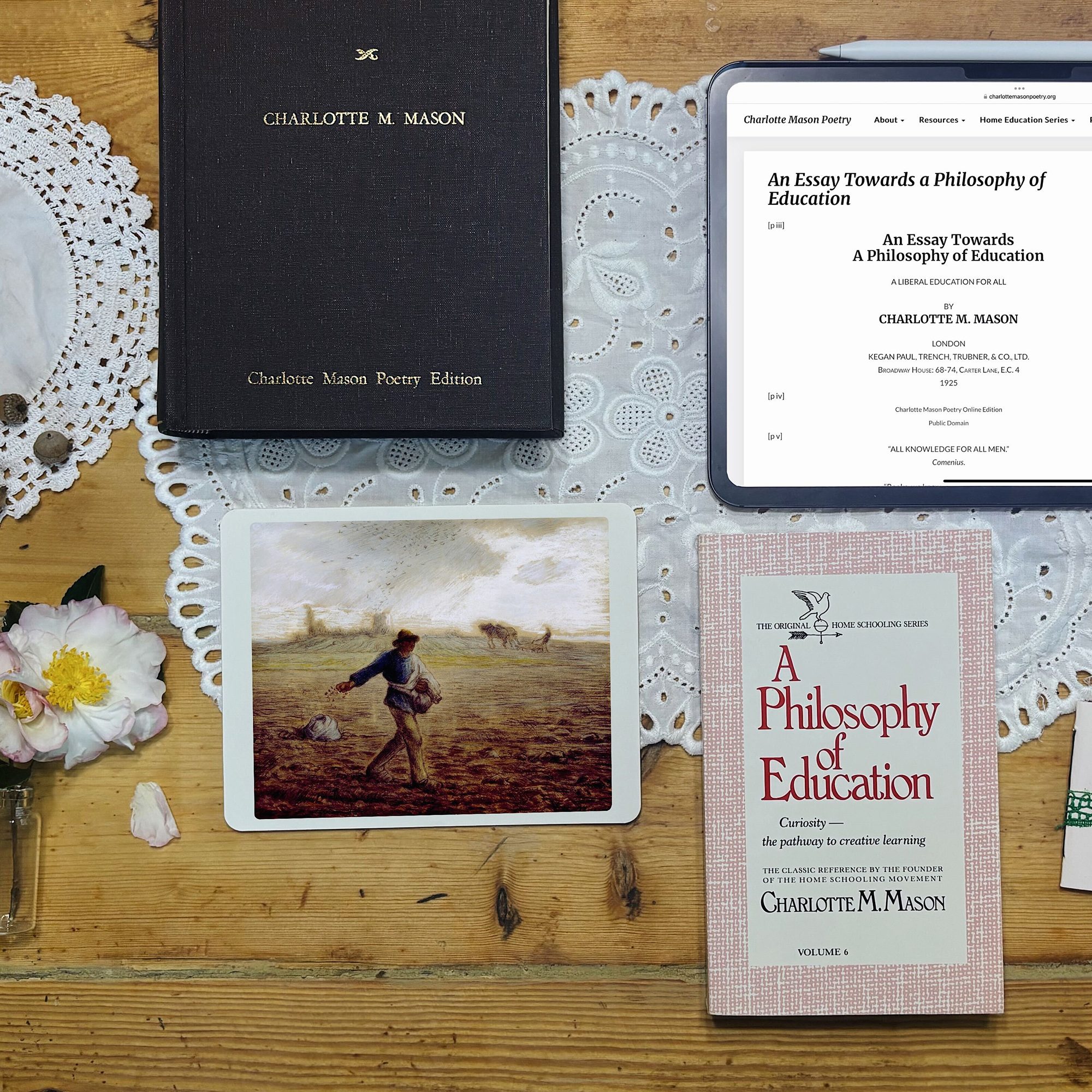
The Story of An Essay Towards a Philosophy of Education
<p>When Charlotte Mason published her fifth volume in 1906, she seemed to have decided it was time to move on to other projects. With the publication of Some Studies in the Formation of Character, the Home Education Series was complete. Having apparently said all that she had to say on the subject of education, it …</p> The post <a href="https://charlottemasonpoetry.org/the-story-of-an-essay-towards-a-philosophy-of-education/">The Story of An Essay Towards a Philosophy of Education</a> first appeared on <a href="https://charlottemasonpoetry.org">Charlotte Mason Poetry</a>.
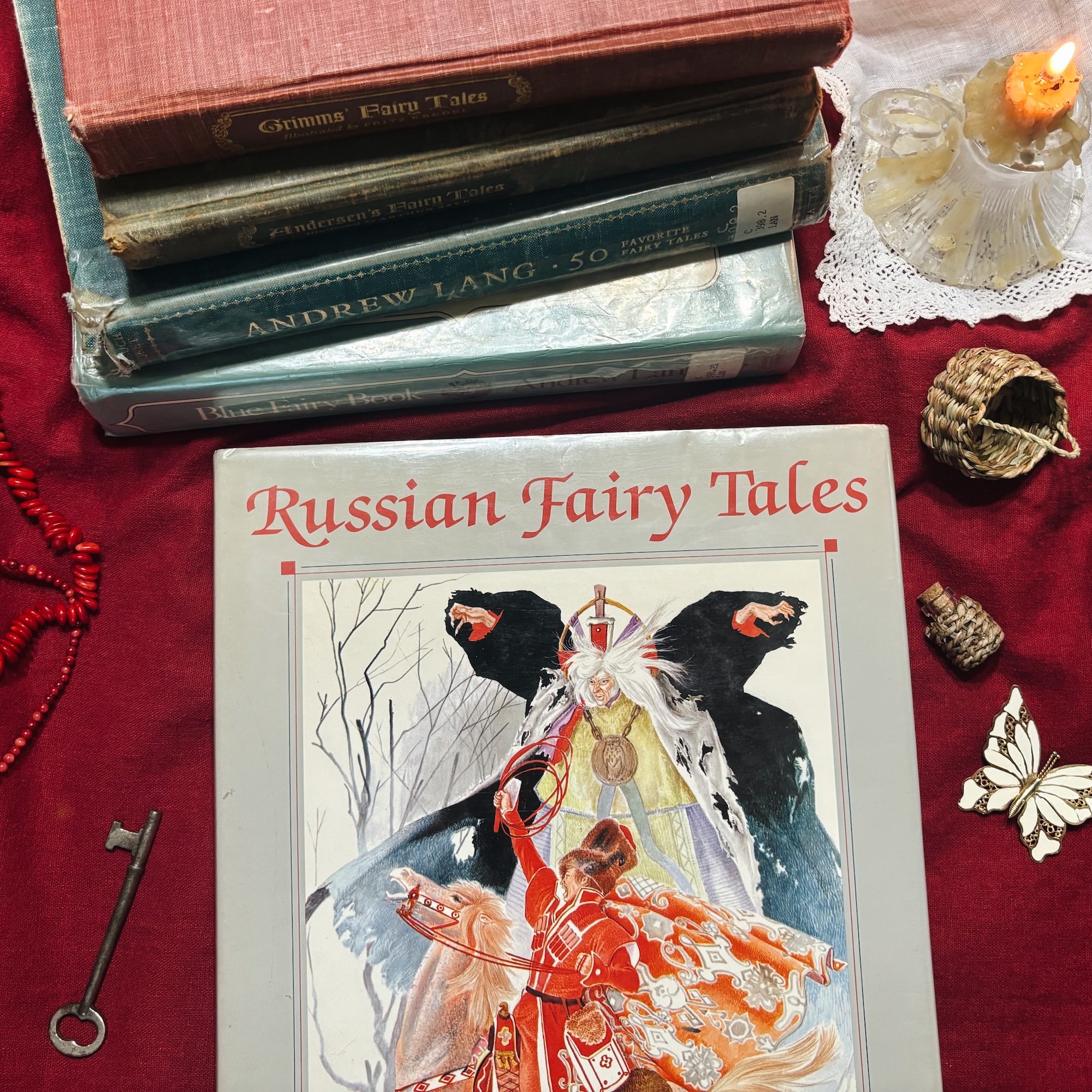
The Art of Story-Telling
<p>Editor’s Note, by Art Middlekauff Last week we shared Arthur Burrell’s “Recitation: The Children’s Art,” the ground-breaking 1890 article that paved the way for his 1891 book Recitation: A Handbook for Teachers. In this book, which was heartily endorsed and recommended by Charlotte Mason in Home Education, Burrell carefully explained the differences between reading aloud, …</p> The post <a href="https://charlottemasonpoetry.org/the-art-of-story-telling/">The Art of Story-Telling</a> first appeared on <a href="https://charlottemasonpoetry.org">Charlotte Mason Poetry</a>.
Recitation: The Children’s Art
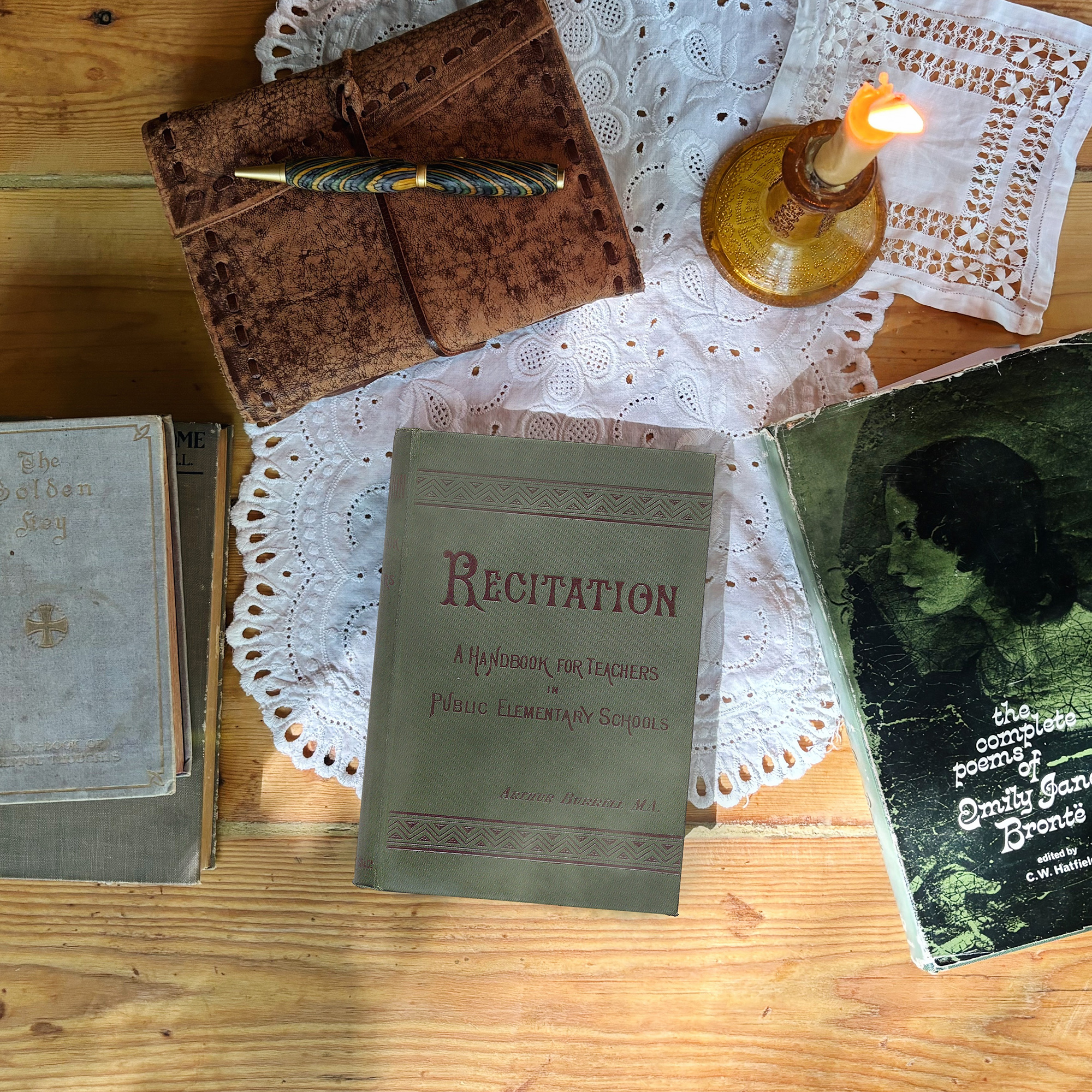
<p>Editor’s Note, by Art Middlekauff The inaugural issue of The Parents’ Review appeared in February 1890. The second issue, published in March, contained a groundbreaking article that initiated reverberations which continue even to our day. The article was by Arthur Burrell and was the first of several articles he would write for The Parents’ Review …</p> The post <a href="https://charlottemasonpoetry.org/recitation-the-childrens-art/">Recitation: The Children’s Art</a> first appeared on <a href="https://charlottemasonpoetry.org">Charlotte Mason Poetry</a>.
A Programme for Sunday Reading
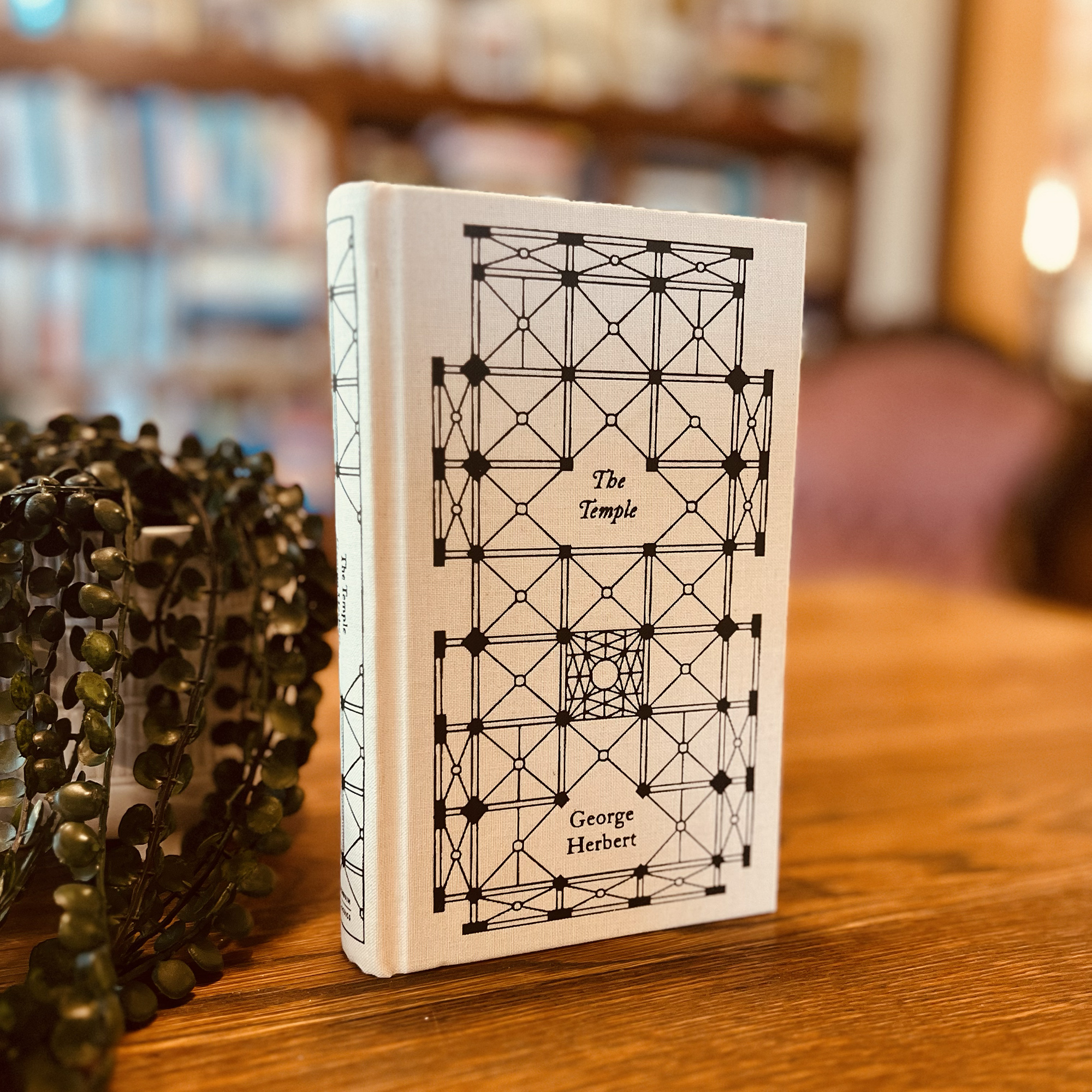
<p>“Who aimeth at a star, Shoots higher, far, Than he who means a tree.” Charlotte Mason quotes this phrase from the poet George Herbert when describing “the power and beauty of a holy youth” (Formation of Character, p. 209). She chides us for not having a higher standard when it comes to the religious training …</p> The post <a href="https://charlottemasonpoetry.org/a-programme-for-sunday-reading/">A Programme for Sunday Reading</a> first appeared on <a href="https://charlottemasonpoetry.org">Charlotte Mason Poetry</a>.
The Charlotte Mason College
<p>Editor’s Note, by Art Middlekauff The May 1952 “memories” issue of The Parents’ Review offered many vivid recollections of the early days and later developments of the Charlotte Mason movement and the House of Education. Our final transcription from the memories issue is this article by Joyce van Straubenzee, who was then the principal of …</p> The post <a href="https://charlottemasonpoetry.org/the-charlotte-mason-college/">The Charlotte Mason College</a> first appeared on <a href="https://charlottemasonpoetry.org">Charlotte Mason Poetry</a>.

From Charlotte Mason to College and Beyond
<p>Back in 2021 I interviewed Anesley Middlekauff when she had just completed her first semester at Iowa State University. We talked about the enormous transition from a Charlotte Mason high school to a campus of 30,000 students. At the time I couldn’t help but wonder what the next three years had in store for her. …</p> The post <a href="https://charlottemasonpoetry.org/from-charlotte-mason-to-college-and-beyond/">From Charlotte Mason to College and Beyond</a> first appeared on <a href="https://charlottemasonpoetry.org">Charlotte Mason Poetry</a>.

The Educational Philosophy of Charlotte Mason (6 of 6)
<p>Editor’s Note, by Art Middlekauff In the November/December 1971 issue of The PNEU Journal, Joan L. Molyneux concluded her systematic overview of the educational philosophy of Charlotte Mason. In this final chapter, she explains how Charlotte Mason’s first principle is the essential and unifying element of the philosophy. by Joan L. Molyneux The PNEU Journal, …</p> The post <a href="https://charlottemasonpoetry.org/the-educational-philosophy-of-charlotte-mason-6-of-6/">The Educational Philosophy of Charlotte Mason (6 of 6)</a> first appeared on <a href="https://charlottemasonpoetry.org">Charlotte Mason Poetry</a>.
The Educational Philosophy of Charlotte Mason (5 of 6)
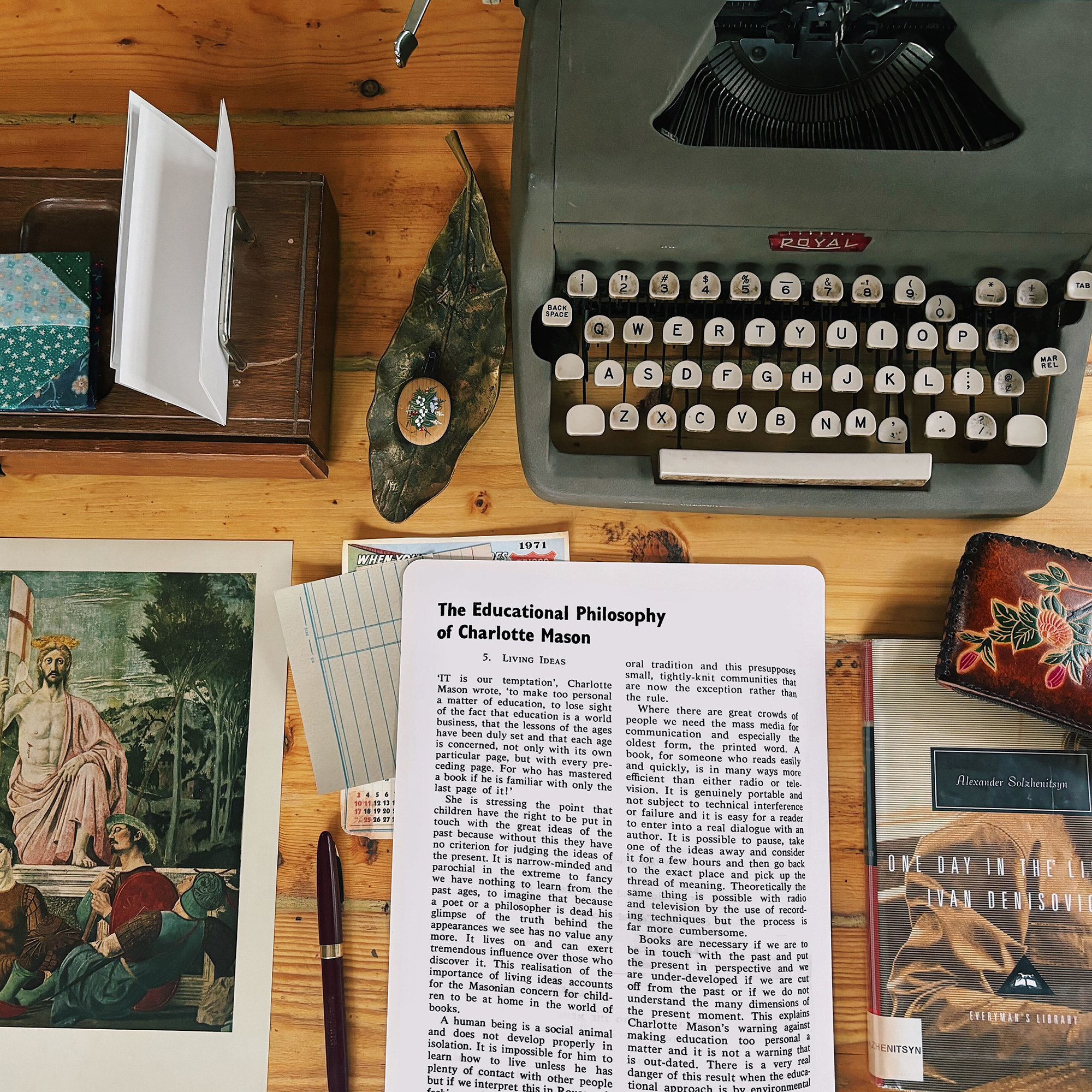
<p>Editor’s Note, by Art Middlekauff In the September/October 1971 issue of The PNEU Journal, Joan L. Molyneux continued her systematic overview of the educational philosophy of Charlotte Mason. In this chapter, she explores the third instrument of education: “education is a life.” by Joan L. Molyneux The PNEU Journal, 1971, pp. 198–204 5. Living Ideas …</p> The post <a href="https://charlottemasonpoetry.org/the-educational-philosophy-of-charlotte-mason-5-of-6/">The Educational Philosophy of Charlotte Mason (5 of 6)</a> first appeared on <a href="https://charlottemasonpoetry.org">Charlotte Mason Poetry</a>.
The Educational Philosophy of Charlotte Mason (4 of 6)
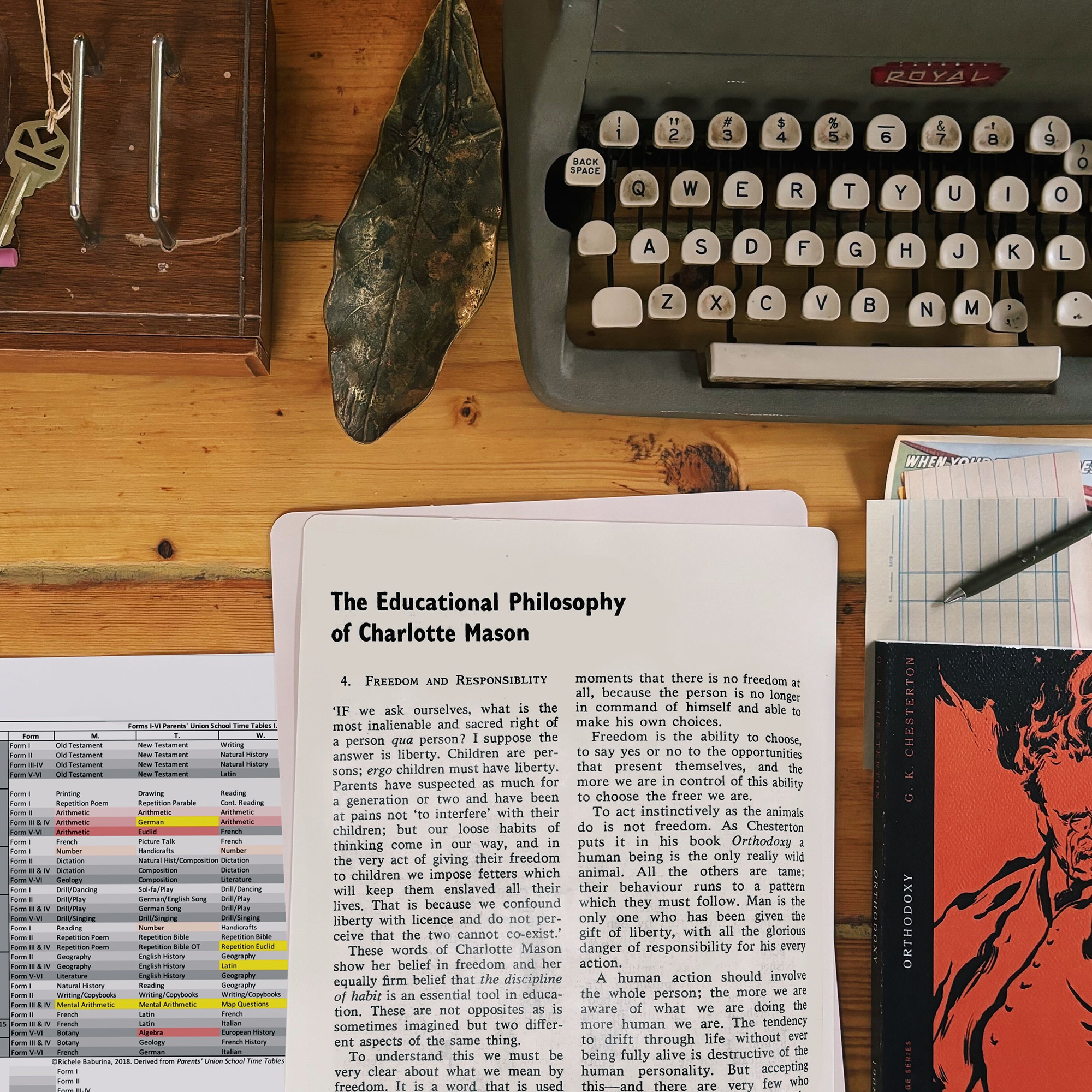
<p>Editor’s Note, by Art Middlekauff In the July/August 1971 issue of The PNEU Journal, Joan L. Molyneux continued her systematic overview of the educational philosophy of Charlotte Mason. In this chapter, she explores the second instrument of education: “education is a discipline.” by Joan L. Molyneux The PNEU Journal, 1971, pp. 154–160 4. Freedom and …</p> The post <a href="https://charlottemasonpoetry.org/the-educational-philosophy-of-charlotte-mason-4-of-6/">The Educational Philosophy of Charlotte Mason (4 of 6)</a> first appeared on <a href="https://charlottemasonpoetry.org">Charlotte Mason Poetry</a>.

The Educational Philosophy of Charlotte Mason (3 of 6)
<p>Editor’s Note, by Art Middlekauff In the May/June 1971 issue of The PNEU Journal, Joan L. Molyneux continued her systematic overview of the educational philosophy of Charlotte Mason. In this chapter, she explores the first instrument of education: “education is an atmosphere.” by Joan L. Molyneux The PNEU Journal, 1971, pp. 98–104 3. The Child’s …</p> The post <a href="https://charlottemasonpoetry.org/the-educational-philosophy-of-charlotte-mason-3-of-6/">The Educational Philosophy of Charlotte Mason (3 of 6)</a> first appeared on <a href="https://charlottemasonpoetry.org">Charlotte Mason Poetry</a>.
The Educational Philosophy of Charlotte Mason (2 of 6)
<p>Editor’s Note, by Art Middlekauff In the March/April 1971 issue of The PNEU Journal, Joan L. Molyneux continued her systematic overview of the educational philosophy of Charlotte Mason. She called it the “Masonian” philosophy, a term we do not use today, but which nevertheless respects Mason’s wish that her method be “protected by the name …</p> The post <a href="https://charlottemasonpoetry.org/the-educational-philosophy-of-charlotte-mason-2-of-6/">The Educational Philosophy of Charlotte Mason (2 of 6)</a> first appeared on <a href="https://charlottemasonpoetry.org">Charlotte Mason Poetry</a>.
The Educational Philosophy of Charlotte Mason (1 of 6)
<p>Editor’s Note, by Art Middlekauff Joan L. Molyneux (1908–1986) once wrote, “I have always lived within the sphere of influence of Charlotte Mason, as my parents became PNEU members before I was born.” She “was taught at home by a PNEU governess until she went to the PNEU School in Burgess Hill in 1921,” and …</p> The post <a href="https://charlottemasonpoetry.org/the-educational-philosophy-of-charlotte-mason-1-of-6/">The Educational Philosophy of Charlotte Mason (1 of 6)</a> first appeared on <a href="https://charlottemasonpoetry.org">Charlotte Mason Poetry</a>.

A Letter From E. C. Allen
<p>Editor’s Note, by Art Middlekauff E. C. Allen was a student at the House of Education from 1897–1898 where she interacted extensively with Charlotte Mason. During that time she also met Julia Firth, a student of John Ruskin who became a major force in the development of picture study in the PNEU.[1] In 1904, Miss …</p> The post <a href="https://charlottemasonpoetry.org/a-letter-from-e-c-allen/">A Letter From E. C. Allen</a> first appeared on <a href="https://charlottemasonpoetry.org">Charlotte Mason Poetry</a>.
Poetry-Making
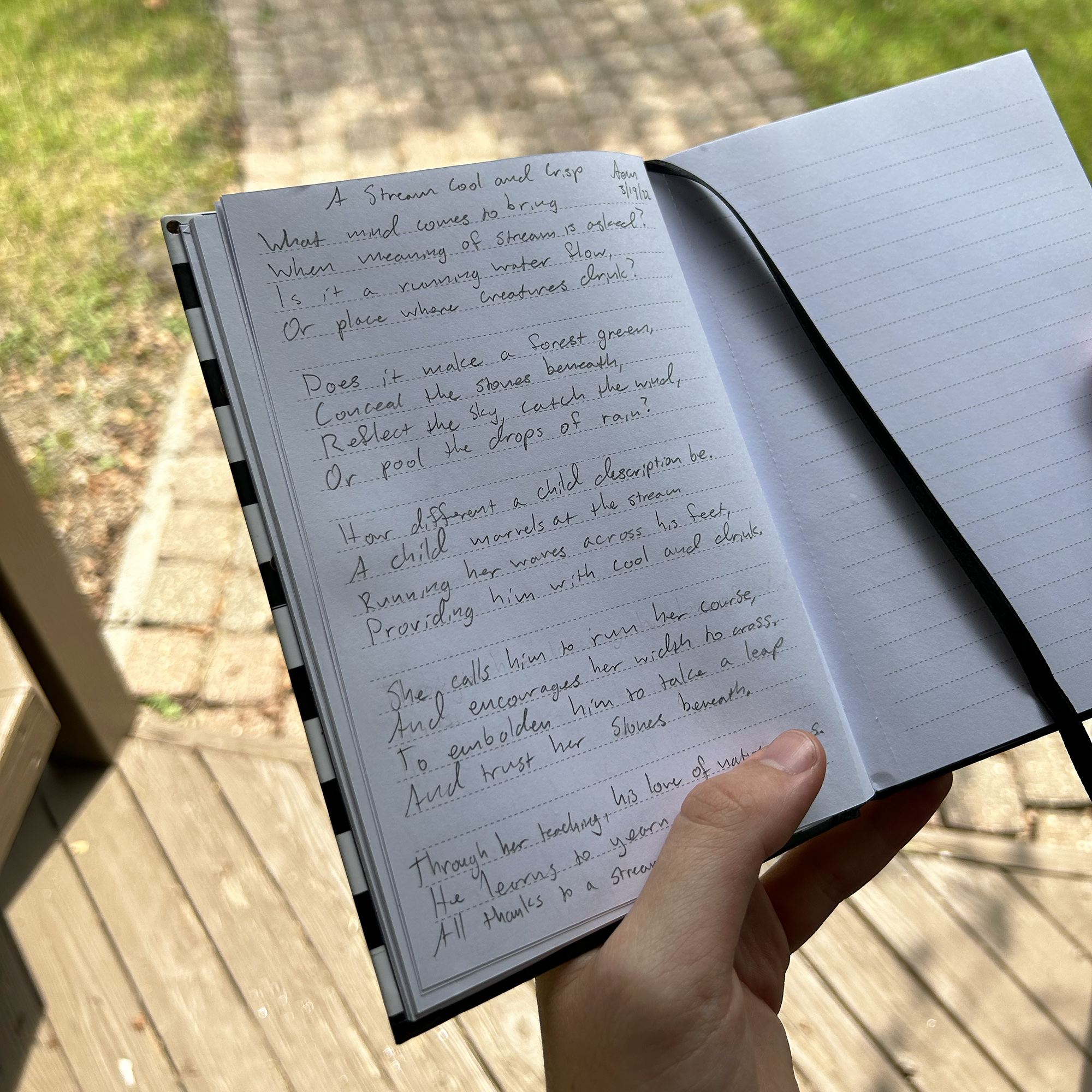
<p>Why and How We Started Writing Poetry The word poetry can conjure up many thoughts and emotions in different people. Some remember with fondness a favourite poem or two; others reflect on a favourite poet; there are those who can recite any number of poems; and then there are those who are filled with a …</p> The post <a href="https://charlottemasonpoetry.org/poetry-making/">Poetry-Making</a> first appeared on <a href="https://charlottemasonpoetry.org">Charlotte Mason Poetry</a>.
Guide, Philosopher, and Friend
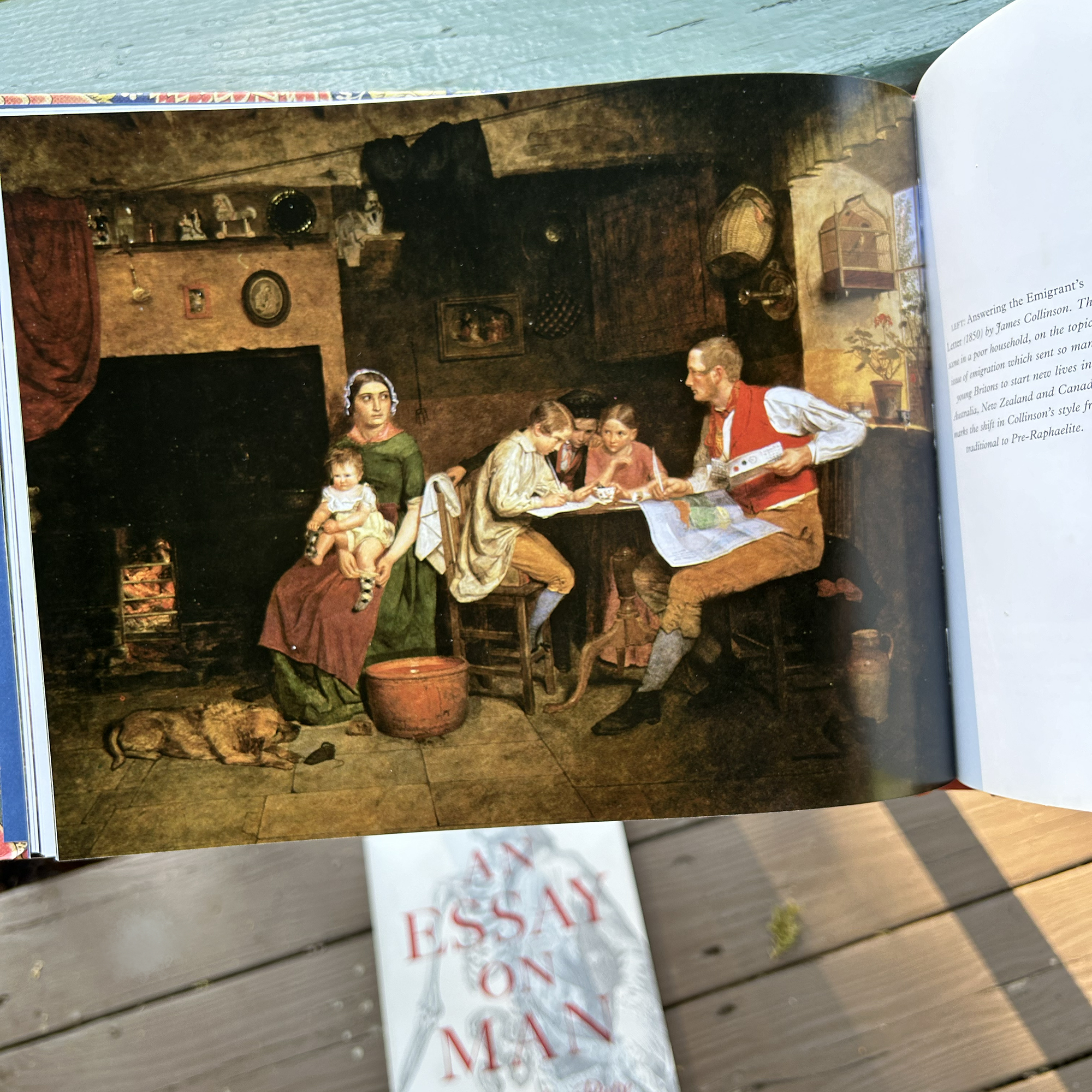
<p>Charlotte Mason wrote that the teacher’s “part is not the weariful task of spoon-feeding, but the delightful commerce of equal minds where his is the part of guide, philosopher and friend.” It’s easy to assume that Miss Mason herself coined the phrase, but the fact is that people had been applying the label “guide, philosopher …</p> The post <a href="https://charlottemasonpoetry.org/guide-philosopher-and-friend/">Guide, Philosopher, and Friend</a> first appeared on <a href="https://charlottemasonpoetry.org">Charlotte Mason Poetry</a>.

Memories of Scale How
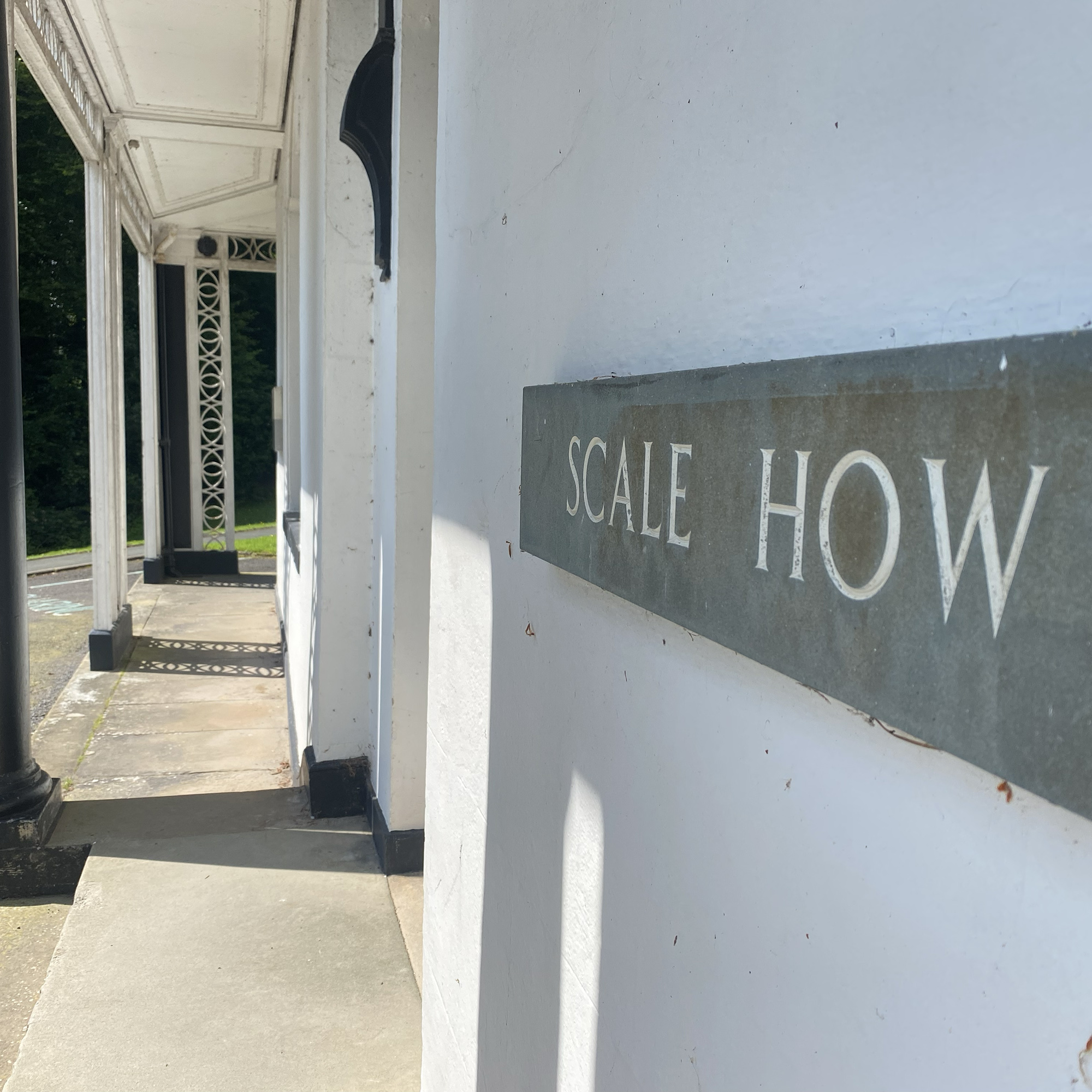
<p>Editor’s Note, by Art Middlekauff After reading about the House of Education under the principalships of Ellen Parish and Joyce van Straubenzee, readers of the “memories” issue of The Parents’ Review were treated to a memoir of the time when Charlotte Mason herself was the principal of the school. Kathleen Conder arrived at the House …</p> The post <a href="https://charlottemasonpoetry.org/memories-of-scale-how/">Memories of Scale How</a> first appeared on <a href="https://charlottemasonpoetry.org">Charlotte Mason Poetry</a>.

Charlotte Mason College Students in 1952
<p>Editor’s Note, by Art Middlekauff In 1937, Essex Cholmondeley resigned from her position as the third principal of the House of Education. She was succeeded by Miss Joyce van Straubenzee, who presided over the renaming of the school to the Charlotte Mason College in 1938. Miss Straubenzee had previously served as the principal of the …</p> The post <a href="https://charlottemasonpoetry.org/charlotte-mason-college-students-in-1952/">Charlotte Mason College Students in 1952</a> first appeared on <a href="https://charlottemasonpoetry.org">Charlotte Mason Poetry</a>.
Idyll Challenge V
<p>I recently received a text message from a fellow Charlotte Mason educator. “It’s interesting,” she wrote, “to meet another mom who is doing Charlotte Mason and just told me that she has never read any of the 6 volumes.” My friend’s message revealed a common assumption: anyone who is really “doing Charlotte Mason” is also …</p> The post <a href="https://charlottemasonpoetry.org/idyll-challenge-v/">Idyll Challenge V</a> first appeared on <a href="https://charlottemasonpoetry.org">Charlotte Mason Poetry</a>.

Education in the Far-Flung Chain of the Empire
<p>Tucked away in northwest England, Ambleside continues to represent the geographical heart of a Charlotte Mason education for many. The stunning landscape of the region is punctuated by sparkling blue lakes, rolling green hills, and meadows adorned with wildflowers so celebrated by the poetry of William Wordsworth. While novelist Daniel Defoe declared it to be …</p> The post <a href="https://charlottemasonpoetry.org/education-in-the-far-flung-chain-of-the-empire/">Education in the Far-Flung Chain of the Empire</a> first appeared on <a href="https://charlottemasonpoetry.org">Charlotte Mason Poetry</a>.

The House of Education Under Miss E. A. Parish
<p>Editor’s Note, by Art Middlekauff After an opening article by Henrietta Franklin, the “memories” issue of The Parents’ Review continued with a reprint of Charlotte Mason’s “Educational Manifesto,” found today on page 214 of School Education. Next was an article by Essex Cholmondeley sharing memories about the House of Education under its second principal, Ellen …</p> The post <a href="https://charlottemasonpoetry.org/the-house-of-education-under-miss-e-a-parish/">The House of Education Under Miss E. A. Parish</a> first appeared on <a href="https://charlottemasonpoetry.org">Charlotte Mason Poetry</a>.
Memories of the Past
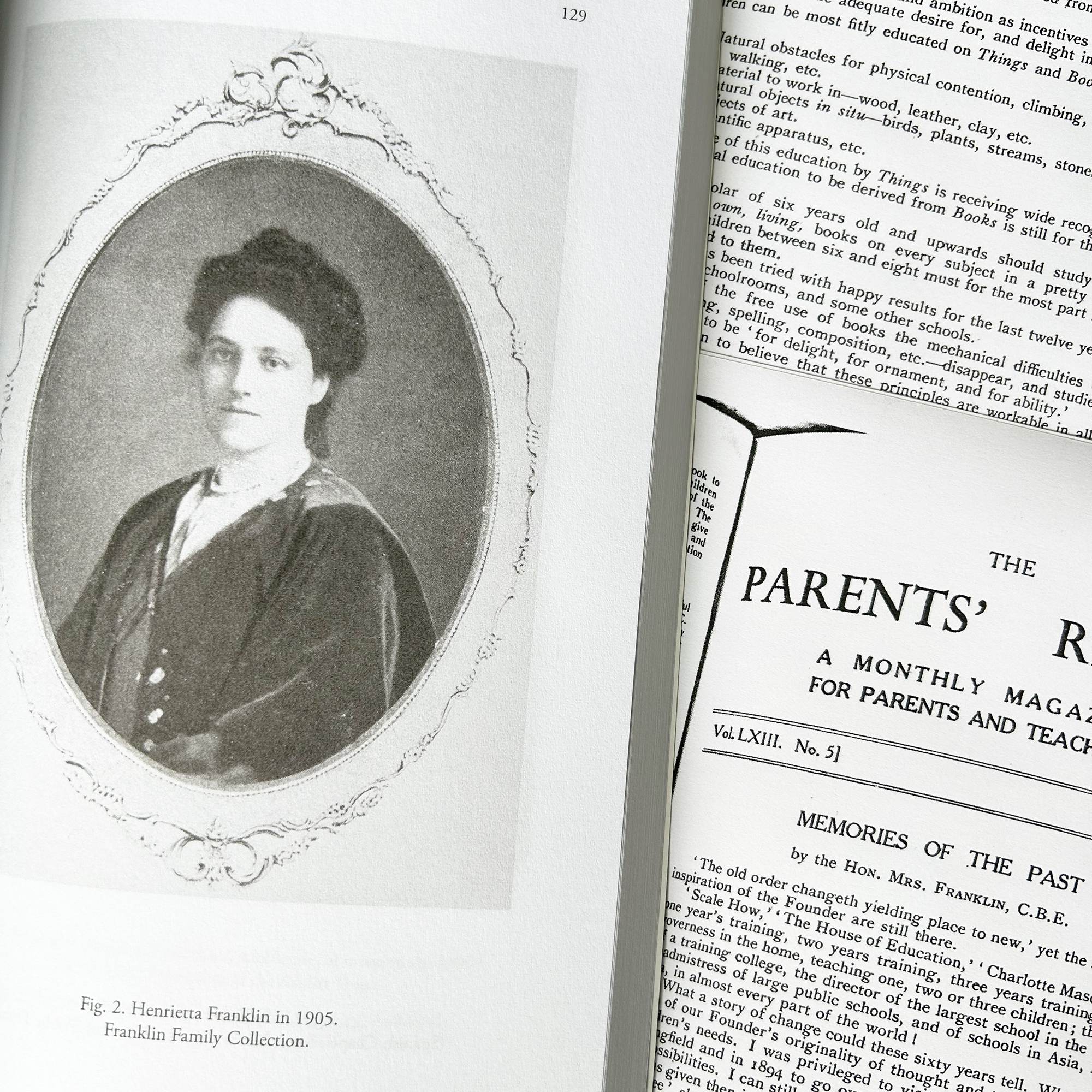
<p>Editor’s Note, by Art Middlekauff The May 1952 issue of The Parents’ Review was dedicated to looking back. But this was no mere nostalgia or reminiscence; always the view was towards linking the work of Charlotte Mason in the past to the new work of the present and the future. Some articles touched on specific …</p> The post <a href="https://charlottemasonpoetry.org/memories-of-the-past/">Memories of the Past</a> first appeared on <a href="https://charlottemasonpoetry.org">Charlotte Mason Poetry</a>.
Habits at Home: A Conversation With Jennifer Pepito
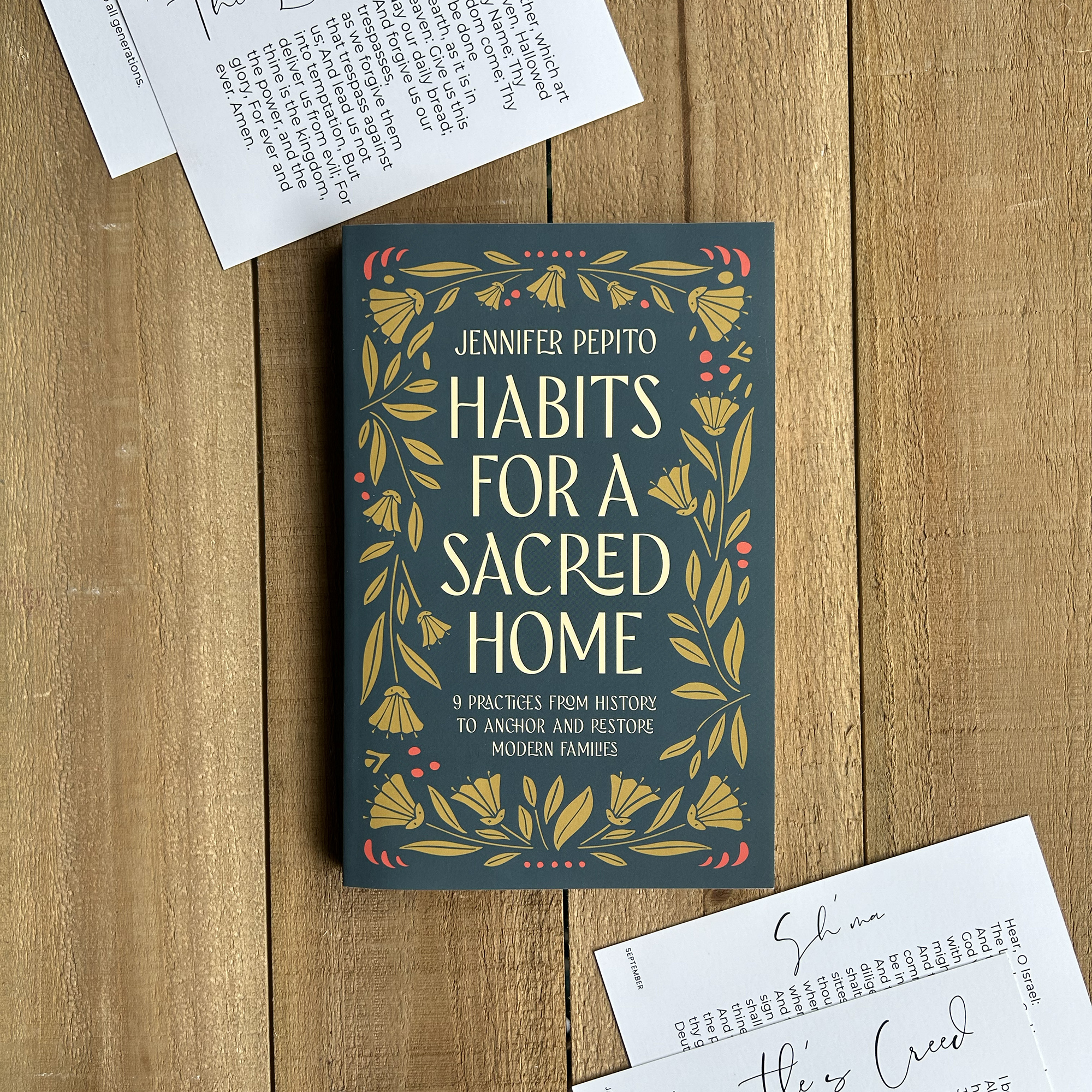
<p>Charlotte Mason wrote, “Education is an atmosphere, a discipline, a life.” In other words, “parents and teachers should know how to make sensible use of a child’s circumstances (atmosphere) to forward his sound education; should train him in the discipline of the habits of the good life; and should nourish his life with ideas, the …</p> The post <a href="https://charlottemasonpoetry.org/habits-at-home-a-conversation-with-jennifer-pepito/">Habits at Home: A Conversation With Jennifer Pepito</a> first appeared on <a href="https://charlottemasonpoetry.org">Charlotte Mason Poetry</a>.

A Modern-Day Olive Norton
<p>In January we ran a series of vintage articles by Olive Norton, a homeschool mother of the 1950s and ’60s who became the headmistress of a PNEU School. She had a special connection with history because it was her school that the daughters of Susan Schaeffer Macaulay attended, and thus it was through Mrs. Norton …</p> The post <a href="https://charlottemasonpoetry.org/a-modern-day-olive-norton/">A Modern-Day Olive Norton</a> first appeared on <a href="https://charlottemasonpoetry.org">Charlotte Mason Poetry</a>.
The Boy Jesus
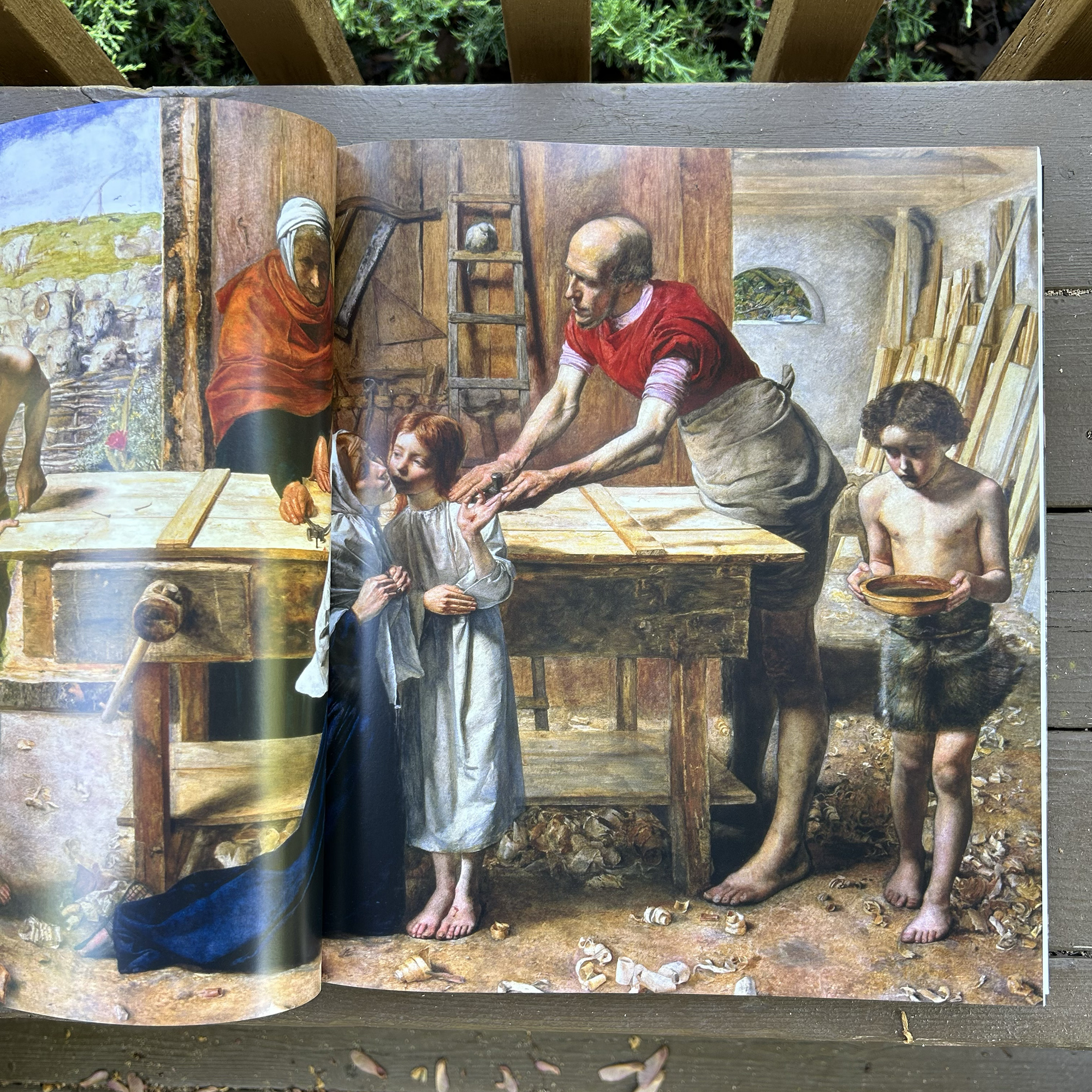
<p>Editor’s Note, by Art Middlekauff On November 23, 1897, the Rev. Herbert Spenser Swithinbank (1853–1937) gave an address to the Dulwich Branch of the PNEU. His text was Luke 2:43 from the English Revised Version: “the boy Jesus tarried behind in Jerusalem.” By contrast, the King James Version reads, “the child Jesus tarried behind in …</p> The post <a href="https://charlottemasonpoetry.org/the-boy-jesus/">The Boy Jesus</a> first appeared on <a href="https://charlottemasonpoetry.org">Charlotte Mason Poetry</a>.

How to Preserve the Imaginative Power in Children
<p>Editor’s Note, by Art Middlekauff Readers of Charlotte Mason’s Home Education know the name Arthur Burrell from the chapter on recitation: “On this subject,” writes Charlotte Mason, “I cannot do better than refer the reader to Mr Arthur Burrell’s [book] Recitation.”[1] It is hard to imagine a stronger endorsement of Burrell’s 1891 Recitation: A Handbook …</p> The post <a href="https://charlottemasonpoetry.org/how-to-preserve-the-imaginative-power-in-children/">How to Preserve the Imaginative Power in Children</a> first appeared on <a href="https://charlottemasonpoetry.org">Charlotte Mason Poetry</a>.
Can Appreciation of Art Be Taught?
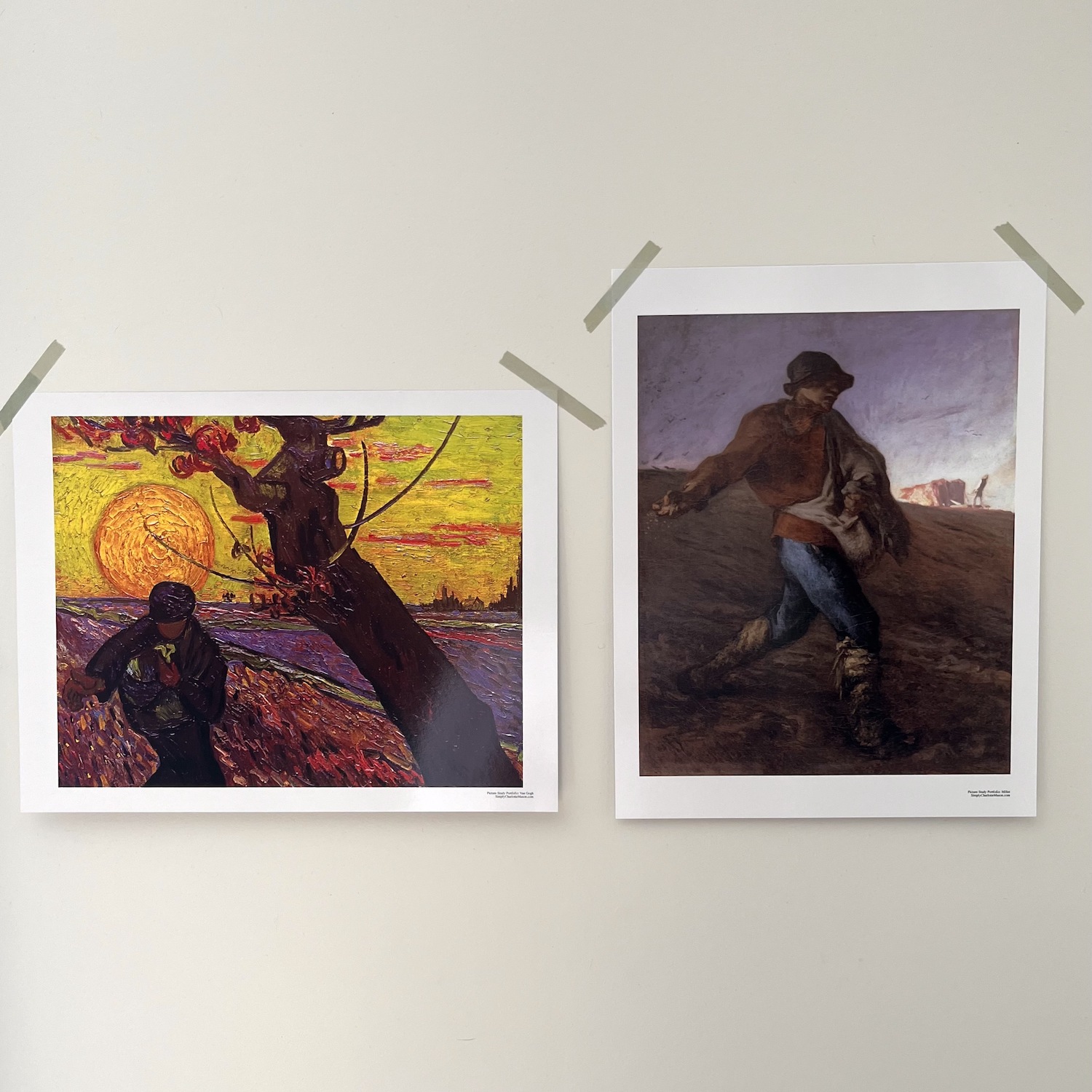
<p>Editor’s Note by Richele Baburina Little could Charlotte Mason imagine that one day the Annual Conference of the PNEU would be held at the House of Parliament. There, surrounded by portraits of England’s kings and queens, William Dyce’s oils of King Arthur and his court, along with mosaics, friezes, and sculptures depicting important moments in …</p> The post <a href="https://charlottemasonpoetry.org/can-appreciation-of-art-be-taught/">Can Appreciation of Art Be Taught?</a> first appeared on <a href="https://charlottemasonpoetry.org">Charlotte Mason Poetry</a>.
Art Studies
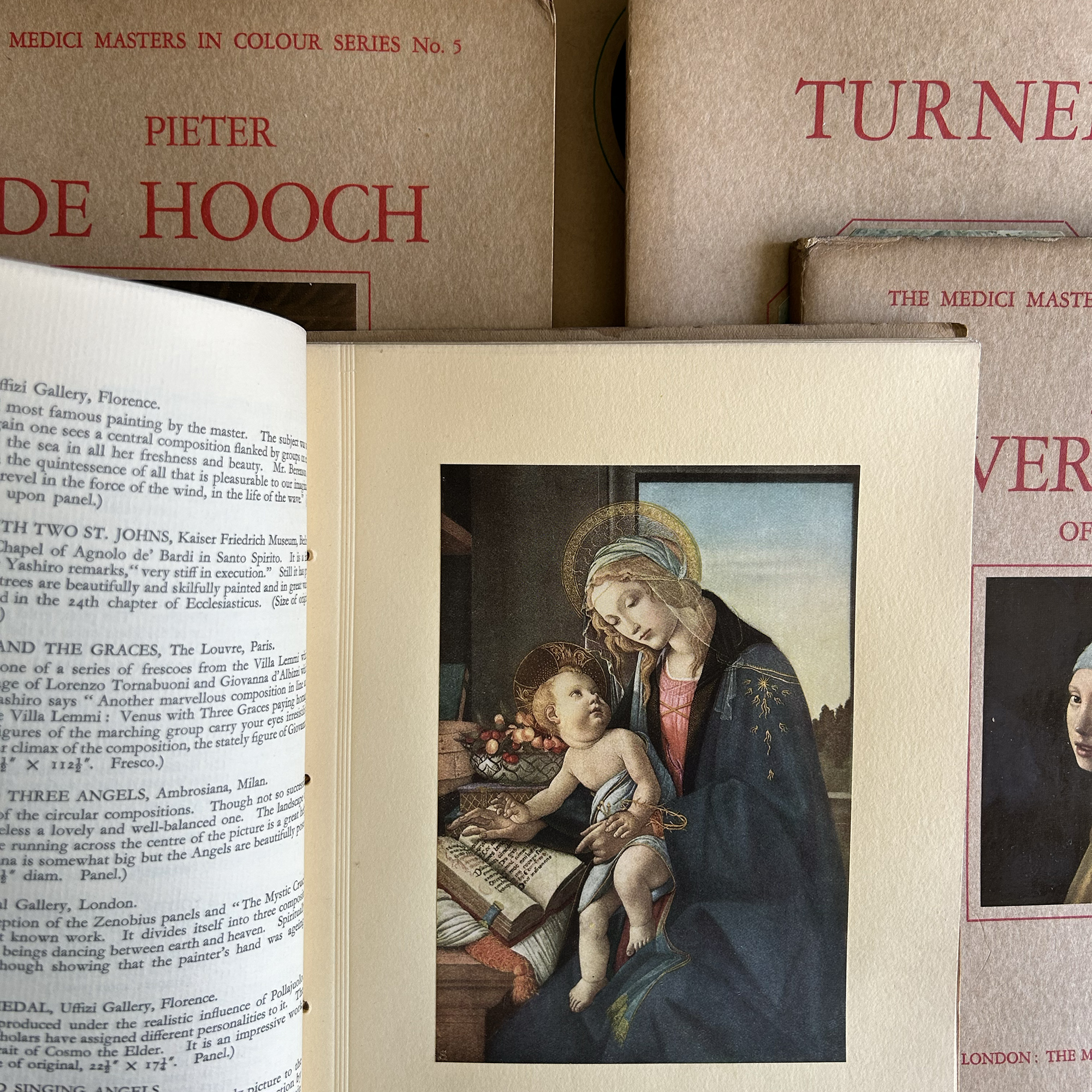
<p>Editor’s Note, by Art Middlekauff Charlotte Mason’s most obvious link to John Ruskin is found in her lengthy quotation from Mornings in Florence in Parents and Children. Less obvious is the link from Ruskin to the practice of picture study in the House of Education, the Parents’ Union School, and homeschools today. This fascinating piece …</p> The post <a href="https://charlottemasonpoetry.org/art-studies/">Art Studies</a> first appeared on <a href="https://charlottemasonpoetry.org">Charlotte Mason Poetry</a>.
Picture Study, by Mary Gillies
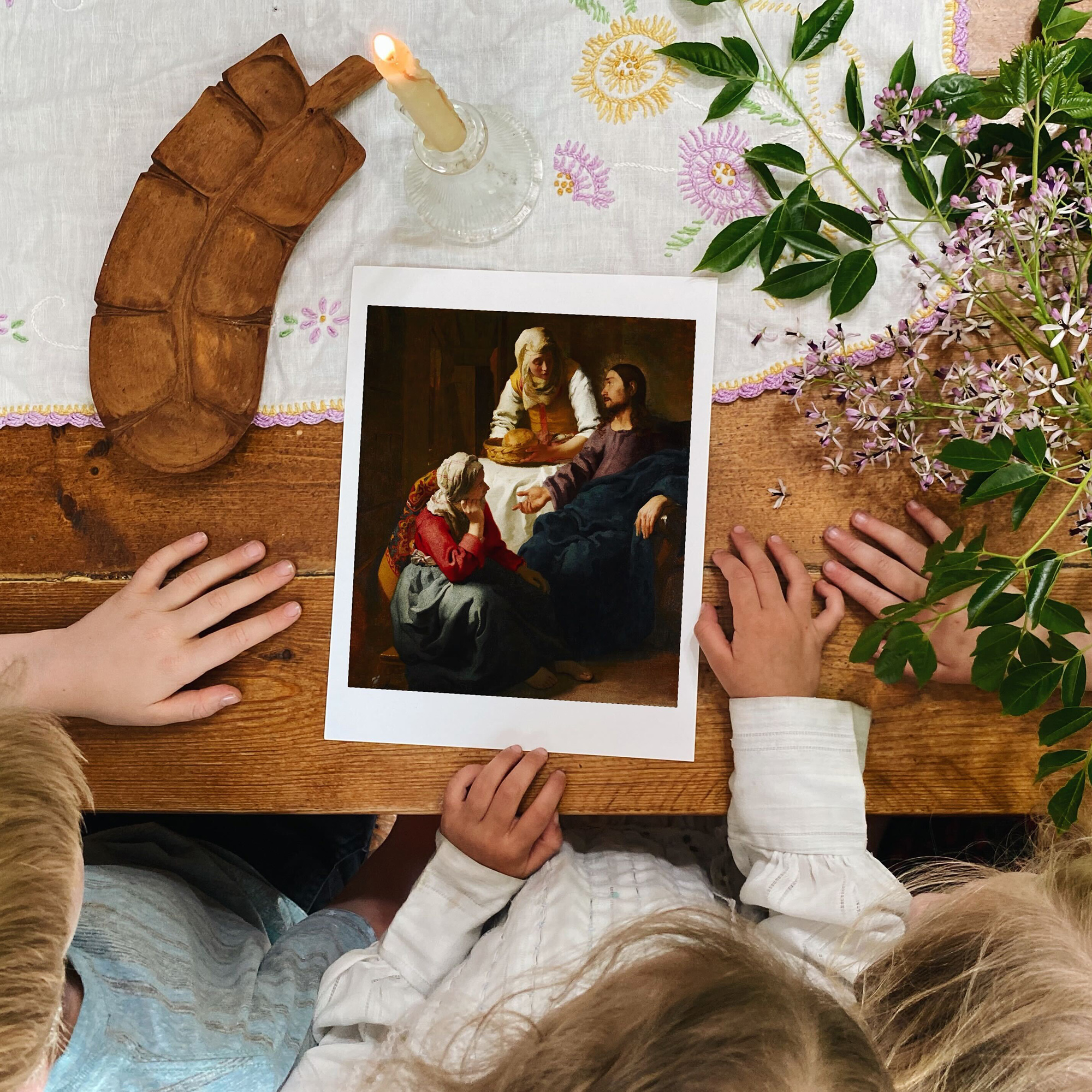
<p>Editor’s Note, by Art Middlekauff Mary Gillies began her studies at Charlotte Mason’s House of Education in 1914. Six years later she joined the staff of the Burgess Hill PNEU School, serving as assistant mistress.[1] Burgess Hill had been founded in 1906 by Beatrice Goode and was notable for teaching girls through all six forms, …</p> The post <a href="https://charlottemasonpoetry.org/picture-study-by-mary-gillies/">Picture Study, by Mary Gillies</a> first appeared on <a href="https://charlottemasonpoetry.org">Charlotte Mason Poetry</a>.
Picture Study, by Madeline Lambert
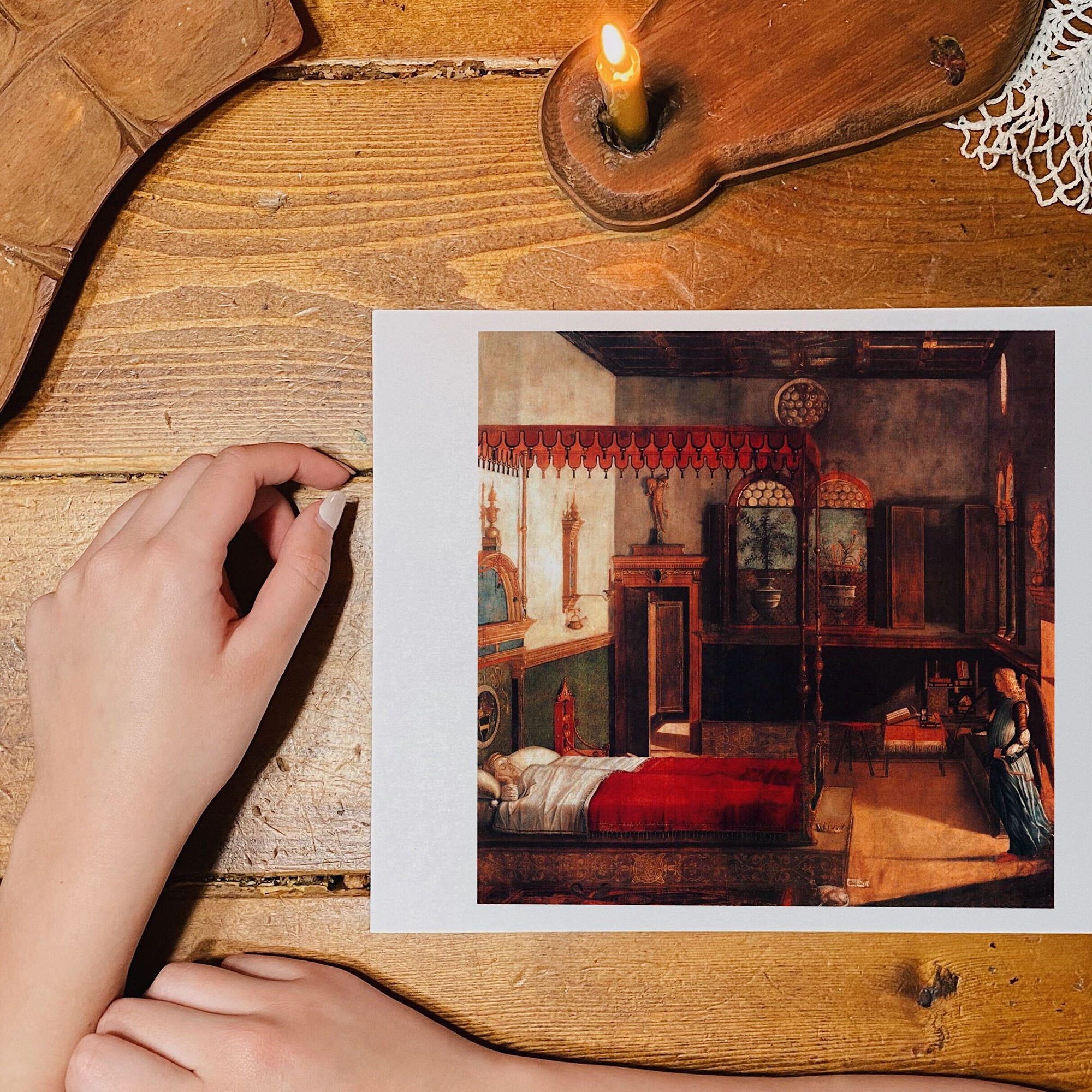
<p>Editor’s Note, by Art Middlekauff Madeline C. M. Lambert (1892–1965) arrived at the House of Education in 1912 where she learned the art of living and teaching from Charlotte Mason herself. Miss Lambert then cared for her “widowed father until she was free to teach.” Then in 1919, she was invited to help Laura Faunce …</p> The post <a href="https://charlottemasonpoetry.org/picture-study-by-madeline-lambert/">Picture Study, by Madeline Lambert</a> first appeared on <a href="https://charlottemasonpoetry.org">Charlotte Mason Poetry</a>.
Sunday School Teaching
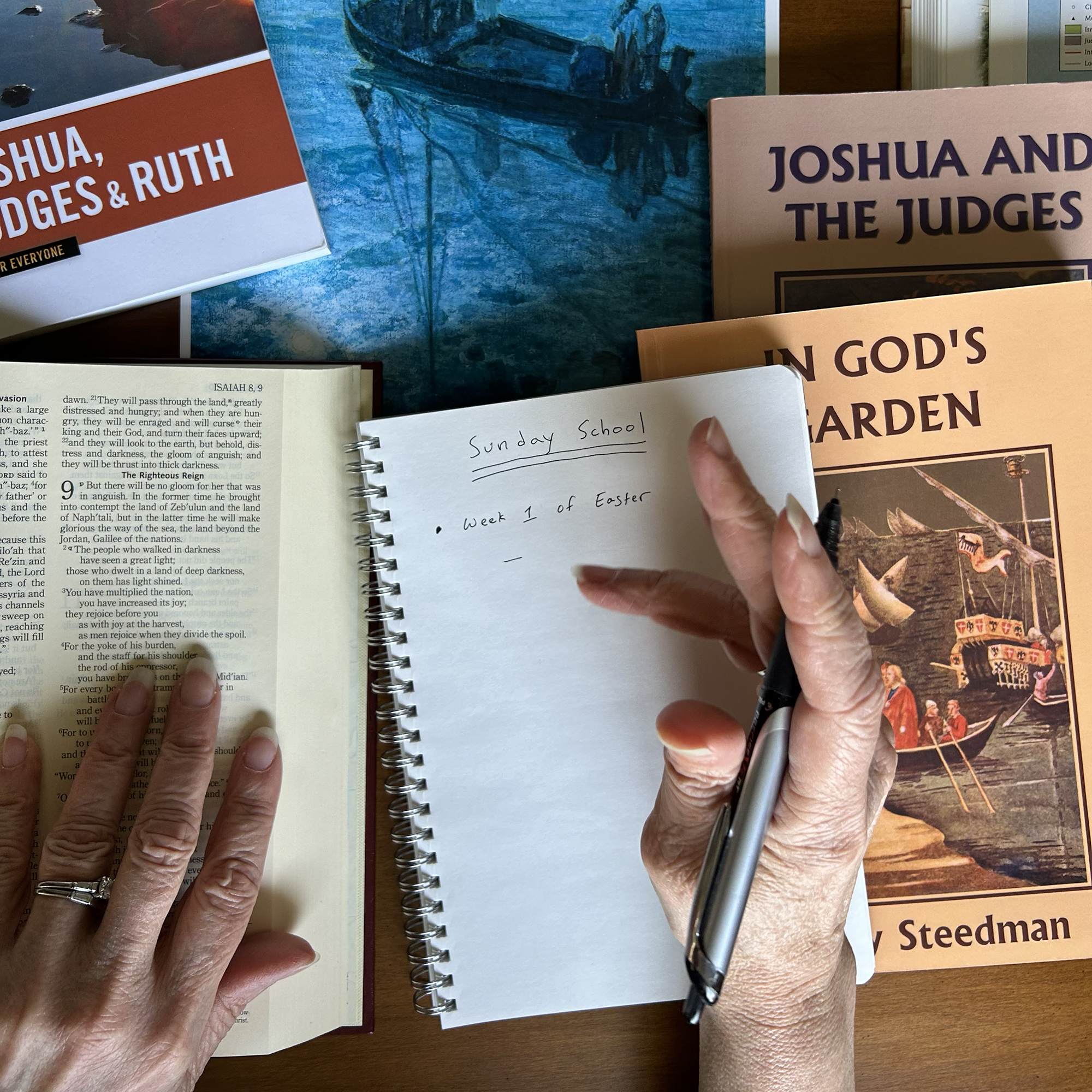
<p>Editor’s Note, by Art Middlekauff As Charlotte Mason’s ideas become more and more popular in homeschools and other kinds of schools, an increasingly common question is whether her philosophy can be applied within the church context, such as in Sunday school. At Charlotte Mason Poetry, we have shared two accounts from people who have introduced …</p> The post <a href="https://charlottemasonpoetry.org/sunday-school-teaching/">Sunday School Teaching</a> first appeared on <a href="https://charlottemasonpoetry.org">Charlotte Mason Poetry</a>.
An Uncommon Quarterly
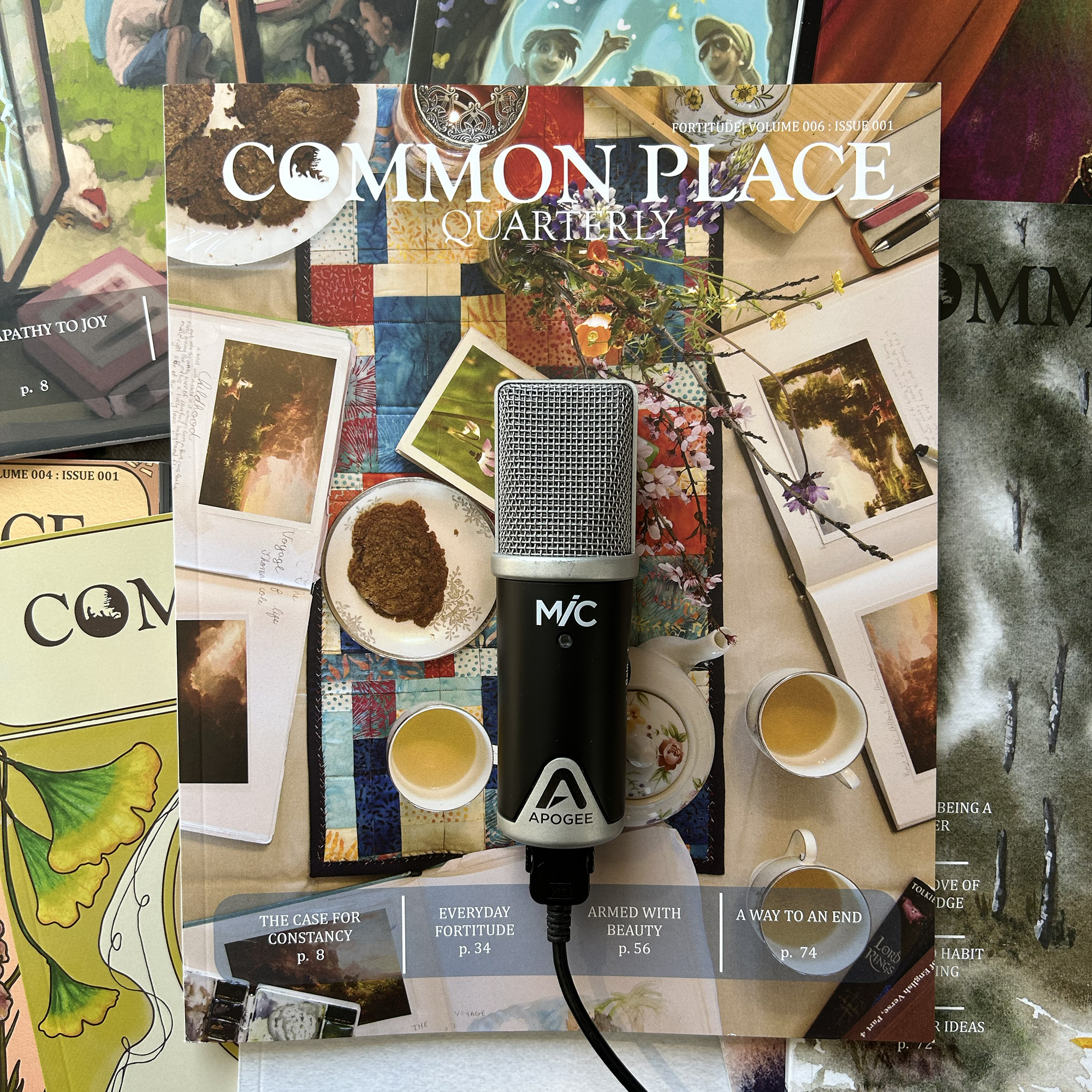
<p>Imagine what it would be like to have a quiet growing place for parents in a digitally saturated world. A place where parents and educators could be mentored and instructed in Charlotte Mason’s ideas without looking at a screen. A place where the beauty of the printed page could speak to the heart. Cara Williams …</p> The post <a href="https://charlottemasonpoetry.org/an-uncommon-quarterly/">An Uncommon Quarterly</a> first appeared on <a href="https://charlottemasonpoetry.org">Charlotte Mason Poetry</a>.
Latin — the elegant Tongue
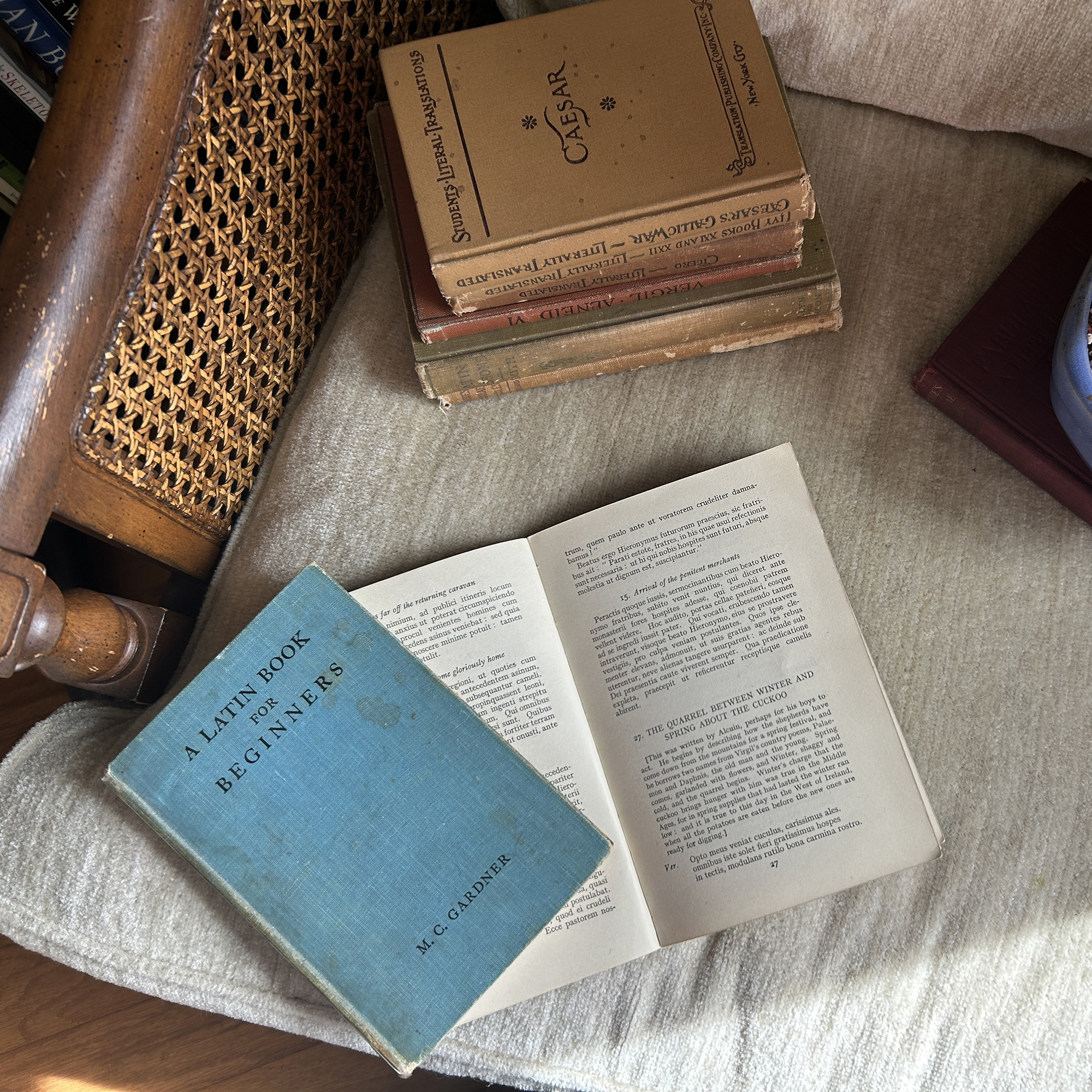
<p>Editor’s Note by Angela Reed The defense of Latin is a tradition almost as old as the language itself. In the modern era, one can find many passionate defenders of lingua Latina in homeschool discussion forums or in Facebook groups, where they swiftly emerge out of the digital woodwork in response to posts like the …</p> The post <a href="https://charlottemasonpoetry.org/latin-the-elegant-tongue/">Latin — the elegant Tongue</a> first appeared on <a href="https://charlottemasonpoetry.org">Charlotte Mason Poetry</a>.
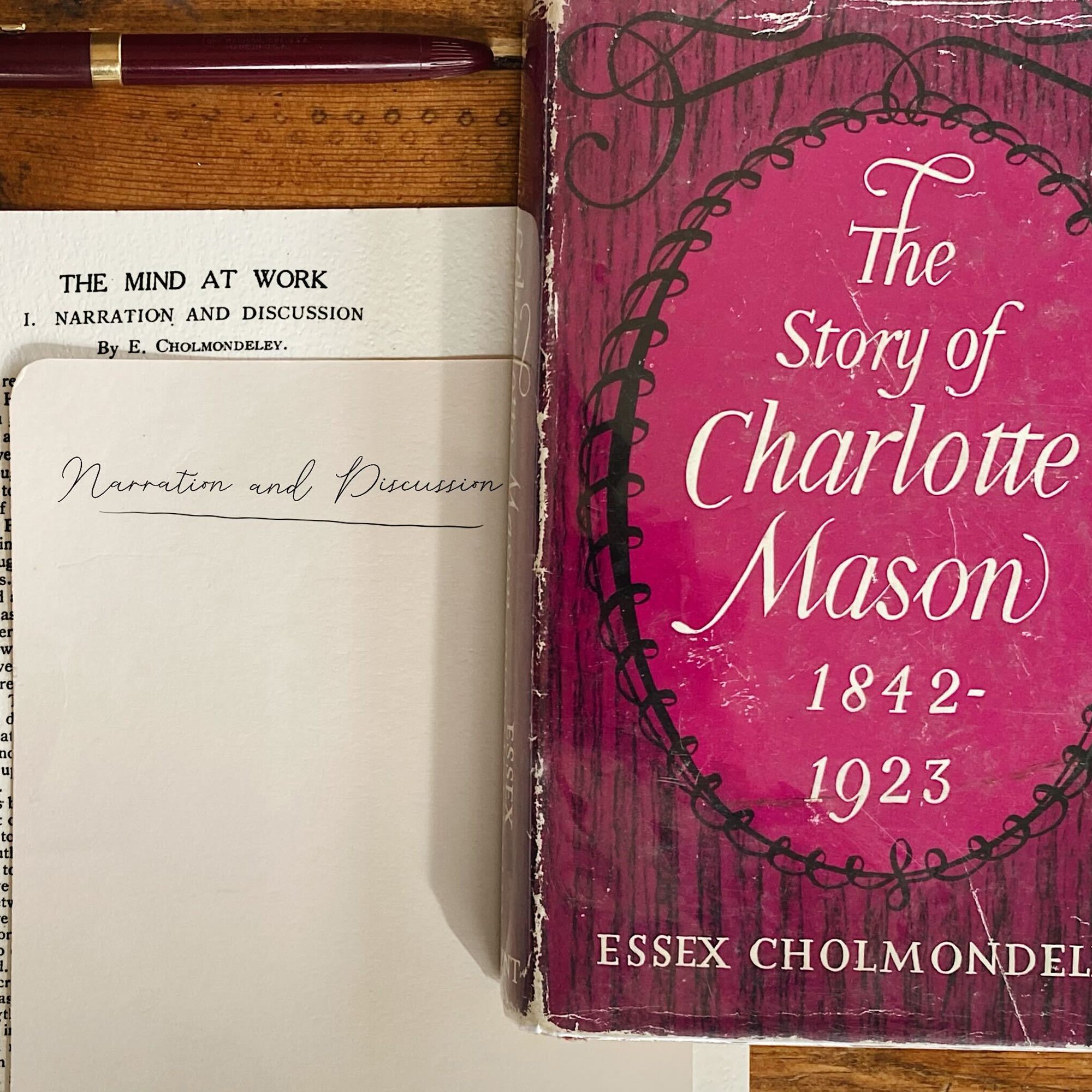
The Mind at Work
<p>Editor’s Note, by Art Middlekauff In 1944, Essex Cholmondeley had not yet written her biography of Charlotte Mason, and she was no longer principal of the House of Education. Nevertheless she was still quite active in the PNEU, and she occasionally wrote articles for The Parents’ Review to shed light on educational issues of her …</p> The post <a href="https://charlottemasonpoetry.org/the-mind-at-work/">The Mind at Work</a> first appeared on <a href="https://charlottemasonpoetry.org">Charlotte Mason Poetry</a>.

The Disappearance of Difficulties
<p>Editor’s Note, by Art Middlekauff Daisy Golding was the Headmistress of the Hanham Road Girls’ Elementary School in Bristol. In 1918, her school took the bold step of adopting the Charlotte Mason method. She quickly became an expert in the method and corresponded frequently with Miss Mason herself. In June 1920, a conference was held …</p> The post <a href="https://charlottemasonpoetry.org/the-disappearance-of-difficulties/">The Disappearance of Difficulties</a> first appeared on <a href="https://charlottemasonpoetry.org">Charlotte Mason Poetry</a>.
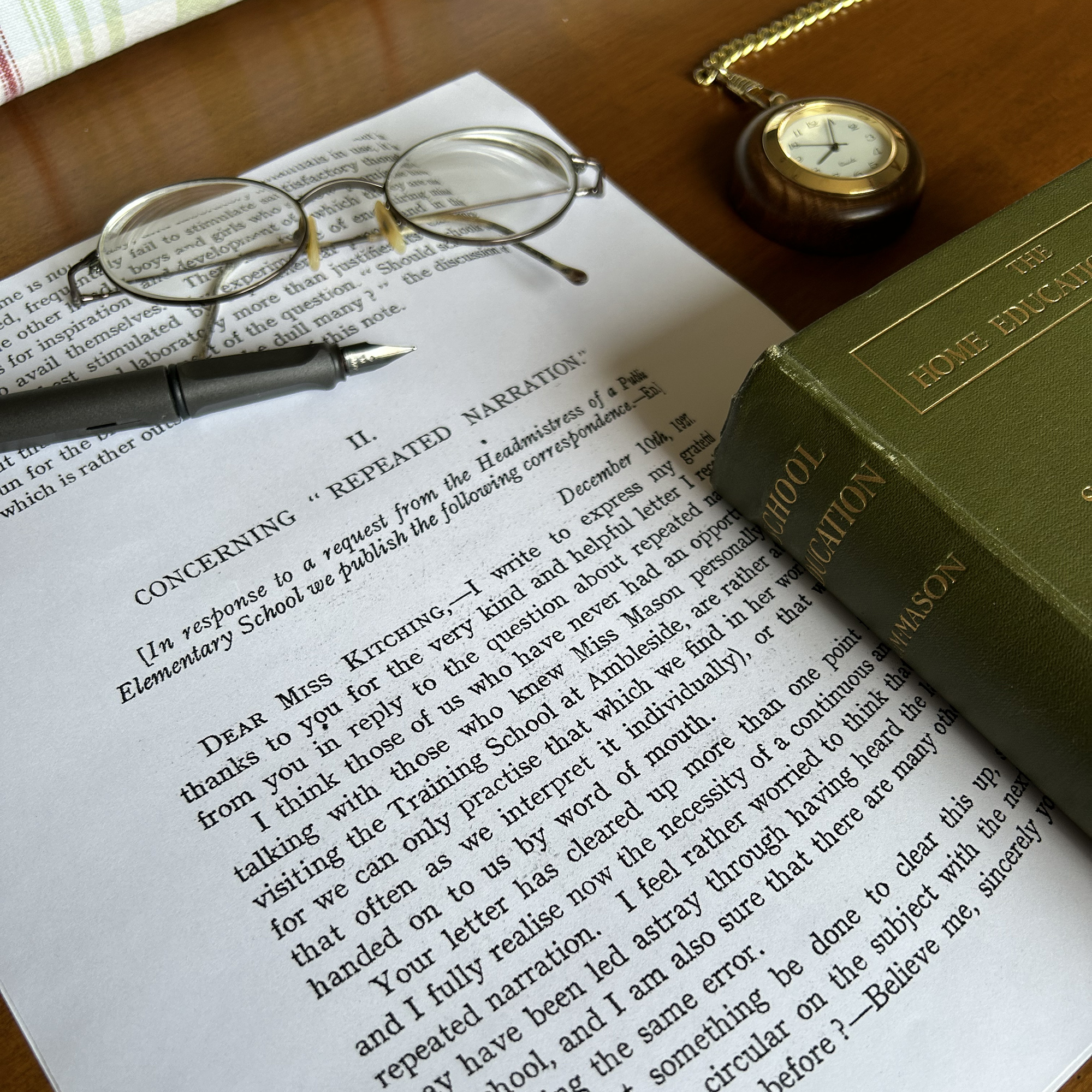
Concerning Repeated Narration
<p>Editor’s Note, by Art Middlekauff In the fall of 1927, a headmistress wrote to Elsie Kitching to ask about a fine point in the practice of narration in a group setting. Elsie Kitching’s response not only clarified the fine point but also provided a robust model for how to interpret and apply Charlotte Mason’s method. …</p> The post <a href="https://charlottemasonpoetry.org/concerning-repeated-narration/">Concerning Repeated Narration</a> first appeared on <a href="https://charlottemasonpoetry.org">Charlotte Mason Poetry</a>.

The Group System
<p>Editor’s Note, by Art Middlekauff In the final pages of the December 1921 issue of The Parents’ Review, five paragraphs appeared under the heading, “Extract from a letter.” No information was given about the writer or recipient of the letter, but the excerpt described a method by which a school with “a little organisation will …</p> The post <a href="https://charlottemasonpoetry.org/the-group-system/">The Group System</a> first appeared on <a href="https://charlottemasonpoetry.org">Charlotte Mason Poetry</a>.
Charlotte Mason’s Paradoxical Principle, Part 3
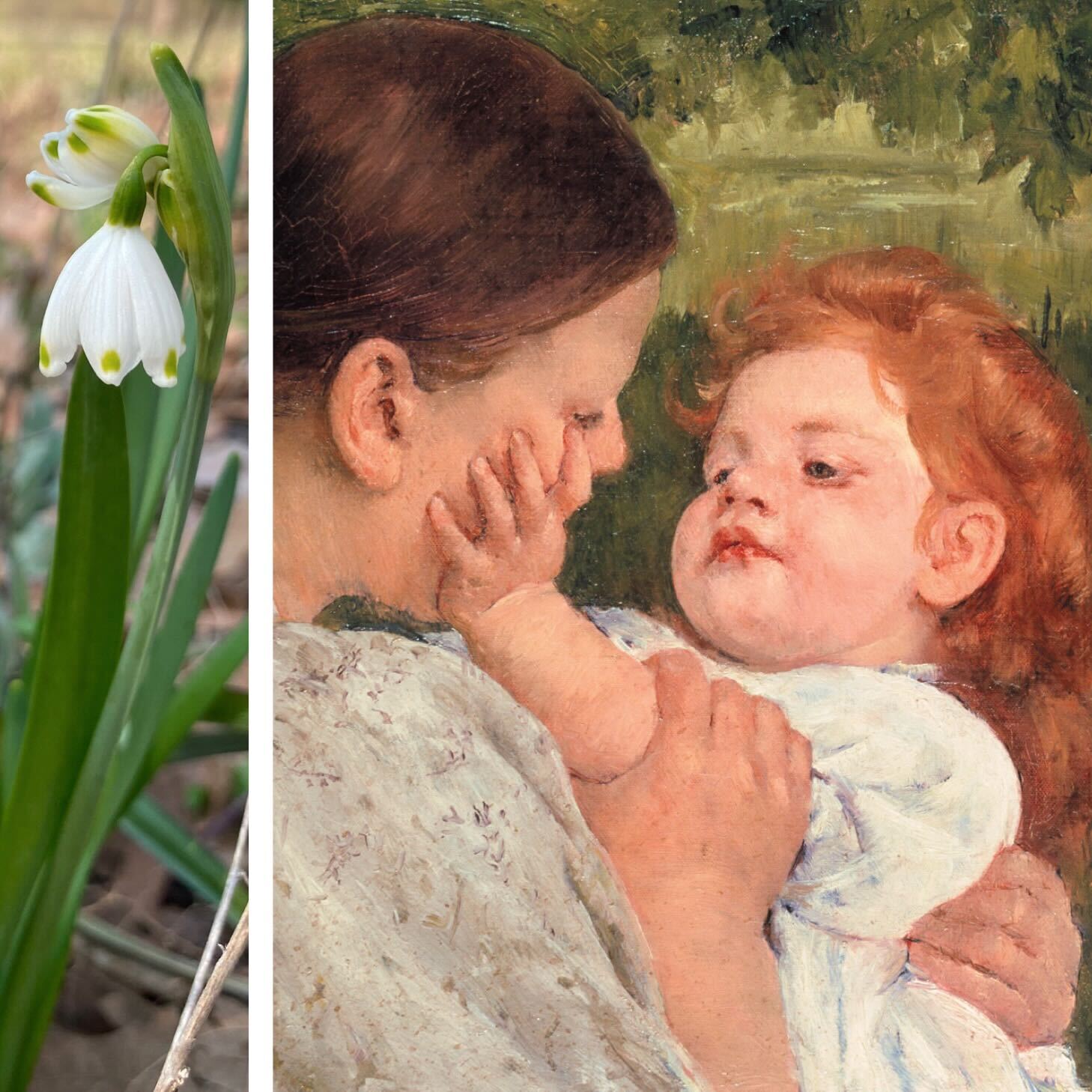
<p>Personhood Explored: The Atmosphere of Personhood This is the final article in a series on Charlotte Mason’s concept of personhood. The first article dealt with Mason’s doctrine of personhood, discussing what Mason believed the human person is. The second article explored how Mason’s doctrine of personhood inevitably led her to urge the pursuit of specific …</p> The post <a href="https://charlottemasonpoetry.org/personhood-explored-part-3/">Charlotte Mason’s Paradoxical Principle, Part 3</a> first appeared on <a href="https://charlottemasonpoetry.org">Charlotte Mason Poetry</a>.
Charlotte Mason’s Paradoxical Principle, Part 2
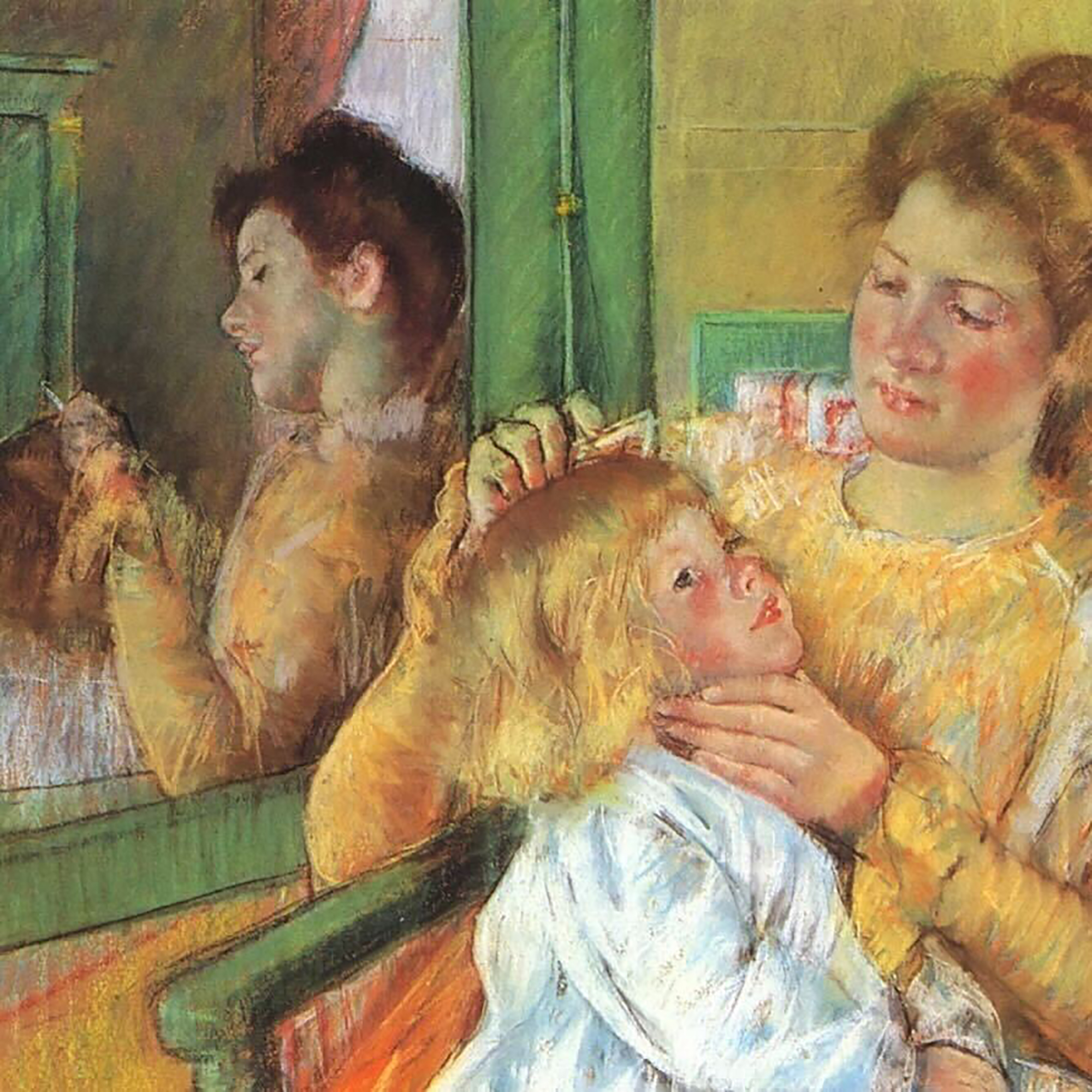
<p>Personhood Explored: The Discipline of Personhood This is the second article in a three-part series exploring Charlotte Mason’s concept of personhood. The first article was concerned with personhood from the angle of doctrine. That is, what did Mason believe theologically about the personhood of human beings, and thus the personhood of children? Out of doctrine …</p> The post <a href="https://charlottemasonpoetry.org/personhood-explored-part-2/">Charlotte Mason’s Paradoxical Principle, Part 2</a> first appeared on <a href="https://charlottemasonpoetry.org">Charlotte Mason Poetry</a>.

Charlotte Mason’s Paradoxical Principle, Part 1
<p>Personhood Explored: The Doctrine of Personhood From the time I was very young, I felt strongly that I was a person. I felt I was a unique individual, with undiscovered depths within me waiting to shine forth. One way I attempted to “shine forth” my unique personhood as a child was in climbing a large …</p> The post <a href="https://charlottemasonpoetry.org/personhood-explored-part-1/">Charlotte Mason’s Paradoxical Principle, Part 1</a> first appeared on <a href="https://charlottemasonpoetry.org">Charlotte Mason Poetry</a>.

Olive Norton: The Recording
<p>Two weeks ago we met Olive Norton, the homeschool mother who taught her daughter at home all the way through the secondary level. Then we learned that after graduating her daughter, Mrs. Norton became the headmistress of a small PNEU school. On a fateful January day in the early 1970s, two girls visited that school. …</p> The post <a href="https://charlottemasonpoetry.org/olive-norton-the-recording/">Olive Norton: The Recording</a> first appeared on <a href="https://charlottemasonpoetry.org">Charlotte Mason Poetry</a>.
Olive Norton: The PNEU Teacher
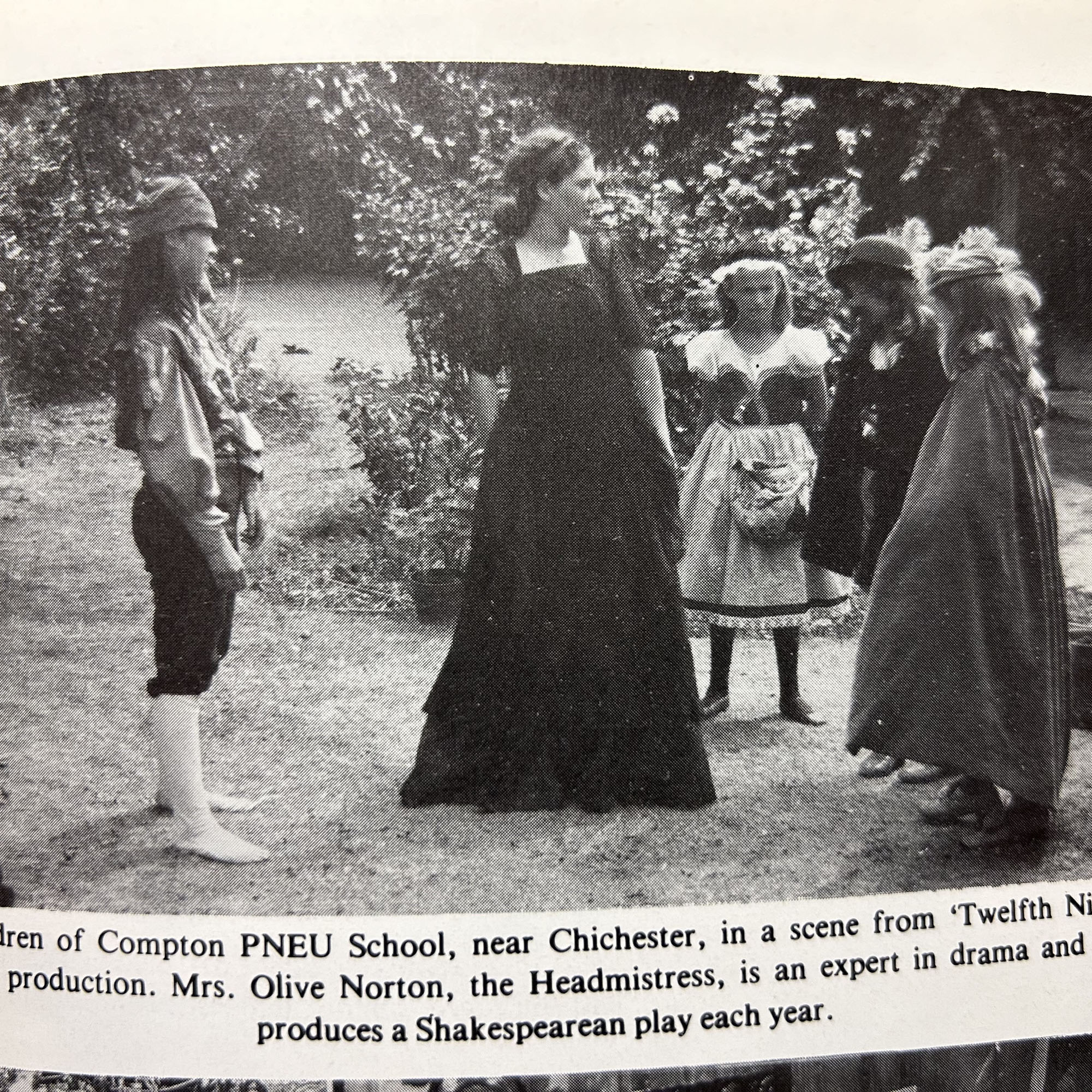
<p>Editor’s Note, by Art Middlekauff Last week we shared the remarkable story of Olive Norton, the homeschool mother. Her testimony as a mother-teacher was reported in the 1962 issue of The Parents’ Review, soon after her daughter had left the “home-schoolroom … at the age of sixteen and a half years.” As with many parents …</p> The post <a href="https://charlottemasonpoetry.org/olive-norton-the-pneu-teacher/">Olive Norton: The PNEU Teacher</a> first appeared on <a href="https://charlottemasonpoetry.org">Charlotte Mason Poetry</a>.

Olive Norton: The Homeschool Mother
<p>Editor’s Note, by Art Middlekauff In December 1962, an extraordinary article appeared in The Parents’ Review. Entitled “A P.U.S. Home-Schoolroom,” it was written by a veteran homeschool mother named Olive Norton. Mrs. Norton wrote the article at the end of her homeschooling journey; she had educated her children for more than twelve years. On this …</p> The post <a href="https://charlottemasonpoetry.org/olive-norton-the-homeschool-mother/">Olive Norton: The Homeschool Mother</a> first appeared on <a href="https://charlottemasonpoetry.org">Charlotte Mason Poetry</a>.

A Father and Son Look Back
<p>Twenty-two years ago I was a young father with a little boy, my first child, aged two. My father-in-law called me aside. “How are you going to educate your son?” he asked. I had no idea. I had hopes and fears for the future, but I had no vision. I wanted the best for this …</p> The post <a href="https://charlottemasonpoetry.org/a-father-and-son-look-back/">A Father and Son Look Back</a> first appeared on <a href="https://charlottemasonpoetry.org">Charlotte Mason Poetry</a>.

The Carol of the Three Brothers
<p>Editor’s Note, by Art Middlekauff Frances Blogg (1869–1938) served as the Organising Secretary of the PNEU from 1896–1901.[1] During this time she was courted by and then engaged to the celebrated writer and philosopher G. K. Chesterton. After their marriage in 1901, Frances Chesterton moved on from her formal role in the PNEU, but she …</p> The post <a href="https://charlottemasonpoetry.org/the-carol-of-the-three-brothers/">The Carol of the Three Brothers</a> first appeared on <a href="https://charlottemasonpoetry.org">Charlotte Mason Poetry</a>.
Conversation Piece
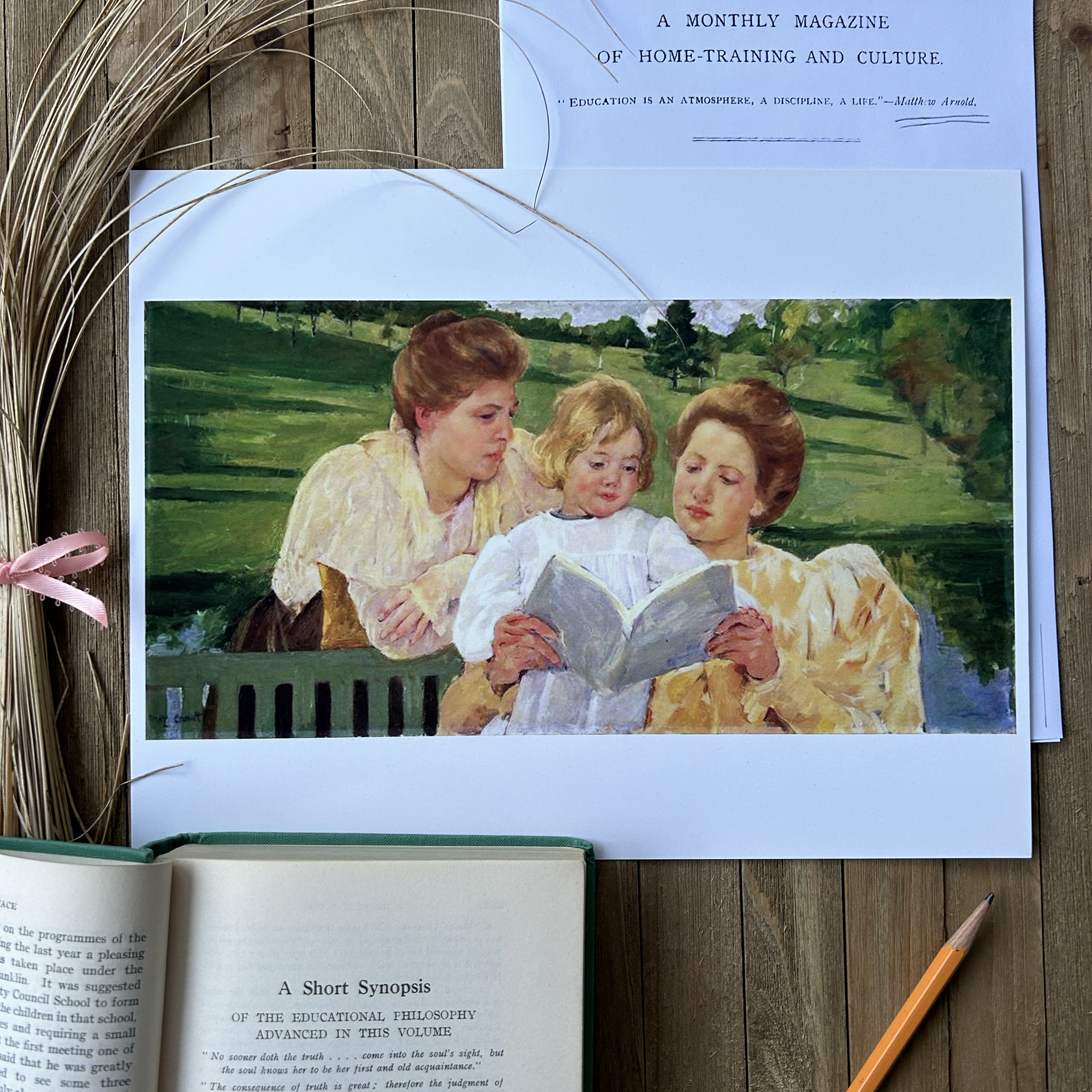
<p>Editor’s Note, by Art Middlekauff In April 1890, the third issue of a fledgling periodical entitled The Parents’ Review was delivered to subscribers. Under the standard subtitle “A Monthly Magazine of Home-Training and Culture,” this third issue included yet another heading: “Education is an atmosphere, a discipline, a life.”—Matthew Arnold.[1] The next and following issues …</p> The post <a href="https://charlottemasonpoetry.org/conversation-piece/">Conversation Piece</a> first appeared on <a href="https://charlottemasonpoetry.org">Charlotte Mason Poetry</a>.

Joy to be Bought
<p>Editor’s Note, by Art Middlekauff Back in March we shared a 1961 article entitled “Joy to be Shared” by a schoolteacher named Donald Beswick. He was writing at a time when the popular conception of music was undergoing rapid and radical change, and he offered a bold and compelling case for the enduring value of …</p> The post <a href="https://charlottemasonpoetry.org/joy-to-be-bought/">Joy to be Bought</a> first appeared on <a href="https://charlottemasonpoetry.org">Charlotte Mason Poetry</a>.
A Home-Schoolroom in Madeira
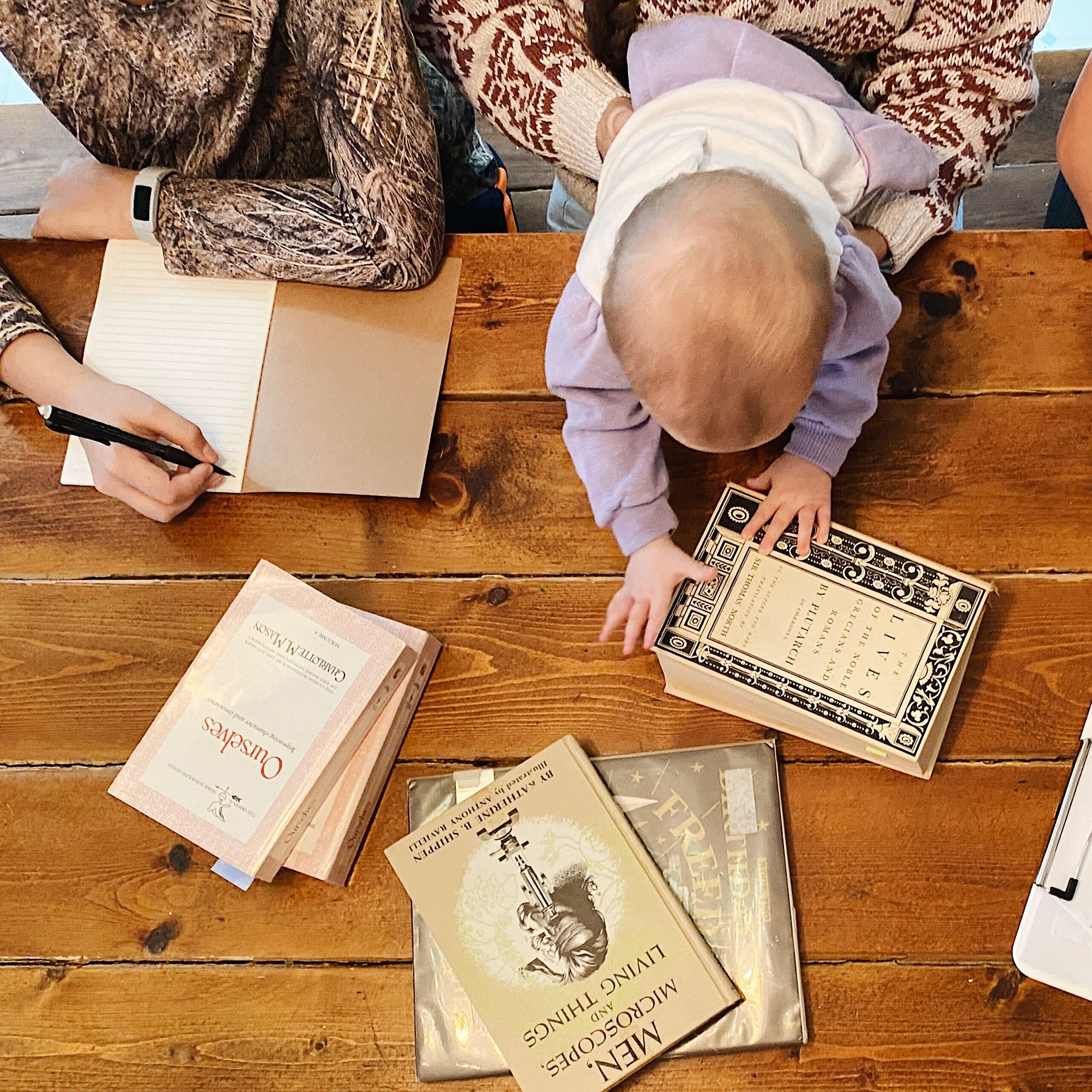
<p>Editor’s Note, by Art Middlekauff “Many interesting letters from all parts of the world have been received at the Office,” stated the annual report of the PNEU in 1936. For example, “a letter of enquiry was received from Vancouver, the writer having been encouraged to write by reading of Mrs. Egerton Evans’ experiences in her …</p> The post <a href="https://charlottemasonpoetry.org/a-home-schoolroom-in-madeira/">A Home-Schoolroom in Madeira</a> first appeared on <a href="https://charlottemasonpoetry.org">Charlotte Mason Poetry</a>.
The Relativization of Classical Education
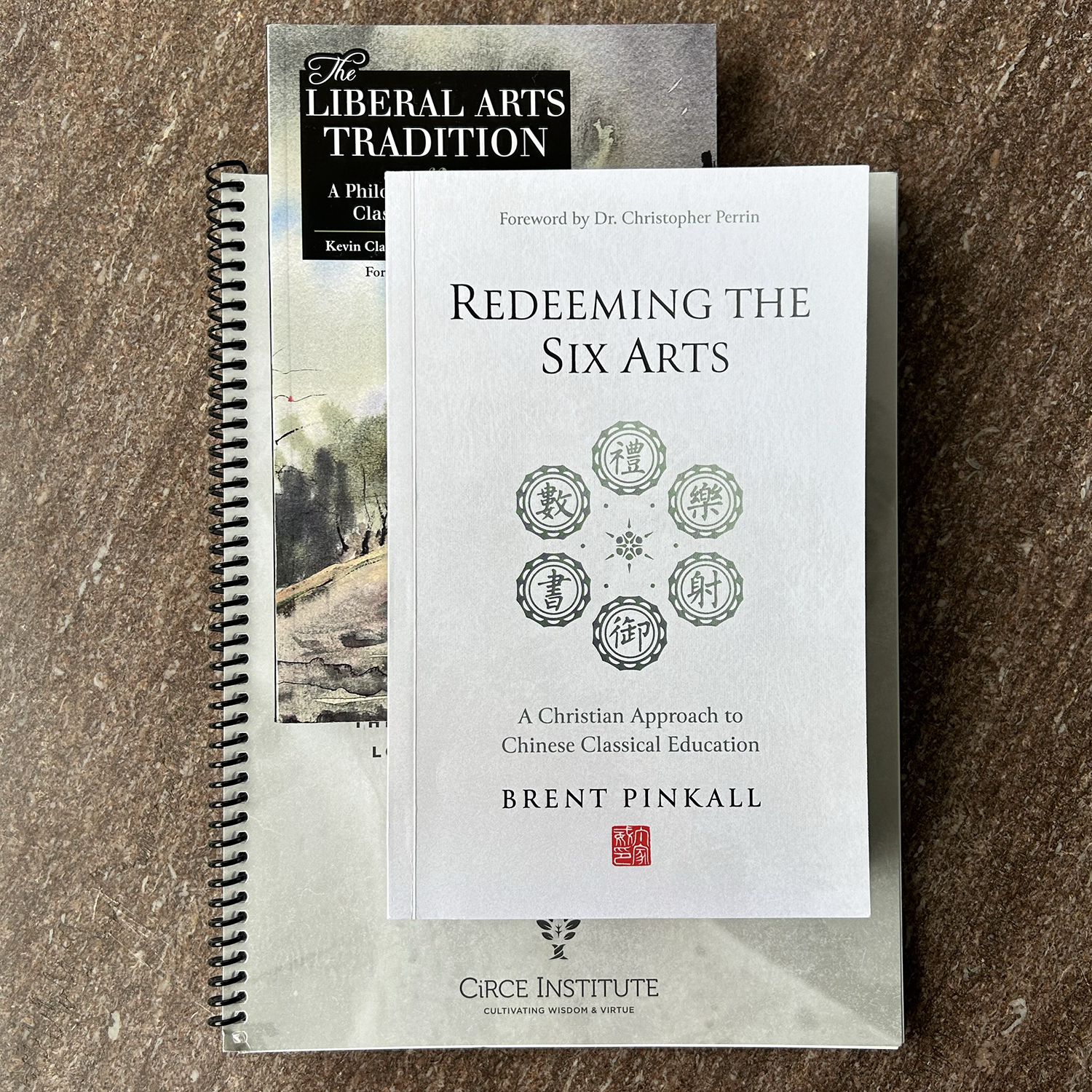
<p>In July 2019 I had the privilege of attending the CiRCE National Conference. The topic that year was “A Contemplation of Form,” and the event was nothing less than a celebration of absolutes in a world of relativism. The conference opened with a panel discussion designed to “set the tone for the conference,”[1] and set …</p> The post <a href="https://charlottemasonpoetry.org/the-relativization-of-classical-education/">The Relativization of Classical Education</a> first appeared on <a href="https://charlottemasonpoetry.org">Charlotte Mason Poetry</a>.
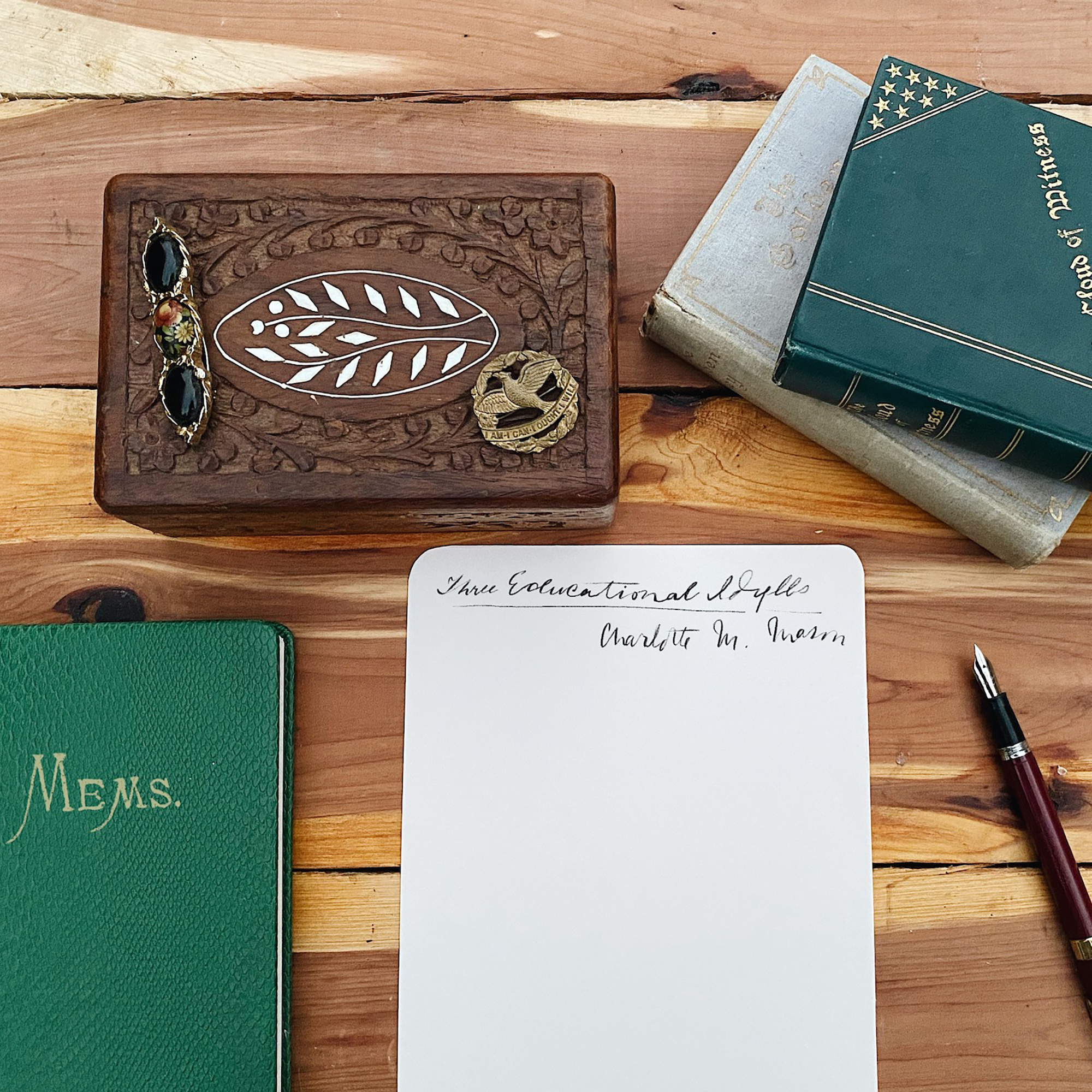
Three Educational Idylls
<p>Editor’s Note, by Art Middlekauff Merriam-Webster defines an idyll as “a simple descriptive work in poetry or prose that deals with rustic life or pastoral scenes or suggests a mood of peace and contentment.”[1] In November 1912, Charlotte Mason observed that three educational idylls had emerged on the world scene. The first idyll was described …</p> The post <a href="https://charlottemasonpoetry.org/three-educational-idylls-podcast/">Three Educational Idylls</a> first appeared on <a href="https://charlottemasonpoetry.org">Charlotte Mason Poetry</a>.