Charlotte Mason Poetry
499 episodes — Page 2 of 10
Notes from a Home Schoolroom Parent
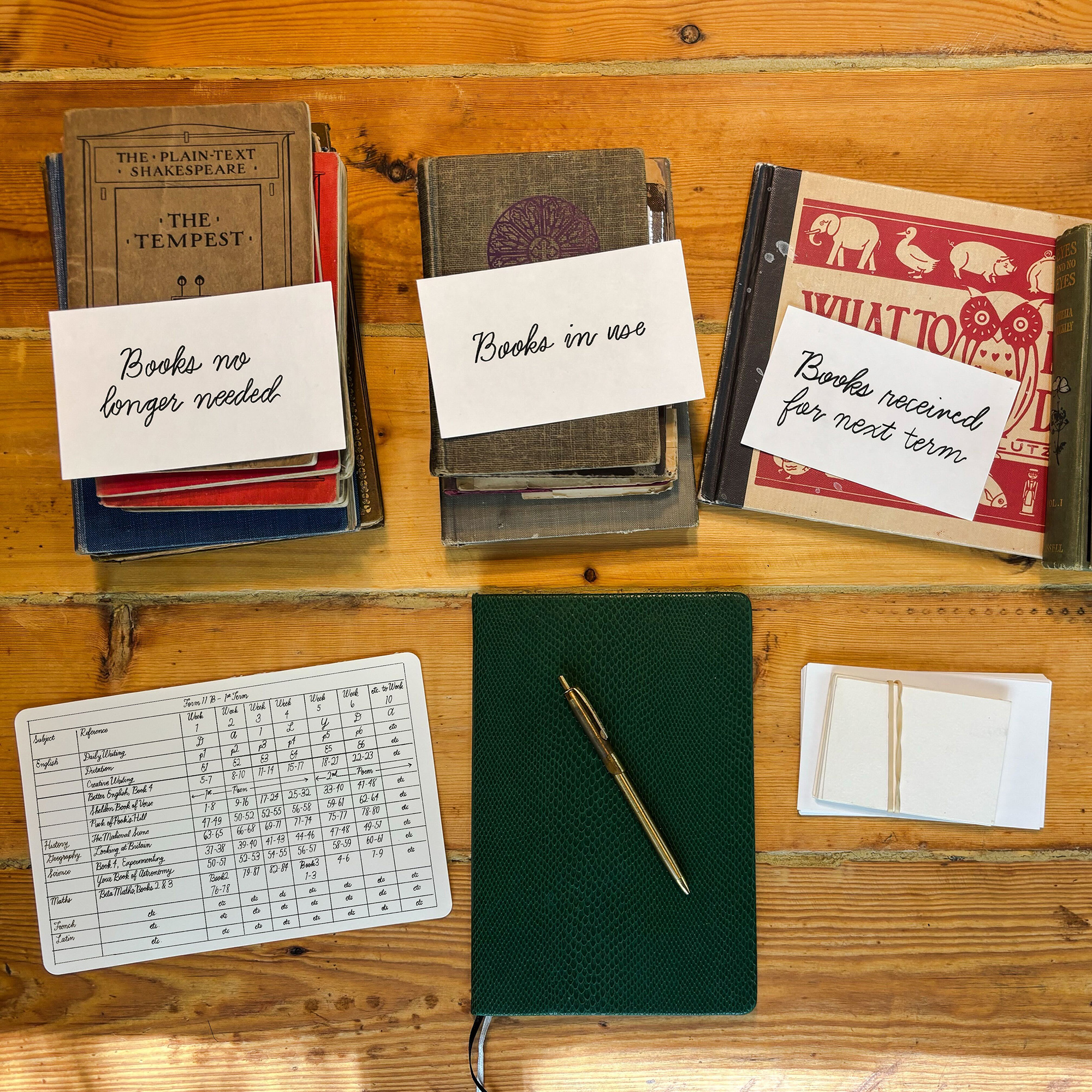
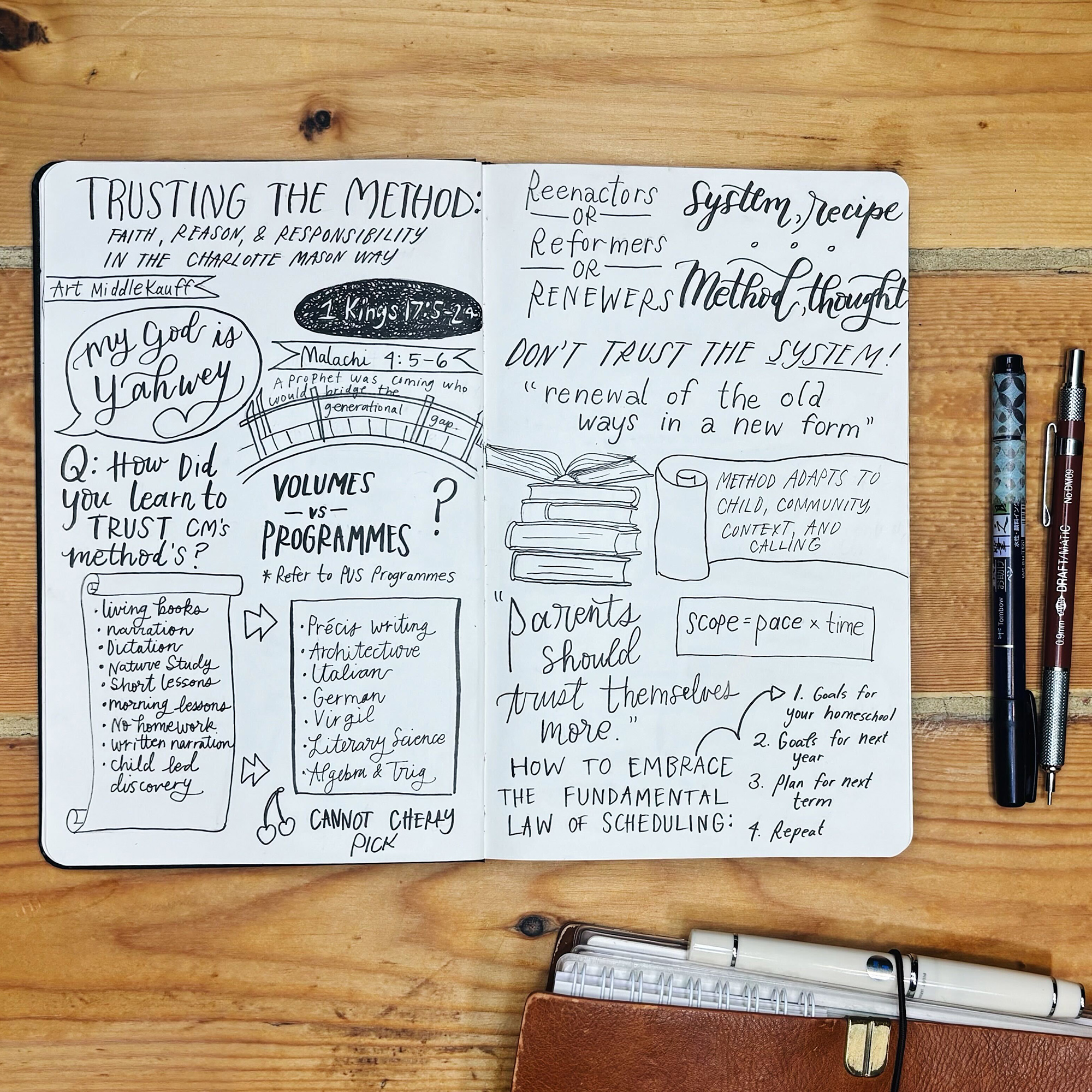
<p>Editor’s Note, by Art Middlekauff At the Living Education Retreat this past summer, I introduced what I call the Fundamental Law of Scheduling: scope = pace × time Scope is how much content is covered. For example, how many chapters are in your algebra book. Pace is how fast the material is presented. For example, …</p> The post <a href="https://charlottemasonpoetry.org/notes-from-a-home-schoolroom-parent/">Notes from a Home Schoolroom Parent</a> first appeared on <a href="https://charlottemasonpoetry.org">Charlotte Mason Poetry</a>.

The Group Organization
<p>Editor’s Note, by Art Middlekauff In 1931, House of Education graduate Geraldine Downton wrote, “Special time is allowed for Nature Books on the time tables of all forms in the P.U.S.”[1] This remark puzzled me for several years, since I had never seen a PNEU time table that scheduled time for nature notebooks. From time …</p> The post <a href="https://charlottemasonpoetry.org/the-group-organization/">The Group Organization</a> first appeared on <a href="https://charlottemasonpoetry.org">Charlotte Mason Poetry</a>.
The Education of the Spirit
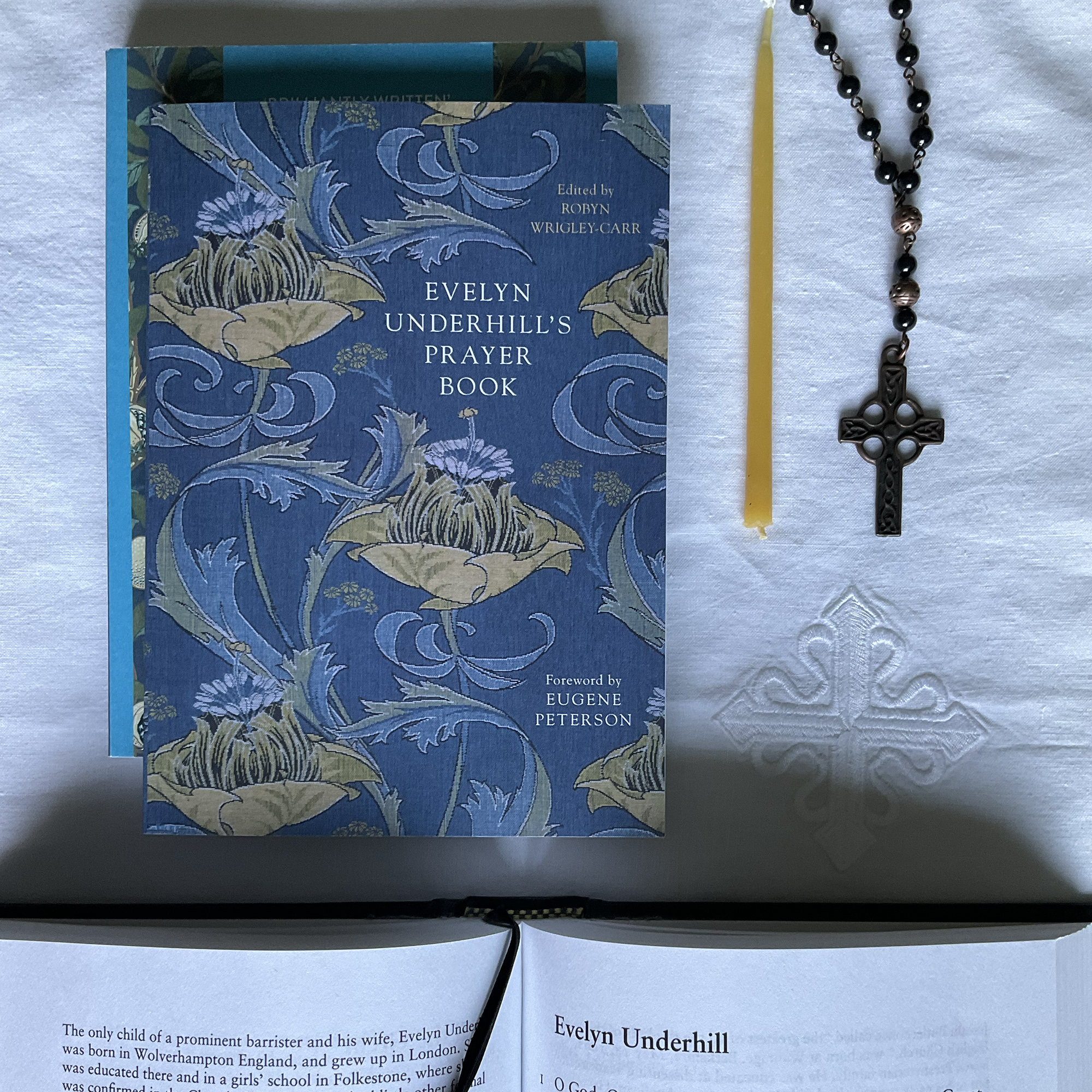
<p>Editor’s Note, by Art Middlekauff “I am quite sure that those who have gathered here this evening have come here full of anticipation because of the treat which is in store for us when we have the privilege of listening to Miss Evelyn Underhill,” announced Bishop Boyd Carpenter in 1916.[1] It was the first week …</p> The post <a href="https://charlottemasonpoetry.org/the-education-of-the-spirit/">The Education of the Spirit</a> first appeared on <a href="https://charlottemasonpoetry.org">Charlotte Mason Poetry</a>.
Now he wants to read
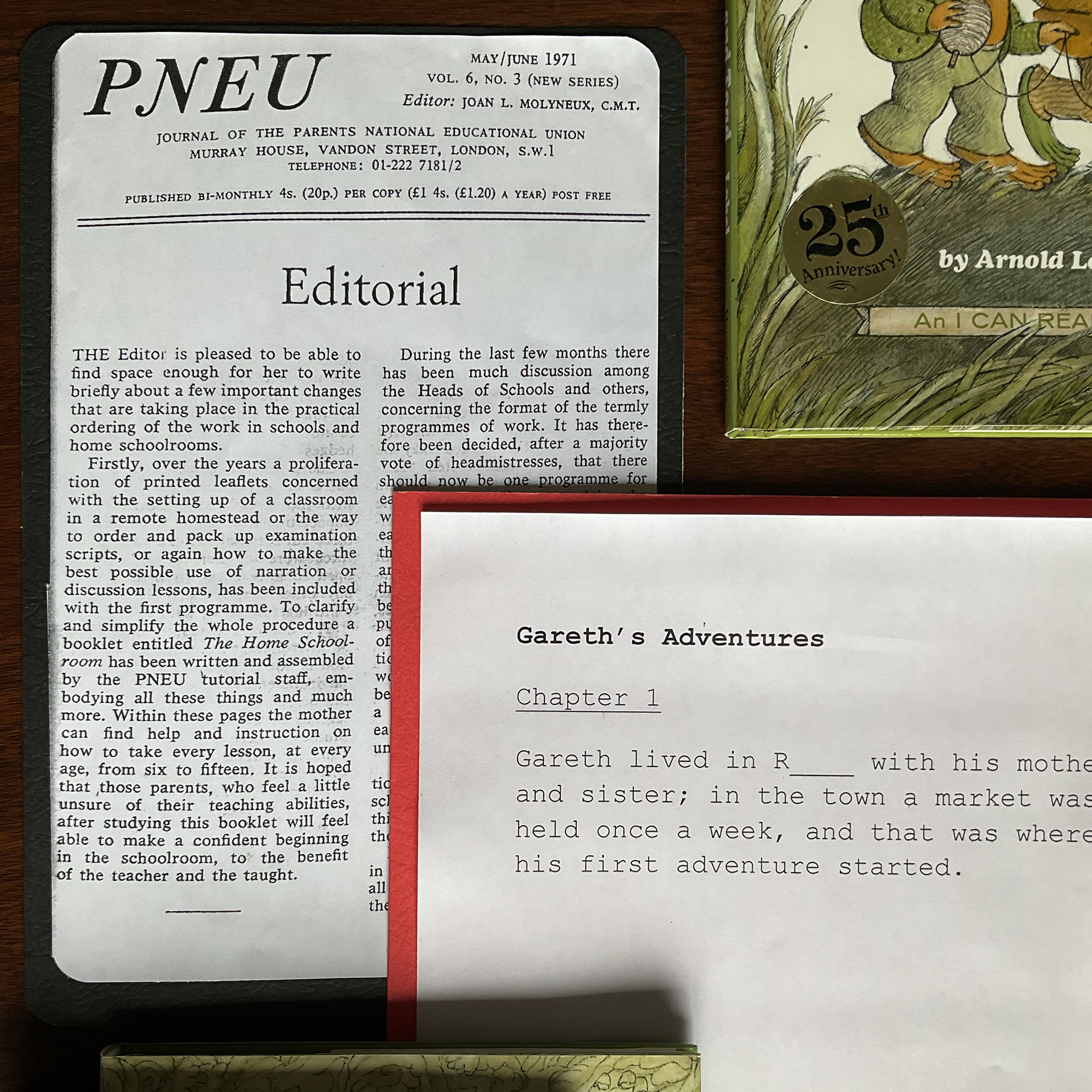
<p>Editor’s Note, by Art Middlekauff In the summer of 1966, the name of The Parents’ Review was changed to The PNEU Journal. Joan Molyneux was editor at that time, and though the name of the periodical had changed, its purpose and philosophy had not. Parents and teachers were still filling its pages with articles that …</p> The post <a href="https://charlottemasonpoetry.org/now-he-wants-to-read/">Now he wants to read</a> first appeared on <a href="https://charlottemasonpoetry.org">Charlotte Mason Poetry</a>.
PUS in Home Schoolroom
<p>Editor’s Note, by Art Middlekauff The 21st Annual Conference of the PNEU featured an impressive lineup of speakers. Henrietta Franklin, Honorary Secretary of the PNEU, gave a keynote address in which she insisted that “children must not be deprived of their simplicity of mind and the liberty that comes from wise authority.”[1] A doctor spoke …</p> The post <a href="https://charlottemasonpoetry.org/pus-in-home-schoolroom/">PUS in Home Schoolroom</a> first appeared on <a href="https://charlottemasonpoetry.org">Charlotte Mason Poetry</a>.
Meditation: Narration of the Heart
<p>Charlotte Mason put a heavy emphasis on meditation for the parent and the child. This talk explores what she meant by meditation and looks deeply at this neglected Christian practice. There is a not-surprising correlation between how we read Scripture and our school books! And the phrase, “read, mark, learn, and inwardly digest” might come …</p> The post <a href="https://charlottemasonpoetry.org/meditation-narration-of-the-heart/">Meditation: Narration of the Heart</a> first appeared on <a href="https://charlottemasonpoetry.org">Charlotte Mason Poetry</a>.
Our Three-fold Cord
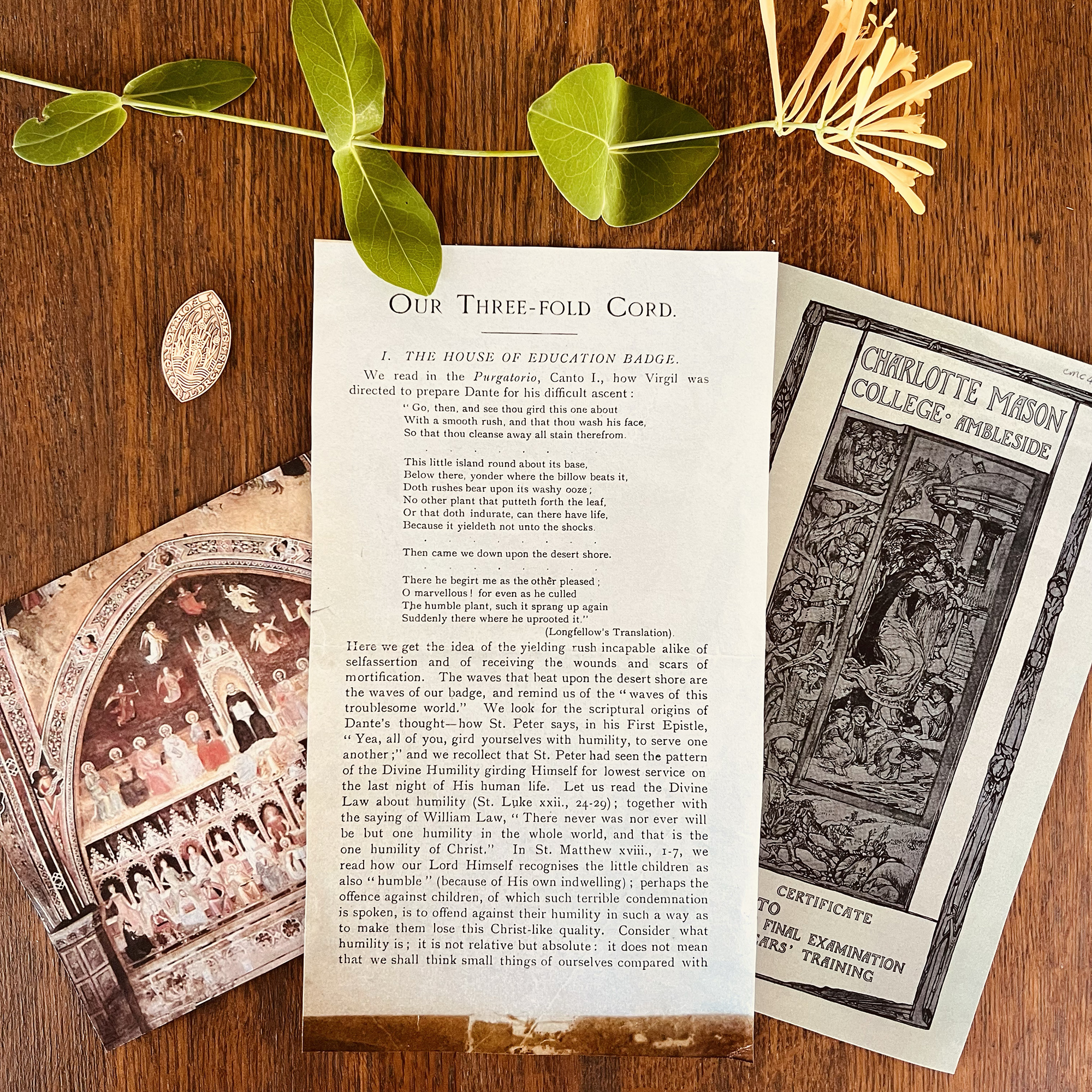
<p>Editor’s Note, by Nancy Kelly Some years ago, while meandering through the hushed archives of the Armitt Museum where so many of Charlotte Mason’s treasures are kept, I happened upon a little leaflet tucked into a plain box. Its title caught my eye immediately: Our Three-Fold Cord. I paused, heart stirred, and snapped a few quick …</p> The post <a href="https://charlottemasonpoetry.org/our-three-fold-cord/">Our Three-fold Cord</a> first appeared on <a href="https://charlottemasonpoetry.org">Charlotte Mason Poetry</a>.

PNEU Notes
<p>Editor’s Note, by Art Middlekauff The PNEU Notes section at the back of the March 1924 Parents’ Review contained a fascinating account of a conference on the topic of “A Liberal Education for All.” Although we only have a synopsis of the messages delivered, even these short paragraphs tell us much about what is meant …</p> The post <a href="https://charlottemasonpoetry.org/pneu-notes/">PNEU Notes</a> first appeared on <a href="https://charlottemasonpoetry.org">Charlotte Mason Poetry</a>.
A Year of PNEU
<p>Editor’s Note, by Art Middlekauff After only two years of teaching experience, Edward G. Bolton (1899–1964) became the headmaster of Barrowden School in 1925.[1] Apparently his first year as headmaster was difficult, described in his own words as “a period of dissatisfaction.”[2] He then heard about the Charlotte Mason method in a lecture, which prompted …</p> The post <a href="https://charlottemasonpoetry.org/a-year-of-pneu/">A Year of PNEU</a> first appeared on <a href="https://charlottemasonpoetry.org">Charlotte Mason Poetry</a>.
Professor Huxley and the PNEU
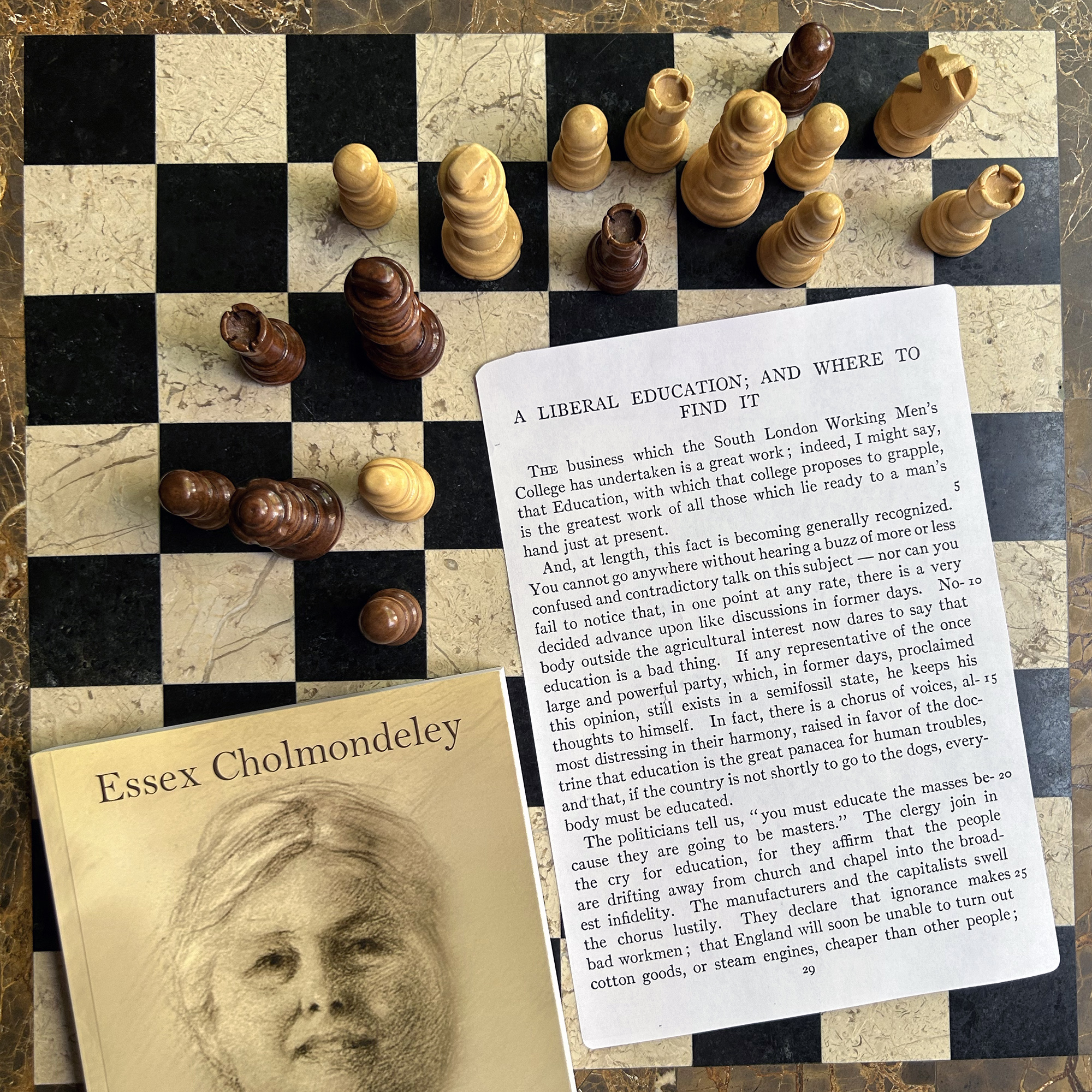
<p>Editor’s Note, by Art Middlekauff The 1880s featured a public debate between two leading thinkers, both of whom were cited favorably by Charlotte Mason. These two thinkers were Thomas Huxley (1825–95) and Matthew Arnold (1822–88). Paul White summarizes this debate: In the public statements that are taken to epitomize the Victorian debate, Huxley’s 1880 lecture …</p> The post <a href="https://charlottemasonpoetry.org/professor-huxley-and-the-pneu/">Professor Huxley and the PNEU</a> first appeared on <a href="https://charlottemasonpoetry.org">Charlotte Mason Poetry</a>.
Stories That Last
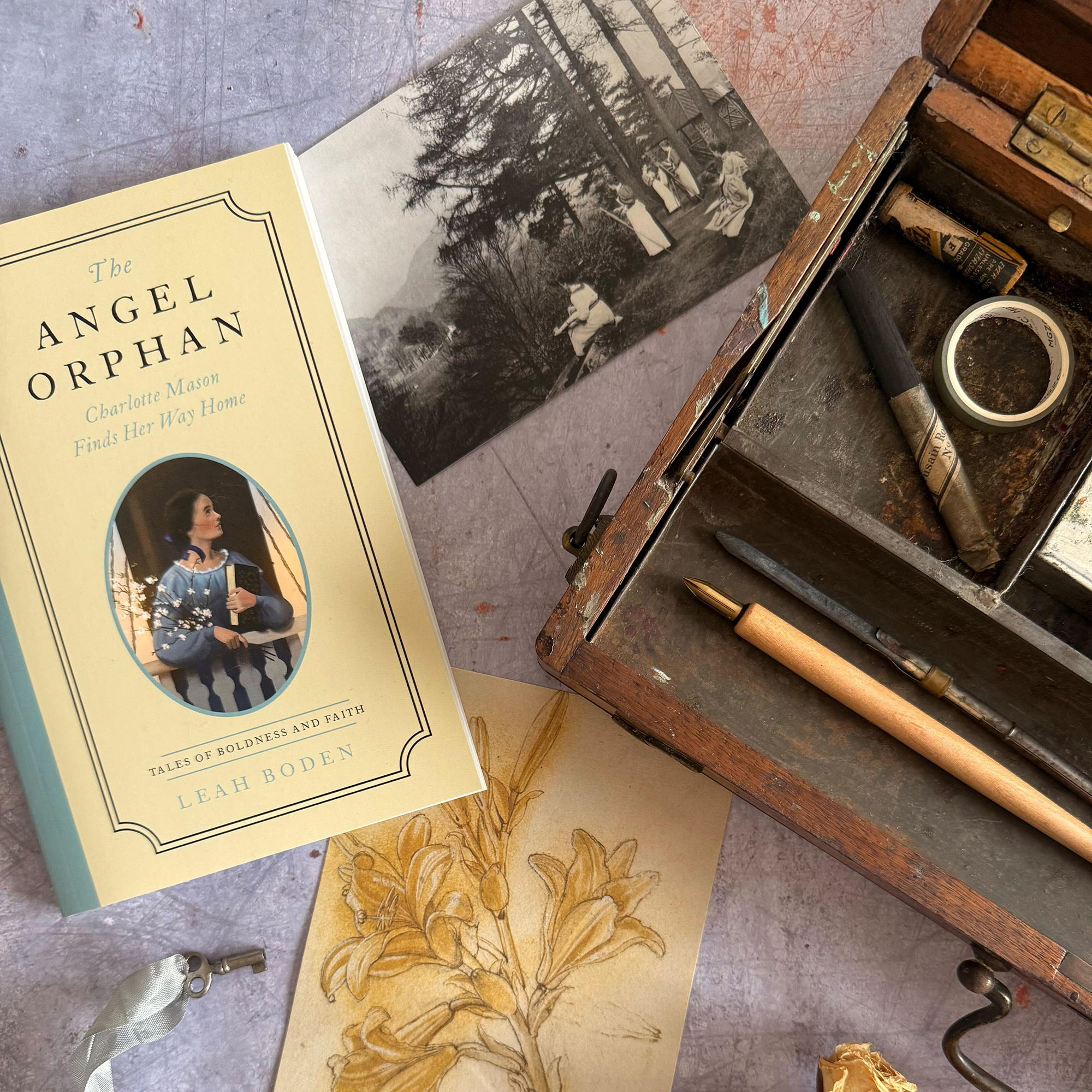
<p>The Influence of Learning from Lives Well-Lived The lives of others—both past and present—offer wisdom, courage, and faith for our own journeys. Charlotte Mason knew that biography is more than a history lesson; it is an invitation to walk alongside those who have gone before us, learning from their choices, struggles, and convictions. Through living …</p> The post <a href="https://charlottemasonpoetry.org/stories-that-last/">Stories That Last</a> first appeared on <a href="https://charlottemasonpoetry.org">Charlotte Mason Poetry</a>.
The Other Side of All Doubt
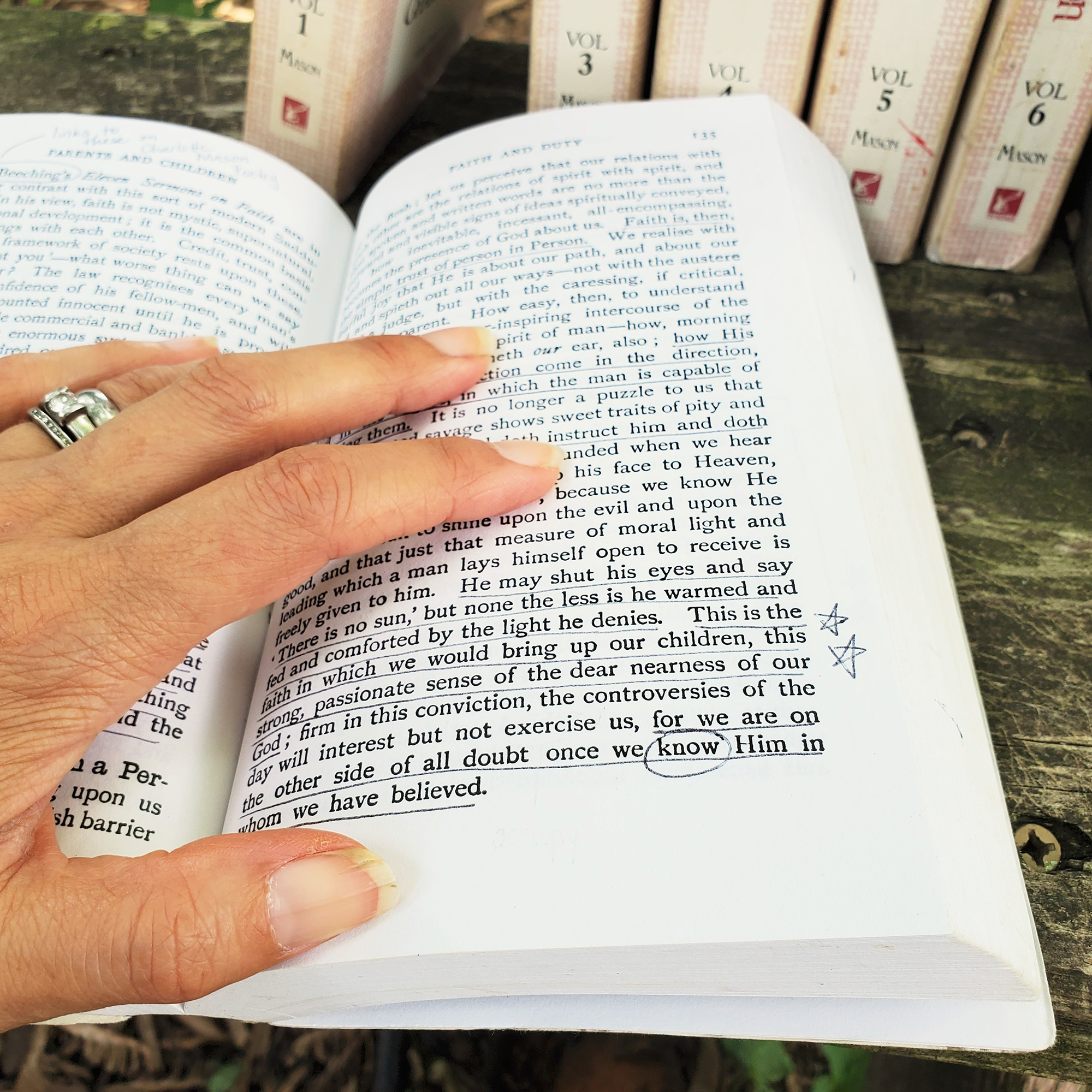
<p>A well-worn path of knowing “… for we are on the other side of all doubt once we know Him in whom we have believed.” — Charlotte Mason, Parents and Children, p. 135 If you’ve traveled the way of an educator for long, you know that it often leads us through periods of doubt. In …</p> The post <a href="https://charlottemasonpoetry.org/the-other-side-of-all-doubt/">The Other Side of All Doubt</a> first appeared on <a href="https://charlottemasonpoetry.org">Charlotte Mason Poetry</a>.
Vitality
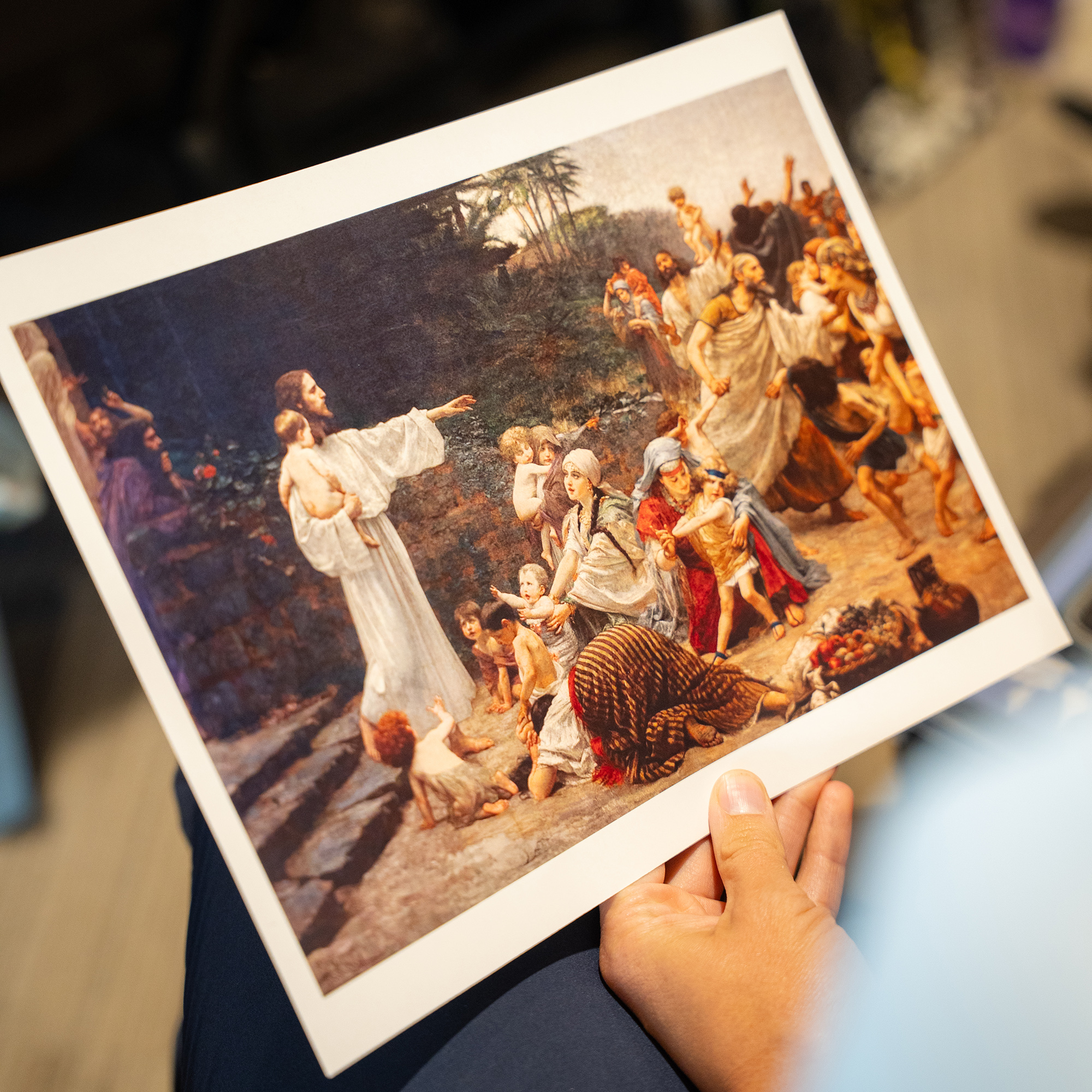
<p>The Hidden Force of a Charlotte Mason Education A Charlotte Mason education is different and stands alone among the educational philosophies of the world. This may be due in large part to its not-so-apparent foundation of vitality, the peculiarity distinguishing the living from the non-living and the capacity to live and develop. Careful reading of …</p> The post <a href="https://charlottemasonpoetry.org/vitality/">Vitality</a> first appeared on <a href="https://charlottemasonpoetry.org">Charlotte Mason Poetry</a>.
Trusting the Method
<p>Let’s face it: homeschooling is hard. As parent-educators, we want to prepare our children spiritually, mentally, and physically for the fullness of life. On this journey we face pressures and doubts. We wonder about our pace and progress. We wonder about results. We feel inadequate and can’t help but compare ourselves to others around us. …</p> The post <a href="https://charlottemasonpoetry.org/trusting-the-method/">Trusting the Method</a> first appeared on <a href="https://charlottemasonpoetry.org">Charlotte Mason Poetry</a>.
Games and Wet Day Occupations
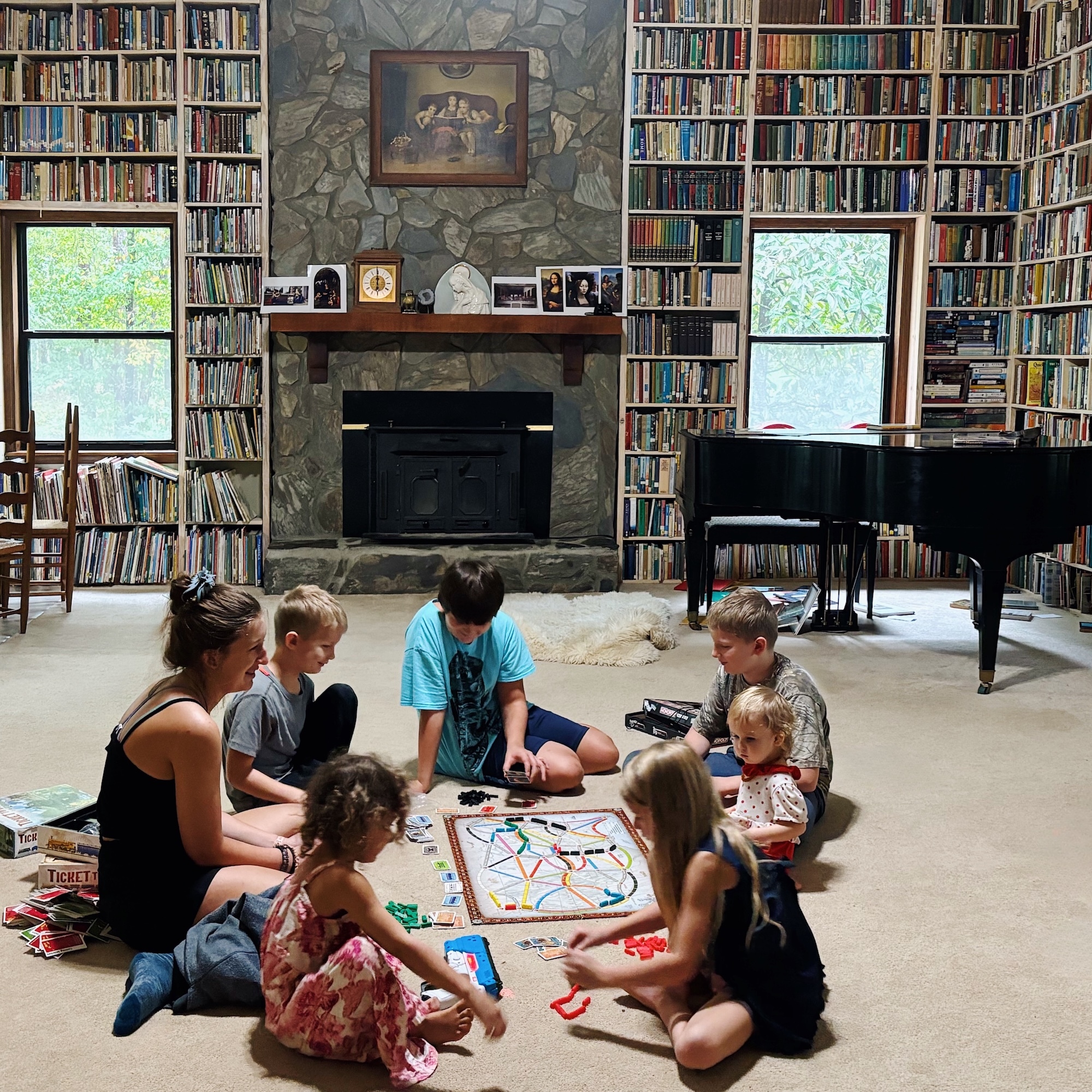
<p>Editor’s Note, by Art Middlekauff On October 10, 1934, Cerise Parker gave a presentation to the Dublin branch of the PNEU.[1] Mrs. Parker was a member of the branch and hosted at least one of its meetings.[2] Her husband Cyril was the Headmaster of Avoca School[3] and contributed at least one article to The Parents’ …</p> The post <a href="https://charlottemasonpoetry.org/games-and-wet-day-occupations/">Games and Wet Day Occupations</a> first appeared on <a href="https://charlottemasonpoetry.org">Charlotte Mason Poetry</a>.
Joy: Mainstay of a Living Education
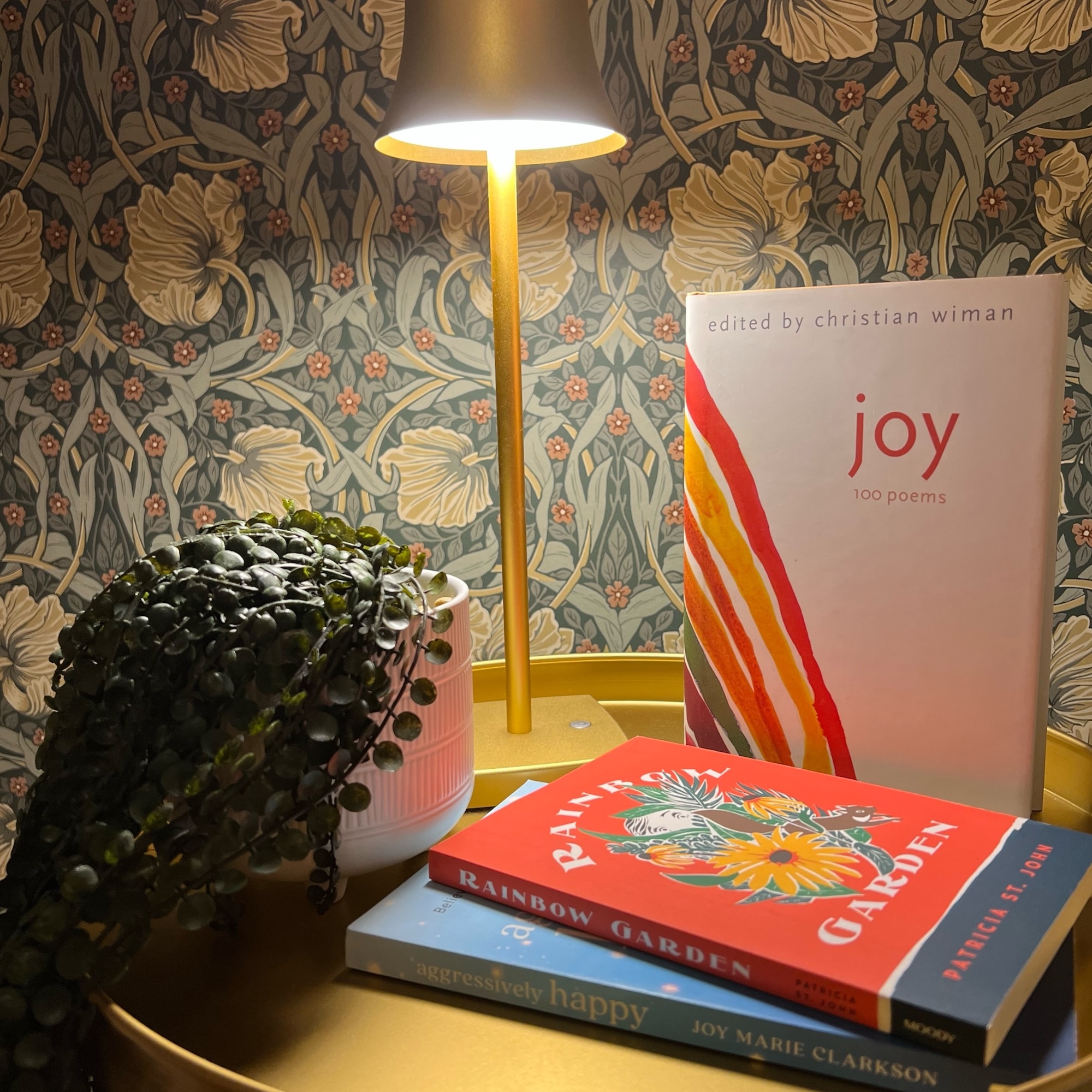
<p>Charlotte Mason said that “joy reigns in all our schoolrooms.” Do our schools reflect this joy or do we sabotage its presence, making our homes joyless? Joy was such an important principle for a living education that a PNEU conference in 1908 had joy as its theme! Let’s explore what Mason said about joy and …</p> The post <a href="https://charlottemasonpoetry.org/joy-mainstay-of-a-living-education/">Joy: Mainstay of a Living Education</a> first appeared on <a href="https://charlottemasonpoetry.org">Charlotte Mason Poetry</a>.
Art (Democracy and Taste)
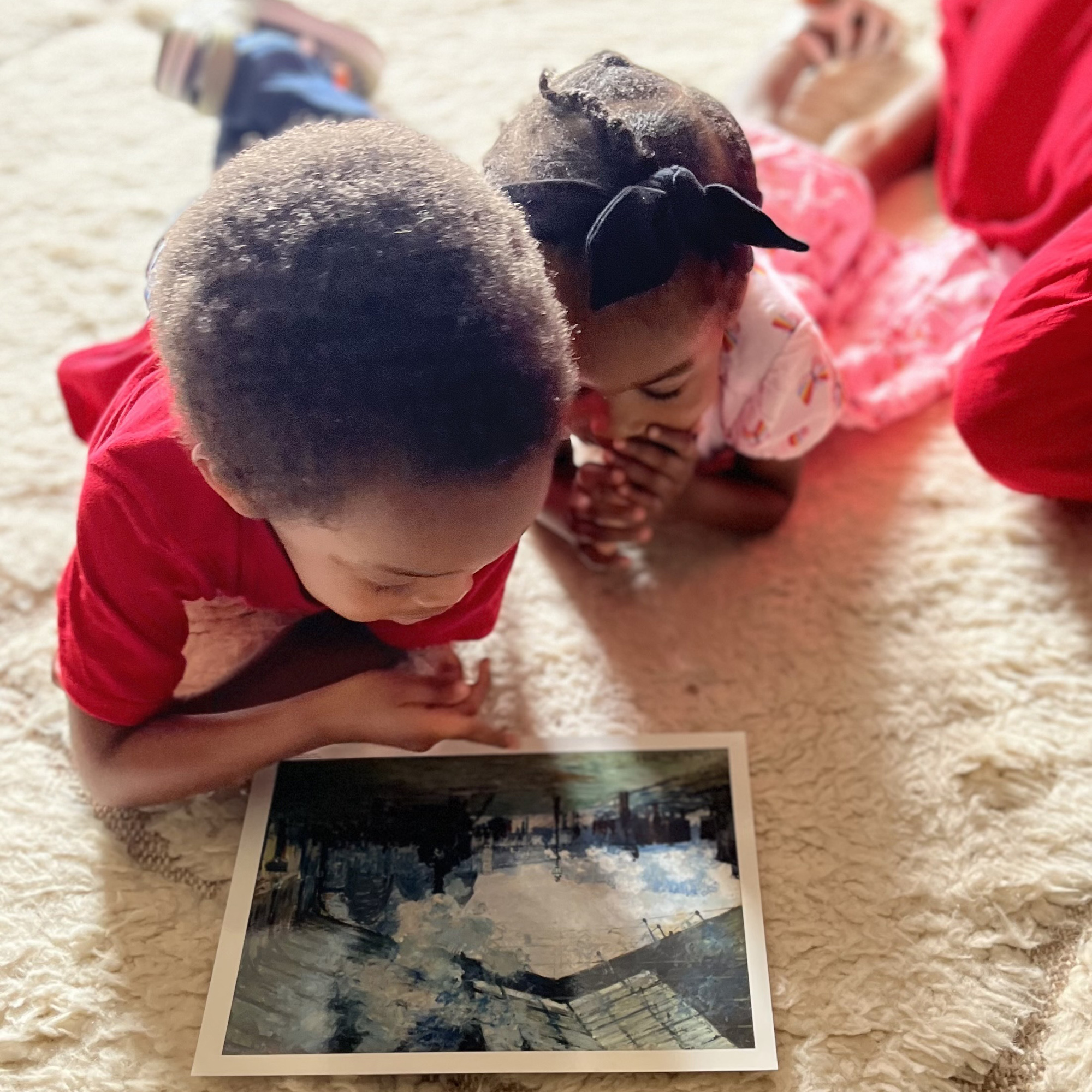
<p>Editor’s Note. Today we present the fourth and final article from the 1926 “Democracy and Taste” series, “Art” by Juliet Williams. By Juliet Williams The Parents’ Review, 1926, pp. 236-244 The “drawing” that is taught to the average child at school scarcely comes under the heading of “Art”—but it is essentially an important educational subject, …</p> The post <a href="https://charlottemasonpoetry.org/art-democracy-and-taste/">Art (Democracy and Taste)</a> first appeared on <a href="https://charlottemasonpoetry.org">Charlotte Mason Poetry</a>.
Nature Study (Democracy and Taste)
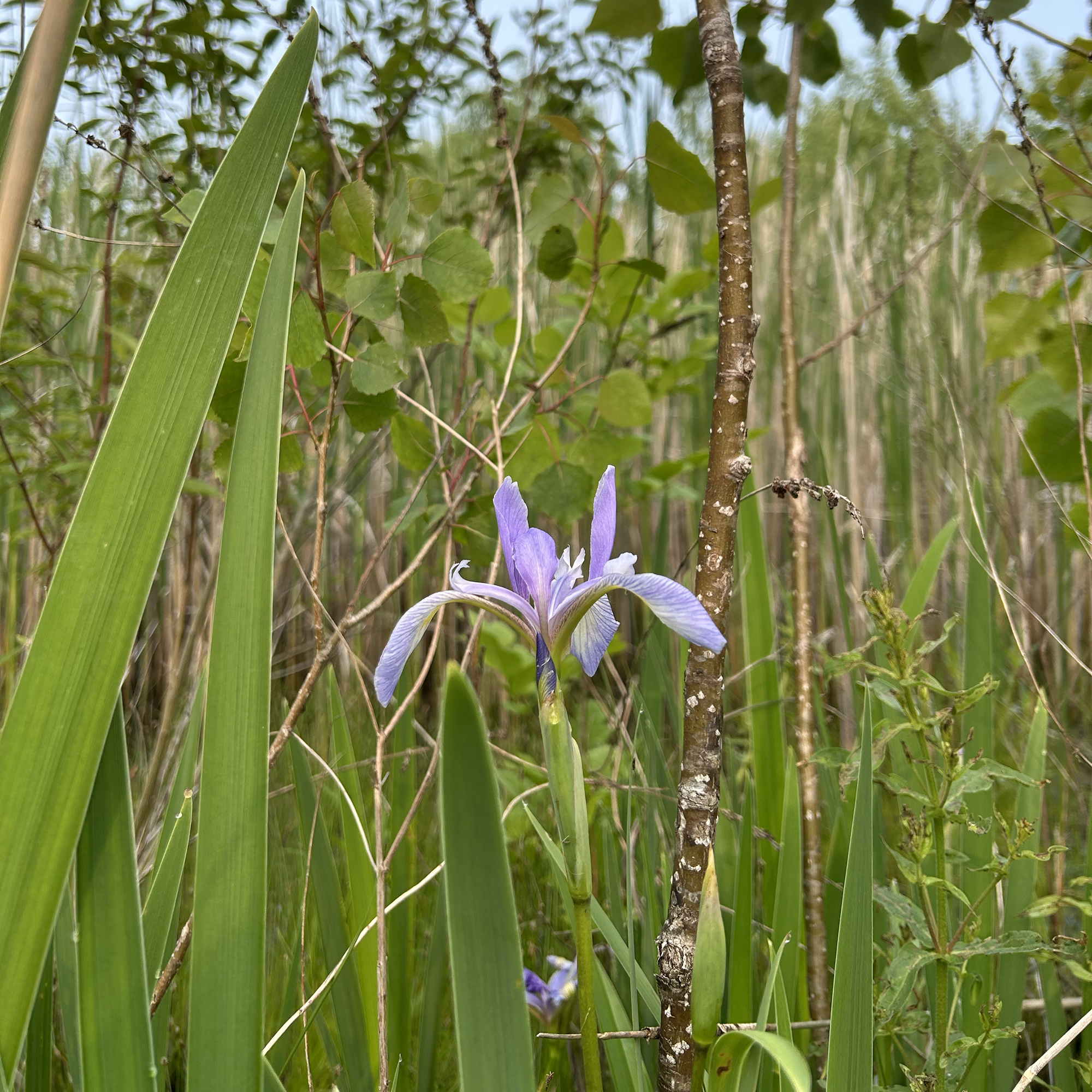
<p>Editor’s Note, by Art Middlekauff In 1926 a PNEU meeting was held in connection with the Conference of Educational Associations to consider the subject “Democracy and Taste.” The purpose of the one-day conference was explained as follows: The Chairman in his opening remarks said that he felt more imagination was needed in the educational scheme. …</p> The post <a href="https://charlottemasonpoetry.org/nature-study-democracy-and-taste/">Nature Study (Democracy and Taste)</a> first appeared on <a href="https://charlottemasonpoetry.org">Charlotte Mason Poetry</a>.

Readers and Critics, Part II
<p>Editor’s Note, by Art Middlekauff Felix Hope’s first “Readers and Critics” appeared in the March 1924 Parents’ Review. It ended with a promise — “To be continued.” That promise was fulfilled a month later in the April issue. The two articles provide a thought-provoking perspective on books, art, and what it all means to us. …</p> The post <a href="https://charlottemasonpoetry.org/readers-and-critics-part-ii/">Readers and Critics, Part II</a> first appeared on <a href="https://charlottemasonpoetry.org">Charlotte Mason Poetry</a>.
Readers and Critics
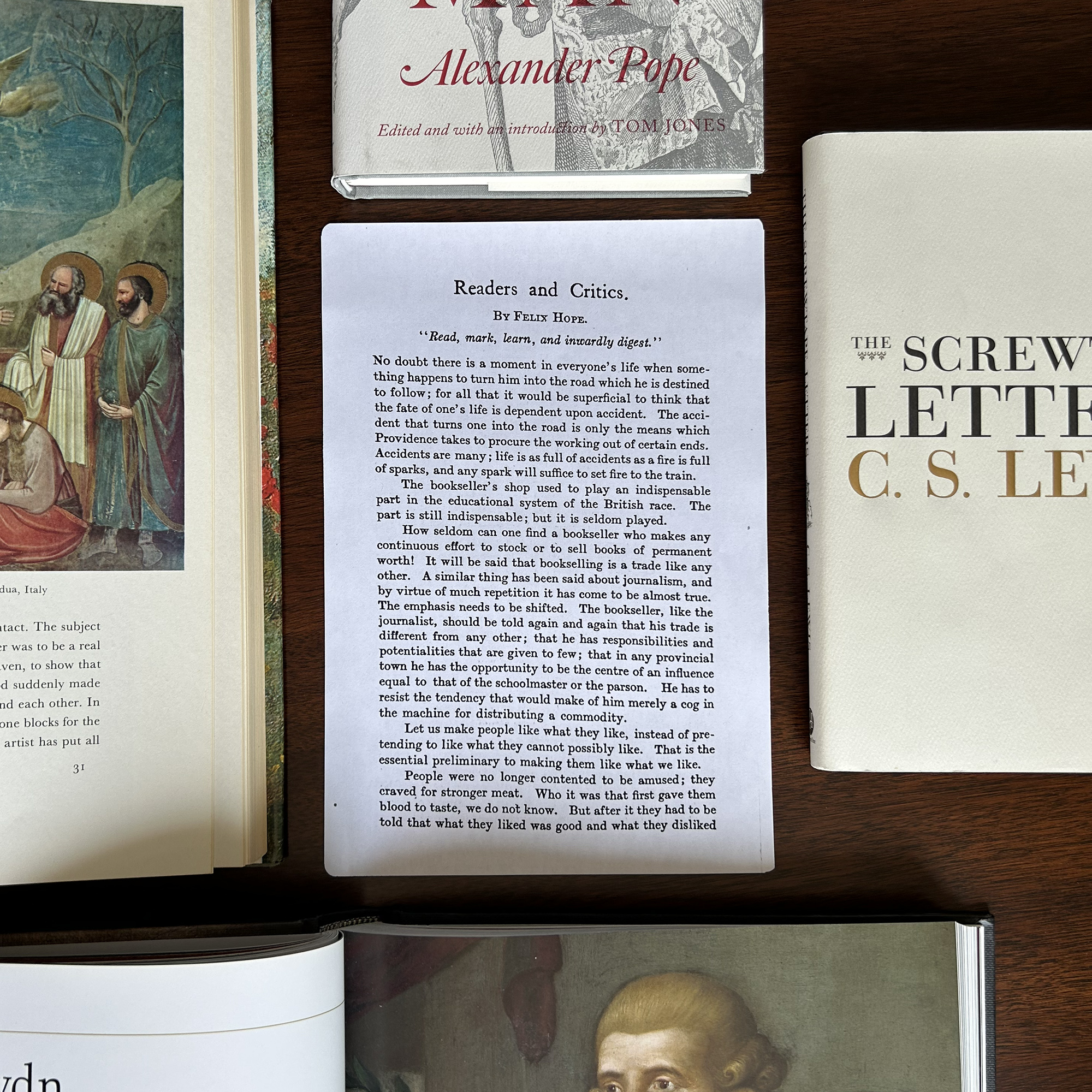
<p>Editor’s Note, by Art Middlekauff Felix Hope was a writer whose fascinating articles appeared in The Church Quarterly Review, The Parents’ Review, and other vintage periodicals. His contributions to The Parents’ Review spanned the years 1924 to 1931 and included such interesting titles as “Some Thoughts on Reading Old Books.” His articles from 1924 dealt …</p> The post <a href="https://charlottemasonpoetry.org/readers-and-critics/">Readers and Critics</a> first appeared on <a href="https://charlottemasonpoetry.org">Charlotte Mason Poetry</a>.
The PNEU Method in Sunday Schools
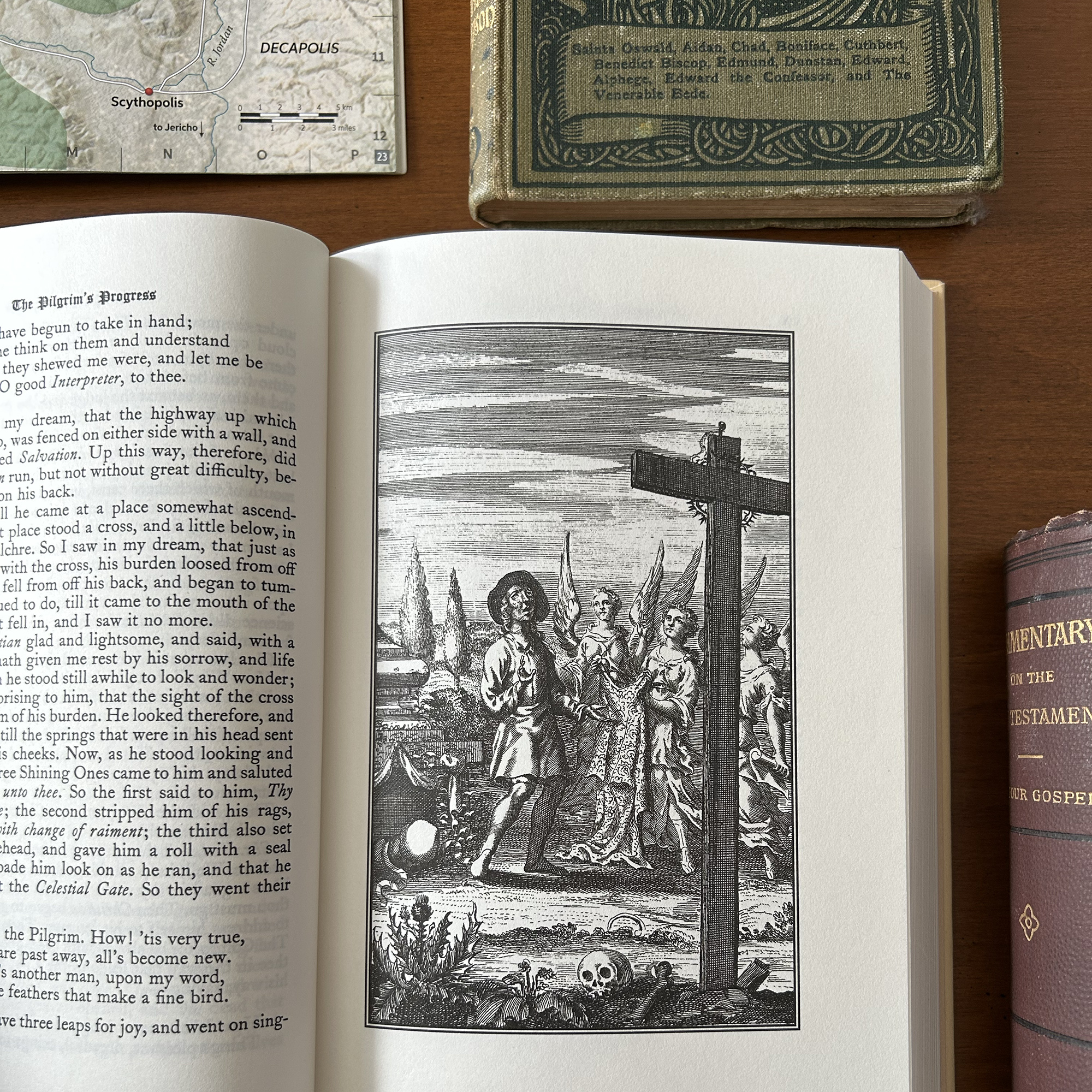
<p>Editor’s Note, by Art Middlekauff Helen Wix was a House of Education graduate who played a significant role in the advancement of Charlotte Mason’s ideas during Miss Mason’s lifetime and beyond. As early as 1917 she was promoting the method by speaking at a meeting of Sunday School teachers. The paper she read was published …</p> The post <a href="https://charlottemasonpoetry.org/the-pneu-method-in-sunday-schools/">The PNEU Method in Sunday Schools</a> first appeared on <a href="https://charlottemasonpoetry.org">Charlotte Mason Poetry</a>.
The Week’s Message, by Charlotte Mason
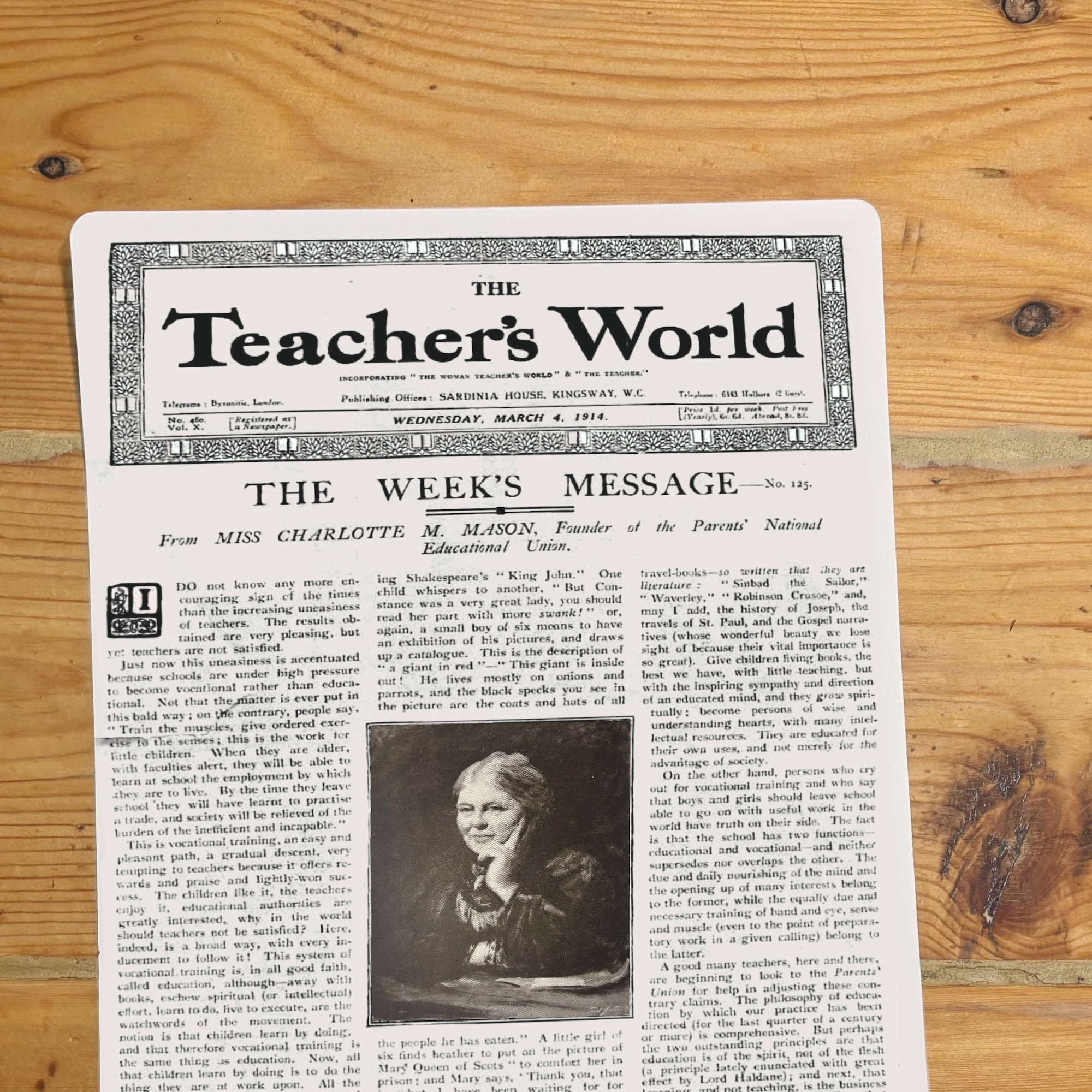
<p>Editor’s Note, by Art Middlekauff The Teacher’s World was a journal published in the first part of the last century. Originally it appeared as two separate periodicals, The Woman Teacher’s World and The Teacher, but these were combined into one around 1914. The cover story of the March 4, 1914 issue was written by Charlotte …</p> The post <a href="https://charlottemasonpoetry.org/the-weeks-message-by-charlotte-mason/">The Week’s Message, by Charlotte Mason</a> first appeared on <a href="https://charlottemasonpoetry.org">Charlotte Mason Poetry</a>.

Learning to Live
<p>“On my arrival at Ambleside I was interviewed by Miss Mason who asked me for what purpose I had come. I replied: ‘I have come to learn to teach.’ Then Miss Mason said: ‘My dear, you have come here to learn to live.’” — a new student at Charlotte Mason’s teacher training college It is …</p> The post <a href="https://charlottemasonpoetry.org/learning-to-live/">Learning to Live</a> first appeared on <a href="https://charlottemasonpoetry.org">Charlotte Mason Poetry</a>.
Jane Austen
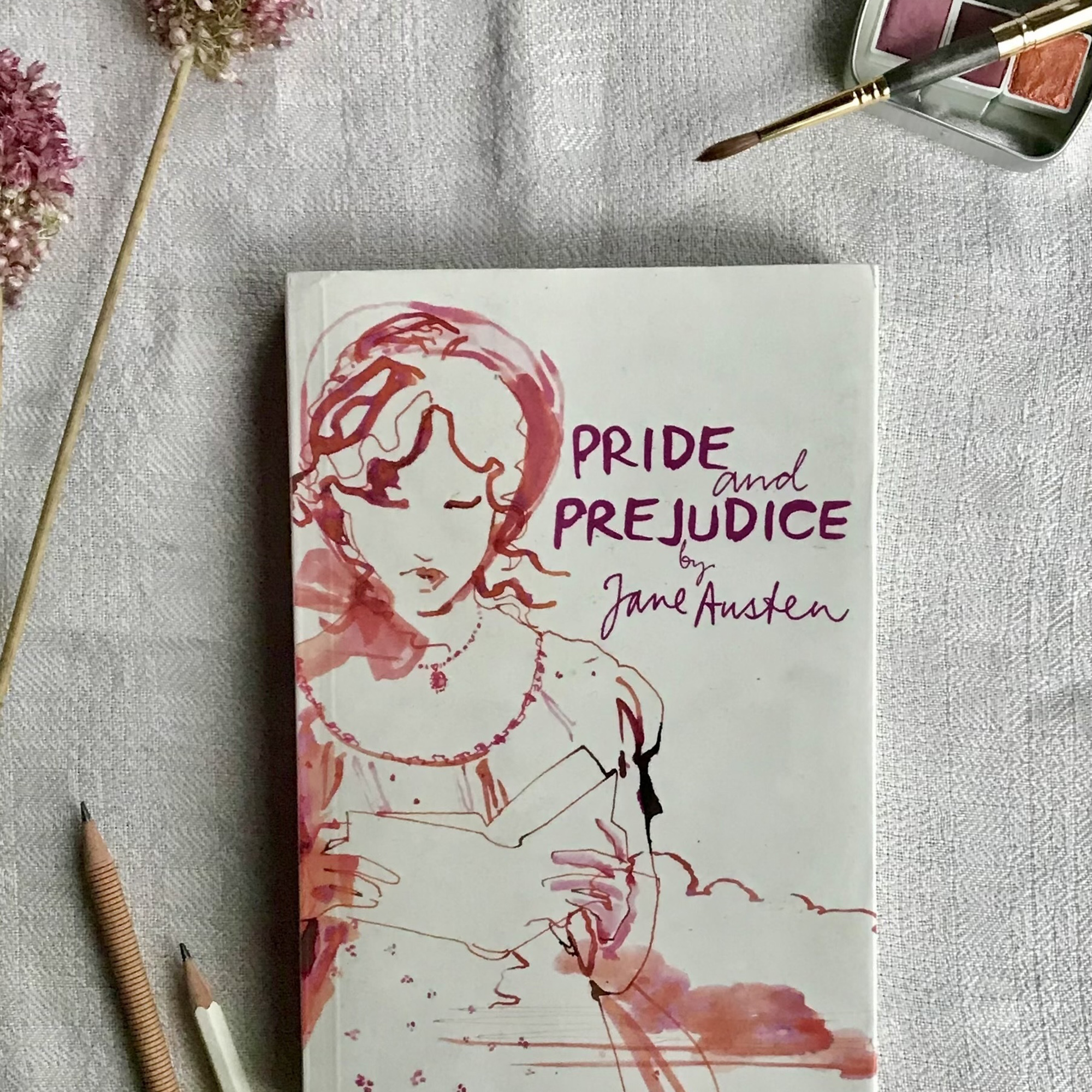
<p>Editor’s Note, by Richele Baburina 2025 marks the 250th year of Jane Austen’s birth. In celebration, we are adding another article to our Jane Austen repertoire. This one comes in the form of a Scale How Tuesday, an evening gathering in which a teaching student at the House of Education presents on a favorite author …</p> The post <a href="https://charlottemasonpoetry.org/jane-austen/">Jane Austen</a> first appeared on <a href="https://charlottemasonpoetry.org">Charlotte Mason Poetry</a>.
Conference at the House of Education
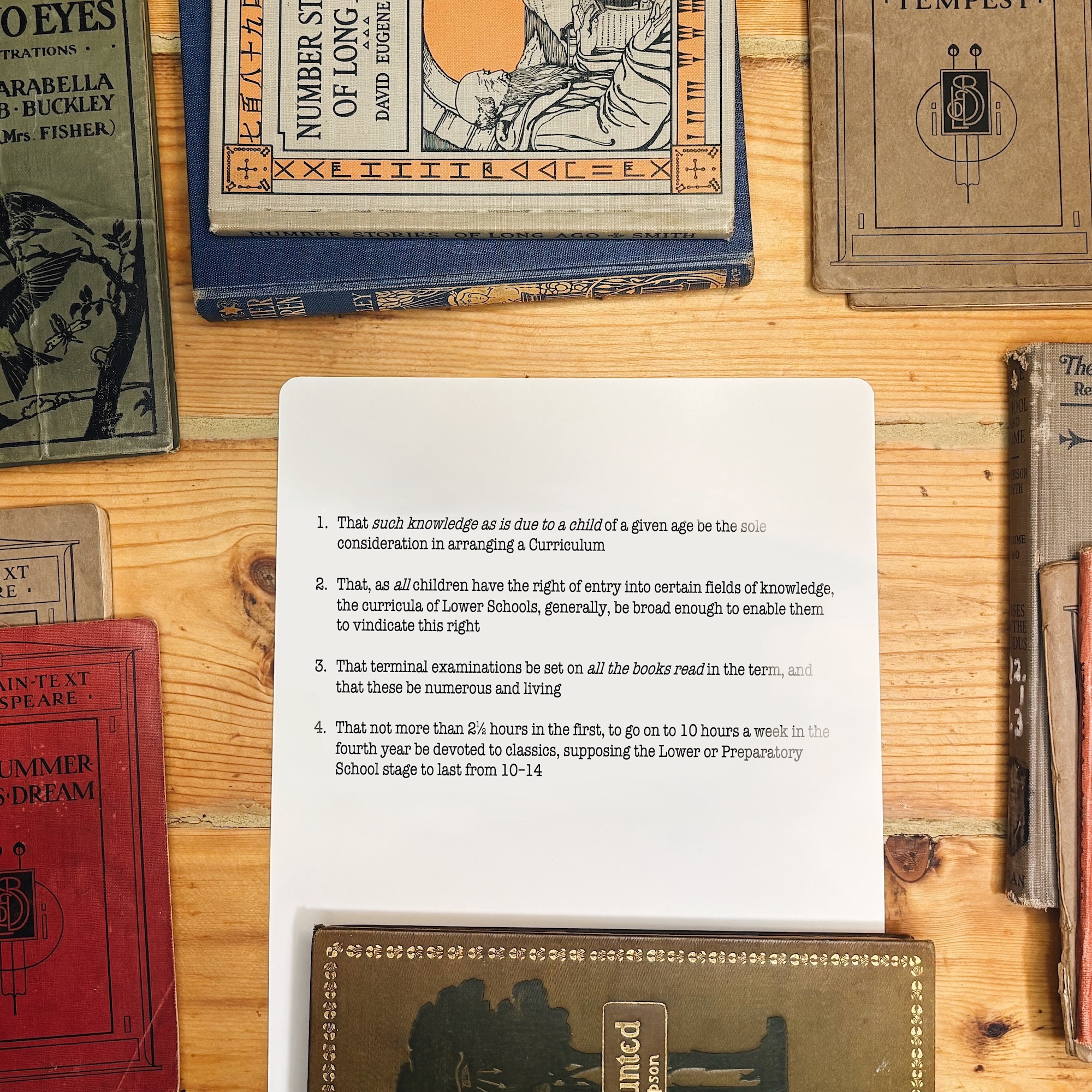
<p>Editor’s Note, by Art Middlekauff In 1906 “the head of an important school” approached Charlotte Mason and suggested that she convene a conference of educational leaders. The purpose would be “to confer as to the possibility of introducing a common curriculum for children under 14 into secondary schools.”[1] Charlotte Mason followed the suggestion, at least …</p> The post <a href="https://charlottemasonpoetry.org/conference-at-the-house-of-education-resolutions/">Conference at the House of Education</a> first appeared on <a href="https://charlottemasonpoetry.org">Charlotte Mason Poetry</a>.

Easter Day
<p>Editor’s Note, by Art Middlekauff The final Scale How Meditation to be published in Charlotte Mason’s lifetime appeared in the 1909 Parents’ Review. However, and perhaps to the surprise of readers, a new meditation was unveiled two years after Mason’s death in the April 1925 issue. It was said to be Miss Mason’s Easter Day …</p> The post <a href="https://charlottemasonpoetry.org/easter-day/">Easter Day</a> first appeared on <a href="https://charlottemasonpoetry.org">Charlotte Mason Poetry</a>.
The War And The Children
<p>Editor’s Note. This letter from Charlotte Mason was first published in The Times and then reprinted in the April 1915 issue of The Parents’ Review. In this letter Mason formally addressed the nation as the doyen, or senior representative, of teachers. By Charlotte M. Mason The Parents’ Review, 1915, pp. 269-274 Sir,—This is a time …</p> The post <a href="https://charlottemasonpoetry.org/the-war-and-the-children/">The War And The Children</a> first appeared on <a href="https://charlottemasonpoetry.org">Charlotte Mason Poetry</a>.
Escaping the Clutches of the Cadillac Course
<p>You might recall the homeschool product reviews the Andreola family wrote for a Christian catalog for 14 years (2000–2014). Who knew anything about the quantity of stuff we didn’t review? Here’s a look at one evening during our last year of writing reviews. Another Box of Curriculum Samples Letting the dishes soak, I decided to …</p> The post <a href="https://charlottemasonpoetry.org/escaping-the-clutches-of-the-cadillac-course/">Escaping the Clutches of the Cadillac Course</a> first appeared on <a href="https://charlottemasonpoetry.org">Charlotte Mason Poetry</a>.
A Letter to the Children
<p>Editor’s Note, by Art Middlekauff The final issue of Aunt Mai’s Budget opened with these lines: My dear Children,—This month I am very, very sad. The time has come when I feel I must say good-bye to you… For eight happy years we have lived together, and I have watched you all growing with the …</p> The post <a href="https://charlottemasonpoetry.org/a-letter-to-the-children/">A Letter to the Children</a> first appeared on <a href="https://charlottemasonpoetry.org">Charlotte Mason Poetry</a>.
Prayer: Speech of the Soul
<p>“Prayer is the key to open the day and the bolt to shut in the night.” — Jeremy Taylor, The Golden Key Did you know that Charlotte Mason talks about prayer in each of her six volumes? Her words on this subject are some of the most precious to me and have truly strengthened my …</p> The post <a href="https://charlottemasonpoetry.org/prayer-speech-of-the-soul/">Prayer: Speech of the Soul</a> first appeared on <a href="https://charlottemasonpoetry.org">Charlotte Mason Poetry</a>.
A Liberal Education for All (H. W. Household)
<p>Editor’s Note, by Art Middlekauff On January 23, 1918, a PNEU-sponsored meeting was held at the University College of London. The purpose was to discuss the adoption of the Charlotte Mason method in the schools of England. The speakers included the Director of Education in Bradford, a school headmaster, and two headmistresses. At 2:30, attention …</p> The post <a href="https://charlottemasonpoetry.org/a-liberal-education-for-all-h-w-household/">A Liberal Education for All (H. W. Household)</a> first appeared on <a href="https://charlottemasonpoetry.org">Charlotte Mason Poetry</a>.
Ask Art #6 — A Classical Education Perspective on Charlotte Mason
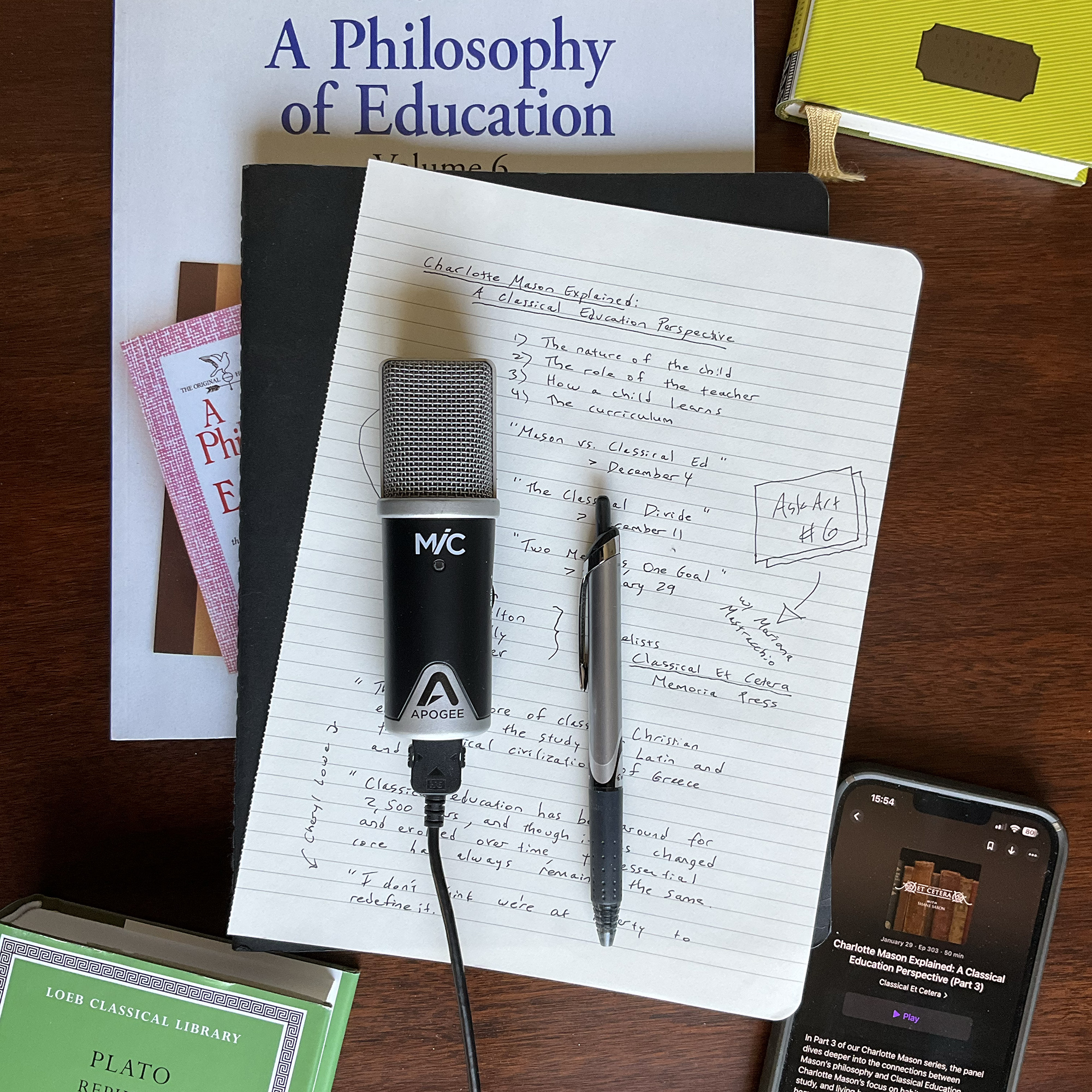
<p>In December and January, the Classical Et Cetera podcast of Memoria Press released a three-part series entitled “Charlotte Mason Explained: A Classical Education Perspective.” These recorded conversations between four classical education experts provoked much reaction and discussion within the Charlotte Mason community. Although opinions vary, I think there is one thing we can all agree …</p> The post <a href="https://charlottemasonpoetry.org/ask-art-6-a-classical-education-perspective-on-charlotte-mason/">Ask Art #6 — A Classical Education Perspective on Charlotte Mason</a> first appeared on <a href="https://charlottemasonpoetry.org">Charlotte Mason Poetry</a>.
Things New and Old
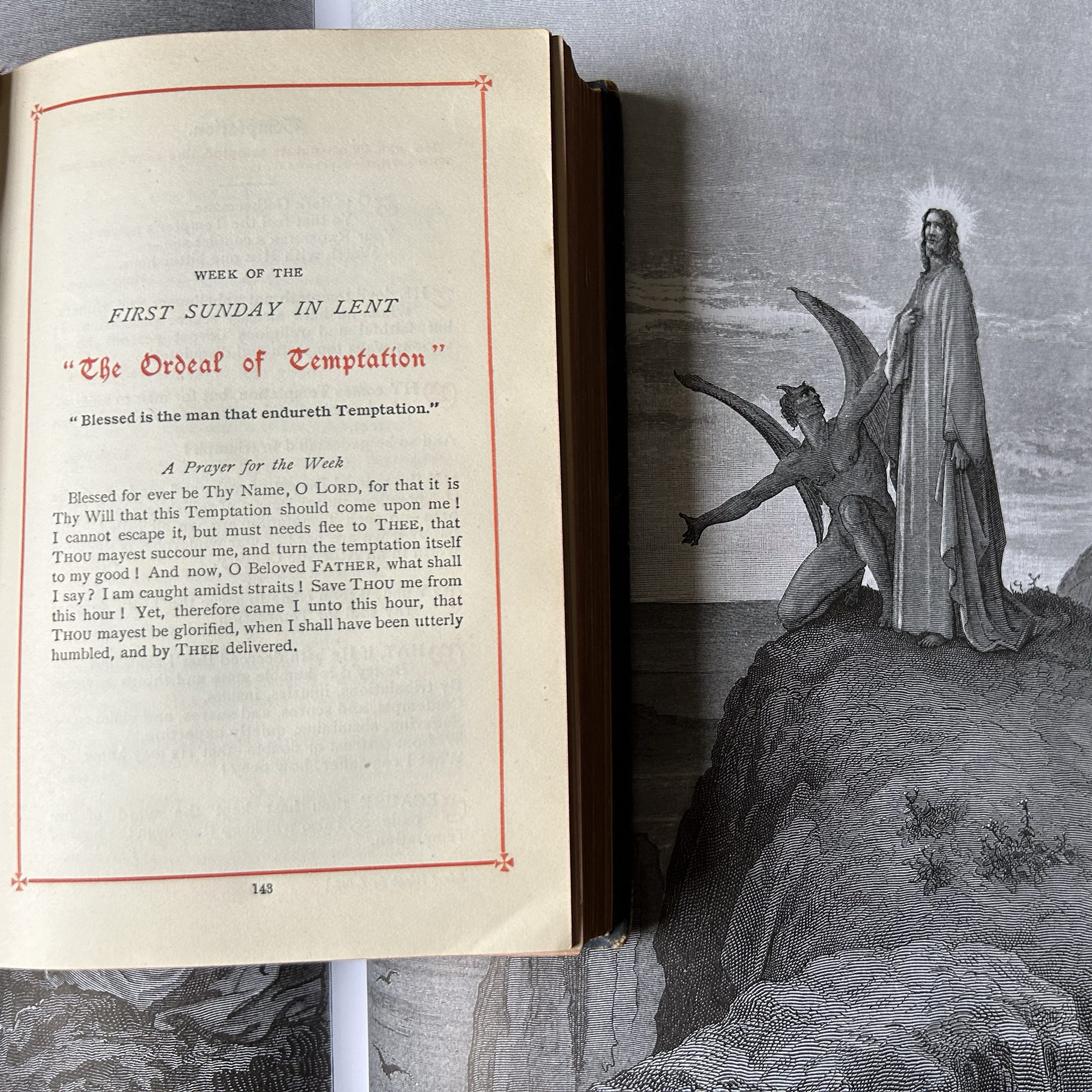
<p>Editor’s Note, by Art Middlekauff Claude Jenkins (1877–1959) was a Church of England clergyman and historian. He was Lambeth Librarian from 1910 to 1952 and taught Ecclesiastical History at King’s College in London.[1] An avid collector of books, he was said to have acquired 30,000 by the end of his life.[2] Known for his eccentricities …</p> The post <a href="https://charlottemasonpoetry.org/things-new-and-old/">Things New and Old</a> first appeared on <a href="https://charlottemasonpoetry.org">Charlotte Mason Poetry</a>.
A Note on the Teaching of School Science
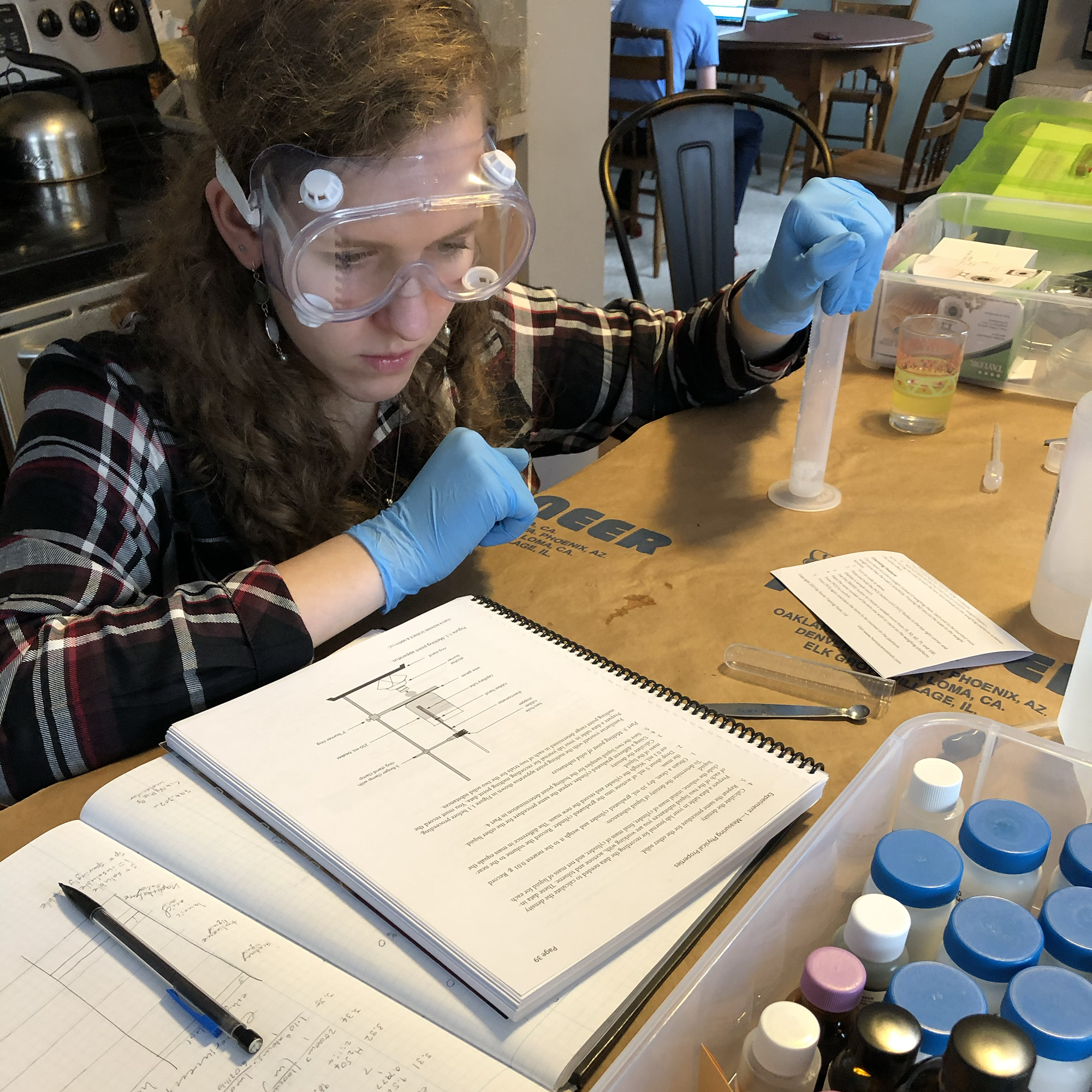
<p>Editor’s Note, by Dawn Rhymer “There is, at the present time, a broad distinction made between science and the humanities.” — Dr. Telford Petrie, 1928 I smiled, as in reading the words of Dr. Petrie, I recognized a friend. Almost a century after Dr. Petrie published his ideas, I heard author and speaker Dr. Jonathan …</p> The post <a href="https://charlottemasonpoetry.org/a-note-on-the-teaching-of-school-science/">A Note on the Teaching of School Science</a> first appeared on <a href="https://charlottemasonpoetry.org">Charlotte Mason Poetry</a>.

Imagination as a Powerful Factor in a Well-Balanced Mind
<p>Editor’s Note: Ellen Parish delivered this address at the PNEU Conference of 1914. At the time, she was the General Organizing Secretary of the PNEU. For more information about Ellen Parish, see last week’s article. By E. A. Parish The Parents’ Review, 1914, pp. 379-390[1] Mrs. Gray has made us all feel the great need …</p> The post <a href="https://charlottemasonpoetry.org/imagination-as-a-powerful-factor-in-a-well-balanced-mind/">Imagination as a Powerful Factor in a Well-Balanced Mind</a> first appeared on <a href="https://charlottemasonpoetry.org">Charlotte Mason Poetry</a>.
The Teaching of History to Young Children
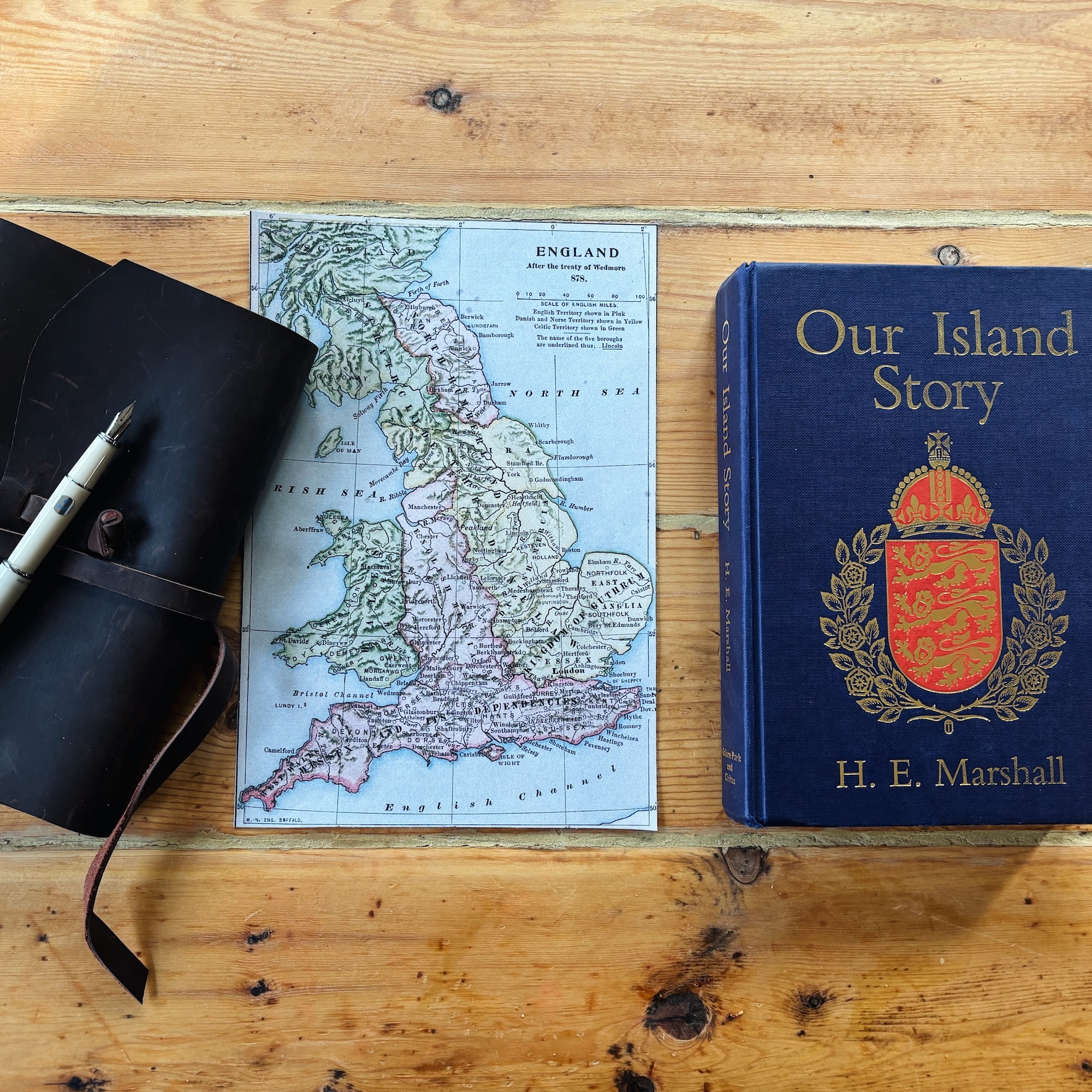
<p>Editor’s Note, by Art Middlekauff Ellen Alice Parish (1869–1947) “devoted 34 years of her active life to forwarding the work of Charlotte M. Mason.” The Parents’ Review in 1947 summarized her legacy: She was trained by [Mason] at the Home of Education, Ambleside. Afterwards she became General and Organizing Secretary of the P.N.E.U. in London, …</p> The post <a href="https://charlottemasonpoetry.org/the-teaching-of-history-to-young-children/">The Teaching of History to Young Children</a> first appeared on <a href="https://charlottemasonpoetry.org">Charlotte Mason Poetry</a>.
Should Children Reason?
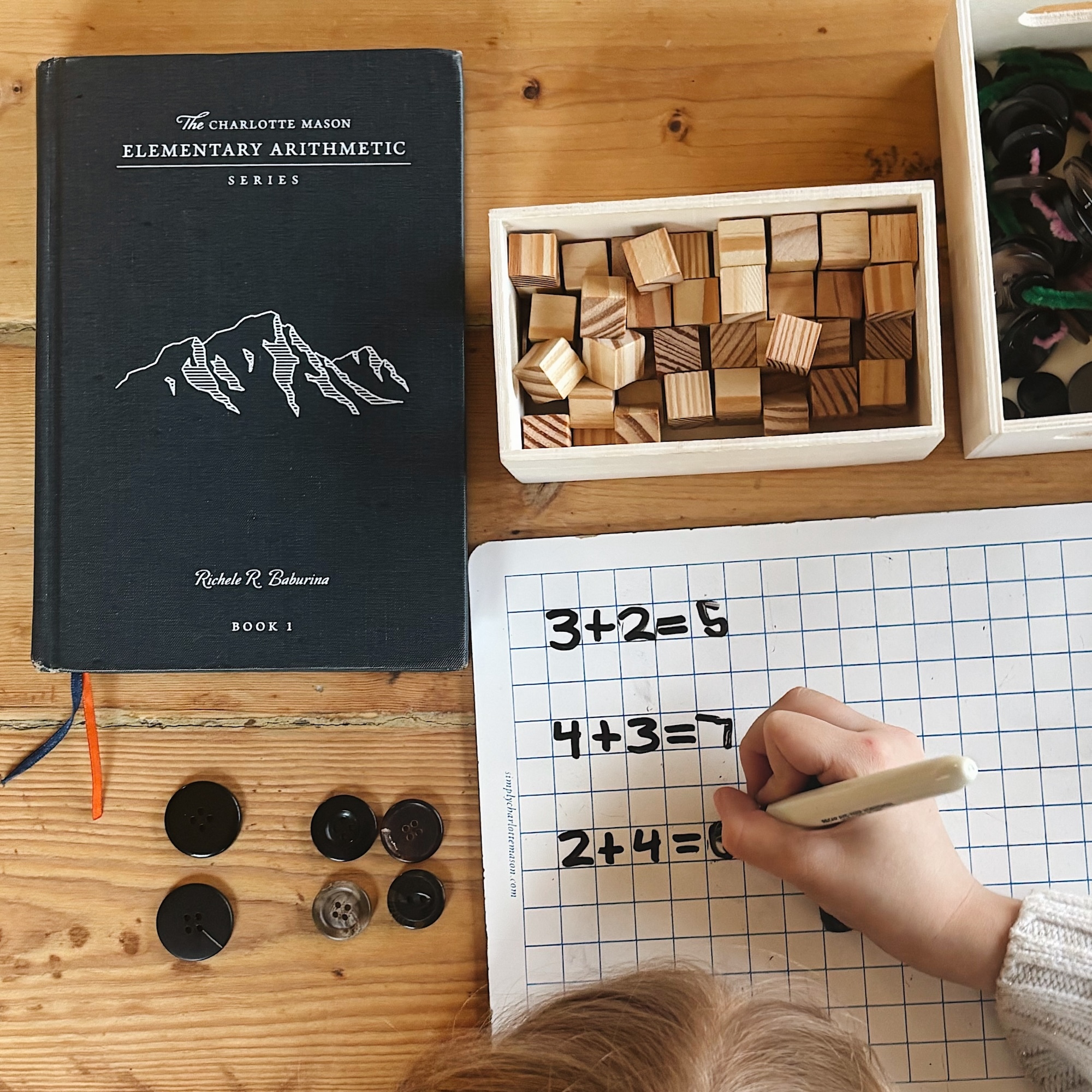
<p>Editor’s Note, by Art Middlekauff Barbara Webber was born in 1893 near London, and at age 17 her skill as a writer became known when her first short stories were published. She then married George Hodges and they had three children.[1] For some time she home educated her children using the Charlotte Mason method, and …</p> The post <a href="https://charlottemasonpoetry.org/should-children-reason/">Should Children Reason?</a> first appeared on <a href="https://charlottemasonpoetry.org">Charlotte Mason Poetry</a>.
The Brontës
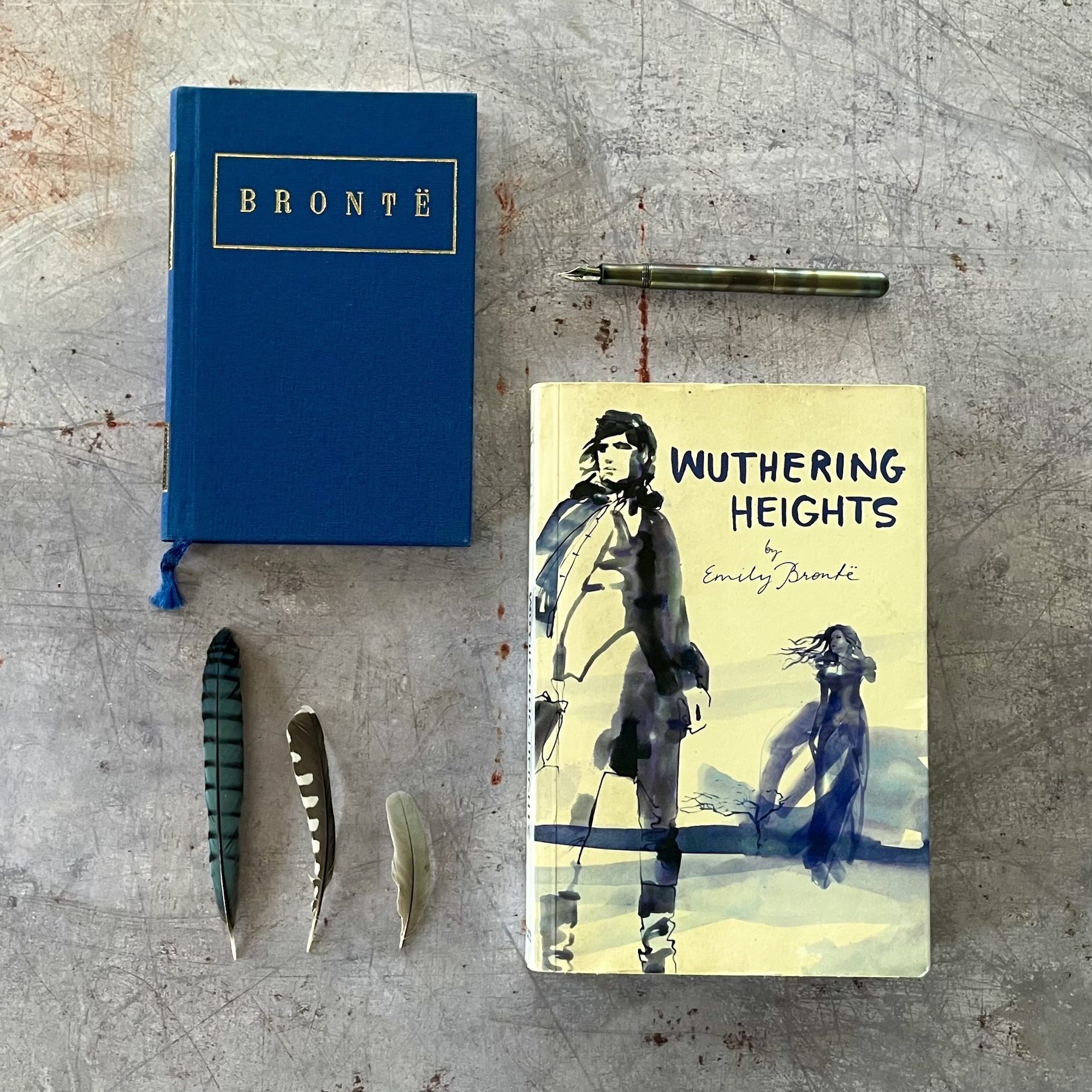
<p>Editor’s Note by Richele Baburina Scale How Evenings or Scale How Tuesdays were devised by Charlotte Mason for her teaching students at the House of Education to “amuse and edify one another” by having them choose a “favourite author, musician, or artist, with one member giving a sketch of the life and the others supplying …</p> The post <a href="https://charlottemasonpoetry.org/the-brontes/">The Brontës</a> first appeared on <a href="https://charlottemasonpoetry.org">Charlotte Mason Poetry</a>.
The Cure of a Mental Habit
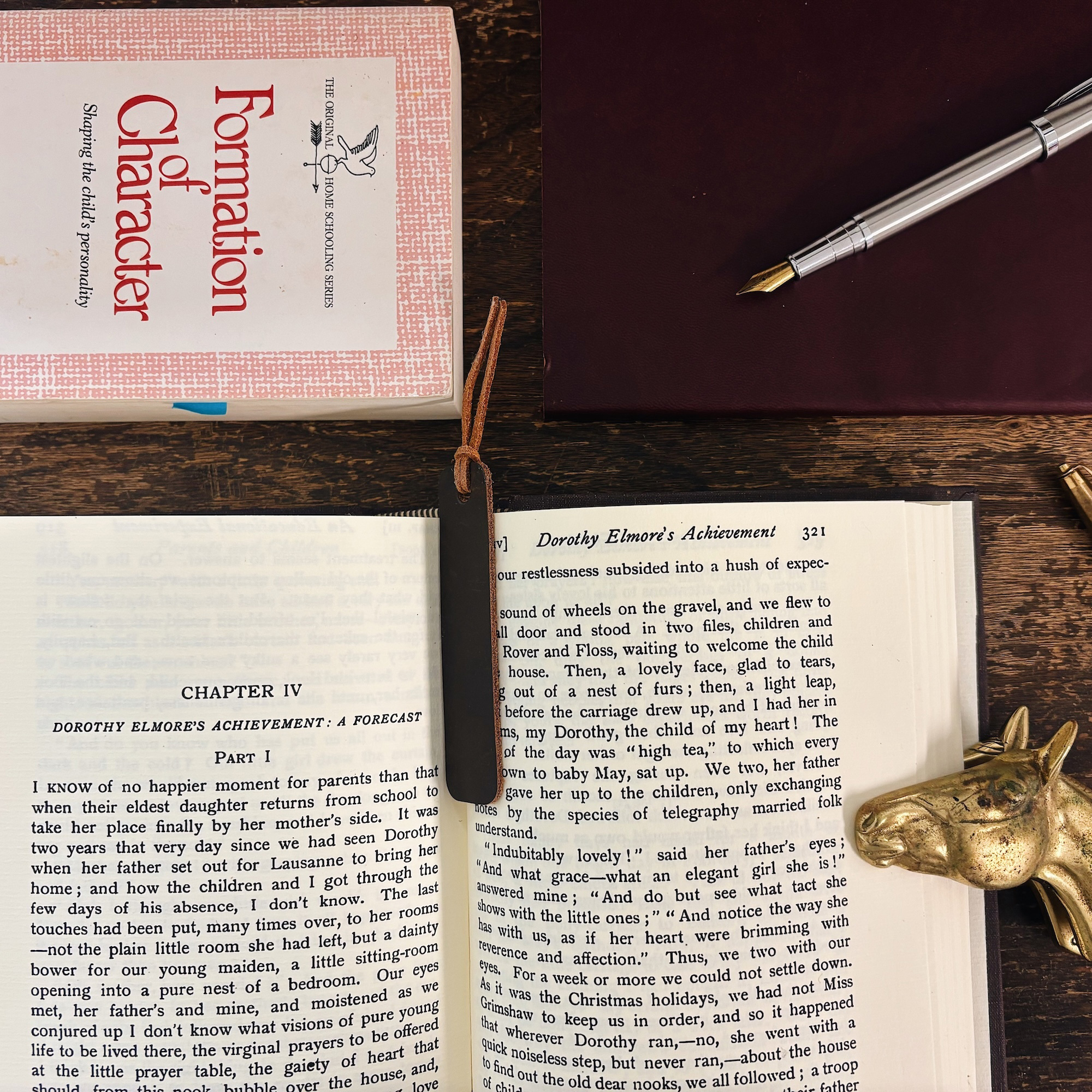
<p>Editor’s Note, by Art Middlekauff The opening article of the eleventh issue of The Parents’ Review was entitled “Dorothy Elmore’s Achievement: A Forecast of the New Education, By the Editor.” Divided into five chapters and published in January 1891, it spanned 19 pages of Charlotte Mason’s fledgling periodical. An early reader was struck by this …</p> The post <a href="https://charlottemasonpoetry.org/the-cure-of-a-mental-habit/">The Cure of a Mental Habit</a> first appeared on <a href="https://charlottemasonpoetry.org">Charlotte Mason Poetry</a>.
“God with Us” as the Lost Tool of Education
<p>Charlotte Mason & The Classical Tradition Revisited As conflicting modern ideas about education cast us about, many have dug into the very bedrock of western thought looking for inspiration and a stable base; and while much that is good has come to us via the great Greek thinkers, there is a particular fallacy that says: …</p> The post <a href="https://charlottemasonpoetry.org/god-with-us-as-the-lost-tool-of-education/">“God with Us” as the Lost Tool of Education</a> first appeared on <a href="https://charlottemasonpoetry.org">Charlotte Mason Poetry</a>.
Seed Time
<p>Editor’s Note. Today we share the ninth chapter of Children and the Stress of Life by Dr. Helen Webb. This chapter also appeared in the Parents’ Review in 1914 and 1929. For more information about Dr. Webb and her book, please see last week’s editor’s note. by Helen Webb Children and the Stress of Life, …</p> The post <a href="https://charlottemasonpoetry.org/seed-time/">Seed Time</a> first appeared on <a href="https://charlottemasonpoetry.org">Charlotte Mason Poetry</a>.
Early Influences
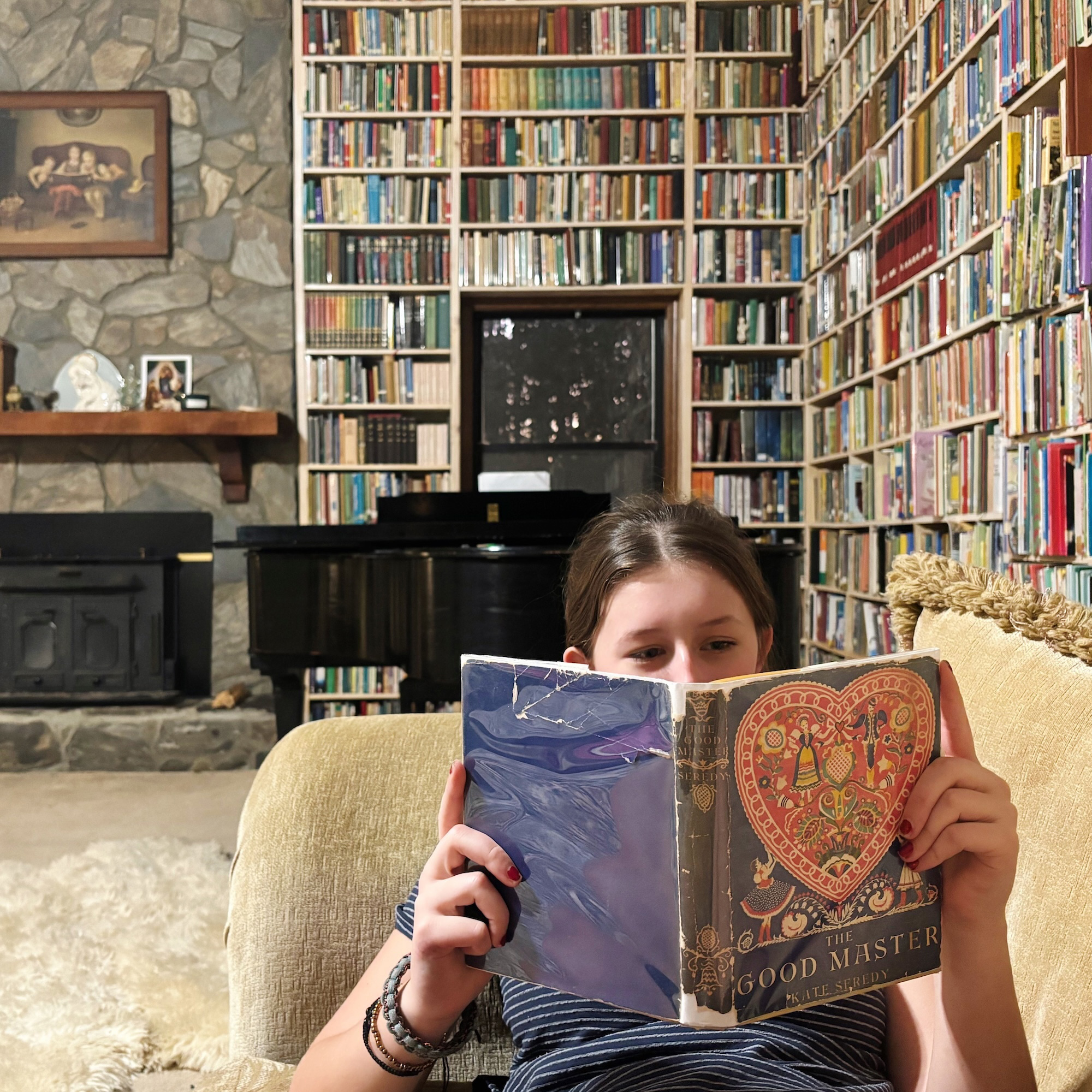
<p>Editor’s Note, by Art Middlekauff In 1929, the PNEU published a small hardcover book entitled Children and the Stress of Life, composed of chapters by Dr. Helen Webb. I was thrilled when I finally got to see this little volume in 2023. Dr. Webb was one of Charlotte Mason’s oldest friends and was endearingly referred …</p> The post <a href="https://charlottemasonpoetry.org/early-influences/">Early Influences</a> first appeared on <a href="https://charlottemasonpoetry.org">Charlotte Mason Poetry</a>.
The Mystery of the Kingdom of God
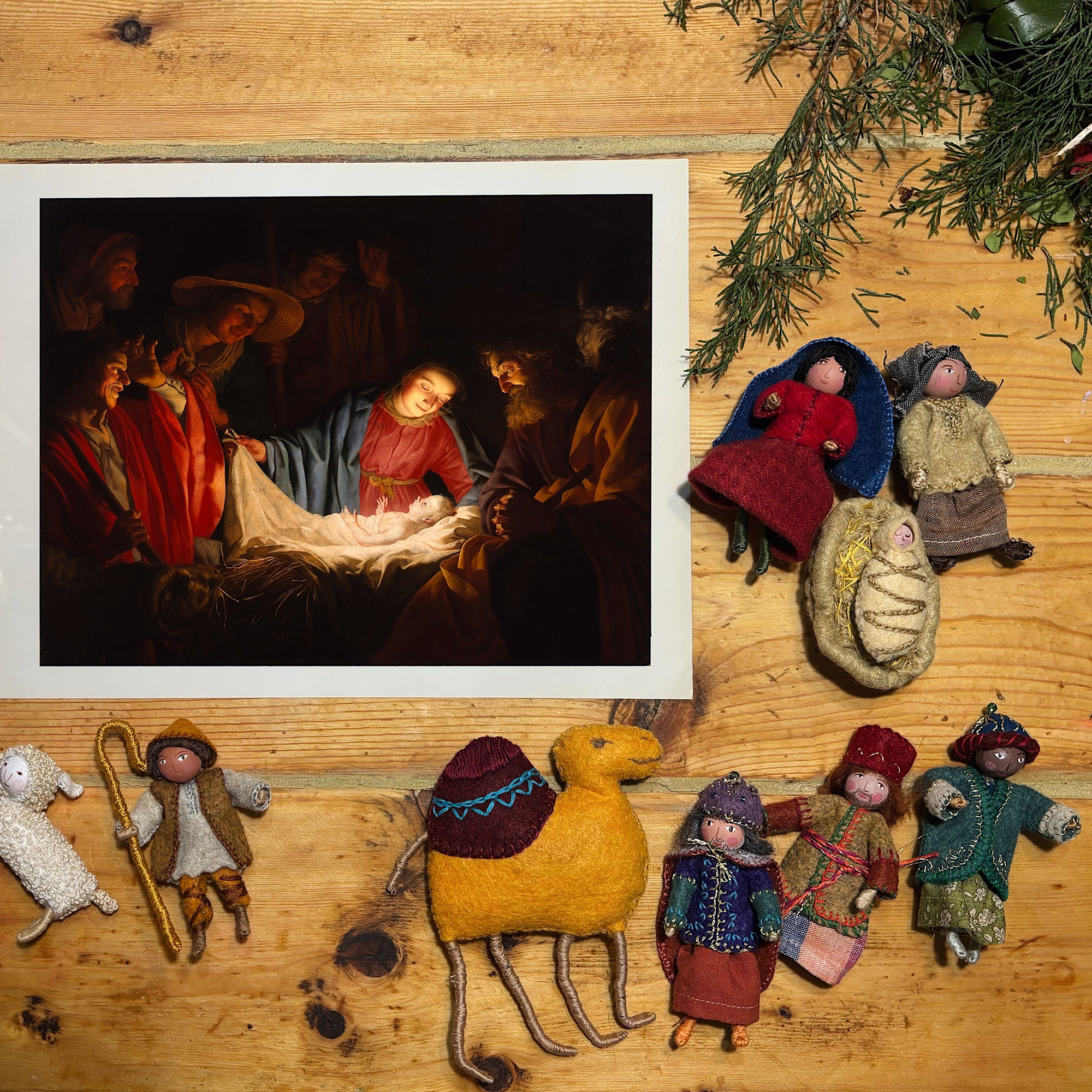
<p>Editor’s Note. Today we conclude our Advent series of sermons by Rev. Francis Lewis. See the December 10th episode for more information about this dear friend of Charlotte Mason. By the Rev. F. Lewis The Parents’ Review, 1920, pp. 399–402 “Flower in the crannied wall, I pluck you out of the crannies, I hold you …</p> The post <a href="https://charlottemasonpoetry.org/the-mystery-of-the-kingdom-of-god/">The Mystery of the Kingdom of God</a> first appeared on <a href="https://charlottemasonpoetry.org">Charlotte Mason Poetry</a>.
Transfiguration or the Heavenly Vision
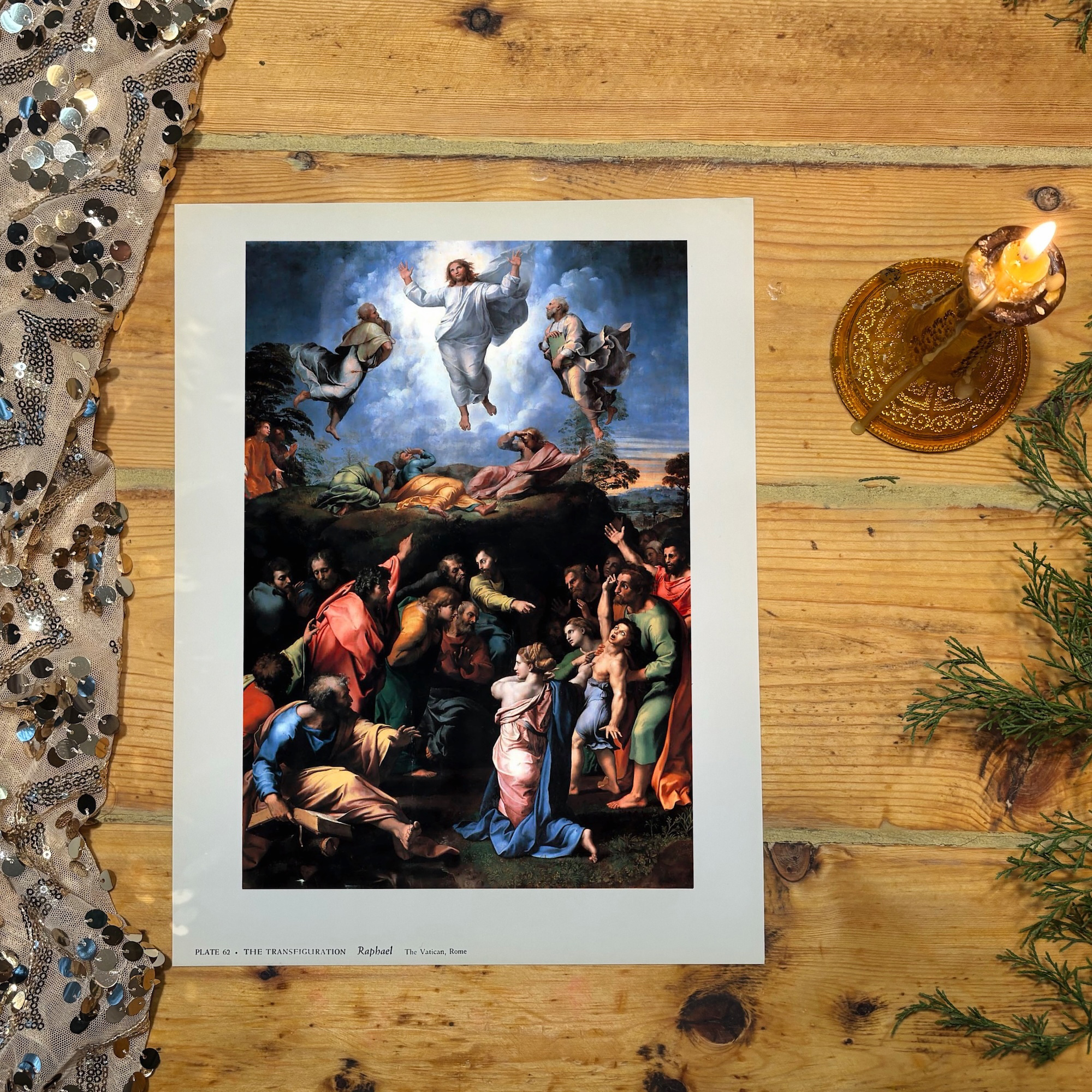
<p>Editor’s Note. Today we continue our Advent series of sermons by Rev. Francis Lewis. See last week’s episode for more information about this dear friend of Charlotte Mason. By the Rev. F. Lewis The Parents’ Review, 1918, pp. 425-429 There is a close connection between the two things. It was a “heavenly vision” which changed …</p> The post <a href="https://charlottemasonpoetry.org/transfiguration-or-the-heavenly-vision/">Transfiguration or the Heavenly Vision</a> first appeared on <a href="https://charlottemasonpoetry.org">Charlotte Mason Poetry</a>.
The Nobility of Work
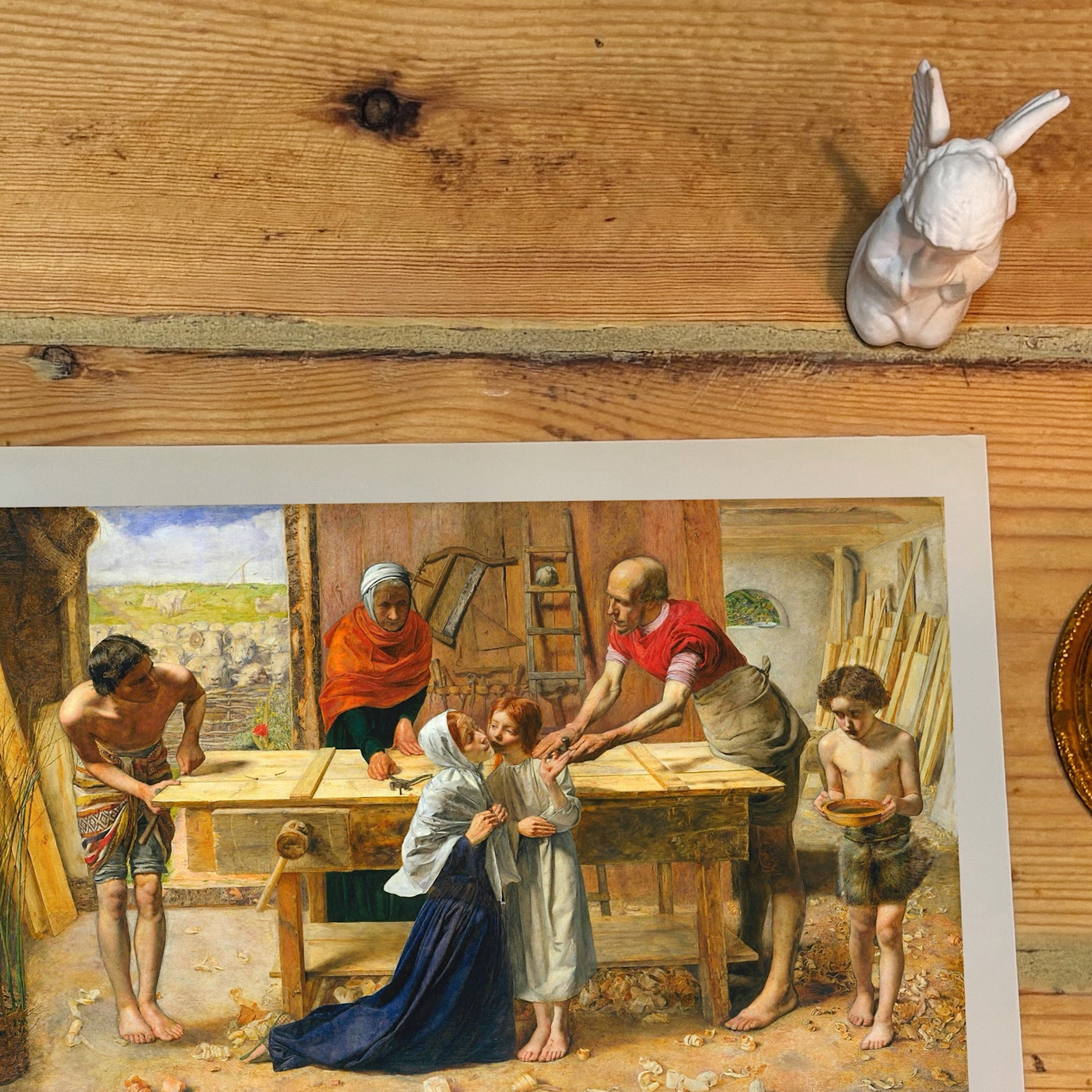
<p>Editor’s Note, by Art Middlekauff Rev. Francis Lewis was the headmaster of a grammar school in Ambleside for eighteen years. During this time he became an examiner for the Parents’ Union School and then a part-time instructor at the House of Education. Charlotte Mason named him in her will as one of the individuals entrusted …</p> The post <a href="https://charlottemasonpoetry.org/the-nobility-of-work/">The Nobility of Work</a> first appeared on <a href="https://charlottemasonpoetry.org">Charlotte Mason Poetry</a>.
The Whole Teacher
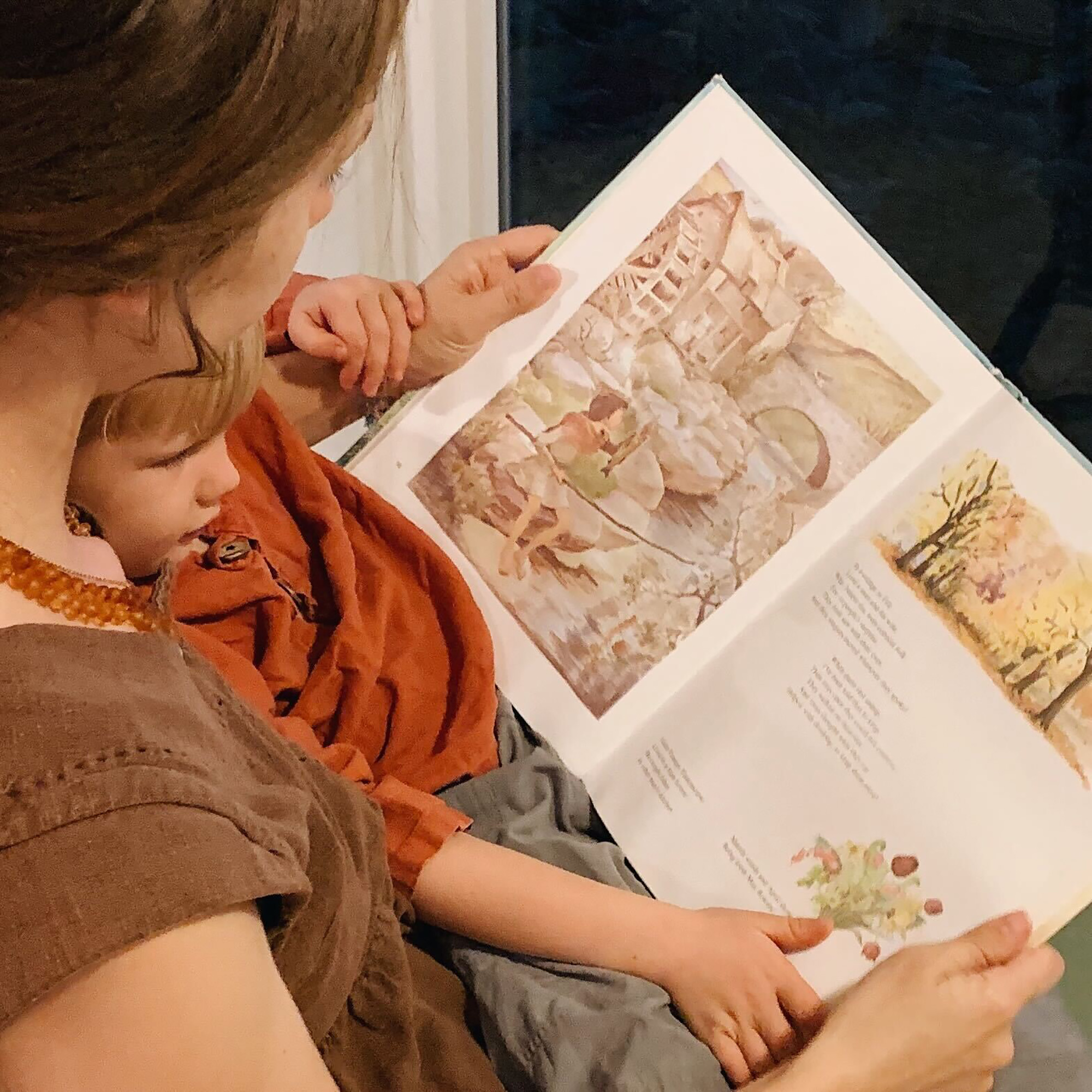
<p>Editor’s Note, by Art Middlekauff Joseph H. Allen was a Lancashire educationalist who lectured on educational topics and was also known for his service to the elderly.[1] He contributed multiple articles to The PNEU Journal, and his 1975 piece on the teacher is striking for its faithfulness to Charlotte Mason’s ideas so many decades after …</p> The post <a href="https://charlottemasonpoetry.org/the-whole-teacher/">The Whole Teacher</a> first appeared on <a href="https://charlottemasonpoetry.org">Charlotte Mason Poetry</a>.
Examinations and the PNEU
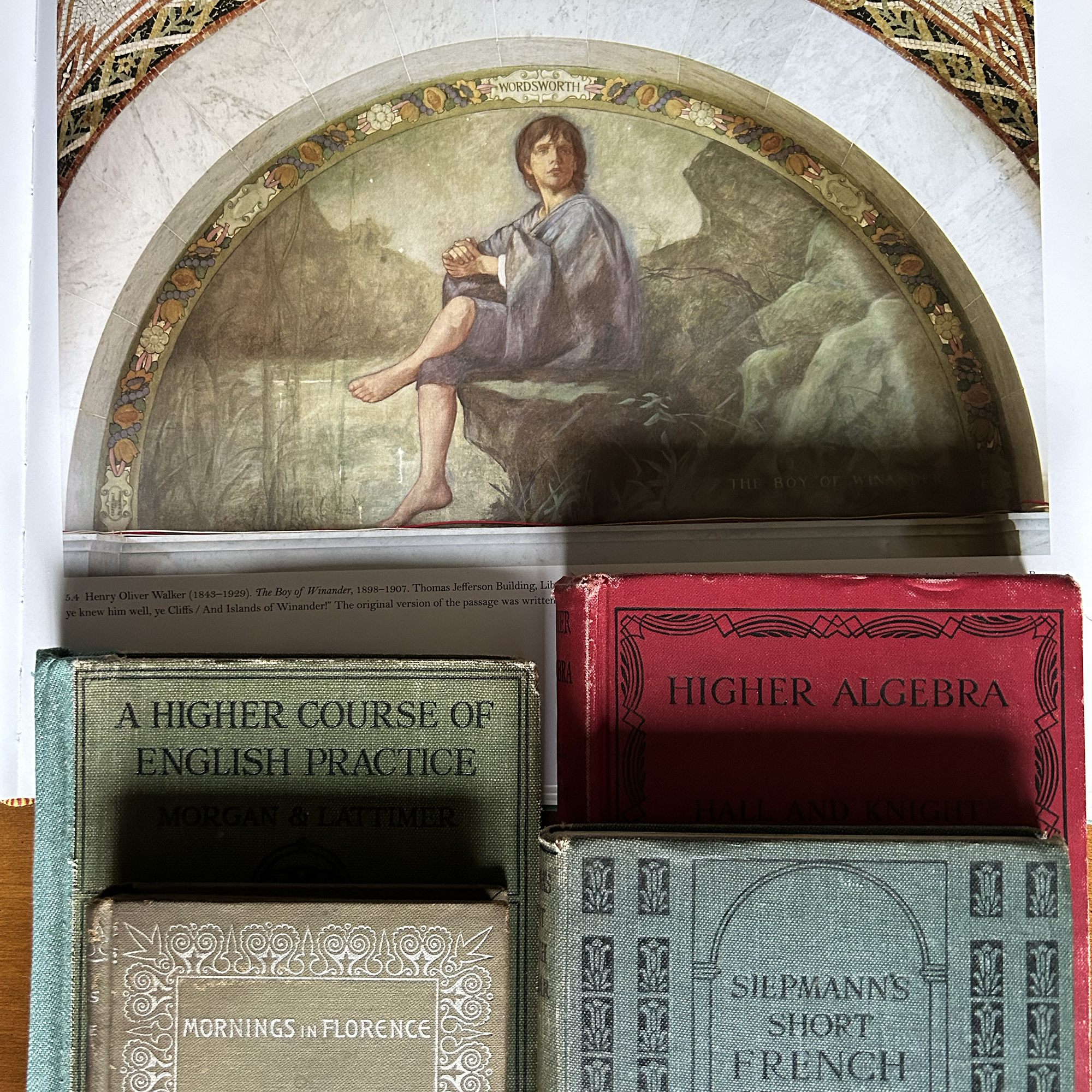
<p>Editor’s Note, by Art Middlekauff On August 14, 1913, Avice M. Cox became the wife of A. V. Cecil Moore.[1] Avice was a House of Education graduate from the class of 1903[2] whose work had appeared in The Parents’ Review.[3] Her groom was a teacher at a boys’ preparatory school. Through their relationship, Mr. Moore …</p> The post <a href="https://charlottemasonpoetry.org/examinations-and-the-pneu/">Examinations and the PNEU</a> first appeared on <a href="https://charlottemasonpoetry.org">Charlotte Mason Poetry</a>.
Citizenship and Literature
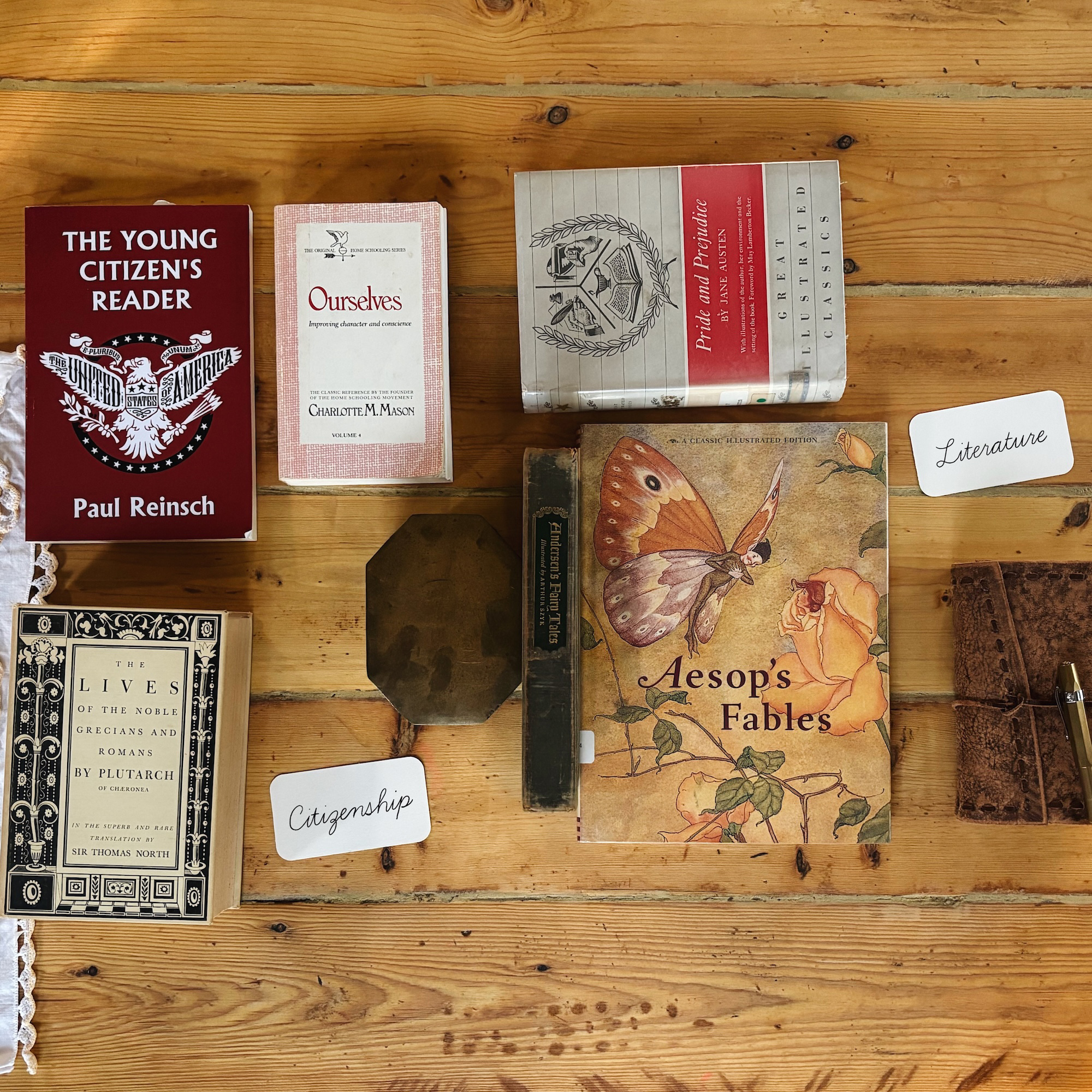
<p>Editor’s Note, by Art Middlekauff Miss B. E. Moore was the headmistress of a girls’ elementary school “in one of London’s most needy districts.”[1] In the early 1920s, she decided to adopt the Charlotte Mason method. Soon afterwards she gave a lecture during which she was reportedly “enthusiastic over the results of P.N.E.U. methods during …</p> The post <a href="https://charlottemasonpoetry.org/citizenship-and-literature/">Citizenship and Literature</a> first appeared on <a href="https://charlottemasonpoetry.org">Charlotte Mason Poetry</a>.

Technology: the Good, the Bad, and the Ugly
<p>In most schools today, technology is king. All students are given tablets and everyone learns to code. We are told that this approach gives kids an advantage. It prepares them for a future that is becoming more and more digital every day. Other schools reach back to a nearly forgotten past. A time when science …</p> The post <a href="https://charlottemasonpoetry.org/technology-the-good-the-bad-and-the-ugly/">Technology: the Good, the Bad, and the Ugly</a> first appeared on <a href="https://charlottemasonpoetry.org">Charlotte Mason Poetry</a>.

Something About Morris and Country Dances, Part II
<p>Editor’s Note, by Heidi Buschbach Last week, Part I of this article was posted, so if you would like to read more about the history of Morris Dance or the Espérance Club, or the reasons why we include folk dance in our Charlotte Mason curriculum, please read that editor’s note and article. Here in Part …</p> The post <a href="https://charlottemasonpoetry.org/something-about-morris-and-country-dances-part-ii/">Something About Morris and Country Dances, Part II</a> first appeared on <a href="https://charlottemasonpoetry.org">Charlotte Mason Poetry</a>.