Charlotte Mason Poetry
499 episodes — Page 4 of 10
High School Roundtable
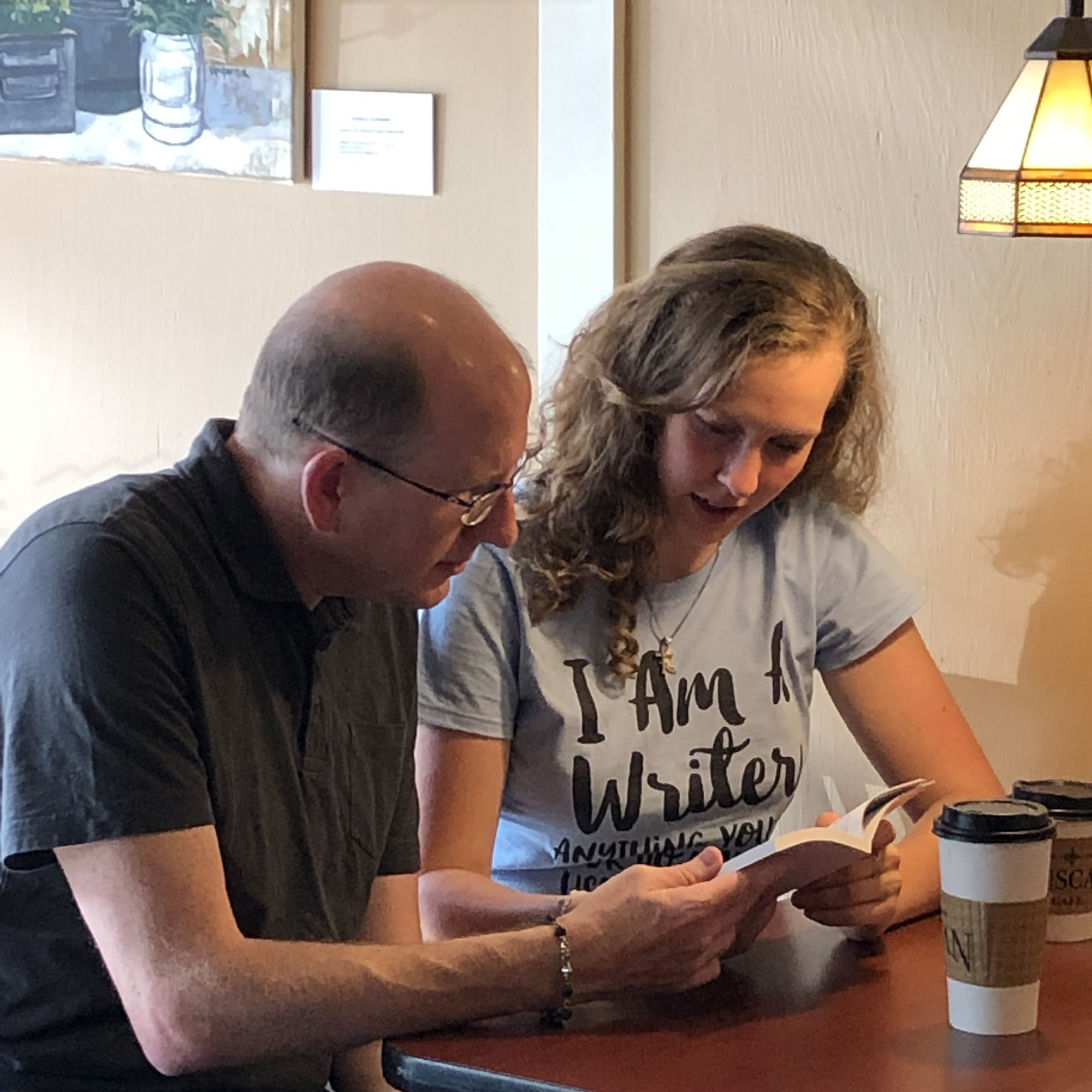
<p>When do children outgrow the Charlotte Mason method? The firm belief of Charlotte Mason and the PNEU was that they never do. That’s what we believe too. We’ve shared several Parents’ Review articles that address the upper forms from many perspectives, and now we’re discussing the lessons we’ve learned. In this very special episode, Antonella, …</p> The post <a href="https://charlottemasonpoetry.org/high-school-roundtable/">High School Roundtable</a> first appeared on <a href="https://charlottemasonpoetry.org">Charlotte Mason Poetry</a>.
Education in The Parents’ Union School
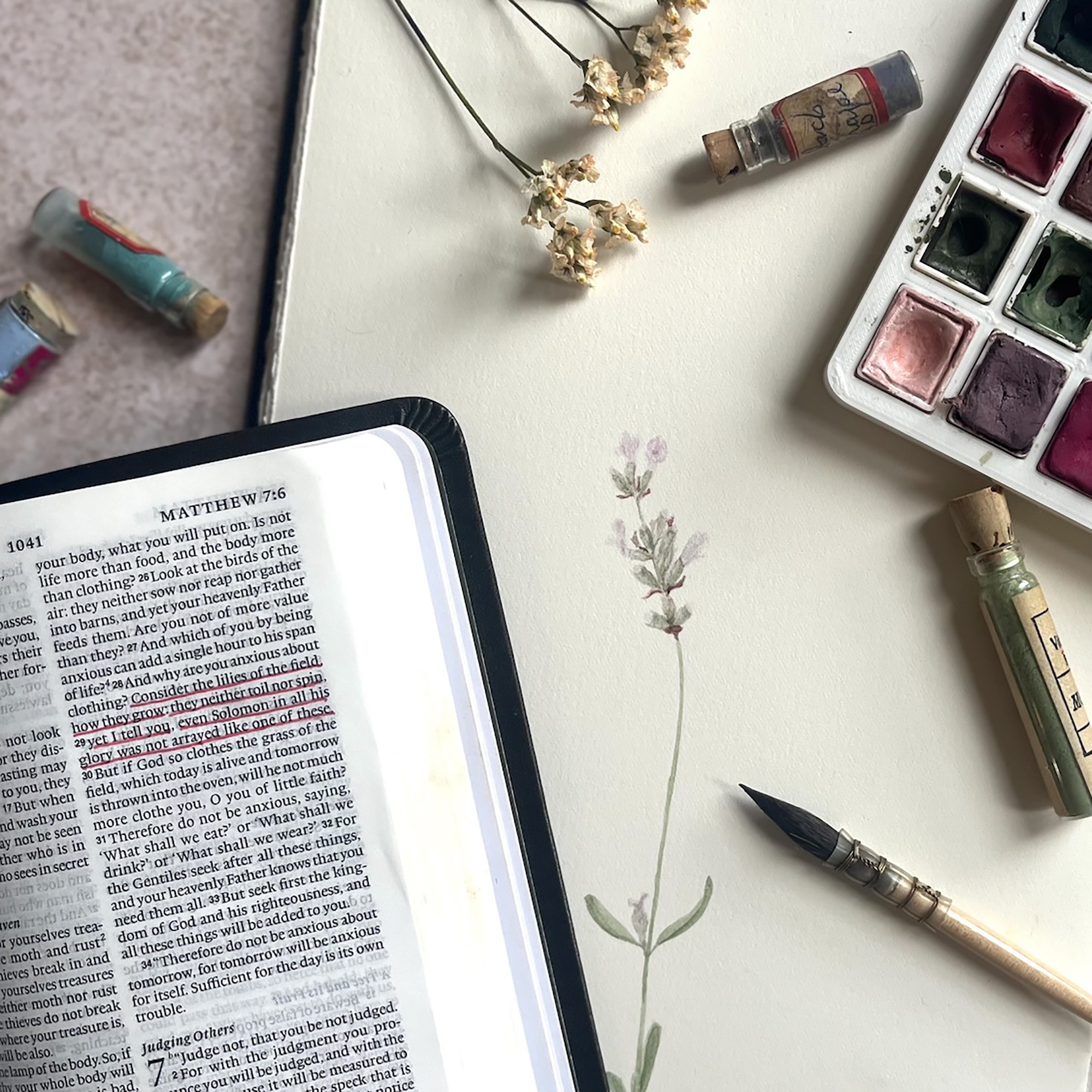
<p>Editor’s Note, by Jennifer Talsma On December 6, 1935, over 50 people from around Ireland gathered to attend a meeting of the PNEU’s Dublin Branch, held in Milford, County Armagh. They were addressed by Mrs. Claudia Shelley and Mr. Monk Gibbon. Mrs. Shelley, who gave the address that follows, was a graduate of the House …</p> The post <a href="https://charlottemasonpoetry.org/education-in-the-parents-union-school/">Education in The Parents’ Union School</a> first appeared on <a href="https://charlottemasonpoetry.org">Charlotte Mason Poetry</a>.
A Measuring Line
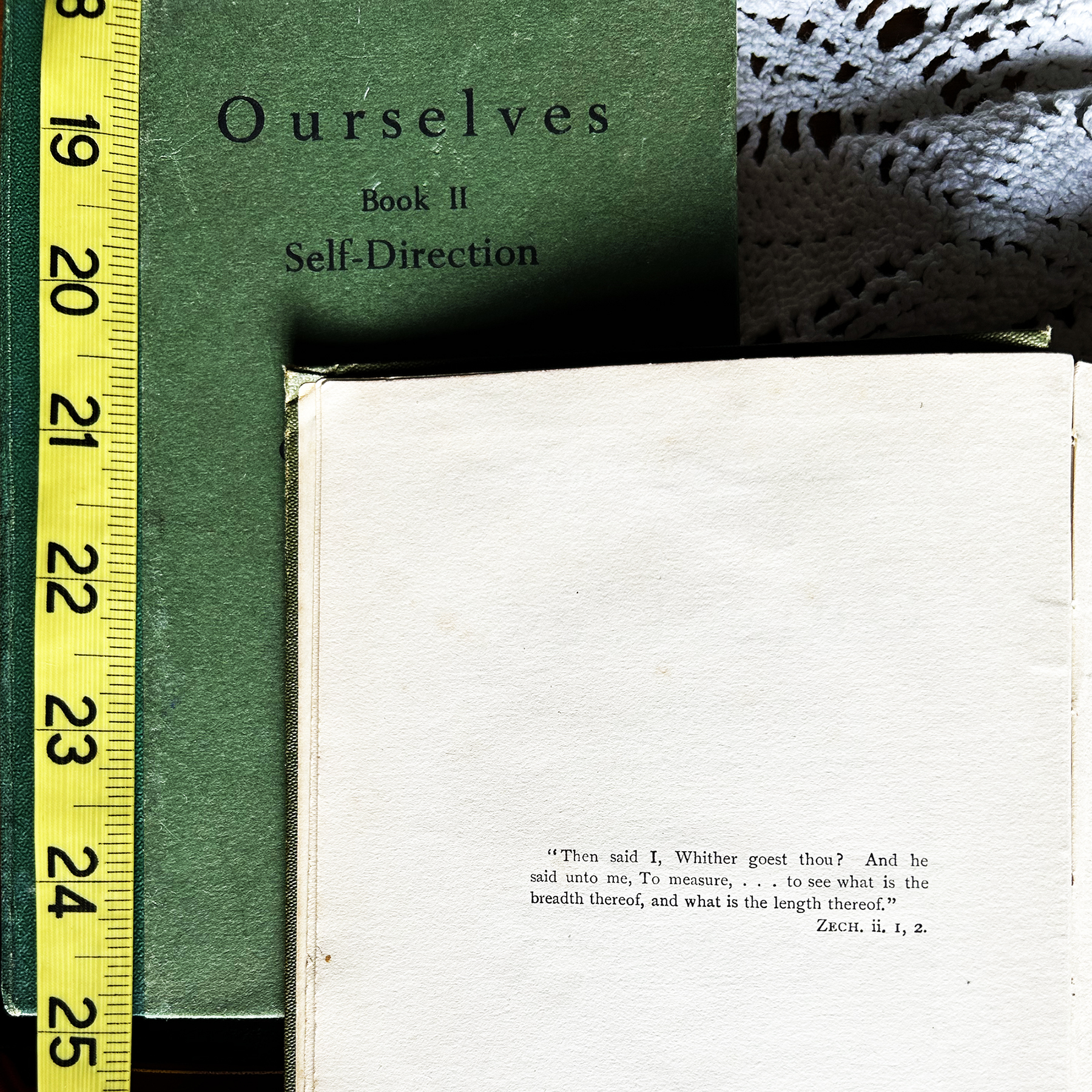
<p>Editor’s Note, by Art Middlekauff Elsie Kitching served as Charlotte Mason’s personal assistant for many years before succeeding her as editor of The Parents’ Review and Director of the Parents’ Union School. Kitching’s understanding of and devotion to Miss Mason’s ideas were unparalleled, making her an especially valuable interpreter of Charlotte Mason’s thought. On several …</p> The post <a href="https://charlottemasonpoetry.org/a-measuring-line/">A Measuring Line</a> first appeared on <a href="https://charlottemasonpoetry.org">Charlotte Mason Poetry</a>.

The P.U.S. Work in a PNEU School
<p>Editor’s Note, by Art Middlekauff In January 1931 “the largest P.N.E.U. School in England” was at Burgess Hill. At that time, the school had been operating for more than two decades and had “a most excellent record of success.”[1] It was one of five registered PNEU schools that covered all six forms, educating young people …</p> The post <a href="https://charlottemasonpoetry.org/the-p-u-s-work-in-a-pneu-school/">The P.U.S. Work in a PNEU School</a> first appeared on <a href="https://charlottemasonpoetry.org">Charlotte Mason Poetry</a>.
Boys’ Preparatory Schools
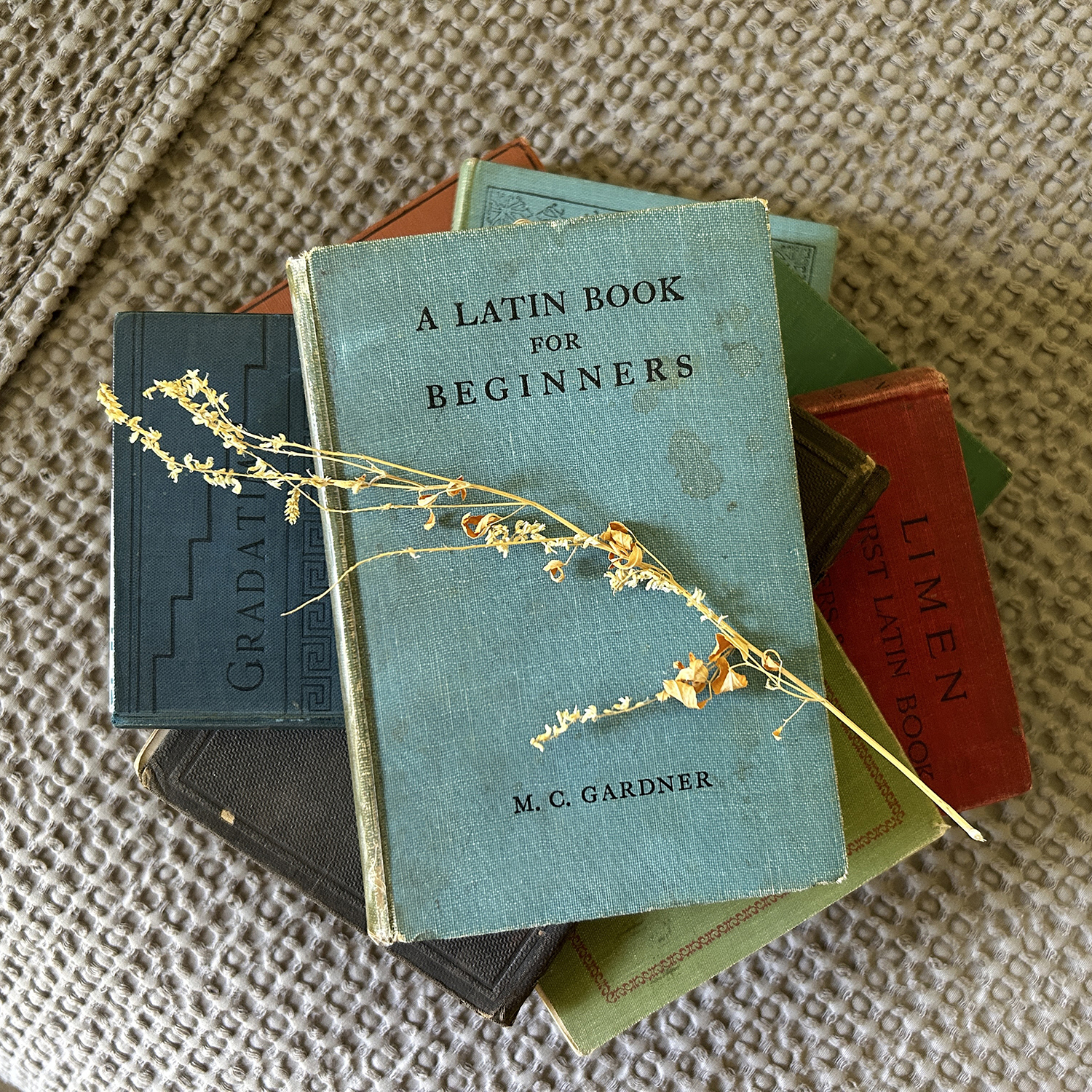
<p>Editor’s Note, by Art Middlekauff The Craig Preparatory School of Windermere was founded in 1899 and led by William Snow, its first headmaster, until 1936.[1] When the Great War came to England, the headmaster’s son, Thomas William Snow, went to serve in France. He fought in “the 57th West Lancs Divisional Artillery and was awarded …</p> The post <a href="https://charlottemasonpoetry.org/boys-preparatory-schools/">Boys’ Preparatory Schools</a> first appeared on <a href="https://charlottemasonpoetry.org">Charlotte Mason Poetry</a>.

The PNEU and Public Examinations
<p>Editor’s Note, by Art Middlekauff In 1931, a letter appeared in The Times Educational Supplement. “Dear Editor,” it began, “I have been asked to answer the criticism that the Parents’ National Educational Union (a) offers help to parents for young children only, and (b) disapproves of public examinations.” The author of the letter was Rev. …</p> The post <a href="https://charlottemasonpoetry.org/the-pneu-and-public-examinations/">The PNEU and Public Examinations</a> first appeared on <a href="https://charlottemasonpoetry.org">Charlotte Mason Poetry</a>.
The Theology of the Great Recognition
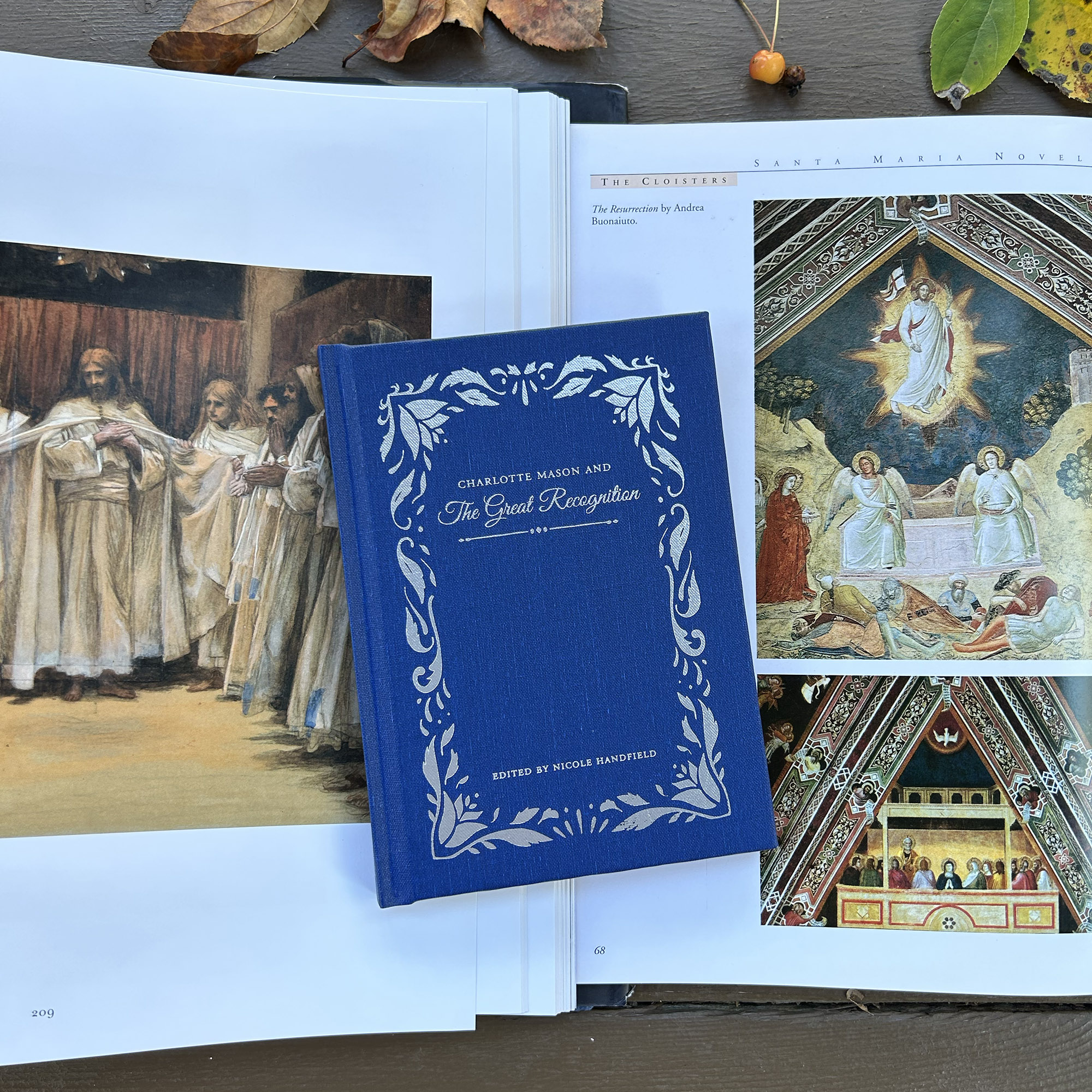
<p>“The great recognition, that God the Holy Spirit is Himself, personally, the Imparter of knowledge, the Instructor of youth, the Inspirer of genius.” It’s an idea that infuses education with meaning and life. What could more powerfully transform the daily routine of a home educator than the thought of “the divine teaching as co-operating with …</p> The post <a href="https://charlottemasonpoetry.org/the-theology-of-the-great-recognition-audio/">The Theology of the Great Recognition</a> first appeared on <a href="https://charlottemasonpoetry.org">Charlotte Mason Poetry</a>.
Education And Life
<p>Editor’s Note, by Art Middlekauff Vera Pim attended the House of Education in 1926, where she received distinction in the subject of teaching.[1] After graduating, she went to Dublin and on January 18, 1928, she read an original paper at the Dublin Branch of the PNEU.[2] The paper was entitled “Education and Life,” and it …</p> The post <a href="https://charlottemasonpoetry.org/education-and-life/">Education And Life</a> first appeared on <a href="https://charlottemasonpoetry.org">Charlotte Mason Poetry</a>.
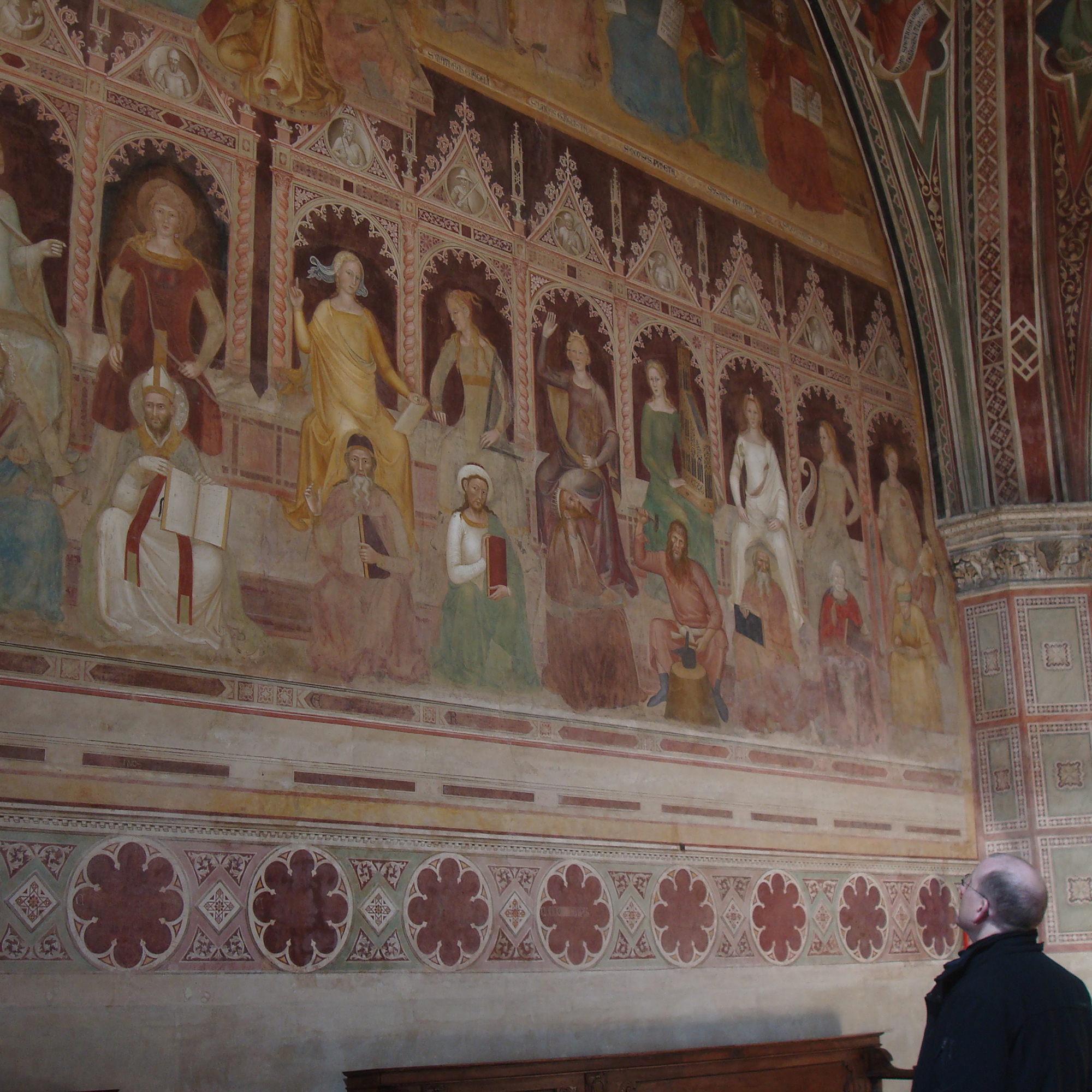
Thomas Aquinas and the Great Recognition
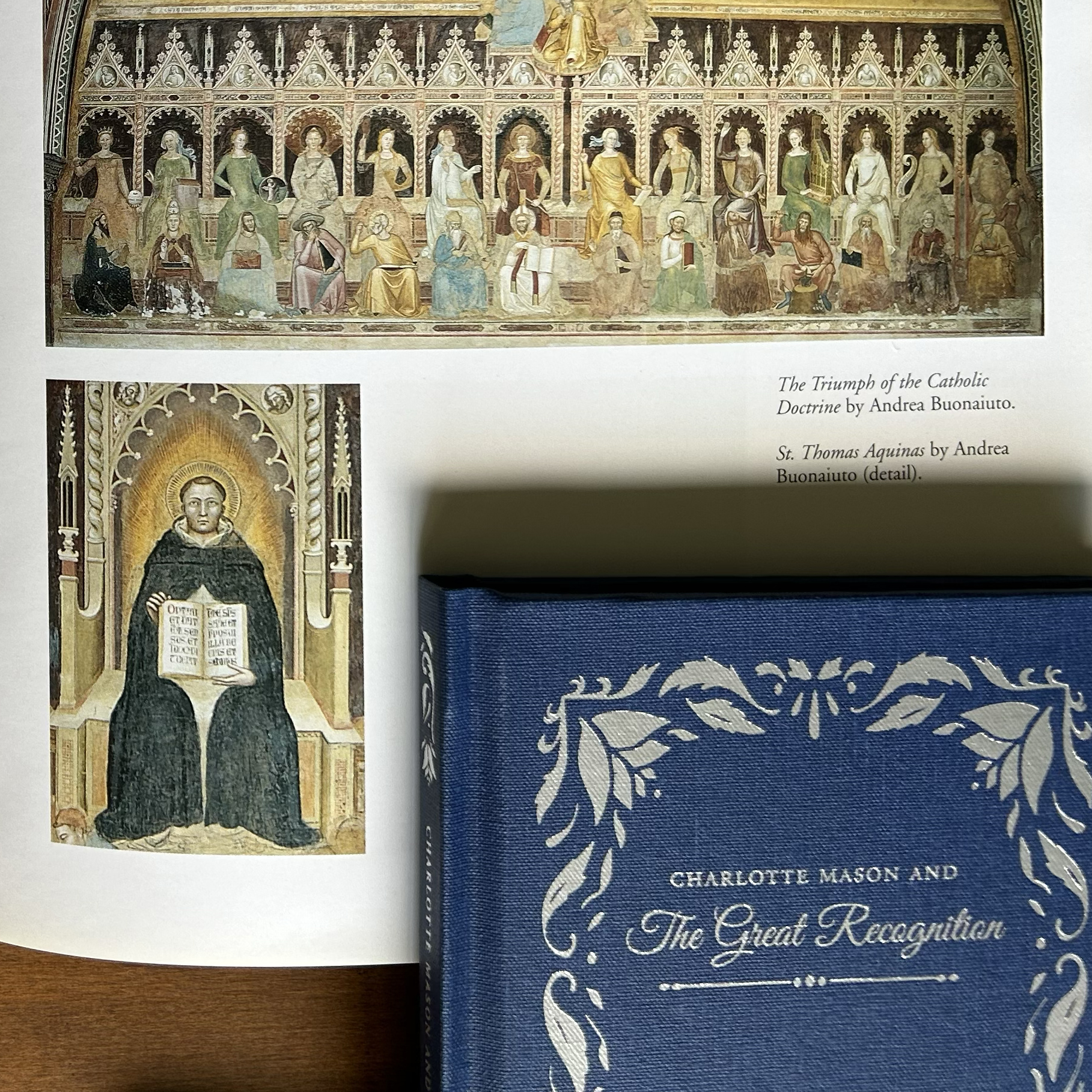
<p>“Two years ago I had the privilege of visiting the Spanish Chapel of Santa Maria Novella in Florence,” wrote Rose Amy Pennethorne in 1935. “I was shown over the Chapel by a policeman, and having never seen the colours of the frescoes before, I was struck by the prevailing colours of green, white and red. …</p> The post <a href="https://charlottemasonpoetry.org/thomas-aquinas-and-the-great-recognition-audio/">Thomas Aquinas and the Great Recognition</a> first appeared on <a href="https://charlottemasonpoetry.org">Charlotte Mason Poetry</a>.
The Parents’ Union in a Secondary School
<p>Editor’s Note, by Art Middlekauff When do children outgrow the Charlotte Mason method? The firm belief of Charlotte Mason and the PNEU was that they never do. However, Mason and her followers were realistic about the challenges faced by teachers who wished to apply the method in the upper years. These challenges were openly discussed …</p> The post <a href="https://charlottemasonpoetry.org/the-parents-union-in-a-secondary-school/">The Parents’ Union in a Secondary School</a> first appeared on <a href="https://charlottemasonpoetry.org">Charlotte Mason Poetry</a>.
The History of an Idea: Children Are Born Persons
<p>“Upon first hearing the foundational principle of Charlotte Mason’s philosophy, ‘Children are born persons,’ I couldn’t have been less impressed,” wrote one homeschool mother. Said another: “It’s hard to imagine that anybody even needed to say that.” She went on: “I’ve heard some people say this first principle is not really needed anymore… We know …</p> The post <a href="https://charlottemasonpoetry.org/the-history-of-an-idea-children-are-born-persons-audio/">The History of an Idea: Children Are Born Persons</a> first appeared on <a href="https://charlottemasonpoetry.org">Charlotte Mason Poetry</a>.
The First Steps of Education
<p>Editor’s Note, by Art Middlekauff Rhoda M. Harrison was a student at the House of Education in 1928.[1] After graduating, she served on the staff of the PNEU School at Burgess Hill[2] before becoming the co-principal of her own PNEU School in Haslemere.[3] Through her study of Charlotte Mason’s writings and her own experience as …</p> The post <a href="https://charlottemasonpoetry.org/the-first-steps-of-education/">The First Steps of Education</a> first appeared on <a href="https://charlottemasonpoetry.org">Charlotte Mason Poetry</a>.

What Is Education?
<p>Editor’s Note, by Art Middlekauff In 1897, the Women’s Institute was founded in Saltfleet, Ontario.[1] Ethel Somers describes its origins: The women of Canada, in their scattered homes, often many miles apart, felt the urgent need of each other’s help and advice—the need of discussing domestic problems, educational difficulties and social possibilities. They tried the …</p> The post <a href="https://charlottemasonpoetry.org/what-is-education/">What Is Education?</a> first appeared on <a href="https://charlottemasonpoetry.org">Charlotte Mason Poetry</a>.
Where Virtue is the Goal
<p>What is the ultimate purpose of education? What are we trying to accomplishing in our homeschools and our schools? In the final analysis is education about “the assimilation of facts [and] the retention of information”? Is its goal to achieve “knowledge of external nature”? Or is it more about the heart than the head? Is …</p> The post <a href="https://charlottemasonpoetry.org/where-virtue-is-the-goal-audio/">Where Virtue is the Goal</a> first appeared on <a href="https://charlottemasonpoetry.org">Charlotte Mason Poetry</a>.
The Only Child
<p>by Sheila Fawcett (C.M.C) The Parents’ Review, 1957, pp. 71-73 Even in childhood I looked forward to the time when I should have children of my own. At first I thought six sons would be an ideal family, but later I reduced my aspirations to two sons and one daughter. Things turned out otherwise, and …</p> The post <a href="https://charlottemasonpoetry.org/the-only-child/">The Only Child</a> first appeared on <a href="https://charlottemasonpoetry.org">Charlotte Mason Poetry</a>.
Education of Conscience
<p>Editor’s Note, by Art Middlekauff Florence Mary Parsons (1864–1934) was an accomplished author and acknowledged expert in 18th-Century literature and art. She was also friends with Henrietta Franklin, and in the late 1890s she was introduced by Mrs. Franklin to a growing movement of educational reform known as the PNEU. In 1899, Parsons gave a …</p> The post <a href="https://charlottemasonpoetry.org/education-of-conscience/">Education of Conscience</a> first appeared on <a href="https://charlottemasonpoetry.org">Charlotte Mason Poetry</a>.
What is a Liberal Education?
<p>In 1917, the Times newspaper published a letter by Charlotte Mason in which she made four bold claims: (a) That our people are capable of receiving a liberal education in a generous sense of the term. (b) That no limitation of vocabulary or environment need be an obstacle. (c) That the method and means of …</p> The post <a href="https://charlottemasonpoetry.org/what-is-a-liberal-education-audio/">What is a Liberal Education?</a> first appeared on <a href="https://charlottemasonpoetry.org">Charlotte Mason Poetry</a>.
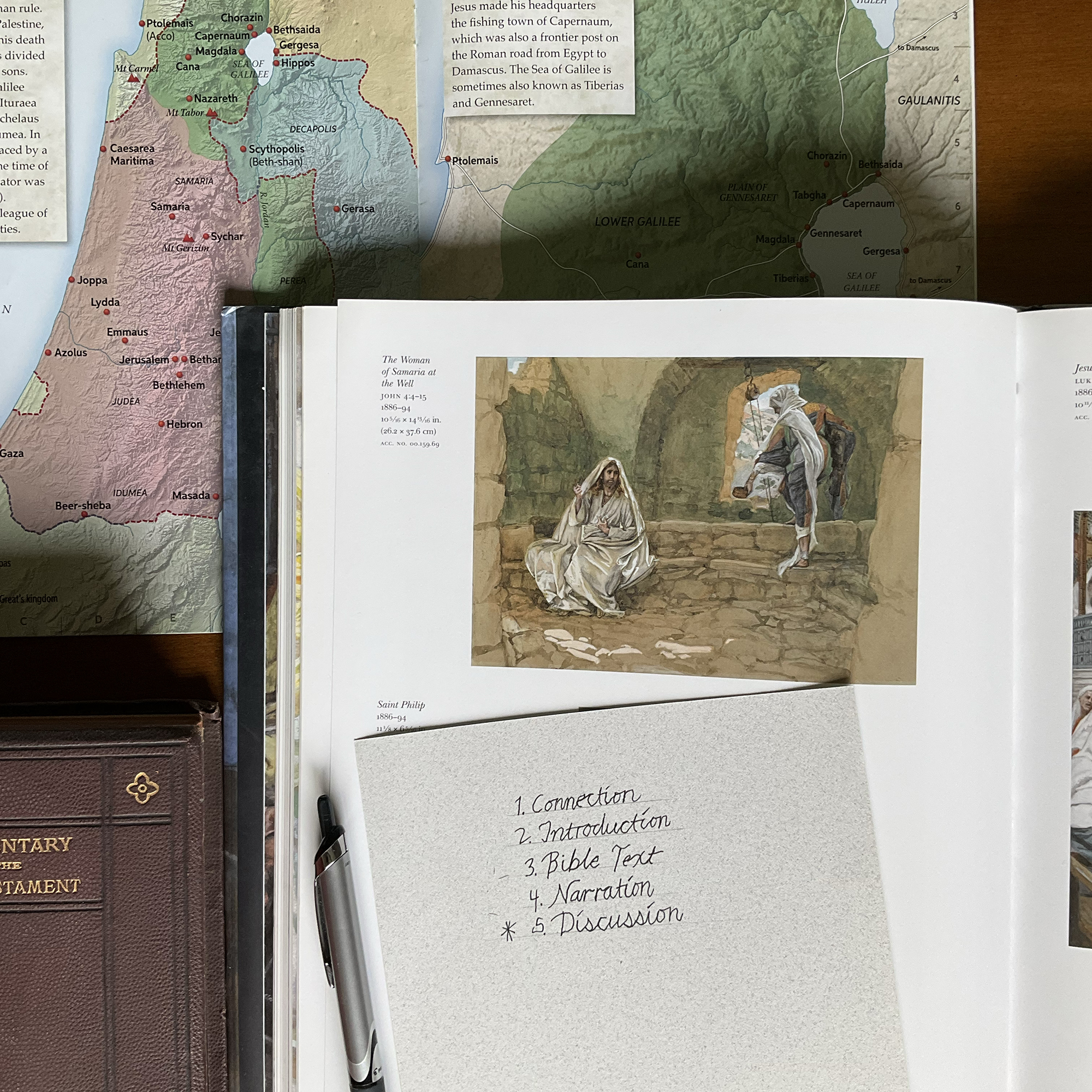
Jesus’ Bible Lessons
<p>The Bible lesson is a unique, wonderful opportunity to dialogue over the Living Word with your child. Jesus had such discussions himself with some of the Father’s Children. Charlotte Mason writes, “It is only by trying the method oneself on such an incident, for example, as the visit of Nicodemus or the talk with the …</p> The post <a href="https://charlottemasonpoetry.org/jesus-bible-lessons/">Jesus’ Bible Lessons</a> first appeared on <a href="https://charlottemasonpoetry.org">Charlotte Mason Poetry</a>.
The Book of Centuries and How to Keep One
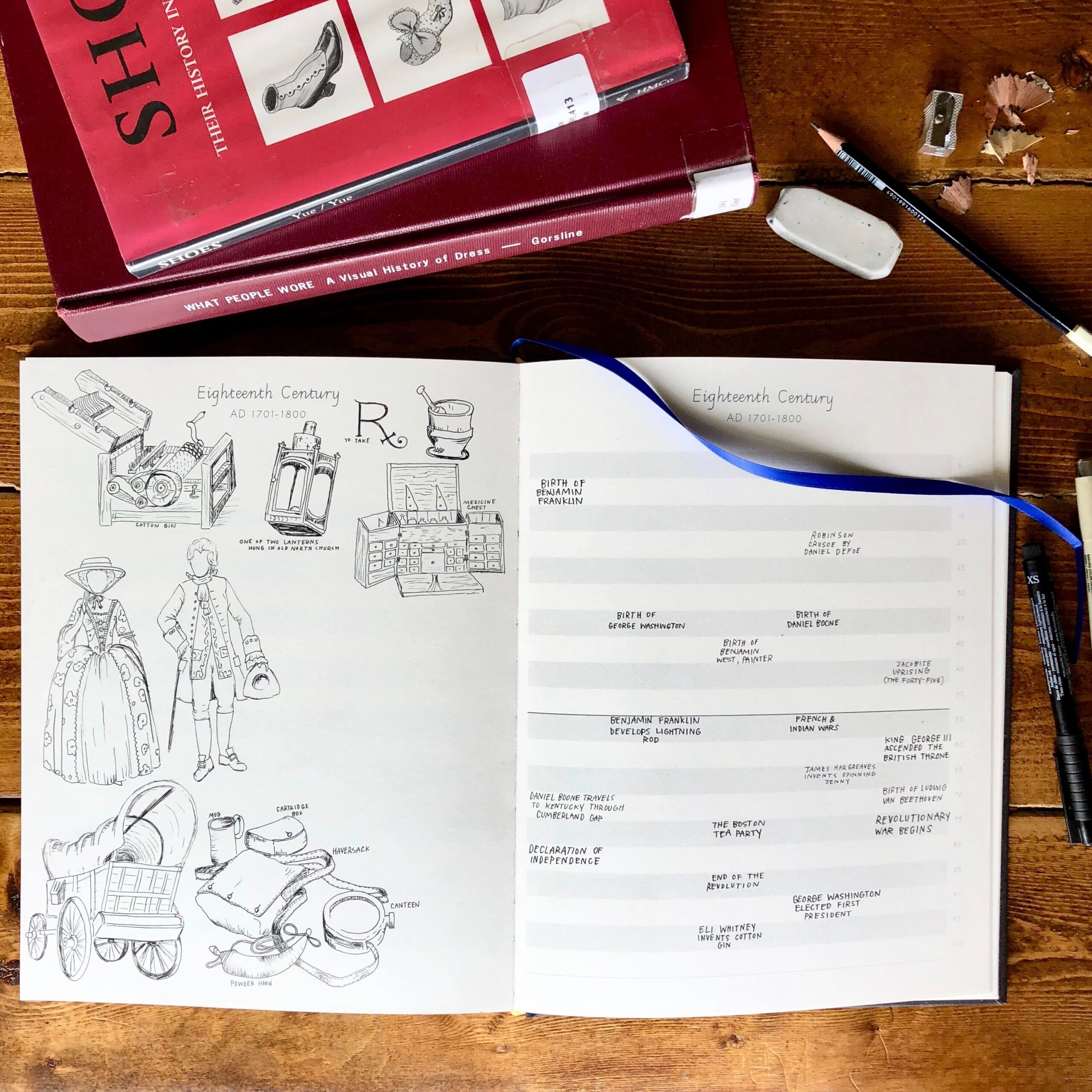
<p>Editor’s Note, by Art Middlekauff Gertrude M. Bernau studied under Charlotte Mason at the House of Education in 1894. By 1906, she was the principal of a PNEU school for girls in London.[1] One benefit of having a school in London is that they were relatively close to the British Museum. Bernau recalled later: “When …</p> The post <a href="https://charlottemasonpoetry.org/the-book-of-centuries-2/">The Book of Centuries and How to Keep One</a> first appeared on <a href="https://charlottemasonpoetry.org">Charlotte Mason Poetry</a>.
Three New Educational Common Factors
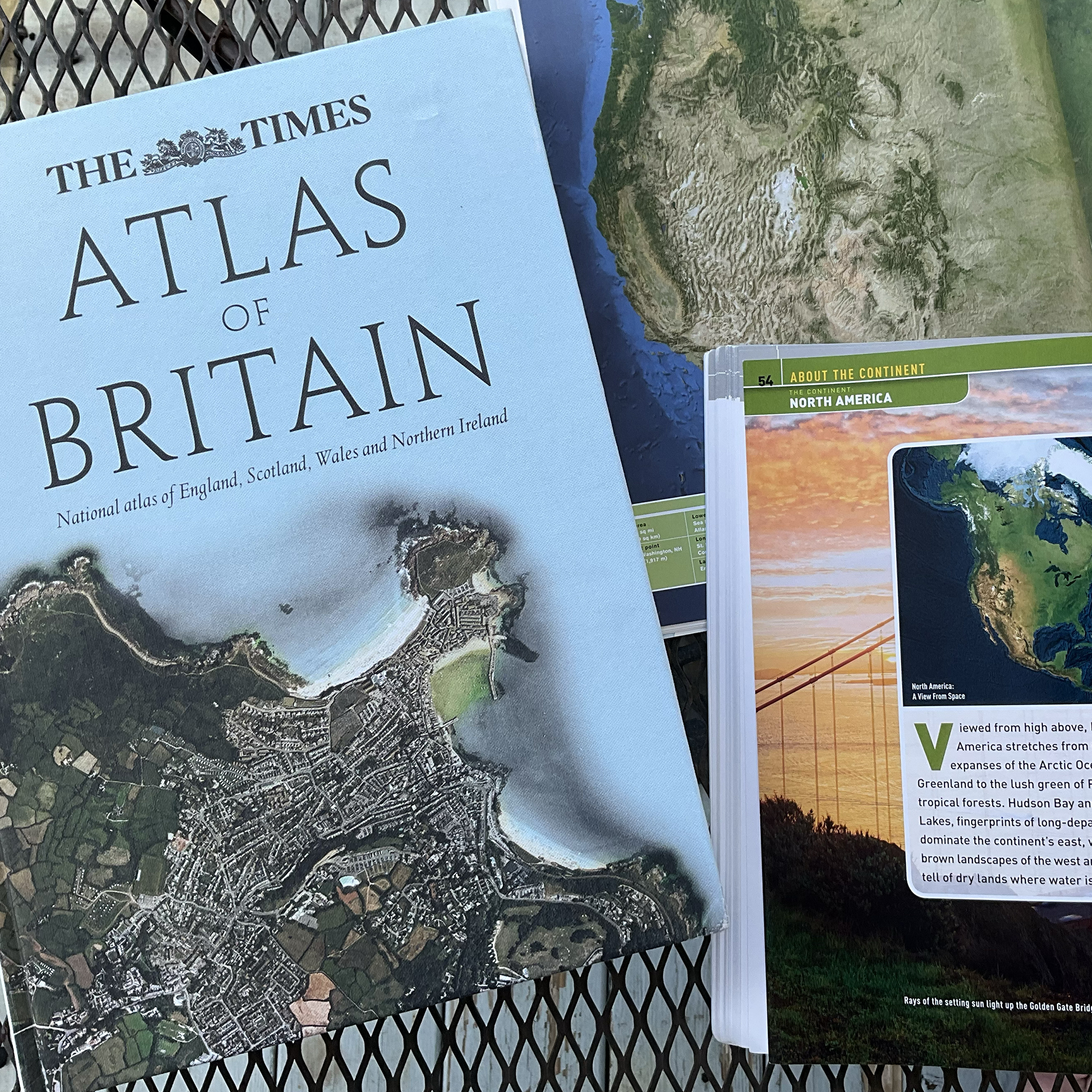
<p>Editor’s Note, by Art Middlekauff Rose Amy Pennethorne studied at Charlotte Mason’s House of Education in the class of 1898. She remained involved in the PNEU, eventually becoming Organising Secretary in 1921. In this capacity she traveled widely, lecturing, visiting schools, and representing the PNEU at international events. Henrietta Franklin remembered her as “a brilliant …</p> The post <a href="https://charlottemasonpoetry.org/three-new-educational-common-factors/">Three New Educational Common Factors</a> first appeared on <a href="https://charlottemasonpoetry.org">Charlotte Mason Poetry</a>.
The Way of Reason
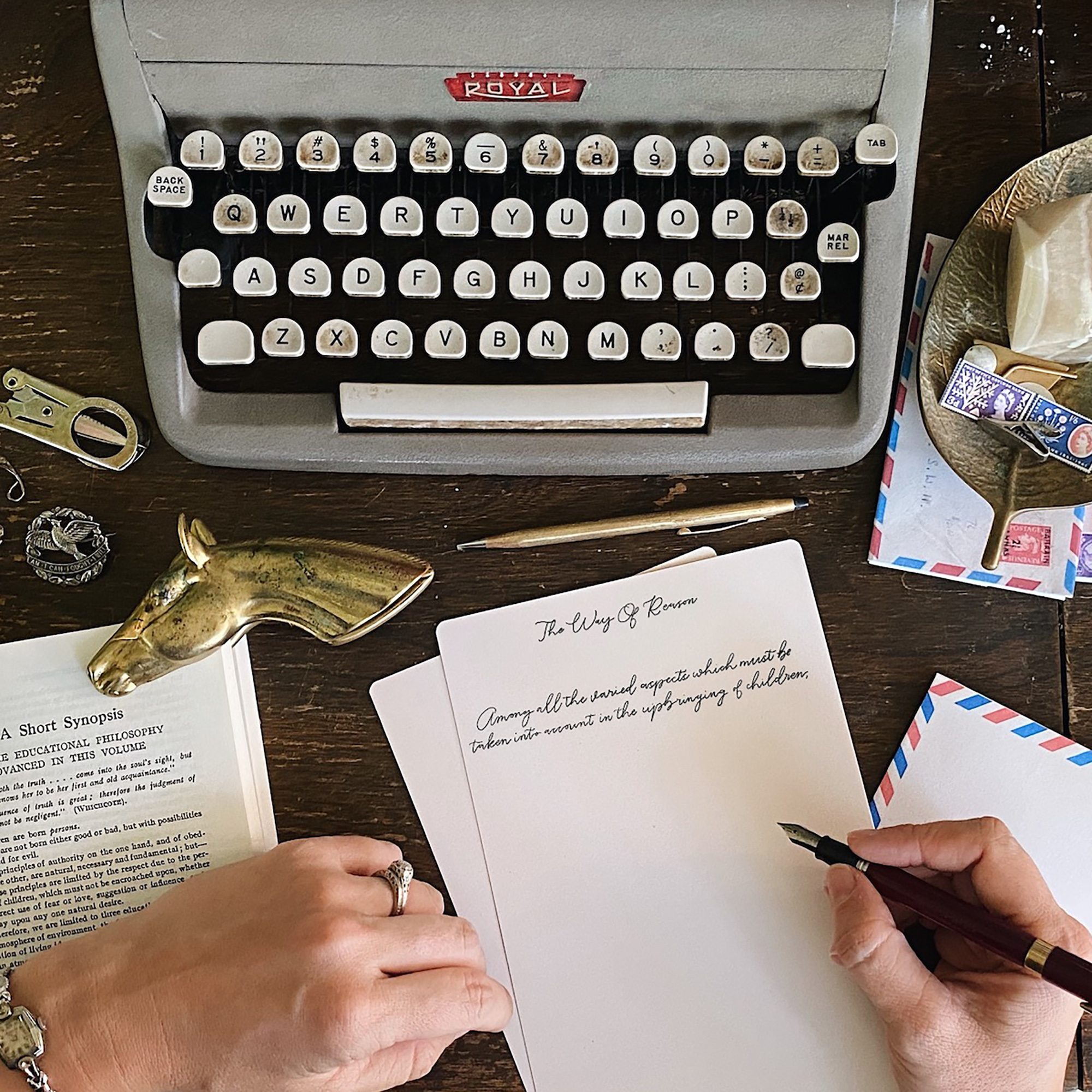
<p>Editor’s Note, by Art Middlekauff England in the late 1950s had not yet forgotten about Charlotte Mason. In fact, many educators still wanted to learn Mason’s philosophy, but they didn’t have the opportunity to study in Ambleside. To meet this demand, Charlotte Mason’s former friend and colleague Helen Wix proposed an intriguing innovation. Her idea …</p> The post <a href="https://charlottemasonpoetry.org/the-way-of-reason/">The Way of Reason</a> first appeared on <a href="https://charlottemasonpoetry.org">Charlotte Mason Poetry</a>.

Character Training
<p>Editor’s Note, by Art Middlekauff In April 1936, “418 members and friends of the Parents’ National Educational Union, and 268 children being educated in the Parents’ Union School” converged upon Ambleside in England’s lovely Lake District for an extraordinary conference.[1] It was “The Jubilee Conference for Parents and Teachers and The Children’s Gathering,” celebrating the …</p> The post <a href="https://charlottemasonpoetry.org/character-training/">Character Training</a> first appeared on <a href="https://charlottemasonpoetry.org">Charlotte Mason Poetry</a>.
Charlotte Mason and the Spirituality of Motherhood
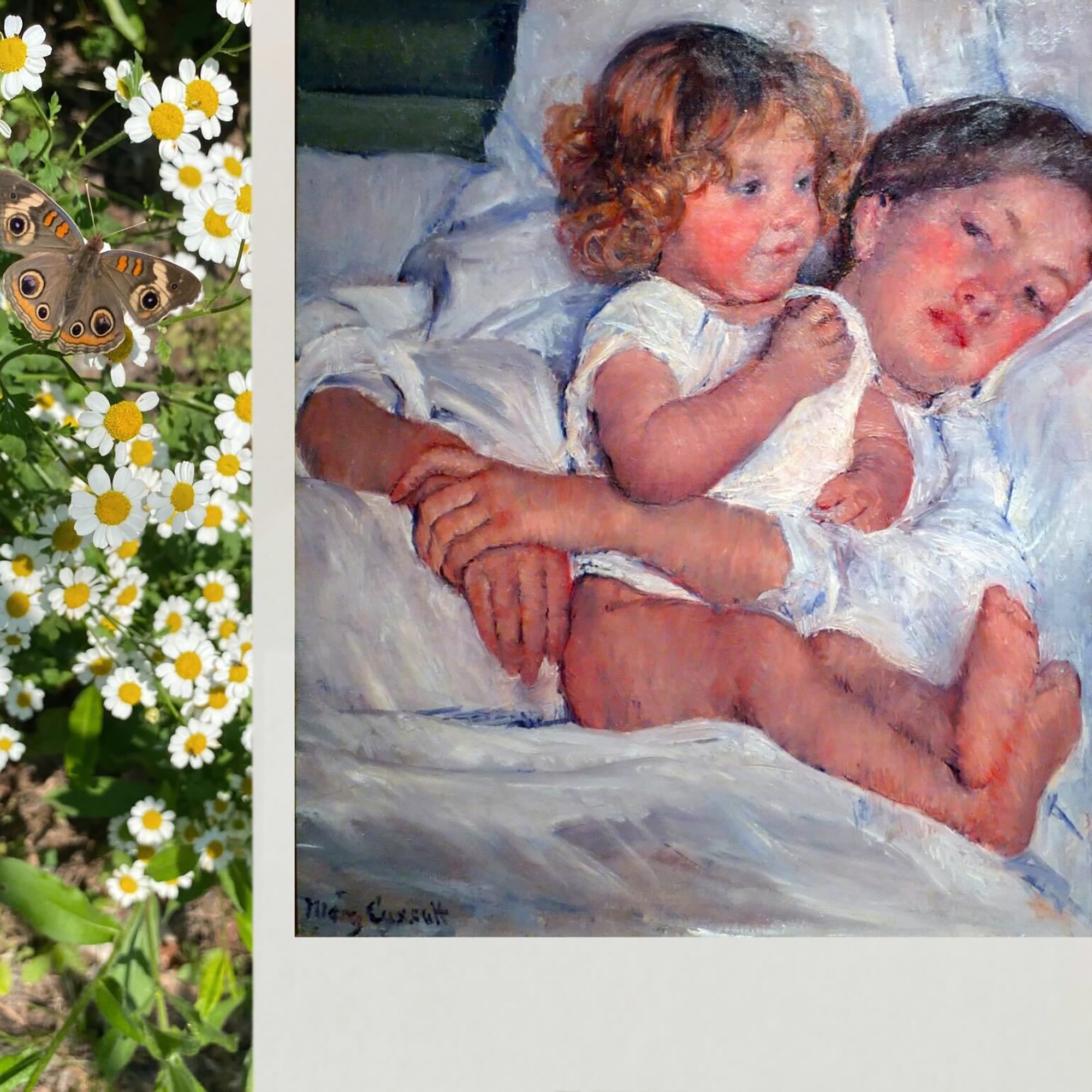
<p>A paper submitted to Dr. Bruce Hindmarsh in fulfillment of the requirements for the Graduate Diploma in Christian Studies from Regent College April 2023 “My dear, my life does not matter… It is the work that matters and, I say it with all reverence, it will some day (not in my lifetime) be seen to …</p> The post <a href="https://charlottemasonpoetry.org/charlotte-mason-and-the-spirituality-of-motherhood/">Charlotte Mason and the Spirituality of Motherhood</a> first appeared on <a href="https://charlottemasonpoetry.org">Charlotte Mason Poetry</a>.
The Conflict of Philosophies
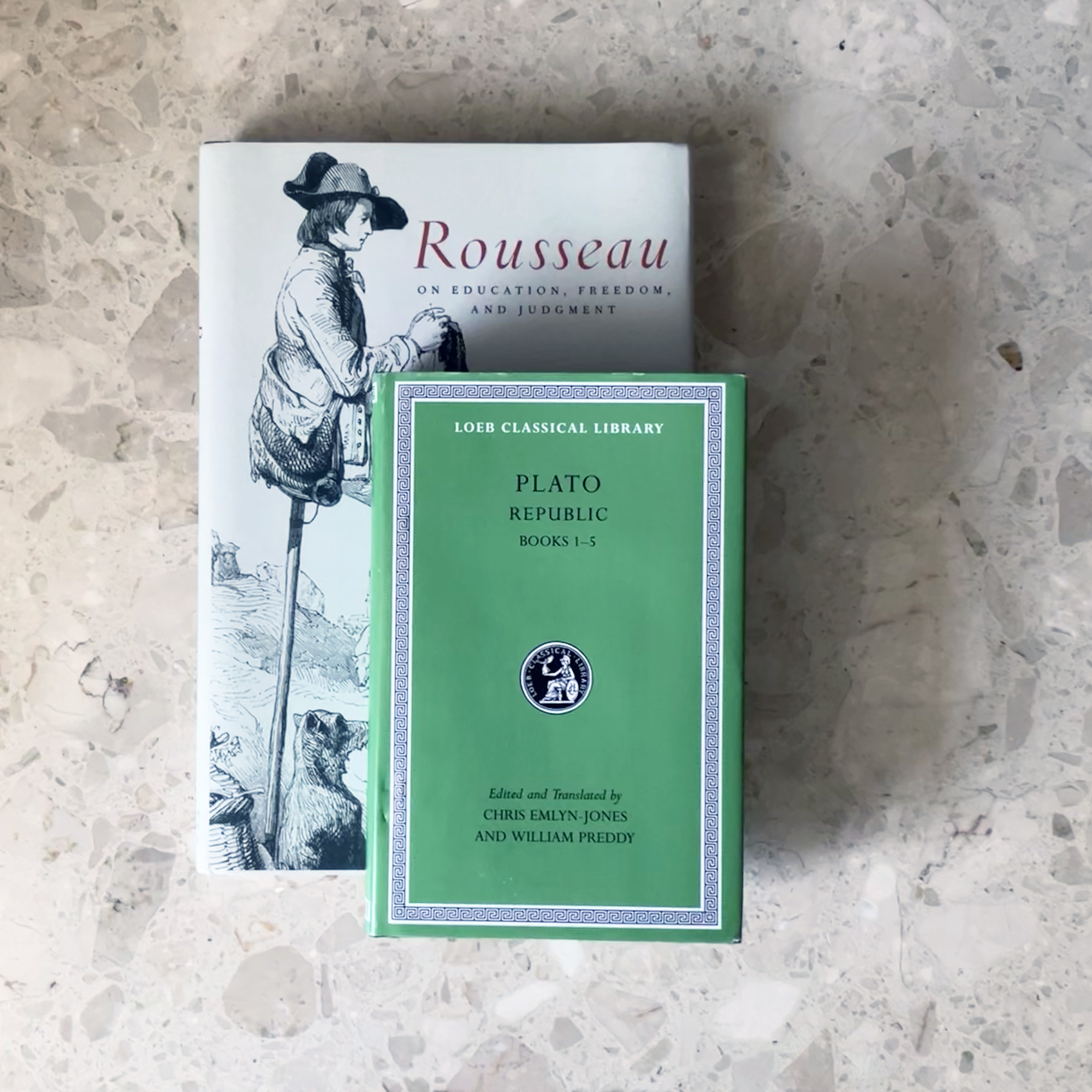
<p>Editor’s Note, by Art Middlekauff In 1936, Elsie Kitching wrote a book review for The Parents’ Review, the journal she edited from 1923 to 1949. Published in the April issue, the piece covered The Year Book of Education, 1936, edited by Harley V. Usill. Kitching enumerated the key sections of the book and noted some …</p> The post <a href="https://charlottemasonpoetry.org/the-conflict-of-philosophies/">The Conflict of Philosophies</a> first appeared on <a href="https://charlottemasonpoetry.org">Charlotte Mason Poetry</a>.

Obedience
<p>Editor’s Note, by Art Middlekauff N. McLeod enrolled in the House of Education in 1914[1] before heading up a PNEU school in Richmond, Surrey from at least 1921[2] to 1931.[3] In 1927, she contributed a short article to The Parents’ Review entitled “The P.U.S. Motto.”[4] The article is memorable to me because it opens with …</p> The post <a href="https://charlottemasonpoetry.org/obedience/">Obedience</a> first appeared on <a href="https://charlottemasonpoetry.org">Charlotte Mason Poetry</a>.

Why Small Things Matter
<p>Editor’s Note, by Art Middlekauff In November 1909, the 13th Annual PNEU Conference was held in Birmingham.[1] On the morning of the second day, a paper by Dr. Helen Webb was read entitled “Environment in Relation to Nervous Stability.” It offered advice on how to raise healthy children in our modern hectic era, and it …</p> The post <a href="https://charlottemasonpoetry.org/why-small-things-matter/">Why Small Things Matter</a> first appeared on <a href="https://charlottemasonpoetry.org">Charlotte Mason Poetry</a>.
Ask Art #5 — The Motto
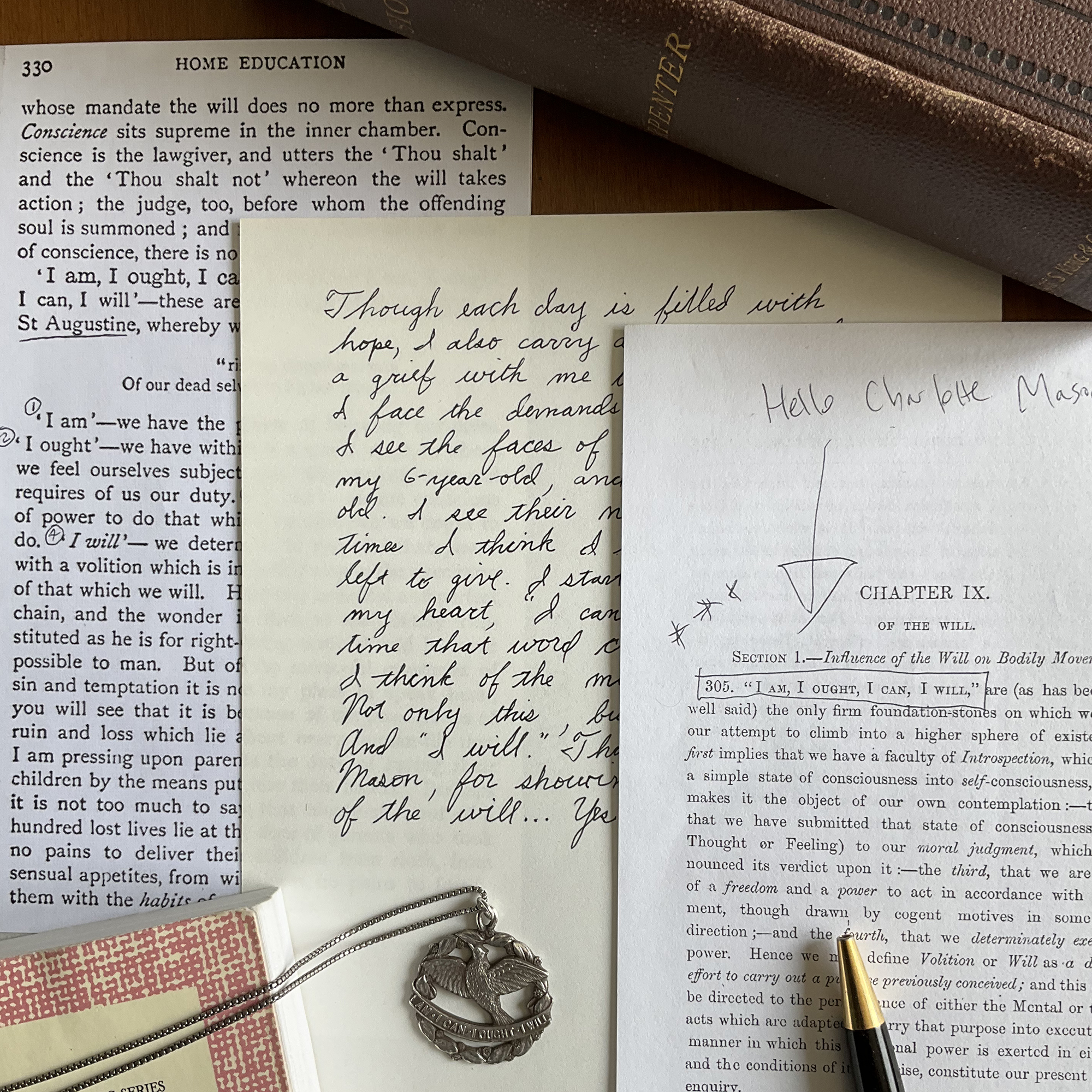
<p>Only eternity will reveal how many lives were changed, hearts inspired, and works completed because of the motto of Charlotte Mason. Four powerful verbs — I am, I can, I ought, I will — recited, contemplated, and implemented for generations. But what is the origin of this remarkable motto? Did Miss Mason make it up? …</p> The post <a href="https://charlottemasonpoetry.org/ask-art-5-the-motto/">Ask Art #5 — The Motto</a> first appeared on <a href="https://charlottemasonpoetry.org">Charlotte Mason Poetry</a>.
A Talk to Nurses on “The Child as a Person”
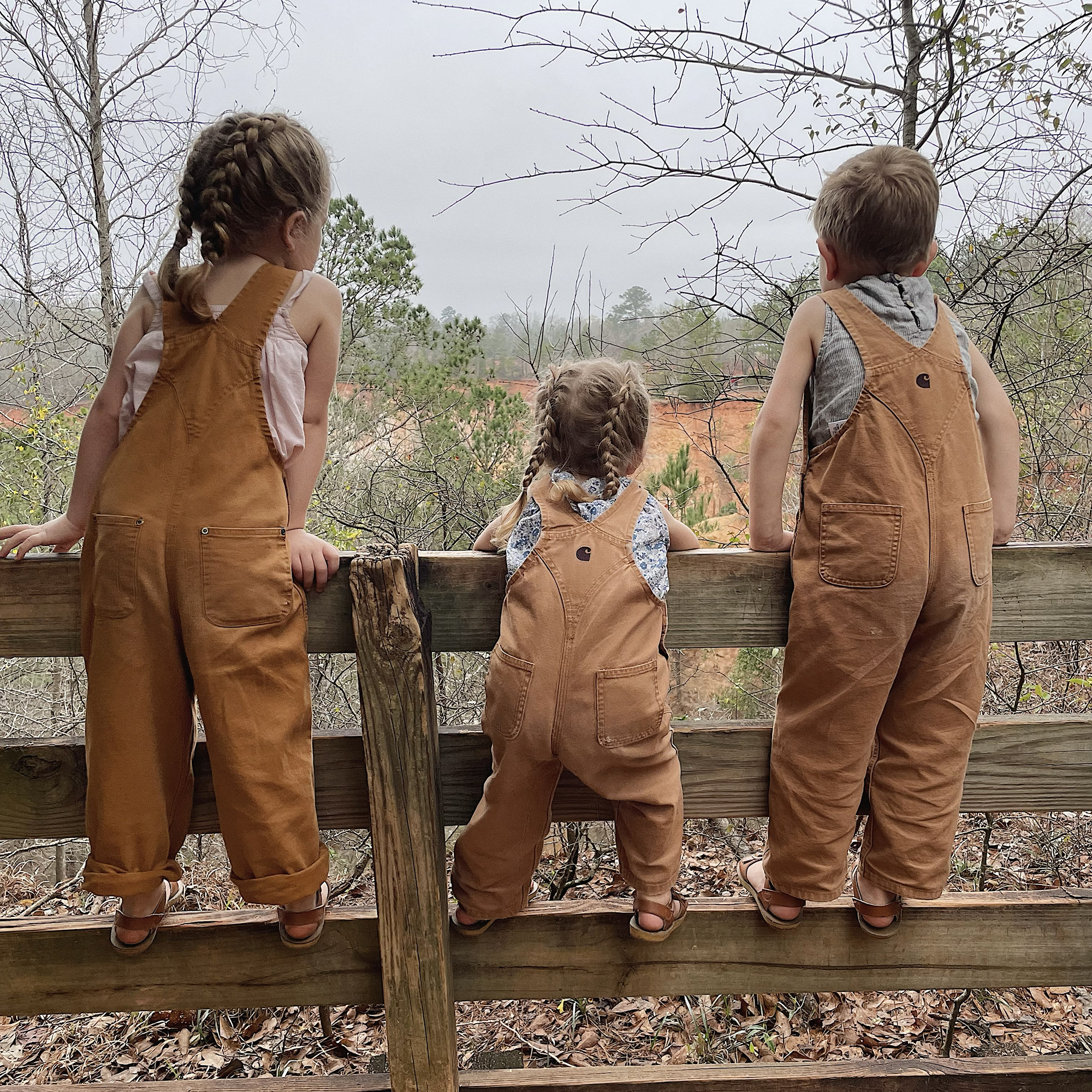
<p>Editor’s Note by Haley Struecker Today, we continue our short series of recommended reading from the Occupations leaflet with another article by Charlotte Mason’s “Beloved Physician”, Doctor Helen Webb. In the 1913 volume of the Parents’ Review, a lecture she gave at a PNEU Conference nurses’ meeting was published as “A Talk to Nurses on …</p> The post <a href="https://charlottemasonpoetry.org/a-talk-to-nurses-on-the-child-as-a-person/">A Talk to Nurses on “The Child as a Person”</a> first appeared on <a href="https://charlottemasonpoetry.org">Charlotte Mason Poetry</a>.
Thought-Turning
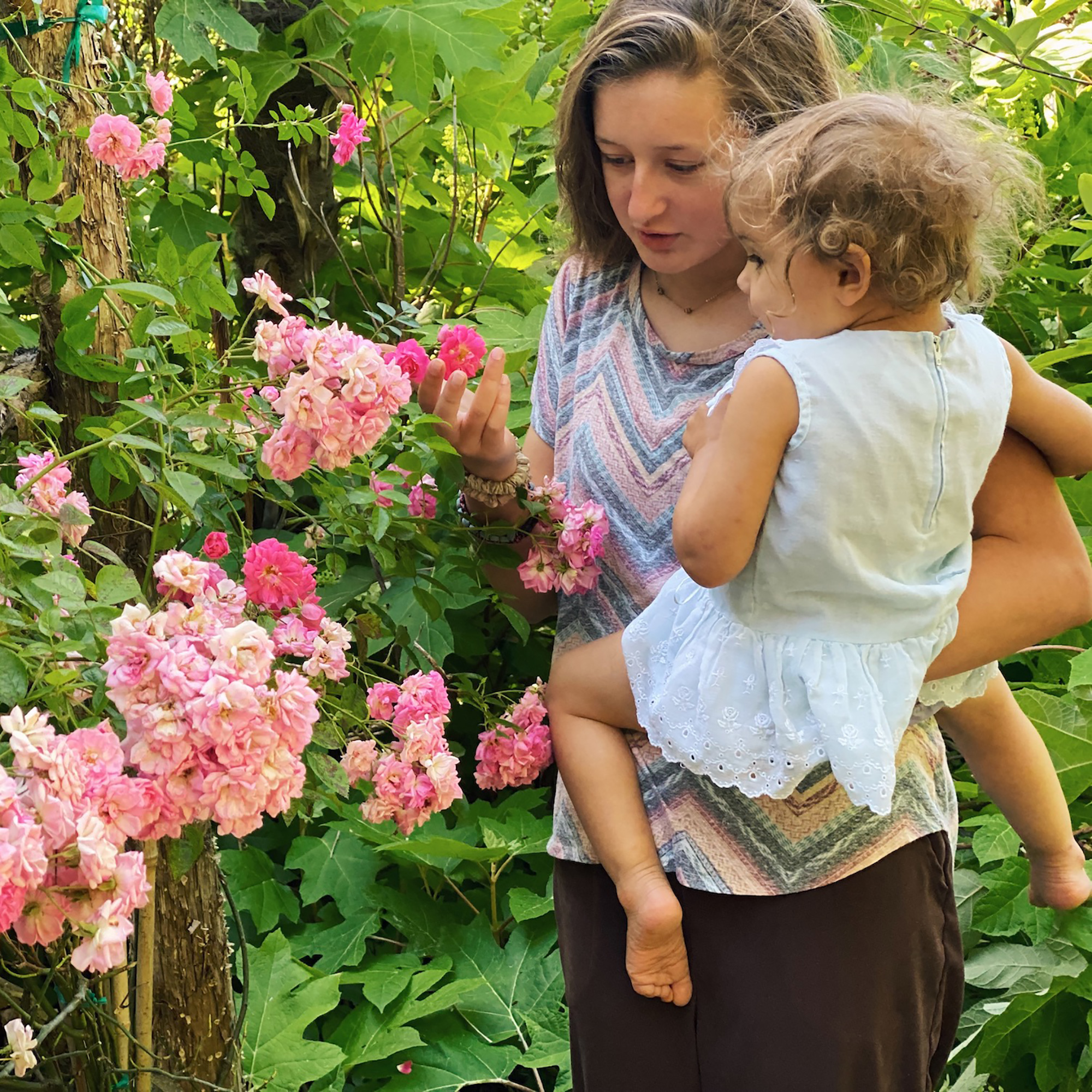
<p>Editor’s Note, by Art Middlekauff “Dr. [Helen] Webb was one of the oldest friends of our dear Founder, Miss Charlotte Mason,” recalled Elsie Kitching. “She was a member of the original Council of the P.N.E.U. and was already lecturing for the Union in 1891… From then onwards few years passed without lectures from her, … …</p> The post <a href="https://charlottemasonpoetry.org/thought-turning/">Thought-Turning</a> first appeared on <a href="https://charlottemasonpoetry.org">Charlotte Mason Poetry</a>.
My Sensations Sweet
<p>I cannot tell you how often the aroma of freshly baked bread, or the smell of rice cooking, or the scent of wet grass transports me to my childhood, almost as immediately as I close my eyes and take a deep breath of those “sensations sweet.” When I listen to certain songs I am reminded …</p> The post <a href="https://charlottemasonpoetry.org/my-sensations-sweet/">My Sensations Sweet</a> first appeared on <a href="https://charlottemasonpoetry.org">Charlotte Mason Poetry</a>.
Miss Mason’s Principles In Character Training
<p>Editor’s Note: Antoinette Devonshire was born in 1893 and arrived at the House of Education in 1915.[1] As a student of Charlotte Mason herself, Antoinette seems to have particularly excelled in French: her “Notes of Lessons” on French reading was published in the November 1915 Parents’ Review. Then the March 1917 issue of L’Umile Pianta …</p> The post <a href="https://charlottemasonpoetry.org/miss-masons-principles-in-character-training/">Miss Mason’s Principles In Character Training</a> first appeared on <a href="https://charlottemasonpoetry.org">Charlotte Mason Poetry</a>.
Work: Partakers of His Resurrection
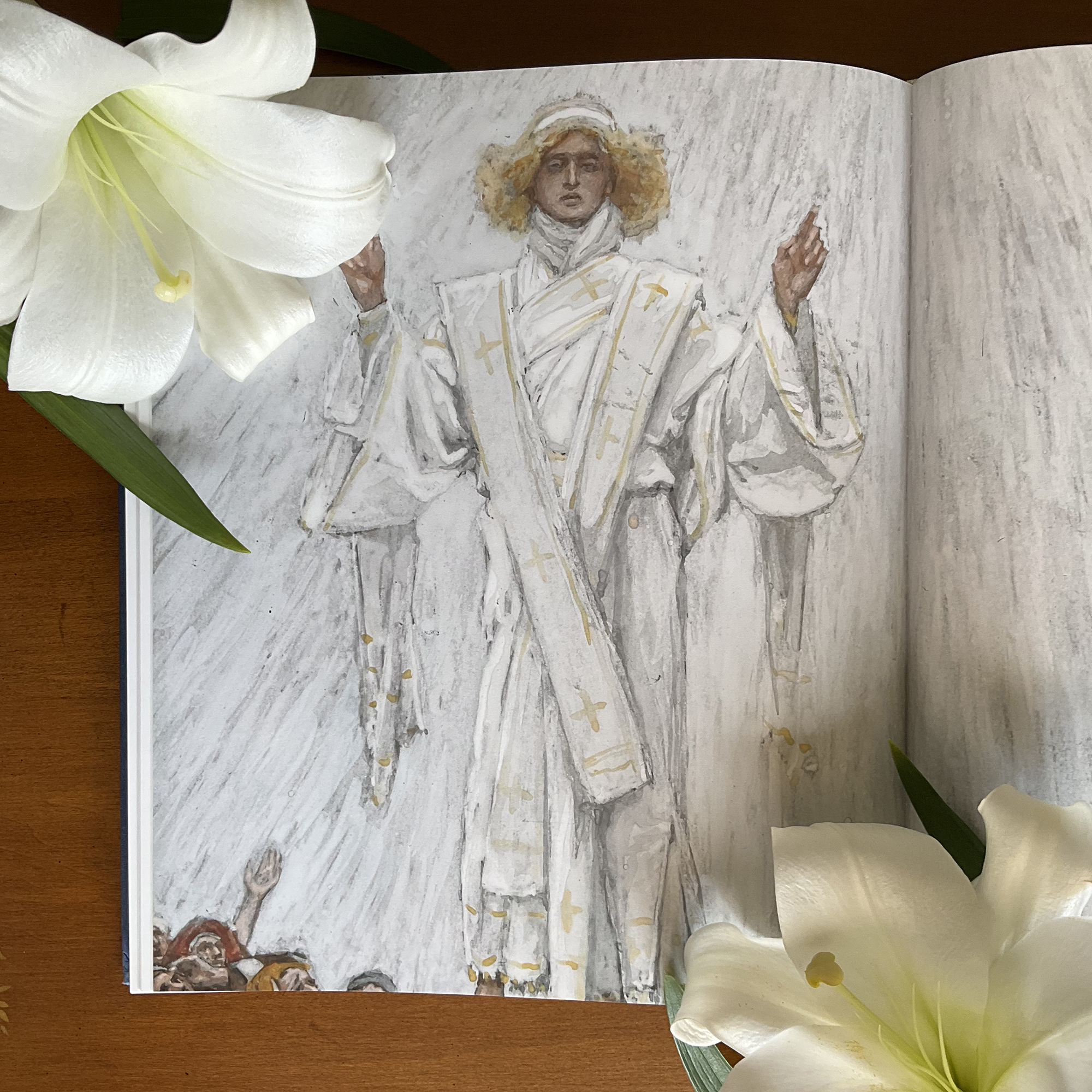
<p>Editor’s Note: Essex Cholmondeley (1892–1985) is mostly remembered today as the biographer of Charlotte Mason. She also wrote the impactful booklet Parents Are Peacemakers, revived in recent years by Nancy Kelly. Cholmondeley’s association with the PNEU began in 1911 when Helen Wix, a graduate of the House of Education, became the governess of Essex’s younger …</p> The post <a href="https://charlottemasonpoetry.org/work-partakers-of-his-resurrection/">Work: Partakers of His Resurrection</a> first appeared on <a href="https://charlottemasonpoetry.org">Charlotte Mason Poetry</a>.
Occupations for Children Under Schoolroom Age
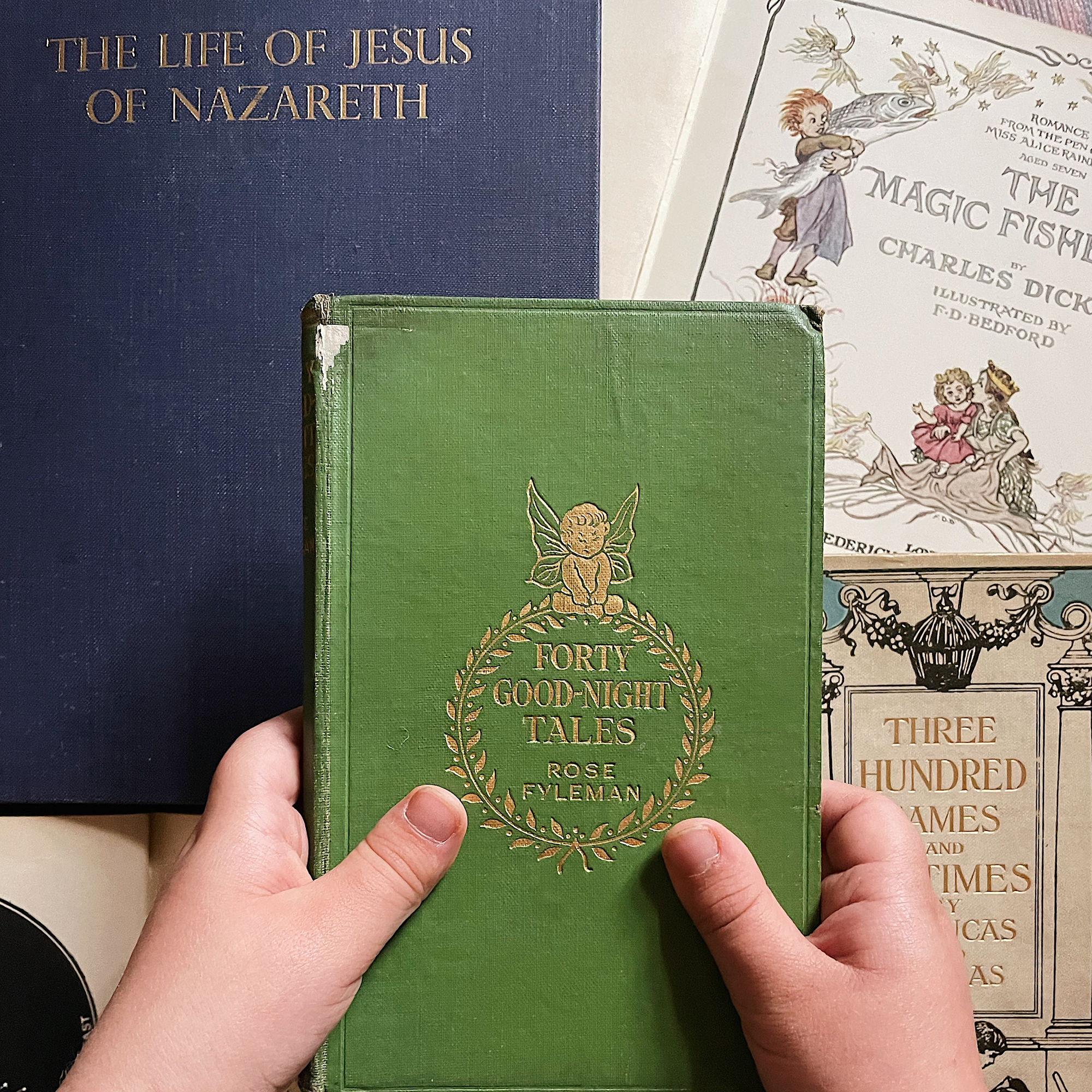
<p>Editor’s Note, by Haley Struecker In the second part of her article “Children Up to School Age and Beyond,” Elsie Kitching clarified for parents: There should be no so-called ‘lessons’ in the playroom. ‘Occupations’ is the right word, and for these no time-table should be set and there should be a sense of much freedom …</p> The post <a href="https://charlottemasonpoetry.org/occupations-for-children-under-schoolroom-age/">Occupations for Children Under Schoolroom Age</a> first appeared on <a href="https://charlottemasonpoetry.org">Charlotte Mason Poetry</a>.

Joy to be Shared
<p>Editor’s Note: Donald Beswick was born in 1928 near Manchester. “After two years at a Teacher Training College and one year at Trinity College of Music, he took up teaching and [became] music master at a Secondary Modern School in London.” It was said that “his hobbies [were] singing with the Oriana Madrigal Society, and …</p> The post <a href="https://charlottemasonpoetry.org/joy-to-be-shared/">Joy to be Shared</a> first appeared on <a href="https://charlottemasonpoetry.org">Charlotte Mason Poetry</a>.
The Advanced Montessori Method
<p>Editor’s Note: The appearance of Maria Montessori’s first book in English in 1912 greatly alarmed Charlotte Mason and the PNEU. Mason’s response was swift and strong. On December 3 of that same year The Times Educational Supplement published her letter entitled, “Miss Mason on the Montessori System.” This letter became chapter VII of the 1913 …</p> The post <a href="https://charlottemasonpoetry.org/the-advanced-montessori-method/">The Advanced Montessori Method</a> first appeared on <a href="https://charlottemasonpoetry.org">Charlotte Mason Poetry</a>.
Three Habit Hacks
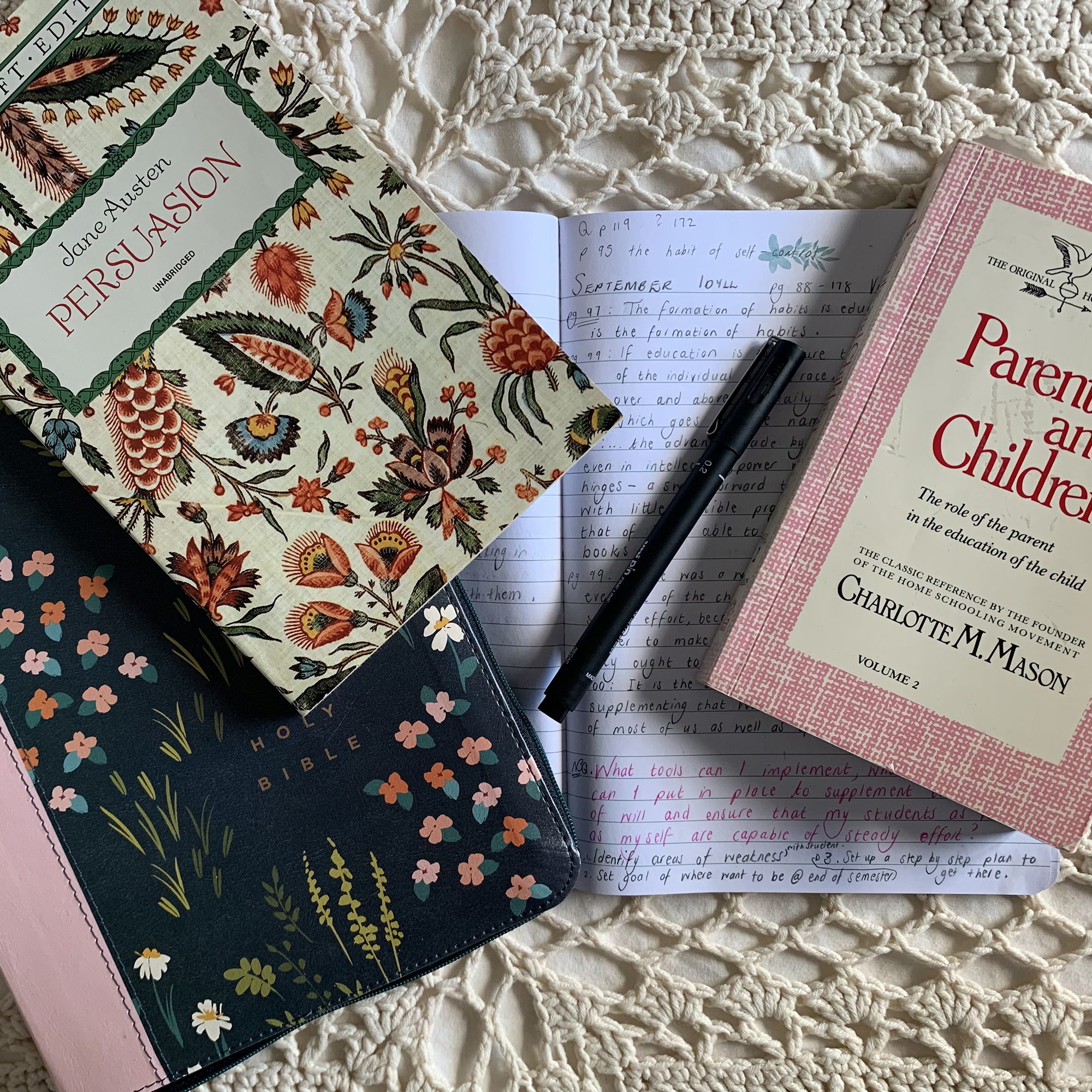
<p>Thoughts and Encouragement for Habit Training Probably one of the first principles of Charlotte Mason I encountered when I started reading and researching her philosophy was that of habit training. At that stage I had no idea that it formed part of one of her twenty principles—that of “Education is a Discipline.” I read somewhere …</p> The post <a href="https://charlottemasonpoetry.org/three-habit-hacks/">Three Habit Hacks</a> first appeared on <a href="https://charlottemasonpoetry.org">Charlotte Mason Poetry</a>.
Habit
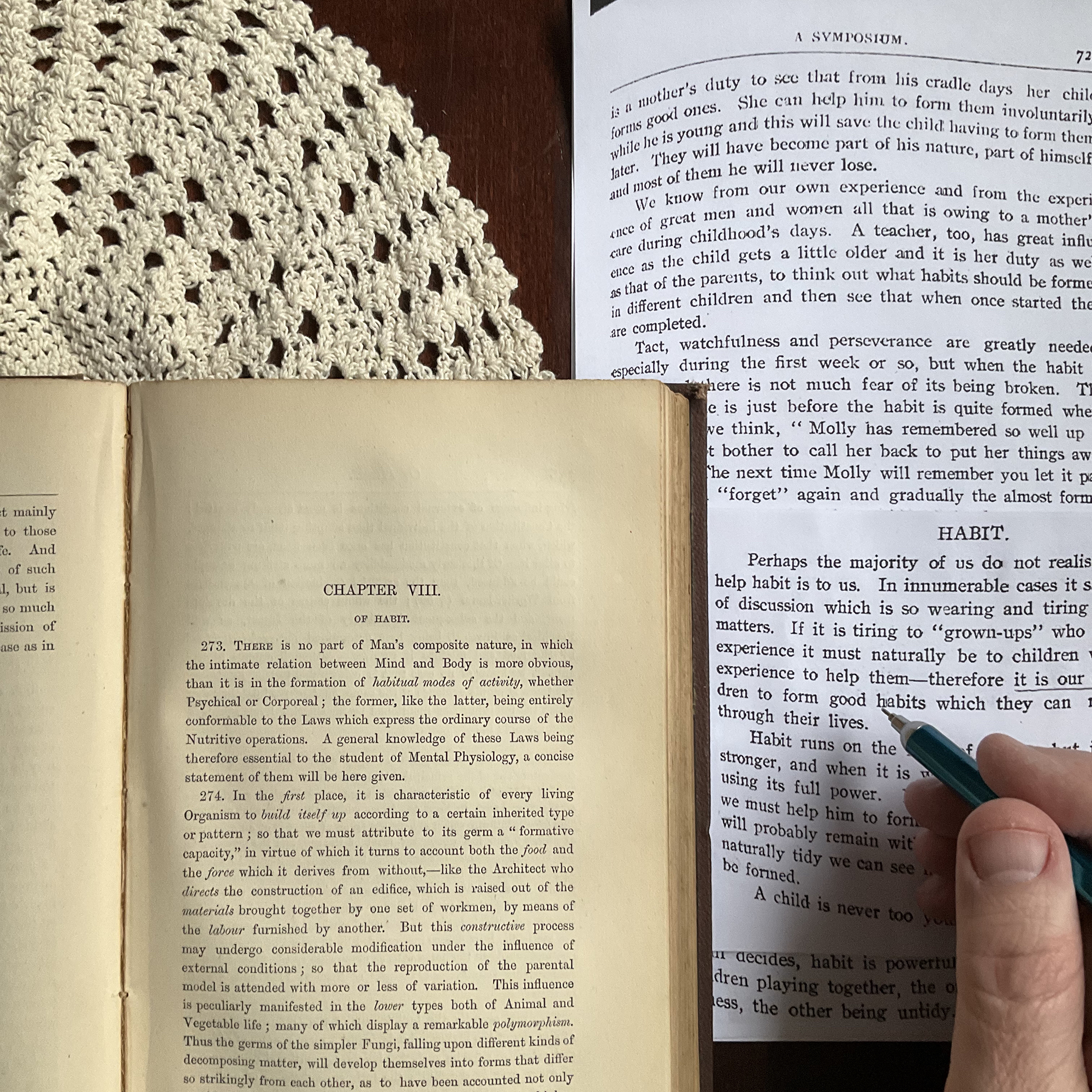
<p>Editor’s Note: In 1919, a set of students at Charlotte Mason’s House of Education were each invited “to write an essay on some subject suggested by the volumes of the ‘Home Education Series.’”[1] Charlotte Mason herself then reviewed these essays and published them in the opening pages of the November 1919 issue of The Parents’ …</p> The post <a href="https://charlottemasonpoetry.org/habit/">Habit</a> first appeared on <a href="https://charlottemasonpoetry.org">Charlotte Mason Poetry</a>.
The First Centenary
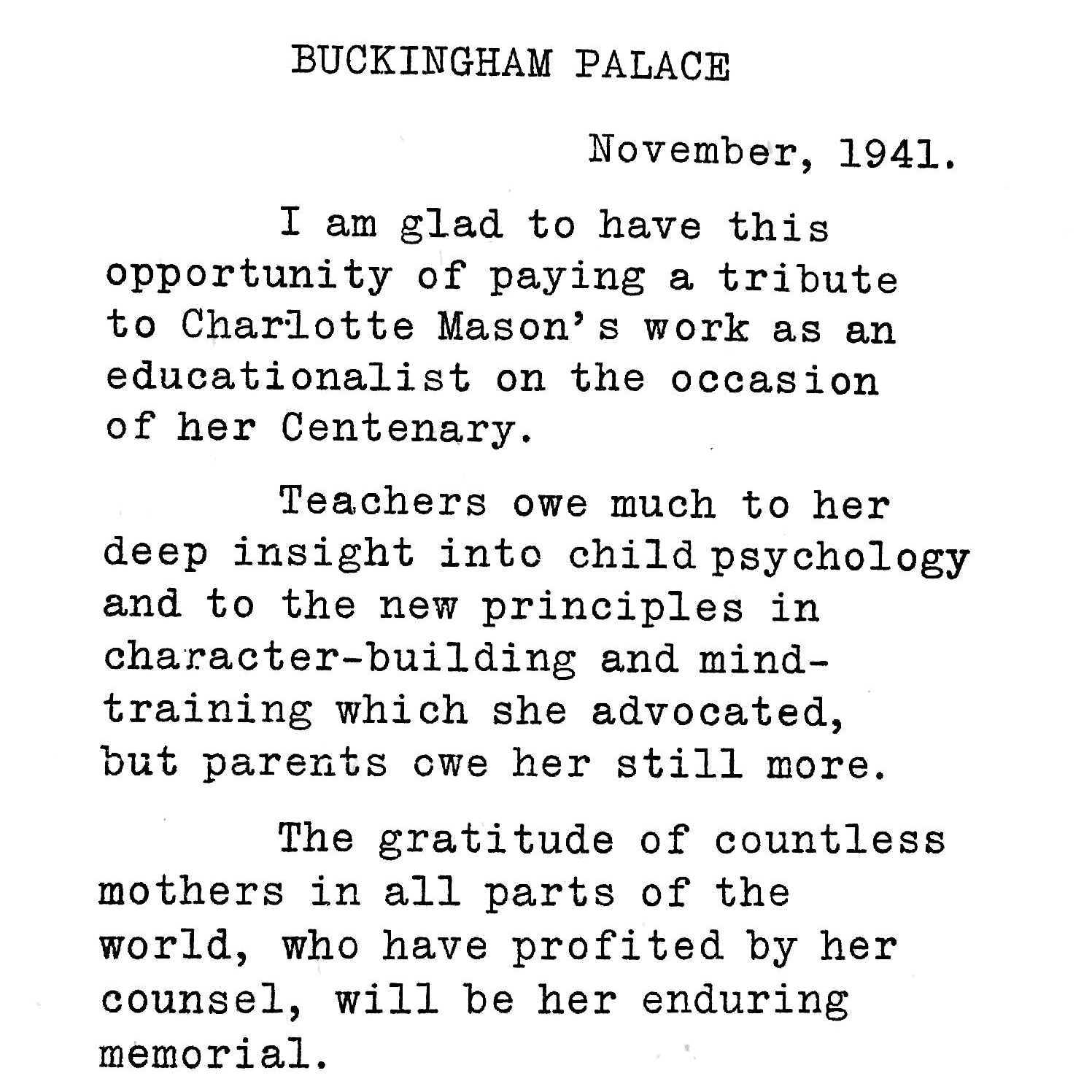
<p>Editor’s Note: This year we are celebrating the Charlotte Mason Centenary — the one-hundred-year anniversary of Charlotte Mason’s death. However, this is not the first Charlotte Mason Centenary. In 1942, a different anniversary was celebrated — the one-hundred-year anniversary of Charlotte Mason’s birth. The January 1942 issue of The Parents’ Review was named the “Centenary …</p> The post <a href="https://charlottemasonpoetry.org/the-first-centenary/">The First Centenary</a> first appeared on <a href="https://charlottemasonpoetry.org">Charlotte Mason Poetry</a>.

Family Bickerings
<p>Editor’s Note. Lucy Barnes was born in 1805 as the first of four children of the poet and philologist William Barnes. She recalled that she and her siblings “never had in the remotest corner of their memories the shadow of an unkind word from their father, who was as ready to play ‘bears’ with them …</p> The post <a href="https://charlottemasonpoetry.org/family-bickerings/">Family Bickerings</a> first appeared on <a href="https://charlottemasonpoetry.org">Charlotte Mason Poetry</a>.

The Work and Aims of the PNEU
<p>Editor’s Note. “Just before the summer holidays [in 1887],” reminisced Charlotte Mason, “a few persons met in a neighbouring drawing-room to discuss a scheme for a Parents’ Educational Union.”[1] As a direct result of that meeting, the PNEU was born. But that was not the only momentous event in PNEU history that took place in …</p> The post <a href="https://charlottemasonpoetry.org/the-work-and-aims-of-the-pneu/">The Work and Aims of the PNEU</a> first appeared on <a href="https://charlottemasonpoetry.org">Charlotte Mason Poetry</a>.
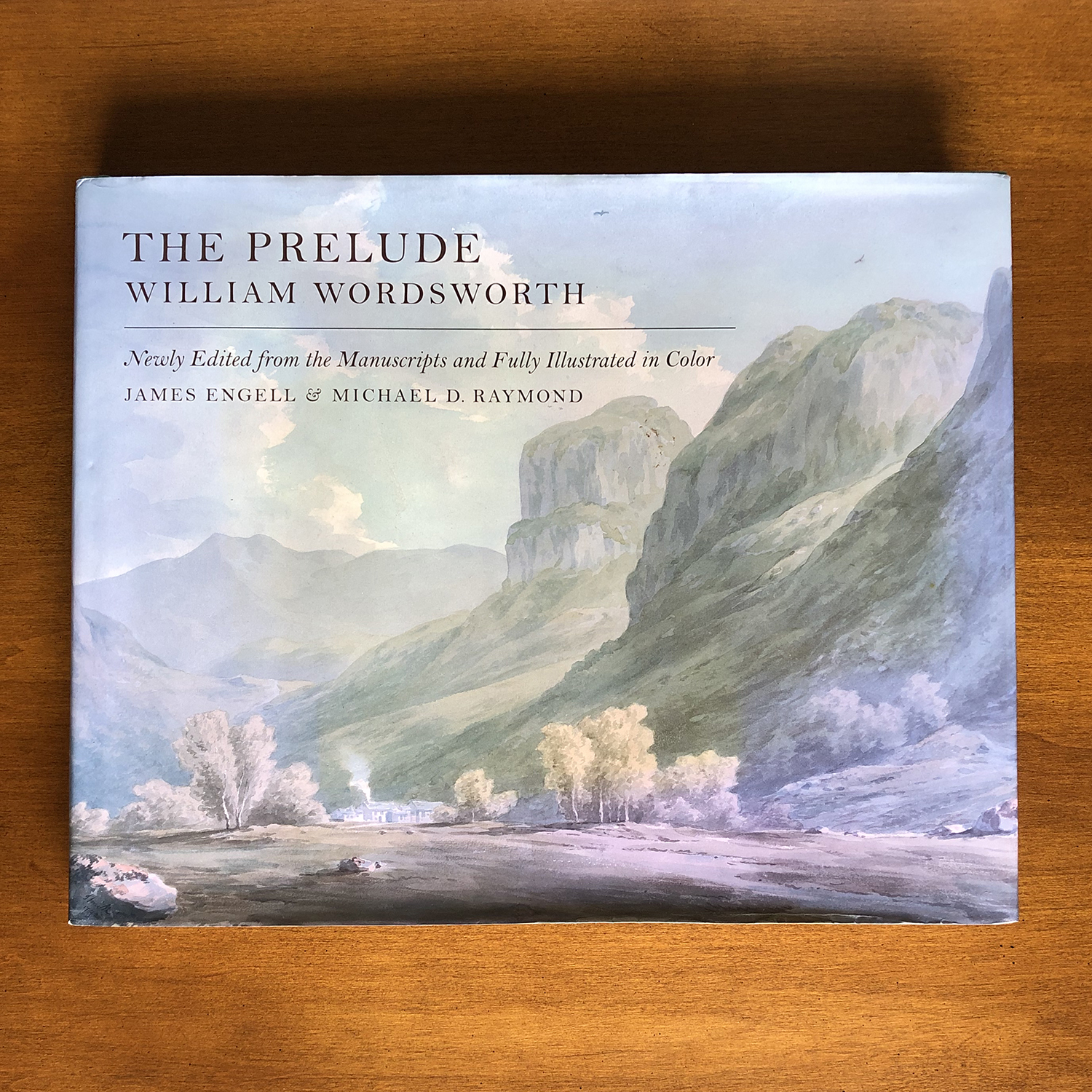
In Praise of Romanticism
<p>My early childhood memories are of me running barefoot on a farm in South Africa. My grandparents had a small piece of land where we milked cows by hand, raised our own chickens, and grew our own corn. Whenever I visit a dairy farm, the scent of fresh cow dung always transports me back to …</p> The post <a href="https://charlottemasonpoetry.org/in-praise-of-romanticism/">In Praise of Romanticism</a> first appeared on <a href="https://charlottemasonpoetry.org">Charlotte Mason Poetry</a>.
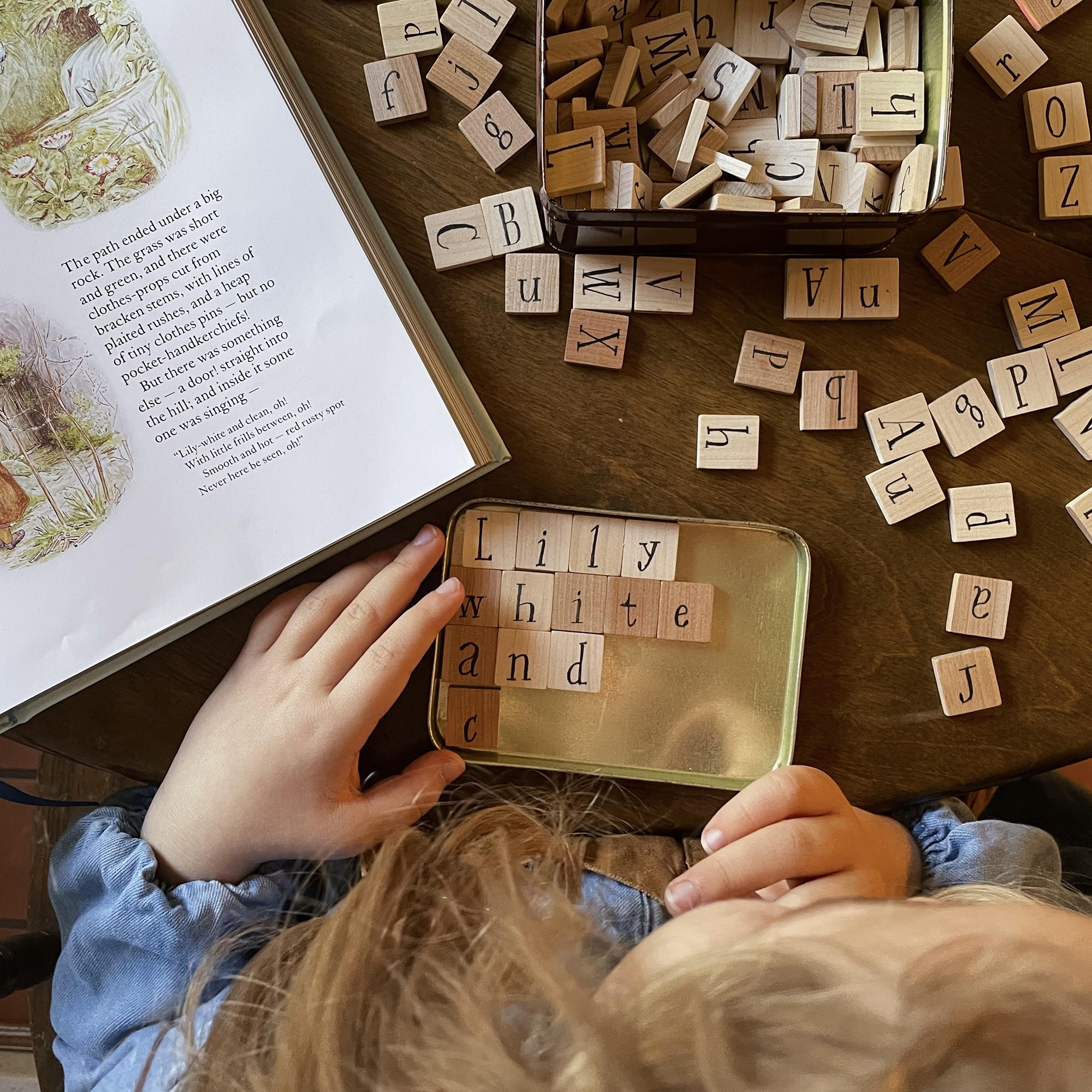
The Playroom Leaflet
<p>Editor’s Note: A letter dated February 15, 1935 from Elsie Kitching to Henrietta Franklin included a tantalizing line: Thank you very much for your letter, and all the trouble you have taken to improve the pamphlets. I kept up the type of the Playroom Leaflet, but we had to get some printed off, as we …</p> The post <a href="https://charlottemasonpoetry.org/the-playroom-leaflet-pr/">The Playroom Leaflet</a> first appeared on <a href="https://charlottemasonpoetry.org">Charlotte Mason Poetry</a>.
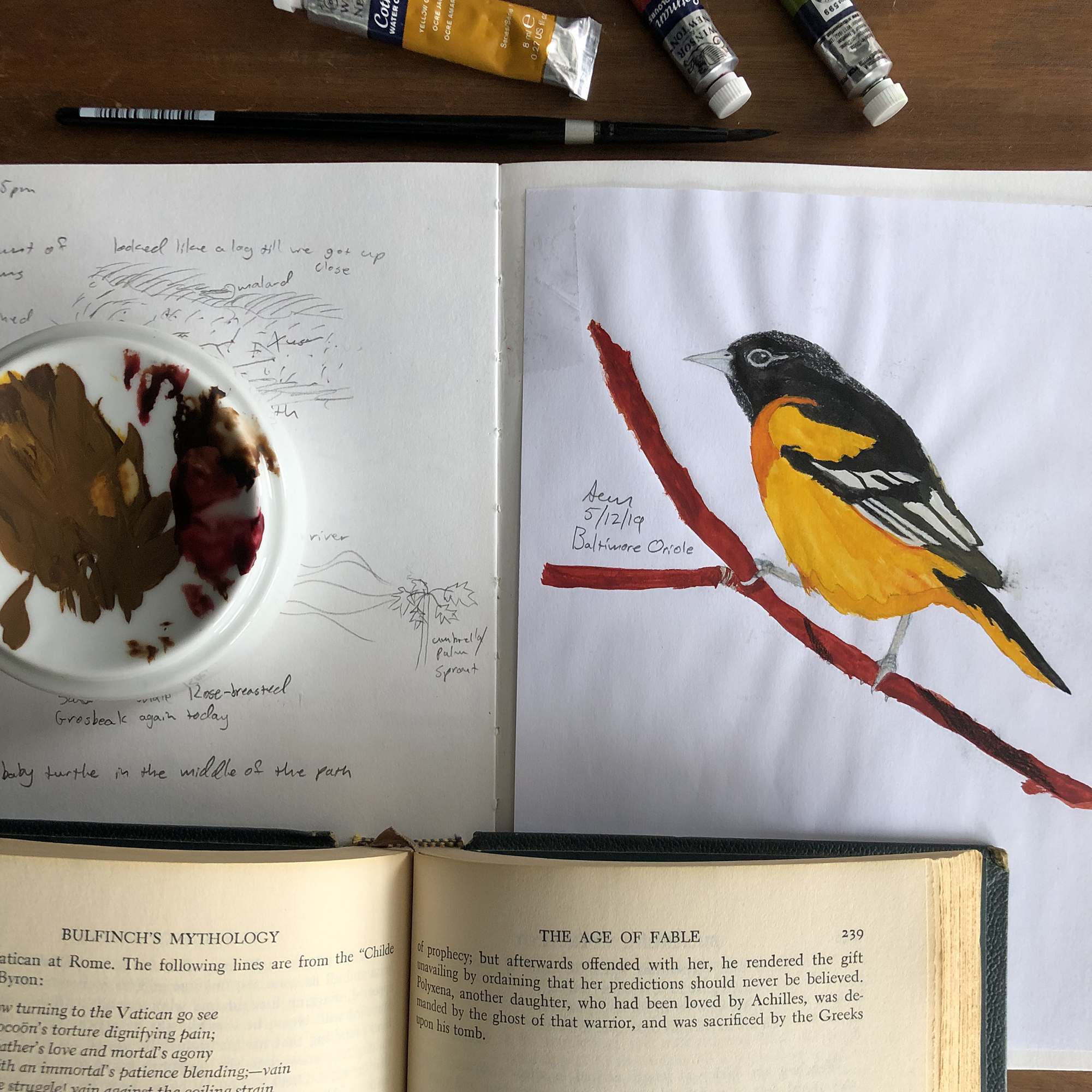
Charlotte Mason and the Child Who Loves To Learn
<p>Which seems more interesting to you? Reading stories of Greek and Roman heroes, or sitting in a dim classroom all day memorizing historical dates? When I was little, my schoolwork looked like reading books and spending time out in nature. Many of us have childhood memories of schoolwork that looks like a blank classroom and …</p> The post <a href="https://charlottemasonpoetry.org/charlotte-mason-and-the-child-who-loves-to-learn/">Charlotte Mason and the Child Who Loves To Learn</a> first appeared on <a href="https://charlottemasonpoetry.org">Charlotte Mason Poetry</a>.
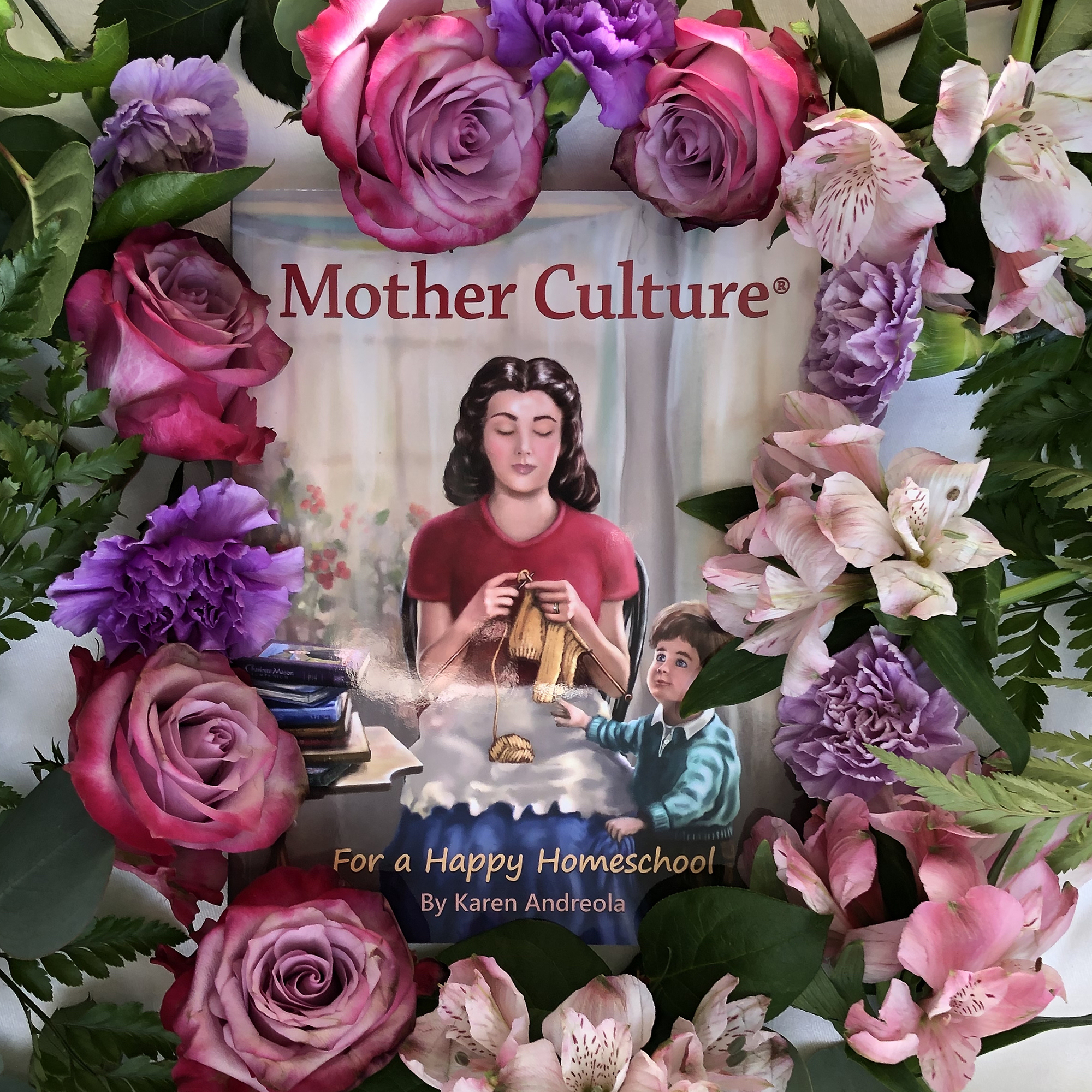
Mother Culture
<p>Editor’s Note: By Dean and Karen Andreola In an episode of Wodehouse’s humorous stories of Wooster and Jeeves, the servant Jeeves ruefully remarks to his hapless master that he is retiring to bed “with an improving book.” Ha. Not likely. Jeeves is good at pulling the wool over the eyes of Bertie Wooster. “An improving …</p> The post <a href="https://charlottemasonpoetry.org/mother-culture-pr/">Mother Culture</a> first appeared on <a href="https://charlottemasonpoetry.org">Charlotte Mason Poetry</a>.

Children Under Six
<p>Editor’s Note by Richele Baburina In 1942, the hundred-year anniversary of Charlotte Mason’s birth, a special Centenary edition of The Parents’ Review was published to commemorate all she had done for education as a life. The writers were varied. From former Parents’ Union School students to members of the royalty, each gave thanks to the woman who …</p> The post <a href="https://charlottemasonpoetry.org/children-under-six-leaf/">Children Under Six</a> first appeared on <a href="https://charlottemasonpoetry.org">Charlotte Mason Poetry</a>.
Education And Responsibility
<p>Editor’s Note: Last week we shared Dr. R. Bryce Gibson’s February 1915 article “Education and Personality.” Gibson was a professor in Melbourne, Australia who was intrigued by Charlotte Mason’s reflections on the philosophy of Rudolf Eucken. He prepared an address for the Victorian Branch of the PNEU which was later published in The Parents’ Review in …</p> The post <a href="https://charlottemasonpoetry.org/education-and-responsibility/">Education And Responsibility</a> first appeared on <a href="https://charlottemasonpoetry.org">Charlotte Mason Poetry</a>.
Education And Personality
<p>Editor’s Note: In Charlotte Mason’s day, The Parents’ Review reached the ends of the earth — or at least, the ends of the English-speaking earth. Charlotte Mason’s fascinating June 1914 article “Trop de Zèle” was no exception, and it quickly reached the great island continent of Australia. Dr. R. Bryce Gibson was a Professor of …</p> The post <a href="https://charlottemasonpoetry.org/education-and-personality/">Education And Personality</a> first appeared on <a href="https://charlottemasonpoetry.org">Charlotte Mason Poetry</a>.
Introducing Rudolf Eucken
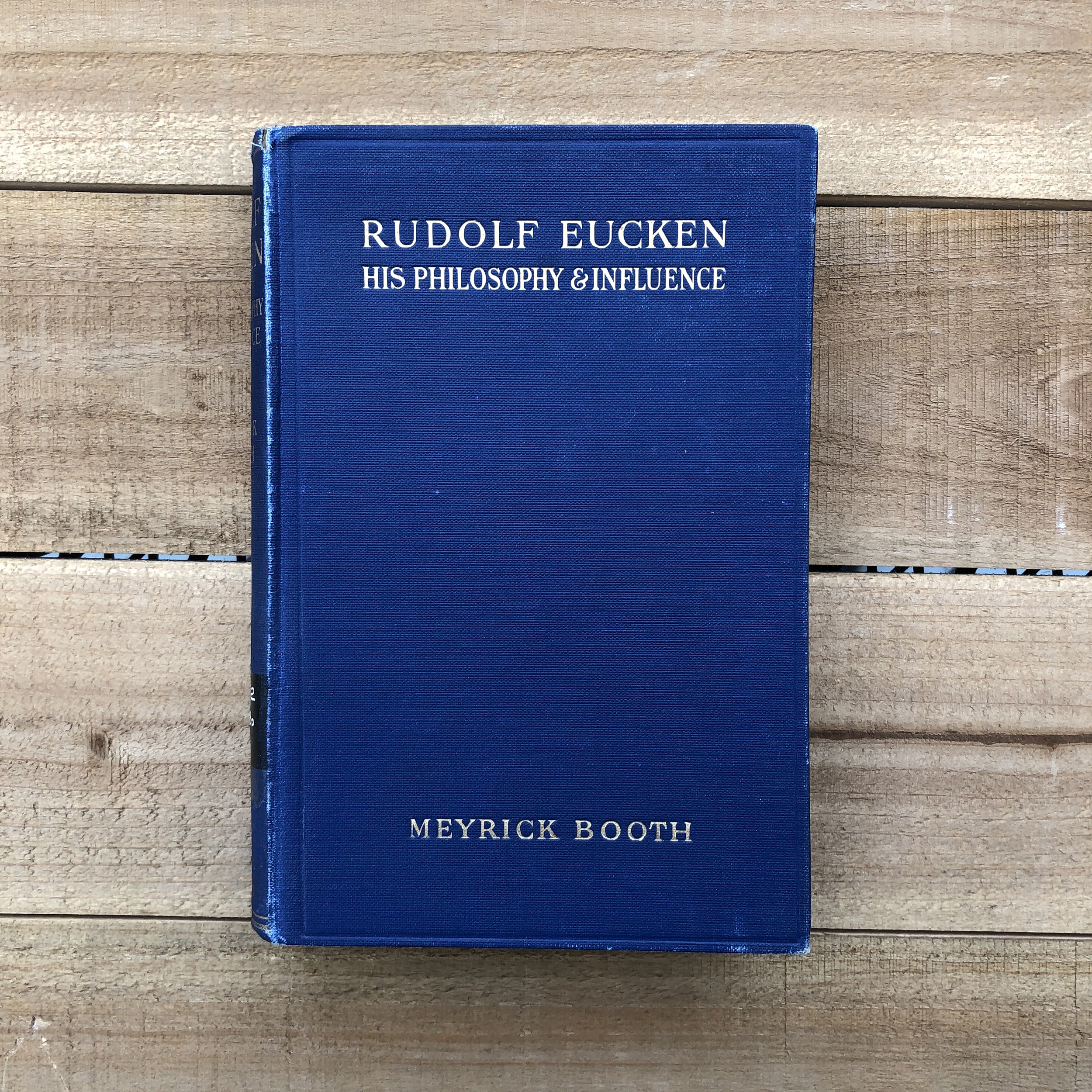
<p>Editor’s Note: In 2009, Dr. Benjamin Bernier completed his groundbreaking book entitled Education for the Kingdom: An Exploration of the Religious Foundation of Charlotte Mason’s Educational Philosophy. The book remains the finest exposition in print of the theological origin and basis of the Charlotte Mason method. In his research, Bernier explored many documents that had …</p> The post <a href="https://charlottemasonpoetry.org/introducing-rudolf-eucken/">Introducing Rudolf Eucken</a> first appeared on <a href="https://charlottemasonpoetry.org">Charlotte Mason Poetry</a>.
The Mother Who Teaches Her Own Children
<p>Editor’s Note: On June 18, 1926, Henrietta Franklin welcomed parents and teachers to the 28th Annual PNEU Conference in Caxton Hall, Westminster. She “plunged” her audience “directly into the pith and marrow” of the PNEU enterprise with an address entitled “Miss Mason’s Contribution to Educational Thought.” She insisted that while Mason’s fresh ideas had “changed …</p> The post <a href="https://charlottemasonpoetry.org/the-mother-who-teaches-her-own-children/">The Mother Who Teaches Her Own Children</a> first appeared on <a href="https://charlottemasonpoetry.org">Charlotte Mason Poetry</a>.
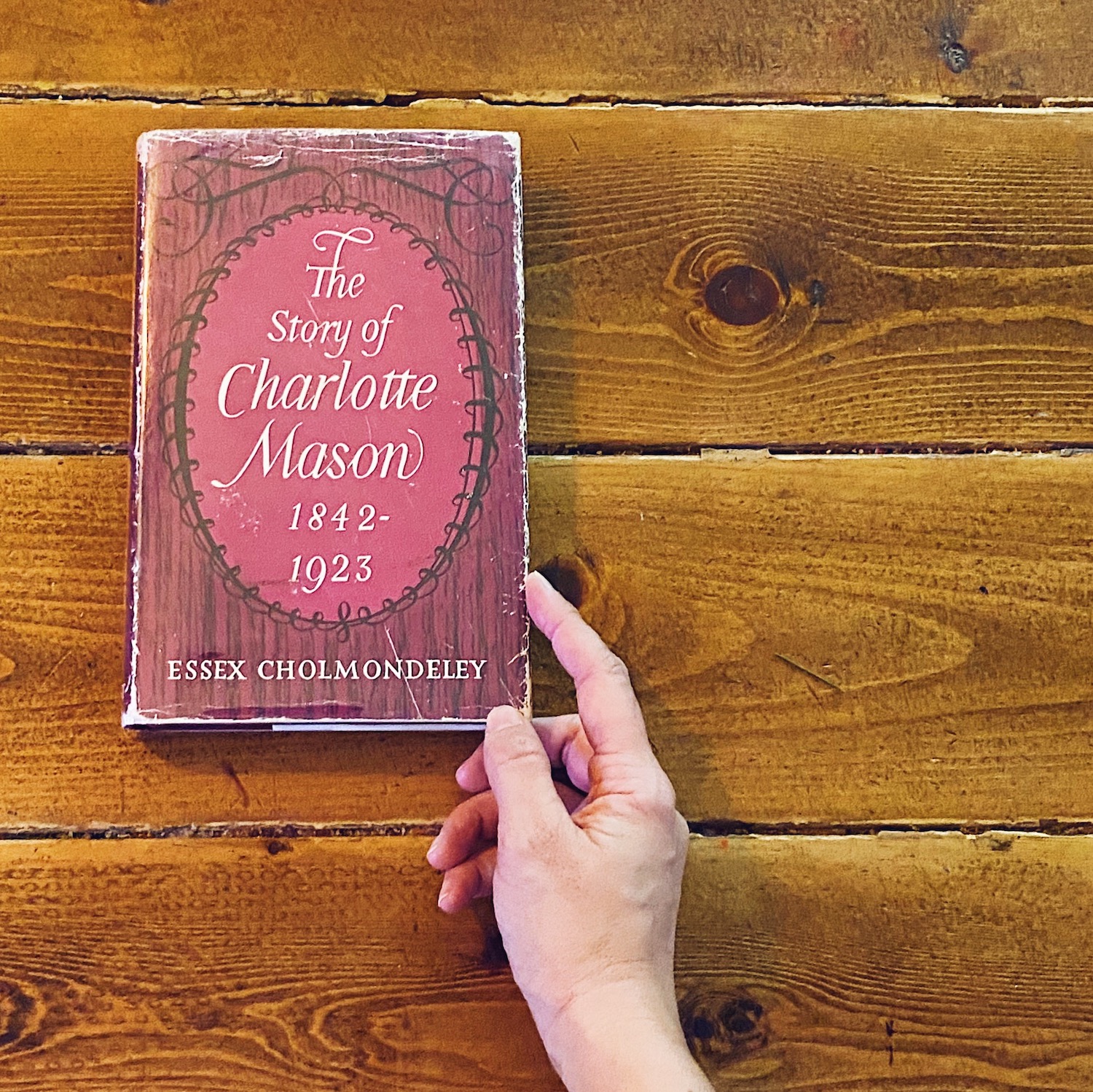
Our Founder: Charlotte M. Mason
<p>Editor’s Note: The January 1936 issue of The Parents’ Review opened with this announcement: It is fifty years since Miss Mason published Home Education, which formed the basis of her work as founder of the P.N.E.U. In commemoration of this, all P.N.E.U. members—parents, teachers, and Parents’ Union School pupils (past and present)—are invited to meet …</p> The post <a href="https://charlottemasonpoetry.org/our-founder-charlotte-m-mason/">Our Founder: Charlotte M. Mason</a> first appeared on <a href="https://charlottemasonpoetry.org">Charlotte Mason Poetry</a>.