
Bookey Summary
930 episodes — Page 16 of 19

The Roadmap to Understanding Basic Economics: Insights from Thomas Sowell
Chapter 1:what is Basic Economics book about"Basic Economics" by Thomas Sowell is a comprehensive introduction to the principles and concepts of economics. The book explores various economic topics, including supply and demand, prices, market competition, labor markets, money and banking, international trade, government intervention, and the role of incentives. Sowell simplifies complex economic ideas and presents them in a clear and accessible manner, making it suitable for both students and general readers who want to understand the fundamental principles that underlie economic behavior and decision-making. The book also highlights the importance of considering long-term consequences and unintended effects of economic policies and decisions. Overall, "Basic Economics" provides readers with a solid foundation in economics and equips them with the tools to analyze and understand economic issues and debates.Chapter 2:Author of Basic Economics bookThomas Sowell is an American economist, social theorist, and classical liberal author. He was born on June 30, 1930, in Gastonia, North Carolina. Sowell is widely recognized for his expertise in various fields, including economics, history, political science, and social issues.Sowell's most notable work is his book "Basic Economics: A Common Sense Guide to the Economy." First published in 2000, this book has since become a widely acclaimed and influential resource for understanding the fundamental principles of economics. It presents complex economic concepts in a clear and accessible manner, making it accessible to both experts and those with little prior knowledge of the subject.Throughout his career, Sowell has written numerous books and essays on a wide range of topics, such as race, culture, education, and public policy. His writings often challenge prevailing beliefs and conventional wisdom, utilizing rigorous research and data analysis to support his arguments.Sowell's conservative perspective and free-market orientation have made him a prominent figure within the political and intellectual spheres. He has taught economics at various prestigious universities and frequently contributes to newspapers, magazines, and television programs, sharing his insights and analysis on contemporary issues.An advocate for individual freedom, limited government, and personal responsibility, Thomas Sowell continues to be a respected voice in public discourse, offering unique perspectives grounded in his extensive knowledge and experience. His contributions to the field of economics have earned him accolades and recognition from scholars, policymakers, and readers worldwide.Chapter 3:why is Basic Economics book worth readingClear and Accessible Writing Style: Sowell has a talent for explaining complex economic concepts in simple and understandable terms. He breaks down complicated ideas into easily digestible explanations, making the subject matter accessible to readers with little to no background in economics.Comprehensive Coverage: The book covers a wide range of economic topics, providing readers with a thorough understanding of basic economic principles and concepts. Sowell touches upon various areas such as supply and demand, prices, competition, productivity, the role of government, and international trade, among others.Real-world Examples: Sowell supports his arguments and theories with numerous real-world examples. By drawing from historical events, case studies, and current economic situations, he illustrates how economic principles play out in the real world and why they matter.Objective Approach: Sowell maintains an objective approach throughout the book, relying on empirical evidence and economic theory rather than personal opinions or political biases. He presents arguments from multiple perspectives, giving readers a well-rounded understanding of various economic schools of thought.Influence on Policymakers: Basic Economics has been praised by policymakers and economists across the political spectrum for its analytical rigor and insightful analysis. Its influence can be seen in the economic policies and decision-making processes of many countries.Timelessness: Despite being originally published in 2000, the book's core economic principles remain relevant today. Sowell's analysis of economic concepts transcends time, making Basic Economics a timeless resource for those seeking to understand the fundamentals of economics.Critical Thinking Skills: Reading Basic Economics encourages critical thinking. By analyzing and questioning economic theories, readers can develop a deeper understanding of the subject and improve their ability to think critically about economic issues.In summary, Basic Economics by Thomas Sowell is highly recommended for its clear writing style, comprehensive coverage of economic principles, real-world examples, objective approach, influence, timelessness, and promotion of critical thinking skills.Chapter 4: Books like Basic Economics book"Econom

Thinking Outside the Rationality Box: Dan Ariely's Predictably Irrational
Chapter 1:what is Predictably Irrational book aboutPredictably Irrational by Dan Ariely explores the concept of human irrationality and its impact on decision-making. In the book, Ariely challenges the assumption that individuals always make rational choices, and instead demonstrates how various cognitive biases and social influences lead to predictable patterns of irrational behavior.Ariely presents numerous experiments and studies to illustrate these irrational behaviors in different contexts such as economics, marketing, relationships, and healthcare. The book covers a wide range of topics including the influence of emotions, the power of expectations, the role of social norms, the impact of temptations, the effect of price-related cues, and the importance of decision framing.By examining these irrational behaviors, Ariely seeks to help readers understand why people often make choices that go against their own best interests. He argues that recognizing and understanding these patterns of irrationality can assist in making better decisions and designing more effective policies, products, and systems.Overall, Predictably Irrational presents a fascinating exploration of human behavior, revealing the underlying irrational forces that shape our choices and decision-making processes.Chapter 2:Author of Predictably Irrational bookDan Ariely is an accomplished author, professor, and behavioral economist. He is widely recognized for his work in the field of human behavior and decision-making, focusing on how people make irrational choices in various aspects of life. Ariely explores these topics in his best-selling book, "Predictably Irrational: The Hidden Forces That Shape Our Decisions," which was published in 2008.Born in New York City in 1967, Ariely grew up in Israel, where he completed his undergraduate and graduate studies. After surviving a traumatic injury due to a chemical explosion, which left him with extensive burns, Ariely became interested in understanding how people deal with pain and make choices during uncertain situations.He went on to earn a Ph.D. in cognitive psychology from the University of North Carolina at Chapel Hill and later a Ph.D. in business administration from Duke University. Ariely has held prominent positions at various prestigious institutions, including MIT and Duke University, where he worked as a professor in behavioral economics.Ariely's research and writings delve into the realm of human behavior, exploring why people often make irrational decisions despite their best intentions. He uncovers the hidden biases and irrational patterns that influence our choices, shedding light on topics such as consumer behavior, dishonesty, motivation, and the impact of social norms on decision-making.In "Predictably Irrational," Ariely presents a captivating collection of experiments and anecdotes, challenging the traditional assumption of rational decision-making. He explores how our irrational behaviors can be predicted and even harnessed by businesses, marketers, and policymakers. The book became an international bestseller, captivating readers with its engaging storytelling and thought-provoking insights.Since the success of "Predictably Irrational," Ariely has authored several other books, including "The Upside of Irrationality," "The (Honest) Truth About Dishonesty," "Payoff: The Hidden Logic That Shapes Our Motivations," and "Dollars and Sense: How We Misthink Money and How to Spend Smarter." He continues to conduct research, deliver engaging lectures, and contribute to various fields, combining his expertise in psychology, economics, and decision-making.Dan Ariely's work has garnered considerable acclaim, making him a highly influential figure in the field of behavioral economics. He has received numerous awards and honors, including being named one of the "50 Most Influential Thinkers" by Bloomberg Businessweek in 2010. Through his books, lectures, and research, Ariely has made it his mission to unravel the mysteries of human behavior and provide valuable insights into the factors that drive our choices.Chapter 3:why is Predictably Irrational book worth readingInsight into human behavior: The book delves into the often irrational and unpredictable decisions and behaviors we exhibit as humans. It explores the cognitive biases and social pressures that influence our choices, shedding light on why we act the way we do.Practical applications: Ariely goes beyond theory and provides practical implications of our irrational behavior. For example, he explores how our irrationality affects our personal and professional lives, such as in decision-making, consumer behavior, relationships, and even ethical dilemmas. This can help readers understand their own actions and make more informed choices.Engaging storytelling: Ariely employs real-life examples, anecdotes, and experiments to make the book engaging and accessible. He explains complex concepts through relatable stories, which keeps the r

The Honest Struggle: Navigating the Challenges of Entrepreneurship
Chapter 1:what is The Hard Thing About Hard Things aboutThe Hard Thing About Hard Things is a book written by Ben Horowitz, a successful entrepreneur and venture capitalist. The book is a part memoir, part business guide, where Horowitz shares his personal experiences and insights about building and running startups.The central theme of the book is the challenges and tough decisions that entrepreneurs and leaders face during the journey of building a successful company. Horowitz emphasizes the difficult aspects of leadership, including managing people, making tough decisions, and navigating through crises.The book discusses various topics, such as managing and terminating employees, dealing with layoffs and demotions, and handling the stress and loneliness that comes with being a CEO. Horowitz provides practical advice and lessons learned from his own experiences as a founder and CEO of several technology companies.The Hard Thing About Hard Things also delves into the importance of culture, hiring the right people, and the necessary skills for building and scaling a company. Horowitz provides a no-nonsense perspective on the reality of entrepreneurship and provides valuable insights for those navigating the challenges of building and leading a startup.Overall, the book offers a candid and realistic portrayal of the difficulties faced by entrepreneurs and executives, and serves as a guide for managing difficult situations in the business world.Chapter 2:Author of The Hard Thing About Hard ThingsBen Horowitz is a prominent American technology entrepreneur, investor, and author. He is the co-founder and general partner of the venture capital firm Andreessen Horowitz, which has invested in some of the most successful tech companies of recent times, including Facebook, Twitter, Airbnb, and Lyft.Before diving into the world of venture capital, Horowitz had an extensive entrepreneurial journey. In 1995, he co-founded the software company Opsware, originally named Loudcloud, which provided solutions in datacenter automation. After a rollercoaster ride, facing near bankruptcy and pivoting the company's focus, Opsware eventually became a success, and in 2007, it was acquired by Hewlett-Packard for $1.6 billion.Horowitz's experiences and insights gained from founding, leading, and managing startups led him to share his wisdom in his critically acclaimed book, "The Hard Thing About Hard Things." Published in 2014, the book offers a candid and practical guide to entrepreneurship and leadership, providing invaluable advice on managing the challenging aspects of running a company. It delves into the gritty, behind-the-scenes realities of building and scaling a business, addressing topics such as hiring and firing executives, laying off employees, and dealing with the stress and loneliness often faced by entrepreneurs.Horowitz's writing style is known for its straightforwardness and authenticity, as he draws from his own experiences to offer practical advice. He believes in embracing the difficulties and uncertainties of entrepreneurship, acknowledging that hard things are a constant part of any business journey.Aside from his book, Horowitz is also an avid blogger, sharing his thoughts on leadership, management, and the tech industry on his website, benhorowitz.com. His writings have gained immense popularity and have become a reference for aspiring and seasoned entrepreneurs alike.Overall, Ben Horowitz is a highly respected figure in the technology and startup ecosystem. With his vast experience and no-nonsense approach, he continues to inspire and guide entrepreneurs through the complexities of building and leading companies.Chapter 3:why is The Hard Thing About Hard Things worth readingReal-life experiences: The book offers a unique perspective as it is written by Ben Horowitz, a successful entrepreneur, investor, and co-founder of Andreessen Horowitz, one of the most influential venture capital firms. He shares his personal experiences and the challenges he faced while building and managing tech companies. The book is filled with real-life examples, anecdotes, and practical advice that can provide valuable lessons for aspiring entrepreneurs or those already in leadership roles.Candid insights into entrepreneurship: Horowitz provides candid and honest insights into the realities of being an entrepreneur. He doesn't shy away from discussing the difficult decisions, failures, and tough situations he encountered throughout his career. This level of transparency allows the reader to get a genuine understanding of the difficulties and complexities that come with building and running a company.Practical advice for tough situations: The book goes beyond just sharing stories and also offers practical advice and strategies for dealing with challenging situations. Horowitz provides useful tips on topics like hiring the right people, managing employees, handling layoffs, making tough decisions, and maintaining company culture dur

The Diary of a Brave Soul: Anne Frank's Unforgettable Journey
Chapter 1:what is The Diary Of A Young Girl book about"The Diary of a Young Girl" is the diary of Anne Frank, a Jewish teenager who went into hiding during World War II. The diary covers a period of two years, from 1942 to 1944, when Anne and her family, along with four other Jewish people, hid in a secret annex in Amsterdam to escape from the Nazis. In her diary, Anne writes about her everyday life in hiding, her thoughts, feelings, and aspirations.Anne's diary provides a personal and poignant account of the challenges, fears, and hopes of a young girl forced to live in confinement due to her Jewish identity. She expresses her longing for freedom, her struggles with adolescence, her relationships with the other occupants of the annex, and her dreams for the future. Anne candidly discusses her experiences of living in constant fear of discovery and deportation, as well as her observations about the world and human nature.Throughout the diary, Anne's writing reflects her growth as a writer and her desire to become a journalist or writer after the war. Tragically, Anne and the others in hiding were discovered and arrested by the Nazis in 1944. Anne Frank died of typhus in the Bergen-Belsen concentration camp in 1945, shortly before the camp's liberation. Her father, Otto Frank, found her diary after the war and decided to publish it, making Anne's story known worldwide and providing a unique and important perspective on the Holocaust and its impact on ordinary people.Chapter 2:Author of The Diary Of A Young Girl bookAnne Frank, born on June 12, 1929, was a Jewish girl and the author of one of the most renowned books in history, "The Diary of a Young Girl." She was born in Frankfurt, Germany, but her family later moved to Amsterdam in the Netherlands to escape the rise of Nazi Germany.When Anne was just 13 years old, her family went into hiding in a secret annex above her father's office to evade Nazi persecution during World War II. For two years, from July 1942 to August 1944, Anne, her parents, older sister Margot, and four others concealed themselves in cramped quarters, living in constant fear of being discovered.During their time in hiding, Anne poured her thoughts, feelings, and experiences into her diary, which she received as a birthday present. She gave it the name "Kitty" and addressed her entries to it as if she were writing to a friend. In her diary, Anne documented the challenges of their confinement, the tensions within the annex, as well as her own reflections on adolescence and the world around her.Tragically, in August 1944, the Secret Annex was betrayed, and the occupants were arrested by the Gestapo. Anne, along with the others, was sent to various concentration camps. In March 1945, she perished at the age of 15 in the Bergen-Belsen concentration camp due to typhus.After the war, Anne's father, Otto Frank, the only surviving member of their hiding group, found her diary and decided to fulfill her dream of becoming a writer. He published her diary in 1947 as "Het Achterhuis," translated as "The Annexe" or "The Secret Annex," which later gained worldwide fame as "The Diary of a Young Girl."Anne Frank's diary serves as a powerful testament to the experiences of Jews during the Holocaust. It has been translated into more than 70 languages and has sold millions of copies worldwide. Through her writing, Anne has become an enduring symbol of the human spirit and a reminder of the atrocities committed during World War II. Her diary continues to inspire and educate people about the importance of tolerance, understanding, and the value of every individual's life.Chapter 3:why is The Diary Of A Young Girl book worth readingUnique historical perspective: Anne Frank's diary provides a firsthand account of life during World War II and the Holocaust. It offers a rare insight into the experiences of a Jewish family hiding from persecution and the emotional turmoil they face.Relatable and universal themes: Despite the specific historical context, Anne's diary explores universal themes such as adolescent growth, the search for identity, and the struggles of family dynamics. Readers can easily connect with Anne's thoughts, feelings, and aspirations.Insight into human resilience: Anne's diary shows incredible resilience, optimism, and strength in the face of extreme adversity. It highlights the indomitable spirit of the human condition and can inspire readers to persevere during challenging times.Advocacy against discrimination: Anne's diary sheds light on the atrocities committed during the Holocaust and serves as a reminder of the consequences of discrimination, prejudice, and hatred. It is a powerful tool for promoting tolerance and acceptance.Literary and historical importance: Anne Frank's writing displays maturity, introspection, and skill beyond her years. Her diary has become an iconic piece of literature, studied in classrooms worldwide and referenced in discussions about human rights and social just

The Drama Unveiled: The Profound Journey of Gifted Children
Chapter 1:what is The Drama Of The Gifted Child aboutThe Drama of the Gifted Child, written by Alice Miller, is a psychological and developmental exploration of the effects of childhood trauma on an individual. In this book, Miller argues that many highly intelligent and gifted individuals have experienced significant emotional and psychological challenges during their early years, often due to neglect, abuse, or other traumatic experiences.The book focuses on the concept of "giftedness" and how it can be a result of survival strategies employed by children in dysfunctional families. Miller asserts that such children often develop a deep sense of empathy and responsibility, becoming attuned to the emotional needs of their parents and sacrificing their own well-being in the process. As a result, these individuals may grow up with unresolved childhood traumas, struggles with self-esteem, and difficulty forming healthy relationships.Miller's main objective is to shed light on the unconscious dynamics at play in these gifted individuals' lives and help them understand and work through their past traumas. She emphasizes the importance of reconnecting with suppressed emotions, exploring one's true self, and ultimately breaking free from the patterns of dysfunction.The Drama of the Gifted Child offers insights from psychoanalysis, case studies, and the author's own therapeutic experiences. It aims to provide guidance for individuals who have experienced childhood trauma and those seeking to better understand the complexities of emotional development and its impact on adult life.Chapter 2:Author of The Drama Of The Gifted ChildAlice Miller, born as Alicija Englard, was a renowned Polish-Swiss psychologist and author, best known for her influential work on childhood trauma and its psychological impact. She was born on January 12, 1923, in Piotrków Trybunalski, Poland, and passed away on April 14, 2010, in Saint-Rémy-de-Provence, France.Miller's most famous book is "The Drama Of The Gifted Child: The Search for the True Self," originally published in 1979. In this groundbreaking work, she focused on the emotional struggles and hidden traumas experienced by gifted or sensitive children. She argued that many children raised in seemingly loving families suffer from emotional neglect and abuse, leading to long-lasting psychological effects in their adult lives.Miller's approach challenged traditional views of parenting, emphasizing the importance of acknowledging and addressing childhood trauma for the healthy development of individuals. She encouraged individuals to confront their repressed emotions, giving voice to the pain and suffering they experienced during their formative years.Throughout her career, Alice Miller authored several other notable books, including "For Your Own Good: Hidden Cruelty in Child-Rearing and the Roots of Violence," "Thou Shalt Not Be Aware: Society's Betrayal of the Child," and "Banished Knowledge: Facing Childhood Injuries."Moreover, Miller's work inspired many psychologists and therapists to explore the impact of childhood trauma on adult mental health. She played a significant role in popularizing the concept of the "wounded inner child" and fostering a deeper understanding of the complex connection between childhood experiences and psychological well-being.Alice Miller's contributions to the field of psychology continue to resonate with readers and professionals alike. She remains a highly influential figure in the study of child development and trauma, ensuring that the voices and experiences of the gifted or sensitive children are heard and acknowledged.Chapter 3:why is The Drama Of The Gifted Child worth readingInsightful Analysis: The book provides a deep and insightful analysis of the impact of childhood trauma and the ways in which it can shape a person's life. Miller explores the effects of emotional abuse, neglect, and other forms of harm, highlighting how these experiences can influence one's sense of self and relationships.Emotional Healing: The book offers guidance on how individuals who have experienced childhood trauma can begin the process of emotional healing. By examining the ways in which past experiences may still affect their present lives, readers can gain a better understanding of themselves and work towards healing and growth.Empathy and Compassion: Through her writing, Miller shows great empathy and compassion for her readers. She validates their experiences and acknowledges the pain they have endured, which can be incredibly validating and helpful to those who have experienced trauma.Self-Reflection and Personal Development: The Drama of the Gifted Child encourages self-reflection and introspection, prompting readers to examine their own upbringing and how it has shaped their lives. By understanding the impact of their past, individuals can make conscious choices to break destructive patterns and develop healthier relationships.Societal Implications: The book als

The Boy Who Was Raised As A Dog: Unlocking the Dark Secrets of Childhood Trauma
Chapter 1:what is The Boy Who Was Raised As A Dog about"The Boy Who Was Raised As A Dog" is a non-fiction book written by Bruce D. Perry, a renowned child psychiatrist, and Maia Szalavitz, an investigative journalist. The book explores the world of child trauma and the impact it has on the developing brain.Through a series of powerful case studies, Perry and Szalavitz provide an intimate look into the lives of traumatized children they have worked with. Each chapter delves into a specific case, offering valuable insights into the effects of neglect, abuse, violence, and other traumatic experiences on a child's psychological, emotional, and neurological development.The book emphasizes the importance of understanding how trauma affects the brain's functioning and how these effects can manifest in a child's behavior and overall development. It also discusses various therapeutic techniques and approaches that can help in healing and repairing the damage caused by early trauma."The Boy Who Was Raised As A Dog" serves as both a guide for professionals working with traumatized children and a source of empathy and understanding for anyone interested in the field of child psychology. The authors aim to shed light on the resilience of children and the potential for recovery, no matter how severe their early experiences may have been.Chapter 2:Author of The Boy Who Was Raised As A DogBruce D. Perry is a renowned psychiatrist and neuroscientist, known for his work on childhood trauma and the development of the brain. He is the Senior Fellow of the ChildTrauma Academy, a non-profit organization that works to improve the lives of traumatized and maltreated children. Dr. Perry has extensive experience working with children who have experienced significant neglect, abuse, and trauma, and he has dedicated his career to understanding and treating the effects of such experiences on the developing brain.Maia Szalavitz is an acclaimed journalist and author who collaborated with Dr. Perry on the book "The Boy Who Was Raised As A Dog: And Other Stories from a Child Psychiatrist's Notebook - What Traumatized Children Can Teach Us About Loss, Love, and Healing." The book, published in 2007, explores the impact of trauma on children by sharing a series of powerful and heart-wrenching case studies. Szalavitz's journalistic expertise combined with Dr. Perry's clinical knowledge makes for a compelling and informative read about the complexities of childhood trauma and the resilience of the human spirit."The Boy Who Was Raised As A Dog" has been critically acclaimed for its compassionate approach to understanding the effects of trauma on children and for shedding light on innovative therapeutic techniques. The collaboration between Dr. Perry and Szalavitz provides a unique perspective that combines scientific research with real-life stories, making the book accessible to both professionals and the general public.Chapter 3:why is The Boy Who Was Raised As A Dog worth readingUnique Perspective: The book offers a unique perspective on the field of child psychology and trauma. Bruce D. Perry is a renowned child psychiatrist who has extensive experience working with traumatized children. Through his case studies, readers gain insight into the invisible scars that early childhood trauma can leave and how it shapes the developing brain.Impactful Stories: The authors share compelling stories of children who have experienced unimaginable traumas, such as neglect, abuse, and violence. These stories showcase the resiliency of the human spirit and demonstrate how a nurturing environment and therapeutic interventions can help heal even the most damaged children.Understanding the Brain: The book delves into the neuroscience behind childhood trauma. It explains how trauma affects the developing brain and why some children may exhibit challenging behaviors as a result. This understanding can be valuable for parents, educators, and professionals working with traumatized children.Insightful Recommendations: "The Boy Who Was Raised As A Dog" provides practical and evidence-based recommendations for helping children recover from trauma. It emphasizes the importance of building trusting relationships, promoting safety and security, and using trauma-informed approaches to support healing.Empathy and Awareness: Reading this book fosters empathy and raises awareness about the prevalence and impact of childhood trauma. It helps readers understand that children who have experienced trauma need understanding, patience, and specialized care to overcome their past and thrive.Overall, "The Boy Who Was Raised As A Dog" offers a compelling and comprehensive account of the science of childhood trauma, providing valuable insights that can help professionals and individuals better understand and support traumatized children.Chapter 4: Books like The Boy Who Was Raised As A Dog"The Deepest Well: Healing the Long-Term Effects of Childhood Adversity" by Nadine Burke Harris"

Navigating Relationships with Borderline Personality Disorder: Stop Walking on Eggshells
Chapter 1:what is Stop Walking On Eggshells book about"Stop Walking on Eggshells" is a self-help book written by Paul T. Mason and Randi Kreger. It focuses on understanding and managing a relationship with someone who has borderline personality disorder (BPD). The book provides information, strategies, and guidance for individuals who have a loved one with BPD. It addresses the challenges faced in such relationships, including dealing with emotional instability, manipulative behaviors, and fears of abandonment. By offering practical tips and advice, the book aims to enable readers to set boundaries, communicate effectively, and minimize conflicts while maintaining their own emotional well-being. It also helps readers understand the causes and symptoms of BPD and provides insights into the thoughts, feelings, and behaviors of individuals living with the disorder. Overall, "Stop Walking on Eggshells" serves as a valuable resource for friends, family members, and partners of individuals with BPD, assisting them in navigating and improving their relationships with their loved ones.Chapter 2:Author of Stop Walking On Eggshells bookPaul Mason is a renowned author and clinical psychologist who co-wrote the influential book "Stop Walking on Eggshells: Taking Your Life Back When Someone You Care About Has Borderline Personality Disorder." Mason has dedicated his career to working with individuals who have borderline personality disorder (BPD) and their loved ones. He has extensive experience in counseling, research, and public speaking, striving to increase awareness and understanding of BPD and its impact on relationships.As an expert in the field, Mason offers valuable insights and practical strategies for navigating the challenges posed by BPD. He emphasizes the importance of setting boundaries, practicing self-care, and engaging in effective communication when dealing with individuals with this disorder. Additionally, he sheds light on the experience of living with BPD and provides guidance for building healthy and supportive relationships.Mason's expertise and compassionate approach make him a trusted resource for individuals affected by BPD. Through his book, "Stop Walking on Eggshells," Mason equips readers with the knowledge and tools necessary to empower themselves and their relationships, fostering understanding, empathy, and growth.Chapter 3:why is Stop Walking On Eggshells book worth readingUnderstanding Borderline Personality Disorder (BPD): The book provides valuable insights into the nature of BPD, its impact on individuals, and the challenges faced by their loved ones in maintaining healthy relationships. It offers an empathetic and informative understanding of BPD, helping readers develop compassion and reduce stigma.Practical advice for managing relationships: This book offers practical strategies and techniques for dealing with the unpredictable and often intense emotions that individuals with BPD experience. It provides guidance on setting boundaries, effective communication, and self-care, empowering readers to foster healthier relationships.Enhancing empathy and reducing conflicts: By explaining how individuals with BPD see the world and interpret situations differently, the book encourages empathy and understanding. It provides insights into the complex dynamics of BPD relationships, helping readers navigate conflict and reduce misunderstandings.Validation for loved ones of individuals with BPD: "Stop Walking on Eggshells" acknowledges the challenges faced by those who care for someone with BPD. It validates their experiences, bringing relief to those who may have felt alone or blamed themselves for the difficulties in the relationship.Comprehensive and approachable writing style: The book is well-structured and written in a way that is understandable for both professionals and non-professionals. It combines real-life anecdotes, research, and practical advice in a manner that is accessible and engaging.Overall, "Stop Walking on Eggshells" is worth reading as it offers valuable insights, practical strategies, and compassionate understanding for individuals with BPD and their loved ones. It helps foster healthier relationships, improve communication, and reduce conflict, ultimately contributing to greater well-being for everyone involved.Chapter 4: Books like Stop Walking On Eggshells book"The Borderline Personality Disorder Survival Guide: Everything You Need to Know About Living with BPD" by Alexander L. Chapman and Kim L. Gratz"I Hate You--Don't Leave Me: Understanding the Borderline Personality" by Jerold J. Kreisman and Hal Straus"Loving Someone with Borderline Personality Disorder: How to Keep Out-of-Control Emotions from Destroying Your Relationship" by Shari Y. Manning"The Essential Family Guide to Borderline Personality Disorder: New Tools and Techniques to Stop Walking on Eggshells" by Randi Kreger"The High-Conflict Couple: A Dialectical Behavior Therapy Guide to Finding Peace, Intimac

Eating Through the Dilemma: Examining Our Food Choices in The Omnivore's Dilemma
Chapter 1:what is The Omnivore's Dilemma aboutThe Omnivore's Dilemma by Michael Pollan is a non-fiction book that explores the complex and interconnected web of the American food industry. It delves into the fundamental question of what we should eat by examining the various food chains that sustain us today.The book is divided into three sections, each examining a different aspect of our food system. In the first section, titled "Industrial: Corn," Pollan investigates the industrialized food chain, tracing the path of a common meal from its origins in cornfields to processed food products. He explores the prominence of corn in the American diet and its influence on our health and environment.The second section, "Pastoral: Grass," focuses on the alternative food chain of organic and sustainable farming. Pollan visits a farm in Virginia and follows the production of a grass-fed steer, highlighting the benefits and challenges of small-scale, organic farming and the impacts on animal welfare, farming practices, and local economies.In the last section, "Personal: The Forest," Pollan explores hunting and gathering as a means of sourcing food. He delves into the ethical implications of hunting animals and foraging for mushrooms in the wilderness, examining our connection to nature and the potential benefits of engaging with our food on a more personal level.Throughout the book, Pollan raises questions about the environmental, social, and health consequences of our food choices and encourages readers to critically examine their own eating habits. He provides insight into the complex industrial food system while also offering alternatives that prioritize sustainability, health, and ethical considerations.Chapter 2:Author of The Omnivore's DilemmaMichael Pollan is an American author, journalist, and professor who is widely known for his work on food and agriculture. He was born on February 6, 1955, in Long Island, New York, and has become a prominent figure in the field of food writing.Pollan gained significant recognition through his book "The Omnivore's Dilemma: A Natural History of Four Meals," published in 2006. In this book, Pollan explores the various food choices available to modern humans and delves into the implications of these choices on our health, the environment, and society as a whole. The book examines the industrial food system, organic farming, and the ethics of eating.Pollan's writing often examines the connections between nature and culture, and he advocates for a return to a more sustainable and traditional way of eating. He encourages readers to be more conscious of where their food comes from, the impact of their food choices on their health and the environment, and the importance of supporting local and organic food systems.Apart from "The Omnivore's Dilemma," Pollan has written several other notable books, including "In Defense of Food: An Eater's Manifesto" (2008), which explores the Western diet and its impact on our health, and "The Botany of Desire: A Plant's-Eye View of the World" (2001), which examines humanity's relationship with plants.In addition to his writing, Michael Pollan is a professor of journalism at the University of California, Berkeley, where he teaches courses on food, agriculture, and sustainability. He has received numerous awards for his work, including the James Beard Award for his contributions to food journalism.Overall, Michael Pollan is recognized as a key influencer in the food and agriculture industry, known for his thought-provoking insights and ability to communicate complex topics in an engaging and accessible manner.Chapter 3:why is The Omnivore's Dilemma worth readingThought-provoking exploration: The book delves deep into the complex issues surrounding food and the choices we make as omnivores. Pollan raises important questions about where our food comes from, how it is produced, and the impacts of our choices on our health, the environment, and society. It challenges readers to critically examine the modern food system and consider alternative approaches.Understanding the food system: Pollan takes readers on a journey through various food production systems, including industrial agriculture, organic farming, and hunting-gathering. By providing an in-depth exploration of these systems, he helps readers gain a comprehensive understanding of the challenges and trade-offs associated with each.Balanced perspective: The book offers a balanced perspective on the different food ideologies and practices. Pollan acknowledges the complexities and contradictions within the food system, including both its strengths and flaws. He does not preach a single solution but encourages readers to make more informed choices based on their personal values and circumstances.Engaging storytelling: Pollan combines personal experiences, investigative journalism, and historical anecdotes to present a compelling narrative. This storytelling approach makes the book accessible and enjo

Navigating the Toughest Talks: Mastering Difficult Conversations
Chapter 1:what is Difficult Conversations book aboutDifficult Conversations is a book written by Douglas Stone, Bruce Patton, and Sheila Heen, and it explores the art of handling challenging and delicate conversations effectively. The book provides guidance on how to approach and navigate difficult conversations, both in personal and professional contexts. It emphasizes the importance of understanding the underlying dynamics and principles that these conversations are rooted in.Stone, Patton, and Heen believe that difficult conversations are not simply about addressing conflicts and problems, but they also involve conflicting perceptions, emotions, and identities. They provide tools and techniques to identify and address these elements in order to achieve more constructive and productive outcomes.The authors introduce three main conversation frameworks throughout the book: the "What Happened" conversation, the "Feelings" conversation, and the "Identity" conversation. They break these conversations into manageable steps, providing readers with insights into each stage and how to approach them effectively.Difficult Conversations encourages readers to approach conversations with curiosity and a willingness to understand the various perspectives involved. It teaches readers to separate intentions from impact, acknowledge and address emotions, and examine the role that identity plays in difficult conversations.The book is filled with real-life examples and practical advice, making it an invaluable resource for anyone seeking to improve their communication skills and handle difficult conversations with more confidence and effectiveness.Chapter 2:Author of Difficult Conversations bookDouglas Stone, Bruce Patton, and Sheila Heen are widely recognized authors in the field of negotiation and communication, best known for their book "Difficult Conversations: How to Discuss What Matters Most." This acclaimed book offers valuable insights and strategies for approaching challenging conversations in various contexts, whether it be professional or personal.Douglas Stone is a lecturer at Harvard Law School and co-founder of Triad Consulting Group. With extensive experience in negotiation and communication, he brings a wealth of knowledge to the table. Stone's expertise lies in understanding the underlying dynamics of difficult conversations and providing practical guidance on navigating them effectively.Bruce Patton, also a co-founder of Triad Consulting Group, is a negotiation expert and distinguished fellow at Harvard Law School. He has a strong background in mediation and conflict resolution, and his contributions to "Difficult Conversations" focus on constructive ways to handle confrontations while fostering understanding and cooperation.Sheila Heen, another co-founder of Triad Consulting Group, is an experienced negotiation expert and consultant. With a background in law and psychology, she brings a unique perspective to the field of communication. Heen's expertise lies in helping individuals and organizations improve their communication skills and manage difficult conversations with empathy and clarity.Collectively, Stone, Patton, and Heen have many years of experience in teaching, consulting, and mediating difficult conversations. Their book, "Difficult Conversations," has become a cornerstone resource for anyone seeking to enhance their communication skills and resolve challenging interactions with more confidence and success.Chapter 3:why is Difficult Conversations book worth readingPractical advice: The book provides practical strategies and tools for handling difficult conversations effectively. It offers a step-by-step approach to navigate conversations that may be emotionally charged or complex.Real-life examples: The authors present numerous real-life scenarios to demonstrate how to apply the principles and techniques they propose. This makes the book relatable and shows the relevance of the concepts in various day-to-day situations.Improved communication skills: Reading this book can help individuals enhance their communication skills, particularly in challenging conversations. It offers insights into understanding different perspectives, active listening, and effective dialogue that can be applied in personal and professional relationships.Self-reflection and self-awareness: Difficult Conversations encourages readers to reflect on their own contributions to challenging conversations and explore their motivations, emotions, and biases. This self-awareness can lead to personal growth and a better understanding of how to handle difficult situations.Collaborative problem-solving: The book emphasizes the importance of moving from a win-or-lose mindset to a collaborative problem-solving approach. It skillfully explains how to distinguish between intentions and impact, separate facts from interpretations, and find common ground to reach mutually satisfactory outcomes.Versatility: The principles discussed in Difficu

Transform Your Life with Tiny Habits: Unleashing the Power of Small Actions
Chapter 1:what is Tiny Habits book aboutTiny Habits: The Small Changes That Change Everything is a book written by Dr. B.J. Fogg, a renowned behavior scientist from Stanford University. The book is based on his research and teachings on behavior change, specifically focusing on the concept of "tiny habits."In this book, Dr. Fogg introduces the idea that small, incremental changes can have a significant impact on our lives. He argues that traditional methods of behavior change, such as relying on willpower or setting big goals, are often ineffective and unsustainable. Instead, he presents a framework for creating and cultivating tiny habits that are easy to implement and maintain.Dr. Fogg breaks down the process of behavior change into three key elements: motivation, ability, and prompts. He explains how motivation alone is not enough, and that the key lies in making the desired behavior as easy as possible (increasing ability) and triggering it with specific prompts.The book offers practical guidance on how to identify and design tiny habits that align with your goals and aspirations. Dr. Fogg also delves into the psychology of habits, exploring how they form, how they can be reinforced, and how they can transform various aspects of our lives.Through real-life examples, case studies, and personal anecdotes, Dr. Fogg illustrates the power of tiny habits and how they can bring about lasting change. The book emphasizes the importance of celebrating small victories and building on momentum to achieve larger goals over time.Overall, Tiny Habits provides a fresh approach to behavior change, offering readers a simple and effective method to create positive habits and transform their lives in meaningful ways.Chapter 2:Author of Tiny Habits bookDr. B.J. Fogg is a renowned behavior scientist, researcher, and innovator who is best known as the author of the book "Tiny Habits: The Small Changes That Change Everything." He is also the founder and director of the Behavior Design Lab at Stanford University.Dr. Fogg has dedicated his career to studying human behavior and understanding how tiny habits can lead to powerful and lasting change. His research on behavior change has influenced numerous industries, including technology, healthcare, and wellness.In his book, "Tiny Habits," Dr. Fogg presents a groundbreaking approach to creating habits by focusing on small, achievable actions and celebrating each successful step. He introduces the concept of "tiny habits" which are the key to transforming our lives by making positive changes that are easy to implement and maintain.Dr. Fogg's work has been recognized and praised for its practicality, effectiveness, and simplicity. His research has helped countless individuals and organizations achieve their goals and make lasting changes in their lives.Through his teaching, writing, and public speaking, Dr. Fogg continues to inspire and guide people toward a more productive, healthy, and fulfilling life by harnessing the power of tiny habits.Chapter 3:why is Tiny Habits book worth readingPractical and Actionable Advice: Unlike many other self-help books, Tiny Habits provides practical, step-by-step instructions on how to make meaningful and lasting changes in your life. The book emphasizes the power of starting with small, easy-to-do habits that eventually lead to bigger transformations. Fogg's approach is based on his extensive research and experience in behavior design, making it highly effective and actionable. Simple and Accessible: The beauty of Tiny Habits is its simplicity. Fogg breaks down behavior change into small, manageable steps that anyone can incorporate into their daily routine. This makes the book accessible to a wide range of readers, regardless of their background or experience with self-improvement.Understanding Human Behavior: Fogg delves into the psychology behind behavior change, shedding light on what motivates us and how habits are formed. By understanding these underlying principles, readers can gain insights into their own behaviors and beliefs, enabling them to make more informed decisions and create lasting change.Real-Life Examples and Success Stories: Throughout the book, Fogg shares numerous real-life examples and success stories of individuals who have successfully used his Tiny Habits method to transform their lives. These stories not only serve as inspiration but also provide concrete evidence that the approach works.Flexibility and Adaptability: Tiny Habits emphasizes the importance of flexibility and adaptability in creating and maintaining habits. Fogg encourages readers to approach behavior change with a mindset of experimentation, allowing them to adjust and adapt their habits based on their individual needs and circumstances.Overall, Tiny Habits is worth reading because it offers a refreshing and effective approach to behavior change that is grounded in research and real-world experience. It provides practical tools, insights, and inspiration

The Infinite Game: Unleashing Endless Possibilities for Success and Fulfillment
Chapter 1:what is The Infinite Game book about"The Infinite Game" by Simon Sinek explores the concept of leadership and success in the modern world. Sinek argues that many leaders and organizations approach their goals and strategies as if they were participating in a finite game, where there is a clear winner and loser. However, he suggests that in reality, business and life are more akin to infinite games, with no ultimate winner or end point.Sinek explains that finite goals and short-term thinking can lead to unethical practices, burnout, and an unhealthy work culture. Instead, he emphasizes the importance of adopting an infinite mindset, where the focus is on the holistic, long-term view of success. Leaders with an infinite mindset prioritize a set of values, create an inspiring vision, and build strong relationships within their organizations.Through examples from various industries and real-world observations, Sinek provides practical strategies and principles for leaders to shift their mindset and create an environment where people feel valued and empowered. He challenges leaders to redefine success and embrace a more sustainable, growth-oriented approach, which ultimately leads to greater fulfillment, innovation, and lasting success.Overall, "The Infinite Game" encourages leaders and individuals to reimagine their goals, strategies, and organizational cultures within the context of an infinite game, fostering a more compassionate and resilient approach to leadership.Chapter 2:Author of The Infinite Game bookSimon Sinek is a renowned author, motivational speaker, and leadership expert. He gained worldwide recognition for his book "Start With Why" and his popular TED Talk titled "How Great Leaders Inspire Action." Sinek's ideas revolve around understanding the fundamental purpose or "why" behind our actions, both as individuals and organizations, and using this clarity of purpose to drive success and inspire others.In addition to "Start With Why," Simon Sinek has written several other books, including "Leaders Eat Last," "Together is Better," and "The Infinite Game." In "The Infinite Game," Sinek explores the concept of games and how they apply to business and leadership. He challenges the traditional mindset of organizations that view success as a finite game, where there are winners and losers, and instead proposes embracing an infinite mindset. Sinek argues that an infinite mindset helps organizations and leaders focus on long-term success, collaboration, and adapting to changing environments.Simon Sinek's work has had a profound impact on leaders, entrepreneurs, and individuals seeking motivation and inspiration. With his engaging speaking style and thought-provoking ideas, he has become a sought-after speaker at conferences and events worldwide. Through his books, speeches, and consulting work, Sinek continues to inspire individuals and organizations to discover their purpose, build trust, and lead with an infinite mindset.Chapter 3:why is The Infinite Game book worth readingUnique Perspective: Sinek introduces the concept of the infinite game, which focuses on playing for the long-term and continually adapting instead of focusing solely on short-term wins. This fresh perspective challenges traditional ideas about competition and success.Thought-Provoking Insights: Sinek delves into the characteristics of infinite-minded leaders and organizations that are better equipped to navigate and thrive in ever-changing environments. He provides actionable insights and strategies for embracing an infinite mindset.Relevance to Real-Life Situations: By using a mix of real-life examples, case studies, and historical references, Sinek paints a vivid picture of the infinite game and how it applies to various aspects of life, including business, relationships, and personal growth.Inspiring and Motivating: The book empowers readers to adopt an infinite mindset and create positive change, both individually and within organizations. It encourages readers to shift their focus from finite goals to long-term purpose and impact, fostering a sense of fulfillment and resilience.Engaging Writing Style: Sinek's writing style is accessible, engaging, and relatable. He uses storytelling techniques to make complex ideas easily understandable, ensuring that readers stay interested throughout the book.Overall, The Infinite Game challenges conventional wisdom and encourages readers to approach life with a broader perspective. It offers valuable insights and practical advice for anyone striving to create a meaningful and lasting impact.Chapter 4: Books like The Infinite Game book"Start with Why: How Great Leaders Inspire Everyone to Take Action" by Simon Sinek - This book expands on the concept of finding your "why" and understanding the purpose behind your actions."Leaders Eat Last: Why Some Teams Pull Together and Others Don't" by Simon Sinek - In this book, Sinek explores the importance of leadership and creating an environmen

A Promised Land: The Journey of Barack Obama
Chapter 1:what is A Promised Land book about"A Promised Land" is a memoir by Barack Hussein Obama, the 44th President of the United States. It chronicles his early life, political career, and his first term as president, up until the killing of Osama bin Laden in 2011. The book provides a detailed account of Obama's upbringing, his experiences as a community organizer in Chicago, his journey into politics, and his historic election as the first African American president. It offers insights into the challenges he faced while in office, such as the economic crisis, healthcare reform, and foreign policy decisions. "A Promised Land" also delves into Obama's personal life, including his relationship with his wife, Michelle Obama, and his two daughters, Malia and Sasha. The memoir aims to provide a comprehensive and reflective view of Obama's presidency and the pivotal moments that shaped his time in office.Chapter 2:Author of A Promised Land bookBarack Hussein Obama, the 44th President of the United States, is renowned for his significant political accomplishments. However, his literary prowess cannot be overlooked, as he is also the author of the remarkable memoir, "A Promised Land."Born on August 4, 1961, in Honolulu, Hawaii, Obama emerged as an eloquent and powerful writer, offering a gripping account of his early life, political journey, and his historic presidency. In "A Promised Land," published in November 2020, Obama masterfully reconstructs the pivotal moments and decisions that shaped his administration and the country's direction during his first term in office.With his trademark grace and intellect, Obama invites readers into the inner workings of the presidency, providing candid insights into the challenges, triumphs, and sacrifices that come with leading a nation. The book traverses through his personal and political experiences, covering everything from the economic crisis and healthcare reform to international diplomacy and the quest for racial equality."A Promised Land" not only provides a glimpse into Obama's leadership style and decision-making process but also offers a nuanced understanding of the complex issues that defined his presidency. It delves deep into his efforts to combat the global financial crisis, navigate the complexities of the Middle East, and push for progressive policies such as the Affordable Care Act.Beyond the political sphere, Obama's memoir also offers a personal reflection on his evolving role as a husband and father. In his own words, he explores the impact of his presidency on his family and the balancing act between public service and personal life.With its eloquent prose and thoughtful introspection, "A Promised Land" stands as a testament to Obama's ability to articulate his vision, ideals, and experiences. It captures the essence of a historic moment in American history and provides readers with an illuminating glimpse into the mind of one of the most influential figures of our time.Overall, Barack Hussein Obama's memoir, "A Promised Land," serves as a testament to his literary talent and intellectual depth, giving readers a unique and profound insight into the life and presidency of a remarkable leader.Chapter 3:why is A Promised Land book worth readingInsightful and Reflective Narrative: The book provides a comprehensive and introspective account of Obama's journey to becoming the 44th President of the United States. It offers a deep understanding of his experiences, challenges, and accomplishments, providing unique insights into the workings of the presidency.Historical Significance: As the first African American president, Obama made history. "A Promised Land" offers readers the opportunity to delve into the significance of his presidency, particularly in terms of race, politics, and the overall social landscape of the United States.Policy and Decision-Making: Obama delves into various policy issues and important decisions made during his presidency. He explores topics like the economic crisis, healthcare reform, foreign policy, climate change, and more. This provides valuable insight into the complex challenges faced by a world leader and the thought processes behind the decisions made.Personal Growth and Leadership Lessons: The book also provides readers with a glimpse of Obama's personal growth and development as a leader. It highlights how he handled setbacks, navigated political obstacles, and built relationships across the aisle, offering valuable lessons in leadership and resilience.Literary Merit: Obama's writing style is engaging and eloquent, making it an enjoyable read for those interested in political memoirs. He combines personal anecdotes with in-depth analysis, creating a compelling narrative that keeps readers engaged throughout.Overall, "A Promised Land" is worth reading not just for its historical significance but also for the personal and leadership insights it provides. It offers a unique perspective on the triumphs and challenges of Obam

The Incredible Journey of Curiosity: A Short History of Nearly Everything
Chapter 1:Summary of A Short History Of Nearly Everything book"A Short History of Nearly Everything" by Bill Bryson is a science book that explores various scientific concepts and historical events in an engaging and accessible manner. The book spans a wide range of topics, including cosmology, geology, chemistry, and biology.Bryson begins the book by discussing the origins of the universe, explaining the Big Bang theory and the formation of galaxies and planets. He then delves into the history of Earth, explaining the process of plate tectonics and the formation of continents. Bryson also explores the evolution of life on Earth, from the earliest single-celled organisms to complex multicellular life forms.Throughout the book, Bryson introduces various scientists who have made significant contributions to our understanding of the world. He highlights the successes and failures of scientific research, as well as the vast amount of knowledge that is still unknown.Additionally, Bryson discusses the impact of humans on the environment, including the threats posed by climate change and the destruction of ecosystems. He also explains the history of scientific discoveries and the methods by which scientists gather knowledge.Overall, "A Short History of Nearly Everything" provides a comprehensive overview of scientific topics and their historical context. Bryson's witty and engaging writing style makes complex concepts accessible to a wide range of readers, making this book a popular and informative read.Chapter 2:the meaning of A Short History Of Nearly Everything book"A Short History of Nearly Everything" by Bill Bryson is a popular science book that aims to give a general overview of various scientific disciplines and their historical developments. The book covers a wide range of topics, including cosmology, geology, biology, chemistry, and physics, among others.The central theme of the book is to explore the history of scientific discoveries and some of the most significant breakthroughs that have shaped our understanding of the world. Bryson takes readers on a journey through time, discussing the progress made by notable scientists and the challenges they faced along the way.The book also delves into the mysteries of the universe and attempts to answer questions about the origin of the cosmos, the formation of the Earth, the evolution of life, and the complexities of the human body.While the book contains scientific information, Bryson presents it in a highly accessible and entertaining manner, making complex concepts more understandable to the general reader. He incorporates anecdotes, personal stories, and humorous elements to engage the audience while providing a comprehensive overview of the numerous scientific achievements that have shaped our world.Overall, "A Short History of Nearly Everything" is both an educational and entertaining read, offering readers a deeper appreciation and understanding of the wonders of the natural world and the scientific process.Chapter 3:A Short History Of Nearly Everything book chaptersChapter 1: The Size of the Earth - Bryson discusses the early attempts to measure the size of the Earth and the contributions of ancient civilizations like the Greeks and Egyptians.Chapter 2: A New Age Dawns - Exploring the discoveries and advancements made during the Renaissance and the scientific revolution, including the work of Copernicus, Galileo, and Newton.Chapter 3: Dangerous Planet - Highlighting the Earth's perilous history of natural disasters, from volcanic eruptions and earthquakes to meteorite impacts.Chapter 4: The Stuff of Life - Examining the origins and evolution of life on Earth, tracing the development of single-celled organisms to complex organisms over billions of years.Chapter 5: The Size of the Universe - Discussing the scale and vastness of the universe, including the Big Bang theory and the expansion of the cosmos.Chapter 6: The Shape of the Earth - Exploring the understanding and theories about the Earth's shape, gravity, and the forces that shape the planet's surface.Chapter 7: Ice Time - Focusing on the history of the Earth's ice ages and the impact they had on shaping the landscape and influencing the evolution of life.Chapter 8: The Road to Us - Tracing the evolutionary journey from single-celled organisms to complex life forms, including the rise and extinction of various species.Chapter 9: Darwin's Universe - Examining the life and work of Charles Darwin and his theory of evolution by natural selection, as well as its implications and controversies.Chapter 10: Into the Troposphere - Exploring the atmosphere and the scientific understanding of weather patterns, climate change, and the impact of human activity.Chapter 4: Quotes of A Short History Of Nearly Everything book"Not long ago, the earth was thought to be a mere six thousand years old. Today we know it is four and a half billion years old.""Atoms are not primarily composed of particles but empty space -

Factfulness: Unveiling the Truths of Our World
Chapter 1:Summary of Factfulness bookFactfulness is a book that challenges common misconceptions about the state of the world and highlights the progress that has been made in various areas. Written by Hans Rosling, Ola Rosling, and Anna Rosling Rönnlund, the book presents a collection of ten instincts that humans have that lead them to develop incorrect perceptions of the world.The authors argue that people tend to have an overly negative view of the world due to these instincts, which include the negativity instinct, the straight line instinct, and the fear instinct. They suggest that people should prioritize fact-based analysis and critical thinking in order to overcome these biases and develop a more accurate understanding of global trends.The book also provides a framework for understanding global development by dividing countries into four income levels, rather than the traditional binary division into "developed" and "developing." This framework allows for a more nuanced understanding of progress and challenges in different parts of the world.Factfulness also challenges widely held beliefs about population growth, poverty, education, and global health, demonstrating how these issues have significantly improved over time. The authors use data and statistics to support their arguments and illustrate the positive changes that have occurred.Additionally, the book emphasizes the importance of being aware of our own biases and seeking out multiple perspectives when forming opinions about global issues. It emphasizes the need for critical thinking and fact-checking to avoid being misled by sensationalized news or incomplete information.Overall, Factfulness provides a refreshing, data-driven perspective on the world and encourages readers to have a more optimistic and accurate understanding of global progress.Chapter 2:the meaning of Factfulness book"Factfulness" is a book written by the late Swedish statistician Hans Rosling, along with his son Ola Rosling and daughter-in-law Anna Rosling Rönnlund. It is a book that challenges our worldviews and aims to provide readers with a more accurate understanding of the world through the lens of data and facts.The main premise of "Factfulness" is that despite the prevalent negative narratives and pessimistic perceptions widely held about the state of the world, there has been significant progress made in many aspects of human development. The authors argue that our biases and instincts often lead us to form incorrect perceptions and assumptions about global issues such as poverty, education, and healthcare.The book outlines ten "instincts" that distort our understanding of the world, such as the negativity instinct, the fear instinct, and the blame instinct. By addressing and debunking these instincts with concrete data and evidence, the authors hope to provide readers with a more balanced and accurate understanding of the world.Furthermore, the authors emphasize the importance of basing our understanding of global issues on data and facts rather than anecdotes, stereotypes, or media representations. They stress the need for critical thinking, fact-checking, and a constant curiosity to challenge and improve our understanding of the world.Overall, "Factfulness" promotes a more optimistic and realistic view of the state of the world by highlighting the significant progress that has been achieved, and encourages readers to adopt a fact-based worldview in order to make better-informed decisions and contribute to positive change.Chapter 3:Factfulness book chaptersChapter 1: The Gap Instinct: This chapter introduces the concept of the "gap instinct," where people tend to divide the world into two categories: developed and undeveloped. The authors argue that this binary view is flawed and leads to misconceptions about global progress.Chapter 2: The Negativity Instinct: The negativity instinct refers to our tendency to focus on negative news and stories, leading to an overly pessimistic view of the world. The chapter presents data that challenges this instinct and encourages a balanced perspective.Chapter 3: The Straight Line Instinct: The straight line instinct refers to our inclination to assume that trends will continue in a straight line, without considering the numerous factors that can cause change. The authors discuss the importance of understanding the complexities of progress and the impact of interventions.Chapter 4: The Fear Instinct: This chapter addresses our fear instinct, which causes us to pay more attention to immediate dangers rather than long-term risks. The authors emphasize that we should focus on evidence-based facts rather than irrational fears.Chapter 5: The Size Instinct: The size instinct refers to our inability to comprehend large numbers or scales. The chapter provides tools and strategies to help us better understand and appreciate the magnitude of global issues.Chapter 6: The Generalization Instinct: This chapter explores our tendency to general

The Great Game: Uncovering the Untold Stories of American Business Success
Chapter 1:what is The Great Game book about"The Great Game" by John Steele Gordon is a book about the history of Wall Street and the rise of American finance. It explores how Wall Street became the financial center of the United States, its impact on the economy, and the role it plays in society. The book discusses major events in the history of Wall Street, such as stock market crashes, financial scandals, and the creation of influential financial institutions. It also examines the development of investment banking, the growth of the stock market, and the changing nature of Wall Street over time. Overall, "The Great Game" provides a comprehensive overview of the history and significance of Wall Street in American finance.Chapter 2:Author of The Great Game bookJohn Steele Gordon is an American author known for his works on history, economics, and finance. He has written numerous articles and books, including a critically acclaimed book titled "The Great Game: The Emergence of Wall Street as a World Power, 1653-2000".In "The Great Game," Gordon explores the rise of Wall Street and its evolution from a small marketplace into a global financial capital. The book delves into the history of markets, investment banking, and the various players who shaped Wall Street's growth over centuries. Gordon's in-depth research and storytelling skills make the book a compelling read for both finance enthusiasts and history buffs.Gordon's writing style combines historical analysis with insightful anecdotes, providing readers with a fascinating journey through the key events and personalities that have influenced Wall Street's development. Through his extensive knowledge of economics and financial markets, he effortlessly navigates the complex intricacies of the subject matter, making it accessible to a wide range of readers.Apart from "The Great Game," John Steele Gordon has authored several other notable books such as "Hamilton's Blessing: The Extraordinary Life and Times of Our National Debt" and "An Empire of Wealth: The Epic History of American Economic Power." His ability to blend historical storytelling with economic analysis has made him a respected voice in the field, earning him critical acclaim and a dedicated reader base.In addition to his writing, Gordon has been a frequent contributor to various publications, including The Wall Street Journal and The New York Times. His expertise and insights have also made him a sought-after commentator on television and radio programs, where he often provides commentary on economic and financial topics.Overall, John Steele Gordon is a highly regarded author and historian who has made significant contributions to our understanding of Wall Street's history and its role in global finance. His thought-provoking works continue to captivate readers, shedding light on the fascinating world of economics and its impact on society.Chapter 3:why is The Great Game book worth readingRich Historical Perspective: The book provides a comprehensive and well-researched account of the history of Wall Street from its beginnings to the present day. It gives readers a deep understanding of the evolution, challenges, and triumphs of the financial world. Engaging Narrative: Gordon skillfully weaves together historical events, characters, and anecdotes, making the book an engaging and captivating read. He presents complex financial concepts in a way that is accessible to a wide range of readers.Insightful Analysis: The Great Game offers insightful analysis and commentary on the major trends and developments in the financial industry over the centuries. Gordon explores the impact of various economic crises, regulatory changes, and technological advancements, allowing readers to gain a deeper understanding of the forces that have shaped Wall Street.Relevance to Current Affairs: The book helps readers understand the historical context that has led to the current state of the financial industry. It sheds light on the origins of modern financial instruments, trading practices, and the interconnectedness of global markets.Lessons Learned: Through the book, readers can learn valuable lessons about the dynamics of the financial world, such as the importance of risk management, the impact of greed and speculation, and the role of government regulation. These lessons can be valuable for both investors and those interested in understanding the broader implications of Wall Street on society.Overall, The Great Game is worth reading to gain a comprehensive understanding of Wall Street's history, its impact on the world, and the lessons that can be learned from its past.Chapter 4: Books like The Great Game book"The Prize: The Epic Quest for Oil, Money & Power" by Daniel Yergin: This Pulitzer Prize-winning book explores the history and impact of oil on world politics, economy, and power dynamics."Empire of Liberty: A History of the Early Republic, 1789-1815" by Gordon S. Wood: This book delves into the early year

The Power of Positive Discipline: Nurturing Motivated and Responsible Children
Chapter 1:what is Positive Discipline book aboutPositive Discipline by Jane Nelsen is a book that offers practical tools and strategies for parents, teachers, and caregivers to help discipline children in a way that is both kind and firm. Rather than focusing on punishment or rewards, Nelsen's approach is rooted in respect, understanding, and meaningful connections with children. Her book explores various topics such as setting clear boundaries, encouraging mutual respect, understanding children's behavior, teaching problem-solving skills, and fostering empathy and accountability. Positive Discipline provides readers with a comprehensive and compassionate approach to discipline that promotes long-term positive behavior change and strengthens the parent-child relationship.Chapter 2:Author of Positive Discipline bookJane Nelsen is an acclaimed author and educator widely known for her significant contributions to the field of parenting and education. She is most famous for her work on "Positive Discipline," a practical approach to raising children with kindness and respect while equipping them with essential life skills.Nelsen's expertise in the field of positive parenting stemmed from her own experiences as a mother and educator. With a background in psychology and a Ph.D. in Education, she merged theory and practice to develop effective and sustainable strategies for fostering healthy parent-child relationships.In her bestselling book, "Positive Discipline," Nelsen outlines a framework that emphasizes empathy, mutual respect, and problem-solving. She believes in the power of nurturing a child's self-esteem and independence by avoiding punishment and focusing on effective discipline techniques that encourage growth and responsibility.Nelsen's methods have gained widespread recognition and are extensively taught to parents, teachers, and counselors around the world. Her books, workshops, and online resources provide practical tools, real-life examples, and step-by-step guidance on implementing positive discipline strategies.Through her writing and speaking engagements, Jane Nelsen has inspired countless individuals to adopt positive discipline practices, ultimately resulting in healthier family dynamics, improved communication, and well-adjusted children. Her compassionate and firm approach has made her an influential figure in the field, earning her a reputation as a leading expert on positive parenting and discipline.Chapter 3:why is Positive Discipline book worth readingEmpowers parents: The book provides practical tools and strategies to help parents feel confident and empowered in their parenting approach. It encourages parents to be assertive rather than controlling and offers alternatives to punishment, fostering a positive parent-child relationship.Promotes mutual respect: Nelsen emphasizes the importance of treating children with respect and dignity, teaching parents how to communicate effectively and listen actively to their children. This approach helps foster a sense of mutual respect in the parent-child relationship.Encourages problem-solving skills: The book focuses on teaching children problem-solving skills rather than relying on punishments and rewards. By nurturing their problem-solving abilities, children learn to take responsibility for their actions and make positive choices.Builds life skills: Positive Discipline explores the concept of raising capable and responsible individuals. It offers strategies to help children develop skills such as empathy, self-discipline, self-esteem, and cooperation.Provides practical examples and exercises: Nelsen offers numerous real-life scenarios and provides practical exercises to guide parents through implementing positive discipline techniques. These examples and exercises make the book easy to understand and apply in real-life situations.Creates a positive family atmosphere: By using the principles and strategies outlined in Positive Discipline, parents can create a positive and nurturing family environment. This promotes healthy communication, strengthens relationships, and fosters a loving and respectful atmosphere at home.Overall, Positive Discipline by Jane Nelsen offers a comprehensive and effective approach to parenting that focuses on mutual respect, problem-solving, and empowering children to become responsible individuals. Reading this book can greatly benefit parents seeking a positive and respectful parenting style.Chapter 4: Books like Positive Discipline book"The Whole-Brain Child: 12 Revolutionary Strategies to Nurture Your Child's Developing Mind" by Daniel J. Siegel and Tina Payne Bryson"How to Talk So Kids Will Listen & Listen So Kids Will Talk" by Adele Faber and Elaine Mazlish"No-Drama Discipline: The Whole-Brain Way to Calm the Chaos and Nurture Your Child's Developing Mind" by Daniel J. Siegel and Tina Payne Bryson"Parenting with Love and Logic: Teaching Children Responsibility" by Charles Fay and Foster Cline"Simplicity Parent

Unlocking the Mind: The Reason I Jump
Chapter 1:Summary of The Reason I Jump"The Reason I Jump" by Naoki Higashida is a memoir written by a nonverbal autistic teenager from Japan. The book offers an intimate and insightful look into the mind and experiences of someone living with autism.The book is divided into several chapters, each addressing a specific aspect of autism. Higashida describes his perception of time, his struggles with understanding others' emotions, and the sensory overload he often experiences. He shares his thoughts on communication difficulties and the frustration of being unable to express himself verbally.Higashida also explores the repetitive behaviors commonly associated with autism, explaining that they serve as comforting mechanisms to help him cope with the confusion and anxiety he feels. He emphasizes the importance of routine and predictability in his daily life.Despite the challenges he faces, Higashida demonstrates a deep sense of empathy and an acute awareness of others' emotions. He emphasizes that although communication may be challenging, individuals with autism are capable of experiencing love, empathy, and joy.Throughout the memoir, Higashida provides insights and advice for others trying to understand and support individuals with autism. He encourages patience, understanding, and acceptance, advocating for a shift in society's perception of autism."The Reason I Jump" is a powerful and eye-opening book that provides a unique perspective on autism. It challenges stereotypes and helps readers develop a deeper understanding and empathy for individuals living with autism.Chapter 2:the meaning of The Reason I Jump"The Reason I Jump" is a book written by Naoki Higashida, a Japanese author who has autism. The book provides insights into the mind and experiences of individuals with autism in an attempt to bridge the communication gap between them and non-autistic individuals.In "The Reason I Jump," Higashida addresses commonly asked questions about autism, offering a unique perspective on various aspects of the condition. The book delves into topics such as sensory sensitivity, social interactions, communication challenges, and repetitive behaviors. Higashida shares his personal experiences and thoughts, often using metaphors and anecdotes to explain how he perceives the world.The main goal of the book is to dispel misconceptions and challenge stereotypes about autism by offering authentic and heartfelt accounts from someone who lives with the condition. By sharing his experiences, Higashida aims to foster understanding, empathy, and acceptance of individuals with autism, ultimately helping to create a more inclusive society.Chapter 3:The Reason I Jump chaptersChapter 1: QuestionsIn this chapter, Naoki talks about the questions people often ask him about his behaviors and thoughts. He explains that his inability to communicate effectively often leads to misunderstandings and frustrations.Chapter 2: What Makes Me Jump?Naoki discusses why he engages in repetitive behaviors like jumping. He explains that the pressure builds up inside him, and jumping provides temporary relief. He also shares his frustration at his inability to control such behaviors.Chapter 3: Escape from WordsThe author talks about his difficulty with language and the feelings of entrapment that arise from being unable to express oneself. He gives examples of how he sometimes uses words or repetition to communicate.Chapter 4: Speaking with Hands and FeetNaoki explores the challenges he faces in attempting to communicate non-verbally. He discusses how sign language and gestures help him express himself and maintain a connection with others.Chapter 5: Eye ContactIn this chapter, Naoki describes his struggles with making eye contact. He explains that direct eye contact is overwhelming for him and affects his ability to concentrate. He prefers to communicate by looking at objects or people's necks.Chapter 6: "I'm Right Here"Naoki discusses the feeling of loneliness that sometimes overwhelms him. He explains that just because people cannot easily empathize with those on the autism spectrum, it doesn't mean they do not experience emotions or crave connections.Chapter 7: What I Think about (All Day Long)The author sheds light on the thought processes that occupy his mind throughout the day. He talks about his obsession with certain topics and how these thoughts can take over his consciousness.Chapter 8: The World's Not That Kind of PlaceNaoki expresses his frustration with the world's expectations and ignorance towards individuals with autism. He discusses how people's misunderstandings can lead to isolation and discrimination.Chapter 9: TruthsIn this chapter, the author discusses the importance of being patient and understanding individuals with autism. He asks people to empathize and accept those with different ways of perceiving and experiencing the world.Chapter 10: Beyond My ReachNaoki talks about his dreams and aspirations for the future. Although he a

The Transformative Power of Modernity: Exploring 'Rites of Spring'
Chapter 1:what is Rites Of Spring book about"Rites of Spring: The Great War and the Birth of the Modern Age" is a book written by Modris Eksteins. It explores the cultural and historical impact of World War I and how it contributed to the birth of modernism.The book examines the connections between the war and the radical changes in art, culture, and society that occurred during the early 20th century. Eksteins argues that World War I acted as a catalyst for a new era, challenging traditional beliefs and norms, and leading to a rise in modernist movements in art, literature, and music.Eksteins specifically focuses on the ballet "The Rite of Spring" by Igor Stravinsky, which premiered in Paris in 1913. He explores how this groundbreaking piece of music embodied the spirit of the times, reflecting the tensions and rebellions of a society on the brink of war. The premiere of "The Rite of Spring" famously caused outrage and riots among the audience, highlighting the rupture between old and new and the challenges to traditionalism.Through various cultural examples and historical analysis, Eksteins examines how World War I and its aftermath fundamentally transformed Western society, shaping the modern age and sparking a new artistic and intellectual movement. The book delves into various themes, such as the relationship between technology and culture, the role of youth and rebellion, and the impact of the war on individual psychology.In summary, "Rites of Spring" by Modris Eksteins is a historical and cultural analysis of World War I, exploring its profound influence on the birth of modernism and the radical transformation of Western society.Chapter 2:Author of Rites Of Spring bookModris Eksteins is a renowned Canadian historian and author, best known for his book "Rites of Spring: The Great War and the Birth of the Modern Age." Born in Latvia in 1943, Eksteins immigrated with his family to Canada in 1951, where he pursued his education and eventually became a professor of history."Rites of Spring," published in 1989, is considered one of Eksteins' most significant works. In this book, he examines the cultural, political, and social ramifications of World War I, emphasizing its impact on art, literature, and the overall shift towards modernism in early 20th-century Europe. Eksteins argues that the war's destructive and disillusioning nature led to a radical reinterpretation of traditional values and sparked a cultural revolution.The book has been celebrated for its thought-provoking analysis, combining historical facts with a deep understanding of the human condition. Eksteins challenges conventional interpretations of the war, highlighting its transformative power and its role in shaping the modern world.Apart from "Rites of Spring," Eksteins has written other significant works, including "Walking Since Daybreak: A Story of Eastern Europe, World War II, and the Heart of Our Century" and "Solar Dance: Genius, Forgery, and the Crisis of Truth in the Modern Age." He has received numerous accolades for his contributions to historical scholarship, and his writing is recognized for its engaging style and interdisciplinary approach.Modris Eksteins' work continues to inspire and provoke discussions among scholars, students, and history enthusiasts alike. His commitment to exploring the intersection of culture, politics, and history has made him an influential figure in the field of historical research.Chapter 3:why is Rites Of Spring book worth readingUnique perspective: The book offers a unique interpretation of the impact of World War I on art, culture, and society. Eksteins connects the war's brutality and destruction with the emergence of modernism and various cultural movements. By examining the interplay between war, politics, and artistic expression, the author presents a thought-provoking perspective on the historical period.Interdisciplinary approach: Eksteins combines elements of history, cultural studies, and art criticism to provide a comprehensive analysis. This interdisciplinary approach allows readers to understand the broader context in which the artistic and cultural developments occurred and sheds light on the social and political undercurrents of the time.Engaging writing style: The book is well-written and engaging, making it accessible to both academic and general readers. Eksteins employs vivid storytelling, descriptive language, and personal anecdotes to bring the historical events and the people involved to life. The narrative style adds depth and emotion, capturing the essence of the experiences during this transformative period.Provocative insights: Eksteins challenges conventional wisdom about the war's impact and presents a nuanced understanding of the relationship between violence, culture, and the human psyche. The book explores themes such as youth rebellion, the quest for authenticity, the role of technology, and the disillusionment of the post-war era. These thought-provoking ideas encou

Unlocking the Power of Literature: Mastering the Art of Reading with 'How To Read A Book'
Chapter 1:Summary of How To Read A Book"How To Read A Book" by Mortimer J. Adler and Charles van Doren is a guidebook aimed at helping readers improve their reading skills and become more effective at understanding and interpreting various types of books.The authors first emphasize the importance of active reading, which involves more than just staring at the words on the page. They explain that reading is a skill that needs to be learned and developed over time, and that becoming an effective reader requires practice and effort.The book then delves into the different levels of reading, ranging from elementary reading (where readers simply understand the basic meaning of the text) to analytical reading (where readers carefully analyze and interpret the content). The authors explain the various techniques and strategies that can be used at each level to enhance comprehension and engagement with the material.Adler and van Doren also discuss the different types of books and how they should be approached. They explain the importance of identifying the genre and purpose of a book, as well as understanding the author's background and intentions. They provide tips on how to discern arguments, themes, and main ideas, and offer guidance on taking effective notes and making annotations.Furthermore, the authors address the challenges and limitations of reading, particularly when it comes to complex or dense texts. They emphasize the importance of perseverance and patience, and encourage readers to actively engage with challenging material, even if it takes them longer to read and comprehend it.Overall, "How To Read A Book" serves as a practical guide for readers of all levels who want to improve their reading skills and get the most out of their reading experiences. It offers valuable insights and strategies that can be applied to a wide range of books and genres, equipping readers with the tools they need to become more attentive, thoughtful, and engaged readers.Chapter 2:the meaning of How To Read A Book"How To Read A Book" by Mortimer J. Adler and Charles van Doren is a guidebook for effective reading. The book emphasizes the importance of active reading, critical thinking, and engaging with a text to fully understand and appreciate its content.The authors break down the process of reading into four levels: elementary, inspectional, analytical, and syntopical. In the elementary level, they explain the basic skills needed to read and understand words on a page. The inspectional level focuses on skimming and gaining a general understanding of a text. The analytical level delves deeper into understanding the author's arguments, evaluating evidence, and forming your own opinion. Finally, the syntopical level teaches how to read multiple books on the same subject and compare different viewpoints.Throughout the book, Adler and van Doren emphasize the importance of asking questions while reading, such as questioning the author's purpose, main arguments, and evidence. They also discuss various reading techniques, such as active reading, taking notes, and summarizing key ideas, to enhance comprehension and retention. The authors argue that reading a book is not merely a passive act but an intellectual activity that requires active engagement and critical thinking.Overall, "How To Read A Book" serves as a guide for readers to develop their reading skills, enabling them to extract the maximum knowledge and understanding from any text they encounter.Chapter 3:How To Read A Book chaptersChapter 1: The Activity and Art of Reading. This chapter introduces the importance of reading as an activity and promotes a deeper understanding of reading as an art. It explains that reading requires active engagement with the text and various levels of understanding.Chapter 2: The Levels of Reading. In this chapter, the authors describe the four levels of reading: elementary, inspectional, analytical, and syntopical. Each level requires different skills and approaches to reading, leading to increasing comprehension and engagement with the material.Chapter 3: The First Level of Reading: Elementary Reading. Here, the authors discuss the first level of reading, which involves basic understanding of the text's surface meaning. It emphasizes the need to understand the words and their basic concepts.Chapter 4: The Second Level of Reading: Inspectional Reading. This chapter introduces inspectional reading, a higher level of reading that focuses on systematic skimming and exploration of the text. It provides guidelines and strategies for effectively inspecting a book or passage.Chapter 5: How to Be a Demanding Reader. Here, the authors explain the importance of being an active reader who questions, criticizes, and evaluates the text. They provide tips on how to increase comprehension and actively engage with the material while reading.Chapter 6: Pigeonholing a Book. This chapter teaches readers to effectively categorize and understand the type of book

The Design of Everyday Things: Unveiling the Secrets behind User-Friendly Design
Chapter 1:what is The Design Of Everyday Things about"The Design of Everyday Things" by Donald Arthur Norman is a book that explores the principles of design and how they can affect everyday objects. Norman delves into the idea that good design should make objects understandable, usable, and enjoyable for users. He critiques poorly designed items and explains why they fail to meet users' needs, often leading to frustration and confusion. The book discusses various concepts such as affordances, signifiers, feedback, and mental models to highlight the importance of user-centered design. Overall, it provides insights and guidelines for designers to create more intuitive, user-friendly products and systems.Chapter 2:Author of The Design Of Everyday ThingsDonald Arthur Norman is an influential author in the field of design and cognitive science. He is widely known for his book "The Design of Everyday Things," which was originally published in 1988 and has since become a classic in the field.Norman was born on December 25, 1935, in Cleveland, Ohio. He holds a bachelor's degree in Electrical Engineering and Computer Science from MIT and a doctorate in Psychology from the University of Pennsylvania. Throughout his career, Norman has held various academic roles, including professorships at the University of California, San Diego, and Northwestern University."The Design of Everyday Things" examines the relationship between design and human psychology. In the book, Norman criticizes poorly designed objects and proposes principles for creating user-friendly designs. He argues that good design should be intuitive, allowing users to understand and operate objects effortlessly.Norman's work has had a significant impact on the design industry and has led to the development of user-centered design methodologies. He has also written several other influential books, including "Emotional Design," "Living with Complexity," and "The Design of Future Things."In addition to his writing, Norman has served as a consultant for numerous companies, advising them on design and usability. He has also co-founded the Nielsen Norman Group, a consulting firm focused on user experience research.Overall, Donald Norman is an important figure in the field of design, known for his insights on human-centered design principles and his ability to bridge the gap between cognitive psychology and practical design.Chapter 3:why is The Design Of Everyday Things worth readingInsightful understanding of design principles: This book explores the fundamental principles of design and usability, providing a comprehensive understanding of why some designs work and others fail. Norman breaks down complex design concepts into easily understandable examples, making it applicable to any design field.User-centered approach: Norman emphasizes the importance of designing with the end user in mind. He highlights how designs should be intuitive, useful, and fulfilling for the people who interact with them. By putting the user at the center of design, the book offers valuable lessons for anyone involved in creating products or experiences.Real-world examples: The book presents numerous examples from everyday life, showcasing both successful and problematic designs. Norman effectively uses anecdotal experiences to illustrate how design impacts our daily lives. Readers can relate to these examples and gain a deeper appreciation for the thoughtfulness and intentionality that goes into well-designed products.Psychological and cognitive insights: Norman delves into the psychological and cognitive aspects of design, exploring how humans interact with the world around them. He provides valuable insights into human behavior, perception, memory, and problem-solving, helping designers anticipate and address user needs effectively.Timeless relevance: Despite being published in 1988, "The Design of Everyday Things" remains highly relevant today. The principles and concepts presented in the book continue to shape modern design thinking and have become foundational in the field of user experience (UX) design.Overall, "The Design of Everyday Things" offers a valuable framework for understanding and improving design in various domains. Its practical approach, engaging writing style, and timeless principles make it a worthwhile read for designers, engineers, architects, marketers, and anyone interested in understanding the impact of design on our daily lives.Chapter 4: Books like The Design Of Everyday Things"Emotional Design: Why We Love (or Hate) Everyday Things" by Donald Arthur Norman - This book builds on Norman's ideas in "The Design of Everyday Things" and explores the emotional aspects of design, discussing how it affects our experiences with products and why certain designs feel more attractive or undesirable."Don't Make Me Think, Revisited: A Common Sense Approach to Web Usability" by Steve Krug - This book focuses on web usability and user experience design, providing practica

The Untold Story: Exploring the Hidden Valley Road
Chapter 1:Summary of Hidden Valley Road bookHidden Valley Road is a nonfiction book written by Robert Kolker that tells the story of the Galvin family, a seemingly ordinary American family that becomes the focus of scientific research on schizophrenia. The book chronicles the lives of the Galvin family, who eventually have twelve children, six of whom are diagnosed with schizophrenia.The book begins by delving into the history of the Galvin family, tracing their roots and exploring their seemingly idyllic life in the Hidden Valley neighborhood of Colorado Springs. However, as the children grow up, signs of mental illness begin to emerge, and chaos slowly engulfs the household. The Galvin children begin exhibiting troubling behaviors, ranging from delusions and hallucinations to violent outbursts.The story also follows the efforts of the parents, Mimi and Don Galvin, to seek help for their children. The book explores the evolving understanding of mental illness in the 20th century, as the Galvin family becomes a case study for scientific research on schizophrenia.As the Galvin children struggle with their illness, the book highlights the challenges faced by the family and the toll that it takes on their relationships. Amidst the chaos, the book also explores the resilience and determination of the Galvin family as they navigate the complexities of living with schizophrenia.Hidden Valley Road offers a poignant exploration of mental illness, shedding light on the impact it has on individuals and their families. It paints a vivid portrait of the Galvin family's journey, offering a compelling blend of science, history, and personal narrative. The book ultimately raises important questions about the nature of mental illness and the need for increased understanding and support.Chapter 2:the meaning of Hidden Valley Road book"Hidden Valley Road" by Robert Kolker is a non-fiction book that tells the true story of the Galvins, a family with twelve children, six of whom were diagnosed with schizophrenia. The book explores the family's experience with mental illness over multiple decades, as well as the scientific research and societal understanding of schizophrenia during that time. It delves into the challenges faced by the Galvin family, their search for answers, and the impact of mental illness on both the individuals affected and their loved ones. Overall, the book examines the complexities of mental health, the resilience of the human spirit, and the importance of understanding and compassion.Chapter 3:Hidden Valley Road book chaptersChapter 1: Introduction to the Galvin FamilyThis chapter introduces the Galvin family, a seemingly ordinary American family living in Hidden Valley Road, Colorado. The family consists of twelve children, six of whom are diagnosed with schizophrenia. The chapter highlights the early signs and symptoms of mental illness in the Galvin children.Chapter 2: Family TreeIn this chapter, the author explores the Galvin family tree, tracing the family's history of mental illness back several generations. He examines the role of genetics and how schizophrenia appears to run in the family.Chapter 3: Don and MimiThe focus of this chapter is on Don Galvin and his wife Mimi. It delves into their early life and marriage, as well as the challenges they face when their children's mental illnesses begin to manifest. The chapter examines the strain on their relationship and the impact it has on their other children.Chapter 4: The Early YearsThis chapter discusses the upbringing of the Galvin children, detailing their early childhood experiences and the first signs of mental illness. It explores the lack of understanding and resources available at the time, which results in the children's conditions being misdiagnosed or overlooked.Chapter 5: Lost BoysThe chapter focuses on two of Don and Mimi's sons, Donald Jr. and Jim. It examines their struggle with schizophrenia and the impact it has on their lives and relationships. The chapter also documents the family's attempts to seek treatment and support.Chapter 6: BeginningsIn this chapter, the author delves into the first experiences of the Galvin children with mental institutions and treatments. It highlights the ineffective and often harmful methods used at the time, such as insulin-shock therapy and lobotomies.Chapter 7: Deconstructing SchizophreniaThe author explores the history and understanding of schizophrenia in this chapter. He discusses the breakthroughs in research and the evolving medical perspectives on the illness. The chapter also introduces the work of researchers and scientists trying to unravel the mysteries of schizophrenia.Chapter 8: Vaccines and the GalvinsThis chapter delves into the controversial theory that vaccines may be linked to the development of schizophrenia. It explores the Galvin family's experiences and their beliefs surrounding this theory, as well as the scientific evidence and debates surrounding it.Chapter 9: The GirlsThe

Unveiling the Power of Hood Feminism: A Revolutionary Perspective
Chapter 1:Summary of Hood Feminism bookHood Feminism by Mikki Kendall is a powerful critique of mainstream feminism and an exploration of the intersections of race, class, and gender. This book sheds light on the limitations of mainstream feminist movements, which often prioritize the concerns of white, middle-class women and neglect the experiences of marginalized women.Kendall argues that feminism must address the issues faced by women living in poverty, women of color, and LGBTQ+ women. She emphasizes the importance of an intersectional approach to feminism that acknowledges the unique struggles faced by these groups. Kendall also emphasizes the need to focus on practical solutions instead of simply relying on symbolic gestures.The book covers a range of topics, including reproductive justice, healthcare, domestic violence, education, and employment. Kendall shares personal anecdotes and draws on statistics to highlight the ways in which marginalized women are disproportionately affected by these issues.One of the key messages of Hood Feminism is the need to broaden the definition of feminism beyond the experiences of privileged women. Kendall argues that it is not enough to fight for gender equality without also addressing issues of race, class, and other intersecting identities.Overall, Hood Feminism offers a thought-provoking examination of the shortcomings of mainstream feminism and makes a compelling case for a more inclusive feminist movement that centers the needs and experiences of marginalized women.Chapter 2:the meaning of Hood Feminism book"Hood Feminism: Notes from the Women that a Movement Forgot" by Mikki Kendall is a book that examines and critiques mainstream feminism, shedding light on the ways in which it fails to meet the needs and address the experiences of women from marginalized communities.The term "hood feminism" refers to a brand of feminism that is intersectional, taking into account the layered identities and experiences of women living in poverty, Black and brown women, immigrant women, and other marginalized groups who have been historically ignored or pushed to the sidelines within the feminist movement. Kendall argues that mainstream feminism often focuses on issues that predominantly affect white, middle or upper-class women, neglecting the concerns of those whose experiences differ due to race, class, sexuality, or disability, among other intersecting factors.Through personal anecdotes, research, and analysis, Kendall explores a range of topics within the book, including access to education, healthcare, food security, sexual violence, and the importance of self-care in these communities. She also challenges the notion that feminism is a one-size-fits-all movement, highlighting the need for a more inclusive and comprehensive approach that tackles the root causes of inequality and supports the advancement of all women.Overall, "Hood Feminism" aims to broaden the perspective of feminism and remind readers that focusing solely on issues faced by privileged women undermines the goal of achieving gender equality for all. It calls for a more intersectional and inclusive feminism that centers the experiences of marginalized individuals and addresses the specific challenges they face.Chapter 3:Hood Feminism book chaptersChapter 1: It's Not personal: This chapter explores how mainstream feminism often ignores the struggles and experiences of marginalized women. Kendall highlights the importance of addressing intersectionality and the ways in which women of color are disproportionately affected by various social issues.Chapter 2: Black Girl Interrupted: In this chapter, Kendall discusses the stereotypes and prejudices that black women face. She dives into topics such as the Angry Black Woman stereotype and the ways in which black women's voices and experiences are often silenced.Chapter 3: The Politics of Respectability: Kendall explores the concept of respectability politics and how it can be harmful to women in marginalized communities. She also challenges the idea that women need to conform to societal norms in order to gain respect and acceptance.Chapter 4: The Care Work Gap: This chapter focuses on the undervaluing of care work, such as childcare and domestic labor, and the ways in which it disproportionately affects women, particularly women of color. Kendall discusses the need for equal recognition and compensation for these types of work.Chapter 5: Everybody Knows: Kendall examines the prevalence of sexual violence against women and the ways in which it is often dismissed or ignored. She argues for a more inclusive and survivor-centered approach towards addressing sexual violence.Chapter 6: Neoliberalism Will Not Save Us: This chapter discusses the shortcomings of relying solely on market-based solutions, such as individual empowerment or entrepreneurship, to address social and economic inequalities. Kendall emphasizes the need for systemic change and collective action.Chapt

Exploring the Hidden World of Microbes in 'I Contain Multitudes'
Chapter 1:what is I Contain Multitudes book about"I Contain Multitudes: The Microbes Within Us and a Grander View of Life" is a non-fiction book written by Ed Yong. The book explores the fascinating world of microbes, their significance in shaping our health, behavior, and the environment, and their impact on the evolution of life on Earth.Yong delves into the complex and intricate relationships between microbes and various organisms, including humans. He discusses how microbes not only inhabit our bodies but also play crucial roles in our digestive system, immune responses, and even influence our moods and behaviors. The book challenges the conventional notion of humans as individuals, showcasing how we are interconnected ecosystems carrying an immense number of microbial species.The book also explores the importance of microbes in the environment, their role in the food chain, and the potential they hold for solving some of our most pressing challenges, such as combating diseases, addressing antibiotic resistance, and improving agriculture.Moreover, Yong discusses the ongoing scientific research on microbes, presents key discoveries in the field, and highlights the implications of these findings for our understanding of biology and the interconnectedness of life forms."I Contain Multitudes" offers an engaging and accessible exploration of the microbial world and the profound impact it has on our existence, challenging our perspectives on individuality, health, and the nature of life itself.Chapter 2:Author of I Contain Multitudes bookEd Yong is a well-known science writer and journalist. He is most recognized for his book "I Contain Multitudes: The Microbes Within Us and a Grander View of Life," published in 2016. Yong's work centers around the fascinating and intricate world of microbes and their impact on our lives. Through his comprehensive research, he explores the complex relationships between humans and microbes, shedding light on their influence on our health, behavior, and environment. His writing style is engaging and accessible, making scientific concepts accessible to a wide range of readers. Yong's expertise and passion for microbiology have made him a highly respected voice in the field. In addition to his book, he writes for publications such as The Atlantic, National Geographic, and The New Yorker and has received numerous awards for his contributions to science communication. Ed Yong continues to inspire and educate readers with his captivating storytelling and deep dive into the microbial world.Chapter 3:why is I Contain Multitudes book worth readingInformative and Engaging Writing: Ed Yong presents complex scientific concepts in a captivating and accessible manner. He uses compelling storytelling and vivid examples to explain the intricacies of microbiology, making the book enjoyable for both science enthusiasts and general readers.Fascinating Exploration of the Microbial World: Yong delves into the vast and diverse world of microorganisms, revealing their incredible impact on every aspect of our lives. He explains how microbes shape our bodies, influence our behavior, impact ecosystems, and even play a role in disease and health.Groundbreaking Research: Yong incorporates the latest scientific studies and discoveries to support his explanations. By citing diverse research, he offers readers a comprehensive understanding of the microbial world and the cutting-edge science behind it. The book encourages readers to think critically about the microbiome and its implications.Paradigm-Shifting Perspective: "I Contain Multitudes" challenges the traditional perception of microbes as harmful pathogens and emphasizes the symbiotic relationship between humans and microorganisms. The book sheds light on the vital role microbes play in our well-being, ecology, and the sustainability of our planet.Thought-Provoking Reflections: Yong explores the ethical, social, and philosophical implications of our newfound knowledge about microbes. He addresses the potential for harnessing the power of microbes for medical and environmental purposes while also acknowledging the need for caution and responsible stewardship.Overall, "I Contain Multitudes" offers readers a captivating, informative, and paradigm-shifting journey into the hidden world of microorganisms, creating a sense of wonder and curiosity about the vital ecosystems thriving within and around us.Chapter 4: Books like I Contain Multitudes bookThe Wild Life of Our Bodies: Predators, Parasites, and Partners That Shape Who We Are Today by Rob DunnThe Hidden Half of Nature: The Microbial Roots of Life and Health by David R. Montgomery and Anne BikléThe Mind-Gut Connection: How the Hidden Conversation Within Our Bodies Impacts Our Mood, Our Choices, and Our Overall Health by Emeran MayerThe Human Superorganism: How the Microbiome Is Revolutionizing the Pursuit of a Healthy Life by Rodney DietertThe Unseen World: A Picture Book of Invisible Microbes by Hélè

Unleashing the Potential Within: The Power of Your Subconscious Mind
Chapter 1:what is The Power Of Your Subconscious Mind about"The Power of Your Subconscious Mind" by Joseph Murphy is a self-help book that explores the concept of the subconscious mind and how it influences our thoughts, beliefs, behaviors, and overall life experiences. The book delves into the idea that by understanding and harnessing the power of our subconscious mind, we can overcome challenges, manifest our desires, improve relationships, achieve success, and experience overall personal growth and fulfillment. It provides various techniques and exercises to reprogram the subconscious mind through positive affirmations, visualization, and the use of mental imagery, enabling readers to tap into the vast potential of their subconscious mind and ultimately transform their lives.Chapter 2:Author of The Power Of Your Subconscious MindJoseph Murphy was one of the most prominent self-help authors of the 20th century. He was born in Ireland in 1898 and had a fascinating journey from being a Catholic priest to becoming a renowned metaphysical lecturer and writer. Murphy's best-known book, "The Power of Your Subconscious Mind," was first published in 1963 and quickly gained widespread popularity. This groundbreaking work explores the idea that our subconscious mind has immense power to shape our lives and emphasizes the importance of harnessing its potential for personal growth and success.In his book, Murphy explains that our subconscious mind is like a powerful computer that operates based on the thoughts and beliefs we hold. He suggests that by shifting our thoughts and beliefs and using techniques like visualization and affirmations, we can reprogram our subconscious mind to manifest our desires and create positive change in our lives.Murphy's writing style is accessible and practical, combining scientific concepts with spiritual teachings to provide a comprehensive guide to understanding and utilizing the power of the subconscious mind. His work has inspired millions of readers worldwide and continues to be influential in the realm of personal development and self-improvement.Joseph Murphy passed away in 1981, but his teachings and ideas live on through his books, lectures, and the legacy he left behind. Today, he is remembered as a pioneering author who brought the notion of the subconscious mind's power to the forefront and provided practical tools for individuals to unlock their potential and achieve their dreams.Chapter 3:why is The Power Of Your Subconscious Mind worth readingTransformational concepts: The book presents powerful concepts about the subconscious mind and its role in shaping our lives. Murphy explains how the subconscious mind can be harnessed and programmed to bring about positive changes in various areas such as health, wealth, relationships, and success.Practical techniques: The author provides numerous practical techniques and exercises to use the power of the subconscious mind. These techniques range from visualization and affirmation to self-hypnosis and meditation, enabling readers to apply the concepts in their own lives.Real-life examples: Throughout the book, Murphy presents real-life examples and case studies to demonstrate the effectiveness of the practices he suggests. These stories help readers understand the potential of the subconscious mind and its ability to manifest desired outcomes.Universal applicability: The insights and techniques shared in the book are applicable to anyone, regardless of their background or beliefs. Whether one is looking for personal growth, success in business, or better health, the book offers guidance and tools that can be applied by anyone.Timeless wisdom: Although first published in 1963, the book's teachings have stood the test of time. The underlying principles presented by Murphy are rooted in the fundamental workings of the mind and have been validated by modern research in fields such as neuroscience and psychology.Positive mindset: The book encourages readers to adopt a positive mindset, focusing on their goals and desires while eliminating negative thoughts and self-limiting beliefs. This mindset shift can have a significant impact on one's overall well-being and success.Overall, The Power of Your Subconscious Mind provides a comprehensive and practical guide for understanding and utilizing the power of our subconscious mind to create positive change and achieve our goals. It is a worthwhile read for individuals seeking personal and professional growth, as it offers valuable techniques and insights that can have a lasting impact on their lives.Chapter 4: Books like The Power Of Your Subconscious Mind"Think and Grow Rich" by Napoleon Hill"The Law of Attraction: The Basics of the Teachings of Abraham" by Esther Hicks and Jerry Hicks"The Magic of Thinking Big" by David J. Schwartz"Mind Power into the 21st Century" by John Kehoe"The Secret" by Rhonda Byrne"As a Man Thinketh" by James Allen"You Are the Placebo: Making Your Mind Matter" by Dr.

The Divine Scroll: Unveiling the Journey of The Greatest Salesman In The World
Chapter 1:Summary of The Greatest Salesman In The World book"The Greatest Salesman In The World" by Og Mandino is a motivational self-help book that follows the story of a fictional character named Hafid. Set in ancient times, Hafid is a poor camel boy who desires wealth and success. He seeks guidance from a wealthy merchant named Pathros, who agrees to share his wisdom and secrets to success.Pathros instructs Hafid to become a great salesman by embracing ten important principles, which are presented as ten scrolls. These scrolls contain valuable lessons that Hafid must internalize and practice daily to achieve his goals.The ten scrolls each focus on a specific principle, such as persistence, taking action, and being kind. Hafid is required to memorize each scroll and recite it for thirty days before moving on to the next one. This repetitive practice helps him internalize the lessons and transform his mindset.Throughout the book, Hafid faces various challenges, setbacks, and temptations, all of which test his commitment to the principles he has learned. As he persists in applying the wisdom from the scrolls, Hafid becomes a successful salesman, accumulating wealth and recognition.By the end of the story, Hafid learns that true success lies not only in material possessions but also in helping others and living a purposeful life. He becomes a respected and admired figure, sharing his own scrolls with others and passing on the knowledge he has gained.In summary, "The Greatest Salesman In The World" is a motivational book that teaches the principles of success through the story of a fictional character named Hafid. The book emphasizes the power of perseverance, action, and kindness in achieving personal and professional goals.Chapter 2:the meaning of The Greatest Salesman In The World book"The Greatest Salesman in the World" is a self-help and motivational book written by Og Mandino, first published in 1968. It presents a fictional story centered around the life and teachings of Hafid, a poor camel boy who becomes the greatest salesman in the ancient world.- The book is divided into ten scrolls, with each scroll focusing on different principles or lessons that Hafid learns throughout his life. These scrolls are meant to be read three times a day for thirty days, making it a 10-month course.- The underlying message of the book is to inspire readers to adopt certain principles and habits in order to achieve success, happiness, and fulfillment in their lives, particularly in the realm of salesmanship. However, the principles discussed in the book can be applied to various aspects of life beyond sales.- Some key themes explored in the book include taking responsibility for one's own destiny, persisting through failure, maintaining a positive attitude, practicing empathy and kindness towards others, embracing the power of love, and realizing the importance of taking action towards one's goals.- Through the character of Hafid, Mandino emphasizes the importance of practicing positive affirmations, developing good habits, and having a strong work ethic. The book encourages readers to approach their lives with enthusiasm, dedication, and a strong commitment to personal growth.- Overall, "The Greatest Salesman in the World" seeks to inspire readers to overcome obstacles, grow as individuals, and achieve success by adopting a positive mindset, embracing certain principles, and actively pursuing their goals.Chapter 3:The Greatest Salesman In The World book chaptersChapter 1: The Scroll Marked I - In this chapter, the main character, Hafid, is introduced as a poor camel boy who dreams of wealth and success. He seeks guidance from his master, Pathros, who entrusts him with ten ancient scrolls containing the key to becoming the greatest salesman in the world.Chapter 2: The Scroll Marked II - Hafid learns the first principle of success, which is persistence. He commits to reading the scrolls every morning and night for thirty days, embracing the teachings they hold.Chapter 3: The Scroll Marked III - The second principle Hafid learns is to cultivate good habits. He is instructed to greet each day with love in his heart, as this will help him overcome failure and negativity.Chapter 4: The Scroll Marked IV - Hafid learns the importance of persistence and determination in achieving his goals. He is reminded to never let success make him arrogant or failure make him despondent.Chapter 5: The Scroll Marked V - Hafid learns that love is the greatest secret to success. He is encouraged to cultivate love for his work, his customers, and everyone he comes across. By doing so, he will attract prosperity and happiness.Chapter 6: The Scroll Marked VI - The sixth principle Hafid discovers is to live in the present moment. He realizes that dwelling in the past or worrying about the future only distracts him from making the most of the opportunities before him.Chapter 7: The Scroll Marked VII - Hafid learns the importance of mastering his em

Revolutionizing the Way We Think: Unleashing the Power of 'Think Again'
Chapter 1:Summary of Think Again bookThink Again by Adam Grant explores the importance of rethinking our beliefs, opinions, and assumptions in order to foster personal growth and improve decision-making. Grant argues that we often become trapped in our own convictions, failing to consider opposing viewpoints or update our beliefs when new information becomes available. This leads to stagnation and closed-mindedness, hindering our ability to learn and adapt.Grant presents various strategies and techniques to help readers become more open-minded and willing to reconsider their perspectives. He emphasizes the value of intellectual humility, encouraging readers to acknowledge their fallibility and consider alternative viewpoints. He advocates for active listening and engaging in thoughtful dialogue with others, as well as seeking out diverse sources of information to challenge our own biases.The book also explores the power dynamics and social pressures that shape our thinking, discussing how conformity and groupthink can inhibit independent thought. Grant provides examples of individuals and organizations that have successfully embraced the practice of rethinking and the benefits they have derived from it. He also offers practical advice on how to navigate conflicts and disagreements in a constructive manner.Ultimately, Think Again serves as a call to action, urging individuals to continually question and challenge their own assumptions and beliefs. By adopting a more open-minded and flexible mindset, readers can unleash their creative potential, enhance their decision-making skills, and cultivate meaningful relationships.Chapter 2:the meaning of Think Again book"Think Again: The Power of Knowing What You Don't Know" is a book written by Adam Grant, a psychologist and organizational behavior expert. The book explores the concept of intellectual humility and encourages readers to open their minds and reconsider their own perspectives, beliefs, and assumptions.The central idea of "Think Again" is that in today's rapidly changing world, being open to changing one's opinions and beliefs is essential to personal and professional growth. Grant argues that individuals should adopt a mindset of constantly questioning and reevaluating their own ideas because it allows for learning, innovation, and adaptation.The book emphasizes the importance of challenging one's own assumptions, seeking out opposing viewpoints, and actively engaging in productive disagreement. Grant highlights how being intellectually humble, admitting limitations, and acknowledging mistakes can lead to better decision-making, problem-solving, and overall success.Through engaging storytelling, case studies, and research-backed insights, "Think Again" provides practical strategies for individuals to reassess their own thinking patterns, overcome biases, and cultivate a learning mindset. The book aims to inspire readers to embrace curiosity, change their minds when necessary, and ultimately achieve personal and professional growth by constantly rethinking and evolving their beliefs.Chapter 3:Think Again book chaptersChapter 1: The Joy of Being Wrong - The chapter explores the importance of being open to new ideas and challenging our own beliefs. It emphasizes that being wrong can often lead to personal growth and success.Chapter 2: The Power of Knowing What You Don't Know - This chapter emphasizes the significance of intellectual humility and the awareness of our own limitations. It highlights the importance of seeking out diverse perspectives and expertise to enhance our decision-making and problem-solving abilities.Chapter 3: Doubt Everything - The chapter explores the benefits of embracing doubt and questioning widely accepted ideas and beliefs. It provides examples of individuals who challenged conventional wisdom and inspired significant change and innovation.Chapter 4: Think Like a Child - This chapter emphasizes the value of maintaining a childlike curiosity and willingness to explore different possibilities. It encourages readers to think creatively and consider alternative perspectives.Chapter 5: The Argument for Reason - The chapter delves into the power of reasoned debate and civil discourse. It discusses the benefits of engaging with others who hold opposing views and the potential for constructive dialogue.Chapter 6: The Art of Imposter Detection - This chapter explores the phenomenon of "imposter syndrome" and how it can impact individuals' confidence and success. It provides strategies for recognizing and overcoming feelings of inadequacy.Chapter 7: Telescopes and Microscopes - This chapter discusses the importance of balancing a broad, long-term perspective (telescope thinking) with a detailed, short-term perspective (microscope thinking). It explores how finding the right balance can help us make more informed decisions.Chapter 8: The Discomfort Zone - The chapter explores the benefits of stepping out of our comfort zones and embracing

The Selfish Gene: Unveiling the Battle for Genetic Supremacy
Chapter 1:what is The Selfish Gene about"The Selfish Gene" is a book written by Richard Dawkins that was first published in 1976. In the book, Dawkins introduces the concept of the gene-centered view of evolution, challenging the traditional individual-centered view. Dawkins argues that genes are the basic units of selection, as they replicate themselves and control the development and behavior of organisms. He suggests that genes strive for their own propagation rather than the survival or well-being of the individual organisms. This leads to a better understanding of behaviors and traits in terms of their survival value in terms of genes.The book covers various topics related to evolution, including the gene's role in driving complex behaviors such as altruism, cooperation, and aggression. Dawkins also addresses topics such as sexual selection, the evolution of virulence, and the role of memes in cultural evolution."The Selfish Gene" has had a significant impact on the field of evolutionary biology and has influenced a wide range of disciplines, including genetics, psychology, anthropology, and philosophy. It is known for popularizing the concept of the "selfish gene" and presenting evolutionary ideas in a clear and accessible manner.Chapter 2:Author of The Selfish GeneRichard Dawkins is a renowned British ethologist, evolutionary biologist, and author. He was born on March 26, 1941, in Nairobi, Kenya. Dawkins gained widespread fame for his popular science books, especially his groundbreaking work, "The Selfish Gene," published in 1976.In "The Selfish Gene," Dawkins presents revolutionary ideas about the role of genes in evolution. The book introduced the concept of gene-centered evolution, proposing that genes act in their self-interest, driving the evolutionary process. It emphasizes that organisms are vehicles that genes use to replicate themselves, giving rise to various behaviors and adaptations.Dawkins argues that understanding evolution from the perspective of the gene allows us to better grasp the complexities of biology, ecology, and even human behavior. His writing is known for its clarity and captivating style, making scientific concepts accessible to a wide audience.Apart from "The Selfish Gene," Dawkins has authored numerous other books exploring various aspects of evolution, atheism, and science. Notable works include "The Extended Phenotype," "The Blind Watchmaker," "The God Delusion," and "The Ancestor's Tale."Richard Dawkins has been a prominent figure in the field of evolutionary biology, contributing significantly to popularizing science and engaging in public discourse. He is known for his outspoken atheism and criticism of religious beliefs, advocating for rational thinking, skepticism, and evidence-based reasoning.Throughout his career, Dawkins has received numerous awards and recognitions for his scientific contributions. He served as the Professor for Public Understanding of Science at the University of Oxford from 1995 to 2008. Despite facing controversies and criticisms from religious groups, his work continues to inspire and influence both scientists and the general public alike.Chapter 3:why is The Selfish Gene worth reading"The Selfish Gene" by Richard Dawkins is a highly influential and widely acclaimed book in the field of evolutionary biology. Here are some reasons why it is worth reading:Original and groundbreaking concept: Dawkins introduces the idea of genes as the fundamental unit of selection, suggesting that evolution operates at the level of genes rather than individuals or groups. This concept challenges traditional views and provides a new perspective on understanding evolution.Clear and compelling writing style: Dawkins has a knack for explaining complex scientific ideas in a clear and accessible manner. Even non-scientists can grasp and appreciate the concepts presented in the book, making it a popular choice for a wide range of readers.Thought-provoking arguments: Dawkins presents thought-provoking arguments and examples to support his thesis. He explores various aspects of evolutionary biology, including altruism, cooperation, and the evolution of behavior, which can challenge and reshape our understanding of the natural world.Pertinence to contemporary issues: Even though "The Selfish Gene" was first published in 1976, its ideas and concepts remain highly relevant today. The book's exploration of the role genes play in shaping behavior and their implications for understanding human nature and society provide insights into contemporary debates about genetics, ethics, and evolution.Influence on biology and beyond: "The Selfish Gene" has had a profound impact on the field of evolutionary biology, sparking further research and discussions. Dawkins' ideas have also been influential in other disciplines, such as philosophy and psychology, expanding the book's relevance beyond the biological sciences.In summary, "The Selfish Gene" is worth reading due to its groundbr

Unbreakable Chains: Exploring the Depths of Human Bondage
Chapter 1:Summary of Of Human Bondage bookOf Human Bondage is a novel by W. Somerset Maugham that follows the life of Philip Carey, a young orphan with a clubfoot. The story is set in the late 19th and early 20th century and spans over several years, detailing Philip's struggles and search for meaning and happiness.The novel begins with Philip's childhood, where his physical deformity and early experiences with his emotionally distant relatives shape his personality. He is sent to live with his aunt and uncle in London, where he develops a passion for art and decides to study it in Paris. However, his dreams are shattered when he realizes his lack of talent as an artist and finds himself lost and disillusioned.Philip then turns to a career in medicine, attending medical school in London. During this time, he faces various challenges, including financial difficulties and a tumultuous romantic relationship with Mildred, a manipulative and unpredictable waitress. Despite Mildred's mistreatment, Philip becomes obsessed with her, unable to break free from the toxic relationship.As the years pass, Philip graduates from medical school and embarks on a journey of self-discovery. He travels to Germany, where he studies under a renowned surgeon and begins to find his calling as a medical practitioner. Through his experiences as a doctor, Philip gains a sense of purpose and contentment, realizing that his true passion lies in helping others.Throughout the novel, Maugham explores themes of love, art, religion, and the search for meaning in life. He delves into the complexities of human relationships, highlighting the destructive power of obsession and the importance of self-acceptance. Ultimately, Of Human Bondage is a poignant and introspective examination of the human condition and the struggles we face in our pursuit of happiness and fulfillment.Chapter 2:the meaning of Of Human Bondage book"Of Human Bondage" is a novel written by W. Somerset Maugham, first published in 1915. It follows the life of Philip Carey, a young boy born with a club foot, as he navigates through various stages of his life, from childhood to adulthood.The title, "Of Human Bondage," refers to the ways in which individuals can be trapped or bound by different aspects of life, such as desires, emotions, social norms, and personal ambitions. The novel explores the various forms of bondage that Philip experiences and the struggle to break free from them.One of the main themes in the novel is the struggle for self-discovery and freedom. Philip yearns to find his own true path and identity, but he constantly feels weighed down by circumstances and the expectations of others. His pursuit of independence and happiness leads him through various relationships, careers, and geographical locations, as he seeks meaning and fulfillment.Moreover, the novel also examines the complexities and contradictions of human nature, as well as the influence of society and interpersonal relationships. Philip's journey is marked by his encounters with different characters, each representing different aspects of human behavior, desires, and relationships. Maugham delves into the intricate psychology of his characters, exploring their flaws, desires, and the consequences of their actions.Overall, "Of Human Bondage" explores the central theme of personal freedom and the struggle to break free from societal conventions, personal limitations, and emotional dependencies. It depicts the intricate human condition, the search for individuality, and the pursuit of true fulfillment in life.Chapter 3:Of Human Bondage book chaptersOf Human Bondage is a semi-autobiographical novel written by William Somerset Maugham. The novel is divided into several chapters, each exploring the journey and growth of its protagonist, Philip Carey. Here is a summary of the chapters:Chapter 1 - Philip Carey, a nine-year-old orphan, is sent to live with his strict and unloving aunt and uncle. He struggles with a club foot, which alienates him from other children.Chapter 2 - Philip is sent to a boarding school, where he faces bullying and isolation due to his physical disability. He becomes a loner and takes solace in his love for books.Chapter 3 - Philip moves on to a larger school, where he befriends a boy named Hayward. Philip's interest in languages and literature grows as he begins to explore various writers.Chapter 4 - Philip graduates from school and his uncle offers him an apprenticeship in his accounting firm. However, Philip realizes he is not cut out for this career and decides to pursue his passion for art instead.Chapter 5 - Philip moves to Paris to attend an art school, but he soon realizes that he lacks the talent required to become a successful artist. He struggles with poverty and returns to London.Chapter 6 - Philip meets Mildred, a waitress working at a tea shop, and falls deeply in love with her. However, Mildred only sees Philip as a means of financial support and continuously rejects

Breaking Free: Overcoming the Legacy of Toxic Parents
Chapter 1:what is Toxic Parents book aboutToxic Parents: Overcoming Their Hurtful Legacy and Reclaiming Your Life is a self-help book written by Susan Forward, a psychotherapist, and Craig Buck. The book focuses on the impact of emotionally abusive or toxic parents on the lives of their adult children. The authors explore various types of toxic parenting behaviors, such as verbal or physical abuse, neglect, emotional manipulation, and control. They also delve into the long-lasting effects of these behaviors on the individuals, including low self-esteem, difficulties in relationships, and a lack of self-confidence. The book provides readers with practical strategies and tools to overcome the negative effects of toxic parenting and set healthy boundaries. It includes real-life case studies, exercises, and step-by-step guidance to help readers identify and address dysfunctional patterns in their relationships with their parents. The authors emphasize the importance of healing and self-care, encouraging readers to seek support and build healthy relationships outside of their toxic family dynamics. Toxic Parents aims to empower individuals to break free from the patterns of abuse and reclaim their own lives, advocating for personal growth, emotional healing, and the ability to establish healthier and more fulfilling relationships.Chapter 2:Author of Toxic Parents bookSusan Forward is an American therapist, author, and public speaker known for her expertise in the field of toxic relationships and dysfunctional families. She has written several influential books on the topic, including "Toxic Parents: Overcoming Their Hurtful Legacy and Reclaiming Your Life" which was co-authored by Craig Buck.Craig Buck is a collaborator and co-author of "Toxic Parents" with Susan Forward. He worked closely with Forward to provide valuable insights and contributions to the book. While not as well-known as Forward herself, Buck has made significant contributions to the field of psychology, particularly in the area of toxic relationships and their impact on individuals.Together, Susan Forward and Craig Buck have created an impactful book that has helped countless individuals navigate the challenges of toxic parenting. Their work continues to provide guidance and support to those who have experienced emotional abuse and are seeking healing and personal growth.Chapter 3:why is Toxic Parents book worth readingToxic Parents by Susan Forward and Craig Buck is worth reading for several reasons:Expert advice: Susan Forward, a renowned therapist, provides insightful and expert guidance on dealing with toxic and dysfunctional parents. The book offers practical strategies and tools to confront and overcome the emotional wounds caused by toxic parenting.Identification and validation: Toxic Parents helps readers identify and understand the behaviors and patterns exhibited by their parents, validating their experiences and feelings. By recognizing toxic behaviors, readers can start the healing process and develop healthier relationships.Emotional healing: The book offers a step-by-step approach to healing emotional wounds caused by toxic parents. It provides guidance on setting boundaries, building self-esteem, and practicing self-care. Toxic Parents equips readers with the necessary tools to break free from negative patterns and achieve emotional well-being.Various examples and case studies: Forward and Buck include numerous case studies and examples from their practice, illustrating the different types of toxic parenting and their impact on individuals. These examples make the book relatable and relevant to readers' own experiences.Fostering empathy and understanding: Toxic Parents emphasizes the importance of empathy and understanding when dealing with toxic parents. It helps readers understand their parents' own emotional wounds and triggers, enabling them to approach difficult conversations with compassion and empathy.Overall, Toxic Parents is worth reading for individuals seeking guidance, support, and healing from the effects of toxic parenting. It provides valuable insights and practical tools to help readers navigate their relationships and build healthier, more fulfilling lives.Chapter 4: Books like Toxic Parents book"Adult Children of Emotionally Immature Parents" by Lindsay C. Gibson"Children of the Self-Absorbed: A Grown-Up's Guide to Getting Over Narcissistic Parents" by Nina W. Brown"Healing from Hidden Abuse: A Journey Through the Stages of Recovery from Psychological Abuse" by Shannon Thomas"Complex PTSD: From Surviving to Thriving: A Guide and Map for Recovering from Childhood Trauma" by Pete Walker"Will I Ever Be Good Enough?: Healing the Daughters of Narcissistic Mothers" by Karyl McBride"Running on Empty: Overcome Your Childhood Emotional Neglect" by Jonice Webb"The Emotionally Absent Mother: A Guide to Self-Healing and Getting the Love You Missed" by Jasmin Lee Cori"The Body Keeps the Score: Brain, Mind, and Body in the He

The Righteous Mind: Unlocking the Power of Moral Psychology
Chapter 1:what is The Righteous Mind aboutThe Righteous Mind: Why Good People Are Divided by Politics and Religion is a book written by social psychologist Jonathan Haidt. In this book, Haidt explores the psychological reasons behind why people hold different moral and political beliefs. He argues that our moral judgments are primarily based on intuition instead of rationality and that our moral ideas are shaped by a combination of evolution, cultural upbringing, and individual experiences.Haidt proposes a framework of six moral foundations that underlie human moral judgments: care/harm, fairness/cheating, liberty/oppression, loyalty/betrayal, authority/subversion, and sanctity/degradation. He suggests that people vary in the importance they place on these moral foundations, leading to differences in political and moral ideologies. Haidt argues that understanding these differences in moral values can help bridge the political and cultural divides and promote mutual understanding between people with conflicting beliefs.The book also delves into why individuals tend to form groups and align themselves politically and religiously. Haidt suggests that these group affiliations can contribute to the emotional nature of moral and political beliefs, making it difficult to establish effective communication and empathy across opposing sides.In summary, The Righteous Mind explores the psychological roots of moral and political beliefs, aiming to provide insights into why good people hold different viewpoints and how understanding these differences can help build a more tolerant and understanding society.Chapter 2:Author of The Righteous MindJonathan Haidt is a social psychologist, professor, and author known for his work on moral psychology and the science of morality. He is best known for his book "The Righteous Mind: Why Good People Are Divided by Politics and Religion," which explores how moral intuitions shape our political and religious beliefs.Haidt is currently a professor of ethical leadership at New York University's Stern School of Business and serves as a visiting professor in the Department of Psychology at the University of Virginia. He has also taught at the University of Chicago and the University of Pennsylvania.Haidt's research focuses on understanding the origins of morality, the underlying psychological processes that influence moral judgment, and the reasons for moral divisions between liberals and conservatives. He has conducted extensive studies on topics such as political ideology, morality and emotion, and the relationship between morality and religion.In addition to "The Righteous Mind," Haidt has contributed to various academic journals and published several other books, including "The Happiness Hypothesis: Finding Modern Truth in Ancient Wisdom" and "The Coddling of the American Mind: How Good Intentions and Bad Ideas Are Setting Up a Generation for Failure," co-authored with Greg Lukianoff.Haidt's work has garnered widespread recognition and acclaim, earning him numerous awards and honors. His research not only sheds light on how the human mind processes moral judgments but also has implications for understanding political and social divisions in society.Chapter 3:why is The Righteous Mind worth readingThe Righteous Mind: Why Good People Are Divided by Politics and Religion, written by Jonathan Haidt, is worth reading for several reasons:In-depth exploration of moral psychology: Haidt delves into the intricacies of moral psychology and its impact on human behavior. He provides insights into why people hold different moral values and how these values shape their political and religious beliefs.Understanding moral foundations theory: Haidt introduces and explains his influential moral foundations theory, which suggests that people prioritize different moral foundations such as care, fairness, loyalty, authority, and purity. This theory helps understand why people from different political and religious backgrounds have varied perspectives.Bridge between liberals and conservatives: Haidt aims to bridge the gap between liberals and conservatives, helping both sides understand and appreciate each other's viewpoints. He argues that both sides possess valuable moral foundations, and their collaboration can lead to better decision-making and harmony.Illuminating moral reasoning: Through insightful research, Haidt illustrates that moral reasoning is more intuitive than rational. This challenges the common belief that moral judgments are exclusively the product of reasoning, providing a fresh perspective on how our minds work.Practical implications: The book offers practical implications for political and social discourse, emphasizing the importance of moral understanding in fostering empathy, tolerance, and constructive dialogue. It also raises awareness of the limitations of human moral thinking, helping individuals become more humble and open-minded.Engaging writing style: Haidt's writing style is

The Power of Emotional Manipulation: Unmasking Emotional Blackmail by Susan Forward
Chapter 1:what is Emotional Blackmail book about"Emotional Blackmail" by Susan Forward is a book that explores the manipulative tactics used by individuals to control and manipulate others through guilt, fear, and obligation. The author, a well-known therapist, provides insights into the various forms of emotional blackmail, including passive-aggressive behavior, threats, and punishment. The book aims to help readers identify emotional blackmail in their personal relationships and offers practical strategies to overcome manipulation. It discusses ways to set boundaries, develop healthier communication skills, and regain emotional autonomy. Through real-life examples and case studies, Forward provides guidance on how to break free from emotional blackmail and establish healthier relationships based on trust and mutual respect.Overall, "Emotional Blackmail" empowers readers to recognize and confront manipulative tactics, enabling them to build healthier and more fulfilling relationships in their personal and professional lives. It provides tools and strategies to reclaim one's emotional well-being and navigate through toxic dynamics.Chapter 2:Author of Emotional Blackmail bookSusan Forward is a renowned American psychologist, therapist, and author who specializes in the field of family therapy and intra-family dynamics. She is best known for her groundbreaking work on emotional abuse, particularly her book titled "Emotional Blackmail: When the People in Your Life Use Fear, Obligation, and Guilt to Manipulate You."Dr. Forward has dedicated her career to helping individuals identify and overcome the detrimental effects of emotional blackmail in their personal and professional relationships. She firmly believes in empowering her clients and readers to establish healthy boundaries, develop assertiveness skills, and break free from the cycle of manipulation and control.Apart from "Emotional Blackmail," some of Dr. Forward's other notable works include "Toxic Parents: Overcoming Their Hurtful Legacy and Reclaiming Your Life," "Men Who Hate Women and the Women Who Love Them," and "Obsessive Love: When It Hurts Too Much to Let Go." Her books have been well-received worldwide and have helped countless individuals heal from emotional trauma and build healthier, more fulfilling lives.Dr. Susan Forward's expertise in the field of emotional abuse has made her a highly sought-after speaker and media contributor. She has appeared on numerous television shows, including Oprah Winfrey's "The Oprah Winfrey Show" and "The Today Show," and her work has been featured in publications like The New York Times and Psychology Today.With her compassionate approach and extensive knowledge, Dr. Susan Forward continues to inspire and guide individuals towards healthier relationships and personal growth. Her work serves as a beacon of hope for those who have experienced emotional blackmail, providing them with the tools and understanding they need to break free from toxic dynamics and reclaim their lives.Chapter 3:why is Emotional Blackmail book worth readingInsightful Understanding: Susan Forward, a renowned therapist and author, provides valuable insights into emotional blackmail, a manipulative tactic used by individuals to control and manipulate others. By reading the book, readers gain a deep understanding of the dynamics and impact of emotional blackmail in various relationships.Identification of Manipulative Behaviors: Emotional Blackmail offers readers a comprehensive overview of different types of emotional blackmail and the strategies employed by manipulative individuals. It helps readers identify manipulative behaviors and tactics, empowering them to recognize and respond effectively to emotional blackmail in their own lives.Practical Advice and Strategies: Apart from outlining the various behaviors of emotional blackmail, the book also offers practical advice and strategies to overcome and navigate such situations successfully. Readers are provided with tools to establish healthy boundaries, communicate assertively, and break free from the cycle of manipulation.Real-Life Examples: Emotional Blackmail includes real-life case studies and examples, making the concepts and strategies discussed in the book relatable and applicable to readers' lives. These practical illustrations help readers grasp the dynamics of emotional blackmail and apply the techniques suggested by the author effectively.Empowerment and Healing: Through her book, Susan Forward aims to empower individuals who have experienced emotional blackmail and help them regain their self-worth. By providing tools to recognize and confront emotional manipulation, Emotional Blackmail guides readers towards personal growth, healing, and establishing healthier relationships.Overall, Emotional Blackmail by Susan Forward is worth reading as it provides invaluable insights, practical strategies, and real-life examples to understand and confront emotional blackmail effectively. It

The Cosmic Shortcut: An Express Guide to Astrophysics
Chapter 1:what is the Astrophysics For People In A Hurry about"Astrophysics for People in a Hurry" is a book written by renowned astrophysicist Neil deGrasse Tyson. It offers a concise and accessible introduction to the field of astrophysics, targeting readers who are interested in learning about the subject but may not have the time or prior knowledge to delve into a more extensive exploration.In the book, Tyson covers various topics related to astrophysics, including the origins and evolution of the universe, the nature of dark matter and dark energy, the formation and lifecycle of stars, galaxies, and black holes. He also addresses the concept of time and the possibilities of life on other planets.Using straightforward language and simple explanations, Tyson aims to make complex scientific concepts understandable and engaging for the general public. He combines scientific facts with analogies, humor, and real-life examples to present a captivating overview of the universe and its workings, all within the scope of a relatively short read.Ultimately, "Astrophysics for People in a Hurry" provides a brief and informative glimpse into the fascinating world of astrophysics, making it an ideal choice for those who want to gain some knowledge about the subject without investing too much time or effort.Chapter 2:Author of the Astrophysics For People In A HurryNeil deGrasse Tyson is an American astrophysicist, author, and science communicator. Born on October 5, 1958, in New York City, Tyson has become one of the most recognizable and influential figures in the field of astrophysics. He has made significant contributions to the scientific community through his research, writings, and media appearances.Tyson earned a Bachelor of Arts degree in Physics from Harvard University in 1980 and a PhD in Astrophysics from Columbia University in 1991. He has served in various academic positions, including as the Frederick P. Rose Director of the Hayden Planetarium in New York City since 1996 and as a research associate at Princeton University's Department of Astrophysical Sciences.Beyond his academic work, Tyson is widely known for his ability to make complex scientific concepts accessible to the general public. His passion for science communication has earned him a loyal following and made him a popular figure in popular culture. He has appeared on numerous television shows, including hosting the educational television series "Cosmos: A Spacetime Odyssey" in 2014.In addition to his scientific contributions and media appearances, Tyson is also a prolific author. One of his notable works is "Astrophysics for People in a Hurry," published in 2017. This book aims to provide a condensed introduction to the subject of astrophysics, presenting complex ideas in a concise and reader-friendly manner. Through this book, Tyson has made significant strides in promoting scientific literacy and encouraging a greater appreciation for the wonders and mysteries of the universe.Through his engaging personality, unyielding curiosity, and unparalleled knowledge, Neil deGrasse Tyson continues to inspire and educate people of all ages about the wonders of astrophysics and the beauty of science.Chapter 3:why is the Astrophysics For People In A Hurry worth reading1) Concise and Accessible: "Astrophysics for People in a Hurry" is designed to distill complex concepts into easily digestible bites. Tyson's writing style is clear and straightforward, making it an ideal choice for those who are interested in astrophysics but may not have an extensive background in the subject.2) Broad Coverage: Despite its brevity, the book covers a wide range of topics, providing a glimpse into various aspects of astrophysics, including the origin and evolution of the universe, the nature of dark matter and dark energy, and the birth and death of stars. This breadth allows readers to gain a comprehensive understanding of the subject matter.3) Engaging and Entertaining: Tyson is known for his ability to make science engaging and entertaining. Through his witty and engaging writing style, he manages to infuse humor and storytelling into complicated astronomical concepts. This approach keeps readers enthralled, making the learning process enjoyable.4) Bridging the Gap: "Astrophysics for People in a Hurry" serves as a bridge between expert astrophysicists and the general public. It provides an opportunity for individuals with little to no scientific background to explore and appreciate the wonders of the universe. The book aims to ignite curiosity and inspire readers to delve deeper into the field.5) Popular Appeal: The book's popularity is a testament to its worth. "Astrophysics for People in a Hurry" has gained significant acclaim and has become a bestseller. Its accessible nature and captivating style have resonated with a wide audience, making it a recommended read for those curious about astrophysics.Chapter 4: Books like the Astrophysics For People In A Hurry"A Brief

The Winning Mindset: Mastering The Inner Game of Tennis
Chapter 1:what is The Inner Game Of Tennis about"The Inner Game of Tennis" by W. Timothy Gallwey is a book that explores the psychological and mental aspects of tennis and sports in general. The author emphasizes the idea of the "inner game," which refers to the mental state and processes that occur within an athlete's mind during their performance. Gallwey argues that athletes often hinder their own performance by overthinking, self-doubt, and negative self-talk, which creates unnecessary interference and tension. He proposes that by focusing on the inner game and learning to quiet the mind, athletes can tap into their true potential and achieve peak performance.The book introduces various techniques and strategies for developing mental skills, such as relaxation, concentration, visualization, and self-awareness. Gallwey also emphasizes the importance of letting go of judgments and expectations, and instead, being fully present in the moment.Although "The Inner Game of Tennis" focuses on tennis, its principles can be applied to any sport or even everyday life. The book has gained popularity among athletes, coaches, and individuals seeking personal growth, as it offers valuable insights into the inner workings of the mind and how to harness its power to enhance performance and enjoyment.Chapter 2:Author of The Inner Game Of TennisW. Timothy Gallwey is a renowned American author and tennis coach, best known for his groundbreaking book, "The Inner Game of Tennis." Born on August 12, 1938, in San Francisco, California, Gallwey's interest in tennis began during his college years at Harvard University, where he played on the varsity tennis team.Although he initially focused on his career in academics, earning a degree in English literature and later attending Harvard Business School, Gallwey's passion for tennis never waned. In the 1970s, he transitioned into a full-time tennis coach and began developing his unique coaching philosophy, which led to the creation of his influential book.Published in 1974, "The Inner Game of Tennis" revolutionized the way athletes approached their performances by emphasizing the mental aspects of the game. Gallwey's approach suggested that by quieting the critical and judgmental "Self 1" and trusting their innate abilities, athletes could tap into their full potential. He argued that self-awareness, focus, and relaxation were key factors for achieving peak performance."The Inner Game of Tennis" quickly gained popularity beyond the world of tennis and became a bestseller, spawning a series of similar Inner Game books on subjects like golf, skiing, music, and work. Gallwey's principles have also been applied in various fields, including business coaching, personal development, and performance enhancement.Since the success of his first book, Gallwey has continued to write and teach. He has authored several other Inner Game books, addressing topics such as stress, coaching, and leadership. Additionally, Gallwey has collaborated with organizations and individuals worldwide, conducting workshops and delivering speeches on his approach to performance improvement.W. Timothy Gallwey's work has left an indelible mark on the world of sports psychology and coaching, inspiring countless athletes and individuals to develop a more effective and holistic approach to their pursuits. His teachings go beyond the tennis court, highlighting the profound connections between the mental and physical aspects of performance in various domains.Chapter 3:why is The Inner Game Of Tennis worth reading"The Inner Game of Tennis" by W. Timothy Gallwey is worth reading for several reasons:Unique approach: The book takes a unique approach to tennis by focusing more on the mental and psychological aspects of the game, rather than just the technical skills. It explores the idea of the "inner game" being just as important, if not more, than the physical game itself. This perspective can be applied not only to tennis but to any other activity or aspect of life where mental strength and focus are essential.Practical techniques: The book provides practical techniques and exercises for developing mental toughness, concentration, and self-awareness. It offers tools for overcoming self-doubt, negative self-talk, and performance anxiety. These techniques can be helpful not only for tennis players but also for individuals in other sports, professions, or personal pursuits that require mental resilience.Mind-body connection: Gallwey delves into the mind-body connection and highlights how self-awareness and being present in the moment can improve performance and overall well-being. By understanding the relationship between the conscious mind (Self 1) and the natural capabilities of the body (Self 2), readers can learn to quiet their inner critic, trust their instincts, and allow their bodies to perform at their best.Universal principles: While specifically written for tennis players, the concepts and principles discussed in the

The Power within Imperfections: Embracing the Gifts of Vulnerability
Chapter 1:what is The Gifts Of Imperfection aboutThe Gifts of Imperfection by Dr. Brené Brown is a self-help book that explores the concept of embracing imperfections and living a wholehearted life. The book focuses on themes such as vulnerability, courage, connection, and self-worth. Dr. Brown challenges the notion of perfectionism and emphasizes the importance of cultivating self-compassion and embracing one's authentic self. Through her research, personal stories, and insights, she provides practical advice and strategies for letting go of destructive beliefs and behaviors that hold people back from experiencing greater fulfillment and joy in life.Chapter 2:Author of The Gifts Of ImperfectionDr. Brené Brown is a renowned research professor, storyteller, and author who has dedicated her career to studying human emotions such as vulnerability, courage, shame, and empathy. She is widely recognized for her impactful work on vulnerability, authenticity, and wholehearted living.Dr. Brown gained significant attention following her viral TED Talk in 2010, titled "The Power of Vulnerability," which has been viewed millions of times. This talk propelled her into the international spotlight and led to further exploration of these topics in her subsequent books.One of her most influential works is "The Gifts of Imperfection: Let Go of Who You Think You're Supposed to Be and Embrace Who You Are." Published in 2010, this book explores the transformative power of embracing our imperfections and living a more authentic and wholehearted life. In "The Gifts of Imperfection," Dr. Brown challenges society's expectations and offers practical guidance on cultivating self-compassion, embracing vulnerability, practicing gratitude, and cultivating joy.As a highly regarded researcher, Dr. Brown's work is grounded in her extensive research in fields such as shame resilience, belonging, and courage. She combines scientific findings with personal anecdotes and engaging storytelling, making her work accessible and relatable to a wide audience.Dr. Brown's writings and teachings have resonated with millions of individuals worldwide, inspiring them to live more wholeheartedly and connect with their true selves. Her work continues to impact individuals, families, and organizations across various sectors, emphasizing the importance of vulnerability, courage, and empathy in forging meaningful connections and fostering personal growth.In addition to "The Gifts of Imperfection," Dr. Brown has also authored other notable books such as "Daring Greatly: How the Courage to Be Vulnerable Transforms the Way We Live, Love, Parent, and Lead" and "Rising Strong: How the Ability to Reset Transforms the Way We Live, Love, Parent, and Lead." She has also appeared on popular platforms such as Oprah Winfrey's Super Soul Sunday, further amplifying her message of embracing vulnerability and practicing wholehearted living.Chapter 3:why is The Gifts Of Imperfection worth readingThe Gifts of Imperfection by Dr. Brené Brown is worth reading for several reasons:Comprehensive exploration of imperfection: The book delves deep into the concept of imperfection and presents it as a source of strength and self-acceptance rather than something to be avoided or ashamed of. Dr. Brown emphasizes that embracing imperfections is a vital part of living a wholehearted and authentic life.Research-backed insights: Dr. Brown is a renowned researcher on topics such as vulnerability, shame, and courage. In The Gifts of Imperfection, she combines her research findings with personal anecdotes, making the book highly relatable and credible. Her work is based on extensive qualitative and quantitative research, providing readers with evidence-backed insights to improve their lives.Practical tools and exercises: The book offers practical tools and exercises that help readers cultivate self-compassion, resilience, and self-worth. These exercises guide readers in exploring and embracing their imperfections, building courage, setting boundaries, and developing healthier patterns of thinking and behaving.Encouragement to let go of societal expectations: The Gifts of Imperfection encourages readers to let go of the societal pressure to be perfect and to stop constantly seeking approval from others. Dr. Brown emphasizes the importance of self-acceptance and building a sense of worthiness from within rather than relying on external validation.Engaging and accessible writing style: Dr. Brown has a warm and engaging writing style that keeps readers engaged throughout the book. She uses personal anecdotes, storytelling, and relatable language, making complex concepts understandable and applicable to everyday life.Overall, The Gifts of Imperfection is worth reading because it provides valuable insights, practical tools, and encouragement to embrace imperfections and lead a more wholehearted life. It has the potential to empower individuals by challenging societal expectations and fostering greater

Uncovering Corporate Greed: The Rise and Fall of The Smartest Guys In The Room
Chapter 1:Summary of The Smartest Guys In The RoomThe Smartest Guys In The Room is a book written by journalists Bethany McLean and Peter Elkind that investigates the rise and fall of Enron, one of the largest and most notorious corporate scandals in American history.The book delves into the inner workings of Enron, a Texas-based energy company that, at its zenith, was considered a model of success and innovation. It focuses on the key players involved, particularly CEO Jeff Skilling and CFO Andy Fastow, as well as the company's culture of greed and arrogance.McLean and Elkind trace Enron's growth from a traditional gas pipeline business to become a pioneer in energy trading and a major player in financial derivatives. They detail how the company used creative accounting methods and off-balance sheet transactions to inflate their profits and conceal their losses. The authors highlight the complicity of the company's auditors, Arthur Andersen, who turned a blind eye to Enron's deceptive practices.However, the authors also shed light on the whistleblowers and journalists who began to question Enron's operations and financial health. They highlight the roles played by Sherron Watkins, an Enron executive who raised concerns internally, and by journalist Bethany McLean herself, who published an article questioning Enron's financial statements in Fortune magazine.As the truth about Enron's deceitful practices begins to emerge, the authors follow the company's rapid downfall, which led to its bankruptcy in December 2001. They explore the subsequent trials of Skilling, Fastow, and other executives involved in the scandal, as well as the impact of Enron's collapse on its employees, shareholders, and the wider financial market.Through meticulous research and analysis, The Smartest Guys In The Room offers a comprehensive and damning critique of Enron's corporate culture, regulatory failures, and the unchecked ambition and greed that ultimately led to its downfall. The book serves as a cautionary tale about the dangers of unchecked corporate power and the need for rigorous oversight and ethical leadership in the business world.Chapter 2:the meaning of The Smartest Guys In The RoomThe Smartest Guys in the Room is a book co-authored by Bethany McLean and Peter Elkind, which delves into the Enron Corporation scandal. Published in 2003, the book explores the rise and fall of Enron, one of America's largest energy companies at the time, which filed for bankruptcy in 2001. The title, "The Smartest Guys in the Room," refers to the perception that Enron's executives were highly intelligent and successful individuals who appeared to have outsmarted the market and the public to build a seemingly prosperous empire. However, the book uncovers the deceptive accounting practices, corruption, and corporate culture of greed that ultimately led to Enron's downfall.By analyzing internal company documents, testimonies, and interviews with former Enron employees and executives, McLean and Elkind reveal the various unethical financial strategies employed by Enron. These strategies included the use of off-balance-sheet entities to hide debt, aggressive mark-to-market accounting, and manipulative trading practices.McLean and Elkind provide a comprehensive account of the events leading up to Enron's collapse, exposing the dishonesty and arrogance of Enron's top management. The book also sheds light on the complicity of the company's auditors, law firms, and financial institutions, who failed to adequately scrutinize Enron's activities.Overall, The Smartest Guys in the Room serves as a cautionary tale highlighting the potential dangers of unchecked corporate greed, highlighting how a company that appeared invincible on the surface could crumble due to ethical violations and deceptive practices.Chapter 3:The Smartest Guys In The Room chaptersChapter 1: Enron's Rise to PowerThis chapter introduces Enron as a highly successful and innovative company that achieved rapid growth in the 1990s. It discusses the company's unique business model, which focused on energy trading, and highlights the key players involved, including CEO Jeff Skilling.Chapter 2: The Expanding WebIn this chapter, the authors delve into Enron's complex web of off-balance-sheet partnerships and special purpose entities (SPEs). They explain how Enron used these entities to hide debt and inflate their financial statements, leading to a false perception of financial health.Chapter 3: The Black BoxChapter 3 explores Enron's accounting practices, particularly their use of mark-to-market (MTM) accounting. The authors shed light on how this accounting technique allowed Enron to recognize projected future profits immediately, creating an illusion of steady growth.Chapter 4: Setting the Street on FireThis chapter delves into the role of Wall Street analysts and credit rating agencies in enabling and perpetuating Enron's deception. The authors discuss how these institutions were either co

The Rise and Fall of the Third Reich: An Unprecedented Exposé of Ascendancy and Violent Demise
Chapter 1:what is The Rise And Fall Of The Third Reich book about"The Rise and Fall of the Third Reich" by William L. Shirer is a historical non-fiction book that chronicles the establishment, peak, and eventual downfall of Nazi Germany. Published in 1960, the book offers a comprehensive analysis of Adolf Hitler's rise to power, the structure and ideology of the Nazi Party, the buildup to World War II, and the subsequent collapse of Hitler's regime.Shirer's work explores the political and social climate of Germany during the early 20th century, examining factors such as economic hardship, political turmoil, and the repercussions of World War I that paved the way for Hitler's ascension. The author delves into Hitler's charismatic leadership style and propaganda mechanisms that he employed to gather support and consolidate power.The book extensively covers major events during Hitler's reign, including the annexation of Austria, the Munich Agreement, the invasion of Poland, the conquering of France, and the bombing of Britain. Shirer provides detailed accounts of significant figures within the Nazi regime, such as Heinrich Himmler, Joseph Goebbels, and Hermann Göring, as well as Hitler's personal life and relationships."The Rise and Fall of the Third Reich" also delves into the Holocaust, shedding light on the Nazis' systematic genocide of millions of Jews and others deemed undesirable by the regime. Shirer explores the mechanics of the concentration camps, the Einsatzgruppen, and the Nuremberg Trials that sought to hold individuals accountable for their actions.Overall, the book offers a comprehensive and well-researched examination of Nazi Germany and provides readers with a detailed understanding of the historical context, events, and personalities that surrounded Hitler's regime.Chapter 2:Author of The Rise And Fall Of The Third Reich bookWilliam L. Shirer was an American journalist and author known for his comprehensive work, "The Rise and Fall of the Third Reich: A History of Nazi Germany." Born on February 23, 1904, in Chicago, Illinois, Shirer began his career in journalism at the age of 18 and quickly rose through the ranks.During the 1920s and 1930s, Shirer worked as a foreign correspondent stationed in Europe, reporting for various American news organizations. He witnessed firsthand the rise of Adolf Hitler and the Nazi Party, which eventually led him to write his magnum opus on the subject."The Rise and Fall of the Third Reich" was published in 1960 and became an international bestseller. Shirer's book presents a comprehensive account of the Nazi regime, starting from its early beginnings and covering Hitler's rise to power, the Second World War, and the ultimate downfall of the Third Reich. Through extensive research, interviews, and access to classified documents, Shirer produced a seminal work that remains one of the most influential books on Nazi Germany.Shirer's writing style balanced thorough research with personal experience, making "The Rise and Fall of the Third Reich" a captivating and accessible account of this dark chapter in history. His work also provided valuable insights into the inner workings of the Nazi regime and its impact on the world.Following the success of his book, Shirer continued his career as a journalist and authored other notable works, including "Berlin Diary" and "The Collapse of the Third Republic." On December 28, 1993, Shirer passed away at the age of 89, leaving behind a profound legacy in the field of historical literature.Chapter 3:why is The Rise And Fall Of The Third Reich book worth reading"The Rise and Fall of the Third Reich" by William L. Shirer is worth reading for several reasons:Comprehensive Historical Account: This book provides an extensive and detailed historical account of Nazi Germany, covering Adolf Hitler's rise to power, the establishment of his regime, and its ultimate collapse. Shirer, who was a journalist and correspondent for CBS News during that era, witnessed many significant events firsthand and provides unique insights.Well-Researched and Objective: Shirer meticulously researched the book, drawing from a wide range of primary and secondary sources, including Nazi documents and transcripts of trials at Nuremberg. He presents the facts objectively, allowing readers to draw their own conclusions about the events and players involved.Personal Perspective: Shirer's first-hand experience and observations add a personal touch to the narrative, making the book engaging and relatable. He provides vivid descriptions of key figures, such as Hitler, Hermann Göring, and Joseph Goebbels, as well as important events like the Nuremberg rallies and the invasion of Poland.Historical Significance: "The Rise and Fall of the Third Reich" is a cornerstone of World War II literature, and it sheds light on the causes, ideology, and consequences of Nazi Germany. It helps readers understand how a democratic society could become enamored with an authoritarian r

Conquering the King: Unveiling the Ruler in The Emperor Of All Maladies
Chapter 1:what is The Emperor Of All Maladies about"The Emperor of All Maladies: A Biography of Cancer" is a non-fiction book written by Siddhartha Mukherjee, which provides a comprehensive and detailed account of the history, science, and treatment of cancer. The book explores the journey of cancer as a disease, from its earliest known descriptions in ancient Egypt to contemporary advancements in its understanding and treatment.Mukherjee intertwines historical events, scientific discoveries, and personal stories to create a narrative that covers various aspects of cancer. He delves into the origins of cancer, its causes and risk factors, and the complex cellular processes that contribute to its development. The book also explores the ways in which cancer affects individuals, families, and society as a whole.Furthermore, Mukherjee examines the numerous efforts made by scientists, doctors, and researchers throughout history to understand and combat cancer. He discusses the obstacles faced in developing effective treatments, the social and political aspects surrounding the disease, and the evolving approaches in cancer care from surgery to chemotherapy, radiation therapy, targeted therapy, immunotherapy, and precision medicine."The Emperor of All Maladies" is not only a scientific exploration of cancer but also an exploration of its impact on individuals and society. It presents stories of patients battling cancer, highlighting their struggles, hopes, and triumphs.Overall, the book aims to provide a comprehensive understanding of cancer, its history, and the ongoing battle against it. It engages readers in the complexities and challenges associated with the disease while offering a glimpse of the progress and hope that exists in the fight against cancer.Chapter 2:Author of The Emperor Of All MaladiesSiddhartha Mukherjee is an Indian-American physician, scientist, and writer who achieved international acclaim for his book "The Emperor of All Maladies: A Biography of Cancer." Born on July 21, 1970, in New Delhi, India, Mukherjee earned his medical degree from Stanford University and went on to complete his residency in internal medicine at the Massachusetts General Hospital. He then pursued a fellowship in oncology at the Dana-Farber Cancer Institute.Mukherjee's groundbreaking work in the field of oncology and his deep understanding of cancer led him to write "The Emperor of All Maladies," which was published in 2010. The book presents a comprehensive and captivating history of cancer, weaving together scientific discoveries, personal accounts, and societal impacts. It explores the complex nature of this disease, its devastating effects on individuals and families, and the relentless pursuit of finding a cure."The Emperor of All Maladies" quickly gained critical acclaim and received numerous accolades, including the Pulitzer Prize for General Nonfiction in 2011. It has been praised for its meticulous research, empathetic approach, and ability to make complex concepts accessible to a broader audience.Beyond his work as an author, Siddhartha Mukherjee continues to contribute significantly to the field of oncology. He serves as an associate professor of medicine at Columbia University and is a physician at the Columbia University Medical Center. He has also been involved in clinical trials and research focused on developing innovative strategies to combat cancer.Mukherjee's passion for scientific and medical communication extends to his work as a frequent contributor to notable publications like The New York Times, The New Yorker, and Nature. Through his writing and medical expertise, Siddhartha Mukherjee has played a crucial role in raising awareness about cancer and helping to bridge the gap between scientific advancements and the general public.Chapter 3:why is The Emperor Of All Maladies worth readingIn-depth exploration of cancer: The book provides a comprehensive and detailed history of cancer, from its early descriptions to its modern understanding. It delves into the complexities of the disease, including the biological and societal factors that contribute to its prevalence.Personal and human perspective: Mukherjee blends scientific information with personal stories of individuals battling cancer. By humanizing the disease, he creates an emotional connection with readers, allowing them to understand the impact it has on patients and their families.Engaging writing style: Despite dealing with a complex subject, Mukherjee's writing is accessible and engaging. He avoids excessive jargon and uses compelling language, making it easier for both healthcare professionals and general readers to follow along and digest the information.Historical context: The book sheds light on the historical context of cancer, encompassing its social, cultural, and political aspects. This broader understanding allows readers to appreciate the broader implications of cancer research and treatment.Illuminating scientific advancements

Healing Power: Unlocking Your Potential with 'You Can Heal Your Life'
Chapter 1:Summary of You Can Heal Your Life book"You Can Heal Your Life" by Louise Hay is a self-help book that combines practical techniques with spiritual principles to promote self-healing and personal growth. The book explores the concept that our thoughts and beliefs create our reality and that by changing our thoughts, we can improve our lives.Hay emphasizes the power of positive affirmations to shift negative patterns and encourages readers to practice self-love and self-acceptance. She believes that our thoughts and emotions are closely connected to physical ailments, and by addressing the underlying emotional causes, we can heal various health issues.The book also explores different areas of life, such as relationships, finances, and career, and provides guidance on how to overcome limiting beliefs and create positive changes. Hay shares her personal journey and how she healed herself from cancer through a combination of therapy, affirmations, and forgiveness.In "You Can Heal Your Life," Hay explains the importance of taking responsibility for our own lives and choices, as well as the impact of past traumas and childhood experiences on our current reality. She offers practical exercises and techniques to release old patterns and beliefs, allowing readers to create a more fulfilling and joyful life.Overall, "You Can Heal Your Life" offers a holistic approach to healing, focusing on the power of love, forgiveness, positive affirmations, and self-awareness. It serves as a guide for anyone seeking personal transformation and empowerment.Chapter 2:the meaning of You Can Heal Your Life book"You Can Heal Your Life" is a book written by Louise Hay that explores the mind-body connection and emphasizes the power of positive thinking and self-healing. The central idea of the book is that individuals have the ability to change their lives and improve their health by altering their thoughts and beliefs.Louise Hay recounts her own personal journey of healing from trauma and illness, and she outlines various techniques and exercises that she used to overcome her challenges. The book introduces the concept of affirmations, which are positive statements that can be repeated to oneself in order to reprogram the subconscious mind and create positive change.Hay also delves into the concept of the mind-body connection, suggesting that negative thoughts and emotions can contribute to physical ailments and that healing begins with addressing these underlying emotional and mental issues. She encourages readers to take responsibility for their own well-being and to make conscious choices that support their health and happiness.Overall, "You Can Heal Your Life" offers a holistic approach to healing that combines the power of positive thinking, self-love, forgiveness, and taking responsibility for one's own life. The book has become a bestseller and has inspired many individuals to adopt a more positive mindset and make transformative changes in their lives.Chapter 3:You Can Heal Your Life book chapters Introduction: In this chapter, Louise Hay introduces the concept of self-healing and explains how our thoughts and beliefs affect our health and well-being. She shares her own journey of healing and invites readers to take responsibility for their own healing.What Is the Problem?: Here, Hay discusses how negative thoughts and beliefs can create physical and emotional imbalances in our bodies. She emphasizes the importance of identifying and releasing limiting beliefs in order to facilitate healing.The Mind-Body Connection: In this chapter, Hay explores the relationship between our thoughts, emotions, and physical health. She explains how stress, resentment, and fear can manifest as illness in our bodies and provides techniques for transforming negative thought patterns.A Session with Louise: This chapter offers a glimpse into a healing session with Louise Hay. She guides readers through various exercises and affirmations to help release old patterns and create positive change.How to Love Yourself: Hay emphasizes the importance of self-love and acceptance in the healing process. She shares practical tips and exercises for cultivating self-love, including affirmations and forgiveness practices.Work: In this chapter, Hay discusses the impact of our work on our overall well-being. She encourages readers to find work that aligns with their passions and values, and offers guidance on overcoming challenges and achieving success.Money: Here, Hay examines our beliefs and attitudes towards money and abundance. She helps readers identify and release limiting beliefs around money, and offers affirmations and visualizations to attract prosperity.Success: Hay discusses how our thoughts and beliefs can either hinder or support our success in various areas of life. She shares strategies for setting goals, positive visualization, and affirmations to help readers achieve their desires.Relationships: This chapter explores the importance of heal

Rework: Unleashing Your Full Potential for Success and Creativity
Chapter 1:Summary of the ReworkRework by Jason Fried and David Heinemeier Hansson is a business book that challenges traditional notions of how work should be done and provides practical advice for entrepreneurs and small business owners. The book emphasizes the importance of simplicity, efficiency, and taking action. The authors advocate for a new mindset that promotes simplicity and eliminates unnecessary complexity. They argue that long business plans and meetings are often counterproductive and suggest focusing on the core of your business and getting things done quickly. Rework encourages readers to break free from traditional work norms, such as the 9-to-5 schedule and office-based work, by embracing remote work and flexible hours. It also highlights the benefits of small teams and urges entrepreneurs to resist the temptation to constantly expand their workforce. The book challenges the notion that more is always better and argues that constraints can actually foster creativity and innovation. It emphasizes the importance of prioritizing and saying no to projects or opportunities that may distract from the main goal. Rework also advises against relying on outside funding and instead encourages entrepreneurs to bootstrap their businesses and focus on generating revenue from the start. The authors argue that profit should be the ultimate goal and that growth for growth's sake can lead to unnecessary complications. Overall, Rework offers unconventional advice for entrepreneurs and aims to inspire readers to rethink their approach to work and business. The book promotes a simpler, more efficient, and action-oriented way of operating that can lead to greater success.Chapter 2:the meaning of the ReworkRework is a business book written by Jason Fried and David Heinemeier Hansson, the co-founders of the software company Basecamp. The book challenges traditional business practices and offers a different perspective on how to achieve success in the modern workplace.The main argument in Rework is that many traditional ways of doing business are outdated and inefficient. Fried and Heinemeier Hansson advocate for simplicity, efficiency, and taking a more unconventional approach to work. They emphasize the importance of focusing on what truly matters, rather than getting caught up in unnecessary processes and bureaucracy.The authors also encourage entrepreneurs to take action, start with what they have, and continuously iterate and improve their products or services based on real customer feedback. They debunk the notion of needing extensive planning and resources before starting a business, suggesting that it is often better to "fire the starting gun" and start experimenting and learning from real-world experiences.Rework challenges common beliefs about work culture, such as the importance of long work hours, constant meetings, and prioritizing growth at all costs. Fried and Heinemeier Hansson argue for the benefits of a balanced work-life, maintaining a smaller and focused team, having shorter meetings, and valuing quality over quantity.Overall, Rework provides a fresh perspective on entrepreneurship and work culture, encouraging readers to question conventional wisdom and embrace simplicity, focus, and efficiency in their business endeavors.Chapter 3:the Rework chaptersChapter 1: "The New Reality"This chapter challenges traditional business beliefs such as writing formal business plans and seeking venture capital. It encourages readers to start small, focus on immediate needs, and seek profitability from day one.Chapter 2: "Takedowns"The authors debunk common misconceptions about productivity, growth, and competition. They argue that working long hours and pursuing aggressive growth is not always beneficial, and that playing it safe and focusing on your own work is more important than striving to be the best.Chapter 3: "Go"This chapter emphasizes the importance of taking action and making decisions quickly. It advocates for experimentation and learning on the go, rather than getting caught up in endless planning.Chapter 4: "Progress"The authors discuss the concept of progress and how it is often hindered by perfectionism. They encourage readers to launch products or services even if they are not perfect, and iterate based on customer feedback.Chapter 5: "Productivity"This chapter offers tips on how to be productive, including avoiding meetings, saying no to unnecessary tasks, and setting realistic deadlines. It emphasizes the importance of focusing on what really matters and eliminating distractions.Chapter 6: "Competitors"The authors advise against obsessing over competitors and instead recommend focusing on your own strengths and unique selling points. They argue that trying to be better than others is a never-ending race, and that being different is more valuable.Chapter 7: "Evolution"This chapter discusses the importance of constantly evolving and adapting to changes in the market. It suggests that instead o

Blueprinting Your Future: Designing your Life with Bill Burnett and Dave Evans
Chapter 1:Summary of the Designing your life"Designing Your Life" by Bill Burnett and Dave Evans is a self-help book that helps readers apply principles of design thinking to create a more fulfilling and satisfying life. The authors, both professors at Stanford University, believe that life should be viewed as a design problem that can be approached with curiosity, experimentation, and a focus on iteration.The book begins by challenging traditional notions of career planning and emphasizes the importance of embracing a growth mindset, prototyping, and reframing problems. It encourages readers to explore multiple options, generate a wide variety of possible futures, and evaluate different paths through the lens of their values, interests, and skills.The authors introduce the reader to various design thinking tools and mindsets, such as building prototyping skills, using failure as a learning opportunity, and adopting a bias towards action. They also emphasize the importance of cultivating a network of diverse people who can provide different perspectives and support throughout the life design process.Throughout the book, Burnett and Evans provide practical exercises, anecdotes, and examples to help readers apply the principles of design thinking to their own lives. They cover topics such as setting goals, reframing challenges, designing work-life balance, navigating transitions, and defining success on their own terms.The ultimate goal of "Designing Your Life" is to empower readers to take an active role in designing a life they love, rather than passively accepting the circumstances they find themselves in. The authors argue that life design is an ongoing process and encourage readers to embrace a mindset of constant iteration and adaptation.Overall, "Designing Your Life" offers a fresh perspective on personal development and career planning, urging readers to approach their lives with the mindset and tools of a designer, enabling them to create a more purposeful and satisfying life.Chapter 2:the meaning of the Designing your life"Designing Your Life" by Bill Burnett and Dave Evans is a book that explores the concept of applying design thinking principles to personal life decisions and career planning. It encourages individuals to approach their lives as designers, using the mindset and skills designers use to create innovative solutions.The authors argue that traditional approaches to life planning, such as following a linear career path or setting long-term goals, may not be effective in today's rapidly changing world. Instead, they propose a more flexible and iterative approach to life design, emphasizing experimentation, prototyping, and continuous learning.The book provides practical tools and exercises to help readers identify their values, strengths, and interests, and guides them through the process of creating multiple and adaptable life plans. It encourages readers to take a holistic approach to designing their lives, considering various aspects such as work, relationships, health, and personal fulfillment.Overall, "Designing Your Life" offers a fresh perspective on personal development and goal-setting, encouraging readers to embrace uncertainty and use design thinking principles to shape their lives in a way that aligns with their passions and values.Chapter 3:the Designing your life chaptersChapter 1: Start Where You AreThis chapter introduces the design-thinking approach to life and explains the importance of taking a step back to evaluate one's current situation. It encourages readers to identify their frustrations, values, and aspirations as a starting point for designing a better life.Chapter 2: Building a CompassIn this chapter, the authors discuss the importance of having a clear "compass" – a set of core values and beliefs – to guide decision-making and actions. They provide exercises to help readers identify and prioritize their values, which will serve as a foundation for designing their life.Chapter 3: WayfindingWayfinding is the art of navigating through life's uncertainties and challenges. This chapter explores various ways to gain clarity and direction, such as exploring multiple life paths, prototyping small experiments, and seeking advice from others. It emphasizes the need to take action and learn from failure and iteration.Chapter 4: Getting UnstuckThis chapter focuses on overcoming obstacles and moving forward. It provides strategies for reframing challenges, building resilience, and cultivating a growth mindset. The authors encourage readers to embrace failure as a learning opportunity and to develop a positive attitude towards both success and setbacks.Chapter 5: Designing Your LivesThe authors discuss the process of actively designing different aspects of life, including work, health, relationships, and personal growth. They provide tools, frameworks, and exercises to help readers set goals, explore possibilities, and create actionable plans. They also emphasize the importa

Innocence and Artistry: A Memoir of Patti Smith's Just Kids
Chapter 1:what is Just Kids book about"Just Kids" is a memoir written by Patti Smith, the influential punk rock musician, poet, and visual artist. The book primarily focuses on her early years in New York City during the late 1960s and 1970s, specifically her deep relationship with the photographer Robert Mapplethorpe.The memoir delves into the formative experiences and the bohemian lifestyle that Smith and Mapplethorpe shared as struggling artists. It explores the intertwining of their personal and artistic journeys, as they navigate poverty, experimentation, and self-discovery in the artistic and countercultural scene of the time.Through her storytelling, Smith captures the essence and struggles of young artists trying to find their voice and make an impact on the world. She describes their experiences living in the Chelsea Hotel and their interactions with other prominent artists and performers of the era, such as Janis Joplin, Jimi Hendrix, and Allen Ginsberg.Moreover, "Just Kids" portrays the deep bond between Smith and Mapplethorpe, their mutual support and creative collaboration, and the enduring impact they had on each other's lives. The memoir stands as a testament to their friendship and artistic kinship, while also offering a glimpse into the vibrant and turbulent artistic scene of the time.Overall, "Just Kids" is a heartfelt and poignant memoir that captures the spirit of youth, creativity, and the quest to find one's destined path in life.Chapter 2:Author of Just Kids bookPatti Smith is an American singer-songwriter, poet, and visual artist, widely acclaimed for her contributions to the punk rock movement in the 1970s. However, in addition to her musical achievements, Smith is also an accomplished author and poet.One of her most notable works in literature is her memoir, "Just Kids," published in 2010. The book is a deeply personal account of her relationship with photographer Robert Mapplethorpe, who became a renowned artist himself. "Just Kids" vividly captures their unique bond and their journey through the vibrant art scene of New York City during the 1960s and 1970s.In this memoir, Smith takes readers through their early struggles, dreams, and the discovery of their artistic identities. She provides an intimate and nostalgic portrait of the dynamic and evocative world they inhabited, immersing readers in the bohemian lifestyle of artists and musicians of the time.Beyond her memoir, Patti Smith has authored several renowned books, including poetry collections such as "Babel" and "Woolgathering." Her writing is characterized by her raw and poetic style, often intermingling elements of her personal experiences and reflections with broader social and cultural themes.Patti Smith's literary work resonates with audiences for its honesty, introspection, and the way it captures the spirit of a particular time and place. Her achievements as both a musician and an author have solidified her status as a multifaceted artist who continues to inspire and influence generations of creatives.Chapter 3:why is Just Kids book worth readingBeautifully written memoir: Patti Smith is not only a renowned musician but also an accomplished poet. Her writing style in "Just Kids" is lyrical, poetic, and vivid. She paints a rich and detailed picture of her experiences in 1960s and 1970s New York City, making the book a delightful and captivating read.Insight into the lives of artists: "Just Kids" provides a unique and personal glimpse into the lives and struggles of artists, particularly Patti Smith and her close friend, the photographer Robert Mapplethorpe. Smith recounts their journey from struggling young adults to success in their respective fields and explores the challenges they faced, including poverty, self-doubt, and the search for artistic fulfillment.Relationship dynamics: The central focus of the book is the bond between Patti Smith and Robert Mapplethorpe. Their relationship is deep, complex, and intense, and their unwavering support for each other's artistic endeavors is remarkable. Reading about their closeness and the impact they had on each other's lives is moving and inspiring.Cultural and historical context: "Just Kids" is set in a vibrant and transformative era of art, culture, and music. Patti Smith's narrative offers a firsthand account of the iconic individuals and events that defined the period, including encounters with artists like Andy Warhol, Janis Joplin, and Jimi Hendrix. This historical backdrop adds depth and context to the story, making it an engaging read for anyone interested in the cultural tapestry of the time.Themes of resilience and creativity: Patti Smith's memoir is ultimately a story of resilience, perseverance, and the power of creativity. It shows the determination required to pursue artistic dreams while facing adversity. The book serves as an inspiration for anyone seeking to fulfill their passions and overcome the hurdles that life throws their way.Overall, "Just Kids" is

The Power of Connection: How to Communicate Effectively with Children
Chapter 1:what is the How To Talk So Kids Will Listen about"How to Talk So Kids Will Listen & Listen So Kids Will Talk" is a book written by Adele Faber and Elaine Mazlish. The book is a guide for parents and caregivers on effective communication strategies to improve their relationship with children. It provides practical advice and techniques to help parents strengthen their connection with their children, and promote cooperation, understanding, and mutual respect.The book covers a wide range of topics including active listening, acknowledging feelings, problem-solving, discipline, and handling conflicts. It includes real-life examples, dialogues, and exercises to help parents apply the principles and skills discussed. Overall, "How to Talk So Kids Will Listen & Listen So Kids Will Talk" is a valuable resource for parents seeking to enhance their communication with their children, leading to more positive and effective interactions.Chapter 2:Author of the How To Talk So Kids Will ListenAdele Faber and Elaine Mazlish are renowned authors and experts in the field of parenting and communication. They co-authored the best-selling book "How To Talk So Kids Will Listen & Listen So Kids Will Talk," which has become a go-to resource for countless parents around the world. Adele Faber, born in 1928, is an American educator and motivational speaker. She has a Master's degree in education and has worked as a teacher, speaker, and parent educator for over four decades. Faber's expertise lies in helping parents and teachers develop effective strategies to communicate with children in a respectful and compassionate manner.Elaine Mazlish, born in 1927, is an American author and workshop leader. She has a background in child development and has also worked as an elementary school teacher. Mazlish has collaborated with Faber on several books, focusing on effective communication between parents and children, as well as relationships between siblings.Together, Faber and Mazlish have created a methodology and set of practical techniques that empower parents to connect with their children, foster better communication, and build stronger relationships. Their work emphasizes the importance of active listening, acknowledging emotions, and problem-solving collaboratively with children.In addition to "How To Talk So Kids Will Listen & Listen So Kids Will Talk," Faber and Mazlish have co-authored other influential books, such as "Siblings Without Rivalry" and "How to Talk So Teens Will Listen & Listen So Teens Will Talk." Their work has had a significant impact on parenting approaches worldwide, providing invaluable tools for effective and empathetic communication with children of all ages.Chapter 3:why is the How To Talk So Kids Will Listen worth readingCommunication skills: The book provides valuable insights into how to communicate with children in a way that helps them feel understood and validated. It offers practical techniques for engaging children in conversations, listening effectively, and expressing oneself skillfully. Problem-solving and conflict resolution: The authors offer strategies for addressing conflicts and resolving problems, emphasizing the importance of empathy and cooperation in finding mutually satisfactory solutions. These techniques are useful not only with children but can also be applied to interpersonal relationships in general.Respect and understanding: The book promotes a respectful and empathetic approach to parenting that focuses on understanding children's emotions and needs. By using the methods outlined in the book, parents can create a positive and supportive environment that helps children develop their own problem-solving skills and self-esteem.Practical examples and anecdotes: The authors use relatable anecdotes and real-life examples to illustrate the effectiveness of their techniques. This makes the book more engaging and helps readers understand how to apply the strategies in different situations.Long-lasting impact: The skills and strategies presented in the book can be applied to various age groups and can have a lasting impact on the parent-child relationship. By fostering better communication and mutual understanding, these techniques can contribute to healthier and more positive connections with children that can extend into their adult lives.Overall, "How To Talk So Kids Will Listen" offers valuable advice and tools for creating open and effective communication with children. It can empower parents and caregivers to develop stronger relationships with their children and improve overall family dynamics.Chapter 4: Books like the How To Talk So Kids Will Listen"Parenting with Love and Logic" by Charles Fay and Foster Cline"The Whole-Brain Child: 12 Revolutionary Strategies to Nurture Your Child's Developing Mind" by Daniel J. Siegel and Tina Payne Bryson"Parenting from the Inside Out: How a Deeper Self-Understanding Can Help You Raise Children Who Thrive" by Daniel

The Disintegration of Community: Bowling Alone
Chapter 1:what is the Bowling Alone aboutThe book "Bowling Alone: The Collapse and Revival of American Community" by Robert D. Putnam explores the decline of social capital and civic engagement in the United States.Putnam argues that social connections and community involvement have been decreasing since the mid-20th century. He introduces the concept of "social capital" as the value derived from social networks, trust, and reciprocity among individuals in a community. Using various data and research, Putnam examines how social capital has eroded in America and its consequences for social and political life.The title "Bowling Alone" refers to the decline in participation in various social and community activities, using the example of bowling leagues. Putnam observes that while more people may still go bowling, they do so alone instead of joining leagues or groups, thus indicating a loss of vital social interaction and community bonding.The book discusses several factors contributing to the decline in social capital in American society, including urbanization, suburbanization, technological advancements, television, and generational changes. It examines the consequences of this decline, such as political disengagement, increased inequality, a decrease in mutual trust, and diminished support for public institutions.Putnam also explores the potential solutions and ways to revive social capital and community engagement. He suggests individuals, organizations, and policymakers should work together to rebuild social connections, improve civic participation, and foster stronger communities.Overall, "Bowling Alone" analyzes the decline of social capital in America, providing a comprehensive understanding of its causes, consequences, and possible solutions, aiming to encourage a revival of community involvement and social engagement.Chapter 2:Author of the Bowling AloneRobert D. Putnam is a prominent American political scientist, professor, and author known for his extensive research on social capital, civic engagement, and community development. He was born on January 9, 1941, in Rochester, New York.Putnam obtained his bachelor's degree in Mathematics from Swarthmore College in 1963 and went on to study Philosophy, Politics, and Economics at Oxford University as a Rhodes Scholar. In 1970, he completed his Ph.D. in Political Science from Yale University.Throughout his career, Putnam held various academic positions, including serving as a professor of Public Policy at Harvard University's John F. Kennedy School of Government. He also worked as an advisor to President Bill Clinton, assisting in efforts to improve social cohesion and community involvement.Putnam gained significant recognition for his book "Bowling Alone: The Collapse and Revival of American Community," published in 2000. The book explores the decline of social capital and the erosion of civic engagement in the United States. It became a bestseller and sparked widespread discussions on the diminishing social connections and the consequences for society.In addition to "Bowling Alone," Putnam has authored and co-authored numerous scholarly articles and books, delving into topics such as political participation, trust, inequality, and social capital. His works often combine extensive quantitative research with compelling storytelling to shed light on complex social issues.Putnam's contributions have earned him numerous accolades and awards, including the Johan Skytte Prize in Political Science, which he received in 2006. He continues to be a leading figure in social science research, inspiring scholars and policymakers to further examine the importance of social connections and community engagement in fostering a healthy and prosperous society.Chapter 3:why is the Bowling Alone worth readingBowling Alone by Robert D. Putnam is considered a seminal work in the field of sociology and a pivotal book that explores the decline of social capital and civic engagement in modern societies. Here are some reasons why it is worth reading:In-depth analysis: Putnam provides a comprehensive analysis of the decline of social capital in America over the past few decades. He delves into various factors, including changes in technology, urbanization, and individualism, that have contributed to the decline of community involvement and the weakening of social bonds.Data-driven approach: The book is grounded in extensive research and data analysis. Putnam presents a wealth of empirical evidence, quantitative data, and historical examples to support his arguments. This makes his findings and conclusions more compelling and enhances our understanding of the subject matter.Societal implications: Bowling Alone explores the consequences of the decline in social capital for society as a whole. Putnam highlights how decreased civic engagement negatively impacts democracy, public health, education, and economic vitality, among other aspects of society. Understanding these implications

Measure What Matters: Setting Objectives and Key Results for Success
Chapter 1:what is the Measure What Matters about"Measure What Matters" is a book by John Doerr that explores the concept of Objectives and Key Results (OKRs) and provides a framework for goal setting and achieving success. OKRs are a management tool used by companies like Google, Intel, and Amazon to align teams and individuals towards a common goal, and this book provides insights from Doerr's experiences in implementing and utilizing OKRs over the years.The book offers practical advice, case studies, and examples on how to set objectives effectively and measure progress towards achieving them. Doerr emphasizes the importance of setting ambitious, yet achievable, goals that inspire and motivate individuals and teams. He also explores the role of OKRs in fostering a culture of transparency, focus, and accountability within organizations."Measure What Matters" highlights the power of OKRs in driving growth and innovation, with examples from various industries. It also emphasizes that successful goal setting is not limited to businesses and can be applied to personal development, nonprofit organizations, and other domains.Overall, the book provides a comprehensive guide to implementing OKRs, combining theory, real-world experiences, and actionable insights to help individuals and organizations measure what truly matters and achieve their desired outcomes.Chapter 2:Author of the Measure What MattersJohn Doerr is an American venture capitalist and author best known for his work in the field of goal-setting and performance management. He co-founded the venture capital firm Kleiner Perkins Caufield & Byers (now known as Kleiner Perkins) in 1972 and played a crucial role in its success, helping to fund and mentor several technology giants like Google, Amazon, and Netscape.In addition to his successful career as a venture capitalist, Doerr is also the author of the book "Measure What Matters: How Google, Bono, and the Gates Foundation Rock the World with OKRs." The book, published in 2017, explores the concept of Objectives and Key Results (OKRs), a goal-setting framework that has been widely adopted by many companies and organizations.In "Measure What Matters," Doerr shares insights from his experiences in Silicon Valley and interviews with influential leaders, highlighting the importance of setting ambitious yet achievable goals and tracking progress towards them. He discusses how OKRs have been crucial in the success of companies like Google and how they can be applied to organizations of all sizes. The book offers practical advice and examples to help individuals and teams implement OKRs effectively and drive better results.Through his book and teachings, John Doerr has made a significant impact on the way companies approach goal-setting and performance management. His work has helped countless organizations improve their focus, alignment, and execution, ultimately leading to greater success.Chapter 3:why is the Measure What Matters worth readingProven framework: The book introduces a management system called Objectives and Key Results (OKRs), which has been successfully adopted by numerous organizations, including Google, Intel, and Amazon. OKRs are a goal-setting methodology that helps companies effectively align their objectives and key results, enabling greater focus, accountability, and agility within the organization. This framework has demonstrated its effectiveness in driving results and growth.Insightful case studies: Doerr shares a wealth of real-world examples of how OKRs have been implemented in various organizations. These case studies provide practical insights into how OKRs can transform and drive high-performance cultures. Readers can learn from the successes and challenges experienced by companies such as Google, Adobe, and Twitter, and understand how OKRs can be adapted to their own organizations.Guidance from industry experts: Throughout the book, Doerr includes contributions and personal anecdotes from influential leaders in the business world. These insights from individuals such as Larry Page, Bill Gates, and Bono provide additional perspectives and add credibility to the book's concepts. The diverse range of voices makes "Measure What Matters" a well-rounded resource for anyone interested in effective goal-setting and performance management.Principles applicable beyond business: Although the book primarily focuses on OKRs in a business context, the principles and mindset presented can be applied to various aspects of life. The book encourages readers to think deeply about their own objectives, define key results, and continuously iterate towards their goals. This approach can be beneficial whether you are an entrepreneur, student, or simply someone looking to improve their personal and professional life.Practical and actionable advice: Doerr provides practical guidance throughout the book, including tips on setting OKRs, aligning teams, and tracking progress effectively. The book also

The Power of Emotional Connections: Exploring Social Intelligence
Chapter 1:Summary of Social Intelligence book"Social Intelligence" by Daniel Goleman explores the concept of social intelligence, which refers to our ability to navigate and interact effectively in social situations. Goleman argues that social intelligence is a crucial skill that can lead to personal and professional success.The book is divided into three sections: Understanding Social Intelligence, Social Intelligence in Action, and The Social Arts. In the first section, Goleman discusses the importance of social intelligence and how it relates to emotional intelligence. He explores the science behind social intelligence, including research on mirror neurons and how they enable us to empathize with others. Goleman also introduces the concept of the social brain and how it develops throughout our lives.In the second section, Goleman delves into the practical applications of social intelligence. He discusses how our social interactions can be affected by various factors such as our upbringing, cultural background, and even our genes. Goleman explores how social intelligence plays a role in different areas of life, including relationships, work, and leadership. He provides tips and strategies for improving social intelligence, such as active listening, reading body language, and managing conflict effectively.The final section of the book, The Social Arts, focuses on specific social skills that can enhance social intelligence. Goleman discusses the importance of empathy, understanding nonverbal cues, and being able to interpret others' emotions accurately. He also explores the concept of emotional resonance, which refers to the ability to connect with others on an emotional level. Goleman explains how social intelligence can be developed through practice and self-awareness.Overall, "Social Intelligence" by Daniel Goleman provides valuable insights into the importance of social intelligence and how it can be cultivated. Goleman combines research, case studies, and practical advice to demonstrate the power of social intelligence in both personal and professional contexts. The book is a thought-provoking and informative read for anyone interested in improving their social skills and relationships.Chapter 2:the meaning of Social Intelligence bookSocial intelligence, as defined by Daniel Goleman, refers to the ability to effectively navigate and understand social situations, including perceiving others' emotions, understanding social dynamics, and responding to interpersonal interactions appropriately.Goleman argues that social intelligence encompasses various aspects, such as empathy, self-awareness, social awareness, and social facility. Empathy involves being able to recognize and understand others' emotions, putting oneself into their shoes, and responding with compassion and understanding. Self-awareness involves being aware of one's own emotions, strengths, weaknesses, and motivations. It also includes understanding how one's actions and behaviors impact others.Social awareness involves perceiving and understanding the emotions, needs, and concerns of others. It includes picking up on social cues, accurately interpreting them, and responding appropriately.Social facility refers to the ability to build and maintain positive relationships, influence others positively, and collaborate effectively in various social contexts.Overall, social intelligence enables individuals to navigate social interactions and relationships effectively, fostering better communication, collaboration, and understanding among individuals and groups.Chapter 3:Social Intelligence book chaptersChapter 1: The Hidden Dimension - This chapter explores the concept of social intelligence, which involves understanding and managing our relationships with others. Goleman explains that social intelligence comprises both social awareness and social competence.Chapter 2: The Roots of Empathy - Goleman discusses how empathy is a crucial aspect of social intelligence. He describes the brain's mirror neuron system, which enables us to understand and share others' emotions. Goleman also explores the role of childhood experiences in shaping our empathy capabilities.Chapter 3: Emotional Hijacking - In this chapter, Goleman explains how emotions can take control of our behavior and impair our social interactions. He discusses the amygdala, a brain structure that plays a significant role in emotional responses, and provides strategies for managing emotional hijackings.Chapter 4: The Social Arts - Goleman examines the importance of social skills and how they contribute to social intelligence. He suggests that social skills can be learned and improved upon, and provides examples of specific skills such as listening, giving feedback, and resolving conflicts.Chapter 5: The Riddle of Rapport - This chapter delves into the concept of rapport, which refers to the ability to establish a sense of connection and trust with others. Goleman explores the psychological d

The Unveiled Voice: Know My Name
Chapter 1:Summary of the Know My NameKnow My Name is a memoir written by Chanel Miller, who was the victim in the widely publicized sexual assault case involving Brock Turner at Stanford University in 2015. The book provides a detailed account of her experiences leading up to, during, and after the assault, as well as the legal proceedings that followed.Miller begins by chronicling her childhood and upbringing in Palo Alto, California, her family dynamics, and her academic successes. She then recounts her move to college at UC Santa Barbara, her decision to transfer to Stanford, and her hopes and aspirations for a successful career in art.The central focus of the book revolves around the night of January 18, 2015, when Miller attended a party at Stanford and was sexually assaulted by Turner, a fellow student. Miller vividly describes the assault, its immediate aftermath, and her emotional trauma. She discusses the difficulties she encountered in trying to piece together the events of that night and the courage it took to share her story.Miller delves into the legal proceedings that followed, including the trial and Turner's sentencing. She provides a scathing critique of the criminal justice system, sharing her frustrations with the defense's attempts to paint her in a negative light and blame her for the assault. Miller also highlights the support she received from friends, family, and strangers who rallied around her during this challenging time.In addition to recounting her own experiences, Miller addresses the broader issues of sexual assault and the cultural attitudes that perpetuate rape culture. She stresses the importance of survivor advocacy and the need for a more compassionate and supportive response from society.Towards the end of the book, Miller discusses the impact the case had on her life and her journey towards healing and finding her voice. She emphasizes the power of vulnerability and storytelling in creating change and empowering others.Overall, Know My Name is a powerful memoir that sheds light on the personal and emotional toll of sexual assault, the flaws within the criminal justice system, and the resilience and strength of survivors. Miller's voice and story serve as a reminder of the importance of empathy, understanding, and seeking justice.Chapter 2:the meaning of the Know My Name"Know My Name" is a memoir written by Chanel Miller, a survivor of sexual assault. The book is a powerful exploration of the impact and aftermath of sexual assault, as well as a reflection on identity, healing, and the pursuit of justice. The title "Know My Name" represents the desire for survivors to have their stories heard and their voices validated. It challenges the way society often reduces survivors to mere statistics or anonymous victims, and instead asserts that each survivor has a unique identity and a name that deserves recognition and respect. By sharing her own name and story, Miller aims to empower others to reclaim their narratives and create a more compassionate and understanding society.Chapter 3:the Know My Name chaptersChapter 1: The Night OfIn this chapter, Chanel Miller recounts the night of January 17, 2015, when she was sexually assaulted by a man named Brock Turner. She describes the events leading up to the assault, her attempts to remember what happened, and the moment she realized she had been attacked.Chapter 2: The Horror ShowMiller discusses the aftermath of the assault, including her confusion, fear, and feelings of isolation. She shares her struggle to come to terms with what happened and the difficulty of processing the trauma.Chapter 3: Legal TidesMiller delves into the legal proceedings that followed her assault, beginning with her initial conversations with law enforcement and the complications in identifying her perpetrator. She discusses the challenges faced by survivors in the criminal justice system and the need for policy reforms.Chapter 4: First Victim Impact StatementsThis chapter focuses on the impact statements made by the two Swedish graduate students who discovered Miller unconscious behind a dumpster after the assault. Miller considers the bravery of these witnesses and reflects on the significance of their statements in the trial.Chapter 5: Why Me?Here, Miller explores the societal messages and victim-blaming narratives that often perpetuate rape culture. She shares her own experiences of self-blame and shame, questioning why victims are often made to feel responsible for the crimes committed against them.Chapter 6: Ostriches and Alma MatersMiller reflects on the culture of silence surrounding sexual assault, particularly within educational institutions. She discusses her experience as a student at Stanford University and the way the institution handled her assault case, shedding light on the challenges faced by survivors at universities.Chapter 7: Plea Before TrialThis chapter focuses on the pre-trial phase of Miller's case, including discussions about the

The Wall Street Showdown: Barbarians at the Gate
Chapter 1:what is the Barbarians At The Gate about"Barbarians At The Gate: The Fall of RJR Nabisco" is a book written by Bryan Burrough and John Helyar. It recounts the leveraged buyout (LBO) of RJR Nabisco, one of the largest and most dramatic takeovers in American corporate history.Published in 1989, the book delves into the events surrounding the battle for the control of RJR Nabisco in the late 1980s. It explores the high-stakes corporate game involving Wall Street financiers, lawyers, and executives who engage in aggressive tactics to gain control of the conglomerate.The book primarily focuses on the showdown between F. Ross Johnson, then CEO of RJR Nabisco, and a group of investors led by Henry Kravis and George Roberts from the private equity firm Kohlberg Kravis Roberts (KKR). Johnson, known for his extravagant lifestyle, decides to take RJR Nabisco private in a management-led buyout, but soon finds himself in a fierce bidding war with KKR.The narrative captures the intense power struggles, competitive schemes, and financial maneuvers executed by the various players involved in the takeover. Burrough and Helyar provide a deeply researched and vividly narrated account that uncovers the inner workings of high finance and the pursuit of wealth and power."Barbarians At The Gate" has been praised for its gripping storytelling, as it examines the motives, personalities, and human drama behind major corporate deals. The book also sheds light on the excesses and ethical questions raised by the LBO trend that swept through the business world in the 1980s, highlighting the harmful consequences it can have on workers and communities affected by such takeovers.Overall, Barbarians At The Gate is a captivating and comprehensive account of the RJR Nabisco takeover, offering insights into corporate finance, M&A strategies, and the dynamics of Wall Street during the era of the 1980s.Chapter 2:Author of the Barbarians At The GateBryan Burrough is an American author and journalist who gained prominence through his book "Barbarians at the Gate: The Fall of RJR Nabisco." He was born on August 13, 1961, in Temple, Texas. Burrough attended the University of Missouri and graduated with a Bachelor of Journalism degree in 1983.After completing his education, Bryan Burrough worked as a journalist for various publications, including The Wall Street Journal. He covered numerous high-profile business stories and acquisitions during his tenure there. However, it was his in-depth coverage of the leveraged buyout of RJR Nabisco that brought him into the national spotlight."Barbarians at the Gate: The Fall of RJR Nabisco" was co-authored by Bryan Burrough along with journalist John Helyar. The book, published in 1989, became an instant bestseller and is considered a classic in the field of business journalism. It detailed the dramatic and intense struggle for control over RJR Nabisco, then one of the largest and most powerful companies in America. The narrative provided a gripping account of the personalities, egos, and financial maneuverings involved, and is often cited as a definitive work on the topic.Bryan Burrough has since authored and co-authored several other books, including "Dragonfly: NASA and the Crisis Aboard Mir," "Public Enemies: America's Greatest Crime Wave and the Birth of the FBI, 1933-34," and "The Big Rich: The Rise and Fall of the Greatest Texas Oil Fortunes," among others. His works often explore different aspects of American business and history, with a focus on compelling narratives and deep research.Overall, Bryan Burrough is a respected author and journalist who has made significant contributions to the field of business journalism. His work continues to captivate readers and provide valuable insights into the world of finance and corporations.Chapter 3:why is the Barbarians At The Gate worth readingThere are several reasons why "Barbarians At The Gate" by Bryan Burrough is worth reading:Engaging storytelling: Burrough narrates the gripping and dramatic story of the leveraged buyout (LBO) of RJR Nabisco by private equity firms Kohlberg Kravis Roberts (KKR) and Co. The book is filled with fascinating anecdotes, colorful characters, and high-stakes negotiations, making it an exciting and engrossing read.Historical significance: The story of the RJR Nabisco takeover in the 1980s represents a watershed moment in the history of corporate America. It was one of the largest and most fiercely contested takeovers of its time and gave rise to many of the private equity practices seen today. Reading the book provides valuable insights into the world of high finance and the impact of corporate raiders on the business landscape.In-depth analysis: Burrough, along with co-author John Helyar, provides a comprehensive analysis of the different players involved in the takeover, their motivations, strategies, and the wider economic and social implications. The book offers a nuanced examination of the personalities and po

The Hidden Machinations: Unveiling the Secrets of Dark Money
Chapter 1:what is the Dark Money aboutDark Money: The Hidden History of the Billionaires Behind the Rise of the Radical Right is a nonfiction book written by investigative journalist Jane Mayer. The book delves into the world of political campaign financing in the United States and uncovers the influence of wealthy individuals and corporations who use their money to shape and manipulate the political system.Mayer explores the origins and impact of "dark money," which refers to undisclosed and untraceable funds used to influence elections and policy decisions. She focuses on political donors and organizations that finance the campaigns of right-wing politicians and promote conservative causes. These donors are often billionaires and members of influential families who seek to advance their own agendas through their financial investments in politics.The book highlights the role of organizations like Americans for Prosperity (AFP), founded by the Koch brothers, and the network of conservative funders backed by the Koch family. Mayer reveals the strategies employed by these groups to influence elections, lobby for policy changes, and support politicians who align with their interests. She discusses the impact of their activities on issues such as climate change, criminal justice reform, and deregulation.Mayer also examines the increased secrecy and lack of transparency in campaign financing, as well as the legal and political battles fought to maintain the influence of dark money in American politics. The book exposes the ways in which wealthy individuals and corporations have been able to use their resources to gain disproportionate political power, potentially undermining the democratic process.Dark Money has been praised for its comprehensive research, in-depth reporting, and critical analysis of the influence of money in politics. It highlights the potential dangers and ethical concerns associated with unregulated campaign financing, shedding light on an often invisible force shaping American democracy.Chapter 2:Author of the Dark MoneyJane Mayer is an American investigative journalist and author who is widely recognized for her work on politics and government. She has written several influential books, including her critically acclaimed work, "Dark Money: The Hidden History of the Billionaires Behind the Rise of the Radical Right."In "Dark Money," Mayer delves into the intricate network of wealthy individuals and corporations who have used their financial resources to shape American politics and public policy to their advantage. The book explores the realm of political donations, super PACs, and the influence of big money on the democratic process.Mayer's writing style is characterized by its thorough research, meticulous attention to detail, and a commitment to exposing the often unseen forces that impact our democracy. Her work has earned her numerous awards and accolades, including a George Polk Award, the Toner Prize for Excellence in Political Reporting, and a Hillman Prize for Magazine Journalism.Before writing "Dark Money," Mayer built a distinguished career in journalism, working for publications such as The Wall Street Journal and The New Yorker. Throughout her career, she has tackled a wide range of topics, from national security to environmental issues, earning a reputation as a tenacious and insightful investigative reporter.Jane Mayer's work in "Dark Money" has had a significant impact on public discourse about the role of money in politics. Her book continues to shed light on the influential players behind the scenes, sparking important conversations and prompting further scrutiny of the influence of moneyed interests on our democratic system.Chapter 3:why is the Dark Money worth readingThere are several reasons why Dark Money by Jane Mayer is worth reading:Insight into the influence of money in politics: Dark Money provides a detailed and eye-opening exploration of how wealthy individuals and corporations use their financial power to shape American politics. Mayer investigates the rise and impact of secretive, billion-dollar political donations, revealing the extent to which money has corrupted the democratic process.Comprehensive research and investigative journalism: Mayer invests years of research and investigative journalism to uncover the hidden forces behind the surge in dark money, meticulously tracing the networks, strategies, and agendas of influential political donors. The book is a result of extensive interviews and access to internal documents, making it a credible and thorough exploration of the topic.Historical context and influential figures: Dark Money delves into the historical roots of today's political landscape, tracing the Koch brothers' decades-long efforts to reshape American politics in favor of their conservative, libertarian agenda. Mayer also sheds light on other influential figures and organizations involved in the dark money network, providing a broader understan

Year Zero: Rediscovering History through Personal Narratives
Chapter 1:Summary of the Year ZeroYear Zero by Ian Buruma is a thought-provoking exploration of the lasting impact of World War II on global politics and cultural attitudes. It delves into the complex legacies of the war, from the reconstruction efforts in Europe to the rise of new powers like the United States and Soviet Union.The book begins by examining the aftermath of the war, focusing primarily on the efforts to rebuild devastated cities and societies in Europe and Japan. Buruma highlights the challenges faced by these countries in grappling with the physical and emotional scars left by the war, as well as the tensions between former enemies and occupiers.Buruma then shifts his focus to the emergence of a new global power dynamic, with the United States and Soviet Union vying for dominance in the political and ideological arenas. He explores the Cold War and the various conflicts that arose from it, such as the Korean War and the Vietnam War, which further shaped the post-war world order.One of the key themes running throughout the book is the issue of memory and remembrance. Buruma examines how different countries and individuals choose to remember or forget the war, and the ways in which these memories inform national identities and political discourse. He also reflects on the role of art and literature in shaping our understanding of history and war.Furthermore, Year Zero tackles the phenomenon of "liberation" and the complexities surrounding it. Buruma explores how the liberation of Europe from Nazi occupation, for example, was not devoid of its own controversies and challenges. He emphasizes the often uncomfortable interactions between liberators and the liberated, as well as the reckoning with the atrocities committed during the war.Overall, Year Zero provides a compelling analysis of the aftermath of World War II and its enduring impact on the world. Buruma's nuanced approach sheds light on the complex narratives and conflicting interpretations of history that still shape our understanding of the war today.Chapter 2:the meaning of the Year Zero"Year Zero" is a book written by Ian Buruma, a Dutch writer and historian. The book explores the historical and cultural developments that occurred in Asia after World War II, primarily focusing on China, Japan, and India. The title "Year Zero" refers to the idea that after World War II, these countries experienced a major shift or reset in their histories, as they sought to rebuild and redefine themselves in the aftermath of the war. The term "Year Zero" was first used by Mao Zedong, the leader of Communist China, to signify a break from the past and the start of a new era. Buruma uses this term to explore the dramatic political, social, and cultural changes that took place in Asia during this time period.The book delves into various aspects of Asian history, including the Chinese Communist Revolution, the Indian struggle for independence from British colonial rule, and Japan's efforts to rebuild itself as a modern nation after the war. Buruma also explores the impact of Western influences and ideologies on these Asian countries, and how they responded to these influences while grappling with their own cultural identities.Overall, "Year Zero" provides a deep analysis of the complex and tumultuous period of Asian history following World War II, offering insights into the cultural and political transformations that shaped these nations.Chapter 3: Quotes of the Year Zero"Year Zero is a devastating exploration of the destructive power of totalitarian regimes and the resilience of the human spirit.""Buruma's meticulous research and insightful analysis make Year Zero an unflinching and necessary examination of the horrors of the past.""In Year Zero, Buruma exposes the indelible scars left on societies and individuals who have lived through periods of extreme ideological tyranny.""Buruma's narrative skillfully weaves together historical accounts and personal stories to create a powerful and emotionally gripping portrayal of the human cost of totalitarianism.""Year Zero forces us to confront the uncomfortable truths about the brutalities committed during times of political upheaval, reminding us of the importance of remembering and learning from history.""Buruma's storytelling prowess brings to life the experiences of ordinary people caught in the maelstrom of revolutionary fervor and political repression.""Through gripping anecdotes and a masterful command of historical context, Buruma sheds light on the complex motivations and ideologies that drove the perpetrators and victims of totalitarian regimes.""Year Zero serves as a profound reminder of the dangers of unchecked power and the importance of standing up for individual freedoms and human rights.""Buruma's meticulous attention to detail and his empathetic treatment of the individuals he portrays make Year Zero a nuanced and deeply moving exploration of human resilience.""In Year Zero, Buruma invites readers
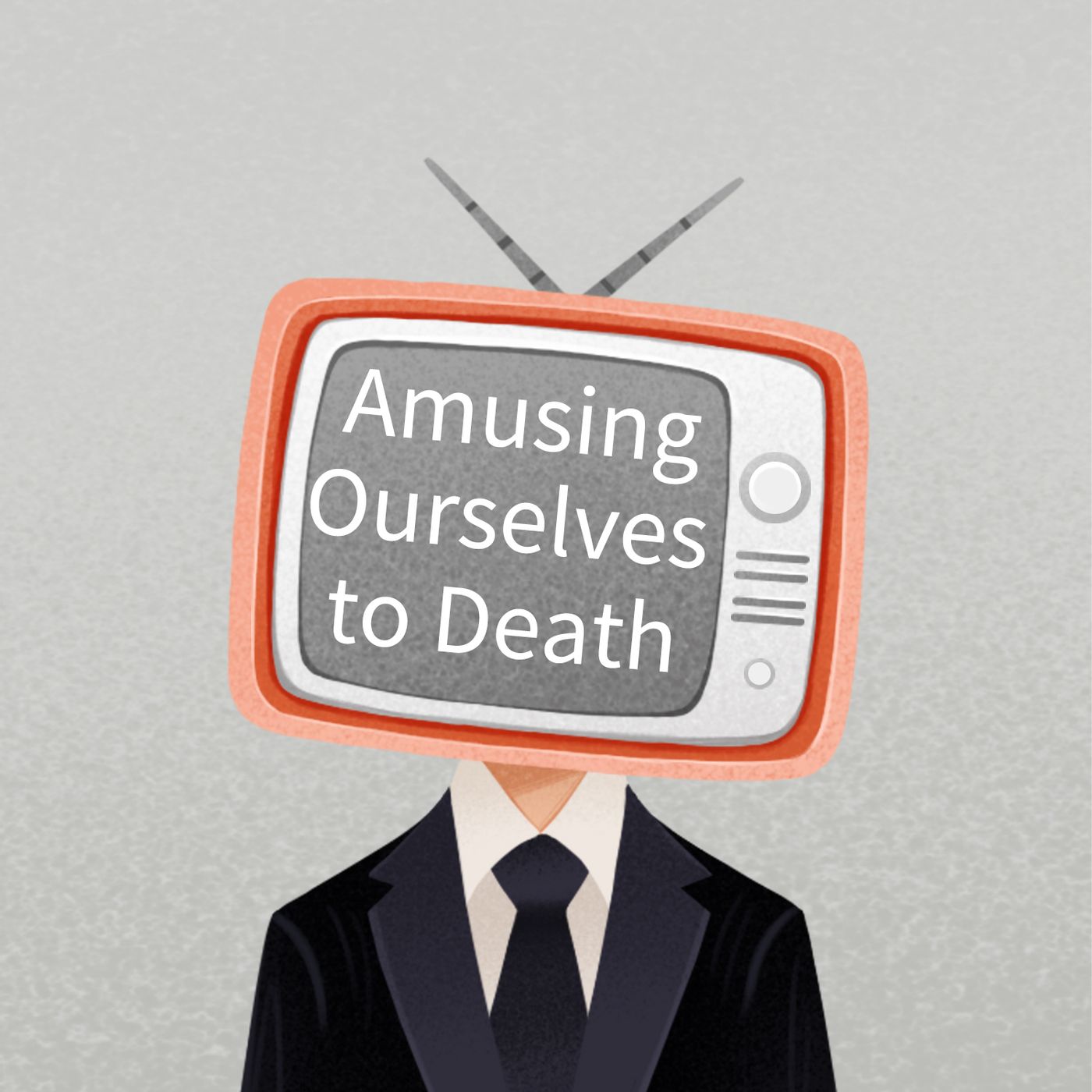
The Perils of Entertainment: Uncovering the Dark Side of Amusement in Amusing Ourselves To Death
Chapter 1:what is Amusing Ourselves To Death book about"Amusing Ourselves To Death" is a book by Neil Postman, published in 1985. The book explores the long-term effects of television and media on society. Postman argues that television has transformed politics, news, education, religion, and even how we think, by altering the nature of public discourse.Postman begins by comparing George Orwell's dystopian novel "1984" with Aldous Huxley's dystopian novel "Brave New World." Orwell feared that we would be controlled by what we hate, while Huxley feared that we would be controlled by what we love. Postman argues that Huxley's prophecy has become more relevant, as we are now inundated with entertainment and distractions that keep us sedated and apathetic.Postman explains how television, due to its nature as an entertainment medium, prioritizes visual and emotional appeal over intellectual content. This shift has had a profound impact on public discourse, as seriousness and complexity are sacrificed in favor of entertainment value. News programs, for example, have transformed from information-sharing platforms to sources of sensationalism, where the medium becomes more important than the message.Moreover, Postman explores how television's focus on entertainment has affected education. He argues that education should be a serious and intellectual pursuit, but television has reduced it to mere entertainment, emphasizing style over substance.Postman warns that our reliance on television and entertainment has consequences for our ability to think critically and engage in meaningful discourse. He states that we are losing the ability to distinguish between what is important and what is frivolous, and are being consumed by a culture of shallow entertainment.In conclusion, "Amusing Ourselves To Death" is a powerful critique of the influence of television and media on society. Postman argues that our obsession with entertainment has led to a decline in serious and intellectual discourse, resulting in a society that is more focused on distractions than on meaningful engagement with important issues.Chapter 2:Author of Amusing Ourselves To Death bookNeil Postman was an American media theorist and cultural critic who gained recognition for his book "Amusing Ourselves To Death: Public Discourse in the Age of Show Business". Born on March 8, 1931, in New York City, Postman was known for his insightful observations on the social impact of technology and media.Postman earned a Bachelor of Arts degree from the State University of New York at Fredonia and went on to complete a Master's degree in English from Columbia University. He then pursued his Ph.D. in education from the Teachers College, Columbia University.Throughout his career, Postman taught at various prestigious universities such as New York University, Columbia University, and Stanford University, where he served as a professor of media ecology. He was also the founder of the Media Ecology Association."Amusing Ourselves To Death," published in 1985, is one of Postman's most influential works. In the book, he argues that television and other forms of entertainment media have a detrimental effect on public discourse. Postman suggests that the rise of television has led to a society primarily driven by entertainment values, where political and social issues are reduced to shallow, fragmented, and trivial forms of communication.Postman's critique extended beyond television, as he also addressed the influence of technology, advertising, and educational systems on our understanding of the world. His analysis emphasized the importance of recognizing the power and influence of media in shaping our culture, politics, and values.Postman's writings often emphasized the need for thoughtful and critical engagement with media to avoid succumbing to mindless consumption. He encouraged individuals to be active participants in shaping their media environment, rather than passive recipients of information.Neil Postman passed away on October 5, 2003, but his work continues to be relevant and influential, providing valuable insights into the role of media in shaping contemporary society.Chapter 3:why is Amusing Ourselves To Death book worth reading"Amusing Ourselves To Death" by Neil Postman is worth reading for several reasons:Analysis of the impact of media: Postman provides a thought-provoking examination of how media, particularly television, shapes our understanding of the world. He argues that the medium through which information is transmitted affects not just what we know but also how we think about it. This criticism of the impact of media on society is still relevant today, especially with the rise of social media and the 24/7 news cycle.Historical context: Postman delves into the historical context of media development, from the advent of the printing press to the rise of television. By examining historical examples, he helps readers understand the transformative power of me