
Bookey Summary
930 episodes — Page 13 of 19

Escaping Reality: Unveiling the Power of Gaming in 'Reality is Broken' by Jane McGonigal
Chapter 1:Summary of The Book Reality is Broken"Reality is Broken" is a nonfiction book written by game designer and researcher Jane McGonigal. In this book, McGonigal explores the potential of games to make a positive impact on individuals and society.The main argument presented by McGonigal in "Reality is Broken" is that reality is lacking essential elements that contribute to human happiness and fulfillment. According to her, reality falls short in providing opportunities for satisfying work, social connection, personal accomplishment, and a sense of purpose. In contrast, she suggests that games possess these elements in abundance and have the power to fill this void by providing players with a sense of agency, challenge, and reward.McGonigal bases her arguments on extensive research from fields such as psychology, neuroscience, and sociology, as well as her own experiences as a game designer. She explores the positive effects of games on individual well-being, such as increased motivation, resilience, creativity, and self-confidence. She also delves into the potential of games to address societal challenges, such as education, healthcare, and climate change, by leveraging the collective intelligence and collaborative nature of gaming communities.Throughout the book, McGonigal presents numerous case studies and anecdotes to support her claims. She discusses the concept of "gamification," where game elements and principles are applied to real-world activities to enhance motivation and engagement. She also explores the concept of "meaningful play," which involves designing games that have a purpose beyond mere entertainment.Overall, "Reality is Broken" offers a compelling argument for the transformational potential of games and challenges the negative stereotypes associated with gaming. McGonigal advocates for harnessing the power of games to create a better reality, where individuals find happiness and fulfillment while collectively working towards addressing pressing societal issuesChapter 2:the meaning of The Book Reality is BrokenThe book "Reality is Broken" by Jane McGonigal explores the concept of how games can inspire positive change in the real world. McGonigal argues that games have the ability to tap into our innate human traits, such as our desire to be challenged, to collaborate, to be immersed in a meaningful goal, and to have a sense of accomplishment. She addresses the perceived negative aspects of gaming, such as addiction and escapism, but also highlights the positive impacts that gaming can have on our lives, including increased motivation, resilience, and social connections. McGonigal suggests that these positive aspects of gaming can be harnessed to address real-world issues, such as social problems, education, personal fulfillment, and even global challenges like climate change.The book offers various examples and strategies for how individuals and organizations can design or modify games to encourage positive behavior change, enhance mental and emotional well-being, and promote engagement in meaningful activities. Ultimately, the book aims to challenge the idea that game-playing is a waste of time and instead proposes that games can be a force for good, uniting people and empowering them to improve themselves and the world around them.Chapter 3:The Book Reality is Broken chapters Chapter 1: Why Games Make Us Happy - This chapter introduces the concept of gamification, explaining how games can provide a sense of purpose, challenge, and happiness to players. McGonigal discusses the addictive nature of games and the potential to harness that addiction for positive real-world outcomes.Chapter 2: Reality is Broken - Here, McGonigal argues that reality is structurally broken, leading to various global problems such as depression, stress, and lack of motivation. She explores the concept of "flow" and how games can provide a sense of flow that is often missing in real life.Chapter 3: The Rise of the Happiness Engineers - This chapter focuses on companies and organizations that have started incorporating game elements into their products and services to increase engagement and satisfaction among users. McGonigal discusses the psychology behind why these game-based systems are effective and how they can drive positive behavioral change.Chapter 4: The Engagement Economy - McGonigal explores how games connect people, create social networks, and foster cooperation and collaboration among players. She delves into the importance of collective intelligence and how games can tap into the wisdom of crowds.Chapter 5: Social Fabric - This chapter highlights the ways in which games promote social interactions, empathy, and community-building. McGonigal argues that games have the power to cultivate a positive social fabric by strengthening relationships and creating a sense of belonging and purpose.Chapter 6: A New Way to Save the World - McGonigal discusses how games can be used as a platform for tackling

Healing the Invisible Wounds: Emotional First Aid for a Healthy Mind
Chapter 1:Summary of Emotional First Aid Full Book"Emotional First Aid" by Guy Winch is a self-help book that addresses how to heal from emotional wounds and strengthen emotional resilience. The book is divided into several chapters, each exploring various types of emotional injuries and offering practical advice on how to treat them.The first chapter, titled "Rejection," discusses the psychological impacts of rejection and offers techniques to cope with rejection effectively. Winch encourages readers to challenge negative self-talk, cultivate self-compassion, and seek social support to recover from the pain of rejection.The following chapter, "Loneliness," delves into the harmful effects of loneliness and explores strategies to combat it. Winch emphasizes the importance of building meaningful connections, engaging in social activities, and seeking professional help when necessary.In "Failure," Winch explores the emotional toll of failures and ways to bounce back. The author advises readers to reframe failure as a learning opportunity, set realistic goals, and develop a growth mindset to overcome setbacks.The book also delves into topics such as guilt and rumination, and provides guidance on how to manage these emotions. Winch suggests practicing self-forgiveness, learning from past mistakes, and engaging in activities that divert attention away from negative thoughts.Other chapters address topics like loss, trauma, and envy, each offering specific strategies to heal and build emotional resilience. Throughout the book, Winch emphasizes the importance of addressing emotional wounds in order to maintain mental well-being.Overall, "Emotional First Aid" provides practical tools and techniques to heal from emotional injuries and encourages readers to prioritize their emotional health. It aims to normalize seeking emotional support and professional help when needed, inspiring individuals to take charge of their emotional well-being.Chapter 2:the meaning of Emotional First Aid Full Book"Emotional First Aid" is a full book written by Guy Winch, a psychologist, and it offers a guide for emotional health and well-being. The book explores the concept of psychological first aid, which is similar to physical first aid but focuses on addressing and treating emotional wounds.The main objective of the book is to provide practical and effective strategies for managing common, everyday emotional injuries such as rejection, failure, guilt, loneliness, and rumination. Winch emphasizes the importance of taking care of our emotional health just as we do for our physical health.The book is divided into several sections, each focusing on a different emotional injury. In each section, Winch provides insights from psychology research, real-life examples, and practical techniques to help readers cope with and recover from emotional pain. He encourages readers to be proactive in addressing their emotional injuries and offers steps to heal and promote emotional resilience.Overall, the book aims to empower individuals to take control of their emotional well-being by teaching them how to recognize, understand, and treat emotional injuries. It emphasizes the importance of emotional self-care and provides readers with the tools to practice emotional first aid in their everyday lives.Chapter 3:Emotional First Aid Full Book chaptersChapter 1: "Rejecting Deception"In this chapter, Winch emphasizes the importance of valuing our emotional health and recognizing the signs of emotional pain. He discusses the societal pressure to hide our emotional struggles and the negative consequences of denying them.Chapter 2: "The Importance of Emotional Hygiene"Winch introduces the concept of emotional hygiene and explains that just as we take care of our physical health by practicing hygiene, we must also prioritize emotional hygiene. He describes the long-term benefits of maintaining emotional well-being.Chapter 3: "Understanding Emotional Pain"This chapter delves into the different types of emotional pain and how they can affect us. Winch emphasizes the need to understand and acknowledge our emotional pain in order to address it effectively.Chapter 4: "Recognizing Emotional Infections"Here, Winch discusses emotional infections, which are negative thoughts and emotions that can spread and contaminate our mental health. He provides examples of emotional infections and offers insights on how to identify and address them.Chapter 5: "Treating Emotional Wounds"Winch introduces several techniques to treat emotional wounds, such as reframing negative thoughts, practicing self-compassion, and building resilience. He emphasizes the importance of these techniques in the healing process.Chapter 6: "Emotional CPR"According to Winch, Emotional CPR (ECPR) is a technique to administer psychological first aid when someone is experiencing emotional pain. He provides detailed instructions on how to effectively provide ECPR and support someone in distress.Chapter 7: "The Imp

The Mamba Mentality: Unleashing Kobe Bryant's Championship Mindset
Chapter 1:Summary of The Mamba Mentality Full BookThe Mamba Mentality by Kobe Bryant is a book that explores the mindset and work ethic of one of the greatest basketball players of all time. It is a collection of insights, stories, and philosophies that Kobe lived by throughout his career.The book is divided into different sections that focus on various aspects of the Mamba Mentality, including preparation, competition, mindset, and self-improvement. Bryant emphasizes the importance of hard work, dedication, and relentless pursuit of excellence.He delves into his own experiences, sharing stories from his time as a young player hungry to prove himself, to his years as a seasoned veteran. He discusses the mindset behind his legendary work ethic, which included a relentless drive to continuously improve and push his limits.Bryant also highlights the importance of preparation and attention to detail. He describes the meticulousness with which he studied the game, his opponents, and himself to gain an edge. He emphasizes the value of understanding every nuance of the game and applying that knowledge to make smart decisions on the court.Additionally, the book reveals the mental fortitude required to overcome challenges and setbacks. Bryant shares how he used disappointment and failures as fuel for improvement, refusing to be discouraged by setbacks.Furthermore, Bryant discusses the importance of leadership and teamwork. He emphasizes the need to inspire and bring out the best in teammates, while also holding them accountable to a high standard of performance.Overall, The Mamba Mentality is a powerful and inspiring book that offers valuable insights into the mindset of Kobe Bryant, providing readers with lessons that can be applied not only to basketball but to life in general. It serves as a guide for those looking to improve themselves, reach their goals, and achieve greatness through unwavering dedication and commitment.Chapter 2:the meaning of The Mamba Mentality Full BookThe Mamba Mentality Full Book by Kobe Bryant is a book that outlines the mindset and philosophy of the late basketball legend Kobe Bryant. "Mamba Mentality" refers to the relentless drive, intense focus, and unwavering commitment that Kobe displayed throughout his career. The book encapsulates Kobe's approach to basketball and life, emphasizing the importance of hard work, dedication, and a constant desire to improve. It delves into his thoughts on leadership, discipline, mental toughness, and the relentless pursuit of greatness. The book serves as a guide for athletes, aspiring professionals, and anyone seeking inspiration and insight into achieving success in their respective fields.Chapter 3:The Mamba Mentality Full Book chaptersChapter 1: IntroductionIn this chapter, Bryant introduces the concept of the Mamba Mentality and discusses his motivation for writing the book.Chapter 2: MentalityBryant explores the different components of the Mamba Mentality, emphasizing the importance of discipline, dedication, and relentless pursuit of greatness.Chapter 3: DetailThis chapter delves into the importance of paying attention to the smallest details, both on and off the basketball court, and how it can make a significant difference in performance.Chapter 4: Unwavering ConfidenceBryant discusses the need for unwavering self-belief and how it impacted his approach to the game and his interactions with teammates.Chapter 5: The Triangle OffenseBryant explains the intricacies of the triangle offense, a system he played under during his time with the Los Angeles Lakers, and how it contributed to his success.Chapter 6: The MusecageThis chapter explores the creative process behind Bryant's basketball career, his various influences, and how he blended them to develop his unique style of play.Chapter 7: The Mind of a ChampionBryant delves into the mindset of a true champion, discussing how mental toughness, resilience, and strategic thinking contributed to his success.Chapter 8: AdaptationThis chapter focuses on the importance of adapting to changing circumstances both on and off the court and how it helped Bryant stay at the top of his game.Chapter 9: LeadershipBryant shares his insights into leadership, discussing the importance of leading by example, fostering trust, and pushing teammates to reach their full potential.Chapter 10: OutroIn the final chapter, Bryant reflects on his basketball career and expresses his gratitude to all those who have supported him throughout his journey.Please note that this summary is based on general knowledge and may not cover all the details and insights provided in the actual book.Chapter 4: 10 Quotes From The Mamba Mentality Full Book1."The Mamba Mentality is all about focusing on the process and trusting in the hard work when it matters most." 2. "To truly become a master of your craft, you must be willing to put in the time and effort required to reach your goals."3. "There is power in understanding your weaknesses, but

Unveiling the Artistry: Exploring the Essence of Design in 'Designing Design' by Kenya Hara
Chapter 1:Summary of Designing Design Full BookDesigning Design is a book written by Kenya Hara, the creative director of the Japanese design firm Muji. The book explores various aspects of design and provides insights into Hara's unique approach and philosophy.The book is divided into three sections: "Designing," "Design Mind," and "Design Essence." In the first section, Hara reflects on the process of designing and the role of designers in society. He emphasizes the importance of simplicity, minimalism, and the relationship between form and function. Hara also discusses the concept of "emptiness" in design and how it can enhance the user experience.In the second section, Hara delves into the mindset that designers should adopt. He emphasizes the need for designers to be open-minded, curious, and empathetic towards users' needs. Hara argues that design should not be limited to creating physical products but should also extend to intangible experiences and interactions.The final section of the book, "Design Essence," delves into Hara's philosophy of design as a means of communication. He argues that design should convey a message or a story, and that every design element should be purposeful and meaningful. Hara also discusses the importance of aesthetics and the role of design in creating emotional connections with users.Throughout the book, Hara uses examples from both traditional Japanese design and contemporary design to illustrate his points. He also includes numerous illustrations and visuals to reinforce his ideas.In summary, Designing Design by Kenya Hara is a comprehensive exploration of the principles, mindset, and essence of design. Hara's unique perspective and philosophy offer valuable insights and inspiration for designers and anyone interested in the world of design.Chapter 2:the meaning of Designing Design Full Book"Designing Design" is a book written by Kenya Hara, a renowned Japanese graphic designer and curator. The book delves into the philosophy, principles, and practice of design. It explores Hara's personal experiences and insights as well as his collaboration with various designers and artists.The main focus of the book is on the concept of "emptiness." Hara argues that design should embrace the idea of emptiness, which represents an open space for users to interpret and create their own meaning. He encourages designers to create simple and minimalist designs that allow for individual interpretation and emotional connection.Throughout the book, Hara discusses various design principles, including the importance of context, the significance of white space, the balance between tradition and innovation, and the relationship between design and society. He also explores the role of design in different domains, such as everyday objects, visual communication, and exhibition design."Designing Design" provides a comprehensive exploration of design philosophy and offers insights into Hara's unique approach to design. It is often described as a thought-provoking and inspirational book that challenges conventional design thinking and encourages designers to question their assumptions and consider the deeper implications of their work.Chapter 3:Designing Design Full Book chaptersChapter 1: Introduction - In this chapter, Kenya Hara introduces the concept of "designing design" and explains its importance in the modern world. He discusses the role of design in shaping our surroundings and influencing our behaviors.Chapter 2: White - Hara explores the concept of "white" as a significant element in design, both aesthetically and symbolically. He delves into the cultural and historical implications of white, and its ability to create a sense of emptiness and possibility in design.Chapter 3: Muji - This chapter focuses on the Japanese company Muji, known for its minimalist and functional design approach. Hara examines the philosophy and design principles behind Muji's success, emphasizing simplicity, modesty, and sustainability.Chapter 4: Nature - Hara discusses the relationship between design and nature, highlighting the importance of understanding and respecting the natural world in the design process. He explores how designs can reflect and integrate natural elements, fostering a sense of harmony and connection.Chapter 5: Unity - In this chapter, Hara explores the concept of unity in design and its ability to create meaningful experiences for users. He emphasizes the importance of considering the entirety of a design as a cohesive whole, rather than separate components.Chapter 6: Emptiness - Hara delves deeper into the concept of emptiness and its role in design. He discusses how embracing emptiness can lead to clarity, simplicity, and a deeper understanding of design principles.Chapter 7: Fragility - Hara examines the concept of fragility in design, highlighting the beauty and vulnerability that can come from embracing imperfections. He discusses how designs can evoke emotions and create a sense of

The Golden Age: Unveiling the Future of Digital Currency in 'Digital Gold' by Nathaniel Popper
Chapter 1:Summary of Full Book Digital GoldDigital Gold by Nathaniel Popper is a book that tells the story of the rise of Bitcoin, the world's first decentralized digital currency. The book explores the history of Bitcoin, starting with its mysterious founder, Satoshi Nakamoto, and follows the development of the currency from its early days to its rise as a global phenomenon.The book begins with a brief overview of the financial crisis of 2008 and how it led to a loss of trust in traditional banking institutions. It then introduces the concept of Bitcoin and its underlying technology, blockchain. Popper details the origins of Bitcoin, tracing its roots to cryptography and cypherpunk movements.The book explores the early adopters of Bitcoin, including computer scientists, libertarians, and online drug dealers who saw the currency's potential for anonymity. It follows the stories of several key figures in the Bitcoin community, such as Charlie Shrem, the founder of the now-defunct Bitcoin exchange BitInstant, and the Silk Road's creator, Ross Ulbricht.Popper also delves into the challenges and controversies surrounding Bitcoin, including the Mt. Gox scandal, where millions of dollars' worth of Bitcoin was stolen from the world's largest Bitcoin exchange, and the Silk Road's illegal activities.The book provides an in-depth analysis of the various factions within the Bitcoin community and the debates that have shaped the currency's future. It discusses the ideological differences between those who saw Bitcoin as a way to challenge traditional financial systems and those who viewed it as a purely speculative investment.Popper also explores the attempts by governments and financial regulators to regulate or ban Bitcoin, as well as the growing acceptance of the currency by mainstream companies such as Microsoft and PayPal.Digital Gold concludes with a look at the future of Bitcoin and its potential impact on the global economy. Popper argues that Bitcoin has the potential to reshape the financial industry and empower individuals by providing them with more control over their money.Overall, Digital Gold provides a comprehensive and engaging account of the rise of Bitcoin, offering readers a glimpse into the world of cryptocurrencies and the people who are shaping its future.Chapter 2:the meaning of Full Book Digital GoldThe book "Digital Gold" by Nathaniel Popper explores the history and development of Bitcoin and the broader cryptocurrency ecosystem. It delves into the origins of Bitcoin, the philosophy behind it, and the key personalities involved in its creation and early adoption.The book also examines the societal and economic implications of Bitcoin and cryptocurrencies, as well as the challenges they face in terms of regulation, security, and scalability. Popper provides insights into the various controversies and debates surrounding Bitcoin and explores its potential as a disruptive force in the financial industry.Overall, "Digital Gold" serves as a comprehensive and in-depth account of the rise of Bitcoin and its impact on the world of finance and technology.Chapter 3:Full Book Digital Gold chaptersChapter 1: Introduces the concept of digital currency and the underlying technology, blockchain. It discusses how Bitcoin, the first and most well-known cryptocurrency, came into existence and its potential impact on the traditional financial system.Chapter 2: Explores the early years of Bitcoin, focusing on the mysterious creator, Satoshi Nakamoto, and the growing community of developers and enthusiasts who were experimenting with the technology. It also delves into the challenges and skepticism faced by Bitcoin during its early stages.Chapter 3: Highlights the Silk Road, an online marketplace that became one of the biggest advocates for Bitcoin as a means of conducting illegal transactions. It delves into the controversy surrounding the Silk Road and its eventual shutdown by the authorities.Chapter 4: Examines the transformation of Bitcoin from a fringe technology to a mainstream phenomenon. It explores the increasing interest from venture capitalists and major financial institutions, as well as the challenges faced by traditional banks in embracing Bitcoin.Chapter 5: Discusses the rise of alternative cryptocurrencies, known as altcoins, and the challenges they presented to Bitcoin's dominance. It explores the various altcoins that emerged, such as Litecoin and Ethereum, and their potential to revolutionize different industries.Chapter 6: Explores the challenges and controversies surrounding Bitcoin's governance and its potential to be used for illegal activities. It delves into the role of governments and regulators in trying to control the use of cryptocurrencies, and the debates surrounding privacy and anonymity in the digital currency ecosystem.Chapter 7: Discusses the potential impact of blockchain technology beyond just financial transactions. It explores how blockchain can be used to improve supply chai

The World of Yesterday: A Journey through the Pages of Stefan Zweig's Masterpiece
Chapter 1:Summary of The world of yesterday Full BookThe World of Yesterday is an autobiographical work by Stefan Zweig, a prominent Austrian writer of the early 20th century. The book provides a detailed account of Zweig's life and experiences in a rapidly changing Europe during the late 19th and early 20th centuries.Zweig begins by describing his childhood in Vienna, a city that was then the center of cultural and intellectual life. He recalls the flourishing artistic and literary scene, the multicultural atmosphere, and the sense of optimism and progress that permeated society at the time.As the narrative progresses, Zweig chronicles his education and early career as a writer, highlighting his encounters with influential figures such as Sigmund Freud, Rainer Maria Rilke, and Richard Strauss. He also reflects on his travels, which took him to various European countries and exposed him to different cultures and ideologies.However, the book takes a darker turn as Zweig delves into the impact of World War I on Europe. He describes the devastating consequences of the conflict, including the loss of loved ones, the destruction of cities, and the collapse of empires. Zweig's account portrays the disillusionment and despair that followed the war, as people struggled to make sense of the unprecedented violence and upheaval.Zweig also discusses the rise of nationalism and authoritarianism in the interwar period. He witnesses the growing influence of fascist movements and the erosion of democratic values in countries such as Germany and Italy. He expresses his concern over the undermining of intellectual freedom and the persecution of minority groups, particularly Jewish people, which ultimately forced him to flee Austria.The World of Yesterday concludes with Zweig's reflections on his life in exile and his profound sadness at the decline of the world he once knew. He laments the loss of humanism, tolerance, and internationalism, which were overshadowed by the forces of hatred and intolerance.Overall, The World of Yesterday offers a candid and poignant account of a bygone era, capturing the spirit of an age that was characterized by intellectual curiosity, cultural richness, and ultimately, the tragic collapse of European civilization.Chapter 2:the meaning of The world of yesterday Full Book"The World of Yesterday" is a memoir written by Austrian author Stefan Zweig. The book was completed shortly before Zweig's suicide in 1942 and was published posthumously in 1944. In this memoir, Zweig reflects upon his experiences growing up in Vienna at the turn of the 20th century, his time as a renowned writer and intellectual, and the significant political and social changes that drastically altered Europe during his lifetime. Zweig describes a world teetering on the edge of catastrophe, recounting the vibrant cultural scene of Vienna, the intellectual circles he moved in, and the rise of nationalism and antisemitism that eventually led to the destruction of the cosmopolitan world he cherished. As the title suggests, "The World of Yesterday" mourns the lost world of pre-war Europe, with its values of tolerance, cosmopolitanism, and artistic achievements. It serves as a cautionary tale and a reminder of the fragility of civilization, while also reflecting on the personal struggles Zweig faced in adapting to the changing world around him. Overall, "The World of Yesterday" offers a poignant reflection on the loss of an era and serves as a testament to the endurance of the human spirit in the face of profound upheaval.Chapter 3:The world of yesterday Full Book chapters"The World of Yesterday" is an autobiography written by Austrian writer Stefan Zweig. It was published posthumously in 1942 and provides an account of Zweig's life and experiences in the early 20th century. The book is divided into several chapters, each focusing on a different aspect of Zweig's life. Here is a summary of the chapters:Chapter 1: The World of SecurityIn this chapter, Zweig discusses his childhood in Austria, growing up in a comfortable middle-class family. He describes the world of security he enjoyed during his early years and the academic environment that shaped his intellectual development.Chapter 2: The World of Security Starts to ShakeZweig describes the impact of World War I on his life and the changing political landscape in Europe. He reflects on the disillusionment and loss of security he experienced during this period.Chapter 3: The World of Security CollapsesZweig discusses the aftermath of World War I and the collapse of the Austro-Hungarian Empire. He describes the social and political unrest in Austria and the rise of totalitarianism in Europe.Chapter 4: Europe in the Era of SecurityZweig reflects on the intellectual and cultural environment of Europe during the 1920s and 1930s. He discusses the flourishing of the arts and literature during this period and the friendships he made with renowned figures such as Rainer Maria Rilke and Si

The Universe Unraveled: Stephen Hawking's Epic Journey in 'The Universe in a Nutshell'
Chapter 1:Summary of The Universe in a Nutshell Full Book"The Universe in a Nutshell" is a book written by Stephen Hawking, a renowned physicist and cosmologist. In this book, Hawking explores various topics related to the universe, covering both fundamental principles and complex concepts.The book begins with a brief history of our understanding of the universe, starting from the ancient Greeks to the modern theories. Hawking then explains the fundamental forces that govern the universe, including gravity, electromagnetism, and the strong and weak nuclear forces. He also delves into the concept of symmetry and how it relates to the four fundamental forces.Hawking goes on to discuss the origins and evolution of the universe, including the Big Bang theory and the expanding universe. He delves into the concept of spacetime and explains how it is affected by mass and energy. Hawking also covers the possibility of multiple universes and the idea of a multiverse.The book also explores the nature of black holes, discussing their formation, properties, and even the possibility of using them as a means of time travel. Hawking explains the concept of the event horizon and how black holes emit radiation, known as Hawking radiation. He also discusses the paradox of black holes, known as the information paradox, and its implications for the laws of physics.Throughout the book, Hawking introduces various theories and scientific concepts in a way that is accessible to readers without an extensive background in physics. He uses illustrations and analogies to simplify complex ideas, making them easier to understand.Overall, "The Universe in a Nutshell" provides a comprehensive overview of our current understanding of the universe, its origins, and its fundamental forces. It is a thought-provoking exploration of the mysteries of the cosmos, written by one of the greatest scientific minds of our time.Chapter 2:the meaning of The Universe in a Nutshell Full Book"The Universe in a Nutshell" is a book written by Stephen Hawking, a theoretical physicist and cosmologist. In this book, Hawking explores various concepts and theories about the universe, aiming to explain them in a simple and concise manner.The book covers a wide range of topics, including the Big Bang theory, the nature of space and time, black holes, quantum mechanics, and the possibilities of time travel and parallel universes. Hawking provides an overview of the history of scientific discoveries and theories in these areas, as well as the contributions of famous physicists such as Albert Einstein and Isaac Newton.Overall, "The Universe in a Nutshell" aims to present complex scientific ideas in a way that can be easily understood by the general public. It offers readers a glimpse into the current understanding of the universe, as well as the unanswered questions and mysteries that scientists are still trying to unravel.Chapter 3:The Universe in a Nutshell Full Book chapters"The Universe in a Nutshell" is a book written by Stephen Hawking that provides a summary of the current understanding of the universe. While it is not possible to provide a detailed summary of each chapter, I can give you a general overview of the topics covered in the book:1. Brief History of Time: This first chapter introduces the reader to the fundamental concepts of physics and the history of our understanding of the universe.2. The Shape of Time: Hawking explores the concept of time and how it is affected by the curvature of space. He also discusses the arrow of time and the possibility of time travel.3. The Universe in a Nutshell: This chapter explains the various theories of cosmology, including the Big Bang theory and the expanding universe. Hawking delves into the origins of the universe and the implications of its expansion.4. Predicting the Future: Here, Hawking discusses how physicists use mathematical models to predict the future of the universe. He talks about the concept of determinism and how it applies to the laws of nature.5. Protecting the Past: Hawking explores the possibility of time travel and discusses the concept of the "chronology protection conjecture." This chapter also touches upon the idea of closed timelike curves.6. Our Place in the Cosmos: Hawking explores the anthropic principle, which suggests that the observed properties of the universe are necessary for the existence of intelligent life. He discusses the nature of the multiverse and the role of chance in our existence.7. Brane New World: This chapter provides an overview of the contemporary understanding of string theory and how it relates to the shape of the universe. Hawking explains the concept of branes and the possibility of a multidimensional universe.8. On the Shoulders of Giants: Hawking pays homage to the great scientists who paved the way for our understanding of the universe. He discusses the contributions of Newton, Einstein, and others in the journey of human knowledge.9. In Conclusion - The Theo

The Path to a Fulfilling Life: A Comprehensive Guide to the Good Life
Chapter 1:Summary of A Guide to the Good Life Full Book"A Guide to the Good Life: The Ancient Art of Stoic Joy" by William B. Irvine is a book that combines philosophy, psychology, and practical advice to teach readers how to live a happier and more fulfilling life using Stoicism as a guide. The book begins by introducing Stoicism, an ancient Greek philosophy that teaches individuals how to cope with and find joy in the challenges and uncertainties of life. Irvine highlights the practicality and effectiveness of Stoicism in modern times and explains how it can help individuals achieve tranquility, overcome negative emotions, and find happiness. Irvine then explores the Stoic principles and practices, such as the dichotomy of control, negative visualization, and self-denial, that can be used to cultivate a more fulfilling life. He explains how to identify and focus on the things within our control, accept the things we cannot control, and develop a mindset of gratitude and contentment.The book also examines the Stoic perspective on desire, pleasure, and wealth, emphasizing the importance of moderation and the dangers of excessive desires and attachments. Irvine provides practical exercises and techniques, such as journaling, meditation, and philosophical reflection, to help readers implement these Stoic principles in their daily lives.Additionally, Irvine discusses the Stoic approach to emotions, relationships, and the fear of death. He offers advice on how to manage negative emotions, build strong and healthy relationships, and confront the reality of our mortality, ultimately leading to a life of greater fulfillment, peace, and happiness.In conclusion, "A Guide to the Good Life" is a comprehensive and practical book that introduces readers to Stoicism and provides valuable insights and tools to incorporate Stoic principles into their own lives. By adopting a Stoic mindset and following the practices outlined in the book, individuals can find joy, overcome adversity, and live a more meaningful life.Chapter 2:the meaning of A Guide to the Good Life Full Book"A Guide to the Good Life: The Ancient Art of Stoic Joy" by William B. Irvine is a book that explores the philosophy of Stoicism and provides practical advice on how to apply its principles to modern life.The book emphasizes the importance of practicing Stoicism as a way to find happiness and fulfillment in life. It introduces the fundamental concepts of Stoicism, such as accepting the things we cannot control and focusing on our own thoughts and actions rather than external events. Irvine also delves into the idea of mindfulness and the role it plays in achieving a good life.Irvine draws examples from the ancient Stoics, such as Epictetus and Seneca, and presents their teachings in a contemporary context. He discusses various Stoic techniques, such as negative visualization (contemplating worst-case scenarios to appreciate what we have) and self-denial (learning to live with less and being content with it).The book also touches on the concept of tranquility and how Stoicism can help individuals find inner peace amidst the chaos of the world. Irvine explores the Stoic practices of maintaining indifference towards external circumstances and developing resilience in the face of adversity.Overall, "A Guide to the Good Life" presents Stoicism as a practical philosophy for modern individuals seeking a life of meaning, purpose, and joy. Irvine offers readers a step-by-step guide to implementing Stoic practices in their daily lives, enabling them to cultivate a sense of tranquility and contentment.Chapter 3:A Guide to the Good Life Full Book chaptersChapter 1: IntroductionThis chapter introduces the concept of Stoicism and its relevance to living a good life. The author explains his personal journey in discovering Stoicism and the impact it has had on his own life.Chapter 2: The Life of a StoicThis chapter examines the lives of ancient Stoics and how they practiced their philosophy. Various Stoic techniques and exercises are discussed, including negative visualization, self-denial, and meditating on our own mortality.Chapter 3: The Dichotomy of ControlThe author discusses the Stoic principle that some things are within our control, while others are not. He explores the implications of accepting this dichotomy and how it can lead to a more tranquil and fulfilling life.Chapter 4: Desire and AversionIn this chapter, Irvine explores how our desires and aversions can cause unnecessary suffering. He discusses the concept of preferred indifferents and the Stoic approach to desires, suggesting that we should focus on what is truly essential for our well-being.Chapter 5: Assent and JudgmentThe author examines the role of our judgments and our ability to choose how we react to external events. He emphasizes the importance of maintaining a rational and objective perspective in order to avoid being controlled by our emotions.Chapter 6: MindfulnessThis chapter explains the S

No More Guilt: Empowering Yourself through Assertive Communication
Chapter 1:Summary of When I Say No, I Feel Guilty Full Book"When I Say No, I Feel Guilty" by Manuel J. Smith is a self-help book that provides practical advice for people who struggle with saying no and expressing their needs assertively. The book aims to help understand and overcome the guilt and anxiety often associated with setting boundaries and standing up for oneself.Smith begins by explaining the concept of assertiveness and the importance of being able to express one's own thoughts, feelings, and needs. He addresses common myths and misconceptions about assertiveness and emphasizes that it is not a form of aggression or selfishness but rather a way to establish healthy boundaries and maintain self-respect.The book introduces various techniques and strategies to become more assertive. Smith discusses the importance of nonverbal communication, such as body language and eye contact, and how it can contribute to a more confident and assertive image. He also provides practical tips for handling excuses, criticism, and manipulation from others, as well as effective ways to say no without feeling guilty or anxious.Smith explores the underlying emotional dynamics that often contribute to difficulty in saying no, such as a fear of rejection, a need for approval, or a desire to avoid conflicts. He helps readers identify and challenge these emotional barriers and offers methods to build self-esteem and confidence.The book also covers various challenging situations, such as dealing with difficult people or handling conflicts in relationships, and provides step-by-step guidance on how to assert oneself effectively while maintaining respect for others. Smith emphasizes the importance of empathy and active listening to foster healthy communication and resolve conflicts constructively.In summary, "When I Say No, I Feel Guilty" is a comprehensive guide that teaches individuals how to assert their needs, set boundaries, and communicate assertively without experiencing excessive guilt. Smith provides practical tools and strategies to overcome emotional barriers and cultivate healthier relationships by standing up for oneself in a respectful and confident manner.Chapter 2:the meaning of When I Say No, I Feel Guilty Full Book"When I Say No, I Feel Guilty" is a self-help book written by Manuel J. Smith. Published in 1975, the book focuses on assertiveness training and helps readers develop the skills to stand up for themselves effectively.The main idea behind the book is that many individuals struggle with setting boundaries and saying "no" due to feelings of guilt or fear of conflict. Smith explores the reasons behind these difficulties and provides practical techniques to overcome them.The book outlines various strategies to improve assertiveness, including:1. Understanding rights and the importance of personal choice.2. Recognizing manipulative tactics and learning how to respond.3. Developing effective communication skills, such as active listening and I-statements.4. Overcoming anxiety and self-doubt that arise from saying "no".5. Managing conflict and negotiating win-win solutions.Overall, "When I Say No, I Feel Guilty" offers a comprehensive guide to assertiveness training. It helps readers gain confidence in expressing their needs and desires while maintaining healthy relationships.Chapter 3:When I Say No, I Feel Guilty Full Book chapters"When I Say No, I Feel Guilty" by Manuel J. Smith is a self-help book that explores assertiveness and communication skills. Here is a summarized breakdown of the chapters in the book:Chapter 1: Niceness and AssertivenessThis chapter discusses the difference between being nice and being assertive. It explores the negative consequences of being overly nice and the importance of assertiveness in maintaining healthy relationships.Chapter 2: Games People PlayIn this chapter, the author explores the various psychological games people play to manipulate others and avoid taking responsibility for their actions. The chapter teaches readers how to identify and handle these game-playing behaviors.Chapter 3: The Basic Elements of Assertive BehaviorThis chapter outlines the essential components of assertive behavior, such as expressing your needs and wants, acknowledging the rights of others, and taking responsibility for your actions. It provides practical advice on how to develop these assertive skills.Chapter 4: Self-DisclosureSelf-disclosure is the act of revealing one's thoughts, feelings, and experiences to others. This chapter explores the importance of self-disclosure in assertiveness and how to do it effectively without becoming defensive or vulnerable.Chapter 5: Learning to Set Personal BoundariesSetting and maintaining personal boundaries are crucial for healthy relationships. This chapter explains the concept of boundaries and teaches readers how to establish and enforce them effectively.Chapter 6: The Assertive FormulaThe author introduces an assertive formula that helps individu

Achieving a Sustainable Future: A Comprehensive Guide from Bill Gates to Avoid a Climate Disaster
Chapter 1:Summary of Full Book How to Avoid a Climate Disaster"How to Avoid a Climate Disaster" by Bill Gates is a comprehensive book that addresses the urgent challenge of reducing greenhouse gas emissions and preventing catastrophic climate change. Gates emphasizes that avoiding a climate disaster is not just about reducing emissions but also about developing sustainable solutions across all sectors.In the book, Gates provides an overview of the current state of the climate crisis and the potential consequences if action is not taken. He explains how the vast majority of emissions come from five sectors: electricity, manufacturing, agriculture, transportation, and buildings. Gates identifies the key sources of emissions within each sector and discusses strategies to reduce and eliminate them.The author argues that achieving net-zero emissions is the goal that needs to be pursued, and he outlines a plan to reach this target by 2050. Gates emphasizes the importance of technology and innovation in this process, highlighting various promising solutions that need to be scaled up and developed further.Gates also addresses the challenges and limitations of transitioning to a net-zero emission economy, such as the need to convince governments and businesses to prioritize climate action, the financial barriers to implementing clean technologies, and the need for global collaboration and cooperation.Throughout the book, Gates draws on his extensive knowledge of and experience in technology, business, and philanthropy to provide practical insights and recommendations. He also emphasizes the importance of public awareness, education, and activism in driving change and holding policymakers and companies accountable.In conclusion, "How to Avoid a Climate Disaster" by Bill Gates offers a comprehensive and engaging overview of the climate crisis and provides practical solutions and recommendations to address this urgent global issue. Through a combination of technological innovation, policy changes, and collective action, Gates believes that avoiding a climate disaster is within our reach.Chapter 2:the meaning of Full Book How to Avoid a Climate DisasterThe book "How to Avoid a Climate Disaster" by Bill Gates is a comprehensive guide on the urgent need to address climate change and provides solutions to mitigate its impacts. In his book, Gates emphasizes the severity of the global climate crisis and outlines a plan to achieve net-zero greenhouse gas emissions in order to avoid catastrophic consequences.The book delves into various aspects of climate change, including its causes, current status, and potential future scenarios. Gates explains why transitioning to renewable energy sources is vital and explores the challenges associated with sectors such as transportation, agriculture, and manufacturing. Additionally, he discusses the role of technology and innovation in combating climate change.Gates offers his own insights and experiences from his involvement in addressing global issues through his philanthropic work and investment in clean energy technologies. He analyzes potential solutions by examining the political, economic, and social factors that affect the implementation of climate-friendly policies and technologies.Throughout the book, Gates emphasizes the importance of collective action and international collaboration in tackling climate change. He stresses that while individuals can make a difference in their daily lives, systemic changes and government policies are essential to achieving the necessary scale of impact.Overall, "How to Avoid a Climate Disaster" provides a comprehensive overview of the climate crisis and offers practical solutions for individuals, governments, and businesses to mitigate their carbon footprint and work towards a sustainable future.Chapter 3:Full Book How to Avoid a Climate Disaster chaptersChapter 1: Understanding the Climate CrisisIn this chapter, Gates provides an overview of the current state of the climate crisis, explaining the causes and consequences of increased global warming due to greenhouse gas emissions. He emphasizes the urgent need to address this crisis and outlines the key areas that contribute to overall carbon emissions.Chapter 2: The Green PremiumGates delves into the concept of the "green premium," referring to the additional cost associated with transitioning from carbon-intensive technologies to those with lower or zero emissions. He discusses how reducing this green premium is critical for effective climate solutions and explores various strategies to achieve this, such as government policies and innovation.Chapter 3: Innovating to ZeroThis chapter focuses on the importance of innovation in finding solutions to climate change. Gates describes the concept of "getting to zero" emissions and presents various technological advancements that can help achieve this goal, including breakthroughs in renewable energy, industrial processes, agriculture, and transportati

The Downfall of Giants: Insights into How The Mighty Fall
Chapter 1:Summary of How The Mighty Fall Full Book"How The Mighty Fall" by James C. Collins explores the decline and downfall of successful companies and organizations. The book identifies five stages of decline that these companies go through and provides insight into how leaders can navigate these stages to prevent failure.The first stage is "Hubris Born of Success," in which organizations become arrogant and overly confident due to their past success. This can lead to complacency and a lack of adaptability as leaders become resistant to change.The second stage is called "Undisciplined Pursuit of More." Here, companies begin to lose focus and take on too many new initiatives without considering their core competencies or strategic direction. This lack of discipline and focus can lead to overextension and a loss of competitive advantage.The third stage is "Denial of Risk and Peril." At this point, leaders are unwilling to acknowledge the warning signs of decline and dismiss them as temporary setbacks. They often blame external factors for their troubles rather than taking responsibility.The fourth stage is "Grasping for Salvation." In this stage, the organization becomes desperate and starts engaging in random acts of leadership, grasping at any solution that promises a quick fix. However, this often leads to further confusion and chaos, worsening the decline.The final stage is "Capitulation to Irrelevance or Death." At this point, the organization is on the brink of collapse or has already failed. Leaders either resign themselves to irrelevance or desperately cling to survival, but are ultimately unable to reverse the decline.To avoid these pitfalls, Collins suggests that leaders must possess humility and a willingness to adapt. They should maintain focus on their core strengths, build a culture of discipline within their organization, confront brutal facts about their situation, and make difficult decisions to get back on track. Additionally, leaders need to develop a strong succession plan to ensure continuity even in times of crisis.Overall, "How The Mighty Fall" provides a roadmap for leaders to understand the stages of decline and take proactive measures to prevent organizational failure. It emphasizes the importance of strong leadership, humility, and discipline in navigating turbulent times and staying on the path to sustained success.Chapter 2:the meaning of How The Mighty Fall Full Book"How The Mighty Fall" is a book written by James C. Collins that explores the reasons and patterns behind the decline of successful companies. It analyzes the various stages of decline that organizations go through and provides insights into the warning signs, causes, and potential solutions for avoiding or reversing their downfall. The book aims to help leaders identify and address the potential pitfalls that can lead to the downfall of their organizations, as well as provide strategies for sustaining success in the long term.Chapter 3:How The Mighty Fall Full Book chapters"Chapter 1: Hubris Born of Success"In this chapter, Collins introduces the concept of the five stages of decline that lead to the fall of mighty companies. He explains that hubris, or excessive pride and arrogance, often arises in successful companies, leading to complacency and the belief that they are invincible."Chapter 2: Undisciplined Pursuit of More"Collins explores the second stage of decline, which is characterized by a company's relentless pursuit of growth, often without a clear understanding of their core values and purpose. This chapter emphasizes the importance of maintaining discipline and focus during times of success."Chapter 3: Denial of Risk and Peril"In the third stage of decline, companies become blind to the risks and perils that threaten their future. Collins explains how a lack of honest assessment and a reluctance to face reality can lead companies down a dangerous path."Chapter 4: Grasping for Salvation"As companies enter the fourth stage of decline, they start grasping for quick solutions and magic bullets to save them from their troubles. Collins explains the dangers of desperate actions that may provide short-term relief but ultimately worsen the situation."Chapter 5: Capitulation to Irrelevance or Death"The final stage of decline is characterized by a company's acceptance of their irrelevance or death. Collins explores the importance of recognizing when it is time to move on and how to exit with grace and integrity.Overall, "How The Mighty Fall" offers insights into the patterns and behaviors that can lead even the most successful companies to decline and provides valuable lessons on how to navigate these challenges successfully.Chapter 4: 10 Quotes From How The Mighty Fall Full Book1."The path to great failure is often paved with great success."2. "Hubris is the first step towards downfall; when success breeds arrogance, the mighty are set up for a fall."3. "Denial is a dangerous weapon against reality, leading the

The Story Unveiled: The Timeless Journey of Art with E.H. Gombrich
Chapter 1:Summary of Full Book The Story of ArtThe Story of Art" by E.H. Gombrich is a comprehensive and influential book that provides an overview of Western art history. It covers various artistic periods and movements, from the prehistoric cave paintings to contemporary art.The book begins by discussing the earliest forms of art found in ancient civilizations, such as Egypt, Mesopotamia, and Greece. It then explores the art of the European Middle Ages, focusing on the religious themes and techniques of the period.Gombrich delves into the Renaissance, highlighting key artists like Leonardo da Vinci, Michelangelo, and Raphael, and their contributions to the development of perspective and naturalism in art. He also discusses the rise of landscape painting and the influence of the Dutch Golden Age.Moving forward in time, the book explores the Impressionist movement and its departure from traditional notions of representational art. Gombrich also covers modern art movements like Cubism, Surrealism, and Abstract Expressionism, discussing the ideas and techniques that defined these periods."The Story of Art" aims to make art accessible to all readers, not just specialists. Gombrich provides clear explanations and analysis of artistic techniques, styles, and historical contexts. He emphasizes the importance of understanding art as a reflection of the society and culture from which it emerged.Overall, "The Story of Art" is a widely acclaimed book that offers a comprehensive overview of Western art history. It highlights the major trends, artists, and developments in artistic techniques throughout the ages, providing readers with a deeper understanding and appreciation for art.Chapter 2:the meaning of Full Book The Story of Art"The Story of Art" by E.H. Gombrich is a comprehensive and accessible introduction to the history of art. It covers various periods and styles, starting from prehistoric art and continuing through ancient, medieval, Renaissance, and modern art. The book explores the development of different art forms, such as painting, sculpture, and architecture, while also discussing the social and historical contexts in which they emerged. Gombrich examines the works of renowned artists, including Leonardo da Vinci, Michelangelo, and Picasso, among many others, providing insights into their techniques, themes, and significance.The overarching aim of "The Story of Art" is to make art history engaging and understandable to readers from all backgrounds. Gombrich presents the evolution of artistic expressions as a narrative, highlighting the connections and influences among different artists and cultures. His engaging writing style and use of accessible language make it an enjoyable read for both casual art enthusiasts and serious students of art history.Ultimately, "The Story of Art" introduces readers to the multitude of artistic achievements throughout history, emphasizing the importance of art as a reflection of human experience and creativity. It encourages readers to appreciate and understand the diverse artistic traditions that have shaped our world.Chapter 3:Full Book The Story of Art chapters"The Story of Art" by E.H. Gombrich is a comprehensive exploration of the history of art from its origins in prehistoric times to the modern era. The book is divided into several chapters, each dedicated to a specific period or theme in art history. Here is a summary of each chapter:Chapter 1: The Awakening of Art (Prehistoric Art)In this chapter, Gombrich begins by discussing the earliest forms of artistic expression found in cave paintings and sculptures from the Paleolithic period. He examines the significance of these artworks and explores their symbolic and aesthetic qualities.Chapter 2: Early Civilizations and the Classical WorldGombrich explores the art of ancient civilizations, such as those of Egypt and Mesopotamia, and their contributions to the development of art. He also delves into the art of the ancient Greeks and Romans, highlighting their focus on realism and idealized forms.Chapter 3: The Asian SpringThis chapter focuses on the art of Asia, including that of ancient China, India, and Japan. Gombrich examines the unique characteristics and influences of art from these regions, such as the emphasis on spirituality in Indian art and the simplicity and minimalism of Japanese art.Chapter 4: A Different Tradition (Early Christian and Byzantine Art)Gombrich explores the art of early Christianity and Byzantium, discussing the transition from pagan imagery to Christian symbols and the development of iconography. He also examines the distinct artistic styles and techniques of these periods.Chapter 5: Realms of Light (Islamic Art)Gombrich delves into the art of the Islamic world, discussing its focus on calligraphy, intricate geometric patterns, and the prohibition of figurative representations. He also explores the cultural and historical influences that shaped Islamic art.Chapter 6: The Realm of Christian

The Path of Least Resistance: Unlocking Your Creative Potential and Embracing Success
Chapter 1:Summary of The Path of Least Resistance Full BookThe Path of Least Resistance is a book written by Robert Fritz that explores the concept of achieving personal and professional mastery by understanding the principles of creative thinking and focusing on one's desired outcomes. Fritz argues that most people tend to work against themselves and their goals without even realizing it, mainly due to their preoccupation with problem-solving rather than creative thinking.The book starts by discussing the concept of structural tension, which Fritz describes as the gap between a person's current reality and their desired outcome. He emphasizes that this tension serves as the driving force behind any meaningful change and encourages readers to become aware of it and use it to their advantage.Fritz introduces the idea of the creative process, which involves shifting from problem-solving to continuously seeking new possibilities and aligning actions with the desired outcome. He emphasizes the importance of clarity in defining one's goals and continually redirecting their actions towards achieving those goals.The author also highlights the significance of systems thinking, which involves understanding the interconnectedness and interdependencies between various elements and stakeholders in achieving the desired outcome. He argues that by understanding these relationships, one can identify the leverage points that can lead to significant change.Fritz discusses the concept of structural dynamics, which refers to the patterns and structures that exist within organizations and individuals. He explains that these structures often create resistance and inhibit change, and individuals must learn to identify and modify them to achieve their desired outcomes.Throughout the book, Fritz provides practical exercises and examples to help readers apply the principles he discusses. He encourages readers to overcome the constraints imposed by their current circumstances and instead focus on creating the conditions necessary for desired outcomes.In summary, The Path of Least Resistance is a guide to achieving personal and professional mastery by understanding and harnessing the principles of creative thinking. Fritz emphasizes the importance of clarity, continuous learning, and systems thinking in achieving desired outcomes and encourages readers to overcome resistance and work towards their goals in a focused and intentional manner.Chapter 2:the meaning of The Path of Least Resistance Full Book"The Path of Least Resistance" by Robert Fritz is a book about mastering the art of creating and achieving what we truly desire. The book introduces a new understanding of how we can shape our lives and accomplish our goals effectively and effortlessly.Fritz explains that most people approach their goals in a linear way, following predetermined plans and routines. However, this approach often leads to resistance, frustration, and limited success. Instead, he proposes an alternative approach based on the principles of structural dynamics, which is the study of how structures are formed and changed.According to Fritz, any goal or desired outcome is a structure, and we can create it by understanding its inherent dynamics. He suggests that instead of forcing things to happen, we should focus on understanding the underlying structure of what we want to create and aligning our actions accordingly.The book emphasizes the concept of creative tension, which is the gap between our current reality and our desired outcome. Fritz explains that this tension can be used as a powerful force to move towards our goals, by directing our actions and decisions towards closing the gap.Through a series of practical exercises and examples, Fritz teaches readers how to identify and align with their desired outcomes, organize their actions and decisions effectively, overcome obstacles and resistance, and ultimately achieve what they envision.Overall, "The Path of Least Resistance" guides readers towards a new mindset of creative thinking and action, enabling them to shape their lives and accomplish their goals in a way that is both fulfilling and effortless.Chapter 3:The Path of Least Resistance Full Book chapters"The Path of Least Resistance: Learning to Become the Creative Force in Your Own Life" by Robert Fritz is a book that explores the principles of creativity and how individuals can align their actions and thoughts to achieve their desired outcomes. Here is a summary of the chapters in the book:Chapter 1: The Principle of the Path: This chapter introduces the principle of the path of least resistance and explains its significance in understanding how individuals create their own realities.Chapter 2: Creating Our Own Reality: The author discusses the concept of creating one's own reality through the choices and decisions made on a daily basis. He emphasizes the importance of taking intentional action to shape one's life.Chapter 3: The Creative Process: This

Unleashing the Power Within: The Ultimate Guide to Mastering Productivity and Mindfulness with The Bullet Journal Method by Ryder Carroll
Chapter 1:Summary of The Bullet Journal Method Full Book"The Bullet Journal Method" by Ryder Carroll provides a comprehensive guide to his unique organizational system, known as the Bullet Journal, which combines elements of productivity, mindfulness, and personal reflection into a single framework.The book begins by introducing the concept of the Bullet Journal and its origins. Carroll explains that the Bullet Journal is a method designed to help individuals become more organized, focused, and intentional in their day-to-day lives. He emphasizes that the system is customizable and adaptable to suit individual needs and preferences.Carroll then dives into the core components of the Bullet Journal, starting with the basic tools and materials required, such as a notebook and a pen. He introduces the concept of rapid logging, which involves using symbols to represent different types of tasks, events, and notes. This technique enables individuals to quickly capture information and organize it into various sections, such as a calendar, task list, and journal.The author then explores the concept of modules, which are specific collections of related information within the Bullet Journal. These modules can encompass everything from monthly and yearly overviews to habit trackers, goal setting, and even gratitude lists. Carroll explains how each module can be customized and utilized to suit individual needs and goals.Furthermore, the book delves into the importance of reflection and mindfulness within the Bullet Journal Method. Carroll discusses the benefits of regular check-ins, reviewing previous entries, and setting intentions for the future. He encourages individuals to practice self-awareness, setting priorities, and taking the time to evaluate progress and growth.Throughout the book, Carroll highlights real-life examples and case studies of individuals who have successfully implemented the Bullet Journal Method in different aspects of their lives, from work and productivity to personal development and mental health.In conclusion, "The Bullet Journal Method" provides a comprehensive guide to Ryder Carroll's unique organizational system. It offers practical tools, techniques, and strategies to help individuals become more organized, focused, and intentional in their daily lives. The book emphasizes the adaptability and customization of the Bullet Journal Method, making it suitable for anyone seeking to optimize their productivity and personal growth.Chapter 2:the meaning of The Bullet Journal Method Full BookThe Bullet Journal Method Full Book is a comprehensive guide to the bullet journaling technique created by Ryder Carroll. The bullet journaling system is designed to help individuals organize their lives and achieve their goals by combining elements of a to-do list, planner, and diary in a single notebook.The book provides detailed instructions on how to set up and utilize a bullet journal effectively. It covers various topics such as the basic principles of bullet journaling, including Rapid Logging, migration, and collections. It also delves into more advanced concepts like setting goals, tracking habits, and managing long-term projects.Carroll also discusses the philosophy behind the bullet journaling method, emphasizing the importance of mindfulness, intentionality, and reflection. He encourages readers to adapt the system to their individual needs and preferences, making it a personalized tool for self-improvement and self-awareness.The Bullet Journal Method Full Book not only offers practical tips and techniques for using a bullet journal but also provides insights into the benefits of the system beyond just productivity. Through a combination of personal anecdotes, research findings, and practical examples, Carroll presents a holistic approach to journaling that can enhance creativity, reduce stress, and promote overall well-being.Overall, The Bullet Journal Method Full Book serves as a comprehensive guide to mastering the art and science of bullet journaling, empowering readers to take control of their lives, prioritize their tasks, and pursue their goals with clarity and purpose.Chapter 3:The Bullet Journal Method Full Book chaptersIntroduction: Ryder Carroll introduces the concept of the bullet journal method and explains its purpose as a system for increasing productivity, mindfulness, and intentionality.The Bullet Journal: Carroll explains how to set up and use a bullet journal, including the key components such as rapid logging, collections, and migration. He also provides tips on customizing and personalizing the journal to suit individual needs. The System: This chapter delves deeper into the bullet journal system, discussing the importance of reflection and adaptation. Carroll outlines how to implement daily, monthly, and future logs, as well as habit trackers and other organizational tools.The Practice: Carroll emphasizes the importance of the daily practice of using a bullet journal. He prov
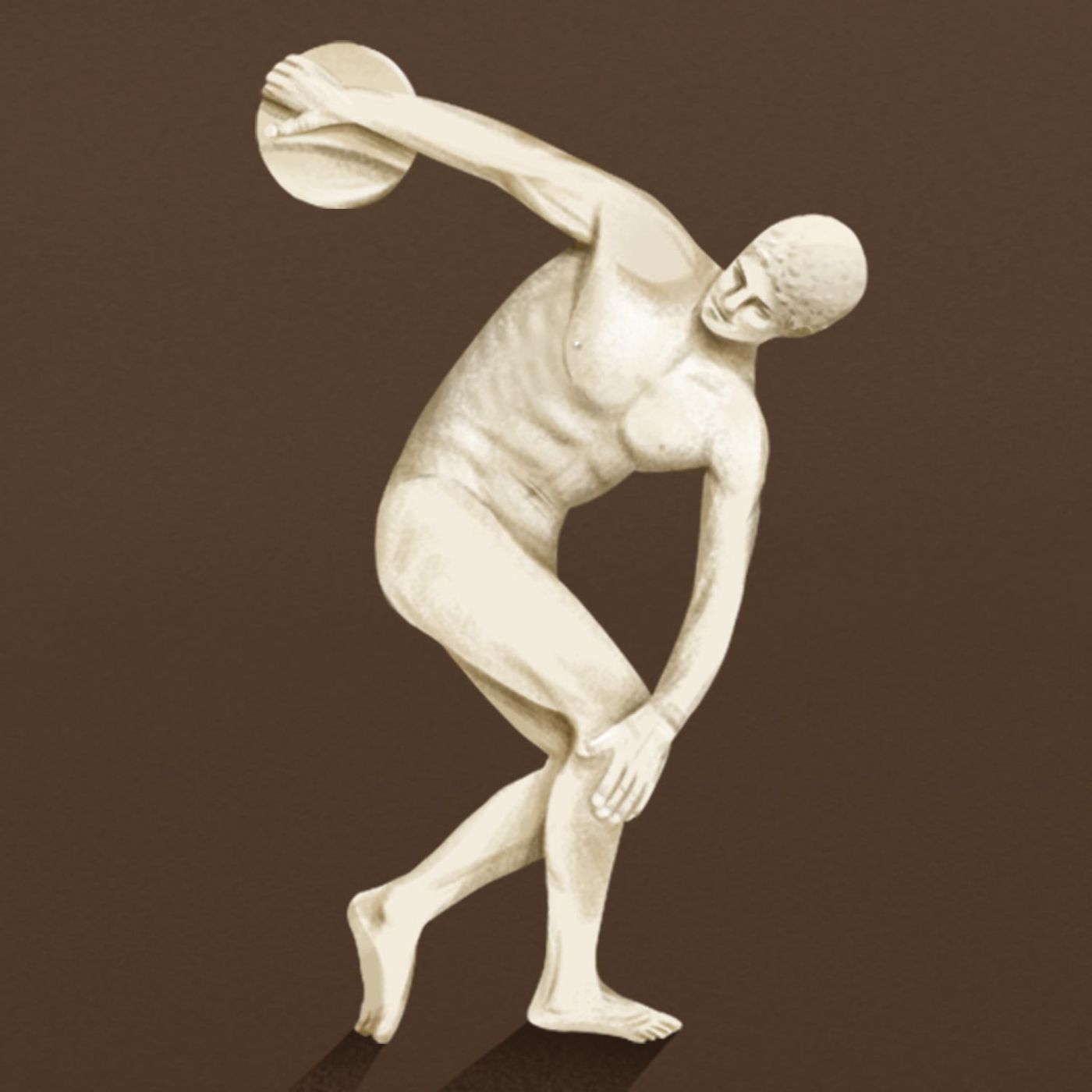
The Aesthetics of Life: Exploring Beauty in Umberto Eco's Masterpiece
Chapter 1:Summary of On Beauty Full Book"On Beauty" is a novel written by Umberto Eco, a renowned Italian writer and philosopher. The book explores themes of art, aestheticism, and the nature of beauty. Set in the 1970s, the story follows a young protagonist named Michele Casablancas, an art history student who is fascinated by the concept of beauty.Throughout the novel, Eco delves into the ideas of beauty and its perception, questioning whether beauty is objective or subjective. Michele embarks on a journey to understand the true nature of beauty, encountering various characters along the way who have different perspectives on the matter.One of the central characters in the book is Claire Bovary, a talented artist who creates extraordinary sculptures. Claire's artwork serves as a catalyst for Michele's exploration of beauty, as he starts to question the conventional notions of beauty and begins to recognize its diverse manifestations.Through Michele's encounters with artists, scholars, and philosophers, Eco explores different theories and philosophies of beauty. The narrative incorporates discussions on the aesthetics of art, the role of perception in beauty, and the connection between beauty and morality.Eco also touches upon the idea of the "sublime," a concept developed by philosophers such as Immanuel Kant. The sublime refers to an experience that exceeds one's ability to fully comprehend, creating a sense of awe and wonder.Overall, "On Beauty" is an exploration of the complexities of beauty, its various manifestations, and the profound impact it has on individuals and society. Umberto Eco's rich narrative and philosophical insights make this book a thought-provoking read for anyone interested in the nature of beauty and its role in human existence.Chapter 2:the meaning of On Beauty Full BookOn Beauty is a novel written by Umberto Eco, an Italian author and philosopher. The book, published in 2004, tells the story of a postmodern society in which beauty is highly valued and sought after.The plot revolves around a series of events that take place at a medieval castle called Belezza, which is transformed into a beauty institute. The main characters include several academics, a beauty queen, a genetic engineer, and a group of terrorists. The story explores themes such as the obsession with physical beauty, the dehumanization of society, the power of the media, and the conflict between science and art.The book can be interpreted as a satire on our society's obsession with appearances and the commodification of beauty. It criticizes the shallow nature of contemporary culture and exposes the dangers of reducing individuals to their physical appearance. Through its complex narrative structure, the book also delves into philosophical discussions on the nature of beauty, truth, and art.Furthermore, On Beauty is an exploration of how beauty can be manipulated, controlled, and even weaponized. It addresses the ethical implications of advancements in genetic engineering and the potential consequences of societies becoming increasingly focused on altering and enhancing physical appearances.Overall, On Beauty is a thought-provoking and intellectually stimulating novel that invites readers to reflect on the role of beauty in our modern world, as well as the larger questions of moral responsibility, identity, and the pursuit of perfection.Chapter 3:On Beauty Full Book chapters1. Chapter 1: The Power of Beauty - The protagonist, Professor Umberto Eco, reflects on the concept of beauty and its subjective nature. He explores different perspectives on beauty and argues that it is a powerful force that can influence and manipulate people.2. Chapter2: The Beauty of Art - Eco discusses the role of art in representing and creating beauty. He examines different artistic movements and their approach to beauty, highlighting the influence of culture and history on artistic perceptions of beauty.3. Chapter3: The Beauty of Nature - This chapter explores the beauty found in the natural world. Eco reflects on the aesthetic appreciation of landscapes, plants, and animals. He also discusses the impact of human intervention on the beauty of nature and the ethical implications of our interactions with it.4. Chapter 4: Beauty and Fashion - Eco examines the role of beauty in the fashion industry. He discusses the changing standards of beauty throughout history and the influential power of fashion in shaping our perceptions of beauty. He also reflects on the role of body image and self-perception in relation to fashion.5. Chapter 5: Beauty and Architecture - In this chapter, Eco explores the concept of beauty in architecture. He discusses different architectural styles and their aesthetic appeal, as well as how architecture reflects cultural values and ideals of beauty.6. Chapter 6: The Ugliness in Beauty - Eco explores the paradoxical nature of beauty and its relationship with ugliness. He argues that beauty is often appreciated in contras

Unlocking Potential: Mastery Through Coaching for Performance
Chapter 1:Summary of Coaching for Performance Full Bookoaching for Performance" by John Whitmore is a seminal book on the topic of coaching. In this book, Whitmore outlines a practical, yet profound approach to coaching that focuses on unlocking an individual's potential for peak performance.The book begins by introducing the concept of coaching as a leadership philosophy that aims to empower individuals to improve their own performance and achieve their goals. Whitmore believes that coaching is not just about telling others what to do but rather about facilitating their own self-discovery and learning.Whitmore emphasizes the importance of building a strong coaching relationship based on trust and respect. He advocates for active listening, asking powerful questions, and providing constructive feedback as essential skills for coaches.One of the key principles of coaching outlined in the book is the GROW model, which stands for Goal, Reality, Options, and Will. This model serves as a framework for structuring coaching conversations and helps individuals clarify their goals, assess their current reality, explore options, and commit to taking action.The book also delves into the concept of limiting beliefs, which are the negative thoughts or assumptions that hold individuals back from reaching their full potential. Whitmore encourages coaches to help individuals identify and challenge these beliefs, replacing them with more empowering ones.In addition to the practical techniques and tools, Whitmore emphasizes the importance of the coach's mindset and attitude. He believes that coaches need to adopt a non-judgmental and curiosity-driven mindset, constantly seeking to understand and support the individual's growth.Throughout the book, Whitmore provides numerous real-life examples and case studies to illustrate the coaching principles in action. He also offers advice for integrating coaching into various organizational settings, such as businesses, sports, and education.Overall, "Coaching for Performance" offers a comprehensive guide to coaching that is applicable to both aspiring coaches and experienced professionals. It emphasizes the transformative power of coaching, not only in driving individual performance but also in fostering personal growth and fulfillment.hapter 2:the meaning of Coaching for Performance Full BookThe book "Coaching for Performance" by John Whitmore is considered a comprehensive guide to coaching and its principles. It explores the concept of coaching as a powerful tool for unlocking human potential, both in personal and professional contexts. The book delves into various aspects of coaching, including the mindset and skills required to be an effective coach, the importance of building strong relationships with clients, and the different coaching models that can be applied in different situations.Whitmore emphasizes the importance of shifting from a directive approach to a collaborative one, enabling individuals to tap into their innate abilities and find their own solutions to challenges. The book provides practical tools and techniques for effective coaching conversations, goal setting, feedback, and development planning.Moreover, coaching is presented as a means to enhance performance and enable individuals to reach their full potential. It advocates for a holistic approach to coaching, considering not only professional performance but also personal growth, values, and overall well-being.Overall, "Coaching for Performance" aims to provide coaches, managers, and individuals with a comprehensive understanding of coaching principles and practices, offering guidance on how to facilitate positive and lasting change for themselves and others.Chapter 3:Coaching for Performance Full Book chaptersChapter 1: The Essence of CoachingIn this chapter, Whitmore introduces the concept of coaching and highlights its importance in unlocking potential and achieving performance improvement. He emphasizes the need for a holistic approach to coaching, focusing on developing the individual rather than simply providing short-term solutions.Chapter 2: Competence, Competencies, and ConsciousnessThis chapter delves into the importance of competence in coaching. Whitmore discusses how skill and knowledge alone are not enough, as consciousness and self-awareness are vital for effective coaching. He introduces the GROW model as a framework for structuring coaching conversations.Chapter 3: Principles of CoachingWhitmore outlines seven principles that underpin effective coaching. These principles include beliefs in the potential of individuals, self-responsibility, and the power of constructive feedback. He emphasizes the importance of embracing these principles in creating an effective coaching environment.Chapter 4: The Coaching RelationshipThis chapter explores the relationship between coach and coachee, highlighting the importance of trust, rapport, and empathy. Whitmore discusses effective questioning, listening

The Ultimate Guide to Work Rules: Mastering Success in the Modern Workplace
Chapter 1:Summary of work rules Full Book"Work Rules!" by Laszlo Bock is a book that offers insights and practical advice on building a great workplace and improving organizational culture. Bock, who served as the Senior Vice President of People Operations at Google, shares his experiences and learnings from his time at the company. The book is divided into fourteen chapters and covers a wide range of topics related to work, including hiring, culture, management, and leadership.Bock begins by discussing the importance of hiring the right people. He emphasizes the need for rigorous and unbiased hiring processes, and shares strategies for attracting and assessing talent effectively. He also emphasizes the importance of creating a diverse and inclusive workforce.The book then explores the concept of culture and its impact on employee satisfaction and performance. Bock provides examples of how Google fostered a culture of innovation and creativity, highlighting the importance of transparency, trust, and psychological safety. He also emphasizes the role of managers in shaping the culture and creating an environment where people can thrive.In the chapter on compensation, Bock discusses the approach Google took towards pay, emphasizing the need for fairness and market competitiveness. He also explains the concept of "total rewards," which includes non-monetary benefits that contribute to employee engagement and well-being.The book also explores topics such as performance management, learning and development, and work-life balance. Bock shares Google's approach to performance reviews and offers insights on how to provide effective feedback and support employee growth. He also discusses the importance of work-life balance and creating a flexible work environment that allows employees to bring their whole selves to work.In the final chapters, Bock delves into issues related to organizational structure, decision-making, and leadership. He discusses the benefits of a flat organizational structure and outlines strategies for effective decision-making, emphasizing the importance of data-driven and inclusive decision-making processes. He also shares advice on effective leadership, highlighting the qualities and behaviors that contribute to success.Overall, "Work Rules!" provides a comprehensive overview of the strategies and practices that contribute to a great workplace. It offers practical advice and insights backed by real-life examples from Google, making it a valuable resource for leaders, managers, and HR professionals seeking to create a positive and productive work environment.Chapter 2:the meaning of work rules Full Book"Work Rules!" is a book written by Laszlo Bock, the former Senior Vice President of People Operations at Google. In this book, Bock shares his insights and experiences about creating a successful and fulfilling work environment.The meaning of work rules, as outlined in the book, refers to the various practices, policies, and principles that organizations can adopt to attract and retain talent while ensuring high employee satisfaction and productivity. Bock argues that traditional management practices are outdated and need to be replaced with innovative approaches that empower and inspire employees.Some of the key principles and ideas discussed in the book include:Culture: Building a strong and positive work culture is crucial for attracting and retaining top talent. Organizations should prioritize transparency, trust, and inclusion. Hiring: Bock emphasizes the importance of hiring the right people for the job. This involves adopting a data-driven approach to identify the traits and skills that lead to success in a particular role.Learning and Development: Continuous learning and growth are essential in the modern workplace. Bock discusses the importance of providing employees with opportunities for development, whether it's through training, mentorship, or cross-functional projects.Compensation: Bock suggests that organizations should provide fair and competitive compensation, but also offer additional benefits and perks that improve the overall employee experience.Work-Life Balance: Bock challenges the traditional notion of work-life balance and suggests focusing on work-life integration. This means creating an environment where employees can bring their whole selves to work and find harmony between their personal and professional lives.Throughout the book, Bock shares real-life examples and case studies from his time at Google to illustrate how these work rules have been successfully implemented. The underlying message is that by prioritizing the well-being and growth of employees, organizations can create a work environment that drives innovation and success.Chapter 3:work rules Full Book chapters"Work Rules!: Insights from Inside Google That Will Transform How You Live and Lead" by Laszlo Bock is a book that provides insights into the unique work culture and practices at Google. The book is di

A Little History of the World: Discovering the Tapestry of Human Civilization
Chapter 1:Summary of A Little History of the World Full Book"A Little History of the World" by E.H. Gombrich is a concise and engaging overview of the history of the world, aimed at young readers but accessible to people of all ages. The book begins with the earliest humans and covers ancient civilizations, such as the Egyptians, Greeks, and Romans.Gombrich then explores the Middle Ages, discussing topics such as the rise of Christianity, the feudal system, and the Crusades. He goes on to cover the Renaissance, the Scientific Revolution, and the Age of Exploration, highlighting key figures and events during these periods.The book also delves into the Enlightenment and the French Revolution, exploring the impact of these movements on society and politics. Gombrich then turns his attention to the Industrial Revolution and the rise of capitalism, detailing the transformations that occurred during this time.In the later chapters, Gombrich explores the major conflicts and developments of the 20th century, including World War I, the Great Depression, and the rise of totalitarian regimes. He discusses World War II and its aftermath, exploring the Cold War and the space race.Throughout the book, Gombrich emphasizes the interconnectedness of world history and highlights the diverse cultures and societies that have shaped the world we live in today. He also brings attention to overlooked aspects of history, such as the contributions of women and non-Western civilizations.Overall, "A Little History of the World" provides a broad overview of world history, offering readers a simplified but comprehensive look at the major events and themes that have shaped human civilization. It serves as an accessible introduction to history and sparks curiosity for further exploration.Chapter 2:the meaning of A Little History of the World Full Book"A Little History of the World" by E.H. Gombrich is a book that provides a concise and accessible overview of world history. It aims to introduce readers to the major events, people, and civilizations that have shaped our world from prehistoric times to the present.Gombrich, a renowned art historian, wrote this book with the intention of making history engaging and understandable for readers of all ages. He covers a wide range of topics, including ancient civilizations such as the Egyptians, Greeks, and Romans, as well as significant moments in European history, such as the Renaissance and the Industrial Revolution. He also explores the history of different parts of the world, such as Asia, Africa, and the Americas.The book is written in a narrative style, making it a compelling storytelling experience that captures the reader's attention. Gombrich focuses on the human aspect of history, highlighting the experiences and contributions of individuals throughout different periods. This approach allows readers to connect with history on a personal level and understand its impact on the world we live in today.Overall, "A Little History of the World" provides a broad understanding of world history in a clear and engaging manner. It serves as an excellent introductory resource for those who wish to gain a basic understanding of global historical events and their significance.Chapter 3:A Little History of the World Full Book chapters"A Little History of the World" by E.H. Gombrich is a concise and accessible book that offers a broad overview of world history from the Stone Age to the early 20th century. The book is divided into several chapters, each covering a different period or topic. Here is a summary of each chapter:1. Once upon a Time: Introduces the concept of history and explores the earliest civilizations of Mesopotamia, Egypt, and China.2. The Great Age of the Egyptians: Explores the development of the Egyptian civilization, including their architectural achievements, religious beliefs, and cultural practices.3. The Little Minoan: Covers the Minoan civilization of Crete and its contributions to trade, art, and mythology.4. The Gods of Greece: Introduces Ancient Greece, its myths, gods, and early city-states, as well as the concept of democracy.5. The Greek Way of Life: Explores Greek philosophy, literature, drama, and the Olympics, as well as the rise of Alexander the Great.6. The Romans: Discusses the founding of Rome, the expansion of the Roman Empire, and the societal structure of Ancient Rome.7. The Teacher of the World: Focuses on the life, teachings, and impact of the Buddha, as well as the rise of Hinduism and China's Confucianism.8. The Rabbi from Galilee: Covers the life, teachings, and impact of Jesus of Nazareth and the spread of Christianity in the Roman Empire.9. The World of Islam: Explores the rise and expansion of Islam, as well as the achievements of Islamic scholars in science, mathematics, and art.10. Charlemagne and the Paladins: Discusses the rise of Charlemagne and the Carolingian Empire in Europe during the Middle Ages.11. The Age of Chivalry: Explores medieval knigh

Anticancer: A Comprehensive Guide to Empowering Your Health and Preventing Cancer
Chapter 1:Summary of Anticancer Full BookThe book "Anticancer" by David Servan-Schreiber is a comprehensive guide on understanding and implementing a holistic approach to preventing and fighting cancer. The author, who is both a scientist and a cancer survivor, combines his personal experience with scientific research to provide readers with practical advice on improving their physical and mental well-being.The book begins by exploring the various factors that contribute to cancer development, including genetics, environmental pollutants, stress, and diet. Servan-Schreiber emphasizes the importance of adopting a healthy lifestyle, which includes consuming a nutritious diet rich in fruits, vegetables, and whole grains, as well as engaging in regular physical exercise.Servan-Schreiber also highlights the significance of managing stress and promoting emotional well-being. He discusses the negative effects of chronic stress on the immune system and offers mindfulness techniques, meditation, and other stress-reducing practices to promote healing and prevent cancer recurrence.Furthermore, the author delves into the role of conventional and complementary treatments in cancer care. While recognizing the benefits of medical interventions like surgery, chemotherapy, and radiation therapy, Servan-Schreiber also discusses the potential benefits of complementary approaches such as acupuncture, massage therapy, and herbal supplements.Additionally, Servan-Schreiber explores the impact of environmental factors on cancer development, including exposure to toxins and endocrine disruptors. He provides practical tips on reducing exposure to these harmful substances and emphasizes the importance of creating a healthy living environment.Throughout the book, Servan-Schreiber emphasizes the power of making conscious choices and taking control of one's health. He presents inspiring stories of cancer survivors who have successfully implemented lifestyle changes and complementary therapies to support their healing journeys.In summary, "Anticancer" by David Servan-Schreiber is a comprehensive guide that combines scientific knowledge with personal anecdotes to provide readers with practical advice on preventing and fighting cancer. The book emphasizes the importance of adopting a healthy lifestyle, managing stress, and reducing exposure to toxic substances, while also recognizing the benefits of conventional and complementary treatments.Chapter 2:the meaning of Anticancer Full Book"Anticancer: A New Way of Life" is a book written by David Servan-Schreiber, a physician, and neuroscientist who was diagnosed with brain cancer. The book not only chronicles his personal journey and experiences with cancer but also explores the factors that contribute to the development of the disease and offers practical advice on how to prevent and fight cancer.The main theme of the book is that there are lifestyle choices and behaviors that can help in reducing the risk of cancer and even support the body in fighting against it. Servan-Schreiber emphasizes the importance of adopting a holistic approach to cancer treatment, integrating conventional medical treatments with complementary therapies and lifestyle changes.Throughout the book, Servan-Schreiber discusses various aspects of cancer prevention and treatment, including the role of nutrition, stress management, exercise, and environmental factors. He also explores the emerging field of mind-body medicine and its potential in supporting cancer patients.The book also draws on scientific research to provide evidence-based recommendations and practical strategies for implementing these lifestyle changes. Servan-Schreiber emphasizes the importance of empowering oneself with knowledge about cancer and taking an active role in personal health.Overall, "Anticancer: A New Way of Life" offers a comprehensive approach to cancer prevention and management, blending personal anecdotes, scientific research, and practical advice. It provides readers with a deeper understanding of the complex nature of cancer and encourages them to take charge of their own health to prevent and combat the disease.Chapter 3:Anticancer Full Book chaptersChapter 1: The Body on Trial - This chapter introduces the author's personal experience with cancer and sets the stage for the exploration of alternative and complementary therapies in the fight against cancer.Chapter 2: Cancer's Weaknesses - The author discusses the vulnerabilities of cancer cells and how understanding these weaknesses can help in developing effective treatments.Chapter 3: The Best Defense - Servan-Schreiber explores the role of the immune system in preventing and fighting cancer, emphasizing the importance of strengthening immune function.Chapter 4: What We Eat - This chapter examines the link between nutrition and cancer, featuring specific foods and dietary habits that can help prevent or manage the disease.Chapter 5: Nature's Pharmacy - The author explores the poten

Breathing for Performance: Unleashing Your Potential with The Oxygen Advantage
Chapter 1:Summary of The Oxygen Advantage Full Book"The Oxygen Advantage" by Patrick McKeown is a comprehensive guide to improving overall health and performance by optimizing breathing patterns. The book outlines various breathing techniques and exercises that can enhance oxygen intake and utilization in the body.McKeown starts by explaining the importance of carbon dioxide (CO2) in the breathing process. Contrary to popular belief, CO2 is not a waste gas but a crucial component for proper oxygen delivery. The author highlights the negative effects of chronic overbreathing, which leads to reduced CO2 levels and subsequent health issues.The book introduces the Oxygen Advantage Program, a structured approach to retraining the breathing system. The program focuses on several techniques, including nasal breathing, breath hold exercises, reducing breathing volume, and increasing breathless training. These techniques aim to restore breathing to its natural pattern and increase CO2 levels, resulting in improved oxygen delivery and overall health.Throughout the book, McKeown provides scientific evidence and case studies to support his claims. He also addresses common myths and misconceptions about breathing and provides practical tips for incorporating the Oxygen Advantage Program into daily life. The author recommends these practices for various purposes, such as stress reduction, athletic performance enhancement, and treating conditions like asthma and sleep apnea."The Oxygen Advantage" is a practical and informative book for anyone looking to optimize their breathing for better health and performance. By implementing the techniques and exercises outlined in the book, readers can increase their energy levels, enhance mental clarity, and improve overall well-being.Chapter 2:the meaning of The Oxygen Advantage Full BookThe Oxygen Advantage is a book written by Patrick McKeown, and it is all about improving health, performance, and overall well-being by enhancing our breathing. McKeown argues that many people aren't breathing correctly, and as a result, they aren't getting adequate oxygenation to their cells. This can lead to a range of health issues such as asthma, anxiety, sleep problems, and reduced physical performance.The book provides a detailed explanation of how breathing impacts various bodily systems and functions. It explores the negative effects of over-breathing, mouth breathing, and shallow breathing. McKeown also introduces techniques and exercises to help readers optimize their breathing patterns, such as nasal breathing, breath hold exercises, and relaxation techniques.The Oxygen Advantage aims to increase the body's ability to efficiently utilize oxygen, which can improve overall health and athletic performance. It provides practical tips, exercises, and lifestyle changes that readers can implement to enhance their breathing patterns and take advantage of the benefits of efficient breathing.Overall, The Oxygen Advantage serves as a comprehensive guide for individuals who are looking to optimize their breathing habits and improve their health, performance, and well-being through better oxygenation.Chapter 3: 10 Quotes From The Oxygen Advantage Full Book1. "Breath is the essence of life, and proper breathing is essential for optimal health and performance."2. "Most people today are over-breathing, leading to a host of health issues, including asthma, anxiety, and sleep disorders."3. "Improper breathing can contribute to chronic fatigue, as well as impaired concentration and focus."4. "By slowing down and deepening our breath, we can tap into the powerful benefits of carbon dioxide and increase our tolerance to it."5. "Nasal breathing is the most efficient way to take in oxygen, as it filters, warms, and moistens the air before it reaches the lungs."6. "The Buteyko Method can help us retrain our breathing pattern, allowing us to naturally breathe less and increase our body's oxygenation efficiency."7. "Breath-holding exercises can improve our lung capacity and strengthen our respiratory muscles, enhancing our overall athletic performance."8. "Breathing through the nose during physical activity can increase nitric oxide production, improving blood flow and oxygen delivery to muscles."9. "Proper breathing techniques can significantly reduce the risk of exercise-induced asthma and improve respiratory efficiency."10. "By optimizing our breathing, we can enhance our overall well-being, reduce stress levels, and improve our mental clarity and focus."

Escape from Freedom: Embracing Individuality in a Constricting World
Chapter 1:Summary of Escape from Freedom Full BookEscape from Freedom is a comprehensive exploration of the human condition, written by psychoanalyst and social philosopher Erich Fromm. The book delves into the complexities of human existence and examines the psychological, social, and historical factors that shape the individual's sense of self and freedom.Fromm argues that freedom, although universally desired, can be a daunting and overwhelming concept for many individuals. He contends that humans are born into a state of "primary freedom," where they are liberated from the constraints of nature but also face the burden of making choices and taking responsibility for their own existence.Fromm explains that individuals often struggle to cope with this freedom and seek ways to avoid the anxiety and isolation that accompany it. He explores various forms of escape, including conformity, authoritarianism, destructiveness, and automaton conformity, that individuals may adopt to alleviate the burdens of freedom. Fromm posits that these escape mechanisms are detrimental to personal growth and hinder the development of a truly authentic and fulfilled self.Throughout the book, Fromm analyzes the historical and cultural context that perpetuates the escape from freedom, focusing on the rise of Nazi Germany as an extreme example. He argues that the rise of totalitarian regimes can be attributed to the individual's desire for security and certainty, which leads them to surrender their freedom to a powerful authority.Ultimately, Fromm proposes that the only way to transcend the escape from freedom is through the development of an autonomous and responsible self. He advocates for a society that fosters individuality, critical thinking, and empathy, allowing individuals to embrace their freedom without succumbing to destructive escape mechanisms.Escape from Freedom provides a thought-provoking exploration of human nature and the challenges associated with freedom. Fromm's insights offer a valuable perspective on the human condition, encouraging readers to reflect on their own relationship with freedom and the potential for personal and societal transformation.Chapter 2:the meaning of Escape from Freedom Full Book"Escape from Freedom" is a book written by Erich Fromm, a prominent psychoanalyst and social psychologist. Published in 1941, the book explores the psychological and social implications of freedom and its relationship to human behavior.The central theme of the book revolves around the concept of freedom and the individual's struggle to reconcile their desire for freedom with the anxiety and uncertainty it entails. Fromm argues that while freedom is a fundamental human need, it can also be a source of fear and anxiety, as it requires individuals to take responsibility for their choices and actions.Fromm analyzes various historical and social factors that shape individuals' attitudes towards freedom, such as the transition from feudalism to capitalism and the rise of totalitarianism. He discusses how these social changes have created a sense of alienation and powerlessness among individuals, leading them to relinquish their freedom in favor of conformity and submission to authority.The book also delves into the psychological implications of the individual's search for freedom. Fromm examines the role of identity and self-awareness in shaping one's sense of freedom and self-actualization. He explores how individuals often seek to escape from freedom by adopting rigid belief systems, conforming to societal norms, or surrendering their autonomy to authoritarian leaders.Through his analysis, Fromm raises questions about the paradoxical nature of freedom and the challenges it poses for individuals in modern societies. He offers insights into the psychological and social dynamics that influence individuals' attitudes towards freedom, and suggests paths towards true emancipation and self-realization.Overall, "Escape from Freedom" is a thought-provoking exploration of the human condition and the complex relationship between freedom, individuality, and societal structures. It provides valuable insights into the challenges individuals face in their pursuit of freedom and self-actualization, and offers a critical examination of the psychological and social forces that influence human behavior.Chapter 3: Escape from Freedom Full Book chapters1. The Emergence of Individuality: This chapter explores the historical development of the concept of individuality and the challenges it poses for human beings. Fromm argues that while individuality offers liberation, it also generates fear and isolation.2. Freedom in the Age of Reformation: Fromm examines the impact of the Reformation on individual freedom. He suggests that the Reformation led to the rupture of traditional structures and the rise of individualism, but also exposed individuals to existential anxieties and the need for conformity.3. The Awakening of the Individual and the

Unequal Childhoods: An In-Depth Exploration of Social Class, Parenting, and the Implications for Children's Upbringing
Chapter 1:Summary of Unequal Childhoods Full Book"Unequal Childhoods" by Annette Lareau is a sociological study that examines the impact of social class on childrearing practices and children’s outcomes. Lareau conducted her research primarily in two different social class settings, namely working-class and middle-class families.The book begins by introducing the concept of natural growth, which is the norm for working-class families. Natural growth involves giving children space and freedom to develop on their own, allowing them to engage in unstructured play and giving them opportunities to learn from their own experiences. Middle-class families, on the other hand, practice concerted cultivation, which involves actively fostering a child’s talents and skills through organized activities, structured schedules, and constant guidance.Lareau's research highlights the divergent parenting styles adopted by working-class and middle-class parents and how these different approaches shape children's development. Working-class parents tend to adopt a more laissez-faire approach to childrearing, allowing their children more autonomy and independence. Middle-class parents, on the other hand, are more likely to be involved in their children's lives, guiding and directing their activities and providing them with numerous opportunities for personal growth and development.The book argues that concerted cultivation gives middle-class children an advantage in navigating institutional settings such as schools, where they have learned to advocate for themselves and voice their opinions confidently. In contrast, working-class children are often perceived as uncooperative or lacking in necessary skills due to their different upbringing.Lareau also examines the role of race in shaping parenting practices and children's outcomes. She finds that African American families of both social classes tend to adopt a combination of natural growth and concerted cultivation, adapting their parenting strategies to navigate the challenges of racial discrimination and socioeconomic disadvantage.Overall, "Unequal Childhoods" sheds light on the influence of social class on parenting styles and children's experiences and provides valuable insights into the ways in which social inequality is perpetuated from one generation to the next.Chapter 2:the meaning of Unequal Childhoods Full Book"Unequal Childhoods: Class, Race, and Family Life" by Annette Lareau is a sociological study that explores the ways in which social class and race influence child-rearing practices and shape the lives and opportunities of children in different social contexts.Lareau conducted a detailed research study over several years, observing and interviewing families from different social backgrounds to understand how their parenting styles and strategies impact their children's development. The book primarily focuses on the experiences of middle-class and working-class families, examining their contrasting patterns of child-rearing, educational engagement, and extracurricular activities.Through her research, Lareau argues that middle-class parents tend to adopt a concerted cultivation approach in raising their children. This involves actively fostering their children's talents and skills through organized activities, providing them with a structured and enriched environment, and encouraging assertiveness and negotiation skills. In contrast, working-class and poor families often engage in an accomplishment of natural growth approach, which emphasizes obedience, conformity, and the development of practical life skills.Lareau shows how these distinctive parenting styles and the cultural and economic resources available to different families significantly influence children's academic performance, socialization, and future opportunities. Middle-class children, for example, tend to gain advantages by developing a sense of entitlement, comfort in interacting with authority figures, and an ability to navigate complex institutions such as schools.Additionally, the book sheds light on how race intersects with class in shaping childhood experiences. Lareau explores how racial and ethnic minority families often navigate multiple barriers and encounter additional layers of disadvantage in accessing resources and opportunities for their children.Overall, "Unequal Childhoods" provides valuable insights into the impact of social class and race on the experiences and life chances of children. By highlighting the inequalities embedded in contemporary child-rearing practices, Lareau's work aims to contribute to a more comprehensive understanding of social stratification and the reproduction of inequality in modern society.Chapter 3: Unequal Childhoods Full Book chapters"Unequal Childhoods: Class, Race, and Family Life" by Annette Lareau is a comprehensive exploration of how social class and race shape childhood experiences. The book is divided into seven chapters, each addressing different as

Unlocking Strategies for Rapid Business Expansion: Full Book Hacking Growth
Chapter 1 What's Full Book Hacking Growth"Hacking Growth: How Today's Fastest-Growing Companies Drive Breakout Success" is a book written by Sean Ellis and Morgan Brown. It was first published in 2017. The book provides a roadmap for businesses to achieve rapid growth by embracing a mindset of experimentation and iterative learning.The term "growth hacking" was popularized by Sean Ellis, who defined it as a process of rapid experimentation across marketing channels to identify the most effective ways to grow a business. In the book, Ellis and Brown draw on their experiences working with various successful startups and provide practical insights and strategies for implementing growth hacking techniques.The book covers topics such as finding the right growth strategy, identifying growth levers, creating experiments, optimizing customer acquisition and retention, analyzing data, building a growth team, and managing growth throughout different stages of a company's lifecycle. It emphasizes the importance of focusing on measurable and actionable metrics to drive sustainable growth."Hacking Growth" is a comprehensive guide for entrepreneurs, marketers, and business leaders looking to drive accelerated growth in their organizations.Chapter 2 Is Full Book Hacking Growth recommended for reading?"Hacking Growth" by Sean Ellis and Morgan Brown is generally well-regarded in the field of growth hacking and marketing. It provides insights, strategies, and case studies on how to drive growth for startups and established companies. Many readers appreciate the practical advice provided in the book. However, individual opinions may vary, so it ultimately depends on your specific interests and needs. It might be helpful to read reviews or summaries of the book to assess if it aligns with your goals.Chapter 3 Full Book Hacking Growth Summary"Hacking Growth: How Today's Fastest-Growing Companies Drive Breakout Success" is a book written by Sean Ellis, the founder and CEO of GrowthHackers.com, and Morgan Brown, a growth strategist. The book focuses on the concept of growth hacking, which is a systematic and data-driven approach to driving sustainable and rapid business growth.The book begins by introducing the concept of growth hacking and explaining how it differs from traditional marketing approaches. Ellis and Brown argue that growth hacking is a mindset that is centered around experimentation, continuous learning, and a focus on driving sustainable growth through data and analytics.The authors outline the key principles of growth hacking and provide examples of successful growth hacking strategies employed by companies such as Airbnb, Uber, and Facebook. They emphasize the importance of finding a growth engine, identifying key metrics, and using data to inform decision-making.Throughout the book, Ellis and Brown provide practical tips and frameworks for implementing growth hacking strategies. They break down the growth hacking process into six steps: understanding the growth mindset, defining growth goals, developing growth hypotheses, prioritizing growth experiments, executing experiments, and analyzing and learning from the results.The authors also address common challenges and pitfalls in growth hacking, such as the need for a cross-functional team, the importance of communication and alignment, and the potential risks associated with unethical growth hacking practices.In addition, the book explores various growth hacking techniques and channels, such as viral marketing, A/B testing, search engine optimization (SEO), and email marketing. The authors provide case studies and examples to illustrate how these techniques can be effectively used to drive growth.Overall, "Hacking Growth" serves as a guide for entrepreneurs, marketers, and business leaders who want to adopt a growth hacking mindset and leverage data and experimentation to drive sustainable growth. The book offers practical advice, insights, and real-world examples that can be applied to businesses of all sizes and industries.Chapter 4 Meet the Writer of Full Book Hacking GrowthThe book Hacking Growth: The Modern Marketing Guide to Analytics, Rapid Testing, and Continuous Innovation, commonly referred to as "Hacking Growth," is co-authored by Sean Ellis and Morgan Brown. Sean Ellis is the CEO and founder of GrowthHackers.com, as well as the coined term "growth hacker." Morgan Brown is also an experienced marketer and entrepreneur.The book Hacking Growth was released on April 25, 2017. It provides insights into growth hacking strategies, techniques, and methodologies to help businesses accelerate their growth.As of now, both Sean Ellis and Morgan Brown have not released any other books individually. However, they have co-authored another book called "Unlocking Growth: How the World’s Fastest-Growing Companies Drive Breakout Success," which was published on January 24, 2023.In terms of editions, "Hacking Growth" is available in its original edition, which was relea

The Essential Takeaways from Oprah Winfrey's 'What I Know for Sure'
Chapter 1 What's Full Book what i know for sure"What I Know for Sure" is a book written by Oprah Winfrey, an American media executive, talk show host, actress, producer, and philanthropist. It was originally published in 2014 and is a compilation of inspirational articles written by Winfrey for her monthly column in O, The Oprah Magazine, over a span of 14 years.The book is divided into different themes, such as joy, resilience, connection, gratitude, possibility, awe, clarity, power, and fulfillment. Each section contains personal anecdotes, reflections, and life lessons that Oprah has learned throughout her life and career."What I Know for Sure" aims to inspire readers to live their best lives, find meaning and purpose, and pursue personal growth and self-discovery. It explores themes of gratitude, mindfulness, and embracing the present moment. The book offers insights on overcoming challenges, making choices that align with one's values, and finding balance in life.Overall, "What I Know for Sure" provides Oprah's unique perspective on various aspects of life, offering wisdom and guidance for readers seeking personal transformation and fulfillment.Chapter 2 Is Full Book what i know for sure recommended for reading?"What I Know for Sure" by Oprah Winfrey has generally received positive reviews. It is a collection of essays in which Winfrey shares her insights and life experiences, offering lessons she has learned throughout her life. Many readers have found the book to be inspiring, thought-provoking, and uplifting. If you are interested in Oprah Winfrey's wisdom and personal growth, you might enjoy reading this book.Chapter 3 Full Book what i know for sure Summary"What I Know for Sure" is a collection of personal essays written by Oprah Winfrey, where she shares her wisdom and life lessons that she has learned over the years. The book covers various aspects of her life including her career, relationships, spirituality, and personal growth.In the opening essay, Oprah explains how she began writing a column for her magazine, O, The Oprah Magazine, called "What I Know for Sure." She describes how these essays have become a way for her to reflect on her experiences and offer advice to others.Throughout the book, Oprah emphasizes the importance of living an authentic life and finding one's true purpose. She discusses how success is not defined by material wealth but by finding fulfillment and joy in everyday life.Oprah shares her insights on gratitude and the power of being grateful for both the big and small things in life. She believes that gratitude can transform our mindset and lead to a more positive and fulfilling life.The book also delves into Oprah's spiritual journey and her beliefs in the power of intuition and listening to one's inner voice. She shares personal anecdotes of times when she followed her intuition and how it led her to success.Oprah talks about the importance of taking care of oneself, both physically and mentally. She discusses the need for self-care and encourages readers to prioritize their well-being. She also shares her passion for exercise, meditation, and finding balance in life.The book touches on Oprah's experiences with relationships and love. She provides insights on what she has learned about friendship, forgiveness, and maintaining healthy boundaries in relationships.In the final section of the book, Oprah reflects on aging and the wisdom that comes with it. She shares her thoughts on embracing change, letting go of control, and finding meaning in the later stages of life.Overall, "What I Know for Sure" is a heartfelt and insightful exploration of Oprah Winfrey's personal journey and the life lessons she has learned along the way. It offers practical wisdom and inspiration for readers to live their best lives and find happiness and success.Chapter 4 Meet the Writer of Full Book what i know for sureThe book "What I Know for Sure" was authored by Oprah Winfrey, an American television presenter, media executive, actress, and philanthropist. It was first published on September 2, 2014. While Oprah has written several books, "What I Know for Sure" is her only book under the title. However, it is a compilation of her monthly columns from O, The Oprah Magazine, where she shares her thoughts, experiences, and life lessons. In terms of editions, different publishers often release various editions of a book, including hardcover, paperback, special editions, etc. However, it is subjective to determine the "best" edition. Generally, the first edition often holds more collectible value, but the content remains the same across editions. It ultimately depends on personal preference and the specific features or design offered in a particular edition.Chapter 5 Full Book what i know for sure Meaning & ThemeFull Book what i know for sure Meaning"What I Know for Sure" is a book written by Oprah Winfrey, in which she shares insights, lessons, and personal experiences that have shaped her l

Unlocking the Power of the Whole-Brain Child: A Summary
Chapter 1 What's Full Book The Whole-Brain ChildThe Whole-Brain Child, written by Daniel J. Siegel and Tina Payne Bryson, is a book that explores strategies for nurturing a child's healthy brain development. It provides valuable insights into the ways children's brains grow and develop, as well as practical tools to help parents and caregivers support their children's emotional and intellectual development.The book dives into the concept of brain integration, which suggests that optimal brain development occurs when different parts of the brain are working together in a coordinated manner. It then discusses twelve different strategies that parents can use to help their child develop a more integrated brain.These strategies cover various aspects of parenting and include techniques for developing emotional intelligence, promoting empathy, fostering healthy relationships, assisting with problem-solving, and managing tantrums and meltdowns. The authors use real-life examples and case studies to help readers better understand how these strategies can be implemented in different situations.The book also explains the different stages of brain development in children and how these stages impact behaviors and emotions. It emphasizes the importance of connecting with children on an emotional level and provides insights on how to communicate effectively with them.Overall, The Whole-Brain Child offers an accessible and practical guide for parents to navigate the challenges of raising children, while promoting their healthy brain development. It combines scientific research with practical advice and is considered a valuable resource for parents, caregivers, and professionals working with children.hapter 2 Is Full Book The Whole-Brain Child recommended for reading?The Whole-Brain Child by Daniel J. Siegel is widely regarded as a valuable resource for parents and caregivers. It provides practical advice and insights on how to foster healthy brain development in children, emphasizing the integration of left and right brain functions. The book offers details on various techniques and strategies to help children effectively navigate and regulate their emotions, leading to improved communication and problem-solving skills.Many readers appreciate the accessible writing style and the clear explanations of complex concepts related to brain development. The authors also provide relatable real-life examples and actionable steps, making it easy for parents to apply the suggested practices in their daily interactions with their children.However, it is important to note that individual opinions on any book can vary. While many find The Whole-Brain Child to be a valuable guide, others may have different preferences or find that it does not fully align with their parenting style or needs. It is always beneficial to read reviews, summaries, or excerpts to determine if a particular book suits your specific interests and goals before making a decision.Chapter 3 Full Book The Whole-Brain Child SummaryThe Whole-Brain Child is a bestselling book written by Daniel J. Siegel and Tina Payne Bryson. In this book, the authors offer parents and educators valuable insights into how a child's brain works and how they can understand and promote healthy brain development.The book begins by explaining the concept of whole-brain integration, which is the optimal state for a child's brain to function. According to the authors, when the different parts of the brain work in harmony, children are better able to regulate their emotions, handle stress, form healthy relationships, and make sound decisions.The authors then introduce twelve key strategies for promoting whole-brain integration in children. These strategies are presented as practical tools that parents and educators can use in their daily interactions with children. Some of these strategies include:1. Connect and redirect: Instead of ignoring or punishing a child's emotional outburst, the authors suggest connecting with the child's feelings and then redirecting their attention to a more appropriate behavior.2. Name it to tame it: By helping children put words to their emotions, parents and educators can support them in managing their feelings and developing emotional intelligence.3. Engage, don't enrage: Instead of triggering a power struggle with a child, the authors encourage adults to engage their child's unique perspective and involve them in the problem-solving process.4. Use it or lose it: The authors highlight the importance of providing children with opportunities to practice newly learned skills, as this strengthens the neural connections in their brain.Throughout the book, the authors provide numerous real-life examples and practical exercises to illustrate their points. They also draw on scientific research to bolster their explanations and make the information accessible and relatable to readers.By implementing the strategies outlined in the book, parents and educators can help childre

Unlocking Your Brain's Potential: A Summary of Brain Rules
Chapter 1 What's Full Book Brain Rules"Brain Rules: 12 Principles for Surviving and Thriving at Work, Home, and School" is a book written by John Medina. It explores the science behind how our brains work and provides practical advice on how to optimize our brains for better performance and wellness in various aspects of our lives.The book is divided into twelve chapters, each focusing on a different "brain rule" that Medina believes is essential for understanding how our brains function. These rules cover a wide range of topics, including exercise, sleep, stress management, attention, memory, and more.Through engaging storytelling, scientific research, and real-life examples, Medina explains the importance of each brain rule and offers strategies for incorporating them into our daily lives. The book also delves into the impact of technology on our brains and offers insights on how to navigate the digital world in a way that benefits our cognitive abilities.Overall, "Brain Rules" aims to inform readers about the incredible intricacies of the human brain and provide practical advice on how to harness its full potential. Whether you are a student, parent, teacher, or professional, this book offers valuable insights into how our brains work and how to optimize our cognitive abilities for success and well-being.Chapter 2 Is Full Book Brain Rules recommended for reading?The book "Brain Rules" by John Medina is generally well-regarded and highly recommended for those interested in learning about the brain and how it affects our lives. Medina, a molecular biologist, provides readers with insights into how our brains work and offers practical advice on how to improve our daily lives based on scientific research. The book is engaging, informative, and easy to understand, making it accessible to a wide audience. However, personal preferences may vary, so it ultimately depends on the reader's specific interests and needs.Chapter 3 Full Book Brain Rules Summary"Brain Rules" by John Medina is a science-based book that explores the functioning of the human brain and provides guidelines on how to optimize brain health and performance in various areas of life. Here is a full summary of the book:IntroductionThe author introduces the concept of brain rules, which are principles derived from scientific research that can help individuals understand and apply the knowledge about their brains to improve their lives. He explains that the brain is highly dynamic and adaptable, constantly changing and responding to the environment. Understanding the brain's structure and functions can help individuals make better decisions and lead healthier and more fulfilling lives.Rule 1: ExerciseMedina highlights the importance of exercise as a fundamental brain rule. He explains how physical activity positively affects the brain, improving memory, attention, and overall cognitive function. Exercise increases blood flow and stimulates the release of beneficial chemicals in the brain, which promotes mental well-being and enhances learning.Rule 2: SleepIn this chapter, Medina emphasizes the crucial role of sleep in brain function. He discusses the effects of sleep deprivation on cognitive performance and explains the science behind sleep patterns and cycles. The author provides suggestions on how to optimize sleep habits for better brain health and productivity.Rule 3: StressMedina explores the complex relationship between stress and the brain. He explains the different types of stress and their impact on cognitive abilities. The author highlights the importance of managing stress effectively, as chronic stress can have detrimental effects on memory, attention, and overall brain function.Rule 4: WiringThis chapter delves into the concept of neuroplasticity, which refers to the brain's ability to rewire and adapt. Medina discusses the factors that influence brain wiring, such as genetics, environment, and experiences. He provides practical advice on how to enhance brain wiring through learning, exposure to new experiences, and adopting a growth mindset.Rule 5: AttentionMedina explores the brain's limited attention capacity and explains the concept of selective attention. He addresses the challenges of multitasking and suggests strategies to improve focus and concentration. The author also discusses the impact of technology on attention span and offers suggestions on how to optimize digital media use for better brain function.Rule 6: MemoryThis chapter focuses on the brain's memory systems and how they work. Medina explains the different types of memory, such as working memory and long-term memory, and provides techniques for improving memory retention and recall. He also highlights the role of emotional connections in memory formation and offers suggestions for enhancing learning and memorization.Rule 7: Sensory IntegrationMedina explores how the brain integrates information from various senses to create a coherent perception of the world. He disc

Full Book Money Changes Everything: A Complete Summary
Chapter 1 What's Full Book Money Changes Everything"Money Changes Everything: How Finance Made Civilization Possible" is a book by William N. Goetzmann. The book explores the role of finance in shaping human civilization throughout history. It delves into the evolution of money, the development of financial systems, and the impact of finance on various aspects of society, including politics, art, and culture.In "Money Changes Everything," Goetzmann examines the origins of money and its transformative power in facilitating economic trade and societal progress. He explores how financial innovations, such as the invention of credit, helped spur economic growth and the expansion of empires.The book also delves into the influence of finance on art and culture. It explores how financial markets and patronage shaped artistic movements and allowed for the creation of masterpieces. Goetzmann argues that art has been largely driven by financial considerations, and he traces the relationship between finance and artistic expression throughout history.Furthermore, Goetzmann examines the influence of finance on politics and power dynamics. He explores how access to capital has shaped political systems, from ancient civilizations to modern democracies. He also highlights the role of finance in driving social change and influencing public policy."Money Changes Everything" offers a comprehensive historical perspective on the power and influence of finance on human civilization. It provides insights into the complex relationship between money, economics, art, culture, and politics. Through a wide range of case studies and historical examples, Goetzmann demonstrates how finance has played a pivotal role in shaping the world we live in today.Chapter 2 Is Full Book Money Changes Everything recommended for reading?"Money Changes Everything: Twenty-Two Writers Tackle the Last Taboo with Tales of Sudden Windfalls, Staggering Debts, and Other Surprising Turns of Fortune" edited by Jenny Offill and Elissa Schappell is generally well-regarded and has received positive reviews. It is an anthology of essays that explores the relationship between money and human experience, offering different perspectives and stories from various writers. If you are interested in exploring different narratives and perspectives on money, you may find it worth reading.Chapter 3 Full Book Money Changes Everything Summary"Money Changes Everything: How Finance Made Civilization Possible" by William N. Goetzmann is a book that explores the relationship between civilization and finance throughout history. It delves into various aspects of finance, including the origins of money, the rise of banking systems, the development of financial instruments, and the impact of financial innovation on society.Goetzmann begins by examining the origins of money and its importance in facilitating trade and commerce. He explores how different societies have used various forms of currency throughout history, tracing the evolution from simple bartering systems to the modern global financial system.The author also discusses the rise of banking systems and their role in facilitating economic growth. He explores the development of banking practices in different regions, highlighting their contribution to economic stability and the expansion of trade networks.Furthermore, Goetzmann explores the evolution of financial instruments and the role they play in shaping the economy. He discusses the emergence of stocks, bonds, and other investment vehicles, as well as the development of insurance and risk management tools. By analyzing these financial innovations, Goetzmann demonstrates how they have transformed societies and influenced economic growth.The book also delves into the social and cultural aspects of finance, exploring how it impacts individuals, communities, and nations. It addresses the moral and ethical dimensions of finance, discussing its potential for both positive and negative impacts on society.Throughout the book, Goetzmann provides historical examples and case studies to illustrate his points. He draws on a wide range of sources, including archaeological evidence, historical documents, and economic data, to paint a comprehensive picture of the relationship between finance and civilization.Ultimately, "Money Changes Everything" argues that finance is not just an abstract system but a crucial element in the development and progress of civilization. It demonstrates how finance has shaped human society and highlights the need for responsible financial practices to ensure a sustainable future.Chapter 4 Meet the Writer of Full Book Money Changes EverythingThe book "Money Changes Everything" has multiple authors, so there isn't a single author associated with it. The book was published by Princeton University Press in 2016. It is an anthology edited by Lawrence B. Glickman, with a foreword by Christina B. Leitner.As an anthology, "Money Changes Everything" features contribut

The Gene by Siddhartha Mukherjee: An In-depth Summary Explained
Chapter 1 What's Full Book The Gene"The Gene: An Intimate History" is a non-fiction book written by Siddhartha Mukherjee. It was published in 2016 and aims to explore the history, impact, and future of genetics. The book covers a wide range of topics related to the gene, including its discovery, development of the field of genetics, genetic diseases, genetic engineering, and the ethical implications of genetic research.Mukherjee uses various storytelling techniques to make complex scientific concepts accessible to the general reader. He intertwines personal anecdotes, historical narratives, and scientific explanations to provide a comprehensive understanding of genetics. The book also includes profiles of notable scientists who made significant contributions to the field, such as Gregor Mendel and James Watson."The Gene" delves into key debates in the field of genetics, including the nature versus nurture debate, genetic determinism, and the implications of genetic testing. It presents readers with an overview of the advancements made in genetics and genomics, from mapping the human genome to the potential for gene editing technologies like CRISPR.Overall, "The Gene" is praised for its ability to communicate complex scientific concepts in an engaging and accessible manner. It has received favorable reviews for its comprehensive coverage of genetics and its implications for medicine and society. The book won the 2017 Pulitzer Prize for General Nonfiction.Chapter 2 Is Full Book The Gene recommended for reading?Yes, "The Gene: An Intimate History" by Siddhartha Mukherjee is generally considered a good book. It has received critical acclaim and was awarded the Pulitzer Prize for General Nonfiction in 2017. The book explores the history and significance of genetics and DNA, its impact on our understanding of life and identity, as well as the ethical dilemmas and future possibilities that arise from this field of study. Mukherjee is known for his ability to explain complex scientific concepts in a compelling and accessible way, making this book a highly recommended read for anyone interested in genetics and its implications.Chapter 3 Full Book The Gene Summary"The Gene: An Intimate History" by Siddhartha Mukherjee is a comprehensive and intricate exploration of the history, science, and consequences of genetics. Mukherjee, an oncologist and Pulitzer Prize-winning author, delves into the fascinating world of genes, unraveling the intricate relationship between our genetic makeup and our identity, health, and society.The book is divided into six parts, chronologically tracing the development and understanding of the gene. It begins with Mukherjee's personal account of his family's history of mental illness, which sparks his curiosity about the role of genetics in shaping our lives.Part One explores the origins of genetics, from early theories of inheritance by the likes of Gregor Mendel to the discovery of DNA's double helix structure by James Watson and Francis Crick. It delves into the landmark experiments and discoveries that laid the foundation of the field.In Part Two, Mukherjee discusses the concept of heredity and its implications. He delves into the tragic legacy of eugenics, the science of improving the human population through selective breeding, and the horrors it led to, particularly during the Nazi regime. He also examines the ethical dilemmas that arise from the power of genetic engineering and the possibilities it presents for enhancing human traits.Part Three explores the role of genes in shaping our identity and individuality. Mukherjee discusses the interaction between nature and nurture, examining whether certain traits are predetermined by our genetic makeup or influenced by environmental factors. He delves into the field of behavioral genetics and the controversial studies surrounding the potential genetic basis for intelligence and personality.Part Four turns its focus towards cancer and the genetic mutations that cause it. Mukherjee explores the history of cancer research and the groundbreaking discoveries made in understanding the molecular mechanisms at play. He delves into the challenges of personalized medicine and the potential of targeted therapies.In Part Five, Mukherjee examines the relationship between genes and heredity through the lens of his own family's history of mental illness. He investigates the intricate interplay between genetics, mental health conditions, and the social stigma that often surrounds them.Finally, Part Six considers the future of genetics and the potential impact of gene editing technologies such as CRISPR-Cas9. Mukherjee explores the possibilities and dangers associated with altering the human genome, raising ethical questions about the boundaries of genetic intervention.Throughout the book, Mukherjee weaves together scientific discoveries, personal anecdotes, and historical accounts to create a captivating narrative. "The Gene" not only provides a comprehen

Asking the Right Questions: A Comprehensive Summary
Chapter 1 What's Full Book Asking the Right QuestionsThe full book "Asking the Right Questions: A Guide to Critical Thinking" by M. Neil Browne and Stuart M. Keeley provides readers with a comprehensive guide to developing critical thinking skills. The book explores the importance of asking the right questions in various contexts, such as problem-solving, decision-making, and argumentation.The authors emphasize the significance of inquiry and critical analysis in uncovering assumptions, evaluating evidence, and reaching well-informed conclusions. Through practical examples and exercises, Browne and Keeley teach readers how to ask the right questions to challenge assumptions, recognize biases, and clarify complex issues.The book also addresses common fallacies and manipulative techniques used in persuasive discourse, helping readers to identify faulty reasoning and deceptive tactics. It equips readers with the tools necessary to engage in more effective and rigorous thinking, leading to better decision-making and problem-solving outcomes.Overall, "Asking the Right Questions" serves as a guidebook for anyone interested in improving their critical thinking skills, fostering intellectual curiosity, and enhancing their ability to navigate complex issues in various aspects of life.Chapter 2 Is Full Book Asking the Right Questions recommended for reading?The book "Asking the Right Questions" by M. Neil Browne is generally considered to be a good book. It provides a practical guide for critical thinking, teaching readers how to improve their analytical skills and make better decisions. The book offers various critical thinking techniques and strategies that can be applied to various situations in both personal and professional life. Overall, if you are interested in enhancing your critical thinking abilities, this book can be a valuable resource.Chapter 3 Full Book Asking the Right Questions Summary"Asking the Right Questions" by M. Neil Browne is a comprehensive guide that teaches readers how to think critically and ask the right questions in various aspects of life, from personal decisions to professional problem-solving. The book emphasizes the importance of asking questions to uncover underlying assumptions and biases, validate information, and make informed choices.The book begins by introducing the concept of critical thinking and its relevance in today's fast-paced and information-driven world. It highlights the need to question not only the information presented to us but also our own thought processes and assumptions.Browne then delves into the different types of questions we can ask to improve critical thinking. He emphasizes the significance of open-ended questions that encourage expansion and exploration of ideas. The book provides practical examples and exercises to help readers develop their questioning skills and overcome common cognitive biases.The author also addresses the issue of communication and how asking the right questions can enhance understanding and clarity in conversations. Browne stresses the importance of active listening and asking probing questions to gain a deeper understanding of others' perspectives.Furthermore, "Asking the Right Questions" explores the application of critical thinking in decision-making. Browne introduces a framework called the "Five-Step Model" that assists readers in evaluating the quality of information, identifying potential biases, and making thoughtful choices.In addition to personal decision-making, the book also discusses the importance of critical thinking in various professional contexts. Browne provides examples from different industries and professions, demonstrating how asking the right questions can lead to better problem-solving and innovation.Overall, "Asking the Right Questions" by M. Neil Browne serves as a practical guide to thinking critically and effectively in various aspects of life. It provides readers with the tools to ask thoughtful questions, challenge assumptions, and make informed decisions. The book encourages a deeper understanding of the world around us and enhances our ability to navigate complex situations with clarity and confidence.Chapter 4 Meet the Writer of Full Book Asking the Right QuestionsThe book "Asking the Right Questions: A Guide to Critical Thinking" is authored by M. Neil Browne and Stuart M. Keeley. The book was first published in 1992. Since then, several editions of the book have been released, including the 8th edition published in 2014.Apart from "Asking the Right Questions," M. Neil Browne and Stuart M. Keeley have co-authored another book titled "Critical Thinking: A Concise Guide." This book serves as a more condensed version of their primary work, "Asking the Right Questions." While it is not possible to determine which book is "best" in terms of editions, both books offer valuable insights into critical thinking skills and logic.Chapter 5 Full Book Asking the Right Questions Meaning & ThemeFull Bo

Unveiling Leonard Cohen: A Comprehensive Review of I'm Your Man
Chapter 1 What's Full Book I'm Your Man "I'm Your Man: The Life of Leonard Cohen" is a full-length book written by Sylvie Simmons. It is a comprehensive biography of the legendary Canadian singer-songwriter Leonard Cohen, exploring his personal life, creative process, and impact on music and literature.The book delves into Cohen's early years in Montreal, his struggles as a writer and musician, his spiritual journey, and his enduring legacy. Simmons provides in-depth interviews with Cohen himself, as well as with his friends, family, and collaborators, offering readers a deep insight into his life and work. It also takes the readers behind the scenes of his most famous songs and albums, shedding light on the inspirations and stories behind them. Overall, "I'm Your Man" offers an intimate portrait of the enigmatic artist, capturing both his darkness and his profound poetic brilliance.Sylvie Simmons, a renowned music journalist and biographer, has meticulously researched and documented Cohen's life, drawing from extensive interviews and archives. The book was released in 2012 and has been highly acclaimed for its insightful and empathetic portrayal of Cohen's complex personality and artistic journey. Whether you are a dedicated fan of Leonard Cohen or simply interested in the life of a creative genius, "I'm Your Man" is a must-read.Chapter 2 Is Full Book I'm Your Man recommended for reading?It is subjective to determine whether "I'm Your Man" by Sylvie Simmons is a good book as preferences and opinions vary among readers. However, the book has received positive reviews from many readers and critics. It is considered one of the most comprehensive and well-researched biographies on the life and music of Leonard Cohen, providing intimate details and insights into his life and work. Ultimately, it depends on your interest in Leonard Cohen and biographies in general.Chapter 3 Full Book I'm Your Man SummaryI'm Your Man: The Life of Leonard Cohen, written by Sylvie Simmons, is a comprehensive biography that delves into the life and career of the iconic singer-songwriter Leonard Cohen. Published in 2012, the book provides a detailed account of Cohen's journey from his childhood in Montreal, Canada, to his rise to fame as an influential artist.Simmons starts the book by exploring Cohen's early years, his family background, and his fascination with poetry and literature. She highlights the impact of his Jewish upbringing and how it influenced his artistic expression. The author describes Cohen's early attempts at writing poetry and his love for music, leading him to explore various artistic pursuits.The biography then delves into Cohen's blossoming musical career in the 1960s. Simmons provides insights into his struggles as a poet trying to transition into a musician, his early performances, and his initial success in Canada. She also discusses his encounters with fellow artists, including Joni Mitchell, Judy Collins, and Bob Dylan, who influenced his songwriting style.Simmons explores Cohen's exploration of spirituality and his connection to various religious traditions, including Zen Buddhism and Judaism. She examines how this spiritual quest influenced his contemplative lyrics and poetic approach to songwriting. Additionally, the book delves into Cohen's personal relationships and his unconventional love affairs with women, including Joni Mitchell and Marianne Ihlen.The biography also delves into Cohen's struggles with depression, his retreat to a Buddhist monastery, and his hiatus from music in the 1990s. Simmons provides a candid account of Cohen's personal and financial struggles during this period, as well as his eventual re-emergence as an artist in the late 1990s and early 2000s.The later chapters of the book focus on Cohen's later years, including his sold-out concert tours, his collaborations with other musicians, and his final studio albums. Simmons documents Cohen's troubled health and the challenges he faced in his final years, including his battle with cancer. The biography concludes with Cohen's death in 2016 and his enduring legacy as a revered musician and poet.Throughout the book, Simmons combines extensive research with personal interviews, allowing readers to gain a deeper understanding of Cohen's complex character and his artistic process. She paints a vivid picture of his life, presenting both his triumphs and his struggles, while also exploring the themes of love, spirituality, and mortality that permeate his work.Overall, "I'm Your Man" provides a comprehensive and intimate look at the life and career of Leonard Cohen, shedding light on the man behind the music and honoring his enduring impact on the world of art and culture.Chapter 4 Meet the Writer of Full Book I'm Your Man The book "I'm Your Man: The Life of Leonard Cohen" was written by Sylvie Simmons. It was first published on September 18, 2012. Sylvie Simmons is an English music journalist, biographer, and singer-songwriter. Apart from "

Full Book Ghosts of the Tsunami: A Haunting Account
Chapter 1 What's Full Book Ghosts of the Tsunami"Ghosts of the Tsunami: Death and Life in Japan’s Disaster Zone" is a non-fiction book written by Richard Lloyd Parry. Published in 2017, the book focuses on the tragic events of the 2011 Tohoku earthquake and the subsequent tsunami that struck the northeastern coast of Japan.Parry, a British journalist and the Tokyo bureau chief for The Times, provides an in-depth account of the disaster and its aftermath. The book primarily focuses on the community of Okawa, a small town where an entire elementary school was wiped away by the tsunami, resulting in the deaths of nearly eighty children and teachers."Ghosts of the Tsunami" delves into the survivors' stories, their grief, and their attempts to cope with the loss of their loved ones. Parry also investigates the cultural and societal aspects of the disaster, exploring the role of the supernatural, spirituality, and mythologies in the affected region.Through extensive research and interviews with survivors and bereaved families, Parry brings a human dimension to the book, examining how the survivors attempt to make sense of the tragedy. He explores the psychological impact on the survivors, as well as the broader issues faced by the Japanese society in the wake of the disaster.The book highlights the resilience of the people affected, their struggle for justice and accountability, and their efforts to rebuild their lives in the face of such profound loss. It also touches upon Japan's history of earthquakes and tsunamis and the country's ongoing struggle with accepting the unpredictability and devastating consequences of natural disasters."Ghosts of the Tsunami" offers a poignant and deeply moving narrative that sheds light on the individual and collective trauma caused by the disaster. Parry's meticulous research, compassionate storytelling, and insightful analysis make this book a powerful exploration of grief, resilience, and the human response to tragedy.Chapter 2 Is Full Book Ghosts of the Tsunami recommended for reading?Opinions on whether a book is good or not can vary greatly depending on individual preferences and interests. However, "Ghosts of the Tsunami" by Richard Lloyd Parry is generally well-received and highly regarded by readers and critics. The book explores the devastating tsunami that struck Japan in 2011 and its aftermath through interviews, personal stories, and in-depth reporting. It delves into the psychological impact on survivors, the challenges of recovery, and the cultural and sociological context of the disaster. If you are interested in the topic or enjoy immersive non-fiction storytelling, this book may be a good choice for you.Chapter 3 Full Book Ghosts of the Tsunami Summary"Ghosts of the Tsunami" by Richard Lloyd Parry is a non-fiction book that explores the devastating impact of the 2011 Tohoku earthquake and tsunami in Japan. Parry, a British journalist, spent six years reporting on the disaster and its aftermath, conducting interviews with survivors, documenting their stories, and examining the broader cultural and societal implications of the tragedy.The book begins with a vivid description of the immediate aftermath of the tsunami in Tōno, a small coastal town in the Iwate Prefecture. Parry captures the chaos and horror that unfolded as the massive waves washed away entire communities, leaving behind death, destruction, and a traumatized population. He introduces the reader to several individuals and families who experienced unimaginable loss and grief, delving into their personal stories and the complex emotions they grapple with in the wake of the disaster.Parry also examines the actions and responses of various stakeholders involved in the disaster recovery process, from government officials to aid workers and the media. He criticizes the government's handling of the crisis, pointing out the lack of preparedness and bureaucratic inefficiencies that hindered timely and effective response efforts. The author highlights the struggles faced by the survivors, who often felt neglected and frustrated by the slow progress in rebuilding their lives and communities.Throughout the book, Parry delves into the spiritual and cultural dimensions of the disaster. He explores the deeply rooted beliefs and rituals surrounding death in Japanese society, and how these traditions shape the mourning process for those who lost loved ones in the tsunami. Parry also investigates the phenomenon of "ghost sightings" reported by survivors, who claimed to have encountered the spirits of the deceased. He offers a compassionate and nuanced examination of this psychological phenomenon, exploring the ways in which the trauma of the disaster has affected the survivors' perception of reality.In addition to recounting individual experiences and exploring the cultural impact of the disaster, Parry also delves into the broader political and societal implications of the tsunami. He highlights the issues of nuclea

Unraveling the Myth: The Blank Slate Full Book Summary
Chapter 1 What's The Blank Slate Full BookThe full title of the book is "The Blank Slate: The Modern Denial of Human Nature" by Steven Pinker.Chapter 2 Is The Blank Slate Full Book recommended for reading?The phrase "The Blank Slate" typically refers to the book titled "The Blank Slate: The Modern Denial of Human Nature" by Steven Pinker. As for whether it is a good book, that is subjective and depends on individual preferences. However, it is generally well-regarded and highly influential in the field of psychology and cognitive science. Pinker presents extensive evidence to argue against the notion of a blank slate or tabula rasa, which suggests that human behavior is primarily shaped by socialization and not influenced by inherent factors. If you are interested in understanding the debate surrounding human nature, the influence of genetics and environment on behavior, and the implications for topics like politics, morality, and education, then "The Blank Slate" is worth considering. It is praised for its well-researched content, clear writing style, and thought-provoking arguments.Chapter 3 The Blank Slate Full Book Summary"The Blank Slate: The Modern Denial of Human Nature" is a book written by cognitive psychologist Steven Pinker, published in 2002. In this book, Pinker challenges the notion that the human mind is a blank slate at birth, and instead argues that humans have innate traits and tendencies that shape their behavior.The book is divided into three main sections. The first section, titled "Human Nature", goes against the prevailing belief in modern society that humans are born as blank slates and that all behavior is a product of culture and socialization. Pinker argues that evolutionary psychology and genetics contribute significantly to human behavior and psychology.Pinker then moves on to discuss specific areas of human behavior in the second section, titled "Fear and Loathing". He addresses controversial topics such as aggression, violence, and political ideology. Pinker asserts that these behaviors and beliefs have evolutionary roots and are not solely products of environmental influences.The final section of the book, called "Human Diversity", examines the concept of group differences and individual variation in human behavior and intelligence. Here, Pinker tackles sensitive topics like gender differences and the debate around intelligence testing. He argues that these differences are not solely caused by societal factors but also have a biological basis.Throughout the book, Pinker supports his arguments with a wide range of evidence from various disciplines, including psychology, biology, anthropology, and history. He challenges popular ideologies and nurtures a greater understanding of human nature."The Blank Slate" received both praise and criticism upon its release. Supporters commended Pinker for challenging prevailing ideologies and generating discussion around the nature vs. nurture debate. Critics, on the other hand, accused Pinker of oversimplifying complex issues and being overly reductionistic.Overall, "The Blank Slate" provides a comprehensive examination of the idea of human nature and challenges the prevailing notion of the blank slate. Pinker aims to foster a greater appreciation for the complexity of human behavior and to highlight the importance of evolutionary psychology in understanding our actions.Chapter 4 Meet the Writer of The Blank Slate Full BookThe book "The Blank Slate: The Modern Denial of Human Nature" was written by Canadian-American psychologist and writer Steven Pinker. It was first published in 2002.Steven Pinker has written several other influential books, including:1. "The Language Instinct: How the Mind Creates Language" (1994)2. "How the Mind Works" (1997)3. "Words and Rules: The Ingredients of Language" (1999)4. "The Stuff of Thought: Language as a Window into Human Nature" (2007)5. "The Better Angels of Our Nature: Why Violence Has Declined" (2011)6. "The Sense of Style: The Thinking Person's Guide to Writing in the 21st Century" (2014)7. "Enlightenment Now: The Case for Reason, Science, Humanism, and Progress" (2018)In terms of editions, it depends on whether you are referring to the number of different versions or the quality of the editions. "The Blank Slate" has been published in multiple editions, including hardcover, paperback, and digital formats. The specific number of editions may vary depending on the publisher and country.Regarding the best edition, it is subjective and depends on personal preference. Each edition of the book should contain the same content, but the quality of the physical book (e.g., paper quality, binding, additional materials) may differ across editions. It's advisable to check reviews or descriptions of the different editions before making a choice.Chapter 5 The Blank Slate Full Book Meaning & ThemeThe Blank Slate Full Book Meaning"The Blank Slate" is a book written by Steven Pinker, a cognitive psychologist and l

The Resilience of the Human Body: Unraveling the Secrets Behind Survival of the Sickest
Chapter 1:what is Survival Of The Sickest book about"Survival of the Sickest: A Medical Maverick Discovers Why We Need Disease" is a book written by Dr. Sharon Moalem, with the help of co-author Jonathan Prince. The book explores the concept that some diseases and genetic mutations that cause various health issues in humans have actually persisted throughout evolution because they provide certain advantages.Through a combination of scientific research, historical anecdotes, and personal stories, the book delves into the intriguing idea that certain genetic disorders, such as hemochromatosis (iron overload), diabetes, and malaria susceptibility, may have conferred evolutionary benefits to humans in the past. It challenges the perception that all diseases are entirely negative or detrimental, helping readers understand how our genetic makeup is intricately connected to our survival and adaptation as a species."Survival of the Sickest" also discusses the role of microbes, pathogens, and parasites in shaping human genetics and health. It highlights the symbiotic relationship between humans and these microorganisms, shedding light on their often overlooked positive contributions to our well-being.Overall, the book explores the fascinating intersection of genetics, evolutionary biology, and medicine, presenting a thought-provoking perspective on how diseases have shaped human history and continue to impact our lives.Chapter 2:Author of Survival Of The Sickest bookSharon Moalem is a medical doctor, scientist, and author. He specializes in medical genetics and evolutionary biology. He has written several books that explore the connections between genetics, disease, and human history. One of his notable works is "Survival of the Sickest: The Surprising Connections Between Disease and Longevity."In "Survival of the Sickest," Moalem collaborates with Jonathan Prince, who is a writer and public policy consultant. Together, they present a fascinating analysis of how certain genetic variations that cause diseases may have actually provided survival advantages in the past. The book delves into the evolutionary roots of various diseases, exploring how conditions like hemochromatosis, diabetes, and certain autoimmune disorders enabled our ancestors to survive and thrive in hostile environments.Moalem and Prince's work challenges conventional wisdom about diseases, highlighting the intricate adaptations that have occurred throughout human history. They adopt an engaging and accessible storytelling style to present complex scientific concepts, making their books of interest to both lay readers and experts in the field.Overall, Moalem and Prince's collaboration in "Survival of the Sickest" provides readers with a thought-provoking journey into the fascinating interplay between genetics, diseases, and human survival.Chapter 3:why is Survival Of The Sickest book worth readingEngaging storytelling: The book combines scientific research and historical anecdotes to provide an engaging and accessible narrative. It presents complex biological concepts in a relatable way, making it enjoyable for both science enthusiasts and general readers.Unique perspective: The book challenges conventional wisdom by exploring the idea that certain diseases and genetic traits have survived and persisted because they have been advantageous to human survival in certain circumstances. It sheds light on the evolutionary significance of various diseases and traits that may seem detrimental at first glance.Thought-provoking insights: "Survival of the Sickest" delves into how diseases such as hemochromatosis, diabetes, and even mental disorders might have provided survival advantages in settings that humans have encountered throughout history. It offers a fresh perspective on our understanding of the intersection between genetics, health, and evolution.Real-world implications: The book explores how some diseases prevalent today might be the result of adaptations to environmental conditions faced by our ancestors. It emphasizes the importance of recognizing these adaptations in diagnosing and treating modern-day illnesses. This perspective can potentially influence medical research and lead to better treatment approaches.Well-researched content: The authors combine scientific studies, historical records, and expert opinions to support their arguments, giving readers confidence in the accuracy and reliability of the information presented. The book includes extensive references and notes, enabling readers to delve deeper into specific topics.Overall, "Survival of the Sickest" offers an intriguing blend of biology, genetics, history, and medicine while challenging traditional notions about health and disease. It widens the readers' understanding of the human body and sheds light on the intricacies of evolution and adaptation.Chapter 4: Books like Survival Of The Sickest book"The Immortal Life of Henrietta Lacks" by Rebecca Skloot: This book explores the story o

The Chrysanthemum and the Sword: Unraveling Japan's Cultural Tapestry
Chapter 1:what is The Chrysanthemum And The Sword book about"The Chrysanthemum and the Sword: Patterns of Japanese Culture" is a book written by American anthropologist Ruth Benedict. Published in 1946, it provides an in-depth analysis of Japanese culture and society, particularly during World War II.The main focus of the book is to examine the cultural patterns and distinctive characteristics of the Japanese people. Benedict explores various aspects of Japanese life, including the traditional social structure, family dynamics, gender roles, education, religion, aesthetics, and the relationship between the individual and society.One significant aspect of the book is the analysis of the Japanese concept of "shame" and its influence on personal behavior and social harmony. Benedict also discusses the role of the samurai and the warrior ethos in Japanese society, as well as the concept of "noh," a traditional form of theater.Additionally, "The Chrysanthemum and the Sword" delves into the impact of the Meiji Restoration on Japan's culture and the subsequent rise of nationalism. Benedict examines the transformation of the Japanese society from a feudal system to an industrialized nation, and the implications this had on the people's identity and values.The book concludes with a section focusing on Japan's post-World War II adaptation to the Western world. Benedict explores how the occupation by Allied forces affected Japanese society, the psychological impact on the Japanese people, and the challenges of cultural assimilation.Overall, "The Chrysanthemum and the Sword" is a seminal work in the field of anthropology, providing valuable insights into the social and cultural dynamics of Japan at a specific historical period.Chapter 2:Author of The Chrysanthemum And The Sword bookRuth Benedict was an American author and anthropologist, best known for her seminal work titled "The Chrysanthemum and the Sword: Patterns of Japanese Culture." She was born on June 5, 1887, in New York City. Benedict studied anthropology and graduated with a bachelor's degree from Vassar College in 1909. She went on to pursue further studies in anthropology at Columbia University, where she received her Ph.D. in 1923. Benedict's significant contribution to the field of anthropology came in the form of her exploration of cultural patterns and their impact on human behavior. In "The Chrysanthemum and the Sword," published in 1946, she focused on analyzing the traditional Japanese culture. Benedict's work delves into various aspects of Japanese society, including social organization, education, gender roles, and the impact of the Second World War on Japanese culture.The book gained widespread recognition for its insightful analysis and became a significant influence on popular and academic perceptions of Japanese culture. It was commissioned by the United States Office of War Information during World War II as an attempt to understand and strategize intercultural relations between the United States and Japan.Ruth Benedict's anthropological works not only garnered her acclaim but also positioned her as a prominent figure in the field. She contributed extensively to the study of human culture and its impact on society. Her legacy continues to shape the field of anthropology and serves as a resource for those seeking profound insights into cultural patterns and their influence. Ruth Benedict passed away on September 17, 1948, leaving behind a rich body of work that continues to be studied and admired to this day.Chapter 3:why is The Chrysanthemum And The Sword book worth readingInsight into Japanese culture: The book provides a deep understanding of Japan's cultural values, beliefs, and social structures. Benedict delves into the historical, religious, and philosophical aspects of Japanese society, shedding light on the ways of thinking and behaving that shape the country's identity.Psychological analysis: Benedict examines the Japanese mindset from a psychological perspective, exploring their individual and collective behaviors. She analyzes concepts such as shame, guilt, loyalty, and social hierarchy, offering an intriguing analysis of Japanese character traits and their impact on society.Cultural comparisons: Through comparative analysis, Benedict contrasts Japanese culture with that of the United States. She highlights the differences in values, interpersonal relationships, communication styles, and social norms, ultimately helping readers gain a greater appreciation for cultural diversity and fostering cross-cultural understanding.Historical relevance: Published during World War II, the book was commissioned by the U.S. government as an attempt to understand and predict Japanese behavior. As such, it provides a valuable historical perspective on the cultural dynamics underlying Japan's wartime actions and the motivations of its people.Influence in anthropology: "The Chrysanthemum and the Sword" is considered a significant work in the field o

Dismantling the Myth of Rewards: A Critical Analysis of Punished By Rewards
Chapter 1:what is Punished By Rewards book about"Punished By Rewards: The Trouble with Gold Stars, Incentive Plans, A's, Praise, and Other Bribes" is a book written by Alfie Kohn. It challenges the conventional approach of using rewards as motivators for behavior and performance in various domains such as education, parenting, and the workplace.In this book, Kohn argues that rewards, including grades, praise, promotions, and monetary incentives, have detrimental effects on individuals' intrinsic motivation, creativity, and overall well-being. He suggests that the use of rewards perpetuates a controlling and manipulative system rather than fostering genuine engagement and achievement.Kohn discusses studies and research findings that question the effectiveness and long-term consequences of rewards, emphasizing the negative impact they have on individuals' autonomy, self-esteem, and curiosity. He suggests that fostering a collaborative, supportive, and intrinsic motivation-based approach can lead to more positive and sustainable outcomes.Overall, "Punished By Rewards" challenges the widely accepted belief in the effectiveness of rewards and highlights the importance of autonomy, intrinsic motivation, and the psychological well-being of individuals in various areas of life.Chapter 2:Author of Punished By Rewards bookAlfie Kohn is an American author, speaker, and advocate in the field of education and parenting. He is best known for his outspoken criticism of traditional methods of education and parenting, particularly regarding the use of rewards and punishments.Kohn's book "Punished By Rewards: The Trouble with Gold Stars, Incentive Plans, A's, Praise, and Other Bribes" was published in 1993 and remains one of his most influential works. In this book, Kohn challenges the common belief that rewards, such as grades, awards, and praise, are effective motivators for learning and success. He argues that these external incentives actually undermine intrinsic motivation, creativity, and critical thinking, leading to negative outcomes in the long run.Kohn's perspective is rooted in the humanistic psychology tradition, which emphasizes the importance of autonomy, self-determination, and intrinsic motivation. He believes that true learning and personal growth occur when individuals are engaged in meaningful tasks and have agency in their own learning process.Throughout his career, Kohn has written extensively on topics related to education, parenting, and human behavior. His other notable works include "Unconditional Parenting," which challenges conventional parenting practices, and "The Myth of the Spoiled Child," which examines common misconceptions about raising children.Alfie Kohn's writings have generated both praise and criticism within the education and parenting communities. While some see his work as thought-provoking and challenging the status quo, others argue that his ideas may not always align with practical realities or acknowledge the importance of instilling discipline and effort in certain contexts.Regardless of differing opinions, Alfie Kohn remains a prominent figure in the conversation surrounding education and parenting, prompting reflection and discussion on how we can best support and nurture the intrinsic motivation and well-being of individuals.Chapter 3:why is Punished By Rewards book worth readingThought-provoking critique: Kohn challenges the widely accepted notion that rewards, such as praise, bonuses, or gold stars, are effective in motivating people, particularly in educational and workplace settings. He argues that rewards can actually undermine intrinsic motivation and engagement, leading to short-term compliance rather than genuine learning or performance improvement.Research-based insights: Kohn supports his arguments with an extensive review of psychological research and studies. He presents evidence to show that rewards tend to have limited and often negative long-term effects, fostering an external locus of control, reducing creativity, and hindering the development of a strong work ethic.Alternative perspectives: Kohn offers alternative approaches, such as fostering autonomy, promoting collaboration, and embracing mastery as powerful motivators. He encourages readers to focus on intrinsic motivation by understanding individuals' needs, interests, and values, and creating environments that support meaningful engagement.Practical considerations: The book addresses common questions and concerns raised by critics of Kohn's ideas, further engaging readers in a deeper understanding of the issues. It also includes practical suggestions for parents, educators, and managers on how to structure environments that promote intrinsic motivation and foster meaningful engagement.Impact on various domains: Although the book primarily examines the educational system, Kohn's arguments against reward-based systems have implications for various aspects of life, including parenting, management, and pers

The Theory of the Leisure Class: Conspicuous Consumption and the Social Hierarchy
Chapter 1:what is The Theory Of The Leisure Class book aboutThe Theory of the Leisure Class is a book written by Thorstein Veblen and published in 1899. It is a critical analysis of the American social and economic structure at the turn of the 20th century. Veblen's main argument in the book revolves around the theory that social and economic behavior is driven by conspicuous consumption. He argues that the wealthy upper class, known as the "leisure class," engages in non-productive activities and displays their wealth through lavish consumption to gain social status and prestige. This conspicuous consumption, according to Veblen, is wasteful and serves no practical purpose.Veblen also introduces the concept of "pecuniary emulation," which suggests that individuals aim to achieve social status by imitating the behaviors and lifestyles of those in higher socioeconomic classes. He criticizes this mindless emulation as it leads to a waste of resources and encourages the accumulation of wealth solely for the purpose of displaying it.Another significant aspect of Veblen's theory is the distinction between "business" and "industry." He argues that industry, or productive labor, is vital for the functioning of society, whereas business, or non-productive financial activities, simply manipulates money and contributes little to the overall well-being of society.Overall, The Theory of the Leisure Class challenges the conventional economic theories of the time, highlighting the social and psychological factors that influence economic behavior and the increasing role of conspicuous consumption in society. Veblen's critique of the leisure class and their wastefulness remains influential even in contemporary discussions around wealth, inequality, and consumerism.Chapter 2:Author of The Theory Of The Leisure Class bookThorstein Veblen was an American economist and social critic who gained prominence for his groundbreaking work, "The Theory of the Leisure Class." Born on July 30, 1857, in Cato, Wisconsin, Veblen went on to become one of the leading figures in institutional economics.Veblen's most famous work, "The Theory of the Leisure Class," was published in 1899 and analyzed the socio-economic hierarchy by examining the role of conspicuous consumption and leisure activities in capitalist societies. He coined the term "conspicuous consumption" to describe the practice of using wealth to display one's status and social standing. Veblen argued that the pursuit of leisure and material goods was driven by a desire for social distinction rather than genuine utility or personal satisfaction.In his analysis, Veblen critiqued the wastefulness and irrationality of the leisure class, referring to them as "predatory" due to their unproductive and parasitic behavior. He argued that these individuals contributed to the perpetuation of social inequality and the stifling of productive forces. Veblen advocated for a shift toward a more productive and egalitarian society, where social values would be based on communal welfare rather than superficial displays of wealth.Despite facing initial skepticism from the academic community, Veblen's ideas gained recognition and influence over time. His work contributed to the development of institutional economics, which focuses on the interplay between social, political, and economic institutions in shaping economic behavior and outcomes.In addition to "The Theory of the Leisure Class," Veblen also published other notable works, including "The Theory of Business Enterprise" (1904) and "The Engineers and the Price System" (1921). He continued to write and teach until his death on August 3, 1929, leaving behind a lasting legacy as a social critic and an influential economist.Chapter 3:why is The Theory Of The Leisure Class book worth readingAnalysis of consumerism and social class: Veblen's book provides a fascinating analysis of the social and economic divisions caused by consumerism and the pursuit of wealth. He argues that the wealthy leisure class, driven by conspicuous consumption, perpetuates inequality and creates artificial social hierarchies.Revolutionary theories and insights: Veblen's work was groundbreaking in its time and introduced new concepts such as "conspicuous leisure" and "conspicuous consumption." These ideas continue to be highly relevant today, helping us understand and critique modern consumerist societies.Application to current socioeconomic issues: The book's principles and theories can be applied to present-day socioeconomic issues. It offers insights into income inequality, social stratification, and the role of social status in shaping consumer behavior, making it valuable for understanding and interpreting contemporary society.Influence on subsequent thinkers: Veblen's book has been highly influential, not only in economics but also in the fields of sociology, anthropology, and cultural studies. Many subsequent thinkers, including sociologist Max Weber and economist Joh

The Effective Executive: Mastering the Art of Productivity and Success
Chapter 1:what is The Effective Executive book about"The Effective Executive" by Peter F. Drucker is a management book that aims to help individuals become more effective and efficient in their professional lives. Drucker, often referred to as the father of modern management, provides insights and practical advice on how executives can enhance their effectiveness and achieve their goals.The book emphasizes the importance of focusing on results, outlining five essential practices for effective executives: managing time, setting priorities, making effective decisions, developing and utilizing strengths, and prioritizing communication. Drucker argues that effective executives are not necessarily born, but can develop the necessary skills and habits to be successful.Throughout the book, Drucker highlights the role of leadership in maintaining productivity and achieving organizational goals. He emphasizes the importance of recognizing one's strengths and weaknesses, as well as understanding the impact of one's decisions on the entire organization.Drucker also explores the concept of "knowledge work" and how executives can effectively manage intellectual resources. He provides guidance on how to allocate time and attention to different tasks, as well as how to measure and evaluate performance."The Effective Executive" is a classic management book that offers timeless principles and a practical framework for improving productivity, decision-making, and leadership skills. It continues to be widely regarded as a valuable resource for executives, managers, and professionals seeking to enhance their effectiveness in the workplace.Chapter 2:Author of The Effective Executive bookPeter F. Drucker (1909-2005) was a renowned management consultant, educator, and author, widely regarded as the founding father of modern management theory. He is best known for his groundbreaking book, "The Effective Executive: The Definitive Guide to Getting the Right Things Done," originally published in 1967.Drucker's work emphasized the importance of effective management practices and their impact on organizational success. He believed that by focusing on the right priorities and making well-informed decisions, executives could drive productivity, achieve their goals, and create a positive work environment."The Effective Executive" is considered a seminal work in the field of management literature. In the book, Drucker offers practical insights and actionable advice on how executives can become more efficient and impactful in their decision-making process. He explores topics such as time management, setting priorities, building on strengths, and balancing effectiveness and efficiency.Drucker's ideas have had a profound influence on management practices in various industries, and his work continues to be studied and implemented by managers worldwide. In addition to "The Effective Executive," he authored numerous other influential books, including "The Practice of Management" and "Innovation and Entrepreneurship."Through his extensive writing, teaching, and consulting, Peter F. Drucker left a lasting legacy as one of the most influential thinkers in the field of management. His emphasis on effectiveness, innovation, and continuous learning has greatly contributed to the understanding and improvement of executive performance and organizational success.Chapter 3:why is The Effective Executive book worth readingTimeless and practical insights: Drucker offers timeless advice and practical insights that can be applied in various professional settings. His work continues to resonate with individuals across different industries and levels of management.Focus on effectiveness: Drucker emphasizes the importance of focusing on effectiveness rather than efficiency. He highlights the need for executives to prioritize the right tasks and make meaningful contributions to their organizations. This perspective helps readers think strategically and make better decisions.Holistic approach: The book takes a holistic approach to executive effectiveness, addressing various aspects such as time management, decision-making, leadership, and developing people. Drucker provides a comprehensive framework that covers all the essential areas for executives to excel.Real-world examples: Drucker consistently supports his ideas with real-world examples, case studies, and anecdotes. These stories make the concepts more relatable and offer practical illustrations of how they can be implemented.Emphasis on self-management: The book underscores the importance of self-management for executives. Drucker emphasizes the need for continuous learning, personal growth, and taking responsibility for one's actions. This focus on self-improvement can benefit not only executives but anyone looking to enhance their effectiveness in any role.Easy to read and understand: Despite being a management book, The Effective Executive is written in a clear and concise manner. Drucker avoids jargon a

Mastering the Art of Strategic Thinking: Insights from Thinking Strategically
Chapter 1:what is Thinking Strategically book about"Thinking Strategically" by Avinash K. Dixit and Barry J. Nalebuff is a book that explores the principles of game theory and strategic thinking in various contexts, including business, politics, and personal decision-making.The book introduces readers to the concept of strategic thinking and offers a systematic approach to analyzing and solving problems strategically. It presents a set of tools and frameworks derived from game theory, which involves understanding the interactions, incentives, and strategies of various actors in a given situation.Throughout the book, Dixit and Nalebuff use real-world examples and case studies to illustrate how individuals and organizations can think strategically to maximize their outcomes. These examples range from competitive pricing strategies in business to nuclear arms races between countries, highlighting the wide application of strategic thinking.The authors cover a wide range of topics, including how to anticipate and respond to competitors' moves, how to negotiate effectively, how to make credible commitments and deter potential threats, and how to manage strategic interactions in various market structures."Thinking Strategically" also emphasizes the importance of decision-making under uncertainty and incomplete information. The book provides insights into how individuals can assess the potential risks and rewards of different strategies, make optimal choices, and adapt their strategies based on changing circumstances.Overall, "Thinking Strategically" serves as a guide to developing a strategic mindset and equips readers with the tools and concepts necessary to think critically and strategically in a variety of situations.Chapter 2:Author of Thinking Strategically bookAvinash K. Dixit and Barry J. Nalebuff are renowned economists and professors who have made significant contributions in the field of game theory and strategic decision-making. They co-authored the influential book, "Thinking Strategically: The Competitive Edge in Business, Politics, and Everyday Life," published in 1991.Avinash K. Dixit is an Indian-American economist and Professor of Economics at Princeton University. He is widely recognized for his work on game theory, particularly in the areas of industrial organization, international trade, and economic development. Dixit's research has provided valuable insights into how individuals and firms can make strategic decisions in the face of uncertainty and competition.Barry J. Nalebuff is an American economist and Professor of Management at Yale School of Management. He is known for his expertise in game theory, specifically as applied to business strategy and negotiations. Nalebuff has extensively studied the role of strategic thinking in various domains, including marketing, pricing, and competitive behavior.In "Thinking Strategically," Dixit and Nalebuff offer a comprehensive guide to strategic decision-making by applying game theory principles. The book explores various strategic scenarios and provides frameworks and tools to help individuals and organizations make informed choices. It covers topics such as analyzing competitors, understanding incentives, negotiating effectively, and anticipating and reacting to others' actions.With its practical approach and real-world examples, "Thinking Strategically" has become a go-to resource for managers, policymakers, and anyone seeking to enhance their strategic thinking skills. Dixit and Nalebuff's expertise and insights have earned them a prominent place in the field of economics and strategic decision-making.Chapter 3:why is Thinking Strategically book worth readingComprehensive approach to strategic thinking: The book provides a comprehensive framework for strategic analysis and decision-making. It covers a wide range of topics such as game theory, competition, bargaining, auctions, and innovation, making it relevant for not just business professionals but also individuals facing strategic decisions in various contexts.Practical examples and case studies: The authors illustrate the concepts presented in the book with practical examples and case studies from various industries and real-world scenarios. This helps readers understand how to apply strategic thinking in different situations and draws connections between theory and practice.Emphasis on game theory: The book extensively utilizes game theory, a branch of mathematics that analyzes strategic interactions, to explain decision-making processes. By incorporating game theory into strategic thinking, readers gain insights into how to analyze and predict the behavior of competitors, customers, and other stakeholders.Easy-to-understand language: The authors have written the book in a clear and accessible manner, making complex concepts understandable to readers who may not have a background in economics or business. The use of plain language and intuitive examples makes the content relatable and ensur

Making Smart Choices: A Guide to Decision Making
Chapter 1:what is Smart Choices book about"Smart Choices" by John S. Hammond, Ralph L. Keeney, and Howard Raiffa is a book that provides a practical guide to decision making and problem-solving. It offers a systematic approach to making intelligent choices in both personal and professional situations.The book introduces a framework called the "Decision Analysis Triad" which emphasizes the importance of clarifying objectives, considering alternatives, and assessing uncertain factors before making a decision. It outlines a step-by-step process for making these smart choices, highlighting the need to gather relevant information, evaluate trade-offs, and understand the potential risks and rewards involved."Smart Choices" also explores various decision biases and how they can negatively impact the decision-making process. It offers techniques and strategies to overcome these biases, helping readers make more objective and rational decisions.This book is valuable for individuals who want to improve their decision-making skills, whether it be in personal matters such as buying a house or in professional situations like strategic planning or project management. It provides practical tools and insights for making better choices and achieving better outcomes.Chapter 2:Author of Smart Choices bookJohn S. Hammond, Ralph L. Keeney, and Howard Raiffa are renowned authors in the field of decision-making and co-authors of the influential book "Smart Choices: A Practical Guide to Making Better Decisions" (1999). John S. Hammond is a decision analyst and consultant who has worked with numerous organizations to improve their decision-making processes. He is known for his expertise in decision analysis, risk assessment, and statistical modeling. Hammond has also co-authored other books and articles on decision-making and risk management.Ralph L. Keeney is a professor emeritus at the Fuqua School of Business at Duke University. He is widely recognized for his contributions to decision analysis and has worked on developing decision methodologies for various industries and public policy domains. Keeney has written extensively on the subject and has received several awards for his work.Howard Raiffa was a renowned economist, statistician, and professor at Harvard University. He was one of the pioneers of decision analysis and negotiation theory. Raiffa's work focused on developing analytical approaches to decision-making and finding ways to resolve conflicts through negotiation. He has written several influential books in the field and is considered a leading authority on decision-making.Together, Hammond, Keeney, and Raiffa combined their extensive experience and expertise to write "Smart Choices," a practical guide that aims to help individuals and organizations make better decisions. The book provides a systematic framework for decision-making and offers tools, techniques, and insights to enhance the decision-making process. "Smart Choices" has been widely acclaimed for its practicality and effectiveness in improving decision outcomes.Chapter 3:why is Smart Choices book worth readingComprehensive and Practical Approach: "Smart Choices" offers a comprehensive and practical approach to decision-making, making it worth reading for individuals looking to improve their decision-making skills. The book provides a step-by-step guide to the decision-making process and features a range of techniques and tools that can be applied to various real-life situations.Supported by Extensive Research: The authors, John S. Hammond, Ralph L. Keeney, and Howard Raiffa, are renowned experts in the field of decision-making. Their work is based on extensive research and decades of experience, providing readers with a reliable and evidence-based approach to making smart choices.Applicable to Different Contexts: The techniques and concepts presented in "Smart Choices" are applicable across different contexts, whether it's personal decision-making, business choices, or even public policy. This broad applicability makes the book valuable for readers from diverse backgrounds and interests.Emphasis on Critical Thinking: The book encourages readers to engage in critical thinking throughout the decision-making process. It highlights the importance of considering various perspectives, analyzing trade-offs, and evaluating potential risks and rewards. By emphasizing critical thinking, "Smart Choices" helps readers become more thoughtful and strategic decision-makers.Real-Life Examples: The authors illustrate their concepts and techniques through numerous real-life examples. These examples make the book engaging and relatable, allowing readers to see how the decision-making principles can be applied in different scenarios. The inclusion of practical examples enhances understanding and facilitates the implementation of the concepts in real-world situations.Collaborative Decision-Making: "Smart Choices" also focuses on collaborative decision-making, highlighting th

The Republic of Pirates: Tales from the Golden Age of Buccaneering
Chapter 1:what is The Republic Of Pirates book about"The Republic of Pirates" by Colin Woodard is a non-fiction book that chronicles the Golden Age of piracy in the 18th century. It dives into the rise and fall of the pirate haven in the Bahamas called Nassau, where some of history's most famous pirates operated, including Edward Teach (Blackbeard), Samuel Bellamy, Charles Vane, and Anne Bonny.The book explores how these pirates formed a quasi-democratic society known as the "Flying Gang," establishing their own laws and governance. It examines their attacks on merchant ships, their code of conduct, and the everyday lives of pirates. It also discusses the political and economic factors that contributed to this era of piracy, such as the War of the Spanish Succession and the strained relationships between colonial governments and their settlers. Woodard delves into the individual stories of the prominent pirates and the conflicts they had with each other and with the British Empire. He explores the gender dynamics among pirates, including the presence of female pirates and the roles they played in this male-dominated world. The book also sheds light on the methods used by the British government to suppress piracy and eventually bring an end to the pirate republic.Overall, "The Republic of Pirates" provides a comprehensive and engaging account of the vibrant and notorious era of piracy in the Caribbean and the Atlantic, shedding light on the historical context, societal structure, and infamous personalities that marked this significant period in maritime history.Chapter 2:Author of The Republic Of Pirates bookColin Woodard is an American author and journalist born in 1968. He is best known for his book "The Republic of Pirates: Being the True and Surprising Story of the Caribbean Pirates and the Man Who Brought Them Down" published in 2007. Woodard grew up in Maine, which greatly influenced his interest in maritime history and culture. He has a bachelor's degree in history from Tufts University and a Master of Arts in international relations from Columbia University."The Republic of Pirates" is a captivating non-fiction work that delves into the Golden Age of piracy in the Caribbean during the 17th and 18th centuries. Woodard meticulously researches and reconstructs the lives of notorious pirates such as Blackbeard, Anne Bonny, and Calico Jack Rackham. The book explores the political, economic, and social factors that allowed pirate communities to thrive in the region and the eventual downfall of piracy due to international efforts to eradicate it.Woodard's writing style combines compelling storytelling with historical accuracy, making his work accessible and engaging for both enthusiasts and casual readers. His portrayal of pirates goes beyond the popular romanticized image, providing readers with a nuanced understanding of their motivations, conflicts, and impact on the socio-political landscape of the Caribbean.Thanks to his meticulous research and expertise, Woodard has established himself as a respected authority on pirate history. His work has been highly praised for its depth of detail, vivid storytelling, and ability to shed new light on a subject that has fascinated people for centuries.In addition to "The Republic of Pirates," Woodard has written several other books exploring various topics, including American history and regional cultures. His other notable works include "American Nations: A History of the Eleven Rival Regional Cultures of North America" and "Union: The Struggle to Forge the Story of United States Nationhood."Woodard's dedication to bringing lesser-known historical narratives to the forefront and his skillful storytelling have made him a beloved figure in the realm of historical non-fiction. His work continues to captivate readers and shed light on fascinating, often overlooked aspects of history.Chapter 3:why is The Republic Of Pirates book worth reading1) Historical Accuracy: Woodard extensively researched this era of piracy in the Caribbean, drawing from various primary sources such as court records, letters, and logbooks. He presents a comprehensive and well-documented account of the pirates' lives, activities, and impact on the region.2) Engaging Narrative: Woodard's storytelling capability brings the characters and events to life. He paints a vivid picture of the Golden Age of Piracy, describing the pirates' exploits, their rivalries, and their interactions with the British Empire and other major powers of the time.3) Sociopolitical Analysis: The book not only focuses on the pirates themselves but also delves into the broader context of the era. Woodard analyzes the socio-political climate that allowed piracy to flourish, discussing factors such as economic inequality, corrupt officials, and the chaotic aftermath of the War of Spanish Succession.4) Exploration of Pirate Culture: Woodard explores the unique society and governance formed by these pirates, who established democr

Free to Choose: A Guide to Individual Liberty and Economic Prosperity
Chapter 1:what is Free To Choose book about"Free to Choose" is a book written by economist Milton Friedman and his wife, Rose Friedman, which was also adapted into a television series. The book focuses on promoting and defending the principles of free market capitalism as the most effective system for achieving economic growth, prosperity, and individual freedom.The Friedmans argue that free markets, limited government intervention, and voluntary exchange of goods and services are the keys to economic success. They express concerns over government intervention in the economy, such as price controls and regulations, which they believe hinder economic growth and individual liberty.The book covers a wide range of topics, including the role of government, monopoly power, the relation between economic freedom and political freedom, education, welfare, and the importance of property rights. It argues that economic freedom leads to a more efficient allocation of resources, innovation, and improved living standards for society as a whole.Overall, "Free to Choose" presents a strong defense of free market capitalism and advocates for minimizing government interference in economic affairs to foster individual freedom and prosperity.Chapter 2:Author of Free To Choose bookMilton Friedman and Rose Friedman were a renowned economist couple known for their contributions to the field of economics. Milton Friedman, born in 1912, was an American economist, statistician, and writer. He is considered one of the most influential economists of the 20th century. Friedman's ideas were rooted in free-market capitalism, emphasizing the importance of individual freedom and limited government intervention in the economy. He believed that free markets were the most effective means of achieving economic growth and prosperity.Friedman's notable works include "A Monetary History of the United States" (co-authored with Anna Schwartz), in which he examined the role of money supply in causing the Great Depression, and "Capitalism and Freedom," in which he argued for limited government intervention and individual freedom in economic matters. He also received the Nobel Memorial Prize in Economic Sciences in 1976 for his achievements in the field of monetary theory and consumption analysis.Rose Friedman, born in 1910, was an American economist and writer who collaborated extensively with her husband, Milton Friedman. She co-authored several of his works and was an integral part of their intellectual pursuits. Rose provided valuable input and co-authored their influential book "Free to Choose" in 1980, which also became a widely-acclaimed television series. The book advocated for personal and economic freedom through free markets, reinforcing Milton Friedman's beliefs.Together, Milton and Rose Friedman worked tirelessly to promote free-market principles and raise public awareness about the benefits of individual freedom, limited government intervention, and economic liberty. Their work has had a lasting impact on economic policies around the world, inspiring many individuals to critically analyze the role of government in economic affairs.In summary, Milton and Rose Friedman were prominent economists who dedicated their lives to promoting the principles of free markets and individual freedom. Their collaborative efforts, extensive research, and influential writings have shaped economic thinking and continue to inspire future generations of economists and policymakers.Chapter 3:why is Free To Choose book worth readingHistorical perspective: The book was published in 1980, a time when collectivist policies and governments controlling large sectors of the economy were prevalent. It provides valuable historical context and insight into the economic challenges faced by societies during that era.Advocacy for economic freedom: The Friedmans advocate for economic freedom as an essential ingredient for a prosperous and free society. They argue that individuals should have the freedom to make their own economic decisions without unnecessary government intervention. This perspective promotes individual liberty and limited government control.Clear explanations: The book is renowned for its clarity and accessibility. The Friedmans explain complex economic concepts and theories in ways that are easily digestible for the general reader. Their explanations of free-market principles and their benefits make the book suitable for anyone interested in gaining a better understanding of economics.Case studies and real-world examples: "Free to Choose" provides numerous case studies and real-world examples that illustrate the consequences of free markets versus government intervention. The authors explore different countries' experiences, such as Chile, Sweden, and Hong Kong, to highlight the outcomes of different economic systems.Challenging conventional wisdom: The Friedmans challenge conventional wisdom and commonly held beliefs about the role of government in econom

The Path to Personal Freedom: Unlocking Your Potential in Your Erroneous Zones
Chapter 1:what is Your Erroneous Zones book aboutYour Erroneous Zones by Wayne Dyer is a self-help book that explores the concept of self-imposed limitations and helps readers identify and overcome them. The book argues that many of our negative behaviors, thoughts, and emotions stem from erroneous beliefs and assumptions that we have internalized from society, family, or past experiences. Dyer presents various techniques, principles, and examples to challenge these destructive patterns and provides guidance on how to take control of one's life and achieve personal growth and fulfillment. The book emphasizes the importance of self-awareness, self-acceptance, and taking responsibility for one's thoughts and actions. It also explores topics such as guilt, worry, fear, and procrastination, offering practical advice on how to overcome them and live a more empowered and authentic life. Ultimately, Your Erroneous Zones aims to help readers break free from self-imposed limitations and live a life of purpose, happiness, and success.Chapter 2:Author of Your Erroneous Zones bookWayne Dyer was an American author and motivational speaker who rose to prominence with his book "Your Erroneous Zones." He was born on May 10, 1940, in Detroit, Michigan, and passed away on August 29, 2015, in Maui, Hawaii.Dyer's book "Your Erroneous Zones" was published in 1976 and became an instant bestseller. In this groundbreaking self-help book, he explored the concept of self-limiting beliefs and provided readers with insights on how to overcome them to live a more fulfilling life. Dyer believed that individuals have the power to take control of their own lives and break free from societal conditioning, offering practical advice on personal growth and self-improvement.Throughout his career, Dyer authored numerous other books, including "Pulling Your Own Strings," "The Power of Intention," and "Change Your Thoughts, Change Your Life," among many others. His books focused on various topics such as spirituality, personal development, and the law of attraction. Dyer aimed to empower individuals to transform their lives by shifting their mindset and adopting a positive, self-empowering outlook.Apart from his writing, Wayne Dyer was a highly sought-after speaker, delivering lectures and workshops worldwide. He appeared on numerous television shows, including "The Tonight Show" with Johnny Carson, and hosted his own PBS specials. Dyer's charismatic personality and inspirational messages made him a prominent figure in the self-help and personal development industry.Wayne Dyer's work continues to impact millions of people worldwide, helping them find inner peace, happiness, and personal fulfillment. He left a profound legacy through his books, speeches, and teachings, encouraging individuals to recognize their inherent potential and achieve their dreams.Chapter 3:why is Your Erroneous Zones book worth readingPractical Approach: The book offers practical advice and techniques to help readers overcome negative thought patterns and behaviors. Dyer provides simple strategies that can be easily implemented in everyday life to make positive changes.Self-Reflection: It encourages readers to deeply reflect upon their own thoughts, beliefs, and behaviors. Dyer encourages individuals to question their assumptions and examine the ways in which their thoughts might be holding them back from living a fulfilling life.Empowerment: Your Erroneous Zones empowers readers by highlighting that they have control over their own thoughts and emotions. Dyer emphasizes the importance of taking responsibility for one's own happiness, encouraging individuals to let go of victim mentality and focus on personal growth and self-improvement.Holistic Approach: The book addresses various aspects of life, including relationships, work, and personal well-being. Dyer takes a holistic approach, recognizing that all these areas are interconnected and influence each other. This makes the book relevant and helpful for a wide range of readers.Inspirational Stories: Throughout the book, Dyer shares inspirational stories and anecdotes that help illustrate his points and make the material more relatable. These stories, often taken from Dyer's own experiences or those of his clients, offer a sense of encouragement and reinforce the practical advice given.Ultimately, Your Erroneous Zones is worth reading because it provides actionable steps, encourages self-reflection, and empowers individuals to take control of their own lives. It offers a roadmap to lead a more fulfilling and authentic existence.Chapter 4: Books like Your Erroneous Zones book"The Four Agreements" by Don Miguel Ruiz: This book explores four simple yet powerful agreements that can transform an individual's life and relationships."The Power of Now" by Eckhart Tolle: Similar to Wayne Dyer's teachings, Tolle's book emphasizes living in the present moment and transcending the ego to find inner peace and happiness."The Art of Hap

A Distant Mirror: Reflections of a Turbulent Past
Chapter 1:what is A Distant Mirror book about"A Distant Mirror: The Calamitous 14th Century" is a historical book written by Barbara Wertheim Tuchman. It focuses on the events that occurred in Europe during the 14th century, specifically in France. Tuchman examines various aspects of this tumultuous century, including its wars, plagues, political unrest, social and religious upheaval, and the lives of ordinary people.The book takes its title from the concept of a "distant mirror," suggesting that the events of the 14th century can reflect and provide insights into the challenges faced by society in the present day. Tuchman explores themes such as societal collapse, the impact of war and disease, the role of religion, the struggles of leadership, and the struggle for survival.Tuchman vividly depicts the dramatic events of the century, such as the Hundred Years' War between England and France, the Black Death pandemic, the peasant uprisings, and the Papal Schism. She also highlights the lives of notable individuals, including French nobleman Enguerrand de Coucy and the French royal family.By examining these events, Tuchman presents a comprehensive portrait of the 14th century and its challenges. The book's narrative style weaves together historical analysis, anecdotal accounts, and personal stories, bringing to life the complex and tumultuous period.Overall, "A Distant Mirror" provides readers with an in-depth understanding of the 14th century in Europe, offering a lens through which to view the broader themes and challenges of history.Chapter 2:Author of A Distant Mirror bookBarbara Wertheim Tuchman was an accomplished American historian and author known for her engaging and insightful works. She was born on January 30, 1912, in New York City and passed away on February 6, 1989. Tuchman graduated from Radcliffe College in 1933 and later worked as a research assistant at the Institute of Pacific Relations. She also served as a volunteer with the American Red Cross during World War II.Tuchman began her writing career in the 1950s, mainly focusing on historical topics. She was particularly skilled at presenting history in a compelling narrative style, making complex events accessible to a wide audience. One of her most famous works is the book "A Distant Mirror: The Calamitous 14th Century," published in 1978. "A Distant Mirror" examines the 14th century in Europe, a tumultuous period marked by social distress, political turmoil, and widespread disease. Tuchman explores various themes, including the tumultuous reign of French king Charles VI, the Hundred Years' War, the Black Death, and the Peasants' Revolt in England.The book garnered both critical acclaim and popular success, winning Tuchman the National Book Award for Nonfiction in 1980. It solidified her reputation as a master storyteller and historian, capturing the attention of readers with her meticulous research and vivid prose.Tuchman's other notable works include "The Guns of August," which delves into the events leading up to World War I, and "The Proud Tower," which examines the political and social climate in Europe before World War I. These works, along with many others, solidified her place as one of the most respected and influential historians of her time.Barbara Wertheim Tuchman's contributions to historical writing continue to be celebrated and appreciated, as her works remain widely read and studied by both scholars and general readers. Her ability to seamlessly blend historical analysis with compelling storytelling has made her a beloved and enduring figure in the world of history and literature.Chapter 3:why is A Distant Mirror book worth readingComprehensive and well-researched: Barbara Wertheim Tuchman meticulously researched the 14th century, providing a comprehensive account of the events, personalities, and societal dynamics of the time. The book covers a wide range of topics, including politics, wars, religion, culture, and daily life, making it a rich and engaging read for history enthusiasts.Engaging storytelling: Tuchman's remarkable storytelling ability brings the historical events to life, making them highly readable and relatable. She incorporates personal anecdotes, vivid descriptions, and engaging narratives, capturing the readers' attention and making the book enjoyable to read.Insightful analysis: Tuchman provides valuable insights into the parallel between the events of the 14th century and the contemporary world when she wrote the book (1978). She explores themes such as social inequality, political corruption, religious strife, and economic crises – issues that still resonate today. Her analysis prompts readers to reflect on the lessons history can teach us and their relevance to current times.Vivid portrayal of medieval life: A Distant Mirror offers a detailed and vivid portrayal of medieval life, providing readers with a greater understanding of the challenges and realities of people's daily lives during this tumultuou

Art Unveiled: What Are You Looking At?
Chapter 1:what is What Are You Looking At? Book about"What Are You Looking At? The Surprising, Shocking, and Sometimes Strange Story of 150 Years of Modern Art" by Will Gompertz is a book that explores the history and evolution of modern art from the 19th century to the present day. The author, Gompertz, who is the former director of Tate Media and currently the BBC's Art Editor, offers an engaging and accessible account of the key artistic movements, artists, and artworks that have shaped the art world.The book takes readers on a journey through the major art movements, such as Impressionism, Cubism, Surrealism, and Abstract Expressionism, while also examining the influential artists who challenged convention and provoked new ways of seeing art. Gompertz delves into the lives and motivations of artists like Vincent van Gogh, Pablo Picasso, Salvador Dalí, and Jackson Pollock, explaining how their works pushed boundaries and redefined what art could be.Through a combination of storytelling, analysis, and anecdotes, Gompertz brings art to life, making it accessible for readers who may be unfamiliar with the subject. He explores the controversies and scandals that have often surrounded modern art, the shifting perspectives on what art should be, and the impact of technology on the art world. Gompertz also offers his own insights and opinions on various artworks, providing a personal perspective on their significance.Overall, "What Are You Looking At?" by Will Gompertz provides an engaging and enlightening exploration of modern art, introducing readers to the key movements, artists, and ideas that have shaped the art world over the past century and a half. It aims to demystify contemporary art and encourage readers to think critically and engage with the power and beauty of artistic expression.Chapter 2:Author of What Are You Looking At? BookWill Gompertz is an accomplished author, art critic, and broadcaster from the United Kingdom. He is widely known for his book "What Are You Looking At? 50 Years of Modern Art in the Blink of an Eye," which offers an insightful and accessible exploration of modern art. Gompertz's passion for the arts has led him to become a prominent figure in the art world, with his expertise showcased through his various roles as a critic, lecturer, and curator.Gompertz has enjoyed a successful career in the media industry, having served as the Director of Tate Media and the BBC's Arts Editor. As a broadcaster, he has presented numerous television and radio programs focusing on art and culture, including the popular BBC series "What Do Artists Do All Day?"With a distinctive and engaging writing style, Gompertz's book "What Are You Looking At?" demystifies the often confusing world of modern art, making it more accessible to a wider audience. The book serves as a comprehensive guide to the major art movements and artists of the 20th and 21st centuries, offering valuable insights into their significance and impact on contemporary culture.Through his work, Gompertz not only educates readers about art but also encourages them to engage with it actively. His ability to explain complex ideas in a clear and relatable manner has garnered him critical acclaim and a broad fan base. Whether one is an art enthusiast or new to the subject, Gompertz's work offers an enjoyable, thought-provoking, and enriching experience.Chapter 3:why is What Are You Looking At? Book worth readingInsightful exploration of art history: The book provides a fascinating journey through the history of art, explaining key movements, artists, and artworks. Gompertz offers engaging and accessible explanations, making it an excellent choice for both art enthusiasts and newcomers to the subject.Thought-provoking analysis: Gompertz goes beyond simply retelling art history by delving into the meaning and importance of various artistic movements and works. He raises critical questions about the nature of art, its purpose, and its impact on society, encouraging readers to think deeply about the subject.Engaging storytelling: Gompertz's writing style is engaging, witty, and accessible. He weaves historical anecdotes, personal experiences, and critical analysis seamlessly to create a compelling narrative that keeps readers hooked throughout.Contemporary relevance: The book not only covers classic and well-known artworks but also explores modern and contemporary art movements. Gompertz highlights the relevance of art in today's society and its interconnectedness with various societal issues, making it a relevant read for those interested in current artistic trends.Cross-disciplinary appeal: The author combines art, history, philosophy, sociology, and other disciplines to provide a broader understanding of the art world. This interdisciplinary approach makes the book appealing to a wide range of readers, as it offers insights beyond the traditional art audience.Overall, "What Are You Looking At?" is worth reading for its informative and t

Navigating the Path of Healthy Relationships: Exploring Boundaries in Dating
Chapter 1:what is Boundaries In Dating book aboutBoundaries In Dating by Henry Cloud and John Townsend is a relationship book that provides guidance and advice on setting healthy boundaries in romantic relationships. The authors argue that boundaries are essential for creating and maintaining healthy relationships and believe that many people struggle in their dating lives due to a lack of clear boundaries.The book offers practical insights and biblical principles that help readers understand how to establish and maintain healthy boundaries in various aspects of dating, such as emotional, physical, spiritual, and sexual boundaries. It emphasizes the importance of taking personal responsibility for one's boundaries and provides guidance on how to communicate and enforce them effectively.Cloud and Townsend also address common issues people face in dating, such as fear of rejection, codependency, and navigating the digital age of dating. They provide examples, case studies, and practical tips to help readers understand and apply the principles of healthy boundaries in their own dating lives.Overall, Boundaries In Dating aims to equip individuals with the tools and knowledge necessary to establish and maintain healthy and fulfilling romantic relationships, while also fostering personal growth and self-respect.Chapter 2:Author of Boundaries In Dating bookHenry Cloud and John Townsend are widely recognized authors in the field of personal growth and relationships. They co-wrote the book "Boundaries in Dating," which offers valuable insights and practical advice on how to navigate the complexities of romantic relationships.Henry Cloud, a clinical psychologist, and leadership consultant, is known for his expertise in the areas of personal development and relational psychology. He has authored numerous books that focus on personal growth, character development, and leadership, becoming a trusted resource for individuals seeking guidance in various aspects of life.John Townsend, also a clinical psychologist and leadership expert, has significant experience in counseling and coaching individuals through relationship challenges. He has co-authored various books with Henry Cloud, in which they explore crucial topics such as boundaries, emotional intelligence, and personal transformation.Through their collective expertise, Cloud and Townsend emphasize the importance of healthy boundaries in dating and relationships. In "Boundaries in Dating," they discuss how setting and maintaining appropriate boundaries can be instrumental in establishing and nurturing healthy connections with others.Their book provides practical advice on how to set boundaries, address issues such as trust, intimacy, and communication, and ultimately foster a fulfilling dating experience. Their insights help readers navigate potential pitfalls and offer guidance on making wise relationship choices.As influential authors, Cloud and Townsend have successfully impacted countless individuals seeking to develop healthier relationships and improve their overall well-being. They continue to inspire readers with their expertise and have contributed greatly to the field of personal growth and relationship dynamics.Chapter 3:why is Boundaries In Dating book worth readingInsightful advice: The book offers valuable insights and advice on establishing and maintaining healthy dating boundaries. It explores topics such as setting emotional, physical, and spiritual boundaries, handling relational issues, and avoiding pitfalls in romantic relationships.2.Practical examples: The authors provide practical examples and scenarios that help readers understand how to apply the principles of setting boundaries in their own dating experiences. Real-life stories and case studies make the advice relatable and applicable to different situations.3.Balanced approach: The book emphasizes the importance of balancing personal boundaries and being open to healthy vulnerability in relationships. It promotes the idea of maintaining individuality while fostering connection and intimacy.4.Christian perspectives: "Boundaries in Dating" incorporates Christian perspectives and biblical wisdom, making it relevant for readers seeking dating guidance from a faith-based standpoint. However, the book is inclusive and applicable to individuals from various religious backgrounds.5.Comprehensive coverage: The authors cover a wide range of dating-related topics, including self-awareness, compatibility, intimacy, communication, and the influence of family and friends. This comprehensive approach ensures that readers are equipped to navigate different aspects of dating successfully.6.Trusted authors: Henry Cloud and John Townsend are renowned psychologists and relationship experts who have written several bestselling books on personal growth and relational boundaries. Their expertise lends credibility to the advice shared in "Boundaries in Dating."Overall, the book is worth reading for anyone looking t

Unleashing the Creative Spirit: Writing Down The Bones
Chapter 1:what is Writing Down The Bones book aboutWriting Down The Bones: Freeing the Writer Within is a book by Natalie Goldberg that explores the process of writing and how to overcome the obstacles that often hinder creativity. The book is a guide for aspiring writers, providing various techniques and exercises to help them tap into their authentic voice, unleash their imagination, and get their thoughts flowing onto the page. Goldberg emphasizes the importance of daily writing practice and encourages writers to embrace the act of writing as a way to discover and explore the depths of their own minds. She encourages writers to let go of self-doubt and judgment, stressing that the first draft is meant to be rough and imperfect.In addition to practical advice and writing exercises, Goldberg also shares personal anecdotes and reflections on her own writing journey. She discusses the importance of observation, being fully present in the moment, and finding inspiration in everyday experiences.Overall, Writing Down The Bones aims to inspire and empower writers to develop a consistent writing practice, overcome writer's block, and tap into their creativity by embracing the raw and unfiltered nature of their own thoughts.Chapter 2:Author of Writing Down The Bones bookNatalie Goldberg is an American author, poet, and teacher, best known for her book "Writing Down The Bones: Freeing the Writer Within." Born on January 4, 1948, in Brooklyn, New York, Goldberg has a deep love for writing, which she developed at an early age.Goldberg started practicing Zen Buddhism in her early twenties, and this spiritual journey greatly influenced her writing style and approach. She combined her passion for Zen with her love for writing, resulting in the creation of "Writing Down The Bones." Published in 1986, the book has since become a classic in the field of creative writing and has inspired countless aspiring authors."Writing Down The Bones" is a guide to writing as a form of meditation and self-discovery. In the book, Goldberg shares her personal writing experiences, provides helpful writing exercises, and offers insightful advice for aspiring writers. She encourages a practice of "writing practice," which involves writing nonstop, letting go of self-censorship, and embracing the rawness and authenticity of one's thoughts and emotions.Goldberg's writing style is characterized by its simplicity, honesty, and vivid imagery. She often draws inspiration from everyday moments and encourages writers to pay attention to the ordinary details of life. Through her teachings, Goldberg emphasizes the importance of finding one's voice, developing a regular writing routine, and embracing the imperfections and vulnerability that come with writing.Aside from "Writing Down The Bones," Natalie Goldberg has written several other books, including "Wild Mind: Living the Writer's Life," "Long Quiet Highway: Waking Up in America," and "The Great Failure: My Unexpected Path to Truth." She continues to teach writing workshops and retreats worldwide, guiding aspiring writers in their creative journeys. Through her work, Natalie Goldberg has been a source of inspiration for many, encouraging individuals to tap into their creative potential and find meaning through the art of writing.Chapter 3:why is Writing Down The Bones book worth readingPractical advice: The book offers practical tips and techniques to improve your writing. Goldberg shares various writing exercises and prompts that can help free your mind, stimulate creativity, and deepen your writing practice.Writing as a spiritual practice: Goldberg emphasizes the importance of writing as a spiritual discipline. She encourages writers to be present, to approach writing with a meditative mindset, and to let go of expectations and self-judgment. This perspective can help writers develop a more mindful and meaningful relationship with their craft.Personal anecdotes: Goldberg shares her own personal experiences as a writer, struggles she faced, and lessons she learned along the way. These anecdotes make the book relatable and inspire aspiring writers to persevere through their own challenges.Encouragement and motivation: Goldberg's writing style is conversational, warm, and encouraging. She understands the fears and doubts that many writers face and offers reassurance and motivation to overcome them. Her words can provide the push needed to start or continue a writing journey.Universal lessons: While the book focuses on writing, it also offers insights that extend beyond writing itself. Goldberg's advice on observation, discipline, perseverance, and embracing imperfection can be applied to various aspects of life, making the book valuable for anyone seeking personal growth and self-expression.Overall, "Writing Down The Bones" is worth reading because it is a generous guide that not only helps improve writing skills but also encourages writers to embrace their creativity, develop a writing routine, and

Transforming Parenting through Consciousness: A Revolutionary Approach by Shefali Tsabary
Chapter 1:what is The Conscious Parent book aboutThe Conscious Parent by Shefali Tsabary is a book that explores a new approach to raising children. It emphasizes the importance of self-awareness and personal growth for parents in order to create a deeper connection with their children and foster their emotional intelligence and creativity. The book encourages parents to examine their own emotional baggage and reactive patterns to transform their parenting style. It teaches parents to let go of control, embrace mindfulness, and cultivate unconditional love and acceptance for their children. The Conscious Parent offers practical advice, real-life examples, and insightful reflections to help parents develop a more conscious and fulfilling relationship with their children.Chapter 2:Author of The Conscious Parent bookShefali Tsabary is a well-known author and clinical psychologist, best known for her book "The Conscious Parent: Transforming Ourselves, Empowering Our Children." Born and raised in India, Tsabary received her doctorate in clinical psychology from Columbia University in New York City.With a unique and revolutionary approach to parenting, Tsabary challenges traditional parenting norms and offers a fresh perspective on raising children. Her book, "The Conscious Parent," explores the idea that raising emotionally healthy and self-aware children begins with the parent's own self-transformation.Tsabary emphasizes the importance of mindful parenting, where parents learn to be present, connect deeply with their children, and understand and address their own emotional baggage. She believes that by becoming more conscious of their own thoughts, emotions, and behaviors, parents can create a loving and supportive environment that allows their children to thrive.Tsabary's work combines elements of Eastern philosophy, psychology, and spirituality. Her insightful teachings have gained widespread recognition, and she has been a featured speaker at various conferences and workshops around the world. She also frequently appears on media platforms such as Oprah Winfrey's SuperSoul Sunday, where she shares her wisdom on raising conscious children.Overall, Shefali Tsabary is a respected authority in the field of conscious parenting, and her book has helped countless parents transform their relationships with their children and themselves. Her work continues to inspire and empower parents to create a nurturing and mindful parenting approach that fosters their children's emotional well-being and personal growth.Chapter 3:why is The Conscious Parent book worth readingUnique perspective: The book offers a fresh and unique perspective on parenting that challenges traditional methods and beliefs. Dr. Tsabary emphasizes conscious awareness and emotional intelligence in raising children, which can lead to more fulfilling relationships and a deeper connection with your child.Self-reflection and personal growth: The Conscious Parent encourages parents to examine their own behaviors, beliefs, and emotional patterns. It prompts readers to reflect on their upbringing and the impact it has on their parenting style. This introspection can lead to personal growth and a better understanding of oneself as a parent.Emphasizes mindful parenting: The book highlights the importance of being present and mindful in the parent-child relationship. It encourages parents to cultivate awareness, regulate their own emotions, and respond to their child's needs with empathy and understanding. This approach can help foster a healthier and more authentic connection with your child.Shifts focus from control to partnership: The Conscious Parent challenges the notion of control-based parenting techniques. Instead, it promotes a shift towards a partnership-based approach that respects the individuality and autonomy of the child. This can lead to a more balanced power dynamic and encourage the child's self-expression and independence.Practical strategies and examples: The book provides practical strategies, tools, and examples to implement conscious parenting in everyday life. It offers guidance on topics such as discipline, communication, boundaries, and conflict resolution. These concrete examples make the concepts more relatable and actionable for parents.Overall, The Conscious Parent offers a transformative approach to parenting that can enhance the relationship with your child, foster personal growth, and create a more fulfilling parenting experience.Chapter 4: Books like The Conscious Parent book"Parenting from the Inside Out" by Daniel J. Siegel and Mary Hartzell"No-Drama Discipline" by Daniel J. Siegel and Tina Payne BrysonThe Whole-Brain Child" by Daniel J. Siegel and Tina Payne Bryson"Peaceful Parent, Happy Kids" by Laura Markham"Parenting with Love and Logic" by Foster Cline and Charles Fay"How to Talk So Kids Will Listen & Listen So Kids Will Talk" by Adele Faber and Elaine Mazlish"Simplicity Parenting" by Kim John Payne and Lisa M. Ross"Pa

The Social Animal: Unveiling the Inner Forces Shaping Our Lives
Chapter 1:what is The Social Animal book aboutThe Social Animal by David Brooks is a non-fiction book that explores human behavior and the social factors that shape it. It presents a fictional story of two characters, Harold and Erica, whose lives and interactions serve as a backdrop for the exploration of various scientific research and theories related to human behavior.Brooks delves into topics such as neuroscience, psychology, sociology, and economics to explain how humans make decisions, form relationships, and navigate society. He argues that our rationality and individualism are not the sole drivers of our actions, but that we are heavily influenced by our emotions, unconscious biases, and social context.Throughout the book, Brooks examines various aspects of human life, including love and marriage, parenting, education, and career paths. He draws on research from multiple disciplines to highlight the interconnectedness of social factors and individual behavior.In The Social Animal, Brooks aims to provide readers with a deeper understanding of themselves and others, shedding light on the complex forces that shape human behavior and ultimately suggesting ways in which we can lead more fulfilling lives.Chapter 2:Author of The Social Animal bookDavid Brooks is an American journalist and author who gained wide recognition for his insightful commentary on political and social issues. Born on August 11, 1961, in Toronto, Canada, Brooks earned his bachelor's degree in history from the University of Chicago. He started his career as a police reporter for The City News Bureau of Chicago and later worked as an op-ed editor for The Wall Street Journal.Brooks joined The New York Times in 2003, where he currently serves as an op-ed columnist and commentator on PBS NewsHour. His writing covers a vast range of topics, including politics, economics, culture, and philosophy. Known for his intellectual depth and thoughtful analysis, Brooks aims to bridge the gap between the academic world and everyday life through his writing.Among his notable works is the book "The Social Animal: The Hidden Sources of Love, Character, and Achievement," published in 2011. This book, which became an instant bestseller, explores the unconscious mind and its influence on human behavior, drawing on scientific research and intriguing anecdotes. Through the lens of fictional characters, Brooks delves into topics like relationships, education, and success, ultimately seeking to understand what drives human behavior and what truly shapes our lives.In addition to his writing, Brooks frequently appears as a commentator on various television shows and lectures at universities across the United States. He has also been honored with numerous awards, including the 2011 National Magazine Award for Commentary and the 2010 William F. Buckley Jr. Award for Media Excellence.David Brooks continues to be a prominent and influential voice in contemporary journalism, providing valuable insights into the complex dynamics of society and the human experience.Chapter 3:why is The Social Animal book worth readingInsightful exploration of human behavior: The book delves into the complexities of human behavior and psychology, providing a comprehensive understanding of why individuals think, act, and feel the way they do. Brooks brilliantly weaves scientific research, case studies, and personal anecdotes to shed light on our social nature.Integration of various fields: Brooks draws from a wide range of disciplines, including psychology, neuroscience, sociology, and philosophy, to offer a multidimensional perspective on the intricacies of the human mind. By synthesizing information from multiple fields, the book provides a holistic understanding of human behavior.Engaging storytelling: Rather than presenting dry research findings and theories, Brooks presents the book as a fictional narrative following the lives of two characters, Harold and Erica. This storytelling approach makes the book more engaging and accessible to a wider audience, allowing readers to easily relate to the characters' experiences and emotions.Relevance to personal growth: "The Social Animal" provides valuable insights into how our relationships, environment, and upbringing shape our thoughts, decisions, and happiness. By understanding the underlying forces that influence our behavior, readers can gain a deeper understanding of themselves and make more informed choices in their personal and professional lives.Societal implications: Brooks explores the wider implications of our social nature on various aspects of society, such as education, politics, and economics. By analyzing how social dynamics and individual behavior intersect, readers can gain a broader understanding of how societies function and the potential for positive change.Overall, "The Social Animal" offers an engaging, thought-provoking, and multidisciplinary exploration of human behavior, making it a worthwhile read for individual

Mastering the Power of Systems Thinking: The Fifth Discipline
Chapter 1:what is The Fifth Discipline book about"The Fifth Discipline: The Art and Practice of the Learning Organization" is a book written by Peter M. Senge, published in 1990. It explores the idea of building learning organizations in order to thrive and succeed in a rapidly changing world.The book introduces the concept of the 'fifth discipline,' which represents the synthesis of the four primary disciplines required for a learning organization: personal mastery, mental models, shared vision, and team learning. These disciplines are essential for creating a culture of continuous learning, innovation, and adaptation.Senge argues that organizations need to shift from a traditional, hierarchical mindset to a systems thinking mindset. Systems thinking helps individuals and organizations understand the interconnectedness and interdependence of various components within a system, enabling them to identify and address complex problems with a holistic perspective.The book explores different aspects of becoming a learning organization, including the role of leadership, the importance of personal and team learning, and how to foster a shared vision. It also discusses practical tools and concepts such as dialogue, systems archetypes, and the learning disabilities that hinder organizational growth."The Fifth Discipline" offers a comprehensive framework and practical guidance for individuals, teams, and organizations striving to transform themselves into learning organizations, capable of adapting and thriving in an increasingly complex and dynamic business environment.Chapter 2:Author of The Fifth Discipline bookPeter M. Senge is an American author, systems scientist, and senior lecturer at the Massachusetts Institute of Technology (MIT). He is best known for his groundbreaking work in the field of organizational learning and systems thinking. Senge's most renowned work is his book "The Fifth Discipline: The Art and Practice of the Learning Organization," which was first published in 1990. In this book, Senge introduces the concept of the learning organization, which refers to organizations that are continuously learning and adapting to improve their overall performance."The Fifth Discipline" has become a classic in the field of management and has had a significant impact on numerous organizations worldwide. The book outlines five disciplines that are essential for creating a learning organization: personal mastery, mental models, shared vision, team learning, and systems thinking.Senge's work emphasizes the importance of developing a holistic understanding of organizations as complex systems and looks at how the behavior of individual components affects the overall performance of the organization. He stresses the need for individuals and teams to collaborate and think systemically to identify and address the root causes of problems.Senge's insights have been widely influential, and he has received numerous accolades for his contributions. He is considered one of the most influential management thinkers of our time and continues to be an advocate for organizational learning and systems thinking.Chapter 3:why is The Fifth Discipline book worth readingSystems Thinking: The book introduces the concept of systems thinking, which is vital for understanding complex problems and finding long-term solutions. It helps individuals and organizations view situations as interconnected systems and identify the underlying causes instead of focusing solely on symptoms.Organizational Learning: Senge emphasizes the importance of learning organizations that continuously adapt and grow. He provides valuable insights on how to foster a culture of learning, collaboration, and innovation within an organization.Holistic Approach: The author highlights the significance of taking a holistic approach to problem-solving and decision-making. Senge argues that addressing only specific areas may lead to unintended consequences and missed opportunities, whereas a holistic approach considers the wider system and potential implications.Personal Mastery: The book encourages personal growth and development as an essential aspect of organizational success. Senge emphasizes the importance of individuals striving for personal mastery, enhancing their skills and capabilities, and aligning their personal goals with those of the organization.Practical Tools and Techniques: The Fifth Discipline offers various practical tools and techniques for implementing systems thinking and creating learning organizations. Senge provides guidance on how to develop shared vision, enhance team learning, encourage dialogue, and foster systems thinking within an organization.Real-World Examples: Senge supports his concepts with numerous real-world case studies from a variety of industries, showcasing how organizations have successfully applied the principles discussed in the book. These examples help readers relate the concepts to their own experiences and understand their p

Unveiling the Human Predicament: Mistakes Were Made (but Not By Me)
Chapter 1:what is Mistakes Were Made (but Not By Me) book about"Mistakes Were Made (but Not By Me)" by Carol Tavris and Elliot Aronson is a book that explores the psychology of cognitive dissonance and self-justification. The authors delve into how people often rationalize their wrongdoings and mistakes, deflecting blame onto others or external circumstances.The book discusses various domains where this phenomenon occurs, such as politics, relationships, legal systems, and even personal experiences. Tavris and Aronson present case studies, research findings, and real-life examples to illustrate how people's desire to protect their self-image and maintain a positive self-perception often leads to denial, distorted thinking, and an aversion to accepting responsibility.The authors also explore the consequences of such behavior, including escalating conflicts, broken relationships, and injustices in society. They argue that by understanding the psychological mechanisms behind self-justification, individuals can become more self-aware, empathetic, and open to personal growth."Mistakes Were Made (but Not By Me)" highlights the importance of acknowledging mistakes, taking responsibility, and learning from them. It suggests strategies for overcoming cognitive dissonance and self-justification, fostering open-mindedness, and promoting more constructive behaviors.Overall, the book offers insights into human psychology, decision-making processes, and the power of self-deception, providing readers with a deeper understanding of why people make excuses and avoid admitting their own errors.Chapter 2:Author of Mistakes Were Made (but Not By Me) bookCarol Tavris and Elliot Aronson are renowned social psychologists and the co-authors of the book "Mistakes Were Made (but Not By Me): Why We Justify Foolish Beliefs, Bad Decisions, and Hurtful Acts." Carol Tavris is a prominent author, lecturer, and social psychologist. She has written extensively on various psychological topics, including cognitive dissonance, self-justification, and the nature of human errors. Tavris is known for her ability to dissect complex psychological concepts and present them in an engaging and accessible manner.Elliot Aronson is also a distinguished social psychologist and writer. He has made significant contributions to the fields of social influence, persuasion, and cognitive dissonance theory. Aronson is well-known for his research on the impact of cognitive dissonance on human behavior and his role in developing the jigsaw classroom technique.In their collaborative work, "Mistakes Were Made (but Not By Me)," Tavris and Aronson delve into the fascinating phenomenon of cognitive dissonance and explore how it affects our behavior, decision-making, and tendency to justify our mistakes. The book examines various case studies, including political scandals, wrongful convictions, and personal conflicts, to illustrate how individuals often engage in self-deception and rationalization to protect their self-image.By examining the psychological mechanisms that lead us to deny our mistakes and convince ourselves that we are always in the right, Tavris and Aronson provide valuable insights into understanding human behavior and the challenges we face in accepting responsibility for our errors. Their work serves as a thought-provoking exploration of the complexities of human psychology and offers practical suggestions for overcoming cognitive biases and improving personal and collective decision-making.Chapter 3:why is Mistakes Were Made (but Not By Me) book worth readingInsight into human psychology: The book offers fascinating insights into the field of cognitive dissonance and self-justification. It explores how people tend to avoid taking responsibility for their mistakes, distort information to protect their self-image, and rationalize their actions. Understanding these concepts helps readers gain a deeper understanding of their own and others' behaviors.Practical implications: The book provides practical implications for everyday life. It helps readers recognize their own inclination to make excuses and avoid admitting mistakes, leading to improved self-awareness and personal growth. Additionally, it offers valuable strategies for resolving conflicts and improving relationships by promoting understanding and empathy.Engaging storytelling: Tavris and Aronson present their ideas through engaging storytelling. They offer real-life examples, case studies, and anecdotes that bring the concepts to life. This makes the book highly relatable and enjoyable to read.Relevance in various domains: The concepts discussed in the book have wide-ranging applications. They are applicable in personal relationships, workplace dynamics, political decision-making, criminal justice, and many other areas. This makes the book valuable for readers from different backgrounds and interests.Importance in critical thinking: The book emphasizes the need for critical thinking and question