
Bookey Summary
930 episodes — Page 10 of 19

Echoes of Nature: The Impact of Silent Spring by Rachel Carson
Chapter 1:Summary of The Book Silent Spring"Silent Spring" by Rachel Carson is a landmark environmental book that examines the harmful effects of pesticides on the environment, specifically DDT. Carson argues that the widespread use of these chemicals is causing a decline in bird populations and disrupting ecosystems. She highlights the dangers of pesticide use on human health, wildlife, and the environment. Carson also criticizes the chemical industry and government agencies for their role in promoting these harmful chemicals without considering the long-term consequences. The book sparked widespread public concern and ultimately led to the establishment of the Environmental Protection Agency and stricter regulations on pesticide use. "Silent Spring" remains a powerful call to action for environmental protection and conservation.Chapter 2:the meaning of The Book Silent Spring"Silent Spring" is a groundbreaking book written by Rachel Carson in 1962 that brought attention to the devastating effects of pesticides, particularly DDT, on the environment and wildlife. The book documented how these chemicals were poisoning birds, insects, and other wildlife, leading to a decline in biodiversity and ecosystem health. Carson's work helped to spark the environmental movement and led to the eventual banning of DDT in the United States and other countries. "Silent Spring" is considered a seminal work in the field of environmental science and is credited with raising awareness about the importance of protecting our natural world.Chapter 3:The Book Silent Spring chaptersChapter 1: A Fable for Tomorrow- In this chapter, Carson introduces the concept of a "silent spring" - a world where all living creatures are affected by pesticides and chemicals, and nature is unable to thrive. She describes a small town where people begin to notice changes in their environment and animals start to disappear. This sets the stage for the rest of the book.Chapter 2: The Obligation to Endure- Carson discusses the harmful effects of pesticides on the environment and human health, citing examples of pesticide use leading to birth defects, illnesses, and death. She argues that we have a moral obligation to protect the earth and all its inhabitants from the dangers of chemicals.Chapter 3: Elixirs of Death- This chapter delves into the history of chemical pesticides and their widespread use in agriculture. Carson explains how these chemicals have been marketed as miracle cures for pests, but in reality, they have caused more harm than good.Chapter 4: Surface Waters and Underground Seas- Carson explores the impact of pesticides on water sources, such as rivers, lakes, and underground aquifers. She describes how chemicals can leach into the water supply, contaminating it and posing a threat to both humans and wildlife.Chapter 5: Realms of the Soil- In this chapter, Carson discusses the effects of pesticides on soil health and fertility. She explains how these chemicals can disrupt the delicate balance of organisms in the soil, leading to long-term damage and decreased productivity.Chapter 6: Earth's Green Mantle- Carson examines the impact of pesticides on plant life, including crops, forests, and wildflowers. She explains how these chemicals can harm beneficial plants and disrupt ecosystems, ultimately affecting the entire food chain.Chapter 7: Needless Havoc- This chapter focuses on the indiscriminate use of pesticides and the unintended consequences that result. Carson argues that we must reconsider our approach to pest control and prioritize the long-term health of the environment over short-term gains.Chapter 8: And No Birds Sing- Carson highlights the decline of bird populations due to pesticide exposure and habitat destruction. She warns that these losses have far-reaching implications for ecosystems and human well-being.Chapter 9: Rivers of Death- Carson discusses the contamination of waterways with pesticides and the devastating effects on aquatic life. She emphasizes the interconnectedness of all living creatures and the urgent need to protect our natural resources.Chapter 10: Indiscriminately from the Skies- In the final chapter, Carson addresses the aerial spraying of pesticides and the dangers it poses to humans, wildlife, and the environment. She calls for a more thoughtful and sustainable approach to pest management that prioritizes safety and conservation.Chapter 4: 10 Quotes From The Book Silent Spring "Only within the moment of time represented by the present century has one species -- man -- acquired significant power to alter the nature of his world." "For mankind as a whole, a possession indispensable for their existence -- pesticides -- have become almost universal, and the balance of the biological world has been disturbed." "The human race may be the only intelligent beings in the universe, and if we are, we have a responsibility to protect the planet from ourselves." "The balance of nature is not a status quo; it is fluid,

The Dark Mysteries of Ninth House
Chapter 1:Summary of Ninth House"Ninth House" by Leigh Bardugo follows the story of Alex Stern, a young woman with the ability to see ghosts. She is recruited to attend Yale University, where she becomes a part of Lethe House, a secret society that monitors the other secret societies on campus. As Alex delves deeper into the mysteries surrounding the inner workings of Yale's elite, she uncovers a dark world of magic, power, and corruption. She must navigate the dangers of this world while also confronting her own past traumas and inner demons. Along the way, she forms unlikely alliances and discovers hidden truths about the people and institutions around her. The novel is a thrilling mix of fantasy, mystery, and suspense, with a complex plot and richly drawn characters.Chapter 2:the meaning of Ninth HouseNinth House is a fantasy novel by Leigh Bardugo that tells the story of Alex Stern, a young woman with the ability to see ghosts, who is recruited to join the secret society of Lethe, which is tasked with overseeing the eight magical houses of Yale University. As Alex navigates the dangerous world of secret societies and dark magic, she must confront her own traumatic past and unravel the mystery of a series of murders that threaten the stability of the magical world. The novel explores themes of power, privilege, trauma, and the dual nature of magic, and ultimately asks questions about who has the right to wield power and decide the fates of others.Chapter 3:Ninth House chaptersChapter 1: In the opening chapter, readers are introduced to the protagonist of the story, Galaxy "Alex" Stern, who is a student at Yale University. Alex has a troubled past and is the sole survivor of a gruesome multiple homicide that occurred when she was a teenager. She is also able to see and communicate with ghosts. She is offered a full scholarship to Yale by a mysterious benefactor, who asks her to join the secret society known as the Ninth House.Chapter 2: In this chapter, Alex attends her first meeting with the Ninth House, which is responsible for overseeing the other eight secret societies at Yale. She meets her mentor, Darlington, who is a member of the house and teaches her about the occult and supernatural elements that exist in the world. Alex begins to learn about the responsibilities and dangers that come with being a part of the Ninth House.Chapter 3: Alex is tasked with investigating mysterious disappearances and deaths that have been occurring on campus. She begins to delve into the world of magic and dark rituals that are being practiced by the other secret societies at Yale. Alex also forms an uneasy alliance with a local detective, Dawes, who is investigating the same case.Chapter 4: As Alex continues to investigate the disappearances, she uncovers unsettling truths about the dark magic that is being practiced at Yale. She also begins to suspect that there may be a traitor within the Ninth House who is working against them. Alex must navigate the dangerous world of secret societies and dark magic in order to solve the mystery and protect the students at Yale.Chapter 5: Alex's investigation leads her to a confrontation with a powerful and dangerous adversary. She must use all of her skills and abilities to survive and uncover the truth behind the mysterious disappearances. As she delves deeper into the world of the Ninth House, Alex realizes that there are powerful forces at play that threaten not only her own life but the lives of everyone at Yale.Chapter 4: 10 Quotes From Ninth House "The dead can't speak, but they can listen, and they can watch. And knowing their stories, it's like looking into the face of the future." "Power is both the instrument of change and the product of change, and history teaches us that those who grasp it seldom let it go." "The houses of the powerful are built on broken foundations just as surely as the bones of their victims." "Magic without risk is like writing without passion—it lacks the potential for greatness." "The world is full of monsters with friendly faces." "Sometimes the brightest lights cast the darkest shadows." "The past could take a monster and reduce it to bones, but what of the monsters who still walked and breathed?" "Sometimes the only way to fight darkness is with more darkness." "Every crime has a motive, every motive has a truth, and every truth has its price." "The line between real and imaginary is thin as paper—easily torn, easily crossed."

Exploring the Complexities of Love and Relationships in 'Normal People' by Sally Rooney
Chapter 1:Summary of Normal People"Normal People" is a novel by Sally Rooney that follows the complicated relationship between Connell and Marianne, two young people from a small town in Ireland. Despite coming from very different backgrounds, they form a deep connection and navigate the ups and downs of their on-again, off-again relationship as they move through high school and college. The novel explores themes of class, love, friendship, and mental health, offering a nuanced and intimate portrait of modern relationships. Connell and Marianne struggle with their own insecurities and misunderstandings, but ultimately find solace and growth in each other's company. Rooney's writing is praised for its emotional depth and insight into the complexities of human relationships.Chapter 2:the meaning of Normal People"Normal People" by Sally Rooney is a novel that explores the complicated relationship between two young people, Marianne and Connell, as they navigate the challenges of growing up, finding themselves, and discovering their identities and aspirations. The novel delves into themes of love, power dynamics, class differences, and mental health issues. It is a powerful portrayal of the complexities of human relationships and the impact they have on our lives. Ultimately, "Normal People" explores the idea that what may seem "normal" on the surface is often anything but, and that true connection and understanding between people can be elusive yet transformative.Chapter 3:Normal People chaptersChapter 1: The novel introduces the two main characters, Connell and Marianne. They are in high school and have a secret relationship that Connell wants to keep hidden.Chapter 2: Connell and Marianne navigate their relationship as they grow closer. Connell struggles with his feelings for Marianne and his lack of confidence in himself.Chapter 3: As they graduate high school, Connell and Marianne's relationship changes. They go to the same college but become distant from each other.Chapter 4: Connell and Marianne's paths cross again as they both attend Trinity College in Dublin. They rekindle their friendship but struggle to define their relationship.Chapter 5: Connell and Marianne's relationship becomes more complicated as they navigate their individual struggles and insecurities. They continue to have a close bond, but their communication is strained.Chapter 6: The dynamics of Connell and Marianne's relationship shift as they both experience personal growth and change. They confront their feelings for each other and the impact of their past on their present.Chapter 7: Connell and Marianne's relationship reaches a breaking point as they grapple with their emotions and the complexities of their connection. They face challenges and uncertainties in their future together.Chapter 8: Despite their differences and struggles, Connell and Marianne find a way to reconcile and come to terms with their relationship. They make decisions about their future and learn to accept each other for who they are.Chapter 4: 10 Quotes From Normal People "I feel like I'm really there and then I realize it's just a dream, and I wake up and everything is exactly the same as it was before. It's like nothing ever touches me. I'm not really here. I'm not anywhere." "Do you not think it's useful to have the physical markers of your life progressing in some way? Otherwise what are you living for, if not to grow up and change?" "Life offers up these moments of joy despite everything." "I don't think it's a good idea to make yourself too available to boys." "I can't address the idea that you might cease to exist after you die. I just cannot get my head around that." "I hate how the world wants you to feel good about yourself all of the time. It's so exhausting." "I think you should have sex with people you love." "People have such terrible problems. I myself have no problems at all, I'm just terribly, terribly lonely." "That’s why people are so unreliable. You can never really be certain that they’re going to act right." "It's not as if I'm in love with him. It's just that I want to be with him all the time."

Unveiling the Dark Beauty: A Study of Lolita by Vladimir Nabokov
Chapter 1:Summary of Lolita"Lolita" by Vladimir Nabokov follows the story of Humbert Humbert, a middle-aged man who becomes infatuated with a twelve-year-old girl named Dolores Haze, whom he nicknames Lolita. Humbert becomes her stepfather in order to be closer to her and begins a sexual relationship with her, manipulating and controlling her throughout the novel.The novel is told from Humbert's perspective, revealing his obsession with Lolita and his rationalizations for his actions. As their relationship progresses, Humbert becomes increasingly possessive and paranoid, eventually leading to a tragic and violent conclusion.Nabokov's writing is renowned for its complex narrative structure, wordplay, and controversial subject matter. "Lolita" explores themes of obsession, power dynamics, and the consequences of desire, creating a provocative and thought-provoking examination of taboo subjects.Chapter 2:the meaning of Lolita"Lolita" by Vladimir Nabokov is a novel that tells the story of Humbert Humbert, a middle-aged man who becomes infatuated with a 12-year-old girl named Dolores Haze, whom he nicknames Lolita. The novel explores themes of obsession, desire, forbidden love, and the destructive consequences of acting on these dangerous impulses. Humbert's manipulative and predatory behavior towards Lolita is depicted in a provocative and controversial manner, challenging readers to confront uncomfortable truths about human nature and the complexities of morality. Overall, "Lolita" is a complex and thought-provoking novel that raises important questions about power, control, and the nature of love.Chapter 3:Lolita chapters-Part One: Humbert Humbert, a literature professor in his late thirties, meets twelve-year-old Dolores Haze, whom he calls Lolita, and becomes obsessed with her. He marries her mother, Charlotte, in order to be closer to Lolita.- Part Two: After Charlotte dies in a car accident, Humbert takes Lolita on a cross-country road trip, during which he begins a sexual relationship with her. They eventually settle in a small town, where Humbert enrolls Lolita in school and works as a freelance writer.- Part Three: Humbert's relationship with Lolita deteriorates as she becomes interested in boys her own age. She eventually runs away with a boy named Clare Quilty, leaving Humbert devastated.- Part Four: Humbert spends the next few years searching for Lolita, eventually tracking her down to a hotel. He confronts her and Quilty, resulting in Quilty's death. Humbert is arrested and convicted of Quilty's murder.- Part Five: Humbert recounts his time in prison, his deteriorating mental state, and his eventual release. He learns from a former friend that Lolita has married and had a child. He tracks down her address, but decides not to confront her, instead opting to write his memoir as a confession. The novel ends with Humbert's hope that one day Lolita will read his story and understand his love for her.Chapter 4: 10 Quotes From Lolita "Lolita, light of my life, fire of my loins. My sin, my soul." "I knew I had fallen in love with Lolita forever; but I also knew she would not fall in love with me for a long while." "I began to pick up the language, only to find that what I had thought of as the perfume of the book's first sentence was in fact the heavy sleazy stink of the old-fashioned commonplace." "When these fiery years had rushed by like gaudy, paper streamer in the wind, and I had forgotten the precise moment in which my heart had been irretrievably captured, my memory drew it out miraculously and revived it, wounding me afresh as when a secondary separation ... mocked my heart." "To me was somehow particularly hateful about deciphering what a public charity assumes unspeakable corruptive influence on the obscure or on the sacred." "She was Lo, simple Lo, in the morning, standing four feet ten in one sock. She was Lola in slacks. She was Dolly at school. She was Dolores on the dotted line. But in my arms, she was always Lolita." "Life is something that happens when you can't get to sleep." "It was love at first sight, at last sight, at ever and ever sight." "Outside, the street flirting." "I looked and looked at her, and I knew, as clearly as one knows that one is going to die, that I loved her more than anything I had ever seen or imagined on earth."
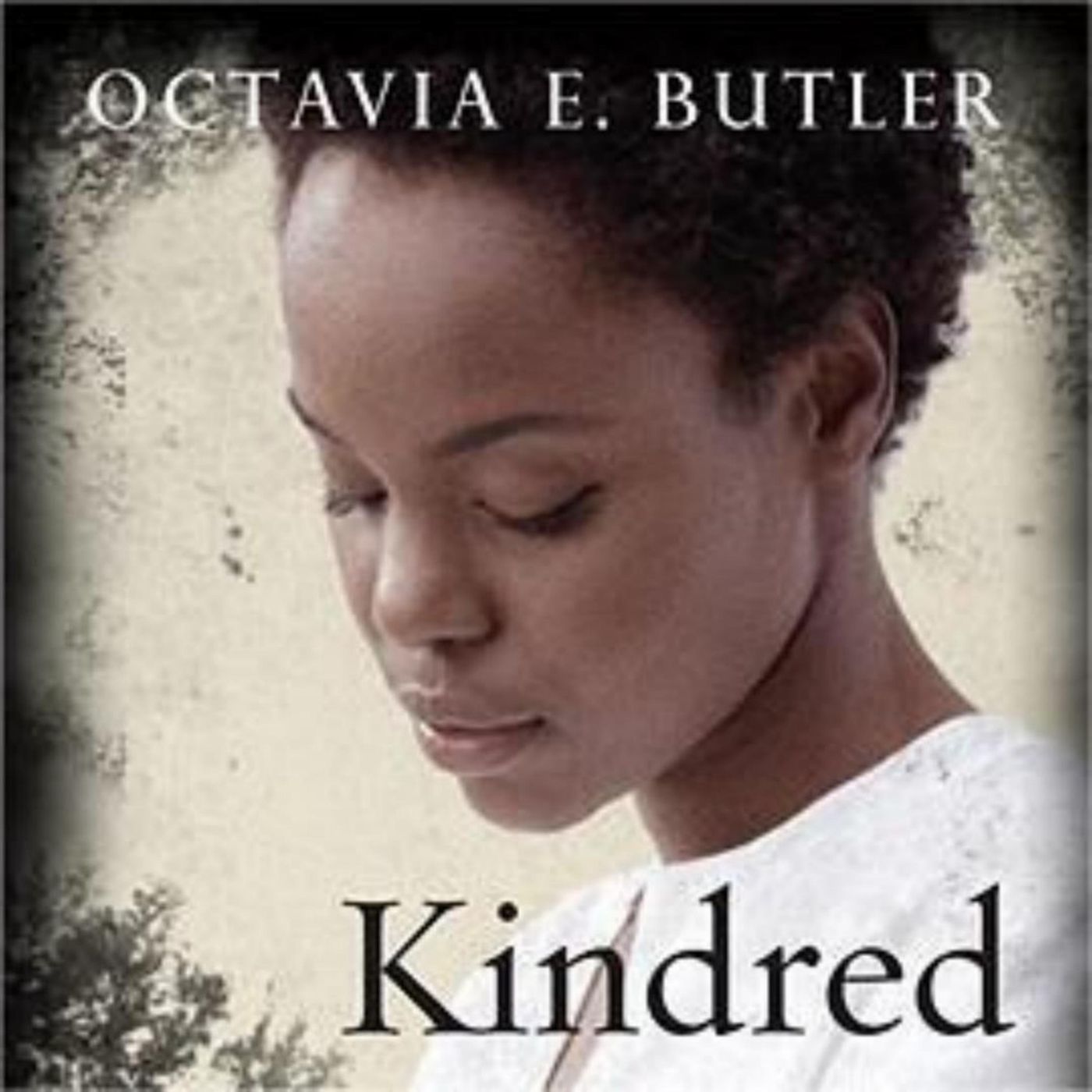
Unbreakable Bonds: Exploring Family and History in Octavia E. Butler's Kindred
Chapter 1:Summary of The Book Kindred"Kindred" by Octavia E. Butler is a science fiction novel that tells the story of Dana, a young black woman living in 1976 Los Angeles who is mysteriously transported back in time to the antebellum South. She finds herself in the presence of Rufus, a white plantation owner who is her ancestor, and realizes that she has been brought back in time to protect him and ensure the continuation of her own family line. As Dana continues to travel back and forth between the present and the past, she struggles with the brutal realities of slavery and strives to navigate her complex relationship with Rufus and the other slaves on the plantation. Through her experiences, Dana gains a deeper understanding of her own identity and the legacy of racism in America. Ultimately, "Kindred" is a powerful exploration of race, history, and the enduring impact of slavery on both individuals and society as a whole.Chapter 2:the meaning of The Book Kindred"Kindred" by Octavia E. Butler is a science fiction novel that explores themes of race, power, and history. The story follows Dana, a young Black woman living in 1976 who suddenly finds herself transported back in time to antebellum Maryland, where she meets her ancestors, a white slave owner named Rufus and a Black woman named Alice. Dana is forced to navigate the brutal realities of slavery and face the complexities of her own heritage as she struggles to survive and find a way back to her own time. Through Dana's experiences, Butler examines the legacy of slavery in America and the ways in which it continues to shape contemporary society. The novel is a powerful exploration of identity, history, and the enduring impact of the past on the present.Chapter 3:The Book Kindred chaptersChapter 1:Dana, a young African American woman living in California in 1976, suddenly finds herself transported back in time to antebellum Maryland. She meets a young white boy named Rufus who turns out to be her ancestor.Chapter 2:As Dana starts to understand the nature of her time travel phenomenon, she realizes she has been brought back in time whenever Rufus is in mortal danger. She also experiences the harsh realities of slavery and racism firsthand.Chapter 3:Dana tries to navigate the complex relationships between the slaves and their white masters, including Rufus who becomes increasingly dependent on her presence to survive. She witnesses the brutality and violence of slavery and struggles to find a way to cope with her situation.Chapter 4:Dana meets Rufus' parents and learns more about the dynamics of power and control within the plantation. She forms relationships with other slaves, including a woman named Alice who becomes important to the unfolding events.Chapter 5:As Dana spends more time in the past, she becomes more entwined in the lives of the plantation inhabitants and struggles to maintain her sense of self and identity in the midst of such oppression and violence.Chapter 6:Dana realizes that her presence in the past is changing the course of history and she must make difficult choices to protect herself and the people she cares about. She struggles with the implications of her actions and the impact they have on the future.Chapter 4: 10 Quotes From The Book Kindred"The unthankful heart... discovers no mercies; but let the thankful heart sweep through the day and, as the magnet finds the iron, so it will find, in every hour, some heavenly blessings!" - Sarah Adams "Slavery is a long slow process of dehumanizing the enslaved person, cutting them off from family, culture, knowledge, and even memory. It's a process... meant to turn people into livestock." - Octavia E. Butler "I don’t know why freedom has to be so hard for people to want." - Octavia E. Butler "You're safe, I told myself. Safe for the moment. Safe enough. Just a moment. But the moment had its own safe, terrifying power." - Octavia E. Butler "I wonder what would happen if I went down into my parents' time. Would I help everybody I could? Could I stand aside and let people suffer? I don't know." - Octavia E. Butler "We are not our ancestors. We are something completely new, something so different that they wouldn't recognize us." - Octavia E. Butler "When you're writing about the past, you're writing about what has happened to you and what has happened to your people. You're writing about yourself, your family, your history." - Octavia E. Butler "People will hurt you when they’re trying to protect themselves. I see it all the time. People start out in the safety and comfort of what they know, and then they set out to explore and expand their boundaries. But when they hit the walls of the unknown, their first instinct is to pull back, to avoid getting hurt." - Octavia E. Butler "The past is what we are. We are what we remember. The horror and the pain eventually fade, but the scars and the memories remain. We cannot forget." - Octavia E. Butler "I realized then that no matter where I went, I

Injustice Unveiled: The Impact of Racism in All American Boys
Chapter 1:Summary of The Book All American Boys"All American Boys" by Jason Reynolds and Brendan Kiely follows the lives of two high school students, Rashad and Quinn, whose lives become intertwined after Rashad is unjustly accused of stealing and violently arrested by a police officer. The incident is witnessed by Quinn, a white classmate and friend of the officer involved. As Rashad's story gains national attention and sparks protests in their town, Quinn struggles with his loyalty to his friend and his awakening awareness of the systemic racism and injustice that Rashad faces.The novel explores themes of racism, police brutality, bystander apathy, friendship, and identity. Through alternating perspectives, the authors provide a nuanced and thought-provoking exploration of the complexities of race relations in America and the impact of institutionalized racism on individuals and communities. As the story unfolds, both Rashad and Quinn are forced to confront their own biases, privilege, and complicity in perpetuating inequality.Ultimately, "All American Boys" is a powerful and timely exploration of race, justice, and activism that encourages readers to confront their own prejudices, speak out against injustice, and work towards creating a more just and equitable society.Chapter 2:the meaning of The Book All American BoysThe book "All American Boys" by Jason Reynolds and Brendan Kiely explores themes of racism, police brutality, and injustice through the parallel stories of two teenage boys, Rashad and Quinn.Rashad is a black teenager who is brutally beaten by a white police officer, sparking outrage and protests in his community. Quinn, a white classmate of Rashad's, witnesses the incident and must confront his own biases and privilege as he grapples with the implications of what he saw.As the two boys navigate their own struggles and confront the realities of systemic racism, the novel ultimately serves as a powerful examination of race relations in America and the importance of standing up against injustice. It is a poignant and timely story that sheds light on the complexities of race, identity, and allyship in today's society.Chapter 3:The Book All American Boys chapters Chapter 1: The story begins with Rashad Butler, a black high school student, being falsely accused of stealing a bag of chips from a convenience store. Rashad's encounter with the police officer leaves him injured and arrested. Chapter 2: Quinn Collins, a white high school student and witness to the incident, struggles with his conflicting emotions and what he saw happen to Rashad. Quinn's internal struggle leads him to question his own beliefs and biases. Chapter 3: Rashad's family and friends react to his arrest and injuries, with his father calling for justice and his friends organizing a protest to support him. Chapter 4: Quinn's internal struggle continues as he debates whether or not to speak up about what really happened to Rashad. He grapples with his privilege and how it has shielded him from experiences like Rashad's. Chapter 5: Rashad's older brother, Spoony, returns home from college to support his family and lead the protest in Rashad's name. Spoony reflects on his experiences with racism and police brutality growing up as a black man. Chapter 6: Quinn finally decides to come forward with the truth about what happened to Rashad, despite facing backlash from his friends and community. He realizes the importance of speaking out against injustice.7. Chapter 7: The community reacts to Quinn's revelation, and the truth about Rashad's brutal encounter with the police officer is exposed. The town is divided as some support Rashad while others defend the officer. Chapter 8: Rashad struggles with the trauma of his experience and the aftermath of the incident. He must come to terms with what happened to him and find a way to move forward with his life. Chapter 9: Quinn and Rashad's paths cross as they both navigate the aftermath of the incident. They confront their own biases and prejudices, and ultimately forge a bond that transcends race and background. Chapter 10: The town grapples with the implications of Rashad's case and the larger issue of police brutality and racial injustice. The community is forced to confront their own prejudices and biases in the wake of the incident. Chapter 11: Rashad and Quinn find strength in each other as they stand up against injustice and work towards creating a more just society. They learn the power of solidarity and allyship in the fight for equality. Chapter 12: The story ends with a sense of hope and resilience, as Rashad and Quinn continue to fight for justice and stand in solidarity with each other and their community. They recognize the importance of speaking out against racism and injustice, and are committed to creating a better world for all.Chapter 4: 10 Quotes From The Book All American Boys "The weeks following the incident were filled with so many different kinds of emotions that I

The Curmudgeon Next Door: A Man Called Ove
Chapter 1:Summary of Full Book A Man Called Ove"A Man Called Ove" by Fredrik Backman tells the story of a grumpy, stubborn, and isolated man named Ove who has recently lost his wife and is contemplating taking his own life to be with her. However, his plans are constantly disrupted by his new neighbors, a young family who accidentally run over his mailbox. Through a series of events and encounters with various neighbors, Ove begins to find new purpose in life and learns the value of friendship, love, and community. The novel explores themes of grief, loss, friendship, and redemption, and ultimately shows how even the most unlikely of people can find joy and connection in unexpected places.Chapter 2:the meaning of Full Book A Man Called OveA Man Called Ove is a novel written by Fredrik Backman about a grumpy old man named Ove who has lost his will to live after the death of his wife. He is intent on taking his own life but is constantly interrupted by his new neighbors, who help him rediscover the joys of life and the importance of human connection. The novel explores themes of grief, love, and the power of community to bring healing and redemption. Overall, it is a heartwarming and uplifting story about the transformative power of kindness and friendship.Chapter 3:Full Book A Man Called Ove chaptersA Man Called Ove is a novel written by Fredrik Backman. It tells the story of Ove, a grumpy and solitary old man who has lost his wife and now spends his days enforcing neighborhood rules and going on walks around the community. However, as the story unfolds, we learn more about Ove's past and the tragedies that have shaped his present demeanor.Chapter 1: The GhostThe novel opens with Ove trying to purchase an iPad at a computer store but getting frustrated with the young salesperson who does not understand his need for a specific type of computer. Ove is interrupted when a family crashes into a flowerpot with their car, prompting him to go outside and confront the situation. He is angry but also recognizes a girl named Parvaneh who offers to help him with his technology issues.Chapter 2: A Man Called Ove Isn't Running For OfficeOve's interactions with his neighbors reveal his grumpy and rule-following nature, as he harasses people for not following the local regulations and treating him with disrespect. We also see glimpses of Ove's past, including his relationship with his wife Sonja, who passed away several years ago.Chapter 3: A Man Called Ove Buys A Computer That Is Not A ComputerOve's attempts to navigate the modern world are comedic yet heartwarming, as he struggles to understand technology and finds himself in awkward situations with his new iPad. Parvaneh continues to help him out, slowly breaking through Ove's tough exterior.Chapter 4: A Man Called Ove Looks Into A MirrorWe learn more about Ove's past, including his difficult childhood and the tragedies that have shaped his present personality. Ove's past struggles with loss and loneliness are contrasted with his current role as a grumpy but caring neighbor who looks out for those around him.Chapter 5: A Man Called Ove and a Bicyclist from PolandOve's encounters with his new neighbors, including a Polish man named Mirsad who needs help fixing his bike, showcase Ove's gruff but compassionate nature. Despite his initial reluctance, Ove finds himself drawn into situations where he must help others, gradually opening up to the community around him.Chapter 6: A Man Called Ove and a Cat AnnoyanceAs Ove continues to interact with his neighbors, including a stray cat that keeps causing trouble in the neighborhood, we see his softer side emerge. Ove's grumpiness is balanced by moments of empathy and kindness, showing that there is more to him than meets the eye.Chapter 7: A Man Called Ove and a WarOve's past as a young man during wartime is revealed, shedding light on the traumas that have shaped his present attitudes and behaviors. Through flashbacks, we see Ove's struggles with loss, grief, and survivor's guilt, deepening our understanding of his character.Chapter 8: A Man Called Ove and a Biscuit TinOve's relationship with his wife Sonja is explored further, showing the deep love and bond they shared despite their differences. Ove's memories of Sonja evoke a sense of longing and sadness, as he grapples with her absence and tries to make sense of his life without her.Chapter 9: A Man Called Ove and an Ongoing War with a NeighborOve's clashes with a new neighbor named Patrick escalate, leading to a series of confrontations that test Ove's patience and values. Despite their differences, Ove finds himself drawn into a conflict that forces him to confront his own stubbornness and prejudices.Chapter 10: A Man Called Ove and a New NeighborA new family moves in next door to Ove, bringing chaos and laughter into his life. As Ove grapples with the changes in his neighborhood, he finds himself forming unexpected connections and rediscovering the joy and warmth that had

Divine Waters: Unveiling the Covenant of Water
Chapter 1:Summary of The Covenant Of Water"The Covenant of Water" by Abraham Verghese is a collection of essays and poems that explore themes of memory, loss, love, and family. The author reflects on his experiences growing up in rural Ethiopia, his medical training, and his life in America. Through his poignant writing, Verghese examines the ways in which water connects us to our past, our present, and each other. The essays in this book offer a profound exploration of the human experience and the mysteries of life.Chapter 2:the meaning of The Covenant Of WaterThe Covenant of Water is a concept discussed by the author, Abraham Verghese, in his novel My Own Country. In the book, Verghese explores the idea that water has the ability to heal and cleanse both physically and spiritually. The covenant of water refers to the sacred bond that exists between humans and water, emphasizing the importance of water in our lives and in our connection to the natural world. Through this concept, Verghese highlights the power of water to bring renewal, transformation, and hope in the face of adversity.Chapter 3:The Covenant Of Water chapters The Covenant: In this chapter, the author introduces the concept of the "covenant of water" as a sacred agreement between physicians and their patients. The covenant is based on the idea that water, as a life-giving substance, symbolizes the bond between healer and patient. Verghese reflects on the importance of this covenant in his own medical practice and the ethical responsibility it entails. The Healing Art: Verghese explores the role of the physician as healer and the intertwined histories of medicine and spirituality. He discusses the importance of empathy, compassion, and communication in the healing process, highlighting the need for physicians to connect with their patients on a personal level. The Patient's Story: This chapter delves into the power of narrative medicine, emphasizing the importance of listening to and understanding the patient's story. Verghese emphasizes the value of storytelling in medicine, as a way to humanize the patient experience and foster trust between doctor and patient. The Art of Diagnosis: Verghese discusses the challenges and complexities of diagnosing illness, highlighting the importance of a thorough physical examination and the need for clinicians to trust their instincts and intuition. He emphasizes the role of pattern recognition and clinical judgment in the diagnostic process. The Sacredness of Touch: Verghese explores the importance of touch in healing, emphasizing the therapeutic power of physical contact between physician and patient. He discusses the role of touch in establishing rapport, building trust, and conveying empathy. The Vulnerability of Medicine: In this chapter, Verghese reflects on the vulnerability inherent in the practice of medicine, as physicians are confronted with their own limitations and mortality. He discusses the emotional toll of caring for patients and the need for self-care and support to maintain resilience in the face of adversity. The Physician as Witness: Verghese discusses the physician's role as a witness to suffering and healing, highlighting the importance of bearing witness to the patient's experience. He reflects on the profound impact of witnessing both the joy and sorrow of patients, and the need for physicians to honor and respect their patients' stories. The Covenant Renewed: In the final chapter, Verghese reaffirms the sacred covenant of water between physician and patient, reflecting on the enduring bond that unites them in the journey of healing. He emphasizes the ongoing commitment to compassion, integrity, and empathy in the practice of medicine, renewing the covenant with each patient encounter.Chapter 4: 10 Quotes From The Covenant Of Water "Water is the source of life, the element that sustains us and connects us all." "In the flowing stream of time, water is a constant reminder of the ebb and flow of existence." "Just as the river carves its path through the land, so too does water shape our lives and destinies." "In its purity, water reflects the clarity and truth that we seek in our own lives." "Like the waves crashing on the shore, water teaches us the power of resilience and adaptation." "The covenant of water binds us to the earth and to each other, reminding us of our shared humanity." "In the stillness of a pond, we find serenity and peace, a reflection of the calmness we seek within ourselves." "Water is a healer, a purifier, washing away our sins and renewing our spirits." "In the dance of raindrops on a leaf, we witness the beauty and wonder of the natural world that surrounds us." "Let us honor the covenant of water, respecting its power and nurturing its precious gift to sustain life on this planet."

A Court of Wings and Ruin: A breathtaking conclusion to a captivating series
Chapter 1:Summary of Full Book A Court of Wings and Ruin"A Court of Wings and Ruin" is the third book in the "A Court of Thorns and Roses" series by Sarah J. Maas. The story follows Feyre, a mortal girl who has been taken to the faerie realm of Prythian and transformed into a faerie to save her lover, Tamlin, from the clutches of the evil High Lord of the Spring Court, who turns out to be controlling Tamlin. Feyre must navigate the dangerous political landscape of the faerie courts and make allies to protect her family and the human world from a coming war. Along the way, she discovers her own powers and embraces her destiny as a powerful leader. The book is filled with action, romance, and intrigue as Feyre fights for justice and freedom for herself and her loved ones.Chapter 2:the meaning of Full Book A Court of Wings and Ruin"A Court of Wings and Ruin" is the third book in the "A Court of Thorns and Roses" series by Sarah J. Maas. In this novel, Feyre must navigate the dangerous and treacherous world of the faeries as tensions between the human and fae realms escalate. As war looms on the horizon, Feyre must decide where her loyalties lie and what sacrifices she is willing to make to protect those she loves. The novel explores themes of love, power, sacrifice, and redemption as Feyre battles against powerful enemies and fights to save her world.Chapter 3:Full Book A Court of Wings and Ruin chaptersChapter 1: The BargainFeyre returns to the Spring Court with Tamlin after being rescued from the Night Court. She makes a bargain with Tamlin: she will pretend to be happy and content in their relationship in exchange for him sending Rhysand messages that she is alive.Chapter 2: The PrisonerFeyre is determined to find a way to break the bond she has with Rhysand and return to the Night Court. She works with Lucien to gather information and devise a plan to escape.Chapter 3: The PlanFeyre and Lucien put their plan into action and manage to escape the Spring Court. They head to the Night Court, where they are welcomed by Rhysand and his inner circle.Chapter 4: The Inner CircleFeyre meets Rhysand's friends and allies, known as the Inner Circle. She learns more about their powers and the upcoming battle against the King of Hybern.Chapter 5: The King's TournamentThe King of Hybern announces a tournament to find champions to fight for him in the upcoming war. Rhysand and his allies decide to enter the tournament to gather information and assess the enemy's strength.Chapter 6: The CauldronFeyre discovers that the Cauldron, a powerful magical object, is key to the King of Hybern's plans. She and the Inner Circle must find a way to destroy the Cauldron before it falls into the wrong hands.Chapter 7: The War PlansRhysand and his allies make plans to thwart the King of Hybern's invasion and protect their lands. Feyre trains with her newfound powers and prepares for battle.Chapter 8: The Final BattleThe forces of the Night Court face off against the King of Hybern's army in a final, epic battle. Feyre and her friends fight bravely to protect their world and defeat the enemy.Chapter 9: The AftermathAfter the battle, Feyre and her friends survey the damage and mourn the losses they have suffered. They must rebuild their world and figure out how to move forward after the war.Chapter 10: The FutureFeyre and Rhysand plan for their future together, knowing that more challenges and adventures await them. They vow to always stand by each other's side and protect their loved ones against any threats that may arise.Chapter 4: 10 Quotes From Full Book A Court of Wings and Ruin "To the stars who listen—and the dreams that are answered." "When you spend so long trapped in darkness, Lucien, you find that the darkness begins to stare back." "To the people who look at the stars and wish, Rhys." "I would never—never—tell a story about a single day when I could tell a story about a whole empire." "Don't feel bad for one moment about doing what brings you joy." "There are good days and hard days for me—even now. Don't let the hard days win." "You do not fear," Rhys told her. "You do not falter. You do not tremble. You do not waver, or wane, or flee. You do not fear." "I am Rhysand. I am the eternal burning star." "I was not a pet, not a plaything, not a thing to be owned and locked away when no longer desired." "Rhys had looked for my soul and found it when it had belonged to another. And then he had watched my little human heart break and break and break until it had finally shattered."

Uncovering the Truth: An Analysis of 'Trifles' by Susan Glaspell
Chapter 1:Summary of The Book Trifles"Trifles" by Susan Glaspell is a one-act play that explores the theme of gender roles and the treatment of women in early 20th-century America. The play is set in a rural farmhouse where a man has been murdered and his wife is the prime suspect. As the sheriff and a group of men investigate the crime scene, the women in the community, including the sheriff’s wife and the victim’s wife, discover clues that the men overlook as insignificant "trifles". Through their observations and discussions, the women uncover the truth about the murder and the oppression faced by the victim that led to his death. Ultimately, "Trifles" highlights the importance of paying attention to the perspectives and experiences of women and challenges the traditional gender roles and societal expectations of the time.Chapter 2:the meaning of The Book Trifles"The Book Trifles" written by Susan Glaspell is a one-act play that explores the theme of gender roles and the oppression of women in society. The story is set in a rural farmhouse where a woman named Mrs. Wright has been accused of murdering her husband. As the county attorney, sheriff, and two local women investigate the crime scene, they uncover subtle clues that reveal the psychological and emotional abuse Mrs. Wright suffered at the hands of her husband. Through the discovery of "trifles" – seemingly insignificant details that are dismissed by the men but hold deeper meaning for the women – the play highlights the value of women's perspectives and sheds light on the injustices faced by women in a male-dominated society. Ultimately, "Trifles" challenges societal norms and raises questions about the meaning of justice and the importance of recognizing and addressing the experiences of women.Chapter 3:The Book Trifles chaptersChapter 1: The play opens with Sheriff Peters and County Attorney Henderson arriving at the farmhouse of John Wright, who has been murdered. They are accompanied by the sheriff's wife, Mrs. Peters, and a neighbor, Mrs. Hale. The men immediately begin searching for evidence, while the women look around the kitchen and discover small, seemingly insignificant details that the men overlook.Chapter 2: As the men continue their investigation, the women discuss the life of Mrs. Wright, who they describe as a lonely and isolated woman. They piece together clues that suggest Mrs. Wright may have been abused by her husband, which leads them to question whether her actions were justified.Chapter 3: The women find a dead canary in Mrs. Wright's sewing basket, which they believe was killed by Mr. Wright. This discovery leads them to suspect that Mrs. Wright may have been driven to murder her husband as a result of his cruelty.Chapter 4: Mrs. Peters and Mrs. Hale conceal the evidence of the dead canary from the men, realizing that it would incriminate Mrs. Wright. They ultimately decide to protect her by hiding the evidence and not revealing their suspicions about her motives for the murder.Chapter 5: The men are unable to find any concrete evidence to solve the case, and they decide to leave without suspecting Mrs. Wright. As they leave, the women discuss the importance of understanding and empathizing with the experiences of other women, recognizing the significance of the small details they noticed in the farmhouse.Chapter 4: 10 Quotes From The Book Trifles "Well, women are used to worrying over trifles." "We live close together and we live far apart. We all go through the same things—it’s all just a different kind of the same thing." "We all go through the same things—it’s all just a different kind of the same thing." "Only half of the bed’s been slept in. It don’t look like much fun, does it?" "Well, I must say she was a queer lookin’ woman in the hat. Too high and peaked for my liking. Looked at her when she was standin’ there with him. It is not the kind of a face you’d like to see everyday." "I know how things can go immediately off if you’re not all there to see." "What has happened to his hand? Cut? No, to the left of his hand. About the same place, but higher. I don’t think this is a very serious cut for a man to be the cause of—or for a wife to have a reason to hide." "I heard him say that you could stop by his office on the way to the jail. The one that never squeals, he wants to talk to you." "Real – clumsy thing like that! You do not need to know, it is not our duty to find out."“She reaches out her hand and gives him one mail.”
Lessons of Life: A Journey Through Tuesdays with Morrie
Chapter 1:Summary of Tuesdays with Morrie"Tuesdays with Morrie" is a memoir by Mitch Albom that chronicles his weekly conversations with his former college professor, Morrie Schwartz. Morrie is battling ALS, a terminal illness, and Mitch reunites with him after years of losing touch. They discuss various topics such as death, marriage, love, and forgiveness, and Morrie imparts valuable life lessons to Mitch. Through their talks, Mitch learns the true meaning of life and gains a new perspective on what is important. The book highlights the importance of living a meaningful and fulfilling life, cherishing relationships, and embracing the inevitability of death. It serves as a poignant reminder to appreciate the present moment and make the most out of our time on earth.Chapter 2:the meaning of Tuesdays with Morrie"Tuesdays with Morrie" is a memoir by Mitch Albom about his former college professor, Morrie Schwartz, who he reconnects with in the last months of Morrie's life as he is dying from ALS. The book is a collection of conversations between Mitch and Morrie, in which they discuss various topics including love, death, relationships, forgiveness, and the meaning of life. Morrie shares his wisdom and life lessons with Mitch, teaching him valuable lessons about living a meaningful and fulfilling life. The book explores themes of love, compassion, and the importance of human connection, and encourages readers to reflect on their own values and priorities.Chapter 3:Tuesdays with Morrie chaptersTuesdays with Morrie by Mitch Albom is a memoir about the author's relationship with his former college professor, Morrie Schwartz, who is dying of ALS. The book is structured around the conversations that Mitch and Morrie have on Tuesdays, where Morrie shares his wisdom and insights on life, death, and love.Chapter 1: The curriculumMitch learns that his old college professor, Morrie Schwartz, is dying of ALS. He decides to visit Morrie on Tuesdays and record their conversations.Chapter 2: The syllabusMorrie discusses his philosophy on life and death, emphasizing the importance of love, forgiveness, and compassion.Chapter 3: The studentMitch reflects on his own life and the lessons he has learned from Morrie. He realizes the value of their Tuesdays together.Chapter 4: The fourth TuesdayMorrie and Mitch talk about aging and the fear of death. Morrie encourages Mitch to embrace his emotions and live fully in the present.Chapter 5: The fifth TuesdayMorrie discusses the concept of detachment and letting go of material possessions. He encourages Mitch to focus on what truly matters in life.Chapter 6: The sixth TuesdayMorrie talks about the importance of family and relationships. He shares stories from his own life and emphasizes the power of love.Chapter 7: The seventh TuesdayMorrie and Mitch discuss the meaning of work and the importance of finding fulfillment in one's career. Morrie encourages Mitch to follow his passion and make a positive impact on the world.hapter 8: The eighthTuesdayMorrie talks about the value of culture and community, and the impact that society has on individuals. He emphasizes the importance of connection and unity.Chapter 9: The ninth TuesdayMorrie and Mitch discuss the fear of aging and the acceptance of mortality. Morrie shares his thoughts on how to live a meaningful and fulfilling life.Chapter 10: The tenth TuesdayMorrie reflects on the lessons he has learned throughout his life and the legacy he hopes to leave behind. He encourages Mitch to continue learning and growing, even after he is gone.Overall, Tuesdays with Morrie is a touching and heartfelt book that explores the themes of love, loss, and the meaning of life. The conversations between Mitch and Morrie are filled with wisdom and insight, making it a powerful and inspirational read.Chapter 4: 10 Quotes From Tuesdays with Morrie "The way you get meaning into your life is to devote yourself to loving others, devote yourself to your community around you, and devote yourself to creating something that gives you purpose and meaning.""The most important thing in life is to learn how to give out love, and to let it come in." "Love each other or perish." "The truth is, you don't get any guarantees. You just get a chance to try." "Accept who you are; and revel in it." "The most important thing in life is to learn how to give out love, and to let it come in." "The fact is, there is no foundation, no secure ground, upon which people may stand today if it isn't the family. If you don't have the support and love and caring and concern that you get from a family, you don't have much at all." "Death ends a life, not a relationship." "The culture we have does not make people feel good about themselves. And you have to be strong enough to say if the culture doesn't work, don't buy it." "So many people walk around with a meaningless life. They seem half-asleep, even when they're busy doing things they think are important. This is because they're chasing t

Exploring the Complexities of Love and Desire: Mating in Captivity
Chapter 1:Summary of Mating in Captivity"Mating in Captivity" is a book by Esther Perel that explores the challenges of maintaining desire and intimacy in long-term relationships. Perel argues that the pursuit of love and security in a relationship often leads to a decrease in passion and sexual desire. She suggests that couples can cultivate eroticism by maintaining a sense of separateness, embracing novelty and spontaneity, and cultivating mystery and intrigue in their relationship. By balancing intimacy with autonomy, couples can keep the spark alive and create a more fulfilling and passionate partnership.Chapter 2:the meaning of Mating in CaptivityMating in Captivity is a book written by therapist and author Esther Perel. In this book, Perel explores the intricacies of maintaining passion and desire within long-term relationships. She challenges the notion that love and desire are inherently at odds with each other, and suggests that it is possible to have both within a committed relationship. Perel discusses the importance of maintaining a sense of “erotic intelligence” within a partnership, and offers practical advice for reigniting passion and intimacy. Overall, Mating in Captivity encourages readers to rethink traditional ideas about love and relationships, and offers a fresh perspective on how to navigate the complexities of intimacy and desire within a long-term partnership.Chapter 3:Mating in Captivity chaptersChapter 1: Romantic Love and DomesticityPerel explores the concept of romantic love in the context of long-term relationships and how it can be affected by domesticity. She discusses how the desire for security and stability in a relationship can sometimes conflict with the need for passion and excitement.Chapter 2: The Pitfalls of Modern IntimacyPerel examines the challenges of maintaining intimacy in long-term relationships, including the impact of monogamy and the pressure to be everything to a partner. She also discusses the role of technology in modern relationships and how it can both facilitate and hinder intimacy.Chapter 3: Beyond the Honeymoon PhasePerel delves into the evolution of relationships over time and how the dynamic between partners can shift as they move beyond the initial stages of romance. She explores the notion of retaining individuality within a relationship while still fostering intimacy and connection.Chapter 4: The One-Two Punch of Domesticity and EroticismPerel discusses how the routine of domestic life can affect eroticism in a relationship and offers suggestions for maintaining desire and passion. She explores the concept of creating a balance between stability and excitement in a long-term partnership.Chapter 5: When We StrayPerel examines the impact of infidelity on relationships and delves into the underlying reasons why people cheat. She discusses the role of betrayal in relationships and the potential for healing and growth in the aftermath of infidelity.Chapter 6: The Pitfalls of Too Much TogethernessPerel explores the concept of autonomy within a relationship and the importance of maintaining individuality and space. She discusses the challenges of merging two lives into one and offers strategies for preserving a sense of self within a partnership.Chapter 7: The Invisible Menage a TroisPerel discusses the role of fantasy and imagination in maintaining desire and passion in a relationship. She explores the concept of incorporating fantasy into sexual intimacy and the impact of shame and taboo on eroticism.Chapter 8: Reconciling the Erotic and the DomesticPerel offers practical advice for bridging the divide between the domestic and the erotic in a relationship. She discusses the importance of communication, creativity, and self-awareness in fostering intimacy and desire.Chapter 9: Eros in the Shadow of TraumaPerel explores the impact of past trauma on relationships and the ways in which unresolved issues can affect intimacy and connection. She discusses the role of therapy and healing in overcoming trauma and rebuilding trust and intimacy.Chapter 10: Love and LimerencePerel discusses the difference between love and limerence, exploring the notion of long-term passion and desire in a committed relationship. She delves into the complexities of maintaining intimacy and connection over time and offers insights into cultivating lasting love.Chapter 4: 10 Quotes From Mating in Captivity"In the private realm of intimate relationships, one of the greatest challenges is to maintain the passion and excitement that characterizes the early stages of a romance."The challenge is to recapture the sense of novelty and exploration that is inherent in new relationships, while still maintaining the stability and security that comes with a long-term commitment." "Mating in captivity is about balancing the conflicting desires for security and adventure, stability and novelty, intimacy and independence." "Passion thrives on mystery, on the unknown, on the uncertainty of what
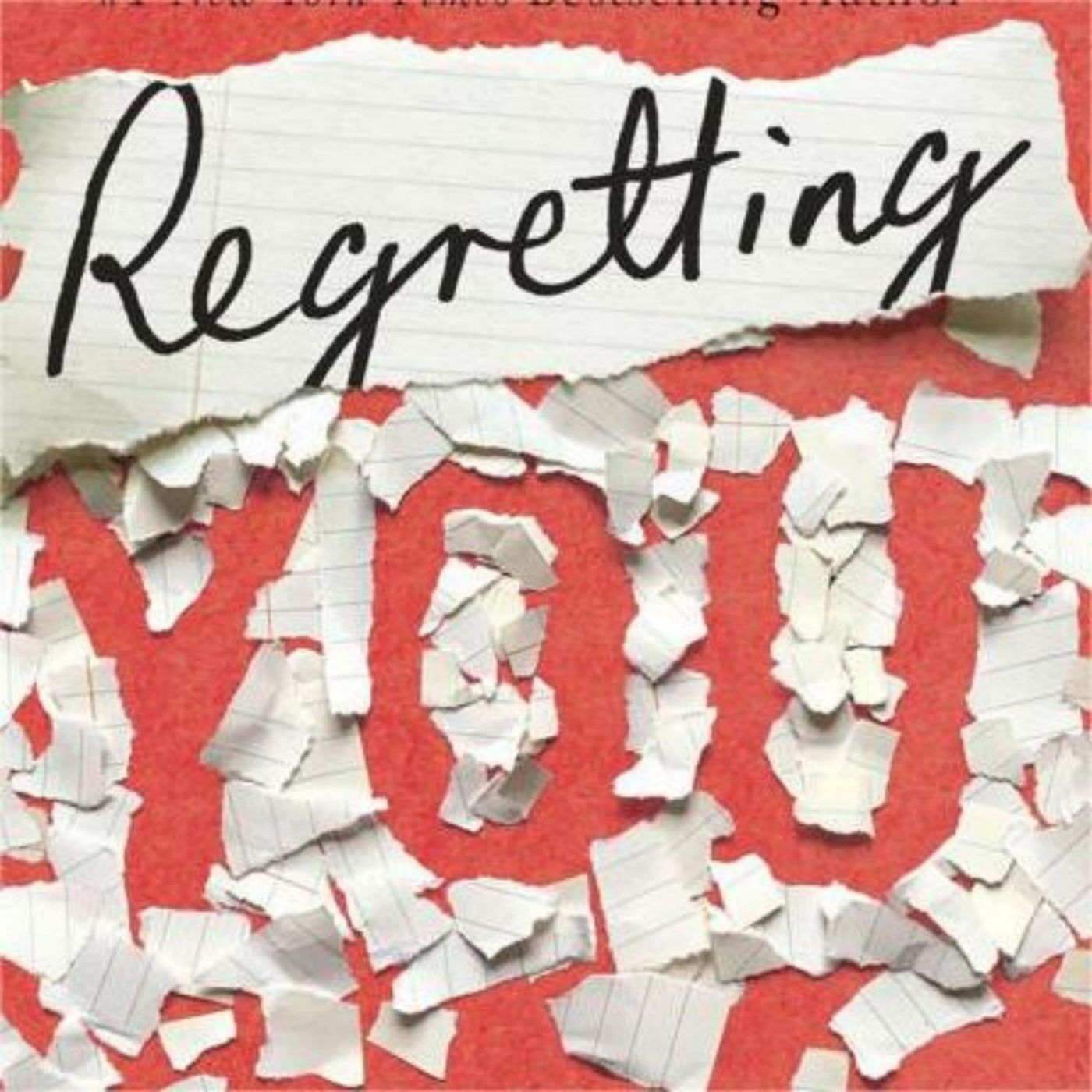
Regretting You: A Gripping Tale of Love, Loss, and Redemption
Chapter 1:Summary of Regretting You"Regretting You" tells the story of a mother and daughter, Morgan and Clara, who are forced to navigate through the complexities of grief and heartbreak following a tragic event that shatters their family. As they struggle to cope with their loss, they must also deal with their conflicting feelings for the same man, Chris, who serves as a beacon of hope and understanding for both of them. Tensions rise as secrets come to light and the family is torn apart, but ultimately they must find a way to heal and move forward together. In the end, they learn that while regret may linger, forgiveness and love can help them find peace and happiness once more.Chapter 2:the meaning of Regretting YouRegretting You is a novel by Colleen Hoover that explores the themes of regret, love, and loss. The title suggests that the characters in the story experience feelings of regret and longing for choices they have made in the past. The novel delves into complex family dynamics and relationships, and how the characters navigate their feelings of regret and learn to move forward. Ultimately, Regretting You is a story about forgiveness, acceptance, and the power of love to heal past wounds.Chapter 3:Regretting You chaptersRegretting You by Colleen Hoover is a contemporary romance novel that follows the story of Morgan and Clara, a mother and daughter duo who are both dealing with immense grief and heartbreak following a tragic accident that takes the life of Chris, Morgan's husband and Clara's father.Chapter 1: The novel begins with Morgan reliving the painful memories of the night Chris died in a car accident. She struggles to come to terms with his death and is trying to be strong for Clara, who is also mourning the loss of her father.Chapter 2: Clara is dealing with her own grief and trying to navigate the complexities of being a teenager while also trying to support her mother. She starts to question her relationship with her boyfriend, Miller, and wonders if she can truly depend on him during this difficult time.Chapter 3: Morgan and Clara's strained relationship becomes even more complicated when they discover that Chris had been hiding a secret from them. As they try to unravel the truth behind his deception, they both struggle to come to terms with their feelings of betrayal and loss.Chapter 4: Clara finds solace in a new friendship with a boy named Josh, who helps her see that there is still hope for happiness after such a tragedy. Meanwhile, Morgan grapples with her own feelings for Josh's father, Owen, who offers her support and comfort during her darkest moments.Chapter 5: As Morgan and Clara continue to navigate their grief and complicated emotions, they both must confront their past mistakes and regrets in order to find healing and forgiveness. The novel explores themes of love, loss, and redemption as the two women come to terms with their shattered lives and learn to embrace the future with hope and courage.Overall, Regretting You is a heartfelt and emotional story about the power of forgiveness and the strength of family bonds in overcoming life's toughest challenges.Chapter 4: 10 Quotes From Regretting You "Regret doesn't remind you of what you've done wrong. It reminds you of what you want to do right." "Regret is a like a fine wine, it gets better with age." "Regret is like a ghost that haunts you, always lingering in the shadows." "Regret is like a trap, once you fall into it, it's hard to escape." "Regret is a heavy burden to carry, but it's also a powerful motivator for change." "Regret is the worst kind of pain, because it's self-inflicted." "Regret is a bitter pill to swallow, but sometimes it's necessary for growth." "Regret is a thief that steals your peace of mind." "Regret is a cruel teacher, but it teaches us valuable lessons." "Regret is a reminder of our humanity, our fallibility, and our capacity for redemption."

Two Paths, One Destiny: The Compelling Story of The Other Wes Moore
Chapter 1:Summary of The Other Wes Moore"The Other Wes Moore" is a nonfiction book by author Wes Moore that tells the story of two men named Wes Moore who grew up in similar circumstances in Baltimore, Maryland, but ended up on very different paths. One Wes Moore became a successful Rhodes Scholar, army officer, and author, while the other Wes Moore ended up in prison for armed robbery and eventually serving a life sentence for murder.The book explores the factors that contributed to each man's destiny, including family background, education, peer influences, and personal choices. It also examines the impact of social conditions and institutional barriers on their lives.Through the parallel narratives of the two Wes Moores, the author reflects on themes of identity, opportunity, responsibility, and the power of individual agency in shaping one's fate. Ultimately, the book serves as a powerful reminder of the profound impact that circumstances and choices can have on a person's life trajectory.Chapter 2:the meaning of The Other Wes Moore"The Other Wes Moore" by Wes Moore is a nonfiction book that explores the lives of two men who share the same name but have very different life outcomes. The author, Wes Moore, tells the story of his own life and success, alongside the story of another man named Wes Moore who grew up in a similar environment but ended up in prison for life.Through the dual narratives of their lives, the book delves into themes of identity, fate, opportunity, and the impact of family, community, and personal choices on life outcomes. The book serves as a powerful examination of the factors that shape individuals and the potential for change and transformation, even in the face of seemingly insurmountable obstacles.Chapter 3:The Other Wes Moore chaptersChapter 1: The Other Wes MooreThe chapter introduces the two main characters of the book, Wes Moore and the other Wes Moore. Both grew up in Baltimore, Maryland, and faced similar challenges of poverty and lack of opportunities. However, their lives took two very different paths, one becoming a successful Rhodes Scholar and the other a convicted felon serving a life sentence.Chapter 2: Fathers and AngelsThe chapter explores the role of fathers in the lives of both Wes Moores. While Wes Moore's father was present and supportive, the other Wes Moore's father was absent and ultimately died when he was a child. This absence had a profound impact on his life and contributed to his descent into a life of crime.Chapter 3: Games and SchoolThis chapter delves into the different paths the two Wes Moores took in their education and recreational activities. Wes Moore was encouraged by his family to excel in school and participate in sports, while the other Wes Moore struggled academically and found solace in the dangerous world of drug dealing and crime.Chapter 4: Choice and PowerThe chapter examines the power of choice in shaping the lives of the two Wes Moores. Despite facing similar challenges and limited opportunities, Wes Moore made conscious choices to stay on the right path and pursue his education, while the other Wes Moore made choices that led to a life of crime and incarceration.Chapter 5: MarkedThis chapter focuses on the impact of being labeled and judged by society. Wes Moore was able to overcome negative stereotypes and societal expectations, while the other Wes Moore felt marginalized and trapped by the labels placed on him as a young black man from a disadvantaged background.Chapter 6: FamilyThe chapter highlights the role of family support and relationships in the lives of both Wes Moores. While Wes Moore had a strong support system that helped guide him through life's challenges, the other Wes Moore lacked positive role models and familial support, leading to a sense of detachment and hopelessness.Chapter 7: EscapeThe chapter explores the concept of escape and the different ways in which the two Wes Moores sought to break free from the cycle of poverty and crime. While Wes Moore found escape through education and the opportunities it provided, the other Wes Moore turned to drugs and criminal activity as a means of escape, ultimately leading to his downfall.Overall, the chapters in The Other Wes Moore highlight the pivotal moments and choices that shaped the lives of two young men who grew up in similar circumstances but ended up on drastically different paths.Chapter 4: 10 Quotes From The Other Wes Moore "The choices we make about the lives we live determine the kinds of legacies we leave." "Success is not about the amount of money you make, it's about the difference you make in people's lives." "The true test of character is not how you behave when things are going well, but how you handle yourself when things are falling apart." "We must never forget that our actions have consequences, not just for ourselves but for others as well." "It's not about where you come from, it's about where you're going." "We cannot change our past, but we ha

The Vanishing Act: Uncovering the Secrets of Then She Was Gone
Chapter 1:Summary of The Book Then She Was Gone"Then She Was Gone" by Lisa Jewell is a gripping psychological thriller that follows the story of Laurel Mack, a woman whose teenage daughter, Ellie, suddenly goes missing. Laurel's life is shattered by Ellie's disappearance, and she struggles to come to terms with the loss.As years pass, Laurel tries to move on with her life, but she remains haunted by the mystery of what happened to Ellie. She meets a charming man named Floyd, who helps her find closure and happiness. However, as Laurel starts to uncover the truth behind Ellie's disappearance, she realizes that there may be more to the story than she initially thought.The novel reveals shocking twists and turns as Laurel delves deeper into the past, uncovering dark secrets and unraveling a complex web of lies. Ultimately, she must confront the truth about Ellie's fate and come to terms with the devastating impact it has had on her life."Then She Was Gone" is a suspenseful and emotionally charged novel that explores themes of loss, grief, and the enduring power of love. Lisa Jewell's masterful storytelling keeps readers on the edge of their seats until the very last page.Chapter 2:the meaning of The Book Then She Was GoneThe book "Then She Was Gone" by Lisa Jewell is a thriller novel that follows the story of a mother, Laurel Mack, whose teenage daughter, Ellie, goes missing. Ten years later, Laurel meets a man named Floyd who she begins to date. As she gets to know Floyd and his young daughter, Poppy, Laurel starts to unravel the truth about what really happened to Ellie and the dark secrets that have been hidden for years. The book explores themes of loss, grief, family dynamics, and the lengths a mother will go to in order to uncover the truth about her child's disappearance.Chapter 3:The Book Then She Was Gone chaptersChapter 1:The novel opens with the introduction of Ellie Mack, a fifteen-year-old girl who has gone missing. The police have been searching for her for several months, but there have been no leads. The chapter sets the tone for the mystery that will unfold throughout the book.Chapter 2:The narrative shifts to ten years later, where Ellie's mother, Laurel Mack, is still struggling to come to terms with her daughter's disappearance. Laurel is haunted by the loss of Ellie and can't seem to move on from the tragedy. She attends therapy sessions to cope with her grief but finds little solace in them.Chapter 3:Laurel meets a charming man named Floyd at a cafe, and the two hit it off immediately. Floyd is warm and attentive, and Laurel finds herself drawn to him despite her reservations. As their relationship blossoms, Laurel starts to feel a sense of normalcy returning to her life.Chapter 4:As Laurel begins to open up to Floyd about her past, she reveals the details of Ellie's disappearance and the impact it had on her family. Floyd is understanding and supportive, and Laurel finds herself falling in love with him. However, as their relationship deepens, Laurel begins to uncover unsettling truths that threaten to upend her newfound happiness.Chapter 5:Laurel receives a visit from a stranger who claims to have information about Ellie's whereabouts. The woman, named Poppy, reveals shocking details about Ellie's disappearance and the events that led up to it. Laurel is shocked and devastated by the revelations, and she is forced to confront the painful truths about her daughter's fate.Chapter 6:As Laurel delves deeper into the mystery surrounding Ellie's disappearance, she uncovers a web of deceit and betrayal that shakes her to her core. She pieces together the events that led up to Ellie's disappearance and comes face to face with the chilling truth about what really happened to her daughter. Laurel is left reeling from the shocking revelations and must come to terms with the heartbreaking reality of Ellie's fate.The book Then She Was Gone by Lisa Jewell delves into the dark and twisted world of secrets and lies, as Laurel Mack unravels the mystery surrounding her daughter's disappearance and confronts the devastating truth about what really happened to Ellie. The novel is a gripping and suspenseful tale of loss, love, and redemption that will keep readers on the edge of their seats until the very end.Chapter 4: 10 Quotes From The Book Then She Was Gone "It wasn't that she wanted her daughter to be dead. It was just that she wanted to know where she was." "The truth is, once you know something, you can't un-know it." "There's nothing more frightening than an unsolved mystery, is there?" "The house was so quiet, so peaceful, so still. She realized that she was scared of the silence." "Sometimes the worst monsters are the ones we create in our own minds." "Grief is a strange and unruly beast. It comes and goes as it pleases, wreaking havoc on your heart and soul." "Some secrets are meant to stay buried, to protect us from the pain and heartache they hold." "The past has a way of catching up to us, no

Murder, Mystery, and Shakespeare: The Intrigue of 'If We Were Villains'
Chapter 1:Summary of The Book If We Were Villains"If We Were Villains" is a novel by M.L. Rio that follows a group of Shakespearean actors at an elite conservatory who become entangled in a web of passion, deceit, and murder. The story is told from the perspective of Oliver Marks, who is released from prison after serving ten years for a crime he may not have committed. As he reconnects with his former friends and tries to piece together what really happened, the lines between truth and fiction, love and betrayal, become increasingly blurred. The novel delves into themes of ambition, loyalty, and the destructive power of jealousy, all set against the backdrop of a tightly knit group of talented young actors. As the story unfolds, secrets are revealed, alliances are tested, and the characters are forced to confront their own roles in the tragedy that shattered their lives.Chapter 2:the meaning of The Book If We Were VillainsThe Book If We Were Villains by M.L. Rio is a mystery novel that follows a group of seven Shakespearean actors at an elite arts college whose lives are forever changed when one of them is found dead. The novel explores themes of friendship, love, jealousy, and betrayal as the remaining six friends try to unravel the truth behind the murder. As secrets are revealed and tensions rise, the characters must confront their own flaws and ultimately ask themselves if they are truly heroes or villains in their own story. The novel delves deep into the complexities of human nature and the power of Shakespearean tragedy to mirror and illuminate the darkest parts of ourselves.Chapter 3:The Book If We Were Villains chaptersIf We Were Villains by M.L. Rio tells the story of a group of Shakespearean acting students at an elite arts college who become embroiled in a real-life tragedy. The novel is divided into five parts, each comprising several chapters.Part One introduces the main characters: Oliver, the narrator and protagonist; his friends and fellow acting students James, Meredith, Alexander, Filippa, and Wren; and their enigmatic teacher, Professor Kingsley. The group forms a tight-knit bond as they immerse themselves in the world of Shakespearean theater.In Part Two, tensions escalate within the group as they prepare for a performance of Macbeth. When Oliver is cast as the lead, jealousy and betrayal begin to surface among his friends. The dynamics of their relationships shift, and secrets are revealed.Part Three focuses on the aftermath of a shocking event that occurs during a performance of Julius Caesar, leading to a rift within the group. As suspicion and guilt mount, Oliver struggles to make sense of what happened and grapples with his own role in the tragedy.In Part Four, the consequences of the group's actions come to a head as they confront the truth about what really happened that night. Oliver must decide where his loyalty lies and come to terms with the choices he and his friends have made.Part Five brings the story to its dramatic conclusion as the characters face the consequences of their actions and the true nature of their relationships is laid bare. As Oliver reflects on the events that have unfolded, he comes to understand the complexity of human nature and the power of the roles we play.Overall, If We Were Villains is a gripping and atmospheric novel that explores themes of friendship, jealousy, loyalty, and the blurred lines between fiction and reality. The chapters draw the reader into a dark and twisted world of love and betrayal, ultimately posing the question: can we ever truly escape the roles we are cast in?Chapter 4: 10 Quotes From The Book If We Were Villains "Acting is not about lying. It's about truth. Finding the truth in what you're saying, the truth in the character you're portraying." "We're all actors in this world, playing our parts, trying to make sense of the chaos around us." "There is something dark and twisted in all of us, a villain waiting to emerge if given the right circumstances." "In the end, we are all responsible for our actions, no matter how deep the mask we wear." "The stage is a place where we can be our true selves, where we can explore the depths of our humanity and find redemption in our flaws." "Art imitates life, and life imitates art. We are all players in this grand theater of existence, trying to make sense of the world around us." "The lines between hero and villain are blurred, each one capable of great good and great evil." "In the darkness of our souls, we can find moments of truth and beauty, moments that reveal our true selves." "To be a villain is to embrace the darkness within us, to revel in the chaos and uncertainty of life." "We are all storytellers, weaving intricate tales of love and betrayal, joy and sorrow. In the end, it is up to us to decide how our story will unfold."

Bloomsbury Guide to Maya Angelou's I Know Why The Caged Bird Sings
Chapter 1:Summary of I Know Why The Caged Bird Sings Full Book"I Know Why The Caged Bird Sings" is a coming-of-age memoir written by Maya Angelou. The book follows Maya's life from her childhood in rural Arkansas to her adolescence in California. Throughout the book, Maya struggles with racism, abuse, and the challenges of growing up as a black girl in the segregated South.The title of the book comes from a poem by Paul Laurence Dunbar, which reflects the themes of oppression and resilience that run through Maya's own life. As she navigates her way through various traumas and hardships, Maya finds strength in her love of literature and her determination to overcome the obstacles in her path.Ultimately, "I Know Why The Caged Bird Sings" is a powerful testament to the resilience of the human spirit, and a moving portrait of a remarkable woman who refused to be defined by the circumstances of her birth. Maya's journey serves as an inspiration to readers everywhere, and her story continues to resonate with audiences around the world.hapter 2:the meaning of I Know Why The Caged Bird Sings Full Book"I Know Why the Caged Bird Sings" is an autobiography by Maya Angelou that tells the story of her childhood and adolescence. The book explores themes of racism, sexual assault, and self-discovery, as well as the power of literature and writing to heal and empower. Harold Bloom, a literary critic, has written a full book about the significance and impact of Angelou's autobiography, delving into its themes, style, and historical context. Bloom's analysis offers readers a deeper understanding of the book and its enduring relevance.Chapter 3:I Know Why The Caged Bird Sings Full Book chaptersChapter 1: In this chapter, we are introduced to the main character, Maya Angelou, as she recalls her childhood in Stamps, Arkansas. She describes the racism and discrimination she experienced as a young black girl, as well as the strong community and support she found within her family.Chapter 2: Maya recounts her experiences with her brother, Bailey, and their relationship with their parents. She describes their close bond and the challenges they faced growing up in a segregated society.Chapter 3: Maya and Bailey are sent to live with their grandmother, whom they call Momma, in Stamps. Maya describes her grandmother as a strong and independent woman who provides a stable and loving home for them.Chapter 4: Maya and Bailey's mother, Vivian, comes to visit them in Stamps. Maya is struck by her beauty and grace, but also senses a distance between them. She explores themes of identity and self-worth as she navigates her relationships with her family.Chapter 5: Maya experiences a traumatic event when she is sexually abused by her mother's boyfriend. She struggles with feelings of guilt and shame, but eventually finds solace in her relationship with Bailey and her writing.Chapter 6: Maya and Bailey are sent back to live with their mother in St. Louis. Maya describes the challenges of adjusting to a new environment and the racism they face in their new community.Chapter 7: Maya finds comfort in literature and begins to develop her love of reading and writing. She describes her deep connection to books and their ability to transport her to new worlds and experiences.Chapter 8: Maya's relationship with her father, who is absent for much of her life, is explored in this chapter. She reflects on the impact of his absence on her sense of self and her understanding of family.Chapter 9: Maya's experiences with racial discrimination and prejudice continue as she navigates her teenage years in St. Louis. She grapples with questions of identity and belonging as she confronts the harsh realities of racism.Chapter 10: Maya graduates from high school and gives birth to her son, Guy. She reflects on the challenges of motherhood and the importance of family in her life.Chapter 11: Maya begins to find her voice as a writer and activist, inspired by the Civil Rights Movement and the work of black writers and intellectuals. She reflects on the power of storytelling to challenge oppression and create change.Chapter 12: Maya's journey towards self-discovery and empowerment culminates in her decision to speak out about her experiences of sexual abuse. She finds the courage to confront her trauma and reclaim her voice, embracing her identity as a survivor and a writer.Chapter 4: 10 Quotes From I Know Why The Caged Bird Sings Full Book “There is no greater agony than bearing an untold story inside you.” “If you’re for the right thing, you do it without thinking.” “Words mean more than what is set down on paper. It takes the human voice to infuse them with the shades of deeper meaning.” “Prejudice is a burden that confuses the past, threatens the future, and renders the present inaccessible.”“History, despite its wrenching pain, cannot be unlived, but if faced with courage, need not be lived again.” “The idea is to write it so that people hear it and it slides thro

A Gentleman in MoscA Tale of Elegance and Resilience: A Gentleman in Moscowow
Chapter 1:Summary of A Gentleman in Moscow"A Gentleman in Moscow" follows the life of Count Alexander Ilyich Rostov, a Russian aristocrat who is sentenced to house arrest in the Metropol Hotel in Moscow by the Bolsheviks in 1922. Despite being confined to the hotel, Count Rostov navigates the changing political landscape of Russia with grace and charm, forming relationships with the diverse cast of characters who pass through the hotel.Through his interactions with staff, guests, and a young girl named Nina, Count Rostov learns important lessons about resilience, adaptability, and the meaning of a life well-lived. As the years pass, he witnesses the tumultuous events of Russian history from the confines of his hotel room, all while finding unexpected joy and purpose in his restricted existence.As Count Rostov settles into his life at the Metropol, he becomes a beloved fixture in the hotel's community, serving as a mentor to Nina and a friend to the hotel staff. Despite the limitations of his confinement, he finds solace in the daily routines of his life at the Metropol and in the connections he forms with those around him.Ultimately, "A Gentleman in Moscow" is a poignant and beautifully written novel that explores the power of resilience, friendship, and the triumph of the human spirit in the face of adversity. Through Count Rostov's story, Amor Towles captures the essence of a life well-lived and the enduring power of human connection.Chapter 2:the meaning of A Gentleman in Moscow"A Gentleman in Moscow" by Amor Towles is a novel that tells the story of Count Alexander Rostov, a Russian aristocrat who is placed under house arrest in a luxurious hotel in Moscow in the years following the Russian Revolution. Throughout the novel, Rostov navigates his new confined life with grace, charm, and a sense of humor. The book explores themes of resilience, adaptability, and the ability to find beauty and joy in unexpected circumstances. It also delves into the complexities of human relationships, power dynamics, and the concept of home. Ultimately, "A Gentleman in Moscow" is a novel about the power of the human spirit and the importance of finding meaning and purpose in any situation.Chapter 3:A Gentleman in Moscow chaptersA Gentleman in Moscow by Amor Towles is a novel that follows the story of Count Alexander Rostov, a Russian aristocrat who is sentenced to house arrest in the Metropol Hotel in Moscow in 1922. The novel is divided into four parts, which are further divided into chapters. Here is a brief summary of each chapter:Part 1:Chapter 1: The Count is sentenced to house arrest in the Metropol Hotel for being a "Former Person."Chapter 2: The Count settles into his new life at the hotel and befriends the staff and guests.Chapter 3: The Count reflects on his past and his education with his sister Helena.Chapter 4: The Count meets Nina, a young girl staying at the hotel, and they form a close bond.Chapter 5: The Count learns about the changes happening in Moscow and the world outside the hotel.Part 2:Chapter 6: The Count continues to adapt to his life in the hotel and becomes more deeply involved in the daily operations.Chapter 7: The Count reflects on his past relationships and the people he has met in his life.Chapter 8: The Count finds himself caught up in the political turmoil of the times and faces challenges in his personal life.Chapter 9: The Count's friendship with Nina grows stronger as they navigate the changes happening in the outside world.Chapter 10: The Count realizes the importance of adapting to change and finding joy in the small moments of life.Part 3:Chapter 11: The Count faces new challenges and setbacks in his life at the hotel.Chapter 12: The Count reflects on his past decisions and the impact they have had on his present circumstances.Chapter 13: The Count's relationships with the staff and guests of the hotel deepen as they face uncertain times.Chapter 14: The Count's friendship with Nina is tested as they navigate the changing political landscape.Chapter 15: The Count's resilience and ability to find joy in the midst of adversity are put to the test.Part 4:Chapter 16: The Count reflects on his life and the lessons he has learned during his time at the hotel.Chapter 17: The Count's bond with Nina remains strong as they face new challenges together.Chapter 18: The Count prepares for the next chapter of his life as he considers his future.Chapter 19: The Count makes a decision that will change the course of his life and the lives of those around him.Chapter 20: The Count finds peace and contentment as he embraces the beauty and joy of life.Chapter 4: 10 Quotes From A Gentleman in Moscow "If a man does not master his circumstances then he is bound to be mastered by them." - Count Alexander Rostov "It was precisely because one’s station in life was not for sale that it was so conducive to cultivating the qualities of character." - Count Alexander Rostov "It is the business of the times to chang

Finding Her Voice: Every Last Word
Chapter 1:Summary of Every Last Word"Every Last Word" by Tamara Ireland Stone follows the story of Samantha McAllister, a high school student who appears to have it all – good grades, a popular group of friends, and a comfortable life. However, Samantha is hiding a secret struggle with obsessive-compulsive disorder (OCD) that causes her to have dark and intrusive thoughts.Samantha feels like she doesn't fit in with her friends and is constantly battling her inner demons. When she meets a group of alternative and supportive new friends called Poet's Corner, she finally feels like she can be herself and open up about her struggles. Through her experiences with Poet's Corner, Samantha begins to explore her own creativity and passion for poetry.As Samantha navigates the ups and downs of high school, she learns valuable lessons about friendship, love, acceptance, and the importance of staying true to oneself. With the help of her new friends and her therapist, Samantha learns to manage her OCD and embrace her true self."Every Last Word" is a heartfelt and emotional novel that delves into themes of mental health, friendship, and self-discovery. It is a story of acceptance, healing, and finding the courage to speak your truth.Chapter 2:the meaning of Every Last Word"Every Last Word" by Tamara Ireland Stone is a young adult novel that follows the story of a teenage girl named Samantha, who struggles with Obsessive Compulsive Disorder (OCD) and anxiety. Throughout the story, Samantha discovers a secret poetry club that helps her to express herself and cope with her mental health challenges. The novel explores themes of friendship, self-acceptance, and the power of writing as a form of therapy. Ultimately, "Every Last Word" is about finding your voice, embracing your true self, and learning to prioritize your own mental health and well-being.Chapter 3:Every Last Word chaptersChapter 1: Samantha struggles with OCD and her anxiety about fitting in with her popular friends. She meets a kind group of misfits called “Poet’s Corner” who accept her for who she is.Chapter 2: Sam starts to open up to her new friends and begins to feel more comfortable around them. She also meets a boy named AJ who she starts to develop feelings for.Chapter 3: Sam starts attending poetry sessions with Poet’s Corner and discovers a love for writing. She also starts to question her own mental health and seeks help from a therapist.Chapter 4: Sam’s relationships with her old friends begin to strain as she spends more time with Poet’s Corner. She also struggles with managing her OCD and anxiety.Chapter 5: Sam opens up to her therapist about her past and the struggles she has faced. She begins to understand herself better and feels more confident in her own skin.Chapter 6: Sam continues to explore her passion for writing and poetry. She also starts to develop a closer relationship with AJ, who helps her confront her fears and insecurities.Chapter 7: Sam faces challenges within Poet’s Corner as tensions rise between the members. She also discovers the power of her words and how writing can be a form of therapy for her.Chapter 8: Sam learns more about the history of Poet’s Corner and the struggles that each member faces. She also confronts her own fears and insecurities as she prepares for a poetry reading.Chapter 9: Sam finds the courage to perform her poetry in front of a live audience. She also confronts her old friends and stands up for herself, realizing the importance of being true to who she is.Chapter 10: Sam reflects on her journey of self-discovery and growth throughout the book. She realizes the importance of embracing her differences and finding her own voice.Chapter 4: 10 Quotes From Every Last Word"This is what I know about life: every last word, every last detail—no matter how small or seemingly insignificant—matters. It all adds up to a bigger picture." - Tamara Ireland Stone, Every Last Word "Sometimes, all it takes is a single moment of honesty to change everything." - Tamara Ireland Stone, Every Last Word "The beauty of poetry is that it allows us to express the inexpressible, to make sense of our emotions and experiences in ways that words alone cannot." - Tamara Ireland Stone, Every Last Word "Real friendship is about accepting someone exactly as they are, flaws and all, and always being there for them, no matter what." - Tamara Ireland Stone, Every Last Word "The power of words is immense. They have the ability to heal, to hurt, to inspire, and to connect us to one another in ways that nothing else can." - Tamara Ireland Stone, Every Last Word "Sometimes, the best way to move forward is to let go of the past and embrace the unknown." - Tamara Ireland Stone, Every Last Word "Finding your voice and using it to speak your truth is a powerful and liberating experience." - Tamara Ireland Stone, Every Last Word "We are all works in progress, constantly evolving and growing. It's important to be patient with ourselves and others as we

Sonny'S BluesRedemption through Jazz: Exploring Family and Identity in Sonny's Blues
Chapter 1:Summary of Sonny'S Blues"Sonny's Blues" by James Baldwin is a story about two brothers who struggle with their past and present lives. The narrator, who is unnamed, works as a schoolteacher and lives a relatively stable and conventional life. His brother, Sonny, on the other hand, is a talented musician who has struggled with drug addiction.The narrator learns about Sonny's arrest for heroin possession and decides to reach out to him. Through their interactions, the narrator gains a deeper understanding of Sonny's struggles and aspirations. Sonny finds solace in music, which serves as a form of catharsis and expression for him. The brothers try to reconcile their differences and find a way to connect and support each other.Through the story, Baldwin explores themes of family, redemption, identity, and the power of art. The bond between the brothers serves as a source of healing and hope, despite the difficulties they face. The story culminates in a powerful moment when Sonny performs a blues concert, allowing him to confront his pain and find a sense of peace.Chapter 2:the meaning of Sonny'S Blues"Sonny's Blues" by James Baldwin is a short story that explores themes of identity, family, and the power of music. The story follows two brothers, the unnamed narrator who is a schoolteacher, and his younger brother Sonny, a talented jazz musician. Sonny struggles with drug addiction and the narrator struggles to understand and support him.Through the story, Baldwin examines the complexities of family relationships, the struggles of black Americans in a racially divided society, and the redemptive power of art. The story ultimately conveys a message of love, acceptance, and the importance of finding one's own voice and identity in a world that can be harsh and unforgiving.Chapter 3:Sonny'S Blues chaptersChapter 1: The narrator, who is a schoolteacher living in Harlem, learns that his younger brother, Sonny, has been arrested for drug possession. The news comes as a shock to the narrator, as he has always viewed Sonny as a talented musician with great potential.Chapter 2: The narrator reflects on his complicated relationship with Sonny, recalling their childhood together in Harlem. He remembers how Sonny used to listen to music on their father's old record player and how he would spend hours practicing the piano.Chapter 3: The narrator visits Sonny in jail, where they have a strained conversation about Sonny's arrest and his drug addiction. Sonny explains that he turned to drugs as a way to cope with his struggles and pain.Chapter 4: Sonny is released from jail and moves in with the narrator and his family. The two brothers attempt to rebuild their relationship, with the narrator encouraging Sonny to pursue his passion for music. Sonny starts playing the piano again and eventually forms a jazz band.Chapter 5: The narrator attends one of Sonny's performances at a local jazz club and is deeply moved by his brother's talent and passion for music. He realizes that music is an outlet for Sonny to express his emotions and find some semblance of peace in his troubled life.Chapter 6: The story ends with the narrator reflecting on the power of music to heal and unite people, even in the face of adversity. He acknowledges that despite their differences and struggles, he and Sonny will always share a deep bond as brothers.Chapter 4: 10 Quotes From Sonny'S Blues1. "I told Sonny I wasn't teaching him no more. I told him, 'I ain't going to try to teach you no more.'"2. "I read my brother's face. It was a face I knew."3. "I listened to everything. I heard my brother growing up. I heard my mother and father. I heard pianos and the sound of the street and drums and the music that people make when they're with each other and happy."4. "I began to hear Sonny. At the time, I wasn't aware that I was actually listening."5. "I looked down into that loveless jungle. The top of Sonny's head was not moving, and very faintly as the caress of music. I understood Sonny's better. I could turn and look at Sonny and find by him. What I wanted to scrounge him now down to the nightclub."6. "I wasn't even paying attention now. I knew what he was doing. We stirred. I rode out knowing what I was now knowing what my mother must have known, when she watched Sonny playing his music in church."7. "I stood up from the window and ran over to Sonny, took his head in my two hands, turned him around so he was to face the rear of the field, and told him without any fear or hesitation that he had to go on, no matter what. I tried to hold him down and calm him so he would."8. "I know I've been telling you that, in the past, you were wrong to be smiling at people."9. "I know it's hard in that way for you. But you've got to give it a try. That way you can get through everything, no matter how bad it is, and you can rise above it."10. "I wanted to show you that you could get through something without getting killed or destroyed."

A Heartwarming Tale: Where the Red Fern Grows
Chapter 1:Summary of Where the Red Fern Grows"Where the Red Fern Grows" is a novel written by Wilson Rawls about a young boy named Billy who dreams of owning his own hunting dogs. With hard work and determination, he saves up enough money to purchase two coonhound puppies, whom he names Old Dan and Little Ann.As Billy grows up, he forms a strong bond with his dogs and trains them to be excellent hunters. Together, they embark on adventures in the forest, where they face challenges and learn valuable lessons about loyalty, friendship, and perseverance.However, tragedy strikes when a series of events leads to the death of both Old Dan and Little Ann. Despite the heartbreaking loss, Billy is able to find comfort in the memories of his beloved dogs and the lessons they taught him."Where the Red Fern Grows" is a timeless coming-of-age story that explores themes of love, loss, and the power of human-animal bonds. It is a moving tale that has resonated with readers of all ages for generations.Chapter 2:the meaning of Where the Red Fern Grows"Where the Red Fern Grows" is a novel by Wilson Rawls that tells the story of a boy named Billy Colman and his two hunting dogs, Old Dan and Little Ann. The story follows Billy's efforts to train and hunt with his dogs, as well as the challenges he faces growing up in the Ozarks.The red fern referred to in the title symbolizes the bond between Billy and his dogs, as well as the deep love and loyalty they share. The novel explores themes of friendship, perseverance, and the power of love and determination to overcome obstacles. It also touches on the themes of loss and the bittersweet nature of growing up.Overall, "Where the Red Fern Grows" is a poignant and emotional story about the bond between a boy and his dogs, and the enduring power of love and loyalty.Chapter 3:Where the Red Fern Grows chaptersWhere the Red Fern Grows by Wilson Rawls is a novel about a young boy named Billy Colman and his two coonhounds, Old Dan and Little Ann. The story takes place in the Ozarks during the Great Depression, and follows Billy's journey as he trains his dogs to become skilled hunters.Chapter 1: Billy recalls his childhood growing up in the Ozarks and his desire to own a pair of coonhounds. He saves up his money and eventually buys two puppies, which he names Old Dan and Little Ann.Chapter 2: Billy begins training his dogs to hunt raccoons, and they quickly prove to be skilled hunters. He enters them in a local hunting competition and wins first place.Chapter 3: Billy continues to train his dogs and they become well-known throughout the community for their hunting skills. However, tragedy strikes when Old Dan is attacked by a mountain lion while on a hunting trip.Chapter 4: Despite Old Dan's injuries, Billy's dogs continue to hunt and win more competitions. However, Old Dan's health continues to deteriorate, and Billy is forced to make a difficult decision about his beloved dog.Chapter 5: Billy's dogs once again prove their hunting skills when they track down a legendary "ghost coon." The hunt is difficult and dangerous, but with the help of his dogs, Billy is able to catch the elusive raccoon.Chapter 6: As time passes, Old Dan's health continues to decline and Billy must come to terms with the inevitable loss of his beloved companion. In the end, Billy reflects on the lessons he has learned from his dogs and the bond they shared.The novel concludes with Billy burying his dogs under a red fern, a symbol of their loyalty and love for each other. The story highlights the themes of love, loss, and the deep connection between humans and animals.Chapter 4: 10 Quotes From Where the Red Fern Grows1."I had heard the old Indian legends about dogs, but I knew that to me they were more than just legends"2. "No man can know what I knew and not go out of his mind or become a little drunk with wanting" 3. "It would be brutal words that would kill the joy out of life"4. "People always tell me that I'm going to kill myself hunting coons one night"5. "I prayed harder than I had ever prayed before"6. "There is a little difference in people, but so little that it barely counts"7. "Such beauty would be lost forever"8. "You must hunt until you drop from exhaustion"9. "There’s healing in the act of kindness"10. "Life can be cruel and harsh, but it can be bearable with the love of a good dog"

In Search of All Your Perfects: A Journey of Love and Loss
Chapter 1:Summary of All Your Perfects Book"All Your Perfects" by Colleen Hoover is a contemporary romance novel that follows the struggles of Quinn and Graham's marriage as they try to overcome infertility and the strain it puts on their relationship. The story alternates between the past and present, showing how they fell in love and the difficulties they face in trying to start a family. As they navigate the challenges of infertility and growing apart, the couple must confront their feelings and find a way to reconnect and save their marriage. Ultimately, "All Your Perfects" explores the power of love, forgiveness, and second chances in the face of adversity.Chapter 2:the meaning of All Your Perfects Book"All Your Perfects" by Colleen Hoover is a contemporary romance novel that explores the complexities of marriage, infertility, and the struggles that come with trying to maintain a perfect relationship. The story follows the lives of Quinn and Graham, a couple who are facing challenges in their marriage as they struggle to conceive a child. Throughout the novel, the characters navigate the highs and lows of their relationship and reflect on the importance of communication, trust, and perseverance in maintaining a strong and lasting love. "All Your Perfects" ultimately delves into the resilience and strength of love in the face of adversity.Chapter 3:All Your Perfects Book chaptersChapter 1: The novel opens with the main character, Quinn, reflecting on her marriage to her husband, Graham, and the struggles they have faced together. She recalls how their relationship began and the highs and lows they have experienced over the years. Chapter 2: Quinn and Graham's relationship is put to the test when they experience difficulties conceiving a child. The strain of infertility takes a toll on their marriage as they struggle to cope with their emotions and fears about the future. Chapter 3: Despite their struggles, Quinn and Graham's love for each other remains strong. They continue to support one another and find solace in their shared experiences, even as they face new challenges and obstacles in their marriage. Chapter 4: Quinn and Graham's relationship is further strained when they encounter a devastating betrayal that threatens to tear them apart. The couple must confront their past and confront their insecurities in order to move forward and rebuild their trust and love for each other. Chapter 5: As Quinn and Graham work through their issues and confront their fears, they begin to realize the true depth of their love for each other. They learn to communicate better and make sacrifices in order to strengthen their bond and create a new future together. Chapter 6: Quinn and Graham's journey to forgiveness and reconciliation is not easy, but they are determined to overcome their past and create a happy and fulfilling future together. They learn to accept each other's flaws and imperfections and embrace the love that has kept them together through it all. Chapter 7: In the final chapter, Quinn and Graham reflect on their journey together and the challenges they have overcome. They reaffirm their commitment to each other and celebrate the love that has sustained them through their darkest moments, knowing that they are stronger together than they ever were apart.Chapter 4: 10 Quotes From All Your Perfects Book1. "Love doesn't keep a score, it just gives and forgives."2. "I wanted you. I wanted us. More than anything in the world. And I believe you wanted it too. But wanting isn't enough. Sometimes you have to fight for it."3. "We didn't make this bed so we could lie in it. We made it so we could lie under it."4. "The greatest thing you'll ever learn is just to love and be loved in return."5. "I think love only works if two people want it to."6. "Our love isn't perfect, but it's ours and no one else's. It's a love that doesn't quit and doesn't fade."7. "In that moment, I became a mother. And I'll do anything to protect my child."8. "Every kiss, every touch, every moment we share is a reminder that we chose each other. No one else."9. "You're my everything. And I'll spend the rest of my life proving it to you."10. "Love isn't always perfect. It isn't a fairy tale or a storybook. And it doesn't always come easy. Love is overcoming obstacles, facing challenges, fighting to be together, holding on and never letting go."
Before We Were Yours: A Heartbreaking Tale of Family, Identity, and Resilience
Chapter 1:Summary of Before We Were Yours Full Book"Before We Were Yours" by Lisa Wingate is a historical fiction novel based on the true story of the Tennessee Children's Home Society, a notorious orphanage where children were kidnapped and sold to wealthy families. The novel follows the lives of two women, Avery Stafford and Rill Foss, whose stories are connected by the orphanage. Avery is a successful lawyer and daughter of a prominent senator, who stumbles upon a family secret when she meets a mysterious woman named May Crandall at a nursing home. May's story leads Avery to uncover the dark history of the Tennessee Children's Home Society and its founder, Georgia Tann. Rill Foss is a young girl living on a houseboat with her family in the 1930s. When her mother goes into labor, Rill is forced to take care of her four younger siblings. Tragedy strikes when the children are taken by Georgia Tann and placed in the orphanage, where they are subjected to abuse and neglect. Rill's determination to protect her siblings and reunite her family forms the heart of the novel. As Avery delves deeper into the past, she uncovers shocking revelations about her own family's involvement with the orphanage. The novel explores themes of family, identity, and the enduring power of love in the face of adversity. Ultimately, Avery and Rill's stories intersect in a powerful conclusion that highlights the resilience and strength of the human spirit.Chapter 2:the meaning of Before We Were Yours Full BookBefore We Were Yours is a work of historical fiction by Lisa Wingate that tells the story of the Tennessee Children's Home Society, a real-life adoption agency that operated in Tennessee from the 1920s to the 1950s. The novel follows two parallel storylines: one set in the past, following the harrowing experiences of a group of siblings who are taken from their parents and placed in the notorious children's home, and one set in the present, following a successful lawyer named Avery Stafford who stumbles upon her family's connection to the home while investigating her grandmother's hidden past.The novel explores themes of family, identity, and the legacy of trauma, as it delves into the dark history of the children's home and the lasting impact it has had on the lives of those who passed through its doors. Through the intertwining narratives of the past and the present, the novel ultimately offers a message of hope and resilience in the face of adversity.Chapter 3:Before We Were Yours Full Book chaptersChapter 1: The story begins in present-day Aiken, South Carolina, with the introduction of Avery Stafford, a successful lawyer and politician. Avery is attending a nursing home event with her grandmother, Judy, who is suffering from dementia. Avery's grandmother becomes fixated on a picture of a woman she claims is her long-lost sister.Chapter 2: The narrative then shifts to 1939, where we are introduced to the Foss family: parents Queenie and Briny, and their five children (Camellia, Lark, Fern, Gabion, and Rill). The Foss family lives on a riverboat called the Arcadia on the Mississippi River.Chapter 3: The Foss children are living a happy and carefree life on the riverboat, but their lives are about to change drastically. One night, their father Briny is forced to leave to find work, leaving Queenie to take care of the children.Chapter 4: One day, while Queenie is away, strangers arrive at the riverboat and forcibly remove the Foss children, claiming they are being taken to a temporary home. The children are taken to the Tennessee Children's Home Society, where they are separated and given new names.Chapter 5: Back in the present day, Avery becomes determined to uncover the truth about her grandmother's past and the mysterious woman in the photograph. She begins her investigation and discovers the dark history of the Tennessee Children's Home Society and its cruel and corrupt director, Georgia Tann.Chapter 6: As Avery delves deeper into the story of the Foss children, she realizes that her own family may have a connection to the Tennessee Children's Home Society. She becomes determined to find out the truth and seek justice for those who were victims of the organization.Chapter 7: The narrative alternates between the past and the present as we follow the Foss children's experiences at the Tennessee Children's Home Society and Avery's investigation into her family's connection to the organization. The story explores themes of family, loss, and resilience as the characters navigate their challenging circumstances.Chapter 8: The novel reaches its climax as Avery uncovers shocking revelations about her family's past and the Foss children's experiences at the Tennessee Children's Home Society. The story comes full circle as the characters' lives intersect in unexpected ways, leading to a resolution that brings closure and healing for the characters.Chapter 4: 10 Quotes From Before We Were Yours Full Book"I once believed that we're all

Mastering Crucial Conversations: Strategies for Effective Communication
Chapter 1:Summary of Crucial Conversations"Crucial Conversations" by Kerry Patterson is a book that focuses on how to effectively handle high-stakes conversations in various aspects of life, whether at work or in personal relationships. The book outlines key strategies and tools for improving communication, managing emotions, and resolving conflicts in a productive and respectful manner.The authors emphasize the importance of creating a safe space for dialogue, maintaining mutual respect, and actively listening to understand others' perspectives. They also highlight the significance of being mindful of one's own emotions and reactions, as well as being open to feedback and different viewpoints.Overall, "Crucial Conversations" offers practical advice and techniques for navigating difficult conversations and achieving positive outcomes in challenging situations. It encourages readers to approach crucial conversations with courage, curiosity, and a commitment to mutual understanding and collaboration.Chapter 2:the meaning of Crucial ConversationsCrucial Conversations by Kerry Patterson is a book that explores the importance of effectively communicating in difficult or high-stakes situations. It provides practical tools and techniques for managing emotions, staying focused on the desired outcome, and reaching agreement in crucial conversations. The book emphasizes the importance of creating a safe and open dialogue, as well as using active listening and assertive communication skills to navigate challenging conversations successfully. The overarching message of Crucial Conversations is that communication is essential for resolving conflicts, building relationships, and achieving positive outcomes in both personal and professional settings.Chapter 3:Crucial Conversations chaptersChapter 1: What's a Crucial Conversation?This chapter introduces the concept of crucial conversations and defines them as discussions where opinions vary, emotions run strong, and the stakes are high. The chapter also explains the importance of mastering crucial conversations in both personal and professional life.Chapter 2: Mastering Crucial ConversationsIn this chapter, the authors provide strategies for mastering crucial conversations, including creating a safe environment for dialogue, mastering your own emotions, and staying focused on the purpose of the conversation.Chapter 3: Start with HeartThe authors discuss the importance of starting crucial conversations with the right intentions and staying focused on what you really want to achieve with the conversation. They provide tips for staying true to your purpose and maintaining empathy and compassion for the other person.Chapter 4: Learn to LookThis chapter explores the concept of "learning to look," which involves paying attention to both verbal and nonverbal cues during a crucial conversation. The authors provide guidance on how to interpret these cues and use them to guide the conversation in a productive direction.Chapter 5: Make It SafeCreating a safe environment for dialogue is essential during a crucial conversation. This chapter explores the concept of psychological safety and provides strategies for establishing trust and openness in the conversation.Chapter 6: Master My StoriesThe authors discuss the power of storytelling in shaping our perceptions and reactions to crucial conversations. They provide guidance on how to challenge and reframe our internal stories to create more productive dialogue.Chapter 7: State My PathThis chapter focuses on the importance of expressing your thoughts and feelings clearly and respectfully during a crucial conversation. The authors provide guidance on how to effectively share your perspective and create mutual understanding with the other person.Chapter 8: Explore Others' PathsUnderstanding and empathizing with the other person's perspective is key to successful communication in crucial conversations. This chapter explores strategies for listening actively, asking questions, and conveying genuine interest in the other person's point of view.Chapter 9: Move to ActionIn the final chapter, the authors discuss the importance of moving from dialogue to action in crucial conversations. They provide guidance on how to reach agreement, make decisions, and follow through on commitments made during the conversation.Chapter 4: 10 Quotes From Crucial Conversations "When stakes are high, opinions vary, and emotions run strong, we tend to do one of three things: avoid the conversation, handle it poorly, or face it and handle it well.""Healthy dialogue is crucial for effective communication. It enables us to learn from others, build mutual respect, and come to better decisions.""Focusing on what you really want, and maintaining respect and safety in a conversation, can help you navigate even the most difficult discussions." "By mastering crucial conversations, we can improve our relationships, make better decisions, and achieve better results in all aspe

The Endless Summer of Growing Up: Exploring Youth and Love in 'The Summer I Turned Pretty'
Chapter 1:Summary of Book The Summer I Turned Pretty"The Summer I Turned Pretty" tells the story of 16-year-old Belly (Isabel) spending a summer at the beach house with her family and their close family friends, the Fishers. Belly has been in love with Conrad Fisher for years, but he only sees her as a little sister. This summer, things begin to change between them as Conrad starts to see Belly in a new light. At the same time, Belly's relationship with Conrad's brother, Jeremiah, also deepens. As the summer progresses, Belly must navigate her feelings for both brothers and the implications they have on her relationships with her family and friends. Ultimately, Belly learns about love, friendship, and growing up as she experiences a transformative summer that will change her life forever.Chapter 2:the meaning of Book The Summer I Turned PrettyThe book "The Summer I Turned Pretty" by Jenny Han is a young adult novel that follows the story of a girl named Isabel "Belly" Conklin, who spends every summer at a beach house with her family and their close friends, the Fisher brothers. The story revolves around Belly's transition from childhood to adolescence, as she navigates love, friendship, and family relationships. The novel explores themes of growing up, first love, and self-discovery, as Belly comes to terms with her changing feelings for the Fisher brothers and grapples with the complexities of love and relationships. It is a heartfelt and nostalgic coming-of-age story that resonates with readers of all ages.Chapter 3:Book The Summer I Turned Pretty chaptersChapter 1: The story begins with protagonist Isabel "Belly" Conklin reflecting on her past summers spent at the beach house with her family and their close friends, the Fisher boys - Conrad and Jeremiah. Belly has always had a crush on Conrad, the older Fisher brother, but he has never reciprocated her feelings.Chapter 2: As Belly arrives at the beach house for another summer, she is excited to see the Fisher boys again. She is also eager to spend time with her mother, Laurel, who has been distant and preoccupied since the death of Belly's father seven years ago.Chapter 3: Belly's feelings for Conrad resurface as she spends more time with him at the beach. However, Conrad continues to treat her like a little sister, causing Belly to feel frustrated and confused.Chapter 4: Belly's relationship with Jeremiah begins to grow as they bond over shared interests and experiences. Jeremiah treats Belly with kindness and respect, unlike Conrad, who often acts distant and aloof.Chapter 5: Belly's mother, Laurel, opens up to Belly about her grief over the death of Belly's father and her struggle to move on. Belly feels a newfound understanding and connection with her mother.Chapter 6: Belly's feelings for Conrad reach a breaking point when he reveals that he has always seen her as a sister. Heartbroken, Belly begins to see Jeremiah in a new light and realizes that he may be the one who truly cares for her.Chapter 7: Belly must navigate her complicated feelings for both Conrad and Jeremiah as she tries to find herself and discover what she truly wants in life. She learns valuable lessons about love, loss, and the importance of staying true to herself.Chapter 4: Quotes From Book The Summer I Turned Pretty1. "I felt myself turning a corner, turning into myself, turning into something new." 2. "But sometimes it's good to cry. Just to get it out, you know?"3. "It's amazing how much one person can come to mean to you, once you learn to let them in."4. "Some things are too powerful to ignore, too potent to resist." 5. "I had loved him from the moment I saw him, but I didn't know how to tell him."6. "I could feel the weight of all the things left unspoken between us." 7. "When you love someone, it's worth the risk, no matter how scared you are."8. "I wanted to be with you before I even knew you, before I even knew how much I needed you."9. "Love isn't always fireworks and sparklers. Sometimes it's just a feeling in your gut that's been there all along." 10. "There's a fine line between love and losing yourself, and sometimes you have to walk it to find out where you truly belong."
Surgically Precise: Exploring Life and Healing in Cutting For Stone
Chapter 1:Summary of Book Cutting For Stone"Cutting for Stone" by Abraham Verghese is a novel that follows the life of identical twin brothers, Marion and Shiva Stone, who are born to an Indian nun and a British surgeon in Ethiopia.The story is set against the backdrop of political turmoil and social change in Ethiopia, as the brothers navigate their complex family history and their own identities.The novel explores themes of family, love, loss, and the power of medicine. As Marion and Shiva grow up, they both follow in their father's footsteps and become talented surgeons. However, their relationship becomes strained when they both fall in love with the same woman, Genet.The narrative is richly detailed and full of vivid descriptions of the settings and characters. Verghese weaves together the personal stories of the characters with larger themes of fate and redemption.The novel ultimately tells a poignant and moving story about the bonds of family, the importance of forgiveness, and the power of healing."Cutting for Stone" is a powerful and emotional novel that has been highly acclaimed for its storytelling and character development. It is a gripping tale of love and loss, and a testament to the resilience of the human spirit.Chapter 2:the meaning of Book Cutting For Stone"Cutting for Stone" by Abraham Verghese is a novel that explores themes of family, loss, love, and redemption. The book follows the lives of twin brothers, Marion and Shiva Stone, who are born in Ethiopia to a nun and a British surgeon.The story spans decades and continents, taking the reader from Africa to America and back again.Through the lives of the characters, the novel examines the complexities of human relationships and the ways in which past choices and actions shape our present and future. Verghese delves into themes of identity, forgiveness, and the power of healing both physically and emotionally.Overall, "Cutting for Stone" is a powerful and moving story that delves into the depths of the human experience, exploring the ways in which our lives are intertwined with those of others and the ways in which we can find redemption and healing in even the most difficult of circumstances.Chapter 3:Book Cutting For Stone chaptersCutting For Stone by Abraham Verghese is a novel that follows the lives of twin brothers, Marion and Shiva Stone, born to a nun and a British surgeon in Ethiopia. The story spans several decades and explores themes of love, family, loss, and redemption.Chapter 1: The novel opens with the birth of Marion and Shiva in a missionary hospital in Ethiopia. Their mother, Sister Mary Joseph Praise, dies during childbirth and their father, Thomas Stone, flees the scene, leaving the twins to be raised by two Indian doctors, Hema and Ghosh.Chapter 2: The twins grow up in the hospital, surrounded by the staff and patients. They form a close bond with their adoptive parents and the other members of the hospital community. As they grow older, they become increasingly aware of their differences in personality and aspirations.Chapter 3: The twins discover a shared passion for medicine and decide to pursue careers in the field. Marion travels to America to study surgery, while Shiva remains in Ethiopia to train as a gynecologist. Despite their physical separation, the brothers remain connected through letters and occasional visits.Chapter 4: As Marion navigates the challenges of medical school and residency in America, he grapples with his feelings of guilt and longing for his family in Ethiopia. He struggles to find his place in the world and to come to terms with his complicated family history.Chapter 5: Shiva faces his own trials and tribulations as he becomes embroiled in political unrest in Ethiopia. He confronts his own demons and comes to terms with his past in order to move forward in his life and career.Chapter 6: The novel reaches a climax as the twins are reunited under unexpected circumstances. They must confront their pasts and make difficult decisions about their futures, grappling with their identities as individuals and as brothers.Overall, Cutting For Stone is a powerful and moving novel that explores the complexities of family and identity through the lives of Marion and Shiva Stone. The book delves into themes of love, loss, and redemption, offering a poignant and poignant portrayal of the human experience.Chapter 4: Quotes From Book Cutting For Stone1. "The key to your happiness is to own your slippers, own who you are, own how you look, own your family, own the talents you have, and own the ones you don't." 2. "The world turns on our every action, and our every omission, whether we know it or not."3. "To become a good doctor, you have to be skilled at acquiring new knowledge, even when it's beyond the textbooks."4. "Sometimes we make mistakes. Sometimes it takes us down a wrong path. But it's okay, because it's all part of the journey."5. "We come unbidden into this life, and if we are lucky we find a purp

Unlocking the Secrets to a Meaningful Life: Exploring Jordan Peterson's 12 Rules For Life
Chapter 1:Summary of Book 12 Rules For Life"12 Rules for Life" by Jordan Peterson offers practical advice on how to live a meaningful and fulfilling life. The book draws on psychology, mythology, religion, literature, philosophy, and personal anecdotes to provide guidance on how to navigate the complexities of modern life. Peterson's 12 rules include standing up straight with your shoulders back, treating yourself like someone you are responsible for helping, making friends with people who want the best for you, comparing yourself to who you were yesterday and not to someone else today, and pursuing what is meaningful (not what is expedient). Overall, the book encourages readers to take responsibility for their actions, find meaning in life, and strive to become the best version of themselves.Chapter 2:the meaning of Book 12 Rules For Life"12 Rules for Life: An Antidote to Chaos" is a self-help book by Canadian psychologist and professor Jordan Peterson. In this book, Peterson offers practical advice on how to live a meaningful and fulfilling life in a chaotic and unpredictable world. The rules outlined in the book are based on Peterson's own experiences, scientific research, philosophy, and religious teachings. Some of the key themes in the book include personal responsibility, self-improvement, setting meaningful goals, confronting adversity, and finding purpose. Overall, "12 Rules for Life" is a guide for readers to navigate the complexities of modern life and find balance, meaning, and happiness.Chapter 3:Book 12 Rules For Life chapters1. Stand up straight with your shoulders back: The first chapter emphasizes the importance of adopting a posture of confidence and strength in order to navigate the challenges of life effectively.2. Treat yourself like someone you are responsible for helping: Peterson argues that individuals often neglect their own well-being and self-care, and encourages readers to treat themselves with the same care and concern they would offer to others.3. Make friends with people who want the best for you: This chapter emphasizes the importance of surrounding oneself with positive influences and supportive relationships in order to thrive and grow.4. Compare yourself to who you were yesterday, not to who someone else is today: Peterson stresses the importance of personal growth and self-improvement, and highlights the dangers of comparing oneself to others.5. Do not let your children do anything that makes you dislike them: This chapter explores the concept of discipline and boundaries in parenting, and argues that setting clear rules and expectations for children is essential for their development.6. Set your house in perfect order before you criticize the world: Peterson suggests that individuals should focus on addressing their own flaws and shortcomings before criticizing larger societal issues.7. Pursue what is meaningful (not what is expedient): This chapter encourages readers to prioritize their long-term goals and pursue meaningful activities, rather than seeking short-term gratification or easy solutions.8. Tell the truth – or, at least, don't lie: Peterson argues that honesty and integrity are essential for building trust and maintaining healthy relationships, both with oneself and with others.9. Assume that the person you are listening to might know something you don't: This chapter emphasizes the importance of active listening and open-mindedness in order to learn from others and broaden one's perspective.10. Be precise in your speech: Peterson argues that clear and direct communication is crucial for effective interaction and problem-solving, and encourages readers to pay attention to the words they use.11. Do not bother children when they are skateboarding: This chapter explores the concept of risk-taking and the importance of allowing individuals, especially children, the freedom to explore and learn from their mistakes.12. Pet a cat when you encounter one on the street: The final chapter encourages readers to appreciate the small joys in life and to find moments of connection and kindness in everyday interactions.Chapter 4: Quotes From Book 12 Rules For Life1. "Life is suffering. That's clear. There is no more basic, irrefutable truth."2. "So, attend carefully to your posture. Quit drooping and hunching around. Speak your mind. Put your desires forward, as if you had a right to them—at least the same right as others."3. "“What you aim at determines what you see.”4. "The way of the West is not the only way, but until we can understand and acknowledge the values that guide our culture, we cannot hope to understand or coexist with cultures whose values differ."5. "You're going to pay a price for every bloody thing you do and everything you don't do."6. "Compare yourself to who you were yesterday, not to who someone else is today."7. "What you aim at determines what you see, the fact that your aim is with and alongside others, makes you a part of your society, a player in

Mastering Negotiation: The Power of 'Never Split The Difference'.
Chapter 1:Summary of Book Never Split The Difference"Never Split The Difference" by Chris Voss is a book about negotiation techniques based on the author's experience as an FBI hostage negotiator. Voss shares insights and strategies for achieving successful outcomes in negotiations by emphasizing the importance of active listening, empathy, and understanding the other party's perspective. He also discusses the significance of building rapport, using tactical empathy, and mastering the art of negotiation through techniques such as mirroring, labeling, and the importance of silence. Overall, the book provides practical advice and real-life examples to help readers become more effective negotiators in both personal and professional situations.Chapter 2:the meaning of Book Never Split The Difference"Never Split The Difference" by Chris Voss is a book that explores the art of negotiation and communication. Chris Voss, a former FBI hostage negotiator, shares his insights and strategies for effective negotiation, drawing from his experiences in high-stakes situations. The book offers practical advice and techniques for negotiating, including methods for building rapport, guiding discussions, and achieving mutually beneficial outcomes. Voss emphasizes the importance of empathy, active listening, and emotional intelligence in negotiation, and provides readers with valuable tools for improving their communication skills and achieving success in negotiations. Overall, "Never Split The Difference" is a valuable resource for anyone looking to enhance their negotiation skills and achieve better results in their professional and personal interactions.Chapter 3:Book Never Split The Difference chapters1. The author, Chris Voss, introduces the concept of tactical empathy as a key negotiation strategy. He emphasizes the importance of understanding the perspective and emotions of the other party in order to reach a successful resolution.2. Voss discusses the significance of active listening in negotiations, including using mirroring and labeling techniques to build rapport and gain crucial information from the other party.3. The author delves into the concept of emotional intelligence and its role in negotiations. He explains how managing and acknowledging emotions can lead to better communication and decision-making during a negotiation.4. Voss explores the importance of framing and anchoring in negotiations, demonstrating how to set the tone and direction of a conversation to achieve a favorable outcome.5. The author discusses the power of calibrated questions in negotiations, guiding readers on how to ask strategic questions that elicit valuable information and uncover hidden motives.6. Voss emphasizes the importance of establishing boundaries and setting limits during negotiations. He explains how assertiveness and firmness can help maintain control and influence the outcome of a negotiation.7. The author provides insights on handling difficult and high-stakes negotiations, offering practical tips and techniques for navigating challenging situations and resolving conflicts effectively.8. Voss concludes by emphasizing the importance of practicing and honing negotiation skills, encouraging readers to continually improve their strategy and approach to achieve success in any negotiation scenario.Chapter 4: Quotes From Book Never Split The Difference. "You have to really be a good listener. It allows you to observe what the other side is thinking and feeling."2. "The greatest benefit of empathy is that it gives you an insight into what the other side is thinking and feeling."3. "Tactical empathy is understanding where the other side is coming from, and it provides you with a connection to them."4. "Silence is one of the most powerful behavior tools at your disposal. Done at the right moment, it can force the other side to reveal more than they had planned."5. "Labeling is a powerful tool in negotiation. By putting a label on someone's feelings or thoughts, you show them that you are paying attention and understanding their perspective."6. "Mirroring is the art of repeating the last few words that someone says to you. It shows that you are listening and engaged in the conversation."7. "Ask open-ended questions to get the other side to reveal more information than they had intended."8. "Calibrated questions are those that start with 'what' or 'how,' and they help you gather more information from the other side without raising their defenses."9. "Use the phrase 'I'm sorry' to show empathy and understanding, even if you are not apologizing for anything specific."10. "Listening is not about remaining quiet, it's about actively engaging with the other side and showing them that you are paying attention to what they are saying."

The Ghostly Tale of Adeline: A Haunting Story by H.D. Carlton
Chapter 1:Summary of Book Haunting Adeline"Haunting Adeline" by H.D. Carlton is a mystery novel about a young woman named Adeline who inherits an old mansion from a distant relative. As she begins to settle into her new home, strange and unexplained events start happening, leading Adeline to believe that the mansion is haunted.Adeline enlists the help of a local historian, who uncovers dark secrets from the mansion's past, including a tragedy that occurred years ago.As Adeline delves deeper into the history of the mansion, she realizes that the spirits of the past are trying to communicate with her, urging her to uncover the truth and put their souls to rest.With the help of her new friends and the historian, Adeline embarks on a journey to unravel the mystery of the haunted mansion and bring closure to those who have been haunting it.Along the way, she discovers unexpected connections to her own family history and learns valuable lessons about forgiveness and redemption."Haunting Adeline" is a gripping and atmospheric tale that combines elements of ghostly suspense, family drama, and historical intrigue. It will keep readers on the edge of their seats until the very end.Chapter 2:the meaning of Book Haunting Adeline"Haunting Adeline" by H.D. Carlton is a book that follows the story of a young woman named Adeline who is haunted by the memories of her past.As she struggles to come to terms with her traumatic experiences and the ghosts that plague her mind, Adeline embarks on a journey of self-discovery and healing. The book explores themes of love, loss, and resilience, ultimately offering a poignant and moving portrait of a woman grappling with her inner demons. Through Adeline's story, readers are invited to reflect on the power of forgiveness, redemption, and the enduring strength of the human spirit.Chapter 3:Book Haunting Adeline chaptersHaunting Adeline by H.D. Carlton is a gripping paranormal romance novel that follows the story of Adeline, a young woman with psychic abilities who encounters the enigmatic ghost of a man named Samuel. As their connection deepens, Adeline must confront dark forces from the past that threaten to tear them apart. Here is a summary of the chapters in the book:Chapter 1: Adeline is introduced as a young woman living in a small town with her aunt, who is also a psychic. Adeline has always had a strong connection to the supernatural world, but she keeps her abilities hidden from those around her.Chapter 2: Adeline starts experiencing strange visions and dreams about a ghostly figure who calls out to her. She soon realizes that the ghost is Samuel, a troubled soul who is trapped between worlds.Chapter 3: Adeline begins to communicate with Samuel and learns about his tragic past. She feels drawn to him and is determined to help him find peace.Chapter 4: Adeline's aunt warns her about the dangers of getting involved with spirits, but Adeline is determined to help Samuel. She delves deeper into his past and uncovers dark secrets that link them together.Chapter 5: Adeline and Samuel's bond deepens as they work together to unravel the mysteries of Samuel's past. They face obstacles and challenges along the way, but their love and determination keep them together.Chapter 6: The dark forces from Samuel's past come back to haunt them, threatening to tear them apart. Adeline and Samuel must fight for their love and their lives as they confront the evil that seeks to destroy them.Chapter 7: The thrilling conclusion sees Adeline and Samuel facing their ultimate challenge as they battle the forces of darkness. Will their love be enough to overcome the obstacles in their path? Readers are left on the edge of their seats as they wait to see how Adeline and Samuel's story will unfold.Overall, Haunting Adeline is a captivating tale of love, loss, and the supernatural that will keep readers hooked from beginning to end.Chapter 4: Quotes From Book Haunting Adeline1. "Every ghost story is rooted in truth, whispers of the past echoing through the halls of time."2. "The darkness always seems to linger where our fears reside, waiting to consume us in its depths."3. "Ghosts are not confined by the bounds of reality, they dance on the edges of our dreams and nightmares."4. "The past has a way of haunting us, its secrets buried deep within our souls."5. "In the silence of the night, Adeline could hear the whispers of the dead, their voices calling out to her from beyond the grave."6. "The ghosts of the past carry their burdens with them, their sorrows etched into the very fabric of their existence."7. "Haunted by memories of a love lost, Adeline searches for solace in the shadows of her haunted past."8. "The spirits of the dead linger on, their presence felt in the cold chill that grips your heart in the dead of night."9. "The haunted halls of the old manor house hold secrets that refuse to stay buried, their whispers echoing through the empty rooms."10. "In the darkness of the unknown, Adeline confro

A Court of Mist and Fury: Unleashing The Power Within
Chapter 1:Summary of Book A Court Of Mist And Fury"A Court of Mist and Fury" is the second book in Sarah J. Maas' "A Court of Thorns and Roses" series. The story picks up with Feyre after the traumatic events of the first book, where she is struggling to come to terms with her new life in the court of the powerful High Lord of the Night Court, Rhysand. Feyre grapples with her feelings for Rhysand and the darkness within herself, all while navigating the dangerous political landscape of the faerie world.As Feyre learns more about the magic that binds the courts together and the threat looming on the horizon, she must make difficult choices that will test her loyalty and strength. Along the way, she forges new alliances and discovers her own power, leading her to confront her past and embrace her destiny."A Court of Mist and Fury" is a thrilling and captivating fantasy novel that delves deep into themes of love, sacrifice, and redemption. It is a story of personal growth and empowerment, with a richly developed world and complex, engaging characters that will keep readers hooked until the very end.Chapter 2:the meaning of Book A Court Of Mist And FuryA Court of Mist and Fury is the second book in the popular fantasy series by Sarah J. Maas called A Court of Thorns and Roses. In this book, the protagonist, Feyre Archeron, deals with the aftermath of the events of the first book and grapples with the consequences of her choices.Feyre is struggling with the trauma she endured in the previous book and trying to find her place in the world as she navigates the politics and dangers of the faerie realm. She must also come to terms with her growing powers and her complicated relationships with those around her.As Feyre learns more about the faerie world and her role in it, she also discovers more about herself and her own strength. The book is filled with adventure, romance, and political intrigue as Feyre comes into her own and fights for what she believes in.Overall, A Court of Mist and Fury is a gripping and emotional story about love, power, and self-discovery in a beautifully crafted fantasy world.Chapter 3:Book A Court Of Mist And Fury chaptersA Court of Mist and Fury by Sarah J. Maas is the second book in the A Court of Thorns and Roses series. Here is a brief summary of the chapters in the book:Chapter 1: Feyre is struggling with the trauma she experienced Under the Mountain and is haunted by the horrors she witnessed. She is now living in the Spring Court with Tamlin, but she feels suffocated and trapped.Chapter 2: Feyre is dealing with the aftermath of her time Under the Mountain and is having nightmares. She tries to distract herself by painting, but it is not enough to numb the pain.Chapter 3: Tamlin and Feyre are preparing for their wedding, but Feyre is having doubts about their relationship. She also encounters Rhysand, the mysterious High Lord of the Night Court, who offers her a deal.Chapter 4: Feyre starts to question her feelings for Tamlin and is drawn to Rhysand. She begins to explore her new powers and abilities, discovering new strengths within herself.Chapter 5: Feyre learns more about the Night Court and its inhabitants, including Rhysand's inner circle. She begins to form alliances and friendships that will help her in the coming battles.Chapter 6: Feyre faces challenges and obstacles as she navigates the politics of the faerie courts. She must choose between duty and love, and decide where her loyalties truly lie.Chapter 7: Feyre's relationship with Tamlin becomes strained as she grows closer to Rhysand. She must make difficult decisions that will impact her future and the fate of Prythian.Chapter 8: Feyre learns more about her heritage and ancestry, uncovering secrets that will change everything she thought she knew. She must embrace her true identity and fulfill her destiny.Overall, A Court of Mist and Fury is a gripping and engaging fantasy novel that explores themes of love, loyalty, power, and redemption. It is a must-read for fans of the genre and fans of Sarah J. Maas's writing.Chapter 4: Quotes From Book A Court Of Mist And Fury1. “To the people who look at the stars and wish, Rhys." Rhys clinked his glass against mine. “To the stars who listen— and the dreams that are answered.” 2. “I want to be in the room where it happens.”3. "You’re exactly who and what and where you need to be. And I will always, always be waiting for you.”4. “Rhys touched my waist, his mouth by my ear. 'I’ll see you in that dress in fifteen minutes. But if you’re not wearing it, I’ll know you changed your mind.'”5. "I took a step back. Unleash your power, the voice commanded. I drew in a breath—and saw the world explode.” 6. "My mate. Death incarnate. Nightmare made flesh."7. "Rhys was looking up at me, his wingspan of black and deeper black slicing through the storm overhead."8. "I was a princess made of ashes; there is nothing left of me to burn." 9. "There are worse things in the world to be than a pretty,

The Final Hours: They Both Die at the End
Chapter 1:Summary of Book They Both Die At The End"They Both Die at the End" by Adam Silvera follows the story of two teenagers, Mateo and Rufus, who both receive a phone call from Death-Cast informing them that they will die within the next 24 hours. The two boys decide to spend their last day together, forming an unexpected bond and experiencing a series of adventures as they try to make the most of their remaining time. Throughout the day, they confront their fears, regrets, and desires, ultimately coming to terms with their impending deaths. As the day comes to a close, Mateo and Rufus find peace in knowing that they are not alone in facing their mortality. The novel explores themes of love, loss, and the importance of living life to the fullest.Chapter 2:the meaning of Book They Both Die At The End"They Both Die At The End" by Adam Silvera is a young adult novel that follows the story of two teenagers, Mateo and Rufus, who receive a phone call from Death-Cast informing them that they will die within the next 24 hours. The book explores themes of living life to the fullest, forming connections with others, and facing mortality. It delves into the characters' emotions and experiences as they navigate their last day alive and learn to come to terms with their impending deaths. The title of the book foreshadows the tragic ending, but ultimately leaves readers with a message about the importance of making the most of the time we have.Chapter 3:Book They Both Die At The End chaptersChapter 1: Mateo and Rufus receive a call from Death-Cast, informing them that they will die within the next 24 hours. Mateo is a shy artist who has lived a sheltered life, while Rufus is a rebellious teenager who is dealing with the aftermath of a violent incident. They both decide to use an app called Last Friend to spend their final day together.Chapter 2: Mateo and Rufus meet for the first time and embark on a day filled with adventure and self-discovery. They visit a theme park, share personal stories, and bond over their shared fear of death. Mateo also reconnects with his best friend Lidia, who he had drifted apart from after the death of his father.Chapter 3: As the day progresses, Mateo and Rufus develop a deep connection and confide in each other about their hopes, fears, and regrets. They share intimate moments and confront their own mortality, realizing the importance of living in the present and cherishing the time they have left together.Chapter 4: Mateo and Rufus face various challenges and obstacles throughout the day, including encounters with friends, family members, and strangers who are also coping with the imminent loss of their loved ones. They reflect on the impact of their actions and decisions, and come to terms with the inevitability of their fate.Chapter 5: As the day draws to a close, Mateo and Rufus contemplate the meaning of life and death, and express gratitude for the friendship and connection they have found in each other. They decide to spend their final moments together in a peaceful and accepting state, ready to embrace whatever comes next.Chapter 6: In the heartbreaking final moments of their lives, Mateo and Rufus hold hands and share a bittersweet goodbye, expressing their love and appreciation for each other. They find solace in the knowledge that they are not alone, and that their memories and legacy will live on in the hearts of those they have touched. They both die at the end.Chapter 4: Quotes From Book They Both Die At The End1. "I’ve spent years living and dying for every cause but my own." 2. "Maybe we can’t predict the good moments from the bad ones, but maybe that’s the point."3. "Death is inevitable and life is unpredictable. So why dwell on it?" 4. "Sometimes the good moments are worth all the bad ones."5. "Death can’t be avoided, but life can be cherished."6. "Maybe our lives aren’t just about the moments when we die, but the moments when we truly live."7. "We all have an expiration date, but that doesn’t mean we can’t make an impact while we’re still here."8. "Life is too short to hold onto regrets and grudges."9. "Death may be the end, but it’s up to us to make our lives worth living."10. "In the end, we’re all just trying to make sense of the time we have left."

Bittersweet Romance: Ugly Love
Chapter 1:Summary of Book Ugly Love"Ugly Love" follows the story of Tate Collins, a nursing student who moves in with her brother during her final year of school. She meets his best friend, Miles Archer, who is closed off and emotionally distant. Despite their undeniable attraction to each other, Miles makes it clear that he doesn't want a relationship.As Tate and Miles begin a casual and physical relationship, Tate becomes determined to uncover the secrets that are holding Miles back. As their relationship becomes more complicated, Miles is forced to confront his painful past and learn to open up to Tate.The novel explores themes of love, loss, and the healing power of opening up and letting go of the past. It also delves into the idea that sometimes love isn't easy, but it can be worth fighting for. Colleen Hoover's emotionally charged writing style and compelling characters make "Ugly Love" a powerful and moving read.Chapter 2:the meaning of Book Ugly Love"Ugly Love" by Colleen Hoover is a novel that explores themes of love, loss, and healing. The book tells the story of Tate and Miles, two individuals who form a deep connection despite their past traumas and emotional baggage. As their relationship unfolds, they must confront their inner demons and ultimately learn to forgive themselves in order to find happiness and peace. The title "Ugly Love" refers to the idea that love is not always easy or perfect, but it is still worth fighting for despite the challenges and hardships that may come with it.Chapter 3:Book Ugly Love chaptersUgly Love by Colleen Hoover follows the story of Tate Collins and Miles Archer as they navigate through love, loss, and healing.Chapter 1: The novel starts with Tate, a nursing student who moves in with her brother Corbin in San Francisco. She meets her brother's best friend, Miles, and they have an instant connection.Chapter 2: Tate and Miles begin a friends-with-benefits relationship, with Miles setting strict rules to prevent any emotional attachment. Tate struggles with her feelings and tries to understand Miles's past.Chapter 3: Flashback chapters reveal Miles's heartbreaking past and the reason behind his emotional unavailability. Tate tries to break through his walls and help him heal.Chapter 4: As their relationship continues, Tate falls deeper in love with Miles despite his reluctance to commit. She realizes she deserves more and decides to walk away from him.Chapter 5: Miles finally opens up about his past trauma and confesses his love for Tate. They reconcile and start a real relationship, ready to face the future together.Chapter 6: The novel ends with Tate and Miles navigating their newfound love and healing from their pasts, determined to build a future together filled with hope and happiness.Chapter 4: Quotes From Book Ugly Love1. "Love isn't always pretty. Sometimes it can be dark and ugly and hard. It's a lot more complex than the fairy tales make it out to be." 2. "Love doesn't have to be perfect. It just has to be true."3. "The heart never forgets, never gives up, never stops loving. The heart never lets go."4. "Sometimes the people we love are the ones who hurt us the most."5. "Love requires sacrifice. It requires giving up what we want for what someone else needs."6. "Love is messy, and sometimes it hurts, but that doesn't mean it's not worth fighting for." 7. "The only way to truly understand love is to experience it yourself. It's a feeling that can't be put into words."8. "Love is a choice, not a feeling. It's something we have to work at every day, even when it's hard."9. "Love is not always easy, but it's always worth it in the end."10. "Love is not about finding the perfect person, but about seeing an imperfect person perfectly."

Breaking Through: A Review of Shatter Me by Tahereh Mafi
Chapter 1:Summary of Book Shatter Me"Shatter Me" tells the story of Juliette Ferrars, a teenage girl with a deadly and uncontrollable power: her touch can kill. She has spent years isolated and imprisoned because of her dangerous ability until suddenly she is freed by the mysterious Warner, a high-ranking official in the Reestablishment government.Warner offers her a choice: use her power as a weapon for the government or be locked away forever.As Juliette navigates this new world of manipulation, power struggles, and secrets, she discovers that there may be a resistance movement fighting against the oppressive regime. Along the way, she forms unexpected alliances and learns to trust others, including Adam, a soldier who she has a complicated history with.As Juliette grapples with her feelings for both Warner and Adam, she must decide where her loyalties lie and how to best use her dangerous power for the greater good.But as she uncovers more about the true intentions of the Reestablishment, Juliette realizes that she may be the key to a revolution that could change everything.Told in a unique and poetic writing style, "Shatter Me" is a gripping and intense dystopian novel that explores themes of power, identity, and the consequences of choice. It is the first book in a series that will keep readers on the edge of their seats until the very end.Chapter 2:the meaning of Book Shatter Me"Shatter Me" by Tahereh Mafi is a young adult dystopian novel that follows the story of Juliette, a young girl with a unique ability that causes harm to anyone she touches. She has been locked away in a mental asylum for her entire life until one day she is released by a mysterious organization who wants to use her as a weapon.As Juliette navigates this new world and the people around her, she must struggle with her own identity, her feelings of isolation and powerlessness, and her desire for human connection. The book explores themes of identity, power, redemption, and the effects of trauma on individuals. It is a fast-paced and intense read that has garnered a large fanbase since its release.Chapter 3:Book Shatter Me chaptersChapter 1: The story begins with the protagonist, Juliette, locked up in an asylum for having a deadly touch. She has been isolated and feared by everyone around her, including her own parents.Chapter 2: Juliette is suddenly taken out of the asylum by the government and brought to a new facility where she meets Warner, a charismatic and manipulative leader. He wants to use Juliette's lethal power for his own purposes.Chapter 3: Juliette is introduced to Adam, a fellow inmate with mysterious abilities who she immediately feels a connection to. They form a bond and plot to escape from the oppressive facility together.Chapter 4: As Juliette and Adam plan their escape, tensions rise between them and Warner. Juliette must navigate her complicated feelings for both men while trying to survive in a world where her power makes her both a weapon and a target.Chapter 5: The escape attempt is a success, but Juliette quickly realizes that the outside world is just as dangerous as the facility she left behind. She must use her power and strength to defend herself and those she cares about as she embarks on a dangerous journey towards freedom.Chapter 4: Quotes From Book Shatter Me1. "I am an hourglass. I am always running out of time." 2. "Hope is hugging me, holding me in its arms, wiping away my tears and telling me that today and tomorrow and the next day will be better."3. "I've realized now that the only thing that can save me is myself."4. "The only way to make things right with someone is to stop being mad at them and feeling sorry for yourself."5. "He still makes my heart go crazy. Of all the people in the world, he’s the one who makes me feel the most alive." 6. "Every little detail sticks in my mind, and as much as I wish I could escape, I can't."7. "I want to kiss you more than I've ever wanted anything. I want to feel your arms around me and never let go." 8. "I've never understood a real affection for anything until I met you. I am yours, always, protectively, totally, and completely."9. "I’m not a princess,” I mutter. “I’d much rather be the queen.”10. “In the end, the small moments add up to the big ones - love is nothing more than a million little things.”

Lost Love: The Unanswered Question in If He Had Been With Me
Chapter 1:Summary of Book If He Had Been With Me"If He Had Been With Me" by Laura Nowlin is a young adult novel that tells the story of Autumn and Finn, two childhood friends who drift apart as they grow older. Despite their growing distance, Autumn still harbors feelings for Finn and wonders what could have been if they had stayed close. When tragedy strikes and Finn is killed in a car accident, Autumn is left to grapple with her grief and the realization that she may have missed her chance at a relationship with Finn. As Autumn navigates her feelings of loss and regret, she learns to lean on her friends and family for support and ultimately finds a sense of closure and acceptance. The novel explores themes of love, friendship, grief, and the importance of cherishing the people in our lives while we have the chance.Chapter 2:the meaning of Book If He Had Been With Me"If He Had Been With Me" by Laura Nowlin is a young adult novel that explores themes of love, friendship, and the complexities of relationships as we grow and change. The story revolves around Autumn and Finny, two childhood friends who have been inseparable all their lives. They share a deep bond, but as they mature into their teenage years, their paths start to diverge with different friend groups, interests, and romantic relationships.The narrative delves into the question of "what if" – pondering how things might have been different if choices had been altered or feelings had been confessed sooner. As the title suggests, "If He Had Been With Me" reflects on the implications and the impact of Finny's presence (or absence) in Autumn's life, particularly at critical moments. It's a moving exploration of unspoken love, regret, and the poignant moments that shape our lives.Nowlin's story addresses issues of mental health, dealing with loss, and the pain of unrequited love. It's a contemplative look at the significance of timing in our relationships and how sometimes, despite our close proximity to someone, we might still miss connecting with them in the way we truly desire. The book is known for its emotional depth and relatable character portrayal, making it a touching read for those who enjoy realistic, heart-wrenching narratives.Chapter 3:Book If He Had Been With Me chaptersChapter 1: Hannah and Finny meet as children and quickly become best friends. They spend all their time together, finding comfort and joy in each other's company.Chapter 2: As they grow older, Hannah and Finny continue to rely on each other for support. They navigate the challenges of high school together, leaning on each other every step of the way.Chapter 3: Despite their close bond, Hannah begins to realize her feelings for Finny are more than just friendship. She struggles with her growing romantic feelings for him, unsure of how to approach the subject.Chapter 4: Hannah and Finny's relationship is put to the test when Finny starts dating another girl. Hannah is heartbroken but tries to be supportive of her best friend's new relationship.Chapter 5: Hannah and Finny's friendship is strained as they struggle to navigate their changing feelings for each other. Hannah grapples with the fear of losing her closest confidant to someone else.Chapter 6: A tragic accident changes everything for Hannah and Finny. In the aftermath, Hannah is forced to confront her true feelings for Finny and what their relationship could have been.Chapter 7: Hannah reflects on the bittersweet memories of her time with Finny and the love she will always carry for him. She learns to live with the pain of losing him while holding onto the hope of what could have been, if he had been with her.Chapter 4: Quotes From Book If He Had Been With Me1. "I miss him like crazy. Like a part of me is gone forever." 2. "If he had been with me, maybe things would have turned out differently."3. "Sometimes I wonder if he thinks about me too, if he misses me like I miss him."4. "I can't shake the feeling that we were meant to be together, that we were soulmates."5. "I keep replaying all our memories in my head, trying to hold on to something that's slipping away."6. "I wish I had told him how much he meant to me before it was too late."7. "Everywhere I go, I see reminders of him. It's like he's haunting me."8. "I thought we had forever, but now it feels like we never even had a chance."9. "I would give anything to go back and do things differently, to make sure he never left my side."10. "He was my everything, and now he's gone. I don't know how to go on without him."

Unforgettable Journeys and Heartbreaking Goodbyes in 'It Ends With Us' by Colleen Hoover
Chapter 1:Summary of Book It Ends With Us"It Ends With Us" by Colleen Hoover is a contemporary romance novel that follows the story of Lily Bloom, a young woman who is struggling with her past and the complexities of love.Lily's life is turned upside down when she meets a charming and successful neurosurgeon named Ryle Kincaid. Despite their undeniable chemistry, Lily is hesitant to let herself fall for him due to her traumatic past experiences with her abusive father. As their relationship progresses, Lily must confront difficult truths about herself and make difficult decisions that will ultimately shape her future.The novel explores themes of love, forgiveness, and the importance of standing up for oneself. It highlights the cycle of abuse and the importance of breaking free from toxic relationships. The story is emotional, heartbreaking, and ultimately empowering as Lily learns to prioritize her own well-being and happiness.Overall, "It Ends With Us" is a powerful and thought-provoking novel that will resonate with readers and leave them contemplating the depths of love, loss, and resilience.Chapter 2:the meaning of Book It Ends With Us"It Ends With Us" by Colleen Hoover is a powerful and emotionally charged novel that explores difficult and complex themes such as love, loss, and abuse. The story follows the protagonist, Lily Bloom, as she navigates a tumultuous relationship with Ryle Kincaid, a charismatic and successful neurosurgeon. As their relationship progresses, Lily is forced to confront the dark and painful truths of her past and make difficult decisions about her future.The title "It Ends With Us" alludes to Lily's journey of self-discovery and empowerment, as she strives to break the cycle of abuse and create a better future for herself. The book delves into the complexities of love and relationships, as well as the importance of standing up for oneself and breaking free from toxic patterns.Overall, "It Ends With Us" is a thought-provoking and emotionally gripping novel that tackles important and timely issues. It is a compelling and poignant story that will stay with readers long after they have finished the last page.Chapter 3:Book It Ends With Us chaptersChapter 1: The protagonist, Lily Bloom, attends her father's funeral and reflects on her childhood growing up with an abusive father. She makes a promise to herself to never end up in an abusive relationship.Chapter 2: Lily meets a handsome and charming man named Ryle Kincaid at a rooftop party. They hit it off and spend the night together, but Lily is hesitant to pursue a relationship due to her past experiences.Chapter 3: Lily starts a relationship with Ryle and is happy in her new life. However, she starts to notice subtle signs of possessiveness and aggression in Ryle's behavior, causing her to doubt their relationship.Chapter 4: Lily's ex-boyfriend from high school, Atlas Corrigan, returns to town and rekindles their friendship. Atlas confides in Lily about his difficult past and his struggles with homelessness.Chapter 5: Lily becomes increasingly concerned about the red flags in Ryle's behavior and begins to question her feelings for him. She seeks advice from her mother and friends, but ultimately must make a decision on her own.Chapter 6: Lily confronts Ryle about his abusive behavior and decides to end their relationship. She realizes she must prioritize her own well-being and not compromise her values for the sake of love.Chapter 7: Lily reconnects with Atlas and begins to explore her feelings for him. She grapples with her conflicting emotions and struggles to move on from her past relationship with Ryle.Chapter 8: Lily and Atlas grow closer and share intimate moments together. Their friendship blossoms into a deeper connection, but Lily is still haunted by the trauma of her past and fears repeating the cycle of abuse.Chapter 9: Lily and Atlas confront their feelings for each other and embark on a new relationship. They navigate the challenges of their pasts and support each other in overcoming their demons.Chapter 10: Lily and Atlas face obstacles in their relationship, but ultimately find solace in each other's love and understanding. They redefine what it means to be happy and overcome their past traumas together.Chapter 4: Quotes From Book It Ends With Us1. "Just because someone hurts you doesn't mean you can simply stop loving them. It's not a person's actions that hurt the most. It's the love. If there was no love attached to the action, the pain would be a little easier to bear." 2. "Sometimes it is easier to let go than to hold on to something that is not meant for you."3. "But I soon realized that holding on to anger is like drinking poison and expecting the other person to die." 4. "The people who are meant to be in your life will always gravitate back towards you, no matter how far they wander."5. "It takes a great deal of bravery to stand up to our enemies, but just as much to stand up to our friends."6. "I realized

Understanding and Handling Emotional Dysregulation: A Guide to Stop Walking On Eggshells
Chapter 1:Summary of Book Stop Walking On Eggshells"Stop Walking on Eggshells" by Paul T. Mason is a self-help book aimed at helping people who are in relationships with individuals who have borderline personality disorder (BPD). The book provides information on the symptoms and characteristics of BPD, as well as strategies for managing and coping with the challenges that come with being in a relationship with someone who has this disorder. It also offers guidance on setting boundaries, communicating effectively, and taking care of oneself while supporting a loved one with BPD. The overall message of the book is to help readers navigate their relationships with individuals with BPD in a healthy and compassionate way.Chapter 2:the meaning of Book Stop Walking On Eggshells"Stop Walking on Eggshells" by Paul T. Mason is a self-help book that focuses on understanding and coping with borderline personality disorder (BPD). The book offers practical strategies for setting boundaries, communicating effectively, and managing emotions in relationships with individuals who have BPD. It aims to help readers navigate the complexities of BPD and develop healthier and more productive relationships with loved ones who may struggle with the disorder.Chapter 3:Book Stop Walking On Eggshells chapters1. Understanding Borderline Personality Disorder: This chapter introduces the concept of Borderline Personality Disorder (BPD) and explains its symptoms and impact on relationships.2. The Dilemma of the Non-Borderline: This chapter explores the experiences of individuals in relationships with someone with BPD, including feelings of guilt, frustration, and confusion.3. Partners in Pain: This chapter delves into the dynamics of relationships with individuals with BPD and the challenges of maintaining boundaries and self-care.4. Walking on Eggshells: This chapter discusses the concept of "walking on eggshells," or constantly anticipating and trying to avoid conflict or anger from someone with BPD.5. Setting Boundaries: This chapter offers practical strategies for setting and maintaining boundaries in relationships with individuals with BPD.6. Communication Strategies: This chapter provides tips for effective communication with someone with BPD, including using "I" statements and active listening.7. Seeking Support: This chapter discusses the importance of seeking support from therapy, support groups, and other resources for individuals navigating relationships with someone with BPD.8. Self-Care: This chapter emphasizes the importance of self-care and setting boundaries to protect one's mental and emotional well-being in relationships with individuals with BPD.9. The Road to Recovery: This chapter offers hope and encouragement for individuals in relationships with someone with BPD, highlighting the potential for healing and growth for both parties.10. Resources and Further Reading: This chapter provides a list of resources for individuals seeking more information and support on Borderline Personality Disorder and relationships with individuals with BPD.Chapter 4: Quotes From Book Stop Walking On Eggshells1. "People with BPD can be angels or demons, and it's all about the intensity of their emotions." 2. "Walking on eggshells is like being in a constant state of alert, waiting for the next explosion." 3. "It's important to set boundaries with someone who has BPD, but it can be difficult to know where to draw the line." 4. "Handling a loved one with BPD requires a great deal of patience, understanding, and resilience."5. "It's important to remember that someone with BPD is not trying to hurt you intentionally, their emotions are just overwhelming."6. "Empathy is key when dealing with someone with BPD, as they often feel misunderstood and alone."7. "It's important to take care of yourself first when dealing with a loved one with BPD, as their emotions can be draining." 8. "Communication is key in any relationship, but especially when dealing with someone who has BPD."9. "It's important to remember that someone with BPD is not their illness, they are a person who deserves love and understanding."10. "Recovery is possible for someone with BPD, but it takes time, patience, and a lot of hard work."

A Journey Through Darkness: Exploring Trauma and Resilience in 'Good Morning, Monster' by Catherine Gildiner
Chapter 1:Summary of Book Good Morning, Monster"Good Morning, Monster" by Catherine Gildiner is a gripping memoir that follows the author's experiences as a therapist working with clients who have faced trauma and abuse. Gildiner shares her encounters with five clients, including a woman who has been repeatedly sexually assaulted, a man struggling with his identity after being abandoned by his mother, and a young girl dealing with the aftermath of her father's suicide. Through these stories, Gildiner explores the complexities of human emotions and the resilience of the human spirit. The book delves into themes of trauma, healing, and the impact of past experiences on present relationships. Gildiner's writing is honest, empathetic, and ultimately hopeful as she guides her clients towards self-discovery and healing.Chapter 2:the meaning of Book Good Morning, Monster"Good Morning, Monster" by Catherine Gildiner is a memoir that follows the author's experiences as a psychologist working with victims of trauma and abuse. The book explores themes of resilience, trauma, and the human capacity for healing and growth. Gildiner shares her own personal story alongside the stories of her patients, providing insight into the complexities of the human psyche and the challenges of overcoming past traumas. Ultimately, the book offers a message of hope and redemption, showing the power of therapy and the human spirit in overcoming adversity.Chapter 3:Book Good Morning, Monster chaptersChapter 1: In the first chapter of "Good Morning, Monster," we are introduced to the author, Catherine Gildiner, who is a psychologist and therapist. She shares a story about a patient, John, who was a former KGB agent suffering from severe PTSD. Gildiner delves into the challenges of treating such a complex and traumatized individual.Chapter 2: In this chapter, Gildiner recounts her experiences working with a young girl named Maria who had been repeatedly sexually abused by her stepfather. Gildiner grapples with the emotional toll that working with trauma survivors like Maria can take on a therapist.Chapter 3: The third chapter of the book focuses on Gildiner's work with a man named Howard, who had a history of violent outbursts and struggles with anger management. Gildiner explores the deep-rooted issues underlying Howard's behavior and the challenges of reaching a breakthrough with him in therapy.Chapter 4: In this chapter, Gildiner shares the story of a woman named Belinda who was struggling with addiction and trauma from her childhood. Gildiner delves into the complexities of treating individuals with dual diagnoses and the unique challenges they present in therapy.Chapter 5: The fifth chapter of "Good Morning, Monster" follows Gildiner as she works with a woman named Lily who had a history of engaging in self-destructive behaviors. Gildiner explores the underlying trauma and emotional wounds that drive Lily's behavior and works to help her heal and find healthier coping mechanisms.Overall, "Good Morning, Monster" offers a poignant and insightful look into the world of therapy and the profound impact that trauma can have on individuals. Through Gildiner's engaging storytelling and compassionate approach, readers are invited to reflect on the power of therapy in helping individuals heal and navigate their past traumas.Chapter 4: Quotes From Book Good Morning, Monster1. "The monster you can see is never as terrifying as the one you can't."2. "Sometimes the scariest monsters are the ones inside us, lurking in the shadows of our own minds."3. "In facing our monsters head-on, we often find that they are not nearly as powerful as we once believed them to be."4. "The path to healing often begins by acknowledging the monsters that haunt us, and finding the courage to confront them."5. "Monsters are just as human as we are, capable of both great harm and great vulnerability."6. "It takes great strength to reach out for help when we are being consumed by our own demons."7. "Facing our monsters can be a painful and difficult process, but it is necessary in order to move forward and find peace."8. "The monsters we carry with us can become our greatest teachers, showing us the depths of our own resilience and courage."9. "Sometimes the bravest thing we can do is to ask for help, to let someone else see the monsters that we hide within ourselves."10. "In the darkness of our own minds, it is often the light of others that helps us to see the monsters for what they truly are – just shadows of our own fears."

Spreading Positivity: A Journey to Good Vibes and a Good Life with Vex King
Chapter 1:Summary of Book Good Vibes, Good Life"Good Vibes, Good Life" by Vex King is a self-help book that focuses on the power of positive thinking and the importance of self-love and self-care. The book encourages readers to cultivate a positive mindset, practice gratitude, set goals, and develop healthier habits in order to create a more fulfilling and joyful life. King shares his own personal journey and offers practical advice and exercises to help readers overcome negative thoughts and limiting beliefs.The book also emphasizes the importance of surrounding oneself with positive influences and learning to let go of toxic relationships. Overall, "Good Vibes, Good Life" is a guide to creating a more positive and meaningful life by harnessing the power of positivity and self-love.Chapter 2:the meaning of Book Good Vibes, Good Life"Good Vibes, Good Life" by Vex King is a self-help book that aims to inspire and motivate readers to cultivate a positive mindset, find inner peace, and live a life filled with joy and fulfillment.The book explores various strategies and practices that can help individuals overcome negativity, self-doubt, and limiting beliefs, in order to create a more positive and fulfilling life. It emphasizes the importance of self-love, gratitude, and mindfulness in achieving personal growth and happiness. Overall, the book encourages readers to embrace positivity and create a life that is filled with good vibes.Chapter 3:Book Good Vibes, Good Life chaptersGood Vibes, Good Life by Vex King is a self-help book that focuses on how to raise your vibration and attract positivity into your life. Here is a summary of the chapters in the book:1. Chapter 1: What Do You Vibrate?In this chapter, Vex King introduces the concept of vibrations and explains how our thoughts, emotions, and actions can affect our energy and the energy we attract from the universe.2. Chapter 2: Getting to Know YourselfVex King emphasizes the importance of self-awareness and understanding our own beliefs, values, and triggers in order to raise our vibration and live a more fulfilling life.3. Chapter 3: It's Not What Happens, It's How You ReactThis chapter explores the power of mindset and how our reactions to challenges and setbacks can either lower or raise our vibration.4. Chapter 4: Gratitude Is the AttitudeVex King discusses the importance of gratitude in attracting positivity and abundance into our lives, and provides practical tips on how to cultivate a gratitude practice.5. Chapter 5: Learning to Love YourselfIn this chapter, Vex King explains the importance of self-love and offers strategies to develop a positive self-image and improve self-esteem.6. Chapter 6: Cultivating Healthy RelationshipsVex King explores the impact of relationships on our vibration and provides guidance on how to create and maintain healthy and supportive connections with others.7. Chapter 7: Finding Your Inner PeaceThis chapter focuses on the importance of inner peace and offers techniques to manage stress, anxiety, and negative emotions in order to maintain a high vibration.8. Chapter 8: A Roadmap to ManifestationVex King discusses the power of manifestation and shares practical tools and techniques to set and achieve goals in alignment with your highest vibration.9. Chapter 9: Living in HarmonyIn the final chapter, Vex King emphasizes the importance of living in alignment with your values and intentions in order to maintain a state of high vibration and attract positive experiences into your life.Overall, Good Vibes, Good Life offers practical wisdom and actionable steps to help readers elevate their vibration and cultivate a more positive and fulfilling life.Chapter 4: Quotes From Book Good Vibes, Good Life1. "The secret to being happy is accepting where you are in life and making the most out of every day."2. "Your vibe attracts your tribe."3. "Don't let small minds convince you that your dreams are too big."4. "You are the author of your own life story. Make it worth reading."5. "Success isn't just about what you accomplish in life, it's about what you inspire others to do."6. "You can't control everything that happens to you, but you can control how you react to it."7. "Self-love isn't selfish, it's essential."8. "The energy you put out into the world comes back to you. Choose wisely."9. "You are capable of amazing things. Believe in yourself."10. "Happiness is a choice, not a result. Nothing will make you happy until you choose to be happy."
The Ultimate Guide to Prospecting Success: Unleashing the Power of Fanatical Prospecting by Jeb Blount
Chapter 1:Summary of Book Fanatical Prospecting"Fanatical Prospecting" by Jeb Blount is a comprehensive guide for sales professionals on how to effectively prospect and generate leads.The book emphasizes the importance of consistent and proactive prospecting efforts in order to achieve long-term success in sales. Blount provides practical tips and strategies for overcoming common obstacles and objections in prospecting, as well as techniques for building a strong pipeline of potential clients. He also discusses the power of leveraging technology and social media to enhance prospecting efforts. Overall, "Fanatical Prospecting" serves as a valuable resource for salespeople looking to improve their prospecting skills and achieve sustainable growth in their careers.Chapter 2:the meaning of Book Fanatical ProspectingFanatical Prospecting by Jeb Blount is a book that emphasizes the importance of consistent and relentless prospecting in sales. It provides strategies, techniques, and tips for sales professionals to consistently generate leads, build a strong pipeline, and ultimately close more deals.The book emphasizes the need for discipline, focus, and persistence in order to achieve success in sales. It is a valuable resource for anyone looking to improve their prospecting skills and increase their sales performance.Chapter 3:Book Fanatical Prospecting chaptersChapter 1: The New Sales Normal- This chapter introduces the concept of prospecting in a world where buyers have more information and options than ever before. It also covers the importance of embracing a proactive mindset to succeed in sales.Chapter 2: The Fatal Assumption- Jeb discusses the fatal assumption that many salespeople make, which is assuming that prospects will come to them instead of actively seeking out new business opportunities. He emphasizes the importance of taking control of the sales process by consistently prospecting.Chapter 3: The Prospect’s Mindset- In this chapter, Jeb explores the mindset of prospects and how salespeople can better understand their needs and motivations. He also shares techniques for building rapport and trust with potential customers.Chapter 4: The DNA of the Most Successful Prospectors- Jeb breaks down the key characteristics and habits of successful sales prospectors, including discipline, persistence, and a willingness to take risks. He provides strategies for developing these traits in oneself.Chapter 5: Hyper-Targeting Your Prospects- Jeb emphasizes the importance of targeting specific prospects who are most likely to benefit from your products or services. He provides tips for identifying and prioritizing these prospects for maximum effectiveness.Chapter 6: Multichannel Prospecting- This chapter delves into the importance of utilizing multiple prospecting channels, such as phone calls, emails, social media, and networking events, to reach potential customers. Jeb provides strategies for integrating these channels into a cohesive prospecting plan.Chapter 7: Sales Prospecting Technology- Jeb discusses the role of technology in modern prospecting and highlights tools and software that can help salespeople streamline their prospecting efforts. He provides guidance on selecting and using the right technology for your sales process.Chapter 8: Prospecting with Integrity- In this chapter, Jeb emphasizes the importance of maintaining honesty and integrity in all prospecting activities. He provides strategies for building trust with prospects and approaching sales interactions with authenticity.Chapter 9: The Three Ps of Prospecting Success- Jeb sums up the key principles of successful prospecting as being proactive, persistent, and personal. He provides actionable tips for implementing these principles in your own prospecting efforts.Overall, Fanatical Prospecting by Jeb Blount is a comprehensive guide to mastering the art of sales prospecting and building a successful sales pipeline. The book offers practical advice, tools, and strategies for salespeople at all levels to consistently and effectively generate new business opportunities.Chapter 4: Quotes From Book Fanatical Prospecting1. "Every 'no' brings you closer to a 'yes'.2. "The key to success is relentless, fanatical prospecting."3. "Success in prospecting begins with a mindset, a belief system that is unwavering in its belief that prospecting is the number one priority in the sales process."4. "Prospecting is the lifeblood of sales. Without a consistent flow of new opportunities, your sales pipeline will dry up and your business will suffer."5. "The most successful sales professionals are those who are willing to do the things that others are not willing to do. This includes relentless prospecting."6. "Great salespeople are not born, they are made through hard work, determination, and a commitment to prospecting every day."7. "The key to consistent success in sales is a disciplined approach to prospecting. This means setting aside time every day to focus on

Unlocking Financial Success: Mastering the Money Game with Tony Robbins
Chapter 1:Summary of Book Money Master The GameMoney: Master the Game by Tony Robbins is a comprehensive guide to personal finance and investing. Robbins explores the financial industry, demystifying complex concepts and offering practical advice for readers at all levels of financial literacy. The book covers topics such as creating a financial plan, managing debt, investing in the stock market, and building wealth for the long term. Robbins also interviews several successful investors and financial experts to share their strategies and insights. Overall, Money: Master the Game offers a step-by-step approach to achieving financial security and success.Chapter 2:the meaning of Book Money Master The Game"Money: Master the Game" by Tony Robbins is a financial advice book that aims to empower readers to take control of their finances and achieve financial freedom. The book covers a range of topics related to personal finance, investing, and wealth-building, providing practical strategies and insights to help readers achieve financial success. Robbins draws on his own experience and interviews with successful investors to offer a comprehensive guide to mastering money and transforming your financial future. Through the book, readers can learn how to create a financial plan, invest wisely, and build wealth over time.Chapter 3:Book Money Master The Game chapters1. Introduction: Robbins introduces the concept of financial freedom and the importance of learning how to manage money effectively.2. Understanding the Game: Robbins provides an overview of the financial system and the different players involved, including banks, financial advisors, and investment firms.3. Money: Master the Mind: This chapter focuses on the psychology of money and how our beliefs and attitudes towards money can impact our financial success.4. The 7 Simple Steps to Financial Freedom: Robbins outlines seven steps for achieving financial freedom, including setting clear goals, creating a financial plan, and investing wisely.5. The Core Four: In this chapter, Robbins introduces the "Core Four" principles of investing: diversification, asset allocation, fees, and taxes.6. Index Funds: The Power of Market Indexing: Robbins explains the benefits of investing in index funds, which offer low fees and broad market exposure.7. Become the Insider: Robbins discusses the importance of educating yourself about investing and how to take control of your financial future.8. Pay Yourself First: This chapter emphasizes the importance of saving and investing a portion of your income before paying any expenses.9. The Magic of Compounding: Robbins explains the power of compounding interest and how it can help you build wealth over time.10. The Anatomy of the Bear: Robbins explores the history of market cycles and how to navigate through market downturns.11. Asset Allocation: The Key to Financial Security: This chapter discusses the importance of diversifying your investments across different asset classes to reduce risk.12. Summary and Conclusion: Robbins wraps up the book by providing a summary of key takeaways and offering practical tips for implementing the strategies outlined in the book.Chapter 4: Quotes From Book Money Master The Game1. "The secret to wealth is simple: Find a way to do more for others than anyone else does. Become invaluable. Do more. Give more. Be more. Serve more."2. "Remember, the secret to living is giving."3. "The investor of today does not profit from yesterday's growth."4. "When you can see past market volatility, you realize that the stock market is the greatest wealth creation tool the world has ever known."5. "The most important investment you can make is in yourself. The more you learn, the more you'll earn."6. "The only way to win the game of money is to shift your focus from making money to creating value."7. "The biggest risk is not taking any risk. In a world that's changing really quickly, the only strategy that is guaranteed to fail is not taking risks."8. "To master money, you must master your emotions."9. "It's not about how much money you make, but how much money you keep, how hard it works for you, and how many generations you keep it for."10. "Money is a tool. It will take you wherever you wish, but it will not replace you as the driver."

Winning the Battle Within: Conquering Your Mind with Craig Groeschel
Chapter 1:Summary of Book Winning The War In Your MindIn "Winning the War in Your Mind," Craig Groeschel discusses the importance of defeating negative thought patterns and transforming our minds to align with God's truth. He explores how our thoughts shape our beliefs, attitudes, and actions, and offers practical strategies for renewing our minds and experiencing victory in our thought lives. Groeschel encourages readers to replace lies with truths from God's Word, cultivate gratitude and optimism, practice discernment, and maintain spiritual disciplines such as prayer and scripture reading. Overall, "Winning the War in Your Mind" empowers readers to take control of their thoughts and live a victorious and purposeful life.Chapter 2:the meaning of Book Winning The War In Your Mind"Winning the War in Your Mind" by Craig Groeschel is a self-help book that addresses the struggles and battles that individuals face in their minds. The book offers practical strategies and advice on how to overcome negative thinking, destructive thought patterns, and mental strongholds. Groeschel provides biblical wisdom and guidance on how to renew one's mind and focus on positive thinking, ultimately leading to a healthier and more fulfilling life. The book encourages readers to take control of their thoughts and emotions, and offers hope and inspiration for those struggling with mental health issues.Chapter 3:Book Winning The War In Your Mind chaptersChapter 1: Understanding the Battle - In this chapter, Groeschel introduces the concept of the war within our minds, exploring how our thoughts can lead us into destructive patterns without us even realizing it. He emphasizes the importance of recognizing this battle and taking steps to win it.Chapter 2: The Power of Your Thoughts - Groeschel discusses the power that our thoughts have over our lives, highlighting how they can shape our beliefs, attitudes, and actions. He encourages readers to take control of their thoughts and focus on positive, life-giving thoughts that align with God's truth.Chapter 3: Breaking Free from Strongholds - This chapter delves into the idea of strongholds, which are patterns of thinking that have a stronghold on our minds and can lead us into sin and destructive behavior. Groeschel offers practical advice on how to identify and break free from these strongholds in order to find freedom and victory in our minds.Chapter 4: Winning the War Against Worry - Groeschel addresses the common struggle of worry and anxiety, emphasizing the importance of trusting in God's faithfulness and casting our cares on Him. He provides strategies for overcoming worry and finding peace in the midst of life's challenges.Chapter 5: Renewing Your Mind - In this chapter, Groeschel explores the biblical concept of renewing our minds, emphasizing the importance of filling our minds with God's truth and renewing our thinking patterns. He offers practical tips for developing a mindset grounded in God's word and promises.Chapter 6: The Power of Gratitude - Groeschel highlights the transformative power of gratitude in shaping our thoughts and attitudes. He encourages readers to cultivate a spirit of thankfulness and gratitude, even in the midst of difficult circumstances, in order to experience greater joy and peace in their lives.Chapter 7: Guarding Your Mind - In this final chapter, Groeschel discusses the importance of guarding our minds against negative influences and toxic thoughts. He provides practical strategies for protecting our minds and hearts from harmful influences, ultimately leading to a victorious and peace-filled life.Chapter 4: Quotes From Book Winning The War In Your Mind1. "Your thoughts are powerful. They have the potential to shape your reality."2. "You can't control what happens to you, but you can control how you respond."3. "By taking control of your thoughts, you can change your life."4. "Mindset is everything. Changing your mindset can change your life."5. "Don't let your thoughts control you. Take control of your thoughts."6. "Your mind is the battlefield where the war is won or lost. Choose to win."7. "You have the power to choose your thoughts. Choose wisely."8. "Don't let negative thoughts hold you back. Replace them with positive affirmations."9. "Your thoughts have the power to shape your future. Choose thoughts that will lead you to success."10. "Winning the war in your mind starts with choosing to think differently. Choose thoughts that empower you."

Finding Connection in the Wilderness: Exploring Brené Brown's Journey
Chapter 1:Summary of Book Braving The Wilderness"Braving The Wilderness" by Brené Brown is a powerful book about finding true belonging and connection in a world that is becoming increasingly divided. Brown explores the concept of belonging, and how it is not about fitting in or conforming to the expectations of others, but about being true to ourselves and standing up for what we believe in.Brown argues that in order to truly belong, we must first be willing to stand alone and be willing to brave the wilderness of our own selves.This means being willing to be vulnerable, to embrace our own imperfections, and to stand up for what we believe in even when it may be unpopular or go against the opinions of others.Throughout the book, Brown shares personal stories and research findings to illustrate her points, and provides practical advice for how to cultivate true belonging in our own lives. She emphasizes the importance of staying true to ourselves, connecting with others authentically, and standing up for what we believe in, even when it is difficult.Overall, "Braving The Wilderness" is a powerful and insightful book that encourages readers to embrace their own uniqueness and stand up for what they believe in, even in the face of adversity. It is a must-read for anyone looking to cultivate a sense of true belonging in their own lives.Chapter 2:the meaning of Book Braving The WildernessBraving the Wilderness by Brené Brown is a book that explores the themes of belonging, connection, and courage in today's fragmented society. Brown argues that in order to truly belong, individuals must have the courage to stand alone, be authentic, and embrace their vulnerability. She discusses the importance of staying true to oneself, even when it means going against the norm or standing up for one's beliefs.Through personal anecdotes, research, and practical advice, Brown offers guidance on how to navigate the challenges of modern life and find true belonging in a world that often feels isolating and disconnected. Ultimately, Braving the Wilderness is a call to step out of our comfort zones, connect with others in meaningful ways, and forge authentic relationships based on courage, vulnerability, and honesty.Chapter 3:Book Braving The Wilderness chapters. The Quest for True Belonging: In this chapter, Brown discusses the importance of belonging to ourselves before seeking external validation. She emphasizes the need to embrace vulnerability and authenticity in order to truly connect with others.2. The Four Practices of True Belonging: Brown outlines four key practices for cultivating true belonging: creating boundaries, having integrity, showing up authentically, and cultivating a sense of compassion for oneself and others.3. High Lonesome: In this chapter, Brown explores the concept of feeling lonely even when surrounded by others. She discusses the impact of social media on our sense of belonging and the importance of cultivating meaningful connections in a disconnected world.4. People Are Hard to Hate Close Up: In this chapter, Brown advocates for getting up close and personal with people who may have different beliefs or backgrounds than us. She believes that by engaging in open, honest conversations with others, we can overcome stereotypes and build bridges of understanding.5. Speak Truth to Bullshit. Be Civil: Brown discusses the importance of speaking truth to power and standing up for what we believe in, while also maintaining civility and respect in our interactions with others.6. Hold Hands. With Strangers: Brown reflects on the power of human connection and our innate desire for belonging. She encourages readers to reach out and connect with others, even in times of uncertainty or discomfort.7. Strong Back. Soft Front. Wild Heart: In this final chapter, Brown offers a vision for how we can bravely navigate the wilderness of life. She advocates for cultivating resilience, vulnerability, and courage in order to live authentically and find true belonging.Chapter 4: Quotes From Book Braving The Wilderness1. “True belonging doesn’t require us to change who we are; it requires us to be who we are.”2. “No matter how much we are struggling, the answer is never to turn away from our pain—it is always to address it head-on.”3. “Belonging starts with self-acceptance. Your level of belonging, in fact, can never be greater than your level of self-acceptance.”4. “Until we can receive with an open heart, we’re never really giving with an open heart.”5. “To be brave is to do what you need to do, often in the face of what terrifies you.”6. “Sometimes speaking the truth feels like entering the wilderness. The outcome is unknown, and you’re with only your courage and your truth. But there is something in the long run that feels better to me than betraying my experience.”7. “Authenticity is a collection of choices that we have to make every day. It's about the choice to show up and be real. The choice to be honest. The choice to let

The Impact of Stress on the Mind-Body Connection: Exploring 'When The Body Says No' by Gabor Maté
Chapter 1:Summary of Book When The Body Says No"When The Body Says No" by Gabor Maté explores the connection between repressed emotions and the development of chronic diseases. The book argues that emotional stress, particularly of the repressed variety, can have a profound impact on overall health and can contribute to the development of conditions such as cancer, autoimmune diseases, and chronic pain.Maté draws on both scientific research and his own clinical experience to illustrate how emotional repression can lead to physiological changes in the body that increase the risk of developing illness. He also highlights the importance of understanding the mind-body connection and the role that emotions play in shaping our health. Ultimately, Maté suggests that addressing and processing unresolved emotional issues can be essential for maintaining health and well-being.Chapter 2:the meaning of Book When The Body Says NoWhen The Body Says No is a book by Canadian physician and author Gabor Maté that explores the relationship between emotional stress and physical illness. Maté examines how psychological and emotional factors can contribute to health problems such as cancer, autoimmune diseases, and other chronic conditions.He argues that unresolved emotional issues, suppressed emotions, and chronic stress can have a profound impact on the body's ability to function and heal, ultimately leading to illness and disease. The book encourages readers to pay attention to the signals that their body is sending them and to address the underlying emotional causes of their physical symptoms in order to achieve true healing and well-being.Chapter 3:Book When The Body Says No chapters1. The mind-body connection: Maté introduces the concept of the mind-body connection and discusses how our emotions, thoughts, and behaviors can affect our physical health.2. The stress-disease connection: Maté explains how chronic stress can contribute to the development of various illnesses and diseases, including cancer, heart disease, and autoimmune disorders.3. Childhood stress and adult illness: Maté discusses the role of childhood trauma and stress in the development of chronic illnesses later in life, including the impact of adverse childhood experiences on mental and physical health.4. The body cannot lie: Maté explores the ways in which our bodies communicate with us through physical symptoms and illnesses, and how these can be indicators of deeper emotional and psychological issues.5. The biology of emotions: Maté examines the biological basis of emotions and explains how our emotions can influence our physical health and contribute to the development of illness.6. The dance of relationship: Maté explores the impact of relationships and social connections on our health, including the role of stress in relationships and the importance of healthy boundaries.7. The biology of beliefs: Maté discusses how our beliefs and attitudes can influence our physical health and contribute to the development of illness, including the impact of negative self-talk and limiting beliefs.8. The power of awareness: Maté emphasizes the importance of self-awareness and mindfulness in maintaining overall health and well-being, including the role of meditation and relaxation techniques in reducing stress.9. Finding the balance: Maté discusses the importance of finding balance in our lives, including managing stress, prioritizing self-care, and cultivating healthy relationships to support our physical and emotional health.10. Healing from within: Maté explores the concept of self-healing and the role of personal empowerment in maintaining health and well-being, including the importance of addressing emotional trauma and processing unresolved feelings.Overall, When The Body Says No by Gabor Maté delves into the complex relationship between our emotions, thoughts, and behaviors and their impact on our physical health. Through exploring the mind-body connection and discussing the role of stress, childhood trauma, relationships, and self-awareness in our health, Maté offers valuable insights and practical strategies for promoting overall well-being and healing from within.Chapter 4: Quotes From Book When The Body Says No1. "When we feel overwhelmed, our bodies often respond with physical symptoms to signal that something is wrong."2. "Chronic stress and repressed emotions can lead to physical illness, as the body tries to cope with unresolved emotional pain."3. "Emotional repression can manifest as physical symptoms, such as headaches, back pain, and gastrointestinal issues."4. "Our bodies have a way of communicating what our minds may not want to acknowledge."5. "Illness is not just a random occurrence; it is often a reflection of our emotional state and unresolved trauma."6. "Our bodies store our emotions, and when we ignore or suppress them, it can manifest as physical illness."7. "Healing begins when we listen to what our bodies are trying to tell us, rather th

The 50th Law: Embrace Fearlessness and Achieve Success with 50 Cent
Chapter 1:Summary of Book The 50th Law"The 50th Law" is a book written by rapper and entrepreneur 50 Cent, in collaboration with author Robert Greene. The book outlines the principles of power, fearlessness, and self-reliance that have guided 50 Cent throughout his life and career.Through personal anecdotes and examples from history, 50 Cent and Greene encourage readers to embrace fear, take risks, and cultivate a strong mindset in order to achieve success. The book emphasizes the importance of resilience, adaptability, and perseverance in the face of adversity, and provides practical advice on how to overcome challenges and reach one's goals. Ultimately, "The 50th Law" serves as a motivational guide for individuals seeking to cultivate their own personal power and achieve greatness in their lives.Chapter 2:the meaning of Book The 50th Law"The 50th Law" by 50 Cent is a self-help book that offers practical advice on how to overcome fear and achieve success. The book draws on the rapper's own experiences and the philosophies of the ancient Stoics to provide readers with strategies for mastering their fears and taking control of their lives.50 Cent and co-author Robert Greene outline principles such as fearlessness, self-reliance, and perseverance, emphasizing the importance of embracing uncertainty and using fear as a tool for growth.Overall, "The 50th Law" explores how individuals can harness their inner strength and resilience to navigate life's challenges and reach their full potential.Chapter 3:Book The 50th Law chaptersChapter 1: FearlessnessIn this chapter, the authors discuss the importance of fearlessness in achieving success. They argue that fear is the biggest obstacle to success and that by being fearless and taking risks, one can achieve greatness.Chapter 2: Self-RelianceThis chapter focuses on the importance of self-reliance and taking control of one's own destiny. The authors argue that relying on others for success is not sustainable and that one must take responsibility for their own actions and decisions.Chapter 3: OpportunismThe authors examine the concept of opportunism and how it can be used to one's advantage in order to achieve success. They argue that being opportunistic and taking advantage of opportunities as they arise is essential in order to achieve one's goals.Chapter 4: MasteryIn this chapter, the authors discuss the concept of mastery and the importance of constantly improving oneself and striving for greatness. They argue that mastery is a lifelong journey and that one must constantly push themselves to become better in order to achieve success.Chapter 5: Social IntelligenceThe authors discuss the importance of social intelligence and the ability to navigate social situations in order to achieve success. They argue that being able to understand and influence others is crucial in order to achieve one's goals.Chapter 6: AuthorityThis chapter focuses on the idea of authority and how one can establish authority in order to achieve success. The authors argue that authority is essential in order to lead and inspire others, and that by establishing authority, one can achieve greatness.Chapter 7: ConnectionIn this chapter, the authors discuss the importance of building connections and relationships in order to achieve success. They argue that having a strong network of contacts is essential in order to achieve one's goals and that by building connections, one can open up new opportunities for success.Chapter 8: Confront the Brutal RealityThe authors discuss the importance of confronting the brutal reality of a situation in order to achieve success. They argue that being able to face the truth, no matter how harsh, is essential in order to overcome obstacles and achieve greatness.Chapter 9: DeathIn this chapter, the authors discuss the concept of death and the importance of embracing mortality in order to live a fulfilling and successful life. They argue that by acknowledging the inevitability of death, one can gain a greater appreciation for life and strive to achieve their goals before it's too late.Chapter 10: The Unforgiving PlayThe authors discuss the idea of the unforgiving play and how one must be willing to take risks and make bold decisions in order to achieve success. They argue that in order to achieve greatness, one must be willing to push boundaries and take chances in order to reach their full potential.Chapter 4: Quotes From Book The 50th Law1. "Fear is strong, but courage is stronger. It's not about being unafraid, it's about being afraid and doing it anyway."2. "Power is not given to you, you have to take it."3. "The more results you get, the more you will gain in confidence and the more you will have the courage to pursue your goals."4. "You always have to be prepared for consequences."5. "The key to success is always taking the initiative."6. "The most important aspect of fear is being able to harness it and use it to your advantage."7. "Understand: people will consta

Embrace Your Masculine Power: The Way Of The Superior Man
Chapter 1:Summary of The Way Of The Superior ManThe Way of the Superior Man is a guidebook written by David Deida that offers insights and advice on how men can live a more fulfilling and successful life. The book discusses various aspects of masculinity, relationships, sexuality, and personal growth.Deida encourages men to embrace their masculine energy and live with purpose and intention.He emphasizes the importance of being present in the moment, communicating honestly and authentically, and cultivating a deep sense of self-awareness.The book also explores the dynamics of relationships and offers guidance on how men can navigate the challenges of intimacy, communication, and emotional connection. Deida argues that true fulfillment and happiness come from being fully present and engaged in all aspects of life.Overall, The Way of the Superior Man offers a thought-provoking and practical guide for men looking to improve themselves and live a more conscious and purposeful life.Chapter 2:the meaning of The Way Of The Superior ManThe Way of the Superior Man is a book by spiritual teacher and author David Deida that explores the concept of masculinity and how men can embody their fullest potential. The book offers insights and teachings on how men can cultivate purpose, passion, and authenticity in their lives, as well as deepen their relationships with women.Deida emphasizes the importance of embracing both masculine and feminine qualities within oneself, and encourages men to live in alignment with their deepest truth and purpose. Overall, The Way of the Superior Man serves as a guide for men seeking to become more conscious, empowered, and fulfilled individuals.Chapter 3:The Way Of The Superior Man chaptersChapter 1: A Man's WayIn this chapter, Deida explores the idea of masculine and feminine energy within all individuals, regardless of gender. He explains that a man's purpose in life is to continuously grow and evolve, and that this growth is essential for a fulfilling and meaningful life.Chapter 2: Your Dark SideDeida discusses the importance of embracing both our light and dark sides, and how a man must be willing to confront and integrate his shadow aspects in order to fully embody his masculinity. He also emphasizes the importance of owning and taking responsibility for one's own actions and behavior.Chapter 3: Your Deepest GiftThe author dives into the concept of a man's deepest purpose or gift in life, and how it is essential for him to cultivate and express this gift in order to fulfill his potential and make a positive impact in the world. Deida also emphasizes the importance of balancing one's personal and professional lives.Chapter 4: Embrace Your Woman With Your Full HeartDeida explores the dynamics of relationships, particularly how a man can deepen his connection with a woman by fully embracing and loving her with his heart, mind, and body. He emphasizes the importance of intimacy, communication, and vulnerability in a successful relationship.Chapter 5: Live as if Your Father Were DeadThis chapter focuses on the impact of a man's relationship with his father on his own sense of masculinity and identity. Deida emphasizes the importance of breaking free from old patterns and conditioning in order to fully embody one's own unique expression of masculinity.Chapter 6: Polarity and EnergyDeida delves into the concept of energetic polarity between masculine and feminine energies in relationships, and how this dynamic is essential for creating attraction, passion, and desire. He explains how a man can cultivate his masculine presence and energy to create a powerful and fulfilling connection with a woman.Chapter 7: Feminine AttractingThe author discusses the importance of a man's ability to attract and engage with the feminine energy in the world, whether that be in relationships, work, or other areas of life. Deida emphasizes the importance of vulnerability, playfulness, and openness in cultivating a strong and magnetic presence as a man.Chapter 8: What She WantsDeida explores the desires and needs of women in relationships, and how a man can better understand and meet these needs in order to create a harmonious and fulfilling connection. He emphasizes the importance of communication, empathy, and presence in building a strong and loving relationship.Chapter 9: Men and Women in LoveIn this final chapter, Deida offers insights and guidance on creating and maintaining a healthy and thriving relationship between men and women. He discusses the importance of communication, trust, and understanding in building a strong foundation for lasting love and intimacy.Chapter 4: Quotes From The Way Of The Superior Man1. "If you're seeking love, you must let go of your judgments about others. You must realize that people are different from you and that their differences are what make them beautiful and unique."2. "The best way to increase your attractiveness to women is to become more deeply and authentically yourse

Exploring Consciousness: A Deep Dive into David R. Hawkins' 'Power vs. Force'
Chapter 1:Summary of Book Power Vs. Force"Power vs. Force: The Hidden Determinants of Human Behavior" by David R. Hawkins, published in 1995, explores the concept of human consciousness and presents a framework mapping the different levels of consciousness and their impact on human behavior.In the book, Hawkins introduces the idea that all human interactions are influenced by underlying forces, which are either "power" or "force". He describes "force" as a manipulative energy that creates resistance and results from lower levels of consciousness.Examples of force-driven behavior include aggression, deceit, coercion, and control. In contrast, "power" denotes integrity, truth, and authenticity, and is manifested from higher levels of consciousness; it is naturally uplifting and inspiring without exerting pressure or imposing harm.Hawkins uses a scale of consciousness, calibrated from 1 to 1000, to categorize various emotional states and their corresponding levels of power or force. Lower emotions (like shame, guilt, fear, and anger) calibrate at the bottom of this scale and represent force. Conversely, higher emotional states (like love, peace, and enlightenment) represent power and calibrate at the top of the scale.Central to Hawkins’ philosophy is the assertion that advancements in individual and collective human consciousness can lead to a more harmonious and peaceful existence.He argues that understanding this scale not only helps in personal growth but could also resolve conflicts and improve societal problems.Hawkins also introduces the concept of "kinesiology," a method which he claims can help determine the level of consciousness associated with different phenomena by testing the body’s physical response to truth or falsehood. However, this approach has been met with skepticism from the scientific community.Overall, "Power vs. Force" suggests that by cultivating higher levels of consciousness, individuals can overcome the negativity associated with forceful behavior and experience more profound states of happiness and fulfillment. The book has been influential in the fields of spirituality and personal development, encouraging readers to reflect on the source and impact of their actions.Chapter 2:the meaning of Book Power Vs. ForceDavid R. Hawkins' book "Power vs. Force: The Hidden Determinants of Human Behavior" offers a conceptual framework understanding the dynamics between true power and mere force in affecting human behavior and consciousness.The central idea revolves around a map of consciousness and the calibration of different levels using what Hawkins calls a "Scale of Consciousness." The scale quantitatively ranks from 1 to 1000, various emotional states and life conditions, with each level reflecting a different impact on an individual's behavior.In his work, Hawkins asserts that true power is a product of qualities such as integrity, respect, and compassion, which enhance life in a positive and enduring way.Conversely, force leads to negative outcomes, although it might produce the illusion of achievement or success in the short term. Force is coercive and manipulative, often dependent on deception or control, and contrasts sharply with the nurturing and supportive influence of genuine power.Hawkins uses examples and theories from various disciplines, including psychiatry, philosophy, and quantum mechanics, to support his thesis.One of the book's more controversial aspects is the technique Hawkins describes for validating levels of consciousness: applied kinesiology, or muscle testing, which he contends can gauge truth versus falsehood by observing muscle reactions.The book appeals to those interested in spirituality and personal development, offering insights into how individuals can evolve towards higher states of being and thereby positively influence the world. Despite some skepticism from the scientific community particularly concerning some methodologies used by Hawkins, "Power vs. Force" has gained attention and respect in various circles focusing on human consciousness and potential.Chapter 3:Book Power Vs. Force chapters"Power vs. Force" by David R. Hawkins is a book that delves into the understanding of human consciousness and the dynamics between true power and force. In this work, Hawkins introduces the concept of a Map of Consciousness which provides a framework to measure the levels of consciousness. The book isn't set up like typical fiction works with a chapter-by-chapter plot, but rather it explores concepts and ideas across a range of topics related to spiritual growth, psychology, and existential discussions.Here’s a general breakdown of key concepts likely covered in various sections or chapters of the book:1. **Introduction to the Map of Consciousness**: Hawkins introduces his calibrated scale of consciousness that ranges from 1 to 1000, where each level corresponds with specific emotions and attitudes that reflect an individual's perspective towards life. Lower levels

Unveiling Epic Fantasies: A Deep Dive into 'The Eye of the World' by Robert Jordan
Chapter 1:Summary of Book The Eye Of The World"The Eye of the World" is the first book in Robert Jordan's epic fantasy series, The Wheel of Time. Published in 1990, the novel introduces readers to a sprawling universe where time is cyclical, and history repeats itself in various Ages.The story starts in the rural village of Emond's Field in the Two Rivers region, where life is suddenly disrupted by the attack of monstrous creatures known as Trollocs, servants of the Dark One.Three young villagers, Rand al'Thor, Mat Cauthon, and Perrin Aybara, discover they are the targets of this attack. After their village is raided, they learn that their destiny may be integral to the fate of the world.Guided by Moiraine Damodred, a member of the powerful, all-female Aes Sedai, and her protector, Lan Mandragoran, the group sets off on a dangerous journey.They are joined by Rand’s love interest, Egwene al'Vere, and the village's Wisdom (a healer and wisdom keeper), Nynaeve al'Meara.As they travel, they are pursued relentlessly by agents of the Dark One, face myriad challenges, and learn more about the One Power, a mystical force that Moiraine wields and that Egwene is discovered to have the potential to harness as well. Their journey brings them to diverse locations and exposes them to various cultures within their world.The central prophecy in the series speaks of the Dragon Reborn, a powerful individual prophesied to either save the world from the Dark One or break it irrevocably.As events unfold, suspicions begin to point to Rand as potentially being the Dragon Reborn."The Eye of the World" sets the stage for the complex dynamics and expansive world-building that characterizes the entire Wheel of Time series, introducing a large cast of characters and intricate plotting, with themes of destiny, power, and the eternal battle between good and evil driving the narrative forward.Chapter 2:the meaning of Book The Eye Of The World"The Eye of the World" is the first book in the "Wheel of Time" series by Robert Jordan. The story follows the journey of Rand al'Thor and his friends Mat Cauthon, Perrin Aybara, Egwene al'Vere, and Nynaeve al'Meara as they are thrust into a perilous adventure that leads them away from their home in the Two Rivers.are accompanied and guided by Moiraine Damodred, an Aes Sedai, and her Warder, Lan Mandragoran.The central theme of "The Eye of the World" concerns the battle between good and evil. This theme is manifest in the characters' internal struggles as well as in the larger cosmic battle that encompasses the setting of the series.The book and its series explore the cyclical nature of time and how history tends to repeat itself, which is a key concept in the series.As they travel, they are pursued by the Dark One’s minions, as Moiraine believes that one of the three young men, Rand, Mat, or Perrin, might be the Dragon Reborn, a powerful individual prophesied to either save the world or destroy it, in the ongoing struggle against the Dark One.The title "The Eye of the World" specifically refers to a mythical and powerful pool of saidin (the male half of the magical power source in Jordan's series), which is believed to be pure and untainted from the evil of the Dark One.The Eye is also said to contain powerful artifacts that can aid in the struggle against darkness.The story isn't solely about physical battle but also the characters' growth, their self-discovery, and their struggle with personal destinies that they might not fully understand or accept. The characters deal with issues of trust, betrayal, and the burden of power and responsibility.Ultimately, "The Eye of the World" sets the stage for an expansive examination of power, the morality of leadership, the consequences of choices, and the complex interplay of various cultural and historical forces within the fantasy world created by Jordan.Chapter 3:Book The Eye Of The World chapters"The Eye of the World" is the first book in the epic fantasy series "The Wheel of Time" written by Robert Jordan. Below, I’ll provide a brief summary of the major chapters in the book to give an outline of the story:### Prologue: DragonmountThe prologue sets the stage with a glimpse of the world's past, focusing on Lews Therin Telamon, who has gone mad from using a tainted source of magic. He is healed temporarily by Ishamael, only to realize that he has killed his own family in his madness. Devastated, Lews Therin draws in a vast amount of magical power and dies, creating the volcanic mountain, Dragonmount.### Chapter 1: An Empty RoadRand al'Thor and his father, Tam, are heading to their village, Emond's Field, when they notice a mysterious figure watching them—a figure with a cloak that doesn’t stir in the wind.### Chapter 2: StrangersThe village prepares for the spring festival, Bel Tine. An Aes Sedai named Moiraine arrives with her Warder, Lan, and takes a keen interest in Rand and his friends Perrin and Mat.### Chapter 3: The PeddlerA peddler arrives with ne

The Mastery of Love: A Guide to Creating Fulfilling and Lasting Relationships
Chapter 1:Summary of a book The Mastery Of Love"The Mastery of Love" by Miguel Ruiz is a guide to finding inner peace and happiness in relationships. The book explains that love is not something that can be given or received from others, but something that comes from within. Ruiz teaches readers to let go of fear and self-doubt, and to practice self-love and acceptance.By doing so, individuals can build healthy and fulfilling relationships with others. The book also discusses the importance of communication, forgiveness, and gratitude in maintaining strong bonds with loved ones. Overall, "The Mastery of Love" offers practical advice and insights for cultivating love and harmony in all aspects of life.Chapter 2:the meaning of a book The Mastery Of Love"The Mastery of Love" is a book by Miguel Ruiz that explores how to transform toxic patterns in relationships and cultivate self-love and compassion.It offers practical advice on how to break free from fear, guilt, and shame and instead cultivate deep, meaningful connections with others based on authenticity, respect, and love. Through spiritual teachings and personal stories, Ruiz encourages readers to release negative beliefs and embrace a practice of unconditional love and self-acceptance.Chapter 3:a book The Mastery Of Love chaptersChapter 1: The Wounded Mind- This chapter delves into the idea that many people are operating from a wounded mind, causing them to experience fear and insecurity in their relationships.Chapter 2: The Loss of Innocence- Here, Ruiz discusses how people lose their innocence as they grow older and are influenced by societal norms and expectations, leading to feelings of unworthiness.Chapter 3: The Track of Love- The concept of "the track of love" is introduced, demonstrating how love is a continuous journey that requires effort and dedication to maintain.Chapter 4: The Magical Kitchen- Ruiz uses the metaphor of a magical kitchen to illustrate the power of self-love and how it can transform relationships.Chapter 5: Live In The Present Moment- This chapter emphasizes the importance of living in the present moment and not allowing past experiences to dictate current relationships.Chapter 6: The Man Who Didn't Believe In Love- Ruiz shares a story about a man who learns to believe in love through self-acceptance and forgiveness.Chapter 7: The Perfect Relationship- The idea of the perfect relationship is explored, highlighting the importance of acceptance and communication in achieving a healthy partnership.Chapter 8: The Arrogance of Self-Importance- This chapter delves into the negative impacts of self-importance and how it can hinder personal growth and connection with others.Chapter 9: The Mirror- Ruiz discusses how relationships serve as mirrors, reflecting back our inner beliefs and insecurities.Chapter 10: The Domesday Question- The Domesday Question refers to the deepest fear or insecurity that prevents individuals from fully embracing love and intimacy.Overall, The Mastery of Love by Miguel Ruiz explores the complex nature of relationships and offers insights and guidance on how to cultivate self-love, overcome past wounds, and create loving connections with others.Chapter 4: Quotes From a book The Mastery Of Love1. "The real mission you have in life is to make yourself happy, and in order to be happy, you have to look at what you believe, the way you judge yourself, the way you victimize yourself, and the way you victimize other people."2. "The impact of a beautiful deed is infinite; it spreads out in all directions, touching so many hearts, unknown to the doer."3. "The biggest way you give up control is trying to make the world rob you of your love. You are a God when you create. You are a victim when you react."4. "Love is life. Say yes to life. Say YES to love."5. "To perceive the truth, you have to open your heart and quiet your mind."6. "Love is not about control or “I want you to make me happy.” Love is an agreement to be happy, no matter what."7. "Don't take anything personally. Nothing others do is because of you. What others say and do is a projection of their own reality, their own dream. When you are immune to the opinions and actions of others, you won't be the victim of needless suffering."8. "Your authenticity is your God, and nothing else matters if you are not authentic."9. "The real us is love, and it has no beginning or end. The only reason we suffer is because we are not being who we truly are."10. "Don't wait for a crisis to learn what is really important in life. Love is the way we walk in gratitude."

Baring it All: A Review of 'Getting Naked' by Patrick Lencioni
Chapter 1:Summary of Book Getting Naked"Getting Naked" by Patrick Lencioni is a book that focuses on building trusting and successful client relationships in the world of business consulting. The book follows the story of a young consultant named Jack who learns valuable lessons from his mentor Marty about how to truly connect with clients and provide them with the best possible service.Lencioni introduces the concept of "naked consulting," which involves being vulnerable, honest, and transparent with clients in order to build trust and create lasting partnerships.The book emphasizes the importance of focusing on the client's needs, putting their interests first, and being willing to go the extra mile to deliver exceptional results.Through Jack's journey, readers are taught valuable lessons about the power of authenticity, humility, and selflessness in business relationships. "Getting Naked" offers practical advice and actionable strategies for consultants and professionals looking to cultivate strong and meaningful client connections.Overall, "Getting Naked" is a compelling and insightful read that challenges traditional ideas about business consulting and offers a refreshing perspective on how to achieve success in the competitive world of client services.Chapter 2:the meaning of Book Getting Naked"Getting Naked" by Patrick Lencioni is a business fable that focuses on the importance of vulnerability and authenticity in building strong client relationships. The book emphasizes the idea that by being open, honest, and transparent with clients, individuals and organizations can foster trust, loyalty, and long-term success.Lencioni uses storytelling and practical advice to convey the message that being willing to "get naked" and show vulnerability can lead to deeper connections and better outcomes in business.Chapter 3:Book Getting Naked chaptersChapter 1: The Naked ConsultantIn this chapter, Lencioni introduces the concept of being a "naked consultant," which means being completely authentic and transparent with clients. He explains that this approach is both refreshing for clients and ultimately leads to better results.Chapter 2: The Naked ExperienceLencioni explores the reasons why consultants often struggle to be truly authentic with clients, including fear of rejection and a desire to protect their own ego. He argues that being "naked" with clients requires vulnerability and a willingness to take risks.Chapter 3: The Naked MindsetIn this chapter, Lencioni outlines the key principles of the "naked mindset," including being honest and open, focusing on the client's needs, and being willing to admit mistakes. He emphasizes the importance of building trust with clients through authenticity and transparency.Chapter 4: The Naked ConversationLencioni discusses the importance of having open and honest conversations with clients, even when it is uncomfortable or difficult. He provides tips for how consultants can navigate these conversations effectively and build stronger relationships with their clients.Chapter 5: The Naked PresentationIn this chapter, Lencioni explores how consultants can deliver presentations that are honest, engaging, and focused on solving the client's problems. He emphasizes the importance of authenticity and simplicity in communication.Chapter 6: The Naked ProcessLencioni argues that consultants should be willing to expose their process and methodology to clients, rather than hiding behind a facade of expertise. He explains how being transparent about the consulting approach can build trust and credibility with clients.Chapter 7: The Naked RelationshipIn the final chapter, Lencioni discusses the importance of building strong, authentic relationships with clients. He emphasizes the role of trust, communication, and honesty in fostering successful consulting partnerships.Overall, Getting Naked is a guide to helping consultants adopt a more open and authentic approach to their work, which can ultimately lead to better results and stronger client relationships.Chapter 4: Quotes From Book Getting Naked1. "The fear of vulnerability, of being truly open with clients, can prevent us from building the deep relationships that are necessary for success."2. "Too many professionals view themselves as experts who need to have all the answers, when in fact, what clients really want is someone who is willing to admit their limitations and work with them collaboratively."3. "Being authentic and vulnerable with clients is not a sign of weakness, but rather a demonstration of trust, which is essential for building strong relationships."4. "When we are willing to take off our masks and show our true selves to clients, we create an environment of honesty and openness that leads to deeper connections and more successful outcomes."5. "The most successful professionals are those who are willing to let go of their ego and be vulnerable, knowing that it is the key to building long-lasting and meaningful relationshi

Unleashing the Power of Speed: Fast Like A Girl
Chapter 1:Summary of a book Fast Like A GirlFast Like a Girl by Mindy Pelz is a motivational memoir about the author's journey towards becoming a competitive athlete in her mid-40s. Pelz shares her experiences of overcoming fear, doubt, and societal expectations to push her limits and achieve success in the world of ultra-endurance sports.Through her personal anecdotes and reflections, she inspires readers to break free from their own limitations and pursue their passions with courage and determination. The book is a testament to the power of resilience, perseverance, and the belief that age is just a number when it comes to achieving greatness.Chapter 2:the meaning of a book Fast Like A GirlFast Like A Girl by Mindy Pelz is a book that encourages and empowers women to embrace their strength, athleticism, and competitiveness, and to challenge societal norms and stereotypes about women in sports.The book shares personal stories and insights from female athletes who have overcome obstacles and achieved success in their respective sports, and offers practical tips and advice for women who want to excel in their own athletic pursuits.Overall, Fast Like A Girl celebrates the strength, determination, and resilience of women in sports and inspires readers to push past their limits and reach their full potential.Chapter 3:a book Fast Like A Girl chaptersChapter 1: Introduction In the introduction, Mindy Pelz introduces herself as a competitive runner and shares her personal journey of becoming a faster runner by incorporating holistic health practices into her training regimen.Chapter 2: Mindset Matters Pelz discusses the importance of having a positive mindset and mental toughness in achieving running goals. She provides tips and strategies for cultivating a winning mindset and overcoming mental obstacles.Chapter 3: Nutrition for Speed This chapter focuses on the role of nutrition in improving running performance. Pelz emphasizes the importance of fueling the body with the right nutrients to optimize energy levels, endurance, and recovery.Chapter 4: Healing Injuries Pelz discusses common running injuries and provides advice on how to prevent and treat them. She shares her own experiences with injury and offers practical tips for staying healthy and injury-free.Chapter 5: Speedwork Pelz dives into the topic of speedwork, explaining different types of speed workouts and how they can help improve running speed and performance. She also shares specific speed workouts that readers can incorporate into their training routine.Chapter 6: Strength Training In this chapter, Pelz highlights the benefits of strength training for runners, such as improved power, stability, and injury prevention. She provides a comprehensive guide to incorporating strength training exercises into a running routine.Chapter 7: Recovery and Rest Pelz emphasizes the importance of recovery and rest in allowing the body to repair and adapt to training stress. She offers tips and strategies for optimizing recovery through techniques such as foam rolling, stretching, and sleep.Chapter 8: Race Day Strategies This chapter focuses on preparing for race day and developing effective race day strategies. Pelz shares tips on setting goals, pacing, mental preparation, and managing race day nerves.Chapter 9: Finding Your Fast In the final chapter, Pelz encourages readers to embrace their unique strengths and qualities as runners. She emphasizes the importance of setting personal goals, staying motivated, and enjoying the journey of becoming faster like a girl.Chapter 4: Quotes From a book Fast Like A Girl1. "Being fast like a girl isn't just about physical strength, it's about mental toughness and determination."2. "Embrace your uniqueness and use it to your advantage on the track."3. "Success isn't just about winning races, it's about overcoming obstacles and pushing yourself to be the best version of yourself."4. "Surround yourself with positive influences who believe in your abilities and support your goals."5. "Every setback is an opportunity to learn and grow stronger."6. "Don't let anyone else define your limits or tell you what you can or can't achieve."7. "Believe in yourself and your potential to make your dreams a reality."8. "Racing like a girl means racing with heart, passion, and determination."9. "Strive for progress, not perfection, and celebrate every step forward on your journey."10. "Keep pushing yourself beyond your comfort zone, because that's where the magic happens."