
Bookey Summary
930 episodes — Page 17 of 19

Unmasking Creativity: Exploring The Artist's Way by Julia Cameron
Chapter 1:what is The Artist's Way aboutThe Artist's Way is a self-help book written by Julia Cameron, a successful American writer, and screenwriter. Published in 1992, the book primarily focuses on unlocking and nurturing an individual's creativity.The central concept of The Artist's Way is the idea of recovering and rediscovering one's artistic self. Cameron believes that everyone is inherently creative, but many people have lost touch with their creative instincts due to various factors such as self-doubt, criticism, and societal pressures. In order to help individuals overcome these obstacles and tap into their artistic potential, the book introduces a twelve-week program called "The Artist's Way."Throughout the book, Cameron outlines various tools and exercises to awaken creativity and promote self-discovery. The program incorporates daily writing exercises called "Morning Pages," where individuals are encouraged to write three pages of free-flowing thoughts every morning to clear the mind and release creative blockages. In addition, Cameron suggests weekly "Artist Dates," which involve taking oneself on pleasurable solo outings to stimulate inspiration and imagination.The book also addresses common issues and challenges faced by artists, such as dealing with criticism, self-sabotage, and the comparison trap. Cameron provides practical advice on managing these obstacles and offers insights and strategies to fuel creative growth.The Artist's Way is not limited to professional artists but is intended for anyone seeking a more fulfilled and creative life. The book has gained popularity among individuals from various creative fields, including writers, painters, musicians, and actors, as well as those who want to explore their creativity but feel blocked. By providing a step-by-step program and fostering personal reflection, The Artist's Way encourages readers to embrace their creative potential and follow their artistic dreams.Chapter 2:Author of The Artist's WayJulia Cameron is widely known for her work as an author, teacher, and artist. She was born on March 4, 1948, in Libertyville, Illinois, USA. Cameron has written numerous books, but she gained significant recognition for her best-selling book, "The Artist's Way," which was published in 1992."The Artist's Way" is seen as a groundbreaking self-help book that assists individuals in nurturing their creativity and unlocking their artistic potential. It has become a staple for artists, writers, musicians, and anyone seeking to lead a more creative and fulfilling life. In this book, Cameron guides readers through a twelve-week program consisting of various exercises, techniques, and reflections designed to reignite their creativity and overcome creative blocks.Cameron herself has had a diverse and successful career in the arts. She began her journey as a playwright and screenwriter in New York City, eventually moving to Los Angeles to work in the film industry. She has written many plays, musicals, screenplays, and novels, showcasing her versatility and dedication to the creative process.In addition to her work as an author, Cameron is a highly respected teacher and instructor. She conducts workshops and seminars worldwide, imparting her wisdom and techniques to countless students. Her teaching methods draw heavily on her personal experiences and the practices she developed while working on her own creative projects.Julia Cameron's contributions to the field of creativity and personal growth have made her a prominent figure in the artistic community. Her work continues to inspire and empower individuals around the world to embrace their creativity, overcome self-doubt, and live a more fulfilled creative life.Chapter 3:why is The Artist's Way worth readingThe Artist's Way by Julia Cameron is worth reading for several reasons:Creativity: The book is a powerful tool for unlocking and nurturing creativity. It provides a systematic approach to reconnecting with one's creative self, removing creative blocks, and developing a consistent creative practice.Step-by-step guide: The book offers a structured 12-week program, making it easy for readers to follow along and incorporate the recommended practices into their daily lives. It provides clear instructions, exercises, and reflections to guide individuals on their creative journey.Overcoming self-doubt: The Artist's Way addresses the common fears and self-doubts that often hinder creative expression. Through the book, readers gain a deeper understanding of the creative process, learn to silence their inner critic, and build self-confidence.Healing and personal growth: Besides focusing on artistic expression, The Artist's Way also emphasizes personal growth and healing. Julia Cameron explores the connection between creativity and spirituality, encouraging readers to embrace their individuality, rediscover inner joy, and heal past wounds.Practical tools and techniques: Throughout the book, the author shares practi

Journeying Through Multiple Lives: A Profound Exploration in Many Lives, Many Masters
Chapter 1:Summary of Many Lives, Many Masters bookMany Lives, Many Masters by Brian L. Weiss is a book that explores the concept of past lives and reincarnation, based on the author's experiences with a patient named Catherine.Dr. Weiss, a traditional psychotherapist, initially starts therapy with Catherine to help her overcome anxiety and phobias. However, during the course of their sessions, Catherine begins to spontaneously recall past-life memories and experiences. As these memories become more vivid and specific, Dr. Weiss becomes intrigued and starts to incorporate regression therapy into their sessions.Through regression therapy, Catherine is able to recall numerous past lives, spanning different time periods and geographical locations. Dr. Weiss documents these sessions extensively and discovers that Catherine's memories contain accurate historical details that she could not have known otherwise.As the therapy progresses, it becomes clear that Catherine's past lives have a direct impact on her present difficulties and emotional well-being. Dr. Weiss finds that by exploring and resolving traumatic events in her past lives, Catherine experiences significant improvement in her anxiety and psychological health.Throughout the book, Dr. Weiss explores various themes related to past lives, such as the purpose of our existence, the nature of the soul, and the interconnectedness of all beings. He discusses how these concepts challenge traditional beliefs and provides scientific explanations to support his findings.Many Lives, Many Masters presents a compelling case for the existence of past lives and reincarnation, urging readers to consider the possibility that we are spiritual beings on a continuous journey of growth and evolution. The book encourages self-reflection and demonstrates the potential for healing and transformation through exploring our past lives and resolving unresolved traumas from previous incarnations.Chapter 2:the meaning of Many Lives, Many Masters book"Many Lives, Many Masters" is a book written by Brian L. Weiss, a psychiatrist who shares his experiences with a patient named Catherine. The book explores the concepts of past lives, reincarnation, and the healing power of regression therapy.In the book, Weiss recounts his initial skepticism towards past lives and how it was challenged when Catherine, under hypnosis, began to reveal detailed and accurate information about her previous lives. As the therapy sessions continue, Catherine starts accessing not only her own past lives but also receiving messages from a higher spiritual realm through different personalities known as the "Masters."Through Catherine's case, Weiss aims to provide evidence for the existence of past lives and to show how this knowledge can help individuals overcome emotional and psychological issues. He suggests that by understanding the root causes of their problems in previous lives, people can find healing and transform their current lives.Overall, "Many Lives, Many Masters" offers a perspective on the interconnectedness of lives and the potential for spiritual growth and healing through accessing past life experiences. It has gained popularity among those interested in spiritual and metaphysical concepts, as well as those seeking alternative approaches to therapy and personal development.Chapter 3:Many Lives, Many Masters book chaptersChapter 1: "The First Sessions"In this chapter, Dr. Weiss introduces us to Catherine, a patient who suffers from anxiety, depression, and panic attacks. Despite several years of traditional therapy, Catherine's symptoms have not improved. Dr. Weiss begins her hypnosis sessions and starts to uncover memories from her past lives.Chapter 2: "Catherine's Healings"Dr. Weiss continues to explore Catherine's past lives through hypnosis. Catherine experiences emotional and physical healings during these sessions, and her symptoms begin to diminish.Chapter 3: "Many Lives, Many Masters"During a hypnosis session, Catherine remembers her first life as an Indian woman named Aronda. Dr. Weiss becomes convinced that Catherine's experiences are genuine and that she is tapping into past-life memories.Chapter 4: "Time and Time Again"Dr. Weiss discusses the concept of time and the theories of past-life regression. He shares his encounters with other patients who have experienced past-life memories to show that Catherine's experiences are not unique.Chapter 5: "Continuity and Progression"In this chapter, Dr. Weiss explores the idea that souls continue to learn and progress through multiple lifetimes. He discusses the lessons that Catherine learns from her past lives and how they relate to her current struggles.Chapter 6: "Karma and Relationships"Dr. Weiss delves into the concept of karma and its influence on relationships. He explores how past-life experiences and karmic connections affect our interactions with others in our present lives.Chapter 7: "The World of the Masters"During one of Catherine's

Breaking Boundaries: All the Single Ladies and the Rise of Independent Women
Chapter 1:Summary of All the Single Ladies book"All the Single Ladies" by Rebecca Traister is a book that explores the growing influence and impact of single women in society. The author delves into the history of singlehood, tracing its evolution from a state of shame and pity to a source of empowerment and liberation.Traister argues that the rise of single women, particularly in the United States, is a cultural and political phenomenon. She examines the various factors that have contributed to this trend, such as changing economic realities, shifting gender dynamics, and the feminist movement. By exploring the personal stories of single women, Traister sheds light on the diverse experiences and challenges they face, challenging stereotypes and dispelling myths about singlehood.The author also highlights the ways in which single women have shaped and influenced society, from advancements in women's rights to shifts in the workforce and political landscape. She argues that single women are not just a demographic group, but a force to be reckoned with, and their growing numbers have the potential to reshape social and political structures.Through extensive research and interviews, Traister presents a compelling case for the importance of recognizing and valuing single women's contributions and experiences. She advocates for policies and social changes that support and uplift single women, promoting greater equality and opportunity for all.In conclusion, "All the Single Ladies" is a thought-provoking and insightful exploration of the rise of single women and their impact on society. Traister's book offers an empowering and affirming narrative that challenges societal norms and celebrates the strength and resilience of single women.Chapter 2:the meaning of All the Single Ladies book"All the Single Ladies" by Rebecca Traister is a book that explores the social, cultural, and political impact of unmarried women in contemporary society. The title comes from the popular phrase coined by Beyoncé in her hit song of the same name, which has become an anthem for empowered single women.In the book, Traister delves into the history and evolution of single women's status, highlighting how they have gained more independence and freedom over time. She also examines the economic challenges they face, such as the gender pay gap and limited access to affordable housing and healthcare.Traister explores the ways in which single women have contributed to social change and political movements, particularly in the areas of women's rights and activism. She argues that single women have been at the forefront of social transformation throughout history, challenging traditional gender roles and pushing for greater equality.Furthermore, the book delves into the impact of single women on healthcare, education, and the economy, as well as their influence in shaping contemporary culture. Traister emphasizes that single women are a diverse and powerful demographic group that cannot be overlooked or underestimated.Overall, "All the Single Ladies" provides a nuanced and comprehensive examination of the experiences, challenges, and contributions of unmarried women in society. It highlights the importance of recognizing and valuing the experiences of single women, as well as understanding their immense influence and potential for creating social change.Chapter 3:All the Single Ladies book chaptersChapter 1: The Unmarried WomanThis chapter explores the historical context and societal expectations placed on women to get married, focusing on how these expectations have evolved over time. It also highlights the experiences and choices of individual women who have chosen to be single.Chapter 2: The Husband FactoryExamining the history of marriage as an economic institution, this chapter looks at how the institution has changed and the impact it has had on women's lives. It also discusses the rise of single women as a powerful economic force and their increasing influence in various industries.Chapter 3: A Sexual FrontierThis chapter delves into the shifting attitudes towards female sexuality and the changing dynamics of relationships and sex. It explores the impact of contraception, the sexual revolution, and the feminist movement on women's experiences and choices.Chapter 4: Educated, Single, and FemaleHighlighting the increasing number of single women pursuing higher education and professional success, this chapter examines the challenges and opportunities they face. It also discusses the changing norms and expectations around balancing career ambitions and personal relationships.Chapter 5: Is There Life On Mars?Explores the concept of "emotional labor" and the gendered expectations of women to handle the majority of household and caregiving responsibilities. It also discusses the impact of these expectations on single women and their ability to prioritize their own needs and desires.Chapter 6: The Maternal Instincts MythChallenges the notion tha

The Universe Unveiled: Exploring the Depths of Time with Stephen Hawking
Chapter 1:what is A Brief History of Time book about"A Brief History of Time" is a popular science book written by physicist Stephen Hawking. Published in 1988, it aims to explain various complex scientific theories and concepts in a more accessible way for the general audience. The book explores topics such as the Big Bang theory, black holes, the laws of physics, and the nature of time.Hawking delves into key questions surrounding the origins and the eventual fate of the universe. He discusses groundbreaking theories in physics, including Einstein's theory of relativity and quantum mechanics, while also exploring the fundamental laws governing the behavior of our cosmos. The book provides an overview of the search for a unified theory that can explain all the forces of the universe.While tackling these complex subjects, Hawking uses analogies, examples, and diagrams to help readers understand the concepts more easily. He also reflects on the philosophical implications of these scientific discoveries, contemplating the existence of a divine creator and humanity's place within the vast expanse of the universe."A Brief History of Time" became an international bestseller, making Hawking a renowned figure in popular science. It is considered one of the most widely read books on theoretical physics ever written, opening up the fascinating world of physics to a broader audience.hapter 2:Author of A Brief History of Time bookStephen Hawking was a renowned theoretical physicist and cosmologist who gained widespread recognition for his groundbreaking work on the origins and nature of the universe. He was born on January 8, 1942, in Oxford, England, and passed away on March 14, 2018. Hawking pursued his higher education at the University of Oxford, where he studied physics and earned his bachelor's degree with honors. Later, he pursued his graduate studies at the University of Cambridge, focusing on theoretical physics and cosmology. Despite being diagnosed with a rare form of motor neuron disease called amyotrophic lateral sclerosis (ALS) at the age of 21, Hawking continued his research and made significant contributions to the field of physics. His contributions primarily revolved around the study of black holes, the nature of time, and the origins of the universe.One of Hawking's most notable works is his book "A Brief History of Time," published in 1988. The book aimed to explain complex scientific concepts, such as the Big Bang theory, black holes, and the nature of gravity, in a more accessible manner for a general audience. It became an international bestseller, selling millions of copies worldwide and catapulting Hawking to global fame."A Brief History of Time" played a crucial role in popularizing science and making it more accessible to the public. Hawking's ability to explain intricate concepts in simple terms made him one of the most influential science communicators of his time.Aside from his scientific work, Hawking also engaged in various humanitarian and social causes. He advocated for disability rights, supported research foundations, and inspired millions of individuals with disabilities worldwide.Stephen Hawking's contributions to the field of physics, his exceptional ability to communicate complex ideas, and his resilience in the face of physical challenges have left an indelible mark on the scientific community and society as a whole.hapter 3:why is A Brief History of Time book worth readingA Brief History of Time by Stephen Hawking is considered worth reading for several reasons:Clarity of Explanation: The book delves into complex scientific concepts and theories in a manner that is accessible to all readers, regardless of their scientific background. Hawking's ability to simplify intricate ideas, such as the Big Bang theory and black holes, makes the book a fascinating and enlightening read for both scientific and non-scientific audiences. Influential Work: A Brief History of Time is one of the most popular science books ever written, selling millions of copies worldwide. It played a crucial role in bringing scientific concepts to the mainstream and rekindling popular interest in the field of cosmology. The book's impact on science communication cannot be overstated, making it a significant contribution to scientific literature.Broad Scope: The book covers a wide range of topics, providing an overview of the history of the universe, theories of time and space, the nature of black holes, and the search for a unified theory of physics. This breadth allows readers to gain a holistic understanding of various scientific concepts and their interconnectedness.Insight into Hawking's Mind: A Brief History of Time provides a glimpse into Stephen Hawking's mind and his thought processes. It reveals his passion for unraveling the mysteries of the universe and his tenacity in the face of physical limitations resulting from his motor neuron disease. Understanding Hawking's journey as a brilliant scientist a

Sweat, Struggle, and Survival: Exploring the Reality of Low-Wage Work in 'Nickel and Dimed'
Chapter 1:what is Nickel and Dimed book about"Nickel and Dimed: On (Not) Getting By in America" is a book by Barbara Ehrenreich published in 2001. It is a non-fiction work that documents the author's sociological experiment in which she set out to investigate and experience firsthand the challenges faced by low-wage workers in the United States.In the book, Ehrenreich explores the struggles of the working class by taking on various minimum-wage jobs across the country. She starts in Key West, Florida, where she attempts to live on a waitress's wages, then moves to Maine and works as a house cleaner, and finally ends up in Minnesota, where she takes a job as a Walmart associate.Through her experiences, Ehrenreich exposes the harsh realities of living paycheck to paycheck and the constant struggle for basic necessities like housing, food, healthcare, and transportation. She shines a light on the physical and emotional toll of these challenging jobs and the exploitation of workers by companies."Nickel and Dimed" also addresses larger systemic issues such as the lack of affordable housing, the difficulty of securing healthcare without employer-provided benefits, and the perpetuation of the cycle of poverty. Ehrenreich critiques the notion that hard work alone will lead to upward mobility, arguing that the obstacle lies in the structure of the low-wage labor market itself.The book has sparked discussions on income inequality, economic policy, and social justice, bringing attention to the plight of low-wage workers and advocating for fairer compensation and working conditions.Chapter 2:Author of Nickel and Dimed bookBarbara Ehrenreich is an American author, journalist, and political activist. She is best known for her critically acclaimed book "Nickel and Dimed: On (Not) Getting By in America," which was published in 2001. Born on August 26, 1941, in Butte, Montana, Ehrenreich grew up in a middle-class family. She received her Bachelor of Arts degree in physics from Reed College and later earned a Ph.D. in cellular immunology from Rockefeller University. However, she eventually decided to pursue a career in journalism and writing.Ehrenreich is known for her investigative journalism and her commitment to social justice issues. "Nickel and Dimed" is one of her most influential works. In this book, she goes undercover, working in low-wage jobs such as a waitress, a cleaning maid, and a retail worker to expose the struggles faced by the working poor in America. Her firsthand experiences shed light on the challenges of living on minimum wage and the daily hardships faced by those trying to make ends meet.Throughout her career, Ehrenreich has written numerous other books and articles that tackle a wide range of sociopolitical issues, including poverty, sexism, health care, and labor rights. She has received numerous awards for her work, including the Sidney Hillman Foundation Award for Journalism.Barbara Ehrenreich's writing offers a compassionate and critical examination of the issues faced by the marginalized and disenfranchised in American society. By shedding light on the often overlooked realities of low-wage workers, she has influenced public discourse and brought attention to the systemic injustices that exist within our society.Chapter 3:why is Nickel and Dimed book worth readingThere are several reasons why Nickel and Dimed by Barbara Ehrenreich is worth reading:Eye-opening perspective: The book offers a firsthand account of Ehrenreich's experience of working low-wage jobs and living on the wages earned. Through her experiences as a waitress, maid, and Walmart associate, she sheds light on the hardships and challenges faced by those living in poverty. It provides readers with a unique perspective and allows them to gain a deeper understanding of the struggles faced by low-wage workers.Social critique: Nickel and Dimed is not just a personal memoir, but also a social critique of the American society and economy. Ehrenreich exposes the flaws and injustices within the system that perpetuate inequality and trap people in cycles of poverty. The book highlights the impact of low wages, lack of affordable housing, and the absence of comprehensive healthcare on the lives of working-class individuals. Raises awareness about important issues: Through her writing, Ehrenreich addresses significant social issues such as income inequality, labor rights, and poverty. Reading Nickel and Dimed helps raise awareness about these issues and encourages readers to think critically about the realities faced by low-income workers. It prompts discussions on the need for social change and supports the development of empathy and compassion towards those facing economic hardship.Engaging writing style: Ehrenreich's writing style is engaging and accessible, making it easy for readers to connect with her experiences and the characters she encounters. She blends personal anecdotes with research and statistics effectively, allowing the reade

A Tale of Power and Betrayal: The Hollow Crown
Chapter 1:what is The Hollow Crown about"The Hollow Crown" by Daniel Gwynne Jones is a historical fiction novel set during the Wars of the Roses in medieval England. The story revolves around the power struggles and political intrigue that occur within the royal houses of York and Lancaster, leading to the eventual downfall of Richard III.The novel follows the lives of several key characters, including King Edward IV, Richard of Gloucester (later Richard III), and Henry Tudor (later Henry VII). It delves into their personal ambitions, rivalries, and the lengths they are willing to go to secure their claim to the English throne."The Hollow Crown" explores themes of loyalty, betrayal, and the destructive nature of power. It paints a vivid picture of the turbulent times of the Wars of the Roses, bringing to life the characters and events that shaped the future of England.Overall, the book offers readers a dramatic and gripping portrayal of historical events, blending historical accuracy with fictional elements to create a compelling narrative.Chapter 2:Author of The Hollow CrownDaniel Gwynne Jones is a renowned author known for his work on "The Hollow Crown." He hails from a background enriched with a passion for literature and a keen eye for storytelling. Jones has captivated readers with his gripping narratives and intricate character development."The Hollow Crown," his most acclaimed work, takes readers on a mesmerizing journey through the realms of power, politics, and the human psyche. With eloquent prose and a masterful command over language, Jones weaves a tale that explores the complexities and consequences of ambition, betrayal, and the pursuit of the crown.Jones' writing style is characterized by its depth, evocative imagery, and thought-provoking themes. His ability to create complex and relatable characters, each with their own unique motivations and struggles, resonates deeply with readers, making his work both compelling and memorable.The impact of "The Hollow Crown" extends far beyond the pages of his book. Jones's ability to delve into the darker aspects of human nature, bringing to light the intricacies of power dynamics and the repercussions of personal ambition, has earned him accolades from literary critics and a dedicated following of readers.With his insightful storytelling and meticulous attention to detail, Daniel Gwynne Jones continues to leave an indelible mark on the literary world. His work exemplifies the power of words to transport readers to new worlds, challenge their perspectives, and leave a lasting impression on their hearts and minds.Chapter 3:why is The Hollow Crown worth readingThe Hollow Crown by Daniel Gwynne Jones is worth reading for several reasons:Unique and Engaging Story: The Hollow Crown offers a unique and gripping narrative that combines elements of mystery, fantasy, and historical fiction. The story is set in a world where Shakespearean characters live beyond their original plays and get entangled in a thrilling plot filled with political intrigue and personal struggles.Strong Character Development: The book explores the inner lives and motivations of its characters, giving readers a deeper understanding of well-known Shakespearean individuals such as Macbeth, Hamlet, and Othello. The author takes these characters beyond their original stories, providing fresh perspectives and breathes new life into their personalities.Beautiful Writing Style: Daniel Gwynne Jones's writing style is rich and poetic, reminiscent of Shakespearean language. The book is filled with vivid descriptions and lyrical prose that enhance the reading experience and transport readers into the world of the story.Thought-Provoking Themes: The Hollow Crown explores themes such as power, ambition, betrayal, and redemption, which are prevalent in Shakespeare's works. Through his narrative, the author delves into the complexity of human nature, raising thought-provoking questions about morality, responsibility, and the consequences of one's actions.Blending of Genres: The book seamlessly combines elements of various genres, making it appeal to a wide range of readers. Whether you are a fan of historical fiction, mystery, fantasy, or Shakespearean literature, The Hollow Crown offers a refreshing blend of genres that keeps readers engaged and intrigued.Overall, The Hollow Crown is worth reading for its unique story, strong character development, beautiful writing style, thought-provoking themes, and the seamless blending of genres. It offers a fresh and compelling take on Shakespearean characters and their lives, making it an enticing read for both fans of Shakespeare and lovers of fiction.Chapter 4: Books like The Hollow CrownIf you enjoyed "The Hollow Crown" by Daniel Gwynne Jones, you might enjoy these similar books:"The Pillars of the Earth" by Ken Follett: This historical fiction novel also delves into power struggles, political intrigue, and the lives of ordinary people during tumultuous times

Moral Dilemmas: Exploring Ethical Quandaries in The Trolley Problem
Chapter 1:what is The Trolley Problem about"The Trolley Problem" is a book by Thomas Cathcart that explores ethical dilemmas and moral reasoning through the lens of various thought experiments. The book takes its title from the famous philosophical problem known as the trolley problem, which presents a hypothetical situation where a runaway trolley is heading towards five people tied to the tracks. The reader is then asked whether they would pull a lever to divert the trolley onto another track where only one person is tied.Cathcart uses this problem as a starting point to delve into broader questions about ethics, such as the nature of right and wrong, the consequences of our actions, and the principles we should follow when faced with ethical dilemmas. Drawing from real-life scenarios, as well as fictional examples from literature and movies, Cathcart explores various philosophical theories and approaches to ethical reasoning.Through humor and engaging storytelling, Cathcart encourages readers to think critically about their own beliefs and values, and how these shape their moral judgments. He also challenges common assumptions and biases that can influence our decisions, inviting readers to navigate the complex terrain of ethics and morality with greater thoughtfulness and nuance.Overall, "The Trolley Problem" offers a thought-provoking exploration of ethical dilemmas, stimulating readers to question their own moral frameworks and consider the implications of their choices in various situations.Chapter 2:Author of The Trolley ProblemThomas Cathcart is an American author and philosopher best known for co-authoring the book "The Trolley Problem, or Would You Throw the Fat Guy Off the Bridge?: A Philosophical Conundrum." He is recognized for his ability to present complex philosophical ideas in a humorous and accessible manner.Cathcart's work, particularly "The Trolley Problem," has gained significant attention in the field of ethics. The thought experiment known as the trolley problem explores moral dilemmas and invites readers to ponder the ethical implications of making difficult choices. This book has become a popular introduction to philosophy for both students and general readers.In addition to "The Trolley Problem," Cathcart has co-authored other books, including "Plato and a Platypus Walk into a Bar: Understanding Philosophy Through Jokes," and "The Philosophy Book: Big Ideas Simply Explained." These books combine philosophy with humor, making complex concepts more relatable and entertaining for readers.Cathcart's unique approach to philosophical writing has garnered a wide readership and has made his work accessible to a broader audience. His ability to merge academia with humor has earned him a reputation as a skilled author who can articulate complex ideas in an engaging and approachable manner.Chapter 3:why is The Trolley Problem worth readingThe Trolley Problem by Thomas Cathcart is worth reading for several reasons:Thought-provoking ethical dilemma: The book explores the famous philosophical thought experiment known as the "trolley problem," which poses a morally challenging scenario. By presenting different variations of the problem and discussing the different moral implications, Cathcart stimulates critical thinking and invites readers to reflect on their own ethical beliefs.Engaging and accessible writing style: Cathcart has a talent for explaining complex philosophical concepts in an entertaining and easy-to-understand manner. He uses humor and relatable examples to make the book enjoyable to read, even for those without prior knowledge of philosophy.Practical applications: The trolley problem is not just an abstract thought experiment; it has real-world relevance and can help us better understand the ethical dilemmas we encounter in everyday life. Cathcart connects the scenarios to real-life situations, such as medical ethics or autonomous vehicles, making the book highly applicable to contemporary ethical discussions.Multiple perspectives: Cathcart doesn't provide definitive answers or present a single viewpoint regarding the trolley problem. Instead, he explores various ethical perspectives and invites readers to evaluate different moral frameworks. This approach encourages open-mindedness and critical thinking, as readers can contemplate different arguments and viewpoints before forming their own conclusions.Reflection on personal values: Reading The Trolley Problem prompts readers to question their own moral intuitions and values. It encourages introspection and self-reflection by presenting challenging scenarios that force readers to confront their own ethical boundaries and consider the trade-offs they are willing to make.Overall, The Trolley Problem by Thomas Cathcart is worth reading as it not only introduces an intriguing philosophical dilemma but also sparks meaningful discussions, offers practical insights, and encourages readers to engage with ethical questions in their own l

Tragedy and Transformation: Tess of the d'Urbervilles
Chapter 1:Summary of Tess of the d'Urbervilles bookTess of the d'Urbervilles by Thomas Hardy is a novel set in rural England in the late 19th century. It tells the tragic story of Tess Durbeyfield, a young woman from a poor family who discovers that she is a descendant of the ancient and noble d'Urberville family.Tess's father learns of their noble ancestry and sends her to seek assistance from the rich d'Urberville family. Tess is taken advantage of by Alec d'Urberville, who seduces her and subjecting her to emotional and physical abuse. As a result, she becomes pregnant and gives birth to a sickly child.After the child's death, Tess finds work as a milkmaid at a dairy farm, where she meets and falls in love with Angel Clare, a young man from a wealthy family who is studying to become a clergyman. They eventually marry, but Tess is tormented by her past and feels unworthy of Angel's love.When Tess confesses her past to Angel on their wedding night, he is unable to forgive her and decides to leave her. Devastated, Tess returns to her family home, only to be pursued by Alec, who offers her financial security. Desperate and conflicted, Tess ultimately kills Alec in a fit of rage.Tess is arrested and sentenced to death, but this is later commuted to life imprisonment. In the end, she is executed. Through Tess's tragic story, Hardy explores themes of social class, gender inequality, and the destructive power of society's judgments and expectations.Chapter 2:the meaning of Tess of the d'Urbervilles book"Tess of the d'Urbervilles" is a novel by Thomas Hardy that explores themes of fate, social class, gender roles, and morality. The book tells the story of Tess Durbeyfield, a young woman from a poor family who discovers that she is a descendant of the noble d'Urberville family. Tess's parents send her to claim kinship and seek help from the wealthy d'Urbervilles, who exploit and seduce her. The novel follows Tess's tragic journey as she grapples with her past, navigates the societal expectations placed upon her, and experiences the consequences of the choices she makes. Overall, "Tess of the d'Urbervilles" examines the oppressive nature of social hierarchies and the vulnerability of individuals, particularly women, within a rigid society.Chapter 3:Tess of the d'Urbervilles book chaptersChapter 1: The novel begins by introducing Tess Durbeyfield, a young girl from a poor family who is sent by her father to claim kinship with the wealthy d'Urberville family.Chapter 2: Tess arrives at the d'Urberville estate, where she meets Alec d'Urberville, who takes an immediate interest in her. He offers Tess a job on the farm and tries to seduce her.Chapter 3: Tess starts working on the d'Urberville farm, where she is treated poorly by the other workers. She becomes increasingly uncomfortable with Alec's advances, but is overpowered by his persuasive nature.Chapter 4: Tess returns home to her family after being raped by Alec. She becomes pregnant and eventually gives birth to a child, who dies shortly after.Chapter 5: Tess decides to leave her home and find work elsewhere. She meets Angel Clare, a young and idealistic man, and they fall in love.Chapter 6: Tess reveals her dark secret to Angel, who is initially understanding and forgiving. However, he later confesses that he cannot marry her due to her past.Chapter 7: Tess and Angel go their separate ways, with Angel going abroad and Tess continuing to work as a dairy maid. She becomes involved with another man, but cannot forget her love for Angel.Chapter 8: After several more encounters and a failed romance, Tess and Angel finally reunite. They decide to marry, and Tess confesses her past to Angel once more. He forgives her, and they plan to start a new life together in Brazil.Chapter 9: Tess and Angel arrive in Brazil, but face many difficulties in their new life. Tess struggles with feelings of guilt and unworthiness, while Angel becomes disillusioned with the reality of their situation.Chapter 10: The couple's relationship deteriorates further, and Tess makes a difficult decision to leave Angel and return to England. She hopes that by doing so, she can protect Angel from the shame of being associated with her past.Chapter 11: Tess returns to her home village and finds work at a dairy farm. She becomes increasingly isolated and desolate, haunted by her past and consumed by guilt.Chapter 12: Tess encounters Alec once again, and he tries to convince her to be with him. She resists his advances and rejects his offer, determined to live a virtuous life.Chapter 13: Tess's life takes a tragic turn as her past catches up with her. She is arrested for the murder of Alec d'Urberville and is subsequently found guilty and sentenced to death.Chapter 14: Tess spends her final days in prison, reflecting on her life and the events that led her to this point. She finds solace in her faith and prepares herself for her impending execution.Chapter 15: On the morning of her execution, Tess is l

Journey of Hope: The Last Lecture by Randy Pausch
Chapter 1:what is The Last Lecture aboutThe Last Lecture by Randy Pausch is a book based on a lecture that Pausch, a computer science professor at Carnegie Mellon University, gave titled "Really Achieving Your Childhood Dreams" shortly after he was diagnosed with terminal pancreatic cancer. The lecture became widely popular, garnering millions of views online.In the book, Pausch reflects on his life and shares important lessons and advice he has learned throughout his journey. He focuses on topics such as achieving dreams, overcoming obstacles, and finding joy in life, even in the face of adversity. Pausch draws from his own experiences, including his childhood dreams of becoming an Imagineer at Disney and his experiences as a husband and father, to inspire readers to live their lives fully and pursue their passions.Throughout the book, Pausch emphasizes the importance of perseverance, hard work, and maintaining a positive attitude, regardless of the challenges one may face. He also talks about the power of optimism, the value of teamwork, and the significance of cherishing and cultivating relationships.The Last Lecture serves as a poignant reminder about the fleeting nature of life and the importance of making the most of the time we have. Pausch's story and insights have touched the hearts of many readers, inspiring them to reevaluate their own priorities and make the most of their lives.Chapter 2:Author of The Last LectureRandy Pausch was an American computer science professor at Carnegie Mellon University, as well as an author and lecturer. He gained widespread recognition for his book "The Last Lecture," which he co-authored with Jeffrey Zaslow.Born on October 23, 1960, in Baltimore, Maryland, Pausch had a passion for teaching and inspiring others. He earned his undergraduate degree in computer science from Brown University and later completed his Ph.D. at Carnegie Mellon University.Pausch became renowned for his inspirational lecture titled "Really Achieving Your Childhood Dreams," which he delivered on September 18, 2007, at Carnegie Mellon. The lecture captivated millions of people worldwide when it was recorded and uploaded online. In it, Pausch shared his wisdom and life lessons, knowing that he was battling terminal pancreatic cancer."The Last Lecture" book, released in 2008, is a collaboration between Randy Pausch and Wall Street Journal columnist Jeffrey Zaslow. The book expands on Pausch's lecture, delving deeper into his personal experiences, insights, and reflections on life, the pursuit of dreams, resilience, and the power of positivity.Throughout his career, Pausch made significant contributions to the field of human-computer interaction. He co-founded the Alice software project, which aimed to make programming more accessible and engaging for young learners.Randy Pausch passed away on July 25, 2008, at the age of 47. However, his legacy continues to inspire millions through his book, lectures, and the positive impact he made on the lives of others.Chapter 3:why is The Last Lecture worth readingThe Last Lecture by Randy Pausch is worth reading for several reasons:Inspirational Story: The Last Lecture is based on an actual lecture given by Randy Pausch, a professor at Carnegie Mellon University who was diagnosed with terminal cancer. Despite facing his own mortality, Pausch shares his wisdom and life lessons, inspiring readers to live authentically and make the most of their time.Life Lessons: Pausch shares valuable life lessons, including the importance of perseverance, seizing opportunities, and focusing on what truly matters in life. His insights and experiences can resonate with readers and offer guidance in navigating their own challenges and goals.Emotional Connection: Pausch's personal struggles, combined with his positive attitude and humor, create an emotional connection with readers. His vulnerability and genuine approach make readers feel connected and motivated to make positive changes in their own lives.Practical Advice: The Last Lecture offers practical advice on various topics such as achieving childhood dreams, nurturing relationships, and finding joy in everyday moments. Pausch's anecdotes and insights provide readers with actionable steps to improve their lives and pursue their passions.Legacy: Randy Pausch's Last Lecture has had a profound impact on millions of people worldwide. By reading the book, readers become a part of continuing his legacy and spreading his messages to future generations.Overall, The Last Lecture is worth reading because it offers powerful life lessons, inspires readers to live purposefully, and provides a poignant perspective on living life to the fullest.Chapter 4: Books like The Last Lecture"When Breath Becomes Air" by Paul Kalanithi"Tuesdays with Morrie" by Mitch Albom"The Fault in Our Stars" by John GreenThe Bright Hour: A Memoir of Living and Dying" by Nina Riggs"The Measure of a Man: A Spiritual Autobiography" by Sidney Poitier"The Five Peopl

Unleashing the Invisible Terror: The Hot Zone
Chapter 1:what is The Hot Zone aboutThe Hot Zone by Richard Preston is a non-fiction thriller that tells the true story of the origins and outbreaks of several deadly viruses, including Ebola and Marburg. The book is divided into sections that explore different aspects of these diseases, such as their discovery, the research and containment efforts, and the devastating effects they can have on humans. Preston focuses on the experiences of scientists and medical personnel who have encountered these viruses in the past, emphasizing their high level of contagiousness and the potential impacts of a global outbreak. The Hot Zone serves as both a scientific exploration and a gripping narrative that highlights the real-life dangers posed by these lethal viruses.Chapter 2:Author of The Hot ZoneRichard Preston is an American author and journalist best known for his book, "The Hot Zone: A Terrifying True Story." Born on August 5, 1954, in Cambridge, Massachusetts, Preston grew up in Wellesley, Massachusetts. He attended Pomona College in California and graduated in 1976 with degrees in English literature and biology.Preston's fascination with science and his love for writing led him to pursue a career in journalism. He began his writing career as a freelance writer for various magazines and newspapers, focusing on science and technology. However, it was his work for The New Yorker that gained him significant recognition."The Hot Zone," published in 1994, is considered one of Preston's most impactful works. The book provides a gripping account of the origins and potential dangers of highly infectious diseases, particularly focusing on the Ebola virus. Its thrilling narrative, based on real events, captivated readers and brought widespread attention to the field of biohazardous outbreaks.Preston's ability to blend scientific research and storytelling earned him critical acclaim and a place on the bestseller lists. He has since written several other books covering various scientific and environmental themes, including "The Demon in the Freezer" and "The Wild Trees."Throughout his career, Preston has been recognized for his contributions to science writing. He received an award from the American Institute of Physics for his coverage of the Challenger disaster and was also awarded the McDermott Award in the Arts from the Massachusetts Institute of Technology.Richard Preston's work continues to inspire readers and shed light on the fascinating and often dangerous world of scientific exploration. His ability to engage readers with his vivid storytelling and meticulous research has established him as a renowned author in the field of non-fiction.Chapter 3:why is The Hot Zone worth reading"The Hot Zone" by Richard Preston is worth reading for several reasons:1) Gripping and intense narrative: The book is a non-fiction thriller that tells the story of deadly outbreaks of deadly viruses, including Ebola, in Africa and the United States. It engages readers with its suspenseful storytelling, making it a page-turner from start to finish.2) Well-researched and factual information: Richard Preston extensively researched the subject matter, conducting interviews with scientists, doctors, and virologists to ensure accuracy. The book provides a detailed account of the history, biology, and impact of deadly viruses, making it educational and informative.3) Raises awareness about infectious diseases: "The Hot Zone" sheds light on the severity and potential dangers of infectious diseases and their potential to evolve and spread rapidly. By reading this book, readers gain a deeper understanding of the threat posed by viruses and the importance of preventative measures and scientific research.4) Insight into the work of scientists: The book delves into the work of scientists and medical professionals, exploring their dedication, passion, and the risks they take to study and combat deadly viruses. It offers a glimpse into their world, highlighting their efforts and contributions to public health.5) Timely and relevant: While "The Hot Zone" was first published in 1994, its subject matter remains relevant today. Recent outbreaks, such as Ebola and COVID-19, have further emphasized the importance of understanding infectious diseases and the need for preparedness and response measures.Overall, "The Hot Zone" is worth reading because it combines a gripping narrative with well-researched information, raising awareness about the dangers of infectious diseases and the heroic efforts of scientists working to protect public health.Chapter 4: Books like The Hot Zone"The Demon in the Freezer" by Richard Preston - This book by the same author delves into the dangers of bio-terrorism and explores the threat of smallpox in the modern world."The Andromeda Strain" by Michael Crichton - This classic science-fiction thriller explores a deadly extraterrestrial microorganism that threatens to wipe out all life on Earth and the race against time to find a cure."S

The Tipping Point: Unveiling the Key to Social Epidemics
Chapter 1:Summary of The Tipping Point"The Tipping Point" by Malcolm Gladwell explores the idea of how trends, behaviors, and ideas spread like epidemics and reach a critical point where they become widespread and influential.Gladwell introduces the concept of the tipping point, which he defines as the moment when a certain idea, trend, or behavior crosses a threshold and spreads rapidly. He explains that there are three key factors that contribute to the tipping point: the law of the few, the stickiness factor, and the power of context.The law of the few refers to the idea that a small group of individuals, called connectors, mavens, and salesmen, play a disproportionate role in the spread of ideas. Connectors are people with large networks and social influence, mavens are individuals who have a deep knowledge and expertise in a particular area, and salesmen are persuasive individuals who can effectively sell an idea or product.The stickiness factor highlights the importance of making an idea or product memorable and engaging. Gladwell provides the example of the popular children's show "Sesame Street" and how its creators used research and storytelling techniques to make the show captivating and educational, thus making it highly influential.The power of context emphasizes the role of the environment in influencing behavior. Gladwell discusses the Broken Windows theory, which suggests that small signs of disorder in a community can lead to more serious crime. He also explores the role of a specific type of environment called a "tipping point" in spreading trends or behaviors.Gladwell provides numerous real-life examples throughout the book to support his theories, including the unexpected success of a brand of sneakers, the decline of New York City's crime rate, and the spread of a rare disease. He also touches on the concept of social epidemics and how they can potentially be utilized to create positive change.In summary, "The Tipping Point" delves into the factors that contribute to the sudden and widespread adoption of trends and ideas. Gladwell argues that understanding these factors can provide valuable insights into how to effectively spread positive change in various domains of society.Chapter 2:the meaning of The Tipping PointThe Tipping Point: How Little Things Can Make a Big Difference is a bestselling book written by Malcolm Gladwell. Published in 2000, the book explores the concept of the tipping point, which refers to that crucial moment when an idea, trend, or social behavior crosses a threshold and spreads rapidly throughout a population, ultimately resulting in a significant and lasting impact.Gladwell argues that there are three key factors that contribute to an idea or trend reaching its tipping point. These factors are:The Law of the Few: Gladwell suggests that a small group of individuals, known as connectors, mavens, and salesmen, play a crucial role in the spread of ideas. Connectors are individuals with a large and diverse network, while mavens are experts who accumulate knowledge and share it with others. Salesmen are persuasive individuals who have the ability to communicate a particular message effectively.The Stickiness Factor: This factor refers to the perceived value and memorability of an idea or trend. Gladwell argues that for something to reach its tipping point, it needs to have a unique and compelling attribute that makes it stick in people's minds.The Power of Context: Context plays a significant role in shaping behavior and influencing the success or failure of an idea. Gladwell highlights how certain environments and situations can create tipping points by amplifying or diminishing the impact of a particular trend or behavior.Overall, The Tipping Point explores the social dynamics and factors that lead to the sudden and widespread adoption of ideas, products, and changes in behavior. It emphasizes the importance of understanding these factors in order to create meaningful and positive social change.Chapter 3:The Tipping Point chaptersChapter 1: The Three Rules of EpidemicsIn this chapter, Gladwell introduces the concept of "tipping points" and discusses the three rules that govern epidemics: the law of the few, the stickiness factor, and the power of context.Chapter 2: The Law of the Few: Connectors, Mavens, and SalesmenHere, Gladwell explores the concept of connectors - individuals who have an innate ability to connect people across different social groups. He also discusses mavens - individuals who have a deep knowledge and expertise in a particular area - and salesmen - individuals who have exceptional persuasion skills. These three types of people play a crucial role in spreading ideas or information.Chapter 3: The Stickiness Factor: Sesame Street, Blue's Clues, and the Educational VirusThis chapter focuses on the importance of the stickiness factor, which refers to the ability of a message or idea to "stick" in the minds of people. Gladwell uses examples from chil
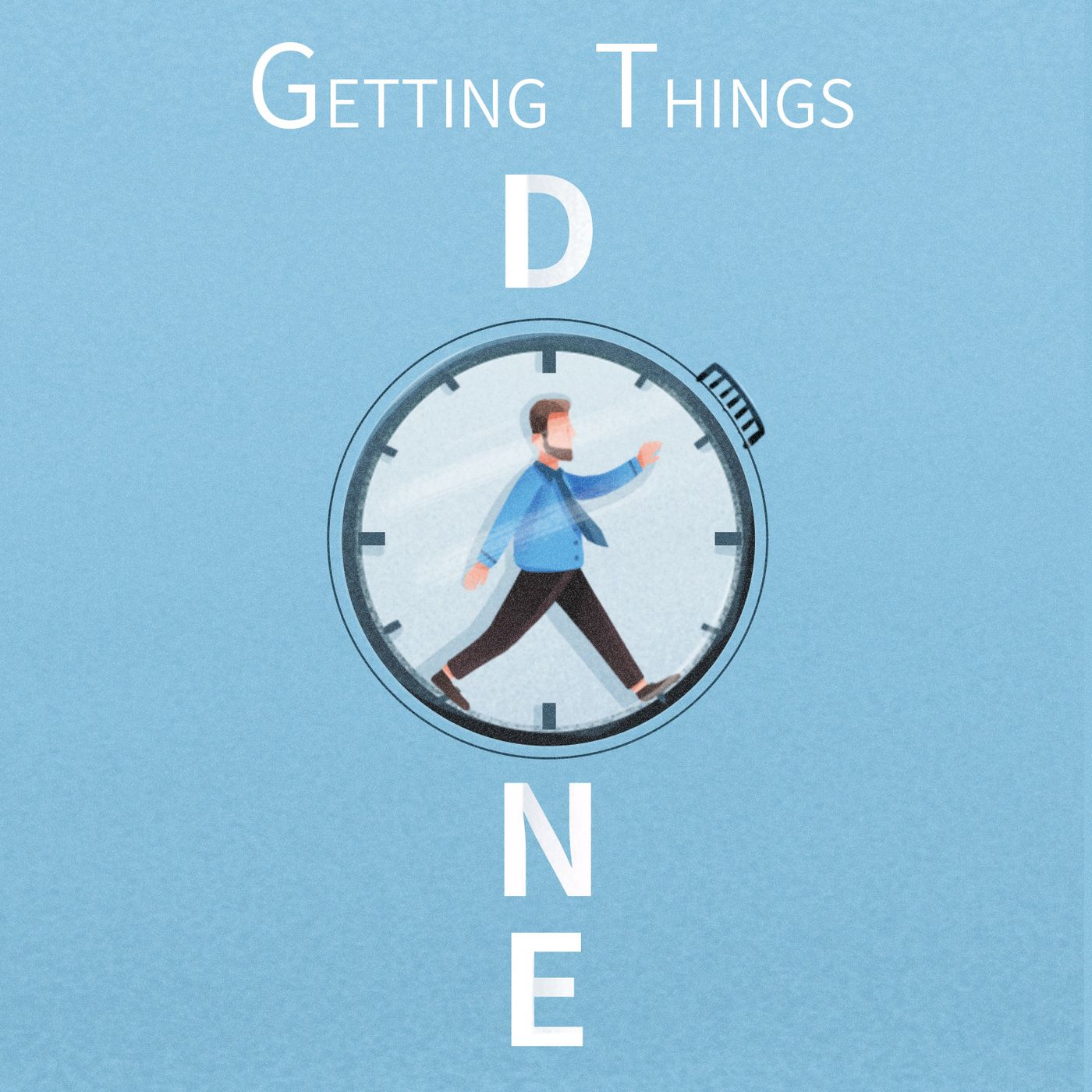
Clearing the Chaos: Mastering Productivity with "Getting Things Done" by David Allen
Chapter 1:what is the Getting things done about"Getting Things Done" by David Allen is a self-help book that offers a productivity system and methodology to help individuals effectively manage their tasks, projects, and responsibilities. The book introduces the concept of "stress-free productivity," where Allen emphasizes the importance of clearing one's mind and organizing tasks in a systematic way.The core of the book revolves around the GTD methodology, which consists of five steps:Capture: Collecting all tasks, ideas, and commitments into a trusted system, such as a to-do list or a digital organizer.Clarify: Processing each item captured by deciding what it means, identifying the desired outcome, and determining the next action required.Organize: Placing the clarified actions into appropriate categories and organizing them based on context, priority, and timeframe.Reflect: Regularly reviewing and updating the system, ensuring that it remains current and trustworthy.Engage: Taking action based on the decisions made during the previous stages. This involves selecting the right tasks based on context and availability.Allen also provides practical tips and techniques throughout the book, such as the two-minute rule (if a task takes less than two minutes, do it immediately), the concept of contexts (grouping tasks based on the available resources and location), and maintaining a "higher-altitude perspective" to prioritize work effectively."Getting Things Done" aims to help individuals achieve a state of mind where they can focus on the task at hand without being overwhelmed by distractions or incomplete commitments. The ultimate goal is to increase productivity, reduce stress, and gain control over one's professional and personal life.Chapter 2:Author of the Getting things doneDavid Allen is a productivity consultant, international speaker, and best-selling author known for his book "Getting Things Done: The Art of Stress-Free Productivity." He is widely recognized as a leading authority on personal and organizational effectiveness. Allen developed the widely acclaimed productivity methodology known as "Getting Things Done" (GTD), which has helped millions of people enhance their productivity, reduce stress, and achieve greater success in various aspects of their lives.Through his book and workshops, David Allen provides practical strategies and techniques for organizing tasks, managing priorities, and maintaining focus in a fast-paced, information-driven world. He emphasizes the importance of capturing, clarifying, and organizing all the tasks and commitments in one's life to achieve a clear and stress-free mind. His methodology involves creating a trusted system to track and manage all the inputs, ensuring that nothing falls through the cracks.David Allen's teachings have been embraced by individuals, entrepreneurs, and professionals from diverse fields, enabling them to improve their productivity, achieve better work-life balance, and experience greater peace of mind. His impact on the productivity and self-help industry has been profound, and his work continues to inspire people worldwide to optimize their performance and accomplish their goals.Chapter 3:why is the Getting things done worth readingThere are several reasons why "Getting Things Done" by David Allen is worth reading:Practical and actionable strategies: The book offers a comprehensive system for managing tasks and organizing your work and personal life. It provides practical techniques to increase productivity, reduce stress, and achieve your goals. The strategies presented in the book can be implemented immediately and customized to fit your specific needs. Time-saving techniques: Allen's methodology focuses on capturing all your tasks, ideas, and commitments in external systems, such as notes, calendars, and lists. By doing so, you free up mental space and reduce the mental clutter that often leads to overwhelm and inefficiency. The book provides tips and tools to help you streamline your workflow and make better use of your time.Stress reduction: "Getting Things Done" helps you identify and prioritize tasks, ensuring you stay organized and focused. By minimizing the mental burden of managing multiple responsibilities, the book allows you to be more present and engaged in your work and personal life, reducing stress and enhancing overall well-being.Flexibility and adaptability: Allen's methodology is not a one-size-fits-all approach but can be adapted to various work environments, professions, and personal situations. Whether you're a student, a professional, or a stay-at-home parent, the book offers valuable insights and techniques that can be tailored to your unique circumstances.Longevity and relevance: The book has remained popular since its initial publication in 2001, demonstrating its enduring value and applicability. The principles and practices outlined by Allen continue to be relevant in the fast-paced, modern world, where inform

Pain and Profit: The Untold Story of the Empire
Chapter 1:Summary of Empire of Pain bookEmpire of Pain by Patrick Radden Keefe is a meticulously researched and deeply compelling book that delves into the rise and fall of the Sackler family and their role in the opioid crisis.The book begins by tracing the family's origins in Germany and their migration to the United States, where they eventually became one of the wealthiest and most influential families in America. The Sacklers built their fortune through their pharmaceutical company, Purdue Pharma, and their development of the highly addictive painkiller, OxyContin.Keefe explores the tactics the Sacklers used to market OxyContin, from their aggressive advertising campaigns to their influence over doctors and medical professionals. He uncovers the deceptive practices that Purdue Pharma employed to downplay the addictive nature of the drug and the devastating consequences it had on countless individuals and communities.Throughout the book, Keefe does not shy away from holding the Sackler family accountable for their actions. He delves into the family's culture of secrecy and their attempts to distance themselves from the crisis they helped create, revealing a web of deceit and manipulation.Keefe also highlights the efforts of individuals and communities affected by the opioid crisis to seek justice and bring attention to Purdue Pharma's role in fueling the epidemic. He discusses the numerous lawsuits and legal battles faced by the company and the Sackler family, as well as the implications for accountability in the pharmaceutical industry.In addition to providing a comprehensive account of the Sackler family's rise to power and the devastating impact of the opioid crisis, Empire of Pain raises broader questions about the influence of powerful corporations, the role of government regulation, and the ethics of the pharmaceutical industry.Overall, Empire of Pain is an eye-opening and thought-provoking exploration of the Sackler family's role in the opioid crisis and a powerful indictment of corporate greed and the devastating human toll it can exact.Chapter 2:the meaning of Empire of Pain book"Empire of Pain" by Patrick Radden Keefe is a book that examines the dark and troubling history of the Sackler family, who built a vast pharmaceutical empire with their company Purdue Pharma, primarily through the production and aggressive marketing of the highly addictive opioid painkiller OxyContin.The title "Empire of Pain" captures the essence of the Sackler family's business practices and the devastating consequences it had on individuals, families, and communities. The book explores how the Sacklers amassed enormous wealth and power, but at the cost of countless lives affected by addiction, overdose, and the broader opioid crisis in the United States.Through meticulous research and interviews, Keefe explores the intertwined narratives of the Sackler family, the rise of OxyContin, and the subsequent fallout from its widespread misuse. The book delves into the deceptive marketing tactics used by Purdue Pharma to downplay the addictive nature of OxyContin, influence doctors, and maximize profits.Overall, "Empire of Pain" conveys the meaning of a family empire built on the exploitation of pain, as well as the moral and ethical questions surrounding corporate responsibility, accountability, and the consequences of prioritizing profit over public health.Chapter 3:Empire of Pain book chapters1.Prologue: The Calling2.Part I: Patrimonyl The Beginnings of the Sackler Dynastyl Arthur's Ascentl Brothers3.Part II: Purdue Pharmal The Rise of OxyContinl A Salesman Named Mikel "We Can Do This. We Have To."4.Part III: Enemiesl Doctors and Patientsl Law Enforcementl Addicts and Advocates5.Part IV: Falloutl The Whistleblowerl Legal Battles and Settlementsl The Art World and Philanthropy6.Part V: Guilt and Accountabilityl Facing the Consequencesl Congressional Hearings7.Epilogue: AftermathChapter 4: Quotes of Empire of Pain book"The Sacklers had a genius for marketing pain, as if, with the right branding, they could make suffering sexy.""In the ruthless pursuit of profits, the Sacklers had helped create and unleash a nationwide epidemic of addiction.""By the time the Sacklers started selling OxyContin, they had already amassed immense wealth from selling other drugs. But OxyContin was their masterpiece—their Empire of Pain.""They exploited doctors’ trust, manipulated regulators, and pushed their highly addictive drug on patients who had no idea what they were getting into.""The Sacklers were not doctors, scientists, or addiction specialists. They were businessmen who saw an opportunity to profit from people's pain.""The Empire of Pain was built on the backs of countless individuals who became trapped in a cycle of addiction, their lives spiraling out of control.""The Sackler family amassed billions of dollars from the sale of OxyContin, while communities across America crumbled under the weight of addiction and overdose deaths.""The

Unveiling the Fragility: The Coddling of the American Mind
Chapter 1:what is The Coddling of the American Mind about"The Coddling of the American Mind" is a book written by Greg Lukianoff and Jonathan Haidt which explores the rising trend of fragility and intolerance on college campuses in the United States. In the book, Lukianoff and Haidt argue that there is a generation of students who have grown up with what they call "a culture of safetyism," meaning they have been shielded from discomfort or potentially harmful experiences. This culture, they argue, has resulted in an overemphasis on emotional well-being and a diminished ability to handle differing opinions and ideas.The authors specifically focus on three "Great Untruths" that they argue are contributing to this cultural shift: the untruth of fragility (the belief that people are more vulnerable and delicate than they actually are), the untruth of emotional reasoning (the belief that feelings are more important than facts), and the untruth of us versus them (the belief that the world is divided into good and evil people).Throughout the book, Lukianoff and Haidt provide examples of incidents on college campuses and discuss the negative consequences of this mindset, including the stifling of free speech, the degradation of critical thinking skills, and the polarization of society. They also offer suggestions for how both students and institutions can address these issues and work towards creating a more open, tolerant, and intellectually engaging environment.Chapter 2:Author of The Coddling of the American MindGreg Lukianoff is an American attorney, author, and the CEO of the Foundation for Individual Rights in Education (FIRE). He has been actively involved in promoting free speech rights on college campuses and challenging restrictive speech policies. Lukianoff co-authored the book "The Coddling of the American Mind" with Jonathan Haidt.Jonathan Haidt is an American social psychologist, professor, and author. He is known for his research on moral psychology and the psychology of morality. Haidt is a professor of ethical leadership at the NYU Stern School of Business and also a visiting professor of psychology at the University of Virginia. He has written several books, including "The Righteous Mind" and "The Coddling of the American Mind," which he co-authored with Greg Lukianoff. In his works, Haidt explores how moral values, political beliefs, and culture impact human behavior and societal issues.Chapter 3:why is The Coddling of the American Mind worth reading"The Coddling of the American Mind" by Greg Lukianoff and Jonathan Haidt is worth reading for several reasons:Exploration of campus culture: The book delves into the increasingly prevalent phenomenon of "safetyism" on college campuses, where students are shielded from ideas or experiences that may be discomforting or challenging. It provides a deep analysis of how this trend emerged and the potential consequences it has on intellectual and emotional development.Understanding generational differences: The authors address the factors contributing to a change in student behavior and attitudes over recent years. They shed light on the societal shifts that have led to increased emotional fragility and a lack of resilience among college students, highlighting the generational differences between millennials and their predecessors.Examination of moral foundations: Lukianoff and Haidt explore the concept of moral foundations and how they shape people's attitudes and beliefs. They discuss the importance of recognizing and appreciating diverse perspectives, arguing that exposure to differing viewpoints and open dialogue on campus is crucial for intellectual growth and the development of critical thinking skills.Psychological insights: The book delves into various psychological theories and research to explain why certain trends, such as the prevalence of anxiety and depression among college students, have emerged. It provides valuable insights into the psychological factors contributing to these issues and offers suggestions for tackling them.Practical solutions: Rather than simply highlighting problems, the authors offer practical strategies and suggestions to promote intellectual diversity, open dialogue, and resilience on college campuses. They propose steps that individuals and institutions can take to foster a healthier academic environment.Overall, "The Coddling of the American Mind" combines intellectual rigor with accessible writing, making it a thought-provoking and engaging book. It offers a comprehensive exploration of the challenges facing American college campuses and provides insightful recommendations for navigating the complex landscape of higher education in the 21st century.Chapter 4: Books like The Coddling of the American Mind "The Righteous Mind: Why Good People Are Divided by Politics and Religion" by Jonathan Haidt - This book by Haidt delves into the moral foundations and reasoning behind the division between people with different politi

The Information: Unveiling the Hidden Language of the Digital Era
Chapter 1:what is The Information book about"The Information" by James Gleick is a non-fiction book that explores the history, science, and impact of information and communication throughout human history. Gleick delves into the origins of information, starting from the earliest forms of communication in the animal kingdom to the development of human language and writing systems. He then explores the profound changes brought about by the invention of the telegraph, which revolutionized long-distance communication.The book also covers the development and significance of coding and cryptography, the impact of the printing press, the rise of the Internet and digital technology, and the challenges and opportunities brought by the information age.Throughout the book, Gleick weaves together historical anecdotes, scientific theories, and cultural implications to illustrate how information shapes our understanding of the world and society. He explores concepts like entropy and chaos theory, discusses influential figures such as Claude Shannon and Alan Turing, and reflects on the challenges of information overload and filtering.Overall, "The Information" provides a comprehensive exploration of the history, power, and cultural significance of information and its essential role in shaping human civilization.Chapter 2:Author of The Information bookJames Gleick is an American author, journalist, and science historian. He was born on August 1, 1954, in New York City. Gleick studied at Harvard University, where he graduated with a degree in English and linguistics. Gleick is known for his work in popularizing scientific concepts and exploring the impact of technology on society. He has written numerous books that delve into the intersection of science, history, and culture, with a particular focus on the development and significance of information.One of his most notable works is "The Information: A History, a Theory, a Flood," published in 2011. In this book, Gleick provides a comprehensive examination of the concept of information, its evolution throughout history, and its profound influence on human communication and knowledge. He delves into various fields, such as genetics, mathematics, and computer science, to demonstrate the fundamental role of information in shaping our understanding of the world.As an author, Gleick is praised for his ability to make complex scientific ideas accessible to a wide audience. His writing style incorporates storytelling elements, allowing readers to engage with the subject matter on a personal and relatable level. Gleick's works have garnered critical acclaim, earning him prestigious honors such as the National Book Award and the Pulitzer Prize nomination.Overall, James Gleick is a highly respected author known for his insightful and thought-provoking explorations of science and its impact on society. His book "The Information" serves as a valuable resource for those interested in understanding the history and significance of the concept of information in the modern world.Chapter 3:why is The Information book worth readingThere are several reasons why The Information by James Gleick is worth reading:Comprehensive exploration: The book provides a comprehensive exploration of the concept of information spanning from ancient times to the digital age. It covers a wide range of disciplines, including mathematics, technology, linguistics, philosophy, and psychology. Gleick masterfully weaves together various aspects of information, making it a rich and informative read.Historical context: The Information delves into the historical backdrop of how information has shaped societies and civilizations. It highlights key moments in history, such as the invention of writing, the development of the telegraph and telephone, and the advent of the digital revolution. Understanding the historical context helps to appreciate the significance of information in our modern world.Thought-provoking insights: Gleick offers numerous thought-provoking insights about the nature of information. He explores deep philosophical questions, such as the relationship between information and meaning, the distinction between signal and noise, and the impact of information overload on our daily lives. These insights challenge conventional wisdom and stimulate critical thinking.Interdisciplinary approach: The author seamlessly combines insights from various disciplines, providing a well-rounded view of information. Whether you're interested in science, history, literature, or technology, there is something in The Information for you. It bridges gaps between disciplines, revealing their interconnectedness and shedding light on the bigger picture.Engaging writing style: Gleick's writing style is engaging and accessible, even when explaining complex scientific concepts. He brings characters and anecdotes to life, making the book an enjoyable read for both experts and those new to the subject. The narrative flows smoothly, maki

Unmasking the Illusion: The Truth behind the Halo Effect
Chapter 1:Summary of The Halo Effect bookThe Halo Effect by Phil Rosenzweig is a book that challenges popular business theories and strategies by highlighting the flaws in our thinking process when it comes to evaluating success and failure in companies. Rosenzweig argues that many commonly accepted beliefs about successful companies are actually the result of flawed research and biased analysis. The book begins by debunking the notion that successful companies have a set of specific qualities that guarantee their success. Rosenzweig highlights how the "halo effect" influences our perception of success by attributing positive outcomes to a company's overall greatness, rather than analyzing the specific factors that contributed to its success. He argues that this flawed thinking allows companies to adopt poor strategies based on a false belief in their own invincibility.Furthermore, Rosenzweig criticizes the practice of using "common sense" and management fads to drive business decisions. He provides various examples of well-known companies that have fallen victim to this flawed thinking, illustrating how using simple formulas or following popular trends can lead to disastrous outcomes.The author also explores the problem of overgeneralization, pointing out how the practices of successful companies may not apply to other contexts. He emphasizes the importance of considering the specific circumstances of each company before blindly adopting strategies that worked elsewhere.In the final chapters, Rosenzweig offers suggestions for better decision-making in the business world. He emphasizes the need for more rigorous analysis and skepticism, as well as a greater focus on evaluating long-term results rather than short-term success.Overall, The Halo Effect challenges readers to critically examine the beliefs and assumptions underlying commonly accepted business principles. Rosenzweig makes a compelling argument for the need to question popular theories and think more carefully about how success and failure are evaluated in the business world.Chapter 2:The meaning of The Halo Effect bookThe Halo Effect refers to a cognitive bias where our overall impression of a person or entity influences our perception of their individual traits or abilities. In his book "The Halo Effect and the Eight Other Business Delusions That Deceive Managers," author Phil Rosenzweig explores how this bias can affect decision-making in the business world.Rosenzweig argues that when we have a positive impression of a company or its leaders, we tend to attribute all other positive qualities to them, even if there is no direct evidence to support these assumptions. Similarly, when we have a negative impression, we tend to overlook or downplay any positive aspects. This can lead to flawed assessments and decisions based on faulty information.Rosenzweig uses various real-life business examples to highlight how the Halo Effect can distort our understanding of performance, strategy, and future success. He emphasizes that successful companies and individuals are not always perfect, and their achievements may not always be replicable or sustainable.By exposing the fallacy of the Halo Effect, Rosenzweig aims to encourage managers and leaders to critically evaluate their decision-making processes. He suggests considering multiple perspectives and gathering objective data to make more accurate judgments, rather than relying solely on subjective impressions influenced by the Halo Effect.In summary, "The Halo Effect" by Phil Rosenzweig explores the impact of cognitive bias on decision-making in the business world, specifically how our overall impression of a person or organization can distort our perception of their abilities and achievements. By understanding and being aware of the Halo Effect, individuals can make more informed and objective decisions.Chapter 3:The Halo Effect book chaptersChapter 1: The Halo EffectIn this chapter, Rosenzweig introduces the concept of the Halo Effect, which refers to the tendency to judge a company's performance based on overall impressions rather than objective measures. He explains that the Halo Effect can lead to biased and inaccurate evaluations of success and failure in business.Chapter 2: The Delusion of Correlation and CausalityRosenzweig challenges the common belief that correlation implies causality, particularly in the context of evaluating business success. He argues that many factors besides a company's performance can contribute to its success or failure, and it is important to understand the underlying causes rather than relying on surface-level correlations.Chapter 3: The Halo Effect at WorkThis chapter explores different aspects of the Halo Effect and how it manifests in various business scenarios. Rosenzweig examines case studies to illustrate how common cognitive biases can influence decision-making, and how the Halo Effect can distort perceptions of employee performance, financial metrics, and company

The Power of Compassionate Connection: Exploring Nonviolent Communication
Chapter 1:Summary of Nonviolent Communication bookNonviolent Communication by Marshall Rosenberg is a guidebook for effective communication that aims to foster understanding, collaboration, and empathy between individuals. The book presents a framework and set of practical tools for achieving more respectful and compassionate interactions.Rosenberg begins by highlighting the importance of compassionate communication and the problems that occur when people resort to violence or judgment in their interactions. He introduces the concept of nonviolent communication, which involves expressing oneself honestly while also listening empathetically to others.The author describes four key components of nonviolent communication: observation, feelings, needs, and requests. To communicate effectively, individuals first need to observe a situation without judgment, describing it objectively. They should then express their feelings associated with that observation, acknowledging their own emotional reactions.Moreover, Rosenberg emphasizes the importance of recognizing one's needs as the underlying motivators for their actions and emotions. By identifying and expressing these needs, individuals can better understand themselves and communicate their desires to others.To bridge the gap between needs and action, the author suggests making requests rather than demands. Requests are specific, doable actions that can help meet individuals' needs, and they allow room for negotiation and compromise.Rosenberg also delves into how to receive criticism and feedback without becoming defensive. He outlines strategies for empathetic listening, including paraphrasing, reflecting feelings, and clarifying needs. The book also covers ways to manage anger and resolve conflicts peacefully, offering practical exercises and examples for readers to practice these skills.Ultimately, Nonviolent Communication proposes that by empathizing with others' needs and expressing our own with sensitivity, we can create a world of deeper connection, understanding, and harmony. The book offers a comprehensive framework for improving communication skills in personal relationships, workplaces, and broader social contexts.Chapter 2:the meaning of Nonviolent Communication bookNonviolent Communication (NVC) is a communication framework and process developed by Marshall Rosenberg. It is a way of speaking and listening that helps people connect with each other empathetically and peacefully. The core principle of NVC is to focus on understanding and expressing feelings and needs, rather than judgments or demands.Rosenberg believed that conflicts and difficult situations arise because of unmet needs, and NVC provides a way to identify and address those needs in a nonviolent and compassionate manner. NVC aims to create a quality of connection and empathy between individuals, fostering understanding, and cooperation.NVC consists of four main components:Observation: This involves objectively describing a situation without evaluation, interpretation, or judgment. It focuses on the concrete actions or behaviors observed rather than personal interpretations.Feelings: Identifying and expressing emotions, which provides a better understanding of personal experiences and reactions to a certain situation. This step encourages individuals to connect with their own feelings and those of others involved.Needs: Identifying universal human needs that underlie these feelings. Recognizing and expressing needs allows for deeper empathy and understanding between individuals involved in a conversation.Requests: Making clear, positive, and doable requests to meet the needs identified. These requests are free from demands or coercion and are aimed at finding mutually satisfying solutions.By using Nonviolent Communication, individuals can often defuse conflicts, promote understanding, and find mutually satisfactory resolutions by focusing on the shared human needs and fostering empathy. The process also aims to empower individuals to take responsibility for their feelings and needs and communicate them effectively, fostering healthier and more compassionate relationships.Chapter 3:Nonviolent Communication book chaptersThe Purpose of Nonviolent Communication: This chapter introduces the concept of Nonviolent Communication (NVC) and explains its purpose, which is to create connections, resolve conflicts, and meet the needs of both parties in a compassionate way.Giving from the Heart: In this chapter, Rosenberg discusses the intentions behind our actions and emphasizes the importance of giving and receiving with empathy and genuine care.Observations, Feelings, Needs, and Requests: The author introduces the four key components of NVC: observations, feelings, needs, and requests. He explains how by expressing observations without judgment, identifying our feelings, connecting them to our underlying needs, and making specific requests, we can improve our communication with others.Communication Th

Unmasking the Human Psyche: Insights from 'Maybe You Should Talk to Someone' by Lori Gottlieb
Chapter 1:Summary of Maybe You Should Talk to Someone bookMaybe You Should Talk to Someone by Lori Gottlieb is a poignant and insightful memoir about therapy and the human experience. The book follows Gottlieb, a psychotherapist herself, as she shares the stories of four of her patients and her own journey in therapy.Gottlieb starts by introducing her readers to her own experience of seeking therapy after a breakup. Through her sessions with her therapist, Wendell, she explores her own vulnerabilities and begins to unravel the reasons behind her pain. At the same time, she treats her own diverse set of patients, providing a nuanced and empathetic look into their lives.The patients she introduces are John, a successful Hollywood producer grappling with a terminal illness; Julie, a young woman struggling with the aftermath of a breakup; Charlotte, a high-achieving woman who is skeptical about therapy; and Rita, a narcissistic and self-destructive senior executive. Through these patients, Gottlieb portrays the many ways in which therapy can be transformative and healing.The book seamlessly weaves together the personal stories of the patients with Gottlieb's own experiences in therapy. She presents the concept of the "symphony of selves," the idea that people have different parts of themselves that sometimes conflict with each other, and it is important to understand and reconcile these different selves. She also touches upon themes such as grief, love, forgiveness, and the importance of human connection.Maybe You Should Talk to Someone challenges the stigma surrounding therapy and highlights its potential for growth and self-discovery. Through the intimate stories of her patients, Gottlieb reminds us of the shared humanity and the power of vulnerability and introspection.Chapter 2:the meaning of Maybe You Should Talk to Someone book"Maybe You Should Talk to Someone" is a non-fiction book written by Lori Gottlieb, a psychotherapist and author. The book explores the experiences and insights of both the therapist and the patient's perspectives in therapy. It delves into the complexities and challenges of the therapeutic process as well as the universal human experiences of pain, loss, love, and personal growth.The central theme of the book revolves around the idea that sometimes we all need someone to talk to, regardless of our personal and professional backgrounds, as therapy can provide helpful tools in navigating life's difficulties and finding fulfillment. It highlights the power of therapy as a resource for personal growth, healing, and self-discovery.The book also delves into Gottlieb's own personal therapy journey, which adds a unique and relatable dimension to the narrative. Through her experiences as both a therapist and a patient, Gottlieb demonstrates the vulnerability and strength required to seek help for one's problems, highlighting the importance of human connection and the therapeutic process.Overall, "Maybe You Should Talk to Someone" offers a glimpse into the world of therapy, destigmatizing mental health struggles, and emphasizing the value of seeking help, understanding, and compassion in navigating life's challenges. It serves as a reminder that we all have the capacity for change and growth, and that sometimes, talking to someone can be the first step towards a more fulfilling and meaningful life.Chapter 3:Maybe You Should Talk to Someone book chapters"Maybe You Should Talk to Someone" by Lori Gottlieb is a memoir that delves into the author's experiences as both a therapist and a patient. It follows her own therapy journey, while also providing insights into her clients' experiences. Here is a summary of the chapters in the book:Chapter 1: "You-Centric" - The author introduces herself as a therapist who seeks therapy after facing a personal crisis. She describes her preconceived notions about therapy and her reluctance to be a patient.Chapter 2: "There’s a First Time for Everything" - Lori shares her first therapy session with her therapist, Wendell. She discusses her reasons for seeking therapy and explores her negative emotions surrounding her breakup with her boyfriend.Chapter 3: "Fit Bird" - The author talks about her client "John," a single father and terminal cancer patient. She discusses the challenges of working in a limited timeframe and the impact of death on her clients.Chapter 4: "Sinking" - Lori opens up about her own struggles with personal and professional matters. She delves into her dissatisfaction with her personal life and her difficulties navigating the dating scene.Chapter 5: "Doppelgängers" - The author focuses on a married woman, "Charlotte," who is plagued by guilt over having an affair. Through her sessions with Charlotte, Lori explores the complexities of relationships and fidelity.Chapter 6: "Turning Points" - Lori shares a therapy session during which her patient, "Julie," reveals that she is considering ending therapy. This makes Lori question her effectiveness

Unveiling the Secrets to a Longer, Healthier Life: How Not to Die
Chapter 1:Summary of the How Not to Die"How Not to Die" by Michael Greger is a comprehensive guide to living a healthy and disease-free life through a whole-food, plant-based diet. The book emphasizes the importance of nutrition in preventing and reversing chronic diseases such as heart disease, cancer, diabetes, and obesity. Greger provides evidence-based information and practical advice on foods to avoid and those to include in the diet for optimal health.The key takeaways from the book include:The importance of a plant-based diet: Greger advocates for a diet rich in fruits, vegetables, whole grains, legumes, and other plant-based foods, which are shown to have numerous health benefits. He argues that these foods are packed with essential nutrients, fiber, antioxidants, and phytochemicals that can protect against chronic diseases.Specific foods for optimal health: Greger discusses the science behind various foods and their benefits. For example, he highlights the benefits of consuming cruciferous vegetables (such as broccoli and kale) for cancer prevention and the importance of including flaxseeds in the diet for their omega-3 fatty acids.The dangers of processed foods and animal products: The book delves into the negative health effects of processed foods, such as refined sugars and fats, and their association with chronic diseases. Greger also emphasizes the risks associated with consuming animal products, particularly red and processed meats, which have been linked to an increased risk of cancer, heart disease, and other health problems.Lifestyle factors: In addition to diet, the book also discusses other lifestyle factors that can contribute to overall health and longevity. These include exercise, stress management, adequate sleep, and avoiding harmful substances like smoking and excessive alcohol consumption.Practical tips for incorporating healthy habits: Greger provides practical tips and strategies for adopting a whole-food, plant-based diet. He includes meal plans, shopping lists, and recipes to help readers easily transition to a healthier lifestyle.Overall, "How Not to Die" is a comprehensive resource that presents evidence-based research on the benefits of a plant-based diet and offers practical strategies to improve health and prevent chronic diseases.Chapter 2:the meaning of the How Not to Die"How Not to Die" by Michael Greger is a book that discusses evidence-based approaches to prevent and even reverse major diseases using a plant-based diet. The book explores scientific research on nutrition and health, emphasizing the importance of consuming a wide variety of plant foods to optimize overall well-being and longevity. It includes practical tips and meal plans to help individuals make informed dietary choices that can potentially reduce the risk of chronic diseases such as heart disease, cancer, diabetes, and more. The main message of the book is to empower readers with knowledge about nutrition and provide them with the tools to make healthier choices in order to live a longer, healthier life.Chapter 3:the How Not to Die chaptersIntroduction: In the introduction, Michael Greger explains the importance of nutrition in preventing and treating diseases. He emphasizes that a plant-based diet can significantly reduce the risk of developing chronic diseases such as heart disease, diabetes, and cancer.How Not to Die from Heart Disease: This chapter focuses on heart disease, the leading cause of death globally. Greger discusses the role of diet in preventing and reversing heart disease, highlighting specific foods like whole grains, legumes, fruits, and vegetables that promote heart health.How Not to Die from Lung Diseases: Greger explores various lung diseases, including chronic obstructive pulmonary disease (COPD) and lung cancer. He discusses the impact of smoking, air pollution, and nutrition on lung health, as well as specific foods and nutrients that can help prevent these diseases.How Not to Die from Brain Diseases: This chapter examines conditions such as Alzheimer's disease, Parkinson's disease, and stroke. Greger highlights the importance of antioxidants, omega-3 fatty acids, and a plant-based diet in reducing the risk of developing these brain diseases.How Not to Die from Digestive Cancers: Greger focuses on digestive system cancers, including esophageal, stomach, and colorectal cancers. He discusses the link between diet and these cancers, emphasizing the importance of fiber, cruciferous vegetables, and avoiding processed meats.Chapter 4: Quotes of the How Not to Die"The take-home message is that diet is the single greatest predictor of our health and longevity.""There is no such thing as a 'magic pill' or a 'one-size-fits-all' diet. Instead, we should focus on a whole foods, plant-based diet.""Every time we eat animal-based foods, we are consuming harmful substances that increase our risk of chronic diseases.""Our bodies have an amazing ability to heal and repair themselves if we prov

Unraveling the Mystery: What Happened To You
Chapter 1:what is the What Happened To You about"What Happened to You?" is a book written by Dr. Bruce D. Perry and Oprah Winfrey. In this book, the authors explore the impact of childhood trauma and discuss how it shapes individuals throughout their lives. Dr. Perry, a renowned psychiatrist and neuroscientist, offers a compassionate perspective on understanding trauma and its long-lasting effects on the brain and behavior.The book emphasizes the importance of empathy and connection in relationships, highlighting the significance of asking the question "What happened to you?" instead of "What's wrong with you?" By focusing on understanding an individual's experiences and the resulting trauma, the authors aim to promote healing, resilience, and growth.Dr. Perry combines his scientific expertise with Oprah Winfrey's personal narratives, sharing her own traumatic experiences, to create a powerful and accessible exploration of trauma. Together, they offer insights into the ways trauma affects different aspects of a person's life, including relationships, emotions, behaviors, and decision-making processes."What Happened to You?" also provides practical tools and strategies for both individuals who have experienced trauma and those who want to support them. The book aims to help readers develop a deeper understanding of trauma and how to offer empathetic support, fostering healing and connection.Overall, "What Happened to You?" offers a collaborative and compassionate approach to understanding and healing from trauma, encouraging empathy, connection, and resilience.Chapter 2:Author of the What Happened To YouBruce D. Perry, MD, Ph.D., is a renowned psychiatrist and author who co-authored the book "What Happened to You?: Conversations on Trauma, Resilience, and Healing". He is known for his expertise in understanding the impact of trauma on the developing brain and his work in promoting trauma-informed care and healing for individuals of all ages.Dr. Perry is the Senior Fellow of the ChildTrauma Academy, a nonprofit organization focused on improving the lives of traumatized children. He has held various academic positions throughout his career, including serving as the Chief of Psychiatry at Texas Children's Hospital and as a faculty member at several prestigious institutions, including the Columbia University College of Physicians and Surgeons.As a clinician, researcher, and teacher, Dr. Perry has dedicated his career to helping individuals understand the profound effects of trauma and creating strategies for healing. His book, "What Happened to You?", co-authored with Oprah Winfrey, explores how understanding trauma and shifting our perspectives from asking "What's wrong with you?" to "What happened to you?" can foster empathy, healing, and resilience.Dr. Perry's groundbreaking work has earned him numerous awards and recognition, and his expertise is widely sought after by professionals in the fields of mental health, education, and social services. Through his research, writings, and public speaking engagements, he continues to shed light on the profound impact of trauma and advocates for trauma-informed approaches that can make a meaningful difference in people's lives.Chapter 3:why is the What Happened To You worth reading"What Happened To You?" by Bruce D. Perry is worth reading for several reasons:Expertise: Bruce D. Perry is a renowned psychiatrist and neuroscientist who specializes in childhood trauma. He brings his extensive knowledge and experience to the book, providing readers with valuable insights into the impact of trauma on individuals.Empathy and Understanding: This book focuses on understanding and empathizing with individuals who have experienced traumatic events. Rather than asking, "What is wrong with you?" the authors ask, "What happened to you?" This perspective encourages compassion and promotes healing.Practical Applications: Through real-life examples and stories, the book offers practical strategies for healing and recovery from trauma. It explores the impact of traumatic experiences on various aspects of life, including relationships, education, and mental health.Research-Based: This book is grounded in scientific research and evidence. It covers the latest findings from neuroscience, psychology, and developmental research, making it a reliable resource for understanding the effects of trauma and how to address them.Broad Audience: "What Happened To You?" is accessible to a wide range of readers, including individuals who have experienced trauma, educators, mental health professionals, and anyone interested in gaining a deeper understanding of trauma's effects on human beings.Overall, "What Happened To You?" is worth reading because it compassionately explores the complex issue of trauma and provides valuable insights, strategies, and research to help individuals heal and thrive.Chapter 4: Books like the What Happened To YouIf you enjoyed "What Happened To You?" by Bruce D. Perry and a

Driving Through Life's Greenlights: A Journey of Reflection and Triumph
Chapter 1:what is the Greenlights about"Greenlights" is both a memoir and a guide to living a fulfilling life, written by actor Matthew McConaughey. The book takes readers on a journey through McConaughey's life, sharing his personal experiences, lessons learned, and reflections on success and happiness.The title "Greenlights" is derived from the concept of seeing a green light as a signal to keep moving forward in life. McConaughey encourages readers to embrace the challenges, failures, and unexpected twists that come their way, as these often lead to personal growth and development. He shares various stories from his own life, from childhood and adolescence to his Hollywood career, offering insights on how to find one's own greenlights in life.Throughout the book, McConaughey explores themes such as love, family, spirituality, self-discovery, and his passion for acting. He also includes personal journal entries, poems, and anecdotes that shed light on his journey and philosophy.Overall, "Greenlights" is a contemplative and inspiring book that aims to guide readers toward embracing the highs and lows of life, finding one's authentic self, and ultimately achieving a sense of fulfillment.Chapter 2:Author of the GreenlightsMathew McConaughey is a renowned American actor and producer, known for his exceptional performances in various films and television series. However, he recently ventured into writing and released his debut book titled "Greenlights" in October 2020. Although McConaughey is primarily recognized for his on-screen talent, "Greenlights" showcases his skills as an author and his ability to craft captivating stories."Greenlights" is an unconventional memoir where McConaughey shares personal anecdotes, reflections, and life lessons that he has collected over the years. The book is divided into several categories, including his upbringing, career, love life, and philosophy on living a fulfilling life. Through his unique storytelling style, he encourages readers to find their own "greenlights," which are moments of significance and triumph in life.With "Greenlights," McConaughey not only showcases his storytelling abilities but also provides readers with valuable insights and wisdom. The book resonates with a wide range of audiences, as it combines personal anecdotes with universal experiences, making it relatable for readers from all walks of life.Mathew McConaughey's transition from acting to writing has been well-received, as "Greenlights" became a New York Times bestseller shortly after its release. His ability to engage readers through his storytelling skills demonstrates his versatility as a multi-talented artist.Through "Greenlights," Mathew McConaughey offers readers a glimpse into his life, sharing his inspiring journey and encouraging them to embrace life's challenges and opportunities. Whether you are a fan of his acting career or simply looking for a thought-provoking read, "Greenlights" promises to captivate and inspire with its unique blend of memoir and self-discovery.Chapter 3:why is the Greenlights worth reading"Greenlights" by Matthew McConaughey is worth reading for several reasons:Insightful and Inspirational: McConaughey shares personal stories, experiences, and lessons from his life, providing readers with valuable insights on how to navigate various challenges and find success. The book offers a unique perspective on personal growth, self-discovery, and living an authentic life.Engaging Writing Style: McConaughey's writing style is raw, honest, and conversational, making it easy for readers to connect with him. The book is filled with humorous anecdotes, philosophical musings, and memorable quotes, making it an enjoyable and engaging read.Universal Themes: Although McConaughey is a famous actor, the book is not solely focused on his Hollywood journey. Instead, it delves into universal themes such as resilience, self-reflection, and determination, making it relatable and applicable to readers from various backgrounds.Multifaceted Approach: "Greenlights" is not just a memoir but also a guidebook for living a more fulfilling life. McConaughey encourages readers to embrace their inner truths, take risks, and celebrate the seemingly ordinary moments. He blends personal stories with practical wisdom, making the book versatile and applicable to different aspects of life.Authenticity: McConaughey's authenticity shines through throughout the book. He doesn't shy away from sharing his failures, vulnerabilities, and mistakes, emphasizing the importance of embracing one's true self. This vulnerability inspires readers to reflect on their own lives and strive for a more authentic existence.Overall, "Greenlights" offers a refreshing and genuine perspective on life, success, and happiness. Whether you're a fan of McConaughey or simply seeking inspiration and self-reflection, the book has something valuable to offer.Chapter 4: Books like the GreenlightsIf you enjoyed Greenlights by Matthew Mc

The Future of Humanity: Homo Deus
Chapter 1:what is the Homo Deus aboutHomo Deus: A Brief History of Tomorrow is a book written by Yuval Noah Harari, a renowned historian and professor at the Hebrew University of Jerusalem. The book explores the future potential of humanity and how we may evolve as a species in the coming years.Harari argues that Homo sapiens, the human species, has successfully overcome famine, disease, and war to a considerable extent, and is now shifting its focus toward attaining god-like powers. He explores the technological advancements, particularly in the fields of artificial intelligence and biotechnology, that might enable humans to conquer the remaining challenges they face, such as death, ignorance, and suffering.In Homo Deus, Harari delves into the concepts of humanism, liberalism, and capitalism, examining how these ideologies have shaped the world we live in and how they may further transform in the future. He discusses the potential impact of these transformations on politics, religion, and social structures, challenging conventional ideas and presenting new possibilities for a highly interconnected and technologically-advanced world.The book raises thought-provoking questions about the ethical and moral implications of these advancements, discussing societal issues such as inequality, surveillance, and the potential loss of meaning and purpose in a world where humans may no longer be the most intelligent beings. Harari also discusses the potential clash between technological progress and traditional religious beliefs, as well as the potential rise of new religions centered around data and algorithms.Overall, Homo Deus offers a compelling and thought-provoking exploration of the future of humankind, pushing readers to examine their beliefs and consider the potential consequences of our relentless pursuit of progress and power.Chapter 2:Author of the Homo DeusYuval Noah Harari is an Israeli historian and a professor at the Hebrew University of Jerusalem. He is best known for his internationally acclaimed books, "Sapiens: A Brief History of Humankind," and "Homo Deus: A Brief History of Tomorrow." Harari's unique ability to combine historical analysis with insights from various disciplines, including biology, anthropology, and psychology, has made his works widely popular and thought-provoking. Through his writing, he explores the implications of humanity's past and present for our future.In "Homo Deus," Harari delves into the possibilities that lie ahead for humanity in the twenty-first century. He examines a wide range of topics, including the potential impact of technology on human life, the rise of artificial intelligence, and the challenges and ethical dilemmas that may arise as we continue to advance.Harari's thoughtful and often bold predictions, as well as his ability to critically analyze complex ideas, have garnered him a significant following. His work has been translated into numerous languages and has been praised for its ability to engage readers in deep and meaningful conversations about the future of humanity.Beyond his books, Harari is also a sought-after speaker and has given talks at various prestigious institutions around the world. He regularly contributes his insights to global discussions on topics such as technology, politics, and humanity's future.Overall, Yuval Noah Harari has made a significant impact on the field of history and has become a prominent voice in shaping our understanding of the past, present, and future of human existence.Chapter 3:why is the Homo Deus worth readingHomo Deus by Yuval Noah Harari is worth reading for several reasons:Depth of analysis: Harari provides a thorough and in-depth analysis of the current state of humanity and makes thought-provoking predictions about our future. He delves into various topics such as technology, artificial intelligence, and human enhancement, exploring their impact on society, religion, and individual lives.Unique perspective: Harari offers a unique perspective on history, drawing connections between past developments and future possibilities. He challenges traditional beliefs and assumptions, encouraging readers to think critically about the world we live in and the direction it may be heading. His insights and arguments can be eye-opening and paradigm-shifting.Engaging writing style: Despite delving into complex topics, Harari presents his ideas in an accessible and engaging manner. He uses relatable examples and anecdotes, making the book enjoyable to read for both experts and casual readers. The writing style is clear, concise, and thoughtfully structured.Understanding the future: In Homo Deus, Harari provides a glimpse into what might lie ahead for humanity. By extrapolating current trends and technological advancements, he offers a plausible vision of how the world could change in the coming decades. This can help readers better understand the potential challenges and opportunities that lie ahead, enabling them to be more

The Journey to Uncover Emotional Neglect: Running on Empty
Chapter 1:what is the Running on Empty about"Running on Empty" by Jonice Webb is a self-help book that focuses on understanding and healing from Childhood Emotional Neglect (CEN). CEN refers to a lack of emotional support, empathy, and validation received in childhood, which can have a lasting impact on an individual's emotional well-being in adulthood.Webb explores how CEN can manifest in adulthood as feelings of emptiness, low self-esteem, difficulties with emotional intimacy, and challenges in self-care. She discusses various coping mechanisms that individuals develop to deal with CEN, such as overachievement, perfectionism, and self-sufficiency.The book provides insights into recognizing the signs of CEN in oneself and others, and offers practical strategies and techniques for healing from the effects of CEN. Webb emphasizes the importance of reconnecting with one's emotions, learning self-compassion, and building healthy relationships. She guides readers through exercises and examples to help them navigate the healing process and develop a stronger sense of self.Overall, "Running on Empty" is a guidebook for individuals who have experienced Childhood Emotional Neglect, helping them understand their emotional needs, identify the impact of CEN in their lives, and ultimately work towards greater emotional fulfillment and authenticity.Chapter 2:Author of the Running on EmptyJonice Webb is a well-known author, psychologist, and speaker, best known for her groundbreaking book "Running on Empty: Overcome Your Childhood Emotional Neglect." As a licensed psychologist, she has dedicated her career to studying and understanding a common but under-recognized issue called Childhood Emotional Neglect (CEN).Dr. Webb's book, "Running on Empty," shines a light on the long-lasting effects of childhood emotional neglect and provides practical strategies to overcome its impact. Drawing on her own personal and professional experiences, she offers guidance on how to identify and heal from the consequences of CEN, which often manifest as depression, anxiety, emptiness, and relationship difficulties.Dr. Jonice Webb's work has resonated with countless individuals who have suffered from emotional neglect in their childhoods, offering them a path towards healing and self-discovery. Her expertise on this topic has not only helped individuals overcome the effects of CEN but has also provided awareness and insight to therapists and mental health professionals.In addition to "Running on Empty," Dr. Webb has co-authored another book, "Running on Empty No More," which expands upon the original work and focuses on healing relationships impacted by CEN. She conducts workshops, podcasts, and online courses to further share her knowledge and provide support to those affected by emotional neglect.With her compassionate approach and in-depth understanding, Jonice Webb continues to make a significant impact in the fields of psychology and mental health, helping people reclaim their emotional well-being and live fulfilling lives.Chapter 3:why is the Running on Empty worth reading"Running on Empty" by Jonice Webb is worth reading for several reasons:Insight into emotional neglect: The book delves deeply into the concept of emotional neglect and its impact on individuals. It helps readers understand and identify emotional neglect in their own lives, providing validation and perspective. Webb offers insights into how emotional neglect can shape one's self-perception, relationships, and overall emotional well-being.Practical guidance and strategies: Webb not only explains the concept of emotional neglect, but also provides practical tools and strategies for healing and recovery. She offers specific ways to recognize and address emotional neglect, fostering self-compassion, building emotional intelligence, and enhancing interpersonal connections.Clarity and empathy: Webb writes with clarity and empathy, making complex psychological concepts accessible to a broad audience. Her compassionate and non-judgmental approach helps readers feel understood and supported throughout their journey of self-discovery and healing.Personal anecdotes and case examples: Webb supplements her research and theory with personal anecdotes and real-life case examples. These stories make the content relatable and reinforce the importance of addressing emotional neglect. Readers can see themselves reflected in these narratives and gain valuable insights.Application beyond personal growth: While primarily aimed at individuals seeking personal growth and healing, Webb's book also has relevance in various professional fields. Therapists, counselors, educators, and caregivers can benefit from the knowledge and strategies presented in "Running on Empty." It helps professionals deepen their understanding of emotional neglect, refine their practice, and better support their clients or students.Overall, "Running on Empty" is worth reading as it offers a profound exploration of emot
Beyond the Nobel: The Fascinating Life and Legacy of Madame Curie
Chapter 1:what is the Madame Curie about"Madame Curie" is a biography written by Ève Curie about her mother, Marie Curie, who was a renowned scientist and the first woman to win a Nobel Prize. The book provides an intimate and detailed account of Marie Curie's life, from her childhood in Poland and her early struggles as a female student in France, to her groundbreaking research in radioactivity and the scientific discoveries that led to her receiving two Nobel Prizes.Ève Curie describes the challenges and obstacles her mother faced as a woman in a male-dominated field, highlighting her determination, intellect, and perseverance. The book also delves into Marie Curie's personal life, including her marriage to Pierre Curie, their scientific collaboration, and her grief after his tragic death.In addition to Marie Curie's scientific achievements, the biography also explores her contributions during World War I, where she developed mobile radiography units nicknamed "Little Curies" to provide X-rays to wounded soldiers. Ève Curie's portrayal of her mother offers a poignant and inspiring story of a woman who dedicated her life to advancing scientific knowledge and overcoming societal barriers.Chapter 2:Author of the Madame CurieÉve Curie was a French author who wrote the biography "Madame Curie" about her mother, Marie Curie. Born on December 6, 1904, in Paris, France, Curie was the youngest daughter of Marie Curie and Pierre Curie, two renowned scientists and Nobel laureates.Growing up in a household of scientists, Curie was exposed to a world of intellectual curiosity from a young age. She pursued her education and graduated with a degree in English literature and philosophy. Later, she married Henry Labouisse, an American diplomat, and they had three children together.Curie's most notable work is her biography of her mother, titled "Madame Curie," published in 1937. This book remains one of the most widely read biographies of Marie Curie, shedding light on her incredible scientific contributions and personal struggles. "Madame Curie" explores Marie Curie's groundbreaking research on radioactivity, her tireless efforts and dedication to science, and her tragic death due to her prolonged exposure to radiation.Ève Curie's biography not only showcases her mother's accomplishments but also provides a portrait of a strong and determined woman who pushed boundaries and overcame adversity in a male-dominated field. Her book introduced Marie Curie's remarkable story to a wider audience, inspiring generations of women to pursue careers in science.Aside from her work as an author, Ève Curie was also involved in humanitarian efforts. During World War II, she served as an ambulance driver and a journalist. In addition, she became a UNICEF representative, advocating for the rights of children and visiting various countries to raise awareness and support for their welfare.Ève Curie's literary and humanitarian contributions have left a lasting impact, and she is remembered as an accomplished and influential figure in her own right.Chapter 3:why is the Madame Curie worth reading"Madame Curie" by Ève Curie is worth reading for several reasons:Insight into the life and work of Marie Curie: Ève Curie provides a comprehensive and intimate portrait of her mother, Marie Curie, the first woman to win a Nobel Prize and the only person to win Nobel Prizes in two different scientific fields. The book highlights Marie Curie's groundbreaking scientific discoveries, her struggles as a woman in a male-dominated field, and her passion for her work.Personal and emotional narrative: As Marie Curie's daughter, Ève Curie provides a unique perspective on her mother's life. She shares personal anecdotes, memories, and stories that offer readers a glimpse into the private world of the Curie family. This adds a touch of humanity and emotion to the scientific achievements, making the book more relatable and engaging to readers.Historical and cultural context: Through Marie Curie's life, Ève Curie explores the historical and cultural context of her time. The book delves into the challenges and discrimination faced by women in the early 20th century and how Marie Curie defied societal norms to pursue her scientific career. It also provides insights into the political and scientific climate of the time, offering a broader understanding of the era.Inspirational portrayal of a female scientist: "Madame Curie" celebrates the achievements of Marie Curie as a role model for women in science. The book emphasizes Marie Curie's perseverance, intelligence, and dedication, showcasing her as a groundbreaking figure who paved the way for future female scientists. Ève Curie's writing serves as a tribute to her mother's legacy and can be inspiring for readers, particularly women interested in pursuing careers in science.Overall, "Madame Curie" by Ève Curie is worth reading for its detailed account of Marie Curie's life, the personal narrative provided by her daughte

The Inner Workings of Human Nature: Exploring Evolutionary Psychology
Chapter 1:what is the Evolutionary Psychology aboutEvolutionary Psychology: The New Science of the Mind is a book written by Professor David M. Buss, a prominent evolutionary psychologist. The book explores the field of evolutionary psychology, which seeks to understand human behavior and cognition through the lens of evolutionary biology.Buss argues that the human mind consists of specialized mental modules that have evolved to solve specific adaptive problems faced by our ancestors. He explores various aspects of human behavior and psychology, such as mating strategies, aggression, jealousy, emotions, and parenting, providing evolutionary explanations for their existence and prevalence.The book delves into topics like sexual selection, parental investment theory, evolutionary conflict, and gene-culture co-evolution. It also discusses the differences between male and female psychological mechanisms, examining how natural selection has shaped their minds in distinct ways due to differences in reproductive strategies.Buss presents empirical evidence from various research studies and cross-cultural comparisons to support his hypotheses and claims. He also addresses criticisms and debates within the field of evolutionary psychology, expanding on its implications for understanding human nature and human behavior in modern societies.Overall, Evolutionary Psychology by David M. Buss offers a comprehensive overview of the field, providing insights into human behavior from an evolutionary perspective and offering an alternative understanding of various psychological phenomena.Chapter 2:Author of the Evolutionary PsychologyDavid M. Buss is a renowned evolutionary psychologist and professor of psychology at the University of Texas at Austin. He is widely recognized as one of the leading researchers in the field of evolutionary psychology and has made significant contributions to our understanding of human behavior, particularly in areas such as mating strategies, sexual conflict, and aggression.Buss is best known for his book, "The Evolution of Desire: Strategies of Human Mating," published in 1994, which has remained a seminal work in the field. In this book, he explores the evolutionary origins of human mating behavior, delving deep into topics such as mate selection, jealousy, infidelity, and the differences between male and female strategies for reproduction.Throughout his career, Buss has conducted extensive research, often employing large cross-cultural studies, to uncover universal patterns in human behavior. His work has shed light on why certain behaviors and psychological tendencies exist within our species, rooted in the evolutionary pressures that shaped our ancestors' reproductive success.Apart from his academic contributions, Buss is also known for his engaging writing style, making his work accessible to both professionals and the general public. He has received numerous awards and honors, including the G. Stanley Hall award from the American Psychological Association for his contribution to developmental psychology.Overall, David M. Buss is an influential figure in the field of evolutionary psychology, contributing valuable insights into human behavior and mating strategies. His work continues to shape our understanding of the evolutionary forces that have influenced our psychology, and his books remain essential readings for those interested in this fascinating field of study.Chapter 3:why is the Evolutionary Psychology worth readingEvolutionary Psychology by David M. Buss is worth reading for several reasons:Comprehensive coverage: The book provides a thorough overview of the field of evolutionary psychology, covering a wide range of topics such as sexual selection, mate preferences, aggression, cooperation, and parenting. It offers a comprehensive understanding of human behavior and psychology from an evolutionary perspective. Scientific rigor: Buss presents the theories and concepts of evolutionary psychology in a rigorous and evidence-based manner. He supports his arguments with extensive research and studies conducted in various fields, including psychology, biology, anthropology, and genetics. This ensures that the information presented is grounded in scientific literature.Clear and accessible writing: Despite dealing with complex concepts, Buss writes in a manner that is clear and accessible to readers without a strong background in psychology or biology. He provides explanations and examples that make it easy for readers to understand the concepts and theories being discussed. Practical implications: The book goes beyond theory and provides insights into real-life applications of evolutionary psychology. Buss explores how evolutionary factors influence human behavior in various domains, such as relationships, parenting, aggression, and social interactions. This can help readers gain a deeper understanding of human nature and how evolutionary processes shape our daily lives.Engaging and though

The Path to Personal Growth: Embracing The Road Less Traveled
Chapter 1:what is The Road Less Traveled about"The Road Less Traveled" is a self-help book written by psychiatrist M. Scott Peck. Published in 1978, the book explores various aspects of self-discipline, personal growth, and spiritual development. Peck introduces the idea that facing and solving life's problems requires effort and discipline, which he refers to as "the road less traveled." The book combines elements from psychology, spirituality, and philosophy to provide guidance on overcoming difficulties, embracing responsibility, and developing meaningful relationships. It challenges readers to confront their own unhealthy patterns and offers advice on building a fulfilling and authentic life.Chapter 2:Author of The Road Less TraveledM. Scott Peck was an American psychiatrist and author, best known for his book "The Road Less Traveled," published in 1978. Born on May 22, 1936, in New York City, Peck developed an interest in human psychology early on and pursued his education in the field. He graduated from Harvard University and received his medical degree from the Case Western Reserve University School of Medicine.Dr. Peck's breakthrough came with the release of "The Road Less Traveled," which became an instant success and stayed on The New York Times bestseller list for over a decade. The book offers a powerful exploration of personal growth and self-discipline, with an emphasis on the importance of taking responsibility for one's own life."The Road Less Traveled" gained attention for its unique perspective on spiritual growth, blending psychology and spirituality to encourage readers to confront life's challenges and develop healthier relationships. Peck's work often focused on peeling back the layers of human nature, exploring issues such as love, discipline, and the importance of truth.Apart from "The Road Less Traveled," M. Scott Peck wrote several other notable books, including "People of the Lie" and "The Different Drum: Community Making and Peace." He continued to write and work as a psychiatrist, gaining recognition for his insights into human behavior and his ability to bridge gaps between psychology and spirituality. M. Scott Peck's contributions to the field of psychology and personal growth continue to impact countless individuals seeking self-improvement and a deeper understanding of themselves and their relationships. Despite his passing on September 25, 2005, his work remains influential and well-regarded in the field of psychology.Chapter 3:why is The Road Less Traveled worth reading"The Road Less Traveled" by M. Scott Peck is worth reading for several reasons:Psychological Growth: The book explores the concept of personal development and psychological growth. Peck argues that the path to self-discovery involves confronting and overcoming challenges, and discusses different tools and techniques to facilitate this process. Readers seeking personal growth and a better understanding of themselves will find valuable insights in this book.Emotional and Mental Well-being: Peck delves into the importance of emotional and mental well-being, emphasizing the significance of self-discipline, delayed gratification, and taking responsibility for our own lives. By addressing common issues such as mental health, relationships, and spirituality, the book provides practical advice and guidance to improve one's emotional well-being.Spiritual Exploration: While "The Road Less Traveled" is not explicitly a religious book, it touches upon spiritual themes and incorporates insights from different spiritual traditions. Peck encourages readers to explore and question their beliefs, inviting them to embark on a spiritual journey regardless of their specific religious background. This approach resonates with those searching for a more profound understanding of life's meaning and purpose.Focus on Love: Love, in its various forms, is a central theme throughout the book. Peck explores the complexities of love in relationships, addressing the challenges of intimacy, commitment, and vulnerability. By emphasizing the importance of love, trust, and empathy, the book offers valuable insights into developing healthier and more fulfilling relationships.Engaging Writing Style: Peck’s writing style is accessible, engaging, and often combines personal experiences with psychological theory. This blend of personal anecdotes and professional expertise makes the book relatable and thought-provoking. Readers will find themselves drawn into the narrative and able to apply the concepts to their own lives.Overall, "The Road Less Traveled" offers a comprehensive guide to personal growth, emotional well-being, and spiritual exploration. Whether you are seeking self-improvement, a deeper understanding of relationships, or a new perspective on life, this book provides valuable insights and practical advice.Chapter 4: Books like The Road Less Traveled"Man's Search for Meaning" by Viktor E. Frankl"When Things Fall Apart: Heart Advice for

The Art of Embracing Chaos: Unraveling the Antifragile
Chapter 1:what is the Antifragile aboutAntifragile: Things That Gain from Disorder is a book written by Nassim Nicholas Taleb. In the book, Taleb explores the concept of antifragility, which he defines as a condition that goes beyond mere resilience. He argues that certain systems, individuals, and organizations can actually benefit and grow stronger from shocks, volatility, and uncertainty.Taleb challenges the prevailing notions of fragility and stability, highlighting that many things in the world are not just robust or resilient but actively benefit from chaos and disorder. He examines various domains, such as economics, biology, psychology, and philosophy, to illustrate the principles of antifragility and how they can be applied to different aspects of life.Taleb presents his arguments through a combination of anecdotes, historical examples, and philosophical musings. He explores the consequences of interventionism, the role of randomness in human systems, and the importance of embracing uncertainty and variability.The book also delves into the concept of "black swan events," rare and unpredictable occurrences that can have significant impacts on society and individuals. Taleb argues that society should be prepared for such events and build systems and institutions that can benefit from them rather than being paralyzed by them.Overall, Antifragile is a thought-provoking exploration of how embracing and leveraging uncertainty and disorder can lead to a more robust and adaptable world. It challenges conventional thinking and offers insights into how individuals and societies can thrive in an unpredictable and ever-changing environment.Chapter 2:Author of the AntifragileNassim Nicholas Taleb is a Lebanese-American author, scholar, and former financial trader. He is best known for his book "Antifragile: Things That Gain from Disorder," which was published in 2012. Taleb's work explores the concepts of randomness, uncertainty, and probability in various fields, including finance, economics, and philosophy.Born on October 1, 1960, in Amioun, Lebanon, Taleb grew up in a culturally diverse environment and was exposed to different philosophies from an early age. He obtained his undergraduate degree in mathematics from the University of Paris and later pursued a career in finance, working as a trader in New York City.His breakthrough book, "Fooled by Randomness: The Hidden Role of Chance in Life and in the Markets," published in 2001, established him as a prominent thinker in the field of risk management and probability. However, it was "The Black Swan: The Impact of the Highly Improbable," published in 2007, that catapulted Taleb to international fame. In this book, he introduced the concept of a "black swan" event, which refers to an unpredictable event with significant consequences."Antifragile," widely considered as his magnum opus, expands upon the ideas explored in his previous works. Taleb argues that systems, whether technological, social, or financial, should not merely withstand or be resilient to shocks but rather thrive and benefit from them. He emphasizes the importance of embracing variability, uncertainty, and randomness to achieve robustness and long-term success.Taleb's writing style is known for its unconventional and contrarian approach, blending personal anecdotes, historical references, and mathematical insights to challenge conventional wisdom. His work has been highly influential and continues to provoke dialogues across different disciplines.Besides his writing, Taleb has taught at several prestigious universities and worked as a hedge fund manager. He has also been involved in public intellectual debates and is a popular public speaker. Known for his outspoken and sometimes controversial views, Taleb's contributions to the fields of probability, risk management, and the study of uncertainty have made him a highly regarded figure in the intellectual world.Chapter 3:why is the Antifragile worth readingAntifragile by Nassim Nicholas Taleb is worth reading for several reasons:Unique Perspective: Taleb introduces the concept of antifragility, which goes beyond resilience or robustness. He argues that some systems actually benefit and become stronger from shocks and volatility. This fresh perspective challenges conventional wisdom and provides a unique framework for understanding and navigating our unpredictable world.Practical Applications: Taleb’s ideas have practical applications in various domains, such as economics, finance, politics, healthcare, and personal decision-making. By understanding antifragility, readers can better adapt to uncertainty, mitigate risks, and capitalize on opportunities.Thought-Provoking Insights: The book is filled with thought-provoking insights and anecdotes that challenge common assumptions about stability and predictability. Taleb explores the detrimental effects of overprotecting systems and highlights the importance of embracing randomness and disorder to fo

Upheaval: A Global Perspective on Societal Transformations
Chapter 1:what is the Upheaval about"Upheaval: How Nations Cope with Crisis and Change" is a book written by Jared Diamond. In this book, Diamond explores the factors that contribute to a nation's resilience or collapse in the face of crisis. He examines a range of historical case studies, focusing on nations such as Finland, Japan, Chile, and Germany, among others.Diamond delves into the experiences of these countries, examining how they coped with significant challenges such as civil wars, economic crises, and political upheaval. He identifies multiple key factors that determine a country's ability to adapt and recover from such crises, including national identity, political institutions, economic systems, and the willingness to confront difficult historical truths.By examining these different case studies, Diamond aims to draw lessons for individuals and nations facing their own crises. He highlights the importance of learning from historical events and emphasizes the need for introspection and adaptation to navigate periods of crisis successfully.Overall, "Upheaval" offers a broad perspective on the challenges nations face in times of crisis and the factors that contribute to their ability to recover and thrive.Chapter 2:Author of the UpheavalJared Diamond is an American scientist and author, best known for his works in the field of anthropology, geography, and evolutionary biology. He was born on September 10, 1937, in Boston, Massachusetts. Diamond is recognized for his multidisciplinary approach to studying human societies and their historical development.Diamond earned his bachelor's degree in anthropology and history from Harvard University in 1958. He continued his academic journey at the University of Cambridge, where he obtained a PhD in physiology in 1961. Throughout his career, he has held various prestigious positions, including professorship at UCLA and a visiting professorship at several universities worldwide. He is currently a professor of geography at the University of California, Los Angeles.Diamond gained international acclaim with his breakthrough book "Guns, Germs, and Steel: The Fates of Human Societies" published in 1997. The book explores the interplay between environmental factors and human history, attempting to explain why certain societies progressed while others remained stagnant. It won the Pulitzer Prize for General Nonfiction and became a bestseller, cementing Diamond's reputation as a prominent author and thinker.In his subsequent works, including "Collapse: How Societies Choose to Fail or Succeed," "The World Until Yesterday: What Can We Learn from Traditional Societies," and his most recent book, "Upheaval: Turning Points for Nations in Crisis," Diamond continues to explore the factors that shape the trajectories of different societies. "Upheaval," published in 2019, focuses on identifying significant crises faced by nations and offering insights into how they can learn from and overcome such challenges.Jared Diamond's contributions have had a profound impact on understanding human history, the impact of geography on society, and the importance of learning from the past. His works have been praised for their accessible and engaging style, making complex ideas accessible to a wide audience. He is often regarded as a leading scholar in his fields of interest and has received numerous accolades for his contributions to academia and popular science writing.Chapter 3:why is the Upheaval worth readingUpheaval by Jared Diamond is worth reading for several reasons:Broad Perspective: Jared Diamond is a renowned historian and author known for his ability to present complex historical events in a comprehensive and accessible manner. In Upheaval, he takes a broad perspective and examines a range of countries facing significant crises, such as Finland, Japan, Chile, and Australia. By exploring different countries and their responses to crises, Diamond provides readers with a global understanding of how nations cope and recover from upheavals.Historical Analysis: Diamond draws on historical analysis to explain how societies adapt and overcome challenges throughout history. By examining different case studies, he emphasizes the importance of learning from the past and highlights common patterns that can help societies navigate crises. This historical perspective offers valuable insights into the challenges faced by countries today, making Upheaval a relevant read for anyone interested in understanding current global affairs.Personal Reflection: In addition to historical analysis, Diamond incorporates personal anecdotes and reflections. He shares his experiences living in different countries and discusses how his own upbringing as well as interactions with locals shaped his understanding of their respective crises. These personal insights provide an intimate and relatable approach, allowing readers to connect with Diamond's observations on a deeper level.Practical Lessons: Upheaval ser

Farewell to the Shadows: The Long Goodbye by Raymond Chandler
Chapter 1:what is The Long Goodbye aboutThe Long Goodbye is a detective novel written by Raymond Chandler and first published in 1953. The story follows the private detective Philip Marlowe as he investigates the case of his friend Terry Lennox, who has been accused of murdering his wife. Marlowe attempts to prove Terry's innocence and uncovers a web of deception, corruption, and betrayal along the way.Set in Los Angeles during the 1950s, the novel delves into the dark underbelly of the city, involving issues such as organized crime, police corruption, and the power of wealth and influence. Marlowe encounters a range of characters, including eccentric millionaires, femme fatales, and crooked cops, as he navigates the complex and interconnected mysteries surrounding Terry's involvement and his own personal journey.The Long Goodbye showcases Chandler's signature writing style, characterized by his sharp dialogue, vivid descriptions, and gritty realism. It explores themes of loneliness, loyalty, and the loss of moral values in a corrupt society. As Marlowe unravels the layers of the case, the novel also raises questions about identity, obsession, and the blurred lines between truth and illusion.The Long Goodbye is widely regarded as one of Chandler's finest works and a classic of the hardboiled detective genre. It stands out for its intricate plot, atmospheric setting, and morally ambiguous characters, making it a quintessential example of Raymond Chandler's contribution to crime fiction.Chapter 2:Author of The Long GoodbyeRaymond Chandler was an American-British author and screenwriter, widely regarded as one of the greatest writers in the genre of detective fiction. He was born on July 23, 1888, in Chicago, Illinois, and passed away on March 26, 1959, in La Jolla, California.Chandler started his professional career as an oil company executive but eventually turned to writing at the age of 44. He became well-known for his hardboiled detective novels, featuring the iconic character Philip Marlowe. His writing style combined intricate plots, gritty realism, sharp dialogue, and a cynical view of society."The Long Goodbye," published in 1953, is one of Chandler's most acclaimed works. The novel follows Philip Marlowe as he gets entangled in a case involving a friend accused of murder, leading him into the dark underbelly of Los Angeles. Chandler's masterful storytelling and intricate exploration of corruption and betrayal make this novel a standout in the detective fiction genre.Chandler's works are recognized for their lasting impact on crime fiction and the noir aesthetic. His writing influenced countless authors, filmmakers, and even video game creators, shaping the hardboiled detective archetype that remains popular to this day. His sharp wit, atmospheric writing, and memorable characters continue to captivate readers and maintain his status as a literary legend.Chapter 3:why is The Long Goodbye worth readingThe Long Goodbye by Raymond Chandler is considered worth reading for several reasons:Unique Protagonist: The novel features Philip Marlowe, one of the most iconic and complex private detectives in literature. Marlowe's character is sharp, gritty, and possesses a dry wit, making him a compelling and enduring figure. Readers often find themselves enthralled by his charm, intelligence, and unyielding determination. Engaging Plot: The Long Goodbye presents a gripping and intricate storyline. Chandler's masterful storytelling introduces a web of intrigue, crime, and corruption that keeps readers on the edge of their seats. The novel expertly weaves together multiple plotlines, offering unexpected twists and turns.Noir Atmosphere: Chandler is renowned for his ability to create a vivid and atmospheric setting. The Long Goodbye is set in 1940s Los Angeles, which sets the stage for an atmospheric, noir-like experience. The descriptions of the city, with its dark underbelly and morally ambiguous characters, beautifully evoke a sense of time and place.Social Commentary: Beyond being a thrilling detective novel, The Long Goodbye delves into deeper societal issues. Chandler explores themes of corruption, betrayal, power dynamics, and the dark side of the American Dream. Through Marlowe's lens, readers gain insights into the complexities of human nature and the moral dilemmas faced in a corrupt society. Literary Merit: Chandler's writing style is often praised for its literary quality. He combines sharp dialogue, vivid imagery, and hard-boiled prose, creating a distinct and immersive writing style that is captivating for readers. The Long Goodbye showcases Chandler's skill at crafting poetic sentences and memorable quotes.Overall, The Long Goodbye is worth reading for its compelling protagonist, engrossing plot, atmospheric setting, social commentary, and literary merit. It continues to be celebrated as a classic in the crime fiction genre, offering readers an immersive and thought-provoking reading experience.Chapter

The Unraveling Chaos: A High-Stakes Journey through the Meltdown
Chapter 1:what is the Meltdown about"Meltdown: Why Our Systems Fail and What We Can Do About It" is a book written by Chris Clearfield and András Tilcsik. It explores the underlying causes and patterns of failures in complex systems and provides insights into how these failures can be prevented.The book investigates a wide range of real-world disasters, accidents, and crises, such as the Three Mile Island nuclear meltdown, the Deepwater Horizon oil spill, the 2008 financial crisis, and more. By conducting in-depth research and interviews, the authors analyze the factors that contribute to these failures, including human error, organizational culture, cognitive biases, and flawed designs.Clearfield and Tilcsik argue that many of these system failures are not isolated incidents, but rather the result of similar underlying issues and patterns. They identify concepts such as tight coupling, complexity, and psychological factors that often lead to catastrophic events. The authors also emphasize the importance of learning from these failures to improve system design and prevent future meltdowns."Meltdown" offers practical strategies and solutions for organizations and individuals to avoid or mitigate system failures. It encourages a systemic approach to risk management, emphasizes the need for diversity of perspectives, highlights the importance of open and effective communication, and suggests redesigning systems to promote resilience.Overall, "Meltdown" provides a thought-provoking and compelling analysis of system failures, offering valuable insights for professionals in various fields, including engineering, finance, healthcare, and more.Chapter 2:Author of the MeltdownChris Clearfield is a writer, speaker, and expert in complex systems and risk management. He is the co-author of the bestselling book "Meltdown: Why Our Systems Fail and What We Can Do About It," along with András Tilcsik.Clearfield has a background in engineering and finance, which gives him a unique perspective on understanding and analyzing complex systems in various industries. He has conducted extensive research and provided consulting services to organizations across the globe, helping them identify and mitigate risks associated with their systems.Through their collaboration, Clearfield and Tilcsik explore the concept of failure in systems and how it can lead to catastrophic consequences. In their book "Meltdown," they delve into real-world examples from industries like finance, aviation, and technology to illustrate why even the most advanced systems can fail.Their work sheds light on the common underlying causes of system failures, such as complexity, interconnectedness, and a lack of transparency. They also emphasize the importance of building resilience into our systems to prevent and recover from failures effectively.Chris Clearfield's expertise and András Tilcsik's academic background in strategy and organizational behavior together make them a formidable duo in the field of system failure analysis. Their insights and recommendations have helped organizations enhance their risk management practices and develop more resilient systems.In conclusion, Chris Clearfield is an accomplished writer and expert in complex systems and risk management, co-authoring the influential book "Meltdown" alongside András Tilcsik. Their work provides valuable insights into understanding and preventing failures in various industries, equipping organizations with the knowledge to build more resilient systems.Chapter 3:why is the Meltdown worth readingMeltdown by Chris Clearfield and András Tilcsik is worth reading for several reasons:Insightful analysis: The book offers a compelling analysis of major disasters and system failures, exploring the underlying causes and common patterns that lead to these catastrophic events. By examining case studies from diverse fields like finance, aviation, and technology, the authors uncover valuable insights into how small, unexpected glitches can snowball into large-scale meltdowns.Engaging storytelling: Although the topic of system failures may seem technical and dry, Meltdown is written in a way that makes it accessible and engaging for all readers. The authors use real-life stories and anecdotes to illustrate their points, making the book more relatable and interesting.Lessons for personal and organizational improvement: The book not only highlights the causes of meltdowns but also provides strategies and techniques to prevent them. Readers can learn how to better recognize and respond to failures in their personal and professional lives, helping them to avoid making the same mistakes.Cross-disciplinary approach: Meltdown draws from a wide range of industries and case studies, providing a diverse perspective on system failures. This interdisciplinary approach allows readers to see commonalities and patterns across different sectors, expanding their understanding of meltdowns and their implications. Timely and relevant

The Oracle of Omaha: Exploring the Life and Strategies of Warren Buffett
Chapter 1:what is the Buffett about"Buffett: The Making of an American Capitalist" by Roger Lowenstein is a biography that explores the life of Warren Buffett, one of the most successful investors of all time. The book delves deep into Buffett's early years, his approach to investing, and the principles that have guided his career.Lowenstein begins by tracing Buffett's childhood in Omaha, Nebraska, and his early fascination with stocks and investing. The author then provides insights into Buffett's time at Columbia Business School, where he studied under Benjamin Graham, a renowned value investor. Lowenstein discusses how Graham's ideas influenced Buffett's investment philosophy and shaped his approach to finding undervalued stocks.The book also covers the establishment of Buffett's investment partnership in the 1950s and his subsequent transformation into a full-time investor. Lowenstein examines Buffett's unique investing strategies, such as his emphasis on long-term value and his avoidance of speculative investments. He details Buffett's methodology, which involves thoroughly analyzing companies, understanding their businesses, and investing in those with enduring competitive advantages.Lowenstein delves into pivotal moments in Buffett's career, such as his acquisition of Berkshire Hathaway, a textile company that he transformed into a diversified conglomerate. The author also explores Buffett's involvement in various industries, including insurance, energy, and consumer goods.In addition to analyzing Buffett's investments, the book sheds light on his personal life and values. Lowenstein highlights Buffett's frugality, humility, and commitment to integrity. The author illustrates how these qualities have not only shaped Buffett's investment decisions but also his philanthropic endeavors, as he has pledged a significant portion of his wealth to philanthropic causes.Overall, "Buffett" provides a comprehensive and insightful account of the life and investment philosophy of Warren Buffett, offering readers a deeper understanding of his success and the principles behind his approach to investing.Chapter 2:Author of the BuffettRoger Lowenstein is an American financial journalist and author who is known for his insightful and in-depth writing on business and investing. He attained widespread recognition for his biography on legendary investor Warren Buffett, titled "Buffett: The Making of an American Capitalist," which was published in 1995.Lowenstein's book on Buffett provides a detailed account of the life and investment strategies of the renowned billionaire. It delves into Buffett's early years, his approach to investing, and his notable business decisions. The book offers readers a comprehensive understanding of the principles and philosophy behind Buffett's investing success.In addition to his work on Buffett, Lowenstein has written several other acclaimed books that cover a range of financial topics. These include "When Genius Failed: The Rise and Fall of Long-Term Capital Management," which chronicles the dramatic collapse of a prominent hedge fund, and "While America Aged: How Pension Debts Ruined General Motors, Stopped the NYC Subways, Bankrupted San Diego, and Loom as the Next Financial Crisis."Lowenstein's writing showcases his ability to explore complex financial concepts while also engaging readers with captivating storytelling. His meticulous research and thorough analysis have earned him praise from both the financial industry and general readership, solidifying his reputation as a respected author and authority on investment and finance.Chapter 3:why is the Buffett worth reading"Buffett" by Roger Lowenstein is worth reading for several reasons:Comprehensive Biography: The book provides a detailed and well-researched biography of Warren Buffett, one of the most successful investors of all time. It covers his life from childhood to present, including his childhood influences, early business ventures, investment strategies, and philanthropic efforts.Insight into Buffett's Investment Philosophy: Lowenstein offers deep insights into Buffett's investment philosophy and how he developed his approach to value investing. The book delves into his strategies, including his focus on buying undervalued stocks of companies with sustainable competitive advantages, his long-term mindset, and his aversion to speculation.Lessons in Business and Investing: Reading about Buffett's life and the way he approaches business and investing can provide valuable lessons for readers. Lowenstein explores Buffett's successes and failures, highlighting key principles that have guided him throughout his career. These lessons can be applied by individuals who are interested in improving their own investment strategies or gaining insights into successful business practices.Engaging Writing Style: Lowenstein is known for his ability to make complex financial topics accessible to a wide range of readers. He keeps the narrative en

The Willpower Blueprint: Unlocking the Science of Self-Control
Chapter 1:what is the willpower about"Willpower: Rediscovering the Greatest Human Strength" is a book written by Roy F. Baumeister, a social psychologist, and John Tierney, a science writer. It explores the concept of willpower and provides insights into how to enhance and utilize it effectively in various aspects of life.The authors argue that willpower is not an innate characteristic but rather a finite mental resource that can be depleted. They draw upon extensive research and studies to explain how willpower works and its significance in achieving personal and professional goals.Baumeister and Tierney discuss various aspects related to willpower, including its role in self-control, decision-making, addiction, achieving long-term success, managing time and stress, and improving relationships. They provide practical strategies and techniques to strengthen willpower and overcome common challenges.The book also addresses common misconceptions about willpower, such as viewing it as a fixed trait or relying solely on motivation. It emphasizes the importance of understanding and managing one's mental energy to make more effective choices and maintain self-discipline.Overall, "Willpower" presents a comprehensive exploration of the concept, backed by scientific research and real-life examples. It offers practical advice and strategies for readers to harness their willpower and achieve their personal and professional goals.Chapter 2:Author of the willpowerRoy F. Baumeister is a well-known social psychologist and a professor of psychology at Florida State University. He has made significant contributions in the field of self-control and willpower, exploring how individuals regulate their thoughts, emotions, and behaviors to achieve long-term goals. Baumeister is particularly known for his research on ego depletion, which is the idea that self-control draws from a limited resource that can be depleted with use.His work has been influential in understanding various aspects of human behavior, such as decision-making, impulse control, addiction, and achievement motivation. Baumeister has authored numerous papers and co-authored several books, including "Willpower: Rediscovering the Greatest Human Strength" with John Tierney.John Tierney, on the other hand, is a science journalist and author who has written for The New York Times and co-authored the book "Willpower" with Roy F. Baumeister. Tierney brings a unique perspective to the topic of willpower, blending research with personal anecdotes and practical advice. His writing style appeals to both academics and general audiences, making complex psychological concepts accessible and engaging.As co-authors of "Willpower," Baumeister and Tierney combine their expertise to provide insights into how self-control works, why it matters, and how it can be strengthened. Their collaboration offers a comprehensive understanding of willpower as a fundamental element of human behavior and its implications for personal development and success.Chapter 3:why is the willpower worth readingWillpower: Rediscovering the Greatest Human Strength" by Roy F. Baumeister and John Tierney is worth reading for several reasons:Groundbreaking Research: Baumeister and Tierney bring together extensive research from various disciplines, including psychology, neuroscience, sociology, and economics, to provide a comprehensive understanding of willpower. They present the latest findings in an accessible manner, making it an informative read for both professionals and those interested in the topic.Practical Insights: The authors delve into how willpower affects our lives, covering areas such as self-control, decision-making, impulse control, productivity, and personal success. They offer practical strategies and techniques to enhance willpower, enabling readers to apply their insights to their personal and professional lives. Engaging Writing Style: Baumeister and Tierney seamlessly weave together scientific research, real-life examples, and anecdotes in an engaging manner. Their writing style makes the book easy to read and understand, making it accessible for a wide range of audiences. Debunking Myths: The authors challenge common misconceptions about willpower, such as the notion that it is an innate trait or that it is limitless. They provide evidence-based explanations, leading readers to a more accurate understanding of willpower and its limitations.Practical Applications: "Willpower" provides practical guidance for individuals looking to improve their willpower and self-control. The authors provide actionable strategies and techniques, making it a valuable resource for those seeking personal growth and self-improvement.Overall, "Willpower" offers a well-researched and engaging exploration of the science behind willpower, providing practical advice and insights. Whether you are interested in personal development, psychology, or understanding human behavior, this book is a worthwhile read.Chapter 4:

The Art of Priority: Mastering Essentialism for a Purposeful and Simplified Life
Chapter 1:what is the Essentialism about"Essentialism: The Disciplined Pursuit of Less" by Greg McKeown is a self-help book that focuses on the concept of essentialism and how it can enhance productivity and personal fulfillment. McKeown defines essentialism as the disciplined pursuit of less but better, emphasizing the importance of identifying what is truly essential and eliminating non-essential tasks, responsibilities, and commitments.The book argues that many people fall into the trap of trying to do it all, saying yes to everything, and spreading themselves too thin, which ultimately leads to burnout, stress, and unfulfilled potential. McKeown explores the mindset shifts, strategies, and habits necessary to prioritize and focus on what really matters.Through a combination of personal anecdotes, case studies, and practical advice, McKeown provides a framework for readers to embrace essentialism in all aspects of life – from work to relationships to personal development. He encourages readers to set clear boundaries, learn how to say no gracefully, make deliberate choices aligned with their values, and spend more time on what brings joy and fulfillment.By adopting essentialism, McKeown argues that individuals can have greater clarity, increased effectiveness, and a greater sense of satisfaction in their lives. Ultimately, the book aims to help readers shift their mindset, redefine success, and live a more intentional and fulfilling life.Chapter 2:Author of the EssentialismGreg McKeown is an accomplished author and public speaker known for his book "Essentialism: The Disciplined Pursuit of Less." He is widely recognized for his expertise in the areas of productivity, time management, and leadership. McKeown's book has gained international acclaim as a guide to help individuals and organizations focus on what truly matters and eliminate non-essential distractions in order to achieve greater clarity and success.Through his writing and speaking engagements, McKeown advocates for the concept of essentialism, which emphasizes the importance of ruthless prioritization and saying no to non-essential tasks and commitments. His approach encourages individuals to make intentional choices and invest their time and efforts in activities that align with their core values and goals.McKeown has shared his insights with audiences at renowned organizations such as Apple, Google, and Facebook, and has been featured in prominent media outlets including The New York Times, Harvard Business Review, and NPR. With his practical and thought-provoking ideas, Greg McKeown continues to empower individuals and organizations to lead more meaningful and fulfilling lives by focusing on what truly matters.Chapter 3:why is the Essentialism worth readingEssentialism by Greg McKeown is worth reading for several reasons:It provides a powerful framework for focusing on what truly matters: In a world filled with endless options and demands, Essentialism helps readers cut through the noise and focus on the few things that are truly important. McKeown's ideas and strategies help individuals identify and prioritize their essential goals, tasks, and relationships, enabling them to make a significant impact in their personal and professional lives.It offers practical techniques and actionable advice: Unlike many self-help books that are heavy on theory but light on practicality, Essentialism provides tangible techniques and actionable steps for implementing the principles discussed. McKeown offers practical advice on how to say "no" gracefully, how to prioritize effectively, and how to eliminate non-essential activities to make room for what truly matters.It challenges conventional wisdom: McKeown questions the prevailing notions of success and productivity, challenging readers to rethink their approaches. By shedding light on the traps of busyness and the "more is more" mentality, Essentialism forces readers to question their habits and make intentional choices in line with their values and goals.It emphasizes the importance of self-care: Essentialism goes beyond professional productivity and success; it recognizes the significance of self-care and personal well-being. McKeown emphasizes the need to take care of oneself and prioritize activities that recharge and rejuvenate, enabling individuals to sustain their focus and efforts in the long run. It shares inspiring stories and examples: McKeown weaves inspiring real-life stories and examples throughout the book to illustrate the impact of essentialism. These stories add depth and relatability to the concepts, making the book engaging and motivating to read.Overall, Essentialism by Greg McKeown is worth reading as it offers a fresh perspective on prioritization, productivity, and personal well-being. It provides actionable steps, challenges existing beliefs, and offers valuable insights that can help readers make meaningful changes in their lives.Chapter 4: Books like the Essentialism"The Power

Running Towards Dreams: The Journey of Shoe Dog
Chapter 1:what is the Shoe Dog aboutShoe Dog: A Memoir by the Creator of Nike, written by Phil Knight, is a memoir that chronicles the journey of the author in founding and building the renowned sportswear company Nike.The book begins with Knight's early days as a fresh business graduate and his idea of importing high-quality, low-cost running shoes from Japan to sell in the United States. Knight recounts the challenges he faced in getting his venture off the ground and how he started the company with minimal resources and a tight-knit team. He also explores his deep passion for running and his belief in the potential of sports.As the story unfolds, Shoe Dog reflects on the numerous hurdles Knight encountered, including financial setbacks, legal battles, and navigational difficulties in dealing with suppliers and competitors. It highlights the determination, resilience, and resourcefulness Knight exhibited in building Nike from the ground up.Moreover, the memoir delves into the personal struggles Knight faced on his entrepreneurial journey, including moments of self-doubt and strained relationships. It provides glimpses into his ambitious mindset, his relentless pursuit of success, and the sacrifices he made along the way.Shoe Dog not only explores the business aspect but also delves into the friendships and partnerships that were pivotal in the development of Nike. It showcases the close relationships Knight fostered with individuals like his co-founder Bill Bowerman and the athletes who endorsed Nike, such as Steve Prefontaine and Michael Jordan.Overall, Shoe Dog gives readers an intimate look into the creation and growth of one of the world's most recognizable brands. It provides insights about the challenges and triumphs of entrepreneurship, the power of a vision, and the relentless pursuit of one's dreams.Chapter 2:Author of the Shoe Doghil Knight is an American entrepreneur, philanthropist, and author. He is best known as the co-founder and former CEO of Nike, Inc., one of the world's largest and most renowned sportswear companies. Born on February 24, 1938, in Portland, Oregon, Knight was passionate about sports from a young age.Knight attended the University of Oregon, where he ran track and field. It was during his time at university that he came up with the idea of importing high-quality, low-cost running shoes from Japan to fulfill the needs of American runners. In 1964, with a loan from his father, he co-founded Blue Ribbon Sports (BRS) with his former track coach, Bill Bowerman.Under Knight's leadership, BRS grew and eventually transformed into Nike, Inc. in 1971. The name "Nike" was inspired by the Greek goddess of victory, and it perfectly encapsulated the brand's mission to empower and inspire athletes worldwide. Despite facing numerous challenges and setbacks along the way, Knight's determination and innovative mindset pushed Nike to become a global powerhouse in the sportswear industry.After stepping down as CEO in 2004, Knight focused on his philanthropic efforts and invested in various ventures. In 2016, he released his memoir, "Shoe Dog: A Memoir by the Creator of Nike," providing an intimate insight into his journey from founding Nike to building it into one of the most recognizable brands globally. The book received critical acclaim for its honest and captivating storytelling, offering readers a behind-the-scenes look at the challenges, triumphs, and personal sacrifices Knight encountered throughout his entrepreneurial career.Beyond his professional achievements, Knight is also known for his significant contributions to society. He and his wife, Penny, have been deeply involved in various charitable initiatives, primarily in the fields of education, healthcare, and environmental conservation. Their philanthropic endeavors have had a lasting impact on numerous communities and organizations.Overall, Phil Knight's entrepreneurial spirit, determination, and innovative mindset have made him a highly influential figure in the business world. Through Nike and his memoir, "Shoe Dog," he has left a lasting legacy that continues to inspire aspiring entrepreneurs and athletes alike.Chapter 3:why is the Shoe Dog worth readingShoe Dog by Phil Knight is worth reading for several reasons:Inspirational story: The book offers an inspiring account of Phil Knight's journey as the co-founder and CEO of Nike. It chronicles how he started the company from scratch and navigated through countless challenges and setbacks. Knight's determination, resilience, and entrepreneurial spirit serve as a source of motivation for readers.Business insights: Shoe Dog provides valuable insights into the world of business, including the complexities of starting and running a company. Knight shares useful lessons about entrepreneurship, leadership, and decision-making, providing readers with a deeper understanding of the challenges that come with building and scaling a successful business.Sports and pop culture: Nike is not

The Power of Choice: Nudging Towards Better Decision-Making
Chapter 1:what is the Nudge about"Nudge: Improving Decisions About Health, Wealth, and Happiness" by Richard H. Thaler and Cass R. Sunstein is a book that explores the concept of a "nudge" and its potential to influence people's behavior towards making better choices.The authors argue that human beings often make irrational decisions due to cognitive biases and other factors, leading to negative outcomes in various areas of life, such as health, finance, and happiness. They propose the idea of a nudge, which refers to any small and subtle alteration in the context in which choices are made, aiming to guide individuals towards making better decisions without restricting their freedom of choice.Thaler and Sunstein provide numerous real-life examples of nudges, including default settings in retirement plans, placement of healthier foods in cafeterias, and personalized feedback on energy consumption. They outline different types of nudges, such as providing information, altering default options, or using social incentives, to help individuals make choices that align with their long-term goals and well-being.The book also discusses the ethical implications of nudges and addresses potential concerns regarding manipulation and paternalism. Thaler and Sunstein argue that carefully designed nudges can be morally acceptable and socially beneficial, as they can help people overcome their own biases and improve their lives without infringing upon their autonomy.Overall, "Nudge" presents an insightful perspective on human decision-making and offers practical suggestions for policy-makers, organizations, and individuals to implement nudges as a means to lead a healthier, wealthier, and happier life.Chapter 2:Author of the NudgeRichard H. Thaler is an economist and professor at the University of Chicago, known for his contributions to the field of behavioral economics. He was awarded the Nobel Prize in Economic Sciences in 2017 for his work in integrating psychology and economics. Thaler's primary focus is on understanding the systematic biases and irrational behavior that individuals often exhibit when making economic decisions. His research has shed light on how people's choices are influenced by factors such as social norms, cognitive limitations, and lack of self-control. Thaler's work has had a significant impact on policymaking, and he has advised governments and organizations on issues such as retirement savings, health decision-making, and consumer protection.Cass R. Sunstein is a legal scholar, professor, and author who has worked extensively on regulatory and constitutional law. He is a professor at Harvard Law School and has held various advisory positions in the U.S. government, including serving as the Administrator of the Office of Information and Regulatory Affairs under President Barack Obama. Sunstein is known for his influential book, "Nudge: Improving Decisions about Health, Wealth, and Happiness," co-authored with Richard H. Thaler. In "Nudge," Sunstein and Thaler explore how small changes in the way choices are presented can have significant impacts on people's behavior and decision-making. Their concept of "nudges" has gained widespread attention and has been applied in numerous policy domains to guide people towards making better choices without restricting their freedom of choice. Sunstein's work has been influential in interdisciplinary fields such as behavioral economics, psychology, and public policy.Chapter 3:why is the Nudge worth reading"Nudge: Improving Decisions About Health, Wealth, and Happiness" by Richard H. Thaler and Cass R. Sunstein is worth reading for several reasons:Insightful Exploration of Behavioral Economics: The book offers an accessible introduction to the field of behavioral economics and its implications for decision-making. It explains how individuals' behavior is influenced by biases and heuristics, and how these can be harnessed to steer individuals towards making better choices.Practical Applications: Thaler and Sunstein provide numerous real-life examples of how small changes in the way choices are presented can have a significant impact on decision-making. These "nudges" can be implemented by policymakers, employers, and other individuals or institutions to help people make better choices in various areas of life, such as saving for retirement, improving health habits, and contributing to environmental sustainability.Ethical Considerations: The authors also discuss the ethical implications of nudging and provide guidelines for responsible nudging. They emphasize the importance of transparency, choice, and promoting individual autonomy while still guiding people towards beneficial decisions. This ethical dimension adds an interesting perspective to the book, making it relevant for people interested in both economics and ethics.Engaging Writing Style: Thaler and Sunstein present their ideas in a clear and engaging manner, using storytelling techniques and practical exa

The Enlightened Inventor: The Life and Legacy of Benjamin Franklin
Chapter 1:what is the Benjamin Franklin about"Benjamin Franklin" by Walter Isaacson is a biography that provides a comprehensive and detailed account of the life of one of America's founding fathers, Benjamin Franklin. The book explores Franklin's upbringing, his scientific discoveries, his role in politics, his contributions to the creation of the United States, and his later years as a diplomat. Isaacson portrays Franklin as a multifaceted individual, showcasing his intelligence, curiosity, wit, and impact on American society. The biography also delves into his personal life, including his relationships with his family and his struggles with his own ambition. Overall, the book offers a rich and insightful portrait of a remarkable figure in American history.Chapter 2:Author of the Benjamin FranklinWalter Isaacson is not the author of Benjamin Franklin. However, he is a highly acclaimed American author and biographer renowned for his in-depth and meticulously researched biographies of some of history's most influential figures. One of his notable works is "Benjamin Franklin: An American Life," which was published in 2003. In this comprehensive biography, Isaacson effectively portrays the life and achievements of Benjamin Franklin, one of America's founding fathers. Isaacson's book delves into Franklin's multifaceted personality, exploring his roles as a scientist, inventor, diplomat, writer, and one of the key architects of the United States.Chapter 3:why is the Benjamin Franklin worth reading"Benjamin Franklin" by Walter Isaacson is worth reading for several reasons:1) Thorough research: Walter Isaacson is known for his meticulous research and attention to detail. He offers readers a comprehensive and well-rounded view of Benjamin Franklin's life, featuring a wealth of information and insights.2) Engaging storytelling: Isaacson expertly weaves together the details of Franklin's life, creating a compelling narrative that keeps the reader engrossed. He brings Franklin's character and accomplishments to life, making the book an enjoyable and captivating read.3) Balanced perspective: Isaacson portrays Benjamin Franklin in a balanced manner, neither idolizing nor vilifying him. He presents Franklin's strengths and weaknesses, allowing readers to form their own judgments about the man and his contributions.4) Insight into American history and society: Benjamin Franklin played a crucial role in shaping the United States, both politically and intellectually. By studying his life, readers gain a deeper understanding of American history and the societal context in which Franklin thrived.5) Relevance for personal growth: Franklin was a polymath who excelled in various fields, including science, writing, and diplomacy. By delving into his life, readers can learn valuable lessons about self-improvement, curiosity, and ambition.Overall, "Benjamin Franklin" by Walter Isaacson is a worthwhile read because it offers a well-researched, engaging, and balanced portrayal of one of America's most influential founding fathers.Chapter 4: Books like the Benjamin Franklin "Leonardo da Vinci" by Walter Isaacson - Another biography by Isaacson, this time exploring the life and works of the famous Italian artist and inventor."Steve Jobs" by Walter Isaacson - A comprehensive biography of the co-founder of Apple Inc., Steve Jobs, which delves into his personal life, business achievements, and technological innovations."Einstein: His Life and Universe" by Walter Isaacson - Isaacson's biography of Albert Einstein, exploring his scientific achievements, personal life, and his impact on the world of physics. "The Wright Brothers" by David McCullough - A biography of the pioneering aviators, Wilbur and Orville Wright, who invented and built the world's first successful airplane."John Adams" by David McCullough - A detailed biography of the second president of the United States, John Adams, and his political career during the American Revolution and early years of the nation.

The Unconventional Insights of Freakonomics: Demystifying the Hidden Side of Economics
Chapter 1:what is the Freakonomics about"Freakonomics: A Rogue Economist Explores the Hidden Side of Everything" is a book written by economist Steven D. Levitt and journalist Stephen J. Dubner. The book investigates various social, economic, and cultural aspects of life by applying economic principles and data analysis. The authors analyze unconventional topics such as the impact of legalizing abortion on crime rates, the economics of drug dealing, the reasons behind successful parenting, and the importance of incentives in various contexts. They also explore the hidden side of real estate agents' motivations, whether or not sumo wrestlers cheat, and the influence of names on a person's life outcomes.The book challenges conventional wisdom and encourages readers to question prevailing narratives. Levitt and Dubner present economics as a tool to understand human behavior and explore how incentives shape decision-making. "Freakonomics" aims to make economics accessible and applicable to everyday life, offering a fresh perspective on social phenomena and human motivations.Chapter 2:Author of the FreakonomicsSteven D. Levitt and Stephen J. Dubner are the co-authors of the best-selling book Freakonomics and its sequels. Steven D. Levitt is an economist and professor at the University of Chicago. He is known for his unconventional and data-driven approach to studying various aspects of human behavior and social issues. Levitt's research often challenges conventional wisdom and explores the hidden incentives and motivations behind certain phenomena.Stephen J. Dubner, a journalist and author, collaborated with Levitt to bring his economic insights to a wider audience. Dubner's engaging storytelling and ability to communicate complex ideas in a compelling manner have made Freakonomics and its subsequent books incredibly popular among both general readers and experts from various fields.Together, Levitt and Dubner have developed a unique brand of economics that combines empirical analysis with storytelling, exploring topics such as cheating in sumo wrestling, the impact of legalized abortion on crime rates, and why drug dealers often live with their mothers. Through their work, they have challenged conventional thinking and introduced a fresh and fascinating perspective on economic and social phenomena.Chapter 3:why is the Freakonomics worth readingFreakonomics by Steven D. Levitt and Stephen J. Dubner is worth reading for several reasons:Insightful and Unique Perspectives: The book offers a fresh and unconventional approach to looking at various aspects of everyday life. It delves into a wide range of topics like crime rates, parenting techniques, and the impact of economics on unexpected areas, providing readers with unique insights and perspectives.Engaging Writing Style: The authors present complex ideas and concepts in a highly accessible and engaging manner, making it a captivating read for both economists and non-economists alike. The book is filled with intriguing stories, thought-provoking questions, and real-life examples, which help to make the content relatable and interesting.Data-Driven Analysis: Levitt, a renowned economist, employs rigorous data analysis and statistical modeling techniques to explore various socioeconomic phenomena. By using these empirical tools, the authors challenge common assumptions and uncover surprising correlations that often go against conventional wisdom.Critical Thinking: Freakonomics encourages readers to think critically and question prevailing beliefs. It highlights the importance of examining data objectively and developing a deeper understanding of cause and effect relationships. This approach promotes a more nuanced and informed view of the world around us.Applicable Lessons: The book provides valuable lessons that can be applied to real-life situations. It introduces economic principles and concepts in a way that allows readers to consider how these ideas can inform decision-making, problem-solving, and understanding human behavior.Overall, Freakonomics offers a fresh and thought-provoking take on a wide range of topics, challenging readers to think differently and explore the hidden side of everyday phenomena. Its engaging writing style, data-driven analysis, and actionable insights make it a book that is worth reading.Chapter 4: Books like the Freakonomics "The Tipping Point: How Little Things Can Make a Big Difference" by Malcolm Gladwell - This book explores the concept of the tipping point, or the moment when an idea, trend, or behavior reaches critical mass and spreads like wildfire. It delves into the social dynamics and influences that contribute to such tipping points."Blink: The Power of Thinking Without Thinking" by Malcolm Gladwell - In this book, Gladwell explores the power of intuition and split-second decision-making. Similar to Freakonomics, it combines research and real-life examples to shed light on the unseen forces that shape our behavior and cho

Unmasking the Power of White Fragility: Understanding Racism and Resistance
Chapter 1:what is the White Fragility about"White Fragility: Why It's So Hard for White People to Talk About Racism" is a book written by Robin DiAngelo in 2018. It explores the concept of white fragility, which refers to the defensive responses and discomfort that white individuals often experience when engaging in conversations about race and racism. DiAngelo argues that since white people have been socialized in a society that reinforces white supremacy, they often struggle to acknowledge and address their own racial biases and privileges. This fragility hinders honest and productive discussions about racism and prevents meaningful progress toward racial equity.The book examines the manifestations of white fragility in various contexts, such as workplaces and educational institutions, highlighting common patterns and reactions among white individuals. It also explores how white fragility perpetuates systemic racism and provides strategies for white people to actively engage in anti-racist work by recognizing and challenging their own biases.Overall, "White Fragility" aims to facilitate a deeper understanding of white privilege and encourage white individuals to confront the impact of their racism in order to contribute to dismantling systemic racial inequalities.Chapter 2:Author of the White FragilityRobin DiAngelo is a prominent author, educator, and lecturer who specializes in the field of critical race theory and whiteness studies. She is best known for her book "White Fragility: Why It's So Hard for White People to Talk About Racism," published in 2018. DiAngelo has spent the majority of her career working as a diversity trainer, consultant, and facilitator for various organizations, including corporations, nonprofits, and educational institutions. Her work primarily focuses on helping individuals and groups understand and navigate issues around race, racism, and white privilege.In "White Fragility," DiAngelo explores the notion that white people often struggle to engage in discussions about racism, often becoming defensive or avoiding it altogether. She delves into the concept of white fragility, which refers to the discomfort and defensiveness that many white individuals experience when confronted with the topic of racism. DiAngelo examines the social and cultural factors that contribute to this fragility, along with its impact on conversations around race and efforts towards racial justice.Her book has received widespread acclaim and has been influential in shaping discussions around racism, particularly within white communities. It has been recognized for its insights into white privilege, systemic racism, and personal growth, and has been required reading in many educational and professional settings.Robin DiAngelo continues to be an important voice in the ongoing national conversation on race, challenging individuals to confront their own biases and work towards dismantling systemic racism.Chapter 3:why is the White Fragility worth reading"White Fragility" by Robin DiAngelo is worth reading for several reasons:Deepens understanding of racism: The book provides insights into the concept of white fragility, which refers to the defensive responses white people often have when their racial privilege is challenged. It helps readers understand why conversations about race can be difficult for white individuals by examining the underlying dynamics of power and privilege.Self-reflection and personal growth: DiAngelo encourages readers to engage in self-reflection and examine their own racial biases and assumptions. The book provides tools and strategies to recognize and address these biases, allowing readers to begin the journey of personal growth and awareness.Enhances empathy and understanding: By exploring white fragility, the book offers a perspective that can enhance empathy and understanding towards people of color who navigate systemic racism on a daily basis. It also encourages white individuals to actively listen and learn from the experiences and perspectives of people of color.Offers practical strategies: "White Fragility" includes practical strategies for challenging racism, both individually and collectively. It provides guidance on how to engage in productive conversations about race, how to identify and address unconscious bias, and how to dismantle systems of oppression.Timely and relevant: In the wake of heightened discussions about race and racial justice, "White Fragility" offers a timely and relevant analysis of whiteness in America. Its insights help readers navigate these conversations with greater understanding and effectiveness.Overall, "White Fragility" is worth reading as it broadens perspectives, fosters self-reflection, and offers strategies for combating racism. It equips readers with the knowledge and tools needed to be more actively anti-racist and engage in productive conversations about race.Chapter 4: Books like the White Fragility"Stamped from the Beginning: The Defin

The Power of Contagion: Revealing the Secrets Behind Viral Ideas and Products
Chapter 1:what is the Contagious about"Contagious: How to Build Word of Mouth in the Digital Age" by Jonah Berger is a book that explores why certain ideas, products, and behaviors become viral and spread rapidly. Berger, a marketing professor at the University of Pennsylvania, examines the common features of contagious content and provides a framework for creating and promoting ideas that capture public attention.The book presents six principles, or STEPPS, that contribute to the contagiousness of products or information: Social Currency, Triggers, Emotion, Public, Practical Value, and Stories. Berger explains how these elements can be harnessed to make a product or idea more shareable and memorable.Berger uses real-world examples and case studies to illustrate his concepts, drawing from diverse fields like marketing, psychology, and social science. He explains why some advertisements go viral, how rumors spread, and how behavior can be influenced through social proof and word-of-mouth.Overall, "Contagious" aims to provide a deeper understanding of why certain ideas catch on while others fail to capture attention. It offers practical strategies for marketers, entrepreneurs, and anyone interested in creating a contagious message in the digital age.Chapter 2:Author of the ContagiousJonah Berger is an American author, professor, and expert in the field of marketing and social influence. He gained recognition for his bestselling book "Contagious: Why Things Catch On," which explores the science behind viral trends and how ideas, products, and behaviors spread among individuals and communities.Berger is a Professor of Marketing at the Wharton School of the University of Pennsylvania, where he has been teaching since 2007. He earned his Ph.D. in Marketing from Stanford University and has received numerous awards for his research and teaching, including the Wharton Iron Prof Teaching Award."Contagious" has become a highly acclaimed resource for marketers, entrepreneurs, and anyone interested in understanding the principles behind engaging and shareable content. In the book, Berger delves into the key factors that make something contagious, outlining six principles that influence virality: social currency, triggers, emotions, public, practical value, and stories. Through engaging case studies and real-world examples, he provides practical tips for creating contagious ideas and products.Berger's work has had a significant impact on the fields of marketing and consumer behavior. His research has been published in top academic journals, and he has provided strategic consulting for various companies, including Apple, Google, and Coca-Cola. He is also a frequent speaker at industry conferences and has been featured in media outlets such as The New York Times, The Wall Street Journal, and NPR.With his expertise in social influence and contagious ideas, Jonah Berger continues to shape the way we think about marketing, communication, and the power of word-of-mouth in our digital age.Chapter 3:why is the Contagious worth readingContagious by Jonah Berger is worth reading for the following reasons:Insights on viral marketing: The book provides valuable insights into why certain ideas, content, and products become popular, while others go unnoticed. Berger presents a framework called the STEPPS model (Social Currency, Triggers, Emotion, Public, Practical Value, Stories) that explains how things become contagious. This model can be applied in various fields such as advertising, social media marketing, or product development.Real-world examples: The book is filled with real-world examples and case studies that bring the concepts to life. Berger draws on a wide range of examples from pop culture, advertising campaigns, and business success stories, which make the book practical and relatable.Practical advice: Berger not only explains the science behind contagiousness but also provides actionable advice on how to make ideas and products more contagious. He breaks down each element of the STEPPS model and provides specific strategies and tactics that marketers and business owners can apply to their own work.Easy to read and engaging: The book is written in a clear and engaging style, making it accessible to a wide range of readers. Berger uses storytelling techniques to convey his ideas and keeps the reader hooked throughout the book.Relevant in a digital age: In today's digital age, where information spreads rapidly and competition for attention is fierce, understanding the principles of contagiousness is crucial. Contagious offers a fresh perspective on how to create content, products, or ideas that stand out and have the potential to go viral in a crowded online landscape.Overall, Contagious by Jonah Berger is worth reading for anyone interested in marketing, advertising, or understanding the dynamics of what makes things contagious. The book provides valuable insights, practical advice, and a compelling narrative that keeps r

Gut: Unlocking the Secrets of Our Digestive System
Chapter 1:what is the Gut about"Gut: The Inside Story of Our Body's Most Underrated Organ" by Giulia Enders is about the importance and functioning of the human digestive system. The book provides an accessible and entertaining journey through the digestive tract, exploring topics such as digestion, nutrient absorption, microbial flora, and the gut-brain connection.Enders, a medical student herself, uses humor and personal anecdotes to explain complex scientific concepts and dispel common misconceptions about the gut. She also discusses the latest research findings and offers practical advice on how to achieve a healthy gut through diet and lifestyle choices.The book emphasizes the significance of a well-functioning gut for overall health, as it plays a vital role in not only digestion but also in immunity, mental health, and various other bodily functions. It showcases the gut as an intelligent and interconnected organ that often goes unnoticed and underappreciated."Gut" has been praised for its engaging writing style, clear explanations, and ability to make a typically dry subject matter interesting and relatable. It has become a popular resource for both medical professionals and general readers interested in understanding and improving their gut health.Chapter 2:Author of the GutGiulia Enders is a German medical doctor and author who gained international recognition for her book "Gut: The Inside Story of Our Body's Most Underrated Organ." Born on November 20, 1990, in Mannheim, Germany, Enders developed a fascination with the human digestive system from a young age. She obtained her medical degree from the University of Frankfurt and is currently pursuing her PhD in gastroenterology at the Institute for Microbiology in Frankfurt.Enders gained widespread attention when she won the Science Slam in 2012 with her presentation on the digestive system. This success led to the publication of her first book, "Darm mit Charme" (Gut with Charm), which became an instant bestseller in Germany."Gut," the English translation of her debut book, has been praised for its accessible and engaging style of explaining complex scientific concepts. In it, Enders delves into the fascinating world of the human gut, exploring its crucial role in our overall health and well-being. She explains how the gut, often overlooked or misunderstood, impacts various aspects of our lives, including digestion, mental health, and immune system function. Through her book, Enders aims to empower readers to take better care of their gut health and make informed choices regarding their overall well-being.Enders' work has been widely acclaimed by both scientific and general audiences, with her book being translated into over 40 languages and selling millions of copies worldwide. She frequently gives lectures and presentations, sharing her knowledge on the importance of gut health and promoting a better understanding of our bodies. By combining her medical expertise with her ability to communicate complex ideas in an accessible way, Giulia Enders has become a renowned figure in the field of gastroenterology.Chapter 3:why is the Gut worth readingGut by Giulia Enders is worth reading for several reasons:Informative and educational: The book provides a wealth of information about the digestive system, intestinal health, and the role of gut bacteria. The author presents this complex topic in a engaging and understandable manner, making it accessible to both healthcare professionals and laypeople.Research-backed content: The information shared in Gut is based on scientific studies and research, ensuring that readers are getting accurate and up-to-date knowledge about the gut. Enders extensively cites sources, giving readers confidence in the reliability of the information presented.Personal touch: Enders incorporates personal anecdotes and experiences, making the book relatable and inviting. This helps to create a connection with readers, as they can see the author's passion for the subject and the impact it has had on her own life.Engaging writing style: Enders writes in a clear, conversational, and often humorous style, making the book entertaining to read. She avoids using overly technical language, making the content accessible to a wide range of readers.Practical advice: In addition to explaining how the gut works, Enders provides practical advice and tips for maintaining good gut health. This includes information on diet, exercise, stress management, and the use of probiotics, among others. The book empowers readers to take charge of their own gut health in a proactive way.Overall, Gut is worth reading because it offers a comprehensive, well-researched, and engaging exploration of the digestive system and its impact on overall health. It is both educational and practical, making it a valuable resource for anyone interested in understanding and improving their gut health.Chapter 4: Books like the GutThe Mind-Gut Connection: How the Hidden Conversat

Unraveling the Lessons in Life from the Little Prince
Chapter 1: The Little Prince Synopsis The Little Prince is a beloved novella written by Antoine de Saint-Exupéry. It tells the whimsical and philosophical story of a young prince who travels from planet to planet in search of meaning and understanding.The story begins with an aviator stranded in the Sahara Desert and encounters the little prince, who asks him to draw a sheep. As they spend time together, the prince recounts his journey through various planets and shares his unique perspectives on life.On each planet, the little prince meets different inhabitants, all representing different aspects of human nature. He encounters a king who claims to rule everything but has no subjects, a vain man seeking admiration, a drunkard avoiding his shame, a businessman obsessed with counting stars, and a geographer who never explores.The little prince's most significant encounter is with a fox, who teaches him about the importance of forming meaningful connections and taming.Through their friendship, the prince learns that what is essential is invisible to the eye and that true love requires care, time, and dedication. After leaving the fox, the prince arrives on Earth and meets a snake that promises to help him return home. The snake bites the prince, allowing him to leave his physical body behind. The aviator, saddened by the prince's departure, believes he has returned to his asteroid.In the end, the author reflects on his newfound understanding of the little prince's teachings. He realizes that adults often lose sight of the simple joys and truths in life as they become consumed by material pursuits and societal expectations. The book concludes with the reminder that "what is essential is invisible to the eye." Chapter 2:What Does the The Little Prince Mean Innocence and Imagination:The little prince embodies innocence, curiosity, and a childlike view of the world. Through his encounters with adults, the book critiques the loss of these qualities as people grow older and become preoccupied with material concerns. Importance of Relationships:The story emphasizes the significance of human connections and friendship. The little prince forms unique relationships with the characters he meets, fostering a sense of companionship and understanding.Critique of Materialistic Society:Saint-Exupéry critiques society's obsession with material possessions and superficial values. He suggests that true wealth lies in meaningful experiences, genuine connections, and appreciating the simple wonders of life.Reflection on Human Nature:The book delves into the complexity of human nature, highlighting our flaws, desires, and existential dilemmas. It encourages readers to reflect upon their own lives, choices, and priorities.Exploration of Love and Loss:"The Little Prince" explores the themes of love, loneliness, and loss. It reflects on the pain of separation and the longing for connection, reminding us of the importance of cherishing those we care about. Chapter 3:Books Similar to The Little Prince "Jonathan Livingston Seagull" by Richard Bach: This novella tells the story of a seagull who seeks perfection in flight and explores themes of individuality, self-discovery, and the pursuit of personal freedom."Siddhartha" by Hermann Hesse: This philosophical novel follows the journey of Siddhartha, a young man searching for spiritual enlightenment and meaning in life. It delves into themes of self-discovery, love, and the interconnectedness of all things."The Alchemist" by Paulo Coelho: This allegorical novel tells the story of Santiago, an Andalusian shepherd boy who embarks on a quest to find his personal legend. It explores themes of destiny, following one's dreams, and finding purpose in life."The Phantom Tollbooth" by Norton Juster: A beloved children's book that takes readers on a whimsical adventure with Milo, a bored boy who discovers a magical tollbooth that transports him to a fantastical world. It combines witty wordplay, clever allegory, and playful storytelling."The Giving Tree" by Shel Silverstein: Although it is a picture book, this classic tale explores profound themes of love, selflessness, and the passage of time. It tells the story of a tree that gives everything it has to a boy throughout his life.

Understanding the Patterns of Why Nations Fail
Chapter 1: Why Nations Fail review"Why Nations Fail" is a groundbreaking book written by Daron Acemoglu and James A. Robinson that explores the origins of economic and political success or failure in nations across the globe. This review aims to provide an overview of the main ideas presented in the book, evaluate its strengths and weaknesses, and offer insights into its significance in understanding the dynamics of nation-building and development.Main Arguments:Importance of Inclusive Institutions: The central thesis put forward in "Why Nations Fail" is that inclusive institutions are vital for long-term prosperity. Acemoglu and Robinson argue that nations succeed when they establish political systems that distribute power broadly, protect property rights, promote innovation, and encourage broad participation. Conversely, extractive institutions, characterized by elite control and limited economic opportunities, hinder progress and perpetuate poverty.Role of Historical Contingency:The authors emphasize that historical events and choices shape institutional trajectories. They argue against theories that attribute national success solely to geography, culture, or other predetermined factors, emphasizing that history is full of instances where nations have changed their paths through political and institutional reforms. Creative Destruction as a Catalyst:Acemoglu and Robinson highlight the importance of "creative destruction," whereby outdated economic and political structures are disrupted, making room for new innovations and institutions. This process encourages economic growth and prosperity, but it may also lead to resistance from entrenched elites who fear losing their privileges. Chapter 2:Accessible Read Online Resources of Why Nations Fail Official Website: The official website of the book provides information about the authors, summaries of the main arguments, reviews, and additional resources. Goodreads: Goodreads is a popular platform for book lovers, and it provides user reviews, ratings, and discussions on "Why Nations Fail."Amazon: Amazon's page for the book includes user reviews, ratings, and a preview of the content. You can find the book on website. Google Books: Google Books allows you to see previews or selected pages from "Why Nations Fail."Academic Research Platforms: If you have access to academic research databases, you can find scholarly articles, critiques, and discussions related to "Why Nations Fail" on platforms like JSTOR, ScienceDirect, or Google Scholar. Chapter 3:Daron Acemoglu and James A. Robinson Quotes "Institutions, we argue, are the fundamental cause of economic and political outcomes." - Daron Acemoglu and James A. Robinson"When institutions fail to provide inclusive economic and political opportunities, they become extractive, concentrating power and wealth in the hands of a few." - Daron Acemoglu and James A. Robinson"Economic institutions determine whether a country is poor or prosperous and political institutions determine whether a country is free or repressive." - Daron Acemoglu and James A. Robinson"Political and economic institutions are interrelated and mutually reinforcing: inclusive economic institutions lead to inclusive political institutions, and vice versa." - Daron Acemoglu and James A. Robinson "The roots of prosperity and poverty lie in the political and economic institutions that structure the incentives for economic activity." - Daron Acemoglu and James A. Robinson

The Millionaire Next Door Summary
Chapter 1: The Millionaire Next Door review Data-Driven Insights: "The Millionaire Next Door" is based on thorough research, including surveys and interviews with affluent individuals. This empirical approach lends credibility to the authors' claims and provides readers with valuable insights into the habits and mindset of the wealthy. Eye-Opening Perspective: The book challenges widely held beliefs about what it means to be wealthy and illustrates how one can accumulate substantial wealth through discipline, frugality, and sound financial management. It encourages readers to reevaluate their own spending habits and financial goals. Practical Advice: Stanley and Danko offer practical advice throughout the book, such as tips for saving, investing, and identifying business opportunities. Readers can glean actionable strategies to apply in their own lives to improve their financial situation.Chapter 2:Accessible Read Online Resources of The Millionaire Next Door Summary Websites: Various websites provide summaries and key takeaways from "The Millionaire Next Door." These summaries condense the main concepts and ideas discussed in the book, making it easier to grasp its core principles. A simple internet search for "The Millionaire Next Door summary" will yield multiple options.Book Reviews: Popular book review websites like Goodreads and Amazon contain extensive reviews from readers who have already read "The Millionaire Next Door." You can gain insights from these reviews, which often discuss the book's strengths, weaknesses, and notable points.Articles and Blog Posts: Many personal finance blogs and financial websites have published articles and blog posts discussing the lessons learned from "The Millionaire Next Door." These pieces often highlight the key concepts and offer practical advice based on the book's teachings. Searching for "The Millionaire Next Door articles" or "lessons from The Millionaire Next Door" will lead you to such resources. Podcasts and YouTube Videos: Several podcasts and YouTube channels feature interviews, discussions, or summaries related to "The Millionaire Next Door." These audio and video resources can be an engaging way to learn about the book's content and understand its key principles.Chapter 3:Thomas J. Stanley and William D. Danko. quotes "If you want to be rich, stop acting like you have money and start acting like you don't." This quote emphasizes the importance of frugality and living below your means in order to build wealth. "The foundation stone of wealth accumulation is defense, and this defense should be anchored by budgeting and planning." Stanley and Danko emphasize the significance of creating a budget and planning for financial goals as a crucial step towards building wealth. "What you do today determines what you'll have tomorrow." This quote emphasizes the importance of taking action and making wise financial decisions in the present to secure a prosperous future. "Wealth is more often the result of hard work, diligent savings, and living below your means than it is the result of inheritance, advanced degrees, or high salaries." This quote highlights that true wealth comes from disciplined habits such as saving money consistently, working hard, and maintaining a frugal lifestyle rather than relying solely on external factors like inheritance or education. "In most cases, wealth is the result of a lifestyle of hard work, perseverance, planning, and, most of all, self-discipline." This quote underscores the idea that wealth accumulation is not an overnight success but instead a result of consistent effort, determination, strategic planning, and self-control.

Animal Farm Retold:The Fable of Manor Farm
Chapter 1: Animal Farm review Introduction:George Orwell's Animal Farm is an exceptional piece of literature that combines the charm of a fable with the depth of political satire. Published in 1945, this novel has since become a classic, captivating readers of all ages. Orwell ingeniously uses a farm setting to depict the rise and fall of a revolution, shedding light on the flaws and corruption inherent in human nature.Synopsis:Animal Farm tells the story of Manor Farm, where animals overthrow their human oppressors and establish a utopian society void of exploitation. Led by the visionary pig, Old Major, the animals unite against their common enemy, humans. Their newfound freedom, however, gradually deteriorates as some power-hungry pigs manipulate their way into leadership positions. The promise of equality and justice quickly fades, leaving the animals disillusioned and oppressed once more.Writing Style:Orwell's writing style in Animal Farm is straightforward and accessible, making it suitable for readers of all ages. The simplicity of his prose allows the allegorical elements to shine through, ensuring that the underlying messages are not lost. Through vivid descriptions and engaging dialogue, Orwell masterfully captures the nuances of each character and their role in the story. Chapter 2:Accessible Read Online Resources Project Gutenberg: Animal Farm is available for free on Project Gutenberg, a digital library offering over 60,000 free eBooks. You can access the book in various formats, such as HTML, EPUB, Kindle, and plain text. Visit the Project Gutenberg website and search for "Animal Farm" to find and read the book. Internet Archive: Another reliable platform to access Animal Farm is the Internet Archive. It offers a vast collection of books, including Animal Farm. You can either read the book online or download it in different formats like PDF, EPUB, and more. Visit the Internet Archive website and search for "Animal Farm" in the Books section to find the book.Open Library: Open Library is an open-source project that provides access to millions of books. Animal Farm is available to read online or borrow as an eBook through Open Library. Simply visit the Open Library website , create an account (if necessary), and search for "Animal Farm" to access the book.Google Books: A large portion of Animal Farm can be found on Google Books. While not the entire book may be accessible there, you should still be able to read significant portions of it. Visit the Google Books website and search for "Animal Farm" to explore the available content. Chapter 3:George Orwell quotes "In a time of deceit telling the truth is a revolutionary act." "Political language... is designed to make lies sound truthful and murder respectable, and to give an appearance of solidity to pure wind." "War is peace. Freedom is slavery. Ignorance is strength." "The most effective way to destroy people is to deny and obliterate their own understanding of their history."

Reflections of an Old Man and the Sea
Chapter 1: the Old Man and the Sea review Santiago, a weathered old fisherman, has experienced a long streak of bad luck without catching a single fish. Despite his struggles, he remains resolute and decides to venture into the deep sea alone, determined to change his fortune. On the eighty-fifth day of his dry spell, Santiago hooks a massive marlin, engaging in a fierce struggle that lasts for days. Throughout his arduous ordeal, Santiago displays unwavering determination and strength of character. He battles exhaustion, hunger, and physical pain, refusing to let go of the line or surrender to defeat. As he fights the marlin, Santiago develops a profound respect for his adversary, recognizing its remarkable strength and beauty.The novella also delves into the protagonist's introspection and contemplation of life. Santiago reflects on his past experiences as a fisherman and questions the meaning of success and worthiness amidst his solitary existence. The narrative beautifully captures the essence of the human spirit and the indomitable will to face adversity head-on. Chapter 2:Accessible Read Online Resources Project Gutenberg: Project Gutenberg is a popular website that offers free access to a wide range of literary works, including "Old Man and the Sea." You can visit their website and search for the book using the provided search bar.Google Books: Google Books provides an extensive collection of books that you can read online. Simply visit the Google Books website and search for "Old Man and the Sea" in the search bar. You should be able to find the book and read it online.Open Library: Open Library is an open, editable library catalog that aims to provide free access to millions of books. You can visit their website and search for "Old Man and the Sea" in their search bar. If available, you will be able to read the book online.ManyBooks: ManyBooks is another platform offering thousands of free eBooks, including classics like "Old Man and the Sea." You can go to their website and search for the book using their search function.Chapter 3:Ernest Hemingway quotes "The world breaks everyone, and afterward, many are strong at the broken places." Analysis: This quote from Hemingway's novel "A Farewell to Arms" reflects his belief in the resiliency of individuals. It suggests that adversity and hardship are inevitable in life, but those who endure and overcome their struggles become stronger as a result. "Courage is grace under pressure." Analysis: Hemingway often explored themes of bravery and stoicism in his works. In this quote, he emphasizes that true courage lies not only in facing challenging situations but also in maintaining composure and dignity during difficult times."There is no friend as loyal as a book." Analysis: Hemingway had a deep love for literature, and this quote expresses his appreciation for the companionship and reliability found in books. He believed that books could provide solace, wisdom, and understanding, making them steadfast allies in a person's life."Happiness in intelligent people is the rarest thing I know." Analysis: Hemingway's observation about happiness speaks to his perception of the world around him. He often depicted complex characters struggling with existential crises and inner turmoil. This quote suggests that intelligent individuals, due to their deeper understanding of life's complexities, may find it more challenging to attain lasting happiness."All you have to do is write one true sentence. Write the truest sentence that you know." Analysis: Hemingway was known for his concise and minimalist writing style. In this quote, he emphasizes the importance of authenticity and truthfulness in writing. By focusing on capturing one true sentence, Hemingway encourages writers to strip away unnecessary details and get to the heart of their message.

The Secrets of Millionaires: Lessons from 'Rich Dad Poor Dad' on How to Create Lasting Wealth
Chapter 1:Why the book Rich Dad Poor Dad classicThe book "Rich Dad Poor Dad" is considered a classic because it has had a significant impact on the personal finance genre and popularized the idea of financial literacy. The book was written by Robert Kiyosaki and was first published in 1997. One reason for its popularity is that it challenges traditional beliefs about money and wealth, and encourages readers to think differently about their finances. It emphasizes the importance of understanding the difference between assets and liabilities, and how to use them to create wealth. Additionally, "Rich Dad Poor Dad" provides practical advice on how to manage and grow your money, such as investing in real estate and starting your own business. It also emphasizes the importance of having a mindset focused on financial education and taking control of your financial future. Overall, the book has resonated with millions of people around the world and has helped many improve their financial literacy and make better financial decisions.Chapter 2:Themes about the book Rich Dad Poor Dad Financial education is crucial One of the main themes in Rich Dad Poor Dad is that financial education is crucial to achieving financial success. The author, Robert Kiyosaki, emphasizes the importance of understanding the difference between assets and liabilities, as well as how to make your money work for you through investing. He argues that traditional education often fails to teach people how to manage money effectively, and that it's essential to seek out financial knowledge and advice from those who have achieved financial success. The power of mindset Another key theme in Rich Dad Poor Dad is the power of mindset. Kiyosaki writes about the importance of developing a "rich mindset," which involves thinking positively about money and seeing opportunities where others see obstacles. He also discusses the ways in which our beliefs and attitudes about money can either help or hinder our financial success.Building wealth through passive income A major focus of Rich Dad Poor Dad is the idea of building wealth through passive income. Kiyosaki argues that the traditional model of working a 9-to-5 job and relying on a salary is flawed, and that true financial freedom comes from generating passive income streams through investments such as real estate, stocks, and businesses. He encourages readers to think outside the box and find creative ways to generate income that don't require them to trade their time for money.Taking risks and embracing failure Kiyosaki also stresses the importance of taking risks and being willing to fail in order to achieve financial success. He writes about his own experiences with failed business ventures and how he learned from those experiences to ultimately achieve greater success. He argues that fear of failure often holds people back from pursuing their dreams and that embracing risk and failure is an essential part of any successful entrepreneur's journey. The importance of financial independence Finally, Rich Dad Poor Dad emphasizes the importance of achieving financial independence. Kiyosaki argues that being financially independent means being able to support yourself and your family without relying on a job or a traditional paycheck, and that it's a necessary step towards achieving true freedom and security in life. He encourages readers to take control of their finances and work towards achieving financial independence through strategic investments and careful planning. Chapter 3:Accessible Read Online ResourcesRobert Kiyosaki's official website - You can find a lot of information about the book, including reviews, summaries, and additional resources. Goodreads - A great platform to read reviews from other readers who have read the book, and you can also find quotes, trivia, and discussions related to the book. Amazon - One of the best places to purchase the book in different formats (paperback, hardcover, e-book, audiobook) and also to read the reviews from other customers. YouTube - There are several videos on YouTube that provide summaries of the book, key takeaways, and lessons that can be learned from it. Audible - If you prefer audiobooks, you can listen to Rich Dad Poor Dad on Audible with a free trial subscription.

From Stuck to Unstoppable: Mastering Change with Who Moved My Cheese
Chapter 1:Why the book Who Moved My Cheese classic The story uses the metaphor of four characters (two mice and two little humans) who encounter a sudden change in their environment, specifically the disappearance of their regular source of cheese. The different responses of the characters to this change reflect the attitudes and behaviors that people often display when faced with unexpected changes in their own lives. The book encourages readers to embrace change, let go of fear, and be proactive in adapting to new situations. The book's concise and engaging storytelling style allows it to resonate with a wide range of readers, from business leaders and managers to high school students and homemakers. Its message is relevant not only in the context of career or workplace changes but also in personal growth and relationships. In summary, "Who Moved My Cheese?" has become a classic because it provides a practical and relatable framework for navigating change, empowering readers to take control of their lives and achieve success in their chosen paths.Chapter 2:Themes about a book Who Moved My Cheese Change: The book explores the theme of change and how it can be difficult to accept and adapt to at times. The characters in the book struggle with the sudden disappearance of their cheese and have to learn to navigate a new reality. Adaptability: Along with change, the book also highlights the importance of adaptability. The characters who are able to adapt to the changes around them are the ones who ultimately find success. Fear: Fear is another key theme in the book, as many characters are afraid of what will happen if they don't find their cheese or if they try something new. Overcoming fear is necessary for personal growth and success.Resilience: Resilience is another important theme as the characters face setbacks and challenges along the way. Those who are resilient are able to bounce back from failures and keep moving forward towards their goals.Motivation: Motivation is explored in the book, as the characters must find ways to stay motivated and focused on finding their cheese. Different characters have different motivations driving them, such as fear or desire for success.Lifestyle: The book also touches on lifestyle choices and how they can impact one's ability to adapt to change. Those who are stuck in their ways and resistant to change may struggle more than those who are open to new experiences and willing to take risks.Self-improvement: Finally, self-improvement is an important theme in the book, as each character must learn to reflect on their own behaviors and beliefs in order to grow and achieve success.Chapter 3:How does Who Moved My Cheese EndThe four characters represent different aspects of human nature and how people deal with change. At the end of the book, two of the characters (Sniff and Scurry) find a new source of cheese and continue their journey, while the other two characters (Hem and Haw) struggle to adapt to the change and remain in the same spot hoping for the return of the old cheese.Eventually, Hem realizes that he needs to embrace change and sets off to find new cheese. The book concludes with a message about the importance of being open to change and adapting to new situations in order to succeed in life.
Transformative Alchemy: Unleashing Your Inner Potential
Chapter 1:Why the book The Alchemist classic Firstly, it is written in a simple and easy-to-understand language, making it accessible to a wide range of readers. The story is also compelling, with a meaningful and inspiring message that resonates with people of different ages and backgrounds.Secondly, the book explores universal themes such as self-discovery, following one's dreams, and the journey of life. Many people can relate to these themes and find inspiration from the characters' experiences in the book. Thirdly, the book has been translated into over 80 languages, making it accessible to readers all around the world. It has sold millions of copies worldwide, making it one of the most popular books of all time.Finally, the book's author, Paulo Coelho, has a significant influence on many people's lives through his writing and personal philosophy. He encourages individuals to seek their own spiritual path and embrace their destiny, which adds to the book's timeless appeal.Chapter 2:Themes from The Alchemist Personal Legend: The primary theme of this novel is that every person has a personal legend - a unique purpose or destiny that they must fulfill in life. Santiago, the protagonist, embarks on a journey to discover and pursue his own personal legend, which inspires readers to explore their own paths and follow their dreams.Courage: Another significant theme in the book is courage. Santiago faces many challenges and obstacles along the way, but he perseveres through them with strength and determination. This theme encourages readers to have the courage to pursue their goals and overcome adversity in their own lives.Fate vs. Free will: The concept of fate and free will is also explored in the novel. While Santiago believes in omens and signs that guide him towards his personal legend, he also exercises free will in making decisions and taking actions that shape his own destiny. This theme highlights the importance of balancing fate and free will in one's life.Learning from Nature: Throughout the story, Santiago learns valuable lessons from nature. He observes the flight patterns of birds, the behavior of animals, and other natural phenomena to gain insight into his own journey. This theme emphasizes the importance of respecting and learning from the natural world around us.Love: Love is another recurring theme in the book. Santiago falls in love with a woman named Fatima, whom he meets along his journey. This theme shows how love can inspire and motivate individuals to pursue their dreams and fulfill their personal legends. Chapter 3:How does The Alchemist end In "The Alchemist" by Paulo Coelho, the story ends with Santiago, the shepherd boy, finally finding his treasure. After a long journey filled with obstacles and challenges, Santiago reaches the Egyptian pyramids where he thinks his treasure is located. However, he finds nothing but a group of thieves who beat him up and take all of his money. Feeling defeated, Santiago has a dream that tells him to go back to where he started, to the place where he had first met the alchemist. When he returns, he discovers that the treasure he had been seeking was actually buried beneath the sycamore tree where he had slept on his first night in Andalusia. He digs it up and finds an enormous amount of gold and jewels. Santiago realizes that the true treasure he had been searching for was not the material wealth he had found, but rather the knowledge and wisdom he had gained from his journey. He returns to the love of his life, Fatima, and they live happily ever after.

The Power Of Habit Book Introduction And Review
The Power Of HabitThe Power Of Habit Book Introduction And Review Do you think that your daily routine is the product of well-considered decision-making? In reality, it's anything but that. We are primarily driven by our habits, which, once formed, are there to stay. However, once we understand the way habits function, it becomes easier for us to control them. The Power of Habit is an in-depth analysis of habits. It shows how developing new habits can transform our lives beyond recognition.Author : Charles DuhiggCharles Duhigg is a former New York Times reporter who currently writes for The New Yorker magazine. He studied history at Yale University and received an MBA from Harvard Business School. He is an author of many bestsellers, including The Power of Habit and Smarter Faster Better, and a recipient of the Pulitzer Prize, the United States National Academies Communication Award, the National Journalism Award, the George Polk Award, the Gerald Loeb Award, and other accolades. He has also contributed to American Life, The Dr. Oz Show, and other periodicals throughout his career.Overview | Chapter 1Hi, welcome to Bookey. Today, we'll unlock the book The Power of Habit: Why We Do What We Do in Life and Business.What do you do first thing in the morning? Brush your teeth, wash your face, take a shower, or eat your breakfast? Do you tie your left or right shoe first? Which route do you take to work? When you arrive at the office, do you first check your email or make small talk with your colleagues? Do you eat a healthy salad or a hearty steak for lunch? After you get home in the evening, do you exercise or make your dinner first? You may think that all of these choices are the result of deliberate thinking, but they are not. Most of those actions are the byproduct of your habitual patterns. According to research published by Duke University in 2006, 40% of peoples' daily activities are born from habits, not decisions made after careful consideration.Habits play an essential role in our lives. Over time, they profoundly impact our health, productivity, financial security, and happiness. As a result, we all want to develop good habits or break bad ones. Nevertheless, most of us fail to do so and easily revert to our regular patterns. However, once we understand the science behind habit formation, we can break habits into segments and restructure them to develop good ones that fit our needs and support healthier eating patterns and higher productivity. Over the decades, Charles Duhigg, the author of this book, consulted hundreds of neuroscientists, psychologists, sociologists, and marketing specialists. Based on this extensive research, his book explains the neurology of habit formation and the mechanics of changing habits. We'll divide the premise of this book into five main areas: Part 1: The Neurology of Habit Formation Part 2: How to Change an Old Habit Part 3: How to Create a New Habit Part 4: Finding Keystone Habits Part 5: Are We Responsible for Our Habits?

Don Quixote Book Introduction And Notes
Don QuixoteDon Quixote Book Introduction And Notes The book revolves around the adventures of a middle-aged man of the lowest nobility. After reading so many chivalric romances, he loses his mind to become a knight-errant and save his country. After recruiting Sancho Panza as a squire, the two embark on their adventure.Author : Miguel De Cervantes SaavedraIt is widely considered that Miguel de Cervantes Saavedra was one of the world's greatest novelists and the greatest writer of the Spanish language. Don Quixote is his greatest work, widely recognized as the first modern novel and the pinnacle of world literature. Overview | Chapter 1Hi, welcome to Bookey. Today we will unlock the book Don Quixote. It is a classic novel by Miguel de Cervantes in the early 17th century. It follows the adventures of a middle aged man named Alonso Quixano, who becomes convinced he is a knight and sets out on a quest to right wrongs and defend the helpless. Accompanied by his loyal squire, Sancho Panza, Don Quixote encounters a series of comical and often absurd situations as he tries to live up to his chivalrous ideals. He battles windmills, challenges a group of priests to a duel, and even rescues a damsel in distress. Despite his well-meaning intentions, Don Quixote's actions often cause chaos and confusion, leading to humorous misunderstandings and misadventures. As he continues his journey, he begins to question the nature of reality and the role of imagination in shaping our lives.The novel explores themes of idealism, delusion, and the power of imagination to transform our world. The novel has been widely celebrated for its humor, satire, and exploration of human nature.The author of this book, Miguel de Cervantes, was born in 1547 in Alcalá de Henares, Spain. In Western literature, he is regarded as one of the greatest Spanish novelists, poets, and playwrights. Cervantes began writing at a young age and published several plays and poems before becoming a soldier in the Spanish Navy. He fought in many battles, including the famous Battle of Lepanto, where he was wounded and captured by pirates. After being released from captivity, Cervantes returned to Spain and continued to write. In 1605, he published the first part of Don Quixote, which quickly became a literary sensation and established Cervantes as one of the leading writers of his time. The second part of the book was published in 1615, and the complete novel was published in 1620. Cervantes died in Madrid in 1616, but his legacy as one of the greatest writers in history lives on.Moreover, the impact of Don Quixote has been profound and enduring. It is widely considered one of the greatest works of literature of all time, and its influence can be seen in countless other works of literature, art, and popular culture. The book's hero, Don Quixote, is a timeless symbol of the individual's struggle against the forces of conformity and oppression, and his unyielding idealism and courage have inspired countless readers to believe in themselves and their ability to change the world. Additionally, the novel's clever satire and brilliant storytelling have made it a beloved classic, and it continues to be read and enjoyed by people of all ages and backgrounds. In short, the impact of Don Quixote has been nothing short of revolutionary, and its lasting legacy is a testament to the power of great literature to inspire and transform the human spirit.Now, we will focus on Don Quixote’s adventures in three parts. In Part One, we will provide a plot summary of Don Quixote’s adventures. In Part Two, we will depict the key characters, like Don Quixote, his squire and lady love. In Part Three, we will elaborate on the style and theme.