Big Picture Science
697 episodes — Page 3 of 14

Beyond the Periodic Table
You interact with about two-thirds of the elements of the periodic table every day. Some, like carbon, oxygen, and nitrogen, make up our bodies and the air we breathe. Yet there is also a class of elements so unstable they can only be made in a lab. These superheavy elements are the purview of a small group stretching the boundaries of chemistry. Can they extend the periodic table beyond the 118 in it now? Find out scientists are using particle accelerators to create element 120 and why they’ve skipped over element 119. Plus, if an element exists for only a fraction of a second in the lab, can we still say that counts as existing? Guests: Mark Miodownik – professor of materials and society at the University of College London and the author of “It’s a Gas: The Sublime and Elusive Elements That Expand Our World.” Kit Chapman – Science historian at Falmouth University, author of “Superheavy; Making and Breaking the Periodic Table.” Jennifer Pore – Research Scientist of Heavy Elements at Lawrence Berkeley National Laboratory. Featuring music by Dewey Dellay and Jun Miyake Big Picture Science is part of the Airwave Media podcast network. Please contact [email protected] to inquire about advertising on Big Picture Science. You can get early access to ad-free versions of every episode by joining us on Patreon. Thanks for your support! Learn more about your ad choices. Visit megaphone.fm/adchoices

Amazing Amazonia
The Amazon is often described as an ecosystem under dire threat due to climate change and deliberate deforestation. Yet there is still considerable hope that these threats can be mitigated. In the face of these threats, indigenous conservationists are attempting to strike a balance between tradition and preserving Amazonia. Meanwhile, two river journeys more than 100 years apart – one by a contemporary National Geographic reporter and another by “The Lewis and Clark of Brazil”— draw attention to the beauty and diversity of one of the world’s most important ecosystems. Guests: Cynthia Gorney – Contributing writer at the National Geographic Society, former bureau chief for South America at The Washington Post Larry Rohter – Reporter and correspondent in Rio de Janeiro for fourteen years for Newsweek and as The New York Times bureau chief. Author of Into the Amazon: The Life of Cândido Rondon, Trailblazing Explorer, Scientist, Statesman, and Conservationist João Campos-Silva – Brazilian researcher and conservationist, and cofounder of Instituto Jura, a conservation organization. His work, along with that of other conservationists, is featured in the National Geographic issue devoted to the Amazon. Featuring music by Dewey Dellay and Jun Miyake Big Picture Science is part of the Airwave Media podcast network. Please contact [email protected] to inquire about advertising on Big Picture Science. You can get early access to ad-free versions of every episode by joining us on Patreon. Thanks for your support! Learn more about your ad choices. Visit megaphone.fm/adchoices

Fuhgeddaboudit**
A thousand years ago, most people didn’t own a single book. The only way to access knowledge was to consult their memory. But technology – from paper to hard drives – has permitted us to free our brains from remembering countless facts. Alphabetization and the simple filing cabinet have helped to systematize and save information we might need someday. But now that we can Google just about any subject, have we lost the ability to memorize information? Does this make our brains better or worse? Guests: Judith Flanders – Historian and author, most recently of A Place for Everything: The Curious History of Alphabetical Order Craig Robertson – Professor of Media Studies, Northeastern University and author of The Filing Cabinet: A Vertical History of Information David Eagleman – Neuroscientist and author, Stanford University Originally aired October 11, 2021 Featuring music by Dewey Dellay and Jun Miyake Big Picture Science is part of the Airwave Media podcast network. Please contact [email protected] to inquire about advertising on Big Picture Science. You can get early access to ad-free versions of every episode by joining us on Patreon. Thanks for your support! Learn more about your ad choices. Visit megaphone.fm/adchoices
How Hot is Too Hot?*
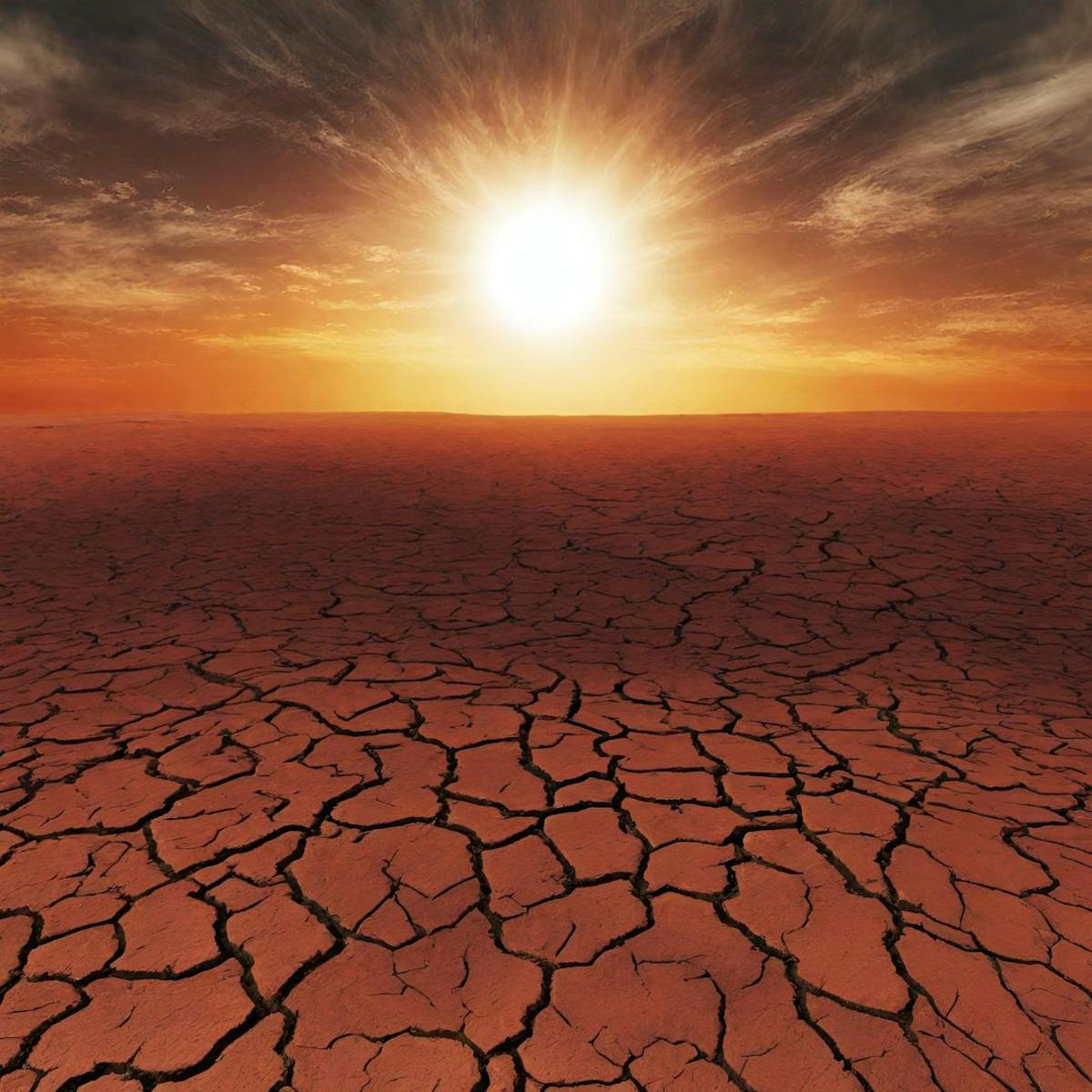
Extreme heat is taking its toll on the natural world. We use words like “heat domes” and “freakish” to describe our everyday existence. These high temperatures aren’t only uncomfortable - they are lethal to humans, animals, and crops. In search of an answer to our episode’s question, we discuss the dilemma of an ever-hotter world with an author who has covered climate change for more than twenty years. Guest: Jeff Goodell – author of “The Heat Will Kill You First: Life and Death on a Scorched Planet.” Featuring music by Dewey Dellay and Jun Miyake *Originally aired October 2, 2023 Big Picture Science is part of the Airwave Media podcast network. Please contact [email protected] to inquire about advertising on Big Picture Science. You can get early access to ad-free versions of every episode by joining us on Patreon. Thanks for your support! Learn more about your ad choices. Visit megaphone.fm/adchoices

Platypus Crazy*
They look like a cross between a beaver and a duck, and they all live Down Under. The platypus may lay eggs, but is actually a distant mammalian cousin, one that we last saw, in an evolutionary sense, about 166 million years ago. Genetic sequencing is being used to trace that history, while scientists intensify their investigation of the habits and habitats of these appealing Frankencreatures; beginning by taking a census to see just how many are out there, and if their survival is under threat. Guests: Josh Griffiths – Senior Wildlife Ecologist at Cesaar Australia. Jane Fenelon – Research fellow, University of Melbourne Paula Anich – Professor of Natural Resources, Northland College Wes Warren – Professor of Genomics, University of Missouri Phoebe Meagher – Conservation Officer, Taronga Conservation Society, Australia Originally aired August 2, 2021 Featuring music by Dewey Dellay and Jun Miyake Big Picture Science is part of the Airwave Media podcast network. Please contact [email protected] to inquire about advertising on Big Picture Science. You can get early access to ad-free versions of every episode by joining us on Patreon. Thanks for your support! Learn more about your ad choices. Visit megaphone.fm/adchoices

Spotlight on SETI ep 2: Nathalie Cabrol
What is life? Even as the search for life in the universe evolves, surprisingly, there is no consensus on what life is. We must consider hunting for life not as we know it. The existence of extremophiles on Earth has broadened the types of environments in which we might look for life elsewhere in our solar system. And recent missions to dwarf planets has shown that our solar system is replete with the geology that might harbor biology. In this second episode, Shannon Geary talks with astrobiologist Nathalie Cabrol, the director of the Carl Sagan Center for Research at the SETI Institute about her early interest in astrobiology, meeting Carl Sagan, and the evolving definition of life. Music by Jun Miyake You can support the work of Big Picture Science by joining us on Patreon. Thanks for your support! Learn more about your ad choices. Visit megaphone.fm/adchoices

Skeptic Check: String Theory
The idea that the universe is made of tiny vibrating strings was once the science theory du jour. String theory promised to unite the disparate theories describing particles and gravity, and many people, not just scientists, were optimistic that a theory of everything might be within our grasp. But here we are, many years later, and string theory doesn’t seem to have delivered on its initial promise. What happened? We consider the science around string theory in this episode of Skeptic Check. Guest: Brian Greene – Physicist and mathematician at Columbia University, and author of The Elegant Universe: Superstrings, Hidden Dimensions, and the Quest for the Ultimate Theory. Featuring music by Dewey Dellay and Jun Miyake Big Picture Science is part of the Airwave Media podcast network. Please contact [email protected] to inquire about advertising on Big Picture Science. You can get early access to ad-free versions of every episode by joining us on Patreon. Thanks for your support! Learn more about your ad choices. Visit megaphone.fm/adchoices

We'll Always Have Parasites
Imagine tapeworms longer than the height of an adult human. Or microbes that turn their hosts into zombies. If the revulsion they induce doesn’t do it, the sheer number of parasites force us to pay attention. They are the most abundant form of animal life on Earth. Parasites can cause untold human suffering, like those that cause African River Blindness or Lyme disease, but their presence is also a sign of a health ecosystem. A parasitologist whose lab contains the largest parasite collection in the world gives us the ultimate inside story about these organisms. Guest: Scott Gardner - curator of parasites in the H.W. Manter Laboratory of Parasitology at the University of Nebraska State Museum, one of the largest collections of parasites in the world, and professor of biological sciences at University of Nebraska. Co-author of Parasites: The Inside Story. Featuring music by Dewey Dellay and Jun Miyake Originally aired July 31, 2023 Big Picture Science is part of the Airwave Media podcast network. Please contact [email protected] to inquire about advertising on Big Picture Science. You can get early access to ad-free versions of every episode by joining us on Patreon. Thanks for your support! Learn more about your ad choices. Visit megaphone.fm/adchoices

Measure For Measure
Whether in miles or pounds, meters or kilograms, we take daily measure out our lives. But how did these units ever come to be, and why do we want to change them? From light-years to leap seconds, we look at the history of efforts to quantify our lives and why there’s always room for greater precision. Plus, we debate the virtues of staying imperial measurements vs. going metric. Guest: James Vincent - Author of Beyond Measure, the Hidden History of Measurement Featuring music by Dewey Dellay and Jun Miyake Originally aired March 24, 2023 Big Picture Science is part of the Airwave Media podcast network. Please contact [email protected] to inquire about advertising on Big Picture Science. You can get early access to ad-free versions of every episode by joining us on Patreon. Thanks for your support! Learn more about your ad choices. Visit megaphone.fm/adchoices

Skeptic Check: Cell Phone Bans
As middle and high schools across the country implement new cell phone bans, we consider what drove this bold step and what science says about how digital devices affect our attention and focus. An assistant principal describes how his school implemented the ban, despite protest from students and parents, and what happened next. Guests: Alison - 14 year old high school student Raymond Dolphin - eighth grade assistant principal at Illing Middle School in Manchester, Connecticut Alan - 17 year old high school student Gloria Mark - Psychologist, professor in the Department of Informatics at University of California, Irvine, author of book “Attention Span.” Featuring music by Dewey Dellay and Jun Miyake Big Picture Science is part of the Airwave Media podcast network. Please contact [email protected] to inquire about advertising on Big Picture Science. You can get early access to ad-free versions of every episode by joining us on Patreon. Thanks for your support! Learn more about your ad choices. Visit megaphone.fm/adchoices

Cold Comfort
Air conditioning and refrigeration may beat the heat, but they also present a dilemma. The more we use them, the more greenhouse gases we emit, the hotter the planet becomes, and the more we require artificial cooling. Can we escape this feedback loop? We look at the origins of these chilling technologies, tour the extensive chain of cold that keeps food from perishing, and consider how a desert city like Phoenix could not exist without AC. Guests: Nicola Twilley – co-host of the Gastropod podcast, a contributing writer at The New Yorker, and the author of “Frostbite: How Refrigeration Changed Our Food, Our Planet, and Ourselves” Erik Morrison – Chief cooling engineer at Transaera, Somerville, Massachusetts Stan Cox – Lead scientist at the Land Institute, author of “Losing Our Cool: The Uncomfortable Truths about our Air-Conditioned World” Featuring music by Dewey Dellay and Jun Miyake Big Picture Science is part of the Airwave Media podcast network. Please contact [email protected] to inquire about advertising on Big Picture Science. You can get early access to ad-free versions of every episode by joining us on Patreon. Thanks for your support! Learn more about your ad choices. Visit megaphone.fm/adchoices

Introducing Spotlight on SETI!
Are we alone? The search for life in the universe is on! For 40 years, the SETI Institute has been a leader in the search for life and intelligence beyond Earth. Recent discoveries, such as exoplanets, have brought us closer than ever to answering the question of whether we are alone in the universe. To honor the Institute’s pioneering past as we look ahead to its future, Big Picture Science presents a new monthly podcast series highlighting the groundbreaking research of the SETI Institute. In this first episode, Molly talks with Bill Diamond, SETI Institute President and CEO, about the founding of the SETI Institute, radio telescope arrays, and the New Copernican Revolution. Music by Jun Miyake You can support the work of Big Picture Science by joining us on Patreon. Thanks for your support! Learn more about your ad choices. Visit megaphone.fm/adchoices

Shipwrecks
Shipwrecks are scenes of tragedy, but they are also bits of history frozen in time that can provide insights into events and ideas from long ago. That is, if we can find them. From an 11th century Viking sailing ship to a WW II era British cargo ship with a mailbag of letters onboard amazingly preserved, an underwater archeologist takes us on a deep dive into history. Guest: David Gibbins - underwater archeologist, novelist, and the author of nonfiction, including his latest book, “The History of the World in Twelve Shipwrecks”. Featuring music by Dewey Dellay and Jun Miyake Big Picture Science is part of the Airwave Media podcast network. Please contact [email protected] to inquire about advertising on Big Picture Science. You can get early access to ad-free versions of every episode by joining us on Patreon. Thanks for your support! Learn more about your ad choices. Visit megaphone.fm/adchoices

Calling All Aliens*
Are we alone in the universe? Is there other intelligence out there? COSMIC, the most ambitious SETI search yet, hopes to answer that. We hear updates on this novel signal detection project being conducted on the Very Large Array in the desert of New Mexico. Also, we chat with award-winning science fiction writer Ted Chiang about how he envisions making contact with aliens in his stories, including the one that was the basis for the movie Arrival. And find out why some scientists don’t want only to listen for signals, they want to deliberately transmit messages to aliens. Is that wise and, if we did it, what would we say? Guests: Chenoa Tremblay – Postdoc researcher in radio astronomy for the SETI Institute and member of COSMIC science team Ted Chiang – Nebula and Hugo award-winning science fiction writer, best known for his collections, Stories of Your Life and Others and Exhalation Douglas Vakoch – Founder and president of METI International, a nonprofit research and educational organization devoted to transmitting intentional signals to extraterrestrial civilizations Featuring music by Dewey Dellay and Jun Miyake *Originally aired April 3, 2023 Big Picture Science is part of the Airwave Media podcast network. Please contact [email protected] to inquire about advertising on Big Picture Science. You can get early access to ad-free versions of every episode by joining us on Patreon. Thanks for your support! Learn more about your ad choices. Visit megaphone.fm/adchoices

Life in the Solar System
Spewing lava and belching noxious fumes, volcanoes seem hostile to biology. But the search for life off-Earth includes the hunt for these hotheads on other moons and planets, and we tour some of the most imposing volcanoes in the Solar System. Plus, a look at how tectonic forces reshape bodies from the moon to Venus to Earth. And a journey to the center of our planet reveals a surprising layer of material at the core-mantle boundary. Find out where this layer was at the time of the dinosaurs and what powerful forces drove it deep below. Guests: Samantha Hansen – Geologist at the University of Alabama Paul Byrne – Associate professor of Earth and Planetary Sciences at Washington University in St. Louis Robin George Andrews – Science journalist and author of “Super Volcanoes: What They Reveal about Earth and the Worlds Beyond” Featuring music by Dewey Dellay and Jun Miyake Originally aired May 29, 2023 Big Picture Science is part of the Airwave Media podcast network. Please contact [email protected] to inquire about advertising on Big Picture Science. You can get early access to ad-free versions of every episode by joining us on Patreon. Thanks for your support! Learn more about your ad choices. Visit megaphone.fm/adchoices

Catching Fire
We have too much “bad fire.” Not only destructive wildfires, but the combustion that powers our automobiles and provides our electricity has generated a worrying rise in atmospheric carbon dioxide. And that is driving climate change which is adding to the frequency of megafires. Now we’re seeing those effects in “fire-clouds,” pyrocumulonimbus events. But there’s such a thing as “good fire.” Indigenous peoples managed the land with controlled fires, reaped the benefits of doing so, and they’re bringing them back. So after millions of years of controlling fire, is it time for us to revisit our attitudes and policies, not just with regard to combustion, but how we manage our wildfires? Guests: David Peterson - Meteorologist, U.S. Naval Research Laboratory Stephen Pyne - Emeritus professor at Arizona State University, fire historian, urban farmer, author of “The Pyrocene: How We Created an Age of Fire, and What Happens Next” Richard Wrangham - Ruth B. Moore Research Professor of Biological Anthropology at Harvard University and author of "Catching Fire: How Coooking Made Us Human" Margo Robbins - Co-founder and president of the Cultural Fire Management Council (CFMC), organizer of the Cultural Burn Training Exchange (TREX) that takes place on the Yurok Reservation twice a year, and an enrolled member of the Yurok Tribe Originally aired May 9, 2022 Featuring music by Dewey Dellay and Jun Miyake Big Picture Science is part of the Airwave Media podcast network. Please contact [email protected] to inquire about advertising on Big Picture Science. You can get early access to ad-free versions of every episode by joining us on Patreon. Thanks for your support! Learn more about your ad choices. Visit megaphone.fm/adchoices

Not Just a Phage
We’re hurtling towards a post-antibiotic world, as the overuse of antibiotics has given rise to dangerous drug-resistant bacteria. Can we fight back using viruses as weapons? An obscure medical therapy uses certain viruses called bacteriophages to treat infection. For a century attempts to turn phage-therapy into a life-saving treatment have faltered, but today there’s renewed interest in this approach. Can we use phages to forestall the antibiotic crisis? Guests: Claas Kirchhelle – Medical historian at the University College, Dublin Tom Ireland – Journalist, editor of The Biologist and author of “The Good Virus: The Amazing Story and Forgotten Promise of the Phage” Steffanie Strathdee – Associate Dean of Global Health Sciences at the University of California San Diego Tom Patterson – Professor of psychiatry at the University of California San Diego Featuring music by Dewey Dellay and Jun Miyake You can get early access to ad-free versions of every episode by joining us on Patreon. Thanks for your support! Big Picture Science is part of the Airwave Media podcast network. Please contact [email protected] to inquire about advertising on Big Picture Science. Learn more about your ad choices. Visit megaphone.fm/adchoices

Skeptic Check: Is Social Media Harming Kids?
Social media use among teens has risen alongside rates of anxiety and depression. Addressing what he calls a mental health crisis, the Surgeon General has called for warning labels on social media platforms akin to those on tobacco and alcohol. But this comes before scientific consensus has been reached that social media causes harm. We consider the evidence that social media may be eroding the mental health of Gen Z and a challenge to the claim that presents an alternative explanation for why young people are struggling. Guests: Alison – High schooler who wrote a column describing the positive and negative effects of social media Zach Rausch – Associate Research Scientist at NYU-Stern School of Business and lead researcher to Social Psychologist Jonathan Haidt for his book, “The Anxious Generation: How the Great Rewiring of Childhood Is Causing an Epidemic of Mental Illness” Sarah Coyne – psychologist and Sarah Coyne Associate Director of the School of Family Life at Brigham Young University Featuring music by Dewey Dellay and Jun Miyake You can get early access to ad-free versions of every episode by joining us on Patreon. Thanks for your support! Big Picture Science is part of the Airwave Media podcast network. Please contact [email protected] to inquire about advertising on Big Picture Science. Learn more about your ad choices. Visit megaphone.fm/adchoices

Animal Alphabets
Have scientists discovered an alphabet in whale calls? As researchers try to decipher the series of clicks made by sperm whales, we ask whether these cetaceans might have language, and if it follows that whales are thinking animals too. Could we one day get a peek into the thoughts of a humpback whale? Meanwhile, somewhere along the long path of evolution, one species emerged with an impressive gift for gab. Are speech and language unique human superpowers? Guests: Carl Zimmer – Columnist, The New York Times, including the article, “Scientists Find an ‘Alphabet’ in Whale Songs”. (gift article) Ev Fedorenko – Cognitive neuroscientist, director of the EV Lab, MIT Tecumseh Fitch – Evolutionary biologist at the University of Vienna Featuring music by Dewey Dellay and Jun Miyake You can get early access to ad-free versions of every episode by joining us on Patreon. Thanks for your support! Big Picture Science is part of the Airwave Media podcast network. Please contact [email protected] to inquire about advertising on Big Picture Science. Learn more about your ad choices. Visit megaphone.fm/adchoices

Allergy Reason*
Runny nose. Itchy, watery eyes. Sneezing. If you don’t have allergies, you probably know someone who does. The number of people with allergies, including food allergies and eczema, is increasing. What is going on? A medical anthropologist describes how our hygiene habits, our diets, and our polluted environment are irritating our bodies. Also, the case for skipping your shower. Is skin healthier when we stop lathering? Guests: James Hamblin – Preventive medicine physician and a lecturer in public health at Yale and author of Clean: the New Science of Skin Theresa MacPhail – medical anthropologist, professor of science and technology studies at Stevens Institute of Technology and author of Allergic: Our Irritated Bodies in a Changing World. *Originally aired July 3, 2023 Featuring music by Dewey Dellay and Jun Miyake Big Picture Science is part of the Airwave Media podcast network. Please contact [email protected] to inquire about advertising on Big Picture Science. You can get early access to ad-free versions of every episode by joining us on Patreon. Thanks for your support! Learn more about your ad choices. Visit megaphone.fm/adchoices

CRISPR Mosquitoes*
The powerful gene editing tool CRISPR is already being tested on animal and plant cells. It has even been used on humans. How might this revolutionary tool change our lives? On the one hand, it could cure inherited diseases and rid the world of malaria-spreading mosquitoes. On the other hand, scientists using it are accelerating evolution and introducing novel genetic combinations that could transform our biological landscape in unforeseen ways. We explore the ramifications of this revolutionary technology. Guests: Nathan Rose – Molecular biologist and head of malaria programs at U.K. based biotech company, Oxitec. Hank Greely – Law professor and director of the Center for Law in the Biosciences at Stanford University and author of “CRISPR People: The Science and Ethics of Editing Humans.” Antonio Regalado – Senior Editor for Biomedicine, MIT Technology Review. *Originally aired April 17, 2023 Featuring music by Dewey Dellay and Jun Miyake Big Picture Science is part of the Airwave Media podcast network. Please contact [email protected] to inquire about advertising on Big Picture Science. You can get early access to ad-free versions of every episode by joining us on Patreon. Thanks for your support! Learn more about your ad choices. Visit megaphone.fm/adchoices

Don't Lighten Up
A canopy of stars in the night sky is more than breathtaking. Starlight is also an important tool that astronomers use to study our universe. But the growth of artificial light and light pollution are creating dramatic changes to the nighttime environment. Let your eyes adjust to the dark as we travel to a dark sky reserve to gaze upon an increasingly rare view of the Milky Way and explore what we lose when darkness disappears. Guests: Kim Arcand – Visualization scientist & emerging tech lead, NASA's Chandra X-ray Observatory and author of “Light: The Visible Spectrum and Beyond". Don Jolley – Teacher of Math and Sciences at the Bolinas School in Marin, California who has been leading dark sky tours for three decades. Christopher Kyba – Interdisciplinary Geographic Information Sciences Research Fellow at Ruhr University Bochum. Featuring music by Dewey Dellay and Jun Miyake You can get early access to ad-free versions of every episode by joining us on Patreon. Thanks for your support! Big Picture Science is part of the Airwave Media podcast network. Please contact [email protected] to inquire about advertising on Big Picture Science. Learn more about your ad choices. Visit megaphone.fm/adchoices

Aliens Now
We are closer than ever to finding aliens according to astrophysicist Adam Frank. He isn’t alone in his optimism. Over the last two decades, the tools used to search for extraterrestrials have been advancing mightily. Where we were once only monitoring with radio telescopes, we are now actively looking for bio and technosignatures on exoplanets. Find out why scientists think new technology may be a game changer in the hunt for life off Earth. Guest: Adam Frank – Astrophysicist and author of a new book “The Little Book of Aliens” Featuring music by Dewey Dellay and Jun Miyake You can get early access to ad-free versions of every episode by joining us on Patreon. Thanks for your support! Big Picture Science is part of the Airwave Media podcast network. Please contact [email protected] to inquire about advertising on Big Picture Science. Learn more about your ad choices. Visit megaphone.fm/adchoices

Skeptic Check: The Body Electric*
Electricity plays an important role in our everyday lives, including allowing our bodies to communicate internally. But some research claims electricity may be used to diagnose and treat disease? Could electric pulses one day replace medications? We speak with experts about the growing field of bioelectric medicine and the evidence for electricity’s healing abilities. Their comments may shock you. Guests: Sally Adee – Science journalist, author of “We Are Electric: Inside the 200-Year Hunt for Our Body’s Bioelectric Code, and What the Future Holds" Samantha Payne – Assistant Professor of Biomedical Sciences at University of Guelph Kevin Tracey – Neurosurgeon and President of the Feinstein Institute at Northwell Health *Originally aired June 5, 2023 Featuring music by Dewey Dellay and Jun Miyake Big Picture Science is part of the Airwave Media podcast network. Please contact [email protected] to inquire about advertising on Big Picture Science. You can get early access to ad-free versions of every episode by joining us on Patreon. Thanks for your support! Learn more about your ad choices. Visit megaphone.fm/adchoices

Flower Power*
Before everything could come up roses, there had to be a primordial flower – the mother, and father, of all flowers. Now scientists are on the hunt for it. The eFlower project aims to explain the sudden appearance of flowering plants in the fossil record, what Darwin called an “abominable mystery.” Meanwhile, ancient flowers encased in amber or preserved in tar are providing clues about how ecosystems might respond to changing climates. And, although it was honed by evolution for billions of years, can we make photosynthesis more efficient and help forestall a global food crisis? Guests: Eva-Maria Sadowski - Post doctoral paleobotanist at the Museum für Naturkunde, Berlin Regan Dunn - Paleobotanist and assistant Curator at the La Brea Tar Pits and Museum Royal Krieger - Rosarian and volunteer at the Morcom Rose Garden, Oakland, California Ruby Stephens - Plant ecology PhD candidate at Macquarie University in Australia, and member of the eFlower Project Stephen Long - Professor of Plant Science, University of Illinois Featuring music by Dewey Dellay and Jun Miyake *Originally aired March 13, 2023 You can get early access to ad-free versions of every episode by joining us on Patreon. Thanks for your support! Big Picture Science is part of the Airwave Media podcast network. Please contact [email protected] to inquire about advertising on Big Picture Science. Learn more about your ad choices. Visit megaphone.fm/adchoices

Animals Being Jerks*
They’re cute and cuddly. But they can also be obnoxious. Science writer Mary Roach has numerous tales about how our animal friends don’t always bow to their human overlords and behave the way we’d want. The resulting encounters, such as when gulls disrupt the Vatican’s Easter mass, make for amusing stories. But others, such as wolves threatening farmers’ livestock, can be tragic. We hear what happens at the messy crossroads of human and wildlife encounters. Guest: Mary Roach – Author of bestselling nonfiction books, most recently “Fuzz: When Nature Breaks the Law.” *Originally aired September 13, 2021 Featuring music by Dewey Dellay and Jun Miyake You can get early access to ad-free versions of every episode by joining us on Patreon. Thanks for your support! Big Picture Science is part of the Airwave Media podcast network. Please contact [email protected] to inquire about advertising on Big Picture Science. Learn more about your ad choices. Visit megaphone.fm/adchoices

Post Social Media*
Before you check your social media feeds today. And post. And post again. And get into an argument on Twitter, lose track of time and wonder where the morning went, consider that social media was never a natural way to socialize. A cultural anthropologist weighs in on the evolutionary reasons humans can’t thrive on social media. And we hear about the signs that social media is on its way out. If that’s the case, what’s next? Guests: Max Fisher – Reporter for The New York Times, author of “The Chaos Machine: The Inside Story of How Social Media Rewired Our Minds and Our World” Douglas Rushkoff – Professor of media theory and digital economics at City University of New York, and author of “Survival of the Richest: Escape Fantasies of the Tech Billionaires” Ian Bogost – Professor of Media Studies and computer science at Washington University in St. Louis and a contributing writer at The Atlantic. Alex Mesoudi – Professor of Cultural Evolution at the University of Exeter, U.K. *Originally aired February 20, 2023 Featuring music by Dewey Dellay and Jun Miyake You can get early access to ad-free versions of every episode by joining us on Patreon. Thanks for your support! Big Picture Science is part of the Airwave Media podcast network. Please contact [email protected] to inquire about advertising on Big Picture Science. Learn more about your ad choices. Visit megaphone.fm/adchoices

Skeptic Check: Feeling Risky*
It’s not just facts that inform our decisions. They’re also guided by how those facts feel. From deciding whether to buckle our seat belts to addressing climate change, how we regard risk is subjective. In this extended conversation with an expert on the psychology of risk, find out about our exaggerated fears, as well as risks we don’t take seriously enough. Meanwhile, while experts warn society about the dangers of self-aware AI – are those warnings being heeded? Guest: David Ropeik – Professor emeritus Harvard University, and expert on the psychology of risk *Originally aired April 10, 2023 Featuring music by Dewey Dellay and Jun Miyake You can get early access to ad-free versions of every episode by joining us on Patreon. Thanks for your support! Big Picture Science is part of the Airwave Media podcast network. Please contact [email protected] to inquire about advertising on Big Picture Science. Learn more about your ad choices. Visit megaphone.fm/adchoices

Beyond the Standard Model
Ever heard of a beauty quark? How about a glueball? Physics is full of weird particles that leave many of us scratching our heads. But these tiny particles make up everything in the quantum world and in us and are the basis of the fundamental scientific theory called The Standard Model. But it doesn’t explain everything. It can’t account for dark matter or dark energy, for example. We find out whether new physics experiments might force us to rewrite the Standard Model. Plus, we discuss a NASA proposal to fly spacecraft close to the sun in search of new physics. Guests: Phil Plait – Aka the Bad Astronomer, former astronomer on Hubble, teacher, lecturer and debunker of conspiracy theories. He is also the author of a new book “Under Alien Skies: A Sightseer’s Guide to the Universe.” Harry Cliff – Particle physicist at the University of Cambridge who works on the LHCb experiment at the largest particle physics laboratory in the world, CERN. He is the author of: “Space Oddities, The Mysterious Anomalies Challenging Our Understanding of the Universe.” Slava Turyshev – Research scientist at NASA’s Jet Propulsion Laboratory. Featuring music by Dewey Dellay and Jun Miyake You can get early access to ad-free versions of every episode by joining us on Patreon. Thanks for your support! Big Picture Science is part of the Airwave Media podcast network. Please contact [email protected] to inquire about advertising on Big Picture Science. Learn more about your ad choices. Visit megaphone.fm/adchoices

The Play's the Thing
Has children’s play become too safe? Research suggests that efforts to prioritize safety harms children’s mental and physical development during play and contribute to anxiety. One solution: introduce risk into play. We visit an adventure playground where kids play unsupervised with anything from scraps of metal to hammers and nails. Plus, what are the evolutionary benefits of play? After all, we’re not the only species who like to roughhouse, sled, or chase balls. And, reclaiming play for those who have outgrown recess. Guests: David Toomey - Professor of English, University of Massachusetts. Amherst and author of “Kingdom of Play: What Ball-Bouncing Octopuses, Belly-Flopping Monkeys, and Mud-Sliding Elephants Reveal About Life Itself.” Mariana Brussoni - Developmental psychologist who studies children's outdoor risky play, and professor at the University of British Columbia in the Faculty of Medicine Yoni Kallai - Interim director, head playworker and co-founder of play:groundNYC Peter Gray - Psychology researcher at Boston College and author of "Free to Learn: Why Unleashing the Instinct to Play Will Make Our Children Happier, More Self-Reliant, and Better Students for Life" Featuring music by Dewey Dellay and Jun Miyake You can get early access to ad-free versions of every episode by joining us on Patreon. Thanks for your support! Big Picture Science is part of the Airwave Media podcast network. Please contact [email protected] to inquire about advertising on Big Picture Science. Learn more about your ad choices. Visit megaphone.fm/adchoices

Nuts and Bolts
How frequently do you think about fasteners like screws and bolts? Probably not very often. But some of them a storied history, dating back to Egypt in the 3rd century BC. They aren’t just ancient history. They help hold up our bridges and homes today. Join us as we dissect a handful of engineering inventions that keep our world spinning and intact. Guests: Roma Agrawal - structural engineer and author of "Nuts and Bolts: Seven Small Inventions That Changed the World (in a Big Way)" Ron Gordon - watchmaker, New York City Featuring music by Dewey Dellay and Jun Miyake You can get early access to ad-free versions of every episode by joining us on Patreon. Thanks for your support! Big Picture Science is part of the Airwave Media podcast network. Please contact [email protected] to inquire about advertising on Big Picture Science. Learn more about your ad choices. Visit megaphone.fm/adchoices
Phreaky Physics*
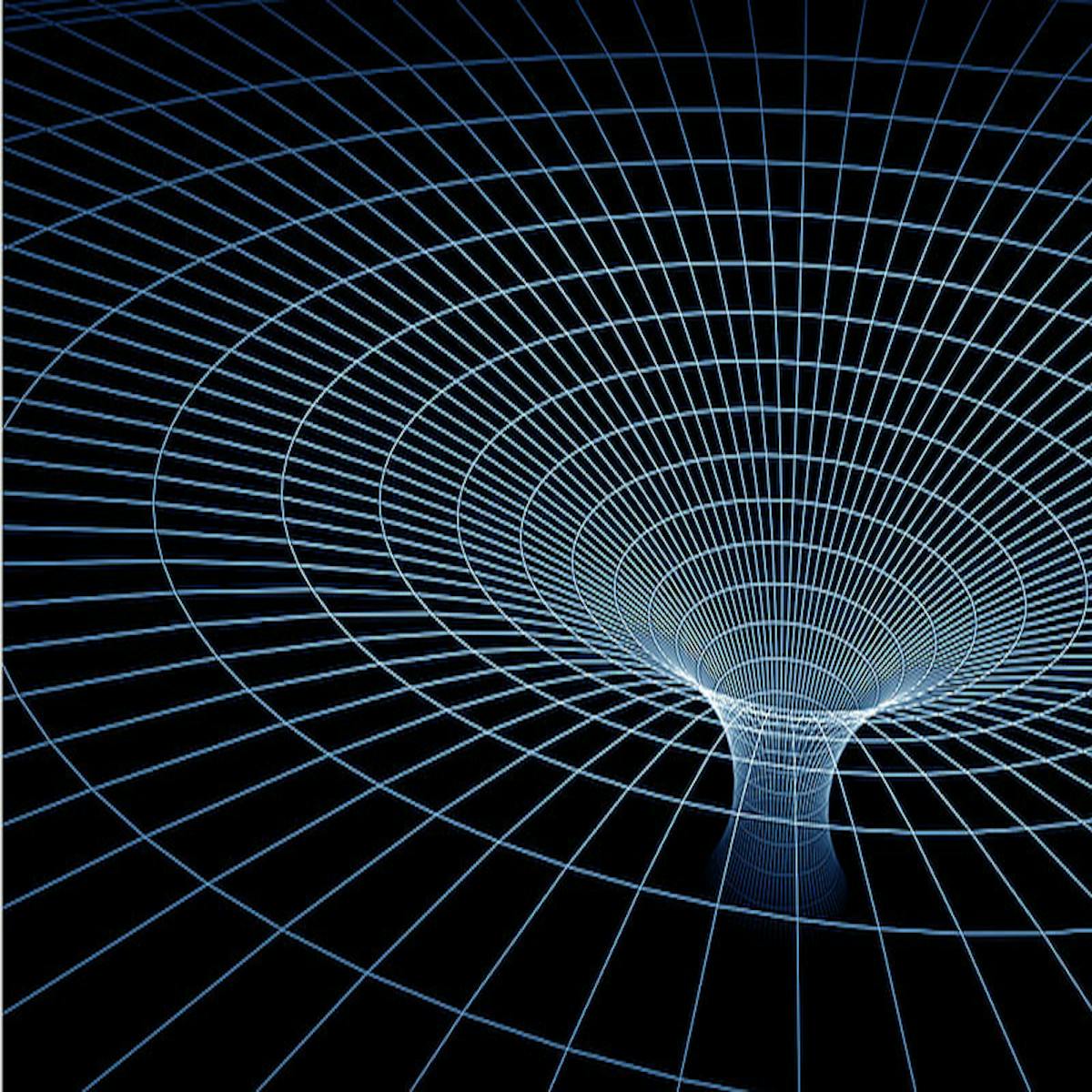
It was a radical idea a century ago, when Einstein said space and time can be bent, and gravity was really geometry. We hear how his theories inspire young minds even today. At small scales, different rules apply: quantum mechanics and the Standard Model for particles. New experiments suggest that muons – cousins of the electron – may be telling us that the Standard Model is wrong. Also, where the physics of both the large and small apply, and why black holes have no hair. Guests: Hakeem Oluseyi – Astrophysicist, affiliated professor at George Mason University, and author of “A Quantum Life: My Unlikely Journey from the Street to the Stars” Janna Levin – Professor of physics and astronomy, Barnard College at Columbia University Mark Lancaster – Professor of particle physics, University of Manchester *Originally aired August 16, 2021 Featuring music by Dewey Dellay and Jun Miyake You can get early access to ad-free versions of every episode by joining us on Patreon. Thanks for your support! Big Picture Science is part of the Airwave Media podcast network. Please contact [email protected] to inquire about advertising on Big Picture Science. Learn more about your ad choices. Visit megaphone.fm/adchoices
De-Permafrosting*
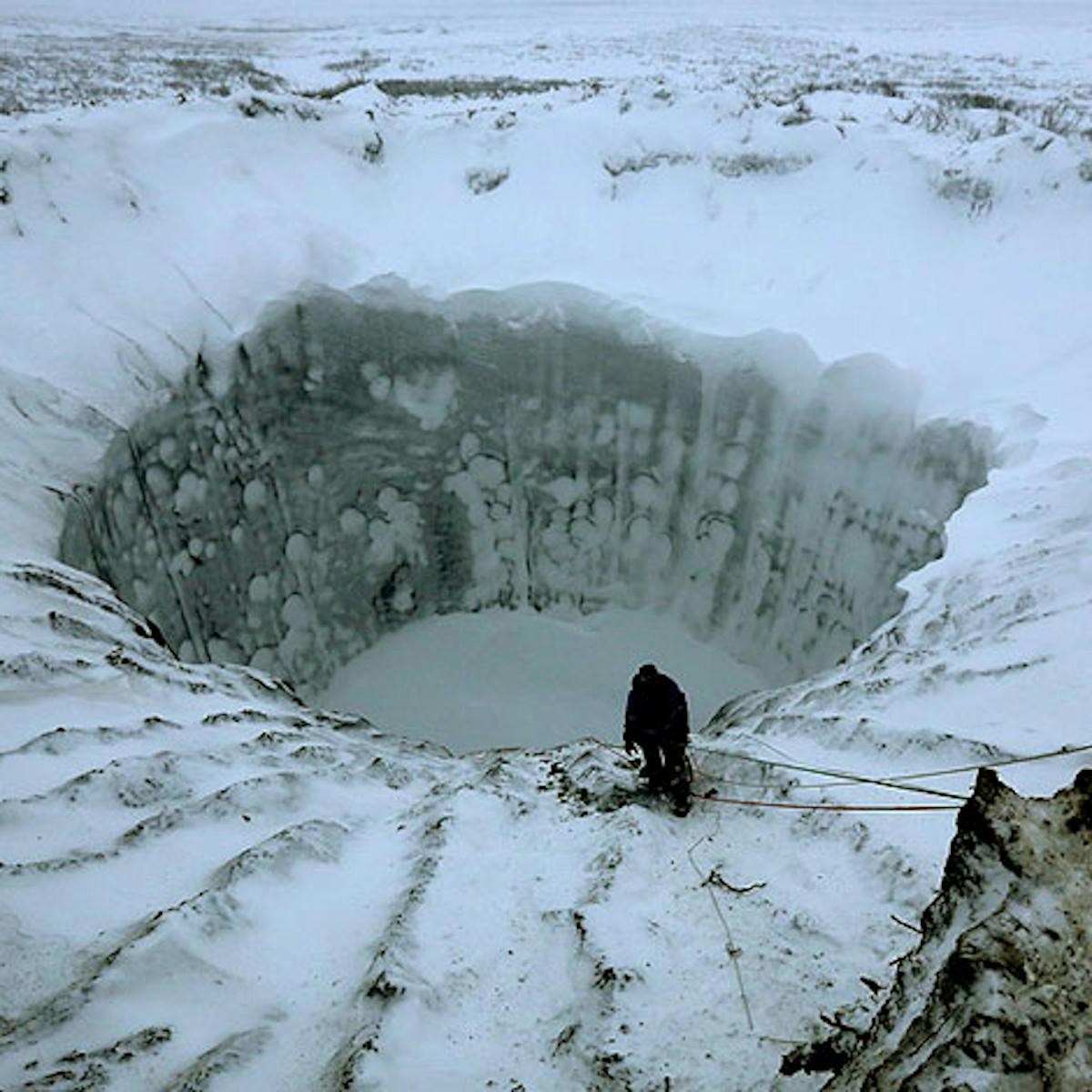
Above the Arctic Circle, much of the land is underlaid by permafrost. But climate change is causing it to thaw. This is not good news for the planet. As the carbon rich ground warms, microbes start to feast… releasing greenhouse gases that will warm the Earth even more. Another possible downside was envisioned by a science-fiction author. Could ancient pathogens–released from the permafrost’s icy grip–cause new pandemics? We investigate what happens when the far north defrosts. Guests: Jacquelyn Gill – Associate professor of paleoecology at the University of Maine. Jim Shepard – Novelist and short story writer, and teacher of English at Williams College, and author of “Phase Six.” Scott Saleska – Global change ecologist, professor of Ecology and Evolutionary Biology at the University of Arizona, and co-founder of IsoGenie. Originally aired September 6, 2021 Featuring music by Dewey Dellay and Jun Miyake You can get early access to ad-free versions of every episode by joining us on Patreon. Thanks for your support! Big Picture Science is part of the Airwave Media podcast network. Please contact [email protected] to inquire about advertising on Big Picture Science. Learn more about your ad choices. Visit megaphone.fm/adchoices
For the Birds*
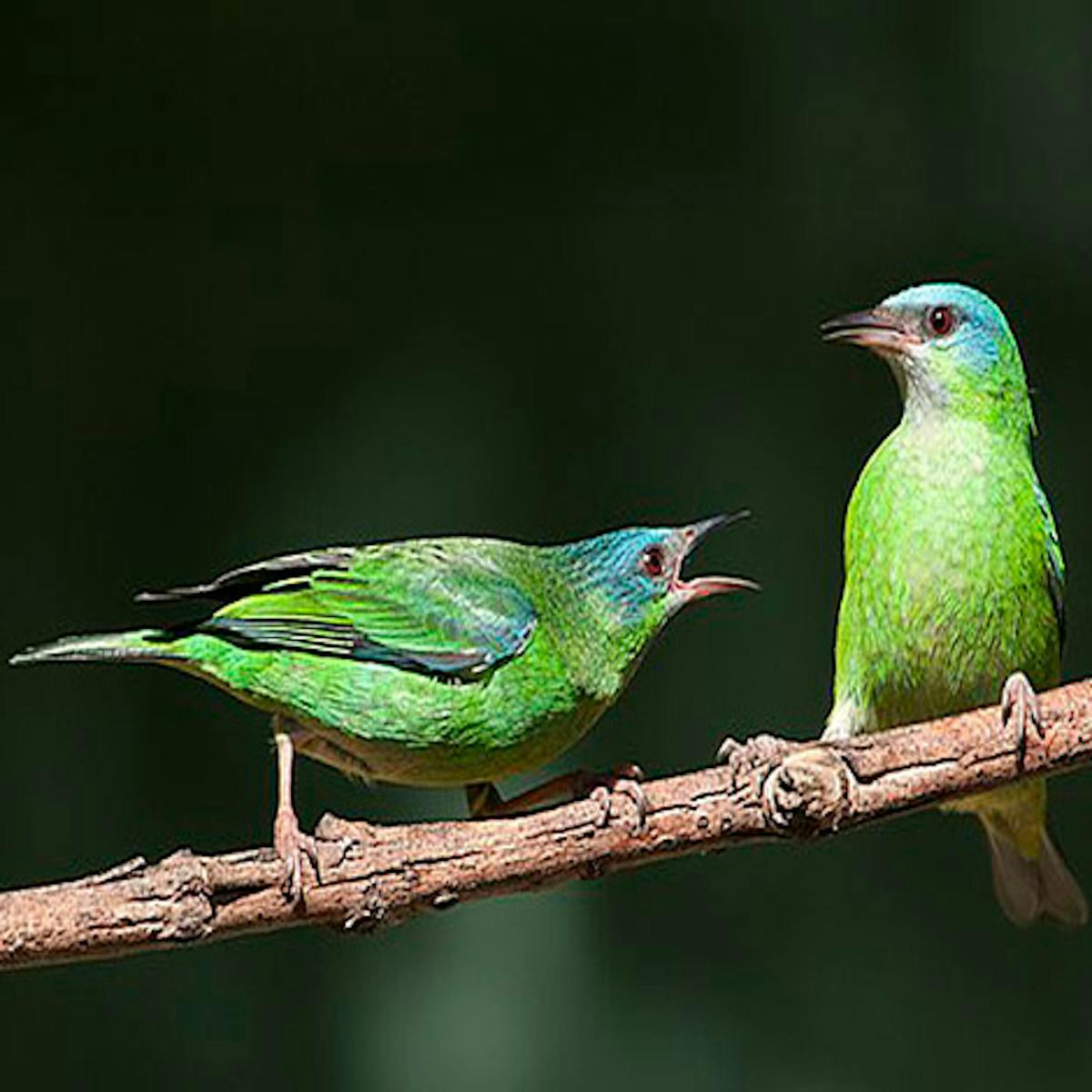
Birds have it going on. Many of these winged dinosaurs delight us with their song and brilliant plumage. Migratory birds travel thousands of miles in a display of endurance that would make an Olympic athlete gasp. We inquire about these daunting migrations and how birds can fly for days without rest. And what can we do to save disappearing species? Will digital tracking technology help? Plus, how 19th century bird-lovers, appalled by feathered hats, started the modern conservation movement. Guests: Scott Weidensaul – Ornithologist and naturalist and author of “A World on the Wing: the Global Odyssey of Migratory Birds.” Kassandra Ford – Doctoral candidate in evolutionary biology at the University of Louisiana at Lafayette. Michelle Nijhuis – Science journalist and author of “Beloved Beasts: Fighting for Life in an Age of Extinction.” Originally aired May 10, 2021 Featuring music by Dewey Dellay and Jun Miyake You can get early access to ad-free versions of every episode by joining us on Patreon. Thanks for your support! Big Picture Science is part of the Airwave Media podcast network. Please contact [email protected] to inquire about advertising on Big Picture Science. Learn more about your ad choices. Visit megaphone.fm/adchoices
Fungi Fear*
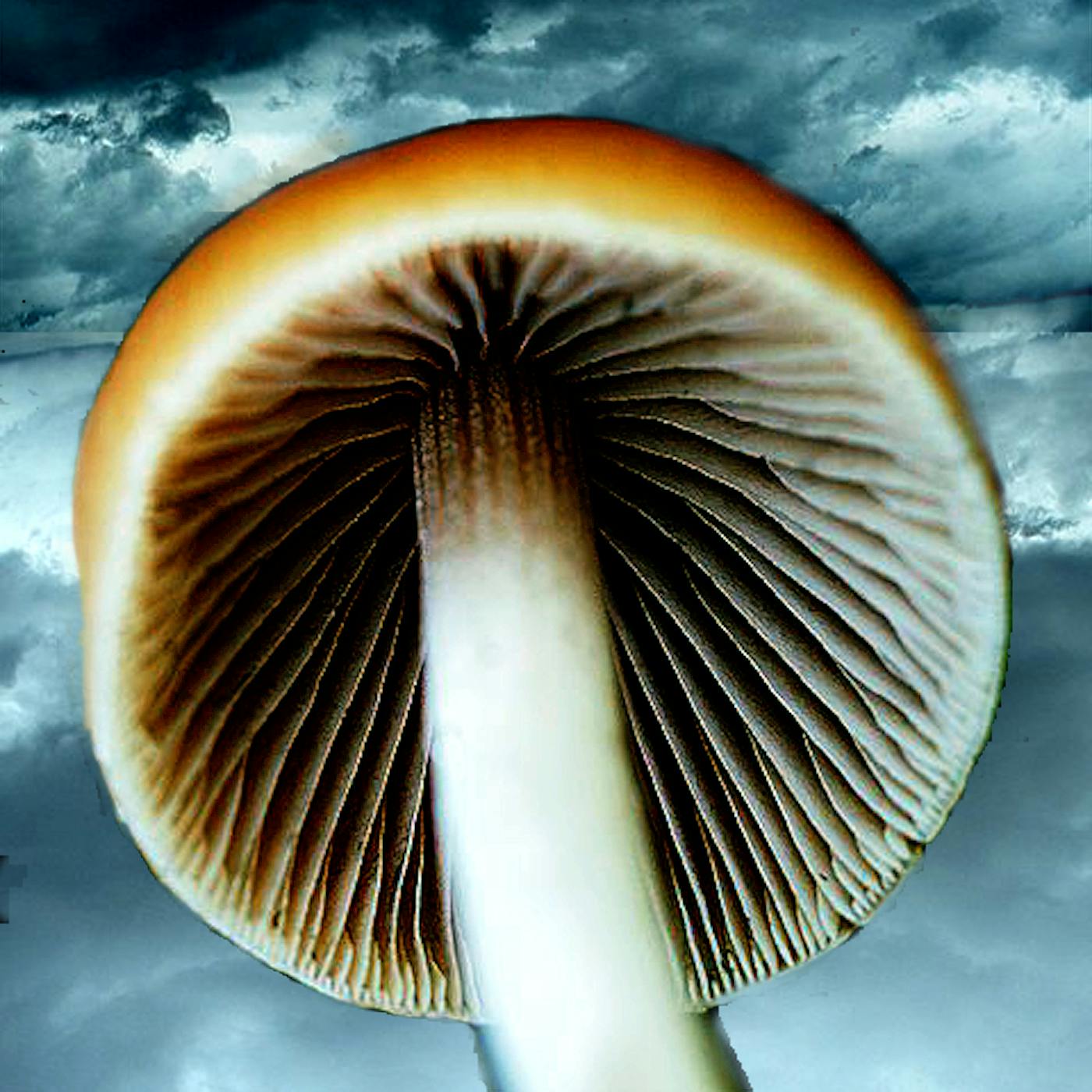
The zombie eco-thriller “The Last of Us” has alerted us to the threats posed by fungi. But the show is not entirely science fiction. Our vulnerability to pathogenic fungi is more real than many people imagine. Find out what human activity drives global fungal threats, including their menace to food crops and many other species. Our high body temperature has long kept lethal fungi in check; but will climate change cause fungi to adapt to warmer temperatures and threaten our health? Plus, a radically new way to think about these organisms, how they make all life possible, and how we might find balance again. Guests: Emily Monosson – Toxicologist who writes about changes in the natural world. A member of the Ronin Institute and a professor at the University of Massachusetts, Amherst, she is the author of “Blight: Fungi and the Coming Pandemic.” Arturo Casadevall – Microbiologist, immunologist, professor of medicine at Johns Hopkins School of Medicine. Michael Hathaway – Anthropologist, director of the Asian Studies Center at Simon Fraser University in Vancouver, Canada, and author of “What a Mushroom Lives For.” *originally aired February 13, 2023 Big Picture Science is part of the Airwave Media podcast network. Please contact [email protected] to inquire about advertising on Big Picture Science. You can get early access to ad-free versions of every episode by joining us on Patreon. Thanks for your support! Learn more about your ad choices. Visit megaphone.fm/adchoices
Coffee of the Future
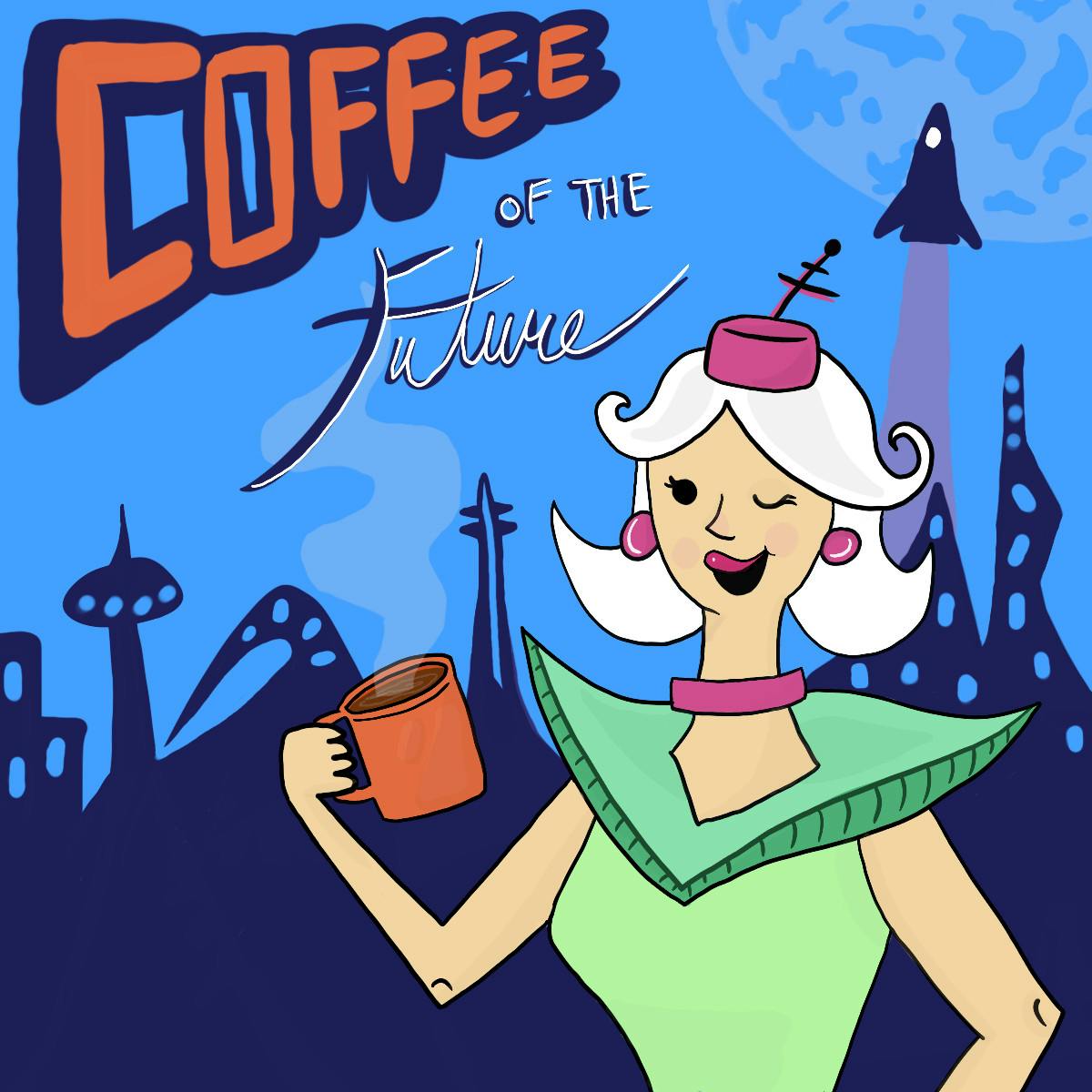
Drinking a cup of coffee is how billions of people wake up every morning. But climate change is threatening this popular beverage. Over 60% of the world’s coffee species are at risk of extinction. Scientists are searching for solutions, including hunting for wild, forgotten coffee species that are more resilient to our shifting climate. Find out how the chemistry of coffee can help us brew coffee alternatives, and how coffee grounds can be part of building a sustainable future. Guests: Christopher Hendon - Assistant Professor of Computational Materials Chemistry, University of Oregon Shannon Kilmartin-Lynch - Associate Professor of Civil Engineering, Monash University, Australia Aaron Davis - Senior Research Leader of Crops and Global Change, Royal Botanical Gardens, Kew Featuring music by Dewey Dellay and Jun Miyake You can get early access to ad-free versions of every episode by joining us on Patreon. Thanks for your support! Big Picture Science is part of the Airwave Media podcast network. Please contact [email protected] to inquire about advertising on Big Picture Science. Learn more about your ad choices. Visit megaphone.fm/adchoices
When the Moon Hits Your Eye
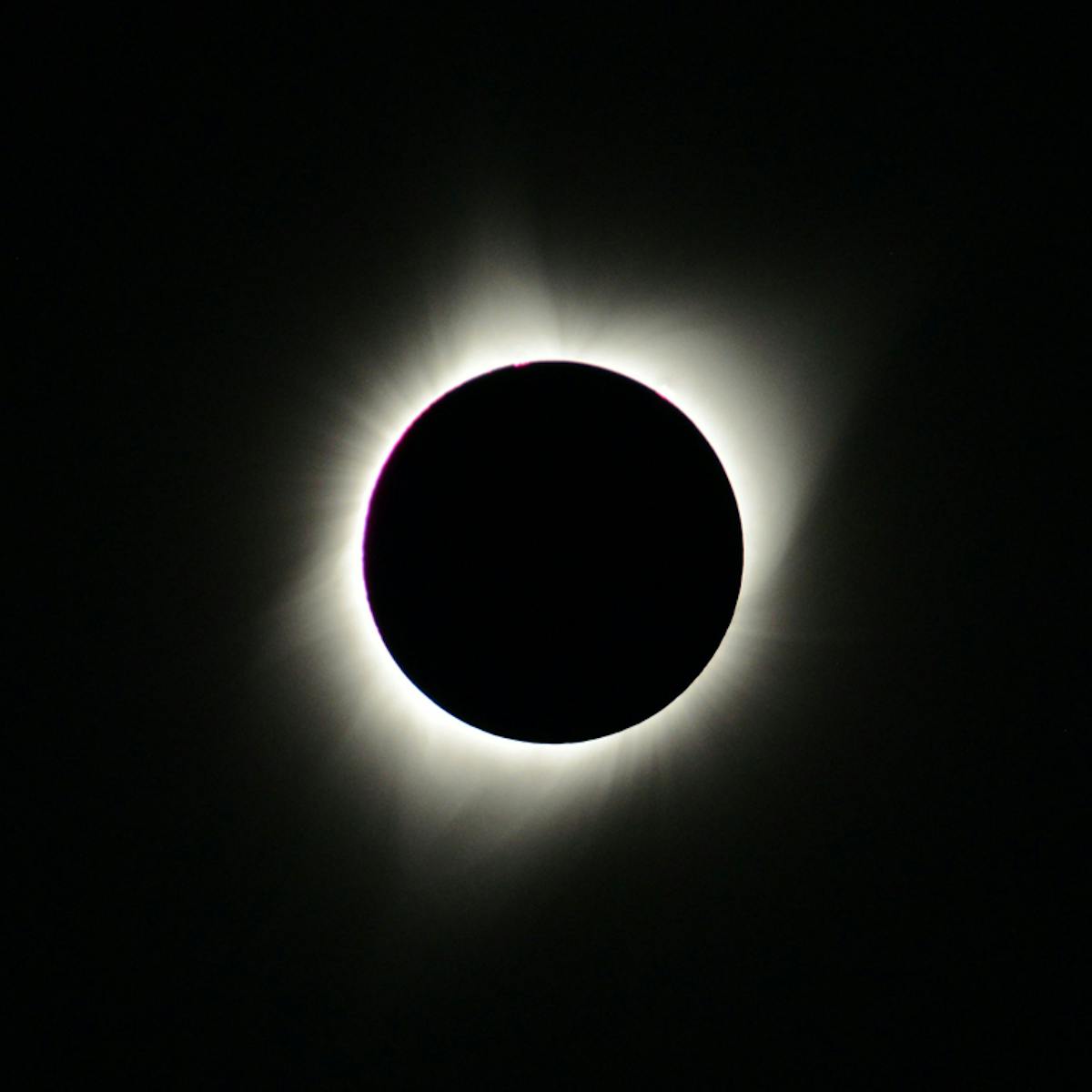
The Great North American Solar Eclipse will trace a path of shadow across Mexico and 13 U.S. States on April 8th. Phil Plait, also known as The Bad Astronomer, joins the show for an extended interview covering a wide-range of topics, such as his excitement about the eclipse, the Pentagon’s most recent UFO report, and some of the most persistent moon landing conspiracy theories. Guest: Phil Plait – aka the Bad Astronomer, former astronomer on Hubble, teacher, lecturer, and debunker of conspiracy theories. He is also the author of a new book “Under Alien Skies: A Sightseer’s Guide to the Universe.” Featuring music by Dewey Dellay and Jun Miyake You can get early access to ad-free versions of every episode by joining us on Patreon. Thanks for your support! Big Picture Science is part of the Airwave Media podcast network. Please contact [email protected] to inquire about advertising on Big Picture Science. Learn more about your ad choices. Visit megaphone.fm/adchoices
Skeptic Check: Asteroid Mining
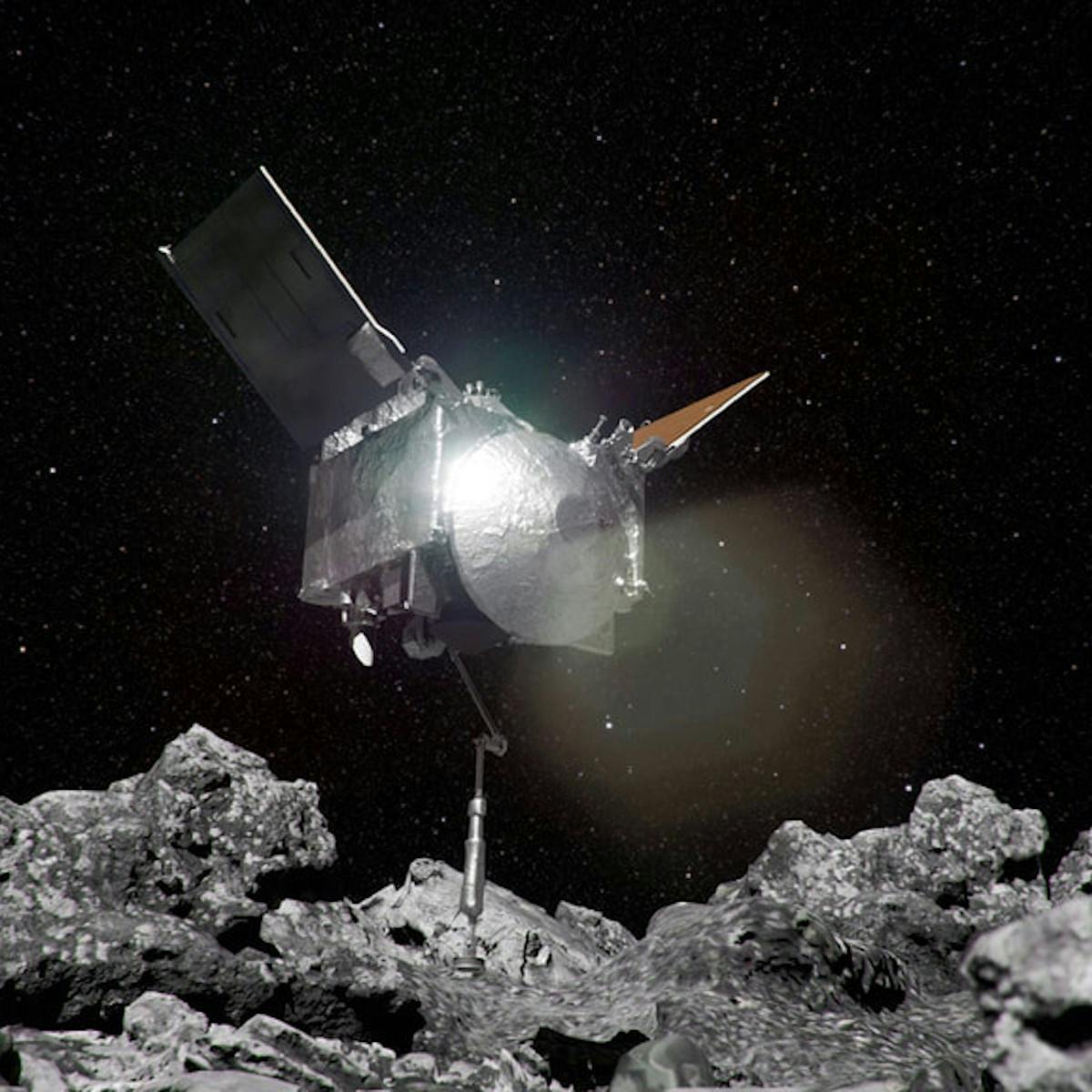
Asteroids are rich in precious metals and other valuable resources. But mining them presents considerable challenges. We discuss these, and consider how these spinning, rocky resources might be the key to a space-faring future. But an economist points out the consequences of bringing material back to Earth, and a scientist raises an ethical question; do we have an obligation to keep the asteroids intact for science? Guests: Jim Bell - Planetary scientist in the School of Earth and Space Exploration at Arizona State University. Martin Elvis - Astronomer and author of “Asteroids: How Love, Fear, and Greed Will Determine Our Future in Space.” Ian Lange - Economist and associate professor at the Colorado School of Mines and author of a paper on the feasibility of asteroid mining. Featuring music by Dewey Dellay and Jun Miyake You can get early access to ad-free versions of every episode by joining us on Patreon. Thanks for your support! Big Picture Science is part of the Airwave Media podcast network. Please contact [email protected] to inquire about advertising on Big Picture Science. Learn more about your ad choices. Visit megaphone.fm/adchoices
Feet Don't Fail Me
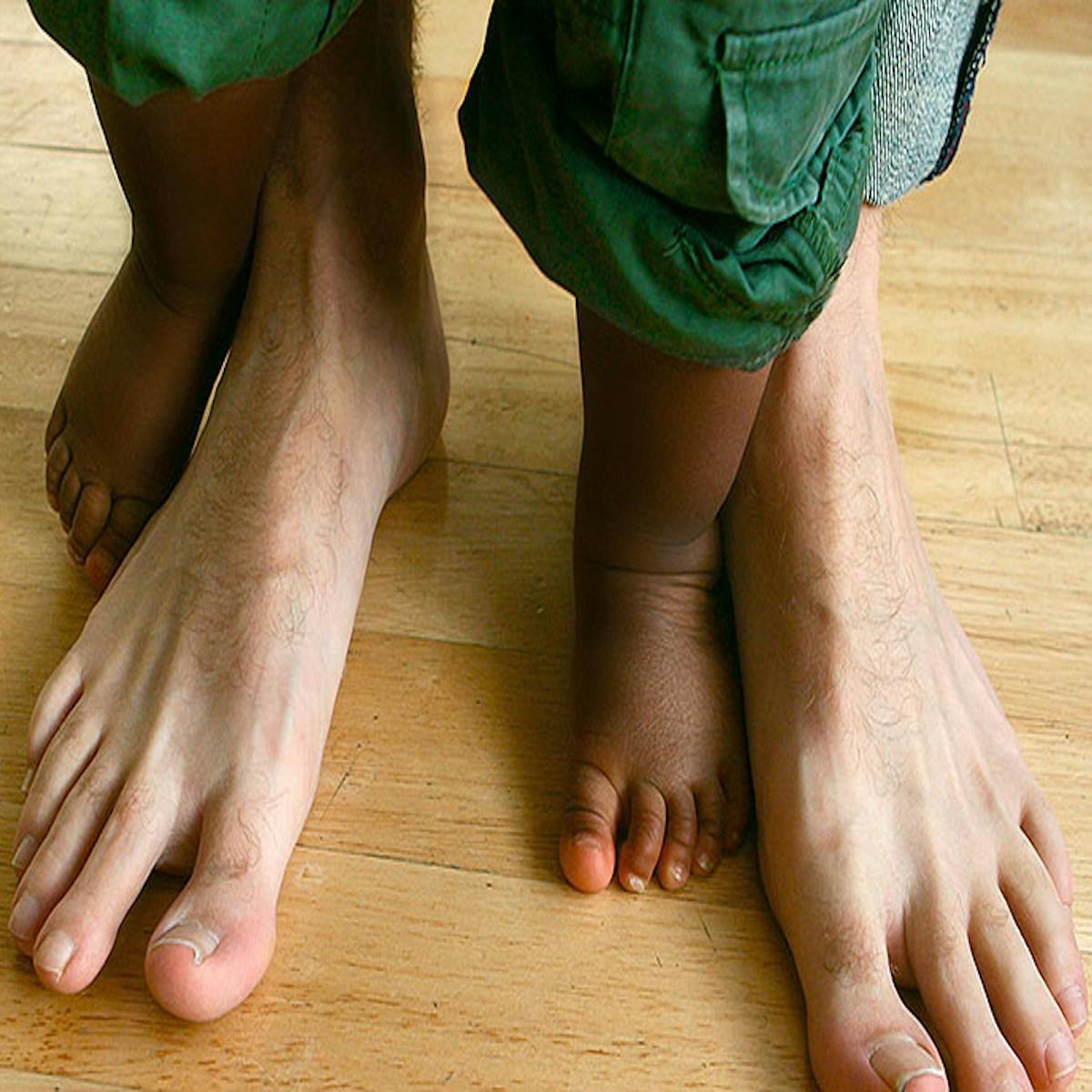
Standing on your own two feet isn’t easy. While many animals can momentarily balance on their hind legs, we’re the only critters, besides birds, for whom bipedalism is completely normal. Find out why, even though other animals are faster, we’re champions at getting around. Could it be that our upright stance made us human? Plus, why arches help stiffen feet, the argument for bare-footin’, and 12,000-year old footprints that tell a story about an Ice Age mother, her child, and a sloth. Guests: Daniel Lieberman – Professor of human evolutionary biology at Harvard University. Jeremy DeSilva – Professor in the departments of anthropology and biological sciences, Dartmouth College, and author of “First Steps: How Upright Walking Made Us Human.” Madhusudhan Venkadesan – Professor of mechanical engineering and materials science, Yale University School of Engineering. David Bustos – Chief of Resources at White Sands, National Park, New Mexico. Sally Reynolds – Paleontologist at Bournemouth University, U.K. Originally aired May 24, 2021 Featuring music by Dewey Dellay and Jun Miyake You can get early access to ad-free versions of every episode by joining us on Patreon. Thanks for your support! Big Picture Science is part of the Airwave Media podcast network. Please contact [email protected] to inquire about advertising on Big Picture Science. Learn more about your ad choices. Visit megaphone.fm/adchoices

Lady Parts**
The Supreme Court’s ruling on Roe has ignited fierce debate about bodily autonomy. But it’s remarkable how little we know about female physiology. Find out what studies have been overlooked by science, and what has been recently learned. Plus, why studying women’s bodies means being able to say words like “vagina” without shame ... a researcher who is recreating a uterus in her lab to study endometriosis … and an overdue recognition of medical pioneer Dr. Rebecca Lee Crumpler. Guests: Melody T. McCloud - Obstetrician Gynecologist and Founder and Medical Director of Atlanta Women's Health Care; co-author of “Black Women's Wellness: Your ‘I've Got This!’ Guide to Health, Sex, and Phenomenal Living” Victoria Gall - Volunteer with the Friends of the Hyde Park Library and the Hyde Park Historical Society Rachel E. Gross - Science journalist and author of “Vagina Obscura: An Anatomical Voyage” Linda Griffith - Professor of Biological and Mechanical Engineering at M.I.T., Director of the Center for Gynepathology Research, and author of the Boston Globe article, “‘FemTech’ and a moonshot for menstruation science” Roshni Babal - Pediatric Asthma and Chronic Disease Program Coordinator at Boston Medical Center Perri Klass - Professor of Journalism and Pediatrics at New York University and Author of “The Best Medicine: How Science and Public Health Gave Children a Future” **Originally aired October 31, 2022 Featuring music by Dewey Dellay and Jun Miyake You can get early access to ad-free versions of every episode by joining us on Patreon. Thanks for your support! Big Picture Science is part of the Airwave Media podcast network. Please contact [email protected] to inquire about advertising on Big Picture Science. Learn more about your ad choices. Visit megaphone.fm/adchoices

Tomb with a View*
A century ago, British archaeologist Howard Carter opened the only surviving intact tomb from ancient Egypt. Inside was the mummy of the boy king Tutankhamun, together with “wonderful things” including a solid gold mask. Treasure from King Tut’s crypt has been viewed both in person and virtually by many people since. We ask what about Egyptian civilization so captivates us, thousands of years later. Also, how new technology from modern physics allows researchers to “X-Ray” the pyramids to find hidden chambers. Guests: Emma Bentley – Postgraduate student in Archeology and Ancient Worlds at the University of Edinburgh in the U.K. Sarah Parcak – Archaeologist and Egyptologist, University of Alabama, and author of “Archaeology From Space: How the Future Shapes Our Past.” Richard Kouzes – Physicist at the Department of Energy’s Pacific Northwest National Laboratory. Salima Ikram – Professor of Egyptology at The American University in Cairo and head of the Animal Mummy Project at the Egyptian Museum in Cairo. *Originally aired December 12, 2022 Featuring music by Dewey Dellay and Jun Miyake You can get early access to ad-free versions of every episode by joining us on Patreon. Thanks for your support! Big Picture Science is part of the Airwave Media podcast network. Please contact [email protected] to inquire about advertising on Big Picture Science. Learn more about your ad choices. Visit megaphone.fm/adchoices

Lithium Valley
The discovery of a massive amount of lithium under the Salton Sea could make the U.S. lithium independent. The metal is key for batteries in electric vehicles and solar panels. But the area is also a delicate ecosystem. We go to southern California to hear what hangs in the balance of the ballooning lithium industry, and also how we extract other crucial substances – such as sand, copper and iron– and turn them into semiconductors, circuitry and other products upon which the modern world depends. Guests: Ed Conway – economics and data editor of Sky News and columnist for the Times in London. He’s the author of “Material World, The Six Raw Materials that Shape Modern Civilization“. Frank Ruiz – Audubon California Salton Sea Program Director. Michael McKibben – Geologist, University of California, Riverside. Featuring music by Dewey Dellay and Jun Miyake You can get early access to ad-free versions of every episode by joining us on Patreon. Thanks for your support! Big Picture Science is part of the Airwave Media podcast network. Please contact [email protected] to inquire about advertising on Big Picture Science. Learn more about your ad choices. Visit megaphone.fm/adchoices
Alien Says What?
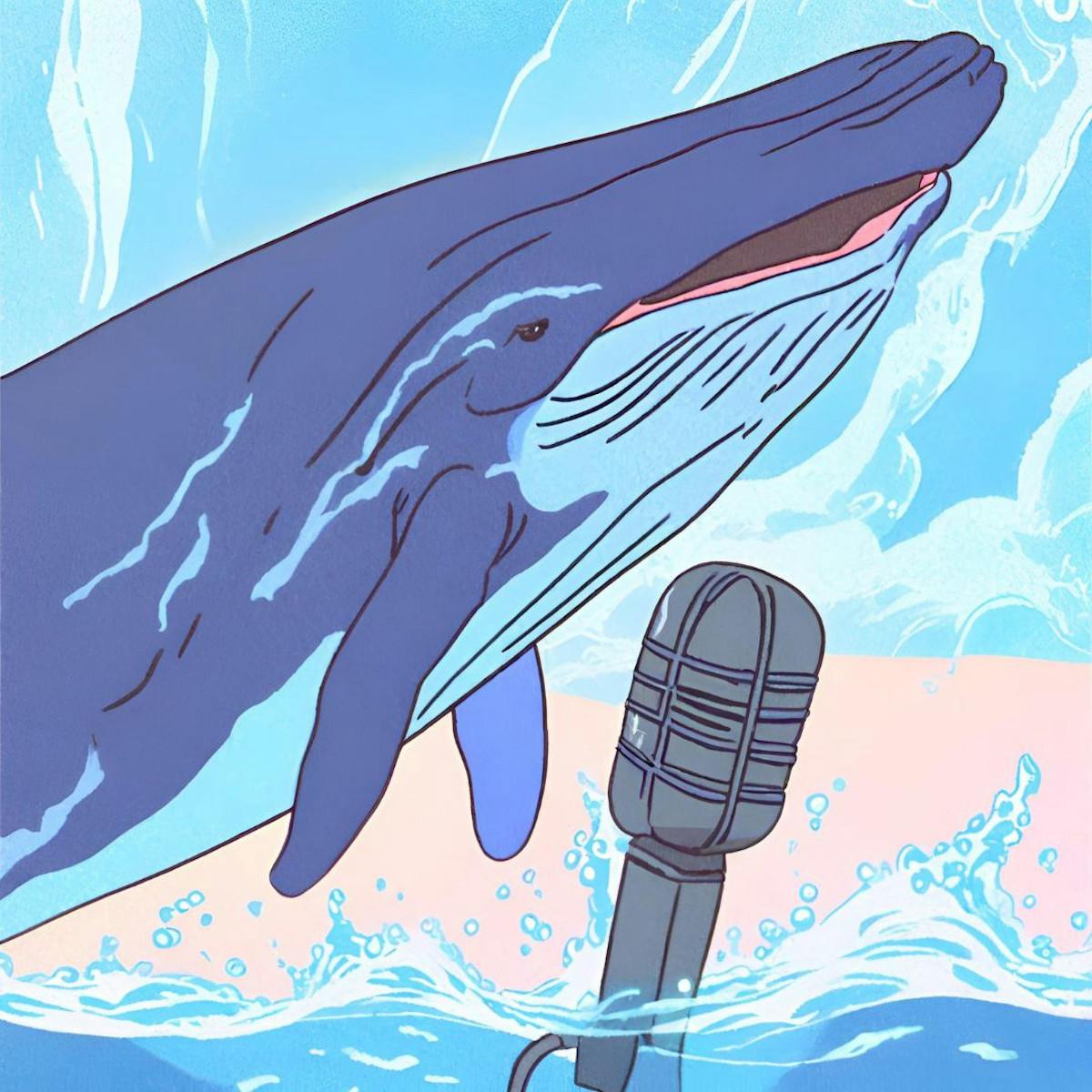
Whales are aliens on Earth; intelligent beings who have skills for complex problem-solving and their own language. Now in what’s being called a breakthrough, scientists have carried on an extended conversation with a humpback whale. They share the story of this remarkable encounter, their evidence that the creature understood them, and how the experiment informs our Search for Extraterrestrial Intelligence. After all, what good is it to make contact with ET if we can’t communicate? Guests: Brenda McCowan – Research behaviorist at the University of California Davis in the School of Veterinary Medicine who studies the ecological aspects of animal behavior and communication. Fred Sharpe – whale biologist and behavioral ecologist at Simon Fraser University and member of the Templeton Whale SETI Team. Laurance Doyle – astrophysicist and information theory researcher at the SETI Institute. Featuring music by Dewey Dellay and Jun Miyake You can get early access to ad-free versions of every episode by joining us on Patreon. Thanks for your support! Big Picture Science is part of the Airwave Media podcast network. Please contact [email protected] to inquire about advertising on Big Picture Science. Learn more about your ad choices. Visit megaphone.fm/adchoices
The Wrong Stuff
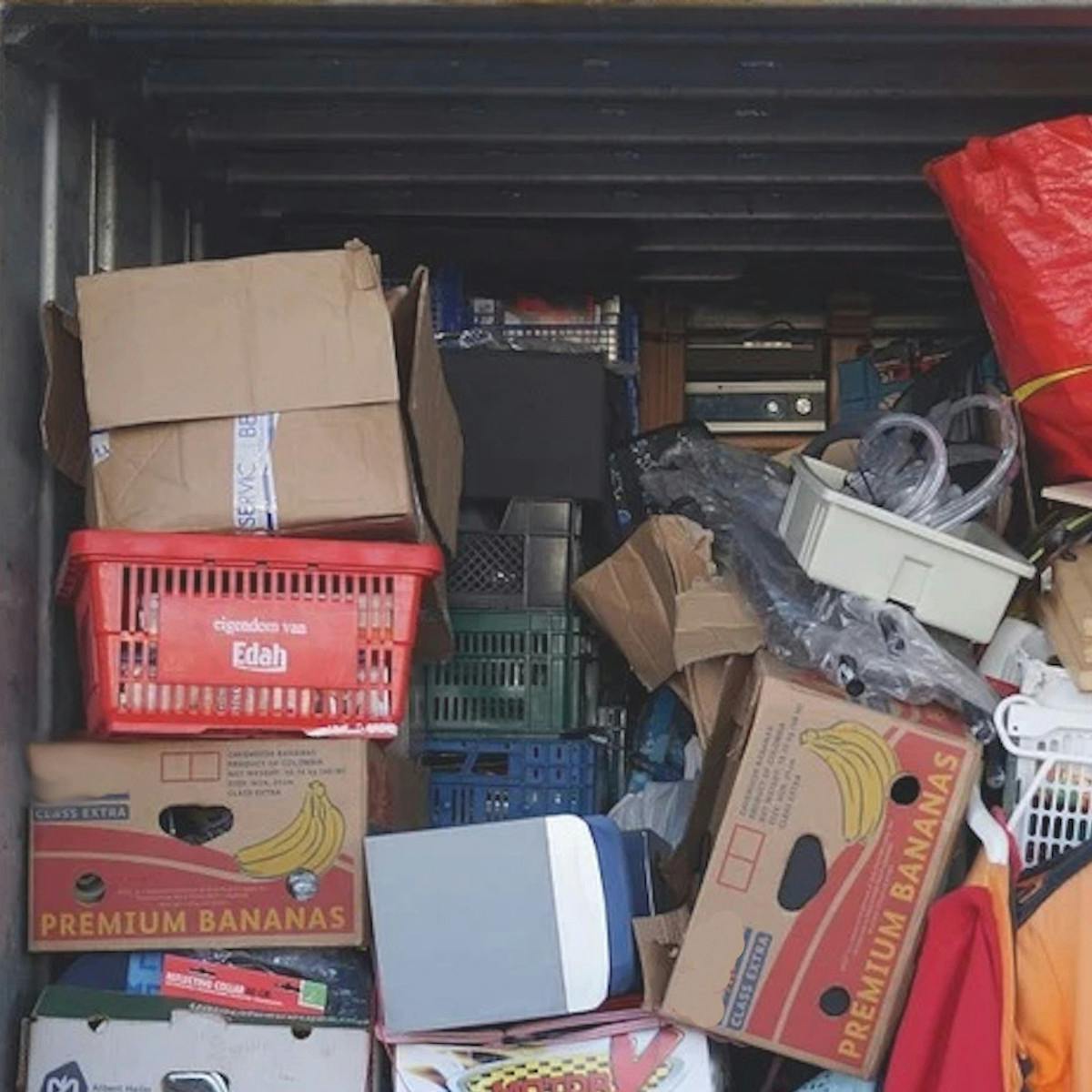
By one estimate the average American home has 300,000 objects. Yet our ancient ancestors had no more than what they could carry with them. How did we go from being self-sufficient primates to nonstop shoppers? We examine the evolutionary history of stuff through the lens of archeology beginning with the ancestor who first picked up a palm-sized rock and made it into a tool. Guest: Chip Colwell - archeologist and former Curator of Anthropology at the Denver Museum of Nature & Science, editor-in-chief of the digital magazine Sapiens, and author of “So Much Stuff: How Humans Discovered Tools, Invented Meaning, and Made More of Everything.” Featuring music by Dewey Dellay and Jun Miyake You can get early access to ad-free versions of every episode by joining us on Patreon. Thanks for your support! Big Picture Science is part of the Airwave Media podcast network. Please contact [email protected] to inquire about advertising on Big Picture Science. Learn more about your ad choices. Visit megaphone.fm/adchoices
Skeptic Check: Hypnosis*
You are getting sleeeepy and open to suggestion. But is that how hypnotism works? And does it really open up a portal to the unconscious mind? Hypnotism can be an effective therapeutic tool, and some scientists suggest replacing opioids with hypnosis for pain relief. And yet, the performance aspect of hypnotism often seems at odds with the idea of it being an effective treatment. In our regular look at critical thinking, Skeptic Check, we ask what part of hypnotism is real and what is an illusion. Plus, we discuss how the swinging watch became hypnotism’s irksome trademark. Guests: David Spiegel – Professor of Psychiatry and Behavioral Sciences at the Stanford University School of Medicine Devin Terhune – Reader in the Department of Psychology, Goldsmiths University of London *Originally aired June 27, 2022 Featuring music by Dewey Dellay and Jun Miyake You can get early access to ad-free versions of every episode by joining us on Patreon. Thanks for your support! Big Picture Science is part of the Airwave Media podcast network. Please contact [email protected] to inquire about advertising on Big Picture Science. Learn more about your ad choices. Visit megaphone.fm/adchoices
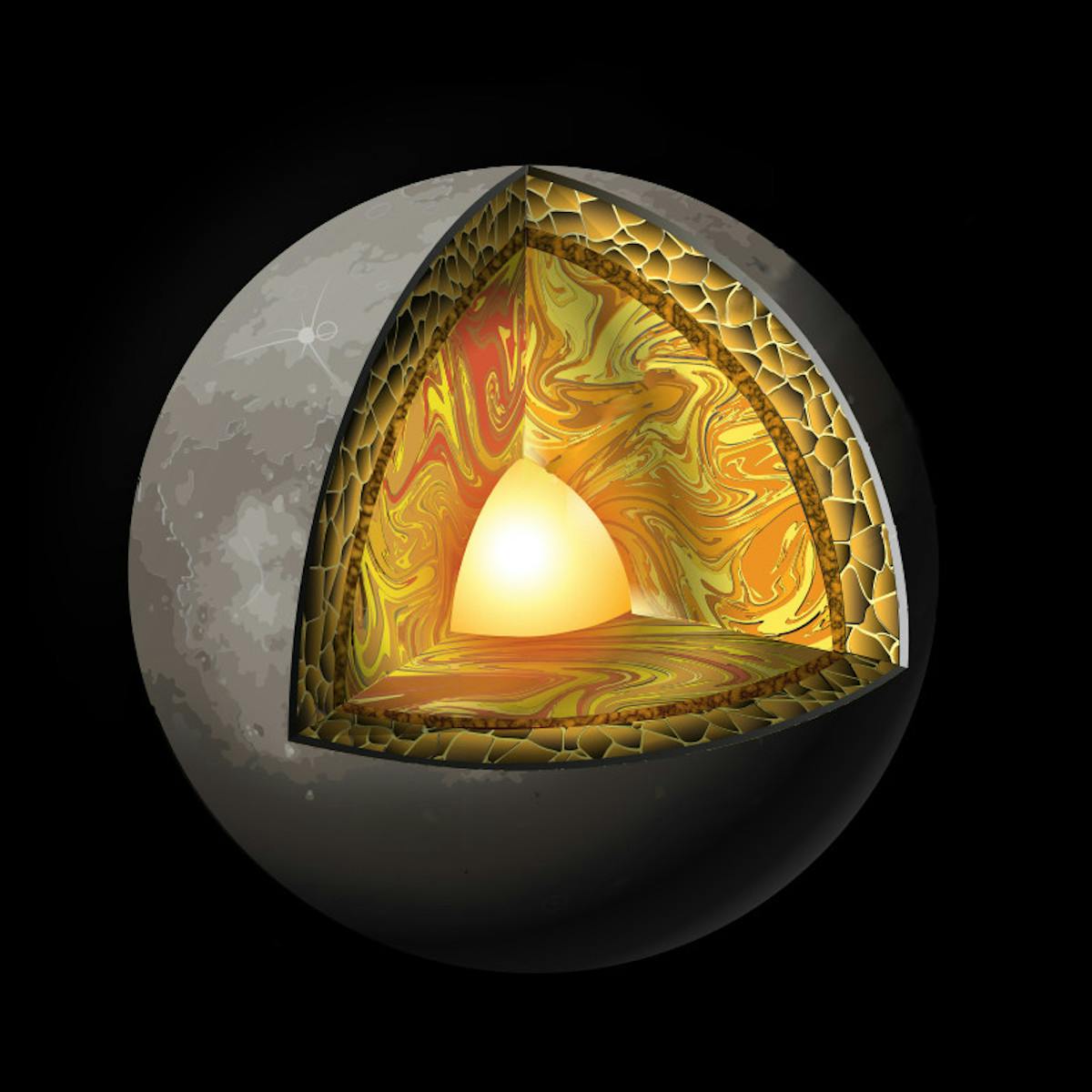
Inside Planets
With planets and moons, it’s what’s inside that counts. If we want to understand surface features, like volcanoes, or their history, such as how the planet formed or whether it’s suitable for life, we study their interiors. Astronomer Sabine Stanley takes us on a journey to the centers of Venus, Saturn’s large moon Titan, Jupiter’s moon Io, and of course Earth, to help us understand how they, and the solar system, came to be. Guest: Sabine Stanley - Planetary scientist at Johns Hopkins University and the author of What’s Hidden Inside Planets. Featuring music by Dewey Dellay and Jun Miyake You can get early access to ad-free versions of every episode by joining us on Patreon. Thanks for your support! Big Picture Science is part of the Airwave Media podcast network. Please contact [email protected] to inquire about advertising on Big Picture Science. Learn more about your ad choices. Visit megaphone.fm/adchoices
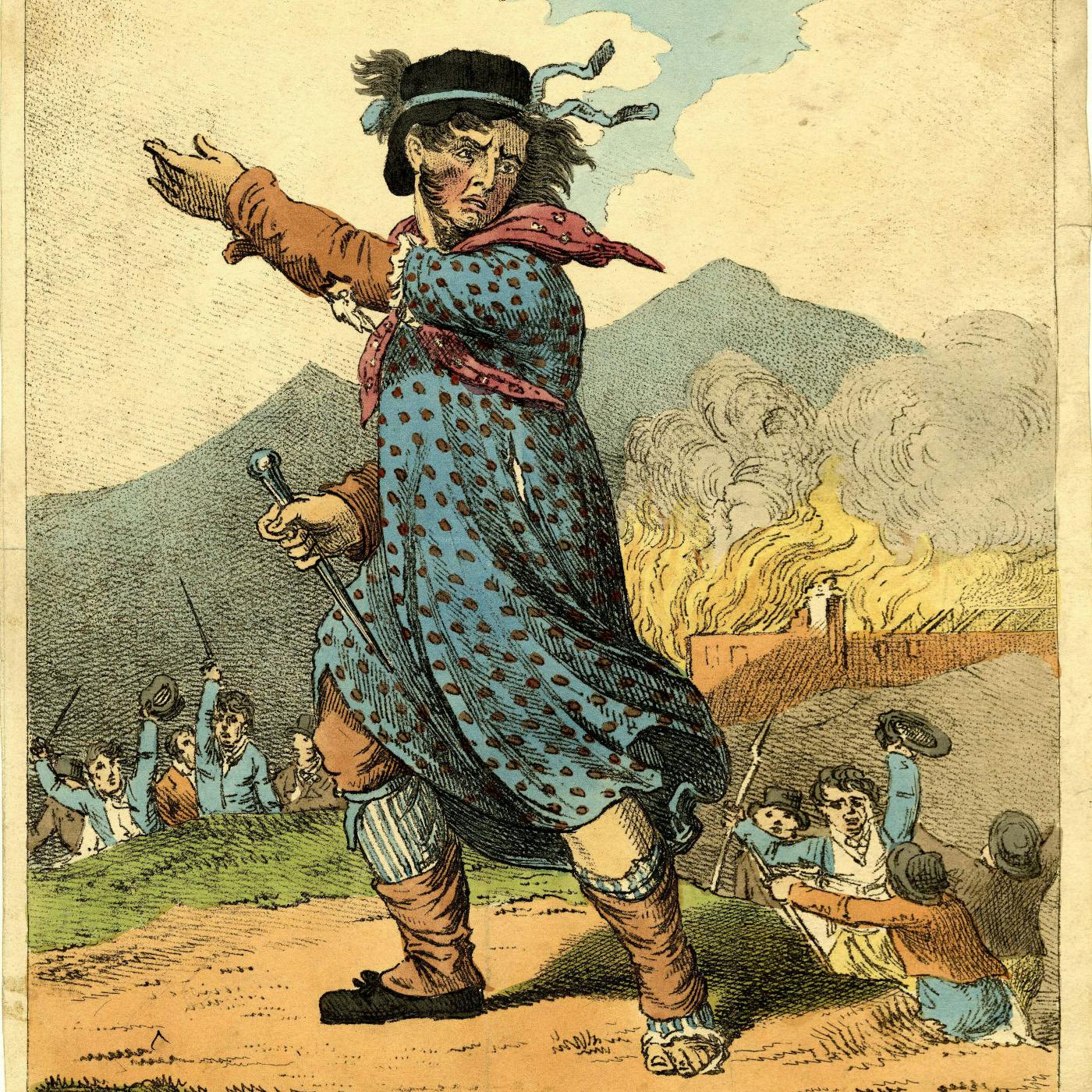
Tech in Check
Worried that AI will replace you? It may not seem like the Hollywood writers’ strike has anything in common with the Luddite rebellion in England in 1811, but they are surprisingly similar. Today we use the term “Luddite” dismissively to describe a technophobe, but the original Luddites – cloth workers – organized and fought Industrial Revolution automation and the factory bosses who were replacing humans with cotton spinning machines and steam powered looms. Find out what our age of AI can learn from textile workers of 200 years ago about keeping humans in the loop. Guest: Brian Merchant - Los Angeles Times tech columnist and author of “Blood in the Machine: The Origins of the Rebellion Against Big Tech” Featuring music by Dewey Dellay and Jun Miyake Big Picture Science is part of the Airwave Media podcast network. Please contact [email protected] to inquire about advertising on Big Picture Science. You can get early access to ad-free versions of every episode by joining us on Patreon. Thanks for your support! Learn more about your ad choices. Visit megaphone.fm/adchoices
Your Mind on Movies
By one estimate we spend a fifth of our lives watching movies or TV. In fact, we consume entertainment almost as habitually as we eat or sleep, activities that receive scientific scrutiny and study. So why not consider the effects that watching movies and TV have on our minds and bodies too? When we do, we find that they are not mere escapism. A data scientist reveals why we are what we watch, and how scientists and filmmakers work, often with competing agendas, to create sci-fi entertainment. Guest: Walt Hickey - journalist, data scientist, and author of “You Are What You Watch: How Movies and TV Affect Everything” Featuring music by Dewey Dellay and Jun Miyake Big Picture Science is part of the Airwave Media podcast network. Please contact [email protected] to inquire about advertising on Big Picture Science. You can get early access to ad-free versions of every episode by joining us on Patreon. Thanks for your support! Learn more about your ad choices. Visit megaphone.fm/adchoices
Eclectic Company
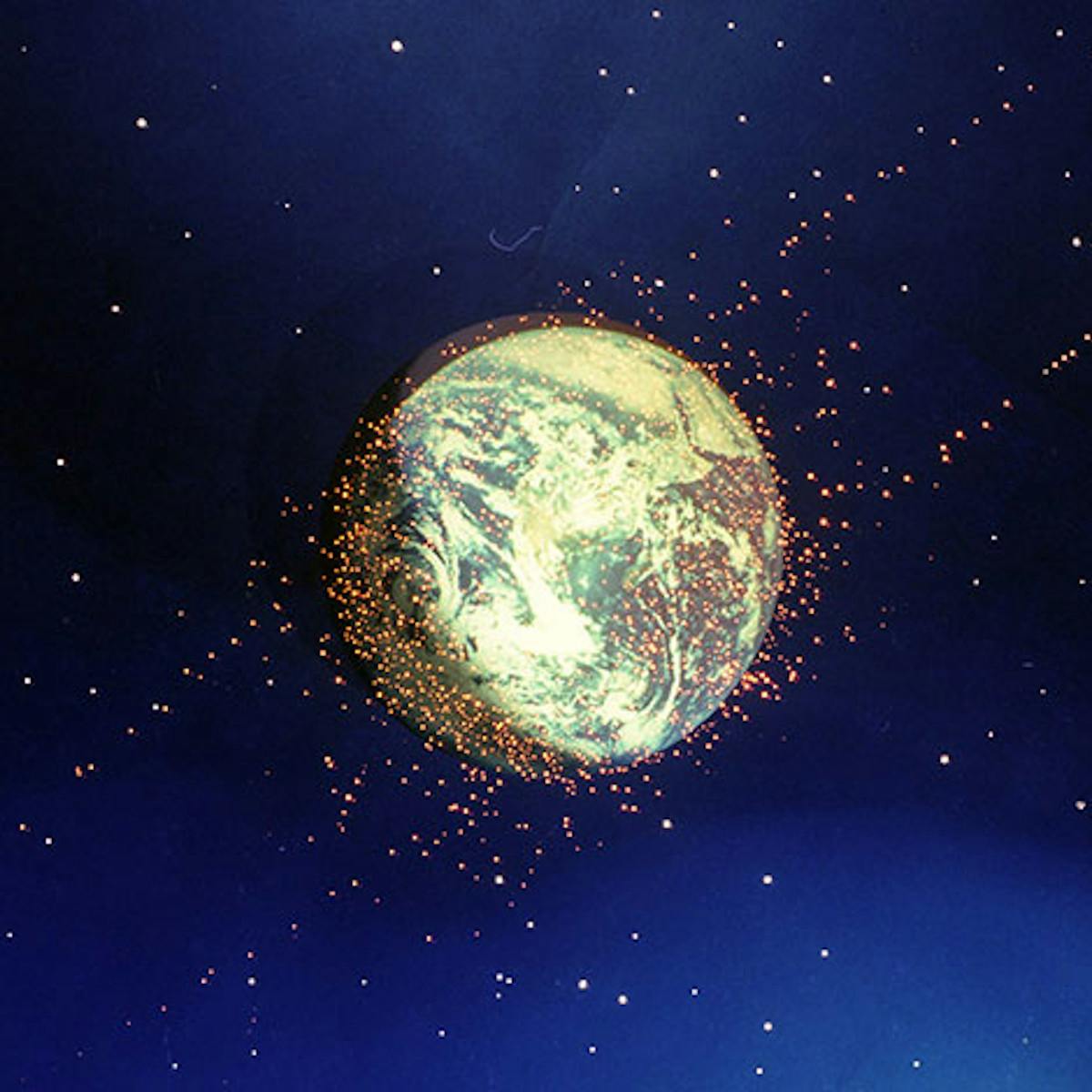
We present a grab bag of our favorite recent science stories – from how to stop aging to the mechanics of cooking pasta. Also, in accord with our eclectic theme – the growing problem of space junk. Guests: Anthony Wyss-Coray – Professor of neuroscience at Stanford University Oliver O’Reilly – Professor of mechanical engineering, University of California Berkeley. Moriba Jah – Professor of aerospace and engineering mechanics, University of Texas Originally aired March 1, 2021 Featuring music by Dewey Dellay and Jun Miyake Big Picture Science is part of the Airwave Media podcast network. Please contact [email protected] to inquire about advertising on Big Picture Science. You can get early access to ad-free versions of every episode by joining us on Patreon. Thanks for your support! Learn more about your ad choices. Visit megaphone.fm/adchoices
Iron, Coal, Wood**
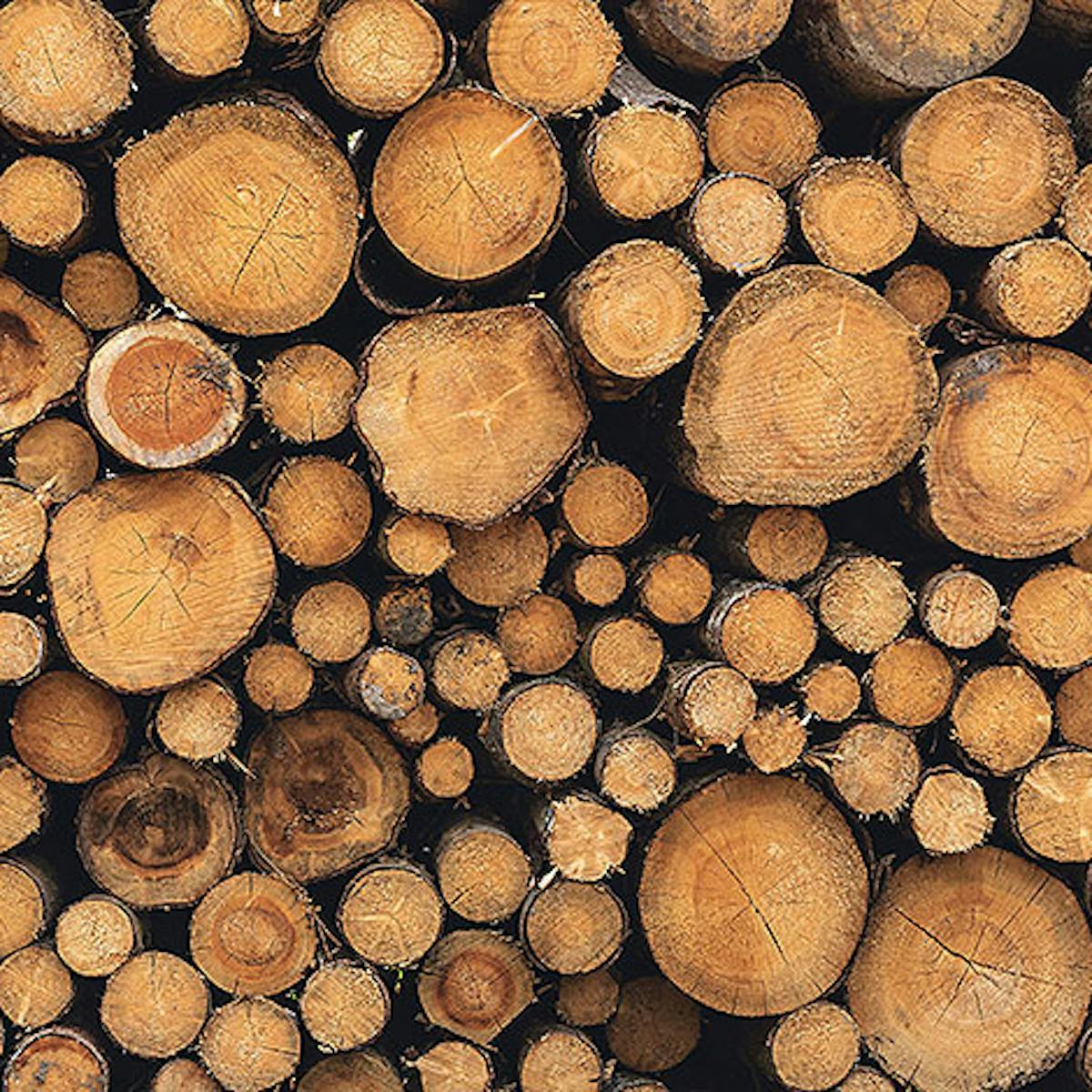
Maybe you don’t remember the days of the earliest coal-fired stoves. They changed domestic life, and that changed society. We take you back to that era, and to millennia prior when iron was first smelt, and even earlier, when axe-handles were first fashioned from wood, as we explore how three essential materials profoundly transformed society. We were once excited about coal’s promise to provide cheap energy, and how iron would lead to indestructible bridges, ships, and buildings. But they also caused some unintended problems: destruction of forests, greenhouse gases and corrosion. Did we foresee where the use of wood, coal, and iron would lead? What lessons do they offer for our future? Guests: Jonathan Waldman – Author of Rust: The Longest War. Ruth Goodman – Historian of British social customs, presenter of a number of BBC television series, including Tudor Monastery Farm, and the author of The Domestic Revolution: How the Introduction of Coal into Victorian Homes Changed Everything. Roland Ennos – Professor of biological sciences at the University of Hull and author of The Age of Wood: Our Most Useful Material and the Construction of Civilization. **Originally aired February 1, 2021 Featuring music by Dewey Dellay and Jun Miyake Big Picture Science is part of the Airwave Media podcast network. Please contact [email protected] to inquire about advertising on Big Picture Science. You can get early access to ad-free versions of every episode by joining us on Patreon. Thanks for your support! Learn more about your ad choices. Visit megaphone.fm/adchoices