AuDHD Flourishing
194 episodes — Page 1 of 4
160 Doing Things Mode
159 Imaginary To-Do Lists
An Emmy winner's trick for ADHD idea overload, from The ADHD Channel for Women
158 Communicating With Truth-Haters
157 Your Brain Learns Fast
156 Hyperneuroplasticity with Dr Patty Gently
How to Make Projects Happen - Repost
155 Making & Keeping Friends
154 Friendship Skills with Caroline Maguire
153 Polyamory & Community Bonds
152 You Can't Trick a Nervous System
151 The Skill No One Knew You Needed
150 The Wall of Awful with Brendan Mahan
149 The Consistency That Matters
148 Breaking Bad Habits
147 Habits are Hard (but also very cool)
146 Self-Awareness vs. Solutions
145 Mediocrity is a Needed Step
144 Don't Do All the Things
143 Creative Blocks & Insecurities
142 Neurodivergent Creative Entrepreneur with Jon Hart
141 Predictive Processing - another autism explanation
140 What's Your Energy Level?
You Are Not a Burden - Repost
When the Body Simply Cannot - Repost
139 Alexithymia - Feeling While AuDHD
138 Your Money Big Picture
137 Spending and Money Unfairness
This & next week are two episodes on money & finances as a follow up to last week's interview (more from Hyperfocus here).Justice sensitivity can highlight the unfairness we often feel between our financial situations and those of people who haven't struggled to find and keep work. For example, AuDHDers often experience conflict with bosses who think we ask too many questions or have a bad "vibe." For me, acknowledging and soothing that unfairness with things beyond just spending has been important. The episode also touches on comparison with others, consumerism, and why I just buy things directly from China now (via AliExpress, and that link gives me a whopping $1 coupon if you end up making a purchase ;) AuDHD Flourishing resources:Transcript Doc (often a few weeks behind, but we do catch up!)Mattia's NewsletterLike Your Brain community space (Patreon/Discord) Hosted on Acast. See acast.com/privacy for more information.
136 Financial Therapy with Christine Hargrove
Thanks again to Hyperfocus with Rae Jacobson for sharing this interview with financial therapist Christine Hargrove. She shares ADHD-focused advice that is useful for AuDHD folks as well! And the next two weeks will touch on other financial topics from this foundation.I especially love the line, "The best budget is one you can follow on your worst day" Learn more about Hyperfocus with Rae Jacobson here! AuDHD Flourishing resources:Transcript Doc (often a few weeks behind, but we do catch up!)Mattia's NewsletterLike Your Brain community space (Patreon/Discord) Hosted on Acast. See acast.com/privacy for more information.
Paper Planners & Tasks Feeling Real
bonusI just started using a paper planner again for the first time in many years, and the coolest thing is noticing that calendared blocks of time feel more "real" to my brain when I've written them by hand. That tangibility in turn seems to be making it easier to stick with things. Caveat that it can always be the initial dopamine surge of any new system! That said, if it's working, I say try new tools anyway, even if they only work for a few months ;)AuDHD Flourishing resources:Transcript Doc (often a few weeks behind, but we do catch up!)Mattia's NewsletterLike Your Brain community space (Patreon/Discord) Hosted on Acast. See acast.com/privacy for more information.
135 Slow Processes are Frustrating
Sometimes... a process is happening, internally. It can be integration, change, growth, positive disintegration... and sometimes it's unclear. Either way, the uncertainty can be disconcerting and frustrating!AuDHD Flourishing resources:Transcript Doc (often a few weeks behind, but we do catch up!)Mattia's NewsletterLike Your Brain community space (Patreon/Discord) Hosted on Acast. See acast.com/privacy for more information.
134 Worst Tasks for AuDHDers
With an interest-based nervous system + AuDHD cyclical energy, the hardest tasks for us areBoringAnnoyingHigh Stakes and/orDifficultThe episode covers how and why they're difficult, and some starting points for each one.The steps from later in the episode:If you're struggling to start something, identify if it's Boring, Annoying, High Stakes, or Difficult.Give yourself compassion for why that makes this task hard to do right now, and tell yourself that you don't actually have to do it right now (this eases up some demand avoidance potentially)If your mind-body system offers a suggestion or solution, feel free to go for it! Otherwise, it's okay to set this aside for now and let your unconscious mind chew it over.If this is a time-sensitive or urgent task, do what you need to do to remind yourself to check back in in time: a timer, a calendar reminder, a prominent post it note etc.Now let your unconscious and your weird and creative brain work on this in the background while you rest or work on something easier. I love keeping a list of actually easy tasks for this purpose (which for me means the thing is straightforward and physically easy to do with a clear done point).AuDHD Flourishing resources:Transcript Doc (often a few weeks behind, but we do catch up!)Mattia's NewsletterLike Your Brain community space (Patreon/Discord) Hosted on Acast. See acast.com/privacy for more information.
133 Anger and Aloneness
If you're feeling angry lately, that makes a lot of sense! It's not a bad emotion. In fact, it can feel quite motivating to create change. But what if you are feeling isolated and/or don't have capacity to directly create that change right now? That's where nourishing and care work come in, even if they're only for you (for now).While I don't use the word self-care in the episode, that's in part the kind of nourishing I mean. Once your capacity is higher, you'll be able to build more. And the people doing the literal feeding and care work are just as much a part of the movement! AuDHD Flourishing resources:Transcript Doc (often a few weeks behind, but we do catch up!)Mattia's NewsletterLike Your Brain community space (Patreon/Discord) Hosted on Acast. See acast.com/privacy for more information.
132 Is This Your True Desire?
Sometimes I mix up true desires with interests and hyperfocus. But what about the persistent and even lifelong interests? Where do they fit in?This episode is for anyone who wants to throw their life out the window and start over when in the throes of a new interest ;) You're not broken!AuDHD Flourishing resources:Transcript Doc (often a few weeks behind, but we do catch up!)Mattia's NewsletterLike Your Brain community space (Patreon/Discord) Hosted on Acast. See acast.com/privacy for more information.
131 Disordered Eating and AuDHD
EThis goes along with the interview about Embodied Exercise. For many people, the other side of that coin is eating. And rates of disordered eating are higher among Autistics, ADHDers (especially women), and trans and gender non-conforming folks.The episode only briefly touches on ARFID, an eating disorder more likely to affect autistic people for multiple reasons. If you know someone who could be an expert interview on ARFID, please send them my way.Oh another fun fact I didn't mention... it's possible that the "obesity epidemic" (unscientific nonsense) was literally caused by dieting. Yes, that's correlation, but damn it makes a compelling chart. (from Anti-Diet, book below)Mentioned in episode:Book Anti-Diet: Reclaim Your Time, Money, Well-Being, and Happiness Through Intuitive Eating by Christy Harrison MPH RD*ep. 129 Embodied Exercise with Martha MunroeAuDHD Flourishing resources:Transcript Doc (often a few weeks behind, but we do catch up!)Mattia's NewsletterLike Your Brain community space (Patreon/Discord)*affiliate link Hosted on Acast. See acast.com/privacy for more information.
Your Core Self-Care Need - Repost
Most people have one or two core self-care needs that, if they're met, everything else feels easier. This episode is about how to figure out yours... and what to look out for when you hear people preaching about their own!There's also acknowledgment that your neurodivergent body and brain may process things in different ways, so the following questions may not be that useful for you.Figuring out your core self-care need or needs (just a jumping-off point!): Thinking back to times in your life when things felt the easiest, what was your life like? Which of your needs were being met fairly well?When life has been a bit easier or better, did you notice any particular ups and downs based on particular needs being met? For example, if you were overall feeling pretty good compared to your baseline, was there anything that particularly threw you off? Or something that could bring you back to that feeling better pretty quickly?Tuning into your body right now, is there anything your body is asking for? This won't necessarily be a core need, it's more a check-in to see what messages your body is already good at giving you.Thinking about the past few days, weeks, or months, are there any messages your body has been consistently giving you? For example, when you've felt tired, does it feel more like you need sleep, or more like you need food, or more like you need to be around another person to recharge? Again, this isn't a perfect metric, just noticing how your body talks to you.Is there any form of self-care that feels like it REALLY fixes a bad day?Resources mentioned: Takedown of Why We Sleep: https://guzey.com/books/why-we-sleep/Commentary on the above post: https://statmodeling.stat.columbia.edu/2019/11/18/is-matthew-walkers-why-we-sleep-riddled-with-scientific-and-factual-errors/Transcript DocAnd one more link someone sent taking down the book Why We Sleep (I haven’t listened to this episode but the links alone look great): https://open.spotify.com/episode/4r0Vawq8xAfnsnKbYVUNhc?si=n7t-koeuS2GXQ2QnA8j4dQAuDHD Flourishing resources:Transcript Doc Mattia's NewsletterLike Your Brain community space (Patreon/Discord)Repost of ep 11, originally published Aug 18 2023 Hosted on Acast. See acast.com/privacy for more information.
130 Unclear Discomfort
it is what it isAuDHD Flourishing resources:Transcript Doc (often a few weeks behind, but we do catch up!)Mattia's NewsletterLike Your Brain community space (Patreon/Discord) Hosted on Acast. See acast.com/privacy for more information.
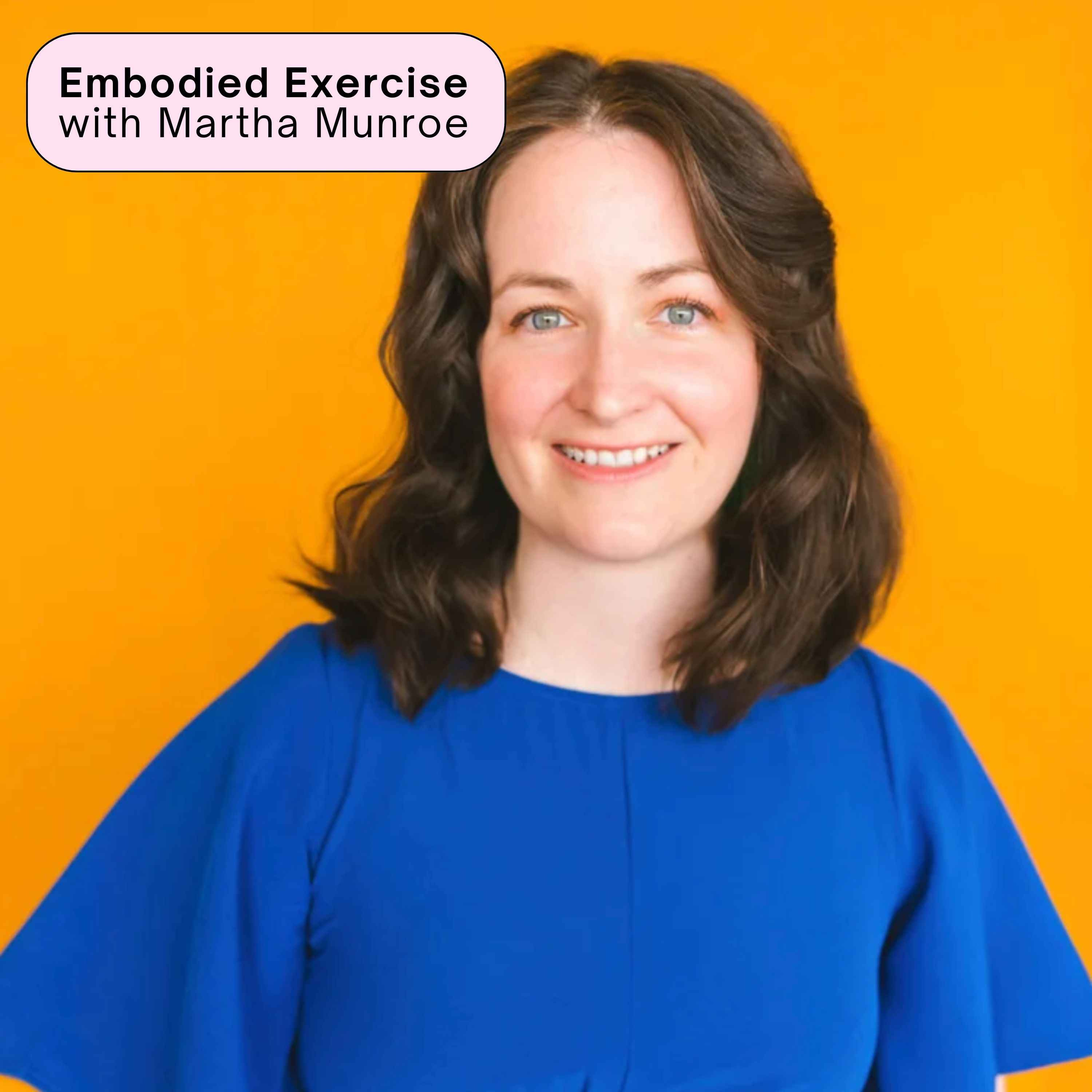
129 Embodied Exercise with Martha Munroe
Martha Munroe, a neurodivergent personal trainer, was noticing patterns in the ways her clients talked about exercise and their bodies. They were often driven by external goals (aesthetics, performance, what others think) vs. the internal experience of movement.She reframes exercise as a way to explore and express through embodiment. Also, reclaiming exercise (not only movement) by offering gentle structure if desired.I loved her book, Attuned Exercise!Connect with Martha: Attuned Exercise websiteMartha's Instagram, @attunedexercisemarthamunroe.comAlso mentioned in episode (book I'm reading): Girl on Girl: How Pop Culture Turned a Generation of Women Against ThemselvesAuDHD Flourishing resources:Transcript Doc (often a few weeks behind, but we do catch up!)Mattia's NewsletterLike Your Brain community space (Patreon/Discord)book links are affiliate links Hosted on Acast. See acast.com/privacy for more information.
128 AuDHD Parenting
Parenting as an AuDHDer is challenging and misunderstood. Many parents I speak to are near or in burnout at any given time, especially if they had kids before discovering their neurotype (which is common). This episode is based not on my experience as a parent, but my experience having spoken and heard from many AuDHD parents, and what I see working for them.This is in part a follow up to last week's interview with Julie M GreenMentioned in episode: Book Good Inside by Dr Becky Kennedy* (and her Instagram)AuDHD Flourishing resources:Transcript Doc (often a few weeks behind, but we do catch up!)Mattia's NewsletterLike Your Brain community space (Patreon/Discord)*affiliate link Hosted on Acast. See acast.com/privacy for more information.
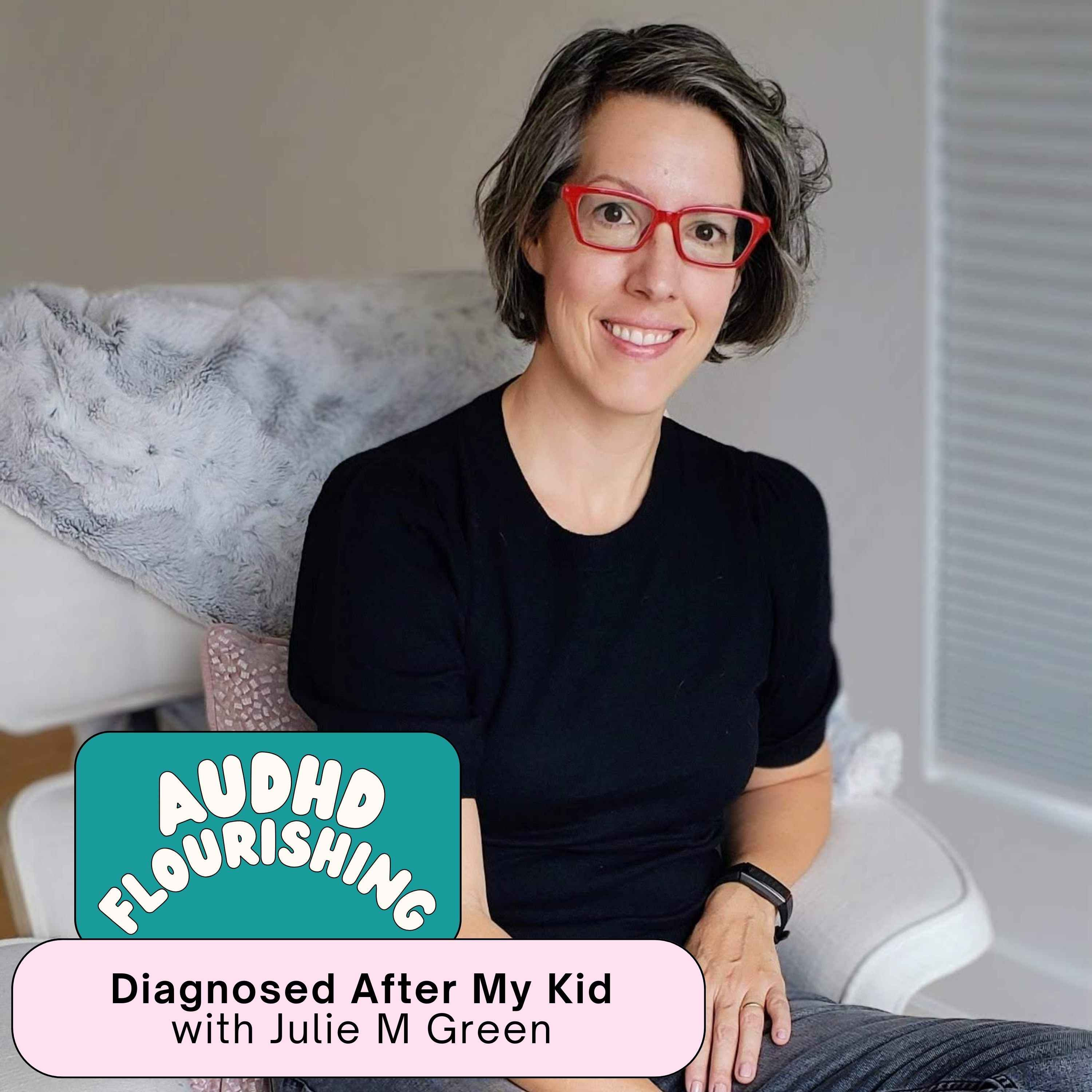
127 Diagnosed After My Kid with Julie M Green
Julie M. Green is the author of Motherness: A Memoir of Generational Autism, Parenthood, and Radical Acceptance. She shares about how difficult early parenthood was, how different her autism presents versus her kid's, and navigating school and regulation skills.The book is a vulnerable look at some of the challenging and lighthearted moments of raising an autistic kid.Connect with Julie:Her book Motherness: A Memoir of Generational Autism, Parenthood, and Radical Acceptance Website: juliemgreen.caInstagram: https://www.instagram.com/juliem.greenSubstack: https://theautisticmom.substack.com/AuDHD Flourishing resources:Transcript Doc (often a few weeks behind, but we do catch up!)Mattia's NewsletterLike Your Brain community space (Patreon/Discord)*affiliate link Hosted on Acast. See acast.com/privacy for more information.
Surviving Out of Spite - Repost
EYou deserve to survive this. Please stay.And if staying out of spite helps you, it has gotten me through some tough times.My Medium article, "Please Stay, We Need You"Repost of ep. 75Crisis Resources:USA-based anonymous crisis chatInternational crisis linesVarious types of crisis resources in about 10 countriesResources:Transcript DocEmail NewsletterLike Your Brain community space Hosted on Acast. See acast.com/privacy for more information.
126 Slow Days Make Flow Days
Flow is pleasant and often productive. It may also require some guardrails to be healthy for AuDHDers, especially those of us on the very monotropic side. It's often easy for us to get into flow and hyperfocus, and to stay in them until they stop feeling pleasant.Adding in more rest and recovery, including preparatory rest as needed, can really help!It's also okay to avoid flow states for a period of time, as I am right now for the most part.Do Less program for 2026 (starts Jan 15, reach out by Jan 7)Email [email protected] with application answers, and/or any questionsAuDHD Flourishing resources:Transcript Doc (often a few weeks behind, but we do catch up!)Mattia's NewsletterLike Your Brain community space (Patreon/Discord) Hosted on Acast. See acast.com/privacy for more information.
125 Autistic Play Saves Lives with Max Alexander
Max Alexander is an artist and play worker who has mapped some common shapes of autistic play. He's passionate about neuro-affirming play for all ages.Play is both a healing tool, and can help prevent some of the effects of trauma (we touch on this lightly, a concept I learned from Linda Thai) One possible way to apply the play styles is noticing which ones speak to you, and which ones you're already engaging in, then leaning into those.The ebook is free, and it's a quick and excellent read!Apologies for the audio quality. Max was using a headset and didn't have an actual microphone, so I did the best I could to clean it upDo Less program for 2026 (starts Jan 15, reach out by Jan 7)Email [email protected] with application answers, and/or any questionsConnect with Max:Max's book, The Joys and Shapes of Autistic PlayMax's Substack, Play RadicalAuDHD Flourishing resources:Transcript Doc (often a few weeks behind, but we do catch up!)Mattia's NewsletterLike Your Brain community space (Patreon/Discord) Hosted on Acast. See acast.com/privacy for more information.
124 AuDHD Leadership Matters
AuDHD leadership touches on last week's interview with Dr Megan Anna Neff. And it goes beyond the visible leadership of creating content, or being in the public eye.AuDHD leadership can includebeing your authentic selfvisibly meeting your sensory needssharing what helps you (whether or not it's advice)Mentioned in episode:- Do Less program for 2026 (starts Jan 15, reach out by Jan 7)Email [email protected] with application answers, and/or any questions- Blog post with business episodesAuDHD Flourishing resources:Transcript Doc (often a few weeks behind, but we do catch up!)Mattia's NewsletterLike Your Brain community space (Patreon/Discord) Hosted on Acast. See acast.com/privacy for more information.
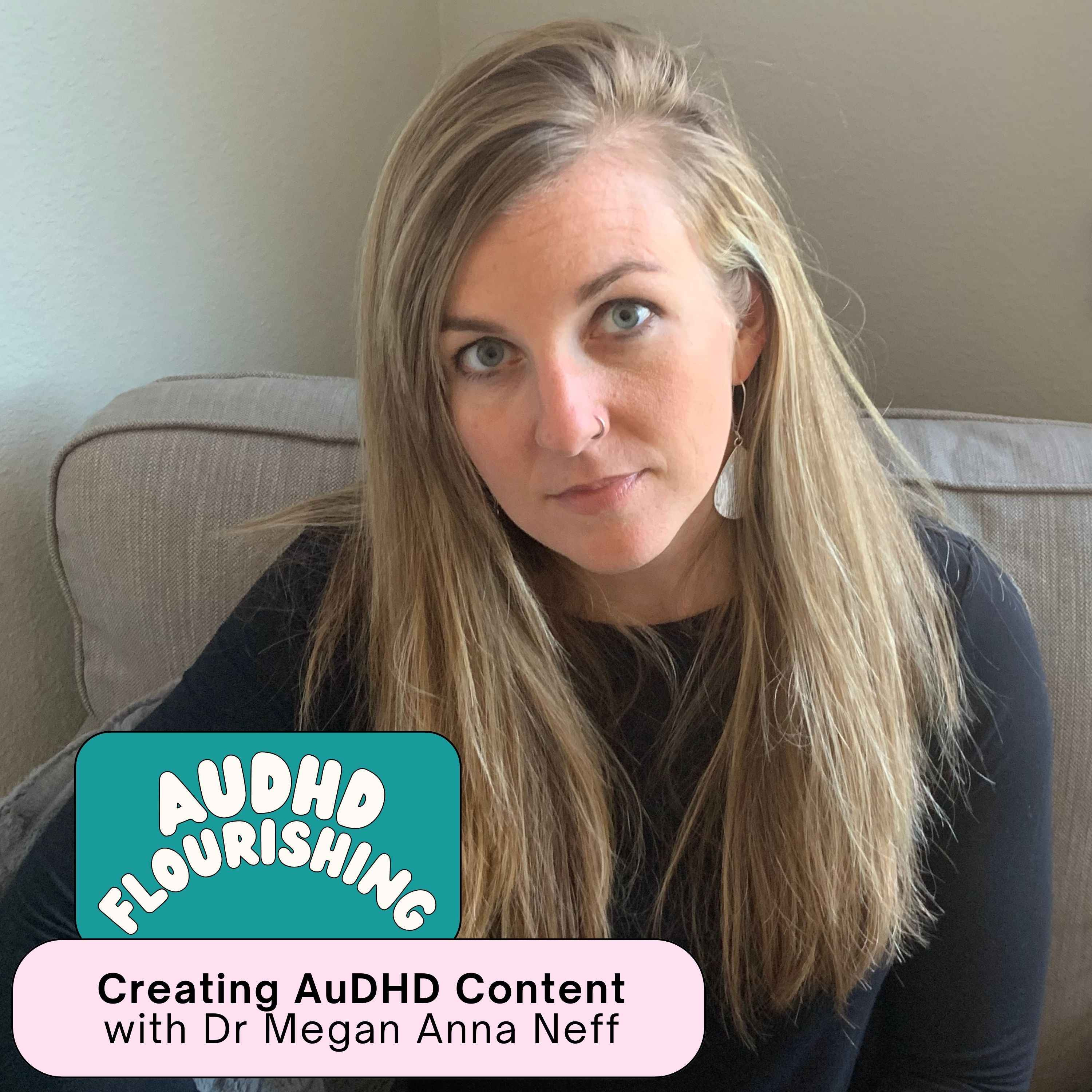
123 Creating AuDHD Content with Dr Megan Anna Neff
Dr Megan Anna Neff is a neurodivergent therapist and thought leader, who became popular in 2022 with their "Misdiagnosis Monday" series. Their thoughtful content has helped many thousands of AuDHDers and other neurodivergent folks feel seen and understood.Today we talk abouthaving a small business as a neurodivergent person (including PDA at the end)the questions and concerns we have about creating helpful content, and not causing harmhow weird it is to be perceivedConnect with Megan Anna & Neurodivergent Insights:Free Help Me Stay Plan (for SI)Website: neurodivergentinsights.comDivergent Conversations Podcast: www.divergentpod.comInstagram: www.instagram.com/neurodivergent_insights/YouTube: https://www.youtube.com/@NeurodivergentInsightsTVDo Less program for 2026 (starts Jan 15)AuDHD Flourishing resources:Transcript Doc (often a few weeks behind, but we do catch up!)Mattia's NewsletterLike Your Brain community space (Patreon/Discord) Hosted on Acast. See acast.com/privacy for more information.
122 Do Less (of what you don't want, to make room for what you do)
EDoing less of what's harming you opens up time and energy. You can enjoy that as rest, and if desired, eventually fill it in with what you do want.AuDHDers often need to move at a slower pace, in many ways. Sometimes we then have creative bursts that move fast... but the space comes FIRST!Mentioned in episode:Do Less program for 2026 (starts Jan 15)book, Anti-Diet by Christy Harrison (affiliate link)AuDHD Flourishing resources:Transcript Doc (often a few weeks behind, but we do catch up!)Mattia's NewsletterLike Your Brain community space (Patreon/Discord) Hosted on Acast. See acast.com/privacy for more information.
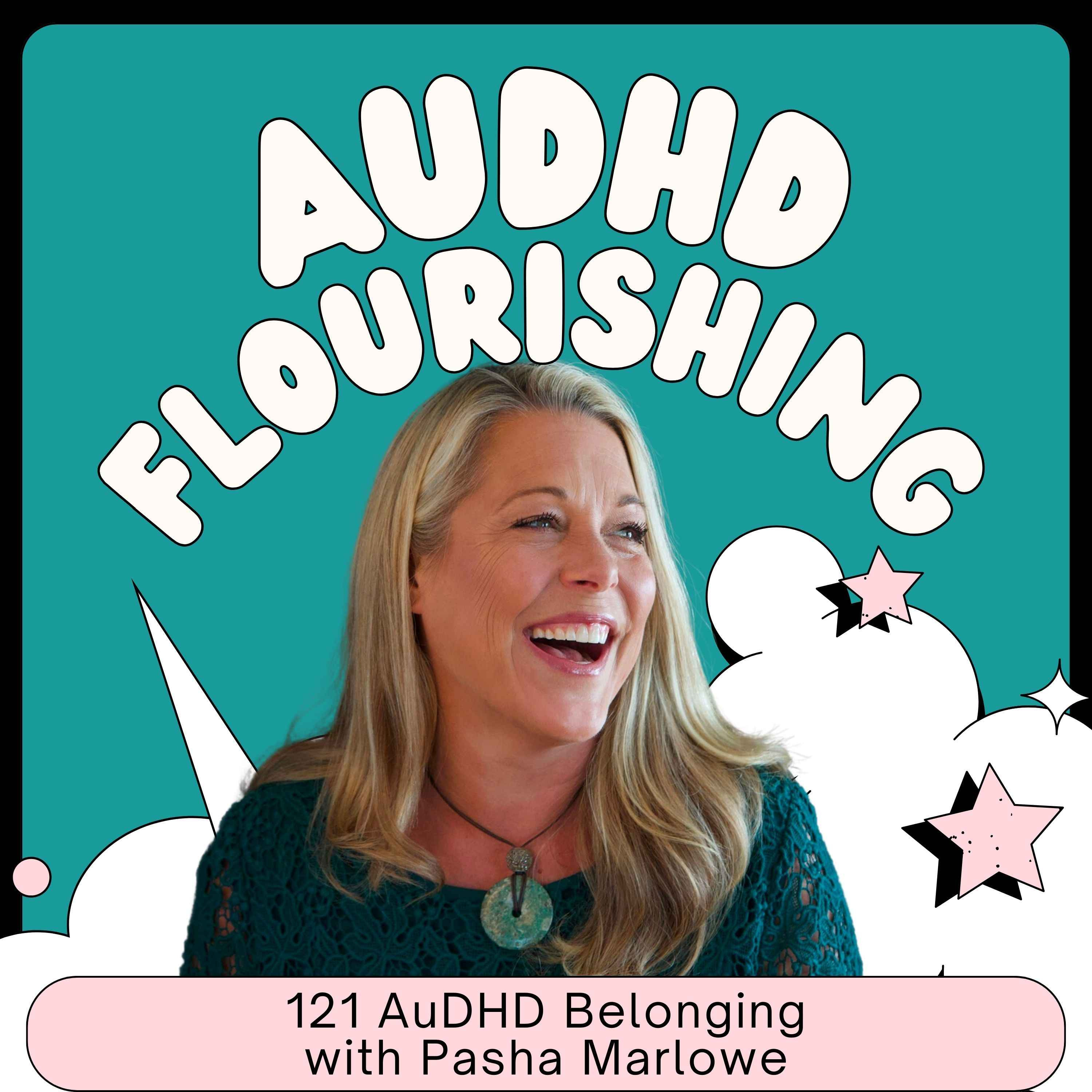
121 AuDHD Belonging with Pasha Marlowe
Pasha joins again to talk about what they've learned in the past two years since last being on the show! We talk about belonging, triggers in relationships, and much more.She also shares the ableism behind the scenes of an autism training from a large (unnamed) org.Mentioned in episode:Pasha's website & LinkedInInstagram @neuroqueercoachTikTok @neuroqueercoachPasha's YouTubeAuDHD Flourishing resources:Transcript Doc (often a few weeks behind, but we do catch up!)Mattia's NewsletterLike Your Brain community space (Patreon/Discord) Hosted on Acast. See acast.com/privacy for more information.
120 Decluttering & Perfectionism
Decluttering, organizing, and cleaning my home in a more routine way is having some interesting effects on my perfectionist tendencies! (Plus, perfectionism comes up in the decision-making process; more on that in my interview on A Slob Comes Clean, which I'll link here when it's out.)Specifically, a cleaner space = less decision fatigue = lower cognitive load = more executive function resources for ME!If you want support with that:Decluttering Days free 5-day event (Nov 17-21 2025)Mentioned in episode (Dana K White resources):Free 5-Step Decluttering Process (note it's /five, not /5 at aslobcomesclean.com)A Slob Comes Clean podcast & YouTube channelOrganizing for the Rest of UsDecluttering at the Speed of LifeHow to Manage Your Home Without Losing Your Mind (book links are affiliate links)AuDHD Flourishing resources:Transcript Doc (often a few weeks behind, but we do catch up!)Mattia's NewsletterLike Your Brain community space (Patreon/Discord) Hosted on Acast. See acast.com/privacy for more information.

119 Get Unstuck At Home with Dana K White
Dana K White, like me, couldn't find advice that worked for her. So she made it up! And it turns out, it was helpful for many other people too.After writing an anonymous blog about cleaning her overwhelmingly cluttered home, Dana "came out" and started helping others too. Also, many of those people let her know she seems to have ADHD ;)Her explanations have already helped me a lot, and given me hope about a clean home for the first time in ages.We talk about many of the overarching themes/tips in her books (which are linked below)Decluttering Days free 5-day event (Nov 17-21 2025)Connect/Learn more from Dana:Free 5-Step Decluttering Process (note it's /five, not /5 at aslobcomesclean.com)A Slob Comes Clean podcast & YouTube channelOrganizing for the Rest of UsDecluttering at the Speed of LifeHow to Manage Your Home Without Losing Your Mind (book links are affiliate links)AuDHD Flourishing resources:Transcript Doc (often a few weeks behind, but we do catch up!)Mattia's NewsletterLike Your Brain community space (Patreon/Discord) Hosted on Acast. See acast.com/privacy for more information.
118 Transitions Support AuDHD Productivity
Transitions are one of THE things that support the way that productivity shows up for AuDHDers! Transitions don't have to be all about work: play and rest can be transitions too. And sometimes we need transition time into and out of work, play, AND rest!Today I talk in more detail about how long transitions can take for me (routinely 30-60 minutes). If that's true for you, a 20-minute chunk of work (or getting interrupted) isn't going to feel that good compared to the transition time required. (That said, anything goes in burnout recovery!)Anecdotally: AuDHD folks may need more transition time than ADHD or Autistic folks (even though it's often talked about as an autism trait or need). If that's true, it's possible that it's monotropism that leads to higher transition time needs.Note: I misspoke when I said "dares and challenges." They're actually dares and commitments :)Decluttering Days free 5-day event (Nov 17-21 2025)AuDHD Flourishing resources:Transcript Doc (often a few weeks behind, but we do catch up!)Mattia's NewsletterLike Your Brain community space (Patreon/Discord) Hosted on Acast. See acast.com/privacy for more information.