AuDHD Flourishing
194 episodes — Page 3 of 4
75 Surviving Out of Spite
EYou deserve to survive this. Please stay.And if staying out of spite helps you, it has gotten me through some tough times.My Medium article, "Please Stay, We Need You"Crisis Resources:USA-based anonymous crisis chatInternational crisis linesVarious types of crisis resources in about 10 countriesResources:Transcript DocEmail NewsletterLike Your Brain community space Hosted on Acast. See acast.com/privacy for more information.
Goldilocks Sensory Needs
bonusEHave you absorbed the cultural idea that you "should" be able to be "present" without sensory aids? Fuuuuuuck that shiiiiit! Also been playing with sensory seeking (& its opposite) during moments of transition, and it's helping a LOT!Been considering the earplugs I mention, Loops? They're my fave currently. (Note: if you don't like anything in your ears, you won't like these, either.)They have some deals right now, and you can support the podcast by using my affiliate link here. Hosted on Acast. See acast.com/privacy for more information.
74 Gratitude in Uncertainty
EThinking seasonally about gratitude in the context of..... everything happening right now.It's easy for my brain to want to solve every problem in the world. But I don't want to do the opposite of becoming entirely insular and only focusing on myself.I've found gratitude to be a way I can be more deeply interconnected (and in my case, add more reasons to want to live).Mentioned in episode:Ep 25 The Power of Honest GratitudeEp 72 Feeling Safe in Uncertainty & ChaosUnmasking Autism book by Devon Price (affiliate link)Resources:Transcript DocEmail NewsletterLike Your Brain community space Hosted on Acast. See acast.com/privacy for more information.
73 Starting an AuDHD-Friendly Business
EAuDHDers often end up partly or fully self-employed. It can be due to desire, or out of necessity.Either way, this episode covers some tips to think about before starting. It may also be helpful if you've started businesses before and fallen for some bad advice (which I have).Mentioned in Episode: The interviews with Zann and Sam about their businessesThe book Profit First (ebook & audiobook) - affiliate links Course: Experimenting Your Way to an Extraordinary LifeResources:Transcript DocEmail NewsletterLike Your Brain community space Hosted on Acast. See acast.com/privacy for more information.
72 Feeling Safe in Uncertainty & Chaos
EFeeling worried about the future? Uncertainty can be especially difficult for Autistic nervous systems.Today I go into more detail about WHY & HOW safety in the body can be a foundational practice for healing and wellness.At the end, I share the audio of a practice that is also on YouTube here if you'd like to follow along with visuals.The questions answered in this episode:What is safety in the body?Why is it so important, and what does it do?What does it feel like?How does it relate to stress?What's my experience of safety been?What are the long-term effects of consistently reinforcing embodied safety?Mentioned in episode: YouTube video showing me doing the embodied practice& explanation video + visuals (audio also from this episode)Gymba balance board & travel Bosu ball (affiliate links)Resources:Like Your Brain community spaceTranscript DocEmail Newsletter Hosted on Acast. See acast.com/privacy for more information.
71 Maybe You're Not the Problem with Sam Cooper
ESam Cooper is an AuDHD coach and generally awesome human. When we met in person, we bonded over having worn the wrong size shoes for years, which led to the title of this episode.Sam shares about building a small business, and the upsides and downsides of a coaching business in particular.Sensory needs and discovering support tools.They also have an incredibly compassionate approach to their own journey.Connect with Sam: Sam's websiteSam's Instagram @unconventionalmindsadhdResources:Like Your Brain community spaceTranscript DocEmail NewsletterNew course: Experimenting Your Way to an Extraordinary Life Hosted on Acast. See acast.com/privacy for more information.
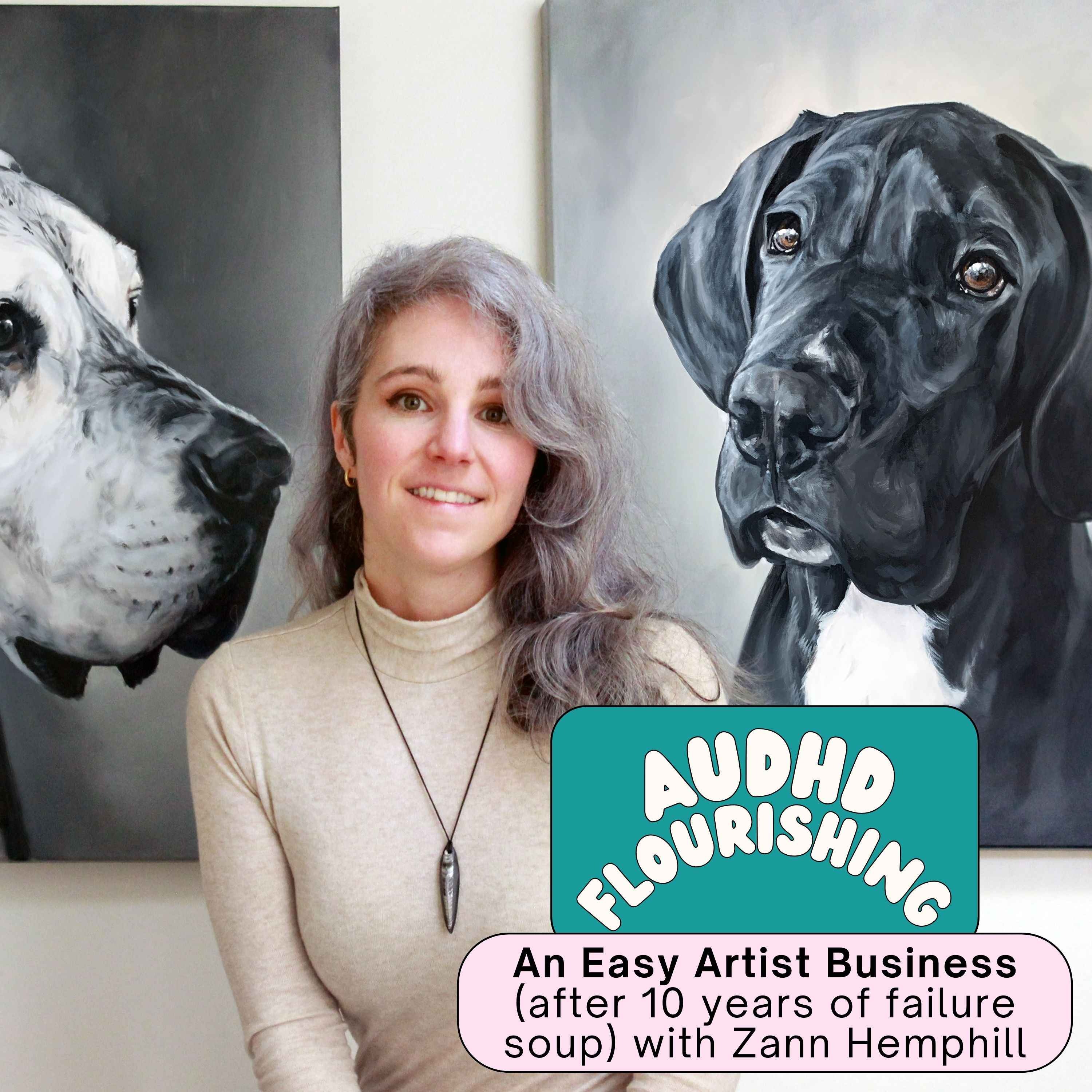
70 An Easy Artist Business (after 10 years of failure soup) with Zann Hemphill
EZann's artist business is one of the easiest things she's ever done. And it's not even her main passion! Her deeply relatable history includes ten years of feeling like failure soup. It didn't feel like progress or learning, just failure. But it ultimately led her to figure out what does NOT work. She shares amazing ideas and practical advice.... this will be a great one to listen to more than once!Connect with Zann: Paws by Zann websiteZann's blogYouTube art tutorials & BTSResources:Like Your Brain community spaceTranscript DocEmail NewsletterNew course: Experimenting Your Way to an Extraordinary Life Hosted on Acast. See acast.com/privacy for more information.
Deciding on Bigger Goals
bonusEIf you struggle to figure out what to focus on with bigger goals, you're not alone! Here's one approach I've come up with for my own annual goals in particular. And some thoughts on decision making, since that's part of it.Wish List for bday (or whenever) Hosted on Acast. See acast.com/privacy for more information.
69 Bureaucratic Bullshit is the Bane of my Bexistence
EI failed my first driving test! On a technicality! Ah, the frustrations of begging to exist in structures not built for us. Three quick stories about bureaucratic bullshit in a single week, and how it fits into my own big ball of yarn. It's okay that the stuff that's hard for us is probably never going to be fun or easy.We need support and RESOURCES that work for us! More on finding good resources in the episode... librarians are often a great place to start. Resources:Like Your Brain community spaceTranscript DocEmail NewsletterNew course: Experimenting Your Way to an Extraordinary Life Hosted on Acast. See acast.com/privacy for more information.
68 Stop Hammering Screws
EThe autistic / AuDHD self-discovery journey can feel like finding out that you've been hammering screws this whole time. You never learned how to use the right tools. You may not have been given the right tools at all! A few thoughts on the grief inherent in the process, and how to equip your personal toolbox now that you know what's up.Resources:Like Your Brain community spaceTranscript DocEmail NewsletterNew course: Experimenting Your Way to an Extraordinary Life Hosted on Acast. See acast.com/privacy for more information.
67 Downsides of Weekly Scheduling
EWeeks and months are staples of scheduling systems. But they tend not to work well for me as units of time. My personal ideal is two days on, two days off, though that's impractical. Instead, I talk about the various workarounds I've found, including intentionally scheduling rest (and how if I don't have time for that, I need to decrease demands). If weeks don't work well for you, how can you find what does?Resources:Like Your Brain community spaceTranscript DocEmail NewsletterNew course: Experimenting Your Way to an Extraordinary Life Hosted on Acast. See acast.com/privacy for more information.
66 Fixing Your Whole Damn Life
EThis episode is about both why it's so hard to get help as an AuDHDer,and some of the broad steps I see working for us.It can help to have a view of your "big ball of yarn" i.e. complex and interrelated problems or life areas.It can also help to start addressing your sensory needs, core needs, and just live your life while you take a break from big processing.Please take care and be gentle to yourself!Links mentioned:New course: Experimenting Your Way to an Extraordinary LifeYour Core Self Care Need episodeThe 4 steps I talked aboutCrisis Resources:USA-based anonymous crisis chatInternational crisis linesVarious types of crisis resources in about 10 countriesResources:Like Your Brain community spaceTranscript DocEmail Newsletter Hosted on Acast. See acast.com/privacy for more information.
65 What NOT To Do
EWhat NOT to do in your AuDHD discovery process is just as important as knowing what to do! This episode interweaves nicely with last week's episode about what AuDHDers need.This is hardly an exhaustive list, but it covers many of the patterns I've seen and heard in the community.Links mentioned:InterGifted: What is Giftedness?Autistic Culture PodcastFree Office Hours call (p.s. being a free Patreon member is the best way to get updates/reminders about these calls)Crisis Resources:USA-based anonymous crisis chatInternational crisis linesVarious types of crisis resources in about 10 countriesResources:Like Your Brain community spaceTranscript DocEmail Newsletter Hosted on Acast. See acast.com/privacy for more information.
64 What AuDHDers Need
EWhat do AuDHDers need (beyond the obvious needs all humans have)? And why do those needs matter?This episode covers some important ones:Being able to engage with our interests (in a particular way)Executive Function support, without trying to make the hardest things easy or enjoyableAutonomyTrue restThe narrow path of just enough stimulationProcessing timeTo be witnessed in just the right wayRecognition that our needs vary quite a bit day to dayComing to terms with disabilitySpace and time throughout our self-discovery journeySafe enough spaces to explore what it means to be ourselfLinks mentioned:Executive function test post if you want to ask Qs or share your experienceExecutive Skills Questionnaire Revised (ESQ-R)Unmasking Autism book (affiliate link)Crisis Resources:USA-based anonymous crisis chatInternational crisis linesVarious types of crisis resources in about 10 countriesResources:Like Your Brain community spaceTranscript DocEmail NewsletterLove Your Brain course Hosted on Acast. See acast.com/privacy for more information.
63 All About AuDHD Diagnosis
EAlmost all of us consider formal diagnosis in our AuDHD discovery journey. Whether it's ADHD-focused for medication, or Autism-focused for validation or accommodations.Knowing why you want the diagnosis goes a long way in figuring out what to pursue. The main options as I currently see them are:full formal neuropsych testingprovisional diagnosis with a shorter screening testa formal letter requesting accommodations from your providerself-diagnosiscommunity diagnosisThis episode talks aboutThe upsides and downsides of diagnosis in generalMy personal diagnosis experience (two full rounds of neuropsych testing)Options to approach decision-making for yourselfHow to get started if you do want diagnosisQuestions from the longer decision-making process in the episode are in the Transcript DocCrisis Resources:USA-based anonymous crisis chatInternational crisis linesVarious types of crisis resources in about 10 countriesMonotropism resources:Monotropism Questionnaire and more info about itMonotropism explainedFergus Murray's 6 Starting Points for Understanding Autism034 Monotropism Might Explain Everything with Fergus Murray035 How Much Time Does Creating Take?039 Autism "Levels" and MonotropismOther Links mentioned:Devon Price's post about Autism diagnosis pros n consThrow Away the Masters Tools: Liberating Ourselves From the Pathology Paradigm by Nick WalkerAuDHD Flourishing Resources:Like Your Brain community spaceTranscript DocEmail Newsletter Hosted on Acast. See acast.com/privacy for more information.
ND + the Inner Conversation
bonusEBonus drop from The Curiosity Cure podcast:Today's conversation with Mattia takes us through their journey with chronic pain, feeling better, and the ways they navigate their inner mindbody conversation as someone with AuDHD + PDA. We touch upon themes of neurodivergence, gender transition, resourcing inner + external safety. We chat about using hypnotic techniques to decrease a sense of threat/unsafety that may accompany disorders like ehlers-danlos syndrome and POTS. Thanks to Deb for sharing this episode: full show notes hereThe show notes link above has many resources about successful healing from related conditionsThe Curiosity Cure podcast site Hosted on Acast. See acast.com/privacy for more information.
see you in September!
bonusI'm taking the last two weeks of August off, and will be back in September with a "back to the basics" series about things like diagnosis, what to do when you first discover your AuDHD identity, etc! In the meantime, you can check out...Like Your Brain community spaceTranscript DocYouTube: The Longer Road, Mattia guesting on other pods Hosted on Acast. See acast.com/privacy for more information.
62 Loneliness and Not Feeling Understood
EThere are many reasons we experience loneliness. There's a particular existential loneliness I experience when I feel like it's not possible for anyone to understand me. And much of that emerged from a lifetime of ableism. Being in AuDHD community has been incredibly healing. Thank you for being here!Also... as of today we're over 200,000 downloads... thanks for listening!! Resources:Like Your Brain community spaceTranscript DocEmail Newsletter Hosted on Acast. See acast.com/privacy for more information.
61 Working Memory Hack
EWorking memory may be a main reason we feel so exhausted... we're doing so many things manually that are habits for non-AuDHD brains.Using a working memory file as we go can help a lot and massively reduce overwhelm and cognitive fatigue. Cal Newport uses a digital file for this during computer work. I've been using post-it notes so I can carry them around with me.There are many benefits I talk about in the episode, and the main one for me is being able to track decisions as I go so I don't keep trying to make them over and over!Resources:Like Your Brain community spaceTranscript DocEmail NewsletterLove Your Brain course Hosted on Acast. See acast.com/privacy for more information.
Autistic Joy is Mindfulness
Today I had several moments of autistic joy (sometimes called "glimmers") that were also great examples of mindfulness. But mindfulness in a way that works for my sensory experience!Reminder that our brains are also quite capable of delight in little things.Resources:Like Your Brain community spaceTranscript DocEmail Newsletter Hosted on Acast. See acast.com/privacy for more information.
60 When Quitting Works
EQuitting can feel amazing, especially when it's a clear self-protection move. And when we haven't waited until it becomes so terrible we have to get out.But the decision-making process can feel slow!This episode covers three ways I've decided to quit things:Big emotions / the thing got really badMath-y pros and cons approach (slow but effective)Getting somatic info from my body#3 is great... but at the same time, I've done years of building safety around receiving and integrating information from my body! It's not just about the technique itself.Resources:Mentioned the DEAR MAN skill from DBTLike Your Brain community spaceTranscript DocEmail NewsletterLove Your Brain course Hosted on Acast. See acast.com/privacy for more information.
59 Lazy On Purpose
EI recently took the laziest vacation I ever have, and it was a revelation.Also, there are usually so many external factors we're not considering while laying on the couch feeling too "lazy" to do something! There are layers.Resources:Like Your Brain community spaceTranscript DocEmail NewsletterLove Your Brain course Hosted on Acast. See acast.com/privacy for more information.
58 Men Are Not the Enemy
EMen are not the enemy...Some thoughts on identity, community, and responsibility.Big shout-out to Devon Price's new book, Unlearning Shame: How We Can Reject Self-Blame Culture and Reclaim Our PowerResources:Like Your Brain community spaceTranscript DocEmail NewsletterLove Your Brain course Hosted on Acast. See acast.com/privacy for more information.
I Fucked Up
E"felt vulnerable, may delete later"Quick story/update and to validate that communication is so hard... and so are transitions!Full audio direct link for Patreon folksTranscript doc Hosted on Acast. See acast.com/privacy for more information.
57 How To Make Projects Happen
EAuDHD brains face many challenges when it comes to projects. It's something I've put a great deal of time and learning into, both personally and professionally.This episode covers many ideas and approaches that tend to work for us.Key Takeaways:We usually learn to use what I call the Adrenaline-Anxiety Approach. While effective short-term, it can lead to burnout and other issues.A monotropic approach is more sustainable and individualized... and it can feel slow at first.Experimentation as a core toolCreating just enough structure and safety to get going, without getting bogged down (loose planning)Working with the brain states you haveManaging interruptions, inputs, and daily lifeFinding the balance that works for youThe episode also walks through the Love Your Brain course, designed to help AuDHDers understand their mind-body system, work with brain states, and navigate project challenges. The course emphasizes self-compassion, experimentation, and building processes tailored to individual needs.Links:Devon Price's Laziness Does Not Exist article, and a PDF if you're not on MediumThe transcript may be especially useful for this episode! (It'll take a few seconds for the link to fully load to this episode)Love Your Brain courseLearn more about Love Your Brain Hosted on Acast. See acast.com/privacy for more information.
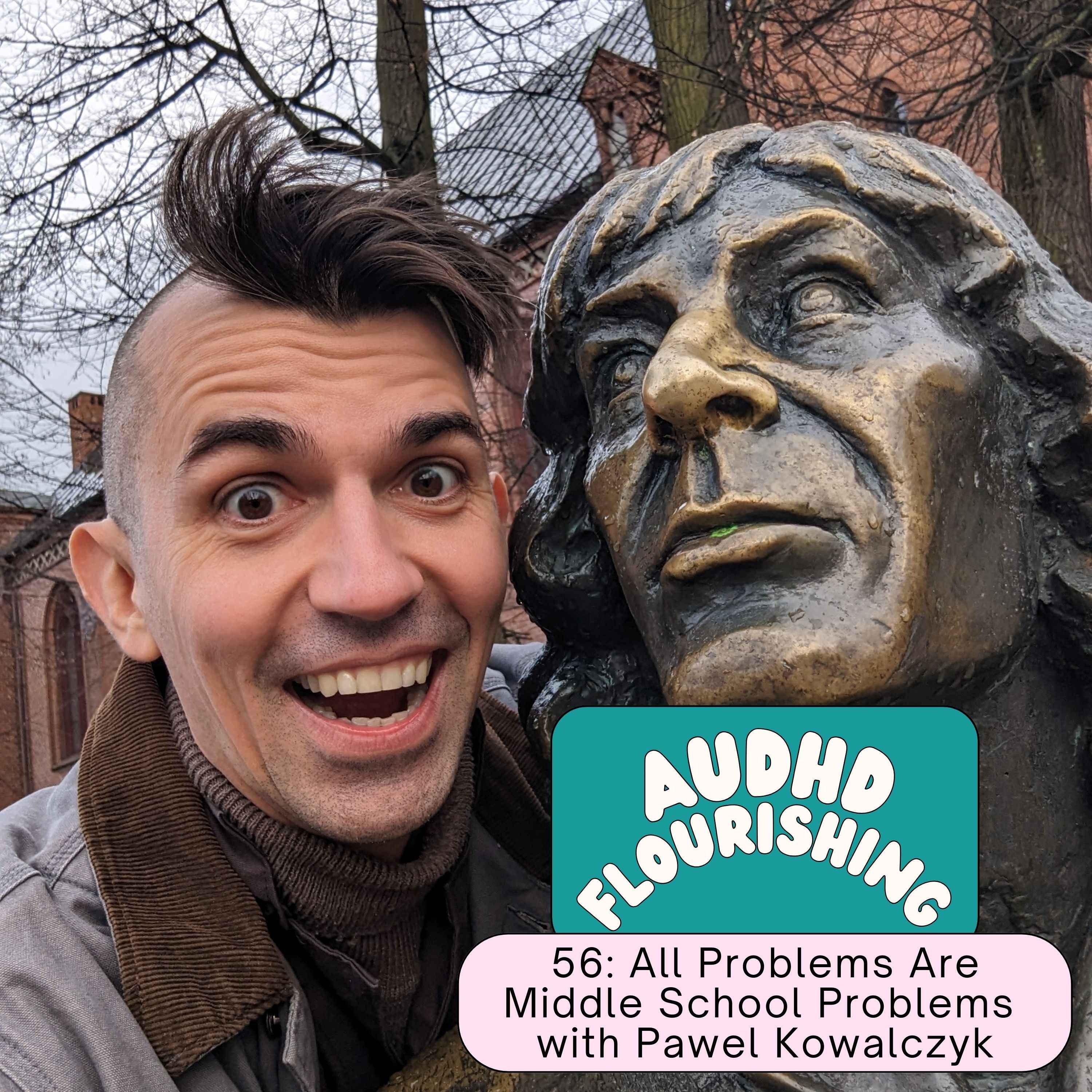
56 All Problems Are Middle School Problems with Pawel Kowalczyk
EPawel, a former middle school teacher in an alternative school, lays out how most of our adult problems were ones we first encountered in middle school. From social groups to complex problem solving, they show up again and again in life.He also talks about how being a high-masking AuDHDer showed up in life.Books mentioned: The Anxious Generation* by Jonathan HaidtRight Kind of Wrong: The Science of Failing Well by Amy Edmondson*And if you're skeptical of Haidt because of his terrible 2018 book, here's a podcast episode that fact checks and brings nuance to claims in The Anxious Generation: If Books Could Kill episodeResources:Like Your Brain community space (Pawel's not sharing social media links but is over here with us)Transcript DocEmail NewsletterLove Your Brain now has three elements you can choose from for more accessibility:Love Your Brain course contentGroup coaching and co-working callsDirect support from Mattia Hosted on Acast. See acast.com/privacy for more information.
55 Achievement Doesn't Define Us
EAchievements often feel tied into personal identity. AuDHD folks in particular struggle with achievement pressures, even with just regular neurodivergent demand avoidance.A few core topics:The joy of supporting others' work and stepping back from being the primary creatorAchievements often don't provide the emotions we expect, so it's meaningful to focus on making the process feel better insteadCreativity requires boredom and restAnd the very surprising thought I had that led to this episode...Episodes mentioned:Andrew Simonet on creating supportive feedback convos as a creativeWhen Dreams Feel Impossible (last week's episode)Autistic Stereotypes with Thomas HenleyResources:Like Your Brain community spaceTranscript DocEmail NewsletterLove Your Brain now has three elements you can choose from for more accessibility:Love Your Brain course contentGroup coaching and co-working callsDirect support from Mattia Hosted on Acast. See acast.com/privacy for more information.
54 When Dreams Feel Impossible
EEvery creative and interesting person has experienced the feeling that at least some of their big dreams are impossible. And when the current big dream is just surviving, that can be especially challenging. I share about the emotional side of the ten years when my composition career had an almost 100% rejection rate. And why I'm giving this unusual advice... It can be healthy to temporarily let go of dreams that are stressing you out! Crisis Text Line, text HOME to 741741 to reach a volunteer Crisis Counselor on a wide variety of topicsOriginally episode 61 on The Longer Road podcast (with minor edits) Resources:Like Your Brain community spaceTranscript DocEmail Newsletter Hosted on Acast. See acast.com/privacy for more information.
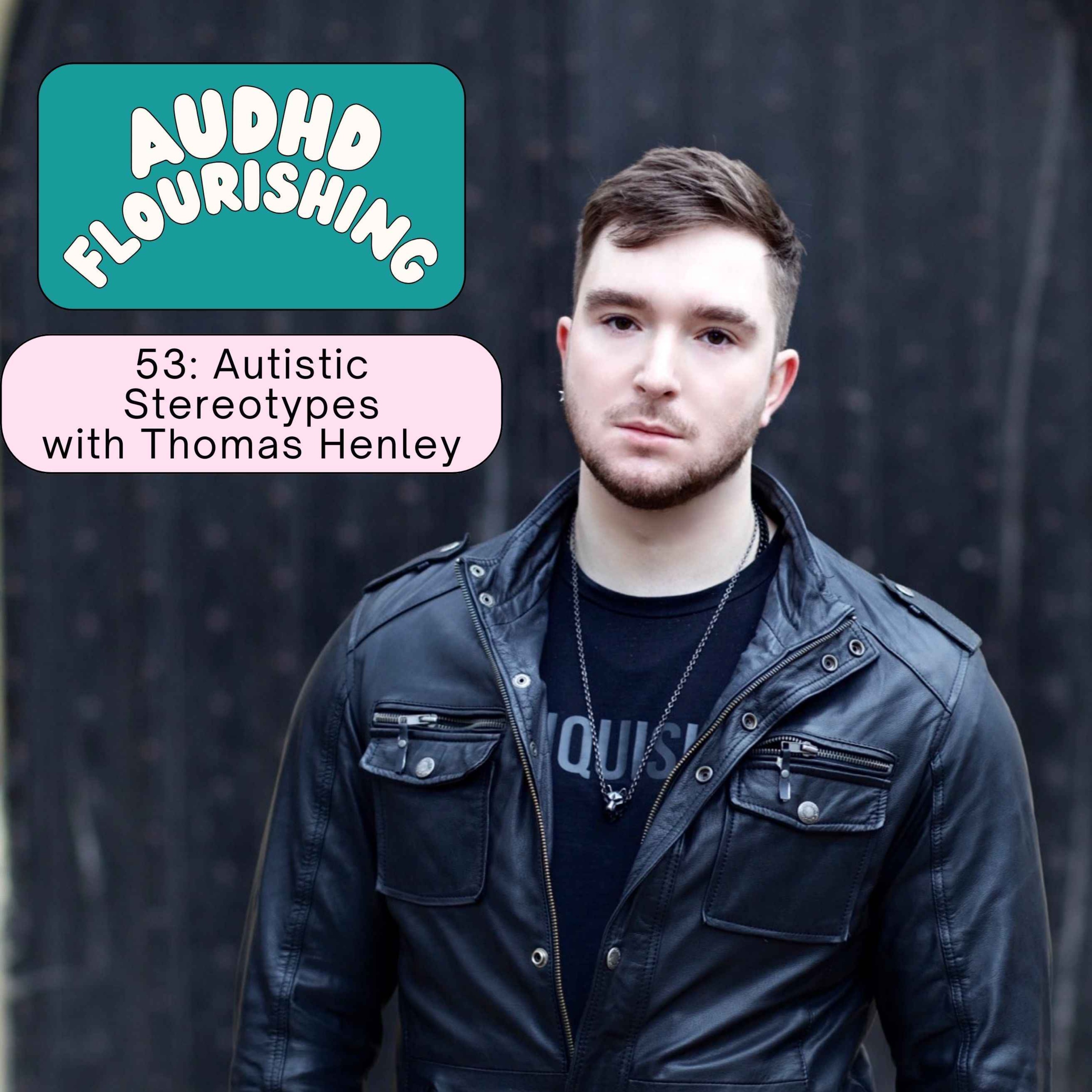
53 Autistic Stereotypes with Thomas Henley
EThomas Henley educates, normalizes, and actively pushes back against autistic stereotypes and stigma. Check out his highly rated podcast, Thoughty Auti - The Autism Podcast (on which I talked about AuDHD). Thomas has made multiple decisions in his life to combat stereotypes, including months of backpacking, and becoming a world-class martial artist, both of which he talks about today. We also touch on what some of the lingering stereotypes are, and what helps!More from Thomas:Thoughty Auti - The Autism Podcast@thomashenleyUK on Instagram & TikTokWebsite: thomashenley.co.ukThis is a slightly edited podcast that was recorded about a year ago for The Longer Road. Resources:Like Your Brain community spaceTranscript DocEmail Newsletter Hosted on Acast. See acast.com/privacy for more information.
52 You Were Not a Bad Child
EYou may have internalized the message as a child that there was something wrong or bad about you. Even if it was not explicit, you probably didn't receive some of the attention and delight that would have sent the strong message that your way of being in the world is valid.Today's message is simple: You were not a bad child. You deserved love and support in a way that made sense to you. Thank you to the therapist who walked me through this concept! Thank you to Linda Thai for providing such amazing emotional support through the courses and group coaching I've taken with her. I credit both of them with helping me learn how to reparent myself in a more deep way.Resources:Like Your Brain community space (where the picture is that I mentioned in the episode... it's visible to all members including free members)Transcript DocEmail Newsletter Hosted on Acast. See acast.com/privacy for more information.

Don't Make Up For Rest
ERest is not something to be made up for later with productivity. Whether it was forced by the body or not. We deserve to have energy to do what we love!Love Your Brain now has three elements you can choose from for more accessibility:Love Your Brain course contentGroup coaching and co-working callsDirect support from Mattia Hosted on Acast. See acast.com/privacy for more information.
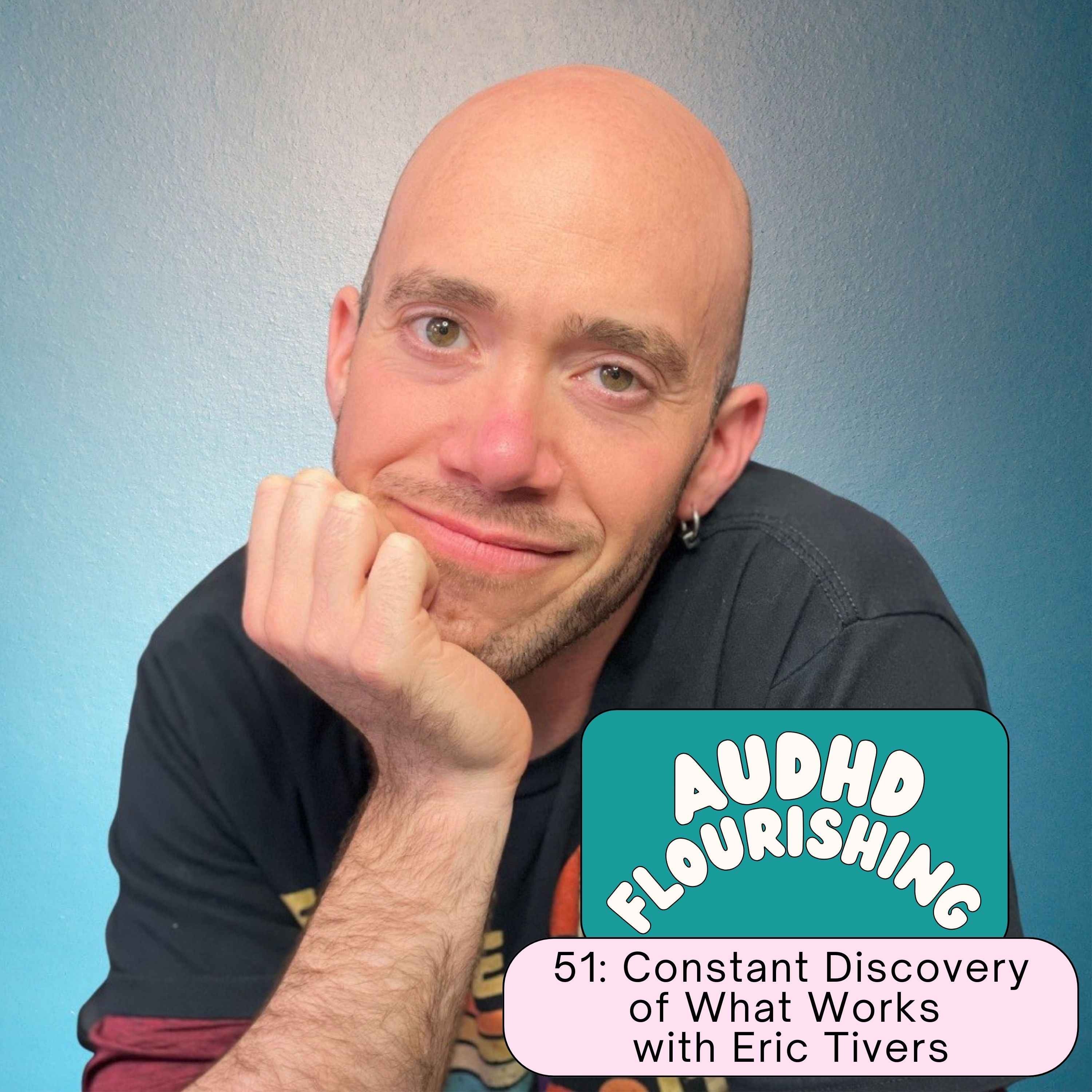
51 Constant Discovery of What Works with Eric Tivers
EEric Tivers has shared 10 years of helpful content on his podcast, ADHD reWired. He's also built multiple careers helping neurodivergent folks: from therapy, to teaching high support need kids, to the current ADHD group programs. It's a never-ending journey of discovering what works for his current needs and capacity. And the relatively recent discovery of... oh... maybe there's something to this autism thing. Find Eric and his work at adhdrewired.comResources:Like Your Brain community spaceTranscript DocEmail Newsletter Hosted on Acast. See acast.com/privacy for more information.
50 You're Doing Better Than You Realize
EMultiple times in the past week or two, clients have felt like they're failing miserably. But it turns out they're in complex, difficult, multifaceted situations that don't have an easy answer. Plus, it's easy to feel like we're never doing enough, or the right thing. If we're solving personal problems, world events loom large. If we're addressing world events, it feels like a drop in the bucket. Capitalism tells us that there's a straightforward, purchasable solution for every problem. That's a lie. You're probably doing really well relative to all the complicated issues you face, and the overall lack of support and resources most of us encounter. And if you really believe that's not true... this episode is especially for you! Link: Sign up for General Strike in US!Resources:Like Your Brain community spaceTranscript DocEmail Newsletter Hosted on Acast. See acast.com/privacy for more information.
49 Managing Big Feelings
EBig feelings may be harder for monotropic people to handle. And if you have significant sensory sensitivity, the physical sensations can be overwhelming as well. This episode covers some of the ways I've been approaching grief and helplessness about Gaza. Links mentioned in show: Episode 15, How Feelings WorkLisa Feldman Barrett's book How Emotions Are MadeAl Jazeera article, ‘It’s not human’: What a French doctor saw in Gaza as Israel invaded RafahMacklemore song Hind's HallSign up for General Strike in US!Resources:Like Your Brain community spaceTranscript DocEmail Newsletter Hosted on Acast. See acast.com/privacy for more information.
48 Hack for Demand Avoidance
EYou'll rarely catch me using the term "hack." But this concept around demand avoidance is working great for me, so far... TLDR: Shortcutting the PDA brain's ability to use pattern recognition to avoid tasks early in a sequence. Here's the Instagram video by Kristy Forbes that inspired this episode. While she suggests introducing new sensory details, I'm going the route of sincerely telling myself that we don't need to do the final thing. We're just gonna do this step. Note: even if this or Kristy's suggestion works for you, there's a good chance you'll get used to it in some form eventually! And that's okay. Sometimes we just have to keep finding new ways to work with our pattern-seeking brains. Resources:Like Your Brain community spaceTranscript DocEmail Newsletter Hosted on Acast. See acast.com/privacy for more information.
Mini Safe Being Visible
EWow, over 100K listens! People talk a lot about feeling safe being visible—being seen and heard either literally or through putting your work into the world. While I've done a lot of personal work being comfortable while visible, the Guardian article was a huge bump in visibility. To be fair, the "bad day" I reference was also the kidney infection kicking into full gear (see "Don't Die" a couple episodes ago). It's also a lot easier to be "brave" being visible when you get almost entirely positive feedback! That usually changes with more visibility. Enjoying this particular phase and trying not to worry about the next one. The Guardian article, "The sudden rise of AuDHD" Hosted on Acast. See acast.com/privacy for more information.
47 Meltdowns in Public
EAnswering a listener question about how to handle meltdowns and shutdowns at work, and around people you don't trust. This episode covers a few ways to both plan for, push away, and handle meltdowns once they're happening in a public place. Previous episodes about meltdowns: 13 Autistic Meltdowns & Shutdowns23 You Are Not a Burden (Mattia talking about a specific meltdown they had)6 Healing Relational Trauma (guest Pasha and Mattia talk about recent meltdowns around our partners)Resources:Like Your Brain community spaceTranscript DocEmail Newsletter Hosted on Acast. See acast.com/privacy for more information.
46 Don't Die
EI almost died two weeks ago. It's easy to miss symptoms when one has low interoception and a high pain tolerance. Episode is around the difficulties seeking care... and why it's very worth it sometimes!p.s. episodes are coming out on Saturdays nowResources:Like Your Brain community spaceTranscript DocEmail NewsletterUK study questioning the oft-quoted statistic about autistic people living 16 years less long than allistic people. TLDR: Autistic people do seem to live less long on average, but as many people are undiagnosed, it's hard to get an accurate number. Hosted on Acast. See acast.com/privacy for more information.
45 Exempt From Human Suffering
Yes, still on about money. In this case, how we're sold the idea that it will exempt us from human suffering... but it will not! What would you do with your time if money truly were not an issue? Do you have any access to that now? Even if it looks different than you think it's supposed to? What's enjoyable, outside of the paradigm of earning or mastery? Hosted on Acast. See acast.com/privacy for more information.
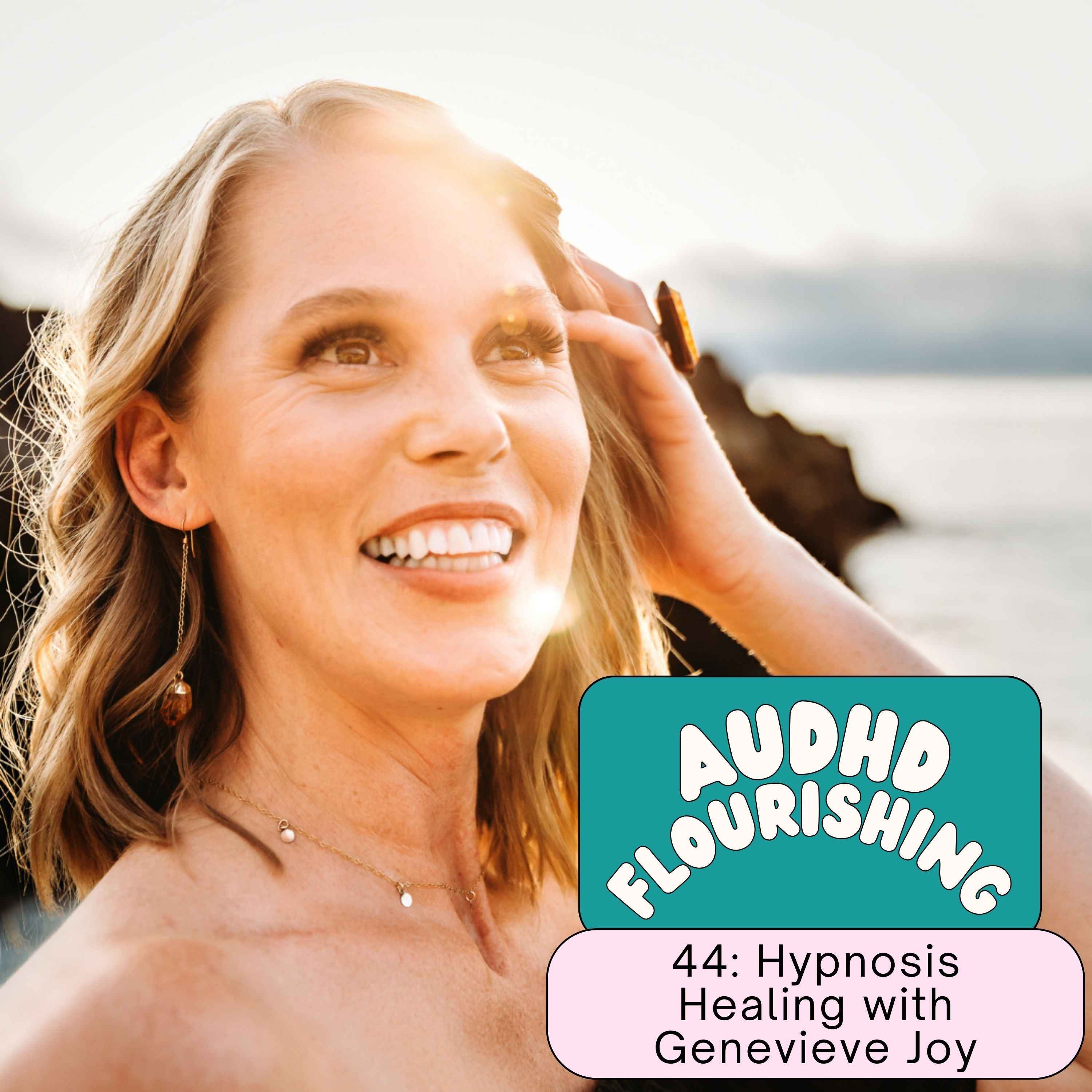
44 Hypnosis Healing with Genevieve Joy
EGenevieve Joy and I have a lot in common, including excruciating childhoods that led to chronic pain. Both of us also healed that chronic pain through hypnosis and are now enthusiastic about the possibilities of working with the unconscious.Content note: There are no graphic depictions of trauma in this episode! However, the way we talk about our own healing journey could be triggering to someone who's in extreme pain at the moment. This is in part because we don't go into the nitty gritty details... it could sound dismissive because we're focusing on the "after." Please trust your body and stop listening if it's not for you at the moment.Connect with Genevieve: Her website, iamgenevievejoy.comHer podcast, Become Your Own SaviorResources:Like Your Brain community spaceTranscript DocEmail NewsletterHuberman Lab podcast about Placebo Effect on Biology & Physiology Hosted on Acast. See acast.com/privacy for more information.
43 Staying Unhealed
EFixing can be a trauma response. You don't need to heal everything! Especially in our very fixing-oriented culture that will sell you a solution to problems you didn't even realize you had.Body-based modalities and working with the unconscious (including hypnosis) are just tools. Just because the tool exists doesn't mean you have to use it. Because someone else healed from something doesn't mean you have to. This episode touches on some issues around working with the unconscious, including: You can work with your unconscious on your own Self-trust can be complicated if you have sensory issues or traumaExpectations matter a lot, including the vibe with the practitioner Demand avoidance and "tricking" the unconscious ND traits are not blocks to be fixed!Try Hypnosis / Learn Self-HypnosisResources:Like Your Brain community spaceTranscript DocEmail Newsletter Hosted on Acast. See acast.com/privacy for more information.

42 Connection & Safety with Natalie Ross
ENatalie loves connection at a nervous system level. How do we have agency with that even when it's beyond our control? We talk about challenges around connection, in-person vs. online, the power of being around a regulated nervous system, and the power of community.Connect with Natalie: Her website, natalie.netHer podcast, Noticing With NatalieFormer podcast, Earth SpeakResources:Like Your Brain community spaceTranscript DocEmail Newsletter Hosted on Acast. See acast.com/privacy for more information.
Bonus: Mattia on Hacking Your ADHD with William Curb
ENavigating the Dual Diagnosis of AuDHD. Thanks to William Curb for hosting on the Hacking Your ADHD podcast, and providing the audio to share directly. You can read the full show notes and transcript here. Hosted on Acast. See acast.com/privacy for more information.
41 The Disappointment of Success
ESuccess is a complicated topic for AuDHD folks. We're often not praised for what feels the most difficult. Then sometimes told we did an amazing job for something that didn't feel like a big deal. AuDHD folks often also struggle to achieve traditional success in the workplace and relationships, in large part due to stigma and being disabled by societal factors. Then, once we actually achieve some kind of success, it can feel way less good than we expected.It's totally okay to have dreams (big or small)! And it's also useful to ask better questions about why and what we're hoping for once we get there. Mentioned in episode:Andrew's first email/post: "the No"Followup: "after the No"Andrew Simonet interview (episode 31)ep 9 Asking the Right QuestionsResources:Like Your Brain community spaceTranscript DocEmail Newsletter Hosted on Acast. See acast.com/privacy for more information.
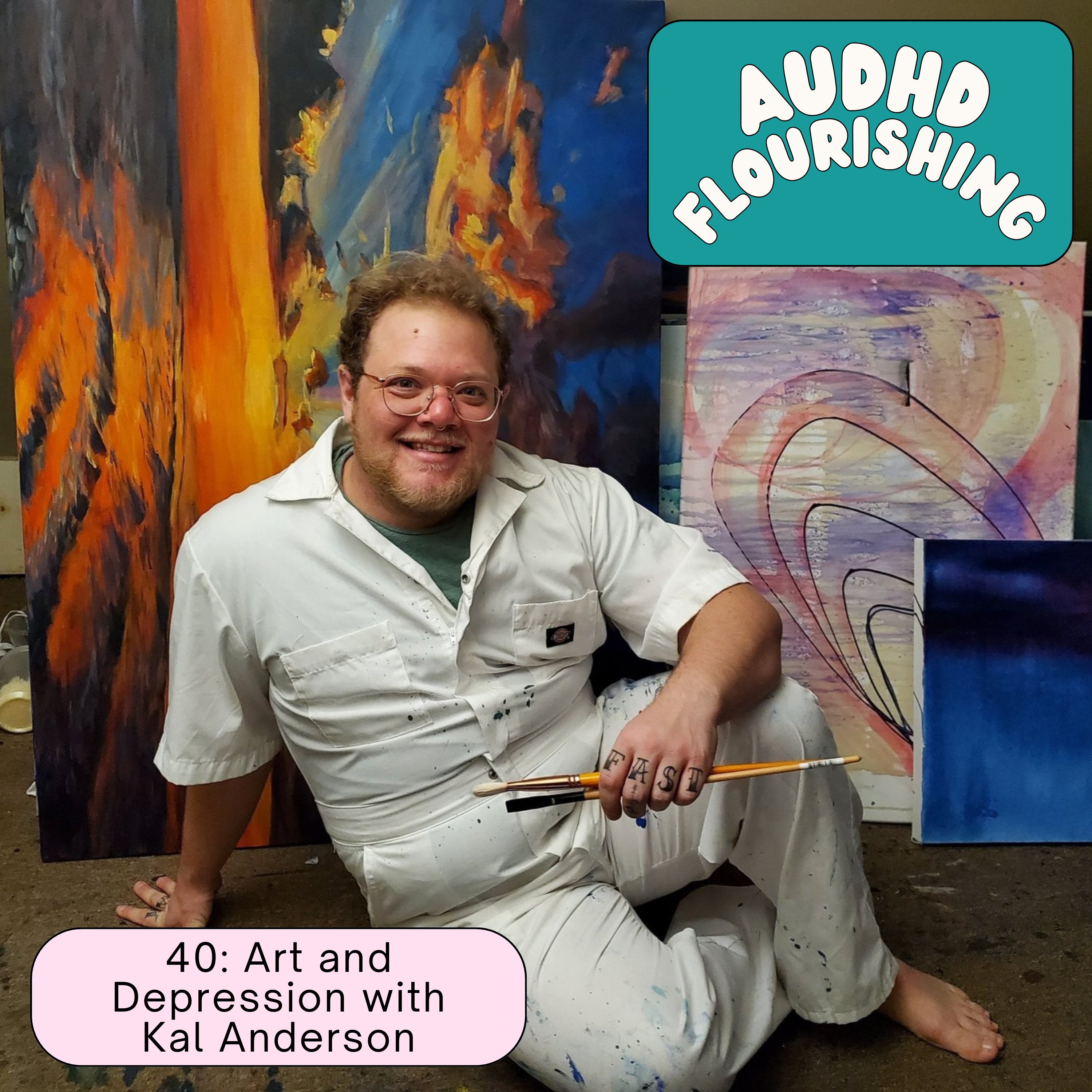
40 Art and Depression with Kal Anderson
EHow does one continue to make art while depressed? Artist Kal Anderson (he/they) has created a large body of work through the ups and downs.Topics include:Questioning the value of artThe process of creating many things you don't likeAsking for helpPerspective on your work and practiceWhether depression is artistically "useful" (spoiler alert: mostly, no)Connect with Kal: kalanderson.com for fine art, leather, creative coachingInstagram @kalandersonartResources:Like Your Brain community spaceTranscript DocEmail Newsletter Hosted on Acast. See acast.com/privacy for more information.
Energy Leading to Overwhelm
EEnergy doesn't always feel good. Sometimes it leads directly into overwhelm! 4m mini episode Hosted on Acast. See acast.com/privacy for more information.
39 Autism "Levels" and Monotropism
EAutism "Levels" (1, 2, or 3 in current diagnostic terminology) are not necessarily an accurate reflection of our lived experience.Reflecting on last week's guest and what "subclinical" autism even means.How monotropism may, yet again, explain what's going on.What actually works for us and what supports we need.Mentioned in episode:Monotropism.org ExplanationsMonotropism QuestionnaireFergus Murray's 6 Starting Points for Understanding AutismResources:Like Your Brain community spaceResources Blog & Contact FormTranscript DocEmail Newsletter Hosted on Acast. See acast.com/privacy for more information.
Mini: Pushing Yourself
EA question I hear a lot: Should I just push through? It's not all or nothing. Feeling unable to do something right now doesn't mean that all is lost and the day is a complete wash. It's safe to switch to something else. It's safe to change your mind. It's safe to need rest and recovery time.There is nothing wrong with us. But damn do we need more rest. Hosted on Acast. See acast.com/privacy for more information.
38 What's "Subclinical" Autism? with William Curb
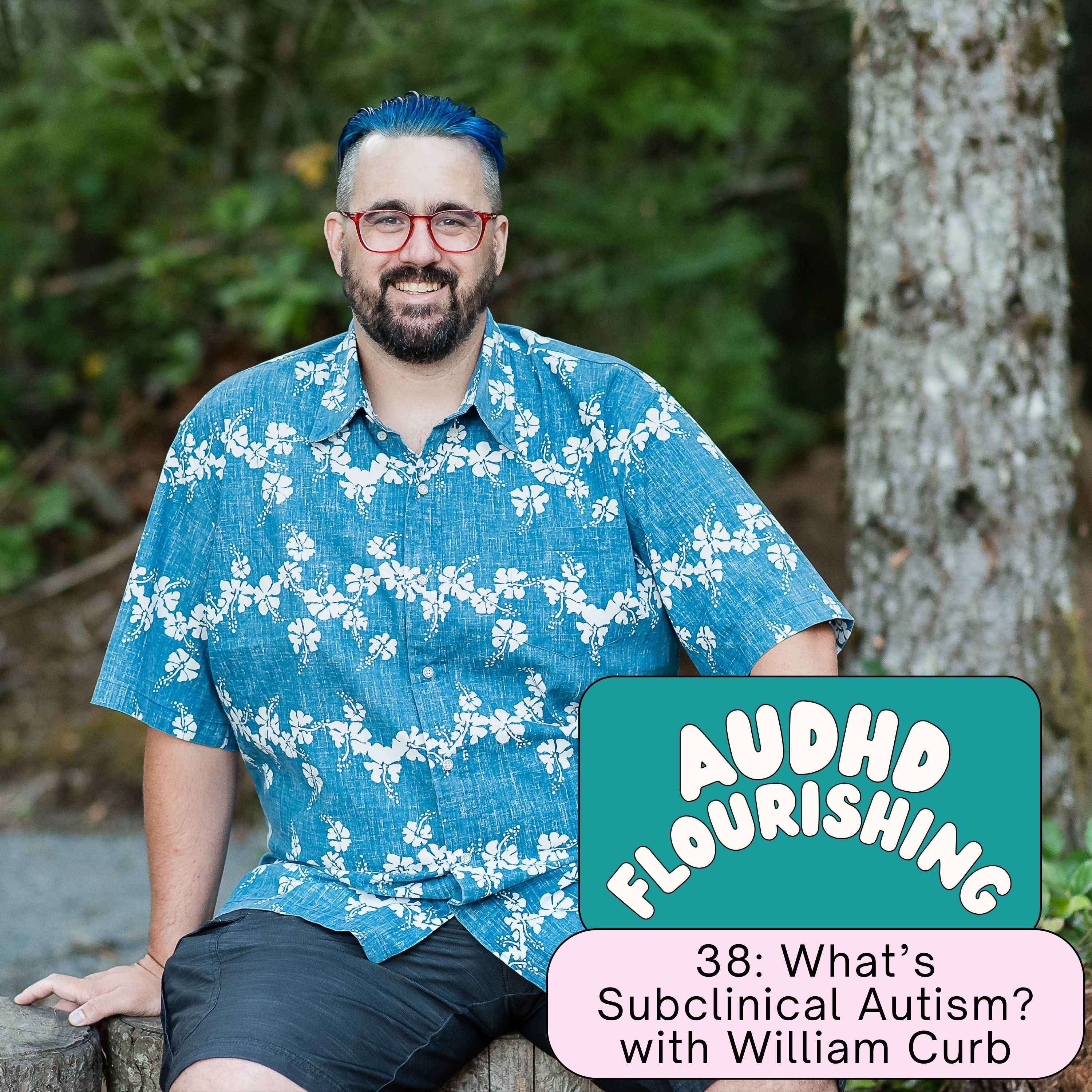
EWilliam Curb hosts the Hacking Your ADHD podcast. We dive into what it means to have a "subclinical" autism diagnosis, and what that implies in the context of having a completely different brain. Other topics include: The medical model vs. lived experienceHandling children's vs. parents' sensory needsNeurodivergent children/household Formal diagnosis process How we view ourselves through this lens Which ND is driving the bus right now?Complicated diagnosis with multiple potential options Mentioned in the podcast: The Hacking Your ADHD website (also contains the podcast linked above)Will's Twitter @HackingYourADHDResources:Like Your Brain community spaceResources Blog & Contact FormTranscript DocEmail Newsletter Hosted on Acast. See acast.com/privacy for more information.
37 Don't Become a Coach for the Money!
EToday we delve into ethical considerations around marketing coaching, including MLM-like tactics, pricing, and the pressure to charge high fees to recoup investments in programs teaching coaches how to market.One particular thing I learned recently about this history of the coaching world is changing how I think about my own business. Even if you're not a coach, this will be an interesting episode!Topics include:Following up about last week's conversation with Samantha Pollack about ethics in marketingWhy some of the MLM accusations feel true (marketing coaches teaching coaches how to market to other coaches, etc)Courses focused on marketing and selling over coaching skillsWhy the industry doubled its prices some years ago due to JV/affiliate modelsAccessibility not just in terms of money but also how AuDHD folks consume content and integrateLinks mentioned in episode: Survey about having bought courses/coachingContact form The four video podcasts by Rachael Kay Albers: Thomas Edison to Tony Robbins: The Online Business Family Tree, Six Figure Masterminds, Marie Forleo, and The Syndicate, ClickFunnels, Fake it 'til you make it, & Moneyball, Fix From Within or Burn It All Down? What Next? Resources:Like Your Brain community spaceResources Blog & Contact FormTranscript DocEmail Newsletter Hosted on Acast. See acast.com/privacy for more information.