At Work with The Ready
292 episodes — Page 2 of 6
S8 Ep 2235. Fighting Burnout At Work
EBurnout has become the quiet epidemic of modern work. We tell people to “set better boundaries” or “take more time off,” but the real problem isn’t a lack of self-care—it’s that most organizations are designed to exhaust their people. Fear-based cultures, unclear priorities, and performative busyness have turned overwork into a badge of honor, leaving even the most capable teams running on fumes. In this episode, Rodney and Sam unpack the systemic roots of burnout and why it thrives inside traditional hierarchies. They explore how teams accidentally reinforce it, how leaders unknowingly reward it, and share real steps to change the system instead of blaming individuals. -------------------------------- Ready to change your organization? Let's talk. Get our newsletter: Sign up here. Follow us: LinkedIn Instagram -------------------------------- Mentioned references: "77% of professionals feel burned out" Prisoner's dilemma Theory Y "American teen experiences as much anxiety as 1950s psych patient" "job market hellscape article" Herbert Freudenberger and 12 stages of burnout "4 day workweek better human outcomes" 00:00 Intro + Check-In: What’a silly or inconsequential project to you’ve done just for fun? 03:23 The Pattern: Systemic burnout keeps being met with individual solves, which leads to more burnout 08:21 Team burnout red flag 1: Overhelptfulness 11:10 Team burnout red flag 2: Defeatism 14:04 Team burnout red flag 3: Procrastination 16:44 Team burnout red flag 4: Overwork on busywork 20:41 Team burnout red flag 5: Impatience 23:35 Burnout is tied to short-termism and fear 27:30 Bureaucracy and gaslighting 29:10 Idea 1: Combat busyness with an outcome audit 32:49 Idea 2: Clarify ways of working to cut through bureaucracy 34:29 Idea 3: Design defaults and rules that reduce systemic burnout 36:14 Idea 4: Learn your own burnout symptoms to steer the ship before you reach critical mass 42:00 Idea 5: Enforce work-in-product limits for your team 45:55 Wrap up: Leave us a review and share the show with your colleagues Sound engineering and design by Taylor Marvin of Coupe Studios.
S8 Ep 21AUA: Promotion Problems - Managing Former Bosses
bonusEWhat happens when your promotion puts you in charge of your former boss? In this mini Ask Us Anything episode of At Work with The Ready, Rodney Evans and Sam Spurlin answer a listener’s question about one of the trickiest transitions a leader can face—managing the people who used to manage you. They explore how to navigate power shifts, handle ego and shame dynamics, and reset team expectations without alienating anyone. Along the way, they share practical advice for rebuilding trust, holding clear boundaries, and making tough calls when improvement just isn’t happening. Got a work question like this one you'd like us to answer? Email us at [email protected] -------------------------------- Ready to change your organization? Let's talk: https://www.theready.com/working-together Get our newsletter: Sign up here. Follow us: LinkedIn Instagram -------------------------------- Sound engineering and design by Taylor Marvin of Coupe Studios.

S8 Ep 2034. Even More Bad Bosses and How to Defeat Them, P2
EEvery worker has a bad boss story—but why are they so common? In this two-part series, Rodney Evans and Sam Spurlin dig into the archetypes of dysfunctional leaders and the systems that keep them in power. Because bad bosses aren’t accidents—they’re often a predictable response to organizational pressures. In Part 2, they take on the Ghost—the slippery, conflict-avoiding boss who’s always hard to find when decisions need to be made—and the Self-Promoter, the credit-stealing leader who thrives on claiming other people’s work as their own. From the frustration of canceled one-on-ones to the demoralization of stolen ideas, Rodney and Sam unpack why these archetypes persist, what drives their behavior, and how you can protect yourself (and your team) without burning out. -------------------------------- Ready to change your organization? Let's talk. Get our newsletter: Sign up here. Follow us: LinkedIn Instagram -------------------------------- Mentioned references: Part 1 of Bad Boss conversation "Sam and Wilbur": DF Miniseries Ep. 6 check in round "antiwork subreddit" 00:00 Intro + Check-In: What is the phrase going on your tombstone? 03:37 Recap of part 1 04:46 Bad Boss 4: The Ghost 08:24 Dealing with The Ghost 10:52 Bad Boss 5: The Self-Promoter 11:49 Source of the credit-stealing behaviors 15:24 Dealing with The Self-Promoter 21:08 What all bad bosses have in common 23:26 Self-preservation is always a valid strategy 25:56 Wrap up: leave us a review and send us your bad boss stories! Sound engineering and design by Taylor Marvin of Coupe Studios.
S8 Ep 19AUA: Why 360 Feedback Breaks Down in Leadership Teams
bonusEWe’re trying something new: mini Ask Us Anything episodes! Instead of waiting for our quarterly Q&A roundups, we’ll drop shorter conversations into your feed every other week where Rodney and Sam tackle one great listener question at a time. This week’s question: How should OD and change consultants handle unfavorable peer feedback in 360 reviews—especially when it’s happening among the leaders just under the CEO? They explore why peer feedback so often turns into power struggles, how incentive structures fuel a “Hunger Games” mentality, and why leaders must shift from interpersonal drama to organizational design. Got a work question like this one you'd like us to answer? Email us at [email protected] -------------------------------- Ready to change your organization? Let's talk: https://www.theready.com/working-together Get our newsletter: Sign up here. Follow us: LinkedIn Instagram -------------------------------- Mentioned references: Patrick Lencioni and "First Team" The Ready's OS Canvas Sound engineering and design by Taylor Marvin of Coupe Studios.

S8 Ep 1834. Bad Bosses and How to Defeat Them, Part 1
EEvery worker has a bad boss story—but why are they so common? In this two-parter, Rodney Evans and Sam Spurlin dig into the archetypes of dysfunctional leaders and the systems that keep them in power. Because bad bosses aren’t accidents—they’re often a predictable response to organizational pressures. In Part 1, they take on the Micromanager, the Rager, and the Martyr. From obsessive control and volcanic tempers to bosses who never log off, these archetypes reveal the deeper fears and systemic incentives driving destructive behavior. Along the way, Rodney and Sam share strategies for surviving each type, plus insights for executives who may be unknowingly creating the conditions for bad bosses to thrive. -------------------------------- Ready to change your organization? Let's talk: https://www.theready.com/working-together Get our newsletter: Sign up here. Follow us: LinkedIn Instagram -------------------------------- Mentioned references: Paris Geller as the boss, The Gilmore Girls Yzme, The Emperor's New Groove 00:00 Intro + Check-In: Who’s your favorite bad boss from TV or movies? 02:38 The Pattern: Bad bosses are the product of the system that promoted them 04:30 Bad Boss 1: The Micromanager 06:52 Micromanagers stamp out innovation and emergent ideas 10:11 The source of micromanagement behavior 11:25 Dealing with The Micromanager 14:17 Bad Boss 2: The Rager 15:50 Rage is used to mask vulnerability 19:04 Dealing with The Rager 22:13 The source of ragers and the orgs that enable them 25:27 Bad Boss 3: The Martyr 30:24 Dealing with The Martyr 32:33 Being the boss to The Martyr 34:19 Time of The Martyr is ending 36:05 Wrap up: More bad bosses next time! Sound engineering and design by Taylor Marvin of Coupe Studios.
From Our Friends | The Rewards of Healthy Conflict with Master Fixer Amanda Ripley - Fixable
Producer Note: Hey there! We’re on vacation this week, but we didn’t want to leave your feed empty. Some of our most popular conversations this past year have been about the Midnight Zone and that’s why we’re sharing this fantastic episode from our friends over at Fixable. We hope it gives you some fresh strategies for navigating (and even embracing!) conflict in your organization, and we’ll see you next time. ------------------------- Most of us try to avoid conflict, particularly at work. But when done right, conflict can be a tool to strengthen interpersonal bonds and generate better results. In this episode, Anne and Frances team up with Amanda Ripley, global conflict journalist and author of the bestselling book High Conflict: Why We Get Trapped and How We Get Out. They tackle the missteps teams often make when it comes to handling conflict and provide actionable alternatives to foster healthy conflict habits in any organization. Follow Hosts: Anne Morriss (@annemorriss | LinkedIn: @anne-morriss), Frances Frei (@francesxfrei | LinkedIn: @francesfrei) Guest: Amanda Ripley (Instagram: @ripleywriter | Website: amandaripley.com/) Links https://anneandfrances.com/High Conflict: Why We Get Trapped and How We Get Out This episode originally aired on June 15, 2025.
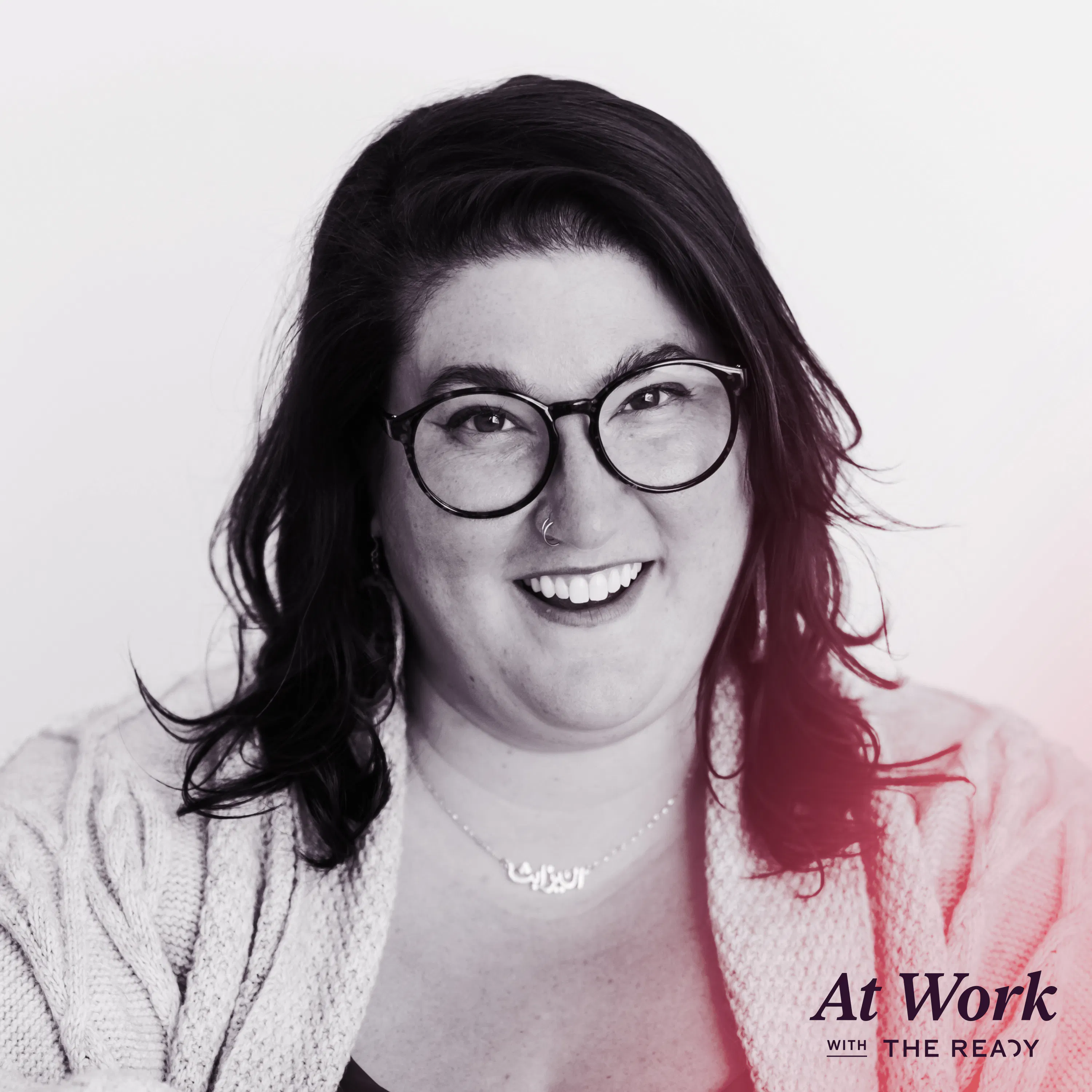
S8 Ep 1733. What’s Your Type? The Enneagram at Work with Liz Orr
EMost of us think we know ourselves (and the people we work with) pretty well. But when tensions rise, deadlines loom, or feedback lands wrong, the truth comes out: we’re all running on a set of deep, often invisible patterns. What if we could see those patterns clearly, and choose something better? Enter the Enneagram: a framework that maps nine core motivations, survival strategies, and ways of seeing the world. This week, Rodney sits down with Liz Orr, author of The Unfiltered Enneagram and the voice behind Rude Ass Enneagram, to explore how this tool can help us understand ourselves, our teammates, and the hidden drivers behind workplace friction. From recognizing your own “midnight zone” work to navigating type-to-type dynamics, Liz shares practical insights for breaking unhelpful patterns, building trust, and working more compassionately with others. Learn more about Liz: On Instagram: @rudeassenneagram Read her book: The Unfiltered Enneagram -------------------------------- Let's work together: https://www.theready.com/working-together Get our newsletter: Sign up here. Follow us: LinkedIn Instagram -------------------------------- Mentioned references: Midnight Zone and Depthfinding Myers-Briggs DISC assessment Enneagram Type descriptions Enneagram Type combinations "the hero's journey" 00:00 Intro + Check-In: What would you be doing if it wasn’t this? 03:30 What is the Enneagram? 06:26 101 course on the Nine Types of the Enneagram 14:04 When your Type solidifies 15:15 Exploring Rodney’s Type as an example 20:44 How Types interact 23:19 Using the Enneagram to recognize and break your own patterns 26:54 Eights as leaders (CEOs, CFOs) tend to fight every battle 29:54 Debunking cultural gender stereotypes around the Enneagram 34:21 Understanding what we’re “getting” in return for our behavior 37:22 Navigating the cringe of self-compassion and forgiveness 44:59 Dealing with “therapy language performance” from friends and coworkers 48:03 The Enneagram’s role in the workplace 50:21 Overcoming the dismissal of “soft skills” and “soft power 52:50 Wrap up: Leave us a review and share the show with your coworkers! Sound engineering and design by Taylor Marvin of Coupe Studios.
S8 Ep 1632. Why Mergers and Acquisitions Fail (Almost Every Time)
EIn most companies, mergers and acquisitions (M&A) is treated like a finish line. But the truth is, signing the deal is just the start—and if you haven’t thought deeply about how two operating systems, cultures, and teams will actually work together, you’re already behind. The vast majority of M&A efforts fail to deliver long-term value, not because the deal was bad, but because the integration never really happened. This week, Rodney and Sam unpack why M&A is so alluring, so broken, and so often misunderstood. From boardroom incentives and CEO ego to missing strategy and magical thinking, they dig into what really drives the endless appetite for acquisition—and why the actual design work of merging two organizations is almost always underfunded, under-led, or completely ignored. -------------------------------- Let's work together: https://www.theready.com/working-together Get our newsletter: Sign up here. Follow us: LinkedIn Instagram -------------------------------- Mentioned references: "reorg ep": AWWTR Ep. 31 "70-75% of M&A fails" Ben Thompson and Stratechery AOL/Time Warner merger Microsoft/Nokia merger "LARPing" "OS work": The Ready's OS Canvas "Midnight Zone and Twilight Zone": The Ready's Depthfinding ecotones "Microsoft innovation" Rob Cross and Organizational Network Analysis (ONA) McChrystal Group mission-based team (MBT): FoHR Miniseries, Episode 1 00:00 Intro + Check-In: What is something you’ve done recently that seemed like a good idea but has since proven otherwise? 04:01 The Pattern: Companies acquire others for growth, merge goes bad, so have to acquire another 09:54 Big visible activities with very unclear ROI 14:09 Buying innovation because you can’t innovate internally 19:15 Destroying all the qualities that made the target company valuable 24:34 Mergers and acquisitions buy CEOs longer tenures 28:19 Our culture celebrates the big swings, not the steady transformation 30:35 Executive attention vanishes once the deal is signed, but that’s when the real work starts 38:43 Idea #1 - Let acquired company operate independently for as long as possible 41:35 Idea #2 - Use organizational network analysis to find and utilize your leverage points 44:14 Idea #3 - Spin up a real mission-based team around integration, or due diligence 46:18 Idea #4 - During due diligence, look at more than just the financial spreadsheets 47:08 Wrap up: Leave us a review and share the show with a friend! Sound engineering and design by Taylor Marvin of Coupe Studios.
S8 Ep 1531. Why Reorgs Don't Work
EIt’s reorg season…again. And for many companies, it always is. Every 12 to 18 months, another wave of layoffs, leadership swaps, and org chart redraws rolls through the system. And yet, little changes. Strategy stalls. Trust erodes. Work doesn’t get better, just messier. So why do so many organizations keep reaching for the reorg lever first? This week, Rodney and Sam unpack the seductive logic (and systemic failure) of reorgs as a change strategy. They dig into why structure work always feels like the fastest, most visible move a leader can make and why it so rarely delivers. Along the way, they explore the very real fallout of these moves on culture, trust, and performance, and offer smarter starting points for those considering a shake-up. -------------------------------- Let's work together: https://www.theready.com/working-together Get our newsletter: Sign up here. Follow us: LinkedIn Instagram -------------------------------- Mentioned references: The Ready's OS Canvas "16% of reorgs deliver the expected value" Sunshine, Twilight, and Midnight Zones: The Ready's Depthfinding "layoffs episode": Brave New Work Ep. 152 Team Topologies, 2019 book by Matthew Skelton and Manuel Pais holacracy sociocracy "retention increase if you have a best friend at work" "new job is one of the most stressful life events": Holmes and Rahe stress scale, see combined score of “dismissal from work”, “change to different line of work”, and “Change in responsibilities at work” DAO Miniseries "Jeff Williams departure" "value flow mapping" Haier and micro-enterprises 00:00 Intro + Check-In: What feature is really important in your living space? 03:27 The Pattern: Orgs trapped in a cycle of endless reorgs 05:15 The fastest, most visible sign of change a CEO can show to a board or investors 09:55 Structure work should always come last, but most people do it first 12:22 Reorgs to hit a number come at the expense of workflow, culture, and strategy 19:07 Stop changing the structure without touching the ways of working 22:19 Fundamental components of structure work 25:14 How The Ready approached it’s own reorg 26:34 Fallout of bad reorgs on your team and culture 31:17 Companies underestimate the stress of reorgs on individuals 34:40 Hot takes: org structure in the age of AI; legal OS around restructuring 38:15 Idea 1: Use reorgs to recalibrate roles back to defaults 39:42 Idea 2: Value flow map your company before considering a standard reorg 42:53 Idea 3: Test new structure in parts of phases, not everything all at once 44:30 Idea 4: Accept that some centralization is required 47:50 Wrap up: Leave us a review and share the show with your coworkers! Sound engineering and design by Taylor Marvin of Coupe Studios.
S8 Ep 1430. Extended Leadership Teams: Set Up to Fail Yet Expected to Lead
EThe extended leadership team (those just below the C-suite) often finds itself stuck between translating strategy and triaging dysfunction. They’re tasked with cross-functional execution, but are rarely equipped, empowered, or aligned to pull it off. And in most organizations, this group is caught in a cycle of managing up, managing down, and managing chaos all around—with very little time or clarity left to lead. This week, Rodney and Sam take a closer look at what’s really going on with extended leadership teams, why they matter so much, and what gets in their way. From power dynamics and peer competition to vertical incentives and missing cross-functional glue, they pull apart the system that makes this group so hard to organize—and so critical to transformation. They also share field-tested tactics that can turn this underutilized layer into an OS-upgrading powerhouse. -------------------------------- Let's work together: https://www.theready.com/working-together Get our newsletter: Sign up here. Follow us: LinkedIn Instagram -------------------------------- Mentioned references: Fruit Roll-Ups leadership teams org design ep: AWWTR Ep. 13 Sunshine Zone: Depthfinding Ep. 3 Basecamp (aka 37signals) and managers Haier and managers Twilight Zone: Depthfinding Ep. 4 mission-based teams (MBTs): FoHR Ep. 1 Jason Fried & "company as the product" 00:00 Intro + Check-In: What is one of your favorite low tech work hacks? 02:53 The Pattern: The extended leadership team is trapped between strategy and execution 05:17 The C-suite’s peace comes at the expense of chaos in the extended leadership team 09:04 Silos and competition between departments 12:52 Functions don’t truly understand what other functions contribute 15:40 The true work of the extended leadership team 21:40 External pressure on GenX and Millenial leaders reinforces the status quo 27:56 Idea 1: Identify shared purpose of your extended leadership team 30:45 Idea 2: Top missions for cross-functional leadership teams 35:21 Idea 3: Chartering a leadership team “role” for shared participation and ownership 37:52 Wrap up: Leave us a review and share the show with your colleagues Sound engineering and design by Taylor Marvin of Coupe Studios.
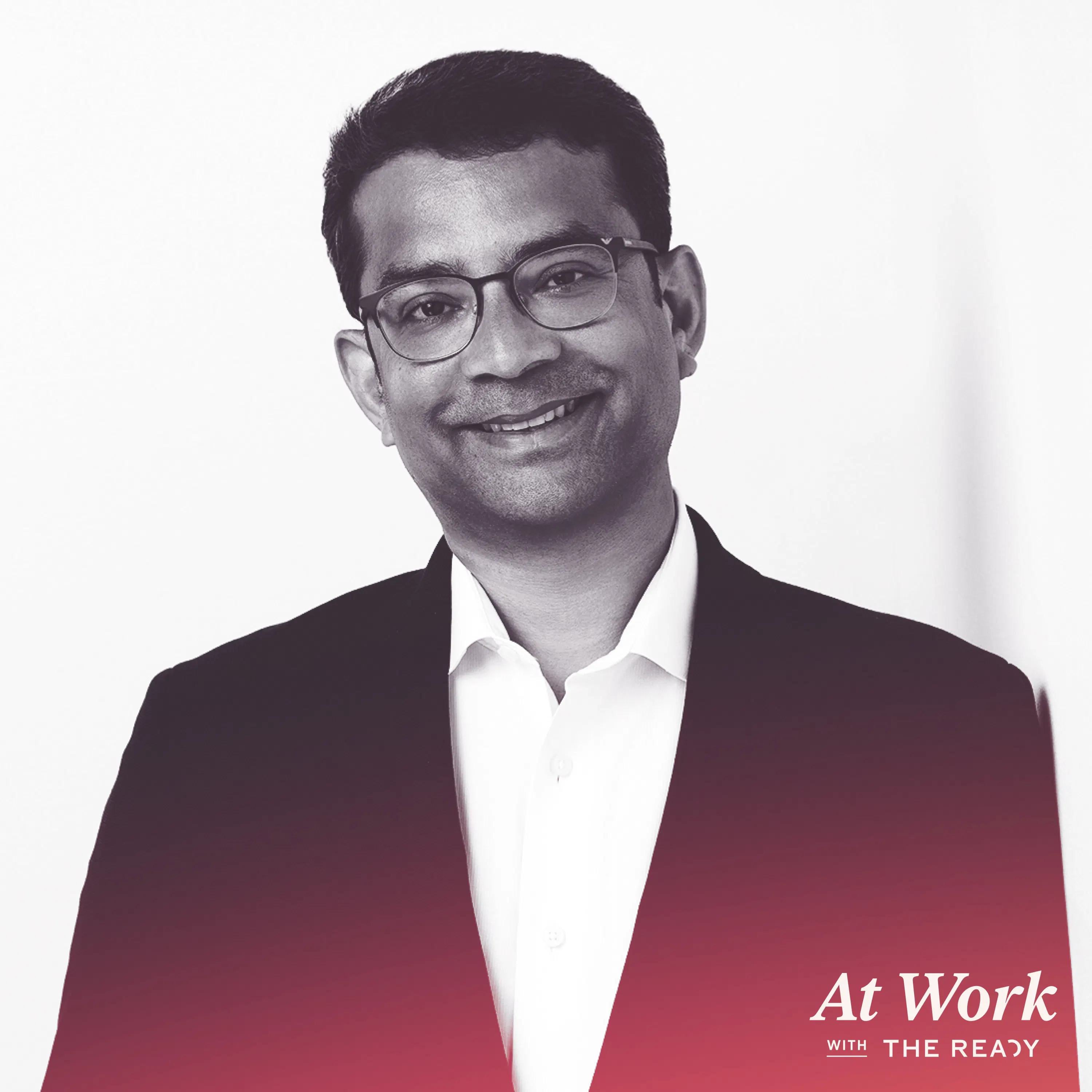
S8 Ep 1329. Working from Anywhere with Raj Choudhury
EFor years, the conversation around remote work has been stuck in binary debates. Home vs. office? Productivity vs. flexibility? Control vs. chaos? But what if we zoomed out and asked a better question: What kind of future is possible if people could actually work from anywhere? This week, Rodney and Sam sit down with Raj Choudhury (Harvard Business School professor and author of The World Is Your Office) to explore what happens when companies stop fixating on location and start designing for freedom, trust, and real human needs. From engineering serendipity to reimagining hybrid models, they unpack how truly distributed work changes everything: how we meet, how we lead, how we grow talent, and how we build a more equitable future. Learn more about Raj and his work by following him on LinkedIn and reading his new book: The World Is Your Office: How Work from Anywhere Boosts Talent, Productivity and Innovation. -------------------------------- Let's work together: https://www.theready.com/working-together Get our newsletter: Sign up here. Follow us: LinkedIn Instagram -------------------------------- Mentioned References: US Patent Office study TEAPP (Telework Enhancement Act Pilot Program) Sid Sijbrandij and GitHub episode: BNW Ep. 35 Darren Murph The Allen curve homophily Tulsa Remote Zapier and "Wade Bot" algorithm aversion 00:00 Intro + Check-In: What’s your favorite aspect of being able to work from anywhere? 03:49 Central focus: How do organizations access distant talent? 08:20 How work from anywhere is different from work from home 11:08 Rethinking in-person days 19:23 The data doesn’t support RTO mandates 24:13 Dispelling productivity concerns 27:15 Unlocking digital twins in the workplace 34:05 Small towns being competitive for talent 38:04 AI’s role in work from anywhere 45:09 Where to look ahead for the next 5 years 47:10 Wrap up: Leave us a review and share this show with a coworker! Sound engineering and design by Taylor Marvin of Coupe Studios.
S8 Ep 1228. DIY or DOA? Why Org Change Needs Outside Help
EIn a year marked by tighter budgets, leaner teams, and growing uncertainty, more organizations than ever are choosing to go it alone. DIY transformation feels safer, cheaper, more in control. But that instinct to do more with less is often the very thing that stalls progress. Because without the right structure, support, and space, most internal change efforts don’t just slow down… they spin out. This week, Rodney and Sam pull apart the decision to “DIY” major organizational change. They explore why so many teams default to doing it themselves, what makes internal transformation efforts so hard to sustain, and the subtle power dynamics that turn strategic remits into order-taking. Along the way, they dig into what it really takes to get change moving—from alone on the inside or with a partner. -------------------------------- Let's work together: https://www.theready.com/working-together Get our newsletter: Sign up here. Follow us: LinkedIn Instagram -------------------------------- Mentioned references: Ayurvedic eating RACI episode: AWWTR Ep. 10 Bill Anderson episode: Brave New Work 68 The Ready's Tension and Practice Cards The Ready's OS Canvas Future of HR model Rodney's problem solution fit article 00:00 Intro + Check-In: What is a DIY victory or failure you’ve had recently? 03:51 The Pattern: DIY Transformation tends to be “try, fail, repeat” 05:27 Why people decide to DIY change work 11:40 Orgs are designed to fight change 15:32 The deck is stacked against internal OD/OE/transformation teams 19:43 You don’t know what you don’t know 23:43 Challenges of trying to change your coworkers 27:00 Lack of authority and power kneecap real progress 32:10 Hidden financial and org costs of DIY change 37:44 Idea 1: Contract for a CLEAR remit, REAL customer discovery, and actual solution design 42:35 Idea 2: Don’t start with the whole project, start with a smaller leverage point 44:59 Wrap up: Leave us a review and share the show with your coworkers! Sound engineering and design by Taylor Marvin of Coupe Studios.
S8 Ep 1127. Everything Can't Be Priority One
EWe talk a lot about doing less to get more—but in practice, most organizations end up doing the opposite. When priorities pile up, and nothing gets removed or finished, the result is a familiar kind of chaos: too many projects, too little focus, and an endless loop of adding more in hopes of getting unstuck. This week, Rodney Evans and Sam Spurlin unpack one of the most common organizational dynamics they see: the “more-is-more” trap of priority overload. They dig into why deprioritizing anything at work feels so psychologically and politically fraught, how identity and sunk costs keep teams clinging to low-impact efforts, and ways for leadership teams to prioritize at a org wide level, not just assemble a laundry list of everyone’s pet projects. -------------------------------- Ready to start changing your organization? Let's talk! https://www.theready.com/working-together Want future of work insights and experiments you can try delivered to your inbox? Sign up here. Follow us on your favorite platforms for more org design nerdery: LinkedIn Instagram -------------------------------- Mentioned references: "60% of Americans" Depthfinding John Cutler's prioritization article WSJF (weighted-shortest-job-first) GTD: Brave New Work Ep. 39 with David Allen 00:00 Intro + Check-In: What’s a molehill you’re willing to defend until the end? 03:52 The Pattern: We prioritize everything and nothing gets done 06:01 John Cutler’s 4 Jobs of Prioritization 10:08 Why it’s so hard to stop doing lower value things 18:35 Difference altitudes of priorities 22:23 Where leaders mess up prioritization 25:11 Continuous steering version of priorities 33:05 Idea 1: Use a variant of WSJF for your own variables 37:21 Idea 2: Shift from saying “no” to “not right now” 39:27 Idea 3: Visualize your work to “see” deprioritization 41:26 Idea 4: Openly talk about conflicting priorities 44:00 Wrap up: Share the show with your coworkers! Sound engineering and design by Taylor Marvin of Coupe Studios.
S8 Ep 1026. Unweirding Change with Michael Bungay Stanier
EDespite an explosion of frameworks, toolkits, and “best practices,” the success rate of organizational change hasn’t improved in over a decade. For all the decks, comms plans, and transformation initiatives being sold, most companies still find themselves stuck, repeating the same plays and hoping for different results. This week, Rodney Evans welcomes back Michael Bungay Stanier—best-selling author, host of the new podcast Change Signal, and longtime friend of the show—who’s on a mission to cut through the noise and find what actually works. They explore why change still feels so weird, the real leverage points for shifting individual and organizational behavior, and whether it’s finally time to retire “change management” as we know it. Get a copy of Michael's change quadrants he talks about in this episode here: Michael's quadrants. Learn more about Michael: Follow him on LinkedIn Listen to his podcast, Change Signal. Subscribe to his newsletter, The Change Signal. Check out his website, MBS.works See his two prior appearances on our show, BNW Ep. 19 and BNW Ep. 75. -------------------------------- Ready to start changing your organization? Let's talk! https://www.theready.com/working-together Want future of work insights and experiments you can try delivered to your inbox? Sign up here. Follow us on your favorite platforms for more org design nerdery: LinkedIn Instagram -------------------------------- Mentioned references: Jason Fox's episode: AWWTR Ep. 17 John Kotter and the 8 Steps Depthfinding and the "Zones" Ron Heifetz Immunity to Change, book by Robert Kegan and Lisa Lahey Peter Block Winston Churchill "We Shape Our Buildings" Maslow's hierarchy of needs Larissa Conte: BNW Ep. 151 Katie Milkman: Change Signal Ep. 2 Caroline Webb: Change Signal Ep. 5 Timestamps: 00:00 Intro + Check-In: Do you have a non-work related goal that you’re working towards right now? 9:59 Michael’s journey to un-weird change 14:49 Michael’s individual and organizational unlocks for change 21:24 Importance of strong foundational habits to succeed in change work 25:37 Understanding of power dynamics in change work 33:27 Outdated change mindsets to let go of 38:38 Rodney and Michael’s takeaways 40:28 Wrap up: Leave us a review and share the show with your coworkers! Sound engineering and design by Taylor Marvin of Coupe Studios.
S8 Ep 9Depthfinding: Putting It All Into Practice
EIn this miniseries, we’re exploring Depthfinding—an easy-to-grasp framework designed to help leaders and teams solve their gnarliest cross-functional challenges. This week, Rodney and Sam reflect on what they’ve learned over the course of this eight-part miniseries—about the framework, their own Midnight Zones, and what it means to navigate complexity amidst uncertainty. They share how their thinking has evolved since launching the series, when Depthfinding is most useful (and when it’s not), and why every organization eventually has to ask: Who are we designing for? The end of the miniseries isn’t the end of Depthfinding. Now it’s time for you to dive in. Download the Depthfinding guide to get the template and examples of how to use it. Want to learn more about Depthfinding? Head here: theready.com/depthfinding -------------------------------- Want future of work insights and experiments you can try delivered to your inbox? Sign up here. Follow us on your favorite platforms for more org design nerdery: LinkedIn Instagram -------------------------------- Mentioned references: Bob Vila The Ready's OS Canvas "strategy pancakes": AWWTR Ep. 2 "even/overs": BNW Ep. 44 "op rhythm": BNW Ep. 118 Yaggadang by BG & Coyote Radio 00:00 Intro + Check-In: What is the warning label on the back of your box? 04:26 Depthfinding’s impact on our work 08:19 New discoveries from the miniseries 13:50 Limitations of Depthfinding 16:34 Troubleshooting consultants stuck in one zone 22:14 What’s next for Depthfinding 25:14 What’s next for the podcast 27:11 Wrap up: Leave us a review and share the show with your colleagues This episode's theme music is Yaggadang by BG & Coyote Radio. Sound engineering and design by Taylor Marvin of Coupe Studios.
S8 Ep 8Depthfinding: From Leadership to Stewardship
EIn this miniseries, we’re exploring Depthfinding—an easy-to-grasp framework designed to help leaders and teams solve their gnarliest cross-functional challenges. This week, Rodney and Sam dive into one of the most pivotal (and misunderstood) aspects of the framework: stewardship. Depthfinding is built on the idea that organizations are like oceans, not aquariums. That means leaders have to show up in an entirely new way—not as a boss, a hero, or a disciplinarian, but as someone responsible for the ongoing health of a complex system. Embracing stewardship can be an uphill battle thanks to the ghosts of leadership past and the inner work required to show up well in complexity. But when facing down uncertainty, building the conditions for resilience and learning to steward across each Depthfinding zone offers a new way forward. Get the PDF Rodney and Sam talk about in this episode Download the Depthfinding guide to get the template and examples of how to use it. Want to learn more about Depthfinding? Head here: theready.com/depthfinding -------------------------------- Want future of work insights and experiments you can try delivered to your inbox? Sign up here. Follow us on your favorite platforms for more org design nerdery: LinkedIn Instagram -------------------------------- Mentioned references: "Intelligence vs information age" Jack Welch Model T assembly line efficiency gains Henry Ford quote about hands: The Future of Management, by Gary Hamel connection between Gantt chart and slavery Frederick Winslow Taylor MRI study about how power impacts your brain Employee Owned Trust (EOT) 00:00 Intro + Check-In: What is an underrated condiment? 03:46 Stewardship is how to put Depthfinding into action 08:32 Leadership ghosts of the industrial age: Henry Ford and the org chart 15:10 Leadership ghosts of the information age: Jack Welch and cult of personality 20:11 De-centering leaders and re-centering the organization for the future 23:50 Stewardship in the Midnight Zone playbook 28:13 Leaders modeling Midnight Zone moves is critical 30:29 Stewardship in the Twilight Zone playbook 35:46 Stewardship in the Sunshine Zone playbook 38:13 Stewardship in the Sky playbook 43:40 Wrap up: Leave us a review and share this episode with your colleagues! This episode's theme music is Yaggadang by BG & Coyote Radio. Sound engineering and design by Taylor Marvin of Coupe Studios.
S8 Ep 7Depthfinding: Making Sense of This Moment
EIn this miniseries, we’re exploring Depthfinding—an easy-to-grasp framework designed to help leaders and teams solve their gnarliest cross-functional challenges. This week, Rodney and Sam zoom out. Because here’s the truth: the experience the last few months in the U.S.? It’s not an exception. It’s the environment we’re working in now. From top-down compliance crackdowns to the resurrection of five-layer approval chains, we’re watching organizations double down on control just as the world demands more adaptability. Many teams feel stuck waiting for the storm to pass—without realizing that this is the weather now. In this episode, we unpack what’s going on, what it means to lead when volatility is the default, and how to stop standing still and get moving. Download the Depthfinding guide to get the template and examples of how to use it. Want to learn more about Depthfinding? Head here: theready.com/depthfinding -------------------------------- Want future of work insights and experiments you can try delivered to your inbox? Sign up here. Follow us on your favorite platforms for more org design nerdery: LinkedIn Instagram -------------------------------- Mentioned references: Mongolian-Manchurian grassland "USAID cuts" "former federal employees as foreign intelligence targets" "diversity in teams leads to higher performing teams" "permacrisis article" Overton window Critical Uncertainties (a Liberating Structure) 00:00 Intro + Check-In: What’s a notable wildlife encounter you’ve had? 05:03 Understanding the moment we’re in 07:01 Efficiency in principle vs execution 11:31 Broad cuts that don’t acknowledge complexity 14:57 Midnight Zone churn 19:29 Big sky mandates that are a distraction from real work 28:18 Navigating the changing sky within your organization 34:11 Compounding crises are likely, plan for uncertainty 38:34 Parting thoughts 39:33 Wrap up: leave us a review and send us your questions! This episode's theme music is Yaggadang by BG & Coyote Radio. Sound engineering and design by Taylor Marvin of Coupe Studios.
S8 Ep 6Brave New Work: Making Layoffs More Human [Rebroadcast]
ERebroadcast note: With everything happening in the world right now, we're taking a quick break from our miniseries to reshare this episode about layoffs. Because sometimes large layoffs are necessary, but they shouldn't be the norm and those being let go should still be treated like humans, rather than a line on a spreadsheet. If you listened the first time around, share this episode with someone in your network who might need it (especially if they're a government employee 😬). We'll be back in two weeks with a brand new episode. -------------------------------- We won’t mince words: Layoffs suck. They heap very real stress and chaos onto very real people’s lives. And as we’ve seen reported lately, big waves of layoffs are hitting several companies—and thousands of people—hard right now. This pile of not-good news sparked some questions for us, like: Why are layoffs a go-to cost-cutting lever? What pre-layoff org design decisions put employers and employees in this gnarly position? And why does every CEO letter announcing mass layoffs sound like it was written by the same robot? In today’s episode, Aaron and Rodney, who’ve been on both sides of the layoff aisle, spend time with these queries and dig into: The all-around messiness of the traditional layoff process Why companies default to short-term thinking when the boom times boom Dehumanizing layoff practices we should shelve for good Creating clear containers and agreements for handling layoffs How we could design a layoff moment that’s truly people-positive -------------------------------- Want future of work insights and experiments you can try delivered to your inbox? Sign up here. Follow us on your favorite platforms for more org design nerdery: LinkedIn Instagram -------------------------------- Mentioned references: "RIFs" ConvertKit episode: BNW Ep. 36 with Nathan Barry "life stress inventories": Holmes and Rahe stress scale Office Space, 1999 movie Up in the Air, 2009 movie
S8 Ep 5Depthfinding: The Midnight Zone - Experience, Emotions, and Reactions at Work
EIn this miniseries, we’re exploring Depthfinding—an easy-to-grasp framework designed to help leaders and teams solve their gnarliest cross-functional challenges. This week, Rodney and Sam dive into the Midnight Zone—the deepest layer of organizational life, where the lived experiences, emotions, and unspoken reactions of individuals shape everything that happens above. While many organizations focus on surface-level solutions, ignoring the human realities of work leads to burnout, disengagement, and resistance to change. Leaders who acknowledge and engage with the Midnight Zone create organizations where people feel seen, supported, and empowered to contribute fully. Understanding the emotional undercurrents of work isn’t just about empathy—it’s about unlocking real, lasting transformation. Download the Depthfinding guide to get the template and examples of how to use it. Want to learn more about Depthfinding? Head here: theready.com/depthfinding -------------------------------- Want future of work insights and experiments you can try delivered to your inbox? Sign up here. Follow us on your favorite platforms for more org design nerdery: LinkedIn Instagram -------------------------------- Mentioned references: First depthfinding episode Conscious Leadership Group ACT Matrix Iceberg model "workers deriving identify from their job" "knowledge work is at peak inefficiency" - Jared Spataro from Microsoft at Charter's "Leading with AI" summit in Jan 2025. See his statements about 60% of a knowledge worker's time being spent on overhead Gareth's episode: BNW Ep. 5 with Dr. Gareth Holman This episode's theme music is Yaggadang by BG & Coyote Radio. Sound engineering and design by Taylor Marvin of Coupe Studios.
S8 Ep 4Depthfinding: Twilight Zone - Where Work Happens
EIn this miniseries, we’re exploring Depthfinding—an easy-to-grasp framework designed to help leaders and teams solve their gnarliest cross-functional challenges. This week, Rodney and Sam step into the Twilight Zone—the often-overlooked but deeply influential space where teams navigate the “how” of work—the “how” of collaborating, meeting, deciding, and experimenting. Many organizations put all or most of their focus on visible outputs and assets, but the rubber meets the road in the Twilight Zone. It’s the organizational depth where strategy actually gets executed—which means it’s worthy of more than a passing glance. When an important initiative stalls out, when teams side-eye change, when a leadership team’s decisions never translate into clear and meaningful action, it’s time to investigate the Twilight Zone. Leaders who want real progress—not just compliance—must foster cross-functional collaboration and create space for meaningful iteration. Because strategy isn’t about what’s declared. It’s about what actually happens. Download the Depthfinding guide to get the template and examples of how to use it. Want to learn more about Depthfinding? Head here: theready.com/depthfinding -------------------------------- Want future of work insights and experiments you can try delivered to your inbox? Sign up here. Follow us on your favorite platforms for more org design nerdery: LinkedIn Instagram -------------------------------- Mentioned references: Twilight Zone, tv show layers of the ocean sea anemone The Mom Test, book by Rob Fitzpatrick Liberating Structures: BNW Ep. 49 with Keith McCandless "IDM" (Integrated Decision Making): BNW Ep. 43 This episode's theme music is Yaggadang by BG & Coyote Radio. Sound engineering and design by Taylor Marvin of Coupe Studios.
S8 Ep 3Depthfinding: Sunshine Zone - Artifacts, Org Charts, and Metrics
EIn this miniseries, we’re exploring Depthfinding—an easy-to-grasp framework designed to help leaders and teams solve their gnarliest cross-functional challenges. This week, Rodney and Sam dive into the Sunshine Zone—the highly visible work of organizations, from strategy decks and OKRs to mission statements and financial targets. While these elements are easy to track and refine, spending too much time in the Sunshine Zone often leads to performative goal setting, misaligned priorities, and a disconnect from the deeper work that actually drives change. Leaders who want real progress—not just a well-polished plan—need to balance the visible with the essential. Cultivating adaptability, feedback loops, and space for creative, cross-functional work is the key to moving beyond surface-level success. Download the Depthfinding guide to get the template and examples of how to use it. Want to learn more about Depthfinding? Head here: theready.com/depthfinding -------------------------------- Want future of work insights and experiments you can try delivered to your inbox? Sign up here. Follow us on your favorite platforms for more org design nerdery: LinkedIn Instagram -------------------------------- Mentioned references: EBITDA ACT Matrix "womperjawed" "90% of executives failing to reach strategic goals" operating rhythm: BNW Ep. 118 Deming quote "Bach suite" SMART goals This episode's theme music is Yaggadang by BG & Coyote Radio. Sound engineering and design by Taylor Marvin of Coupe Studios.

S8 Ep 2Depthfinding: Sky - Threats and Opportunities
EIn this miniseries, we’re exploring Depthfinding—an easy-to-grasp framework designed to help leaders and teams solve their gnarliest cross-functional challenges. This week, Rodney and Sam look at the Sky—the external forces like market shifts, technological disruptions, and political changes that shape your organization. While most companies are comfortable staying heads-down in the day-to-day, failing to look outward creates costly blind spots that lead to org debt, misaligned strategy, and even existential risk. Cultivating a regular practice of looking up and outward is the key to successfully meeting this moment—and all the ones to come. Download the Depthfinding guide to get the template and examples of how to use it. Want to learn more about Depthfinding? Head here: theready.com/depthfinding -------------------------------- Want future of work insights and experiments you can try delivered to your inbox? Sign up here. Follow us on your favorite platforms for more org design nerdery: LinkedIn Instagram -------------------------------- Mentioned references: lido deck Deep River potato chips the giant Snickers "building the bridge to the next thing" - dual transformation Kodak's digital revolution moment the Information age "op rhythm": BNW Ep. 118 "Liberating Structures": BNW Ep. 49 with Keith McCandless Critical Uncertainties red team "essential intent": BNW Ep. 90 with Greg McKeown This episode's theme music is Yaggadang by BG & Coyote Radio. Sound engineering and design by Taylor Marvin of Coupe Studios.
S8 Ep 1Depthfinding: Solve Your Cross-Functional Problems…Finally!
EOver the last decade at The Ready, we’ve seen firsthand that the most significant organizational challenges are nearly all cross-functional. But most company structures? Very much not cross-functional. Adding more project managers, looking to external partners for one-and-done silver bullets, or assembling yet another task force just isn’t cutting it as the world changes faster than most organizations can keep up. Enter Depthfinding—an easy-to-grasp framework designed to help leaders and teams solve their gnarliest cross-functional challenges. In our new Depthfinding miniseries, Rodney and Sam will help you see your organization in a new way whether you’re individual contributor or a C-Suite executive. Ready? Let’s dive in. Download the Depthfinding guide to get the template and example Rodney mentioned in this episode. Want to learn more about Depthfinding? Head here: theready.com/depthfinding -------------------------------- Want future of work insights and experiments you can try delivered to your inbox? Sign up here. Follow us on your favorite platforms for more org design nerdery: LinkedIn Instagram -------------------------------- Mentioned references: The Ready's OS Canvas strategy pancakes: AWWTR Ep. 2 even/overs: BNW Ep. 44 essential intent: BNW Ep. 90 with Greg McKeown check-in round This episode's theme music is Yaggadang by BG & Coyote Radio. Sound engineering and design by Taylor Marvin of Coupe Studios.
S7 Ep 2525. 1M Downloads and Counting: Looking Back on 2024
E2024 felt like a bit of a rollercoaster—and while we’re ready to close the book on this year, we wouldn’t be first-class org designers if we passed up the chance to hold a retrospective. Add in the fact that this is Rodney’s 200th episode and BNW + AWWTR have crossed the one million download milestone, and a little celebration feels like the right thing. In today’s episode, Rodney and Sam reflect on the show’s 2024 season—including the episodes they loved, the episodes they want a do-over on, and what they hope for the show in 2025. We want to know what you think! Take our 2024 Listener Survey. -------------------------------- Want future of work insights and experiments you can try delivered to your inbox? Sign up here. Follow us on your favorite platforms for more org design nerdery: LinkedIn Instagram -------------------------------- Mentioned references: The Future of HR Miniseries The Ready's OS Canvas RACI episode: AWWTR Ep. 10 Leaders as org designers episode: AWWTR Ep. 13 "McGillicuddy" All the small things episode: AWWTR Ep. 19 "video about the woman who doesn't use a calendar" Jason Fox episode: AWWTR Ep. 17 with Jason Fox Dual Transformation, book from 2017

S7 Ep 25The Future of HR: Giving HRBPs the Future-of-Work Makeover They Deserve [Rebroadcast]
ERebroadcast note: We're hard at work recording a brand new miniseries for January, so this week we're resharing one this episode from our Future of HR miniseries. As we've worked with companies over the last year to reimagine their HR departments, we've seen this episode's ideas and lessons about evolving the HRBP even more important in practice. So take a listen with some fresh ears, and we'll see in two weeks with a brand new episode. The role of HR Business Partner is often a tale of two experiences. On the one hand, HRBPs are some of the most empathetic and passionate people you’ll ever meet. On the other hand, they’re stuck on the hamster wheel of busywork, bouncing from crisis to crisis without the authority to prioritize their energy—and without the respect from leadership to make a real difference. Look up “burnout” in the dictionary and odds are you’ll find a picture of an HRBP. In this miniseries, Brave New Work’s Rodney Evans is joined by friend-of-the-pod and Ready OG Sam Spurlin to dive into how HR can become more resilient, efficient, and equitable. Today on episode 5, they explore how this critical role took a hard left turn from it’s intended purpose, what its future-of-work glow-up (hello, HR Business Coach) could look like, and how HR Business Coaches + Mission-Based Teaming = unlimited potential. References mentioned: Mister Rogers' Neighborhood Episode 1481 "Talks about Competition" (1981). "How People Make Crayons" begins at 05:20. American Gladiators Dave Ulrich, of the Ulrich HR model -------------- Learn more about The Future of HR at our website. Curious where your company sits on our 5-stage maturity model? Take our assessment and find out! Have a burning HR question for Rodney and Sam to answer? Email us at [email protected]. Ready to get started moving your HR department into the future? Email us at [email protected] or [email protected].
S7 Ep 2424. Ask Us Anything No. 3
EIt’s mailbag time! And while we know we said this last time, we really mean it that this was probably the hardest group of questions we’ve dealt with on the show yet! Rodney and Sam get out their thinking caps and answer some questions from listeners like you about non-traditional organizational leadership, workplace dynamics around project capacity planning, and more. Questions tackled: Are great teams and strategies impossible without traditional leadership? Can project capacity planning be done in a people-positive, complexity conscious way? Why do traditional orgs bias towards convergent thinking, especially around annual planning? How do you prioritize cross-functional initiatives between leadership and teams that avoids zombie projects and mutual disappointment? -------------------------------- Interested in learning more about Depthfinding and the ocean framework? Head here. Want future of work insights and experiments you can try delivered to your inbox? Sign up here. Follow us on your favorite platforms for more org design nerdery: LinkedIn Instagram -------------------------------- Mentioned references: the LinkedIn post asked about Rube Goldberg machine "MBT" (mission-based team): FoHR Miniseries Ep. 1 "DAO": BNW Ep. 96 with Chase Chapman "product mindset episode": AWWTR Ep. 23

S7 Ep 2323. Adopting a Product Mindset in Organizations
EThere are plenty of organizations that say they want to be “customer-focused”—but in practice? It’s easy to fall back on leader-driven opinions and assumptions about what customers really want. That’s especially true in big companies with entrenched processes and hierarchies that prioritize internal agendas. In those environments, staying aligned with customer needs can be an uphill battle—and organizations instead get stuck building solutions based on what leaders think customers should want, rather than what they need, leaving exciting opportunities on the cutting room floor. In this episode, Rodney and Sam dig into what it actually takes to adopt a product mindset. From navigating a “hammer looking for nails” ethos to designing flexible solutions that adapt to actual user behavior, they unpack how to bring customer-centricity into daily practice—and what to do when you start to veer off course. -------------------------------- Want future of work insights and experiments you can try delivered to your inbox? Sign up here. Follow us on your favorite platforms for more org design nerdery: LinkedIn Instagram -------------------------------- Mentioned references: Depthfinding psych safety ep: AWWTR Ep. 20 experimentation ep: BNW Ep. 62 founder mode ep: AWWTR Ep. 22 Josh Bersin ep: The Future of HR Ep. 12 with Josh Bersin revealed preference
S7 Ep 2222. Founder Mode vs. Manager Mode is the Wrong Question
EIf you’ve been on LinkedIn this past month, you’ve likely seen at least one post (or more than you’d care to) about “founder mode.” Presented as a counter to “manager mode” (meant to represent highly bureaucratic leadership rife with micromanaging and delegation), “founder mode” is all about championing the pioneering, hands-on behaviors of startup founders scaled to organizations of any size. And sure, when these are the only choices, anything that’s not “manager mode” sounds like a good option. But show us a binary, and we’ll respond by asking tough questions. This week Rodney and Sam dig into how “founder mode” actually shows up in practice, whether it causes more organizational harm than good, and what it means when real leadership seems to be left out of the discussion entirely. -------------------------------- Want future of work insights and experiments you can try delivered to your inbox? Sign up here. Follow us on your favorite platforms for more org design nerdery: LinkedIn Instagram -------------------------------- Mentioned references: Diane from Cheers Founder Mode, article by Paul Graham either/or thinking Kim Scott's op-ed about founder mode "people positivity episode": AWWTR Ep. 21 "strategy episode": AWWTR Ep. 2 "futures thinking" BNW Ep. 34 with Kevin Kelly Depthfinding John Cutler Ashby's Law of Requisite Variety Andon cord

S7 Ep 2121. From Control to Trust: The People Positivity Journey
EOver the last nine years, The Ready has seen firsthand how organizations designed to be people positive (a.k.a. a foundational belief that people are eager to contribute and capable of change) outperform those that aren’t. Turns out when you treat people like adults, it boosts your team’s motivation, adaptability, and contribution. The only catch? Unlearning nearly everything traditional leadership and management science has taught us for decades. Once beliefs like “People are lazy,” “People can’t be trusted,” and “People will actively abuse any flexibility they get” get baked into an organization’s culture, it’s tremendously hard to change. But not impossible. In this episode, Rodney and Sam get candid about the fears that come with letting go of control, offer real-world examples to help skeptical leaders flip the script on trust, and explore how people positive principles can lead to long-term benefits. -------------------------------- Want future of work insights and experiments you can try delivered to your inbox? Sign up here. Follow us on your favorite platforms for more org design nerdery: LinkedIn Instagram -------------------------------- Mentioned references: "the tower" Theory Y vs Theory X "Dan Pink stuff" mastery: BNW Ep. 63 "psychological safety episode": AWWTR Ep. 20 "nature vs nurture" "complexity conscious" "discretionary spending discussion": AWWTR Ep. 16, question 3 negativity bias
S7 Ep 2020. Psychological Safety Starts With Your Leadership Team
EPsychological safety is a buzzy topic every company claims to want—but only a handful actually achieve. Sometimes, it’s misunderstood as being about “niceness” or “politeness”, but real psychological safety is deeper and more complex than that. It’s an ecosystem of behaviors that add up over time to impact how your team shows up day after day. Unfortunately, this misconception has a stranglehold on most leadership teams as well, who spend more time talking the talk than walking the walk. We’ve seen and worked with many executive teams over the years where people didn’t feel comfortable speaking up, challenging ideas, admitting mistakes, or sharing concerns without fearing retribution or embarrassment. When that’s happening inside the team responsible for some of a business’s biggest decisions, there are big consequences. In today’s episode, Rodney and Sam break down why leadership teams often feel the most psychologically unsafe, how to move the needle on developing trust, and why a ropes course can’t solve a team or organization’s culture problems. (Producer’s note: Ok, so we're zero for two this week with Sam's mic going rogue after Rodney's mishap last episode. Taylor's been working some major magic lately. Hopefully third time's the charm with episode 21 🤞) -------------------------------- Want future of work insights and experiments you can try delivered to your inbox? Sign up here. Follow us on your favorite platforms for more org design nerdery: LinkedIn Instagram -------------------------------- Mentioned references: What Google Learned From Its Quest to Build the Perfect Team (NYT, 2016) ”emperor has no clothes” ”leaders as org designers episode”: AWWTR Ep. 13 ”hard vs soft power” team charter working agreements ”mundane episode”: AWWTR Ep. 19

S7 Ep 1919. All The Small Things: The Power of Good Habits
EWhile exploring bad meetings a few episodes ago, Rodney and Sam hit on something that doesn’t often get a lot of air time: the power of good habits and the discipline to care about the small things. Because when we’re trying to change companies on an atomic level, it can feel like small potatoes to focus on check-in rounds, or writing Slack messages, or how we compose to-do lists. But you can’t run toward the future of work at full speed when your shoes aren’t properly tied. Here’s what we know: High-performing teams—from ice hockey to symphony orchestras—all prioritize the fundamentals. So why don’t we do that in the workplace? In this episode of At Work With The Ready, Rodney Evans and Sam Spurlin dig into why building strong work habits are more important than you might think and the mundane but fundamental practices they start with. (Producer’s note: We had a tech mishap during recording, so this week’s episode might sound a little different. We blame Rodney’s lake house ghost (more on that in the SXSW episode). We’ll be back to our usual sound next episode.) -------------------------------- Interested in learning more about Depthfinding and the ocean framework? Head here. Want future of work insights and experiments you can try delivered to your inbox? Sign up here. Follow us on your favorite platforms for more org design nerdery: LinkedIn Instagram -------------------------------- Mentioned references: "op rhythm": BNW EP. 118 "all work is now meetings": White-Collar Work Is Just Meetings Now, from The Atlantic, 2024 John Madden (the hockey one) John Madden (the football one) John Wooden, UCLA basketball coach Atomic Habits, book by James Clear Sunsama 80/20 rule "5:1 praise to criticism": The Ideal Praise-to-Criticism Ratio, HBR, 2013 action meeting: BNW Ep. 80 with Sam Spurlin retrospective meeting: BNW Ep. 10 with Jordan Husney check-in rounds "don't say hey website": https://nohello.net/en/ inspired by https://www.nohello.com/ "Amazon memo meeting" "silent meeting"
S7 Ep 1818. If You Won’t Make Changes, That Employee Engagement Survey Is a Waste of Time
ENo burying the lede this week: Employee engagement surveys are broken. We expect them to tell us everything about a workplace’s culture—but they often miss the mark, capturing just a sliver of what's going on and usually only symptoms instead of underlying causes. As leaders try to make sense of the data, there’s frequently a lot of smoke chasing, but nobody can tell where the fire is, or if there’s one at all. Add to that employee distrust around anonymity, spun-up initiatives to make changes that never go anywhere, and the fact that most surveys don’t even ask the right questions, and it’s no wonder everyone, from the C-suite to the frontline worker, suspects these surveys do more harm than good. In this episode, Rodney and Sam explore what “engagement” actually means, what organizations should be measuring instead and why, and how to truly understand the health of your organization. -------------------------------- Interesting in hearing more about the zones of the ocean? We've got stuff coming soon! Sign up here for first access: https://theready.ck.page/newvision Want future of work insights and experiments you can try delivered to your inbox? Sign up here. Follow us on your favorite platforms for more org design nerdery: LinkedIn Instagram ------------------------------- Mentioned references: RACI episode: AWWTR Ep. 10 performance management episode: BNW Ep. 56 The Ready's OS Canvas "complication" vs "complexity" "state" vs "trait" Marcus Buckingham
S7 Ep 1717. Making Meaningful Progress with Dr. Jason Fox
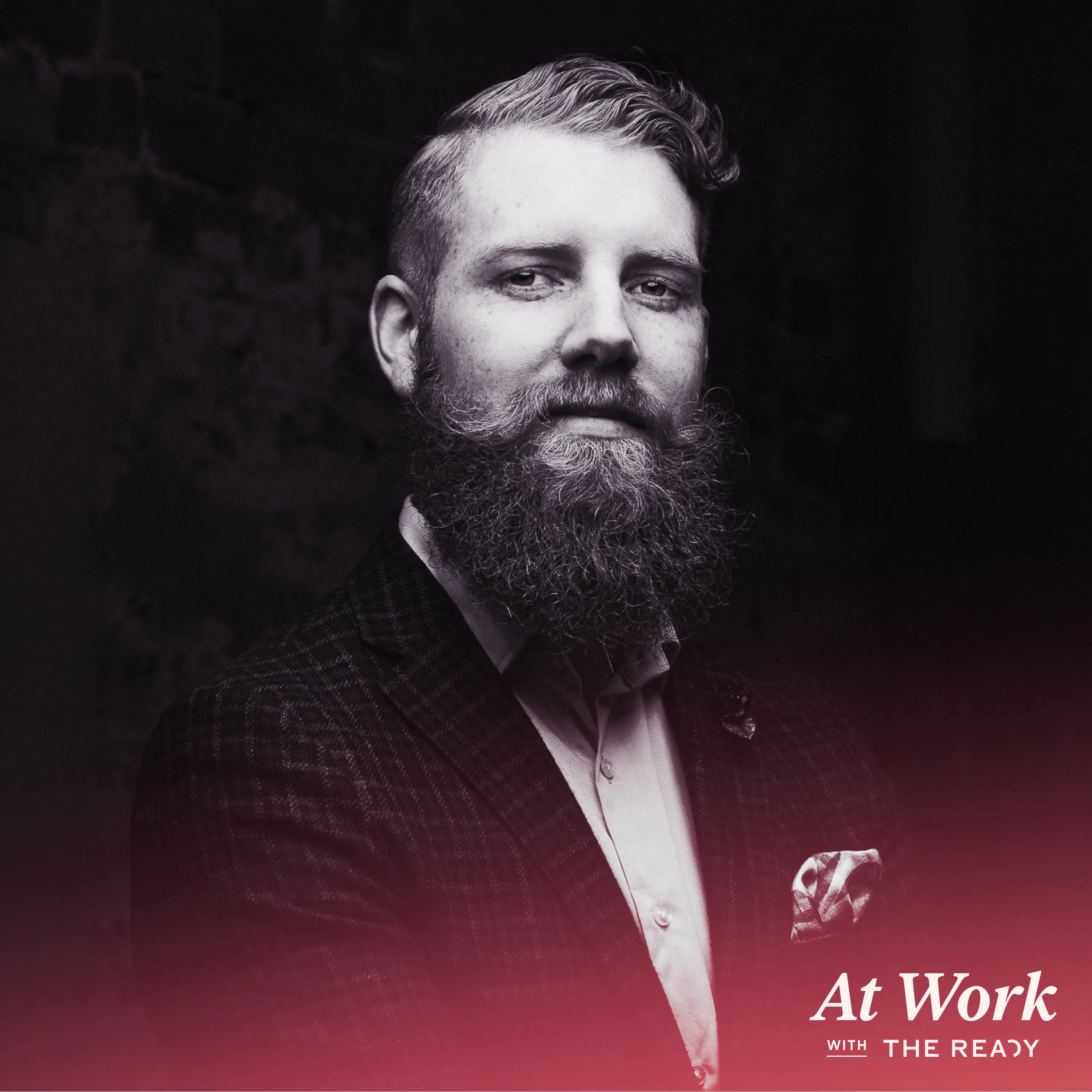
EWe talk a lot about the importance of emergence—of being more comfortable with being uncomfortable. However, it’s hard to practice what you preach… especially for a podcast with a tight schedule. Normally, when one of two hosts is out of commission, you don’t record. But when this recently happened to us, we asked “How might we?” and took a big ol’ step into the unknown. We’re glad we did, because this week’s guest is Dr. Jason Fox, a self-proclaimed wizard-philosopher, best-selling author, and senior leadership advisor to Fortune 500 companies around the world. In classic wizard-philosopher fashion, he and Sam throw out the script for a far-reaching conversation about the importance of rituals, the roles we play when we’re at work, and how embracing uncertainty is where the magic truly happens. Learn more about Jason: On his website On LinkedIn Read How to Lead A Quest or The Game Changer Follow us on LinkedIn and Instagram for more org design nerdery! Got an idea for future episodes or a thorny workplace question you need answered? Shoot us a message to [email protected]. Mentioned references: Game Frame, book by Aaron Dignan Brave New Work, book by Aaron Dignan James Carse, author of Finite and Infinite Games Rodney's "I am CEO vs I hold the role of CEO": AWWTR Ep. 14 Lands of Lorecraft, series of articles by Venkatesh Rao Jevons Paradox "rivalrous dynamics" "multipolar traps" "operating rhythm": BNW Ep. 118 Creativity, Inc., book by Ed Catmull and Amy Wallace basilisk "GTD": BNW Ep. 39 with David Allen John Keats and "negative capability" Antifragile, book by Nassim Taleb "Metacrisis" The Ministry for the Future, book by Kim Stanley Robinson Children of Time, series by Adrian Tchaikovsky The Expanse, series by James S.A. Corey The Culture, series by Iain M. Banks
S7 Ep 1616. Ask Us Anything No. 2: You Asked, We Answered
EIt’s mailbag time! We’ve been diving into specific problem areas every episode—and turns out if you go deep, your audience will go even deeper. Listeners, the questions you send us are getting hard! The ones that feel extra complex and extra tangly? We take those to the airwaves to unravel them live and share our knowledge back with you. On today’s episode, Rodney and Sam tackle another batch of our audience’s thorniest questions. Questions tackled: How to combat business speak in the workplace? How do we use new ways of working and psych safety in an arena that relies on older practices as part of its identity? What are your thoughts on how to divide up total compensation for employees? How much is salary vs health care vs perks? Is there a size threshold to organizations? What do companies do that have gotten too large and it’s hurting their operations? What are the trends around new ways of working, and what motivates organizations to engage with The Ready? How can orgs unlock real collaboration, not just sharing information? Follow us on LinkedIn and Instagram for more org design nerdery! Got an idea for future episodes or a thorny workplace question you need answered? Shoot us a message to [email protected]. Mentioned references: Junior Mints Jets Pizza Detroit style pizza Maslow’s hierarchy Span of control "rule of 7" Dunbar’s number W.L. Gore Adaptive strategy ”Hail Mary” pass ”Jamnado”: AWWTR Ep. 7
S7 Ep 1515. This Workshop Could Have Been A Meeting
EPlanning a corporate workshop or off-site often feels like making a burrito. So many options—and so many opinions on what should go in it. A presentation rodeo on the next quarter’s objectives? Absolutely. Time for a key initiative to get the spotlight in front of the C-suite? Yes, please. Extra scoops of mandatory team-building to strengthen your culture? Why not. Everyone likes fun, right? But when it’s time to actually chow down, it quickly becomes clear you’re dealing with an overstuffed, leaky, $20,000 mess. And everything the workshop was supposed to accomplish? Yeah, that didn’t happen—so you’re back at square one come Monday. In this episode, Rodney Evans and Sam Spurlin explore why our workshop eyes are often bigger than our workshop stomachs; standard off-site practices we need to offload; and how to design new experiences that are actually meaningful and productive. Interested in hearing more about the sunshine, twilight, and midnight zones? We’ve got stuff coming soon! Sign up here to get first access. Follow us on LinkedIn and Instagram for more org design nerdery! Got an idea for future episodes or a thorny workplace question you need answered? Shoot us a message to [email protected]. Mentioned references: spinning top game "Skittles" "meetings episode": AWWTR Ep. 12 "strategy stack": AWWTR Ep. 2 "even/overs": BNW Ep. 44 "essential intent": BNW Ep. 90 with Greg McKeown working agreements: BNW Ep. 103 Topgolf Liberating Structures Ball Point game Brainflakes

S7 Ep 1414. Surviving the Summertime Slump
EIt’s an unspoken truth in most knowledge work that summer is a wasted season. From late May to early September, many teams face reduced numbers and it’s nearly impossible to spin up anything new. The director you need approval from? On a cruise. The graphic designer you need for that new marketing campaign? Camping with the kids. When people just aren’t around, it can sometimes be easier to keep the lights on during the vacation relay race and run out the clock until fall. The two most common sense solutions: take vacation yourself or focus on different things when people are away. But actually doing either of those things? Way harder than you’d expect, especially when modern work is tuned to overwhelm mode 24/7/365. In this episode of At Work With The Ready, Rodney Evans and Sam Spurlin talk about why summer is where organizational progress goes to die, and how we can stop spending those months doing business as usual and instead live a hot employee summer. Interested in learning more about Depthfinding and the ocean framework? Head here. Follow us on LinkedIn and Instagram for more org design nerdery! Got an idea for future episodes or a thorny workplace question you need answered? Shoot us a message to [email protected]. Mentioned references: "Vacation OS episode": BNW Ep. 142 "async episode": AWWTR Ep. 7 "medieval peasant vacation time": all articles point back to Juliet B. Schor's 1993 "The Overworked American: The Unexpected Decline of Leisure" "workshop episode": will be released Monday, July 22nd! "work as a paycheck discussion": AWWTR Ep. 11
S7 Ep 1313. Leadership Teams of the Future Act Like Org Designers
EThe world is changing faster than ever. But leadership teams seem a little… stagnant. Sure, there’s plenty of changeover as one CEO is replaced by another, or as new C-suite roles pop up, but the way leadership teams operate is largely unchanged from the 1950s. That model? It’s antithetical to the change that’s needed for the rest of an organization to become more adaptable and resilient. In this episode, Rodney Evans and Sam Spurlin explore the ways in which leadership teams are holding their organizations back from the future. They’ll dig into how leaders can shift from defense to offense, set the right expectations for their teams, and recognize what their “real work” actually is. Interested in learning more about Depthfinding and the ocean framework? Head here. Follow us on LinkedIn and Instagram for more org design nerdery! Got an idea for future episodes or a thorny workplace question you need answered? Shoot us a message to [email protected]. Mentioned references: "totchos" management science servant leadership The Ready's OS Canvas Functional Analytic Psychotherapy Made Simple, by Gareth Holman Gareth's podcast episode: BNW Ep. 5 with Gareth Holman "Closing Time" by Semisonic Mural

S7 Ep 1212. Breaking the Cycle of Meeting-ocrity
EIt seems everybody’s up in arms about meetings these days. “There’s too many! They ones we have suck! We have meetings to prepare for other meetings! They keep me from doing my actual job!” We get it, and we hear you. In fact, between BNW and our current show, we’ve devoted 9 episodes to meetings! What more could there be to say in a tenth? Turns out, a ton. There’s so much intertwined with modern meeting culture that we’re often doomed to failure before we even get in the room. From the trap of the status meeting to leaders hogging all the stage time, Rodney and Sam dissect where most meetings go wrong and give you the tools to rewrite the script for how to start holding meetings that matter. If you’re looking to make your next meeting better, make it a huddle! Learn more about how huddles can bring side-by-side collaboration and creativity to your remote teams at Slack.com. Interested in learning more about Depthfinding and the ocean framework? Head here. Prefer to watch rather than listen? Check out the extended live cut over on Youtube. Want future of work insights and experiments you can try? Sign up for our newsletter. Follow us on your favorite platforms for more org design nerdery! LinkedIn Instagram Youtube We want to hear from you. Send your thoughts and feedback to [email protected]. Mentioned references 1:1 meetings: BNW Ep. 19 with Michael Bungay Stanier; AWWTR Ep. 4 retrospective meetings: BNW Ep. 10 with Jordan Husney OS Coffee meetings: BNW Ep. 144 an operating rhythm of meetings: BNW Ep. 118 action meetings: BNW Ep. 80 with Sam Spurlin "RACI episode": AWWTR Ep. 10

S7 Ep 1111. The Ones Who Care The Most Will Leave You First
EIn the nearly five years since launching this podcast, our inbox has received one type of question more than any other: “If I’m trying to change a system that just doesn’t want to change, how do I keep going? When should I admit defeat and leave?” As people who function as “professional resistance” in organizations all over the world, this questions always hits us hard—because change itself is hard and often can lead to burnout. So we’re finally having this conversation out in the open to tackle why the people who care the most are the ones who leave. Rodney and Sam dig into why burnout is so common among change agents, how to identify signs of meaningful progress, and when individuals and leaders should see the writing on the wall and throw in the towel. Oh, and we're on Instagram now! Check us out there for fun behind the scenes stuff and extra things you won't find anywhere else. To see the video version of this episode, head on over to Youtube. Mentioned references: "orthogonal" "wasta" "emotional labor of change": AWWTR Ep. 6 "Sisyphean" "the maze and the mouse" "see through The Matrix" Mission-Based Team: FoHR Ep. 1 "the yips" Rick Rubin EMDR Therapy Basecamp scandal: BNW Ep. 71 Want future of work insights and experiments you can try? Sign up for our newsletter. We’re on LinkedIn! Follow Rodney, Sam and The Ready for more org design nerdery and join the conversation around episodes after they air. We want to hear from you. Send your thoughts and feedback to [email protected]. Read the book that started it all at bravenewwork.com.

S7 Ep 1010. RACI is The Wrong Answer To The Right Question
The RACI matrix (as well its cousins DACI, DARCI, etc.) aims to neatly categorize stakeholders into roles—who’s responsible, accountable, consulted, and informed for every decision your team makes. We spend a lot of time filling out those RACI boxes, because it’s supposed to give us order and predictability—a single source of truth for all future choices. We’re all about achieving real clarity, but we often see RACIs treated as a one-and-done exercise, rather than something that evolves with a team. People end up in the “R” or “A” space without having the actual authority to execute a role, and then we make those roles the fall guy for a system never set up for them to succeed. In this episode of At Work With The Ready, Rodney Evans and Sam Spurlin explore the good intentions that lead us to make RACIs in the first place, where they fall flat, and why decision making is always more complicated than what can be captured on a chart. Interested in learning more about Depthfinding and the ocean framework? Head here. Mentioned references: Responsibility assignment matrixes (such as RACI, DACI, and DARCI) DARE model MacGuffin DRI (Directly Responsible Individual) SPOA (Single Point of Accountability) "traditional consulting ep": AWWTR Ep. 8 "future tension": BNW Ep. 16 with Thomas Thomison "scenario planning": BNW Ep. 34 with Kevin Kelly Want future of work insights and experiments you can try delivered to your inbox? Sign up for our newsletter. We’re on LinkedIn! Follow Rodney, Sam and The Ready for more org design nerdery and join the conversation around episodes after they air. We want to hear from you. Send your thoughts and feedback to [email protected]. Read the book that started it all at bravenewwork.com.
S7 Ep 99. Ask Us Anything No. 1: You Asked, We Answered
E“Ask Us Anything” episodes were a Brave New Work tradition, and we knew they were going to live on in this next new chapter of the show. What we didn’t know was how much harder the questions would be this time around! Turns out, after nearly 200 shows our audience is pretty sharp and asking some very specific questions. On today’s episode of At Work With The Ready, Rodney Evans and Sam Spurlin look at what arrived in our inbox and tackle our listeners thorniest questions…and even tease a little something coming on the horizon. Sign up to become the first to hear when the thing Rodney teased in this episode is live! Check out the extended live video version of this episode on our Youtube channel or shoot us a message if you'd like a transcript. Questions answered in this episode: How do you give critical feedback without being seen as a threat? Any thoughts on orgs moving to eliminate excessive layers of management? What's a workplace project you thought would be easy but turned out to be hard, and vice versa? What's a starting point for orgs that want to work with someone like The Ready? Can you have an episode about the disconnect between senior leadership and where the work happens? Mentioned references: "high and low umbrella" "org debt" "how might we?" Chesterton's Fence Bayer's elimination of managers Humanocracy: BNW Ep. 47 with Michele Zanini Haier's elimination of managers The Ready's OS Canvas Liberating Structures: BNW Ep. 49 with Keith McCandless "anti-pattern" We’re on LinkedIn! Follow Rodney, Sam and The Ready for more org design nerdery and join the conversation around episodes after they air. Looking for some help with your own transformation? Visit theready.com Want future of work insights and experiments you can try delivered to your inbox? Sign up for our newsletter. We want to hear from you. Send your thoughts and feedback to [email protected]. Read the book that started it all at bravenewwork.com.

S7 Ep 88. Traditional Consulting Sold You a Great Idea. Now What?
EFor decades, traditional consulting (think “management” or “strategy” varieties now synonymous with the Big Three) has been a go-to move for organizations looking for a shake up. Need a bulletproof vision for the future or a new org restructuring that’ll win over the C-suite and shareholders? You can’t beat their analytical prowess, strategy design, and slick presentation. But too often clients wind up stuck with expensive change plans they can’t execute on their own. Without real coaching, structure, and experienced guidance, these efforts stand a high chance of fizzling out and collecting dust on a shelf. Facing that reality time and time again lead The Ready to study and understand how organizations actually work and evolve. Yes, we’re also consultants—but the processes, outcomes, and experiences we create differ greatly. And that can lead to a whole bunch of confusion. In this episode of At Work With The Ready, Rodney Evans and Sam Spurlin delve into the stark differences between traditional consulting and how future-of-work firms like The Ready operate. Because not all consulting is created equal. Prefer to watch instead of listen? Check out the extended video cut of this episode, with even more Rodney and Sam moments, on our Youtube channel. Mentioned references: VUCA "participatory change": BNW Ep. 43 "cross-functional teaming": Future of HR Ep. 1 "strategy pancakes episode": AWWTR Ep. 2 We’re on LinkedIn! Follow Rodney, Sam and The Ready for more org design nerdery and join the conversation around episodes after they air. Looking for some help with your own transformation? Visit theready.com Want future of work insights and experiments you can try delivered to your inbox? Sign up for our newsletter. We want to hear from you. Send your thoughts and feedback to [email protected]. Read the book that started it all at bravenewwork.com.

S7 Ep 77. Sync or Swim: Riding the Waves of Async Work
EFor decades, face-to-face working has been the default way of working. Launching a new project; untangling an OS problem; updating a team on progress made in the last week—our classic go-to for all those different kinds of work is blocking off time on a calendar. When in doubt, just corral everybody into a room, real or virtual. But this “one-size-fits-all” approach is coming up short as work evolves. And while almost everyone dreads having a meeting-stuffed calendar, ideas for what to try instead can be in short supply. Plus, when 85% of leaders find it hard to trust that their employees are being productive, async work can look like a risky free-for-all. In this episode of At Work With The Ready, Rodney Evans and Sam Spurlin explore how our attachment to synchronous work is hampering performance and why asynchronous work is a mindset, not a tool stack. Looking for other ways to asynchronously enjoy this episode? Check out our Youtube channel for the live video version, or email [email protected] to get a transcript for reading. Mentioned references: Loom Rodney's article on org debt: How to Tackle the Biggest Threat to Your Team's Growth Red, amber, green (RAG status) Tanisi's podcast episode: BNW Ep. 88 with Tanisi Pooran Miro Pitch Pomodoro method We’re on LinkedIn! Follow Rodney, Sam and The Ready for more org design nerdery and join the conversation around episodes after they air. Looking for some help with your own transformation? Visit theready.com Want future of work insights and experiments you can try delivered to your inbox? Sign up for our newsletter. We want to hear from you. Send your thoughts and feedback to [email protected]. Read the book that started it all at bravenewwork.com.

S7 Ep 66. If You're Faking It, You Won't Make It
EEvery time something changes at work, someone’s bound to be upset. Digital transformations take resources from analog teams; restructuring a department can take authority from one group and give it to another; removing a step from a workflow can eliminate a role altogether. Any change, including those meant to make things better, will create winners and losers and that’s bound to kick up a hornet’s nest of feelings. Here’s the puzzling part: Despite years of research showing us that surfacing and processing these feelings is key to unlocking a company’s ability to be adapt, many workplaces often treat emotions as taboo. They’re messy, unpredictable, and nobody wants to touch them—even when ignoring them does more harm that good. Playing pretend isn't getting us anywhere. In this episode of At Work with The Ready, Rodney Evans and Sam Spurlin explore why we have negative feelings about big feelings and how it’s holding our organizations back from evolving into the places they could be. We're on Youtube! An extended video version of this episode (with extra Rodney and Sam moments) is available to watch there. Mentioned references: Tabea's Meet The Ready post "unconsciously protecting the status quo": Immunity to Change, 2009 book by Robert Kegan and Lisa Laskow Lahey "protection state": On Point of Relationship podcast episode with Frederic Laloux "complicated vs complex": Brave New Work keynote The unpaid emotional labor expected of women at work, 2024 BBC article What Rodney said at SXSW last year: BNW 162: Live from SXSW with Brian Elliott Love the show? Leave us a review and share this episode with your coworkers! We’re on LinkedIn! Follow Rodney, Sam and The Ready for more org design nerdery and join the conversation around episodes after they air. Looking for some help with your own transformation? Visit theready.com Want future of work insights and experiments you can try delivered to your inbox twice a month? Sign up for our newsletter. We want to hear from you. Send your thoughts and feedback to [email protected].

S7 Ep 55. Silos Are For Corn, Not For People
EAsk anyone about organizational silos and they’re bound to tell you they’re bad. When we run Tension and Practice exercises with clients, “We work in silos” often shows up as Tension No. 1 holding a team back. Yet like a moth to a flame, we keep gravitating toward them, building walls that are higher and more insurmountable than ever before. What gives? In this episode of At Work with The Ready, Rodney Evans and Sam Spurlin dive into the bottomless ball pit that is organizational silos, exploring why we think they’ll solve all our problems, how they’re actually sabotaging organizations from being effective, and why trying to build bridges between them (rather than designing something new from the ground up) is one of the worst things we can do. Mentioned references: "Ready for Anything structure episode": BNW Ep. 23 "Hollywood Model episode": FoHR Miniseries, Ep. 1 The Ready's Tension & Practice Cards "the previous episode": AWWTR Ep. 4 value stream mapping Spotify chapters and guilds video Sam promised "IDM consent-based governance": BNW Ep. 43 "movies and studios" "retro": BNW Ep. 10 with Jordan Husney We’re on LinkedIn! Follow Rodney, Sam and The Ready for more org design nerdery and join the conversation around episodes after they air. Looking for some help with your own transformation? Visit theready.com Want future of work insights and experiments you can try delivered to your inbox twice a month? Sign up for our newsletter. We want to hear from you. Send your thoughts and feedback to [email protected]. Read the book that started it all at bravenewwork.com.

S7 Ep 44. Return to Office: Real Issue or Handy Distraction?
EYou can’t throw a stone on LinkedIn without hitting at least one post about return-to-office policies. From CEOs to employees, from thought leaders to maybe even your mayor, everyone is taking a side, doubling down, and yelling into the void as loud as they can. Where people work is being treated as the most important issue—the existential sea change that will either make or break a company. In reality, the RTO debate is the superficial fight we have instead of addressing the deeper, tougher, and way more complex issues that really matter (think questions around purpose, trust, "productivity", and communication). And here’s a fun fact: You can’t work well anywhere (in person or remotely) if confusion and misalignment is swirling around your company. In this week’s episode of At Work With The Ready, Rodney Evans and Sam Spurlin unpack why we’re still debating where people work, what that obsession costs our organizations, and how to start breaking free of the cycle. Mentioned references: BNW’s first RTO/hybrid work episode: Ep. 79 Erin Grau’s Fortune article “Flexible work is feminist” "Theory Y" Brian Elliott's previous appearances on our show: BNW Ep. 129, BNW Ep. 162, and FoHR Miniseries Ep. 9 "Return-to-Office Mandates" from Mark Ma and Yuye Ding of the University of Pittsburgh's Katz Graduate School of Business "Lessons Learned: 1,000 Days of Distributed at Atlassian" "Basecamp": BNW Ep. 4 with Dan Kim Mural Miro Children of Time Previous episodes about retreats and in-person gatherings: BNW Ep. 64, BNW Ep. 82 with Lindsay Caplan, and BNW Ep. 94 We’re on LinkedIn! Follow Rodney, Sam and The Ready for more org design nerdery and join the conversation around episodes after they air. Looking for some help with your own transformation? Visit theready.com Want future of work insights and experiments you can try delivered to your inbox twice a month? Sign up for our newsletter. We want to hear from you. Send your thoughts and feedback to [email protected].

S7 Ep 33. How 1:1 Meetings Are Messing Up Your Culture
E1:1s (or one-on-ones) are a ubiquitous part of our daily working lives. These two-person meetings (a manager + a direct report = a classic 1:1) are meant to be a space for diving into individual challenges, fostering trust, building stronger relationships, and providing a forum for feedback and recognition. When designed with intention, they can be great. But at some point, 1:1s jumped the shark. Today, we see more and more companies with an overwhelming “1:1 culture,” where calendars are packed with a million two-person meetings (on top of lots of other meetings), leaving precious little time to get work done. Worse still, most 1:1s include our worst meeting habits: over-indexing on status updates, information hoarding, and bureaucratic theater. What gives? In this episode of At Work with The Ready, Rodney Evans and Sam Spurlin meet one-on-one (see what we did there?) to explore why 1:1 cultures take hold in organizations, the cost that comes with doing them poorly, how to rely on them less, and how to start making the ones you do keep count. Mentioned references: “Tear and share roll” “op rhythm”: BNW Ep. 118 A Beautiful Mind, movie from 2001 “default stack of pancakes” : At Work With The Ready Ep. 2 “Action Meeting”: BNW Ep. 80 with Sam Spurlin “retrospectives”: BNW Ep. 10 with Jordan Husney “Donut meetings” “Ali’s 1:1 article” “Lean coffee/OS Coffee”: BNW Ep. 144 We’re on LinkedIn! Follow Rodney, Sam and The Ready for more org design nerdery and join the conversation around episodes after they air. Looking for some help with your own transformation? Visit theready.com Want future of work insights and experiments you can try delivered to your inbox twice a month? Sign up for our newsletter. We want to hear from you. Send your thoughts and feedback to [email protected]. Read the book that started it all at bravenewwork.com.

S7 Ep 22. Your PowerPoint Deck Is Not a Strategy
EIt's January! New beginnings? Ambitious plans? Giant commitments to change? They’re on everyone’s mind. Companies included—since now’s the time when glossy PowerPoint decks are so eagerly rolled out. And those PowerPoints? They’re always brimming with promise for the year ahead. But there's a glaring disconnect between those slides (all 73 of them) and eventual success we often don’t address. Because how frequently do those meticulously crafted plans pan out? Does the new agenda account for the day-to-day running of the company? Is the plan flexible enough to handle economic curveballs? (We remember 2020, right?) The reality is that “traditional strategy” often resembles New Year's resolutions; they’re imbued with good intentions but ultimately destined for disappointment. In this episode of "At Work with The Ready," (new year, new podcast name!) co-hosts Rodney Evans and Sam Spurlin explore our deep-rooted conditioning toward conventional planning methods (despite their shortcomings), share what a more complexity conscious approach to strategy looks like, and give you moves to start busting up the annual cycles of frustration, stagnancy, and finger-pointing. Mentioned references: "Getting Things Done and David Allen": Brave New Work Ep. 39 with David Allen "90% of leaders admit strategies fail based on implementation": Closing The Gap: Designing and Delivering a Strategy That Works - The Economist's Intelligence Unit Essential Intent Japanese pancakes, straight from Sam's Instagram algorithm Even/overs: Brave New Work Ep. 44 Weighted Shortest Job First (WSJF) Looping Red Teaming "Scenario planning": Brave New Work Ep. 34 with Kevin Kelly Adjacent possible Op rhythm "mango sorbet": Brave New Work Ep. 163 Check-In Round Looking for some help with your own transformation? Visit theready.com Want future of work insights and experiments you can try delivered to your inbox twice a month? Sign up for our newsletter. We want to hear from you. Send your thoughts and feedback to [email protected] Read the book that started it all at bravenewwork.com.

S7 Ep 1163/1. A Brave New Chapter
EWhether it’s in front of clients or in front of a mic, we talk about change all day long. Having fewer, better meetings; learning to productively disagree; overhauling and evolving the HR function; exploring four-day work weeks—the podcast has covered miles and miles of transformational ground in 4 years. However we don’t often talk about how we’ve changed. And after six seasons and 162 episodes, how could we not be different? We used the show’s hiatus to reflect on where we’ve been and where we want to go—and we reached some bittersweet conclusions. But if we resisted change and all the learning and joy that can come with it, we wouldn’t be The Ready. In this very special episode, Aaron Dignan, Rodney Evans and Sam Spurlin talk about Brave New Work’s origin story, what they’ve learned making all these episodes (it was 162, right?), and what the show’s future may hold. Trust us, you won’t want to miss it. This episode was recorded with video, so you can see our smiling faces on The Ready’s Youtube channel. Mentioned references: Imoyoshi, home of the purple sweet potato soft serve Ira Glass The Ready's Spotify Wrapped LinkedIn post "Pop up and do less" scene from Forgetting Sarah Marshall Supermanage, from Murmur Labs The File Drawer Fields of Work The Future of HR miniseries "the Panera days": The Ready's first "office" was in a Panera near Bryant Park in NYC! Hear more about The Ready's early days in BNW Ep. 158. ------------------ Looking for some help with your own transformation? Visit theready.com We want to hear from you. Send your thoughts and feedback to [email protected] Our book is available now at bravenewwork.com

S6 Ep 25The Future of HR: The End Is Just the Beginning
EIn July, we began exploring what HR’s current reality looked like and how People teams could evolve into a better, brighter, more adaptive future. Thirteen episodes, three guest interviews, a record breaking AUA, and lots of unexpected hot dog talk later, we’ve reached the end. And while endings can be bittersweet, this miniseries, proudly co-hosted by two org design nerds, is transforming that feeling into a sweet retrospective. In today’s final Future of HR episode, Rodney Evans and Sam Spurlin look back on the three months they spent in the deep end of the HR pool and talk about they’ve learned, what’s surprised them, and where their opinions have shifted. Plus, we pull out all the stops with one of the funniest check-in rounds of the series and a little something extra at the end as a thank you for tuning in. Buckle up, brave listeners. Because this isn't really an ending; it's a launchpad for all the exciting adventures HR is truly ready for. Mentioned references: Willy Wonka and the Chocolate Factory (1971 film version) Kids Incorporated Kids Incorporated theme song (we listened to it, even though Sam wouldn't) The Boxcar Children School of Rock -------------- Learn more about The Future of HR at our website. Curious where your company sits on our 5-stage maturity model? Take our assessment and find out! Have a burning HR question for Rodney and Sam to answer? Email us at [email protected]. Ready to get started moving your HR department into the future? Email us at [email protected] or [email protected]. --------------- 00:00 Intro + Check-In: When you were a child, what TV show or movie do you wish you could have been a part of in real life? 05:04 Goals of the FoHR miniseries 12:44 Reception of the miniseries from HR folks 16:51 How Rodney and Sam’s views have changed (or not) since episode 1 25:48 Convictions that are stronger now than when we started 29:52 Final takeaways: If you remember nothing else, remember this one thing 32:38 What’s next on your FoHR journey 34:42 Thank-you 35:31 Blooper + humor reel