Apologetics Profile
360 episodes — Page 6 of 8
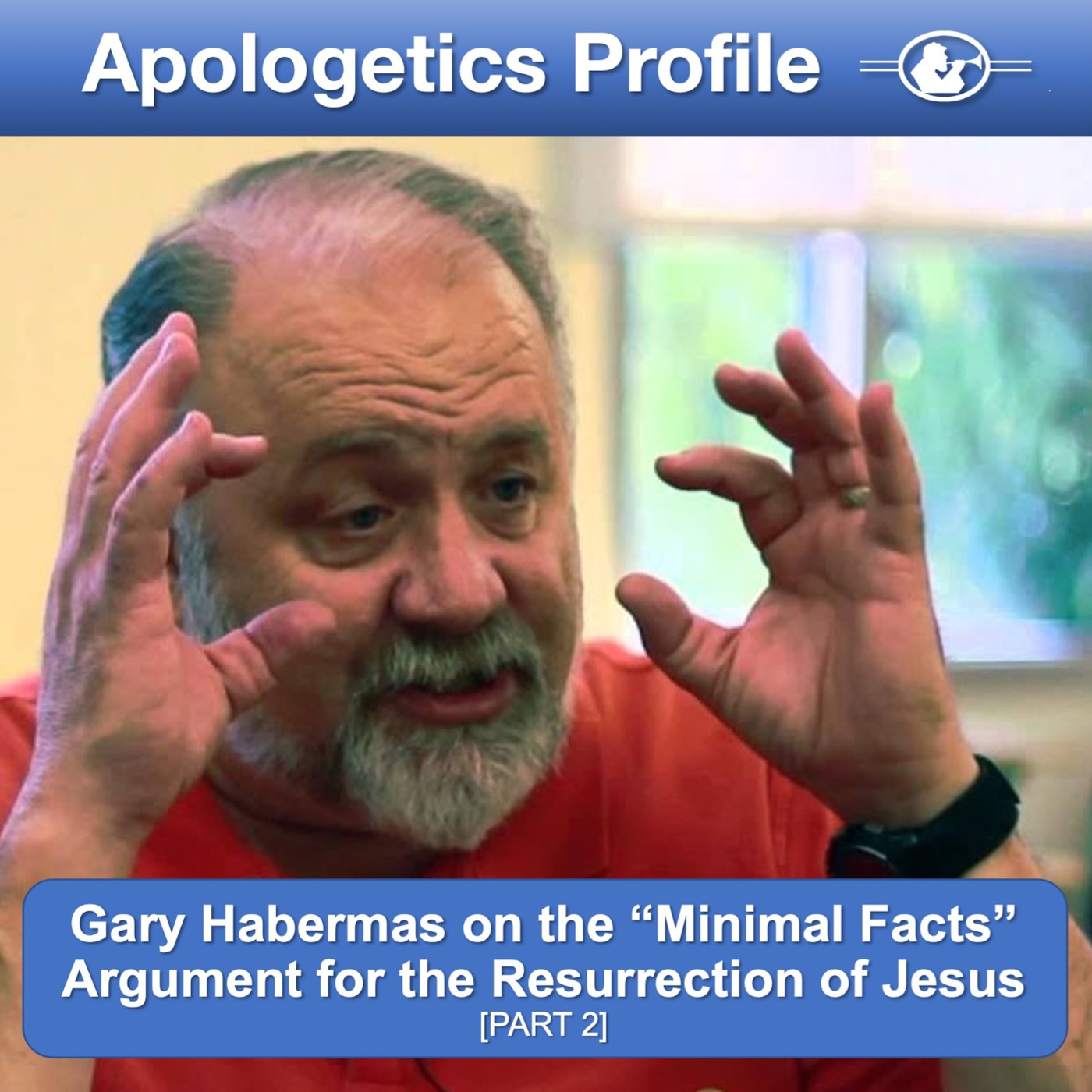
Ep 112Episode 112: Dr. Gary Habermas on the "Minimal Facts" argument for Jesus' resurrection [Part 2]
Skeptics who disbelieve in the Bible will often propose different reasons for why the New Testament was written. One popular objection suggests "legendary" information crept into the texts we have today and there is just no way to tell fact from fiction. Others say that the Gospels contain real historical information but that the disciples and others were simply mistaken about Jesus' resurrection. They thought Jesus appeared to them, but there is no way to tell if He really did or not. New Testament historian and scholar Dr. Gary Habermas, our guest this week on Apologetics Profile, has heard most every popular objection ever given about Jesus rising from the dead. He has debated and been interviewed by atheists and skeptics and has spent most of his professional career compiling solid historical evidence for the resurrection. Here on part two of our conversation with Gary, he provides us with a myriad of reasons why we can know that what we have in the pages of the Gospels is historically trustworthy and authentic. Dr. Gary Habermas is a Distinguished Research Professor of Apologetics and Philosophy and chairman of the department of philosophy at Liberty University in Lynchburg, Virginia. He received a Doctor of Philosophy degree (1976) from Michigan State University in history and philosophy of religion with a thesis entitled "The resurrection of Jesus: a rational inquiry," and previously a master's degree (1973) from the University of Detroit in philosophical theology. He has specialized in cataloging and communicating trends among scholars in the field of historical Jesus and New Testament studies. In 1985, Habermas debated the then-atheist and evidentialist philosopher, Antony Flew, on the question of Jesus' resurrection as a literal and historical/physical event, before 3,000 attendees. Five philosophers and five professional debate judges judged the debate. Of the philosophers who judged on the content of the debate, four voted that Habermas won and the other was undecided.... [Before his death in 2010, Dr. Flew converted from atheism to theism.] In his memoir Seeking Allah, Finding Jesus, Nabeel Qureshi [a former Muslim] relates how Habermas was influential in his conversion, and describes him as looking like "a mix between Santa Claus and an offensive lineman." [1]ADDITIONAL RESOURCES: Gary Habermas' personal research and publications webpage: www.GaryHabermas.com Gary Habermas' YouTube channel: https://bit.ly/HabermasYouTube Book - Risen Indeed: A Historical Investigation Into the Resurrection of Jesus, (2021) by Dr. Gary Habermas: https://amzn.to/3tvUUzd SUPPORT: Help us create more content like this. Make a tax-deductible donation: www.watchman.org/give.Apologetics Profile is a ministry of Watchman Fellowship. For more information visit www.watchman.org © Watchman Fellowship, Inc.[1] "Gary Habermas," Wikipedia, the free encyclopedia: https://en.wikipedia.org/wiki/Gary_Habermas
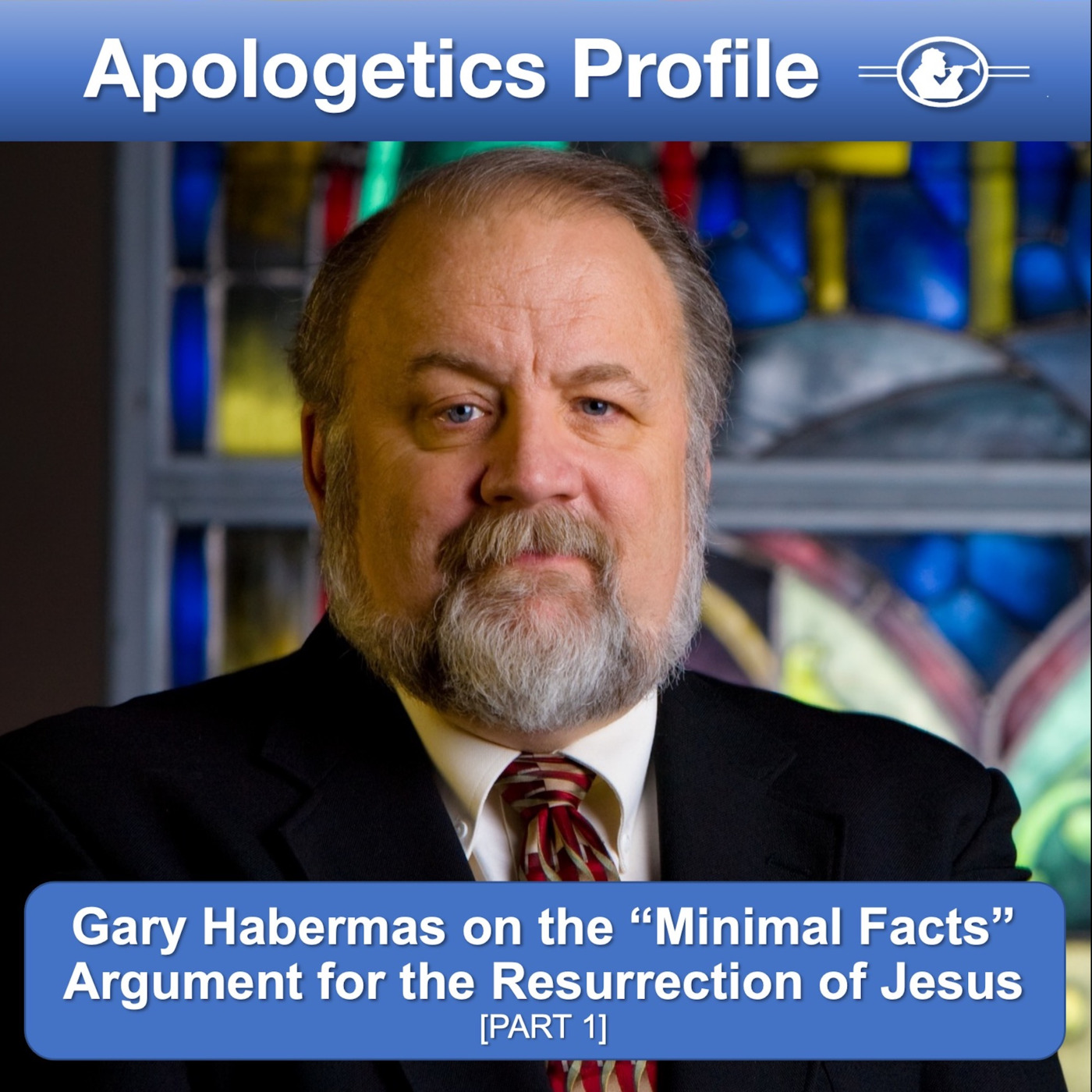
Ep 111Episode 111: Dr. Gary Habermas on the "Minimal Facts" argument for Jesus' resurrection [Part 1]
A burgeoning challenge for Christians today is the increasing criticism from skeptics and atheists about the historical reliability of the Gospels, especially the resurrection of Jesus. While some atheists and skeptics, such as New Testament scholar Bart Ehrman, affirm Jesus really did exist, almost all either deny or doubt that Jesus actually rose bodily from the grave and afterward appeared to eye witnesses. Since most of us are not New Testament historians or scholars, we might feel ill-equipped to address such criticisms. This is where our guest on the next two editions of Apologetics Profile provides us with a basic framework for answering our skeptical critics about the historicity of the resurrection of the Lord Jesus Christ. Dr. Gary Habermas is a New Testament scholar and historian. His life's work has been compiling historical information surrounding Jesus' resurrection and distilling his data into a series of 'minimal facts' that the vast majority credentialed scholars in the fields of antiquities, ancient history, New Testament criticism and historical Jesus studies accept. These are some 'minimal facts' on which nearly all Christians scholars, secular academics and even atheist professors agree. This is the 'minimal facts' approach; a kind of historical "Roman's Road" that provides very basic historical information in "headline" format for helping lay and scholar alike to begin conversations with skeptics who doubt the resurrection. These 'minimal facts' on the the resurrection of Jesus are certainly not the only historical data that to which Christians may appeal. This 'common ground' approach, however, may be seen as a helpful starting place for believers and non-believers to begin a discussion.This episode of Apologetics Profile is part one of a two-part podcast. In this episode, Dr. Habermas sits down with Watchman Fellowship's Staff Apologist, Daniel Ray, and outlines the origin and development of the minimal facts approach. Dr. Gary Habermas is a Distinguished Research Professor of Apologetics and Philosophy and chairman of the department of philosophy at Liberty University in Lynchburg, Virginia. He received a Doctor of Philosophy degree (1976) from Michigan State University in history and philosophy of religion with a thesis entitled "The resurrection of Jesus: a rational inquiry," and previously a master's degree (1973) from the University of Detroit in philosophical theology. He has specialized in cataloging and communicating trends among scholars in the field of historical Jesus and New Testament studies. In 1985, Habermas debated the then-atheist and evidentialist philosopher, Antony Flew, on the question of Jesus' resurrection as a literal and historical/physical event, before 3,000 attendees. Five philosophers and five professional debate judges judged the debate. Of the philosophers who judged on the content of the debate, four voted that Habermas won and the other was undecided.... [Before his death in 2010, Dr. Flew converted from atheism to theism.] In his memoir Seeking Allah, Finding Jesus, Nabeel Qureshi [a former Muslim] relates how Habermas was influential in his conversion, and describes him as looking like "a mix between Santa Claus and an offensive lineman." [1]ADDITIONAL RESOURCES: Gary Habermas' personal research and publications webpage: www.GaryHabermas.com Gary Habermas' YouTube channel: https://bit.ly/HabermasYouTube Book - Risen Indeed: A Historical Investigation Into the Resurrection of Jesus, (2021) by Dr. Gary Habermas: https://amzn.to/3tvUUzd SUPPORT: Help us create more content like this. Make a tax-deductible donation here: www.watchman.org/give.Apologetics Profile is a ministry of Watchman FellowshipFor more information visit www.watchman.org © Watchman Fellowship, Inc.[1] "Gary Habermas," Wikipedia, the free encyclopedia: https://en.wikipedia.org/wiki/Gary_Habermas
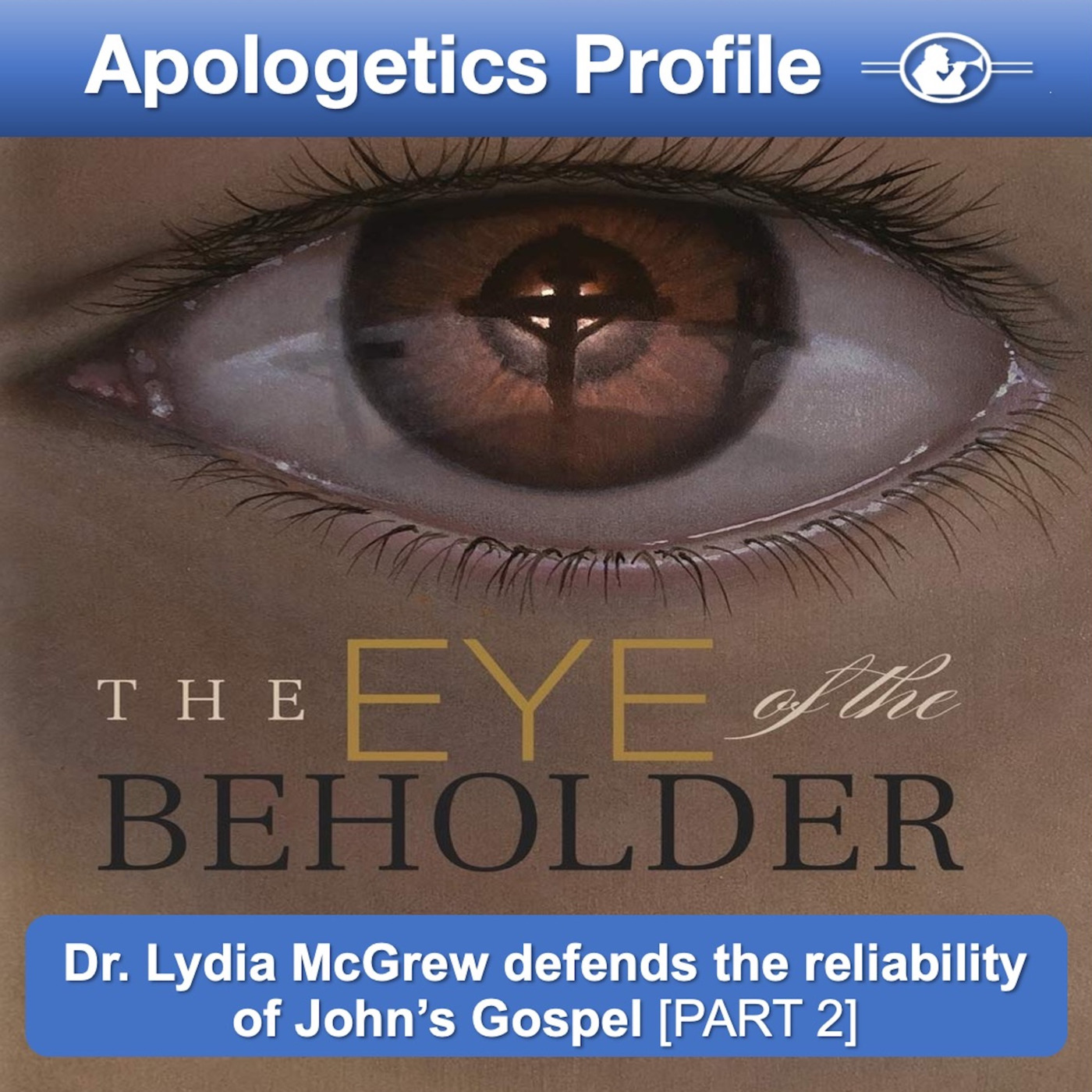
Ep 110Episode 110: "The Eye of the Beholder," Dr. Lydia McGrew Defends the Reliability of John's Gospel [Part 2]
At Watchman Fellowship, our staff is routinely exposed to the objections about the Bible from skeptics and atheists. Such objections often include arguments against the historical reliability of the New Testament. It seems those objections become even more intensified over the historical reliability of the Gospel of John. Critics often ask of John: If Jesus really said what John reports, why don’t we find those same statements in the other three Gospel accounts? Why is John so different than the other Gospels? Did the apostle John really write the gospel attributed to him? Are the Jesus’ statements recorded in John actually what Jesus said or were based on later interpretations created by an anonymous community of followers of John? Unfortunately, these concerns and suspicions surrounding John’s Gospel don’t just come from atheists and skeptics critics but also from some Christian scholars. So what can those of us not versed in the critical scholarship of John do? Are we hopelessly tossed about in a sea of scholarly criticism, skeptical objections and textual ambiguities? Absolutely not for John himself intentions in writing about his personal experiences with the Lord Jesus “written that you may believe that Jesus is the Christ the Son of God and I believe in you may have life in his name.” This is the conclusion of a two-part episode of Apologetics Profile. Our staff apologist, Daniel Ray, talks with Dr. Lydia McGrew about her new book defending the historicity and reliability of the Gospel of John. It is entitled, The Eye of the Beholder: The Gospel of John as Historical Reportage.Dr. Lydia McGrew is a widely published analytic philosopher and author. She received her PhD in English from Vanderbilt University in 1995. She has published extensively in the theory of knowledge, specializing in formal epistemology and in its application to the evaluation of testimony and to the philosophy of religion. She defends the reliability of the Gospels and Acts in her books Hidden in Plain View: Undesigned Coincidences in the Gospels and Acts, The Mirror or the Mask: Liberating the Gospels From Literary Devices, and most recently The Eye of the Beholder: The Gospel of John as Historical Reportage.ADDITIONAL RESOURCES: Book - The Eye of the Beholder: The Gospel of John as Historical Reportage by Dr. Lydia McGrew: https://amzn.to/3JBwISz Book - The Mirror or the Mask: Liberating the Gospels from Literary Devices by Dr. Lydia McGrew: https://amzn.to/3h06xZE Follow Lydia McGrew's author page on Facebook: facebook.com/LydiaMcGrewAuthor SUPPORT: Help us create more content like this. Make a tax-deductible donation here: www.watchman.org/give.Apologetics Profile is a ministry of Watchman FellowshipFor more information visit www.watchman.org © Watchman Fellowship, Inc.
Ep 109Episode 109: "The Eye of the Beholder," Dr. Lydia McGrew Defends the Reliability of John's Gospel [Part 1]
At Watchman Fellowship, our staff is routinely exposed to the objections about the Bible from skeptics and atheists. Such objections often include arguments against the historical reliability of the New Testament. It seems those objections become even more intensified over the historical reliability of the Gospel of John. Critics often ask of John: If Jesus really said what John reports, why don’t we find those same statements in the other three Gospel accounts? Why is John so different than the other Gospels? Did the apostle John really write the gospel attributed to him? Are the Jesus’ statements recorded in John actually what Jesus said or were based on later interpretations created by an anonymous community of followers of John? Unfortunately, these concerns and suspicions surrounding John’s Gospel don’t just come from atheists and skeptics critics but also from some Christian scholars. So what can those of us not versed in the critical scholarship of John do? Are we hopelessly tossed about in a sea of scholarly criticism, skeptical objections and textual ambiguities? Absolutely not for John himself intentions in writing about his personal experiences with the Lord Jesus “written that you may believe that Jesus is the Christ the Son of God and I believe in you may have life in his name.” This is part one of a two-part episode of Apologetics Profile. Our staff apologist, Daniel Ray, talks with Dr. Lydia McGrew about her new book defending the historicity and reliability of the Gospel of John. It is entitled, The Eye of the Beholder: The Gospel of John as Historical Reportage.Dr. Lydia McGrew is a widely published analytic philosopher and author. She received her PhD in English from Vanderbilt University in 1995. She has published extensively in the theory of knowledge, specializing in formal epistemology and in its application to the evaluation of testimony and to the philosophy of religion. She defends the reliability of the Gospels and Acts in her books Hidden in Plain View: Undesigned Coincidences in the Gospels and Acts, The Mirror or the Mask: Liberating the Gospels From Literary Devices, and most recently The Eye of the Beholder: The Gospel of John as Historical Reportage.ADDITIONAL RESOURCES: Book - The Eye of the Beholder: The Gospel of John as Historical Reportage by Dr. Lydia McGrew: https://amzn.to/3JBwISz Book - The Mirror or the Mask: Liberating the Gospels from Literary Devices by Dr. Lydia McGrew: https://amzn.to/3h06xZE Follow Lydia McGrew's author page on Facebook: facebook.com/LydiaMcGrewAuthor SUPPORT: Help us create more content like this. Make a tax-deductible donation here: www.watchman.org/give.Apologetics Profile is a ministry of Watchman FellowshipFor more information visit www.watchman.org © Watchman Fellowship, Inc.
Ep 108Episode 108: A-PAUL-OGETICS: Paul's Defense of the Faith in Acts 17 with Dr. Robert Stewart
How should believers defend their faith and share the Christian gospel with those of other worldviews, religions and philosophies? Just what are the "best practices" for Christians seeking to incorporate apologetics as they engage in evangelism and gospel conversations?Perhaps one of the clearest biblical examples effective apologetics is the Apostle Paul's brief address to the Epicurean and Stoic philosophers at the Areopagus (Mars Hill) in Athens that was recorded by Luke in Acts 17. Dr. Robert Stewart, a member of the Board of Directors of Watchman Fellowship, presented an overview of Paul's unique approach to Christian apologetics at a plenary session of the Defend 2022 Apologetics Conference at New Orleans Baptist Theological Seminary. He called Paul's method of blending evangelism with defending the faith "A-Paul-ogetics." After his talk, Dr. Stewart sat down with Watchman staff apologist Daniel Ray to further discuss A-Paul-ogetics and answer some important questions for this week's Apologetics Profile.Dr. Robert Stewart has been a member of the Board of Directors of Watchman Fellowship for over 20 years. He also serves as Professor of Philosophy and Theology, and Greer-Heard Professor of Faith and Culture, at New Orleans Baptist Theological Seminary where he directs the Institute for Christian Apologetics. In addition to teaching, he frequently speaks in churches and on university campuses, as well as researching and writing on the subjects of Philosophy of Religion, Christian Theology, Christian Apologetics, and the Historical Jesus. He enjoys golf, music (his first degree was in music--but he got over it!), and spending time with his wife, Marilyn, and their family. He resides in New Orleans, LA.. For more on Dr. Stewart, visit: www.nobts.edu/faculty/stewart-robert.html.ADDITIONAL RESOURCES: What Did the Cross Accomplish? by Simon Gathercole, Robert Stewart and NT Wright: https://amzn.to/3uFHpzi The Reliability of the New Testament: Bart Ehrman and Daniel Wallace in Dialogue, (Greer-Heard Lectures) by Robert Stewart: https://amzn.to/3BckJId Can We Trust the Bible on the Historical Jesus? by Bart Ehrman, Craig Evans and Robert Stewart: https://amzn.to/3JCAbAv SUPPORT: Help us create more content like this. Make a tax-deductible donation here: www.watchman.org/give.Apologetics Profile is a ministry of Watchman FellowshipFor more information visit www.watchman.org © Watchman Fellowship, Inc.
Ep 107Episode 107: Are There 'Undesigned Coincidences' in the New Testament? [Part 2] with Dr. Tawa Anderson
The New Testament is historically reliable. Part of what gives us the confidence in their historical trustworthiness are what are known as undesigned coincidences; details about names, places, and peculiarities of first-century Israel under the provincial oversight of the Roman Empire that would have been difficult to fabricate for someone writing outside of the region and time of the events in question. In part one of this podcast, Watchman staff apologist Daniel Ray talked with Dr. Tawa Anderson about some examples of "incidental details" and "insider knowledge" recorded in the New Testament. In part two, they will discuss some examples of "intricate convergence" found in the pages of Scripture. We hope these episodes will encourage you to find and delight in the rich details found in the Gospels and New Testament and give you more confidence that the Scriptures are indeed historically reliable in what they describe.Dr. Tawa J. Anderson joined the Oklahoma Baptist University (OBU) faculty as Assistant Professor of Philosophy in the fall of 2011, shortly after completing his Ph.D. in Worldview & Apologetics at The Southern Baptist Theological Seminary (SBTS) in Louisville, KY. Before arriving at OBU, Anderson served as a Garrett Fellow at SBTS, guest lecturing in a broad variety of philosophy courses. For more on Dr. Anderson, visit: www.okbu.edu/directory/tawa-anderson.htmlADDITIONAL RESOURCES: Why Believe: Christian Apologetics for a Skeptical Age by Tawa J. Anderson: https://amzn.to/3L3HXVB An Introduction to Christian Worldview: Pursuing God's Perspective in a Pluralistic World by Tawa J. Anderson: https://amzn.to/3H5OAUK Lydia McGrew's book on undesigned coincidences: Hidden in Plain View: Undesigned Coincidences in the Gospels and Acts - https://amzn.to/3H9nPyI SUPPORT: Help us create more content like this. Make a tax-deductible donation here: www.watchman.org/give.Apologetics Profile is a ministry of Watchman FellowshipFor more information visit www.watchman.org © Watchman Fellowship, Inc.
Ep 106Episode 106: Are There 'Undesigned Coincidences' in the New Testament? [Part 1] with Dr. Tawa Anderson
Skeptics will routinely make the claim that the Gospels and New Testament are filled with contradictions and historically unreliable. Maybe at times you feel like you have to be a biblical scholar to refute such claims. Don't worry! On this special two-part episode, we sit down with professor of philosophy and apologetics at Oklahoma Baptist University Dr. Tawa Anderson to discuss a simple way to understand how the New Testament is indeed historically reliable. You need not have a seminary degree to follow along, either! It's called undesigned coincidences. First introduced in 1790 by William Paley, this concept highlights simple, seemingly trivial details in the New Testament that would have been difficult if not virtually impossible for someone writing much later and outside the region of first-century Israel and Jerusalem to have correctly mentioned. On part one, Tawa gives us examples of two kinds of undesigned coincidences found in the New Testament he terms “incidental details” and “insider knowledge.”In part two we’ll dive deeper into what Tawa calls “intricate convergence” what undesigned coincidences are mostly all about. This is when details in one Gospel account in say Mark are explained in an entirely unrelated account in Luke or Matthew.Dr. Tawa J. Anderson joined the Oklahoma Baptist University (OBU) faculty as Assistant Professor of Philosophy in the fall of 2011, shortly after completing his Ph.D. in Worldview & Apologetics at The Southern Baptist Theological Seminary (SBTS) in Louisville, KY. Before arriving at OBU, Anderson served as a Garrett Fellow at SBTS, guest lecturing in a broad variety of philosophy courses. For more on Dr. Anderson, visit: www.okbu.edu/directory/tawa-anderson.htmlADDITIONAL RESOURCES: Why Believe: Christian Apologetics for a Skeptical Age by Tawa J. Anderson: https://amzn.to/3L3HXVB An Introduction to Christian Worldview: Pursuing God's Perspective in a Pluralistic World by Tawa J. Anderson: https://amzn.to/3H5OAUK Lydia McGrew's book on undesigned coincidences: Hidden in Plain View: Undesigned Coincidences in the Gospels and Acts - https://amzn.to/3H9nPyI SUPPORT: Help us create more content like this. Make a tax-deductible donation here: www.watchman.org/give.Apologetics Profile is a ministry of Watchman FellowshipFor more information visit www.watchman.org © Watchman Fellowship, Inc.
Ep 105Episode 105: Witnessing to Jehovah's Witnesses [Part 2] with David Henke and Daniel Ray
David Henke, the founder of Watchman Fellowship, has over 45 years experience in witnessing and sharing the gospel with Jehovah's Witnesses. In part two of this podcast, David wraps up his conversation with Daniel Ray about controversial history and theology of the Watchtower Bible and Tract Society, some of his unusual experiences through the years, and what motivates him to pursue apologetics and evangelism as his life's calling. This podcast was recorded on the campus of New Orleans Baptist Theological Seminary during the 2022 Defend apologetics conference. ADDITIONAL RESOURCES: Watchman's 4-page Profile on Jehovah's Witnesses by Jason Barker: watchman.org/Watchtower Watchman Fellowship Articles on Jehovah's Witnesses: watchman.org/jw Watchman's 4-page Profile on Spiritual Abuse by David Henke: watchman.org/Abuse Spiritual Abuse Recovery Notebook by David Henke: watchman.org/SA SUPPORT: Help us create more content like this. Make a tax-deductible donation here: www.watchman.org/give.Apologetics Profile is a ministry of Watchman FellowshipFor more information visit www.watchman.org © Watchman Fellowship, Inc.
Ep 104Episode 104: Witnessing to Jehovah's Witnesses [Part 1] with David Henke and Daniel Ray
David Henke, the founder of Watchman Fellowship, has over 45 years experience in witnessing and sharing the gospel with Jehovah's Witnesses. In this two-part podcast, David sits down with Daniel Ray and talks about the controversial history and theology of the Watchtower Bible and Tract Society, some of his unusual experiences through the years, and what motivates him to pursue apologetics and evangelism as his life's calling. This podcast was recorded on the campus of New Orleans Baptist Theological Seminary during the 2022 Defend apologetics conference. ADDITIONAL RESOURCES: Watchman's 4-page Profile on Jehovah's Witnesses by Jason Barker: watchman.org/Watchtower Watchman Fellowship Articles on Jehovah's Witnesses: watchman.org/jw Watchman's 4-page Profile on Spiritual Abuse by David Henke: watchman.org/Abuse Spiritual Abuse Recovery Notebook by David Henke: watchman.org/SA SUPPORT: Help us create more content like this. Make a tax-deductible donation here: www.watchman.org/give.Apologetics Profile is a ministry of Watchman FellowshipFor more information visit www.watchman.org © Watchman Fellowship, Inc.
Ep 103Episode 103: Annihilationism: Is Eternal Punishment Biblical? [Part 2] with Dr. Brady Blevins and Daniel Ray
Scripture mentions "everlasting," "eternal," and "forever and ever" in regards to the final judgment of the unrepentant unbeliever in hell (see Mark 9:42-48; Rev. 14:11; 20:10; Matt. 25:41-46). Do those words and verses suggest or teach that the unbeliever will eventually be annihilated from conscious existence? There is a minority belief within Christianity that claims lost souls will eventually be annihilated called "annihilationism." This idea claims that though the unrepentant will suffer in hell their torment will not last forever. But is that what the Bible really says? Here in part two of our discussion about annihilationism Daniel Ray and Brady Blevins look at what Scripture says and remind us that hell is not an easy topic to discuss and we must do so with wisdom and compassion. We cannot minimize God's holiness, righteousness, and judgment. The Gospel is indeed good news, but it must first be understood in terms of sin and its consequences. SUPPORT: Help us create more content like this. Make a tax-deductible donation here: www.watchman.org/give.Apologetics Profile is a ministry of Watchman FellowshipFor more information visit www.watchman.org © Watchman Fellowship, Inc.
Ep 102Episode 102: Annihilationism: Is Eternal Punishment Biblical? [Part 1] with Dr. Brady Blevins and Daniel Ray
"We cannot magnify God's love by minimizing his holy wrath against sin," writes John F. MacArthur, Jr. "Some of the most tender pleadings in Scripture are Jesus' warnings to unrepentant unbelievers in danger of being caught up in the eternal wrath of God." But there is a minority point-of-view among Christians about the nature of hell called annihilationism which claims that unrepentant souls in hell will not suffer forever but eventually be annihilated from conscious existence. For the annihilationist, the "non-existence" of the unbeliever is what will last forever, not eternal conscious torment. Why do people believe the Bible teaches annihilationism? What does the word "eternal" actually mean when used in descriptions about hell? What theologians have promoted this idea? On this two-part episode of Apologetics Profile Watchman staff apologist Daniel Ray and Watchman senior apologist Brady Blevins discuss the problems with annihilationism and what the Bible says about eternal separation from God.SUPPORT: Help us create more content like this. Make a tax-deductible donation here: www.watchman.org/give.Apologetics Profile is a ministry of Watchman FellowshipFor more information visit www.watchman.org © Watchman Fellowship, Inc.
Ep 101Episode 101: What was the 'Star of Bethlehem' that the wise men observed in Matthew chapter two? [Part 2]
How silently, how silently,the wondrous gift is giv’n!So God imparts to human heartsthe blessings of his heav’n.No ear may hear his coming,but in this world of sin,where meek souls will receive him, stillthe dear Christ enters in.You have likely heard or sung these very lines over the course of the last few weeks. They are a verse from Philip Brooks' 1868 Christmas hymn O Little Town of Bethlehem. Bethlehem. It means "house of bread." It is called the "city of David" and is the birthplace of the Son of God, the Lord Jesus Christ, prophesied as Immanuel, God with us, the star of Jacob, the sun of righteousness. Bethlehem is a fitting name for the place where the very bread of life Himself would come into the world as an infant, as a man, for man. The One who made the stars with the breath of His mouth drew his first infant breath under the starry skies of a lowly Judean province. As Charles Wesley's famous 1739 Christmas hymn proclaims:Mild He lays His glory byBorn that man no more may dieHark! The herald angels singGlory to the newborn King!On part two of our discussion about the star of Bethlehem, we discuss more of the Scripture, background and history of what the star the Magi saw in the east may have been. Though another Christmas has come and gone so quickly, let us never forget that the real star of Bethlehem was not the star itself, but the bright and morning star (Rev. 22:16, the star of Jacob (Num. 24:17), the Creator of the stars and the entire cosmos (Gen. 1:1,14; Col. 1:16-20; John 1:1-14), incarnate as a babe wrapped in swaddling cloths, lying in a manger (Luke 2). ADDITIONAL RESOURCES Wayne Spencer's article on the Star of Bethlehem: https://bit.ly/WiseMenStar Watchman Fellowship's 4-page Profile on the Zoroastrianism by Brady Blevins: watchman.org/Zoro Subscribe to our sister podcast, Good Heavens! watchman.org/GoodHeavens SUPPORT: Help us create more content like this. Make a tax-deductible donation here: www.watchman.org/give.Apologetics Profile is a ministry of Watchman FellowshipFor more information visit www.watchman.org © Watchman Fellowship, Inc.
Ep 100Episode 100: What was the 'Star of Bethlehem' that the wise men observed in Matthew chapter two? [Part 1]
Stars, and the heavens in which they reside, all declare the glory of God. They were created for signs and for seasons and for days and years. They were created through Christ Jesus and for Him. They are numbered and named by God Himself. They are silent messengers of divine glory. The LORD Himself told Abram that his descendants would be as the multitude of the stars in the sky. And in Revelation 22:16 Jesus identifies Himself as the "bright and morning Star." So then it is no surprise that we find reference to a star in Matthew's gospel. A single, silent, enigmatic sign that led wise men, the Magi, to Jerusalem to inquire about He who had been born King of the Jews. But what was the star? What exactly did the Magi see? Was it an actual astronomical phenomena or a miraculous manifestation of light? On this special two-part combined Christmas episode of Apologetics Profile and our sister podcast Good Heavens!, Daniel Ray, Wayne Spencer and Brady Blevins discuss the many ideas that have been proposed for what Matthew's star may have been. But more importantly, we offer a reminder of who the star is really all about. So like the Magi and the shepherds did, come and lift your eyes up on high and see what the star and the angels proclaimed long ago. Come and see wonders await you in discovering Immanuel, God with us, the Lord Jesus Christ.ADDITIONAL RESOURCES Wayne Spencer's article on the Star of Bethlehem: https://bit.ly/WiseMenStar Watchman Fellowship's 4-page Profile on the Zoroastrianism by Brady Blevins: watchman.org/Zoro Subscribe to our sister podcast, Good Heavens! watchman.org/GoodHeavens SUPPORT: Help us create more content like this. Make a tax-deductible donation here: www.watchman.org/give.Apologetics Profile is a ministry of Watchman FellowshipFor more information visit www.watchman.org © Watchman Fellowship, Inc.
Ep 99Episode 99: Stranger in the Manger - Was Jesus Creator or Created? James Walker at an ExJW conference [Part 2]
On part two president of Watchman Fellowship, James Walker, concludes his keynote on the nature of God and the Trinity presented at the Witness Now for Jesus Ex-Jehovah's Witness conference. We examine the history behind some of the classic heretical teachings that confronted the early Christianity, how they reappear in our time and how you can recognize them. We hope these insights will give you practical and edifying truths as you give a defense for the hope that is in you to friends, family, and loved ones who don't know Jesus. As we learned last week, the doctrine of God as Three-in-One, the Trinity, is absolutely central to our faith. Any deviation from understanding this teaching inevitably results in false doctrines and heresy. Historical councils of the Church throughout history have rigorously addressed the aberrant views of the Trinity, such as the Council of Nicea (325 A.D.) and the Council of Chalcedon (451 A.D.). Yet despite these efforts, heretical doctrines regarding the nature of God the Father, God the Son, and God the Holy Spirit resurface in non-Christian religions and cults. How might you address objections to God as Three-in-One? Are you prepared to give a defense of the Trinity? What would you say to a Mormon who might object that the word "Trinity" is not found in the Bible, or a Muslim who says it is blasphemy to refer to God as three distinct Persons? What might you say to someone who argues Jesus is not God? Or that only the Father is God? How might you answer someone who would claim God is not really three Persons, but just appears to us in three different modes?James Walker is a former fourth-generation Mormon who is currently president of Watchman Fellowship, an evangelical apologetics ministry focused on interfaith evangelism. He is author of The Concise Guide to Today's Religions and Spirituality (watchman.org/ConciseGuide), What the Qur'an Really Teaches about Jesus (watchman.org/Quran), and coauthor of The Truth Behind The Secret (bit.ly/TruthSecret). He is the cofounder of the Atheist & Christian Book Club (AtheistChristianBookClub.com) and cohosts Mormons in Transition Meetup in north Texas (ExMoDFW.com).ADDITIONAL RESOURCES Watchman Fellowship's 4-page Profile on the Watchtower Bible and Tract Society: watchman.org/Watchtower Watchman Fellowship articles on Jehovah's Witnesses and the Watchtower: watchman.org/JW We are also offering a free subscription to our 4-page bimonthly Profiles here: www.watchman.org/Free This message is also available in video format from the Witness Now For Jesus (WNFJ) YouTube Channel here: https://youtu.be/4uTOEMkYXNQ SUPPORT: Help us create more content like this. Make a tax-deductible donation here: www.watchman.org/give.Apologetics Profile is a ministry of Watchman FellowshipFor more information visit www.watchman.org © Watchman Fellowship, Inc.
Ep 98Episode 98: Stranger in the Manger - Was Jesus Creator or Created? James Walker at an ExJW conference [Part 1]
Was Jesus the creator of all things or was He actually a created being? Creator or creature? God with us or the angel Michael with us? These are foundational questions for Jehovah's Witnesses and other controversial religions. This two-part episode of Apologetics Profile features Watchman Fellowship president, James Walker, sharing a keynote message given at the Witness Now for Jesus Conference of former Jehovah's Witnesses. This message provides helpful reminders and insights about the uniqueness and wonder of seeing God as One God and as three distinct Persons. The doctrine of the Trinity can be difficult to wrap our minds around, but it is absolutely foundational for our faith. No matter where you are in your walk with Christ, we hope this presentation will be helpful and edifying to you this Christmas season as you reach out to those who don't know Christ. So come and see! Come and celebrate the incarnate Immanuel, God with us, the Babe lying in a manger wrapped in swaddling clothes who is also Creator and Lord of the heavens and earth. James Walker is a former fourth-generation Mormon who is currently president of Watchman Fellowship, an evangelical apologetics ministry focused on interfaith evangelism. He is author of The Concise Guide to Today's Religions and Spirituality (watchman.org/ConciseGuide), What the Qur'an Really Teaches about Jesus (watchman.org/Quran), and coauthor of The Truth Behind The Secret (bit.ly/TruthSecret). He is the cofounder of the Atheist & Christian Book Club (AtheistChristianBookClub.com) and cohosts Mormons in Transition Meetup in north Texas (ExMoDFW.com).ADDITIONAL RESOURCES Watchman Fellowship's 4-page Profile on the Watchtower Bible and Tract Society: watchman.org/Watchtower Watchman Fellowship articles on Jehovah's Witnesses and the Watchtower: watchman.org/JW We are also offering a free subscription to our 4-page bimonthly Profiles here: www.watchman.org/Free This message is also available in video format from the Witness Now For Jesus (WNFJ) YouTube Channel here: https://youtu.be/4uTOEMkYXNQ SUPPORT: Help us create more content like this. Make a tax-deductible donation here: www.watchman.org/give.Apologetics Profile is a ministry of Watchman FellowshipFor more information visit www.watchman.org © Watchman Fellowship, Inc.
Ep 97Episode 97: Guest authors Graham Oppy and Tim McGrew at our Atheist & Christian Book Club [Part 2]
This podcast is also available in video format on YouTube: https://youtu.be/2gGvCl4KbbsWhat would you say to an atheist who says “I don’t believe your God exists. I just believe in one less God than you do?” This is part two of our special two-part episode recorded live at our Atheist & Christian Book Club featuring guest authors Timothy McGrew, a Christian philosopher, and Graham Oppy, an atheist philosopher. McGrew continues the discussion and puts the question of "one less God than you" in context. McGrew shows us that there is much more at stake than just a mere belief in the non-existence of God. What are the implications, philosophically, theologically, historically, for denying the existence of the God of the Bible? We also discuss other philosophical theories about knowledge with McGrew and Oppy as we continue our focus on their contributions to the book Four Views on Christianity and Philosophy.In the book, Oppy admits that his atheistic account of the world is not a “persuasive argument; nonetheless, I think that it is a case that deserves serious consideration.” So come and hear the conclusion of the whole matter. Does Christian philosophy or does atheist philosophy best account for the universe and our place within it?Dr. Graham Oppy is Professor of Philosophy at Monash University. He is author of Ontological Arguments and Belief in God; Philosophical Perspectives on Infinity; Arguing about Gods; Reading Philosophy of Religion (with Michael Scott); The Best Argument Against God; Reinventing Philosophy of Religion: An Opinionated Introduction; and Describing Gods: An Investigation of Divine Attributes. He is editor of The Routledge Handbook of Contemporary Philosophy of Religion and (with Nick Trakakis) The History of Western Philosophy of Religion.Dr. Timothy McGrew is Professor and Chairman of the Department of Philosophy at Western Michigan University. He specializes in theory of knowledge, logic, probability theory, and the history and philosophy of science. He has published in numerous journals including Mind, The Monist, Analysis, Erkenntnis, British Journal for the Philosophy of Science, and Philosophia Christi. His recent publications include the article on “Evidence” in The Routledge Companion to Epistemology, coauthorship of The Philosophy of Science: An Historical Anthology, coauthorship (with Lydia McGrew) of the article on “The Argument from Miracles” in The Blackwell Companion to Natural Theology, and the article on “Miracles” for The Stanford Encyclopedia of Philosophy.Four Views on Christianity and Philosophy, edited by Paul M. Gould and Richard Brian Davis is available here: https://bit.ly/4ViewsBookThe Atheist & Christian Book Club meets both in person (Arlington, Texas) and online via Zoom. Learn more, watch past book clubs or to join the club: www.AtheistChristianBookClub.comWe are also offering a free subscription to our 4-page bimonthly Profiles here: www.watchman.org/Free.SUPPORT: Help us create more content like this. Make a tax-deductible donation here: www.watchman.org/give.Apologetics Profile is a ministry of Watchman FellowshipFor more information visit www.watchman.org © Watchman Fellowship, Inc.
Ep 96Episode 96: Guest authors Graham Oppy and Tim McGrew at our Atheist & Christian Book Club [Part 1]
This podcast is also available in video format on YouTube: https://youtu.be/2gGvCl4KbbsThis two part special edition of Apologetics Profile was recorded live at our Atheist & Christian Book Club, a monthly gathering of believers and skeptics respectfully discussing important book from both perspectives. Our guest authors were atheist philosopher Graham Oppy and Christian philosopher Timothy McGrew discussing their contributions to the book Four Views On Christianity and Philosophy.Dr. Oppy who defends the “Conflict view, arguing that philosophy is vastly superior as a way to truth and a way of life, and thus trumps Christianity.” Dr. Timothy McGrew argues for the “Convergence view that philosophy confirms Christianity and Christianity completes philosophy.” Come and hear a robust and civil discussion (and disagreement) about what philosophy best informs and explains the existence of the cosmos and our place within it.Dr. Graham Oppy is Professor of Philosophy at Monash University. He is author of Ontological Arguments and Belief in God; Philosophical Perspectives on Infinity; Arguing about Gods; Reading Philosophy of Religion (with Michael Scott); The Best Argument Against God; Reinventing Philosophy of Religion: An Opinionated Introduction; and Describing Gods: An Investigation of Divine Attributes. He is editor of The Routledge Handbook of Contemporary Philosophy of Religion and (with Nick Trakakis) The History of Western Philosophy of Religion.Dr. Timothy McGrew is Professor and Chairman of the Department of Philosophy at Western Michigan University. He specializes in theory of knowledge, logic, probability theory, and the history and philosophy of science. He has published in numerous journals including Mind, The Monist, Analysis, Erkenntnis, British Journal for the Philosophy of Science, and Philosophia Christi. His recent publications include the article on “Evidence” in The Routledge Companion to Epistemology, coauthorship of The Philosophy of Science: An Historical Anthology, coauthorship (with Lydia McGrew) of the article on “The Argument from Miracles” in The Blackwell Companion to Natural Theology, and the article on “Miracles” for The Stanford Encyclopedia of Philosophy.Four Views on Christianity and Philosophy, edited by Paul M. Gould and Richard Brian Davis is available here: https://bit.ly/4ViewsBookThe Atheist & Christian Book Club meets both in person (Arlington, Texas) and online via Zoom. Learn more, watch past book clubs or to join the club: www.AtheistChristianBookClub.comWe are also offering a free subscription to our 4-page bimonthly Profiles here: www.watchman.org/Free.SUPPORT: Help us create more content like this. Make a tax-deductible donation here: www.watchman.org/give.Apologetics Profile is a ministry of Watchman FellowshipFor more information visit www.watchman.org © Watchman Fellowship, Inc.
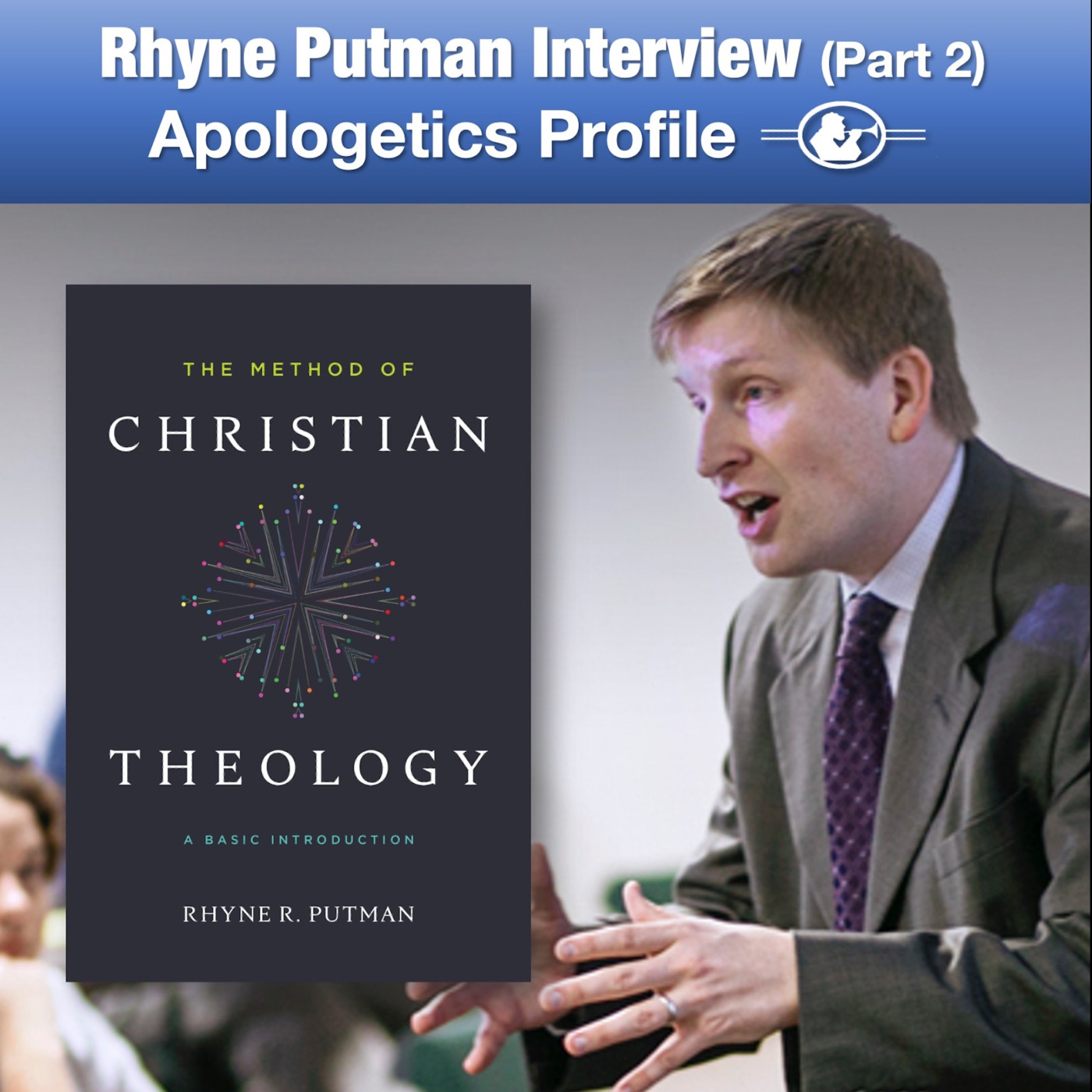
Ep 95Episode 95: Rhyne Putman on his new book, "The Method of Christian Theology" [Part 2]
Theology, or more simply, the study of God, can seem like a daunting task for us, something only scholarly professionals or seminary students bother thinking about. There are many sub-disciplines of theology, such as historical theology, biblical theology, and philosophical theology. What do they all mean? Why are they separate? Is one more important than the other? And how might a layperson begin to better understand theology for their own witness and faith in Christ? We are all theologians, from non-believers to pastors and laypersons alike. And our theology will impact how we live our lives. On part two of our conversation with theologian Dr. Rhyne Putman, we explore more of the practical applications that emanate from a proper understanding of Christian theology. Rhyne's new book The Method of Christian Theology - A Basic Introduction is written for both the lay and academic theologian. It is an immensely helpful and practical look at how we can understand and apply basic theological principles to our own walk with Christ. Rhyne shares his passion for translating Christian theology and doctrine into disciple making for the glory of God in Christ and His kingdom. Dr. Rhyne R. Putman is associate vice president for academic affairs and director of worldview formation at Williams Baptist University, as well as associate professor of theology and culture at New Orleans Baptist Theological Seminary. He has served on the Board of Directors of Watchman Fellowship for over 10 years and has authored a number of our 4-page Profiles.Watchman Profiles by Rhyne PutmanDr. Putman has written our our 4-page Profiles on several leading atheist authors as well as the New Age teacher and self-help author, Eckhart Tolle: Watchman's Profile on Richard Dawkins: watchman.org/Dawkins Watchman's Profile on Bart Ehrman: watchman.org/Ehrman Watchman's Profile on Sam Harris: watchman.org/Harris Watchman's Profile on Eckhart Tolle: watchman.org/Tolle We are also offering a free subscription to our 4-page bimonthly Profiles here: www.watchman.org/Free.SUPPORT: To help us create more content like this, please make a tax-deductible donation here: www.watchman.org/give.Apologetics Profile is a ministry of Watchman FellowshipFor more information visit www.watchman.org © Watchman Fellowship, Inc.
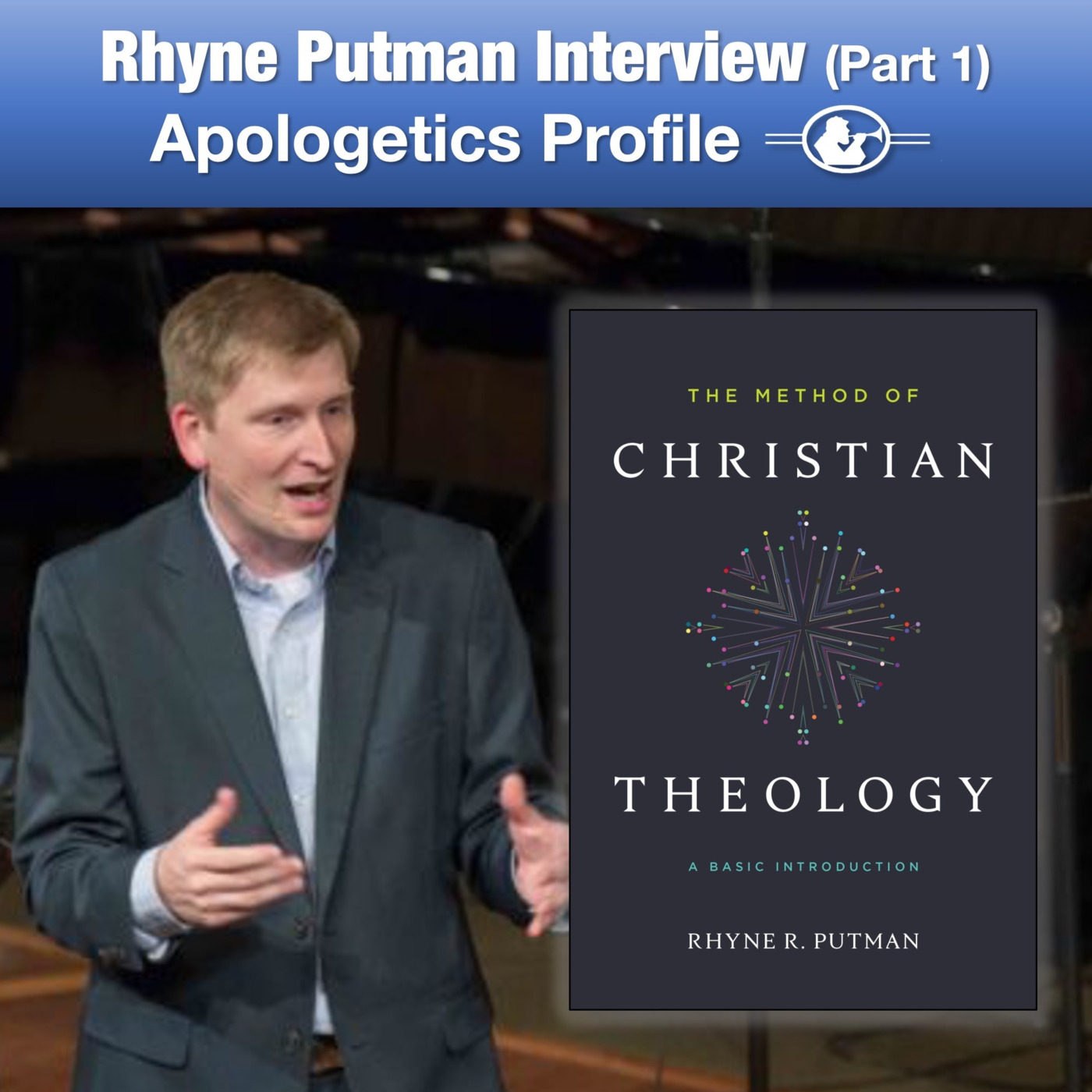
Ep 94Episode 94: Rhyne Putman on his new book, "The Method of Christian Theology" [Part 1]
As Christians, it can be a challenge to figure out how our faith in Christ and our knowledge of God can address the difficulties and problems of our time. In a world of what seems like nothing more than a patchwork quilt of disparate and disconnected events, how can we even begin to make sense of it all?The first step in the attempt is a proper foundational understanding of Christian theology and doctrine. What is sound Christian theology? What do we mean by Christian doctrine? Do we have to be professional theologians to face the challenges of our time? Where can we turn for help in better articulating our theology to our culture today? On this episode, we talk with theologian Dr. Rhyne Putman about his latest book The Method of Christian Theology - A Basic Introduction. Rhyne's book helps equip both the lay and scholastic theologian with the basics about Christian theology and practice. He lays down a foundation for where to begin that is both comprehensive, yet easy to read, outlining everything from what theology and doctrine are, to philosophical ideas about worldviews to how to write a theology paper or put together a sermon. Dr. Rhyne R. Putman is associate vice president for academic affairs and director of worldview formation at Williams Baptist University, as well as associate professor of theology and culture at New Orleans Baptist Theological Seminary. He has served on the Board of Directors of Watchman Fellowship for over 10 years and has authored a number of our 4-page Profiles.Watchman Profiles by Rhyne PutmanDr. Putman has written our our 4-page Profiles on several leading atheist authors as well as the New Age teacher and self-help author, Eckhart Tolle: Watchman's Profile on Richard Dawkins: watchman.org/Dawkins Watchman's Profile on Bart Ehrman: watchman.org/Ehrman Watchman's Profile on Sam Harris: watchman.org/Harris Watchman's Profile on Eckhart Tolle: watchman.org/Tolle We are also offering a free subscription to our 4-page bimonthly Profiles here: www.watchman.org/Free.SUPPORT: Help us create more content like this. Make a tax-deductible donation here: www.watchman.org/give.Apologetics Profile is a ministry of Watchman FellowshipFor more information visit www.watchman.org © Watchman Fellowship, Inc.

Ep 93Episode 93: A Hobbit, a Wardrobe and a Great War - a conversation with the author, Joseph Loconte, and Daniel Ray
We live in an age of uncertainty, war and rumors of wars. Headlines filled with news of pestilence, famine, earthquakes, fires, and political turmoil seem poised and ready to engulf us in despair and hopelessness at every turn. But this could be said of any age. A hundred years ago or a thousand years ago, there was never any such time where life was without its trials and tribulations.On this episode of Apologetics Profile, we talk with historian and author Joseph Loconte as he shares with us how the fantasy writings and lives of J.R.R. Tolkien and C.S. Lewis and the tumultuous and bitter conflicts of their era can give us wisdom and inspiration to persevere through our own personal and cultural challenges and suffering today. Joe offers insights from his 2015 book, A Hobbit, a Wardrobe, and a Great War as to how the friendship, love of literature and ultimately the Christian faith of both men enabled them to overcome the despair and cynicism of a culture embroiled in the tragedies of two world wars. Joe's book is currently debuting this year as a five-part drama-documentary. Part one has been released this year. You can view the trailer of the film here. Joseph Loconte, PhD, is the Director of the B. Kenneth Simon Center for American Studies at the Heritage Foundation. He also serves as a Senior Fellow in Christianity and Culture at The King’s College in New York City. He is the author of the New York Times bestseller A Hobbit, a Wardrobe, and a Great War: How J.R.R. Tolkien and C.S. Lewis Rediscovered Faith, Friendship, and Heroism in the Cataclysm of 1914-1918 (Harper Collins, 2015) and winner of the 2017 Best Article award from the Tolkien Society for his article How J.R.R. Tolkien Found Mordor on the Western Front.Mr. Loconte previously served as a Distinguished Visiting Professor at the School of Public Policy at Pepperdine University, where he taught on religion and public policy. He was a Senior Fellow at the Ethics and Public Policy Center in Washington, D.C., and from 1999-2006 he held the first chair in religion and civil society as the William E. Simon Fellow at the Heritage Foundation. MORE RESOURCES: We are also offering a free subscription to our 4-page bimonthly Profiles here: www.watchman.org/Free.SUPPORT: Help us create more content like this. Make a tax-deductible donation here: www.watchman.org/give.Apologetics Profile is a ministry of Watchman FellowshipFor more information visit www.watchman.org © Watchman Fellowship, Inc.
Ep 92Episode 92: Part 2 Q&A - Mormon Apologist Scott Gordon Vs Ex-Mormon James Walker "What Is The Gospel?"
Former Mormon James Walker, president of Watchman Fellowship, had the rare opportunity to participate in a public dialogue with a top Latter-day Saint defender, Scott Gordon, president of FairLatterDaySaints.org. Their discussion question was "What is the Gospel?" The dialogue was held at the [un]Apologetic Conference sponsored last month by the Baptist General Convention of Texas (BGCT) and hosted by Dr. Jeremy Evans of Woodridge Baptist Church in Kingwood, Texas.In episode two of this two-part podcast, James and Scott take questions texted in from the live audience as moderated by Dr. Evans. They seek to further clarify and provide their unique perspectives on the similarities and differences between the Latter-day Saint and evangelical Christian understanding of the Good News of Jesus Christ.For more about LDS apologist Scott Gordon and evangelical Christian apologist James Walker: Scott Gordon, President FairLatterDaySaints.org: fairlatterdaysaints.org James Walker, President of Watchman Fellowship: watchman.org/James Scott and James interviewed on Fox News Radio with the late Alan Colmes: watchman.org/colmes.pdf RELATED LINKS: More information on the Church of Jesus Christ of Latter-day Saints: Watchman Fellowship's 4-page Profile on Mormonism: watchman.org/Mormonism Related articles on Mormonism: watchman.org/LDS Is Mormonism True? by TrueLife.org (23-min.): TrueLife.org/categories/mormonism James Walker's debate with Latter-day Saint CES Director Joseph Evans on the question "Is Mormonism Christian?" (video, 2-hours): watchman.org/MormonDebate MORE RESOURCES: We are also offering a free subscription to our 4-page bimonthly Profiles here: www.watchman.org/Free.SUPPORT: Help us create more content like this. Make a tax-deductible donation here: www.watchman.org/give.Apologetics Profile is a ministry of Watchman FellowshipFor more information visit www.watchman.org © Watchman Fellowship, Inc.
Ep 91Episode 91: Mormon Apologist Scott Gordon Vs Ex-Mormon James Walker "What Is The Gospel?" Part 1
Former Mormon James Walker, president of Watchman Fellowship, had the rare opportunity to participate in a public dialogue with a top Latter-day Saint defender, Scott Gordon, president of FairLatterDaySaints.org. Their discussion question was "What is the Gospel?" The dialogue was held at the [un]Apologetic Conference sponsored last month by the Baptist General Convention of Texas (BGCT) and hosted by Dr. Jeremy Evans of Woodridge Baptist Church in Kingwood, Texas.In part one of this two-part podcast, James and Scott take about 25-minutes each to lay out to lay out their understanding of the essentials of the gospel. They identify and discuss the similarities and differences between the Latter-day Saint and evangelical Christian understanding of the Good News of Jesus Christ.For more about LDS apologist Scott Gordon and evangelical Christian apologist James Walker: Scott Gordon, President FairLatterDaySaints.org: fairlatterdaysaints.org James Walker, President of Watchman Fellowship: watchman.org/James Scott and James interviewed on Fox News Radio with the late Alan Colmes: watchman.org/colmes.pdf RELATED LINKS: More information on the Church of Jesus Christ of Latter-day Saints: Watchman Fellowship's 4-page Profile on Mormonism: watchman.org/Mormonism Related articles on Mormonism: watchman.org/LDS Is Mormonism True? by TrueLife.org (23-min.): TrueLife.org/categories/mormonism MORE RESOURCES: We are also offering a free subscription to our 4-page bimonthly Profiles here: www.watchman.org/Free.SUPPORT: Help us create more content like this. Make a tax-deductible donation here: www.watchman.org/give.Apologetics Profile is a ministry of Watchman FellowshipFor more information visit www.watchman.org © Watchman Fellowship, Inc.
Ep 90Episode 90: Science Vs Religion? Retracing the Origins of the Conflict with James Ungureanu [Part 2]
In the late 19th century, William Draper and Andrew White, set out to make a historical case that science and religion were not in conflict. Yet today, Draper and White are often portrayed as the progenitors of the conflict between science and religion in popular skeptic and atheist polemics against religion. On part two of our interview with historian of science Dr. James Ungureanu, we will examine how Draper and White's works have come to serve contemporary atheist polemics against Christianity. The "conflict" as many of Draper and White's contemporaries saw their work, was not with science and traditional Christianity, but in Draper and White's attenuated versions of Christianity, more akin to a minimal deism than anything resembling a traditional orthodox Christian faith. RELATED LINKS: More information on Dr. James Ungureanu and his book: James Ungureanu: www.jamescungureanu.com Science, Religion, and the Protestant Tradition - Retracing the Origins of the Conflict: https://bit.ly/SciReligion ADDITIONAL RESOURCES: Some of Watchman Fellowship's 4-page Profiles and our website Atheism Profile: watchman.org/atheism Agnosticism Profile: watchman.org/agnostic Scientism Profile: watchman.org/scientism Watchman Fellowship Website: watchman.org MORE RESOURCES: We are also offering a free subscription to our 4-page bimonthly Profiles here: www.watchman.org/Free.SUPPORT: Help us create more content like this. Make a tax-deductible donation here: www.watchman.org/give.Apologetics Profile is a ministry of Watchman FellowshipFor more information visit www.watchman.org © Watchman Fellowship, Inc.
Ep 89Episode 89: Science Vs Religion? Retracing the Origins of the Conflict with James Ungureanu [Part 1]
We are often told by skeptics that there is a conflict between science and religion, more specifically, science and the Bible. This is often referred to by historians as the "conflict thesis." On our two part episode with historian of science James Ungureanu, we will explore the historical roots of the "conflict thesis" as it pertains to Protestant Christianity in the late 19th and early twentieth centuries. Ungureanu's latest book, Science, Religion, and the Protestant Tradition - Retracing the Origins of the Conflict, examines the ideas and writings of two authors who are often attributed as the originators of the conflict thesis, William Draper and Andrew White. Ungureanu does not critique their ideas so much as he aims to show that Draper and White were finally not the genesis of the conflict, but rather spokespersons for the spirit of the times; a zeitgeist which included the indelible belief in moral and scientific progress, human rationality, anti-Catholicism and a deistic view of God. Draper and White were not atheists, but liberal Protestants who saw themselves as heirs of the Protestant Reformation. They did not intend for their writings to be seen as anti-religious polemics, yet over the ensuing decades that followed, with a burgeoning emphasis and appeal to Darwinian evolution and natural selection, atheists and skeptics capitalized on the attenuated deism of Draper and White, taking it one step further and attempted to eliminate God from science altogether.RELATED LINKS: More information on Dr. James Ungureanu and his book: James Ungureanu: www.jamescungureanu.com Science, Religion, and the Protestant Tradition - Retracing the Origins of the Conflict: https://bit.ly/SciReligion ADDITIONAL RESOURCES: Some of Watchman Fellowship's 4-page Profiles and our website Atheism Profile: watchman.org/atheism Agnosticism Profile: watchman.org/agnostic Scientism Profile: watchman.org/scientism Watchman Fellowship Website: watchman.org MORE RESOURCES: We are also offering a free subscription to our 4-page bimonthly Profiles here: www.watchman.org/Free.SUPPORT: Help us create more content like this. Make a tax-deductible donation here: www.watchman.org/give.Apologetics Profile is a ministry of Watchman FellowshipFor more information visit www.watchman.org © Watchman Fellowship, Inc.
Ep 88Episode 88: Where Is God? Part 2: Philosophical Hiddenness with Daniel Ray and Brady Blevins
On last week's episode Daniel Ray and Brady Blevins discussed the nature of divine hiddenness from a theological and biblical standpoint. This week Daniel and Brady tackle a different aspect of divine hiddenness, this time from a philosophical argument created by atheist philosopher J.L. Schellenberg, against the existence of God. Not to be confused with theological hiddenness, Schellenberg's argument is known as the Hiddenness Argument and is outlined in his two books, one from 2006 titled Divine Hiddenness and Human Reason and one from 2017, a simpler version of the argument titled The Hiddenness Argument - Philosophy's New Challenge to Belief in God. It is a more popular argument among thoughtful skeptics and atheists, one your children or grandchildren away at college may encounter from their unbelieving peers. On this episode Daniel and Brady break down the argument in an easy-to-understand conversation and compare it to what the Bible has to say. We are also featuring a four-page Profile on both theological and philosophical divine hiddenness researched and written by Daniel Ray.RESOURCES: Watchman Fellowship's 4-page Profile on Divine Hiddenness by Daniel Ray: watchman.org/DivineHiddennessWe feature an 18-minute easy-to-understand video presentation on the topic of Divine Hiddenness you may find here: https://youtu.be/xO9qQv0lU0IWe are also offering a free subscription to our 4-page bimonthly Profiles here: www.watchman.org/Free.SUPPORT: Help us create more content like this. Make a tax-deductible donation here: www.watchman.org/give.Apologetics Profile is a ministry of Watchman FellowshipFor more information visit www.watchman.org © Watchman Fellowship, Inc.
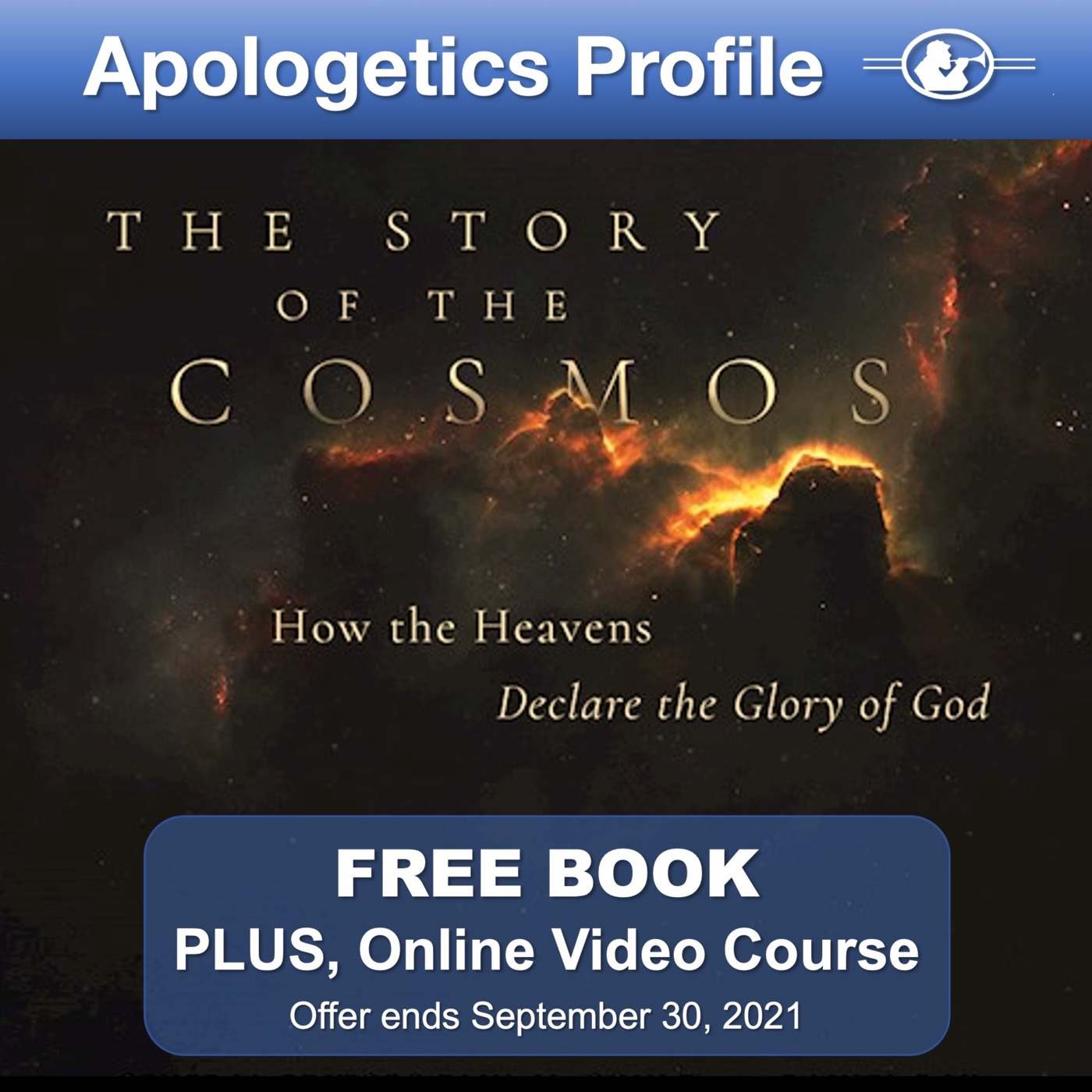
Ep 87Episode 87: EXTRA: Free Book PLUS Online Course "Story of the Cosmos" by Daniel Ray
This is a 4-minute special edition of Apologetics Profile. We are offering all of our listener a free copy our book, The Story of the Cosmos - How the Heavens Declare the Glory of God, coauthored and coedited by our staff apologist, Daniel Ray. We are also offering the companion online course from our Watchman School of Apologetics containing 15 video lessons, bonus video, study guides and optional video. The book and online course (a $68 value) are free, we only ask for a donation of at least $3.82 to help cover the postage. Any donation beyond the postage will help us recover from a significant drop in donations we experienced this summer.To request the book and course, visit www.watchman.org/Story.Apologetics Profile is a ministry of Watchman FellowshipFor more information visit www.watchman.org © Watchman Fellowship, Inc.
Ep 86Episode 86: Where Is God? Part 1: Theological Hiddenness with Daniel Ray and Brady Blevins
There comes a time in all of our lives when God seems distant or seems to have forgotten us. Our prayers appear to go unanswered. We are not spared from trial or difficulty or suffering and we wonder if God has indeed forsaken us. This is not an uncommon experience of those whom God equips for service. The Bible is filled with examples of God's chosen people wandering in darkness, lamenting their sins, emotionally struggling to find solace and comfort in a God who doesn't seem to mind or care that they are suffering. Examples of Moses, Job, David, Elijah, Peter, Paul, and even the Lord Jesus Himself have all passed through trials of what some theologians have called the "hiddenness of God". As Jesus cried out on the cross "My God, My God, why hast Thou forsaken Me?" On this episode of Apologetics Profile, Watchman staff apologist Daniel Ray and senior apologist Brady Blevins walk through biblical examples of this hiddenness and offer insights from Scripture and their own experiences as to how we can negotiate through such perilous times in our faith. RESOURCES: Watchman Fellowship's 4-page Profile on Divine Hiddenness by Daniel Ray: watchman.org/DivineHiddennessWe are also offering a free subscription to our 4-page bimonthly Profiles here: www.watchman.org/Free.SUPPORT: Help us create more content like this. Make a tax-deductible donation here: www.watchman.org/give.Apologetics Profile is a ministry of Watchman FellowshipFor more information visit www.watchman.org © Watchman Fellowship, Inc.
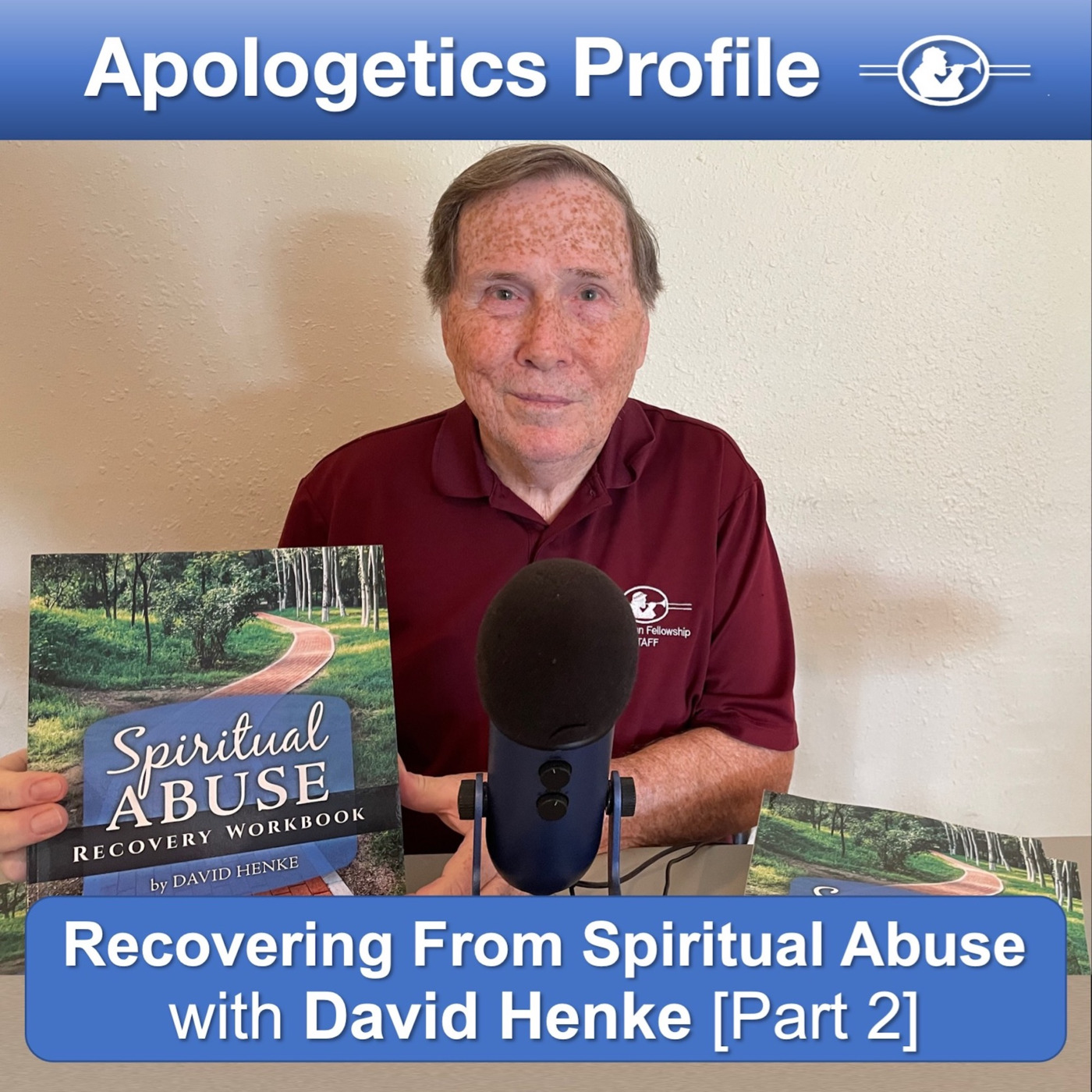
Ep 85Episode 85: Recovering from Spiritual Abuse with David Henke and James Walker [Part 2]
In part two, James Walker, president of Watchman Fellowship, concludes his interview with the founder of our ministry, David Henke, about his new book, Spiritual Abuse Recovery Workbook. Unfortunately, spiritual abuse is not limited to non-Christian sects, controversial religions and cults. Any spiritual leader, church or religious setting can become toxic and spiritually abusive regardless of the groups doctrinal statement or theological orthodoxy. David and James discuss the key issues and answer some critical questions: What is spiritual abuse? Why is it so damaging? What are the main warning signs? What does the Bible say? How can one recover from spiritual abuse? Related Links: David Henke's book and our free 4-page Profile Spiritual Abuse Recovery Workbook by David Henke: watchman.org/SA Spiritual Abuse Profile (4-pages) by David Henke: watchman.org/Abuse MORE RESOURCES: We are also offering a free subscription to our 4-page bimonthly Profiles here: www.watchman.org/Free.SUPPORT: Help us create more content like this. Make a tax-deductible donation here: www.watchman.org/give.Apologetics Profile is a ministry of Watchman FellowshipFor more information visit www.watchman.org © Watchman Fellowship, Inc.
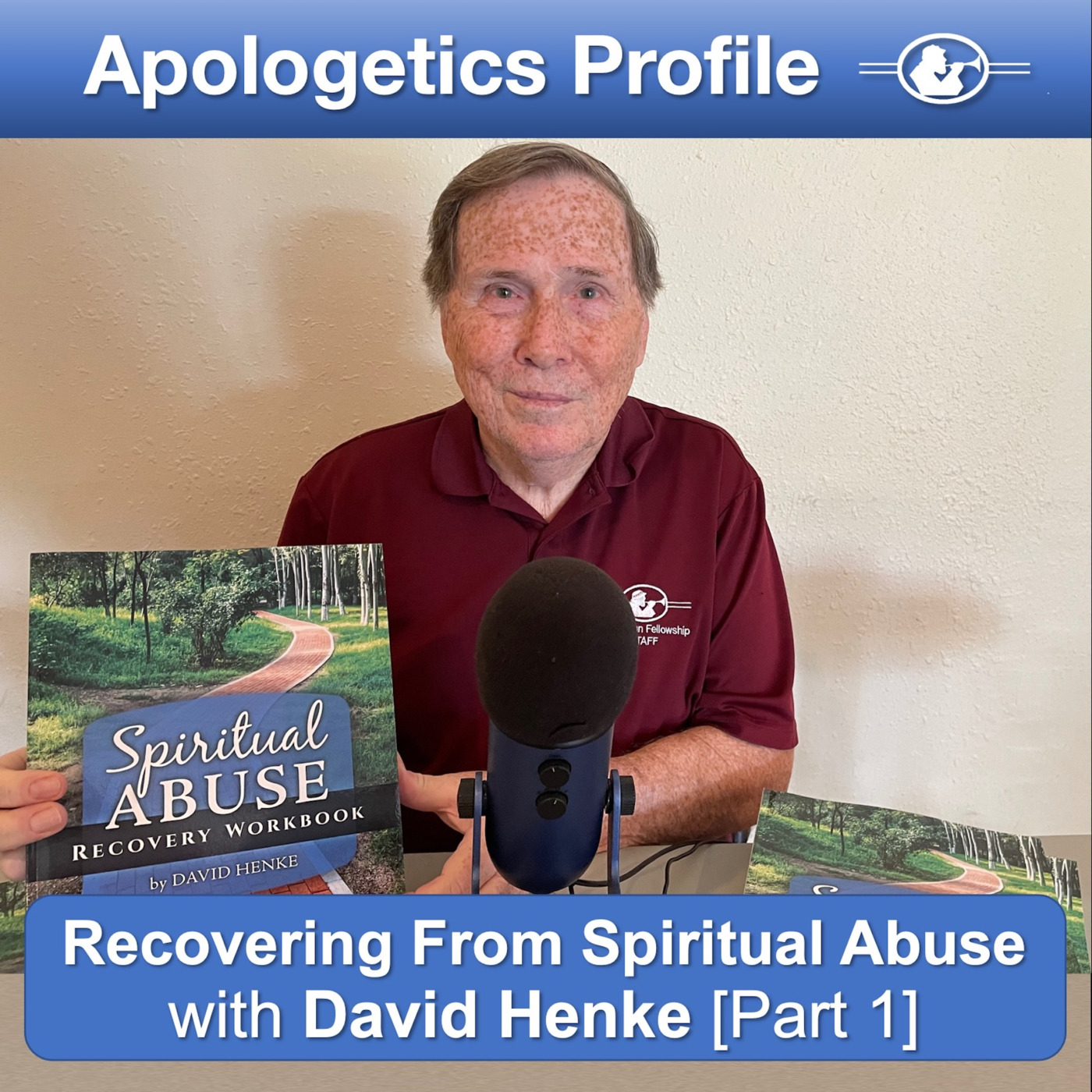
Ep 84Episode 84: Recovering from Spiritual Abuse with David Henke and James Walker [Part 1]
In this two-part podcast James Walker, president of Watchman Fellowship, interviews the founder of our ministry, David Henke, about his new book, Spiritual Abuse Recovery Workbook. Unfortunately, spiritual abuse is not limited to non-Christian sects, controversial religions and cults. Any spiritual leader, church or religious setting, can become toxic and spiritually abusive regardless of the groups doctrinal statement or theological orthodoxy. David and James discuss the key issues and answer critical questions: What is spiritual abuse? Why is it so damaging? What are the main warning signs? What does the Bible say? How can one recover from spiritual abuse? Related Links: David Henke's book and our free 4-page Profile Spiritual Abuse Recovery Workbook by David Henke: watchman.org/SA Spiritual Abuse Profile (4-pages) by David Henke: watchman.org/Abuse MORE RESOURCES: We are also offering a free subscription to our 4-page bimonthly Profiles here: www.watchman.org/Free.SUPPORT: Help us create more content like this. Make a tax-deductible donation here: www.watchman.org/give.Apologetics Profile is a ministry of Watchman FellowshipFor more information visit www.watchman.org © Watchman Fellowship, Inc.
Ep 83Episode 83: Answering Atheist Objections [Part 2] - with Dr. Frank Turek
This podcast is also available to watch in video format here: www.watchman.org/Turek2In this two-part podcast from Watchman Fellowship, Senior Apologist Dr. Brady Blevins interviews a nationally-known speaker, author and apologist, Dr. Frank Turek. Brady and Frank discuss ten of the top objections being used by skeptics and atheists today against Christianity. In part one, they focused on the reliability of the Bible and on the effect Christianity has had on world history. In this episode, Part Two, Brady and Frank unpack five additional objections to Christianity including some of the scientific problems. In addition, they tackle a question about Critical Race Theory and the divisions spoken of in Galatians. Their conversation today includes these 5 major objections to Christianity. Science disproves the Bible. Why would God create a world that he knew was going to go wrong eventually; then punish us for doing what He knew we would do? Why would God punish us for all eternity for committing finite sins? Some atheists have said that the God of the OT is horrible and hate filled but the God of the NT is worse because He sends people to hell for just believing the wrong way. The Bible teaches that all humans were born broken and full of sin. Critical Race Theory (CRT) states that we all have a propensity toward racism. What’s the difference between saying someone is born with sin and saying they are born racists? ADDITIONAL RESOURCES: Some of Watchman Fellowship's 4-page Profiles and our website Atheism Profile: watchman.org/atheism Agnosticism Profile: watchman.org/agnostic Scientism Profile: watchman.org/scientism Watchman Fellowship Website: watchman.org RELATED LINKS: More information on Dr. Frank Turek and his ministry, CrossExamined: Dr. Frank Turek: www.crossexamined.org/dr-frank-turek/ CrossExamined: www.crossexamined.org I Don't Have Enough Faith to Be an Atheist, by Norman Geisler and Frank Turek: https://amzn.to/3APRvxv Stealing From God by Frank Turek: https://amzn.to/2W1MvH0 MORE RESOURCES: We are also offering a free subscription to our 4-page bimonthly Profiles here: www.watchman.org/Free.SUPPORT: Help us create more content like this. Make a tax-deductible donation here: www.watchman.org/give.Apologetics Profile is a ministry of Watchman FellowshipFor more information visit www.watchman.org © Watchman Fellowship, Inc.
Ep 82Episode 82: Answering Atheist Objections [Part 1] - with Dr. Frank Turek
This podcast is also available to watch in video format here: www.watchman.org/Turek1In this two-part podcast from Watchman Fellowship, Senior Apologist Dr. Brady Blevins interviews a nationally-known speaker, author and apologist, Dr. Frank Turek. Brady and Frank discuss ten of the top objections being used by skeptics and atheists today against Christianity. In part one, they focus on the reliability of the Bible and on the effect Christianity has had on world history. Their conversation includes these 5 major objections to Christianity. Society is getting better, there are fewer wars going on around the world today per capita than ever before in history and we have made strides toward equality – This is evidence that we don’t need God to be good. There’s no way to know that the Bible really came from God. After all the writers could have simply made it all up. Men make mistakes; therefore, how can we trust the Bible because it was written by men? The books of the Bible were not decided until the council of Nicaea when they were mandated by the Emperor Constantine. There’s no evidence for God. Science has disproven God’s existence. Besides how can anybody know that God exists? Be sure to listen to part two next week when they unpack five additional objections to Christianity including some of the scientific problems. In addition, they will tackle a question about Critical Race Theory and the divisions spoken of in Galatians.ADDITIONAL RESOURCES: Some of Watchman Fellowship's 4-page Profiles and our website Atheism Profile: watchman.org/atheism Agnosticism Profile: watchman.org/agnostic Scientism Profile: watchman.org/scientism Watchman Fellowship Website: watchman.org RELATED LINKS: More information on Dr. Frank Turek and his ministry, CrossExamined: Dr. Frank Turek: www.crossexamined.org/dr-frank-turek/ CrossExamined: www.crossexamined.org I Don't Have Enough Faith to Be an Atheist, by Norman Geisler and Frank Turek: https://amzn.to/3APRvxv Stealing From God by Frank Turek: https://amzn.to/2W1MvH0 MORE RESOURCES: We are also offering a free subscription to our 4-page bimonthly Profiles here: www.watchman.org/Free.SUPPORT: Help us create more content like this. Make a tax-deductible donation here: www.watchman.org/give.Apologetics Profile is a ministry of Watchman FellowshipFor more information visit www.watchman.org © Watchman Fellowship, Inc.
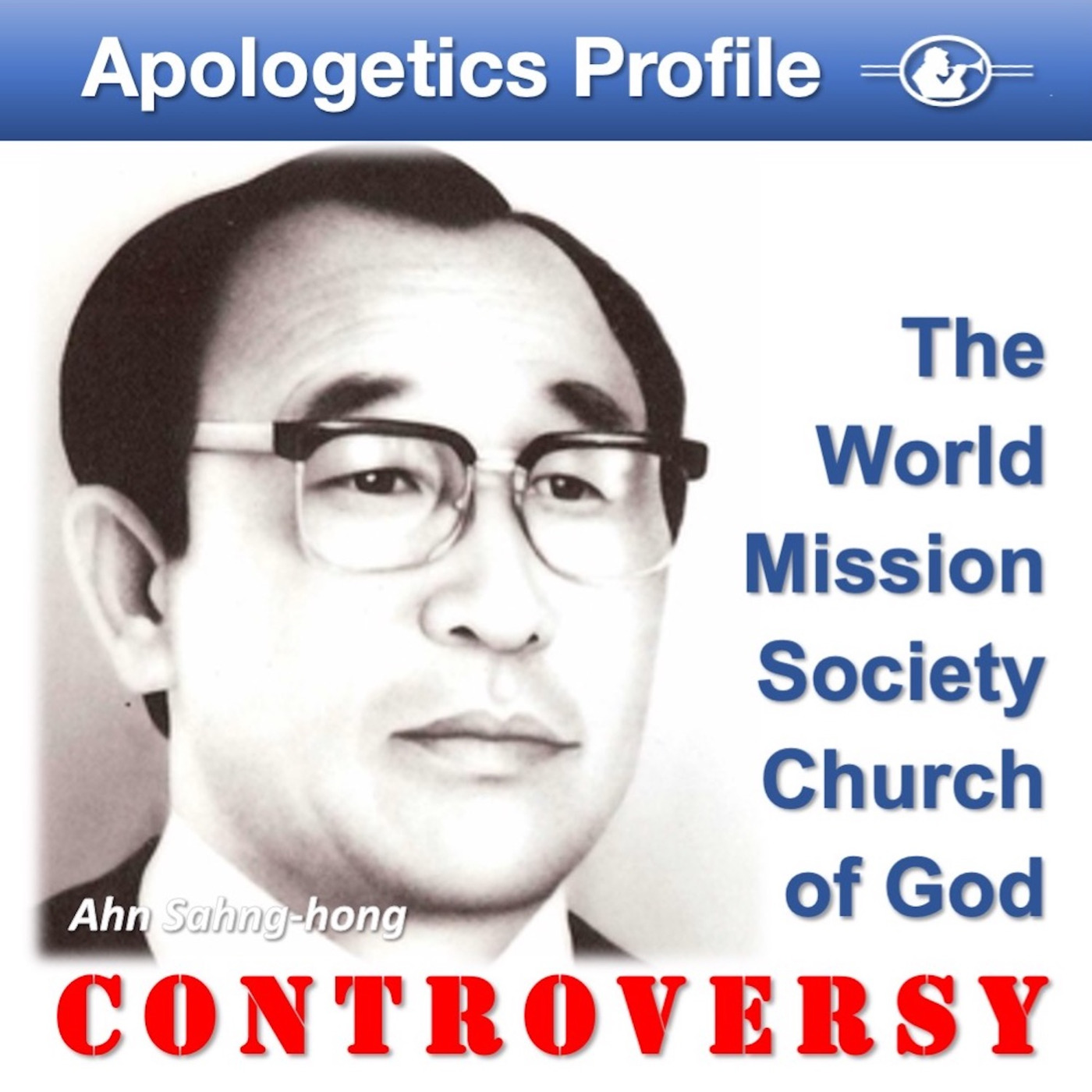
Ep 81Episode 81: The World Mission Society Church of God Controversy - Brady Blevins interviews Steve Matthews
NOTE: An expanded edition of this podcast is also available. Listen to the complete WMSCOG podcast here (84-minutes): www.watchman.org/WMSCOG_FullIn this week's episode Watchman Fellowship's Senior Apologist, Brady Blevins, interviews Steve Matthews about a controversial new religion that is now impacting the United States. The World Mission Society Church of God (WMSCOG) is a "mother-god" cult out of South Korea. Critics claim that their tactics, often and most notable on college campuses across the country, include a combination of aggressively seeking out unsuspecting young people and twisting Scripture to make converts.While the group claims the Bible as authoritative, their unique and unusual theology is largely based on the teachings of their founder, Ahn Sahng-hong. While most groups make their teachings available to anyone and everyone, the WMSCOG only allows members who reach a certain level of dedication to obtain the written copies of the deeper teachings of the group. According to dissents and some former members, once new converts join the group, the WMSCOG will look to control every aspect of the person’s life even to the point of convincing them that if they miss church they will go to hell. This group is very persuasive with their twisting of Scripture. Because of their emphasis on campus recruitment, this should be especially noted for anyone who is going to college or has loved ones in the university system. RELATED LINKS: More information on WMSCOG: Watchman Fellowship's 4-page Profile by Steve Matthews: www.watchman.org/WMSCOG Our Expanded Edition WMSCOG Podcast (1 hour, 24-minutes): www.watchman.org/WMSCOG_Full Our help sheet for Bible verses showing there is only one true God: www.watchman.org/WMSCOG_OneGod.pdf MORE RESOURCES: We are also offering a free subscription to our 4-page bimonthly Profiles here: www.watchman.org/Free.SUPPORT: Help us create more content like this. Make a tax-deductible donation here: www.watchman.org/give.Apologetics Profile is a ministry of Watchman FellowshipFor more information visit www.watchman.org © Watchman Fellowship, Inc.
Ep 80Episode 80: In the Days of Noah [Part 2] - An Old-Earth View of the Genesis Flood with Dr. Hugh Ross
This podcast is also available to watch in video format here: www.watchman.org/HughRoss2The Bible tells us that in the last days, there will be mockers who will scoff at the idea of a biblical flood. If you are a Christian who has ever talked to a skeptic or an unbeliever, you may have experienced this mockery first-hand. You've been told there's no evidence for a flood, or that the Bible is just a mythical tale, and that while the story of Noah and the animals on the ark might be a cute Sunday school lesson on a felt board, no thoughtful adult takes it seriously. On this episode, we talk to astrophysicist and Christian apologist, Dr. Hugh Ross of Reasons to Believe. Dr. Ross has explored in great detail the text of Scripture and has participated in discussions and debates with believers and unbelievers alike about the reality of Noah's flood found in the book of Genesis, chapters 6-9. Dr. Ross takes what is known as an "old-earth" view of the flood. That is, Dr. Ross believes the earth to be billions of years old, rather than six to ten thousand years old. He also does not believe the flood covered the entire globe. We have also featured a "young-earth" view of the flood from Dr. Tim Clarey of the Institute for Creation Research. You can listen to that episode on our Good Heavens! podcast here: https://www.patreon.com/posts/53039288 We believe as Christians that there is room for civil and charitable disagreement about the scientific details of the flood and we hope that no matter if you are a young or old-earth creationist, or a skeptic or unbeliever, that you can see how Dr. Ross and Dr. Clarey charitably disagree but affirm that the flood described in the Bible really did happen and most importantly, they both affirm the inspiration of Scripture and the person and work of the Lord Jesus Christ. For more about Dr. Ross and Reasons to Believe: https://reasons.org/team/hugh-ross https://reasons.org/ This broadcast and our broadcast with Tim Clarey of the Institute for Creation Research are designed to present different perspectives and model Christian charity and love in how we address the issues that divide believers.RELATED LINKS: More information on Dr. Hugh Ross and his ministry, Reasons to Believe, and book: Hugh Ross: www.reasons.org/team/hugh-ross Reasons to Believe: www.reasons.org Days of Noah (DVD): https://bit.ly/NoahDVD Improbable Planet, by Hugh Ross: https://amzn.to/3C0m0SN MORE RESOURCES: We are also offering a free subscription to our 4-page bimonthly Profiles here: www.watchman.org/Free.SUPPORT: Help us create more content like this. Make a tax-deductible donation here: www.watchman.org/give.Apologetics Profile is a ministry of Watchman FellowshipFor more information visit www.watchman.org © Watchman Fellowship, Inc.
Ep 79Episode 79: In the Days of Noah [Part 1] - An Old-Earth View of the Genesis Flood with Dr. Hugh Ross
This podcast is also available to watch in video format here: www.watchman.org/HughRoss1The Bible tells us that in the last days, there will be mockers who will scoff at the idea of a biblical flood. If you are a Christian who has ever talked to a skeptic or an unbeliever, you may have experienced this mockery first-hand. You've been told there's no evidence for a flood, or that the Bible is just a mythical tale, and that while the story of Noah and the animals on the ark might be a cute Sunday school lesson on a felt board, no thoughtful adult takes it seriously. On this episode, we talk to astrophysicist and Christian apologist, Dr. Hugh Ross of Reasons to Believe. Dr. Ross has explored in great detail the text of Scripture and has participated in discussions and debates with believers and unbelievers alike about the reality of Noah's flood found in the book of Genesis, chapters 6-9. Dr. Ross takes what is known as an "old-earth" view of the flood. That is, Dr. Ross believes the earth to be billions of years old, rather than six to ten thousand years old. He also does not believe the flood covered the entire globe. We have also featured a "young-earth" view of the flood from Dr. Tim Clarey of the Institute for Creation Research. You can listen to that episode on our Good Heavens! podcast here: https://www.patreon.com/posts/53039288 We believe as Christians that there is room for civil and charitable disagreement about the scientific details of the flood and we hope that no matter if you are a young or old-earth creationist, or a skeptic or unbeliever, that you can see how Dr. Ross and Dr. Clarey charitably disagree but affirm that the flood described in the Bible really did happen and most importantly, they both affirm the inspiration of Scripture and the person and work of the Lord Jesus Christ. For more about Dr. Ross and Reasons to Believe: https://reasons.org/team/hugh-ross https://reasons.org/ This broadcast and our broadcast with Tim Clarey of the Institute for Creation Research are designed to present different perspectives and model Christian charity and love in how we address the issues that divide believers.RELATED LINKS: More information on Dr. Hugh Ross and his ministry, Reasons to Believe, and book: Hugh Ross: www.reasons.org/team/hugh-ross Reasons to Believe: www.reasons.org Days of Noah (DVD): https://bit.ly/NoahDVD Improbable Planet, by Hugh Ross: https://amzn.to/3C0m0SN MORE RESOURCES: We are also offering a free subscription to our 4-page bimonthly Profiles here: www.watchman.org/Free.SUPPORT: Help us create more content like this. Make a tax-deductible donation here: www.watchman.org/give.Apologetics Profile is a ministry of Watchman FellowshipFor more information visit www.watchman.org © Watchman Fellowship, Inc.
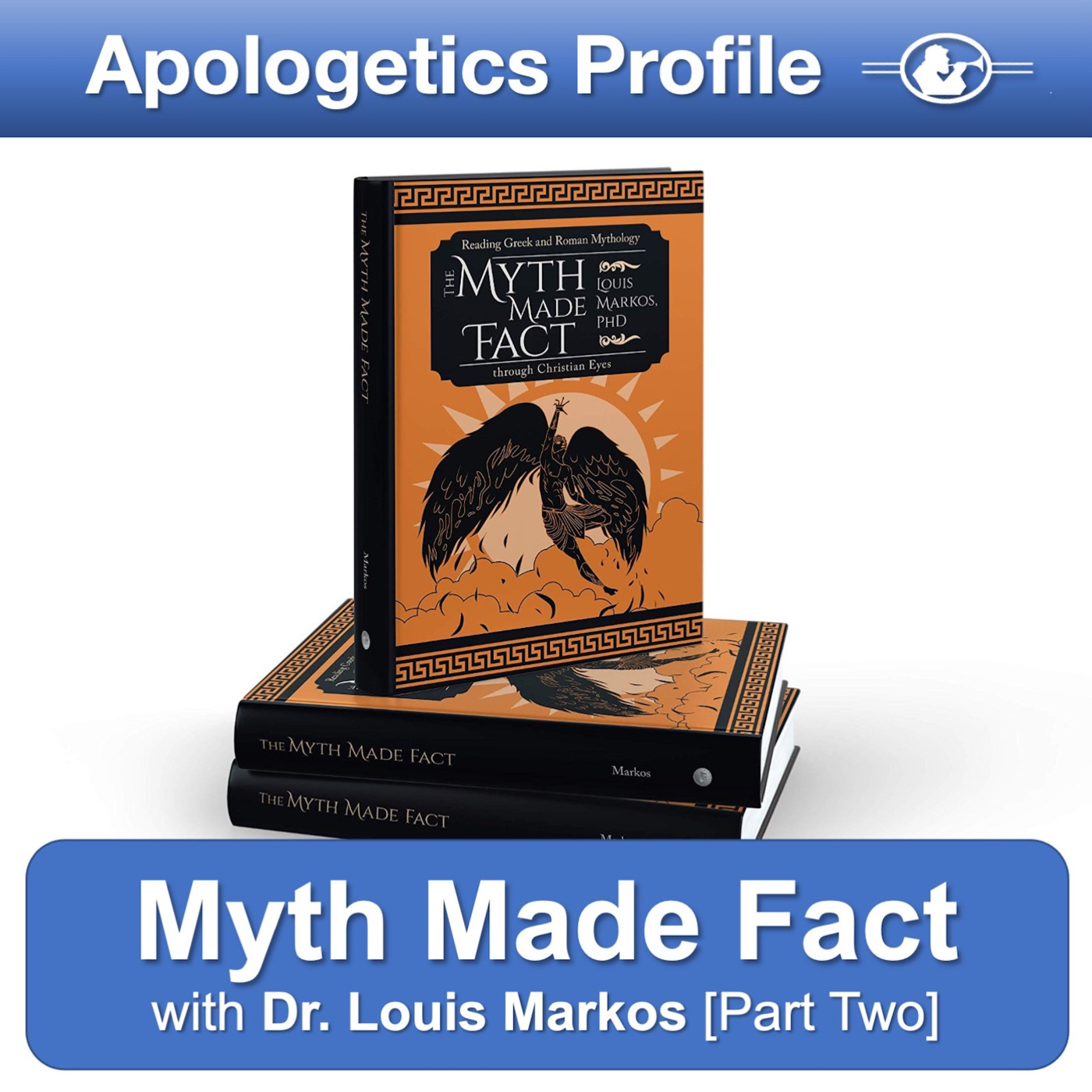
Ep 78Episode 78: The Myth Made Fact [Part 2] - Is Jesus Just a Borrowed Myth? with Dr. Louis Markos
This podcast is also available to watch in video format here: www.watchman.org/Markos2When the Apostle Paul preached his sermon on Mars Hill to the Greek philosophers, he quoted from two Greek poets writing about Zeus, but he used the poem as a bridge to show the Athenians the truth about the risen Lord Jesus Christ. And as we learned in part one, Dr. Markos argues Jesus may have done the very same thing when speaking to a group of curious Greek seekers. But what would this kind of creative bridge-building look like for us today? Dr. Markos argues Christianity isn't just a story, but the best story. In our scientific, rational and post-Enlightenment age people flock to the movies, starving for redemption, meaning and purpose. And though we all know the stories of the sliver screen are indeed not true in a literal sense, some may true on a much deeper level. A strong man comes to deliver us and do for us what we cannot do for ourselves. Bravery, sacrifice, standing up for truth and goodness in a world filled with evil. Our culture wants this to be true. And the good news is that it is true. Dr. Markos argues Christians should seek to find Christian truths in our movies and in the ancient myths. As C.S. Lewis noted in his essay, Myth Became Fact, "We must not be nervous about 'parallels' and 'pagan Christs': they ought to be there - it would be a stumbling block if they weren't. We must not, in false spirituality, withhold our imaginative welcome." On part two, Dr. Markos gives us more insights into the ways we can use the ancient myths in proclamation of Gospel truth. RELATED LINKS: More information on Dr. Louis Markos and a link to his website and book: The Myth Made Fact by Louis Markos: https://bit.ly/MythMadeFact Myth Made Fact (website, course, PowerPoint, and files): MythMadeFact.com About Dr. Louis Markos: hbu.edu/contact/louis-markos MORE RESOURCES: We are also offering a free subscription to our 4-page bimonthly Profiles here: www.watchman.org/Free.SUPPORT: Help us create more content like this. Make a tax-deductible donation here: www.watchman.org/give.Apologetics Profile is a ministry of Watchman FellowshipFor more information, visit www.watchman.org © Watchman Fellowship, Inc.
Ep 77Episode 77: The Myth Made Fact [Part 1] - Is Jesus Just a Borrowed Myth? with Dr. Louis Markos
This podcast is also available to watch in video format here: www.watchman.org/Markos1You have probably heard skeptics make the claim that Jesus is just a myth, just like all the other dying-and-rising-god myths the ancient world. But is that really true? Absolutely not, argues our guest this week, Dr. Louis Markos of Houston Baptist University. His latest book The Myth Made Fact, argues that rather than being just another myth, Christianity is the fulfillment of all the great myths of the past. And by myth Dr. Markos does not mean "falsehood," but rather a cultural narrative rooted in the truth of who we are as created in the image of God. If Jesus is not the Savior of the world who died and rose again for the salvation of mankind, the skeptic is hard-pressed to explain why many of the ancient tales contain tinctures of Gospel truth. Why the need for a Savior? A strong man? What has gone wrong with man? Why is life depicted as a cosmic battle between gods and men? The "Proto-Evangelium" Dr. Markos argues, the "First Gospel," ideas of fall and redemption, appear throughout Greek and Roman mythology. And like the early Christians transformed "pagan symbols into Christian iconography," Dr. Markos believes Christians today can and should creatively do the very same thing, using the Gospel as our standard. Following in the footsteps of C.S. Lewis, Dr. Markos believes the stories and mythical tales can serve to help believers show how the truth of the Gospel is indeed the fulfillment of the best myths, it is indeed the greatest story ever told.RELATED LINKS: More information on Dr. Louis Markos and a link to his website and book: The Myth Made Fact by Louis Markos: https://bit.ly/MythMadeFact Myth Made Fact (website, course, PowerPoint, and files): MythMadeFact.com About Dr. Louis Markos: hbu.edu/contact/louis-markos MORE RESOURCES: We are also offering a free subscription to our 4-page bimonthly Profiles here: www.watchman.org/Free.SUPPORT: Help us create more content like this. Make a tax-deductible donation here: www.watchman.org/give.Apologetics Profile is a ministry of Watchman FellowshipFor more information, visit www.watchman.org © Watchman Fellowship, Inc.
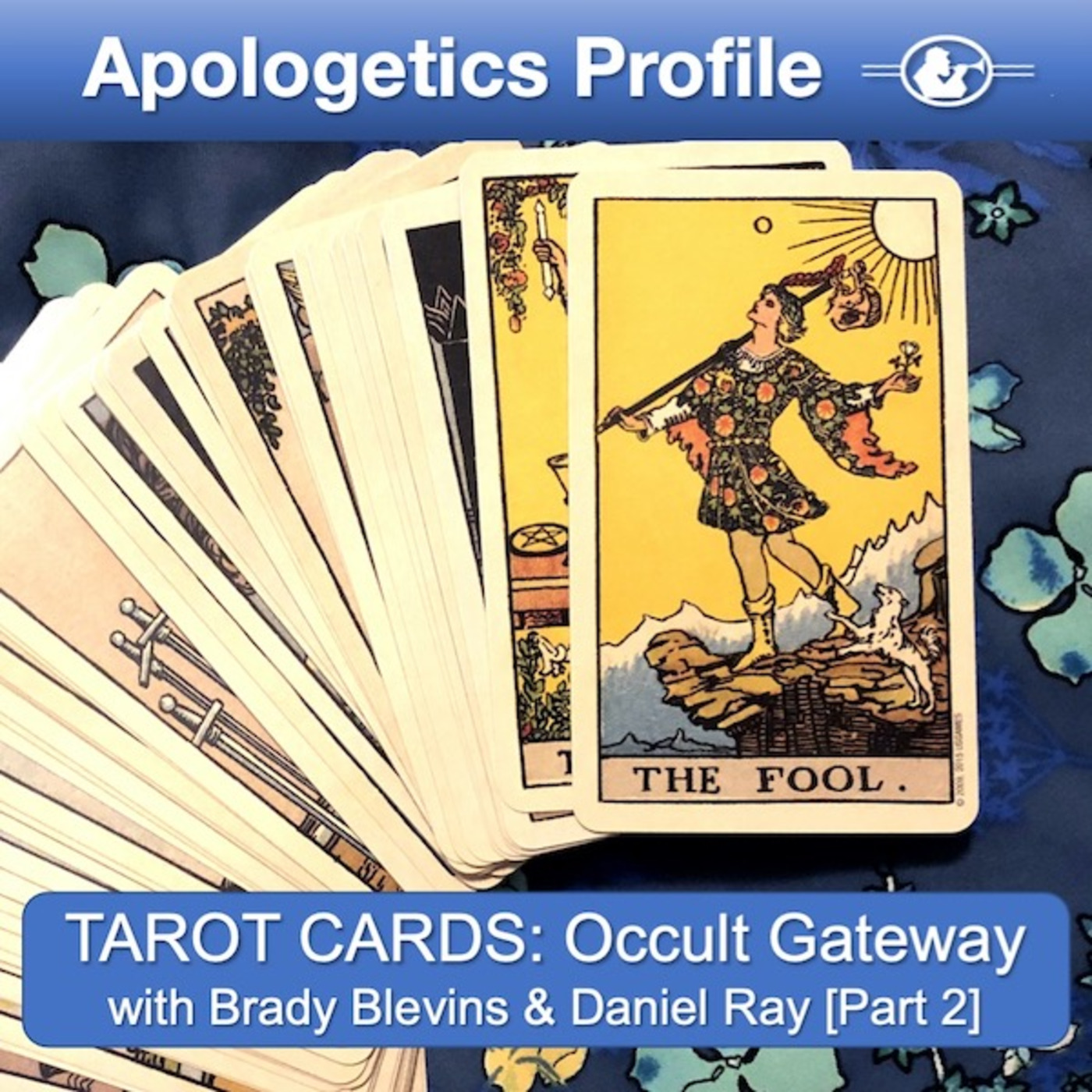
Ep 76Episode 76: Tarot Cards: Gateway to the Occult [Part 2]
This podcast is also available to watch in video format here: watchman.org/Tarot2Divination is an occultic practice that attempts to contact the spirit world in hopes of gaining wisdom and/or power by supernatural means apart from the God of the Bible. In part two of our discussion on tarot cards, the influence of Carl Jung on the understanding of how tarot cards “work” is examined. The types of questions and problems that the tarot cards are said to be able to answer are considered. Daniel and Brady discuss the act of the divinator and their practice in reading the cards. The conversation focuses on issues such as, how the cards are shuffled, spread out and are interpreted. Special attention is given to the subjective nature of the divinator and how the cards are purported to “work.” Finally, the act of divination is discussed from a biblical perspective. The warning throughout scripture and especially the New Testament are weighed against the actions of the divinator. RELATED LINKS: Access our free, 4-page Watchman Felloship Profiles on Tarot Cards, Psychics, the Occult and Aleister Crowley: Profile on Tarot Cards: www.watchman.org/Tarot Profile on Psychics: www.watchman.org/Psychics Profile on the Occult: www.watchman.org/TheOccult Profile on Aleister Crowley: www.watchman.org/Crowley MORE RESOURCES: We are also offering a free subscription to our 4-page bimonthly Profiles here: www.watchman.org/Free.SUPPORT: Help us create more content like this. Make a tax-deductible donation here: www.watchman.org/give.Apologetics Profile is a ministry of Watchman FellowshipFor more information, visit www.watchman.org © Watchman Fellowship, Inc.
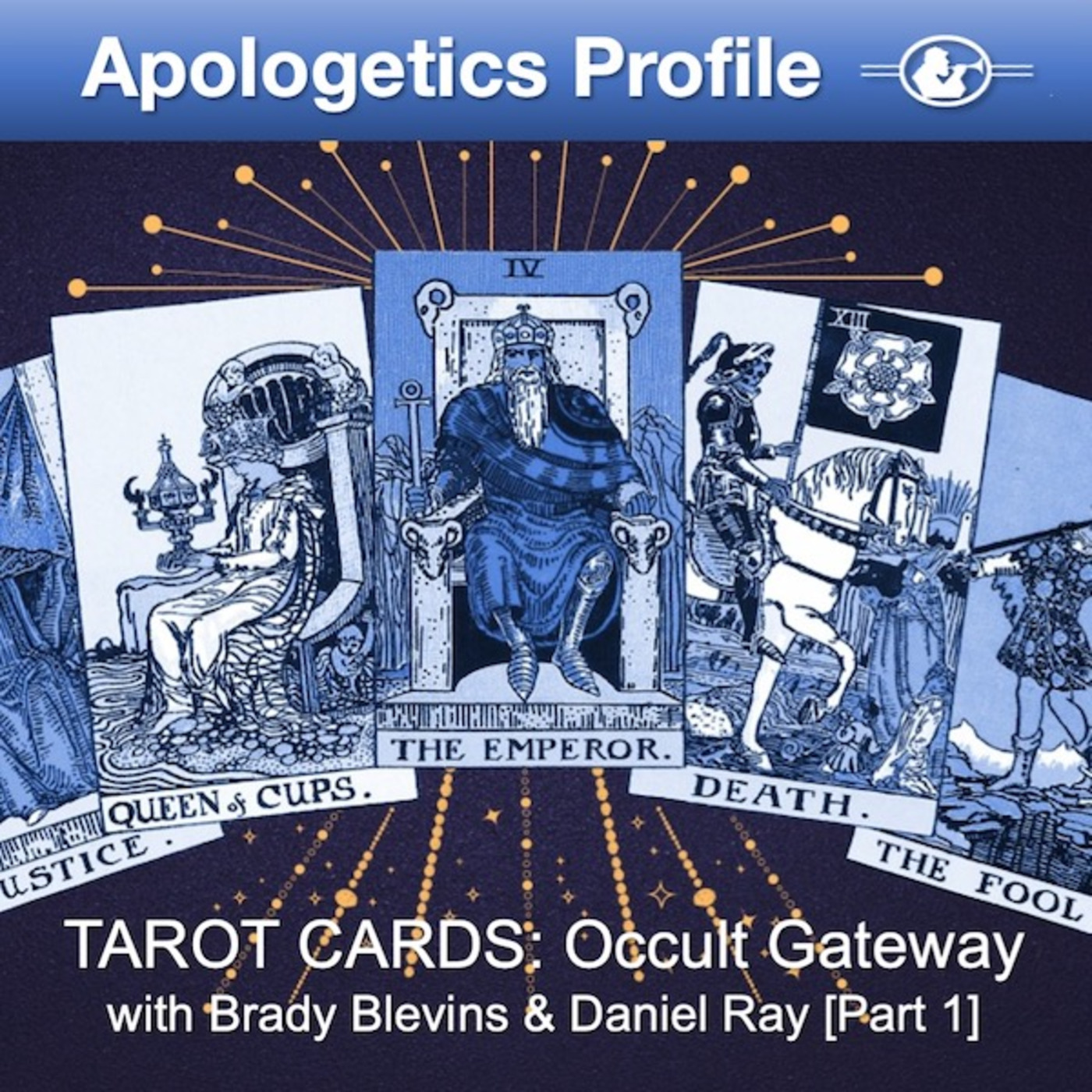
Ep 75Episode 75: Tarot Cards: Gateway to the Occult [Part 1]
This podcast is also available to watch in video format here: watchman.org/Tarot1The history of tarot cards is shrouded in mystery but the modern-day usage of the cards can be tracked back to the 15th century. In today’s podcast, Senior Apologist Brady Blevins discusses the history of tarot cards and how they have grown in popularity. Along with Daniel Ray, Brady discusses the significance of the cards and major divisions that affect how divinators determine the meaning based on the type of cards. The suits and court cards are discussed as well as the difference between tarot cards and a regular deck of playing cards. The warnings about divination from the Old Testament are illuminated and the table is set for a deeper discussion in part two. RELATED LINKS: Access our free, 4-page Watchman Felloship Profiles on Tarot Cards, Psychics, the Occult and Aleister Crowley: Profile on Tarot Cards: www.watchman.org/Tarot Profile on Psychics: www.watchman.org/Psychics Profile on the Occult: www.watchman.org/TheOccult Profile on Aleister Crowley: www.watchman.org/Crowley MORE RESOURCES: We are also offering a free subscription to our 4-page bimonthly Profiles here: www.watchman.org/Free.SUPPORT: Help us create more content like this. Make a tax-deductible donation here: www.watchman.org/give.Apologetics Profile is a ministry of Watchman FellowshipFor more information, visit www.watchman.org © Watchman Fellowship, Inc.
About Apologetics Profile (1-min trailer)
Apologetics Profile is a weekly podcast published by Watchman Fellowship, an evangelical Christian ministry focused on interfaith evangelism and apologetics. To subscribe, visit www.watchman.org/Podcast or text Podcast to 50700.Additional ResourcesFREE: We are also offering a free subscription to our 4-page bimonthly Profiles here: www.watchman.org/Free.SUPPORT: Help us create more content like this. Make a tax-deductible donation here: www.watchman.org/give.Apologetics Profile is a ministry of Watchman FellowshipFor more information, visit www.watchman.org © Watchman Fellowship, Inc.
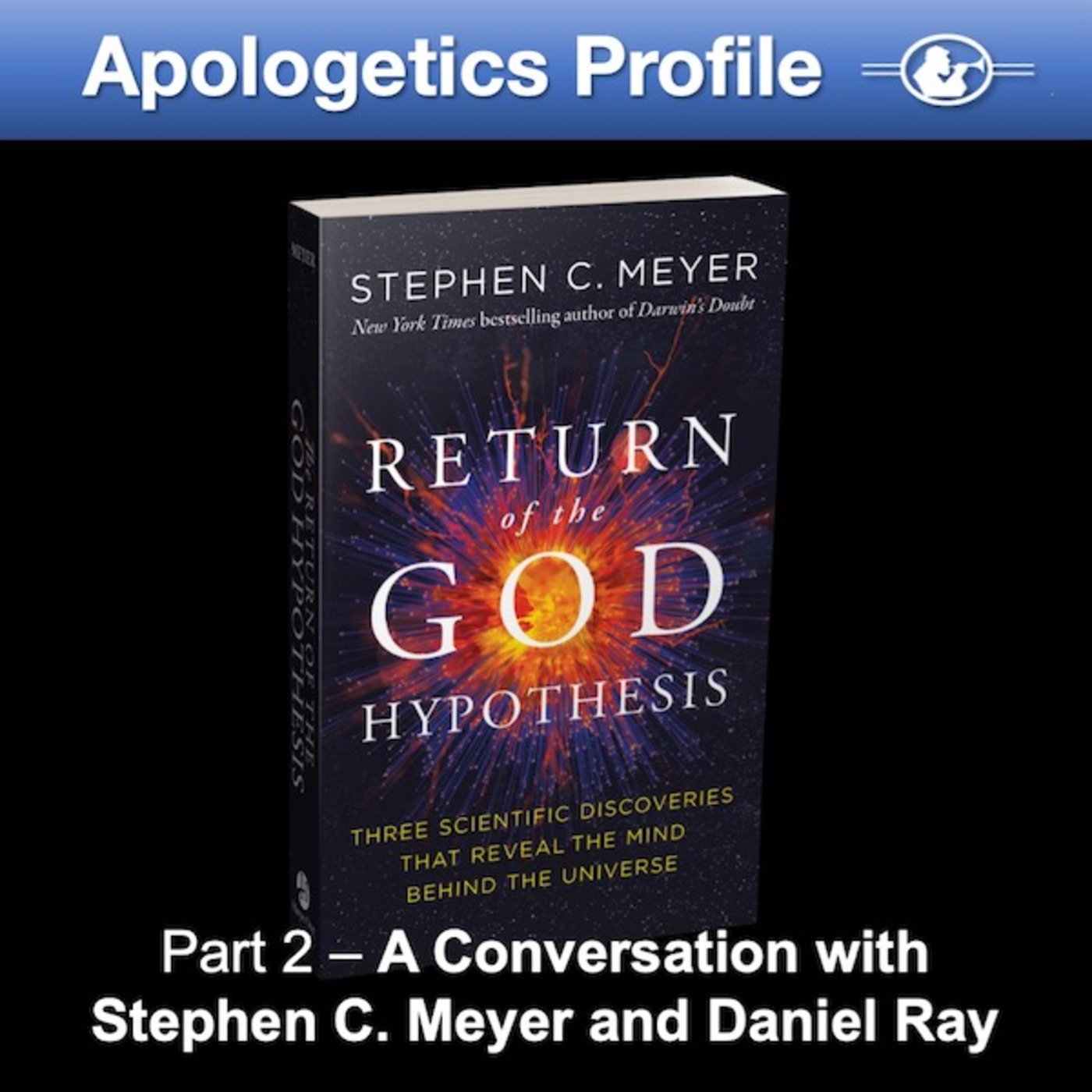
71 Conversation with Stephen Meyer "Return of the God Hypothesis" [Part 2]
This podcast is also available to watch in video format here: www.watchman.org/Meyer2.Charles Darwin published his landmark work The Origin of the Species in 1859. Today, evolution and natural selection remain the dominant scientific paradigms of our time regarding the development of biological life. Many atheists and skeptics regard Darwin's ideas as having finally done away with the idea that life is the special creation of the God of the Bible. Our guest this week, Dr. Stephen C. Meyer of the Discovery Institute in Seattle, Washington, and best-selling author of The Return of the God Hypothesis suggests the findings of contemporary biological sciences point in the opposite direction.On this episode, Dr. Meyer unpacks with resplendent clarity how the intricate designs and arrangement of molecules and proteins in living cells serve to affirm the fantastic truths proclaimed in Genesis and the Psalms. Life is indeed the special creation of the living God of Abraham, Isaac, and Jacob. Our cellular composition reflects exquisite design and purpose. Life is fearfully and wonderfully made. God's invisible attributes; His wisdom, creativity, power, intelligence, beauty, and majesty are reflected in everything He has made from the tiniest zygote to the swiftest Zebra on the Serengeti. You don't want to miss this episode!Stephen C. Meyer received his Ph.D. in the philosophy of science from the University of Cambridge. A former geophysicist and college professor, he now directs Discovery Institute’s Center for Science and Culture in Seattle.In addition to Meyer’s two landmark books, the New York Times bestseller Darwin’s Doubt: The Explosive Origin of Animal Life and the Case for Intelligent Design and Times (of London) Literary Supplement Book of the Year Signature in the Cell: DNA and the Evidence for Intelligent Design, his many other publications include contributions to, and the editing of, the peer-reviewed volume Darwinism, Design and Public Education (Michigan State University Press, 2004) and the innovative textbook Explore Evolution (Hill House Publishers, 2007). Meyer has also published editorials in national newspapers such as The Wall Street Journal, USA Today, The National Post (of Canada), The Daily Telegraph (of London) and The Los Angeles Times. He has appeared on national television and radio programs such as The Jim Lehrer News Hour, NBC Nightly News, ABC Nightly News, CBS Sunday Morning, Nightline, Fox News Live, Paula Zahn Now (CNN), Good Morning America and the Tavis Smiley Show on PBS. He has also been featured in two New York Times front-page stories and has garnered attention in other top national media.For more information, visit: https://www.thereturnofthegodhypothesis.com.Related LinksOrder Dr. Meyer's book and access our free, 4-page Watchman Fellowship Profiles on Atheism and Agnosticism: Return of the God Hypothesis by Stephen C. Meyer: http://bit.ly/StephenMeyer Profile on Atheism: watchman.org/Atheism Profile on Agnosticism: watchman.org/Agnostic Additional ResourcesFREE: We are also offering a free subscription to our 4-page bimonthly Profiles here: www.watchman.org/Free.SUPPORT: Help us create more content like this. Make a tax-deductible donation here: www.watchman.org/give.Apologetics Profile is a ministry of Watchman FellowshipFor more information, visit www.watchman.org © Watchman Fellowship, Inc.
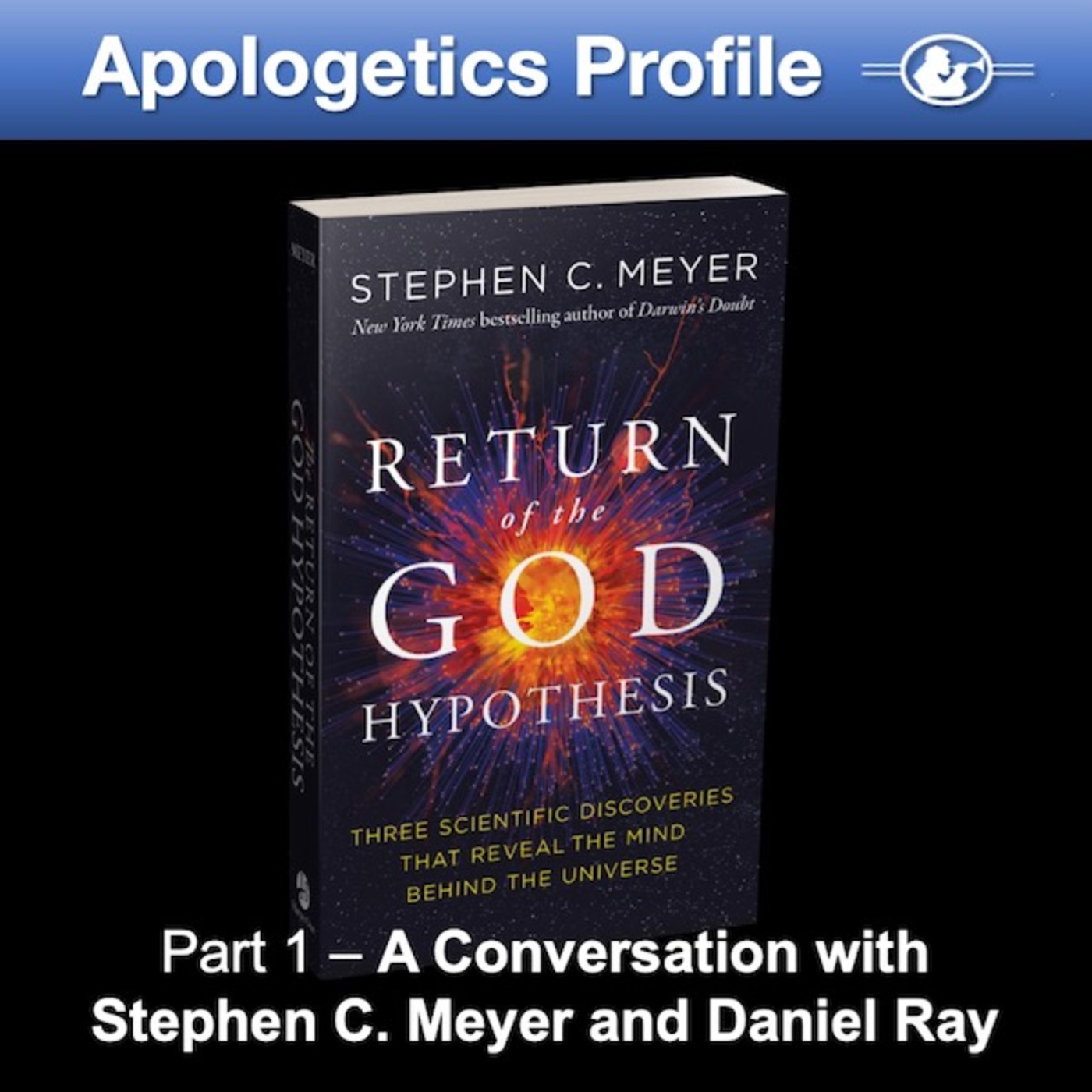
70 Conversation with Stephen Meyer "Return of the God Hypothesis" [Part 1]
This podcast is also available to watch in video format here: www.watchman.org/Meyer1. Today there exists a confidence in the minds of many skeptics and unbelievers that science has somehow disproved God's existence; that cutting-edge theories in cosmology and biology have once-and-for-all triumphed over the need to explain such wonders as the handiwork and intelligence of God.According to our guest this week, Dr. Stephen C. Meyer of Discover Institute, nothing could be further from the truth. In his latest book, The Return of the God Hypothesis, Dr. Meyer unpacks and examines the leading scientific theories in both cosmology and biology and demonstrates with lucid, evidentiary detail, how God is indeed the best explanation for the existence of the universe and life within it.On part one, we discuss Dr. Meyer's personal journey and the latest findings in the science of the universe. You'll find your faith encouraged as we discover together that rather than doing away with God, the exquisite discoveries of the last century point directly to divine intelligence, affirming the wondrous truths of Scripture that everything that has come to be has been made and is sustained by the risen Lord Jesus Christ (Genesis 1; Psalm 19; Psalm 111; Isaiah 40:26; Colossians 1; John 1; Hebrews 1:3; 11:3).Stephen C. Meyer received his Ph.D. in the philosophy of science from the University of Cambridge. A former geophysicist and college professor, he now directs Discovery Institute’s Center for Science and Culture in Seattle.In addition to Meyer’s two landmark books, the New York Times bestseller Darwin’s Doubt: The Explosive Origin of Animal Life and the Case for Intelligent Design and Times (of London) Literary Supplement Book of the Year Signature in the Cell: DNA and the Evidence for Intelligent Design, his many other publications include contributions to, and the editing of, the peer-reviewed volume Darwinism, Design and Public Education (Michigan State University Press, 2004) and the innovative textbook Explore Evolution (Hill House Publishers, 2007). Meyer has also published editorials in national newspapers such as The Wall Street Journal, USA Today, The National Post (of Canada), The Daily Telegraph (of London) and The Los Angeles Times. He has appeared on national television and radio programs such as The Jim Lehrer News Hour, NBC Nightly News, ABC Nightly News, CBS Sunday Morning, Nightline, Fox News Live, Paula Zahn Now (CNN), Good Morning America and the Tavis Smiley Show on PBS. He has also been featured in two New York Times front-page stories and has garnered attention in other top national media.For more information, visit: https://www.thereturnofthegodhypothesis.com.Related LinksOrder Dr. Meyer's book and access our free, 4-page Watchman Fellowship Profiles on Atheism and Agnosticism: Return of the God Hypothesis by Stephen C. Meyer: http://bit.ly/StephenMeyer Profile on Atheism: watchman.org/Atheism Profile on Agnosticism: watchman.org/Agnostic Additional ResourcesFREE: We are also offering a free subscription to our 4-page bimonthly Profiles here: www.watchman.org/Free.SUPPORT: Help us create more content like this. Make a tax-deductible donation here: www.watchman.org/give.Apologetics Profile is a ministry of Watchman FellowshipFor more information, visit www.watchman.org © Watchman Fellowship, Inc.
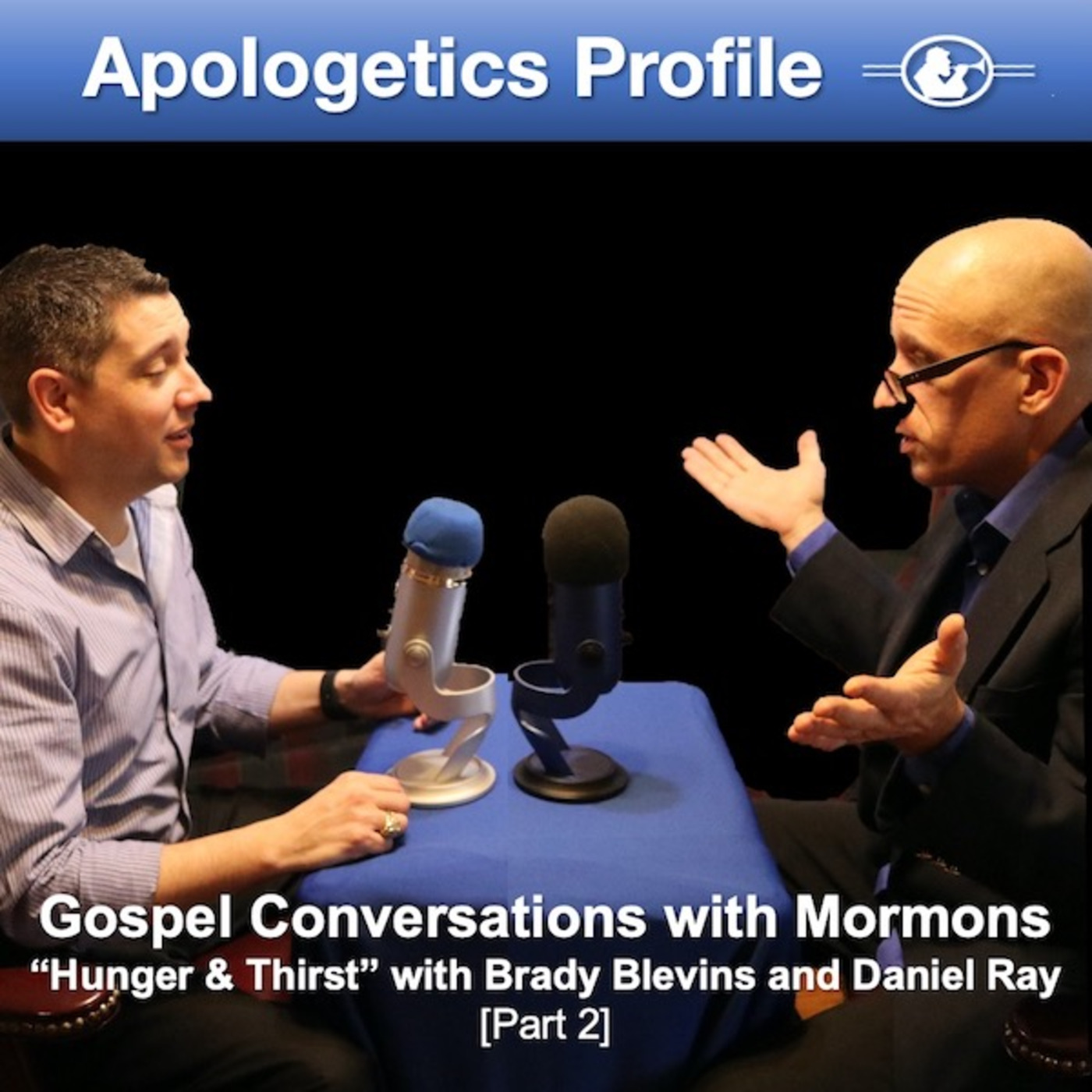
69 Gospel Conversations with Mormons -- "Hunger and Thirst" [Part 2]
In part two, Dr. Brady Blevins, Senior Apologist at Watchman Fellowship, and Staff Apologist Daniel Ray continue their conversation about some practical ways Christians can engage in productive gospel conversations with their Mormon friends.Jesus said, "Blessed are they which do hunger and thirst after righteousness: for they shall be filled" (Matthew 5:6). Latter-day Saints are taught that they obtain righteousness by their own "obedience to the laws and ordinances of the gospel" (Articles of Faith #3). We tend not to "hunger and thirst" for that which we believe we already have. But this raises some important questions: Can anyone become righteous based on the requirements of the gospel found in the Book of Mormon? What must we really do to obtain "sufficient grace" according to the gospel in the Book of Mormon? Brady and Daniel discuss the requirements of the "Restored Gospel" of the Church of Jesus Christ of Latter-day Saints and share practical advice on how to discuss these issues with our Mormon friends, coworkers and family. Dr. Brady Blevins, Senior Apologist with Watchman Fellowship, is a featured speaker and writer with the ministry. He also serves as the editor of our Profile Notebook. He holds a BS in Bible and Pastoral Ministries from Arlington Baptist College, a MA in Counseling from Dallas Baptist University and a Doctorate in Educational Ministries from Southwestern Baptist Theological Seminary. For more information: www.watchman.org/staff/BradyBlevinsBio.pdf.Daniel Ray, Staff Apologist at Watchman Fellowship, is a speaker, writer, and podcast producer with the ministry. He holds a BS in Interdisciplinary Studies from Austin Peay State University and an MA in Cultural Apologetics from Houston Baptist University. He is coeditor and cowriter of The Story of the Cosmos, How the Heavens Declare the Glory of God. For more information: www.watchman.org/staff/DanielRayBio.pdf.Related LinksRead our 4-page Profile on the Church of Jesus Christ of Latter-day Saints and learn more about having "hunger and thirst" discussions with LDS: Watchman Profile on the Church of Jesus Christ of Latter-day Saints: watchman.org/Mormonism Mormonism Articles by Watchman Fellowship: watchman.org/LDS Free Video training on "Hunger and Thirst" gospel conversations with Mormons: Text the word Utah to 50700. Additional ResourcesFREE: We are also offering a free subscription to our 4-page bimonthly Profiles here: www.watchman.org/Free.SUPPORT: Help us create more content like this. Make a tax-deductible donation here: www.watchman.org/give.Apologetics Profile is a ministry of Watchman FellowshipFor more information, visit www.watchman.org © Watchman Fellowship, Inc.
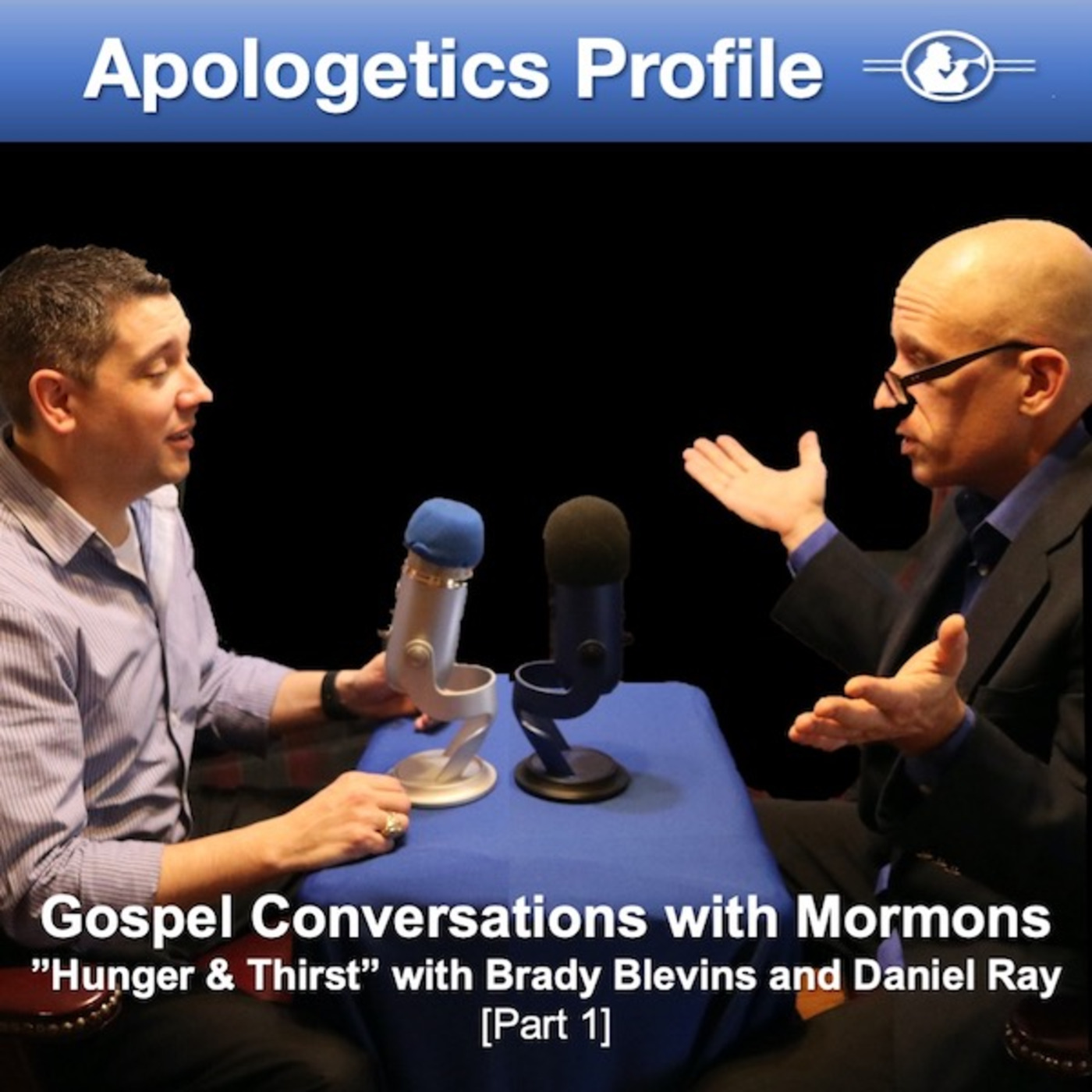
68 Gospel Conversations with Mormons -- "Hunger and Thirst" [Part 1]
In this two-part episode, Dr. Brady Blevins, Senior Apologist at Watchman Fellowship, and Staff Apologist Daniel Ray suggest some practical ways Christians can engage in productive gospel conversations with their Mormon friends.Jesus said, "Blessed are they which do hunger and thirst after righteousness: for they shall be filled" (Matthew 5:6). Latter-day Saints are taught that they obtain righteousness by their own "obedience to the laws and ordinances of the gospel" (Articles of Faith #3). We tend not to "hunger and thirst" for that which we believe we already have. But this raises some important questions: Can anyone become righteous based on the requirements of the gospel found in the Book of Mormon? What must we really do to obtain "sufficient grace" according to the gospel in the Book of Mormon? Brady and Daniel discuss the requirements of the "Restored Gospel" of the Church of Jesus Christ of Latter-day Saints and share practical advice on how to discuss these issues with our Mormon friends, coworkers and family. Dr. Brady Blevins, Senior Apologist with Watchman Fellowship, is a featured speaker and writer with the ministry. He also serves as the editor of our Profile Notebook. He holds a BS in Bible and Pastoral Ministries from Arlington Baptist College, a MA in Counseling from Dallas Baptist University and a Doctorate in Educational Ministries from Southwestern Baptist Theological Seminary. For more information: www.watchman.org/staff/BradyBlevinsBio.pdf.Daniel Ray, Staff Apologist at Watchman Fellowship, is a speaker, writer, and podcast producer with the ministry. He holds a BS in Interdisciplinary Studies from Austin Peay State University and an MA in Cultural Apologetics from Houston Baptist University. He is coeditor and cowriter of The Story of the Cosmos, How the Heavens Declare the Glory of God. For more information: www.watchman.org/staff/DanielRayBio.pdf.Related LinksRead our 4-page Profile on the Church of Jesus Christ of Latter-day Saints and learn more about having "hunger and thirst" discussions with LDS: Watchman Profile on the Church of Jesus Christ of Latter-day Saints: watchman.org/Mormonism Mormonism Articles by Watchman Fellowship: watchman.org/LDS Free Video training on "Hunger and Thirst" gospel conversations with Mormons: Text the word Utah to 50700. Additional ResourcesFREE: We are also offering a free subscription to our 4-page bimonthly Profiles here: www.watchman.org/Free.SUPPORT: Help us create more content like this. Make a tax-deductible donation here: www.watchman.org/give.Apologetics Profile is a ministry of Watchman FellowshipFor more information, visit www.watchman.org © Watchman Fellowship, Inc.
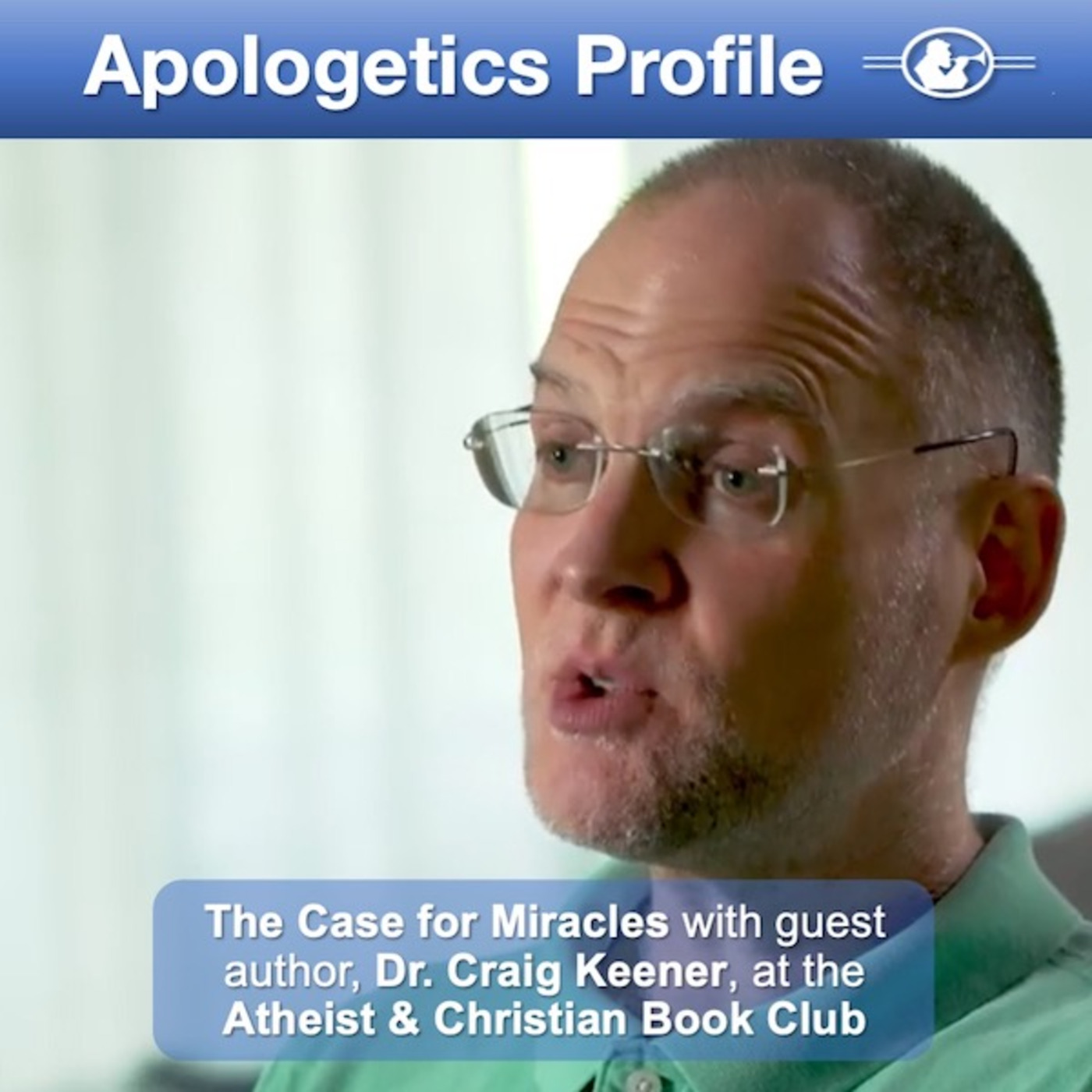
67 The Case for Miracles with Craig Keener at the Atheist & Christian Book Club
The Case for Miracles -- On this special edition of Apologetics Profile, we visit a recent meeting of our Atheist & Christian Book Club to hear our guest author, Christian philosopher Dr. Craig Keener, make a case for miracles. The Atheist & Christian Book Club, an outreach of Watchman Fellowship, is a monthly gathering of believers and skeptics respectfully discussing important books from both perspectives. We usually invite the author to join the club to interact with our members and take our questions. For the previous month, our guest author was John Loftus discussing his anthology, The Case Against Miracles.In this podcast we take you to highlights of the following book club as Dr. Keener discusses his three-chapter interview in Lee Strobel's book The Case for Miracles and his own two-volume work, Miracles: The Credibility of the New Testament Accounts.Dr. Craig Keener holds a PhD from Duke University and is professor of Biblical Studies as Asbury Seminary. His expertise includes New Testament Background, Acts, Historical Jesus, Miracles, the Gospels, Ethnic/racial Reconciliation, and Education. He has authored 28 books, six of which have won book awards in Christianity Today, of which altogether more than one million copies are in circulation. Related LinksLearn more about Dr. Keener and the Atheist & Christian Book Club: About Craig Keener: http://bit.ly/CraigKeener Miracles (two volumes) by Craig Keener: http://bit.ly/2VolMiracles The Case for Miracles by Lee Strobel: http://bit.ly/CaseForMiracles Watch the full Book Club Video: http://bit.ly/PastClubs Other videos from Dr. Keener: http://bit.ly/KeenerVideo Atheist & Christian Book Club: AtheistChristianBookClub.com Watchman Profile on Atheism: watchman.org/atheism Watchman Profile on Agnosticism: watchman.org/agnostic Additional ResourcesFREE: We are also offering a free subscription to our 4-page bimonthly Profiles here: www.watchman.org/Free.SUPPORT: Help us create more content like this. Make a tax-deductible donation here: www.watchman.org/give.Apologetics Profile is a ministry of Watchman FellowshipFor more information, visit www.watchman.org © Watchman Fellowship, Inc.
66 Dr. Sarah Salviander on Engaging with Skeptics on Social Media [Part 2]
On part two of our discussion with former atheist, Dr. Sarah Salviander, she continues to give us wisdom and insight from her successes and failures of engaging skeptics and seekers through social media. If you or someone you know is active on social media, especially in the areas of apologetics and evangelism this is an episode you and your friends & family do not want to miss!Is it possible to exhibit humility and grace through our communication with skeptics on social media? Yes. While social media is not the ideal means to communicate our faith in Christ with unbelievers, we can, by God's grace, exhibit a difference in our online conduct and engagements.Too often we as believers can become short, sarcastic, and demeaning in our social media interactions. It is very tempting, given the impersonal and often anonymous nature of social media, to respond with snark and ridicule. Dr. Salviander encourages us to more Christ-like and productive in our online conversations.Dr. Sarah Salviander is an astrophysicist interested in the intersection between science and Christianity. She was raised atheist in a secular country, but was led to Christianity while getting her PhD after discovering the confluence between modern science and scripture. Dr. Salviander recently retired from her career as a university research scientist and professor to focus on ministry. She remains active in astrophysical research through a small, private institute. Her scholarly articles can be found on arXiv or the NASA ADS. She maintains an archive of articles on science and faith at her website, sarahsalviander.com, and enjoys interacting with followers on Twitter and Instagram. Related LinksLearn more about Dr. Salviander, download our related 4-page Profiles and explore our monthly Atheist & Christian Book Club, a great place for Christians and skeptics to engage in civil dialogue: Sarah Salviander -- Apologist, Astrophysicist and Author: sarahsalviander.com Watchman Profile on Atheism: watchman.org/atheism Watchman Profile on Agnosticism: watchman.org/agnostic Atheist & Christian Book Club: AtheistChristianBookClub.com Additional ResourcesFREE: We are also offering a free subscription to our 4-page bimonthly Profiles here: www.watchman.org/Free.SUPPORT: Help us create more content like this. Make a tax-deductible donation here: www.watchman.org/give.Apologetics Profile is a ministry of Watchman FellowshipFor more information, visit www.watchman.org © Watchman Fellowship, Inc.
65 Dr. Sarah Salviander on Engaging with Skeptics on Social Media [Part 1]
On this special two-part episode of Apologetics Profile, we talk with former atheist, astrophysicist Dr. Sarah Salviander, who has been engaging skeptics and seekers through social media for several years. She gives us tips and wisdom from her experiences we think can help you better communicate with others in cyberspace.Since the advent of the pandemic in 2020, life seems to have retreated to the Internet. And online, there exists the problem of not being present with one another in conversation. If you have ever been involved in a discussion in social media with a skeptic or atheist, you know such engagements can quickly deteriorate into a milieu of incivility and vitriol from both sides.While it is not the most effective way to engage our unbelieving neighbors, social media is an ever-present facet of our time that we must know how to intelligently utilize for the glory of God.Communications technologies are inherently impersonal and seem to foster unhealthy dialogue, but that doesn't mean Christians cannot still exhibit grace, tact, and humility when talking to people on social media about our faith. If you or someone you know is active on social media, especially in the areas of apologetics and evangelism this is an episode you and your friends and family do not want to miss!Dr. Sarah Salviander is an astrophysicist interested in the intersection between science and Christianity. She was raised atheist in a secular country, but was led to Christianity while getting her PhD after discovering the confluence between modern science and scripture. Dr. Salviander recently retired from her career as a university research scientist and professor to focus on ministry. She remains active in astrophysical research through a small, private institute. Her scholarly articles can be found on arXiv or the NASA ADS. She maintains an archive of articles on science and faith at her website, sarahsalviander.com, and enjoys interacting with followers on Twitter and Instagram.Related LinksLearn more about Dr. Salviander, download our related 4-page Profiles and explore our monthly Atheist & Christian Book Club, a great place for Christians and skeptics to engage in civil dialogue: Sarah Salviander -- Apologist, Astrophysicist and Author: sarahsalviander.com Watchman Profile on Atheism: watchman.org/atheism Watchman Profile on Agnosticism: watchman.org/agnostic Atheist & Christian Book Club: AtheistChristianBookClub.com Additional ResourcesFREE: We are also offering a free subscription to our 4-page bimonthly Profiles here: www.watchman.org/Free.SUPPORT: Help us create more content like this. Make a tax-deductible donation here: www.watchman.org/give.Apologetics Profile is a ministry of Watchman FellowshipFor more information, visit www.watchman.org © Watchman Fellowship, Inc.
64 What is The Atheist & Christian Book Club? with Kerby Anderson, James Walker and Bill Kluck
The Atheist & Christian Book Club is an outreach of Watchman Fellowship, the parent ministry of Apologetics Profile. It is a monthly gathering of believers and skeptics respectfully discussing important books from both perspectives.In this special edition of Apologetics Profile, Kerby Anderson of Probe ministries interviews Christian apologist James Walker and atheist apologist Bill Kluck about this unique book club they founded in 2017. The interview originally aired on Point of View, an international syndicated radio program carried on 265 stations with an audience of about 1 million. Watchman staff apologist, Daniel Ray who helps facilitate the book club, was also interviewed.What Happens at the Club? Each month between 25 to 60 athesits and Christians share a meal together and then discuss important books alternating each month between an athiest book and a Christian book. Usually the author of the book is present to discuss the book or is avaialble by video conferencing to provide additional insight and take questions from the club. Since the pandemic, the club has been moved online to Zoom where the membership has grown to include particiapants as far away as India and Africa.Atheist and agnostic authors who have joined the club to discuss their books include: Michael Ruse, Graham Oppy, Richard Carrier, Robert Price, Aron Ra, David Fitzgerald, John Loftus, Seth Andrews, Steve McRae, Sasha Sagan (daughter of the late Carl Sagan), Jim Hall, Ken Daniels, and David Madison.Christian authors who have joined the club to discuss their books include: Gary Habermas, Paul Copan, Tim McGrew, Craig Keener, Frank Turek, Sean McDowell, Travis Dickenson, Melissa Cain Travis, J. Warner Wallace, Holly Ordway, Michael Bird, Craig Evans, Justin Brierley and Hugh Ross.Check out the links below to join the club online via Zoom.Related LinksLearn more about the Atheist & Christian Book Club, Point of View and Probe Ministries: Atheist & Christian Book Club: AtheistChristianBookClub.com Next Month's Book Club: AtheistChristianBookClub.com/Next-Meeting Watch Previous Clubs: atheistchristianbookclub.com/previous-meetings Book Club Facebook Page: Facebook.com/AtheistChristianBookClub Point of View: www.PointOfView.net Probe Ministry: Probe.org Additional ResourcesFREE: We are also offering a free subscription to our 4-page bimonthly Profiles here: www.watchman.org/Free.SUPPORT: Help us create more content like this. Make a tax-deductible donation here: www.watchman.org/give.Apologetics Profile is a ministry of Watchman FellowshipFor more information, visit www.watchman.org © Watchman Fellowship, Inc.
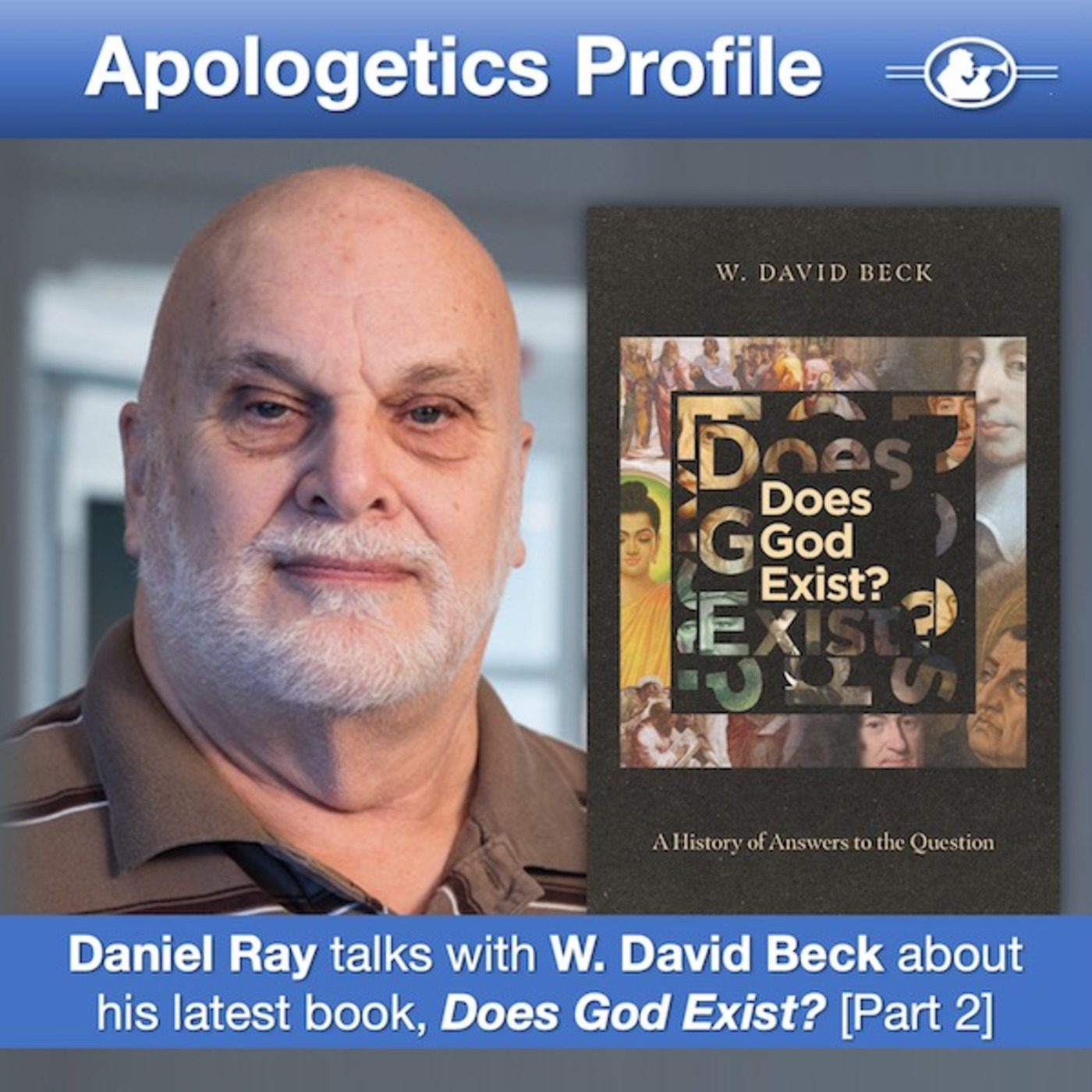
63 Guest author David Beck discusses his new book "Does God Exist?" [Part 2]
On part two of Daniel Ray's discussion with Dr. W. David Beck, we look into the history of moral arguments for God’s existence and how skeptics and non-believers have traditionally responded. We also give you some practical advice as to how to apply this rich philosophical tradition to your own life and witness in dialogue with skeptics who are familiar with these arguments.Moral Arguments for God: Perhaps you have heard it said from your skeptic and non-believing friends and family members that we can be “good without God.” Maybe you’ve also heard Christians say “Atheists can’t be good without God!” Sometimes that sort of back-and-forth misses a crucial point. The Bible says plainly that we have all, believers and unbelievers, fallen short of the glory of God. It is not that Christians are moral and atheists are immoral, but rather it is a question of the origin and foundation of our moral nature. What is the foundational justification for our sense of right and wrong? Is it just feelings, emotions, and desires hard-wired into our genetics or particular in-group, passed along to us from our ancestors? Or do right and wrong emanate from a transcendent source, traditionally understood by Abrahamic faiths as God? These questions have been debated ever since the dawn of time and our existence on the planet. There is a long-standing tradition of philosophical defenses for the existence of God, known as moral arguments. Through appealing to man’s intellectual and reasoning capacities, moral arguments rely upon logic, reason, and philosophical thought, not in opposition to the revealed truth of Scripture, but as a complementary help meet, demonstrating that it is logical and reasonable to conclude, from the existence of our moral natures, that God exists.FREE BOOK FOR 5 PODCAST LISTENERS!The first five listeners who contact Daniel Ray by email will receive a free copy of Dr. Beck’s latest book, Does God Exist? A History of Answers to the Question courtesy InterVarsity Press. Daniel’s office email is [email protected] you are unable to get a free copy of Dr. Beck’s latest book, you can find it on Amazon: http://bit.ly/WDavidBeck. Related ProfilesWatchman Fellowship has published several Profiles related with this week's topic on the existance of God: Profile on Atheism, Watchman Fellowship's 4-page Profile: www.watchman.org/Atheism Profile on Agnosticism, Watchman Fellowship's 4-page Profile: www.watchman.org/Agnostic Profile on Richard Dawkins, Watchman Fellowship's 4-page Profile: www.watchman.org/Dawkins W. David Beck (PhD, Boston University) is emeritus professor of philosophy at Liberty University. He is author of Does God Exist? A History of Answers to the Question and is the coeditor of Raised on the Third Day: Defending the Historicity of the Resurrection of Jesus. His written work has also appeared in publications including Philosophia Christi, Journal of the Evangelical Theological Society, and Christianity Today. Visit Dr. Beck's author's page here: http://bit.ly/WDavidBeck.Additional ResourcesFREE: We are also offering a free subscription to our 4-page bimonthly Profiles here: www.watchman.org/Free.SUPPORT: Help us create more content like this. Make a tax-deductible donation here: www.watchman.org/give.Apologetics Profile is a ministry of Watchman FellowshipFor more information, visit www.watchman.org © Watchman Fellowship, Inc.
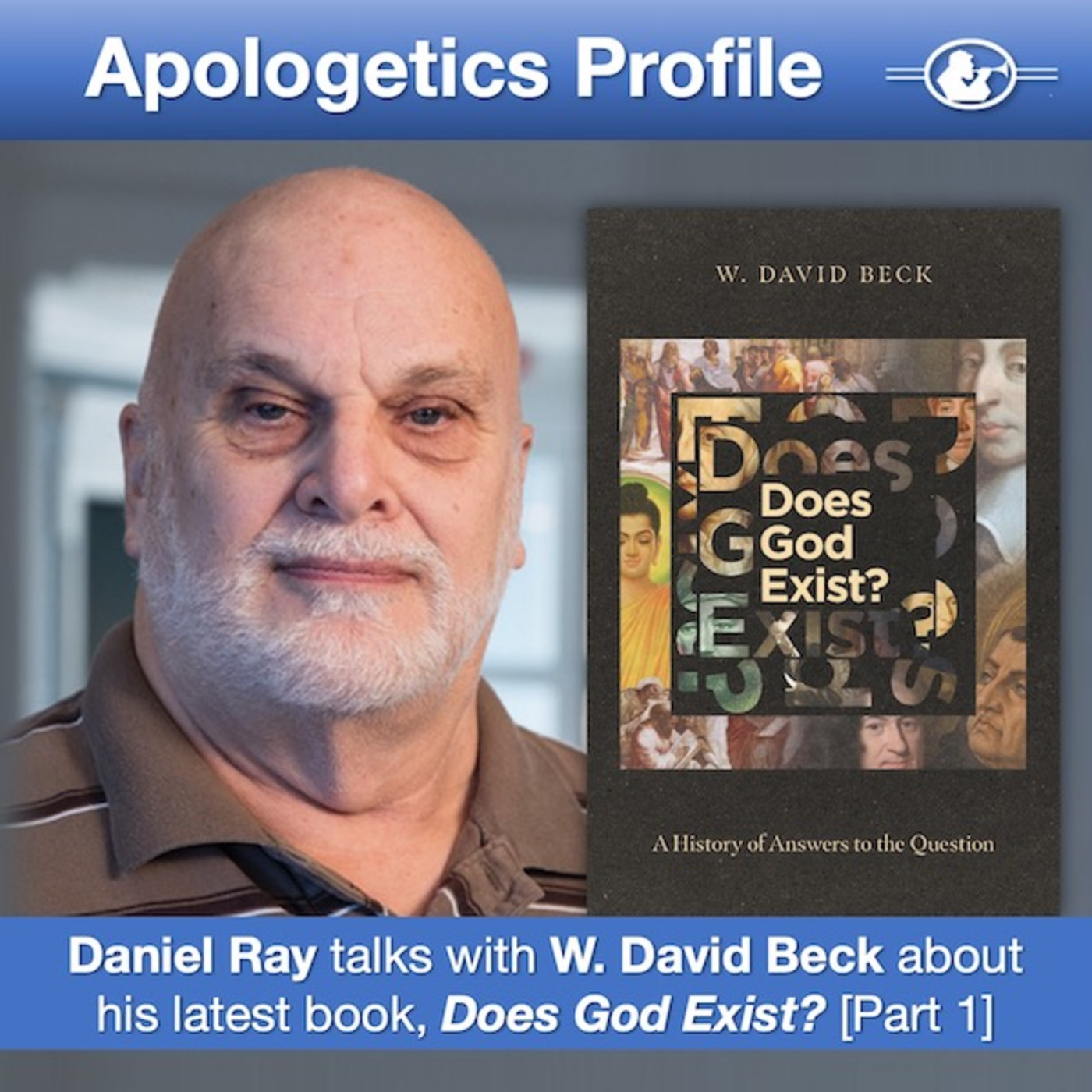
62 Guest author David Beck discusses his new book "Does God Exist?" [Part 1]
On this two-part episode of Apologetics Profile, we talk with Christian philosopher Dr. W. David Beck about his latest book Does God Exist? A History of Answers to the Question. In his book he looks at the historical back-and-forth of four fundamental arguments used in defense of God’s existence, the cosmological, teleological, moral, and ontological arguments. It is a condensed historical, theological and philosophical survey of the principal contributors of each argument from both a materialist and religious point of view. In his classic apologetic work Mere Christianity, scholar, author, and Christian apologist C.S. Lewis observes that “atheism turns out to be too simple. If the whole universe has no meaning, we should never have found out that it has no meaning: just as, if there were no light in the universe and therefore no creatures with eyes, we should never know it was dark. Dark would be a word without meaning.”That the universe exists is something upon which we can all universally agree. As the Bible says, the heavens are telling of the glory of God, and the expanse shows forth His handiwork. God’s divine workmanship are known throughout the world in all times and in all places. But for the skeptic, what best explains why the universe exists? Agnostic cosmologist Dr. Sean Carroll suggests in a 2018 post on his blog Preposterous Universe that “The demand for something more — a reason why the universe exists at all — is a relic piece of metaphysical baggage we would be better off to discard.”That statement of course is a piece of metaphysics itself, philosophy in the strict sense of the word, not science. An attempt to make the question go away, does not finally address the question of why there is something rather than nothing. For centuries we have been interpreting and discussing the universe and our place within it, and as Lewis noted in Mere Christianity there are fundamentally two types of views, a materialist view and a religious view. And as long as we have been contemplating the cosmos, philosophers, theologians, skeptics, and atheists have often used rigorous philosophical arguments in defense of their respective positions.Stay tuned also to part two, where we will be giving away some free copies of Dr. Beck's Book courtesy InterVarsity Press! Be sure to listen to part two as we share exactly how you can request a free copy (while supplies last). Related ProfilesWatchman Fellowship has published several Profiles related with this week's topic on the existance of God: Profile on Atheism, Watchman Fellowship's 4-page Profile: www.watchman.org/Atheism Profile on Agnosticism, Watchman Fellowship's 4-page Profile: www.watchman.org/Agnostic Profile on Richard Dawkins, Watchman Fellowship's 4-page Profile: www.watchman.org/Dawkins W. David Beck (PhD, Boston University) is emeritus professor of philosophy at Liberty University. He is author of Does God Exist? A History of Answers to the Question and is the coeditor of Raised on the Third Day: Defending the Historicity of the Resurrection of Jesus. His written work has also appeared in publications including Philosophia Christi, Journal of the Evangelical Theological Society, and Christianity Today. Visit Dr. Beck's author's page here: http://bit.ly/WDavidBeck.Additional ResourcesFREE: We are also offering a free subscription to our 4-page bimonthly Profiles here: www.watchman.org/Free.SUPPORT: Help us create more content like this. Make a tax-deductible donation here: www.watchman.org/give.Apologetics Profile is a ministry of Watchman FellowshipFor more information, visit www.watchman.org © Watchman Fellowship, Inc.
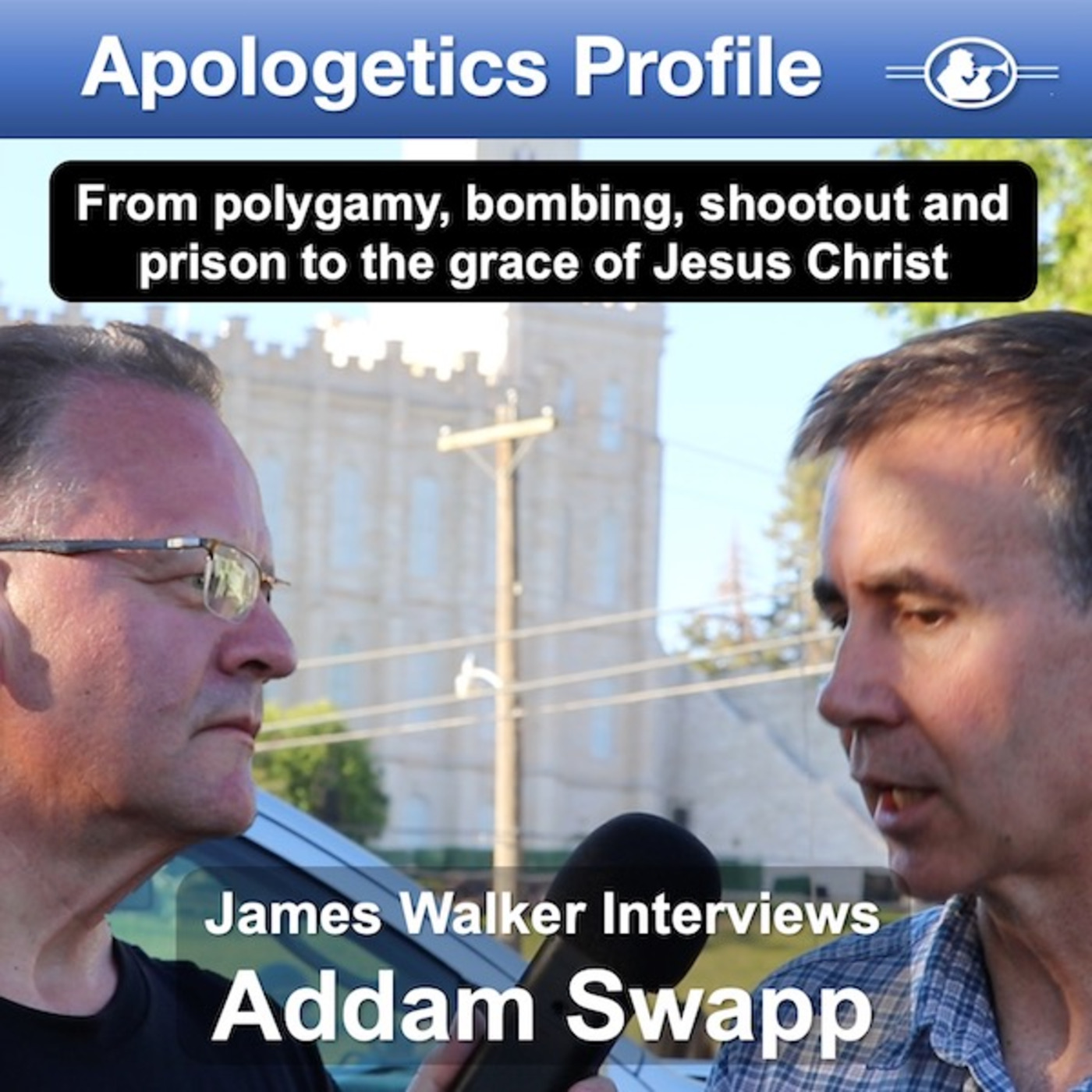
61 Addam Swapp: From Polygamy, a Shootout and Prison, to Jesus Christ
In this week's Apologetics Profile, James Walker interviews Addam Swapp, a former member of the Church of Jesus Christ of Latter-day Saints who became a Fundamentalist Mormon practicing polygamy. Addam was involved in the bombing of a Mormon chapel followed by a 13-day standoff and shootout with law enforcement in which one officer was fatally shot and killed. In federal prison, Addam found himself on the floor of a dirty cell, broken and defeated. At this time of his deepest despair, he called out to Jesus. In this interview with Watchman Fellowship President, James Walker, Addam share the chain of events that led him to that prison floor and the remarkable transformation of his life following that desperate prayer.Related ProfilesWatchman Fellowship has published two Profiles on polygamous Mormon fundamentalist groups similar to the one Addam was involved with: Profile on the Fundamentalist Church of Jesus Christ of Latter-day Saint (FLDS), Watchman Fellowship's 4-page Profile: www.watchman.org/FLDS Profile on the True and Living Church of Jesus Christ of Saints of the Last Days (TLC), Watchman Fellowship's 4-page Profile: www.watchman.org/TLC James Walker, President of Watchman Fellowship, is a former fourth-generation Mormon with over 25 years' experience in Christian apologetics, evangelism and discernment. He is a featured speaker, the author of several books, a podcaster. He is also the cofounder of the Atheist & Christian Book Club, a monthly gathering of believers and skeptics respectfully discussing important books from both perspectives. For more information, visit: www.watchman.org/staff/James.Additional ResourcesFREE: We are also offering a free subscription to our 4-page bimonthly Profiles here: www.watchman.org/Free.SUPPORT: Help us create more content like this. Make a tax-deductible donation here: www.watchman.org/give.Apologetics Profile is a ministry of Watchman FellowshipFor more information, visit www.watchman.org © Watchman Fellowship, Inc.