
AMDG: A Jesuit Podcast
460 episodes — Page 6 of 10
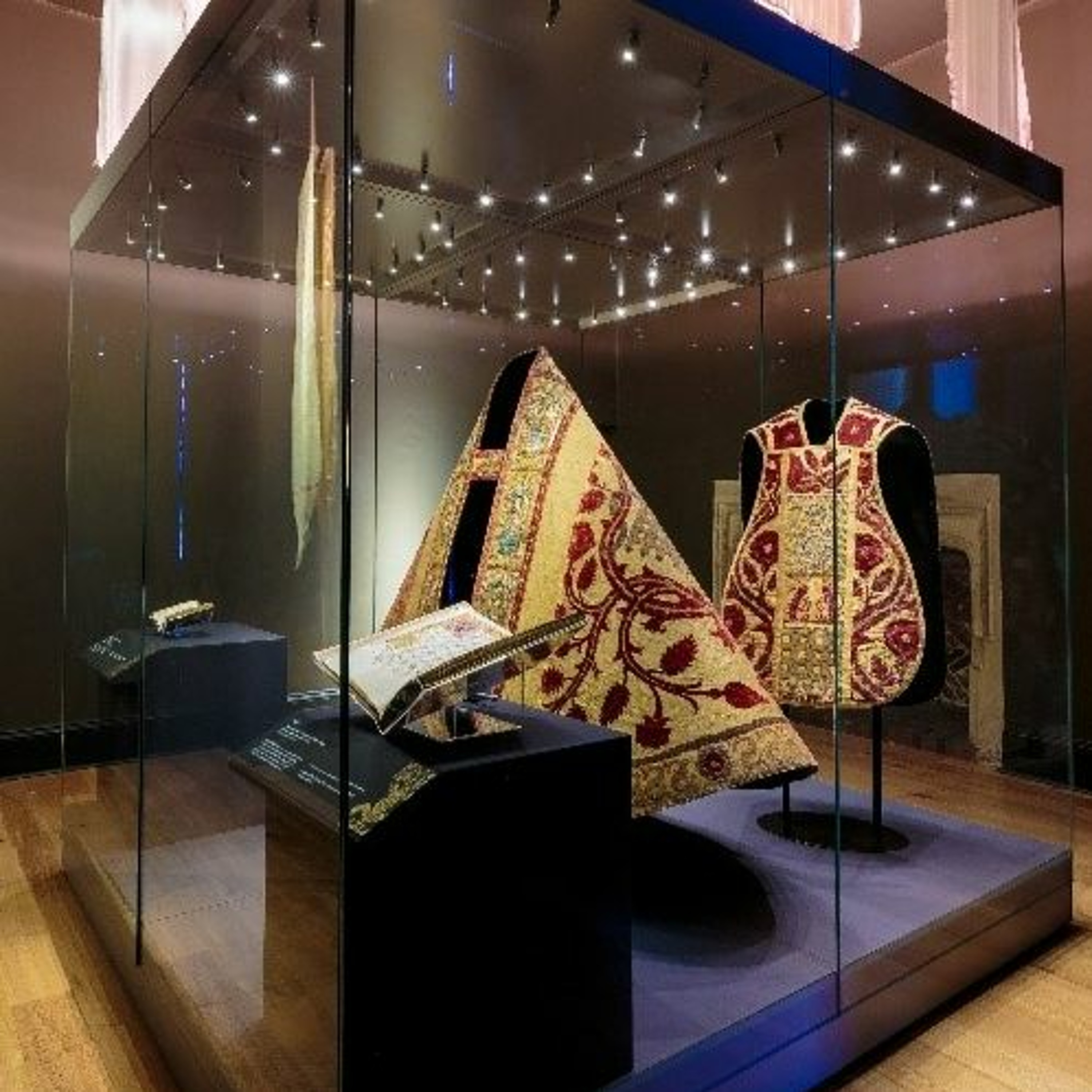
How One Liturgical Vestment Explains the Rise and Fall of Catholic England
A king. A cope. And a faith under siege. Intrigued? Today’s episode covers all this and more. Our guest, Dr. Jan Graffius, the curator of collections at Stonyhurst College in the UK – the oldest surviving Jesuit school in the world – is our guide through a riveting history that traces the rise and fall of the Catholic Church in England through the lens of a single piece of art: a cope commissioned by Henry VII. Copes are common liturgical vestments. But this one – one of the most expensive items commissioned by a king – was meant to unite the power of Church and State to strengthen a dubious claim to the throne but ultimately became a symbol of Catholic resistance and was smuggled out of the country. This cope and the stories that surround it remind us of the power of art to point to both spiritual and temporal power – and the dangers therein. You can see this cope and more as it travels across the United States in the exhibition, “The Tudors: Art and Majesty in Renaissance England.” The dates below let you know when the exhibition is in your area: • New York: 3 October 2022 – 8 January 2023 • Cleveland: 21 February 2023 – 14 May 2023 • San Francisco: 26 June 2023 – 24 September 2023 Learn more: • The Met: https://www.metmuseum.org/exhibitions/listings/2022/tudors • The Cleveland Museum of Art: https://www.clevelandart.org/exhibitions/tudors-art-and-majesty-renaissance-england • About Stonhurst: https://www.stonyhurst.ac.uk/about-us/stonyhurst-college-historic-collections/contact-us
How to Practice Faithful Citizenship Beyond Midterm Elections with Thomas Mulloy
With U.S. midterm elections just a week away, we know a lot of people in the U.S. might be wanting a break from politics, a break from excessive political ads and tense discussions with loved ones. But as Pope Francis says, good Catholics meddle in politics. In fact, political engagement can be a positive manifestation of our faith. A way to promote the common good for all people. And that work doesn’t stop with Election Day—it’s a yearlong job. So, on this special Election Week episode, MegAnne Liebsch talks with professional, full-time advocate and our colleague, Thomas Mulloy. Tom is the government relations director for the Jesuit Office of Justice and Ecology—or OJE as we call it. OJE is the advocacy arm of the Jesuits, and through Tom, we advocate with the federal government on various social and environmental justice issues. On this episode, we talk about why the Jesuits are involved in federal advocacy, what regular citizens can teach Congress and how faithful citizenship extends beyond Election Day. Stay up to date with the Jesuits advocacy efforts through our email newsletter: jesuits.org/advocate To learn more about faithful citizenship, check out our guide: jesuits.org/civic-engagement
Reconciling Faith and Things that Go Bump in the Night with Gary Jansen
This is a spooky episode. And that makes sense, right? We’re in that time of year when both secular and spiritual calendars invite us to reflect on the supernatural, the unknown, those spirits at work in our lives in ways we can’t quite put our finger on. We celebrate and remember our beloved dead—but first we masquerade as ghosts and goblins For many of us, the more secular ghost stories that Halloween represents—hauntings and the like—are kept separate from our belief in Heaven and the afterlife, all that All Saints and All Souls Days point to. But for our guest today, Gary Jansen—Director for New Products and Acquisitions at Loyola Press and author of the book, “Holy Ghosts: Or How a (Not So) Good Catholic Boy Became a Believer in Things that Go Bump in the Night—ghosts, spirits, souls and the afterlife all come together in his own story and his own faith. A number of years ago, he found himself living in a real haunted house. He writes about it in his book, and he shares some reflections on the matter with us today. In the end, what Gary really drives home is that any supernatural occurrences ultimately serve to lift our gaze upward at the supernatural world in general—in that world, we encounter angels and demons, miracles and hidden whispers, and ultimately, we come closer to God as we delve more deeply into the mysteries of our faith. If you’re interested in checking out Gary’s book or learning more about Gary’s other works—including an excellent new kids book, “Remember Us With Smiles,” click on the links below. Click here to visit Gary's site: https://garyjansen.com/ Click here to learn more about "Holy Ghosts": https://www.amazon.com/Holy-Ghosts-Catholic-Became-Believer/dp/1585428957/ref=sr_1_1?s=books&ie=UTF8&qid=1511371674&sr=1-1&keywords=Holy+Ghosts#customerReviews
What Vatican II Means Today with David Gibson
October 11 was the 60th anniversary of the opening of the Vatican II. Pope Francis marked the occasion with a Mass at St. Peter’s Basilica, which is also the feast day of St. John XXIII, who of course was the pope to call the Council. In his homily, Pope Francis reflected on how Vatican II continues to shape us today. A lot of the headlines mentioned how he called for communion in the face of such polarization. But here’s the best quote from the homily: “Let us rediscover the Council in order to restore primacy to God, to what is essential: to a Church madly in love with its Lord and with all the men and women whom he loves; to a Church that is rich in Jesus and poor in assets; to a Church that is free and freeing. This was the path that the Council pointed out to the Church.” Guest David Gibson is one of the best people to talk to if you want to think about Vatican II and the way it continues to unfold in the church in our own times. David is the director of the Center on Religion and Culture at Fordham University in New York City. The Center hosts conversations and events that explore the relationships between faith and contemporary life. David has been there since 2017, arriving after a long career as an award-winning religion journalist, author and filmmaker. Gibson is the author of two books on Catholicism: “The Coming Catholic Church: How the Faithful are Shaping a New American Catholicism” and “The Rule of Benedict: Pope Benedict XVI and His Battle with the Modern World.” He co-wrote and co-produced several documentaries on Christianity for CNN and the History Channel and co-authored a book on biblical archeology, “Finding Jesus: Faith. Fact. Forgery,” the basis of a popular CNN series of the same name. Before coming to Fordham, Gibson worked for six years as a national reporter at Religion News Service and specialized in coverage of the Vatican and the Catholic Church. Gibson is a frequent media commentator and op-ed writer on topics related to the Catholic Church and religion in America. In addition to discussing Vatican II, David talked about the ongoing synod process taking place throughout the global church, plus why maybe engaging culture is a way to overcome polarization and decline in the church. More about the Center on Religion and Culture: https://www.fordham.edu/about/living-the-mission/center-on-religion-and-culture/ Follow David Gibson on Twitter: https://twitter.com/GibsonWrites Pope Francis’ Vatican II anniversary homily: https://www.vatican.va/content/francesco/en/homilies/2022/documents/20221011-omelia-60concilio.html U.S. National Synthesis from the Synod on Synodality: https://www.usccb.org/resources/us-national-synthesis-2021-2023-synod AMDG is a production of the Jesuit Conference of Canada and the United States.
Rethinking the Ignatian Contemplative with Rossano Zas Friz de Col, SJ
If you’re a long-time listener of this podcast or long-time friend of Jesuits and Jesuit institutions, the claim made by our guest today might shock you: We need more than Ignatian spirituality in our lives as Christians. Of course, you’re likely nodding; this is probably obvious. And yet, too often – as our guest today, Jesuit priest, Fr Rossano Zas Friz de Col, SJ claims – in our lives of faith, we stop short of the depth into which God invites us to plunge. Fr. Rossano is the author of a wonderful book, “Ignatian Christian Life: A New Paradigm for Post-Christianity.” And while he and his work are deeply grounded in and influenced by Ignatian spirituality and Ignatius of Loyola himself, Rossano takes us on a journey in and through mystery, pulling in characters like John of the Cross and Sigmund Freud. The goal, as Rossano notes in our conversation, is to recognize the mystery that is each of us, and to bring our unique mystery into conversation with the ultimate Mystery. In the process, our prayer lives inevitably change and grow and deepen. And that’s where Rossano invites us to reconsider how we think about Ignatian spirituality. Born in Peru, Rossano has spent a great deal of time in Rome and now is a professor of Christian spirituality at the Jesuit School of Theology in Berkeley at Santa Clara University. Learn more about Rossano's book: https://jesuitsources.bc.edu/ignatian-christian-life-a-new-paradigm/
Jesuit Fr. Tim McCabe Wants to End Chronic Homelessness
Host MegAnne Liebsch first met Fr. Tim McCabe, SJ, at a construction site. Sporting clerics and a hardhat specialty branded with the Pope Francis Center logo, Tim toured Meg around the newly bulldozed foundation of what will become the Pope Francis Center Bridge Housing Campus. It's an ambitious project that Tim believes will help end chronic houselessness in Detroit. The Pope Francis Center—or PFC as it’s known—is a day shelter in downtown Detroit that offers respite to hundreds of unhoused people every day. As executive director of PFC, Tim has overseen a building renovation, creating a functioning kitchen to make hearty and nutritious meals, as well as showers, sinks, and a laundry room for guests. But the PFC team wanted to do more—they wanted to address the roots of housing insecurity. Upon completion, the Bridge Housing Campus will house 40 people in individual units for 90 to 120 days, offering 24/7 services, including meals, medical care, psycho-social support, job-readiness programs and more. At the end of their stay, guests will transition into permanent supportive housing through the assistance of PFC specialists. On today's episode, we talk to Tim about this singular approach to ending chronic homelessness, about how small changes can make a big impact, and, conversely, about how asking “how hard can it be?” can lead to transformative change. Learn more about the Bridge Housing Campus and track it's progress: https://popefranciscenter.org/donate/bridge-housing-campus/ Support the Pope Francis Center: https://popefranciscenter.org/donate/
Why Ciszek Hall Is The New Frontier In Jesuit Formation
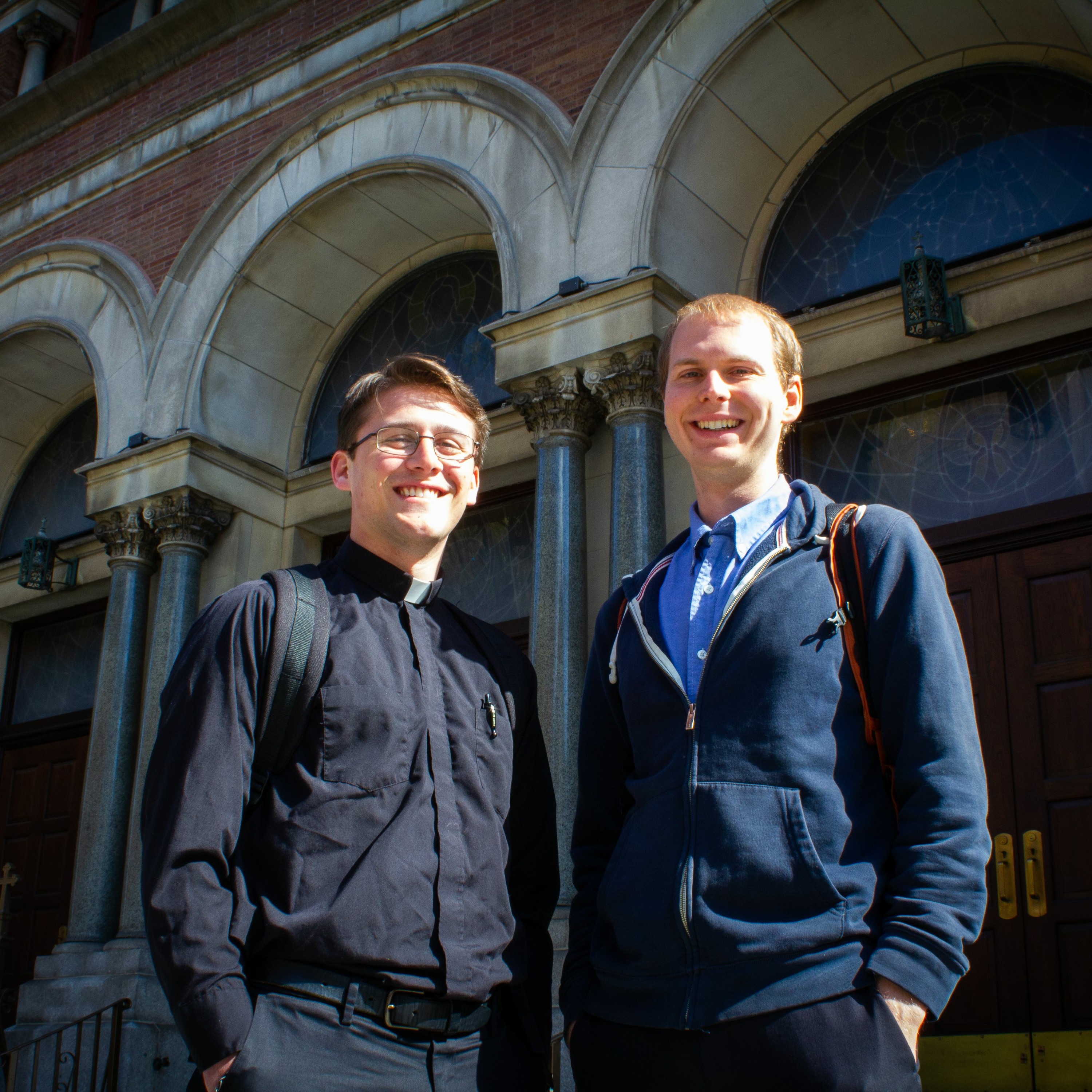
Ciszek Hall is a Jesuit house of First Studies located in the Bronx. Jesuits in formation go there to do exactly what you’d guess: study. But something new is happening at Ciszek. This house is the site of a new way of doing formation, and the entire global Society of Jesus is watching to see what might be learned. Co-hosts Eric Clayton and Meg Liebsch visited the Bronx earlier this year to talk with some of the Jesuits there, as well as members of the wider community. In this special episode of AMDG: A Jesuit Podcast, you’ll hear their voices, as well as learn why a new approach to Jesuit formation matters to you — and our world.
Why Georgetown Sends Nursing Students to Lourdes with Dr. Sarah Vittone
If you were going to make a list of the most demanding and important jobs, nurses would be right near the top. The pandemic has revealed how much we ask of our nurses. They face exposure to illness, they juggle multiple patients simultaneously, all of whom have different needs and face a huge range of challenges. They work extremely long shifts and are on their feet most of the time. And so often they’re accompanying people who are in the middle of the worst day or week or month of their lives. How do you prepare a college nursing student for all that? Georgetown professor Dr. Sarah Vittone has one surprising idea for nurse training: She takes the students to Lourdes. Lourdes, of course, is the French town in the Pyrenees made famous by Marian apparitions witnessed by a teenage girl named Bernadette Soubirous in 1858. Soon after the apparitions, visitors began to report miraculous healings after drinking or bathing in water from the grotto spring there. Millions of pilgrims continue to travel to Lourdes each year, many of whom are facing serious medical diagnoses. Dr. Vittone, her colleagues and the ten or so students who make each trip do a lot of things to support pilgrims while they’re in Lourdes, but most of their time is spent assisting those who come to bathe in the waters. The trip is rooted in the Ignatian principle of “cura personalis,” or care for the whole person – Dr. Vittone hopes students who take part in the project will become nurses who are comfortable noticing and responding to the spiritual needs of their patients, no matter what those needs might be or how they are expressed. Dr. Vittone teaches students in ethics and professional formation in the School of Nursing, and she’s a consultant at Georgetown’ Pellegrino Center for Clinical Bioethics. She talked with host Mike Jordan Laskey about her experiences with the students in Lourdes and how the project connects to her scholarly work as a healthcare ethicist. Dr. Vittone shares stories from her trips and the ways she has seen the experiences help shape nurses who are equipped to care not just for the physical needs of patients, but their mental and spiritual health as well. Learn more about the Georgetown Lourdes project for nursing students: https://gumc.georgetown.edu/gumc-stories/georgetown-nursing-students-focused-on-spiritual-health-of-pilgrims-in-lourdes-france/ Learn more about Dr. Vittone: https://gufaculty360.georgetown.edu/s/contact/00336000014RdvBAAS/sarah-vittone AMDG is a production of the Jesuit Conference of Canada and the United States.
Why People of Faith Shouldn’t Be NIMBYs With Addison Del Mastro
If you live in the suburbs, you’re probably used to hopping in your car to run pretty much every errand, even if you just need to get cold medicine at the drug store. Have you ever wondered why this is part of your daily life at all? Or why you can’t walk more places? It’s easy to just assume that’s just the way things are, have always been and will always be. But the built environment of our suburbs is the result of decades of choices. And looking at how we use land in our local communities and trying to grow things like public transit are central ways to work on a whole collection of social justice issues. Usually when we make a list of social justice issues that people of faith care about, land use policies like zoning regulations aren’t on the top of the list. But maybe they should be. Today’s guest writes on these issues in such compelling and unexpected ways. Addison Del Mastro runs his own Substack newsletter on urbanism and cultural history called The Deleted Scenes, and he also contributes to places like Vox and The Bulwark and America Magazine. A Catholic who describes himself as a bit right-of-center politically, Addison crosses boundaries between groups that are often uncrossed in today’s polarized America. He’s a thinker you want to know. Read his writing or listen to him during this conversation with host Mike Jordan Laskey and you might start to see why words and phrases like zoning regulations, land use and parking minimums are important things for all of us to be thinking and advocating about. Addison Del Mastro’s newsletter: https://thedeletedscenes.substack.com/ His writing at America: https://www.americamagazine.org/voices/addison-del-mastro “NIMBYISM is a Distorted Love”: https://www.thebulwark.com/nimbyism-is-a-distorted-love/ AMDG is a production of the Jesuit Conference of Canada and the United States.
God and the Big Bang with Astrophysicist Fr. Adam Hincks, SJ
The stunning new images of outer space from the Webb Space Telescope might prompt people of faith to ponder big questions: How do I square my belief in the Big Bang with my belief in the creator-God of the Book of Genesis? Could we really have an all-loving God who cares about such a tiny little speck of dust in this massive universe? Guest Fr. Adam Hincks, SJ, is the perfect person to talk to about God and the universe. Fr. Hincks is an accomplished astrophysicist and a Jesuit priest. He’s assistant professor and holder of the Sutton Family Chair in Science, Christianity and Cultures at the University of Toronto, with a joint appointment between the Department of Astronomy and Astrophysics and St. Michael’s College, the Catholic college at the university. He’s also written about the intersections of science, philosophy and theology. He talked to host Mike Jordan Laskey about faith and science, Fr. Hincks’ vocation to the Jesuits, and what has interested him most about the new Webb images. Learn more about Fr. Adam Hincks: https://adh-sj.info/ Read Fr. Hincks’ essays in America Magazine: https://www.americamagazine.org/voices/adam-d-hincks AMDG is a production of the Jesuit Conference of Canada and the United States.
What Tolkien's Manuscripts Teach Us About Storytelling
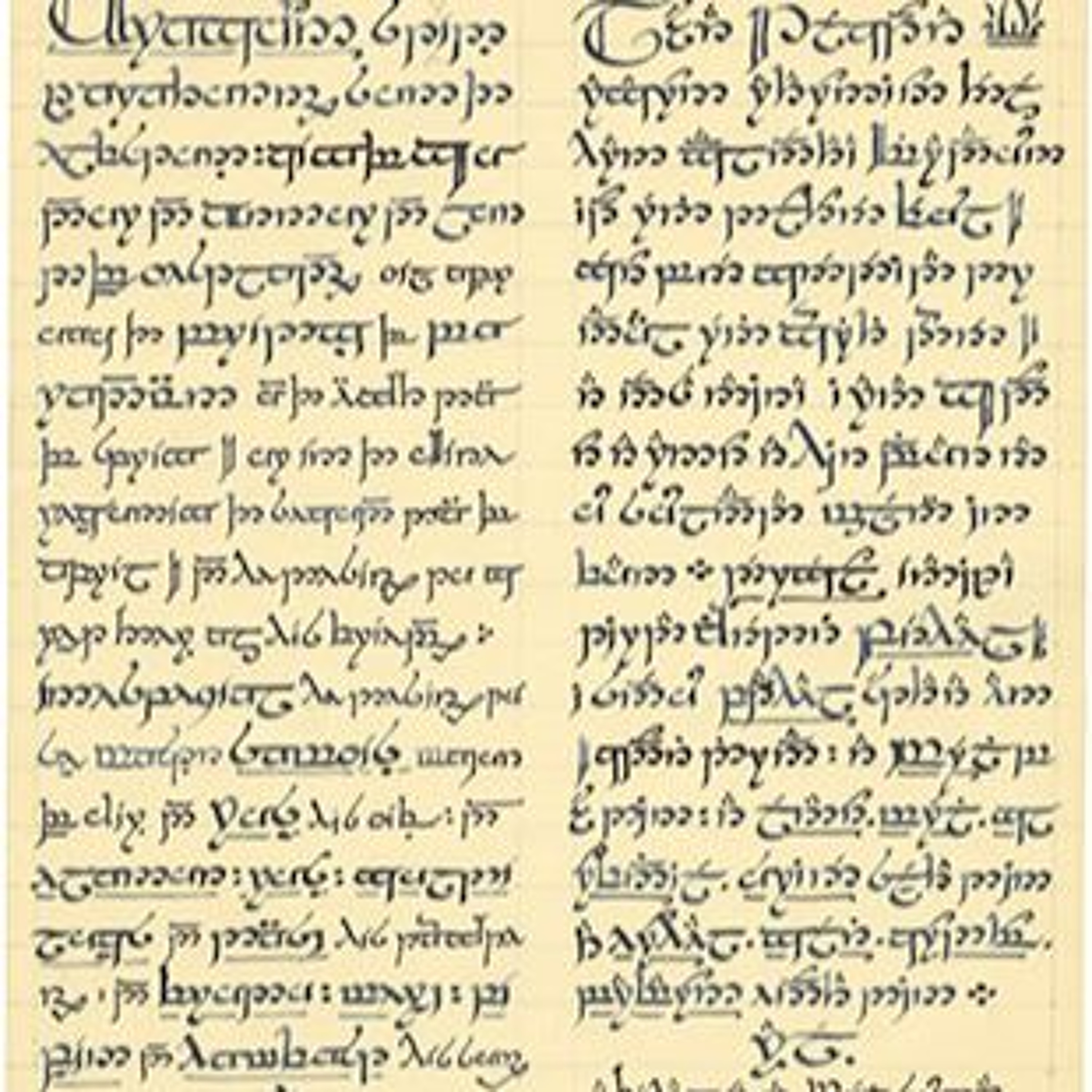
From the Jesuits of Canada and the United States, this is AMDG – and I’m Eric Clayton. I was introduced to J.R.R. Tolkien in seventh grade. This was the project that the seventh grade class of St. Catherine of Sienna participated in each year—the whole school knew it. Students read “The Hobbit” and then were tasked with creating their own version of Smaug, the villainous dragon. You could make a diorama, a clay sculpture—whatever. But the goal was to allow the world of Tolkien’s Middle Earth to inspire in you a little bit of creativity. I hope that today’s conversation does much the same for you. My guests are Dr. William Fliss and Dr. Sarah Schaefer. They are the co-curators of the “J.R.R. Tolkien: The Art of the Manuscript” exhibition at Marquette University. Bill is the curator of Marquette’s Tolkien Collection, and Sarah is assistant professor of art history at the University of Wisconsin-Milwaukee. Both are big fans of Tolkien and his world. The exhibition, as you’ll hear, is a really exciting thing. On display are manuscripts that Tolkien himself created. But these aren’t just pieces of paper with his draft of “The Fellowship of the Ring.” These manuscripts are part of his world of Middle Earth, actual pieces of the lore crafted by his own hand, bearing his own beautiful calligraphy. The exhibit is running from August 19 through December 23, 2022. Tickets are on sale—I’ve included a number of helpful links below, both for those interested in visiting, and for those just interested in learning more. Now, here’s my conversation with Bill Fliss and Sarah Schaefer. https://www.marquette.edu/haggerty-museum/tolkien.php https://www.jsonline.com/story/entertainment/arts/2022/08/22/marquette-university-exhibit-shows-creation-jrr-tolkiens-lord-rings/7841566001/ Image Info: J. R. R. Tolkien English, 1892 – 1973 The King’s Letter, third version, early 1950s Ink on paper 9 x 7 in. (229 x 178 mm) Raynor Memorial Libraries, Marquette University MS. Tolkien, Mss - 4/2/25/2a © The Tolkien Estate Limited 1992, 2015 www.TolkienEstate.com
A Crash Course in Catholic Economics with Tony Annett
Catholic Social Teaching is sometimes called the best-kept secret of the Catholic faith. But not anymore! Today host MegAnne Liebsch talks to Dr. Tony Annett, an economist who spent much of his career at the International Monetary Fund. His new book, Cathonomics, examines our global economy through the lens of Catholic social teaching on solidarity, wealth redistribution, social democracy, and inequality. His conclusion? Our current economic system is exploiting inequality and perpetuating poverty. In our interview, he breaks down economic definitions, diagnoses the problems in our current economy, and offers some practical—and moral—remedies. Order Cathonomics here: http://press.georgetown.edu/book/georgetown/cathonomics

How Star Wars Expands Our Theology with Fr. Ryan Duns, SJ & Dr. Ben Espinoza
"Star Wars" is a window into a larger universe, a universe that has the same flawed characters, hope-filled adventures and deep galaxy-altering questions as our own. A story like "Star Wars" helps us expand our own imagination, helps us better grapple with how we share and reflect upon our own stories. We dream bigger about what’s possible in our lives and our society as a result. And, maybe, we learn something new about how God works. Don’t agree? Today’s episode of AMDG may help put your doubts to rest. Today's guests our Dr. Benjamin Espinoza and Fr. Ryan Duns, SJ. Ben is the associate vice president for online education and assistant professor of practical theology at Roberts Wesleyan College. He’s also an ordained minister in the Wesleyan Church. Ryan is an assistant professor in the theology department as Marquette University. He’s also the assistant department chair and director of undergraduate studies. And, he’s a Jesuit priest. Both of our guests are eminently qualified to discuss theology, philosophy and pop culture. But what makes them particularly amazing guests today is that they were both involved in a brand new, very cool book, “Theology and the Star Wars Universe.” Ben was the editor; Ryan contributed an essay — and he talks about that in our conversation. Even if you’re not a huge Star Wars fan, you’ll appreciate the conversation, the grappling with making sense of and encountering God in our culture today. Check out "Theology and the Star Wars Universe" here: https://www.amazon.com/Theology-Star-Universe-Religion-Culture/dp/1978707231
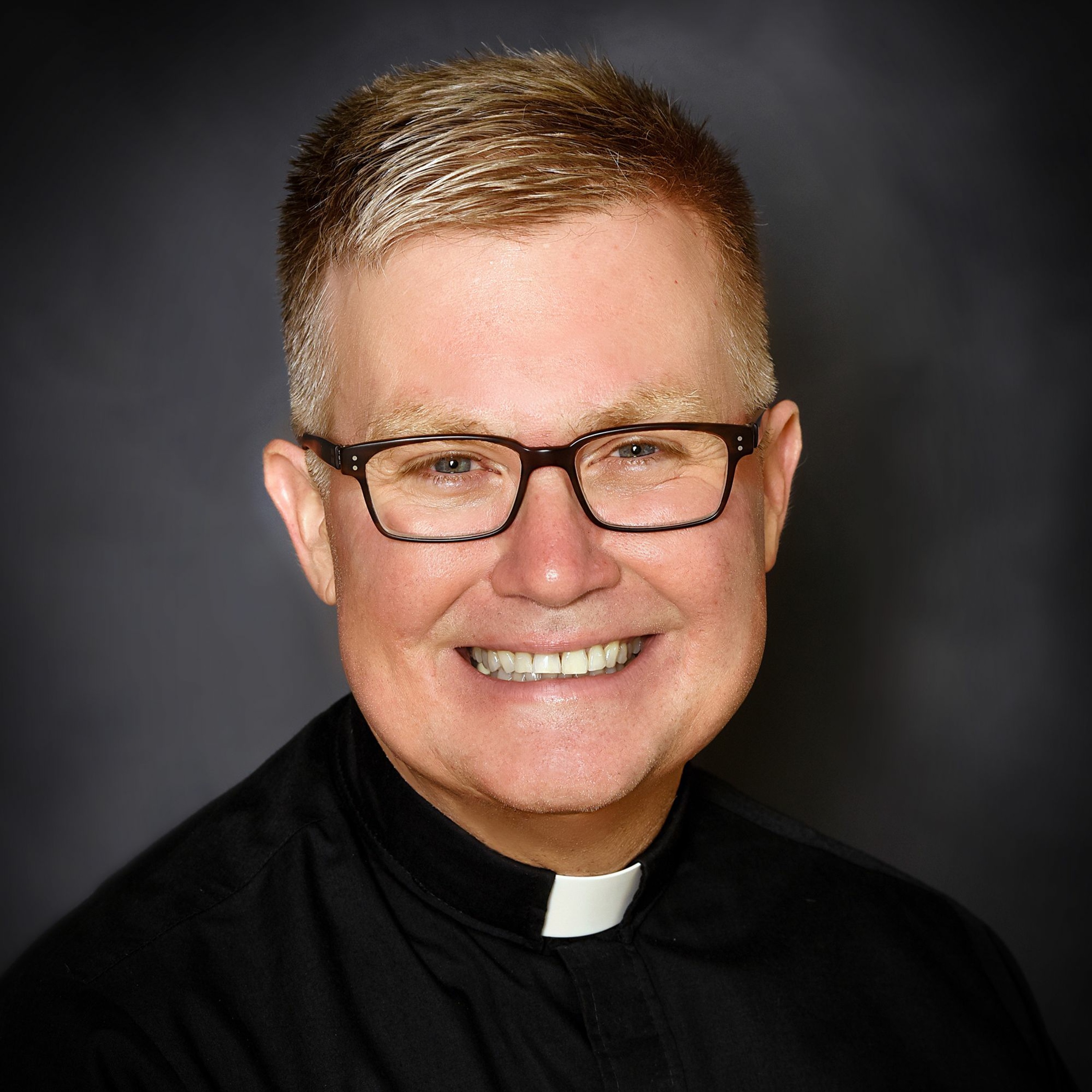
From Advising Martin Sheen to Joining the Jesuits: Joe Kraemer SJ's Vocation Story
Way back in June, 17 Jesuits from the US and Haiti were ordained to the priesthood. One of them was Joe Kraemer. And like many of his fellow Jesuits, as the summer months wind down, he’s preparing to start his new ministry as a Jesuit priest. Joe, though, didn’t “become” a Jesuit as his ordination. He’s been one for years, living and working with the Society of Jesus and its many collaborators. It’s easy to forget that the word “Jesuit” isn’t a synonym for “priest.” There are countless Jesuits in formation, and of course, there are Jesuit brothers the world over. Jesuits – as priests, brothers and men in formation – are still Jesuits, carrying on the mission and legacy of St. Ignatius, the early companions and all that have followed in their footsteps. And so, today, Fr. Joe Kraemer joins us on AMDG to talk about what his years of formation looked like, what it has meant for him to now become a Jesuit priest, and what he hopes for his only ministry and that of the Society as he looks to the future. Joe has great stories about a cross-country pilgrimage, ministering to those in prison and working closely with Martin Sheen. If you’d like to learn more about the newly ordained Jesuits, check out this link: http://www.jesuits.org/ordinations/2022-ordinands/
Why Religious Freedom Matters Worldwide with Stephen Schneck
Today’s guest is Stephen Schneck, a political philosopher by training and a well-known advocate for Catholic social justice teachings in public life. He spent more than 30 years at The Catholic University of America as a professor, department chair and dean, and he was the founder and long-time director of the Institute for Policy Research and Catholic Studies. He’s worked with Catholic Climate Covenant, Catholic Mobilizing Network, Franciscan Action Network and as a member of the Obama Administration’s White House Advisory Council for Faith-Based and Neighborhood Partnerships. And now, he’s here to talk to us about his latest role. He was just recently appointed by President Biden to serve as a commissioner on the bipartisan United States Commission on International Religious Freedom. What is the US Commission on International Religious Freedom? What does it do? Steve provides answers—as well as insights into why religious freedom and the freedom of belief are so important to communities around the globe. He highlights a few key issues and regions where religious freedom is particularly threatened that we should keep our eyes on. And he offers his reflections on how Catholics in the United States can advocate on this issue. Below you can find the full excerpt from "Fratelli tutti" that is mentioned during the episode: “Ancient conflicts thought long buried are breaking out anew, while instances of a myopic, extremist, resentful and aggressive nationalism are on the rise. In some countries, a concept of popular and national unity influenced by various ideologies is creating new forms of selfishness and a loss of the social sense under the guise of defending national interests. … there are those who appear to feel encouraged or at least permitted by their faith to support varieties of narrow and violent nationalism, xenophobia and contempt, and even the mistreatment of those who are different.” (FT 11/86)
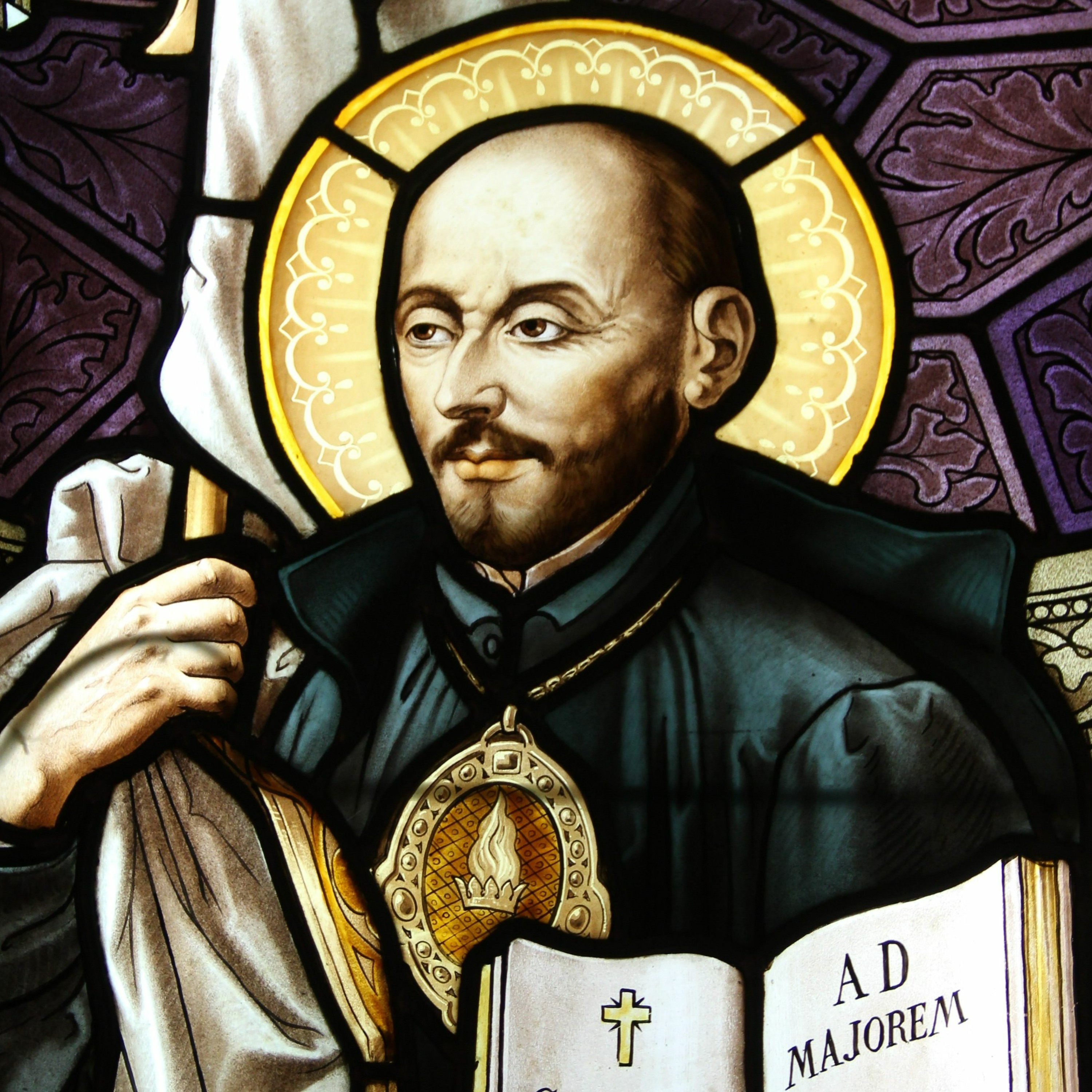
Saint Ignatius and Our Never-Ending Call to Conversion with Paola Pascual-Ferrá and Seán Bray
The Feast of St. Ignatius Loyola on July 31 will mark the end of the Ignatian Year, through which we have been celebrating the 500th anniversary of Ignatius getting hit in the leg with a cannonball. This is admittedly a weird-at-first-glance event to be marking. What about Ignatius’ birth or the beginning of his ministry? The cannonball gets special attention in Ignatius’ story because it was such a vivid and transformative moment. The cannonball sparked Ignatius’ conversion. It shattered his plans for a life of chivalry and set him on a dramatically new path. This anniversary has been a great opportunity for all of us to look at our own life paths and see how the Lord might be trying to reach out to us or maybe even shake us up a little. Today’s guests took the opportunity of the Ignatian Year to start a brand-new creative project. Dr. Paola Pascual-Ferrá is a communications professor at Loyola University Maryland. Her friend Sean Bráy is the interim vice president for mission at the university. They decided to start a podcast called "This Ignatian Year," which welcomed guests to reflect on how they live Ignatian spirituality in their everyday lives. They talked with host Mike Jordan Laskey about how their how their own spiritualities were affected through this process, and how we might continue living the key themes at the heart of the Ignatian year even after this celebration is over. Listen to “This Ignatian Year”: https://www.loyola.edu/department/campus-ministry/ignatian-spirituality/ignatian-year Read about its creation: https://www.ajcunet.edu/june-2022-connections/2022/4/25/loyola-maryland-thematic AMDG is a production of the Jesuit Conference of Canada and the United States.
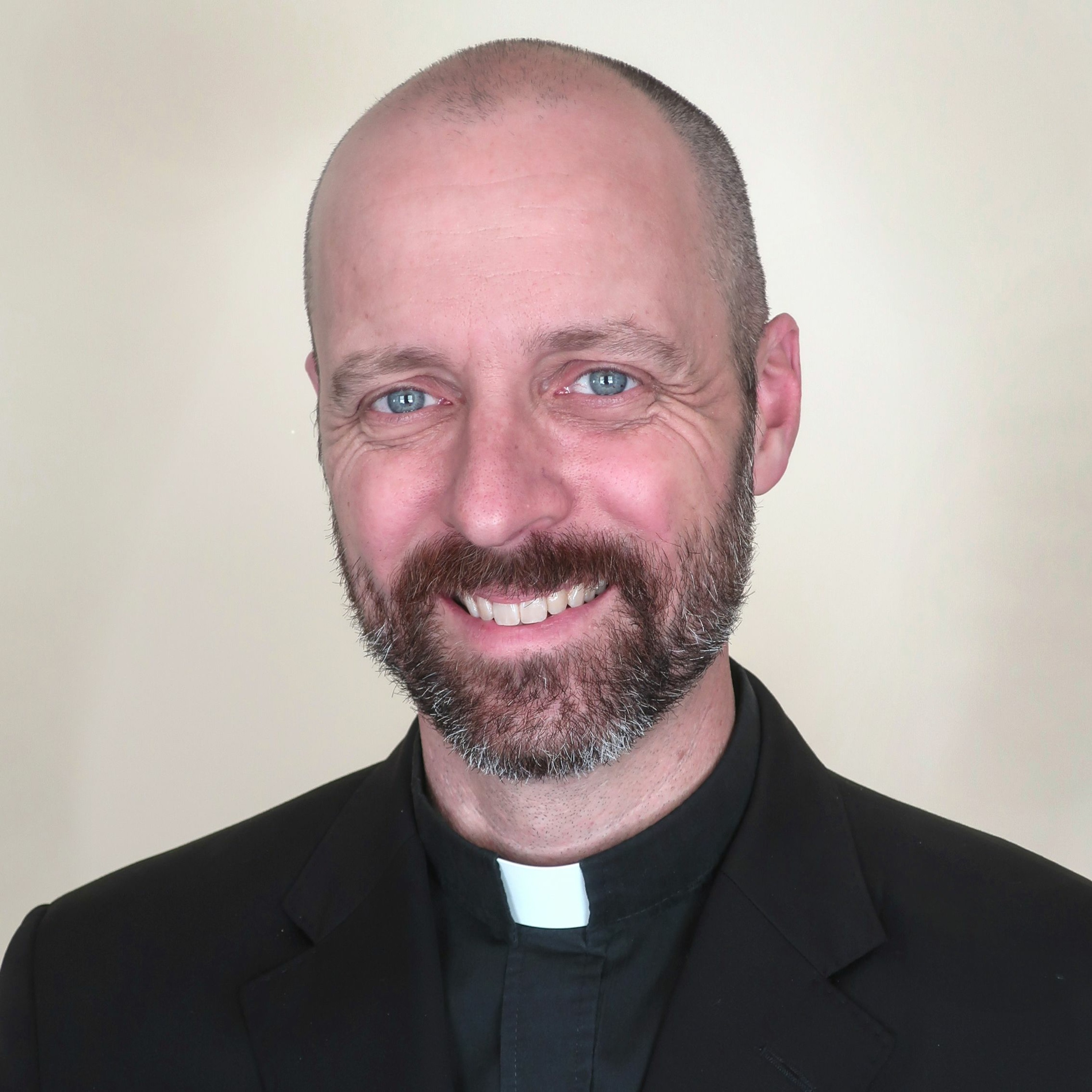
How The Sacred Heart Helps Us Close The Ignatian Year with Joe Laramie, SJ
July 31st, 2022 ends our journey through the Ignatian Year. To mark this important moment in the life of the global Society of Jesus, Fr. General Arturo Sosa will travel to Loyola, Spain to renew the Jesuits’ consecration to the Sacred Heart of Jesus. What is the Sacred Heart of Jesus? And why does a renewed consecration matter? For many of us, this devotion might be little more than a prayer card found in our grandmothers’ purse. But there’s so much more to it – and so much it can add to our spiritual lives. So, we invited Fr. Joe Laramie, SJ, the Jesuit in charge of the Pope’s Worldwide Prayer Network in the United States to join us today. Foundational to this ministry is the devotion to the Sacred Heart. Fr. Joe walks us through what this devotion is, why it matters, and what it can mean for us and world today. Fr. Joe provided us with a ton of interesting, helpful links – you can find them below: • Pope’s Worldwide Prayer Network site: popesprayerusa.net • Resources on the Sacred Heart: http://popesprayerusa.net/2022/07/18/jesuits-renew-consecration-sacred-heart-jesus/ • Fr. Joe Laramie’s site: joelaramiesj.com • Social handles: @popesprayerusa | @JoeLaramieSJ
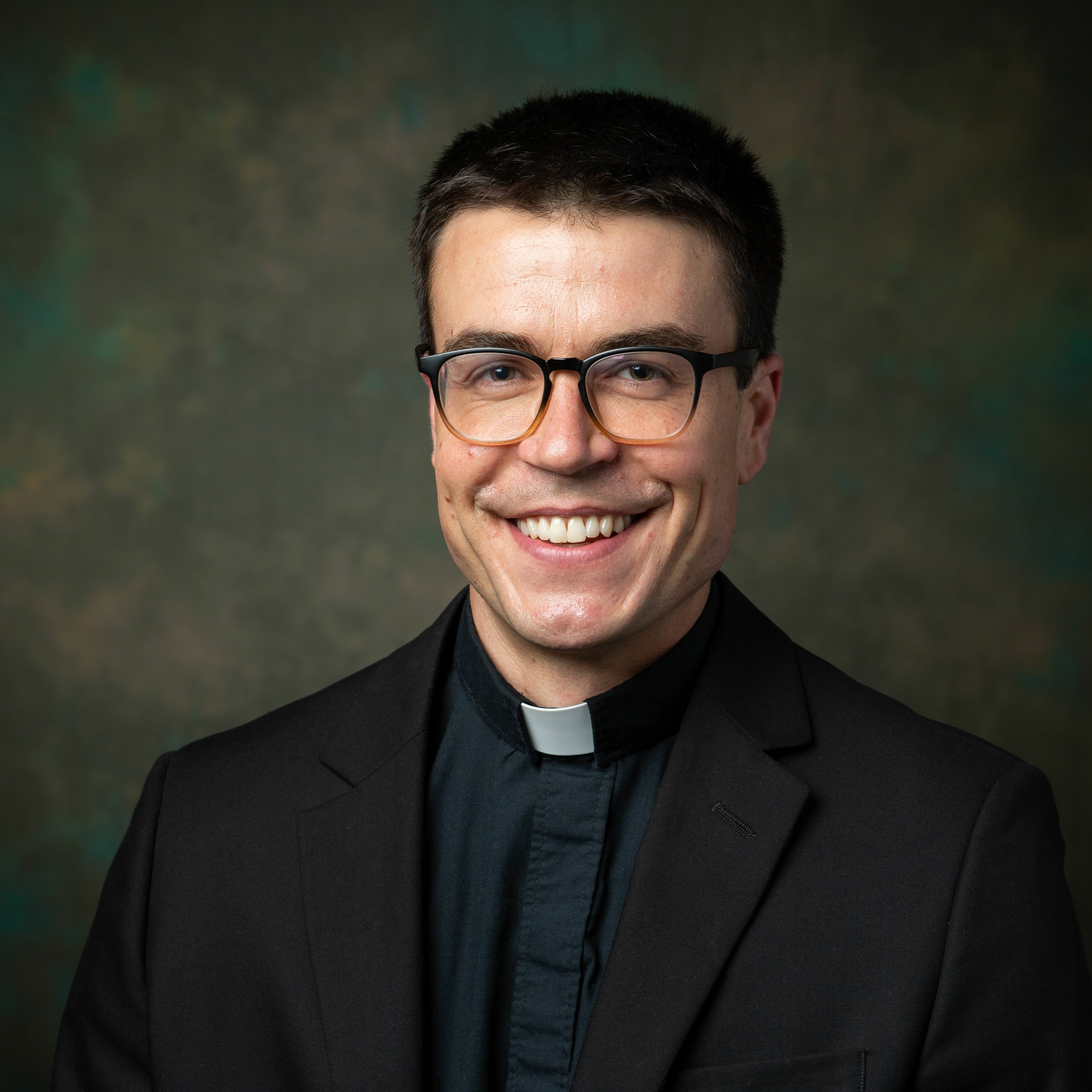
The Freedom of Missing Out with Fr. Michael Rossmann, SJ
You’ve heard of FOMO – the “fear of missing out.” You’ve probably experienced it, too. It’s paralyzing. You find yourself trapped, asking the same question over and over again: What am I missing out on? And what will it mean for my future? Fr. Michael Rossmann, SJ, is back on the pod today to tweak the meaning of FOMO. His new book is called “The Freedom of Missing Out: Letting Go of Fear and Saying Yes to Life.” And rather than allow ourselves to become paralyzed by all the opportunities we inevitably say no to, Fr. Rossmann encourages us to look at this “missing out” as a chance to engage more deeply with the deepest, most important aspects of our lives. You can find his new book wherever books are sold – or follow this link: https://store.loyolapress.com/the-freedom-of-missing-out

Can Investments Save the Environment?
Today on AMDG, host MegAnne Liebsch talks about how investment advocacy can stop climate change. Stick with us! Investing might sound boring, but the people who engage in shareholder and divestment advocacy are anything but boring. Plus, by holding polluting industries like fossil fuel accountable, these responsible investment strategies are helping reduce carbon emissions. MegAnne talked to three people who have helped transform Jesuit institutions through fossil fuel divestment and shareholder advocacy. First, we'll hear from Emily Burke, a student activist who led the fossil fuel divestment movement at Creighton University. Then, to learn more about how divestment works, we talk with Katharine Wyatt, who led Loyola University Chicago's divestment process. Finally, MegAnne talks to our colleague John Sealey about how the Jesuits use their investments to push companies to adopt greener practices. To learn or get involved with the Jesuit Committee on Investment Responsibility, click here: https://www.jesuits.org/wp-content/uploads/2022/02/2022.2.8-JCIR-E-news.pdf
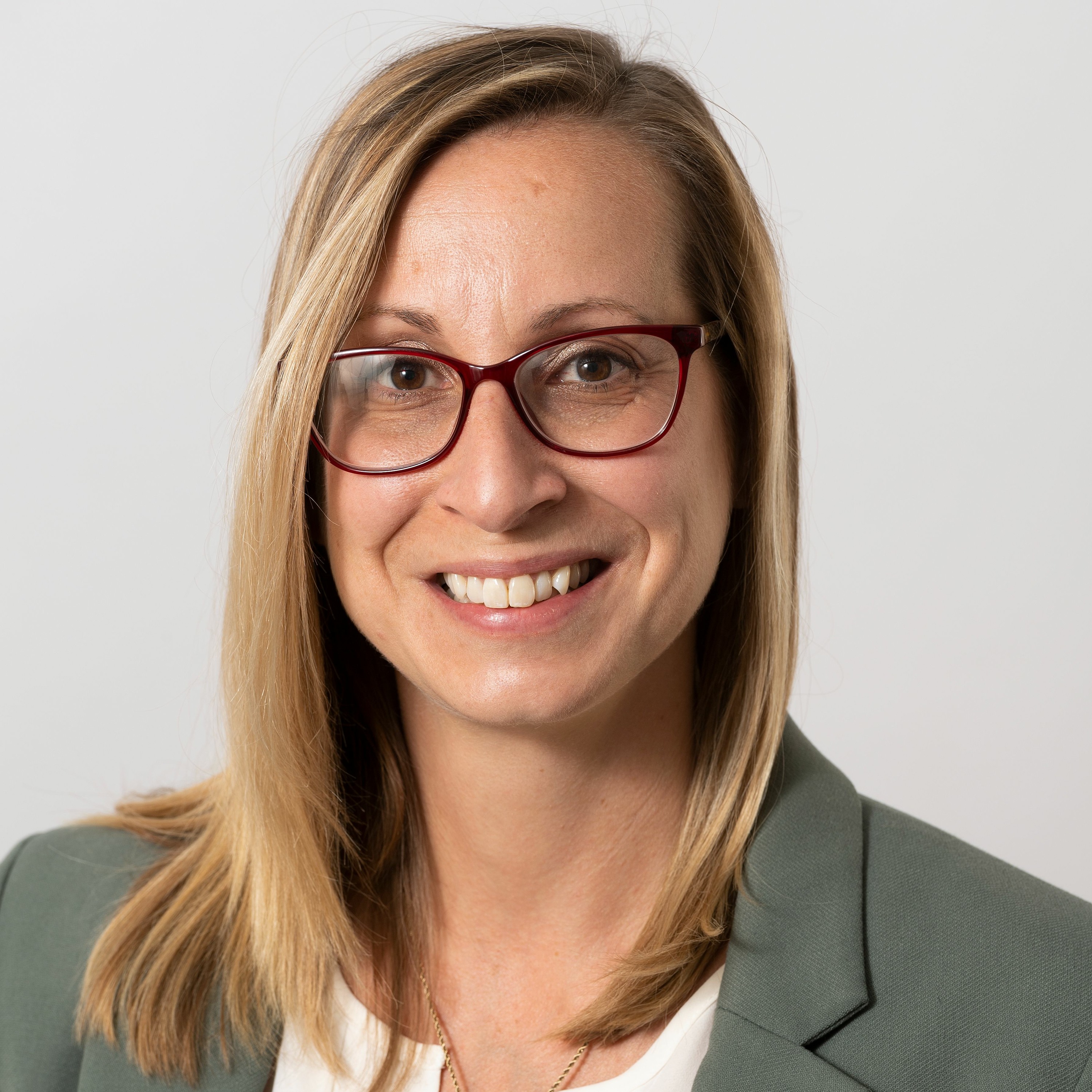
Why Young People Leave the Church and What We Can Do About It with Tracey Lamont
Why are so many young Catholics leaving the church? And what we can do to stop that trend and maybe even reverse it? There are lots of Catholic scholars studying these questions, and one of them is our guest, Dr. Tracey Lamont. Dr. Lamont serves at Loyola University New Orleans as the interim Director of the Loyola Institute for Ministry and Assistant Professor of Religious Education and young adult ministry. The Loyola Institute for Ministry offers graduate and undergrad programs online and in person to help shape leaders in all sorts of church contexts. Tracey shared her energetic and super insightful perspectives on how we can help make our parishes and schools communities that truly welcome and empower young people. There’s no silver bullet, but we have a pretty good sense of what keeps people involved in their faith. It’s just up to all of us to work together to renew our local church cultures. Learn more about the Loyola Institute for Ministry: http://cnh.loyno.edu/lim Learn more about Dr. Lamont: http://cnh.loyno.edu/lim/bios/tracey-lamont AMDG is a production of the Jesuit Conference of Canada and the United States.
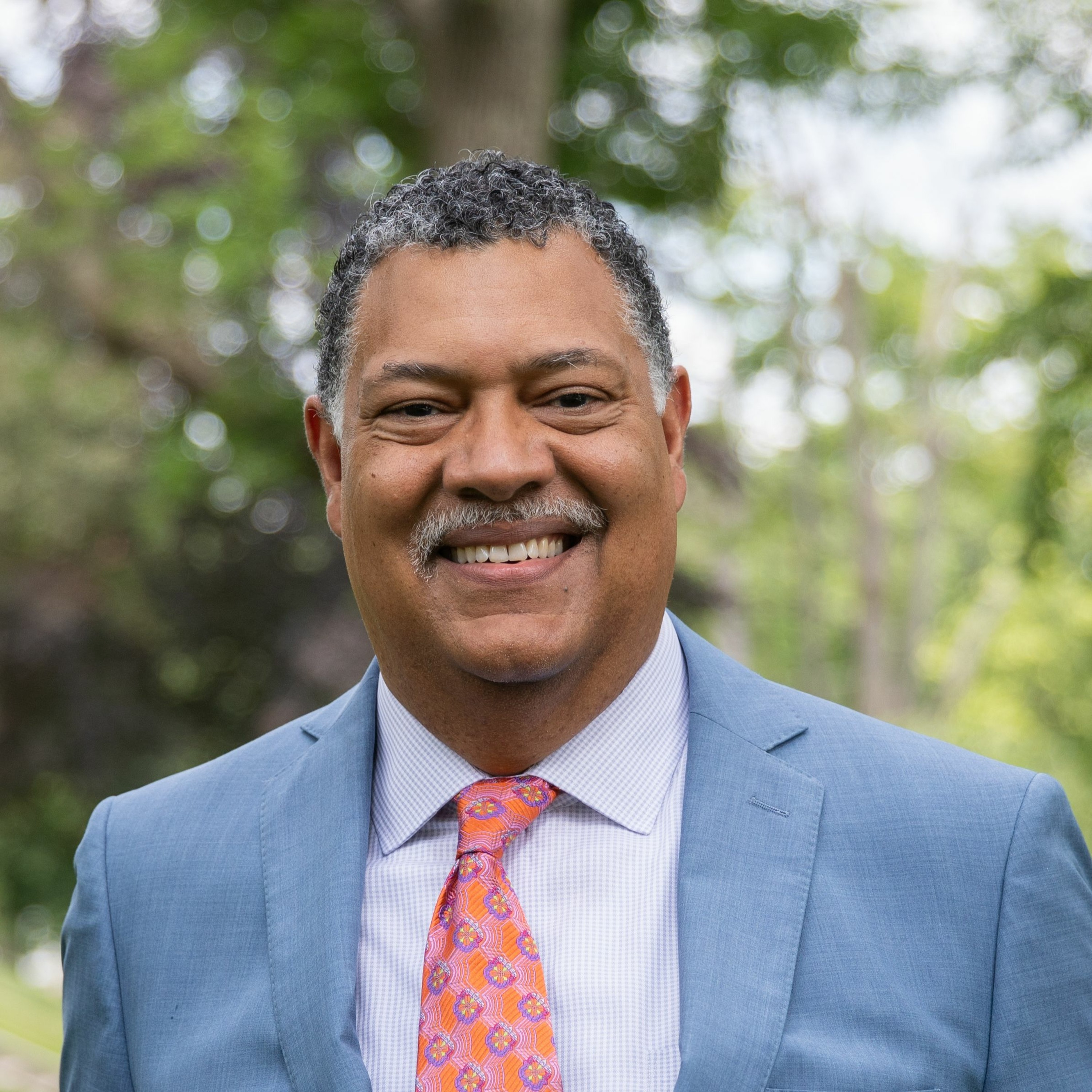
Breaking Ground at Holy Cross with President Vincent Rougeau
The College of the Holy Cross in Worcester, Massachusetts, was founded in 1843. It’s the oldest Jesuit and Catholic college in New England and one of the oldest in the whole country. Despite 178 years of educating students, Holy Cross’ current president, Vincent D. Rougeau, represents two huge firsts in the history of the college: He is the first lay president and the first Black president of the school. President Rougeau and host Mike Jordan Laskey talked recently, just a few weeks after the end of his first academic year as president. President Rougeau is a legal scholar and came to Holy Cross after serving as Dean of Boston College’s Law School, and he talked about how his experience in the law has affected his views on social justice and how a Jesuit college can be a force for good in the world especially as higher ed institutions face an increasingly competitive landscape. Read President Rougeau’s work in America Magazine: https://www.americamagazine.org/voices/vincent-d-rougeau AMDG is a production of the Jesuit Conference of Canada and the United States.
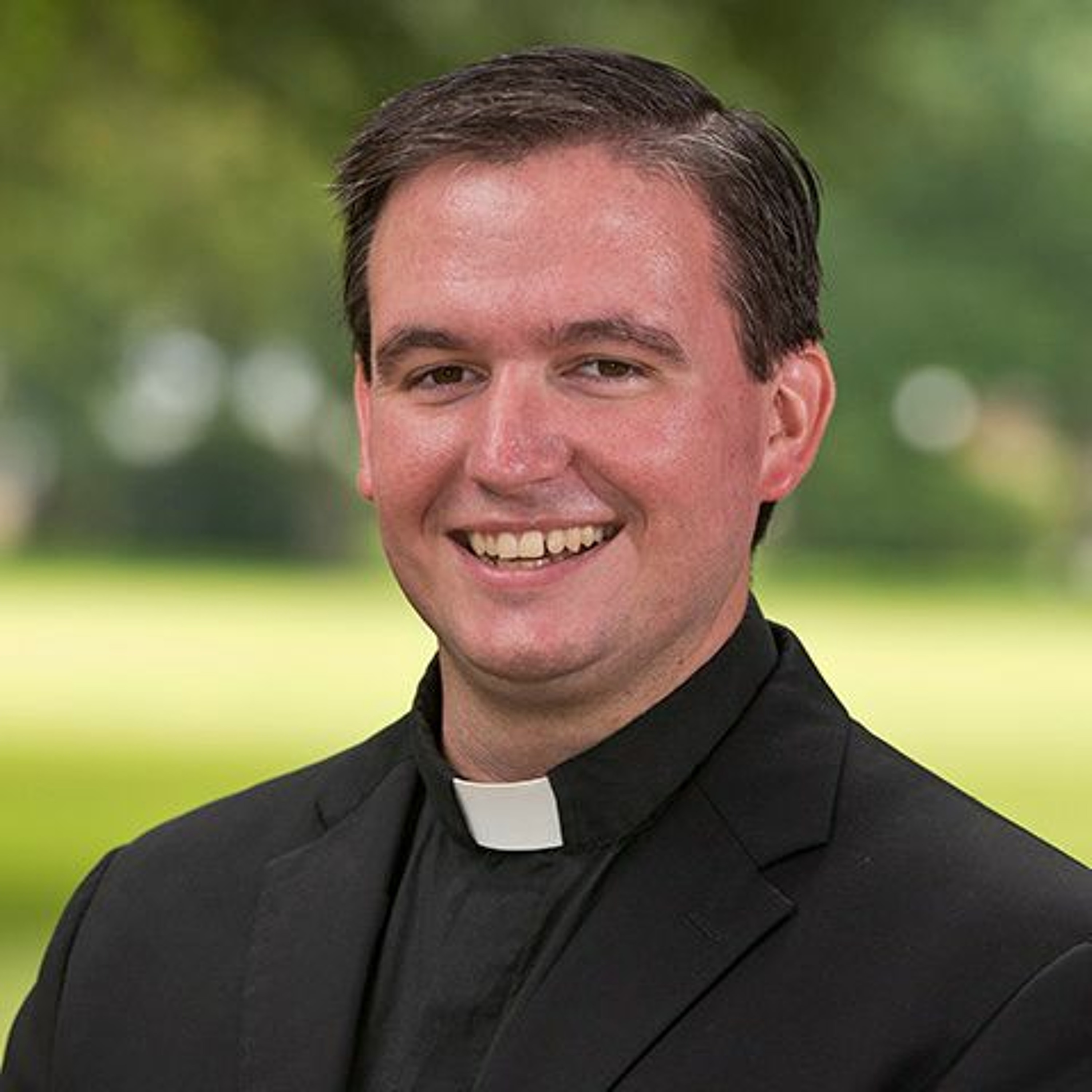
Why Thomas Aquinas Is Really A Jesuit with Bill McCormick, SJ
There are two temptations – at least! – that we often fall into when it comes to looking at our current state of politics. On the one hand, we may be tempted to look back at some previous period and say, “Our political discourse was really good then; I wish we could go back.” We romanticize the past and ignore the challenge and struggle and oversights that we’ve muddled through to get to the present. On the other hand, we may be tempted to look at our present state – our institutions, our ideologies, our political systems – and assume we’ve made nothing but progress. Things aren’t perfect, but they’re better than they were, we may say. And as a result, we assume we have nothing to learn from what’s come before. I think – I hope! – the vast majority of us fall somewhere in between, eager to keep improving our political processes so as to represent and include more and more voices, and also curious about what worked in the past, what we might have to learn from those who have gone before. If that sounds right, then this conversation is for you. Bill McCormick is a Jesuit and scholar of political science and philosophy. He’s a frequent contributor to America Magazine, and has written a new book called “The Christian Structure of Politics.” In it, Bill takes us way back in time to the political thought of Thomas Aquinas and his work De Regno – which was a letter the saint wrote to a prince. Bill helps us think through what this obscure text written for a very different political system can say about our politics today.
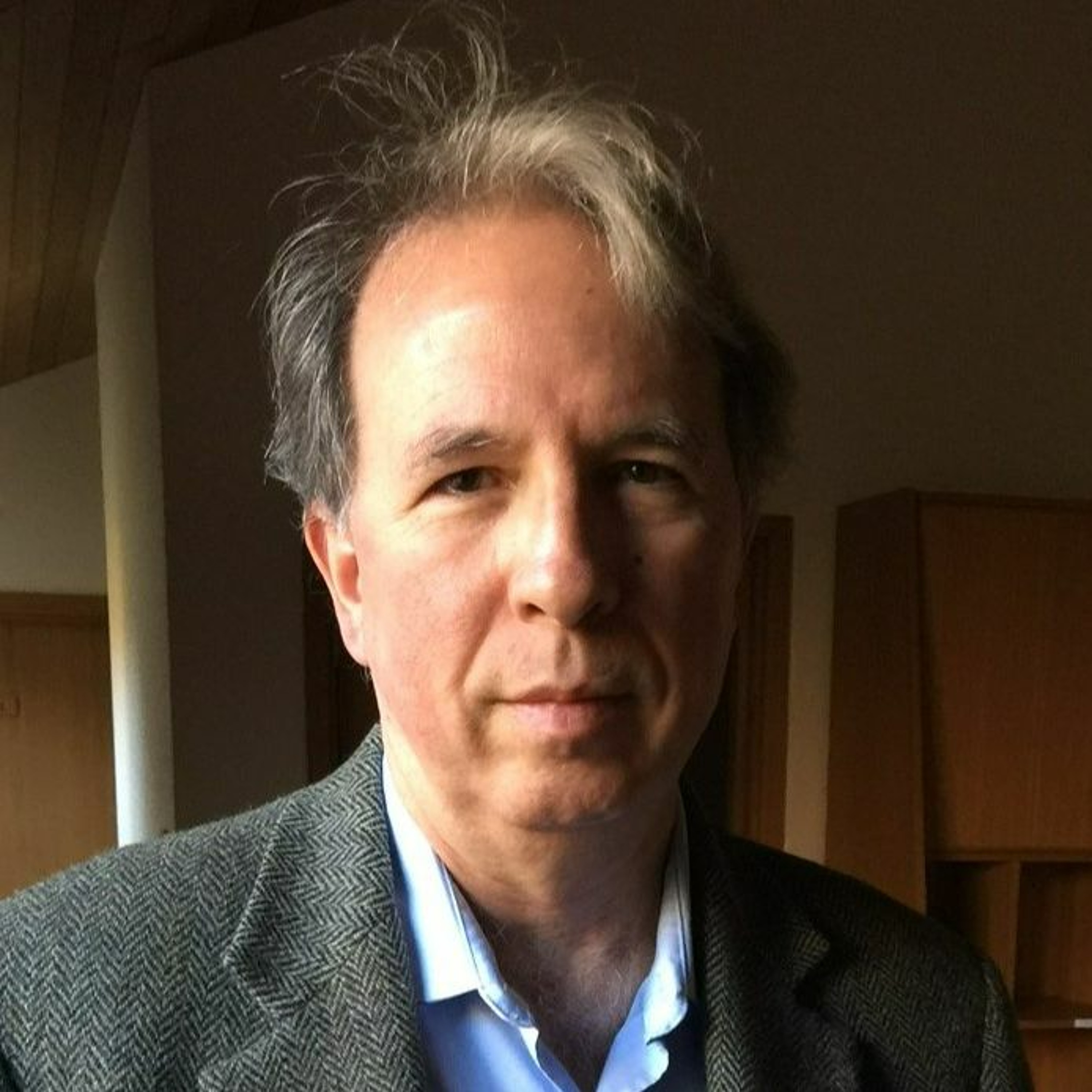
Three Fascinating Jesuits Who Could Change Your Life With Robert Ellsberg
One cool thing about the Jesuits is the huge number of incredible men who have served the Lord so faithfully over the centuries. A lot of these guys are so well-known you can call them by just a single name: Ignatius, Xavier, Gonzaga, Canisius, Faber, Claver, Arrupe, Teilhard, Hopkins. But there have been thousands of other fascinating Jesuits who aren’t quite as famous, and it’s always fun to learn about them. Guest Robert Ellsberg has forgotten more about saints and other holy men and women than most of us will ever know. Robert is the editor-in-chief and publisher of Orbis Books, the esteemed publishing arm of the Maryknoll order. He is also the author of “Blessed Among Us”, a column on saints and other saintly witnesses that appears in the monthly Catholic prayer resource “Give Us This Day.” He has written about over 1000 saints, both canonized and not. Host Mike Jordan Laskey wanted to know which Jesuits Robert has encountered in his research and own faith journey have inspired him the most. In particular, who are three under-known Jesuits we might all want to meet? Robert picked three three: Jean Pierre de Caussade, Alfred Delp and Walter Ciszek. The conversation also veered to Dorothy Day often, which is going to happen anytime you get Robert on the line. He served as the editor of the Catholic Worker newspaper in the final years of Dorothy Day’s life. In fact, Dorothy introduced him to the work of Jean Pierre de Caussade, and he shares that story in the episode. He also talked his famous father, Daniel Ellsberg, who in 1971 released to the press a classified document related to the United States’ history in Vietnam called the “Pentagon Papers.” His dad’s bold act of heroism had a huge impact on Robert’s life, especially in forming his strong pacifist views. Orbis Books: https://www.maryknollmagazine.org/orbis-books/ "Blessed Among Us": https://litpress.org/Products/E4745/Blessed-Among-Us Robert Ellsberg in America Magazine: https://www.americamagazine.org/voices/robert-ellsberg AMDG is a production of the Jesuit Conference of Canada and the United States.
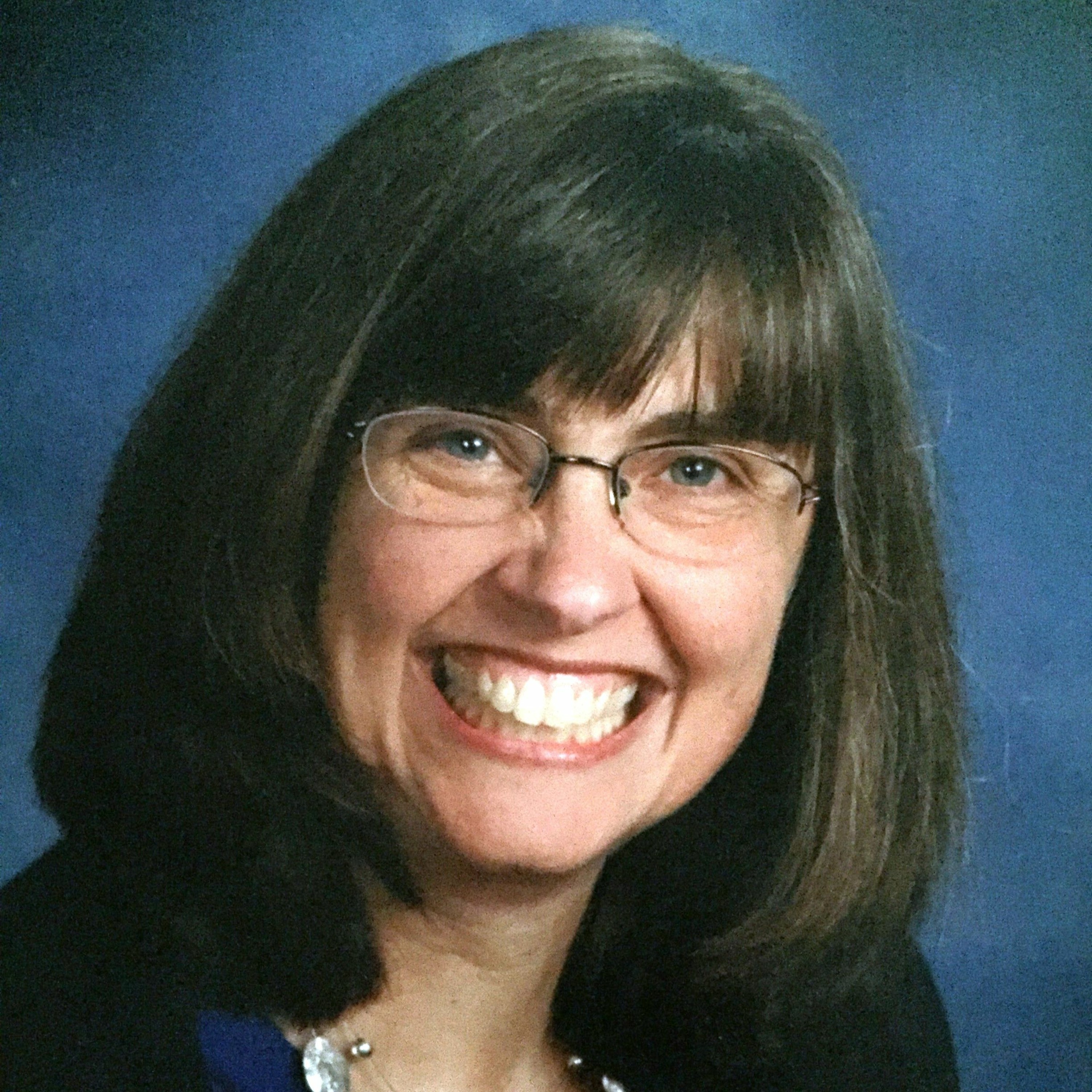
How Ignatian Spirituality Helps You Share Your Story with Author Christine Marie Eberle
As a writer of spiritual nonfiction, one might wonder: Do any of these seemingly random stories, these anecdotes and details and bits of personal history, matter to anyone but me? What good is all this storytelling doing for other people? After all, the goal of good spiritual nonfiction isn’t to be another entry in a personal diary; it’s meant to help all people glimpse something new of their own spirituality. Our guest today helps us tackle this question — and many more. Christine Marie Eberle is the author of two books of daily meditations based on her own true personal stories. She sees her personal mission like this: she passionately connects spirituality, Scripture and everyday life. And with 26 years of experience as a campus minister under her belt, not to mention her current work as a retreat leader, it’s clear she has a wealth of stories to draw from to live out this mission. Her latest book, "Finding God Abiding" from Woodhall Press, drops us into these personal, at times humorous, at times heartbreaking, stories from her life. And it is through the utterly specific details of her life that we are drawn closer to God in our own. After all, God deals with us in the specific, not the abstract. Today's conversation with Christine is all about Ignatian storytelling, what it means to tell and share stories from the tradition of Ignatian spirituality. Hopefully you find something in this conversation that helps you explore your story in a new way — and maybe, share with others. Links discussed in today's podcast: Christine's Website: https://christine-marie-eberle.com/ Christine's Book, "Finding God Abiding": https://christine-marie-eberle.com/finding-god-abiding/ Eric's Book, "Cannonball Moments: Telling Your Story, Deepening Your Faith": https://www.amazon.com/Cannonball-Moments-Telling-Story-Deepening/dp/0829454365
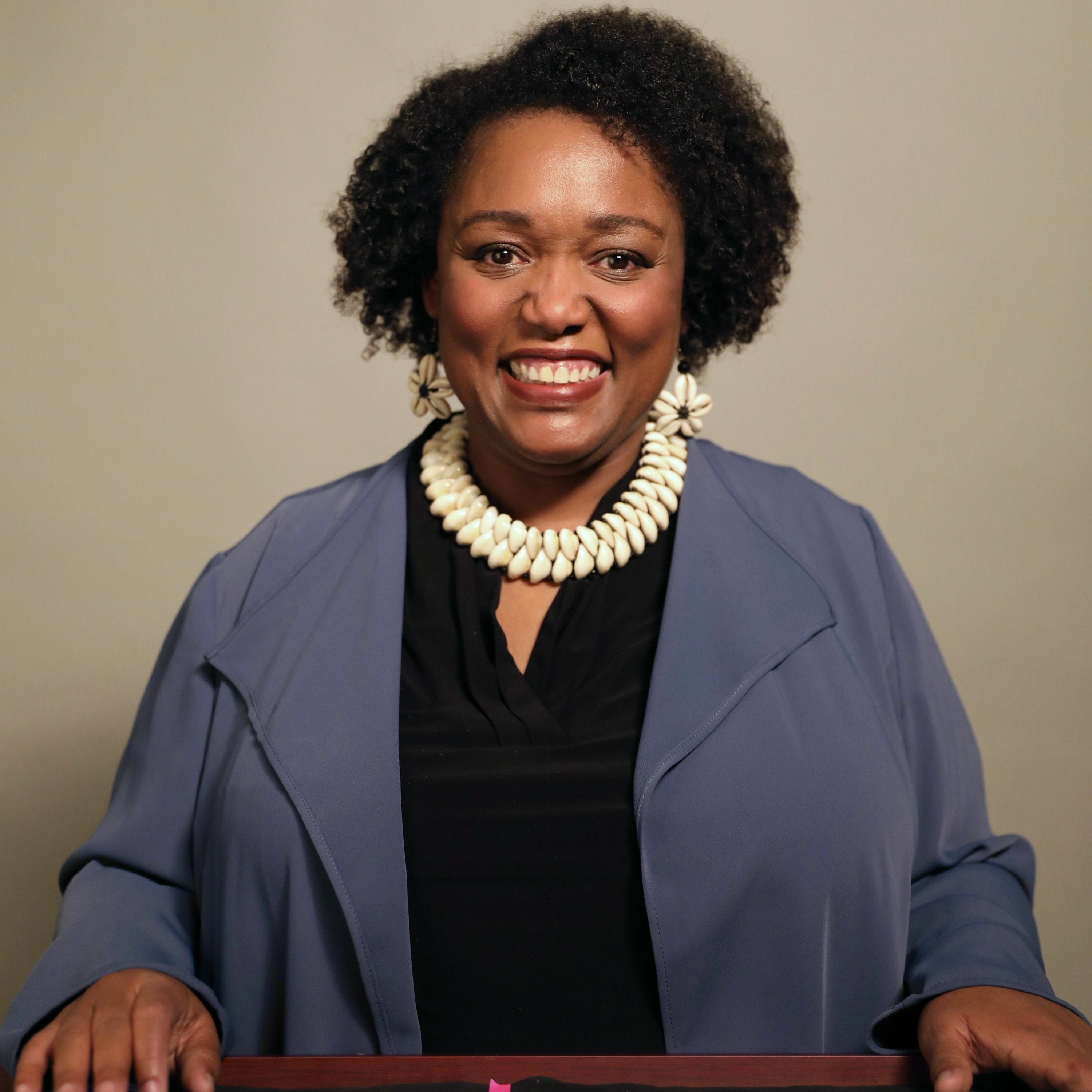
Gloria Purvis is a Pro-Life, Anti-Racism Prophet
When a draft opinion by Justice Samuel Alito overturning Roe v. Wade was leaked last month, the person host Mike Jordan Laskey most wanted to interview was Gloria Purvis. Gloria is the host of the Gloria Purvis Podcast, a show produced by America Media. She’s also a longtime pro-life advocate and one of the most outspoken Catholic commentators on racism. The way she ties these two justice issues together in particular is so impressive. One common temptation for American Catholics is to try to fit our faith’s teachings into the platform of our preferred political party. For Catholics on both sides of the aisle, it’s often the case that party affiliation is a stronger predictor than Church teaching for where we’ll come down on issues like abortion, racism, immigration, economic justice, physician-assisted suicide and so many others. Gloria is a refreshing exception to this trend. You can’t fit Gloria neatly on our partisan spectrum. She spoke with Mike last week about both of these central issues to her, why they’re connected, and how she handles the vitriol and hate mail sent her way from all sides. The Gloria Purvis Podcast: https://www.americamagazine.org/gloria-purvis-podcast Follow her on Twitter: https://twitter.com/gloria_purvis The Helen M. Alvaré article Gloria mentions in the conversation: https://www.thepublicdiscourse.com/2011/01/2380/ AMDG is a production of the Jesuit Conference of Canada and the United States.
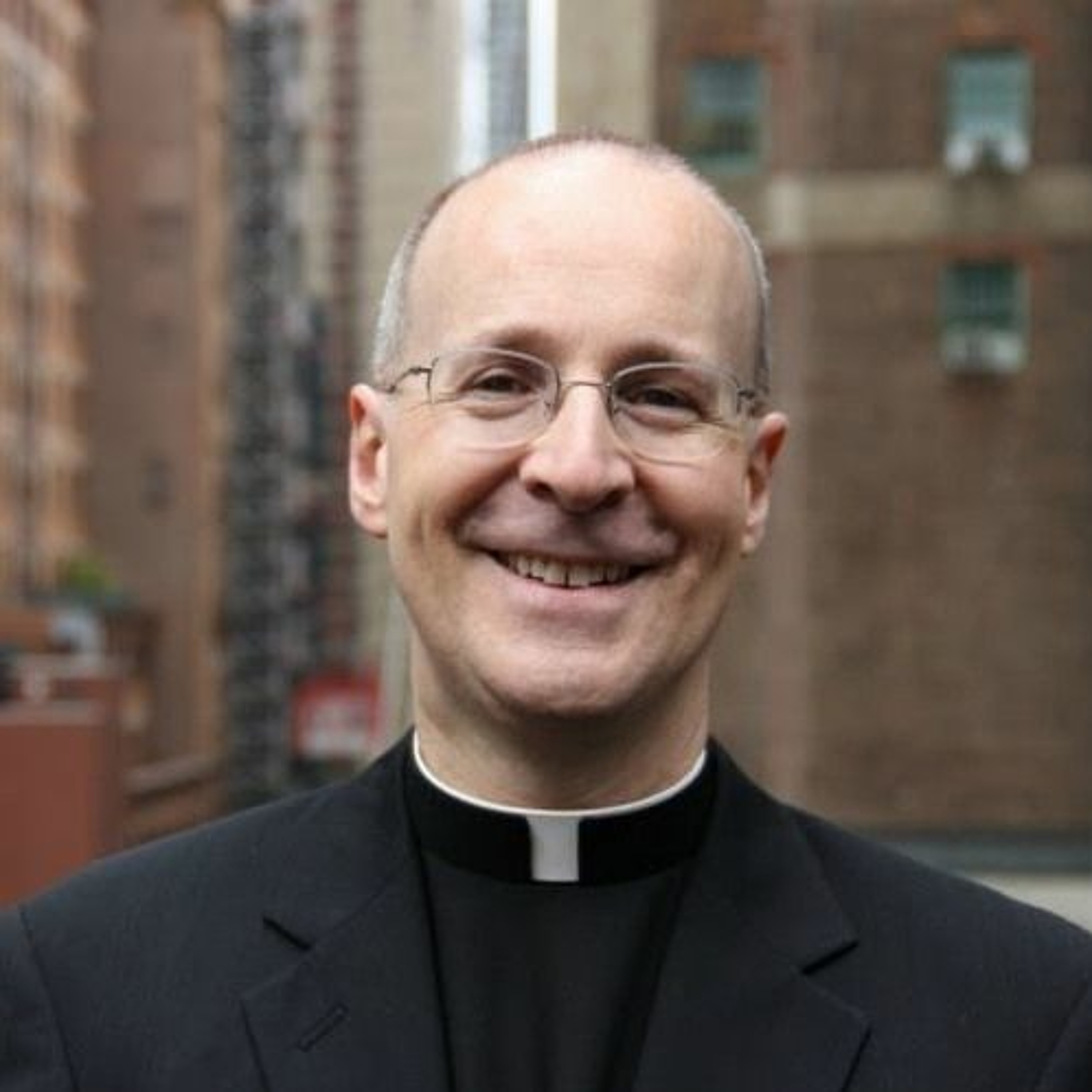
What Inspires Fr. Jim Martin's Outreach to LGBTQ Catholics
If you head over to the new website, outreach.faith, you’ll find these words to greet you: “Welcome. God loves you.” (At least, that’s what it says as of recording.) That’s not a terribly novel concept, right? And yet, for so many people in our Church, those words are foreign. And too many folks in the LGBTQ+ community may have never heard those words at all. That’s what Outreach is all about — making sure every member of the LGBTQ+ community knows God loves them. Outreach is an LGBTQ Catholic Resource and an initiative of America Media. And today’s guest, our old friend, Fr. Jim Martin, is here to talk about. If you’re familiar with Fr. Martin, you know that accompanying folks in the LGBTQ+ community is an important part of his ministry. And he’s learned a lot as a result. That’s why he knew Outreach was necessary — the chance to fill a gaping hole in the resources our Church offers. You’ll learn about Outreach and discover ways to get involved throughout our conversation. But I encourage you to head over to outreach.faith now and click around for yourself—or maybe, for someone you love. There’s a lot of great stuff to find. Visit: https://outreach.faith/

How to Build a Non-Profit from Scratch with Annie Phoenix
After college and a stint as an elementary school teacher, Annie Phoenix was looking for volunteer opportunities with prison education programs. But there really weren’t any education programs in Louisiana prisons. So, she decided to start one. Annie co-founded multiple initiatives aimed at expanding education access to people who are incarcerated. Through her non-profit Operation Restoration, Annie and her team provide, educational tools, creative programming, and immediate social services to formerly incarcerated women. Most recently, she was appointed executive director of the Jesuit Social Research Institute (or JSRI) at Loyola University New Orleans. Founded by Jesuit Fr. Fred Kammer, JSRI works to transform the Gulf South through analysis, education, and advocacy on the issues of poverty, race and migration. Along with JSRI and Loyola staff, Annie is spearheading a new educational program for incarcerated men in Louisiana. Host MegAnne Liebsch talks to Annie about the new role and lessons she's learned along the way. Learn more about JSRI's work: https://jsri.loyno.edu/ Check out Operation Restoration: https://www.or-nola.org/ Get in touch with Annie: [email protected]
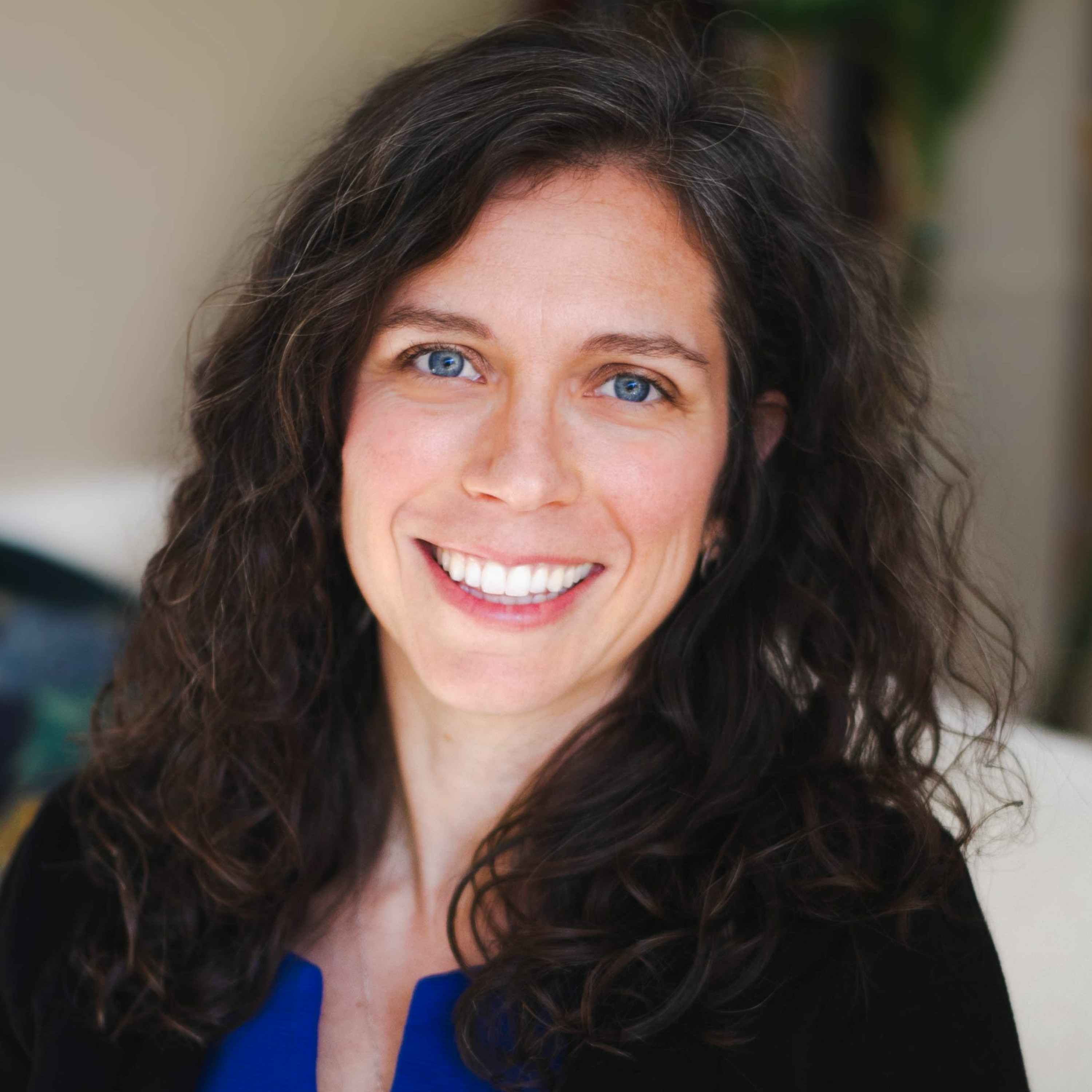
Could Women Be Deacons in the Catholic Church? With Casey Stanton
Casey Stanton is the founding co-director of a new initiative called Discerning Deacons, which is engaging Catholics from all over the world around the question of ordaining women to the permanent diaconate in our church. Just to be clear from the start, they’re not talking about ordaining women to the Catholic priesthood, which is a totally different topic. This question about women deacons is more open – it’s in the realm of the possible. Pope Francis has called a commission to discern this very question. And Casey and her team are working with Catholics to empower them to participate in this discernment process. Listen to Casey for just a few minutes and you’ll see that she embodies the “diaconal” spirit: she is an expert speaker and preacher; she is utterly devoted to the communal prayer of the church; she is a practitioner of Gospel-centered social justice. She just can’t train to be ordained a Catholic deacon – yet – because she’s a woman. Her perspective is equal parts frustrating, inspiring, and hope-filled. Learn more about Discerning Deacons: https://discerningdeacons.org/ AMDG is a production of the Jesuit Conference of Canada and the United States.
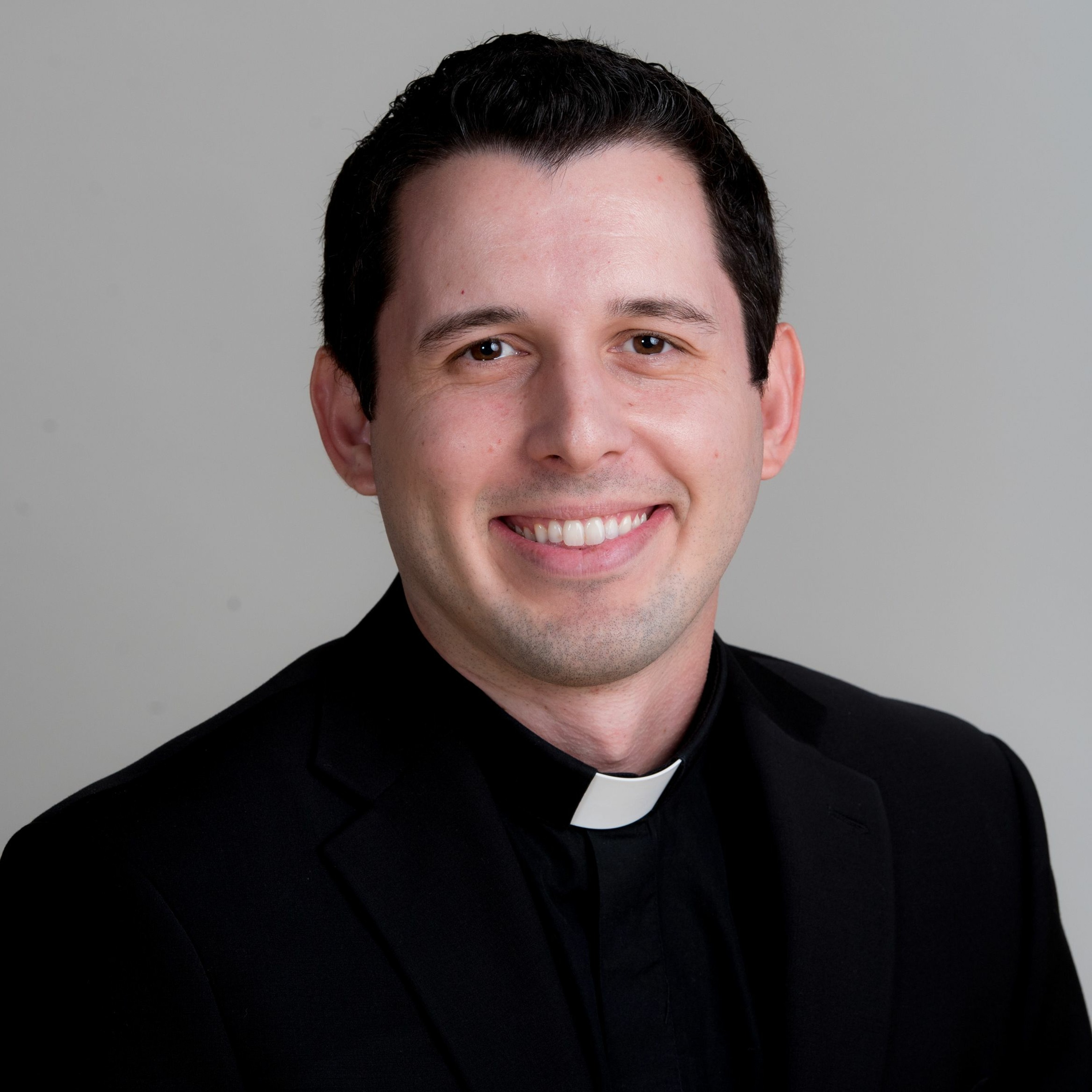
Want More Joy? Let's Promote More Vocations with Andrew Laguna, SJ
Today’s guest, Fr. Andrew Laguna, SJ, is a vocation promoter in the US West Jesuit Province. The term “vocation promoter” is probably one few of us have heard before — unless, of course, we’ve been discerning religious life. But the term and title go back to the earliest days of the Jesuits. Early Jesuits were understandably concerned with growing the nascent Society of Jesus. One of those men was Fr. Jerome Nadal, one of Ignatius’ early companions and a key architect in the development of the Jesuit identity. From Fr. John O’Malley’s classic text, “The First Jesuits:” “The Jesuits did not passively wait for young men to knock on their doors. By 1562, Nadal rather expected each community to have a promotor who would be especially charged with keeping his eyes open for likely candidates and guiding those who came seeking. He stressed that every Jesuit needed to do his part to see that ‘as many as possible of the very best’ entered the Society… Although Jesuits were to respect the freedom of the inquirer, Nadal provided a program of prayer, reading, conversation and reflection to be used to nurture a call if it was there. … In Nadal’s questionnaire and the autobiographical accounts that survive, Jesuits mentioned being attracted specifically to the Society over other orders by the Jesuits’ cheerfulness, refinement and graciousness.” (55) There are a few points in O’Malley’s text that are particularly relevant to us today. First, Fr. Arturo Sosa, the superior general of the Society of Jesus, has challenged us all to build up a culture of vocation. What does that mean? Sure, more Jesuits invite more young men to join the Society. But it also means we all become more aware and appreciative of our own unique vocations. Second, Pope Francis has often called on us to be joyful in the living out of our Christian vocation. Are we? Is “joy” a word people use to describe us in our daily lives? As you listen to Fr. Laguna talk about the work of vocation promotion, reflect on his own vocation and share stories of Jesuit life, you’ll glimpse some of these points: a culture in which vocation is celebrated and joy is paramount. You’ll quickly learn that the work of a vocation promoter is not the same as the work of a salesperson or recruiter. No – rather, a vocation promoter in 2022 is exactly that: Someone who helps people of all sorts discover who God has invited them to be. If you would like to get in touch with a vocation promoter, head over to beajesuit.org.
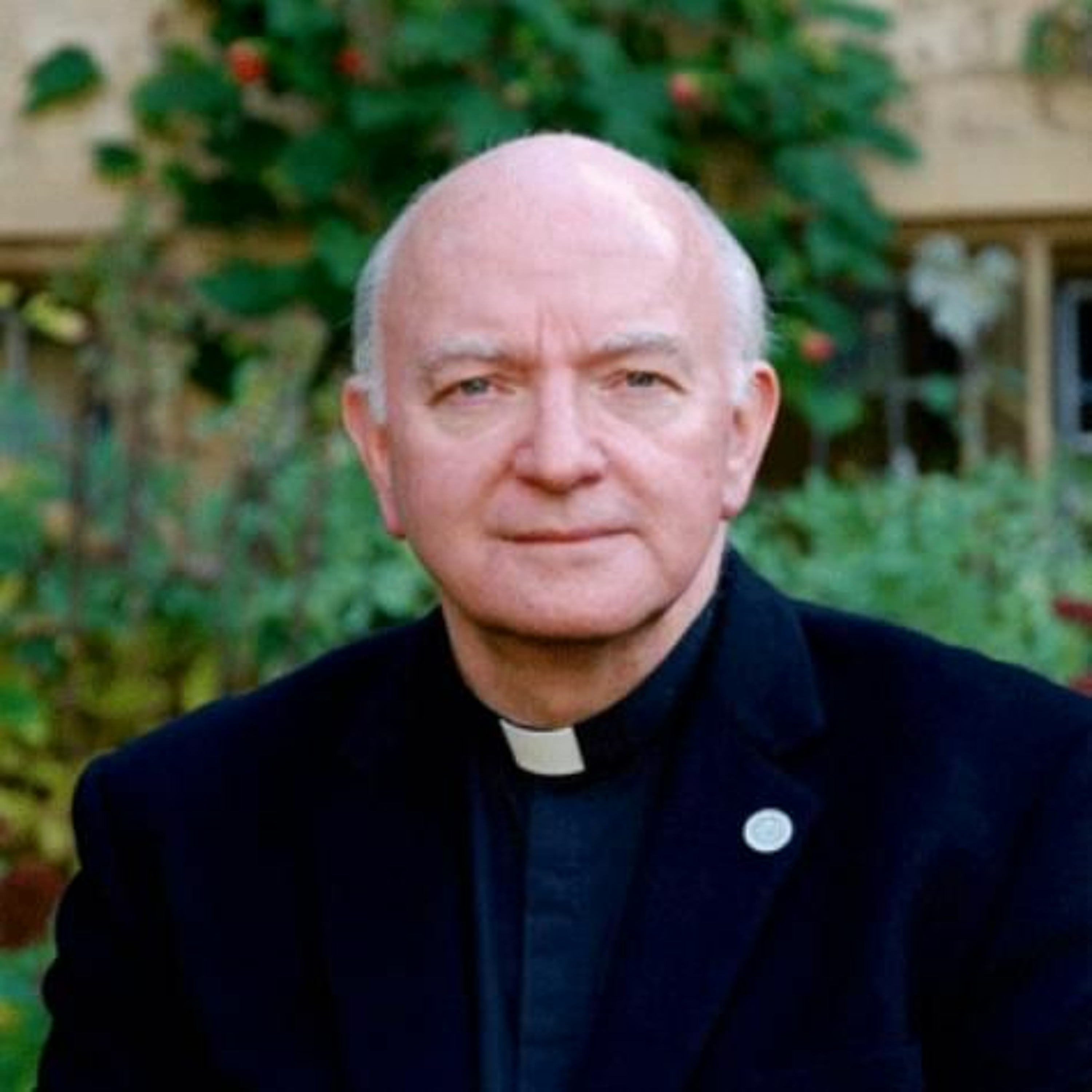
How to Cultivate a “Spirituality of Synodality” with Fr. James Hanvey, SJ
As you might have heard, the Catholic Church is in the middle of a long, global consultation process on the theme of “synodality,” a fancy-sounding theological word that means “on the way together.” Synodality is a way of doing church that emphasizes things like listening, shared leadership responsibilities between ordained and lay faithful, and reading and responding to the signs of the times. One of the Jesuits helping the church think about how synodality is lived out is Fr. James Hanvey, SJ. Fr. Hanvey is a theologian and serves as the Secretary for the Service of Faith at the Jesuit Curia in Rome. He’s also on a couple of Vatican committees supporting the work of the synod, including one examining the spirituality of synodality. That group has just released a document on Biblical resources for synodality: Where in Scripture do we hear the call to this way of doing church? Host Mike Jordan Laskey asked Fr. Hanvey about this work and how Ignatian spirituality might contribute to our building a synodal church together. Read “Biblical Resources for Synodality”: https://www.synod.va/en/news/biblical-resources-for-synodality.html "Faith Dimensions," the website of the Jesuits' global Secretariat for the Service of Faith: https://dimensions.faith/ AMDG is a production of the Jesuit Conference of Canada and the United States.
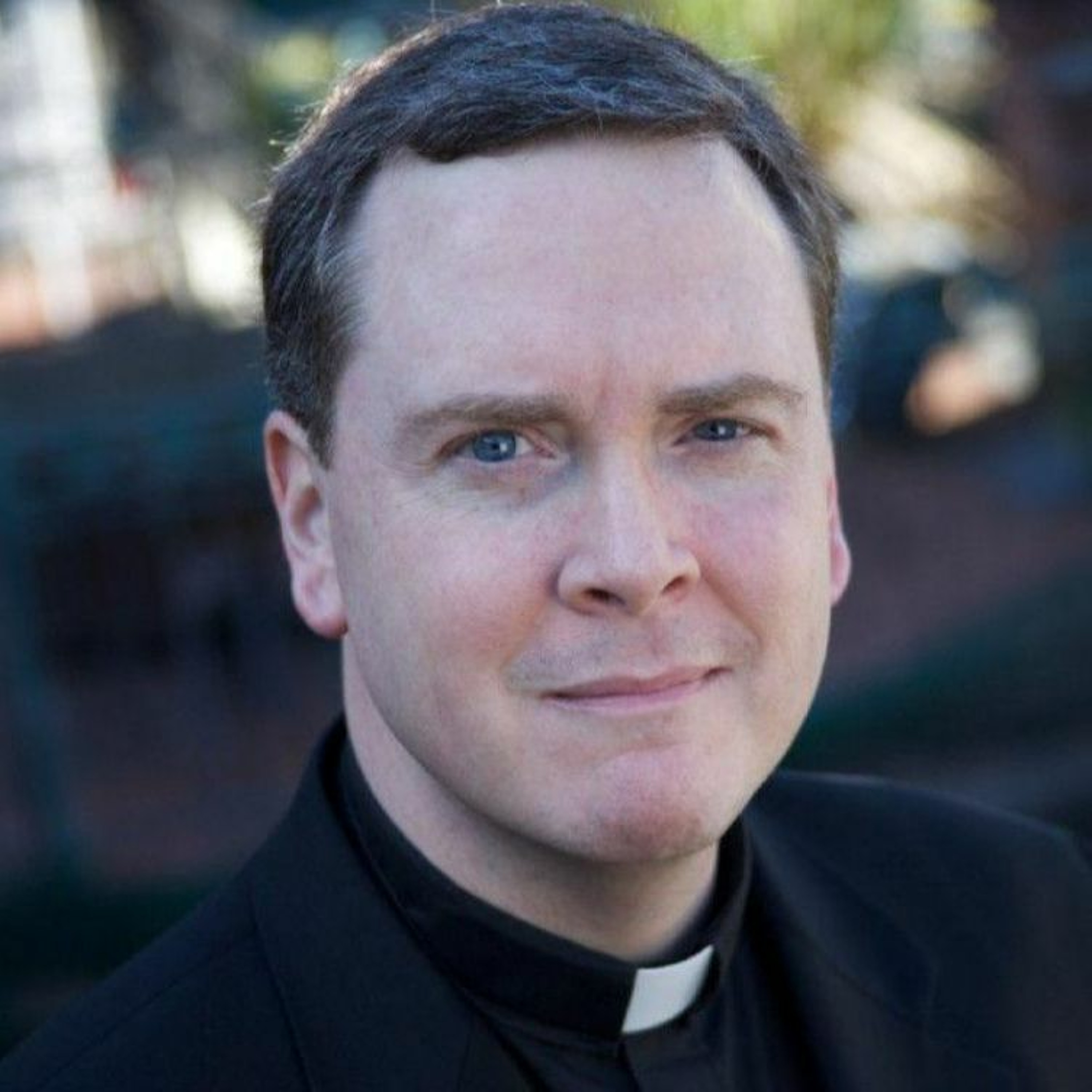
What Fr. Matt Malone, SJ, Has Learned in a Decade Leading America Magazine
Here’s an understatement: The last decade has been a challenging time for legacy print media. Heck, it’s been a challenging time for online media. How many of your favorite local newspapers or blogs or news websites have called it quits? You have to adapt or die, and the best ways to adapt aren’t always clear. Few people have as sharp a perspective on today’s media landscape as Fr. Matt Malone, SJ, who has been the editor in chief of America Magazine since 2012. America is the U.S. Jesuits’ more than century-old flagship publication. Under his leadership, America has transformed from “a magazine with a website” to a full-fledged multimedia company, boasting a top-notch online presence, strong video production, and a whole collection of original podcasts. Fr. Malone’s position at America also gives him a unique birds-eye view of the Catholic Church, which might be facing even bigger challenges than legacy media is facing. As he prepares for the end of his tenure at America in December, it was fascinating to hear his takes on the last decade and what roles a Catholic media company like America can play in our polarized culture. As we share this interview with America Magazine’s current editor-in-chief, we remember one of Fr. Malone’s predecessors, Fr. Drew Christiansen, SJ, who died last week at the age of 77. Fr. Christiansen was an eminent global politics scholar and led the magazine from 2005 until Fr. Malone took the reigns in 2012. In a lovely remembrance posted on America’s website, Fr. Jim Martin remembered his old editor as someone who was “smart, thoughtful, consultative, wise and kind. “That last trait was the most important. Drew was an exceedingly kind person, always asking after you, after your family, wondering how your writing was going, recommending books or articles he thought you would like, offering you help whenever he could. Kind, mild, friendly, peaceable, self-effacing, generous.” May he rest in peace. AMDG is a production of the Jesuit Conference of Canada and the United States.
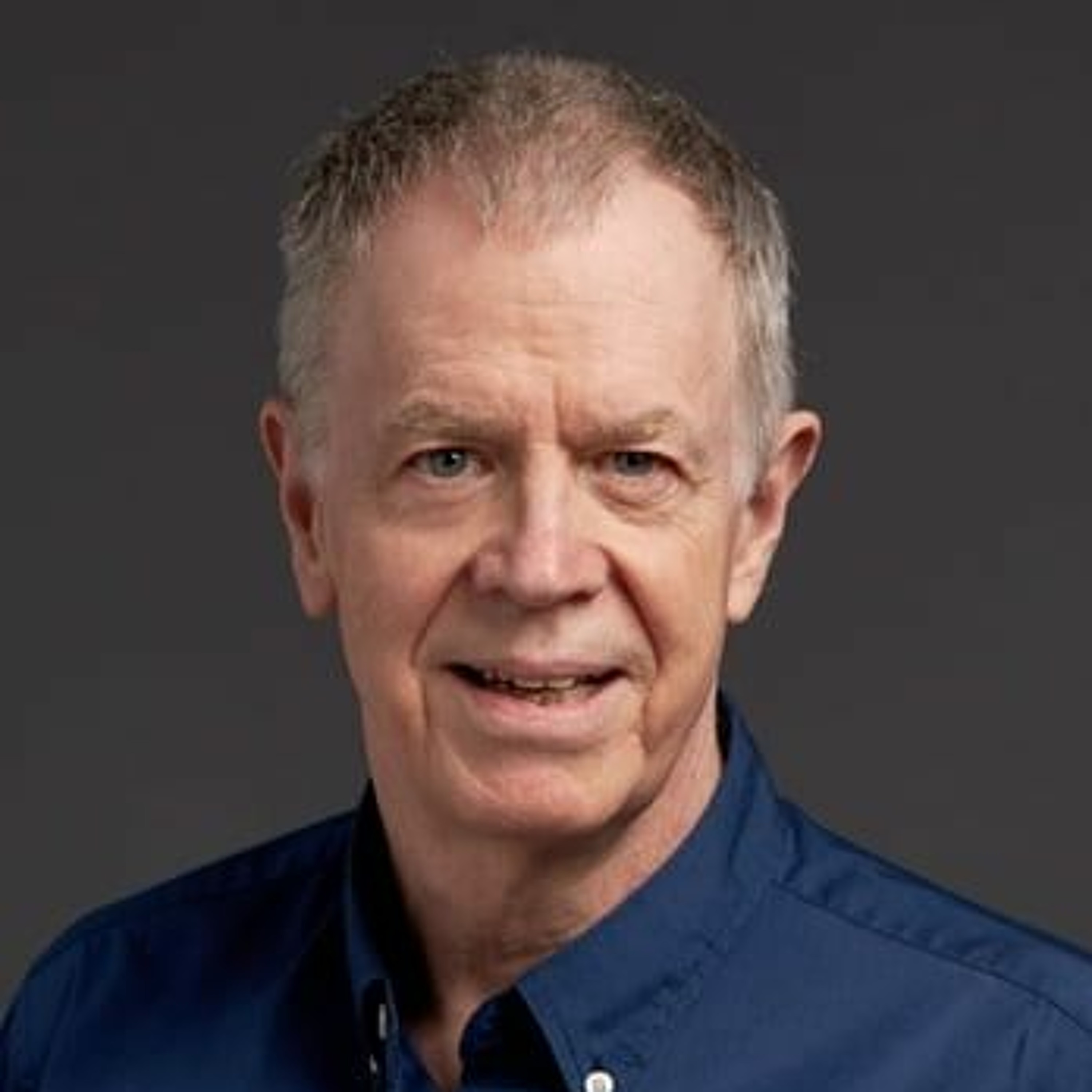
How “Hierarchicalism” Hurts the Church (And What To Do About It) With FR. James Keenan, SJ
If you were going to make a list of the Catholic church’s problems today, maybe the word “clericalism” would be high on your list. We toss that word around a lot, but what is it, exactly? The Association of U.S. Catholic Priests defines it this way: “an expectation, leading to abuses of power, that ordained ministers are better than and should be over everyone else among the People of God.” Maybe that description brings experiences you’ve had right to the front of your mind. If you’ve spent a lot of time in different Catholic environments, you’ve probably encountered clericalism at one point or another. But in a compelling new paper in the academic journal Theological Studies, the eminent Jesuit moral theologian Fr. James Keenan argues that focusing on clericalism is missing a larger root problem. He writes that we should turn our attention to what he calls “hierarchicalism,” which he says is the “father of clericalism.” Whereas clericalism concerns the power and culture of individual priests, “hierarchicalism” is about the culture of bishops, archbishops and cardinals. This is where we should concentrate reform efforts, Fr. Keenan argues. Host Mike Jordan Laskey asked him about his paper and why he thinks this shift of thinking is so important. Fr. Keenan also discussed Russia’s war on Ukraine from his perspective as someone who studies the Catholic social justice tradition. Fr. Keenan has been a professor of theological ethics at Boston College for over 20 years, and he also serves as the university’s Vice Provost for Global Engagement and the director of the Jesuit Institute. He has an upcoming book called “A Brief History of Catholic Ethics” from Paulist Press. AMDG is a production of the Jesuit Conference of Canada and the United States.
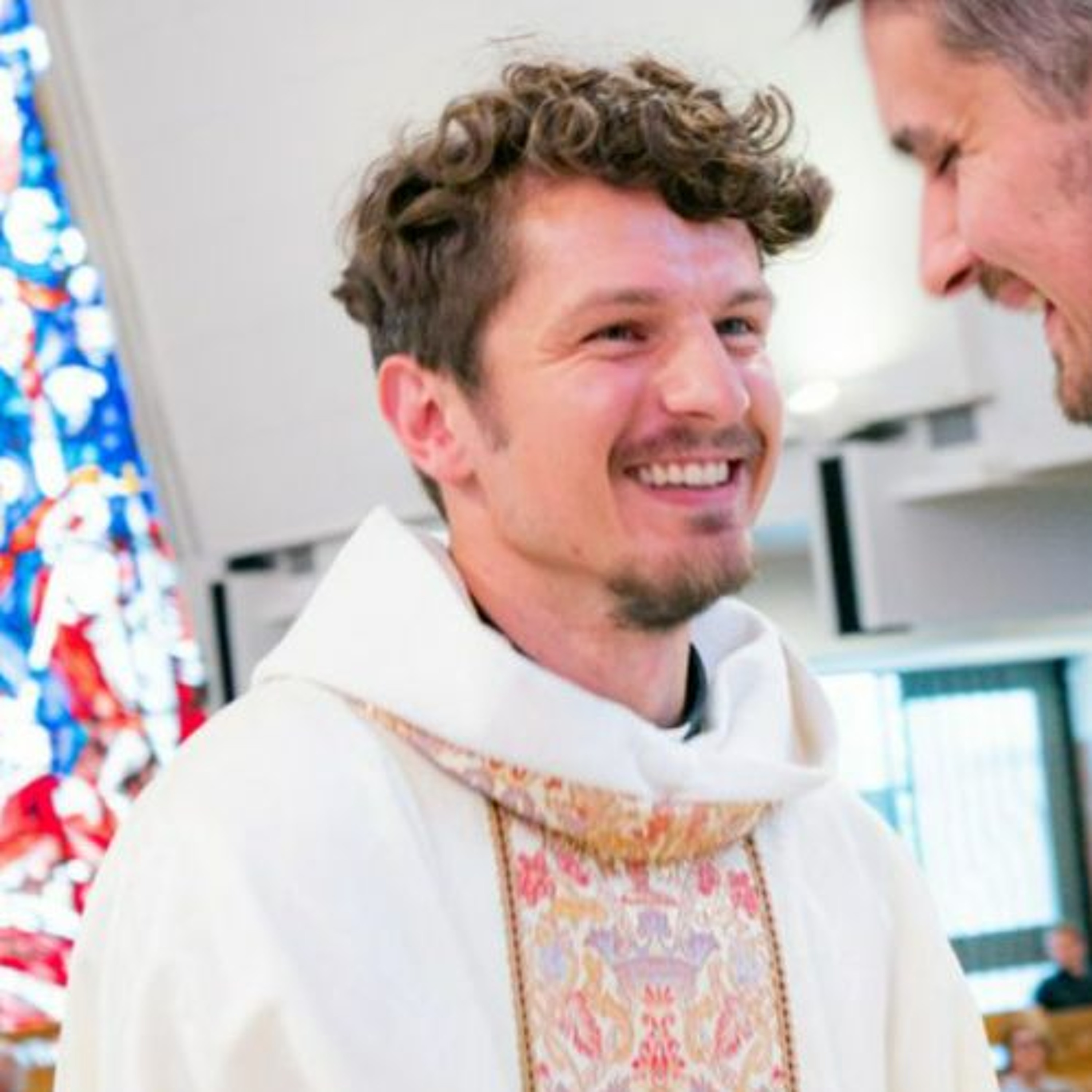
Welcoming Ukrainian Refugees to Poland with Fr. Damian Czerniak, SJ
On a given day, Fr. Damian Czerniak, SJ, faces a laundry list of responsibilities: finding Ukrainian refugees temporary housing, providing psychosocial support, assisting with paperwork, distributing funding, and maintaining contact with two Jesuit houses in Ukraine. Alongside Jesuit Refugee Service (JRS), Fr. Damian is coordinating the Jesuit response to Ukrainian refugees in Poland. Since the invasion began in February, over 2 million Ukrainians have come to Poland seeking refuge. They’ve been met with a groundswell of support from aid organizations and from local communities. Volunteers line the Ukrainian border to offer food and hugs to arriving refugees, and many families, as well as religious communities like the Jesuits, are providing Ukrainian families with temporary housing. On today’s episode of AMDG, host MegAnne Liebsch talks to Fr. Damian about this robust community-led support for refugees. They also discuss how vocation and faith have guided Fr. Damian across his life, from teaching French at Creighton Prep here in the U.S. to responding to a refugee crisis. If you want to support JRS’s work in Poland, click here: https://www.jesuitsmidwest.org/support-us/donate-now/ If you wish to donate directly to the Jesuits in Poland, please email Fr. Damian at [email protected]. Take action for Ukrainian refugees with JRS USA: https://www.jrsusa.org/take-action-for-ukrainian-refugees/ AMDG is a production of the Jesuit Conference of Canada and the United States.
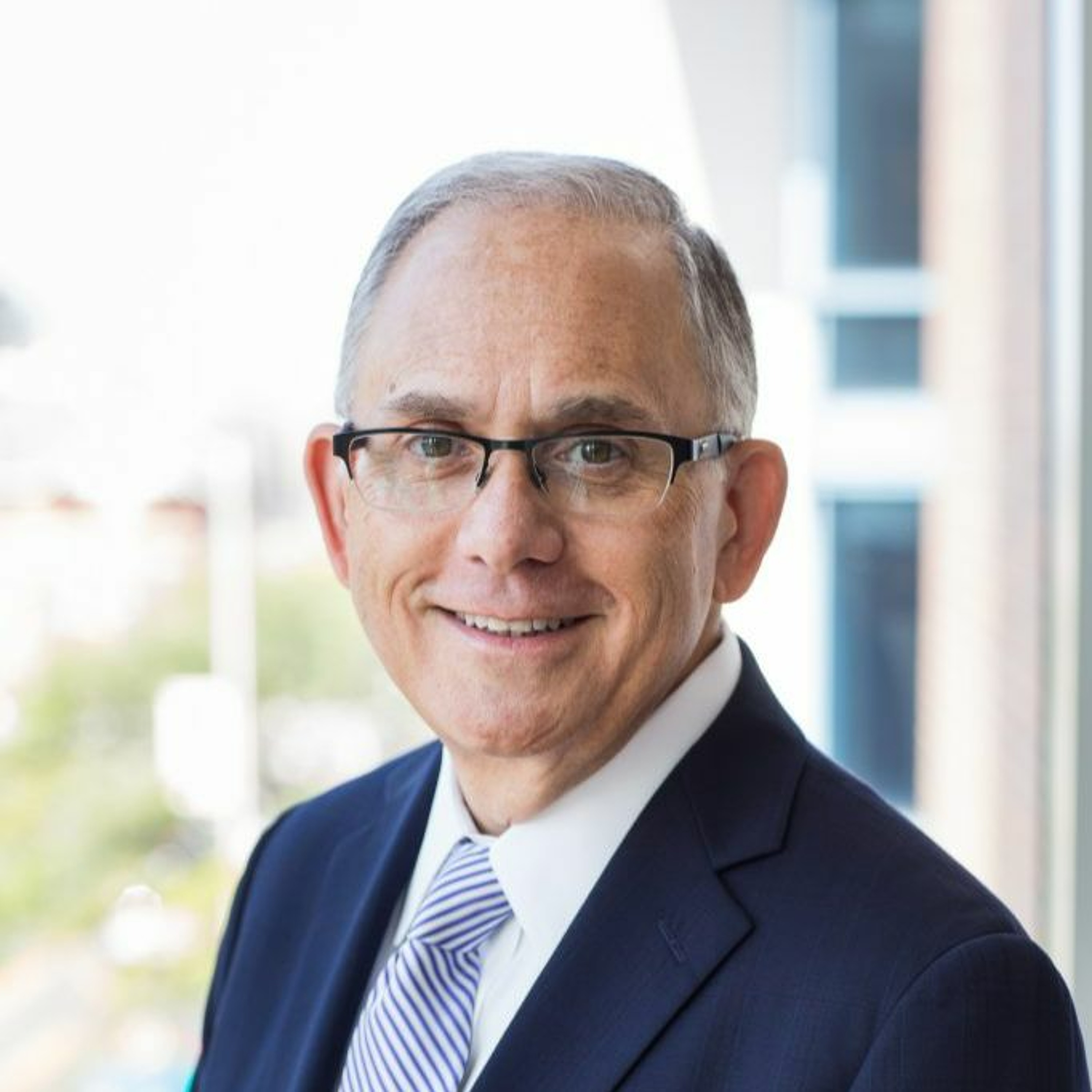
Saint Peter's University President Eugene Cornacchia on a Magical March Madness
Welcome to a special March Madness episode of AMDG. As of Thursday afternoon, there are three Jesuit teams left in the women’s and men’s NCAA basketball tournaments. On the women’s side, the Creighton Bluejays have made their first ever Sweet Sixteen. On the men’s side, number-one overall seed Gonzaga have secured their incredible seventh straight trip to the Sweet Sixteen. But the clear top story in all of college basketball this March is the success of the Saint Peter’s University Peacocks. A 15-seed, their men’s squad pulled off a historic upset of no. 2 Kentucky last Thursday night. The New York Times reported the disparities between the two schools’ student body size and athletic budgets and basketball history: “Kentucky has about 32,000 students, St. Peter’s approximately 2,300. Kentucky has won eight N.C.A.A. championships; St. Peter’s had never won an N.C.A.A. Tournament game before Thursday. St. Peter’s men’s basketball coach Shaheen Holloway made $266,344 in 2019; Kentucky head coach John Calipari’s base salary is $8.5 million. St. Peter’s basketball revenue was $1.6 million in 2019-20, while Kentucky’s was $29.3 million.” The Peacocks followed up their huge win with a thorough dismantling of 7-seed Murray State. They face Purdue on Friday in Philadelphia. Host Mike Jordan Laskey asked university president Dr. Gene Cornacchia what the experience has been like for Saint Peter’s, a small Jesuit university in Jersey City, NJ, that’s not used to this sort of spotlight. Dr. Cornacchia has been president at St. Peter’s since 2007, and he’s seen a lot of stuff, but nothing quite like these past few days. He accompanied the team in Indianapolis and talked about what it was like to be in the arena for the victories. But Dr. Cornacchia was even more excited to talk about the university he serves, which is one of the most diverse Catholic universities you’ll find anywhere: about three-quarters of the undergraduate student body are people of color. It ranks as New Jersey’s best-value school per US News and World Report. It’s a national leader on Money Magazine’s list of transformative schools, which means it enables students to beat the odds and produce outcomes that are better than expected given their academic and economic backgrounds. We here at the Jesuit Conference are so happy for Dr. Cornacchia and the school, and we’re glad we can help spread the word about Saint Peter’s. AMDG is a production of the Jesuit Conference of Canada and the United States.

Why We're Called To Settle Into Grief with Kathy Powell
Kathy Powell is currently the Creative Director, working with Becky Eldredge, LLC | Ignatian Ministries. But ever since the loss of her first child, Francis, through miscarriage, Kathy has dedicated a great deal of time and energy to walking with families who have had to lay their babies to rest all to soon. In this episode, we hear Kathy’s story. We learn from her how to walk with others. And this is important because there’s a good chance you know someone whose pregnancy has ended in a loss. Maybe you’re that person. And if so, this episode is for you. St. Catherine of Sweden, whose feast day is March 24, is the patron saint of miscarriage. Kathy tells us a little about Catherine and how her legacy helped in a moment of darkness. We end our episode in prayer: Kathy leads us through an examen for a day of crisis. Whether that day was last week or ten years ago, whether the crisis was a miscarriage or something else, take this time for prayer. If you like the Examen of a Day of Crisis, we invite you to visit the Guided Audio Ignatian Prayer Library (https://beckyeldredge.com/guided-audio), made possible through the Ignatian Media Lab, a program of the Jesuit Conference of the US & Canada. With over 30 guided audio prayers, including an extended recording of the Examen of the Day of Crisis (https://soundcloud.com/beldredge98/examen-of-a-day-of-crisis?in=beldredge98/sets/you-are-not-alone), this is a resource for your personal prayer and one you can share with others. We know this topic is heavy. Please see the links below for more prayer & miscarriage resources. Resources from All Embrace, Inc., a Catholic organization Kathy works with to support families who have lost a child through miscarriage, stillbirth, or infant death: • For those who have suffered the loss of a child: https://allembrace.com/parents/ • For Friends & Familes: What to do (and not do) when you want to help: https://allembrace.com/family-friends/ • Stations of the Cross: Reflections from the Heart, Written by Nicole Hartman, Edited & Designed by Kathy Powell, Published by All Embrace, Inc: https://allembrace.com/product/all-embrace-stations-of-the-cross-reflections-from-the-heart/ • Series on Saints for Pregnancy & Infant Loss: https://allembrace.com/author/kathy/ More deep-water resources from Becky Eldredge, LLC | Ignatian Ministries: • Women and Men for Others: Using My Pain to Serve Grieving Families - More of Kathy’s story posted on the Into the Deep blog, exploring Ignatian Spirituality through the voices of women: https://beckyeldredge.com/women-and-men-for-others-all-embrace/ • Praying When Its Hard: Series on the Into the Deep Blog: https://beckyeldredge.com/tag/praying-when-its-hard/ • Praying with Jesus: Guided Prayers for the Triduum through Easter Monday: https://becky-eldredge1.teachable.com/p/prayingwithjesus • Prayer resources from Becky Eldredge: https://beckyeldredge.com/Resources/
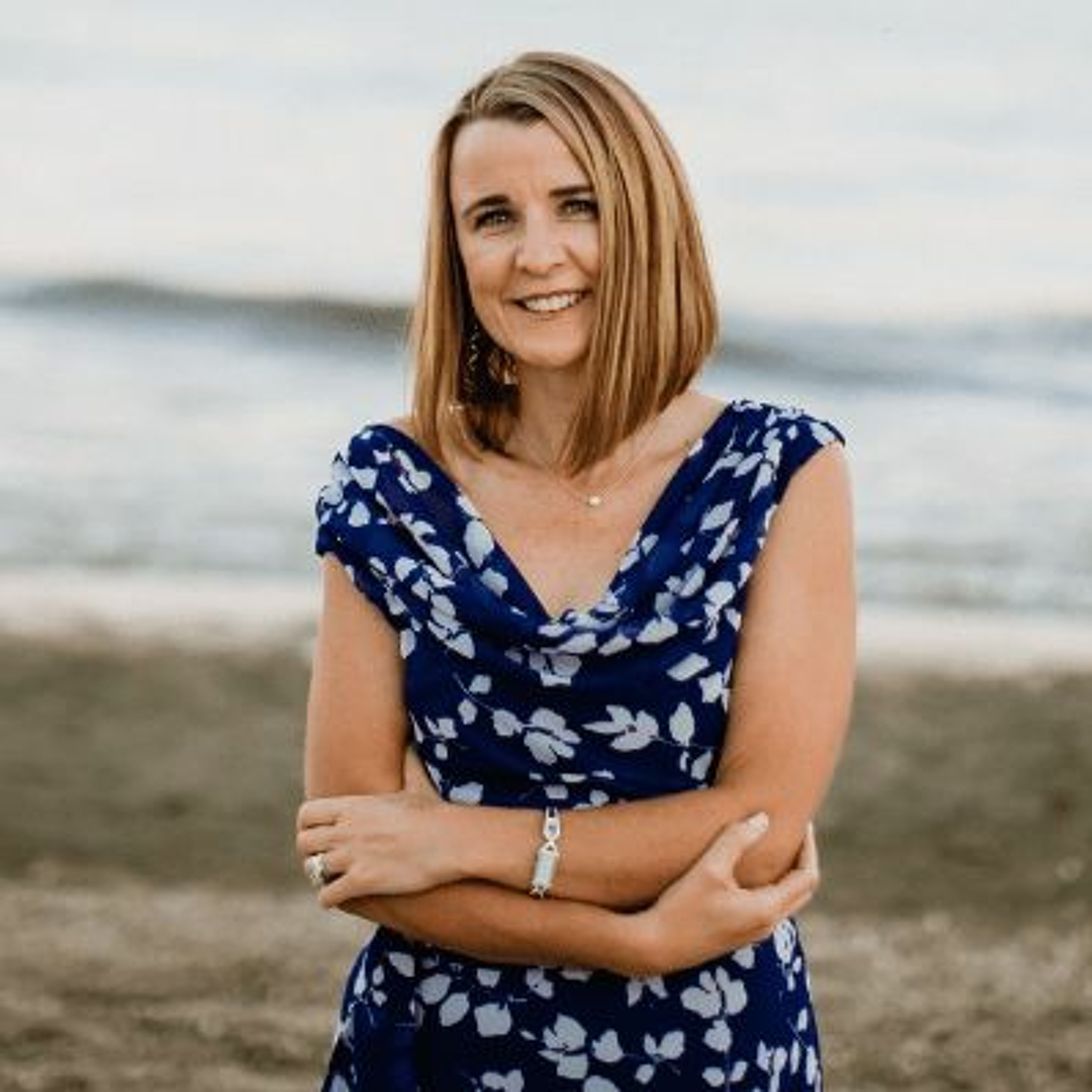
Celtic Spirituality Isn't Just For St. Patrick's Day with Julianne Stanz
This week, we celebrate the Feast of St. Patrick…St. Patrick’s Day. But too often, we reduce this day to a round of green beer and shamrock-themed t-shirts. Let’s go a little deeper. Our guest today is author Julianne Stanz. Julianne is a nationally known speaker, retreat leader, storyteller, and the Director of New Evangelization for the Diocese of Green Bay and a consultant to the USCCB Committee on Catechesis and Evangelization. In her new book, “Braving the Thin Places: Celtic Wisdom to Create a Space for Grace,” she draws on her Celtic roots to weave together a spirituality that can help us all navigate these challenging times. And, she throws in a few great stories about St. Patrick for good measure. If you want to check out her book, visit https://store.loyolapress.com/braving-the-thin-places
Faith and Resistance in Ukraine with Theologian Pavlo Smytsnyuk
All of us have been watching Russia’s invasion of Ukraine with feelings of horror and sadness and helplessness. There have also been incredibly moving stories of the resilience and compassion of the Ukrainian people, who have been living under existential threat for years and years. It was our absolute privilege at AMDG to welcome one of Ukraine’s leading Catholic theologians last week. Pavlo Smytsnyuk is the director of the Institute of Ecumenical Studies at the Ukrainian Catholic University in Lviv, a city in the western part of Ukraine. Pavlo has been in New York for a few months researching for a book, but his parents and colleagues are in Ukraine. He doesn’t know when he’ll be able to make it home. Now, in addition to his research, Pavlo wakes up early in the morning and spends hours on calls with his colleagues at the university and other faith leaders in Ukraine, helping to coordinate the faith community’s response to the war. Pavlo is an expert on the religious makeup of Ukraine, which is one of the more religiously diverse countries in Europe. If you want to learn more about Ukraine, the religious landscape there is absolutely essential context. The son of a Ukraininan Greek Catholic priest, Pavlo has also been deeply formed by the Jesuits: He got his bachelor’s degree at the Gregorian University in Rome and his doctorate at the University of Oxford’s Campion Hall, which is run by the Jesuits. Pavlo is among the most impressive people you will ever hear from – he could’ve done an equally insightful interview in seven other languages besides English. His devotion to his faith and his country and sharp intelligence shined through his whole conversation with host Mike Jordan Laskey. Please keep Pavlo and his family and friends in your prayers. AMDG is a production of the Jesuit Conference of Canada and the United States.
Doing Lent After Two Straight Years of Lenten Vibes with Fr. Paddy Gilger, SJ
Well, Lent is here. Hooray. To be honest, it feels like the last thing we need right now is 40 days of fasting and penance and just the general heaviness that comes with this season. We’ve been living in a perpetual state of Lent for two years now. So host Mike Jordan Laskey called up his friend Fr. Paddy Gilger, SJ. Fr. Paddy is a sociology professor at Loyola Chicago and a super thoughtful person. He suggested we reframe what the season is all about in the first place. His insights are so helpful and consoling if you’d rather just skip straight to Easter this year. Fr. Paddy was also the founding editor in chief of the Jesuit Post back in 2012, the wonderful culture and religion website that’s run by young Jesuits to this day. So we had to get his music and movie and reading recommendations for Lent. His picks are linked below. All of our hearts are especially heavy as this Lent begins due to the horrifying war underway in Ukraine. Pray and act here: https://www.jesuits.org/stories/pray-and-act-for-ukraine/ Fr. Paddy’s Lenten picks: “Come Healing” by Leonard Cohen: https://www.youtube.com/watch?v=MUB1O2cT2gM Springsteen on Broadway: https://www.netflix.com/title/80232329 “Ecce Homo” by Xavier le Pichon: https://onbeing.org/blog/xavier-le-pichon-ecce-homo-behold-humanity/ AMDG is a production of the Jesuit Conference of Canada and the United States.
How Ignatian Spirituality Can Make You a Better Leader with Seán Sanford
One of the most interesting developments in the Jesuit world these days is the emergence of a field called “Ignatian leadership.” The concept comes from the belief that Ignatian spirituality has a huge amount to offer leaders today, whether or not they’re working in “religious” contexts. A lot of those Jesuit concepts that have been at the heart of the order since its founding can be incredibly helpful to leaders today. Think things like discernment, freedom and prayerful reflection through practices like the daily examen. There’s a lot to dig into here. One of the flagship programs promoting Ignatian leadership is called Contemplative Leaders in Action (CLA). CLA gathers young adults in cities across the country for study, reflection and hands-on leadership experiences rooted in the Jesuit tradition. Today’s guest heads up the CLA program and several other Ignatian young adult ministry efforts. His name is Sean Sanford, and he is the director of leadership and young adult programs for the Office of Ignatian Spirituality of the USA East Jesuit province. Whether you’re managing people at work or trying to help raise kids or just trying to have better relationships with the people in your life, Sean offers some helpful elements from the Ignatian tradition that can help all of us live richer, more holistic lives. Office of Ignatian Spirituality: https://jesuitseastois.org/ Ignatian Young Adult Ministries: https://ignatianyoungadults.org/ AMDG is a production of the Jesuit Conference of Canada and the United States. Subscribe to AMDG wherever you get podcasts.
This Is The Episode That Changes Your Life: Why Micro Shifts Make Big Change with Gary Jansen
Lent is only a few weeks away. But before you panic about what to do during these upcoming forty days of prayer, fasting and almsgiving, listen to the advice of spiritual author Gary Jansen. Gary is the author of several spirituality books, including his latest, “MicroShifts: Transforming Your Life One Step At A Time.” Throughout his career as a writer, editor and publisher, Gary has devoted a lot of writing and thinking to the intersection of spirituality and human potential. In “MicroShifts,” Gary grapples with the question: What would our lives look like if we lived fifteen minutes out of each day for something beyond ourselves? What changes could we make – in our lives and in the lives of those around us? The act of microshifting, as Gary explains, can affect any and all aspects of our lives – and so, this conversation spans all sorts of things, from Daoism to ghosts, from social media to Ignatian spirituality. Ultimately, this conversation will help you get ready for Lent, and the spiritual disciplines and opportunities it presents. And, as a bonus, throughout the month of February, you can download Gary's book, "MicroShifts," for free. Visit this link: https://amzn.to/3gDN6pi Learn more about Gary and his work at his website: https://www.garyjansen.com/
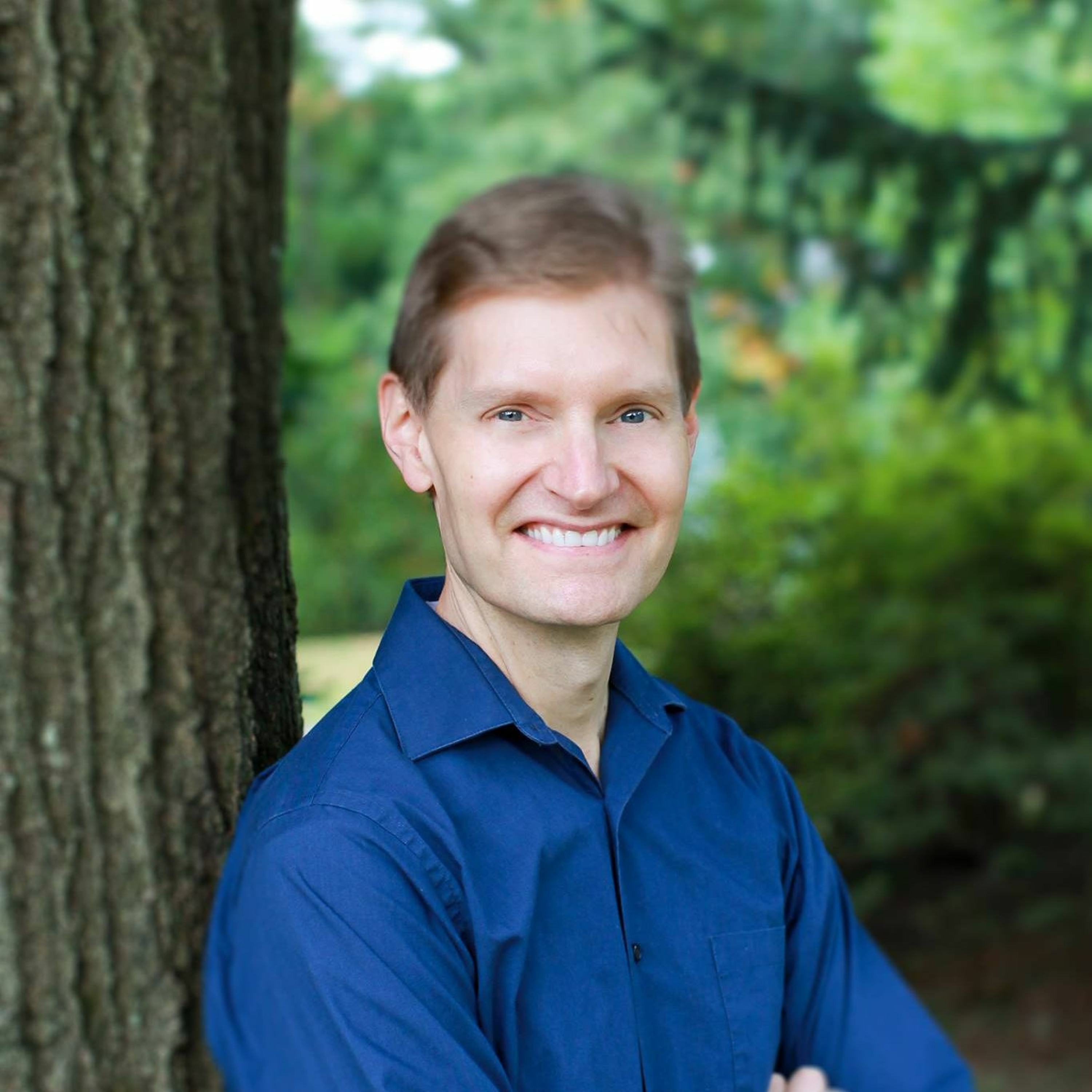
Behind the Scenes of Dorothy Day’s Sainthood Cause with Jeff Korgen
Dorothy Day is among the most inspiring, challenging and holy American Catholics ever. As the Jesuit peace activist Daniel Berrigan said, Dorothy "lived as if the truth were true." There were no half-measures with her. The co-founder of the Catholic Worker Movement, Dorothy put her faith into action in pursuit of social justice with so much passion and heart and intelligence that she’s now up for canonization in the church. Late last year, the Archdiocese of New York packed up hundreds of pounds of materials in support of her cause. The packages contain her published and unpublished writings, plus transcripts of interviews with people who knew her. There are books about her. A couple of DVDs of movies about her. Just an incredible volume of stuff. And the person in charge of collecting and organizing all this material is our guest, Jeff Korgen, who has been involved in social justice work in the church for decades. For the past seven years, Jeff has been learning about Dorothy and preparing all these documents for the Vatican. Officials in Rome will look through it all and study to see if Dorothy might take the next step toward canonization. Host Mike Jordan Laskey asked Jeff to explain the process and share the highlights from what he learned on his journey with Dorothy and those who knew her. It's a fascinating look behind the curtain of how a saint is made. Even better than learning about the process, though, was getting to hear Jeff talk about Dorothy and her witness. If you learn about Dorothy Day and then go back to living your life just as you had before, you’re missing the point. Her radical commitment to the Gospel and to those living in poverty invite all of us to discern how we can serve the Lord by working for peace and justice. AMDG is a production of the Jesuit Conference of Canada and the United States. You can subscribe to AMDG wherever you get podcasts.
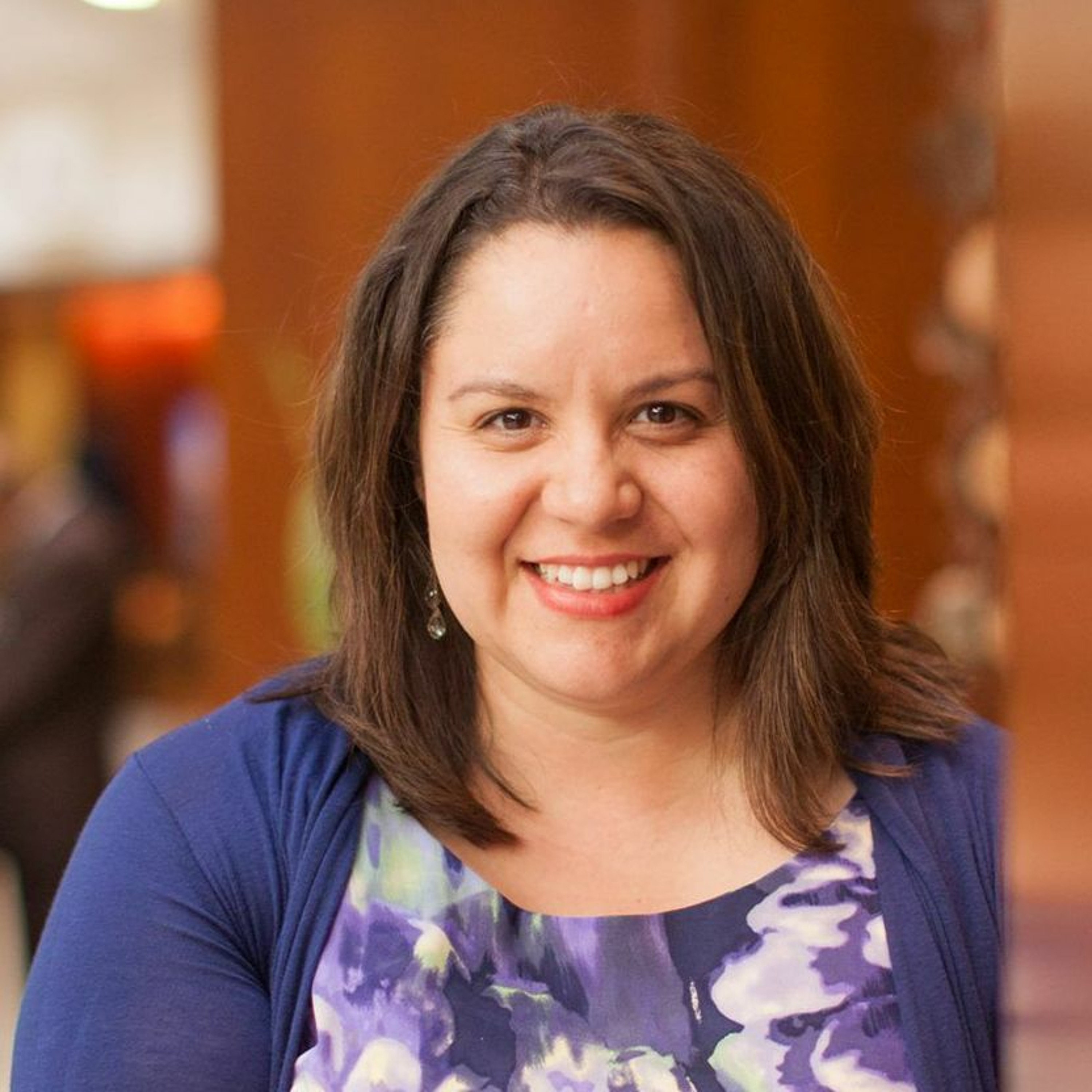
Her Uncle, the Future Jesuit Saint: Ana Grande on Blessed Rutilio Grande, SJ
Ana Grande's great uncle was Fr. Rutilio Grande, SJ, a Jesuit from El Salvador who was just beatified last month. (Beatification is the final step before canonized sainthood in the church, and we can call him Blessed Rutilio now.) Blessed Rutilio was assassinated by El Salvador's security forces in 1977 for his ministry and community organizing with impoverished farmers. He was good friends with Archbishop Oscar Romero, and Rutilio’s death sparked Romero’s own conversion from a reserved leader who preferred to stay away from controversy into an outspoken prophet for peace and justice. Ana spoke with host Mike Jordan Laskey just a few hours after she had returned to her home in Los Angeles from Fr. Rutilio’s beatification. She talked about was like to be there for the ceremony, plus what it's like to have someone in your own family so close to sainthood. Ana has so clearly been inspired by Blessed Rutilio’s work for justice herself, as she has dedicated her life to social justice causes like immigration reform. She’s also a longtime member of Blessed Sacrament Church, the Jesuit parish in Hollywood. It's a privilege to hear from Ana about her experience at the beatification and how she thinks her great uncle’s legacy can inspire all of us today. Follow Ana Grande on Twitter: https://twitter.com/MsAnaGrande AMDG is a production of the Jesuit Conference of Canada and the United States. Subscribe to AMDG wherever you get podcasts.
Responding to God's Call: An Audio Retreat, Part 4
Listen to our new Ignatian retreat, a four-part series of ten minute audio modules, written and narrated by Ryan Carroll, a PhD student at the University of North Carolina-Chapel Hill. Missed an episode of this prayer retreat? Find this and other digital retreats at https://www.jesuits.org/spirituality/ignatian-digital-retreats/.
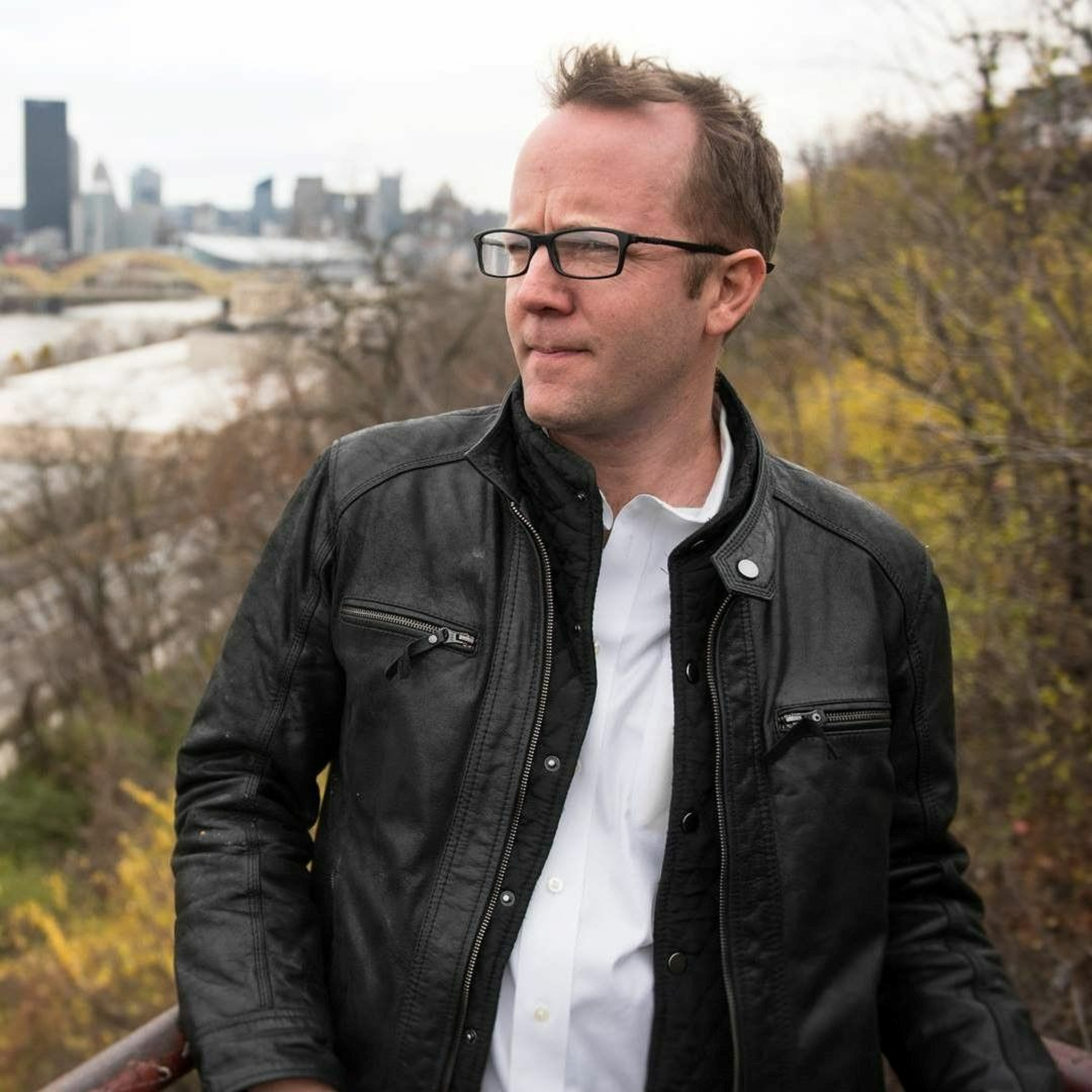
Why Journalist John W. Miller Quit the Wall Street Journal and Made a Documentary
John W. Miller was a successful journalist with the Wall Street Journal, covering all sorts of topics all over the planet. A few years ago, he gave it all up for an extremely different path. He tells host Mike Jordan Laskey about the spiritual journey that led him to co-directing his first feature film, the documentary "Moundsville," which tells the story of a small West Virginia town on the Ohio River. John also discusses a series of articles he wrote for America Magazine on economics and Catholic social teaching. In the conversation, John moves seamlessly between personal stories and high-level social analysis, peppering in plenty of Ignatian spirituality along the way. If you haven't encountered John or his work before, he's an incredible person to get to know. Watch "Moundsville": https://www.pbs.org/show/moundsville/ Learn more about the town: https://moundsville.org/ Read John in America Magazine: https://www.americamagazine.org/voices/john-w-miller Learn more about John: https://www.johnwmiller.org/
Responding to God's Call: An Audio Retreat, Part 3
Listen to our new Ignatian retreat, a four-part series of ten minute audio modules, written and narrated by Ryan Carroll, a PhD student at the University of North Carolina-Chapel Hill. Take time to pray as you begin this new year. New episodes drop every Monday in January.
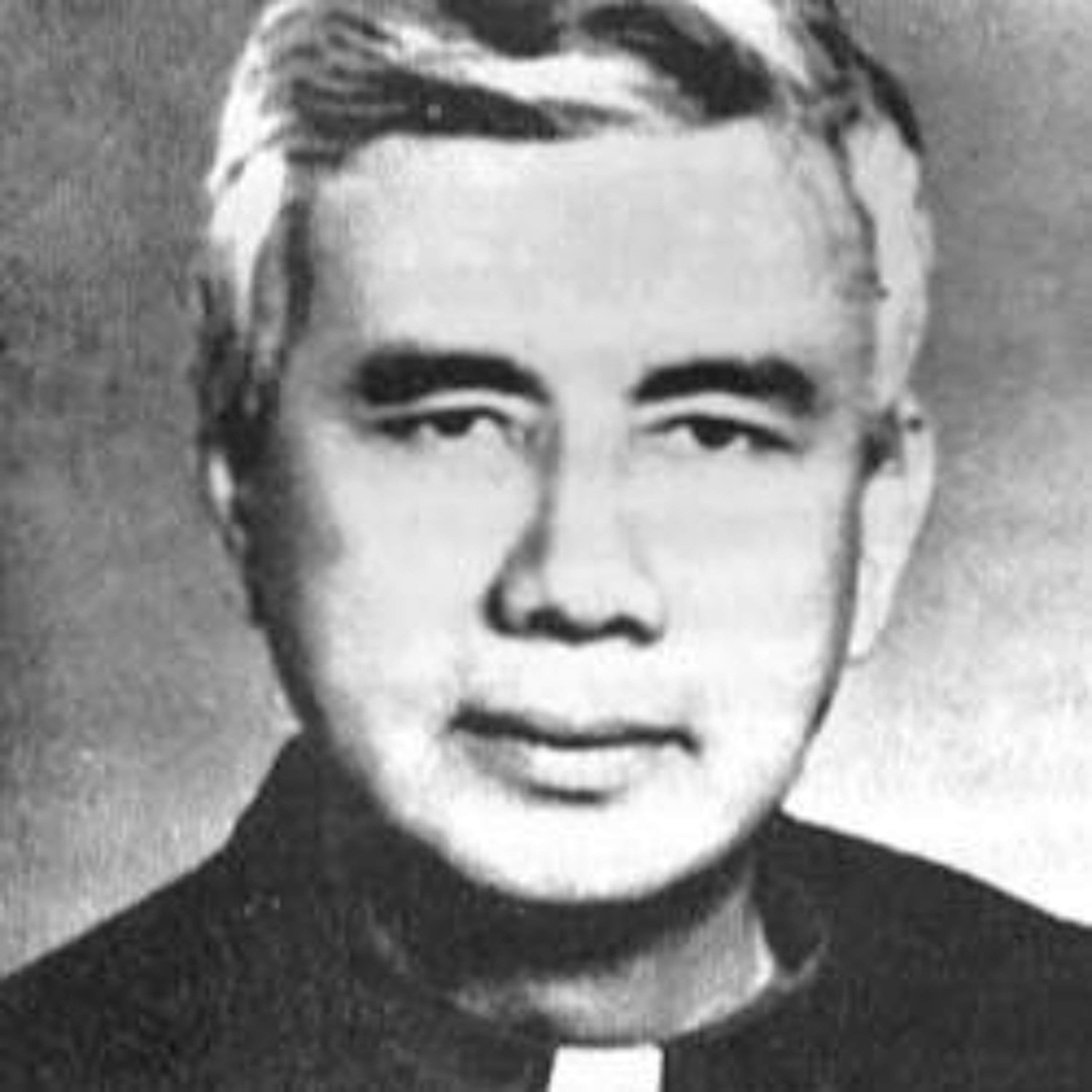
Why Rutilio Grande's Struggle with Mental Health Matters
This Saturday, January 22, Father Rutilio Grande, SJ – along with laymen Manuel Solórzano and Nelson Rutilio Lemus – will be beatified in San Salvador, El Salvador. All three men are martyrs, killed in 1977. Fr. Grande, though, was the first priest assassinated before the Salvadoran Civil War began. And, he was a close friend of Archbishop and saint, Óscar Romero. Fr. Arturo Sosa – the superior of the Society of Jesus – wrote about Fr. Grande and his upcoming beatification: “Father Grande, born in the small town of El Paisnal on 5 January 1928, was a Jesuit of unsuspected religious and human depth. In his weakness he found his greatness. He lived much of his life in the silence and humility of those who are becoming, step by step, companions of Jesus.” Fr. Sosa goes on to describe the circumstances in El Salvador during Grande’s time: “The growing awareness of the need to promote a transformation of the inhuman circumstances of life of the peasant majority, a situation caused by the unjust structures of Salvadoran society, sparked the social and political struggles of this convulsive period in the history of this Central American country. Many members of the ecclesial communities participated actively in the social and political struggle. For Father Rutilio, his team, and his close collaborators, who were committed because of their faith to the struggle for the justice of the Gospel, there was a clear distinction between pastoral work and partisan political militancy.” Finally, Fr. Sosa writes: “The Church, in recognizing the martyrdom of Rutilio, Manuel, and Nelson, judges that their lives were taken because of the faith that gave their lives meaning, the faith to which they gave witness by shedding their blood.” Today, to help commemorate the life and legacy of Fr. Rutilio Grande, author and poet and Jesuits.org columnist, Cameron Bellm, is back on the podcast. She’s just finished a new devotional entitled, “No Unlikely Saints: A Mental Health Pilgrimage with Sacred Company.” In it, she devotes a chapter to Fr. Grande and his struggles with mental health. She shares what she learned about him in preparing this book, as well as why it’s important to weave this part of his story into his lasting legacy. Find her book here: https://brickhouseinthecity.com/product/no-unlikely-saints-a-mental-health-pilgrimage-with-sacred-company/
Responding to God's Call: An Audio Retreat, Part 2
Listen to our new Ignatian retreat, a four-part series of ten minute audio modules, written and narrated by Ryan Carroll, a PhD student at the University of North Carolina-Chapel Hill. Take time to pray as you begin this new year. New episodes drop every Monday in January.
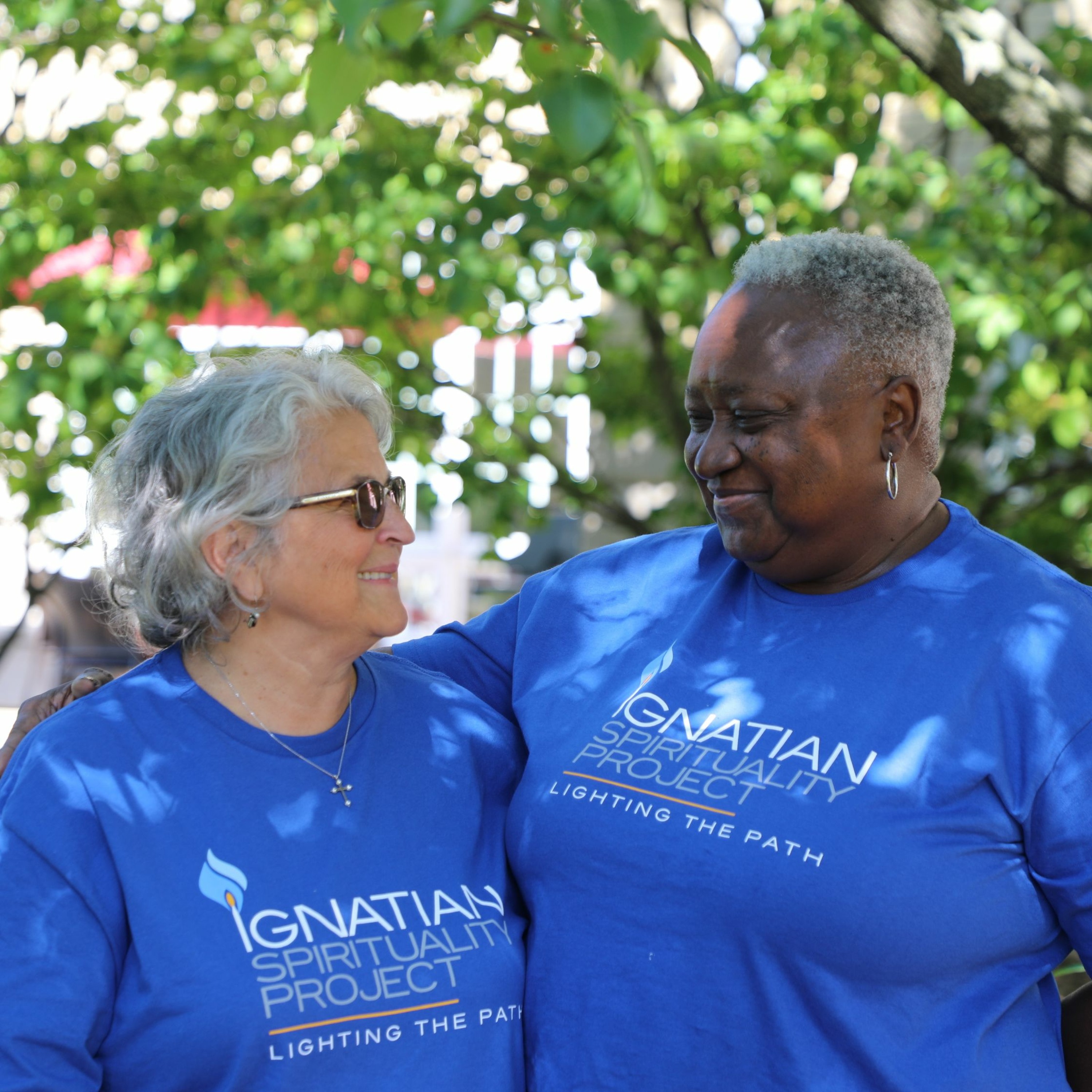
Cannonballs and Companionship with Ignatian Spirituality Project
Growing up in an abusive household, Issac Sneed wasn’t allowed to have friends. He learned to fend for himself. As an adult, he kept people at arm’s length. For years, he struggled with substance abuse and, at times, lived on the streets. While staying in a homeless shelter, he began attending reflection circles with Ignatian Spirituality Project (ISP)—a Jesuit ministry across the U.S., Canada and Ireland. With ISP, Issac began his journey of recovery. “They validated me and affirmed me, in a way that I had never been validated and affirmed in my own family,” Issac says. Now, a decade later, he leads weekly reflection programs and retreats with ISP Boston. On this episode, host MegAnne Liebsch explores how Ignatian Spirituality Project offers spiritual companionship to people facing homelessness and substance addiction. She talks to alumni leaders like Issac, as well as volunteers and ISP staff about their cannonball moments, transformative friendships, and why St. Ignatius is so relatable. _____________________________ For more information about ISP: Ignatian Spirituality Project provides spiritual retreat and reflection programs at shelters and recovery centers in cities across the US, Canada and Ireland. Learn more about how you can help their mission: www.ispretreats.org Check out this video on ISP produced by MegAnne Liebsch: https://www.youtube.com/watch?v=tuxSNNq8yTM
Responding to God's Call: An Audio Retreat, Part 1
Listen to our new Ignatian retreat, a four-part series of ten minute audio modules, written and narrated by Ryan Carroll, a PhD student at the University of North Carolina-Chapel Hill. Take time to pray as you begin this new year. New episodes drop every Monday in January.
3 Ignatian Spiritual Principles to Start 2022 Off Right
Hosts Mike Jordan Laskey and Eric Clayton kick off the new year by reflecting on some Ignatian spiritual principles that can guide us as we navigate 2022.