
AMDG: A Jesuit Podcast
460 episodes — Page 3 of 10
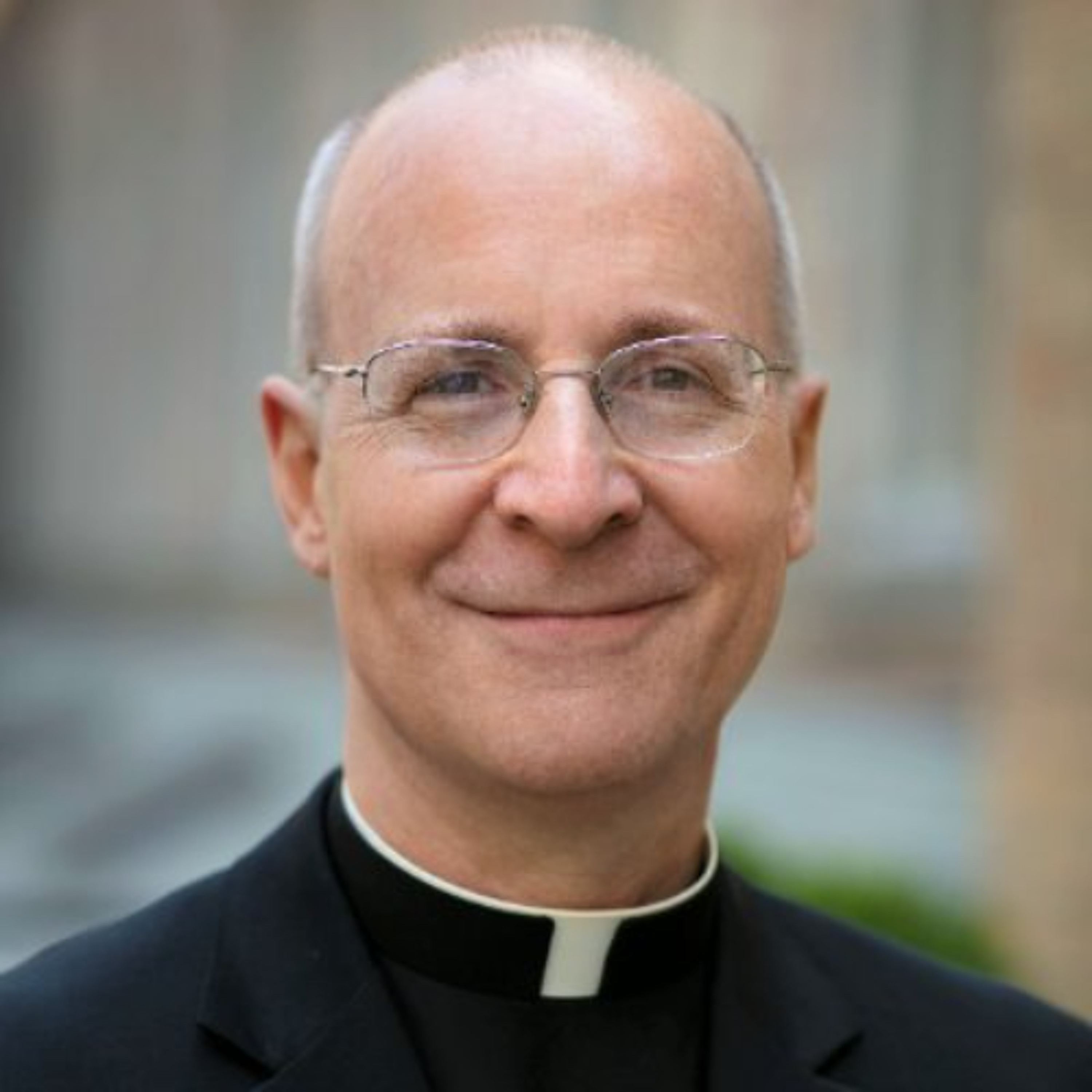
Witnessing Church History (And Analyzing It on TV) with Fr. James Martin, SJ
After the white smoke poured out of the Sistine Chapel chimney on May 8, we turned on the TV here at the Jesuit Conference HQ in Washington and landed randomly on ABC News. We immediately heard a familiar voice: It was Fr. James Martin, the Jesuit author who certainly needs no introduction to AMDG listeners. In addition to writing bestselling books like Come Forth about the biblical character of Lazarus and working at America Magazine and Outreach, an LGBTQ Catholic organization, Fr. Jim is a frequent commentator on the Catholic Church in the secular media. ABC news sent him to Rome to be part of the team covering the funeral of Pope Francis, the conclave, and the first moments of Pope Leo XIV’s pontificate. Host Mike Jordan Laskey asked Fr. Jim on the show to share about his experiences in Rome this past month and to bring us behind the scenes. Fr. Jim also knows Pope Leo XIV a little bit, as they sat at the same table at the Synod on Synodality general assembly last year. He shared his impressions of the Pope and how he thinks he might be an agent of healing especially in the American church. Finally, Fr. Jim shared some of his memories of Pope Francis, who was a big supporter of Fr. Jim’s ministry. We know you’ll enjoy Fr. Jim’s perspective on witnessing Church history in Rome this month. "Come Forth: The Promise of Jesus's Greatest Miracle": https://bookshop.org/p/books/come-forth-the-promise-of-jesus-s-greatest-miracle-james-martin/18814978 Outreach: https://outreach.faith/ AMDG is a production of the Jesuit Media Lab, which is a project of the Jesuit Conference of Canada and the United States. www.jesuits.org/ www.beajesuit.org/ twitter.com/jesuitnews facebook.com/Jesuits instagram.com/wearethejesuits youtube.com/societyofjesus www.jesuitmedialab.org/
Pathway to Priesthood: Reflecting on Jesuit Community with Marc-André Veselovsky, SJ
Welcome to “Pathway to Priesthood”—a special podcast series from the Jesuit Conference of Canada and the United States. In these conversations, host Eric Clayton talks with Jesuits who are in the final days of preparing for ordination to the priesthood. They reflect back on their vocation stories and experience of Jesuit formation, and wrestle with some of the biggest questions surrounding priestly ordination. This episode features Marc-André Veselovsky. He and Eric talk about community life and the various ways in which a Jesuit is accompanied throughout formation and beyond. Marc-André was born and raised in Ottawa. As you’ll hear, he first felt the call to priesthood through his involvement with Catholic Christian Outreach, a Canadian university movement that encourages evangelization and living a personal relationship with God. It was the Jesuits' radical availability for mission, though, that inspired Marc-André to enter the Society of Jesus. And his formation experience has seen him sent on mission around the world! As you listen to Marc-André’s stories and reflections, consider whether you or someone you know might be interested in discerning a call to Jesuit life. If so, head over to beajesuit.org.
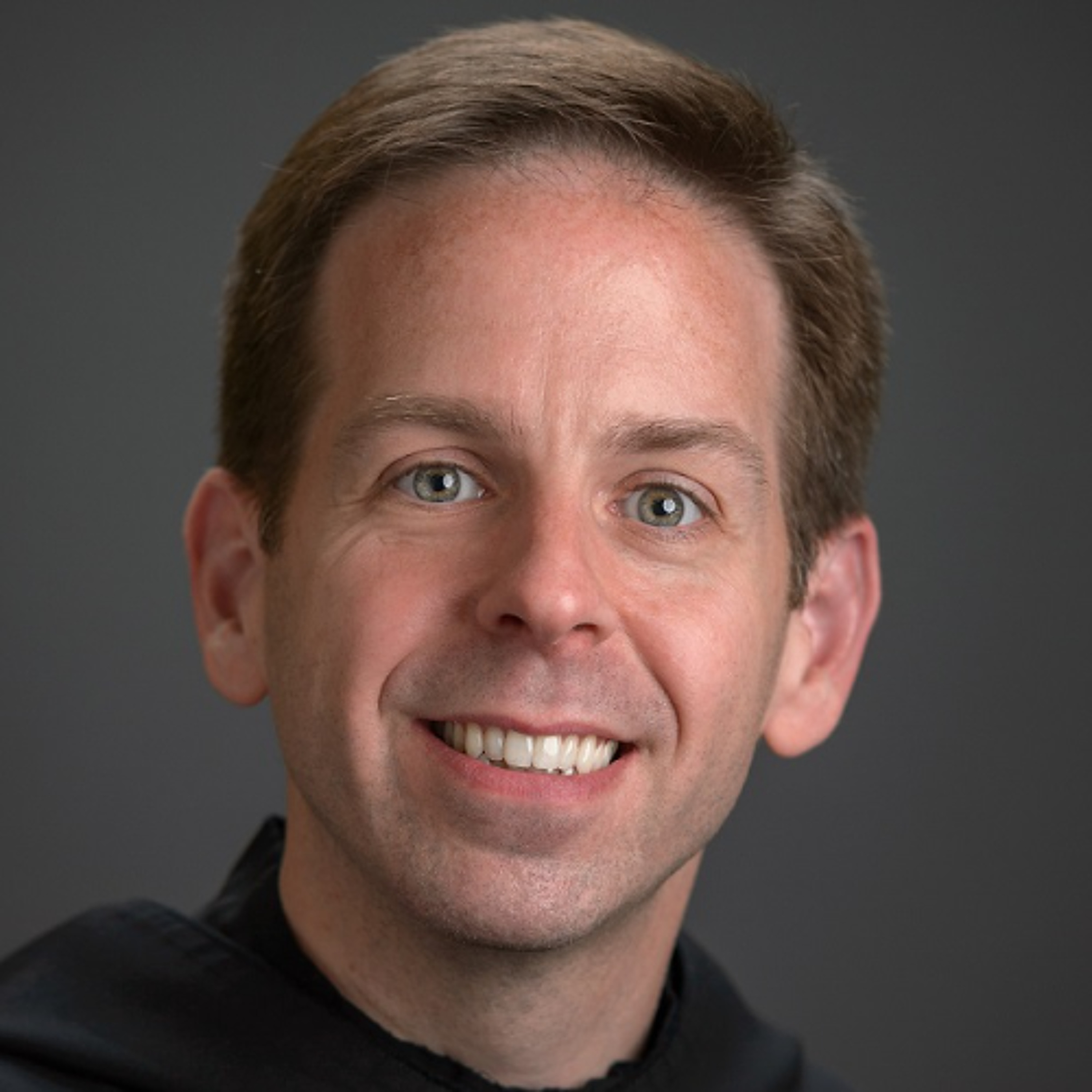
Get to Know Pope Leo XIV with Fr. Kevin DePrinzio, OSA
Fr. Kevin DePrinzio, OSA, is an Augustinian priest who has known Pope Leo XIV -- his fellow Augustinian friar -- since the late 1990s. Fr. Kevin is now the vice president for mission and ministry at Villanova University outside Philadelphia -- Pope Leo's alma mater -- and he talked to host Mike Jordan Laskey about his connections with the Holy Father, the history and charism of the Augustinian order, and what he thinks we can expect from this historic pontificate. AMDG is a production of the Jesuit Media Lab, which is a project of the Jesuit Conference of Canada and the United States. www.jesuits.org/ www.beajesuit.org/ twitter.com/jesuitnews facebook.com/Jesuits instagram.com/wearethejesuits youtube.com/societyofjesus www.jesuitmedialab.org/
Pathway to Priesthood: Choosing Religious Life with David Inczauskis, SJ
Welcome to “Pathway to Priesthood”—a special podcast series from the Jesuit Conference of Canada and the United States. We’re back for season 2! In these conversations, host Eric Clayton talks with Jesuits who are in the final days of preparing for ordination to the priesthood. They reflect back on their vocation stories and experience of Jesuit formation and wrestle with some of the biggest questions surrounding priestly ordination. On this episode, Eric talks with David Inczauskis and they consider what it means to be in religious life and a member of a particular religious community. David shares stories from his Jesuit formation and his experiences working at the frontier of justice. David was born and raised in Illinois. As you’ll hear, he encountered the Jesuits while studying liberation theology at Oxford University. He’s the author of two books: one on Honduran cinema and another on Honduran theater. He’s currently conducting research on critical phenomenology and Latin American liberation philosophy as part of his doctoral program at Loyola University Chicago. As you listen to David’s stories and reflections, consider whether you or someone you know might be interested in discerning a call to Jesuit life. If so, head over to beajesuit.org.

How to Pray with the Stars with Br. Guy Consolmagno, SJ
How do you pray with the stars? That’s the question underpinning today’s conversation with returning guest, Br. Guy Consolmagno. Guy is a Jesuit brother and director of the Vatican Observatory. He’s also the author of the new book, “A Jesuit’s Guide to the Stars: Exploring Wonder, Beauty and Science.” As you’ll soon learn, Br. Guy is infinitely quotable. Let me give you an example. He writes, “To me, miracles have nothing to do with scientific laws. Rather, a miracle is any remarkable sign that serves to direct our attention to God.” For Br. Guy, that’s what his work in planetary science is all about: How do we better understand God? How do we better see God at work in our world? If you’ve heard Br. Guy speak before, you know he sees no conflict between science and religion. Rather, they’re different forms of knowing, different ways of coming into contact with our God of the universe. What does it mean to pray with the stars? Br. Guy tells the story of how many folks often ask him to explain what the star of Bethlehem was. Stars are his thing, right? He should know! But Br. Guy, true to that quote I read above, isn’t interested in collapsing science into religion or vice versa. What’s the star of Bethlehem? Whatever leads us closer to Christ. But that’s not all. We also talk about how formative science fiction and fantasy have been for Br. Guy’s vocation and about that one time he met William Shatner. Get Br. Guy's book: https://store.loyolapress.com/a-jesuits-guide-to-the-stars Learn more about the Vatican Observatory: https://www.vaticanobservatory.va/en/
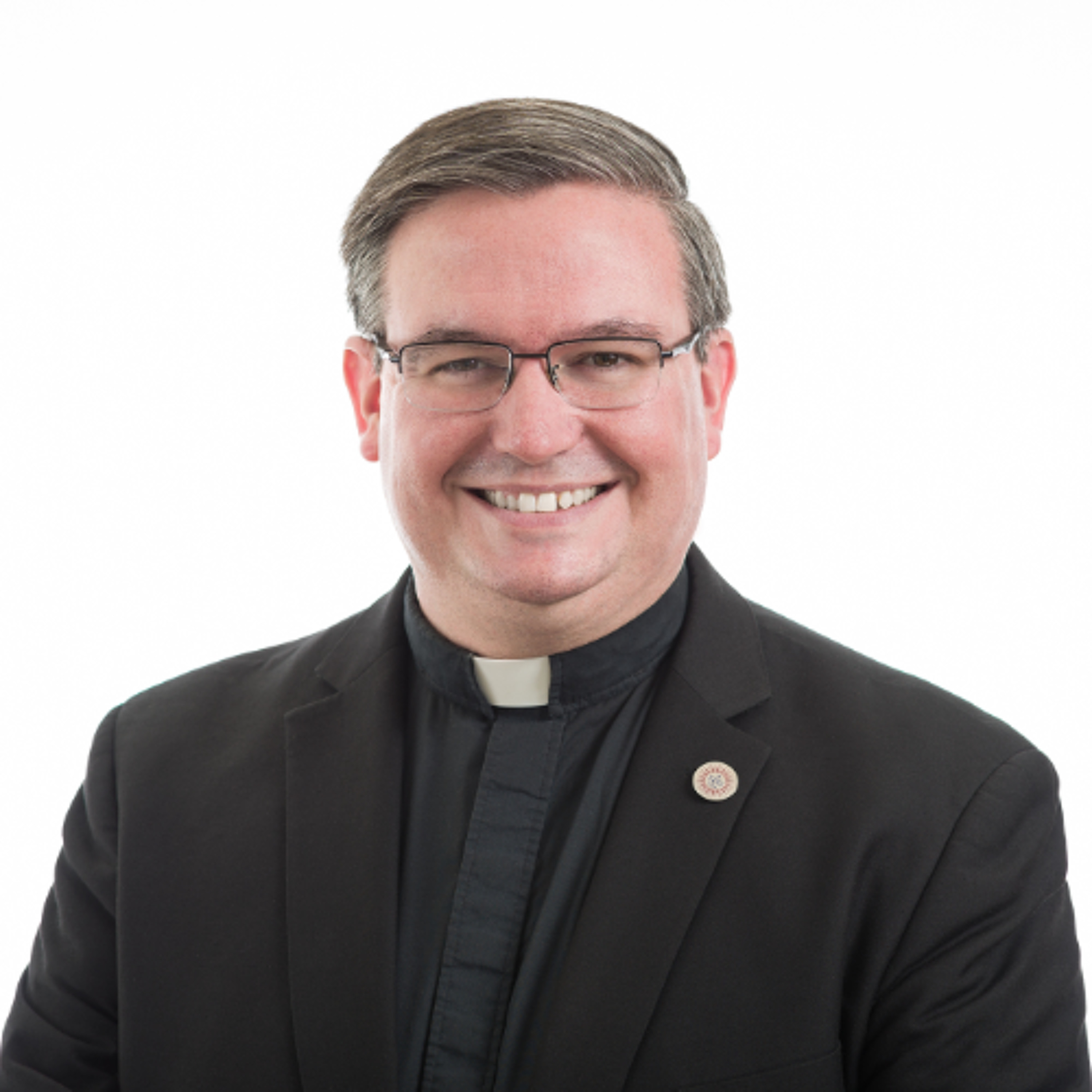
BONUS AMDG: An Ignatian Approach to the Conclave with Fr. Bill McCormick, SJ
Fr. Bill McCormick, SJ, is a political scientist by trade and a current writer at the Vatican-sponsored, Jesuit-run journal La Civiltà Cattolica in Rome. Host Mike Jordan Laskey invited him onto the podcast for a special bonus episode on this moment of transition for the Catholic Church. They discussed the current mood in Rome; Pope Francis’ legacy; the Society of Jesus’ special connection to the papacy through its history; how Ignatian spirituality might inform our approach to the conclave and this period of change; what it means to believe the Holy Spirit is guiding the conclave without whispering a name into the cardinals’ ears; the papacy and celebrity culture; and more. We wanted to bring it to you before the conclave begins on Wednesday, and we hope it will help you get into the right frame of mind and heart in this very full, liminal period of time. For further reading, courtesy of Fr. Bill: Bishop Erik Varden, https://www.pillarcatholic.com/p/bishop-varden-were-never-passive Fr. James Martin, SJ, https://www.americamagazine.org/faith/2025/04/28/conclave-francis-new-pope-father-james-martin-250502 Fr. Raymond De Souza, https://www.thecatholicthing.org/2025/04/26/the-liturgical-deaths-of-popes/ Fr. Bill's work at America Magazine: https://www.americamagazine.org/voices/bill-mccormick-sj Fr. Bill's work at La Civiltà Cattolica: https://www.laciviltacattolica.com/author/william-mccormick/ AMDG is a production of the Jesuit Media Lab, which is a project of the Jesuit Conference of Canada and the United States. www.jesuits.org/ www.beajesuit.org/ twitter.com/jesuitnews facebook.com/Jesuits instagram.com/wearethejesuits youtube.com/societyofjesus www.jesuitmedialab.org/

Signs of Easter Hope in Uncertain Times with Emma Hudson
Even though Easter started ten days ago now, the season continues for a full 50 days. So we will wish you a happy Easter and encourage you to keep that going for a few weeks, even if it confuses your friends and neighbors. Last month, as the famous cherry blossoms hit their peak bloom in Washington, DC, host Mike Jordan Laskey sat down in our studio with Emma Hudson, the director of the incredible Jesuit audio prayer resource called Pray As You Go. As you’ll hear from her accent, Emma is English, and while Pray As You Go is a project of the Jesuits in Britain, well more than half their regular listeners are here in the US and Canada. You can bring Pray As You Go into your own daily prayer life by downloading their app or subscribing to their feed wherever you get podcasts. Trust us, you’ll be glad you did. Anyway, Emma was in the U.S. with a great Polish filmmaker named Miko Cemplaj to do some filming for Pray As You Go projects. Mike roped her into recording this Easter episode with me. The prompt was to have a draft of signs of Easter hope. Mike had to explain the concept of a draft to Emma, which has roots in American sports. They don’t have amateur drafts in English sports, see, so Mike had to lay it out for her. But Mike and Emma found it was a spiritually helpful exercise to talk about signs of hope, especially when the world around us can feel not-that-hopeful pretty frequently. Hope is something you have to work at even when you’re not feeling it. We know that can feel naïve, especially given global events these days and the recent death of Pope Francis, but we don’t know what else we can do. Maybe our conversation will prompt you to think about signs of hope in your own life these days. Eastertide blessings from all of us here at the Jesuit Conference of Canada and the United States. Pray As You Go: https://prayasyougo.org/ AMDG is a production of the Jesuit Media Lab, which is a project of the Jesuit Conference of Canada and the United States. www.jesuits.org/ www.beajesuit.org/ twitter.com/jesuitnews facebook.com/Jesuits instagram.com/wearethejesuits youtube.com/societyofjesus www.jesuitmedialab.org/
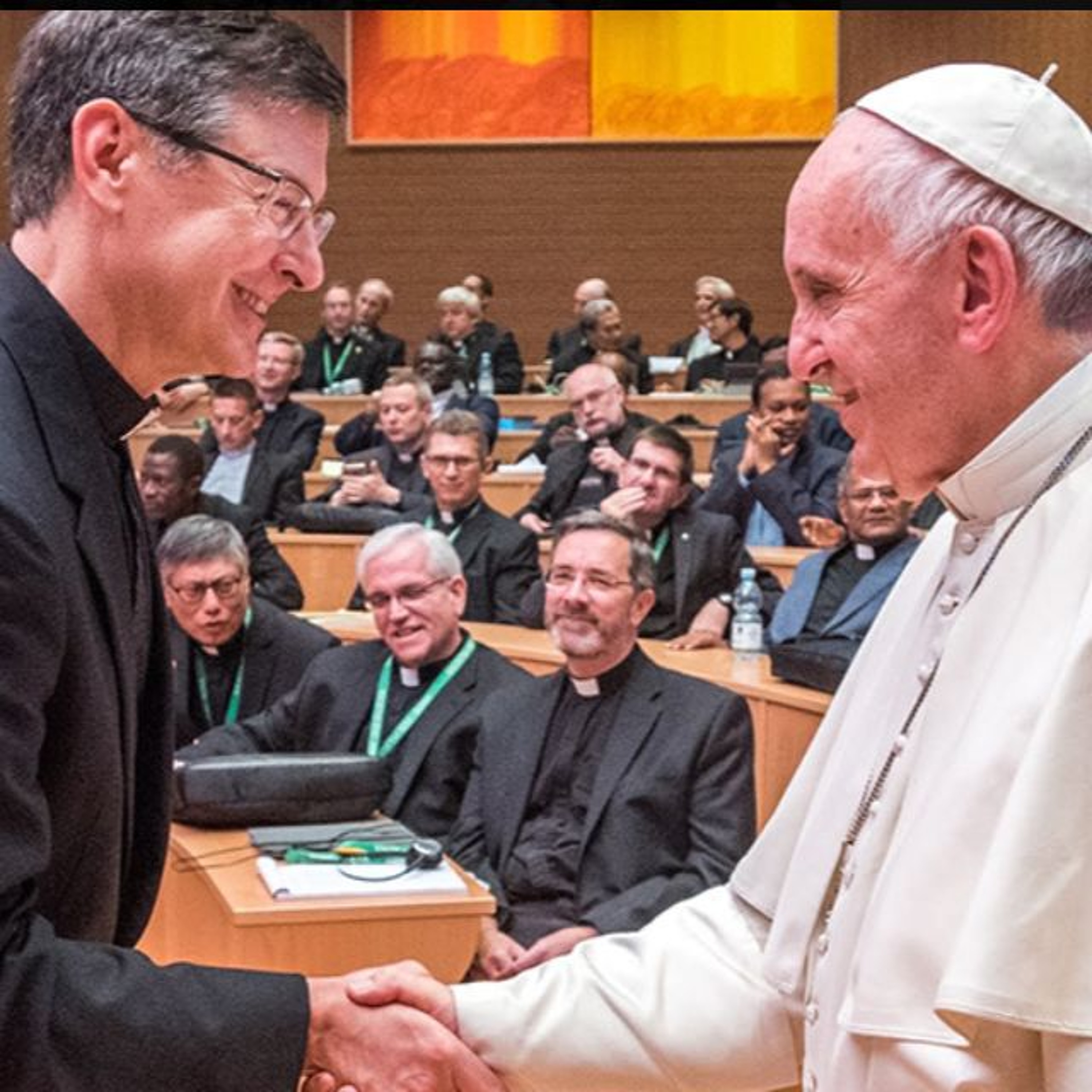
Remembering Pope Francis with Fr. Brian Paulson, SJ
Fr. Brian Paulson, SJ, the president of the Jesuit Conference of Canada and the United States, reflects on the legacy and witness of Pope Francis. Fr. Paulson and host Mike Jordan Laskey discussed the Holy Father's pastoral style, his Ignatian spirit, his approach to leadership, and some of the Pope's decisions that will likely affect the Catholic Church for years to come. Fr. Brian Paulson, SJ: https://www.jesuits.org/profile/brian-paulson-s-j/ AMDG is a production of the Jesuit Media Lab, which is a project of the Jesuit Conference of Canada and the United States. www.jesuits.org/ www.beajesuit.org/ twitter.com/jesuitnews facebook.com/Jesuits instagram.com/wearethejesuits youtube.com/societyofjesus www.jesuitmedialab.org/
The Work of Lent: Time to Reconcile
On this episode of our limited series, "The Work of Lent," we talk to Mike Jordan Laskey, director of communications for the Jesuit Conference and Jesuit Media Lab, about Lent as a time of reconciliation.
The Work of Lent: Holy Week
In this final episode of "The Work of Lent," Fr. Eric Immel, SJ, accompanies us through Holy Week to Easter and challenges our assumptions about suffering.
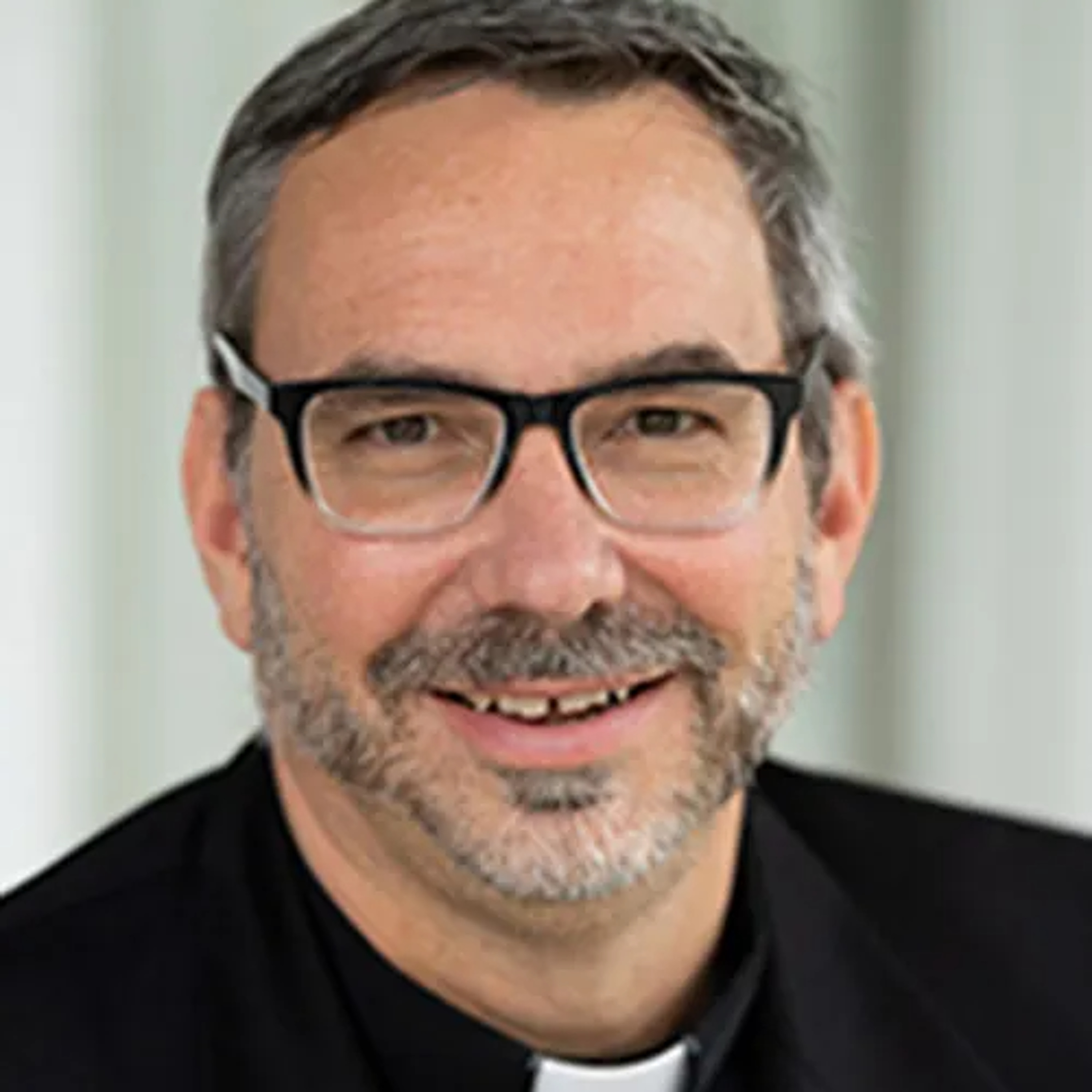
Your Crash Course in Ignatian Discernment with Mark Thibodeaux, SJ
The art of discernment is a hallmark feature of Ignatian spirituality. From the moment Ignatius began to differentiate between consolations and desolations during his eleven-month convalescence in Loyola to today, Jesuits and lay collaborators have been mining the depths of what it means to listen to and act on God’s invitation in our lives. Today, we get a crash course in discernment. Fr. Mark Thibodeaux—renown spiritual author, Jesuit priest and the pastor of Holy Name of Jesus Church in New Orleans—is back on the pod to talk about his newest book, “Discern: Listening for God’s Whispers.” Fr. Mark is a modern-day master of the Ignatian spiritual tradition. As you listen to this conversation, I invite to really bring his ideas into your own prayer. We’re all constantly tasked with making decision—big, small and otherwise. Ignatian discernment can be a big help, no matter where you are in your own vocational journey. Get your copy of "Discern" here: https://store.loyolapress.com/discern
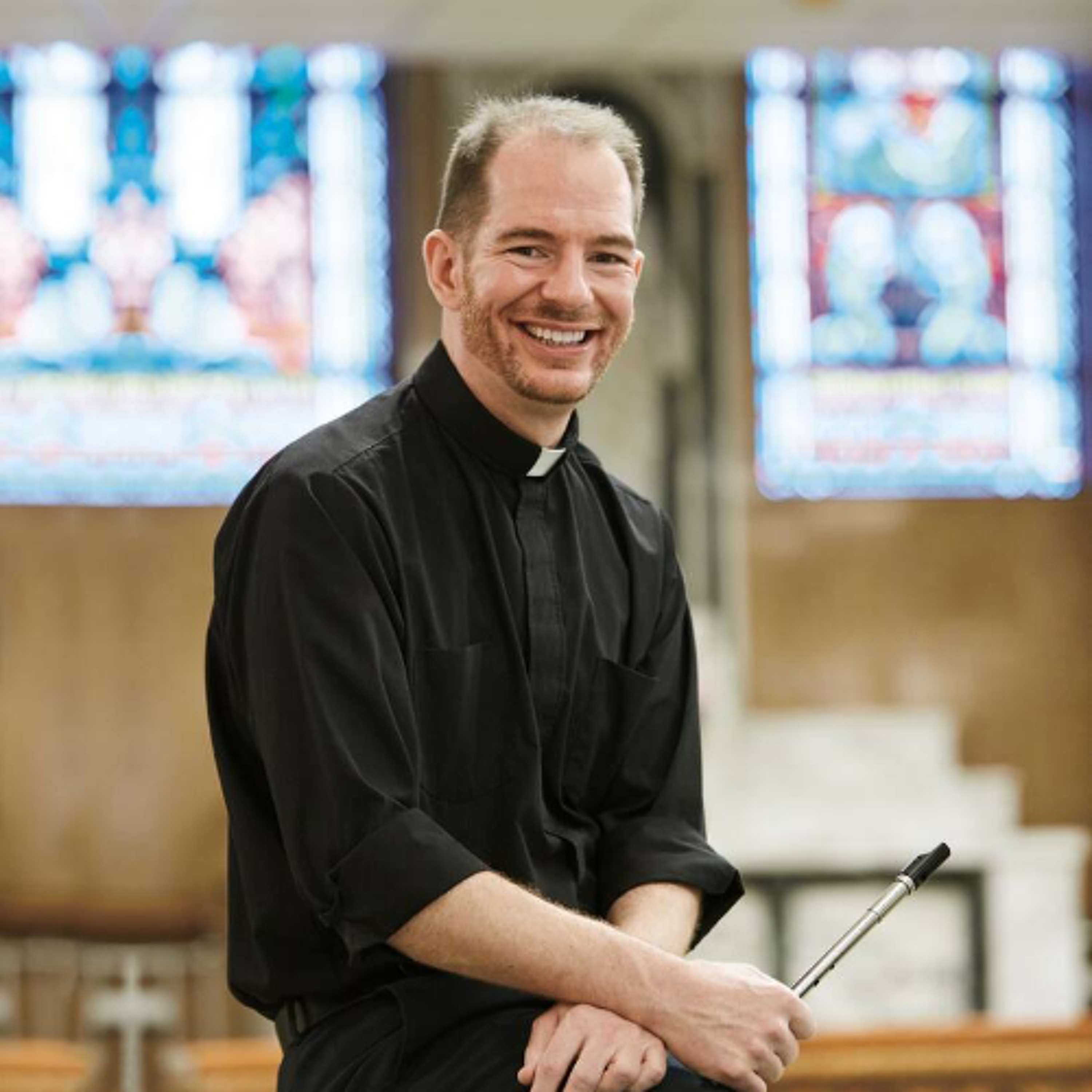
Is Jesus the Monster? Horror & Theology with Ryan Duns, SJ
I’m not much of a fan of horror films. But I do love speculative storytelling — of which horror is a sub-genre. Even more, I love using stories of pop culture to dive deeper into faith, spirituality and the nuances of scripture. Which is how we’ve arrived at today’s horror-themed episode. Fr. Ryan Duns — a Jesuit priest and professor at Marquette University — has a new book out from the University of Notre Dame Press called “Theology of Horror: The Hidden Depths of Popular Films.” Throughout the book, Fr. Duns invites us to reflect more deeply on what horror reveals about our real world, our spiritual selves and the God who is present in all of it. There was one particularly stirring moment in this conversation that I’ve come back to again and again. Fr. Duns is reflecting on the role of the monster in these stories. Whatever the tale, the monster interrupts the status quo, business as usual, whatever constitutes normal and consequently leaves characters scrambling to put the pieces back in place. These sort of horror films are about killing the monster, killing the thing that disrupts our accepted understanding of how the world works so as to continue living as we always have. Now here’s the kicker: Jesus is the monster. Right? In the story of scripture — and in our world today — the ideas that Jesus represents, the Good News he comes to bring of hope and healing and compassion and mercy disrupt the status quo. What do the characters in the story do? They kill the monster. And they try to pretend the whole thing never happened, that what Jesus said and pointed to and called us to take on was a lie. I’m struck by this, particularly as we prepare for Holy Week and Easter. Because we know that Jesus isn’t dead, the new world he pointed to is real, and nothing can ever be the same again. And so, what will we do as a result? What part do we play in this proverbial horror story? If that idea piques your interest, then buckle up. Get the book: https://undpress.nd.edu/9780268208554/theology-of-horror/
The Work of Lent: Why We Dare to Hope
In this episode of our limited Lenten series, Sr. Erin McDonald, CSJ, digital youth minister for the Congregation of St. Joseph and co-host of the "Beyond the Habit" podcast challenges us to hope.
How This Catholic is Fighting for Workers with Chuck Hendricks
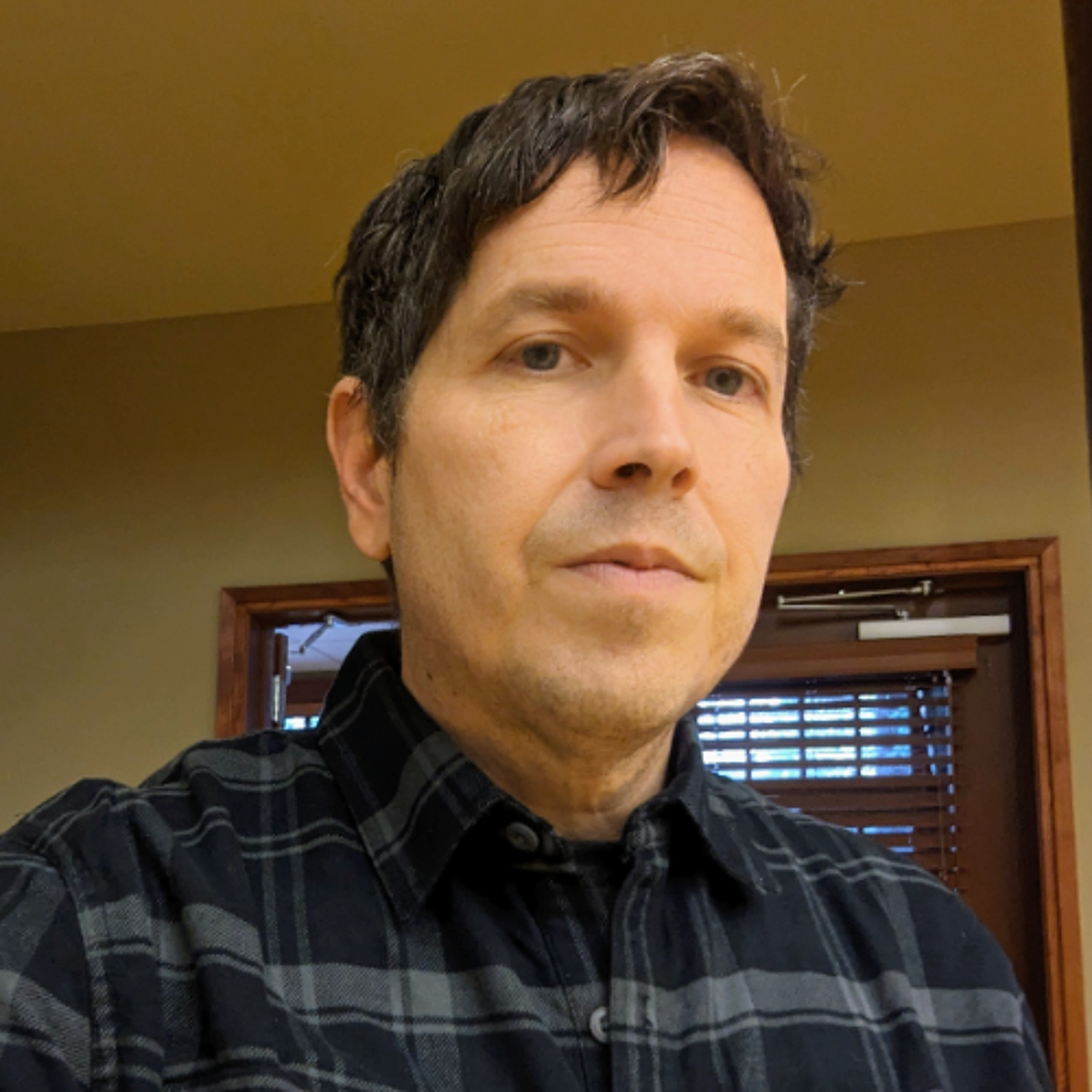
If you’ve ever eaten at a university dining hall or at an airport bar or in a corporate cafeteria, you have relied on the labor of thousands and thousands of people whose work often goes unseen. Our guest today spends his own working hours fighting to make sure those food service workers are paid fairly and have access to good benefits and safe working conditions. Chuck Hendricks is the food service lead director for UNITE HERE, a labor union in the US and Canada that has about 300,000 active members. Chuck is also the board president of a group called the Catholic Labor Network, which promotes the cause of workers and Catholic social teaching in labor unions, parishes and other organizations. It was really fun to welcome Chuck into our Washington, DC, studio to talk about his work, his history with organized labor, and how his spiritual journey led him to the Catholic Church. You may or may not be familiar with the Catholic tradition’s deep history of supporting worker’s rights and unionizing. Back in 1891, Pope Leo XIII published the first modern papal encyclical on social justice issues. It was called “Rerum Novarum” and it emphasized the rights of workers in the wake of the often-dehumanizing Industrial Revolution. In his service with the Catholic Labor Network, Chuck has found a holistic way to support workers by practicing his faith. We think you’ll really like getting to know him and learning about the contemporary labor movement. "I came to the Church because the Church came to the workers" by Chuck Hendricks: https://catholiclabor.org/i-came-to-the-church-because-the-church-came-to-the-workers/ The Catholic Labor Network: https://catholiclabor.org/ AMDG is a production of the Jesuit Media Lab, which is a project of the Jesuit Conference of Canada and the United States. www.jesuits.org/ www.beajesuit.org/ twitter.com/jesuitnews facebook.com/Jesuits instagram.com/wearethejesuits youtube.com/societyofjesus www.jesuitmedialab.org/
The Work of Lent: A Journey of Conversion
In this episode of our limited Lenten series, Emily Mentock, a digital media professional and co-founder of Digital Continent, invites us to reflect on how Lent is a journey of conversion.
The Spirituality of Writing a Baseball Biography with John W. Miller
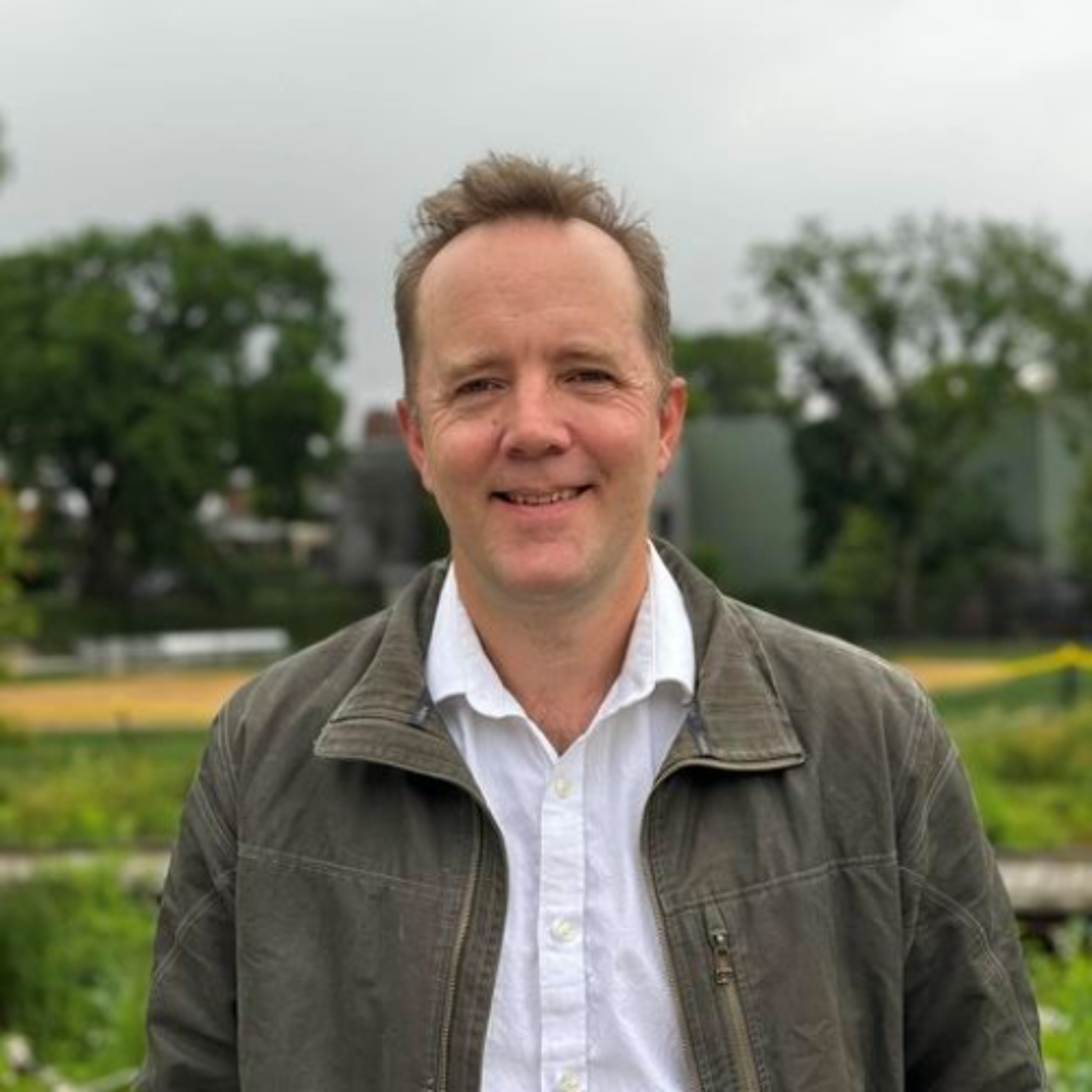
Spring means baseball is back in my life, and if there’s anything that’s almost as good as baseball, it’s writing about baseball. There is so much good writing about baseball – music, poetry, literature, biography, essay, plays, movie scripts. Something about the combination sport’s long history, its leisurely pace, its connection to childhood, its outdoor setting in beautiful weather, its daily rhythm make it such a fruitful topic in American arts and letters. Our guest today, the writer John W. Miller, has entered the pantheon of great baseball writing with his new biography of Earl Weaver, manager of the Baltimore Orioles from 1968 to 1982 and one of the game’s most colorful figures ever. The book, which is titled “The Last Manager: How Earl Weaver Tricked, Tormented, and Reinvented Baseball” is so good that it shot up to number 7 on the New York Times bestseller list the week after it was released. And it’s not just for baseball fans, either – it’s a fascinating snapshot of American culture in the middle of the 20th century and a striking portrait of an almost Shakespearean-level character. John is not only a New York Times bestselling author. He’s also a contributing writer to America Magazine and one of the most devoted members of our Jesuit Media Lab community. (He even put the JML in the book’s acknowledgments section!) Host Mike Jordan Laskey asked John to tell us about Earl Weaver and to describe his reporting and writing process. They also talked about the spirituality of baseball and biography writing. Get a copy wherever books are sold, and have a great Opening Day. "The Last Manager": https://www.amazon.com/Last-Manager-Tormented-Reinvented-Baseball/dp/1668030926 "How I Found God in a Game of Catch": https://www.jesuits.org/stories/how-i-found-god-in-a-game-of-catch/ John W. Miller: https://www.johnwmiller.org/ John's writing for America Magazine: https://www.americamagazine.org/voices/john-w-miller AMDG is a production of the Jesuit Media Lab, which is a project of the Jesuit Conference of Canada and the United States. www.jesuits.org/ www.beajesuit.org/ twitter.com/jesuitnews facebook.com/Jesuits instagram.com/wearethejesuits youtube.com/societyofjesus www.jesuitmedialab.org/
The Work of Lent: Navigating Temptation
In this episode of our limited Lenten series, Marissa Papula, director of campus ministry at Loyola Marymount University, challenges us to look clearly at temptation during Lent.
Inside a Jesuit Basketball Chaplain's March Madness with Fr. Bryan Pham, SJ
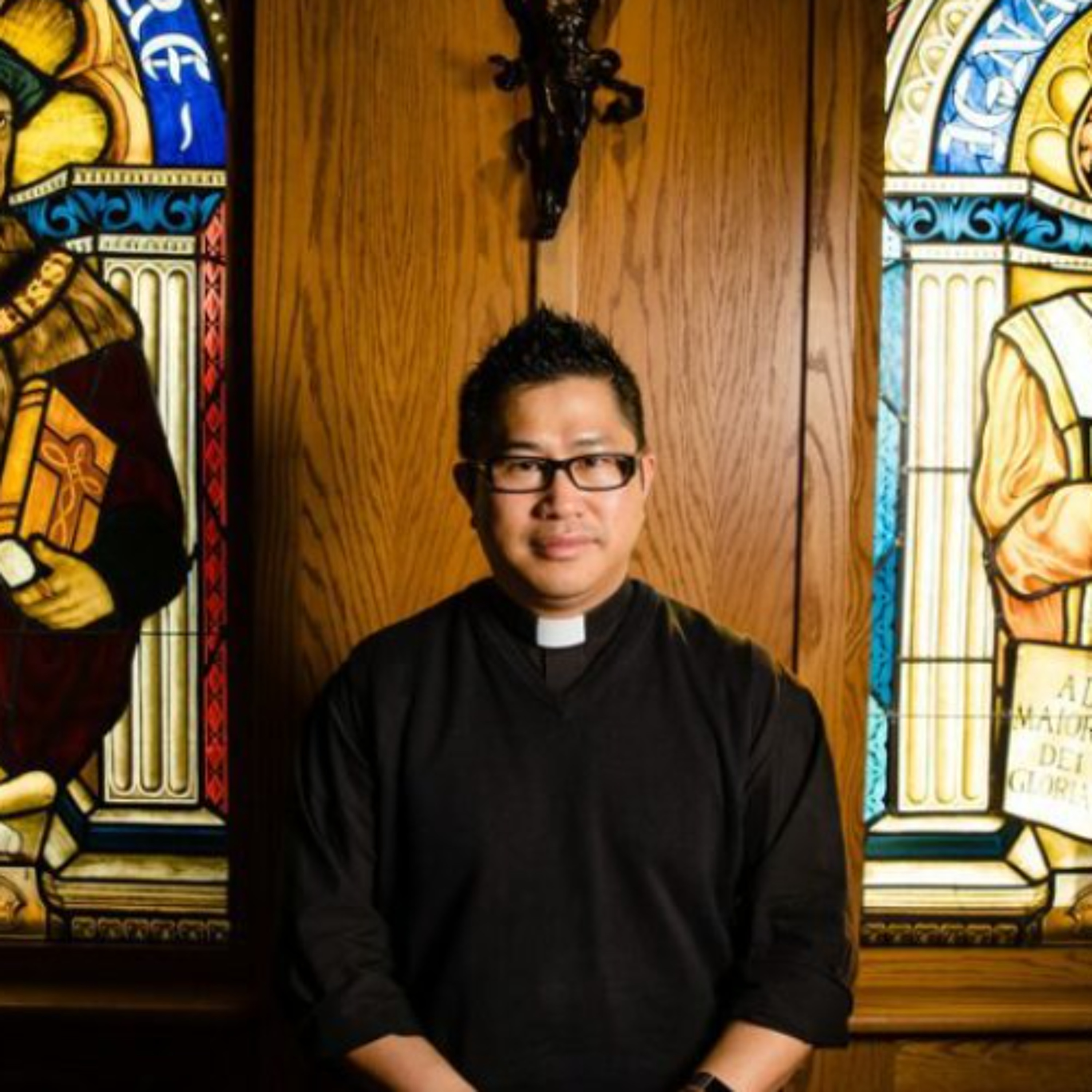
March is a big month on the American Jesuit calendar because it’s the biggest month for men’s and women’s college basketball. The March Madness tournaments are the most purely fun and chaotic sporting events on the planet. Nothing beats massive single elimination tournaments if you’re looking for surprises and drama. And these tournaments are often big showcases for our Jesuit colleges and universities, many of which have rich basketball histories. In recent decades, no Jesuit program has been more successful than the Gonzaga University Bulldogs men’s team, led since 1999 by head coach Mark Few. And one person you might notice on the end of the bench if you watch a Gonzaga men’s or women’s game this March is a rather short guy wearing a red Gonzaga sweater over black clerical attire. This is Father Bryan Pham, SJ, a Jesuit priest and the chaplain for both Bulldog hoops teams. You might think someone with this job would be a huge basketball fan. Not so in Fr. Bryan’s case, who was quick to tell host Mike Jordan Laskey that he rarely understands what he’s watching on the court. Fr. Bryan is a huge fan of the athletes themselves, though, and he sees his role as one of availability and spiritual support. We wanted to find out what the work of a Jesuit basketball chaplain entails and what March Madness looks like through his eyes. Fr. Bryan also shared reflections about his many other roles at the university. He’s a lawyer by training and serves as a professor and chaplain at the law school, runs legal clinics and appears in court with his student interns, and lives in a freshman dorm on campus. We know you’ll love getting to know this thoughtful, funny, impossibly busy Jesuit. Go Bulldogs. And go Bluejays, Golden Eagles, Musketeers and Stags. Fr. Bryan Pham, SJ: https://www.gonzaga.edu/about/our-mission-jesuit-values/university-ministry/meet-our-team/fr-bryan-pham-sj 2025 Jesuit March Madness: https://www.jesuits.org/stories/jesuit-march-madness-trivia/ AMDG is a production of the Jesuit Media Lab, which is a project of the Jesuit Conference of Canada and the United States. www.jesuits.org/ www.beajesuit.org/ twitter.com/jesuitnews facebook.com/Jesuits instagram.com/wearethejesuits youtube.com/societyofjesus www.jesuitmedialab.org/
The Work of Lent: Prayer Forms the Foundation
In this episode of our limited Lenten series, Danielle Harrison, manager of the St. Charles Lwanga Center in the Archdiocese of St. Louis, invites us to consider our Lenten practice of prayer.
How Foreign Aid Cuts Are Hurting Catholic Relief Services with Bill O'Keefe
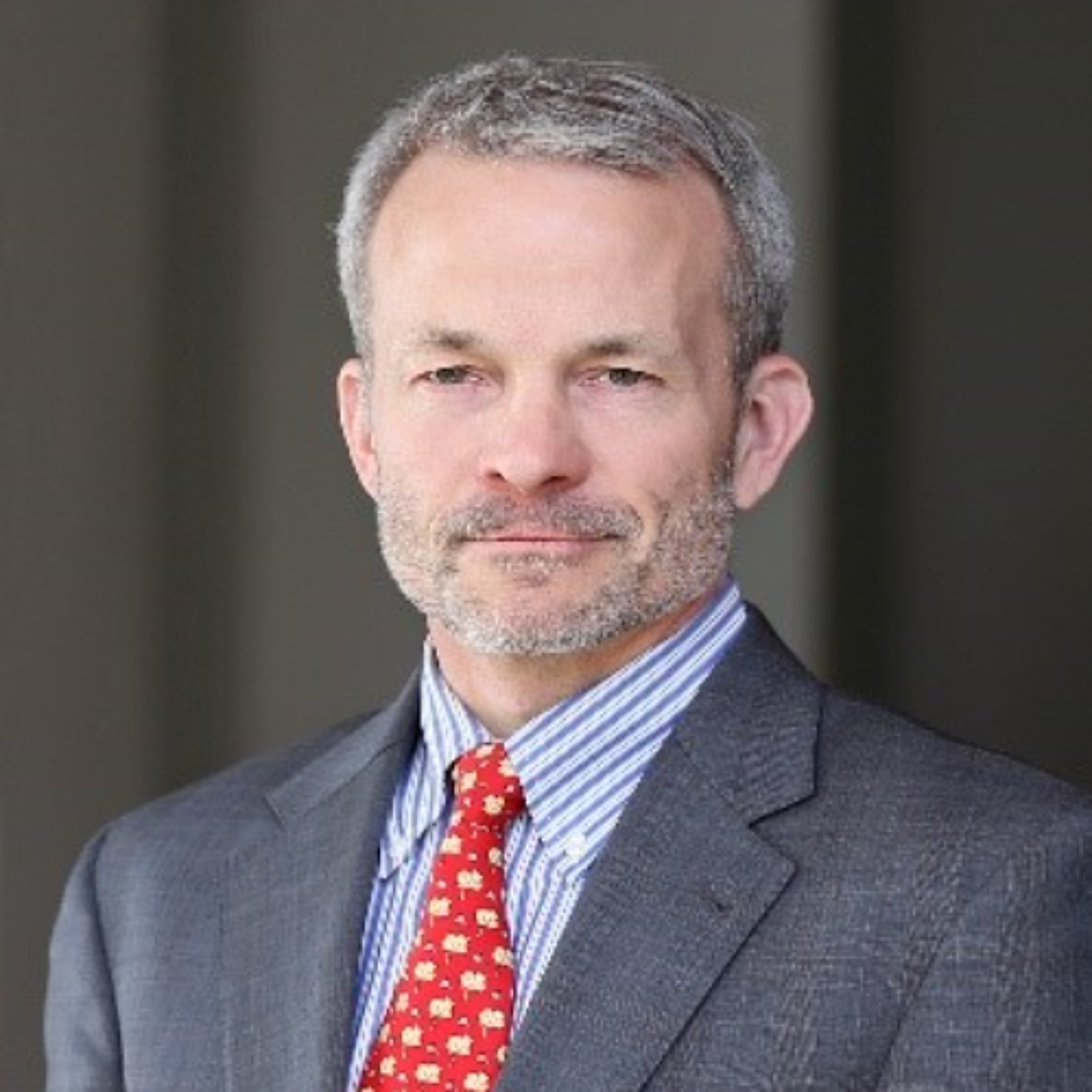
As you have probably heard in the news over the past month or so, the Trump administration has frozen foreign aid programs and essentially dismantled USAID, which is the federal government’s overseas humanitarian relief agency. These decisions have had an enormous impact on the work of both faith-based and secular nonprofit organizations doing humanitarian work, including Catholic ones. Our guest today, Bill O’Keefe, is one of the top executives at Catholic Relief Services, which is the official overseas humanitarian agency of the American Catholic community. Since their founding over 80 years ago, CRS has grown to serve communities in poverty in more 100 countries around the world. Bill has served at CRS for 38 years, and today he is the agency’s Executive Vice President for Mission, Mobilization and Advocacy. In addition to advocating on in Washington, DC, for robust U.S. foreign aid funding, Bill mobilizes CRS' supporters across the country in a shared mission to support the world's most vulnerable people. There is probably no single person in the country who knows as much as Bill does about how the gutting of the US government’s foreign aid programs will affect the US Church’s ability to help people across the globe. Host Mike Jordan Laskey found it so informative and helpful to talk to Bill. But it was also incredibly upsetting. People will die because of these decisions. The US Catholic Church’s immense humanitarian network is being hollowed out. It’s hard to know what we US Catholics can do in response. Bill hasn’t given up hope, though, and he and his team are working hard to figure out how to keep doing their essential, life-saving work around the world. He also shared some practical ways we can all pitch in to help support the mission. Bill O'Keefe: https://www.crs.org/about/leadership/bill-o%E2%80%99keefe Tell Congress to urge the administration to reverse terminations of life-saving aid, disperse funding: https://support.crs.org/act/foreign-aid-operations?ms=mamcrs0225app00fea00 CRS Rice Bowl: https://www.crsricebowl.org/ AMDG is a production of the Jesuit Media Lab, which is a project of the Jesuit Conference of Canada and the United States. www.jesuits.org/ www.beajesuit.org/ twitter.com/jesuitnews facebook.com/Jesuits instagram.com/wearethejesuits youtube.com/societyofjesus www.jesuitmedialab.org/
The Work of Lent: Why We Depend on God
In this episode of our limited Lenten series, spiritual writer and campus minister John Dougherty invites us to reflect on how why Lent is a time to learn how to better rely on God.
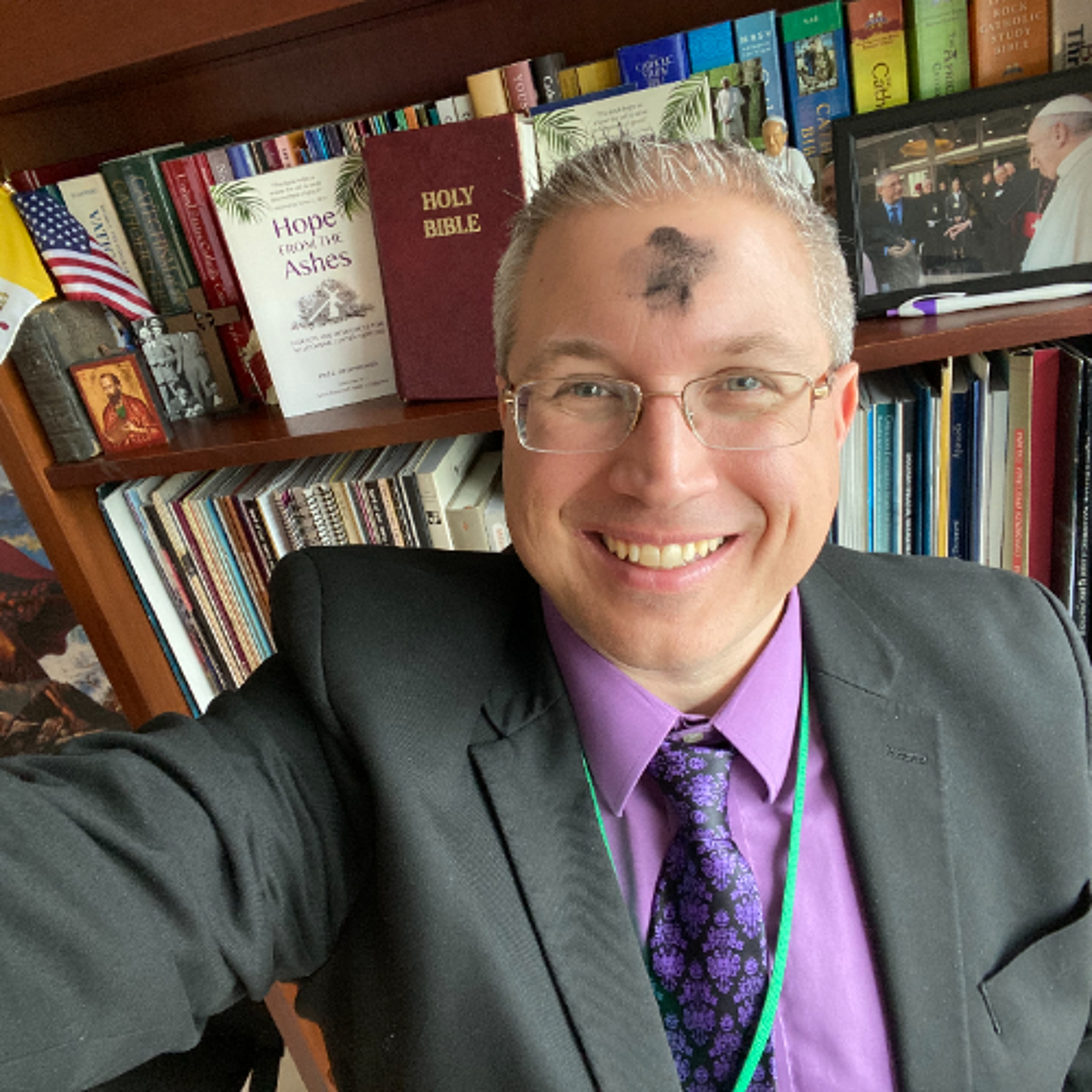
Why Churches Overflow on Ash Wednesday with Paul Jarzembowski
Ash Wednesday is fascinating: We get these reminders of death and decay smeared on our foreheads and just walk around like that the whole day after. Not the most cheerful message. Yet folks can’t seem to get enough of it. Some parish priests say it’s right up there neck and neck with Christmas and Easter on the list of busiest church days of the year. We’re sure there are a bunch of reasons for that, but we wanted to mark this Ash Wednesday and welcome the beginning of Lent by digging into its popularity. Our guest is Paul Jarzembowski, who serves the US Conference of Catholic Bishops in their work with the laity. He’s also the author of the 2022 book “Hope from the Ashes: Insights and Resources for Welcoming Lenten Visitors.” He talked with host Mike Jordan Laskey about the history of Ash Wednesday and what Paul thinks explains its enduring popularity. They also discussed the season of Lent and making our churches more welcoming places. For a rather solemn topic, our conversation was tons of fun. We also want to mention our special Lenten audio offering this year here at AMDG. Our host Eric Clayton interviewed what we call “professional Catholics” who work in ministry about how they keep Lenten observance fresh year after year. He’s lined up some super thoughtful and interesting guests for the series, which you’ll find here on the AMDG feed every Friday in Lent. Paul’s book, “Hope From the Ashes”: https://www.amazon.com/Hope-Ashes-Insights-Resources-Welcoming/dp/0809155753 AMDG is a production of the Jesuit Media Lab, which is a project of the Jesuit Conference of Canada and the United States. www.jesuits.org/ www.beajesuit.org/ twitter.com/jesuitnews facebook.com/Jesuits instagram.com/wearethejesuits youtube.com/societyofjesus www.jesuitmedialab.org/
Why the Supernatural Matters to Your Spiritual Life with Gary Jansen
The communion of saints is an integral part of the Catholic faith—and I don’t just mean in a theological sort of way. What’s the name of your parish? Chances are, it’s a saint’s name. Have you looked closely at that prayer card on your shelf? I bet there’s a saint attached to it. How about the stained glass windows or the name of the local Catholic school or that prayer you mutter when you’ve lost something? The communion saints is engrained in our daily lives, names and half-remembered stories that float just at the outskirts of our memory. It's understandable. There are a lot of saints. We all have our favorites, our go-to team for prayer and inspiration. But for every saint we know well, I’ll be there are dozens more we’ve never even heard of from places we probably can’t even find a map. All this to say, the lives of the saints—these great tales of mysticism, faith and works of justice—can be fuel for our spiritual lives for days and weeks and months to come, if we but take the time to delve into their stories. That’s why our friend Gary Jansen is back on the pod today. Gary’s the director and executive editor at Loyola Press. And he’s the author of so many books it’s hard to keep track—one literally dropped while we’re having this conversation. But today, Gary is here to talk about his encyclopedic book on the saints, aptly called "Saints, Angels and Demons: An A-to-Z Guide to the Holy and the Damned." And hey—if you like what you here, pick up Gary’s latest book, "The Healing Power of Pray the Rosary." One more thing: Lent begins next week. As part of our 40-day journey, we’re dropping a new and limited podcast series right here in this feed called The Work of Lent. Every Friday, you’ll hear me talk with a professional Catholic—someone who makes it their life’s work to work on Lent. These are conversations about vocation, about balancing the professional and the personal and ultimately, how all these things can and do conspire together at Lent to give us an opportunity to grow deeper in our spiritual lives and help others along the way. Get Gary's Books: "The Healing Power of Praying the Rosary" https://www.amazon.com/Healing-Power-Praying-Rosary/dp/0829459006/ "Saints, Angels & Demons" https://www.amazon.com/Saints-Angels-Demons-Z-Damned/dp/0762484853/
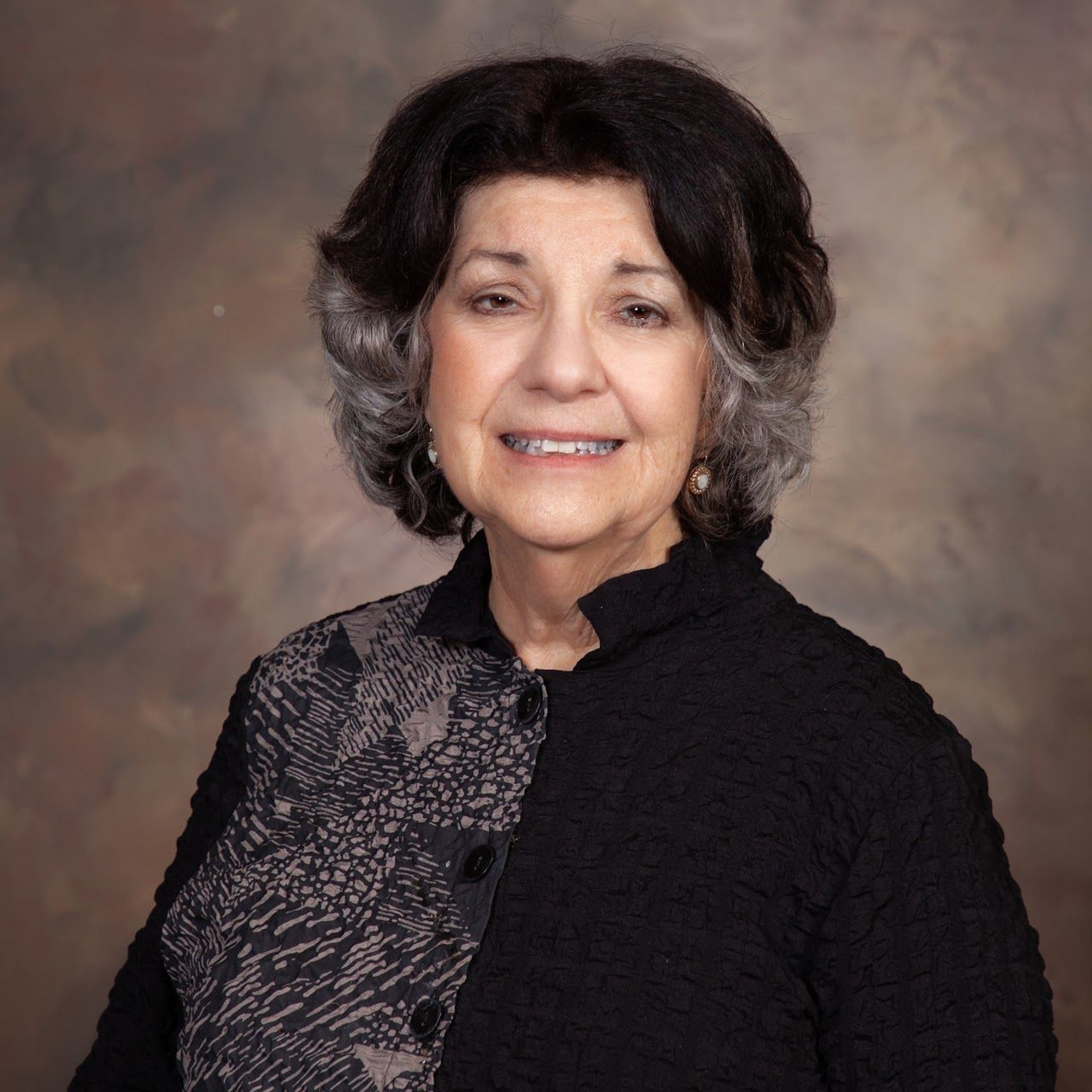
Big Questions About God, Suffering and Philosophy with Dr. Eleonore Stump
Here are a couple questions for you: Do you believe in God? Why or why not? What evidence do you have to support your belief? What different types of evidence might one even consider? If we believe in an all-good, all-powerful God, why does God allow so much human suffering? And why is there something instead of nothing? Even before the Big Bang… what was there? And do human beings have a soul? Or are we just blood and guts and bones? These are some of the big questions philosophers have been wrestling with for as long as humans have been thinking about stuff. In particular, scholars interested in the philosophy of religion spend a lot of time with these big metaphysical questions. Our guest today is one of the foremost philosophers in the American Jesuit landscape: Doctor Eleonore Stump, who is the Robert J. Henle, S.J., Professor of Philosophy at Saint Louis University, where she has taught since 1992. Professor Stump’s specialties include medieval philosophy, philosophy of religion and metaphysics. Host Mike Jordan Laskey saw some great video interviews with Dr. Stump on a YouTube series called “Closer to Truth,” so he reached out to see if she’d talk about some of these big questions. They also discussed her perspective on the role of the Jesuit university today, especially in an era when the liberal arts like philosophy often find themselves on budgetary chopping blocks. Why should we study philosophy at all? We think you’ll enjoy encountering Dr. Stump’s towering intellect and her deep faith. Dr. Eleonore Stump: https://sites.google.com/site/stumpep/ Dr. Stump on "Closer to Truth": https://www.youtube.com/watch?v=azvb_P1ymmM&list=PLFJr3pJl27pI42ZODiz2En-hr9PIjibEu AMDG is a production of the Jesuit Media Lab, which is a project of the Jesuit Conference of Canada and the United States. www.jesuits.org/ www.beajesuit.org/ twitter.com/jesuitnews facebook.com/Jesuits instagram.com/wearethejesuits youtube.com/societyofjesus www.jesuitmedialab.org/

How To Live An Artistic Vocation with Chris Pramuk
“What you gaze upon, you become,” says Fr. Bill McNichols. “We need to gaze on truly conversational, truly loving images.” Those words are a mystical invitation that challenge us to look with greater intentionality at the many images in our lives. These words come at the very beginning of a new book called “All My Eyes See: The Artistic Vocation of Fr. William Hart McNichols,” a book meant to stir in us wonder at a God who works through the creative spirit of people the world over. This book just so happens to chronicle the vocational journey of the great iconographer, Bill McNichols. It's a story told through conversation, a dialogue recounted between Fr. Bill and today’s guest—and the book’s co-author—Dr. Chris Pramuk. Dr. Pramuk is the Regis University Chair of Ignatian Thought and Imagination where he teaches courses in theology and spirituality. He is also a renown scholar of Thomas Merton and the author of several books. Long-time listeners may remember when Chris was on the pod before to discuss his great book, “The Artist Alive.” Today’s conversation centers on the work and life of one man: Fr. Bill McNichols. But as you’ll soon find, reflecting on Fr. Bill’s vocation is actually an invitation to reflect on the creative spirit alive in us all. How is God challenging us to pray with art and image? How is God’s Spirit working in our own vocations? If you’d like to learn more about Fr. Bill’s work or pick up more of Dr. Pramuk’s books, check out the links below: https://www.regis.edu/academics/faculty-finder/faculty/chris-pramuk https://orbisbooks.com/products/all-my-eyes-see-the-artistic-vision-of-fr-william-hart-mcnichols https://frbillmcnichols-sacredimages.com/
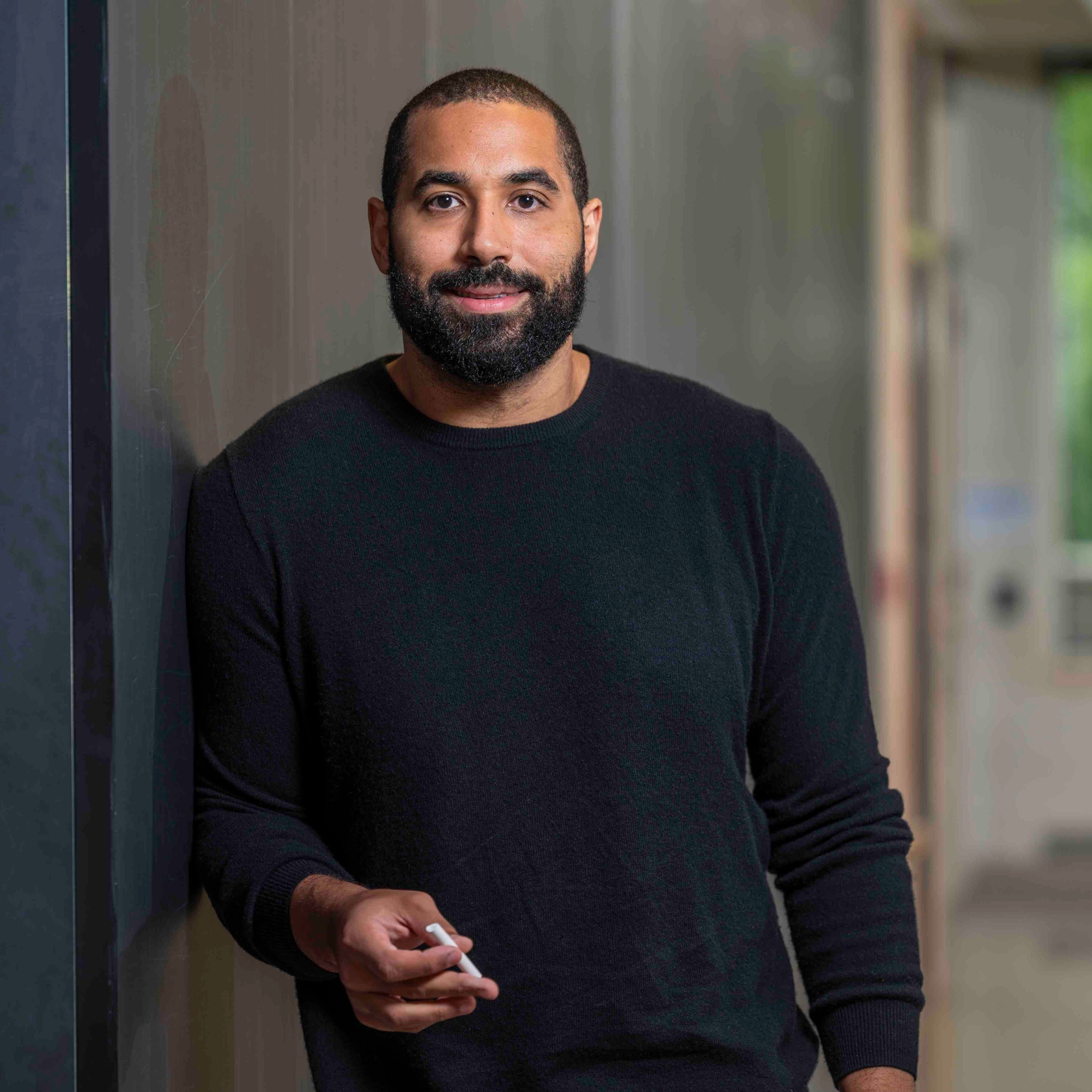
From NFL Lineman to MIT Math Professor with John Urschel
Here’s a hypothetical scenario I’m sure many of us have faced in our lives: Imagine you were a football player good enough to make the NFL. Imagine you are also a mathematician good enough to get a doctorate from MIT. Which path would you choose? OK, so maybe that’s not that common a discernment. But it was the decision our guest today faced: John Urschel first started playing football at Canisius High School, the Jesuit high school in Buffalo, New York. He got good pretty quickly, and he’s a big dude. John ended up getting a scholarship to play football at Penn State, where he could also pursue studies in math, which was his first love. He ended up with a bachelor’s and master’s degree while starring on the offensive line at Penn State. And after his time there finished, he was drafted into the NFL by the Baltimore Ravens. As he embarked on his NFL career, he also enrolled as a doctoral student in mathematics at MIT. After three years in the league, he retired from football to start a career as a math professor, also at MIT. Host Mike Jordan Laskey remembers hearing about John a few years ago when he made the decision to switch career paths. And when we found out he was Jesuit educated, we thought a conversation with him for Super Bowl week would be perfect for the show. John was an incredible guest, speaking so clearly and compellingly about his life journey and the big discernment he made to leave NFL fame and fortune on the table. He’s a great representative of Canisius High School and the type of thoughtful, well-rounded, compassionate person Jesuit education aspires to form. Learn more about John’s math (good luck): https://math.mit.edu/~urschel/ Read John’s book, “Mind and Matter”: https://www.amazon.com/Mind-Matter-Life-Math-Football/dp/0735224862 AMDG is a production of the Jesuit Media Lab, which is a project of the Jesuit Conference of Canada and the United States. www.jesuits.org/ www.beajesuit.org/ twitter.com/jesuitnews facebook.com/Jesuits instagram.com/wearethejesuits youtube.com/societyofjesus www.jesuitmedialab.org/
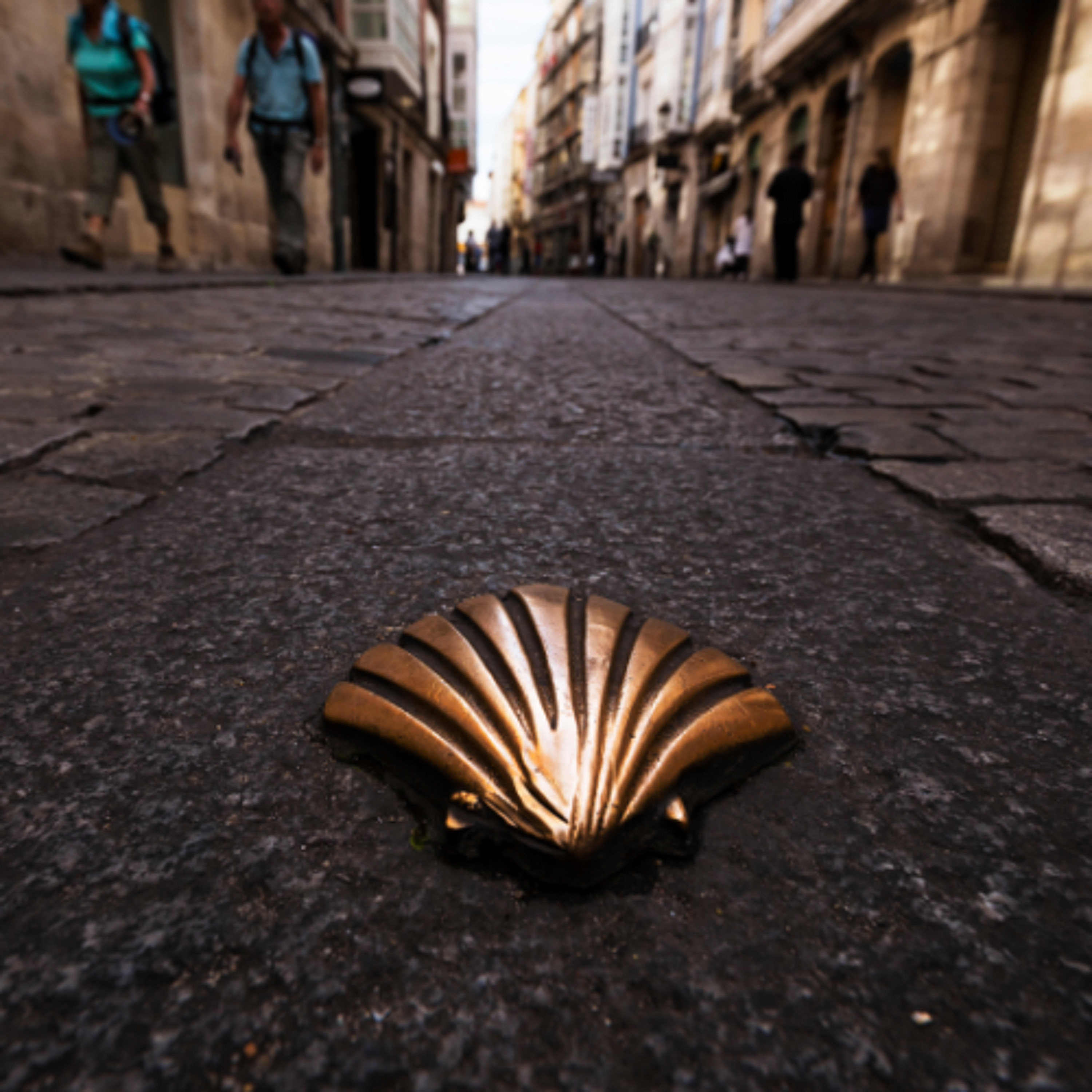
Pilgrim Spirituality for Everyday Living
What do you imagine when you hear the word ‘pilgrimage’? Do you see in your mind’s eye the laces of an old pair of boots? A walking stick? A winding trail through an unknown forest? The company of friends and strangers? Perhaps a particular place comes to mind; you may immediately think of the pilgrim routes through Spain. The Camino de Santiago, perhaps: that famous pilgrimage to the resting place of the St. James, beginning in France and ending in the northwest of Spain. Maybe your mind goes to the Camino Ignaciano—the pilgrim route that traces the key steps that St. Ignatius took from his home in Loyola to Manresa, that infamous cave where Ignatius penned the Spiritual Exercises. And still, there may be more pilgrim places that come to mind; the world is full of them! How often, though, do you think of your daily life as a pilgrimage? How often do you reach for those spiritual lessons so easily glimpsed on roads trod by boot-wearing-hikers? Do you think to practice the kind of simplicity, indifference and awareness that is so necessary on those pilgrim routes in your day-to-day, when you’re picking your kids up from school or making your grocery list? In some ways, it’s a lot harder. That’s why we have two pilgrimage veterans joining the podcast today—and two guests who are also veterans of our show. The Jesuit priest Fr. Brendan McManus has written several books on pilgrimages, both to Santiago de Compostella and Manresa. His latest, Living the Camino Back Home: Ignatian Tips for Keeping the Camino Spirit Alive—written with Sr. Katherin O’Flynn—is an extended meditation on how to bring a pilgrim spirituality into everyday life. Christine Eberle has recently published her third book, Finding God Along the Way: Wisdom from the Ignatian Camino for Life at Home, chronicles her own Spanish pilgrimage, inviting readers to find their own pilgrimage where ever they are. This conversation is a real delight, full of wisdom and laughter and a deep desire to help us all along whatever road we’re currently walking. If you’d like to learn more about our guests visit the links below. Finding God Along the Way: https://www.amazon.com/Finding-God-Along-Way-Ignatian/dp/164060989X Living the Camino Back Home: https://www.amazon.com/Living-Camino-Back-Home-Ignatian/dp/1788127137 Christine's website: https://christine-marie-eberle.com/ More books by Fr. Brendan: https://www.amazon.com/stores/author/B00MU4S70O
Trying to Resist Digital Distraction with Jonathan Malesic
There aren’t many things most people agree on today across all the different political and cultural divides. But this following claim probably unites most of us: We are too distracted today and our collective ability to pay attention is in bad shape. That seems like pretty conventional wisdom. Today’s guest enjoys few things more than taking a piece of conventional wisdom and poking and prodding it to see if it’s actually that wise after all. Jonathan Malesic is a writer and writing teacher at Southern Methodist University whose work has appeared in the New York Times, The New Republic, The Washington Post, America Magazine and elsewhere. He’s also author the author of the great book “The End of Burnout.” And Jon has offered fantastic spiritual nonfiction writing courses through the Jesuit Media Lab. In a recent essay in the magazine Commonweal, Jon wrote about going to an art museum in San Francisco as a sort of experiment. He wanted to see if looking closely and attentively at works of art for a long time could help heal his own fraying attentiveness. Host Mike Jordan Laskey really enjoyed the essay and was challenged by it, so he invited Jon on to discuss his experiences. They talked about museums and Instagram algorithms and the different types of attention you need while looking at art versus, say, driving a car. The essay and this conversation might make you think some more about our crisis of distraction and what might be the right antidotes to pursue. Jon's recent Commonweal essay, Fix Your Gaze: https://www.commonwealmagazine.org/fix-your-gaze Jon's book, "The End of Burnout": https://www.amazon.com/End-Burnout-Drains-Build-Better/dp/0520344073 Jon's Substack: https://jonmalesic.substack.com/ AMDG is a production of the Jesuit Media Lab, which is a project of the Jesuit Conference of Canada and the United States. www.jesuits.org/ www.beajesuit.org/ twitter.com/jesuitnews facebook.com/Jesuits instagram.com/wearethejesuits youtube.com/societyofjesus www.jesuitmedialab.org/
Answering the Gospel Call to Global Community with Michael Manulak
If you look out at the world today, you might notice a growing trend in global politics: Again and again, voters are putting into power leaders that favor nationalistic or isolationist rhetoric and policies. Issues that require global cooperation — and sacrifice — like the climate crisis, nonproliferation of nuclear arms and the care of refugees are a hard sell to a citizenry increasingly concerned with economic and security problems affecting their own families and communities. As a result, nations all over the world turn ever inward and more distrustful of individuals and organizations beyond their borders. We see this dynamic play out again and again in conversations around immigration, and we’ve hosted more than a few such conversations on this podcast. But another realm of international politics that is affected by this change in global thinking is the place and influence of international and transnational organizations on the global scale. It’s tempting to shrug and wonder why you should care. Today’s guest, Dr. Michael Manulak, is here with an answer — and a challenge. The biggest issues we face today require global cooperation. That’s not just a political reality; it’s one grounded in our Catholic tradition. As Michael will discuss, the tenets of Catholic social teaching and the spirituality of St. Ignatius demand that we prayerfully contemplate the complex reality of our time and respond as best we’re able. That means looking at our individual gifts and vocations as part of something bigger than ourselves. Dr. Manulak is an associate professor of international affairs, anchoring the Norman Paterson School of International Affairs’ Diplomacy and Foreign Policy cluster in Ottawa. His research focuses on international organizations, multilateral diplomacy, Canadian foreign policy, global environmental politics and Non-Proliferation. An alumnus of the Government of Canada’s Recruitment of Policy Leaders program, he served mainly within the Department of National Defense. In government, he represented Canada in international proliferation security negotiations, supported the national security review of foreign investments, and composed Cabinet documents within National Defense’s Cabinet Liaison bureau. And coolest of all, the day before this conversation was recorded, he was awarded the King Charles III Coronation Medal at the Senate of Canada. The Medal recognizes those that have made a significant contribution to Canadian society. This is a timely and fascinating conversation. If you want to learn more about Dr. Manulak’s work, visit his website https://michaelmanulak.com/.

A Netflix-Worthy Story of Catholic Anti-War Protestors with Michelle Nickerson
In the early morning hours of August 22, 1971, a group of Catholic anti-war protesters broke into a draft board in Camden, New Jersey to destroy draft-related documents. The action was one in a series of similar raids that Catholic activists carried out in the 1960s and ‘70s in opposition to the Vietnam War. The story of what enfolded that morning and the two years following is almost too wild to believe – it’s the stuff HBO miniseries are made of. Professor Michelle Nickerson, a historian at Loyola University Chicago, has just published a book about the raid, the ensuing trial and all the drama that surrounded both. The book is titled “Spiritual Criminals: How the Camden 28 Put the Vietnam War on Trial.” And while the book is a work of academic history published by the University of Chicago Press, it’s also a total page turner. Again, we think the good people at HBO or Netflix need to jump on this. Michelle is an expert in the history of politics, women & gender, social movements, and religion in 20th-century America, and she brought her serious academic chops to the story. Host Mike Jordan Laskey learned so much not just about the Camden 28 themselves, but the history and development of the Catholic anti-war movement in the US. We’re so happy to be able to share some of this story with you before you watch it on a streaming service in, say, 2028. Michelle Nickerson: https://michellenickerson.com/ "Spiritual Criminals": https://www.amazon.com/Spiritual-Criminals-Camden-Vietnam-Trial/dp/0226828034 AMDG is a production of the Jesuit Media Lab, which is a project of the Jesuit Conference of Canada and the United States. www.jesuits.org/ www.beajesuit.org/ twitter.com/jesuitnews facebook.com/Jesuits instagram.com/wearethejesuits youtube.com/societyofjesus www.jesuitmedialab.org/

Three Spiritual New Year's Resolutions with Julianne Stanz
Whether you’re a big New Year’s Resolutions person or not, it’s never a bad idea to take stock our own spiritual lives. Where might we want to grow in our relationship with God? So host Mike Jordan Laskey invited one of our favorite spirituality experts onto the show: Julianne Stanz. Julianne is the Director of Outreach for Evangelization and Discipleship at Loyola Press. She’s also an acclaimed author and international speaker. A native of Ireland, Julianne was shaped by that country’s deep and distinctive Catholicism. And in line with one of the very best Irish stereotypes, Julianne is also one of the best storytellers around. Julianne came up with three possible spiritual resolutions we might want to try out in the New Year. All three is are both meaningful and accessible. As a mom of three kids, Julianne knows huge time-intensive commitments in the spiritual life just can’t work for everyone. No matter your stage of life, you’ll enjoy hearing Julianne’s ideas and stories. Happy New Year from all of us here at the Jesuit Conference of Canada and the United States. Julianne Stanz: https://www.juliannestanz.com/ AMDG is a production of the Jesuit Media Lab, which is a project of the Jesuit Conference of Canada and the United States. www.jesuits.org/ www.beajesuit.org/ twitter.com/jesuitnews facebook.com/Jesuits instagram.com/wearethejesuits youtube.com/societyofjesus www.jesuitmedialab.org/

A Christmas Challenge from the Jesuit Border Podcast
The Christmas season is upon us! We look to the manger and we see new life—a baby has been born, Jesus the Christ, and so we have reason to hope. God has once more broken into our human story with an invitation: Can we go to the others, bringing the joy and wonder of the Incarnate Christ? Christmas is rightly a time for joy and celebration. But it’s also a time to take a hard, loving look at our world—the very world through which God again and again makes Godself known. So here’s a question and a challenge: Are we romanticizing that nativity scene? Are we placing the Holy Family high upon a pedestal without looking plainly at the hardship and struggle they themselves had to bear? We’re so quick to sing about Mary and Joseph finding no room at the inn and yet, do we respond in hospitality to those left out in the cold? Long time listeners of our podcast have heard our crossover episodes of the Jesuit Border Podcast before. Fr. Brian Strassburger, SJ, is the director of Del Camino Jesuit Border Ministries, located in the diocese of Brownsville, Texas. Along with Joe Nolla—a Jesuit regent—he’s wrapped the seventh season of the Jesuit Border Podcast. Today, we’re going to share with you the season finale, which features Bishop Joseph Tyson of the diocese of Yakima, Washington. This conversation is a helpful one during this Christmas season. It reminds us once more to look to the holy families still on the move today, still pleading for shelter and hospitality—not unlike the Holy Family 2,000 years ago. Let’s not reduce our God of the universe to a plastic toy in a nativity set we carefully set up once a year. Instead, let’s take up the challenge that Fr. Brian, Joe and Bishop Tyson lay out for us in this episode. Let’s walk with those families still in need today, those families who bear the image and likeness of our same God. Let’s embody a message of hope and welcome. Listen to more episodes of the Jesuit Border Podcast: https://podcasts.apple.com/us/podcast/the-jesuit-border-podcast/id1593208023 Learn more about Del Camino Jesuit Border Ministries: https://www.jesuitscentralsouthern.org/our-work/del-camino/
Drafting Christmas Objects with Sr. Bethany Welch, SSJ and Fr. Marty Ngo, SJ
It’s time for one of our favorite AMDG traditions: Our annual Christmas draft. It’s an idea we stole outright from the sportswriter Joe Posnanski’s podcast, so a tip of the Santa hat to him. For newcomers, this is how a Christmas draft works: First, host Mike Jordan Laskey picks a Christmas related category. This year, it’s Christmas objects. Some guests and Mike take turns selecting their favorite individual members of that category. It’s like a draft that the NFL or NBA sponsors. Once someone makes a specific pick, that option is off the board for everyone else. We do three rounds. This year, we two guests: Sister Bethany Welch, SSJ, and Father Marty Ngo, SJ. A nun, a priest, and a father of three walk into a podcast… the jokes just write themselves. We asked Bethany and Marty to introduce themselves at the top of the show, so I won’t say too much about them. But we think you’ll see why we invited them – they’re two people who are both deeply spiritual, immensely creative and just joys to be around. We’re grateful for their vocations. And we’re grateful to all you out there in AMDG land for spending some of your busy holiday season with us. All of us here at the Jesuit Conference wish you a very merry Christmas and a blessed 2025. Sister Bethany Welch, SSJ: https://jesuitmedialab.org/how-this-catholic-sister-used-art-to-prepare-for-taking-vows/ Fr. Marty Ngo, SJ: https://www.jesuits.org/profile/martin-huynh-ngo-sj/ AMDG is a production of the Jesuit Media Lab, which is a project of the Jesuit Conference of Canada and the United States. www.jesuits.org/ www.beajesuit.org/ twitter.com/jesuitnews facebook.com/Jesuits instagram.com/wearethejesuits youtube.com/societyofjesus www.jesuitmedialab.org/
Why Myth and Fantasy Illuminate Our Spiritual Lives with John Hendrix
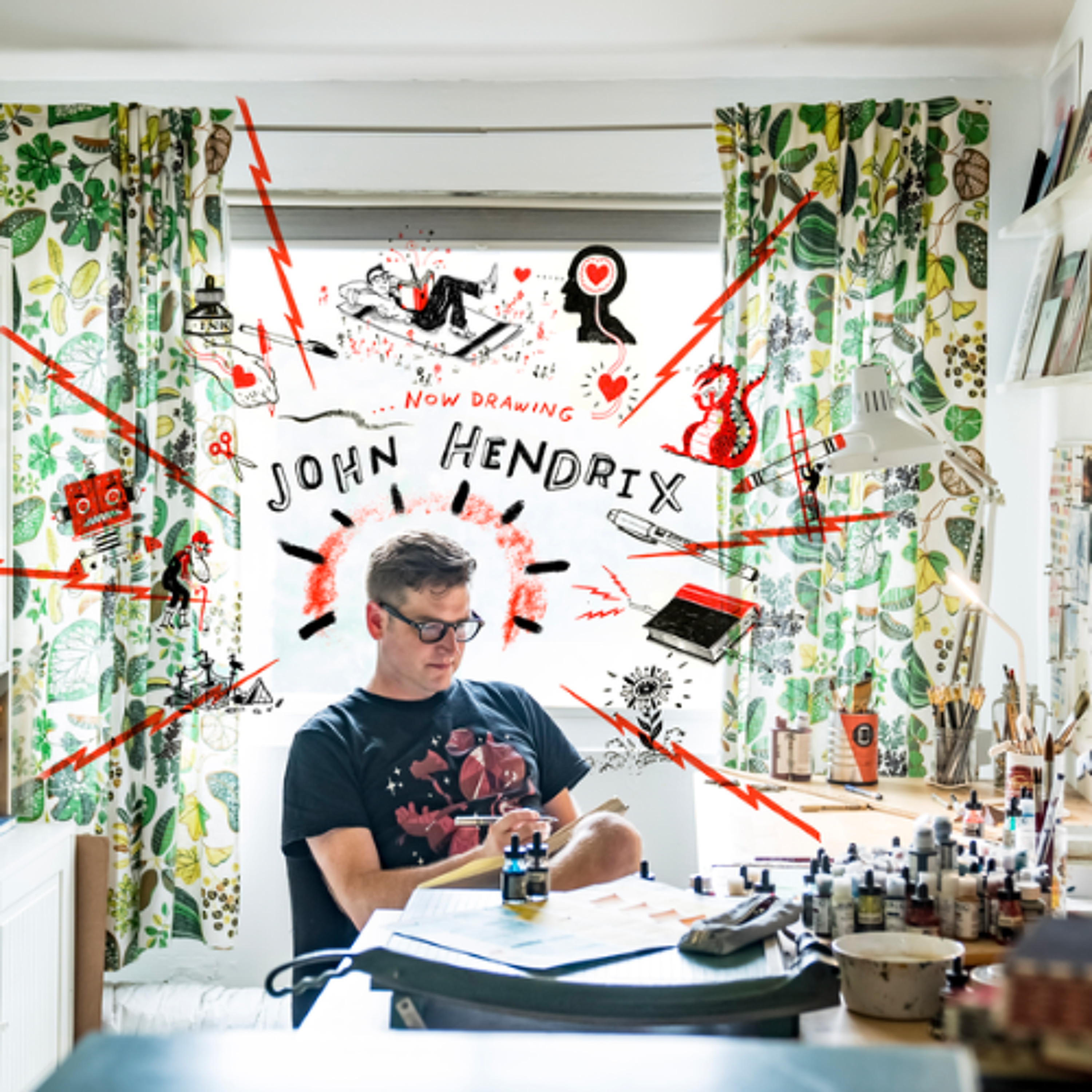
We were assigned The Hobbit in seventh grade. We knew it was coming, too—each class ahead of us had to read Tolkien’s classic text. Everyone in school always knew when it was that time of year again. The culminating Hobbit-themed project for every seventh grader was to create a sculpture featuring one of the characters in the book. Those sculptures would then line the halls of our school for the remaining two months of the school year. I, Eric Clayton, of course, made a not-at-all-to-scale version of the great dragon Smaug. So, that was seventh grade and coincidentally the year Peter Jackson’s The Lord of the Rings: The Fellowship of the Rings debuted in theaters. But long before I made a dragon out of clay, I’d fallen in love with fantasy, myth and fairy tale. I liked the adventure, of course, the epicness of these wild and wondrous worlds. But the more I read in the genre, the more I learned about these worlds and my own reaction to them, the more I wondered: Was something else going on? Was I drawn to these kinds of stories for another reason? Today’s guest, New York Times bestselling author and illustrator, John Hendrix, provides a pretty compelling answer in his latest book, “The Mythmakers: The Remarkable Fellowship of C.S. Lewis and J.R.R. Tolkien.” It’s from a particular scene in his book—and we discuss at length in our conversation. It’s a pivot moment, a conversation between Tolkien, Lewis and their mutual friend, Hugo Dyson. “The hunger in your stomach does not prove that you will get a meal,” Tolkien says. “But it does prove that your body was meant for food. The point is simple. The ‘dying and reviving God’ images that moves you so deeply in mythology is the very same story found in the Gospels.” Dyson adds: “Men write their myths and God writes his.” Lewis is exasperated: “Now both of you are saying that Christ is a myth…like Loki?” he asked. “Exactly,” Tolkien says. “With one simple difference: “Christ is the myth that entered history. He is the myth that actually came true.” I won’t spoil any more of the story for you. But if you are curious about the intersection of fantastical storytelling and spiritual discoveries, if you’ve ever wanted to learn more about the creators of Narnia and Middle-earth and their all-important friendship, then this conversation with John Hendrix is for you. And so’s his book. A little more about John: His books include The Faithful Spy: Dietrich Bonhoeffer and the Plot to Kill Hitler, called a Best Book of 2018 by NPR, Drawing Is Magic: Discovering Yourself in a Sketchbook, Miracle Man: The Story of Jesus, and many others. His award-winning illustrations have also appeared on book jackets, newspapers, and magazines all over the world. And he is the Kenneth E. Hudson Professor of Art and the founding Chair of the MFA in Illustration and Visual Culture program at the Sam Fox School of Design and Visual Arts at Washington University in St. Louis. You can learn more about John’s impressive career and grab copies of his many books at johnhendrix.com.
Why This Is The Most Important Jesuit Text You've Never Heard Of with Fr. Bart Geger, SJ
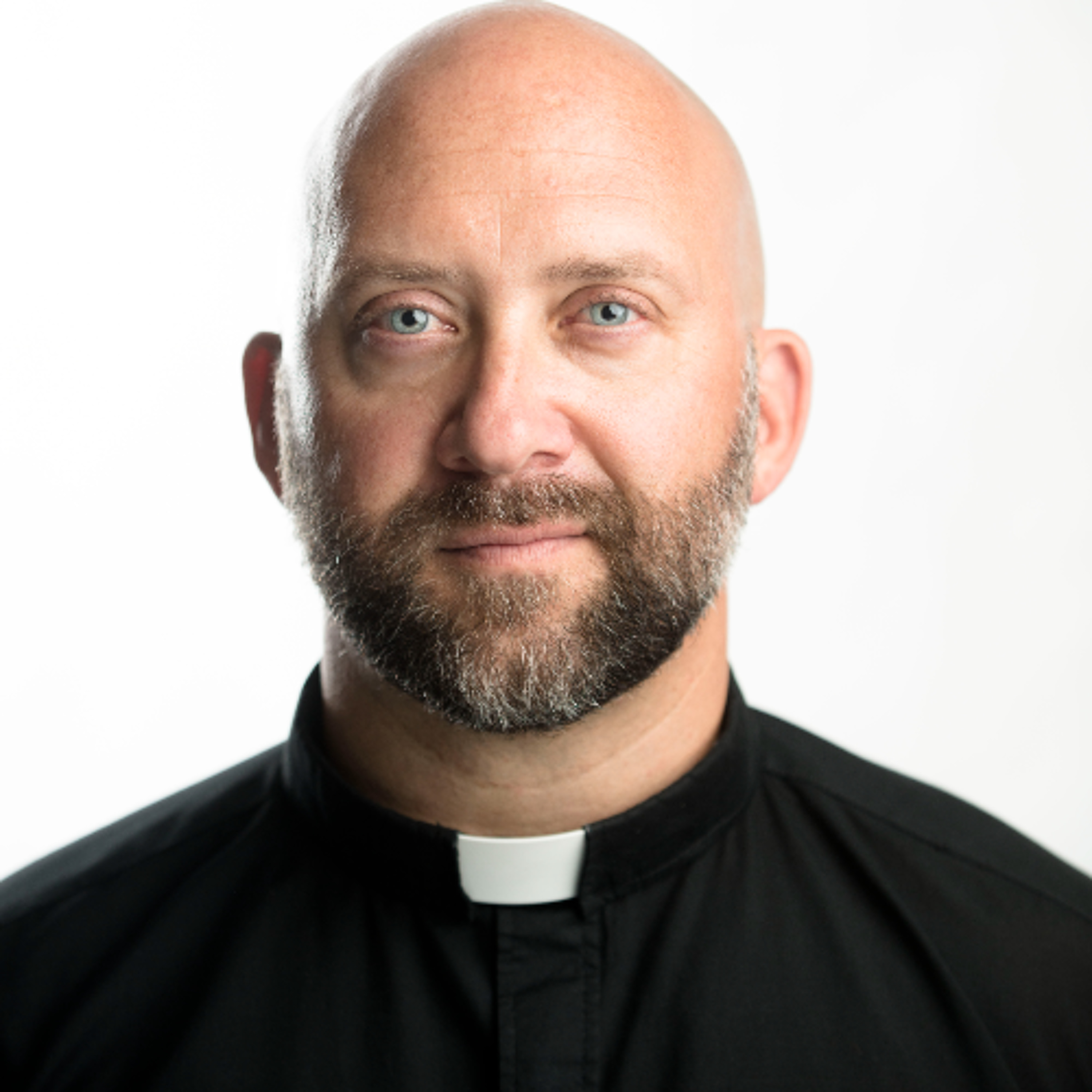
You’ve heard of the Spiritual Exercises. You’ve probably heard of Ignatius’ autobiography. But have you heard of the Constitutions of the Society of Jesus? Unless you’re a Jesuit, you probably haven’t. It’s a series of documents often dismissed as too legalistic, necessary but not relevant to daily life. But that’s not true—and our guest today, Fr. Bart Geger, SJ, professor at the Boston College’s school of theology and ministry, will make that case. The Constitutions are foundational to the Ignatian tradition, to how Jesuits understand their mission: that being the service of the greater glory of God. The Constitutions, then, are important for all of us who stand in this Ignatian legacy, for all of us who also hope to serve God’s greater glory. The Constitutions touch on the formation of Jesuits specifically, but also point each of us toward spiritual wisdom for our own unique vocation. Why talk about the Constitutions today? Fr. Bart has recently completed work on a new edition, which provides all of us with an opportunity to revisit this important text. As Fr. Bart writes in the introduction: “Knowledge of the Constitutions is…necessary in order to understand recurring themes and controversies in the Society’s history. Far more importantly, however, the book is vital to correctly interpret the spiritual doctrine of Ignatius himself, especially his ideas about how to discern God’s will, and the particular ideals and virtues that he desired—and still desires—for all who embrace the principle and foundation upon which all his doctrine stands.” In short, if we believe the riches of Ignatian spirituality are vital and relevant for today’s world, then we’d do well to better understand the institutional framework with which Ignatius entrusted this legacy to be lived out. If you'd like to get a copy of Fr. Bart's new edition or learn more about the project, head over to the Institute of Jesuit Sources: https://jesuitsources.bc.edu/the-constitutions-of-the-society-of-jesus-a-critical-edition-with-the-complementary-norms-paperback/

Why Thanksgiving Leads to Celebration with Vinita Hampton Wright
If you’re listening to this episode on the day it drops, then we’re just a matter of hours away from celebrating Thanksgiving in the United States. Regardless of whether you’ll be surrounded by friends and family over these next few days or you’ll be passing the occasion in a quieter, more subdued manner, one thing remains the same: We are all called to cultivate a disposition of gratitude. These Thanksgiving episodes where we reflect on gratitude as a spiritual practice have become something of a holiday tradition all on their own. Gratitude is foundational to Ignatian spirituality. And it’s something we’re called to on good days as much as on bad ones. Today we’re lucky to have Vinita Hampton Wright return to the pod to reflect on these spiritual themes. Vinita always brings with her practical wisdom and deep knowledge of both the tenets of the Ignatian tradition and how to talk about them. Vinita is a veteran editors and writer of countless books and articles on Ignatian spirituality. She worked for many years at Loyola Press, and now gives workshops and retreats on writing, creativity and prayer. Vinita is also the author of this year’s 2025 “Book of Grace-Filled Days,” which is currently available from Loyola Press and a wonderful companion to your prayer in this upcoming year. Check it out here: https://store.loyolapress.com/2025-a-book-of-grace-filled-days
32 Churches, 29 Schools, 40 Miles, 1 Parish: How Lay Leaders Build the Church | A Pilgrimage to Belize, Part 2
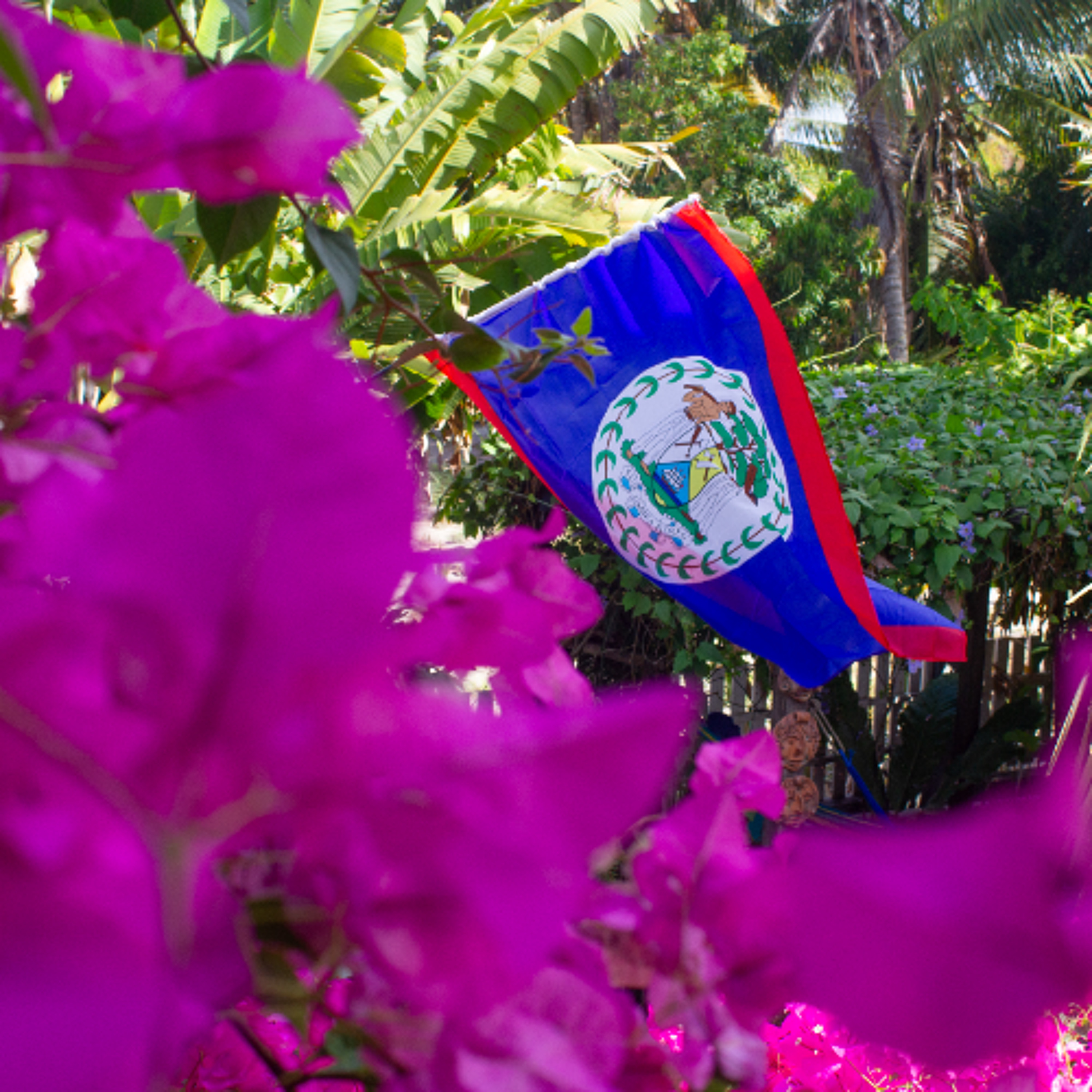
Last week, we began our pilgrimage to Belize. We met Fr. Brian Christopher, the superior of the country-wide Jesuit community. And we heard a little bit about the hopes and heartaches of the people of Belize. We saw how Ignatian spirituality has a role to play in helping crystalize the character of Belize, and how important collaboration is in a country made up of such a rich and diverse history. Most importantly, we heard from Fr. Brian how the work of the Jesuits in Belize today isn’t about making plans and wracking up successes but rather that of humility, of accepting the possibility of failure. The key, Brian said again and again, is accompaniment: walking with and learning from and cheering on the people of Belize. Last week’s episode ended with a reflection on synodality — that all-important theme of Pope Francis’ papacy. How are we called to listen to the voices of those members of our global church that so often get sidelined? Today, in our second of our two-part series on Belize, we return to that theme of synodality: you’re going to hear from several lay leaders that are working closely with the Jesuits. Perhaps even more importantly, you’re going to hear how essential these lay leaders are in building up the local church. It’s not an exaggeration to say that without these lay leaders, the Catholic church in some of the most remote parts of Belize may simply not exist. So, let’s continue our pilgrimage.
Embracing the Ministry of Failure: Spiritual Wisdom from Brian Christopher, SJ | A Pilgrimage to Belize, Part 1
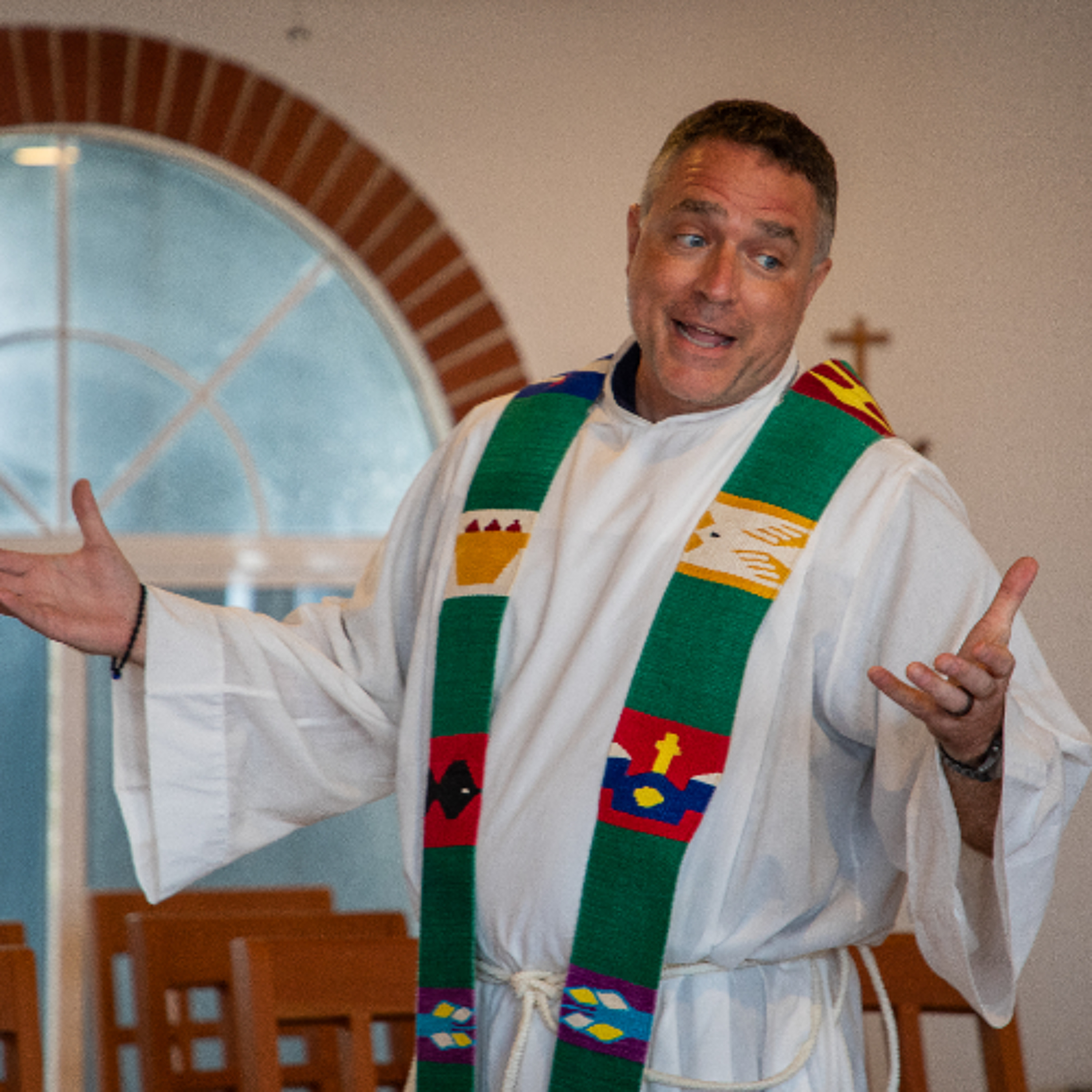
Over the next two episodes, host Eric Clayton is going to take you on an adventure. We’re going to travel to Central America, to a small country on the Caribbean Sea. A country that is both ancient and relatively new. A place that is both a melting pot of so very many cultures and ways of life, and yet is also the least populated country in all of Central America. We're going on pilgrimage to Belize. Eric was there earlier this year visiting the Jesuit communities. Jesuits have been in Belize since 1851, when members of the English Province came over from nearby Jamaica. Ever since, Jesuit have played a foundational role in the development of the Catholic Church in the country — even before it was a country. And that last bit is important. The Mayan people lived and thrived in that land for centuries before Europeans arrived in the early 1500s. But when the Spanish conquistadors arrived — and soon after, British pirates — the Mayan people suffered, dying from conflict as well as disease. The country as it’s known today became independent in 1981. Before then, since 1862, Belize was declared part of the British Empire and known as British Honduras. As a result of the relative new-ness of the country, Belizeans are still in the process of discovering their own identity, of making known what it means to be a citizen of Belize. So, what role are the Jesuits playing in all of this? As you'll hear from today's guest, Fr. Brian Christopher, SJ, the superior of the Jesuit community in Belize, the Jesuits are called to accompaniment. Fr. Brian is focused on walking with Belizeans in discovering what it means to be Catholic and Belizean is this moment. This is part 1 of a two-part series on Belize. Next week, we'll journey to a different part of the country. In the meantime, check out this video featuring Fr. Brian and some of the lay leadership in Belize: https://www.youtube.com/watch?v=8cLzGsVsxRs
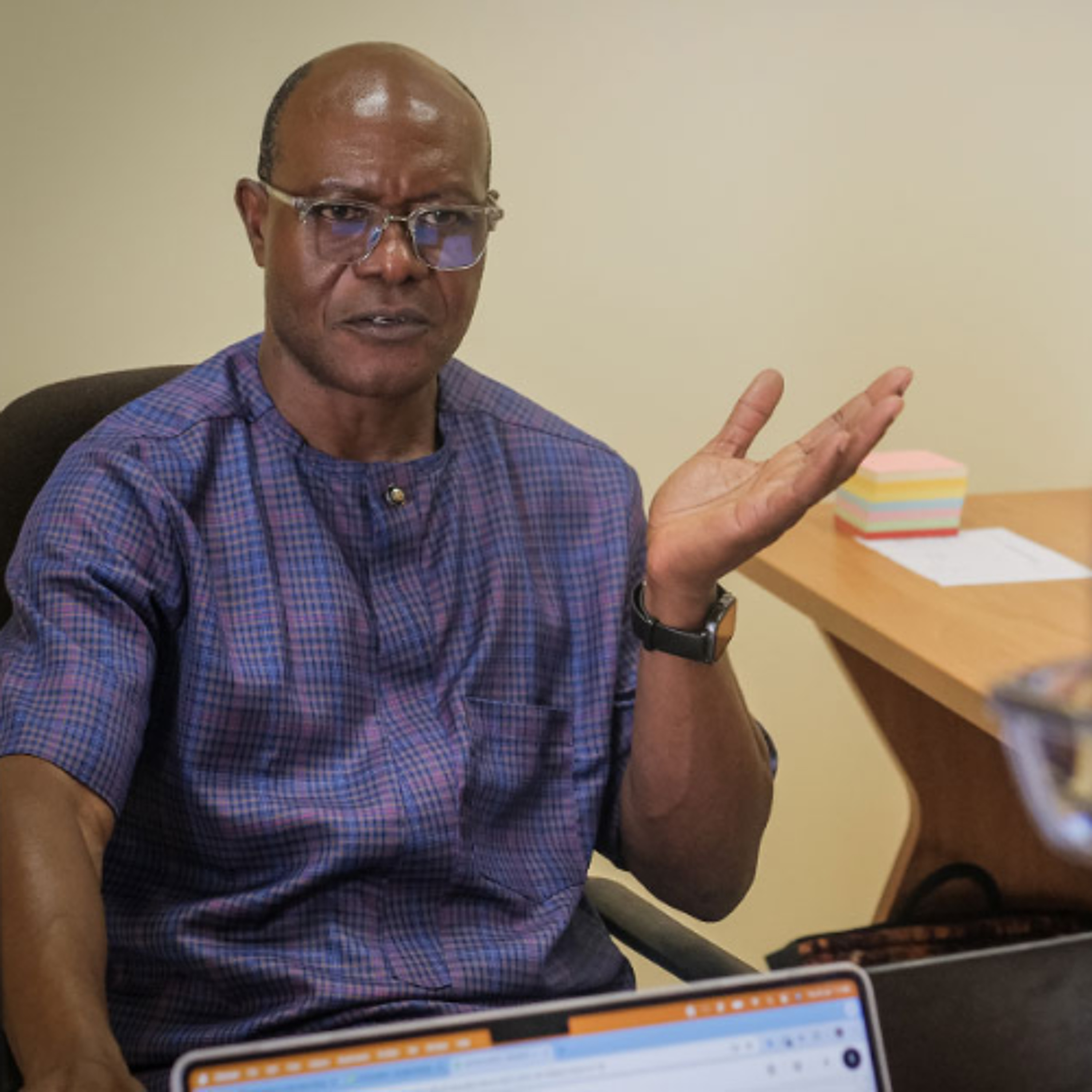
The View from Rome: Communication, Storytelling & the Society of Jesus with Fr. Chuks Afiawari, SJ
Today we’re talking about the global nature of God’s invitation. Our guest — Fr. Chuks, the new director of communications for the Jesuit Curia in Rome, responsible for sharing the stories of the entirety of the global Society of Jesus — reminds us that the people of God are everywhere. And we, informed by the Ignatian tradition, have a responsibility to go and hear their stories—and to share them with others. Fr. Chuks — whose full name is Chukwuyenum Afiawari — is a Nigerian Jesuit. Most recently, he was the provincial of the North West Africa province, which includes Nigeria, Ghana, Sierra Leone, Liberia and Gambia—no small task! Now living at the Jesuit headquarters in Rome, Chuks is tasked with thinking about how we communicate with one another. How we communicate the Good News of Jesus Christ with on another. How Ignatian spirituality and the legacy of Ignatius of Loyola equips us to go out into the world and witness Christ’s love to one another. This, too, is no small task. Today's conversation covers a lot of ground, hitting on the nature of global communications, our responsibility as members of the universal Catholic Church, how we might train today’s communicators to respond to the signs of the times and more.

From Refugee to Celebrity Chef with Lidia Bastianich
When the celebrity chef and restauranter Lidia Bastianich was just a few months old, the city her Italian family lived in was assigned to Yugoslavia as part of the reorganization of Europe after World War II. Her family became exiles without a proper homeland. Eventually, her family fled to Italy, where they lived in a refugee camp for two years. With the help of the Catholic Church, her family was resettled in the United States in 1958. It is her own family history and her own close personal connection with the Society of Jesus that prompted Lidia to join the board of the Jesuit Refugee Service USA recently. The mission of Jesuit Refugee Service is to accompany, serve and advocate for the rights of refugees and other forcibly displaced persons. Founded by Jesuit superior general Fr. Pedro Arrupe in 1980, in direct response to the humanitarian crisis of Vietnamese refugees, JRS today works in 58 countries worldwide to meet the educational, health and social needs of refugees. Lidia is most well known for Italian cooking, which she has shared with the world in almost 20 cookbooks, several restaurants and a handful of extremely popular cooking shows on PBS. Host Mike Jordan Laskey asked her about her career and how her family’s moving story led her to where she is today. They also talked about the unique and mysterious power of a shared meal, plus differences between Italian and Italian-American cooking and how the US at its best is a place where cultures from around the world can come, encounter each other and grow in harmony. Lidia also gave Mike a few tips for his own cooking! She is a delightful storyteller and an insightful conversation partner and we know you’ll love getting to know her in this extended interview format. Lidia Bastianich: https://lidiasitaly.com/ Jesuit Refugee Service USA: https://www.jrsusa.org/ AMDG is a production of the Jesuit Media Lab, which is a project of the Jesuit Conference of Canada and the United States. www.jesuits.org/ www.beajesuit.org/ twitter.com/jesuitnews facebook.com/Jesuits instagram.com/wearethejesuits youtube.com/societyofjesus www.jesuitmedialab.org/
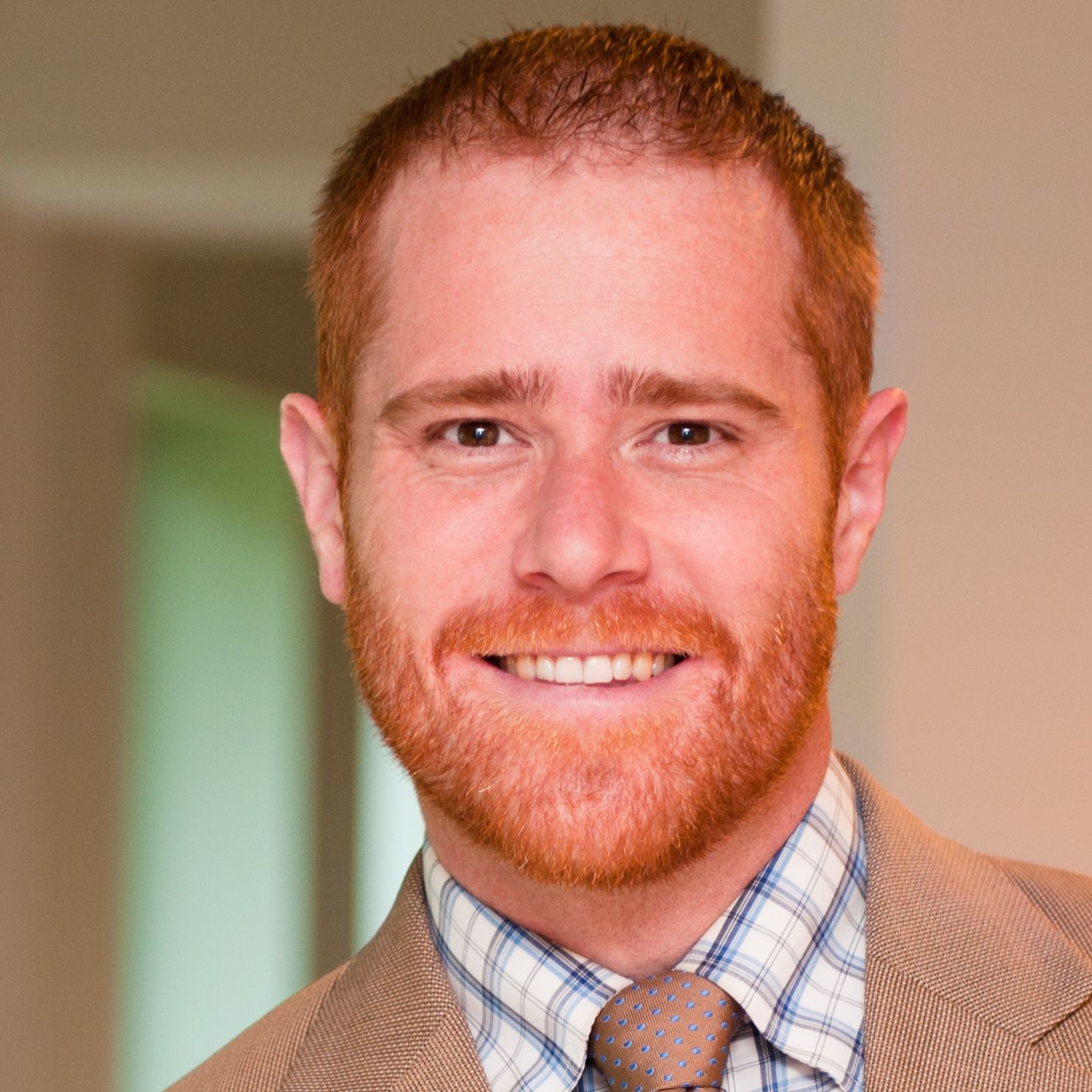
Why Faith Leads Us to Lobby Lawmakers with Tom Mulloy
From the Jesuit Media Lab, this is AMDG. I’m Mike Jordan Laskey. Today’s episode is the fourth and final one in our series on faith and politics leading up to the 2024 presidential election here in the U.S. Our guest is the Jesuit Conference’s very own Tom Mulloy, who serves as our director of government relations. Sometimes people are surprised to find out that we have a director of government relations and that our Office of Justice and Ecology spends the majority of its time here in Washington meeting with lawmakers and others in power, trying to influence laws and policies. Tom is a lobbyist, essentially, but you have to think about that word differently in this case. Instead of lobbying on behalf of big oil or a tech behemoth like Google, Tom works alongside other faith groups and NGOs to advocate for a more just and peaceful world. He brings the voices and experiences of the huge Jesuit network to the halls of power in order to humanize issues ranging from immigration to tax policy to indigenous housing. Host Mike Jordan Laskey asked Tom to share how he got into this work and why his faith calls him to bring Gospel values to Capitol Hill. They also talked about how all of us can be informed, faith-filled advocates on behalf of justice. Because the work of politics is not just about elections. It’s about making sure those we elect pursue the common good. The Jesuit Conference Office of Justice and Ecology: https://www.jesuits.org/our-work/justice-and-ecology/oje/ AMDG is a production of the Jesuit Media Lab, which is a project of the Jesuit Conference of Canada and the United States. Go Yankees. www.jesuits.org/ www.beajesuit.org/ twitter.com/jesuitnews facebook.com/Jesuits instagram.com/wearethejesuits youtube.com/societyofjesus www.jesuitmedialab.org/ AMDG is a production of the Jesuit M
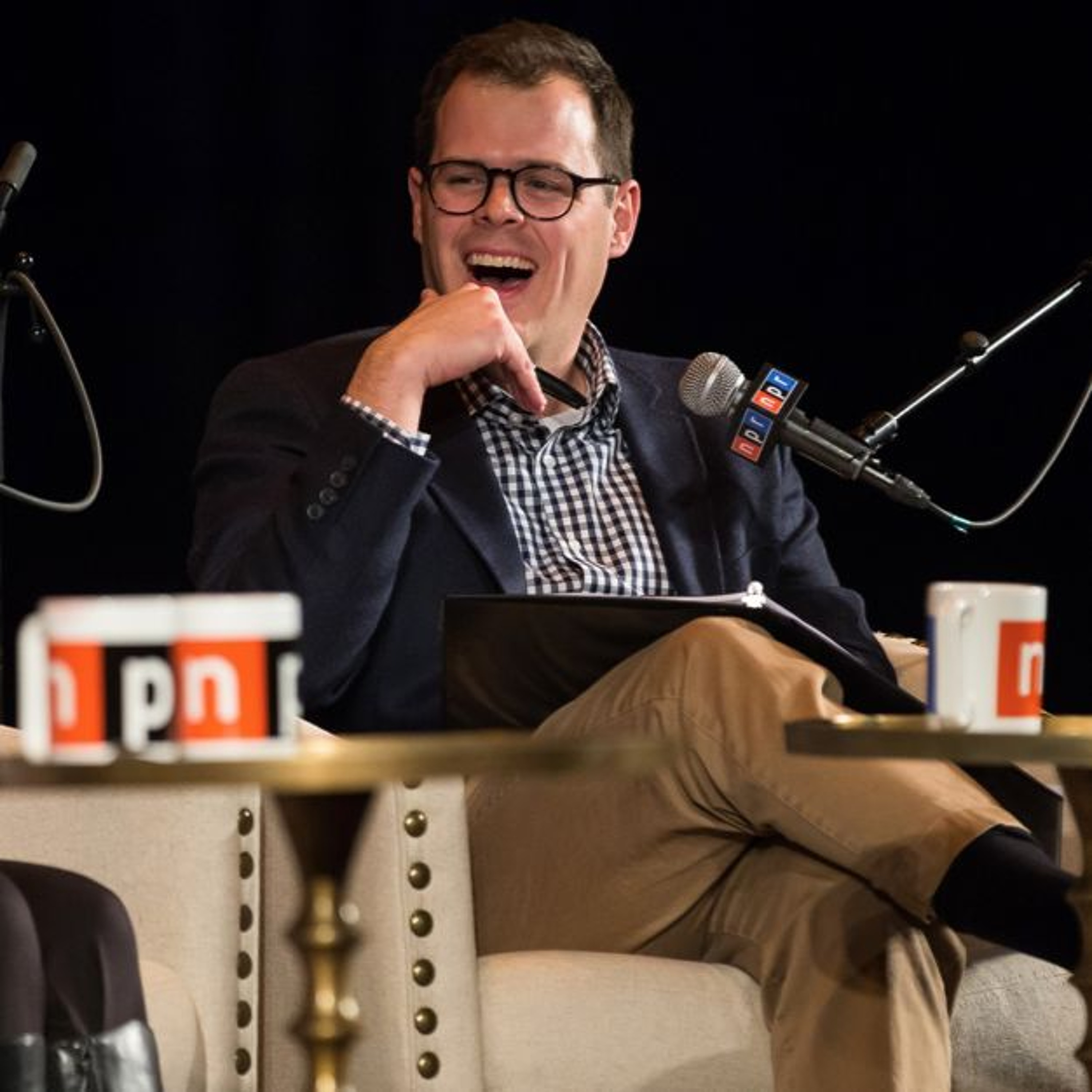
What’s a Journalist To Do When We Can’t Even Agree on the Facts? with Scott Detrow
For the third episode of our pre-election series, we’re going to focus on the role of the media in a democracy. Our guest is Scott Detrow, a veteran radio journalist and a host of NPR’s flagship show All Things Considered. You can usually find Scott hosting the weekend editions of the show on Saturday and Sunday, but this month he’s filling in on the weekday afternoon broadcast. He’s also a host of the Consider This podcast. Scott joined NPR in 2015, and he spent eight years covering national politics. He covered two presidential campaigns, Congress and the White House. Before NPR, Scott was a statehouse reporter in California and Pennsylvania for NPR member stations. He's also Jesuit educated twice over -- an alum of Marquette University High School in Milwaukee and Fordham University in New York. Host Mike Jordan Laskey asked him on the show recently to discuss the state of the news media today, which is just as caught up in the challenges of polarization as the Catholic Church is. We wanted to get his take on the state of journalism today and even just to get back to basics: What is the news media for in a democracy? Why is mistrust of media so high these days? Are there any signs of hope out there? And you can trust Scott on this stuff because he’s thoughtful, hard-working and a great old-fashioned journalist. He wants to tell stories that matter to communities, not to spout his own opinions about the latest hot topic of the day. Because he’s not a pundit, this podcast might be the only time you get to hear him share his thoughts on the media landscape today and why journalism is worth fighting for. Scott Detrow: https://www.npr.org/people/444796749/scott-detrow AMDG is a production of the Jesuit Media Lab, which is a project of the Jesuit Conference of Canada and the United States. www.jesuits.org/ www.beajesuit.org/ twitter.com/jesuitnews facebook.com/Jesuits instagram.com/wearethejesuits youtube.com/societyofjesus www.jesuitmedialab.org/
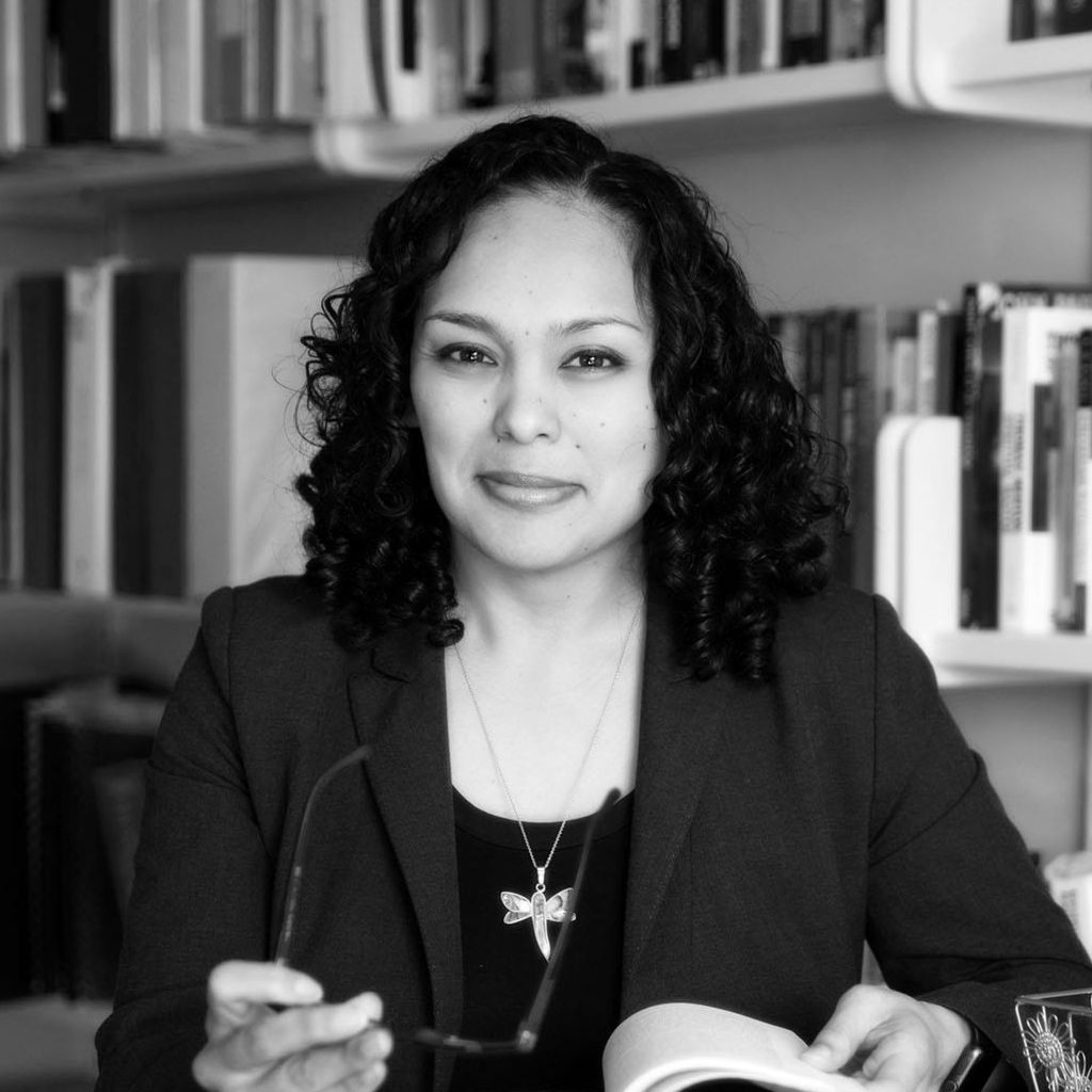
In Faith-Filled Pursuit of Better Politics with Nichole Flores
This is the second in our series on faith and politics leading up to the 2024 presidential election here in the United States. Our guest is Dr. Nichole Flores, one of the most exciting young theologians around. Nichole is an associate professor of religious studies at the University of Virginia, and completed her doctoral study in theological ethics at Boston College. It was tricky to decide what to talk to her about because her work covers so many topics: Her research in practical ethics addresses issues of democracy, migration, family, gender, economics, race and ethnicity, and ecology. She talked with host Mike Jordan Laskey about her background and topics like polarization, faith and politics within the various Hispanic communities in the US, and how we might try to seek out spaces in our daily lives that are not just echo chambers of our own views. It was a wide-ranging discussion and it’s fascinating to see how Nichole brings her intellectual interests together with the very practical day-to-day stuff of family and community living. Dr. Nichole Flores: https://religiousstudies.as.virginia.edu/nichole-m-flores Nichole’s writing at America Magazine: https://www.americamagazine.org/voices/nichole-m-flores AMDG is a production of the Jesuit Media Lab, which is a project of the Jesuit Conference of Canada and the United States. www.jesuits.org/ www.beajesuit.org/ twitter.com/jesuitnews facebook.com/Jesuits instagram.com/wearethejesuits youtube.com/societyofjesus www.jesuitmedialab.org/
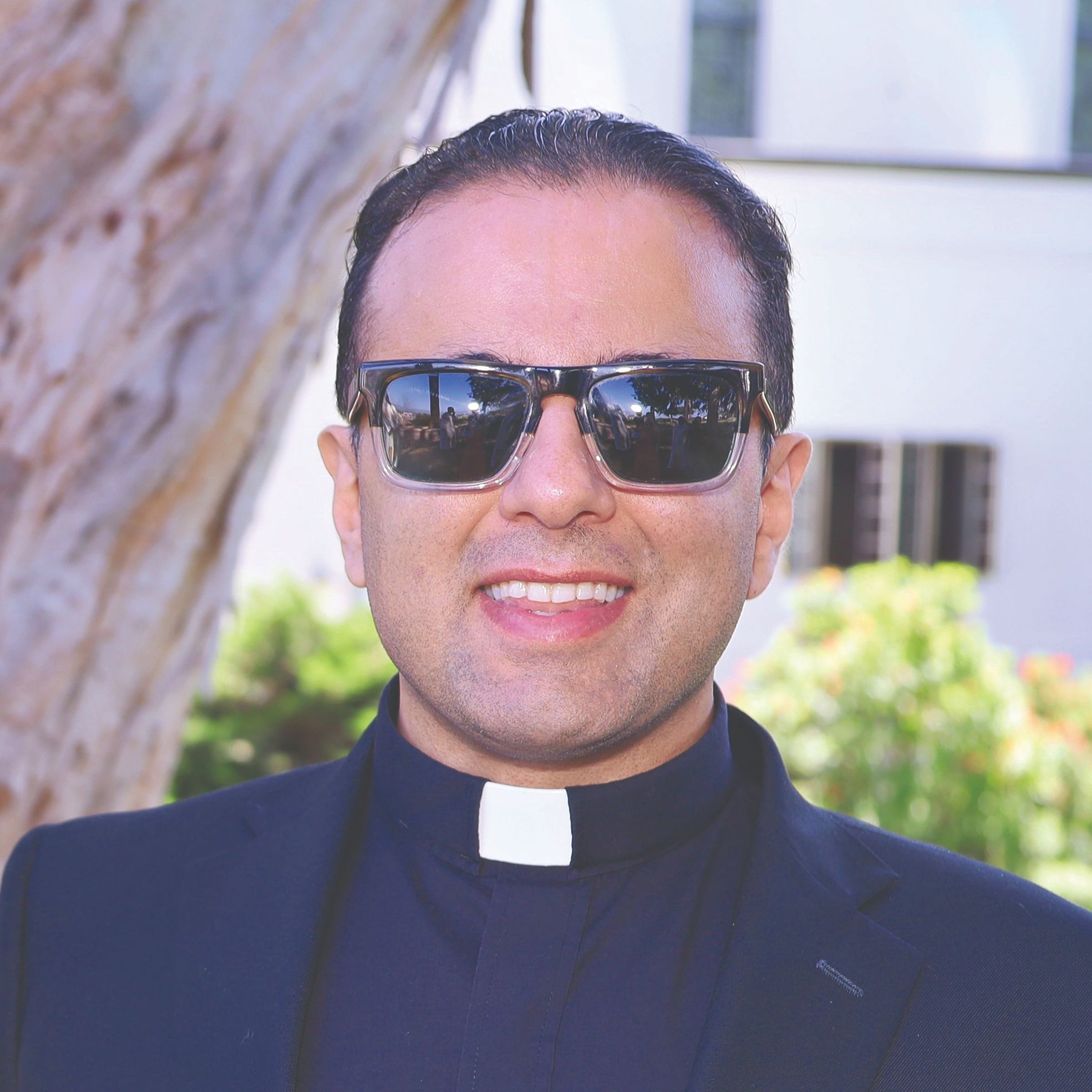
Meet the Lieutenant Governor Who Quit Politics to Become a Jesuit with Cyrus Habib, SJ
It’s October, which means the presidential election here in the US is next month. So here on AMDG we are going to take old that rule about never discussing religion or politics in polite company and throw it in the Potomac River. Our four episodes this month will all cover faith and politics in a variety of ways. We know you don’t come here for political news and analysis, so we won’t be talking about the ins and outs of the election or really all that much about the election itself. Instead, we’re hoping to go deeper into why politics might matter to people of faith in the first place. Our series of guests all come at questions about this stuff from different angles. We’re getting started on today’s episode with the only American Jesuit who served as a state’s lieutenant governor before entering the Society of Jesus. (We didn’t actually look that fact up, but we’re sure it’s true.) Cyrus Habib, SJ, is a Jesuit in the stage of formation called regency. When he entered the Jesuits in 2020, Cyrus had been serving as the State of Washington’s Lieutenant Governor for three years. An extremely successful and popular politician, it was quite possible Cyrus would’ve eventually become the governor of the state. But he gave up his political career for a Jesuit vocation. And these are just two chapters of Cyrus’ incredible life story: the son of Iranian immigrants to the United States, Cyrus lost his eyesight to cancer as an eight-year-old kid. After graduating from Columbia University in 2003, he studied English literature as a Rhodes Scholar at Oxford University then earned a law degree at Yale. He practiced law in Washington State from 2009 until 2017, and during that time was elected to the Washington House of Representatives. It’s safe to say he surprised a lot of people when he walked away from politics to enter the Society. Host Mike Jordan Laskey asked Cyrus about his story and his vocation. They also talked about the value of politics and what from the Church’s tradition we might be able to offer the country to help heal our partisan divides. Cyrus Habib, SJ, on his decision to join the Jesuits in America Magazine: https://www.americamagazine.org/faith/2020/03/19/lieutenant-governor-cyrus-habib-why-i-am-giving-elected-office-and-joining-jesuits AMDG is a production of the Jesuit Media Lab, which is a project of the Jesuit Conference of Canada and the United States. www.jesuits.org/ www.beajesuit.org/ twitter.com/jesuitnews facebook.com/Jesuits instagram.com/wearethejesuits youtube.com/societyofjesus www.jesuitmedialab.org/
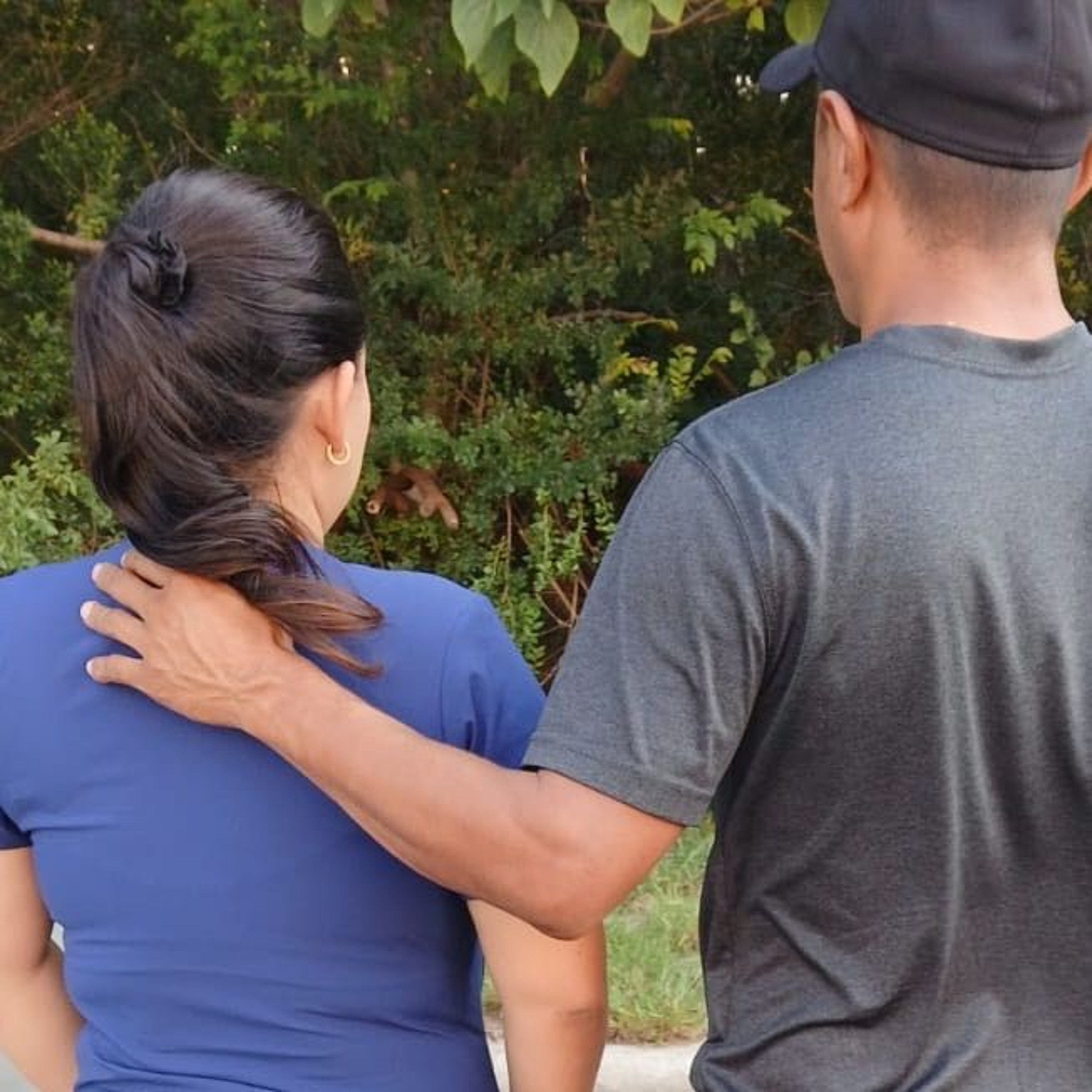
God Walks with His People: Santos & Noehlia
Santos and Noehlia worked with Jesuits in Nicaragua; when the government began to attack the Church, they had to flee. This audio reflection is part of a series marking the World Day of Migrants and Refugees. Over the course of six episodes, we invite you to join migrants in solidarity and prayer. Find supplemental resources for reflection and action here: https://sites.ignatiansolidarity.net/world-refugee-day-website
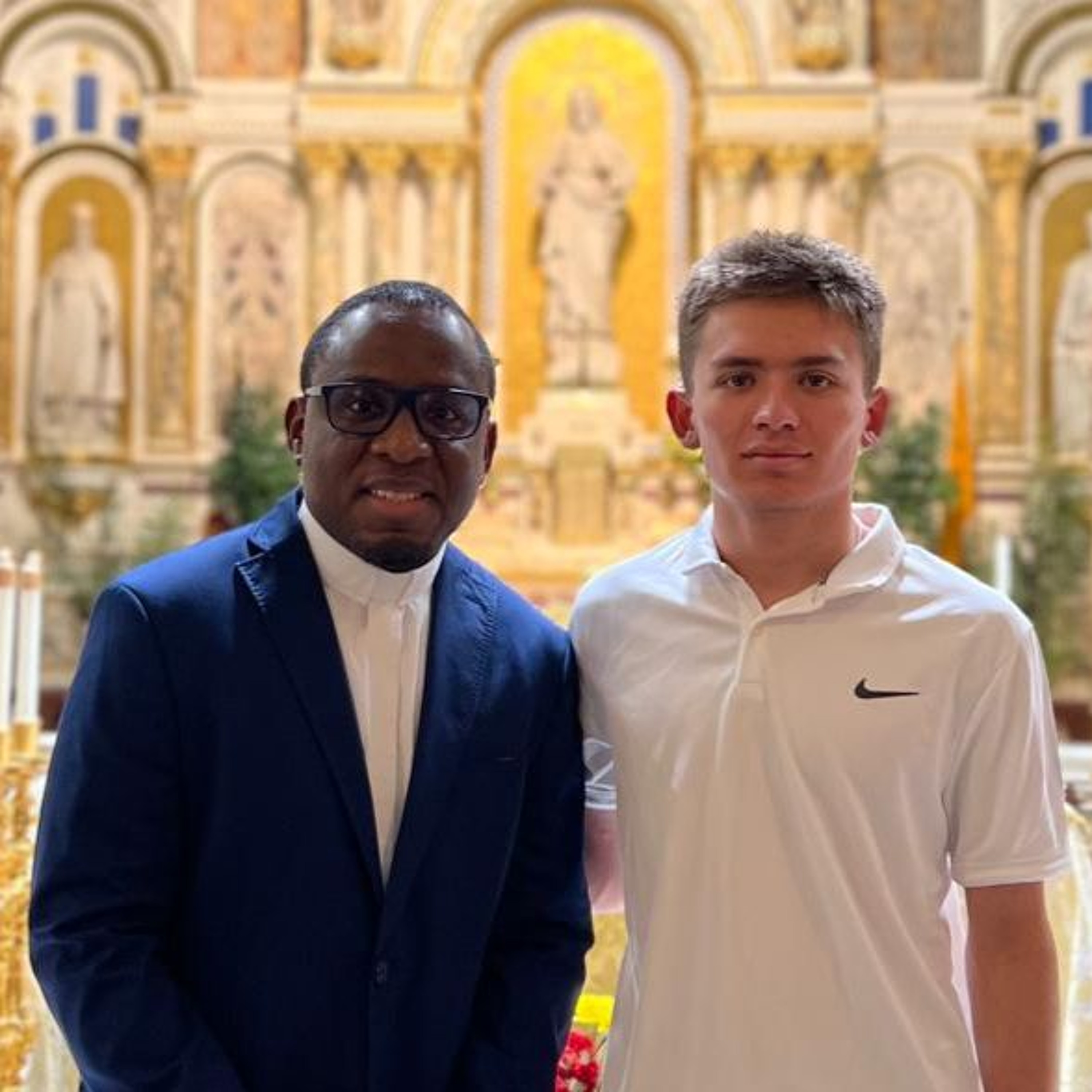
God Walks with His People: Fr. Sudzer & Matthew
Fr. Sudzer and Matthew support migrants at the Jesuit parish in Miami. They both have family members who’ve migrated. This audio reflection is part of a series marking the World Day of Migrants and Refugees. Over the course of six episodes, we invite you to join migrants in solidarity and prayer. Find supplemental resources for reflection and action here: https://sites.ignatiansolidarity.net/world-refugee-day-website
Three Stories: Rock Music for Toddlers, Existential Writer's Block and Imaginary Baseball
Today’s episode is different from anything we’ve ever done. Instead of an interview, we have three audio pieces about what you could call the spirituality of everyday life. What are the things we do to find meaning and purpose within the daily grind? First, host Mike Jordan Laskey tells you about his “kindie rock” band, Down By The Bagel. Then, New York-based writer Kaitlin Campbell shares “You Can Do This,” a story about a big case of writer’s block and her prayer for God to just show her a sign already. Finally, Steve Givens, an author and spiritual director from St. Louis, has a piece about how an imaginary baseball game he played as a kid shaped his spiritual life in ways he only would come to realize decades later. If you’d like to submit us your own proposal for some creative work, check out our pitch guide at JesuitMediaLab.org. AMDG is a production of the Jesuit Media Lab, which is a project of the Jesuit Conference of Canada and the United States. www.jesuits.org/ www.beajesuit.org/ twitter.com/jesuitnews facebook.com/Jesuits instagram.com/wearethejesuits youtube.com/societyofjesus www.jesuitmedialab.org/

Samson: One of the Bible’s Strangest Stories with Mahri Leonard-Fleckman
Sometimes on this show, host Mike Jordan Laskey has topic in mind he’d like to cover and then he goes and finds someone great to talk about it. Other times, he knows he wants to talk to a specific person because they’re brilliant and Mike doesn’t really care what the topic is. Whatever the guest wants to discuss will be interesting. Today’s episode is this latter type of show. Dr. Mahri Leonard-Fleckman teaches at the College of the Holy Cross, where she’s an associate professor in the Departments of Religious Studies and Classics. She’s an Old Testament scholar, and first came on the show about four years ago to talk about the Book of Ecclesiastes and King David. Mike wrote her recently and asked what’s fascinating her these days. And that’s how we have come to have an episode about Samson, that strong guy with the long hair from the Book of Judges. Mahri has been researching the history of Samson, how this bizarre Biblical character came to be and how interpretations about him have shifted through centuries. Mahri’s research has way deeper concerns than the surface-level story of Samson – she uses the story to reflect on the nature of Biblical biography writ large. Where do these larger-than-life characters come from and what do they mean? How do cultures receive and interpret sacred texts over generations? After hearing form Mahri, you won’t think about Samson the same way ever again. Mahri Leonard-Fleckman, Ph.D.: https://www.holycross.edu/academics/programs/religious-studies/faculty/mahri-leonard-fleckman Mahri’s “Ponder: Contemplative Bible Study”: https://litpress.org/Products/PONDERSET/Ponder-Complete-Set?srsltid=AfmBOopdlMpTTpBbZ-ug-XsSwHtMz-zSQYcBLkw3BBr6-h8AcDpI1Szl World Day of Migrants and Refugees Audio Reflection Series: https://sites.ignatiansolidarity.net/world-refugee-day-website AMDG is a production of the Jesuit Media Lab, which is a project of the Jesuit Conference of Canada and the United States. www.jesuits.org/ www.beajesuit.org/ twitter.com/jesuitnews facebook.com/Jesuits instagram.com/wearethejesuits youtube.com/societyofjesus www.jesuitmedialab.org/
Does AI Make You Less Human? This Philosopher Has Answers
Think back to the early days of ChatGPT and generative AI. It was a topic discussed on seemingly every podcast and countless news segments. Nearly every one of them started those segments with some elaborate introduction about the risks and opportunities that the new technology posed, how the way we communicate with one another would be irrevocably changed, how we would no longer be able to differentiate the writing of humans from that of computers. And then, to conclude the intro, the host would say something along the lines of, “Bet you didn’t realize everything I just said was written by ChatGPT.” Don’t worry—we didn’t do that here. All that clunky writing is your host's. But for a second, you were unsure. Even now, you might be wondering if you can trust us, if you can take us at our word. And that, our guest today says, is a problem. Dr. Joseph Vukov is an associate professor of philosophy and the associate director of the Hank Center for the Catholic Intellectual Heritage at Loyola University Chicago. His latest book—and the topic of today’s podcast—is called “Staying Human in an Era of Artificial Intelligence.” Joe points to this erosion of trust as just one of the threats AI poses to our ability to stay human. But he doesn’t stop there. Throughout our conversation, he takes on this idea that just because AI can write something that sounds vaguely human doesn’t at all mean it’s eroding the building blocks of our humanity. All the same, as people of faith responding to the signs of the times, continuing to reflect on AI and its inevitable role in our present and future is important. And that’s what we do today. It’s a fun conversation. If you want to learn more about Joe and his work, visit josephvukov.com and check out the links below. Get his book: https://www.amazon.com/Staying-Human-Era-Artificial-Intelligence/dp/1565485998 Learn about his course: https://www.scienceforhumans.com/
Transforming Lives Behind and Beyond Prison Walls with Fr. Zach Presutti, SJ
There aren’t that many times in the Gospels when Jesus tells his disciples how they might act if they’re hoping to get to heaven one day. When Jesus does indeed get that direct, it’s probably a smart idea to pay attention. And probably the most famous example of this sort of Jesus talk comes in the 25th chapter of Matthew’s Gospel. It’s the Last Judgment story, the one about the sheep and the goats. Jesus tells his friends that whenever they feed the hungry, give drink to the thirsty, welcome the stranger, clothe the naked, care for the sick or visit the prisoner, they are caring for Christ himself. He makes a radical one-to-one identification with people who suffering and oppressed. Perhaps the most challenging category of person listed in Matthew 25 is the prisoner. Because Jesus doesn’t just say you can find him in unjustly held prisoners. He just says prisoners. If you want to see Christ, he seems to be saying, look into the eyes of someone on death row. That’s a privileged place to find Jesus, important enough to make it into this dramatic story in the Gospel. Our criminal justice system is certainly not set up to treat prisoners as if they were reflections of the Lord’s face. But our guest today is the founder of a Catholic organization that’s working hard to make world a bit closer to God’s dream for it. Fr. Zach Presutti is a Jesuit priest and the founder and executive director of the Thrive For Life Prison Project. In 2017, before his ordination to the priesthood, Zach founded Thrive For Life with a mission to transform lives both behind and beyond prison walls. In jails and prisons, Thrive For Life offers thousands of men and women in New York and Wisconsin retreats and spiritual direction rooted in Ignatian spirituality. On the outside, the organization is growing a network of houses of study for returning citizens to live in community while receiving holistic support services. Recently, Fr. Zach was nominated as one of three finalists for the prestigious Opus Prize, hosted this year at Santa Clara University. The Opus Prize is given to recognize unsung heroes, anywhere in the world and from a variety of faith traditions, solving today’s most persistent social problems. All Opus finalists receive gifts of $100,000, with the winner receiving $1 million. When host Mike Jordan Laskey spoke with Fr. Zach recently, he asked him to share the story of how Thrive For Life got started and why he thinks it has grown and thrived the way it has. Fr. Zach shared his reflections on working in prison ministry and why he finds it to be such an enlivening mission. While he’s a humble guy who deflects praise and is always quick to lift up members of Thrive For Life’s team and network, we couldn’t help but be struck by Fr. Zach’s passion, energy and vision. We think you’ll enjoy getting to know him a bit. Thrive For Life: https://thriveforlife.org/ The Opus Prize: https://www.scu.edu/news-and-events/press-releases/2024/july-2024/santa-clara-university-announces-opus-prize-finalists.html AMDG is a product of the Jesuit Media Lab, a project of the Jesuit Conference of Canada and the United States. www.jesuits.org/ www.beajesuit.org/ twitter.com/jesuitnews facebook.com/Jesuits instagram.com/wearethejesuits youtube.com/societyofjesus www.jesuitmedialab.org/