
Afropop Worldwide
529 episodes — Page 9 of 11

Randy Weston, A Jazz Life with the African Ancestors
Jazz legend, Randy Weston left us on September 1, 2018. He, more than any contemporary jazz artist, understood, honored and explored the roots of American music in Africa. He lived there, traveled there often, and spoke of his connections to his African ancestors in every interview during his 92 years. In this program, we revisit our musical conversation with Weston in 1998, and sample some of his late solo piano recordings. APWW #789 Produced by Banning Eyre
French Afro-Colonial Memory and Music
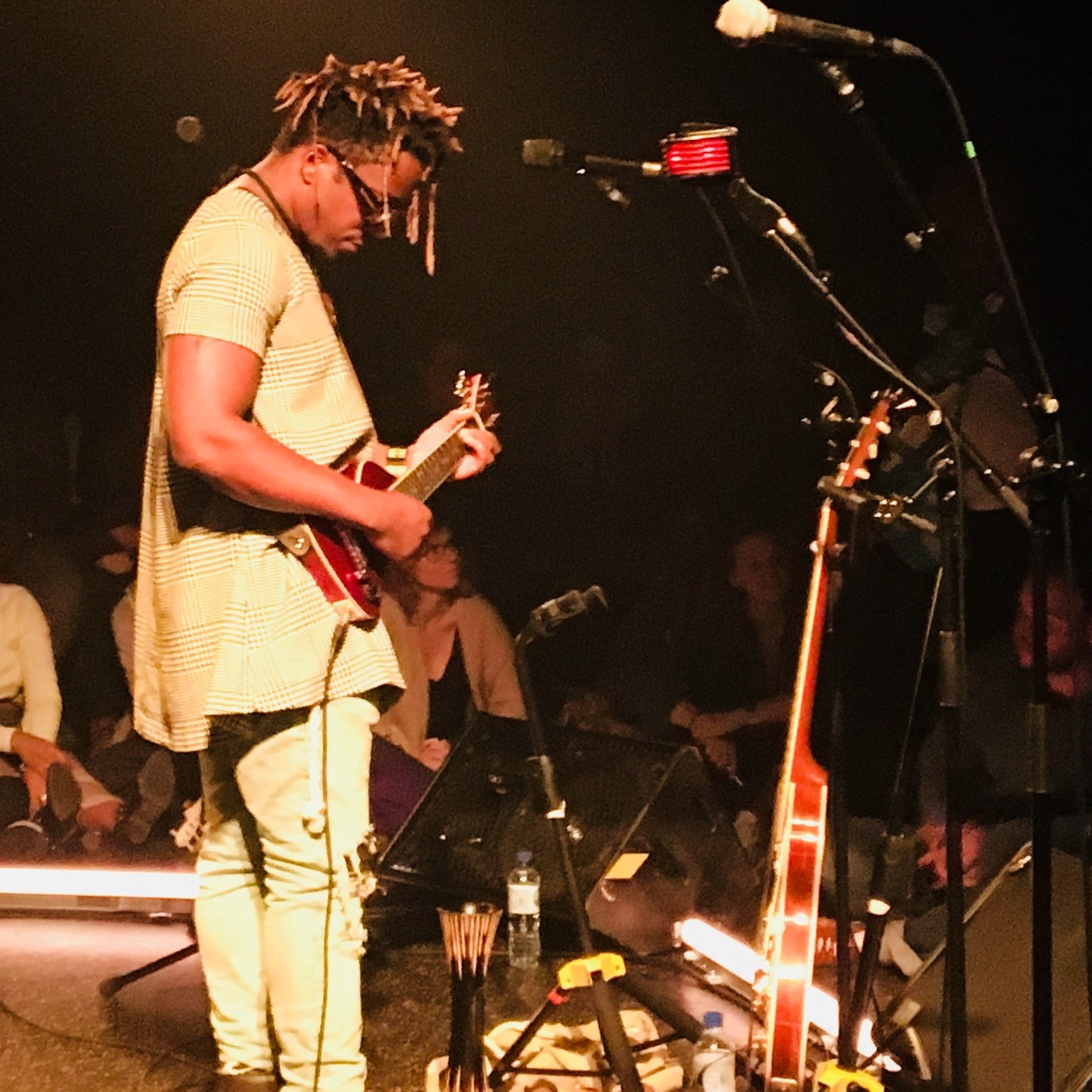
France has a pretty unique relationship to its former colonies, sharing a strong common history and a common language, but also painful episodes not really taught at school—neither in France nor in Africa. In France and in French-speaking African countries today, there is a new generation of artists and promotors who are ready to tell history with music. They are unearthing unknown periods of French colonial history. In this show, we'll hear about dark times of Franco-African history, specifically from Cameroon before its independence. We'll dig into memories and secrets, and hear echoes from the tropical forest where bodies and facts were hidden, with artists who are tackling fault lines of France's colonial past and unearthing harsh reality with sweet voices such as singer Blick Bassy who released a new album 1958, a tribute to the freedom fighter Rubem Um Nyobe.

Afropop Worldwide - The Origin Story
As Afropop Worldwide marks the week of its 30th anniversary on the public airwaves, we take a look at the story that led up to the program’s creation. We hear excerpts from the podcast A Show of Hearts profiling the program’s founders Sean Barlow and Banning Eyre. And host Georges Collinet recalls his audition for the job that has shaped three decades of his storied life. And of course, we will hear highlights from the music that has made Afropop Worldwide one of the longest running music programs in public radio history. Produced by Banning Eyre APWW #791

Barrio Colón to Brooklyn
The clave cuts the air, the drums triangulate in endless conversation, the singers push their voices over the rhythm, competing with daring improvisations, while a pair of dancers tease and provoke, shifting across the small space between singers and drummers: This is an Afro-Cuban rumba, a communal form of Afro-Cuban folkloric music that continues to be a crucial part of the musical life of New York City. From the inclusive to the exclusive, we also experience an original group interpreting Afro-Cuban sacred music through jazz explorations. In this podcast, we hear from two Cuban musicians, Anier Alonso and Melvis Santa, who are adding their unique voices to the New York Afro-Cuban music scene, pushing things forward with tireless creative energy. Produced by Ricardo Luiggi and Morgan Greenstreet. Photo by Carla A. Tomassini Quijano www.carlaojo.com Hear full interviews, in Spanish with Anier and Melvis: https://soundcloud.com/zonalibredjs/anier-alonso-entrevista https://soundcloud.com/zonalibredjs/melvis-santa-entrevista
Doing It For the Art: Manolo Raps in Cape Verde
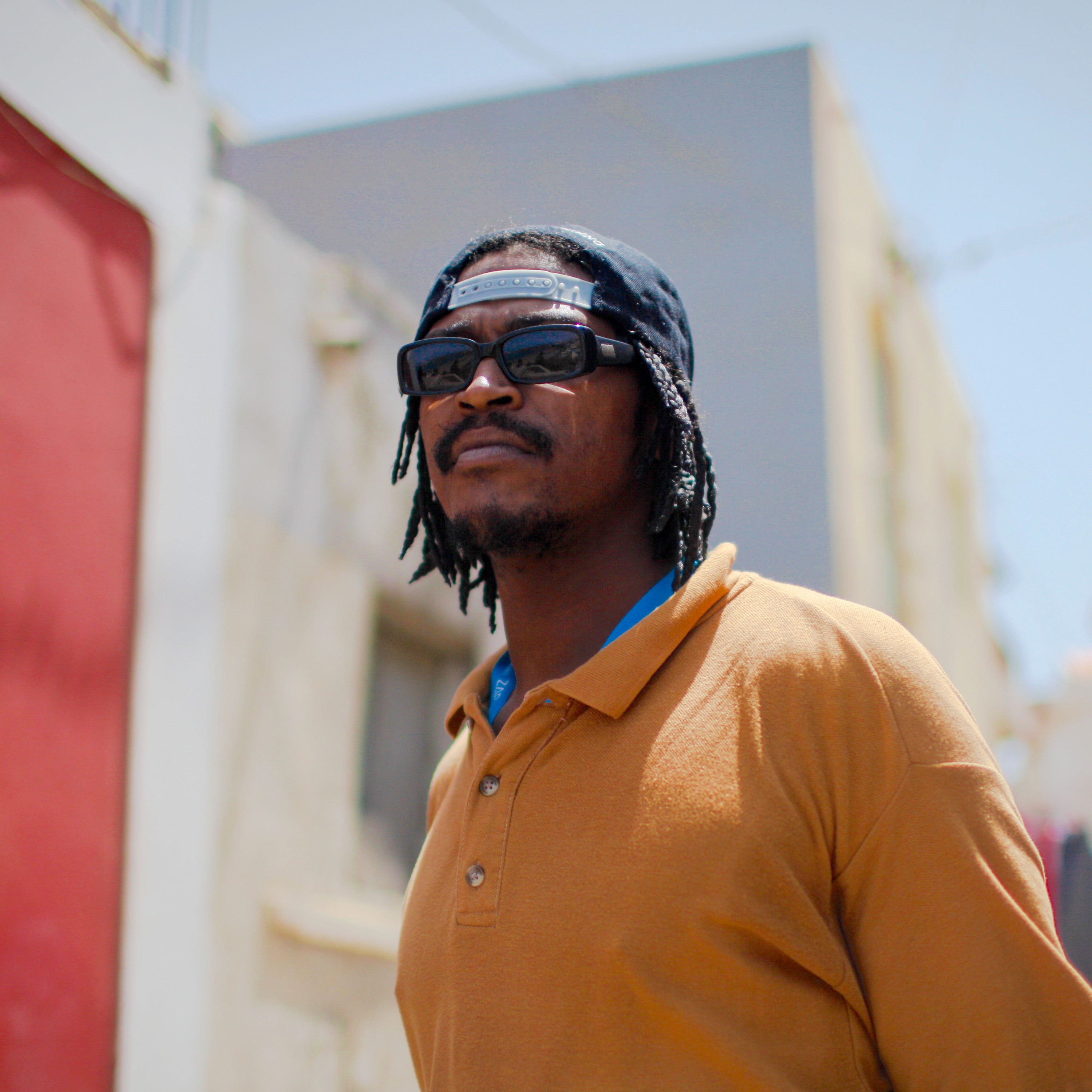
At the 2019 Atlantic Music Expo in Cape Verde, Afropop's Sebastian Bouknight met Manolo, a longtime rapper who is trying to find a foothold in the country's overcrowded music scene.
The Cumbia Diaspora - From Colombia to the World
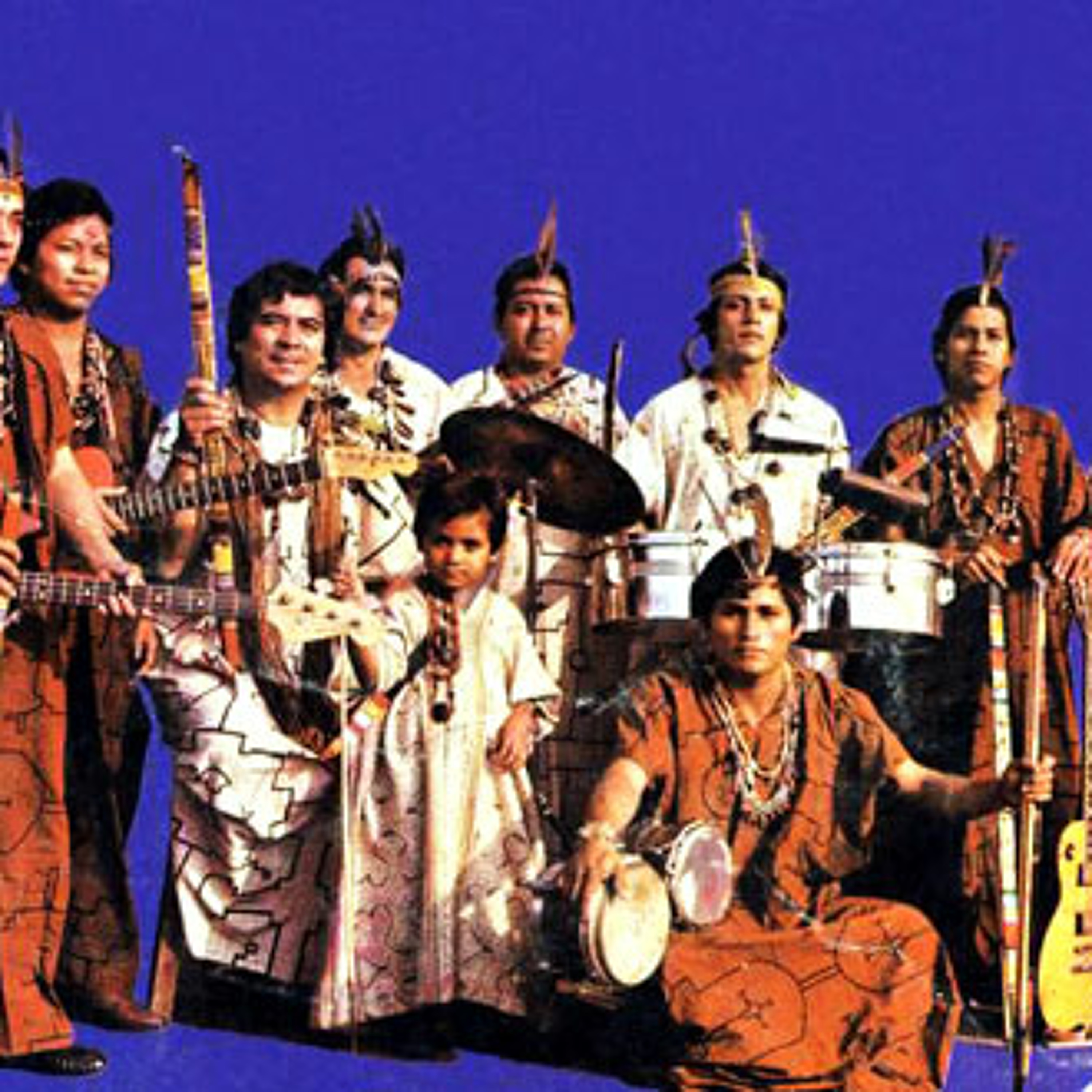
Move over salsa and merengue–cumbia is the most popular music in Latin America. Today, cumbia is played from the borderlands of Texas down the spine of the Andes to the tip of Tierra del Fuego. In this Hip Deep edition, we find out how cumbia left Colombia in the ‘60s and ‘70s and traveled to other countries. Everywhere it went, it transformed itself, adapting to its new environment. In Peru, it mixed with psychedelic guitar effects and Andean sounds to become chicha. In Argentina, it became the expression of a new generation of restless youth in the burgeoning slums of Buenos Aires. And in Mexico, it became so instilled in the local culture that some have forgotten that it came from Colombia in the first place. Through extensive interviews with experts and musicians, we discover how cumbia and its many transformations tell us the story of Latin America in the late 20th century. APWW # 606 [Produced by Marlon Bishop. Originally aired Jan. 3, 2011]

Afropop Goes to the Grammys
Reporter Dan Rosenberg takes us to the Grammy Awards ceremony in Los Angeles and speaks to the nominees in the World Music category, Fatoumata Diawara, Bombino, The Soweto Gospel Choir, Seun Kuti and Yiddish Glory, about how they are using their voices to combat human rights abuses, political corruption, genocide and violence against women.
More African Guitars
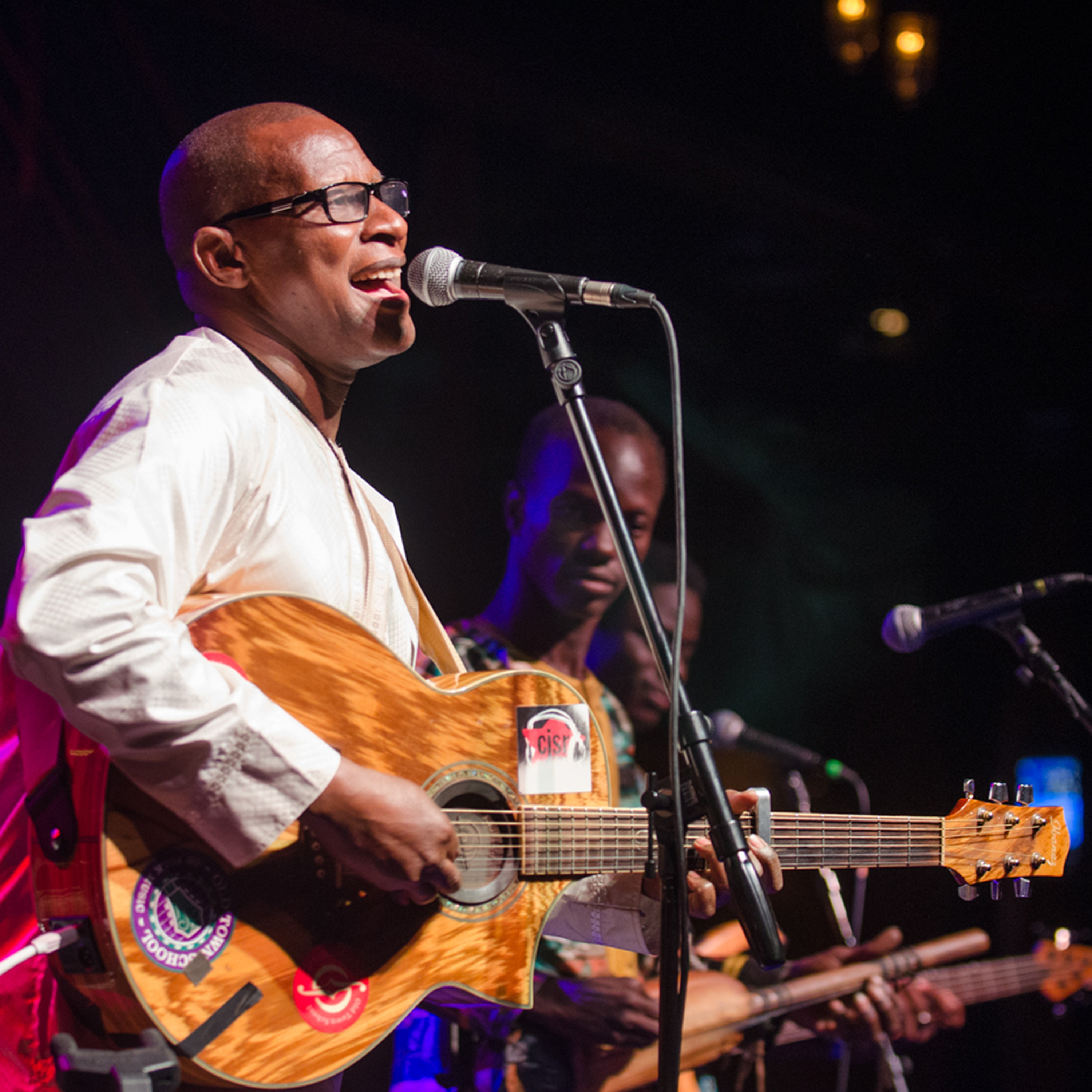
The guitar music of Africa is eternal! Despite the rise of Afrobeats, Afro-house, hip-hop and techno, the continent still turns out inventive and thrilling string pickers. This music-rich program features shredding desert-rock axemen and filigree griot guitarists from Niger and Mali, as well as new sounds from the Congo, Zimbabwe and Madagascar. We’ll also travel to rural Botswana to meet itinerant guitarists who have gained a worldwide following through eye- and ear-popping YouTube videos. Some of their new music is now out on a unique compilation called I’m Not Here to Hunt Rabbits. We’ll hear the sweet, raw sounds and their surprising stories, and discover a whole new way of playing the world’s most versatile string instrument. APWW #786 Produced by Banning Eyre
Lazarus - Messenger of Hope
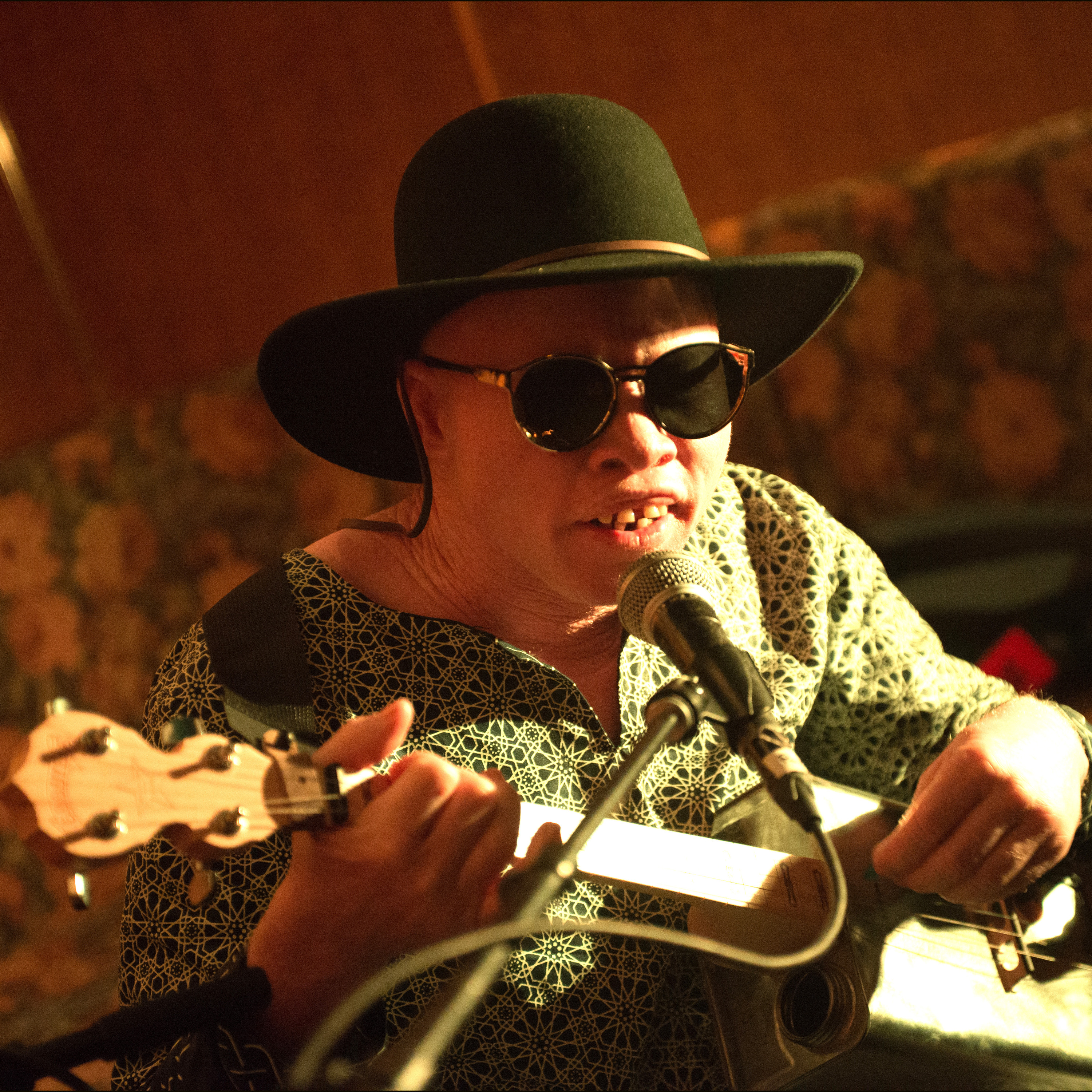
The plight of albinos in Africa is a sad story. Occult beliefs make them the targets of kidnapping, killing and mutilation. But in Malawi, an exceptionally talented street musician named Lazarus is making a stand in defence of fellow albinos, and he's doing it with music. Lazarus's debut album Stomp the Devil will be released in August, 2019. Producer Banning Eyre takes us inside Lazarus's life and music and explores his surprising tale of survival and activism. This is the season premiere of Afropop Closeups--shorter pieces made specifically for podcasting, which will come out every other week over the summer.

What's New at WOMEX
The annual WOMEX gathering is a feast for the eyes and ears. At the 2018 edition in Las Palmas, Gran Canaria, over 300 artists performed in 60 official showcases. Afropop Worldwide recorded both intimate exclusive sessions and official showcases. We also interviewed globetrotting artists: Moonlight Benjamin (Haiti/France), Dawda Jobarteh(Gambia/Denmark), Tita Nzebi (Gabon/France) and Serge Ananou (Benin/France). And, we collected a load of new releases from artists you know, like Salif Keita, and some you don’t, but will be happy to discover. This is our second WOMEX 2018 program, a music-filled hour of music and impressions from the world’s greatest gathering of global music movers and shakers. Produced by Banning Eyre. APWW #796
From Haiti to the World
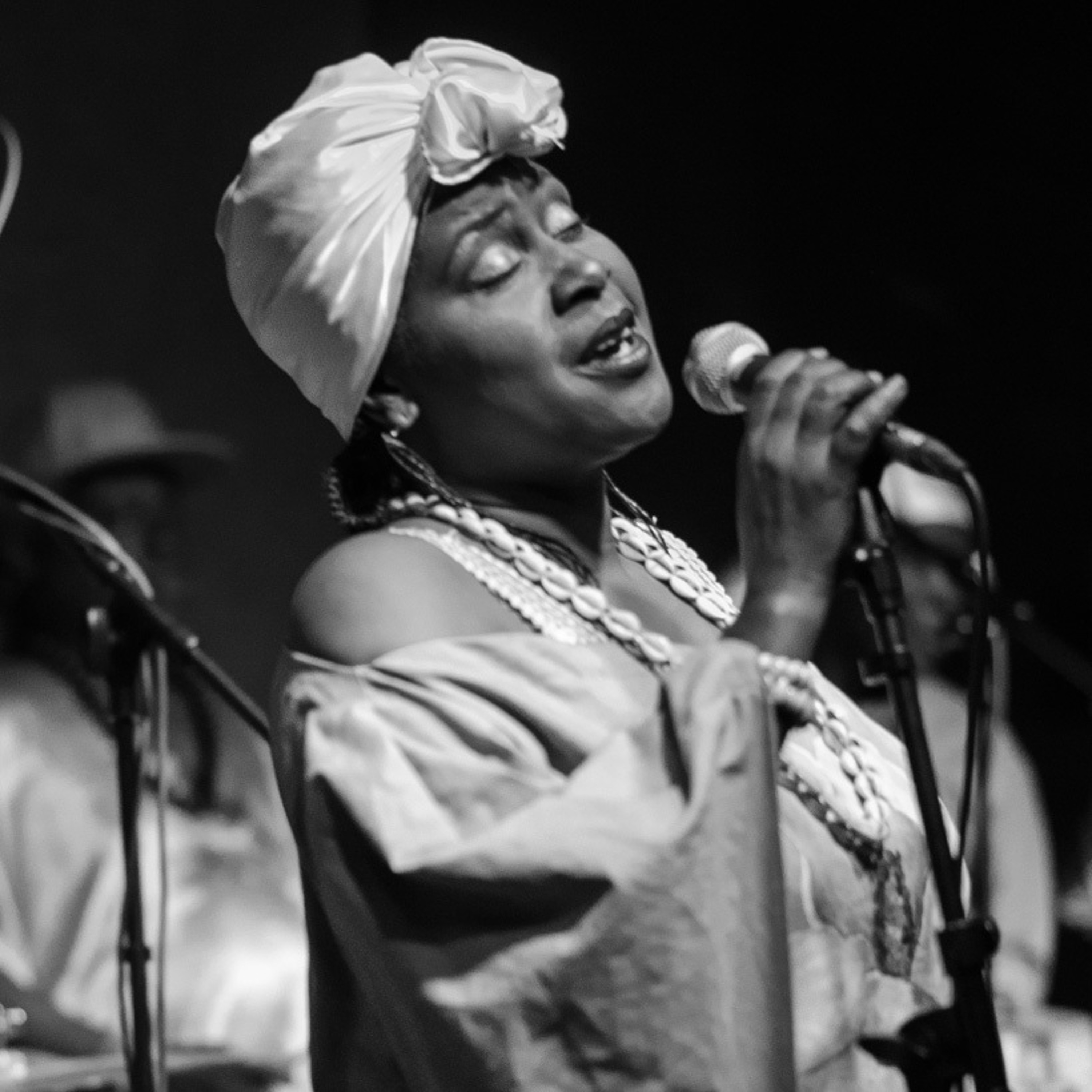
From Paris to New Orleans and Boston, Haitian musicians are shaking up the music scene. The island’s powerful Africa-rooted culture—from celebratory rara and sensuous kompa to the deep well of vodun songs—has become a global force. In this program, we spend time with racine music veteran Lolo Beaubrun of Boukman Eksperyans, and his rising star son, Paul Beaubrun, both on a swing through New England. We also meet Paris-based Moonlight Benjamin, and hear recent New Orleans-tinged music from Lakou Mizik and RAM. Finally, we meet Tjovi Ginen, a pan-African band featuring the provocative and humorous spoken words of Boston-based Haitian educator and animator Daniel Laurent. A romping update on all things Haitian. [APWW #806] Produced by Banning Eyre.

Pedras, Melos, and Radiola - Brazilian Reggae in Sao Luis do Maranhao
São Luís do Maranhão is one of the poorest and most ethnically-diverse cities in Brazil. In this old slave port, located in the far northeast of the country, a thriving reggae scene has wielded disproportionate influence since the 1970s, based on an overarching taste for obscure roots reggae from the Jamaican countryside and vintage lover’s rock from the urban spaces of black Britain. The music spread through the local sound systems, known as radiolas, fueling a bolero-like dance style which has contributed to the construction of a unique local identity in a city now dubbed the “Brazilian Jamaica.” Produced in São Luís by David Katz, this program explores how reggae became embedded in São Luís’ consciousness, cutting across boundaries of race, class, age, gender and language. Photo © David Katz APWW #805
Afro-Roots Fest in Miami
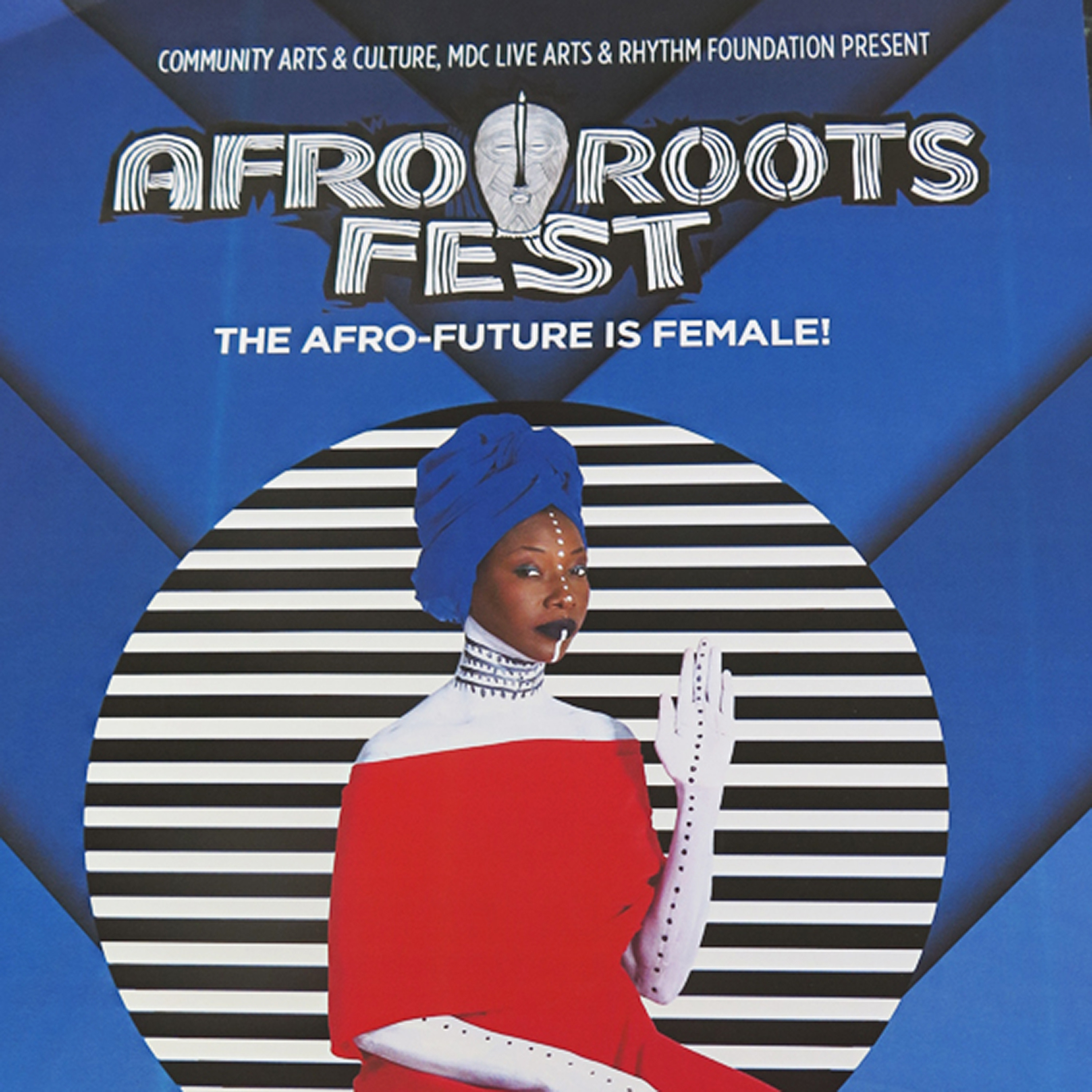
We go to Miami to enjoy highlights from the 21st annual Afro Roots Fest at the the North Beach Bandshell. Co-headliners are the sublime griot singer Noura Mint Seymali from Mauritania and the Grammy-nominated diva Fatoumata Diawara from Mali. Noura graces us with special backstage performance of the ancient harp, ardine. And Fatoumata sings a capella, showing us what she says is "her voice as a traditional instrument." We also hear local artists Jose Elias of Cortadito and the Grammy-nominated Danay Suarez. Along the way, we take a tour of Miami's lively local radio. Afro Roots indeed! Produced by Sean Barlow and Banning Eyre.

A Visit to Afro-Sweden
Afro-Sweden? Who knew? Over the past 60 years, a number of musicians from Africa and its diaspora have come to base themselves, or have been born, in Sweden. And recently, they have emerged as a collective voice in Swedish society. From the acoustic Mande folk of Sousou and Maher Cissoko, to the kaleidoscopic hip-hop of Timbuktu, and the smooth soul-pop of Swedish-born, Gambian-descended Seinabo Sey, there’s definitely something happening in Scandinavia. On this program we speak with and hear recent music from a wide range of African and diasporic artists in Sweden, and get context from ethnomusicologist Ryan Skinner, who has immersed himself deeply in the Afro-Swedish scene for the past 15 years. Produced by Banning Eyre and Ryan Skinner.

Zimbabwe After Mugabe
A lot has happened since Afropop last visited Zimbabwe. The 37-year regime of Robert Mugabe has ended, and Thomas Mapfumo, the Lion of Zimbabwe, has staged a triumphant return concert after a 14-year absence. Meanwhile, the country’s youth now moves to the groove of Zim-Dancehall from the likes of reigning star Winky D, and gospel-trad roots music from Jah Prayzah. On this program, we catch up with all these new sounds, hear the latest from Oliver Mtukudzi, and meet one of the most creative singer/songwriters on the scene these days, Victor Kunonga. Produced by Banning Eyre. APWW #781 Originally broadcast June 2018.
Congolese Music - The 5th Generation
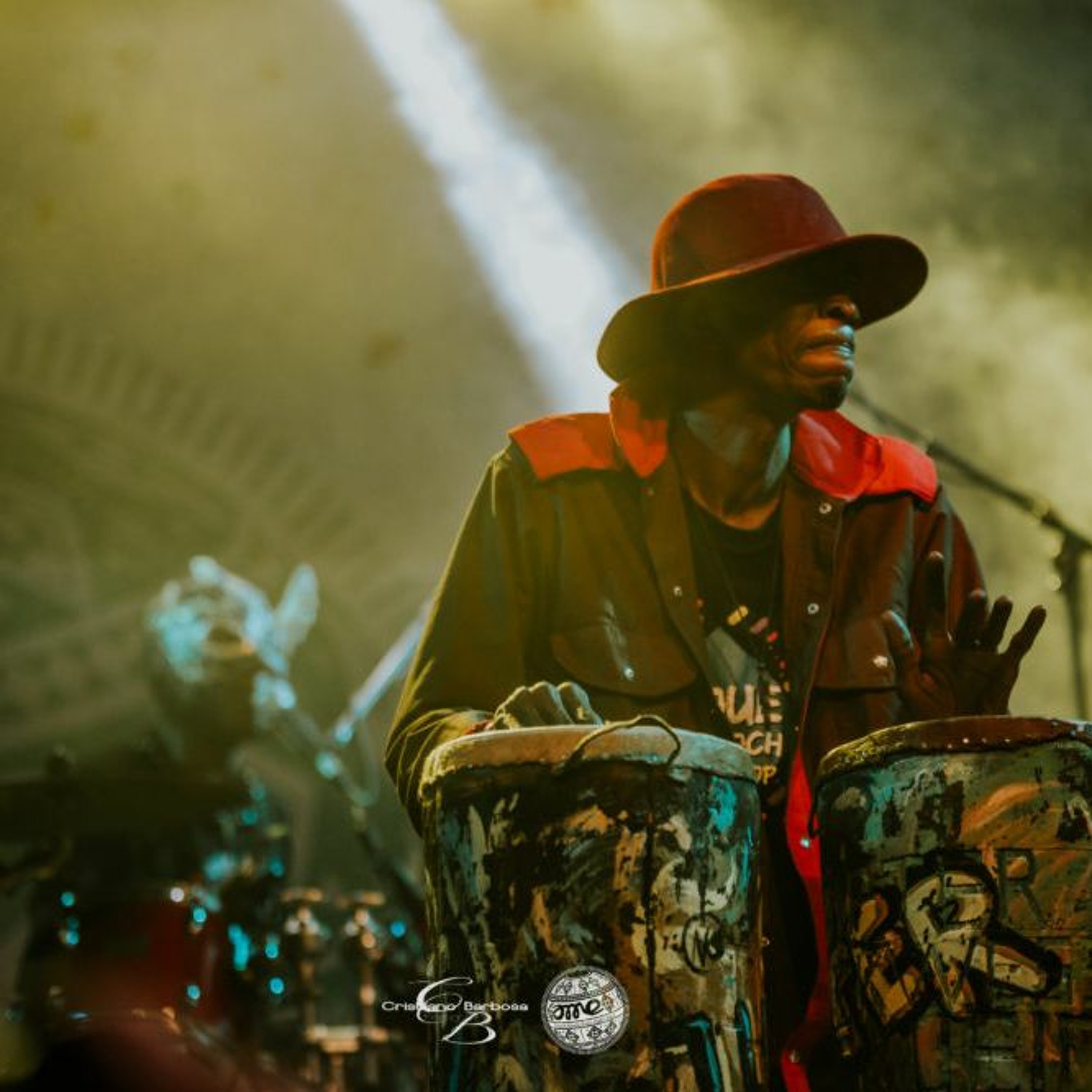
In the early 2000s, Afropop told the story of “Four Generations” in Congolese music—from rumba and rumba-rock to soukous and ndombolo. Now time has marched on, and once again, thrilling new sounds are emerging from Kinshasa and its global diaspora. We’ll hear hyperkinetic roots-rock from Jupiter and Okwess, Fally Ipupa’s embrace of the current Afrobeats trend, experimental innovations from Pierre Kwenders in Montreal, and more. We’ll also speak with Congolese music connoisseur Lubangi Muniania for insights into the latest trends from one of Africa’s greatest musical powerhouses. Produced by Morgan Greenstreet APWW #777
WOMEX Radio Live!
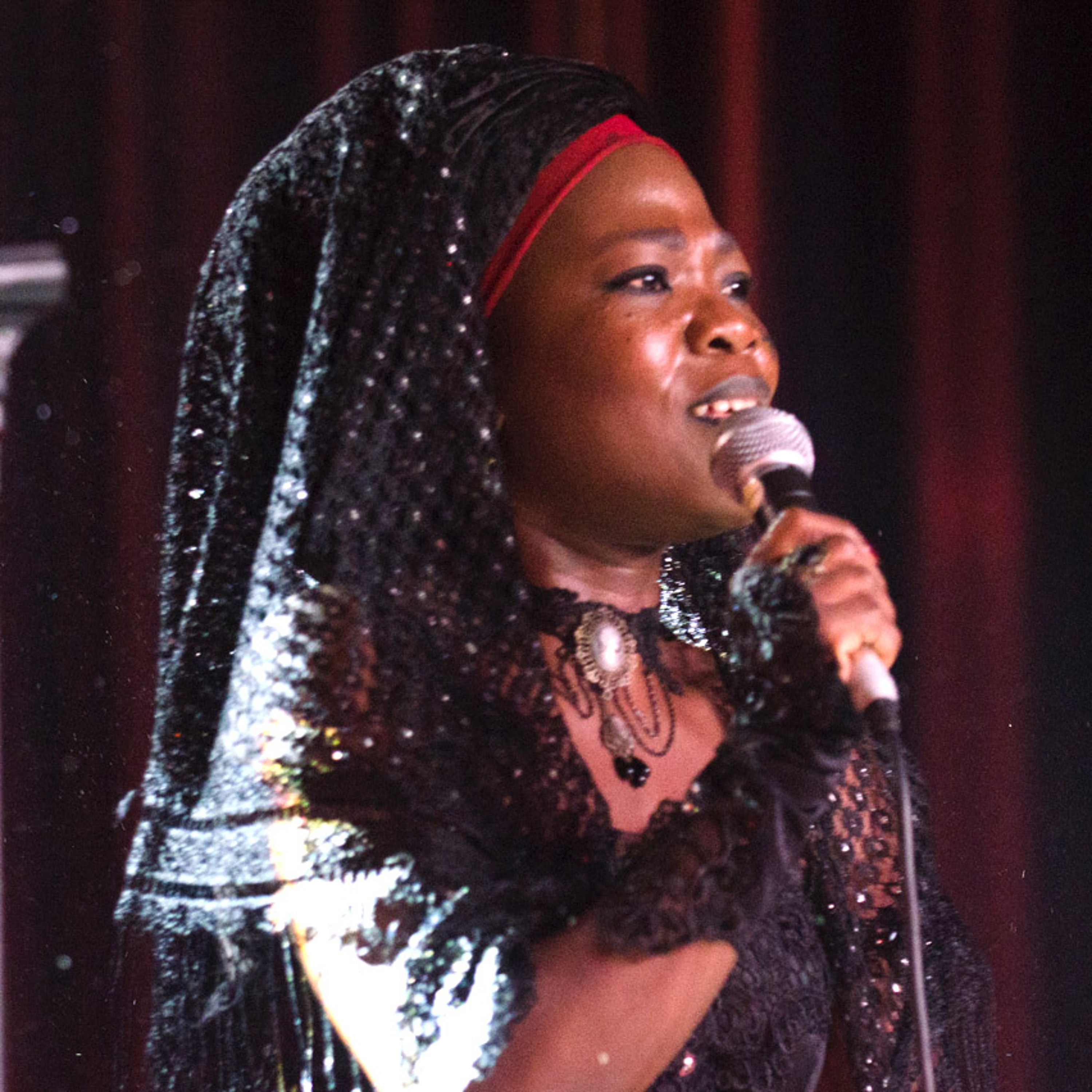
The 2018 edition of the world music exposition WOMEX went down in Las Palmas, Gran Canaria, in the Canary Islands with 300 artists and 2700 delegates from 92 countries. There was a lot to chew on. But one of the hidden wonders of WOMEX is the intimate European Broadcast Union radio studio. That’s where Afropop Worldwide and KEXP, Seattle, hosted four of the showcase acts up close and personal. On this program we hear radio sessions with Bakolo Music International, the oldest Congolese Rumba band alive; the Garifuna Collective, the band created by Garifuna music legend Andy Palacio; and Harouna Samake with Kamele Blues, a brand new band from a veteran Malian instrumentalist. Plus one or two surprises. This is the first of Afropop’s two-part coverage of the musical extravaganza that is WOMEX. Produced by Banning Eyre. [APWW #795]
The Gqom Generation of Durban, South Africa
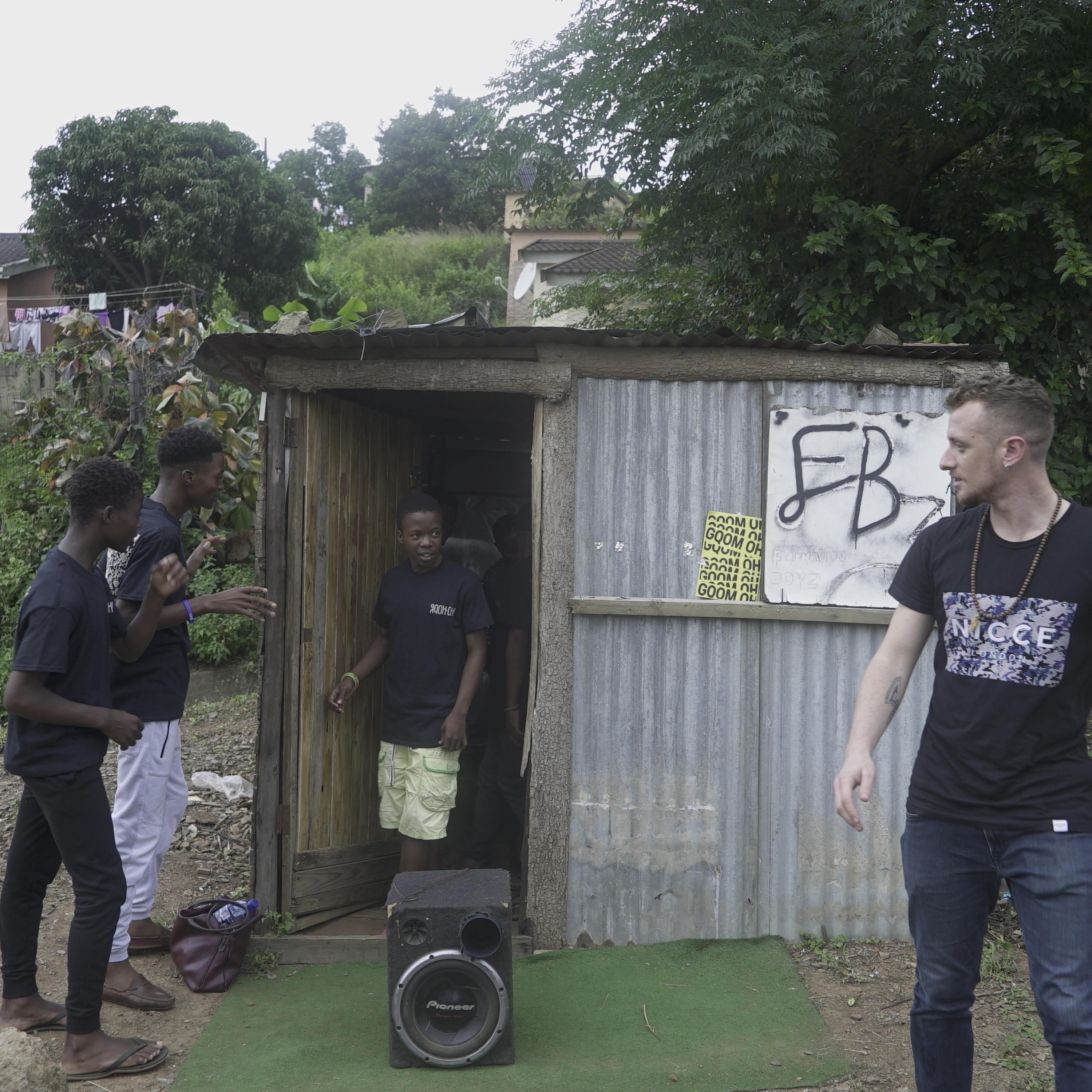
The latest music craze to hit South African dance floors is a dark, pulsating and energetic sound called gqom. For the past seven years, a young and technologically skilled generation in Durban, KwaZulu Natal, has created and finessed a sound that has the world hooked and wanting more. It is an entire cultural movement complete with distinctive dance moves and styles. We talk to some of the deejays and young producers of this genre, like DJ Lag, Citizen Boy and Distruction Boyz, as well as Gqom Oh! record label owner Francesco Nan Kolè to understand where gqom originated, how it’s made and where it’s going. We also look at how this rough and raw party music has evolved to accommodate a more commercial market. Produced by Akornefa Akyea APWW #784

Plenty Bacchanal - Carnival in Flux
Trinidadians call their annual Carnival "the greatest show on earth," and with good reason. The Carnival season brims over with art and music: steelpan, calypso, soca and extravagant masquerade costumes. In this program, we take a look at how these Carnival arts are kept alive in today's Trinidad. At this moment in time, Carnival is in flux. Commercialism is in tension with creativity; global outlooks conflict with local identity. But, through it all, life goes on and excellent music flows. Open your ears to some life-giving music and conversations about Trinidad and its brilliant bacchanal. Produced by Sebastian Bouknight APWW #774
globalFEST 2019 at the Copacabana
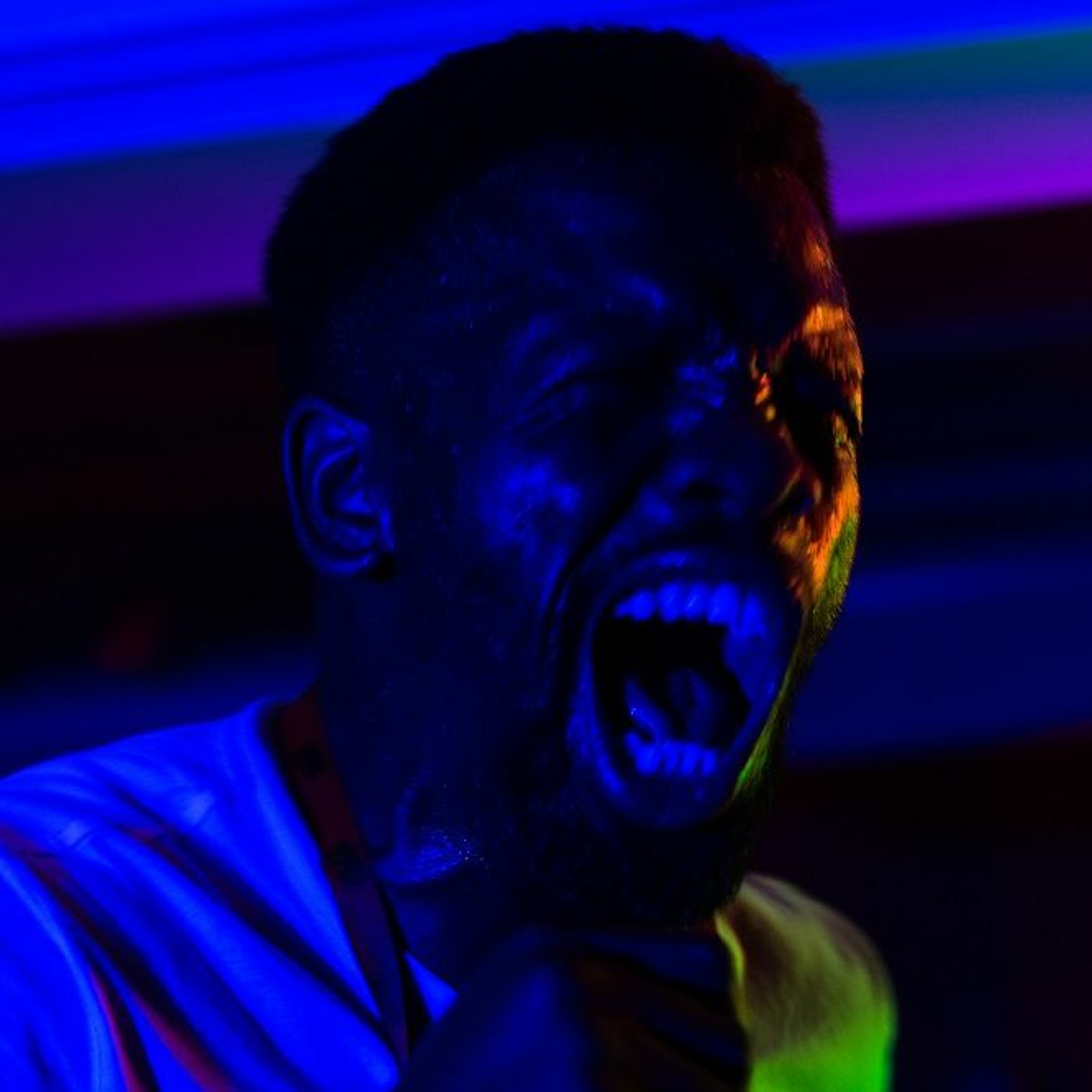
With Mardi Gras Indians straight out of New Orleans, Afro-Futurism coming from Mozambique via Dusseldorf, dub-inflected Colombian cumbia , gritty psychedelic South African punk and a grand Cuban mambo band, New York’s annual celebration of cultural music was back with a vengeance at the Copacabana. Sit down with Gato Preto, Orquesta Akokan and BCUC and stand up to dance with the rest. Produced by Ben Richmond. 799 globalFEST 2019

Mande Meets Mbalax in Dakar
Afropop returns to Dakar, Senegal to catch up with the latest in that country's dominant music style, the bracing, dynamic genre known as mbalax. We'll hear the latest from Youssou N'Dour, Wally Seck, Pape Diouf and others, and meet lesser known artists working the Dakar scene. We'll also meet a remarkable artist from Senegal's southern Cassamance region, where Mande culture akin to that in Gambia, Mali and Guinea prevails. Noumoucounda Cissoko is a brilliant kora player and singer who now makes his home in Dakar, fusing his Mande roots with sabar drumming, mbalax energy and other influences. We'll speak with him, sample his diverse work and hear him rocking a Dakar street wedding. The thrilling ambiance of this most creative musical city comes alive in this program. Produced by Banning Eyre. APWW #798
Cuts From the Crypt 4 - Zona Libre
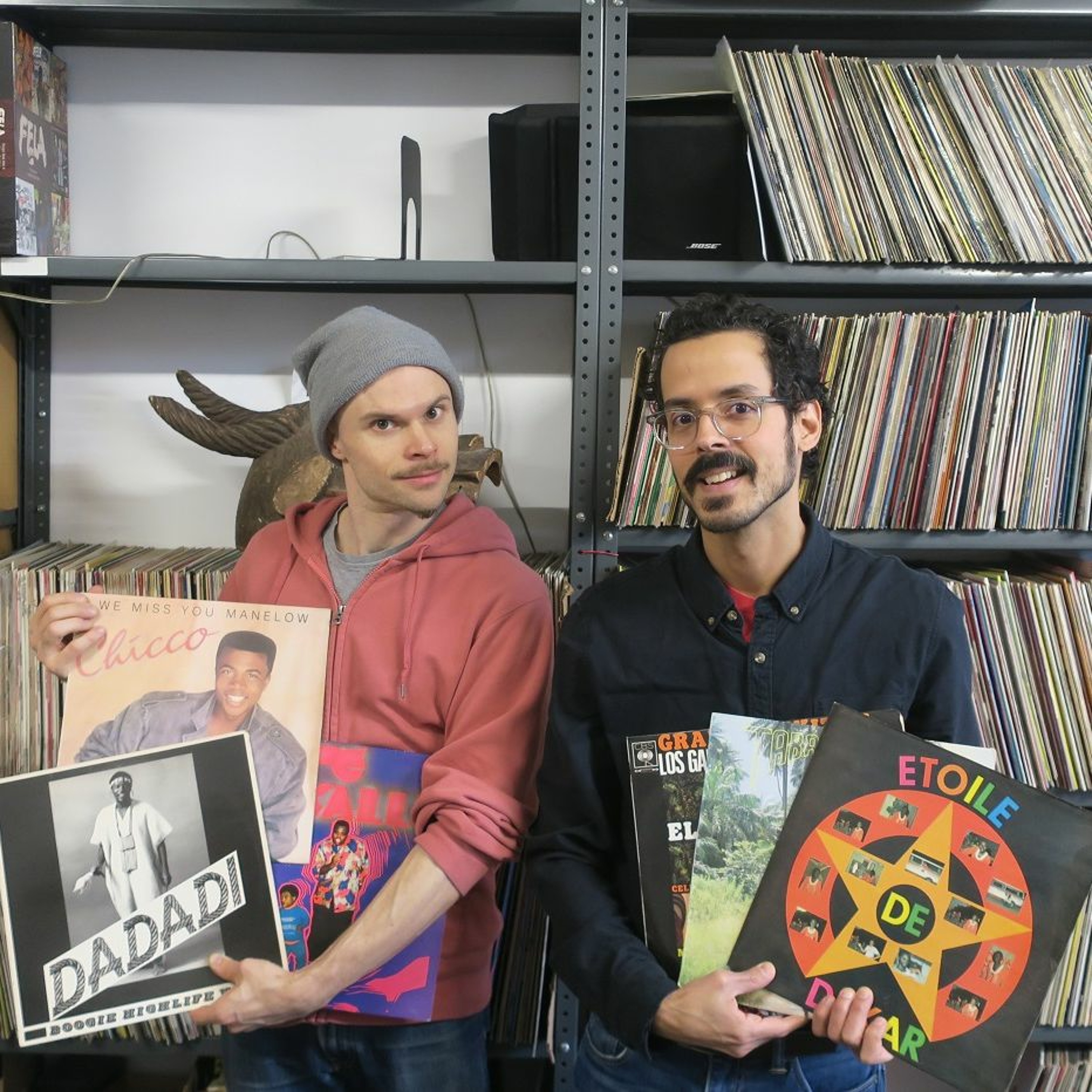
The DJ crew Zona Libre take a break from throwing genre-defying parties and producing their own live events and podcasts to team up with Afropop for another edition of Cuts from the Crypt. Frequent Afropop producer Morgan Greenstreet (modrums) and Brooklyn-based Puerto Rican DJ Ricardo Luiggi (tres dos) dig through Afropop's extensive vinyl archives, selecting Afro-diasporic music that defies borders and boundaries and sharing their digging experiences along the way. Zona Libre is a #NoBorders tropical dance party, podcast and cultural movement. dj tres dos and modrums spin dance music from the Caribbean, Latin America, Brazil and across the African continent and diaspora. They currently hold down a monthly residency at Mad Tropical every third Thursday. This month will be February 21st ZL: Carnival en Colombia with many special guests! tres dos and modrums frequently host live podcast/listening sessions in Brooklyn and turn out deep dive mixes all the time: APWW #797

Time Travel Through Afro-Paris
Since at least the 1980s, when this program first aired, Paris has been one of the most important incubators of African music on the planet. That’s why we’ve visited there to take the pulse so often. On this program, we look back on 30 years of adventures with African music in Paris. We’ll hear studio sessions with Congolese guitar ace Diblo Dibala and zouk stars Kassav, interviews, live concerts, and that special ambiance that only Paris can provide. APWW #770
Crate Diggers and Remixers
APWW #636 A vast, new world of DJs, record collectors and producers are going to far reaches of the Earth to find forgotten records and new styles of music. Their discoveries are then brought back home, remixed, repackaged and re-released to be heard by an entirely new audience. We speak to some globetrotting DJ and producers Chief Boima and Geko Jones to hear about their experiences, the music they've discovered and how they go about remixing some of these styles in order to create a new and updated sound. [Produced by Saxon Baird. Originally aired March, 29th, 2012 ]
What's New at WOMEX?
The annual WOMEX gathering is a feast for the eyes and ears. At the 2018 edition in Las Palmas, Gran Canaria, over 300 artists performed in 60 official showcases. Afropop Worldwide recorded both intimate exclusive sessions and official showcases. We also interviewed globetrotting artists: Moonlight Benjamin (Haiti/France), Dawda Jobarteh (Gambia/Denmark), Tita Nzebi (Gabon/France) and Serge Ananou (Benin/France). And, we collected a load of new releases from artists you know, like Salif Keita, and some you don’t, but will be happy to discover. This is our second WOMEX 2018 program, a music-filled hour of music and impressions from the world’s greatest gathering of global music movers and shakers. Produced by Banning Eyre.

Hip Deep in Lebanon, Part 2 -
As the Ottoman Empire waned in the late 19th century, there was scarcity, economic stress, and political oppression in Lebanon. The once lucrative silk industry died. Factories closed. Families in search of better lives emigrated, or sent children abroad. Today, diaspora communities of Lebanese and Lebanese descendants far outnumber the 4-million people who actually live in the country. This program surveys the legacy of Lebanese diaspora in two surprising location: Brazil and Ghana. Brazil, home to Lebanon’s largest diaspora population, became an important center for immigrant literature, music and film from the Eastern Mediterranean. And in Ghana, Lebanese descendants played important roles in the development of Afro-rock and highlife in the 1960s and 70s. This Hip Deep edition of our program tell these stories with a rich array of music, and the insights of three scholars, AJ Racy, Robert Moser, and John Collins. APWW #673
WOMEX Radio 2018
The 2018 edition of the world music exposition WOMEX went down in Las Palmas, Gran Canaria, in the Canary Islands with 300 artists and 2700 delegates from 92 countries. There was a lot to chew on. But one of the hidden wonders of WOMEX is the intimate European Broadcast Union radio studio. That’s where Afropop Worldwide and KEXP, Seattle, hosted four of the showcase acts up close and personal. On this program we hear radio sessions with Bakolo Music International, the oldest Congolese Rumba band alive; the Garifuna Collective, the band created by Garifuna music legend Andy Palacio; and Harouna Samake with Kamele Blues, a brand new band from a veteran Malian instrumentalist. Plus one or two surprises. This is the first of Afropop’s two-part coverage of the musical extravaganza that is WOMEX. Produced by Banning Eyre. [APWW #795]

Stocking Stuffers 2018
APWW #794 We’re hopeless at making Top-10 lists--or even top-40s—so you’ll have to settle for this: a whole hour of some of our favorite tunes of 2018. Casting the net deep and wide, Banning and Georges spin new records by our old favorites, the freshest cuts from new artists and reissues that have gone unheard for years. If you’re looking for gifts for the African-music lover in your life—even if that’s you!—you’ll find something to love here. From Parisian Afro-trap to Angelique Kidjo’s reimagined Talking Heads record, from buzzing Saharan blues to swaying Cape Verdean song, 2018 is leaving us richer in music. Produced by Banning Eyre
The Best of Afropop Closeup Season 3
We just wrapped up our third season of our podcast series Afropop Closeups, and it may have been the best season yet. Afropop producers traveled from watching reggae artists in chilly Berlin to Thomas Mapfumo’s triumphant return concert in Harare, Zimbabwe. They witnessed how digital technology is changing carnival in Haiti and how--for centuries--the cutting edge in long-distance communication was Asante drumming in what is now Ghana. For this week’s program, we picked three shows from season 3 that will give you a taste of what an Afropop Closeup is all about. From an interview with the pioneering Caribbean feminist Calypso Rose, to the homegrown music scene African immigrants are creating outside Lisbon, to the story of a mysterious kidnapping of a musical legend--pull back the curtain and see the stories behind the music and see them close up. Produced by Dan Rosenberg, Morgan Greenstreet and Sebastian Bouknight.

Sounds Like Brooklyn
712 Sounds Like Brooklyn At Afropop, we have gone far and wide, from Brazil to England to Madagascar to Egypt, tracking down incredible music to bring back home to our headquarters in Brooklyn. For this program, "Sounds Like Brooklyn," we stay closer to home, tracing a hidden music economy of CD vendors in bodegas, copy shops and food markets around the five New York boroughs. Accompanying us on our travels is poet and "Bodega Pop" WFMU radio host Gary Sullivan. Along the way, we check out a Caribbean gospel rap performance in Bed-Stuy's Restoration Plaza, dust off some cassettes at VP Records in Jamaica, and chat with DJ Wow at his African CD store in Harlem. New York is a city of immigrants and we salute the creativity they bring with them from all corners of the world! Produced by Jesse Brent.
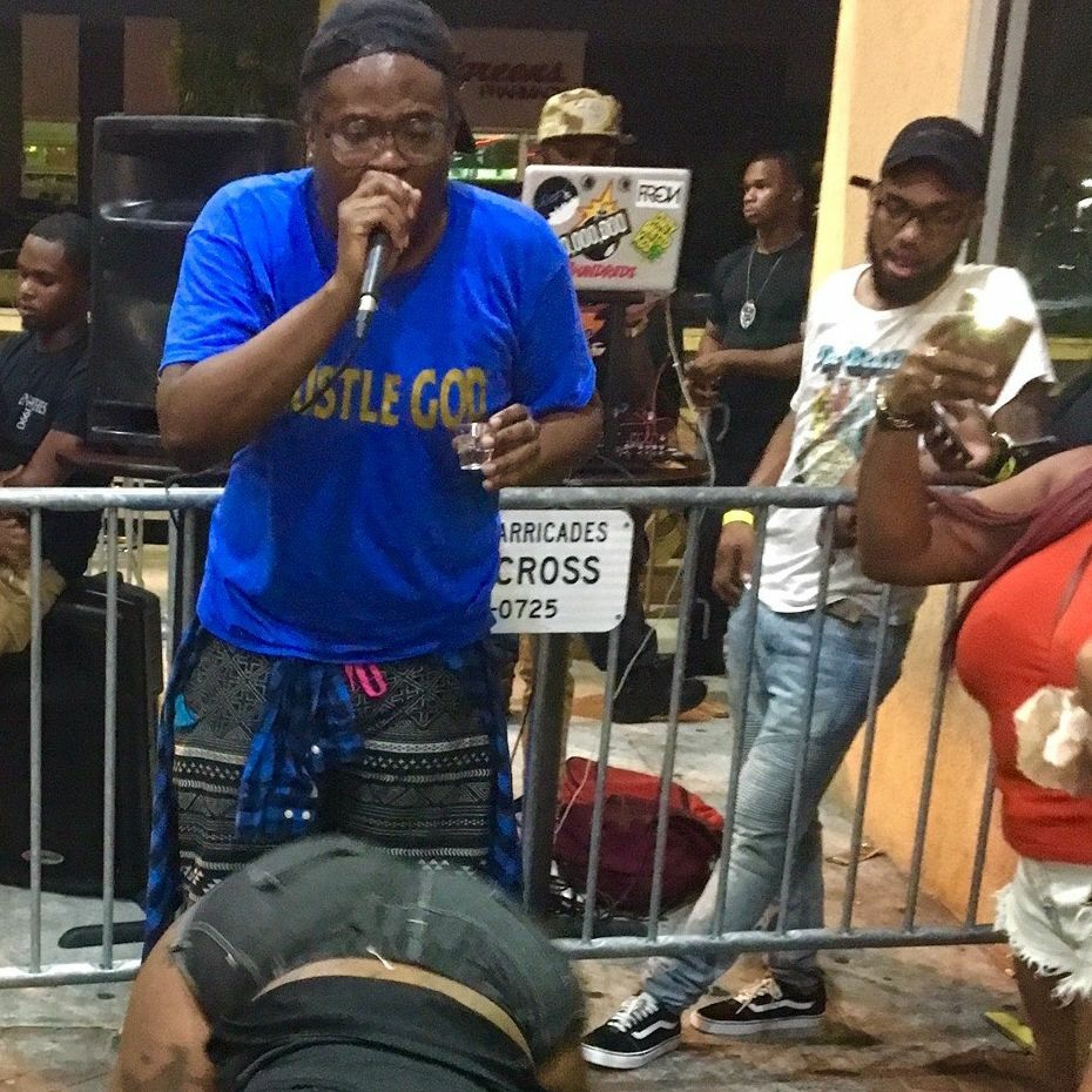
Shake It Fo Ya Hood New Orleans Bounce
New Orleans, Louisiana is home to some of America's greatest musical traditions, and plays an outsized influence on the evolution of everything from jazz through to r&b, rock and funk. Today, the city is still legendary for its second line brass bands and brightly costumed Mardi Gras Indians. But if you've rolled through New Orleans on pretty much any night in the last 30 years, you've probably heard another sound—the clattering, booming, hip-shaking, chant-heavy roll of bounce, a form of hip-hop music, dance and culture unique to the Crescent City. Pulling from the national mainstream but remaking it the way that only New Orleans can, bounce has become a sonic touchstone for an entire generation of residents. For this Hip Deep edition, Afropop digs into the close-knit scene, talking to dancers, producers, MCs, and managers from over 30 years of bounce, all to explore the beat that drives New Orleans—and to find out what it means to the people who bring it to life. Produced by Sam Backer and Jessi Olsen.
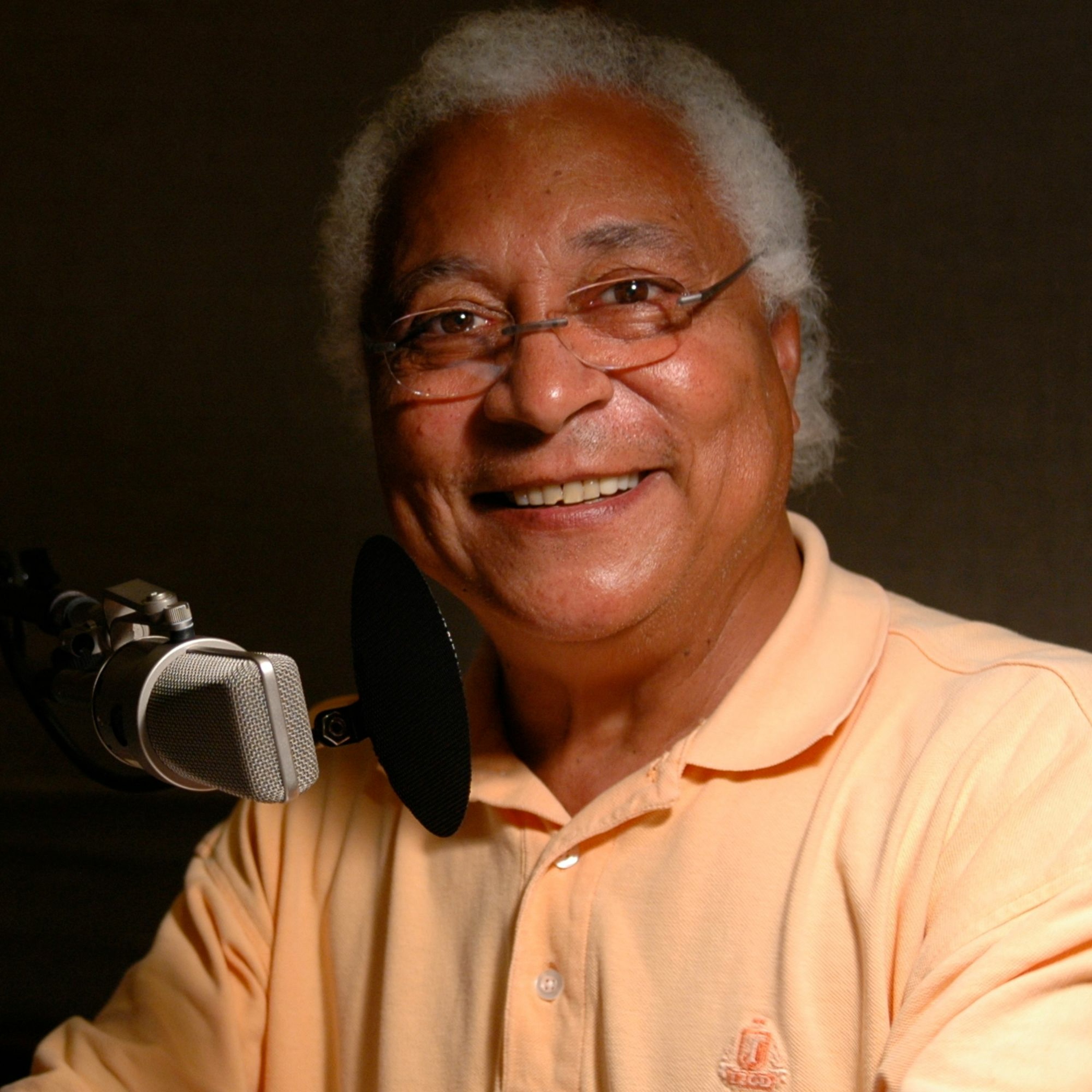
Afropop Worldwide - The Origin Story
As Afropop Worldwide marks the week of its 30th anniversary on the public airwaves, we take a look at the story that led up to the program’s creation. We hear excerpts from the podcast A Show of Hearts profiling the program’s founders Sean Barlow and Banning Eyre. And host Georges Collinet recalls his audition for the job that has shaped three decades of his storied life. And of course, we will hear highlights from the music that has made Afropop Worldwide one of the longest running music programs in public radio history.

Remembering Fela
Fela Anikulapo-Kuti would be 79 years old this month, had he not died from complications of AIDS in 1997. By the time of his death, Fela was the inventor of the enduring and influential Afrobeat music style, the composer of an enormous body of music, and one of the bravest political voices in 20th century African music. It is fair to say that no African musician before or since has sacrificed more for the principles he believed in. Nigerian history and music have barreled forth during the two decades since Fela left us. A powerful new generation of Nigerian musicians have emerged in that time, and the music they now champion has been dubbed “Afrobeats,” an appropriation of the name Fela gave his original sound during its heyday. The youngest artists on the scene today have no direct memory of Fela, though his legacy is impossible to escape. In this program, we hear from current day Nigerians from multiple generations and genres—fuji, juju, hip-hop (Afrobeats) and highlife—on how they remember this musical giant, and how they reckon with his complex and challenging legacy. Produced by Banning Eyre and Morgan Greenstreet. Hosted by Sahr Ngaujah. APWW #764
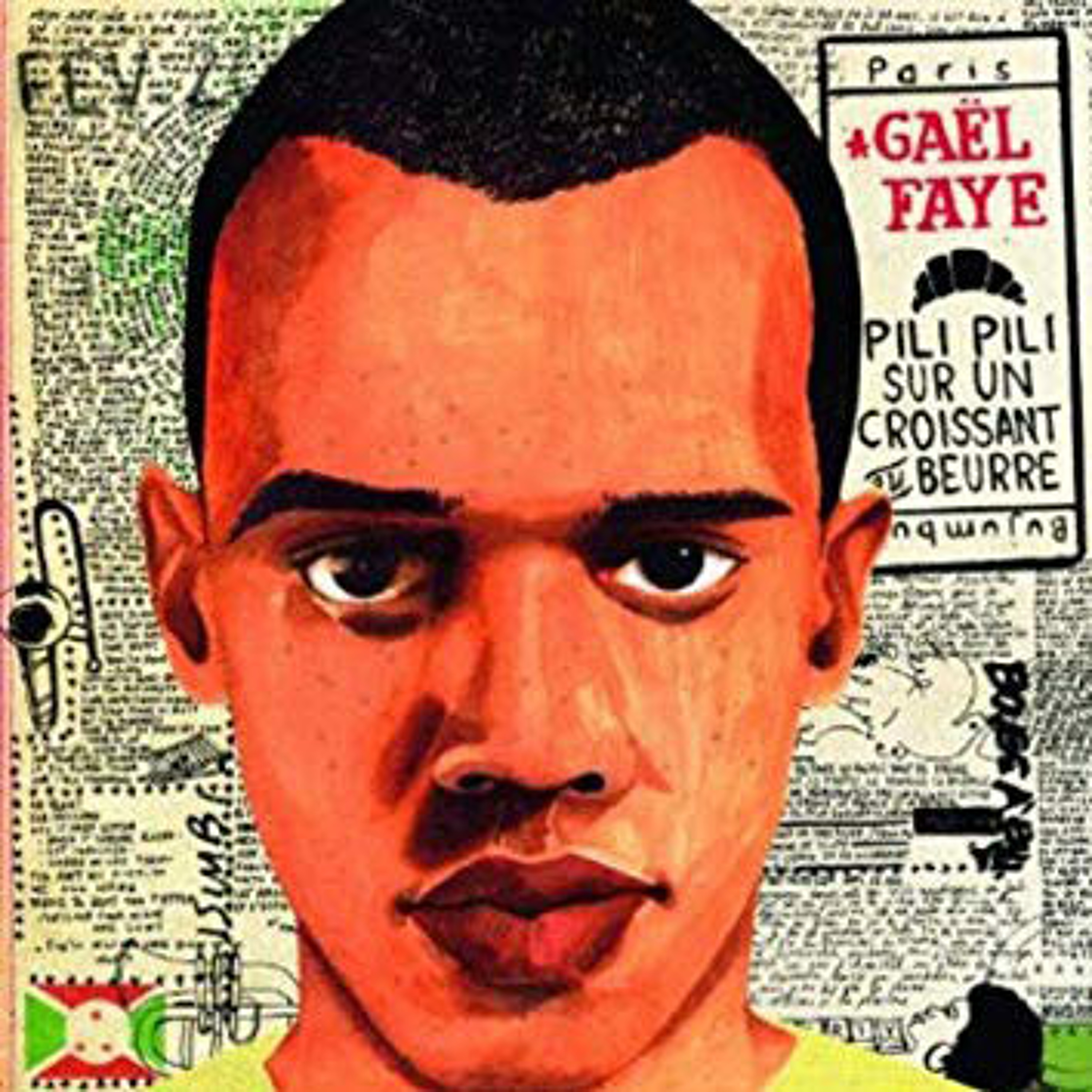
Gael Faye & the New Generation of Afropean Artists
Gael Faye is a musician and best-selling author, born in Burundi and living in France. In this podcast, Elodie Maillot introduces Faye’s music and breakthrough book Petit Pays (Small Country). Faye speaks about his precarious life as an exile, and about the growing community of Afropean artists in France. Faye now spends a lot of time in Rwanda, and reports on the growing impact of diaspora artists like himself, Congolese rapper Baloji and the Belgian-Rwandan singer Stromae and others are having in Africa, where they now mount major tours. Maillot updates the story of Africa’s artistic European diaspora with surprising and moving developments. Produced by Elodie Maillot and Nina Pareja

Africa in Matanzas El Almacén is Walking
Matanzas, Cuba has long been regarded as the source (la fuente) of many rich Afro-Cuban folkloric traditions. These ceremonial and secular Afro-Cuban musics are, for the most part, alive and well, and being documented for the first time by Matanceros themselves, rather than exclusively by Havana-based or non-Cuban imprints. The Matanzas record label and artist collective, Sendero Music/El Almacén, faces several challenges: oversight from the state, limited access to resources, curating which groups to record while paradoxically convincing the folkloric community of the value of their endeavors, and the conundrum of establishing meaningful connections outside of Cuba to disseminate the city’s music to the world. Produced by Harris Eisenstadt.

Randy Weston: Jazz Life with the African Ancestors
Jazz legend, Randy Weston left us on September 1, 2018. He more than any contemporary jazz artist understood, honored and explored the roots of American music in Africa. He lived there, traveled there often, and spoke of his connections to his African ancestors in every interview during his 92 years. In this program, we revisit our musical conversation with Weston in 1998, and sample some of his late solo piano recordings. [APWW #789]

Music and History in the Two Sudans
In 2008, before Sudan became two separate countries, Afropop explored the country’s troubled history through music. After all, Sudan was once a musical powerhouse in East Africa, producing richly swinging orchestral pop. In recent years, much has changed. Sudan is now two countries, still troubled, but still inheritors of great musical traditions. In this program we revisit and update Sudan’s musical history, including recently released gems from a remarkable musical past, and new sounds from the Sudanese diaspora. [APWW #788]
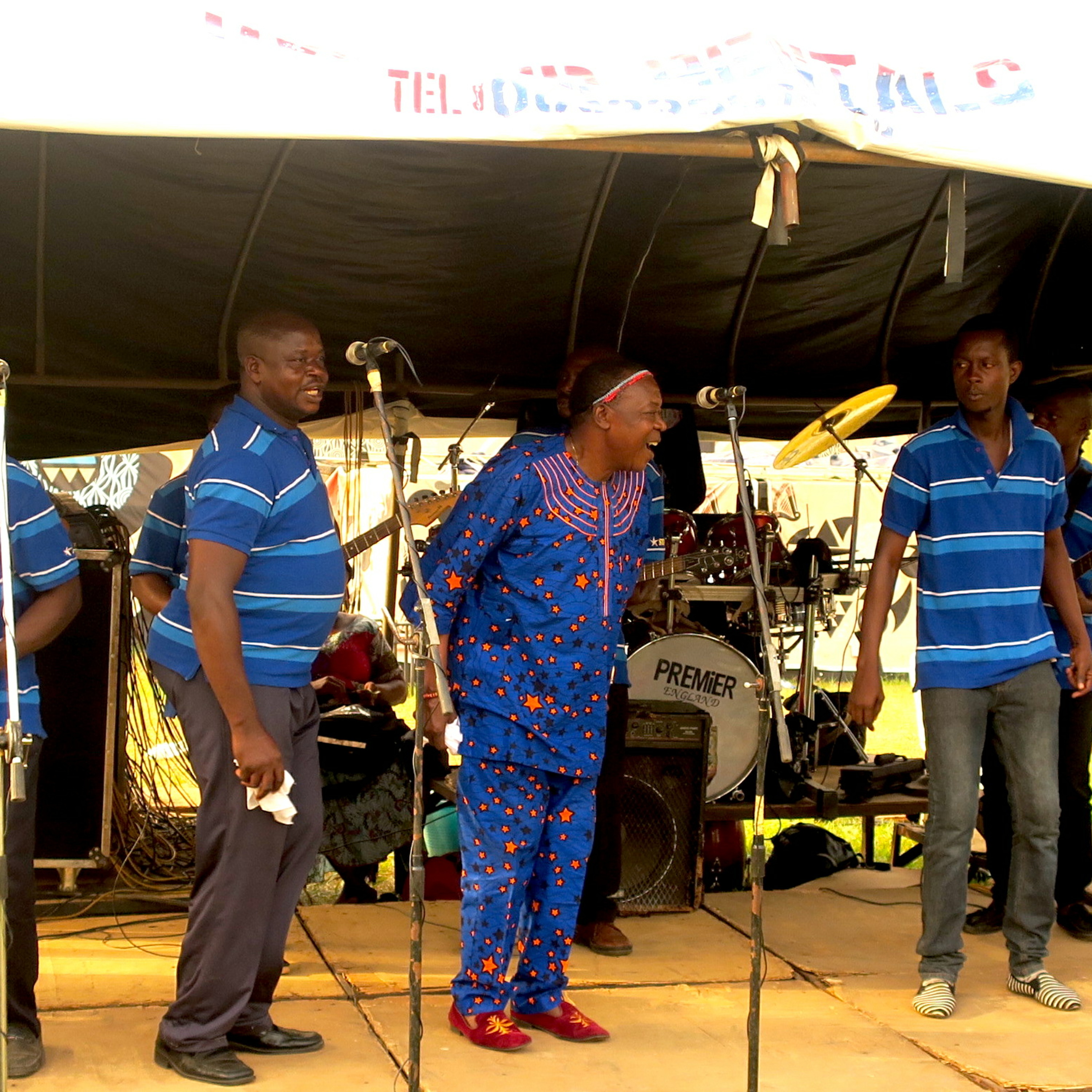
Kidnapped! Ambassador Osayomore Joseph
Ambassador Osayomore Joseph is a living legend of Edo highlife music, well known and respected in Benin City for a long career of creative music and activism, so his kidnapping in October 2017 was particularly shocking to his fans. Producer Morgan Greenstreet brings us the story of Osayomore's ordeal, in the Ambassador's own words.
Hip Deep in Northern Nigeria
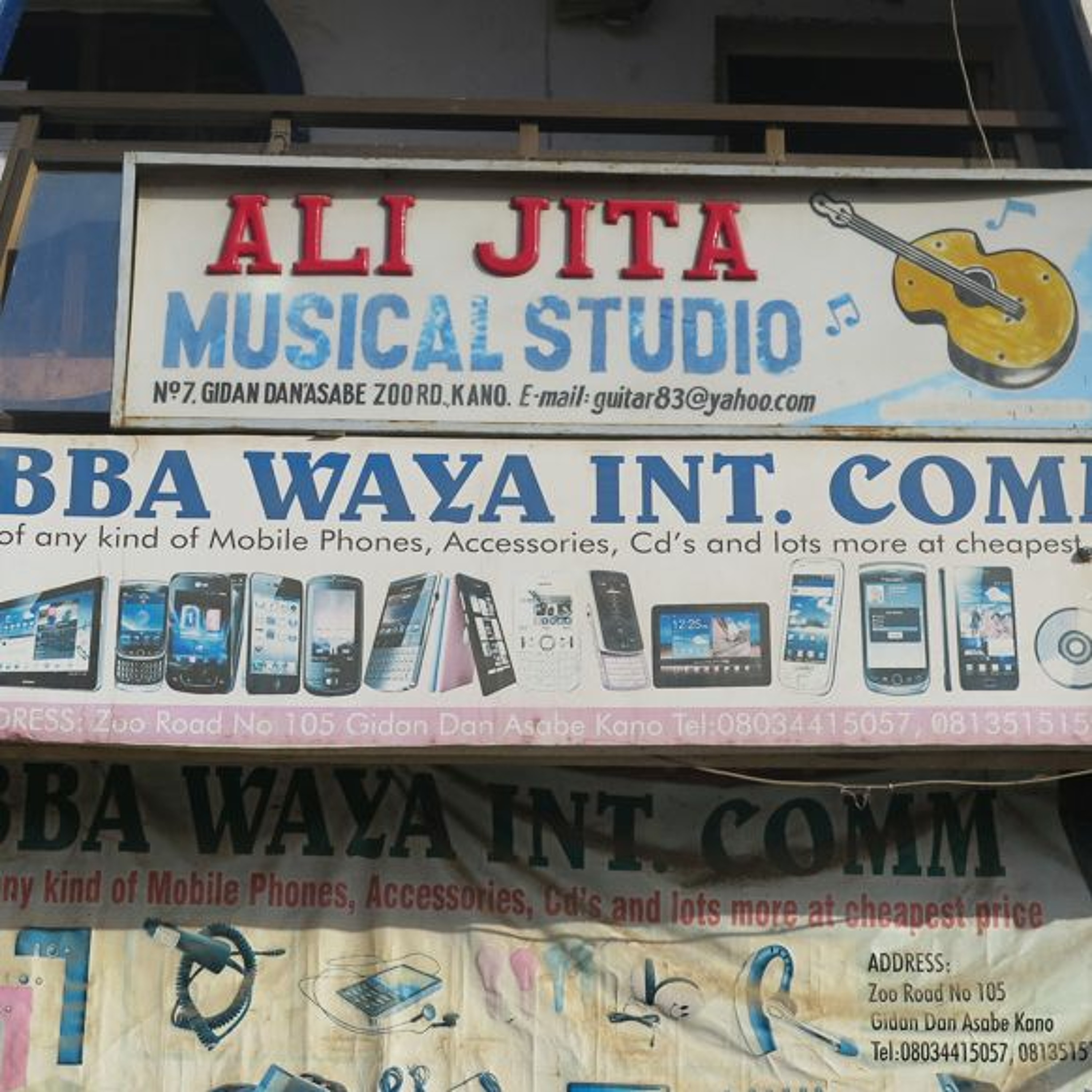
Kano State in northwest Nigeria is a land of paradox. The ancient home of the Hausa people, it has ties back to the oldest civilizations in West Africa. Muslim since around the 12th century, the region remained largely self-administered during the era of British colonialism, and never significantly adapted Christianity or Western culture and values as in other parts of Nigeria. In 2000, Kano instituted Shariah law. But by that time, the city of Kano was also the center of a large and active film industry, dubbed Kannywood. And it would soon be home to a nascent coterie of hip-hop artists. There have been a series of high-profile conflicts and crises between these forces of religion, politics and art in the years since. But as the Afropop crew discovered, Kano has achieved a delicate balance that allows film and music to continue apace under the watchful eye of clerics and a censorship board. We visit studios producing local nanaye music, with its echoes of Hausa tradition and Indian film music. We also meet young Hausa hip-hop artists striving to develop careers under uniquely challenging circumstances. Produced by Banning Eyre and Sean Barlow
Hip Deep in the Niger Delta
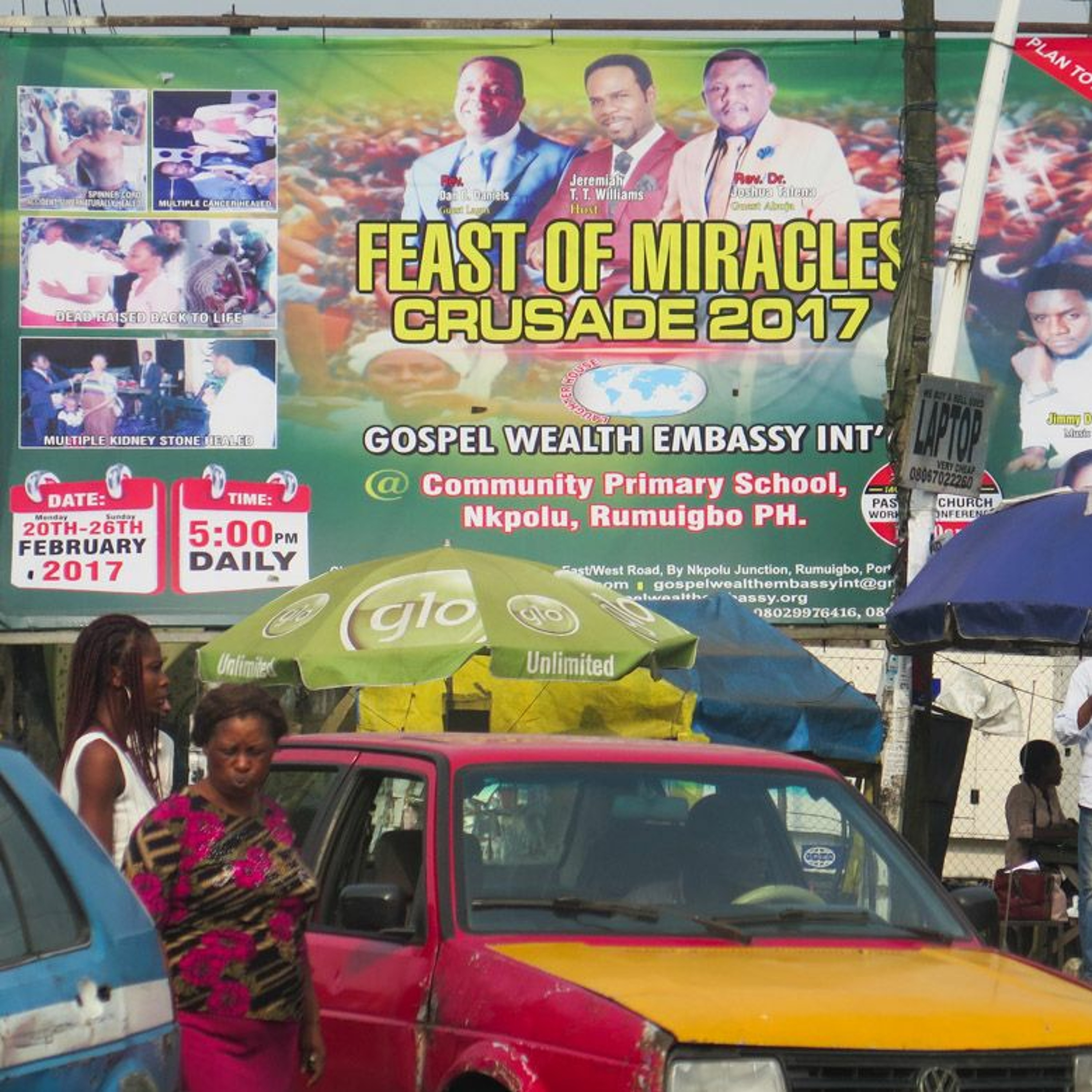
The massive Niger River Delta is a fantastically rich cultural region and ecosystem. Unfortunately, it has been laid low by the brutal Biafran War (1967-70) and by decades of destructive and mismanaged oil exploration. This program offers a portrait of the region in two stories. First, we chronicle the Biafran War through the timeless highlife music of Cardinal Rex Jim Lawson, perhaps the most popular musician in Nigeria at the time. Then we spend time with contemporary musical activists in Port Harcourt’s waterfront communities and in oil-ravaged Ogoniland to hear how music is providing hope for these profoundly challenged communities. The program features new and classic music, the words of Nigerian scholars, musicians, activists and veterans of the Biafran War, concluding with an inspiring live highlife concert on the Port Harcourt waterfront in which rappers and highlife graybeards come together to imagine a better road ahead. Produced by Banning Eyre.
More African Guitars
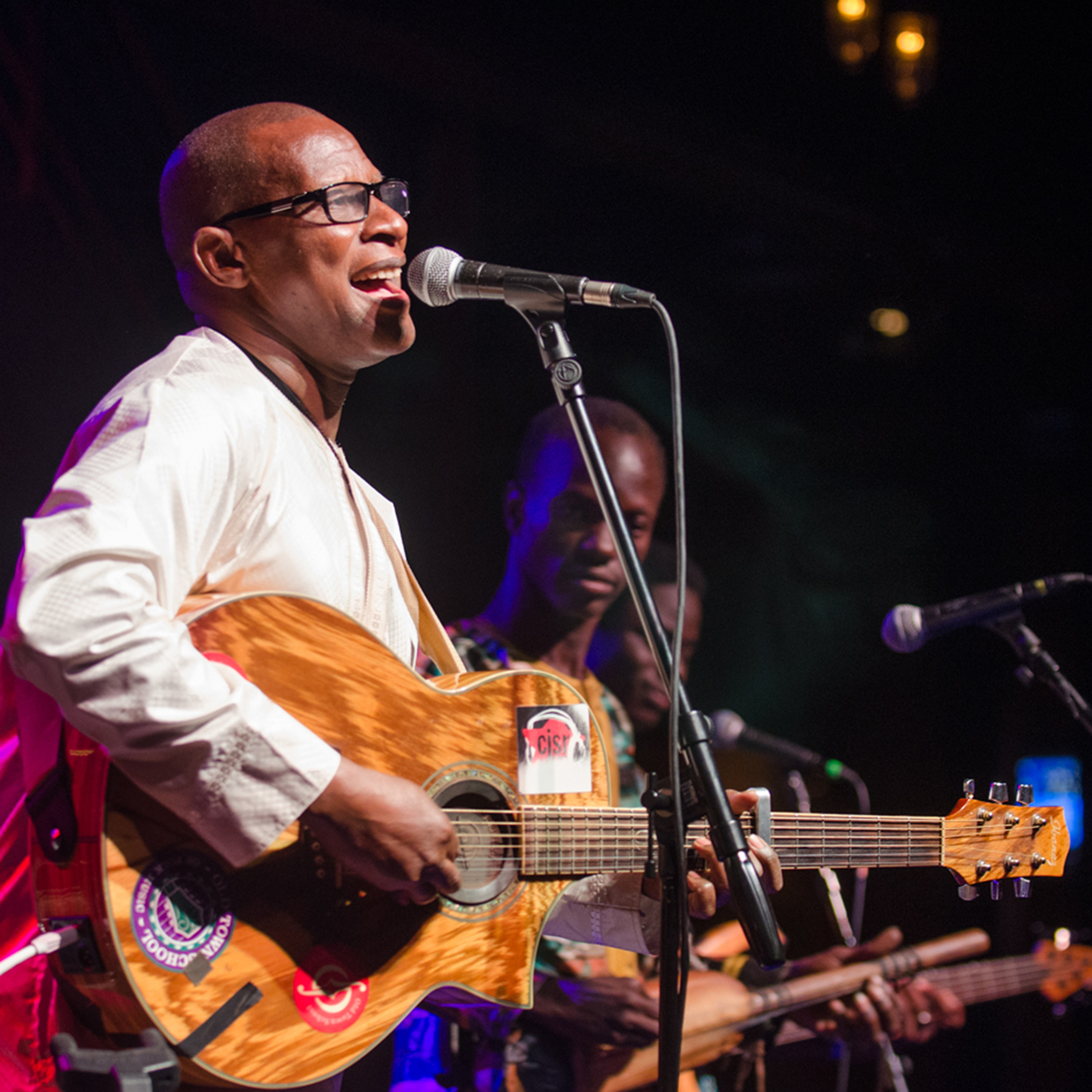
The guitar music of Africa is eternal! Despite the rise of Afrobeats, Afro-house, hip-hop and techno, the continent still turns out inventive and thrilling string pickers. This music-rich program features shredding desert-rock axemen and filigree griot guitarists from Niger and Mali, as well as new sounds from the Congo, Zimbabwe and Madagascar. We’ll also travel to rural Botswana to meet itinerant guitarists who have gained a worldwide following through eye- and ear-popping YouTube videos. Some of their new music is now out on a unique compilation called I’m Not Here to Hunt Rabbits. We’ll hear the sweet, raw sounds and their surprising stories, and discover a whole new way of playing the world’s most versatile string instrument.
The Festival in Fes, Revisited
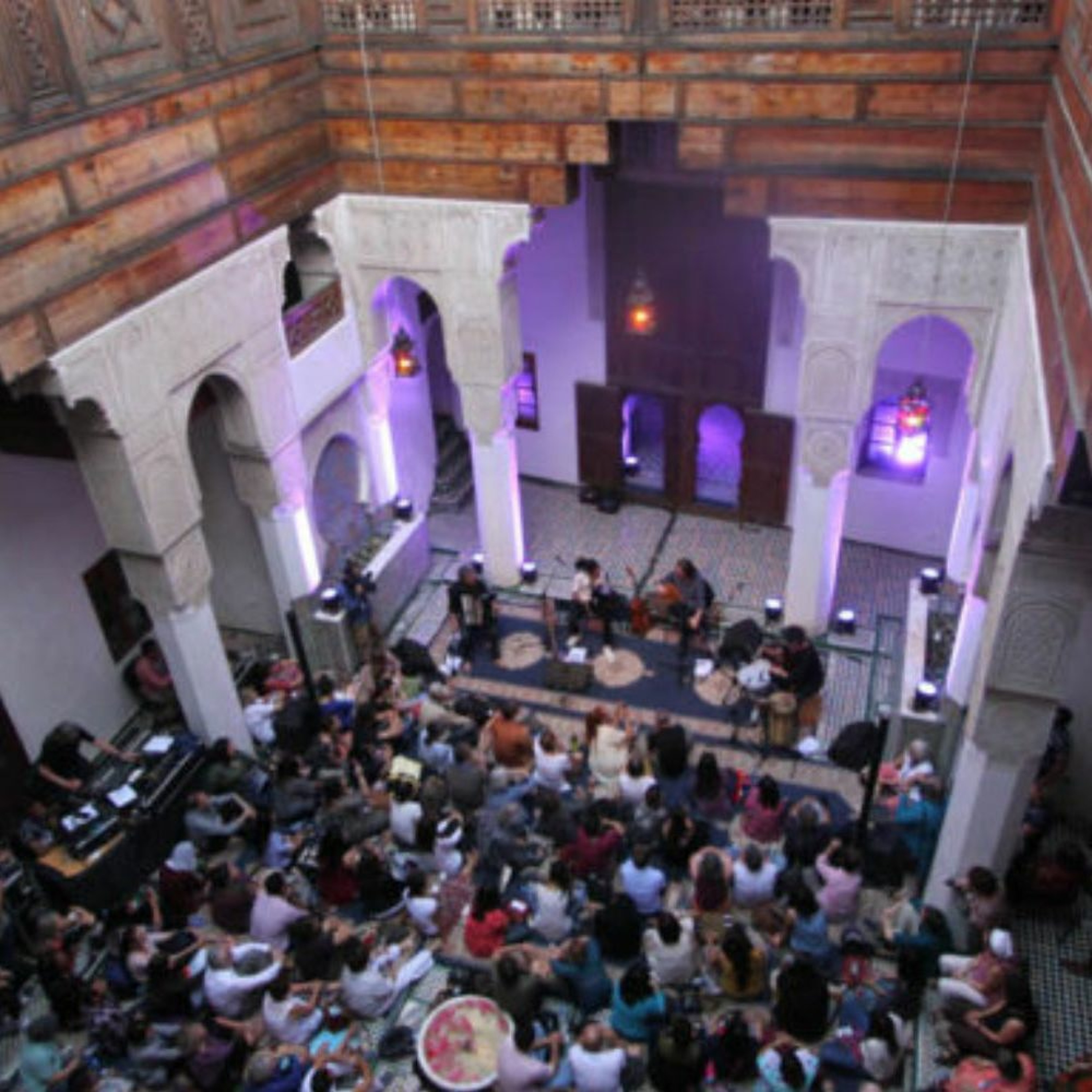
This spring, Afropop returned to Fes, Morocco, for the 23rd annual World Sacred Music Festival, a sumptuous spread of music from across the globe that blurs the boundaries of what is sacred. Interwoven with Morocco’s ornate history and fertile fabric of daily life is a mosaic of many musics: Gnawa, Arabic pop, Amazigh ahwach, classical Andalusian, Issaoua, raï, rap, chaabi, jazz, metal and so much more. At the World Sacred Music Festival, we heard many of these sounds, as well as those of international artists from China to Mali to Kuwait. Join us as we revisit these concerts—the late night music of Sufi brotherhoods, Moroccan fusion with Taziri and Inouraz, traditional Kuwaiti pearl diving music with Salman El Ammari, a stunning bit of Mali-Spain fusion with Toumani Diabate and Ketama, and more. Beyond the festival, we sit in with a respected Gnawa mâalem in Rabat and sample the array of tunes heard in cars, shops and CD stores around Fes.
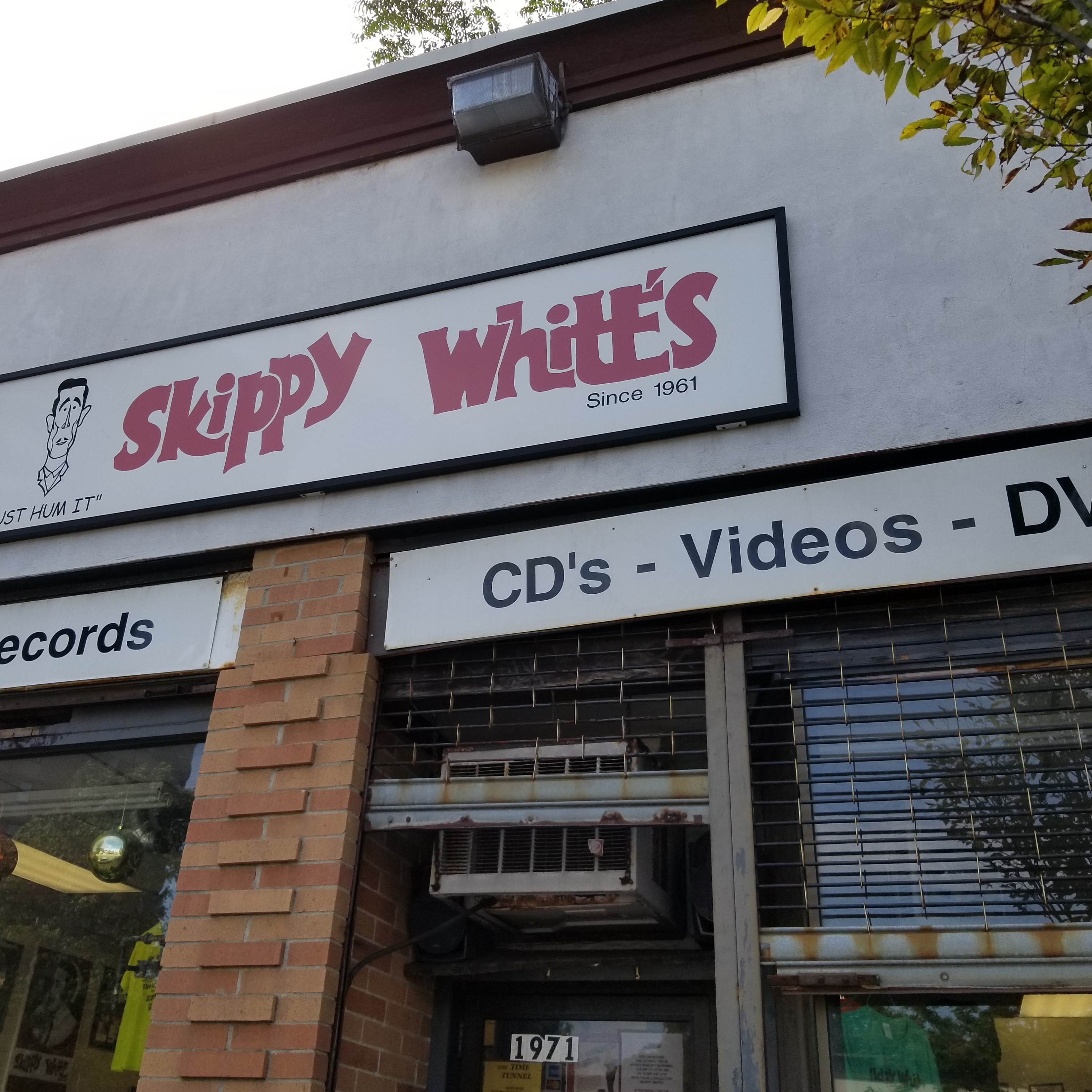
Skippy White: A Vinyl Life
Vinyl is back! But there’s a difference between the world of glossy reissues and the format’s golden age. Skippy White’s record store in Boston has been selling records since 1961, and he’s seen it all—er, heard it all, maybe. Brian Coleman and Noah Schaffer produced this check in with a music lifer.
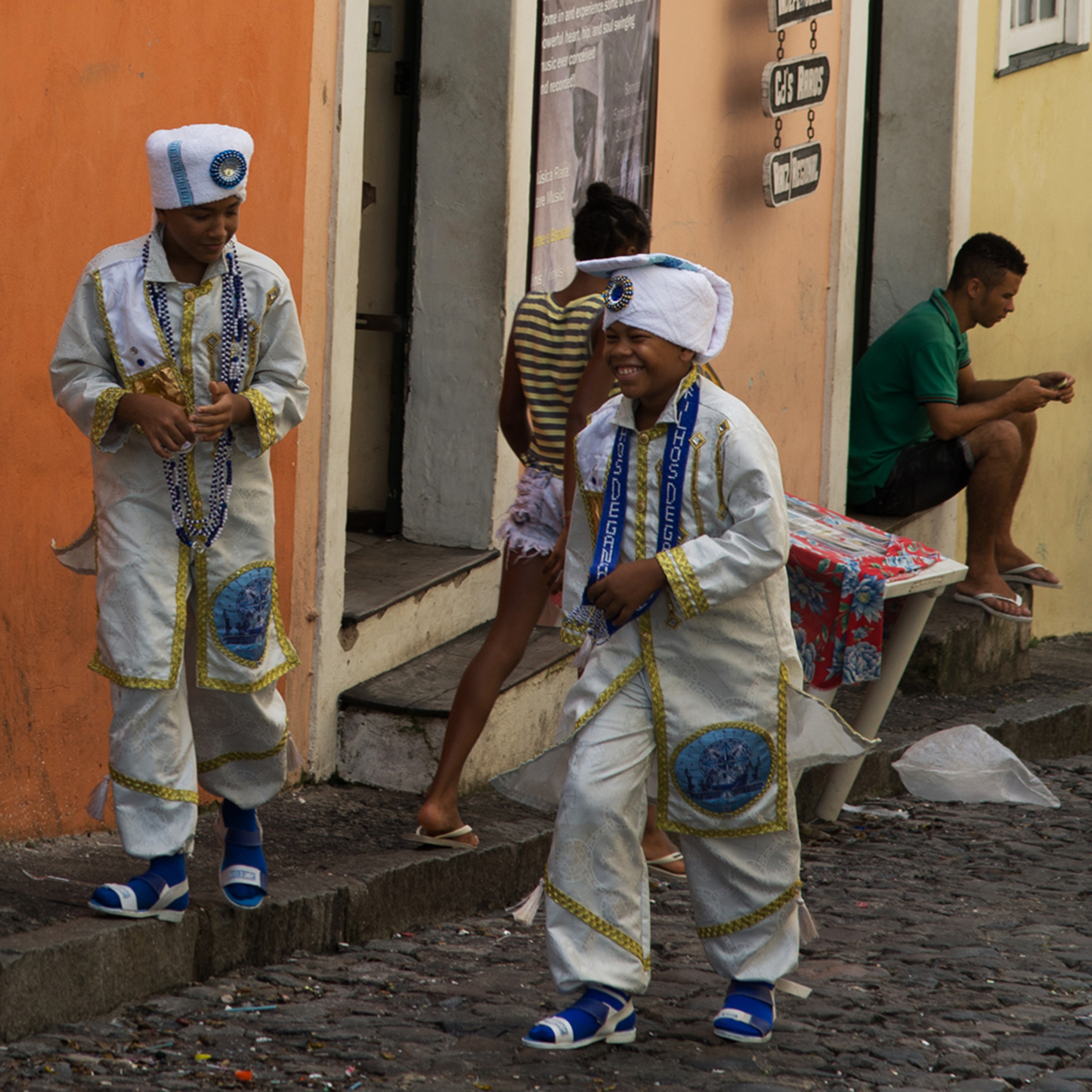
Brazil at the Crossroads
Brazil has seen its ups and downs since it became an independent empire in 1822: strongman leaders, military rule, populist democracy and more. In 2018, a politically weary nation faces a stark electoral choice between radically different futures. But whatever was happening in the halls of power, Brazil has always produced powerful, beautiful and ecstatic music, and always known how to party. On Afropop’s 2018 return trip to Brazil, We take a deep dive into the music and evolution of Carnaval in Salvador, Bahia, and dig into new developments in MPB, roots and rock from Pernambuco, Baile funk, new sounds from Amazonia and more from one of the most prolific musical nations on earth.
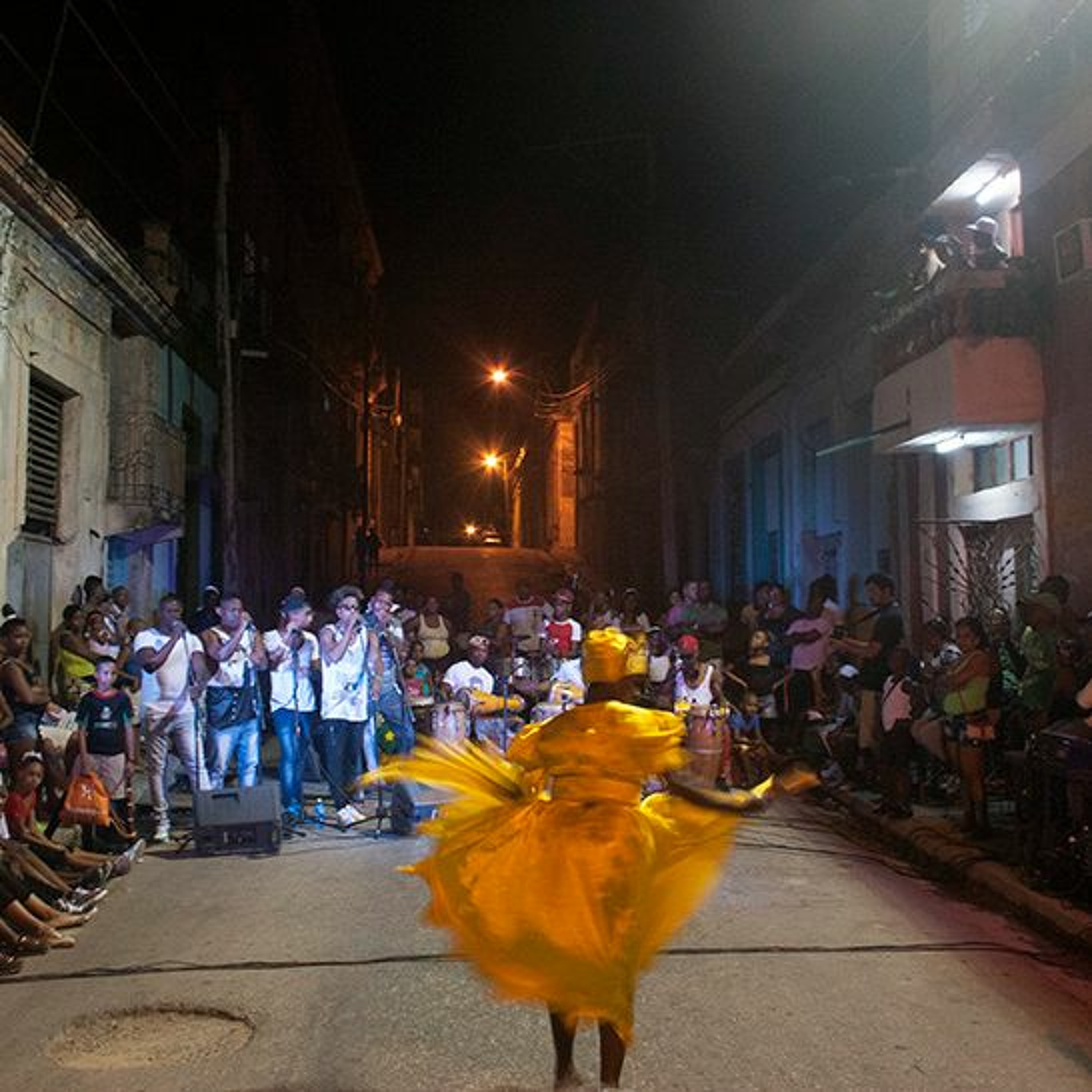
Cuban Counterpoint of Tobacco and Sugar
Borrowing the title from Cuban polymath Fernando Ortiz, producer Ned Sublette takes a group of travelers, including you, to multiple sites in western Cuba to analyze the musical impact of what Ortiz called the "Cuban counterpoint" of tobacco and sugar. We'll hear endangered species of drums in mountain farms and sugar towns, drilling down into the deep culture of the Afro-Cuban world. We'll hear sacred drumming as handed down from Kongo sources, from Yorubaland, from Dahomey, and more, in sites that are indelibly stamped with the imprints of Africa, above all in music. We'll hear an incredible poetic improviser, go to a block party in Matanzas, and talk to our guest scholar, Latin Grammy-winning record producer Caridad Diez, about the power of rumba and its meaning in Cuban society in the wake of UNESCO's designation of rumba as world heritage. Produced by Ned Sublette.

Nha Mundo - The Sound of Cova da Moura
On a hill in the northern suburbs of Lisbon, Portugal sits the neighborhood of Cova da Moura. Only a highway and a forest park separates it from the city center, but it could be an ocean away. Built in the 1970s by immigrants from former Portuguese colonies in Africa (namely Cape Verde and Angola) Kova M, as locals call it, is a community brimming with life. Cape Verdean Kriolu, not Portuguese, is the lingua franca, and funana, Kriolu rap and afro-house dominate the streets. We take a walk through the neighborhood and visit the local community center, Moinho da Juventude, whose free-to-use music studio has become a launchpad for an abundance of young talent. Here, the youth of Kova M turn out potent rap and afro-house and produce their own music videos. In doing so, they speak their truths of living in a neighborhood harshly kept in the margins of Portuguese society.

Women of the West
In West Africa, women are on the cutting edge of musical and cultural progress. This program looks at four singer/composers with roots in tradition and unique ideas about how to keep them current in the fast-changing milieu of today’s African music. Mali’s Fatoumata Diawara keeps her focus on messages, mixing traditional sounds and rock idioms to reach young audiences. Senegal’s Aida Samb is finding new avenues for that country’s trademark mbalax sound, including collaborations with Afrobeats stars like Wizkid. Elida Almeida of Cape Verde has emerged as a freewheeling composer, able to draw on whatever influences she likes, and it’s working for fans of all generations. And Benin’s Angelique Kidjo, never one to sit back on her many successes, has covered Talking Heads’ 1980 album Remain in Light, in its entirety, re-Africanizing a rock classic for a new time. We’ll speak with all four artists, and hear their latest music. Produced by Banning Eyre.

Cuts From The Crypt II - Banning's Picks
As work continues on the vast Afropop archive, producer Banning Eyre takes a deep dive and comes up with some gems. On the vinyl front, the focus is on South African and Zimbabwe, where the Afropop team collected a good deal of rare vinyl in the 1980s. Then Banning samples some his favorite field recordings from Zanzibar to Mali. In the age of YouTube, Pandora and Spotify, you might have the impression that all the music ever recorded is there at your finger tips. Here's proof that's not so. You'll hear music on this program you can't find anywhere else. Originally aired in 2015 [APWW #714]
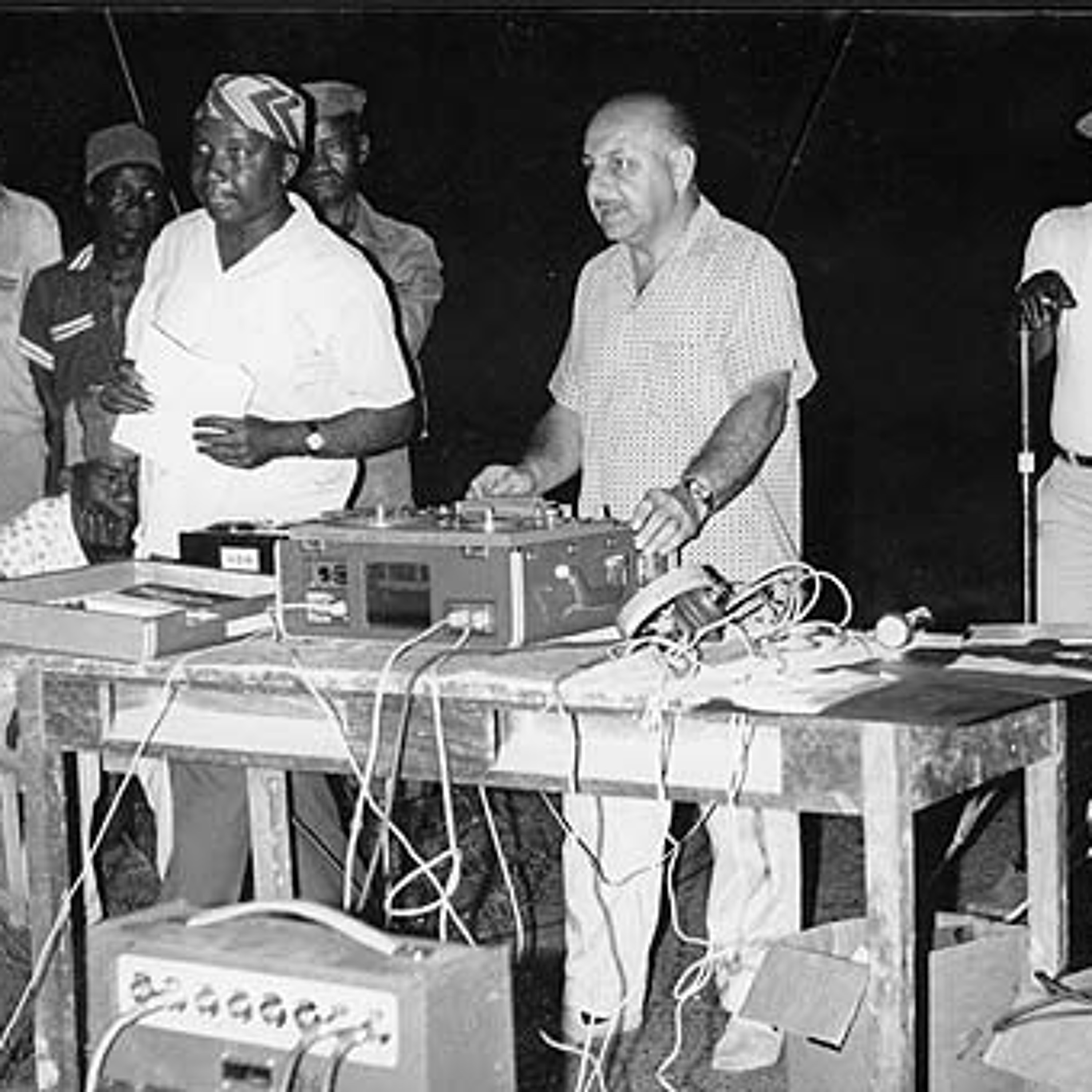
A Remembrance of Leo Sarkisian
For some 50 years, Leo Sarkisian was a worldwide staple on the overseas radio broadcast of Voice of America. A talented musician, raised in the Armenian community around Boston, Leo began traveling the world with his Nagra tape recorder and microphones for Tempo International, a Hollywood record label. His intrepid work in remote corners of Afghanistan and in newly independent Ghana and Guinea won him the attention of Edward R. Murrow, then at VOA. So began Leo’s epic career as a documenter, archivist and popularizer of African music. He once said he had worked in every African country but one. In recognition of his passing in June, 2018, we revisit Leo’s rich, fascinating conversation and music-sharing session with our own Georges Collinet. Expect lively exchanges between two radio icons, and some rare audio, including Leo's 1965 recording of Fela Kuti during his jazz years. APWW #783

Zimbabwe After Mugabe
A lot has happened since Afropop last visited Zimbabwe. The 37-year regime of Robert Mugabe has ended, and Thomas Mapfumo, the Lion of Zimbabwe, has staged a triumphant return concert after a 14-year absence. Meanwhile, the country’s youth now moves to the groove of Zim-Dancehall from the likes of reigning star Winky D, and roots gospel from Jah Prayzah. On this program, we catch up with all these new sounds, hear the latest from Oliver Mtukudzi, and meet one of the most creative singer/songwriters on the scene these days, Victor Kunanga. APWW #781 Produced by Banning Eyre