
Afropop Worldwide
529 episodes — Page 10 of 11
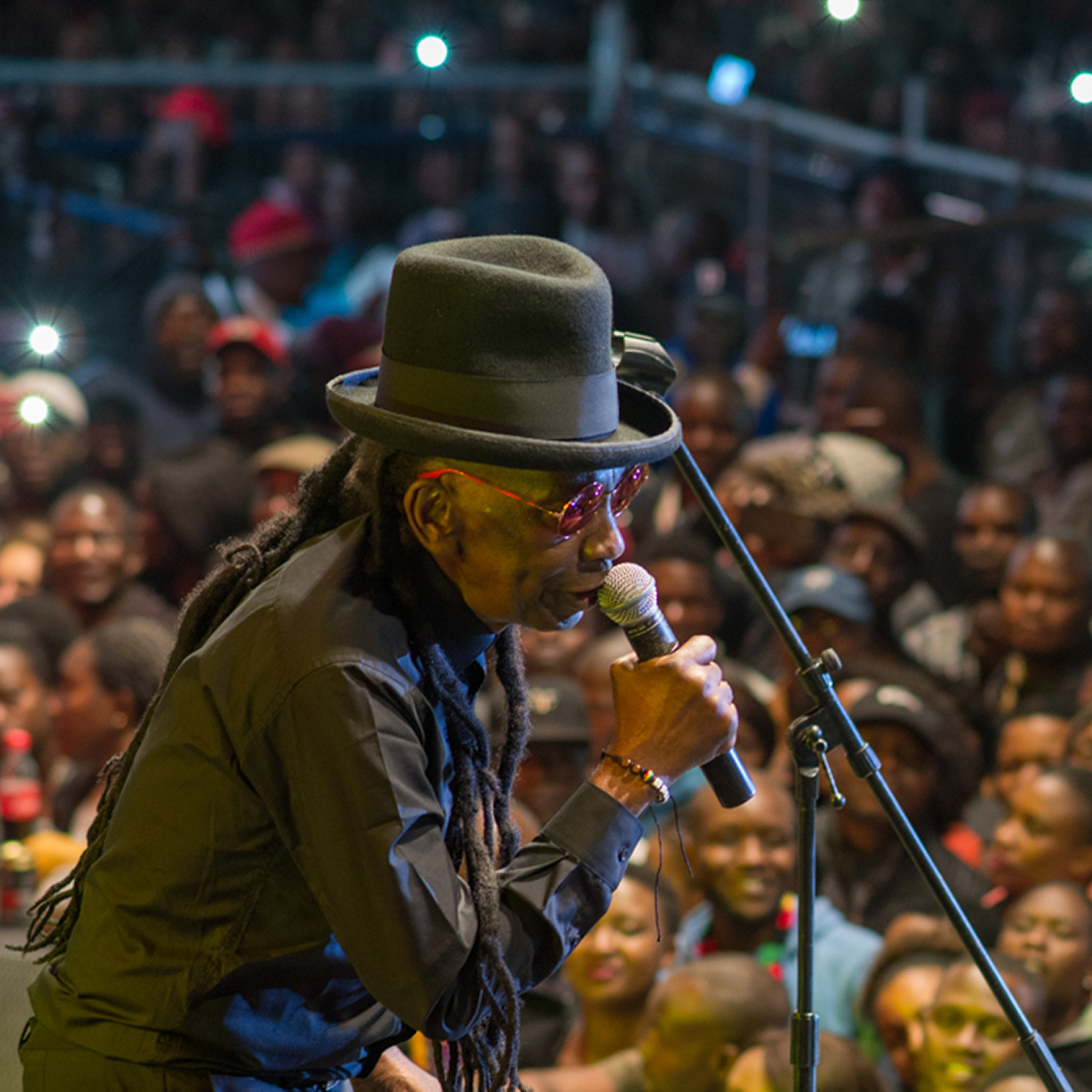
Thomas Mapfumo: The Enigma of Return
Singer and bandleader Thomas Mapfumo is an icon in his home country, Zimbabwe. But he last performed there in 2004. He moved his family into exile in Oregon to escape the turmoil, scarcity and harassment they faced in the late years of President Robert Mugabe’s regime. But in April , 2018, with Mugabe out of power since November, Mapfumo returned to Harare to perform an all-night stadium concert for an estimated 20,000 people. Banning Eyre, author of Lion Songs, Thomas Mapfumo and the Music that Made Zimbabwe, was there and this podcast is his report on a historic homecoming concert.
African Music at the Crossroads
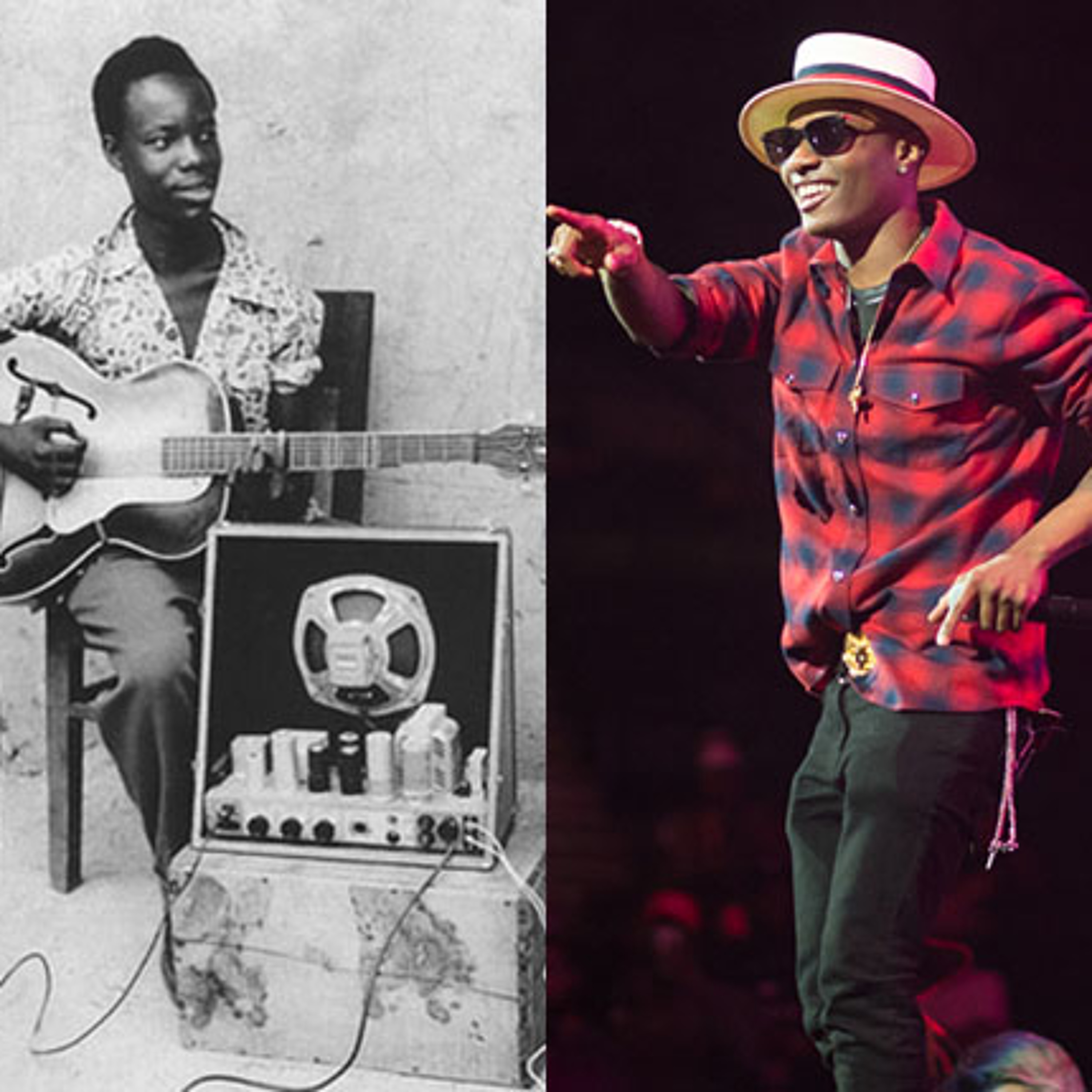
Afropop producer Banning Eyre takes us on a surprise-filled tour of his 30-some years of covering African music. Through conversations with Georges Collinet and producer/agent/DJ Rab Bakari, the program reflects on how the world, the music, the culture and the media have changed and keep on changing throughout Africa and the diaspora. Along the way we hear some of the tunes that have most inspired Banning and Georges, sample the latest Afrobeats and Naija pop, and speculate on where African music is heading next. Great music, provocative thinking! [APWW #740]
Carnival Goes Digital
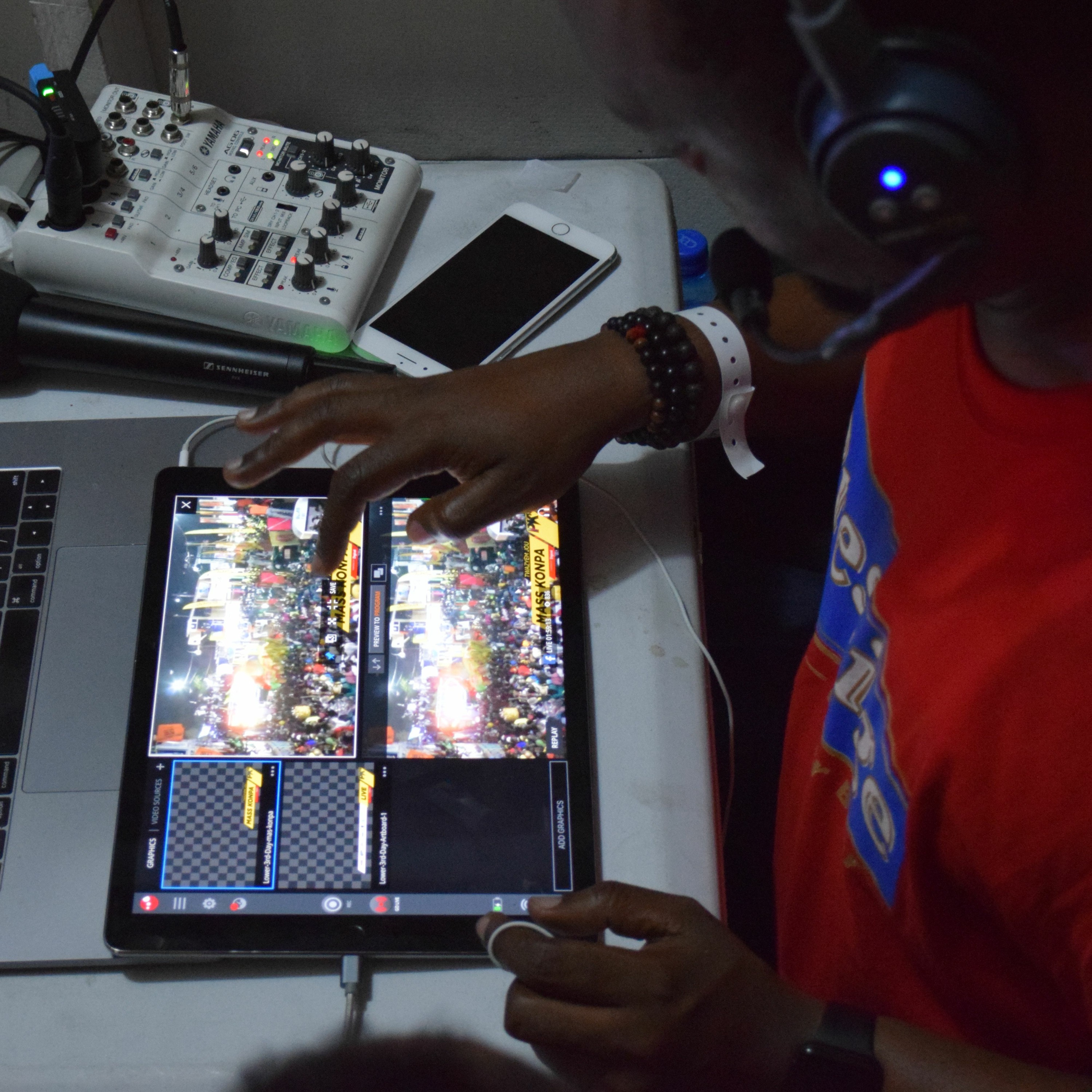
Afropop Closeup Season 3 - Episode 2 Produced by Ian Coss
All That Brass
DO YOU LOVE BRASS? WELL, WE HAVE A SHOW FOR YOU… GANGBE BRASS BAND, REBIRTH BRASS BAND, FELA, FRANCO AND T.P.O.K. JAZZ. JOIN GEORGES COLLINET FOR “ALL THAT BRASS” - PART OF AFROPOP’S CELEBRATION OF OUR 30TH ANNIVERSARY! [APWW #780]
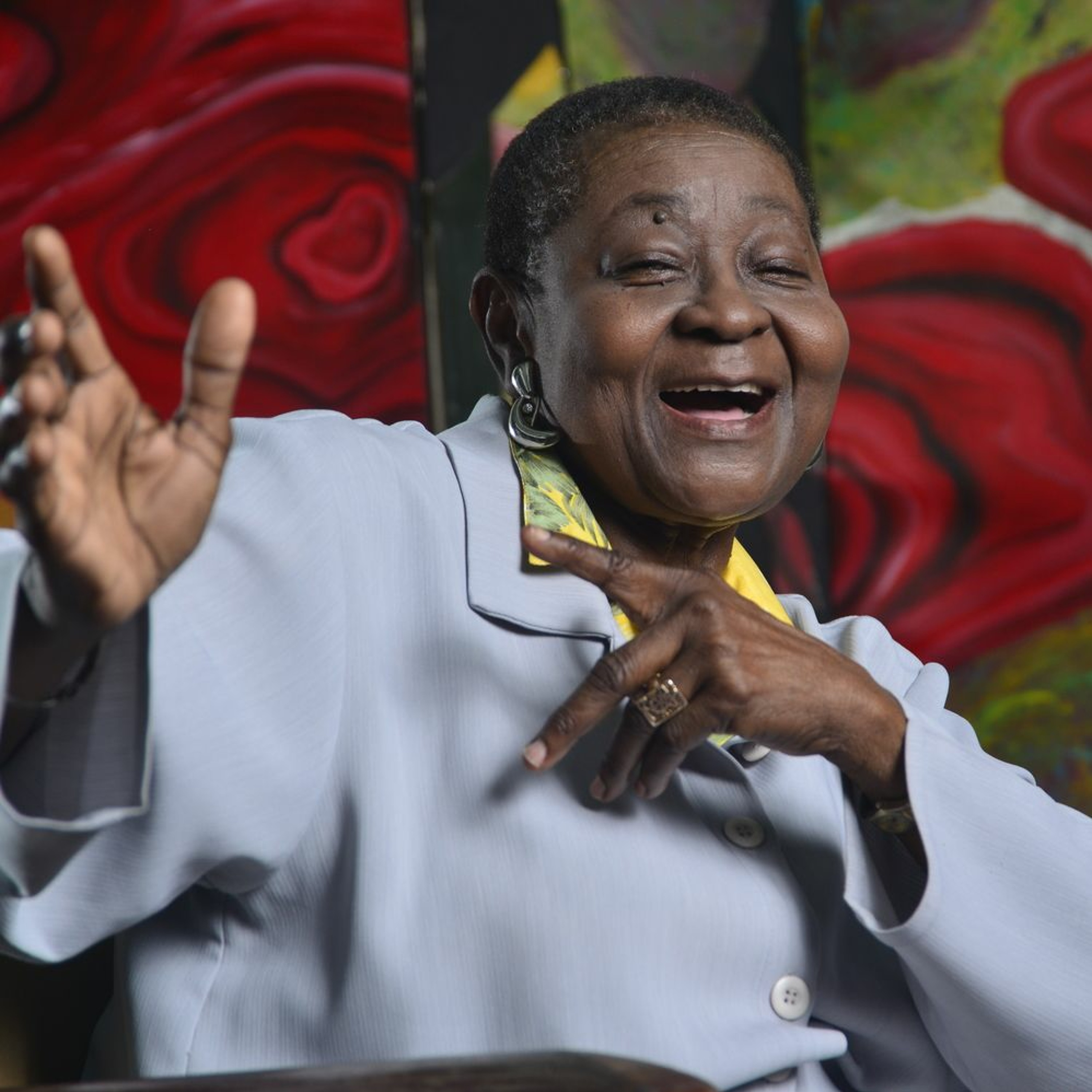
Tobago's #MeToo Trailblazer: Calypso Rose
For six decades Calypso Rose has been one of the Caribbean’s leading feminists and human rights advocates. Now, at the age of 78, she's touring the world with songs about sexual assault, workplace discrimination, and some thoughts on Donald Trump. In this report, Afropop correspondent Dan Rosenberg talks with Calypso Rose about using music as a weapon for social change, and how Rose collaborated with fashion designer Anya Ayoung Chee to transform "Leave Me Alone" into a political movement. We will also go behind-the-scenes with her producer, Ivan Duran, bandleader Drew Gonsalves of Kobo Town, and filmmaker Pascale Obolo. S3:E1
Afropop Divas - Live
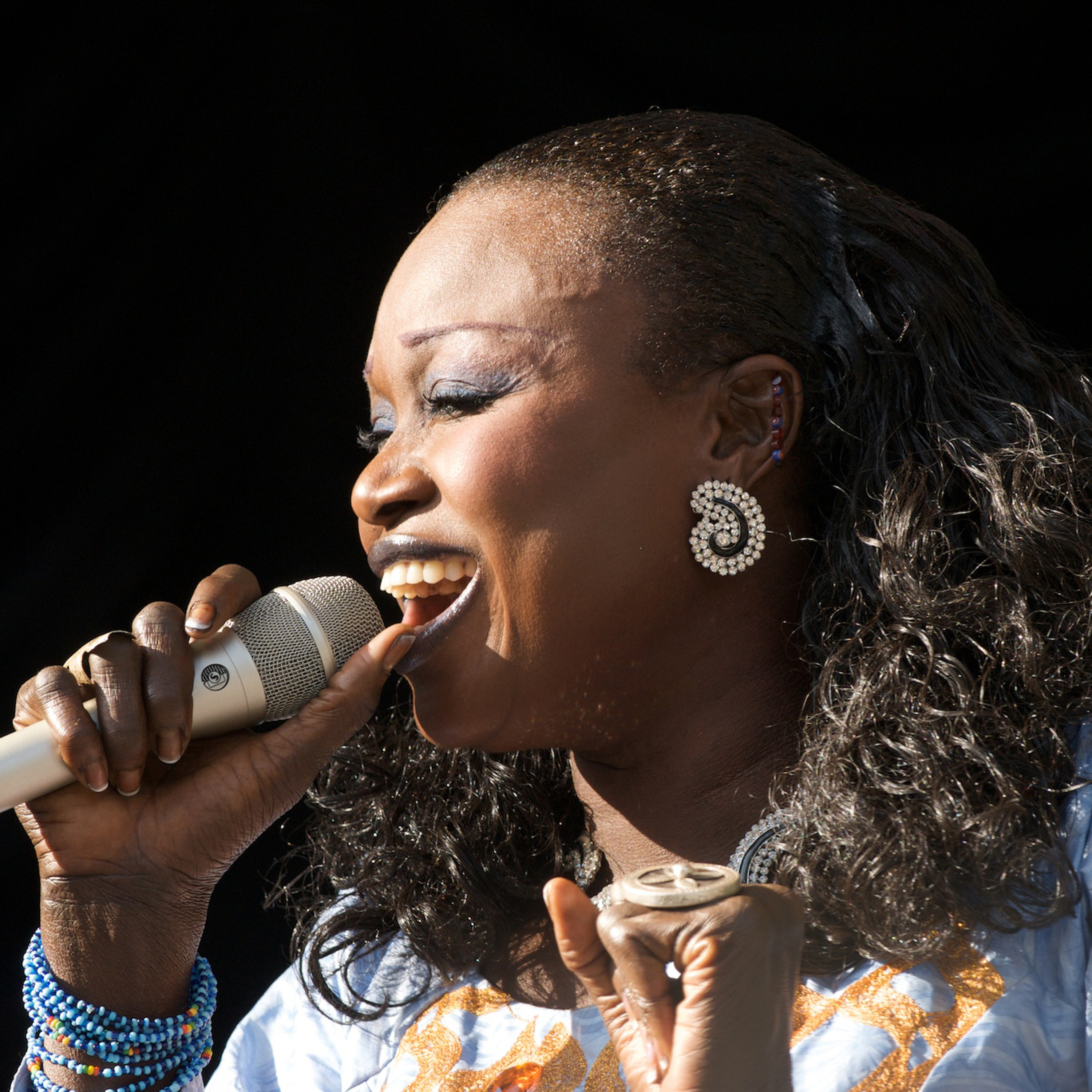
In honor of Afropop's 30th anniversary on public radio, we are proud to present "Afropop Divas - Live." These are artists of extraordinary artistic talent and larger than life personalities - recorded by Afropop Worldwide. Featured artists include Oumou Sangare from Mali, Cesaria Evora from Cabo Verde, Uum Kulthum from Egypt, and Marie Daulne born in Congo. Produced by Sean Barlow. [APWW #778]
Lagos and the Rise of Nigerian Afrobeats
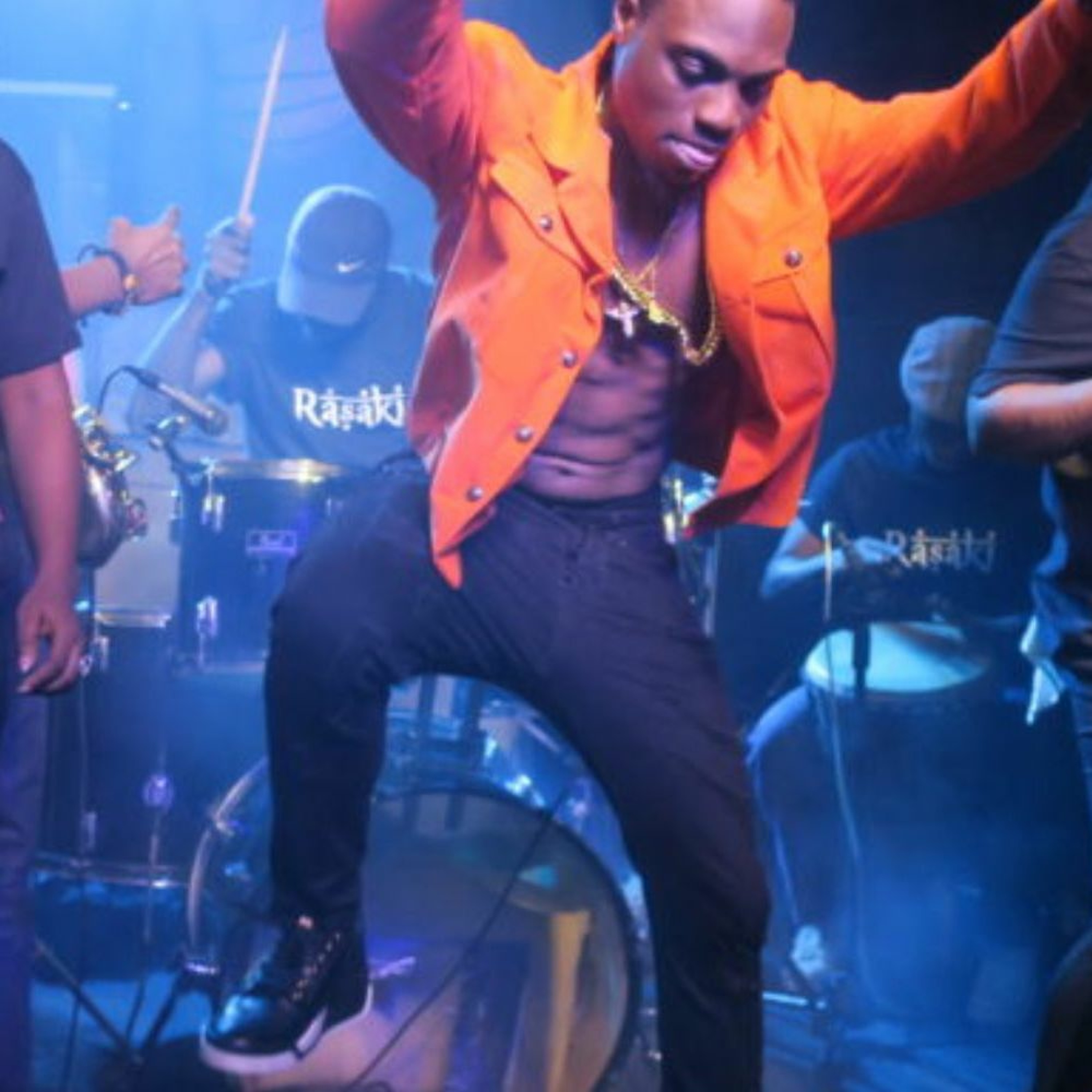
Lagos and the Rise of Nigerian Afrobeats Heavy, percussive club beats with irresistible hooks and street-wise raps in Yoruba, Igbo or pidgin English—Nigerian pop music, increasingly known by the much-debated term Afrobeats, is the sound that moves Lagos and the sound of Lagos that moves the world. But it wasn’t always this way! Starting in the early 1990s, a new musical movement was born in Nigeria. Ten years into a series of military dictatorships that almost completely destroyed the Nigerian music industry, artists including Junior & Pretty, the Remedies and Plantashun Boiz brought a new, youth-centric style drawing heavily on r&b, hip-hop and reggae, with plenty of local style. Twenty years later, this music has exploded from the margins to the Nigerian mainstream and grown into an international pop music phenomenon, spreading across the African continent and influencing U.S. and U.K. tastes. Musical, political, cultural, technological and economic developments have turned the sound of Lagos pop music into a massive industry of artists, labels, radio and television stations, video directors, PR firms and more. We’ll hear the story of the birth and development of this scene straight from the influential and foundational figures who lived it, including 2Face Idibia (2Baba), DJ Jimmy Jatt, Sound Sultan, Eedris Abdulkareem, and Kenny Ogungbe of the legendary Kennis Music label and Ray Power FM. We will also hear from current stars including Iyanya, Yemi Alade, Adekunle Gold and Flavour, visit Clarence Peter’s music video studio, and hear from the producers who define the sound, including Young John, Ikon and Cobhams Asuquo. Produced by Morgan Greenstreet. Hosted by Siji Awoyinka. Photo by Kazeem Akinpelu APWW #765
Lagos Roots: Fuji, Juju and Apala
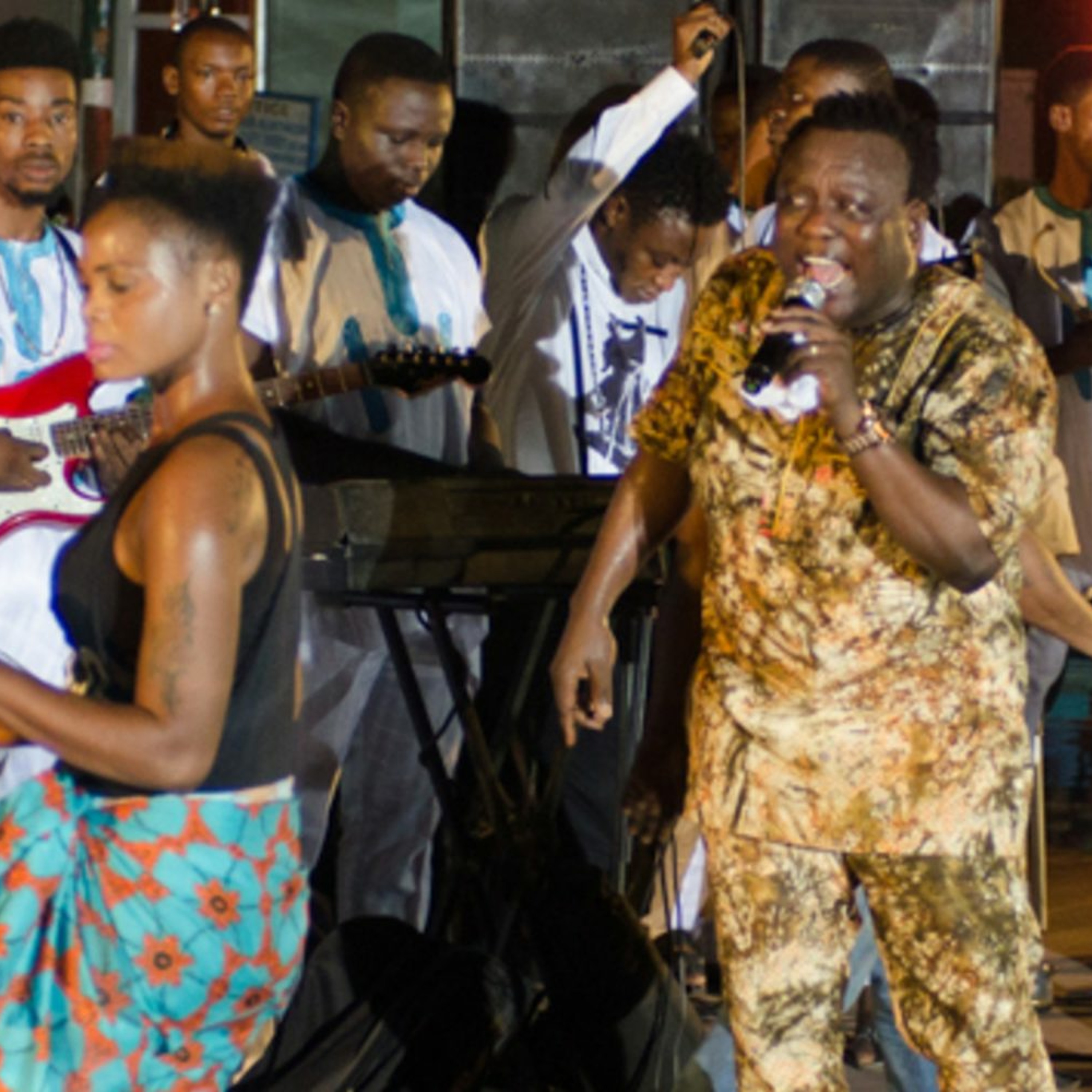
Beneath the gloss of Nigeria’s contemporary pop, older roots styles, mostly derived from Yoruba tradition, still thrive. In this program, we meet four top stars of fuji music, the percussion-driven, message-heavy, and occasionally profane trance music that animates weddings and parties on a daily basis in hidden corners of Lagos. Rival “kings” K1 da Ultimate and Saheed Osupa, and a rare woman of fuji, Salawa Abeni, take us inside the rough and tumble of an exciting musical subculture little known outside Nigeria. We also meet juju legend Shina Peters and meet up-and-comers on the Lagos roots scene. This program fills out our Hip Deep portrait of a vibrant African city where music holds the keys to a tumultuous collision of cultures and peoples. Produced by Banning Eyre and Sean Barlow APWW #763
Congolese Music - The Fifth Generation
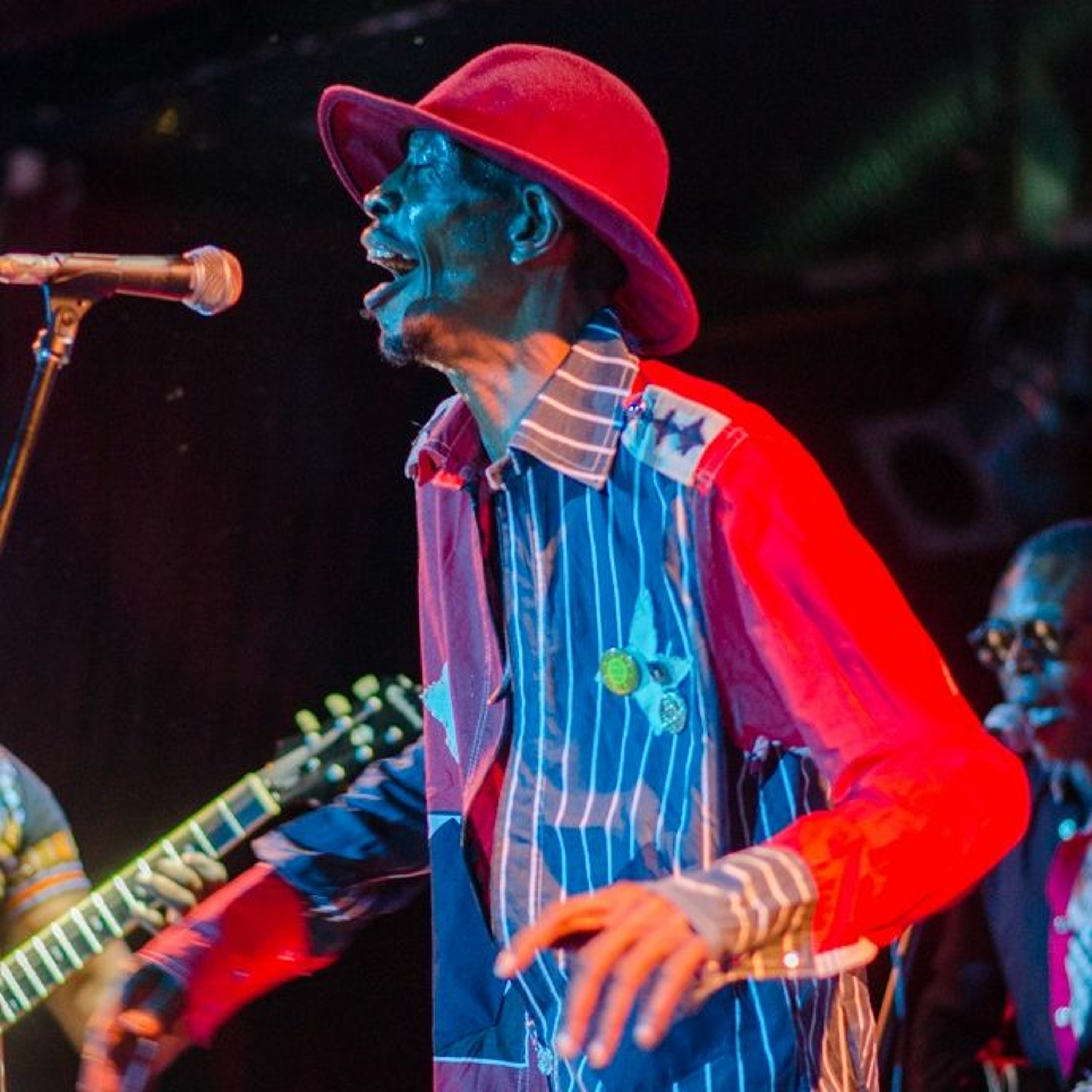
In the early 2000s, Afropop told the story of “Four Generations” in Congolese music—from rumba and rumba-rock to soukous and ndombolo. Now time has marched on, and once again, thrilling new sounds are emerging from Kinshasa and its global diaspora. We’ll hear hyperkinetic roots-rock from Jupiter and Okwess, Fally Ipupa’s embrace of the current Afrobeats trend, experimental innovations from Pierre Kwenders in Montreal, and more. We’ll also speak with Congolese music connoisseur Lubangi Muniania for insights into the latest trends from one of Africa’s greatest musical powerhouses. Produced by Banning Eyre APWW PGM #777
Cooking with Georges Revisited
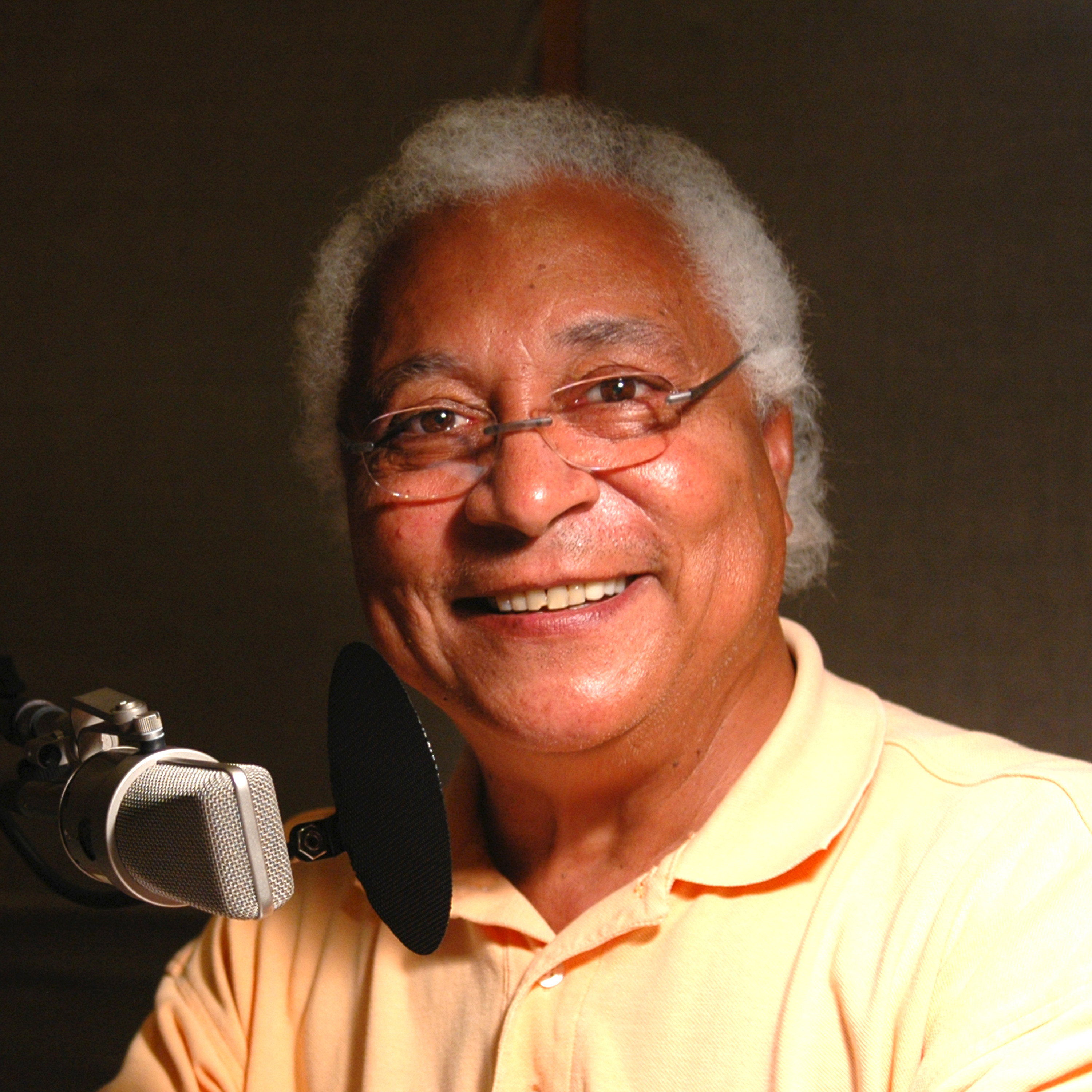
One of the glories of Afropop’s 30-year run has been joining our host Georges Collinet in the kitchen as he creates delicious concoctions, while grooving to his favorite tunes. This episode looks back on two classic “Cooking with Georges” episodes: Yassa Chicken from Senegal, and Yoruba soul food with guest chef Baba John Mason—all accompanied music to make you move, from wherever George’s insatiable culinary curiosity takes him. Get your apron and your dancing shoes ready! Produced by Banning Eyre APWW #776
Barbados at 50: From Soca to Spouge
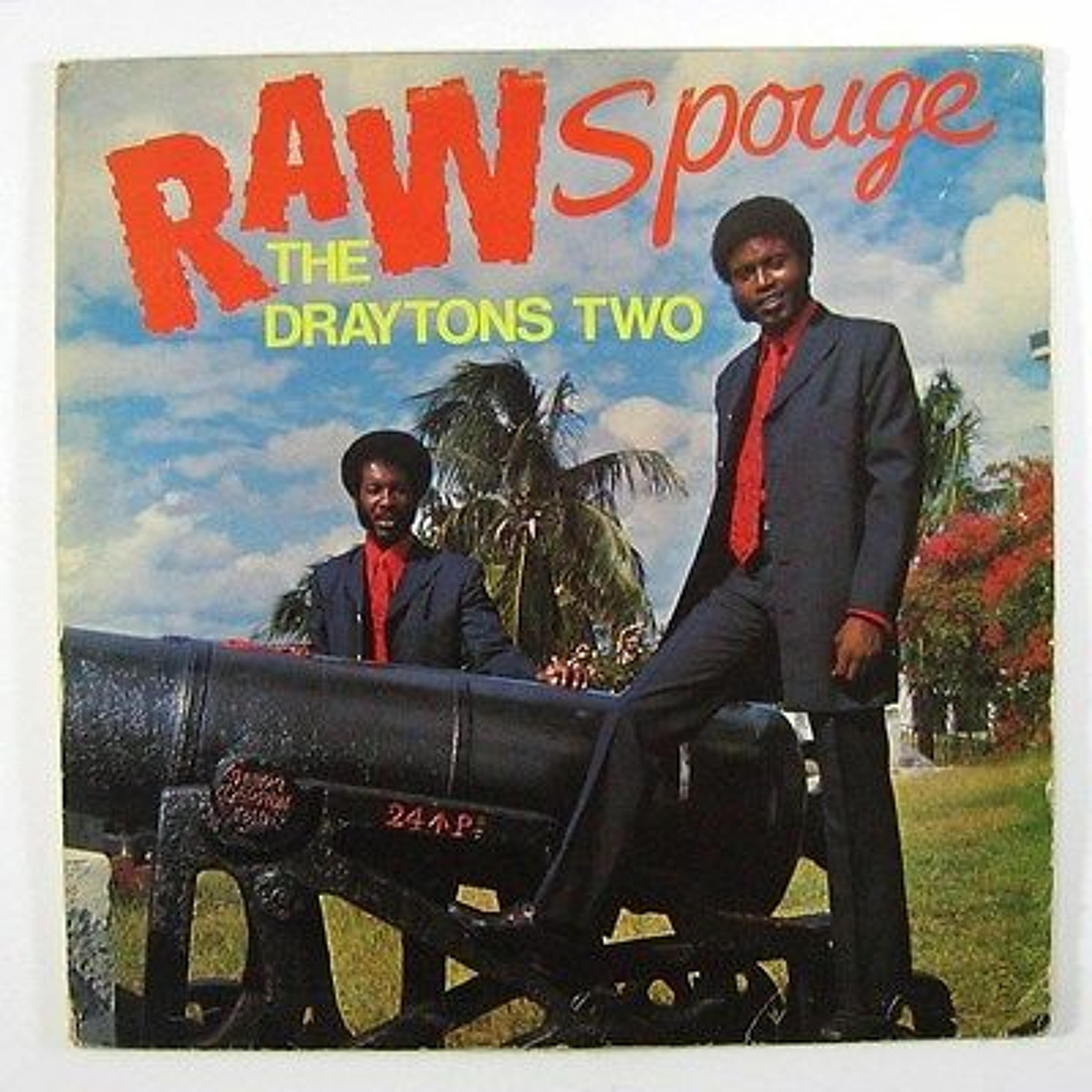
Barbados recently celebrated its 50th anniversary of independence. We look into the rise and mysterious fall of the funky Bajan spouge beat which ruled the island in the ’70s, and discover a few underground musicians who are trying to keep it alive. Calypsonians Mighty Grynner and Red Plastic Bag detail their contributions to the lyrically potent kaiso scene. Soca stars Alison Hinds and Edwin Yearwood talk about the pros and cons of the island's competition circuit, and we learn about the hot new "soca bashment" scene. Produced by Saxon Baird and Noah Schaffer in 2017. APWW #746
Crabs with Brains
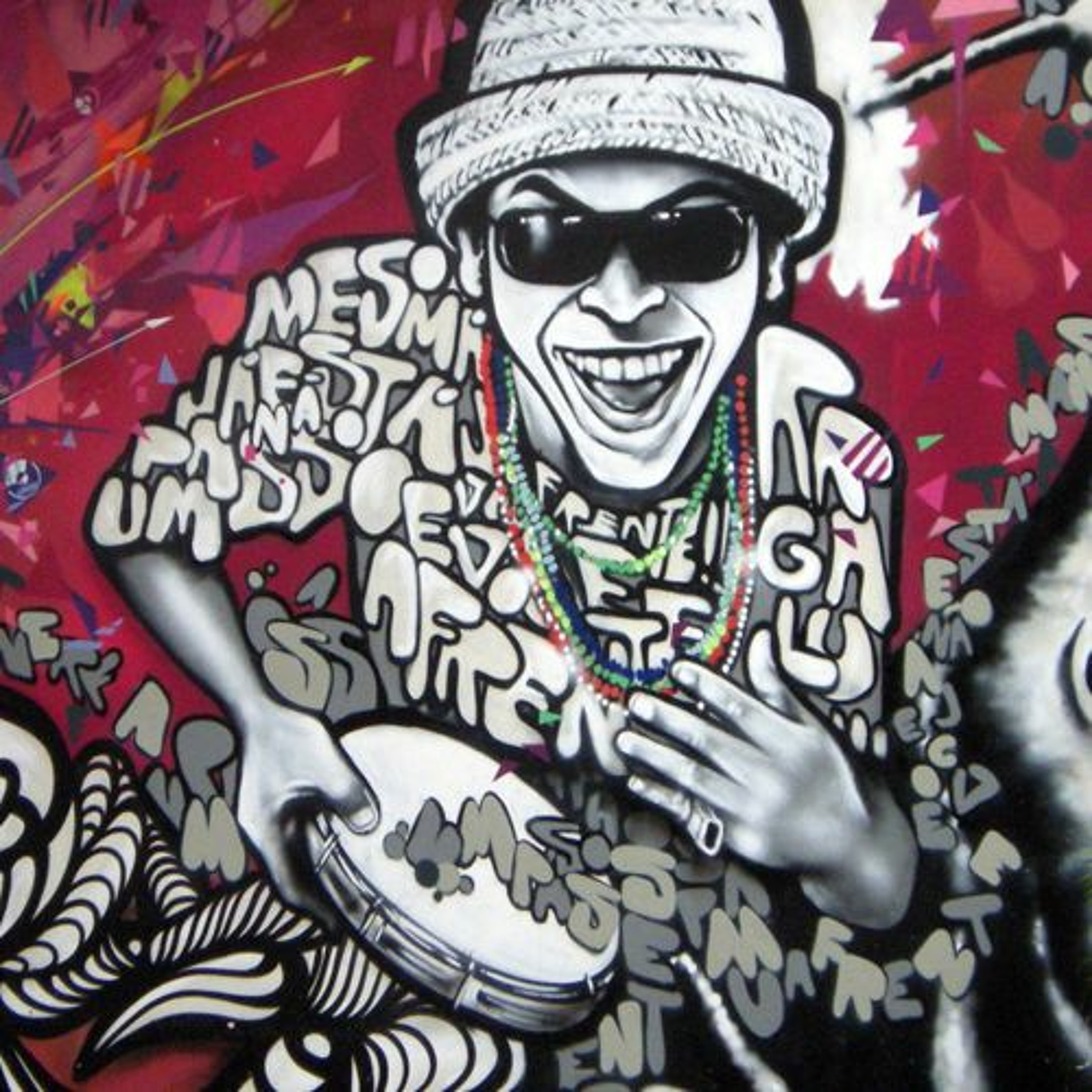
Crabs with Brains In the early 1990s, mangueboys and manguegirls stimulated fertility in the veins of Recife, Brazil. They were interested in hip-hop, the collapse of modernity, chaos and marine predator attacks (mainly sharks). Armed with boundless creativity, they turned one of the world’s most poverty-stricken cities into one of Brazil’s greatest centers of culture. Mangue artists mixed hip-hop, Jamaican raggamuffin and punk rock with traditions from Brazil’s northeast like maracatu and embolada. In this program, we explore the legacy of the mangue bit movement and its biggest star, Chico Science of Nação Zumbi. We also take a look at a new generation of adventurous musicians in Recife. Join us as we connect the good vibrations of the mangue with the world network of pop! Produced by: Jesse Brent April 5, 2018: Crabs With Brains APWW PGM #704
Roots and Future: A History of UK Dance
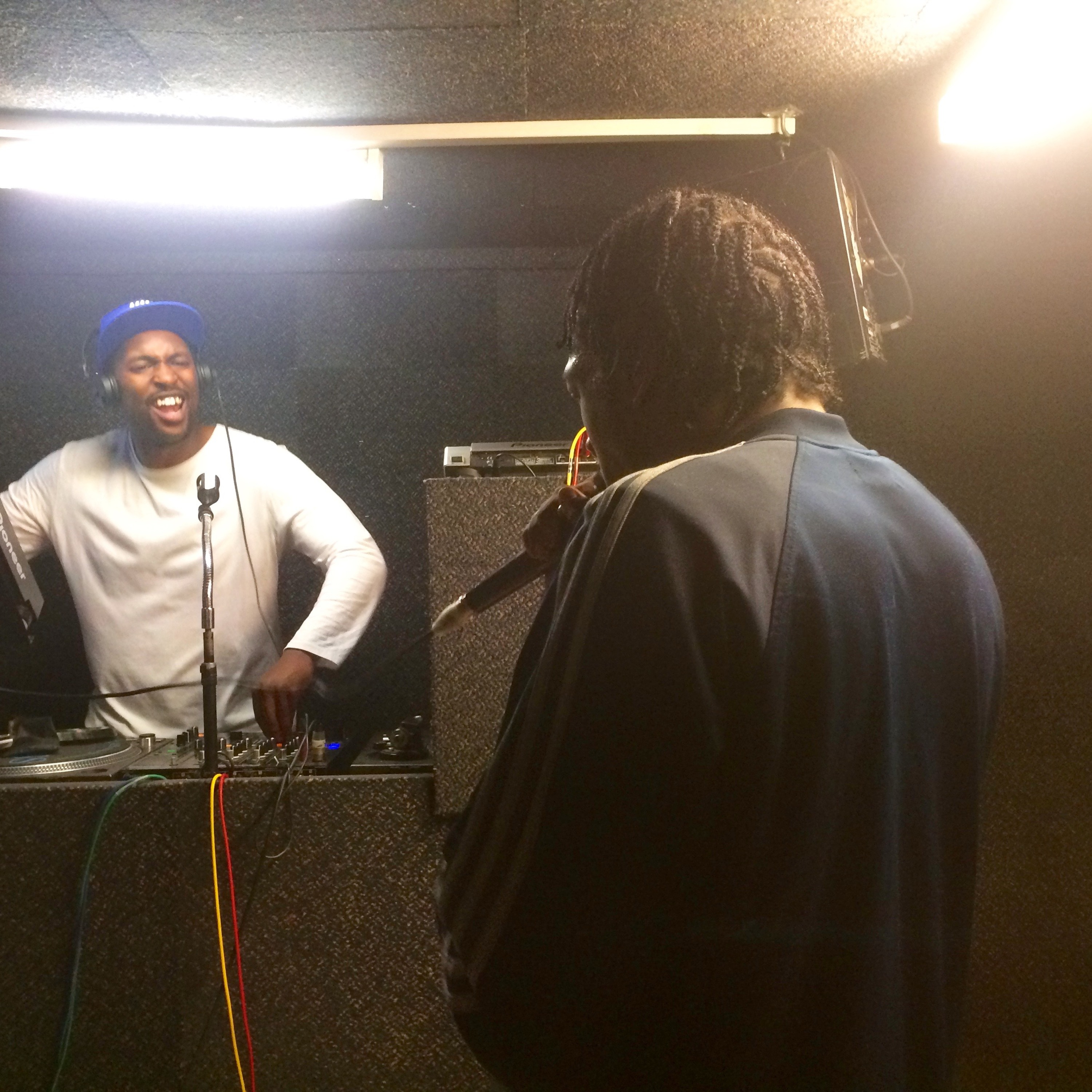
Look around today’s musical mainstream, and you’ll quickly realize that dance styles are everywhere, filling stadiums, topping charts, and gathering tens of thousands in festivals around the country. Yet few know their full history. Building on prior Hip Deep explorations of the origins of house and techno in the American Midwest, “Roots and Future” explores how a community of (primarily) black British musicians, fans, DJs and radio pirates recreated dance music in the United Kingdom during the 1990s and 2000s. Connected to the musical mainstream during 1989’s drug and rave-fueled “second summer of love,” these once-segregated musicians learned to combine American hip-hop, dancehall toasting, dub bass, and techno euphoria to create style after chart-topping style, from drum-twisting jungle to the slick sounds of garage, the ferocious rhythms of grime, and the all-encompassing low end of dubstep. In this episode we’ll speak to legendary pirate radio DJs, underground label owners, and groundbreaking producers. We’ll check young MCs spitting their bars on illegal frequencies, and hear veterans playing to their beloved audiences. And most importantly? We’ll rave. See you on the dance floor. Produced by Sam Backer. APWW PGM #733
Plenty Bacchanal: Carnival in Flux
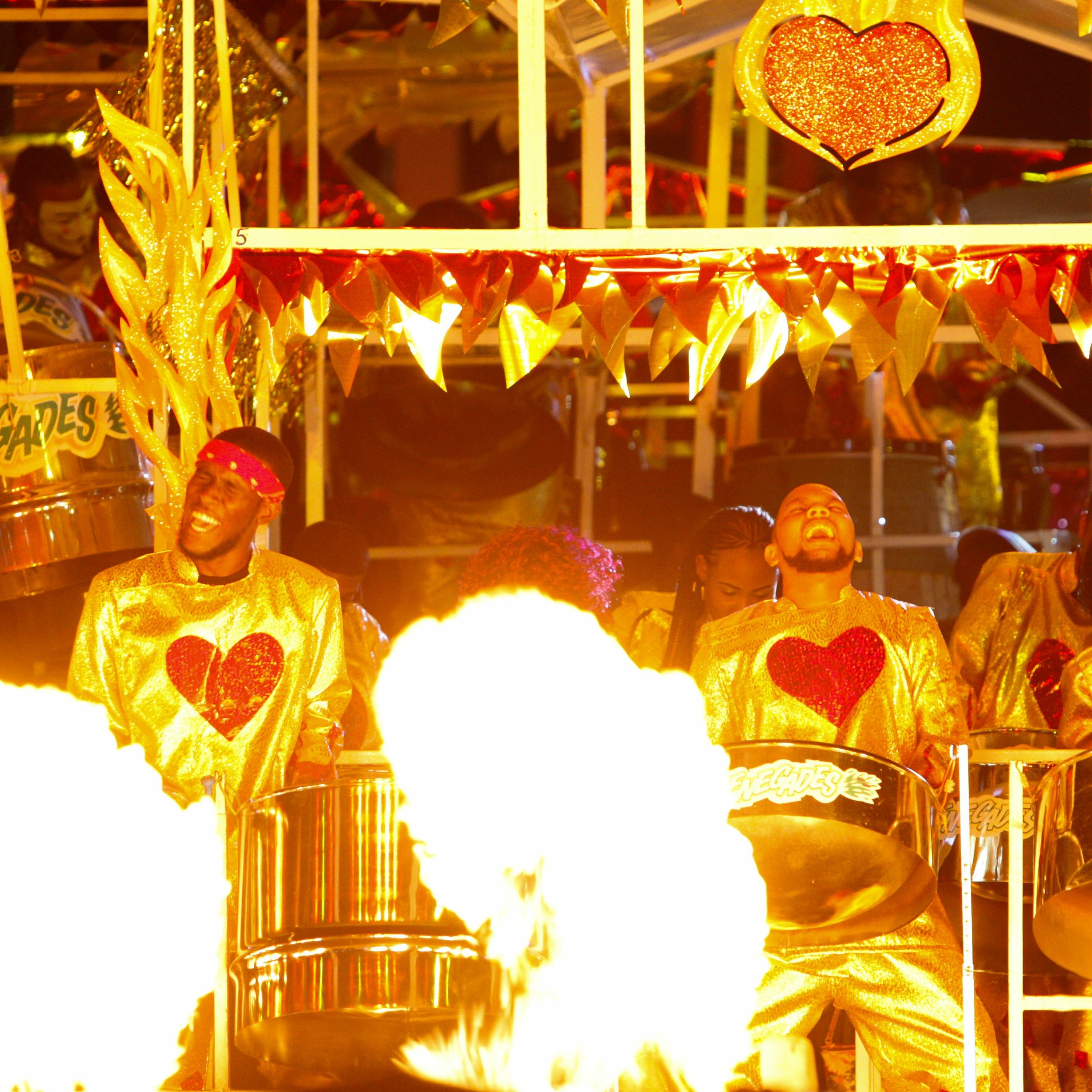
Trinidadians call their annual Carnival festivities "the greatest show on earth" and with good reason. The Carnival season is overflowing with art and music: steelpan, calypso, soca and extravagant masquerade costumes. On this Afropop program, we take a look at how the Carnival arts are kept alive in today's Trinidad, in an untidy, evolving cultural, economic and political landscape at home and abroad. Open your ears to some life-giving music and conversations about Trinidad and its brilliant bacchanal. Produced by Sebastian Bouknight. APWW PGM #774
Highlights From Afropop Closeup: Season Two
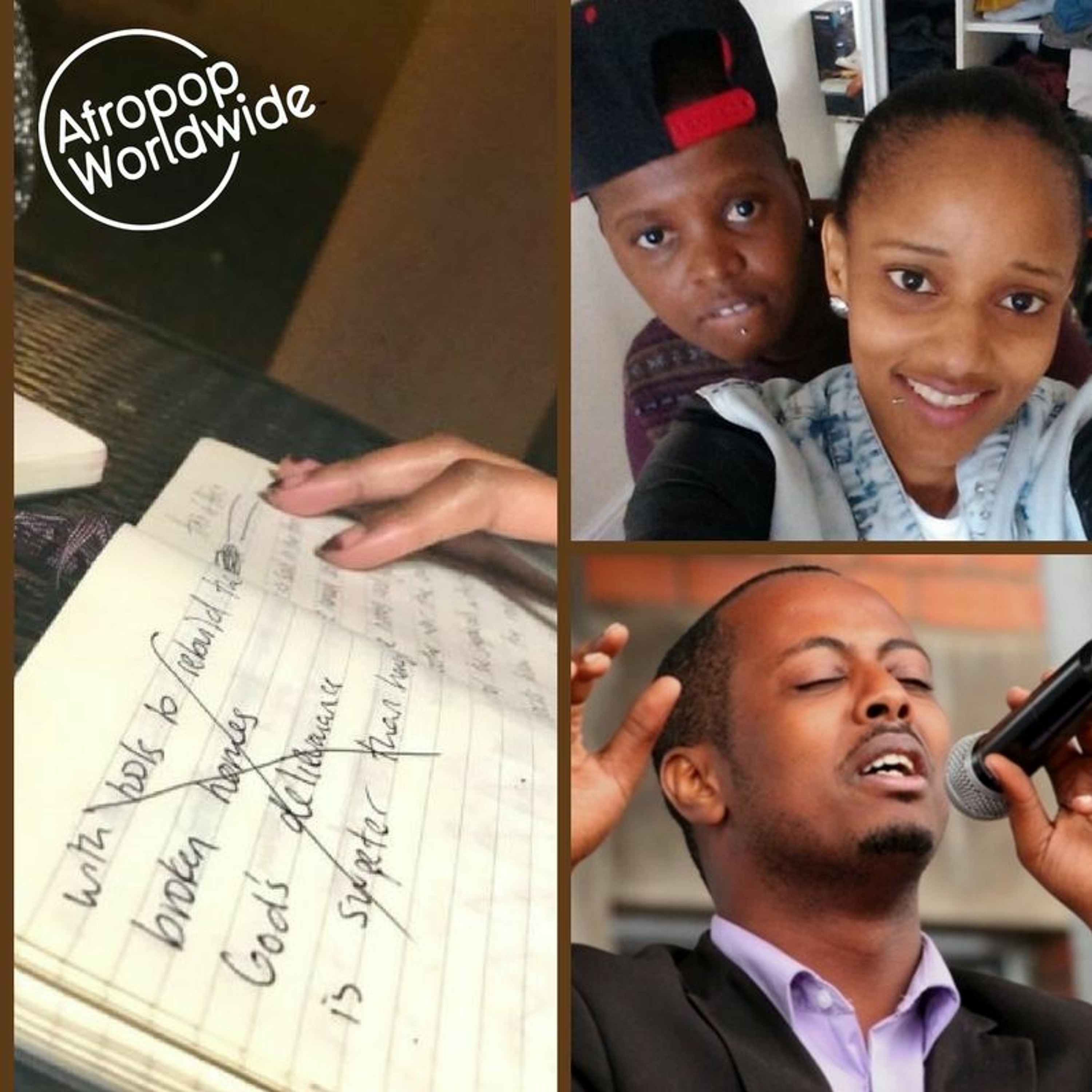
Since the launch of the second Afropop Closeup season in the summer of 2017, we’ve taken you through the stories of producers, lovers, activists, poets and musicians from Africa and the diaspora finding their respective ways in the world and connecting through music. Since this series is only available online, we are bringing you highlights of some of the most captivating stories in this season. You will hear the voices of our regular Afropop producers and some newcomers narrating these stories from around the world. Produced by Akornefa Akyea. APWW PGM #772
Africa and the Blues
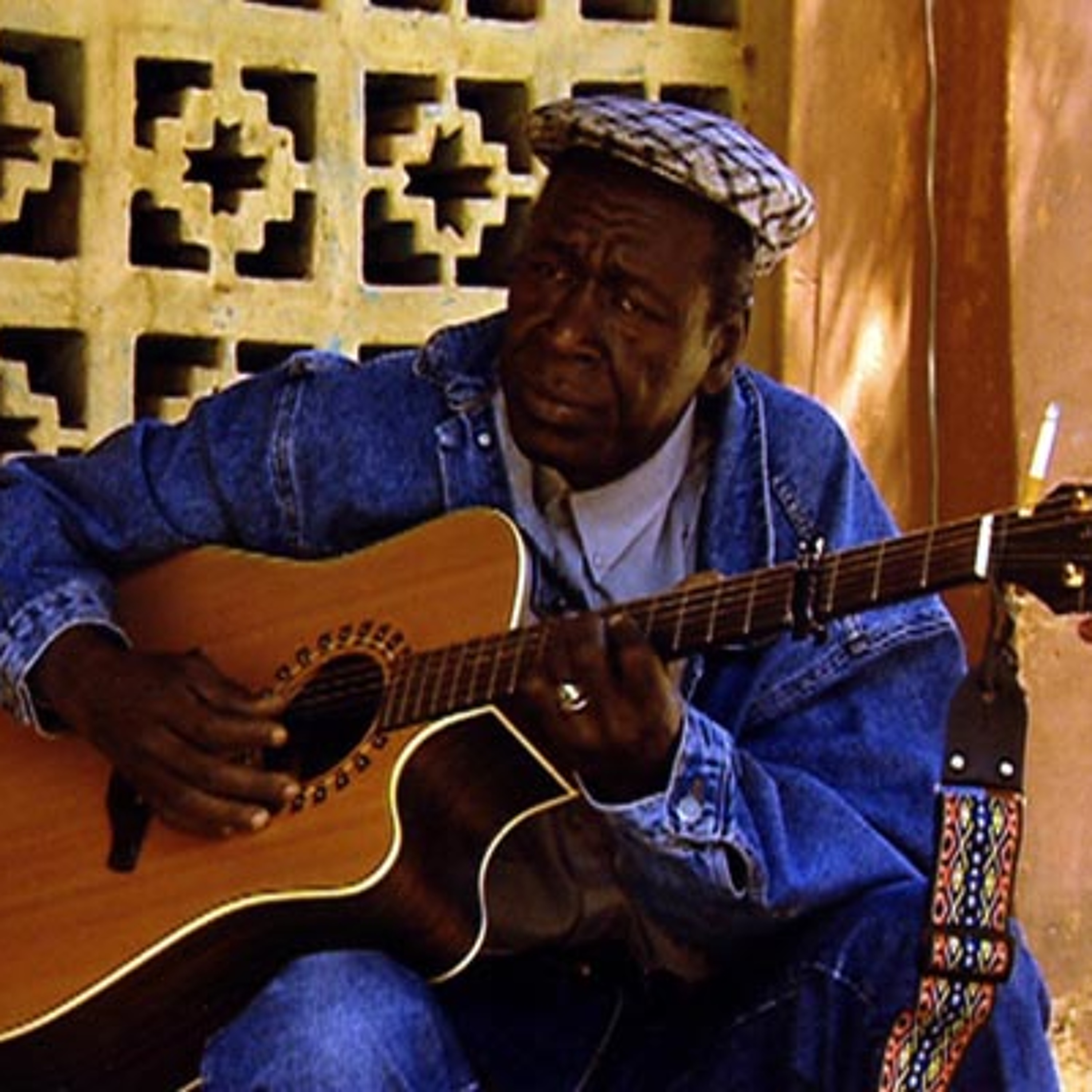
When this episode first aired, the recent death of Malian guitar legend Ali Farka Touré inspired a new round of speculation about the roots of the blues in Africa. Touré famously argued that the beloved American genre was "nothing but African", a bold assertion. Among scholars, Gerhard Kubik's book Africa and the Blues has gained recognition as the most serious and penetrating examination of the subject. This program in our Hip Deep series will be produced in collaboration with Kubik, allowing a rare opportunity to delve into his vast collection of recordings. We will listen to Ali Farka Touré and John Lee Hooker through Kubik's ears, and hear from many lesser known artists on both sides of the Atlantic. Even though the blues is a central component of American music, it is one of the most mysterious, and least understood aspects of our popular music culture. This program will give us new insight. Produced by Banning Eyre. (originally aired 2007)
With Feet in Many Worlds
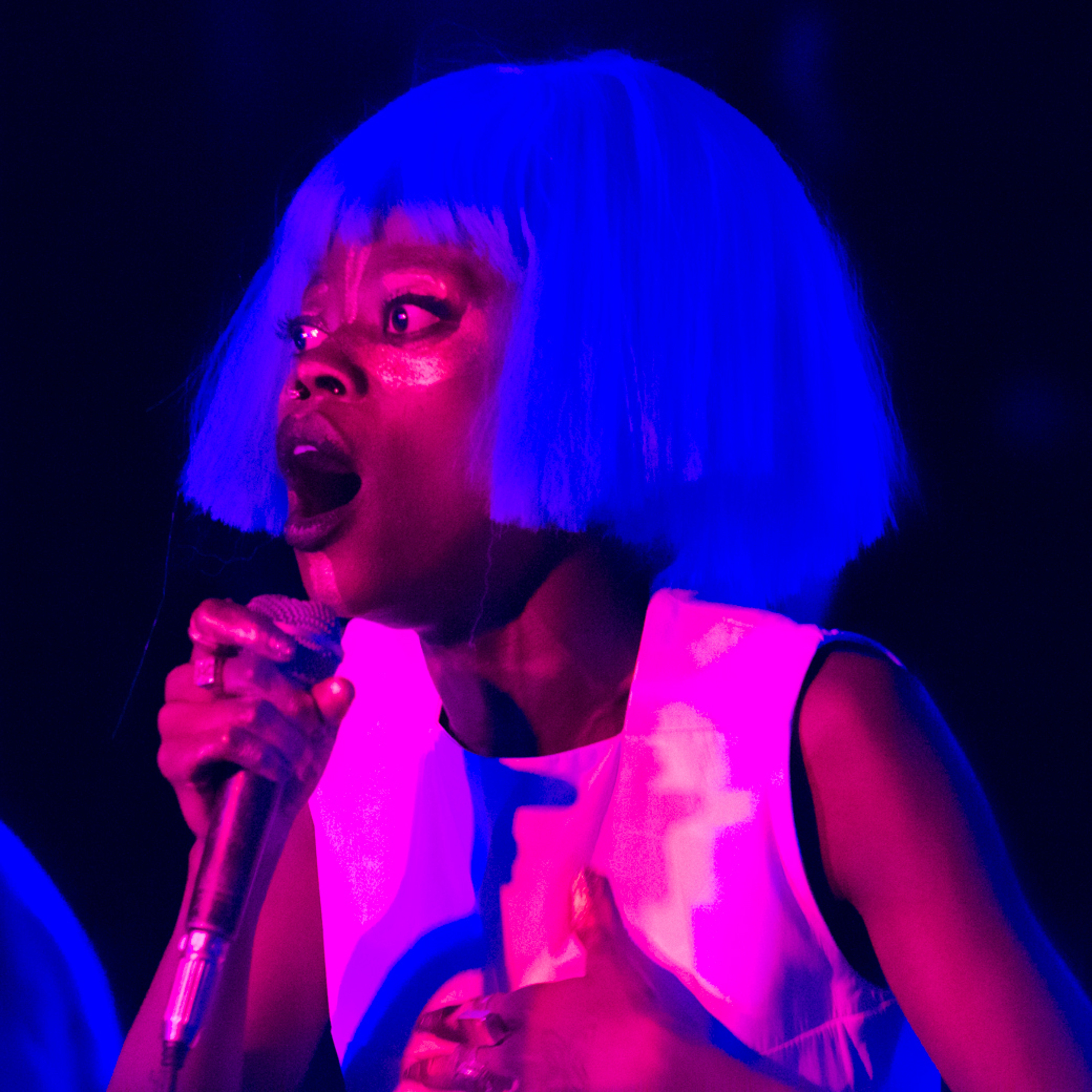
As the 21st century rolls on, more and more of the musical artists who are making a difference cannot be pinned down to any one national identity. Migration, inter-marriage, and the hurly burly of our globalized planet are creating a new and growing generations change-makers with hyphenated identities. In this program we hear from Ayo (Nigerian-Roma-German), Meklit Hadero (Ethiopian-American), Weedie Braimah (Ghanaian-American), La Dame Blanche (Cuban-French), Pascal Danai of the band Delgres (Guadeloupan-French) and others as we sample the rich music and hear the stories, challenges and triumphs of this fascinating new generation of global musical creators.
What's in a Nigerian Name?
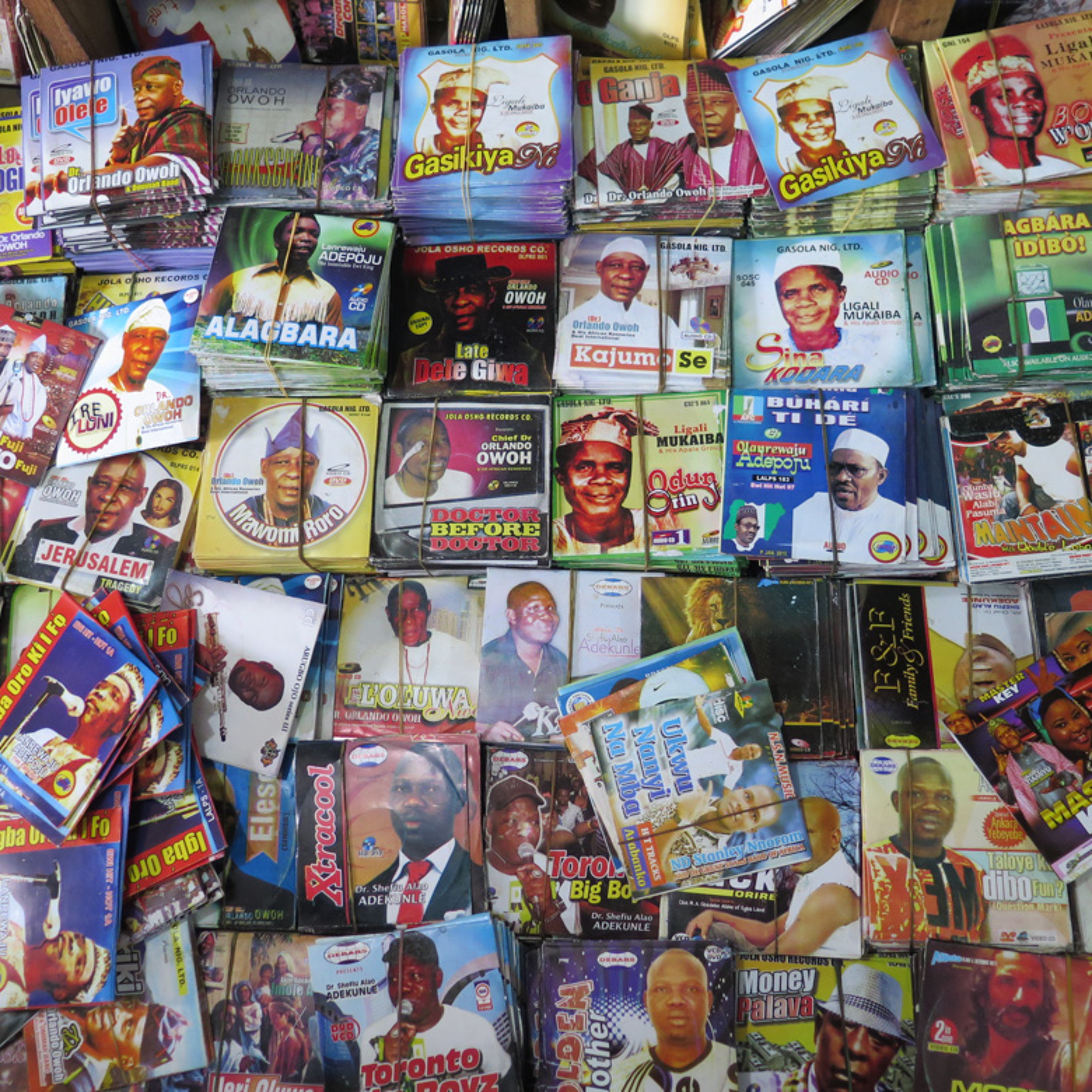
Musicians everywhere adapt stage names. They can be profound, grandiose or simply humorous, but they always represent a way of distinguishing the artist from the person. In Nigeria, there’s something special going on with stage names. For one thing, they are nearly universal. They can also change over the course of an artist’s career. And they reflect the realities of Nigeria’s complex history, under British colonialism, military rule and the recent democratic period. Stage names riff on the domains of business, religion, politics, the military and the far reaches of the unique Nigerian imagination. This podcast offers a whimsical tour of contemporary artist names in this diverse musical nation. Produced by Banning Eyre.
Reimagining Jazz in Africa: Cape Town Cosmopolitans and Beyond
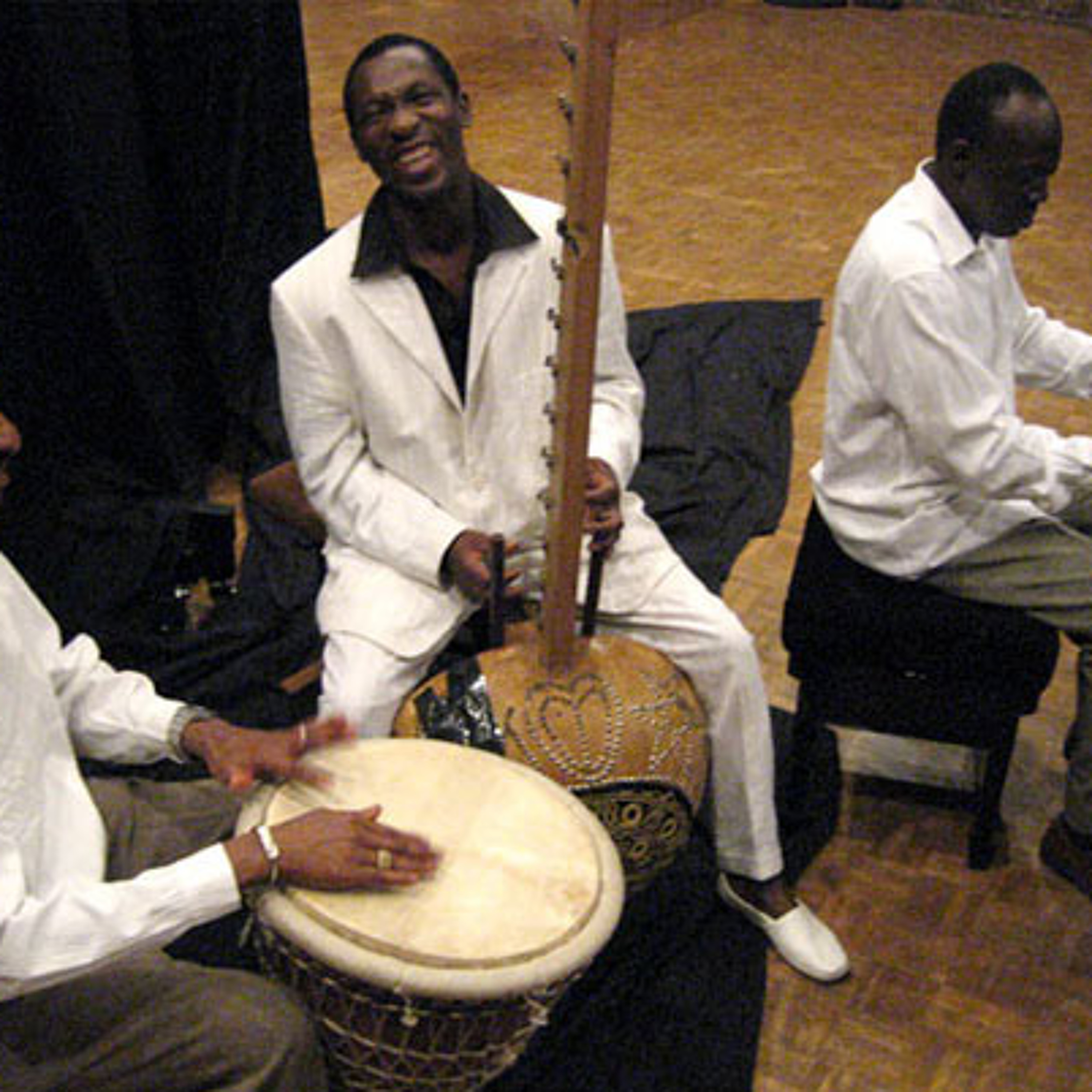
In recognition of the recent death of South African maestro Hugh Masekela, we revisit a program that touches on one of his earliest musical landmarks, The Jazz Epistles. It’s no secret that the distant roots of American jazz lay in Africa. But how did Afro-America’s revolutionary sound reshape African music? On this Hip Deep edition, we examine how African artists found a modern, global voice using jazz as inspiration. Author Carol Muller tells the story of Abdullah Ibrahim, whose prolific career was launched with “Duke Ellington Presents the Dollar Brand Trio” followed by “Anatomy of a South African Village Suite.” We dig into the political significance of the U.S. State Department tours of Louis Armstrong and Duke Ellington, and how their visit to Africa underscored the greater fight for social justice for blacks around the world. Senegalese music scholar Timothy Mangin explains West Africa's attraction to American big band music. Finally, jazz and African music scholar Ingrid Monson tells the story of jazz in Ethiopia and Nigeria, and how this American tradition sculpted the sounds of such luminaries as Mulatu Astatke and Fela Kuti.
Afropop at 30: Live in the '90s
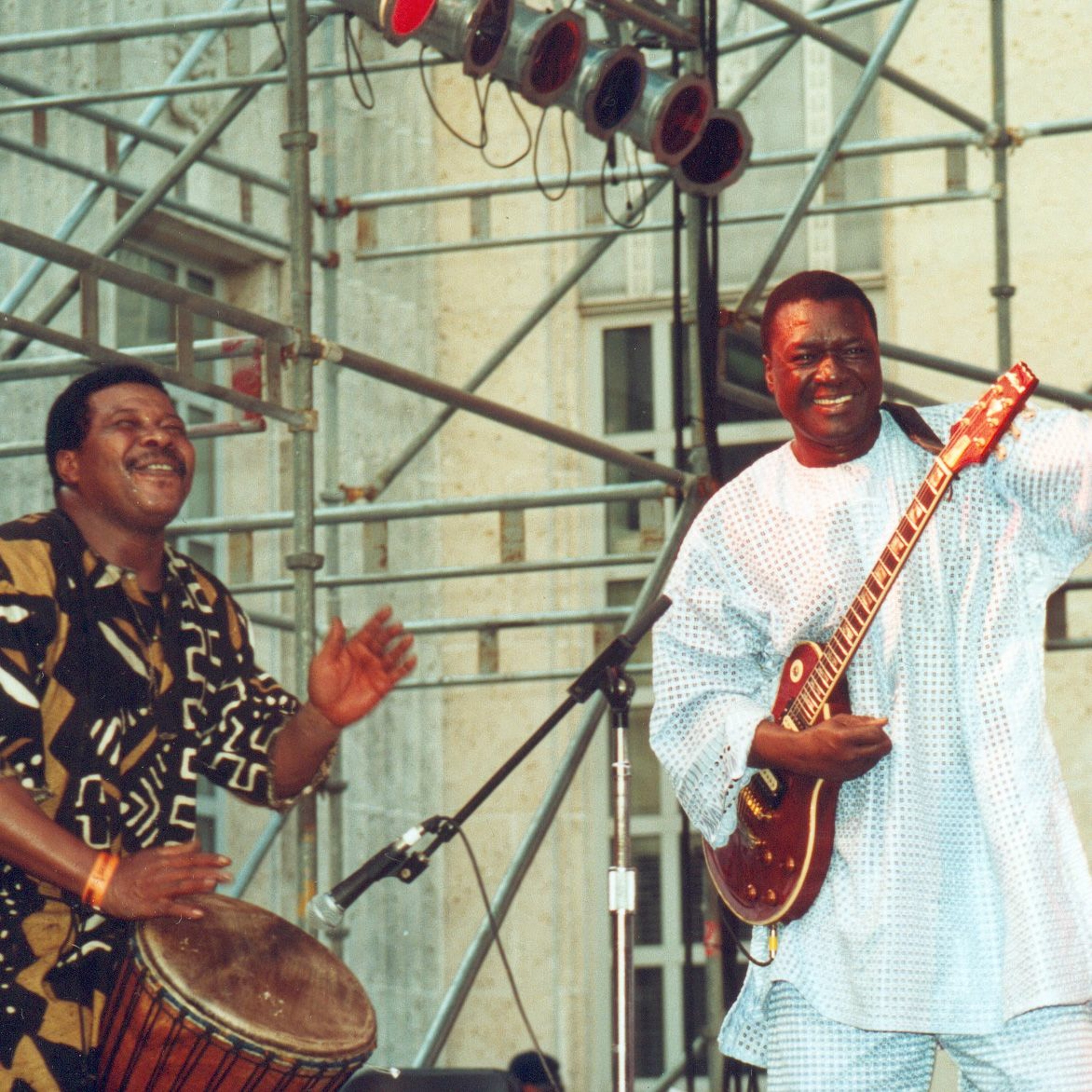
As we begin our year of celebrating Afropop Worldwide's 30th anniversary on the air, we take a special look back at some highlights of our long run on public radio. We return to our past visits to South Africa, Congo, Senegal, Mali, Cuba, and check in with the hippest hip-hop artists we caught performing at Nuits d'Afrique and Mawazine. Produced by Sean Barlow and Banning Eyre. Follow Afropop Worldwide on Facebook at www.facebook.com/afropop, on Instagram @afropopworldwide and on Twitter @afropopww. Subscribe to the Afropop Worldwide newsletter at www.afropop.org/newsletter/ APWW PGM #771 Distributed 1/25/2018
The Voice of Protest: Betsayda Machado Sings Against Hunger in Venezuela
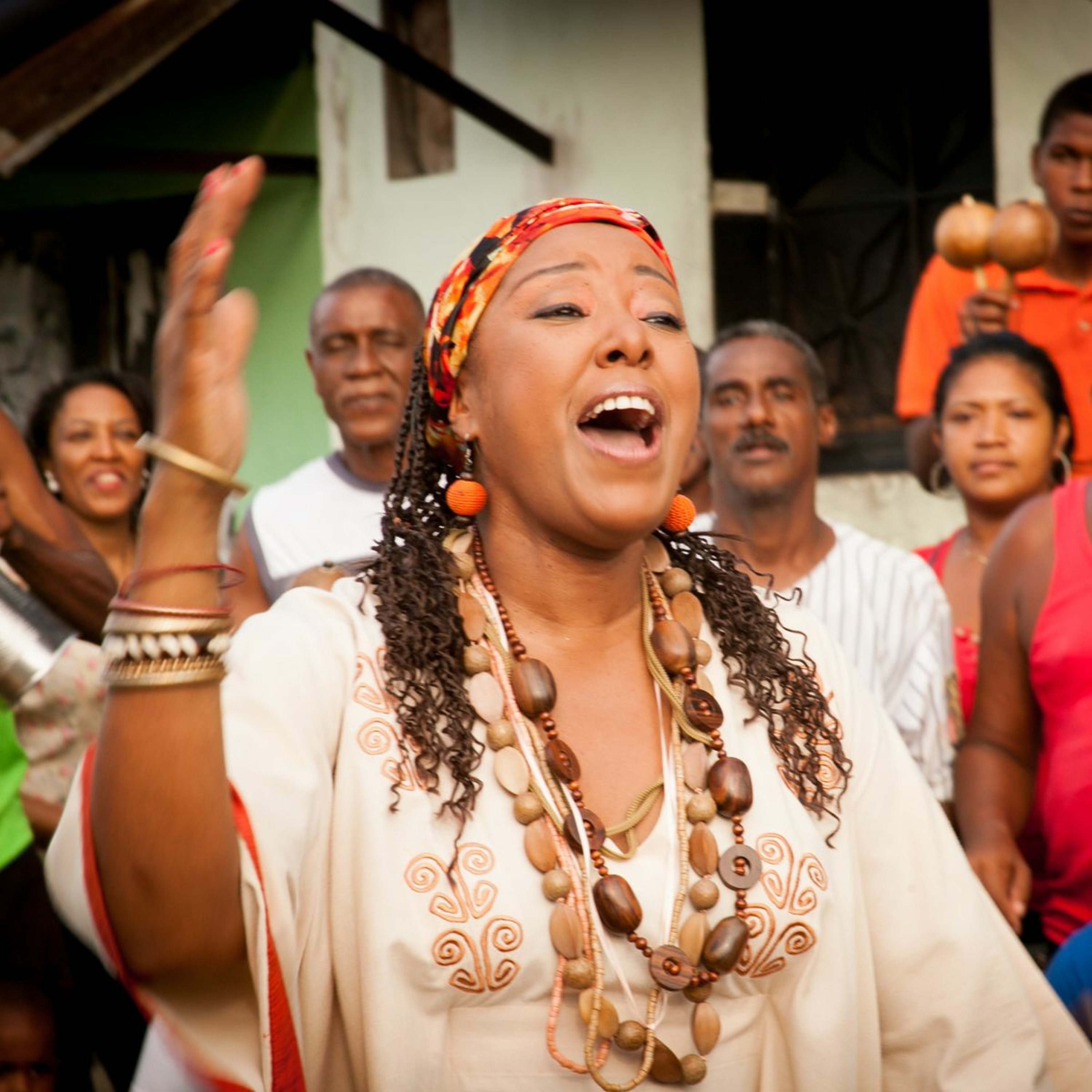
The songs of Betsayda Machado, the leading voice of Afro-Venezuelan music, address many of the most painful topics of daily life of her country: hunger, poverty, shortages of basic medicine, and deadly street riots – stemming from the current economic and political crisis in Venezuela. They talk about its consequences on a gut level: empty store shelves, and the devastation of parents unable to feed their children. Some in Venezuela who have spoken out have faced retribution, but that hasn’t deterred Betsayda Machado. Produced by Dan Rosenberg. About the producer: Dan Rosenberg is a journalist and music producer based in Toronto, Canada. He reports and music and culture for The Huffington Post, The Times (UK), The Rough Guides and various public radio programs including “Afropop Worldwide” and “Café International”. He also has produced over 60 albums including Yiddish Glory and dozens of releases for the Rough Guide to World Music series. Follow Afropop Worldwide on Facebook at www.facebook.com/afropop, on Instagram @afropopworldwide and on Twitter @afropopww. Subscribe to the Afropop Worldwide newsletter at www.afropop.org/newsletter/ S2:E11 Afropop Closeup Distributed 1/23/2018
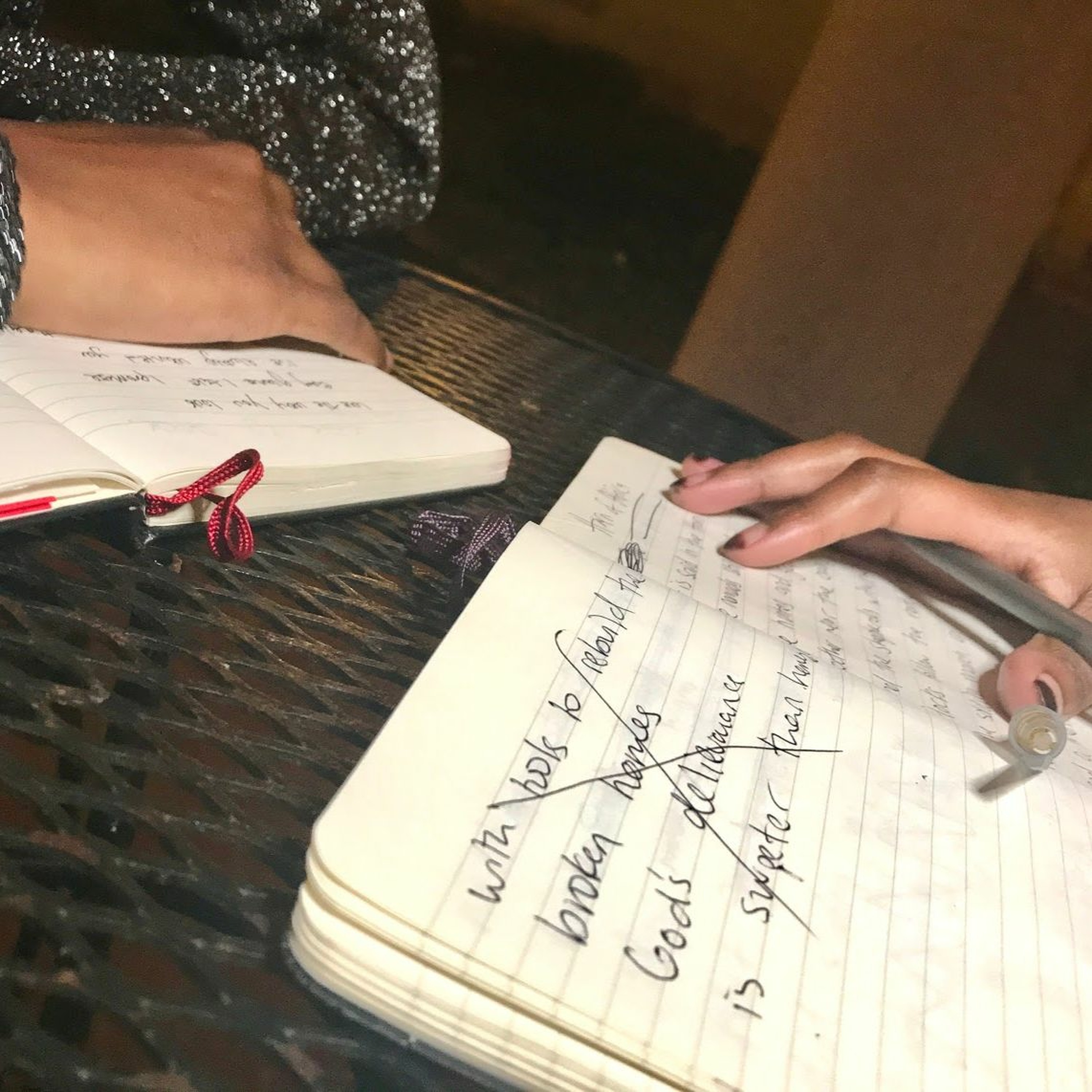
“For My Ayeeyo:” Learning Somali Poetry From a Distance
Amal Hussein and Hamdi Mohamed have a lot in common. Both were born in Kenya, where their parents fled as refugees during the Somali Civil War, and both came to Boston when they were just a few years old. They’re both poets — and equally important for this story — both their grandmothers are poets. But there’s one crucial difference in the two women's stories. Hamdi grew up with her grandmother ("ayeeyo" in Somali") in the house, whispering poems in her ears. Amal has only known her grandmother on the phone — she stayed behind when the rest of the family fled. Nevertheless, it is the distant words and stories of her grandmother that inspire Amal to take on the challenge of writing her first Somali poem. Produced by Ian Coss. This program was produced in partnership with The New American Songbook podcast from The GroundTruth Project. Follow Afropop Worldwide on Facebook at www.facebook.com/afropop, on Instagram @afropopworldwide and on Twitter @afropopww. Subscribe to the Afropop Worldwide newsletter at www.afropop.org/newsletter/ S2:E10 Afropop Closeup Distributed 1/09/2018
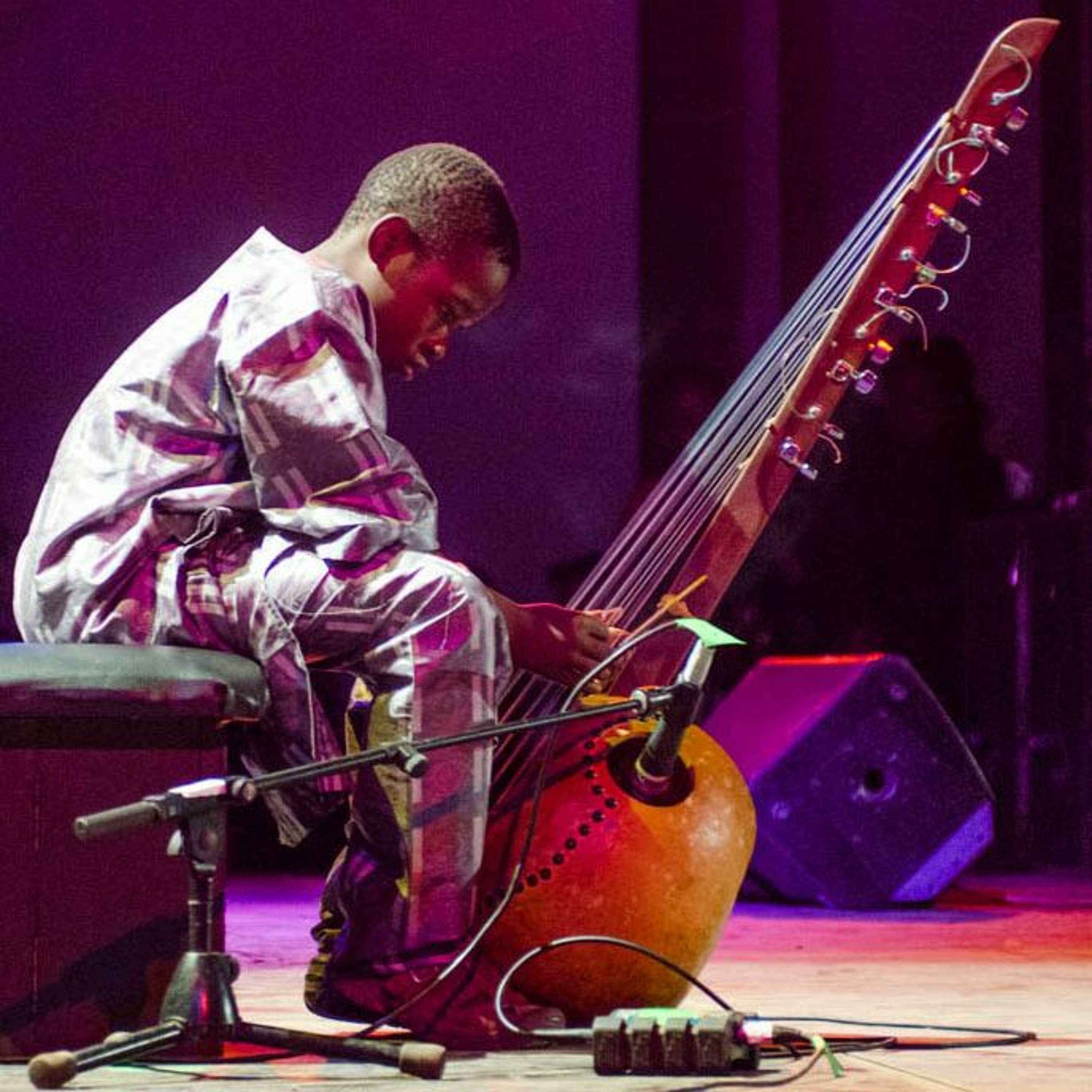
Hip Deep in Mali: Growing Into Music in 21st Century Bamako
This program presents a musical portrait of Bamako in the wake of crisis. In 2012-13, Islamists occupied the north and a coup d’etat threatened a recent history of functioning democracy. With borders restored and a new elected government in place, we find musical life returning with festivals, nightclub shows and street weddings. But that picture hides darker realities. Ethnomusicologist Lucy Durán has been studying the oral transmission of music in various countries, notably among griot families in Mali. With her guidance, we explore the precarious lives of griots in today’s Bamako, focusing on the upbringing and education of children in these hereditary families of historian-entertainers. Elders and traditionalists say the griot tradition has been corrupted beyond hope, and even advise their young to pursue different professions. Others persist, within an environment where growing religious conservatism puts increasing pressure on the lives and careers of all musicians. We meet three extraordinarily talented griot children, and hear music and reflections from kora master Toumani Diabaté and his massively popular songwriter son, Sidiki. And we get a fascinating historical perspective from Gregory Mann, professor of history at Columbia University. Produced by Banning Eyre. Follow Afropop Worldwide on Facebook at www.facebook.com/afropop, on Instagram @afropopworldwide and on Twitter @afropopww. Subscribe to the Afropop Worldwide newsletter at www.afropop.org/newsletter/ APWW #731 Distributed 1/11/2018
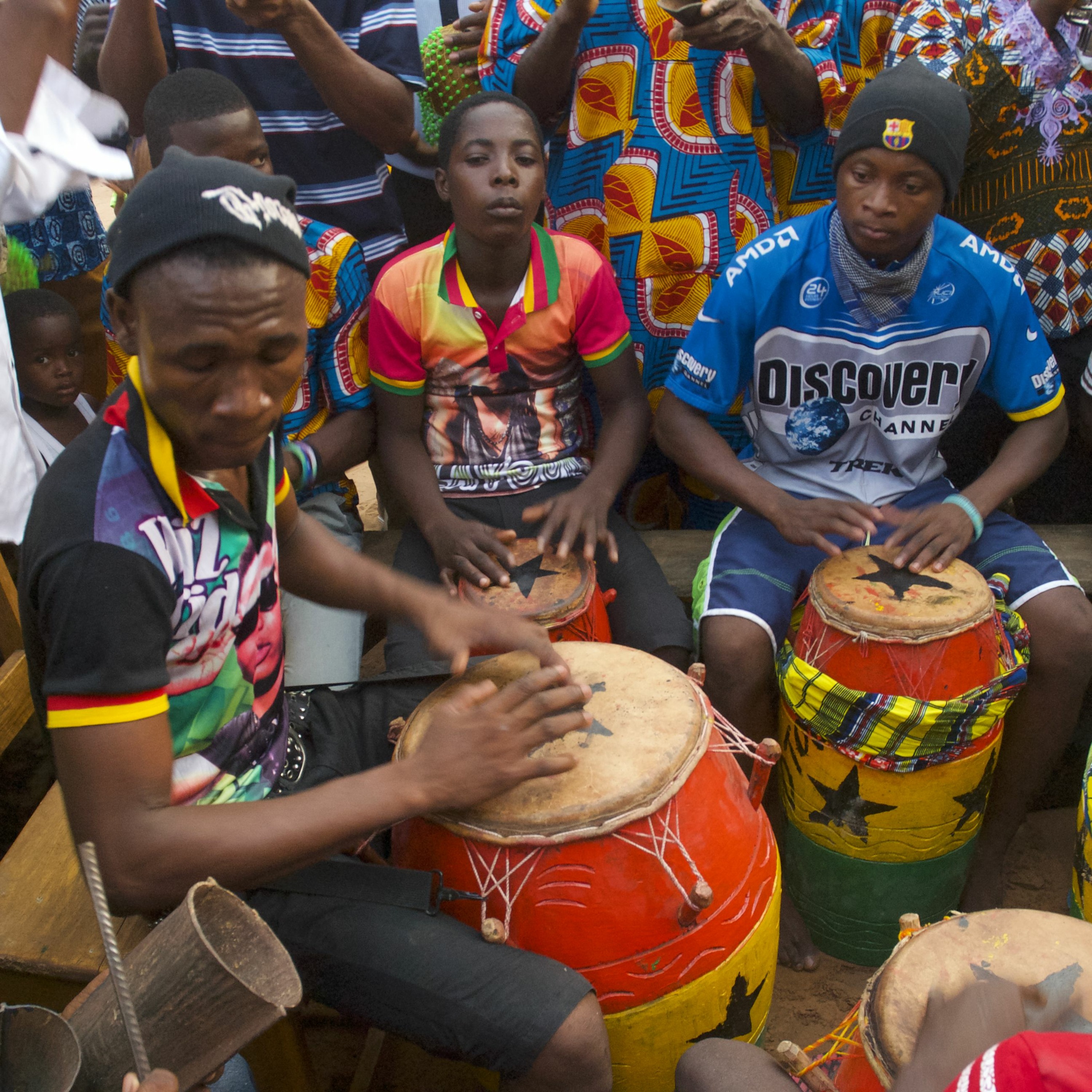
Ghana: Celebration Sounds
In hard times and boom times, people in Ghana know how to party. In this program, we hear the regional pop and neotraditional music that animates festivals, funerals and community celebrations across the county. We travel to the lush Volta region in the east to hear Ewe borborbor, agbadza and brass band music. In the northern city of Tamale, we hear Dagbani traditional music, hip-hop and pop, and visit the vibrant Damba chieftaincy festival in nearby Yendi. Back in the bustling metropolis, Accra, we get down to the latest pop hits and underground styles moving hips in the capital city. Produced by Morgan Greenstreet. Follow Afropop Worldwide on Facebook at www.facebook.com/afropop, on Instagram @afropopworldwide and on Twitter @afropopww. Subscribe to the Afropop Worldwide newsletter at www.afropop.org/newsletter/ APWW PGM #745 Distributed 12/28/2017
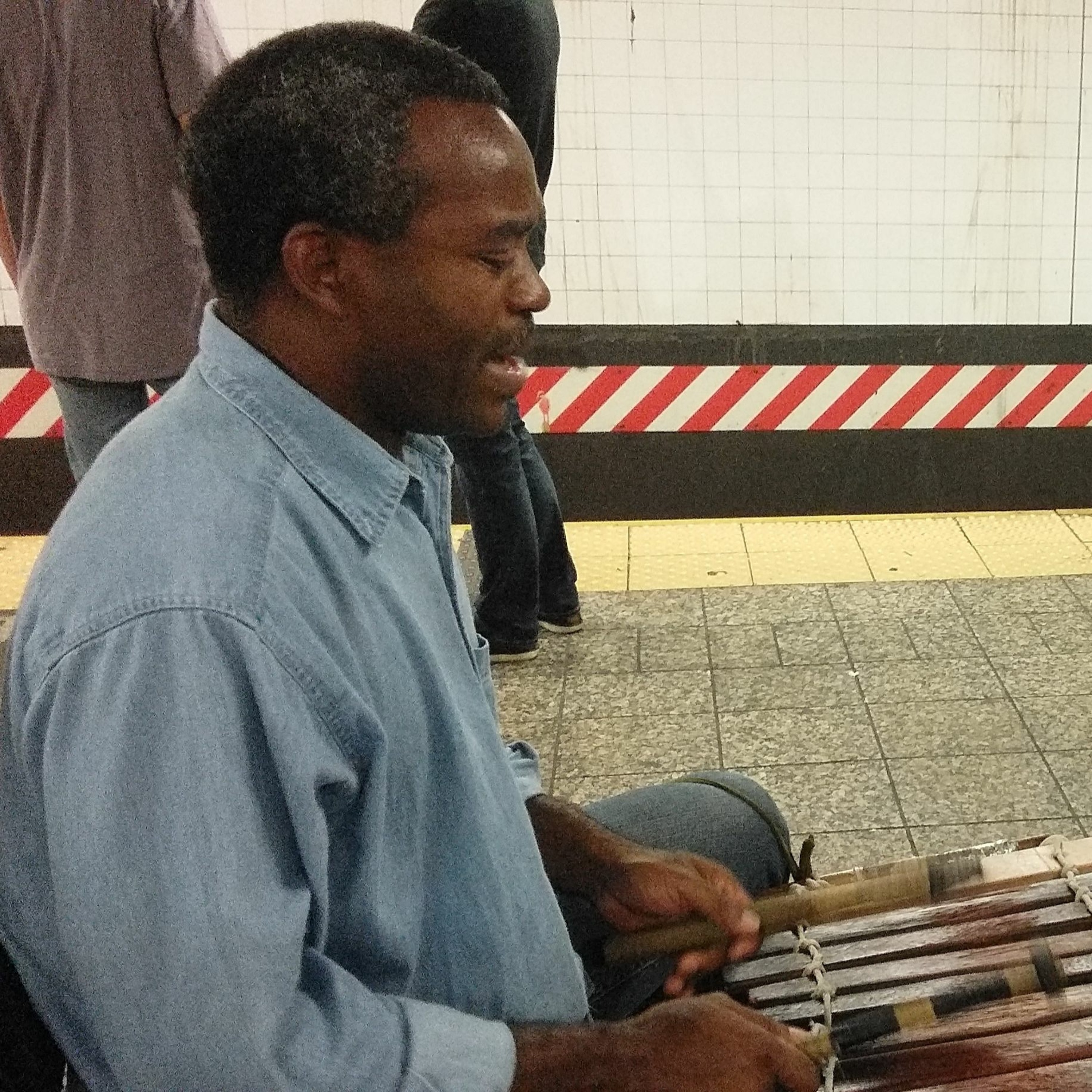
Underground
Underneath the streets of New York City, in the tunnels and stations of the busiest subway system in the country, there is a thriving music scene. Amidst the noise of passing trains, we meet Papa Fara, a Cameroonian xylophonist and singer, who plays for tips and captures the love of strangers and makes friends with his quick, warm smile. But, behind the smile and beautiful melodies, something is troubling Papa Fara. There’s a reason he’d rather be underground. Produced by Morgan Greenstreet. Follow Afropop Worldwide on Facebook at www.facebook.com/afropop, on Instagram @afropopworldwide and on Twitter @afropopww. Subscribe to the Afropop Worldwide newsletter at www.afropop.org/newsletter/ S2:E9 Afropop Closeup Distributed 12/26/2017
The (New) Sound Of Afro Paris
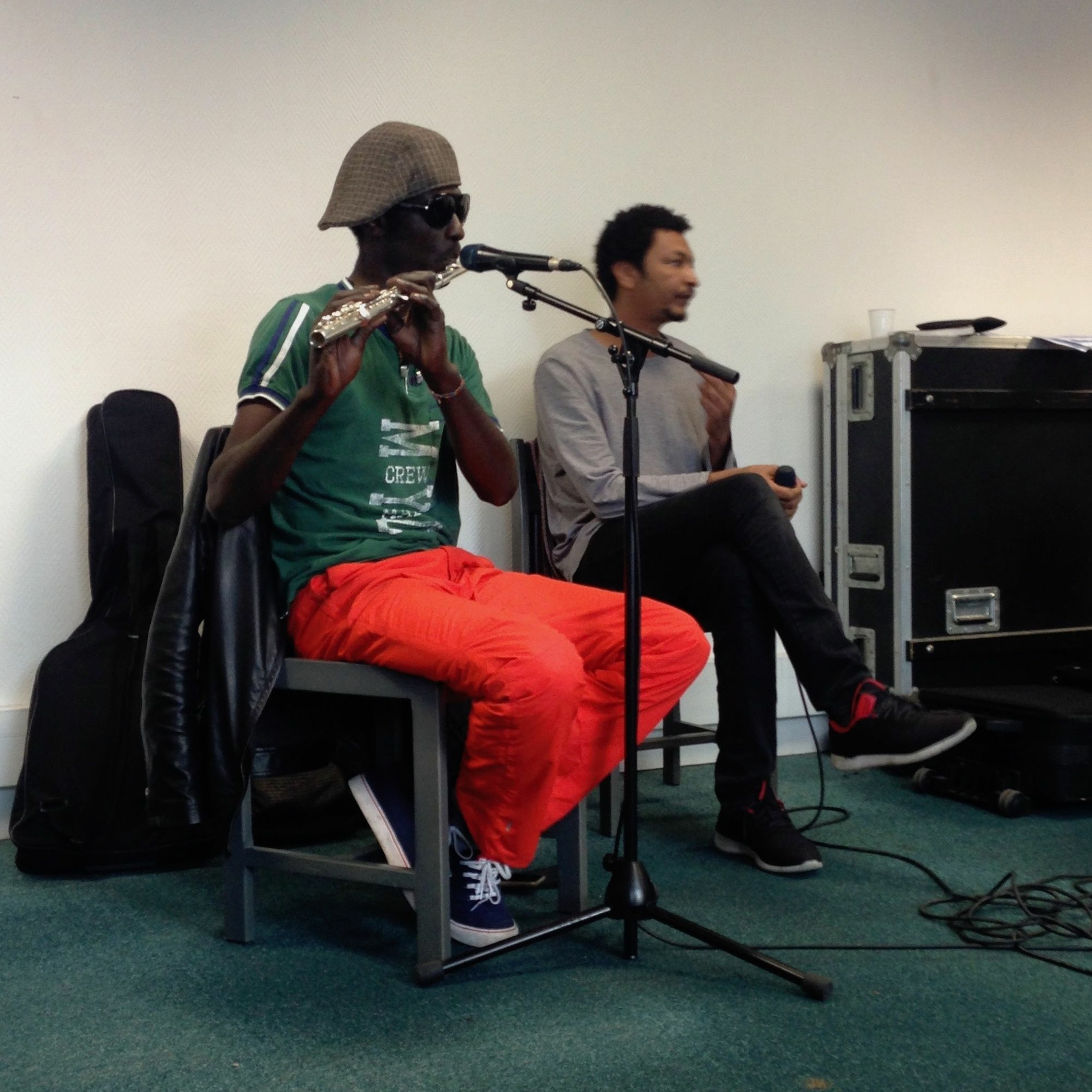
Paris has been a thriving capital for African music for decades. Since the 1980s, many major musicians such as Mory Kanté, Khaled and Amadou and Mariam launched their international careers there. Today, as migration patterns evolve, borders tighten and the world becomes increasingly connected via the Internet, Paris remains more than ever a city of encounters and innovations for artists of African origin. With new generations experimenting and new audiences emerging, the term “world music” has lost relevance as artists explore outside geographic and industry-dictated boundaries. In this program, we explore the new "Afropolitan" sounds of Paris, from concert halls to studios, from the heart of the city to immigrant neighborhoods in the banlieues. We hear from Mauritanian singer Noura Mint Seymali, and instrumentalists Ballake Sissoko and Lansiné Kouyaté exploring alongside classically trained French musicians. We catch up with Nigerian Afrobeat pioneer Tony Allen to hear about his life in Paris and his new jazz project, drop in on a recording session with young Algerian raï singer Sofiane Saidi, and meet Sudanese flautist Ghandi Adam, who provides a musical platform for migrants and refugees with his Lamma Orchestra. The sounds of tomorrow are in the making in Paris today! Produced by Elodie Maillot and Alejandro Van Zandt-Escobar Follow Afropop Worldwide on Facebook at www.facebook.com/afropop, on Instagram @afropopworldwide and on Twitter @afropopww. Subscribe to the Afropop Worldwide newsletter at www.afropop.org/newsletter/ APWW #769 Distributed 12/21/2017
Thomas Mapfumo 2: The Mugabe Years
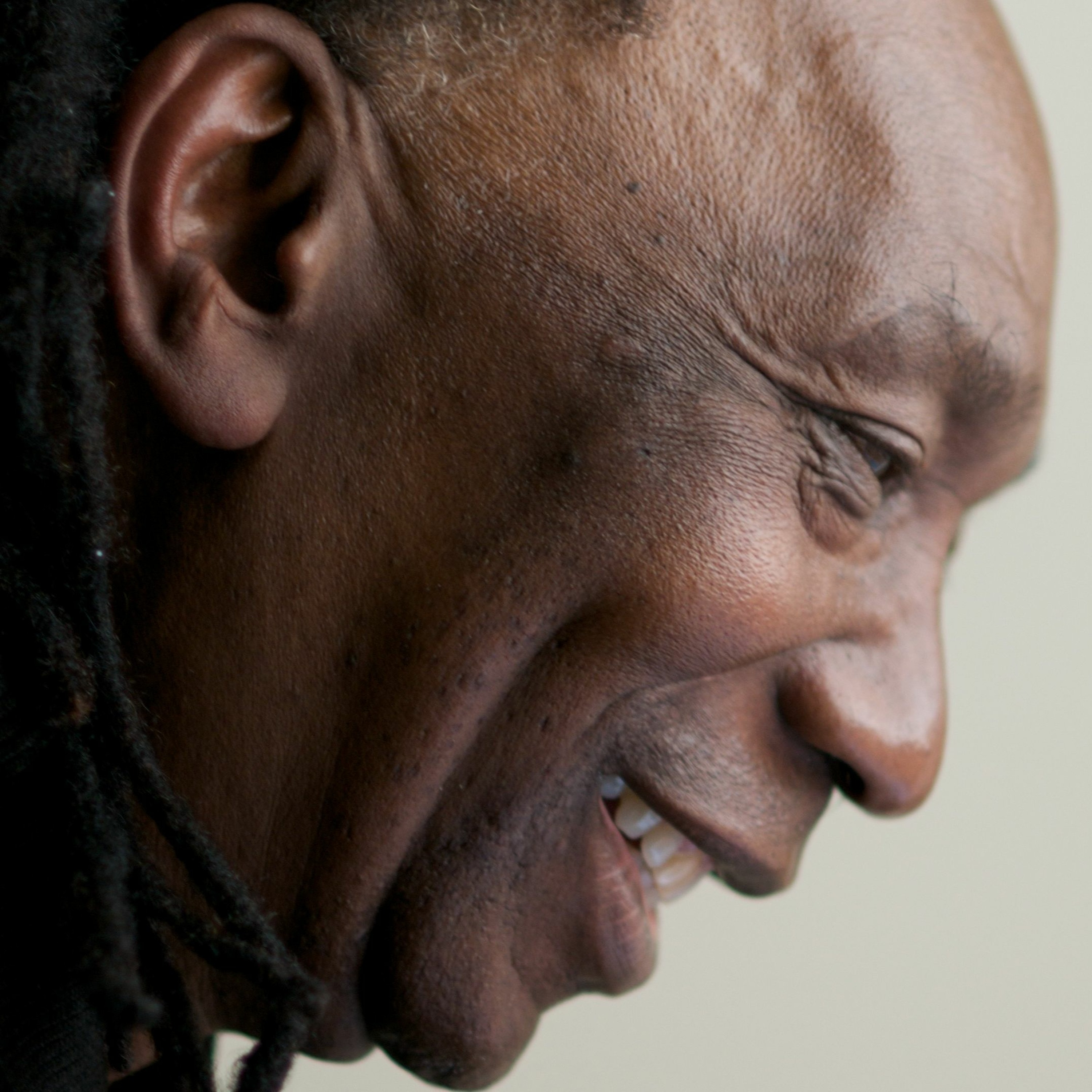
In recognition of the end of Robert Mugabe's 37-year rule in Zimbabwe, we are rebroadcasting our program on the career of Thomas Mapfumo during the Mugabe years. Part two of the story of Zimbabwe’s most consequential singer and bandleader picks up at the dawn of the country’s independence in 1980. The program focuses on key songs from Thomas Mapfumo’s vast post-independence catalogue, beginning with his celebration of victory, and his warnings about “dissidents” out to destabilize a young nation struggling for unity. The 1988 song “Corruption” officially opens Mapfumo’s rift with the regime of Robert Mugabe, turning a government financial scandal into a pop culture sensation. 1999’s “Mamvemve” accuses leaders of betraying the promises of the liberation struggle and reducing a rich country to tatters, and 2003’s “Marima Nzara” takes on the government over Zimbabwe’s most prolonged and vexing challenge—reclaiming land stolen from Africans by Rhodesian settlers over a century of colonial rule. In all, this is an amazing saga of a popular singer’s evolution from enthusiastic booster to caustic critic of a young African government. Zimbabwean historian Mhoze Chikowero contextualizes all these songs with vivid descriptions of the issues and events that Mapfumo’s work both responded to and shaped. At the time this program was recorded, Afropop producer Banning Eyre had been researching a biography of Mapfumo for more than 15 years, and the broadcast draws upon his, and Afropop’s, wealth of archival interviews and rare musical recordings, resulting in a persuasive portrait of a brilliant musical innovator and an under-recognized titan of African post-colonial cultural politics. Follow Afropop Worldwide on Facebook at www.facebook.com/afropop, on Instagram @afropopworldwide and on Twitter @afropopww. Subscribe to the Afropop Worldwide newsletter at www.afropop.org/newsletter/ Produced by Banning Eyre. APWW #657 Distributed 12/14/2017
Biafra at 50: A Wound That Does Not Heal
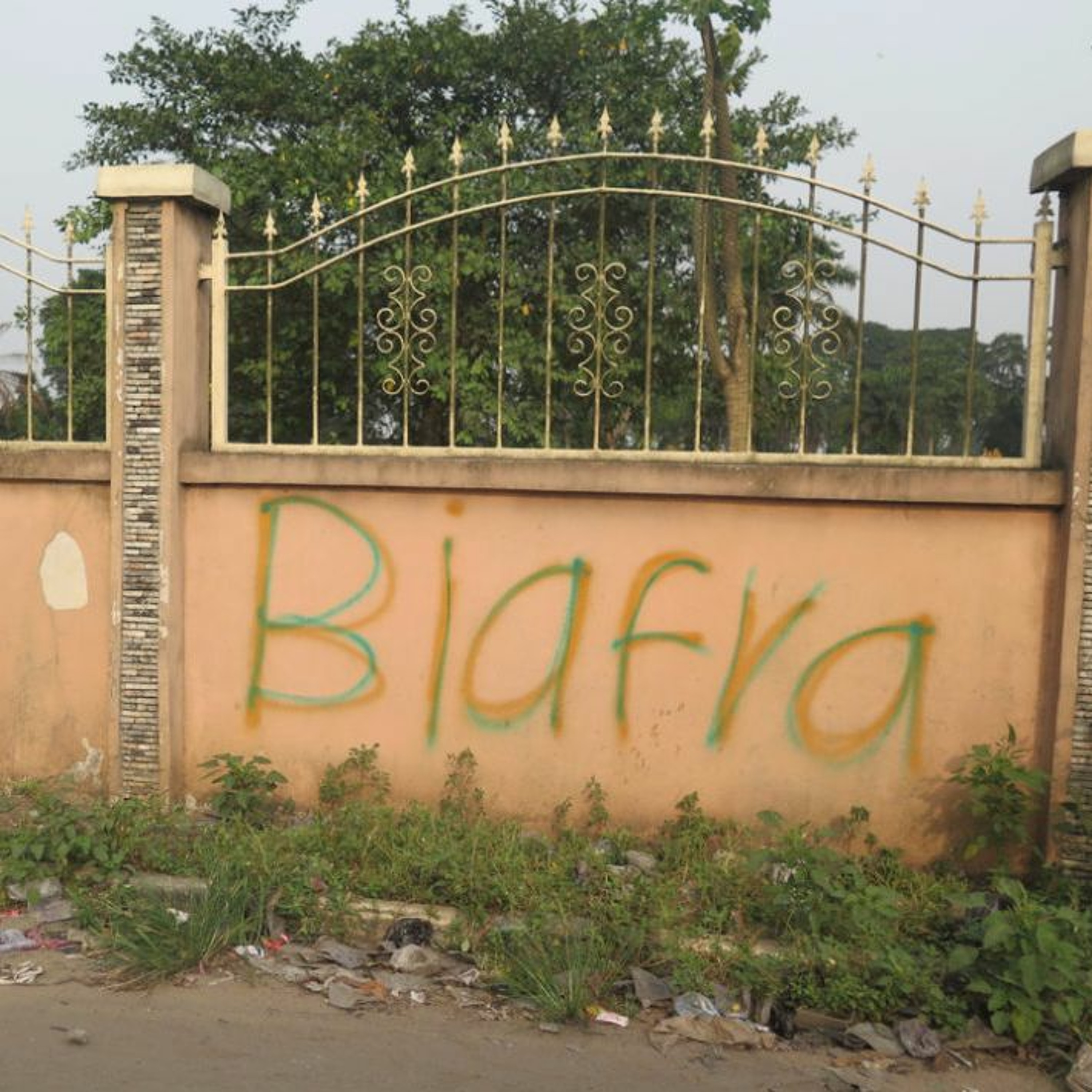
During the 2016 U.S. presidential election, some foreign observers were puzzled by groups of Nigerians who showed support for Donald Trump’s campaign. The most prominent supporters were the IPOB (Indigenous People of Biafra), a controversial, fervently Christian, mostly Igbo, nationalist organization that is still fighting for independence from Nigeria. On Jan. 20, 2017 a rally in Port Harcourt celebrating the inauguration of Donald Trump turned violent, and a number of people were shot dead by Nigerian security forces. In order to understand Trump’s appeal to the IPOB, we hear from current Biafra activists and dissenting voices in the Port Harcourt community, and examine how the unresolved issues that triggered the devastating Biafran War in the 1960s still resonate and persist in the Niger Delta today. Produced by Banning Eyre. Follow Afropop Worldwide on Facebook at www.facebook.com/afropop, on Instagram @afropopworldwide and on Twitter @afropopww. Subscribe to the Afropop Worldwide newsletter at www.afropop.org/newsletter/ S2:E8 Afropop Closeup Distributed 12/12/2017
Stocking Stuffers 2017
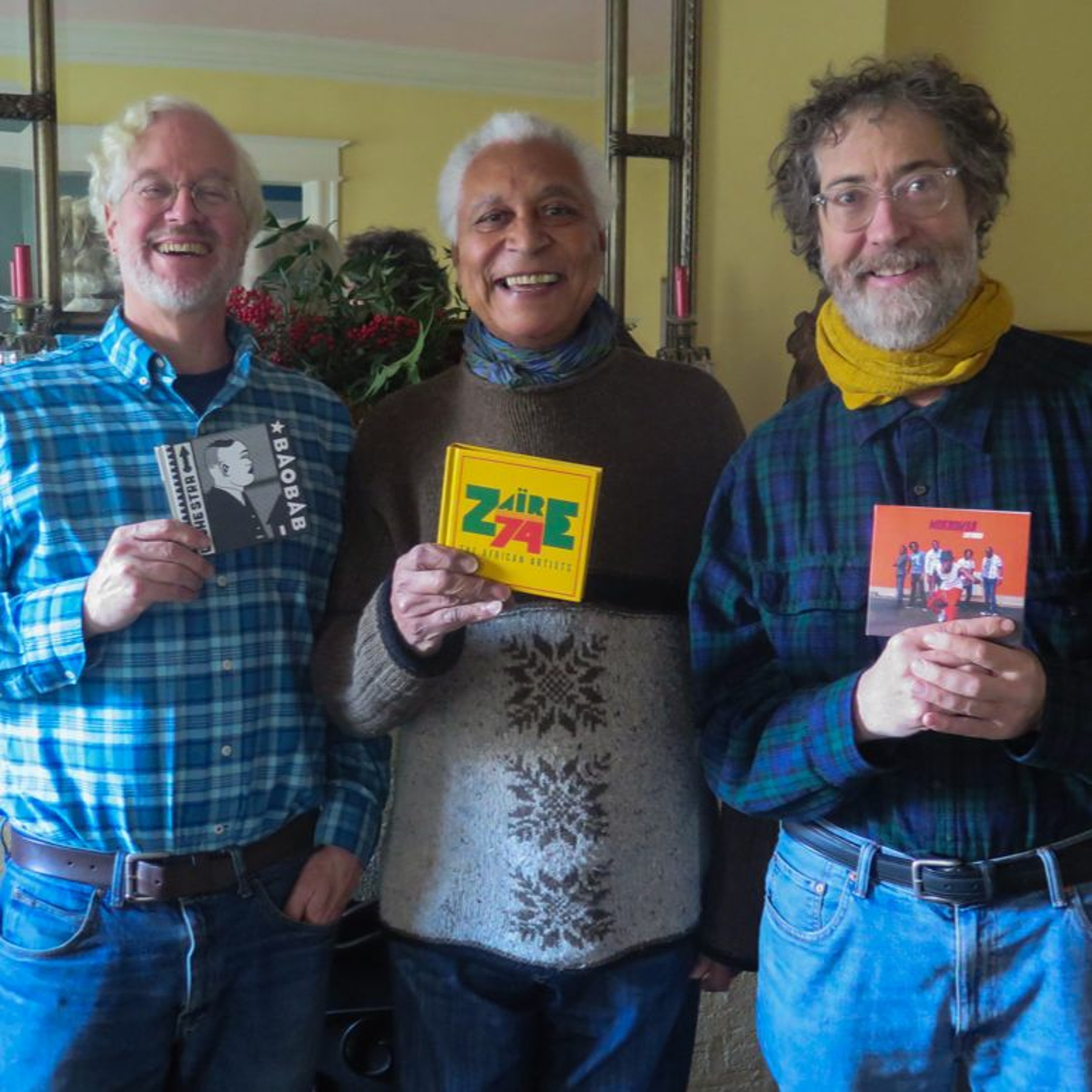
It's time once again for Georges Collinet and Banning Eyre to spin through our favorite African and African diaspora releases of the year. 2017 has been a knockout, with spectacular new albums, including a collaboration between Mali's Trio da Kali and Kronos Quartet (Ladilikan), the debut of Madagascar's super trio Toko Telo (Toy Raha Toy), Oumou Sangare's comeback (Mogoya), a killer live set of Garifuna pop from Aurelio (Darandi) and the long-awaited second album from Zimbabwe's hottest young band Mokoomba (Luyando.) Plus we sample new recordings by legendary African big bands--Afrisa, Baobab, Les Mangelepa—Afro-Americana from Ranky Tanky to the Preservation Hall Jazz Band, Latin roots music from Cuba, Colombia and Venezuela, and of course lots of kicking Afrobeats tunes from the bustling cities of West Africa. Female artists dominate the stage in our 2017 year-end roundup. More disciplined media outlets might give you a Top 10. Not us. We're doing our best to give the nod to some 50 great releases! A whirlwind feast for the ears, and a wide range of gift suggestions for the holiday season. Produced by Banning Eyre. Follow Afropop Worldwide on Facebook at www.facebook.com/afropop, on Instagram @afropopworldwide and on Twitter @afropopww. Subscribe to the Afropop Worldwide newsletter at www.afropop.org/newsletter/ APWW #768 Distributed 12/7/2017
Cuts from the Crypt III
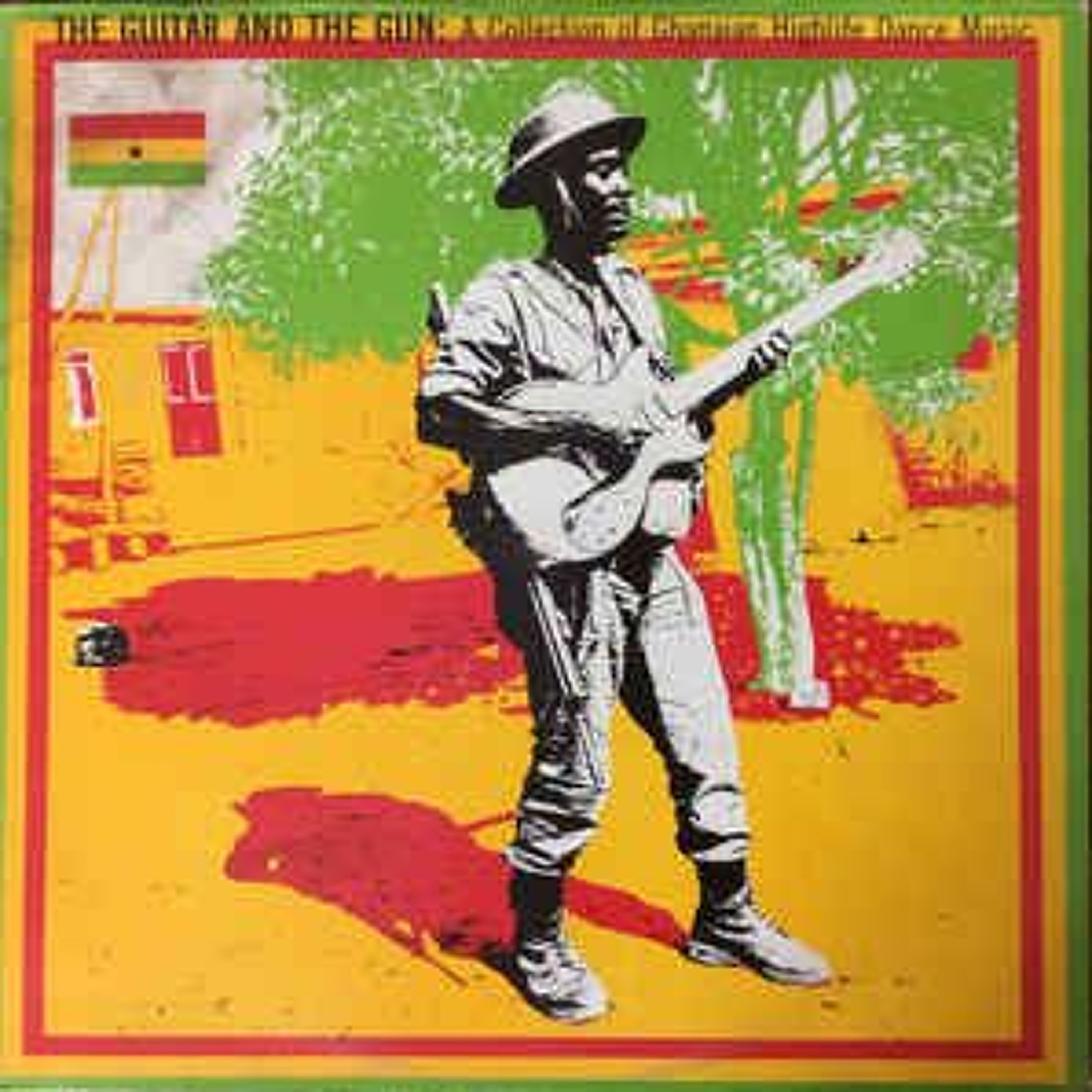
Back in the day, host Georges Collinet and producer Sean Barlow (A.K.A. Prince Segue Segue) dragged stacks of vinyl all over the country to deejay for station-produced Afropop Dance Parties. We'll dig into the past to retrieve some of our favorite gems from the Congo, Zimbabwe, Colombia, Brazil and Cote d'Ivoire. Produced by Sean Barlow. Follow Afropop Worldwide on Facebook at www.facebook.com/afropop, on Instagram @afropopworldwide and on Twitter @afropopww. Subscribe to the Afropop Worldwide newsletter at www.afropop.org/newsletter/ APWW #767 Distributed 11/30/2017
Kizito Mihigo and the Politics of Music in Post-Genocide Rwanda
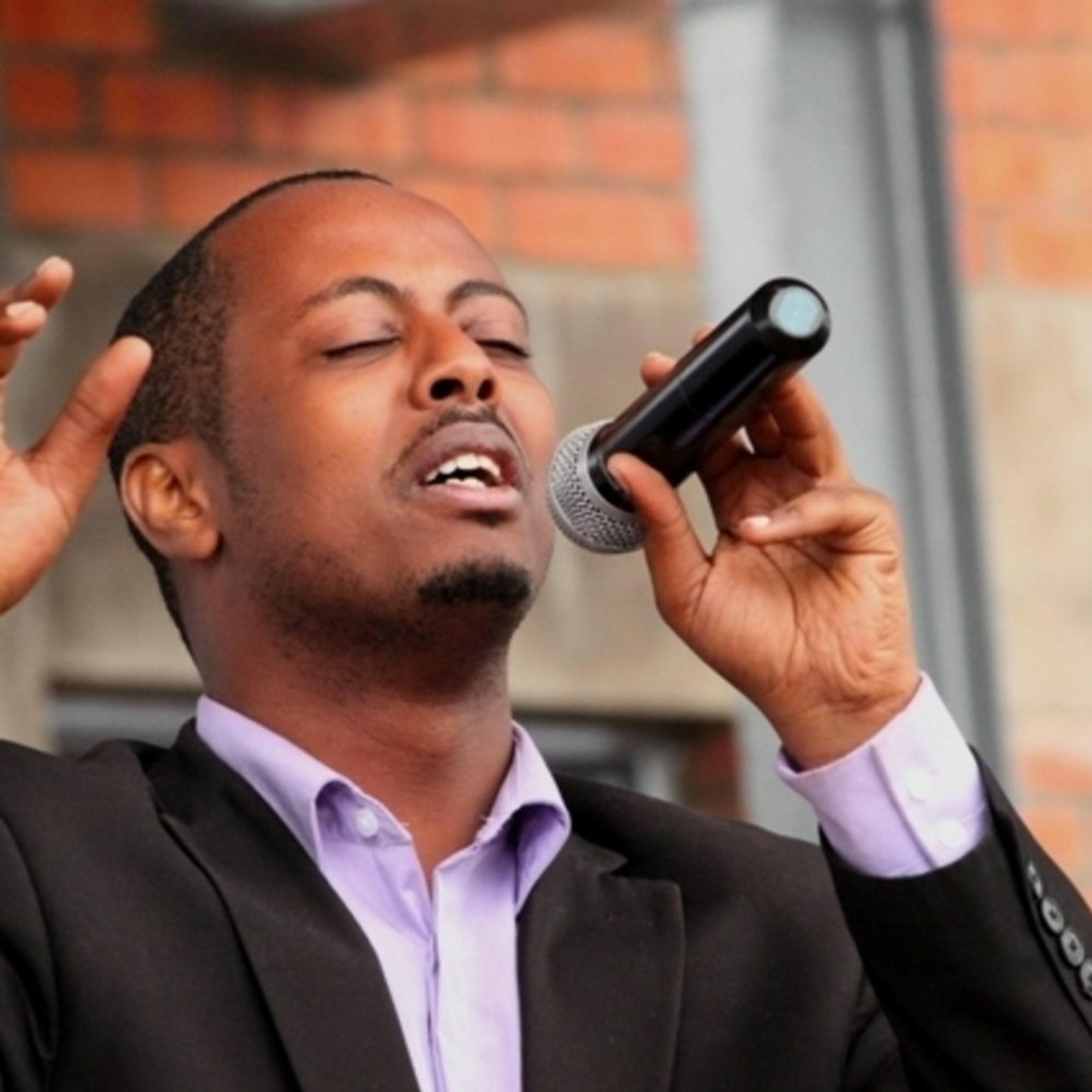
Kizito Mihigo is one of Rwanda’s most beloved singers, yet he is currently imprisoned, serving a 10-year sentence for treason. In 2014, Mihigo released a song which criticized the wartime actions of Rwanda’s governing political party. The song went viral, sparking a nationwide dialogue around the genocide, and weeks later, Mihigo was arrested on charges of conspiracy to assassinate the president of Rwanda, Paul Kagame. Is Mihigo truly guilty of conspiracy, or only of speaking (and singing) truth to power? Produced by Charulata Sinha. About the producer: Charulata Sinha is a writer and radio producer based in New York City. She has worked with WNYC’s Radiolab and Vice’s Radio Motherboard. Follow Afropop Worldwide on Facebook at www.facebook.com/afropop, on Instagram @afropopworldwide and on Twitter @afropopww. Subscribe to the Afropop Worldwide newsletter at www.afropop.org/newsletter/ S2:E7 Afropop Closeup Distributed 11/28/2017
A Brief History of Funk
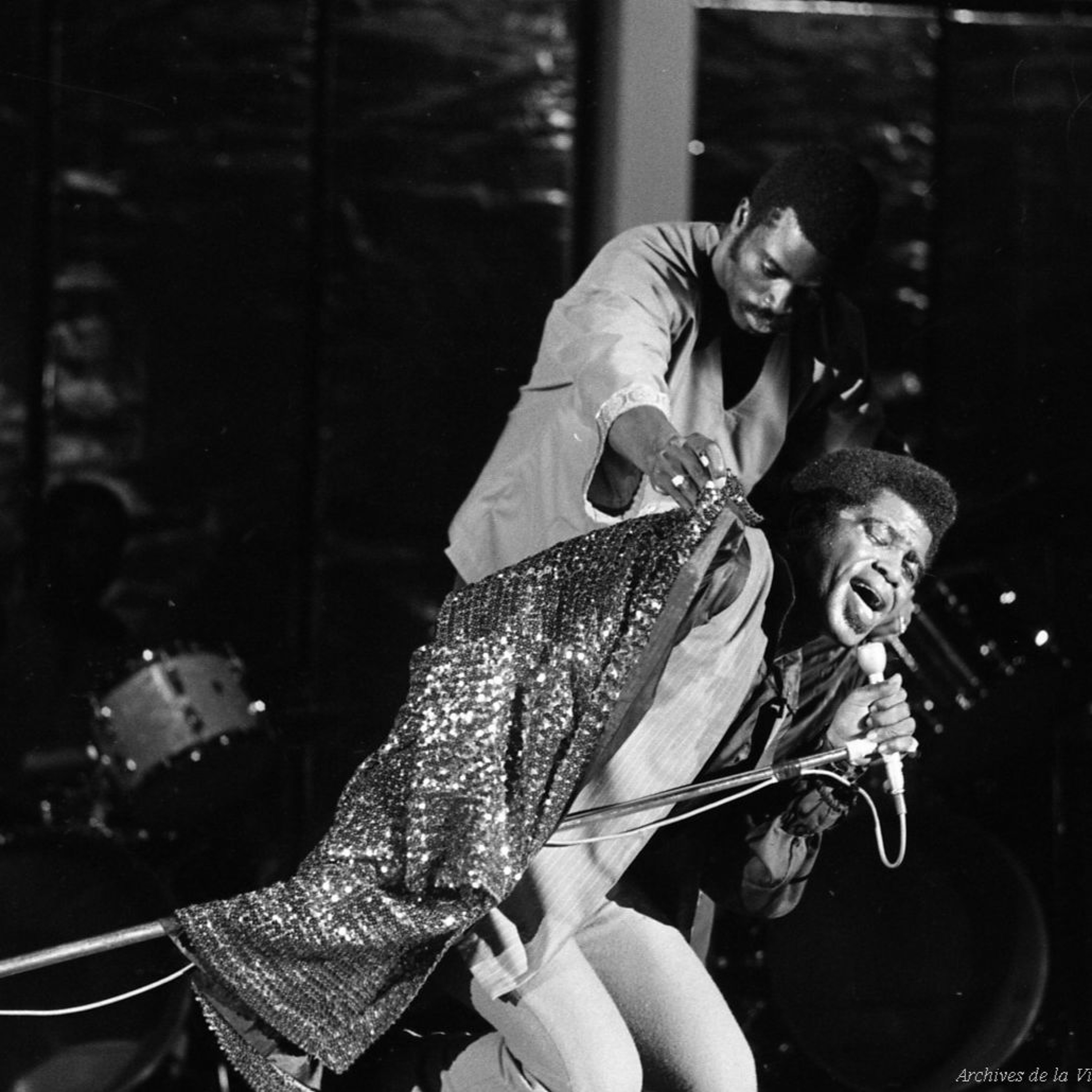
Funk is a perennial favorite. In this panoramic history of the grooviest of genres, we hear track after track of absolute boogie-down classics. Everything from Sly and the Family Stone to James Brown, with a few stops to hear legends like the Meters, Kool and the Gang, and Parliament. We’ll also hear the great Bobby Byrd explain the rhythmic motor behind the JB’s, and Georges Clinton talk about the roots of his funk. Produced by Ned Sublette. Follow Afropop Worldwide on Facebook at www.facebook.com/afropop, on Instagram @afropopworldwide and on Twitter @afropopww. Subscribe to the Afropop Worldwide newsletter at www.afropop.org/newsletter/ APWW #124
Night at the Clash
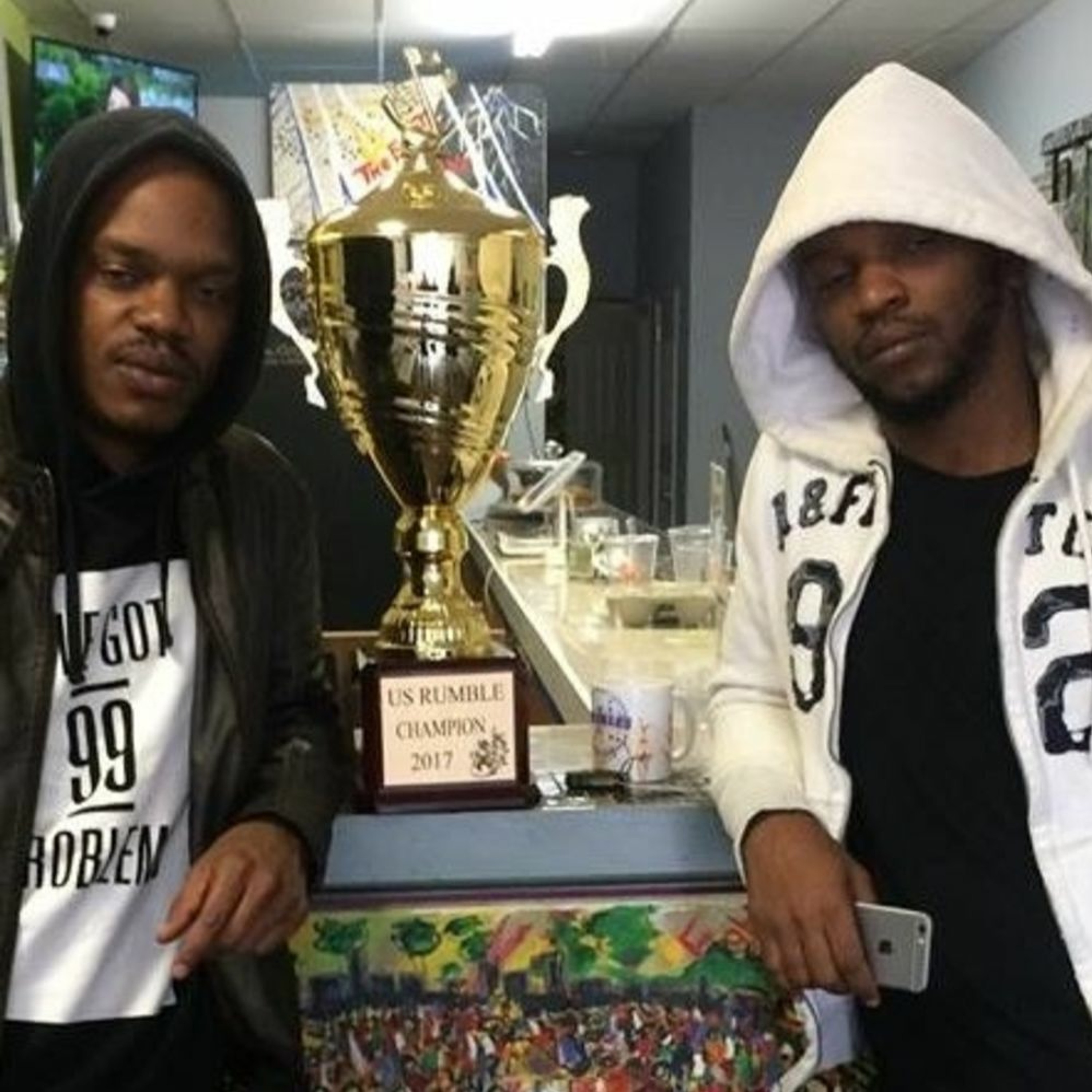
Sound clashes have been a mainstay of reggae culture for decades. Mobile sound system teams face off to see who can best move the crowd with their selections of records and exclusive "dub plate" jingles. On a recent late night in Queens, seven sounds competed for the U.S. champion title, and many were surprised by the winner. We meet the sound-system operators and talk to fans about why they love the clash scene. About the producer: Noah Schaffer is an award-winning music journalist based in Boston. He produced the 2017 Afropop Worldwide episode "Barbados at 50: Spouge to Soca" and is the roots and world music columnist for ArtsFuse.org. He is currently working on a story about southern soul for Living Blues magazine and a full-length oral history project with gospel legend Spencer Taylor Jr. and his group, the Highway QCs. Follow Afropop Worldwide on Facebook at www.facebook.com/afropop, on Instagram @afropopworldwide and on Twitter @afropopww. Subscribe to the Afropop Worldwide newsletter at www.afropop.org/newsletter/ S2:E6 Distributed 11/14/2017
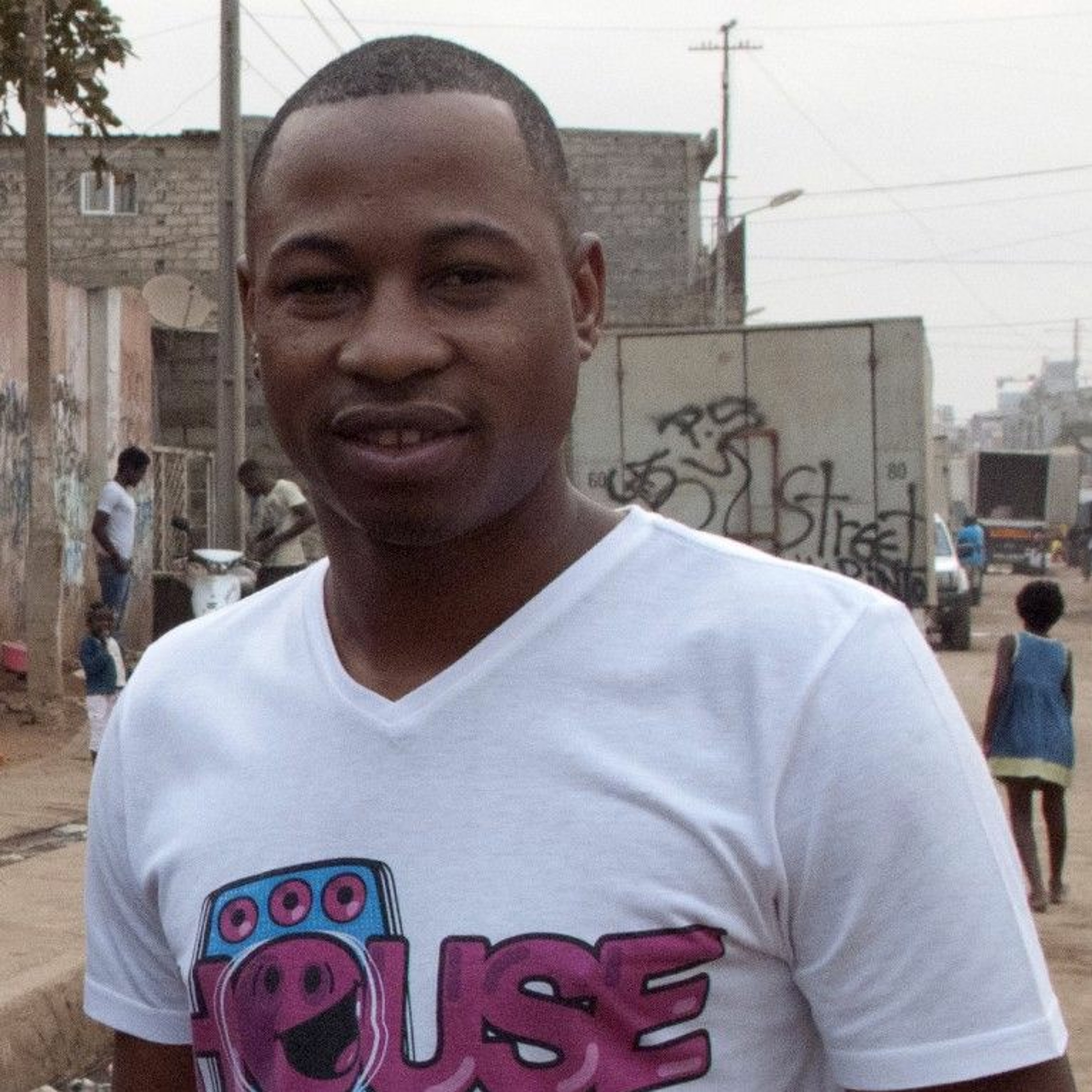
Hip Deep Angola Part 2: Kuduro and Beyond
Join producer Ned Sublette on the streets of Angola’s big, smoggy, oil-booming capital city of Luanda. Peace came to Angola in 2002 after 42 years of war, and now everything is different, with construction under way everywhere. The post-war generation of the last 10 years communicates via text messaging and electronic music: The biggest of which is the techno-meets-rap-meets-African-dance style known as kuduro (literally, “hard-ass”). But there’s also the zouk-like couple dance of kizomba, a phenomenon that began in the ‘80s and still packs in dancers to Luanda clubs and, on amore underground level, the computer-driven style called Afro-house. We’ll talk to kuduro stars Titica, Cabo Snoop, and the charismatic comic duo of President Gasoline and Prince Black Gold, and ride to the bairro of Marçal to visit the studio of Afro-house beatmaker DJ Satelite. Produced by Ned Sublette. Follow Afropop Worldwide on Facebook at www.facebook.com/afropop, on Instagram @afropopworldwide and on Twitter @afropopww. Subscribe to the Afropop Worldwide newsletter at www.afropop.org/newsletter/ APWW #648 Distributed 11/9/2017
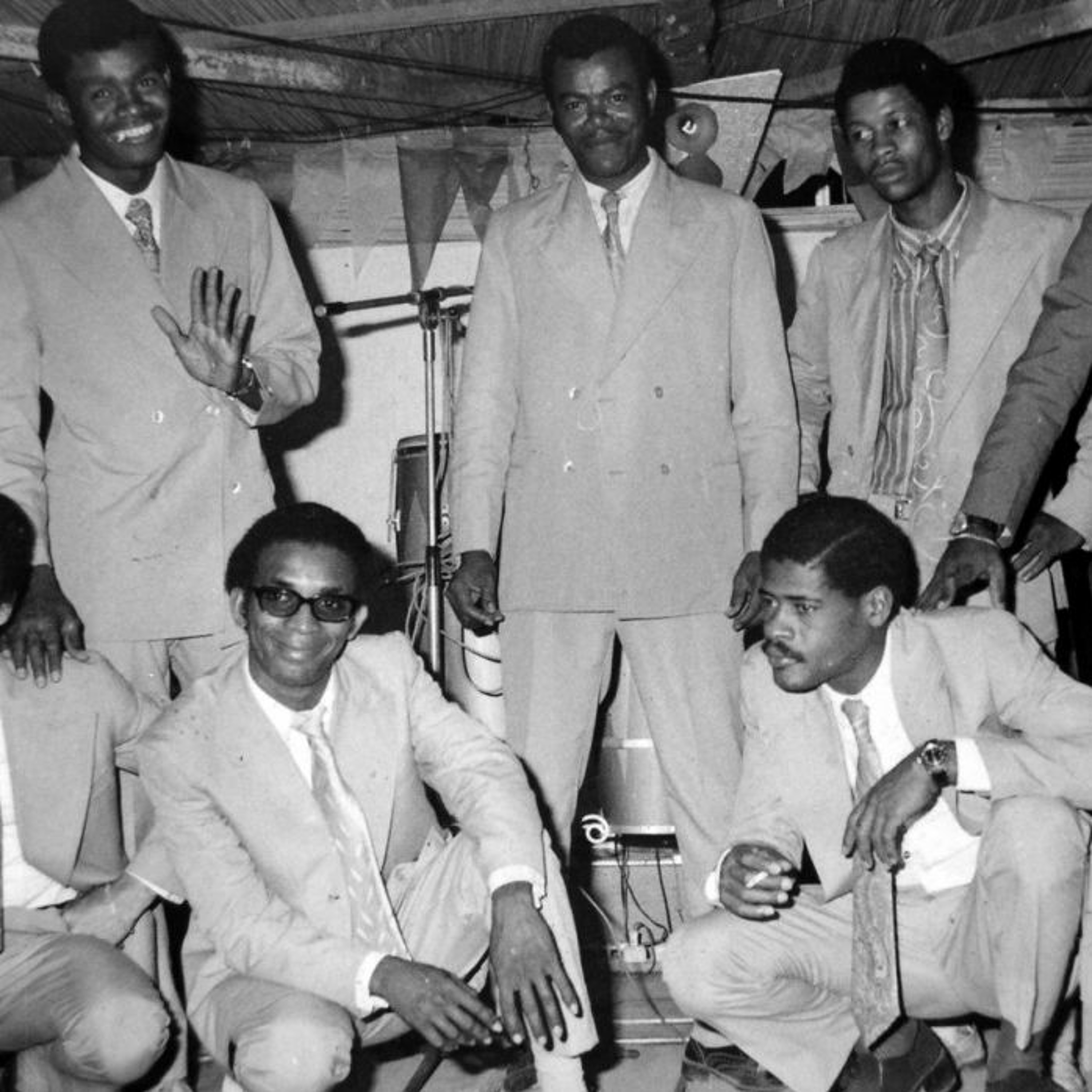
Hip Deep Angola part 1: Music and Nation in Luanda
We explore the role music played in the creation of a uniquely Angolan consciousness as the country struggled toward independence in the 1960s and ‘70s after centuries of colonialism. Our guides will be producer Ned Sublette, on the ground in Angola, and Dr. Marissa Moorman, historian of southern Africa, and author of Intonations: A Social History of Music in Luanda, Angola from 1945 to Recent Times. We’ll hear the pathbreaking group Ngola Ritmos, who dared sing songs in Kimbundu publicly when it was prohibited by the Portuguese. We’ll hear immortal voices from the age when the guitar-driven style called semba ruled, as well as some snazzy ‘60s guitar instrumentals. Produced by Ned Sublette. Follow Afropop Worldwide on Facebook at www.facebook.com/afropop, on Instagram @afropopworldwide and on Twitter @afropopww. Subscribe to the Afropop Worldwide newsletter at www.afropop.org/newsletter/ APWW # 647

Shackled Love: LGBT Asylum Seekers in the U.K.
Sibo Dube and Maureen Nabisere met inside the U.K.’s most notorious immigrant detention centre, Yarl’s Wood. In the midst of captivity and uncertainty, the two women bonded in the detention center choir group; they had come to the U.K. seeking liberation from the emotional imprisonment they had faced in Zimbabwe and Uganda respectively, where their sexuality is illegal. Their relationship would be their emotional salvation, and potentially, their ticket to freedom in the U.K., which places a heavy burden of proof on LGBT asylum seekers to show they’ve had same-sex relationships. Produced by Hannah Harris Green and David Waters. About the producers: Hannah Harris Green is an independent writer, reporter and radio producer interested in gender and globalization. Her work has appeared in How We Get to Next, Quartz, The Guardian and VICE News and has aired on KPCC, WHYY, Pacifica and KUNC. David Waters, who produced the interviews for this piece, is a journalist and radio producer based in London, U.K.. David produces the Voices podcast coming soon on Audible. More on Sibo’s story will be featured in an upcoming episode this fall. Collaboration: The Voices podcast, forthcoming on Audible Follow Afropop Worldwide on Facebook at www.facebook.com/afropop, on Instagram @afropopworldwide and on Twitter @afropopww. Subscribe to the Afropop Worldwide newsletter at www.afropop.org/newsletter/ S2:E5 Distributed 10/31/2017
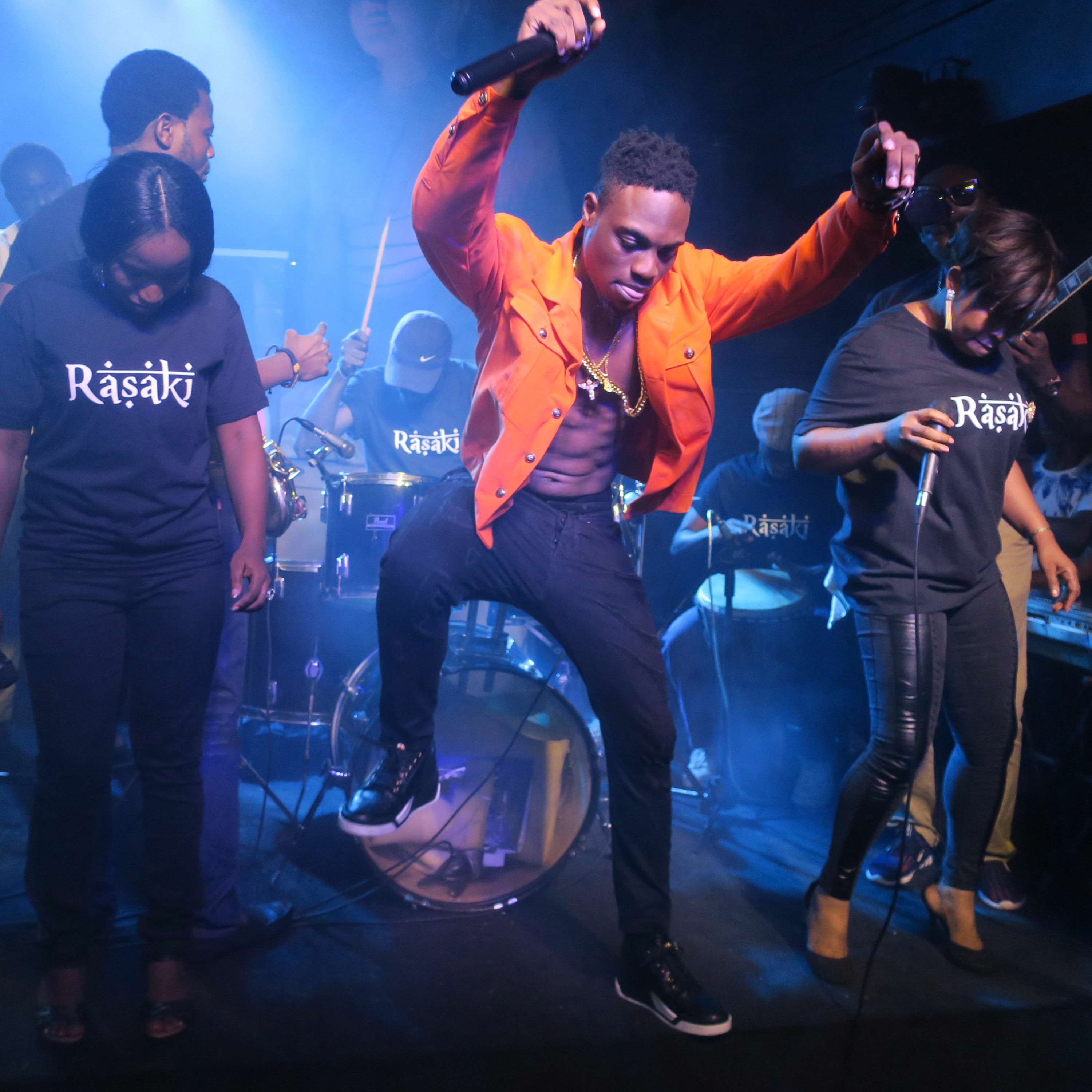
Lagos and the Rise of Nigerian Afrobeats
Heavy, percussive club beats with irresistible hooks and street-wise raps in Yoruba, Igbo or pidgin English—Nigerian pop music, increasingly known by the much-debated term Afrobeats, is the sound that moves Lagos and the sound of Lagos that moves the world. But it wasn’t always this way! Starting in the early 1990s, a new musical movement was born in Nigeria. Ten years into a series of military dictatorships that almost completely destroyed the Nigerian music industry, artists including Junior & Pretty, the Remedies and Plantashun Boiz brought a new, youth-centric style drawing heavily on r&b, hip-hop and reggae, with plenty of local style. Twenty years later, this music has exploded from the margins to the Nigerian mainstream and grown into an international pop music phenomenon, spreading across the African continent and influencing U.S. and U.K. tastes. Musical, political, cultural, technological and economic developments have turned the sound of Lagos pop music into a massive industry of artists, labels, radio and television stations, video directors, PR firms and more. We’ll hear the story of the birth and development of this scene straight from the influential and foundational figures who lived it, including 2Face Idibia (2Baba), DJ Jimmy Jatt, Sound Sultan, Eedris Abdulkareem, and Kenny Ogungbe of the legendary Kennis Music label and Ray Power FM. We will also hear from current stars including Iyanya, Yemi Alade, Adekunle Gold and Flavour, visit Clarence Peter’s music video studio, and hear from the producers who define the sound, including Young John, Ikon and Cobhams Asuquo. Produced by Morgan Greenstreet. Hosted by Siji Awoyinka. Photo by Kazeem Akinpelu Follow Afropop Worldwide on Facebook at www.facebook.com/afropop, on Instagram @afropopworldwide and on Twitter @afropopww. Subscribe to the Afropop Worldwide newsletter at www.afropop.org/newsletter/ APWW #765 Distributed 10/26/2017
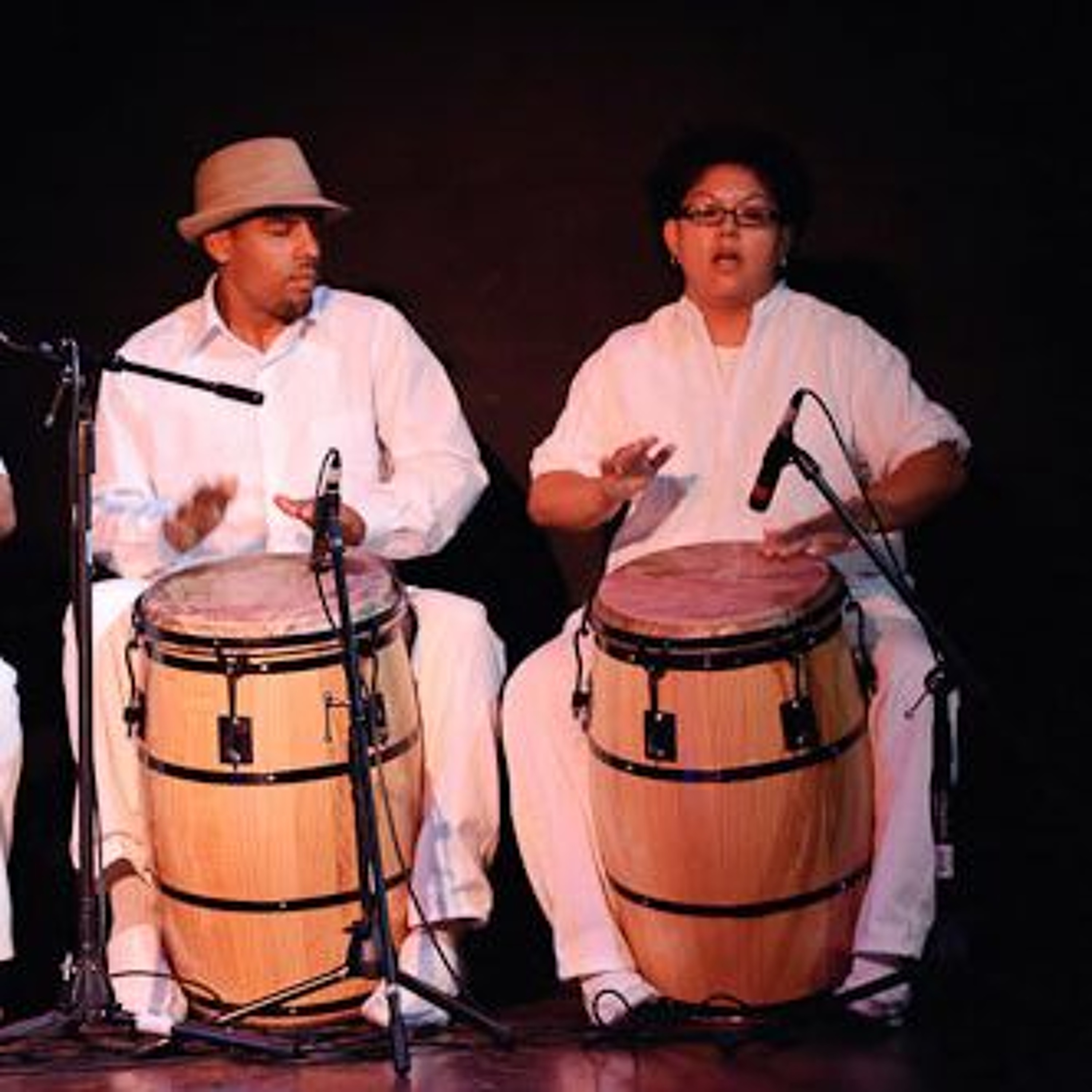
Riqueza del Barrio: Puerto Rican Music in the United States
For almost a month, the fate of Puerto Rico and its inhabitants has remained unknown due to the devastating effects of Hurricane Maria during the unusually active hurricane season of 2017. There are still many people on the island living without electricity or potable water and in desperate need of assistance. This week we are airing a special Hip Deep encore presentation of “Riqueza del Barrio: Puerto Rican Music in the United States” produced by Ned Sublette to help raise awareness and celebrate the vibrant music and culture of Puerto Rico. To find out how you can help, please visit http://www.afropop.org/39658/hurricane-relief/. Once Puerto Ricans became U.S. citizens in 1917, El Barrio sprang up in New York. By the 1930s, they were the dominant Latin group in the city. Tito Puente, born on 110th St. in 1923, was the first important Latin star who was a native speaker of English. Puerto Ricans’ distinctive way of playing popular Cuban styles became, almost paradoxically, an expression of Puerto Rican national identity, even as traditional Puerto Rican bomba and plena became a familiar sound in New York, and as Ricans invented a unique jazz style. In the last few years, reggaetón has dominated Latin radio internationally. “Riqueza del Barrio” will explore Puerto Rico’s distinctive cultural identity as expressed through flavorful music. Produced by Hip Deep cofounder Ned Sublette, author of Cuba and Its Music, with guest scholar Juan Flores, author of From Bomba to Hip Hop. Follow Afropop Worldwide on Facebook at www.facebook.com/afropop, on Instagram @afropopworldwide and on Twitter @afropopww. Subscribe to the Afropop Worldwide newsletter at www.afropop.org/newsletter/ APWW #509 Distributed 10/19/2017
Black, Greek and Proud: Negros Tou Moria
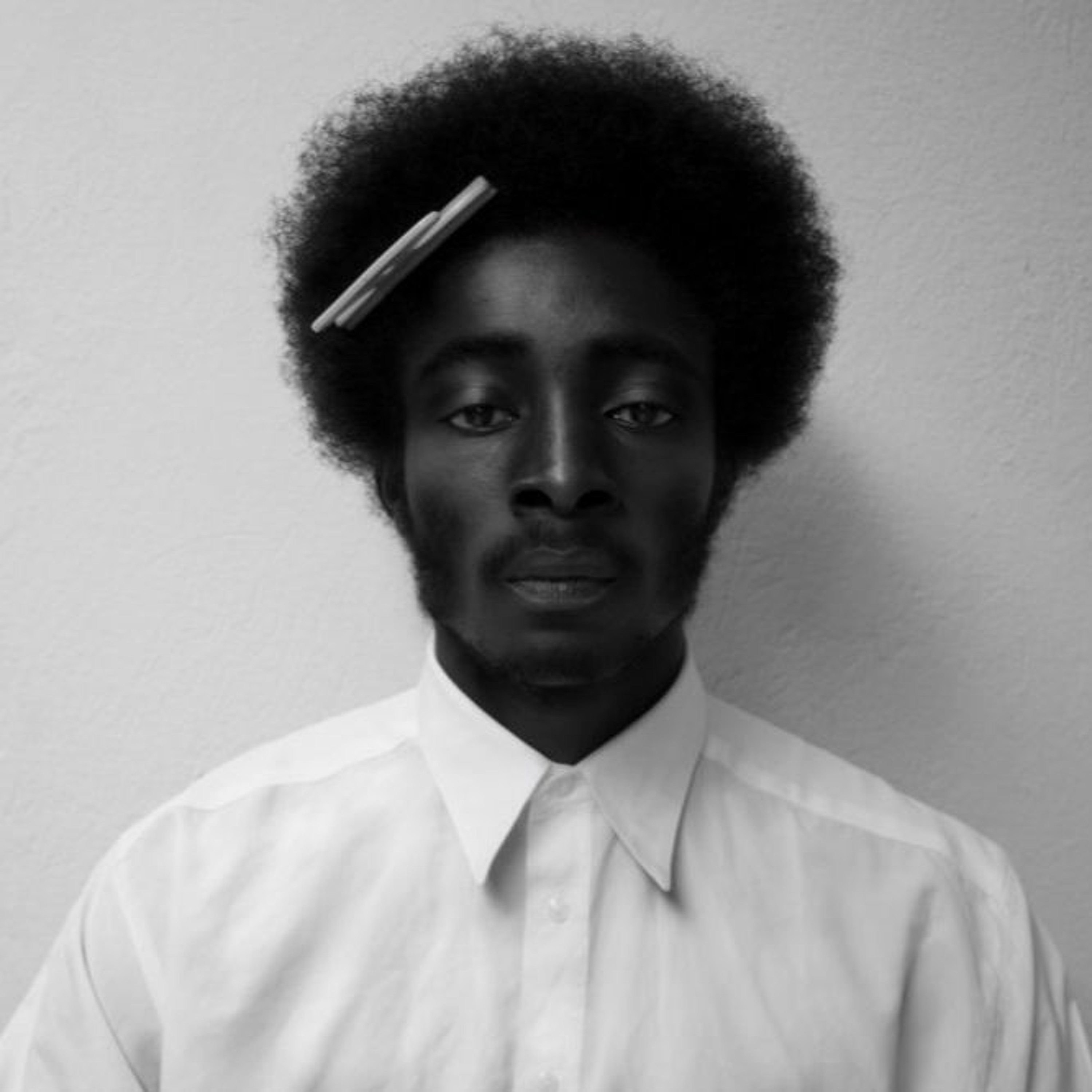
As Europe closes Greece’s borders in an attempt to stem the seemingly never-ending flow of refugees, immigrant artists are finding it tough to survive in an increasingly xenophobic environment. Ghanaian-Greek rapper Negros Tou Moria is carving out new territory and challenging stereotypes with rap music that is deeply rooted in Greek language and culture. Produced by Heidi Fuller-love. About the producer: Heidi Fuller-love is an award-winning freelance travel writer and radio producer based in Spain and Greece. She travels for five months of the year and regularly contributes to radio outlets including BBC and Deutsche Welle. She also writes for dozens of print outlets worldwide, and she produces and hosts “British Airways City Guides” to the airline’s short haul destinations. Follow Afropop Worldwide on Facebook at www.facebook.com/afropop, on Instagram @afropopworldwide and on Twitter @afropopww. Subscribe to the Afropop Worldwide newsletter at www.afropop.org/newsletter/ S2:E4 Distributed 10/17/2017
Remembering Fela
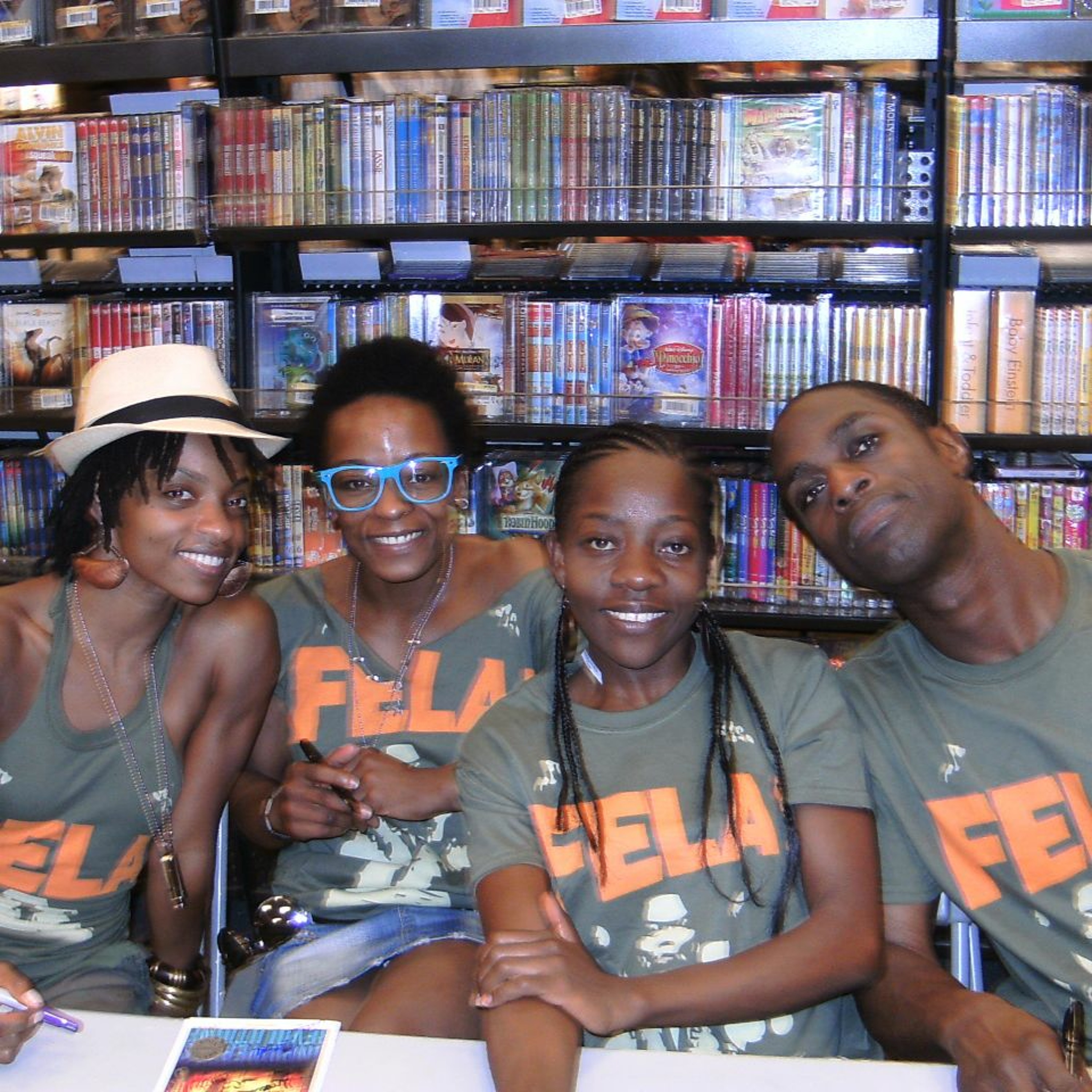
Fela Anikulapo-Kuti would be 79 years old this month, had he not died from complications of AIDS in 1997. By the time of his death, Fela was the inventor of the enduring and influential Afrobeat music style, the composer of an enormous body of music, and one of the bravest political voices in 20th century African music. It is fair to say that no African musician before or since has sacrificed more for the principles he believed in. Nigerian history and music have barreled forth during the two decades since Fela left us. A powerful new generation of Nigerian musicians have emerged in that time, and the music they now champion has been dubbed “Afrobeats,” an appropriation of the name Fela gave his original sound during its heyday. The youngest artists on the scene today have no direct memory of Fela, though his legacy is impossible to escape. In this program, we hear from current day Nigerians from multiple generations and genres—fuji, juju, hip-hop (Afrobeats) and highlife—on how they remember this musical giant, and how they reckon with his complex and challenging legacy. Produced by Banning Eyre and Morgan Greenstreet. Hosted by Sahr Ngaujah. Follow Afropop Worldwide on Facebook at www.facebook.com/afropop, on Instagram @afropopworldwide and on Twitter @afropopww. Subscribe to the Afropop Worldwide newsletter at www.afropop.org/newsletter/ APWW #764 Distributed 10/12/2017
Accounting for Taste: Dire Straits, Jim Reeves and Death Metal in Africa
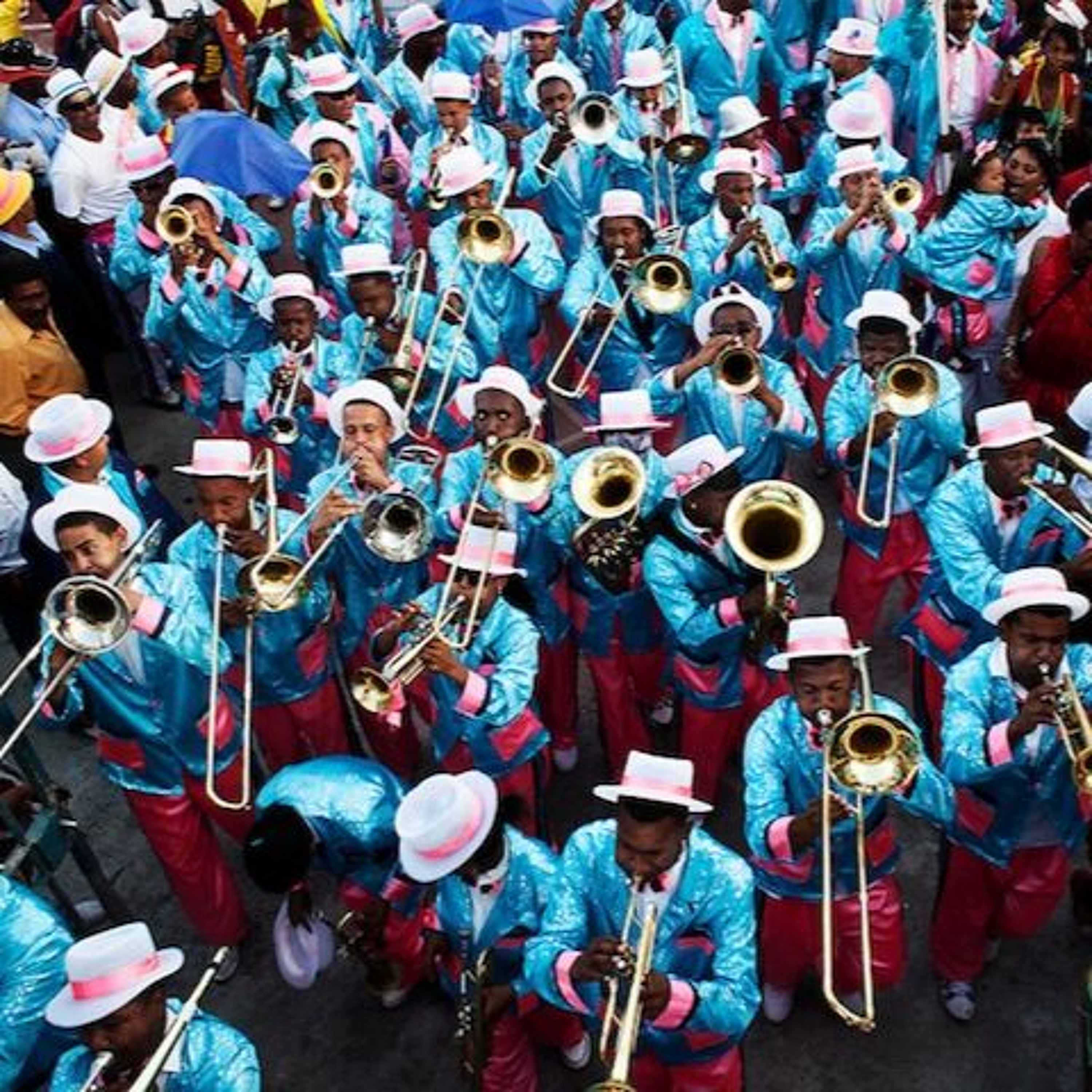
When we talk about the influence of American performers on African music, we usually think about a few obvious examples, legends like Michael Jackson, Jimi Hendrix or James Brown. In this episode, we go beyond these stars to explore the legacy of some lesser-known inspirations. We’ll learn how the fluid guitar playing of ’70s rock band Dire Straits became massively popular in the Sahel, influencing Tuareg rockers like Tinariwen and Tamikrest. We’ll hear about the American country superstar Jim Reeves’ African career, and the unlikely story of how the pedal steel made it from Hawaii to Lagos. Finally, we’ll travel to Angola with the help of director Jeremy Xido, to explore that nation’s death metal scene. And along the way, we will try to understand just how to account for taste. Produced by Sam Backer with help from Jesse Brent. Follow Afropop Worldwide on Facebook at www.facebook.com/afropop, on Instagram @afropopworldwide and on Twitter @afropopww. Subscribe to the Afropop Worldwide newsletter at www.afropop.org/newsletter/ APWW #703 Distributed 10/5/2017
Afro-Symphonic Folk: From the Coasts of Africa to the San Francisco Bay
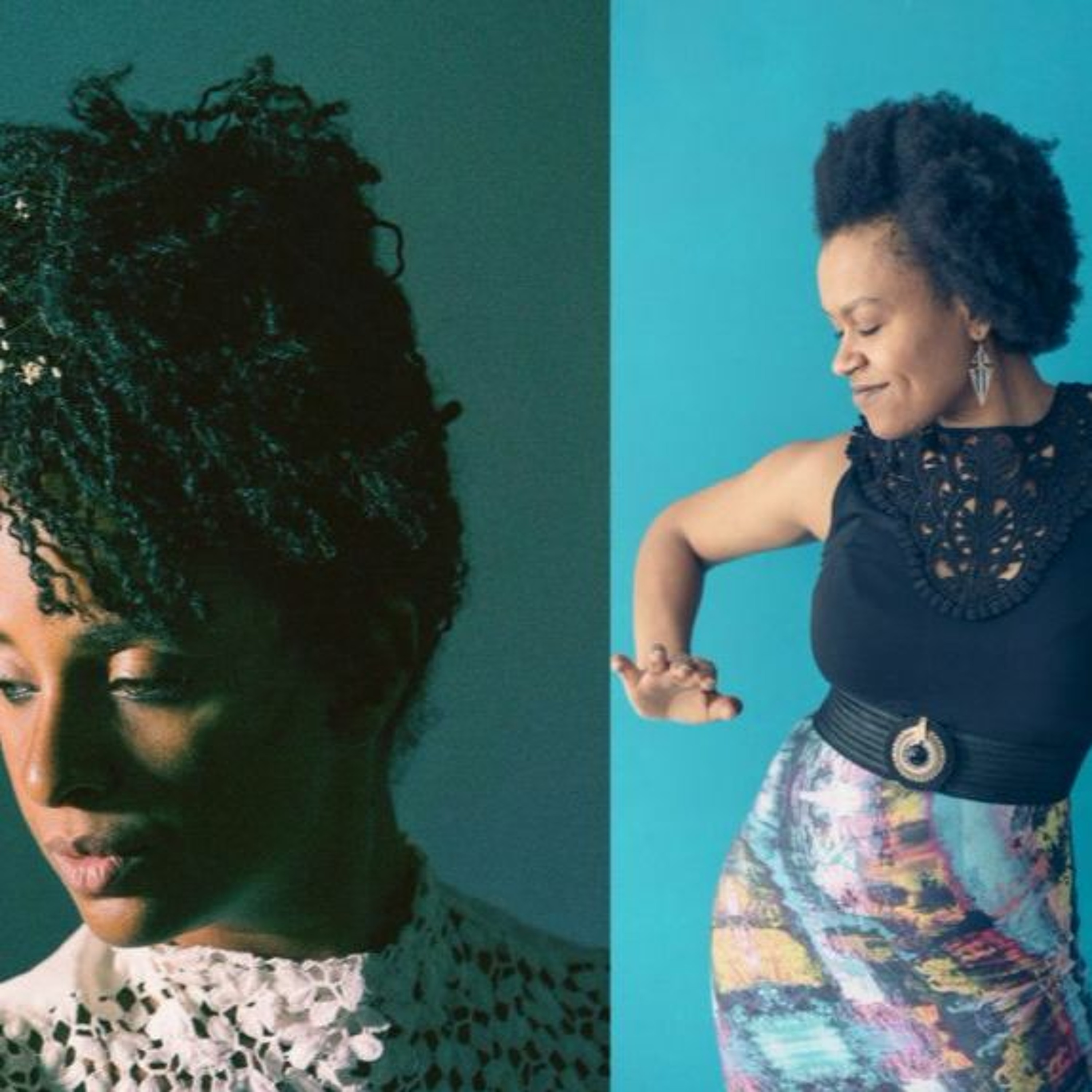
The San Francisco Bay Area is a unique cultural space that has given birth to some of the most iconic countercultural American music. It is a place where identities can be fluid and hyphenated, where new voices emerge to speak to their times. Two very different Bay Area artists, Meklit Hadero and Zena Carlota, use their music to explore what it means to live on two sides of a hyphen: African-American, black-artist, Ethiopian-American, female-musician, to name a few. Produced by Lisa Bartfai About the producer: Lisa Bartfai is a freelance radio journalist, writer and translator based in Brunswick, ME. As a senior producer at award-winning Blunt Youth Radio, Lisa shares her love of radio with the next generation of noisemakers. Follow Afropop Worldwide on Facebook at www.facebook.com/afropop, on Instagram @afropopworldwide and on Twitter @afropopww. Subscribe to the Afropop Worldwide newsletter at www.afropop.org/newsletter/ S2:E3 Distributed 10/3/2017
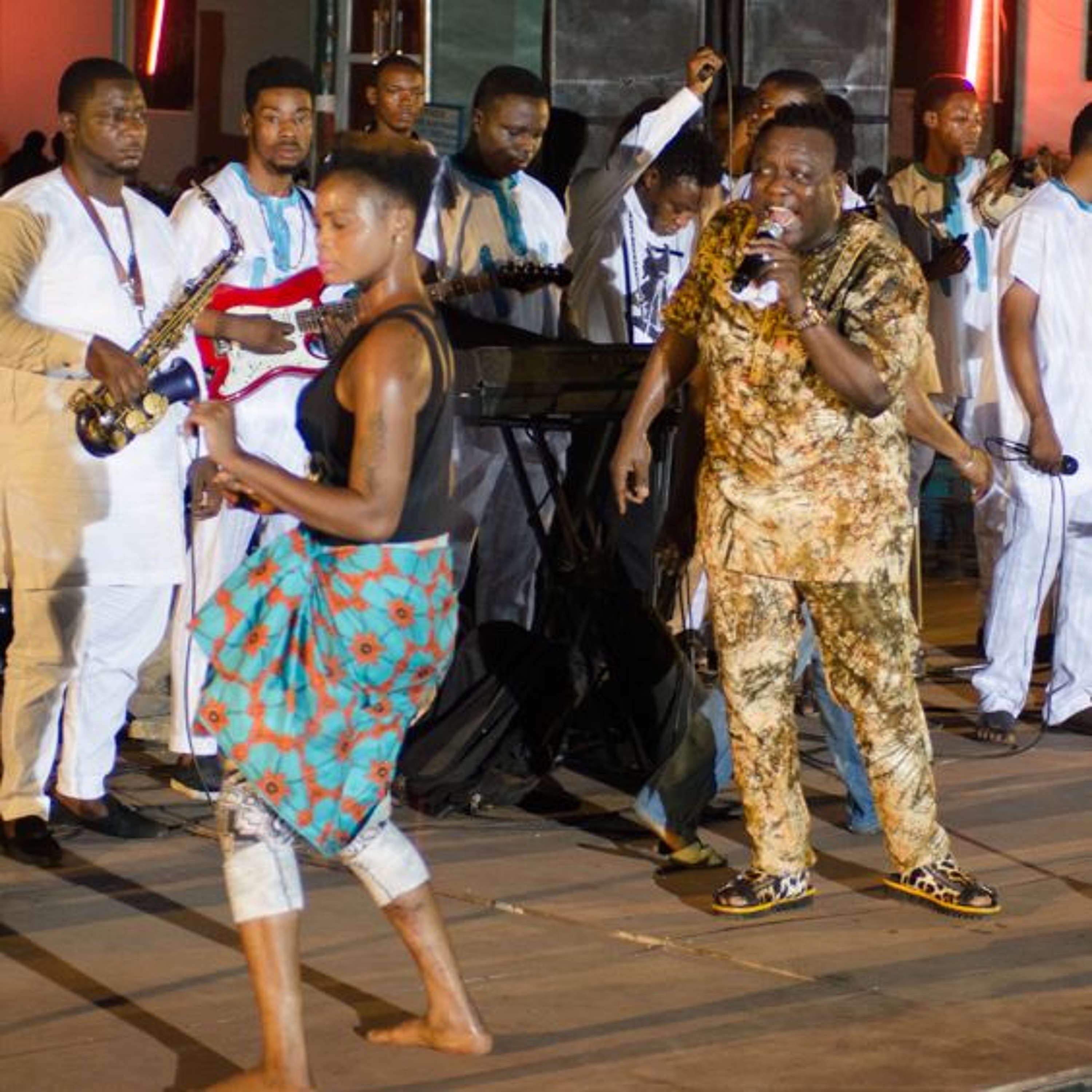
Lagos Roots: Fuji, Juju and Apala
Beneath the gloss of Nigeria’s contemporary pop, older roots styles, mostly derived from Yoruba tradition, still thrive. In this program, we meet four top stars of fuji music, the percussion-driven, message-heavy, and occasionally profane trance music that animates weddings and parties on a daily basis in hidden corners of Lagos. Rival “kings” K1 da Ultimate and Saheed Osupa, and a rare woman of fuji, Salawa Abeni, take us inside the rough and tumble of an exciting musical subculture little known outside Nigeria. We also meet juju legend Shina Peters and meet up-and-comers on the Lagos roots scene. This program fills out our Hip Deep portrait of a vibrant African city where music holds the keys to a tumultuous collision of cultures and peoples. Produced by Banning Eyre. Follow Afropop Worldwide on Facebook at www.facebook.com/afropop, on Instagram @afropopworldwide and on Twitter @afropopww. Subscribe to the Afropop Worldwide newsletter at www.afropop.org/newsletter/ APWW #763 Distributed 9/28/2017
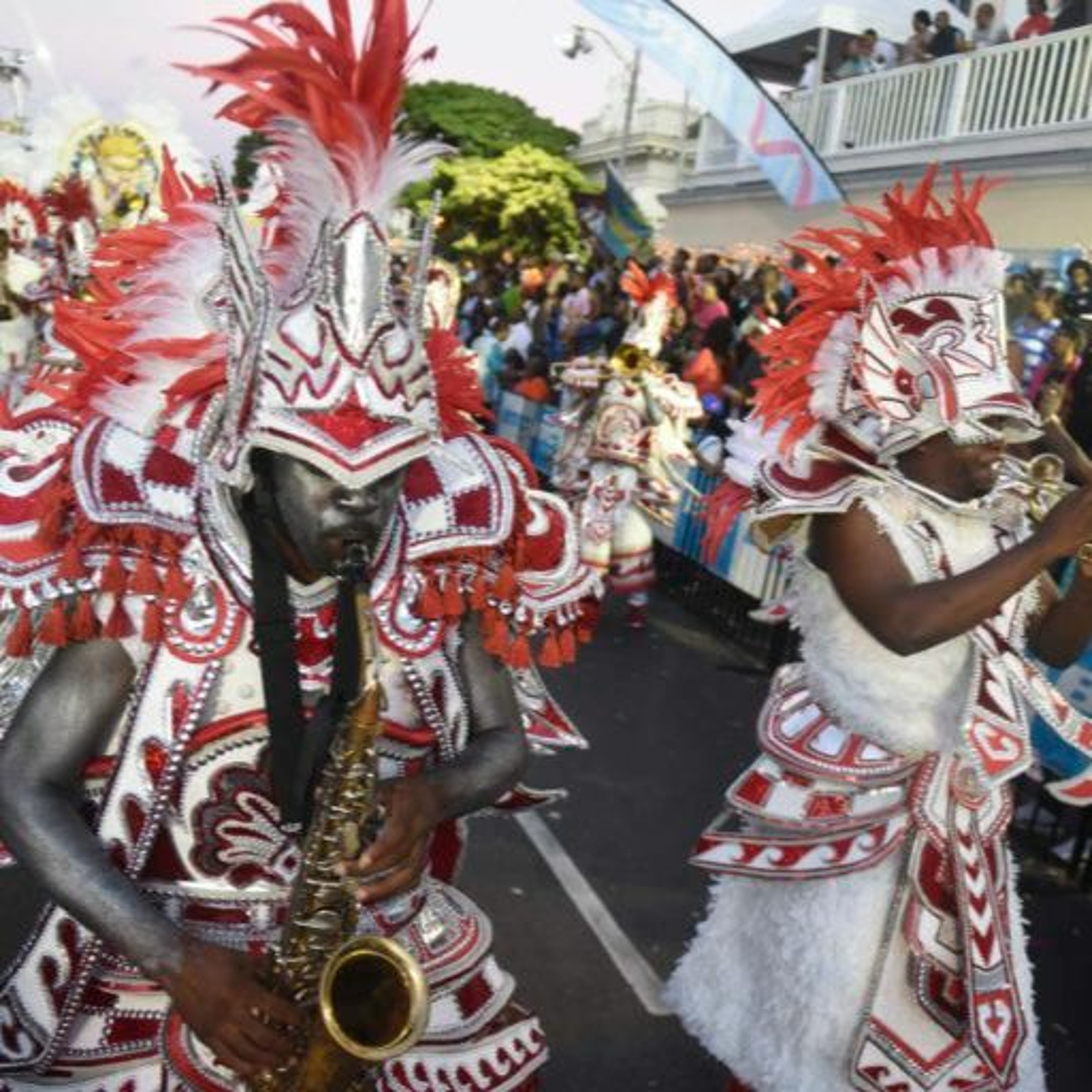
Rushin’ to Bacchanal: When Caribbean Festivals Collide
Junkanoo, an annual communal parade held in the Bahamas, is a labor of love for the Bahamian people that dates back centuries. The parade, which has Akan cultural roots, emerged in the time of slavery, but it has since moved from the margins to the very center of society, becoming the bedrock of national culture. When the government wanted to invest millions into the development of a major cultural festival designed to attract tourists, Junkanoo seemed like the obvious choice. In this podcast, we hear what happened when the government chose to use Trinidad Carnival as the model instead. Produced by Gabrielle Misiewicz Follow Afropop Worldwide on Facebook at www.facebook.com/afropop, on Instagram @afropopworldwide and on Twitter @afropopww. Subscribe to the Afropop Worldwide newsletter at www.afropop.org/newsletter/ Distributed 9/19/2017 Afropop Closeup S2:E2
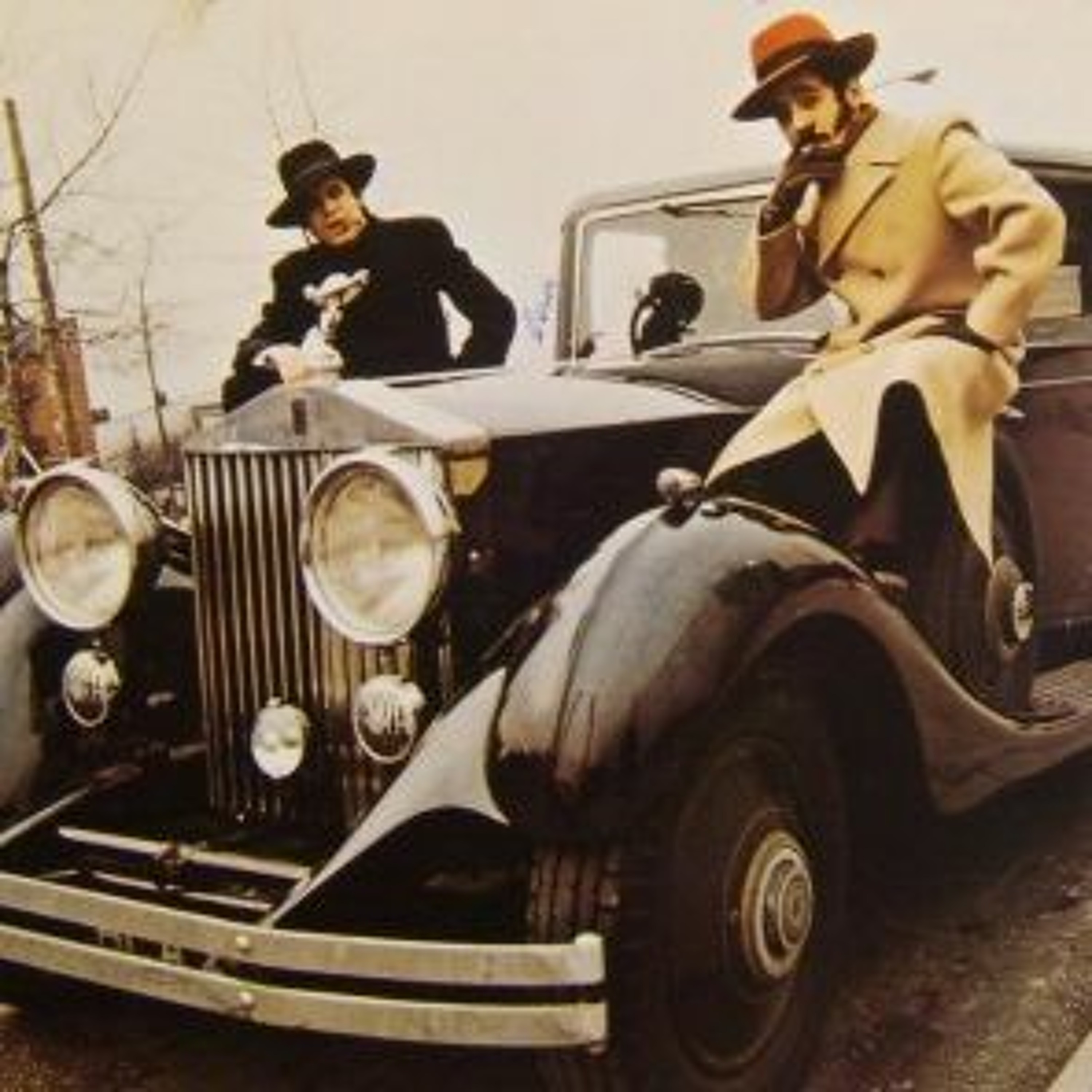
Fania Records at 50
New York City is home to the earthshaking Latin dance music known as salsa. From the mid-1960s through the 1980s, Fania Records released many of the landmark albums of the era, creating a salsa boom that reverberated around the world. In 2014, Fania celebrated 50 years in the business; and to celebrate, we dug into the label’s history. We’ll hear from some of the principal players, including Aurora Flores, Nicky Marrero and Larry “El Judio Maravilloso” Harlow, and tell a few Afropop-centric stories along the way. Produced by Morgan Greenstreet. Follow Afropop Worldwide on Facebook at www.facebook.com/afropop, on Instagram @afropopworldwide and on Twitter @afropopww. Subscribe to the Afropop Worldwide newsletter at www.afropop.org/newsletter/ APWW #696 Distributed 9/14/2017
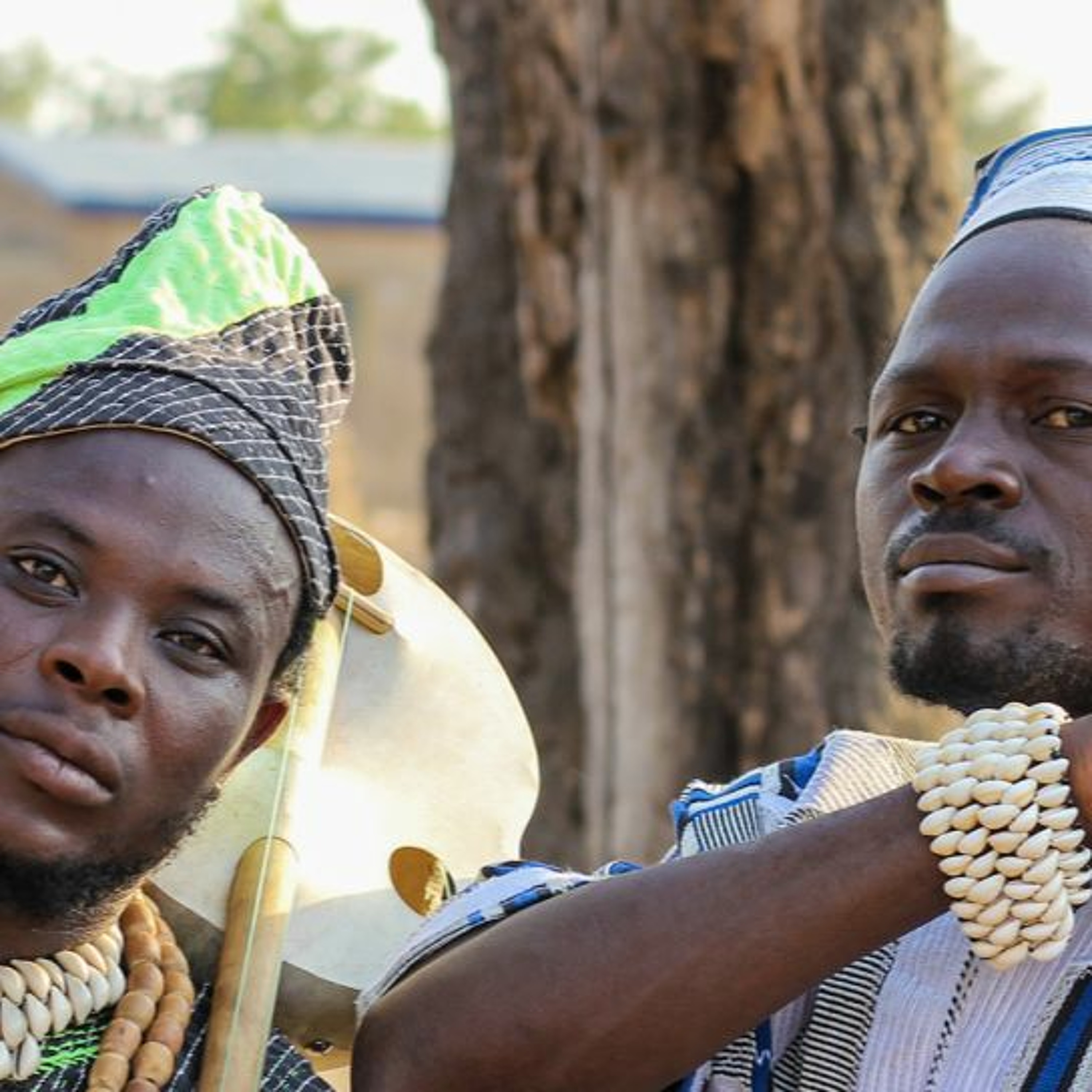
Podcast Special: Closeup #1
To celebrate the launch of the second season of the Afropop Closeup podcast, this special radio program features some of the stories from the inaugural season. We’ll hear about the plight of Haitian radio stations in New York; the story of Mabiisi, a unique transnational collaboration be-tween a Burkinabe rapper and a Ghanaian roots musician; and the surprising popular resurgence of U.K. grime music. Subscribe to our podcast and follow the second season of the Afropop Closeup podcast to hear intimate stories of the struggles and triumphs of human life in Rwanda, Nigeria, Haiti, the Bahamas and the African diasporas of Greece, the U.K., Paris, New York and San Francisco. Produced by Morgan Greenstreet, Ian Coss and Sam Backer. Follow Afropop Worldwide on Facebook at www.facebook.com/afropop, on Instagram @afropopworldwide and on Twitter @afropopww. Subscribe to the Afropop Worldwide newsletter at www.afropop.org/newsletter/ [APWW #762] Distributed 9/7/2017
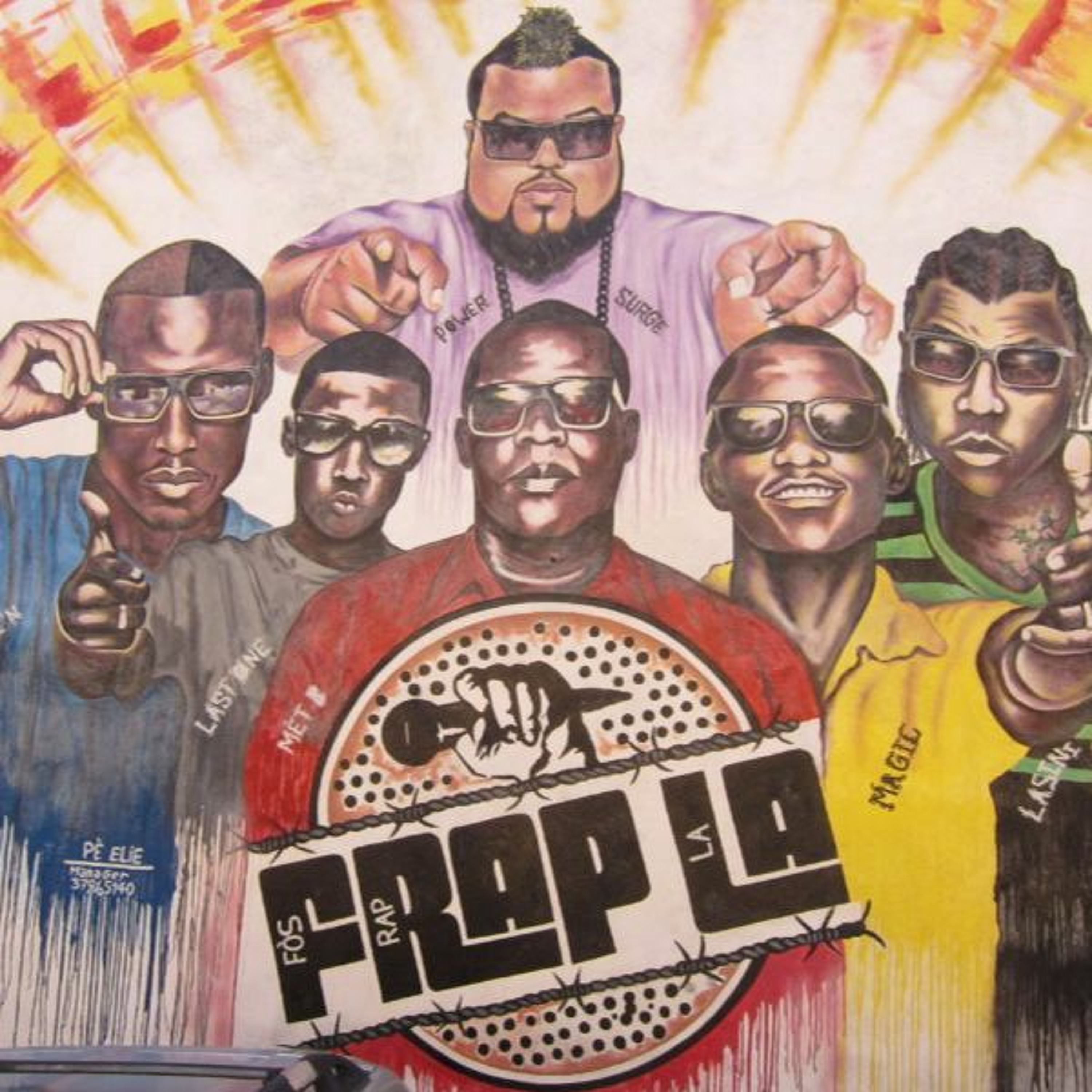
Haiti's Fight for Copyright
Life in the music business has its ups and downs—especially in Haiti—and Serge Turnier (A.K.A. Powersurge) has lived both extremes. As a producer he makes his living from recorded music, not from concerts, and so many of those ups and downs have revolved around the question of copyright: a legal system for controlling who can copy, record and perform a piece of music. The concept can seem abstract, but in Ternier’s story it makes all the difference as he decides whether to give up on the Haitian music industry entirely. Produced by Ian Coss. This program was produced in partnership with Life of the Law. Follow Afropop Worldwide on Facebook at www.facebook.com/afropop, on Instagram @afropopworldwide and on Twitter @afropopww. Subscribe to the Afropop Worldwide newsletter at www.afropop.org/newsletter/ Distributed 9/5/2017
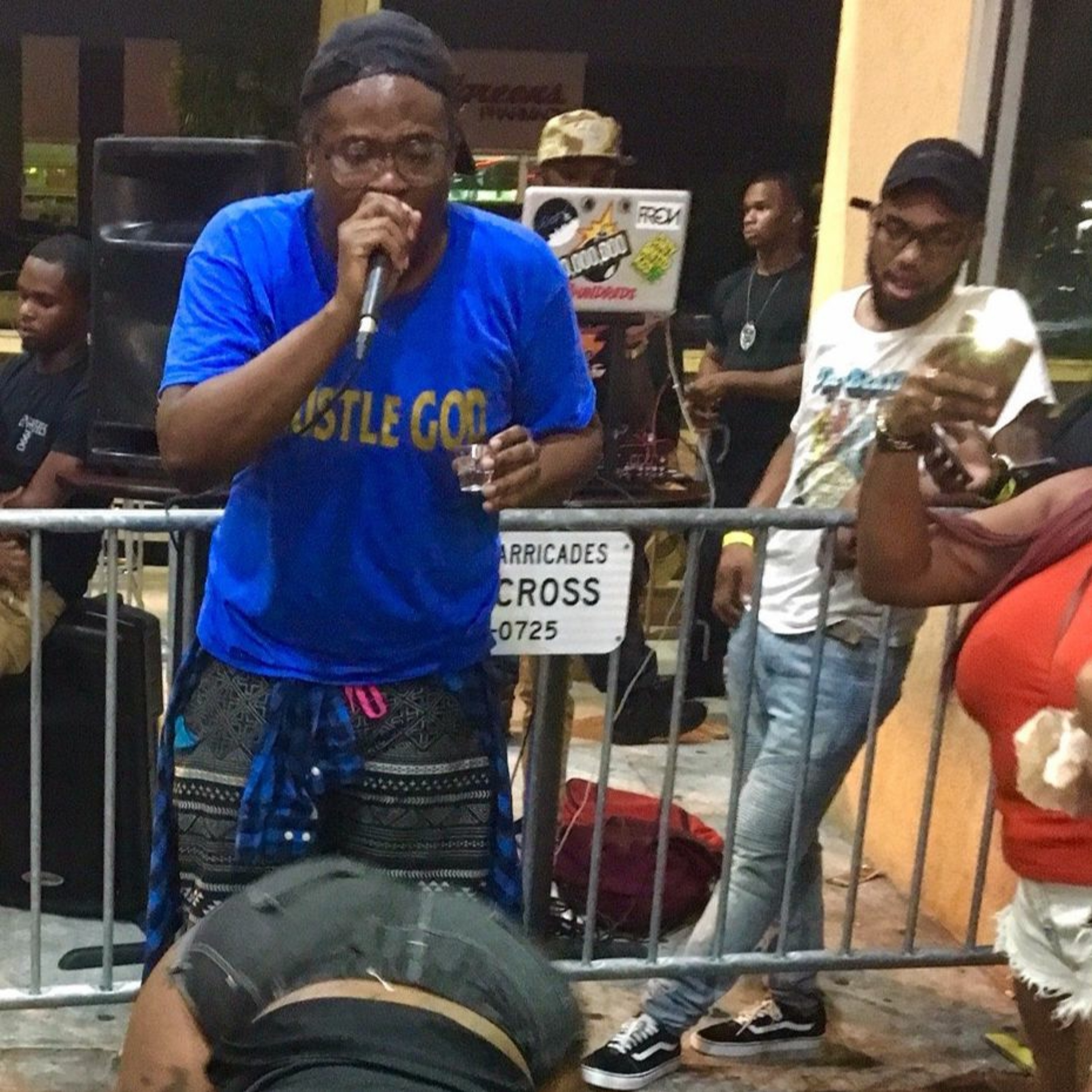
Shake It Fo Ya Hood: Bounce, New Orleans Hip-Hop
*Music in this show contains some explicit language* New Orleans, Louisiana is home to some of America's greatest musical traditions, and plays an outsized influence on the evolution of everything from jazz through to r&b, rock and funk. Today, the city is still legendary for its second line brass bands and brightly costumed Mardi Gras Indians. But if you've rolled through New Orleans on pretty much any night in the last 30 years, you've probably heard another sound—the clattering, booming, hip-shaking, chant-heavy roll of bounce, a form of hip-hop music, dance and culture unique to the Crescent City. Pulling from the national mainstream but remaking it the way that only New Orleans can, bounce has become a sonic touchstone for an entire generation of residents. For this Hip Deep edition, Afropop digs into the close-knit scene, talking to dancers, producers, MCs, and managers from over 30 years of bounce, all to explore the beat that drives New Orleans—and to find out what it means to the people who bring it to life. Produced by Jessi Olsen and Sam Backer. Follow Afropop Worldwide on Facebook at www.facebook.com/afropop, on Instagram @afropopworldwide and on Twitter @afropopww. Subscribe to the Afropop Worldwide newsletter at www.afropop.org/newsletter/ [APWW #761] Distributed 8/31/2017
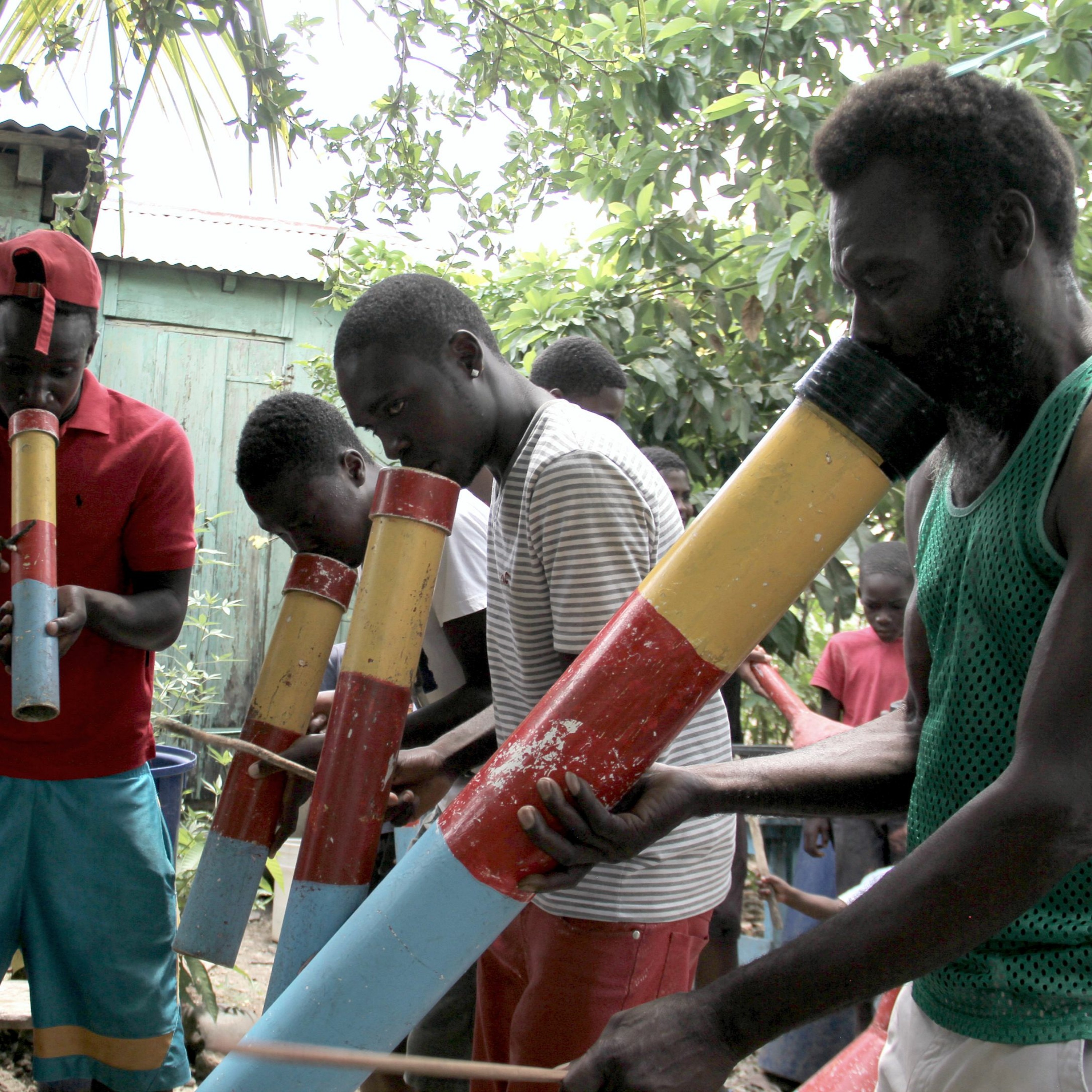
An Island, Divided
The island of Hispaniola, located in the western Caribbean, is divided in two by an invisible line that snakes down its central mountain range. On one side is Haiti, the other the Dominican Republic: one colonized by the French, the other by Spain. The island was the first place in the Americas colonized by Europeans, and was the place where trans-Atlantic slavery was first implemented. It was also home to the first--and only--successful slave revolt when Haiti rebelled against France in 1791. Yet there has frequently been a tremendous amount of tension between the two countries. For decades, Eurocentric elites in the Dominican Republic have painted Haitians as inferior and threatening. Today, there is an uproar around the issues of Haitian immigration to the D.R., and politicians who are lobbying to build a wall between the two countries. Despite the conflicts, Dominicans and Haitians are linked by deeply interwoven histories, economies and cultures. In this episode of Afropop Worldwide, we tell the story of the relationship between Haiti and the Dominican Republic through music, from the Haitian Revolution to the 1937 massacre perpetrated by Dominican dictator Rafael Trujillo. We also visit a batey community in the sugarcane fields, where residents play Haitian-Dominican gagá music, explore the relationship between race and music on the island, and meet young people using music to bring the people of Hispaniola closer together. Produced by Marlon Bishop. Follow Afropop Worldwide on Facebook at www.facebook.com/afropop, on Instagram @afropopworldwide and on Twitter @afropopww. Subscribe to the Afropop Worldwide newsletter at www.afropop.org/newsletter/ [APWW #760] Distributed 8/24/2017
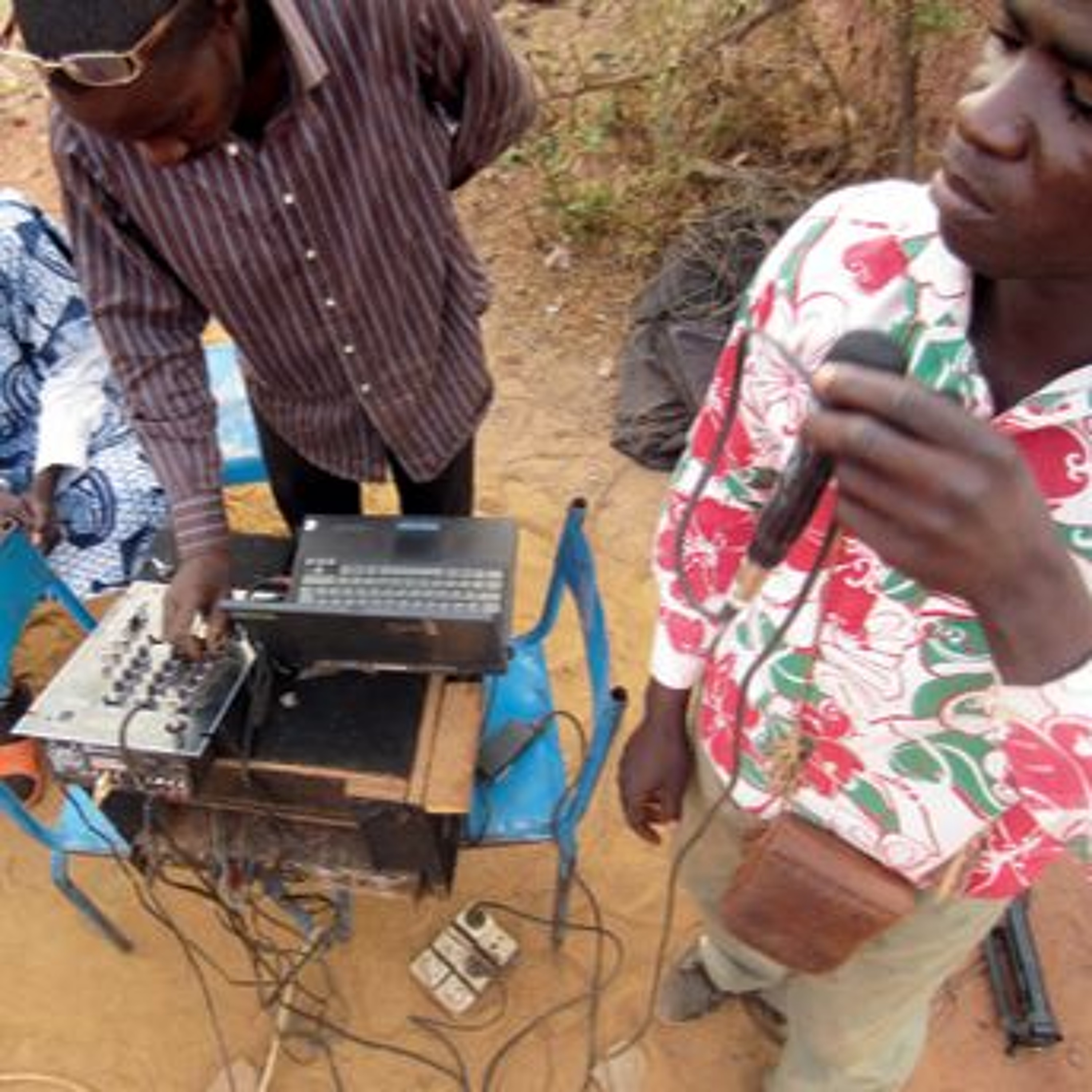
Sahel Sounds: Modern Music from Mali
Working closely with Christopher Kirkley, the writer and recordist behind the Sahel Sounds blog and label, we will meet the newest generation of musicians from Mali. With their possibilities transformed by technology and their musical tastes reshaped by an exposure to sounds drawn from across the world, these young musicians are radically rethinking centuries-old traditions. Get ready for the fast-paced guitar bands of the north; the MP3 markets in which digital music passes from cellphone to cellphone; and the Balani Show music of Bamako. Produced by Sam Backer. Follow Afropop Worldwide on Facebook at www.facebook.com/afropop, on Instagram @afropopworldwide and on Twitter @afropopww. Subscribe to the Afropop Worldwide newsletter at www.afropop.org/newsletter/ [APWW #666] Distributed 8/17/2017