
Afropop Worldwide
529 episodes — Page 7 of 11

WOMEX - The Lusophone Connection
WOMEX 2021 in Porto, Portugal, delivered the event’s trademark extravaganza of live showcases from around the world. But given the location, there was a special focus on Lusophone acts from Brazil, Angola, Cape Verde and Guinea-Bissau. This program features highlights and interviews from Pongo (Angola), Neuza (Cape Verde), Lucas Santana (Brazil), Bandé Gamboa (Guinea-Bissau/Cape Verde), Ayom (Spain) and more. Produced by Banning Eyre and Sean Barlow APWW #849
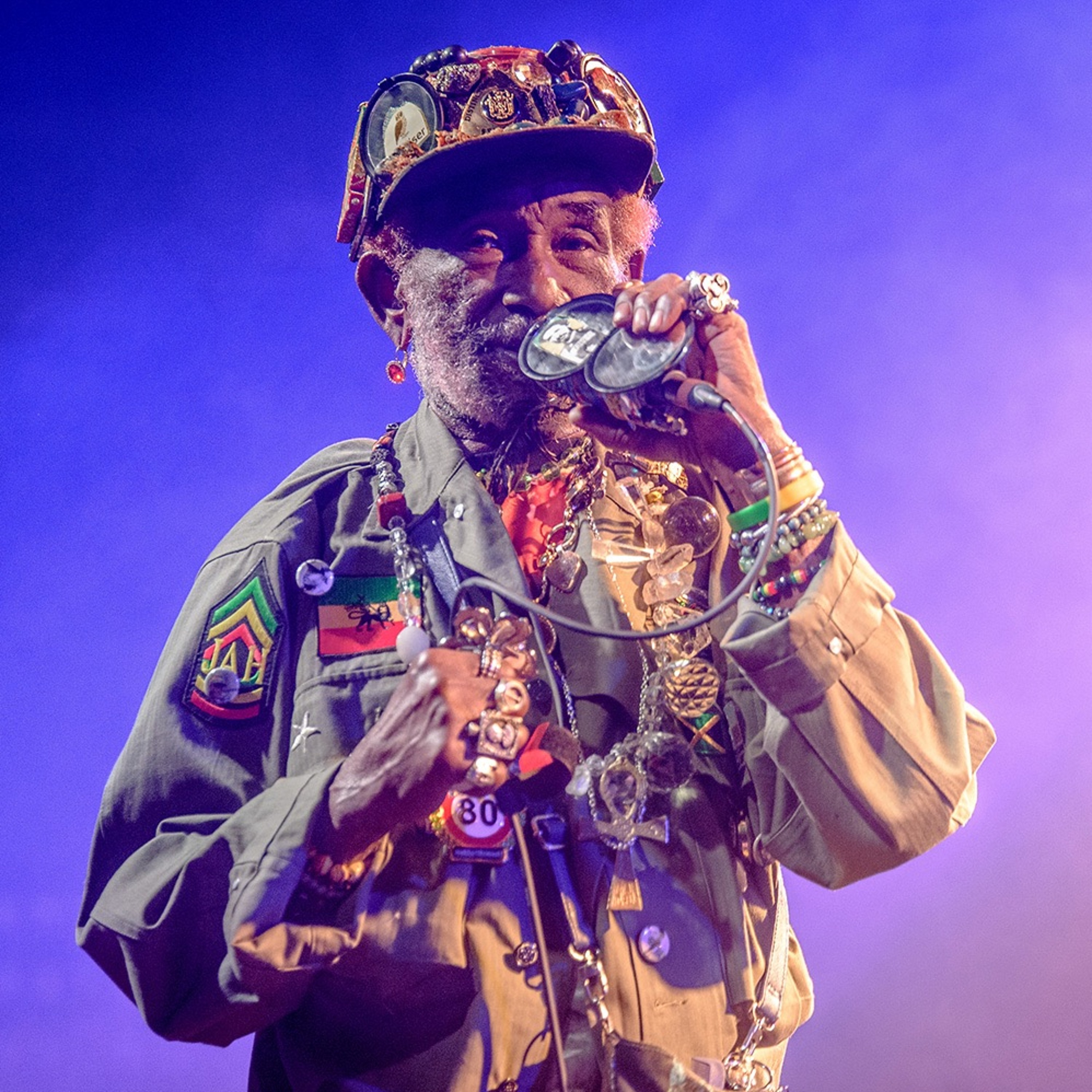
I Am The Upsetter: The Sonic Innovation of Lee ‘Scratch’ Perry
Jamaican record producer Lee 'Scratch' Perry is widely celebrated as one of the most important creative figures to emerge in the late-20th Century. In 'I Am The Upsetter: The Sonic Innovation of Lee 'Scratch' Perry,' producer David Katz, who is Perry's authorized biographer, draws on archive interviews to explore his incredible career, which began in the early 1960s and continued until August 2021, only ending when Perry died, aged 85. One of Bob Marley's most important mentors, Perry's Black Ark studio used substandard equipment, but the innovative work he produced there with Max Romeo, Junior Murvin and others inspired a range of artists active in other genres, including Paul McCartney, the Clash, and the Beastie Boys. APWW #848 Produced by David Katz
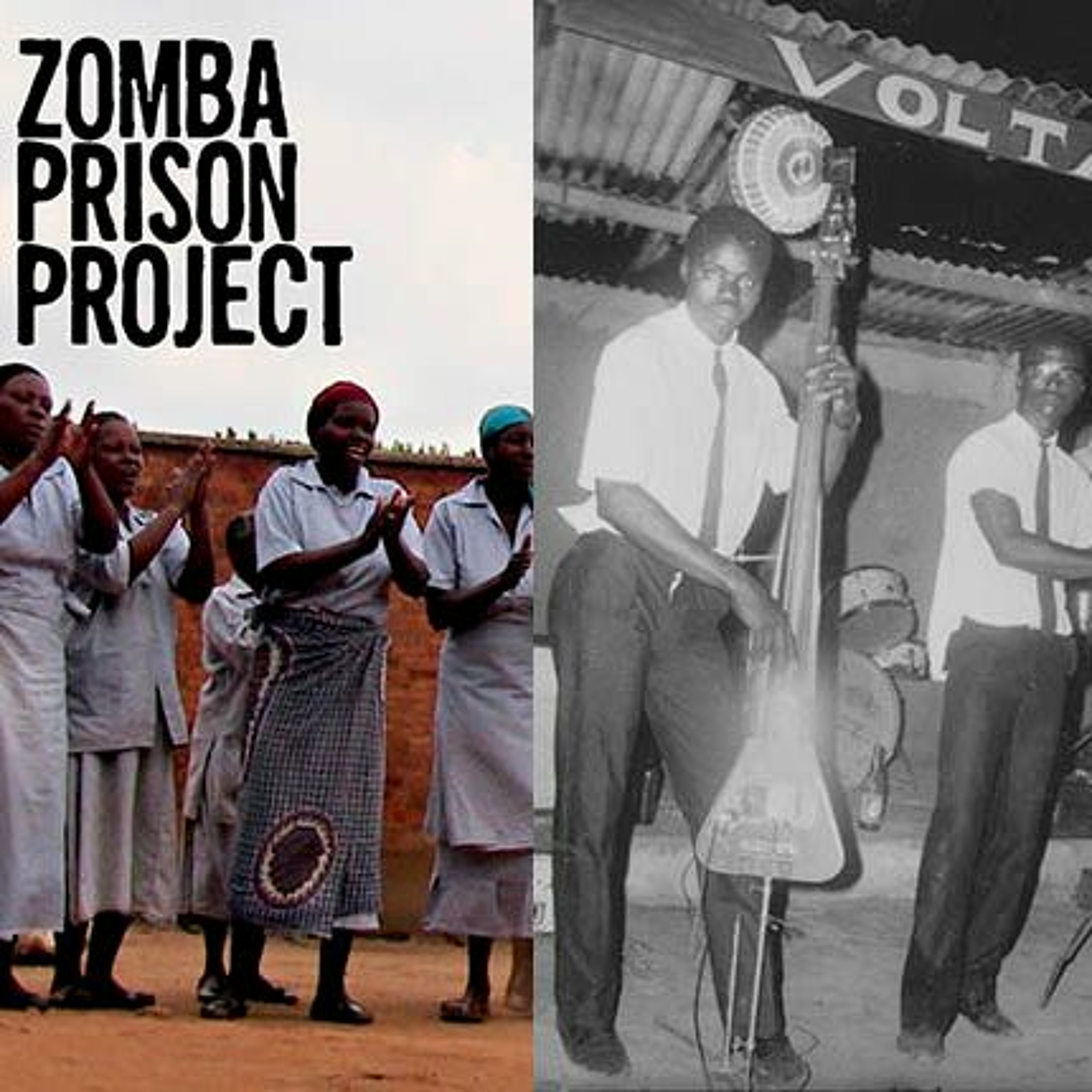
Off the Beaten Track - Burkina Faso, Malawi, and Beyond
Off the Beaten Track - Burkina Faso, Malawi, and Beyond This program ventures into corners of Africa we hear from rarely, guided by adventurous field recordists and crate diggers. The Zomba Prison Project is a set of recordings by inmates at a maximum security prison in Malawi, currently the poorest nation on earth. The project’s debut CD was nominated for a Grammy Award. Here, we speak with the producer, Ian Brennan, and hear tracks from a new volume of soulful, even heartbreaking, songs from the prison. Then, we go back to the 1960s and ‘70s in the city of Bobo-Dioulasso in Burkina Faso (then Upper Volta) to sample a gorgeous set of newly revealed recordings by Volta Jazz, Dafra Star, Les Imbattables Leopards and more. We hear from Florent Mazzoleni, the author and intrepid vinyl collector behind the new box set, Bobo Yéyé: Belle Époque in Upper Volta. APWW #738 Originally Produced by Banning Eyre in 2016
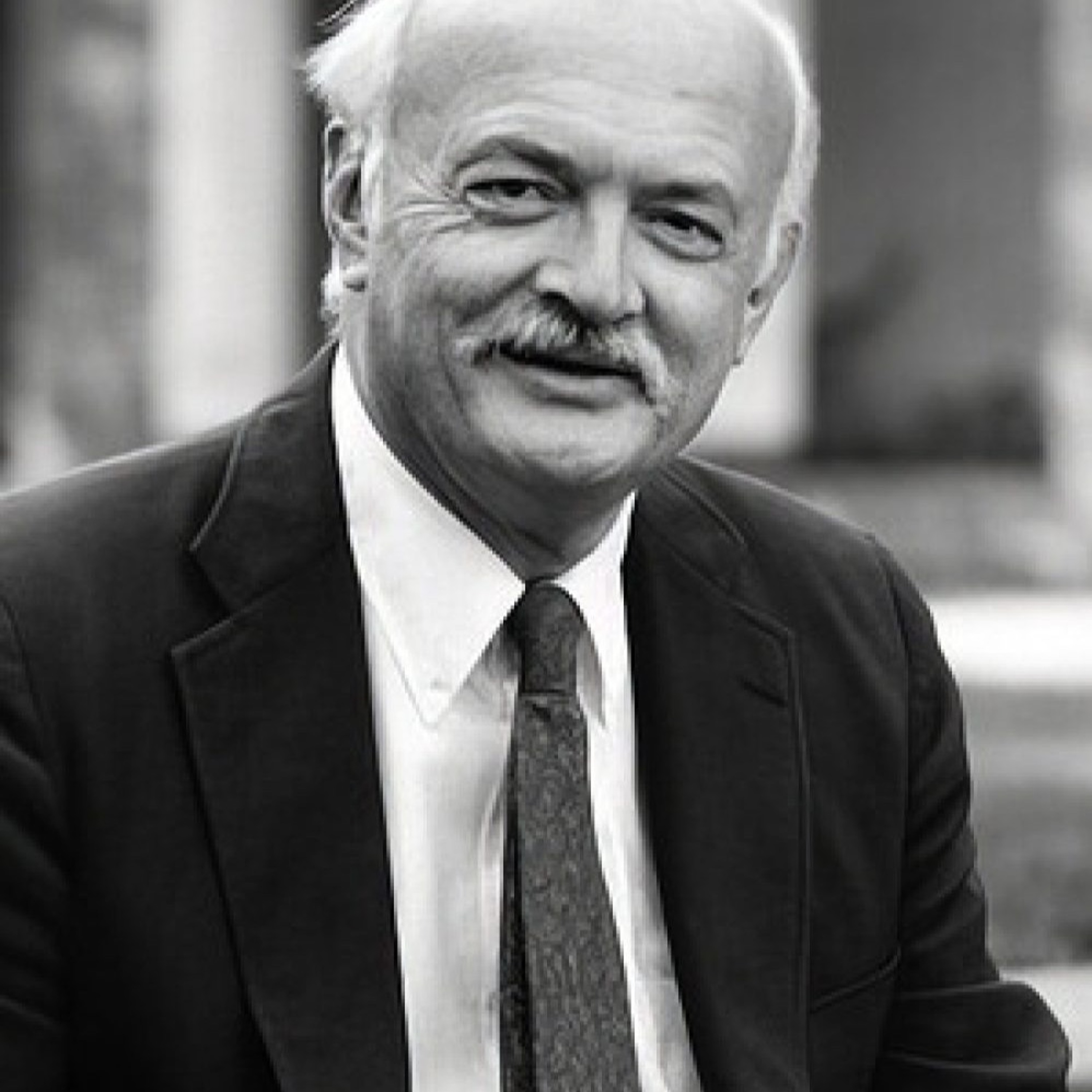
A Tango with Robert Farris Thompson
One of the spiritual fathers of Afropop Worldwide has joined the ancestors. After an extraordinarily rich and full life, Dr. Robert Farris Thompson -- or, as he preferred to be called, "T" -- passed on November 29, 2021, at the age of 88. Through his books, lectures and mentorship, T revolutionized the study of African art and culture beginning in the 1950s, and he inspired generations of students and scholars. While his academic discipline was art hisotry, music was central to his conception. This program was produced as an Afropop Worldwide Hip Deep episode in 2005 to celebrate his book Tango: The Art History of Love. In it, T talks to Ned Sublette about the erotic Afro-Argentine dance whose Kikongo-derived name he renders as "moving in time to a beat." With musical examples galore. We present it in loving memory. APWW #479 Produced by Ned Sublette
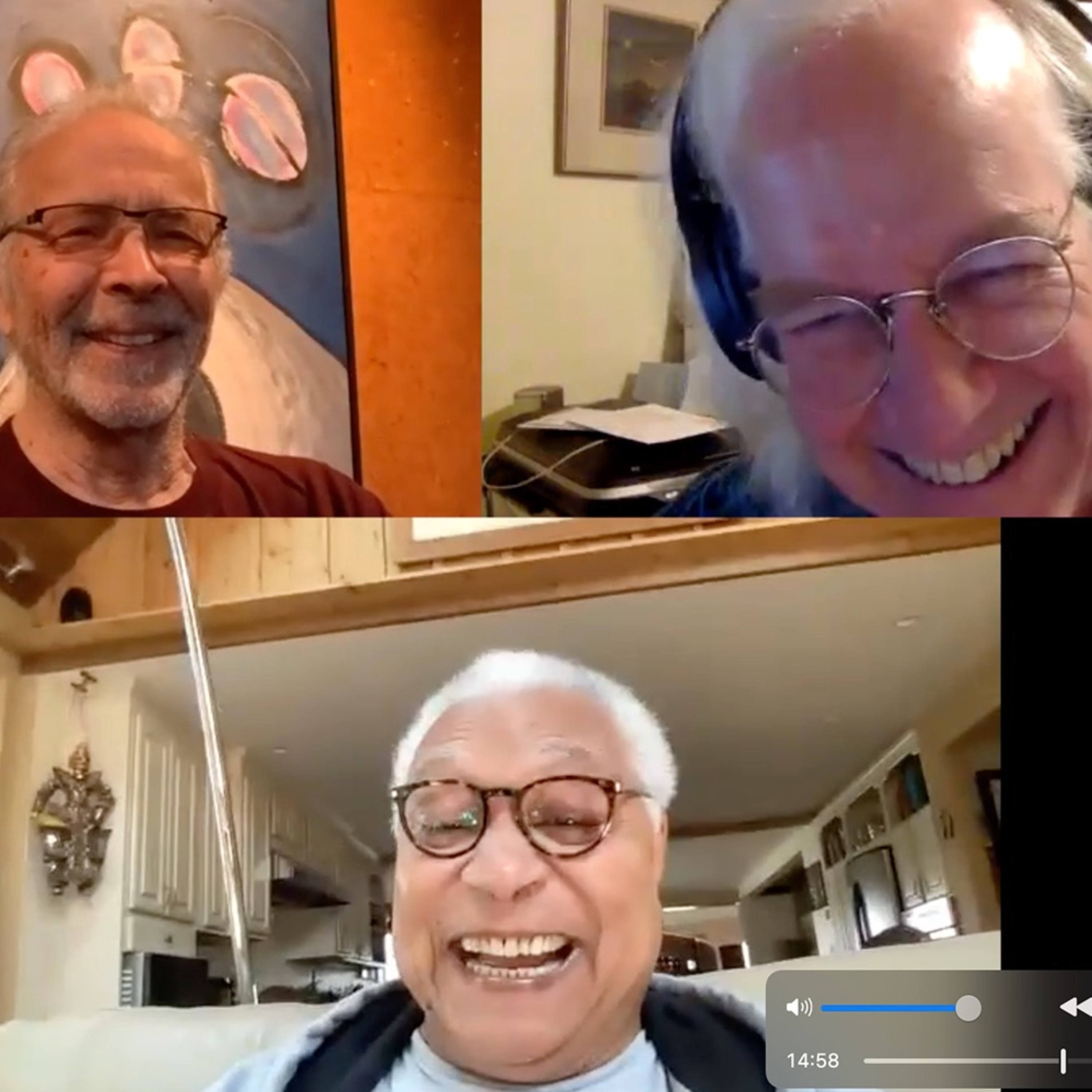
Afropop Wildcards 2021 Edition
Georges Collinet and Banning Eyre close out 2021 with a wide ranging tour through music that touched them in 2021, and a look ahead at 2022. No top ten lists or “best of the year” lists, but rather a taste of things overlooked, and a few surprises. Featured is Georges’s and Banning’s interview with American music icon Herb Alpert, and a sneak preview of Georges’s upcoming salute to a giant of Congolese music, Sam Mangwana. Expect a few laughs, and plenty of fantastic music to savor as 2021 winds to a close. Produced by Banning Eyre and Georges Collinet. APWW #847
Afropop Jam
On today’s edition, “Afropop Jam,” we’ll groove on cool new releases by artists from Congo, Ivory Coast, Nigeria, Martinique, Cuba and more. APWW #835
WOMEX Rises in 2021
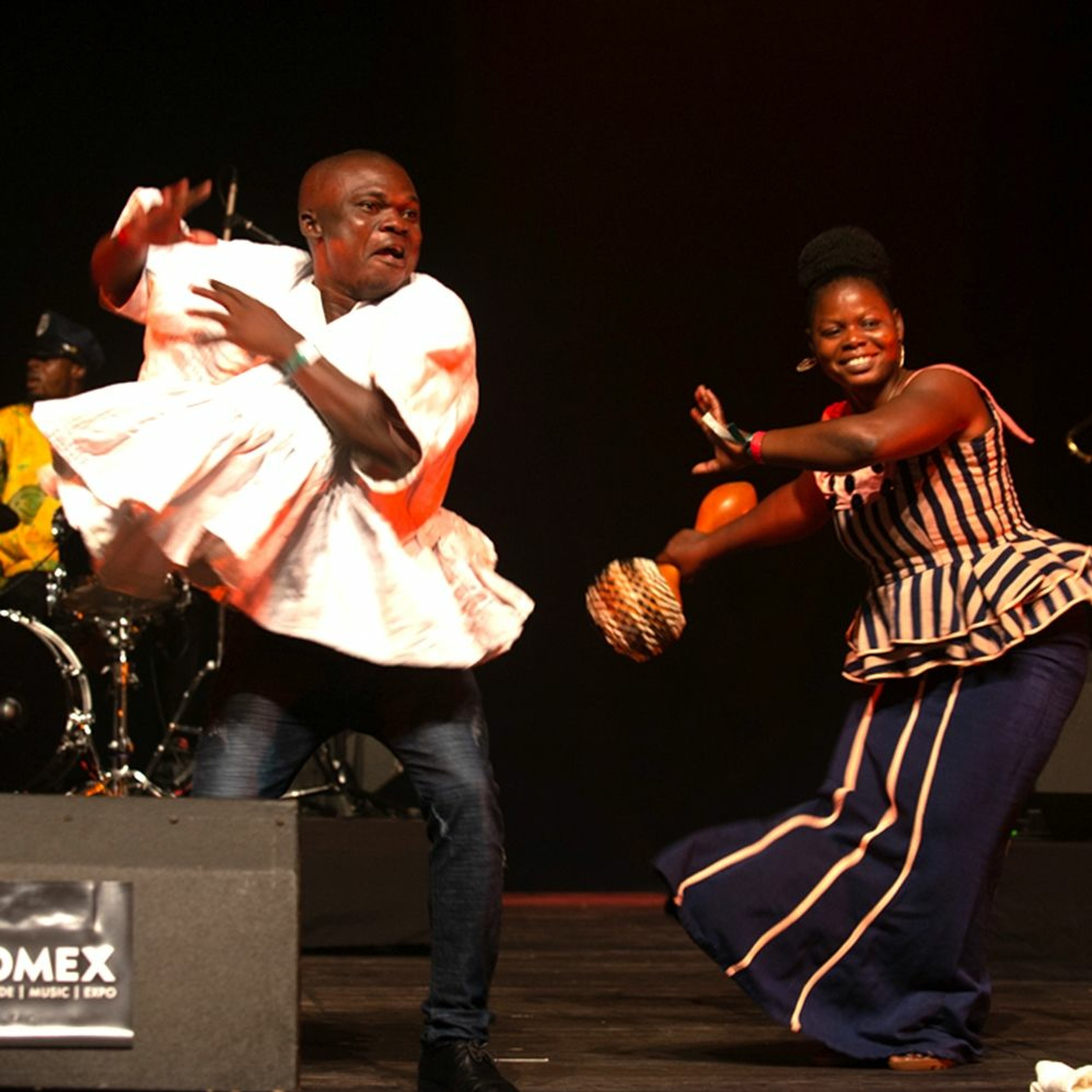
After the pandemic forced it to go virtual for a year, the WOMEX world music expo was back in 2021 for its 27th edition in Porto, Portugal. In this program we hear live performances and interviews from key showcase artists, including Gnawa innovations from Bab l’Bluz, Uganda’s Nakibembe Xylophone Troupe, brassy Ghanaian gospel from Algote Oho & His Sounds of Joy, Afro-funk bass virtuoso Manou Gallo, Egypt’s Mazahar, and Sudan’s Ebo Krdum, plus the world’s hottest fusion of Afro-Cuban music and funk from the one and only Cimafunk. Produced by Banning Eyre and Sean Barlow. APWW #846

Remembering Oliver Mtukudzi
Zimbabwe’s Oliver Mtukudzi, one of the most beloved singer/composer/bandleaders out of Africa in the last century, died in Harare on Jan. 23 2019 after a long battle with diabetes. Tuku, as his fans knew him, composed countless songs that cut to the heart of life in Zimbabwe, from its struggle for freedom in the 1970s through the rocky road of independence ever since. In this program, we look back at our conversations with Tuku going back to our first visit to Zimbabwe in 1988, and hear his wonderful music at various points in his epic career. We also speak with his biographer, ethnomusicologist Jennifer Kyker, and take a deep dive into what made Tuku's music so special and the stories behind some of his most important songs. Produced by Banning Eyre. APWW #807
Jamaica - Big A Yard, Big Abroad!
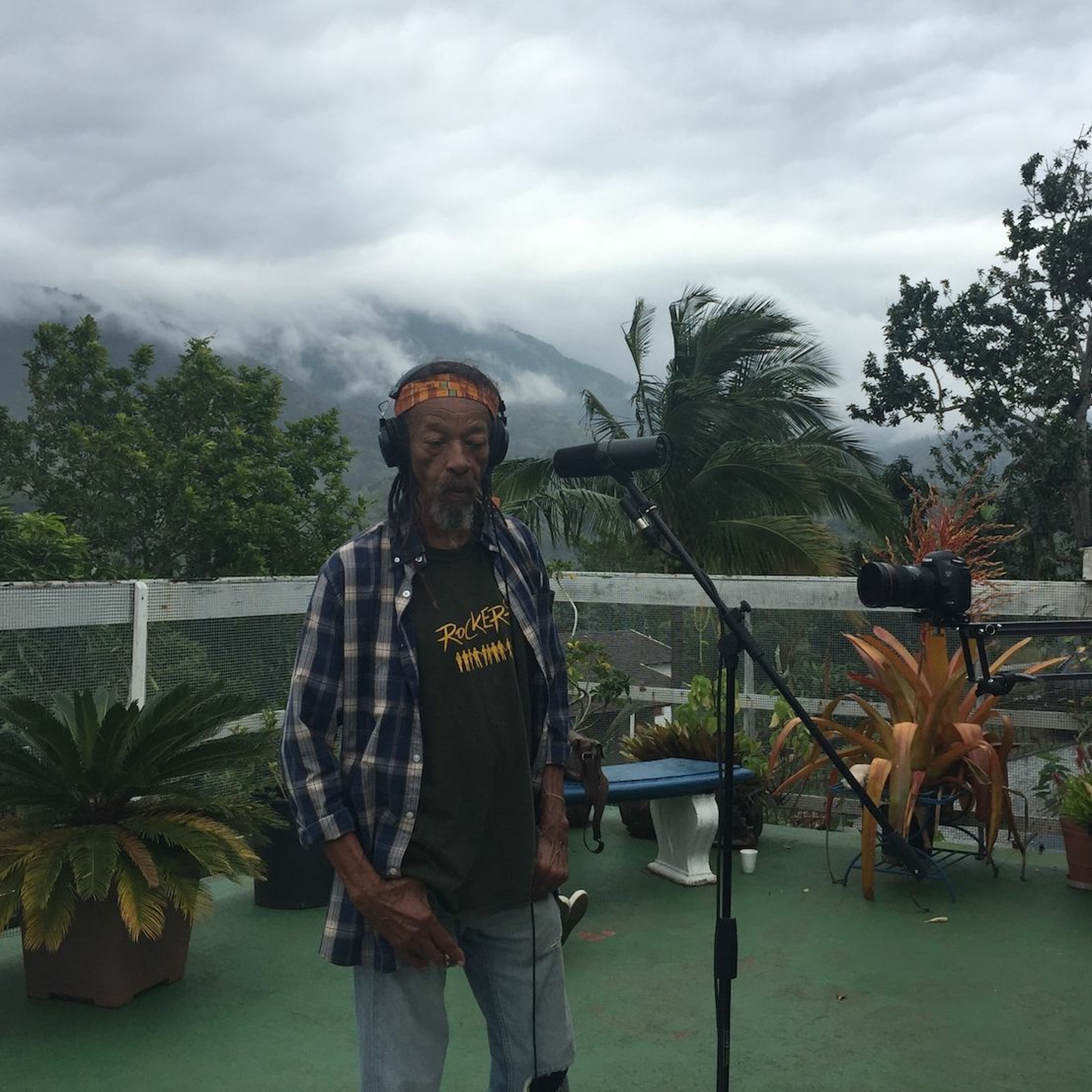
Since the 1960s in Jamaica, iconic figures such as Bob Marley have gathered in backyards to write reggae anthems that conquered world charts. The yard remains a cornerstone in Jamaican culture. Musicians withdraw from the violence of the city to create and play songs in their yards. In Jamaican patois, “mi yard” means “my home,” and many songs, proverbs and colloquialisms hinge on the word “yard.” More even than the music itself, the yard evokes a state of mind and a physical space wherein artists create amid the warmth of acoustic sound, raw emotion of voices and a collective energy. In this program, we move yard to yard in Jamaica, listening to acoustic music being written and recorded, smelling trees and flowers, and meeting legendary artists like Ken Boothe, Winston McAnuff, Cedric Myton of the Congos, Kiddus I, Robbie Lyn, Viceroys, or Nambo Robinson, as well as a number of young and emerging reggae artists like JAH9, Var, and Derajah, who grew up and found their artistic voices in ghetto yards. You've never heard Jamaica sound like this before! Produced by Elodie Maillot and Banning Eyre. APWW #753
The Sound of New York Latin Music
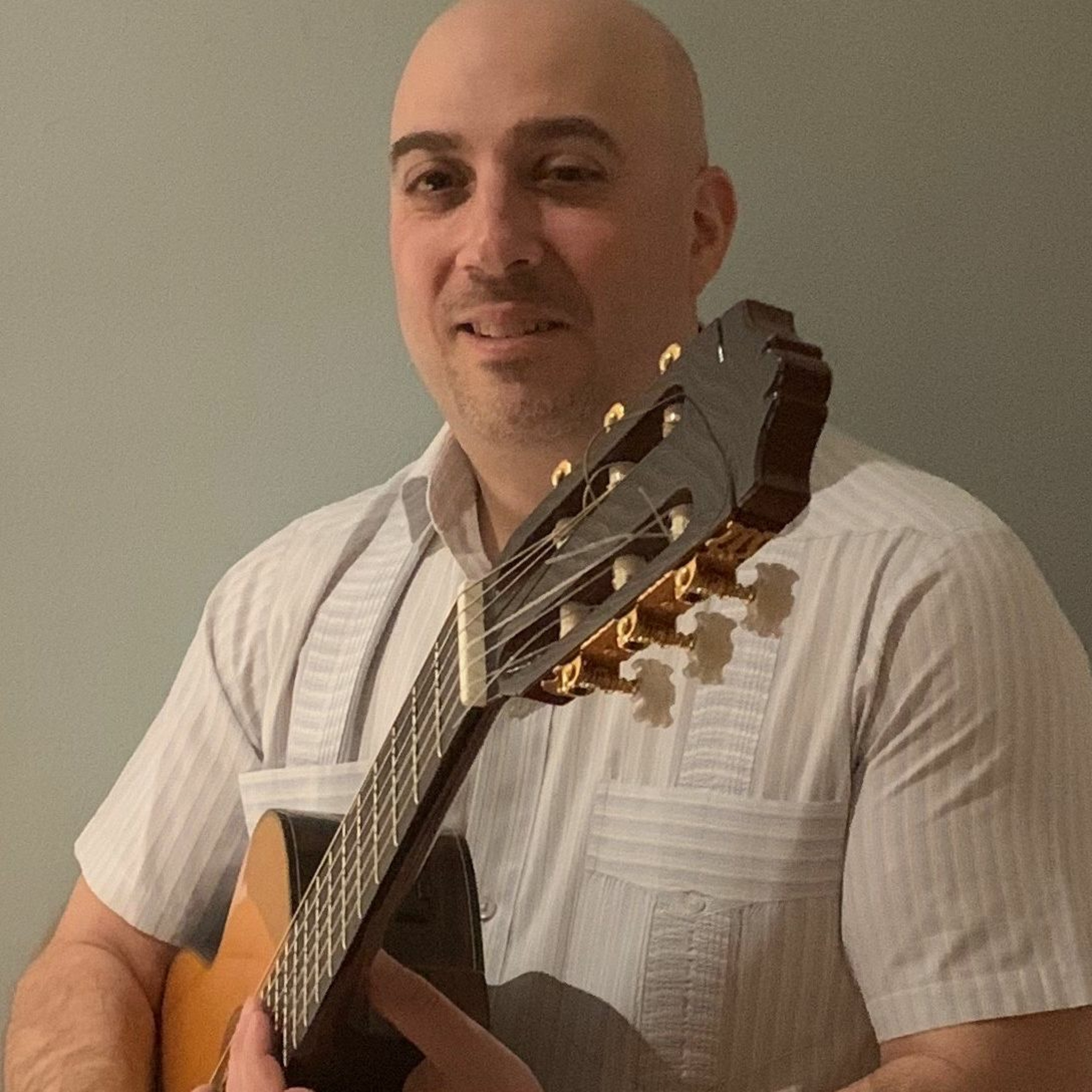
THE SOUND OF NEW YORK LATIN MUSIC takes a deep sonic dive into the great New York Latin discography, with host Georges Collinet and guest host Ned Sublette, who produced and megamixed. Special guest Dr. Ben Lapidus, author of New York and the International Sound of Latin Music 1940-1990, tells us stories of the musicians and the conditions that made the city's music unique. With nonstop music by Ray Barretto, Jerry González and the Fort Apache Band, Markolino Diamond, a snippet of Joe Quijano's bugalú version of "Fiddler on the Roof," and about a thousand more.
The Zimdancehall Story
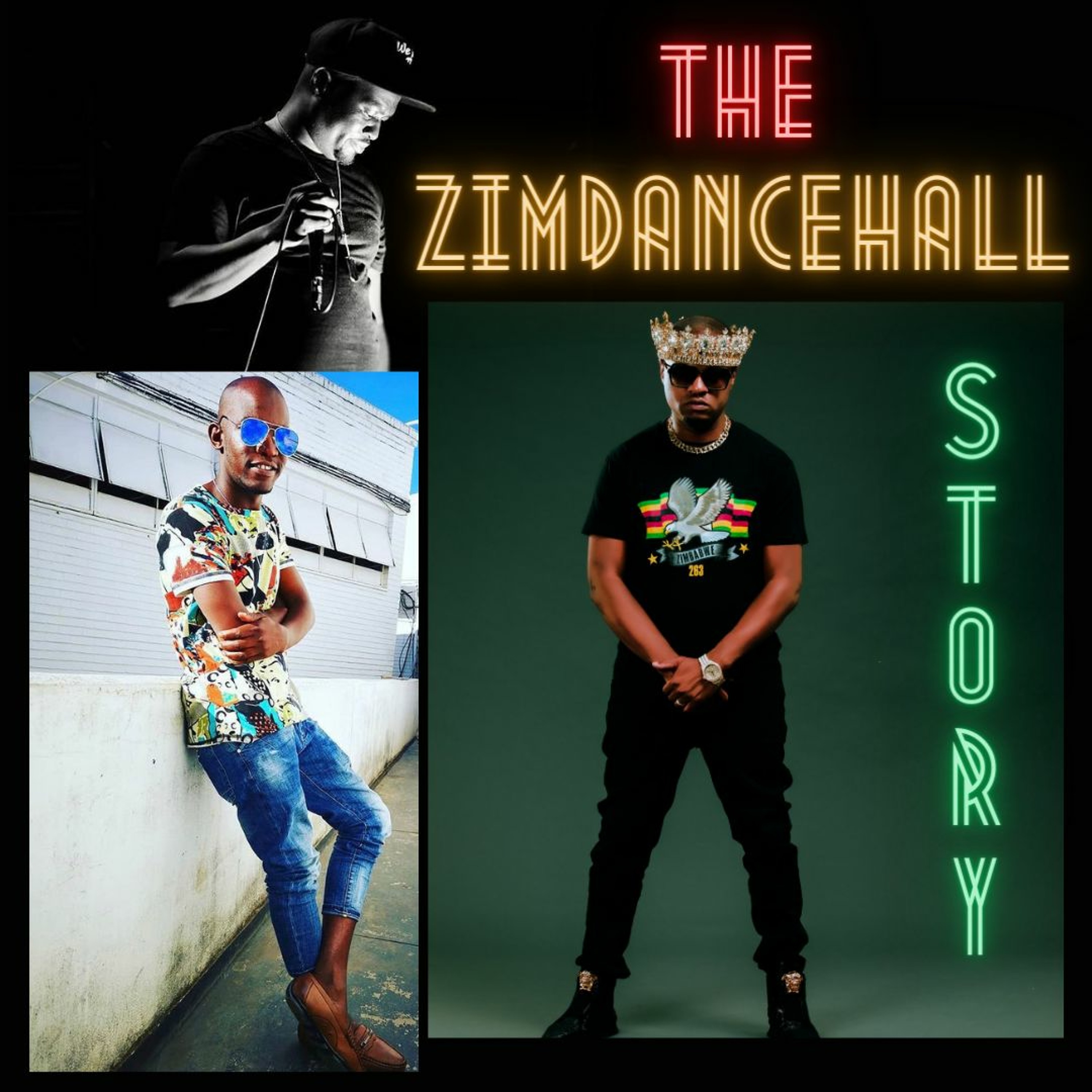
Inspired by Jamaica’s dancehall music from the 90s and early 2000s, Zimbabwean dancehall music (Zimdancehall) started out as an underground subculture in the ghettos of Zimbabwe and is now the country’s most popular genre. In this episode we’ll trace the subgenre’s rocky rise to the top and meet some of its founding pioneers: the likes of producer, Jusa Dementor, and recording artist, Sniper Storm. We’ll also explore the hidden layers behind the upbeat party tunes to reveal questions about: social class, language, originality and cultural authenticity; and how these underlying factors may play into Zimdancehall’s prospects in the international music market. It’s a fascinating story of resistance and persistence—it’s the Zimdancehall story. Produced by Christine "DJ Kix" Mwaturura APWW #844

The Kwaito Generation
Producer Brandi Howell speaks with DJ Lynneé Denise, an artist and scholar of underground cultural movements and the electronic music of the African diaspora. This podcast explores “DJ Scholarship” and the evolving music and cultural conversation of the Black Atlantic.
The Hidden Blackness Of Flamenco
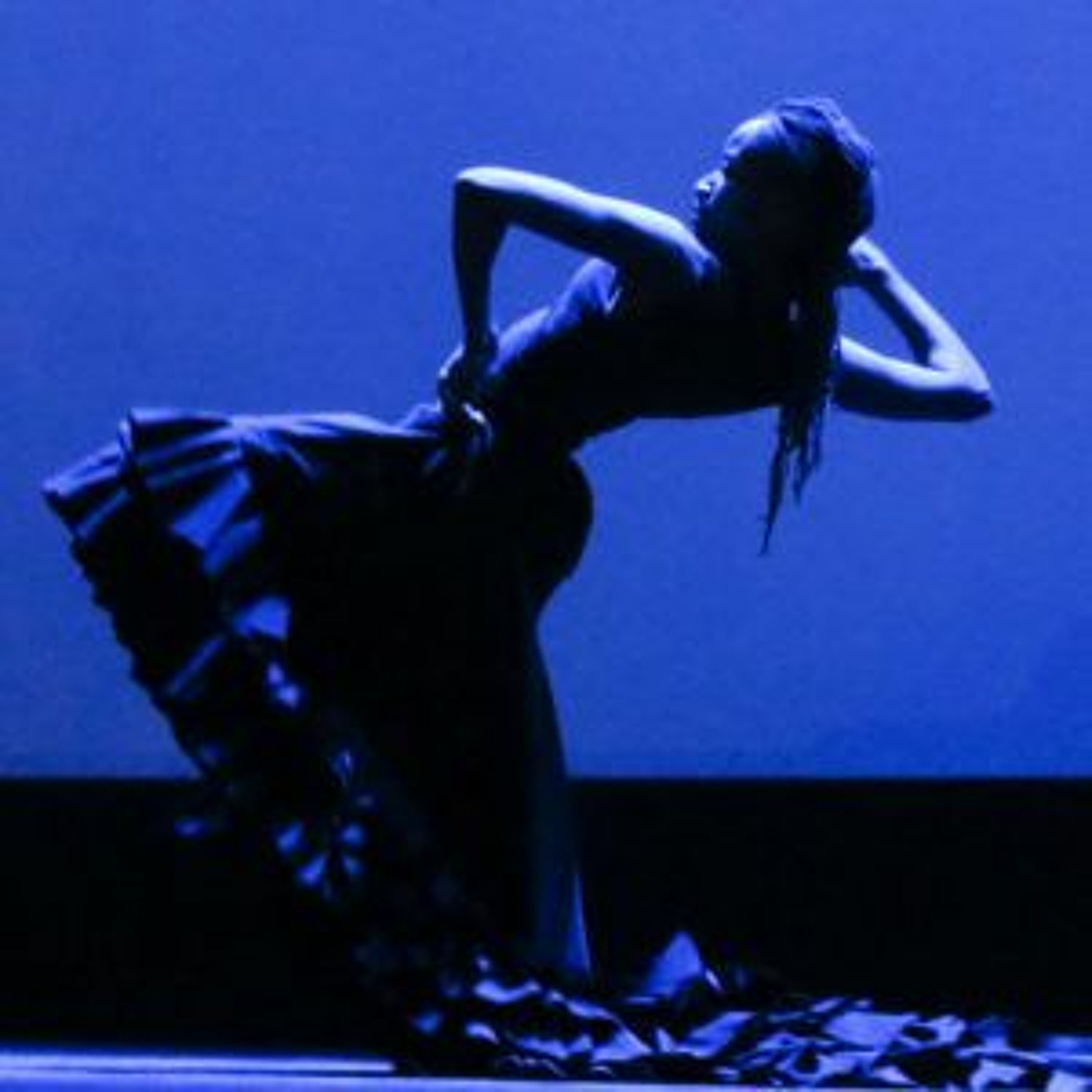
Flamenco as we know it was “born” in Spain in the mid-19th century. But for centuries before that, Roma (Gitanos, Gypsies) had been living in Spanish cities, often rubbing shoulders with the descendants of Africans (Moors), who had been there as both citizens and slaves going back to Medieval times and earlier. This overlooked pre-history of flamenco is explored in Miguel Angel Rosales’s groundbreaking film Gurumbé. In this program, we meet Rosales and learn to hear flamenco in a new way. We also meet maverick flamenco artist Raul Rodriguez, inventor and master of the tres flamenco. Rodriquez’s solo concert, sampled in this program, is a tour de force and an anthropology master class, all in one. Produced by Banning Eyre. APWW #792 Originally broadcast in 2018
Closeup: Echoes of Yaa Amponsah
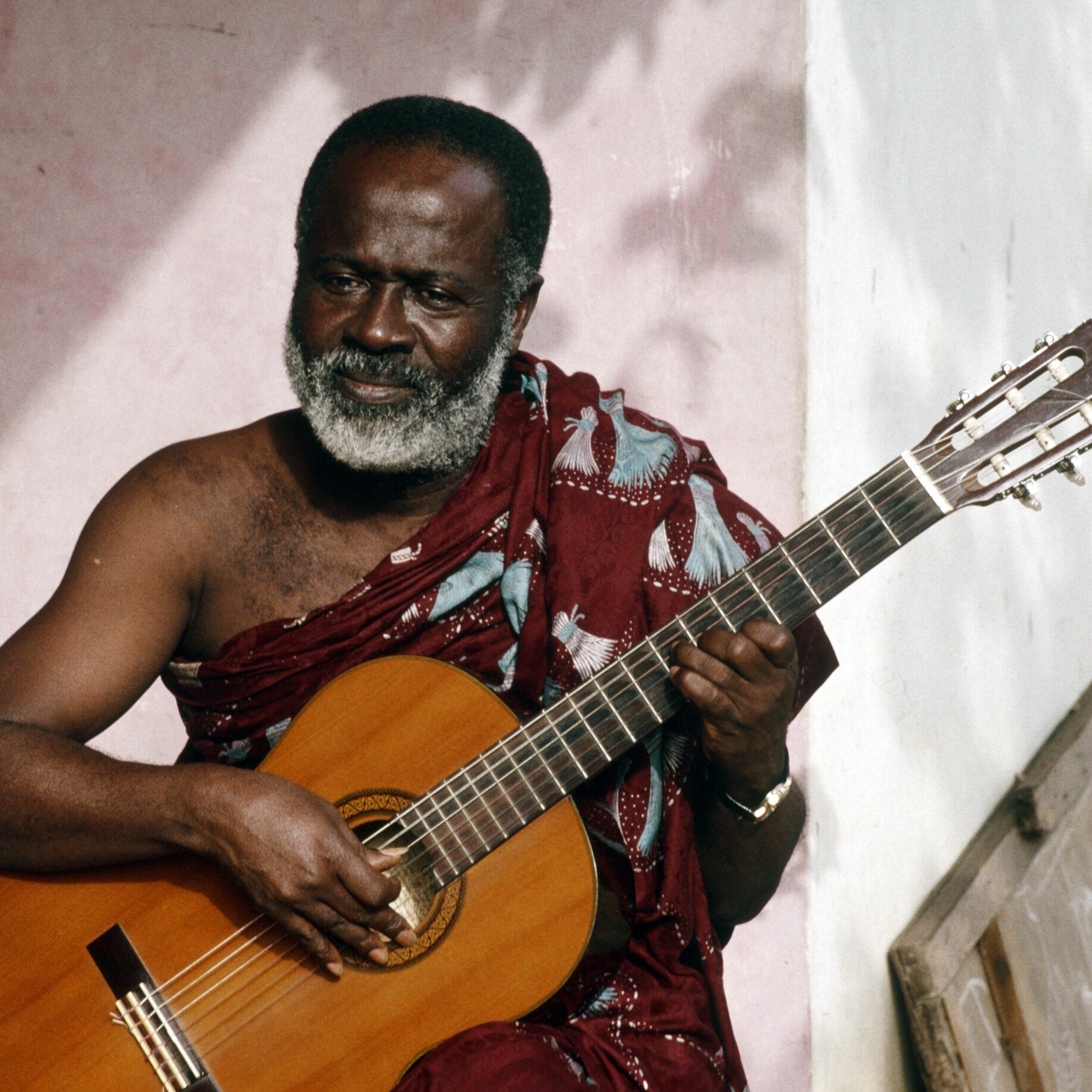
"Yaa Amponsah" is a song from Africa's earliest guitar tradition, palmwine music. Dating to the late 19th or early 20th century this style developed in port cities across the continent's western coast as Africans traveled to trade goods and music. Yaa Amponsah is also what Ghanaian musicians call a "rhythm"—a blueprint of harmonies, rhythms, and melodies that has informed thousands of songs from its first recording in 1928 through to contemporary music. In this Afropop Closeup, guitarist Nathaniel Braddock takes you inside his journey to dig into the rhythm's roots and influences through conversations with Koo Nimo, Akablay, Kofi Elektrik, and John Collins. Afropop Closeup Season Six

The Nyege Nyege Villa - East African Hub of the Electronic Music Underground
In 2018, the renowned music journal Fact boldly claimed that “the world’s best electronic music festival is in Uganda.” In only a few years, Nyege Nyege has indeed become one of the hottest artistic hubs in East Africa, birthing two music labels that propelled local scenes, such as Ugandan acholitronix or Tanzanian singeli, across the globe. At the heart of this explosive universe lies a big house, known as “the Villa,” that almost constantly vibrates with sounds as musicians from the region and beyond tirelessly produce, exchange skills, and frenetically party until dawn. Despite reducing the Villa’s bubbling flow, COVID-19 didn’t silence it, and the house kept on nurturing its community of underground musicians. In this episode, producer Basile Koechlin takes us to the Villa to meet current residents and other members of the Nyege Nyege nebula. Through a patchwork of stories, soundscapes, and fresh musical releases, we hear more about this unique and strange place that came to host and generate a seminal part of the avant-garde of electronic music production in East Africa. Produced by Basie Koechlin APWW #843
The Enigma Of Baba Sora
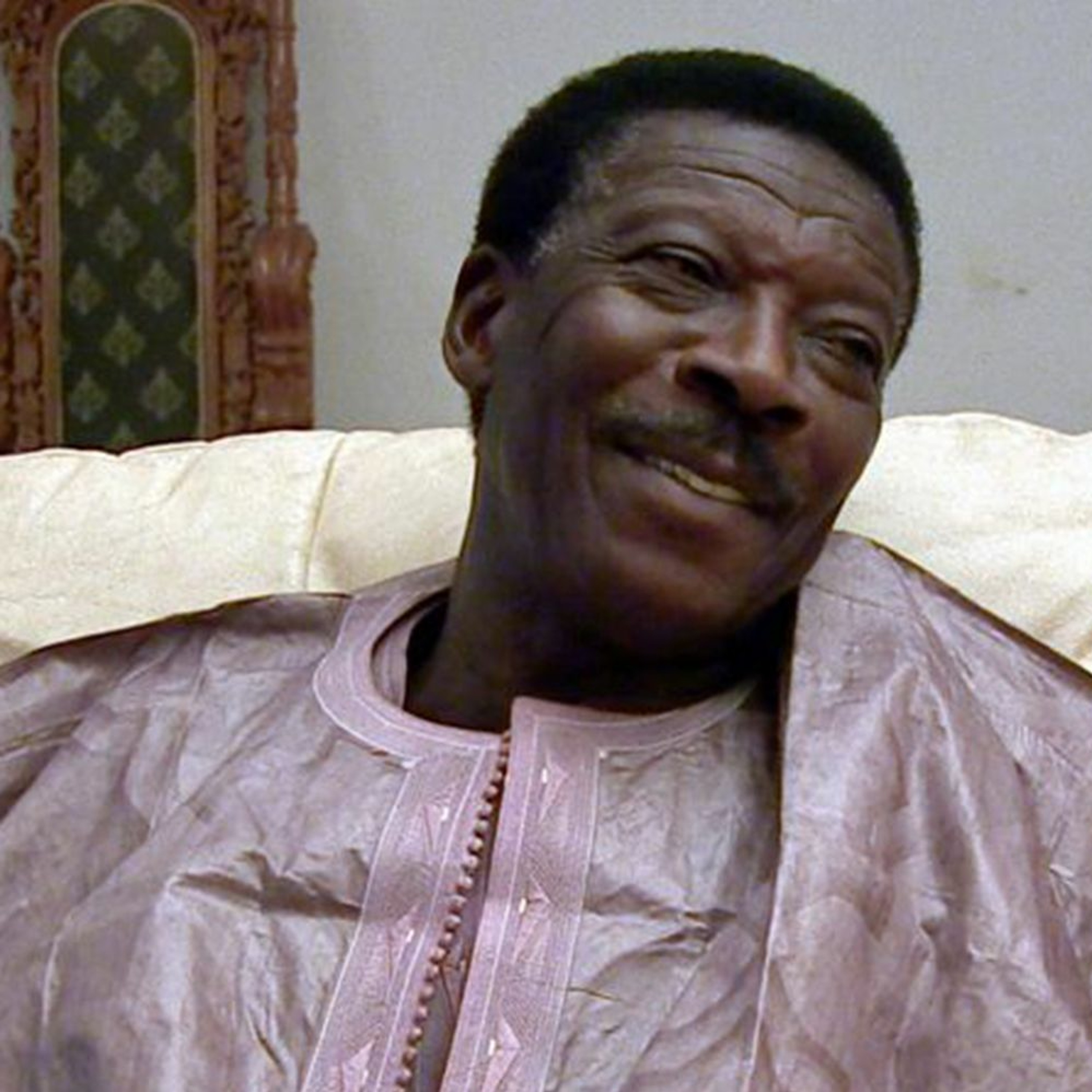
Foutanga Babani Sissoko, known also as Baba Sora, was one of the most generous patrons of Malian musicians, particularly griots, in modern times. His gifts of cash, gold, cars and houses are legendary, and the amount of music he inspired was voluminous. But the source of all those riches turned out to be dubious, to say the least. And when he died in March 2021, he had spent his latter years a poor man. In this episode we hear the man, the music and the remembrances of those whose lives were changed by his extraordinary generosity. Produced by Banning Eyre. APWW #842

Closeup: Learning Congolese Guitar
Congolese guitar is one of the pearls of African music. Intricate, joyful and seriously challenging, it’s long been a passion of producer/guitarist Banning Eyre. Through an innovative new online learning website—the World Music Method—he met guitarist Niwel Tsumbu, a brilliant guitarist and teacher, who delves here into Congo guitar history. Produced by Banning Eyre.
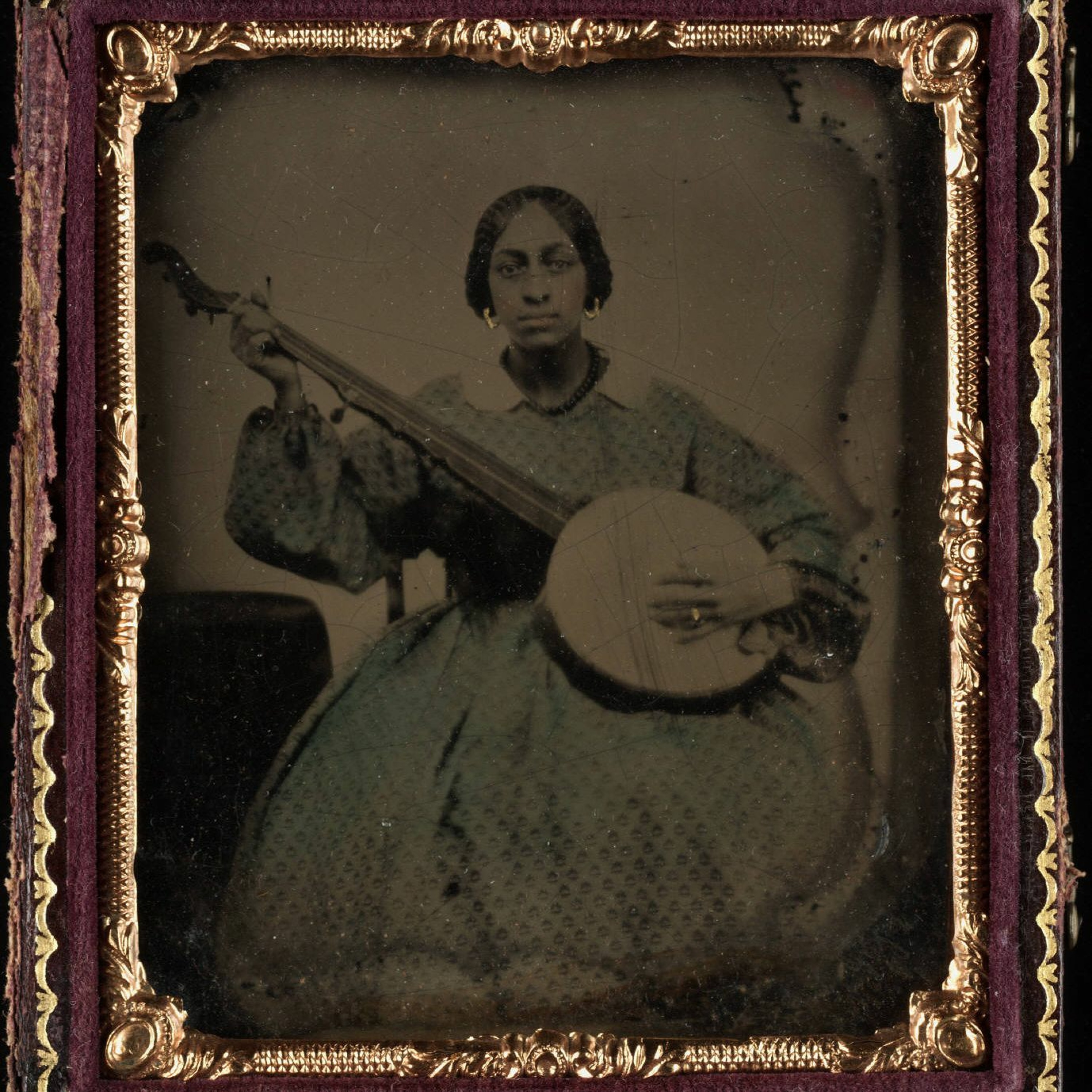
The Black History Of The Banjo
We trace the history of this most American of instruments from its ancestors in West Africa through the Caribbean and American South and into the present, as a new generation of Black women artists reclaim the banjo as their own. Rhiannon Giddens, Bassekou Kouyate, Bela Fleck and more talk claw-hammers, trad jazz, Appalachian folk, African ancestors and the on-going story of American music, which would be woefully incomplete without a Black history of the banjo. Produced by Ben Richmond
Toronto's African Scene
Toronto is Canada’s most cosmopolitan city--“like New York but mellower” in the words of Kofi Akah, son of the Ghanaian highlife legend Jewel Akah. Kofi is one of many superb African artists who have made Toronto their home over the years. That list is long, and it has included highlife star Pat Thomas, South Sudanese rapper Emanuel Jal, rising Congolese star Blandine, Malagasy guitarist Donné Roberts, and a hidden treasure of Ethiopian music, Fantahun Shewankochew. In this program, we take the pulse of Toronto’s African scene through music and interviews with Kofi, Emanuel, Blandine, Fantahun and many more. Produced by Banning Eyre APWW #830
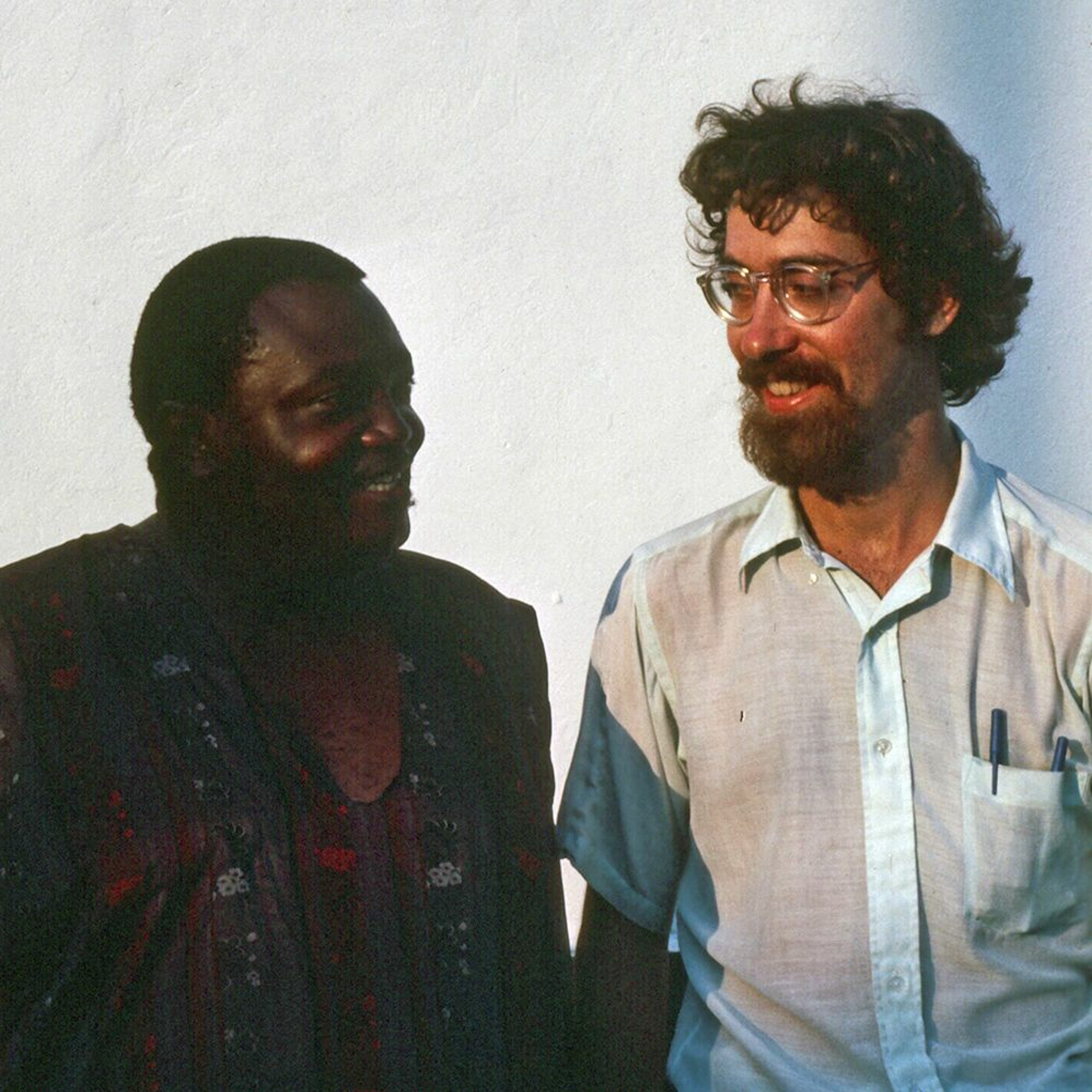
Closeup: Franco Speaks (1985)
In 1985, Sean Barlow made his first trip to Africa to check out musical life there. Afropop Worldwide was still a dream at that point, but the experiences he had on that trip put wind in his sails. One highlight was the afternoon he spent interviewing Luambo Makiadi a.k.a. Franco at the bandleader's home in the Limité neighborhood of Kinshasa. Franco had recently played his first concerts in the United States. Although few outside the African diaspora community had any idea who he was, Franco was by then a legend, a superstar in Africa. In this podcast we hear from the man himself, nestled on a porch swing, his acoustic guitar cradled on his lap, in conversation with a somewhat green American journalist with a bright future. Produced by Banning Eyre. Afropop Closeup Season Six

The Gorgon, The Originator, and The Dub Master
During the last 60 years, Jamaican music has constantly reinvented itself, a handful of innovators pioneering distinct musical genres such as ska, rock steady, reggae and dancehall, as well shorter-lived subgenres. But Jamaica's musical trendsetters did much more than just shake up the island's music scene. At crucial intervals, their inventiveness has dramatically changed or even spawned a range of popular forms overseas—sewing seeds for rap via the deejay style and stimulating remix culture through dub. In "The Gorgon, The Originator and The Dub Master," producer David Katz leads a tour of indelible changes brought about by producer Bunny "Striker" Lee, Deejay U Roy and the engineer and sound system owner, King Tubby, to demonstrate how they changed popular music worldwide. All photos ©David Katz. Produced by David Katz. APWW #841
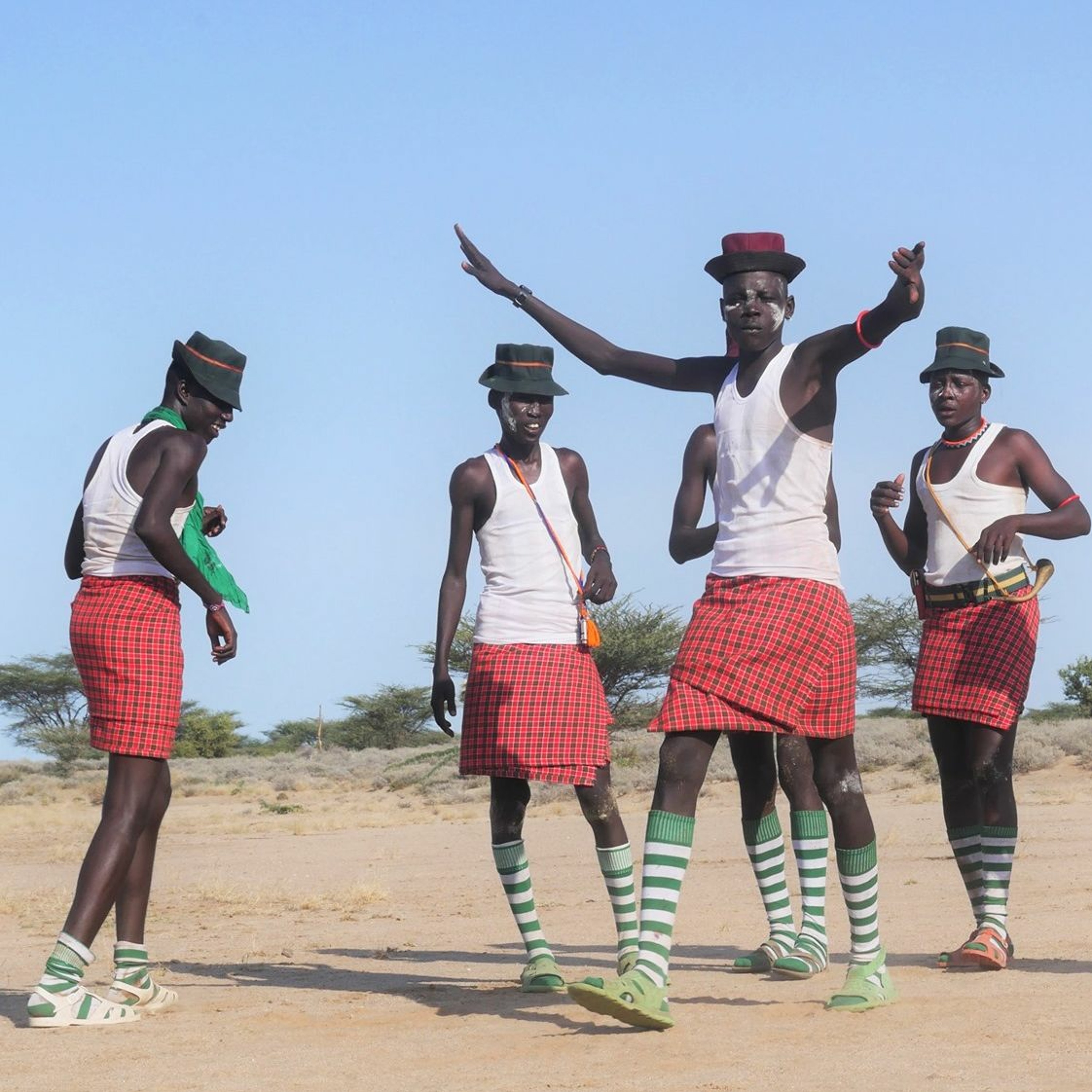
Closeup: Kakuma Sounds
Kenya’s Kakuma Refugee Camp is a virtual city of people displaced by three decades of war in East and Central Africa. Kenyan music producer Treynor Tumwa and American musician/scholar Mark LeVine founded Kakuma Sound to provide traditional instruments to the camp’s talented artists. Hosted by Banning Eyre.
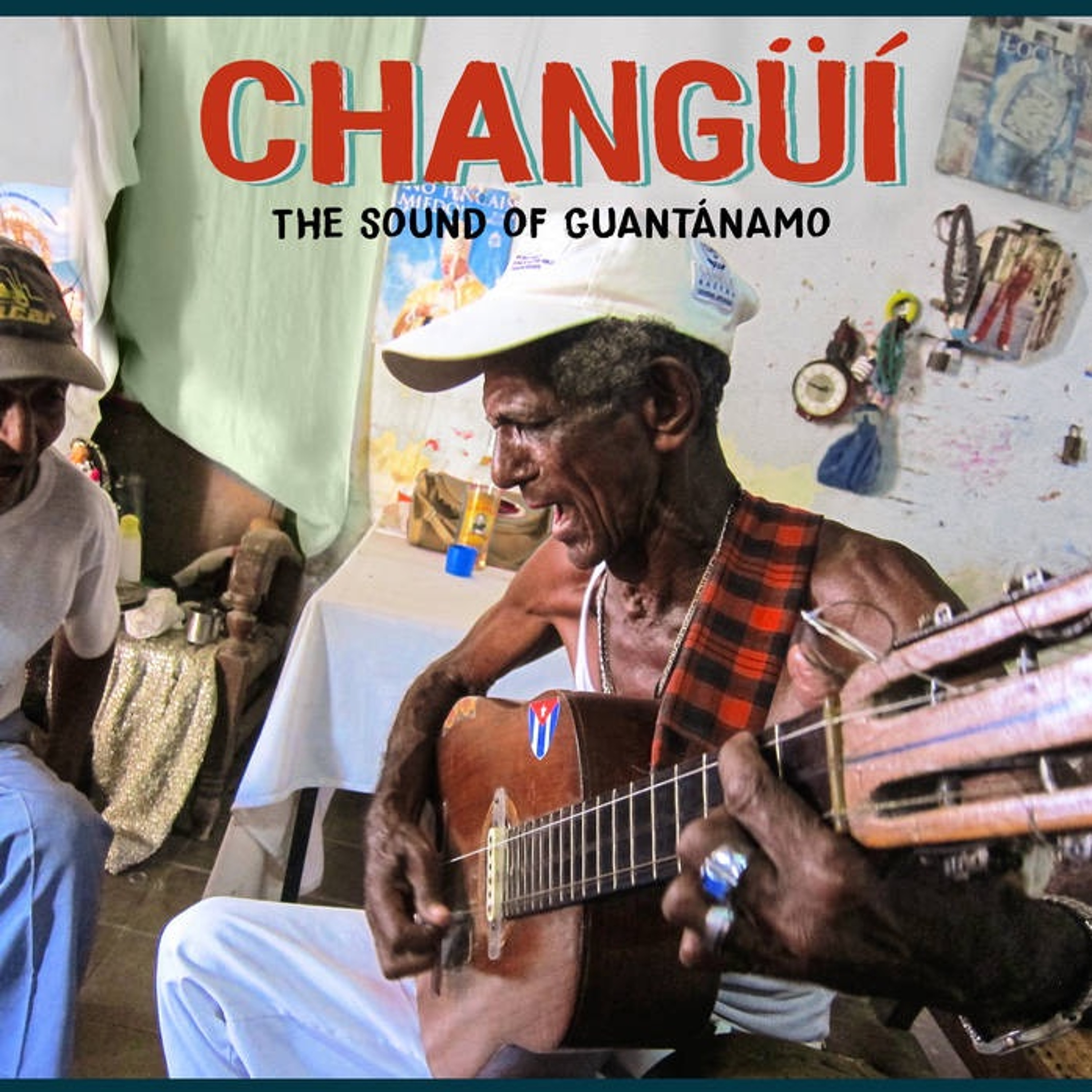
Changui!
Changüí is a little understood, loose and lively, community-based music of eastern Cuba. In this program we sample recordings from the 2021 box set Changüí: The Sound of Guantánamo, and hear from Gianluca Tramontana, the man who made the recordings. Rooted in Afro-Haitian music, pan-Caribbean styles, Spanish poetic traditions and more, Changüí emerged in the mid 19th century in plantations, not unlike the blues. We also hear from musician and scholar Ben Lapidus, author of the only English language book on Changüí, and we update the story with Changüí fusions into jazz, salsa and hip-hop. Prepare to dance! Produced by Banning Eyre. APWW #840

Closeup: Yasmin Williams—Guitar Hero To Guitar Hero
With a style all her own, Yasmin Williams has gone from video game virtuoso to one of the freshest and most original solo acoustic guitarists today. She talks to producer Ben Richmond about her influences, her unique instrumentation, and forging her own path as a young Black woman artist in a genre dominated by white dudes. Afropop Closeup Season 6
Nairobi Roars
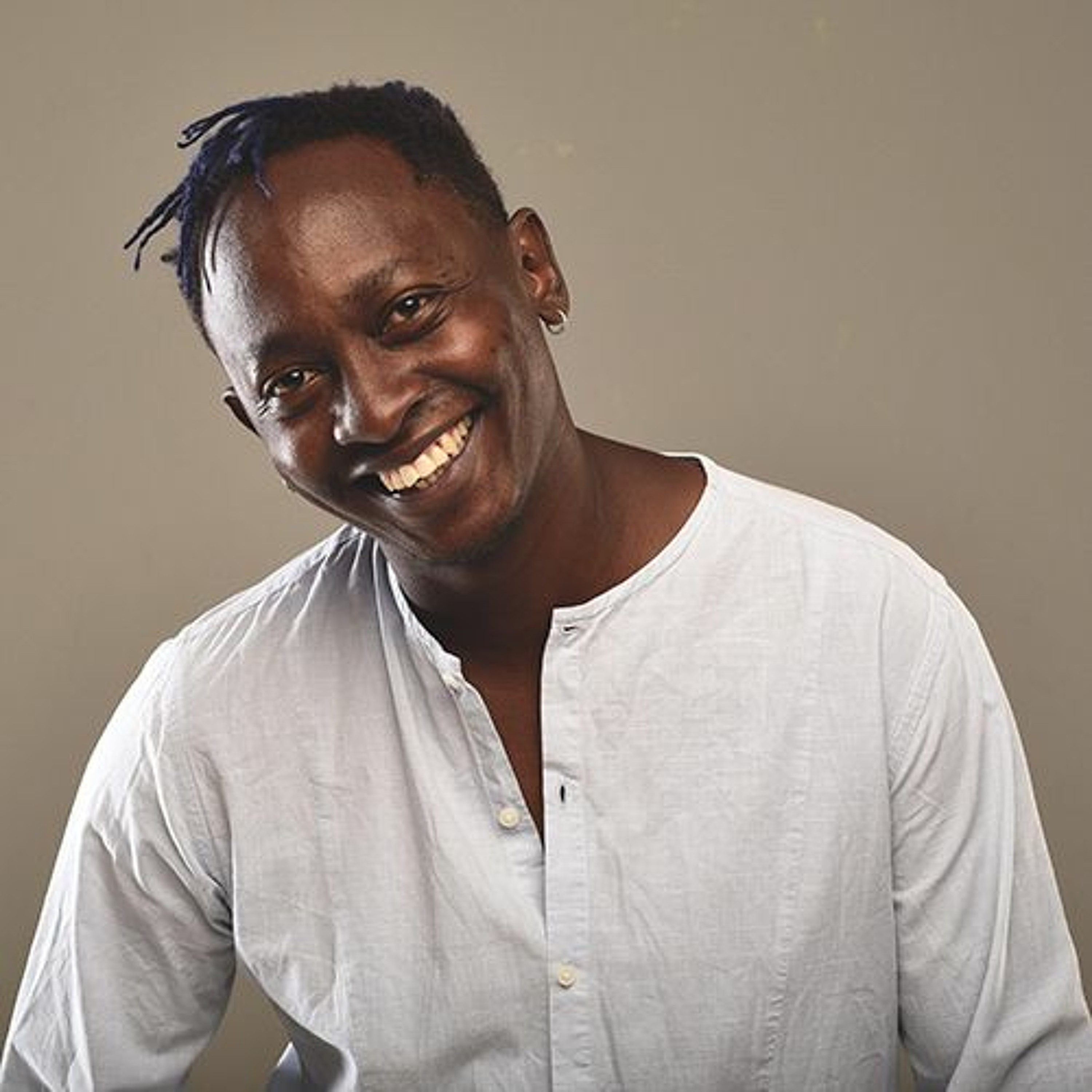
The Kenyan capital is roaring into the 2020s. On this program singer/songwriter/producer Eric Wainaina introduces us to a rising cadre of artists rocking the Nairobi scene. From hip-hop and dancehall to r&b and Gengetone, the city’s cultural melting pot is coming to a boil at a time of political change when artists are finding their voices to speak out against government corruption and champion social justice movements. We meet artists on the front line--Juliani, Karun and Blinky Bill—and take a side trip to Kakuma, one of Africa’s largest refugee camps where music, including hop-hop, is literaliy a matter of survival. Produced by Banning Eyre. APWW #831
Soul To Soul At 50
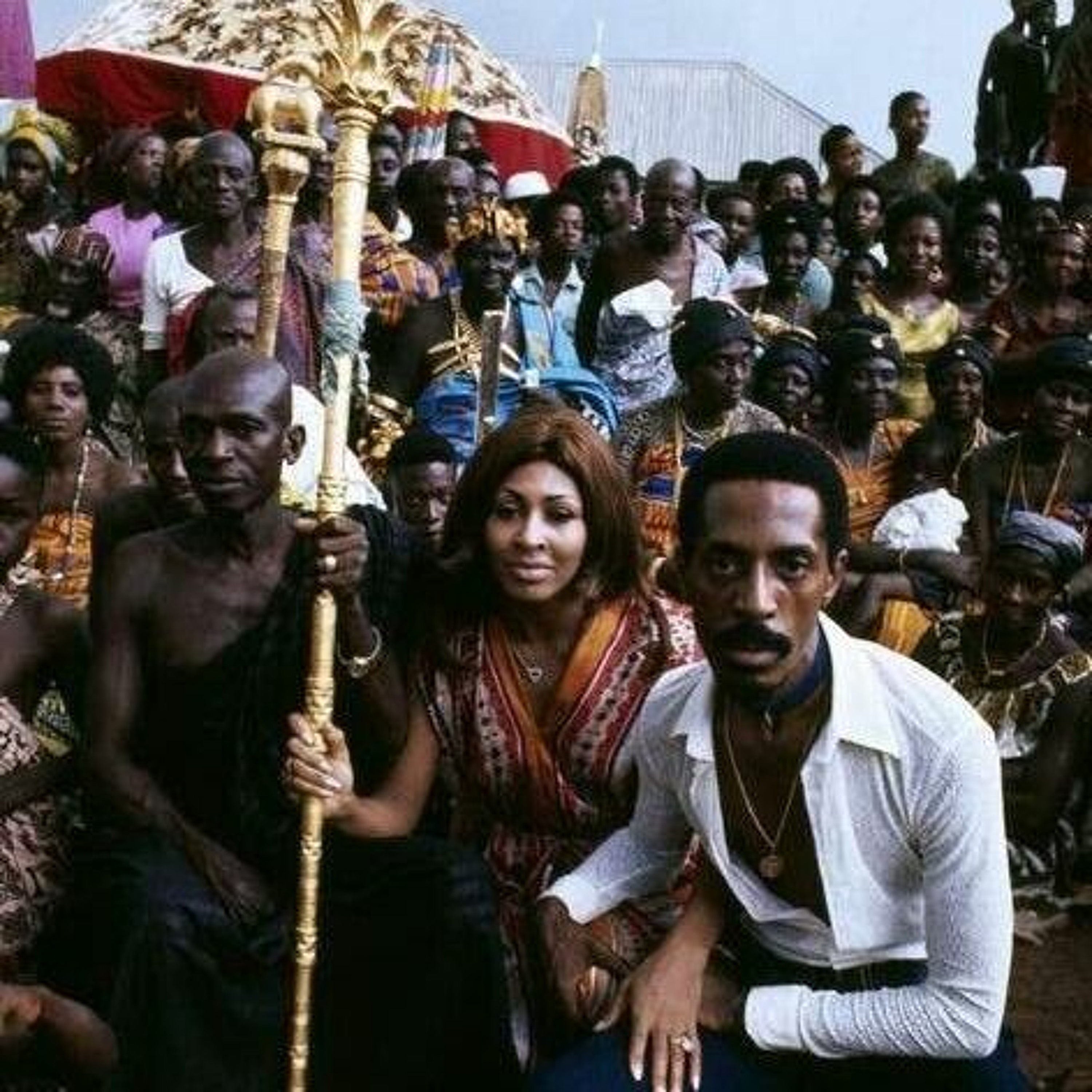
On March 6, 1971, a group of some of the top musicians from the United States – Ike & Tina Turner, Wilson Pickett, The Staples Singers, and more – boarded a plane bound for Ghana to perform in a musical celebration that was dubbed the “Soul to Soul Festival”. Thousands of audience members filled Accra’s Black Star Square for a continuous 15 hours of music. The festival was planned in part for the annual celebration of Ghana’s independence, but also an invitation for a “homecoming” for these noted African-American artists to return to Africa. This episode revisits the famed music festival at its 50th Anniversary and explores the longstanding legacy of cultural exchange with African diasporans originally set forth in the 1950s by Kwame Nkrumah, the first President of Ghana. Tune in for interviews with noted musicologist John Collins, poet and scholar Tsitsi Ella Jaji, concert goers and more. Produced by Brandi Howell. APWW #829
The Cameroon-Cuba Connection
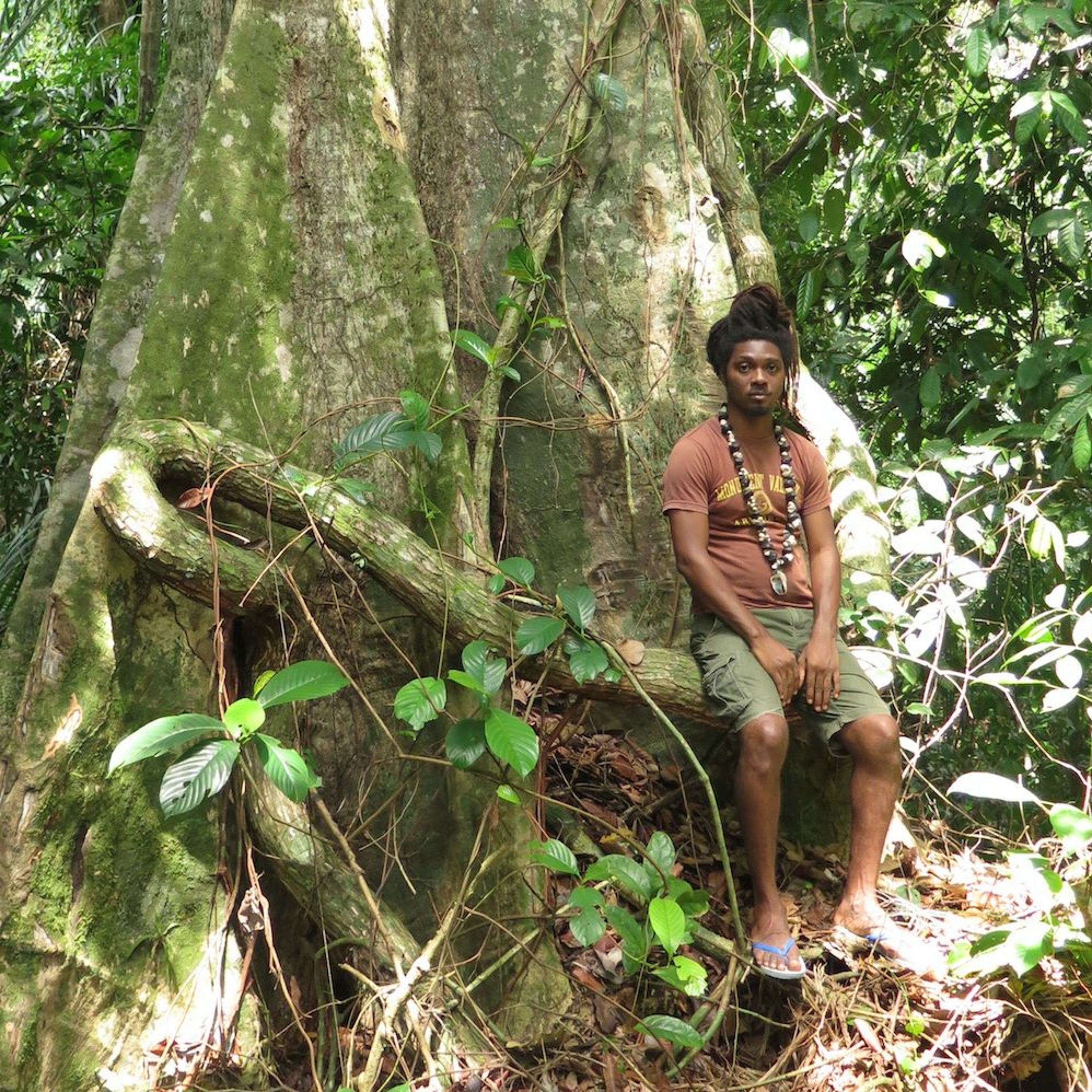
Special guest Dr. Ivor Miller, back from a 2021 research trip to Cameroon, takes us into the complexities of south Cameroonian spiritual tradition and its connection to the Cuban Abakuá secret society for men. Featuring Abakuá-themed music from Cuba, ceremonial music from Cameroon, and Batanga pop by Chief Eko Roosevelt, Pablo Gabbana, and Emily Sadey. Produced by Ned Sublette.
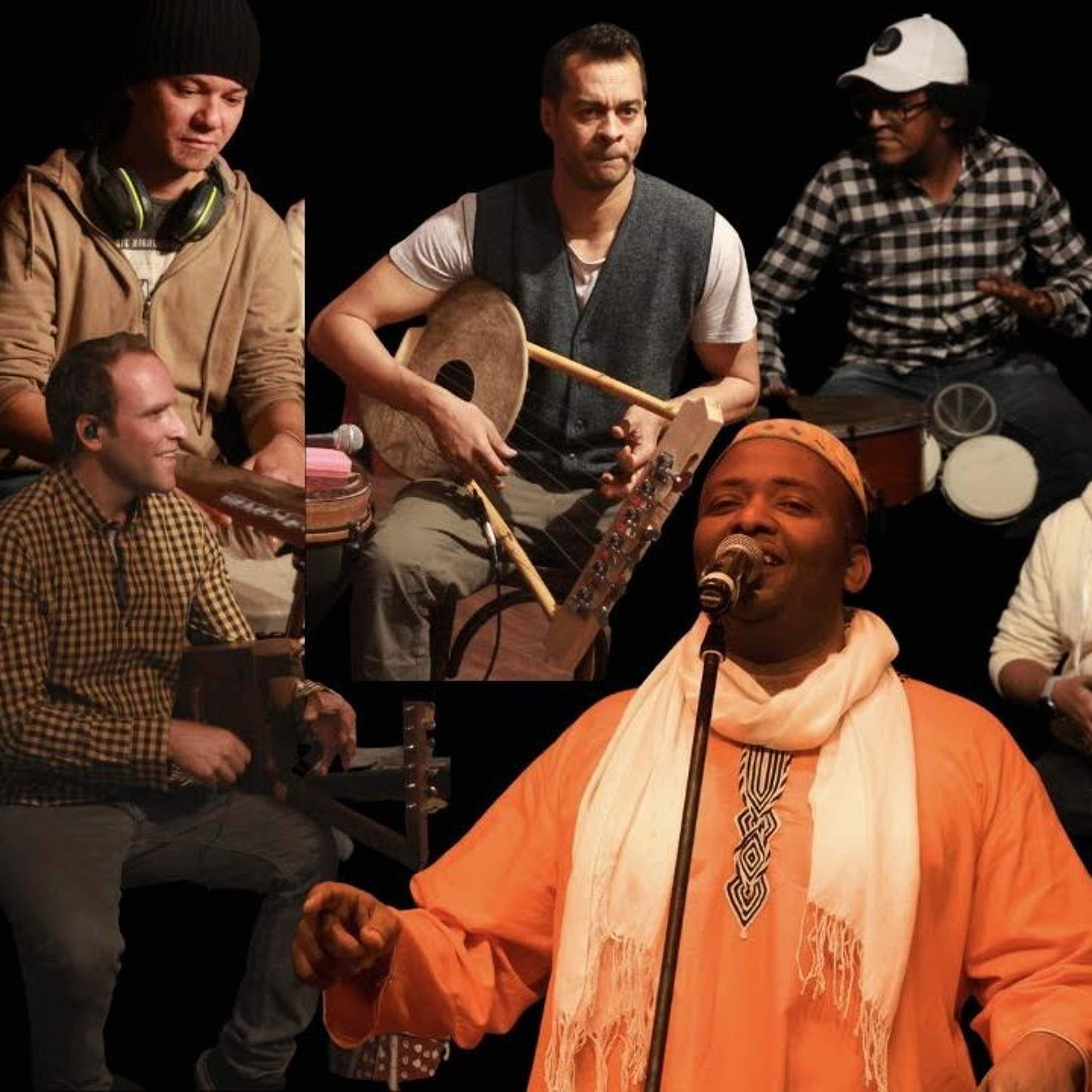
Lyres Of East Africa
Known by names like krar, kisara, tambur, simsimiyya and masinkob, the lyres of East Africa represent some of the world’s oldest string instruments. The Otaak Band is dedicated to uplifting and advancing these traditions. Otaak founder Miguel Merino tells the story with audio from his work in Egypt during the pandemic. Produced by Miguel Merino. Afropop Closeup Season Six.
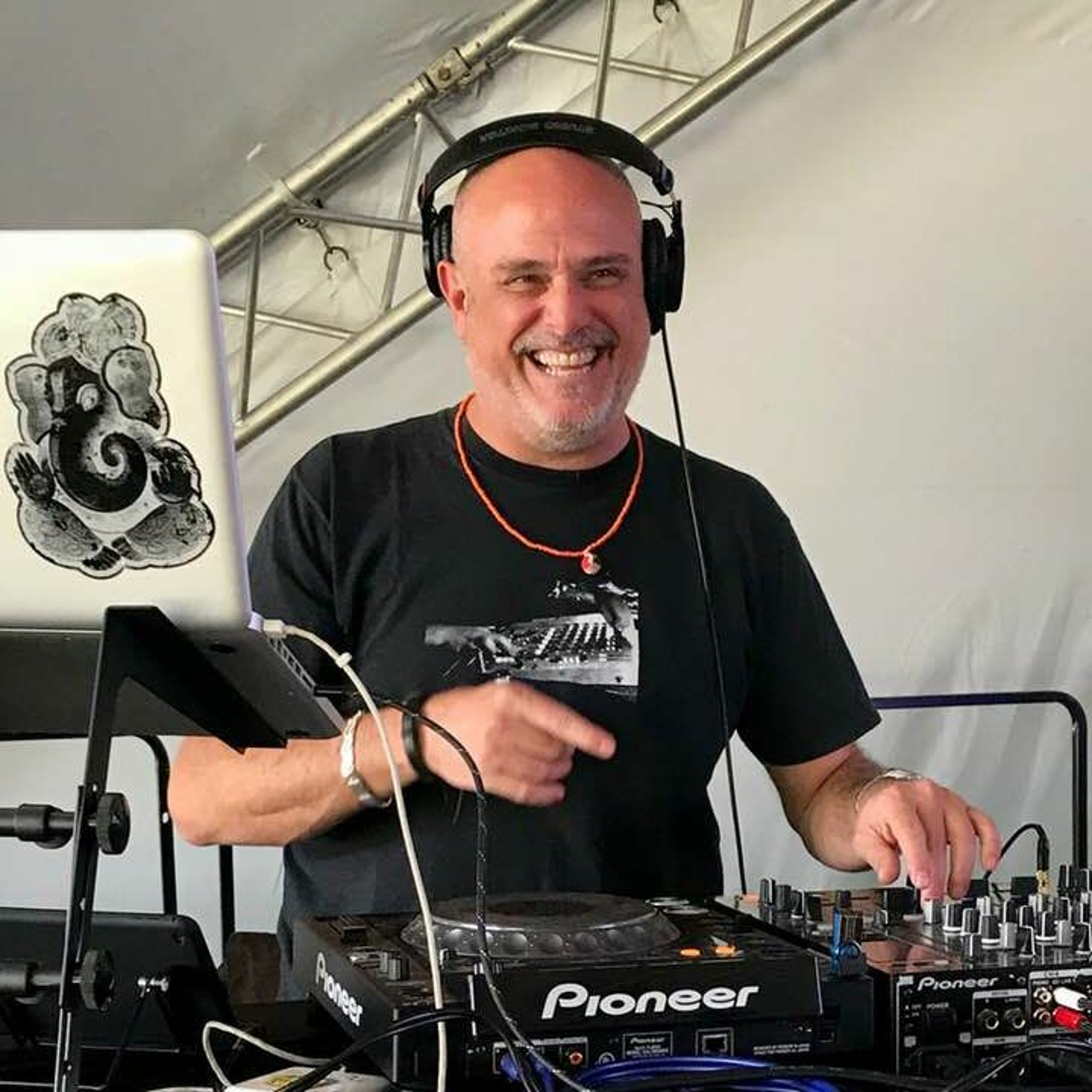
GC's DJ Road Show - Beco's Brazil
When it comes to popular music, it's hard to top Brazil for variety, excellence and sheer volume. On this program, Georges Collinet welcomes co-host Béco Dranoff in Brazil. Béco is a producer, broadcaster and lifelong connoisseur of Brazilian music. He recently returned to Sao Paulo after some three decades in New York City. He takes us on a whirlwind tour of music produced during the pandemic, from funk to hip-hop, to mangue beat and cool singer-songwriters, it's a feast of new talent for Brazilian music fans everywhere. Produced by Sean Barlow and Beco Dranoff. APWW #838
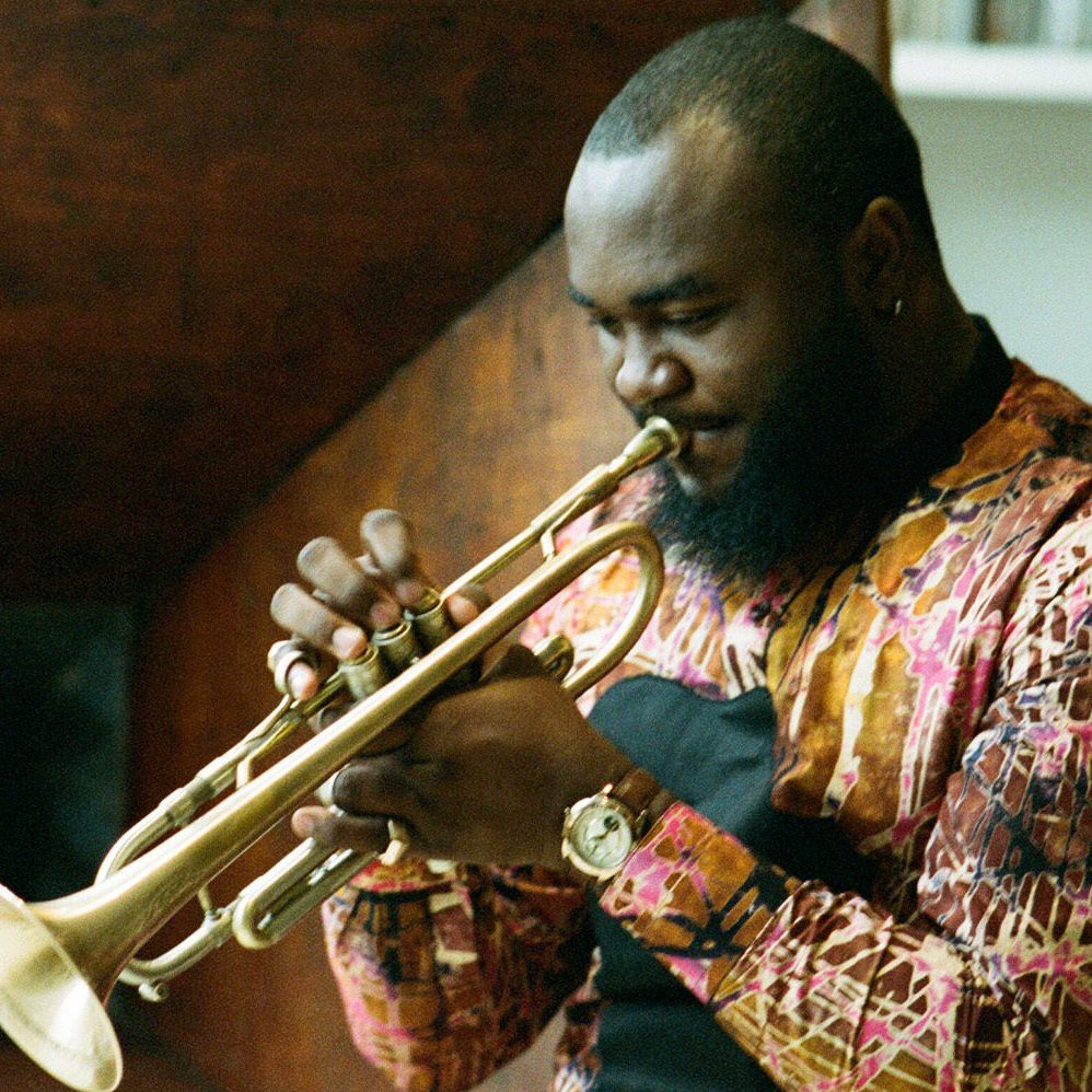
New Moves In African Jazz
It’s a truism that jazz has roots in Africa, but compared with other forms of Black American music, it doesn’t have a large audience there. Just the same, African musicians have long been smitten with jazz, and have always found inventive ways to incorporate jazz elements into their sounds. On this program we meet young artists forging new paths in Afro-Jazz: Etuk Ubong from Nigeria, Awale Jant Band from Senegal by way of London, Afrikan Protokol form Burkina Faso by way of Belgium. It’s a freewheeling musical joyride. Produced by Banning Eyre. [APWW #827]

CloseUp: Simphy
Producer Matthew Key—AKA DJ M-Point goes deep with a rising South African artist/producer on the evolution of kwaito and hip-hop in one of Africa’s most exciting contemporary music scenes. Afropop Closeup Season Six

Reggaetón and Race
The dembow, the beat behind reggaetón, is much more than just a backdrop for a night of partying and dancing. The style of music, widely associated with Puerto Rico and forged from a mixture of Jamaican dancehall, Panamanian reggae en español, and American hip hop, has always existed as a form of social and political resistance, and continues to do so in 2020. And as such, it has endured constant attempts to criminalize, censor, and police both the music and those who consume it, from the early tape-confiscations by Puerto Rican law enforcement in the 1990s underground scene to the present day, arguing its hypersexual content. In this episode we speak with Latin and Caribbean music scholars and social workers to break down the racist and sexist undertones of the genre's constant policing, as well as examples of songs by artists such as Tego Calderón and Ivy Queen, that counter these assumptions. We also take a couple of detours to explore how this music, and these criticisms, manifest in the Dominican Republic and Cuba. Produced by Luis López. APWW #824
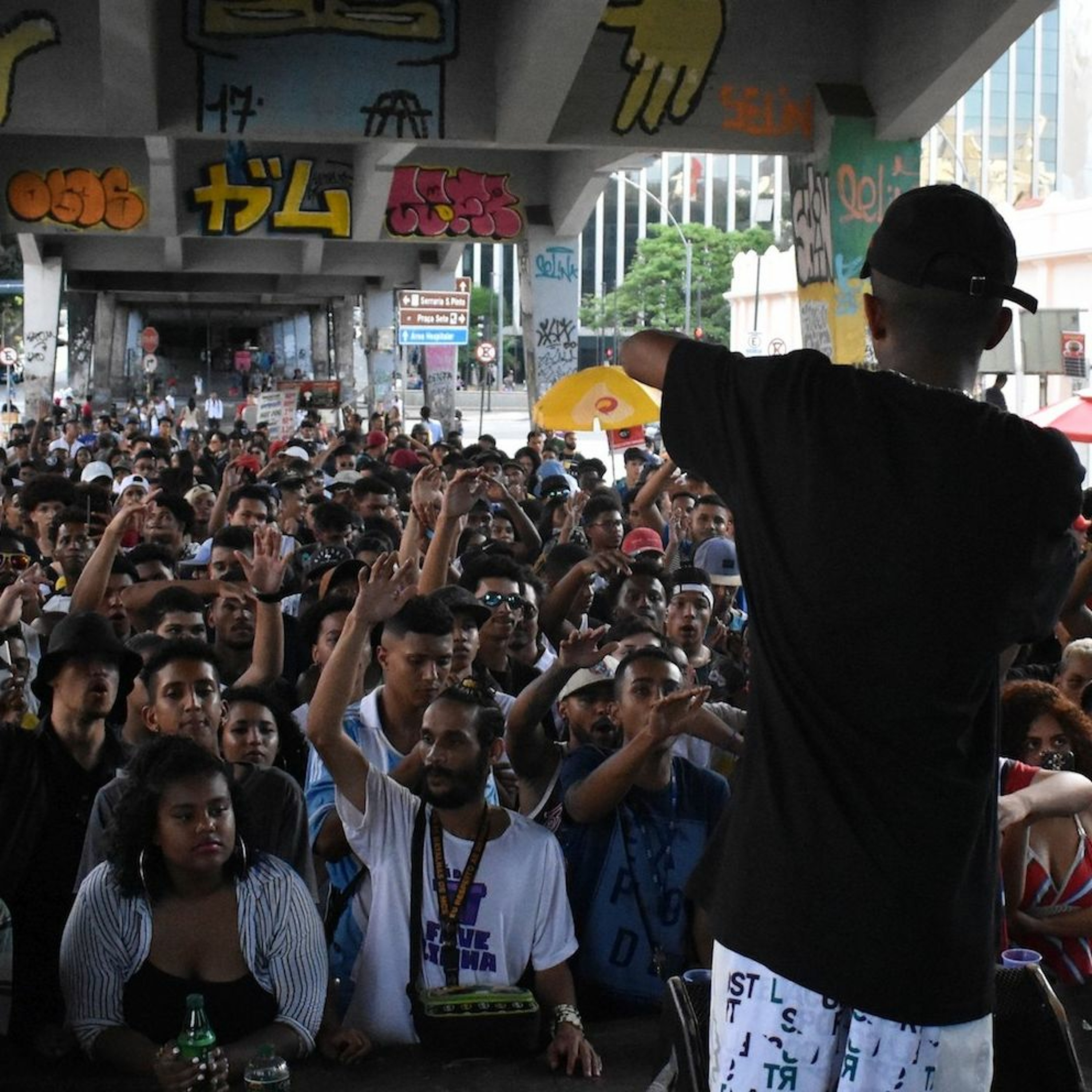
Rap, Reggae and Cultural Resistance in Belo Horizonte, Brazil
Belo Horizonte is Brazil’s sixth largest city and including its surrounding districts, the country’s third largest metropolitan area. The capital of Minas Gerais, a state built on mining, dairy products and coffee production, Belo Horizonte is often seen as a parochial, conservative backwater, yet its thriving alternative arts scene provides robust forms of musical and cultural resistance to the exclusionary policies of reactionary president, Jair Bolsonaro, especially through local variants of hip-hop and reggae. Produced in Belo Horizonte by David Katz, this program explores the intricacies of the city’s homegrown resistance movements, based in squatted buildings and public spaces in the city center and peripheral favelas on the outskirts. It reveals the surprising complexities of the renowned Belo Horizonte rap scene, which is intricately linked to improv theatre and urban poetry movements, with a revived Carnival culture, African-Brazilian Candomblé and baile funk all part of the local form’s very distinctive musical backdrop; the smaller reggae scene also addresses issues such as social exclusion, income disparity, racial bias, gender discrimination, transphobia and environmental crises. In the show, we’ll hear from rappers such as Roger Deff, Samora Nzinga and the leftfield duo of Hot e Oreia, as well as Leo Vidigal of the Deska Reggae sound system and Zaika dos Santos of Salto, the city’s first female-run sound; Tiago Lopes of the Rastafari collective Roots Ativa and former rapper Kdu dos Anjos and guide us through the permaculture and upcycled fashion projects they have established in the massive favela complex of Aglomerada da Serra, providing employment and social integration to some of the city’s most disenfranchised residents. Produced by Matt Katz in 2020 APWW #812

Jazz ReFreshed in London
Prior to the pandemic, London’s jazz scene was blooming and gaining a worldwide reputation for innovation. The folks at Jazz Refreshed had everything to do with that. Jazz singer and producer Tess Hirst tells the story. Afropop Closeup Season 6

Live From The Archive
Live from the Archive When Afropop Worldwide launched back in 1988, a key goal was to capture the live energy of incredible artists emerging from Africa, the Caribbean and beyond. Most of those recordings were preserved on reel-to-reel tapes. The coronavirus lockdown has given us a chance to start revisiting and preserving. And we have been amazed to rediscover the energy of that thrilling era. On this music-rich program, we hear live music from Congo’s Papa Wemba, South African township heroes Mahlathini and the Mahotella Queens, a queen of Algerian rai music Chaba Fadela, Martinique zouk stars Marce and Tumpac and more. It’s a riveting blast from the past! Produced by Banning Eyre. APWW #819
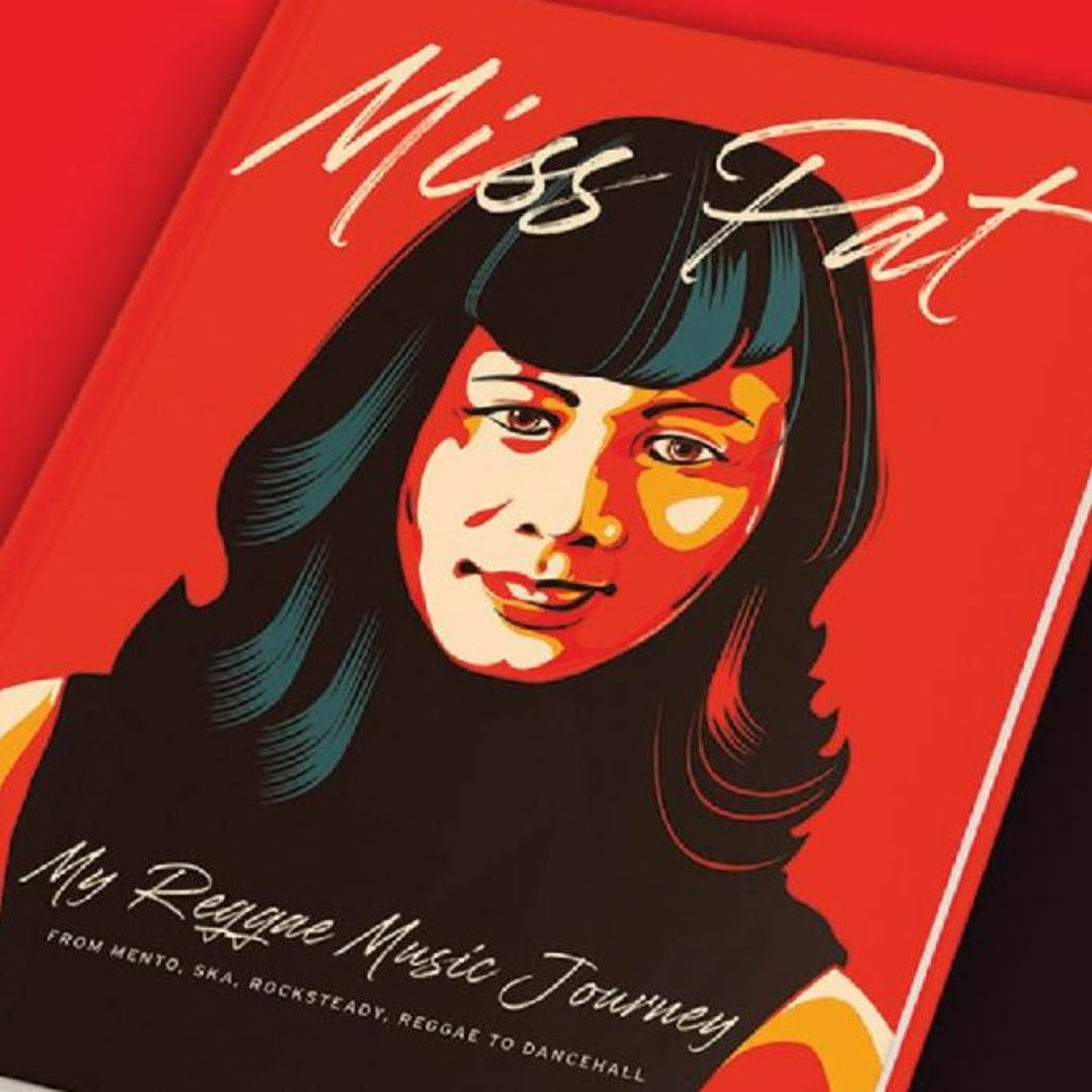
Afropop Closeup: Miss Pat Chin
Pat and Vincent Chin founded VP Records, one of the world’s biggest and most consequential reggae record labels. At 80, Miss Pat looks back on a legendary life. This Afropop Closeup Season 6 premiere is hosted by Banning Eyre.
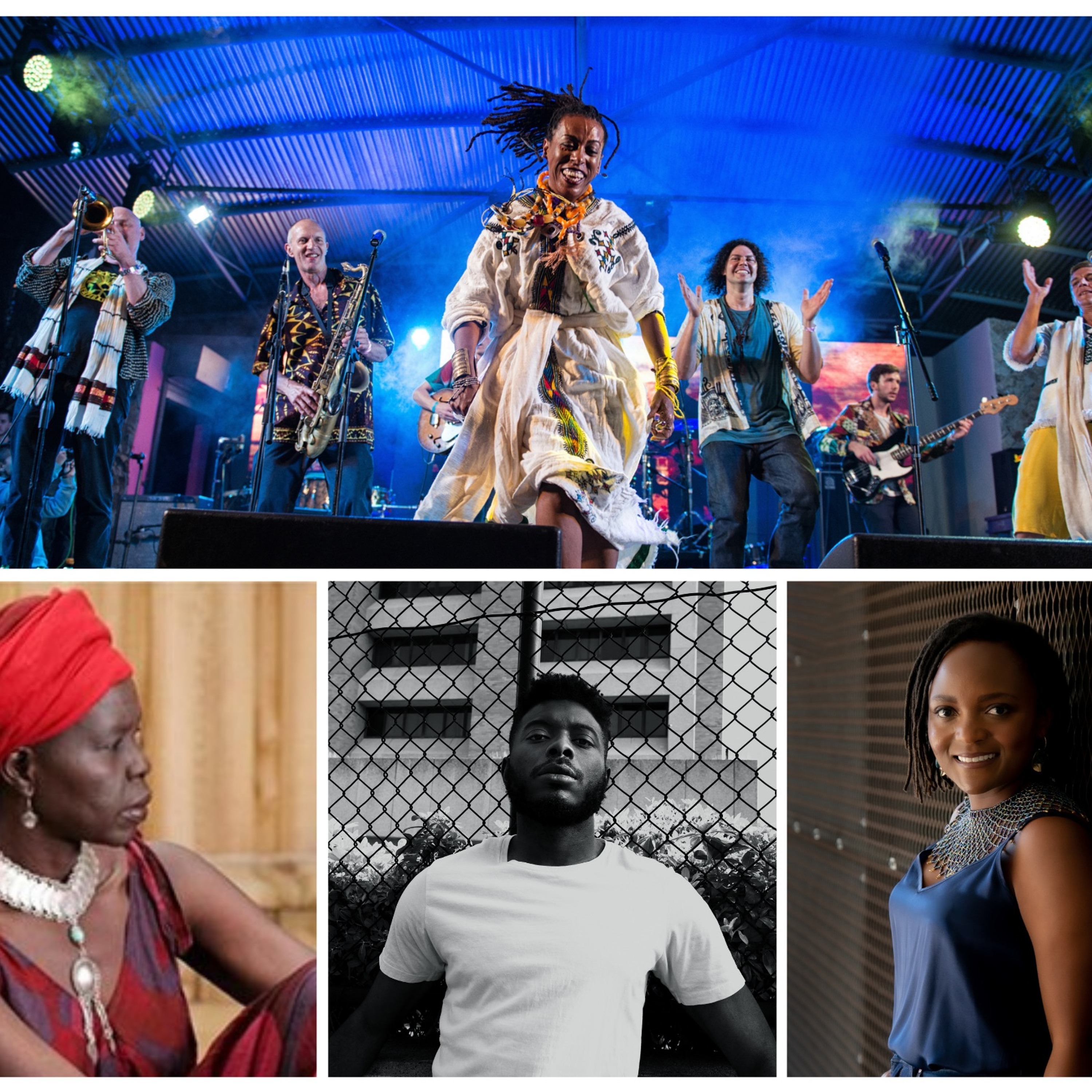
Africa In Melbourne
Known as Australia’s music and cultural capital, Melbourne is a hub of creativity boasting a diverse arts scene. The African community in Melbourne has been growing with Africans from all parts of the continent bringing their fashion, food and music to the city. In this episode we’ll explore African musicians and music curators who are making their mark in Melbourne. Expect to hear a blend of traditional African instruments by the Melbourne African Traditional Ensemble (MATE); funky jazz fusion by Black Jesus Experience; South-Sudanese modern rock by Ajak Kwai, and hip-hop from IJALE and Sampa the Great. We’ll also meet the presenter of the longest running African radio program in Australia, Stani Goma. Guiding us through our journey of Melbourne’s African music scene will be DJ Kix, bringing to light some of the nuances of migration, identity and life in Melbourne. Produced by DJ Kix APWW # 836
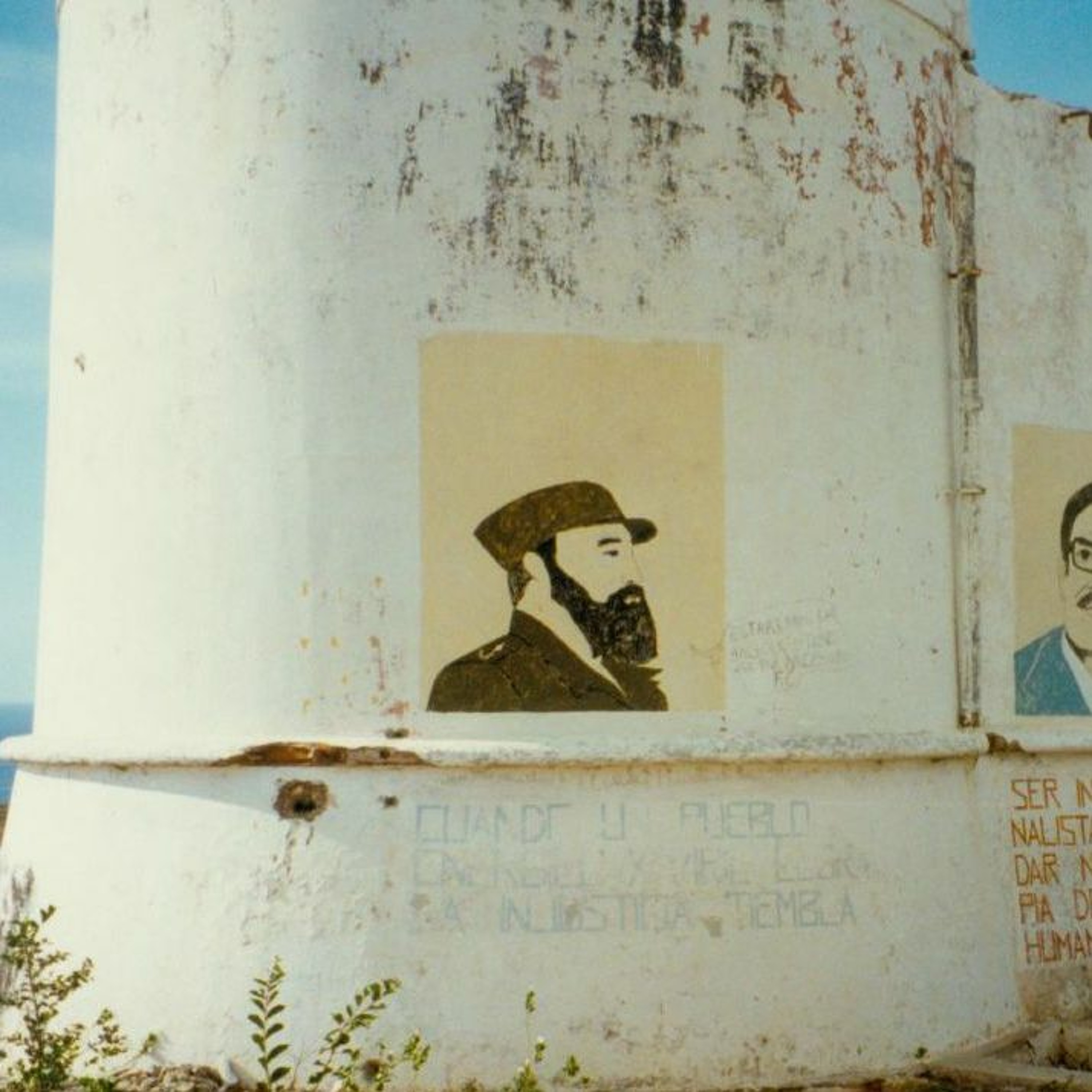
Hip Deep Angola Part 4: The Cuban Intervention In Angola
The 27 year-long Angolan civil war was also an international crossroads of the Cold War as well as a regional resource war, involving Cuba, the Soviet Union, Zaire, South Africa, and the U.S. When it was over, Namibia was independent, apartheid had fallen, Angola was a nation, and the Soviet Union had ceased to exist. Through music, interviews, and historical radio clips, producer Ned Sublette, author of Cuba and Its Music, tells the story of Cuba’s massive commitment in Africa, from the Cuban Revolution in 1959 and the subsequent independence of Congo, to the end of the Soviet Union in 1991. We’ll talk to guest scholar Piero Gleijeses, foreign policy specialist at Johns Hopkins University School of Advanced International Studies and author of Conflicting Missions: Havana, Washington, and Africa 1959-1976 and the forthcoming Visions of Freedom, and to Marissa Moorman, author of the forthcoming Tuning in to Nation: Radio, State Power, and the Cold War in Angola, 1933-2002, who will share with us rare archival recordings. We’ll talk to Cuban trovador Tony Pinelli, who traveled in a brigada artística playing music for Cuban soldiers and for Angolans, and to Angolan composer, instrument builder, and musicologist Victor Gama, who traveled in remote areas of the interior recording music. And from Cuba, Angola, Zaire, and Portugal, we’ll hear some of the music that accompanied the struggle. Produced by Ned Sublette. [APWW #653] [Originally aired 2012]
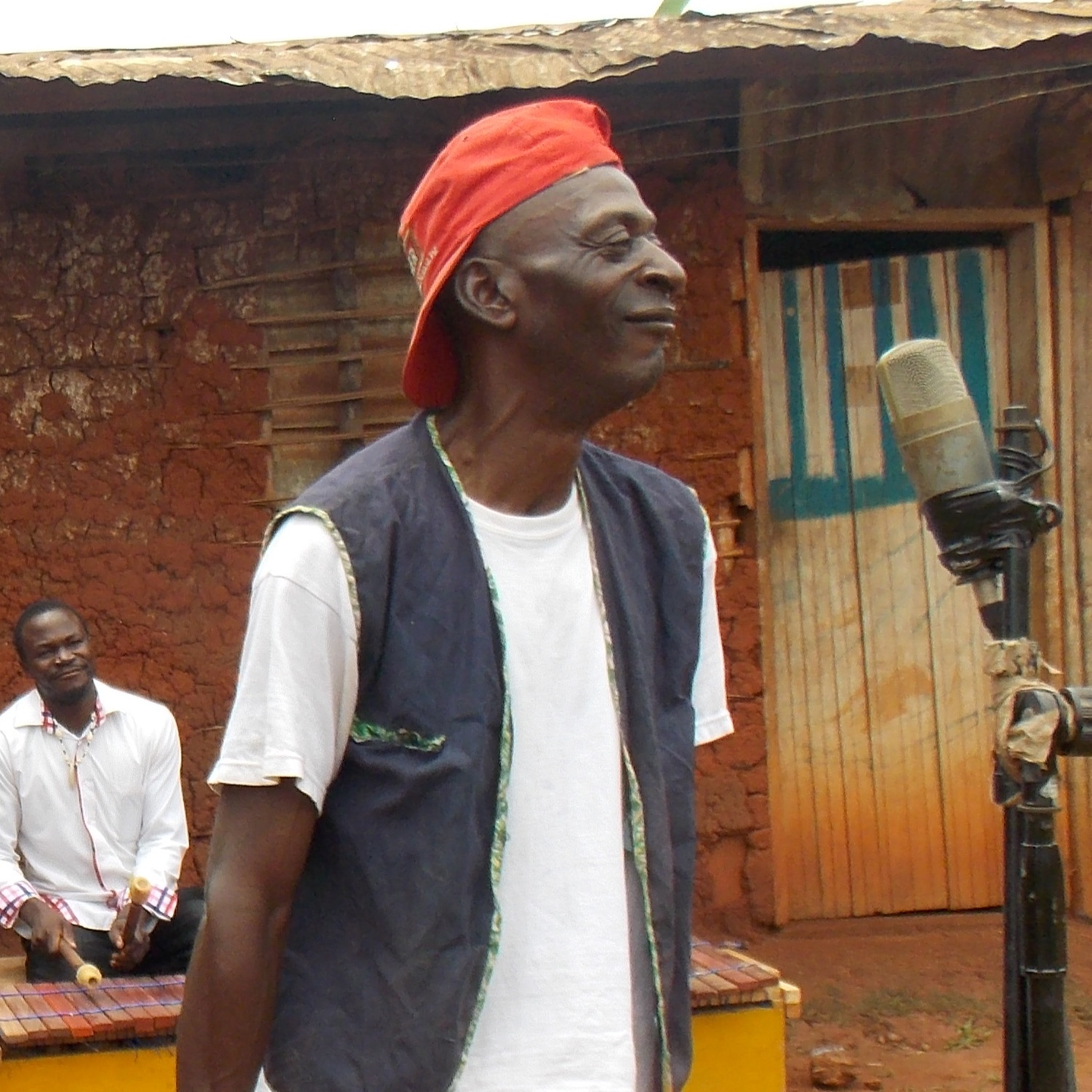
Encounter With The Ancestors
For over 10 years, Eric Nelson Efa and members of his association, the Azania Way Culture, have crisscrossed almost half of Cameroon's 10 regions: the deep North, around Lake Chad, the central region, the Adamawa and the south, to record traditional musicians who are getting very old and are the last repository of traditional music in Cameroon. In this episode of Afropop Worldwide, Georges Collinet takes us to Eric's village in the deep forest of southern Cameroon to listen to his story. We also meet young musicians influenced by the art of their ancestors - including an opera singer! APWW #834 Produced by Georges Collinet
The Panama Beat
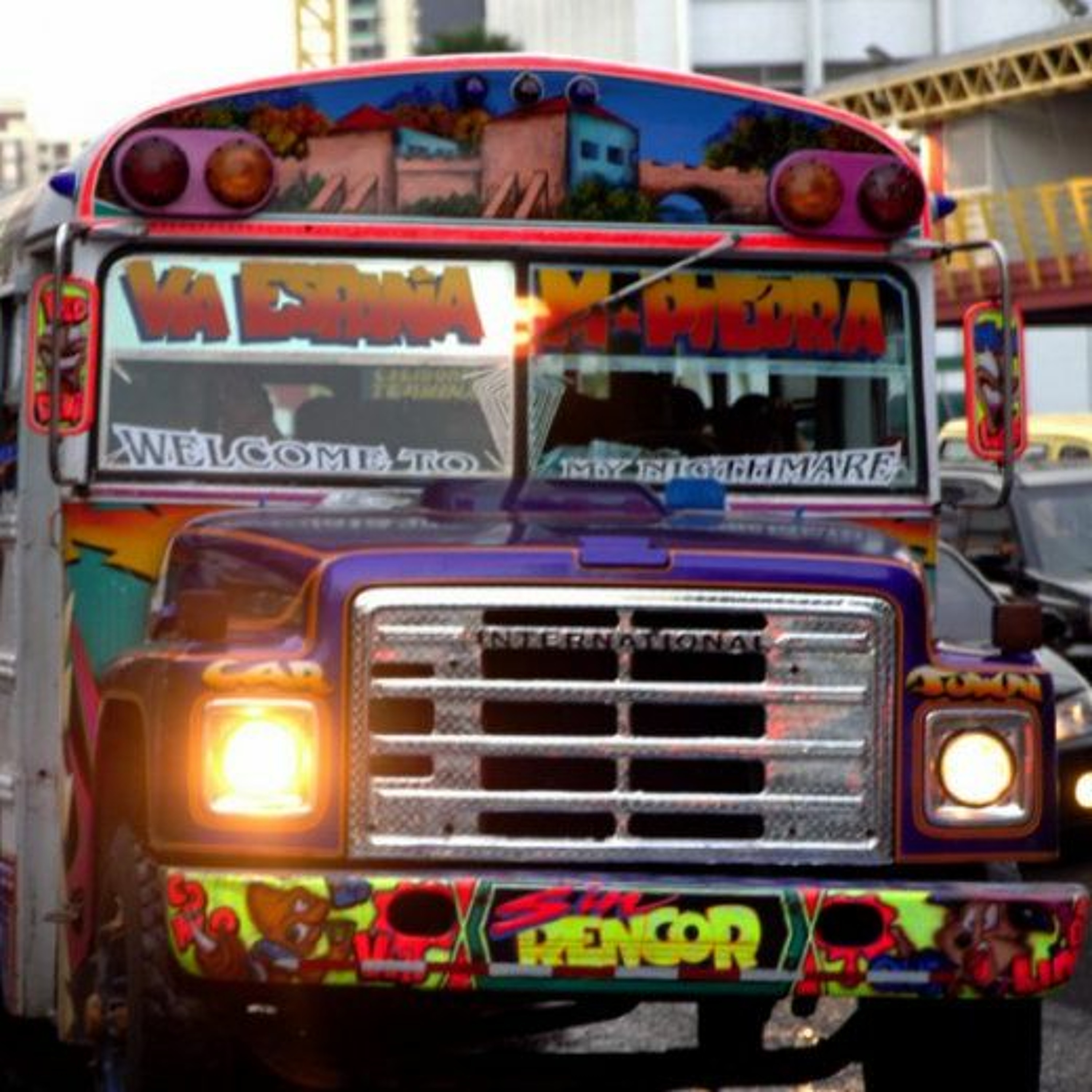
Central America, a narrow, mountainous, and largely impoverished stretch of land spanning seven countries, is a surprising and underexposed Latin American musical hot zone. The region’s bizarre and tumultuous history has led to a fascinating mix of cultural influences – Spanish conquistadors, British pirates, and American banana companies have at one time or another vied for power. Add to this mix the presence of large indigenous enclaves, Anglo-Caribbean migrants, the Afro-Arawak Garifuna and Miskito peoples, and the many musical influences of the Caribbean, and you have the makings of a very interesting musical tapestry. Salsa and merengue, soca and calypso, reggae and reggaeton—it all comes together in Central America. In our program, we visit Panama, a little-known musical treasure trove. Here on the isthmus, music from around the Americas mixed together in a unique stew: American, Cuban, Colombian and Jamaican influences combine to form a highly complex and unique musical culture. We’ll hear interviews from Spanish reggae star Kafu Banton, Afro-Spanish linguist John Lipski, traditional Afro-Latino princess Marcia Rodriguez, the dancehall duo Los Rakas, and many more. APWW #596 Produced by Marlon Bishop
833 Afro Roots Fest 2021
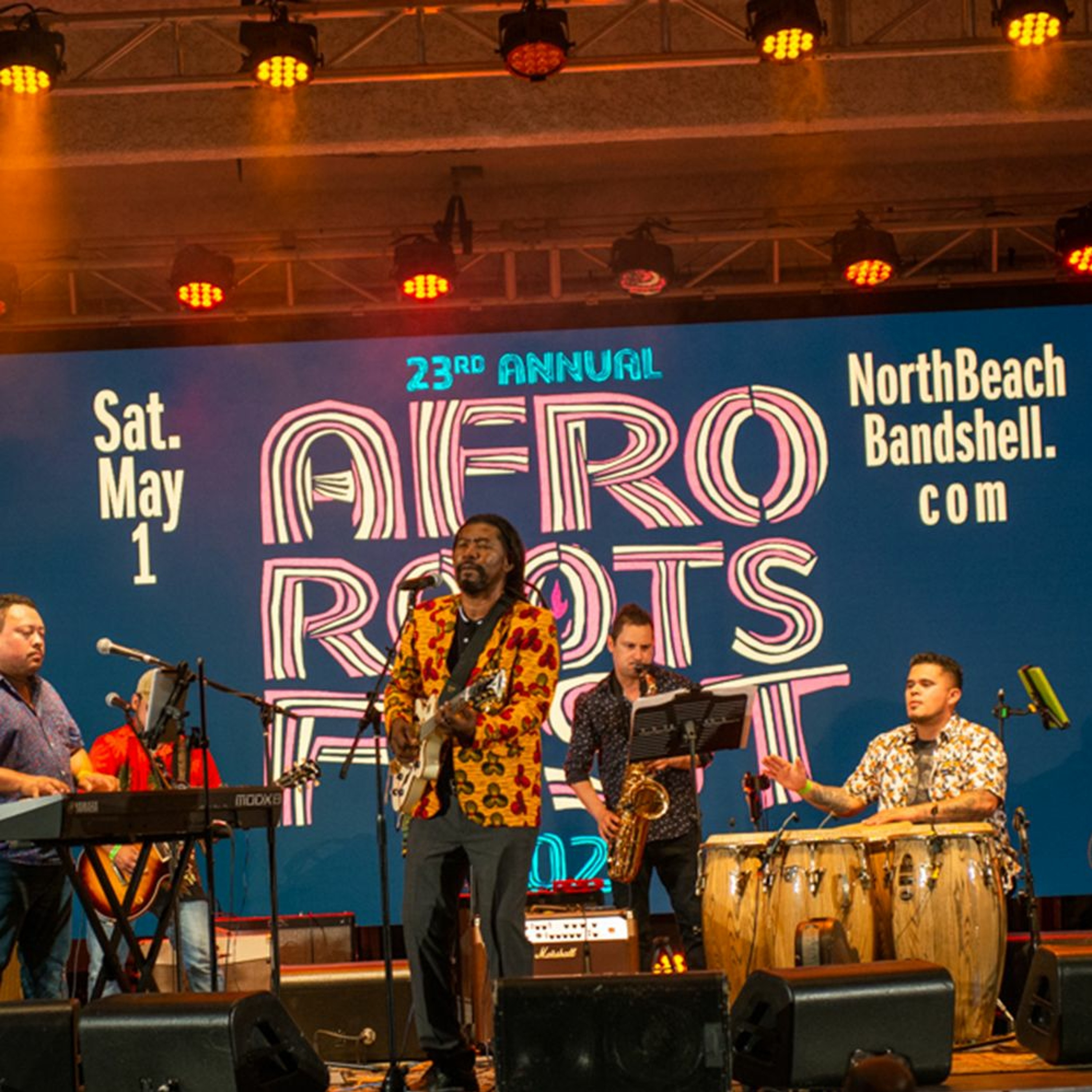
Miami’s Afro Roots Fest is back on stage at the North Miami Beach Bandshell. Mostly. The 2021 edition featured live performances by Afro-Nicaraguan singer/songwriter Philip Montabán and by sacred steel guitar master Roosevelt Collier, with special guests Richard Bona and Weedie Braimah. There were also remote concert sets from Vieux Farka Toure in Mali and Fulu Miziki in Uganda. The Afropop team was there to capture the excitement of socially distanced live music under the stars. The program features recordings and interviews as we look to the dawn of a new post-pandemic era. Produced by Banning Eyre and Sean Barlow.
Hip Deep Angola, Part 3: A Spiritual Journey to Mbanza-Kongo
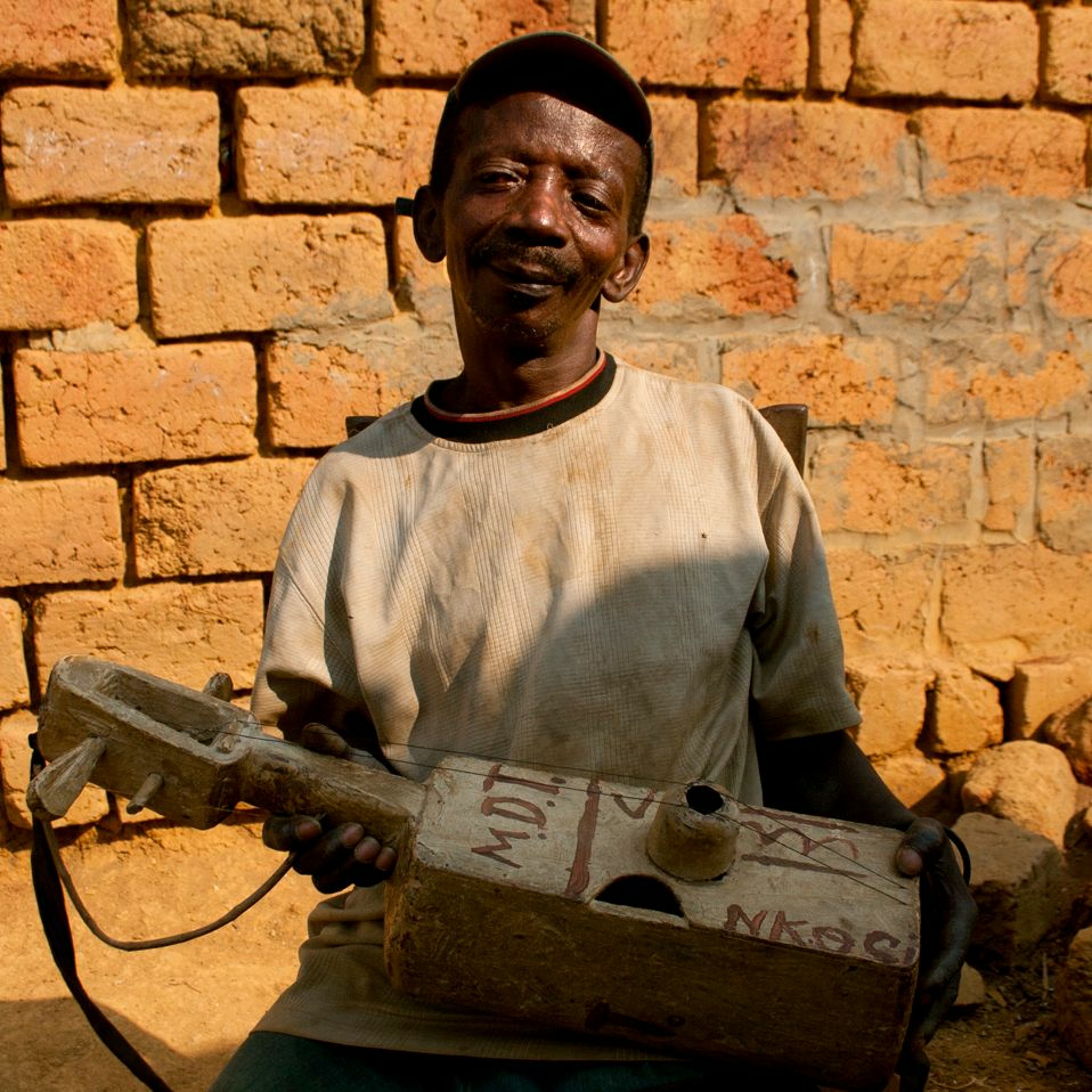
To make this unprecedented program, producer Ned Sublette traveled to Mbanza-Kongo, the ancient seat of the Kongo empire located in present-day northern Angola, where he spoke to Dr. Bárbaro Martínez Ruiz, professor of art and art history at Stanford. We’ll learn about the simbi, the spirits that Martínez Ruiz describes as “the multiple power of god”; hear Antonio Madiata play the lungoyi-ngoyi, the two-stringed viola of the Kongo court; attend a session of the lumbu, the traditional tribunal of elders; and talk to Pedro Lopes, a nganga mawuko (traditional healer). With C. Daniel Dawson and Angolan composer and musicologist Victor Gama, we’ll explore Kongo-Ngola culture in the diaspora – in Brasil, Haiti, Cuba, and more. A SPIRITUAL JOURNEY TO MBANZA-KONGO is supported by a 2012 Knight Luce Fellowship for Reporting on Global Religion. The fellowship is a program of the University of Southern California's Knight Chair in Media and Religion. APWW #651 Originally produced by Ned Sublette in 2012

The Money Show
The Money Show Every day, money changes hands in Ghanaian cedi, South African rand, and Brazilian real as music is created, traded, performed, purchased and pirated. In this episode we look at the business side of African music, through a series of vignettes from around the continent and diaspora that illuminate the deep connections between musical creation and the economies that sustain it. We start with the story of how cellphones are transforming Africa's music industries. Then, we see how economic competition drove the creation of Colombian champeta music. We take a look at the role of copyright in Jamaican dancehall, and follow the legal struggle over royalties from "The Lion Sleeps Tonight" in South Africa. Originally produced in 2014 by Marlon Bishop Assistant Producers: Briana Duggan, Joe Dobkin, Ryan Kailath APWW #685
Dakar Muse
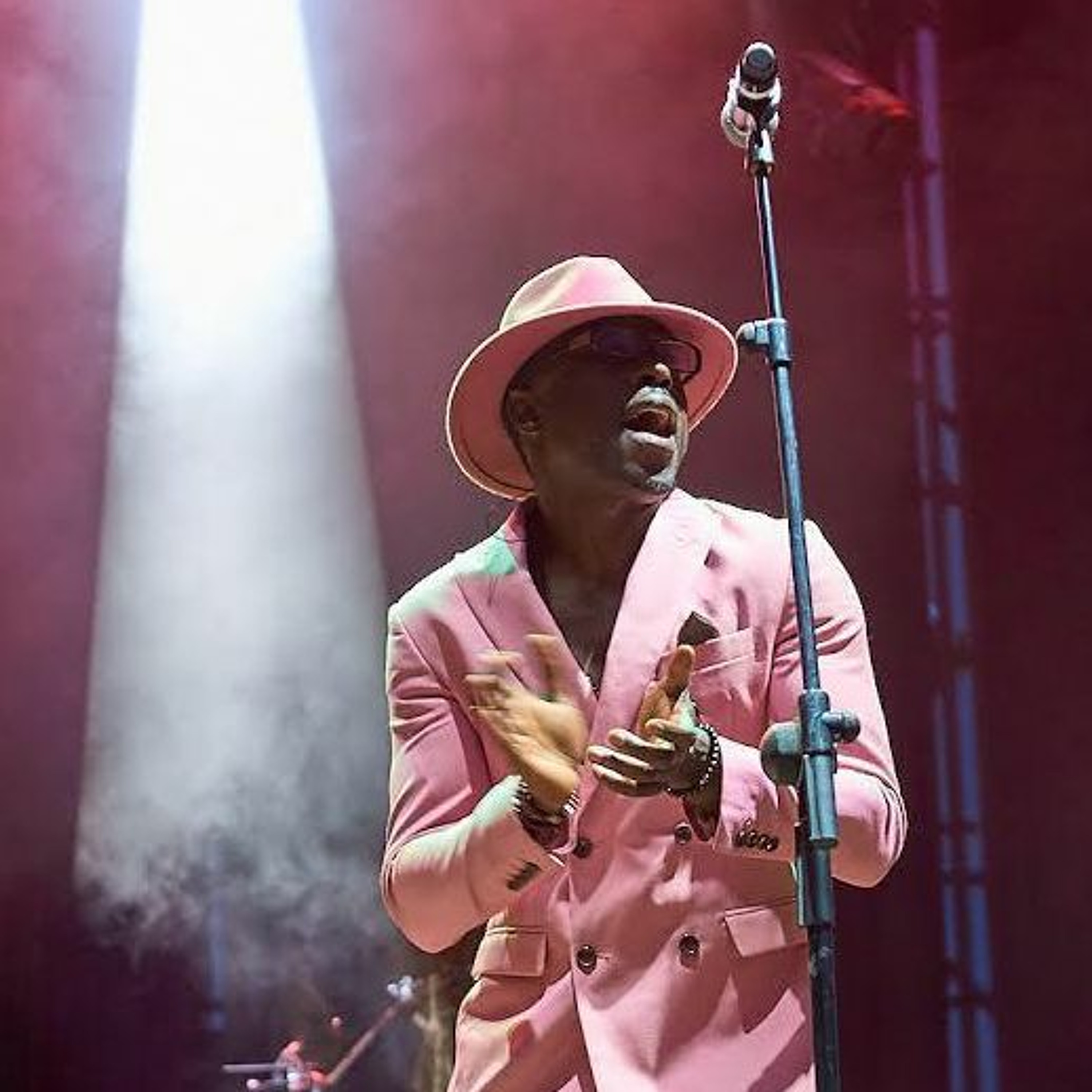
"Dakar Muse" takes us to one of the most exciting musical cities in Africa. We'll meet young stars on the Mbalax scene, Senegal's national music, including Tarba Mbaye, Sidy Diop, Sidy Samb and Pape Diouf. And we'll hear rappers making their mark in the huge Hip Hop scene including Dip Doundou Guiss and Ngaaka Blinde. Finally, we pay tribute to the brilliant Mbalax pioneer Thione Seck, who recently died of Covid-19. APWW #832 Produced by Sean Barlow
Punk In Africa
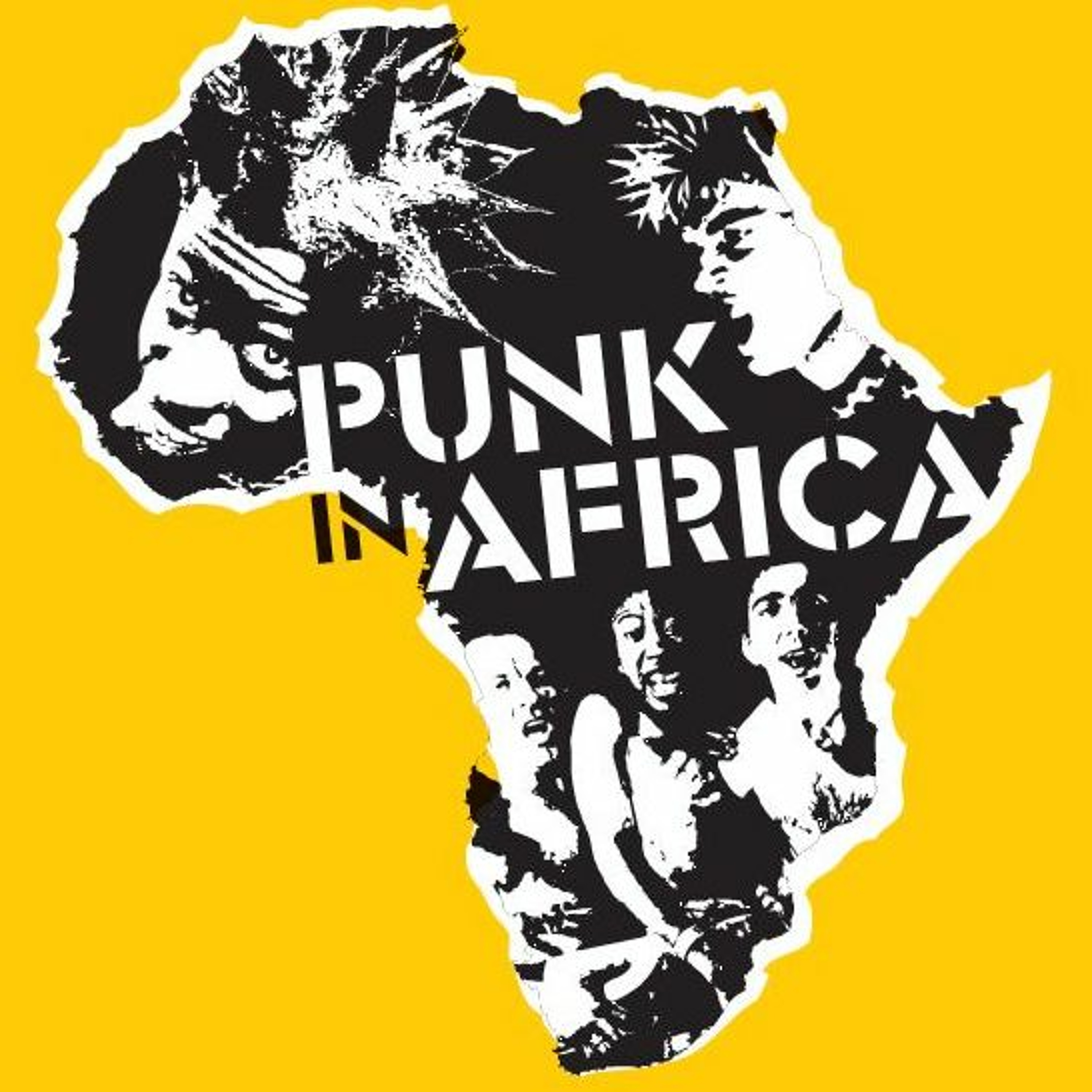
When you think punk, a few locations tend to come to mind- New York, London, LA. But Durban? Jo’Burg? South Africa? In this program, we are taking a trip to a time and a place where punk had a very different meaning, exploring the music and the legacy of the mixed race bands that challenged apartheid. Little known to the outside world, and often overlooked even within South Africa, groups like National Wake, The Genuines, and The Kalahari Surfers used music to articulate their disgust with the society around them, calling out the conformity, repression, and political hypocrisy that defined the apartheid era. As time went on and theory was put into practice, the music became increasingly adventurous, drawing from the full diversity of South Africa’s musical culture, and fusing it to the raw energy of punk. In doing so, they created a model that continues to inspire bands to the present day. APWW #656
Two Lions: Bunny Wailer and Hakim
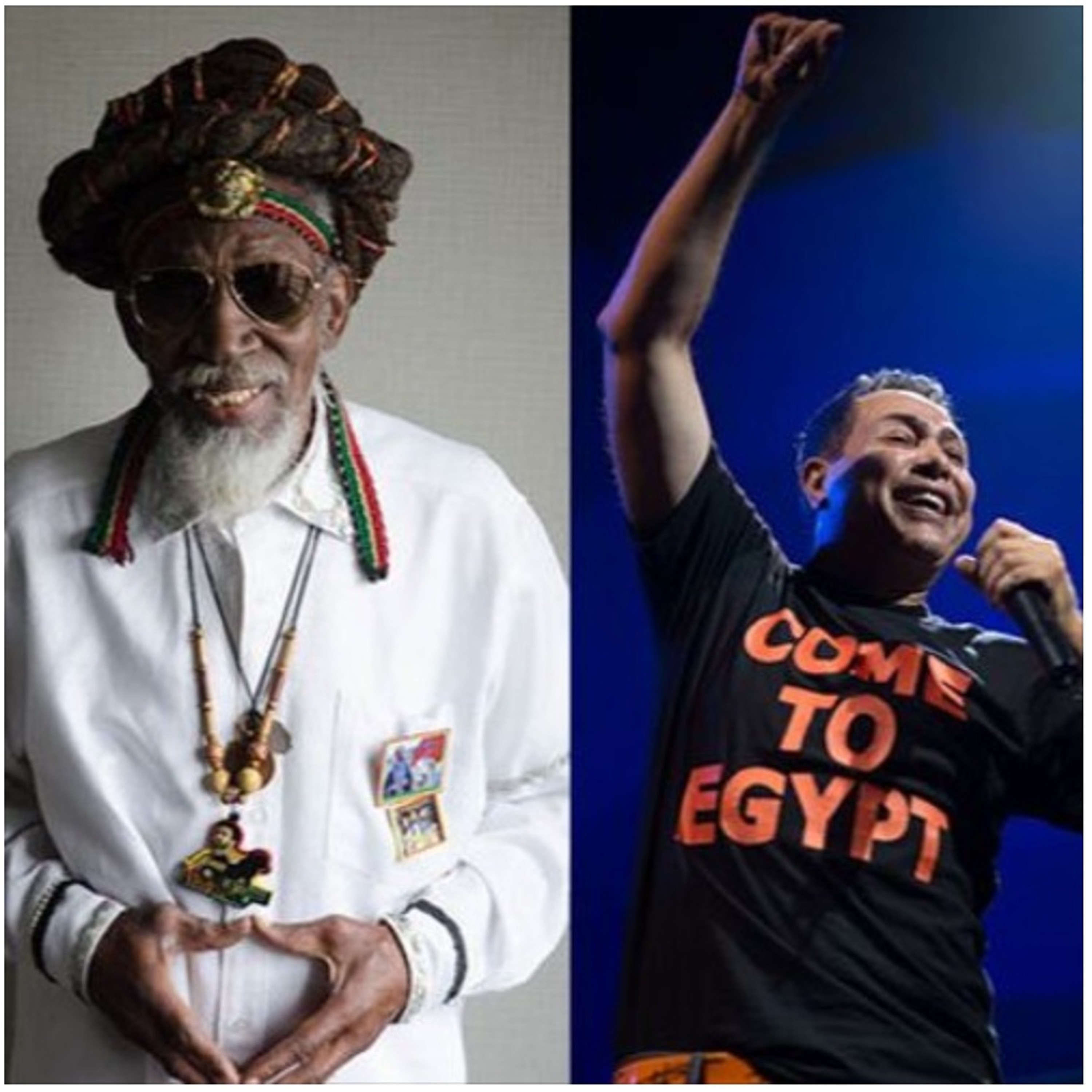
On this program we survey the careers of two giants within their genres. Bunny Wailer is the last surviving member of the original Bob Marley and the Wailers trio. Right up to his 2016 tour, where we met him, this architect of reggae music has continued to carry the banner with new concerts and recordings. And he tells his story with bracing poetic candor. Meanwhile in Egypt, Hakim, the lion of shaabi music, remains a superstar and a player in that country’s turbulent pop scene. On a rare visit to New York, Hakim gives us a tour through his post-revolution songs, and offers personal insights into Egypt’s equally turbulent politics. APWW #737 Originally produced in 2016 by Banning Eyre
829 Soul To Soul At 50
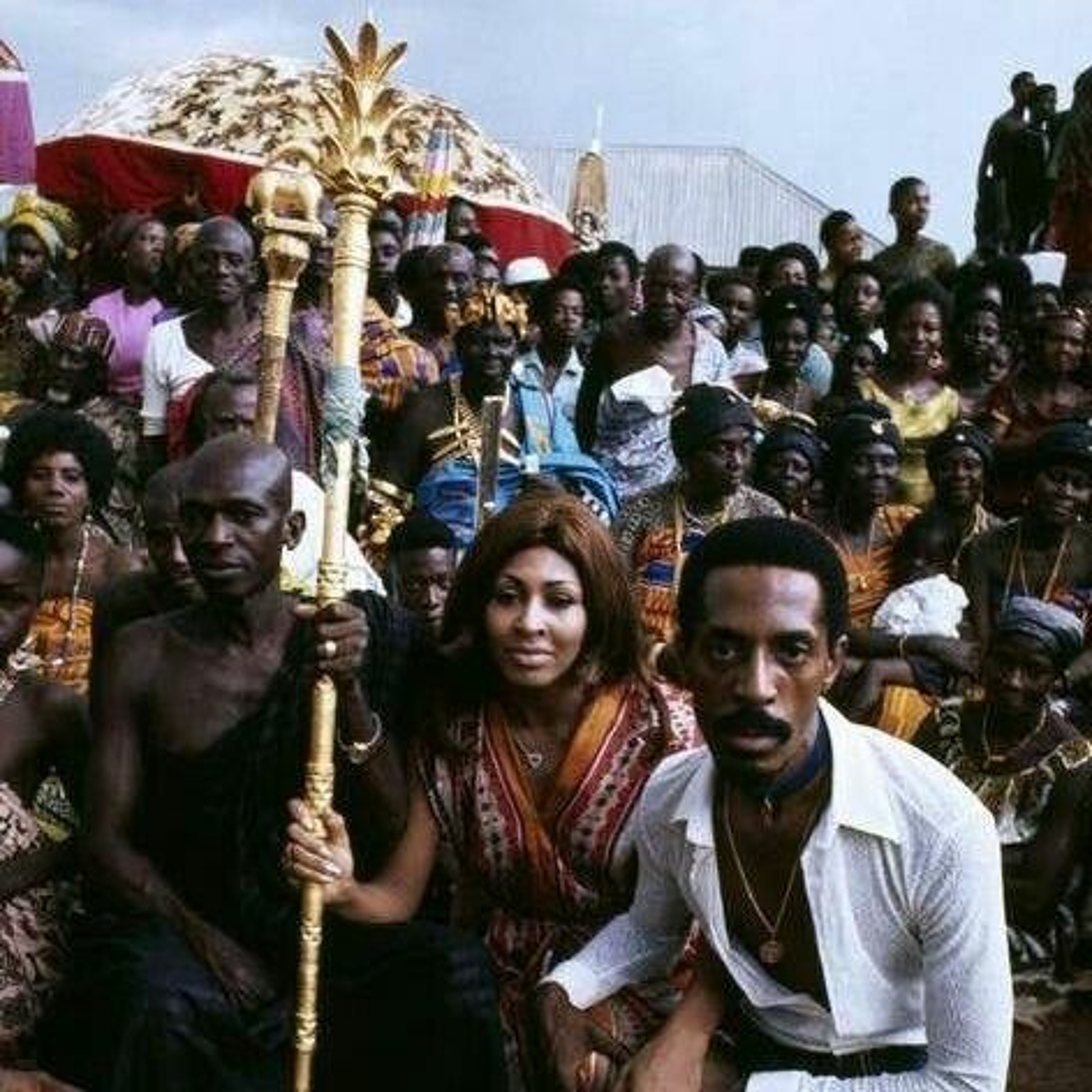
On March 6, 1971, a group of some of the top musicians from the United States -– Ike and Tina Turner, Wilson Pickett, the Staple Singers, and more -– boarded a plane bound for Ghana to perform in a musical celebration that was dubbed the “Soul to Soul Festival.” Thousands of audience members filled Accra’s Black Star Square for a continuous 15 hours of music. The festival was planned in part for the annual celebration of Ghana’s independence, but also as an invitation to a “homecoming” for these noted African-American artists to return to Africa. This episode revisits the famed music festival on its 50th anniversary and explores the longstanding legacy of cultural exchange with African diasporans originally set forth in the 1950s by Kwame Nkrumah, the first president of Ghana. Tune in for interviews with noted musicologist John Collins, poet and scholar Tsitsi Ella Jaji, concert goers and more.
The Black History Of The Banjo
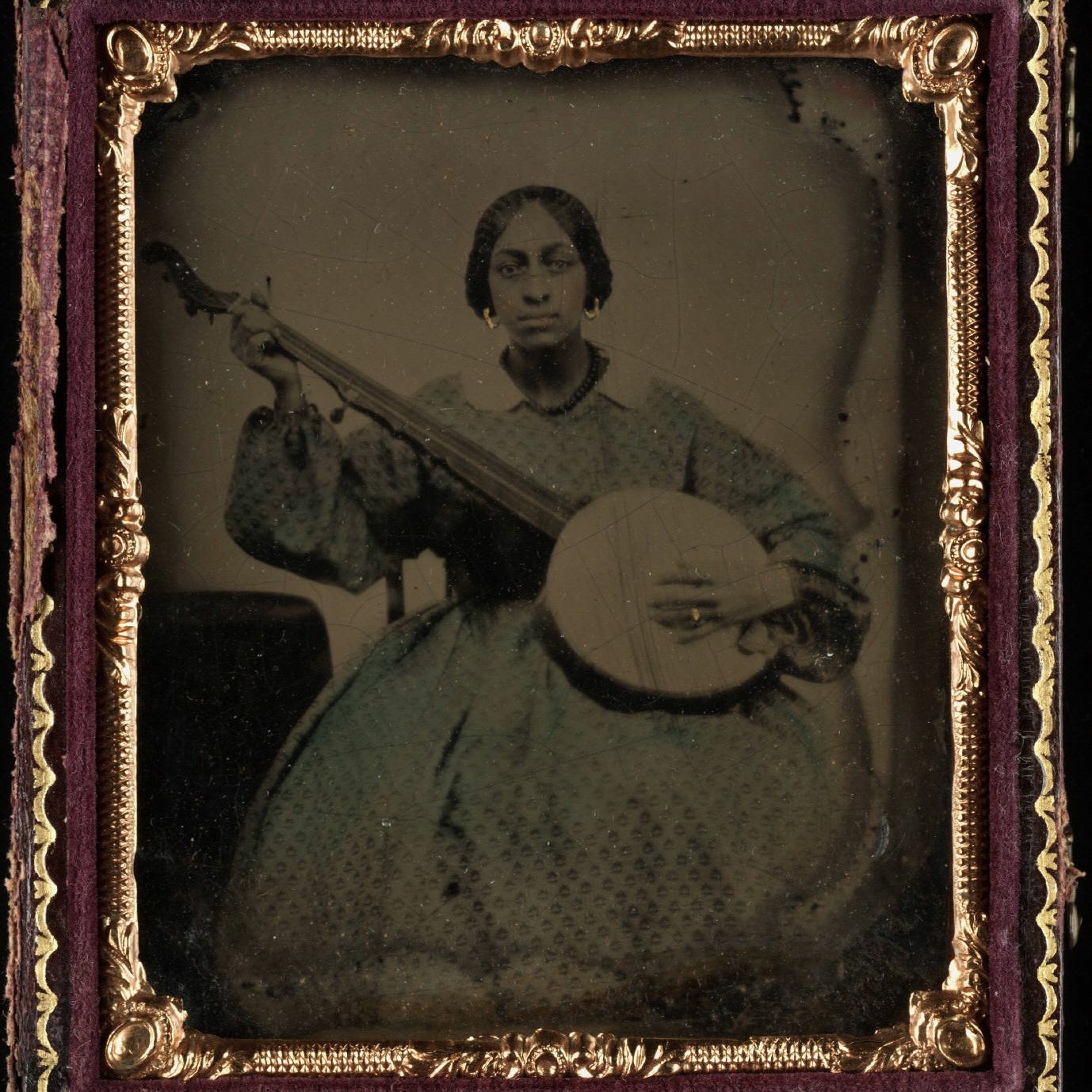
We trace the history of this most American of instruments from its ancestors in West Africa through the Caribbean and American South and into the present, as a new generation of Black women artists reclaim the banjo as their own. Rhiannon Giddens, Bassekou Kouyate, Bela Fleck and more talk claw-hammers, trad jazz, Appalachian folk, African ancestors and the on-going story of American music, which would be woefully incomplete without a Black history of the banjo. Produced by Ben Richmond. [APWW #828]
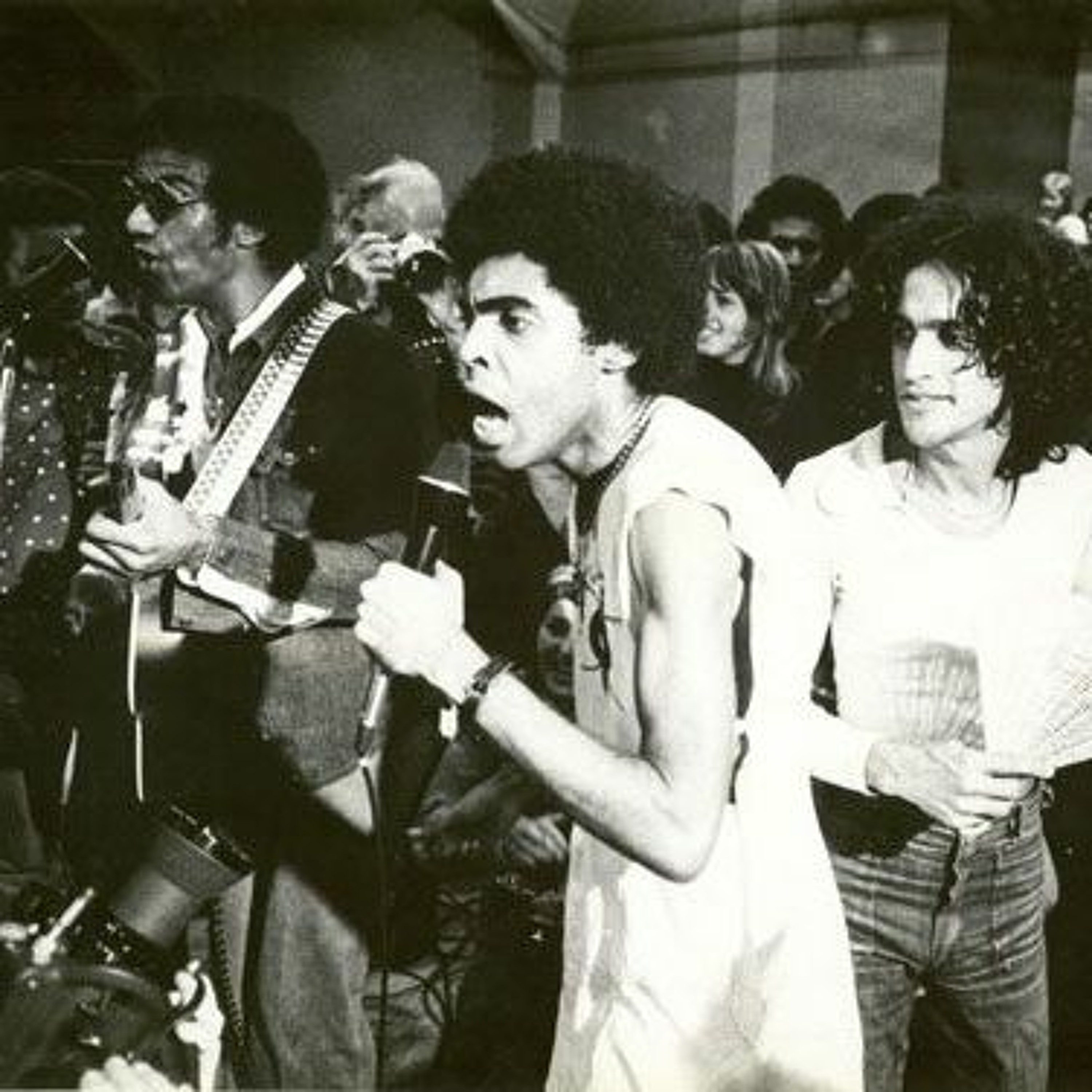
The Soul Of Black Brazil
We explore the rich period in the 1970s when soul flourished in Brazil. We’ll hear standard bearers of the movement such as Tim Maia, Ed Motta, Toni Tomado, Sandra de Sá and others. Tales by participants from back in the day plus commentary by author Christopher Dunn. [APWW #436] [Originally aired 2004]

A Tale Of Two Rebellions
Our Hip Deep edition “A Tale of Two Rebellions,” recounts the stories of two remarkable military campaigns in early Islamic history. Both uprisings take place in the late 9th century, both involve Africans as key players, and both set the scene for the crystallization of the Sunni-Shi’ite divide in Islam, which of course continues to this day. By Joseph Browdy and Banning Eyre. [APWW #535]