XtremeAg: Cutting The Curve Podcast
421 episodes — Page 5 of 9

How Do You Know If You’ve Gone Too Far?
Temple Rhodes and AgroLiquid’s Joe Leslie explain corn trials being conducted at Temple’s field day. The trials are a series with additional product and modifications from one to the next, eventually culminating in a trial involving applications of everything including the kitchen sink. How do you know if you’ve gone too far if you don’t push the envelope? Temple says “send it!”
Treating Late Season Corn At Planting Time
Kevin Matthews had a field of corn get hit with hail third week of June. After analyzing the field, he decided to vary from his usual practice to salvage hailed corn. He usually applies fungicide and a foliar fertility product within 48 hours of a hail event if he thinks the corn can be saved. Fungicide is key, FMC’s Gail Stratman tells us, because those falling ice balls open up a lot of infection points on the corn plants inviting corn into the crop. Because this field had Xyway applied at time of planting, Kevin opted to split the field for an educational trial: Half will receive late-season fungicide, half will not, relying solely on the application at time of planting. Stay tuned, because if this works, you might just save yourself some time and money on late-season treatments. Presented by Advanced Drainage Systems
Used Farm Equipment: What’s Hot and What’s Not?
Have interest rates put a damper on new equipment purchases? Is used machinery still hot as it was during the pandemic? What equipment is a hot seller right now at farm auctions and what should you know about the marketplace? Jeff Wille with Duwa’s Auction Service of Wellman, Iowa discusses used implements, auction action, and more with Damian Mason. Presented by Loveland Products.
The Benefits of Applying Biologicals Post-Harvest
Biologicals have emerged in force over the past decade. Do you apply biologicals and if so, when? Chad Henderson discusses his large-scale trials of applying biologicals post - harvest. The benefits: Breaking down fodder, releasing nutrients, enhancing soil biology, and several other things you’ll find out if you listen to this episode! Chad is joined by Holganix’s Mike Batson and host Damian Mason. Presented by Advanced Drainage Systems
Strategies and Adaptations For Successful Farming Amidst Urban Sprawl
Johnny Verell’s farming operation is expanding. Unfortunately, so is Jackson, Tennessee — the city whose sprawl of suburbs and commercial development is knocking on Johnny’s door. Johnny explains his strategy to survive, or even thrive, when bulldozers and concrete trucks roll into fields he once farmed. (He’s lost 350 acres to development in his backyard, yet he’s still growing!) A few of Mr. Verell’s tips: Stay in good graces with landlords to partner with them on transitioning to future land purchases after they sell to developers. Maximize the acres you don’t lose to development to fully utilize your equipment and infrastructure investments. Lastly, Inform the community of the economic role of Agriculture — Johnny volunteers to speak at the annual Jackson Chamber of Commerce meeting!
Getting Along With The Neighbor Farmers
Consolidation in production agriculture has led to fewer farmers managing larger amounts of land. This can sometimes create a competitive and unpleasant situation between neighboring farming operations. Avoiding conflict and maintaining good relationships with your farming neighbors is crucial. In a cozy chat with Damian Mason, just a stone's throw away from his neighbor's massive farm setup, Johnny Verell shares his secrets on how to keep things harmonious and the benefits of collaborating rather than competing with the big farmer next door.

The ROI of Drones: Why Drones are Becoming Essential Tools for Farming Efficiency
Drones burst onto the scene a few years ago, and their impact on various industries has been nothing short of extraordinary. In recent times, these unmanned aerial vehicles (UAVs) have made their mark in agriculture, where they are poised to revolutionize the way we cultivate crops. With the ability to spray fields, scout for problems, identify pests and diseases, and more, drones offer a multitude of benefits for farmers. Johnny Verell is a believer in the technology and he talks with Damian Mason about how and why he uses a drone on his west Tennessee farm.
What’s Happening In Canada? An Update From Sam of the North.
Canada’s wildfires have darkened the skies far away from their source, sending smoke and odor throughout much of the USA. So what’s the impact on those who live and work closer to the 12 million acres of burning timber land? XA affiliate Sam Coutu updates us what’s happening on his farm and the rest of Quebec. Sam is persevering through weather challenges — following the fires came 24 inches of rain within a 50 day timeframe — yet he’s still expecting solid results for his soybean and barley crops due to his “high management” style. Presented by AgXplore
We’re Not in Kansas Anymore: Milo in Maryland?
Temple Rhodes was looking for an alternative to soybeans as a double crop following his wheat harvest. With sandy, less-than-good ground to work with, and tremendous deer pressure, Temple - with commentary from his father — decided soybeans wouldn’t work. After doing a little research and consulting with Nachurs’ Tommy Roach, Temple opted to experiment with 185 acres of double crop Milo, or grain sorghum as it’s also known. Temple explains his first ever Milo crop, his practices, and why grain sorghum makes sense for him (and it might make sense for you!). Hint: Chinese booze and bird seed are growth markets! Presented by Advanced Drainage Systems
Revisiting And Improving In-Furrow Fertility
Matt Swanson used to apply fertility at time of planting in furrow. But then he stopped, for various reasons not the least of which was ineffectiveness. Now he’s dabbling back into in-furrow with a 40 acre experiment in conjunction with AgroLiquid. The results won’t be in until the combines roll but already the corn is withstanding weather stress much better than Matt's non-treated acres. That, along with agronomic advances and the very real prospect of regulations on fertilizer application is why you should consider in-furrow fertility to spoon-feed your crops for profitable results. Presented by Advanced Drainage Systems
Harvesting Dollars: Channeling Your Crop’s Energy into Making Money
Caleb, Matt and AgroLiquid's Molly Alexander talk about the program they are implementing on Caleb's peanut field, and their plan for making sure the plants focus their energy on the things that are going to make him more money. A great conversation for all farmers and all crops.

One Last Pass
A $34 Last Pass On Soybeans To Make 10 More Bushels? Temple Rhodes doesn’t mind pushing the envelope late season, especially if he stands to make 3 times his investment back. He explains, along with AgXplore agronomist Adrian Boyd, what’s in his final soybean pass and why he does it. He says, “This late-season pass at R-5 when everyone else has taken off and gone to the beach…it’s become part of my standard practice.” Presented by AgXplore
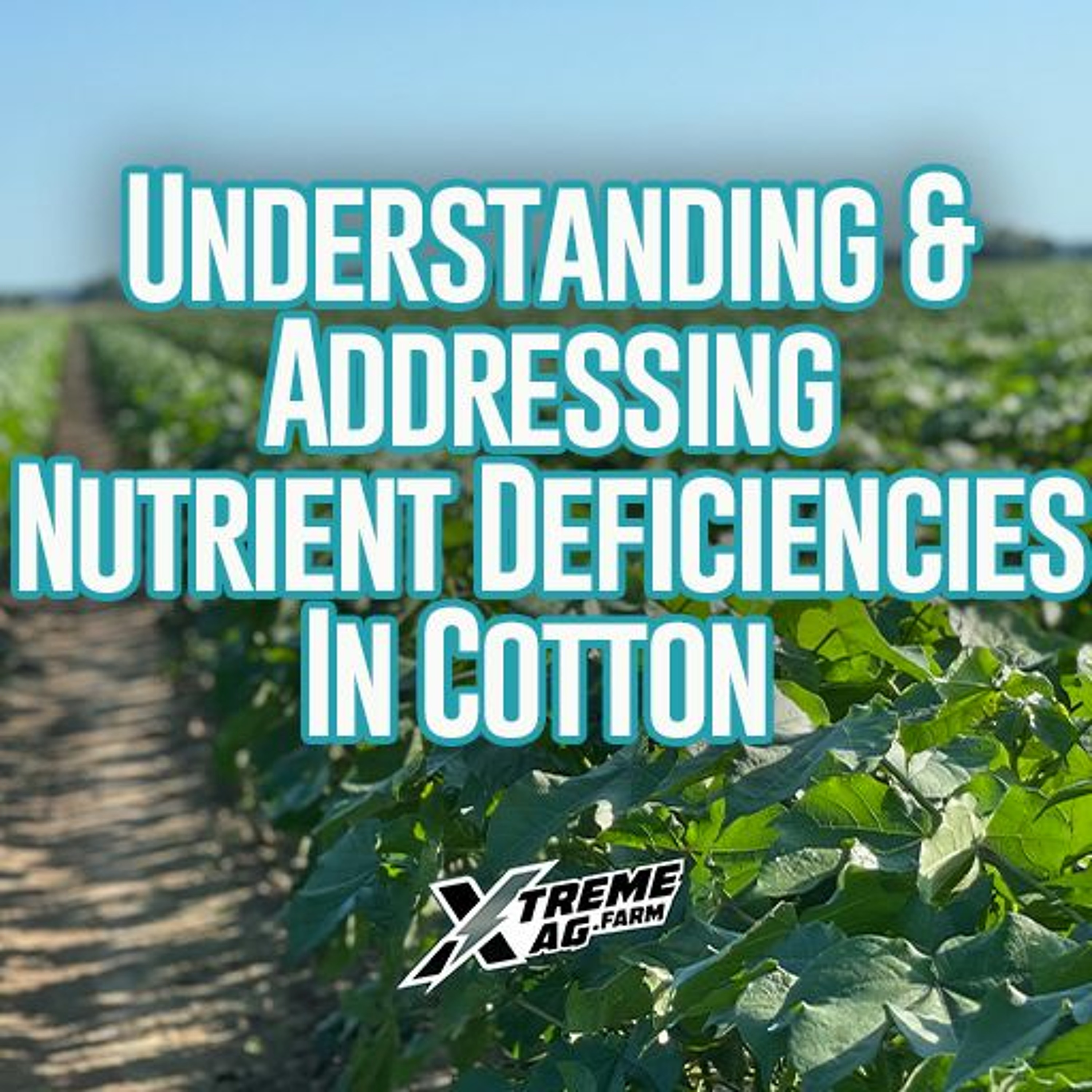
Understanding And Addressing Nutrient Deficiencies in Cotton
Cotton needs a lot of love. Layne and Caleb talk to Molly from AgroLiquid about the nutrient management program they are running on their cotton fields this year.
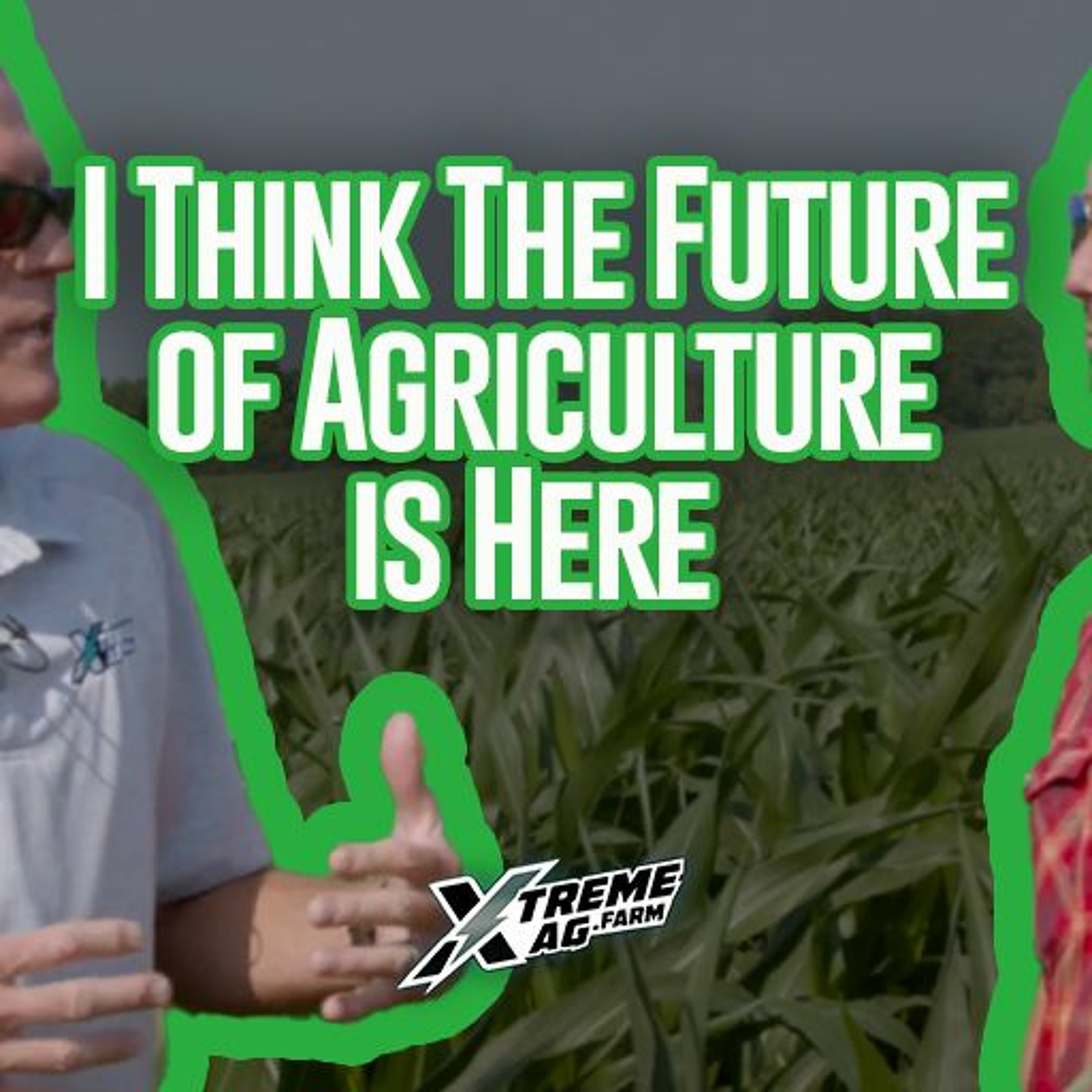
Where I See The Future of Agriculture
They are not changing their practices to chase sustainability dollars, they are changing their practices because there are big agronomic benefits. Kelly talks to Damian about where he sees the future of Agriculture and how the high yield and sustainability paths are converging to make for a better farmer.
What To Consider When Updating Your Grain Drying System
ohnny Verell began shopping grain dryers almost six years ago, ultimately opting for a Superior Grain Equipment system that’s been in operation on his farm for the past four years. Mr. Verell explains why he chose the set-up he has — for the user-friendly attributes, efficiency of energy consumption, and the adaptability for expansion to fit his long-term farming business plan. Grain drying technology has improved immensely, to make your investment in infrastructure make money for your farm, watch this!
ARE WE TAKING FOOD OUT OF THE PIPELINE?
Kelly talks about the group of consumer product companies that he hosted in June in partnership with Truterra Ag: The questions they asked and the key learnings that he came away with that will change the future of agriculture.
Farming Through The 4th Quarter
In sports and in farming, it’s tempting to quit early. But there’s a very good reason to make that final pass: Yield. Matt and Layne Miles join Kelly Garrett to discuss the final applications they make right up ’til R-5. They explain their final pass and discuss the economics of spraying — even if it’s with aerial aircraft — a month before the combines roll. If you’re contemplating one last pass, listen to this. But be warned, if your crops were neglected all season, a fourth quarter pass won’t save you. As Loveland Products’ Ron Calhoun says, “A Hail Mary to the end zone is still only worth one touchdown, and that’s not enough to win if you’re down big.” Presented by Loveland Products.

Making Money Off Of High Moisture Corn
XtremeAg's Johnny Verell fired up the combine to shell corn last year on August 20th. He was finished with corn harvest a month later. Even by western Tennessee farming standards, Johnny pulls the trigger fast on corn harvest. Why? Because harvesting corn at 30% moisture makes him more money than if he allows it to dry down to the teens. Mr. Verell and his agronomic partner Brian Adams join Damian to explain the method to their high moisture madness. If you’re interested in: higher yields, avoidance of “phantom loss,” capturing positive basis in the markets, spreading out your labor, minimizing weather risk, and other tips to make more money, listen to this!
How Chad Makes Sustainability Work On His Farm
Chad Henderson talks with Damian about making sustainability work on his farm. He shares a few things he is doing that are completely different from what they were a decade ago...and its working.
Risk and Reward: The Economics of Big Decision Making
Kelly is running a nitrogen reduction trial on his corn. Well, its more than reduction, he is growing corn without any additional nitrogen on a few acres. Is it working? Why is he doing this? Damian talks about the economics of big decision making on your farm, specifically as it relates to reducing inputs.
Surprising Lessons I Learned From 8 Years of Subsurface Drip Irrigation
Kelly Garrett implemented subsurface drip irrigation on 370 acres of his Iowa farm in 2015, making the system operational in 2016. As the system enters its eighth year of operation, Damian Mason interviews Kelly about the insights he has gained into soil, fertility, and intensive farm management from using the subsurface drip system. These lessons are applicable to all farmers, regardless of whether they utilize irrigation. Kurt Grimm from NutraDrip also joins the discussion. Presented by AgXplore

Is Your Planter Current?
Damian breaks down planter upgrades with Mike Evans and Chad Henderson.
Strategies For Stress Reduction
The stuff we’re doing in production Agriculture is leaps ahead of what we were doing just a decade ago. Products and practices to reduce stress were a primary emphasis of Kelly Garrett in crop year 2022. He joins Matt and Layne Miles to discuss how they lower the stress on their crops. From spoon feeding fertilizer to applications of biologicals derived from seaweed, you’re going to love this conversation with Ron Calhoun of Loveland Products. Presented by Loveland Products.
Managing Water On Matt’s Worst Field — The Trial Continues
The folks at ADS came to Matt Miles with a proposal: Give us your worst field and let us put in drainage tile accompanied by technology to use the tile for subsurface irrigation. Now in its second year, Matt discusses what he’s seeing, what excites him, and what he’s experiencing in this 35 acre trial. Among the takeaways: He planted the field earlier than he’s ever been able to before. He’s seeing a huge improvement in soybean root penetration. And he’s using about one-third the amount of irrigation water to get bigger yields — a win for his wallet and his environmental impact. The future of production Agriculture will be increasingly impacted by how we manage our water— listen to this for some great insights! Presented by Advanced Drainage Systems

Do I Really Need Biologicals?
You've heard a lot about biologicals lately. Damian asks the questions you want to know about biologicals. Do you really need them? How do you know if you need them? How do you know if they work? Do you need them if you have already have rich fertile soil. If you are considering biologicals, this is the segment you need to listen to first.

Hidden Costs & Losses
How do you make decisions on your farm as it relates to inputs? Are you using the right set of data to make decisions? Damian talks to AgroLiquid's Galynn Beer about making decisions based on logic rather than emotions.
Factoring Fungicide Decisions
Matt Miles typically has a difficult time getting much return on fungicide investment on his corn. This runs counter to what you’d think for an Arkansas delta farmer where heat and humidity are off the charts. But, Matt typically beats the late summer fungus onslaught by planting early and being near harvest time before fungus robs yield. Not so this year which is why he is factoring fungicide decisions — should he go cheap or go premium based on his risk assessment? XA affiliate Caleb Traugh joins Matt and Damian to explain how they make fungicide decisions. Presented by Loveland Products
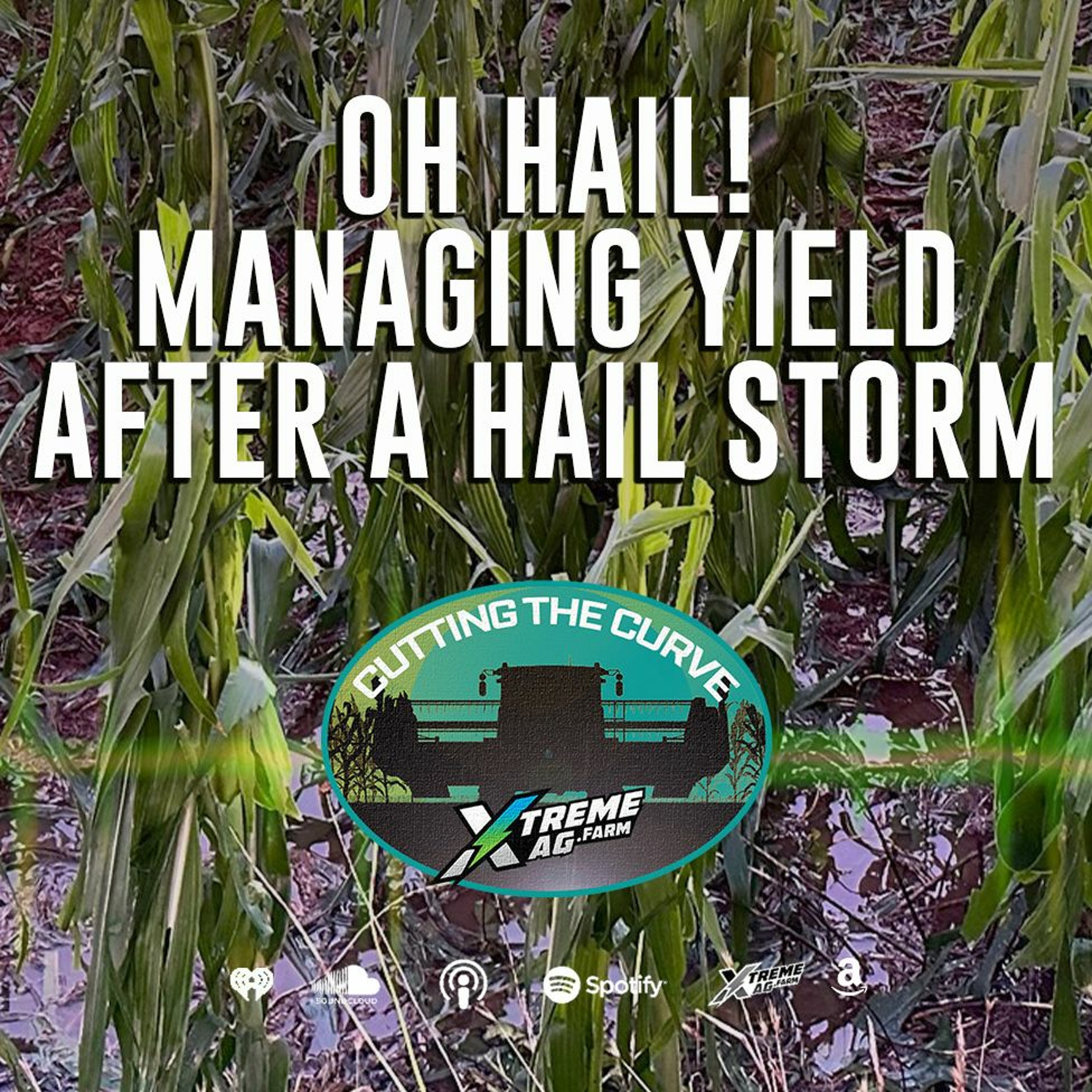
OH HAIL! MANAGING YIELD AFTER A HAIL STORM
Storms happen. So, how do you manage a yield when the clouds clear? XA affiliate Matt Swanson discusses his adaptations and practices post-hail storm this spring and what outcomes he expects. Is your corn flattened or just leafless? How many soybeans did you lose? To re-plant or let it ride? And what exactly is your insurance going to cover and what are you on the hook for? It’s all here in XtremeAg’s Cutting The Curve podcast with Damian Mason. Presented by Advanced Drainage Systems with support from Loveland Products.
Cations, Anions & Untying Nutrition
Chemistry is a challenging subject and we don’t claim to be chemists here at XA but we do know this: Your soil needs balance between positive and negative charged elements to achieve high yielding crops. Or, as Kelly Garrett says, “There are less depleted soils than there are out-of-balance soils.” Agronomist Mike Evans joins Chad Henderson to talk about soil chemistry. Presented by AgXplore
Less Time, More Yield?
Temple and Kelly are each doing 40 acre labs with AgXplore using the company’s new ArchiTech — a foliar fertility product that contains a plant growth regulator. The product is the first EPA approved fertility PGR combo and its promise is time saving, ease of use, and bigger yields of course. Gunther Kreps and Jason Fettig with AgXplore join Temple and Kelly to explain. Presented by AgXplore
The Benefits of Strip-Tillage
Chad talks about the economic and fertility benefits that he sees from his strip-till acres, the difference in how you are applying fertility and what it means in terms of being more aggressive with your nutrient management program.
4 Tips For Managing Low CEC Soils
Chad Henderson and Molly Alexander from AgroLiquid talk to Damian Mason about 4 big things that farmers should think about in order to get the most bang for their buck when farming on soils with lower cation exchange capacities.

Are Your Plant Hormones Imbalanced?
Are your plants hormone imbalanced? There is probably a good chance they are. Damian talks with Chad Henderson and Dale Hanke from Stoller about what you need to know about the 5 principal hormone families. What their roles are and how to manage them to maximize plant health.
Building a Fortress of a Plant — Temple’s Focus in 2023
Kelly Garrett devoted much of his attention in 2022 to reducing stress on his crops. Temple Rhodes learned from what he saw his Iowa friend do and is now taking it to the next level. “I want to build a factory that can withstand a tornado,” Temple says as he describes steps he’s taking this season to maximize returns and protect his yield in a year that’s predicted to be a rough one, weather wise. Some steps Temple is taking: reducing planted population, changing up plant growth regulators, and holding back late season passes if weather problems reduce the payoff. What is your 2023 farming focus? Listen to this for inspiration! Presented by Loveland Products
MAKING ADJUSTMENTS TO MICRONUTRIENTS BASED ON LAST YEAR’S CROP
We are talking about micronutrient adjustments made based on the prior year's tissue sampling data from a different type of crop. Chad and Molly talk to Damian Mason about how they are using last year's corn tissue sampling results to make adjustments to this year's wheat crop.
What You Can Learn About Your Fields With A Drone.
Les Lloyd, Agronomist at AgriGold talks with Damian and Chad about how he is using drones in the fields he helps to manage and why you should consider using a drone to help scout your fields.
Stacking Nodes For Serious ROI on Soybeans
High yielding soybeans require different treatment — and a different mindset — than what is required to produce average soybeans. High yielding soybeans typically come from stout plants with a plethora of pods. To make plants like that, you have to stack your nodes tightly on the main stem. Matt Miles and Temple Rhodes tell Damian how they go about getting a node dense plant that rings the bell on soybean yields. From planting time to product application they explain how to get some serious soybean ROI. Presented by Advanced Drainage Systems with support from Loveland Products
Striving For Stress-Free Plants with Kevin Matthews
A common theme among the XtremeAg guys is the quest for stress-free crops. Kevin shares the practices and products he turns to to keep his plants from getting stressed out. He was an early adopter on plant growth regulators, he’s been experimenting with biologicals for years, and he now realizes he wasn’t using products to their full stress -reducing capacity early on. If you’re losing yield to preventable stress (and trust us, you are!), this is the episode for you. Presented by Loveland Products
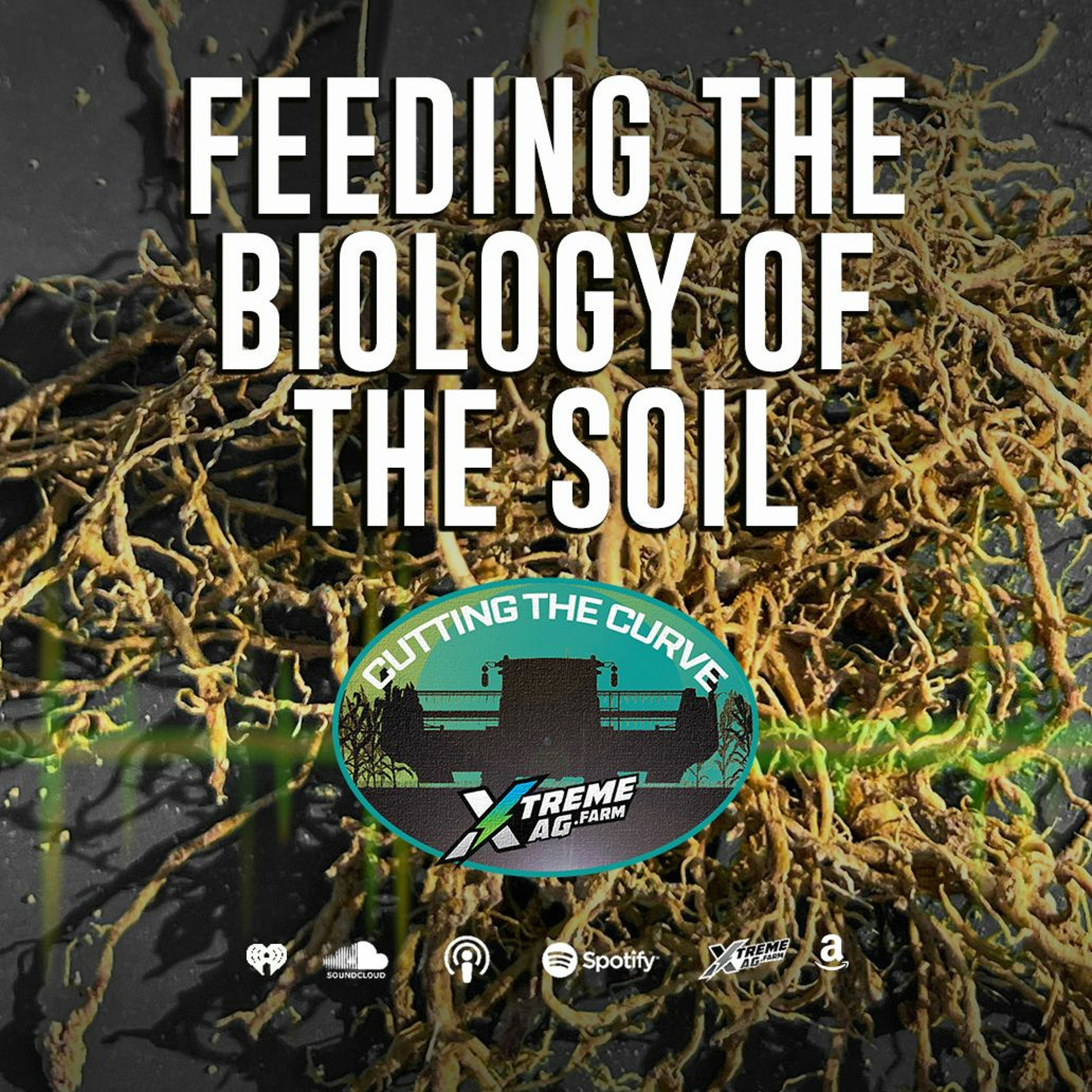
Feeding The Biology of the Soil
We don’t do garden plots at XtremeAg, we do legit, large scale trials. This year, Kelly and Temple each have 40 acre lab trials with AgXplore — Temple is doing soybeans and Kelly is doing corn. The guys explain what they are trying to find, what they are using, what they are already seeing, and most importantly, what they will deem as success. Presented by AgXplore
FARMING IN QUEBEC WITH SAM ”OF THE NORTH”
Sam “Of The North” Coutu talks to Damian Mason about how Agriculture differs in Quebec, navigating environmental regulations (anhydrous is illegal), and what he’s excited about heading into the 2023 crop season. Presented by AgXplore
Preventing Crop Stress Before It Occurs
Kelly Garrett has stated repeatedly that stress prevention, he believes, is a priority in pursuing higher yields. In 2022 he made stress mitigation his main over-riding objective. Now he tells us what he learned from 2022 and how he’s applying that knowledge to crop year 2023. Kelly explains the products, the placement, the practices, and the reasons for why he’s doing what he’s doing — to prevent crop stress before it occurs. Presented by Loveland Products
Looking Beyond Fertility At Time Of Planting
Make no mistake, getting fertility to your plants is critical to producing a big yield. But let’s look beyond fertility. What additional products at time of planting can give you a huge boost? Kelly Garrett and Kevin Matthews discuss the critical roles of: stress mitigation, plant growth regulators, and seed treatment at time of planting. Presented by Loveland Products

Sam ”Of The North” Goes To Iowa - What Did He Learn?
Sam Coutu took a trip to Iowa to pick up some supplies for his farm. While hanging with Kelly Garrett, he gleaned some insights and inspiration which he shares in his sit-down with Damian. What’s different about American Ag from Canada? Why does Sam like Iowa. Sam shares takeaways from his field trip that you can apply to greater success on your farm. They involve balanced soils, experimenting with planter updates, and being willing to try new things. Presented by AgXplore
Why Calcium Should Be A Bigger Part of Your Fertilizer Budget
Kelly Garrett’s Iowa farm fields are saturated with calcium, whereas Kevin Matthews’ North Carolina fields are calcium deficient. Yet, they both apply a quart of calcium per acre. Why? Because calcium is a limiting factor for both farmers. Kevin and Kelly explain the role of calcium as a mover of nutrients and more importantly, talk about what they are doing to get it into the plant. Presented by Advanced Drainage Systems
Switching From a Dry Fertilizer Program to Liquid & Making It Profitable
Matt Miles admits, when it comes to his fertility program, he wasn’t an early adopter. “It was old school, it was easy…and easy isn’t always the best.” He’s seen the light with encouragement from his XtremeAg peers. He now uses frequent liquid fertilizer applications — in-furrow, via Y-drop, and over the top foliar. This from a farmer who relied on dry fertilizer and chicken litter only a few years ago. Matt, along with son Layne, explain their fertility program evolution. Yes, they spend more money but the cost decreases precipitously per each added bushel. Presented by Advanced Drainage Systems
Correcting Planter Problems to Save Time & Money
Kevin Matthews is going to get through the remainder of Plant ’23 with his current planter set-up. But, he’s going to make some wholesale changes to the planter in the off-season. Why? Well for one reason, at time of recording, his planter was in the shop with two guys working on it and that’s not where planters are supposed to be in springtime. Kevin explains how he’s going to modify his planter to eliminate inefficiencies. Is your planter set up ideally for how and where you farm? Presented by Advanced Drainage Systems with support from Loveland Products.
Using Data For Better Decision Making
Modern production Agriculture has moved into the data realm. Your combine collects data, your sprayer and planter might be collecting data. Hire an agronomic consultant and they’ll go about compiling data. Basically, every juncture of farming is now a data point. But how do you use these reams of data to improve your yields and efficiency without becoming overwhelmed with so much information. Temple Rhodes explains how he collects then applies data for better decision making. Presented by AgXplore
Adapting When The Weather Shuts Your Planter Down
"You can’t throw good money at bad money,” says Temple Rhodes as he explains the adjustments and adaptations he is making as extreme precipitation has halted his planting. He discusses his procedure and protocols when the weather pauses planting progress for an extended time. In this episode Temple talks about planter maintenance, product mix, and preventing panic. It’s fun one — tune in! Presented by Advanced Drainage Systems with support from Loveland Products.
Creative Thinking About Your Farm Business
We talk a lot in Ag about lifestyle and legacy, but without a viable farm business there will be neither of those things. Faced with declining commodity prices, elevated input prices and a doubling of interest rates, now is the time to think creatively about your farm business. Are you sitting on old crop grain and if so why? Did you buy machinery to avoid the tax man and if so, have you thought about what that does to working capital moving forward? All indications are, you’re gonna have higher per acre cost — yield alone won’t keep you profitable. Jarod Creed of JC Marketing & Ag Financial Services provides outlook, context, and information to help you prosper. Presented by AgXplore
Drainage AND Subsurface Irrigation Using The Same Pipe?
In Fall of 2021, Miles Farms installed drainage tile on 35 acres as a trial with ADS. Drainage tile isn’t used in the Arkansas Delta where Matt and Layne Miles farm. However, they didn’t stick plastic pipe in the ground just to be different. Their objectives: Faster farming by being able to get on the field earlier. Changing their practices to allow no-till planting on 15” rows versus raised beds. Better irrigation by reversing the flow of water when the Delta heats up (and it always does!). Matt and Layne explain the early results of their drainage and irrigation install. Presented by ADS with support from Loveland Products.