
Who Arted: Weekly Art History for All Ages
784 episodes — Page 9 of 16
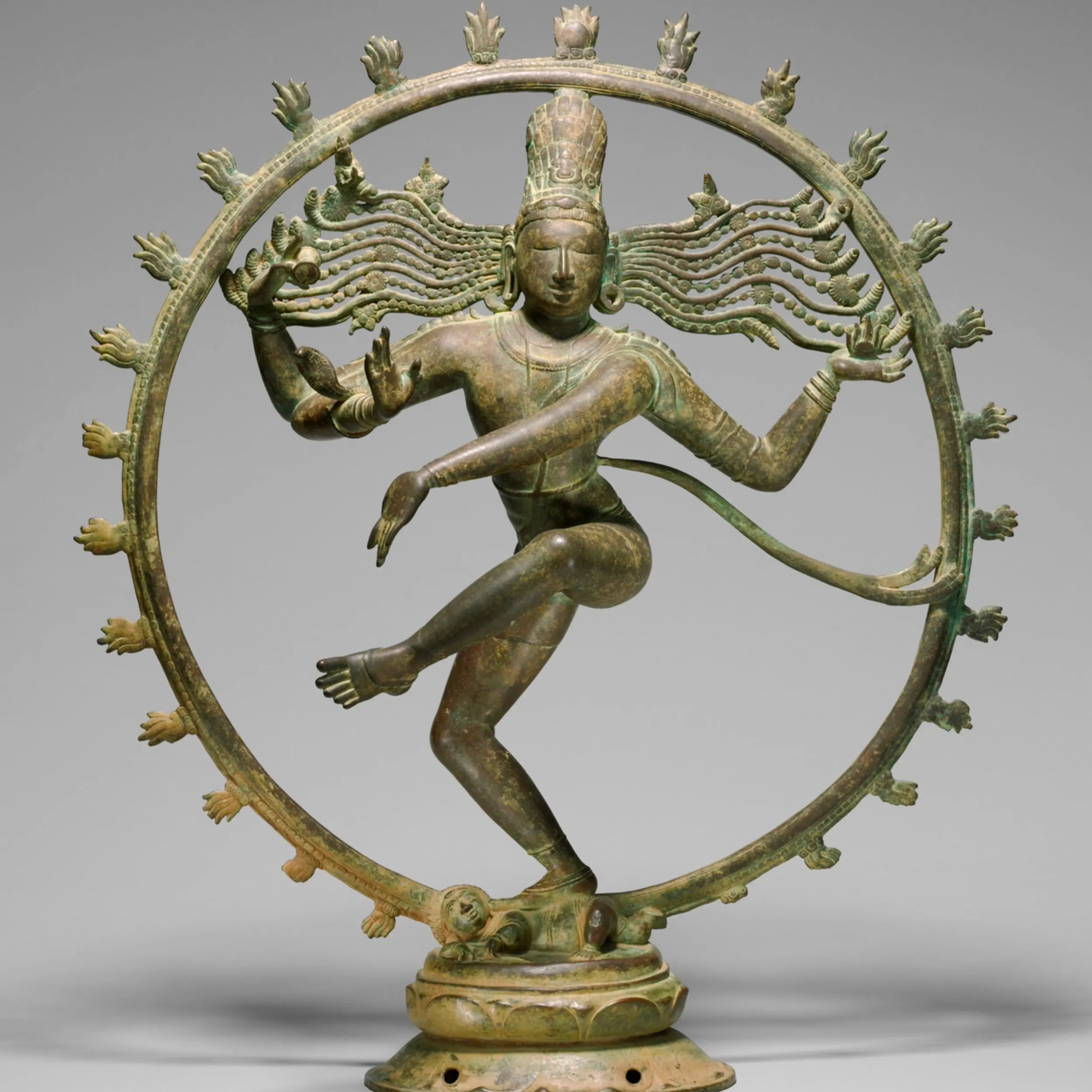
Shiva Nataraja | Shiva the Lord of the Dance
In this depiction of Shiva we see the natural rhythms to everything in the cosmos. Birth and death, creation and destruction are symply phases all things will go through. In this bronze work from 11th century India during the Chola period, we see Shiva in a dancing pose. He is surrounded by a ring of flames. Fire is an interesting force as it can be tremendously destructive and dangerous, but simultaneously if it is handled properly, fire can provide warmth and light. As the flames dance, they transform the material world around them sometimes to our benefit and sometimes to our peril. In this piece, Shiva is surrounded by flames representing the eternal cycle of creation, preservation and destruction. Check out my other podcasts Art Smart | Rainbow Puppy Science Lab Who ARTed is an Airwave Media Podcast. If you are interested in advertising on this or any other Airwave Media show, email: [email protected] Learn more about your ad choices. Visit megaphone.fm/adchoices

The Longmen Caves
China's Longmen Caves or Longmen Grottos are a UNESCO world heritage site. Starting in the 5th century CE, artists chiseled away at the limestone carving out around 2300 caves and 110,000 statues. Because they were constructed over such a long period, the sculptures in the Longmen Caves not only reflect the religious tradition, but they track changes in artistic style over the centuries. Related episode: Sand Mandalas Check out my other podcasts Art Smart | Rainbow Puppy Science Lab Who ARTed is an Airwave Media Podcast. If you are interested in advertising on this or any other Airwave Media show, email: [email protected] Learn more about your ad choices. Visit megaphone.fm/adchoices

Stonehenge
Stonehenge has captured the imagination of people for centuries. It is hard to categorize the massive stone work. Is it a feat of engineering, sculpture, architecture? Is it a work of deep spiritual significance or an oversized and needlessly complicated calendar? Located in Wiltshire, England, Stonehenge is made up of standing stones arranged in a circular formation and is estimated to be over 4,500 years old. While its original purpose remains a mystery, there is no doubt that Stonehenge is a masterpiece of art and engineering that has stood the test of time. AP Art History Students, check out my Spotify playlist, AP Art History Cram Session Check out my other podcasts Art Smart | Rainbow Puppy Science Lab Who ARTed is an Airwave Media Podcast. If you are interested in advertising on this or any other Airwave Media show, email: [email protected] Learn more about your ad choices. Visit megaphone.fm/adchoices

Machu Picchu
Machu Picchu would translate to “old mountain” but it isn’t that old. While stone ruins are often associated with ancient civilizations thousands of years old, Machu Picchu is relatively young having been built in the middle of the 15th century. Nestled high in the Andes mountains of Peru, this ancient Incan citadel is a UNESCO World Heritage Site and a bucket-list destination for travelers from around the globe. Check out my other podcast Art Smart | Rainbow Puppy Science Lab Who ARTed is an Airwave Media Podcast. If you are interested in advertising on this or any other Airwave Media show, email: [email protected] Learn more about your ad choices. Visit megaphone.fm/adchoices

The Taj Mahal
The Taj Mahal is one of the most beautiful man-made structures in the world. It is a UNESCO world heritage site considered to be one of the modern wonders of the world. The story behind its construction is equally beautiful as it is a tale of love and devotion between Shah Jahan and his wife Mumtaz Mahal who passed away shortly after giving birth to their fourteenth child. The Taj Mahal has a massive dome stretching 240 feet covered in marble. The are four thin white marble minarets to mark the four corners. Of course without cranes, getting giant slabs of marble to such heights was no easy task. A ramp would be constructed to bring the pieces up, and to keep the incline manageable the ramp used for this construction had to be about 10 miles long. Shah Jahan never really got over the loss of his wife. He remained in mourning for years before his position was usurped by his fourth son. He was imprisoned in a fort in Agra in 1658. He was forbidden to leave and spent the final 8 years of his life in the fort looking out the window at the Taj Mahal. When he died in 1666, Shah Jahan was reunited with his beloved wife Mumtaz Mahal in the crypt beneath the Taj Mahal. Check out my other podcasts Art Smart | Rainbow Puppy Science Lab Who ARTed is an Airwave Media Podcast. If you are interested in advertising on this or any other Airwave Media show, email: [email protected] Learn more about your ad choices. Visit megaphone.fm/adchoices

The Moai of Rapa Nui
Today's mini episode is about the Moai statues of Rapa Nui, commonly referred to as Easter Island. The Moai are one of the artworks I will have in my annual Arts Madness Tournament this March, and it is one of the 250 artworks on the AP Art History list. For those students prepping for the test this spring, check out my AP Art History Cram Session playlist on Spotify. Check out my other podcasts Art Smart | Rainbow Puppy Science Lab Who ARTed is an Airwave Media Podcast. If you are interested in advertising on this or any other Airwave Media show, email: [email protected] Learn more about your ad choices. Visit megaphone.fm/adchoices
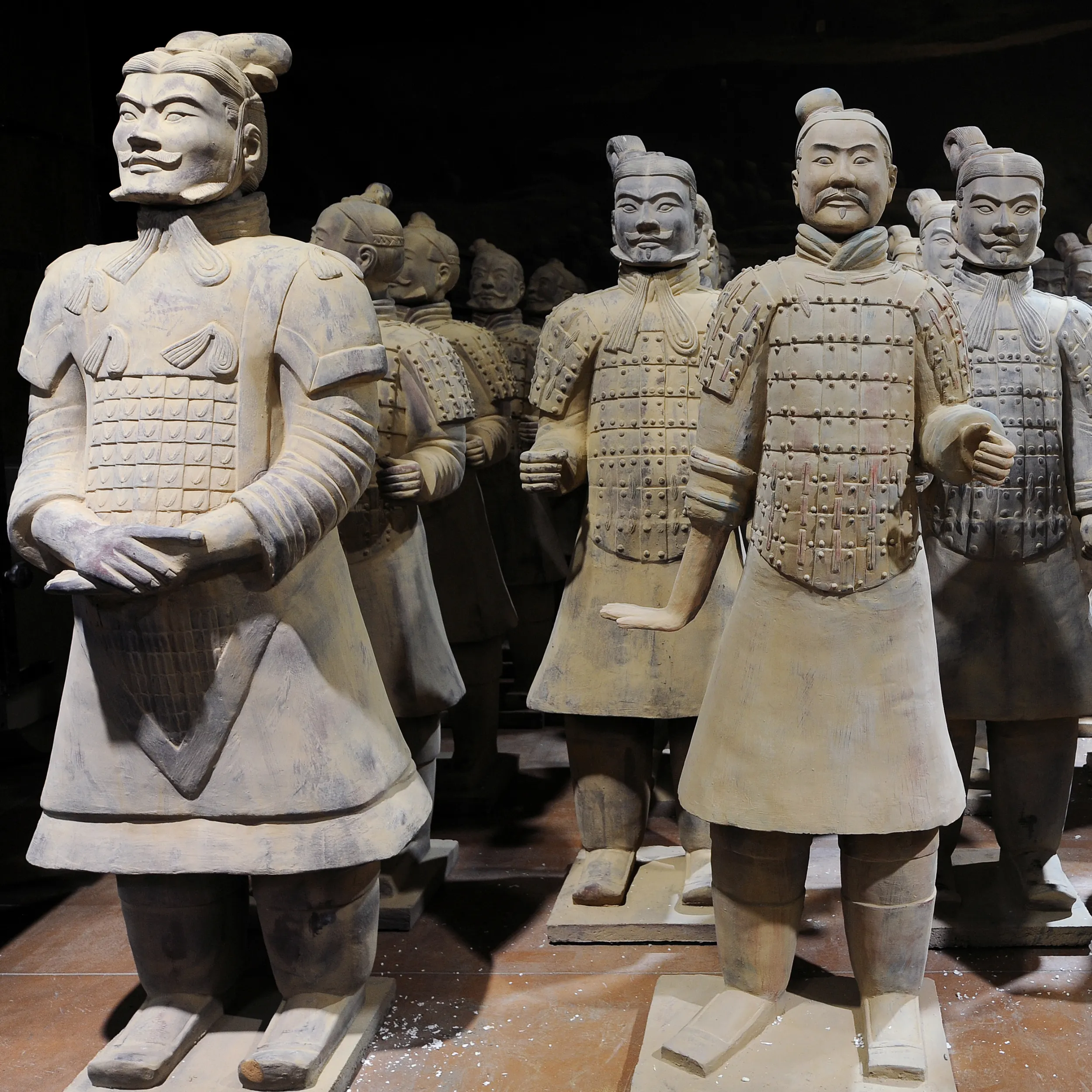
The Terracotta Warriors
In 1974, some farmers began digging a well. Before they struck water, they stumbled upon an amazing archaeological and artistic treasure, the terracotta army. Qin Shi Huang, the first emperor of China, wanted an army to protect him in the afterlife. Artists constructed an estimated 8,000 life-size terracotta statutes of soldiers, 400 horses, 100 chariots and about 100,000 weapons. but what good is an army to protect you if you are bored for eternity, so the burial complex also includes musicians and acrobats to entertain Qin Shi Huang. Check out my other podcasts Art Smart | Rainbow Puppy Science Lab Who ARTed is an Airwave Media Podcast. If you are interested in advertising on this or any other Airwave Media show, email: [email protected] Learn more about your ad choices. Visit megaphone.fm/adchoices
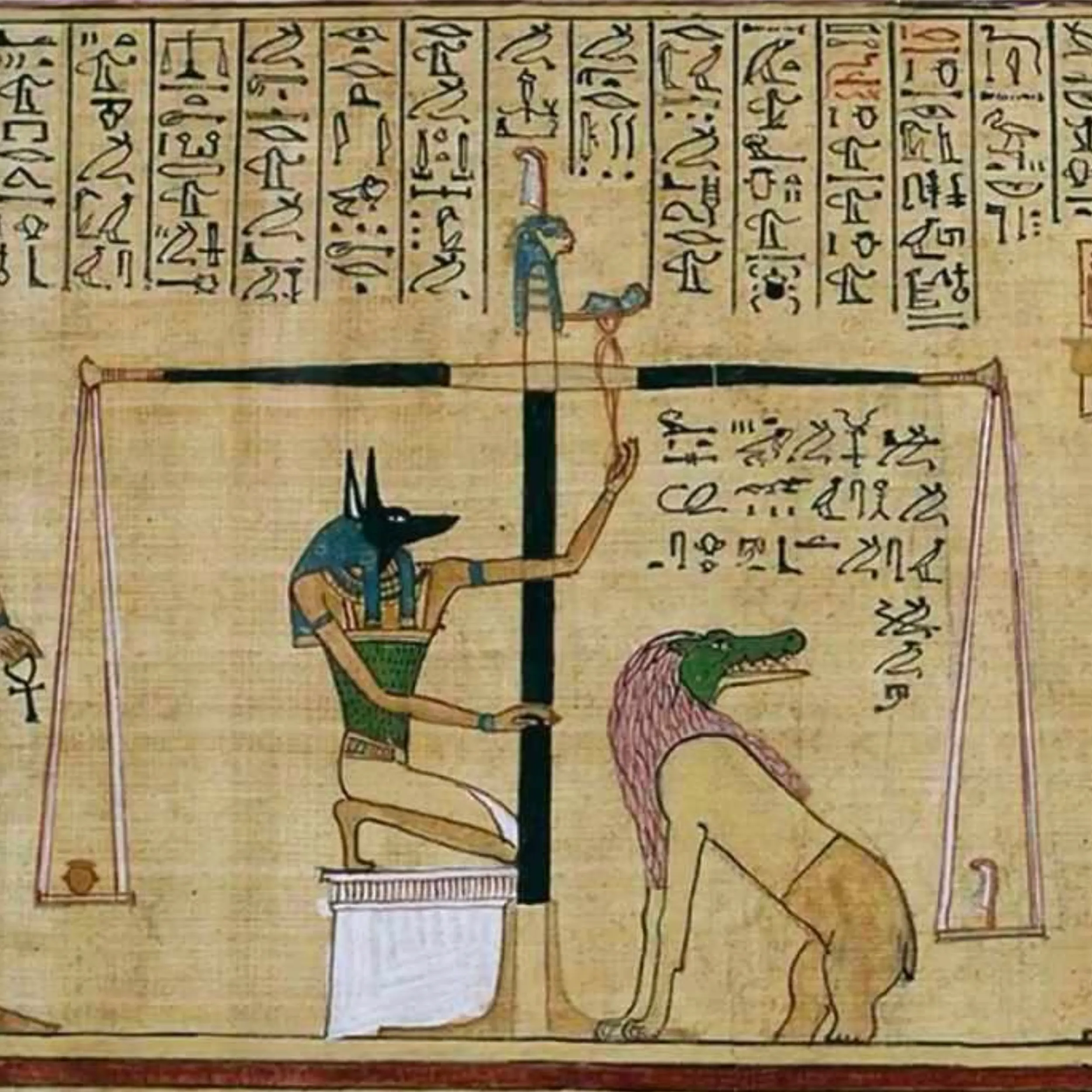
The Ancient Egyptian Book of the Dead | The Judgment of Hunefer
This mini episode is about The Book of the Dead, a collection of funerary texts from ancient Egypt. To better understand the collection as well as the culture and mythology behind these works, I looked a little bit at the page showing the judgment of Hunefer, a high-ranking scribe and priest. This is an encore presentation of my previous episode on this work. I am posting daily mini episodes to cover all 64 artworks which will be up for listeners to vote on in my annual Arts Madness Tournament starting the week of March 1. This is also one of the required works for high school students around the US taking AP Art History. Check out my other podcasts Art Smart | Rainbow Puppy Science Lab Who ARTed is an Airwave Media Podcast. If you are interested in advertising on this or any other Airwave Media show, email: [email protected] Learn more about your ad choices. Visit megaphone.fm/adchoices
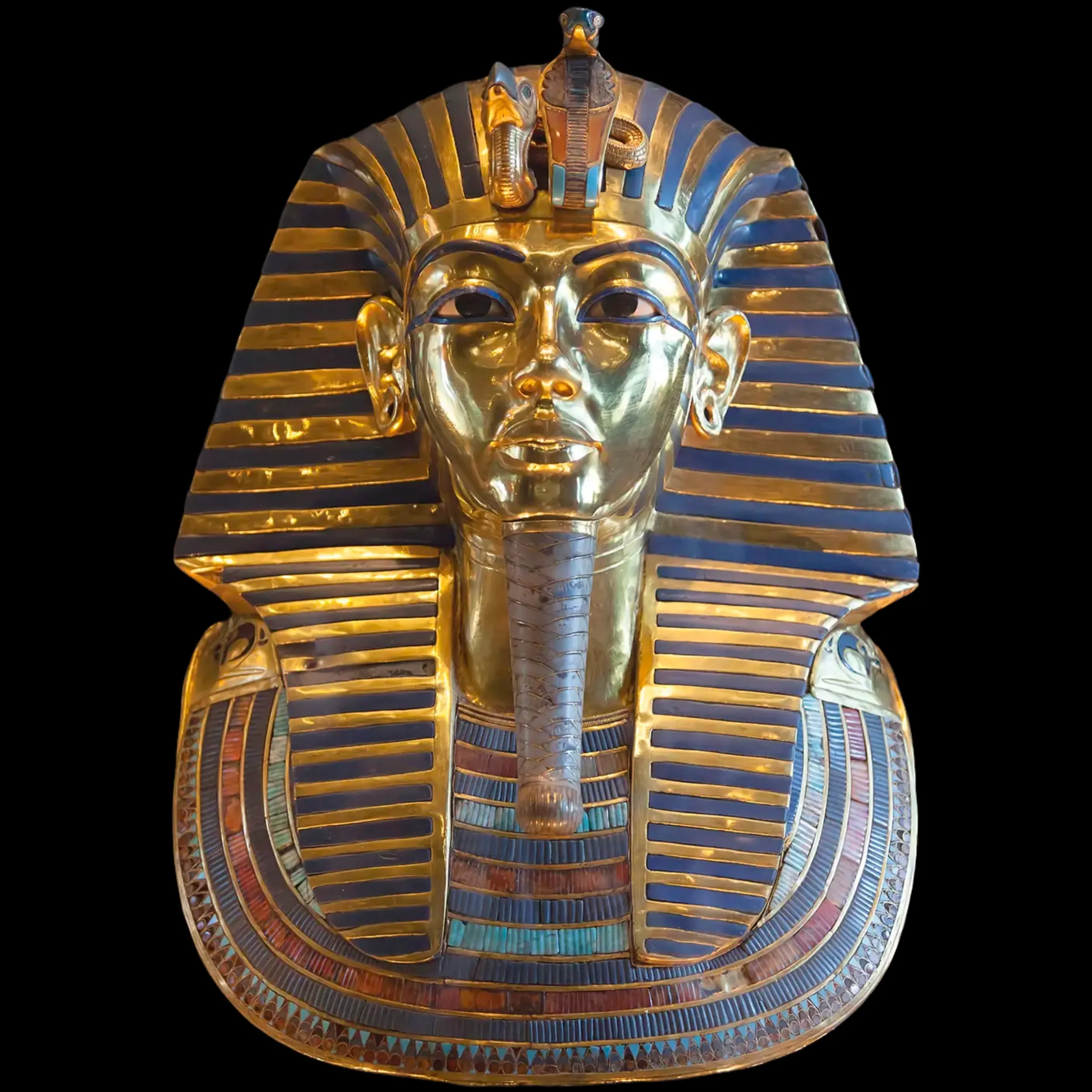
The Treasures of King Tutankhamun's Tomb
On November 26, 1922, Howard Carter prepared to enter the tomb of a little-known pharaoh. Nobody had set foot inside the space for over 3,000 years, but as Carter held up his candle, his partner, Lord Carnarvon who had financed the expedition called out asking if he saw anything. Carter responded, “Yes, wonderful things.” Though his reign may have been short, the treasures found in Tutankhamun’s tomb have given him an outsized place in the history books and popular culture. Related episodes: Art Smart | Ancient Egyptian Art Who ARTed | The Ancient Egyptian Book of the Dead Who ARTed | The Mummy's Curse Who ARTed | The Pyramids at Giza Check out my other podcasts Art Smart | Rainbow Puppy Science Lab Who ARTed is an Airwave Media Podcast. If you are interested in advertising on this or any other Airwave Media show, email: [email protected] Learn more about your ad choices. Visit megaphone.fm/adchoices

The Pyramids at Giza
Once again I will be hosting my annual Arts Madness Tournament this Spring. I will be posting daily mini-episodes covering 64 diverse artists and artworks from all around the world and from the prehistoric to the present. While many episodes in season 9 will be encore presentations of pervious episodes as a refresher for the works in the tournament, I will have at least one new episode each week covering topics that have not been covered in previous seasons. The great pyramids constructed by ancient Egyptians at Giza are the last of the seven wonders of the ancient world still remaining. These massive stone monuments have left people awestruck for thousands of years. True to the distinction as wonders of the ancient world, people have wondered and speculated about how the great pyramids were constructed pretty much as long as they have been around. While some conspiracy theorists like to talk about aliens because they cannot conceive of a world in which ancient people could figure out how to build a pile, I’m going to go out on a limb and say the pyramids were built by people. Archaeologists have found evidence of encampments around the pyramids suggesting that there was a group of skilled craftsmen permanently stationed to work while crews of around 2000 workers would be brought in seasonally. Check out my other podcasts Art Smart | Rainbow Puppy Science Lab Who ARTed is an Airwave Media Podcast. If you are interested in advertising on this or any other Airwave Media show, email: [email protected] Learn more about your ad choices. Visit megaphone.fm/adchoices
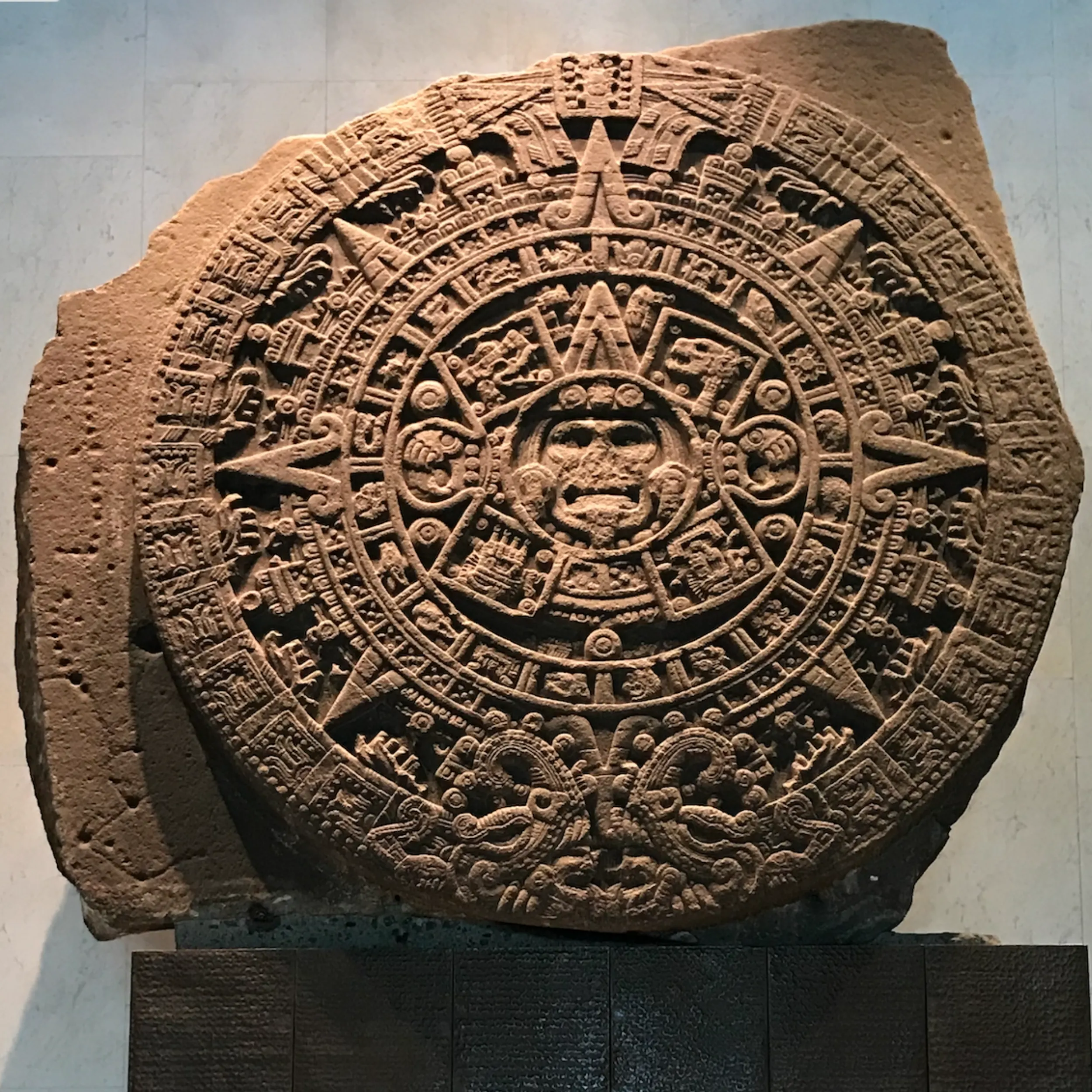
The Aztec Sun Stone or The Calendar Stone
Once again I will be hosting my annual Arts Madness Tournament this Spring. I will be posting daily mini-episodes covering 64 diverse artists and artworks from all around the world and from the prehistoric to the present. While many episodes in season 9 will be encore presentations of pervious episodes as a refresher for the works in the tournament, I will have at least one new episode each week covering topics that have not been covered in previous seasons. Today's mini episode is an econre presentation about the Aztec Sun Stone also called the Calendar Stone. Learn more about your ad choices. Visit megaphone.fm/adchoices
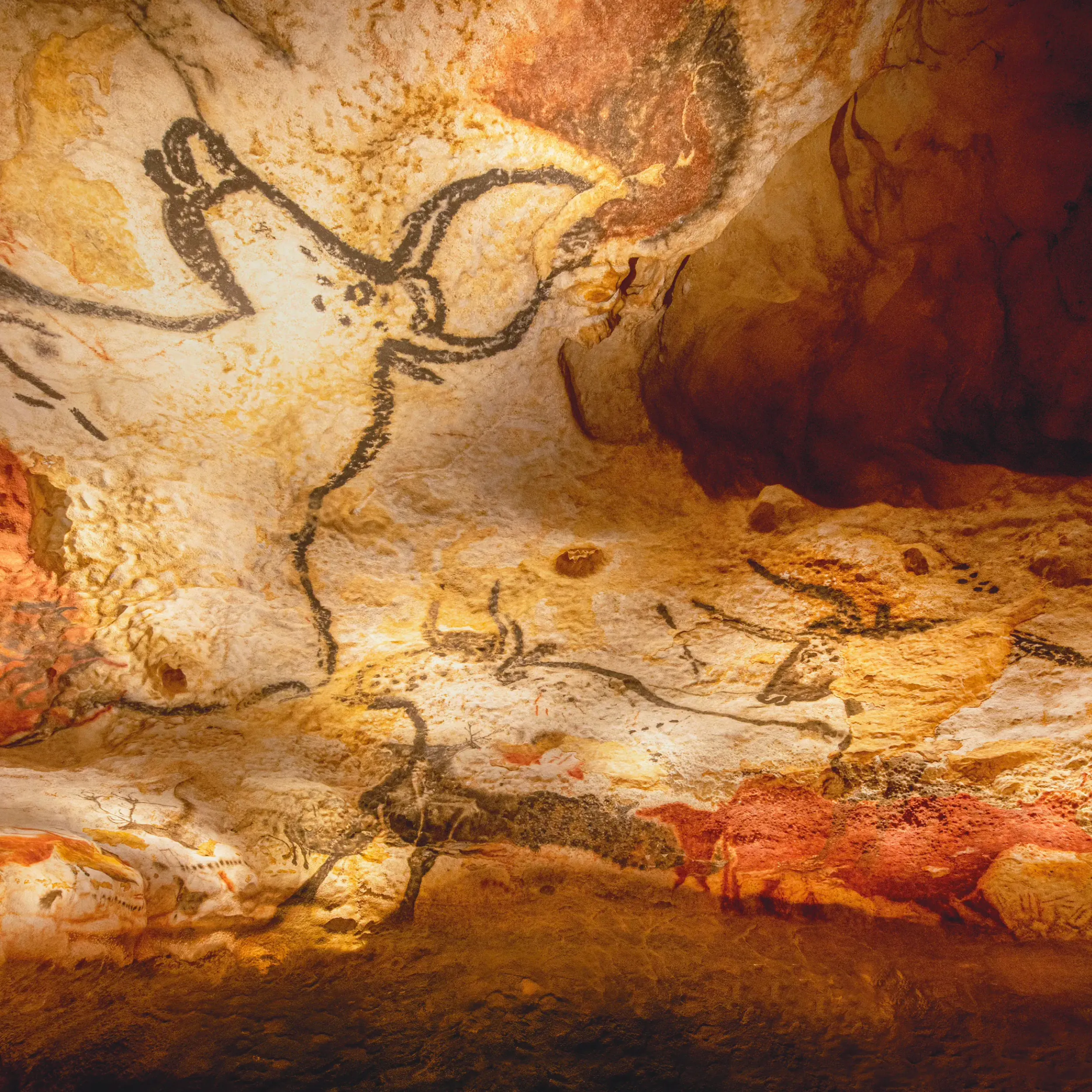
The Lascaux Cave Art
Once again I will be hosting my annual Arts Madness Tournament this Spring. I will be posting daily mini-episodes covering 64 diverse artists and artworks from all around the world and from the prehistoric to the present. While many episodes in season 9 will be encore presentations of pervious episodes as a refresher for the works in the tournament, I will have at least one new episode each week covering topics that have not been covered in previous seasons. Today's mini-episode is an encore presentation of the my episode about the artwork found painted and etched on the walls in the Lascaux Cave. It was accidentally discovered when some kids went chasing after their dog. I feel like I should also mention that they were able to safely recover the dog. Learn more about your ad choices. Visit megaphone.fm/adchoices
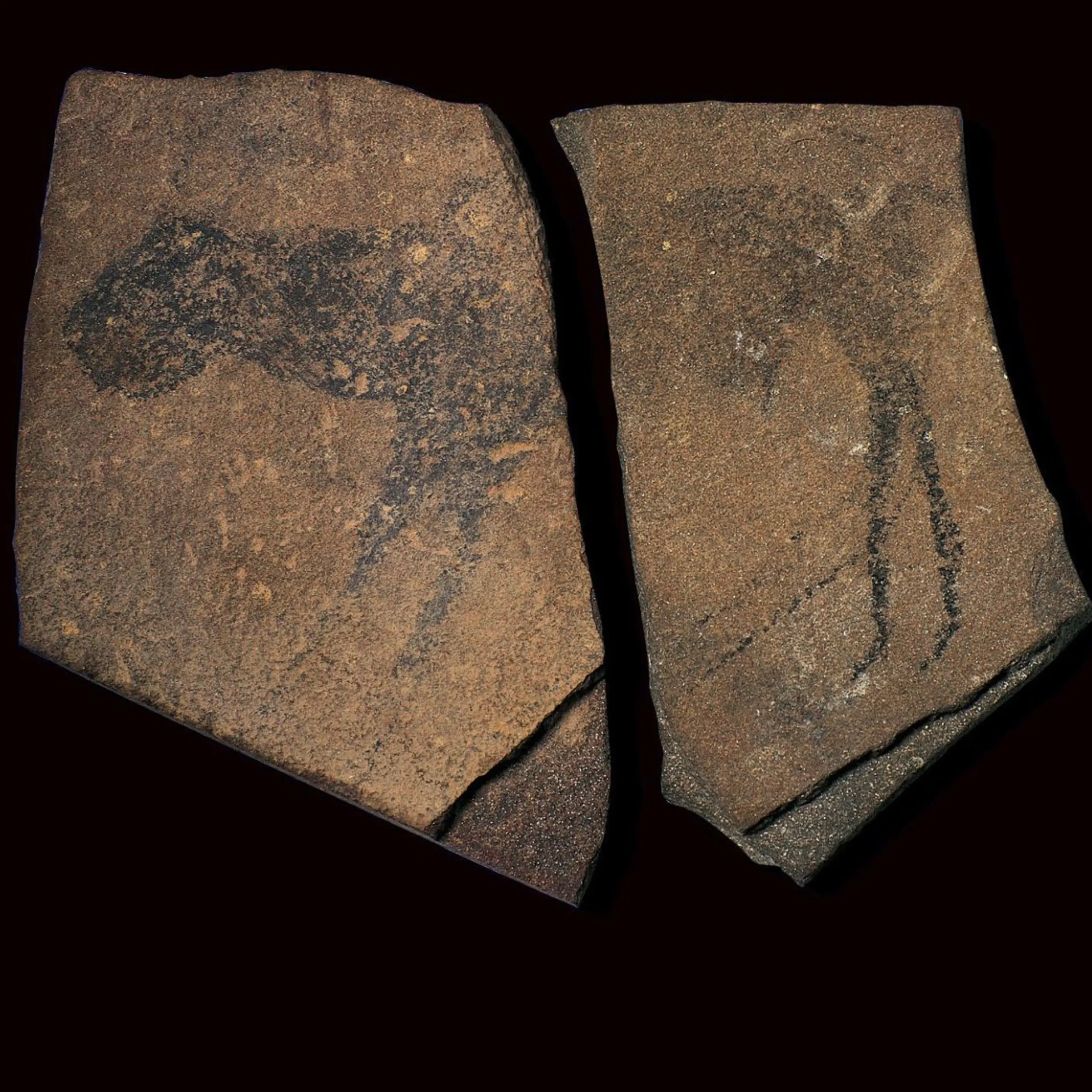
Announcing Arts Madness Tournament and the Apollo 11 Stones
This year I will once again host my annual Arts Madness Tournament in March. I will be posting daily mini-episodes on 64 different artworks over the next 64 days to help everyone get to know the different artists and artworks, then this spring listeners will vote for their favorites over 6 rounds as we go from 64 diverse artworks down to 1 ultimate winner. Today's episode is about one of the oldest works, the Apollo 11 stones. These painted stone fragments were found in a remote cave in Namibia back in 1969 just as the Apollo 11 mission landed on the moon. Check out my other podcasts Art Smart | Rainbow Puppy Science Lab Who ARTed is an Airwave Media Podcast. If you are interested in advertising on this or any other Airwave Media show, email: [email protected] Learn more about your ad choices. Visit megaphone.fm/adchoices
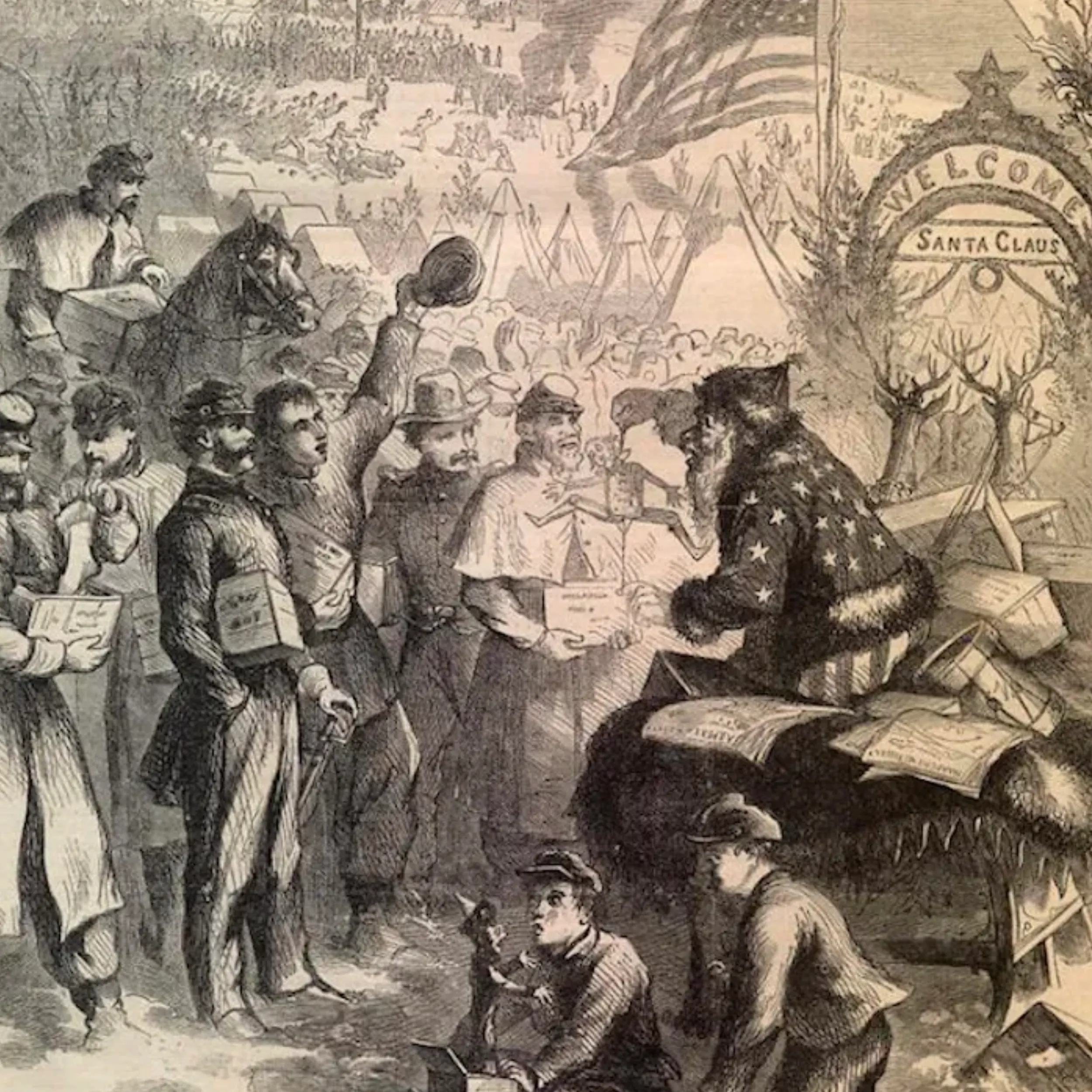
Thomas Nast the Father of the Modern Santa
In the bustling streets of 19th-century New York, amid the ink-stained presses and frenetic energy of the newsroom, Thomas Nast, a German-born American artist, rose from humble beginnings to become the preeminent political cartoonist of his time. However, it was his whimsical and heartwarming illustrations of Santa Claus that would cement his legacy as the Father of the Modern Santa. Check out my other podcasts Art Smart | Rainbow Puppy Science Lab Who ARTed is an Airwave Media Podcast. If you are interested in advertising on this or any other Airwave Media show, email: [email protected] Learn more about your ad choices. Visit megaphone.fm/adchoices

Banksy | Girl with Balloon
In 2018, Banksy's painting, Girl with Balloon went up for auction. As the gavel sounded to announce a winning bid of about $1 million, everyone in the room was stunned to see the painting begin to self-destruct. Banksy had concealed a shredder in the bottom of the gold frame. Interestingly, the shredding only increased the value of the piece. When it went up for auction again in 2021, the shredded painting sold for over $20 million. Banksy has become a polarizing figure in the art world. Some dismiss him as a petty vandal seeking publicity with cheap gimmicks and pranks. Others see him as a significant figure elevating street art with pieces that are thoughtful and subversive mixing political statements with humor to make them more palatable. Other artists referenced in this episode: Keith Haring Jean-Michel Basquiat Man Ray Pablo Picasso Vincent van Gogh Edvard Munch Check out my other podcasts Art Smart | Rainbow Puppy Science Lab Who ARTed is an Airwave Media Podcast. If you are interested in advertising on this or any other Airwave Media show, email: [email protected] Learn more about your ad choices. Visit megaphone.fm/adchoices

Keith Haring | DJ Dog
Keith Haring is one of my absolute favorite artists because he was earnest and direct in his paintings. In his works, he would reduce complicated messages to clear and catchy slogans. He used bright colors and dancing figures to make art that was fun but also sought to make the world a better place. In 1978, Haring moved to New York City to attend the School of Visual Arts, where he studied painting along with semiotics. He also experimented with video and performance. Focus on performance made him more conscious of movement in his painting. He said he moved to NY because he wanted intensity in his life and in his art. He was inspired by hip-hop and the club scene where all kinds of people would come together to dance and have a good time. At his gallery openings, he would often have a DJ bringing the energy and movement to a venue not typically known for that vibe, and even after his work sold in prestigious galleries around the world, he continued to make chalk drawings on subway platforms and selling affordable prints in the Pop Shop because he firmly believed that art is for everybody. My guest this week is Tim Bogatz host of Art Ed Radio from The Art of Education University. Here are his links: Art Ed Radio: https://theartofeducation.edu/podcasts/behind-the-scenes-of-the-art-room-makeover-ep-399/ The Art of Education University: https://theartofeducation.edu/ AOEU Youtube: https://www.youtube.com/playlist?list=PLjHIXlDbceMVJwfuHLJ0QISPKtSJO_ACZ Related episodes: Felix Gonzalez-Torres Klaus Nomi Check out my other podcasts Art Smart | Rainbow Puppy Science Lab Who ARTed is an Airwave Media Podcast. If you are interested in advertising on this or any other Airwave Media show, email: [email protected] Learn more about your ad choices. Visit megaphone.fm/adchoices

Polykleitos | Doryphoros
Around 450 BCE as Polykleitos walked the dusty streets of Argos, art and philosophy intertwined. The Greeks of the classical era produced works that artists and scholars still admire today. Polykleitos, however, sought more than admiration; he pursued perfection. It was an obsession that would echo through the ages. Unfortunately, all that’s left of Polykleitos and his life’s work are echoes, the Roman marble copies of his sculptures remain long after Polykleitos’s original bronze works were melted down. Doryphoros meaning "spear bearer" was among Polykleitos's most celebrated works showing an idealized figure according to the proportions of his canon. This is one of the 250 artworks on the AP Art History list. For those teachers and students who may be interested, I have created a Spotify playlist of episodes covering content from the AP Art History list. AP Art History Cram Session playlist Check out my other podcasts Art Smart | Rainbow Puppy Science Lab Who ARTed is an Airwave Media Podcast. If you are interested in advertising on this or any other Airwave Media show, email: [email protected] Learn more about your ad choices. Visit megaphone.fm/adchoices

Gustave Caillebotte | Paris Street; Rainy Day
Many know the image of Paris Street; Rainy Day, but somehow far fewer know the artist who painted it, Gustave Caillebotte. He was born in Paris in the mid 19th century just as massive changes were happening in urban development as well as with technology and society more generally. Caillebotte inherited a fortune that allowed him to follow his passion for art without needing to worry about what would sell. He loved the new style of the Impressionists and he not only exhibited with them, he supported them by buying their works which he eventually donated to the state. Related episodes: Georges Seurat | A Sunday on la Gran Jatte Berthe Morisot | The Cradle Henri de Toulouse Lautrec | At the Moulin Rouge Pierre-Auguste Renoir | The Luncheon of the Boating Party Claude Monet | The Gare Saint-Larave Check out my other podcasts Art Smart | Rainbow Puppy Science Lab Who ARTed is an Airwave Media Podcast. If you are interested in advertising on this or any other Airwave Media show, email: [email protected] Learn more about your ad choices. Visit megaphone.fm/adchoices
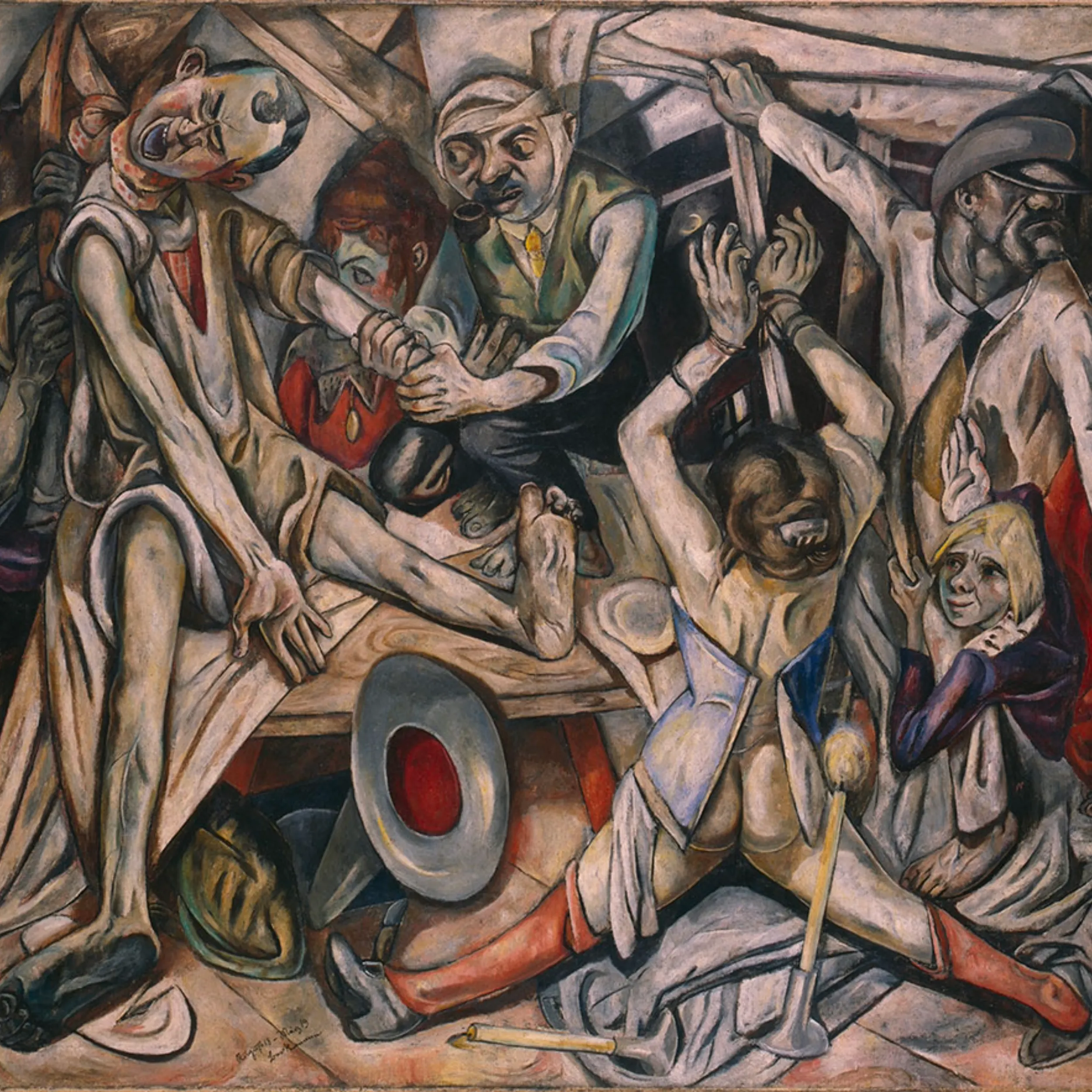
Max Beckmann | The Night
Max Beckmann was a German painter born on February 12, 1884. While he is often associated with the expressionist movement, he actually rejected that label. He was a part of the New Objectivity movement which shared some similarities with expressionists, but while the expressionists sought to portray their inner self for the world to see, the new objectivity movement was outward looking holding a mirror up to the world expressing the state of society as the artist saw it. In his painting The Night from 1918-1919, Beckmann shows the horrors of war and the devastation at home. Check out my other podcasts Art Smart | Rainbow Puppy Science Lab Who ARTed is an Airwave Media Podcast. If you are interested in advertising on this or any other Airwave Media show, email: [email protected] Learn more about your ad choices. Visit megaphone.fm/adchoices
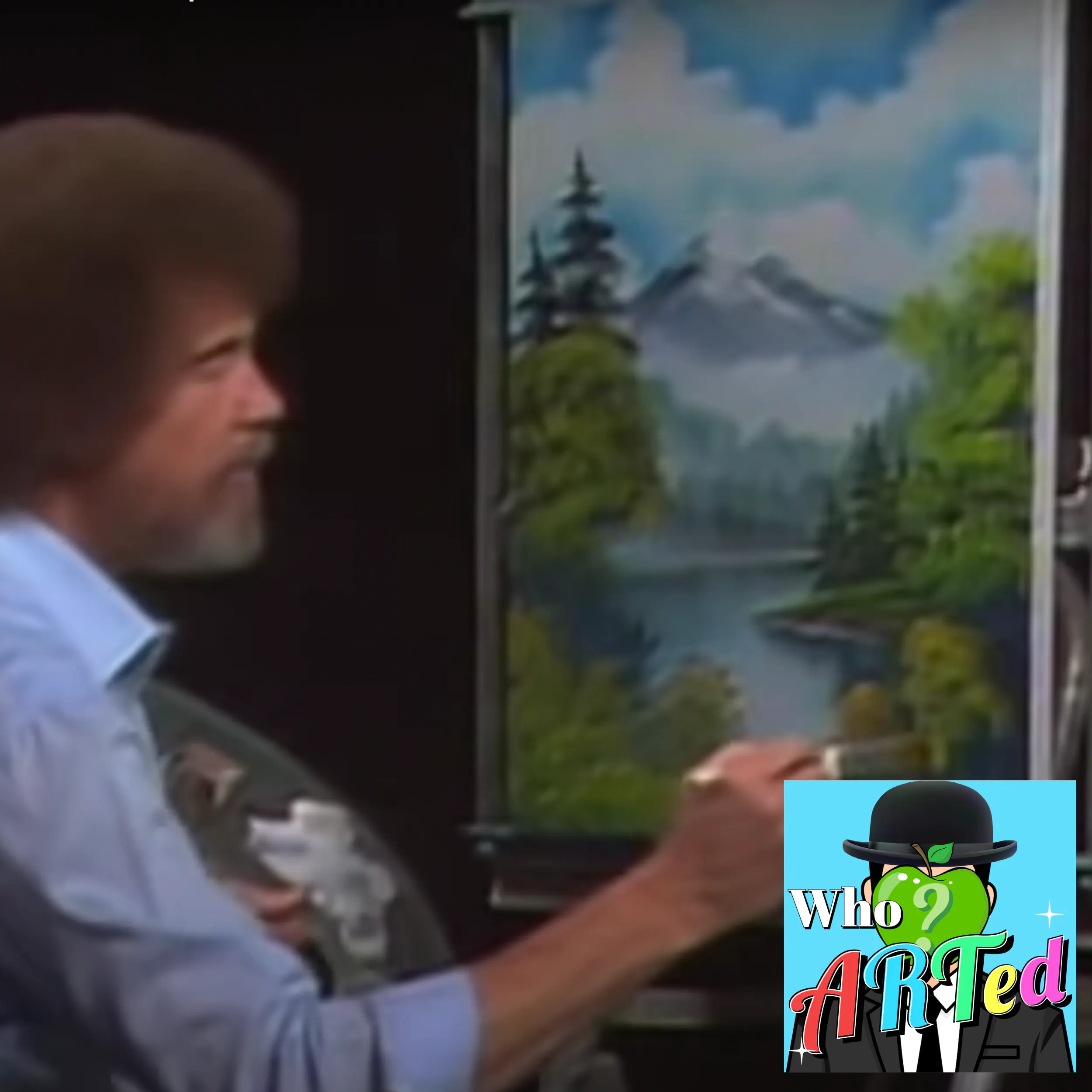
Bob Ross | Mystic Mountain
Bob Ross served in the United States military for 20 years before he became America's favorite painter of "happy little trees." This week, my guest Tom DesLongchamp joined me to talk about Bob Ross, his art and the joy of painting. Find more info about Tom DesLongchamp and his work at the links below. Tom's website | https://www.tomdeslongchamp.com/ Buy Tom's book | https://www.tomdeslongchamp.com/nowheretonow Instagram | https://www.instagram.com/tomthinks/ Twitch | https://www.twitch.tv/tomthinks Check out my other podcasts Art Smart | Rainbow Puppy Science Lab Who ARTed is an Airwave Media Podcast. If you are interested in advertising on this or any other Airwave Media show, email: [email protected] Learn more about your ad choices. Visit megaphone.fm/adchoices
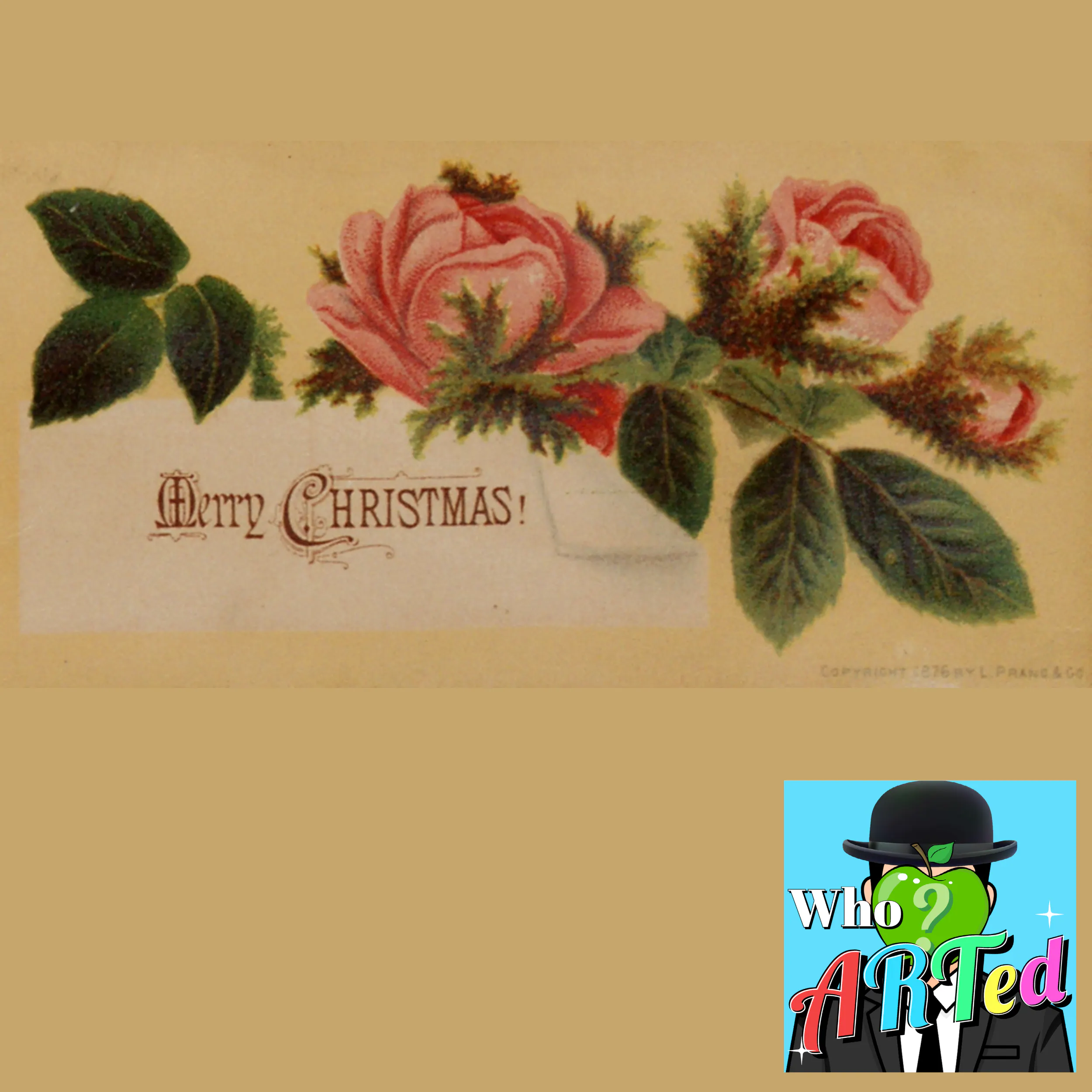
Louis Prang | Father of the American Christmas Card
Louis Prang not only started the company that makes some of my favorite art classroom supplies, he created the artist's color wheel and introduced Christmas cards to America. Prang was in the lithography business. He had learned to produce high quality full color lithographs at a time when most printers would make black and white prints then add color by hand if needed. He found success printing cards and maps during the American Civil War. He also made prints of great works of art by painters including Winslow Homer, but his biggest hit came in 1875 as Prang found himself at the forefront of a new and heartwarming tradition—the Christmas card. Check out my other podcasts Art Smart | Rainbow Puppy Science Lab Who ARTed is an Airwave Media Podcast. If you are interested in advertising on this or any other Airwave Media show, email: [email protected] Learn more about your ad choices. Visit megaphone.fm/adchoices

Tom DesLongchamp | Portrait of Don
Tom DesLongchamp is an incredible multidisciplinary artist, but it is his marker drawings that caught my attention. Tom has long felt the drive to create and he creates a new artwork in some form every day. Years ago, he began creating a series of daily portraits of his friend, Mike. After creating daily sketches for a while, he wanted to add color. He looked around his office and found a simple Crayola marker on the floor. He began using his fingertips as stamps to apply the ink in a way that gave the drawings texture and value. Find more info about Tom DesLongchamp and his work at the links below. Tom's website | https://www.tomdeslongchamp.com/ Buy Tom's book | https://www.tomdeslongchamp.com/nowheretonow Instagram | https://www.instagram.com/tomthinks/ Twitch | https://www.twitch.tv/tomthinks Learn more about your ad choices. Visit megaphone.fm/adchoices
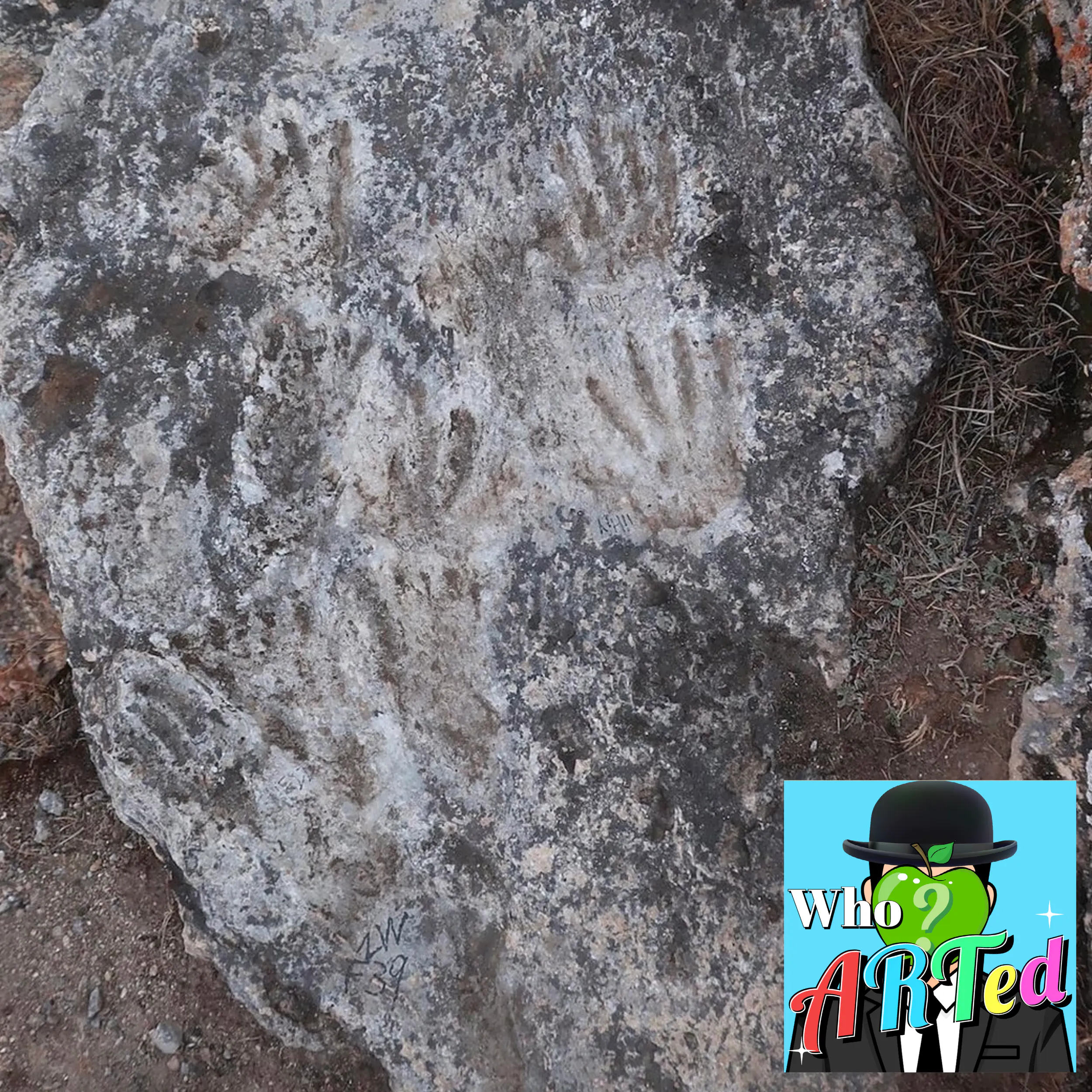
The World's Oldest Artwork? (encore)
Scientists have discovered some fossilized impressions of hand and footprints they estimate to be well over 100,000 years old. They also believe that these hand and footprints were pressed into the ground deliberately to form a design making it possibly the oldest known work of art. Check out my other podcasts Art Smart | Rainbow Puppy Science Lab Who ARTed is an Airwave Media Podcast. If you are interested in advertising on this or any other Airwave Media show, email: [email protected] Learn more about your ad choices. Visit megaphone.fm/adchoices

Man Ray | Ingres's Violin
Man Ray was a pioneer of cameraless photography. His signature technique was the "Rayograph" created by placing objects directly onto light-sensitive paper often manipulating them during exposure. Of course, that was not his only trick. Man Ray experimented with solarisation and in his piece Ingres's Violin, he painted on a photograph, then took another picture of the manipulated image. For this episode, my guests were Mark Small and Jack Shoulder, the writers of a new book Museum Bums: A Cheeky Loot at Butts in Art. They are also behind the wildly popular Museum Bums Instagram account. Show them some support: Instagram: https://www.instagram.com/museumbums/?hl=en Book: https://a.co/d/fDvMMBb Calendar: https://a.co/d/gWl0QPG Cards: https://a.co/d/4fd1EaJ Check out my other podcasts Art Smart | Rainbow Puppy Science Lab Who ARTed is an Airwave Media Podcast. If you are interested in advertising on this or any other Airwave Media show, email: [email protected] Learn more about your ad choices. Visit megaphone.fm/adchoices
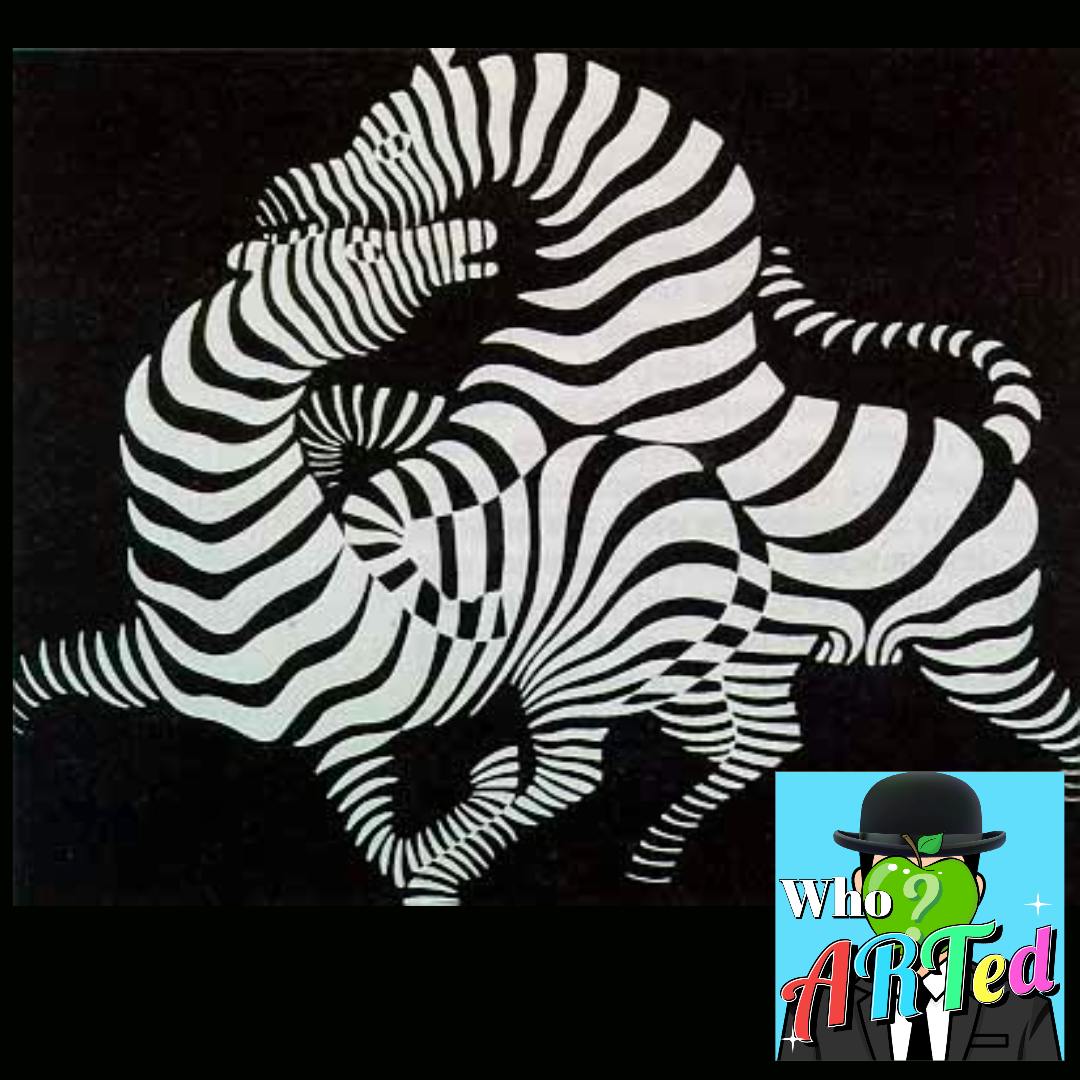
Victor Vasarely and Op Art
Victor Vasarely was a Hungarian-French artist known for his innovative style and contributions to the Op Art movement. One of Vasarely's most famous works is "Zebra," created in 1937. This painting showcases his ability to create optical illusions through the use of black and white stripes. When viewed from a distance, the stripes appear to vibrate and create a sense of movement. This technique, known as the "Vasarely effect," became a hallmark of his style. The Zebra painting is considered to be the first Op Art painting. Check out my other podcasts Art Smart | Rainbow Puppy Science Lab Who ARTed is an Airwave Media Podcast. If you are interested in advertising on this or any other Airwave Media show, email: [email protected] Learn more about your ad choices. Visit megaphone.fm/adchoices
Introducing: The Art of Crime
As a podcast listener, a few topics I enjoy are obviously art and history, but I also like true crime and really anything with a compelling story. The Art of Crime hosted by Gavin Whitehead is an incredible podcast that brings all of that together. Longtime listeners have no doubt noticed my love of modernism and my fascination with how World War 2 reshaped the art world. Today I wanted to share an episode of The Art of Crime all about Otto Dix and the attempted assassination of Hitler. I don’t want to spoil anything, but despite knowing how it all would end, I found myself on the edge of my seat as Gavin described the would-be assassin carefully chipping away at brick and mortar in the stone column, timing his hammer strikes to coincide with a passing train so as not to draw any unwanted attention. That theatrical experience shows as every episode of The Art of Crime has a compelling story. Find The Art of Crime on your favorite podcast platform https://pod.link/1645426577 Who ARTed is an Airwave Media Podcast. If you are interested in advertising on this or any other Airwave Media show, email: [email protected] Learn more about your ad choices. Visit megaphone.fm/adchoices
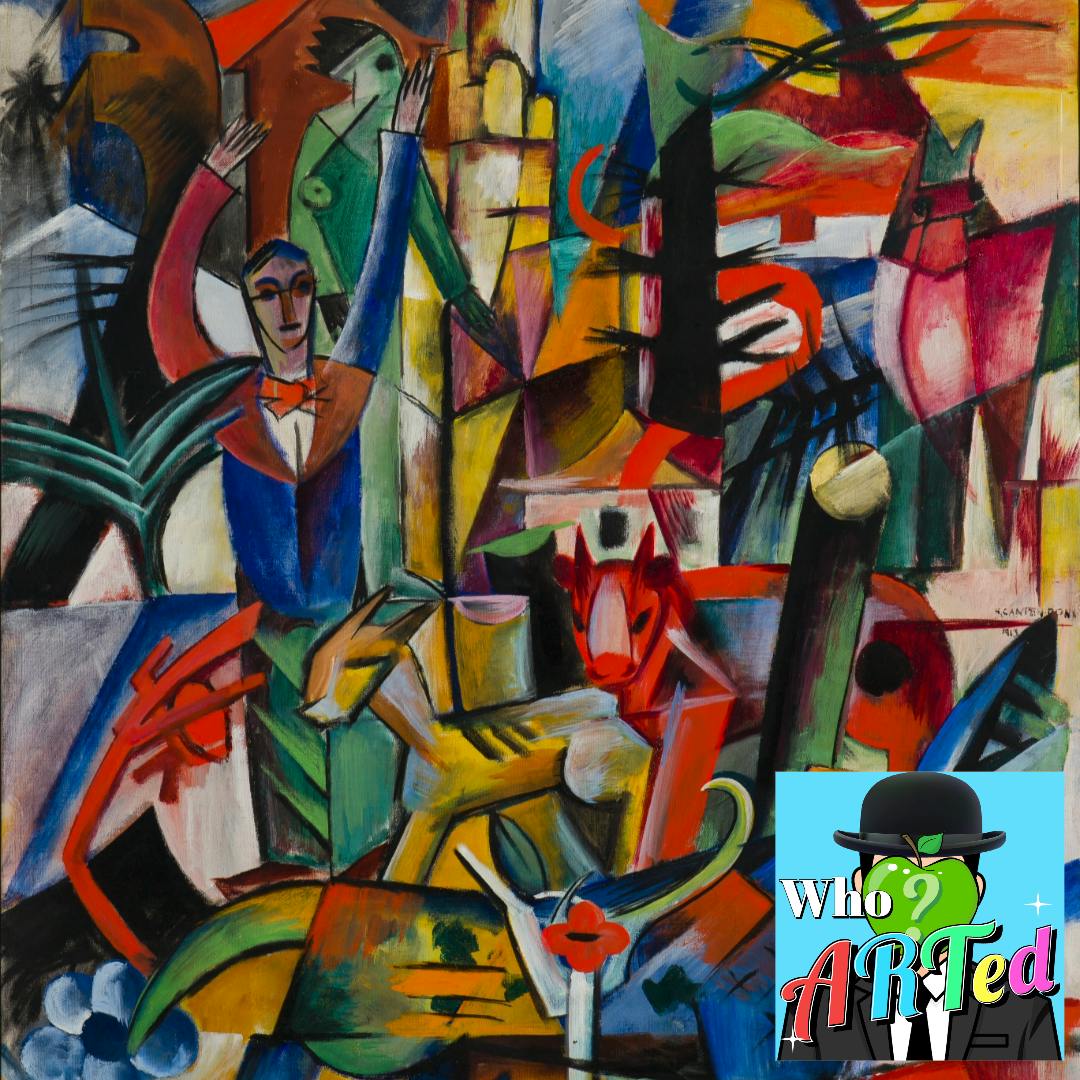
Heinrich Campendonk
Heinrich Campendonk may not be a household name, but he was a part of some of the most influential groups of 20th century modernism. He was a part of The Blue Rider Group then a teacher at The Bauhaus. A few years ago, he grabbed headlines as Wolfgang Betracchi was caught trying to forge a Campendonk painting. Related episodes: Wolfgang Beltracchi | The Art of Fraud Bauhaus Parties Wassily Kandinsky Check out my other podcast Art Smart | Rainbow Puppy Science Lab Who ARTed is an Airwave Media Podcast. If you are interested in advertising on this or any other Airwave Media show, email: [email protected] Learn more about your ad choices. Visit megaphone.fm/adchoices

Wolfgang Beltracchi - The Art of Fraud
Wolfgang Beltracchi is possibly the most artful forgers ever to have gotten into the game. While most would create a forgery by meticulously copying every line, shape and color in a known masterpiece, Beltracchi studied the artist then made his own original compositions imagining what the artist would have painted. In this episode, I talked to my fellow art teacher and art crime enthusiast, Emily Fiedler. I showed her two works, one by Beltracchi, and one by Campendonk. I labeled them painting A and painting B to see if she could tell the authentic from the forgery. Look at the works: Painting A | Painting B If you love a good forgery story, check out my previous episode on The Unbelievable Story of Han van Meegeren Check out my other podcast Art Smart | Rainbow Puppy Science Lab Who ARTed is an Airwave Media Podcast. If you are interested in advertising on this or any other Airwave Media show, email: [email protected] Learn more about your ad choices. Visit megaphone.fm/adchoices

Kawaii and Hello Kitty
Kawaii is a Japanese word translating to something like "cute" or "adorable" but it is much more than that. While kawaii figures tug at the heartstrings with their big eyes and baby-like proportions making them seem helpless and vulnerable, kawaii can also represent a rebellious spirit. Check out my other podcast Art Smart | Rainbow Puppy Science Lab Who ARTed is an Airwave Media Podcast. If you are interested in advertising on this or any other Airwave Media show, email: [email protected] Learn more about your ad choices. Visit megaphone.fm/adchoices
4th Anniversary Fun Factstravaganza
It has been four years of exploring visual art in an audio medium. To mark the anniversary, I thought it would be nice to have a few of my podcast buddies like Tony Kresl, Tim Bogatz (host of Art Ed Radio from The Art of Education University) and Matthew Bliss (podcast host, editor and consultant) join me to share a few fun facts and interesting stories from art history. In this episode, we covered a bit about Leonardo da Vinci and The Mona Lisa, Salvador Dali, Wassily Kandinsky, Hilma af Klint, Jackson Pollock, and many more. Links to some of my podcast friends: The Art Explora Academy Airwave Media Art Ed Radio Matthew Bliss Learn more about some of the stories referenced in this episode: The Mona Lisa Vanishes (buy the book) Wassily Kandinsky Salvador Dali Christo and Jeanne-Claude Jackson Pollock Janet Sobel Jens Haaning The Scream Hilma af Klint Who ARTed is an Airwave Media Podcast. If you are interested in advertising on this or any other Airwave Media show, email: [email protected] Learn more about your ad choices. Visit megaphone.fm/adchoices
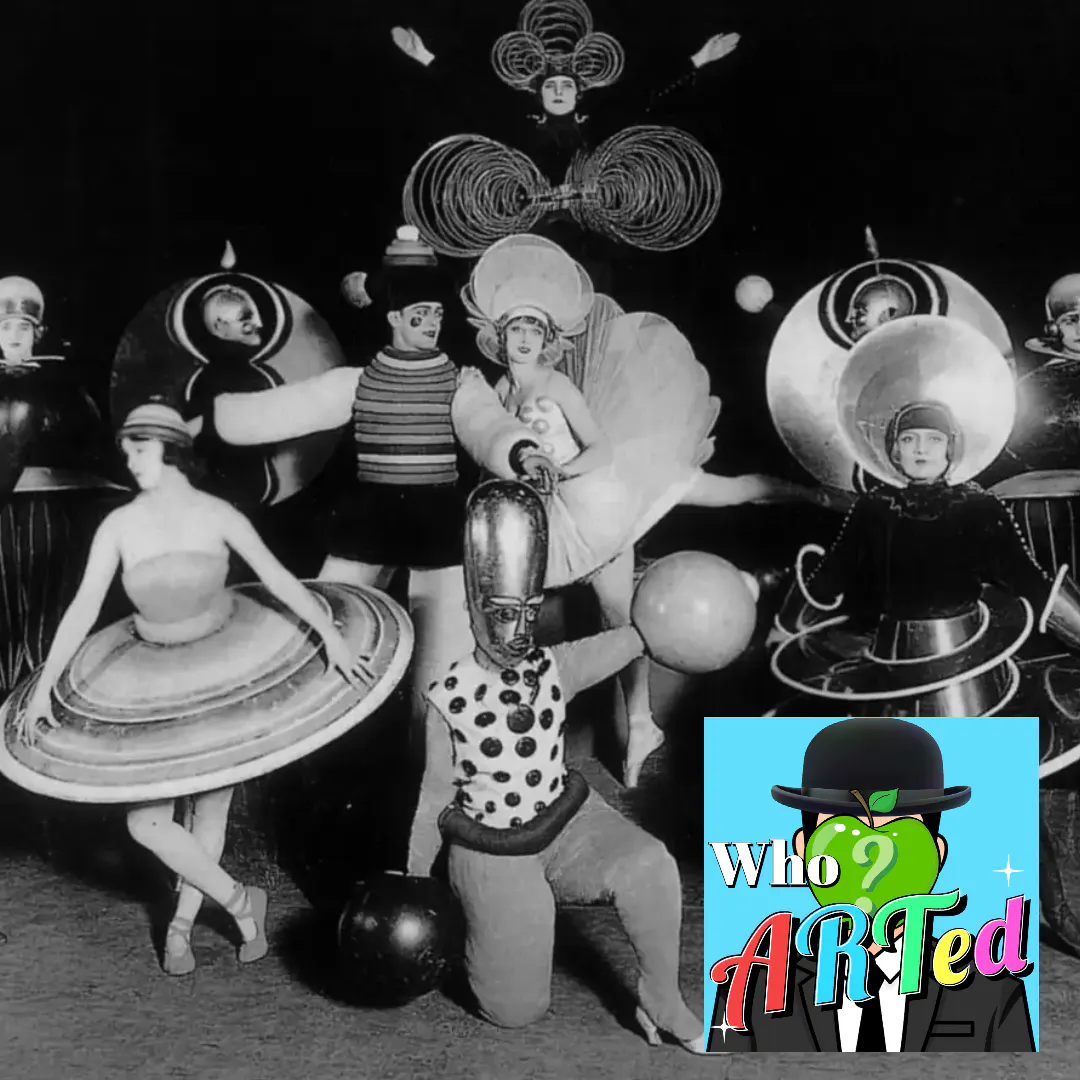
Bauhaus Parties
The Bauhaus was a small but enormously influential art school in the 1930s. It was known for producing architecture and industrial design with clean lines, simple shapes and an emphasis on function. Still, when they weren't working on practical designs for functional art, they had wild, elaborate costume parties. Learn a bit about the Bauhaus. In a previous episode, I covered a bit more about Wassily Kandinsky, the influential abstract painter. Listen on Spotify Check out my other podcast Art Smart | Rainbow Puppy Science Lab Who ARTed is an Airwave Media Podcast. If you are interested in advertising on this or any other Airwave Media show, email: [email protected] Learn more about your ad choices. Visit megaphone.fm/adchoices
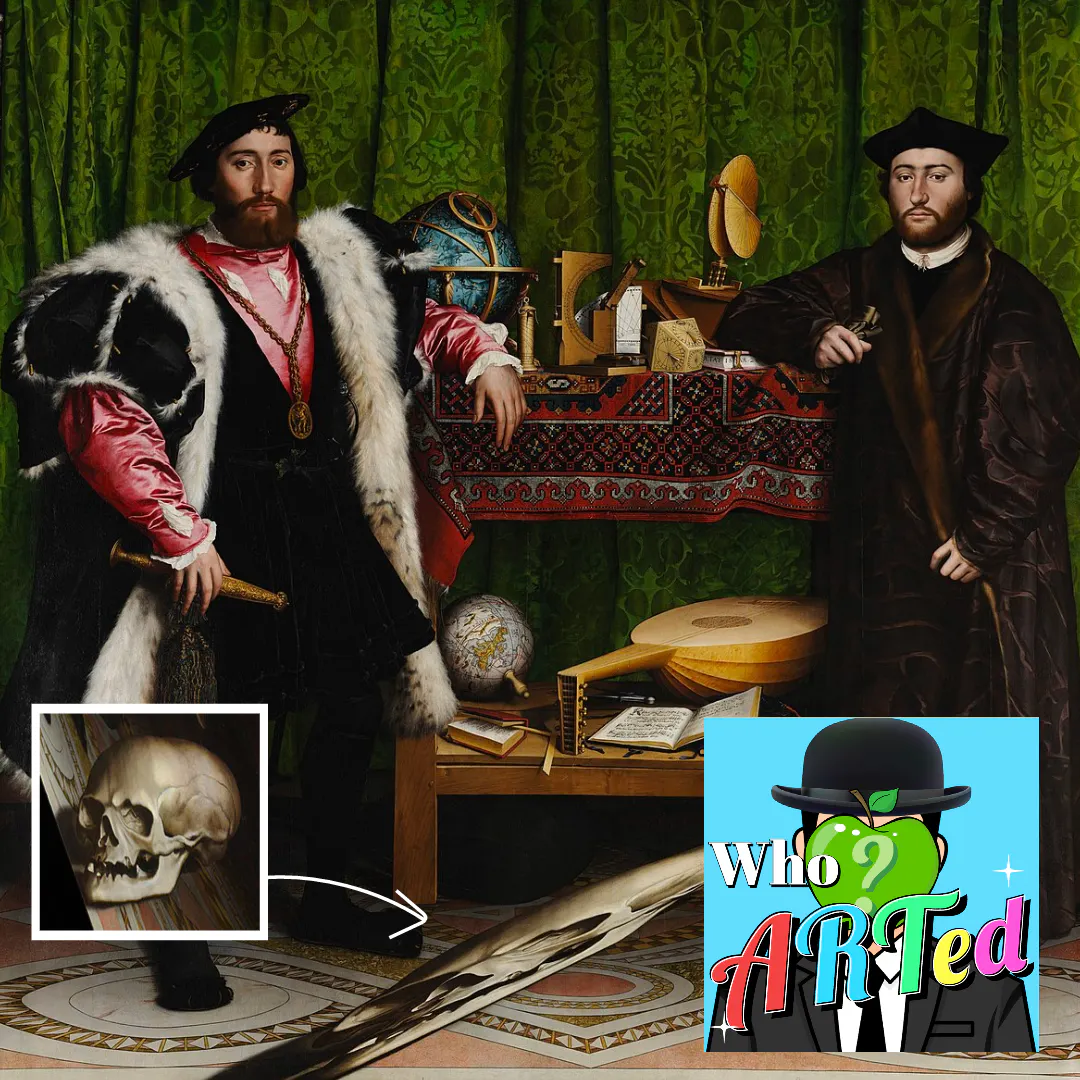
Hans Holbein the Younger | The Ambassadors
Hans Holbein the Younger painted The Ambassadors in 1533. It is a massive, life sized double portrait filled with symbolism that gives us insights into the political and religious upheaval of the day. Still today, it is probably best known for the anamorphic skull cutting across the floor in the composition. In the Ambassadors, Holbein presents the symbol of mortality as a specter that looms ever present though sometimes difficult to make sense of. It can feel like an odd intrusion disrupting a picture carefully and beautifully constructed but if we shift our view a little we can see that nothing lasts forever. Life and the world are constantly changing but there can be a beauty in that too if we can bring ourselves to look at it from the right perspective. Check out my other podcast Art Smart | Rainbow Puppy Science Lab Who ARTed is an Airwave Media Podcast. If you are interested in advertising on this or any other Airwave Media show, email: [email protected] Learn more about your ad choices. Visit megaphone.fm/adchoices

Sugar Skulls
Sugar skulls have been a popular decoration for Day of the Dead celebrations for hundreds of years now. Dia de los Muertos or Day of the Dead is a combination of Catholic traditions and indigenous Aztec customs going back hundreds of years. Check out my other podcast Art Smart | Rainbow Puppy Science Lab Who ARTed is an Airwave Media Podcast. If you are interested in advertising on this or any other Airwave Media show, email: [email protected] Learn more about your ad choices. Visit megaphone.fm/adchoices

Spirit Photography | Some Spooky Fun Historic Hoaxes
William Mulmer was born in 1832. For historical context, the oldest known Daguerrotype is from 1837, so Mulmer was born right around the same time as photography, and he loved the new medium, but started off as a hobbyist. Mulmer worked as a jewelry engraver, but in his spare time, he liked taking photographs of his family and friends. In 1860 though, he took a selfie that would change the course of his life. In his self portrait, he noticed something strange. There appeared to be a ghost behind him. It just so happened that his wife was a healing medium who would help people make contact with the spirits of dead loved ones. The spiritualist movement was quite popular in the late 19th century and William Mulmer had found a way to use the latest scientific technology to photograph spirits providing dramatic and compelling images as evidence to validate the seances. Learn more about early photography with these episodes of Who ARTed: The World's First Photobomb Louis Daguerre The Artist's Studio Check out my other podcast Art Smart | Rainbow Puppy Science Lab Who ARTed is an Airwave Media Podcast. If you are interested in advertising on this or any other Airwave Media show, email: [email protected] Learn more about your ad choices. Visit megaphone.fm/adchoices
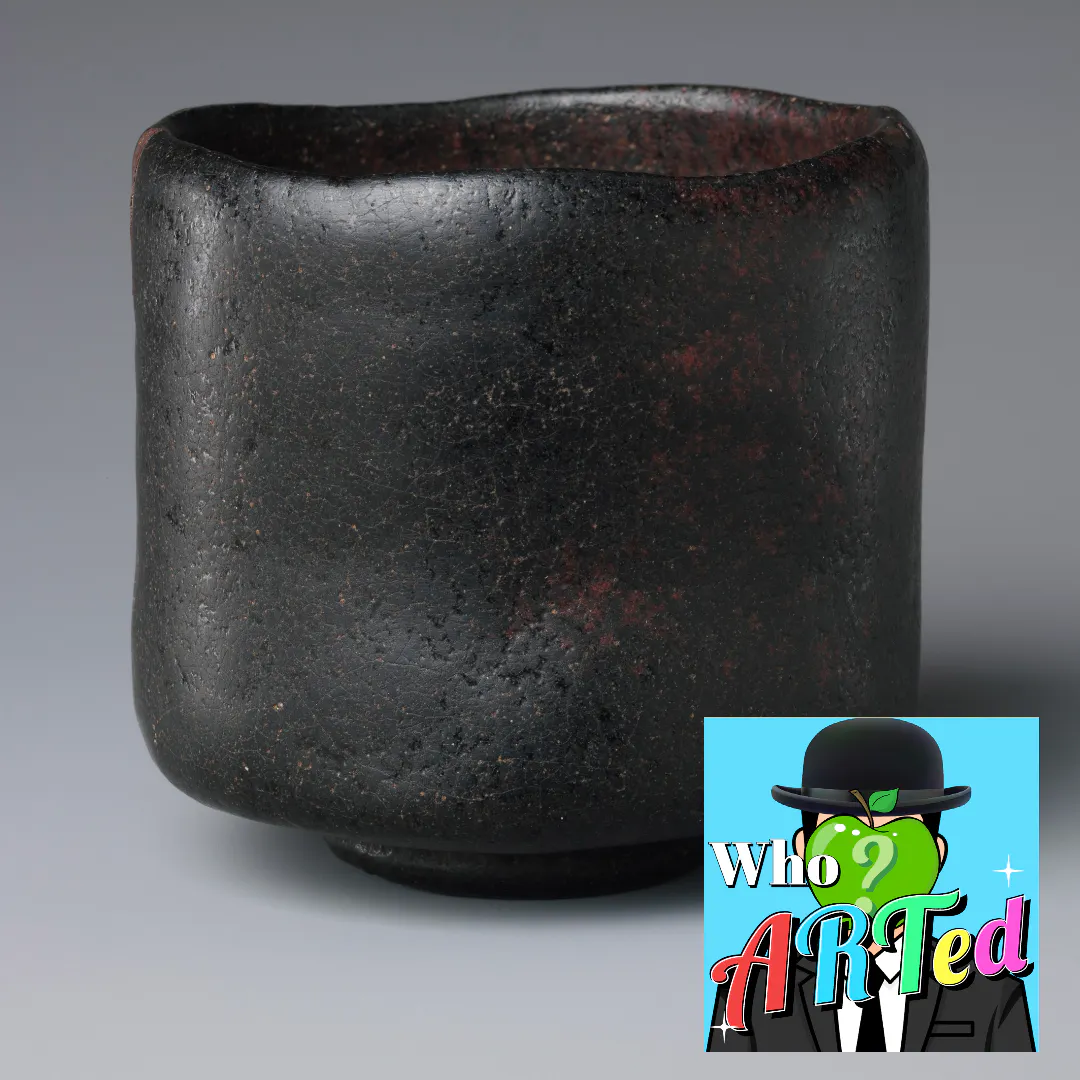
Raku
Raku bowls are humble. They are hand formed starting from a flat, circular base and coils built up around the sides. The process results in each piece being unique with evidence of the artist’s hand in the creative process. Check out my other podcast Art Smart | Rainbow Puppy Science Lab Who ARTed is an Airwave Media Podcast. If you are interested in advertising on this or any other Airwave Media show, email: [email protected] Learn more about your ad choices. Visit megaphone.fm/adchoices
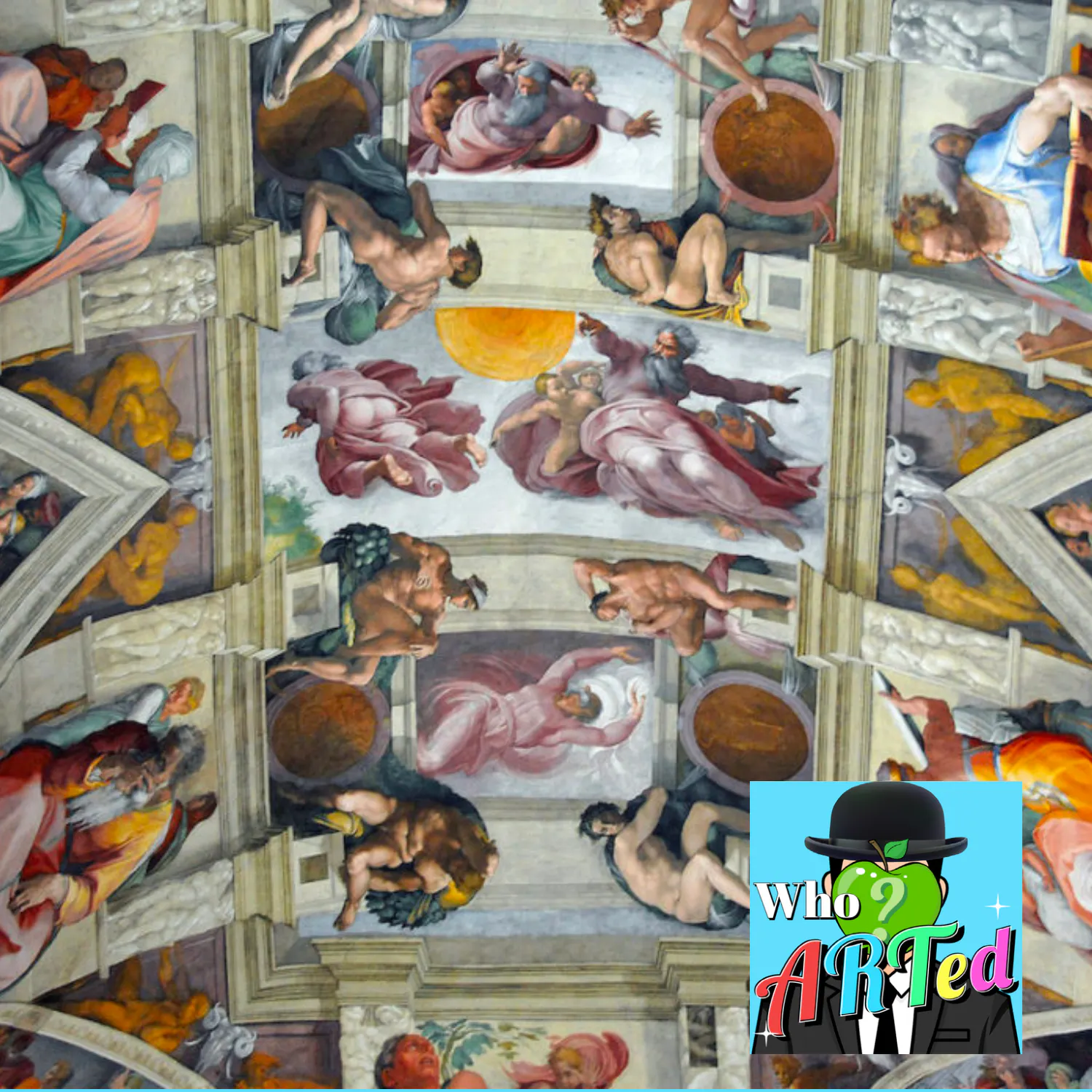
Michelangelo | The Sistine Chapel Ceiling (encore)
This episode gives a brief overview of the life of Michelangelo, one of the greatest artists of the Italian Renaissance, and one of his most famous works, the fresco on the Sistine Chapel's ceiling. I was joined once again, by my good friend, Chuck Hoff who teaches art at the middle school my students feed into. When he first commissioned the painting for the ceiling of The Sistine Chapel, Pope Julius II just wanted Michelangelo to paint the 12 apostles on the pendentives (a triangular architectural feature). Michelangelo was hesitant to take the job because he considered himself more of a sculptor than a painter. Also, Pope Julius II had hired Michelangelo to design his tomb and the two of them both had tempers and fought a lot during that project. He convinced the pope to give him free rein on the project along with a payment equivalent to about $600k today. The massive work basically illustrates The Book of Genesis over around 5300 square feet (500 square meters for those using logical measuring systems). The painting depicts the creation of Adam, the fall of man, the prophets, and the genealogy of Jesus. Contrary to popular belief, he did not paint laying on his back. He stood on the scaffolding, but don’t worry he was in physical discomfort during the entirety of the 4-year job. He stood craning his neck. He actually wrote a little poem about how painful it was including a little doodle in the margin illustrating it. Check out my other podcast Art Smart | Rainbow Puppy Science Lab Who ARTed is an Airwave Media Podcast. If you are interested in advertising on this or any other Airwave Media show, email: [email protected] Learn more about your ad choices. Visit megaphone.fm/adchoices

Pencils
For today's mini episode, I thought it might be nice to change things up a little bit and cover the history of a medium rather than a specific artwork. Learn a little bit about pencils, what the numbers and letters mean, what is in the core of a pencil and how colored pencils differ from regular pencils. Check out my other podcast Art Smart | Rainbow Puppy Science Lab Who ARTed is an Airwave Media Podcast. If you are interested in advertising on this or any other Airwave Media show, email: [email protected] Learn more about your ad choices. Visit megaphone.fm/adchoices

Xu Bing | A Book from the Sky
Skipping ahead a few hundred years, the artist Xu Bing created Book from the Sky as a monumental print. It is brobably among the most ambitious, labor intensive, and useless books ever to be printed in China or anywhere else. He created 4,000 unique characters on wood blocks to print this massive "book" but while those characters look like Chinese writing, they are actually completely meaningless. A Book from the Sky is one of the required artworks for AP Art History. Check out my Spotify playlist, AP Art History Cram Session to learn about other artists and artworks from that curriculum. Check out my other podcast Art Smart | Rainbow Puppy Science Lab Who ARTed is an Airwave Media Podcast. If you are interested in advertising on this or any other Airwave Media show, email: [email protected] Learn more about your ad choices. Visit megaphone.fm/adchoices

Frank Gehry | Guggenheim Museum in Bilbao, Spain
Modernists said, “form follows function” focusing on how people will use a space, but Gehry focuses on how people will react to the space. His goal is to inspire, to make them feel. He talks about the challenge of creating feeling with inert materials. He says it is the movement that brings out a feeling. With his design in Bilbao, Spain, rather than simply designing a building to house a collection of some of the world’s most beautiful and inspiring art, Gehry made the building itself a work of art that inspires awe and wonder. The Guggenheim Bilbao is one of the required artworks for AP Art History. Check out my Spotify playlist, AP Art History Cram Session to learn about other artists and artworks from that curriculum. Check out my other podcasts Art Smart and Rainbow Puppy Science Lab Who ARTed is an Airwave Media Podcast. If you are interested in advertising on this or any other Airwave Media show, email: [email protected] Learn more about your ad choices. Visit megaphone.fm/adchoices

Arthur Boyd | Nebuchadnezzar on Fire Falling over a Waterfall (encore)
This episode is about Arthur Boyd the Australian painter known for his use of symbols from mythology to express his philosophical views. My guest this week was Matthew Bliss, a podcaster and producer. Check out his work at https://matthewbliss.net/from-my-home-to-yours Check out my other podcast Art Smart | Rainbow Puppy Science Lab Who ARTed is an Airwave Media Podcast. If you are interested in advertising on this or any other Airwave Media show, email: [email protected] Learn more about your ad choices. Visit megaphone.fm/adchoices

Diego Rivera (encore)
Today Diego Rivera is less of a household name than his wife Frida Kahlo, but in the early 20th century, he was the more established artist. Rivera was born December 8th, 1886 in Guatajaunto Mexico. As a 3 year old, he was caught drawing on the walls, but instead of getting angry, his parents chose to encourage his creativity by hanging canvas and chalkboards on the walls. He would go through a lot of canvas in his life, but ultimately I suppose it was his work directly on the walls that he would come to be remembered for. The Detroit Industry Murals consists of 27 frescos. Rivera and his assistants painted the murals in just 8 months. They worked at a grueling pace routinely putting in 15 hour days without breaks. The work was said to have been so intense that Diego Rivera lost 100 pounds during this time. Check out my other podcast Art Smart | Rainbow Puppy Science Lab Who ARTed is an Airwave Media Podcast. If you are interested in advertising on this or any other Airwave Media show, email: [email protected] Learn more about your ad choices. Visit megaphone.fm/adchoices
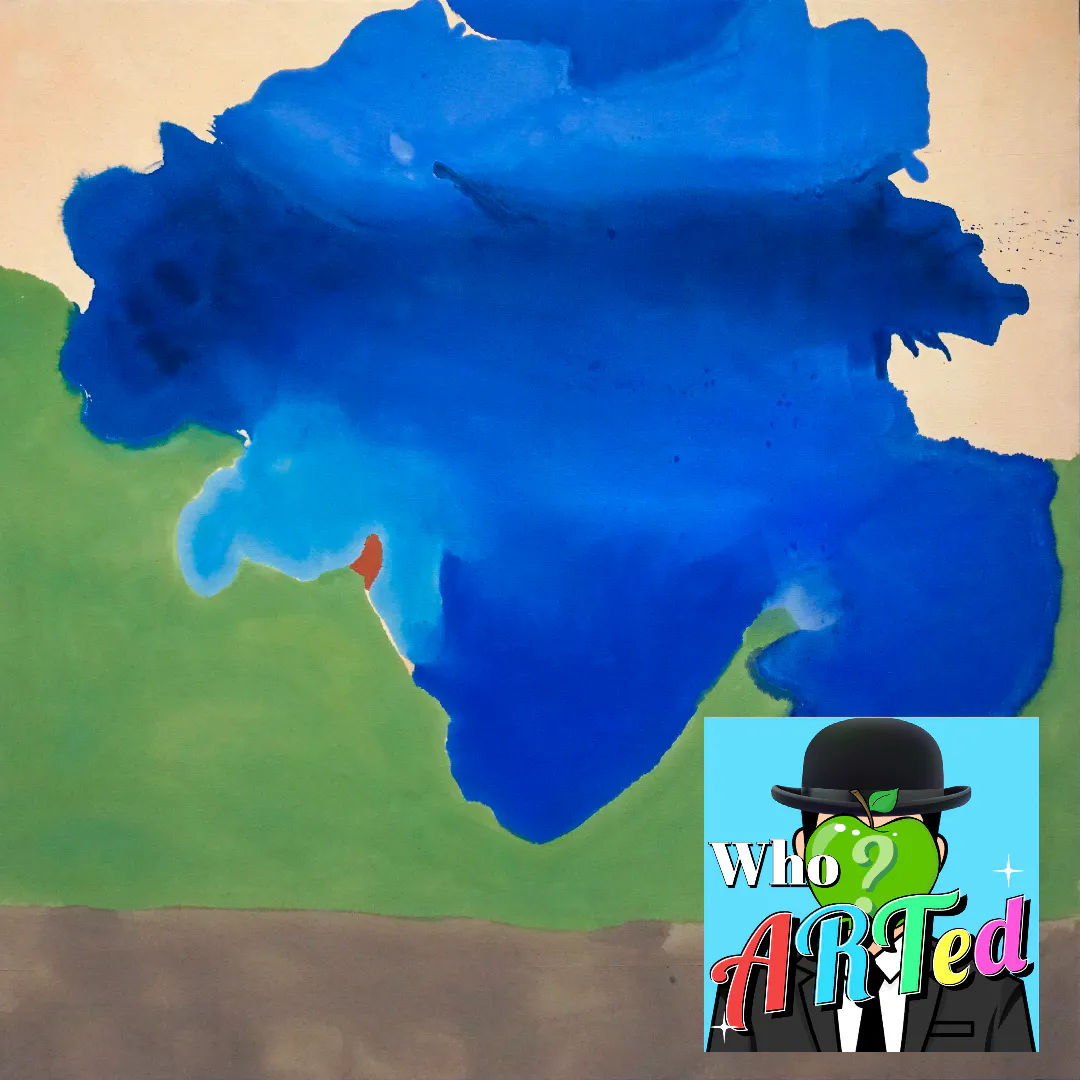
Helen Frankenthaler | The Bay
The Bay was painted in 1963 as Frankenthaler had refined her soak and stain process. While Mountains and Sea was made with diluted oil paints, The Bay is acrylic on unprimed canvas. She had found that using acrylics gave her greater control over the viscosity or how fluid the paint was. As I look at The Bay, the title indicates a landscape and the brightness, the organic shapes of blue and green give me a sense of a Bay, but it feels like it is more about a happy, contented sort of tone. There is movement, but it seems gentle like sitting out on a boat drifting in calm waters. The Bay represents a different sort of take on Abstract Expressionism. While many followed Jackson Pollock’s and Willem de Kooning’s aggressive and agsty style, Helen Frankenthaler’s color fields are more gentle and at peace. Her work was a breath of fresh air showing that painting could reduce art to fundamental elements in line with esoteric modernist philosophy and still be beautiful and joyous. Related episodes: Jackson Pollock Diego Rivera The Bay from 1963 is one of the required artworks for AP Art History. Check out my Spotify playlist, AP Art History Cram Session to learn about other artists and artworks from that curriculum. Check out my other podcasts Art Smart and Rainbow Puppy Science Lab Who ARTed is an Airwave Media Podcast. If you are interested in advertising on this or any other Airwave Media show, email: [email protected] Learn more about your ad choices. Visit megaphone.fm/adchoices
Olympic Medals in Art (Encore)
Few people know this, but Art used to be an Olympic event. Starting in the 1912 games, artists could win Olympic gold, silver and bronze medals in five categories of art. This is an encore presentation of my fun fact mini episode from season 2. Check out my other podcast Art Smart | Rainbow Puppy Science Lab Who ARTed is an Airwave Media Podcast. If you are interested in advertising on this or any other Airwave Media show, email: [email protected] Learn more about your ad choices. Visit megaphone.fm/adchoices

Maria and Julian Martinez | Black on Black Pottery
Maria Martinez belonged to the Tewa-speaking Pueblo people, known for their rich artistic heritage. Pottery-making was deeply rooted in Puebloan culture, serving as a means of artistic expression and a reflection of their close connection with the natural world. Maria grew up watching her family members create pottery, learning the traditional techniques. Of course, we seldom talk about those who simply carry on a tradition. Maria Martinez and her husband Julian revolutionized pottery production and shared their methods with their community. In doing so, they raised the profile of pottery as an art form while helping others understand and appreciate their cultural heritage. If you would like to learn more about modern clay production, check out the clay episode of my other podcast, Art Smart. Art Smart | Clay Art Smart | Glaze This is one of many episodes I have created covering artists and artworks required for AP Art History. Check out my Spotify playlist AP Art History Cram Session to learn more Who ARTed is an Airwave Media Podcast. If you are interested in advertising on this or any other Airwave Media show, email: [email protected] Learn more about your ad choices. Visit megaphone.fm/adchoices

Georges Seurat | A Sunday on La Grande Jatte (encore)
In 1894, George Seurat began going out to an idyllic little island away from the urban center of Paris. It was a place where people of various classes would relax. While the image is of people at leisure, Seurat was anything but relaxed. He was a disciplined artist on a mission to create a work that would be significant in art history. He spent years developing this work. He made dozens of preparatory sketches to work out the composition and technique. While the 1890s was the heyday for Impressionists, Seurat was part of a new breed. Some consider him a post-impressionist or neo-Impressionist. Today his technique is called pointillism, but in his day, Seurat preferred the term divisionism. He was dividing the image into discrete bits, carefully painted, uniform dots of paint like pixels that make up our digital images. While his process was careful and hand-crafted, Seurat was fascinated by science. He developed his approach after reading the works of scientists like Michel Eugene Chevreul and Ogden Rood. One of the key concepts that Seurat latched onto had to do with how color is perceived in relation to its surroundings. Seurat read about the trouble restoring tapestries because they could not simply dye to match a piece, they had to account for surrounding colors. Seurat’s idea was that by dividing the image into discrete dots of color, the painter could arrange combinations that would heighten the contrast and make the colors more vibrant. Seurat wanted to make his work even more vibrant by painting a frame of colored dots around the perimeter of his painting and that was offset by a clean white painted frame. Check out my other podcast Art Smart | Rainbow Putty Science Lab Who ARTed is an Airwave Media Podcast. If you are interested in advertising on this or any other Airwave Media show, email: [email protected] Learn more about your ad choices. Visit megaphone.fm/adchoices

Yves Klein | Leap Into the Void
This week we are looking at Yves Klein and his famous photograph, Leap Into the Void, from 1960. Klein had a short but highly influential career as he pushed the boundaries of what could be considered art. He made a symphony of a single note, used humans as paint brushes, and even patented his own color. My Guest this week is Tim Bogatz, host of Art Ed Radio from The Art of Education University. I have listened to Art Ed Radio for years, just as I have utilized the resources from AOEU and I highly recommend all my fellow art teachers listen, read and learn from Tim and AOEU. Listen to Art Ed Radio: https://theartofeducation.edu/podcasts/how-you-can-gamify-your-classroom-ep-320/ Check out my other podcast Art Smart | Rainbow Putty Science Lab Who ARTed is an Airwave Media Podcast. If you are interested in advertising on this or any other Airwave Media show, email: [email protected] Learn more about your ad choices. Visit megaphone.fm/adchoices
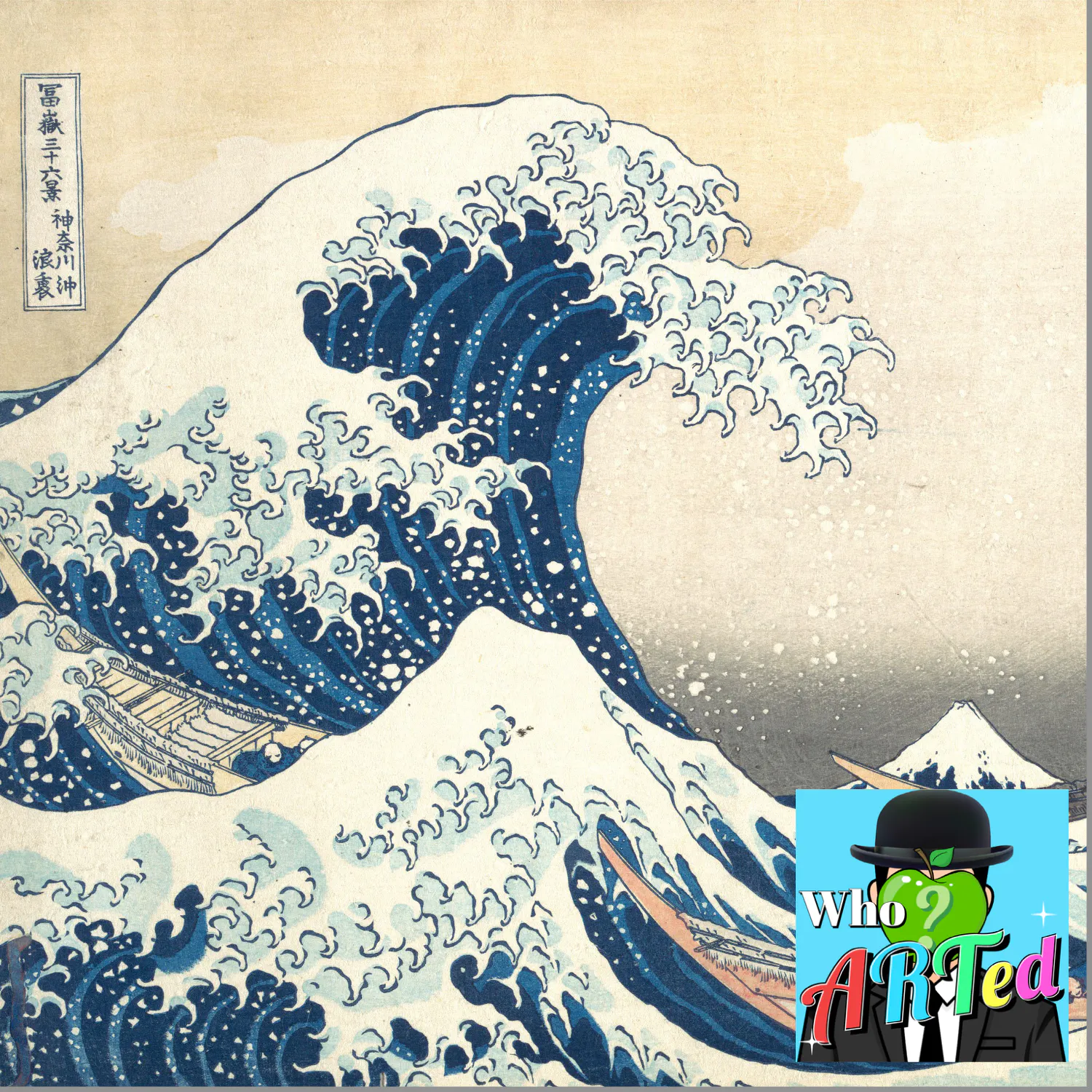
Katsushika Hokusai | The Great Wave Off of Kanagawa (encore)
Katsushika Hokusai is best known for The Great Wave Off of Kanagawa, part of his series of 36 Views of Mount Fuji. His family was in the mirror business, but Hokusai showed a proclivity for art starting at a young age. When he was 14 he started apprenticing as a wood carver. He spent 4 years carving wood blocks to use as stamps for printmaking. He then went on to study under artists to produce his own designs. His first prints were of actors from the Kabuki theater in 1779. Some years later, he would shift his focus to landscapes. Related Episodes: ArtCurious: Katsushika Oi Art Smart: Ukiyo-e Who ARTed: Blue Check out my other podcast Art Smart | Rainbow Putty Science Lab Who ARTed is an Airwave Media Podcast. If you are interested in advertising on this or any other Airwave Media show, email: [email protected] Learn more about your ad choices. Visit megaphone.fm/adchoices
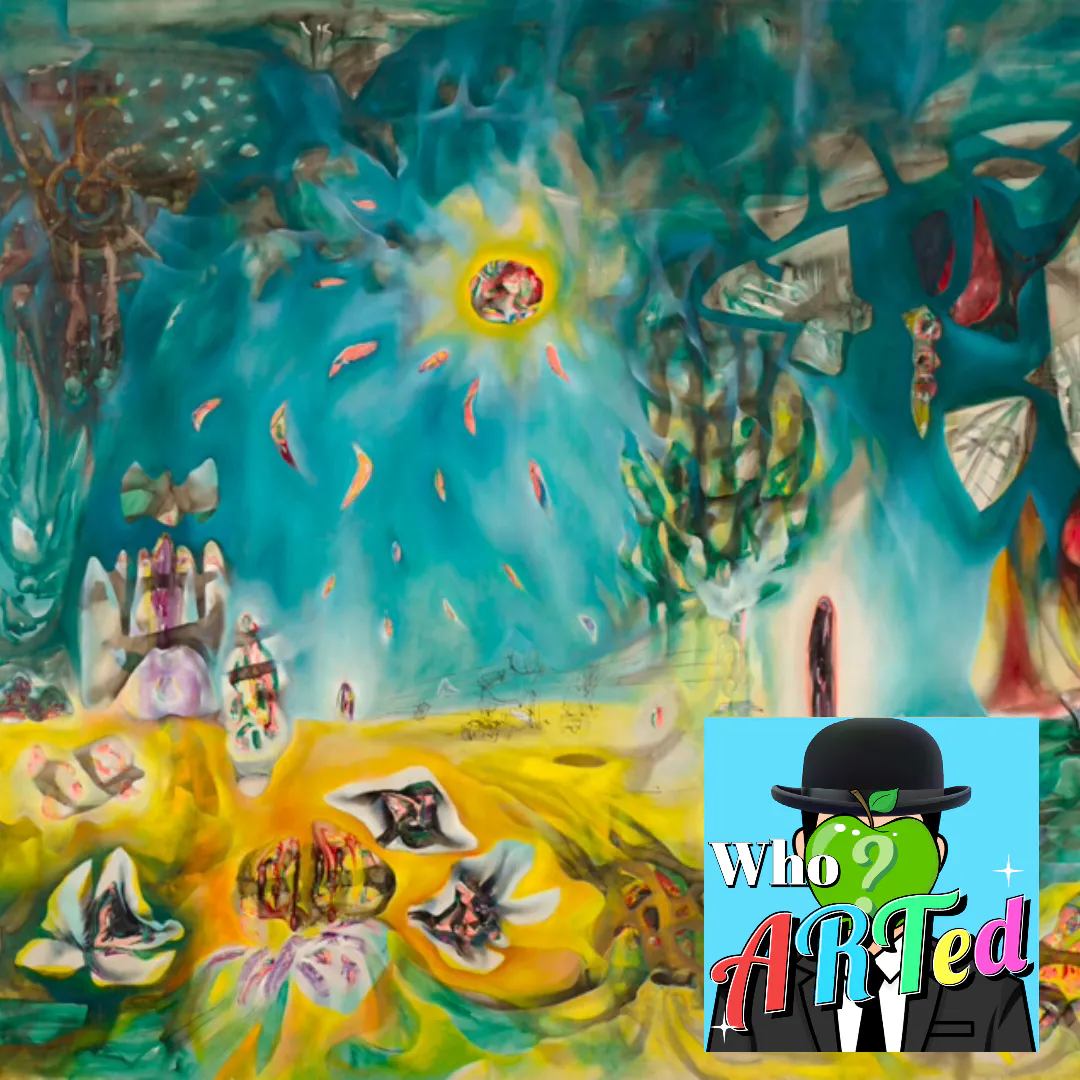
Roberto Matta | The Earth is a Man
Roberto Matta was a Chilean born artist whose life and work transcended boundaries. He was always looking to explore new ideas, push his work further and to astonish. As he said, “A landscape is at peace whenever there is no visible catastrophe and yet ecologically it is violent and devouring. One must grasp what lies behind appearance.” Check out my other podcast Art Smart | Rainbow Putty Science Lab Who ARTed is an Airwave Media Podcast. If you are interested in advertising on this or any other Airwave Media show, email: [email protected] Learn more about your ad choices. Visit megaphone.fm/adchoices

Shiva Nataraja | Shiva the Lord of the Dance
In this depiction of Shiva we see the natural rhythms to everything in the cosmos. Birth and death, creation and destruction are symply phases all things will go through. In this bronze work from 11th century India during the Chola period, we see Shiva in a dancing pose. He is surrounded by a ring of flames. Fire is an interesting force as it can be tremendously destructive and dangerous, but simultaneously if it is handled properly, fire can provide warmth and light. As the flames dance, they transform the material world around them sometimes to our benefit and sometimes to our peril. In this piece, Shiva is surrounded by flames representing the eternal cycle of creation, preservation and destruction. Check out my other podcast Art Smart | Rainbow Putty Science Lab Who ARTed is an Airwave Media Podcast. If you are interested in advertising on this or any other Airwave Media show, email: [email protected] Learn more about your ad choices. Visit megaphone.fm/adchoices

The Mona Lisa Vanishes
Lisa Gherardini was not born to fame and fortune. In fact, her family had fallen on hard times as wars laid waste to their land. She was an unlikely subject for a prominent artist. Leonardo da Vinci was a second-class member of his family. He was acknowledged by his father but barred from the family trade and left to make his own way in the world. He was smart and talented but bounced around pursuing interests in science and engineering as well as the arts. He was notorious for trying the patience of his patrons taking excruciatingly long to complete a job if he finished it at all. He was an unlikely candidate to become a prominent artist. Vincenzo Peruggia was a humble tradesman. He had worked at the Louvre putting artworks behind glass in an effort to protect them. He actually built the box to protect The Mona Lisa. He was an unlikely culprit for the greatest art heist of all time. The crime was investigated by the greatest detectives of the day, but nobody could imagine the man with a postcard of the Mona Lisa on his mantle had the real thing tucked away in his humble apartment for two years. This week we’re talking about the highly improbable people and events that turned a lovely Renaissance portrait into the most famous painting in the world. My guest this week is Nicholas Day, author of the new book, The Mona Lisa Vanishes (coming to book stores September 5, 2023) Order The Mona Lisa Vanishes on Amazon: https://www.amazon.com/Mona-Lisa-Vanishes-Legendary-Celebrity/dp/0593643844 Check out my other podcast Art Smart | Rainbow Putty Science Lab Who ARTed is an Airwave Media Podcast. If you are interested in advertising on this or any other Airwave Media show, email: [email protected] Learn more about your ad choices. Visit megaphone.fm/adchoices