
When Diplomacy Fails Podcast
744 episodes — Page 9 of 15
American Revolution by American History Tellers Teaser
Those crazy folks over at Wondery have a podcast called American History Tellers, which you can find and subscribe to here.In this teaser, you can get a preview of what AHT has coming - namely, a six part series examining the American Revolution from several different perspectives. For an exploration of this pivotal event in world history which you won't get anywhere else, make sure you check out American History Tellers. Hosted on Acast. See acast.com/privacy for more information.
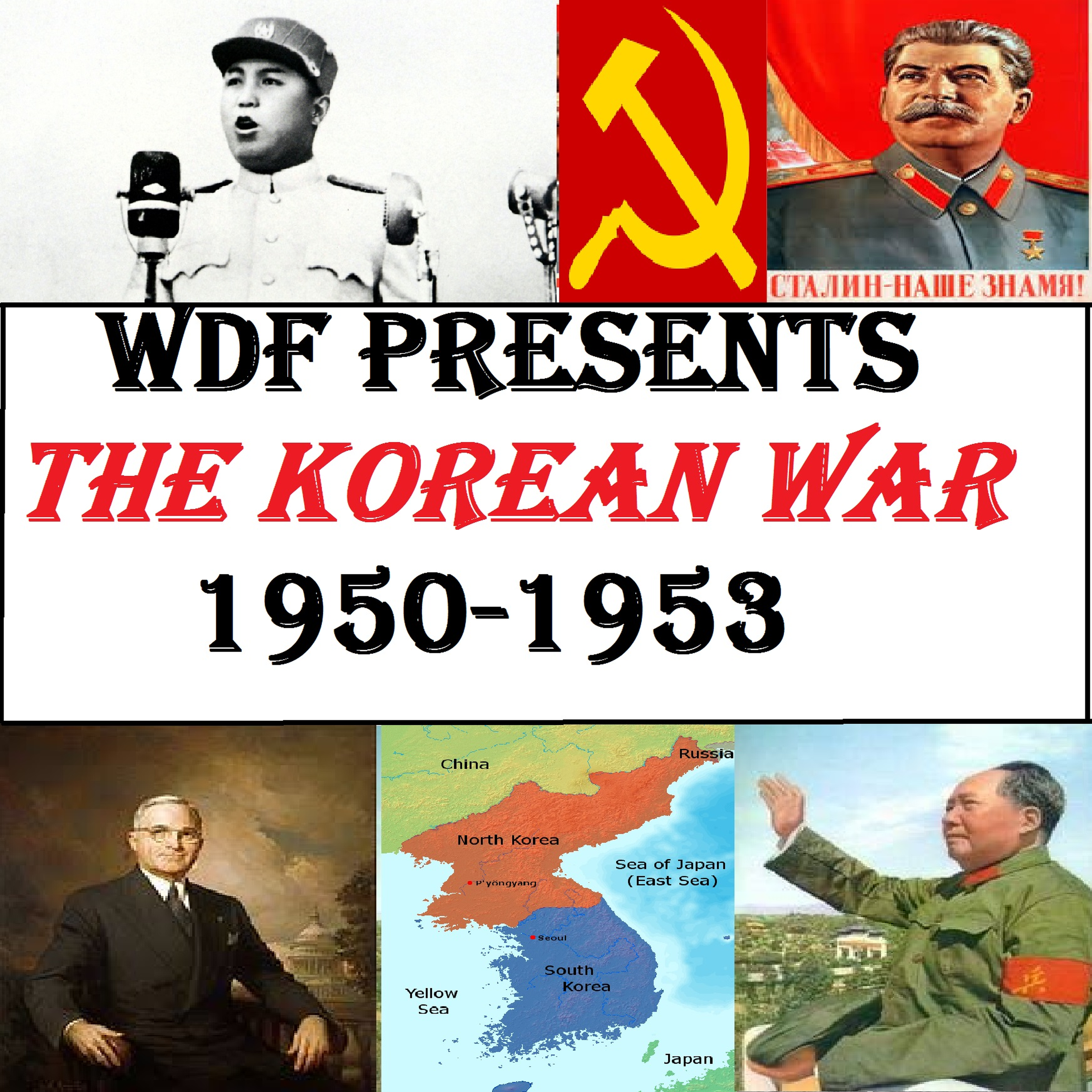
Korean War #27: Avengers Assemble
Apologies for the birdsongs in advance... We've got a real treat for you in the latest episode of the Korean War guys, as niche diplomacy and underrated tales become our prime focus. Here we examine the tales of Turkey and New Zealand, and their journey towards intervention in the Korean War...Episode 27: Avengers Assemble tackles two fascinating case studies in the allied intervention in the Korean War. We ask here why did Turkey and New Zealand, two states well removed from the events going on in Korea, determine that it was within their national interests to become involved. The answers are as fascinating as they are important, because they remind us that Korea was not merely an isolated conflict, but was a part of the Cold War world. The interests of these two states, leagues apart in terms of historical and governmental legacies, were tied by surprisingly similar values. While it had been New Zealand soldiers that had once stormed the beaches of Turkey in 1915, now the two states were intertwined in this new game, and it was this new game that the United States, as much as the United Nations, played a pivotal role in.******Music used:"Galway Bay" by Bing Crosby, released in 1949. Lovely Bing visits us for a few musical gems in a few episodes, and we're very happy indeed to have him with us! Check out a great deal of his early stuff for free here: https://archive.org/details/78_galway-bay_bing-crosby-victor-young_gbia0019249a SPONSORS1) Use the code WDF15 to get 15% off your stylish new pair of headphones/earphones/listening things2) To access some fascinating books, nerd out with like minded enthusiasts, further your knowledge of some classical works, get 25% off your first three months AND help the show, head on over to onlinegreatbooks.com!Remember to BEFIT!B is for blogE is for email [email protected] is for Facebook, the Page and the GroupI is for iTunes, please rate, review and subscribeT is for TELL ANYONE!1) Pre-order our book on the Thirty Years War 2) Are you TeamFerdinand or TeamFrederick ? It's time to pick a side, and a t-shirt! 3) Don't forget of course to support WDF on Patreon to access ad-free episodes with the scripts attached, as well an hour of extra content every month, and so much more! - $1, $2 & $5 memberships available! 4) Of course, make sure you also follow us on Twitter, visit our website and sign up to our... Hosted on Acast. See acast.com/privacy for more information.
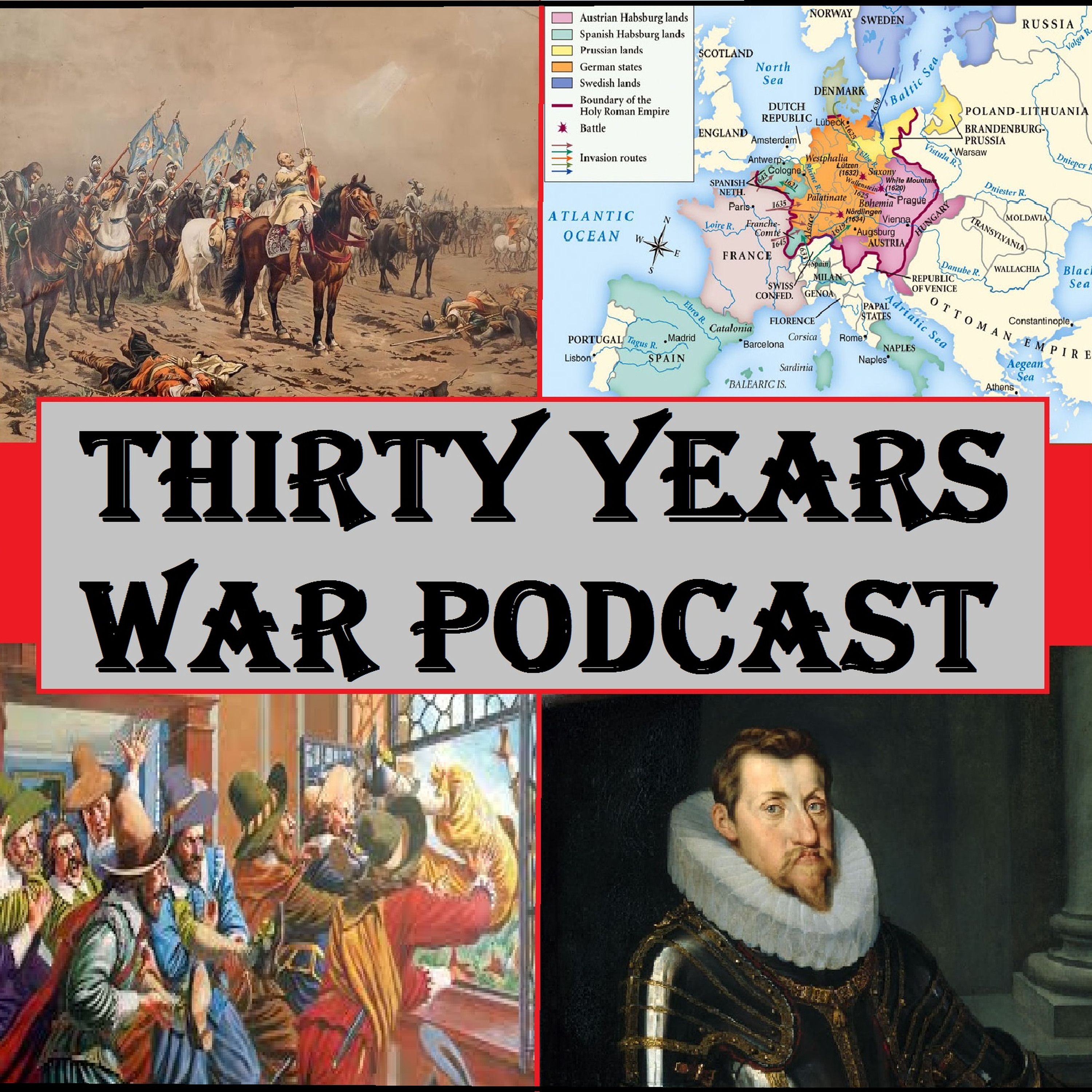
30YearsWar: 17th Century Warfare Episode 5
Our series on 17th century warfare continues with a look at how French armies were constituted, and how their attitudes towards certain tactics changed. We begin with an examination of the massive increases of European armies across the board, but we soon refine our focus, and examine the machinations of King Henry IV of France (r. 1594-1610), who made the most of new theories in infantry and cavalry tactics. The story is by no means a straightforward one of consistent, sensible progression. Instead, it is a tale of hard knocks and tough lessons, which inculcated within the French military thinkers a respect for new methods of making war, and a willingness to experiment and take ideas they appreciated from their Dutch and Swedish neighbours. Such developments say a great deal about the spread of new military theories in the West, as much as they provide a clear example of the interconnectedness of Europeans, who served in each other’s armies and swapped drill manuals in military institutions. It’s a story which I’m sure you’ll find fascinating, so come and join me for this latest instalment of 17th century warfare! Thanksss!*********SPONSORS1) Use the code WDF15 to get 15% off your stylish new pair of headphones/earphones/listening things2) To access some fascinating books, nerd out with like minded enthusiasts, further your knowledge of some classical works, get 25% off your first three months AND help the show, head on over to onlinegreatbooks.com!Remember to BEFIT!B is for blogE is for email [email protected] is for Facebook, the Page and the GroupI is for iTunes, please rate, review and subscribeT is for TELL ANYONE!1) Pre-order our book on the Thirty Years War 2) Are you TeamFerdinand or TeamFrederick ? It's time to pick a side, and a t-shirt! 3) Don't forget of course to support WDF on Patreon to access ad-free episodes with the scripts attached, as well an hour of extra content every month, and so much more! - $1, $2 & $5 memberships available! 4) Of course, make sure you also follow us on Twitter, visit our website and sign up to our Newsletter Hosted on Acast. See acast.com/privacy for more information.
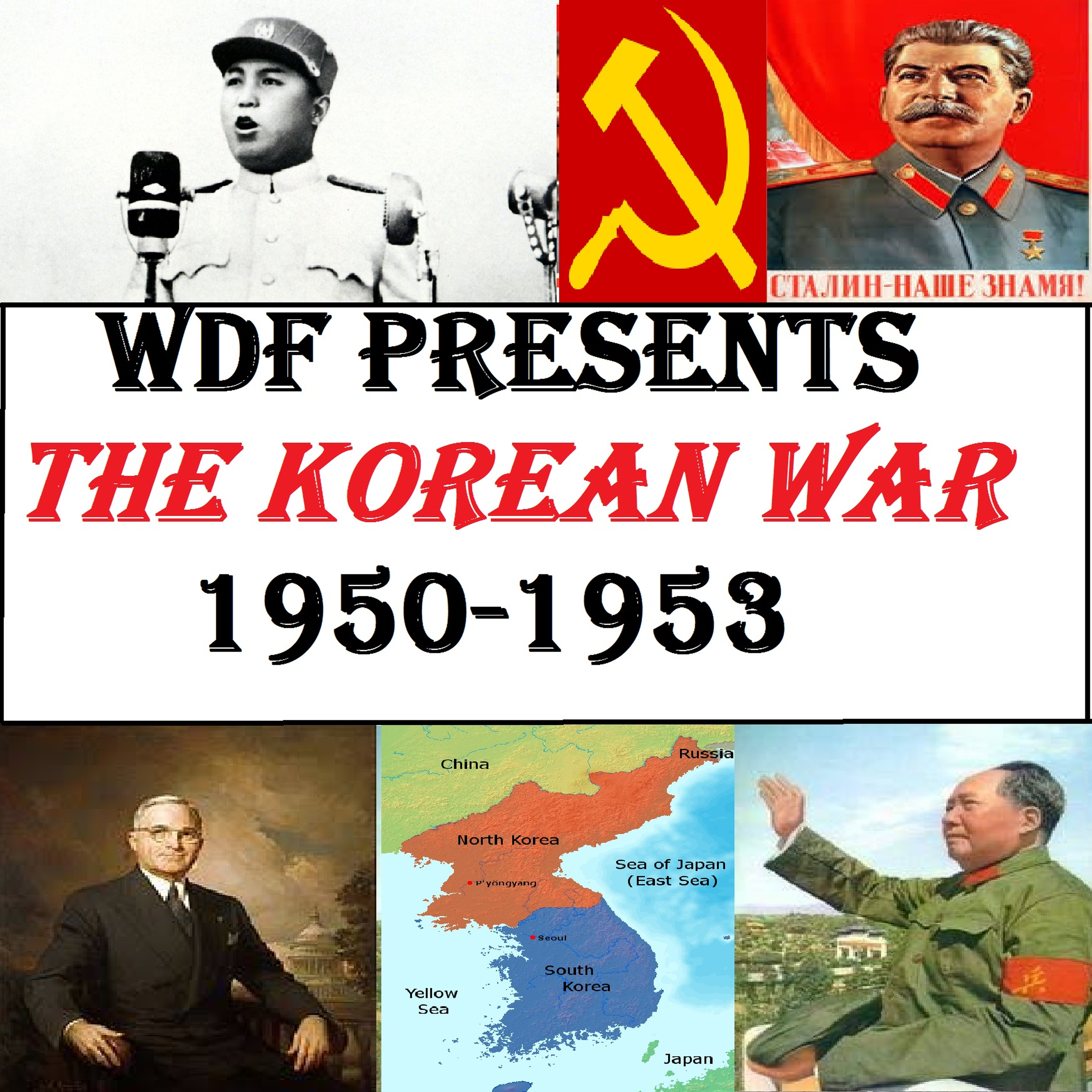
Korean War #26: United We Stand
Within this episode we continue to surge ahead with our narrative of the Korean War through the lens of that body. We look at how it coped with the progress of the North Koreans throughout the summer, and how its members were eventually persuaded to pass a few important resolutions, and to send armed delegations of their own. In this episode, we see collective security come to life, and it is a fascinating sight to behold. We also touch on several things that we'll investigate in more detail in the future, such as MacArthur's meeting with Truman on Wake Island on 15th October, MacArthur's insistence on pushing forward to the Yalu in spite of the warnings, and MacArthur's shock at the situation changing so completely upon the Chinese intervention. All of these are points which we will tackle later on, but to demonstrate in a neat little bundle how the UN came to have such an impact on the Korean War, either through its Security Council or, following the return of the Soviets to that body in August, the publication of critical debates in the General Assembly. It would be the General Assembly that took the most active role in discussing and developing a negotiated end to the conflict, but in the last half of 1950, this first phase of the conflict was far too back and forth for anyone to guess where it would end. For now, those members of the United Nations that pledged troops did so for their own reasons, safe in the knowledge that such an act would endear their interests to the Americans, as much as it would validate the hopes of the UN and prove that collective security COULD work, so long as all involved could remain united and stand together in the face of aggression.*******Music used:"It Ain't Gonna Rain No Mo" by the International Novelty Orchestra in 1926. Available: http://freemusicarchive.org/music/International_Novelty_Orchestra/Antique_Phonograph_Music_Program_04282015/It_Aint_Gonna_Rain_No_Mo_-_International_Novelty_OrchestraSPONSORS1) Use the code WDF15 to get 15% off your stylish new pair of headphones/earphones/listening things2) To access some fascinating books, nerd out with like minded enthusiasts, further your knowledge of some classical works, get 25% off your first three months AND help the show, head on over to onlinegreatbooks.com!Remember to BEFIT!B is for blogE is for email [email protected] is for Facebook, the Page and the GroupI is for iTunes, please rate, review and subscribeT is for TELL ANYONE!1) Pre-order our book on the Thirty Years War 2) Are you TeamFerdinand or TeamFrederick ? It's time to pick a side, and a t-shirt! 3) Don't forget of course to support WDF on Hosted on Acast. See acast.com/privacy for more information.
Korean War #25: The Tangle of War
Paul Kendrick's Korean War PodcastThis is in some sense a two-pronged episode, where we look first of all at the days between 27-30 June 1950, and explain how the Truman administration managed to manipulate the strategic situation on the Han River to its own ends. Then, once we bring our story up to 30 June, we deliver a kind of overview, where we examine the conflict between late June and September. This episode will give you a handy introduction to what course the war took, and for those unfamiliar with its sometimes confusing pace, hopefully here you'll have a few things cleared up. Expect lots of MacArthur, sneaking stuff and American soldiers being dropped right in the thick of it!**********Music:I'll See You In Cuba by Jack Kaufman, released in 1920. Available: http://freemusicarchive.org/music/Jack_Kaufman/Antique_Phonograph_Music_Program_04282015/Ill_See_You_in_C-U-B-A_-_Jack_KaufmanSPONSORS1) Use the code WDF15 to get 15% off your stylish new pair of headphones/earphones/listening things2) To access some fascinating books, nerd out with like minded enthusiasts, further your knowledge of some classical works, get 25% off your first three months AND help the show, head on over to onlinegreatbooks.com!Remember to BEFIT!B is for blogE is for email [email protected] is for Facebook, the Page and the GroupI is for iTunes, please rate, review and subscribeT is for TELL ANYONE!1) Pre-order our book on the Thirty Years War 2) Are you TeamFerdinand or TeamFrederick ? It's time to pick a side, and a t-shirt! 3) Don't forget of course to support WDF on Patreon to access ad-free episodes with the scripts attached, as well an hour of extra content every month, and so much more! - $1, $2 & $5 memberships available! 4) Of course, make sure you also follow us on Twitter, visit our website and sign up to our Newsletter Hosted on Acast. See acast.com/privacy for more information.
Korean War #24: UNprecedented
UNprecedented - get it, because UN = United Nations, and it's unprecedented because it's never happened before?! I'm a genius! Episode 24: UNprecedented looks at the role of the United Nations, which the US used, for a variety of reasons, to frame its intervention in Korea. Here we look at the key moments in the history of UN, and we chart its development over the late 1940s as it became more heavily involved in the issues of the post-war world. Many nations placed their faith and trust in this new order; it was eagerly hoped that it would not go the way of the League of Nations, and that the UN at least would not cower in the face of armed aggression. So it was that the UN, by summer 1950, had built upon a history of peaceful intervention, foreign debate and great expectations even before Washington determined to appeal through the UN for the act in Korea that was desired.Although it couldn't be known at this early stage what way the Korean War would go, it was believed that the best way to legitimise the American act would be to operate through this new body, for a variety of reasons. The two resolutions on 25th and 27th June will be here examined and placed in their proper context, as will the strange absence of the Soviet Union from the UN Security Council. With no Soviet veto, everything could proceed as planned, and in this episode we return the point of Stalin's end goal - that of uniting the West against communism in Korea, and then against the Chinese. These goals were possible thanks to the UN, and thus it has to be said, as it did before, Washington again made Stalin's job much easier than it would have been had he been forced to go it alone.As we'll note though, the US wasn't doing anything especially extraordinary by asking the UN to weigh in on the Korean issue. After all there had been Korean commissions sponsored and supported by the UN since after 1945, so it seemed only logical to many within the UN's many Korea bodies to approve of the defence of the South Korean regime, and to condemn the North in the strongest possible terms. Such condemnation, in time, would be used to justify still greater actions, and from these protocols would the several armed delegations from 16 different states emerge. All such developments were instigated here.********Music used: "Bring Back My Blushing Rose", by John Steel, published in 1921. Available:http://freemusicarchive.org/…/A…/Bring_Back_My_Blushing_RoseKorean War section of the website Remember to BEFIT!B is for blogE is for email [email protected] is for Facebook, the Page and the GroupI is for iTunes, please rate, review and subscribeT is for TELL ANYONE!Pre-order our book on the Thirty Years WarAre you TeamFerdinand or Hosted on Acast. See acast.com/privacy for more information.
Korean War #23: What Lies Beneath
The Korean War is back with a bang!Episode 23: What Lies Beneath takes us to the halls of Washington, where as we saw in the last episode, the US was surprisingly slow to respond to the North Korean invasion. What kind of methods did the Truman administration make use of to achieve its policy goals? In this episode we will examine what lay beneath the shocked exterior of the American reaction to the invasion of South Korea. Far from surprised, everything was going according to plan. It remained to be seen if the South would hold firm, or if the US would have to implement those emergency measures prepared for in the weeks before.We turn our attention then to the issue of the Han River line, and to the question of when it would be ideal for the US to intervene with some military force to defend its disorientated Southern ally. If it moved too soon, then South Korea would potentially be saved the kind of conflict that Washington needed. It was essential that the US did not move too quickly then, but it would quickly become clear that an underestimation of the communists on a vast scale had taken place.Worse for the planners of the Truman administration, people were beginning to ask questions. If the CIA had furnished the administration with so much evidence regarding the Northern invasion, then how was it that nothing had been done to prepare or intercept this threat? The genuine reason could not be given of course, so the US instead moved to implement some damage control over 25th to 27th June, amidst the more public news abroad which saw the conditions of the Korean War escalate into a full blown problem, which only the United Nations, it seemed, could solve. On the surface it was all outrage and condemnation, but beneath this, the Truman administration was doing its utmost to ensure that its policy aims under NSC 68 were achieved. Let's see how they did...Music:Alcoholic Blues (1919) by Vernon Dalhart.Available from Free Music Archive: http://freemusicarchive.org/music/Vernon_Dalhart/Antique_Phonograph_Music_Program_08252015/The_Alcoholic_BluesKorean War section of the website Remember to BEFIT!B is for blogE is for email [email protected] is for Facebook, the Page and the GroupI is for iTunes, please rate, review and subscribeT is for TELL ANYONE!Pre-order our book on the Thirty Years WarAre you TeamFerdinand or TeamFrederick ? It's time to pick a side, and a t-shirt!Don't forget of course to support WDF on Patreon to access ad-free episodes with the scripts attached, as well an hour of extra content every month, and so much more! - $1, $2 & $5 memberships available!Of course, make sure you also follow us on Twitter, visit our Hosted on Acast. See acast.com/privacy for more information.
30YearsWar: 17th Century Warfare Episode 4
In our latest episode of 17th Century Warfare, we put the Military Revolution to the test, by applying a key aspect of it - the trace italienne system - to 17th century France! Expect talk of fortresses, historian John A Lynn and lots of talk about context....So...get ready to lay siege! In this episode we use the case study of French fortifications to examine the trace italienne, the name given to the modernisation of European fortifications along the Italian model. These forts had low, thick walls buttressed by large earthworks and supported by bastions which boasted interlocking fields of fire. The new developments in technology meant that the defenders could lay down a punishing amount of fire of their own, while the attacker would be forced to withstand this bombardment, and conduct his siege in the meantime. Developments in mining, in trench digging and in the size of armies necessary to police these trenches followed, and these issues will occupy much of our attention in this episode.If you ever wondered how the fortifications of early modern Europe kept up with the advancements in gunpowder technology and the increasing calibre of cannons, then this episode is for you! If you were curious about the technological race between the defender and the attacker, then this episode is for you too! If you were simply curious about how defensive works were garrisoned or effectively employed against an invading army – the mission of any state which faced war with another during this period – then yes, this episode is for YOU! I hope you’ll join me as we look through the French lens to better explain why siege warfare developed as it did. Thanksss!Remember to BEFIT!B is for blogE is for email [email protected] is for Facebook, the Page and the GroupI is for iTunes, please rate, review and subscribeT is for TELL ANYONE!Visit the Thirty Years War section of the website.Pre-order our book on the Thirty Years WarAre you TeamFerdinand or TeamFrederick ? It's time to pick a side, and a t-shirt!Don't forget of course to support WDF on Patreon to access ad-free episodes with the scripts attached, as well an hour of extra content every month, and so much more! - $1, $2 & $5 memberships available!Of course, make sure you also follow us on Twitter, visit our website and sign up to our NewsletterSPONSORS1) Use the code WDF15 to get 15% off your stylish new pair of headphones/earphones/listening things2) To access some fascinating books, nerd out with like minded enthusiasts, further your knowledge of some classical works, get 25% off your first three months AND help the show, head on over to Hosted on Acast. See acast.com/privacy for more information.
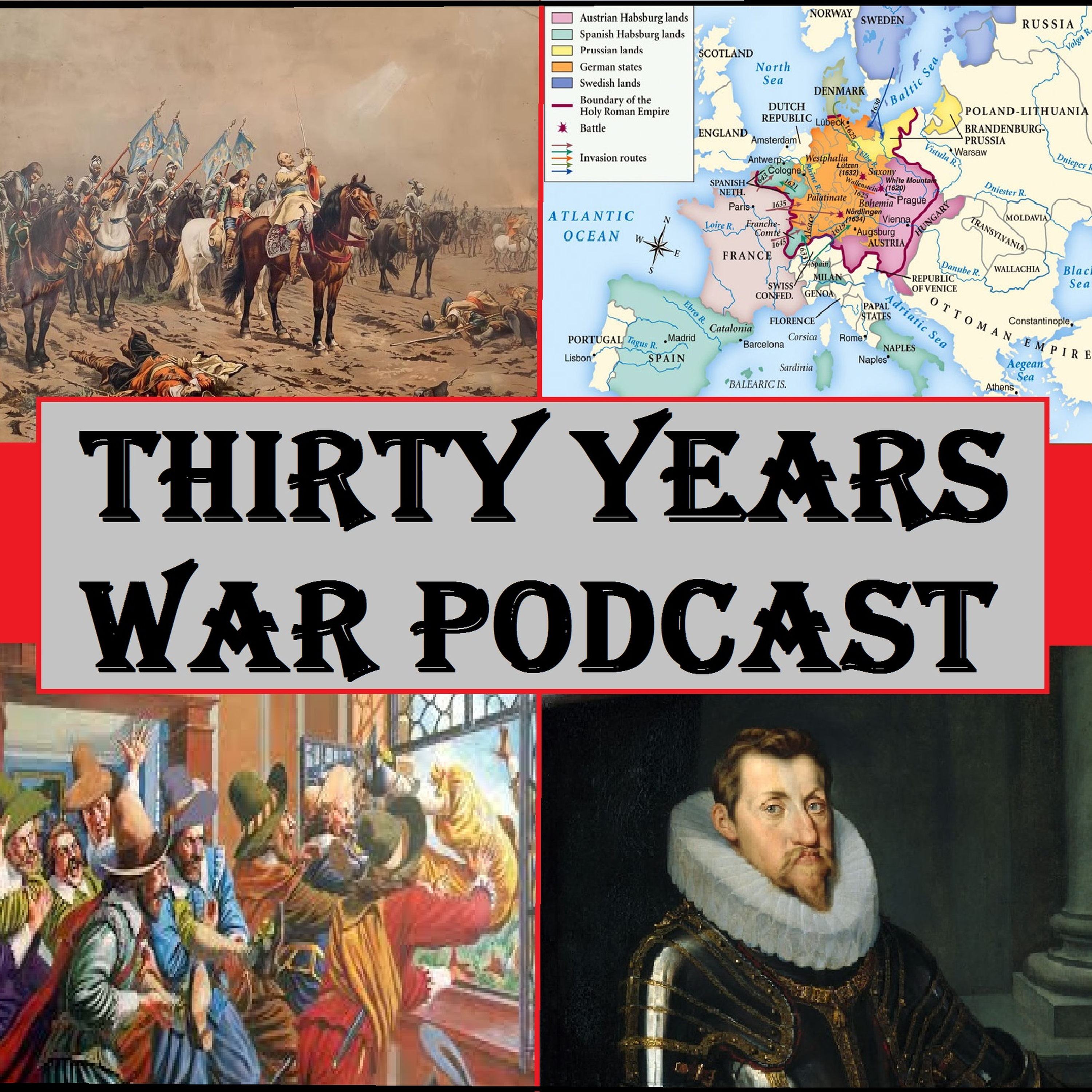
30YearsWar: 17th Century Warfare Episode 3
Time to get a bit technical, but I promise it'll be anything BUT boring!Get your thinking caps on history friends, because in this episode we’re going to assess the most important element of the historiography of the 17th century – the Military Revolution theory. The Military Revolution idea states that Europe underwent fundamental – you might even say ‘revolutionary’ changes during the late 1500s and 1600s. These changes were affected by improvements in military technology, and the adoption of weapons like the musket, the usage of proper infantry musket drills, and the creation of a new fortification system the trace italienne, which made the ballooning of armies essential if these modernised fortresses were to be effectively besieged.There is of course more to the Military Revolution thesis than that, and contradictions abound which we will absolutely be sinking our teeth into in the episodes to come. If you were sceptical or simply curious though, then this episode will give us a great grounding in the mechanics of the Military Revolution, so please don’t feel intimidated or put off by our mention of it! I promise it is a fascinating story which I genuinely got real enjoyment researching, so hopefully this will come across in the episode. Come and join me and see for yourself, as we pick our way through 17th century warfare!Remember to BEFIT!B is for blogE is for email [email protected] is for Facebook, the Page and the GroupI is for iTunes, please rate, review and subscribeT is for TELL ANYONE!Visit the Thirty Years War section of the website.Pre-order our book on the Thirty Years WarAre you TeamFerdinand or TeamFrederick ? It's time to pick a side, and a t-shirt!Don't forget of course to support WDF on Patreon to access ad-free episodes with the scripts attached, as well an hour of extra content every month, and so much more! - $1, $2 & $5 memberships available! Of course, make sure you also follow us on Twitter, visit our website and sign up to our NewsletterSPONSORS1) Use the code WDF15 to get 15% off your stylish new pair of headphones/earphones/listening things2) To access some fascinating books, nerd out with like minded enthusiasts, further your knowledge of some classical works, get 25% off your first three months AND help the show, head on over to onlinegreatbooks.com! Hosted on Acast. See acast.com/privacy for more information.
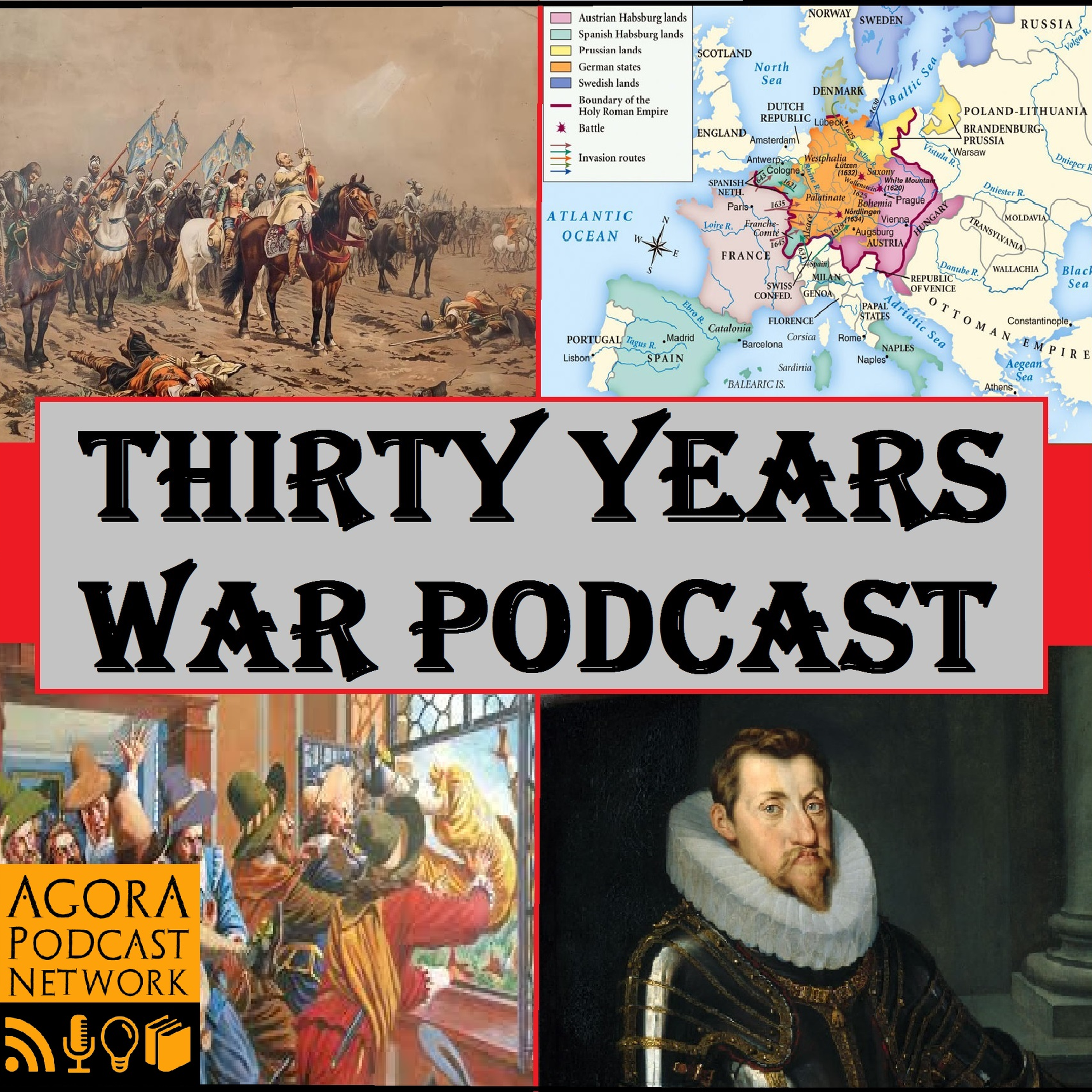
30YearsWar: 17th Century Warfare Episode 2
In my time my poor father was as diligent to teach me to shoot, as to learn me any other thing; and so I think other men did their children: he taught me how to draw, how to lay my body in my bow, and not to draw from strength of the body: I had my bows bought me, according to my age and strength; as I increased in them, so my bows were made bigger and bigger; for men shall never shoot well, except they be brought up in it…But now, we have taken up whoring in towns, instead of shooting in fields. These were the words of Hugh Lattimer when talking of the decline of English training standards with the longbow - an important theme in this episode. Trust me history friends, this is a good one! Herein we ask that important question - why did England swap its longbows for muskets over the 16th to 17th centuries, what did this process look like, and why did it take so flaming long? We trace the longbow’s dominance of English military thinking, and ask how it was that England swapped the longbow for the musket, when the musket was less reliable, more expensive and overall less effective. Did you know that longbows were only fully removed from English armies in 1595? Factoids such as these abound in this fascinating installment of our 17th century warfare series. It’s a long episode for sure, but I don’t doubt that you will enjoy every minute of it if even the idea of English longbowmen interests you. Remember to BEFIT!B is for blogE is for email [email protected] is for Facebook, the Page and the GroupI is for iTunes, please rate, review and subscribeT is for TELL ANYONE!Visit the Thirty Years War section of the website.Pre-order our book on the Thirty Years WarAre you TeamFerdinand or TeamFrederick ? It's time to pick a side, and a t-shirt!Don't forget of course to support WDF on Patreon, follow us on Twitter, visit our website and sign up to our Newsletter Hosted on Acast. See acast.com/privacy for more information.
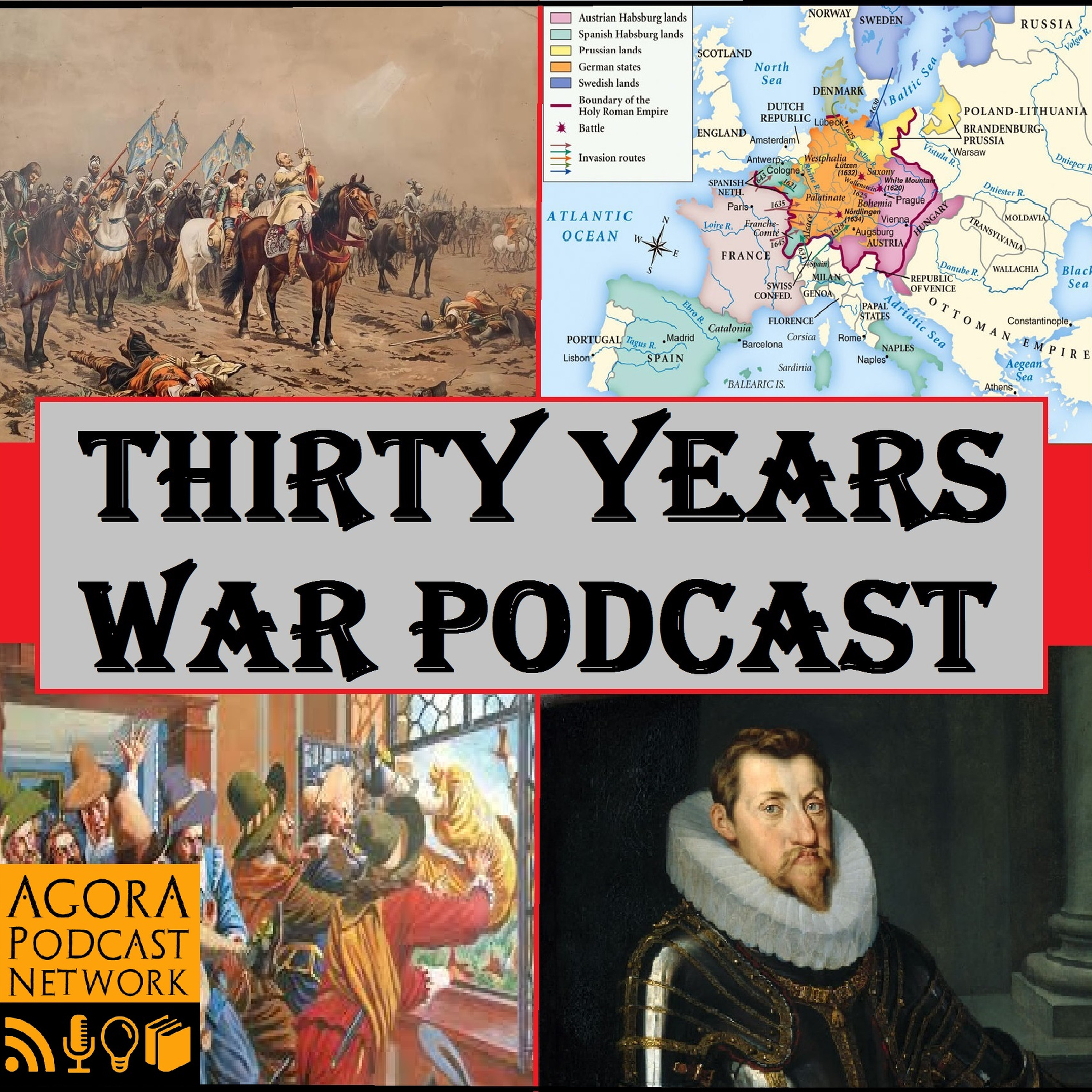
30YearsWar: 17th Century Warfare Episode 1
{Don't panic! The Korean War is on a break, and will be back on 18th June}At long last! Our series on 17th century warfare has finally landed, with our first episode looking at…nothing to do with 17th century warfare…Hmmm. Not to worry history friends – untangling warfare in the 17th century requires a certain amount of background detail, and in this episode here we do exactly that. The feudal society and its relation to the military contract aren’t topics we would normally go anywhere near, but to lay the foundations for what’s to come, we need to establish what came first. In this episode we do this, using the case study of Medieval England as our baseline. Expect talk of how English Kings did war during the Middle Ages, and what challenges they faced and hoops they had to jump through in order to make going to war possible. These traditions were bound up in the expectations of feudal society which dictated that the King was always at the top of the pyramid, but not necessarily always obeyed or followed. Contradictions and exceptions abounded of course, but tracing the arc of development from medieval to early modern also provides us with the chance to examine another concept which will become key to this series – the Military Revolution. So jump right into this series here, and remember that part 2, which looks in more detail at the technological advances – specifically how England traded longbows for muskets – will be released on Wednesday! Thankssss!Remember to BEFIT!B is for blogE is for email [email protected] is for Facebook, the Page and the GroupI is for iTunes, please rate, review and subscribeT is for TELL ANYONE!Visit the Thirty Years War section of the website.Pre-order our book on the Thirty Years WarAre you TeamFerdinand or TeamFrederick ? It's time to pick a side, and a t-shirt!Don't forget of course to support WDF on Patreon, follow us on Twitter, visit our website and sign up to our Newsletter Hosted on Acast. See acast.com/privacy for more information.
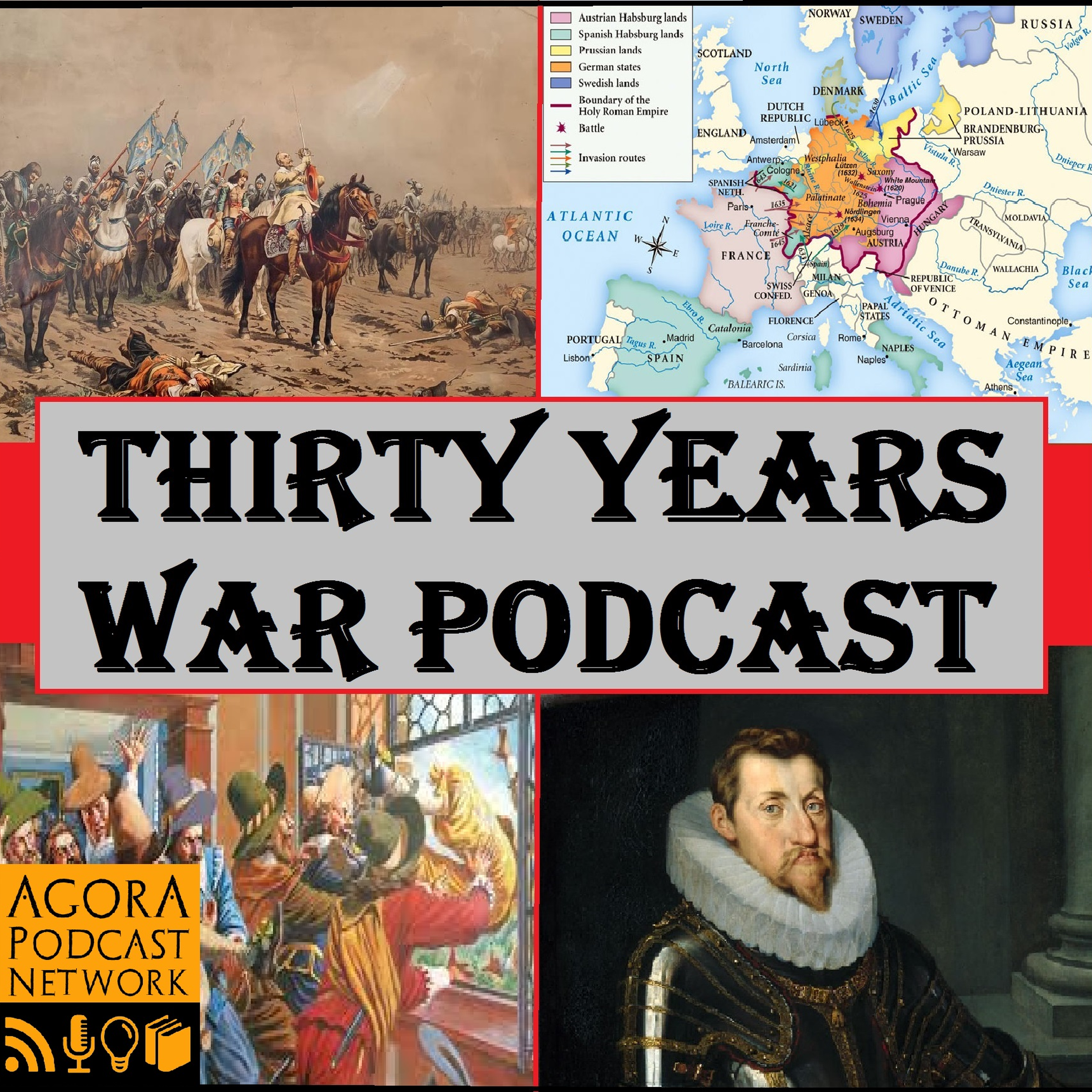
Thirty Years War Intro 4: 'For God or the Devil'
'This is a fight between God or the Devil. If his Majesty wants to side with God, he must join me. If he prefers to side with the Devil, then indeed he must fight me. There is no third way"Gustavus Adolphus may give us our podcast's theme, and our book's title, but there was much more to the Thirty Years War than the famed King of Sweden. In this introduction episode, we place you in the thick of this dilemma - neutrality was impossible, yet the consequences for picking one side or the other were potentially catastrophic, so how could those caught in the middle decide? To make our point, come with us to the sack of Magdeburg in may 1631, a city whose people chose the 'Devil' in the mind of the Imperialists, and paid the ultimate price, as the worst single atrocity of the conflict takes place. It's time to pick a side history friends, are you for God or the Devil?Remember to BEFIT!B is for blogE is for email [email protected] is for Facebook, the Page and the GroupI is for iTunes, please rate, review and subscribeT is for TELL ANYONE!Visit the Thirty Years War section of the website.Pre-order our book on the Thirty Years WarAre you TeamFerdinand or TeamFrederick ? It's time to pick a side, and a t-shirt!Don't forget of course that WDF is on Patreon, Twitter, its website and has a Newsletter Hosted on Acast. See acast.com/privacy for more information.
Thirty Years War Prologue
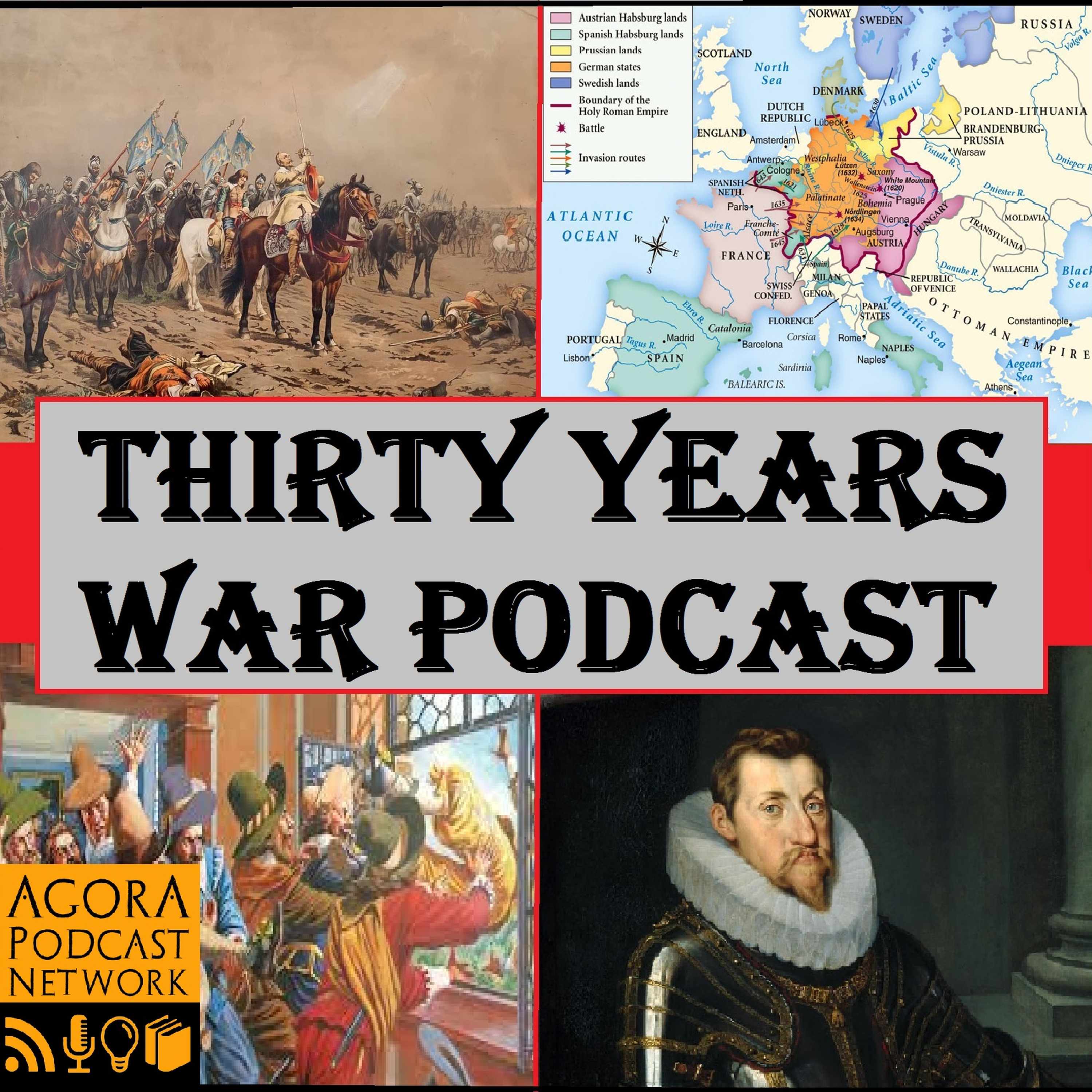
1618-2018 - on this day 400 years ago, one of the most destructive conflicts in human history erupted within the walls of Prague's Hradschin Castle. As we recount here, the conflict was neither all the fault of the Bohemians, nor sustained by them for very long. Instead, several factors prolonged the conflict and kept Europe in rapture for three decades. For the next year or so, we here at WDF want to bring you on a journey into this conflict, on a scale and with an attention to detail which you have never known before.We start on that morning - it's just after 8AM on the morning of 23rd May, 1618, and you've agreed to meet a friend of yours. The two of you, along with several others, have agreed to do something radical...**********Visit the Thirty Years War section of the websiteRemember to BEFIT!B is for blogE is for email [email protected] is for Facebook, the Page and the GroupI is for iTunes, please rate, review and subscribeT is for TELL ANYONE!Don't forget of course that WDF is on Patreon, Twitter, its website and has a Newsletter Hosted on Acast. See acast.com/privacy for more information.
Thirty Years War Intro 3: TALK II
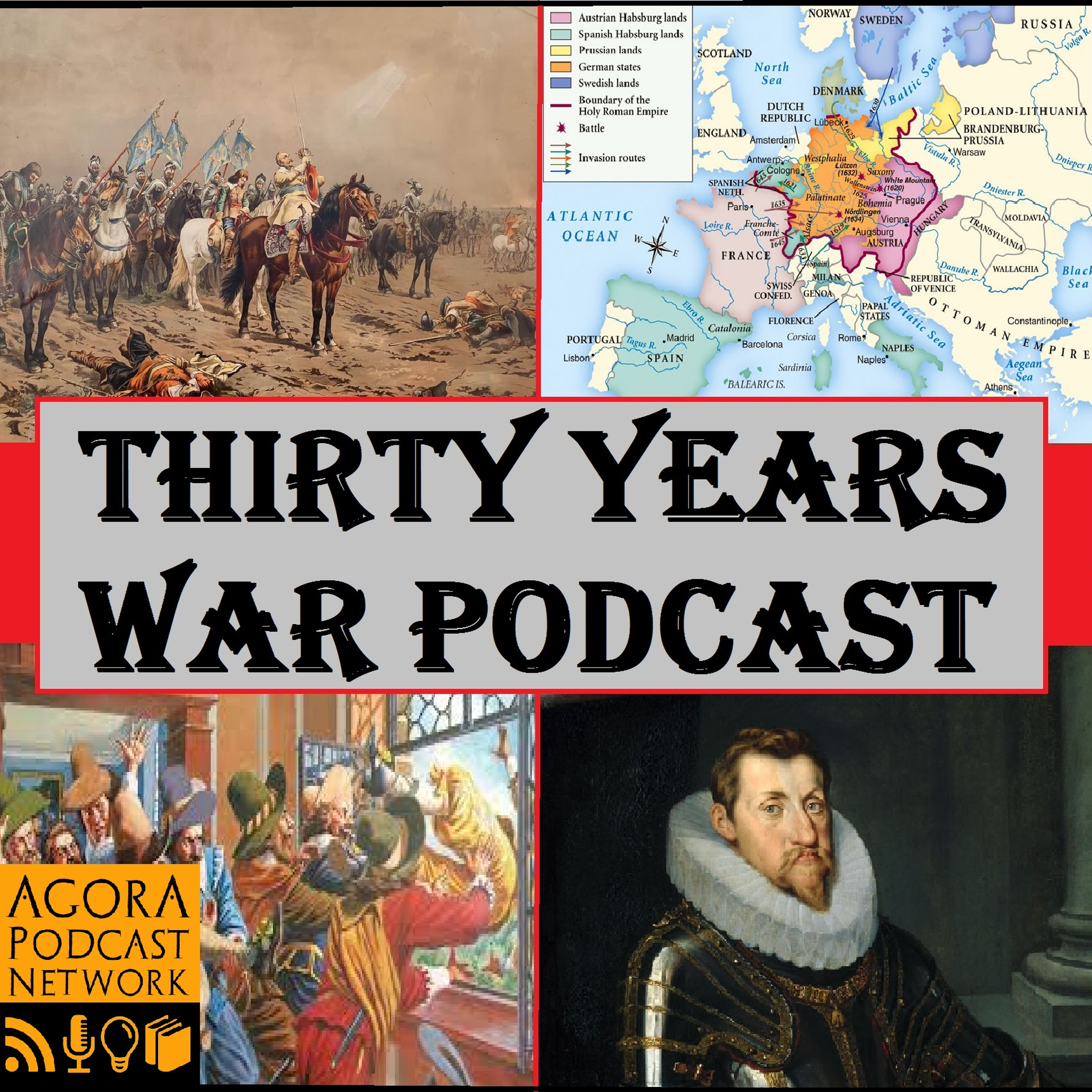
Back again with the second part of our TALK episode, which concludes the analysis of the Thirty Years War timeline in the typical style which only a TALK episode can manage! Here we take the story from 1635 and discuss several battles, characters and important diplomatic developments before concluding on the Peace of Westphalia. Hopefully this will get you pumped for all the content that is to come!Remember to BEFIT!B is for blogE is for email [email protected] is for Facebook, the Page and the GroupI is for iTunes, please rate, review and subscribeT is for TELL ANYONE!Don't forget of course that WDF is on Patreon, Twitter, its website and has a Newsletter Hosted on Acast. See acast.com/privacy for more information.
Thirty Years War Intro 2: TALK I
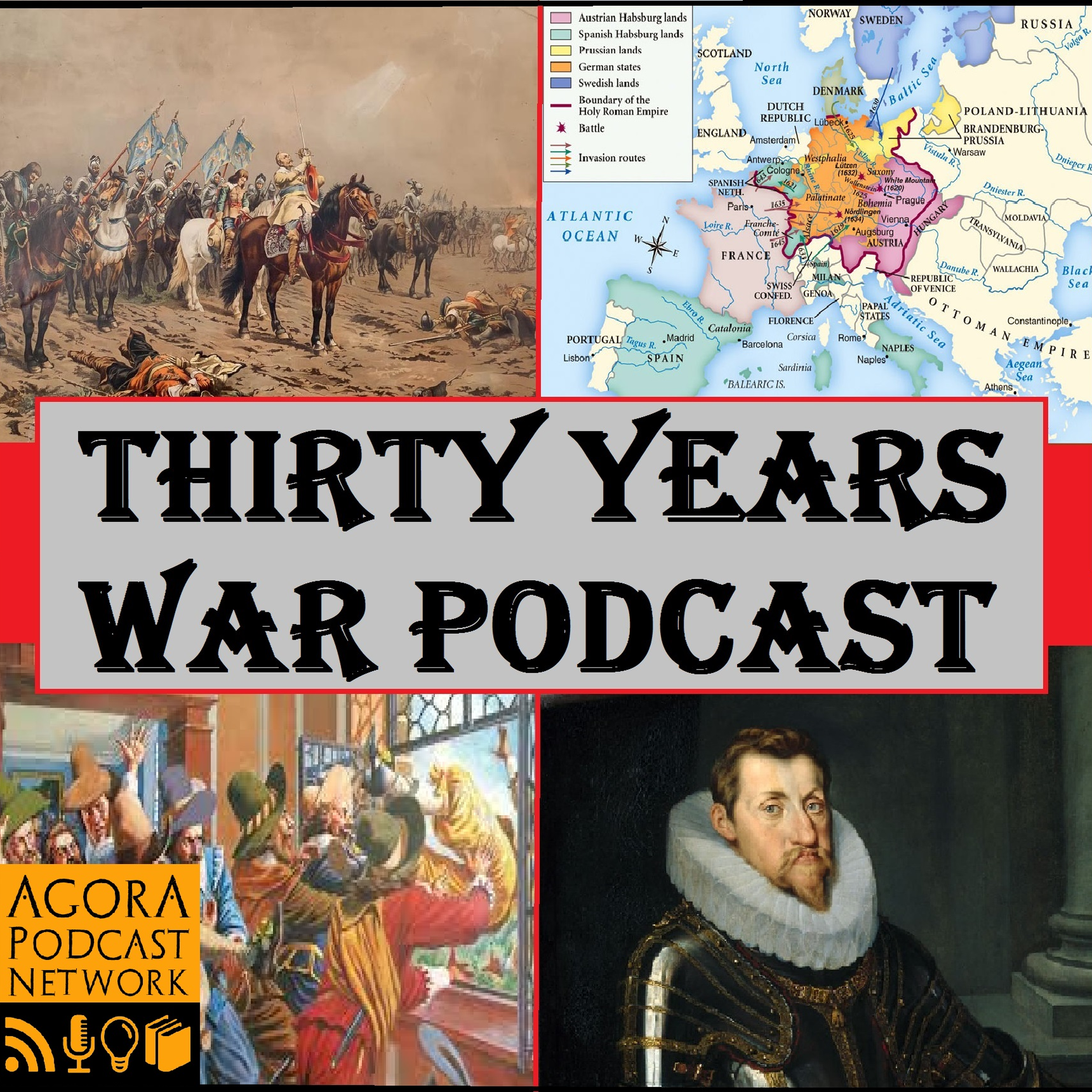
Happy birthday to us! When Diplomacy Fails is 6 years old today, and to celebrate we're jumping right into the Thirty Years War once again, with another intro episode (2/5) this one looking at the timeline of the conflict up to the year 1635, but with a twist. I'm not by myself this time - today I am joined by TALK episode guest Sean. Far too much happens to really summarise here, but as usual, skip ahead past the BEFIT rundown for the bulk of the episode, and make sure to let me know what you thought.'Back on the podcast...'Visit the Thirty Years War section of the websiteRemember to BEFIT!B is for blogE is for email [email protected] is for Facebook, the Page and the GroupI is for iTunes, please rate, review and subscribeT is for TELL ANYONE!Don't forget of course that WDF is on Patreon, Twitter, its website and has a Newsletter Hosted on Acast. See acast.com/privacy for more information.
Thirty Years War Intro 1
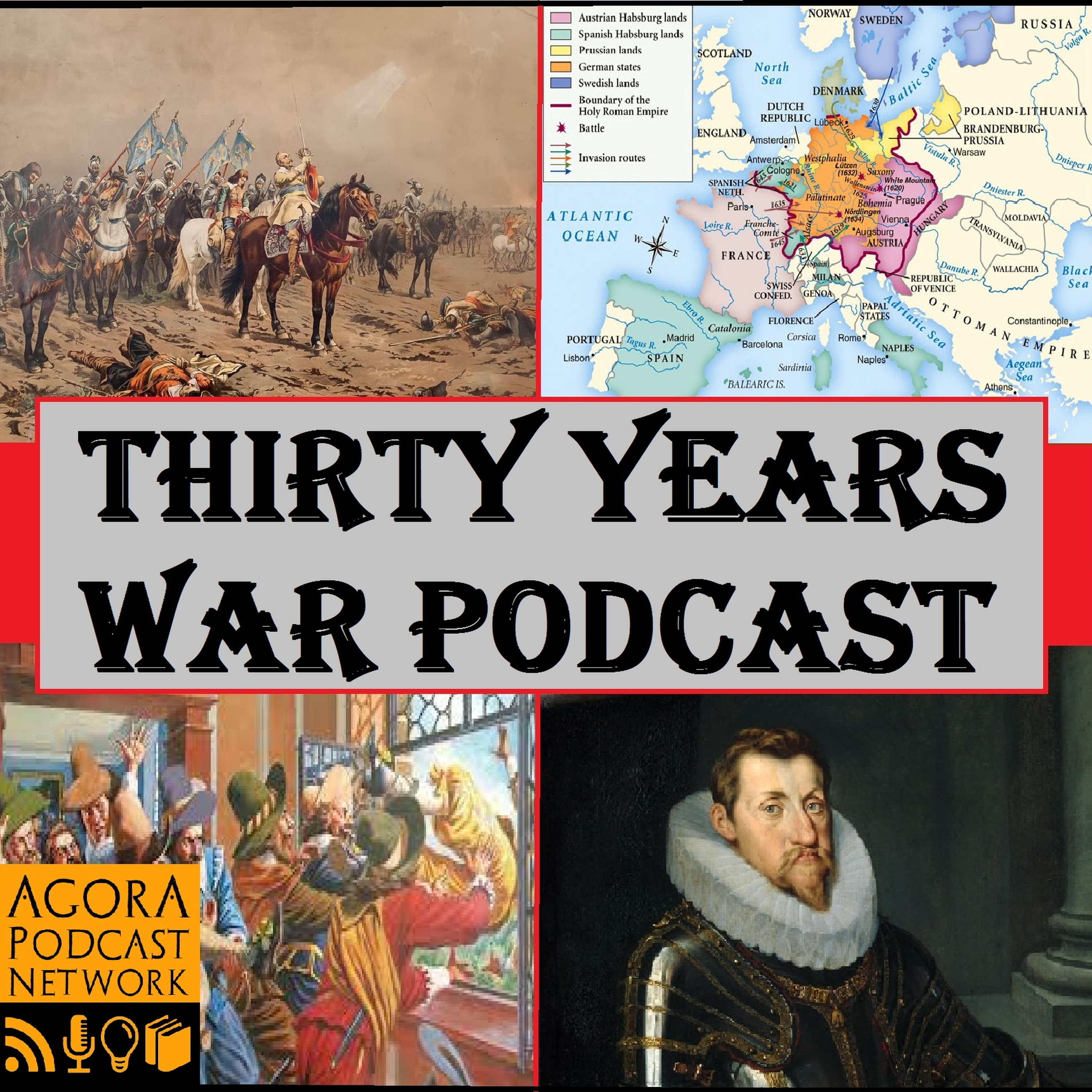
We're jumping back into the Thirty Years War and this is all super exciting, but to some of you guys it may also be a tad overwhelming, as a lot of unfamiliar stuff is about to be thrown at you. With that in mind, this episode is designed to familiarise you with the main themes, the most important figures, and the most active powers in Europe at the time.We'll learn a bit about the constitution of the Holy Roman Empire, meet the Habsburg family, and take a gander at some other related issues in Europe at the time of the outbreak of the conflict in 1618.As we launch into this exciting new period in WDF, make sure you visit the dedicated section of our website for Thirty Years War related goods by following the link here: Take me to the Thirty Years War section This site is where you'll also be able to freely access the script for this episode, and a document detailing all of the social media posts, so don't delay if you like some context and reading!Make sure also that you sign up on Patreon to get all of the incoming episodes ad-free and complete with a script for each episode, for just $1 a month! https://www.patreon.com/WhenDiplomacyFails Hosted on Acast. See acast.com/privacy for more information.
Korean War #22: Crossing the Rubicon
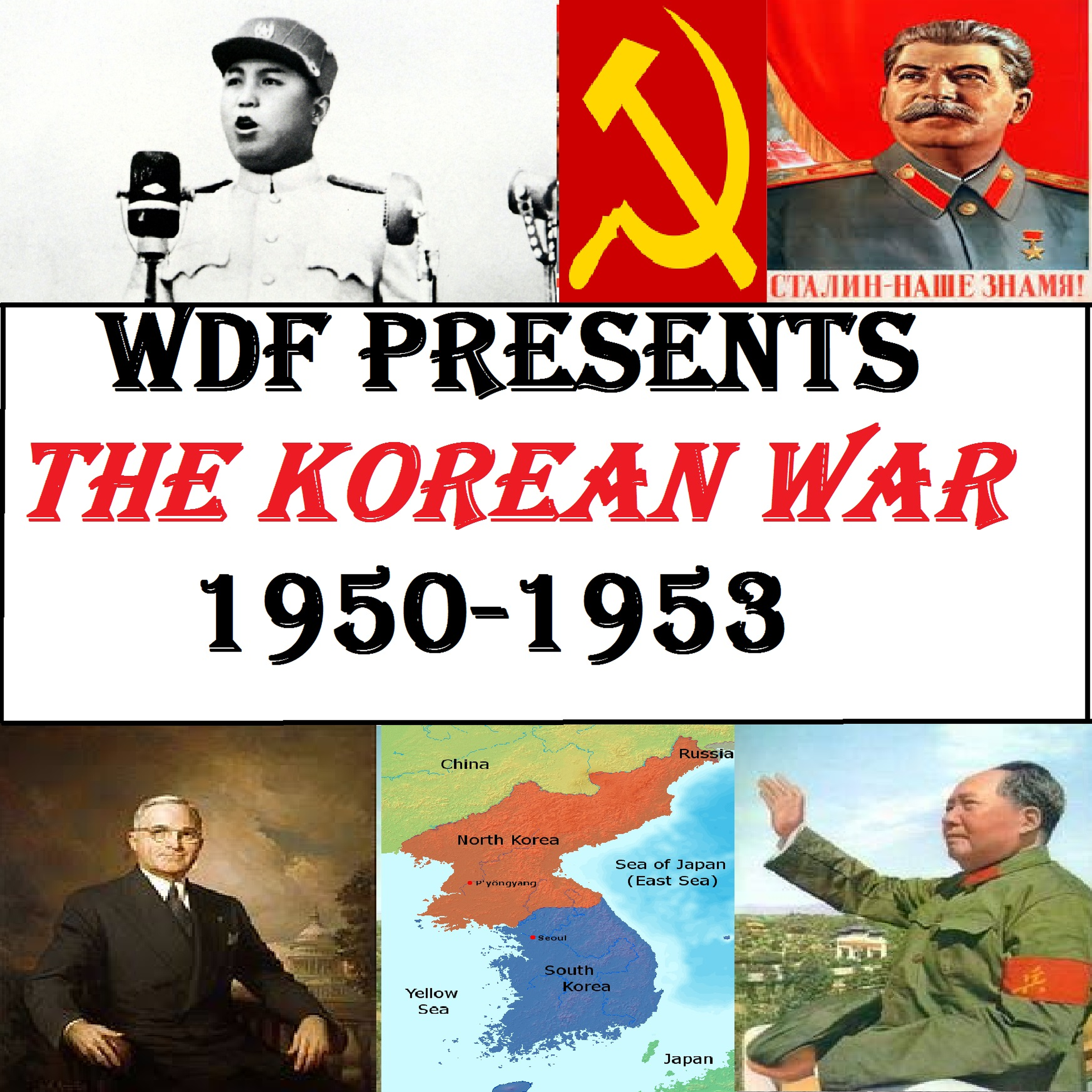
You should know about our new sponsor - onlinegreatbooks.com! To access some fascinating books, nerd out with like minded enthusiasts, further your knowledge of some classical works, get 25% off your first three months AND help the show, head on over to... https://intellectuallinearprogression.com/when-diplomacy-fails/?level=1&discount_code=dip Episode 22: Crossing the Rubicon looks at the moment where the North invades, and the different pieces fall into place for some, and fall apart for others. At 4AM on 25th June 1950, the buildup, all the preparation, all the pressuring and all the lies produced their anticipated outcome. In more force than anyone could have expected, North Korea invaded its Southern neighbour and instigated what appeared to be a catastrophic collapse in Southern defences. Syngman Rhee, it seems, had been right to warn his American allies of his country's vulnerable state.The ROKA proved useless in the face of the North's veteran troops, many of whom had served in the Chinese Civil War for several years.We follow from the perspective of Paik Sun Yup, who began the war as a Colonel, he would end it as one of the highest ranking military personnel in Korea. His war was only beginning, The nightmare for Korea was only beginning, as the war which has flummoxed and fascinated people for many decades since erupted across the 38th parallel.******Music used:"My Pillow and Me", by Lizzie Myles in 1923. Available:http://freemusicarchive.org/…/Antique_Phon…/My_Pillow_And_MeSign up to our NEWSLETTER for the latest news and deals! In April and May subscribers get 20% OFF my Thirty Years War book, so don't delay! sign up here: https://mailchi.mp/a0d49eec863c/wdfpodcast Want to grab yourself some quality, stylish head/ear phones and get 15% off? Use the code WDF15 to avail of this special offer and start your listening journey with When Diplomacy Fails like never before! See: https://www.sudio.com/eu/Want to support this podcast in other ways, as we meander through the Korean War? Check out the following links to our social media, shop, website, source materials and Patreon below.History Podcasting Platform:http://www.wdfpodcast.com/history-podcasting-platform/Official shop where you can pick up all manner of podcast-related goodies: http://www.wdfpodcast.com/shop/Facebook page: https://www.facebook.com/WhenDiplomacyFailsPodcast/Facebook group: https://www.facebook.com/groups/1856652614380207Twitter: https://twitter.com/?lang=enSupport us financially on Patreon and access an ad-free episodes ($2 per month) and an hour of extra content ($5 per month): https://www.patreon.com/WhenDiplomacyFailsVisit the website: http://www.wdfpodcast.com/Visit the blog: Hosted on Acast. See acast.com/privacy for more information.

Korean War #21: In Support Of My Thesis
Make sure you check out the Human Circus - Journeys in the Medieval World, if you're a fan of fascinating stories and a well told narratives. Devon is a history friend and a proud member of the History Podcasting Platform, so show him some love and check his brilliant pod out! https://humancircuspodcast.com/You can also subscribe to his show on iTunes: https://itunes.apple.com/ca/podcast/human-circus-histories/id1194921513?mt=2&ls=1Episode 21: In Support of My Thesis is a kind of culmination of all we've learned so far. It's also a recap of our findings and my theses for this series. What do I believe, and why do I believe it, and how do I respond to some other scholars who claim that the Korean War began for different reasons? All of these are questions I grapple with here, so if you like your debates historical be sure to stop by. Remember as well that you can access the Bibliography for this show at any time by heading over to http://www.wdfpodcast.com/source-materials/Throughout this episode we delve into the arguments and conclusions of several historians, and we rationalise our findings by asking you guys a set of hypothetical questions. Let's just say that if you were unconvinced about how we got to our conclusions and why, you should find this episode here very persuasive, and hopefully effective in conveying my points of view. Make sure as ever that you guys let me know what you think! Do you side with the conventional explanations, given by a guy like Max Hastings, (pictured), or are you looking for something more? Have a listen, and see where you stand.*******Music used: "Lonesome Road Blues" by the Blue Ridge Duo, 1924, available: https://archive.org/details/EDIS-SRP-0196-03 Sign up to our NEWSLETTER for the latest news and deals! In April and May subscribers get 20% OFF my Thirty Years War book, so don't delay! sign up here: https://mailchi.mp/a0d49eec863c/wdfpodcast Want to grab yourself some quality, stylish head/ear phones and get 15% off? Use the code WDF15 to avail of this special offer and start your listening journey with When Diplomacy Fails like never before! See: https://www.sudio.com/eu/Want to support this podcast in other ways, as we meander through the Korean War? Check out the following links to our social media, shop, website, source materials and Patreon below.History Podcasting Platform:http://www.wdfpodcast.com/history-podcasting-platform/Official shop where you can pick up all manner of podcast-related goodies: http://www.wdfpodcast.com/shop/Facebook page: https://www.facebook.com/WhenDiplomacyFailsPodcast/Facebook group: https://www.facebook.com/groups/1856652614380207Twitter: https://twitter.com/?lang=enSupport us financially on Patreon and access an ad-free episodes ($2 per month) and an hour of extra content ($5 per month): Hosted on Acast. See acast.com/privacy for more information.
Korean War #20: Korean Background Part 3
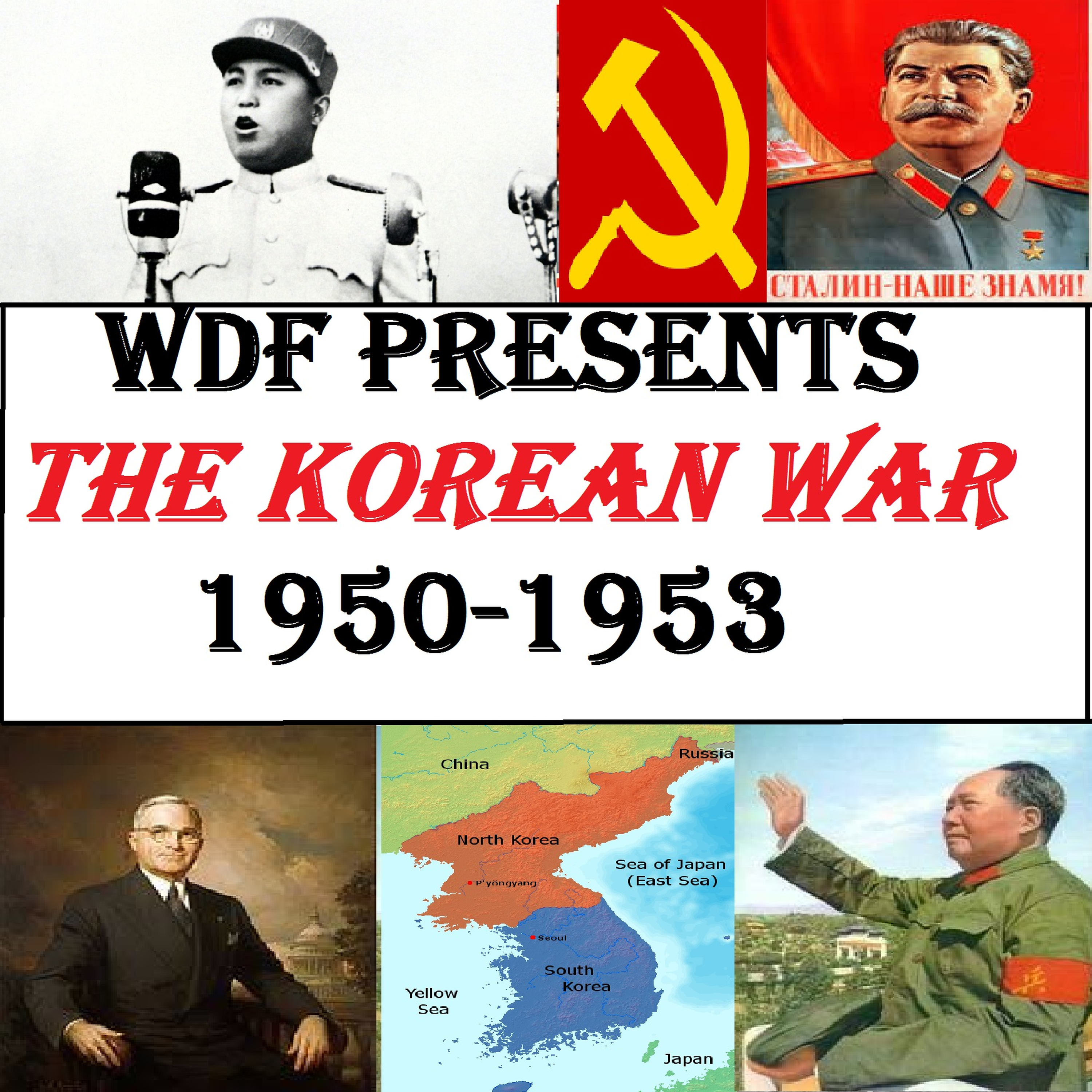
Make sure to give a warm welcome to our featured history podcast through the History Podcasting Platform: Noah Tetzner, and his History of Vikings Podcast. You can find Noah's excellent podcast here: http://thehistoryofvikings.com/author/noahtetzner/ Subscribe on iTunes: https://itunes.apple.com/us/podcast/the-history-of-vikings/id1363609926 Episode 20: Korean Background Part 3 concludes our examination of the Korean elements of the Korean War, by looking at the events which shaped the peninsula North and South between 1945-50. These were years of trouble, of building political bases and of tackling the inherent problems which each zone posed. Cultures of corruption, of political difference and of nationalism would all have to be adapted in this divided world. In the midst of these changes we also see the role which the many institutions of the United Nations had in bringing Korea back together on a basis which would be acceptable to both sides. In the late 1940s, it was far from certain that the division in Korea would be permanent. Since both Moscow and Washington were by now far more occupied with events going on in Western Europe, where events like the Berlin Blockade and the Prague Coup dominated, it was unsurprising that both had little time for affairs in Korea. In time though, as this episode shows, both sides saw the value in holding onto their zone, even while this act required some additional investment, and a consistent support of their favoured candidate, who didn't necessarily have the support of the country behind him. These years, indeed, show us what the Korean origins to the Korean War were, and how it was that over 100,000 Koreans had lost their lives in an undeclared civil war on the peninsula before the outbreak of war in June 1950.****************Music used: "Good Bye Sweet Old Manhattan Isle" by Harry Tally, released in 1909, a must for anyone who wants an atmospheric, patriotic and nostalgic look at America's city so nice, they named it twice! Available: http://freemusicarchive.org/music/Harry_Tally/Antique_Phonograph_Music_Program_02102015/Good_Bye_Sweet_Old_Manhattan_Isle_-_Harry_Tally ************Sign up to our NEWSLETTER for the latest news and deals! In April and May subscribers get 20% OFF my Thirty Years War book, so don't delay! sign up here: https://mailchi.mp/a0d49eec863c/wdfpodcast Want to grab yourself some quality, stylish head/ear phones and get 15% off? Use the code WDF15 to avail of this special offer and start your listening journey with When Diplomacy Fails like never before! See: https://www.sudio.com/eu/Want to support this podcast in other ways, as we meander through the Korean War? Check out the following links to our social media, shop, website, source materials and Patreon below.History Podcasting Platform:http://www.wdfpodcast.com/history-podcasting-platform/Official shop where you can pick up all manner of podcast-related goodies: http://www.wdfpodcast.com/shop/Facebook page: https://www.facebook.com/WhenDiplomacyFailsPodcast/Facebook group: https://www.facebook.com/groups/1856652614380207Twitter:... Hosted on Acast. See acast.com/privacy for more information.
WDF: State of the Podcast Address 23April2018
There's an awful lot to get into here, but we have to start somewhere! In this episode, I explain why my plans have effectively gone up in smoke, and what I plan to do to rectify these new developments. Expect announcements on the future of Poland Is Not Yet Lost, 1956, the Korean War, the Age of Bismarck, the Versailles Anniversary Project, and a new body of work that I will be springing on you guys from 23rd May - the Thirty Years War.That's right! To mark the fact that it's the 400th anniversary of the Defenestration of Prague, on 23rd May 2018 we will be launching a new series, but NOT a new podcast. Instead, you'll be able to get it all in one place. Find out my rationale for that, as well as several other points in this episode; where does Cambridge fit into everything, are we making too much content, what's special about this revamped Thirty Years War series and SO MUCH MORE! If you're a fan of reading, make sure you check out the blog post which will shed further light on the situation:http://www.wdfpodcast.com/thevassalstate/impstates As always, thanksss so much for your patience and support, and I am genuinely sorry and very peeved that Poland has had to be postponed. Hopefully, after listening in here, you'll agree that it was for the best.Pre-order our book on the Thirty Years War by clicking here Check out the newsletter too! Hosted on Acast. See acast.com/privacy for more information.
Korean War #19: Korean Background Part 2
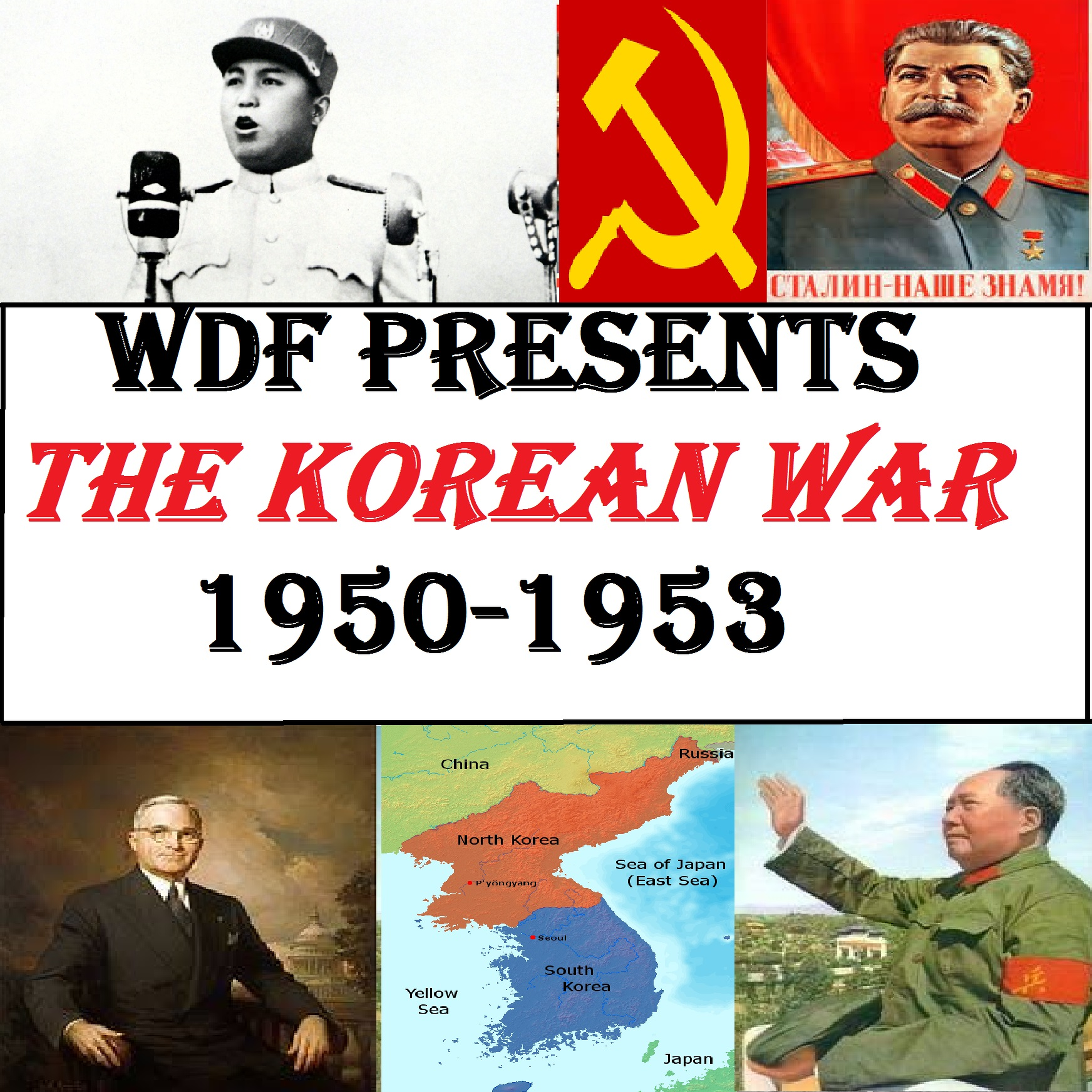
Episode 19: Korean Background Part 2 picks up where we left off last time with an examination of Syngman Rhee, by examining his counterpart up North. Who was Kim Il-sung, and where did he come from to assume a position of unrivalled power in Pyongyang by 1950? Was this rise all by accident, or exclusively by Soviet design, and what was it that recommended Kim to Stalin in the first place? All of these are critical questions which we will examine here, as one of the leading antagonists of our narrative is brought out into the open, freed from his mythical bubble.The story of Kim is one of the creation of Korean nationalism, as much as it the creation of the Korean Communist Party, which won only 4% of the vote in the Soviet zone in 1946. This would never do, and the ascent of Kim Il-sung had much to do with his passionate zeal for communism, as much as it with his loyalty to Stalin. Both qualities would be greatly tested over the next few years, but they would also enable Kim to manoeuvre himself and his family into an unprecedented position of leadership and control. The seeds of this position were already being planted here.*******Music used:"Golden Slippers", by the Fisk Jubilee Singers, released in 1909. Don't let its age fool you - this golden gem is not only my wife's favourite tune, it's also super catchy! Have a listen to get in the mood, and make sure you track it down at its home by going to: http://freemusicarchive.org/music/Fisk_University_Jubilee_Quartet/Antique_Phonograph_Music_Program_02032015/Golden_Slippers_-_Fisk_University_Jubilee_Quartet****************Sign up to our NEWSLETTER for the latest news and deals! In April and May subscribers get 20% OFF my Thirty Years War book, so don't delay! sign up here: https://mailchi.mp/a0d49eec863c/wdfpodcastWant to grab yourself some quality, stylish head/ear phones and get 15% off? Use the code WDF15 to avail of this special offer and start your listening journey with When Diplomacy Fails like never before! See: https://www.sudio.com/eu/Want to support this podcast in other ways, as we meander through the Korean War? Check out the following links to our social media, shop, website, source materials and Patreon below.History Podcasting Platform:http://www.wdfpodcast.com/history-podcasting-platform/Official shop where you can pick up all manner of podcast-related goodies: http://www.wdfpodcast.com/shop/Facebook page: https://www.facebook.com/WhenDiplomacyFailsPodcast/Facebook group: https://www.facebook.com/groups/1856652614380207Twitter: https://twitter.com/?lang=enSupport us financially on Patreon and access an ad-free episodes ($2 per month) and an hour of extra content ($5 per month): https://www.patreon.com/WhenDiplomacyFailsVisit the website: http://www.wdfpodcast.com/Visit the blog: http://www.wdfpodcast.com/thevassalstate/Look at our sources: http://www.wdfpodcast.com/source-materials/Remember spreading the word by telling a history friend about us is still the most effective way to... Hosted on Acast. See acast.com/privacy for more information.
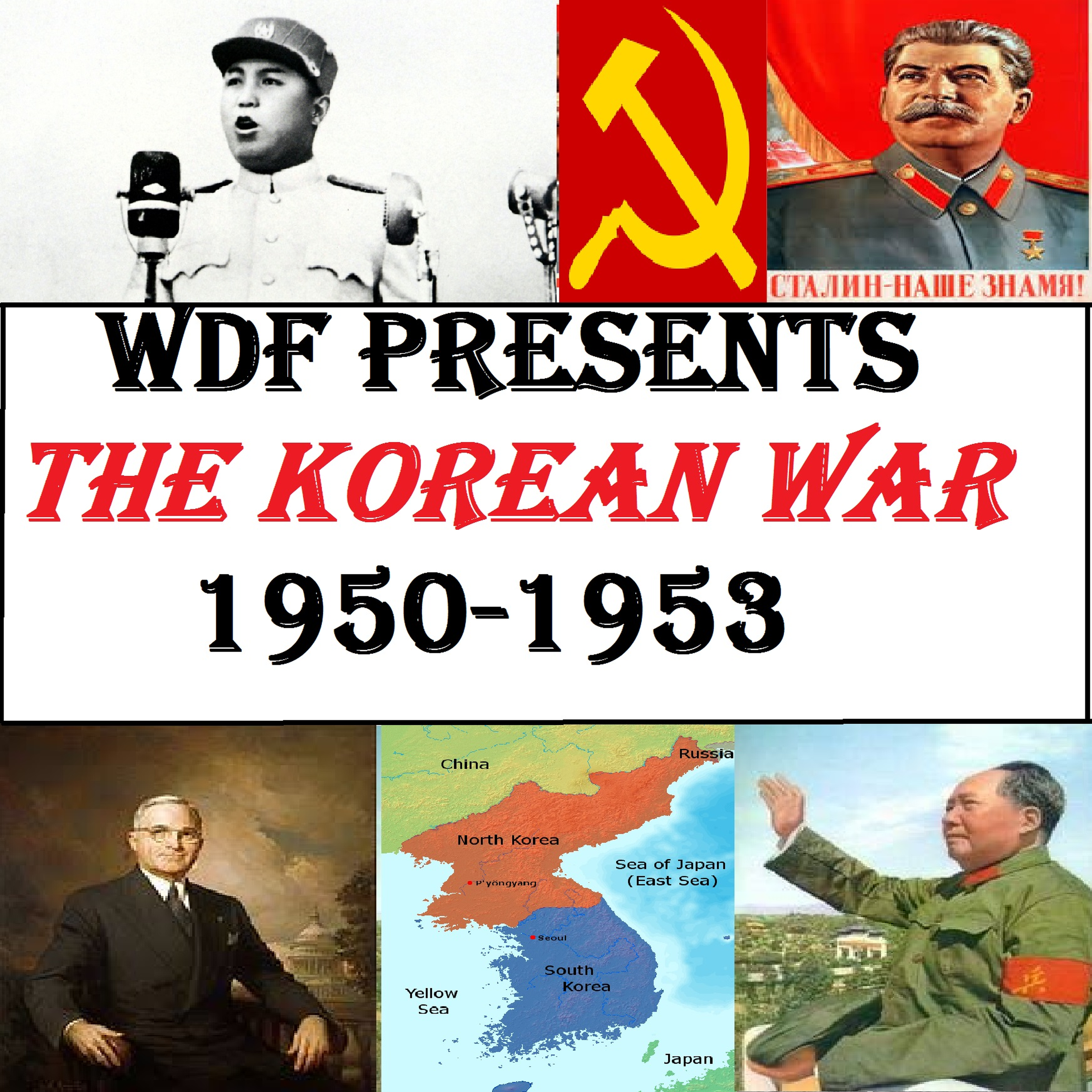
Korean War #18: Korean Background Part 1
NEW: Subscribe to WDF's newsletter for a weekly update on the latest in WDF, exclusive deals, stories, quizzes, perspectives and so much more that you won't get anywhere else. Cut through the cr@p and AXXESS the history with our weekly telegram service. Simply click on the link provided and add your email, and WALLAH!Link: https://mailchi.mp/a0d49eec863c/wdfpodcastEpisode 18: Korean Background Part 1 examines, oddly enough, the background in Korea before the war broke out, in the early years of Syngman Rhee's career. Rhee's life existed in the backdrop of the creeping Japanese influence in Korea, as the peninsula was passing from a Chinese to a Japanese satellite in the late 19th century. All the while, Russian tensions with the Japanese also escalated, and Rhee found himself trapped in a homeland with few friends, and many predators.At 30 years old in the early years of the century, Rhee began his auspicious journey to the US, where he gathered up several degrees and distinguished himself, before returning home as a missionary of all things, just as the Japanese were preparing to annex the region. Rhee's departure in 1910 signalled a watershed moment in his life - for the next 35 years, Rhee would remain an American resident, tirelessly campaigning for the rights of Koreans to independence, as his calls fell on mostly deaf ears. Not until 1945, when he was needed as a Westernised, English speaking Korean person, would Rhee be called upon by the US. We conclude the episode by examining the arrival of the two sides in the peninsula in 1945, and the decision made thereafter to divide Korea along the 38th parallel. It was a decision taken, we'll see, without any consultation with the Korean people, and it was also a decision taken entirely with the interests of the US and Soviets in mind. Time would tell exactly how important this dividing line would be, but for now, it sufficed to keep everyone quiet, if not happy.************ Music used: Georgie Price, Morning Will Come, 1923. Available: http://freemusicarchive.org/music/Georgie_Price/Antique_Phonograph_Music_Program_03242015/Morning_Will_Come_-_Georgie_PriceWant to grab yourself some quality, stylish head/ear phones and get 15% off? Use the code WDF15 to avail of this special offer and start your listening journey with When Diplomacy Fails like never before! See: https://www.sudio.com/eu/Want to support this podcast in other ways, as we meander through the Korean War? Check out the following links to our social media, shop, website, source materials and Patreon below.History Podcasting Platform: http://www.wdfpodcast.com/history-podcasting-platform/Official shop where you can pick up all manner of podcast-related goodies: http://www.wdfpodcast.com/shop/Facebook page: https://www.facebook.com/WhenDiplomacyFailsPodcast/Facebook group: https://www.facebook.com/groups/1856652614380207Twitter: https://twitter.com/?lang=enSupport us financially on Patreon and access an ad-free episodes ($2 per month) and an hour of extra content ($5 per month): https://www.patreon.com/WhenDiplomacyFailsVisit the website: http://www.wdfpodcast.com/Visit the blog: Hosted on Acast. See acast.com/privacy for more information.
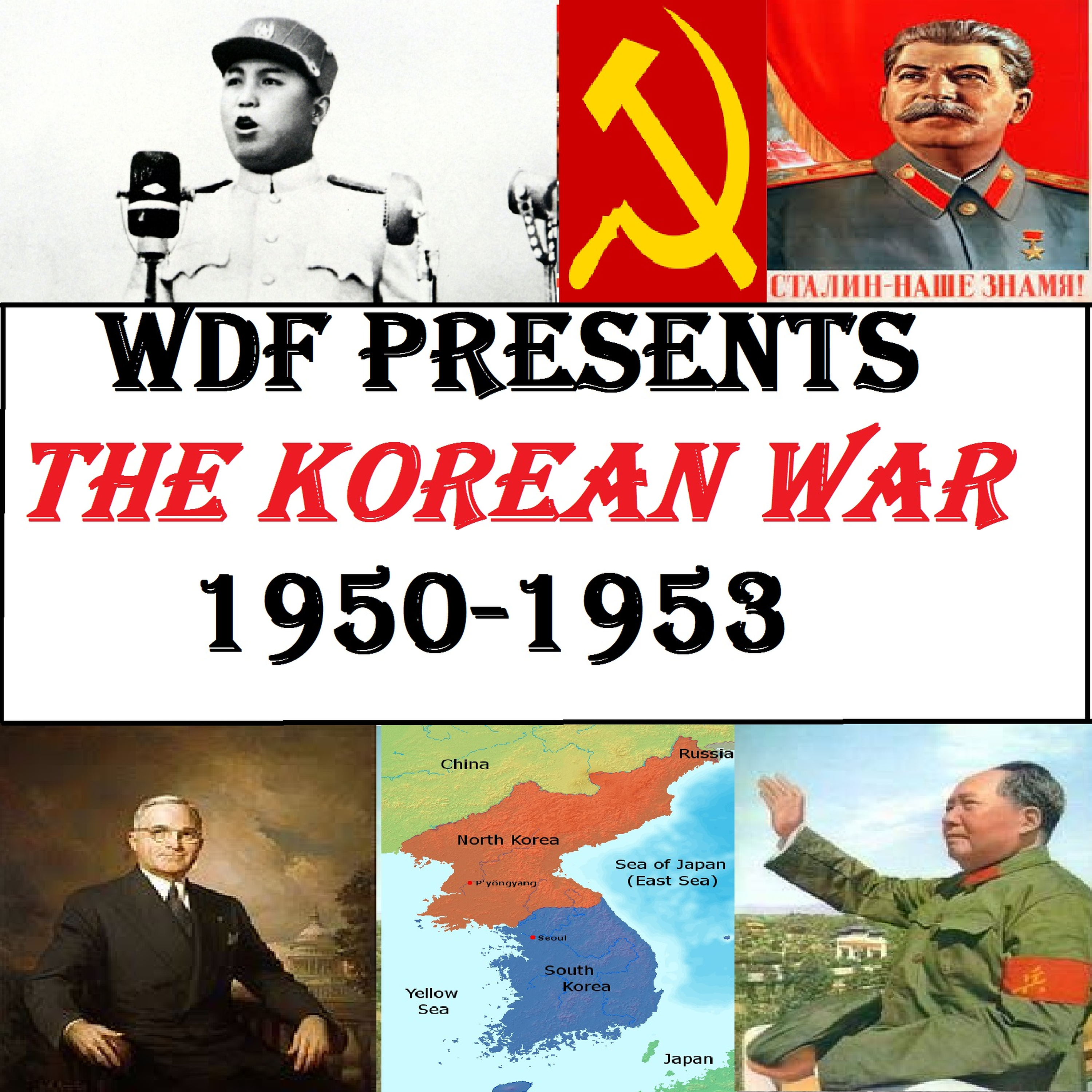
Korean War #17: The Balancing Act
NEW: Subscribe to WDF's newsletter for a weekly update on the latest in WDF, exclusive deals, stories, quizzes, perspectives and so much more that you won't get anywhere else. Cut through the cr@p and AXXESS the history with our weekly telegram service. Simply click on the link provided and add your email, and WALLAH!Link: https://mailchi.mp/a0d49eec863c/wdfpodcastEpisode 17: The Balancing Act contains several fascinating nuggets, as the US did its best to balance the needs of its policy towards South Korea - the luring of its enemies there into a false sense of security by making the regime vulnerable - with its real strategic concerns if the North made use of its increasingly powerful armoured columns. In spite of Syngman Rhee's pleas in the months before, the anti-tank capabilities of the ROK Army were insufficient at best, and there was a real danger that if the North pushed south with its abundance of T34s, it would roll up everything that the allies had to offer.In such circumstances, we are also introduced to War Plan SL-17, a detailed dossier on how to act in the event of a war in Korea, developed by the US government in early June 1950, in other words, only a few weeks before the invasion was launched. This War Plan also detailed the defence in the Pusan Perimeter which was later made famous by heroic allied actions, but also "an amphibious landing at Inchon to cut enemy supply lines". Far from General MacArthur's brainchild, the Inchon landings were in fact put to paper many months before, all as a response to the fears that the North was capable of defeating the allies on the peninsula before the wider goal of NSC68 could be pursued.This is our final analysis of American policies towards Korea before the shooting begins, and it is rife with some last minute considerations, as war preparations in late June 1950 reach a fever pitch. Having crafted and prepared this policy, it was essential that Washington not mess up this late in the game - the risk was high, but the endgoal of containment required that Korea be a theatre of risk. If the allies could stand fast in the initial attack, then the subsequent response would hopefully cover up any bad taste that the initial allied failures left. Hopes and aims were thus a dime a dozen in the final days of peace; it remained to be seen exactly how secure the American position was. A succession of punches, some of them in the public sphere, some on the battlefield, and some in the upper echelons of government and military command, were soon to land, and then, a new balancing act would begin.*******"Good Morning Mr Zip-Zip-Zip", by Eugene Buckley and the Peerless Quartet, released in 1918. The song refers plainly to the composition and haircuts of the armies. In light of what's about to come in Korea, I felt it was appropriate! You can get it for free here: http://freemusicarchive.org/music/Eugene_Buckley_and_Peerless_Quartette/Antique_Phonograph_Music_Program_03242015/Good_Morning_Mr_Zip-ZipZip_-_Eugene_Buckley_and_Peerless_Quartette************ Want to grab yourself some quality, stylish head/ear phones and get 15% off? Use the code WDF to avail of this special offer and start your listening journey with When Diplomacy Fails like never before! See: https://www.sudio.com/eu/Want to support this podcast in other ways, as we meander through the Korean War? Check out the following links to our social media, shop, website, source materials and Patreon below.Official shop where you can pick up all manner of podcast-related goodies: http://www.wdfpodcast.com/shop/Facebook page: Hosted on Acast. See acast.com/privacy for more information.
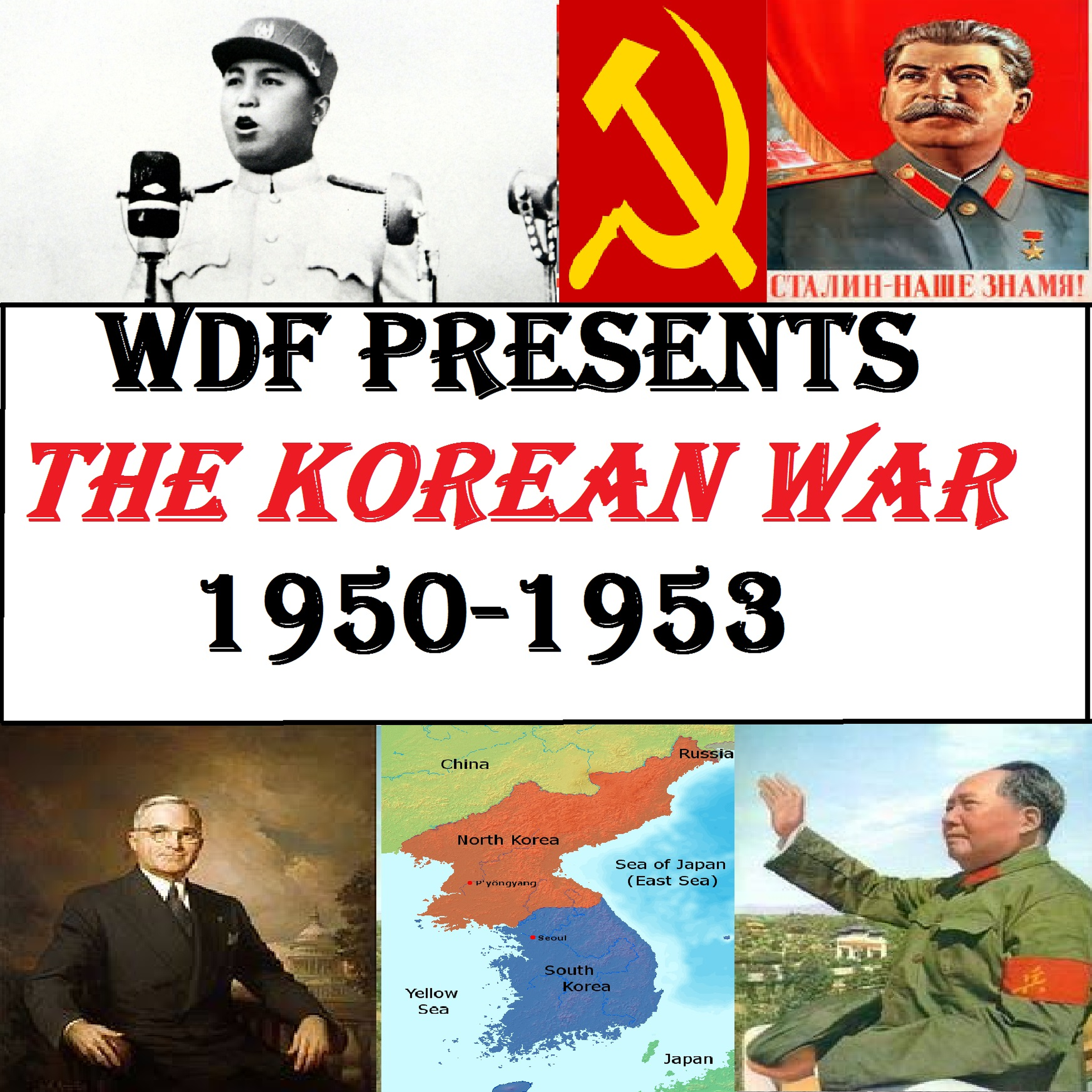
Korean War 16: Selective Perspective
Episode 16: Selective Perspective examines further the American policy towards South Korea in late spring 1950. We open the episode with the arrival of America's ambassador to South Korea John J Muccio (pictured) returning home, to plead in person for the things that Seoul desperately needed. While Muccio did this, the Truman administration set about crafting a perfectly coordinated image of its approach to South Korea, be that through suggestive magazine interviews or tactically ignoring Muccio's recommendations, while giving the impression that he had been listened to.If the order of the day was to stall Muccio, and to momentarily ease Syngman Rhee's fears, then it was mission accomplished.As the Truman administration well understood, their policy towards Korea was being watched by the communists, and any signs of hesitation, of a reluctant or unwillingness to support Rhee's regime could all be construed as signals that Washington wouldn't put up much of a fight if the North invaded. This was what Kim Il-sung wanted to hear, and it was also exactly what Washington wanted him to hear. Faced with these bits of evidence, Kim would invade South Korea convinced of the American weakness and hesitation, only to face a total buzzsaw.The US did have some cause for concern though, when intelligence was received that underlined the sheer number of armoured columns collecting in North Korea. While they required a Northern invasion and an allied holding action, there was a danger that the North would push the allies off the peninsula entirely if the hundreds of T34 tanks burst over the 38th parallel. Thus, Washington engaged in some other policies, seemingly at odds with their plan to sabotage South Korea's defensive capabilities. Task forces, air and naval forces and other preparations would be made. Even while it would seem that the US was unprepared when the North attacked, the arrival of more soldiers in the nick of time in several areas would, hopefully, be enough to plug the gaps. Any suspicion about the American response was a matter of perspective.******Music used:"Shaving Cream" by Benny Bell, released in 1946. Today we have a real gem for you guys - the first true double entendre song of its time, Shaving Cream is...well...you just have to have a listen yourself to see what it's all about. As a tune it remains one of my favourite of the series, and is supremely catchy, I'm sure you'll agree. You can get it for free here:https://archive.org/details/BennyBell Want to grab yourself some quality, stylish head/ear phones and get 15% off? Use the code WDF to avail of this special offer and start your listening journey with When Diplomacy Fails like never before! See: https://www.sudio.com/eu/Want to support this podcast in other ways, as we meander through the Korean War? Check out the following links to our social media, shop website, source materials and Patreon below.Facebook page: https://www.facebook.com/WhenDiplomacyFailsPodcast/Facebook group: https://www.facebook.com/groups/1856652614380207Twitter: https://twitter.com/?lang=enSupport us financially on Patreon and access an ad-free episodes ($2 per month) and an hour of extra content ($5 per month): https://www.patreon.com/WhenDiplomacyFailsVisit the website: Hosted on Acast. See acast.com/privacy for more information.
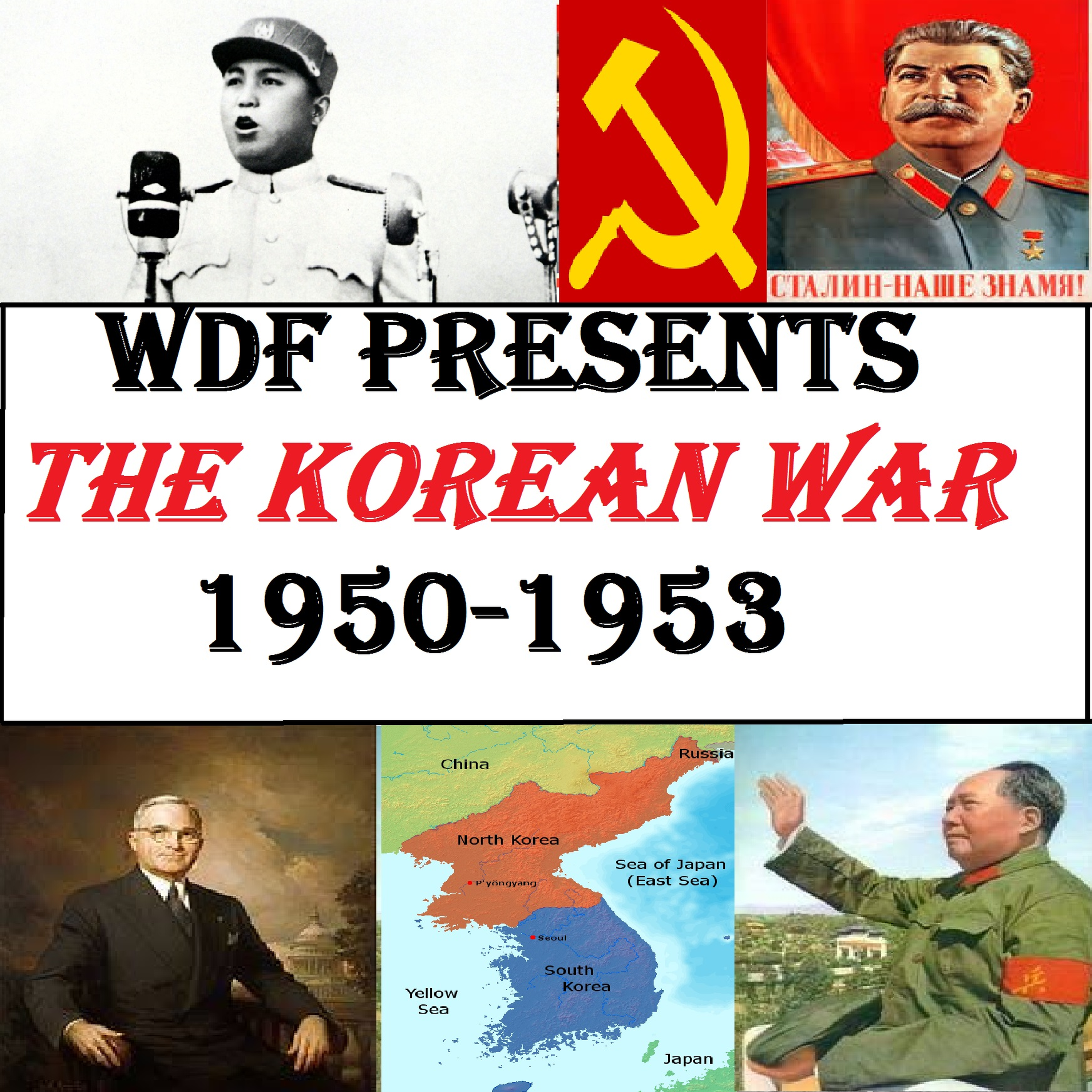
Korean War #15: Ignorance Is Bliss
Episode 15: Ignorance Is Bliss examines the behaviour of the US towards its South Korean ally. Since the American strategy was now to lure North Korea into attacking, we'll see in this episode exactly how determined the Truman administration was to chronically underfund and jeopardise the security of Seoul. Ignoring the protests, concerns and urgency professed even by some of its own State Department staff, the US behaved as though it had no concept of what was happening in South Korea in spring 1950, and that it did not know that the Soviets were now actively supporting the North as it prepared to invade.If the North planned to invade, Washington planned to make South Korea as juicy a target as possible for its neighbours. Only in this way would the conflict necessary for the realisation of NSC68 be achieved. So Syngman Rhee was faced with complaints from Washington that inflation in his country was rife, and that he would have to sort this out before sufficient military aid would be provided. Where Rhee protested that his state was desperately vulnerable in light of rumours of Northern rearmament, Acheson(pictured here with Truman) stalled, and presented the South Korean regime as too beligerent to be trusted with greater defensive capabilities, a claim which has mostly stuck to this day.In the height of his desperation, the uninformed American ambassador to South Korea, John J Muccio, would attempt to travel to Washington and make his case. As he planned his trip, it was difficult to believe that the Truman administration could indeed be this grossly incompetant and ignorant of the situation. As we'll see, this conventional explanation for why the US ignored the repeated warnings doesn't hold up particularly well under scrutiny. It's time to challenge what you think you know, and I'm here as always to help you do that!*******Music Used: "Gloomy Sunday", by Paul Whiteman, released in 1936. This iconic tune was made use of during the Hungarian revolts. It is indeed a gloomy tune, but also one of immense quality, so I hope you enjoy it! You can find it free here: https://archive.org/details/PaulWhitemanwithJohnnyHauser 1956 - The Eventful Year is now LIVE! Head on over to its new home and check out this new, originally researched series, and listen to over two hours of free content now! If you like what you hear, why not join up on Patreon for $5 a month, and get access to the complete story 1956 provides: a rich and immensely detailed saga spanning 35 episodes!? You'll be investing in WDF's future, feasting on all the best exclusive content to come, AND have access to the XTRA feed's extensive back catalogue! Thanksss!For 1956: https://www.acast.com/1956eventfulyearTo access it all, head over to the XTRA feed: https://www.patreon.com/WhenDiplomacyFails/postsWant to grab yourself some quality, stylish head/ear phones and get 15% off? Use the code WDF to avail of this special offer and start your listening journey with When Diplomacy Fails like never before! See: https://www.sudio.com/eu/Want to support this podcast in other ways, as we meander through the Korean War? Check out the following links to our social media, website, source materials and Patreon below.Facebook page: https://www.facebook.com/WhenDiplomacyFailsPodcast/Facebook group: https://www.facebook.com/groups/1856652614380207Twitter: https://twitter.com/?lang=enSupport us financially on Patreon and access an ad-free episodes ($2 per month) and an hour of extra content ($5 per month): Hosted on Acast. See acast.com/privacy for more information.
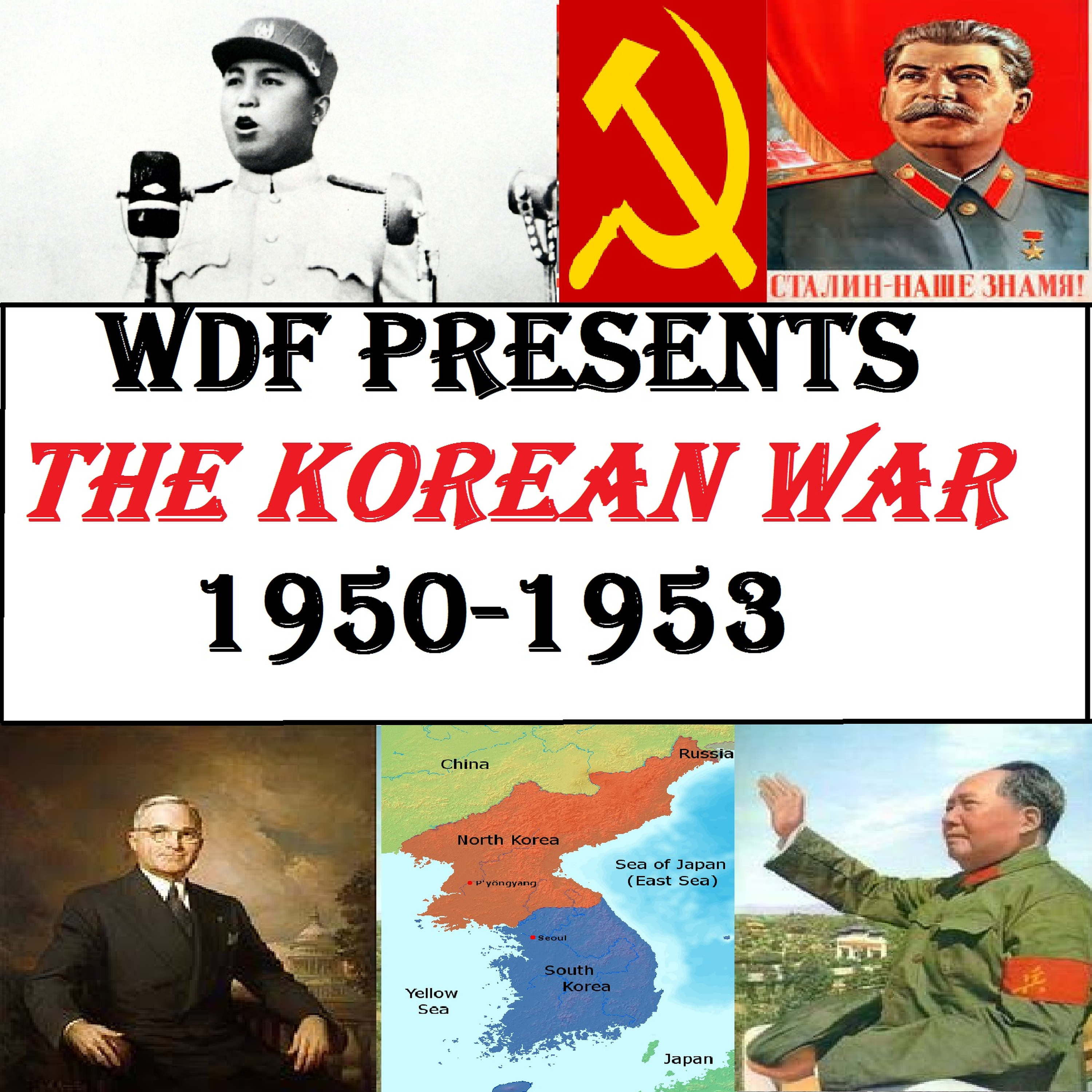
Korean War #14: Race To Ruin
Episode 14: The Race To Ruin examines the Asian theatre in spring 1950, and the different concerns which the North Koreans, Soviet and Chinese leaders grappled with. At the apex of these concerns was the alternative plan of Mao's, as Mao desperately wanted to invade Taiwan, and end the Chinese Civil War once and for all before either American support or some form of republican resurgence on that island threatened China. This fear of the implications for Chinese security in Taiwan compelled Mao to act entirely as Stalin expected.Mao was eager to invade Taiwan, but required Soviet aid to launch such an invasion since he lacked the necessary landing craft. Thus, Stalin held the cards, and he also held them in the Korean case, as supplies began arriving in Pyongyang at the same time as Stalin met with the North Korean delegation over February to April. Important details, and the blueprint of the war were essentially hammered out, and Stalin presented the conflict going the way which Kim had hoped. It would not be a long war, Stalin claimed, but a short sharp one, whereupon the fall of Seoul would cause a pro-Kim uprising in South Korea, and the country would fall without Kim Il-sung having to lift a finger. This, of course, was what Kim Il-sung wanted to hear.If Kim was being duped by Stalin on this issue, then Mao wasn't doing much better. Gradually, at least, the Chinese leader was beginning to suspect that something was underway in North Korea. Because Stalin kept Mao in the dark on point of principle, Mao couldn't be sure of Soviet moves, but he felt a pressure upon his goals to invade Taiwan, and this was enough to force him to accelerate his plans for an invasion, with or without the necessary craft. This increased preparedness, of course, caused Stalin to increase his own Korean War plans. If Mao managed to seize Taiwan before the Korean War was launched, then Chiang Kai-shek would be absent, and the Sino-American relationship could be potentially healed. To prevent this, Stalin attempted to intercept the Chinese by pushing Kim forward in Korea. It was thus a race, yet on any consideration, it was a race to ruin. Stalin was eager to launch the war, but he was far from eager to actually fight it.*********1956 - The Eventful Year is now LIVE! Head on over to its new home and check out this new, originally researched series, and listen to over two hours of free content now! If you like what you hear, why not join up on Patreon for $5 a month, and get access to the complete story 1956 provides: a rich and immensely detailed saga spanning 35 episodes!? You'll be investing in WDF's future, feasting on all the best exclusive content to come, AND have access to the XTRA feed's extensive back catalogue! Thanksss!For 1956: https://www.acast.com/1956eventfulyearTo access it all, head over to the XTRA feed: https://www.patreon.com/WhenDiplomacyFails/postsWant to grab yourself some quality, stylish head/ear phones and get 15% off? Use the code WDF to avail of this special offer and start your listening journey with When Diplomacy Fails like never before! See: https://www.sudio.com/eu/Want to support this podcast in other ways, as we meander through the Korean War? Check out the following links to our social media, website, source materials and Patreon below.Facebook page: https://www.facebook.com/WhenDiplomacyFailsPodcast/Facebook group: https://www.facebook.com/groups/1856652614380207Twitter: https://twitter.com/?lang=enSupport us financially on Patreon and access an ad-free episodes ($2 per month) and an hour of extra content ($5 per month): Hosted on Acast. See acast.com/privacy for more information.
WDF: Tomi Reichental - Holocaust Survivor Part 3
In the final part of our conversation with Tomi, we talk through the process of telling his story. How hard was it, why did he feel compelled to speak after so many years of silence, and how does he feel about the current state of affairs in Europe today? These and so many other questions are lobbed in his direction, and Tomi was gracious and open enough to answer them. I shouldn't have to tell you how thankful I am to Tomi for giving us his very valuable time here, but I do recommend that if you want to know more about him, look him up, and of course, email me [email protected] where I'll be happy to pass a message on.So that's it. After such an exciting last few weeks, it is amazing to bring this to you guys. I hope you have enjoyed absorbing the words and stories of this incredible man, and that you, like myself, are feeling pretty grateful right now to Tomi for his immense service. I think I can speak for all of us when I say that I hope Tomi NEVER stops speaking. Too many of us still need to hear you story!***************Tomi Reichental would love to hear from you, so be sure to send me any messages you may have for him and I will happily pass them on to him! For further information about the award winning documentaries Tomi has helped direct and taken an active part in, see the links below.Till The Tenth Generation intro: https://vimeo.com/101014541Close To Evil intro: http://www.rte.ie/archives/2014/0827/639627-close-to-evil/Condemned To Remember intro: https://www.youtube.com/watch?v=cCWWVwrK4L0A huge thanksss again must go out to Tomi Reichental himself, who gave up his valuable time and invited me into his lovely home to help this interview take place. It is because of his need to tell his story that we are privileged to host it here. Thank you Tomi, you are a true history friend. Hosted on Acast. See acast.com/privacy for more information.
WDF: Tomi Reichental - Holocaust Survivor Part 2
ETomi's story continues, as he talks us through his arrival in Belsen, a place his family members knew nothing of, and expected would be their final destination. Tragically, as we'll see, this was to be true for some of them. Tomi brings us through his harrowing experiences of life in a concentration camp, just as the Nazi system was falling apart. It contains detail which some may find upsetting, so I have marked it as explicit for this reason.Tomi's story is one which brings us through some difficult themes and scenes, but it ends on a note of hope, as he learns for the first time, after staying silent for so long, how important speaking out truly is. Please make sure to join us for the final part on Friday, as we bring this incredible saga to its end.*******************Tomi Reichental would love to hear from you, so be sure to send me any messages you may have for him and I will happily pass them on to him! For further information about the award winning documentaries Tomi has helped direct and taken an active part in, see the links below.Till The Tenth Generation intro: https://vimeo.com/101014541Close To Evil intro: http://www.rte.ie/archives/2014/0827/639627-close-to-evil/Condemned To Remember intro: https://www.youtube.com/watch?v=cCWWVwrK4L0A huge thanksss again must go out to Tomi Reichental himself, who gave up his valuable time and invited me into his lovely home to help this interview take place. It is because of his need to tell his story that we are privileged to host it here. Thank you Tomi, you are a true history friend. Hosted on Acast. See acast.com/privacy for more information.
WDF: Tomi Reichental - Holocaust Survivor Part 1
SKIP TO 12:00 TO BEGIN HEARING THE INTERVIEW IF YOU WANT TO SKIP MY INTRO!Today history friends we have something incredibly special lined up for you. All this week, we'll be letting loose three parts of an interview I did with Holocaust survivor Tomi Reichental. Obviously, I am incredibly excited to bring this to you, but I am also deeply indebted to Tomi for coming onto the show and telling his story, a story which most of my Irish listeners, and some others, may already know, but which deserves absolutely to be heard, and then heard again.In this first part, we talk about Tomi's childhood, and how he went from being an innocent boy in a quaint Slovakian village, where everyone knew everyone, to being shipped off in a cattle cart, separated from his family at 9 years of age, destined for somewhere unknown. It is a harrowing story, but it is also a fundamentally important story for us to hear. Tomi Reichental was a boy in Bergen-Belsen, and lived in that hell from November 1944 until liberation in mid-April 1945.Everyone should hear what Tomi has to say, so make sure to spread the word that WDF is playing host to a Holocaust survivor. Like many of you guys said when I asked what I should ask Mr Reichental, I simply ask him here to tell us his story, and what a story it is.***********Tomi Reichental would love to hear from you, so be sure to send me any messages you may have for him and I will happily pass them on to him! For further information about the award winning documentaries Tomi has helped direct and taken an active part in, see the links below.Till The Tenth Generation intro: https://vimeo.com/101014541Close To Evil intro: http://www.rte.ie/archives/2014/0827/639627-close-to-evil/Condemned To Remember intro: https://www.youtube.com/watch?v=cCWWVwrK4L0A huge thanksss again must go out to Tomi Reichental himself, who gave up his valuable time and invited me into his lovely home to help this interview take place. It is because of his need to tell his story that we are privileged to host it here. Thank you Tomi, you are a true history friend. Hosted on Acast. See acast.com/privacy for more information.
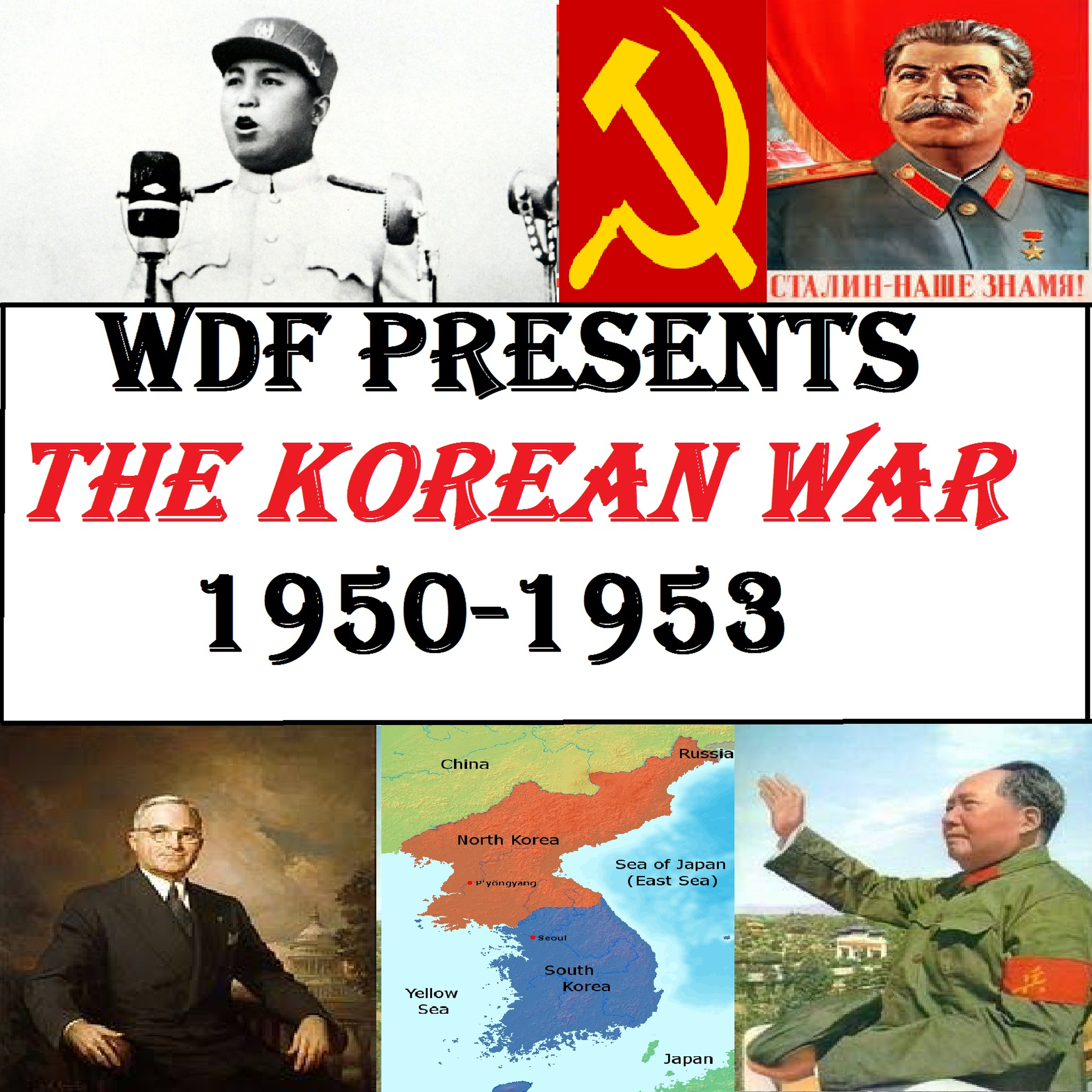
Korean War #13: A Useful Bombshell
Episode 13: A Useful Bombshell examines the immediate reactions to the Sino-Soviet Alliance in the US. Now that their wedge strategy had been torpedoed, and the Truman administration had failed to save China again, the question remained as to what Dean Acheson could do next. Under pressure from foreign and domestic critics, it was imperative that something was done to reverse these negative trends, and get some kind of a win for American foreign policy.If you've been paying attention so far, you'll know that THIS is the moment in our story when our coverage really diverges away from the mainstream version of what happened, but bear with me, because we certainly aren't being 'alt' for no reason!The version of the KW which I plan to present in this series is this: far from twiddling its thumbs and living in blissful ignorance of the threat to Korea and Taiwan, Acheson and some newly installed, more hardline colleagues determined that Korea could have some real value as a piece of bait. This bait could draw first the North Koreans and then the Chinese in, while Taiwan would be secured, a new frontline against communism would be drawn in Asia, and, most importantly of all, Washington would wrest approval in these desperate times for a manifold explosion in its defence budget, from $15 billion to $70 billion, as we have seen."No people in history have preserved their freedom who thought that by not being strong enough to protect themselves they might prove inoffensive to their enemies." Such was the opinion of NSC68, our boo for this series, and the key to understanding why the US pursued the foreign policy that it did. Having tried and failed to disarm the Soviet capabilities through diplomacy, plan B looked to contain the Sino-Soviet bloc, although it was tacitly acknowledged that to bluff the Soviets from a position of weakness would be a recipe for disaster.NSC68 did not mean war with the Soviets - it meant the creation of a military industrial complex that would enable Washington to contain communism, and peacefully dictate to Moscow from a position of strength. Episode 13's useful bombshell was thus that Sino-Soviet alliance, because without it, the Truman administration could never have turned American fortunes around as they did, and the US may well never have emerged as the supreme military power in the Cold War. This, and some other musings, are our episode 13, so I hope you enjoy it!***************1956 - The Eventful Year is now LIVE! Head on over to its new home and check out this new, originally researched series, and listen to over two hours of free content now! If you like what you hear, why not join up on Patreon for $5 a month, and get access to the complete story 1956 provides: a rich and immensely detailed saga spanning 35 episodes!? You'll be investing in WDF's future, feasting on all the best exclusive content to come, AND have access to the XTRA feed's extensive back catalogue! Thanksss!For 1956: https://www.acast.com/1956eventfulyearTo access it all, head over to the XTRA feed: https://www.patreon.com/WhenDiplomacyFails/postsWant to grab yourself some quality, stylish head/ear phones and get 15% off? Use the code WDF to avail of this special offer and start your listening journey with When Diplomacy Fails like never before! See: https://www.sudio.com/eu/Want to support this podcast in other ways, as we meander through the Korean War? Check out the following links to our social media, website, source materials and Patreon below.Facebook page: https://www.facebook.com/WhenDiplomacyFailsPodcast/Facebook group: https://www.facebook.com/groups/1856652614380207Twitter: Hosted on Acast. See acast.com/privacy for more information.
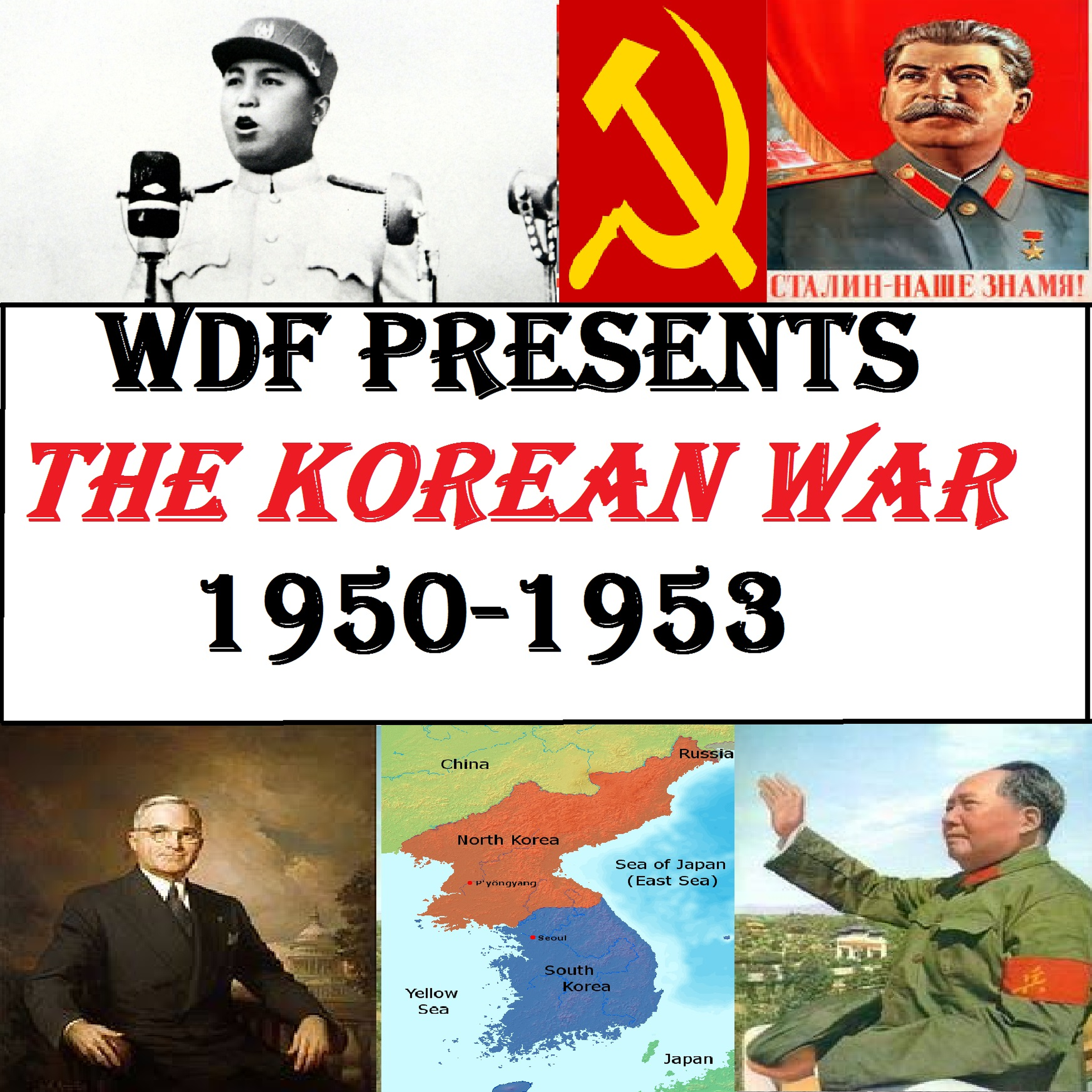
Korean War #12: A Treaty of 'Friendship'
**REMEMBER, 1956 - The Eventful Year is out NOW! 1956 is a brand new original series examining the eventful aftermath of the Korean War. Stalin was dead, the West was facing numerous troubles, and everything seemed in flux. It is an incredible story, and I really enjoyed researching it. It is absolutely free to listen to the first few episodes of 1956, but it is in a brand new podcast feed! 4 episodes in total and more to come are on the way, so please do follow these links so that you can subscribe and enjoy this underrated story.The following episodes are available to all:What is 1956?1956 Part 1 Introduction1956 Episode 1.1: Death of a Comrade1956 Episode 1.2: There Can Be Only One!To find on iTunes: https://itunes.apple.com/ie/podcast/1956-the-eventful-year/id1351213922To find on Acast: https://www.acast.com/1956eventfulyearPlease do stop by - there's so much to see and hear in this series, and already I have heard great things from several listeners and Patrons alike! Thankssss! :D***************In Episode 12, A Treaty of 'Friendship', we examine Mao Zedong's visit to Moscow reaching its conclusion. The long awaited treaty, so long feared in the US, was concluded on 14th February. Yet, while on the surface, the agreement was steeped in mutual cooperation and Sino-Soviet happiness, the truth was far more complex, and far less warm.Under the surface, Stalin had already set the ball rolling for a war in Korea by providing Kim Il-Sung with thousands of new experienced soldiers, freshly returned from their campaigns in China. This sudden influx of experienced and enthusiastic veterans meant that Kim was in a position to invade the South, at least, so he thought. To Mao Zedong, this meant a whole load of bad things, but above all, it meant complications and security problems for his fledgling People's Republic.Having sown this seed in the background, Stalin was bound to see it bear fruit in the near future, and he found that Mao was a great deal more suspicious of him when they met in late January to conclude their long awaited deal. The rumour and whispers about Stalin's moves and the dangers these posed Mao compelled the Chinese leader to change his stance in many, almost hilarious respects. While Stalin, altered also by the events he was setting in motion, had changed his tune as well. The Treaty of Friendship, while lamented in Washington, was as much a blessing as a curse for Mao - above all, it now meant that the race was on to make war against Taiwan before there was war in Korea. The problem being, Stalin had his hands all over the necessary equipment, and he was in total control***** Want to grab yourself some quality, stylish head/ear phones and get 15% off? Use the code WDF to avail of this special offer and start your listening journey with When Diplomacy Fails like never before! See: https://www.sudio.com/eu/Want to support this podcast in other ways, as we meander through the Korean War? Check out the following links to our social media, website, source materials and Patreon below.Facebook page: https://www.facebook.com/WhenDiplomacyFailsPodcast/Facebook group: https://www.facebook.com/groups/1856652614380207Twitter: https://twitter.com/?lang=enSupport us financially on Patreon and access an ad-free episodes ($2 per month) and an hour of extra content ($5 per month): https://www.patreon.com/WhenDiplomacyFailsVisit the website: http://www.wdfpodcast.com/Visit the blog: Hosted on Acast. See acast.com/privacy for more information.
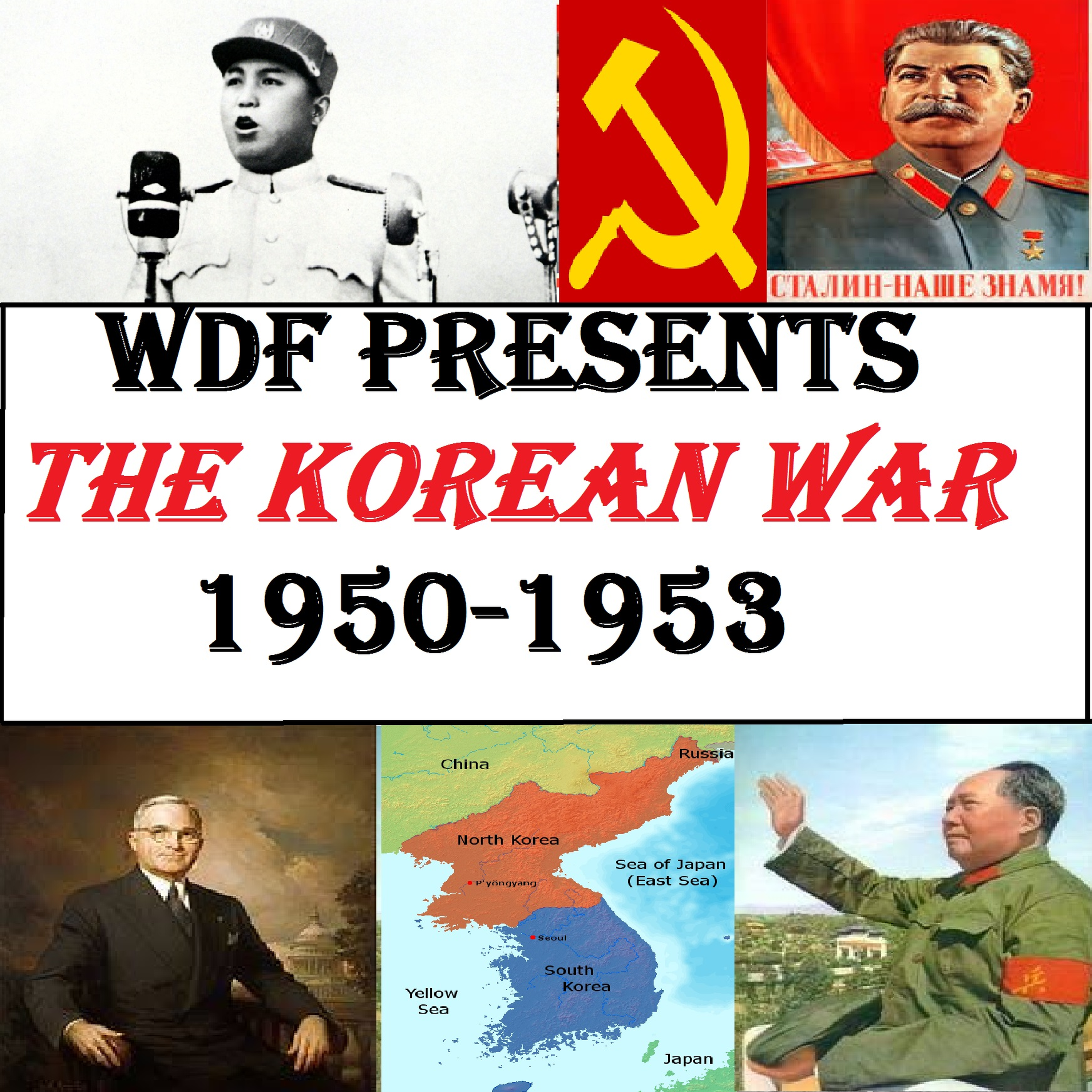
Korean War #11 Coming Full Circle
This is a VERY detailed episode, and can be best divided into three parts.1) Explaining the different NSC reports and papers, and how they were reconciled as new developments affected a change in US foreign policy.2) Stalin's decision to walk out of the UN Security Council, and why he did it!3) Acheson's speech to the National Press Club on 12th January 1950 - so long lambasted as an example of the Secretary of State's carelessness, but in actual fact representing a veiled attempt to appeal to Mao Zedong.As detailed as it is, it's also chock full of fascinating info, so listen in!Episode 11: Coming Full Circle ties together the last six episodes that examined the Sino-Soviet and Sino-American relations in their different boxes. The countless ways in which American, Soviet and Chinese interests overlapped in the world made hammering out satisfactory deals somewhat difficult, but as 1950 dawned, the Chinese were finally closing in on signing the deal with the Soviets, but not if Dean Acheson had anything to say about it!In the course of his last efforts to drive that wedge between China and Russia, Acheson performed the now infamous speech at the National Press Club on 12th January 1950. Ever since that moment, Acheson came to be regarded as the man who led the world to believe that the US did not care about South Korea, and thus he is sometimes criticised for giving the green light to Kim Il-sung, who interpreted his speech as saying that Washington would leave Seoul to its fate. The reality, as we'll discover, was a bit more complicated, FAR more interesting and had, at its goal, the friendship of China.Acheson was not going down without a fight, but within days, everything he held to be true about American foreign policy would change. See how such an incredible story unfolded, in our latest episode of the Korean War!******Music used:"Smoky Mountain Blues" by Wallace Chains, released in 1939. Available:http://www.museumsyndicate.com/item.php?item=82680 Want to grab yourself some quality, stylish head/ear phones and get 15% off? Use the code WDF to avail of this special offer and start your listening journey with When Diplomacy Fails like never before! See: https://www.sudio.com/eu/Want to support this podcast in other ways, as we meander through the Korean War? Check out the following links to our social media, website, source materials and Patreon below.Patreon Page: https://www.patreon.com/WhenDiplomacyFailsFacebook page: https://www.facebook.com/WhenDiplomacyFailsPodcast/Facebook group: https://www.facebook.com/groups/1856652614380207Twitter: https://twitter.com/?lang=enVisit the website: http://www.wdfpodcast.com/Visit the blog: http://www.wdfpodcast.com/thevassalstate/Look at our sources: http://www.wdfpodcast.com/source-materials/Remember spreading the word by telling a history friend about us is still the most effective way to spread the history love! Thanksss :D Hosted on Acast. See acast.com/privacy for more information.
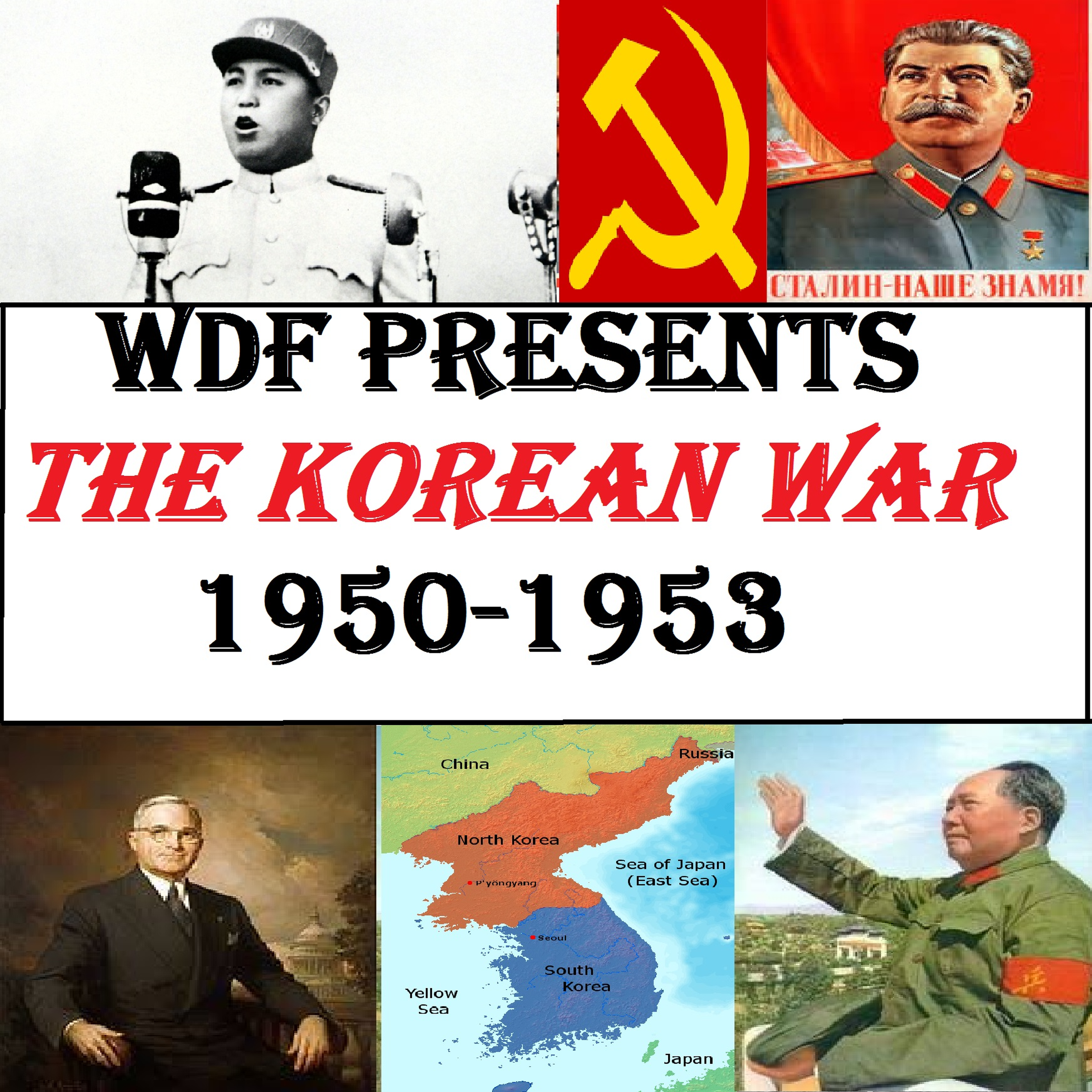
Korean War #10: Sino-American Talks Part 2
Episode 10: Sino-American Talks Part 2 concludes our take on where the Sino-American diplomacy led as 1949 became 1950. It provides a crucial bit of background to how the US reacted to the actual signing of the Sino-Soviet Treaty, so make sure you have a listen in, and as always, be sure to let me know what you all thought!The increasing supremacy of the communists, as well as the difficulties posed by the British, were among the complications that the Truman administration faced when its face, Dean Acheson, (pictured here at work with NATO) attempted to continue with the wedge approach. As we learned last time, Acheson believed that only by accepting the facts of the day and abandoning the doomed Chiang Kai-shek could US interests in Asia and across the world be upheld. Unless America abandoned Chiang, it could never pose as a friend to Mao, and thus Acheson attempted, in a last ditch effort in autumn 1949, to be that friend.Mao was in indeed looking for a friend, but as we have learned, Acheson's efforts came as too little too late. Worse, the Soviets managed to detonate their own atom bomb in August, reducing the American supremacy in world affairs. Pressure was mounting on Acheson to wrest something from Mao, just as it was mounting on Mao to reach an agreement with Stalin. As we know, only one of these outcomes could come to pass, and Beijing would side with their ideological allies rather than the suspicious Washington.Acheson didn't know it yet, but his failure here would lead him to trumpet an even more radical policy than appeasing the Chinese. If the Soviets and Chinese wanted to be in cahoots, then America would allow it and confront the problem head on, but first she needed to re-arm. The march towards Korea was beginning.*******Music used:"Goodnight Angeline", by the Four Harmony Kings, in 1921. This gem can be found by going to: http://freemusicarchive.org/music/The_Four_Harmony_Kings/Antique_Phonograph_Music_Program_02032015/Goodnight_Angeline_-_The_Four_Harmony_KingsWant to grab yourself some quality, stylish head/ear phones and get 15% off? Use the code WDF to avail of this special offer and start your listening journey with When Diplomacy Fails like never before! See: https://www.sudio.com/eu/Want to support this podcast in other ways, as we meander through the Korean War? Check out the following links to our social media, website, source materials and Patreon below.Facebook page: https://www.facebook.com/WhenDiplomacyFailsPodcast/Facebook group: https://www.facebook.com/groups/1856652614380207Twitter: https://twitter.com/?lang=enSupport us financially on Patreon and access an ad-free episodes ($2 per month) and an hour of extra content ($5 per month): https://www.patreon.com/WhenDiplomacyFailsVisit the website: http://www.wdfpodcast.com/Visit the blog: http://www.wdfpodcast.com/thevassalstate/Look at our sources: http://www.wdfpodcast.com/source-materials/Remember spreading the word by telling a history friend about us is still the most effective way to spread the history love! Thanksss :D Hosted on Acast. See acast.com/privacy for more information.
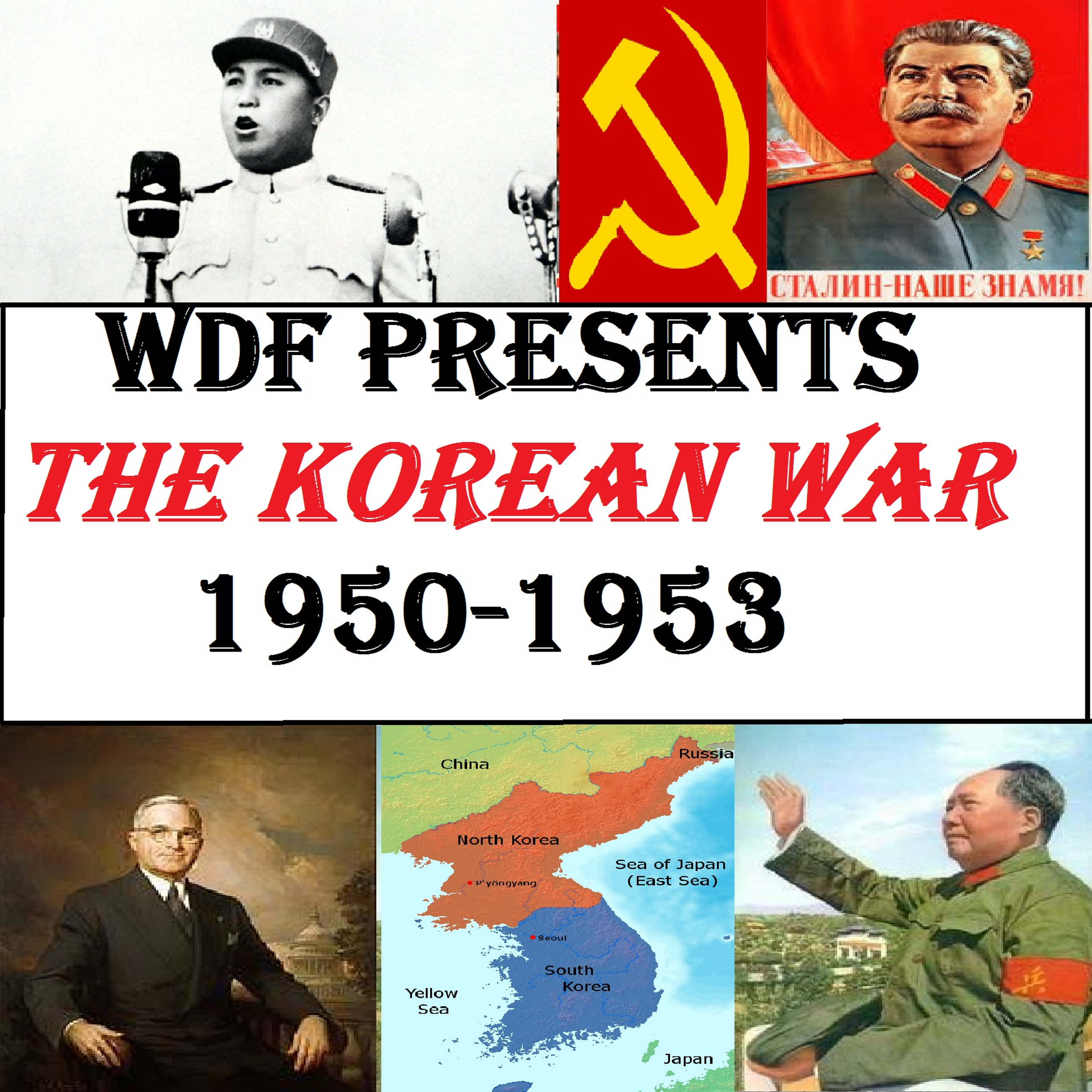
Korean War #9: Sino-American Talks Part 1
Episode 9: Sino-American Talks Part 1 introduces us to the OTHER side of Chinese diplomacy between 1949-50; that involving the US, and how Washington attempted to wrest some benefit out of the rapidly changing situation in China, as the Republican/Nationalists led by Chiang Kai-shek suffered successive defeats at Mao's hands.The US would attempt to drive a wedge between the USSR and the PRC during 1949 - a policy which we know, in light of the signing of the Sino-Soviet alliance, eventually failed, but this was not from lack of trying! To set the proper for context for the radical change in American foreign policy which emerged in spring 1950, it is necessary here to detail what came before. I hope you guys enjoy our examination of a period of post-war American diplomacy which is largely skimmed over today.At the head of this wedge strategy was the Secretary of State Dean Acheson (pictured), who rebelled against the policy insisted upon by the right of centre Republicans that wanted the US to fight for Chiang Kai-shek. Acheson was adamant that only through the appeasement of the communist Chinese, through a realistic approach to their civil war, and through an appraisal of the advantages the US had over the Chinese, could the feared Sino-Soviet agreement be prevented. Time would show, as we know, that Acheson, as well as his peers, were wrong on all accounts.This episode, much like the previous take on Sino-Soviet relations, forms a critically important building block, and is a necessary scene setting step towards the REALLY juicy stuff in early 1950, so I hope you enjoy it!******Music used:"Casey Jones", by Mr and Mrs Byron Coffin, released in 1939. Available:http://www.loc.gov/…/pres…/activities/songs/audio/song1a.mp3Want to grab yourself some quality, stylish head/ear phones and get 15% off? Use the code WDF to avail of this special offer and start your listening journey with When Diplomacy Fails like never before! See: https://www.sudio.com/eu/Want to support this podcast in other ways, as we meander through the Korean War? Check out the following links to our social media, website, source materials and Patreon below.Facebook page: https://www.facebook.com/WhenDiplomacyFailsPodcast/Facebook group: https://www.facebook.com/groups/1856652614380207Twitter: https://twitter.com/?lang=enSupport us financially on Patreon and access an ad-free episodes ($2 per month) and an hour of extra content ($5 per month): https://www.patreon.com/WhenDiplomacyFailsVisit the website: http://www.wdfpodcast.com/Visit the blog: http://www.wdfpodcast.com/thevassalstate/Look at our sources: http://www.wdfpodcast.com/source-materials/Remember spreading the word by telling a history friend about us is still the most effective way to spread the history love! Thanksss :D Hosted on Acast. See acast.com/privacy for more information.
WDF Q&A
Yay! We've finally had a Q & A, where you guys sent me a variety of lovely questions and I did my best to answer! Within are such questions as:What part of the KW do you find most fascinating? What have been your top 3 topics you have covered in order from 1-3? How do you decide what to cover? Is there any historical topic you just will not touch, under any circumstances? What would you consider a good day’s work in terms of your production schedule? What got you first interested in history? If you could have a Guinness with any historical figure and ask them any question, who would you choose and what would you ask? Will you ever meet your fans in the US? AND SO MUCH MORE!A huge thanksss to all of you that sent me questions over the last few weeks - and remember that we're reading out our new Patrons at the end, so stick around for your well-deserved fame! ************Want to grab yourself some quality, stylish head/ear phones and get 15% off? Use the code WDF to avail of this special offer and start your listening journey with When Diplomacy Fails like never before! See: https://www.sudio.com/eu/Want to support this podcast in other ways, as we meander through the Korean War? Check out the following links to our social media, website, source materials and Patreon!Patreon: www.patreon.com/WhenDiplomacyFailsFacebook page: https://www.facebook.com/WhenDiplomacyFailsPodcast/Facebook group: https://www.facebook.com/groups/1856652614380207Twitter: https://twitter.com/?lang=enVisit the website: http://www.wdfpodcast.com/Visit the blog: http://www.wdfpodcast.com/thevassalstate/Look at our sources: http://www.wdfpodcast.com/source-materials/Remember spreading the word by telling a history friend about us is still the most effective way to spread the history love! Thanksss :D Hosted on Acast. See acast.com/privacy for more information.
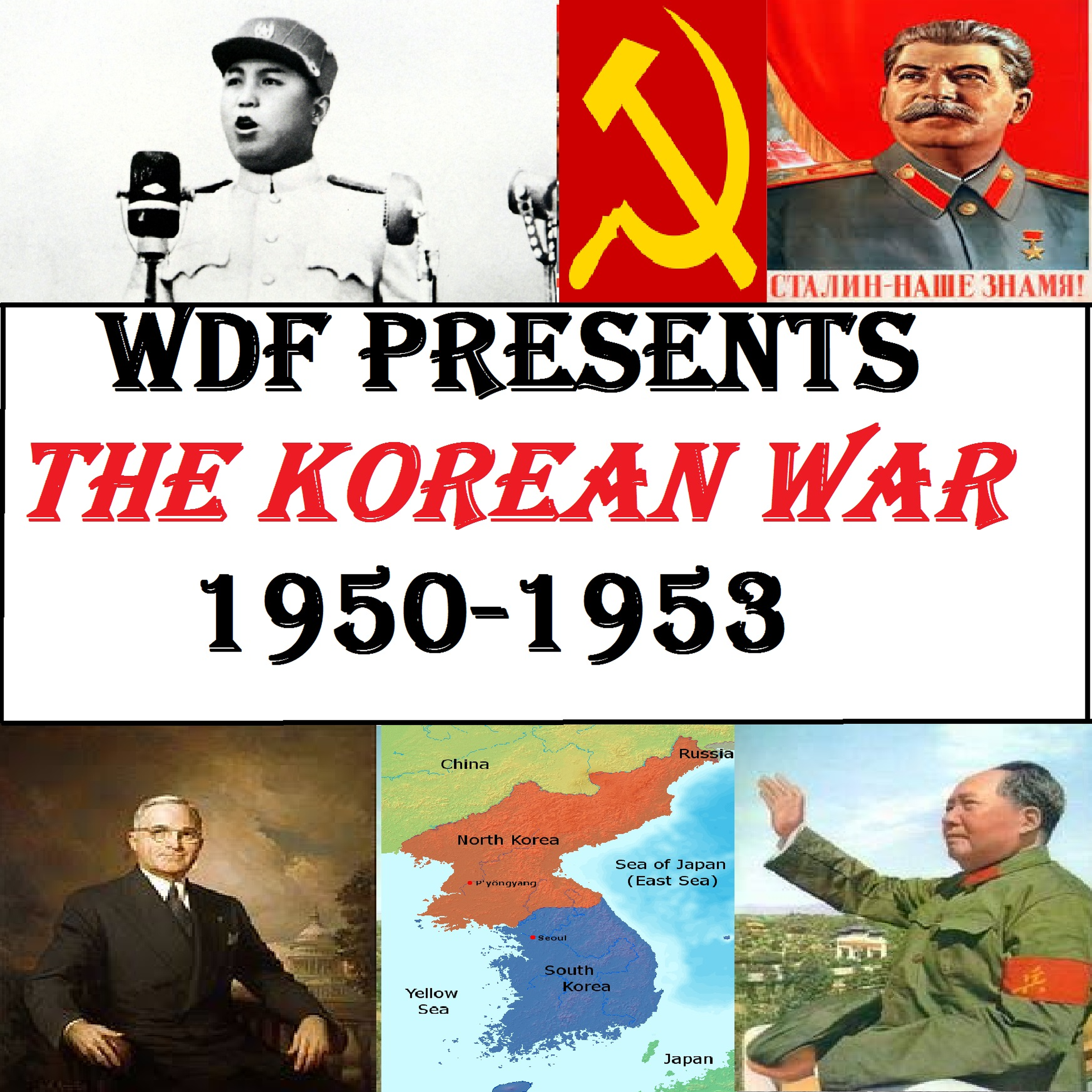
Korean War #8: Sino-Soviet Talks Part 4
Episode 8: Sino-Soviet Talks Part 4 is the final episode examining the scene in Moscow, where the defining alliance between the Chinese Communists and the Soviet Union was signed. It took a great deal of compromise...or wait, no it didn't. It required a lot of trust...no wait, that's not right either. Em, it was mutually beneficial to both sides thanks to a whole load of scheming and power plays? Yes that's a bit more accurate. The Sino-Soviet alliance wasn't your typical alliance - it was forged by two paranoid entities at a time when each party seriously mistrusted the other.Within this episode, we are confronted by Stalin's changing policy towards Korea, as his own policy aims seemed in jeopardy if the Chinese managed to forge a deal with the West. At the core of Stalin's concerns was that his own influence would be diluted even if the Chinese managed to forge an alliance with Moscow, as American aid or agreements could replace those of the Soviet variety. To intercept this challenge to his supremacy, Stalin began to set in motion plans which would lead directly to the outbreak of war on the Korean peninsula six months later. This episode is thus a critically important one if we are to understand Stalin's mindset and his overall policy aims. Here we discover exactly how responsible Stalin was for the conflict that followed, so I hope you enjoy it!******Music used:"Too-Ra-Loo-Ra-Loo-Ral", by Chauncey Olcott, an Irish tune originating in 1913, but popularised by Bing Crosby in the 1940s. You can find it here:http://freemusicarchive.org/music/Chauncey_Olcott/ Want to grab yourself some quality, stylish head/ear phones and get 15% off? Use the code WDF to avail of this special offer and start your listening journey with When Diplomacy Fails like never before! See: https://www.sudio.com/eu/Want to support this podcast in other ways, as we meander through the Korean War? Check out the following links to our social media, website, source materials and Patreon below.Join us on Patreon for $2 a month to access ad-free episodes earlier than normal listeners, or for $5 to access an hour of extra content every month! https://www.patreon.com/WhenDiplomacyFailsFacebook page: https://www.facebook.com/WhenDiplomacyFailsPodcast/Facebook group: https://www.facebook.com/groups/1856652614380207Twitter: https://twitter.com/?lang=enVisit the website: http://www.wdfpodcast.com/Visit the blog: http://www.wdfpodcast.com/thevassalstate/Look at our sources: http://www.wdfpodcast.com/source-materials/Remember spreading the word by telling a history friend about us is still the most effective way to spread the history love! Thanksss :D Hosted on Acast. See acast.com/privacy for more information.
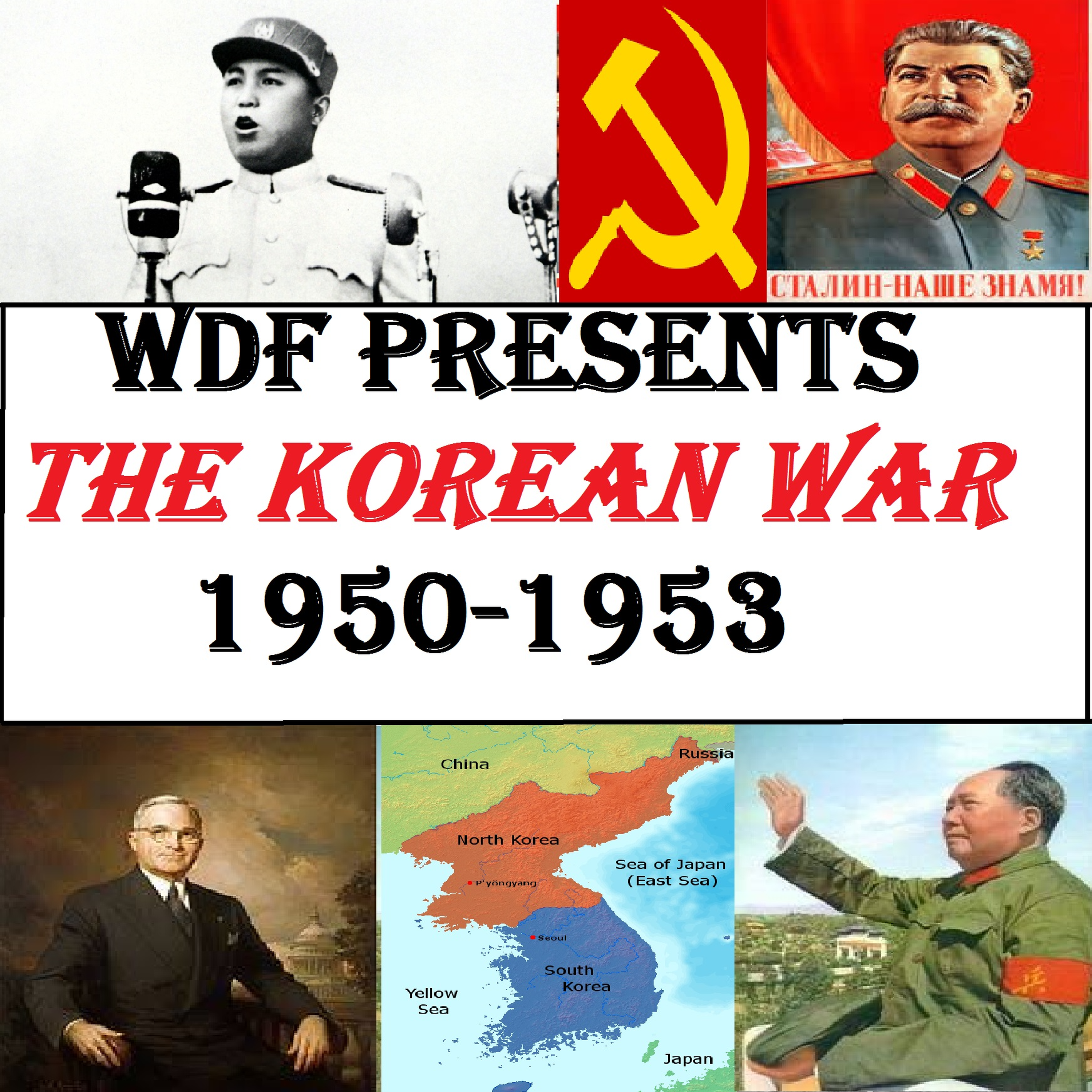
Korean War #7: Sino-Soviet Talks Part 3
Episode 7: Sino-Soviet Talks Part 3 picks up in this developing story, as the Chinese and Soviets cautiously move ever closer to one another in world affairs. Stalin's mission was clear. He welcomed Mao Zedong to Moscow in December 1949, in the midst of rumours that the Sino-Soviet bloc were keen to furnish some kind of alliance. Stalin, much like Mao, wanted to have his cake and eat it too, and would put up several obstacles to the successful conclusion of an alliance treaty, blaming Yalt, the West, the Americans and bad weather instead of his own personal intransigence.Mao would have to persevere if he wanted the alliance that he had travelled to Moscow to acquire. Much still needed to be done though, and in this penultimate episode analysing these talks, we see the thorny issues like Manchuria, the Soviet occupation of naval bases and the provision of resources to the Chinese in the context of the early Cold War. I hope you'll join me then, as we continue to countdown towards the cementing of one of the most important alliances signed in the 20th century.****Music used: "My Creole Sue", a 1909 track by the Columbia Quartet, available:http://freemusicarchive.org/music/Columbia_Quartette/Antique_Phonograph_Music_Program_02032015/My_Creole_Sue_-_Columbia_QuartetteWant to grab yourself some quality, stylish head/ear phones and get 15% off? Use the code WDF to avail of this special offer and start your listening journey with When Diplomacy Fails like never before! See: https://www.sudio.com/eu/Want to support this podcast in other ways, as we meander through the Korean War? Check out the following links to our social media, website, source materials and Patreon below.Facebook page: https://www.facebook.com/WhenDiplomacyFailsPodcast/Facebook group: https://www.facebook.com/groups/1856652614380207Twitter: https://twitter.com/?lang=enSupport us financially on Patreon and access an ad-free episodes ($2 per month) and an hour of extra content ($5 per month): https://www.patreon.com/WhenDiplomacyFailsVisit the website: http://www.wdfpodcast.com/Visit the blog: http://www.wdfpodcast.com/thevassalstate/Look at our sources: http://www.wdfpodcast.com/source-materials/Remember spreading the word by telling a history friend about us is still the most effective way to spread the history love! Thanksss :D Hosted on Acast. See acast.com/privacy for more information.
Korean War #6: Sino-Soviet Talks Part 2
IMP: Liu Shaoqi is Liu 'Shao-Chi' - NOT Liu 'Shao-Kwee'. Apologies for the mispronunciation! Love me anyway? Episode 6: Sino-Soviet Talks Part 2, continues the story from where we left off last time. The Chinese communists launch their final great offensive of the civil war against the Nationalists from April 1949, as Stalin watches his old strategy crumble. Faced with the emergence of a dominant Chinese Communist Party, rather than the divided Chinese state that he desired, how would Stalin respond?In the event, he welcomed Mao's ally Liu Shaoqi to Moscow in summer 1949 to talk through some important issues, and pave the way for a deeper friendship between the two communist regimes. Even at this stage, with both parties harbouring great and conflicting ambitions, success or alliance were by no means certain outcomes. Much, it seemed, still needed to be done.*******Music used:'Cotton Eye Joe' by Elmo Newcomer, a 1948 song which can be found here:https://www.loc.gov/item/lomaxbib000040/Want to grab yourself some quality, stylish head/ear phones and get 15% off? Use the code WDF to avail of this special offer and start your listening journey with When Diplomacy Fails like never before! See: https://www.sudio.com/eu/Want to support this podcast in other ways, as we meander through the Korean War? Check out the following links to our social media, website, source materials and Patreon below.Facebook page: https://www.facebook.com/WhenDiplomacyFailsPodcast/Facebook group: https://www.facebook.com/groups/1856652614380207Twitter: https://twitter.com/?lang=enSupport us financially on Patreon and access an ad-free episodes ($2 per month) and an hour of extra content ($5 per month): https://www.patreon.com/WhenDiplomacyFailsVisit the website: http://www.wdfpodcast.com/Visit the blog: http://www.wdfpodcast.com/thevassalstate/Look at our sources: http://www.wdfpodcast.com/source-materials/Remember spreading the word by telling a history friend about us is still the most effective way to spread the history love! Thanksss :D Hosted on Acast. See acast.com/privacy for more information.
Korean War #5: Sino-Soviet Talks Part 1
Episode 5: Sino-Soviet Talks Part 1 examines, as you may have guessed, the detailed and complex Sino-Soviet relationship, as we build towards the signing of the Sino-Soviet alliance in February 1950. Much like Stalin and Mao had much to do before that alliance was signed, so we have much to cover before we can get to that point in our narrative, and this episode here provides a good deal of background to the Sino-Soviet relationship in the late 1940s.*****Music used:I used the song 'Maria' by Clarice Vance, which was released in 1905 originally but which enjoyed a great deal of popularity throughout the 1960s. You can find this gem here: http://freemusicarchive.org/music/Clarice_Vance/Antique_Phonograph_Music_Program_04212015/Maria_-_Clarice_VanceWant to grab yourself some quality, stylish head/ear phones and get 15% off? Use the code WDF to avail of this special offer and start your listening journey with When Diplomacy Fails like never before! See: https://www.sudio.com/eu/Want to support this podcast in other ways, as we meander through the Korean War? Check out the following links to our social media, website, source materials and Patreon below.Facebook page: https://www.facebook.com/WhenDiplomacyFailsPodcast/Facebook group: https://www.facebook.com/groups/1856652614380207Twitter: https://twitter.com/?lang=enSupport us financially on Patreon and access an ad-free episodes ($2 per month) and an hour of extra content ($5 per month): https://www.patreon.com/WhenDiplomacyFailsVisit the website: http://www.wdfpodcast.com/Visit the blog: http://www.wdfpodcast.com/thevassalstate/Look at our sources: http://www.wdfpodcast.com/source-materials/Remember spreading the word by telling a history friend about us is still the most effective way to spread the history love! Thanksss :D Hosted on Acast. See acast.com/privacy for more information.
Korean War #4: The Cat's Mao
Episode 4: The Cat's Mao looks at Mao Zedong, the man, the myth, the legend, the disgusting, horrible war criminal and mass murderer who...ahem. Sorry about that. Mao Zedong remains a controversial figure to this day. Some believe China would never have recovered in the manner that it did, and that China would never be the power that it is today, without Mao Zedong at the helm. At the same time, while some are content to name fast food restaurants after him, others decry his responsibility, both directly and indirectly, for the loss of millions of lives - figures too difficult to pin down, but certainly high enough to qualify him in the rank of mass murderers alongside Stalin and Hitler.Indeed, controversy followed Mao, but in this episode we do our best to dispense with what Mao would DO, and focus instead on what the leader of the Chinese Communist Party actually DID. To find out, we look at his birth, his growth, his involvement in the civil wars, in the wars against the Japanese and then in the last phase of the civil war in the late 1940s, whereupon he would be pushed into a position of power arguably never attained by a Chinese figure since the all-powerful Emperors of yore. As was customary though, Mao's power disguised the bare facts of his country's vulnerability and devastation, themes which we will grapple with over the coming episodes.*****Music used:Chinese National Anthem: http://www.freeinfosociety.com/media.php?id=4045Want to grab yourself some quality, stylish head/ear phones and get 15% off? Use the code WDF to avail of this special offer and start your listening journey with When Diplomacy Fails like never before! See: https://www.sudio.com/eu/Want to support this podcast in other ways, as we meander through the Korean War? Check out the following links to our social media, website, source materials and Patreon below.Facebook page: https://www.facebook.com/WhenDiplomacyFailsPodcast/Facebook group: https://www.facebook.com/groups/1856652614380207Twitter: https://twitter.com/?lang=enSupport us financially on Patreon and access an ad-free episodes ($2 per month) and an hour of extra content ($5 per month): https://www.patreon.com/WhenDiplomacyFailsVisit the website: http://www.wdfpodcast.com/Visit the blog: http://www.wdfpodcast.com/thevassalstate/Look at our sources: http://www.wdfpodcast.com/source-materials/Remember spreading the word by telling a history friend about us is still the most effective way to spread the history love! Thanksss :D Hosted on Acast. See acast.com/privacy for more information.
Korean War #3: The Brittle Curtain
Episode 3: The Brittle Curtain, examines the actual situation Comrade Stalin faced when he considered his options in the post-war world. Exactly how strong, or powerful, was the Soviet Union, and how stable were its East European satellites? Was the USSR's control based on more than merely the threat of force, or was the power of fear the glue that tied the entire edifice together?All of these are important questions, and it is immensely important that we get to the bottom of exactly what the position and perspectives of Stalin were in the pre-Korean War world, and we do our best to answer them in this critical bit of background, so I hope you enjoy it my lovely history friends!****Music used:What else could be appropriate for such an episode other than utter forced epicness of the Soviet National Anthem? NOTHING! Here's where we got it, and thanks again to the great work done by sites like Archive.org for making this available to humble podders like me. Available: https://archive.org/details/01NationalAnthemOfTheUSSRWant to grab yourself some quality, stylish head/ear phones and get 15% off? Use the code WDF to avail of this special offer and start your listening journey with When Diplomacy Fails like never before! See: https://www.sudio.com/eu/Want to support this podcast in other ways, as we meander through the Korean War? Check out the following links to our social media, website, source materials and Patreon below.Facebook page: https://www.facebook.com/WhenDiplomacyFailsPodcast/Facebook group: https://www.facebook.com/groups/1856652614380207Twitter: https://twitter.com/?lang=enSupport us financially on Patreon and access an ad-free episodes ($2 per month) and an hour of extra content ($5 per month): https://www.patreon.com/WhenDiplomacyFailsVisit the website: http://www.wdfpodcast.com/Visit the blog: http://www.wdfpodcast.com/thevassalstate/Look at our sources: http://www.wdfpodcast.com/source-materials/Remember spreading the word by telling a history friend about us is still the most effective way to spread the history love! Thanksss :D Hosted on Acast. See acast.com/privacy for more information.
Korean War #2: The Force Of Peace
In Episode 2: The Force of Peace, we examine the founding moments of the United Nations, where the idea for it came from, why it was established and how it developed as an institution in the 1940s to have a leading role in the post-war world. The UN, as we'll see, was quite effective when its aims didn't conflict with the American or Soviet world views. Limited cooperation was, it seemed, a possibility in this shattered, traumatised world. Yet, this cooperation would only go so far.Clouds were looming on the horizon, but these clouds were largely invisible to General Douglas MacArthur (pictured with Hirohito in an immensely controversial photograph for the time) the other interest of this episode. We look at MacArthur's days in post-war Japan, and how he managed to craft for himself an incredible legacy, with not a small amount of Japanese adoration to boot. MacArthur was busy creating not merely a post-war Japanese order, but also his own legend.His success in this measure would lead in time to his appointment as Supreme Allied Commander in the critical early phases of the Korean War, at a time when his hubris could barely fit within the Japanese islands.It was a recipe for disaster, or was it? Let's investigate, in this second episode of the Korean War!Music used:Ada Jones & Billy Watkins, 'By the Beautiful Sea', available at:http://freemusicarchive.org/music/Ada_Jones_and_Billy_Watkins/Antique_Phonograph_Music_Program_03312015/By_the_Beautiful_Sea_-_Ada_Jones_and_Billy_Watkins************Want to grab yourself some quality, stylish head/ear phones and get 15% off? Use the code WDF to avail of this special offer and start your listening journey with When Diplomacy Fails like never before! See: https://www.sudio.com/eu/Want to support this podcast in other ways, as we meander through the Korean War? Check out the following links to our social media, website, source materials and Patreon below.Facebook page: https://www.facebook.com/WhenDiplomacyFailsPodcast/Facebook group: https://www.facebook.com/groups/1856652614380207Twitter: https://twitter.com/?lang=enSupport us financially on Patreon and access an ad-free episodes ($2 per month) and an hour of extra content ($5 per month): https://www.patreon.com/WhenDiplomacyFailsVisit the website: http://www.wdfpodcast.com/Visit the blog: http://www.wdfpodcast.com/thevassalstate/Look at our sources: http://www.wdfpodcast.com/source-materials/Remember spreading the word by telling a history friend about us is still the most effective way to spread the history love! Thanksss :D Hosted on Acast. See acast.com/privacy for more information.
Korean War #1: America Dawns
Episode 1: America Dawns, looks at the situation which greeted US policymakers between 1945-50. As an episode it serves as a good roundup of all we've learned in the Cold War Crash Course, but a simple summary episode THIS IS NOT!We delve into the mindset behind the Truman Doctrine, ask what the goals of NATO were and investigate how Washington viewed Soviet moves by examining their additional policies and proclamations.We also look at the problems which faced the US in the late 1940s, including the mindset which insisted that there was no money in the kitty to fight the Soviets, and that Washington would have to cut its cloth to suit its pocket. This attitude towards defence expenditure and confrontation with the forces of communism would change in time, but not yet. The three losses - of China, of its status as the sole nuclear power, and of Mao Zedong himself to the Soviet Union, after the Treaty of Friendship was signed in February 1950 - all influenced American policymakers to consider a radical change in policy, and they settled upon a blandly named report called NSC68.What was meant by Chinese Titoism? And what had American policymakers hoped to achieve by cosying up to the Chinese communists? Could they really expect to change the perspective of the Chinese, when the Soviets loomed so large in Mao's estimation? Make sure you join us to find out the answer to this question as well as a host of others. Our first episode, at long last. I hope you enjoy it.Remember history friends, you too can support the podcast and join our lovely community in the process!Facebook Page: https://www.facebook.com/WhenDiplomacyFailsPodcast/Facebook Group: https://www.facebook.com/groups/1856652614380207/Twitter: https://twitter.com/wdfpodcastPatreon: www.patreon.com/WhenDiplomacyFailsWebsite: www.wdfpodcast.comBibliography: www.wdfpodcast.com/source-materials/ Hosted on Acast. See acast.com/privacy for more information.
Cold War Crash Course V
In the final episode of this miniseries, we look at the several crises which accompanied the answering of the German question. The Berlin Blockade, as well as the Prague Coup, provided key pieces of evidence in the Western mind that Stalinism was expanding its reach through the use of intimidation and brute force. Stalin, it was clear, was determined to pose as the champion of his own brand of Soviet, expansionist communism, powered by the Red Army and the threat of force. It was vital in these circumstances that the West provided a foil to such a challenge, but the question remained one of how to do so in a shattered Europe and a de-mobilising American armed force. To the surprise of all, the solution would be provided not in Europe, but thousands of miles away in Korea.Formidable though he seemed, Stalin had his own problems with Yugoslavia. Tito, it emerged, had developed his own cult of personality, and was far less willing to fall in line that his other Eastern neighbours. This, coupled with the creation of NATO in spring 1949, provided Stalin with a great strategic challenge. Europe was evidently not his for the taking, and the soft power of communism was evidently waning with the hardening of the communist party's attitudes towards their peers in the likes of Italy and France. Had Stalin missed the boat, or was he merely scheming to launch an attack somewhere else? Either way, it was clear that Stalin was the face of Soviet power, and that this Georgian native, this paranoid, cunning, ruthless man was the face of all of democracy's problems.Stalin responded to these challenges as only he knew how - with purges, a second reign of terror and show trials on a vast scale, as Eastern Europe's native communist parties were put through the ringer, and Stalin's worst qualities again bubbled to the surface. In our final installment of the Crash Course, these qualities inflict their damage on Stalin's position and reputation, but it was nothing the Kremlin leader could not handle. In the background, Stalin was already turning his attentions further East. He was in regular contact not merely with the Communist leader of China, but also with the most obscure Stalinist vassal in Korea, a man known as Kim Il-sung. Though nobody could know it yet, within the year, it would be Korea, not Europe, that attentions would be focused, with consequences that are felt to this day.***************Remember history friends, you too can support the podcast and join our lovely community in the process!Facebook Page: https://www.facebook.com/WhenDiplomacyFailsPodcast/Facebook Group: https://www.facebook.com/groups/1856652614380207/Twitter: https://twitter.com/wdfpodcastPatreon: www.patreon.com/WhenDiplomacyFailsWebsite: www.wdfpodcast.comBibliography: www.wdfpodcast.com/source-materials/ Hosted on Acast. See acast.com/privacy for more information.
Cold War Crash Course IV
The question of Germany and how the east-west divide played a role in answering that question forms the basis of the latest episode in the series. The repairing and restructuring of Germany, so that it was strong enough to contribute to Europe's rebuilding, but not so strong that it pulled another war of revenge out of its hat, was a critical balancing act. It profoundly unnerved some people and inspired others. It puzzled some and excited others. Above all though, it was the legacy of Hitler's war, of Nazism, that was struggled witCould Hitler be purged from the consciousness of these Germans, and how many 'Good Germans' were left that could be expected to lead a democratic Germany into the future? Everyone, from the " first-class comrades" to those that had once resisted Nazism, would have roles in this post-war German order. As the clock ticked by, it remained to be seen what form the new Germany would take, and what role if any the Soviets would be able to have. History as we know, would provide the two halves of German life - the Western democratic, and Eastern communist. This episode is about that journey, its arrival and the problems, challenges and victories therein.To the east, opportunities for Soviet expansion in Prague profoundly influenced the way that the Western allies looked at the world and Germany's role in it. More threatening than a resurgent Germany, perhaps, was an all-powerful, expansionist Soviet Union. It proved to be the case, thanks mostly to Stalin's own blundering and strong arm approach, that the lesser of two evils was a Western German state, rather than a co-opted and empowered Soviet Union. Stalin, not Hitler's ghost, was the true enemy.*************Remember history friends, you too can support the podcast and join our lovely community in the process!Facebook Page: https://www.facebook.com/WhenDiplomacyFailsPodcast/Facebook Group: https://www.facebook.com/groups/1856652614380207/Twitter: https://twitter.com/wdfpodcastPatreon: www.patreon.com/WhenDiplomacyFailsWebsite: www.wdfpodcast.comBibliography: www.wdfpodcast.com/source-materials/ Hosted on Acast. See acast.com/privacy for more information.
Cold War Crash Course III
In our latest installment of the series, we look at the person of Josef Stalin, a dominant figure for our wider Korean War series, and his security blanket he was in the process of creating in Eastern Europe. The spread of communism in Europe's shattered cities, combined with the looming threat of the Red Army and the sweeping impact of its soldiers into the East, created a new dynamic in Europe. At the head of this new dynamic was the will and ambition of Stalin, who had a direct hand in everything that occurred.Stalin was critical in his creation of the Soviet Union bloc, but he was also critically important to any arrangement which would be reached on the future of Germany. Exactly what form Germany would take, whether it was feasible or sustainable to preserve Germany in its divided state - these were questions that the post-war governments in Britain, the US and France all grappled with. Without Stalin, they initially believed, any progress on this question would be impossible.With Churchill's Iron Curtain speech, and Stalin's pronouncement of the West's hostility to the needs of Eastern Europe's citizens, the Cold War lines were clearly being drawn. Several conflicts lay ahead, but the more immediate questions, such as how to rebuild the continent and what to do about the continent's integral centrepiece - the Germans - remained a sore point for some and pressingly urgent for others. Here we find out how the post-war allies of east and west attempted to cooperate in spite of the looming divisions into the different ideological camps.The German question, as we'll see, could not be answered in a year, (or one episode!) it was instead a question based fundamentally on Berlin's past behaviour, where German revanchism and a repeat of the post-WW1 experience remained at the forefront of many minds.***************Remember history friends, you too can support the podcast and join our lovely community in the process!Facebook Page: https://www.facebook.com/WhenDiplomacyFailsPodcast/Facebook Group: https://www.facebook.com/groups/1856652614380207/Twitter: https://twitter.com/wdfpodcastPatreon: www.patreon.com/WhenDiplomacyFailsWebsite: www.wdfpodcast.comBibliography: www.wdfpodcast.com/source-materials/ Hosted on Acast. See acast.com/privacy for more information.
Cold War Crash Course II
In the second episode of the CWCC, we look at how the US managed to tie Western Europe closer to its orbit through political strategy, closer cooperation and sheer economic investment. The Truman Doctrine, Marshall Plan and NATO were critical building blocks in the Euro-American relationship in the late 1940s, and we get to grips with them here.As the US worked with its beleaguered allies, the chronic lack of food as much as coal threatened disaster. With the dollar above all being the top currency of the shattered continent, a shortage of these same dollars represented disaster to many European states. The initial solution, so it seemed, was favourable loans. Eventually, the solution, stark as it was, was the provision of American sponsored grants. The provision of billions of dollars of aid to get the West back on track, so that it could stand up to communism and hold its own.All the while, Moscow schemed, and the critical question of what to do with Germany loomed large. Neither question would be answered quickly, or without the expenditure of a great deal of effort, money and other resources. Although they were on the right track, there was much to be concerned about in this post-war world, and several challenges still lay on the horizon. The dangers of a communist takeover, or of the big freeze that the winter of 1947-48 presented, threatened ruin for Western civilisation, and one man in particular George C Marshall (pictured), believed that strategic charity, not a tough business sense, should take centre stage. Marshall Aid was en route, but would it get there in time?Remember history friends, you too can support the podcast and join our lovely community in the process!Facebook Page: https://www.facebook.com/WhenDiplomacyFailsPodcast/Facebook Group: https://www.facebook.com/groups/1856652614380207/Twitter: https://twitter.com/wdfpodcastPatreon: www.patreon.com/WhenDiplomacyFailsWebsite: www.wdfpodcast.comBibliography: www.wdfpodcast.com/source-materials/ Hosted on Acast. See acast.com/privacy for more information.
Cold War Crash Course I
"I thought you’d be there waiting for me…what greeted me instead was the lingering stench of ashes and the empty sockets of our ruined home."Polish citizen Samuel Puterman returns to Warsaw in late 1945.We begin our examination of the post-WW2 world by looking at the sheer impact the conflict had on the peoples, infrastructure and industry of Europe. Once considered the centre of the world, now Europe was its shattered, gloomy shell. It would take an immense amount of rebuilding, of money and of effort to bring Europe back to the level even approaching the pre-war state of affairs.Yet in the background, a sinister presence loomed. While the war against Fascism had been won, a new ideological world view - communism - had rooted itself in every broken dream and lost cause that remained left over from the war. Time would tell how this world view would represent itself, but already in the East, signs were emerging that the triumphant Soviet Union planned to create its own system at the expense of those in its path.History friends! The Cold War Crash Course is our prequel to the Korean War, so make sure you check in with us here if you want to be up to speed with what happened before. Remember history friends, you too can support the podcast and join our lovely community in the process!Facebook Page: https://www.facebook.com/WhenDiplomacyFailsPodcast/Facebook Group: https://www.facebook.com/groups/1856652614380207/Twitter: https://twitter.com/wdfpodcastPatreon: www.patreon.com/WhenDiplomacyFailsWebsite: www.wdfpodcast.comBibliography: www.wdfpodcast.com/source-materials/ Hosted on Acast. See acast.com/privacy for more information.
KW: Introduction II
Is it the forgotten war, or simply a war we need to look at differently? Let's investigate.We need to make some things clear. We have to set out the structure and scope of this project, outline what sources we used and of course, talk a bit about how each one of the episodes will be structured. What music will we used? What will Patrons get? What will the series actually look like? This is the place to find out - the Sources and Structure of the series will be learned of here.You don't NEED to check this episode out, but if you like to be filled in on a variety of details, do check this episode out. Remember of course that I am excited to hear what you think about this - I am super excited to talk and nerd out with you about this conflict. As ever you can find history nerds and some other normal people in the Facebook group linked below. A huge thankssss to all of you that have supported us thus far, and after such a long time, I can't wait to finally unleash this massive series on you guys!Remember history friends, you too can support the podcast and join our lovely community in the process!Facebook Page: https://www.facebook.com/WhenDiplomacyFailsPodcast/Facebook Group: https://www.facebook.com/groups/1856652614380207/Twitter: https://twitter.com/wdfpodcastPatreon: www.patreon.com/WhenDiplomacyFailsWebsite: www.wdfpodcast.comBibliography: www.wdfpodcast.com/source-materials/ Hosted on Acast. See acast.com/privacy for more information.
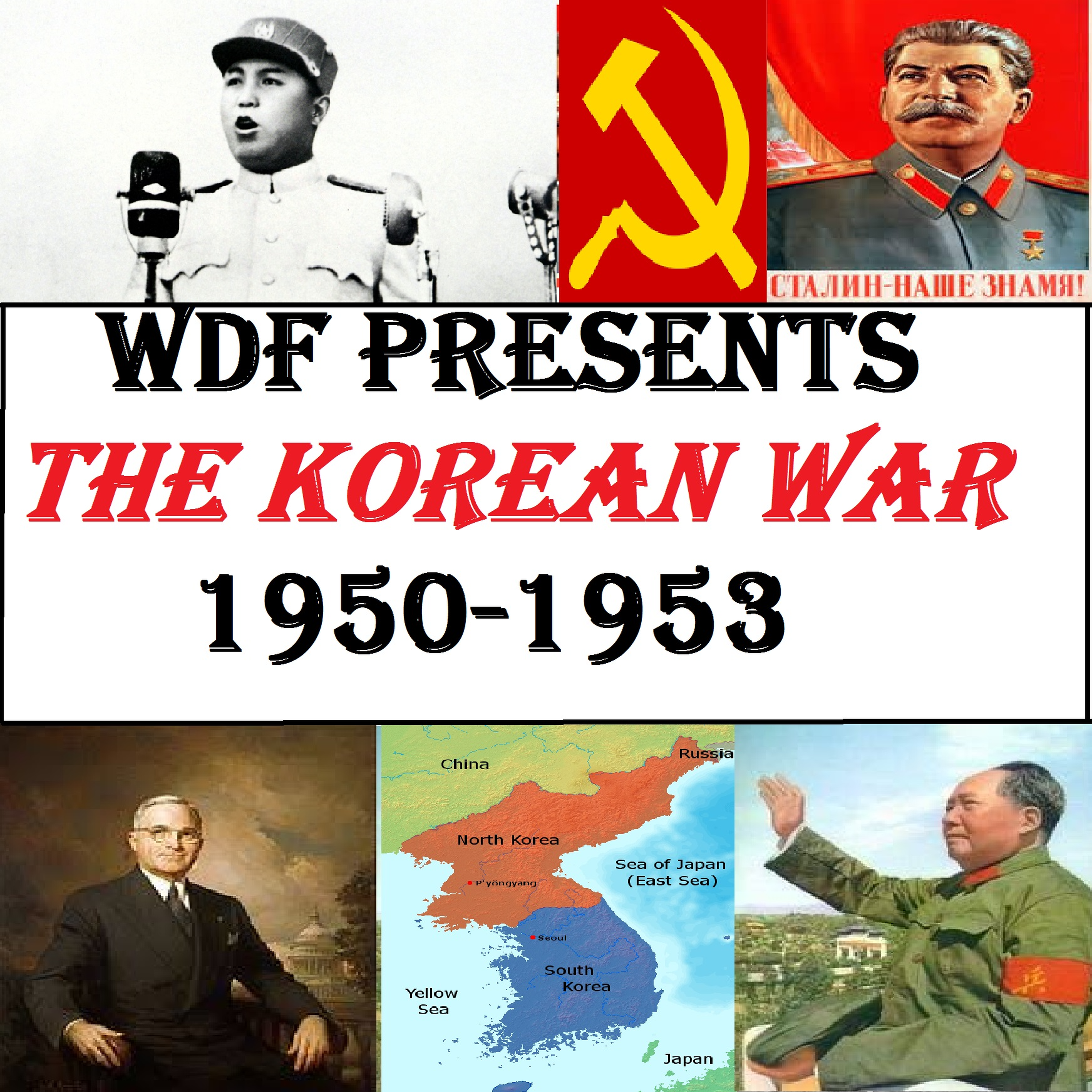
KW: Introduction I
The Korean War is a project which I have been preparing for for several months. It is in this episode that I drop some knowledge on you guys, such as, above all, what my take on the Korean War will look like, and what exactly I have here that is so potentially controversial. My revisionist take on the conflict is a brave approach considering the conventional views, but I do hope you'll give it a chance. Either way there are some fascinating stories to get through, and we have so much to get through in terms of introducing this series, that we need TWO Introduction episodes to get us all up to speed!This is diplomatic history at its most juicy, and at its most underrated and glossed over. I hope to change all that, by bringing you all the most detailed account of the diplomatic origins of the war, in a 48 episode epic unparalleled in history podcast land. Why in the 21st century does a regime like Kim Jong-un's exist? All of it can be traced back to the events of the Korean War, and thanks to the legacy of the war, it has never been so relevant. We need to be able to properly understand and appreciate it if we are to then understand why North Korea does what it does today. Here we unwrap my plans, but be sure to check out the second introduction episode if you'd like more information on the sources and structure used for this series.Other than that history friends, I'm so excited to finally bring this to you, so I have to say thanksss and I hope to see you all there!Remember history friends, you too can support the podcast and join our lovely community in the process!Facebook Page: https://www.facebook.com/WhenDiplomacyFailsPodcast/Facebook Group: https://www.facebook.com/groups/1856652614380207/Twitter: https://twitter.com/wdfpodcastPatreon: www.patreon.com/WhenDiplomacyFailsWebsite: www.wdfpodcast.comBibliography: www.wdfpodcast.com/source-materials/ Hosted on Acast. See acast.com/privacy for more information.