What You Will Learn
402 episodes — Page 3 of 9
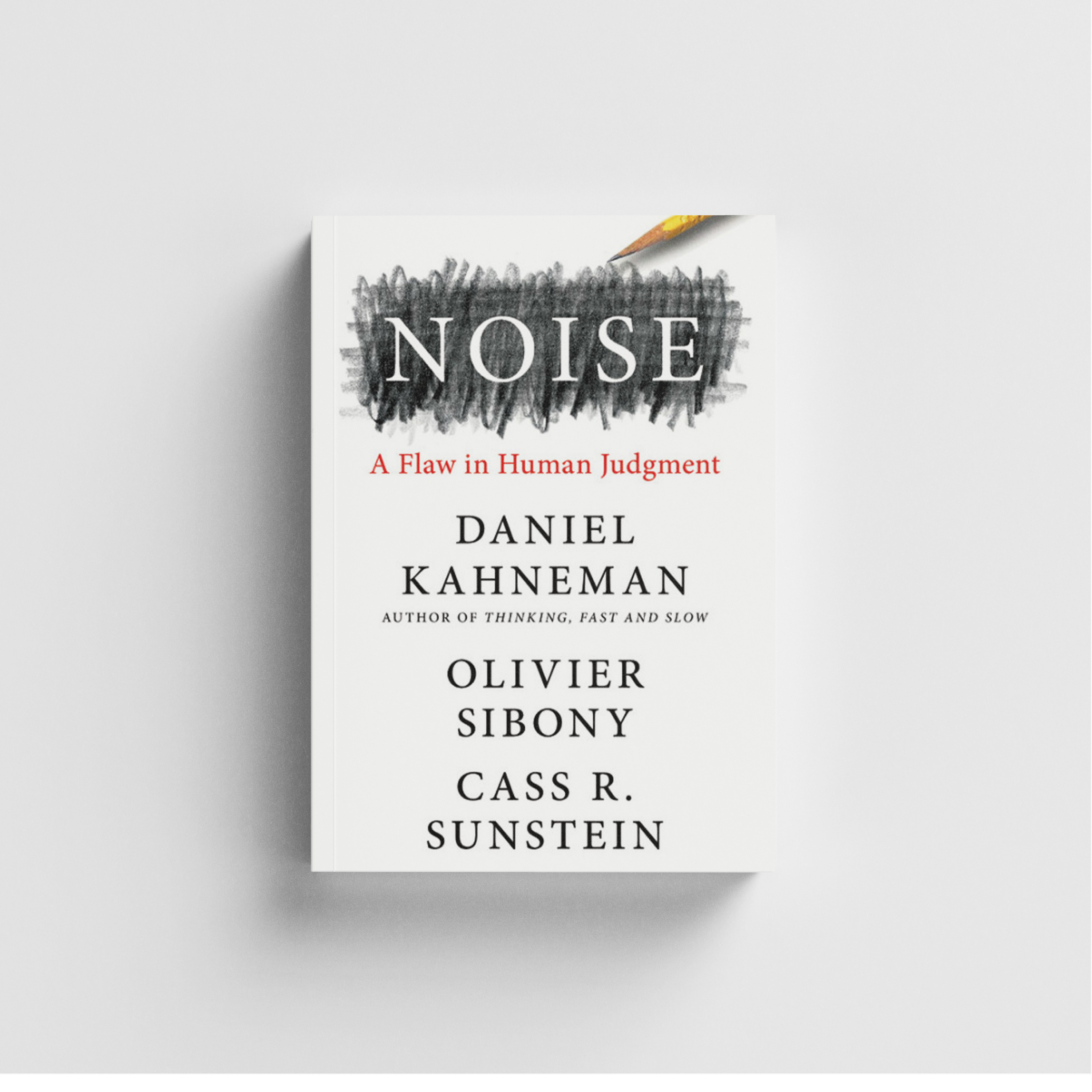
S6 Ep 328Noise
In this book, Kahneman, Sibony, and Sunstein break down the concept of noise in human judgement and how it impacts our society.Medicine is noisy. Faced with the same patient, different doctors make different judgments about the diagnosis. Forecasts are noisy. Professional forecasters offer highly variable predictions. Whether it's about the popularity of a new product, the change in the unemployment rate, the likelihood of bankruptcy of a particular company, or the results of the next election. Asylum decisions are noisy. Whether an asylum seeker will be admitted to the United States is like a lottery of which judge you get – some judges granted 5% of cases while others granted 88% of cases. Wherever you look at human judgements, you are likely to find noises. In real-world decisions, the amount of noise is often scandalously high. So, to improve the quality of our judgments, we need to not only overcome bias but also overcome noise. Hosted on Acast. See acast.com/privacy for more information.
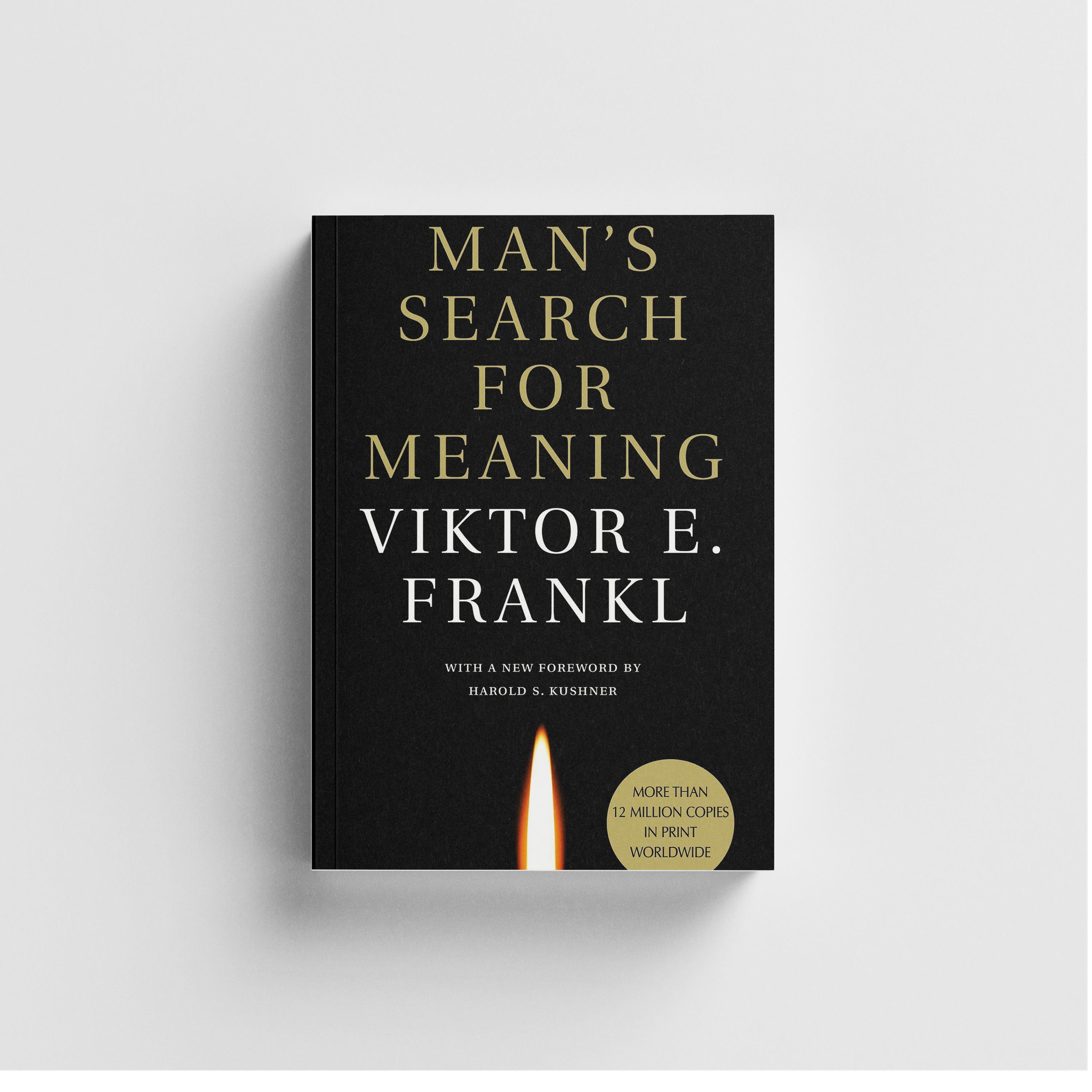
S6 Ep 327Man's Search For Meaning
EMan's Search For Meaning - by Victor E FranklWe find ourselves in middle of World War II. Frankl had been captured by the Germans and is in a concentration camp. "Every man was controlled by one thought only: to keep himself alive for the family waiting for him at home". This is a dark book and highlights the atrocities of the time, but also shows us that terrible things happen when we lose a sense of meaning in our lives. Hosted on Acast. See acast.com/privacy for more information.
S5 Ep 326LAUNCHING Our Audiobook
bonusEToday we're launching our audiobook: The Sh*t They Never Taught You.For a limited time, you can get 50% OFF! Use the code LAUNCH at checkout to buy the audiobook for half price: https://mysoundwise.com/soundcasts/1623277740633sThis episode is a free chapter - the introduction to the audiobook.Buy from the above link, or head to the landing page at theshittheynevertaughtyou.com Hosted on Acast. See acast.com/privacy for more information.
S5 Ep 325Best of Season 5
EWe've come to the end of our FIFTH year of podcasting! As we do at the end of every season, we're gone through our respective "Top 10s" of our favourite books that we've covered on the podcast in 2021 (so far).We're also super proud to have announced that our first book, The Sh*t They Never Taught You, is now available for Pre-Order. If you order the hardcover book before the official release date (June 23, 2021), you'll also receive the audiobook for free as a pre-order bonus. Just forward your receipt to [email protected] NOW: http://theshittheynevertaughtyou.com/ Hosted on Acast. See acast.com/privacy for more information.
S5 Ep 324BOOK LAUNCH ANNOUNCEMENT: The Sh*t They Never Taught You
bonusIT’S HERE!THE SH*T THEY NEVER TAUGHT YOUAfter 16 months, six iterations of writing and rewriting... we’re proud to say our book has finally arrived! We pushed through The Dip and put the very best we have into the best book that we could possibly write. PRE-ORDER NOW: theshittheynevertaughtyou.comPurchase before June 23 (pre-sale), send the receipt to [email protected] and we will send you the audiobook for FREE.----Here is a taste from the blurb:Have you ever stumbled upon a piece of life-changing knowledge that made you think: why the hell didn’t someone tell me this sooner?! Millions of people have listened to Adam and Adam on the What You Will Learn podcast, where they have spent tens of thousands of hours studying the best ideas from the greatest minds on the planet. Their most frequently asked question: what is the best lesson you’ve come across? While you’d think a simple question would have a simple answer, it didn’t - until now! The Sh*t They Never Taught You will take you on a journey through takeaways from over a hundred of the world’s greatest thinkers capturing lessons in personal development, career, business, personal finances, human nature, history, and philosophy. Every lesson will be useful, and one might change your life. Hosted on Acast. See acast.com/privacy for more information.
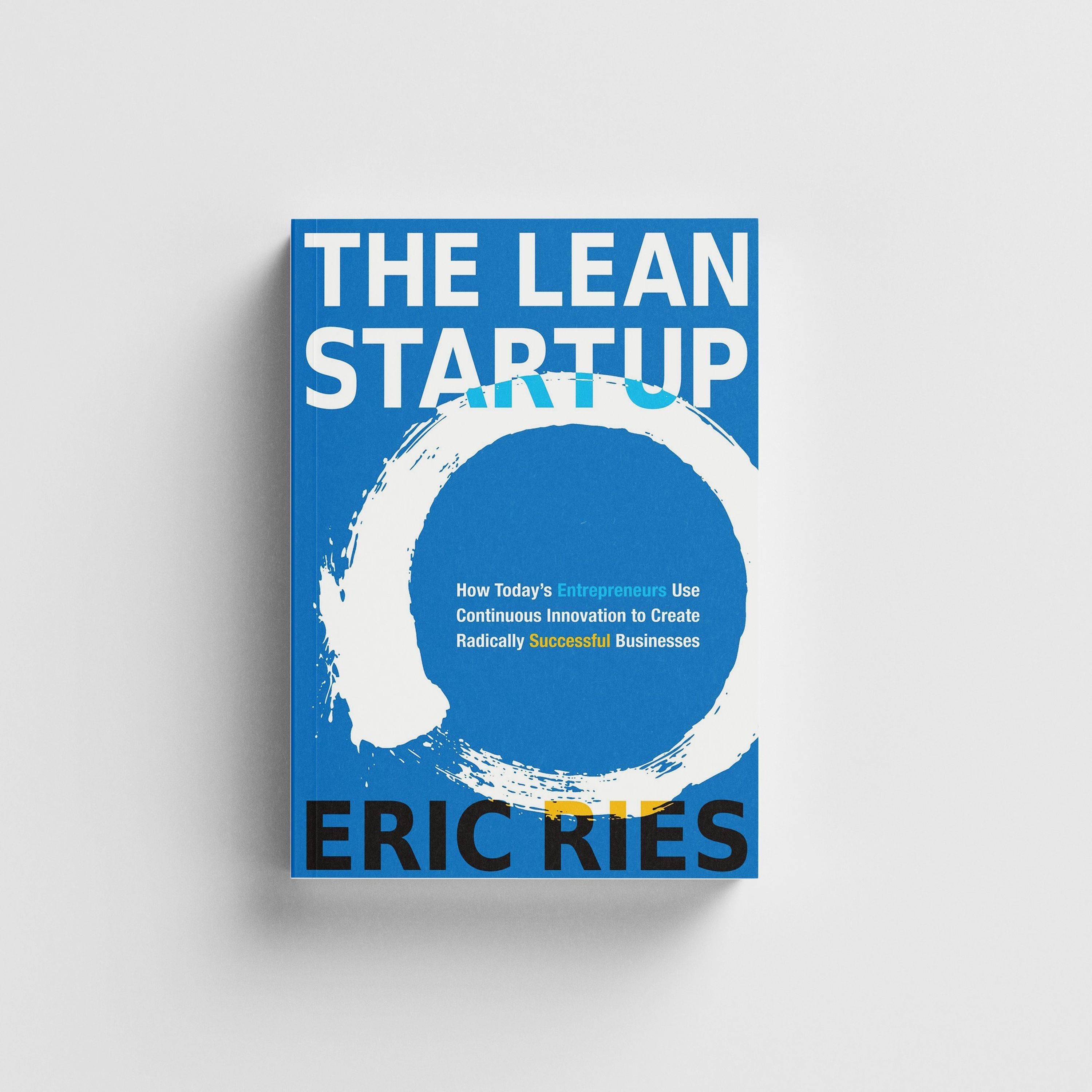
S5 Ep 323Lean Startup
EThe Lean Startup - by Eric Ries'How constant innovation creates radically successful businesses' If you've ever created your own business, or tried to, you will probably see in hindsight that you wasted a lot of resources, be that time, money, or energy and effort. 'The Lean Startup' is a different approach to building a business. In every idea, you have 'leap of faith' assumptions. Rather than assuming you're right, you should build a 'minimum viable product'. This MVP is the smallest and simplest thing you can make that replicates the features of your desired end product that will allow you to TEST your assumptions before committing to the project. If you're right, you 'persevere' and continue to build out your offering ad test the next phase. If you're wrong, you can 'pivot' and make changes before it's too late. Grab our Top 50 Best Books of All Time for FREE: https://www.whatyouwilllearn.com/top50/ Hosted on Acast. See acast.com/privacy for more information.
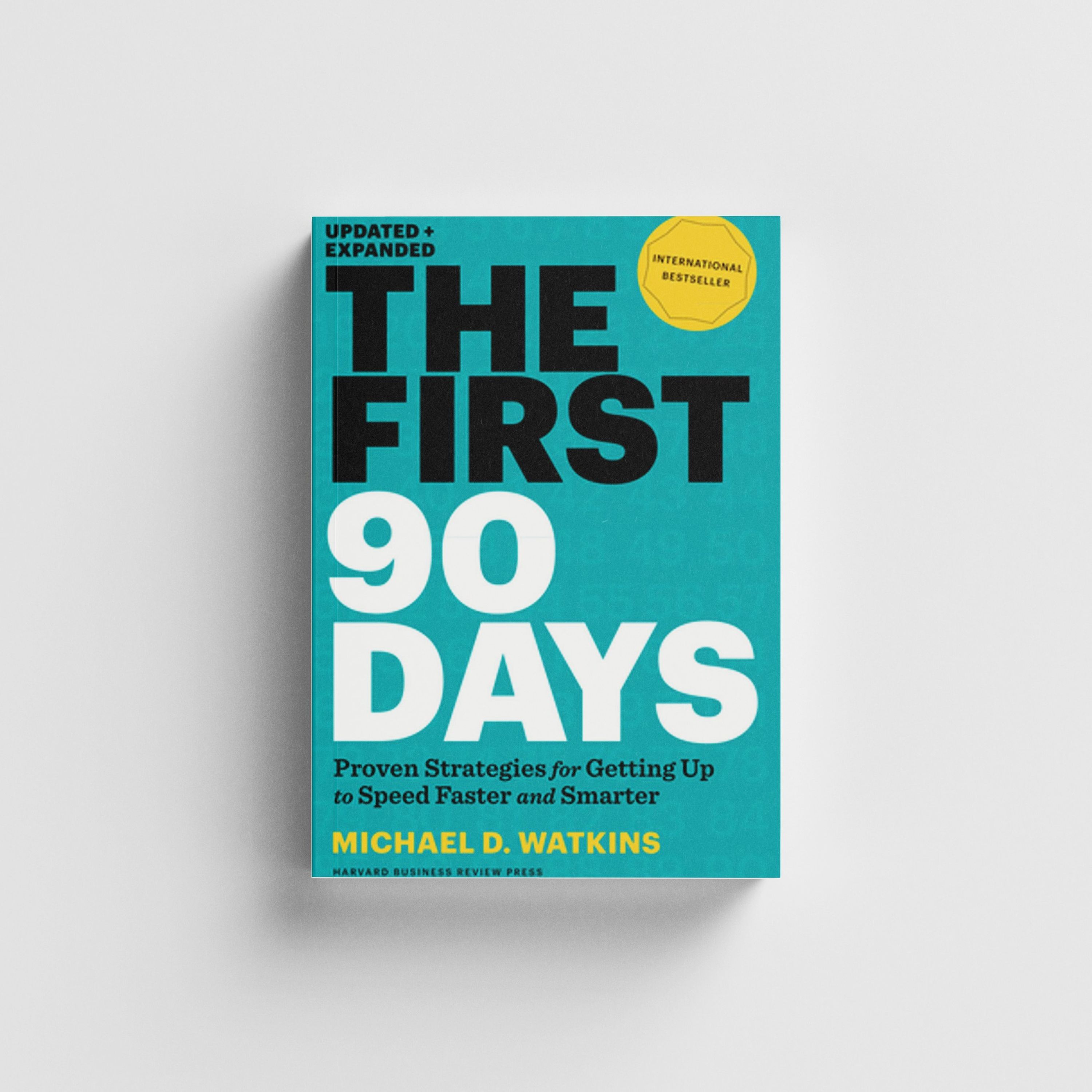
S5 Ep 322The First 90 Days
The First 90 Days is effective to help new leaders — from first-time managers to CEOs — understand the skills and factors that ease the transition process of their leadership journey. A long career at a single company is increasingly becoming a history. Employees usually experience many transitions, especially those in leadership roles. The ability to adjust quickly and effectively into a new role has become a critical skill to thrive in your career. If the president of the United States gets 100 days to prove himself, you get about 90 days. Every new leader needs to become quickly familiar with the new organisation to secure wins and build supportive coalitions. And this book provides guidelines for translating these principles to fit your own situation. Hosted on Acast. See acast.com/privacy for more information.
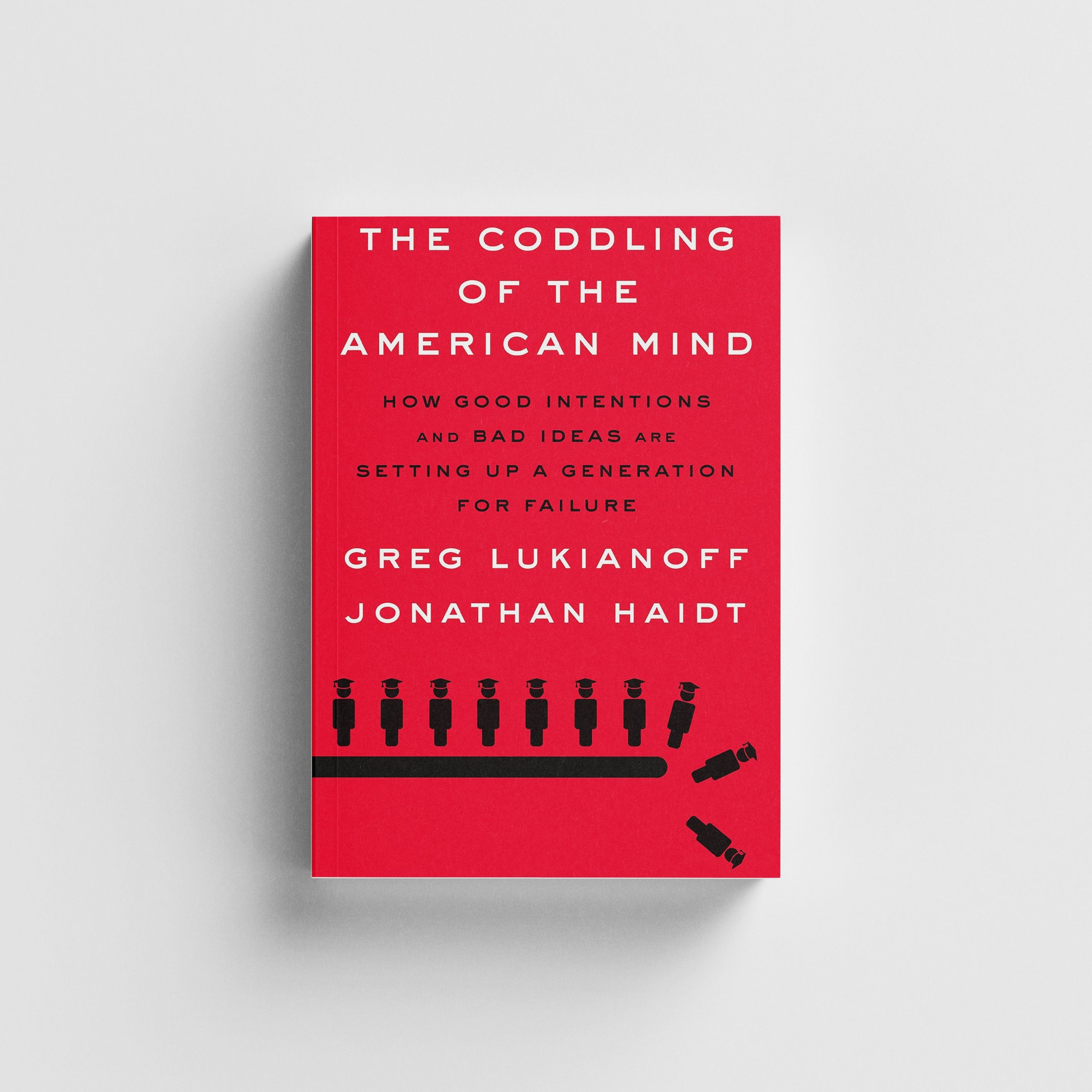
S5 Ep 321Coddling Of The American Mind
Coddling Of The American Mind is about: "How good intentions and bad ideas are setting up a generation for failure" Well intentioned overprotection from peanut bans in elementary schools through speech codes on campus; are doing more harm than good. But overprotection is just one of the larger trends that we call problems of progress. This refers to bad consequences produced by good social changes. In this episode we cover the three great untruths that seem to have spread:The untruth of fragility: what doesn't kill you makes you weakerThe untruth of emotional reasoning: always trust your feelingsThe untruth of us vs them: life is a battle between good and evil people Hosted on Acast. See acast.com/privacy for more information.
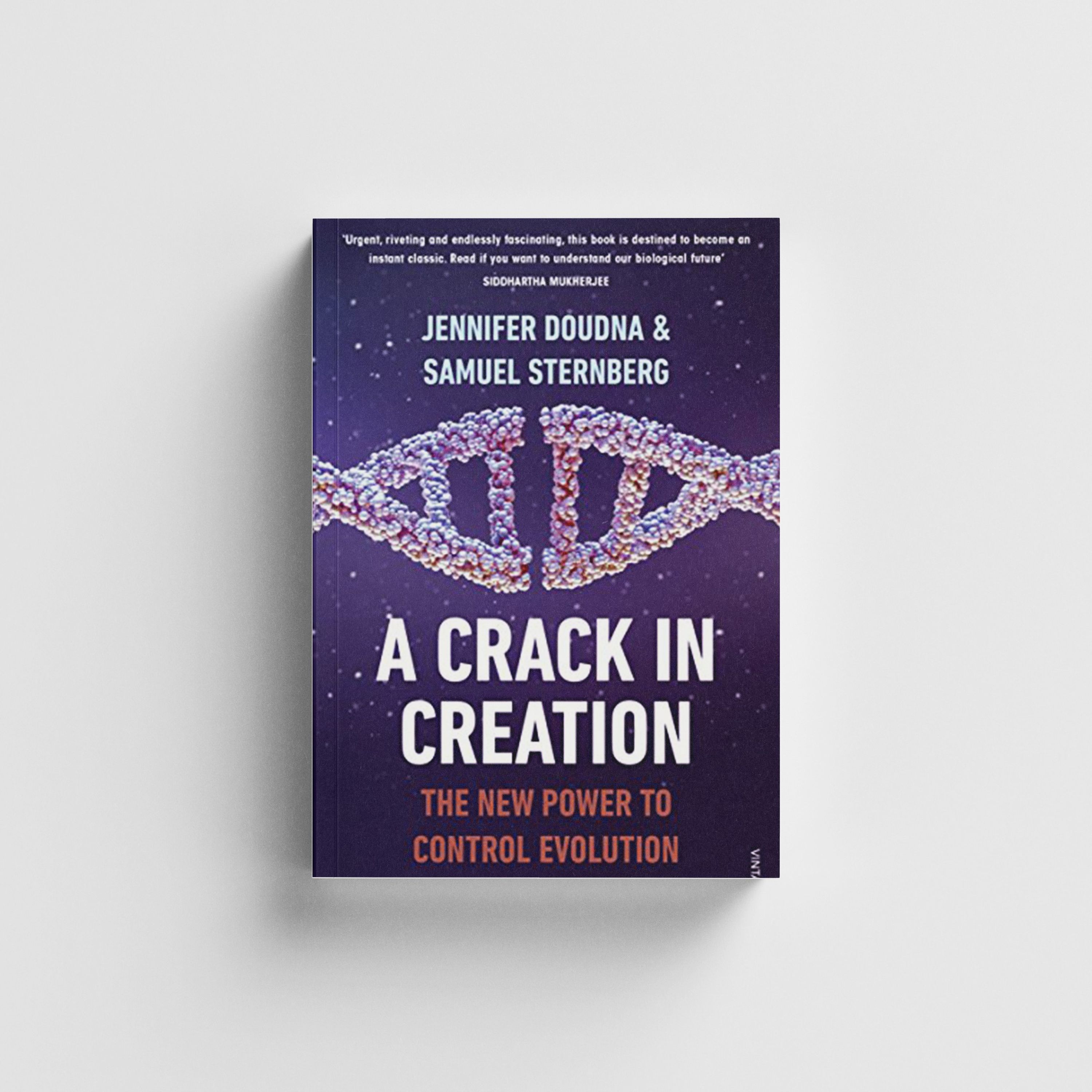
S5 Ep 320A Crack In Creation
The biological world is undergoing profound, human-induced changes. For billions of years, life progressed according to Darwin's theory of evolution - organisms developed through a series of random genetic variations. Up to now, species has been shaped by this process. Today things could not be more different. Scientists have succeeded in bringing his primordial successfully under human control. Scientists can now manipulate and rationally modify the genetic code that defines every species on the planet, including our own. And with the newest and arguably most effective genetic engineering tool" CRISPR-CAS9 (CRISPR for short). The genome, an organism's entire DNA content including all its genes, has become almost as editable as a simple piece of text. Crack In the Code of Creation shows Jennifer Doudna's discovery of the technology and how it can be applied to change our future rapidly. Hosted on Acast. See acast.com/privacy for more information.
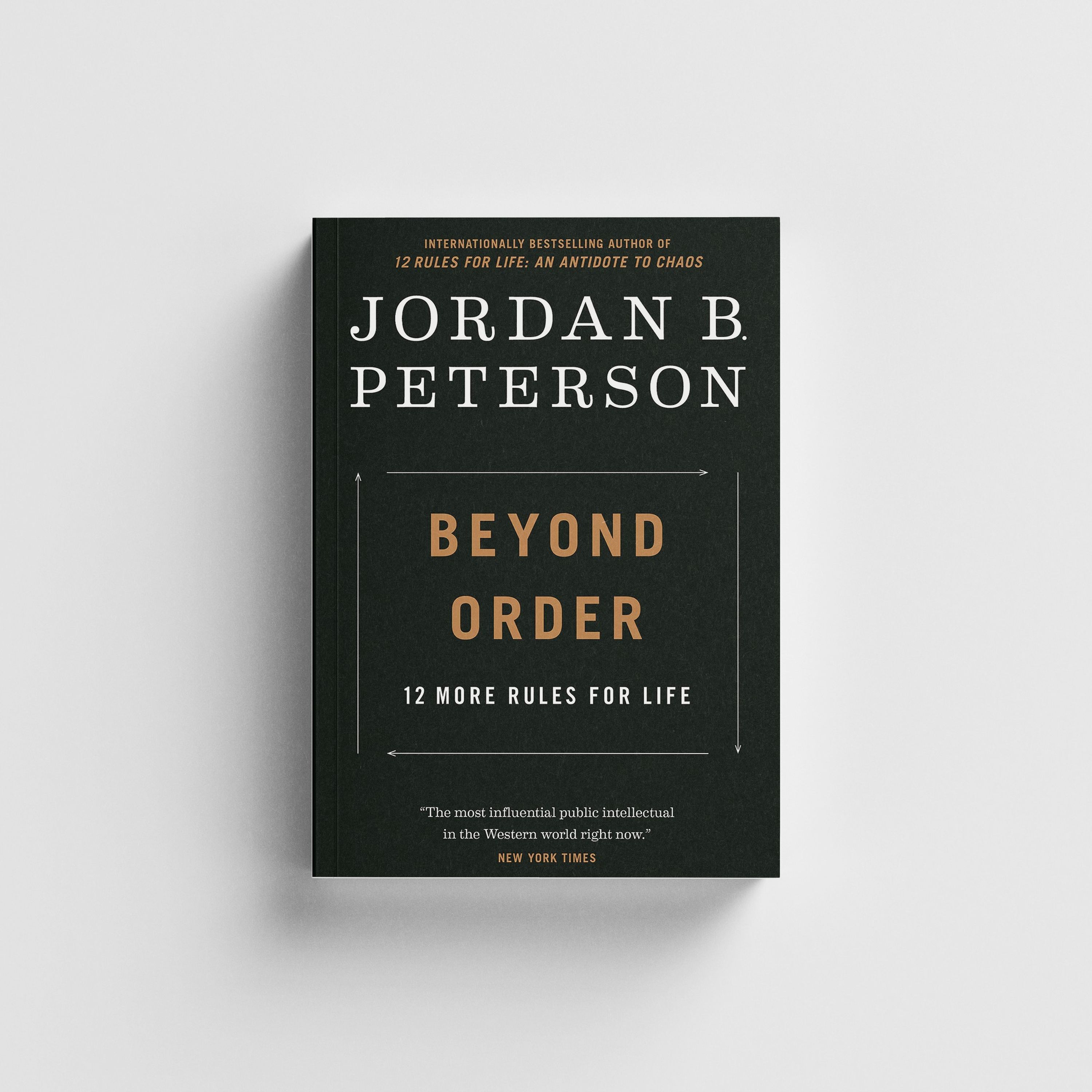
S5 Ep 319Beyond Order (Part 2)
Jordan Peterson went massive world wide with his first book 12 Rules For Life. His new book, Beyond Order provides ’12 more Rules For Life’.Order is explored territory. We are in order when the actions we deem appropriate produce the results we aim at. We regard such outcomes positively. Chaos is anomaly, novelty, unpredictability, transformation, disruption and all too often descent. Neither the state of order nor the state of chaos if preferable. Like the yin yang, we need to find the balance between the two.12 Rules For Life was the antidote to chaos and increasing order. Beyond Order, is about moving into chaos. We both loved this book so much we are spreading it across 2 episodes.In this second episode we look at the interpersonal rules: •Rule 3: Do not hide unwanted things in the fog •Rule 10: Plan and work diligently to maintain the romance in your relationship •Rule 1: Do not carelessly denigrate social institutions or creative achievement Listen back to Part 1 where, we covered the personal rules:•Rule 4: Notice that opportunity lurks where responsibility has been abdicated •Rule 7: Work as hard as you possibly can on at least one this and see what happens •Rule 2: Imagine who you could be, and then aim single-mindedly at it Hosted on Acast. See acast.com/privacy for more information.
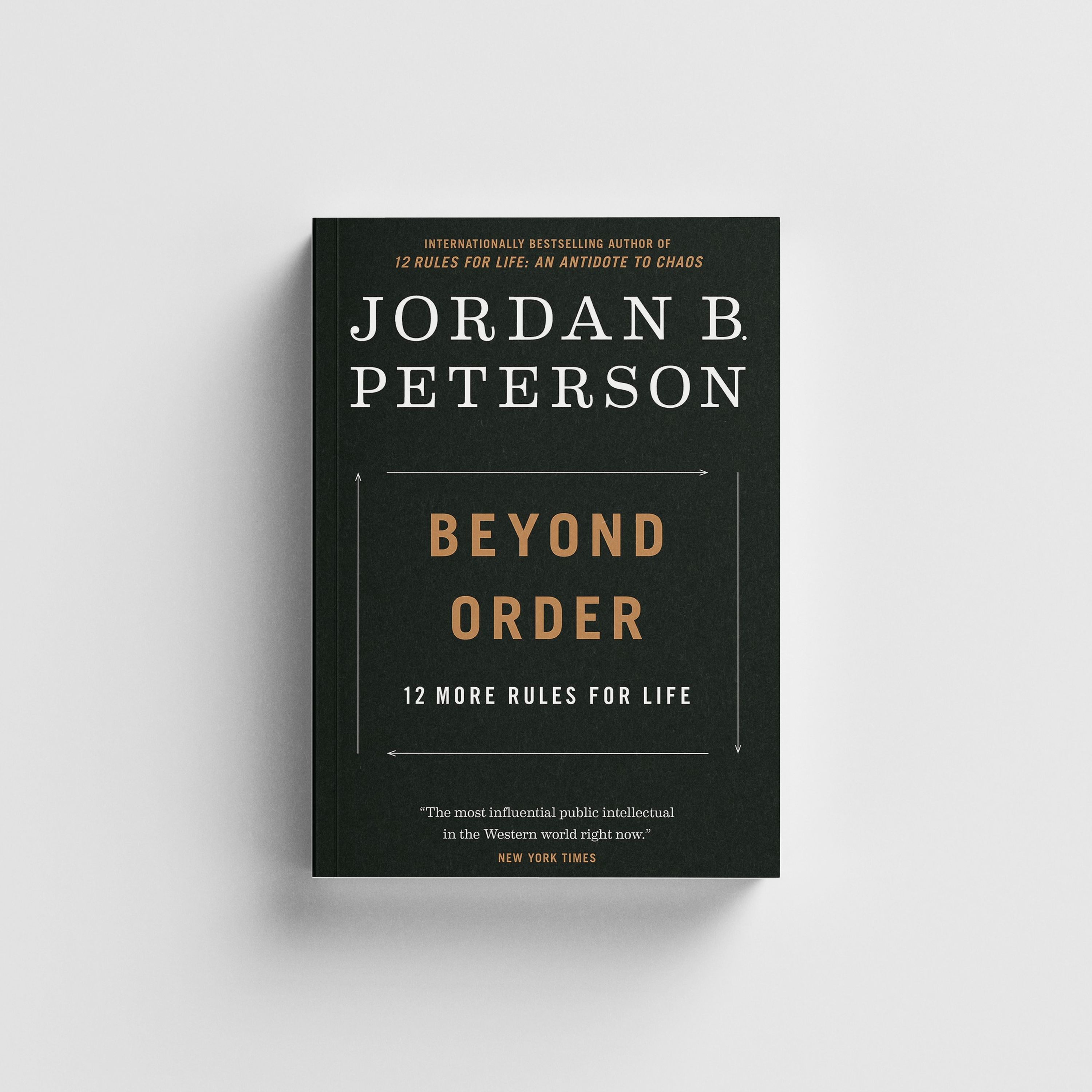
S5 Ep 318Beyond Order (Part 1)
Jordan Peterson went massive world wide with his first book 12 Rules For Life. His new book, Beyond Order provides ’12 more Rules For Life’.Order is explored territory. We are in order when the actions we deem appropriate produce the results we aim at. We regard such outcomes positively. Chaos is anomaly, novelty, unpredictability, transformation, disruption and all too often descent. Neither the state of order nor the state of chaos if preferable. Like the yin yang, we need to find the balance between the two.12 Rules For Life was the antidote to chaos and increasing order. Beyond Order, is about moving into chaos. We both loved this book so much we are spreading it across 2 episodes. In this first episode we will cover the rules centred on the self:•Rule 4: Notice that opportunity lurks where responsibility has been abdicated •Rule 7: Work as hard as you possibly can on at least one this and see what happens •Rule 2: Imagine who you could be, and then aim single-mindedly at it In the next episode we’ll look at the interpersonal rules: •Rule 3: Do not hide unwanted things in the fog •Rule 10: Plan and work diligently to maintain the romance in your relationship •Rule 1: Do not carelessly denigrate social institutions or creative achievement Hosted on Acast. See acast.com/privacy for more information.
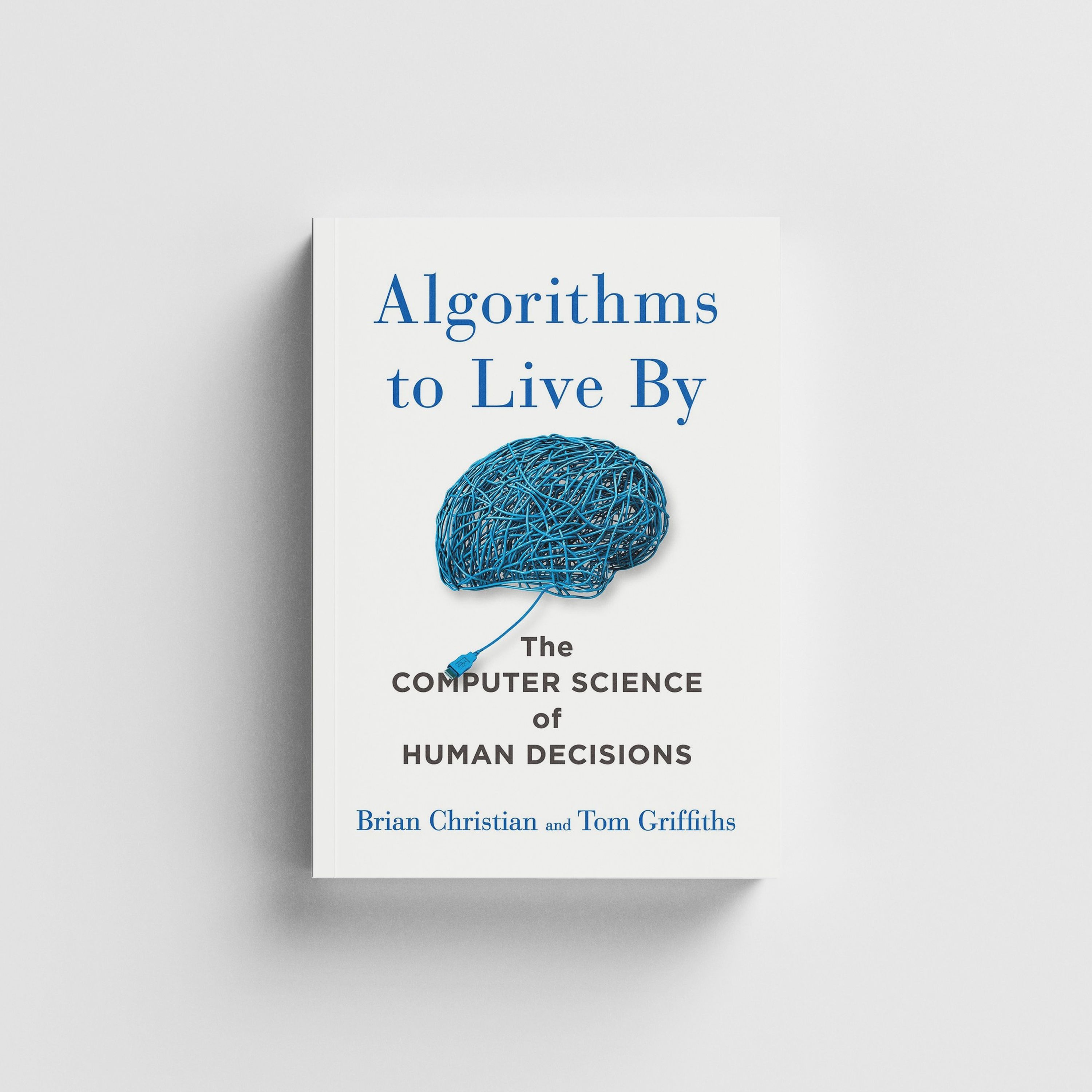
S5 Ep 317Algorithms To Live By
There is a particular set of problems that all people face that are a direct result of the fact that our lives are carried out in finite space and time. What should we do? What should we ignore? What should we do today? What should be leave til next week? What degree of mess should we embrace? What balance between NEW experiences and FAVOURED ones make for the most fulfilling life? These might sound like very HUMAN problems... but they're not. For more than half a century, computer scientists have been grappling with (and in many cases, solving) the equivalent of these everyday dilemmas. How should a processor allocate "attention"/focus to perform every task a user asks of it, with the minimum energy expenditure in the shortest possible time? When should it switch between different tasks, and how many tasks should it take on at once? Should it collect more data, or take action based on the data it already has?In this episode, we’ll look at three applications of computer science to the real world:OPTIMAL STOPPING (When should you turn into an empty car space VS keep looking for a better spot? When should you decide to buy a house OR keep looking for a better one?)EXPLORE / EXPLOIT (should you go to your favourite mexican restaurant, or try the new Japanese restaurant that just opened down the road? should you eat wtih your best friend or invite the new office colleague? should you watch an old favourite movie or try out a new release?)SCHEDULING (you've got a long list of tasks staring you in the face on a monday morning - which should you do first???) Hosted on Acast. See acast.com/privacy for more information.
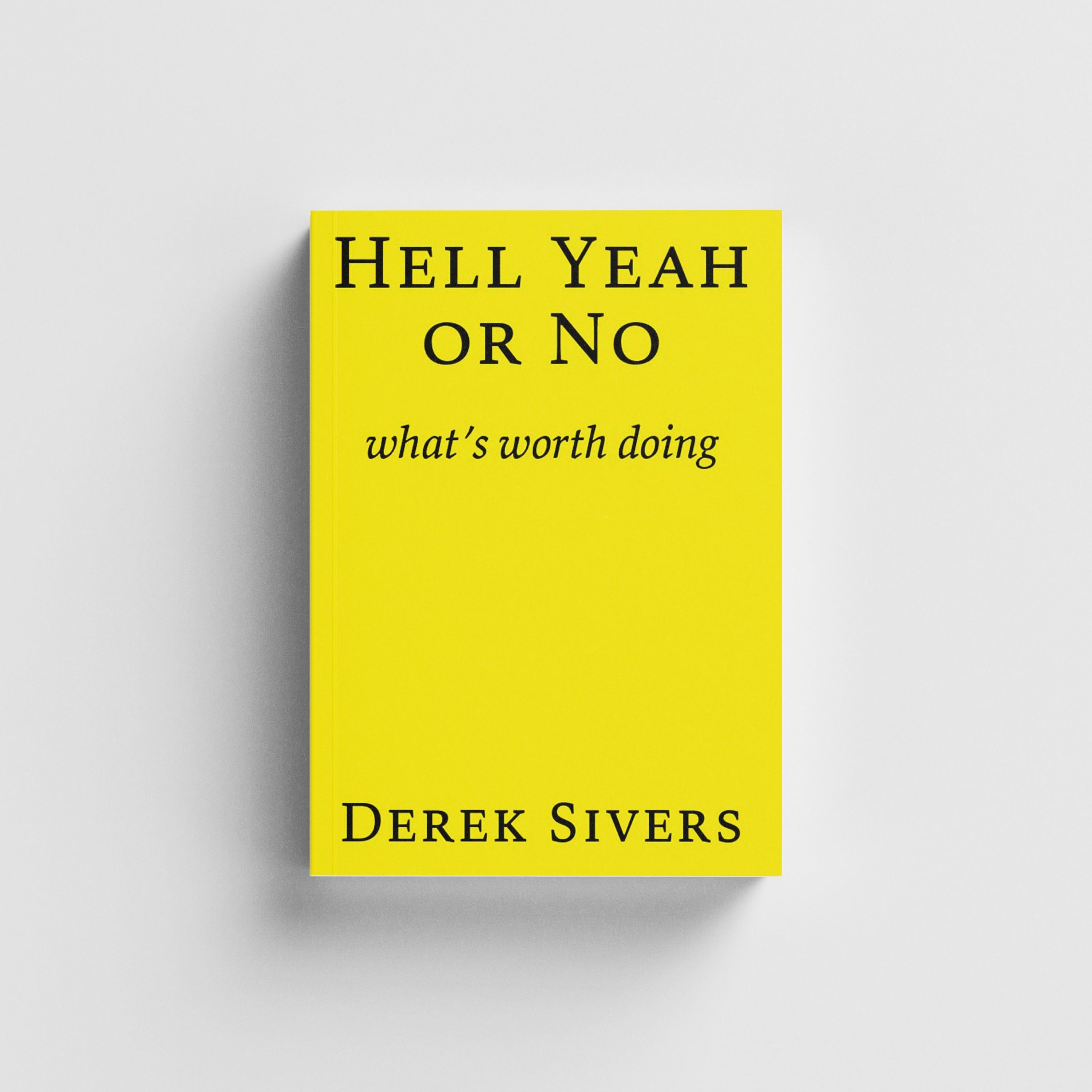
S5 Ep 316Hell Yeah Or No
Derek Sivers was the author of the first ever book we did on the podcast back in June 2016, 'Anything You Want'. Now, almost five years later, we're circling back to cover his newest book, 'Hell Yeah Or No'.In this episode we speak about:Changing Your Identity (admitting your true priorities)Choosing What To Do (based on your values, deciding what is worth doing)Saying Yes (seeking inspiration and being open to any and all opportunities that come your way)Saying No (once you find something that is extra rewarding, starting saying no to more to allow yourself to focus on this one thing) Hosted on Acast. See acast.com/privacy for more information.
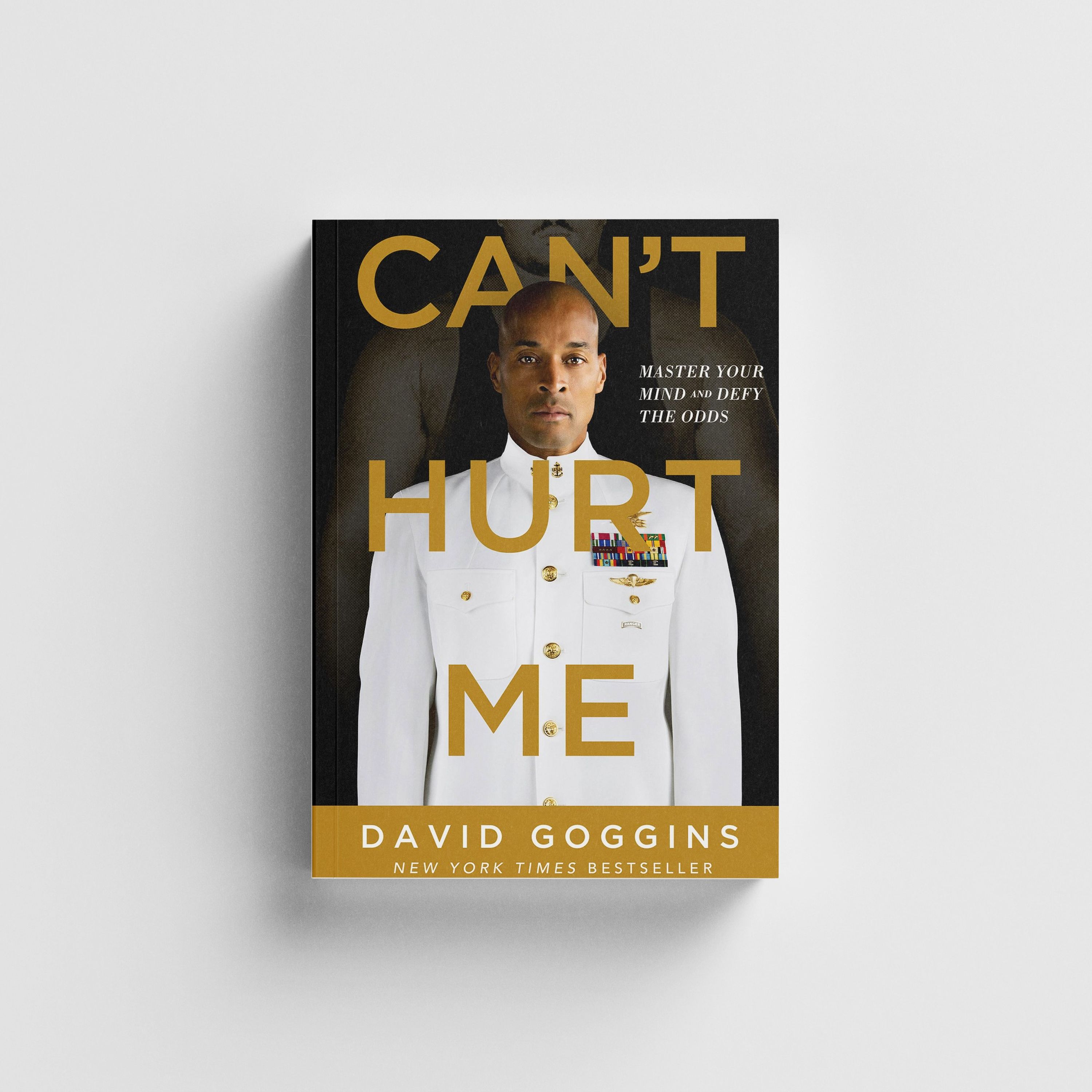
S5 Ep 315Can't Hurt Me
EDo you know who you really are and what you're capable of? Don't worry, you are not alone. In every town, country all over the world, millions roam the streets. Dead-eyed zombies addicted to comfort, embracing the victim's mentality and unaware of their true potential. Like most of us, David Goggins used to be one of them Life dealt him a bad hand. He was born broken, grew up with beat downs, tormented at school and copped racism more times than he could count. He was poor, surviving on welfare, living in government subsidy housing and had smothering depression. He lived life at the bottom of the barrel, with a future forecast bleak. After looking at the accountability mirror, Goggins went through a transformation into becoming one of the baddest men on the planet. He has found how to push past the perceived limits our minds put on us. By pushing yourself to new limits, maybe you can also find out what you're truly capable of. Hosted on Acast. See acast.com/privacy for more information.
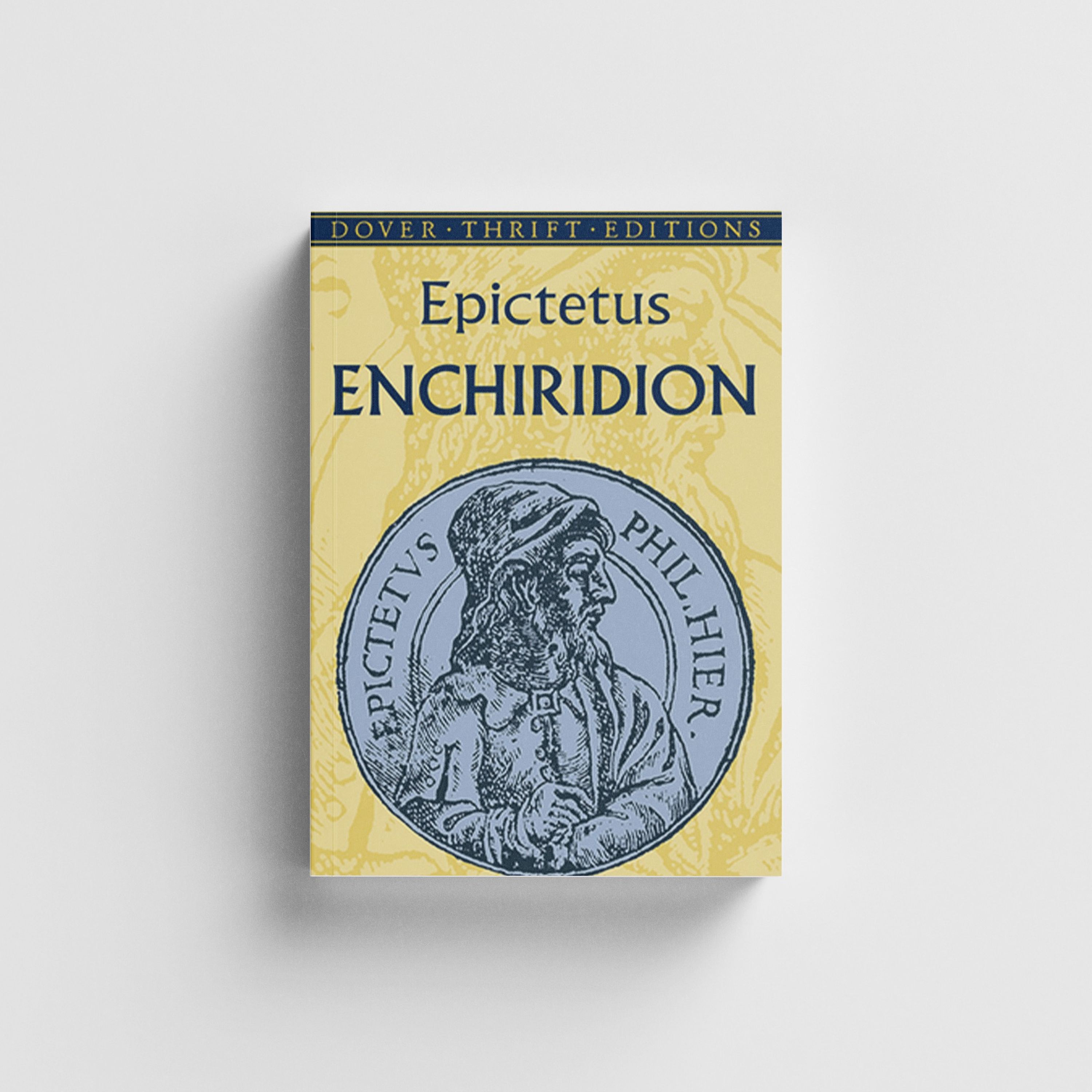
S5 Ep 314Enchiridion
We read the 2000+ year old text known as Enchiridion by Epictetus (and we had a little help from Sharon Labelle's more modern translation The Art of Living).In this episode we talk about: what is inside your control (and what is outside of your control), perceptions, objectivity, other people's opinions, managing our desires, and controlling our emotional reactions.Grab our free document, The Top 50 Best Books Of All Time: https://www.whatyouwilllearn.com/top50/ Hosted on Acast. See acast.com/privacy for more information.
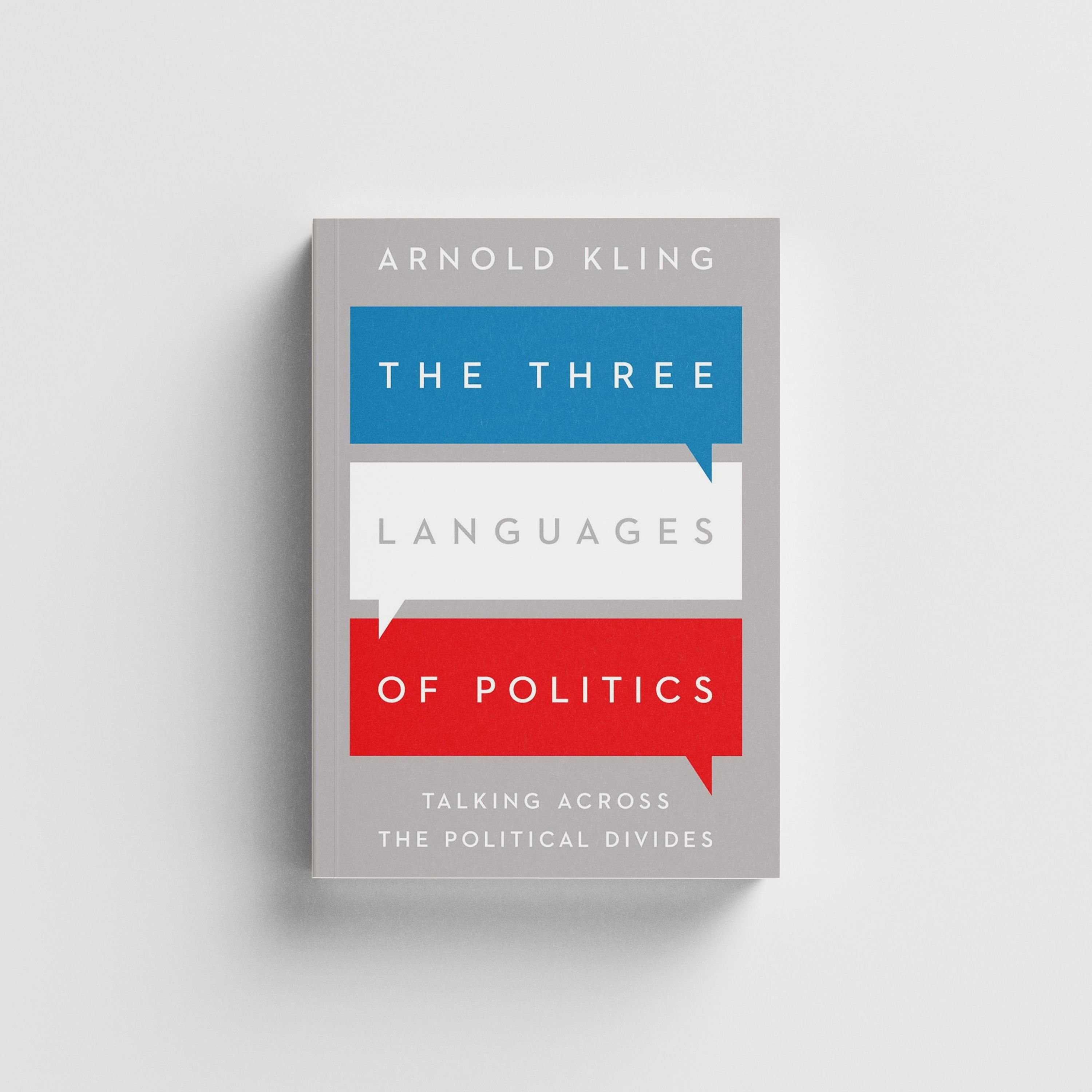
S5 Ep 313The Three Languages of Politics
Our political debates are not debates but are instead vehement expressions of tribal anger. That insight was the basis Arnold Kling to write this book. Since then, the insight has been reinforced. There is now widespread concern with the way political divisions are exacerbated by the communication that takes place in both traditional and social media.Politically interested people sort themselves into 3 coalitions: progressive, conservative and libertarian:- Progressives will communicate along the oppressor-oppressed axis.- A conservative will communicate along the civilization-barbarism axis. - A libertarian will communicate along the liberty coercion axis.And...- Progressive assert moral superiority over conservatives and libertarians- Conservatives assert moral superiority over libertarians or progressives- Libertarians assert moral superiority over progressives and conservativesThey cannot all be correct! And when they think in those terms, it is unlikely that they will sit down and work out solutions to shared problems.In politics, Arnold claims that progressives, conservatives and libertarians are tribes speaking different languages. The language that resonates with one tribe does not connect with others. As a result, political discussions do not lead to agreement. Instead, most political commentary serves to increase polarization. Hosted on Acast. See acast.com/privacy for more information.
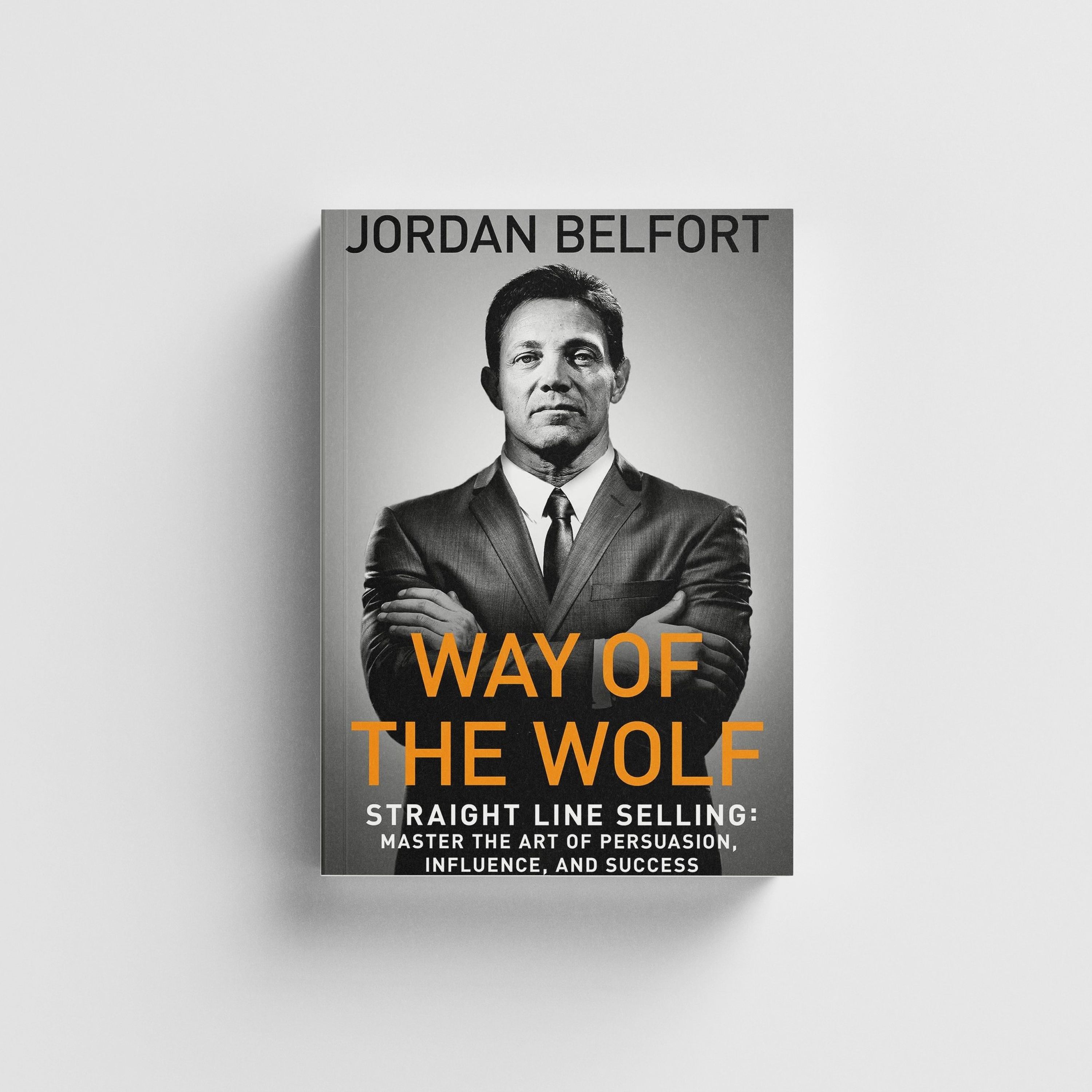
S5 Ep 312The Way of the Wolf
EWhat they say about Jordan Belfort in the Wolf Of Wall Street is True. He is one of those natural-born salesmen who can sell ice to an Eskimo, oil to an Arab or port to a Rabbi. If you've seen The Wolf of Wall Street, starring Leonardo De Caprio, you may remember the scene of how Jordan took thousands of kids who could barely string a sentence together and turned them into world-class closers using his magical system called The Straight Line.This book is the same turnkey solution as shown in the movie. It can be applied for any business or industry. Selling is everything in life. Either you're selling, or you're failing. Hosted on Acast. See acast.com/privacy for more information.
S5 Ep 311The Courage To Be Disliked (part 2)
Being disliked is a cost for exercising freedom. If you're disliked by people, it is proof that you are exercising your freedom and a sign that you are living in accordance with your own principles. It is certainly distressful to be disliked. But it can be seen as a necessary cost for a better life. The Courage to be Disliked shows you how to unlock the power within yourself to become your best and truest self, change your future and find lasting happiness. This is the most recommended book we've had from the listeners, so about time we got to it! And it didn't disappoint. We're breaking this book up into two episodes. In Part 2, we look at the courage to be disliked. Hosted on Acast. See acast.com/privacy for more information.
S5 Ep 310The Courage To Be Disliked (part 1)
For some people, events in our past determines a failed life. But for others, the same even can be the seed of success. It is the perceptive filter that leads to two entirely different destinations. There is no escape from your own subjectivity. At present, the world seems complicated and mysterious to you. But if you change, the world will appear more simple. But do you have the courage to change? The Courage To Be Disliked shows you how to unlock the power within yourself to become your best and truest self, change your future and find lasting happiness. This is the most recommended book we've had from the listeners, so about time we got to it! And it didn't disappoint. We're breaking this episode up into two parts. In Part 1, we look at the courage to change. Hosted on Acast. See acast.com/privacy for more information.
S5 Ep 309One Up On Wall Street
As always, this episode is NOT financial advice.Peter Lynch is one of the most successful professional investors of all time. According to him, amateurs can win. The most important rule to follow is that you should stop listening to professionals!Most investment books recommend passive investing, where you buy a whole haystack and assume you'll get a few needles. Peter's shows a strategy that gives us amateurs a chance at beating the investors, picking the needle.There are some things you're sincerely interested in. Whether it is cars, cameras or technology, you develop a sense of what's good and what's bad. You know what sells and what doesn't. In some contexts, you know it before Wall Street knows it. And you have the opportunity to jump on before the investment banks begin to recommend the stock. Hosted on Acast. See acast.com/privacy for more information.
S5 Ep 308Getting The Love You Want
For some people, the idea of a permanent commitment to one partner feels a little old-fashioned. Just flick on Netflix, and you’ll find plenty of documentaries about people opting into polyamorous relationships or other non-traditional setups. When things get tough, we might think that this person mustn’t be right for us, and it’s easier just to let them go. Despite all of this scepticism around marriage and relationships, deep down, we still long for lasting love. Getting The Love You Want shows us the key to finding your perfect match, which is buried deep beneath the surface. Superficially, you might argue over who did the dishes, where to go on holiday or who is looking after the kids. But it goes much deeper than that. To understand how to build the optimal love life, we need to realise an unwritten agenda formed early in life. Hosted on Acast. See acast.com/privacy for more information.
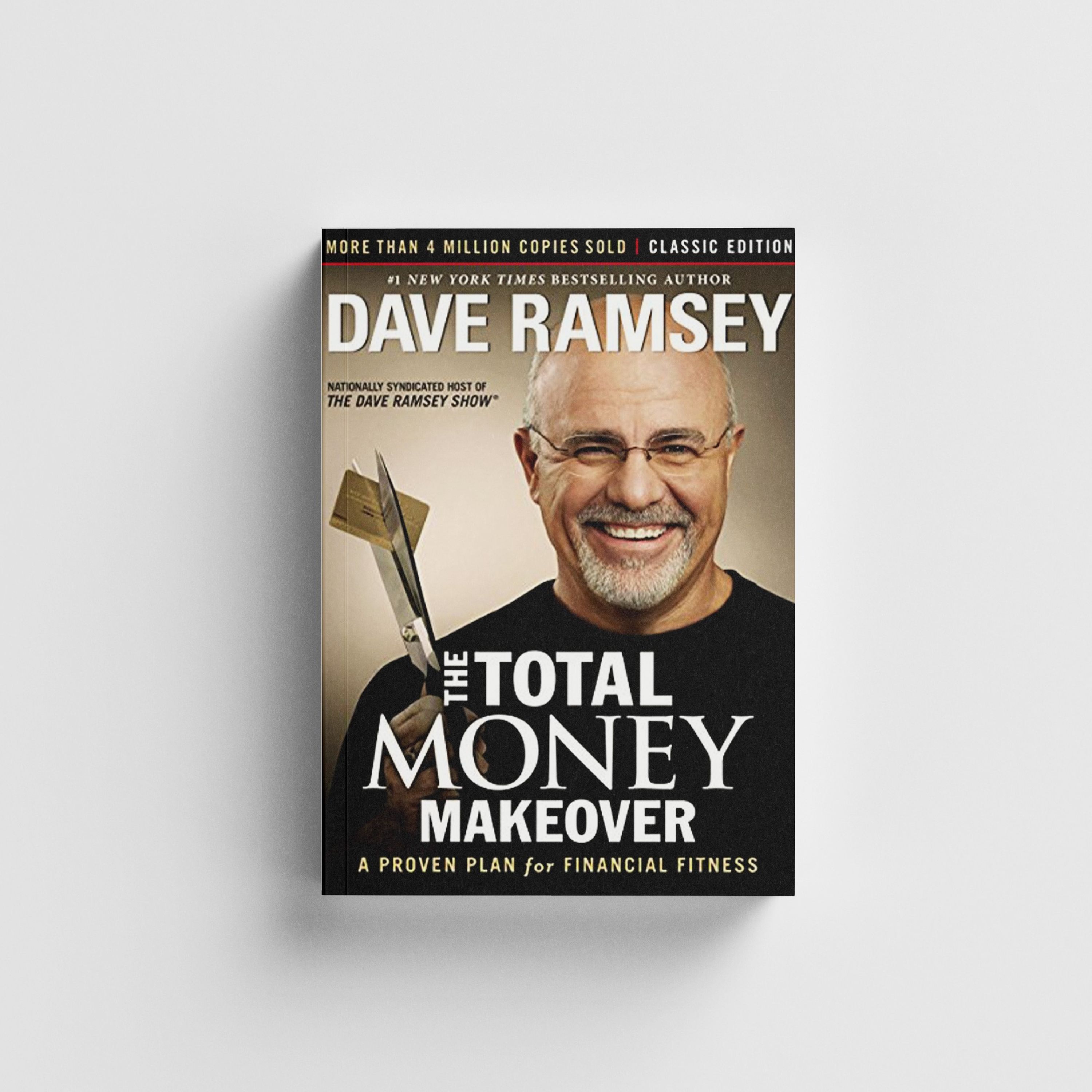
S5 Ep 307Total Money Makeover
If your personal finances are in a mess, there is perhaps no activity that is higher leverage than getting them sorted. If you find that you've dug yourself into a hole, stop digging!Dave Ramsey, the leading personal finance guru, shows us some simple steps for getting our money back in order. These steps are obvious - there's nothing revolutionary here, just plain and simple steps that work. If you're willing to make a few little sacrifices along the way, you can turn your financial life around quicker than you ever thought possible. Hosted on Acast. See acast.com/privacy for more information.
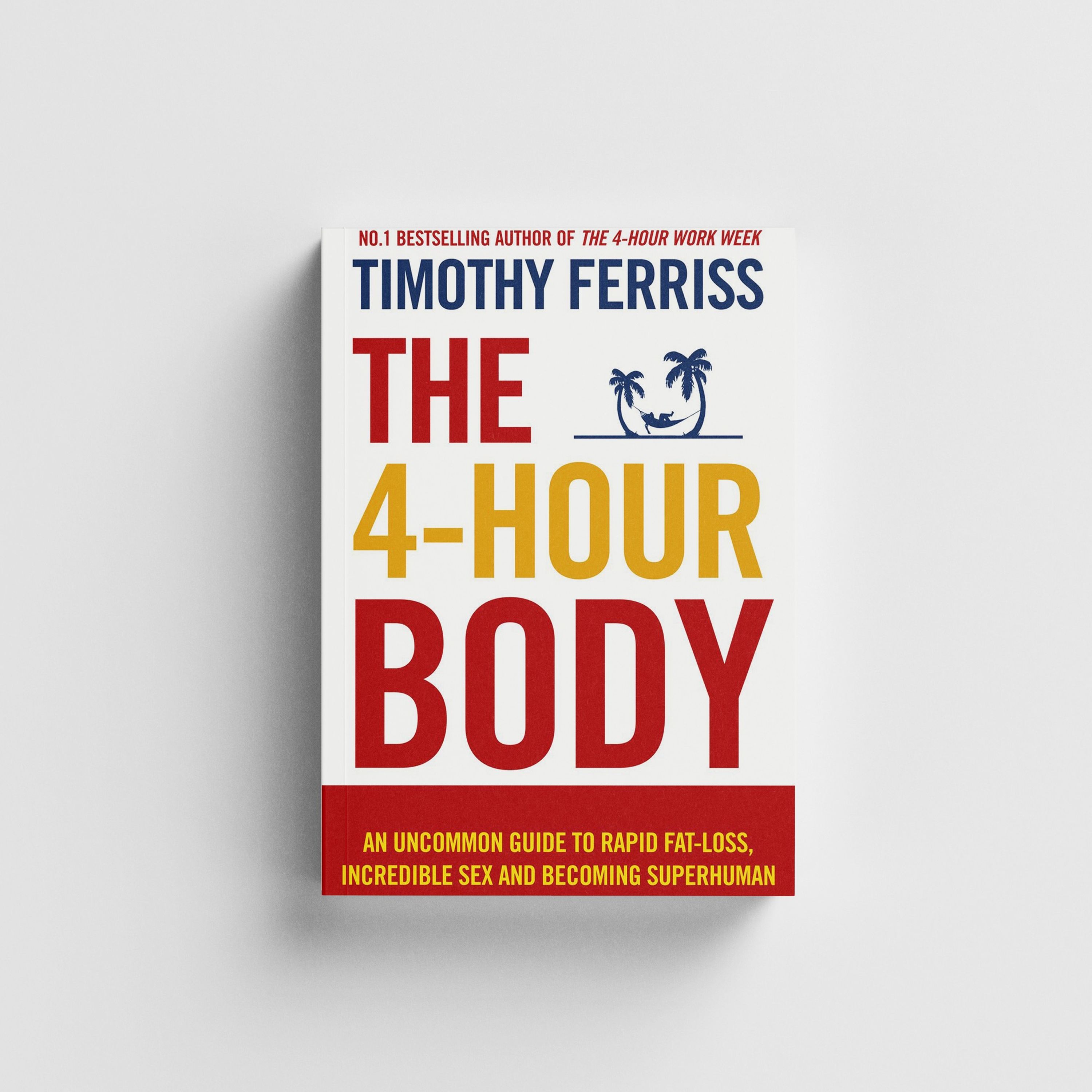
S5 Ep 306The 4-Hour Body
Tim Ferris has applied the 80/20 principle to find the optimal path for a better-looking body. The goal is to focus on the 2.5% that deliver 95% of the rapid body redesign and performance enhancement results. If you are already at 5% body fat or bench pressing 181 kg, you are in the top 1%. This is for the other 99% who can experience near unbelievable gains in short periods of time.In this episode, we’ll focus purely on the Slow Carb Diet, the optimal body recomposition strategy. This will make you drop 2 clothes sizes (XXXL to XL, or a 16 to a 12) in rapid time and have people asking "WOW - what the hell have you been doing!". Hosted on Acast. See acast.com/privacy for more information.
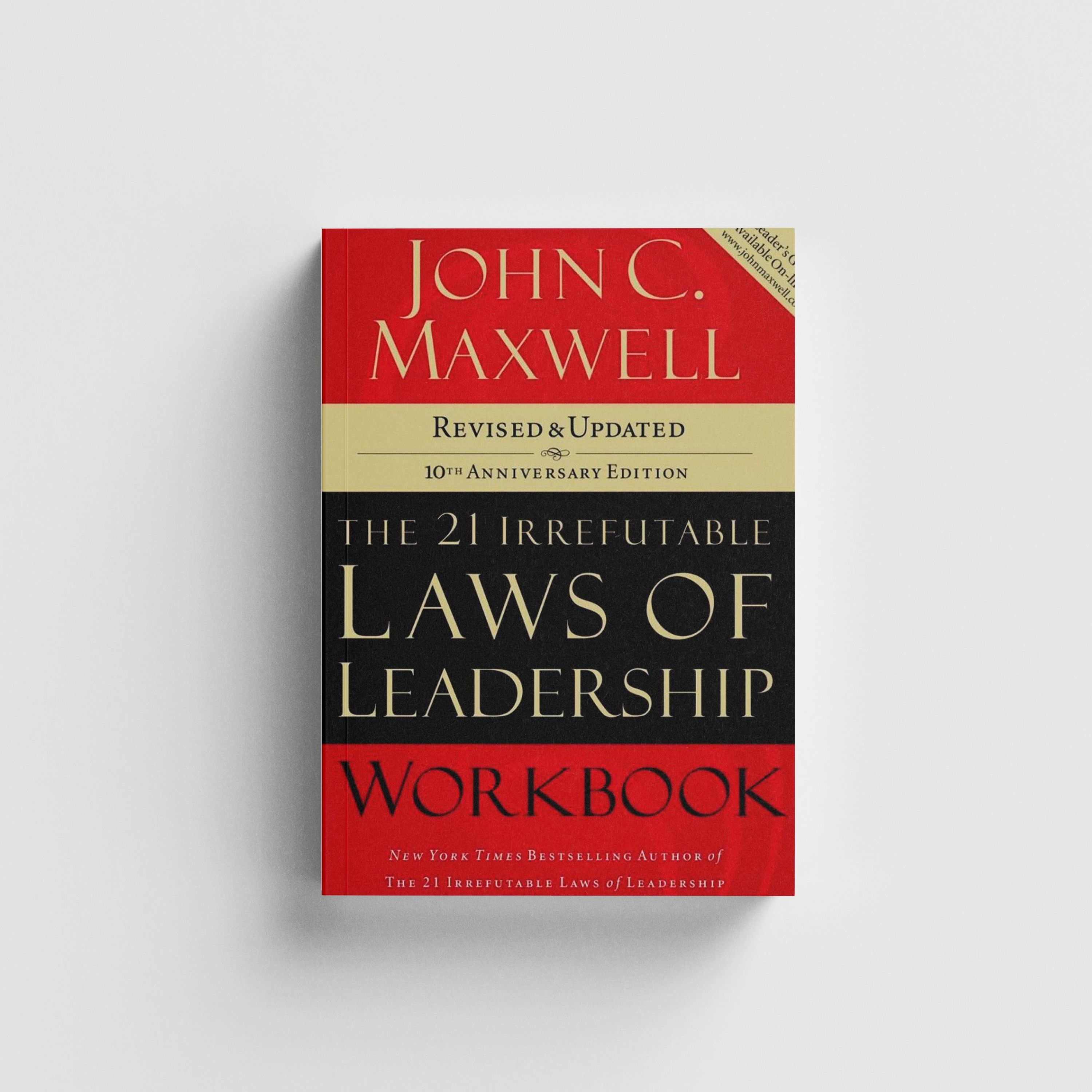
S5 Ep 305The 21 Irrefutable Laws of Leadership
Success is within reach of just about everyone. But personal success without leadership only brings limited effectiveness. Without leadership ability, a person's impact is only a fraction of what it could be with good leadership. The higher you want to climb, the more you need leadership.Although it's true that some people are born with greater natural gifts than others. The ability to lead is really a collection of skills, nearly all of which can be learned and improved. If you want to be a leader, the good news is that you can do it. Everyone has the potential. But it can't be accomplished overnight. It requires perseverance and you cannot ignore the 21 Irrefutable Laws Of Leadership. Hosted on Acast. See acast.com/privacy for more information.
S5 Ep 304Best of 2020
EWe all did it! We made it to the end of 2020. In this episode, we look back at our favourite books from Season 5 (so far). Our lists are VERY different again this year, with only two or three crossovers and the rest we had to fight over. Listen in or hear each of our favourite books, or check out the blog post at: https://www.whatyouwilllearn.com/best-of-2020/ Let us know your favourite books of 2020 - message us on social or email us at [email protected] Hosted on Acast. See acast.com/privacy for more information.
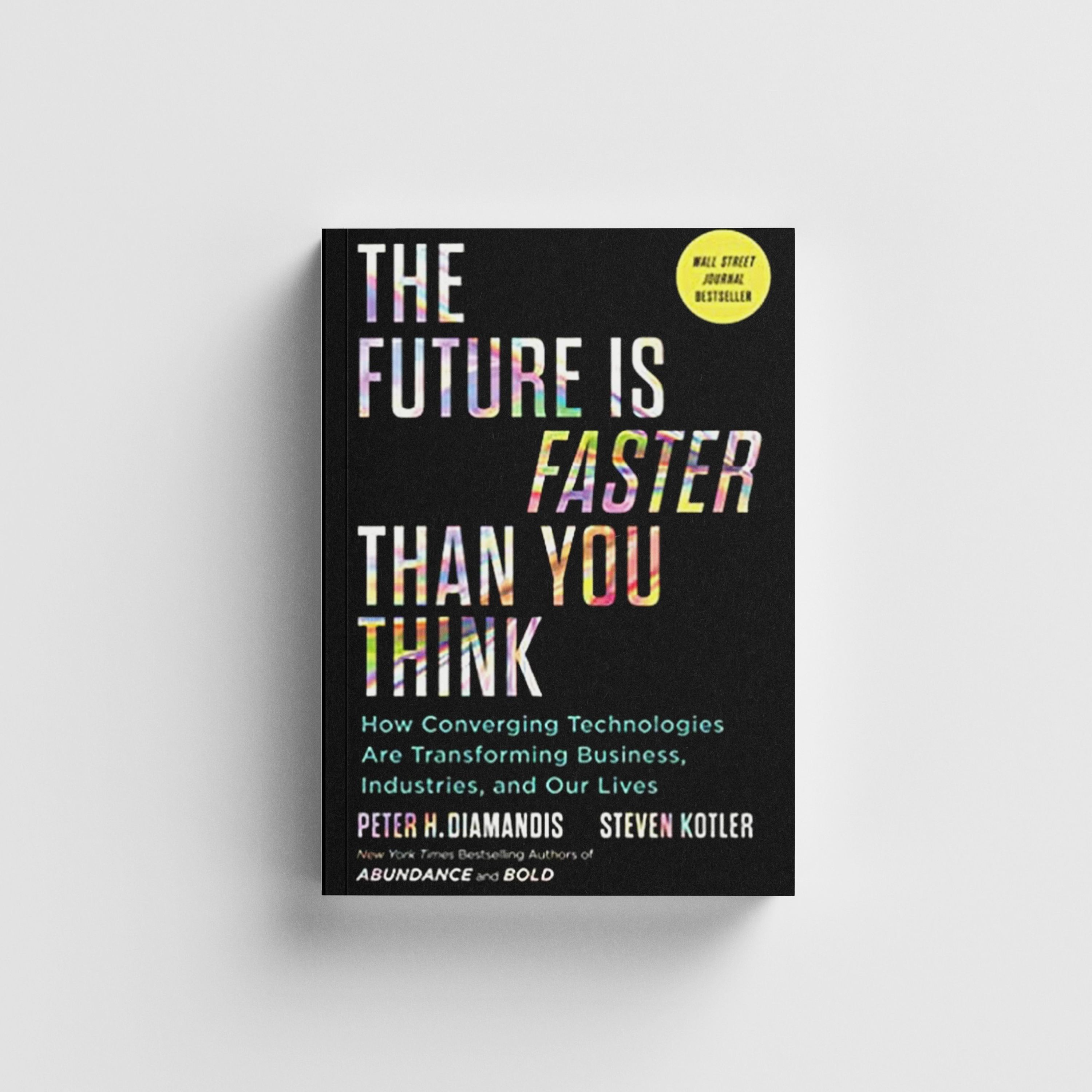
S5 Ep 303The Future Is Faster Than You Think
EHumans have been dreaming a long time about flying vehicles. In a famous IBM commercial, Avery Books asked: "it's the year 2000, but where are the flying cars?... I don't see them! Why!". Peter Thiel quips "we wanted flying cars and we got 140 characters".And today, the wait could finally be over. It looks like flying cars, alongside all sorts of pie in the sky innovations, are just around the corner. With new technologies such as AI, robotics, virtual reality, 3D printing and materials; and drivers of change such as saved time, availability of capital and longer lives, the rate of change is unprecedented. Hosted on Acast. See acast.com/privacy for more information.
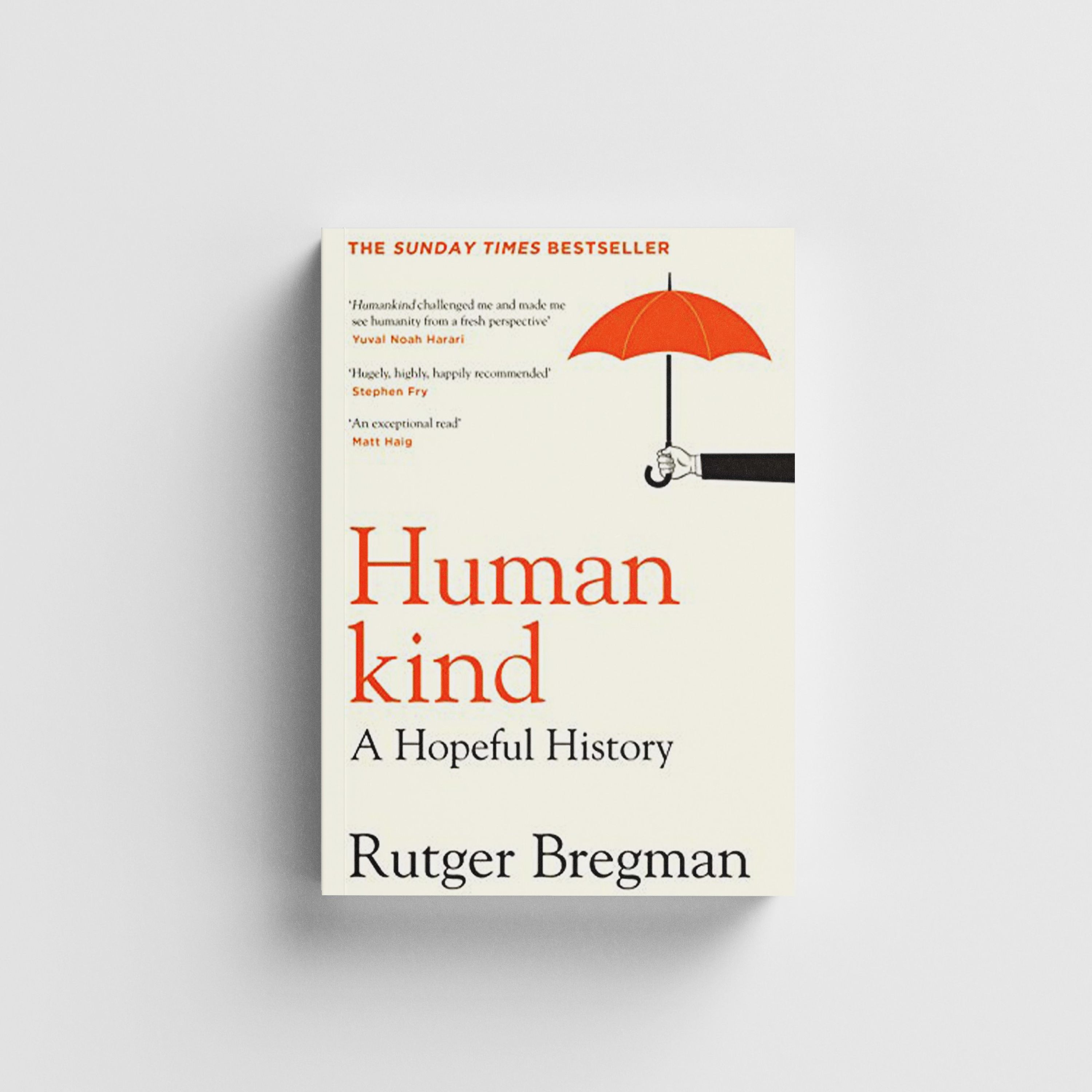
S5 Ep 302Humankind
EWe've been doing a lot of dark books recently. Ordinary Men, The Prince and Collapse all paint a dim view of human nature. The idea goes that we have a thin veneer of niceness on the surface, but deep down we're all capable of pure evil.Thankfully, this book gives the opposite perspective. The simple idea of this book is that we're actually all pretty decent. Disasters and tough times don't cause us to descend a few rungs on the ladder of civilisation, but rather they bring out the best in us. Hosted on Acast. See acast.com/privacy for more information.
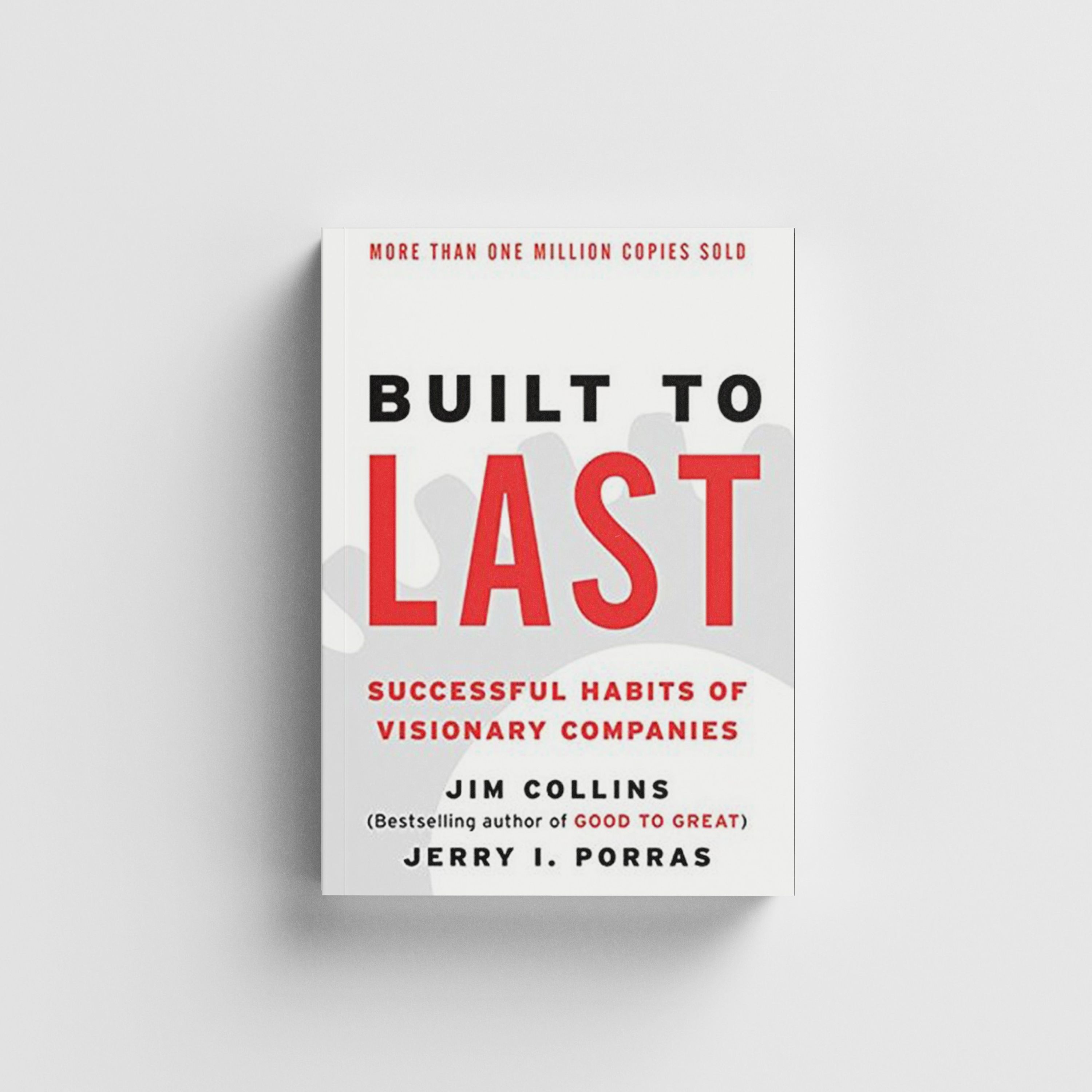
S5 Ep 301Built To Last
A six year study looked at 'visionary companies' and tried to identify what set them apart from the rest of the herd. These visionary companies were the ones that were the premier of their industry, were widely admired by knowledgeable businesspeople, had been through multiple product life cycles and multiple generations of leadership. The 18 companies identified outperformed the stock market by 16X.It was found that they had a few things in common. It largely boiled down to their culture, their approach to new ideas, and a focus on building the company itself. Listen to the podcast episode or read the blog post to find out more about what it takes to build a visionary company that lasts the tests of time. Hosted on Acast. See acast.com/privacy for more information.
S5 Ep 300Steve Glaveski: The Future of Work
Steve Glaveski is back for Round 2, this time talking about the launch of his new book Time Rich: Do Your Best Work, Live Your Best Life. This book helps us work smarter and live better.In this episode we discuss the past, present and future of work, and how time is a better measure than money. Make sure you stay tuned all the way to the end for a special musical treat!Check out Steve's new book: https://www.timerichbook.com/Check out Steve: https://www.steveglaveski.com/ Hosted on Acast. See acast.com/privacy for more information.
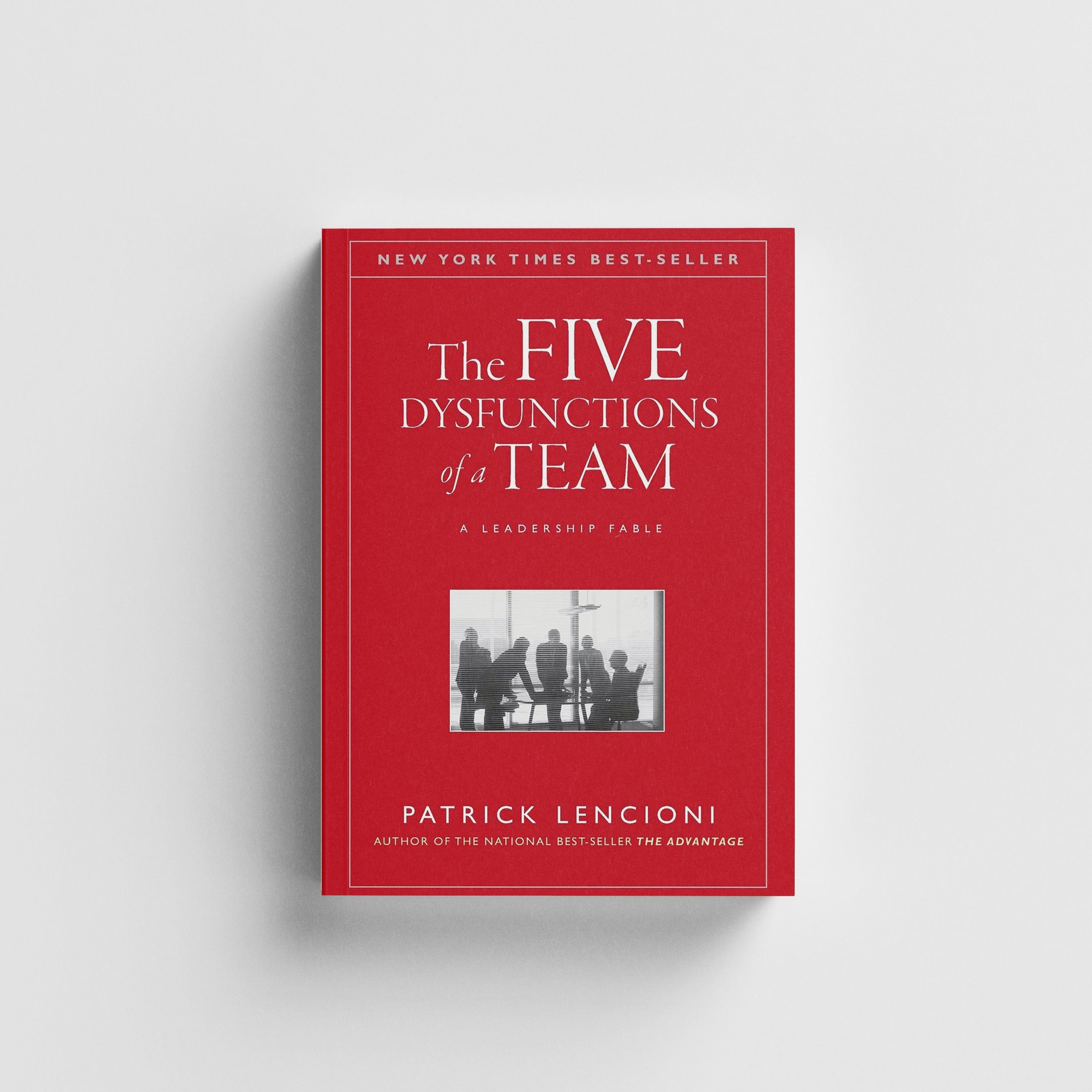
S5 Ep 299The Five Dysfunctions of a Team
The ultimate competitive advantage of successful organisations? Teamwork. A leader who can get their entire team rowing in the same direction can dominate any market in any industry.However, teamwork is as elusive as ever. Human beings are inherently dysfunctional. By acknowledging the imperfections of humans, members of functional teams can overcome our natural tendencies and work together toward success. According to author Patrick Lencioni, there are 5 dysfunctional elements that can destroy any team. Hosted on Acast. See acast.com/privacy for more information.
S5 Ep 298Lydia Denworth: The Extraordinary Power Of Friendship
Lydia Denworth is the author of three books, including the recently published Friendship: The Evolution, Biology and Extraordinary Power of Life’s Fundamental Bond.In this interview, we chat with Lydia about the psychological impacts, evolutionary context and elements of a high-quality friendship.Lydia launched this book with perfect timing - just before a worldwide pandemic put friendships and connections to their greatest test. Hosted on Acast. See acast.com/privacy for more information.
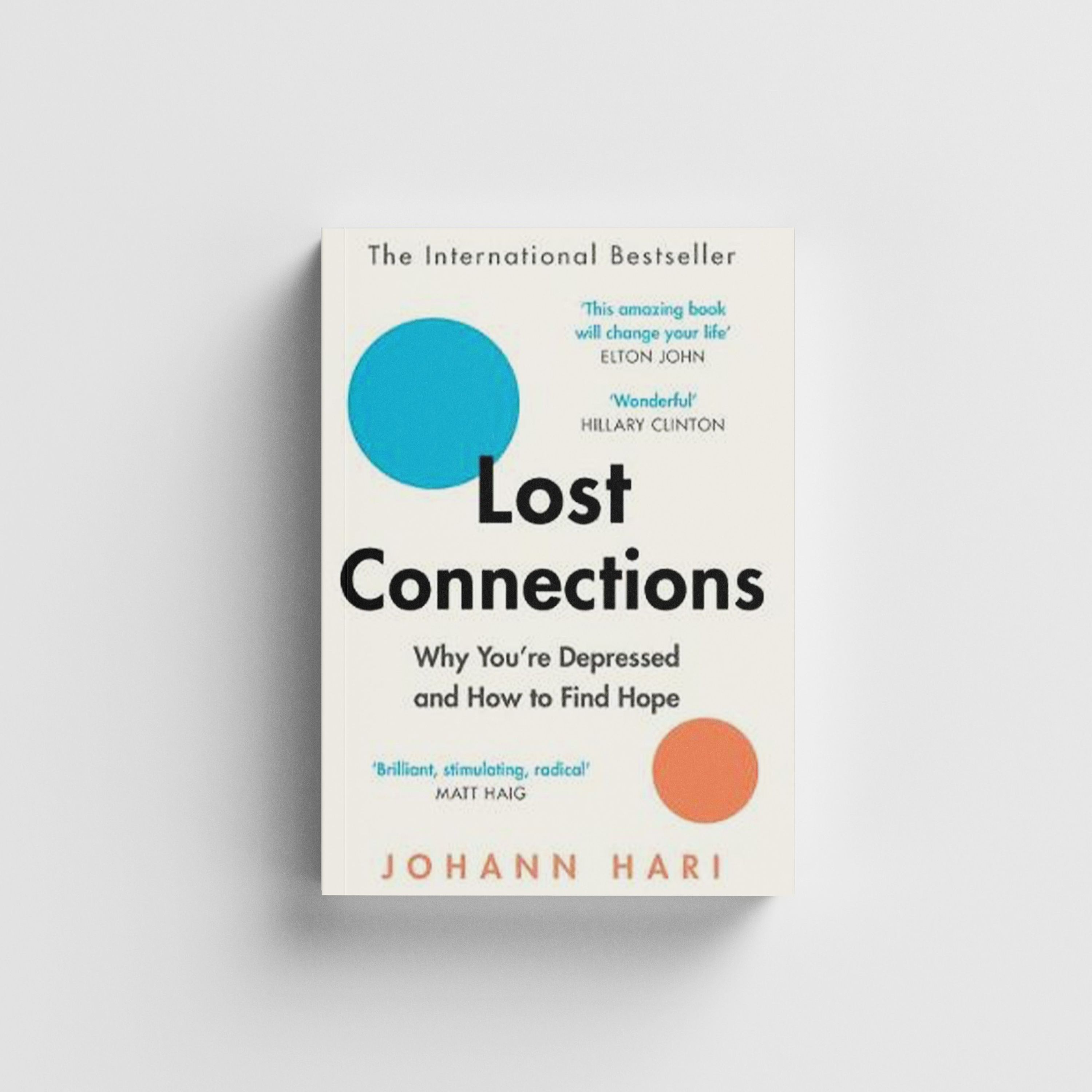
S5 Ep 297Lost Connections
EDisclaimer: we are not psychologists or psychiatrists, or in anyway giving medical advice.Johann Hari was depressed as a young man. He was told a story about why he felt so down: that depression is caused by a chemical imbalance in the brain. They say that the brains of depressed people have lower levels of serotonin (the happiness molecule). Then we’re told that Big Pharma has the answer. They’ve made drugs that can restore your serotonin levels back to “normal”. This version of the answer says that depression is a brain disease, and companies have the cure... for a profit of course.When scientists tested the water supply in Western countries, they found find it laced with antidepressants. We're literally and figuratively awash with these drugs. What is startling in other cultures has become normal to the Western world. We've just accepted that a huge number of people are so distressed that they need to take a powerful chemical every day to pull themselves together.Johann Hari has asked a distinctly different question. Could something other than bad brain chemistry be causing depression and anxiety?This question led to 3 years of research and 200+ interviews. The story that it is all in our head has holes in it. What Johann Hari has found is another story: depression is largely due to the world and how we live in it. The factors that cause depression in society are everywhere. Even worse, they are on the rise. Hosted on Acast. See acast.com/privacy for more information.
S5 Ep 296BJ Fogg: Designing Behaviours & Installing Habits
We had the pleasure of speaking to one of the Godfathers of habits and designing behaviours, BJ Fogg. We love the simplicity of his model: "Behaviour = Motivation + Ability + Prompt". Through this lens, we can see exactly why we do (or don't do) the things we want to do! Following on from our own discussion of his book Tiny Habits, this interview dives a little deeper into the intricacies of installing new habits or breaking old ones. BJ Fogg, PhD, founded the Behavior Design Lab at Stanford University. In addition to his research, Fogg teaches industry innovators how human behavior really works. He created the Tiny Habits Academy to help people around the world. He lives in Northern California and Maui.Find out more at BJFogg.com and visit TinyHabits.com to learn about his New York Times bestselling book, Tiny Habits: The Small Changes that Change Everything Hosted on Acast. See acast.com/privacy for more information.
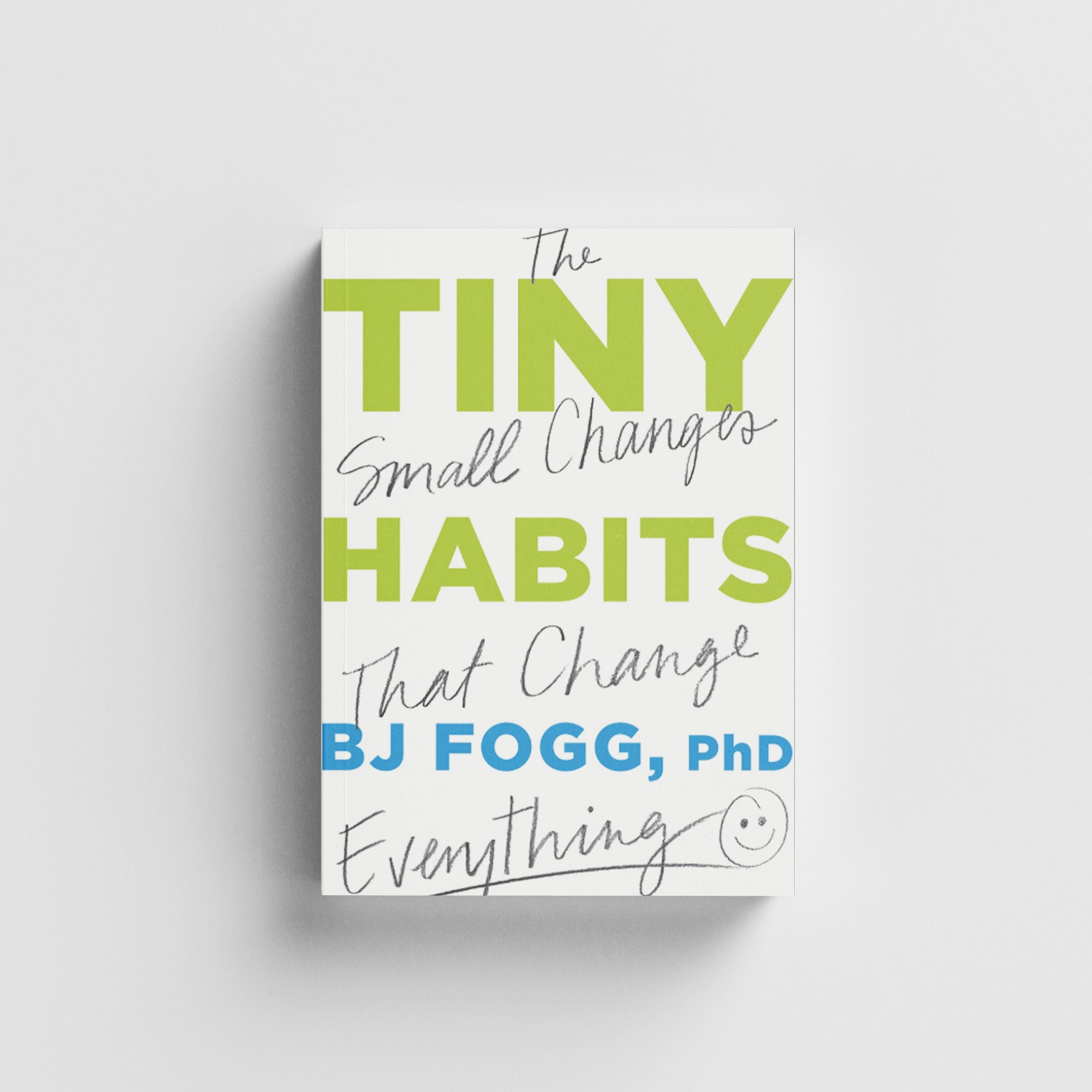
S5 Ep 295Tiny Habits
EWe all want some kind of change. But for most of us, there is a painful gap between what people want and what they actually do. If you have attempted to do something different in the past and haven't seen the results, you've probably figured out by now that change is hard.If you tried to put together a chest of drawers with faulty instructions and parts missing, you would feel frustrated. But you probably wouldn't blame yourself. You would blame the manufacturer instead. Similarly, any habits you’re not happy with aren’t entirely your fault, you just haven't yet been taught how to effectively change your behaviour.BJ Fogg's behaviour model boils any action down to three simple components: Motivation, Ability, Prompt. B=MAP is the combination lock to install long term habits. Hosted on Acast. See acast.com/privacy for more information.
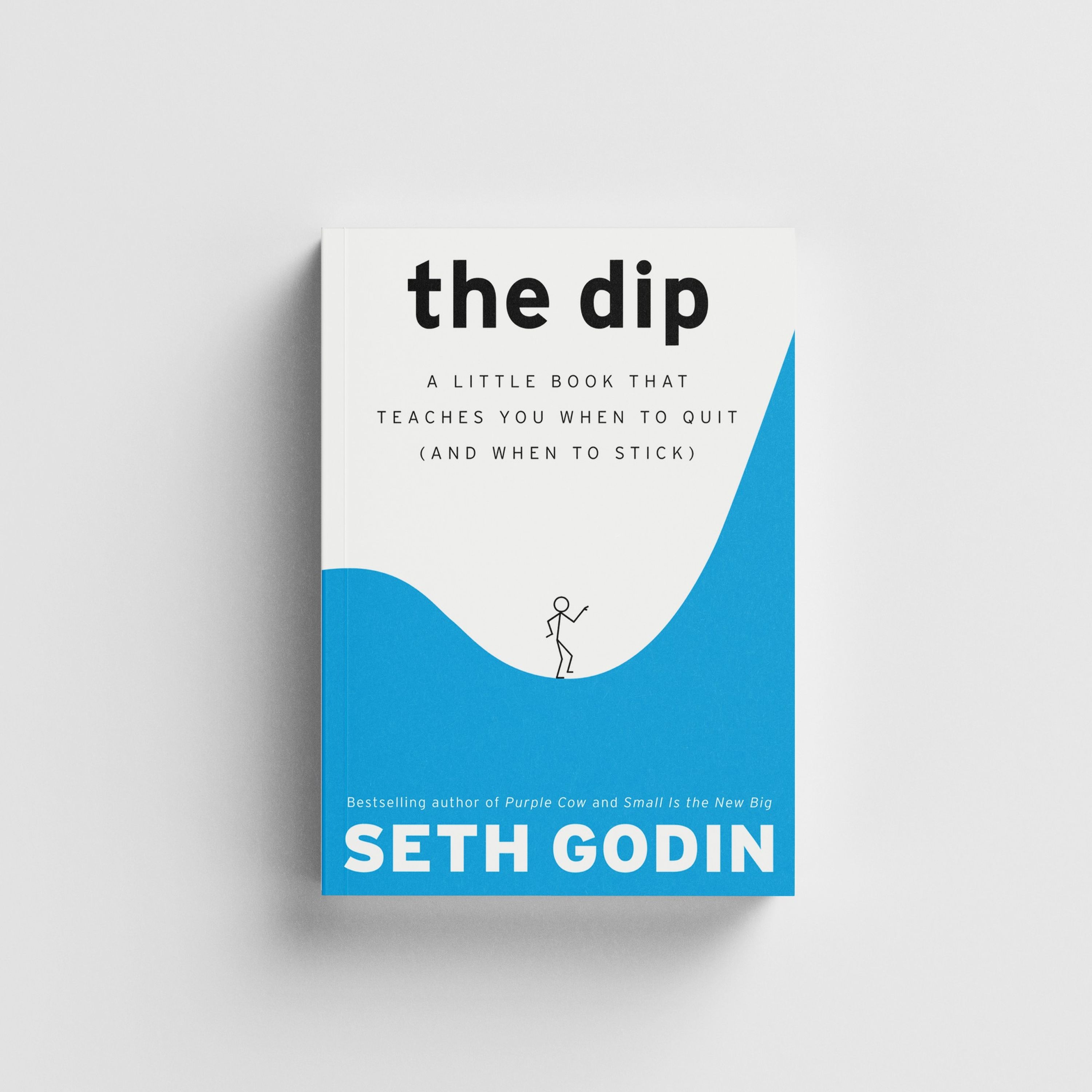
S5 Ep 294The Dip
E"The extraordinary benefits of knowing when to quit (and when to stick)"A great short book the explains why there's always a 'dip' in your projects on your journey to becoming the best in the world - be that getting a promotion, building a business, writing a book, falling in love... anything! At the start, as you put in more effort you'll see good results. Then, theres a dip. You'll put in more and more effort but your results won't improve. This is where most people quit. If you can push through the dip after everyone else has quit, all of a sudden you'll appear to be an overnight success because you've become the best in the world. Check out the full blog post here: https://www.whatyouwilllearn.com/book/the-dip/ Hosted on Acast. See acast.com/privacy for more information.
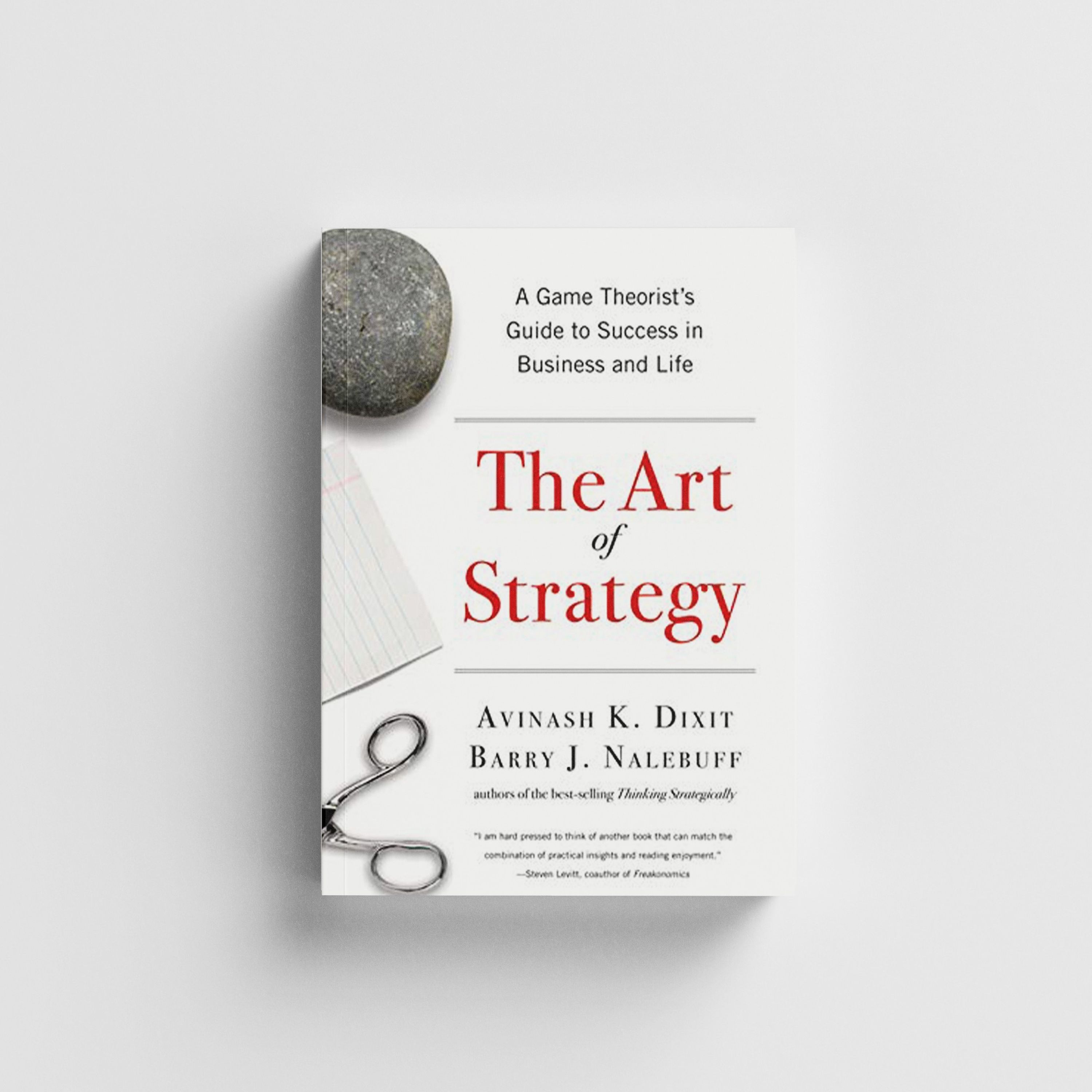
S5 Ep 293The Art of Strategy
EYour life is a constant stream of decisions: what career to follow, how to manage a business, whom to marry, how to bring up children, whether to run for president, how to communicate with a colleague and how to react when life slaps you in the face. The common element is that you are not in a vacuum. Instead, you are surrounded by the world that interacts with any decision you make. The context of the situation you find yourself in matters.Game theory is the process of modelling the strategic interaction between players in a situation containing set rules and outcomes. The Art Of Strategy breaks down game theory to help you in practical real life situations. Hosted on Acast. See acast.com/privacy for more information.
S5 Ep 292What The Dog Saw
EMalcolm Gladwell is one of the biggest selling non-fiction authors of our generation, with smash-hits like Outliers, Blink and The Tipping Point. This book is a collection of his essays and newspaper articles. We picked some of our favourites, taking us on a deep dive into three important distinctions: The Arts of Failure, The Nature of Secrets, and Success in the Young and the Old.In this episode, we look at the difference between: - Choking VS Panicking - Prodigies VS Late Bloomers - Puzzles VS Mysteries Hosted on Acast. See acast.com/privacy for more information.
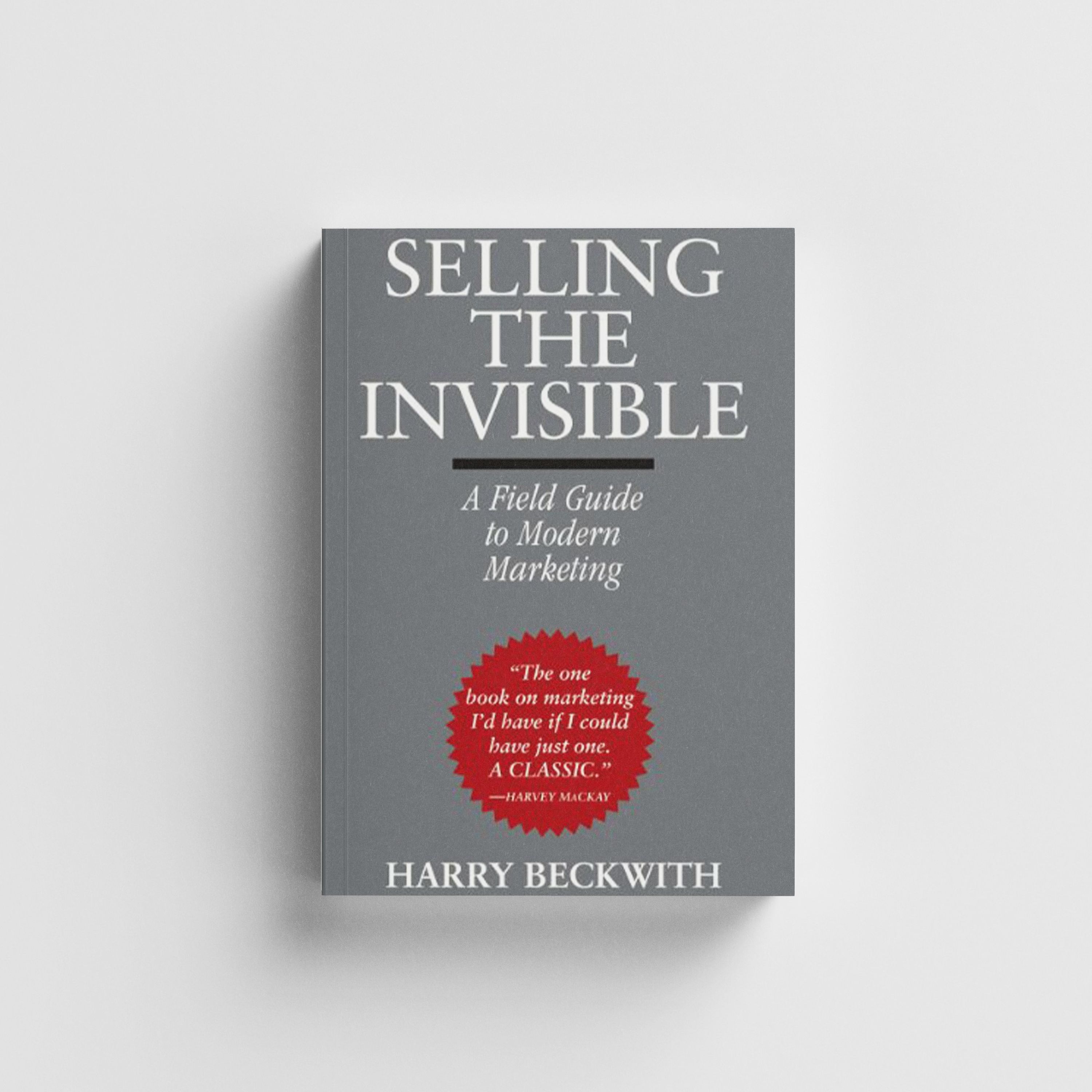
S5 Ep 291Selling The Invisible
EWhen you buy a product, you can see it, touch it, and depending on the product you can taste/smell/hear it as well. Services, on the other hand, are intangible. There’s no exact clear definition of what you’re getting when you buy a service - you’re just purchasing what you hope the end result will be.Obviously services are different from products, so service marketing must be different from product marketing. But while more than 4 out of 5 people work in service companies, only 1 out of 5 business school case studies focus on services. We’re all being taught how to market products, but we’re never taught how to market services, even though that will be what the majority of people do.Check out the full blog post here: https://www.whatyouwilllearn.com/book/selling-the-invisible/ Hosted on Acast. See acast.com/privacy for more information.
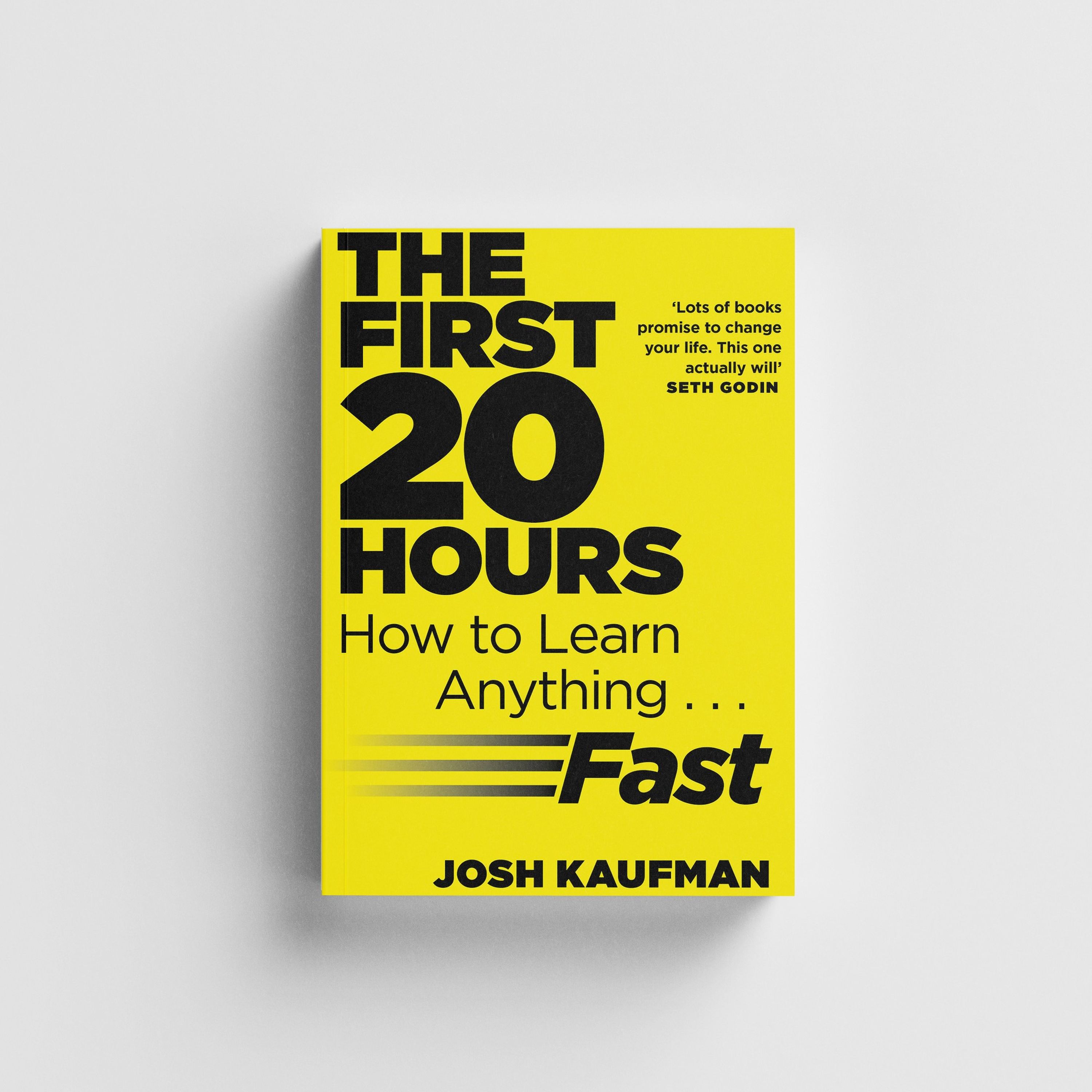
S5 Ep 290The First 20 Hours
ESo much you want to learn, so little time to learn it.Every new skill has what Josh calls a "FRUSTRATION BARRIER". At first the basics of a new skill can seem fun. But then you hit a wall, a few hours in, where you don't seem to be improving and it is just getting frustrating. You're still horribly unskilled, but now painfully aware of it. Maybe you learned to play Three Blind Mice on the piano, but you still can seem to work out which note on the keyboard matches which dot on the sheet music. Or maybe you’ve been skateboarding in a straight line, but can’t work out the right balance and positioning that allows you to turn properly.This book offers a simple system for learning new skills, a system that allows you to quickly break through that frustration barrier and get to the fun stuff sooner. Hosted on Acast. See acast.com/privacy for more information.
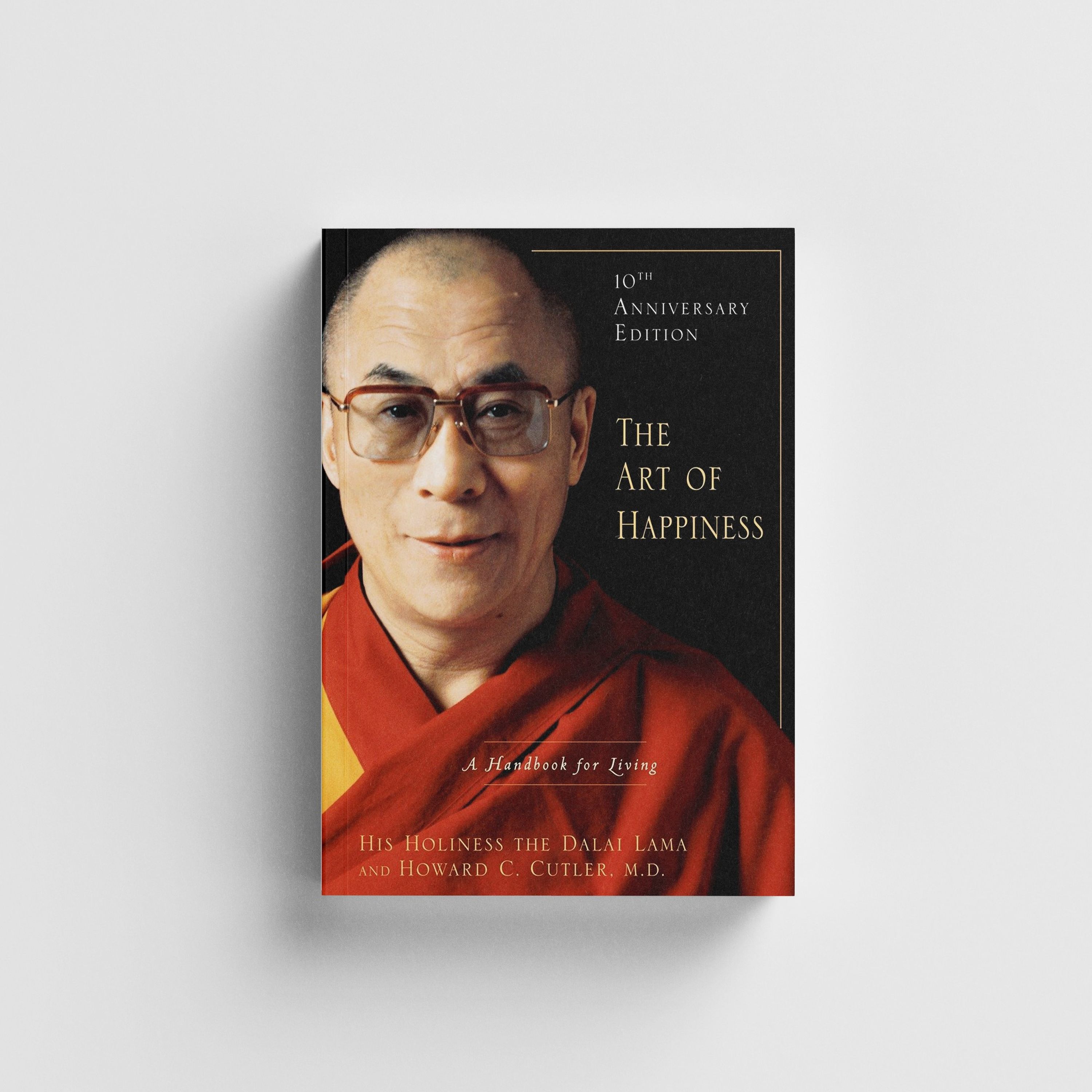
S5 Ep 289The Art of Happiness
E"The Art of Happiness" - by HH Dalai Lama XIV & Howard C Cutler'A Handbook for Living'Happy people have it a lot better than unhappy people. Studies show you're more likely to pick up a better mate, have more satisfying marriages, you're more likely to be a better parent, you'll have a better immune system and live an extra 10 years. It also leads to better mental resilience and ability to deal with adversity or trauma. In the workplace, happy individuals perform much better and earn much more than miserable employees. These happy employees are more productive, loyal and take less sickies.The Art of Happiness looks at happiness through different perspectives from two different authors. Firstly, the Western perspective from Howard Cutler, a psychiatrist out of the US. And Tenzin Gyatso, the 14th Dalai Lama, leader in Tibetan Buddhism and bringing the perspective from the east. Although perspectives differ, they attempt to drill things down to the basic human level. Here the little distinctions like gender, race, religion, culture and language don't matter. There are similarities that all of us share in being part of the human race. Hosted on Acast. See acast.com/privacy for more information.
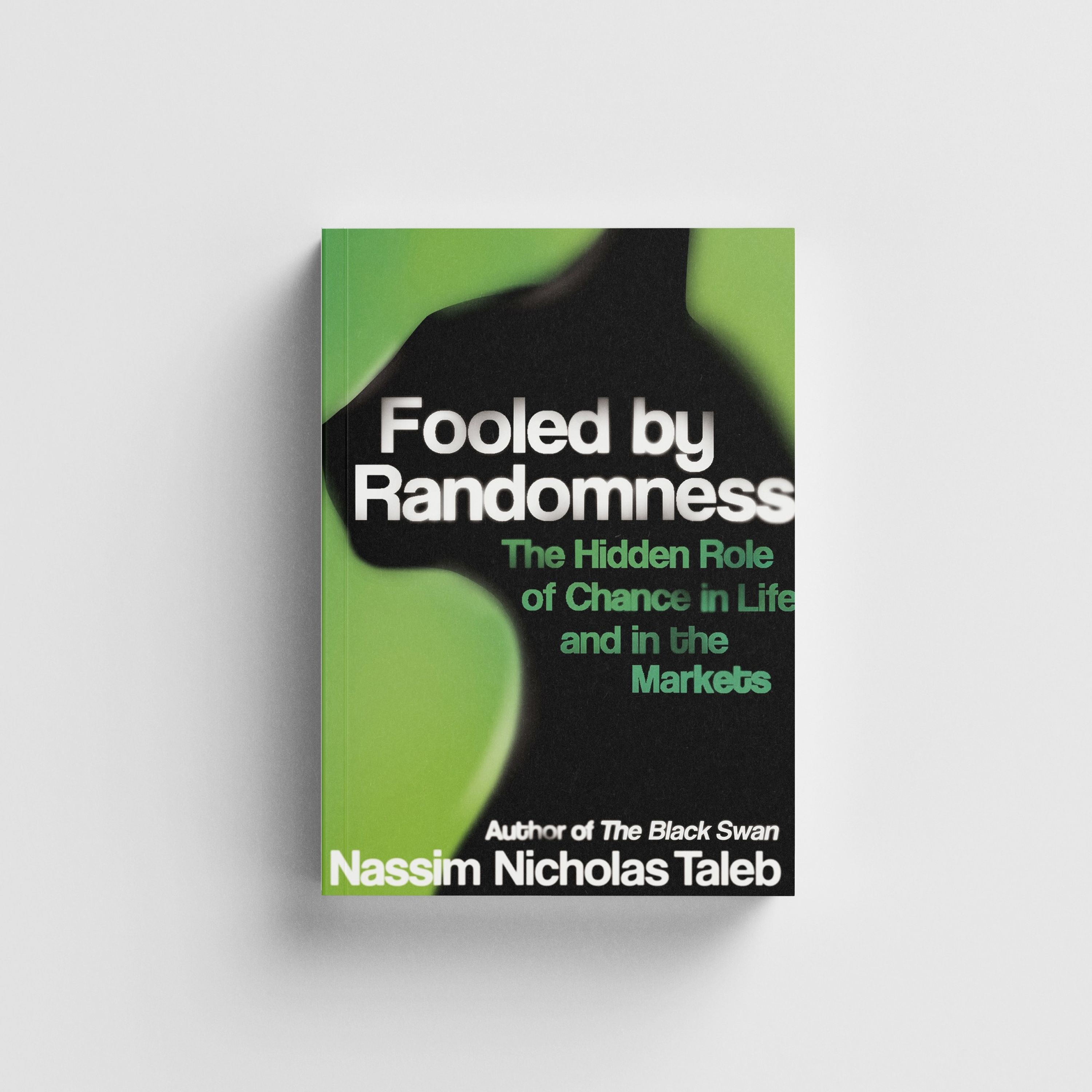
S5 Ep 288Fooled By Randomness
EWe underestimate the role of randomness in just about everything. We often have the mistaken impression that a strategy is an excellent strategy, or an entrepreneur is a person endowed with unique vision. Nassim Taleb believes that the world is much more random than we think.Skills count, obviously. But they count much less in highly random environments like trading, than they do in the predictable ones, like dentistry.Fooled By Randomness shows us how to recognise and work with randomness and luck, which is involved in everything you do. In doing so you can humble yourself, turn down your assumptions about your abilities, and have a more accurate view of how the world IS, not how you think it should be. Hosted on Acast. See acast.com/privacy for more information.
S5 Ep 287The Defining Decade
With Adam Jones turning 30 this week, we figured this was his last chance to work out what he’d done wrong (or right) during his 20s. The key message of this book is that your twenties MATTER. A lot of young people like to say that your twenties don’t matter, that you can put off life’s big decisions until later, that the 20s are the time for fun and enjoying life and not to be taken too seriously… But the research shows otherwise: Two thirds of your lifetime wage growth happens in the first 10 years of your career More than half of people are married or at least dating/living with their future life partner by age 30, 75% by age 35 Personality changes more in 20s then in any time period before or after The brain caps off it’s final stages of growth in the 20s Fertility reaches its peak in late 20s Our social networks – and the opportunities they may bring – are the widest and most diverse in the 20s, then get narrower as we age beyond 80% of life’s defining moments will have taken place by our mid-30s. Life is not over when you hit age 40, you can always claim your life back at any point. But it’s better to start sooner rather than later. William James said: “intention is the result of attention and choice”. It’s never too late, or too early, to start paying attention. Hosted on Acast. See acast.com/privacy for more information.
S5 Ep 286Ordinary Men
EAt the height of the Second World War, the German army had minimal resources to continue the war to the East with Russia, and simultaneously execute Hitler's "Final Solution". The Nazi party had already used up all of the ideological killers in their country. They were left with the dregs of society. They would have to use Joe the local Butcher, Jim the Primary School Teacher even Grandpa George to get the job done. The only people left all had working class jobs like truck drivers, dock workers, construction workers and machine operators. They were "normal people" like you and me, but were called upon to execute millions of innocent Jews.Ordinary Men tells the story of one faction, the Reserve Police Battalion 101 and how they were transformed from normal citizen into "professional killers" Hosted on Acast. See acast.com/privacy for more information.
S5 Ep 285Loserthink
EDespite evidence to the contrary, we all use our brains. BUT - most of us have never learned how to think effectively. We’re not talking about IQ or innate intelligence, we’re talking about thinking as a LEARNED SKILL. We’re talking about a productive method of thinking and reasoning. Scott Adams, the creator of the Dilbert cartoons, author of How To Fail At Almost Everything And Still Win Big and Win Bigly, calls this ‘Loserthink’. Loserthink doesn’t mean ‘dumb’ or ‘uninformed’, it simply means unproductive or ineffective. It’s not a value judgement of a person as a whole, just on this specific method of evaluation. Plenty of ‘smart’ and ‘well-informed’ people are culprits of using Loserthink (and in some cases, they are MORE susceptible). You use Loserthink because you’ve never learned or practiced the SKILL of thinking effectively. What this book presents is a method for thinking. By borrowing some fundamental techniques from various different fields, we can develop our thinking skills and become much more effective. If we borrow ideas from how to think like a historian, how to think like an entrepreneur, how to think like an engineer, how to think like a scientist - we can cobble together an effective process for thinking. Hosted on Acast. See acast.com/privacy for more information.
S5 Ep 284Pitch Anything
EIn 1953, James Watson and Francis Crick introduced the world to their new discovery: the double-helix DNA structure. This so-called "secret of life" was widely considered the most important scientific discovery of the 20th Century. Their presentation won them a Nobel Prize. The most striking part of the pitch? It was only 5 minutes long. That was the COMPLETE presentation - introducing the secret of life, presenting their scientific discovery, explaining all of the need-to-know-details, showing how it works. You need to pause and consider for a moment. If these two blokes can explain the greatest innovation of the 20th Century in under 5 minutes, why do you think you need to book in hour-long meetings to present your report or pitch your new business idea to investors??? There’s clearly something wrong with the way most people are pitching their ideas. If you need to sell something as part of your job (a product, a service, an idea), then it’s worth taking the time to learn how to do it properly. And when you really think about it, almost everyone is pitching SOMETHING, no matter how large or small, every single day. That initial pitch is less than 1% of the entire time and energy you need to invest into a project, but it is probably the most important 1% - that first presentation of your idea is what can either drive it forward, or see it slaughtered on the spot. Hosted on Acast. See acast.com/privacy for more information.
S5 Ep 283200th BOOK!
EWe started the podcast back in June 2016. In the last four-and-a-quarter years, we've read and reviewed 200 books on the podcast! We thought it was a great milestone to take a step back and have a look at what lessons we've learned from all of the books we've read and how they can tie in together.A couple of years ago when we hit our 100th book, we did our "Top 10 Lessons". You can listen to that podcast episode here: 100th BOOK – Our Top 10 Lessons. They all hold up pretty well! Feel free to go and check out that episode, on here is a reminder of just the lessons themselves:You're Gonna Die Someday Be Proactive (realise that you have the power to take action) Get In The Arena, Don't Sit On The Sidelines Delayed Gratification (long-term satisfaction far outweighs instant gratification) The Power of Questions & The Importance of Curiosity Have A Bias for Action (thinking and planning and dreaming are nice, but action is vital)Place lots of Minimum Bets Effectiveness VS Efficiency: The Best Time Management TipsListen Before You Talk You're Either Remarkable Or You're Invisible They were the big 10 lessons we took from our FIRST 100 books, now we’ve thought about what NEW lessons we’ve taken from the NEXT 100 books. We started with 10 mini lessons, but then decided that they all grouped together pretty nicely into 3 BIG lessons:Question The PathDichotomies (No Single Book Has All Of The Answer)The Myth Of The Silver Bullet Read the full write up of these lessons on our website: https://whatyouwilllearn.com/200th-book Hosted on Acast. See acast.com/privacy for more information.
S5 Ep 282White Fragility
EThe identities of all of the most powerful people in the country are similar: they're white, male, middle and upper class, and able bodied. Acknowledging this may be dismissed as political correctness, but Robin Diangello notes it is still a fact. Those people in the seats of power are making decisions that affect those not sitting at the table.Identity politics gets a pretty bad wrap. But looking through history, this has proven results. For example, women's suffrage, the American disability act, Title 9, federal recognition of same sex marriage.Robin Diangelo’s hope is that you may gain insight into why people who identify as white are so difficult in conversations regarding race and/or gain insight into your own racial responses as you navigating the roiling racial waters of life.Sign up for our monthly email recap: www.whatyouwilllearn.com/email Hosted on Acast. See acast.com/privacy for more information.
S5 Ep 281How to Lie with Statistics
EBenjamin Disraeli: "There are three types of lies: lies, damned lies, and statistics" There are some great statisticians and data manipulators out there, and that can manoeuvre things in a way to get exactly the result they want. Any time you see a statistic, you should consider that it might be a lie. You need to learn some of these tricks so that you can defend yourself. The author says that the crooks know exactly how to manipulate data and statistics, so the honest people must learn the tricks as a matter of self defense. (Or, if you’re that way inclined and a little sneaky, you can sue some of these tricks to manipulate data of your own and lie with statistics a little more). In the podcast episode and in this blog post, we’re going to cover: Sampling Errors Biased Sampling The different types of “averages” How you can use and unrelated number to answer a different question And How you can fight back against these dodgy statisticians To see our ratings and what we though of the book, sign up to our monthly email newsletter: https://whatyouwilllearn.com/email Hosted on Acast. See acast.com/privacy for more information.
S5 Ep 280Being Mortal
EYou and everyone you know is going to one day die. This is an uncomfortable fact. So uncomfortable that we try to push it out of our minds. But this leaves most people totally unprepared for their meeting with the ‘Grim Reaper’. Doctors learn a lot in medical school, but mortality isn't on the curriculum. The textbooks have almost nothing on ageing, frailty or dying. How the process unfolds, how people experience the end of their lives and how it affects those around them seem useless to the Western World. Being Mortal explores how we might best embrace these final moments. Hosted on Acast. See acast.com/privacy for more information.
S5 Ep 279The Selfish Gene
The Selfish Gene is one of the most influential books on Evolutionary Biology in history. Written by Richard Dawkins, the book shows us that we are just big lumbering robots whose purpose is to pass on genes. The gene itself sometimes generates selfish behaviour of the animal it inhabits. But it can also use altruistic behaviour, even sacrifice itself on the behalf of family who may share the same genes. In this episode we look evolution, competition, human purpose and memes. Hosted on Acast. See acast.com/privacy for more information.