What You Will Learn
402 episodes — Page 2 of 9
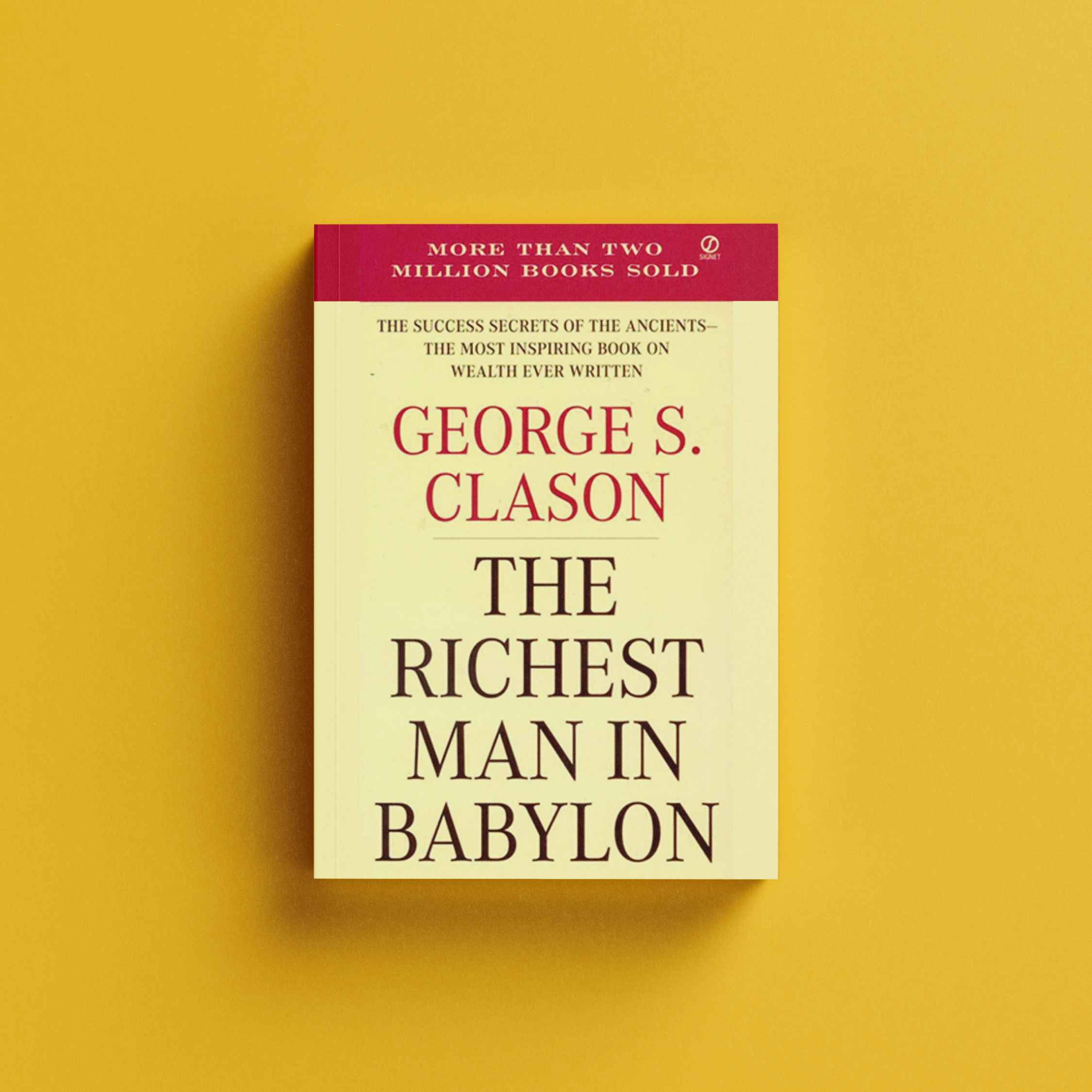
S6 Ep 378The Richest Man In Babylon
EHailed as the ultimate guidance through your financial problems, The Richest Man in Babylon reveals important financial principles that hold the key to personal wealth. The Richest Man in Babylon teaches us seven financial rules, using parables set 8,000 years ago in ancient Babylonia with a protagonist named Arkad. Arkad started his journey as a poor scribe but became the Richest Man in Babylon in the end. Told in simple language and engaging stories, The Richest Man in Babylon will set you on a sure path to prosperity and its accompanying joys. Hosted on Acast. See acast.com/privacy for more information.
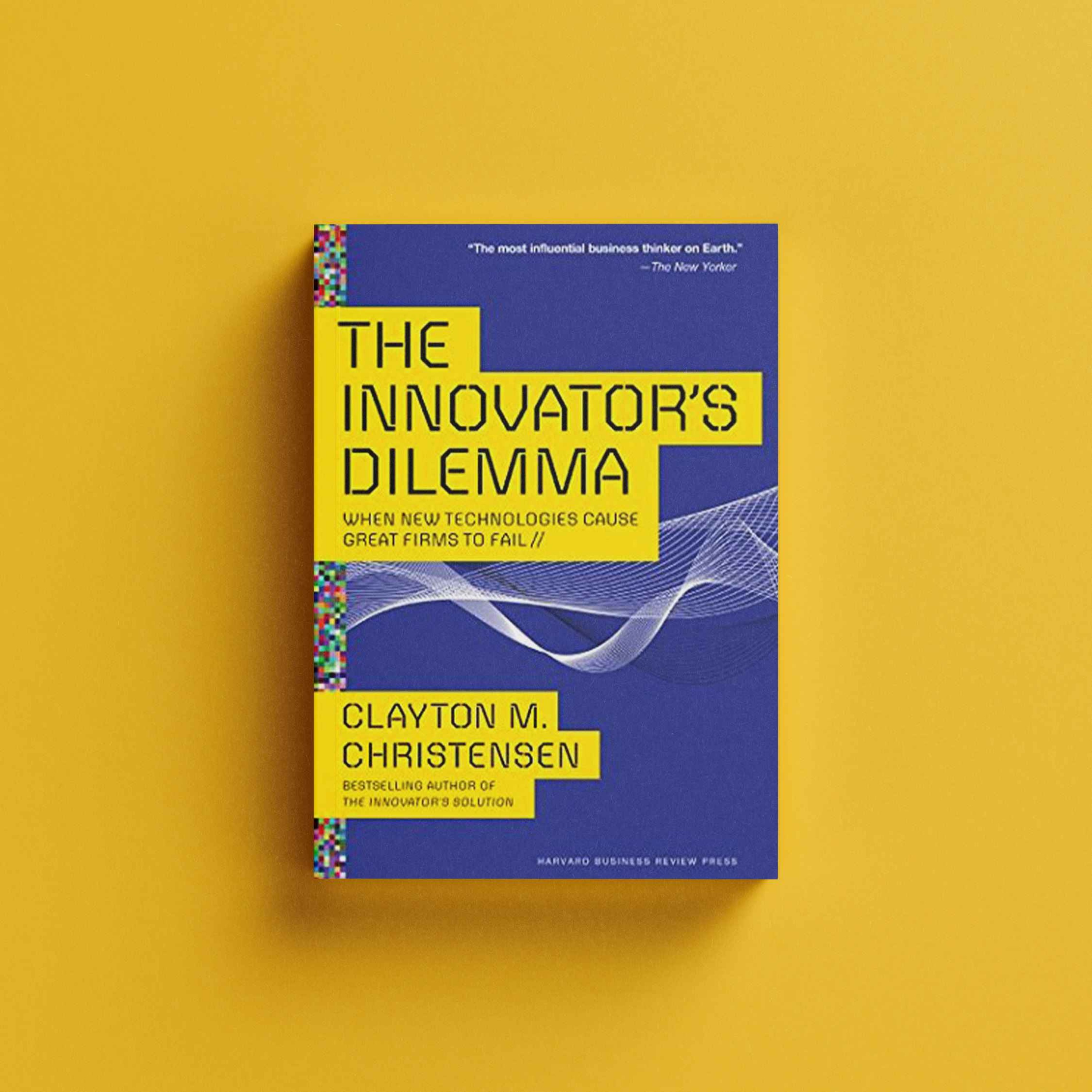
S6 Ep 377The Innovators Dilemma
The Innovator's Dilemma is the revolutionary business book that has forever changed corporate America. Why is success so difficult to sustain? When you look across the sweep of business history, most companies that once seemed successful would downgrade their position in the market a decade or two later. The Innovator's Dilemma is based on a truly radical idea—that great companies can fail precisely because they do everything right. That's why we call it the innovator's dilemma. The dilemma rears its head when a type of disruptive technology arises at the low end of the market. In the most straightforward and unassuming application, explaining this paradox is the purpose of this book. Hosted on Acast. See acast.com/privacy for more information.
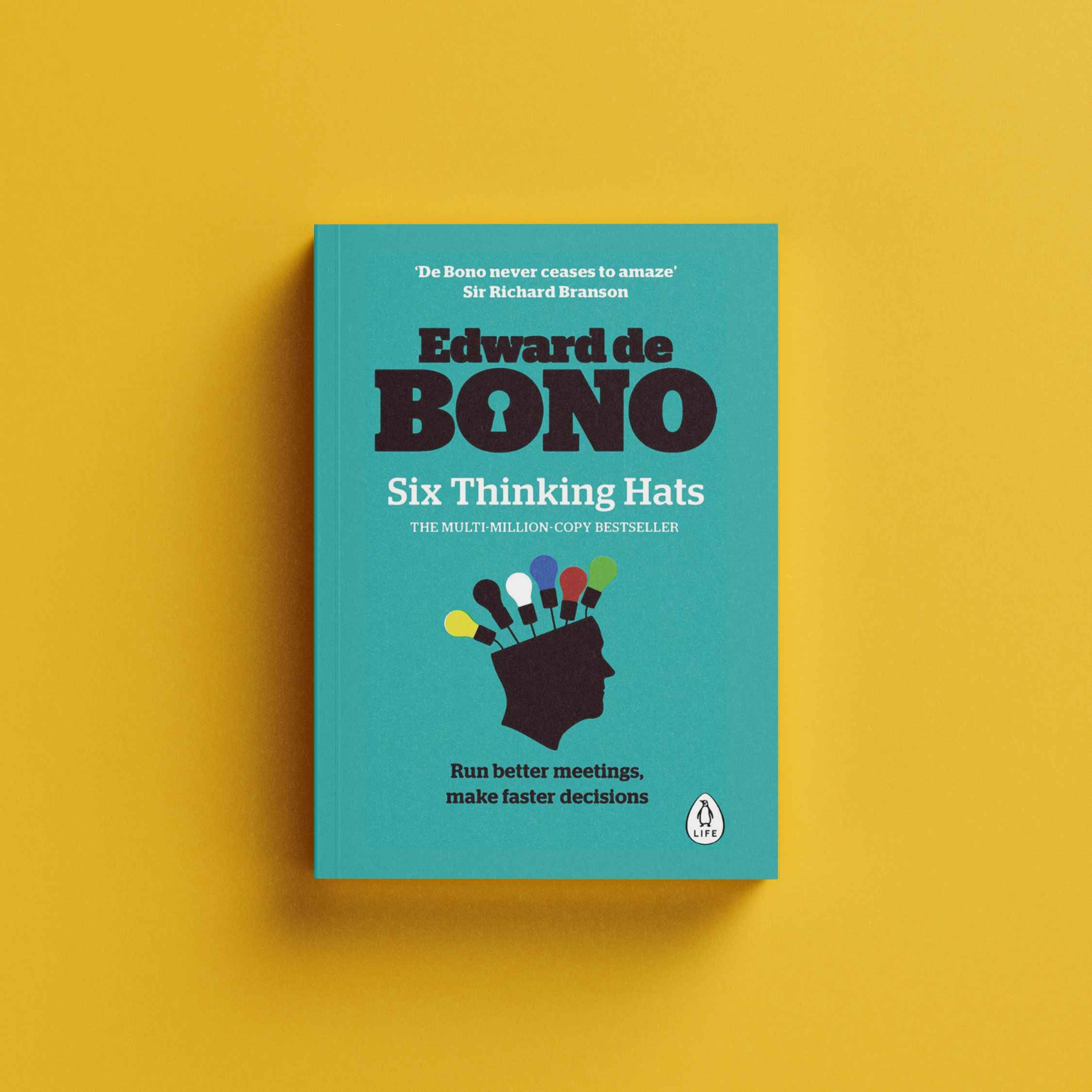
S6 Ep 376Six Thinking Hats
EUsed successfully by thousands of business managers, educators, and government leaders around the world, Six thinking hats is a model that allows your brain to go through practical and unique approaches to make decisions and explore new ideas. Six thinking hats also depersonalise arguments and allow teams to work collaboratively. Named by Dr De Bono as ‘Parallel Thinking’, this method enables each person to look at all sides of a situation and fully explore the subject before coming to a mutual decision. The emphasis here is not on who wins and who loses but on designing a path forward for everyone. In this book, Dr De Bono unscrambles the thinking process with his six thinking hats:WHITE HAT: neutral and objective, concerned with facts and figuresRED HAT: the emotional viewBLACK HAT: careful and cautious, the devil's advocate hatYELLOW HAT: sunny and positiveGREEN HAT: associated with fertile growth, creativity and new ideasBLUE HAT: cool, the colour of the sky, above everything else-the organising hatThrough case studies and real-life examples, Dr De Bono offers a simple tool that may provide you with clearer thinking, improved communication and greater creativity to make better decisions. Hosted on Acast. See acast.com/privacy for more information.
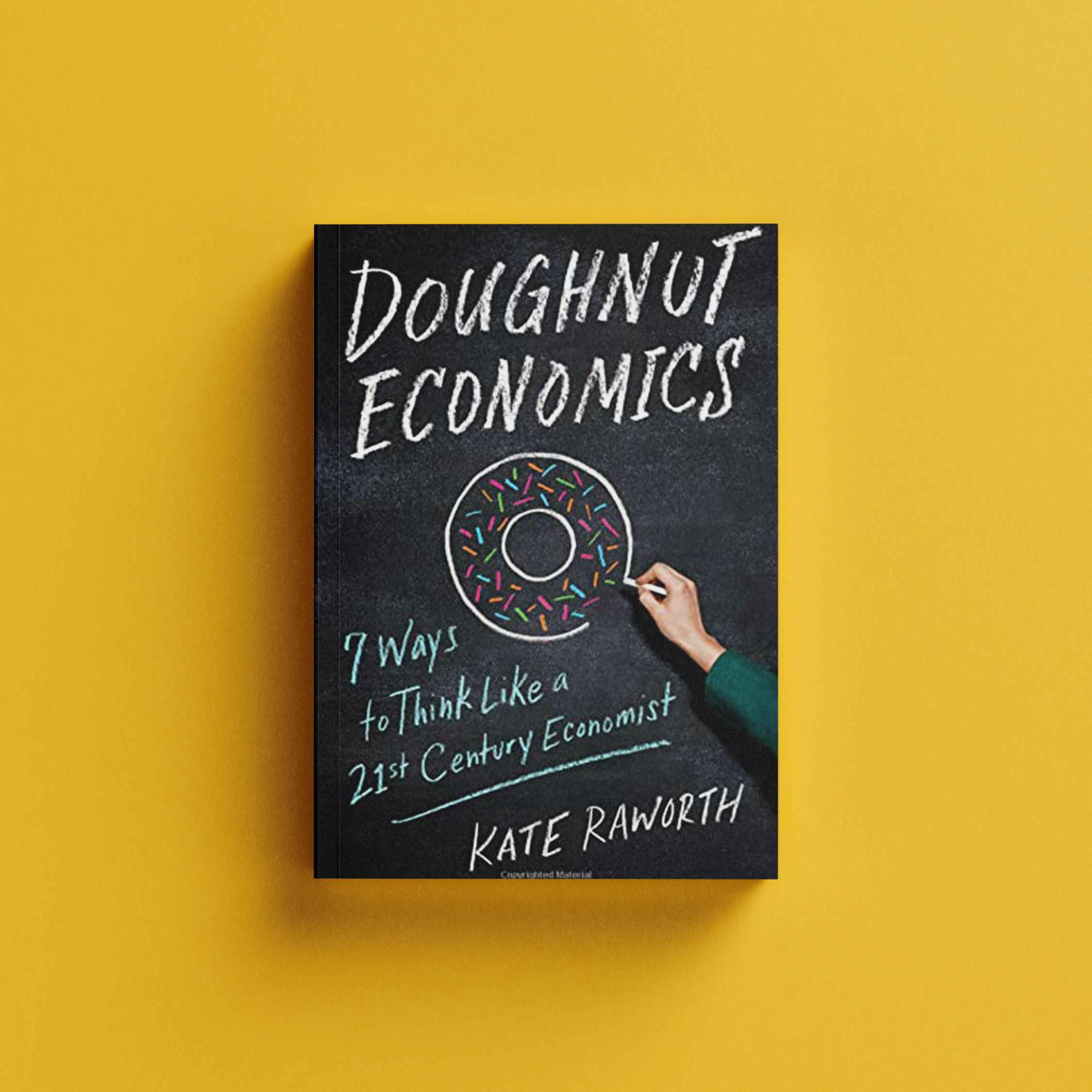
S6 Ep 375Doughnut Economics
EIn Doughnut Economics, Oxford academic Kate Raworth lays out the 7 deadly mistakes of economics and offers a radical re-envisioning of the system that has brought us to the point of ruin. Moving beyond the myths of ‘rational economic man’ and unlimited growth, Doughnut Economics zeroes in on the sweet spot: a system that meets all our needs without exhausting the planet.In this week’s episode, Jonesy and Ashto discover the 7 ways of thinking like a 21st-century economist. These ideas don't lay out specific policy prescriptions or institutional fixes, nor do they offer immediate solutions. However, these ideas are fundamental to developing the revolutionary economic mindset that this century demands. In the decades ahead, the task for economic thinkers in the 21st century is to practise these 7 ideas and potentially innovate the list. Hosted on Acast. See acast.com/privacy for more information.
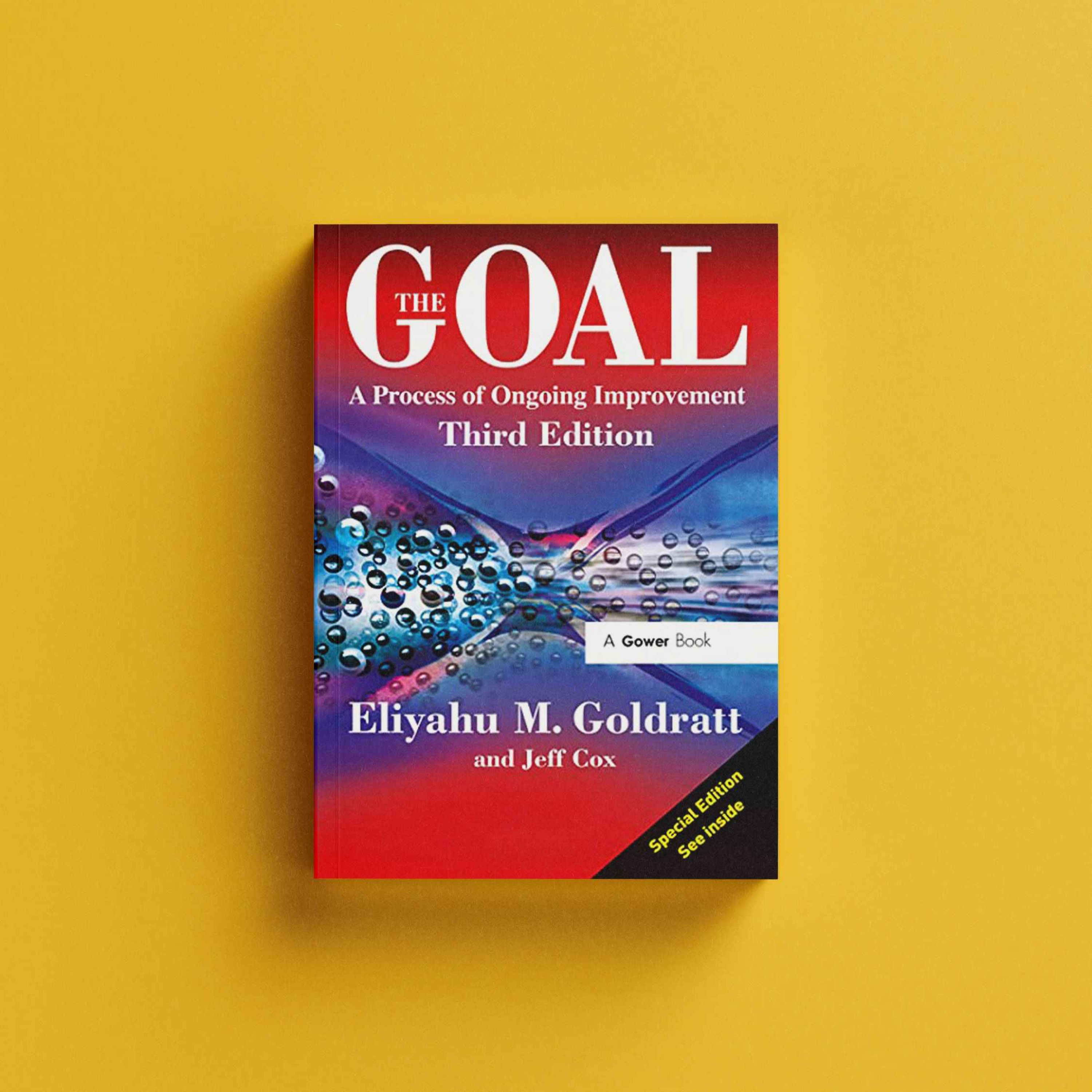
S6 Ep 374The Goal
EThe Goal is about new global principles of manufacturing. It's about people who try to understand what makes their world tick so that they can make it better. As they think logically and consistently about the problems, they are able to determine cause and effect relationships between their actions and the results. Developed by Eli Goldratt, The Goal contains a serious message for all managers in the industry and explains the ideas, which underline the Theory of Constraints (TOC). Goldratt believes that the goal of an individual or an organisation shouldn’t be defined in absolute terms. A good definition of a goal is one that sets us on a path of ongoing improvement. Pursuing such a goal necessitates more than one breakthrough—if anything, it requires many. In this week’s episode, Jonesy and Ashton identify the breakthroughs that we should have to understand the underlying rules of our environment, and hopefully help us elevate the constraints in our personal or professional life. Hosted on Acast. See acast.com/privacy for more information.
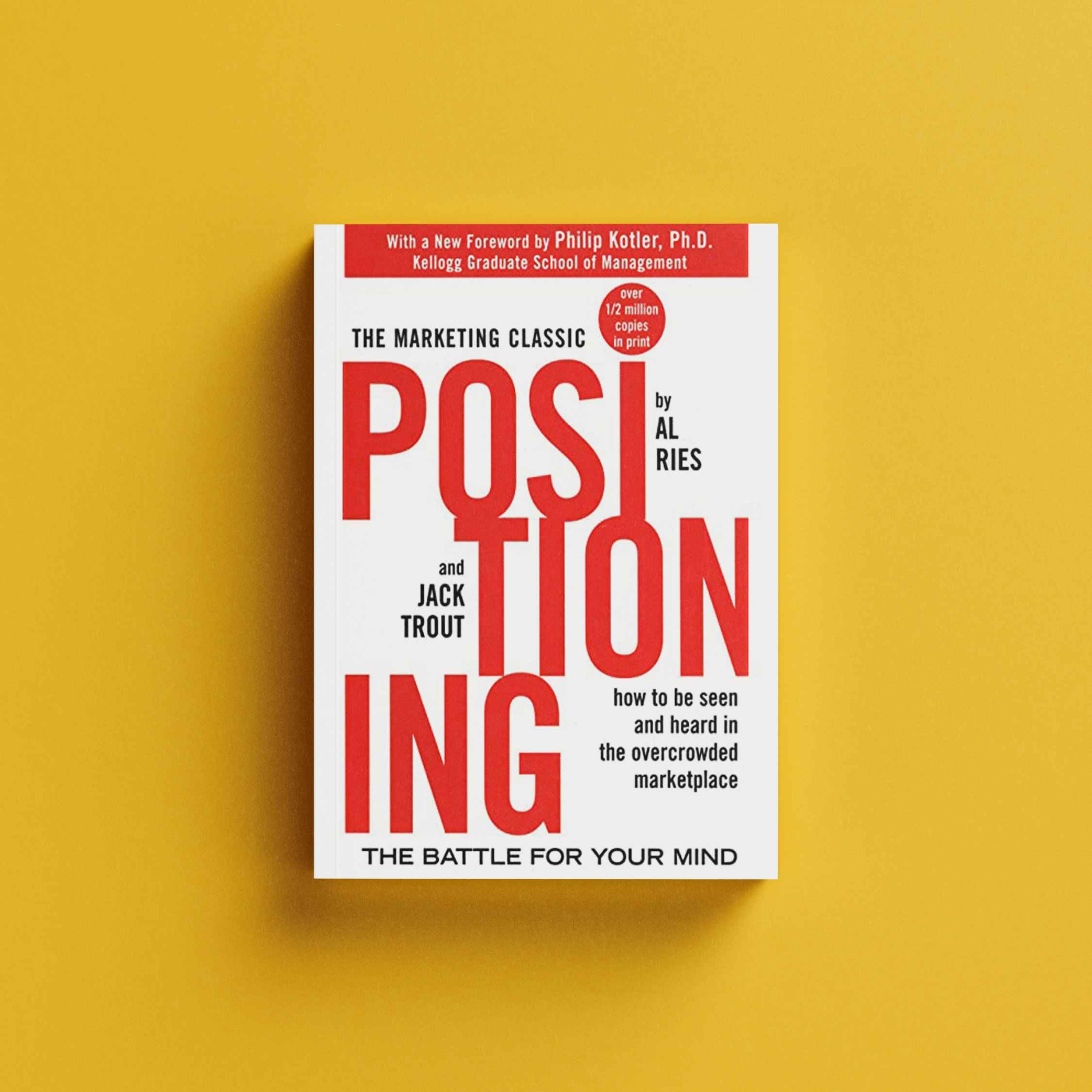
S6 Ep 373Positioning
EPositioning reveals that advertising has entered a new era: The Positioning Era. Having the best product or the most creative ads is no longer the key to success. To succeed in today's overcommunicated society, a company must create and claim a position in the prospect's mind. A position that will take into account not only the company's strengths but also its competitor's weaknesses. In Positioning, advertising gurus Ries and Trout explain how to:Make and position an industry leader so that its name and message wheedles its way into the collective subconscious of your market and stays therePosition a follower so that it can occupy a niche not claimed by the leaderAvoid letting a second product ride on the coattails of an established one.In this week’s episode, Jonesy and Ashto investigate important strategies that may position your business brand in the mind of your prospective customers and make it a household name. Hosted on Acast. See acast.com/privacy for more information.

S6 Ep 372Lying
EIn Lying, best-selling author and neuroscientist Sam Harris argues that we can radically simplify our lives and improve society by merely telling the truth in situations where others often lie.Lying is almost by definition a refusal to cooperate with others. It condenses a lack of trust and trustworthiness into a single act. It is the failure of understanding and willingness to be understood. To lie is to recoil from a relationship.How would your relationships change if you resolved to never lie again? What truth about yourself might suddenly reveal itself? What kind of person would you become? And how might you change the people around you? Is it worth finding out?In this week’s episode, Jonesy and Ashto explore the underlying reasons why we lie and the impacts of lying on ourselves and those around us. Hosted on Acast. See acast.com/privacy for more information.
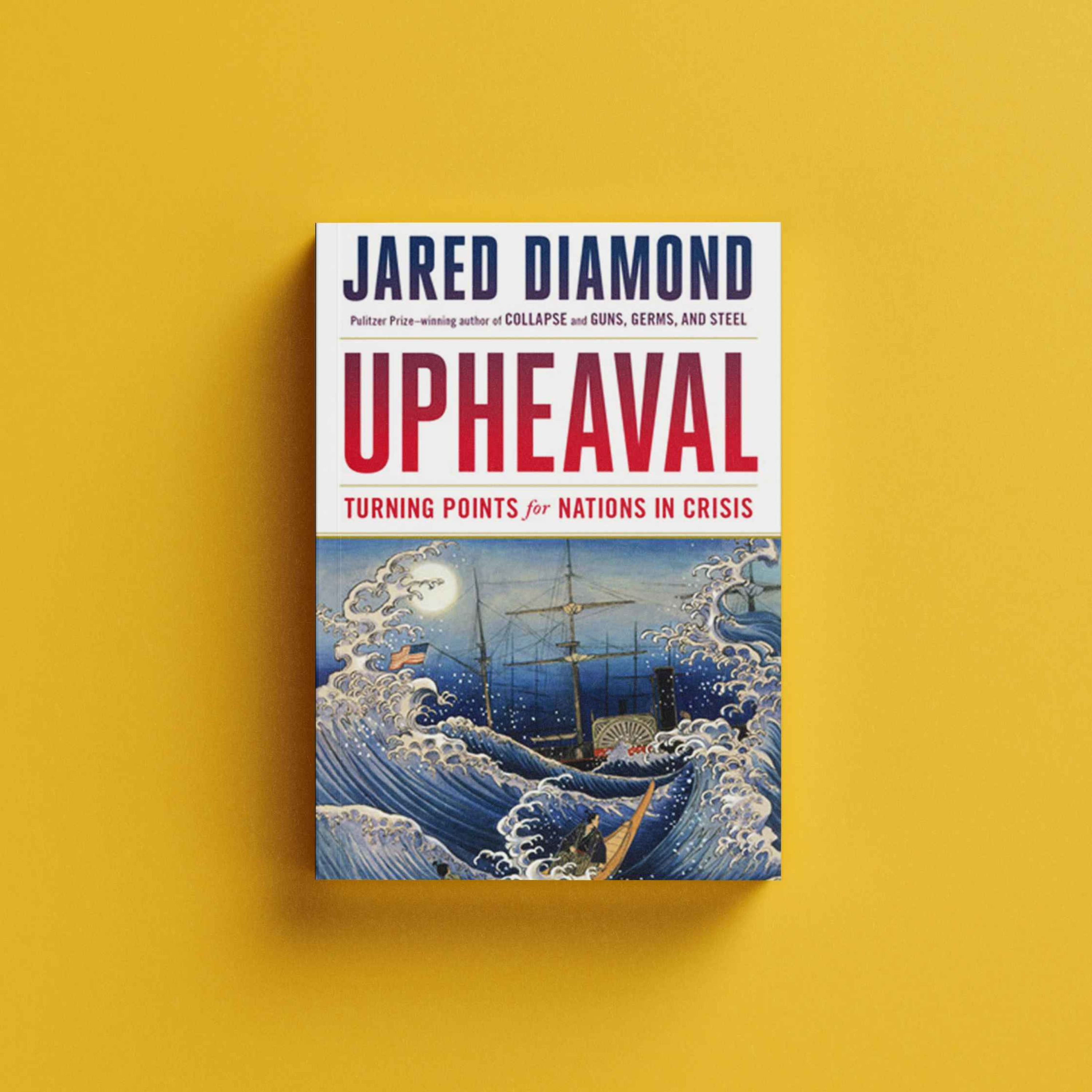
S6 Ep 371Upheaval
EUpheaval is the third book in Jared Diamond’s Civilisations Rise and Fall series. Upheaval reveals how successful nations recover from crises while adopting selective changes. Diamond presents and compares how 6 countries have survived major crises–from the forced opening of Japan by U.S. Commodore Perry’s fleet to the Soviet Union’s attack on Inland to a murderous coup or countercoup in Chile and Indonesia to the transformations of Germany and Australia after WW2. Upheaval reveals factors that influence how both whole nations and individual people can respond to big challenges. In this week’s episode, Jonesy and Ashto discover that successful crisis management requires selective change. The challenge is for a nation or individual to reflect on their identities, recognise what’s functioning and what’s not, and take imperative actions to improve the situation. Hosted on Acast. See acast.com/privacy for more information.
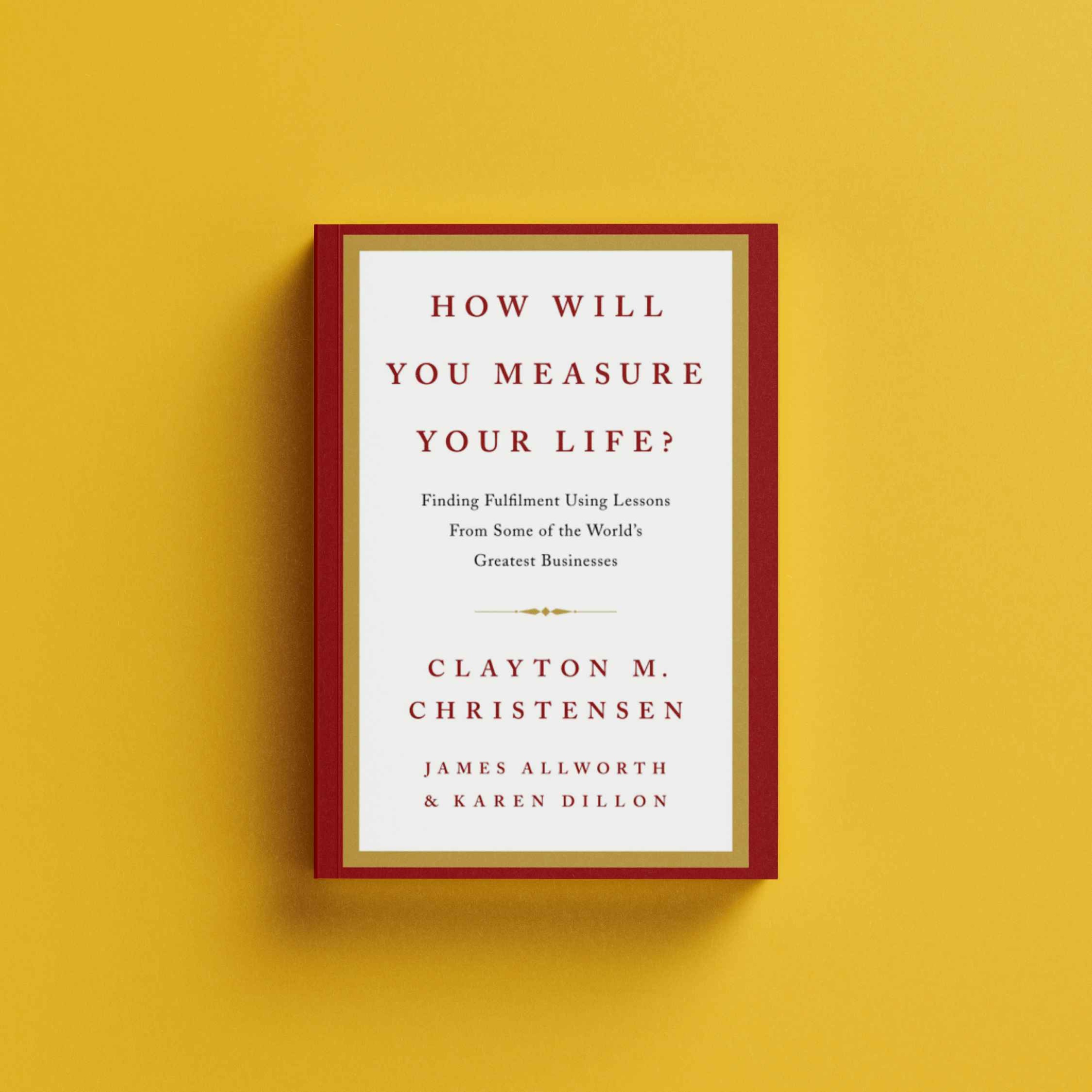
S6 Ep 370How Will You Measure Your Life?
EHow Will You Measure Your Life? is full of inspiration and wisdom that will help students, mid-career professionals, and parents alike forge their own paths to fulfilment.In this book, the world’s leading thinker on innovation and New York Times bestselling author of The Innovator’s Dilemma Clayton M. Christensen suggests a series of questions: How can I be sure that I'll find satisfaction in my career? How can I be sure that my personal relationships become enduring sources of happiness? How can I avoid compromising my integrity—and stay out of jail? Using lessons from some of the world's greatest businesses, Christensen provides incredible insights into these challenging questions. In this week’s episode, Jonesy and Ashto discuss Christensen’s approach to finding happiness in our careers, relationships and family. Hosted on Acast. See acast.com/privacy for more information.
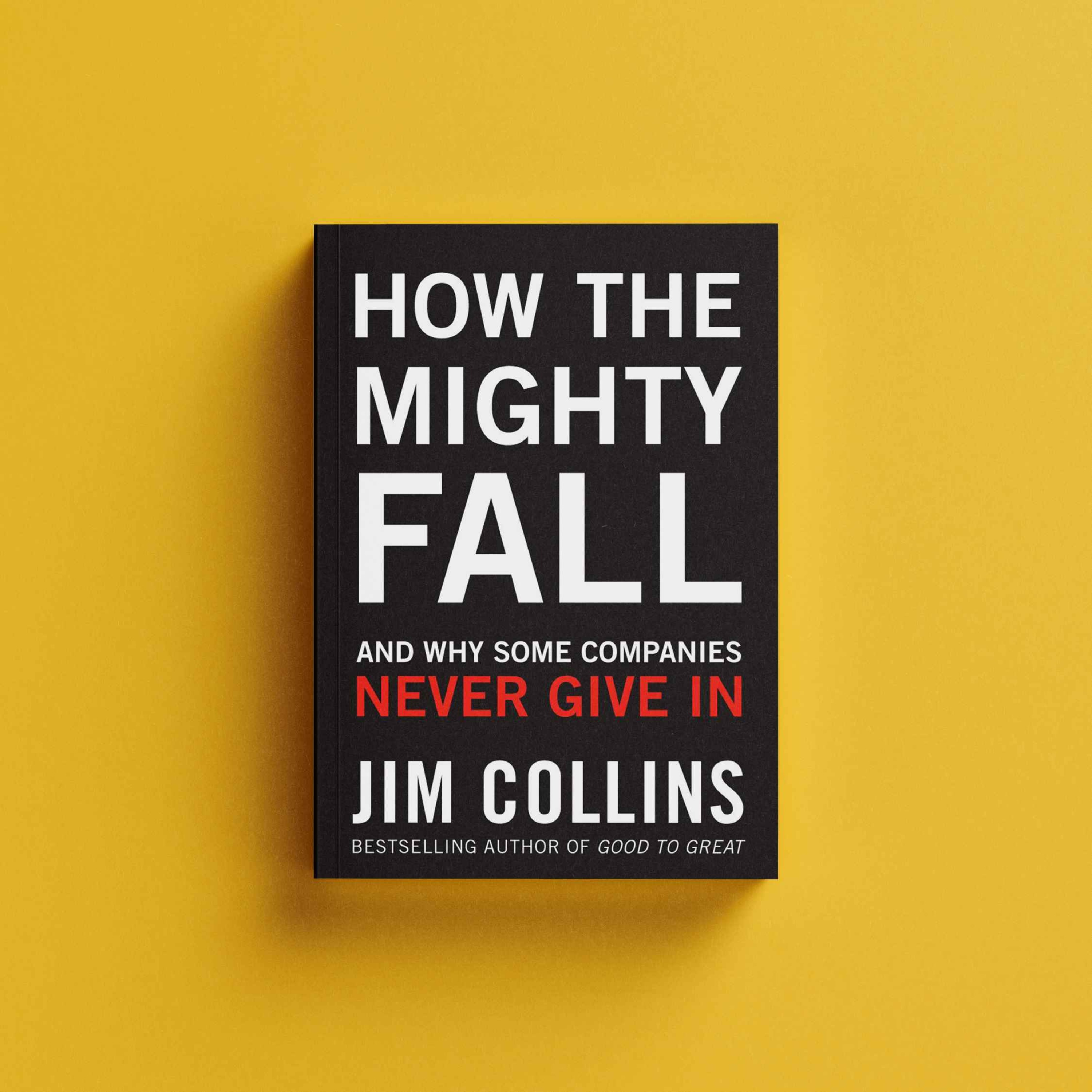
S6 Ep 369How The Mighty Fall
EHow do great companies fall? Can we detect a potential decline earlier and avoid it? How far can a company fall before the path towards doom becomes inevitable? Is this something reversible? How the Mighty Fall offers responses to these questions, which offer leaders a well-founded hope that they can learn to prevent decline or alter their course. The author Jim Collins conducted a research project on this topic for four years and discovered the ultimate 5 step-wise stages of decline—in hope of providing a guidance to leaders on reducing their risks of falling all the way to the bottom. As long as we never get entirely knocked out of the game, hope always remains. The mighty can fall, but they can often rise again. Hosted on Acast. See acast.com/privacy for more information.
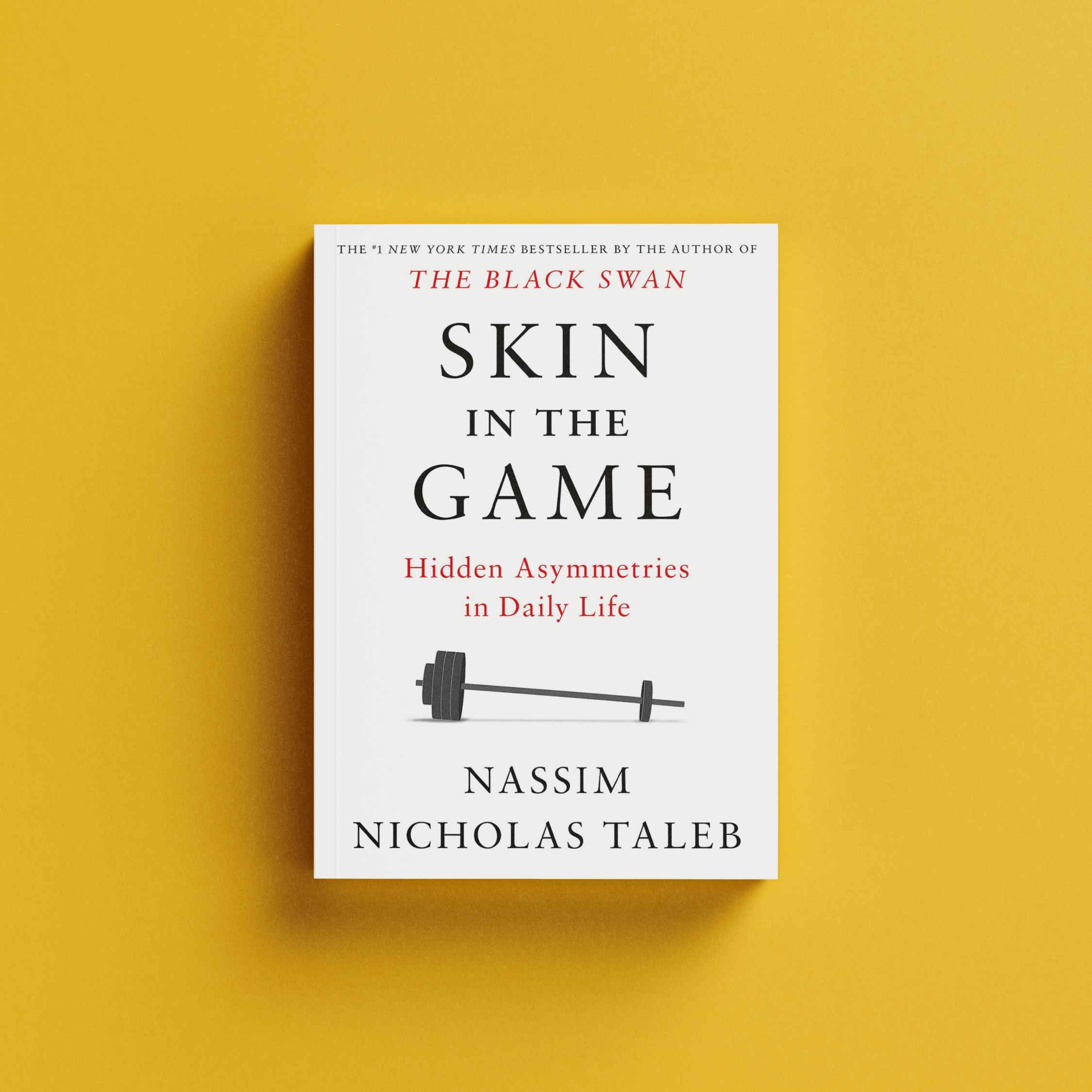
S6 Ep 368Skin In The Game
ESkin In The Game is about the distortions of symmetry and reciprocity in life. If you have the rewards, you must also get some of the risks and not let others pay the price of your mistakes. In Skin In The Game, Nassim Nicholas Taleb explains how the willingness of accepting one’s own risks is an important quality of heroes, saints and successful people in all walks of life. Utilising examples from Hammurabi to Seneca and Antaeus the Giant to Donald Trump, Taleb shows us that having skin in the game is the backbone of risk management. No muscles without strength. No friendship without trust. No Teaching without experience. No life without effort. Skin in the game applies to all aspects of our lives because it helps us to learn and understand the world. Hosted on Acast. See acast.com/privacy for more information.
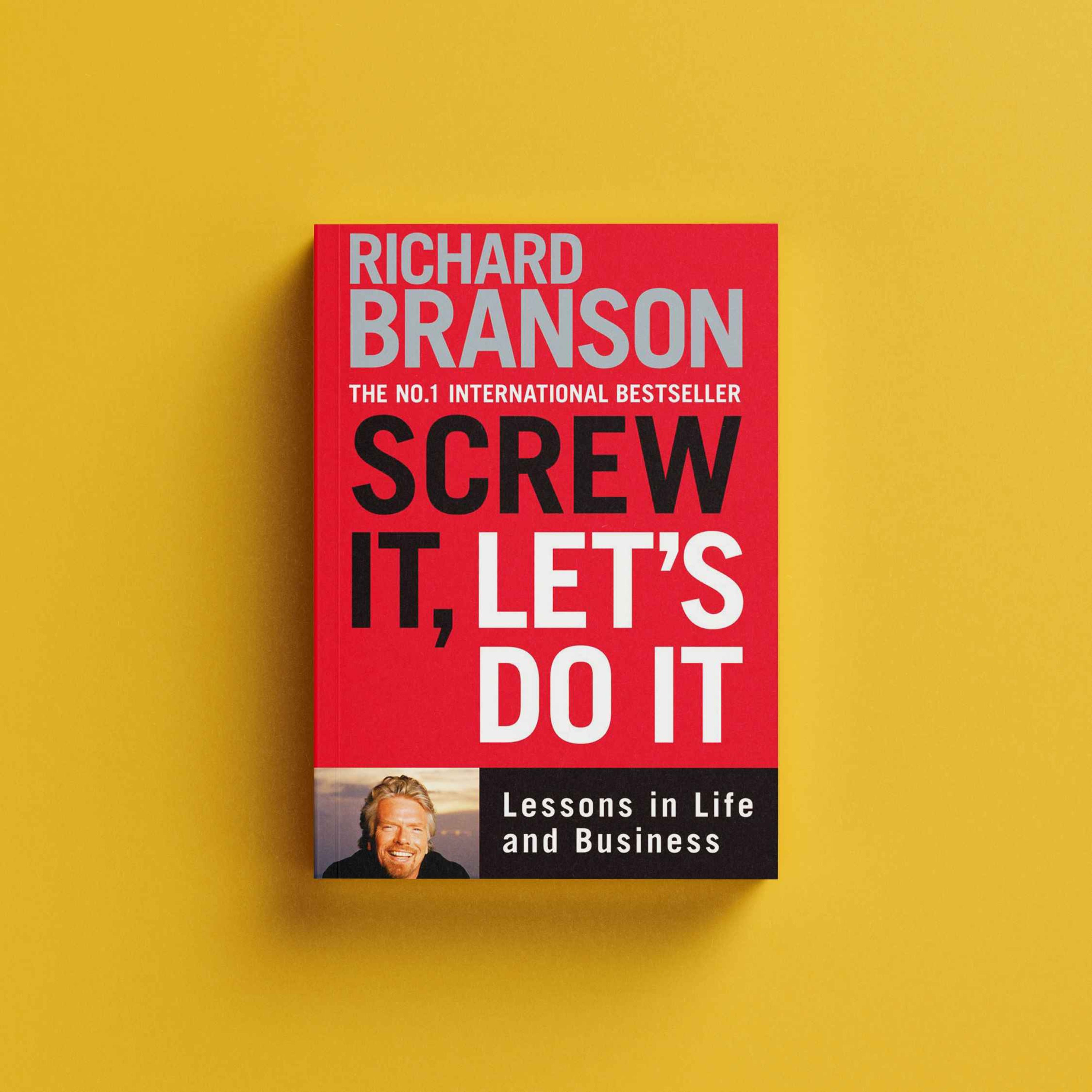
S6 Ep 367Screw It, Let's Do It
EIn Screw It, Let’s Do It, the Virgin Group founder Richard Branson shares all the important lessons, good advice and inspirational adages that have helped him along the road to success. An ultimate lesson that Branson learned is the following motto: ‘If you want something, just do it.’ From starting a student magazine to forming a chain of record stores and launching an airline, Branson managed to establish the Virgin Group that we all know today. The Virgin Group is one of the world’s most valuable brands, spreading across several industry sectors like travel, telecommunications, health, banking, music and leisure. Branson never went into business to make money. Whenever anyone asks Branson how they can make money, he always tells them the same thing: ‘There is no secret, and there are no rules to follow in business. You just have to work hard. Believe that you can do it and have fun!’ Hosted on Acast. See acast.com/privacy for more information.
S6 Ep 366Debbie Millman
EDebbie Milman is a writer, designer, educator, artist, brand consultant and host of the podcast Design Matters. She is one of the OG's of podcasting, going at it for over 15 years. She has been named as one of the most influential graphic designers working today. Her book Design Matters contains interviews and essays from her long journey in design, interviewing and podcasting. Hosted on Acast. See acast.com/privacy for more information.
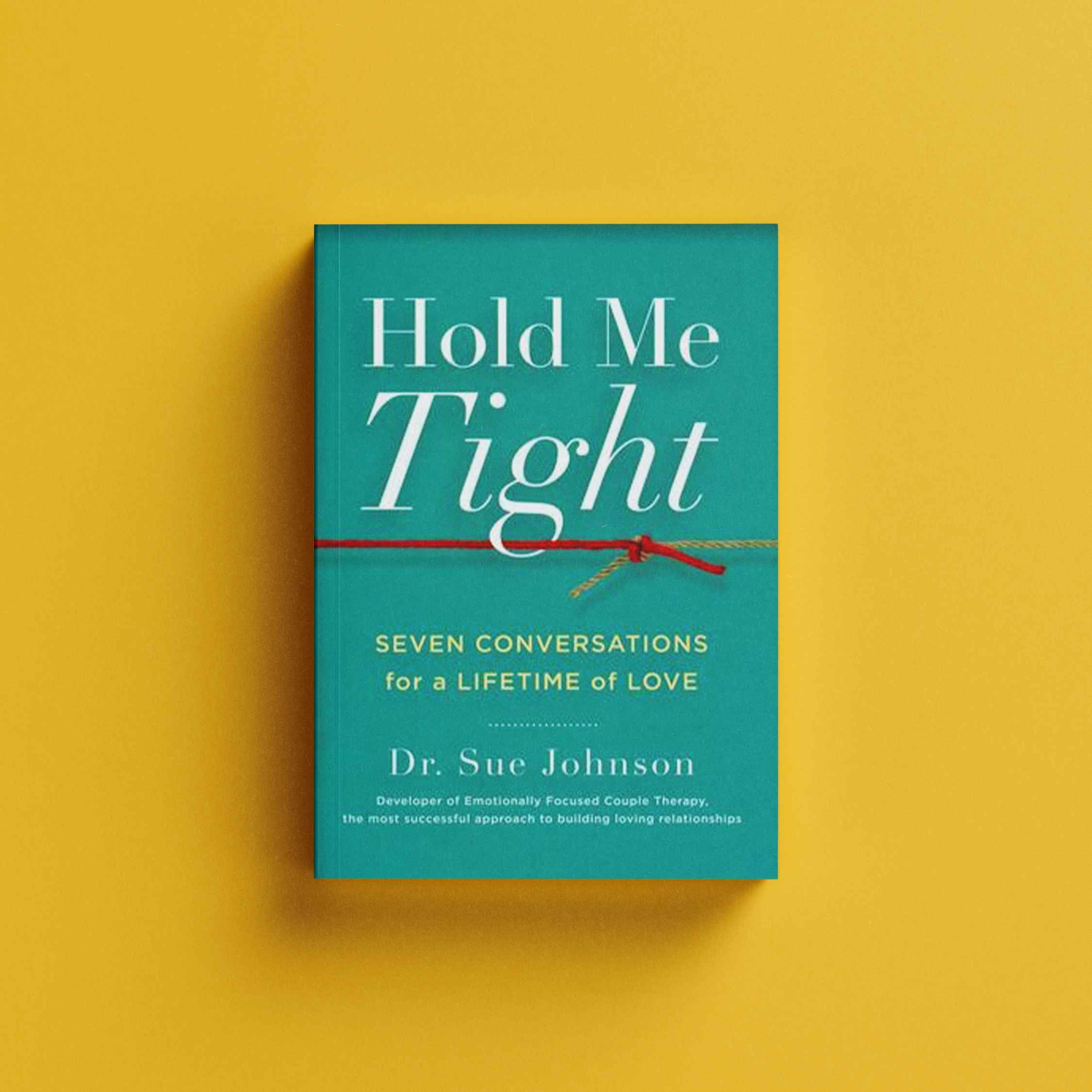
S6 Ep 365Hold Me Tight
EIn Hold Me Tight, Dr. Sue Johnson presents the concept of Emotionally Focused Therapy–which helps reestablish safe emotional connection and preserve the attachment bond in relationships. Love has always been a mystical elusive emotion for many of us. It should come as no surprise that people recently surveyed in Western societies rate a satisfying love relationship as their number one goal. Thankfully, within the past few decades, an exciting understanding of love is emerging. In this book, Johnson focuses on pivotal moments in a relationship. She uses touch points such as “Recognising the Demon dialogue” or “Revisiting a Rockey Moment” for 7 healing conversations. Through stories from Dr. Johnson's practice, illuminating advice, and practical exercises, you will learn how to nurture, protect, and grow your relationship, ensuring a lifetime of love. Hosted on Acast. See acast.com/privacy for more information.
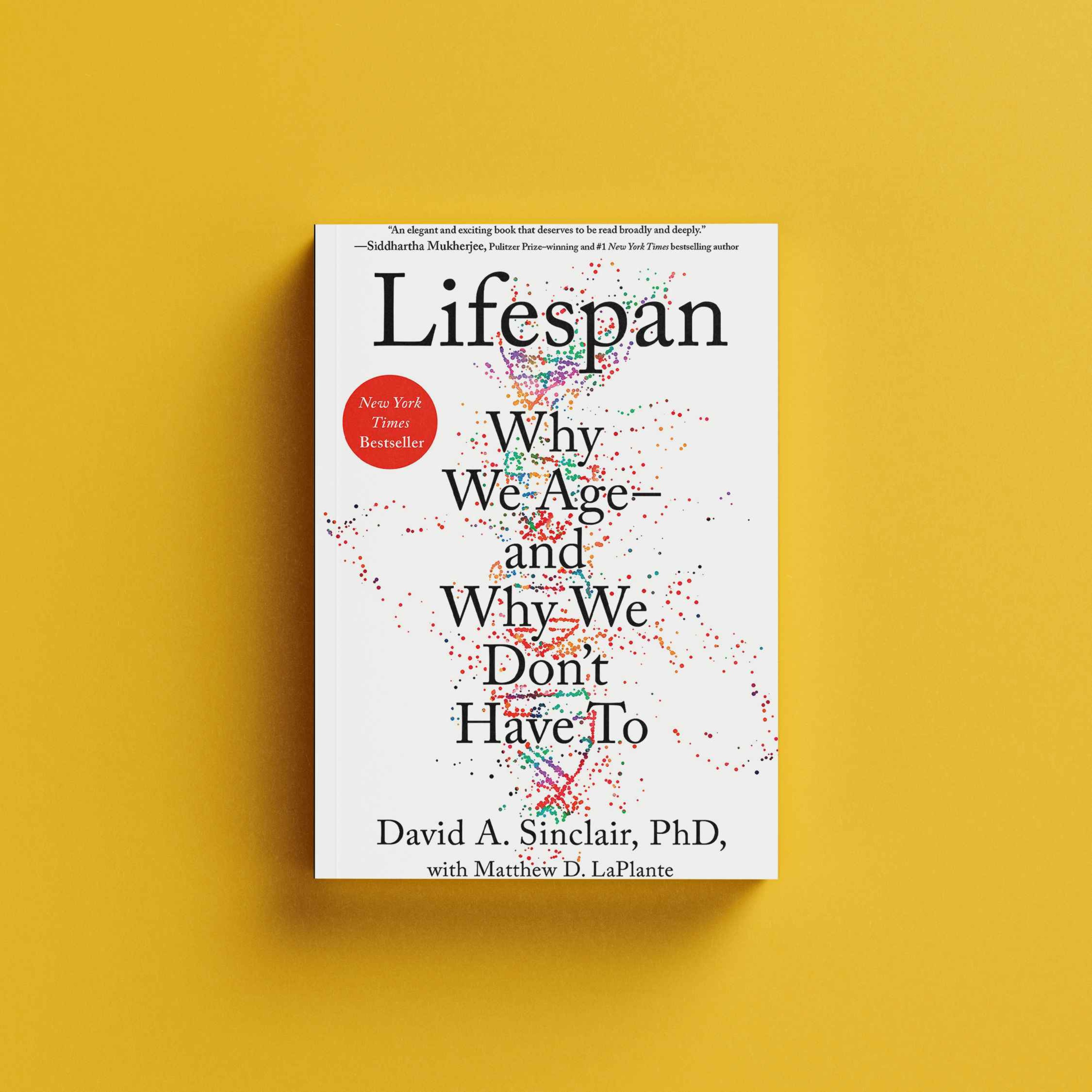
S6 Ep 364Lifespan
EThere is a big difference between EXTENDING LIFE and PROLONGING VITALITY. We're capable of both - but "extending life" - simply keeping people alive - decades after their lives have become defined by pain, disease, frailty and immobility is no virtue"Prolonged vitality" meaning not just more years of life, but more active, healthy and happy ones is coming and its coming sooner than most people expect. By the time people who are born today have reached middle age, these changes should be here. And in the next century, a person who is 122 might say they've lived a full but not a particularly long life. 120 years might not be an outlier but an expectationSo much so we don't call it longevity. We simply call it life. What's the upward limit? There isn't one. There is no biological law that says we must age. Prolonged healthy lifespans are in sight. Hosted on Acast. See acast.com/privacy for more information.
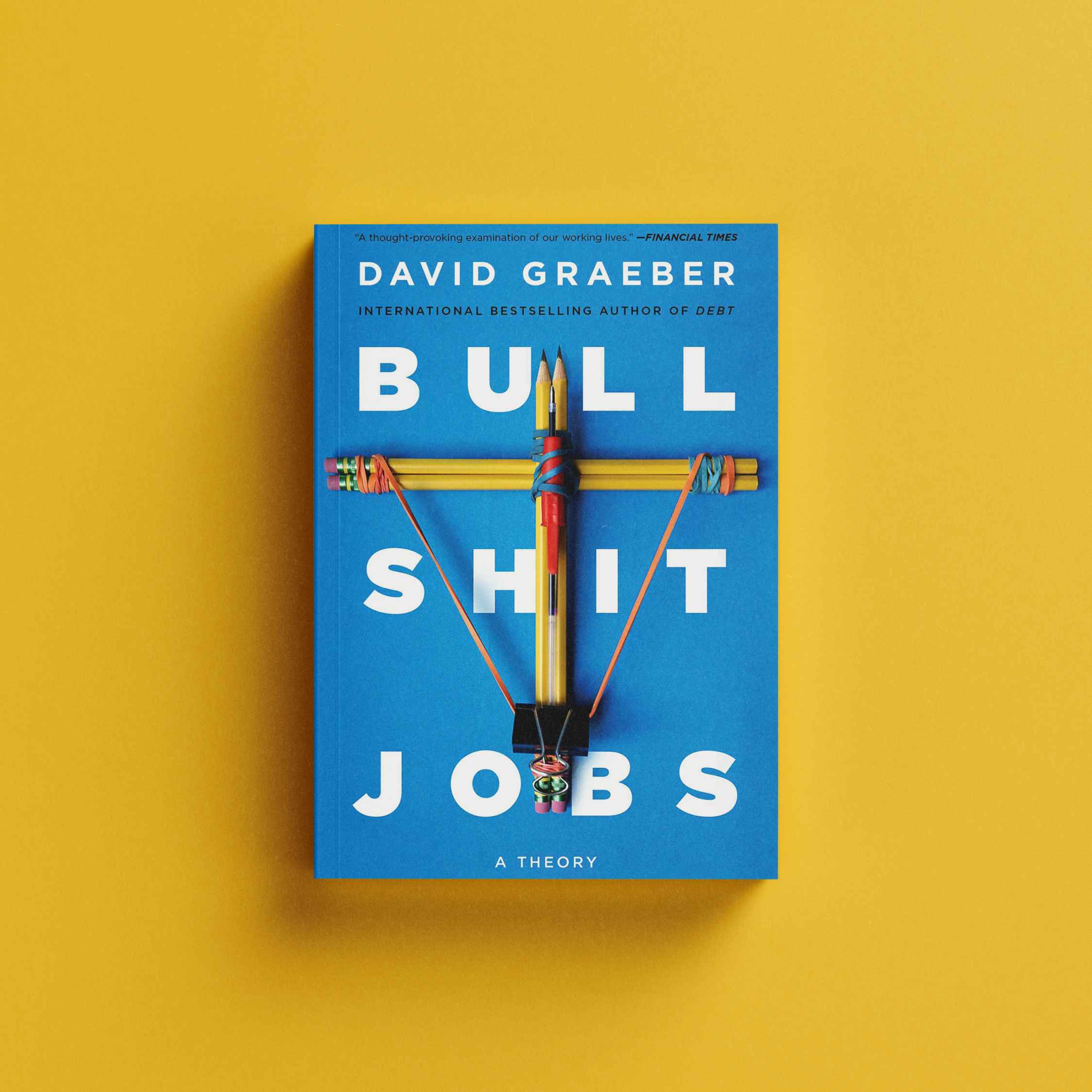
S6 Ep 363Bullsh*t Jobs
EEveryone is probably familiar with some job at your workplace which is the butt of the jokes: the jobs with a fancy title (and probably the juicy pay packet) but they seem to do nothing. They don’t seem like they don't really play any vital role. The more you think about it, the more you'll realise that this list is seemingly endless…So the Author started thinking, are these jobs REALLY useless? And if they are, are the people those those jobs just blissfully ignorant, or do they know that their job is bullshit too?There are plenty of jobs we can label “bullshit” - jobs that don’t actually contribute anything of positive value to society, jobs where people just show up and put in their time but aren’t actually doing things that make the world a better place. Listening to this episode, you’ll hear stories about all kinds of bullshit jobs. They’re funny to laugh at, but if you take a long hard look in the mirror, you might find elements of bullshit in your job too… Hosted on Acast. See acast.com/privacy for more information.
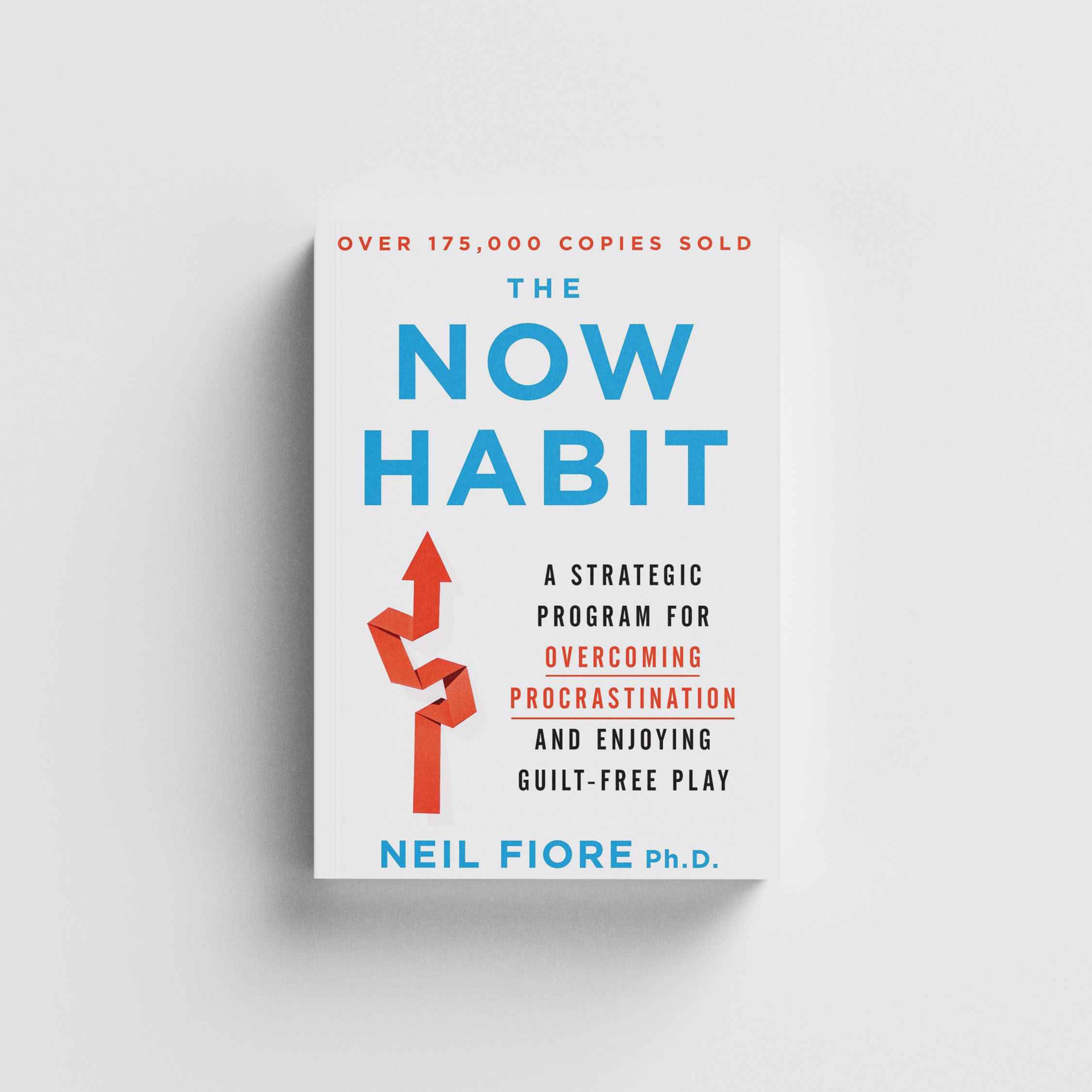
S6 Ep 362The Now Habit
EProcrastination. It is a problem that we all have in some areas of our lives. Be it balancing the budget, filling a legal brief, or painting the spare bedroom - anything we have delayed in favour of more pressing or pleasurable pursuits. We all have tasks and goals we attempt to delay - or totally escape. Procrastinators still get most of these tasks and projects completed on time and in good order... but the pressure and the stress they accumulate along the journey causes unnecessary anxiety and diminishes the quality of the end result.This book offers a solution - a cure for procrastination. Whether you are a professional, an entrepreneur, a middle manager, a writer, or a student who wants to overcome problems with procrastination (or if you simply want to become more efficient in completing complex and challenging tasks) - we hope this episode will help you get results. Hosted on Acast. See acast.com/privacy for more information.
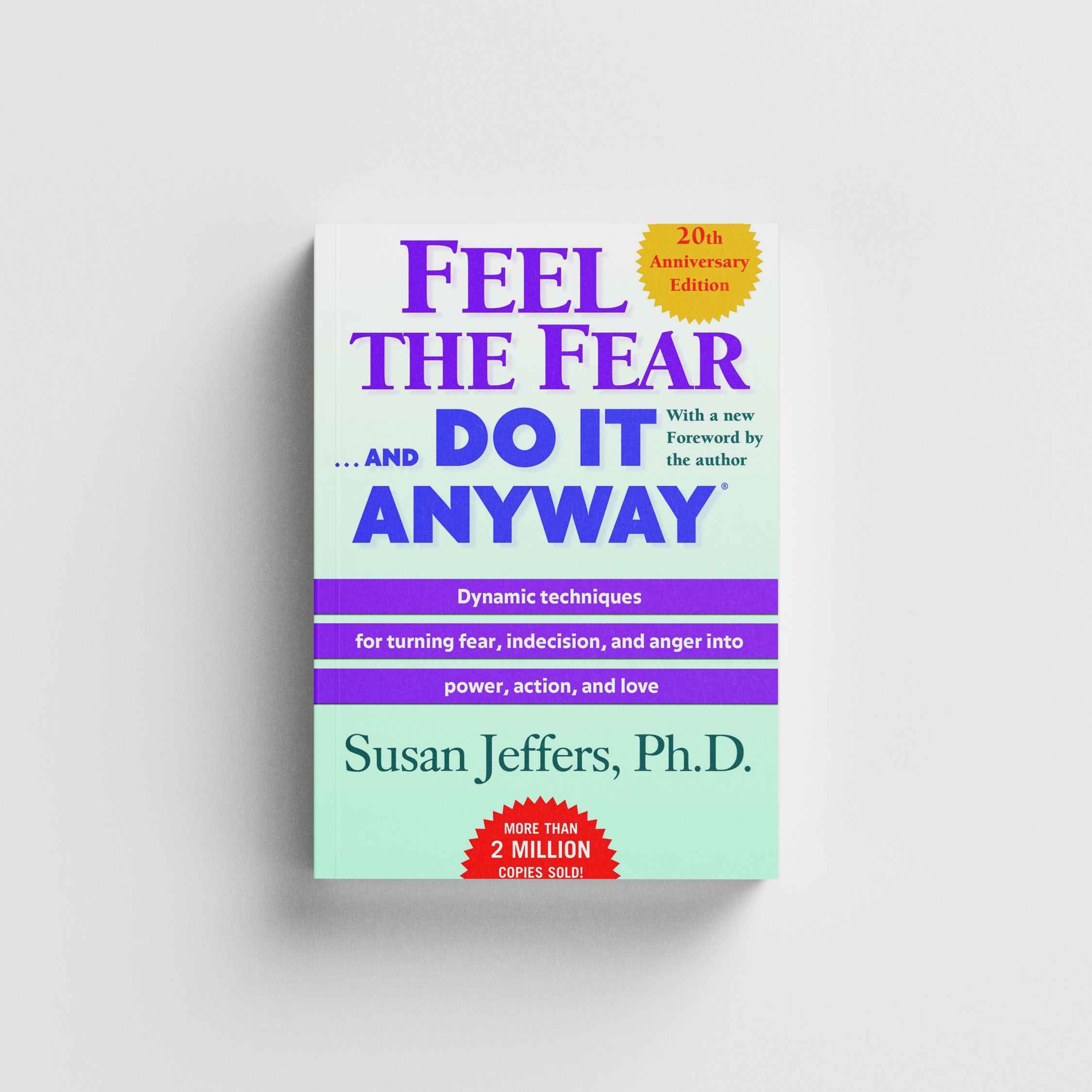
S6 Ep 361Feel The Fear And Do It Anyway
EFeel The Fear And Do It Anyway - by Susan JeffersFear seems to be epidemic in our society. We fear beginnings, We fear endings. We fear changing, we fear staying stuck. We fear success, we fear failure. We fear living, we fear dying. What is it for you? Fear of public speaking? Fear of asserting yourself? Fear of making decisions? Fear of intimacy? Fear of changing jobs? Fear of being alone? Fear of aging? Fear of driving? Fear of losing a loved one? Fear of ending a relationship?It turns out that while all of these fears seem completely different, they actually all boil down to one root cause. In this episode, we dissect fear, we strip it back to is most basic component, then provide ways to overcome that fear and move forward with your life. Hosted on Acast. See acast.com/privacy for more information.
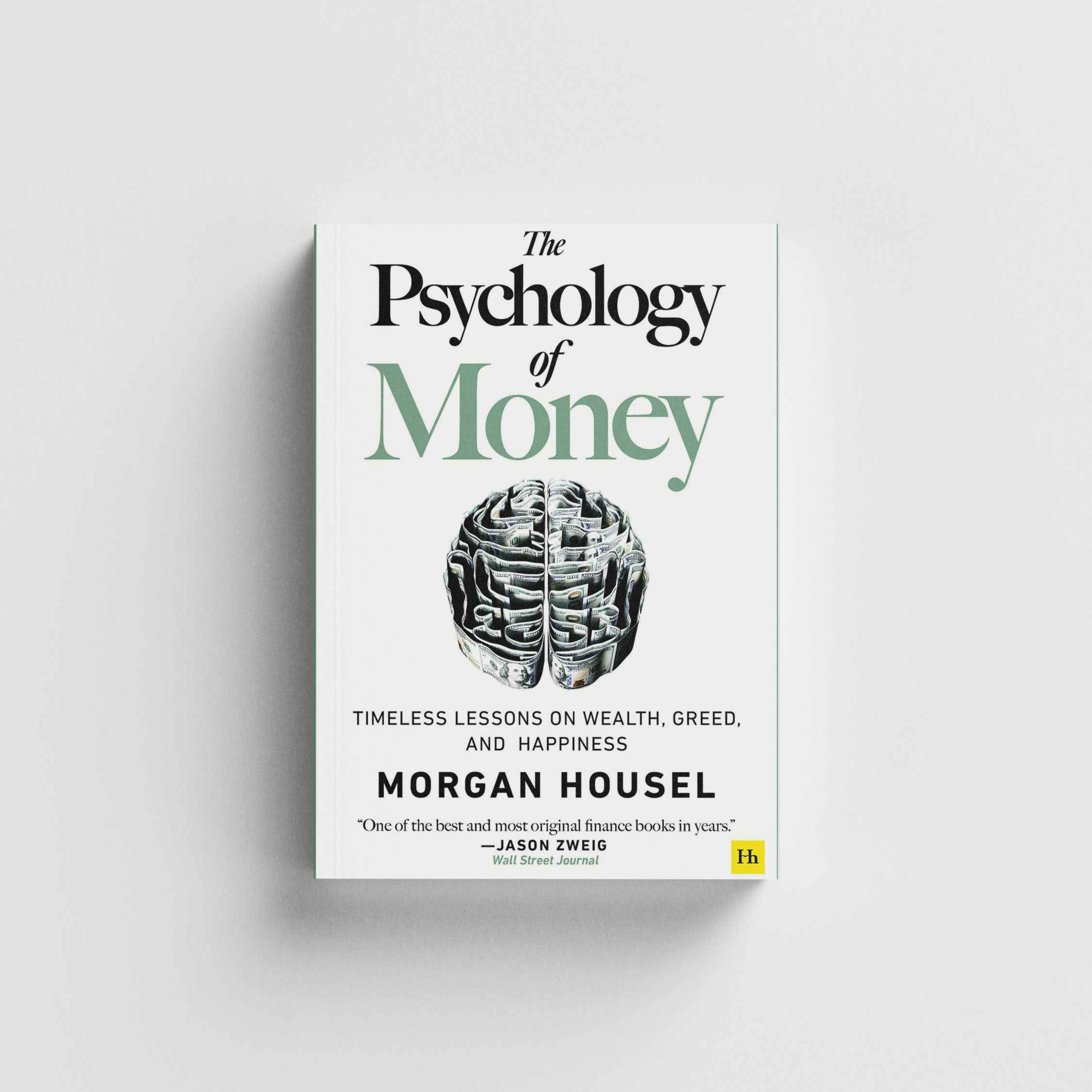
S6 Ep 360The Psychology of Money
EIn The Psychology of Money, Morgan Housel shares 19 short stories exploring the strange ways people think about money. Financial success is a soft skill where how you behave is more important than what you know. A genius who loses control of their emotions can be a financial disaster. Ordinary folks with no financial education can be wealthy if they have a handful of behavioural skills that have nothing to do with formal measures of intelligence. Hosted on Acast. See acast.com/privacy for more information.
S6 Ep 359The Best Of 2021
EOur annual tradition, recapping our favourite 10 books we've read in the second half of 2021. We share our faves, the best snippet from each, and try to remain coherent as we proceed with our own end-of-year celebrations (these can tend to get a little sloppy towards the end...) Hosted on Acast. See acast.com/privacy for more information.
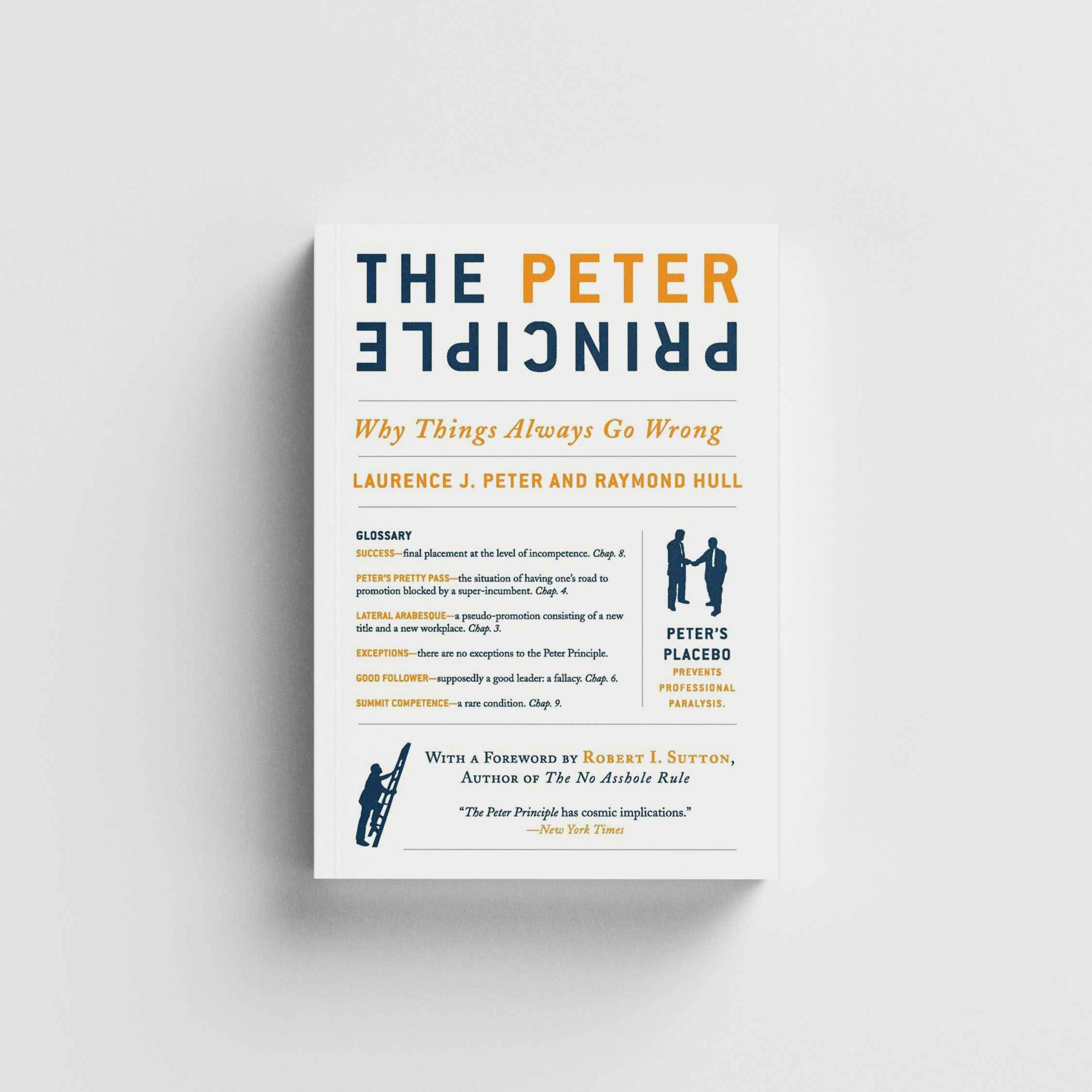
S6 Ep 358The Peter Principle
EMany people are competent at their job, and eventually get promoted. Then, competence in that new position qualifies them for yet another promotion. This happens until the point they are no longer competent and no longer eligible for the next promotion. That means you are also at risk of hitting the point of incompetence! This concept is named The Peter Principle. So, given enough time, and assuming there are enough ranks in the heirarchy, each employee may rise to their level of incompetence and gets stuck. The authors of this book analyse this phenomena and tell you how to achieve a state of wellbeing by avoiding that unwanted promotion. Hosted on Acast. See acast.com/privacy for more information.
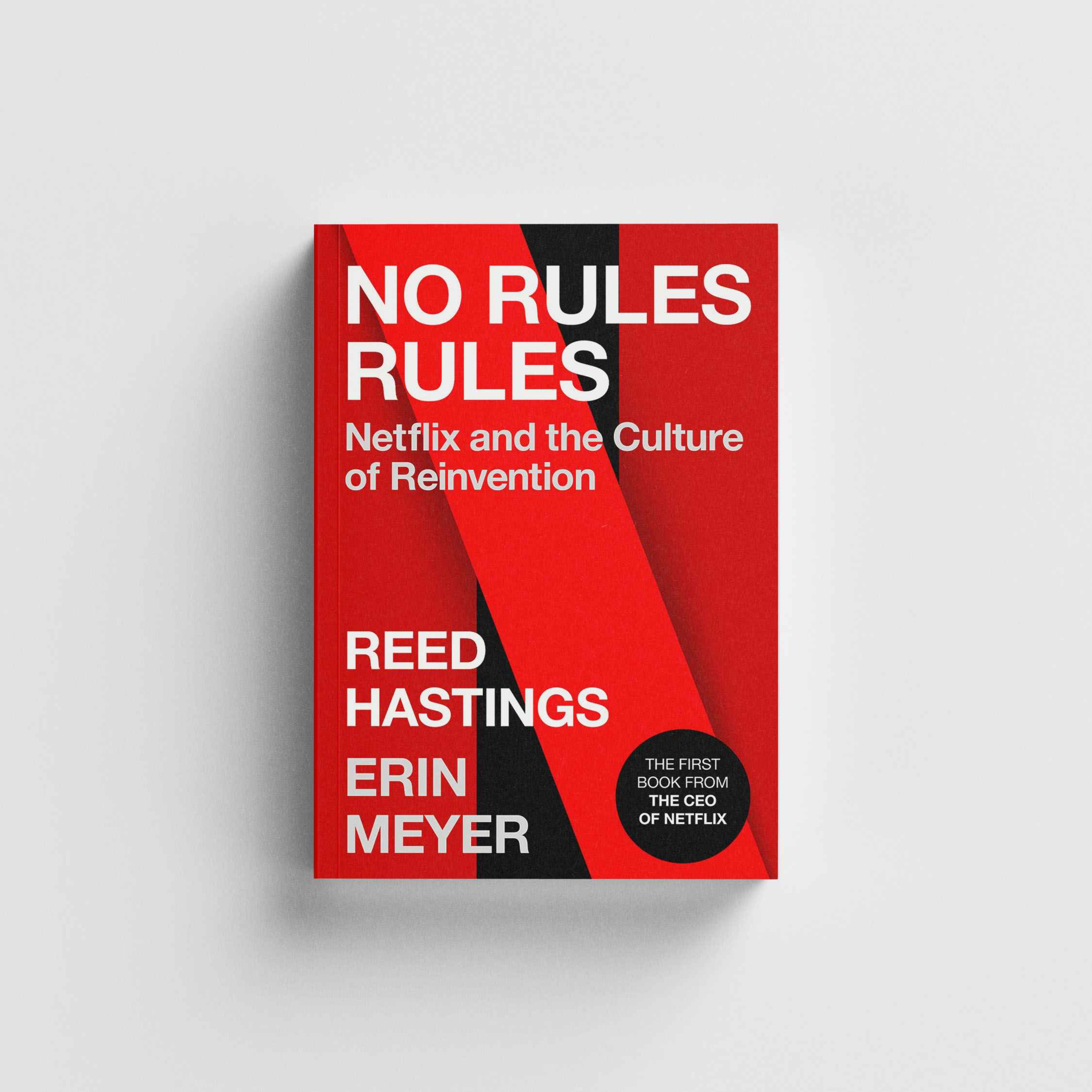
S6 Ep 357No Rules Rules
ETapping into Netflix's work culture, No Rules Rules explains the philosophy behind one of the world's most successful companies. This book is an overview of how Netflix co-founder and CEO Reed Hastings built a culture that focused on freedom and responsibility. Hastings set new standards such as valuing people over process; emphasizing innovation over efficiency; and giving employees context, not controls. Hosted on Acast. See acast.com/privacy for more information.
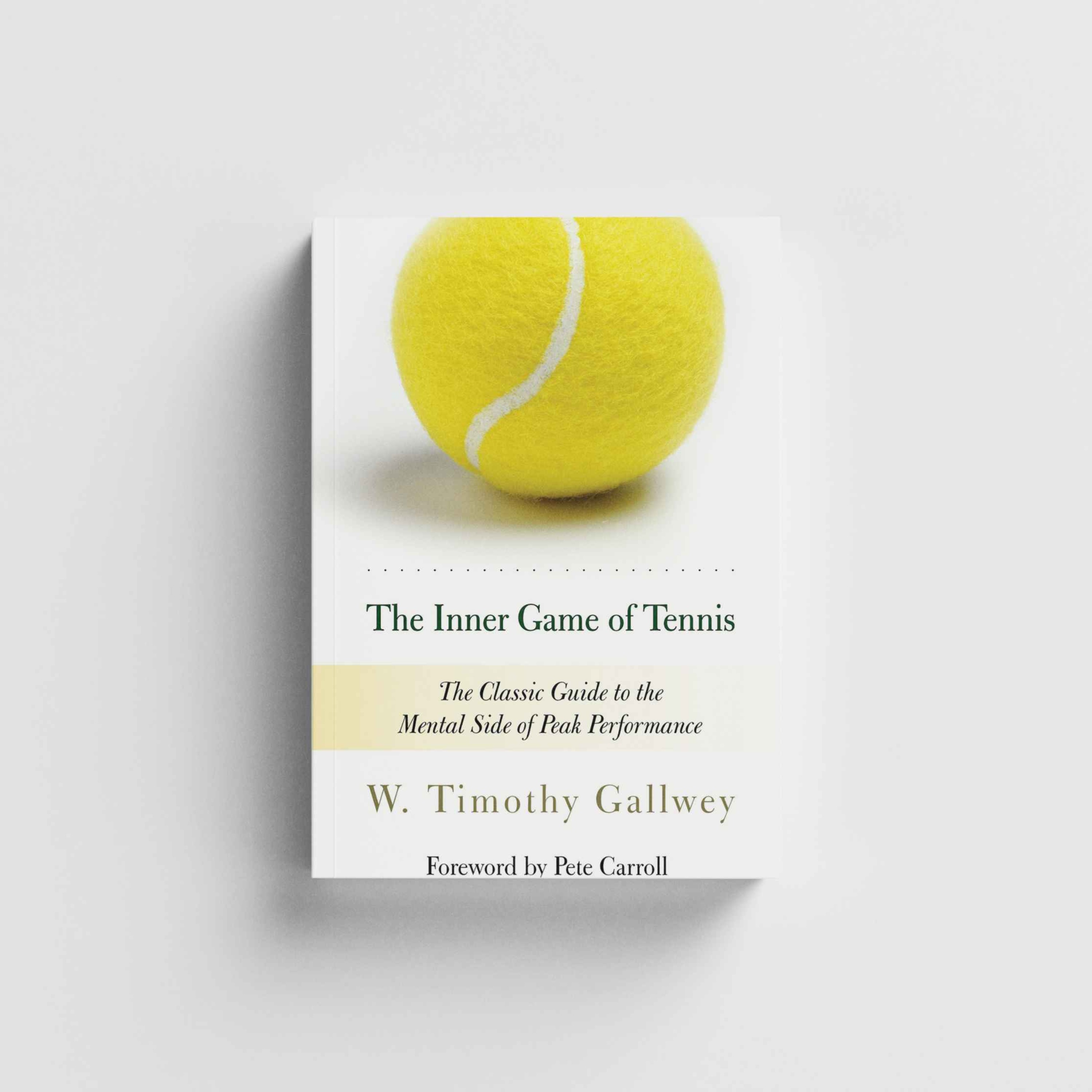
S6 Ep 356The Inner Game Of Tennis
EThe Inner Game of Tennis book isn't just about tennis. In this book, W. Timothy Galleway uses anecdotes of tennis games to illustrate the tools we need to improve our performance in any activity. Focus in tennis is fundamentally no different from the focus needed to perform any task. The Inner Game of Tennis reveals how to:- Focus your mind to overcome nervousness, self-doubt, and distractions- Find the state of relaxed concentration that allows you to play at your best- Build skills by smart practice, then put it all together in match play. Hosted on Acast. See acast.com/privacy for more information.
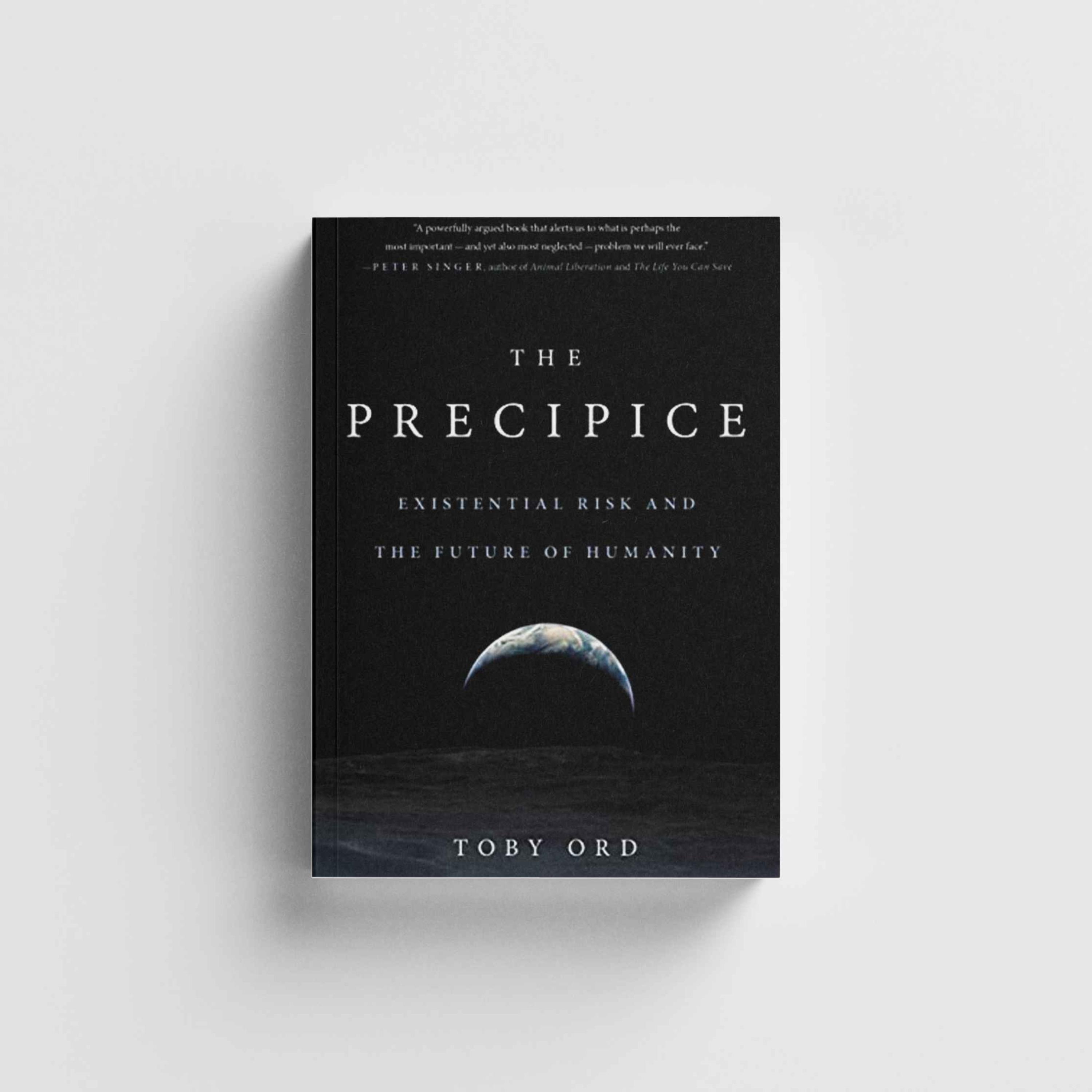
S6 Ep 355The Precipice
EIf all goes well, human history is just the beginning. Humanity is about two hundred thousand years old, but the Earth will remain habitable for hundreds of millions more. Enough time for millions of future generations, enough to end disease, poverty and injustice forever and enough to create heights of flourishing unimaginable today. Such a lifespan places present-day humanity in its earliest infancy. A vast and extraordinary adulthood awaits. This book argues that safeguarding Humanity's future is the defining challenge of our time. For we stand at a crucial moment in the history of our species. Fuelled by technological progress, our power has grown so great that for the first time in humanity's long historyWe have the capacity to destroy ourselves. Severing our entire future and everything we could become. Hosted on Acast. See acast.com/privacy for more information.
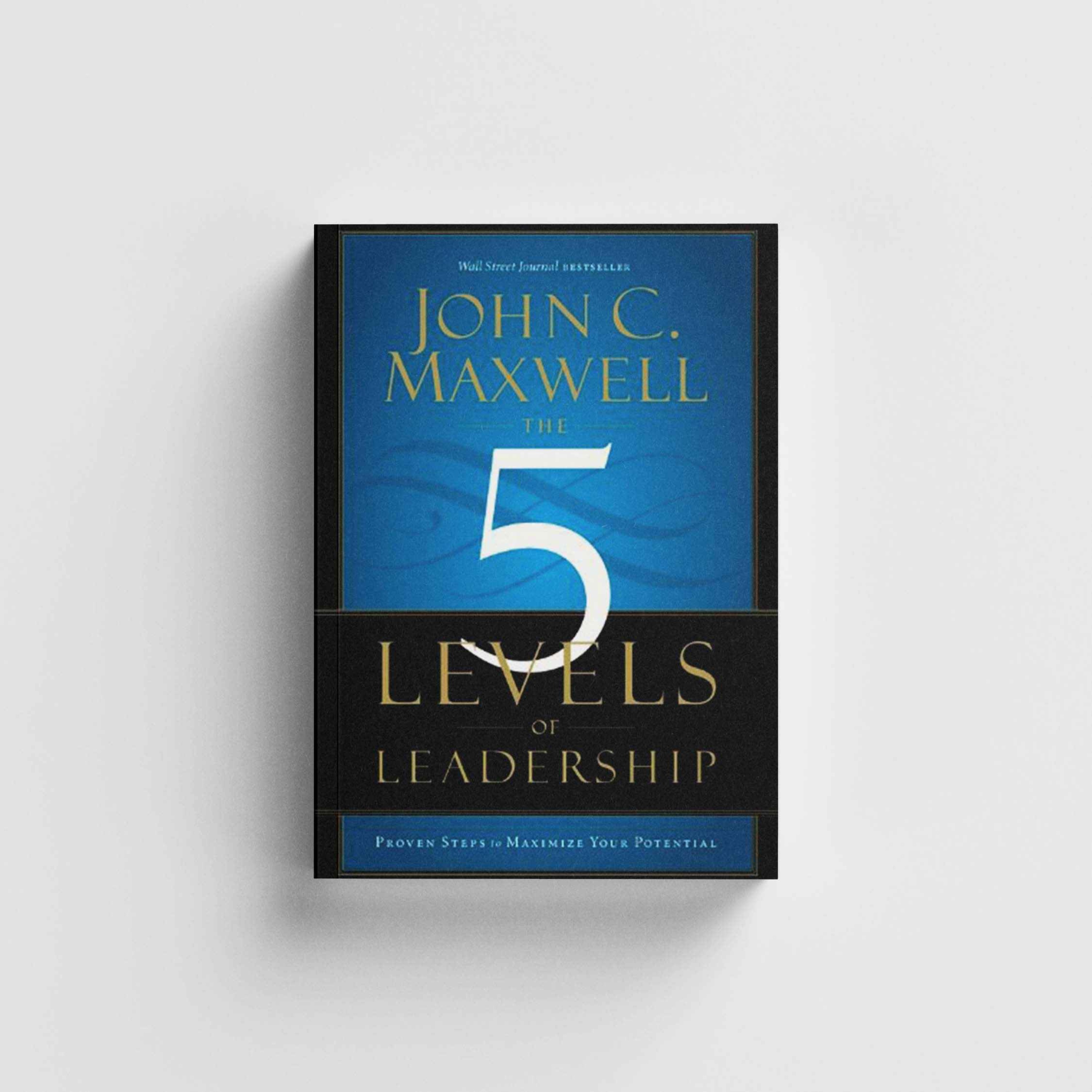
S6 Ep 354The 5 Levels Of Leadership
The 5 Levels of Leadership provides the ultimate leadership GPS to guide your career journey. In this book, John C. Maxwell identifies 5 levels of leadership and how to maximise them. As you progress in your leadership abilities, you move up to a higher level. But instead of trading one level for another, you need to build upon it. Don’t leave the lessons from your previous experiences behind! This book is the guide that will help you make the most of your professional experience—regardless of where you are right now. Hosted on Acast. See acast.com/privacy for more information.
S6 Ep 353Ryan Holiday: Virtues, Courage, and All Things Books
ERyan Holiday joins us on the show to talk about all things books.We've covered five of his books on the podcast before (Perennial Seller, The Obstacle Is The Way, Ego Is The Enemy, Stillness Is The Key, Courage Is Calling) so we were able to dig a little deeper into his writing and his career.Check out more Ryan Holiday here: https://ryanholiday.net/ Hosted on Acast. See acast.com/privacy for more information.
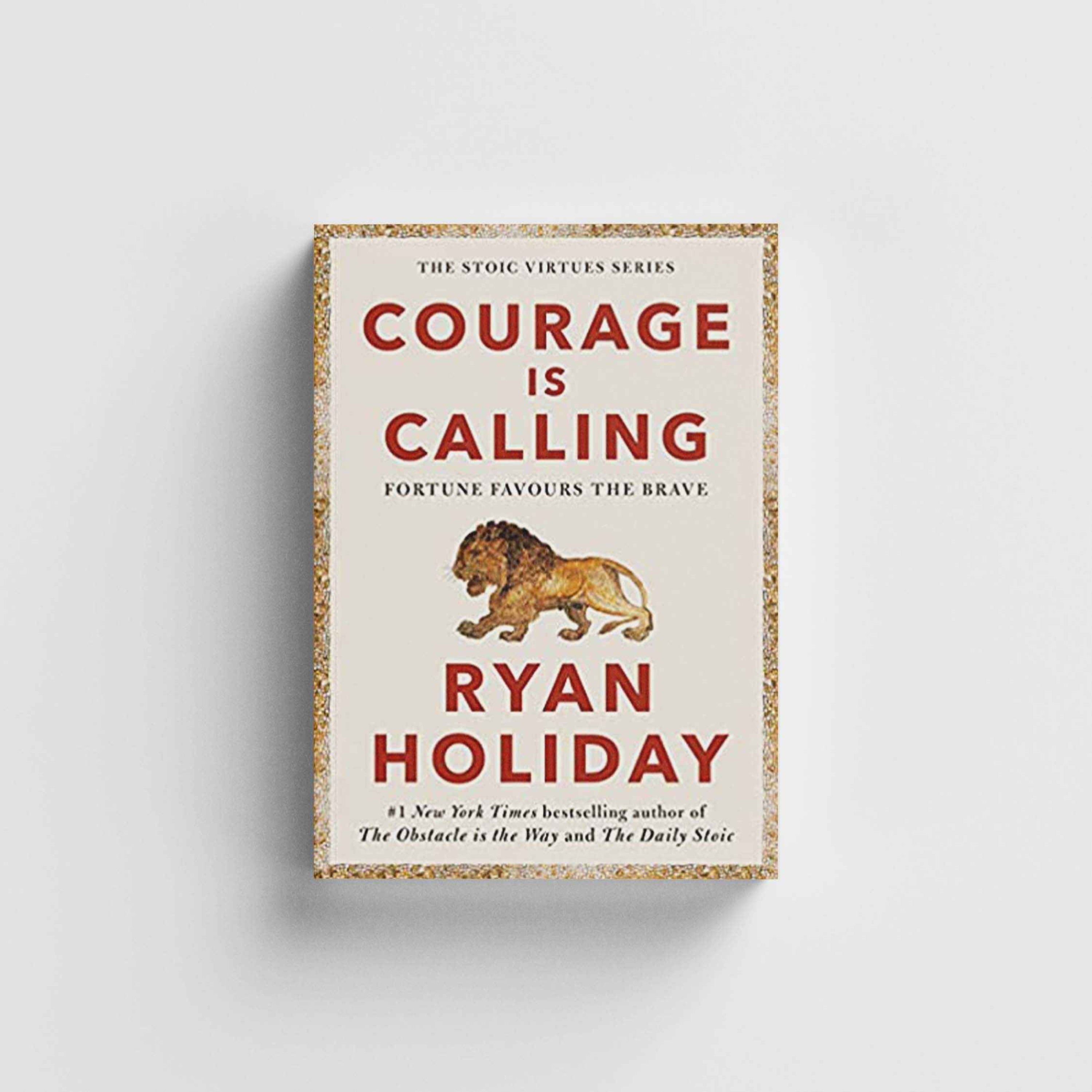
S6 Ep 352Courage Is Calling
EThere is nothing we prize more than courage. But courage is not a precious stone like a diamond that takes a billion years to create, nor oil that must be drawn from deep underground.Courage is something much simpler. It’s renewable. It’s everywhere. It's something that we are capable of at a moment's notice. There are unlimited, even daily opportunities for it everywhere. And yet it remains so rare. Why?Because we are afraid. It's easier not to get involved. We have something else we're working on and now is not a good time. An understandable logic, but if everyone thought that way, what's left?In an ugly world, courage is what allows beautiful things to happen. Hosted on Acast. See acast.com/privacy for more information.
S6 Ep 351Robert Greene: The Daily Laws
ERobert Greene is back! Not every day you get to speak to your favourite author. Robert Greene is author of books we've already reviewed on the podcast, including The Laws of Human Nature, Mastery, 48 Laws of Power, 33 Strategies of War (plus we'll do Seduction one day too).His new book, The Daily Laws is like a 'greatest hits' album, giving you a powerful punch for each day of the year.In this episode we get to delve deeper into some of the best ideas in his books. He's a weapon. Enjoy!Find more about Robert Greene and all of his books here: http://powerseductionandwar.com/And check out all of his social channels here: http://robertgreeneofficial.com/ Hosted on Acast. See acast.com/privacy for more information.
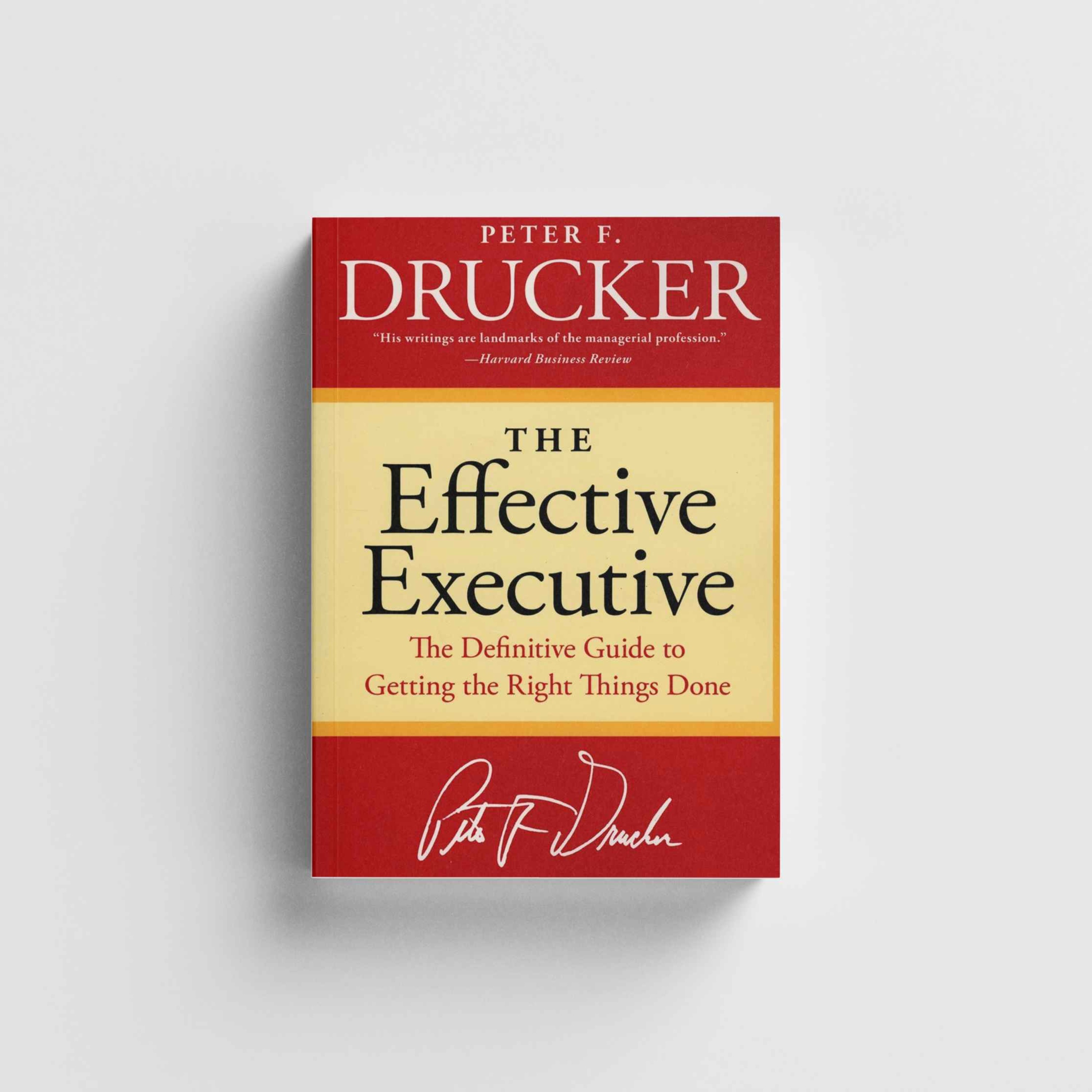
S6 Ep 350The Effective Executive
The Effective Executive - by Peter Drucker'The Definitive Guide to Getting the Right Things Done' Written in 1967, the principles in this book still hold strong today. Simple ideas presented in this book can have a substantial impact on your effectiveness, like focusing on results and contribution, managing your time before managing your tasks, and focusing on opportunities rather than problems. The 8 questions or practices of an Effective Executive:ask, ‘What needs to be done?’ask, ‘What is right for the enterprise?’develop action planstake responsibility for their decisionstake responsibility for communicatingfocus on opportunities rather than problemsrun productive meetingsthink and say "we" rather than "I"The 5 Habits of an Effective Executive:Know where your time goesFocus on outward contributionBuild on strengthsConcentrate on the few major areas where superior performance will produce outstanding resultsMake effective decisions Hosted on Acast. See acast.com/privacy for more information.
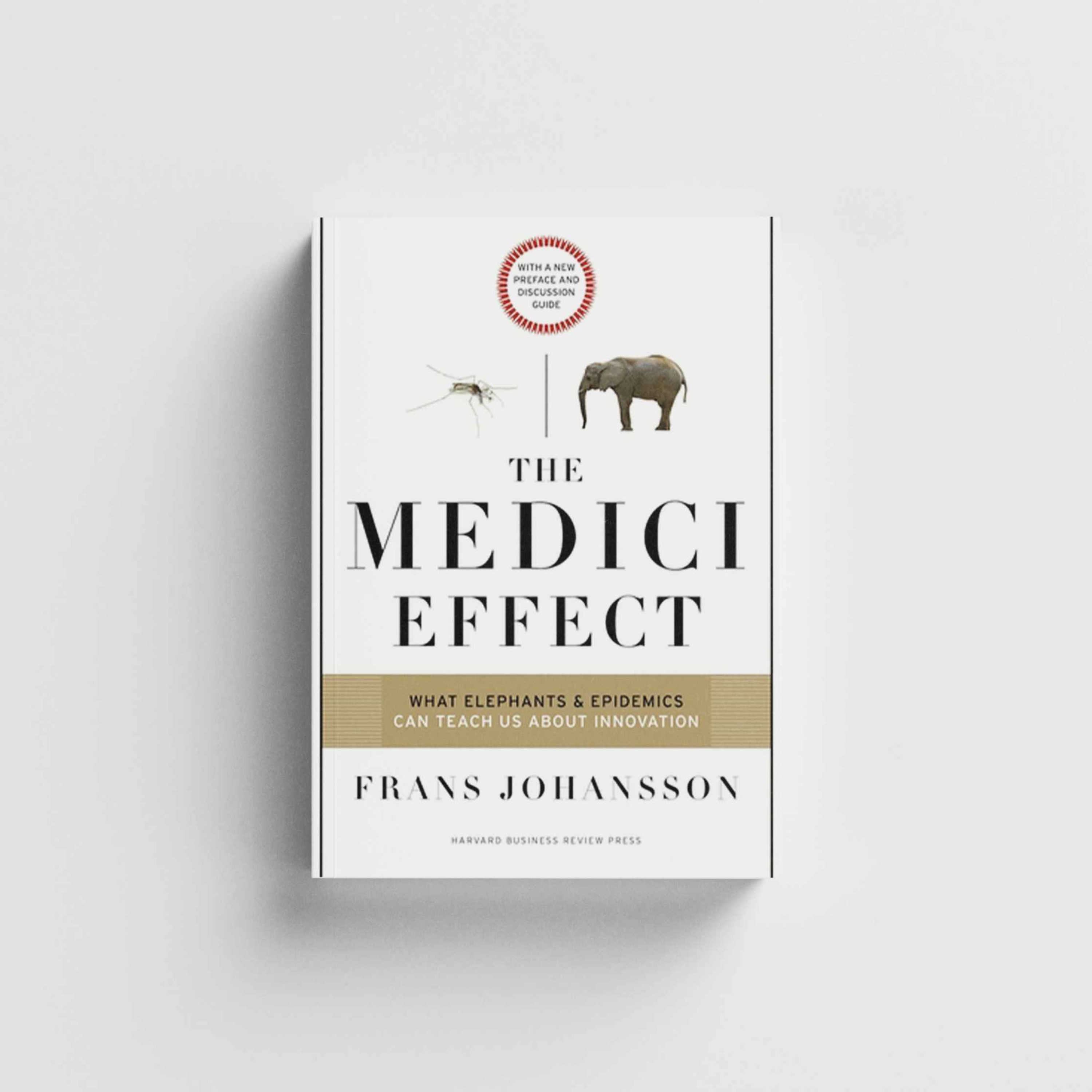
S6 Ep 349The Medici Effect
Whether we like it or not, the process of innovation is dictated by random combinations of different concepts. Individuals and teams who often break new ground know this and therefore maximise their chances of finding intersectional ideas. They do it by introducing diversity into their occupations, teams, and encounters.Frans Johansson has named this concept ‘The Medici Effect’ after the Medicis, the 15th Century banking family in Florence, Italy. The Medicis funded creators from a wide range of disciplines and brought sculptors, scientists, poets, philosophers, financiers, painters, and architects to converge on the city of Florence. This was the beginning of The Renaissance—a period where knowledge and creativity were advancing. This book will show you how to find such intersectional ideas and make them happen. It isn't just about the Medici family or the Renaissance era. It's about the elements that made that era possible. Hosted on Acast. See acast.com/privacy for more information.
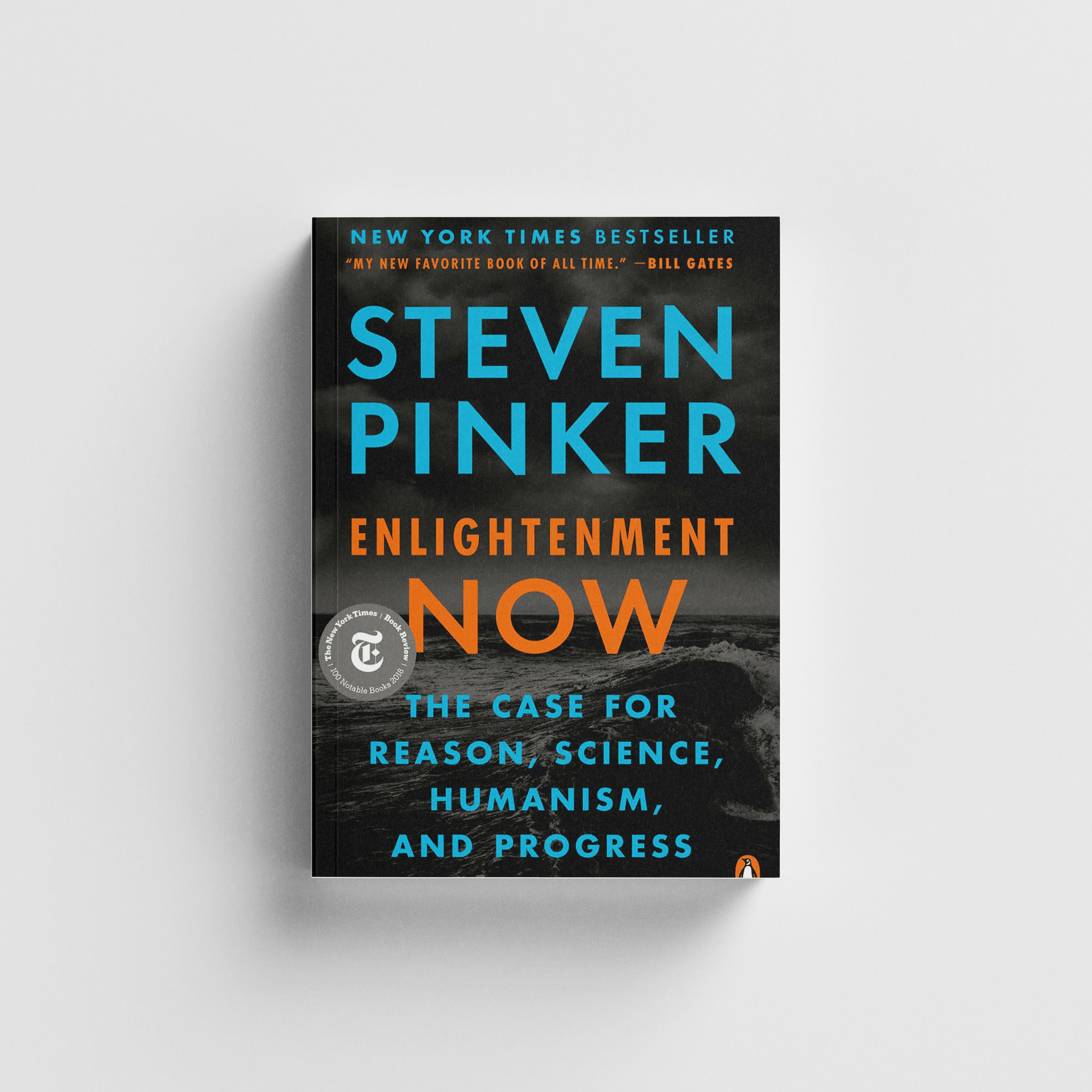
S6 Ep 348Enlightenment Now
In Enlightenment Now, Steven Pinker explains the impact of Enlightenment values – reason, science, and humanism – on the world. These values were instrumental in moving society forward, and Pinker worries that they are under threat.Humans have achieved a whole bunch of cool shit over the ages. Unfortunately, we take it for granted. Progress has a very funny way of erasing its tracks as we move forward as a species.The local supermarket is overflowing with food. You’ve got clean water on tap. You drop your waste in the toilet, and with a click of a button, it vanishes. We have pills that demolish painful infections, planes to take us to the other side of the world, cheap energy to pop the lights on, and you have all of the world's knowledge inside your pocket.We assume these things are birthrights, forgetting that they're human accomplishments. At some stage in history, a person worked on solving these problems and drove our society forward. Hosted on Acast. See acast.com/privacy for more information.
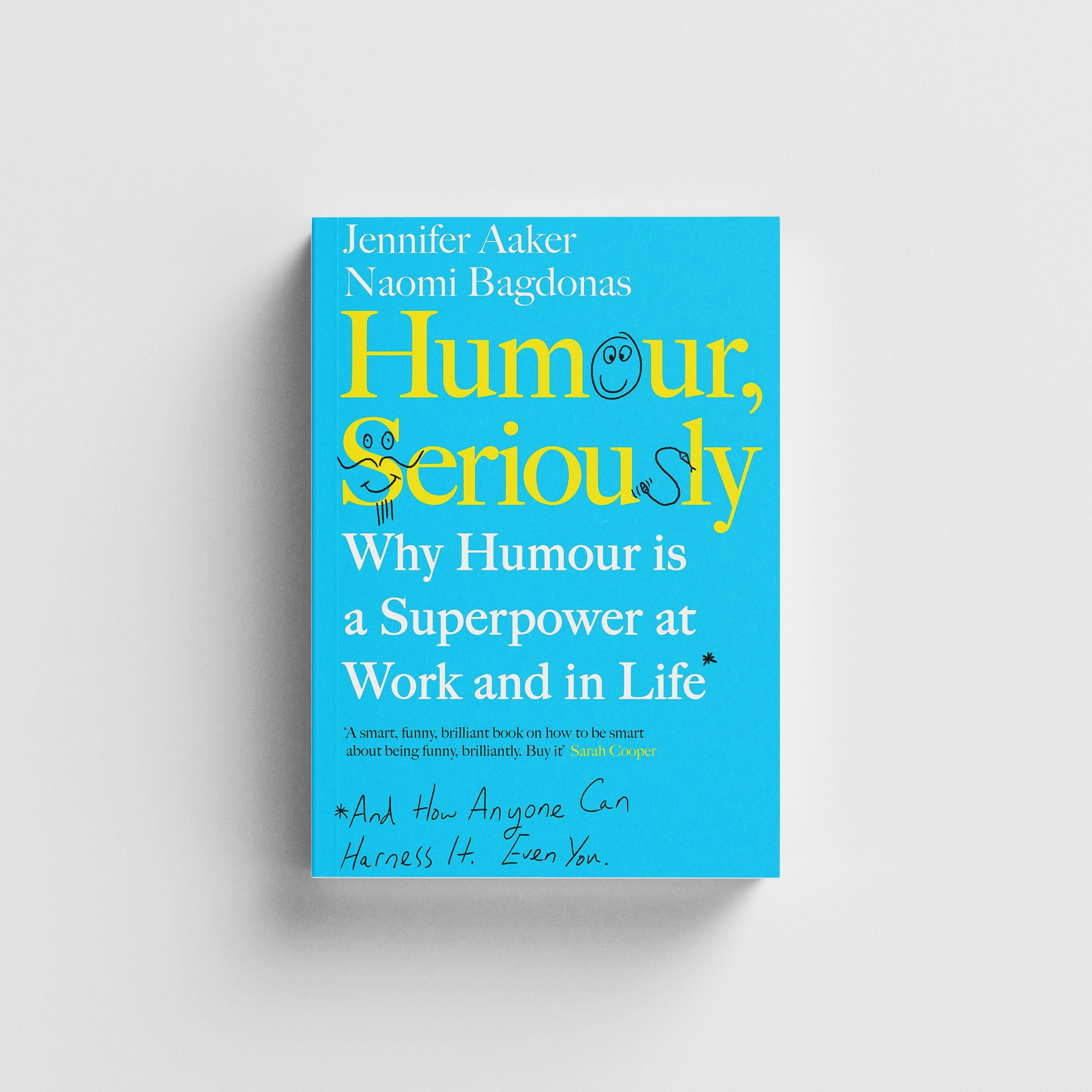
S6 Ep 347Humour, Seriously
Humour, Seriously - by Jennifer Aaker & Naomi BagdonasWhy Humour Is A Superpower At Work And In Life (And How Anyone Can Harness It... Even You)Everyone loves a laugh. We like to watch funny movies, listen to entertaining podcasts, go to comedy festivals to watch stand up or improv. But that's all in our personal lives... surely in our professional lives there's less room for jokes? Surely the workplace should be a little more "serious" if we want to be productive and effective?Well, it turns out that humour isn't something that stands in your way at work - it's something that can actually help you BECOME more productive and effective. Humour at work can deepen relationships, make people more effective and more joyful at work, and fundamentally transform companies from somewhere "serious" to something more enjoyable.This book Is About blending the behavioural science of humour with principles of comedy and applying them in a way that would actually be useful in business and work. Hosted on Acast. See acast.com/privacy for more information.
S6 Ep 346Steven Pressfield: Battling The Resistance To Find Our Calling In Life
What an honour to be able to speak with Steven Pressfield.He's the author of three awesome books that we've covered on the podcast previously: The War of Art, Turning Pro, and Do The Work.Plus he's the author of MANY more books, both fiction and non-fiction, and was the screenwriter for a bunch of Hollywood movies.Find more about him and his work at: https://stevenpressfield.com/ Hosted on Acast. See acast.com/privacy for more information.
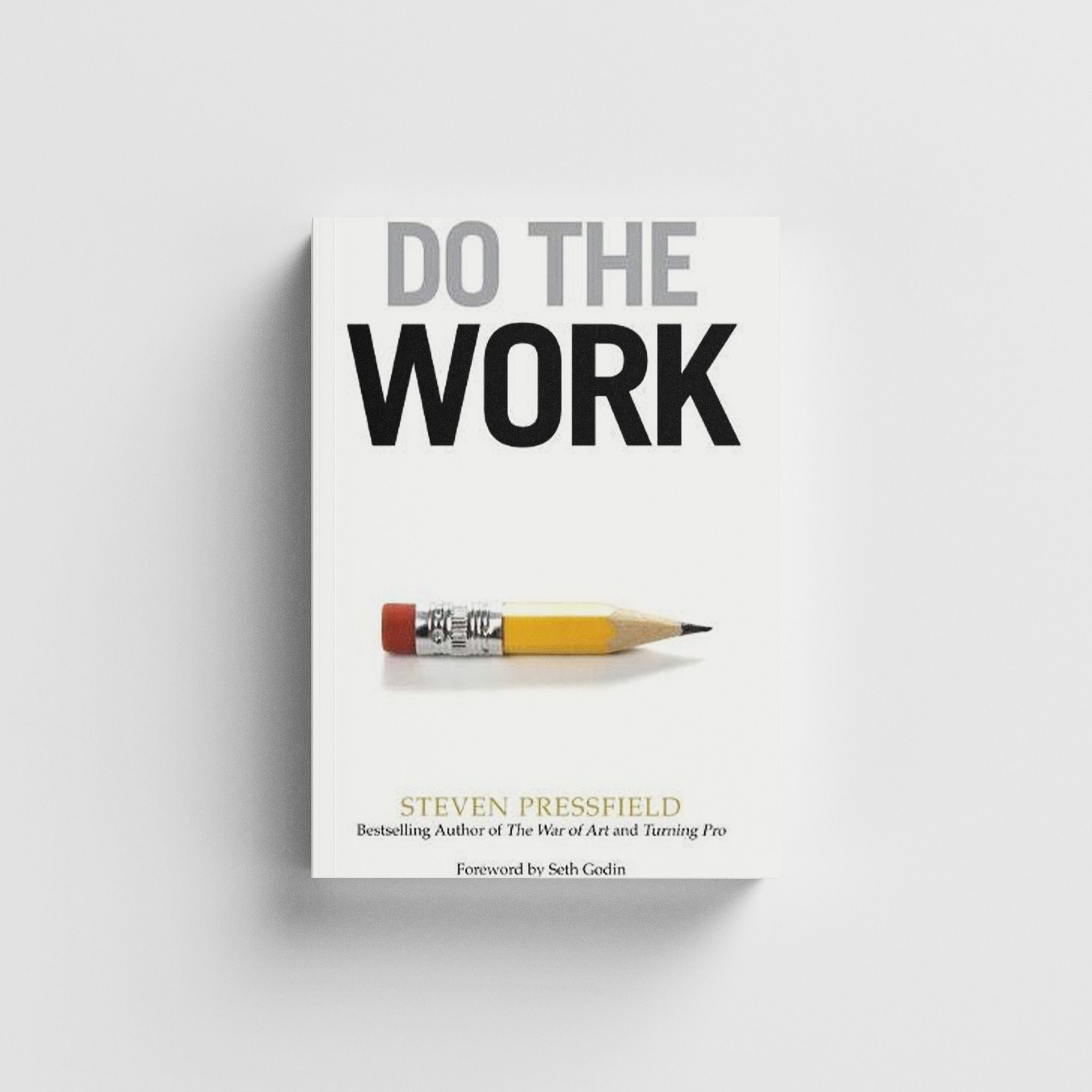
S6 Ep 345Do The Work
Do The Work - by Steven PressfieldThis book (and this podcast episode) is designed to coach you through a project from conception to finished product. Be that a book, a ballet, a new business venture, a philanthropic enterprise, we’re going to see it from the perspective of The Resistance (that evil counterproductive force that Pressfield made famous in his other books that we’ve previously covered on the podcast, The War of Art and Turning Pro).We'll hit every predictable Resistance Point along the way. Those junctures where fear, self-sabotage, procrastination, self-doubt, and all those other demons we're all so familiar with can be counted upon to strike. Where butts need to be kicked, we'll kick them. Where kinder, gentler methods are called for, we'll get out the kid gloves.Strap in for the ride, then get started on your project. Do The Work! Hosted on Acast. See acast.com/privacy for more information.
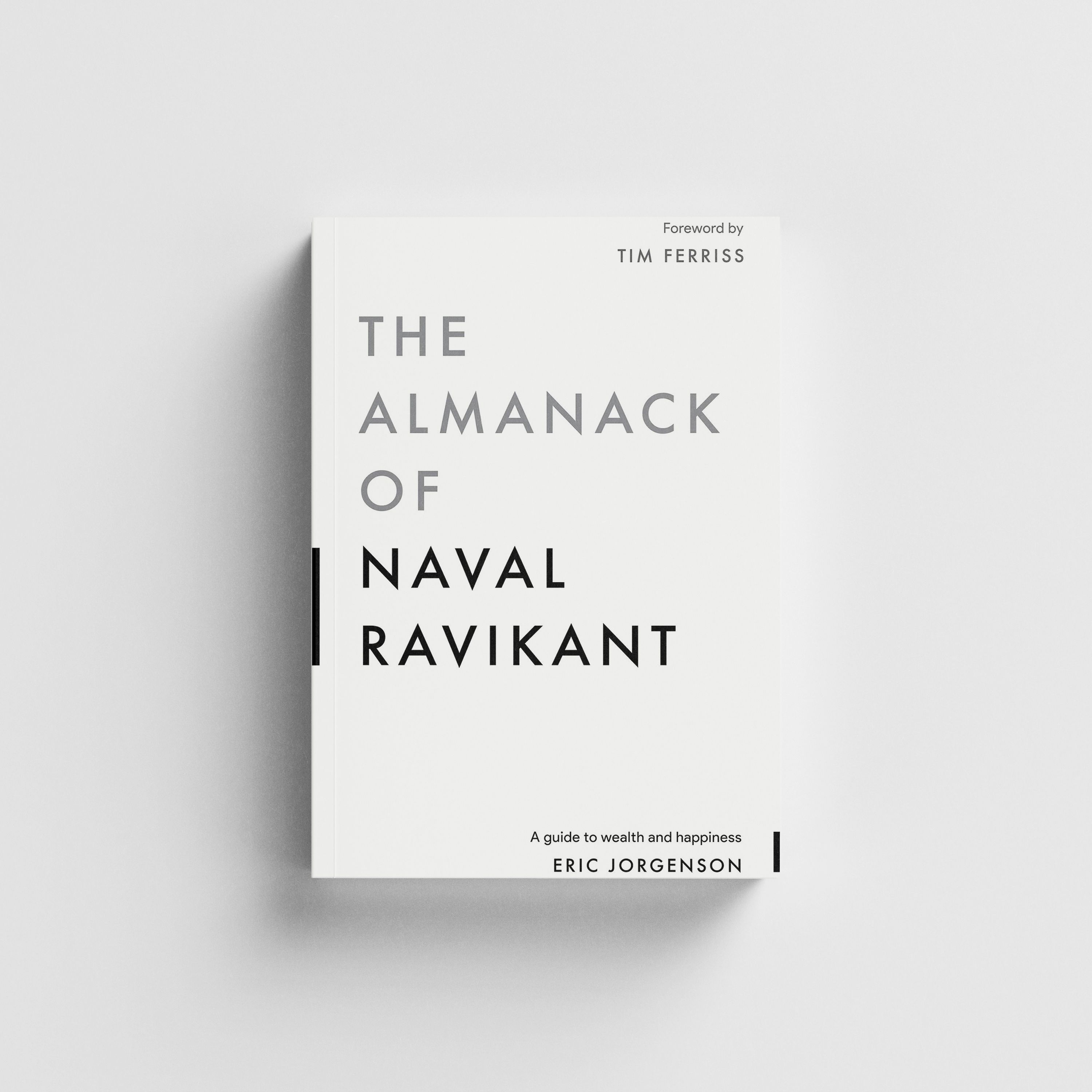
S6 Ep 344The Almanack Of Naval Ravikant
‘I like to think that if I lost all my money and you dropped me on a random street in any English speaking country, I'd be wealthy again within 5-10 years. Because it's just a skill I've developed and anyone can develop.’ — Naval Ravikant Naval Ravikant is an entrepreneur, philosopher, and investor who has captivated the world with his principles for building wealth and creating long-term happiness.Inspired by his experience throughout the last decade, Naval Ravikant shares his principles for getting rich in this book. The Almanack of Naval Ravikant will teach you how to get rich without getting lucky. Making money isn’t just a mandatory task to survive, but it is a skill that you learn. Getting rich is about knowing what to do, who to do it with, and when to do it. Hosted on Acast. See acast.com/privacy for more information.
S6 Ep 343Mo Gawdat: Solve For Happy & The Opportunities and Threats of Artificial Intelligence
Mo Gawdat is the author of the book Solve For Happy, plus the brand new book Scary Smart. His first book, Solve For Happy, was all about an engineering applying a logical, mathematical lens to finding happiness. After an enormously successful career at IBM, Microsoft and Google, he looked in the mirror and realised that he wasn’t happy. A personal tragedy led to him looking for an equation for happiness.His next book, Scary Smart, talks about the rise of Artificial Intelligence. It looks into what is coming in the not-too-distant future, and what it may mean for we humans. Find out more about Mo and his books here: https://www.mogawdat.com/ Hosted on Acast. See acast.com/privacy for more information.
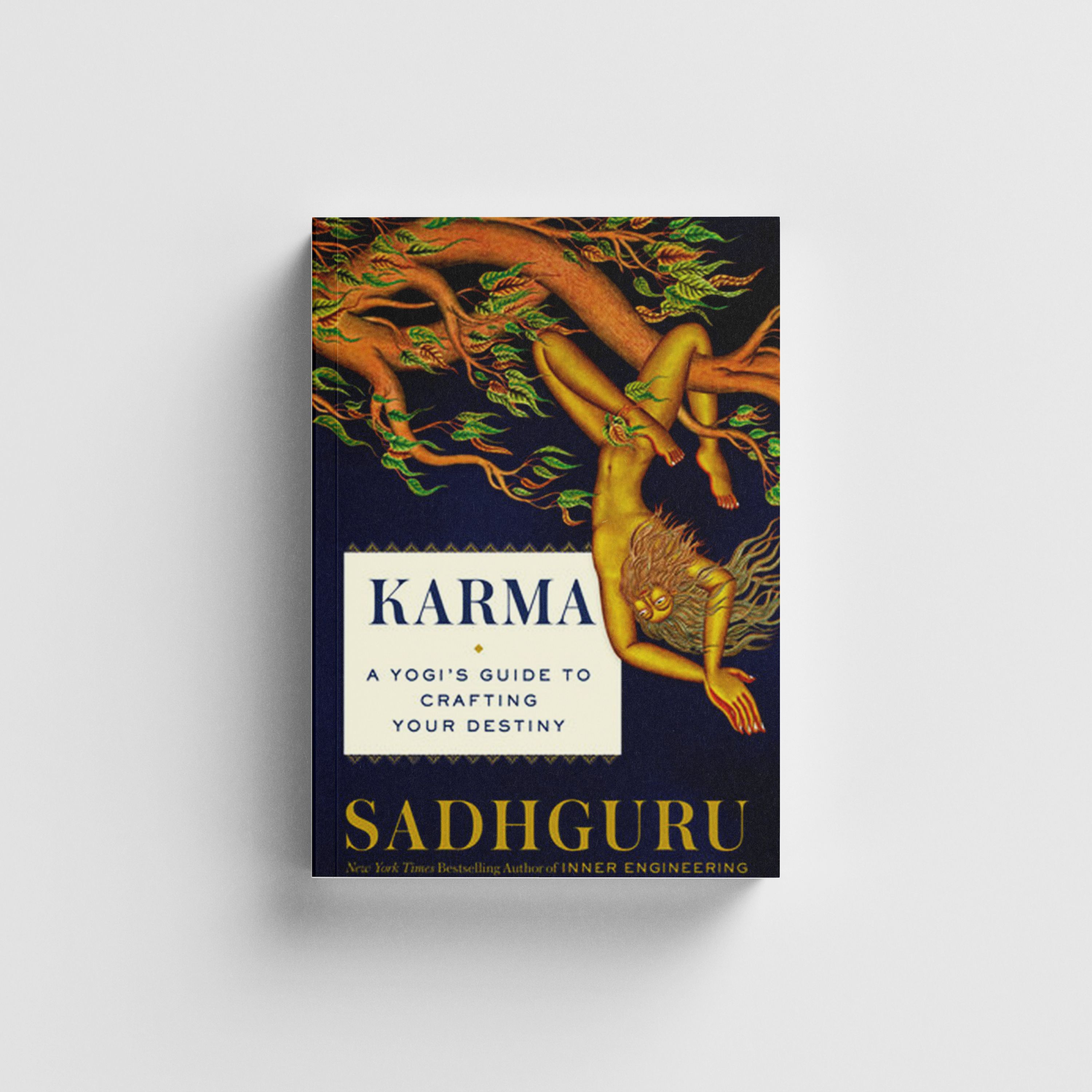
S6 Ep 342Karma
Karma is the natural basis of all existence. Karma is about becoming the source of one's own creation. It makes each one of us squarely responsible for our own destinies and above all, the nature of our experience in life. It doesn't allow us to blame our parents, teachers, our countries, our politicians, our gods, or our fates.Are you ready to hear about a dimension that is so empowering that it tells you that you’re fully capable of taking the reins of your life into your own hands?If you are willing to find out how the mechanism works, this book is the key. Once you are at the wheel, your experience of the ride will never be the same again. It is important to remember that karma isn’t a doctrine. Hosted on Acast. See acast.com/privacy for more information.
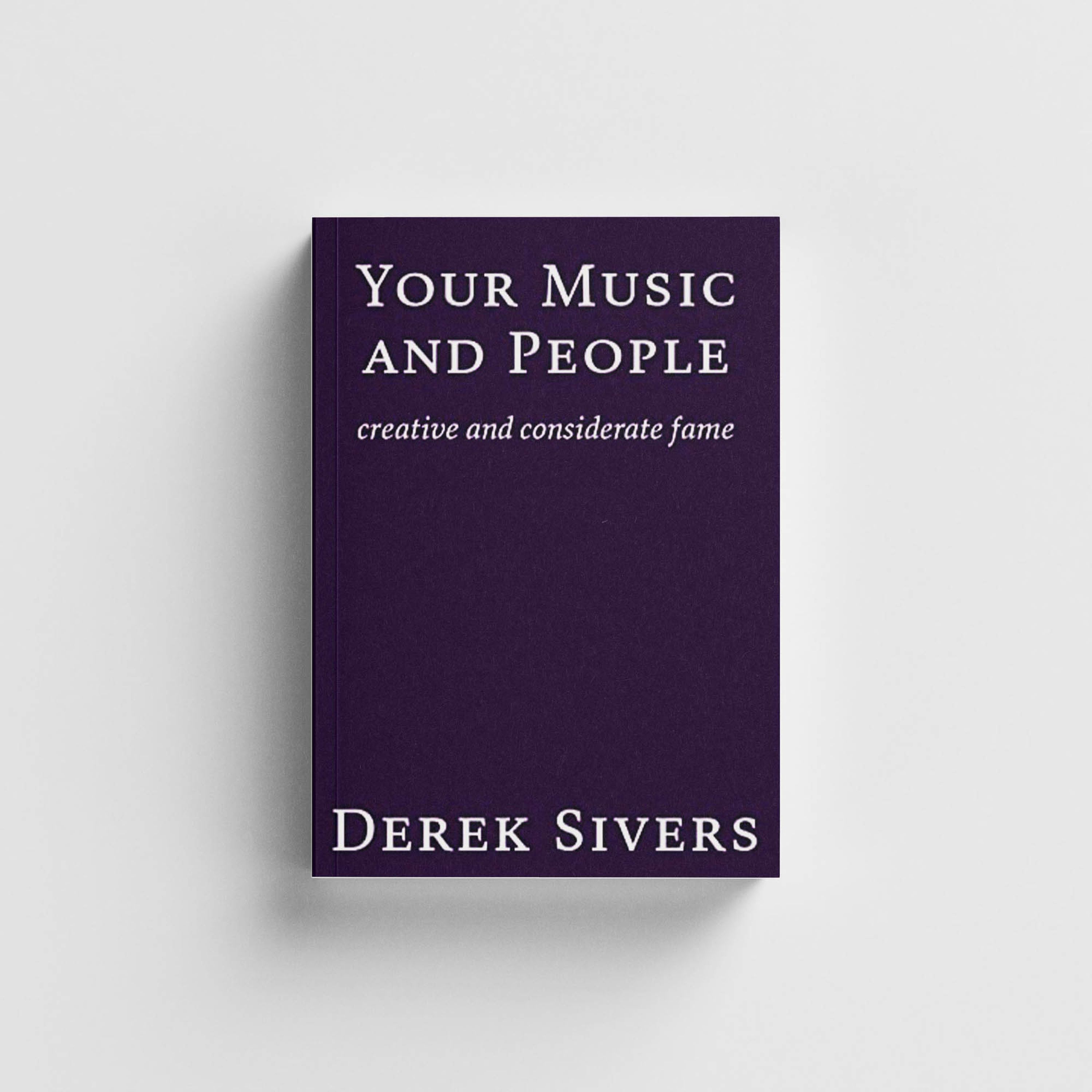
S6 Ep 341Your Music And People
Your Music and People is a philosophy of building recognisable work by being creative, considerate, resourceful and connected. Derived from his experience as a founder of CD Baby, an online distributor of digital music, Derek Sivers shares the guideline to build your career as an artist from a business perspective. Even though the context of Your Music and People mainly focuses on the music industry, this book is beneficial for anyone who looks to start their career. Hosted on Acast. See acast.com/privacy for more information.
S6 Ep 340Kara Goldin: Undaunted Entrepreneurship
Kara Goldin is the founder and CEO of Hint Water. She used to drink 10 cans of diet soda a day, and found herself 45 pounds overweight with terrible acne and no energy. Making one change in her diet - swapping diet soda for flavoured water - she was able to turn her health. Then, after some experiments at her kitchen table, she "accidentally" founded a 9-figure brand.In this episode, we speak about creating opportunities in your career (not finding opportunities, but creating them), we speak about the transition from employee to entrepreneur, and of course we discuss book recommendations at the end. Hosted on Acast. See acast.com/privacy for more information.

S6 Ep 339The Drama Of The Gifted Child
The Drama of the Gifted Child explores how repressed emotions from our childhood can impact our mental wellbeing in the future.We can’t change our past, but we can change ourselves. We can gain our lost integrity by looking more closely at the knowledge inside our bodies and bringing them closer to our awareness. Most people continue to live in their repressed childhood situation, fearing and avoiding dangers that haven’t been real for a long time.The term 'Gifted Child' refers to children who are able to survive a difficult childhood. And in this book, Alice Miller helps those children to reclaim their lives by discovering their own truth and needs. Hosted on Acast. See acast.com/privacy for more information.
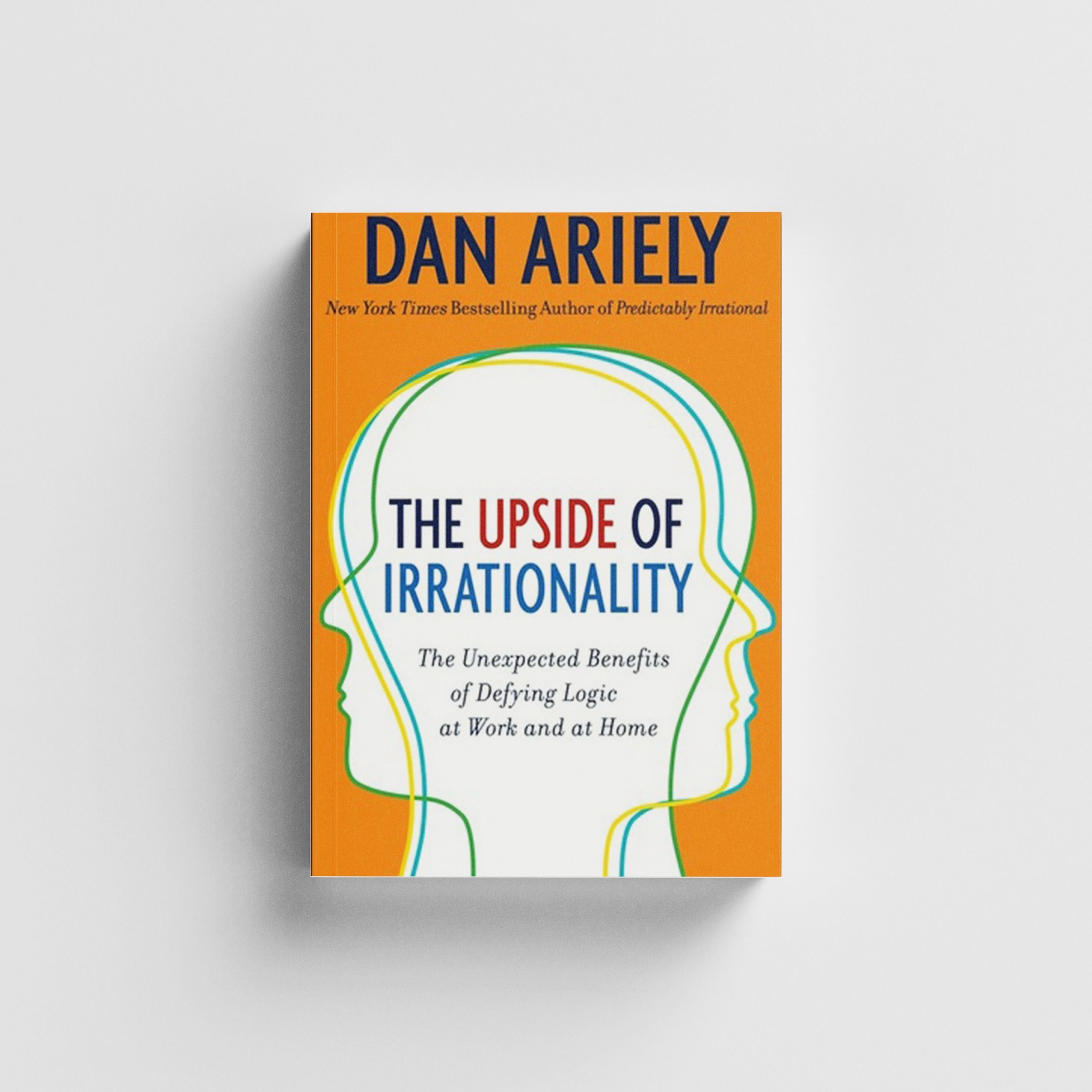
S6 Ep 338The Upside Of Irrationality
Dan Ariely found that not only are we IRRATIONAL (pick the wrong things that don't give us maximum benefit), we're also PREDICTABLY irrational (we make the same mistakes for the same reasons all the time).The Upside of Irrationality looks at how these irrationalities impact us at home and at work. Hosted on Acast. See acast.com/privacy for more information.
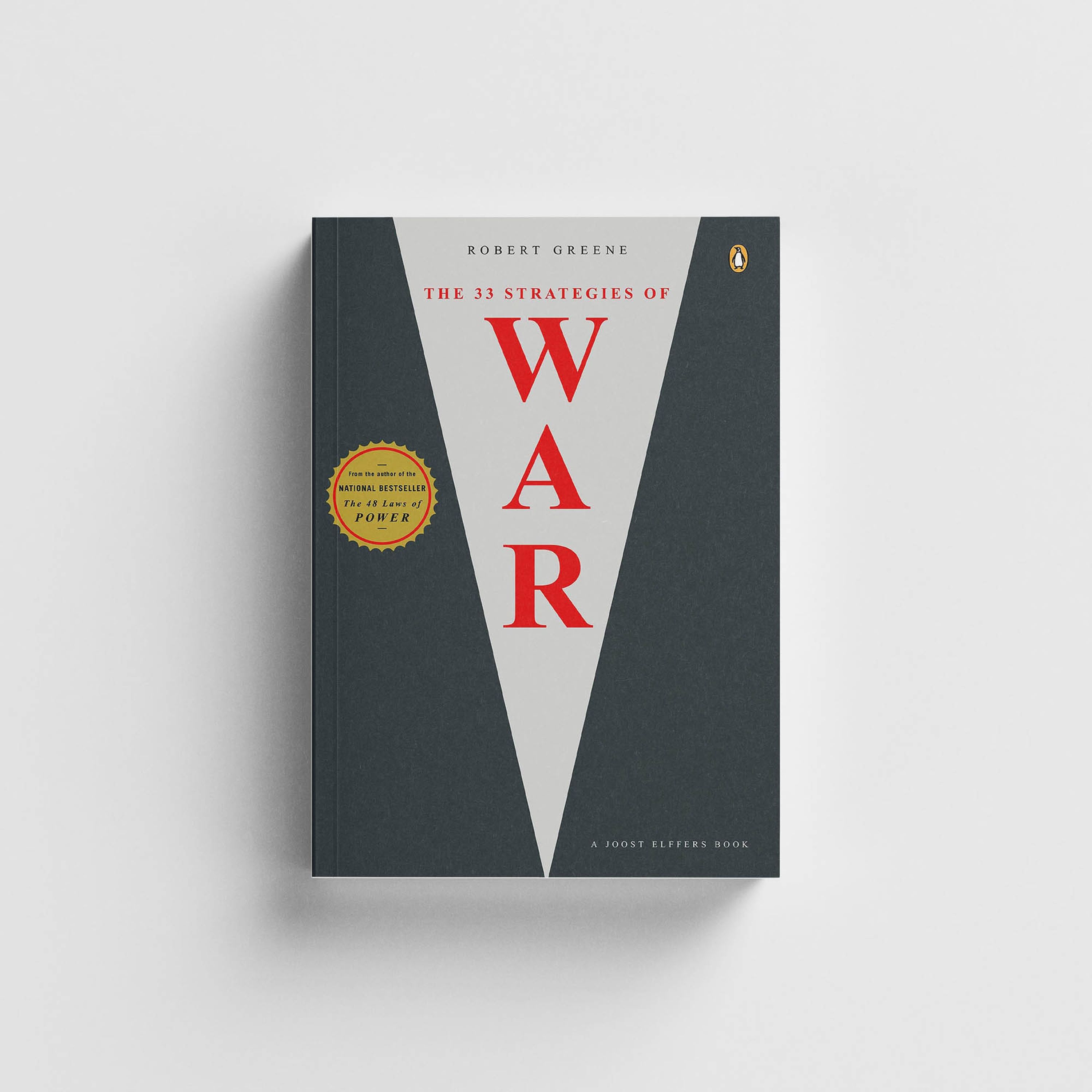
S6 Ep 33733 Strategies Of War (Part 3)
Success and failures in life are often determined by our ability to manage conflicts. When conflict arises, what is your response? If we aren’t dealing with conflict rationally, it could very well make the situation worse. When you are forced to fight, you can aim for the ‘Strategic Warrior’ ideal. Consider your long-term goals, and then choose your fights wisely. This is for those who want to solve their issues through intelligent maneuvers—thinking of the long term goals and deciding which fights to avoid and which are inevitable. In part 3 of this 3 part series, we look at the strategies:Strategy 33 Fact and FictionStrategy 25 occupy the moral high groundStrategy 30 Communication strategiesThe 6 fundamental ideals for turning yourself into a strategic warrior Hosted on Acast. See acast.com/privacy for more information.
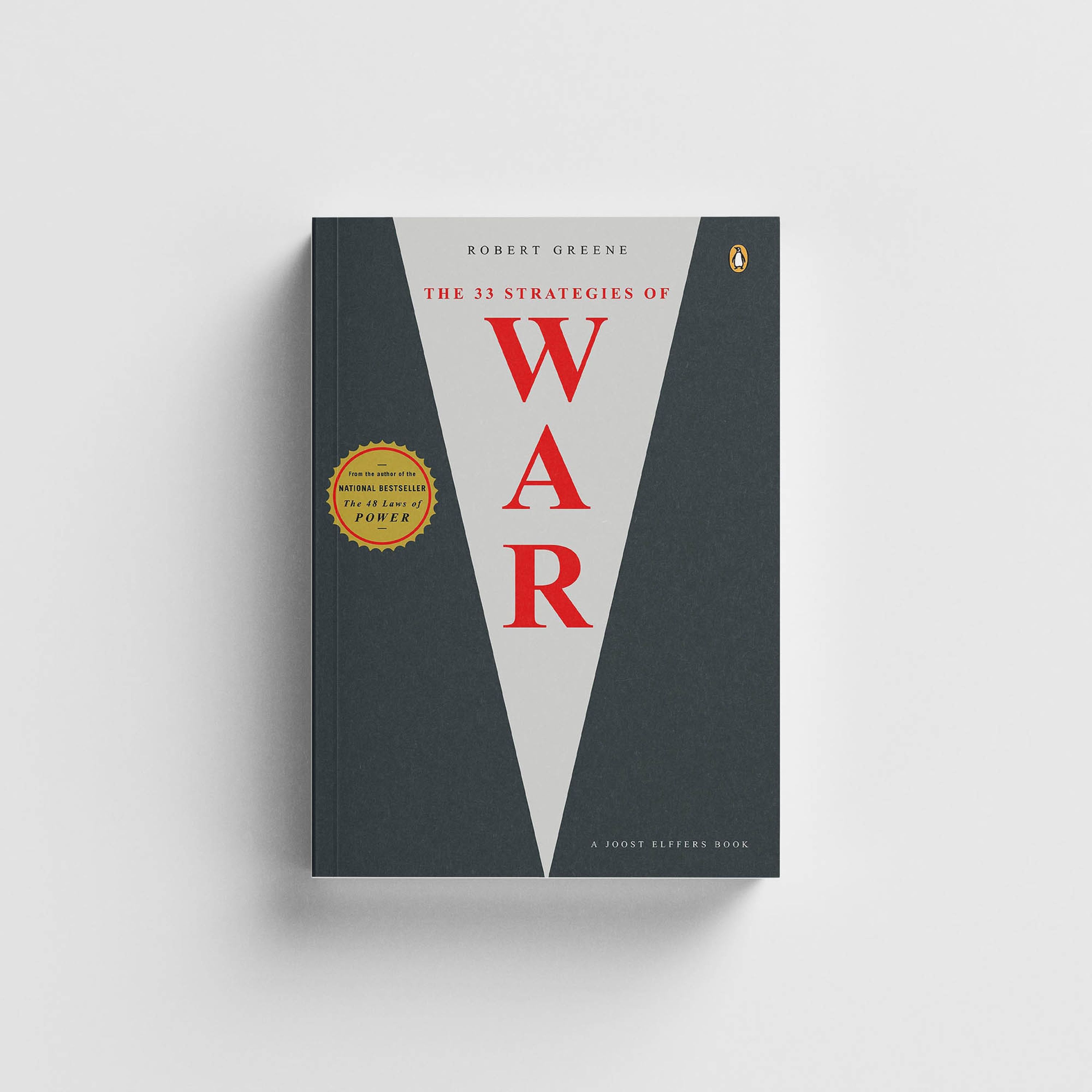
S6 Ep 33633 Strategies Of War (Part 2)
Success and failures in life are often determined by our ability to manage conflicts. When conflict arises, what is your response? If we aren’t dealing with conflict rationally, it could very well make the situation worse. When you are forced to fight, you can aim for the ‘Strategic Warrior’ ideal. Consider your long-term goals, and then choose your fights wisely. This is for those who want to solve their issues through intelligent maneuvers—thinking of the long term goals and deciding which fights to avoid and which are inevitable. In part 2 of this 3 part series, we look at the strategies:Pick your battles carefullyCreate a threatening presenceLose the battle, win the warKnow your enemy, the intelligence strategyManoeuvre them into weaknessKnow your enemy Hosted on Acast. See acast.com/privacy for more information.
S6 Ep 33533 Strategies Of War (Part 1)
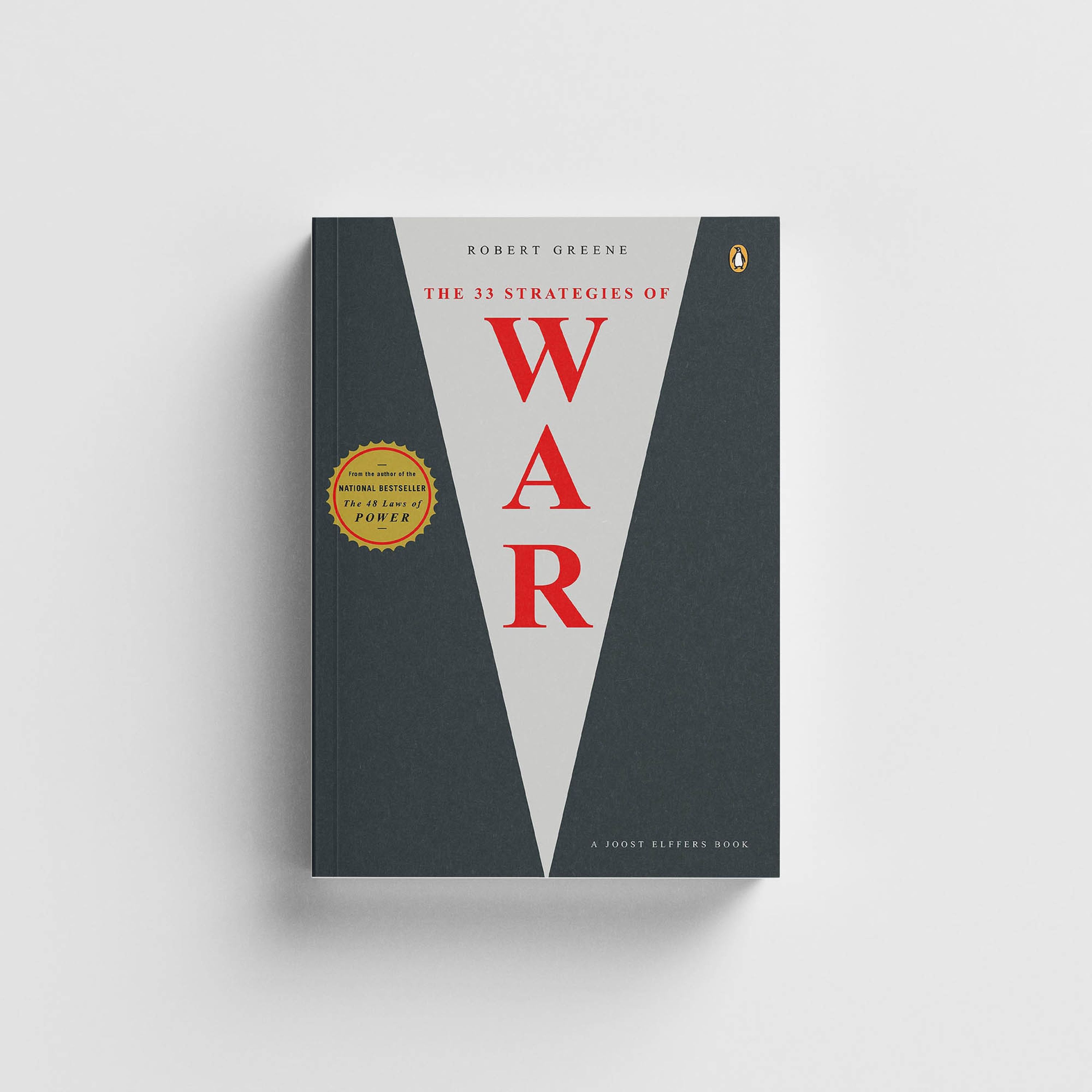
Success and failures in life are often determined by our ability to manage conflicts. When conflict arises, what is your response? If we aren’t dealing with conflict rationally, it could very well make the situation worse. When you are forced to fight, you can aim for the ‘Strategic Warrior’ ideal. Consider your long-term goals, and then choose your fights wisely. This is for those who want to solve their issues through intelligent maneuvers—thinking of the long term goals and deciding which fights to avoid and which are inevitable. In Part 1 of this 3 part series, we look at the strategies:Declare warDo not fight the last warThe death ground strategyThe command and control strategyMorale strategies Hosted on Acast. See acast.com/privacy for more information.
S6 Ep 334How To Avoid A Climate Crisis
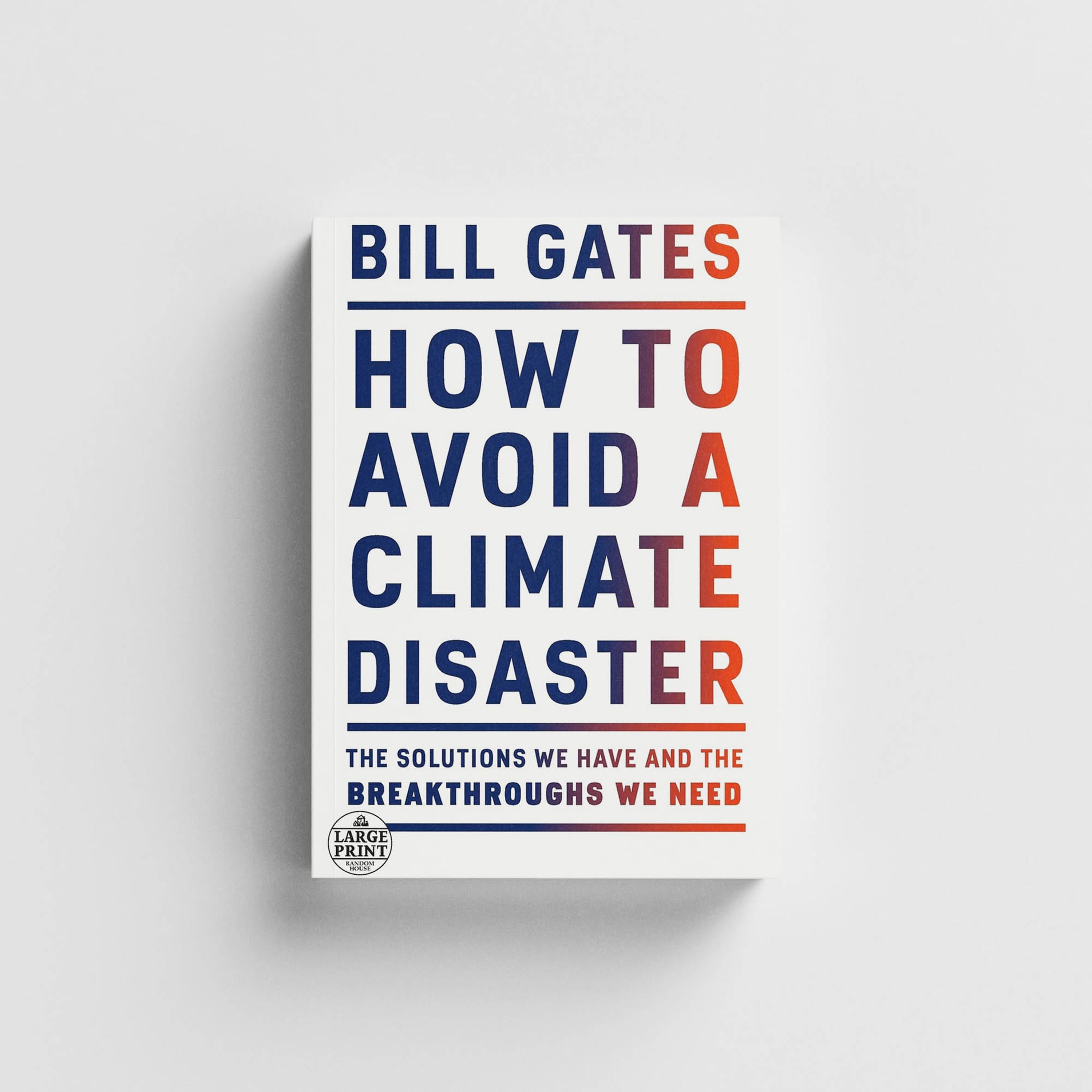
There are two numbers you need to know about climate change:The first is 51 billion and the second is 0. 51 billion is how many tons of greenhouse gases the world typically adds into the atmosphere every year. Although the figure goes up or down year to year, this is where we are today. Zero, is what we need to aim for. To stop warming and avoid the worst effects of climate change. It sounds difficult, because it will be. The world has never done anything quite as big. Every country will need to change how they engage in every activity in modern life – because growing things, industry activities, travelling around places involve greenhouse gases release. Hosted on Acast. See acast.com/privacy for more information.
S6 Ep 333Think Again
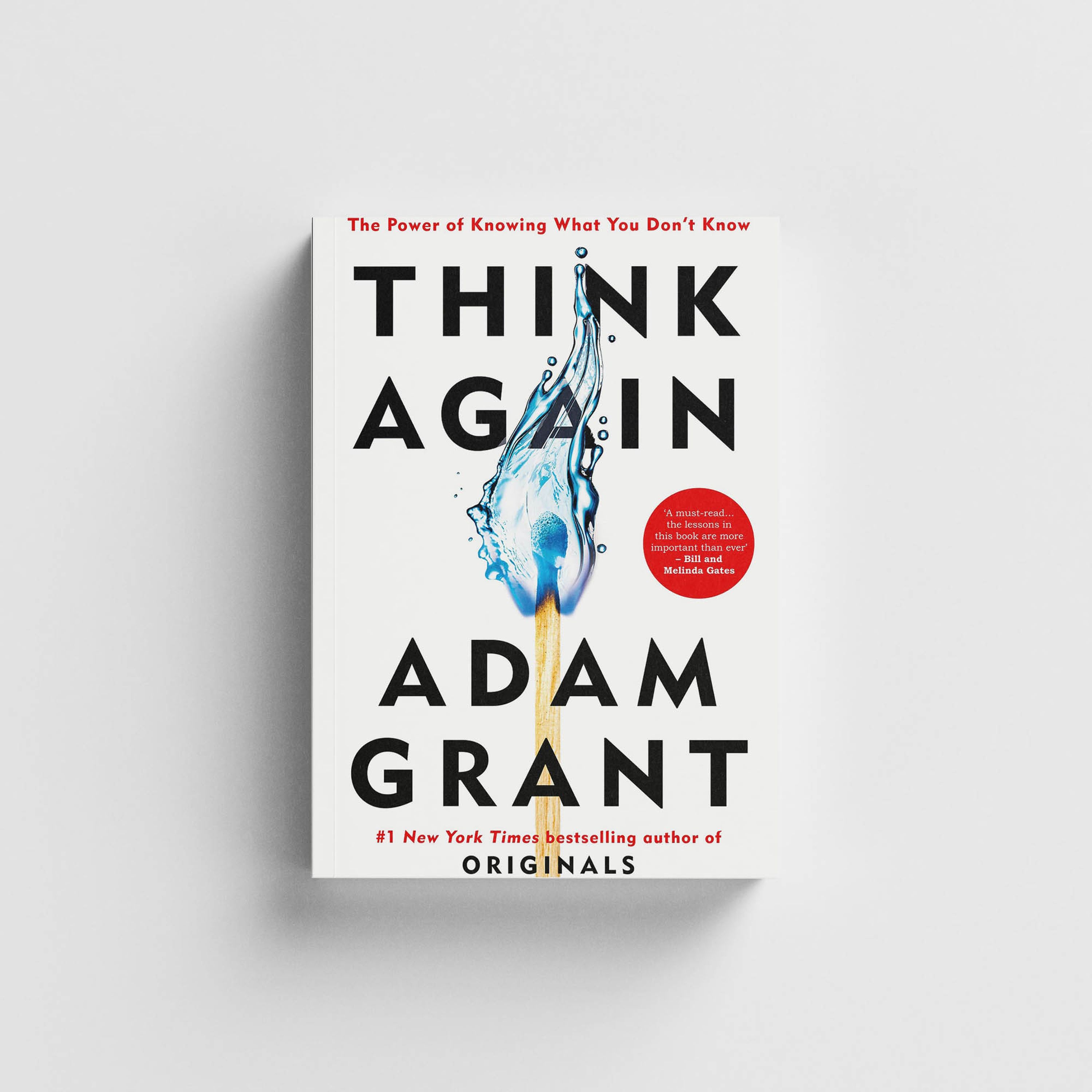
Think Again by Adam Grant - The Power of Knowing What You Don't KnowThis book is an invitation to let go of knowledge and opinions that are no longer serving you well and to anchor your sense of self in flexibility rather than consistency. If you can master the art of rethinking, you'll be better positioned for success at work and happiness in life.Thinking again can help you generate new solutions to old problems and revisit old solutions to new problems. It’s a path to learning more from the people around you and living with fewer regrets.A hallmark of wisdom is knowing when it's time to abandon some of your most treasured tools and some of the most cherished parts of your identity . Hosted on Acast. See acast.com/privacy for more information.
S6 Ep 332Zen and the Art of Motorcycle Maintenance
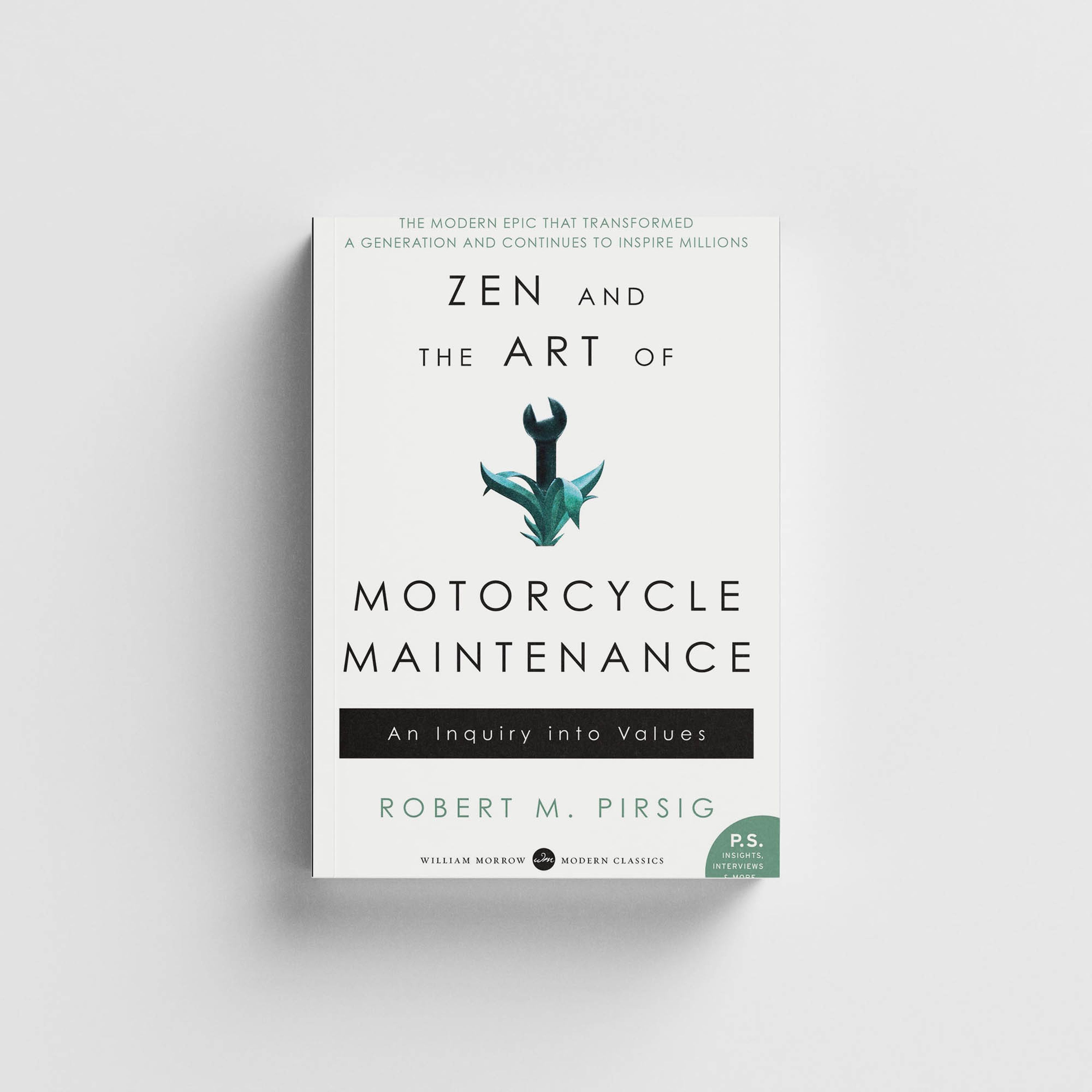
Zen and the Art of Motorcycle Maintenance is the self-told story of a middle-aged man and his son, Chris, who go on a motorcycling trip accompanied by an adult couple. The man describes what it is like to hear the wind moving across the plains, to see birds rise up from marshes next to the road, to ride through a ferocious storm, and to breath the fresh air of a mountain above the tree line. The author shows us that we won't live a great life by pursuing the answers through the rational mind only. If we can find a way to accept the abstract art, hippies and out-there thinkers, the world can be saved from the dullness of its mental structures. Paradoxically, accepting the unreasonable could be the lifeblood to our culture that is based on reason. Hosted on Acast. See acast.com/privacy for more information.
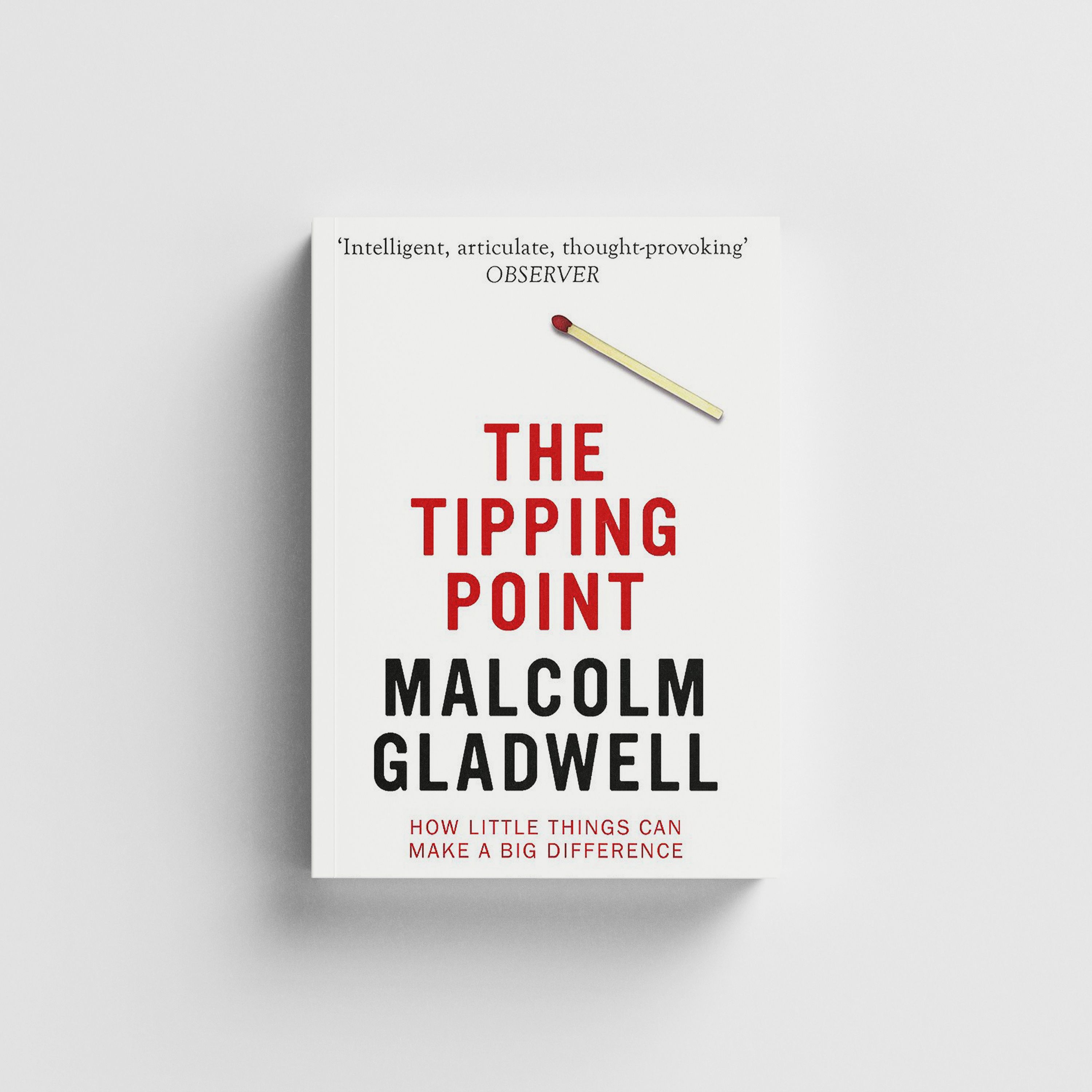
S6 Ep 331The Tipping Point
The Tipping Point by Malcolm Gladwell is about understanding the notion of virality.What exactly triggers the emergence of fashion trends, the ebb and flow of crime waves, or the phenomena of “word of mouth”? Gladwell suggests that the best way to understand any of these is to think of them as epidemics. Ideas, products, messages and behaviours spread just like viruses do. The tipping point is that one dramatic moment in an epidemic where everything can change all at once.The point of all of this is to answer two simple questions that might help us accomplish success in our lives.Why is it that some ideas start epidemics and others don't?What can we do to deliberately start and control positive epidemics of our own? Hosted on Acast. See acast.com/privacy for more information.
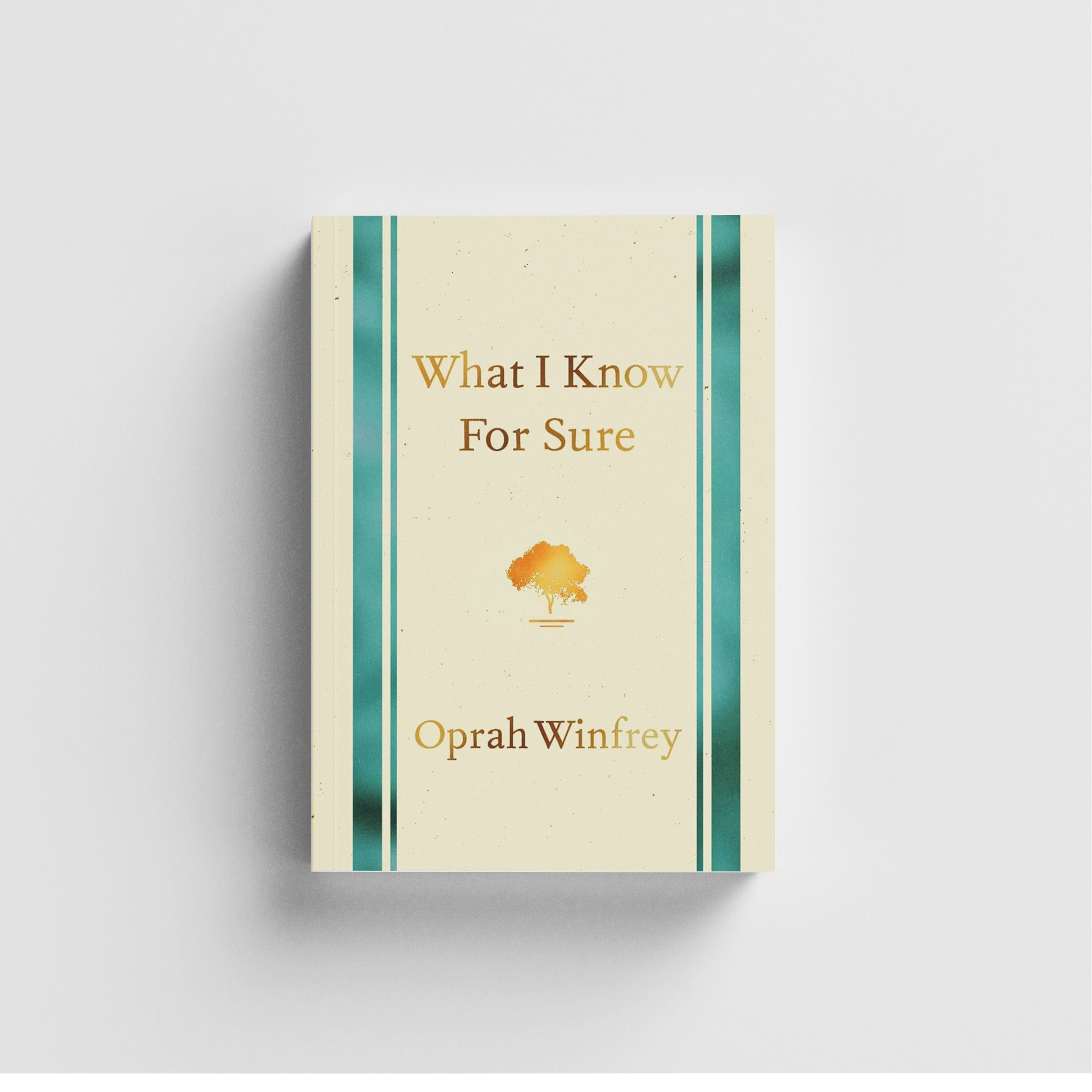
S6 Ep 330What I Know For Sure
In 1998, when Oprah was doing an interview for the movie Beloved, a film critic from the Chicago Sun Times asked her a question, “Tell me… What do you know for sure?”It was such an expected and powerful question that she was at loss for words. But it prompted Oprah to spend months, years, and decades thinking about the possible answers. “What do I know for sure?” became a central question in her life, and she’s explored that question in her monthly column for 14 years. Hosted on Acast. See acast.com/privacy for more information.
S6 Ep 329Daniel Kahneman: Nobel Prize winner teaches us how to think better
We had the honour of speaking with Daniel Kahneman, author of 'Thinking, Fast and Slow' and 'Noise'.Danny Kahneman won with 2002 Nobel Prize in Economic Sciences for "having integrated insights from psychological research into economic science, especially concerning human judgment and decision-making under uncertainty”.His first book, 'Thinking, Fast And Slow', showed us two modes of thinking: System 1 ("fast", intuitive, non-cognitively demanding thinking), and System 2 ("slow", laborious, effortful thinking). It introduced us to many different biases and heuristics, mental shortcuts, that impede our judgement.His new book, 'Noise', which he co-authored with Cass Sunstein and Olivier Sibony, we were introduced to another flaw in human judgement: Noise.Biases are the consistent mistakes we make, Noise is the random errors. Both lead to errors in judgment and flaws in thinking.In this episode, we discuss how we can all think better Hosted on Acast. See acast.com/privacy for more information.