We Don't PLAY!™ Best AI SEO News - Website Marketing - Pinterest Business SEO Insights - Monetization Tools
711 episodes — Page 2 of 15
How to Get Discovered on Search Engines and Bots with Favour Obasi-ike
How to Get Discovered using Podcast SEO: Chart Ranking Tactics with Favour Obasi-ike
Push Marketing vs Pull Marketing: Best Target Audience Marketing Explained with Favour Obasi-ike
Fat Websites vs. Lean Websites: Technical SEO, Page Indexing, and Effective SEO Tactics with Favour Obasi-ike
HTTP, HTTPS, and HTML | What is the Return on Investment (ROI) with Technical SEO? Learn with Favour Obasi-ike
Michele DeFilippo: Self-Publishing Books for Rights, Royalties & Consistent Revenue [S13 Premiere]
Season 12 Finale: What's Happening Next Season and More
The Left Brain and Right Brain of Websites: Bridging Web Dev and SEO with Favour Obasi-ike

S12 Ep 53Effective Email Marketing Monetization Strategies to Avoid High Spam Rates with Favour Obasi-ike
Avoid High Spam Rates: Effective Email Marketing Monetization Strategies Masterclass with Favour Obasi-ike, MBA, MS.🎯 Who Is This For?Business owners, digital marketers, and entrepreneurs who rely on email marketing to drive sales and want to protect their domain reputation from high spam rates and low deliverability.⏱️ Timestamps[00:00] Introduction: Are you avoiding high spam rates?[01:32] What is an email spam rate and how is it calculated?[03:07] The danger zone: Why a 0.3% spam rate is a massive problem[07:16] The importance of warming up your email list for better deliverability[11:49] Understanding the feedback loop: Open rates, click rates, and stars[22:48] Why segmenting your email list is crucial for engagement[33:45] How to achieve higher open rates and lower bounce rates[62:59] Step-by-step guide to filtering and cleaning your email audience[66:14] Technical health: SPF records, DKIM, and domain reputation[73:03] Crafting amazing subject lines and preview text to drive replies💡 Key TakeawaysThe 0.1% Rule: A healthy spam rate is 0.1% or lower. Hitting 0.3% risks severe damage to your domain reputation, which can cause your emails to stop being delivered entirely.Warm Up Your List: If you don't send emails frequently, warm up your list gradually. Consistent, high-value sending builds trust with ESPs like Gmail and Outlook.Clean Your List Ruthlessly: Filter your audience for hard bounces, soft bounces, and unsubscribes. Delete them immediately to protect your data accuracy and sender reputation.Technical Health Matters: Your Sender Policy Framework (SPF) and DomainKeys Identified Mail (DKIM) records must be healthy to achieve elite deliverability rates.Segmentation is Power: Don't blast the same email to everyone. Segment your active vs. inactive subscribers so you get active responses from engaged readers.Book Web Dev SEO Services?🧠 Book Web Dev SEO Services or Technical SEO Services with Favour Obasi-ike🧠 Visit our Official Work and PLAY Entertainment Website | Discover Best SEO Marketing Services🧠 Join our exclusive SEO Marketing community🧠 Read SEO Articles🧠 Subscribe to the We Don't PLAY Podcast🧠 Purchase Flaev Beatz Beats Online🧠 Favour Obasi-ike Quick Links🧠 Start Recording your Podcast with Riverside Today | Sign Up with My Affiliate Link HereNeed Marketing Resources?📑 Read about SEO Topics📑 Read about Clubhouse Audio Topics📑 Read about Pinterest SEO Topics📑 Read about Marketing Topics📑 Read about Podcast Topics📑 Read Social Media Tips📑 Read Billboards Tips📑 Read Work and PLAY Entertainment Newsfeed🎙️ Sign up with PodMatch💬 Memorable Quotes"If you want to have a 0.01 spam rate, that's like having a credit score of 1% or less. You're using your emails at high volume, but getting feedback that accepts it." — Favour Obasi-ike"Marketing is not spam, and spam is not marketing. Marketing is expressing interest in showing value in exchange for somebody's time." — Favour Obasi-ike"Why are you crying over two people who unsubscribed when you have a thousand people who are still there?" — Favour Obasi-ike🚀 Action StepsCheck Your Spam Rate — Log into your CRM/ESP and ensure your spam complaint rate is below 0.1%.Filter and Clean — Filter your audience by "bounced," "unsubscribed," and "marked as spam," and delete those contacts.Verify Technical Records — Check your domain's DNS settings to ensure your SPF and DKIM records are properly configured.Segment Your Audience — Separate highly active subscribers from inactive ones to protect your open and click rates.Establish a Cadence — Create a consistent sending schedule to keep your domain reputation warm and active.See Privacy Policy at https://art19.com/privacy and California Privacy Notice at https://art19.com/privacy#do-not-sell-my-info.

S12 Ep 52Revenue Generating SEO Activities: The Hidden ROI of Website SEO in 2026 with Favour Obasi-ike
Revenue Generating SEO Activities: From Content to Cash in 2026 (The Hidden ROI of Website SEO) with Favour Obasi-ike, MBA, MS🎯 Who Is This For?Business owners, digital marketers, content creators, and entrepreneurs who want to maximize the return on investment (ROI) of their website content, drive organic traffic, and generate sustainable revenue without constantly creating new material from scratch.Book Web Dev SEO Services?🧠 Book Web Dev SEO Services or Technical SEO Services with Favour Obasi-ike🧠 Visit our Official Work and PLAY Entertainment Website | Discover Best SEO Marketing Services🧠 Join our exclusive SEO Marketing community🧠 Read SEO Articles🧠 Subscribe to the We Don't PLAY Podcast🧠 Purchase Flaev Beatz Beats Online🧠 Favour Obasi-ike Quick Links🧠 Start Recording your Podcast with Riverside Today | Sign Up with My Affiliate Link HereNeed Marketing Resources?📑 Read about SEO Topics📑 Read about Clubhouse Audio Topics📑 Read about Pinterest SEO Topics📑 Read about Marketing Topics📑 Read about Podcast Topics📑 Read Social Media Tips📑 Read Billboards Tips📑 Read Work and PLAY Entertainment Newsfeed🎙️ Sign up with PodMatchTimestamps[00:00] Introduction to revenue-generating SEO activities[03:00] Time vs. Money: Choosing how to invest in your SEO strategy[06:23] The 24-month lifespan of a blog post and why you must update it[11:00] Tokenization and how AI browsers read modified content dates[13:14] Planting seeds: Why SEO is a long-term revenue strategy[25:34] Sitemaps as the blueprint for your website's success[33:09] Rocki's advice: Find what sells instead of forcing products[47:24] John's tip: Why the first three words of your title mean everything[58:01] The cost of procrastination and delayed responses in business💡 Key TakeawaysUpdate to Dominate: Ten updated articles are more valuable than five brand-new ones. Refreshing old content signals to search engines that your site is active and relevant, pushing you to the front of the ranking queue.The Power of the Modified Date: AI bots and search engines prioritize the "modified date" over the original publish date. Keeping content fresh ensures you don't lose your hard-earned rankings.Titles Are Everything: The first three words of your title or caption are the most critical. They determine whether a user clicks or scrolls past, directly impacting your revenue potential.SEO is an Investment: Whether you spend time doing it yourself or money hiring an expert, SEO is an investment that compounds over time, unlike paid ads that stop working the moment you stop paying.Speed Wins Business: Procrastination is the enemy of revenue. Responding quickly to leads and updating your site promptly can be the difference between closing a deal and losing it to a competitor.💬 Memorable Quotes"10 updated articles are better than five new articles because those old ones... old is gold. You have a long-term track record." — Favour Obasi-ike"Procrastination is a five-syllable word for lazy. Do it now. Take the time and get it done now, that'll lead to more business." — John (Guest)"If your house is leaking, you're not going to let it leak for three days. You're going to fix it in three minutes. Treat your website the same way." — Favour Obasi-ike🚀 Action StepsAudit Your Old Content — Identify articles or pages published over a year ago that are losing traffic.Refresh and Republish — Update outdated statistics, add new insights, and change the modified date to signal freshness to search engines.Optimize Your Titles — Review your page titles and ensure the most important, high-search-volume keywords are in the first three words.Check Your Sitemap — Ensure your sitemap is properly configured and submitted to Google Search Console so bots can easily crawl your updated pages.Act Fast on Leads — Implement a system to respond to website inquiries immediately to shorten your sales cycle and increase conversions.See Privacy Policy at https://art19.com/privacy and California Privacy Notice at https://art19.com/privacy#do-not-sell-my-info.
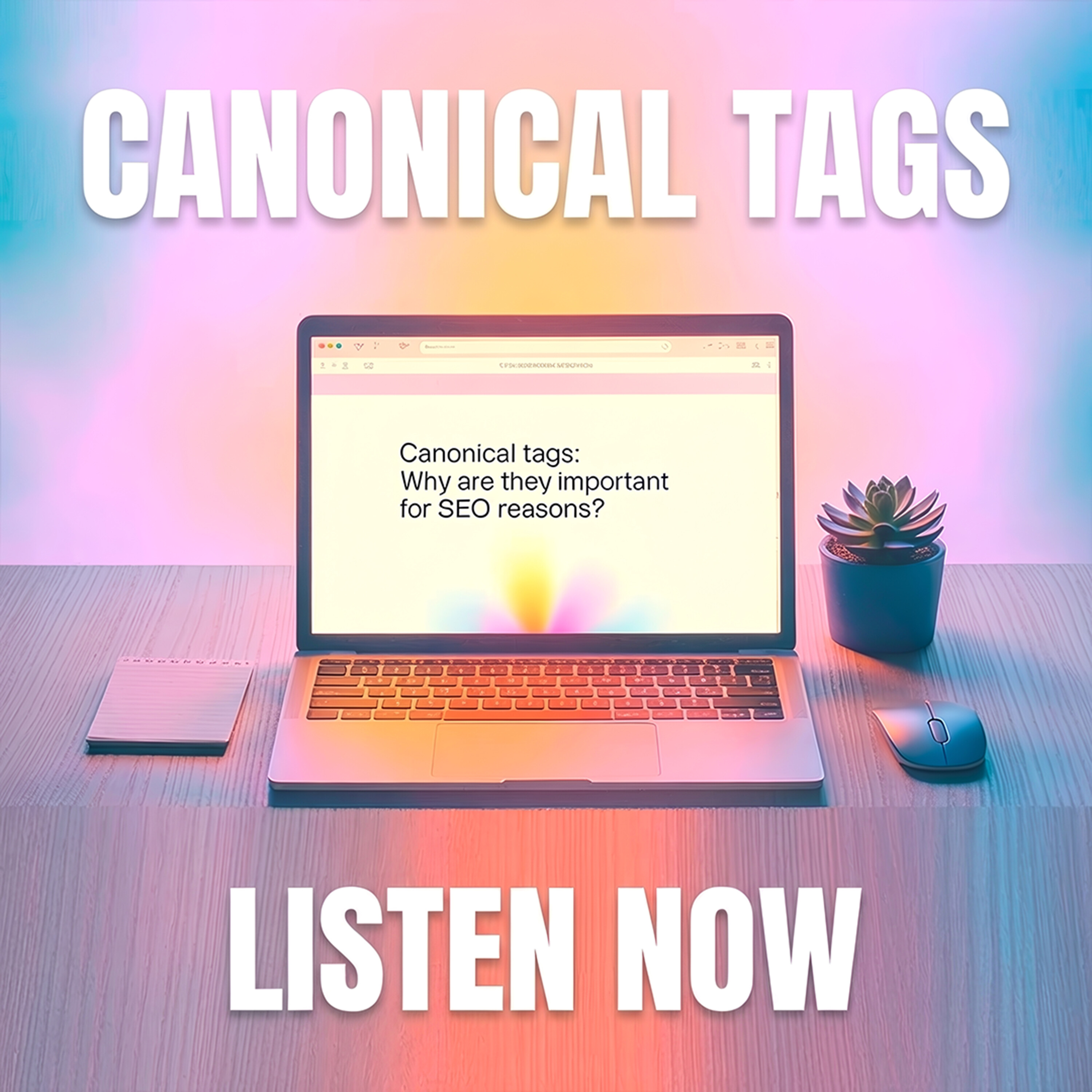
S12 Ep 51Canonical Tags Explained: Technical SEO Best Practices for Website AI Visibility and Revenue Growth with Favour Obasi-ike
Are duplicate URLs quietly destroying your website's search rankings and AI visibility? Favour Obasi-ike, MBA, MS breaks down the technical SEO power of canonical tags, revealing how proper URL structuring prevents duplicate content, boosts visibility on AI platforms, and drives sustainable online revenue.🎯 Who is this for?Business owners, digital marketers, SEO professionals, and content creators looking to optimize their website structure, improve AI search visibility (ChatGPT, Perplexity, Apple Intelligence), and drive sustainable online revenue through technical SEO.Book Web Dev SEO Services?🧠 Book Web Dev SEO Services or Technical SEO Services with Favour Obasi-ike🧠 Visit our Official Work and PLAY Entertainment Website | Discover Best SEO Marketing Services🧠 Join our exclusive SEO Marketing community🧠 Read SEO Articles🧠 Subscribe to the We Don't PLAY Podcast🧠 Purchase Flaev Beatz Beats Online🧠 Favour Obasi-ike Quick Links🧠 Start Recording your Podcast with Riverside Today | Sign Up with My Affiliate Link HereNeed Marketing Resources?📑 Read about SEO Topics📑 Read about Clubhouse Audio Topics📑 Read about Pinterest SEO Topics📑 Read about Marketing Topics📑 Read about Podcast Topics📑 Read Social Media Tips📑 Read Billboards Tips📑 Read Work and PLAY Entertainment Newsfeed🎙️ Sign up with PodMatch⏱️ Timestamps[00:00] Introduction to Canonical Tags and their importance for websites.[02:16] What is a Canonical URL? Google's definition and duplicate pages.[05:43] De-duplication: Helping search engines show the right version of your content.[17:20] SEO is structure, not just blogs: Building a solid foundation.[24:52] How to identify your website's canonical tag and naming conventions.[34:15] User-declared vs. Google-declared canonical tags.[50:00] Three strong signals for canonicalization: Redirects, Annotations, and Sitemaps.[103:09] AI Visibility: How robots (Anthropic, Perplexity, Apple Intelligence) read your website.[112:39] The connection between technical SEO skills and real online revenue.[121:25] Viewing SEO as an investment, not an expense, to save money on ads.💡 Key TakeawaysCanonical Tags Define Your Identity: A canonical tag tells search engines (and AI bots) the exact, preferred URL of a page, preventing duplicate content issues and consolidating ranking signals.SEO is Structural: Beyond just writing blogs, true SEO relies on the technical structure of your website, including sitemaps, robots tags, and canonical links.AI Visibility Requires Clear Signals: AI platforms like ChatGPT, Perplexity, and Apple Intelligence rely on clear canonical tags to understand and cite your website accurately.Technical SEO Drives Revenue: Mastering technical SEO elements like canonical tags attracts higher-quality traffic, reducing reliance on paid ads and increasing long-term profitability.Consistency is Key: Ensure your canonical URLs match across all platforms, including social media profiles, emails, and sitemaps, to build trust with search engines.💬 Memorable Quotes"SEO is not blogs. SEO is structure. If anybody's telling you anything otherwise, ask them about the structure of their website." — Favour Obasi-ike"I look at SEO as an investment and not as an expense, because when it turns to an expense, it becomes stressful. When it's an investment, it becomes restful." — Favour Obasi-ike"Growth is hard. Making the real money takes real technical skills to attract." — Troy (Guest)🚀 Action StepsAudit Your URLs: Check your website to ensure you have a consistent canonical tag (e.g., deciding between www vs. non-www, HTTP vs. HTTPS).Update Social Profiles: Verify that the website links on your social media profiles (Facebook, LinkedIn, etc.) match your exact canonical URL.Check Your Sitemap: Ensure the URLs submitted in your XML sitemap match your user-declared canonical tags.Consult an Expert: If you are unfamiliar with technical SEO, consult with an SEO professional before making structural changes to avoid harming your rankings.Monitor AI Visibility: Ensure your site's robots.txt and canonical tags are properly configured to allow AI bots to crawl and index your content.Book a Strategy Call: Need help demystifying your technical SEO or web development?Book a call with Favour Obasi-ike for a custom 5-minute video audit of your site's structure here.See Privacy Policy at https://art19.com/privacy and California Privacy Notice at https://art19.com/privacy#do-not-sell-my-info.
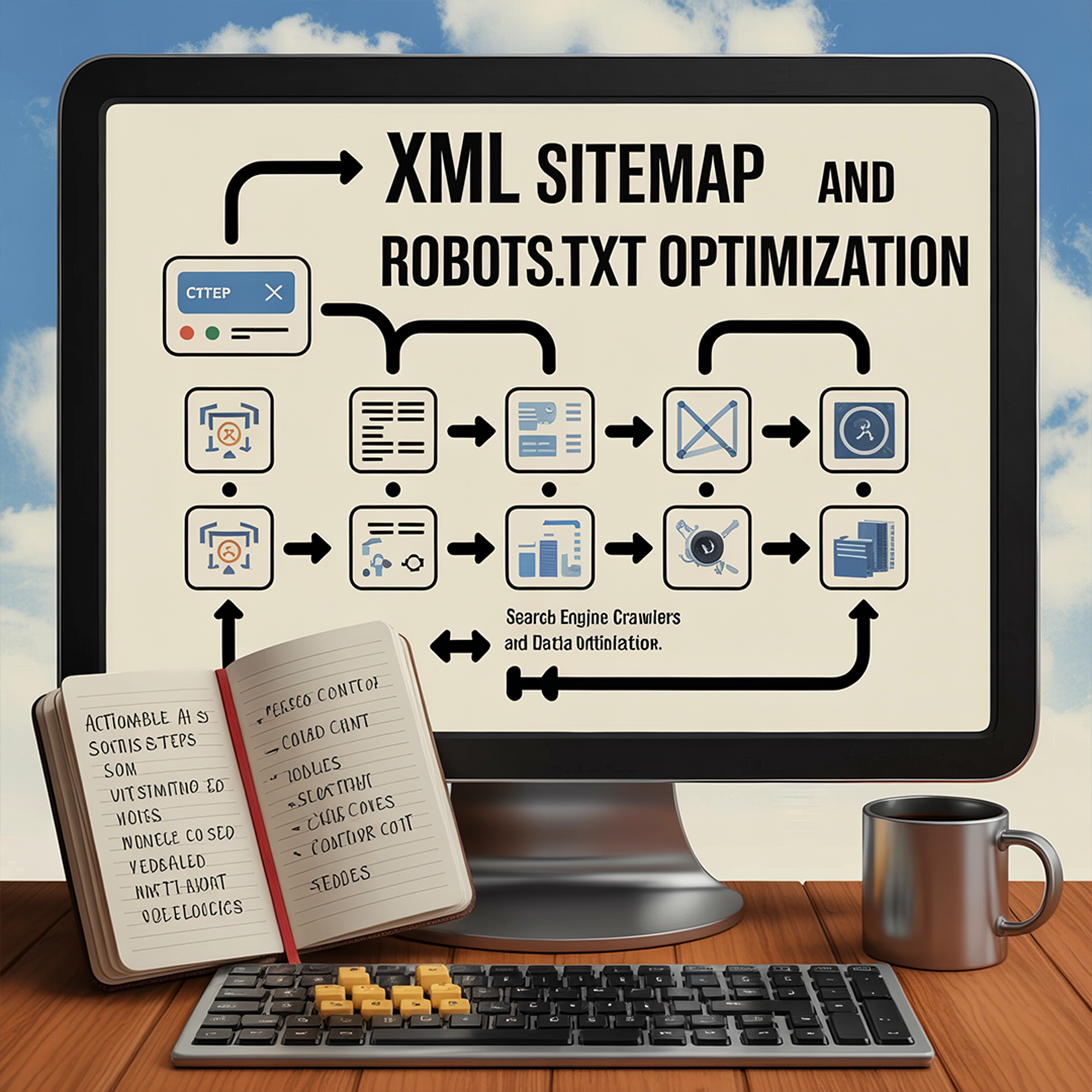
S12 Ep 50XML Sitemaps & Robots.txt Technical Optimization: Actionable AI SEO Steps Demystified (The Brain of Your Website) with Favour Obasi-ike
XML Sitemaps & Robots.txt Technical Optimization: Actionable AI SEO Steps Demystified (The Brain of Your Website) with Favour Obasi-ike, MBA, MSWho is this for?This technical deep dive episode with Celese Williams is essential listening for business owners, content creators, and marketers who want to stop losing organic traffic and start building a sustainable foundation for search engine visibility. Whether you manage a complex e-commerce site, a localized service business, or a growing blog, understanding how to communicate effectively with search engines and AI crawlers is critical.If you've ever wondered why your latest content isn't ranking or why your traffic is dipping despite consistent publishing, this deep dive into XML sitemaps and technical SEO is for you.Book Web Dev SEO Services?🧠 Book Web Dev SEO Services or Technical SEO Services with Favour Obasi-ike🧠 Visit our Official Work and PLAY Entertainment Website | Discover Best SEO Marketing Services🧠 Join our exclusive SEO Marketing community🧠 Read SEO Articles🧠 Subscribe to the We Don't PLAY Podcast🧠 Purchase Flaev Beatz Beats Online🧠 Favour Obasi-ike Quick Links🧠 Start Recording your Podcast with Riverside Today | Sign Up with My Affiliate Link HereNeed Marketing Resources?📑 Read about SEO Topics📑 Read about Clubhouse Audio Topics📑 Read about Pinterest SEO Topics📑 Read about Marketing Topics📑 Read about Podcast Topics📑 Read Social Media Tips📑 Read Billboards Tips📑 Read Work and PLAY Entertainment Newsfeed🎙️ Sign up with PodMatchKey Moments & Timestamps[01:41] The Brain of Your Website: Favour explains the fundamental concept of an XML sitemap, comparing it to the brain or a library where your most important pages are stored and prioritized.[03:26] The Danger of Stale Content: Why updating old content is often more valuable than publishing new content, and how the <lastmod> tag communicates freshness to Google.[05:56] Understanding Crawl Budget: Favour redefines "crawl budget" not as money, but as the time Google is willing to spend scanning your website.[08:07] How to Find Your Sitemap: A quick, actionable tip on how to check if your website has a sitemap by simply adding /sitemap.xml to your domain.[15:19] The Sinking House Analogy: Why building a website without a proper sitemap structure is like building a house on sinking sand rather than a fortified plot of land.[20:12] Live Q&A with Eileen: A real-time audit of a WordPress site, discussing default sitemaps, update frequency, and the importance of customizing sitemap settings.[96:41] The Power of Local SEO: A case study of an Airbnb photographer who outranked massive platforms simply by having a properly structured website and sitemap.Memorable Quotes"I always say it's the brain of your website, but you can also think about it as the place or the library where your pages are stored so that they can be placed on priority." — Favour Obasi-ike"It's better to update your last five pieces of content than to publish 10 new pieces of content and you never updated one." — Favour Obasi-ike"Kind of like a house that's sinking because it's on rocky or sinking sand, than a fortified, sturdy plot of land that gives you sustainability for decades, for eons." — Favour Obasi-ikeAction StepsLocate Your Sitemap: Go to your browser and type your domain followed by /sitemap.xml (e.g., https://www.playinc.online/sitemap.xml) to verify its existence.Check Your Last Modified Dates: Review your sitemap to ensure your most important pages have recent <lastmod> dates. If they don't, update your core content.Review Your robots.txt: Ensure your robots.txt file is not accidentally blocking search engines or AI crawlers from accessing your sitemap.Audit Your Frequency Settings: If your sitemap frequency is set to "monthly" but you publish weekly, adjust your CMS or plugin settings to match your actual output.Book a Strategy Call: Need help demystifying your technical SEO or web development?Book a call with Favour Obasi-ike for a custom 5-minute video audit of your site's structure here.See Privacy Policy at https://art19.com/privacy and California Privacy Notice at https://art19.com/privacy#do-not-sell-my-info.
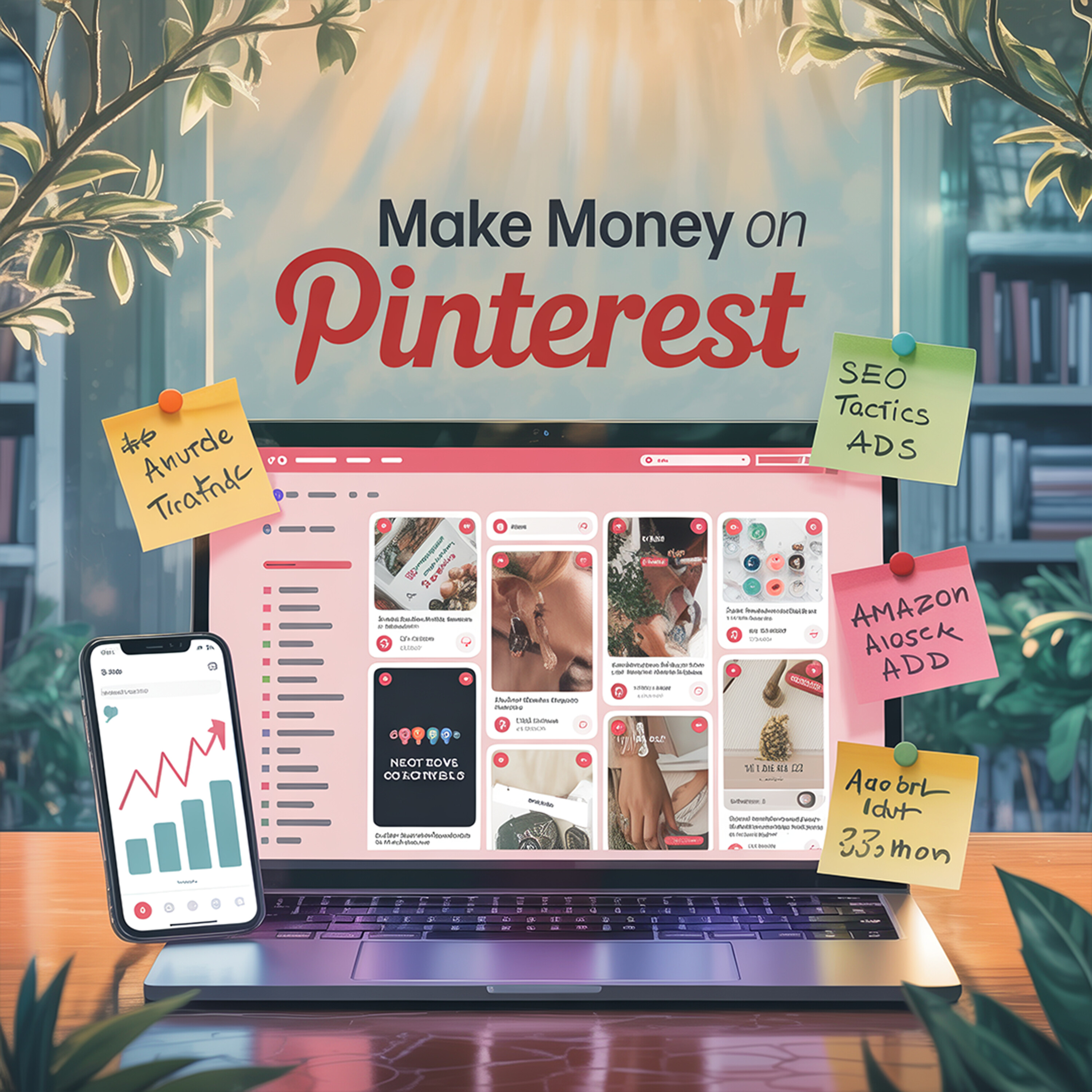
S12 Ep 49Make Money on Pinterest: Amazon Ads, Affiliate Marketing and AI SEO Tactics with Favour Obasi-ike
Favour Obasi-ike, MBA, MS and Doctor Fashion, a creator with over one million YouTube subscribers, break down how to make money on Pinterest using Amazon affiliate marketing, SEO, and attraction marketing. Brittany reveals she earns enough from Pinterest affiliate links alone to fund a home down payment. The conversation covers the three-step Pinterest Business setup, the 105-day content shelf life (now 152 days), Amazon bounties that pay without requiring a sale, and why micro-influencers outperform million-follower accounts.Who This Episode Is For?This episode is for entrepreneurs who want to monetize Pinterest through affiliate marketing and Amazon ads, content creators looking to repurpose existing content for evergreen discovery, small business owners setting up a Pinterest business account with website integration, and micro-influencers leveraging a small but engaged audience for real sales.Book SEO Services? Save These Quick Links for Later🧠 Book SEO Services with Favour Obasi-ike🧠 Visit Work and PLAY Entertainment website to learn about our digital marketing services🧠 Join our exclusive SEO Marketing community🧠 Read SEO Articles🧠 Subscribe to the We Don't PLAY Podcast🧠 Purchase Flaev Beatz Beats Online🧠 Favour Obasi-ike Quick Links🧠 Start Recording your Podcast with Riverside Today | Sign Up with My Affiliate Link HereNeed Marketing Resources?📑 Read about SEO Topics📑 Read about Clubhouse Audio Topics📑 Read about Pinterest SEO Topics📑 Read about Marketing Topics📑 Read about Podcast Topics📑 Read Social Media Tips📑 Read Billboards Tips📑 Read Work and PLAY Entertainment NewsfeedKey TakeawaysPinterest is a visual search engine, not social media. 97% of searches are unbranded, giving every business a fair chance at discovery.Pins have a 105-day shelf life. Content posted in April still drives traffic in July, and a 2013 article still collects sign-ups today.Amazon bounties pay $15 per free sign-up. Brittany earned from over 1,000 Clubhouse attendees, then repurposed that content to Pinterest.Micro-influencers outperform large accounts. Trust, not follower count, drives purchases.Never set an end date on Pinterest ads. Manually stopping prevents the algorithm from wasting your budget near the deadline.Pinterest act-alike audiences track consumer behavior, not just demographics, delivering more granular targeting than Facebook lookalikes.Memorable Quotes"You're not on that platform to sell. You're on the platform to tell." — Favour [54:54]"I get way more monthly views on Pinterest with way less followers than my YouTube channel." — Brittany [38:05]"I have a Pinterest bank account... enough for a down payment on a home." — Brittany [38:41]"Facts tell, stories sell." — Favour [34:29]"97% of searches on Pinterest are unbranded." — Favour [21:41]FAQsDo I need a large following to make money on Pinterest?No. Micro-influencers make more money than million-follower accounts because trust drives purchases, not follower count.How do Amazon bounties work on Pinterest?Share a free sign-up link for Amazon Business or Prime. When someone signs up, you earn around $15 per person without them buying anything.What is the difference between act-alike and lookalike audiences?Facebook matches surface-level demographics. Pinterest act-alike audiences track behavioral patterns, targeting how people act, not just how they look.Does Pinterest offer grants for business owners?Yes. Pinterest offers grants of $10,000+ for creators and business owners with at least 750 followers, including one-on-one support and access to private events.See Privacy Policy at https://art19.com/privacy and California Privacy Notice at https://art19.com/privacy#do-not-sell-my-info.
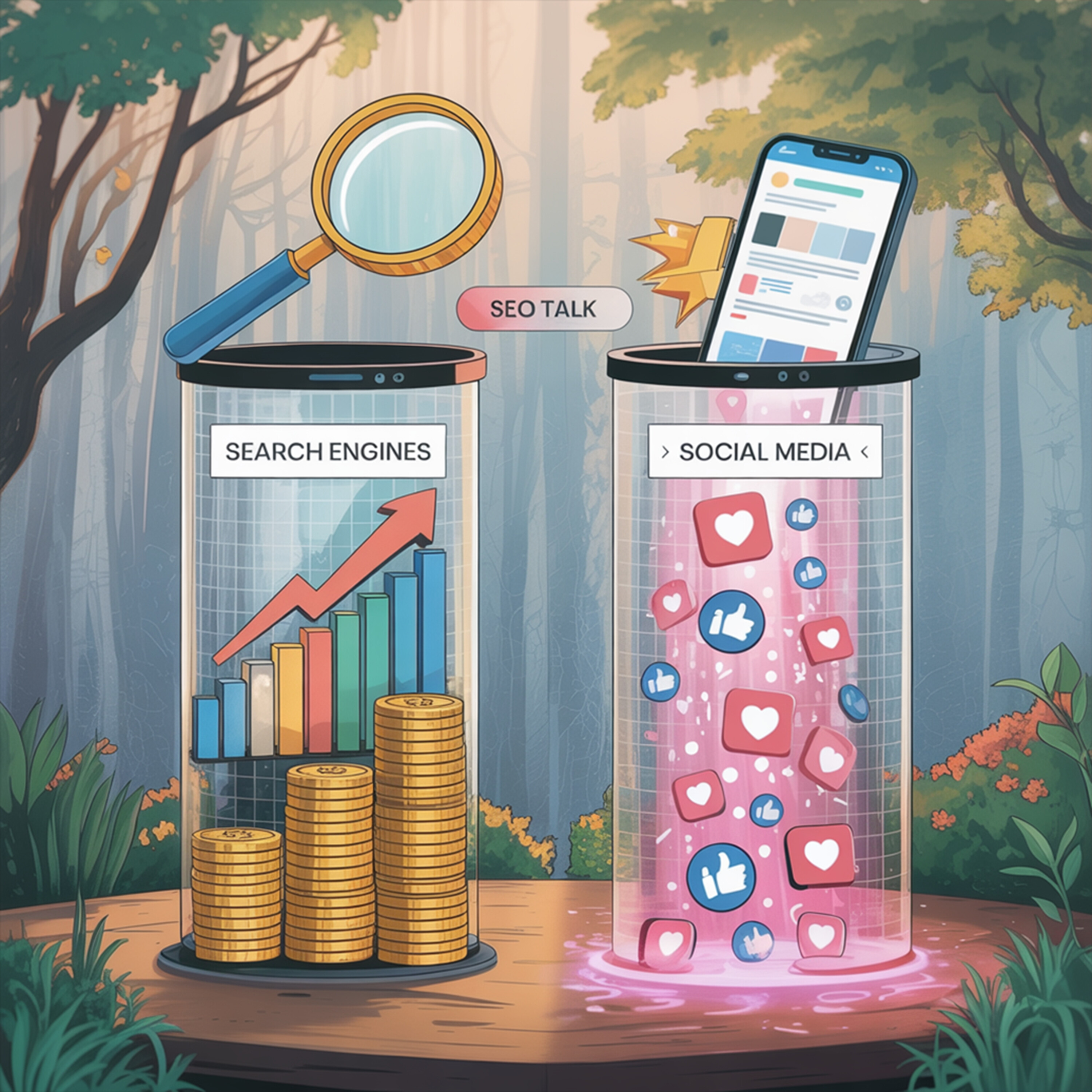
S12 Ep 48Search Engines vs Social Media: SEO Tactics for Revenue Growth with Favour Obasi-ike
Favour Obasi-ike, MBA, MS hosts a late-night Clubhouse audio session with Dr. Fashion (Creator Life, 20+ years in content) and Darren Shaw (UK-based NLP trainer). The conversation explores why businesses should spend 80% of effort on search engines and 20% on social media.Favour shares real client case studies, performs a LIVE! SEO audit, and breaks down how crawl budget, internal links, and domain authority create compounding revenue that social media cannot deliver.Who This Episode Is For?Business owners spending most of their time on social media without seeing revenue.Entrepreneurs who lack a website or only have a basic homepage.Content creators who want search engines to drive long-term income.Brand owners who need to protect domains and trademarks. Coaches and consultants building topical authority in their niche.Book SEO Services? Save These Quick Links for Later🧠 Book SEO Services with Favour Obasi-ike🧠 Visit Work and PLAY Entertainment website to learn about our digital marketing services🧠 Join our exclusive SEO Marketing community🧠 Read SEO Articles🧠 Subscribe to the We Don't PLAY Podcast🧠 Purchase Flaev Beatz Beats Online🧠 Favour Obasi-ike Quick Links🧠 Start Recording your Podcast with Riverside Today | Sign Up with My Affiliate Link HereNeed Marketing Resources?📑 Read about SEO Topics📑 Read about Clubhouse Audio Topics📑 Read about Pinterest SEO Topics📑 Read about Marketing Topics📑 Read about Podcast Topics📑 Read Social Media Tips📑 Read Billboards Tips📑 Read Work and PLAY Entertainment NewsfeedKey TakeawaysYour website is your engine; social media is someone else's. Flip to 80% search engine effort for compounding returns.Use site:yourdomain.com on Google. If your competitor has 150 indexed pages and you have 5, Google barely knows you exist.Domain = authority = territory. 1.1 billion people have websites; 7 billion do not. Own your digital real estate.Google does not know your business history until you tell it. Submitting to Google Search Console is day one, no matter how long you have been in business.AI recommends content from experts who publish. YouTube videos and blog articles surface in ChatGPT, not TikTok clips.Every dollar on email returns $32-$40. Direct response compounds faster than social media engagement.Memorable Quotes"Social media is important. Search engines are critical." — Favour [50:14]"The more Google knows you, the more people will know you." — Favour [54:07]"Your domain is your territory. It's your safe haven." — Favour [43:41]"Search engines are so underrated and social media is unfortunately overrated." — Favour [50:01]"Get you a coach. Pronto." — Dr. Fashion [63:39]FAQsQ: What is a search engine vs a social engine?A: A search engine (Google, Bing, ChatGPT) indexes databases and returns results. A social engine (Facebook, Instagram) is someone else's website where you post but do not own the data or algorithm.Q: How do I check my indexed pages on Google?A: Type site:yourdomain.com on Google. Count result pages at the bottom. Each has 10 listings, so 15 pages means 150 indexed URLs.Q: Can I succeed with just social media and no website?A: Dr. Fashion confirmed the impact would not be the same. Algorithms limit reach, but your website gives full control over content and data.Q: How is AI changing content discovery? A: ChatGPT and Gemini recommend YouTube and blog articles. YouTube now lets licensed professionals verify credentials, boosting content in AI results.See Privacy Policy at https://art19.com/privacy and California Privacy Notice at https://art19.com/privacy#do-not-sell-my-info.
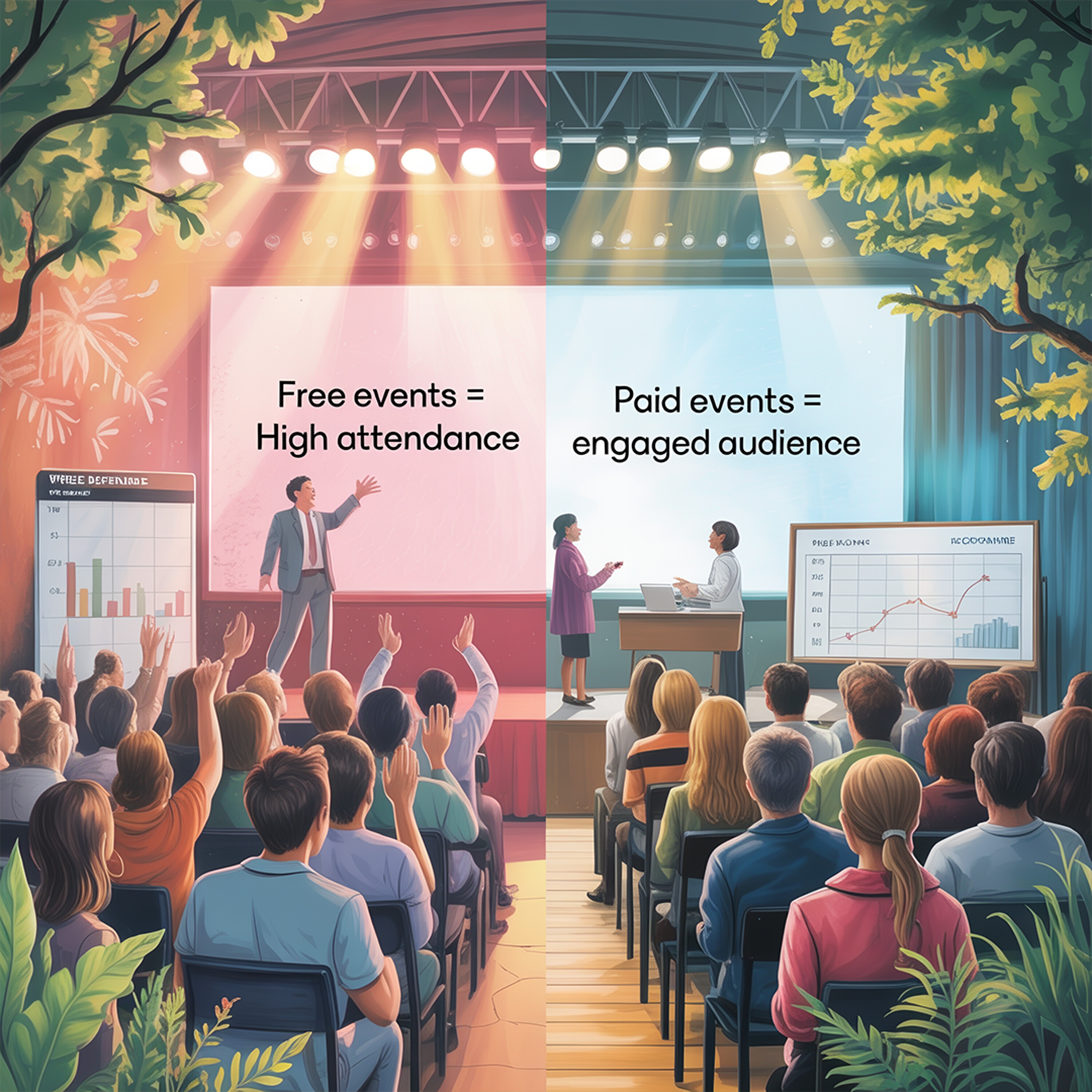
S12 Ep 47Eventbrite SEO Tactics: Comparing Successful Free Events vs Paid Events Explained with Favour Obasi-ike
Favour Obasi-ike, MBA, MS unpacks how Eventbrite functions as a powerful off-page SEO tool, not just a ticketing platform.Eventbrite SEO: Why Your Event Title Is Your Most Powerful Marketing Asset?With 50 million monthly visitors, Eventbrite gives businesses organic reach that paid ads cannot match.The round table covers title optimization, data collection strategies, the "short code, long money" framework, and why you should never spend money on ads before investing time in your website.Book SEO Services? Save These Quick Links for Later>> Book SEO Services with Favour Obasi-ike>> Visit Work and PLAY Entertainment website to learn about our digital marketing services>> Join our exclusive SEO Marketing community>> Read SEO Articles>> Subscribe to the We Don't PLAY Podcast>> Purchase Flaev Beatz Beats Online>> Favour Obasi-ike Quick Links>> Start Recording your Podcast with Riverside Today | Sign Up with My Affiliate Link HereKey TakeawaysEventbrite is off-page SEO, not just ticketing. With 50 million monthly visitors, every event you create is a searchable page that links back to your business.Your event title becomes your URL. Put the event type (workshop, bootcamp, conference) and keywords in the title so people searching Eventbrite can actually find you.Three measures of a successful event. The number of people, the quality of people, and what happens after they leave.Collect more than just emails. Change the default Eventbrite settings to require phone numbers. Export the CSV and load it into your CRM. Share the data with sponsors.Optimize free tools before spending money. If your website is not built, do not run ads. Eventbrite generates 3.99M organic visits versus only 101K from paid search.Attention is a new currency, retention is a new balance. It is not what you spend, it is what you keep. Build systems that retain, not just attract.Memorable Quotes"Attention is a new currency, retention is a new balance. It's not what you spend, it's what you keep." — Favour [94:38]"Short code, long money. All the millionaires and billionaires got a short code." — Marcus [83:52]"Strangers can accidentally see your event on Eventbrite because they're searching for it in the surrounding areas." — Marcus [36:46]"If you haven't spent time on your website, don't spend money on ads. It sounds brutal, but I'm saving you from stress." — Favour [88:27]"If you fail to plan, you plan to fail." — Favour [80:05]FAQsQ: Is Eventbrite only for paid ticketed events?A: No. Free events on Eventbrite give you the same SEO benefits, data collection, and discoverability. Churches, nonprofits, and retail stores should all use it for givebacks, sales, and community events.Q: How do I know when to schedule my event?A: Poll your audience with two questions: weekdays or weekends, and weekdays or weeknights. Add a bonus question about lead time (1-3, 4-6, or 7-9 weeks). Start with whatever feedback you receive.Q: Should I spend $1,000 on event ads?A: Not before your website is ready. Run a $10/day A/B test for 10 days first. Then decide how to invest the remaining $900 based on data, not guesswork.Q: What tools were recommended?A: Eventbrite, Google Search Console, Google Trends, Pinterest Trends, Glimpse, GoHighLevel, Flodesk, SimilarWeb, and G2 for software reviews.See Privacy Policy at https://art19.com/privacy and California Privacy Notice at https://art19.com/privacy#do-not-sell-my-info.

S12 Ep 46Building Brand Awareness, Digital Marketing & SEO Strategies for Products and Services: Business Talk with Favour Obasi-ike
Favour Obasi-ike, MBA, MS hosts a two-part live session from the Marketing Club on Clubhouse, joined by Brian (digital marketing), Liverpool (social media), Angelique (commercial lending startup), and others. The conversation covers how to build product and service pages that rank on search engines, the three stages of buyer awareness (problem aware, solution aware, product aware), why 82% of websites worldwide are outdated, the four types of media (owned, paid, shared, earned), how Google Reviews impact rankings, and tools like Nudgify, Switchy.io, and SEMrush for building brand awareness online.Key TakeawaysBuild from the ground up, not the roof down. Your website needs keyword-rich URL slugs, proper H1-H6 heading structure, and semantic keywords before any social media push.Three stages of buyer awareness drive every sale. Problem aware (they search Google), solution aware (they land on your page), product aware (they recognize your brand as the answer).82% of 1.9 billion websites have not been updated in 6 months. Update your website daily to signal the algorithm that your business is active.Use the CNN model. Never give the full story on social media. Drive people to your website for the complete content, just like major news outlets do.Google Reviews are a major ranking factor. Keep them fresh, avoid all five-star reviews (looks moderated), and embed them on your site using tools like Nudgeify.Master the four types of media. Owned (your content), Paid (ads), Shared (social platforms), and Earned (press/features). Start with owned media and build toward earned.Memorable Quotes"You don't build a house from the roof down. You build from the ground up." — Favour [07:30]"82% of 1.9 billion websites have not been updated in the last six months." — Favour [101:03]"If CNN gave you the full story on Instagram, would you go to their website? No." — Favour [118:24]"SEO is not a one-size-fits-all. It's not a cookie cutter machine." — Favour [71:17]"The better the connection, the better the frequency. The better the frequency, the better the energy." — Favour [119:14]FAQsShould I focus on products or services for my website?Both need dedicated keyword-rich pages. Each product or service should have its own page with text, video, images, pricing, and FAQ so search engines can index them individually.How often should I update my website?Daily if possible. Even once a week puts you ahead of the 82% of websites that go six months without an update. Every update signals the algorithm that your business is active.What tools were recommended?Nudgify (social proof popups), Switchy.io (UTM codes, link shortening, pixel tracking — $39 on AppSumo), SEMrush (keyword research), and Google Business Profile for reviews.How do I build brand awareness from scratch?Start with owned media on your website. Answer the questions your audience is searching for. Then distribute to social media, collect emails, and build toward earned media like press features.Book SEO Services? Save These Quick Links for Later>> Book SEO Services with Favour Obasi-ike>> Visit Work and PLAY Entertainment website to learn about our digital marketing services>> Join our exclusive SEO Marketing community>> Read SEO Articles>> Subscribe to the We Don't PLAY Podcast>> Purchase Flaev Beatz Beats Online>> Favour Obasi-ike Quick Links>> Start Recording your Podcast with Riverside Today | Sign Up with My Affiliate Link HereSee Privacy Policy at https://art19.com/privacy and California Privacy Notice at https://art19.com/privacy#do-not-sell-my-info.
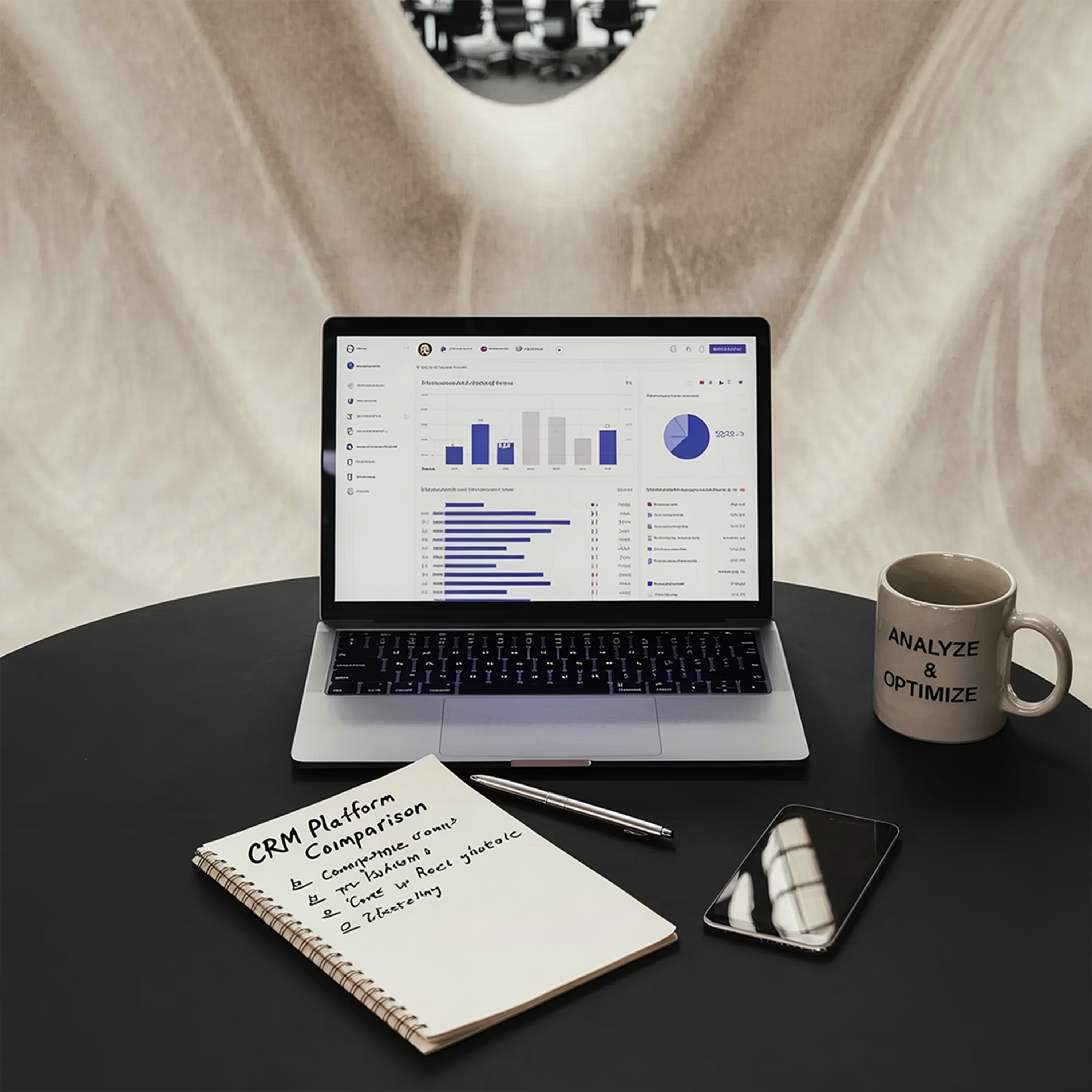
S12 Ep 45Flodesk, HubSpot, MailerLite, or MailChimp? Choosing the Best Email Marketing CRM with Favour Obasi-ike
Favour Obasi-ike, MBA, MS hosts a two-part deep dive on email marketing and CRM platforms from the Marketing Club on Clubhouse, joined by Alex (HubSpot, agency owner), Sandra (MailerLite, digital products coach), and David (Flodesk, just starting out).The conversation spans why four out of five marketers prefer email over social media, how a single font size change drove a 73.7% open rate,Flodesk's Magic Links and auto-segmentation features (Read on G2 Reviews), subject line testing with CapitalizeMyTitle.com, deliverability testing with mail-tester.com, the "send fewer emails, get higher clicks" strategy, and the critical difference between first-party and second-party data.Book SEO Services? Save These Quick Links for Later>> Book SEO Services with Favour Obasi-ike>> Visit Work and PLAY Entertainment website to learn about our digital marketing services>> Join our exclusive SEO Marketing community>> Read SEO Articles>> Subscribe to the We Don't PLAY Podcast>> Purchase Flaev Beatz Beats Online>> Favour Obasi-ike Quick Links>> Start Recording your Podcast with Riverside Today | Sign Up with My Affiliate Link HereKey TakeawaysFont size 16 is the email sweet spot. Favour moved from 12/14 to 16 and hit a 73.7% open rate and 68.9% click rate — his highest ever.Send fewer, better emails. Cutting from 16 emails/month to 4 increased click rates from 3.5% to 17.9% over three months.For every $1 spent on email marketing, expect $42 back in impact across traffic, connections, and conversions.Flodesk Magic Links auto-segment subscribers based on what they click, eliminating manual workflow creation.Test deliverability before sending. Use InboxBooster.com to check inbox placement across Gmail, Outlook, Yahoo, and AOL. A Wikipedia link triggered spam in Favour's test.Use CapitalizeMyTitle.com to score subject lines on readability, SEO, and sentiment. Score green on all three before sending.Memorable Quotes"Four out of five marketers say they would rather give up social media marketing than email marketing." — Favour [03:10, Pt.1]"It's not just what you say. It's how you say things, and how it's layered." — Favour [13:05, Pt.1]"The content you send to your audience is more important than what platform you use." — Sandra [31:18, Pt.2]"Email marketing is like an animal in itself. It's not just about sending email. It's about analyzing the data." — Sandra [29:41, Pt.2]"We divided our time in half and got more impact. From 16 emails in May to 4 in August — 15% increase in click rates." — Favour [52:00, Pt.2]FAQsQ: Which CRM platform does Favour recommend?Flodesk. He has used it since 2019 (beta). It partners with Amazon SES for high deliverability, costs $19/month for unlimited subscribers, and offers Magic Links for auto-segmentation.Q: What other platforms were discussed?Alex uses HubSpot (B2B agency), Sandra uses MailerLite (small list, digital products), Melo uses MailChimp, and Ty uses Klaviyo. Each fits different business needs and budgets.Q: How do I improve my email open rate?Increase font size to 16, test subject lines on CapitalizeMyTitle.com, test deliverability on mail-tester.com, and segment your list so every email is relevant to the recipient.Q: How often should I send emails?Quality over quantity. Favour cut from 16/month to 4/month and saw click rates jump from 3.5% to 17.9%. Send fewer emails with more substance.See Privacy Policy at https://art19.com/privacy and California Privacy Notice at https://art19.com/privacy#do-not-sell-my-info.

S12 Ep 44Podcast Listeners vs Pinterest Visitors: Marketing, Advertising, and Monetization SEO Insights with Favour Obasi-ike
619 Million Podcast Listeners vs. 619 Million Pinterest Users: The Content Overlap Nobody Sees. In this episode, Favour Obasi-ike, MBA, MS will teach you How to Use Pinterest and Podcasting Together to Build Revenue in 2026. Understand what Podcast Listeners Are Doing, Where Pinterest Users Are Planning: Why That Changes Everything. AI + Pinterest + Podcasting = The Revenue Framework for Business Owners.We had a section in this episode discussing From Sourdough to Strategy: How Pinterest Search Reveals Your Next Customer and many more monetization insights for podcast listeners, hosts, and Pinterest business owners.Favour Obasi-ike, MBA, MS and co-host Jon Muranko break down a striking discovery: there are 619.2 million global podcast listeners and 619 million Pinterest monthly active users, nearly identical audiences with completely different behaviors. Podcast listeners consume while doing (commuting, exercising, getting ready). Pinterest users consume while planning (buying, building, deciding). This episode explores how business owners can bridge both platforms using AI tools like Claude to reverse-engineer revenue outcomes, build Pinterest boards that mirror search intent, and time podcast publishing for maximum 24-hour download cycles.Book SEO Services? Save These Quick Links for Later>> Book SEO Services with Favour Obasi-ike>> Visit Work and PLAY Entertainment website to learn about our digital marketing services>> Join our exclusive SEO Marketing community>> Read SEO Articles>> Subscribe to the We Don't PLAY Podcast>> Purchase Flaev Beatz Beats Online>> Favour Obasi-ike Quick Links>> Start Recording your Podcast with Riverside Today | Sign Up with My Affiliate Link HereKey Takeaways619M podcast listeners equals 619M Pinterest users. The audiences are nearly identical in size but differ in behavior: listeners are doing, pinners are planning.Top 3 places people listen to podcasts: getting ready (1st), commuting (2nd), and exercising (3rd). Knowing this shapes when and how you publish.Podcast publishing time affects your 24-hour download window. Post early in the cycle to maximize downloads before the daily clock resets.Pinterest search reveals buyer intent before the purchase. Typing "sourdough" surfaces "discard recipes" as the top suggestion, telling you exactly what URL to build on your website.Use AI as an accelerator, not a replacement. Jon's framework: define your outcome, reverse-engineer it with Claude or Gemini, then validate with a human strategist.Launch Pinterest ad campaigns on Tuesdays or Wednesdays to maximize a 14-day campaign window with the strongest start.Memorable Quotes"619.2 million podcast listeners versus 619 million Pinterest visitors. This is globally." — Favour Obasi-ike [00:05]"You can't plant a mango tree and expect pomegranates. It's what you give that you get." — Favour Obasi-ike [17:44]"AI is not gonna give you the magic key. It will help you accelerate. But if you and I are accelerating the wrong direction, is that gonna help us?" — Jon Muranko [08:25]"Write down your ideas on a physical piece of paper. Takeaways at the top, goals in the middle, actions at the bottom. Then process it through Claude." — Jon Muranko [37:19]"If you're not the one doing it, at least know what you're paying for. That in itself is enough gold to make a better decision." — Favour Obasi-ike [33:39]FAQsQ: Why compare podcast listeners to Pinterest users? A: Both audiences total 619 million globally. Podcast listeners are active (commuting, exercising), while Pinterest users are planning purchases. Bridging both platforms lets you reach the same audience at two different decision stages.Q: How does podcast publishing time affect downloads? A: Podcasts operate on a 24-hour download cycle. Publishing early in that window gives your episode the full day to accumulate downloads, rather than posting late and getting only one hour of traction.Q: How can AI help with Pinterest strategy? A: Use Claude or Gemini to reverse-engineer your revenue goal into a Pinterest content plan, but always validate outputs with human expertise and fact-checking.Q: When should I launch Pinterest ad campaigns? A: Tuesdays and Wednesdays are optimal launch days, giving your 14-day campaign a strong start within the weekly cycle.See Privacy Policy at https://art19.com/privacy and California Privacy Notice at https://art19.com/privacy#do-not-sell-my-info.
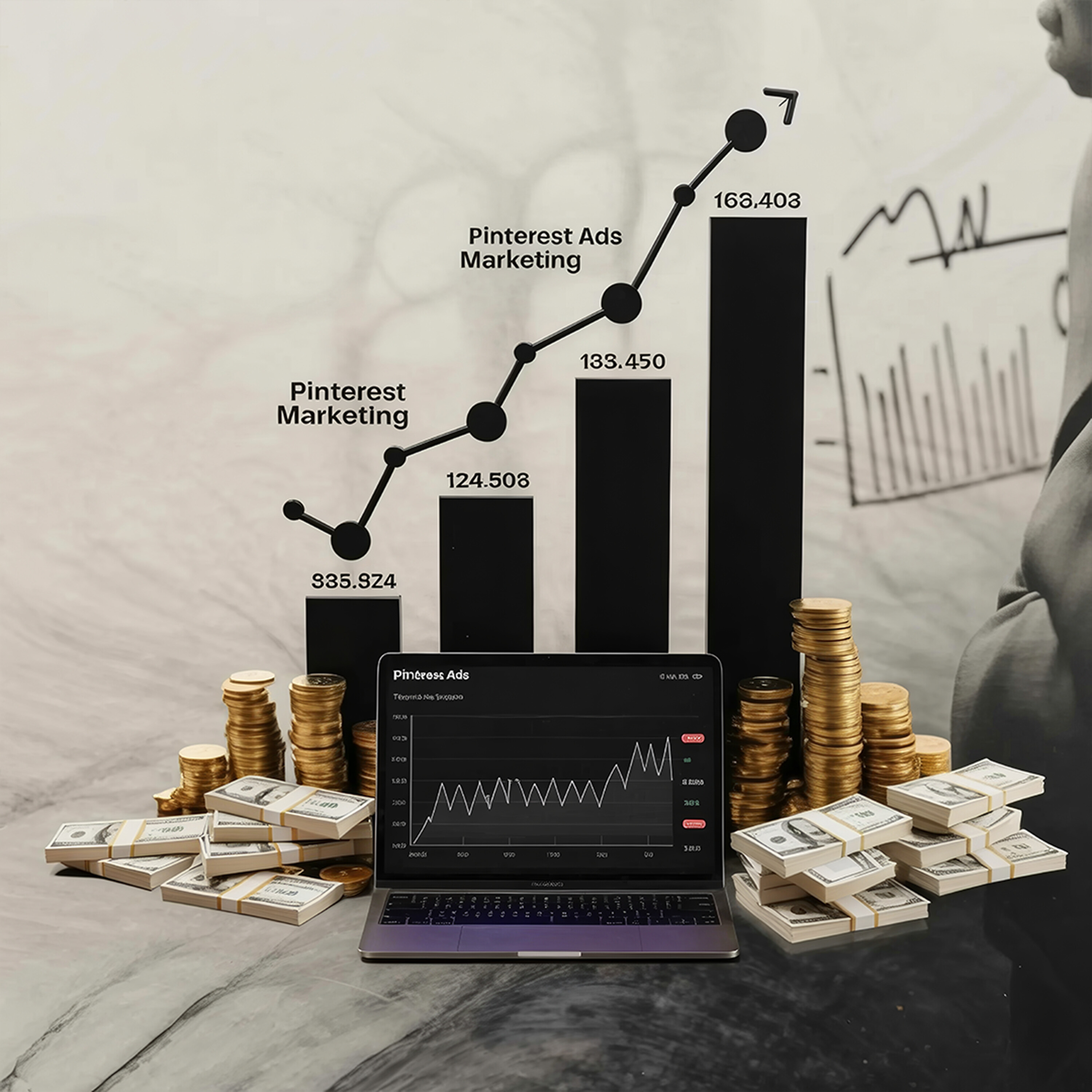
S12 Ep 43Pinterest Marketing vs Pinterest Advertising (Ads): Revenue SEO Strategy with Favour Obasi-ike
Imagine spending or investing $0.02 per click with 619+ Global Million Pinterest Users? The Pinterest Playbook for Business Growth is here!Favour Obasi-ike, MBA, MS, host of the We Don't PLAY!™️ Podcast and Pinterest-certified SEO strategist, leads a live Clubhouse session breaking down the difference between Pinterest marketing (organic) and Pinterest advertising (paid).Joined by John, Dr. Cynthia, and Ramyar, Favour shares real client case studies, including one that jumped from 54M to 154M Google image impressions in three months using Pinterest.He reveals why Pinterest is a visual search engine with 619 million monthly active users, 96% unbranded searches, and 3x higher shopping ad conversions.Book SEO Services? Save These Quick Links for Later>> Book SEO Services with Favour Obasi-ike>> Visit Work and PLAY Entertainment website to learn about our digital marketing services>> Join our exclusive SEO Marketing community>> Read SEO Articles>> Subscribe to the We Don't PLAY Podcast>> Purchase Flaev Beatz Beats Online>> Favour Obasi-ike Quick Links>> Start Recording your Podcast with Riverside Today | Sign Up with My Affiliate Link HereKey TakeawaysPinterest is a visual search engine, not social media. Users arrive early in their planning phase, making them high-intent buyers.96% of Pinterest searches are unbranded. Your content reaches people who have never heard of you but are searching for your solution.Pin shelf life crushes Instagram. A pin lasts 3.5 to 5 months; add a blog link and it extends to 24 months vs. Instagram's 72 hours.Pinterest indirectly boosts Google rankings. One client went from 54M to 154M Google image impressions in three months via Pinterest.Use Pinterest to A/B test creatives for free. Post five graphics organically for 14 days, then run paid ads only on the top performers.Separate personal and business accounts. Use your domain email for business to claim 100% content ownership via Pinterest's hub.Memorable Quotes"Pinterest is a visual search engine. Drop the P and it's interest. Pinterest has a taste bud of interest and keywords." — Favour Obasi-ike [18:34]"85% of weekly users purchase from pins, and 45% of US Pinterest households earn over $150K a year." — Favour Obasi-ike [27:14]"Pinterest is the least skipped platform for ads. You may not even know what a Pinterest ad looks like." — Favour Obasi-ike [28:11]"Content is king and context is queen. Build the two together and the value increases." — Favour Obasi-ike [40:14]"Build a brand that your website is proud of." — Favour Obasi-ike [92:02]FAQsQ: What is the difference between Pinterest marketing and Pinterest advertising?A: Pinterest marketing is organic: consistently publishing through a claimed website, RSS feed, and Pinterest tag. Pinterest advertising is paid: targeted ads by zip code, interest, and device for quick visibility.Q: How does Pinterest help my Google rankings?A: Your website images appear in Google Images and Bing Images via Pinterest, acting as a backlink and image traffic source that compounds domain authority.Q: Can I target locally on Pinterest?A: Yes. Pinterest allows ad targeting by zip code, making it powerful for local businesses.Q: What is the best way to test ad creatives cheaply?A: Post five creatives organically for 14 days, rank by impressions, then run paid A/B tests only on the top two winners.See Privacy Policy at https://art19.com/privacy and California Privacy Notice at https://art19.com/privacy#do-not-sell-my-info.

S12 Ep 42Content SEO vs Context SEO Strategy with Favour Obasi-ike | Best Marketing Tactics You’re Missing
Favour Obasi-ike, MBA, MS breaks down the critical difference between content marketing and context marketing for SEO. Using relatable analogies, from buying a home to purchasing an iPhone, Favour explains why content alone is not enough. Content is what you create; context is the meaning, story, and connection behind it. He introduces the WEBLAST acronym (Website, Email, Podcast, LinkedIn, Ads, AI, SEO) as a seven-pillar framework for building a competitive online presence and shares how AI tools can be trained with your brand voice to save time and drive real partnerships.Book SEO Services? Save These Quick Links for Later>> Book SEO Services with Favour Obasi-ike>> Visit Work and PLAY Entertainment website to learn about our digital marketing services>> Join our exclusive SEO Marketing community>> Read SEO Articles>> Subscribe to the We Don't PLAY Podcast>> Purchase Flaev Beatz Beats Online>> Favour Obasi-ike Quick Links>> Start Recording your Podcast with Riverside Today | Sign Up with My Affiliate Link HereKey TakeawaysContent is the "what"; context is the "why." Content gets you seen. Context gets you understood, remembered, and chosen.SEO is intentional, not guesswork. Throwing random keywords no longer works. Structure, readability, and sentimental value drive rankings.Three pillars of context marketing: Readability (humans understand it), SEO (bots can crawl it), and sentimental value (it resonates emotionally).The WEBLAST framework: Website, Email, Podcast, LinkedIn, Ads, AI, and SEO, seven tools that, used together in a progressive cycle, produce measurable growth within 30 days.AI should be trained on your brand. Feed your intellectual property into AI to get responses that sound like you, not generic prompts.Pre-purchase vs. post-purchase context: Before the sale, show up everywhere (YouTube, Google, Pinterest). After the sale, deepen the relationship (email, Zoom, Slack).Memorable Quotes"SEO is intentional. It's not guesswork. We don't do that in 2024, and we're not doing that for 2025 either." — Favour Obasi-ike [03:45]"The website is the content. The pages are the context." — Favour Obasi-ike [07:09]"If I say 'my pleasure,' I don't have to say the brand name to tell you who I'm talking about. That's context." — Favour Obasi-ike [07:54]"Content is free right now. AI is going to give me that content. But context? That's what makes you different." — Favour Obasi-ike [44:05]"Feedback is the best currency." — Favour Obasi-ike [40:49]"You're not prompting ChatGPT, you're prompting yourself." — Favour Obasi-ike [32:36]FAQsQ: What is the difference between content marketing and context marketing?A: Content marketing is the material you produce, the blog, video, or post. Context marketing is the meaning, relevance, and story wrapped around that content so your audience truly understands and connects with your message.Q: Why is context more important than content for SEO?A: Search engines now prioritize user intent and experience. Context ensures your content is readable, emotionally resonant, and structured so both humans and bots can interpret it, which directly improves rankings.Q: What is the WEBLAST framework?A: WEBLAST stands for Website, Email, Podcast, LinkedIn, Ads, AI, and SEO. It is a seven-pillar system for building a strong, competitive online presence when used in a consistent, progressive cycle.Q: How can AI help with context marketing?A: By training AI with your brand's intellectual property, tone, and goals, it becomes a personalized assistant that drafts emails, proposals, and responses in your voice, saving significant time.From seo strategies to ai marketing techniques to pinterest seo to podcast monetization to email marketing for beginners to ai seo tools, this episode id for you.See Privacy Policy at https://art19.com/privacy and California Privacy Notice at https://art19.com/privacy#do-not-sell-my-info.
S12 Ep 41Pinterest SEO Marketing Tutorial: Google Search Console Indexing with Favour Obasi-ike
Favour Obasi-ike, MBA, MS delivers a tutorial on why Pinterest is a search engine, not social media, and how to connect it with Google Search Console for SEO impact.Pinterest is the least skipped ad platform while YouTube is the most, and Pinterest ads cost two to thirty cents versus dollars elsewhere.He covers claiming your business account, how earned media works exclusively on Pinterest, and why a pin lives three to five months compared to an Instagram post's 19 to 72 hours. Favour shares a client case study where organic image impressions grew from 54.1 million to 154 million in three months with zero ad spend, with Pinterest ranking in the top three linking sites.The conversation covers MCP servers, Google's crawl budget drop from 15 to two megabytes, why 67 percent of searches result in zero clicks, and why GoDaddy is not scalable.Mark recommends WordPress, and Shira shares how evergreen content generates leads years after posting.Book SEO Services? Save These Quick Links for Later>> Book SEO Services with Favour Obasi-ike>> Visit Work and PLAY Entertainment website to learn about our digital marketing services>> Join our exclusive SEO Marketing community>> Read SEO Articles>> Subscribe to the We Don't PLAY Podcast>> Purchase Flaev Beatz Beats Online>> Favour Obasi-ike Quick Links>> Start Recording your Podcast with Riverside Today | Sign Up with My Affiliate Link HereTimeline and Timestamps[00:08] Introduction — Pinterest SEO Marketing on Clubhouse.[02:53] Pinterest: least skipped ad platform vs. YouTube.[04:02] Pinterest is a search engine for images.[07:04] You cannot be on ChatGPT if not on Google.[08:15] Claiming your Pinterest business account.[10:02] Earned media — only Pinterest offers it.[12:05] Pin lifespan: 3–5 months vs. Instagram: 19–72 hours.[19:00] Tuna on WebMCP and AI impact on SEO.[21:56] Google crawl budget: 15 MB down to 2 MB.[23:35] 67% of Google searches result in zero clicks.[33:09] Why GoDaddy is not scalable.[40:03] Mark: WordPress — own your website.[58:45] Pinterest + Google Search Console: the perfect blend.[60:30] Case study: 54.1M to 154M impressions organically.[73:49] Shira: evergreen content still generates leads.[79:50] SEO scorecard tool — 10 questions, instant report. 93:01] 97% of Pinterest searches are unbranded.[95:32] Pinterest and Amazon partnership.Memorable Quotes"Pinterest is the least skipped ad platform. YouTube is the most — people pay to skip ads.""If you drop the P, it's interest. Pinterest is interest, literally.""You build a house on land you don't own." — Mark, on closed-source builders."Keep putting out your message, even when nobody's watching, because someone is." — Shira"67% of Google searches don't result in a click. That's a culture shift." — TunaFAQs AnsweredIs Pinterest social media?On the personal side, yes. On the business side, it is a visual search engine where you own 100% of your data through a claimed account.What is earned media?When someone saves your paid pin and revisits it later, you earn impressions without spending again — dividends on your ad spend.Why not GoDaddy?It lacks code injection, scalable pop-ups, and flexibility. WordPress is recommended for full ownership and SEO control.How long does Pinterest SEO take?It depends on domain authority and consistency — no fixed timeline, but articles linked to Pinterest accelerate results.Key TakeawaysClaim your website on Pinterest Business. Track Pinterest as a linking site in Google Search Console. Pins live 3–5 months versus hours on Instagram. 97% of Pinterest searches are unbranded. Own your site on WordPress. Evergreen content compounds and generates leads long after posting.KeywordsPinterest SEO, Google Search Console, earned media, Pinterest ads, visual search engine, domain authority, crawl budget, WordPress, claimed accounts, unbranded search, evergreen content, zero-click searches, SEO scorecard, MCP servers.See Privacy Policy at https://art19.com/privacy and California Privacy Notice at https://art19.com/privacy#do-not-sell-my-info.
S12 Ep 40Profitable SEO Best Practices, Ideas, and Social Business Tactics with Favour Obasi-ike
Favour Obasi-ike, MBA, MS redefines profitable SEO as more than just rankings — it is profit multiplied by time. He introduces the concept of a foundational evergreen operating system: being where people are, staying ever-ready, and building connections that compound. The episode covers the SEO quadrant and its four pillars, why your contact database is your most valuable SEO asset, and how first-party data from email lists outperforms second-party data from platforms like LinkedIn, Spotify, and Apple Podcasts. Jonathan shares how NewsBreak and Medium drive backlinks and high domain authority, while Dr. Martin highlights the BlackNews.com story — a site built in 1999 on pure HTML that became the top black news site in the world because Google could easily crawl it. Favour performs a live Semrush audit, explains authority scores, and breaks down how commercial-intent articles like "top 10" lists build domain dominance the way Yelp does. The conversation also covers the new FTC rule on fake reviews, why your website must be the cornerstone of all marketing, and how SEO is ultimately about being the person of remembrance.Book SEO Services? Save These Quick Links for Later>> Book SEO Services with Favour Obasi-ike>> Visit Work and PLAY Entertainment website to learn about our digital marketing services>> Join our exclusive SEO Marketing community>> Read SEO Articles>> Subscribe to the We Don't PLAY Podcast>> Purchase Flaev Beatz Beats Online>> Favour Obasi-ike Quick Links>> Start Recording your Podcast with Riverside Today | Sign Up with My Affiliate Link HereTimeline and Timestamps[00:07] Introduction — profit times time formula.[03:04] The SEO quadrant: mastering the four pillars of SEO.[04:06] Foundational evergreen operating system explained.[07:23] Jonathan on writing for NewsBreak and generating backlinks.[09:05] How NewsBreak articles drive local SEO and 50M monthly users.[10:14] Funneling: 250 words on NewsBreak, full article on your website.[15:55] Associating your brand with related brands for SEO value.[17:01] Profitable SEO: measuring profit in time and money.[19:42] Profitable SEO measured by total contacts in your database.[22:08] First-party vs. second-party data — LinkedIn, Spotify, Apple.[30:40] Live Semrush audit — authority score of 24, 3.7K organic traffic.[34:08] What is domain authority and how to build it.[36:34] Commercial-intent articles: the Yelp strategy for SEO dominance.[42:09] FTC new rule on fake reviews and fake followers.[43:03] BlackNews.com — 25 years of domain authority on pure HTML.[48:31] SEO is about being the person of remembrance.[51:00] Problem aware to solution aware to product aware funnel.[54:00] Answer questions on your website, not just social media.[60:08] On-the-spot audits announcement — turning 5% learning into 90%.Memorable Quotes"Profitable SEO is measured by the total amount of contacts you have in your database.""SEO is letting you be the person of remembrance.""When you're building a house, you don't start from the windows. You start from the thought.""Don't give them the full article on LinkedIn. Give them a little bit, then they click through.""Clubhouse is just 5% acquisition of learning. We want to turn that to 90%."FAQs AnsweredWhat does profitable SEO mean?It is profit multiplied by time — measuring both the monetary return and the time saved through organic search visibility and relationship building.What is domain authority?A proprietary metric measuring a domain's dominance based on years of indexed content, quality backlinks, and organic search traffic.Why is first-party data important for SEO?Platforms like LinkedIn and Spotify own your subscriber data. Building your own email list gives you direct access to your audience through your domain.How do commercial-intent articles help SEO? "Top 10" and comparison articles keep visitors on your site longer, build authority, and capture searches where users are ready to take action.Key TakeawaysBuild your contact database — it is your most valuable SEO asset. Create commercial-intent articles to capture high-value searches. Use platforms like Newsbreak and Medium for backlinks but always funnel traffic to your website. Your website is the cornerstone — answer questions there, not just on social media. SEO is a long game: do the groundwork, and your business will eventually fly on autopilot.Keywordsprofitable SEO, domain authority, SEMrush, backlinks, first-party data, email marketing, Newsbreak, commercial intent, contact database, SEO quadrant, authority score, organic traffic, content funneling, evergreen content, website optimiz
S12 Ep 39Integrated Marketing with SEO and Podcasts: Digital Expert Insights with Favour Obasi-ike
Favour Obasi-ike, MBA, MS demonstrates an integrated marketing approach in real time — from AI prompt to website article to LinkedIn to Threads to podcast to Clubhouse, all within the first 15 minutes.He used an AI assistant to scan 85+ articles on his website and generate five bottom-of-funnel topics, then built an entire content chain across platforms from one topic.The episode features the "Did You Know" series revealing how major brands started with different products — IKEA with pens, Sony with rice cookers, Samsung as a grocery store, Lamborghini as tractors.Favour connects this to the lesson that businesses evolve and what you start with is not what you become.Keith shares the PayPal origin story, and Liverpool's Finest emphasizes knowing your target audience before executing any strategy.Key TakeawaysUse AI to mine existing content for new topics.Build content chains across platforms.Every brand evolves — your starting product is not your final product.Test emails technically, not just visually.Position your podcast through strategic RSS feeds.Omni-channel marketing starts with one thought and multiplies through execution.Book SEO Services? Save These Quick Links for Later>> Book SEO Services with Favour Obasi-ike>> Visit Work and PLAY Entertainment website to learn about our digital marketing services>> Join our exclusive SEO Marketing community>> Read SEO Articles>> Subscribe to the We Don't PLAY Podcast>> Purchase Flaev Beatz Beats Online>> Favour Obasi-ike Quick Links>> Start Recording your Podcast with Riverside Today | Sign Up with My Affiliate Link HereTimeline and Timestamps[00:06] Welcome and introduction.[02:53] How the topic was born — AI scanning 85+ website articles.[05:10] Five bottom-of-funnel topics AI generated from the website.[09:02] Topics: Pinterest SEO, email marketing, keyword research, Clubhouse alternatives, integrated marketing.[11:18] Live demo of the integrated marketing workflow.[18:50] Podcast playback — "Did You Know" series begins.[22:54] Brand origins: IKEA, Sony, Nokia, Samsung, Nike, Lamborghini, and more.[28:12] The moral: start early, grow fast.[32:41] Recap of the integrated content chain.[37:15] Keith on PayPal's origin — from Palm Pilot app to payments.[38:16] Most millionaires took 22 years to make their first million.[39:54] Liverpool's Finest on integration, portability, and target audience.[45:40] Email testing — technical vs. cosmetic testing.[48:51] Podcast positioning through RSS feeds with depth.[51:33] Web3, IP protection, and applied AI.[53:05] Omni-channel marketing: ideation to execution.Memorable Quotes"The business you're starting is not going to be the same business in 10 years.""It's not that your podcast is not being heard — it's not positioned to be heard.""I'd rather not send that email at all than send it and have question marks behind it.""Most millionaires took on average 22 years to make their first million." — Keith"If your marketing is not reaching your audience, you're wasting money." — Liverpool's FinestFAQs AnsweredWhat is an integrated marketing approach?Creating one piece of content and distributing it across multiple platforms so each channel feeds the next.How can AI help with content planning?Prompt AI to scan your existing content and generate bottom-of-funnel topics, then build content chains from those topics.What is technical email testing?It analyzes which providers receive your emails and whether your text-to-HTML ratio triggers spam filters — beyond just checking for typos.Why does podcast positioning matter?Strategic RSS feed placement connects your episodes to distribution channels that expand reach beyond a single app.Keywordsintegrated marketing, omni-channel marketing, podcast SEO, AI content strategy, email marketing testing, RSS feed distribution, brand evolution, bottom-of-funnel content, Web3 SEO, LinkedIn marketing, podcast positioningSee Privacy Policy at https://art19.com/privacy and California Privacy Notice at https://art19.com/privacy#do-not-sell-my-info.
S12 Ep 38Winning Local SEO Tactics using Google Business Profile Solutions with Favour Obasi-ike
Favour Obasi-ike, MBA, MS delivers a deep dive into winning local SEO using Google Business Profile. He explains how local SEO works through the formula of product/service plus location, then breaks down the technical backbone — sitemaps, robots.txt, and no-index tags — revealing how one misconfigured tag can make an entire website invisible to Google. Real client case studies include a bakery in Georgia invisible on Google from two miles away, and a massage therapy business paying $16–$32 per click for keywords they could rank for organically. Dr. Fashion and Celese Williams contribute insights on keyword research, engagement, and why AI still needs the human element for conversions.Book SEO Services? Save These Quick Links for Later>> Book SEO Services with Favour Obasi-ike>> Visit Work and PLAY Entertainment website to learn about our digital marketing services>> Join our exclusive SEO Marketing community>> Read SEO Articles>> Subscribe to the We Don't PLAY Podcast>> Purchase Flaev Beatz Beats Online>> Favour Obasi-ike Quick Links>> Start Recording your Podcast with Riverside Today | Sign Up with My Affiliate Link HereTimeline and Timestamps[00:13] Welcome and introduction[02:38] Dr. Fashion on the importance of online visibility.[04:34] Origin story of Google Maps and its free iPhone launch.[07:07] What is local SEO? Product/service + location formula.[19:58] No-index tags — how one setting blocks your entire site.[24:44] Dr. Fashion on targeting low-competition keywords.[27:28] Three essentials: Google Business Profile, website, social media.[36:10] Zip code marketing and the "set it and forget it" trap.[37:03] Google gives you 30 service slots — most businesses use only a few.[39:05] TAM, SAM, and serving within a 35-mile radius.[43:23] Google ranks webpages and links, not websites.[54:15] Organic traffic vs. paid ads for local businesses.[57:05] Case study: bakery invisible on Google from two miles away.[65:00] LinkedIn engagement at 3.8% vs. Instagram at 0.7%.[70:00] Podcasting as a nesting ground for compound growth.[77:41] E-E-A-T: Experience, Expertise, Authority, and Trust.[80:00] Celese on why AI needs human design for conversions.[86:01] Live SERP API search demo for Canadian results.Memorable Quotes"Google does not rank your website. Google ranks your webpage.""The only way to create capacity is by building it.""You can't even be on ChatGPT if you're not on Google.""I'd rather have so much organic feedback that I can run ad campaigns for branding, not survival.""If you don't have the words people type in your domain, you have no conversation."FAQs AnsweredWhat is local SEO?Product or service plus location, optimized so nearby people find you through search.What is a no-index tag?It tells search bots not to index a page. If left on by default, your entire site becomes invisible to Google.What are sitemaps and robots.txt?Sitemaps list your content for search engines. Robots.txt instructs bots on what to crawl or block. Both must work together.How many services can I list on GBP?Google allows about 30 service listings — most businesses only use a fraction.Does SEO still matter with AI search?Yes. If you are not on Google, you will not appear on ChatGPT, Perplexity, or any AI search tool.Key TakeawaysConnect your website to Google Search Console and ensure proper indexing. Use city and state in your URLs for local ranking. Fill all 30 service slots on GBP. Build organic content to reduce ad spend. LinkedIn outperforms Instagram for B2B.E-E-A-T is the code of conduct for local search visibility.See Privacy Policy at https://art19.com/privacy and California Privacy Notice at https://art19.com/privacy#do-not-sell-my-info.
S12 Ep 37Podcast Downloads vs. Unique Listeners Explained: Podcast SEO Insights with Favour Obasi-ike
Favour Obasi-ike, MBA, MS breaks down the SEO difference between podcast downloads and unique listeners — two metrics every podcaster must understand. A download is triggered after just 45 seconds of listening, while a unique listener represents someone who returns to engage with your content repeatedly, much like a returning website visitor. Favour connects these metrics to podcast SEO, keyword density, IAB certification, and long-term monetization. He reveals how transcripts convert speech into indexable text that fuels Google rankings and why every episode acts as a keyword bank. Celese Williams joins with questions on podcast ranking and the SEO-podcasting connection. The episode also covers the industry's explosive growth — valued at $38–50 billion, projected to reach $131 billion by 2030 — and the milestone of podcasting overtaking radio in consumption.Book SEO Services? Save These Quick Links for Later>> Book SEO Services with Favour Obasi-ike>> Visit Work and PLAY Entertainment website to learn about our digital marketing services>> Join our exclusive SEO Marketing community>> Read SEO Articles>> Subscribe to the We Don't PLAY Podcast>> Purchase Flaev Beatz Beats Online>> Favour Obasi-ike Quick Links>> Start Recording your Podcast with Riverside Today | Sign Up with My Affiliate Link HereEpisode Timeline and Timestamps[00:00] Introduction and episode overview.[00:44] What counts as a podcast download — the 45-second rule explained.[04:27] Defining unique listeners — comparing them to returning website visitors.[08:04] Exact match phrasing and how podcast platform search works.[10:02] The "red carpet" analogy — why timestamps create a guided experience.[14:19] Keyword density: every episode is a keyword bank; more episodes = larger keyword database.[20:31] IAB certification and monetization through dynamic ads from brands like Shopify and Canva.[23:03] Downloads vs. unique listeners by the numbers — the 40% gap.[26:22] RSS feeds, structured data, schema, and FAQs powering podcast SEO.[31:34] Why top podcasters rank — more episodes, more keywords, higher visibility.[35:52] The seven essential podcast SEO spots every show needs.[38:22] Favour's growth from 1K downloads/month to 1K downloads/week.[46:41] Industry valued at $38–50B, projected $131B by 2030.[47:54] Podcasting overtakes radio in consumption for the first time.[53:14] Celese shares her biggest takeaway and next steps.[61:14] Q&A: Hosting vs. distribution — choosing the right platform.Memorable Quotes"A podcast download counts as a 45-second time-lapse that results into one download.""Think about every episode like a keyword bank.""If you have a podcast and you don't know SEO, that's where the struggle bus starts.""For the first time in history, podcasting has overtaken radio when it comes to consumption.""The goal is not just to have downloads and listeners, it's to have action takers."FAQs AnsweredWhat counts as one podcast download?A listener must play at least 45 seconds for it to register as one download.How do unique listeners differ from downloads?Unique listeners return to re-listen or engage deeply with specific sections, like returning website visitors.How does podcast SEO work?Transcripts convert spoken words into indexable text. More episodes mean a larger keyword database and stronger signals.What is IAB certification?The Interactive Advertising Bureau certifies platforms for ad placement, enabling dynamic ads and monetization.What are the seven podcast SEO spots?Podcast title, description, episode title, episode description, author, podcast cover art, and episode cover art.Which platform is best for business?Start with free hosting, distribute everywhere, then scale to an IAB-certified platform. Connect your RSS feed to LinkedIn for auto-syndication.Keywordspodcast downloads, unique listeners, podcast SEO, keyword density, IAB certification, RSS feed, podcast monetization, exact match phrasing, podcast transcripts, structured data, podcast hosting, podcast distribution, Google Search Console, podcast rankingSee Privacy Policy at https://art19.com/privacy and California Privacy Notice at https://art19.com/privacy#do-not-sell-my-info.
S12 Ep 36How to Build High-Performing Websites: AI, Technical SEO, and Content Marketing Website Growth Strategies with Favour Obasi-ike
Favour Obasi-ike, MBA, MS dives deep into the art and science of building a high-performing website. The conversation kicks off with a fundamental principle: a high-performing website is built on a foundation of high-quality, structured content that builds a relationship with the consumer. Favour emphasizes that content without consumption is merely information, and the key to engagement is creating content that drives conversation and conversion.The episode explores the importance of starting with a website before diving into social media, establishing a central hub for your brand and content. Favour introduces listeners to the power of Google Advanced Search as a tool for discovering high-volume search phrases and understanding audience intent. This data-driven approach to content creation is presented as the cornerstone of a successful content strategy.The discussion then shifts to the technical aspects of website performance, highlighting the significance of structured data (schema markup) and the Open Graph protocol. Favour explains how these technical elements help search engines understand and display content more effectively, leading to improved visibility and click-through rates. The episode also touches on the latest trends in web design, mentioning innovative tools like PeachWeb, Spline Design, and Dora that are shaping the future of web development.A significant portion of the episode is dedicated to a real-world case study, where Favour shares impressive growth metrics from a client who doubled their website traffic and saw a massive increase in image search impressions by focusing on technical SEO and content structure. This practical example serves as a powerful testament to the effectiveness of the strategies discussed.The conversation also features a guest, Tree, who shares her struggles as a small business owner in the tree service industry. This leads to a valuable discussion on how to overcome marketing challenges with limited resources, with Favour suggesting a podcast as a low-cost, high-impact strategy for building authority and attracting an audience. The episode concludes with a wealth of practical advice and resources for business owners looking to enhance their online presence and build a website that drives sustainable growth.Book SEO Services? Save These Quick Links for Later>> Book SEO Services with Favour Obasi-ike>> Visit Work and PLAY Entertainment website to learn about our digital marketing services>> Join our exclusive SEO Marketing community>> Read SEO Articles>> Subscribe to the We Don't PLAY Podcast>> Purchase Flaev Beatz Beats Online>> Favour Obasi-ike Quick LinksKey Takeaways1. Content is King, but Structure is Queen: A high-performing website is built on high-quality, structured content that is consistently delivered to your audience.2. Start with Your Website: Before you build your social media presence, establish your website as the central hub for your brand and content.3. Leverage Google Advanced Search: Use Google Advanced Search to find high-volume search phrases and understand what your audience is looking for.4. Technical SEO is Crucial: Pay attention to technical details like structured data (schema markup) and the Open Graph protocol to improve your website's visibility and click-through rates.5. Embrace New Technologies: Stay ahead of the curve by exploring innovative web design and development tools like PeachWeb, Spline Design, and Dora.6. Podcasting as a Powerful Marketing Tool: A podcast can be a low-cost, high-impact way to build authority, attract an audience, and drive traffic to your website.7. Focus on Long-Term Growth: Building a high-performing website is a long-term investment that requires a strategic approach and consistent effort.Memorable Quotes[01:03.0 - 01:08.0] "Because if you write content, but nobody's consuming it, then is it really content or is it just information?"[06:49.8 - 06:52.8] "I wouldn't start a social media if I don't have a website."[31:25.1 - 31:26.9] "It's not a one plug fix."[57:18.6 - 57:20.1] "If Google doesn't trust you, Google is not going to trust you with their client or with their customer."[86:08.4 - 86:11.3] "A podcast is free and a lot of people are starting podcasts today..."FAQs1. What is the first step to building a high-performing website? The first step is to focus on creating high-quality, structured content that addresses the needs and questions of your target audience.2. Why is it important to have a website before a social media presence? Your website is the only online property you truly own and control. It serves as the central hub for y

S12 Ep 35Product E Commerce SEO vs. Service-Based SEO for SMBs: Online Presence and Maximizing Revenue Masterclass with Favour Obasi-ike
Favour Obasi-ike, MBA, MS, provides a comprehensive guide to Search Engine Optimization (SEO) for small to mid-sized businesses (SMBs). The episode explores the critical differences in SEO strategies for product-based (E Commerce / E-Commerce) and service-based businesses (SEO Services), offering actionable insights for online growth.Favour emphasizes the foundational importance of a fast, reliable website for any business, highlighting how website performance directly impacts user experience and, consequently, SEO algorithm rankings. For product-based businesses, the discussion centers on the power of visual storytelling through high-quality, optimized images and the technical advantages of using structured data to create informative rich snippets in search results. The episode then shifts to service-based businesses (SEO Services), detailing how to build trust and authority through valuable content marketing and the necessity of local SEO for businesses serving a specific geographic area. A key theme throughout the episode is the concept of user intent, with Favour explaining how to target both commercial and informational keywords to attract customers at every stage of their journey. Finally, the episode underscores the long-term nature of SEO, stressing that consistency in content creation and optimization efforts is the ultimate key to sustainable online success. This podcast episode is a must-listen for any business owner looking to demystify SEO and implement effective strategies for lasting growth.Book SEO Services? Save These Quick Links for Later>> Book SEO Services with Favour Obasi-ike>> Visit Work and PLAY Entertainment website to learn about our digital marketing services>> Join our exclusive SEO Marketing community>> Read SEO Articles>> Subscribe to the We Don't PLAY Podcast>> Purchase Flaev Beatz Beats Online>> Favour Obasi-ike Quick LinksEpisode Key Takeaways1. Website Performance is Paramount: A fast, reliable, and user-friendly website is the non-negotiable foundation for any successful SEO strategy, impacting everything from user engagement to search engine rankings.2. Tailor Your SEO Strategy: The optimal SEO approach differs significantly between product-based and service-based businesses. Product businesses should focus on visual optimization and structured data, while service businesses should prioritize content that builds authority and trust.3. Leverage Visuals for Product SEO: For e-commerce and product-focused businesses, high-quality, optimized images with descriptive alt text are crucial for attracting and converting customers who rely on visual information to make purchasing decisions.4. Build Authority with Content for Service SEO: Service-based businesses can establish themselves as industry leaders by consistently creating valuable, informative content (like blogs, case studies, and whitepapers) that addresses their target audience's needs and questions.5. Master User Intent: Understanding whether a user is looking to buy (commercial intent) or learn (informational intent) is key. A balanced content strategy that targets both types of keywords will capture a wider audience and nurture leads through the entire customer journey.6. Embrace Local SEO: For service businesses with a physical location or defined service area, optimizing for local search by managing a Google Business Profile and creating location-specific content is essential for attracting nearby customers.7. Consistency is the Long-Term Game: SEO is a marathon, not a sprint. Sustainable growth is achieved through consistent, long-term effort in content creation, technical optimization, and building a strong online presence, rather than expecting overnight success.Memorable Quotes[09:05] "As a service-based business or as a product-based business is your website. How fast is your website?"[35:09] "That's why we're in this room today because we want to know what is a commercial value?"[36:22] "You gotta be consistent, you gotta be putting out the content, you gotta do a lot of things."[37:01] "Long, long, long, long, long-term."Episode FAQs1. What is the most important first step in any SEO strategy?The most crucial first step is ensuring you have a fast, reliable, and mobile-friendly website. A poor-performing site will undermine all other SEO efforts.2. How does SEO for a product-based business differ from a service-based business?Product-based SEO heavily relies on high-quality images, structured data (schema markup) for product details, and e-commerce platform optimization. Service-based SEO focuses more on building authority through in-depth content,
S12 Ep 34SEO Truths: What SEO Agencies Won't Tell You Before Hiring SEO Services with Favour Obasi-ike
Favour Obasi-ike, MBA, MS, pulls back the SEO truths curtain on the world of SEO agencies. Joined by a panel of experts, Favour reveals the questions you should be asking your SEO provider to ensure you're getting the most out of your investment. The discussion covers a wide range of topics, from the true cost of SEO to the importance of a long-term strategy. Favour emphasizes that SEO is not a one-time fix, but an ongoing process that requires continuous effort and adaptation. This episode also explains the four pillars of SEO success — search, find, click, and save — and how they can be used to create a powerful connection with your target audience. Whether you're a business owner looking to hire an SEO agency or a marketing professional seeking to deepen your understanding of the industry, this episode is packed with valuable insights and actionable advice. Tune in to learn how to take control of your SEO destiny and drive sustainable growth for your social business.Book SEO Services? Save These Quick Links for Later>> Book SEO Services with Favour Obasi-ike>> Visit Work and PLAY Entertainment website to learn about our digital marketing services>> Join our exclusive SEO Marketing community>> Read SEO Articles>> Subscribe to the We Don't PLAY Podcast>> Purchase Flaev Beatz Beats Online>> Favour Obasi-ike Quick LinksKey Takeaways1. SEO is a long-term investment, not a quick fix. Sustainable results require a consistent and evolving strategy.2. The cost of SEO varies, but the focus should be on value and ROI, not just the price tag.3. Ask your SEO agency about their team, workflow, strategy, and reporting to ensure transparency and alignment.4. The four pillars of SEO are search, find, click, and save. The goal is to create valuable content that resonates with your audience.5. Don't be a passive client. Educate yourself, ask questions, and take an active role in your SEO strategy.6. Certifications and partnerships (like with SEMrush) can be an indicator of an agency's credibility and expertise.7. Competitive analysis is crucial. You need to understand who your competitors are and what they're doing to succeed in the search rankings.Memorable Quotes[08:20 - 08:34] "There's this illusion of SEO being a genie that just comes and wipes your problems away and then you rank all day. It's not like that."[08:51 - 08:57] "Yes, it's technical, but the fundamental value of SEO is to connect."[25:08 - 25:16] "These agencies will just sell you snake oil and tell you all these things about what to do, what not to do. And then they leave you stranded, high and dry, pay thousands of dollars and you've not received one click or one lead."[30:37 - 30:47] "SEO is about search, find, click, and save."FAQs1. How much should I budget for SEO services?The cost of SEO can range from $500 to $5,000+ per month. For serious results, a budget of at least $1,000 per month is recommended.2. How long does it take to see results from SEO?SEO is a long-term strategy. While some quick wins are possible, significant and sustainable results typically take 6-12 months to achieve.3. What are the most important questions to ask an SEO agency?Ask about their team, their process, their strategy, and how they measure success. It's also important to inquire about their experience in your industry.4. What is the difference between on-page and off-page SEO?On-page SEO refers to optimizations made to your website, such as content and technical aspects. Off-page SEO involves activities outside of your website, such as link building and social media.5. How can I learn more about SEO?There are many resources available online, including blogs, courses, and certifications. Following industry experts and listening to podcasts like We Don't PLAY! can also be beneficial.Timestamps[00:00] Introduction: What SEO agencies won't tell you.[05:55] How much does SEO cost?[07:33] The importance of a long-term SEO strategy.[08:10] SEO is not a one-time fix.[24:04] How to get into SEO.[25:30] The importance of certifications for SEO agencies.[26:51] The role of competitive analysis in SEO.[30:29] The four-wheel cycle of SEO: search, find, click, and save.See Privacy Policy at https://art19.com/privacy and California Privacy Notice at https://art19.com/privacy#do-not-sell-my-info.

S12 Ep 33The Hidden Costs of Cheap SEO: Why Your Social Business Can't Afford to Cut Search Corners with Favour Obasi-ike
In this eye-opening episode of the We Don't PLAY! Podcast, host Favour Obasi-ike, MBA, MS dismantles the myth of "cheap SEO." Joined by guests Dr. Fashion, Austin, John, and Celese, the conversation exposes the significant long-term damage that corner-cutting SEO practices can inflict on a business. Favour emphasizes that SEO is not a one-time fix but a long-term investment in your brand's digital foundation. The episode draws a powerful analogy, comparing cheap SEO to building a house with substandard materials — a structure doomed to fail. The discussion highlights the stark difference between unethical "black hat" tactics, which lead to severe penalties from search engines like Google, and the sustainable growth achieved through ethical, "white hat" strategies. Dr. Fashion shares an inspiring personal story of how her commitment to quality SEO on her YouTube channel led to incredible success, enabling her to purchase her mother's childhood home. The episode is a masterclass for any business owner, marketing professional, or entrepreneur who wants to understand the true value of a robust, strategic, and long-term SEO plan.It's a crucial reminder that in the world of digital marketing, you get what you pay for, and the cost of cheap SEO is ultimately a price too high to pay for any business serious about growth and longevity.Book SEO Services | Quick Links for Social Business>> Book SEO Services with Favour Obasi-ike>> Visit Work and PLAY Entertainment website to learn about our digital marketing services>> Join our exclusive SEO Marketing community>> Read SEO Articles>> Subscribe to the We Don't PLAY Podcast>> Purchase Flaev Beatz Beats Online>> Favour Obasi-ike Quick LinksKey Takeaways1. Cheap SEO is a Myth: Low-cost SEO services often use harmful "black hat" techniques that can get your website penalized by Google, costing you more in the long run.2. SEO is a Long-Term Investment: Sustainable SEO is not about quick fixes. It's about consistently building a strong online presence through high-quality content and ethical practices.3. Quality SEO Drives Real-World Results: As demonstrated by Dr. Fashion's story, a well-executed SEO strategy can lead to significant financial success and brand authority.4. A Holistic Approach is Essential: Effective SEO encompasses more than just keywords. It includes website design, user experience, content quality, and technical optimization.5. Inaction is Expensive: In a competitive digital landscape, not investing in SEO means being invisible to your target audience and losing ground to your competitors.6. Understand the Value You're Paying For: Be wary of SEO providers who make grand promises without clear, measurable results. A reputable expert will provide a transparent and strategic plan.7. SEO is a Way of Life: Favour makes the point that search is a fundamental human behavior. Applying this mindset to your business's digital strategy is key to success.Memorable Quotes[01:04 - 01:17] "The cost of cheap SEO is to the point where you know when you hear something has been done but it has been done poorly. It's like trying to build a house and then you use the wrong sand, you use the wrong brick, you use the wrong everything." — Favour Obasi-ike[22:40 - 22:59] "SEO works, y'all. It's a long-term game. You don't want to enjoy the shade before building or planting the seed. We have to follow the rule. We have to abide by the law. There's a procedure. There's seed, there's time, there's harvest. We can't harvest without planting a seed." — Favour Obasi-ike[67:24 - 67:41] "If you have a business, you should have a podcast...it's a 24/7, 365 marketing platform for you. It's another place where people can search and be discovered." — John[26:20 - 26:31] "When you think about SEO, it boils down to two things. You're either focusing on branded queries, which is your business name, your brand name, the name that people know you for, or you're focusing on non-branded queries." — Favour Obasi-ike[45:53 - 46:02] "If everyone did SEO correctly, we'd have a better search experience, to be honest. 100%, because SEO is not competition. It's search." — Favour Obasi-ikeFAQs1. What is the difference between "black hat" and "white hat" SEO?"Black hat" SEO refers to unethical tactics that violate search engine guidelines to try and rank a site higher, such as buying links or keyword stuffing. "White hat" SEO, on the other hand, focuses on creating high-quality content and a good user experience to earn rankings organically.2. How long does it take to see results from SEO?SEO is a long-term strategy. While some technical fixes
S12 Ep 32Google Discover Core Update (February 2026): Web, App and Local SEO Insights with Favour Obasi-ike
For the first time, Google has publicly designated a core update as a "Discover Core Update," signaling a major shift in how content is surfaced to users. In this podcast episode of the We Don't PLAY!™️ Podcast, host Favour Obasi-ike, MBA, MS, unpacks the groundbreaking February 2026 Google Core Update with 200+ people in the Clubhouse Audio LIVE! room.This update, which rolled out over 22 days, emphasizes a move towards a more personalized, AI-driven, and visually-oriented search experience. Favour explains that the Discover feed functions like a recommendation engine for the entire web, proactively suggesting content based on a user's interests and online behavior, rather than just reacting to search queries. This means the success of your content is now heavily influenced by the end-user's activity.The episode delves into the critical importance of creating "people-first" content — content that is helpful, reliable, and genuinely valuable to the audience. Favour warns against the use of clickbait and spammy headlines, as the new algorithm is designed to penalize such practices.Furthermore, the discussion highlights the often-overlooked but crucial role of technical SEO. Using a real-world client example and citing HubSpot's past struggles with a core update, Favour illustrates how a weak technical foundation can undermine even the best content strategy.The episode provides a comprehensive overview of what this update means for businesses and marketers, offering actionable advice on how to adapt and thrive. From optimizing images for a visual-first platform to conducting thorough content audits, this episode is a must-listen for anyone looking to stay ahead in the ever-evolving world of SEO.Book SEO Services | Quick Links for Social Business>> Book SEO Services with Favour Obasi-ike>> Visit Work and PLAY Entertainment website to learn about our digital marketing services>> Join our exclusive SEO Marketing community>> Read SEO Articles>> Subscribe to the We Don't PLAY Podcast>> Purchase Flaev Beatz Beats Online>> Favour Obasi-ike Quick LinksKey Takeaways1. A New Era of Search: The February 2026 Google Core Update is the first to be publicly named a "Discover Core Update," marking a significant shift towards a proactive, AI-powered content recommendation system.2. Content is Still King, but Context is Queen: The update prioritizes "people-first" content that is helpful, reliable, and engaging. The focus is on user intent and value, not just keywords.3. Technical SEO is Non-Negotiable: A solid technical foundation is more critical than ever. Issues with hosting, server response times, and website structure can severely impact your visibility.4. The Power of Personalization: The Discover feed is driven by user behavior and interests. This means your content's reach is now directly tied to how well it resonates with individual users.5. Visuals are Vital: The "Discover" update is inherently visual. High-quality, optimized images and videos are essential for capturing attention and driving engagement in the Discover feed.6. Say Goodbye to Gimmicks: Clickbait, spammy headlines, and other manipulative tactics will be actively penalized. Authenticity and value are the new currency of SEO.7. Embrace an Omnichannel Strategy: Relying solely on Google for traffic is a risky strategy. Building a strong presence across multiple platforms, including social media and email, is key to long-term, sustainable growth.Timestamps[00:00] Introduction to the Google Core Update[01:07] Google's First Publicly Labeled "Discover Core Update"[02:02] Timeline of the February 2026 Update[04:04] The Importance of Technical SEO[05:00] Case Study: HubSpot's Traffic Loss[06:02] The Lack of Information on Core Updates[08:12] Details of the Discover Core Update[10:15] The Role of AI in the Update[13:01] Impact on Different Industries[16:20] The "People-First" Content Strategy[20:01] The Importance of Visual Content[25:54] How User Activity Influences Search Results[27:37] Avoiding Clickbait and Spam[28:06] The Future of Search and ContentMemorable Quotes[01:07 - 01:19] "This is the first time Google has ever publicly mentioned about an update like this, especially to the open, because this doesn't usually happen all the time."[04:19 - 04:26] "I want to know about the core things that's going to either make or break your business online, especially when it comes to AI."[27:43 - 27:47] "You're going to avoid, avoid, avoid, avoid, avoid, avoid, by all means, avoid clickbait."[28:03 - 28:06] "If you're not people-first, it's gonna be quite hard."[26:11 - 26:15] "So the ball is not even i
S12 Ep 31Bri Toria: THEMELANINUNIVERSE.COM x Eye Am Isis Tour x From Negativity to Motivation Empowerment Story
Welcome to the stage: Bri is here to discuss her multifaceted journey in the music industry. From her beginnings behind the scenes to stepping into the spotlight as a vocalist, Bri shares the inspiration behind her brand, "Melanin Universe," a platform for networking and promoting fellow artists.She delves into her creative process, the spiritual and Egyptian influences on her music and merchandise, and the story behind her debut song, "Goddess Love." Bri opens up about her struggles with self-doubt, the importance of mental health, and how she transforms negativity into motivation. This episode concludes with Bri giving advice to her younger and future self, and details about her upcoming "Eye Am Isis" tour. starting February 28, 2026. Get your Tickets Here >>Key Takeaways:Embrace Your Calling: Don't run away from your true purpose, even if it's daunting.Alchemy of Negativity: Use doubt and criticism from others as fuel to prove them wrong and achieve your goals.The Power of Self-Belief: Overcoming external and internal negativity is crucial for an artist's growth.Art and Spirituality: Art is a powerful medium for self-expression and healing, deeply connected to one's spiritual and emotional state.FAQs:What is Melanin Universe? It's a networking platform created by Bri to connect artists with producers, tattoo artists, and other creatives. It also features moon phases and affirmations.What is Bri's advice for aspiring artists? She advises artists to not dwell on negative experiences for too long, to feel their feelings and then move on. She also emphasizes the importance of not being a people-pleaser.What is the story behind her first song? Her first song, "Goddess Love," came to her in the middle of the night. It was a way for her to show a more feminine and vulnerable side of herself, contrary to how people perceived her.Timestamps:[01:53] - Discussion about "Melanin Universe."[07:14] - The story of her first song, "Goddess Love."[15:01] - How she deals with mental health struggles.[22:02] - Advice to her younger and future self.[24:04] - Upcoming "I am Isis" tour.Quotes:"I'm really good at shitting on people. Like, if you doubt me, and you think that I can't do something... I'm gonna shit on you every single time.""You gotta lose your mind to gain it all back again.""I wanted to heal the world in whatever way that I'm destined to.""Don't dwell on the things that have happened to you. Feel your feelings. Give yourself 48 hours to feel your feelings and snap out of it."See Privacy Policy at https://art19.com/privacy and California Privacy Notice at https://art19.com/privacy#do-not-sell-my-info.
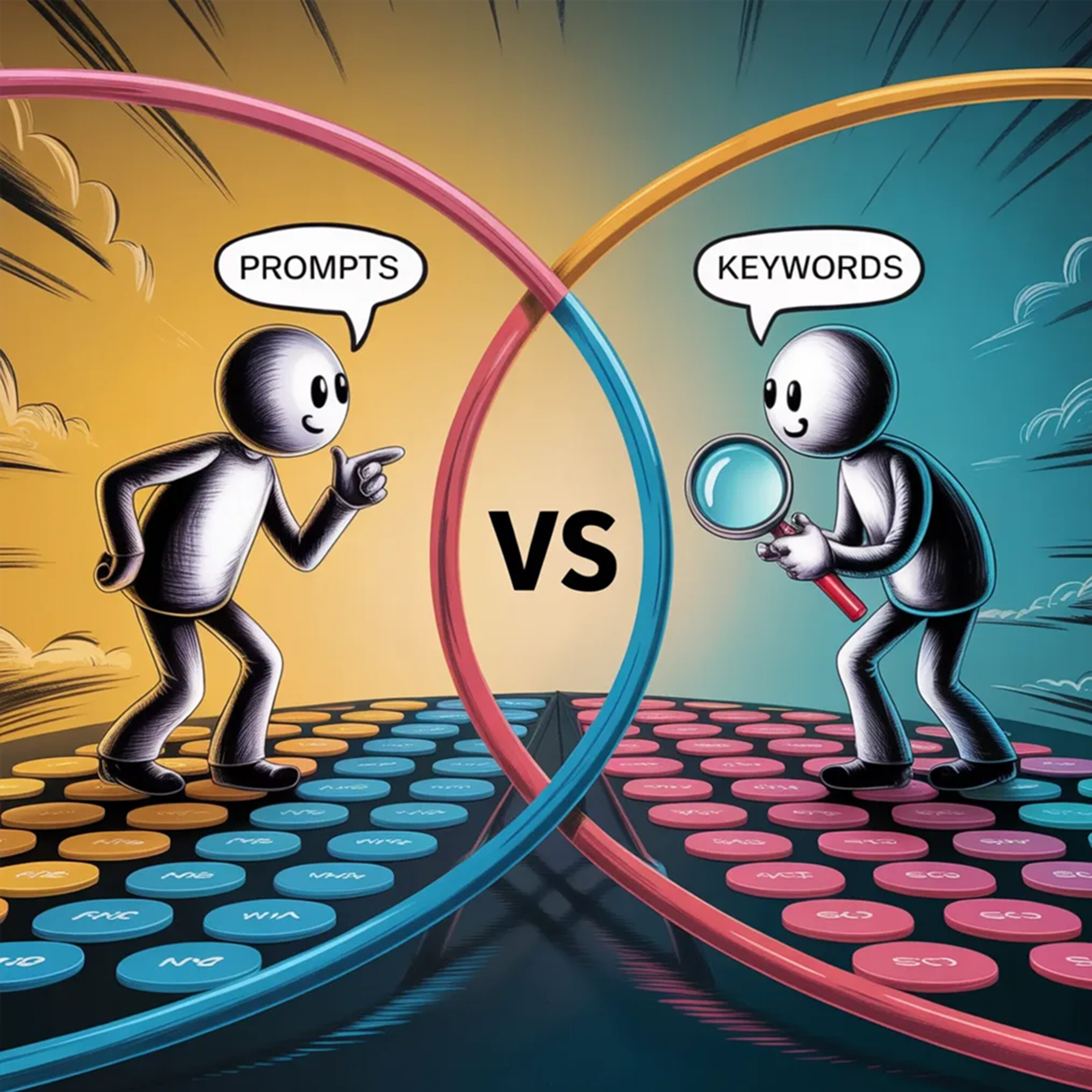
S12 Ep 30AI SEO Strategy 2026: Closing Prompt Gaps and Keyword Gaps for Brand Domain Authority with Favour Obasi-ike
In this insightful episode of the We Don’t PLAY!™️ Podcast, host Favour Obasi-ike, MBA, MS demystifies the critical evolution of search in the age of artificial intelligence, focusing on a concept she terms "AI SEO 101." The central theme revolves around the distinction and strategic importance of closing both prompt gaps and keyword gaps to secure valuable brand citations.podscan_aBGNBceCfBDZk3FwkmSMrBe3V3NljAVuWhile traditional SEO has focused on optimizing for short, fragmented keywords (e.g., "best travel deals"), the rise of conversational AI assistants like ChatGPT and Perplexity has given birth to the prompt—a longer, full-sentence query (e.g., "What are the best international travel deals for a family of four in summer 2026?").Favour argues that many businesses are unprepared for this shift, leaving a "prompt gap" in their content strategy. While they may have content targeting keywords, they lack the in-depth, conversational, and authoritative answers that AI models seek when responding to user prompts. The ultimate goal for any brand is to become a direct brand citation in an AI-generated answer, a feat achieved only by providing comprehensive, well-supported information. As Favour compellingly states, the answers provided by AI are sourced directly from the content available on the web: "Where are those responses AI is getting coming from in the first place? They’re coming from your website."The core of the strategy lies in recognizing that your website is the foundational pillar of your digital presence. To bridge the prompt gap, Favour advocates for a robust pillar-cluster content model. This involves creating a main "pillar" page that exhaustively answers a primary customer question, supported by numerous "cluster" pages that explore related sub-topics in detail. This creates a dense, interconnected web of expertise that signals authority to search engines and AI alike. The episode emphasizes a shift from merely creating blogs to creating comprehensive resource hubs, complete with FAQs, multimedia content, and evidence-backed claims, much like a digital research paper.Favour provides a clear action plan: identify the core questions your audience is asking, build out content that answers them conversationally and in-depth, and structure this content logically on your website. She also touches on the technical side, noting that URLs should remain concise and keyword-focused, while the content on the page should be rich and prompt-focused.Ultimately, the episode is a powerful call to action for businesses to stop dwelling on information and start implementing a forward-thinking content strategy. By treating your website as a definitive library of answers, you can close the gaps in your SEO strategy and ensure your brand not only survives but thrives in the new era of AI-powered search.Key TakeawaysPrompts vs. Keywords: A prompt is a conversational, full-sentence question (10-25 words) posed to an AI, whereas a keyword is a short, fragmented search query (2-5 words) used in traditional search engines.The Goal is Brand Citation: In the new landscape of AI search, the primary objective is to have your brand and website cited directly as the authoritative source in an AI-generated answer.Your Website is the Foundation: All digital roads lead back to your website. It is the most critical asset for building authority and providing the in-depth answers that AI models are looking for.Close the Prompt Gap with Conversational Content: To appear in AI search results, you must create content that directly and comprehensively answers the full questions your audience is asking, not just targets keywords.Adopt a Pillar-Cluster Model: For each major question your audience has, create one main "pillar" page with a complete answer and support it with multiple "cluster" pages that cover related sub-topics. This builds a powerful web of expertise.Content as a Resource Hub: Think of your content less like a series of blog posts and more like a library of research. Support your answers with data, evidence, multimedia, and links to other authoritative sources to build trust and credibility.Action Over Acronyms: While understanding terms like AEO (Answer Engine Optimization) is useful, the focus should be on the practical implementation of creating high-quality, question-answering content.Memorable Quotes"A prompt is keywords in confirmation of the context that has been started by conversation.""You can’t say a brand without connecting a website.""Where are those responses AI is getting coming from in the first place? They’re coming from your website.""Don’t be in a place where you’re dwelling on information and not taking action on implementation.""15% of new searches every day out of at least 8.5 billion searches a day are new, including yours.""You don’t put a prompt in your URL, you put a keyword in your URL.""You’re not just creating blogs, you’re creating calls to action."Frequently Asked Questions (FAQs)What

S12 Ep 29Is Blogging for Social Business Revenue Valuable in 2026? | Content Marketing SEO Insights with Favour Obasi-ike
In this masterclass episode of the We Don't PLAY!™️ Podcast, host Favour Obasi-ike, MBA, MS tackles a critical question for 2026: Is blogging still a cornerstone of a successful social business? The answer is a resounding YES. Favour Obasi-ike reveals that businesses with active blogs generate a staggering 67% more leads.This episode is a deep dive into the art and science of using blogs to drive social business revenue and achieve sustainable startup growth secrets. Favour breaks down the technical SEO behind a powerful blog, from understanding sitemaps as the "brain" of your website to structuring your content with a masterclass on headings (H1, H2, H3) and ideal word count (600-2,500 words).Learn actionable SEO tactics and content marketing strategies, including how to leverage Pinterest SEO and its 96% non-branded search traffic, the power of repurposing content, and why your business should aim for at least one blog post per week. Favour also touches on the future, discussing AI marketing, prompt gaps vs. keyword gaps, and how blogging principles apply to App Store Optimization (ASO). This is a must-listen for anyone looking to master digital marketing, boost organic traffic, and understand the long-term ROI of a robust blogging strategy.Episode Timestamps / Timeline[00:13] The Core Stat: Why blogs generate 67% more leads.[01:08] Technical SEO 101: Understanding sitemaps and search engine indexing.[04:02] Content Strategy: Supporting products with listicles, FAQs, and rich media.[05:18] Local SEO: How blogging gives you a local-based advantage.[09:02] Blogging Masterclass: The perfect structure for a high-ranking blog post.[25:00] Off-Page SEO: The power of backlinks and being featured.[28:49] Advanced SEO: Using Wikipedia and Reddit for credibility and traffic.[33:46] Case Study: How Canva used blogging to dominate the market.[35:01] Pinterest SEO Deep Dive: Tapping into non-branded search.[37:52] The ROI of Blogging: Low effort, high impact for long-term growth.[38:46] Beyond Websites: Applying blogging concepts to App Store Optimization.[41:04] The 520-Blog Rule: A benchmark for established businesses.Frequently Asked Questions (FAQs)Is blogging still valuable in 2026?Absolutely. According to the episode, businesses with active blogs generate 67% more leads and establish crucial brand visibility and authority.How does blogging improve SEO?Blogging expands your website's sitemap, creating more opportunities for indexing. It allows for strategic keyword research implementation, internal/external linking, and building off-page SEO through backlinks.What is the ideal length and structure for a blog post?Aim for a 5-minute read, which is about 600-2,500 words. Structure it with a clear hierarchy of H1, H2, and H3 tags, and keep paragraphs concise (1-3 sentences).How can I use blogging for my social business?Use your blog as a central hub for your content marketing. Repurpose social media posts into detailed articles, embed videos and social feeds, and use your blog content to fuel your email marketing and ad campaigns.Book SEO Services | Quick Links for Social Business>> Book SEO Services with Favour Obasi-ike>> Visit Work and PLAY Entertainment website to learn about our digital marketing services>> Join our exclusive SEO Marketing community>> Read SEO Articles>> Subscribe to the We Don't PLAY Podcast>> Purchase Flaev Beatz Beats Online>> Favour Obasi-ike Quick LinksSee Privacy Policy at https://art19.com/privacy and California Privacy Notice at https://art19.com/privacy#do-not-sell-my-info.
S12 Ep 28iOS 26.4 Apple Podcasts Video Episodes: Social Experiences for Business Unlocked with Favour Obasi-ike
Favour Obasi-ike, MBA, MS breaks down Apple's video podcast launch in iOS 26.4, covering HLS streaming, approved hosting platforms, and strategic business applications. This episode features live consultation with Amanda (ice cream bus owner) demonstrating podcast marketing for local businesses covering SEO, multi-platform distribution, and monetization strategies from 7 years of podcasting experience (620+ episodes, 160 countries).Book SEO Services | Quick Links for Social Business>> Book SEO Services with Favour Obasi-ike>> Visit Work and PLAY Entertainment website to learn about our digital marketing services>> Join our exclusive SEO Marketing community>> Read SEO Articles>> Subscribe to the We Don't PLAY Podcast>> Purchase Flaev Beatz Beats Online>> Favour Obasi-ike Quick LinksPodcast Episode Key TopicsApple Video Launch: HLS video podcasts, 20-year milestone, creator controlApproved Platforms: Acast, Art19 (Amazon), Triton Omni Studio, SiriusXM (+ AdsWiz, Simplecast)Business Strategy: SEO benefits, organic reach, local targeting, intellectual propertyTechnical: RSS feeds, website integration, domain authority, analyticsContent: Keyword optimization, repurposing, geographic targetingTimestamps00:00-10:00 Intro, iOS 26.4 announcement, HLS explanation, platform partnerships10:00-20:00 SEO fundamentals, website strategy, content discoverability20:00-42:00 Live case study: Amanda's ice cream business, local SEO, city-flavor strategy42:00-50:00 Metrics analysis, trust scores, domain authority (18-22 pt variance)50:00-60:00 Episode naming, URL structure, host's Spotify-to-Art19 switch60:00-73:32 Tutorial strategy, listening contexts, QR codes, restaurant SEO, closingEpisode Key TakeawaysApple video = game-changer for creator control & monetizationOnly approved platforms support Apple video (IAB certified)Local businesses thrive via organic SEO reachMulti-platform distribution essential (Apple, Spotify, YouTube, Pandora)Use keyword-rich titles, not "Episode 001"Dual video+audio strategy for different contextsConsistency builds authority (host: 50 domain/podcast score)Podcasts = evergreen intellectual propertyFormula: Domain + Hosting + SEO = High PerformanceStrategic planning pays off (Art19 switch July 2025 → Apple launch Feb 2026)Favour Obasi-ike's Notable Quotes"Today marks a defining milestone...bringing category leading video experience to Apple Podcasts." - Eddie Q, Apple SVP "Video is the next chapter for podcasting." - Jov Matei, Art19 CEO "Think about podcasting as intellectual property, thought leadership, SEO, and building relationships." "Little drops make a big ocean wave." "I'm planting seeds for the future I don't know will happen."Top FAQsQ: What is iOS 26.4 for video podcasts?A: Apple's system update introducing HLS video podcast support with creator control.Q: Which platforms support it?A: Acast, Art19, Triton Omni Studio, SiriusXM (+ AdsWiz, Simplecast). Q: Should local businesses podcast?A: Yes—organic reach without paid ads, builds trust, targets geography.Q: Best episode naming?A: Use keywords first, not "Episode 001." Example: "Vanilla Ice Cream: Best Summer Flavors"Q: Need a website?A: Yes for SEO. Domain + Hosting + SEO = High Performance.Action ItemsImmediate: Update to iOS 26.4, check hosting platform, audit episode titlesShort-term: Develop dual video/audio strategy, set up analytics, research local SEOLong-term: Build consistent schedule, create evergreen tutorials, track domain authority growthLocal Businesses: Map products to locations, create local content, implement QR codesSee Privacy Policy at https://art19.com/privacy and California Privacy Notice at https://art19.com/privacy#do-not-sell-my-info.

S12 Ep 27Website Sales Optimization: Advanced SEO Tactics & Search Engine Marketing Masterclass with Favour Obasi-ike
We dive into website sales optimization, SEO tactics, and search engine marketing strategies that boost conversion rates and traffic. In this masterclass episode, Favour Obasi-ike, MBA, MS delivers an in-depth exploration of web sales optimization (CRO - conversation rate optimization) through strategic search engine marketing (SEM). The episode focuses on the critical relationship between website speed and conversion rates, revealing how technical optimization directly impacts sales performance. Favour emphasizes that web sales are fundamentally a result of web speed, explaining that websites loading slower than 3 seconds can decrease conversion rates by at least 7%, with compounding effects reaching 20% for sites taking 10 seconds to load.The discussion covers comprehensive website optimization strategies, including image optimization (recommending WebP format over JPEG/PNG), structured data implementation with schema markup, and the importance of optimizing every website element from headers and footers to file names and internal linking structures. Favour introduces the concept of treating URLs like seeds that need time to grow, recommending a 2-3 month planning horizon for content strategy.The masterclass also explores collection pages, category optimization, and the strategic use of content hubs to create pathways for user navigation. Favour shares practical tools and resources for keyword research and competitive analysis, while emphasizing the importance of submitting websites to Google Search Console and Bing Webmaster Tools for maximum visibility. The episode concludes with actionable advice on implementing these strategies either independently or through professional SEO consultation.Book SEO Services | Quick Links for Social Business>> Book SEO Services with Favour Obasi-ike>> Visit Work and PLAY Entertainment website to learn about our digital marketing services>> Join our exclusive SEO Marketing community>> Read SEO Articles>> Subscribe to the We Don't PLAY Podcast>> Purchase Flaev Beatz Beats Online>> Favour Obasi-ike Quick Links🎯 Key TakeawaysWebsite Speed is Sales Speed: Web sales optimization begins with website speed. Sites loading over 3 seconds (ideal is 2.5 seconds) can lose 7-20% conversion rates, directly impacting revenue.Image Optimization Matters: Use WebP format instead of JPEG or PNG to reduce file sizes from megabytes to kilobytes, improving load times and scannability for search engines.Comprehensive Optimization Required: Web sales optimization isn't about fixing one thing—it requires optimizing headers, footers, pages, links, file names, categories, and structured data simultaneously.URLs Are Seeds: Treat web links like seeds planted in the ground. Content typically takes 2-3 months to gain traction, so plan quarterly with a foundation-building approach.Collection Pages Drive Sales: Create category and collection pages for products/services (e.g., jackets, shoes, belts) that can be interconnected through blog content and email campaigns.Footer Optimization is Critical: Website footers are like the soles of your feet—they provide direction and navigation to essential pages (about, careers, locations, partnerships).Algorithms Love Speed: AI, search engines, LLMs, bots, and APIs all prioritize fast-loading websites with properly optimized images and structured data.Answer Questions to Get Questions: The more questions you answer through content, the more questions you'll receive—creating a virtuous cycle of engagement and visibility.Submit to Multiple Search Engines: Don't just focus on Google—submit to Bing Webmaster Tools (which now has AI citations) and Microsoft Clarity for broader reach.Strategic Tool Usage: Knowledge of SEO tools (Answer The Public, Answer Socrates, SparkToro, Glimpse) is valuable, but implementation and application are what drive results.💬 Memorable Quotes"Web sales is as a result of web speed. Now I'm talking about your download speed, your upload speed when you're surfing the web as a consumer.""If your website is loading more than three seconds... that's going to decrease your conversion rate by at the very least at seven percent, which is really high.""Think about URLs like seeds. You plant seeds in the ground and they grow. So if you plant a web link, that web link may not get traffic maybe till three months from now.""Your website footers are like the sole of our foot or our feet. If you're walking, you need your feet to walk. So just like with your website, the footer of your website is going to give people direction.""The more questions you answer, the more questions you get. So
S12 Ep 26How to Monetize and Segment Your Business Email List for Maximum Marketing ROI That Generates $40 for Every $1 Spent 💸 with Favour Obasi-ike (Valentine's Day Special) 💕
Happy Valentine's Day! Favour Obasi-ike, MBA, MS breaks down proven strategies for monetizing and segmenting business email lists using platforms like Flodesk. Learn why email marketing delivers $36-$40 ROI for every dollar spent compared to social media, how to segment contacts based on behavior and engagement, and the technical foundations (DNS, backlinks, deliverability) that make campaigns successful. Discover workflows for turning subscribers into buyers through strategic segmentation, behavioral targeting, and quality-over-quantity content delivery.Episode Key Takeaways1. Email Marketing ROI Dominates Social Media – For every $1 spent on email marketing, businesses earn $36-$40 back, far exceeding social media returns.2. Segmentation Drives Conversions – Segment email lists by link clicks, engagement levels, and business vs. personal contacts to send targeted content that resonates.3. Technical Setup Matters – Proper DNS configuration, Google Search Console integration, and backlink strategies improve deliverability and SEO performance.4. Quality Over Quantity – Sending fewer, high-value emails with 15-minute read times generates more revenue than frequent, low-engagement blasts.5. Behavioral Targeting Wins – Track website behavior and email interactions to create personalized follow-up sequences that match subscriber intent.Episode Timestamps[00:00] Introduction: Monetizing and segmenting email lists[02:00] Why email outperforms social media ($36 ROI per $1)[05:00] Building business email lists as valuable assets[10:00] DNS, deliverability, and technical foundations[15:00] Segmentation strategies using link tracking[24:00] Creating consistency through targeted workflows[27:00] Backlinks and SEO benefits from email campaigns[32:00] Calculating engagement: 50 touchpoints = $36 product[45:00] Flowdesk features and automation workflows[68:00] Frequency matters: Quality beats quantity[71:00] Behavioral targeting and site tracking integrationPodcast Episode FAQsQ: What email marketing platform does Favour recommend?A: Favour specifically discusses Flowdesk for its segmentation capabilities, checkout features, and workflow automation that allow precise targeting based on subscriber behavior.Q: How often should I send emails to my list?A: Quality beats quantity. Favour sent only one email in February but generated revenue, leads, and referrals. Ask your audience through polls how often they want to hear from you.Q: What's the difference between business and personal email contacts?A: Business emails (domains like @company.com) engage differently and should be segmented separately. They're checked 3-5 times daily and represent higher-value prospects.Q: How do I improve email deliverability?A: Configure DNS records properly (A, TXT, CNAME), connect to Google Search Console, build backlinks through anchor text in emails, and maintain engagement with quality content.Q: What is behavioral targeting in email marketing?A: Tracking which links subscribers click, what pages they visit on your website, and how they engage with content to send personalized follow-up sequences that match their interests.Memorable Quotes by Favour Obasi-ike, MBA, MS"For every dollar that you spend on email, you get $36 to $40 back compared to social media where you may not get up to a dollar back or $2 back.""The best person to tell about what you wrote on your website is your contact list—the same way the best person to tell about something is your best friend.""I can have 50% open rate and no sales, that's vanity. But if you have 10-20% and that gives you more revenue because it's the right audience and it's segmented, then it helps a lot.""Don't just post on your website and expect magic to happen, abracadabra. You have to be intentional, you have to be factual.""Quality beats quantity. If you're actually able to capture that first party data and implement site tracking, it's very powerful to segment those people and send them follow-up messages."Book SEO Services | Quick Links for Social Business>> Book SEO Services with Favour Obasi-ike>> Visit Work and PLAY Entertainment website to learn about our digital marketing services>> Join our exclusive SEO Marketing community>> Read SEO Articles>> Subscribe to the We Don't PLAY Podcast>> Purchase Flaev Beatz Beats Online>> Favour Obasi-ike Quick LinksSee Privacy Policy at https://art19.com/privacy and California Privacy Notice at https://art19.com/privacy#do-not-sell-my-info.
S12 Ep 25Outperform Your Competition: Market Share Competitors SEO Tactics with Favour Obasi-ike (Valentine's Day Edition)
Happy Valentine's Day Weekend! Need to Outperform Your Competitors in 2026? Favour Obasi-ike, MBA, MS delivers an insightful masterclass on outperforming your competition through applied and actionable SEO marketing tactics. The discussion covers the critical distinction between direct and indirect competitors, strategic approaches to competitive analysis using tools like SimilarWeb.com and SparkToro.com, and the importance of focusing on long-term performance over short-term rankings.Favour emphasizes the value of understanding customer intent, the difference between pre-purchase and post-purchase behavior, and how to leverage both Google search and social media platforms like Instagram for comprehensive market visibility. The session includes live Q&A with participants discussing real-world challenges in SEO strategy, website validation, and go-to-market approaches for startups in niche markets.Book SEO Services | Quick Links for Social Business>> Book SEO Services with Favour Obasi-ike>> Visit Work and PLAY Entertainment website to learn about our digital marketing services>> Join our exclusive SEO Marketing community>> Read SEO Articles>> Subscribe to the We Don't PLAY Podcast>> Purchase Flaev Beatz Beats Online>> Favour Obasi-ike Quick LinksDetailed TimestampsIntroduction & Topic Overview00:00 - 02:02 - Opening: Outperform competitors with applied search everywhere optimization (SEO marketing tactics)02:02 - 03:10 - Understanding your competitors: National, international, local, and regional competitionDirect vs. Indirect Competitors03:10 - 04:46 - Defining direct and indirect competitors in your market04:46 - 06:17 - Market share dynamics and competitive positioningPractical Example: Flower Business Case Study06:17 - 09:13 - Using a Valentine's flower business as a practical example09:13 - 11:47 - Time-based pricing strategies and customer behavior patterns11:47 - 14:22 - Applying competitive insights to pricing and positioningSEO Strategy & Competitive Analysis14:22 - 17:35 - Understanding competitor strengths and weaknesses17:35 - 20:48 - Using competitive intelligence for content strategy20:48 - 23:19 - Keyword research and search intent analysisTools & Resources for Competitive Research23:19 - 25:42 - Introduction to SimilarWeb, SocialBlade, and SparkToro25:42 - 27:58 - Cost-effective alternatives for competitive analysis27:58 - 30:16 - Building long-term visibility through strategic toolsLive Q&A Session Begins•30:16 - 31:02 - Mohsen introduces himself: Software engineer starting a startup in the tattoo field31:02 - 32:34 - Question: How to approach SEO when there's no competition in your field?Google vs. Instagram Strategy Discussion32:34 - 35:05 - Why Google is the most unsaturated platform for search-based marketing35:05 - 37:15 - Instagram as a feed-based platform vs. Google as intent-based search37:15 - 40:30 - Pre-purchase vs. post-purchase intent: Amazon vs. YouTube analogyWebsite Validation & Trust Building40:30 - 43:12 - The importance of having a website for business credibility43:12 - 45:38 - Off-page SEO: Connecting Instagram to your website45:38 - 48:05 - Building relationship models across platformsAdvanced SEO Tactics48:05 - 50:21 - Running ads effectively: Brand awareness before advertising spend50:21 - 52:47 - Understanding audience targeting and customer journey mapping52:47 - 54:26 - Closing remarks and how to stay connected on ClubhouseFrequently Asked Questions (FAQs)1. What is the difference between direct and indirect competitors?Direct competitors are businesses that offer the same products or services within your niche or market. They target the same customer base and operate in similar ways. For example, if you sell red roses, other florists selling red roses are your direct competitors.Indirect competitors are businesses that offer different products or services but satisfy the same customer need or compete for the same market share. Using the flower example, supermarkets and farmer's markets selling flowers would be indirect competitors to a specialized florist.2. How do I find out who my competitors are?Favour recommends using several competitive analysis tools:SimilarWeb: For website traffic and audience insightsSocialBlade: For social media analytics and competitor trackingSparkToro: For audience intelligence and content discoveryYou can also identify competitors by searching for your target keywords on Google and seeing which businesses rank for those terms. Consider both national, international, local, and regional competitors depending on your market scope.3. Should I focus on Go
S12 Ep 24Technical SEO Strategies & Best Free or Paid Courses for 2026: Deep Dive into SEO Tactics with Favour Obasi-ike
This podcast episode provides a comprehensive overview of technical SEO, emphasizing its critical role in any successful digital strategy for 2026. Favour Obasi-ike, MBA, MS delves into the core components of technical SEO, including Core Web Vitals, mobile optimization, and the detrimental impact of crawlability issues and broken links.This episode also highlights the significant growth of the SEO services market, projected to reach nearly $150 billion by 2031. You will gain valuable insights into the importance of a technically sound website for improving user engagement, search engine rankings, and overall online visibility. Favour also shares information about relevant technical SEO courses and resources.Purchase all your Free and Paid Technical SEO Courses available in 2026 here >>Podcast Episode Timestamps[00:00 - 00:10] Introduction: Technical SEO Courses and Stats for 2026[02:57 - 03:45] What is Technical SEO and Why is it Important?[03:45 - 04:27] The Importance of Website Speed and Performance[04:27 - 05:21] Global SEO Services Market Size and Growth Projections[05:51 - 07:19] Understanding Core Web Vitals and Their Impact on User Engagement[07:19 - 08:42] The Significance of Mobile Optimization for SEO[08:50 - 12:06] Crawlability, Broken Links, and Their Effect on Search RankingsFAQs for Technical SEOWhat is technical SEO?Technical SEO refers to the process of optimizing the technical aspects of a website to improve its ranking in search engines. It focuses on making a website faster, easier to crawl for search engine bots, and more understandable for search engines. This includes optimizing website speed, mobile-friendliness, site structure, and ensuring there are no broken links or crawl errors.Why is technical SEO important for my website in 2026?Technical SEO is crucial for your website's success in 2026 because it directly impacts your search engine rankings and user experience. With the increasing competition online, having a technically sound website is no longer a niche specialization but a fundamental requirement. A well-optimized website will have better visibility on search engines, leading to more organic traffic, higher user engagement, and ultimately, more conversions.What are Core Web Vitals?Core Web Vitals are a set of specific factors that Google considers important in a webpage’s overall user experience. They consist of three main metrics: Largest Contentful Paint (LCP), which measures loading performance; First Input Delay (FID), which measures interactivity; and Cumulative Layout Shift (CLS), which measures visual stability. Websites that meet Core Web Vitals standards can experience a significant increase in user engagement. Read more about Technical SEO from Google DocumentationHow does mobile optimization affect SEO?With over 60% of global website traffic coming from mobile devices, mobile optimization is a critical factor for SEO. Search engines like Google prioritize mobile-friendly websites in their rankings. A website that is optimized for mobile will provide a better user experience for mobile users, leading to higher engagement, lower bounce rates, and a greater likelihood of ranking on the first page of search results.Where can I find the best technical SEO courses?There are numerous free and paid technical SEO courses available online. Some popular platforms for finding high-quality courses include Coursera, Udemy, and the Google Digital Garage. It's recommended to look for courses that are up-to-date with the latest SEO trends and best practices for 2026.Book SEO Services | Quick Links for Social Business>> Book SEO Services with Favour Obasi-ike>> Visit Work and PLAY Entertainment website to learn about our digital marketing services>> Join our exclusive SEO Marketing community>> Read SEO Articles>> Subscribe to the We Don't PLAY Podcast>> Purchase Flaev Beatz Beats Online>> Favour Obasi-ike Quick LinksSee Privacy Policy at https://art19.com/privacy and California Privacy Notice at https://art19.com/privacy#do-not-sell-my-info.
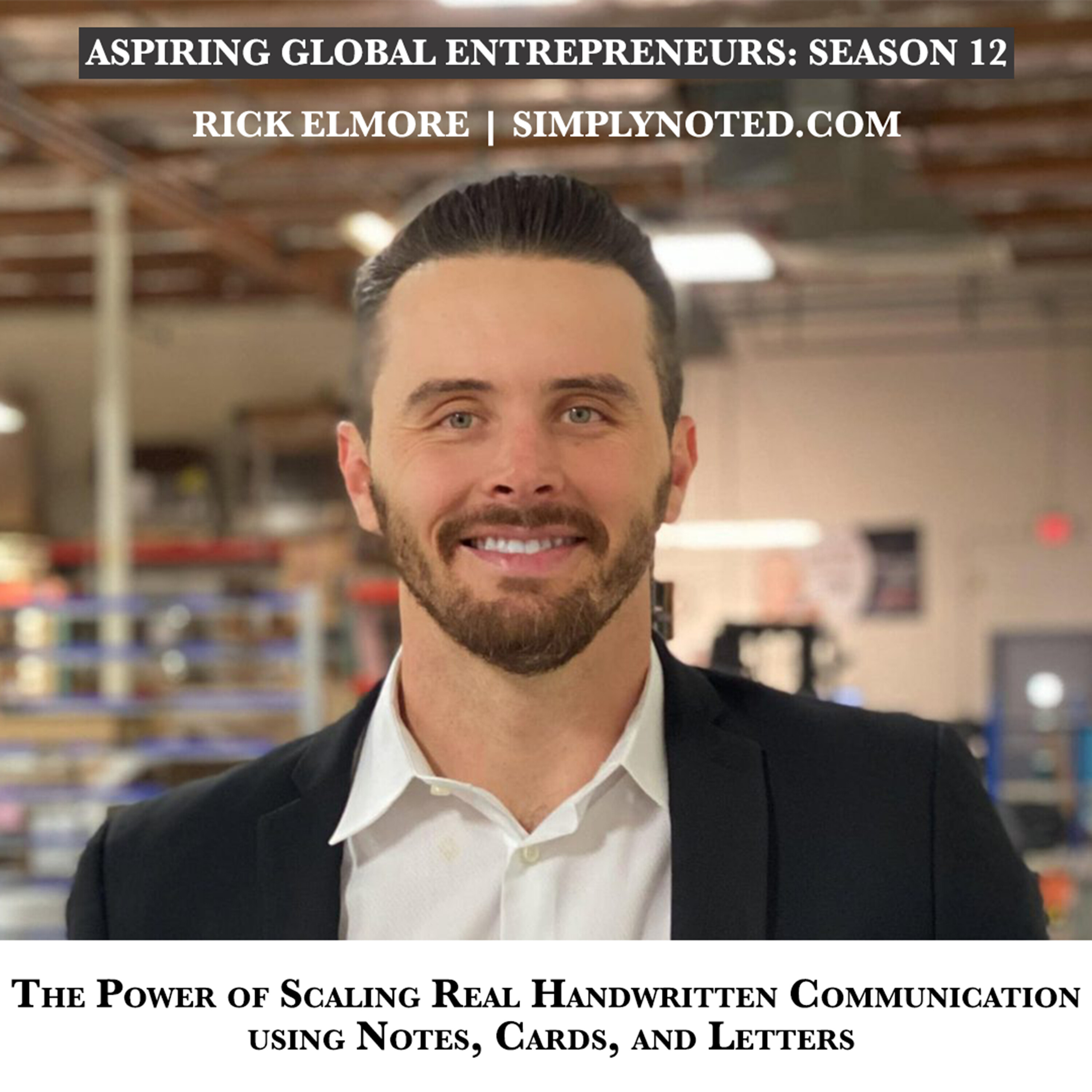
S12 Ep 23Rick Elmore + SimplyNoted.com: The Power of Scaling Real Handwritten Communication using Notes, Cards, and Letters 💌
Welcome our guest, Rick Elmore, Founder of SimplyNoted.com | In this episode, Rick Elmore discusses the enduring power of handwritten notes in a digital world saturated with automated messages. He explains how his company, Simply Noted, leverages technology to automate the process of sending genuine, personalized handwritten notes, helping businesses cut through the noise and build meaningful connections with their customers.Rick emphasizes that while technology has evolved, the personal touch of a handwritten note remains a powerful tool for customer retention, marketing, and building lasting relationships. He shares insights on how to integrate this strategy into existing marketing workflows and leverage it to increase customer lifetime value and generate referrals.Start your 3-Day Fast Delivery with SimplyNoted.com here >>Rick Elmore's Top Key PointsThe Lost Art of Personal Connection: In an era of digital overload, a handwritten note stands out and makes a lasting impression.High Open Rates: Handwritten mail has a 99% open rate, significantly higher than any other form of direct mail or email marketing.Automation and Scalability: Simply Noted uses robotic technology to produce real pen-written notes that are scalable and can be integrated with CRMs and other marketing automation platforms.Hyper-Personalization with AI: By leveraging AI, the messages in the handwritten notes can be hyper-personalized based on customer data, making them even more impactful.Trackable and Actionable: With features like QR code tracking and delivery notifications, the impact of handwritten notes can be measured, and follow-up actions can be triggered for a multi-touch marketing approach.Podcast Episode Timestamps[02:48] Introduction to Simply Noted and the concept of automated handwritten mail.[07:07] The marketing power of handwritten notes and their high open rates.[10:31] The importance of systems and timing in a handwritten note strategy.[16:19] How to integrate handwritten notes into your marketing stack, including platforms like GoHighLevel.[22:00] How to get in touch with Rick Elmore and get a free sample kit from Simply Noted.Podcast Episode FAQsQ: What is Simply Noted?A: Simply Noted is a service that uses custom-built robots to write personalized, handwritten notes on behalf of businesses. This allows companies to send authentic-feeling mail at scale, fostering a personal connection with customers.Q: How does this integrate with my current marketing?A: Simply Noted can be integrated with most CRMs and marketing automation platforms. You can trigger the sending of a handwritten note based on specific customer actions, such as a purchase, an anniversary, or a birthday.Q: What are the benefits of sending handwritten notes?A: The primary benefits are increased customer engagement and loyalty. Handwritten notes have a near-perfect open rate and help your brand stand out. They are a powerful tool for building relationships, which can lead to higher customer lifetime value and more referrals.Next Steps with Rick ElmoreReady to add the personal touch of handwritten notes to your marketing strategy? Visit simplynoted.com to learn more and request a free sample kit. You can also connect with Rick Elmore directly via email at [email protected] or on LinkedIn.See Privacy Policy at https://art19.com/privacy and California Privacy Notice at https://art19.com/privacy#do-not-sell-my-info.
S12 Ep 22Podcast Ranking + Relatable Marketing Podcast SEO Best Practices for High Performance with Favour Obasi-ike
Podcast Ranking: Relatable Marketing SEO Best Practices for High Performance with Favour Obasi-ike, MBA, MS. In this episode, Favour shares expert insights on making podcast titles SEO-friendly and relatable to target audiences. The discussion covers critical technical and strategic elements that podcasters often overlook, including proper keyword placement, file naming conventions, image specifications, and distribution strategies. Favour emphasizes that successful podcasting requires matching titles with search intent, distributing across multiple platforms, and maintaining consistency. With over 620+ episodes and seven years of experience, he demonstrates how discipline, consistency, and patience (DCP) drive long-term podcast growth.Key Timestamps00:00-03:00 - Introduction to relatable podcast titles and SEO fundamentals03:00-09:00 - Matching podcast genres with titles; importance of primary/secondary keywords09:00-15:00 - Website integration and podcast distribution strategies (ListenNotes, pod.link)15:00-22:00 - Keyword strategy: primary vs. secondary keywords for discoverability28:00-30:00 - Critical mistakes: file naming and image size specifications (3000x3000 pixels required)31:00-35:00 - Biggest mistake: putting "Episode #" before actual keywords in titles47:00-50:00 - Visibility score explained (0-10 scale, similar to IMDB ratings)51:00-55:00 - Case study: client ranking in top 50K podcasts from 300K in three weeks71:00-72:00 - Closing remarks and contact information ([email protected])FAQsQ: What makes a podcast title relatable for SEO?A: Match your title with search intent and include primary genre keywords. Put the most important keywords at the beginning, not "Episode #" or show acronyms.Q: What are the most underrated podcast mistakes?A: Incorrect file naming (MP3/MP4 files) and wrong image dimensions. Use 3000x3000 pixels for cover art, not 300x300.Q: How important is website integration?A: Essential. Your website anchors podcast growth and helps with cross-platform visibility on Google and podcast directories.Q: What is podcast visibility score?A: A 0-10 rating (like IMDB) measuring discoverability. Scores of 7.0+ indicate strong audience, signal, and content quality.Q: How can I distribute my podcast effectively?A: Submit RSS feeds to multiple platforms via pod.link and ListenNotes. Search "[Platform] RSS feed submission" on Google for each directory.Book SEO Services | Quick Links for Social Business>> Book SEO Services with Favour Obasi-ike>> Visit Work and PLAY Entertainment website to learn about our digital marketing services>> Join our exclusive SEO Marketing community>> Read SEO Articles>> Subscribe to the We Don't PLAY Podcast>> Purchase Flaev Beatz Beats Online>> Favour Obasi-ike Quick LinksSee Privacy Policy at https://art19.com/privacy and California Privacy Notice at https://art19.com/privacy#do-not-sell-my-info.
S12 Ep 21Sort Feed: Social Media Marketing Algorithm Hacks for Fast Instagram & TikTok Growth with Favour Obasi-ike
Favour Obasi-ike, MBA, MS delves into the intricacies of social media marketing, with a special focus on hacking the Instagram and TikTok algorithms. Favour shares valuable insights on how to gain maximum visibility and grow your business by understanding the underlying mechanics of these platforms. The episode covers the importance of creating engaging content, the power of a strong call to action, and the strategic use of social media analytics. Favour also introduces a powerful tool called "Sort Feed" for analyzing content performance and provides a live demonstration of how to leverage it for your own business. This episode is packed with actionable tips and strategies for anyone looking to up their social media game in 2026.Book SEO Services | Quick Links for Social Business>> Book SEO Services with Favour Obasi-ike>> Visit Work and PLAY Entertainment website to learn about our digital marketing services>> Join our exclusive SEO Marketing community>> Read SEO Articles>> Subscribe to the We Don't PLAY Podcast>> Purchase Flaev Beatz Beats Online>> Favour Obasi-ike Quick LinksLearning TopicsUnderstanding Social Media Algorithms: Learn the difference between social media platforms and search engines, and how to leverage their APIs for growth.Content Strategy: Discover how to create content that resonates with your audience and encourages engagement.The Power of Call to Action (CTA): Understand the importance of a clear and compelling CTA in driving user action.Leveraging Social Media Analytics: Learn how to use tools like "Sort Feed" to analyze content performance and gain a competitive edge.The Psychology of Social Media: Explore the psychological principles behind effective social media marketing, including the use of color and emotional triggers.Cross-Platform Promotion: Discover how to increase the visibility of your social media content by embedding it on your website.Episode Timestamps[00:00 - 02:00] Introduction to the topic: Social Media Marketing, Instagram and TikTok algorithm hacks.[02:00 - 04:10] Introduction to the "Sort Feed" tool for analyzing Instagram and TikTok content.[08:02 - 10:13] The difference between social media platforms and search engines.[20:05 - 25:15] Analysis of a viral post and the importance of a strong CTA.[40:08 - 46:22] The power of comments and engagement in boosting visibility.[53:01 - 58:24] How to embed social media posts on your website to increase reach.[58:08 - 58:24] The psychology of color in marketing.[01:15:11 - 01:16:52] Recap and key takeaways.Frequently Asked Questions (FAQs)Q: What is "Sort Feed" and how can it help my business?A: Sort Feed is a Google Chrome Extension tool that allows you to sort and analyze Instagram and TikTok content by various metrics such as likes, comments, and views. It can help you understand what content is performing well in your industry, identify trends, and gain insights to inform your own content strategy.Q: Should I focus on creating content for the algorithm or for my audience?A: While it's important to understand the algorithm, the primary focus should always be on creating valuable and engaging content for your audience. By building a strong connection with your followers, you will naturally see better results in the long run.Q: How can I increase the visibility of my social media posts?A: One effective strategy is to embed your social media posts on your website or blog. This can help you reach a wider audience and drive more traffic to your social media profiles.Q: What is the most important element of a social media post?A: A clear and compelling call to action (CTA) is one of the most important elements of a social media post. It tells your audience what you want them to do next, whether it's to like, comment, share, or visit your website.See Privacy Policy at https://art19.com/privacy and California Privacy Notice at https://art19.com/privacy#do-not-sell-my-info.
S12 Ep 20Shopify SEO Vs Squarespace SEO Comparisons: Website Development Tutorial, FAQ + Checklist with Favour Obasi-ike
SEO expert Favour Obasi-ike, MBA, MS delivers an in-depth comparison of Shopify SEO and Squarespace SEO CMS platforms, focusing on their SEO and CRO capabilities and website development features. This discussion covers critical technical insights about theme management, URL structure optimization, metadata configuration, and platform-specific best practices.Favour shares actionable strategies for improving website visibility, including the importance of regular theme updates, proper sitemap configuration, and effective use of SEO metadata. The session also touches on comparisons with WordPress, Wix, and other CMS platforms, providing business owners with practical guidance for choosing and optimizing their e-commerce and content-driven websites in 2026.Book SEO Services | Quick Links for Social Business>> Book SEO Services with Favour Obasi-ike>> Visit Work and PLAY Entertainment website to learn about our digital marketing services>> Join our exclusive SEO Marketing community>> Read SEO Articles>> Subscribe to the We Don't PLAY Podcast>> Purchase Flaev Beatz Beats Online>> Favour Obasi-ike Quick LinksEpisode Key Learning Topics1. Shopify Platform Deep DiveShopify as a closed-source e-commerce CMS platformTheme Liquid customization and custom code implementationImportance of regular theme updates for algorithm visibilityPre-installed sitemap functionality and automated SEO featuresApp ecosystem vs WordPress pluginsMulti-currency and multi-language capabilitiesSchema.org integration for product pages2. Squarespace Platform OverviewUser-friendly, content-driven platform positioningComparison with Shopify for product-based vs content-based websitesQuick setup and on-the-go management capabilitiesIntegration capabilities and limitationsBest use cases for small businesses and content creators3. SEO Metadata OptimizationProper configuration of SEO meta titles and descriptionsOpen Graph (OG) tags for social media sharingURL structure best practices and character optimizationThe importance of unique metadata vs duplicated contentHow to edit SEO metadata in Shopify product pages4. URL Structure StrategyStrategic URL naming conventions for productsUsing numbers strategically in URLs (e.g., "red-roses-12-piece" vs "12-piece-red-roses")Pattern disruption for user attention and click-through optimizationShorter, more concentrated URLs for better visual scanningPre-purchase click optimization through URL clarity5. Technical SEO FundamentalsSitemap management across different platformsGoogle Search Console setup and sitemap submissionThe difference between Google Analytics and Google Search ConsoleNAP (Name, Address, Phone) consistency for local SEORobots.txt configuration and indexing control6. Wix Platform InsightsHidden robots.txt settings affecting blog tag indexingHow to enable tag indexing in Wix SEO settings10-year evolution of the Wix platformCommon indexing issues and solutions7. WordPress vs Closed-Source PlatformsOpen-source flexibility vs closed-source constraintsPlugin management and sitemap conflictsThe analogy of "square footage" for platform capabilitiesWhen to choose WordPress over Shopify/Squarespace8. Content Strategy & Page ManagementThe power of compounding through content updatesUpdating old blog posts alongside publishing new onesFooter copyright year updates as ranking signalsOn-page SEO details that AI and search engines scanCreating and maintaining a content calendar9. Website Maintenance Best PracticesRegular theme updates and their impact on visibilityChecking and updating footer copyright yearsMonitoring broken links and slow page speedsPlatform-specific maintenance requirements (Shopify, Squarespace, WordPress, Webflow, Wix)10. Free Website Audit OfferFavour's offer for surface-level website auditsDeep dive capabilities for root problem identificationMulti-platform support (Shopify, Squarespace, WordPress, Webflow, Wix, Magento, Tilda, Duda)Email newsletter with SEO, marketing, and AI insightsEpisode Timestamps00:00 - Introduction: Shopify SEO vs Squarespace SEO comparison00:53 - Welcome and housekeeping (saving replays, accessing resources)02:36 - Shopify platform overview and e-commerce focus03:01 - Why Shopify stands out (price-friendly, brand-aware, aesthetically pleasing)03:43 - Shopify themes and purchasing considerations05:43 - Critical question: When did you last update your theme?06:40 - How theme updates affect algorithm visibility07:00 - Closed-source vs open-source platforms explained07:08 - Theme Liquid customization in Shopify08:00 - Shopify as your hosting platform08:10 - Apps in Shopify vs plugins in WordPre
S12 Ep 19WordPress SEO vs. Webflow SEO Comparisons: Website Development Tutorial + Checklist with Favour Obasi-ike
In this "WordPress SEO vs. Webflow SEO Comparisons: Website Development Tutorial + Checklist" podcast episode, host Favour Obasi-ike, MBA, MS leads a detailed discussion comparing two popular website development platforms: WordPress and Webflow. The conversation delves into the critical aspects of choosing a content management system (CMS), including setup, design, maintenance, and search engine optimization (SEO).A key segment features a real-world account from a participant, Ryan, who shares his recent struggles with a significant Google algorithm update that drastically impacted his website's traffic and revenue. The episode provides a balanced view of both platforms, highlighting their respective strengths and weaknesses to help listeners make an informed decision based on their specific business needs, technical expertise, and long-term goals.Need to Book SEO Services for your Social Business?>> Book a Complimentary SEO Discovery Call with Favour Obasi-Ike>> Visit Work and PLAY Entertainment website to learn about our digital marketing services>> Join our exclusive SEO Marketing community>> Read SEO Articles>> Subscribe to the We Don't PLAY Podcast>> Purchase Flaev Beatz Beats Online>> Favour Obasi-ike Quick LinksKey Learning TopicsCMS Platform ComparisonAn in-depth analysis of WordPress and Webflow, covering ease of use, customization options, and built-in features. The discussion emphasizes that the best choice depends on the project's specific requirements and the user's technical comfort level.SEO Strategy and ImplementationThe episode explores how SEO is handled on both platforms, from WordPress plugins like Yoast and Rank Math to Webflow's integrated SEO tools. It stresses that while platforms provide tools, a successful SEO strategy relies on consistent effort and quality content.Impact of Google UpdatesListeners will learn about the real-world consequences of Google's algorithm changes, including the importance of continuous link building, content updates, and monitoring search engine results pages (SERPs).Website InfrastructureThe conversation covers the technical aspects of hosting and infrastructure, contrasting the self-hosted nature of WordPress with the managed hosting provided by Webflow. This includes considerations of scalability, performance, and DevOps.Analytics and TrackingThe importance of comprehensive analytics is highlighted, going beyond basic platform-specific metrics to include tracking AI mentions and utilizing tools like Google Search Console to gain a deeper understanding of website performance.Timestamps[00:00] Introduction: WordPress vs. Webflow[03:37] Google Algorithm Update Discussion with Ryan[07:00] SEO Strategy & The Importance of Backlinks[20:00] Comparing Platform-Specific Features[26:00] Hosting, Infrastructure, and Scalability[32:00] WordPress's Dominance in the Market[38:00] Technical Requirements and Maintenance[47:00] Integrating Email Marketing with Flowdesk[50:00] The Future of Analytics and AI Tracking[56:00] Best Practices for Website Development[72:30] Closing Remarks and Preview of Next EpisodeFrequently Asked Questions (FAQs)1. Which platform is better for a beginner with no coding experience?Webflow is generally considered more beginner-friendly due to its visual editor and managed hosting, which simplifies the setup and maintenance process. WordPress, while powerful, has a steeper learning curve and requires more hands-on management of hosting, plugins, and security.2. Can I achieve good SEO results on both WordPress and Webflow?Yes, both platforms offer robust tools to implement a strong SEO strategy. The key to success is not the platform itself, but the consistent application of SEO best practices, such as creating high-quality content, building quality backlinks, and optimizing for relevant keywords.3. How important are plugins for a WordPress site?Plugins are essential for extending the functionality of a WordPress site. They can add features for SEO, e-commerce, security, and more. However, it is crucial to use well-coded plugins from reputable sources, as an excessive number of plugins or poorly-coded ones can slow down your website and create security vulnerabilities.4. What are the main cost differences between WordPress and Webflow?Webflow operates on a subscription model with different pricing tiers based on features and traffic. WordPress is open-source and free to use, but you
S12 Ep 18Is SEO Dead in 2026? SEO Services Vs SEO Agencies FAQs with Favour Obasi-ike
Is SEO Dead in 2026? SEO is not dead, it's evolving. While Google still dominates with 1.63 trillion visits (26x more than ChatGPT's 47.7 billion), the key to success in 2026 is integrating AI into your SEO strategy. Favour Obasi-ike, MBA, MS breaks it down today.Traditional SEO alone is becoming obsolete. This episode explores how to treat your website as intellectual property, the importance of content freshness, and why "your voice is your invoice" when it comes to differentiated messaging.Key Learning Topics1. SEO Has Evolved Into an "Exposure Engine"SEO reveals what your website is missing and how to show up in both traditional search and AI platforms (LLMs). Without AI integration, you're using outdated marketing.2. AI-SEO Integration is Essential39% see results within 1-2 months with AI-generated content; 26% in under one month. Organic SEO visibility directly impacts AI discoverability.3. Your Website is Intellectual PropertyTreat your domain like a plot of land and your website as the building. The "last modified" date signals freshness to search engines.4. "Your Voice is Your Invoice"If you're not selling, you're not saying anything different. Stories sell better than facts. Be provocative and unique in your messaging.5. Content Repurposing StrategyOne piece of content → 5-10 blog posts → e-book → lead magnet → courses. Stack your value ladder without reinventing the wheel.6. Preparation Drives Success"What you do off the field makes you an all-star on the field." Do the work before the work—send prep materials, plan content in batches.7. The Difference: Being Heard vs. Being HiredVisibility without differentiation doesn't convert. Say what competitors won't say to turn attention into revenue.8. Platform-Specific OptimizationGoogle/YouTube favor mobile; ChatGPT sees more desktop usage. Optimize for platform-specific user behaviors.Need to Book An SEO Discovery Call for Advertising or Marketing Services?>> Book a Complimentary SEO Discovery Call with Favour Obasi-Ike>> Visit Work and PLAY Entertainment website to learn about our digital marketing services>> Join our exclusive SEO Marketing community>> Read SEO Articles>> Subscribe to the We Don't PLAY Podcast>> Purchase Flaev Beatz Beats Online>> Favour Obasi-ike Quick LinksEpisode TimestampsIntroduction & Core Concepts00:00 - Is SEO dead in 2026?01:31 - Main question introduced02:33 - Google: 1.63 trillion visits vs ChatGPT: 47.7 billion03:02 - "SEO is not dead" - it's an exposure engine03:34 - Warning about building without AI integrationMo Dub: Voice & Differentiation04:47 - Mo Dub introduces himself04:59 - "Your voice is an invoice"05:22 - If you're not selling, you're not saying anything different05:46 - Being heard vs. being hired06:07 - People are always searching for solutions06:34 - Google algorithm changes require contingency plansWebsite as Property08:21 - "Last modified" concept explained08:44 - Websites as intellectual property08:56 - Domain = plot, website = buildingAI Integration & Statistics35:49 - AI-generated content effectiveness35:58 - 39% see results in 1-2 months36:10 - 26% see results in under 1 month37:01 - Organic search enables AI discoverability37:25 - "SEO is dead" is false advertising38:03 - Traditional SEO without AI is obsoleteCopywriting & Content Strategy38:34 - "Facts tell, stories sell"39:28 - "What you do off the field makes you an all-star"39:35 - Your harvest is determined by your hustle40:22 - Doing the work before the work40:49 - Repurposing one blog into multiple formats41:28 - The more you speak, the more you get paidPlatform Statistics43:07 - Google: 97.4 billion visits43:24 - Google mobile: 70B, desktop: 26.5B43:36 - YouTube: 44.6% of traffic44:26 - ChatGPT: 5.3 billion visits44:33 - ChatGPT desktop: 4.19B, mobile: 1.24B44:41 - More desktop usage on ChatGPT vs mobile on GoogleClosing68:15 - Thanks and tomorrow's topic: WordPress vs Webflow68:56 - This calendar layout won't repeat until 203770:15 - Sign-offFAQsQ: Is SEO really dead in 2026?A: No. Google still dominates traffic, but traditional SEO without AI integration is becoming obsolete. You must optimize for both search engines and AI platforms.Q: How long to see results with AI-integrated SEO?A: 39% see results in 1-2 months; 26% in under one month with AI-generated content.Q: What does "your voice is an invoice" mean?A: What you say directly impacts revenue. If you're not selling, you're not saying anything different from competitors. Speak up with unique value.Q: Why is "last modified" important?A: It signals to search engines that your site is active and relevant. Fresh c
S12 Ep 17LinkedIn Premium vs. Clubhouse Plus: Paid Social Business App Features Comparison Talk with Favour Obasi-ike
In this "LinkedIn Premium vs. Clubhouse Plus: Paid Social Business App Features Comparison" episode, Favour Obasi-ike, MBA, MS leads a detailed discussion comparing the premium subscription services of two major professional and social platforms: LinkedIn Premium and Clubhouse Plus. The conversation delves into the value proposition, pricing, and return on investment (ROI) for each service, offering listeners a clear framework for deciding which, if any, is the right investment for their professional goals. With contributions from guest speaker Jason and Celeste, the episode provides a balanced view, weighing the feature sets of both platforms against the practical needs of users, from small business owners to large corporate professionals. The discussion also highlights the importance of intentionality and active participation to maximize the benefits of these powerful networking tools.Podcast Episode: Learning TopicsThis episode offers valuable insights into several key areas of professional development and social media strategy. Listeners will gain a deeper understanding of the following topics:Platform Investment Strategy: Learn how to evaluate the costs and benefits of premium social media features to make informed investment decisions.Social Platform ROI: Discover methods for calculating the return on your investment of time, energy, and money on platforms like LinkedIn and Clubhouse.LinkedIn Optimization: Uncover underutilized free features, such as LinkedIn Projects, and learn how to build a compelling profile that attracts employers.Professional Networking: Gain best practices for building and maintaining a strong professional network, both online and off.Market Analysis Frameworks: An introduction to the TAM, SAM, and SOM (Total Addressable Market, Service Addressable Market, and Service Obtainable Market) framework for strategic planning.Need to Book An SEO Discovery Call for Advertising or Marketing Services?>> Book a Complimentary SEO Discovery Call with Favour Obasi-Ike>> Visit Work and PLAY Entertainment website to learn about our digital marketing services>> Join our exclusive SEO Marketing community>> Read SEO Articles>> Subscribe to the We Don't PLAY Podcast>> Purchase Flaev Beatz Beats OnlinePodcast Episode Key TimestampsNavigate the episode with these key timestamps to find the most relevant discussions for you:[00:00 - 02:00] Introduction to the discussion on LinkedIn Premium vs. Clubhouse Plus.[03:30 - 04:00] A direct comparison of the pricing structures for both services.[06:00 - 07:00] The history of LinkedIn Audio and its place in the social audio landscape.[07:00 - 08:00] The host shares their extensive history and experience with both platforms.[28:00 - 35:00] Guest speaker Jason offers a critical perspective on the timing of Clubhouse Plus and the ROI of LinkedIn Premium for small businesses.[36:00 - 38:30] A deep dive into the powerful and underutilized "Projects" feature on LinkedIn.[38:40 - 40:00] Closing thoughts and the application of the TAM/SAM/SOM framework to personal branding.Frequently Asked Questions (FAQs)1. What is the main difference between LinkedIn Premium and Clubhouse Plus?The primary difference lies in their core purpose. LinkedIn Premium is geared towards professional advancement, offering tools for job seeking, sales, and recruitment. Clubhouse Plus enhances the social audio experience, providing features for dedicated users to improve their networking and content creation on the platform.2. Is LinkedIn Premium worth it for small businesses?According to guest speaker Jason, the ROI for small businesses might be limited. While it offers powerful search and recruiting tools, many of the key benefits for networking and profile enhancement can be achieved using the platform's free features effectively.3. What are the most valuable free features on LinkedIn?The "Projects" feature is highlighted as a powerful tool to showcase your work and skills in detail. Additionally, collecting recommendations and building a comprehensive profile are highly effective free strategies for professional growth.4. How can I maximize my presence on these platforms without paying?The key is active and intentional participation. On LinkedIn, this means fully utilizing all profile sections, engaging with content, and connecting with other professionals. On Clubhouse, it involves joining relevant conversations, contributing valuable insights, and building a network through active participation.See Privacy Policy at https://art19.com/privacy and California Privacy Notice at https://art19.com/privacy#do-not-sell-my-info.
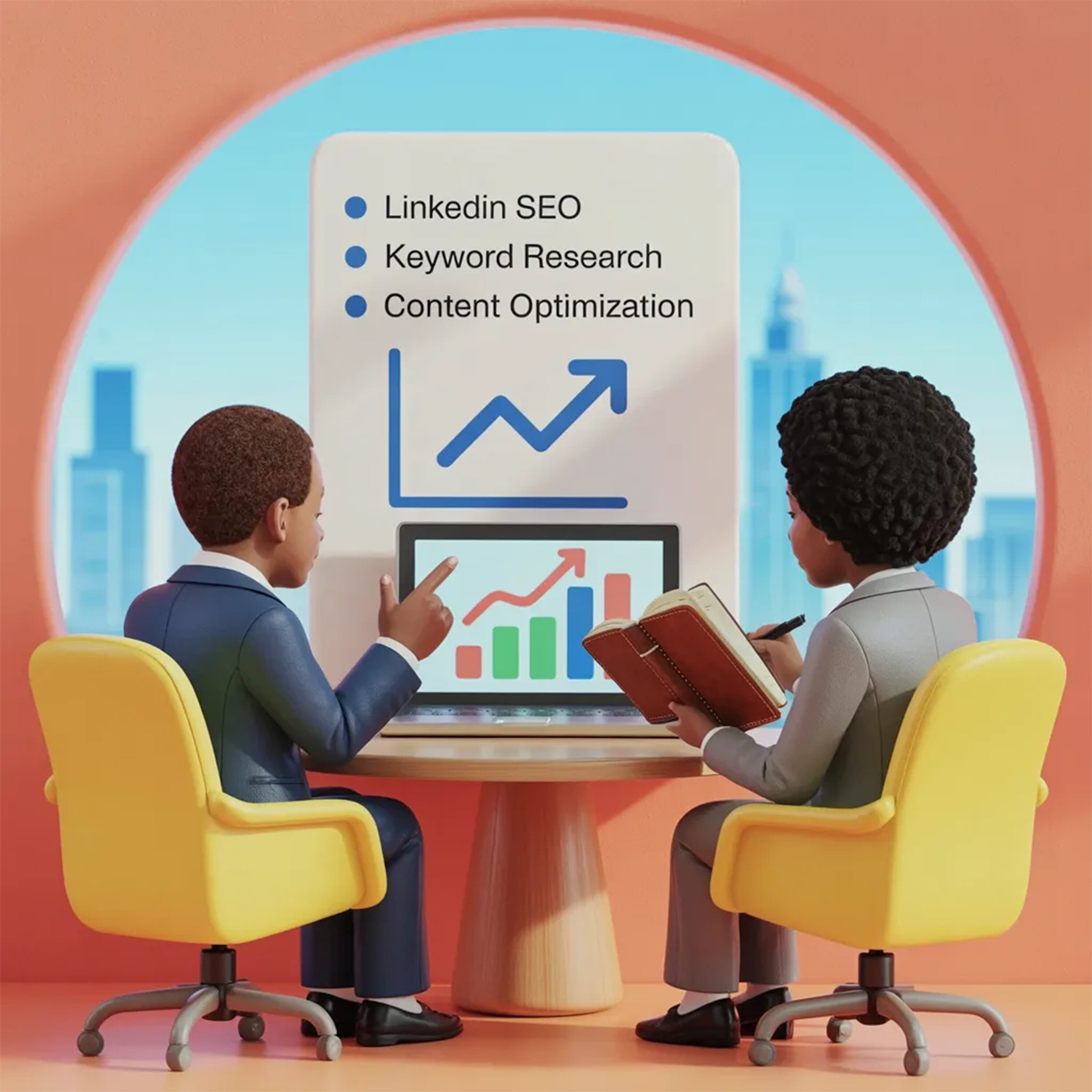
S12 Ep 16Social Business: LinkedIn SEO Best Practices and Marketing Tactical Strategies with Favour Obasi-ike
In this episode of the Marketing Club on Clubhouse, host Favour Obasi-ike, MBA, MS discusses "Social Business: LinkedIn SEO Best Practices with Marketing Tactical Strategies". The conversation, with industry friends and guests Jolanta, Celeste, and David Baker, delves into the nuances of optimizing your LinkedIn presence to increase visibility and build a strong personal brand. The episode covers a range of topics, from the importance of a clean and professional LinkedIn profile URL to the strategic use of LinkedIn features like newsletters and polls. The speakers emphasize the long-term value of content creation, the significance of building an email list, and the power of leveraging AI tools to enhance your marketing efforts.This podcast episode is packed with actionable advice for anyone looking to leverage LinkedIn for business growth and personal branding and social business building.Learning TopicsLinkedIn Profile Optimization: Learn how to optimize your LinkedIn profile for maximum visibility, including the importance of a clean URL and a well-crafted headline.Content Strategy: Discover effective content strategies for LinkedIn, including the use of polls, GIFs, and newsletters to engage your audience.The Power of Email Marketing: Understand why building an email list is crucial for long-term business success and how to integrate it with your LinkedIn strategy.Leveraging AI Tools: Get insights into using AI tools like Shield App to analyze your LinkedIn performance and gain a competitive edge.Long-Term SEO Value: Learn about the long-term benefits of creating high-quality content and how it contributes to your overall SEO strategy.Need to Book An SEO Discovery Call for Advertising or Marketing Services?>> Book a Complimentary SEO Discovery Call with Favour Obasi-Ike>> Visit Work and PLAY Entertainment website to learn about our digital marketing services>> Join our exclusive SEO Marketing community>> Read SEO Articles>> Subscribe to the We Don't PLAY Podcast>> Purchase Flaev Beatz Beats OnlineEpisode Timestamps[00:00 - 01:53] Introduction to LinkedIn SEO and its importance for business growth.[01:53 - 05:26] The importance of a clean and professional LinkedIn profile URL.[05:26 - 08:08] How to optimize your LinkedIn headline and avoid keyword stuffing.[08:08 - 15:45] The long-term value of content and the 24-month yield of an article.[15:45 - 23:10] The importance of building an email list and not relying solely on social media platforms.[23:10 - 33:31] How to use LinkedIn polls to engage your audience and gather insights.[33:31 - 40:12] Using GIFs on LinkedIn to make your posts more visually appealing.[40:12 - 50:30] The benefits of creating a LinkedIn company profile and using newsletters.[50:30 - 01:05:00] Discussion on various AI tools and search engines like Perplexity, ChatGPT, and Gemini.[01:05:00 - 01:15:00] Guest David Baker shares his story about getting locked out of his LinkedIn account and the importance of owning your audience.[01:15:00 - 01:25:00] Introduction to Shield App, an AI tool for LinkedIn analytics.[01:25:00 - 01:36:45] Final thoughts and key takeaways from the speakers.Frequently Asked Questions (FAQs)Q: Why is it important to have a clean LinkedIn URL?A: A clean LinkedIn URL (e.g., linkedin.com/in/yourname) is crucial for SEO and personal branding. It makes your profile look more professional and easier to find. Avoid URLs with random numbers or characters, as they can hurt your visibility.Q: Should I use hashtags on LinkedIn?A: The speakers suggest that hashtags are not essential on LinkedIn. It's more important to create high-quality content that resonates with your target audience. However, if you do use hashtags, use them sparingly and strategically.Q: How can I make my LinkedIn posts more engaging?A: You can use polls, GIFs, and visually appealing content to make your posts more engaging. Polls are a great way to interact with your audience and gather feedback, while GIFs can add a touch of personality to your posts.Q: What is the Shield App?A: Shield App is an AI-powered analytics tool for LinkedIn. It helps you track your content performance, understand your audience, and gain insights to improve your LinkedIn strategy. The speakers recommend it as a valuable tool for serious LinkedIn users.Q: Why is building an email list so important?A: You don't own your social media followers. If you get locked out of your account or the platform changes its algorithm, you could lose your audience. An email list gives you a direct line of communication with your followers that you control.See Privacy Policy at https://art19.c
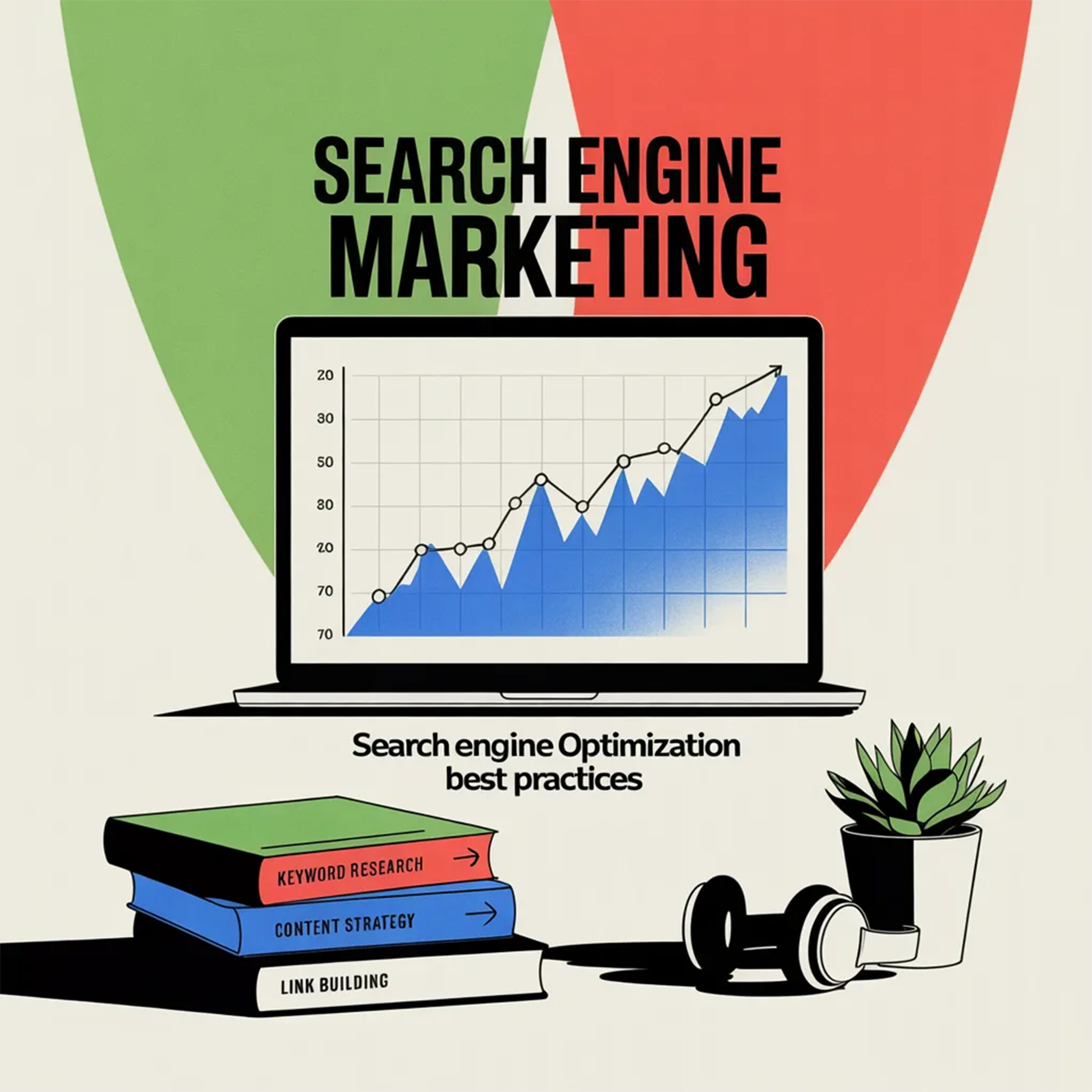
S12 Ep 15Search Engine Marketing Best Practices (SEM) for High Performance and Conversions with Favour Obasi-ike
Favour Obasi-ike, MBA, MS takes us on deep dive into the world of digital marketing, with a strong focus on Search Engine Marketing (SEM) and Search Engine Optimization (SEO). The host breaks down the key differences and relationship between these two critical components of a successful online strategy. The discussion covers the entire customer journey, from the pre-click phase, where the user is first searching for information, to the post-click phase, where the goal is to convert the user into a customer.A significant portion of the episode is dedicated to practical, actionable advice for improving conversion rates. This includes a detailed look at crafting effective Calls to Action (CTAs), optimizing landing pages, and leveraging analytics to make data-driven decisions. The host also shares a valuable tip on using brackets in headlines to increase click-through rates. This episode features a friend / guest from Canada 🇨🇦 who discusses their AI compliance platform, providing a real-world case study for applying the marketing principles discussed. Other topics covered include the importance of timing and seasonality in marketing campaigns, content marketing strategies, and the concept of tokenization.Need to Book An SEO Discovery Call for Advertising or Marketing Services?>> Book a Complimentary SEO Discovery Call with Favour Obasi-Ike>> Visit Work and PLAY Entertainment website to learn about our digital marketing services>> Join our exclusive SEO Marketing community>> Read SEO Articles>> Subscribe to the We Don't PLAY Podcast>> Purchase Flaev Beatz Beats OnlineEpisode Timestamps[0:00] - Search Engine Marketing (SEM) & PPC[1:05] - Timing & Seasonality[2:04] - LinkedIn Marketing[2:43] - SEO Best Practices[2:56] - Pay-Per-Click Advertising[3:38] - Pre-Click Phase Strategy[4:42] - AI Compliance Platform Discussion[6:20] - Conversion Optimization[6:42] - Website Optimization[8:00] - Post-Click Phase Strategy[9:09] - Local Marketing[20:40] - Email Marketing[40:04] - Landing Page Optimization[45:00] - Click-Through Rate Optimization[45:21] - Using Brackets in Titles[49:22] - Call to Action (CTA) Best Practices[1:16:11] - Analytics & Data Tracking[1:55:06] - Tokenization & Duplicate Content[1:57:35] - Content Marketing StrategyEpisode Key TakeawaysUnderstanding SEM vs. SEOThe episode clarifies the often-confused relationship between Search Engine Marketing (SEM) and Search Engine Optimization (SEO). While SEO focuses on organic strategies that require time investment (like planting a seed that grows over time), SEM involves paid advertising through platforms like Google Ads, YouTube Ads, and Microsoft Bing Ads. Historically, SEM encompassed both paid and organic strategies, but today they are typically separated. The key distinction is that SEO uses time as the primary investment, while SEM uses money to accelerate results.The Two-Phase Click StrategyA critical framework discussed is the pre-click and post-click phases. The pre-click phase involves everything that happens before a user clicks on your ad or link, including search queries, keyword targeting, ad copy, and timing. The post-click phase encompasses the landing page experience, conversion funnel, and call-to-action effectiveness. Understanding and optimizing both phases is essential for successful digital marketing campaigns.Personalization Drives ResultsAccording to McKinsey Research mentioned in the episode, personalized advertising can lead to approximately 30% higher marketing spend efficiency. This personalization extends beyond basic demographics to include psychographics (mood, attitudes, values, principles), firmographics (company type, industry, job titles), and geographic targeting. The example of Spotify's location-based ads demonstrates how localized content creates stronger connections with audiences.The Power of Brackets in TitlesOne of the most actionable tips shared is that using brackets in titles and subject lines can increase click-through rates by 38%. This works because brackets create a "pattern disrupt" that catches the reader's eye while skimming content. Examples include adding "[20% Off]", "[Ends 02/01]", "[PDF]", "[Video]", or "[Tutorial]" to headlines. This technique applies to email subject lines, meta titles, social media posts, and any content with a headline.Strong CTAs Make the DifferenceWeak calls-to-action like "Click Here" or "Learn More" fail to convert. Instead, the episode recommends using benefit-oriented language that reminds users of the value t
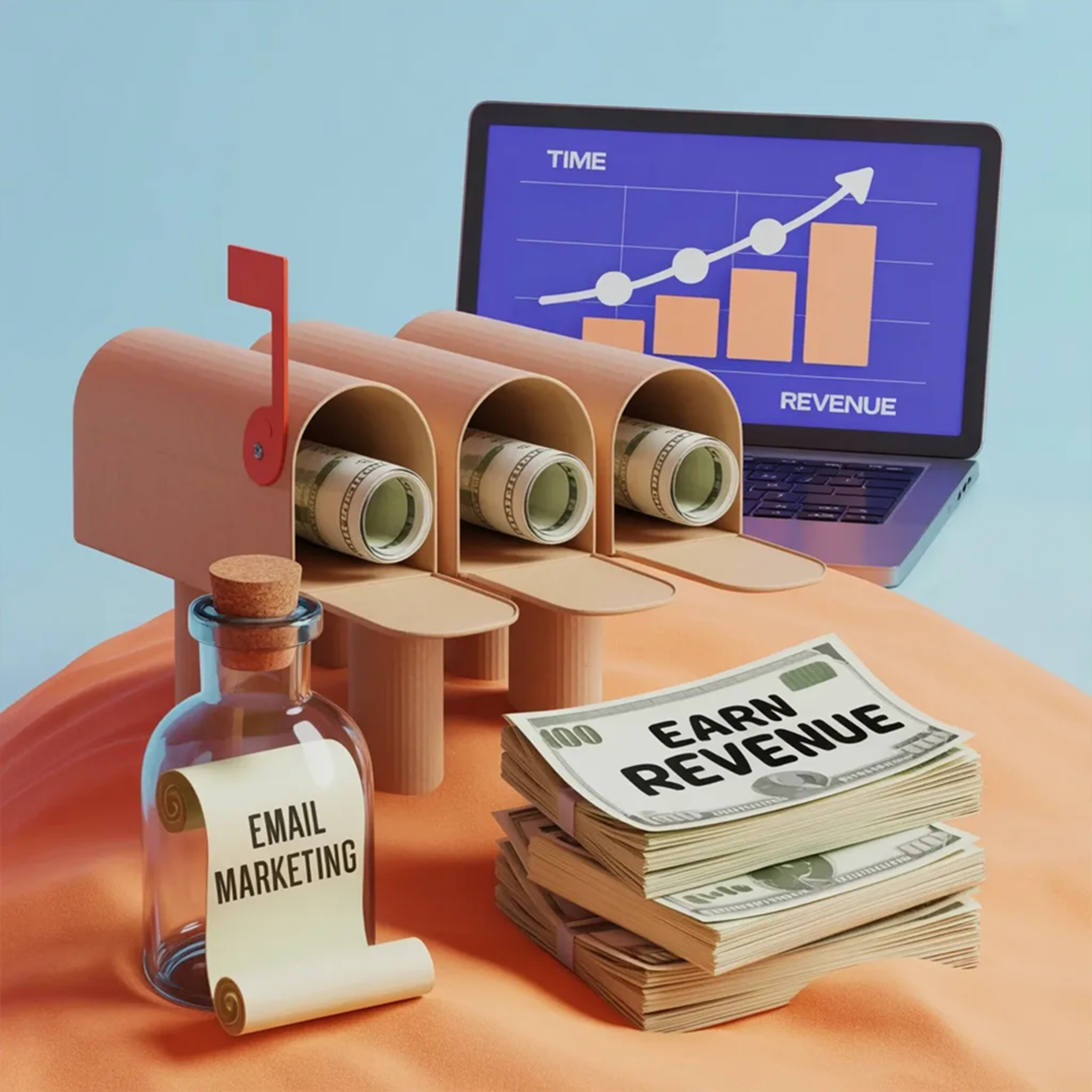
S12 Ep 14Top 7 Email Marketing Best Practices that Earn Revenue (ROI) in 2026 with Favour Obasi-ike
Join Favour Obasi-ike, MBA, MS for a masterclass on email marketing strategies that actually drive revenue. In this session, Favour breaks down the power of segmented email campaigns, explains the metrics that matter, and shares how to build a website-first content strategy that turns subscribers into customers. Learn how to leverage free tools, automate your email sequences, and create long-term relationships with your audience through strategic, data-driven email marketing ROI.Whether you're just starting with email marketing or looking to optimize your existing campaigns, this episode delivers actionable insights you can implement immediately to boost engagement and generate sustainable revenue.What You'll Learn✓ How to use segmented emails to increase revenue and engagement✓ The difference between click-through rate and click rate (and why it matters)✓ Why your website is the foundation of successful email marketing✓ Google's E-E-A-T framework for creating helpful content✓ How to repurpose one piece of content across multiple channels✓ Which free tools every email marketer should be using✓ The "website-first" content strategy that saves time and builds SEO✓ How to create automated email sequences that work 24/7Need to Book An SEO Discovery Call for Advertising or Marketing Services?>> Book a Complimentary SEO Discovery Call with Favour Obasi-Ike>> Visit Work and PLAY Entertainment website to learn about our digital marketing services>> Join our exclusive SEO Marketing community>> Read SEO Articles>> Subscribe to the We Don't PLAY Podcast>> Purchase Flaev Beatz Beats OnlineTop 7 Email Marketing Best Practices1. Use Segmented Emails StrategicallyCreate segments based on subscriber behavior and preferences. Use polls and interactive elements to gather data, then tag links to track which subscribers are interested in which offerings.2. Build a Helpful, Responsive WebsiteYour website should be fast-loading, mobile-friendly, and provide genuine value. Focus on Google's E-E-A-T framework: Experience, Expertise, Authority, and Trust.3. Create Content on Your Website FirstPublish content on your website before sharing on social media. This builds your owned digital assets, improves SEO, and gives you more control over distribution.4. Leverage Email Metrics for Continuous ImprovementTrack who opens, clicks, and takes action. Identify your most engaged subscribers and create VIP segments for them. Use this data to refine your messaging over time.5. Implement Scheduled and Automated Email SequencesSet up automated sequences that trigger based on subscriber actions. Create welcome series, nurture campaigns, and re-engagement flows that work around the clock.6. Repurpose Content Across Multiple FormatsTake one long-form piece and break it into blog posts, social media updates, podcast episodes, videos, and email newsletters. Maximize your content creation efforts.7. Focus on Long-term Relationship BuildingNot everyone opens emails the day you send them. Be consistent with your schedule, provide ongoing value, and build trust over time rather than chasing quick sales.Key Metrics to TrackDeliverability Rate - Percentage of emails reaching subscriber inboxesOpen Rate - Percentage of delivered emails that get openedClick Rate - Percentage of delivered emails with link clicksClick-Through Rate (CTR) - Percentage of opened emails with link clicksConversion Rate - Percentage completing your desired actionPodcast Episode Timestamps[00:00] Episode introduction: Email marketing best practices that earn revenue[00:40] Why segmented emails are the #1 revenue driver[03:06] How to create segments triggered by scheduled emails[03:37] Example: Segmenting by in-person vs. virtual event preferences[06:00] Using polls to understand what your audience really wants[07:00] Revenue starts at the beginning: building systems for MRR[08:00] Click-through rate vs. click rate explained[09:00] Identifying and segmenting your most engaged subscribers[10:00] Tracking email opens and clicks consistently[10:30] Creating VIP segments for highly engaged subscribers[14:00] Re-engaging inactive subscribers through targeted campaigns[15:00] Email deliverability and its impact on revenue[17:00] Understanding spam filters and how to avoid them[18:00] Email authentication: SPF, DKIM, and DMARC[20:00] Real case study: Client ranking page one for competitive keywords[21:42] Technical SEO: indexing, blogs, location pages, schema markup[23:00] Email marketing as direct response marketing[24:00] Why not everyone opens emails immediately (and that's okay)[25:00] Best Practice #1: Have a helpful, responsive we

S12 Ep 13Microsoft Bing SEO vs. Perplexity SEO: AI Optimization Marketing Showdown with Favour Obasi-ike
In this strategic follow-up, Favour Obasi-ike, MBA, MS unveils the powerful, interconnected Microsoft ecosystem and why it's a game-changer for SEO. Move beyond Google and discover how Bing, Perplexity AI, and LinkedIn work together to build your website's authority and visibility in the age of AI search.We delve into the crucial, often-missed strategy for new websites: using Bing Webmaster Tools as a "language bridge" to accelerate Google's recognition of your site. Learn why your website must become your proprietary first-party data asset and how structured content gets cited by platforms like Perplexity.This episode is your roadmap to LLM (Large Language Model) Visibility, providing actionable steps on building trust signals, implementing schema markup, and creating a unified content structure that works across all platforms—not against them.Need to Book An SEO Discovery Call for Advertising or Marketing Services?>> Book a Complimentary SEO Discovery Call with Favour Obasi-Ike>> Visit Work and PLAY Entertainment website to learn about our digital marketing services>> Join our exclusive SEO Marketing community>> Read SEO Articles>> Subscribe to the We Don't PLAY Podcast>> Purchase Flaev Beatz Beats Online🔑 Key Episode Discussion Points:[02:26] The hidden connection: Microsoft, Bing, Perplexity, and LinkedIn.[05:17] Core Strategy: Why connecting a new site to Bing helps Google recognize it faster.[10:00] How Perplexity cites LinkedIn content and the critical role of your author profile.[20:00] The seismic shift from "click" to "trust" in AI-driven search.[22:00] Defining and mastering LLM Visibility.[39:31] Your website is not just a brochure; it's your #1 data acquisition asset.[45:09] The rule: "Structured pages need headings; well-structured pages need schema."[52:18] Final Verdict: Don't silo these platforms, "put them together."📋 Actionable Takeaways:Leverage the Ecosystem: Use Bing to boost Google, and LinkedIn to feed Perplexity.Build for Structure: Implement schema markup (Article, Event) to make content AI-friendly.Prioritize Your Domain: Your website is the long-term foundation; social platforms are satellites.Cultivate Trust: Authority is currency. Build it through consistent, high-value content.Adopt a Unified Mindset: These tools are complementary, not competitive.See Privacy Policy at https://art19.com/privacy and California Privacy Notice at https://art19.com/privacy#do-not-sell-my-info.
S12 Ep 12Google SEO vs. ChatGPT SEO: AI Optimization Marketing Showdown with Favour Obasi-ike
In this insightful episode, Favour Obasi-ike, MBA, MS breaks down the critical differences and essential overlaps between traditional Google SEO and the emerging field of ChatGPT SEO (optimization for AI search). The core distinction is framed as Websites vs. Conversation. While Google prioritizes structured, keyword-optimized websites, AI models like ChatGPT, Perplexity, and Gemini focus on providing direct, conversational answers.Favour Obasi-ike argues that the future of content visibility lies in establishing your website as the central anchor for all content distribution. By consistently linking your website across all platforms (YouTube, LinkedIn, podcasts, etc.), you build the domain authority and citation structure necessary for AI models to trust and cite your content. He emphasizes that AI-driven search is shifting the user experience from "clicking" on a link to "trusting" a direct answer, making the source's authority more critical than ever. The podcast episode concludes with actionable advice on technical SEO, including optimizing for page speed, Core Web Vitals, and formatting content with listicles and tables to be easily digestible by AI.Need to Book An SEO Discovery Call for Advertising or Marketing Services?>> Book a Complimentary SEO Discovery Call with Favour Obasi-Ike>> Visit Work and PLAY Entertainment website to learn about our digital marketing services>> Join our exclusive SEO Marketing community>> Read SEO Articles>> Subscribe to the We Don't PLAY Podcast>> Purchase Flaev Beatz Beats OnlineKey Episode TakeawaysThe Fundamental Difference: Websites vs. ConversationThe core difference is in the format each search system prioritizes. Google SEO is built around ranking individual websites on search result pages (SERPs) for structured keywords. The user's journey involves clicking through to a website.ChatGPT SEO, on the other hand, is built for a conversational AI interface. The goal is to provide the perfect, direct, and trusted answer within the chat window itself, minimizing the need for a click.The New SEO Ecosystem: LLM VisibilityTo achieve LLM Visibility (Large Language Model Visibility), you must understand that search is now split between two major ecosystems.The Google/OpenAI ecosystem includes Google search, ChatGPT (using the Atlas Browser), and the associated platform, YouTube.The Microsoft/Perplexity ecosystem includes the Perplexity AI platform (using the Comet Browser) and the associated Microsoft-owned platform, LinkedIn.Actionable Steps for 2026 SEO StrategyEstablish Your Anchor: Your website must be the central hub for all your content.Distribute Your Authority: Place your website link on every third-party platform (social media, podcast directories, video descriptions).Optimize for Speed: Prioritize Core Web Vitals and page speed for both mobile and desktop to ensure a positive user experience, which Google rewards.Format for AI: Structure your content using tables, listicles, and concise, keyword-rich formatsto make it easy for AI models to extract and cite direct answers.Build Trust, Not Just Clicks: Focus on building long-term trust and authority with search engines through consistent, high-quality, and structured content.Episode Timestamps[00:00] Introduction: Google SEO vs. ChatGPT SEO, Optimization Showdown.[00:30] Defining the core difference: Google focuses on websites, ChatGPT focuses on conversation.[01:33] The connection: ChatGPT Atlas (browser) citing YouTube (owned by Google).[03:52] The goal: Use your website as an anchor for content distribution.[04:02] Understanding LLM Visibility (Large Language Model Visibility).[04:28] The emerging AI browser landscape: ChatGPT Atlas, Perplexity Comet, and the upcoming Google Disco.[05:30] The two major ecosystems: Google/YouTube/ChatGPT vs. Microsoft/LinkedIn/Perplexity.[06:15] The importance of checking your business's citations with "Google Learn About."[06:56] AI's focus on directness and specificity in answers (Siri, Alexa, etc.).[08:00] The shift from "click" to "trust" in AI-driven search results.[09:00] Why a strong website domain authority is crucial for AI citation.[10:00] The concept of "AI-friendly" content and the need for listicles and tabl