Warfare
423 episodes — Page 8 of 9
Ep 25From World Wars to Endless Wars
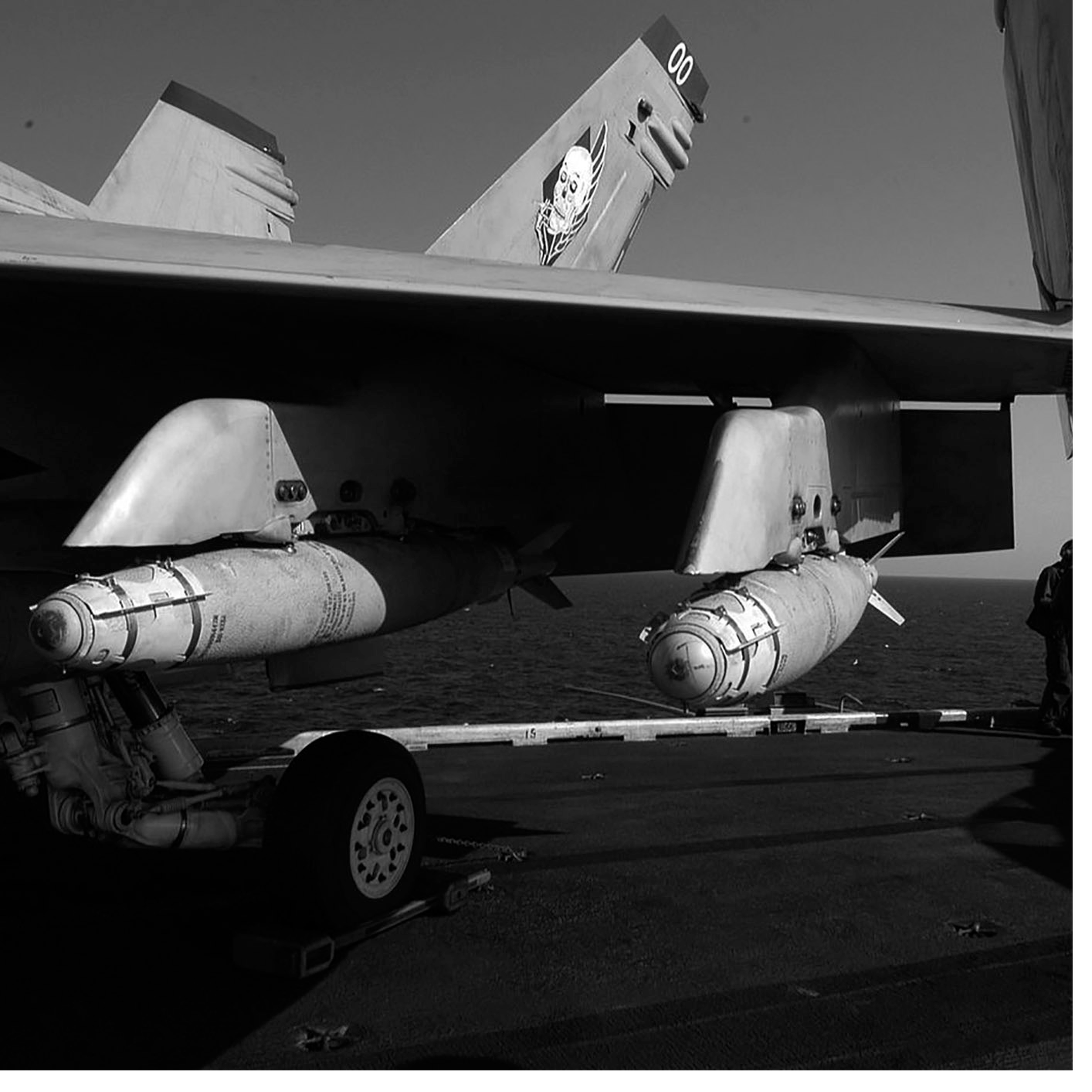
The World Wars were total. Entire populations were mobilised at home and away. Part of our fascination with them lies in the fact that our modern wars look entirely different. They are fought by volunteer armies with smart, modern technology. William Arkin is a bestselling author, military expert, and award-winning journalist. He is also a former intelligence analyst. William came onto the podcast to talk to James about how the battlefield has developed since the end of the Second World War. He traces the fall of the ‘front line’ and the development of new weapons which have brought an end to the need for feet on the ground. This is a great insight into the workings of war and the changes in public attitudes towards it. <hr><p style='color:grey; font-size:0.75em;'> Hosted on Acast. See <a style='color:grey;' target='_blank' rel='noopener noreferrer' href='https://acast.com/privacy'>acast.com/privacy</a> for more information.</p>

The Indian Army in WW1
Over one hundred years after the end of the First World War, Dr Priya Atwal and George Morton-Jackare working to shed new light on the vital role that the Indian Army held during the combat.&nbsp;In this episode from Dan Snow's History Hit, they share their insight into the neglected roles of these servicemen. <hr><p style='color:grey; font-size:0.75em;'> Hosted on Acast. See <a style='color:grey;' target='_blank' rel='noopener noreferrer' href='https://acast.com/privacy'>acast.com/privacy</a> for more information.</p>
The Lancaster Bomber
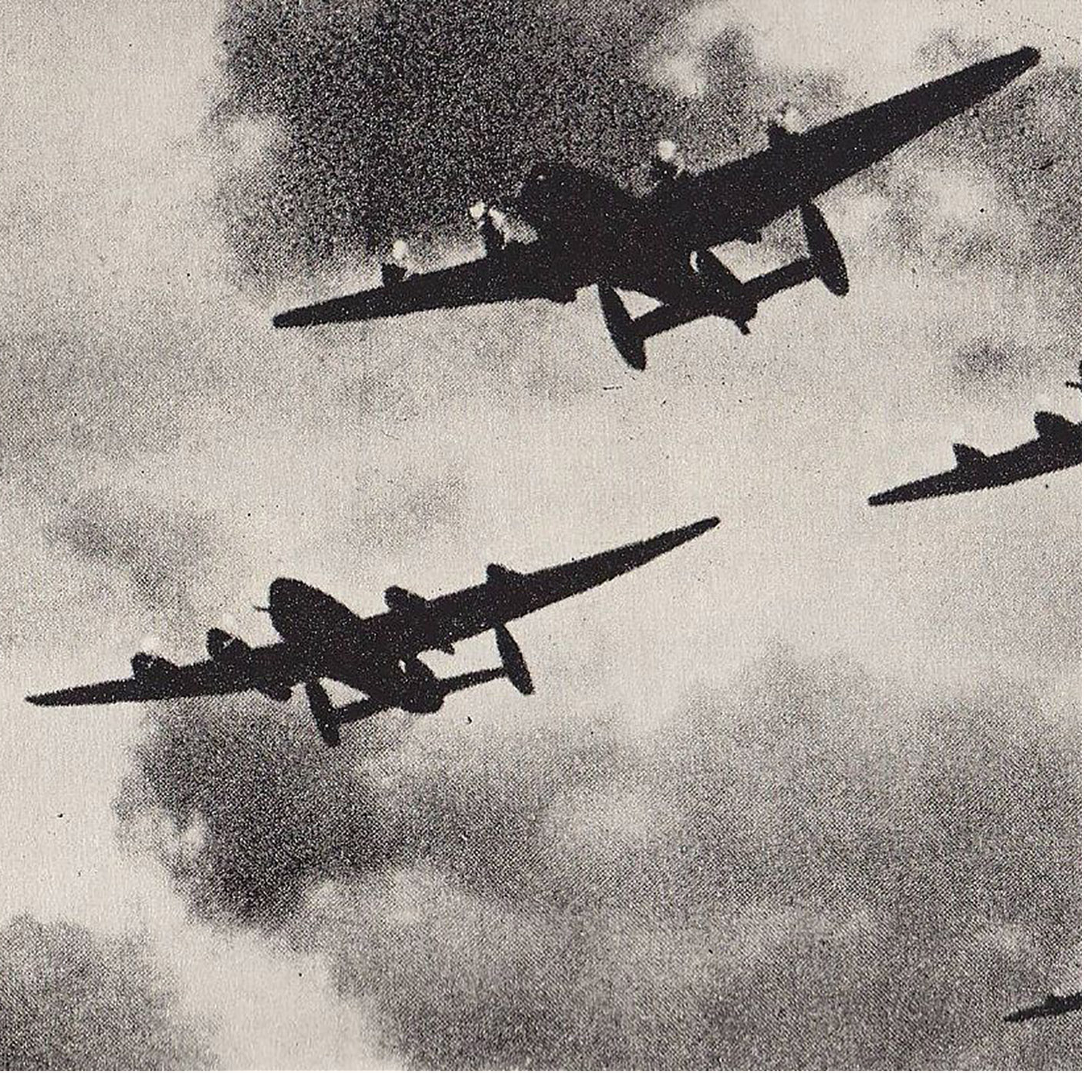
The ‘Shining Sword’ of Bomber Command. They flew nearly 300 thousand sorties and dropped over 1 million tonnes of explosives. But of the 7,377 Avro Lancasters built, more than half were lost. To find out more about this legendary aircraft, Dan Snow was joined by veteran of the first Gulf War, John Nichol. John has since become one of our most successful aviation historians, and has written a book exploring the Avro Lancaster. <hr><p style='color:grey; font-size:0.75em;'> Hosted on Acast. See <a style='color:grey;' target='_blank' rel='noopener noreferrer' href='https://acast.com/privacy'>acast.com/privacy</a> for more information.</p>
Ep 24Nerve Agents: A History
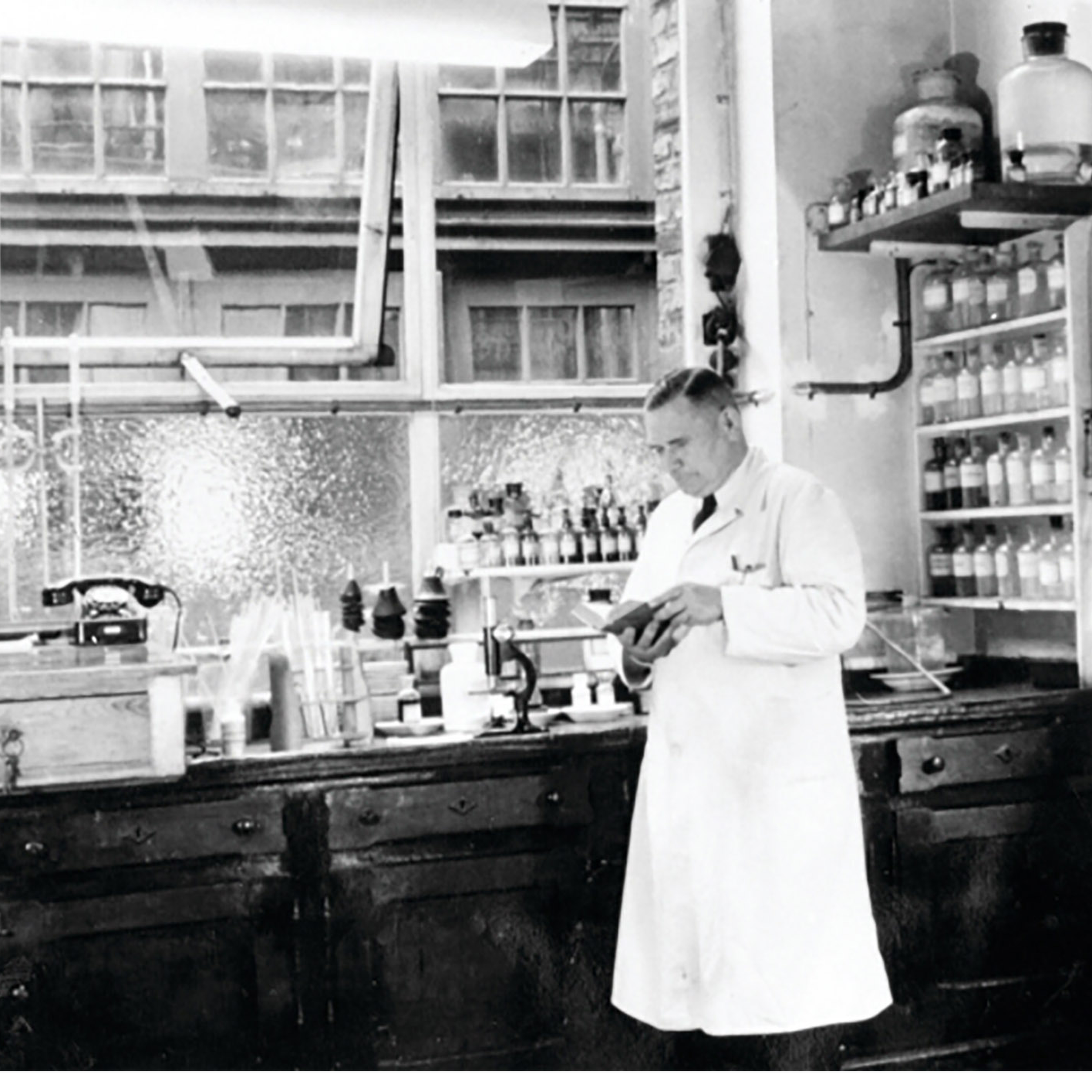
<p>In 2018, the British city of Salisbury crashed into newspaper headlines worldwide when former Russian military officer Sergei Skripal and his daughter, Yulia, were poisoned with nerve agents there. This was the first time that many people had heard of these deadly, yet invisible and odourless weapons being used, but the history of nerve agents goes much further back, to the interwar period and an unprofitable discovery in pesticide production. In this engrossing discussion with James Rogers, Dan Kaszeta explores the development of nerve agents under the Nazi Regime, the figures and institutions pushing them, and the reasons behind the Third Reich’s restraint from using these chemicals, despite being the only country to possess them. He also reveals the post-war continuation of nerve agent research on both sides of the Iron Curtain, and the weapon’s gradual dissipation around the world. Dan Kaszeta is a securities specialist and world expert on chemical weapons.</p><br><p><br></p> <hr><p style='color:grey; font-size:0.75em;'> Hosted on Acast. See <a style='color:grey;' target='_blank' rel='noopener noreferrer' href='https://acast.com/privacy'>acast.com/privacy</a> for more information.</p>
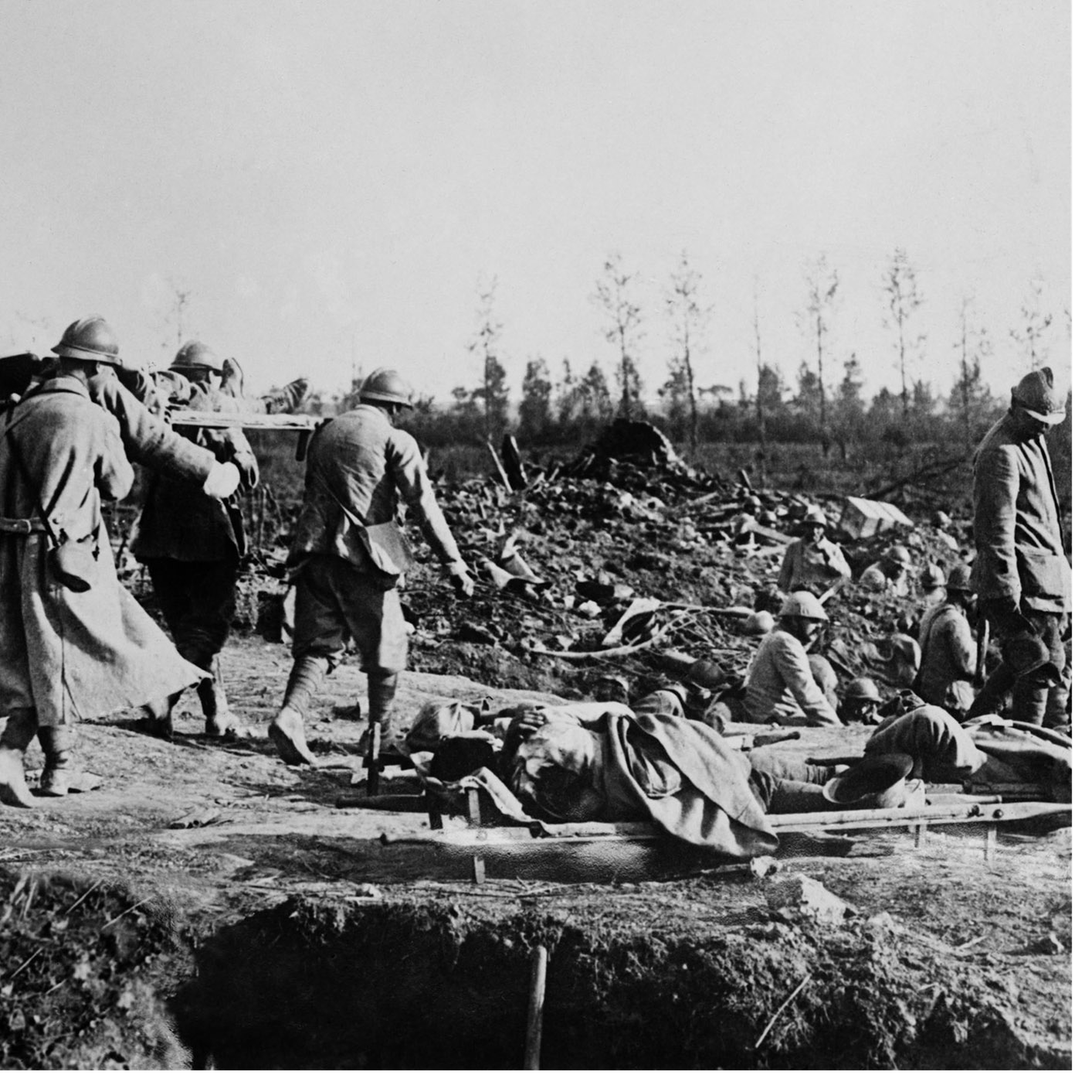
The Somme: A French Perspective
On the first day of the Somme, French forces were more successful than those of the British. In this episode, Stephanie Trouillard spoke to Dan about the way in which the Battle of the Somme - remembered in Britain as brutal and bloody - is looked upon in France. Stephanie is a journalist at France 24, specialising in sports and international history. <hr><p style='color:grey; font-size:0.75em;'> Hosted on Acast. See <a style='color:grey;' target='_blank' rel='noopener noreferrer' href='https://acast.com/privacy'>acast.com/privacy</a> for more information.</p>
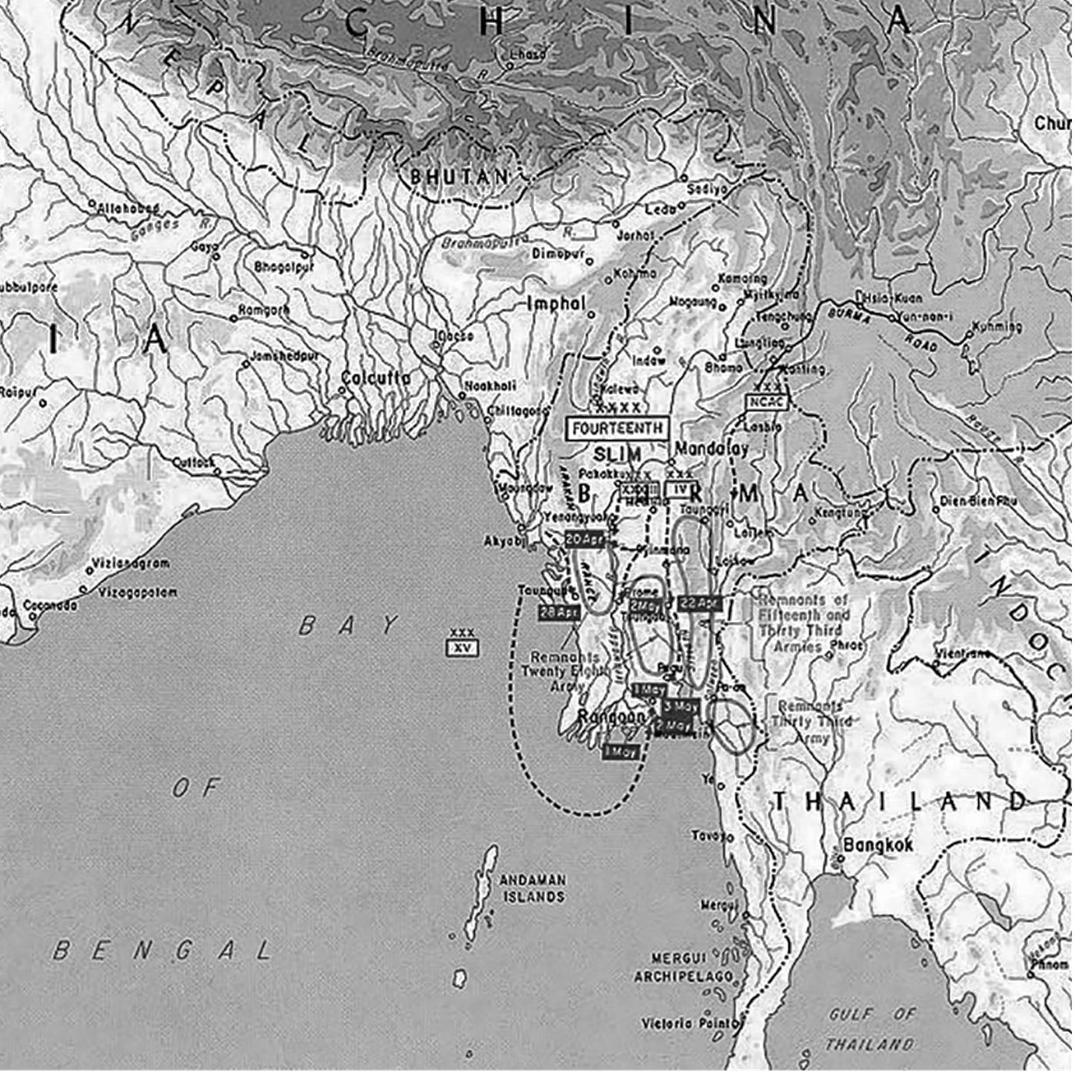
WW2: The Burmese Who Fought With Britain
Many Burmese people resisted the Japanese occupation of their country in World War Two. Filmmaker Alex Bescoby has made a film celebrating those who the Empire left behind, despite the hardships they endured to serve Britain during the war. For this episode, he spoke to Dan about the people from Burma, whose fight is often overlooked. <hr><p style='color:grey; font-size:0.75em;'> Hosted on Acast. See <a style='color:grey;' target='_blank' rel='noopener noreferrer' href='https://acast.com/privacy'>acast.com/privacy</a> for more information.</p>
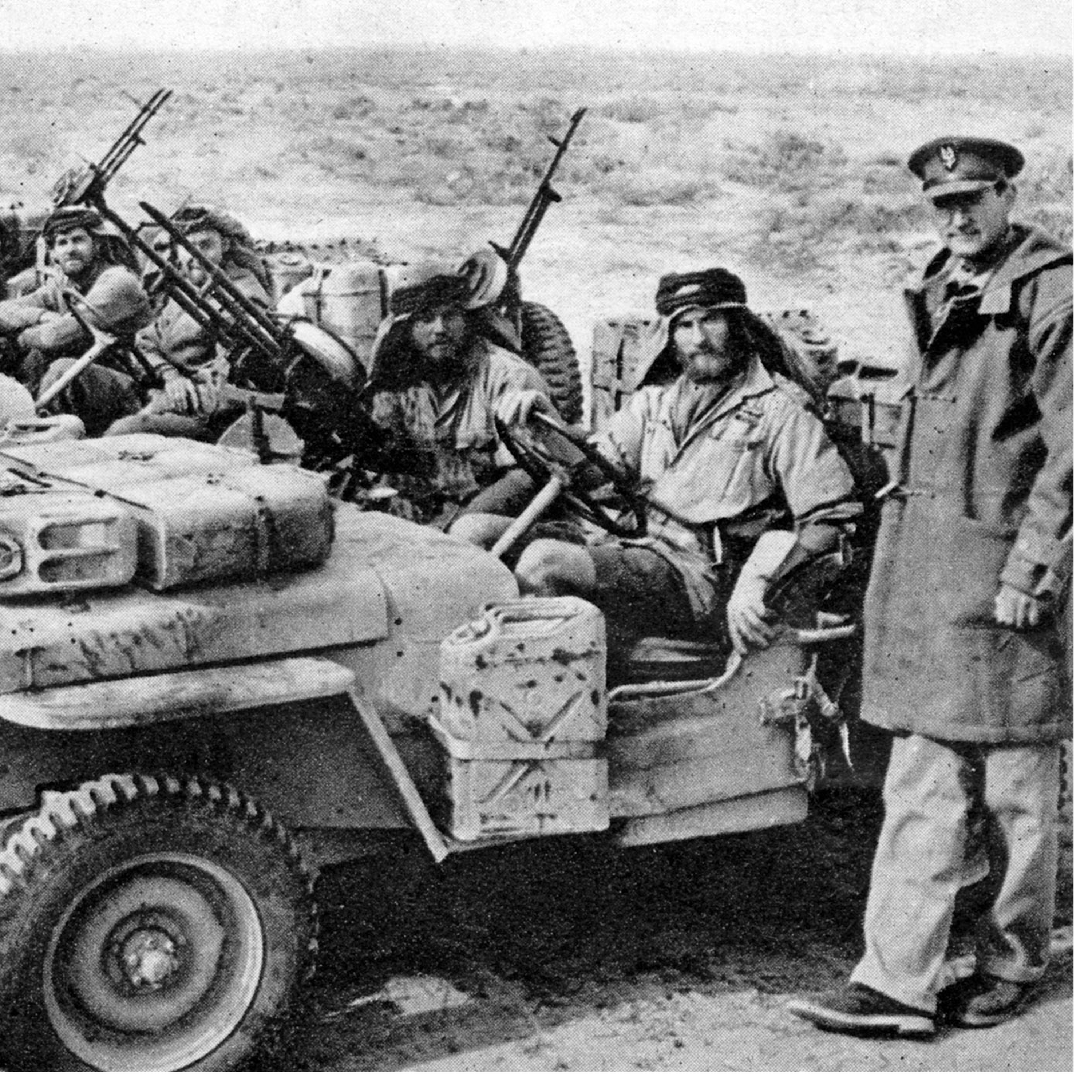
Ep 23SAS: Band of Brothers
Their name carries an aura of prestige and mystery - the British Army’s most renowned special forces unit - the best of the best. For this incredible episode, James spoke to author and filmmaker, Damien Lewis, about the story of the Special Air Service. They explore the birth of the unit, the selection of the brightest recruits, all day training in the North African desert with just one container of water. Next, we are taken through some of the unthinkable missions undertaken during the Second World War and Damien takes us in for a closer look at Operation Gain, when men were dropped behind enemy lines after D-Day. Damien and James discuss the consequences for SAS troops captured by the Nazis, and the SAS War Crimes Investigation Team - set up in May 1945 - which was responsible for bringing Nazis to justice and for the continuation of the SAS. Damien’s book, SAS Band of Brothers, is out now. This episode will have you on the edge of your seat. <hr><p style='color:grey; font-size:0.75em;'> Hosted on Acast. See <a style='color:grey;' target='_blank' rel='noopener noreferrer' href='https://acast.com/privacy'>acast.com/privacy</a> for more information.</p>
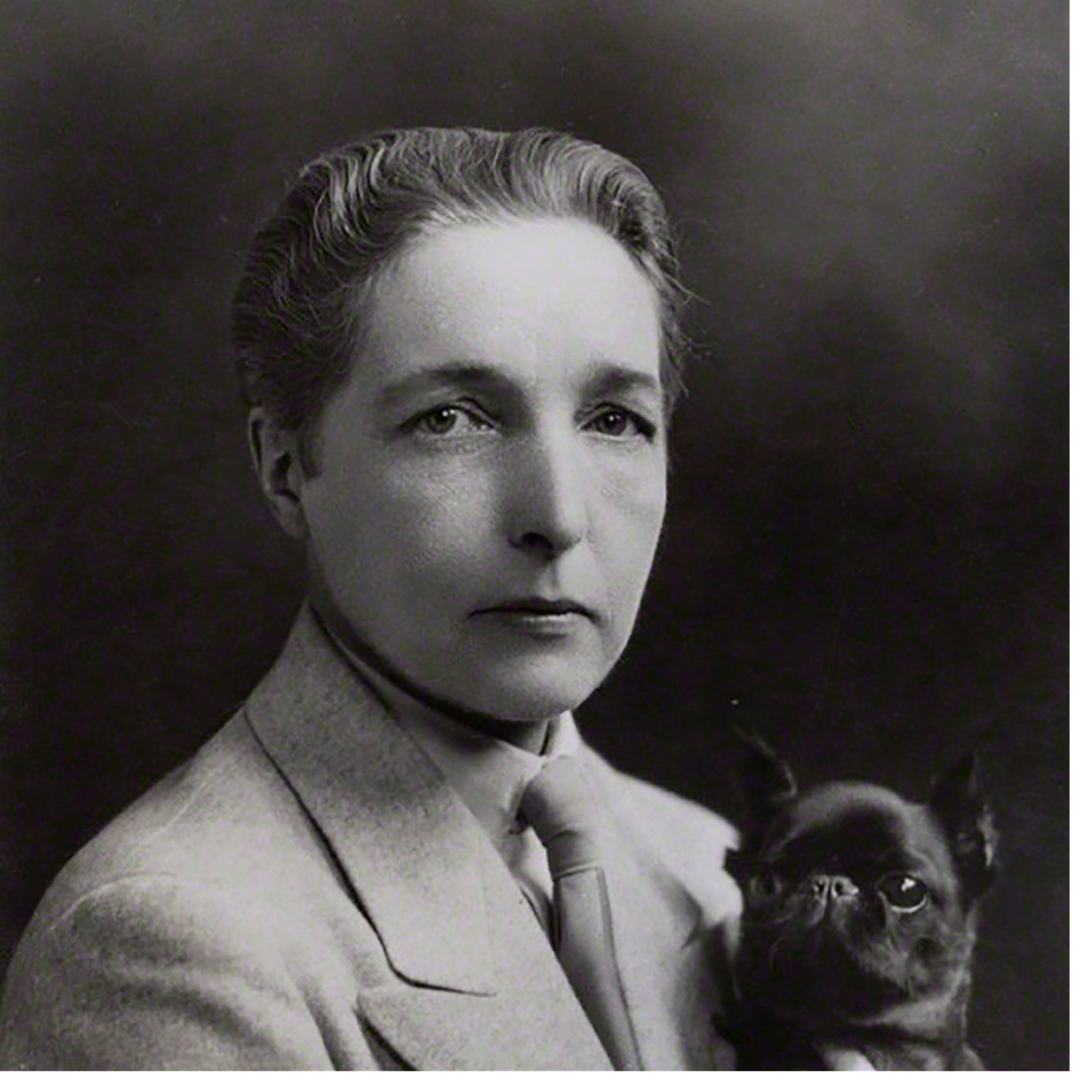
Lesbianism in WW1
Laura Doan discusses love and lesbianism during the First World War, from the way women were treated to popular reaction to lesbians in the media and elsewhere. Laura is professor of cultural history and sexuality studies at the University of Manchester. Her book, Disturbing Practices, refocusses the history of sexuality away from continuation and discontinuation, normality and abnormality. Laura takes us through a number of individual cases which demonstrate attitudes to female sexuality during the First World War. <hr><p style='color:grey; font-size:0.75em;'> Hosted on Acast. See <a style='color:grey;' target='_blank' rel='noopener noreferrer' href='https://acast.com/privacy'>acast.com/privacy</a> for more information.</p>
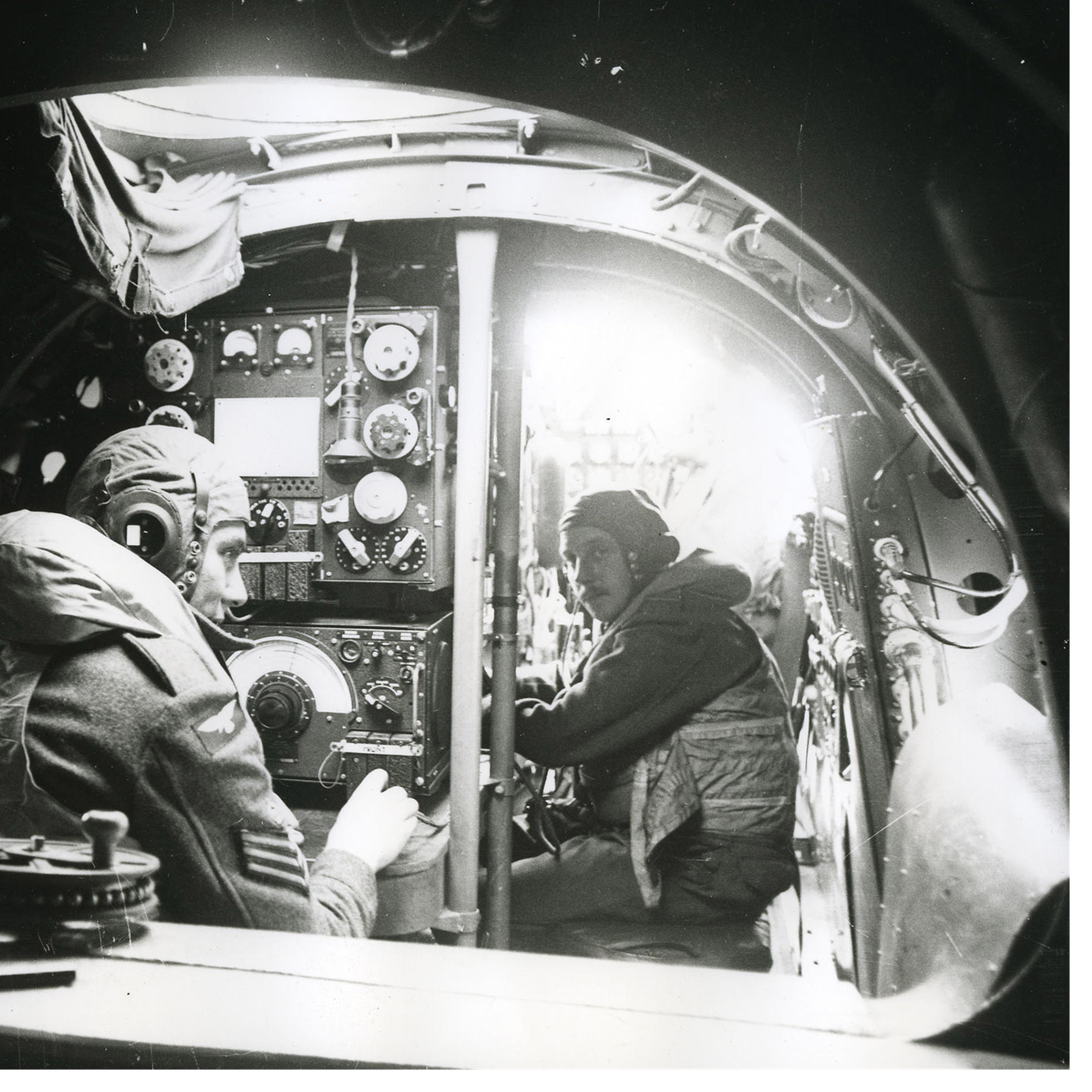
The Life of a WW2 Navigator
<p>Arthur Spencer was a navigator during World War Two, completing two tours of operations with 97 Squadron at RAF Woodhall Spa and RAF Bourn. He was awarded the Légion d’Honneur for providing air support for the Resistance in Italy. Dan met him in his house to discuss the life during the war, the hardship of losing friends and whether he feels guilt about the bombings.</p><br><p>Photo Credit: Pictorial Press Ltd&nbsp;/ Alamy&nbsp;Stock Photo</p> <hr><p style='color:grey; font-size:0.75em;'> Hosted on Acast. See <a style='color:grey;' target='_blank' rel='noopener noreferrer' href='https://acast.com/privacy'>acast.com/privacy</a> for more information.</p>
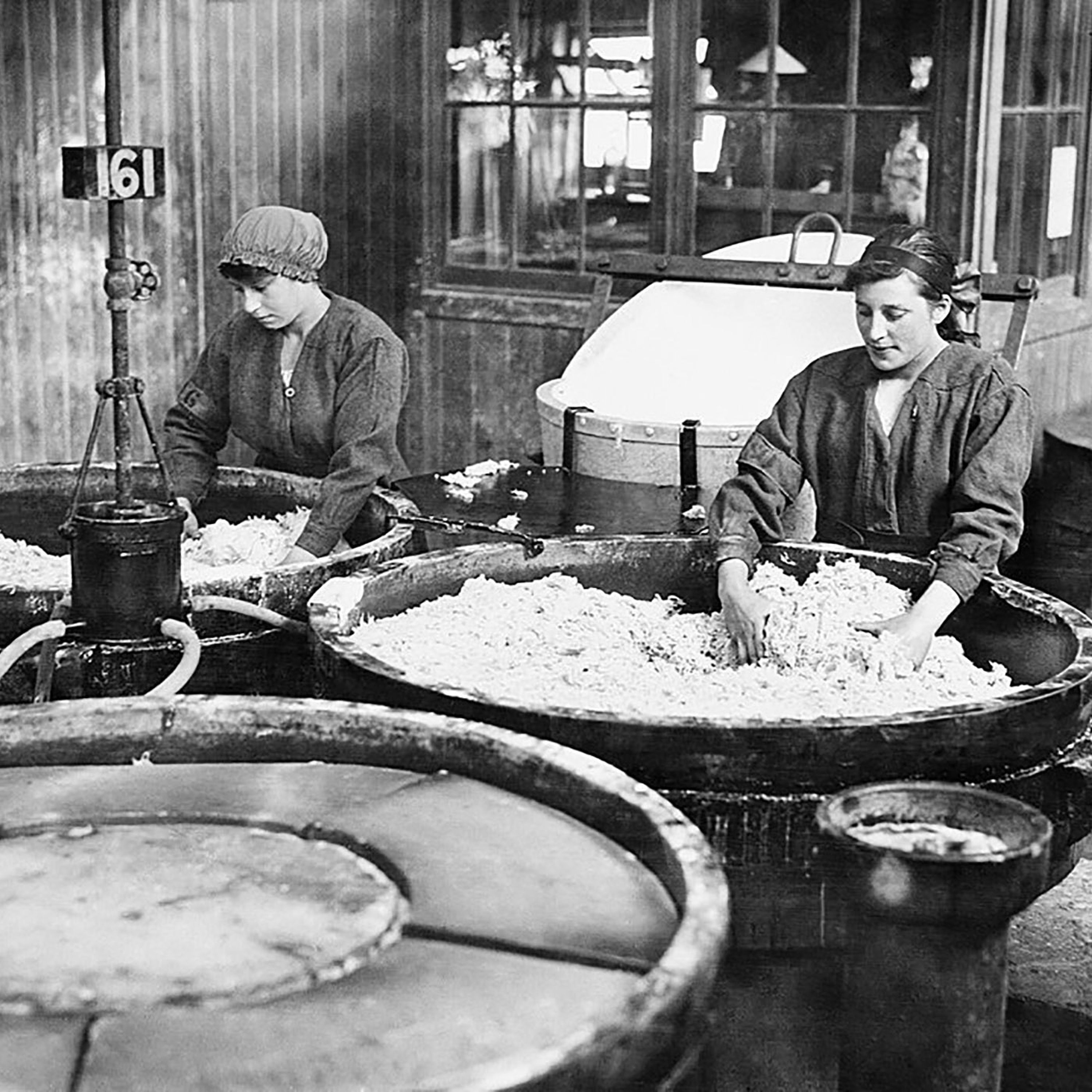
Ep 22Munitions in WW1: The Devil's Porridge
Harsh living and working conditions, poisonous chemicals and explosions. For 10,000 navvies, hundreds of chemists and engineers from across the empire, and 12,000 women, this was the reality of mixing the 'Devil's Porridge', cordite, in munitions factories on the Home Front. In 1915, an extreme shortage of munitions on the front line was reported back to Britain. In response Lloyd George was made the Minister of Munitions. His greatest project: HM Factory Gretna, the largest munitions factory in the world on the quiet Anglo-Scottish Border. Judith Hewitt curates the Devil's Porridge Museum, which is found on the 9 mile site of the former factory. In this episode of the World Wars, she told James the stories of the unknown men and women brought to work in this crisis: how they came to be here, how they lived and how they left or, for the unfortunate few, how they died. <hr><p style='color:grey; font-size:0.75em;'> Hosted on Acast. See <a style='color:grey;' target='_blank' rel='noopener noreferrer' href='https://acast.com/privacy'>acast.com/privacy</a> for more information.</p>
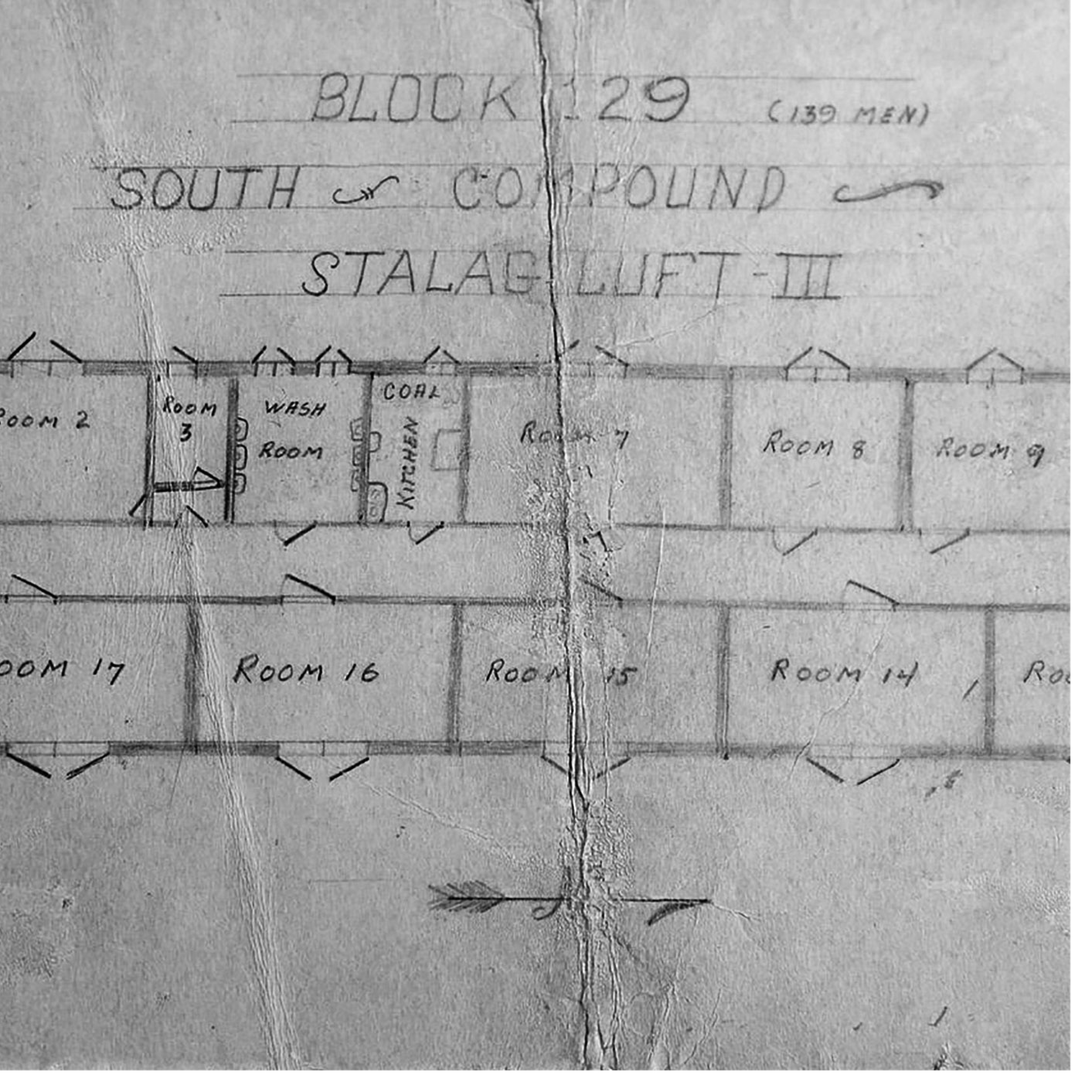
The Great Escape
On the night of 24 March 1944, 200 allied prisoners of war attempted to escape Stalag Luft III, a camp in Germany. 76 escaped, but 73 were recaptured and of those, 50 were killed. So was the Great Escape as great as its name suggests? Guy Walters isn't so sure. In this episode he spoke to Dan about the possibility that the mass breakout from Stalag Luft III actually helped the German war effort. <hr><p style='color:grey; font-size:0.75em;'> Hosted on Acast. See <a style='color:grey;' target='_blank' rel='noopener noreferrer' href='https://acast.com/privacy'>acast.com/privacy</a> for more information.</p>
Authoritarianism
Professor Tim Snyder is an expert in authoritarian regimes and how they develop. As the Richard C. Levin Professor of History at Yale University, he spoke to Dan about Russia, the USA, Europe and what the lessons of the past tell us about where power lies in the world today, and how we can change that. <hr><p style='color:grey; font-size:0.75em;'> Hosted on Acast. See <a style='color:grey;' target='_blank' rel='noopener noreferrer' href='https://acast.com/privacy'>acast.com/privacy</a> for more information.</p>
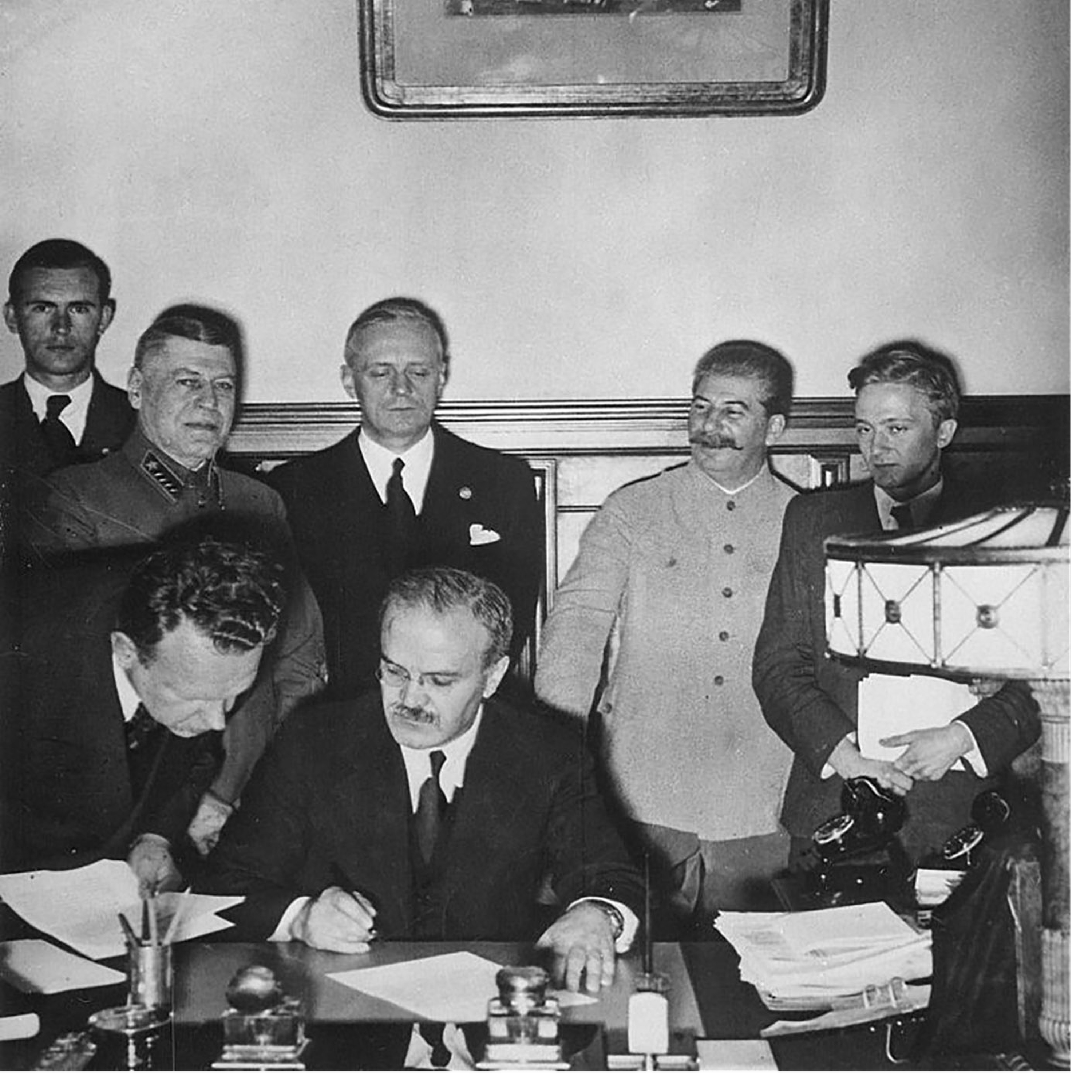
Ep 21The Nazi-Soviet Partnership
On 23 August 1939, German Foreign Minister Joachim von Ribbentrop and Soviet Foreign Minister Vyacheslav Molotov signed a pact in Moscow. This pact was perplexing to many at the time, and remains the subject of much discussion, mainly for the fact that it consolidated a partnership between the communist Soviet Union and the Nazis. Who was first to propose the relationship? Why did both the Soviets and the Germans agree to it? And how did it turn out for each of them? In this episode, James sought the answers to some of these questions with Professor Ian Johnson. They discuss the treatment of diplomats in either country during the talks, the possibility that the British and French missed an opportunity to prevent this alliance, and whether the traditional narrative that the Nazis forced Stalin into it should be reconsidered. Ian is a historian of war, diplomacy, and technology at the University of Notre Dame. His new book, <em>Faustian Bargain: The Soviet-German Partnership and the Origins of the Second World War </em>will be released in 2021 (https://global.oup.com/academic/product/faustian-bargain-9780190675141?cc=dk&lang=en&). <hr><p style='color:grey; font-size:0.75em;'> Hosted on Acast. See <a style='color:grey;' target='_blank' rel='noopener noreferrer' href='https://acast.com/privacy'>acast.com/privacy</a> for more information.</p>
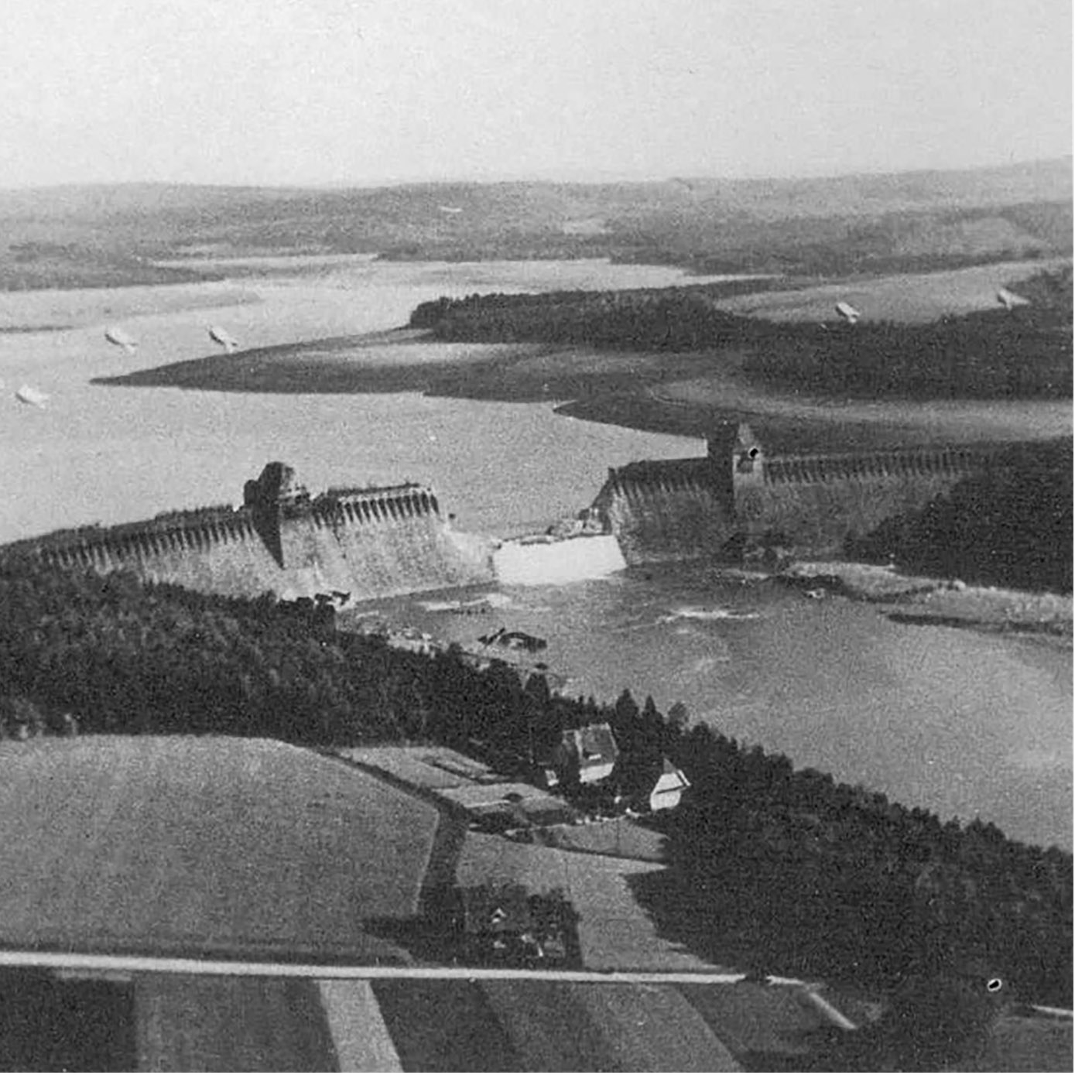
The Dambusters
On 16–17 May 1943, Royal Airforce Squadron 617 succeeded in Operation Chastise to use bouncing bombs to breach the Möhne and Edersee dams, flooding the Ruhr valley. This very special episode was recorded for the 75th anniversary of the Dambusters raid. Dan talks to Paul Beaver, then Secretary of State for Defence Gavin Williamson MP, and Wing Commander John Butcher, from today's 617 squadron.&nbsp; <hr><p style='color:grey; font-size:0.75em;'> Hosted on Acast. See <a style='color:grey;' target='_blank' rel='noopener noreferrer' href='https://acast.com/privacy'>acast.com/privacy</a> for more information.</p>
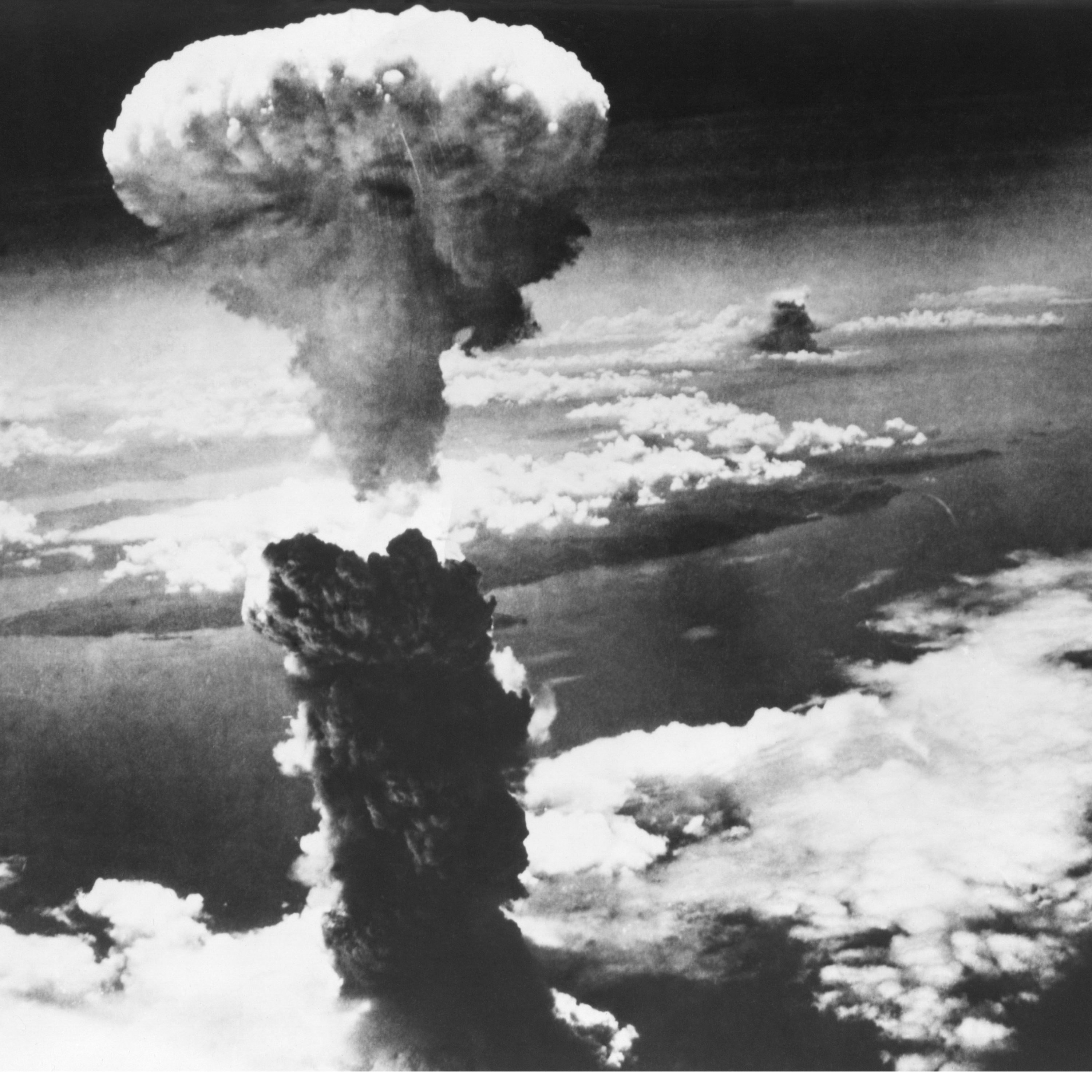
The Atomic Bomb
On 6 August 1945, an American B29 bomber dropped the world's first deployed atomic bomb over Hiroshima. Three days later, Nagasaki was at the receiving end of a second American A-bomb. History Hit’s Rob Weinberg met with Kevin Ruane, Professor of Modern History at Canterbury Christ Church University, to find out more. Why did America decide to hit Japan with two atomic bombs? Why were these two cities the targets? What were the implications for ending World War II and starting the Cold War? Did the Americans have any other options? <hr><p style='color:grey; font-size:0.75em;'> Hosted on Acast. See <a style='color:grey;' target='_blank' rel='noopener noreferrer' href='https://acast.com/privacy'>acast.com/privacy</a> for more information.</p>
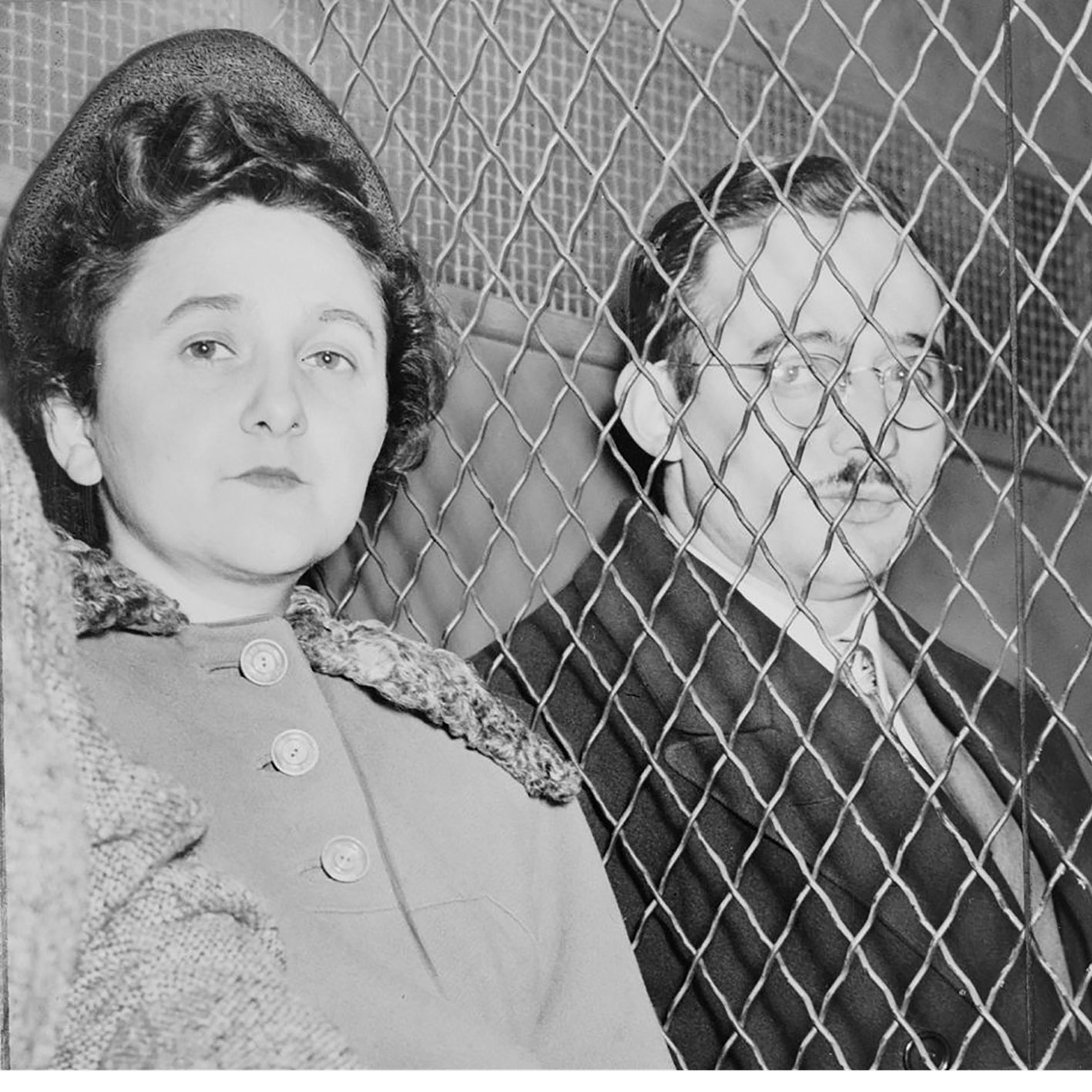
Ep 20Soviet Spy Masters
Espionage. The word brings to mind the Cold War - Stasi informants and surveillance bugging in East Berlin. Or today’s media promoted anxieties about Chinese infiltration. But for this episode, Calder Walton came onto the World Wars podcasts to talk about spying during the Second World War. Calder researches History that is relevant to the policy making of today’s governments and intelligence communities. He talks to James about the depth of the Soviet spies’ permeation of their allies, and its effect. <hr><p style='color:grey; font-size:0.75em;'> Hosted on Acast. See <a style='color:grey;' target='_blank' rel='noopener noreferrer' href='https://acast.com/privacy'>acast.com/privacy</a> for more information.</p>
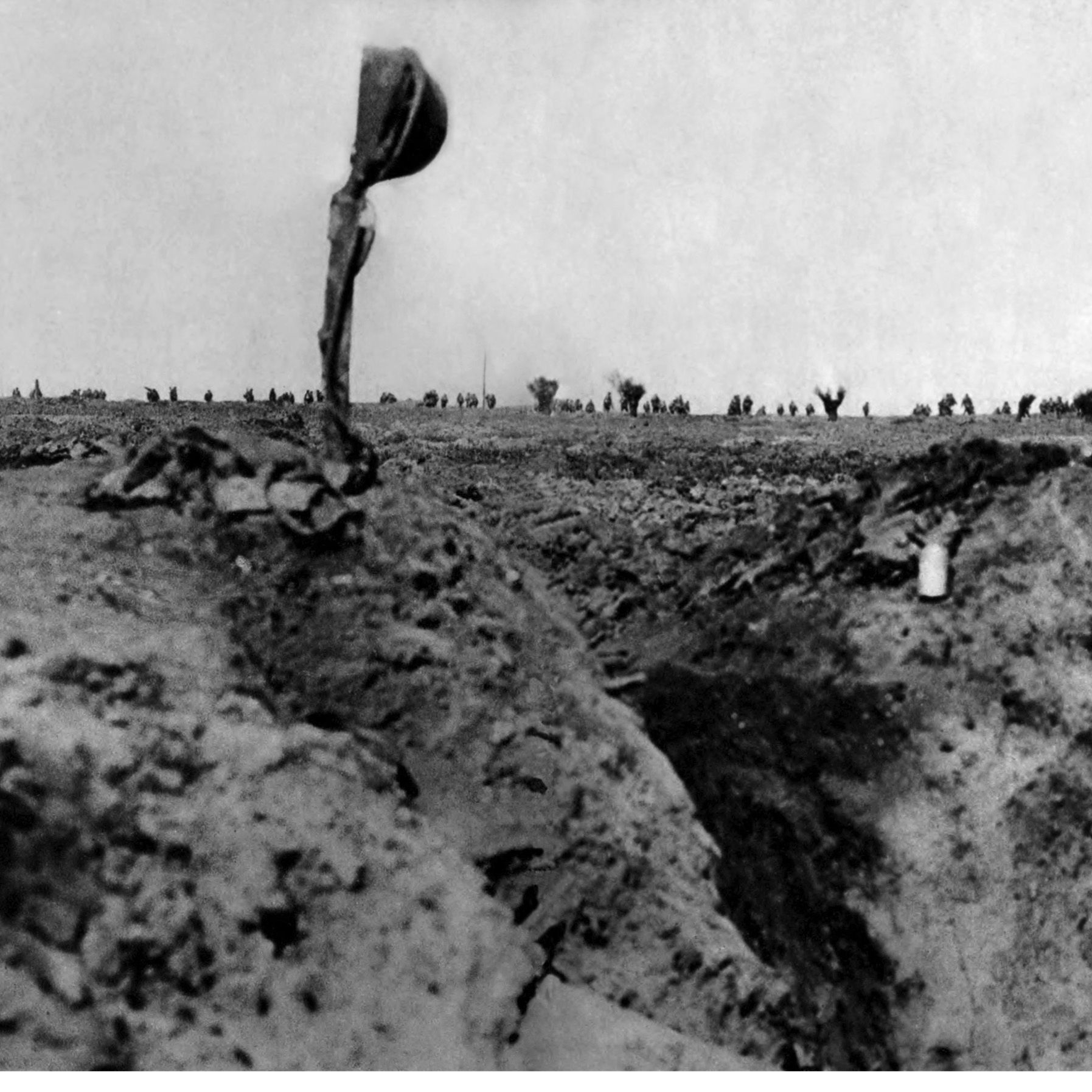
Germans at the Somme
The Battle of the Somme is remembered in Britain as one of the bloodiest events of the First World War, and perhaps all time. There were over a million casualties once the battle was through. Robin Schäfer is a German military historian. He spoke to Dan about the German perspective of this momentous battle. <hr><p style='color:grey; font-size:0.75em;'> Hosted on Acast. See <a style='color:grey;' target='_blank' rel='noopener noreferrer' href='https://acast.com/privacy'>acast.com/privacy</a> for more information.</p>
German Plots Against Hitler
They may even have helped Adolf Hitler to reach power in 1933, but at the very top of the German hierachy some brave insurgents had begun, by 1936, to recognise the danger he posed. They began to plot against him, first by hindering his war effort, and then by attempting to kill him - up to 10 plots to assassinate Hitler were mounted during his leadership. Paddy Ashdown, who lead the Liberal Democrats for over a decade, was a member of the Special Boat Service and a Royal Marine, wrote a book about the assassination attempts on Hitler. He spoke to Dan about the people behind these plots and their outcomes. <hr><p style='color:grey; font-size:0.75em;'> Hosted on Acast. See <a style='color:grey;' target='_blank' rel='noopener noreferrer' href='https://acast.com/privacy'>acast.com/privacy</a> for more information.</p>
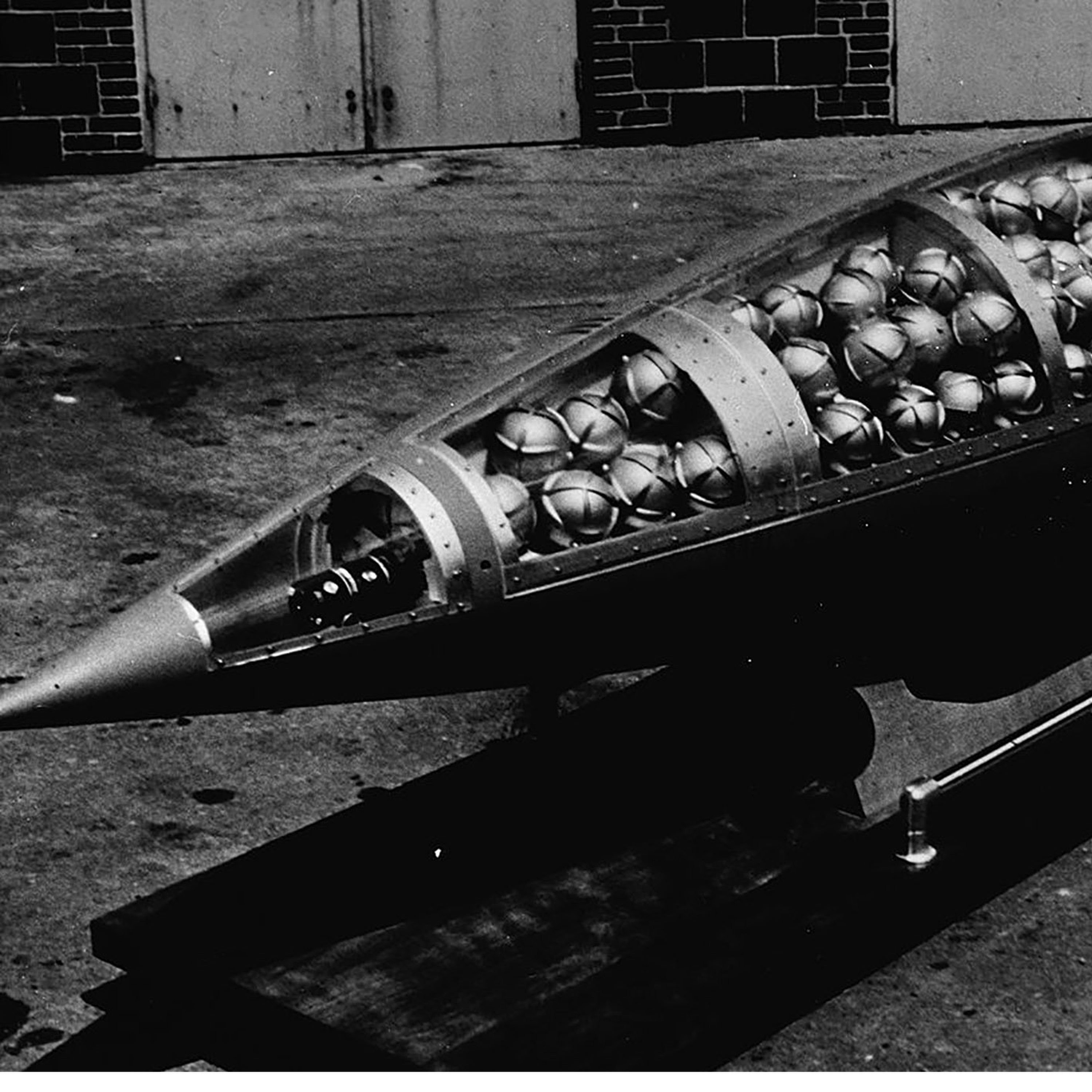
Ep 19Cluster Bombs: A History
Maximization of damage. That’s the purpose of the cluster bomb. These weapons, which can be traced back to the First World War, when the Kaiser would not give permission for their use, are still being dropped today. Not only that, but duds, unexploded during their deployment during the Second World War, the Vietnam War and the Gulf War still litter the earth. The cluster bomb is a paradox. A force will drop them to gain the advantage in a war, but will then not be able to move forward into the spaces where they have been dropped, or engage in post-war reconstruction. John Ismay is a graduate of the U.S. Naval Academy and served as the gunnery officer aboard a destroyer in the Pacific before becoming a Navy special operations officer. He is qualified in deep-sea diving and salvage, parachuting and bomb disposal, and completed a number of overseas deployments, including one to northern Iraq during the 2007 surge. Now working at the New York Times Washington Bureau, he joined James to talk about his research into the development of the cluster bomb, its impact and his personal experiences of this lethal weapon. <hr><p style='color:grey; font-size:0.75em;'> Hosted on Acast. See <a style='color:grey;' target='_blank' rel='noopener noreferrer' href='https://acast.com/privacy'>acast.com/privacy</a> for more information.</p>
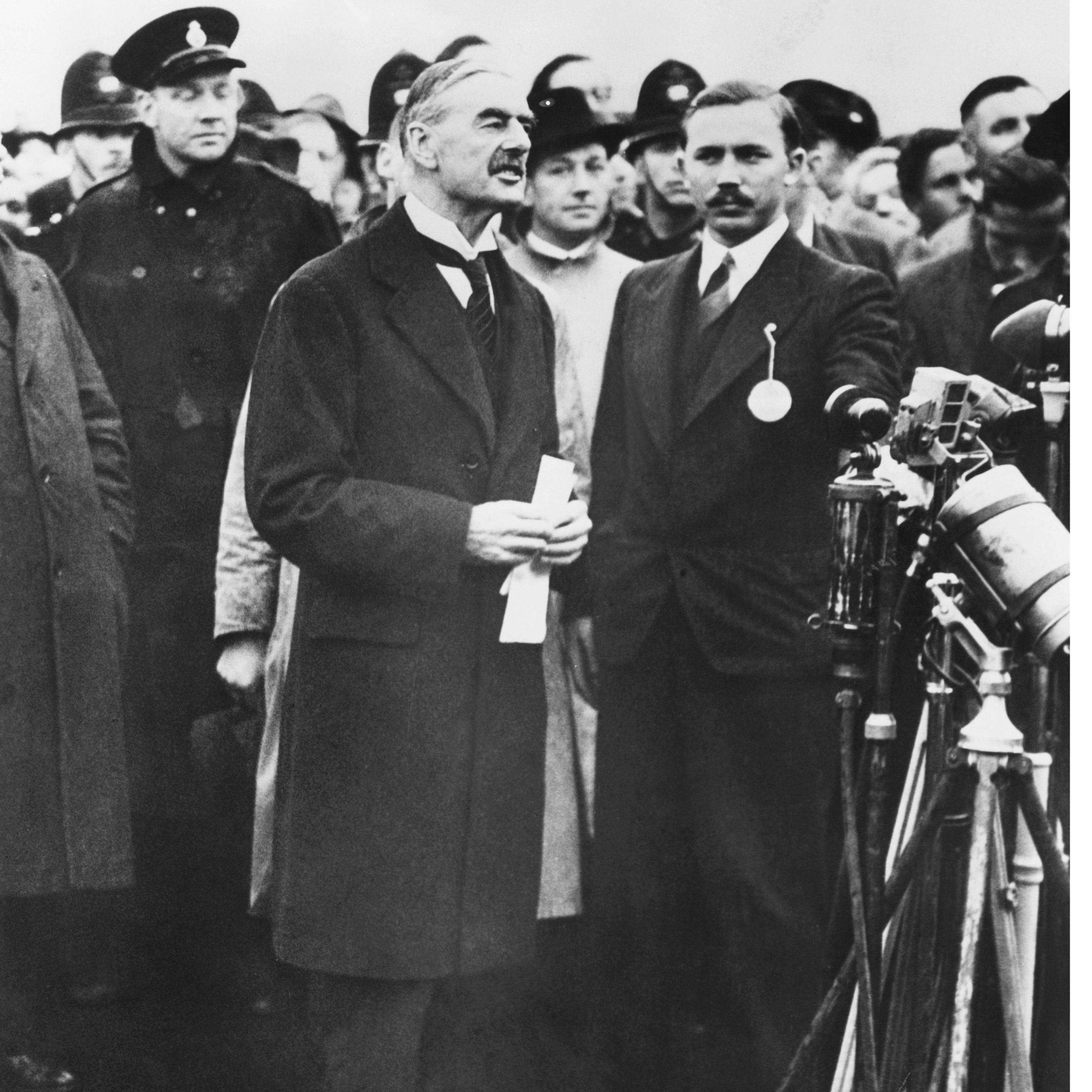
The Munich Agreement
The white paper of the Munich Agreement is famed as one of history's key stategic blunders. In this episode, Tim Bouverie takes Dan through the old questions about appeasement. Was it right to appease Hitler in order to buy time to re-arm? Why did Chamberlain and Halifax not take action when the Rhineland was re-occupied, or during the Anschluss of 1938, or during the occupation of the Sudetenland? <hr><p style='color:grey; font-size:0.75em;'> Hosted on Acast. See <a style='color:grey;' target='_blank' rel='noopener noreferrer' href='https://acast.com/privacy'>acast.com/privacy</a> for more information.</p>
Battle of Britain
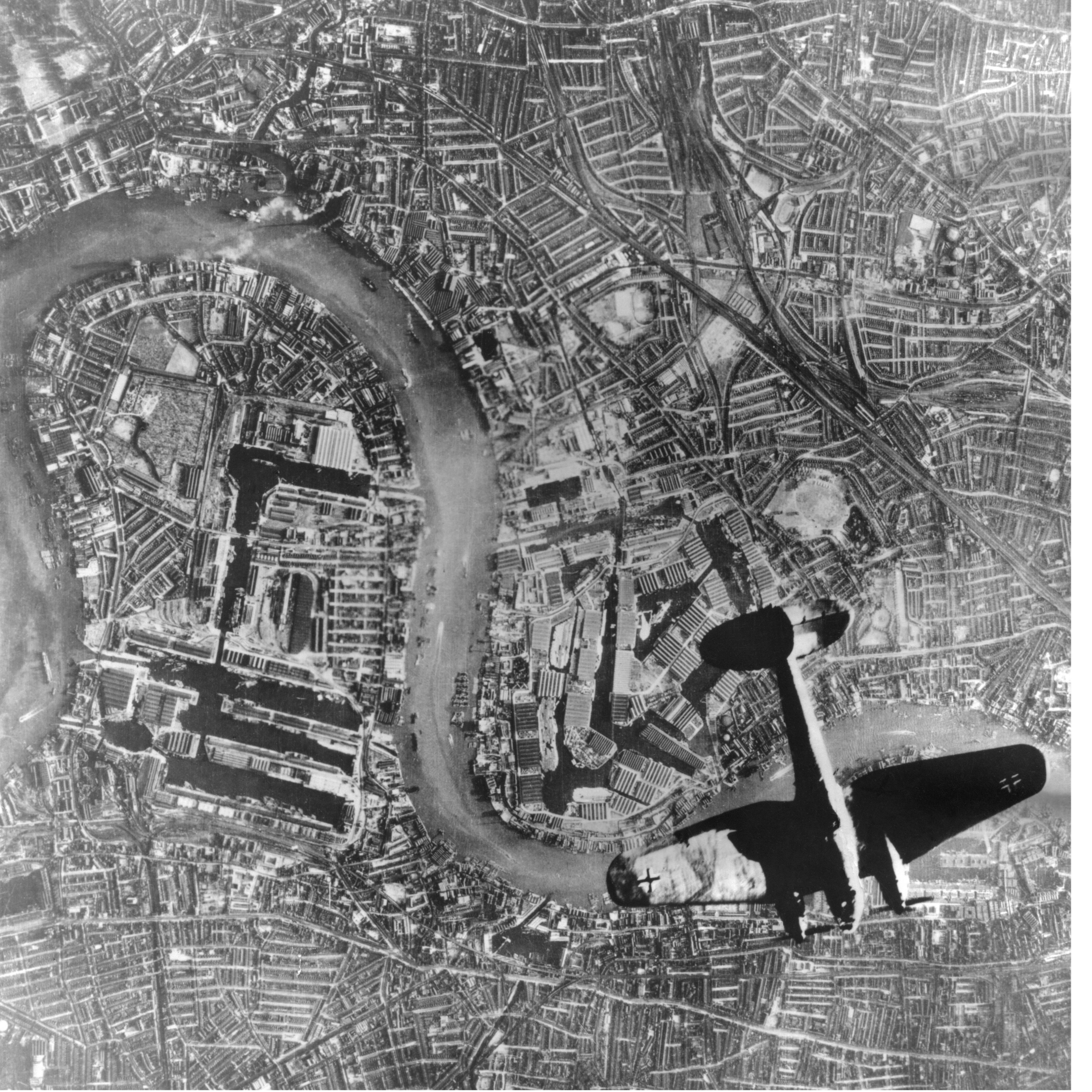
In a moment of great danger to national survival, the Royal Air Force defended the United Kingdom against large scale attacks by the Luftwaffe. So how did the Battle of Britain play out? What was Germany’s objective? And how important was it to the direction of the Second World War? To answer the big questions about this seminal moment in British history, Charlie Mills talks to Dr. Mario Draper at the University of Kent. <hr><p style='color:grey; font-size:0.75em;'> Hosted on Acast. See <a style='color:grey;' target='_blank' rel='noopener noreferrer' href='https://acast.com/privacy'>acast.com/privacy</a> for more information.</p>
Ep 18French Defeat in WW2
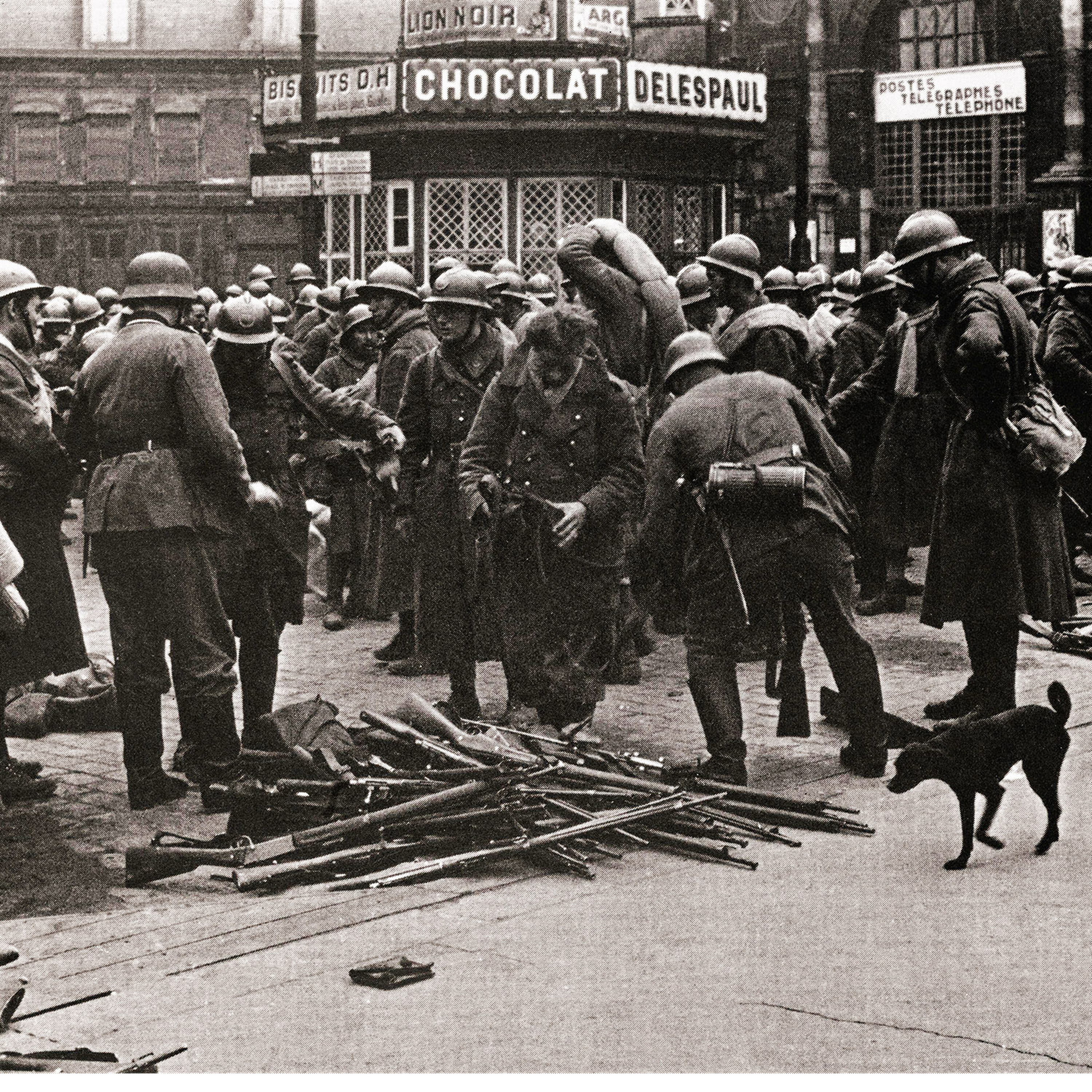
It's the common recollection of French efforts to repel German invasion. But with 100,000 troops lost in the Battle of France, how true is the depiction of the French surrendering without a fight? How else might their contribution to, and experience of, the Second World War be remembered? Were the French a weak link, willing collaborators with the Nazis, brave resistance fighters or the Allied sacrifice to continuing the fight? Olivier Schmitt is a Professor of Political Science at the Center for War Studies, University of Southern Denmark. He joined James to talk through the many complex narratives of this section of the war, and how the predominant theories have developed over time. <hr><p style='color:grey; font-size:0.75em;'> Hosted on Acast. See <a style='color:grey;' target='_blank' rel='noopener noreferrer' href='https://acast.com/privacy'>acast.com/privacy</a> for more information.</p>
Aftermath of WW1
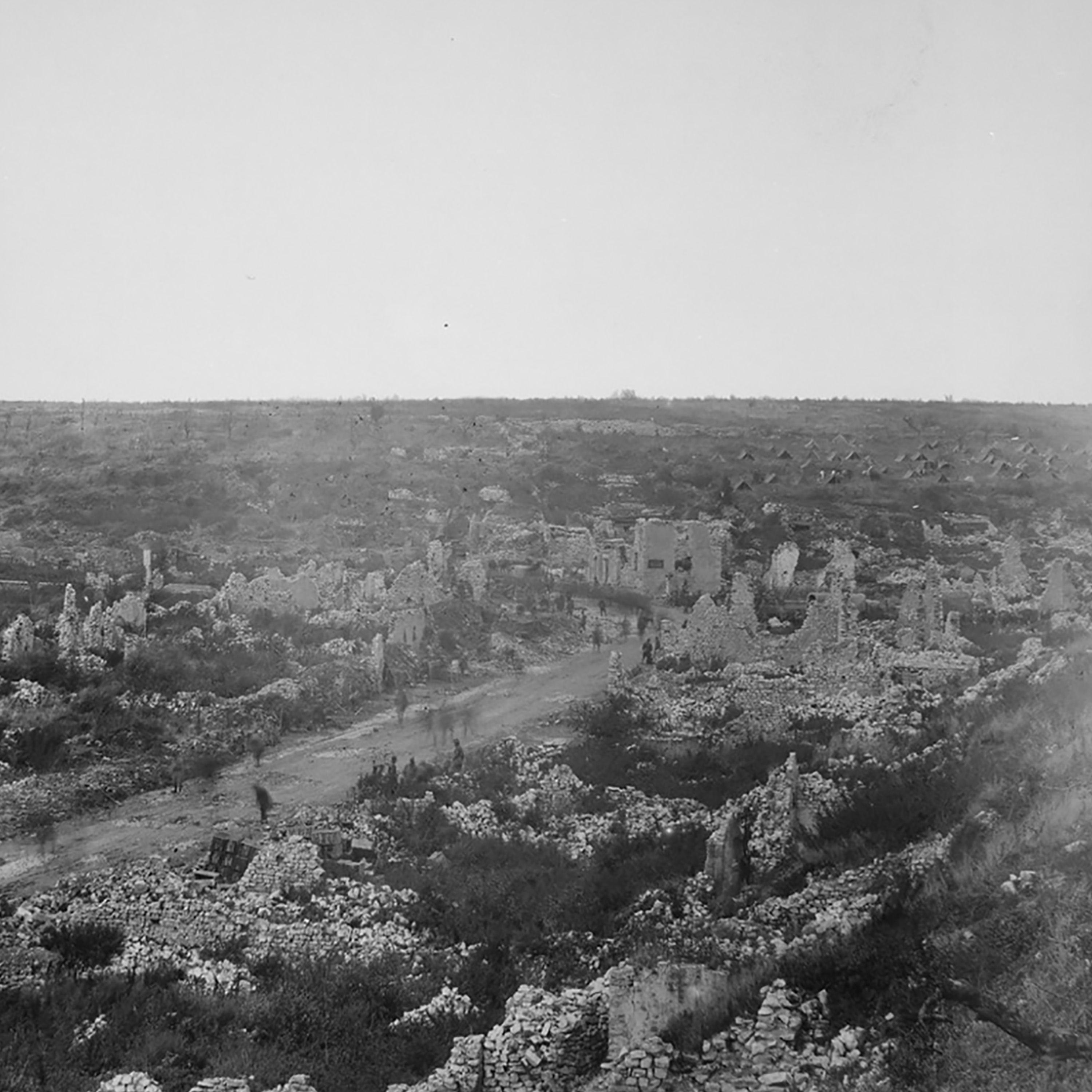
The crucible of our modern world is commonly thought to be the 1960s, but Charles Emmerson thinks that it could be argued to have been the tumultuous years at the end of the First World War and those that followed. This was when Communism and Fascism became mainstream movements. This was when the borders of the Middle East, and Eastern Europe were drawn up and fought over. In this discussion he and Dan talk about how a shattered world came to terms with the aftermath of the First World War.&nbsp; <hr><p style='color:grey; font-size:0.75em;'> Hosted on Acast. See <a style='color:grey;' target='_blank' rel='noopener noreferrer' href='https://acast.com/privacy'>acast.com/privacy</a> for more information.</p>
Ep 17Iceland's Titanic: The SS Godafoss
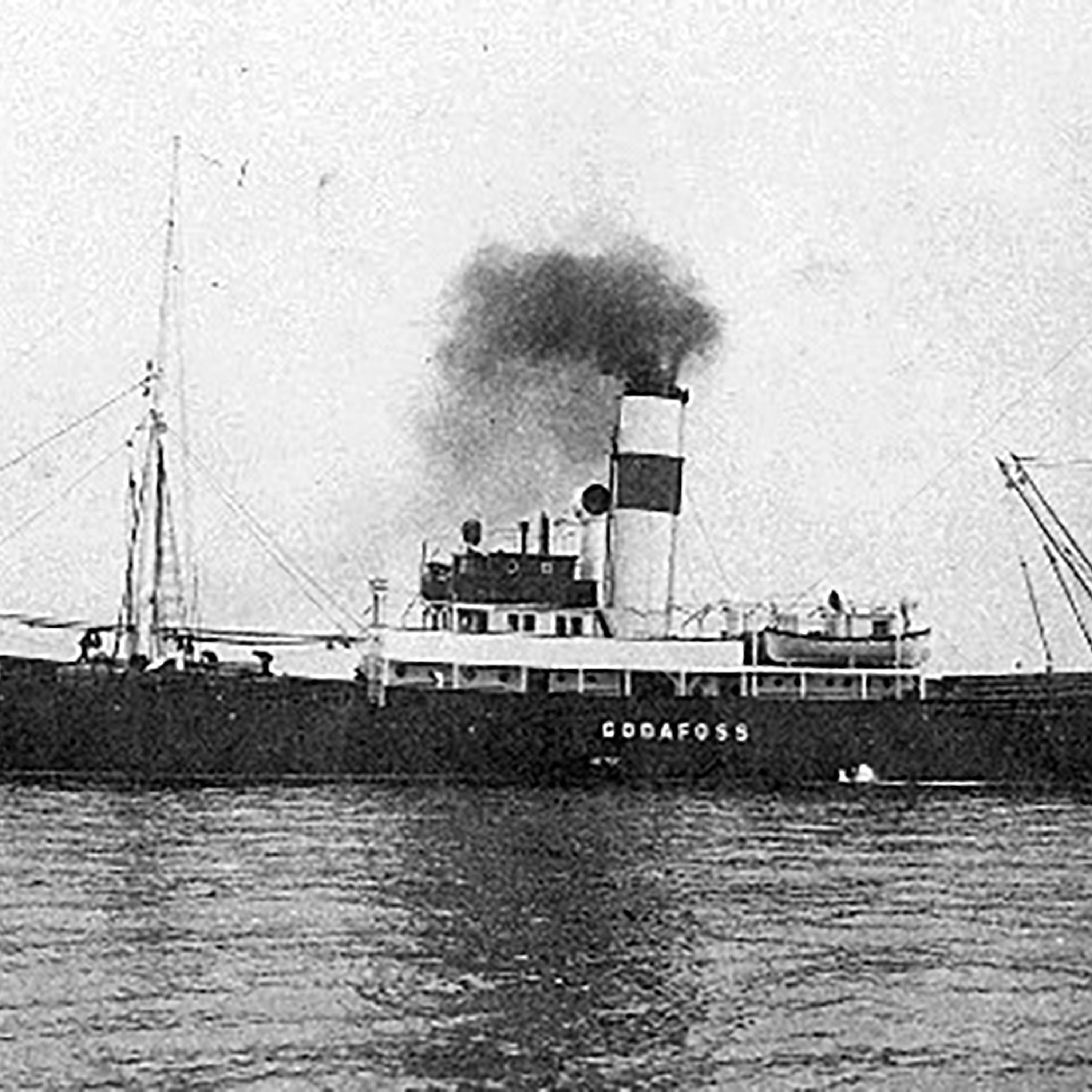
On 10 November 1944, the Icelandic steam merchant ship SS Godafoss was hit by a German U-boat torpedo. She sank in 7 minutes, killing everybody on board. For this episode, James was joined by legendary Icelandic director, producer and presenter, Jón Ársæll. Jón made a documentary about the ship, which was carrying cargo and civilians from New York to Reykjavik, Iceland. He spoke about the conditions for ships in the North Atlantic towards the end of the war, and the fateful afternoon which has become, after years of hunting for the wreckage, Iceland's Titanic. <hr><p style='color:grey; font-size:0.75em;'> Hosted on Acast. See <a style='color:grey;' target='_blank' rel='noopener noreferrer' href='https://acast.com/privacy'>acast.com/privacy</a> for more information.</p>
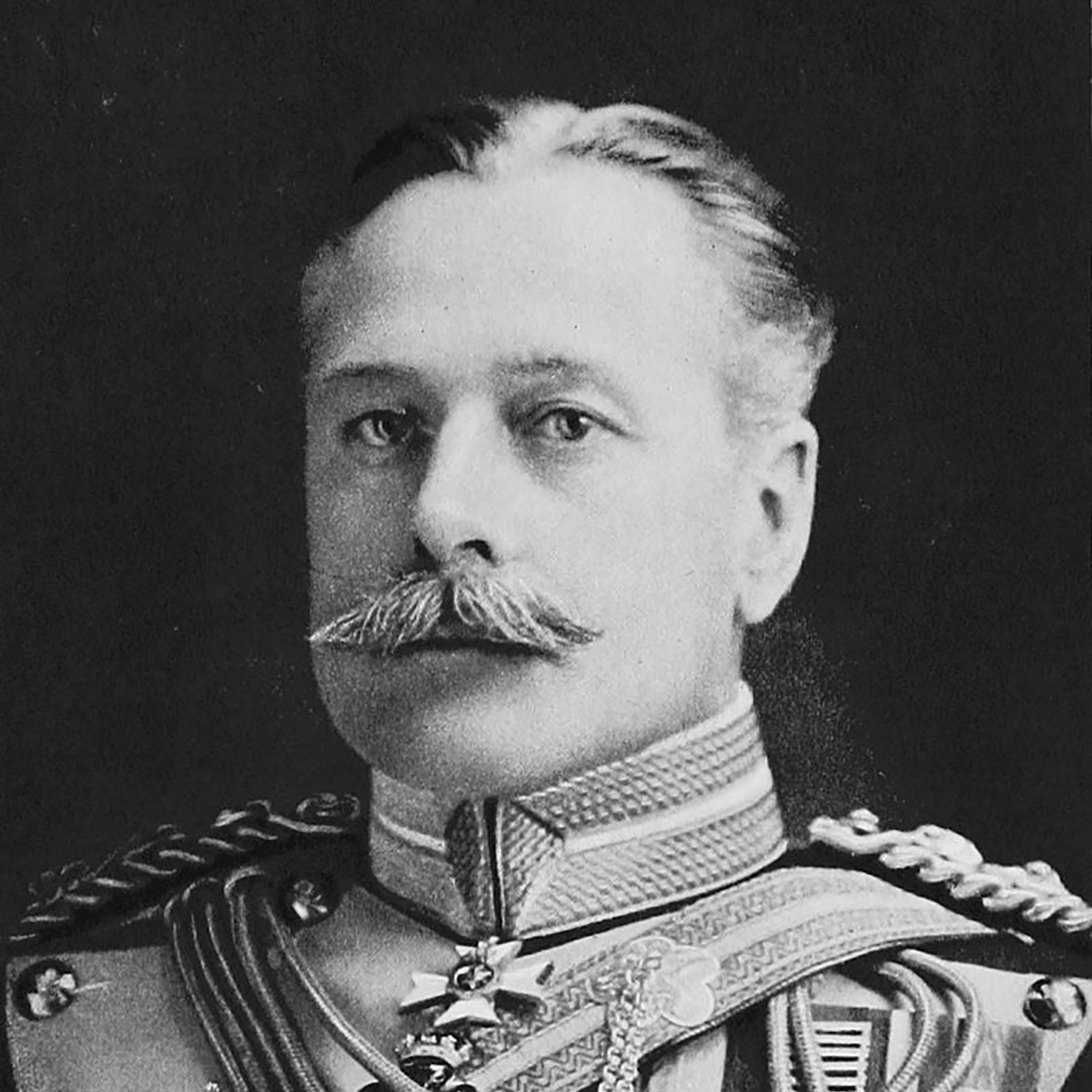
The Most Hated Man in British History?
Sir Douglas Haig was a British commander during the Battle of the Somme, the Battle of Arras, the Battle of Passchendaele, the German Spring Offensive, and the final Hundred Days Offensive of the First World War. When reassessed in the 1960s his leadership was criticised for resulting in costly offensives, gaining him the nickname 'the Butcher of the Somme'. Gary Sheffield is a Professor of War Studies at the University of Wolverhampton, and a specialist on Britain at war 1914-45. He spoke to Dan about whether Haig has been fairly assessed in the textbooks. <hr><p style='color:grey; font-size:0.75em;'> Hosted on Acast. See <a style='color:grey;' target='_blank' rel='noopener noreferrer' href='https://acast.com/privacy'>acast.com/privacy</a> for more information.</p>

Suicide at the Fall of Nazi Germany
There is almost no end to the dark secrets that emerge from the smashed ruins of 1945 Europe. Dr Florian Huber has spent years researching the fascinating story of the epidemic of suicide that spread through Germany as they faced certain defeat in 1945. Some people committed suicide after suffering atrocities at the hands of the Soviets, others because of the trauma of allied bombing and the destruction of the conflict around them. But many did so because they did not wish to live in a world without Nazism. Dr Huber has even interviewed people whose parents tried to kill them as young children. In this episode, Dan spoke to Dr Huber about this dark secret in modern German society and his book, which provoked an outpouring of stories when it was published. <hr><p style='color:grey; font-size:0.75em;'> Hosted on Acast. See <a style='color:grey;' target='_blank' rel='noopener noreferrer' href='https://acast.com/privacy'>acast.com/privacy</a> for more information.</p>
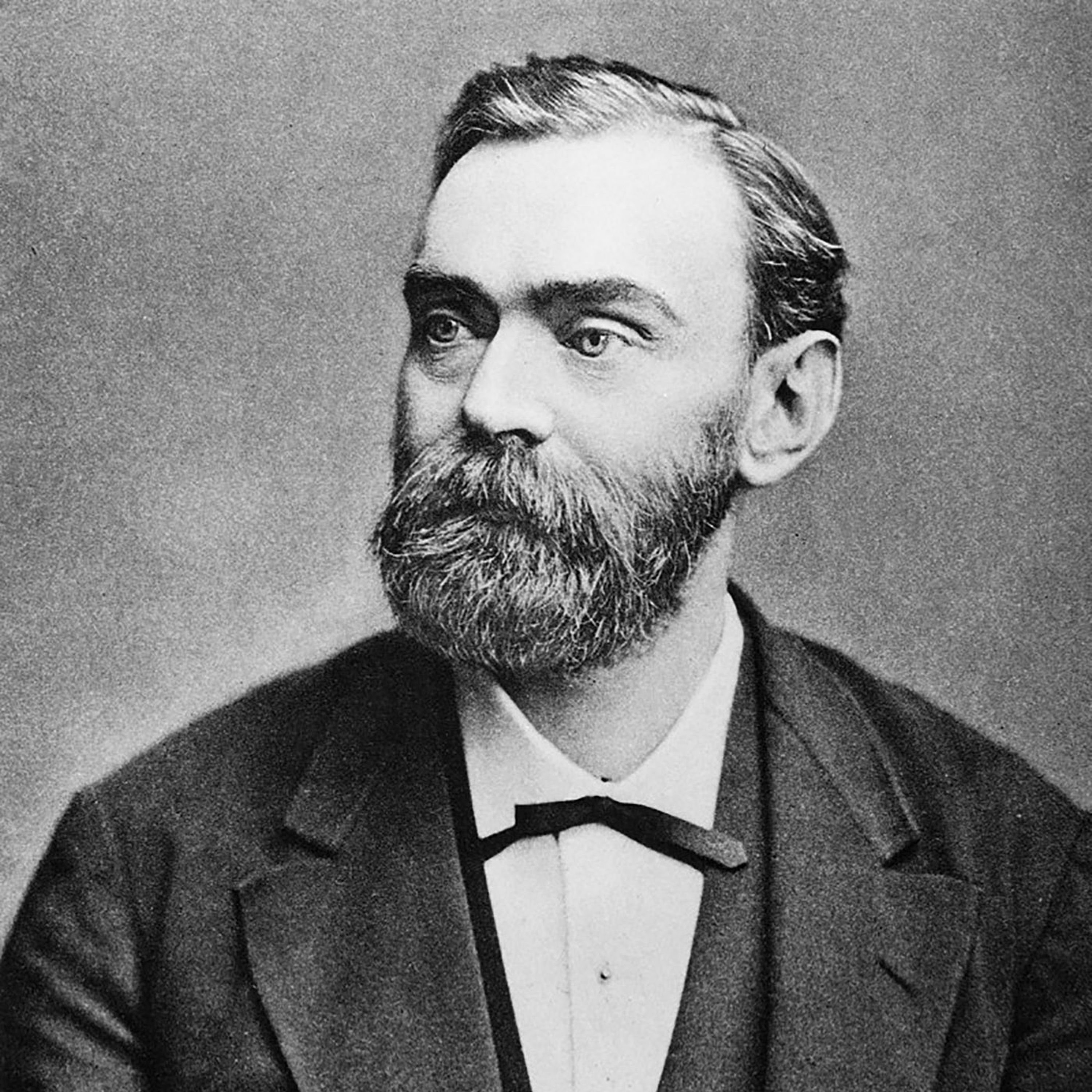
Ep 14WW1 & Terrorist Technologies
Professor Audrey&nbsp;Cronin is the world's leading expert in Terrorism and Technology. She has released a new book, Power to the People, and spoke with James about the development of materials used in terrorism. Audrey explains how the technological boom which occured before the First World War created new opportunities for terrorism, and how this can be compared with today's developments. <hr><p style='color:grey; font-size:0.75em;'> Hosted on Acast. See <a style='color:grey;' target='_blank' rel='noopener noreferrer' href='https://acast.com/privacy'>acast.com/privacy</a> for more information.</p>
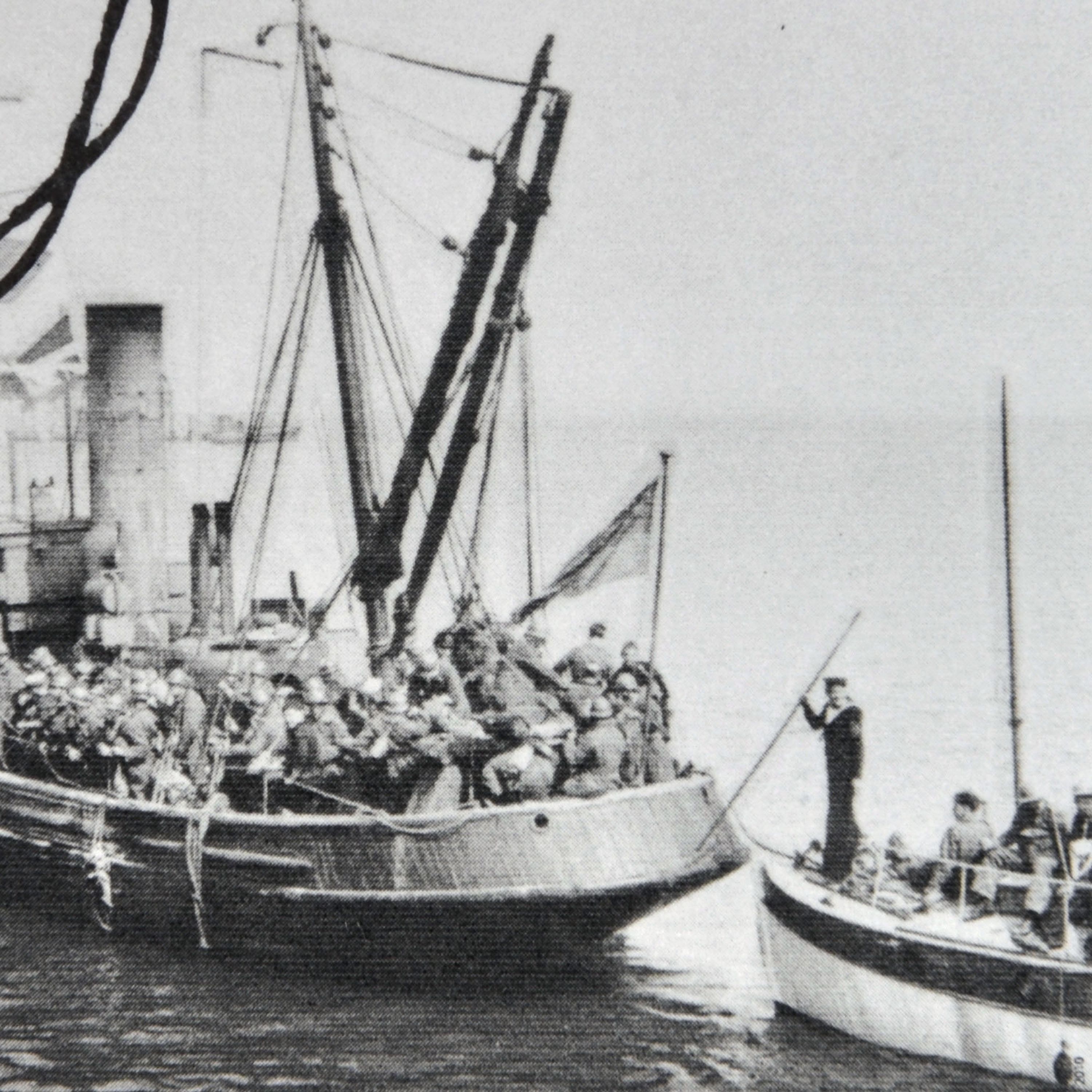
Dunkirk's Little Ships
In this episode, Dan meets veterans who were rescued from Dunkirk by the famous Little Ships. These were the 700 private boats that sailed from Ramsgate, England, to Dunkirk, France, between 26 May and 4 June 1940 as part of Operation Dynamo. They helped to rescue more than 338,000 British and French soldiers who were trapped on the beaches of Dunkirk during the Second World War. <hr><p style='color:grey; font-size:0.75em;'> Hosted on Acast. See <a style='color:grey;' target='_blank' rel='noopener noreferrer' href='https://acast.com/privacy'>acast.com/privacy</a> for more information.</p>
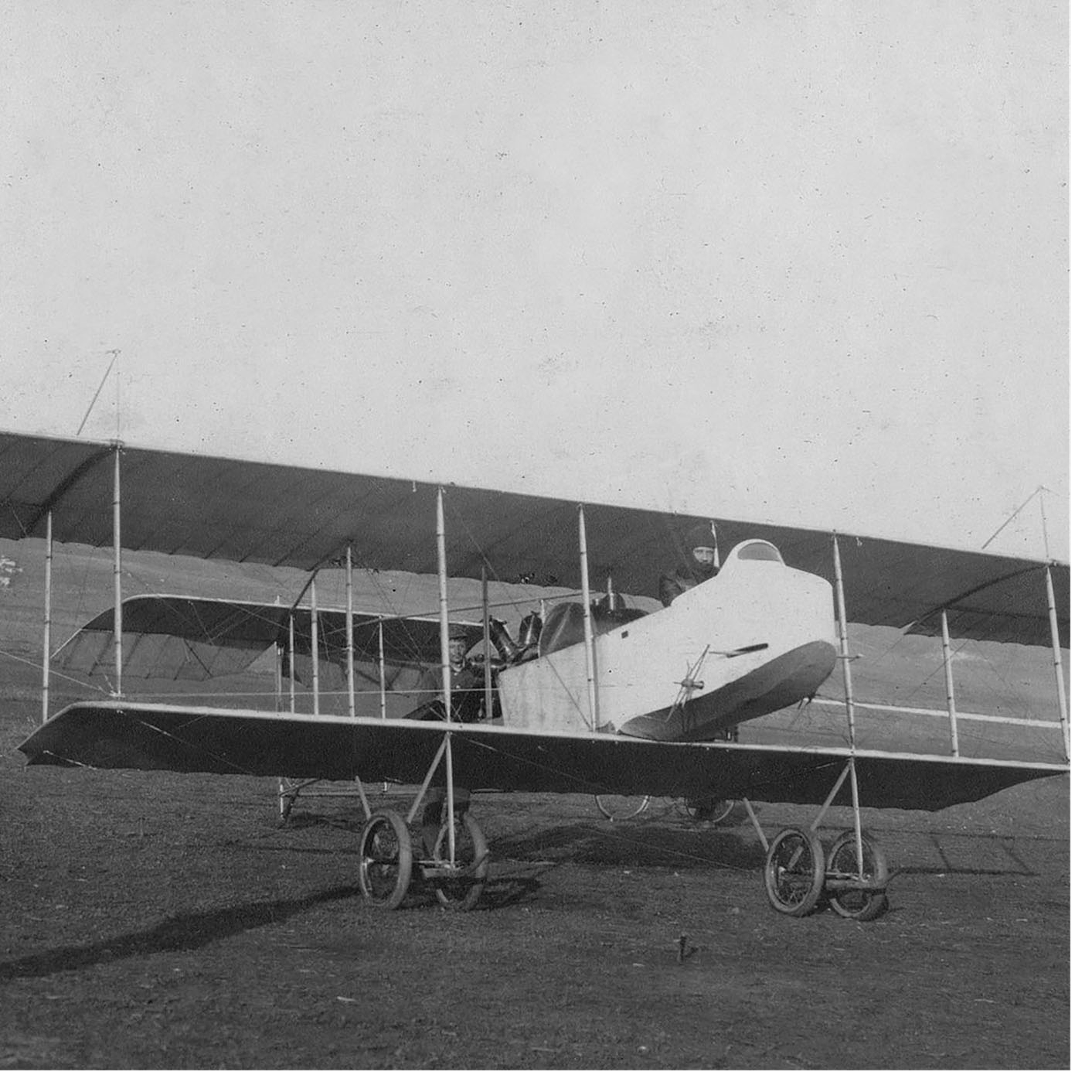
Air Power at Gallipoli
Dan chats to Mike Pavelec on the often-overlooked use of naval air power at Gallipoli during World War One. Mike is a Professor of Airpower Studies at Air Command and Staff College, Alabama. He has been researching the use of naval and ground based airpower at Gallipoli since his time as a student. <hr><p style='color:grey; font-size:0.75em;'> Hosted on Acast. See <a style='color:grey;' target='_blank' rel='noopener noreferrer' href='https://acast.com/privacy'>acast.com/privacy</a> for more information.</p>
Ep 16Why We Remember
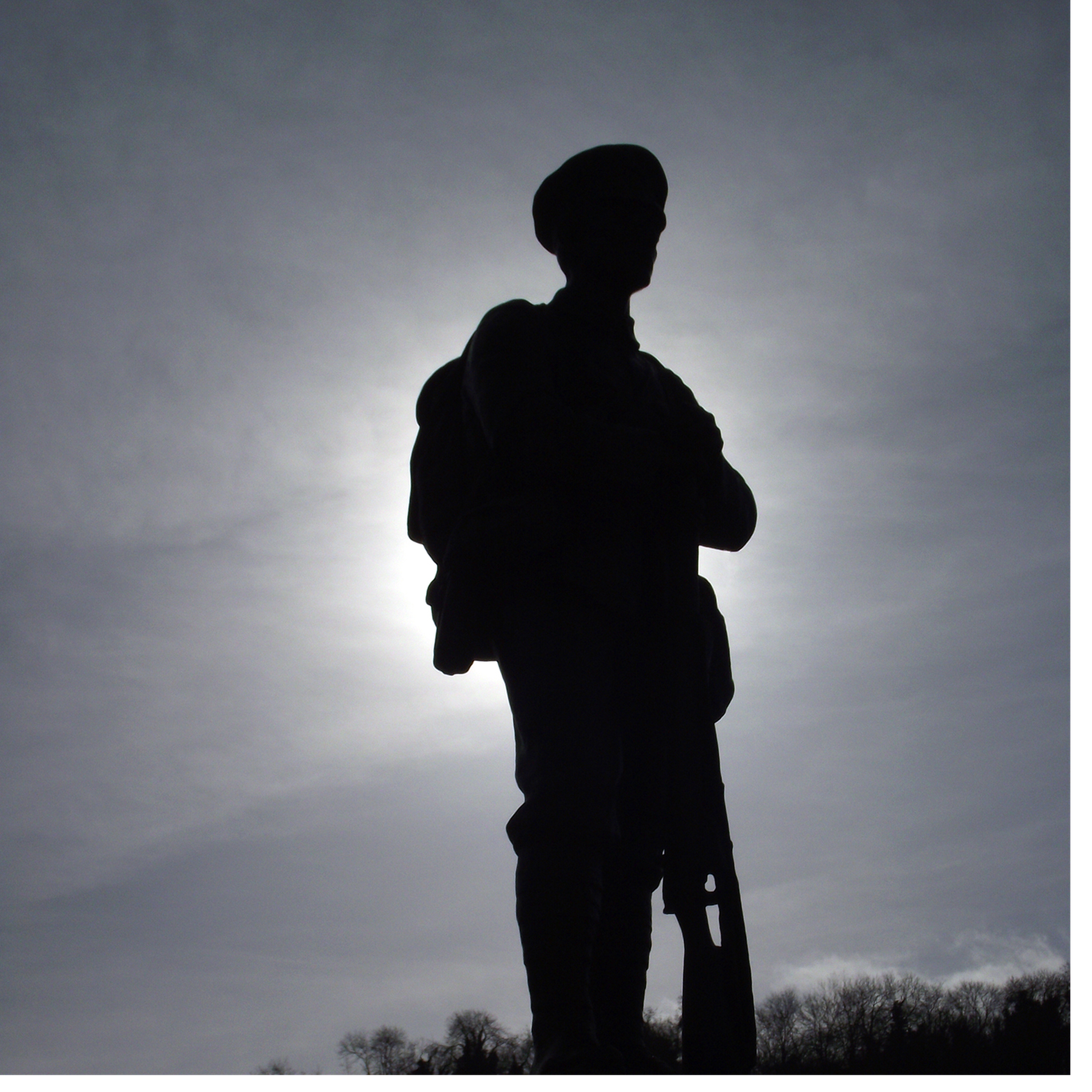
<p>Ash Alexander-Cooper OBE is a former specialist military unit colonel in the British Armed Forces, world-championship athlete and award-winning international musician. Now a member of the Army Reserve, he works tirelessly with organisations geared towards supporting and remembering those who have risked so much in the service of their countries. For this year’s Remembrance Day, Ash joined James to talk about why he thinks that it is so important to honour members of the Armed Forces and, in this extraordinary year, the other services which we all rely on in times of need. Ash, described by Bear Grylls as ‘one of the most experienced soldiers of his generation’, allows us an insight into some of his own experiences working alongside members of not only British forces, but personnel from across the globe.</p><br><p>If you would like to donate £5 to the Royal British Legion Industries, please text 'tommy5' to 70460 from the UK. Texts cost one standard network rate message plus your donation and you will be opting in to hear about RBLI's work and fundraising efforts via telephone and SMS. If you would like to donate £5 but do not wish to receive these communications, please text 'tommynoinfo5' to the same number, 70460. You can find more details about the RBLI here (https://rbli.co.uk/), or become a member of the Tommy Club on their website (https://tommyclub.co.uk/).</p> <hr><p style='color:grey; font-size:0.75em;'> Hosted on Acast. See <a style='color:grey;' target='_blank' rel='noopener noreferrer' href='https://acast.com/privacy'>acast.com/privacy</a> for more information.</p>
Ep 15War, Pandemics & Elections
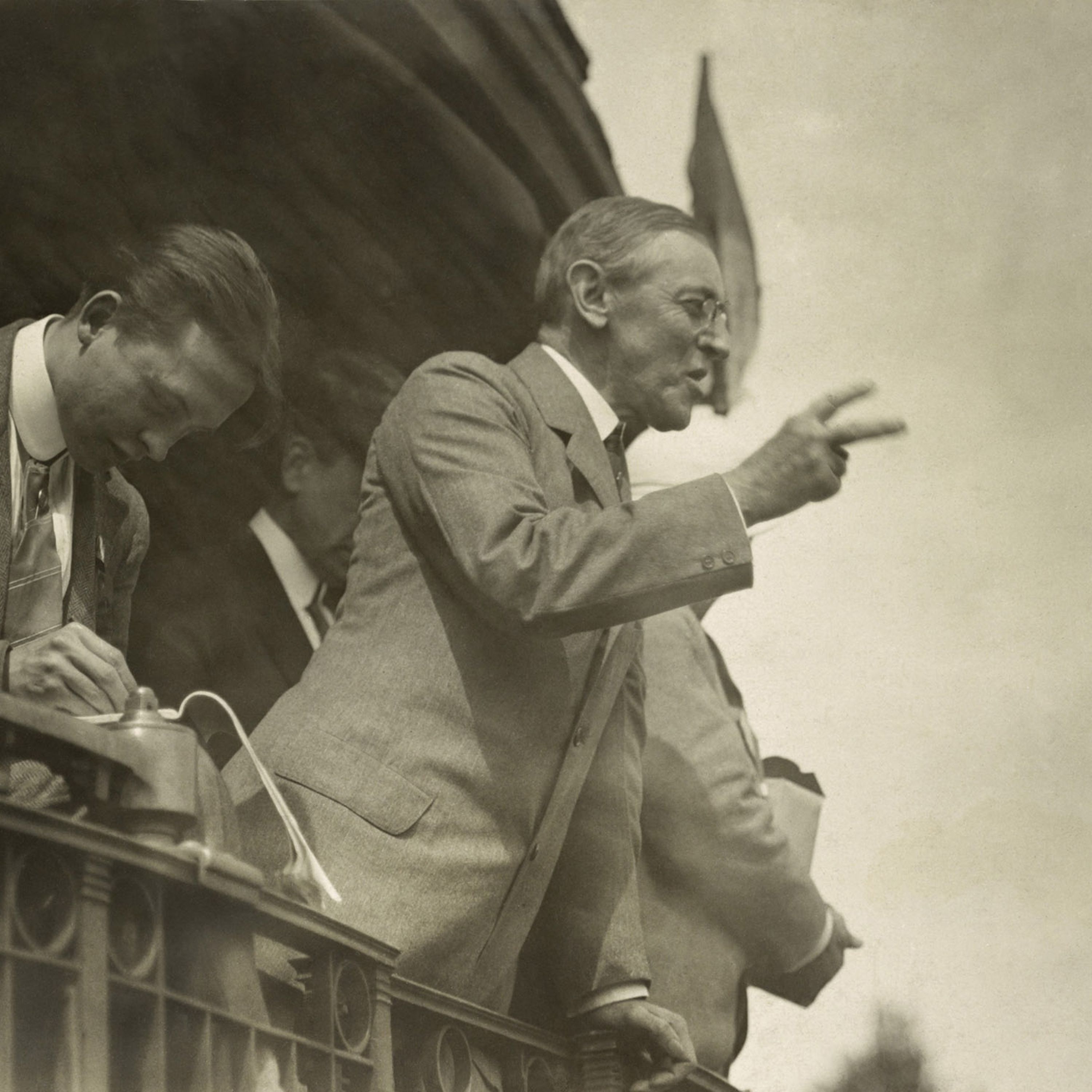
It's election time and for this episode James is joined by one of the most famous Historians in the world, Niall Ferguson. Niall delves into United States election history to explore how this 'year of catastrophe' might impact the results, and how these results might, in turn, increase the possibility of a Second Cold War. Wilson, Roosevelt, Truman and Johnson: four Democrat Presidents elected on domestic policies, each of whom led the United States into international war. Might this election bring a similar result? A Senior Fellow at the Hoover Institution, Stanford University, and a senior faculty fellow of the Belfer Center for Science and International Affairs at Harvard, Niall is also a visiting professor at Tsinghua University, Beijing and the author of fifteen books. <hr><p style='color:grey; font-size:0.75em;'> Hosted on Acast. See <a style='color:grey;' target='_blank' rel='noopener noreferrer' href='https://acast.com/privacy'>acast.com/privacy</a> for more information.</p>
The Forgotten D-Day: Operation Dragoon
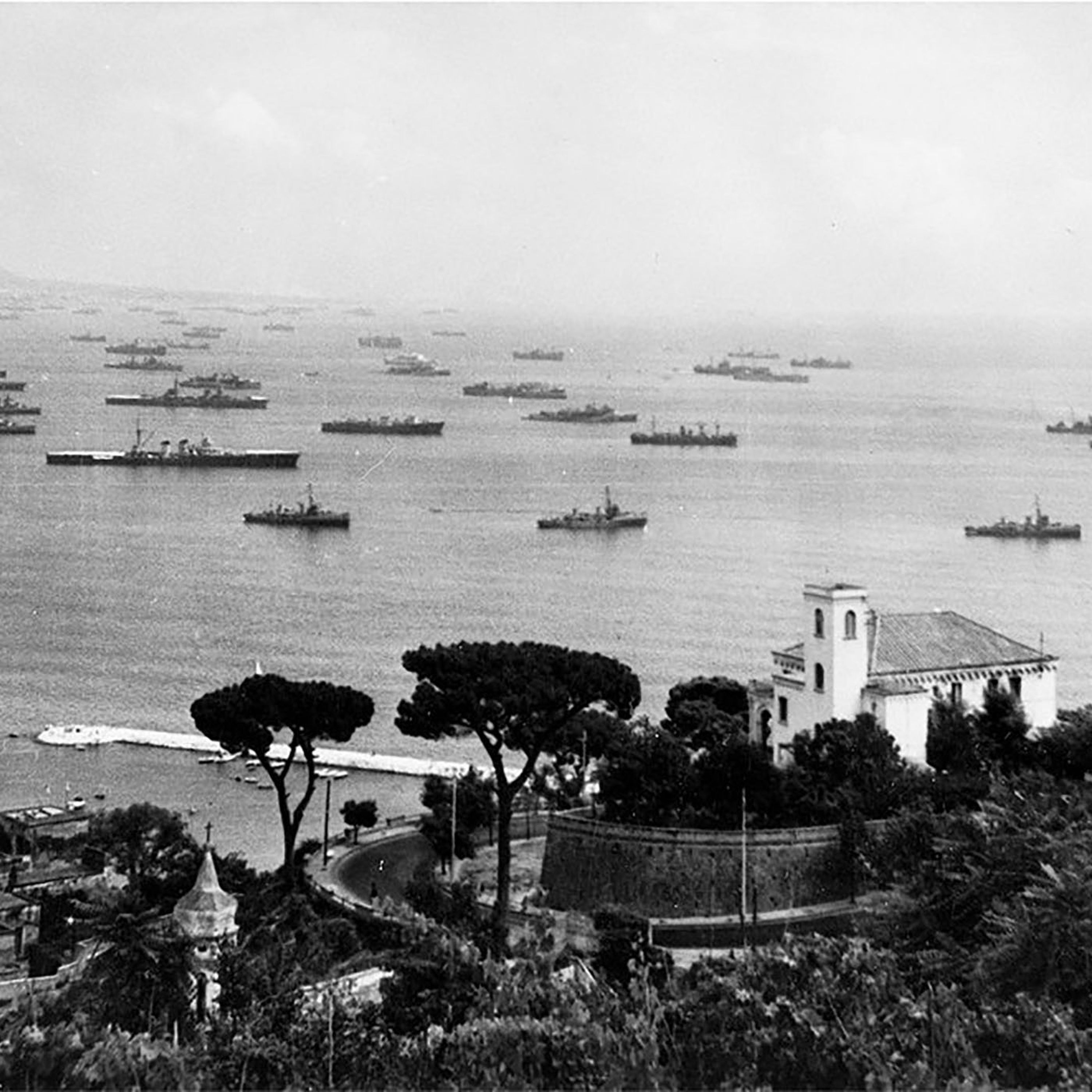
On 15 August 1944, the Allies landed in Southern France. The operation was a success, nearly cutting off an entire German Army group, which perhaps explains why it doesn't hold the same position in our history as the invasions of Normandy and Italy. But Operation Dragoon was the main French effort in liberating their homeland and, interestingly, because France had been occupied by 1942 and there were one and a half million French Prisoners of War in German camps, their armed forces were largely compiled of French Colonial troops. Cameron Zinsou joined James to discuss this feat of planning, a forgotten campain for the liberation of Europe. <hr><p style='color:grey; font-size:0.75em;'> Hosted on Acast. See <a style='color:grey;' target='_blank' rel='noopener noreferrer' href='https://acast.com/privacy'>acast.com/privacy</a> for more information.</p>
Ep 12The Secret History of Nuclear War
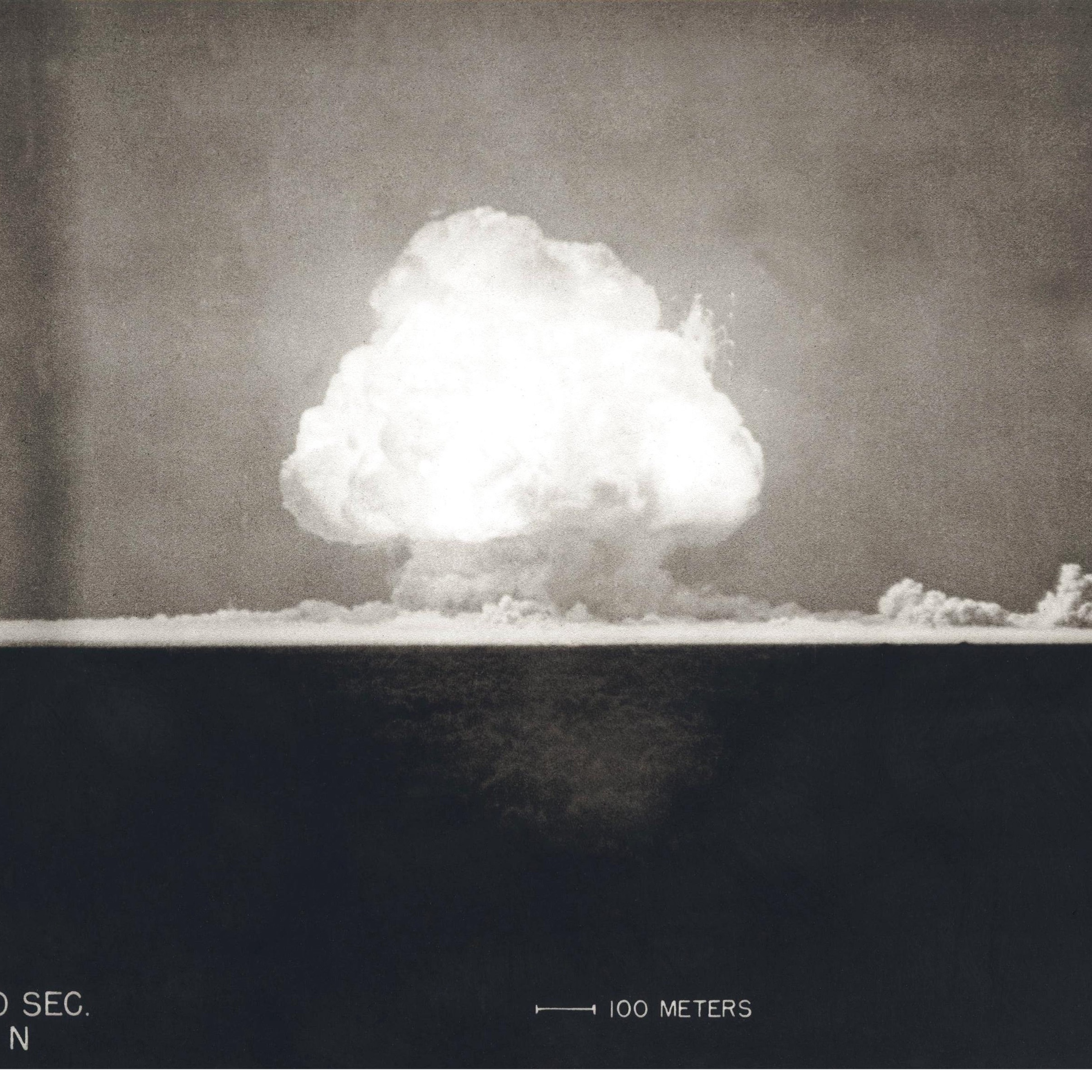
Why is it that nobody has used the absolute weapon, the nuclear bomb, since 1945? Was it ever likely that the American arsenal would be used against the Soviet Union? Or was it created solely to prevent nuclear war? If the latter is true, how does a country create the false impression that it is willing to release a weapon of mass destruction? New York Times bestselling author and Pulitzer prize winning journalist, Fred Kaplan, has authored The Bomb: Presidents, Generals and the Secret History of Nuclear War. In this episode, he and James discuss the strategies and motives of those in control of the bombs in the face of multiple crises ... not all of which are generally known. <hr><p style='color:grey; font-size:0.75em;'> Hosted on Acast. See <a style='color:grey;' target='_blank' rel='noopener noreferrer' href='https://acast.com/privacy'>acast.com/privacy</a> for more information.</p>
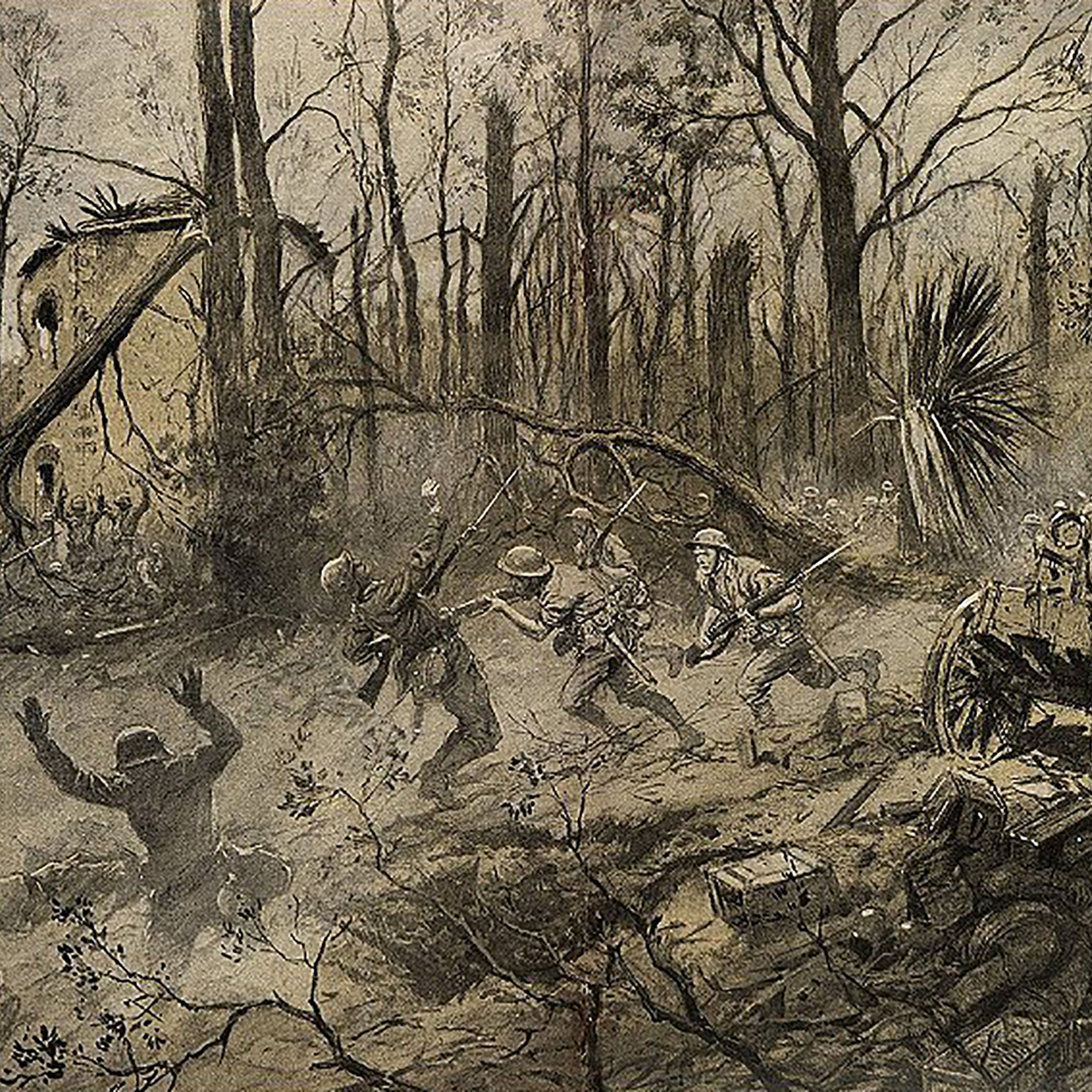
The Battle of Belleau Wood
Pride of place in the lore of the U.S. Marine Corps goes to the Battle of Belleau Wood, fought in 1918 between the Germans and the Americans during the German Spring Offensive. In this episode, Dan speaks to Professor Michael Neiberg about the battle during which it was famously exclaimed 'Retreat? Hell we just got here!' <hr><p style='color:grey; font-size:0.75em;'> Hosted on Acast. See <a style='color:grey;' target='_blank' rel='noopener noreferrer' href='https://acast.com/privacy'>acast.com/privacy</a> for more information.</p>
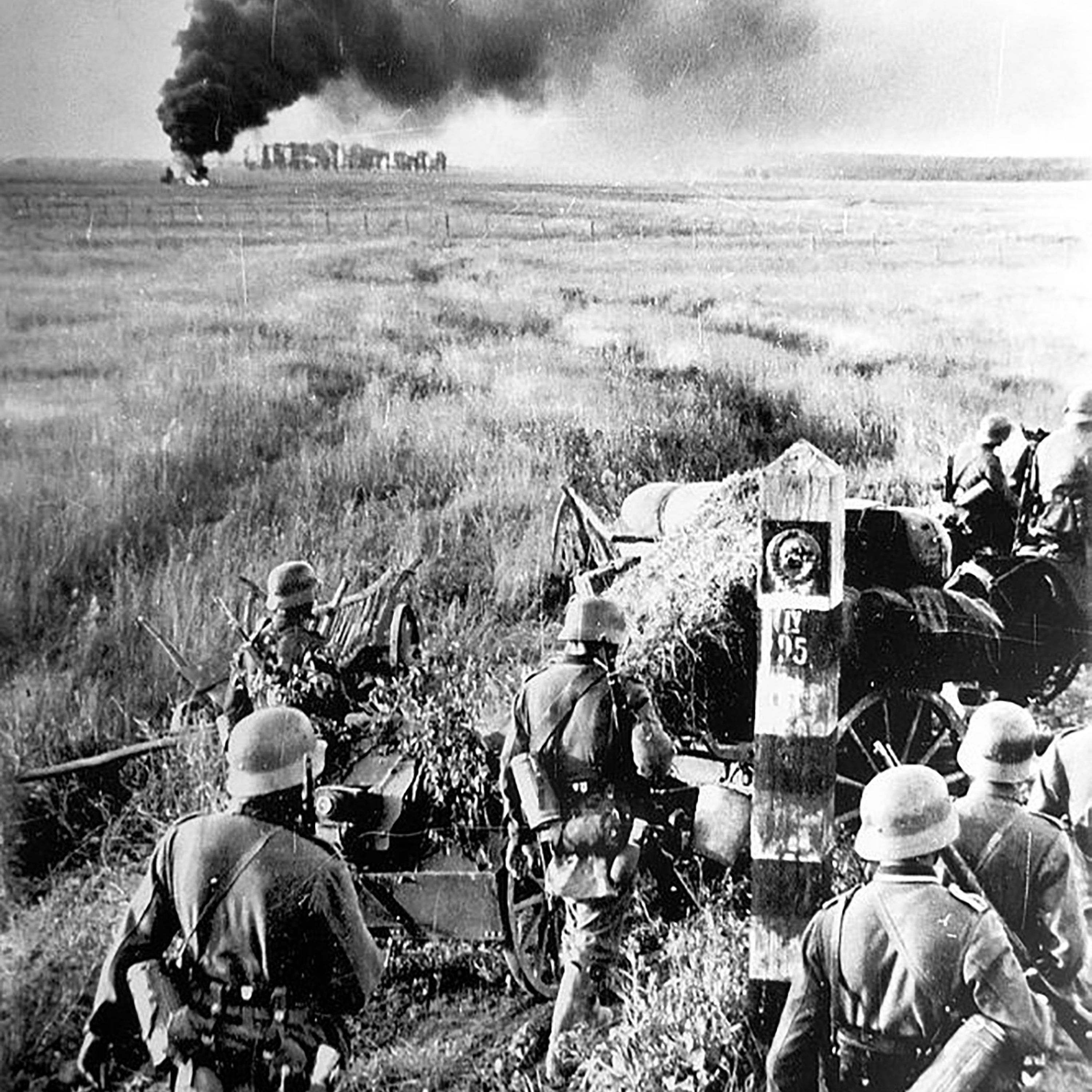
Operation Barbarossa
In June 1941, Hitler launched Operation Barbarossa. The campaign on the Eastern Front which was now opened up involved more forces than any other theatre of war in history. In this episode, History Hit's Charlie Mills speaks to Dr. Mario Draper at the University of Kent about why Germany decided to invade the Soviet Union and how the invasion impacted on Germany’s eventual defeat. <hr><p style='color:grey; font-size:0.75em;'> Hosted on Acast. See <a style='color:grey;' target='_blank' rel='noopener noreferrer' href='https://acast.com/privacy'>acast.com/privacy</a> for more information.</p>
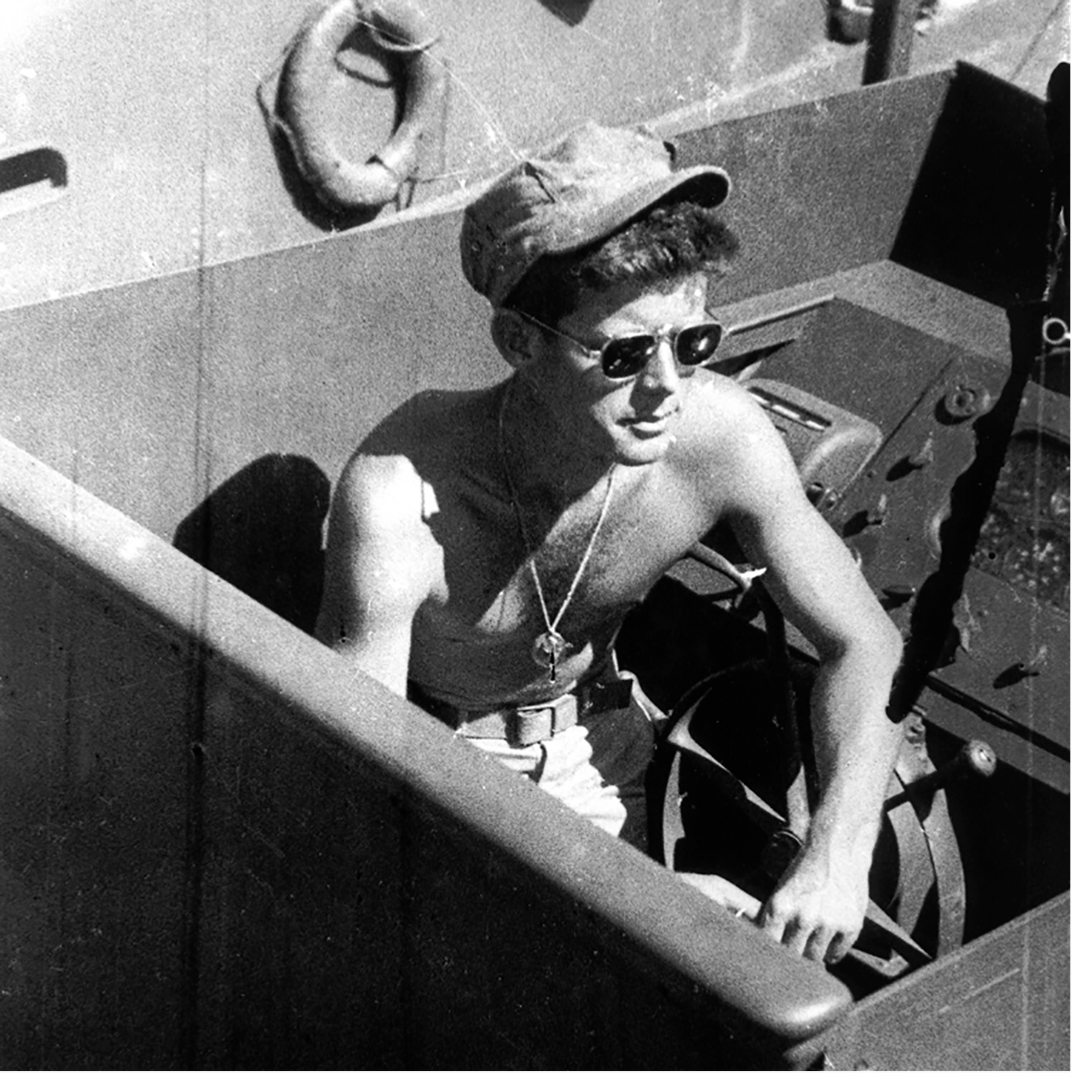
JFK in WW2
In this podcast, Deirdre Henderson gives us a unique insight into the mind of President John F. Kennedy. Deirdre&nbsp;was hired by JFK as his Research Assistant in his run for President, her assignments mainly related to defense and foreign policy. In 1959, Senator Kennedy gave Deirdre his post Second World War diary so that she could learn more about his thinking. Deirdre and James discuss JFK's experiences and perceptions of war and leadership, shedding light on Kennedy's travels, reading materials and interest in Winston Churchill. <hr><p style='color:grey; font-size:0.75em;'> Hosted on Acast. See <a style='color:grey;' target='_blank' rel='noopener noreferrer' href='https://acast.com/privacy'>acast.com/privacy</a> for more information.</p>
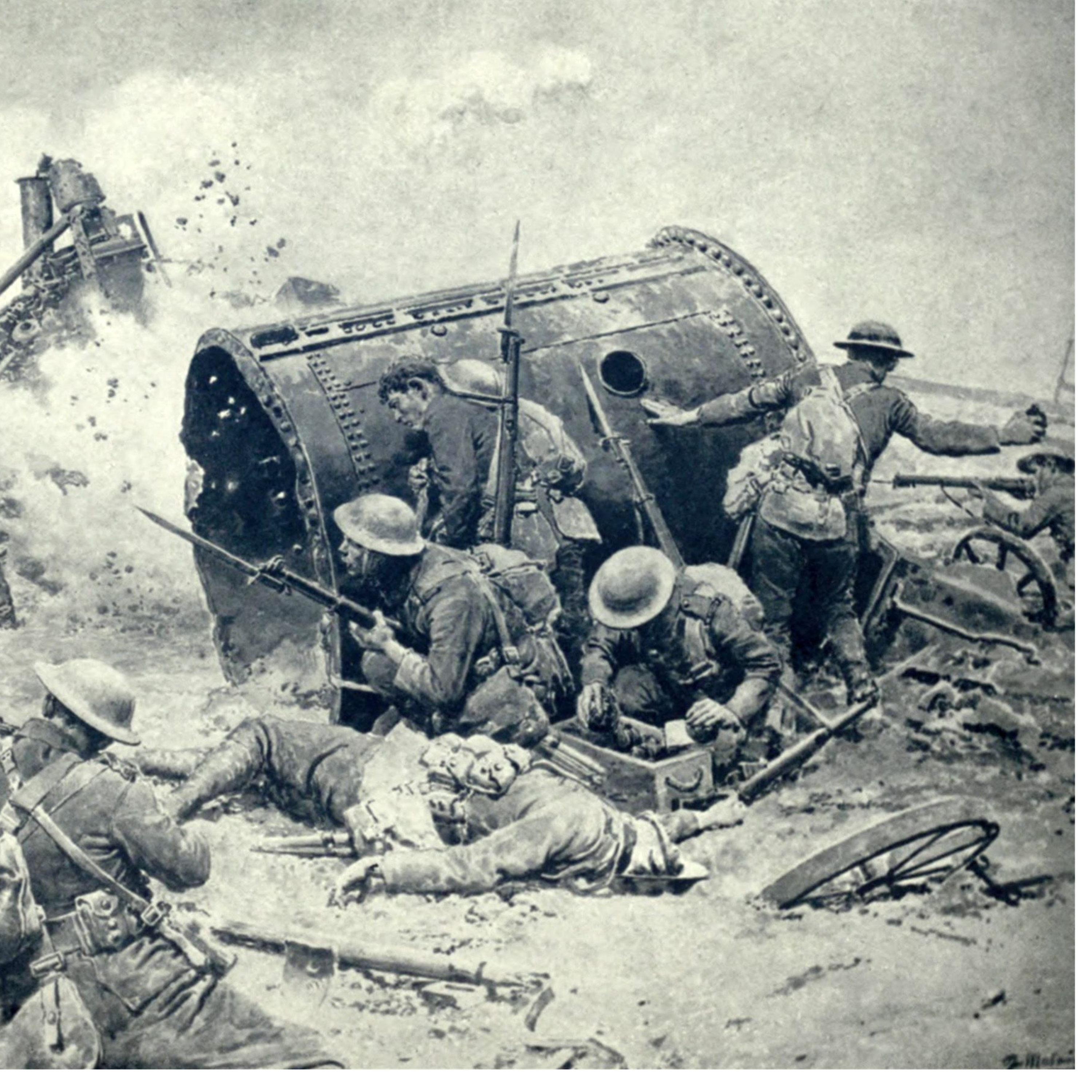
The Battle of the Somme: The Pals
The Battle of the Somme, fought between July and November 1916, is perhaps one of the most famous battles in British history. For this episode, Professor Peter Doyle, a geologist and military historian of twentieth-century conflict, spoke to Dan about the Pals battalions which fought in this deadly battle. These were battalions of the British Army comprised of men who had enlisted together in local recruiting drives. Peter details how the Pals came to the army and from where, how they were trained, how they fought and how their connections to one another made them different from other battalions. <hr><p style='color:grey; font-size:0.75em;'> Hosted on Acast. See <a style='color:grey;' target='_blank' rel='noopener noreferrer' href='https://acast.com/privacy'>acast.com/privacy</a> for more information.</p>
Bombing of Dresden: A Veteran's Account
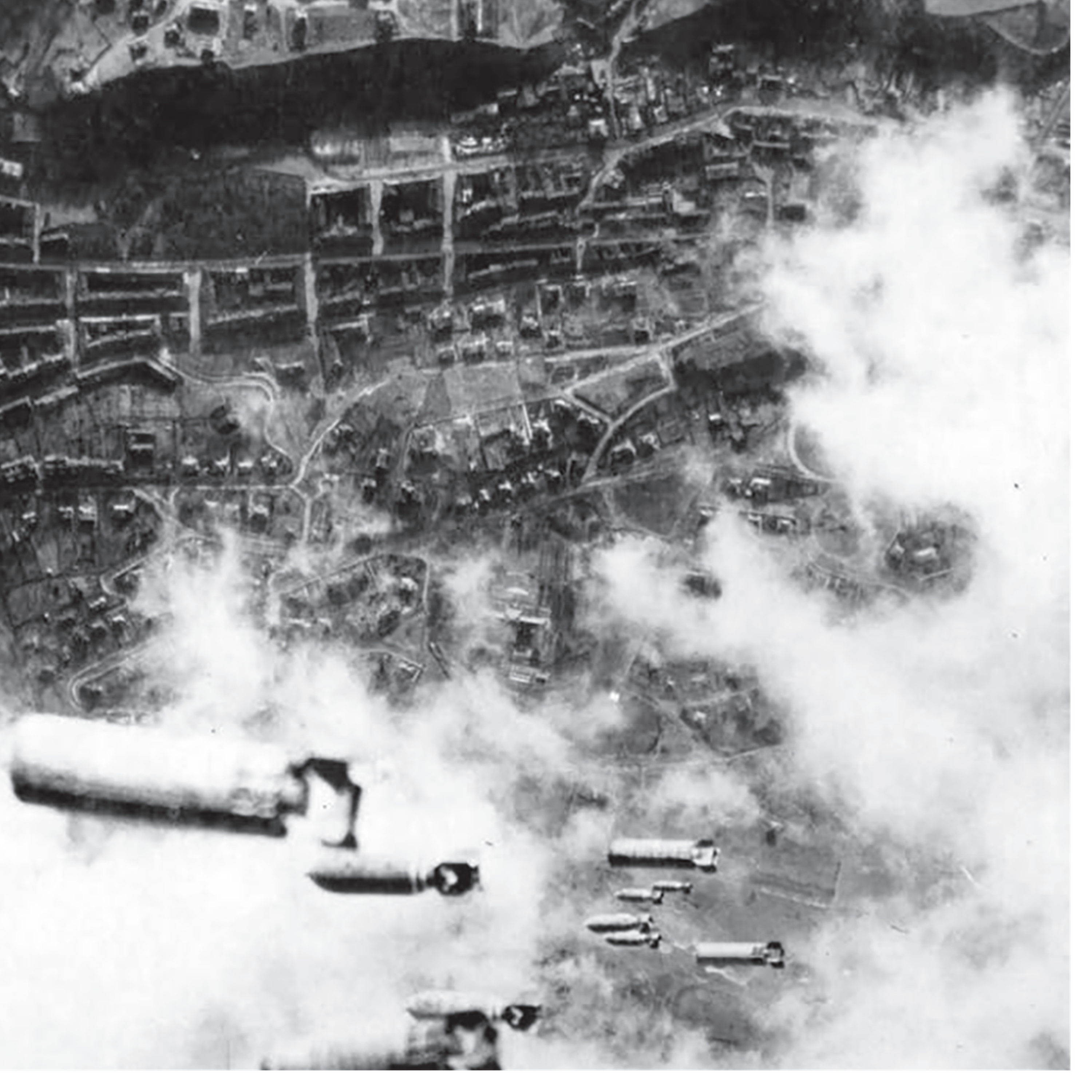
Ken Oatley served as a navigator with 106 Sqdn, RAF. He was one of the last men to hear Guy Gibson alive and he took part in numerous raids, including the bombing of Dresden. Ken spoke to Dan about what the raids were like, and what he feels about having taken part in the bombing which resulted in a firestorm. He also talks about his other wartime experiences. <hr><p style='color:grey; font-size:0.75em;'> Hosted on Acast. See <a style='color:grey;' target='_blank' rel='noopener noreferrer' href='https://acast.com/privacy'>acast.com/privacy</a> for more information.</p>
Putting the 'World' Back into World War Two
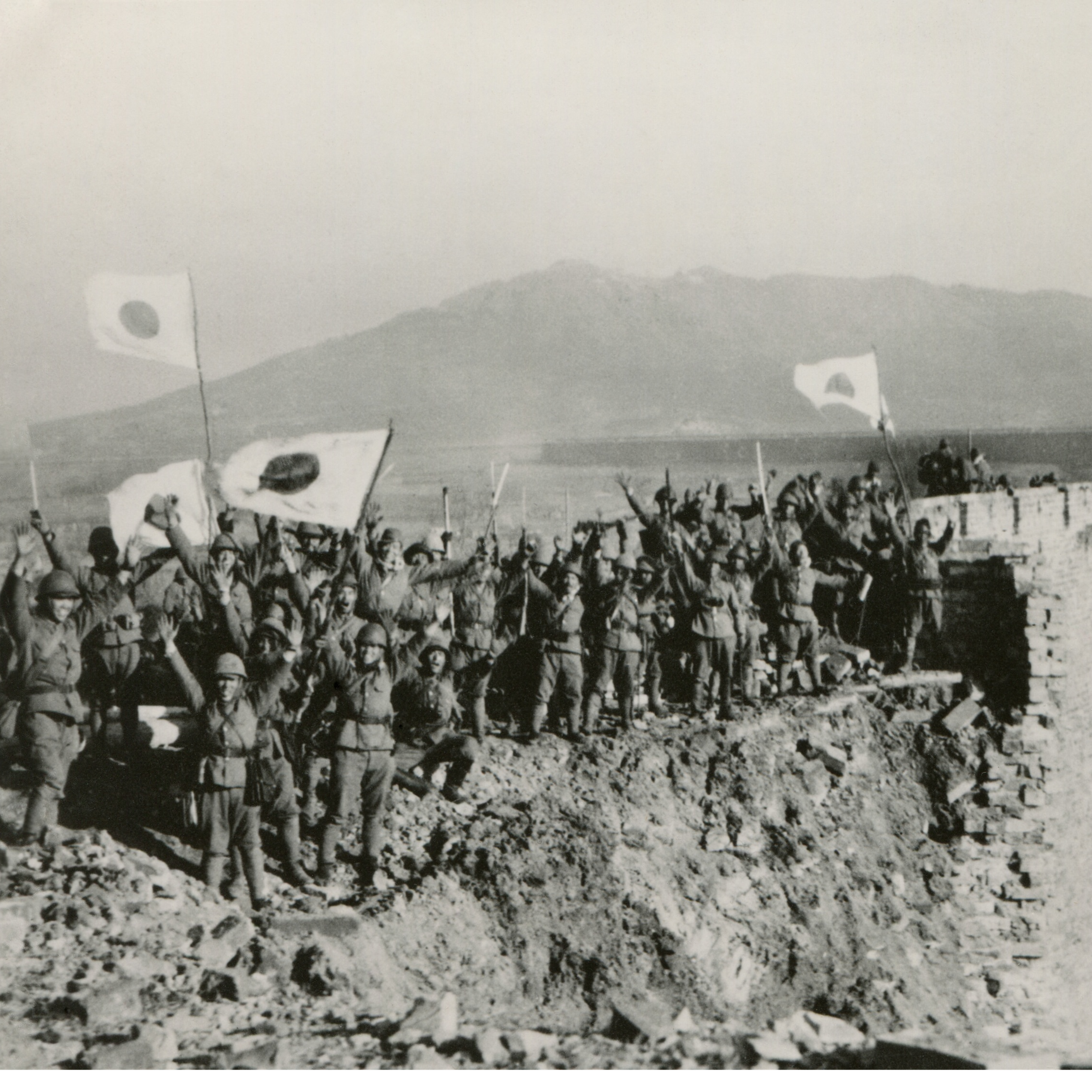
The traditional view of the Second World War focusses on mainland Europe between 1939 and 1945. Germany is the aggressor drawing its closest neighbours into war, and prompting a chain of reactions which ends in worldwide turmoil. Thomas Bottelier is an historian of twentieth-century international relations, particularly of Europe and the Atlantic world. He suggests that we should perhaps widen the lense with which we look at this war, in terms of both geography and timescale. Thomas spoke to James about the various ways in which we could do this, and the countless events and experiences that have been overshadowed by the conventional narrative of the Second World War. <hr><p style='color:grey; font-size:0.75em;'> Hosted on Acast. See <a style='color:grey;' target='_blank' rel='noopener noreferrer' href='https://acast.com/privacy'>acast.com/privacy</a> for more information.</p>
America's Entry into the World Wars
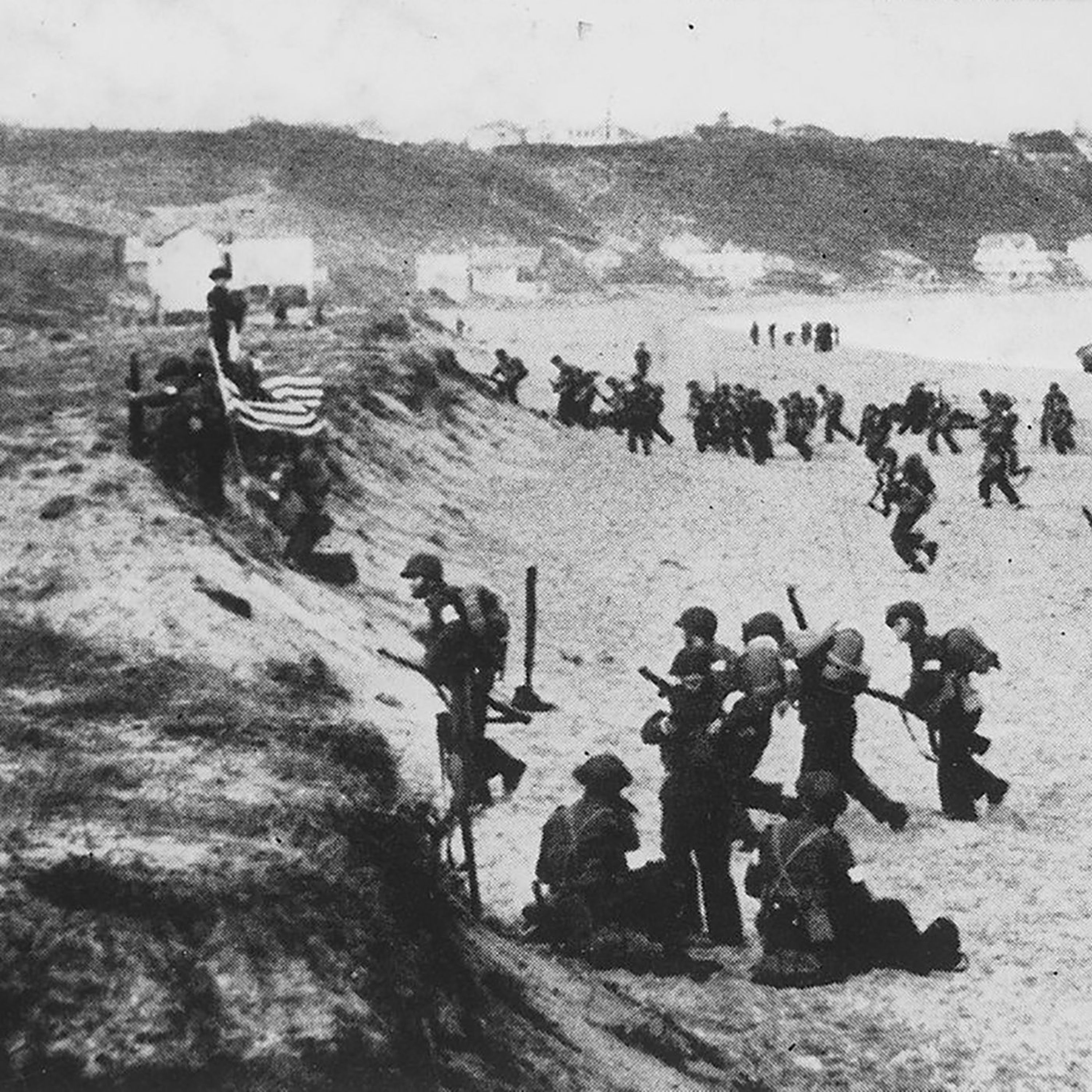
It was not until 1917 that the USA entered the First World War, President Woodrow Wilson having proclaimed neutrality in 1914. Similarly, it took the Japanese bombing of Pearl Harbour in 1941 to bring America into the Second World War. In this episode, Dr. Mitch Goodrum speaks to Rob Weinberg about the USA's reluctance to enter the World Wars, and how their eventual involvement changed the course of the wars. <hr><p style='color:grey; font-size:0.75em;'> Hosted on Acast. See <a style='color:grey;' target='_blank' rel='noopener noreferrer' href='https://acast.com/privacy'>acast.com/privacy</a> for more information.</p>
Imphal and Kohima
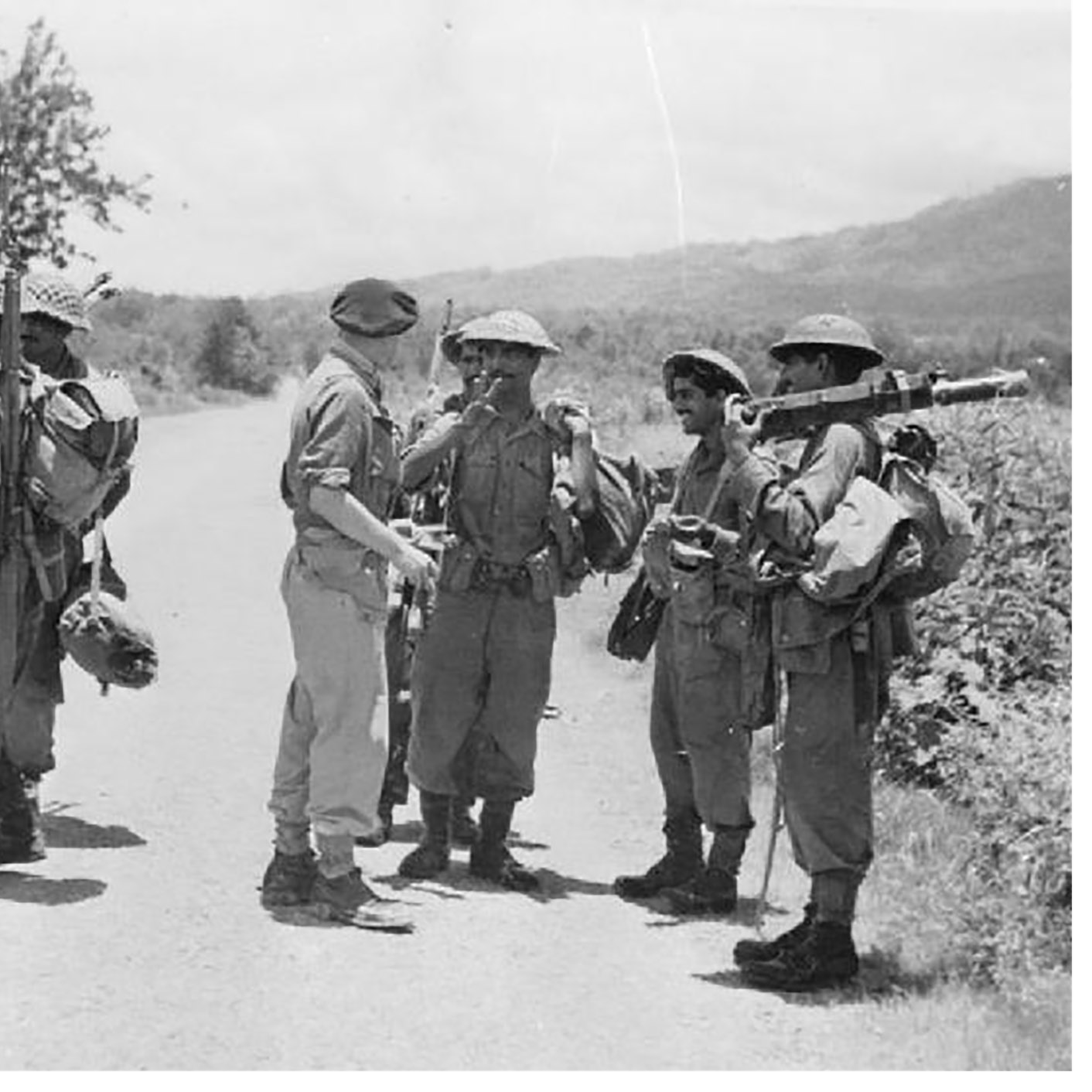
The Battles of Imphal and Kohima were the decisive clash of the Burma Campaign during World War Two, a crucial turning point in the attempted Japanese invasion of India during World War Two. By October 1942 Singapore, Hong-Kong, Malaysia and Burma had all fallen to the apparently unbeatable Japanese. Yet it was then, when morale was at its lowest, that the new British commander Bill Slim sought to revive Allied fortunes in the region. Meanwhile, Japanese commander Renya Mutaguchi looked to capture Imphal, the gateway to India. In this episode, James Holland and Dan discuss this is the truly epic tale of Britain’s greatest battle. <hr><p style='color:grey; font-size:0.75em;'> Hosted on Acast. See <a style='color:grey;' target='_blank' rel='noopener noreferrer' href='https://acast.com/privacy'>acast.com/privacy</a> for more information.</p>
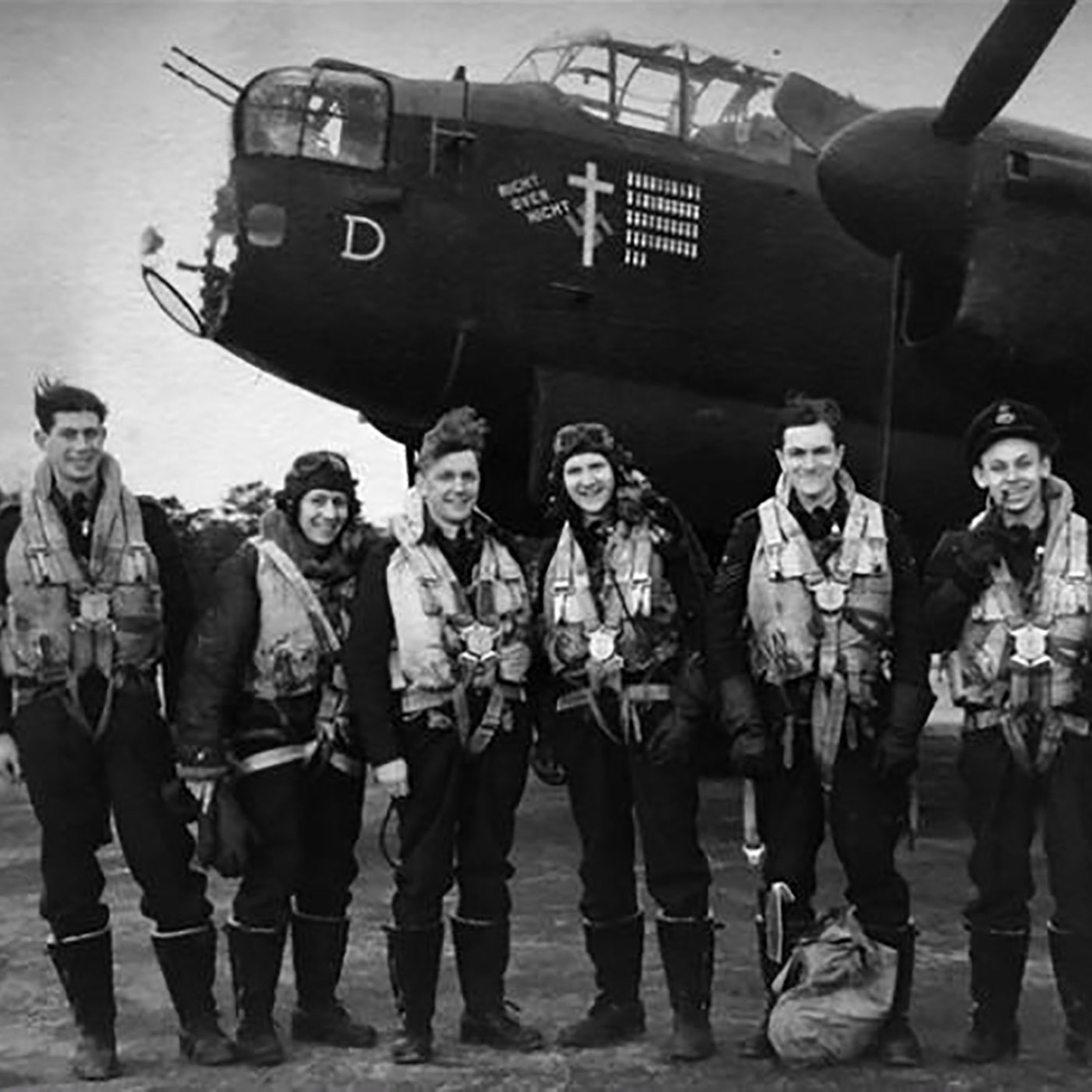
The Lancaster Bomber: A Veteran’s View
An Avro Lancaster Bomber was one of the most dangerous places to be during the Second World War. The planes had a 46% combat attrition rate, and yet all of those who flew them were volunteers. Among them was John Henry Meller, who left a reserve occupation to sign up aged 18. In this episode, John tells James what it was like to fly in a Lancaster Bomber and remembers his experiences in training. He is accompanied by his wife Barbara and daughter Caroline. John has released his book 'The Boy With Only One Shoe' in support of the RAF Benevolent Fund. <hr><p style='color:grey; font-size:0.75em;'> Hosted on Acast. See <a style='color:grey;' target='_blank' rel='noopener noreferrer' href='https://acast.com/privacy'>acast.com/privacy</a> for more information.</p>
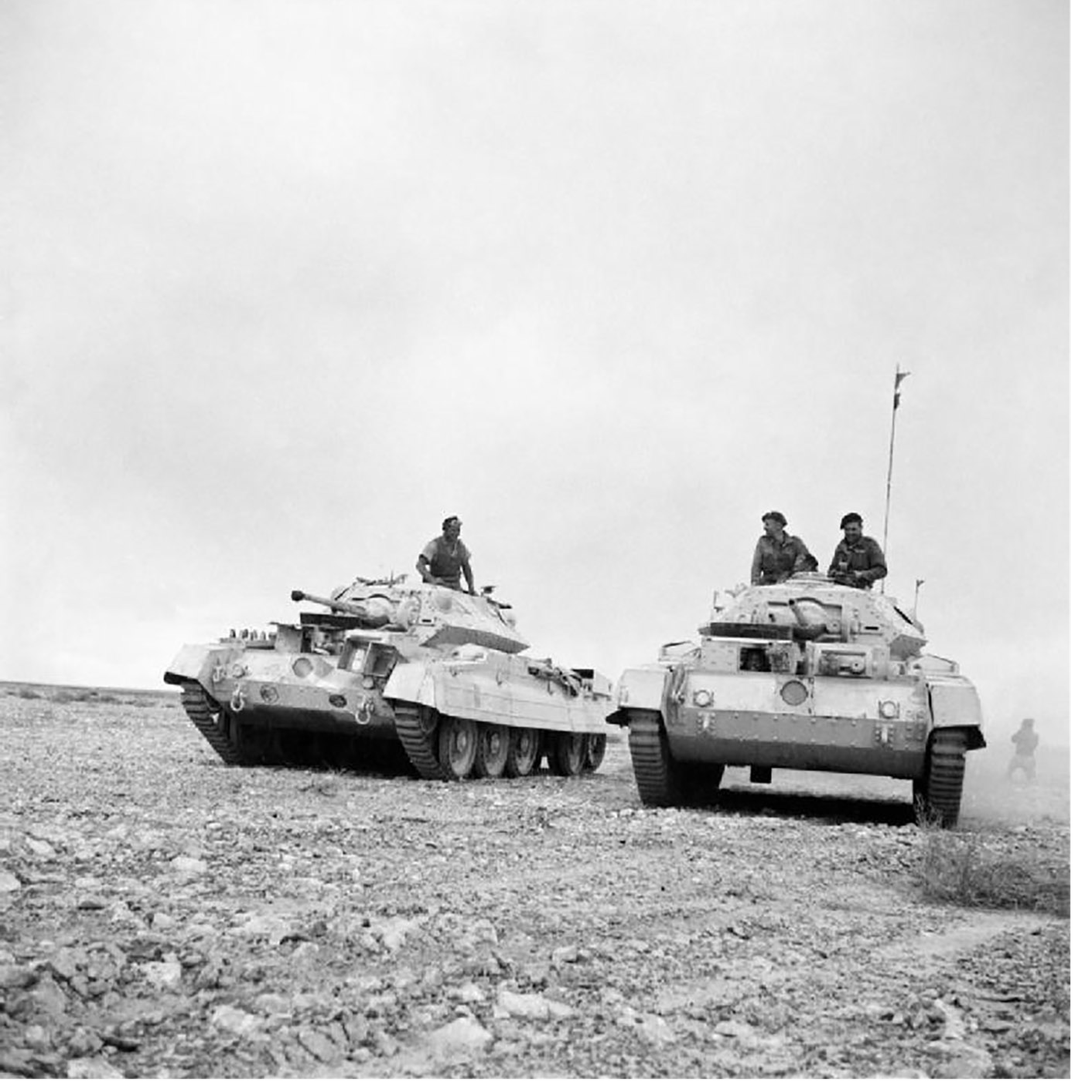
WW2 Tank Commander with Captain David Render
Captain David Render was a nineteen-year-old second lieutenant fresh from Sandhurst when he was sent to France to join a veteran armoured unit that had already spent years fighting with the Desert Rats in North Africa. Joining the Sherwood Rangers Yeomanry five days after the D-Day landings, the combat-hardened men he was sent to command did not expect him to last long. <hr><p style='color:grey; font-size:0.75em;'> Hosted on Acast. See <a style='color:grey;' target='_blank' rel='noopener noreferrer' href='https://acast.com/privacy'>acast.com/privacy</a> for more information.</p>
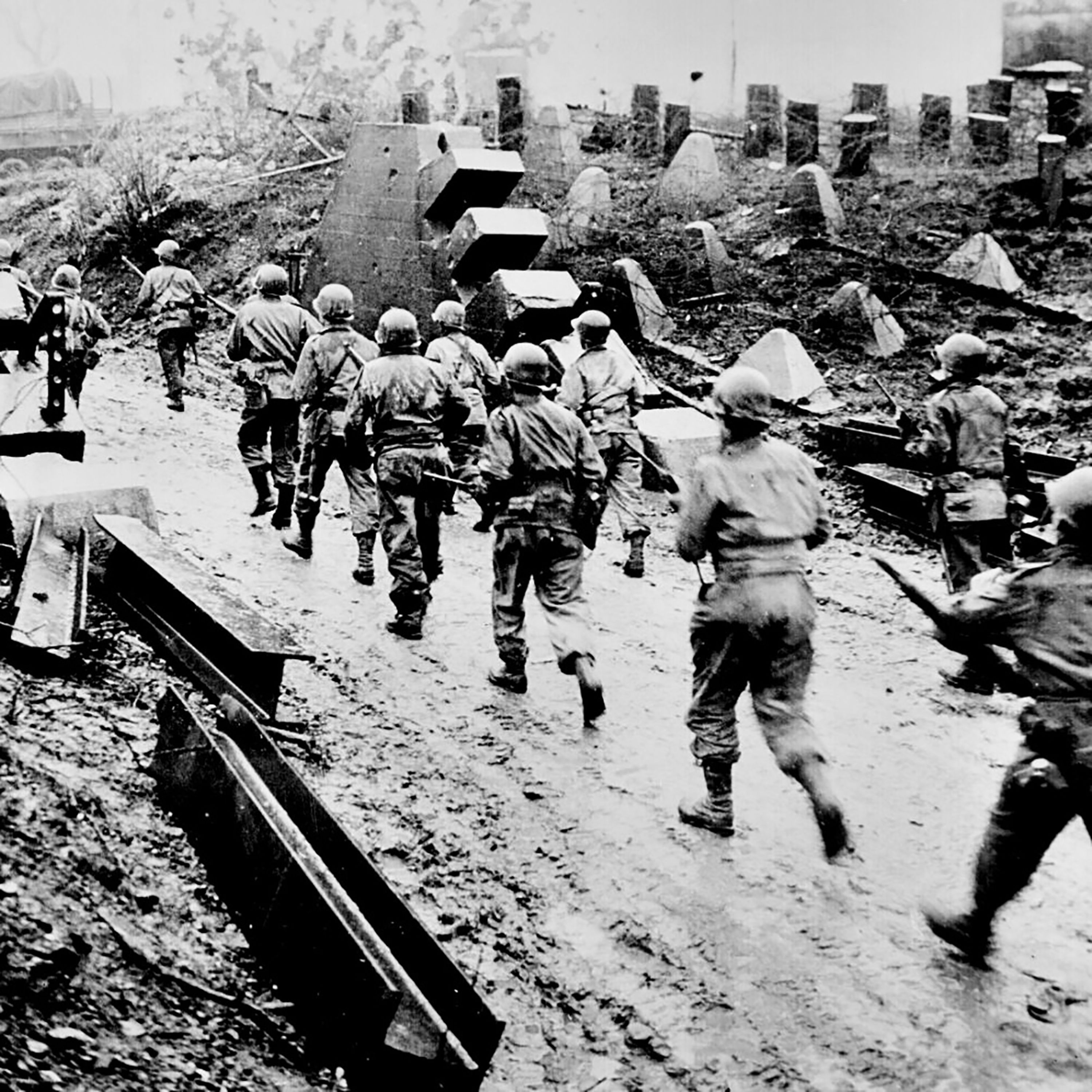
Nazi Megastructures
Walking around Second World War fortifications, Patrick Bury is able to draw on his time in the infantry to tell the stories of the battles that occured over them. During his time working on Nazi Megastructures, Paddy accessed the lived history of the important structures built to protect and strengthen the 'Thousand Year Reich'. In this episode he spoke to James about his five most memorable Nazi structures, and his experiences creating the show. <hr><p style='color:grey; font-size:0.75em;'> Hosted on Acast. See <a style='color:grey;' target='_blank' rel='noopener noreferrer' href='https://acast.com/privacy'>acast.com/privacy</a> for more information.</p>
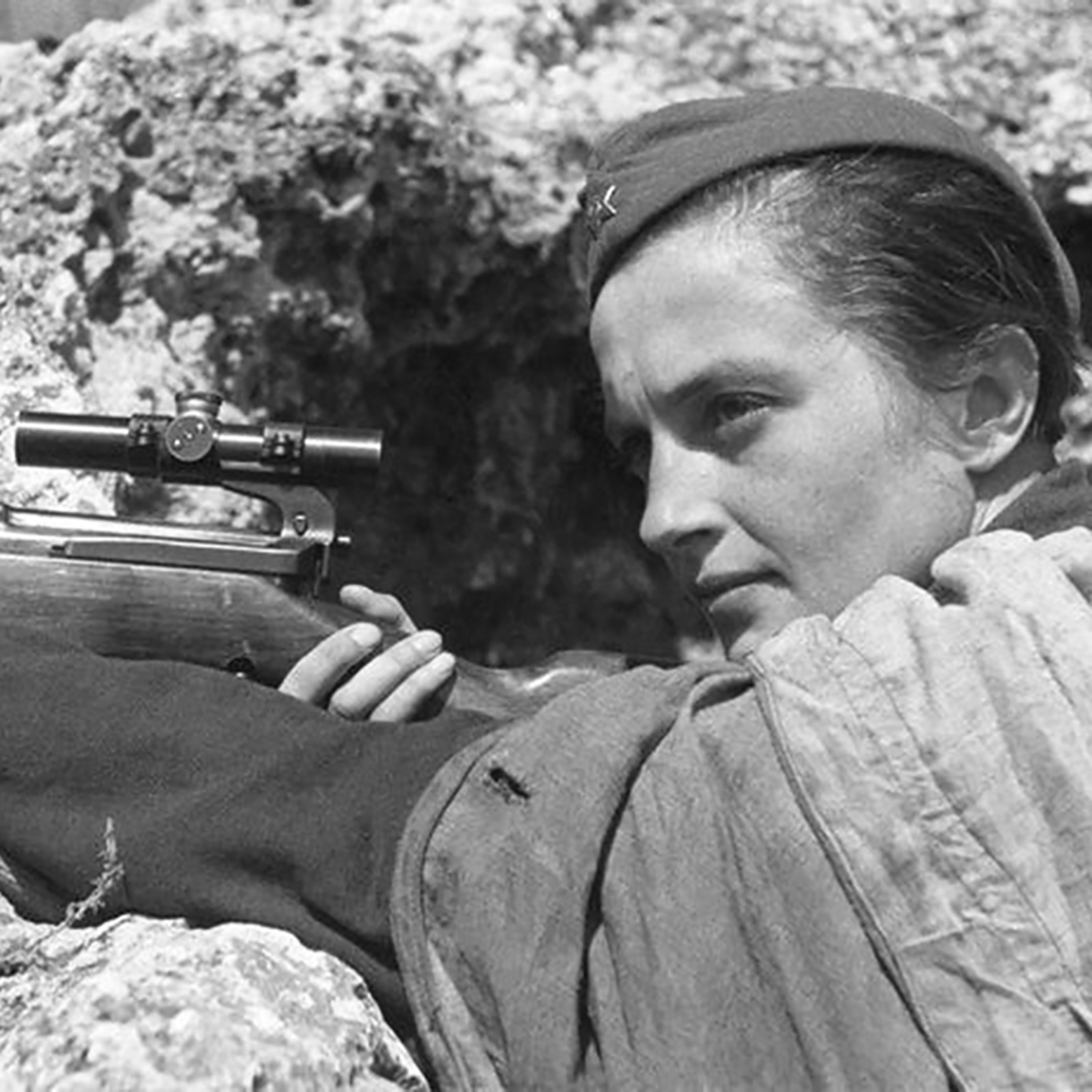
Soviet Snipers on the Eastern Front
In many countries, including Britain, women were banned from taking part in active combat operations during the Second World War. In the Soviet Union, however, declarations of equality meant that as well as having the right to vote and to work in government, women were able to fly on the front lines and become snipers. Lyuba Vinogradova, Russian historian and author, joined Dan to discuss her book Avenging Angels: Soviet women snipers on the Eastern front (1941–45). <hr><p style='color:grey; font-size:0.75em;'> Hosted on Acast. See <a style='color:grey;' target='_blank' rel='noopener noreferrer' href='https://acast.com/privacy'>acast.com/privacy</a> for more information.</p>
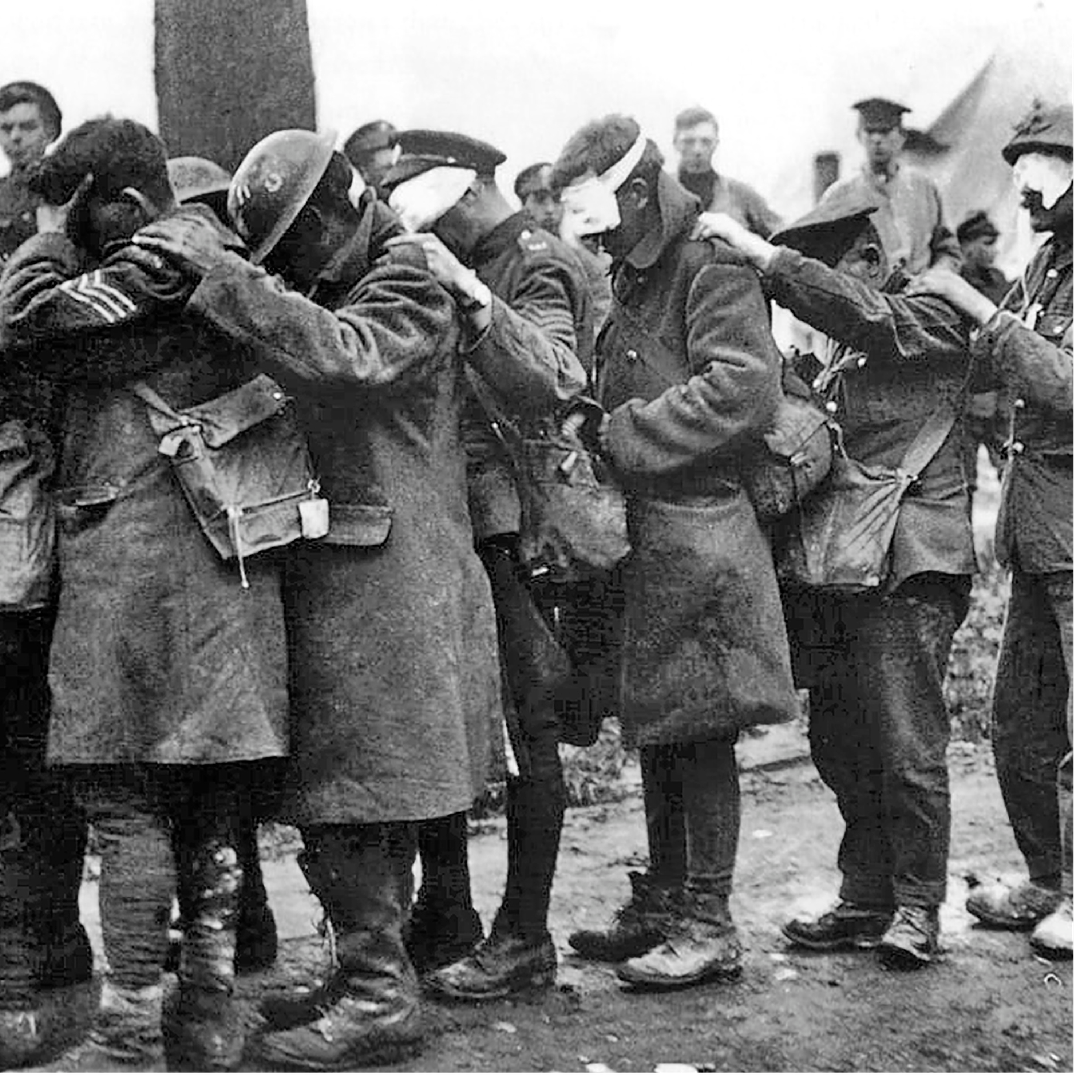
Chemical Weapons in WW1
Although the use of chemicals as weapons can be traced much further back in history, their use became widespread after the First World War, when the French threw tear gas grenades and then the Germans used chlorine gas. The wartime use of chemical weapons is remembered through poetry and, as Dan demonstrates in this podcast, family history. It is also, regrettably, still in occurence today. <hr><p style='color:grey; font-size:0.75em;'> Hosted on Acast. See <a style='color:grey;' target='_blank' rel='noopener noreferrer' href='https://acast.com/privacy'>acast.com/privacy</a> for more information.</p>
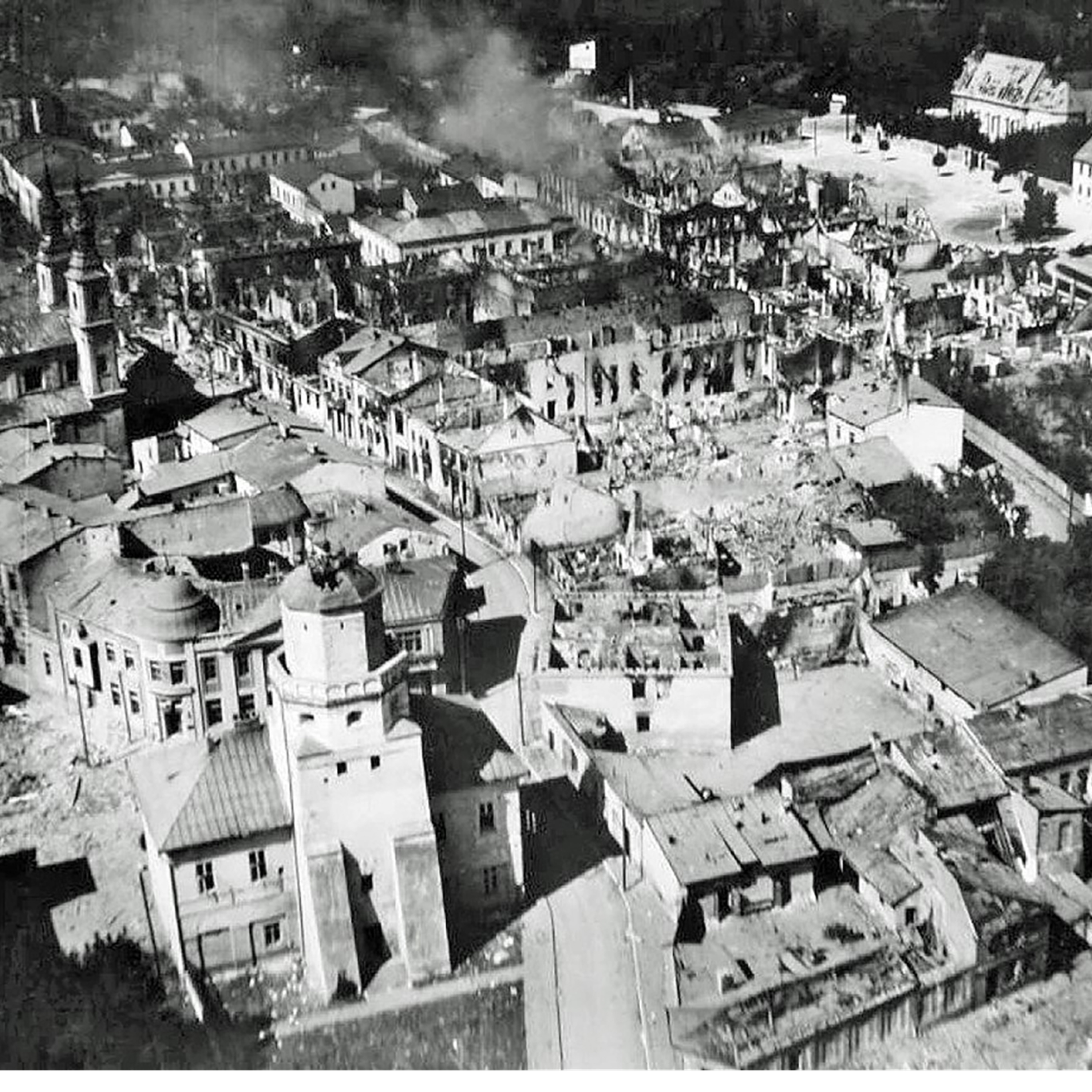
Invasion of Poland in WW2 with Roger Moorhouse
Roger Moorhouse comprehensively discusses the Polish campaign of 1939, separating the myths from reality and outlining the abject horrors that the Poles suffered under the twin occupation of the Nazis and the Soviets. <hr><p style='color:grey; font-size:0.75em;'> Hosted on Acast. See <a style='color:grey;' target='_blank' rel='noopener noreferrer' href='https://acast.com/privacy'>acast.com/privacy</a> for more information.</p>
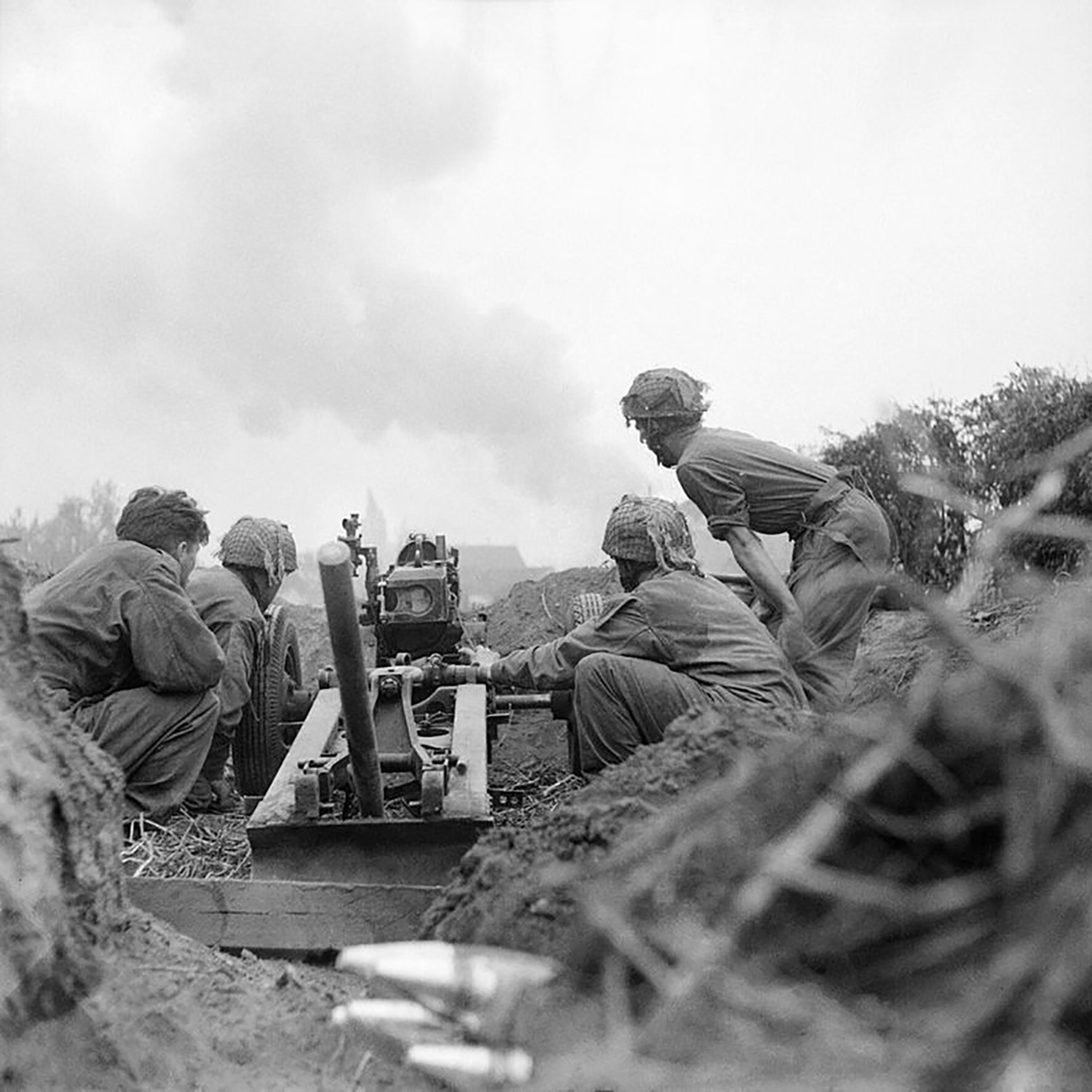
The Battle of Arnhem with James Holland
This episode features interviews with two leading historians of the Second World War, James Holland and Paul Reed. They tell the story of the Battle of Arnhem, giving poignant and occasionally lurid accounts of the battle. Both also comment on the plans for Operation Market Garden, and whether the battle should be considered a failure. <hr><p style='color:grey; font-size:0.75em;'> Hosted on Acast. See <a style='color:grey;' target='_blank' rel='noopener noreferrer' href='https://acast.com/privacy'>acast.com/privacy</a> for more information.</p>
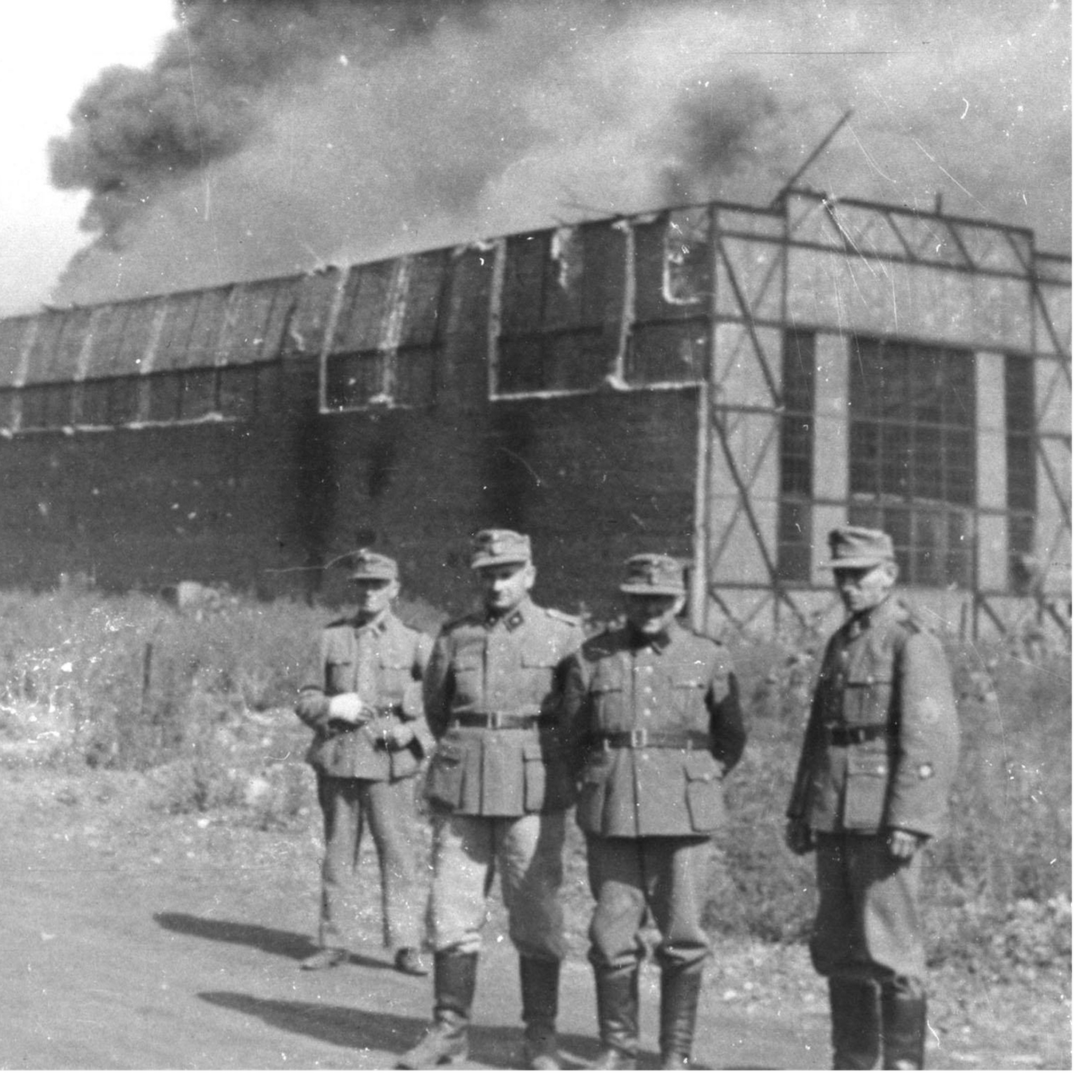
The Wola Massacre
In August 1944, when the Warsaw Uprising occurred, Axis troops were ordered to raze the Wola suburb to the ground and kill all of its inhabitants, regardless of whether they were fighting. James was joined for this episode by Alina Nowobilska, who gives an in depth account of the massacre, drawing from testimony of some of those who were there. Alina is a Historian of Poland during the Second World War. Her grandfather was a member of the resistance and fought in the Warsaw uprising just across the city from Wola. <hr><p style='color:grey; font-size:0.75em;'> Hosted on Acast. See <a style='color:grey;' target='_blank' rel='noopener noreferrer' href='https://acast.com/privacy'>acast.com/privacy</a> for more information.</p>
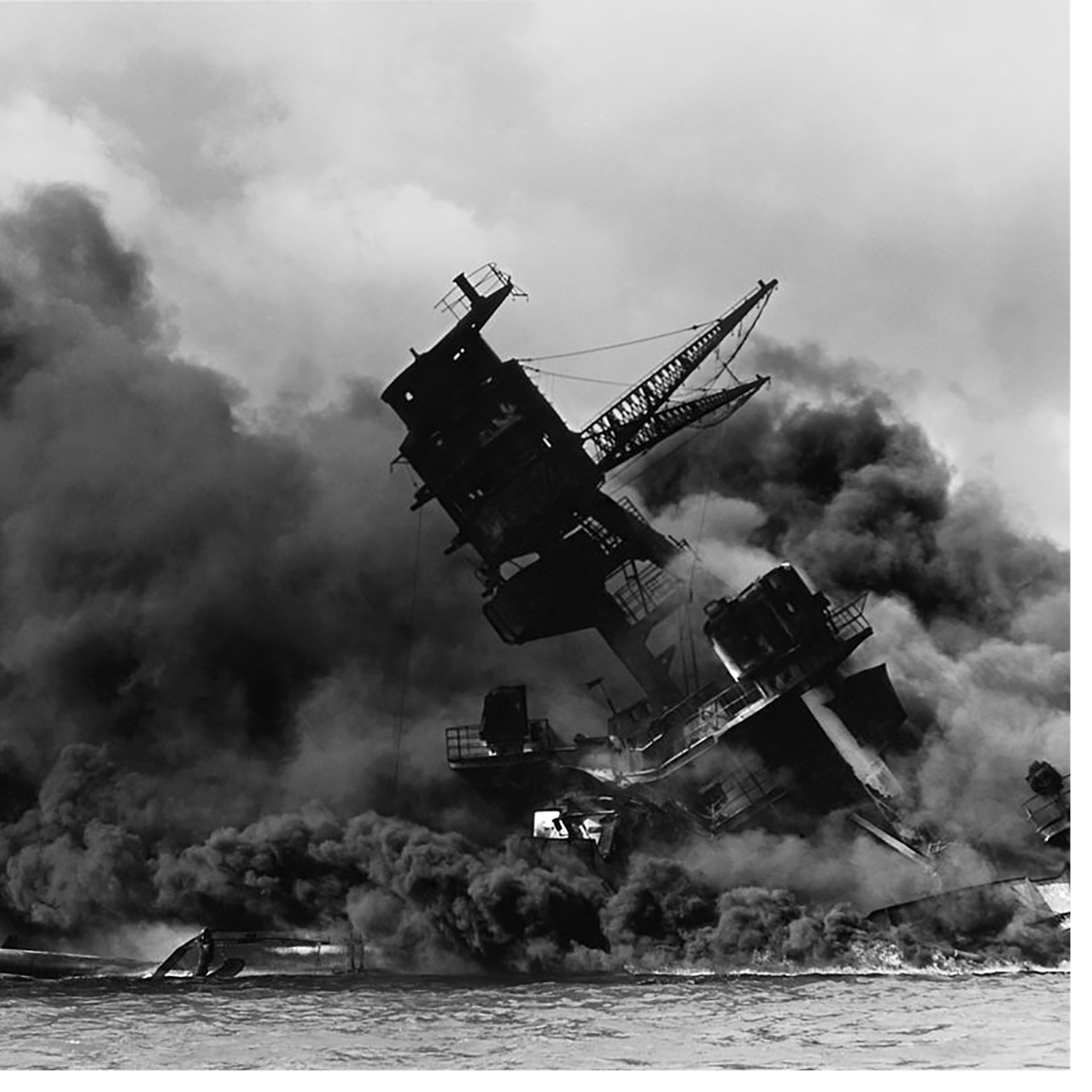
Pearl Harbour
In this episode, History Hit's Rob Weinberg asks the big questions about Sunday 7 December 1941, the day Japanese aircraft attacked the United States naval base at Pearl Harbor in Hawaii. The US Pacific Fleet was devastated and 2403 Americans were killed, but it was not the decisive strike Japan had hoped for. Instead, it awakened a sleeping giant that would turn into a nemesis. Professor Carl Bridge of Kings College London talks us through Japan's reasonings for attacking Pearl Harbor, and the American response. <hr><p style='color:grey; font-size:0.75em;'> Hosted on Acast. See <a style='color:grey;' target='_blank' rel='noopener noreferrer' href='https://acast.com/privacy'>acast.com/privacy</a> for more information.</p>