Warfare
423 episodes — Page 7 of 9
WW2: Hitler's Operation Basalt
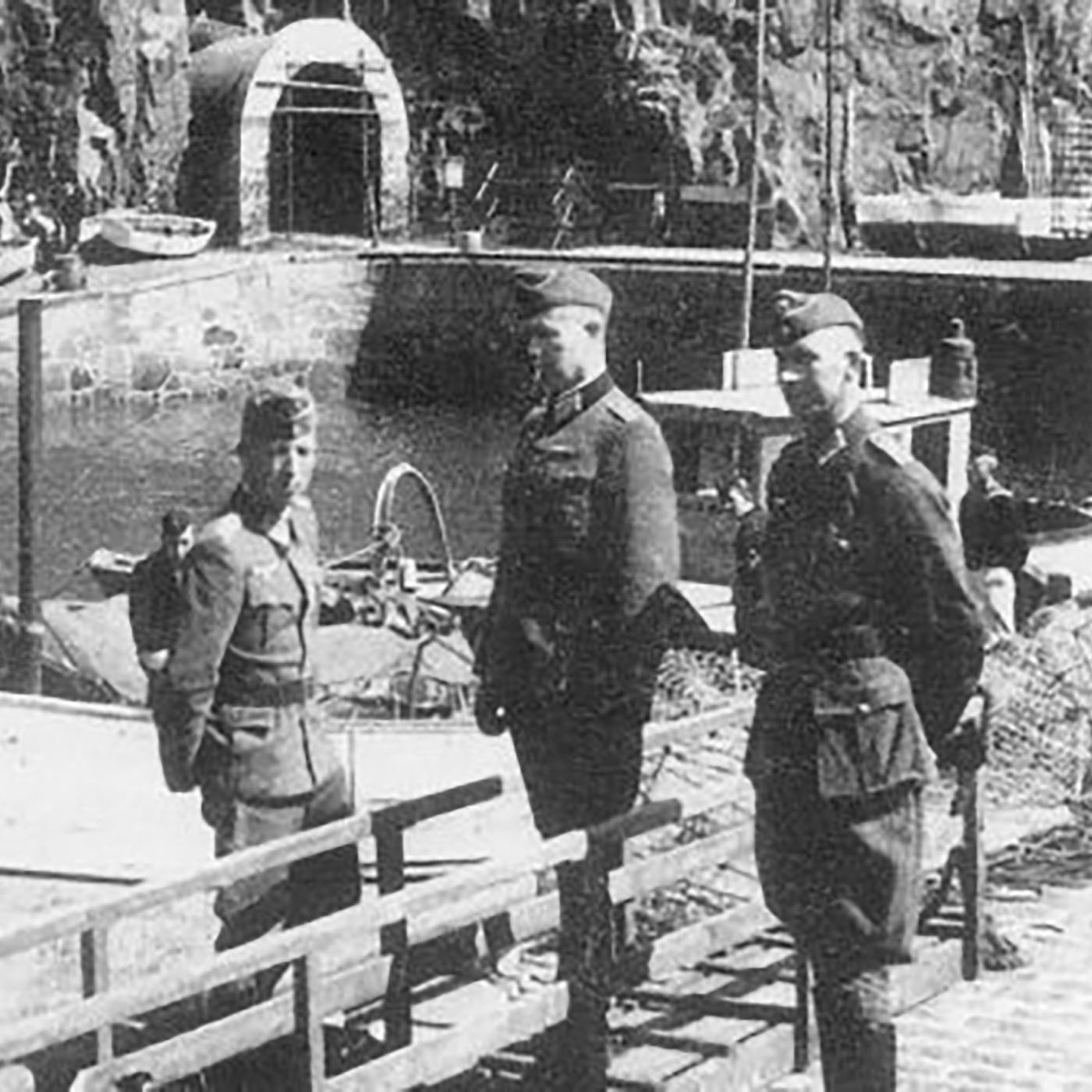
In 1942 the British launched a 12 man raid and reconnaissance mission to the Channel Island of Sark. On the night of the 3 October, a cast of characters who gave their colleague Ian Fleming ideas for a secret agent character, James Bond, crept ashore. They escaped hours later with one German prisoner, a further two having been killed in a scuffle. That might have been the end of it. When Hitler heard the news, however, he went ballistic and very shortly after he issued his infamous Commando Order: henceforth they were to be shot on sight. Operation Basalt signalled another ratcheting up of the ferocity and criminality of the Nazi war effort. To find out more and retrace the steps of the raid, Dan visited the Channel Islands and met local experts. <hr><p style='color:grey; font-size:0.75em;'> Hosted on Acast. See <a style='color:grey;' target='_blank' rel='noopener noreferrer' href='https://acast.com/privacy'>acast.com/privacy</a> for more information.</p>
Ep 53Napoleon's Death
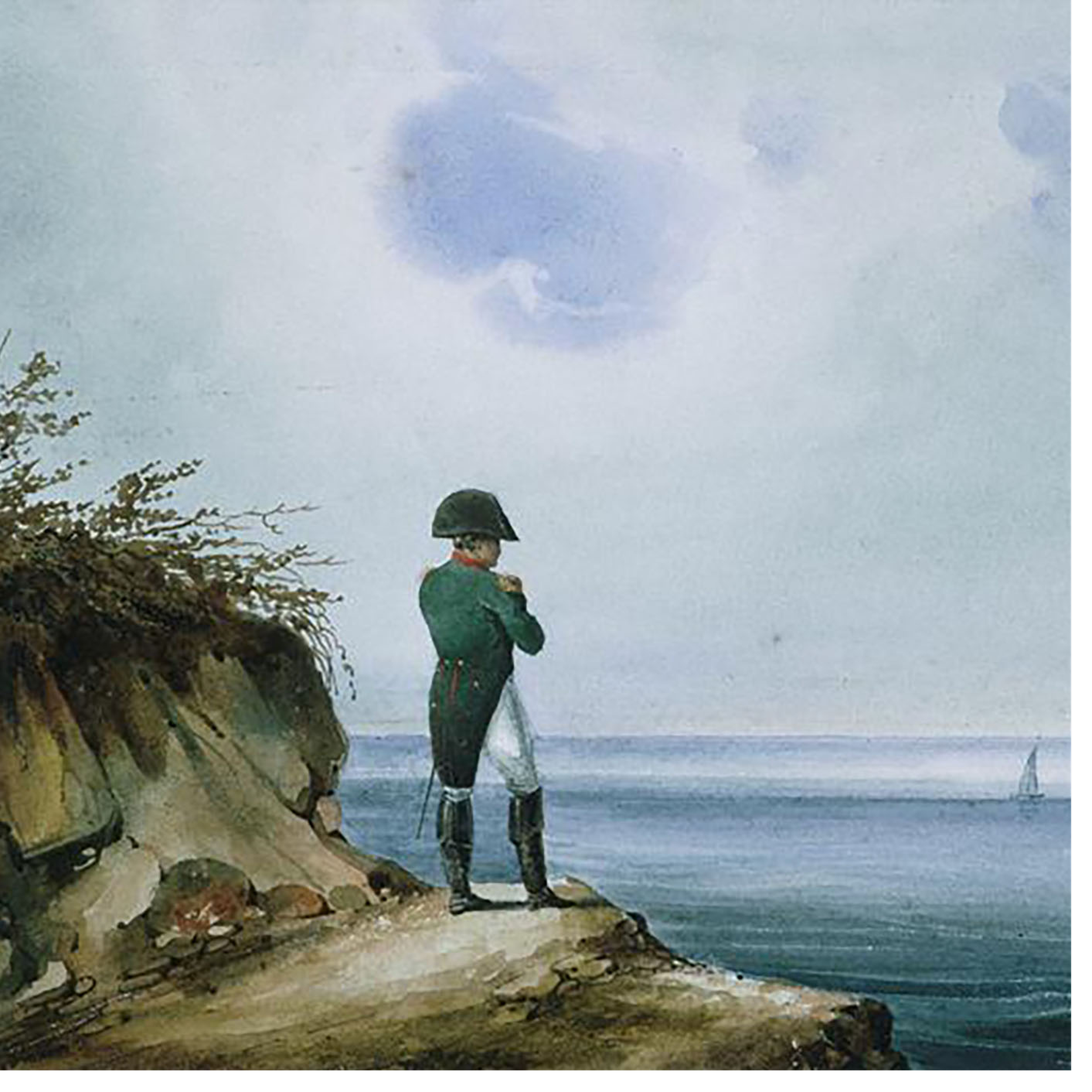
Six years of exile on a remote island blighted with unpleasant weather conditions, in lodgings far inferior to those enjoyed whilst leader of France, hardly seems fitting for the final years of Napoleon Bonaparte. Yet, in this second episode with Zack White, we hear about how this remarkable military commander came to fall so far from the top. Zack takes us through Napoleon’s loss of power, his representation in British propaganda, his two exiles and his eventual death, including the debates around the real cause of his demise. Zack specialises in crime and punishment in the British Army during the Napoleonic Wars at the University of Southampton, and is the creator of the online hub TheNapoleonicWars.net. <hr><p style='color:grey; font-size:0.75em;'> Hosted on Acast. See <a style='color:grey;' target='_blank' rel='noopener noreferrer' href='https://acast.com/privacy'>acast.com/privacy</a> for more information.</p>
Ep 51Napoleon
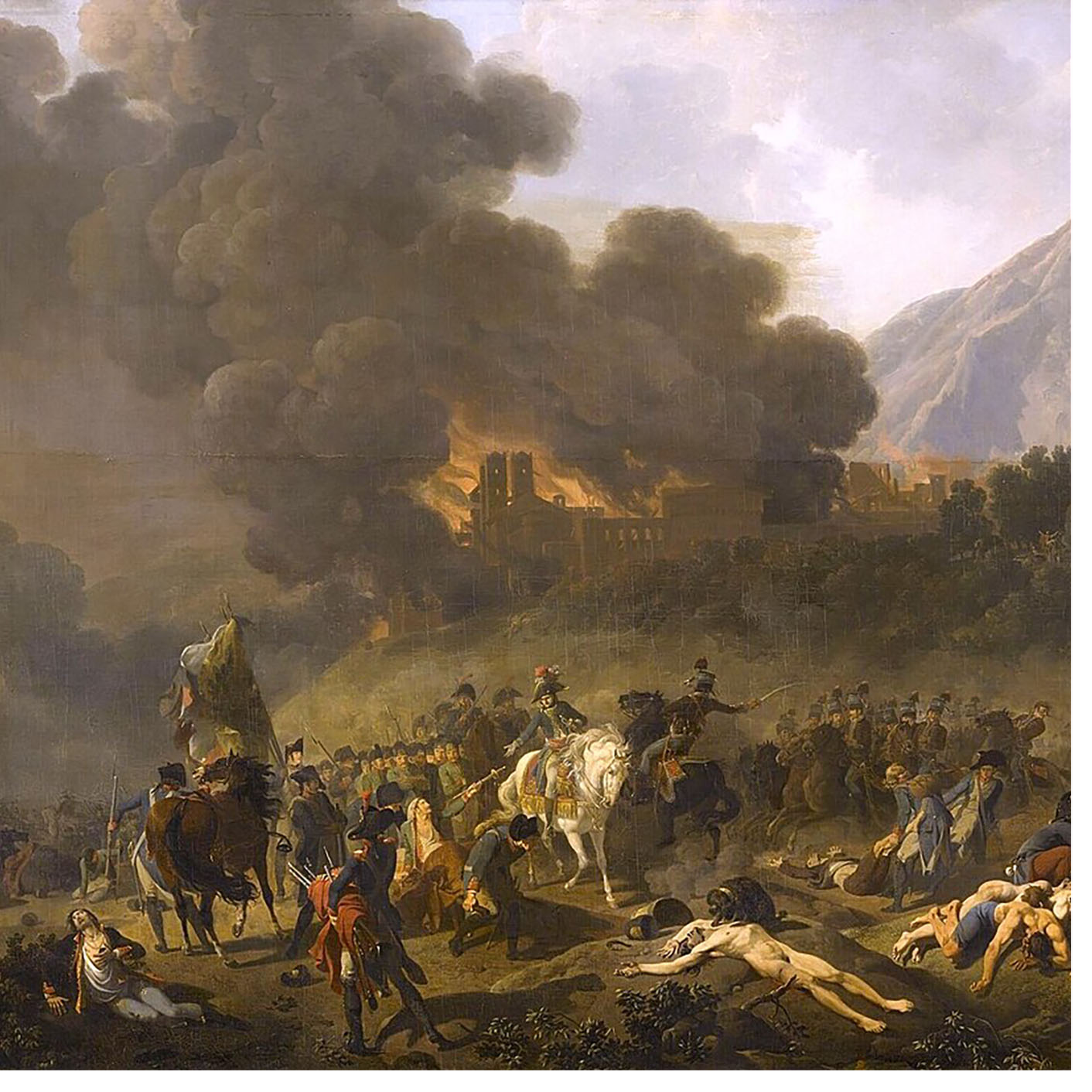
He is widely remembered as one of the most exceptional military commanders that the world has ever seen, a man whose influence was so pervasive that an entire era of European history is referred to in his name. Napoleon is just as divisive in death as he was in life, and for this first of two episodes with Zack White, we are discussing the rise of Napoleon Bonaparte and his impact on France. Zack specialises in crime and punishment in the British Army during the Napoleonic Wars at the University of Southampton, and is the creator of the online hub TheNapoleonicWars.net. <hr><p style='color:grey; font-size:0.75em;'> Hosted on Acast. See <a style='color:grey;' target='_blank' rel='noopener noreferrer' href='https://acast.com/privacy'>acast.com/privacy</a> for more information.</p>
Ep 51Operation Barbarossa
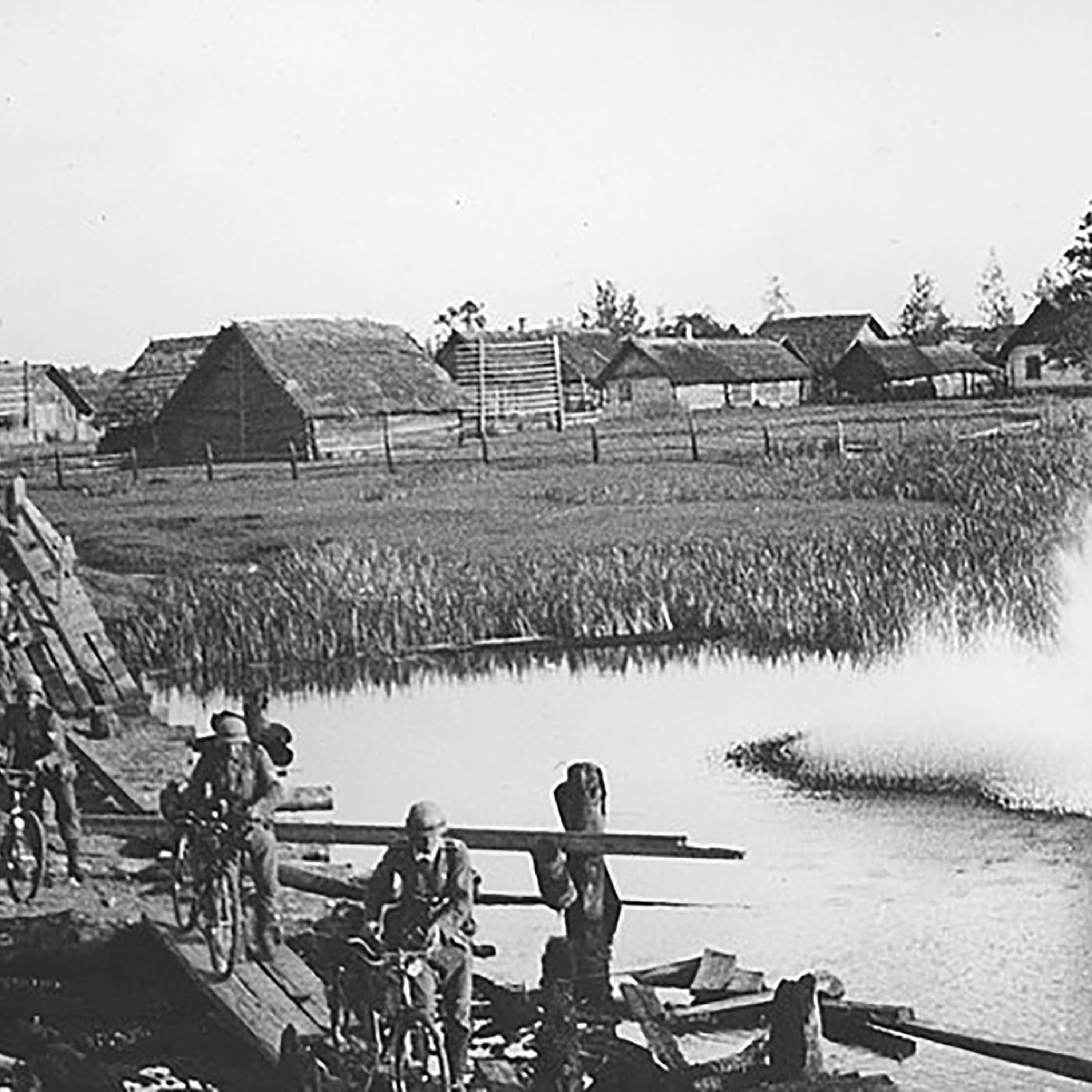
Hitler’s invasion of the Soviet Union on Sunday 22 June 1941 was one of the bloodiest military campaigns mankind has ever known. Now, BAFTA winning producer and author Stewart Binns is telling the story of this catastrophic campaign from the perspective of the Soviet people. Listen as he and James explore the different perspectives on how Nazi Germany’s turn on its former ally occurred, and uncover the often overlooked stories of the civilians and soldiers of Eastern Europe. Stewart’s book, ‘Barbarossa: And the Bloodiest War in History’ is out now. <hr><p style='color:grey; font-size:0.75em;'> Hosted on Acast. See <a style='color:grey;' target='_blank' rel='noopener noreferrer' href='https://acast.com/privacy'>acast.com/privacy</a> for more information.</p>
WW2: The Texel Uprising
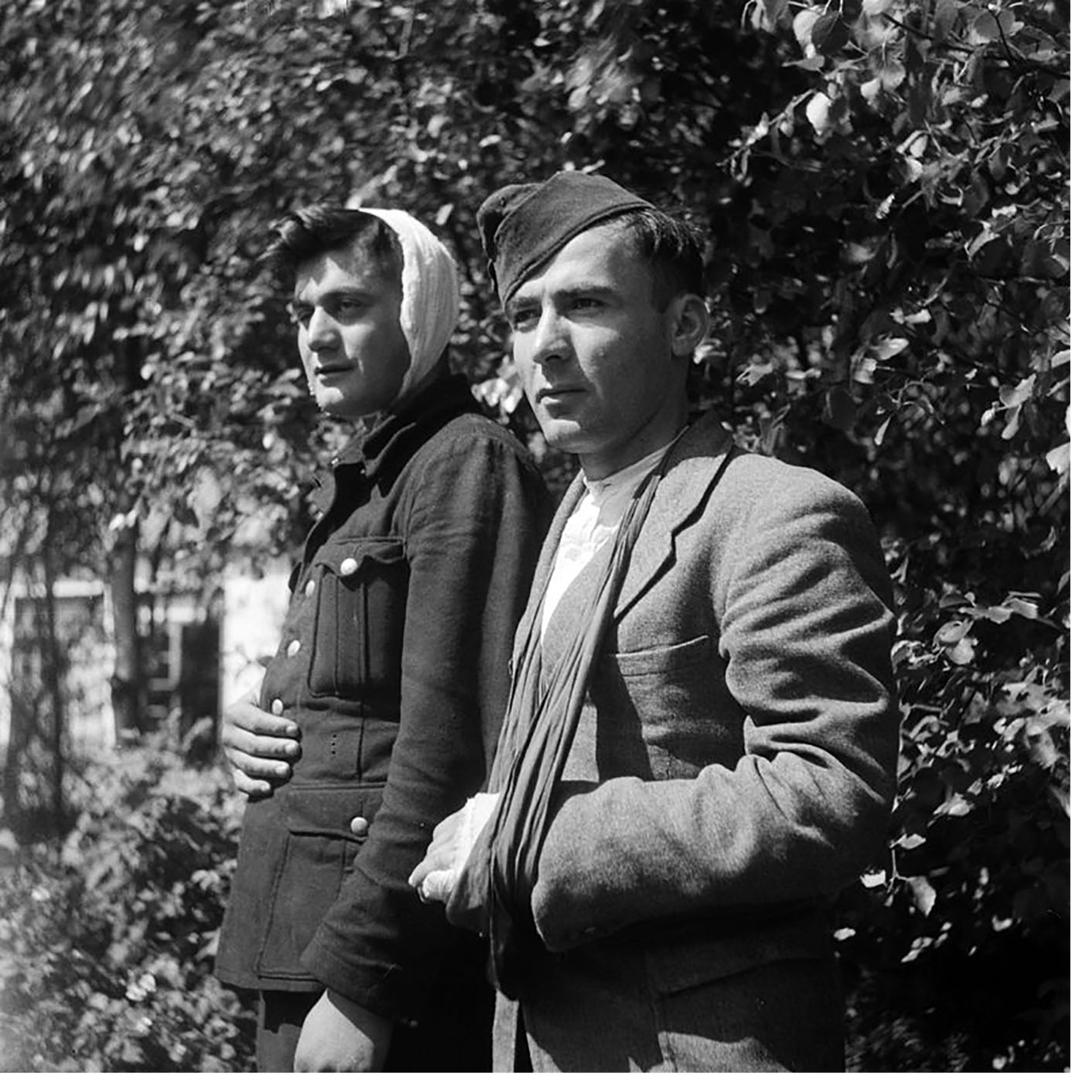
<p>In the dying days of the Second World War, a group of Georgians rose up against their German overlords on the Dutch island of Texel. Thousands of Georgians served in the Soviet forces during World War II and when captured and given the choice to “starve or fight”, some took up the German offer to don Wehrmacht uniforms.</p><p>When the opportunity arose in April 1945, these Georgians rose up and slaughtered their German captors, seizing control of the island. In just a few hours, they massacred some 400 German officers using knives and bayonets to avoid raising the alarm. Dan is joined by author Eric Lee to hear how he uncovered this little known story, about the retaliation ordered by Hitler and about the end to the slaughter when Canadian forces landed on the island 12 days later.</p> <hr><p style='color:grey; font-size:0.75em;'> Hosted on Acast. See <a style='color:grey;' target='_blank' rel='noopener noreferrer' href='https://acast.com/privacy'>acast.com/privacy</a> for more information.</p>
Ep 49Secret History of Soviet Nerve Agents
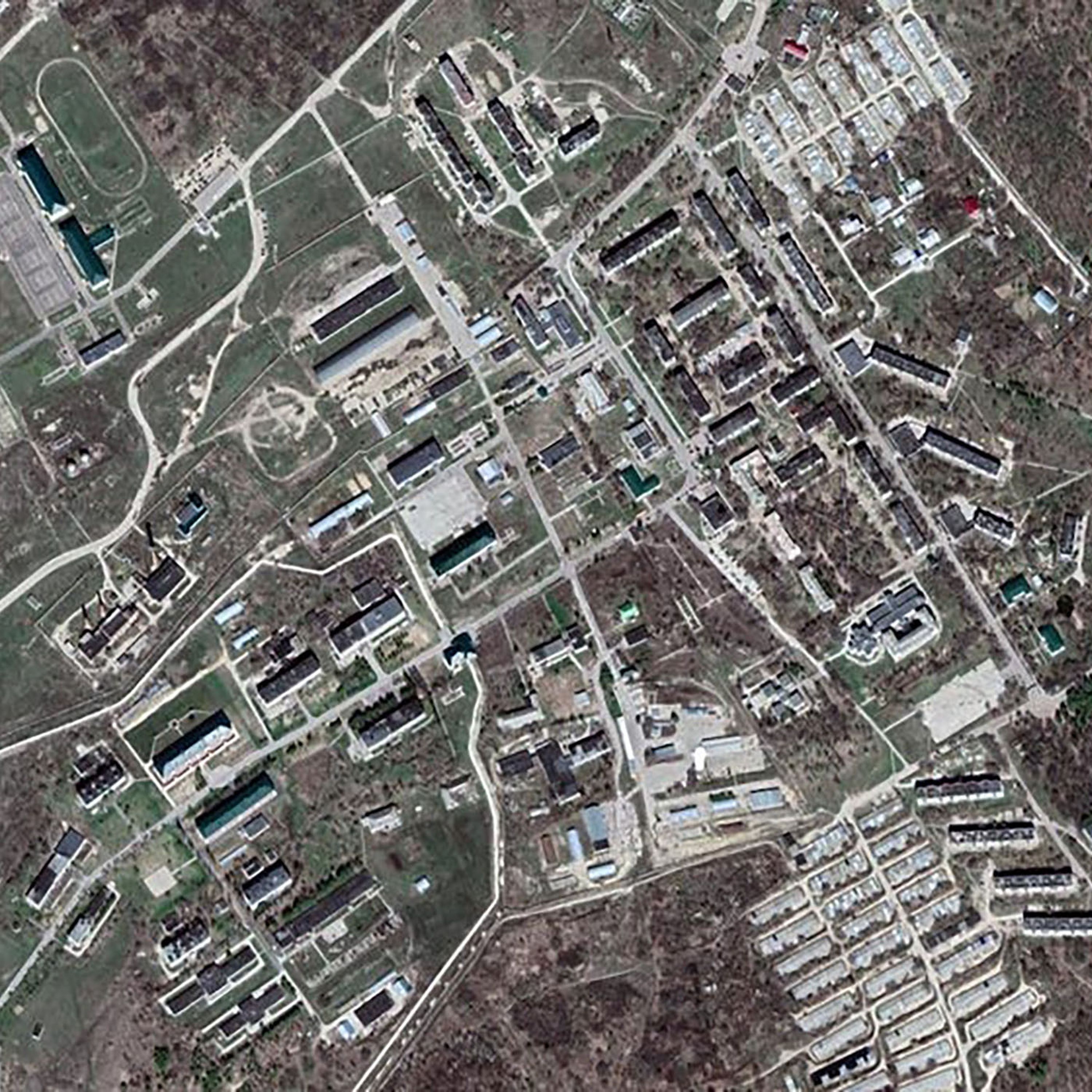
<p>The use of nerve agents is synonymous with Russian espionage for those of us who remember the recent poisonings of Alexei Navalny, Sergei and Yulia Skripal and the residents of Salisbury caught up in the latters’ attempted murders. The origins of this weapon, however, remain shrouded in mystery. Sergei Lebedev is a Russian novelist, currently based in Berlin. He has come onto Warfare to discuss the little known conception of Novichok in the closed town of Shikhany, 600 miles south of Moscow. Sergei explores the cooperation between the Soviets and Weimar Republic Germany from the 1920s until 1932, and delves into the moral responsibilities of making scientific discoveries with the capacity for destruction.</p><br><p>Sergei's new book, Untraceable, follows a ruthless chemist in his search for a new nerve agent, and is available in the UK from Head of Zeus (https://headofzeus.com/books/9781800246591) and in the US by New Vessel Press (https://newvesselpress.com/books/untraceable/).</p> <hr><p style='color:grey; font-size:0.75em;'> Hosted on Acast. See <a style='color:grey;' target='_blank' rel='noopener noreferrer' href='https://acast.com/privacy'>acast.com/privacy</a> for more information.</p>
Ep 48WW2: The Last Coastwatcher
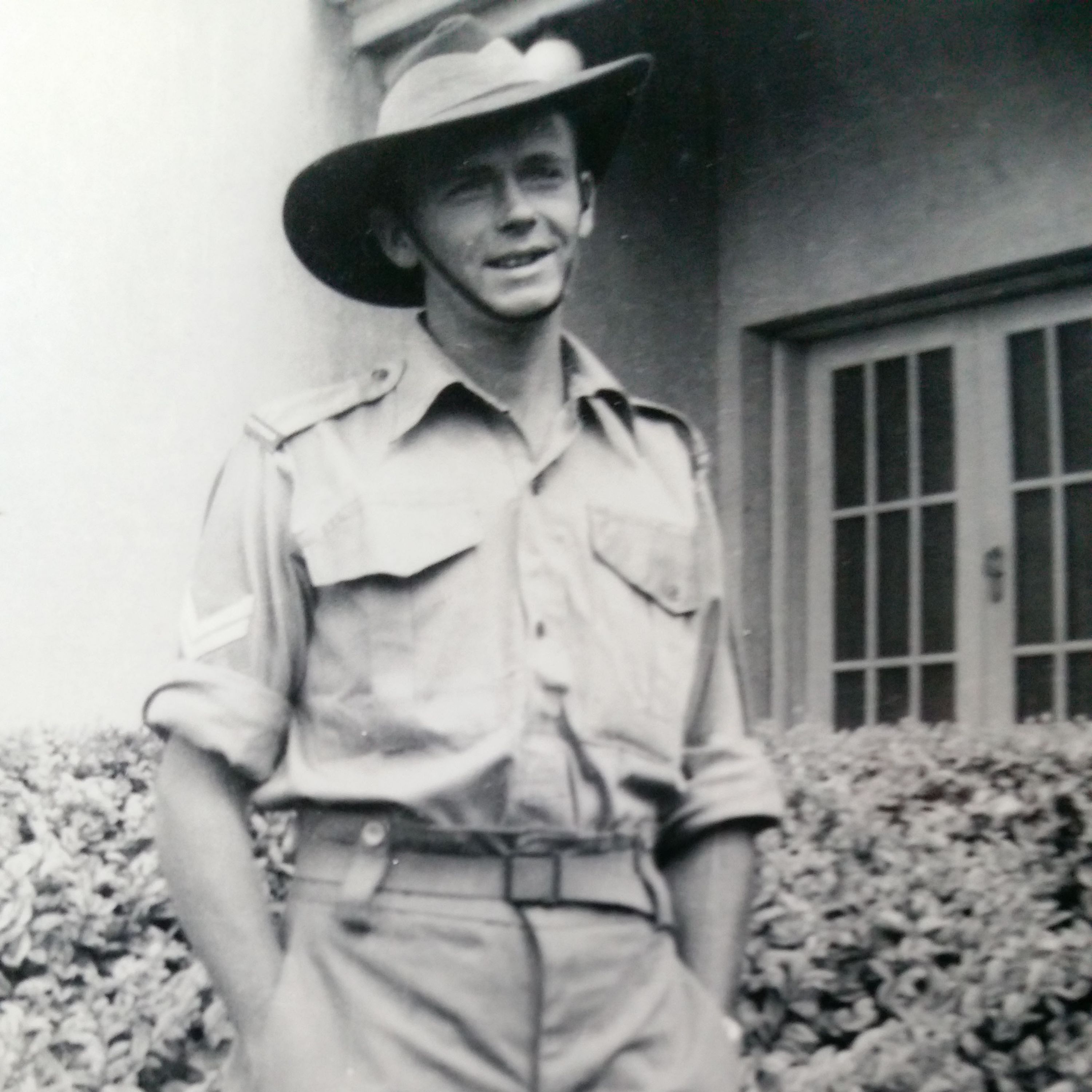
97 year old Jim Burrows OAM served as a Coastwatcher in the South Pacific during the Second World War. The Coastwatchers were an intelligence arm of the Allied Intelligence Bureau, and were set up to alert Australia of any military threat from the north. Jim was a radio operator, and spent 10 months in occupied Japanese territory. Over the last few years he has compiled the story of the Coastwatchers, and in this episode he shares this, along with his own experiences, with James. This is a very little known, secretive, part of Second World War history, and Jim outlines in particular the role played by indigenous groups in the Allied forces. His website can be found here: https://thelastcoastwatcher.wordpress.com/ <hr><p style='color:grey; font-size:0.75em;'> Hosted on Acast. See <a style='color:grey;' target='_blank' rel='noopener noreferrer' href='https://acast.com/privacy'>acast.com/privacy</a> for more information.</p>
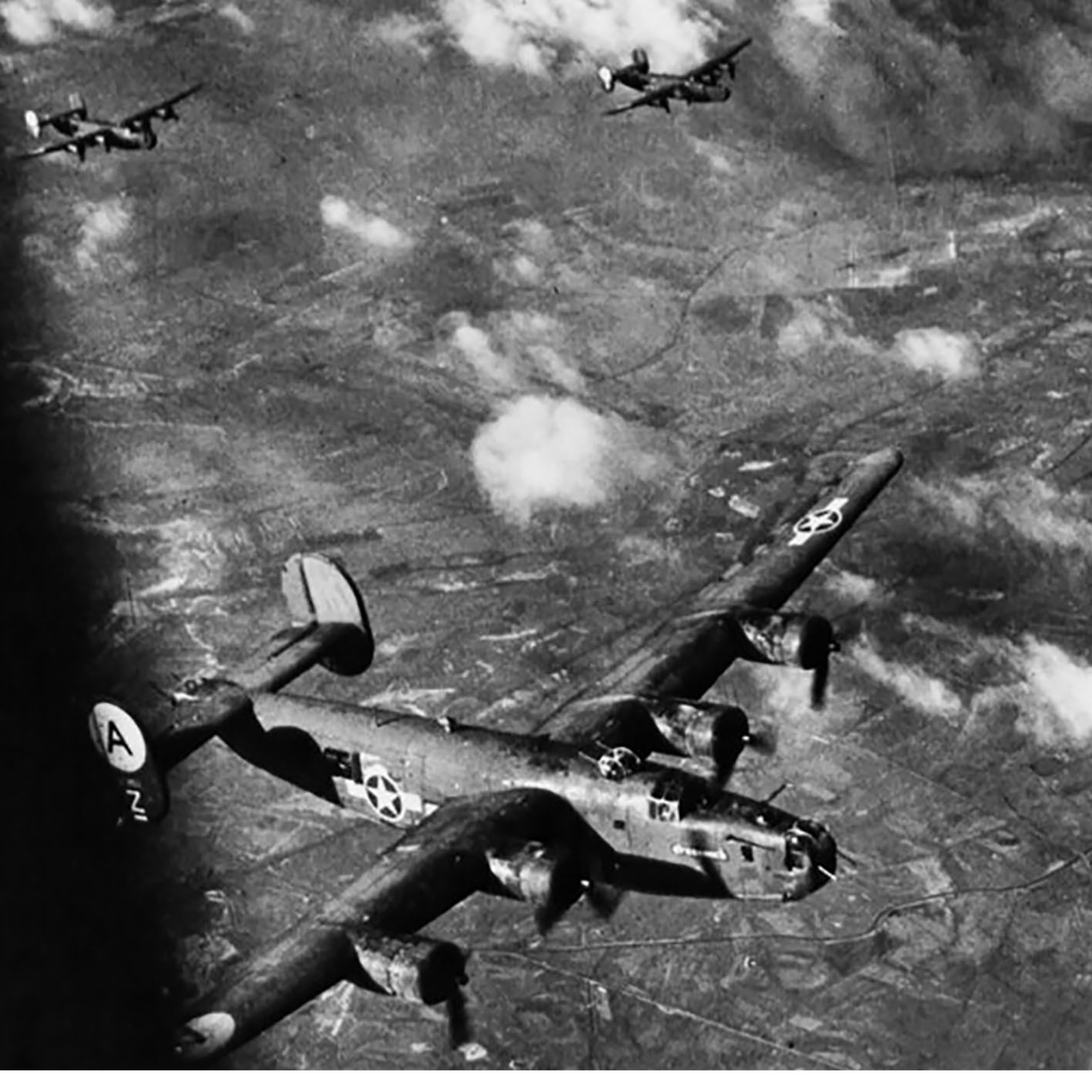
Operation Argument with James Holland
In this episode from the archives, Dan sits down with James Holland to talk about Operation Argument. Taking place in February 1944, this was the biggest air battle of World War Two, and part of the US Army Air Force and RAF strategic bombing campaign against Nazi Germany. <hr><p style='color:grey; font-size:0.75em;'> Hosted on Acast. See <a style='color:grey;' target='_blank' rel='noopener noreferrer' href='https://acast.com/privacy'>acast.com/privacy</a> for more information.</p>
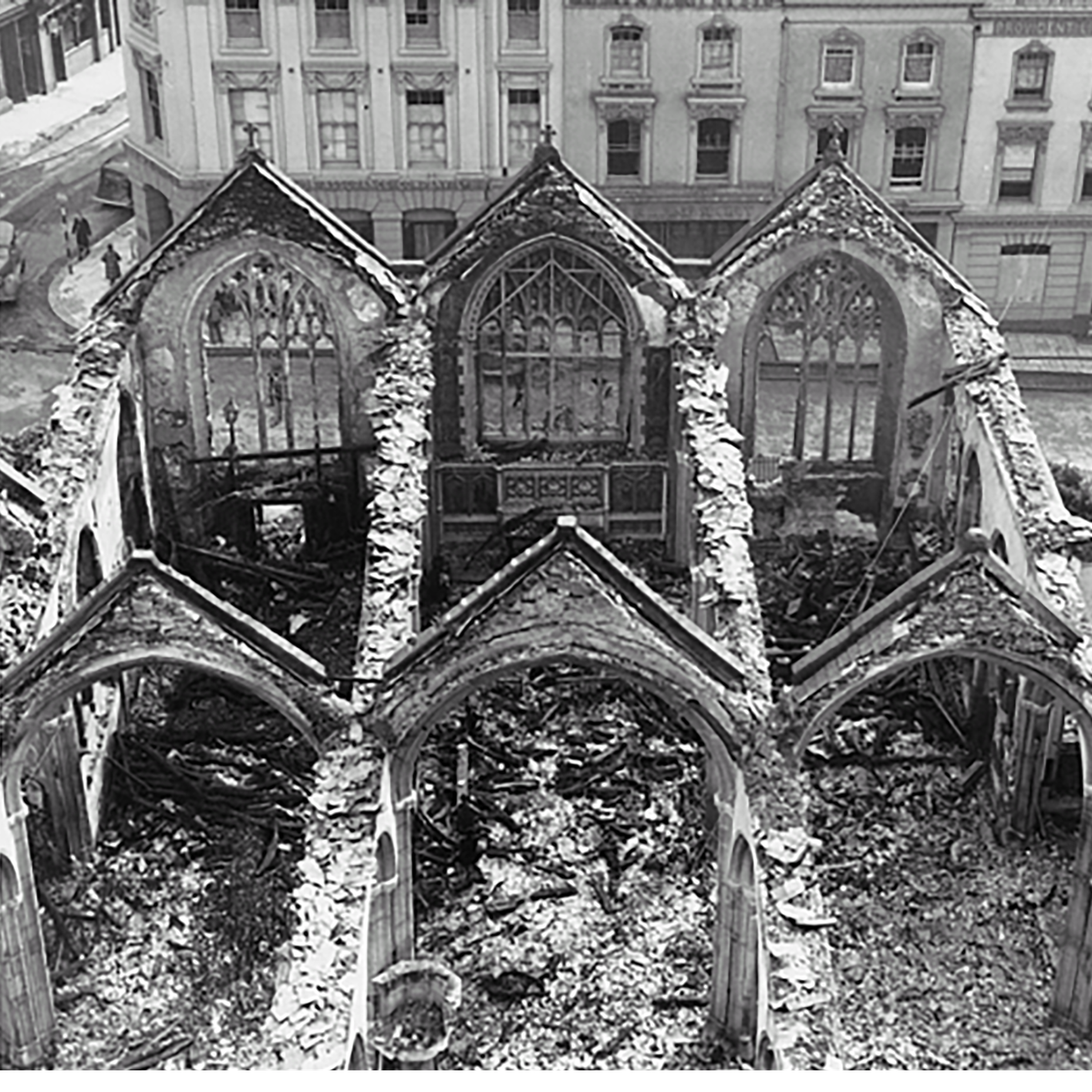
Ep 47The Plymouth Blitz
<p>Thousands of houses, 26 schools, 8 cinemas and 41 churches destroyed; 640 separate air raid sirens and almost 1180 killed. Plymouth is not the first city to come to mind when you mention the Blitz, and probably not the second or third, either. But, eighty years after this southwestern port city faced 59 separate air attacks, Dr Harry Bennett from the University of Plymouth is on Warfare to tell us about them. Harry explains how the bombing attacks of March and April 1941 impacted on Plymouth, and how they fit into the Luftwaffe’s broader campaign on Britain.</p><br><p>Check out the University of Plymouth’s commemoration of the destruction of Plymouth here: https://www.plymouth.ac.uk/whats-on/plymouth-blitz-80th-anniversary</p><br><p>© Plymouth Herald</p> <hr><p style='color:grey; font-size:0.75em;'> Hosted on Acast. See <a style='color:grey;' target='_blank' rel='noopener noreferrer' href='https://acast.com/privacy'>acast.com/privacy</a> for more information.</p>
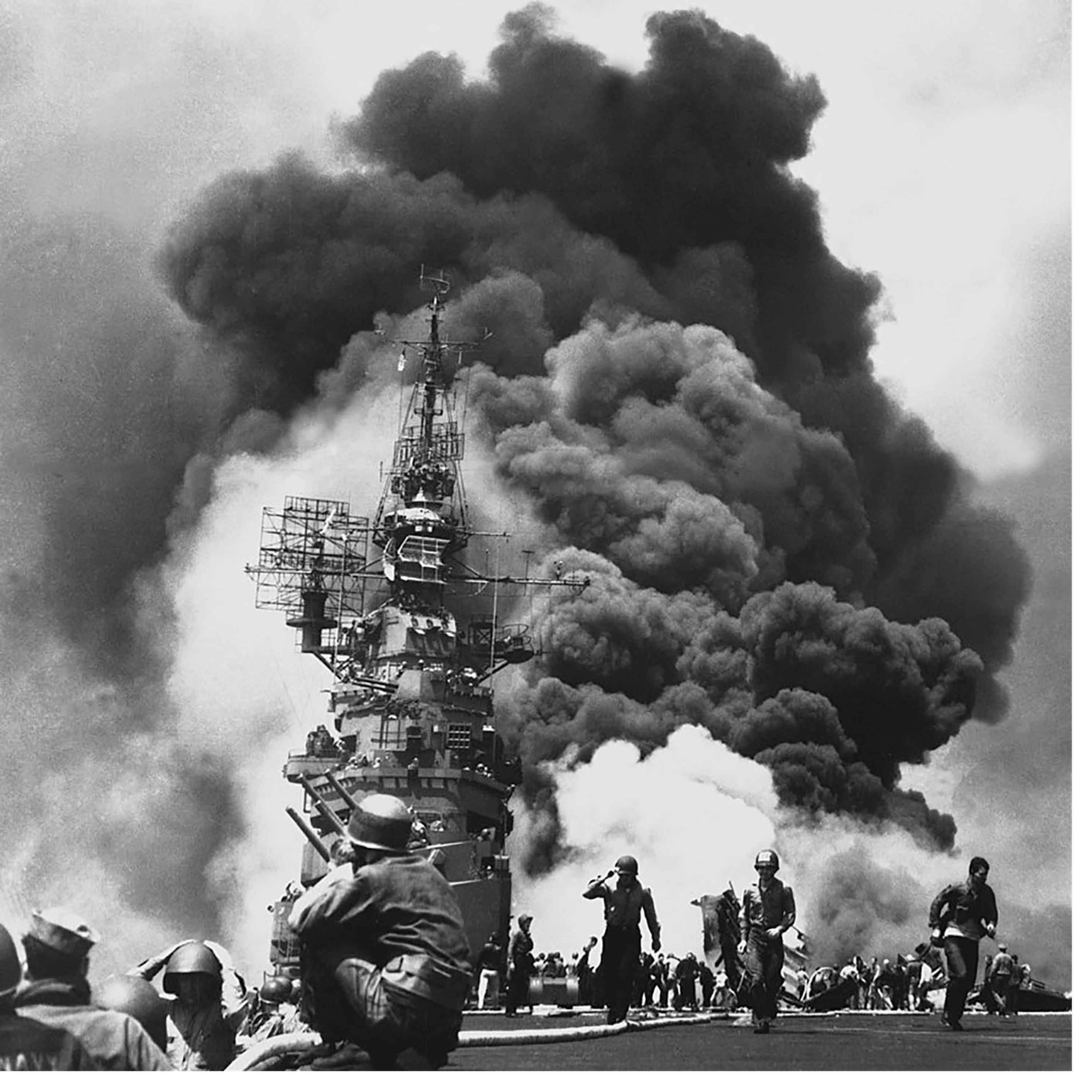
Ep 46Battle of Okinawa
The last major confrontation of the Second World War, and the largest amphibious assault of the Pacific theatre, the Battle of Okinawa ended in Allied victory but with massive casualties on both sides. To take us through the battle and explore the use of kamikaze pilots by the Japanese and the Atomic bomb by the United States, James welcomed Saul David onto Warfare. Saul is a professor of Military History at the Univ of Buckingham and author of Crucible of Hell. <hr><p style='color:grey; font-size:0.75em;'> Hosted on Acast. See <a style='color:grey;' target='_blank' rel='noopener noreferrer' href='https://acast.com/privacy'>acast.com/privacy</a> for more information.</p>
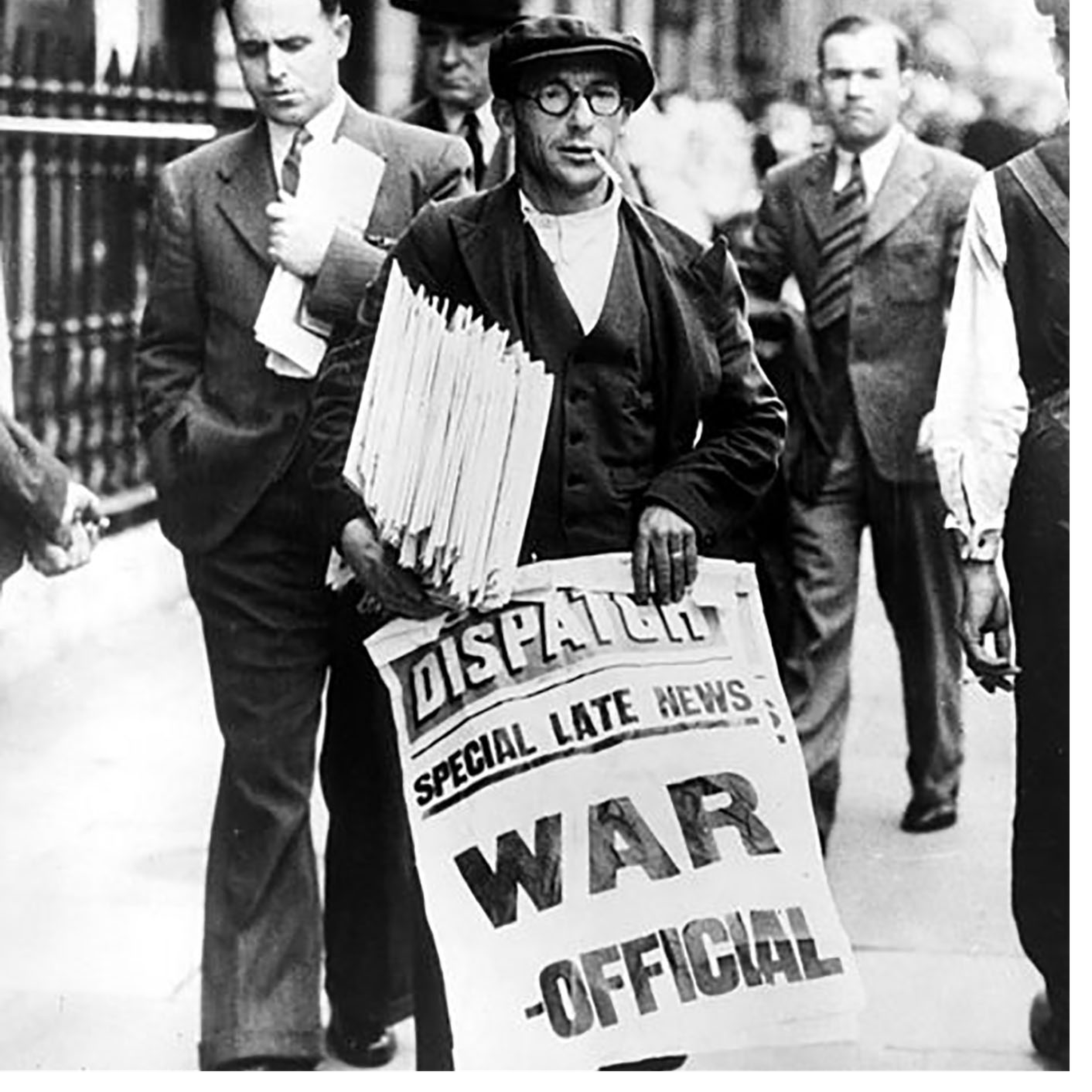
Outbreak of WW2 & The British People
Our traditional understanding of the beginning of the Second World War in 1939 hinges on studies of Chamberlain and his fellow statesmen, but what about the general population? Frederick Taylor's latest book, 1939: A People’s History (The War Nobody Wanted), details the reactions and fears of ordinary British and German people in the face of the slide to war, between the Munich Crisis of September 1938 and Hitler’s invasion of Poland a little under a year later. In this episode, he and Dan discuss whether the British people were ready for war. <hr><p style='color:grey; font-size:0.75em;'> Hosted on Acast. See <a style='color:grey;' target='_blank' rel='noopener noreferrer' href='https://acast.com/privacy'>acast.com/privacy</a> for more information.</p>
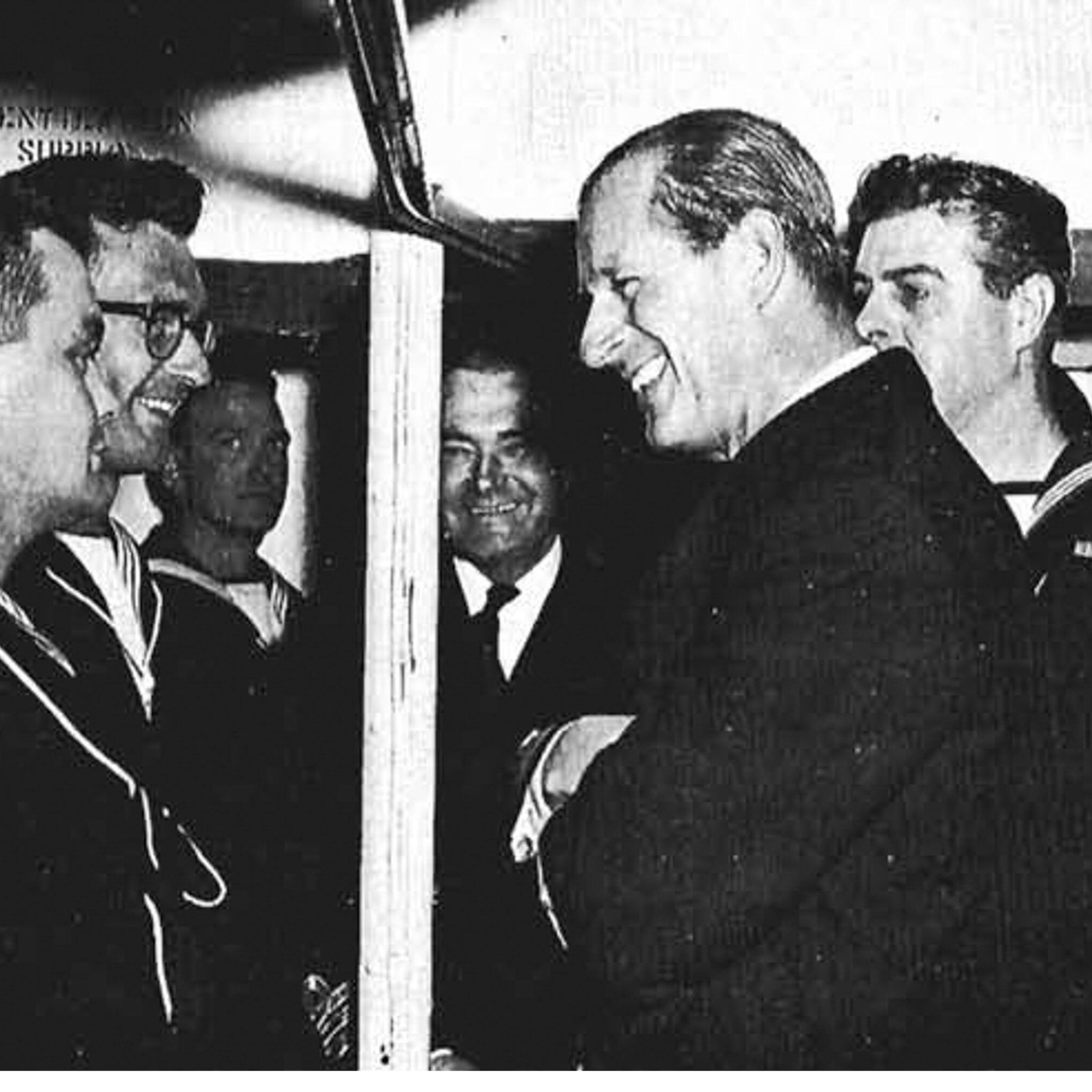
Ep 45Prince Philip's Military Service
<p>During almost a century of life, Prince Philip dedicated seven decades to the service of Great Britain as the partner of Queen Elizabeth II. But in this episode of Warfare we’re going further back, to his time in the Royal Navy. Alex Churchill gives us a glimpse into the Duke of Edinburgh’s service during the Second World War, and the insight that this gives us into his character.</p><br><p>© Matteo Omied / Alamy Stock Photo</p> <hr><p style='color:grey; font-size:0.75em;'> Hosted on Acast. See <a style='color:grey;' target='_blank' rel='noopener noreferrer' href='https://acast.com/privacy'>acast.com/privacy</a> for more information.</p>
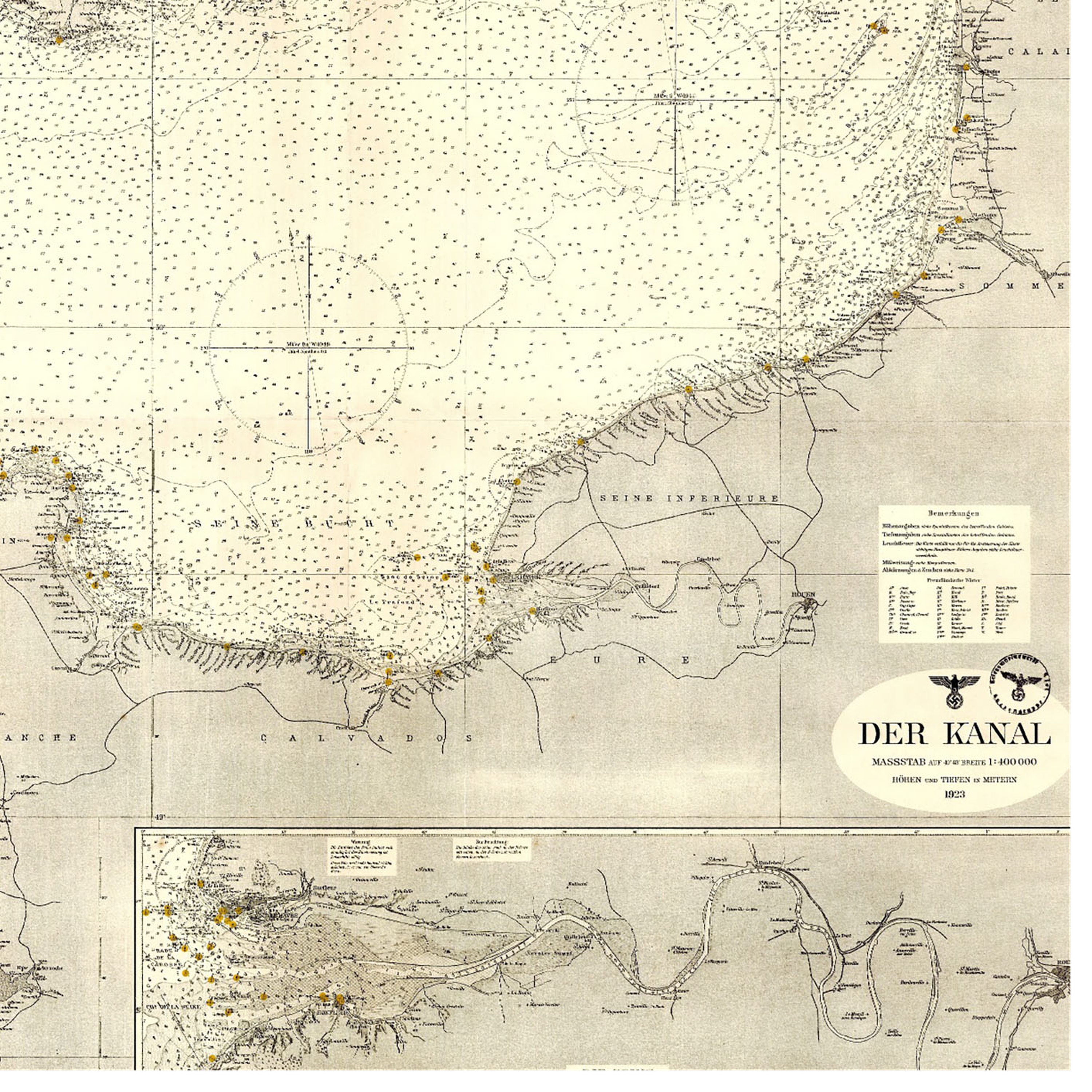
Ep 44WW2: The Secret British Resistance
<p>What if the Battle of Britain had not been a success for the British? What was the plan had the Nazis successfully crossed the channel? Chris Pratt is the Curator of the Museum of the British Resistance Organisation, Parham Airfield. He joined James over a video call to talk about how the Auxiliary Units that made up the British resistance were formed, how they were trained and when, or whether, they came into use.</p><br><p>The website for Parham Airfield Museum can be found here: <a href="http://www.parhamairfieldmuseum.co.uk/british-resistance-organisation/" rel="noopener noreferrer" target="_blank">http://www.parhamairfieldmuseum.co.uk/british-resistance-organisation/</a></p> <hr><p style='color:grey; font-size:0.75em;'> Hosted on Acast. See <a style='color:grey;' target='_blank' rel='noopener noreferrer' href='https://acast.com/privacy'>acast.com/privacy</a> for more information.</p>
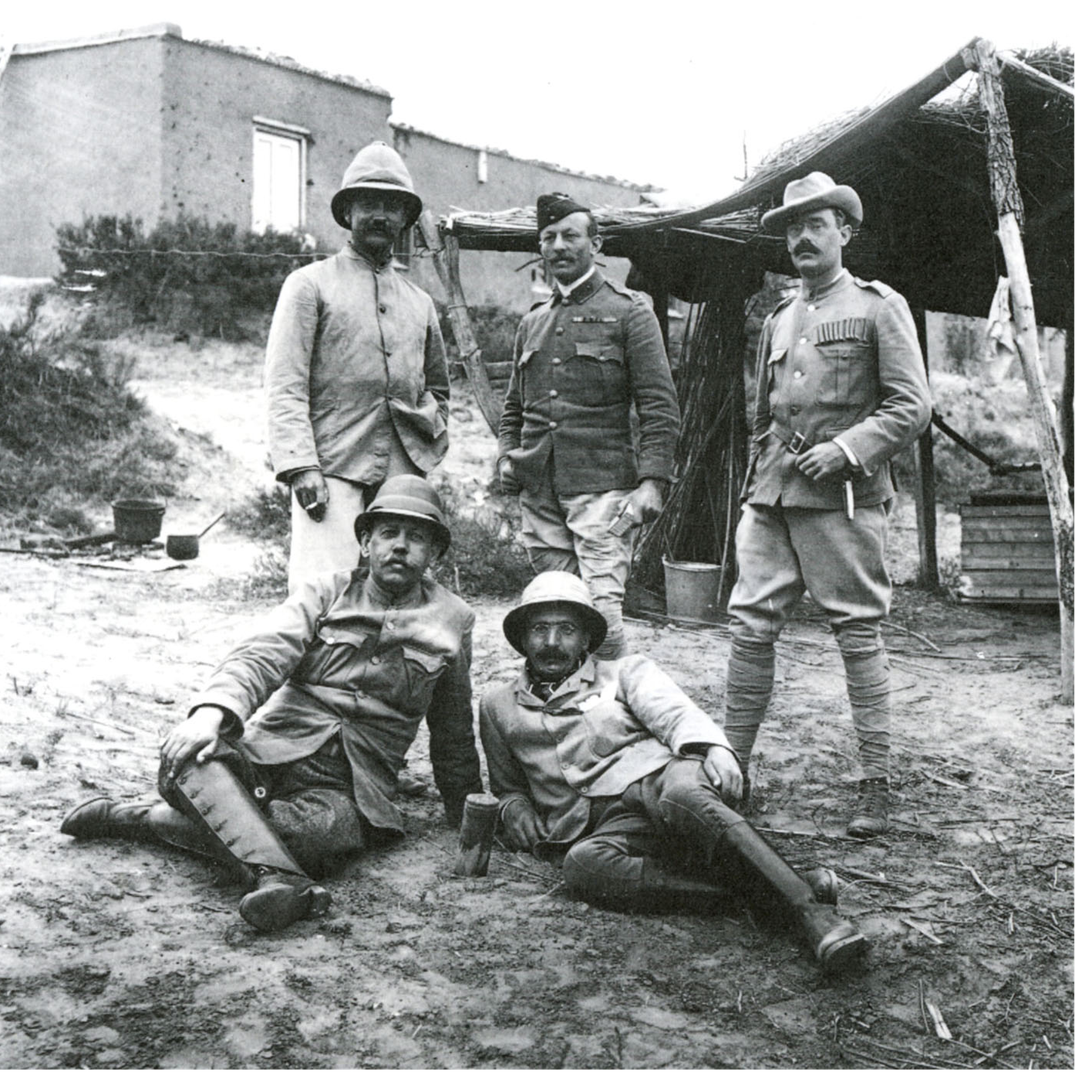
Boer War: Kipling, Kingsley and Conan Doyle
In early 1900, Rudyard Kipling, Mary Kingsley and Arthur Conan Doyle crossed paths in South Africa during the Anglo-Boer War. Motivated in various ways by notions of duty, service, patriotism and jingoism, they were each shaped by the theatre of war. Sarah LeFanu joined Dan Snow to explore the cultural legacies, controversial reputations and influence on colonial policy of these three British writers. <hr><p style='color:grey; font-size:0.75em;'> Hosted on Acast. See <a style='color:grey;' target='_blank' rel='noopener noreferrer' href='https://acast.com/privacy'>acast.com/privacy</a> for more information.</p>
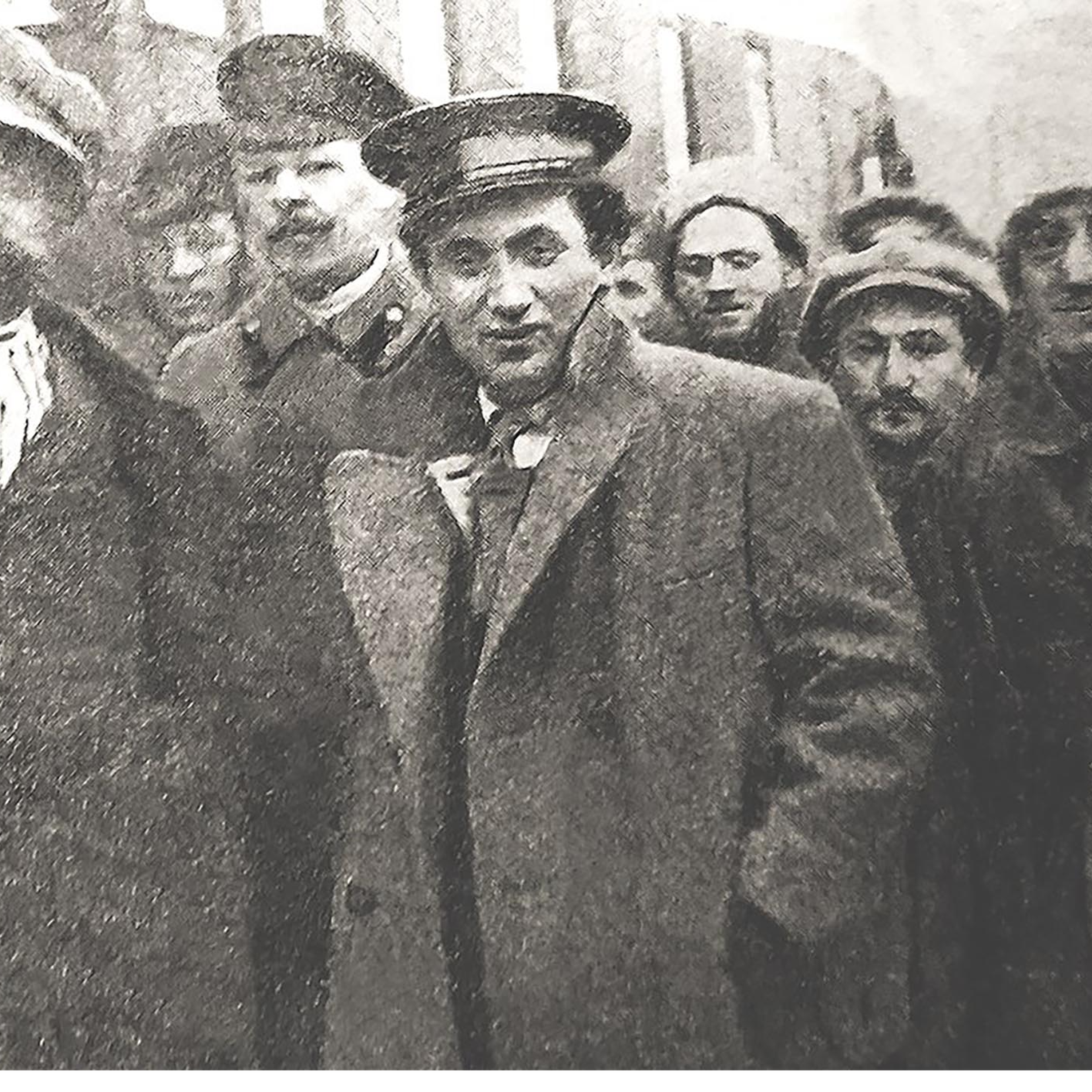
Ep 43 WW1 & WW2's Biggest Conspiracies
<p>Truth, rumour, conspiracy? Gill Bennett OBE had the job of sorting fact from fiction as chief historian of the Foreign Office from 1995-2005, and senior editor of its official history of British foreign policy, Documents on British Policy Overseas. During over thirty years as a historian at Whitehall, she provided historical advice to twelve foreign secretaries under six prime ministers, from Edward Heath to Tony Blair. In this conversation with James, Gill takes us through the biggest conspiracies of the World Wars.&nbsp;</p><br><p>Her book can be found here: https://www.amazon.com/Zinoviev-Letter-Conspiracy-that-Never/dp/0198767307</p> <hr><p style='color:grey; font-size:0.75em;'> Hosted on Acast. See <a style='color:grey;' target='_blank' rel='noopener noreferrer' href='https://acast.com/privacy'>acast.com/privacy</a> for more information.</p>
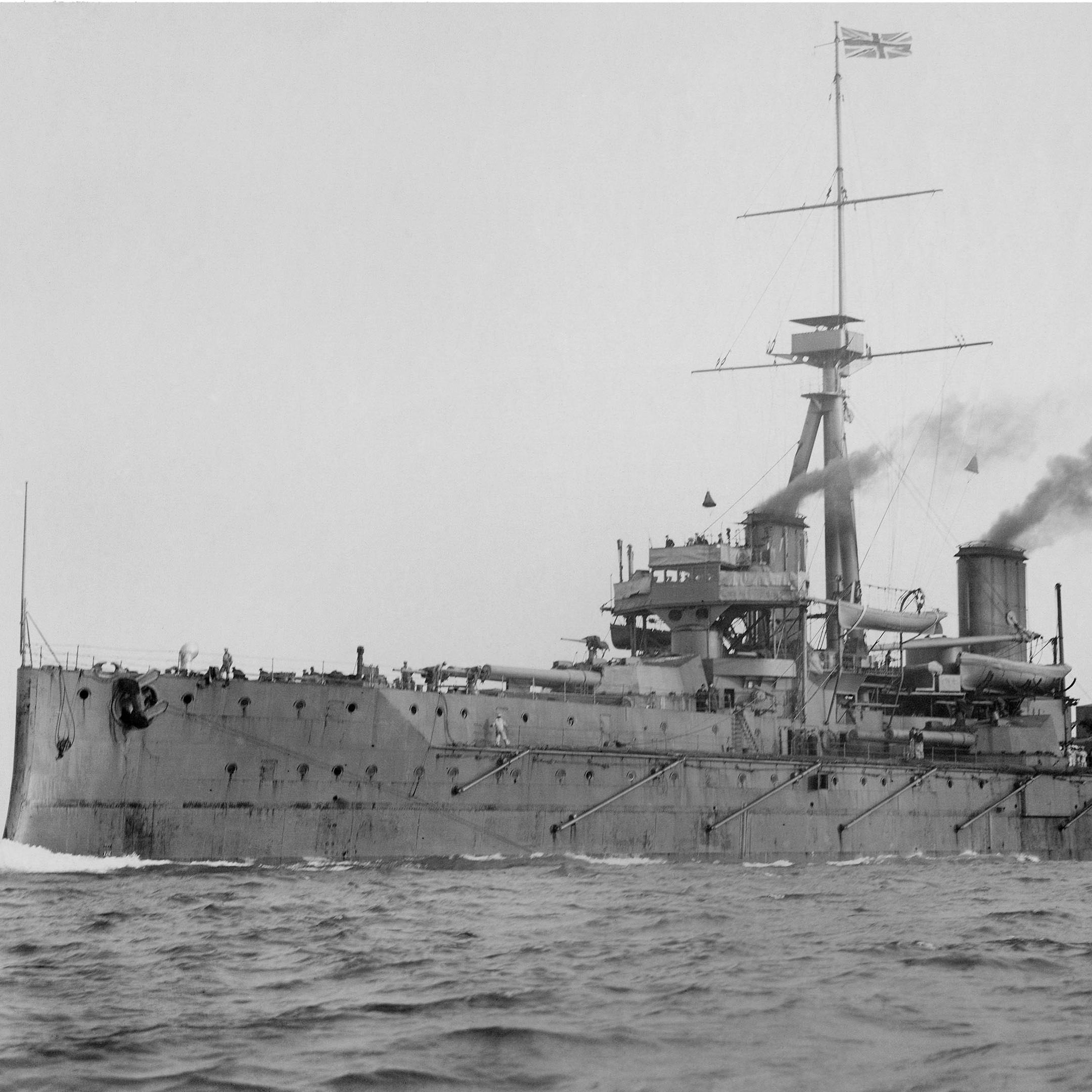
Ep 42British Seapower in the 1900s
During the changes and troubles of the 20th century, officials in Britain faced a huge question: how could they maintain imperial power? Dr Louis Halewood has been researching the troubles faced by British policy makers, and the efforts to maintain dominance with their dominions and allies as Pax Britannica came to a close. In this episode he speaks to James from the University of Plymouth about the development of British naval power, and explores the role of the United States in this emerging world. <hr><p style='color:grey; font-size:0.75em;'> Hosted on Acast. See <a style='color:grey;' target='_blank' rel='noopener noreferrer' href='https://acast.com/privacy'>acast.com/privacy</a> for more information.</p>
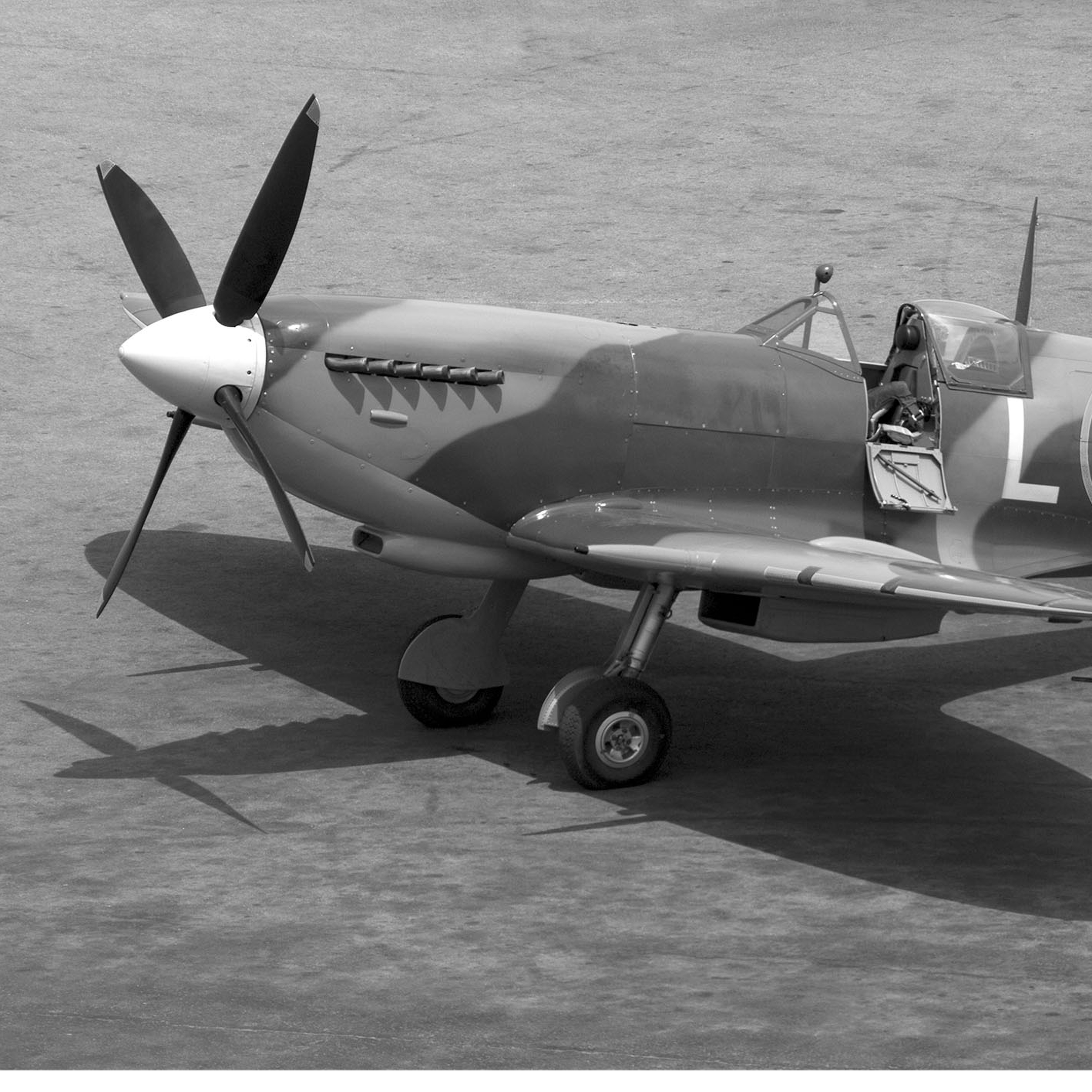
Battle of Britain 'What Ifs'
Dr. Jamie Wood and Professor Niall Mackay at the University of York are mathematicians who love history. They released a paper which sent the rest of the history world into a meltdown when they tried to use the statistics of airframe losses from the Battle of Britain to test just how close Germany might have come to victory in the battle. This is a fantastic crossover between history and maths, and Dan loved chatting to these guys.&nbsp; <hr><p style='color:grey; font-size:0.75em;'> Hosted on Acast. See <a style='color:grey;' target='_blank' rel='noopener noreferrer' href='https://acast.com/privacy'>acast.com/privacy</a> for more information.</p>
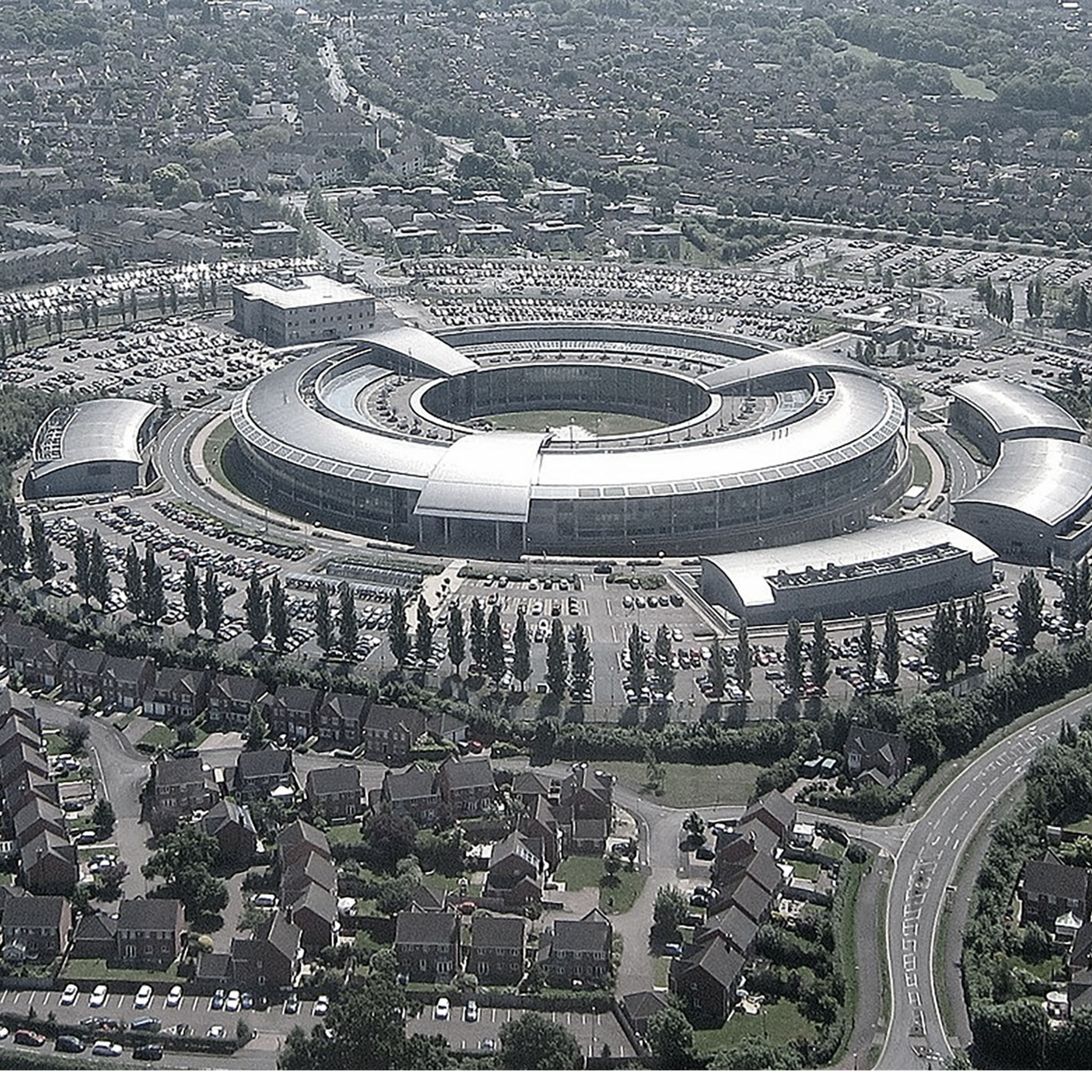
Ep 41GCHQ: A History
In this episode of Warfare we hear about what was happening behind the closed doors of GCHQ during the 20th century, from somebody who has been given access to the files (a lot of them anyway!). Hear John Ferris, the authorised historian of GCHQ, and professor of History at the University of Calgary as he takes us through what he has learnt about the relationships between the governments and organisations of the world, and the secrets they have kept. Through his studies of signals intelligence (SIGINT) John takes us all the way back to the First World War to discuss whether it really ended in 1918, and right up to the Snowden scandal and&nbsp;changes that have emerged with cyber terrorism. <hr><p style='color:grey; font-size:0.75em;'> Hosted on Acast. See <a style='color:grey;' target='_blank' rel='noopener noreferrer' href='https://acast.com/privacy'>acast.com/privacy</a> for more information.</p>
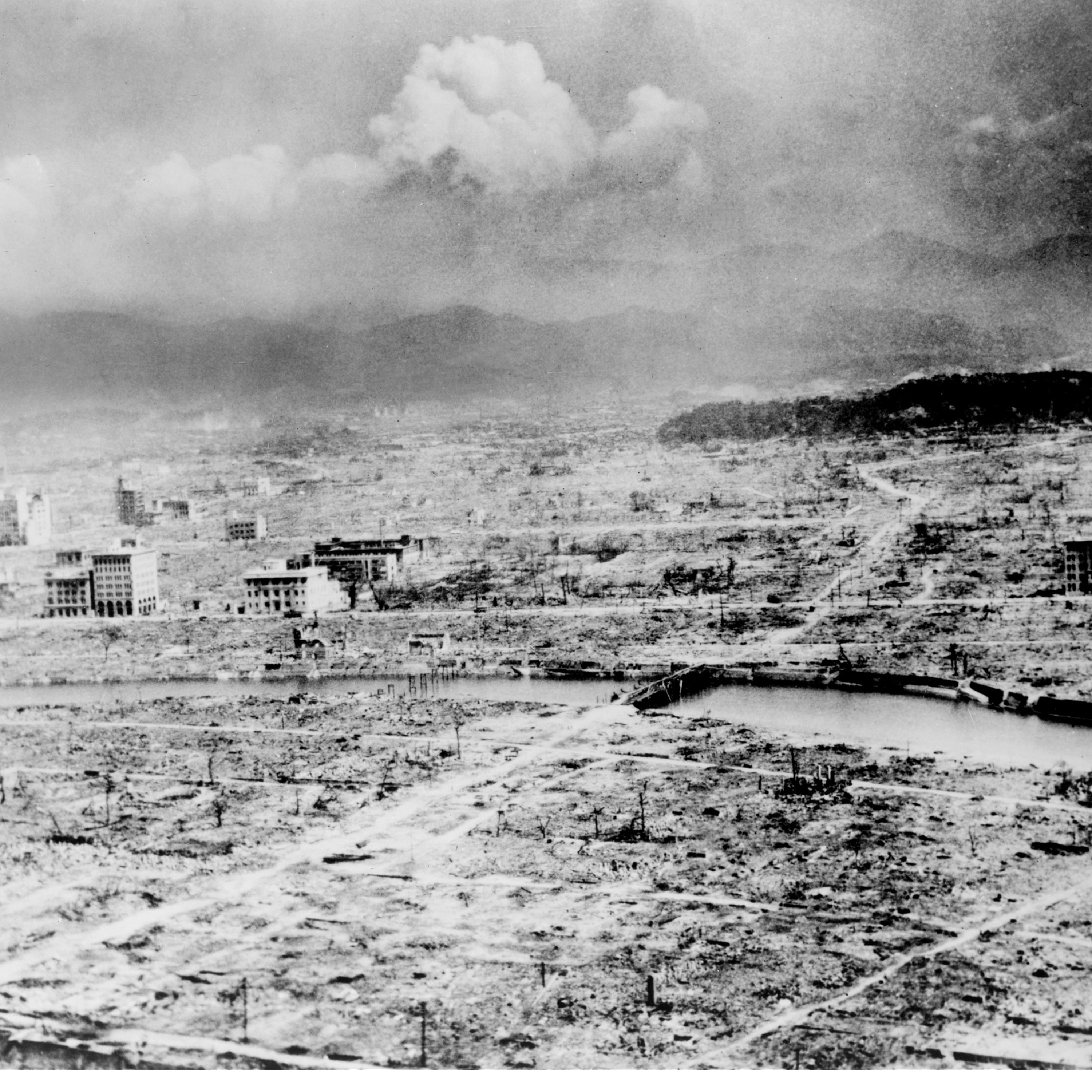
Ep 40Origins of Nuclear Power
The existence of nuclear weapons holds their owners in a position of mutually assured destruction with one another, but how did it come to be this way, and is there a way out? Dr Jean-François Bélanger is a Postdoctoral Fellow focussing on the role of status inconsistencies in nuclear proliferation, competence and rule-adherence. Here, he talks James through the history of nuclear power, and what advice he would give to those currently in control of it. <hr><p style='color:grey; font-size:0.75em;'> Hosted on Acast. See <a style='color:grey;' target='_blank' rel='noopener noreferrer' href='https://acast.com/privacy'>acast.com/privacy</a> for more information.</p>
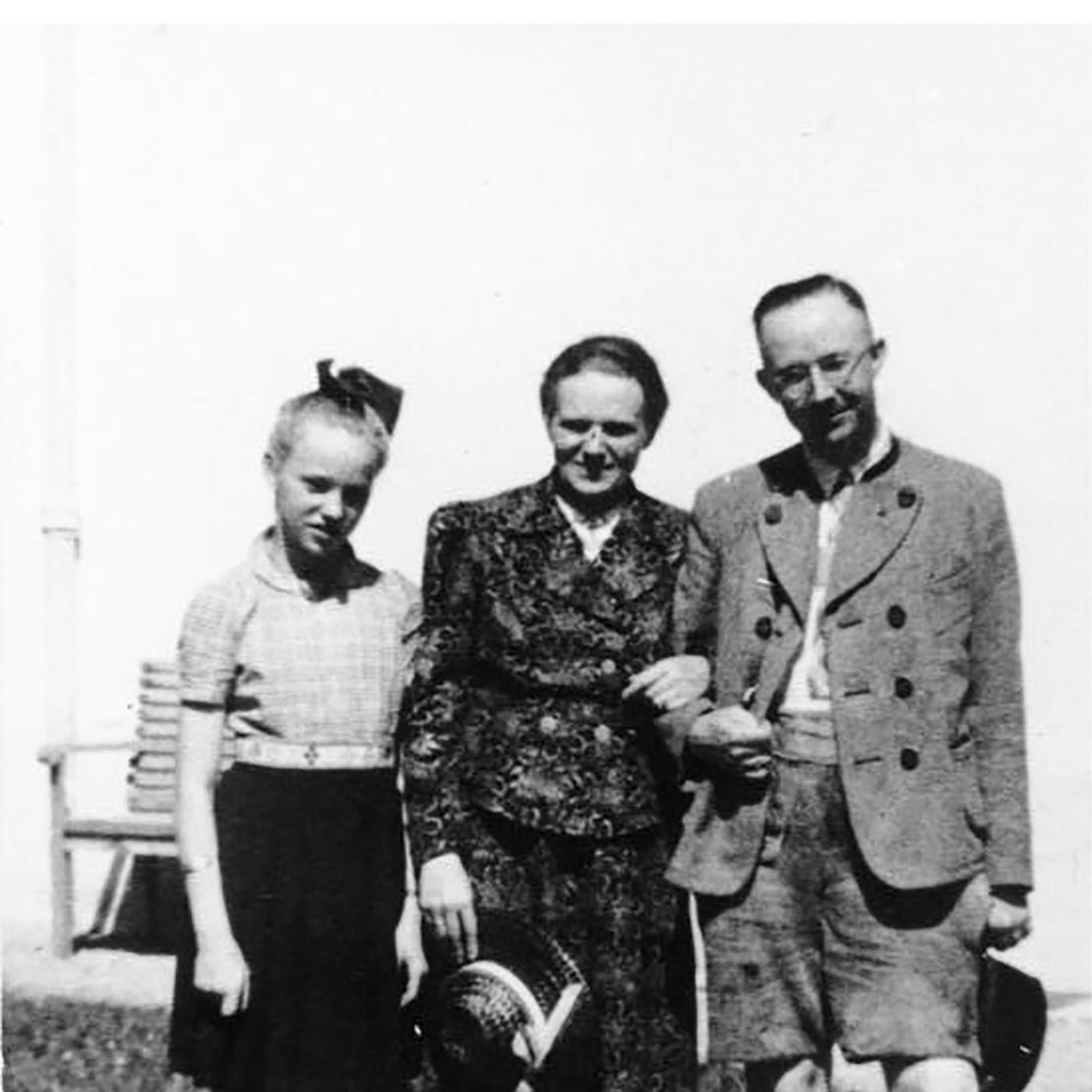
Heinrich Himmler: My Great-Uncle
<p>Katrin Himmler's great-uncle was Heinrich Himmler, head of the SS, and one of the principle architects of the Holocaust. Katrin has confronted her family legacy with a book, Die Brüder Himmler, translated into English as ‘The Himmler Brothers. A German Family History’. She is a German author and political scientist, and has also edited, together with the historian Michael Wildt, private letters from Himmler that had been only recently discovered in Israel. The Private Heinrich Himmler: Letters of a Mass Murderer was published in the UK last year. In conversation with James Holland, she discusses Himmler, his brothers, and reveal the burden of this Nazi family legacy.</p><p>&nbsp;</p><p>Recorded at Chalke Valley History Festival 2017.</p><p>&nbsp;</p><p><a href="http://historyh.it/chalkevalleyhistoryhit" rel="noopener noreferrer" target="_blank">www.cvhf.org.uk</a></p> <hr><p style='color:grey; font-size:0.75em;'> Hosted on Acast. See <a style='color:grey;' target='_blank' rel='noopener noreferrer' href='https://acast.com/privacy'>acast.com/privacy</a> for more information.</p>
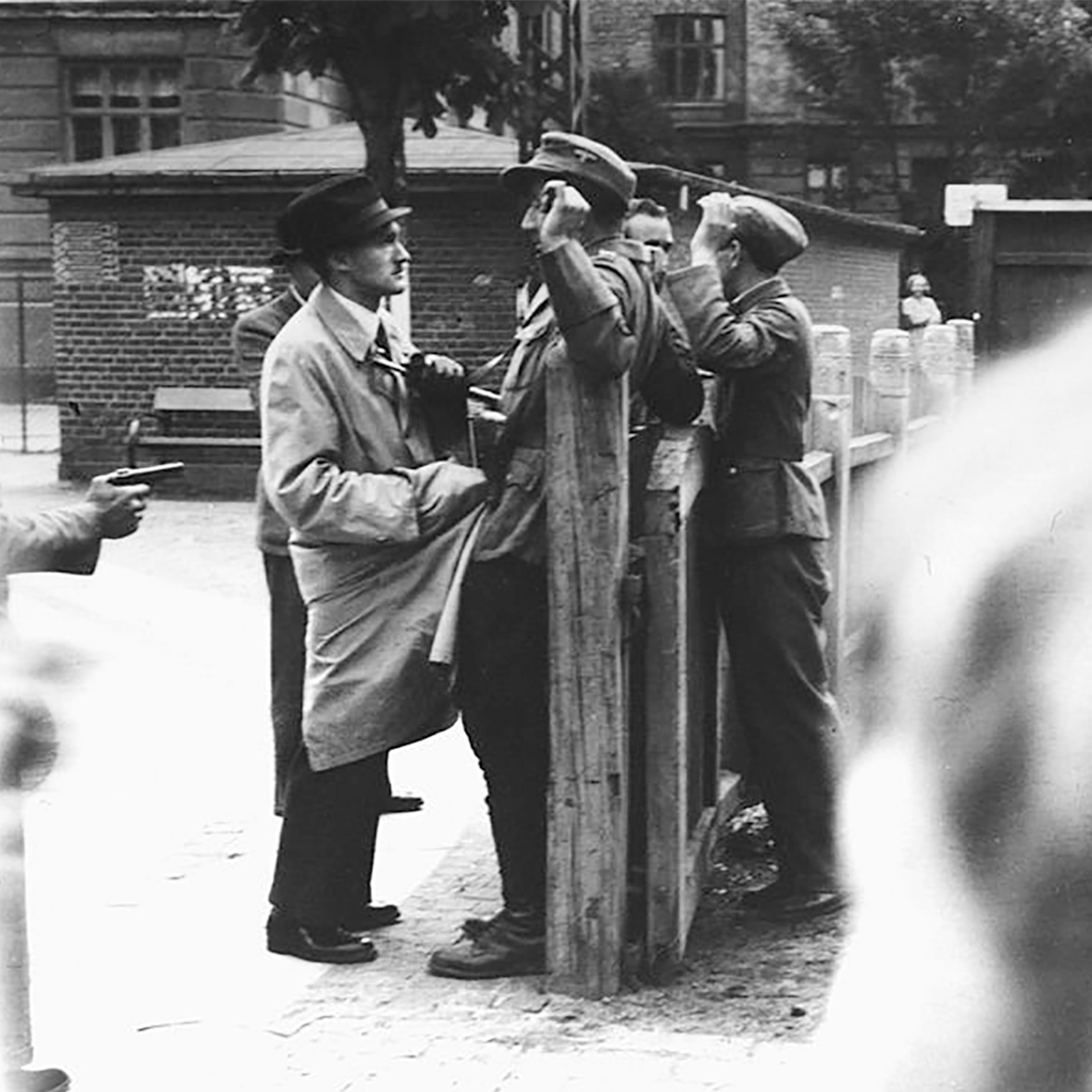
Ep 39WW2: The Danish Resistance
<p>Despite declaring itself neutral at the outset of the Second World War, Denmark’s experience of the war years is identifiable by its internal division. Rune Edberg is a Danish historian who specialises in the history of the many Danish resistance groups that fought to make life as difficult as possible for the occupying Nazis. In this conversation, he tells James how much of the resistance against the Nazis was directed at Danish collaborators.</p><br><p>Book a tour of Copenhagen with Rune at <a href="http://www.copentell.com/" rel="noopener noreferrer" target="_blank">www.copentell.com</a> and watch out for our new documentary about the Atlantic wall on access.historyhit.com</p> <hr><p style='color:grey; font-size:0.75em;'> Hosted on Acast. See <a style='color:grey;' target='_blank' rel='noopener noreferrer' href='https://acast.com/privacy'>acast.com/privacy</a> for more information.</p>
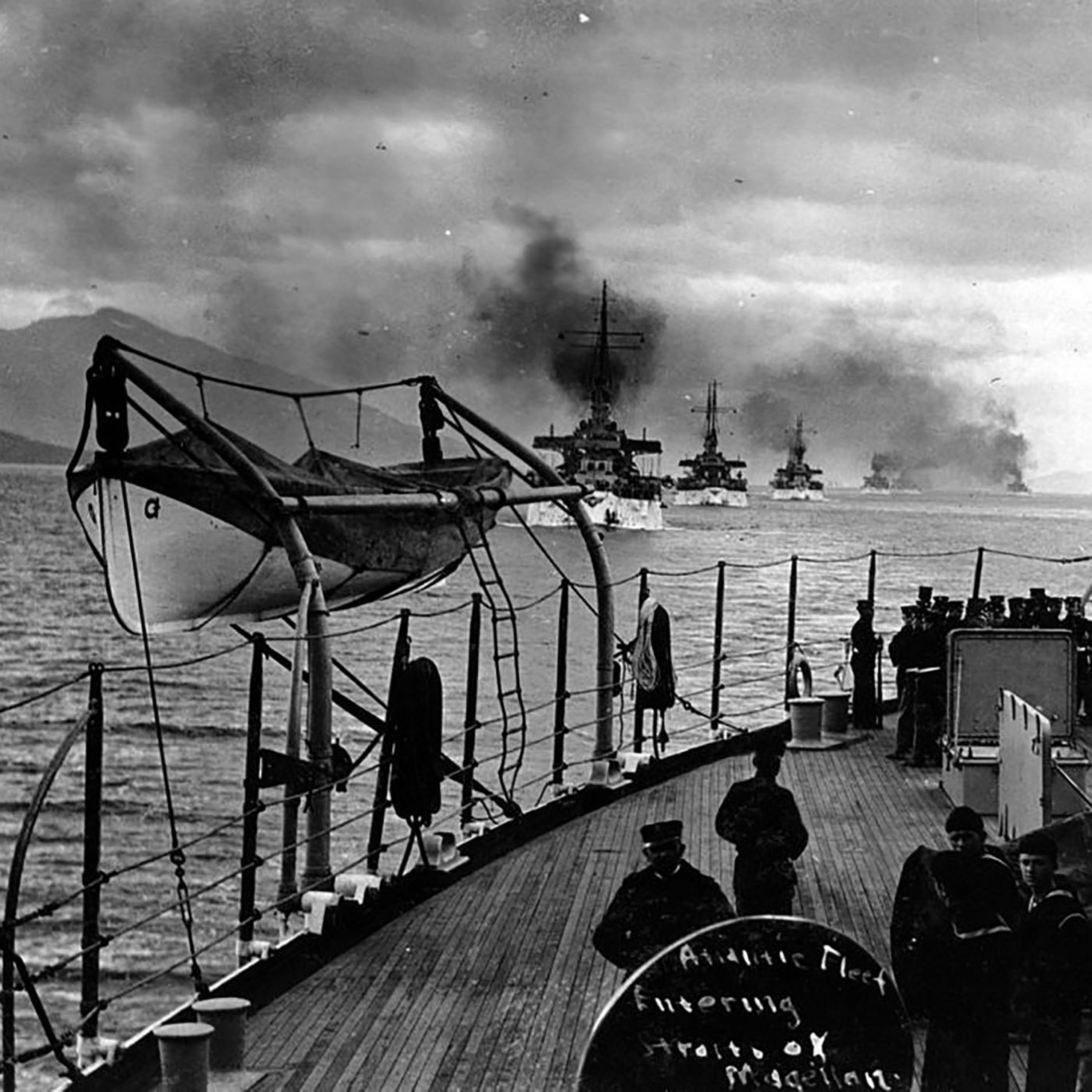
Ep 38The American Way of War: A History
From Ancient Greece, through the Enlightenment, the Napoleonic Wars, The First World War, then the Second, and all the way through to modern drone warfare; in this episode Michael Williams takes a deep dive into the way that nations, in particular the United States, approach warfare. Michael, a professor of International Relations and Security, explains the American rationale, approach to and methods of war. <hr><p style='color:grey; font-size:0.75em;'> Hosted on Acast. See <a style='color:grey;' target='_blank' rel='noopener noreferrer' href='https://acast.com/privacy'>acast.com/privacy</a> for more information.</p>
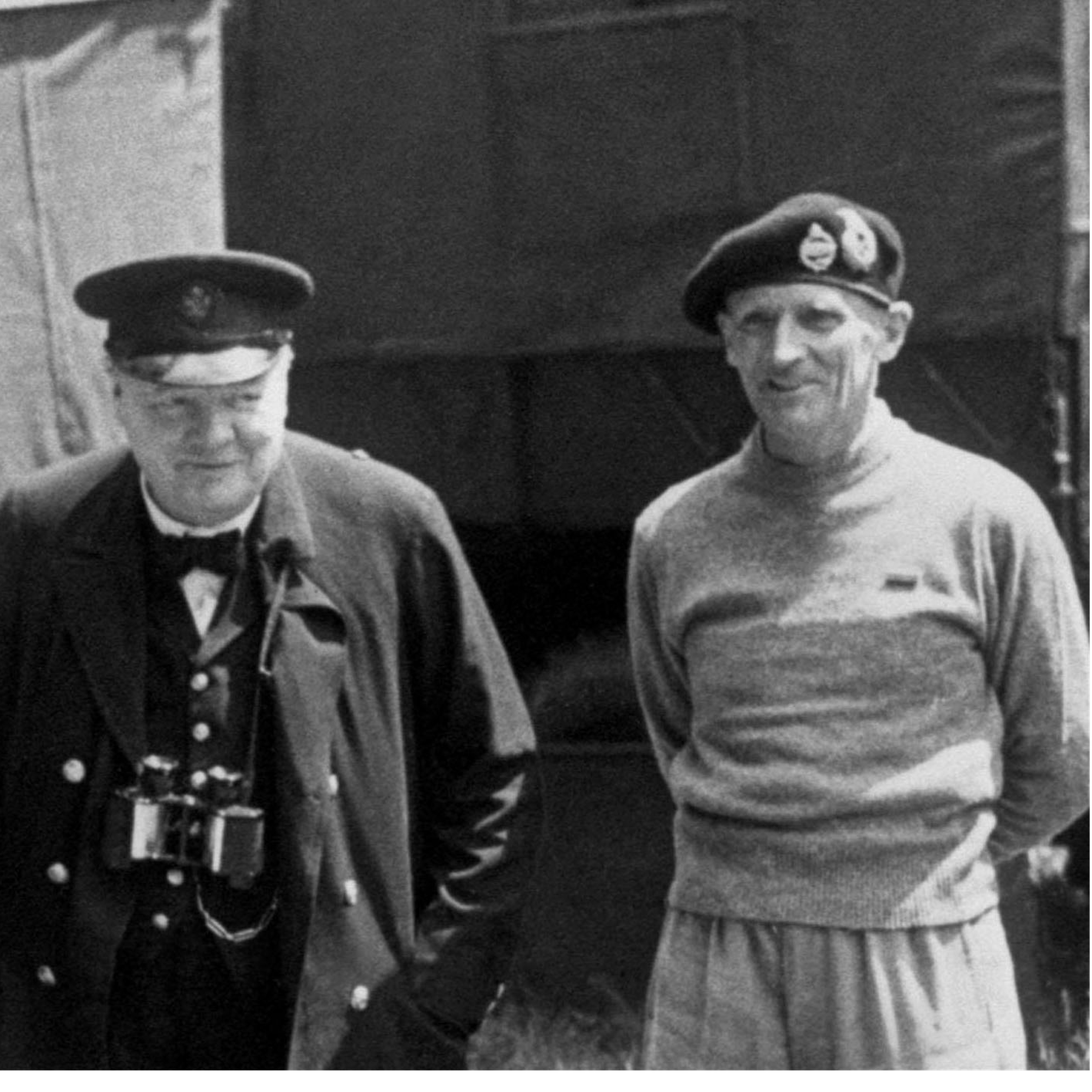
Montgomery: Britain’s Best Known Field Marshall
<p>From fighting on the front line as a Junior Officer in the first days of the First World War, to commanding Allied ground forces on D-Day, the life of Field Marshall Bernard Montgomery presents an individual perspective on the major conflicts of the first half of the Twentieth Century. At Chalke Valley, comedian and history graduate Al Murray spoke about his history hero, 'Monty' - his life, career and legacy.</p><br><p>© PA Images / Alamy Stock Photo</p> <hr><p style='color:grey; font-size:0.75em;'> Hosted on Acast. See <a style='color:grey;' target='_blank' rel='noopener noreferrer' href='https://acast.com/privacy'>acast.com/privacy</a> for more information.</p>
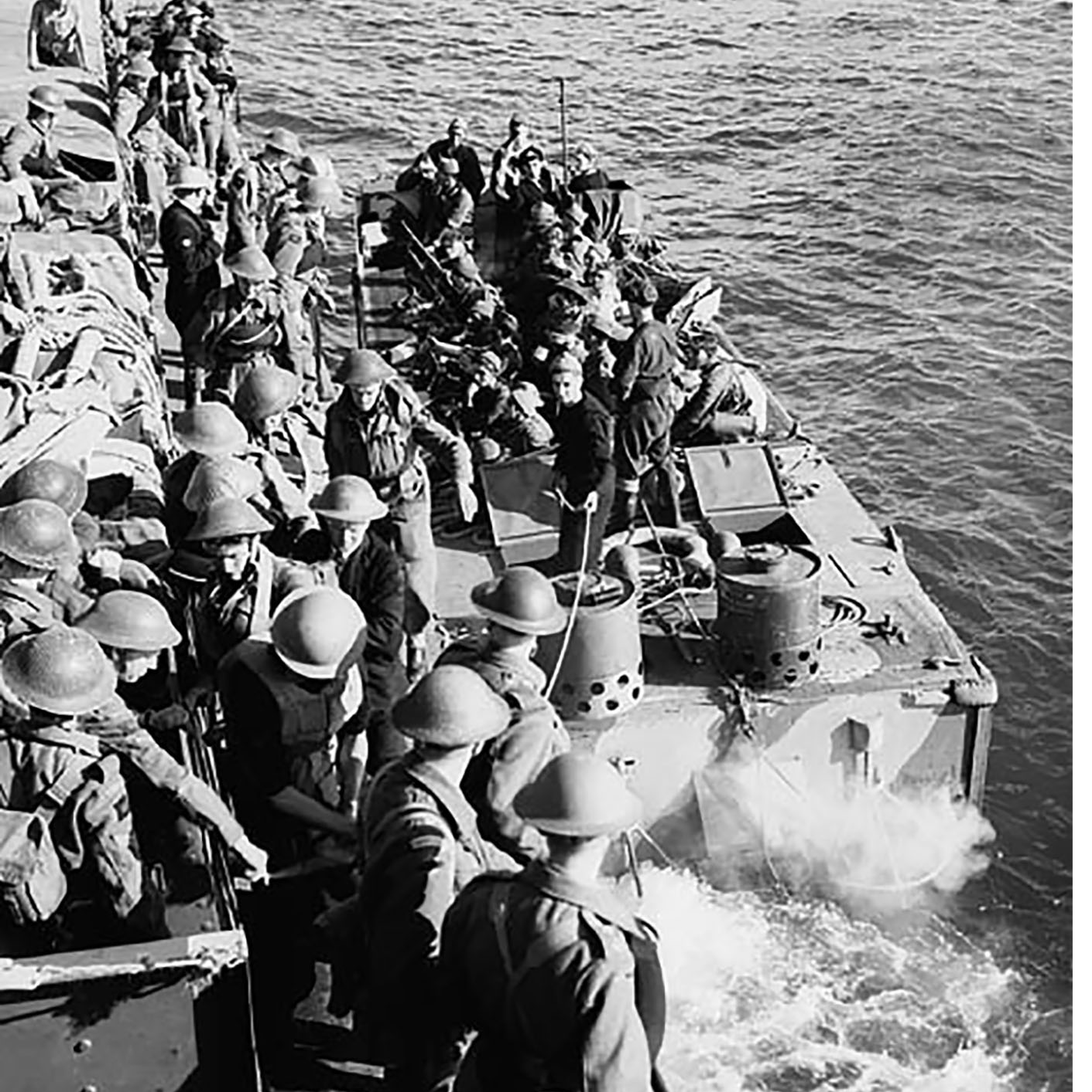
Ep 37The Enigma of Dieppe
<p>Almost 80 years after the raid on Dieppe on 19 August 1942, David O’Keefe has uncovered the secret mission to pinch Enigma related material which took place under the cover of the six-thousand strong landing force. In this second part of David’s conversation with James, he tells us about the outcomes of the raid and how his research has answered the long held questions of veterans of Dieppe.</p><br><p><strong>© </strong>Library and Archives Canada</p> <hr><p style='color:grey; font-size:0.75em;'> Hosted on Acast. See <a style='color:grey;' target='_blank' rel='noopener noreferrer' href='https://acast.com/privacy'>acast.com/privacy</a> for more information.</p>
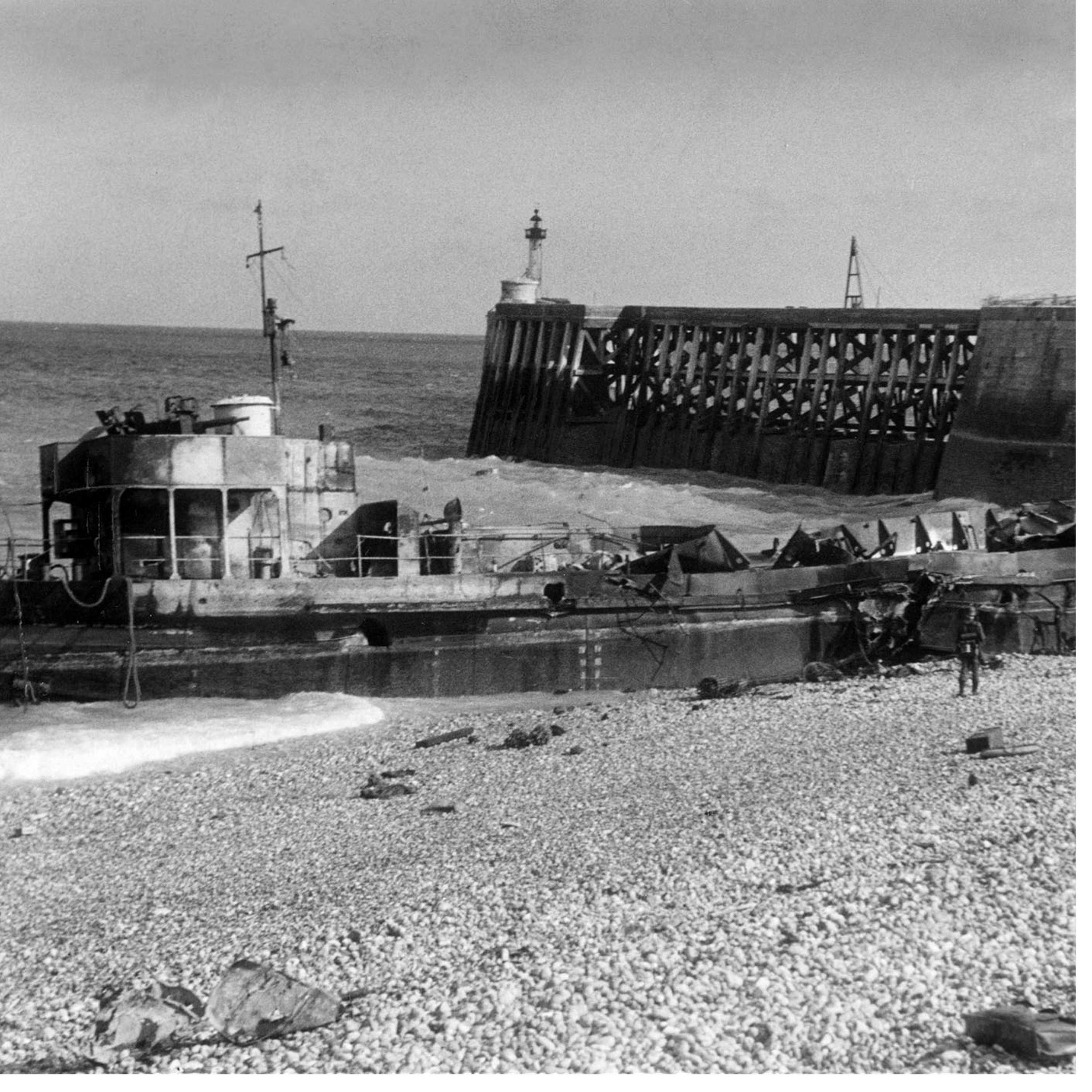
Ep 36Operation Jubilee: A Pinch Raid at Dieppe?
<p>On 19 August 1942, a six thousand strong combined Allied landing force took part in a raid on Dieppe, Northern France. Sixty-seven percent of these became casualties. The raid has gone down in history as a catastrophe conceived by Lord Mountbatten. With the help of 100,000 pages of classified British military files, however, David O’Keefe has uncovered a pinch mission undertaken at Dieppe, concealed by the raid, to steal one of the new German 4-rotor Enigma code machines. In this first of two episodes, David tells James about the main raid, undertaken in the majority by his fellow Canadians, and explains the evidence which supports the theory that this was a pinch raid, not just by opportunity, but by design.</p><br><p>©INTERFOTO / Alamy Stock Photo</p> <hr><p style='color:grey; font-size:0.75em;'> Hosted on Acast. See <a style='color:grey;' target='_blank' rel='noopener noreferrer' href='https://acast.com/privacy'>acast.com/privacy</a> for more information.</p>
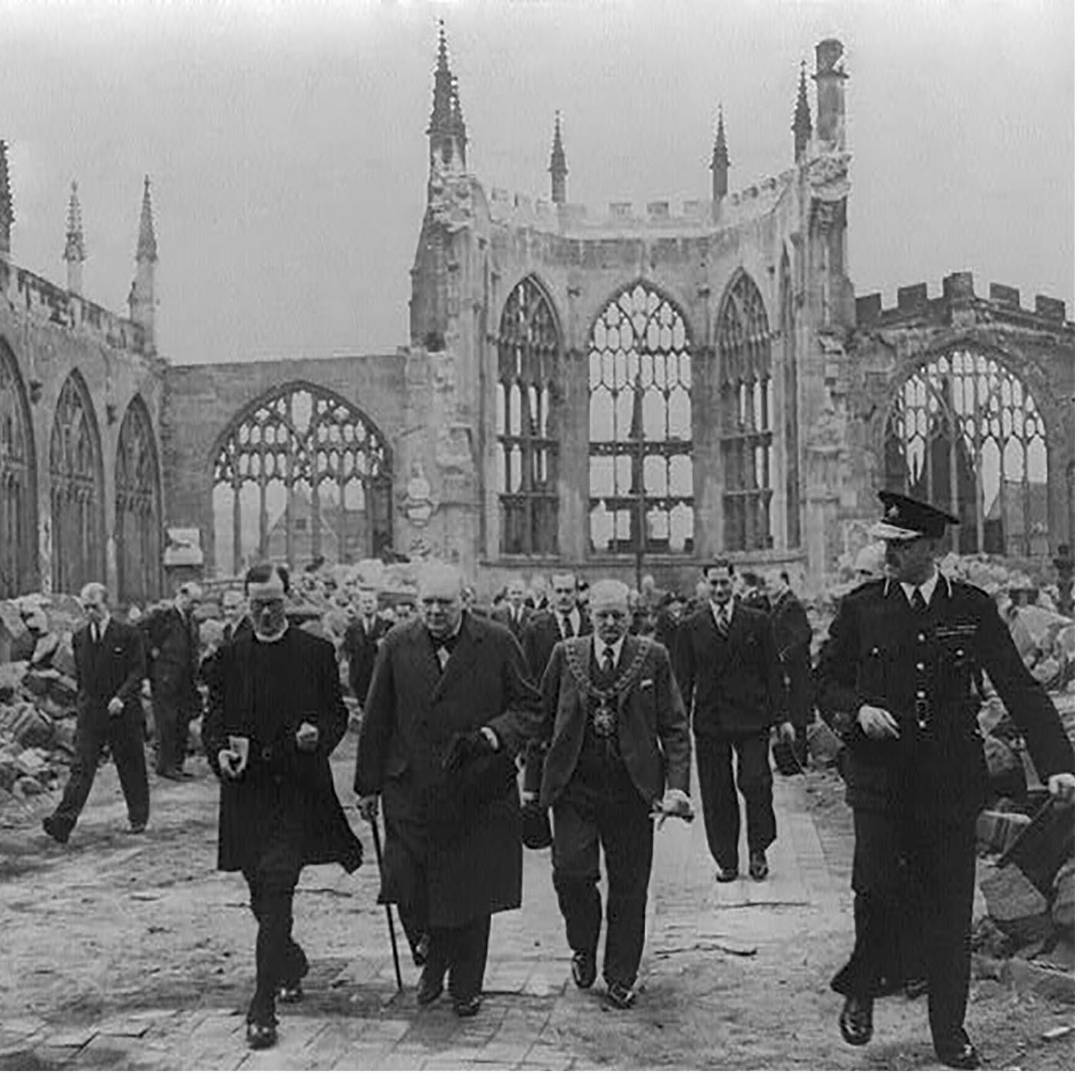
Coventry's Blitz
<p>On the night of 14 November 1940, a Luftwaffe air raid devastated the city of Coventry. Over 500 people were killed, more than 4,300&nbsp;homes were destroyed and around two-thirds of the city's buildings suffered damages. David McGrory is a local historian based in Coventry, he joined Dan to discuss the bombings, and their impact on Coventry.</p><br><p>© Bundesarchiv</p> <hr><p style='color:grey; font-size:0.75em;'> Hosted on Acast. See <a style='color:grey;' target='_blank' rel='noopener noreferrer' href='https://acast.com/privacy'>acast.com/privacy</a> for more information.</p>

Ep 35The Bletchley Girls
<p>During the Second World War, Bletchley Park was the home of a top-secret code breaking centre. Only in the 1970s did people begin to discuss what had occurred there. In the intervening years, however, three quarters of the workforce would rarely have been asked to describe their experiences during the war: because they were women. Dr Tessa Dunlop has spoken with fifteen of these veterans, and in this episode she tells James about the women of Bletchley Park: their backgrounds, work, and memory of their important duty.</p><br><p>Book 'An Afternoon in Conversation with the Bletchley Girls' with Tessa at https://www.fane.co.uk/bletchley-girls</p><br><p>© National Archives</p> <hr><p style='color:grey; font-size:0.75em;'> Hosted on Acast. See <a style='color:grey;' target='_blank' rel='noopener noreferrer' href='https://acast.com/privacy'>acast.com/privacy</a> for more information.</p>
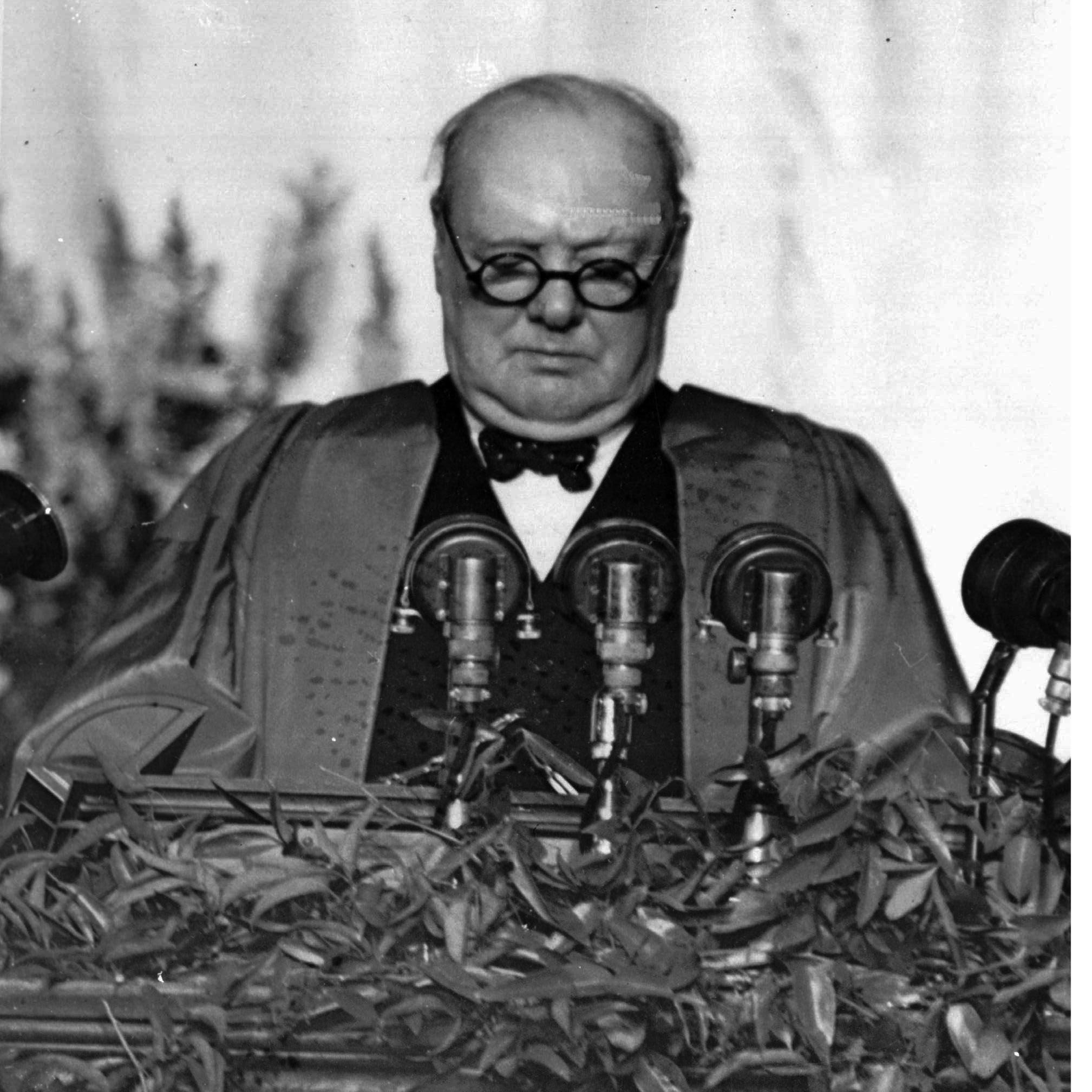
Ep 34Churchill and the Iron Curtain
<p>‘From Stettin in the Baltic to Trieste in the Adriatic, an iron curtain has descended across the continent.’ These words - spoken by Winston Churchill on 5 March 1946 to an audience including President Truman in Fulton, Missouri - can be seen as both a symptom and a catalyst of the collapse of relations between the western allies and the Soviet Union. But what drove Churchill to make this speech? What can it tell us about the relationships between Churchill, Stalin and Truman? How did it intertwine with the fates of countries such as Iran and Turkey? And what impact does its shadow have today? Dr Warren Dockter is the author of ‘Winston Churchill and the Islamic World’, and editor of ‘Winston Churchill at the Telegraph’. In this anniversary episode he speaks to James about this remarkable speech.</p><br><p>© PA Images / Alamy Stock Photo</p> <hr><p style='color:grey; font-size:0.75em;'> Hosted on Acast. See <a style='color:grey;' target='_blank' rel='noopener noreferrer' href='https://acast.com/privacy'>acast.com/privacy</a> for more information.</p>
Ep 33The Nazis Next Door
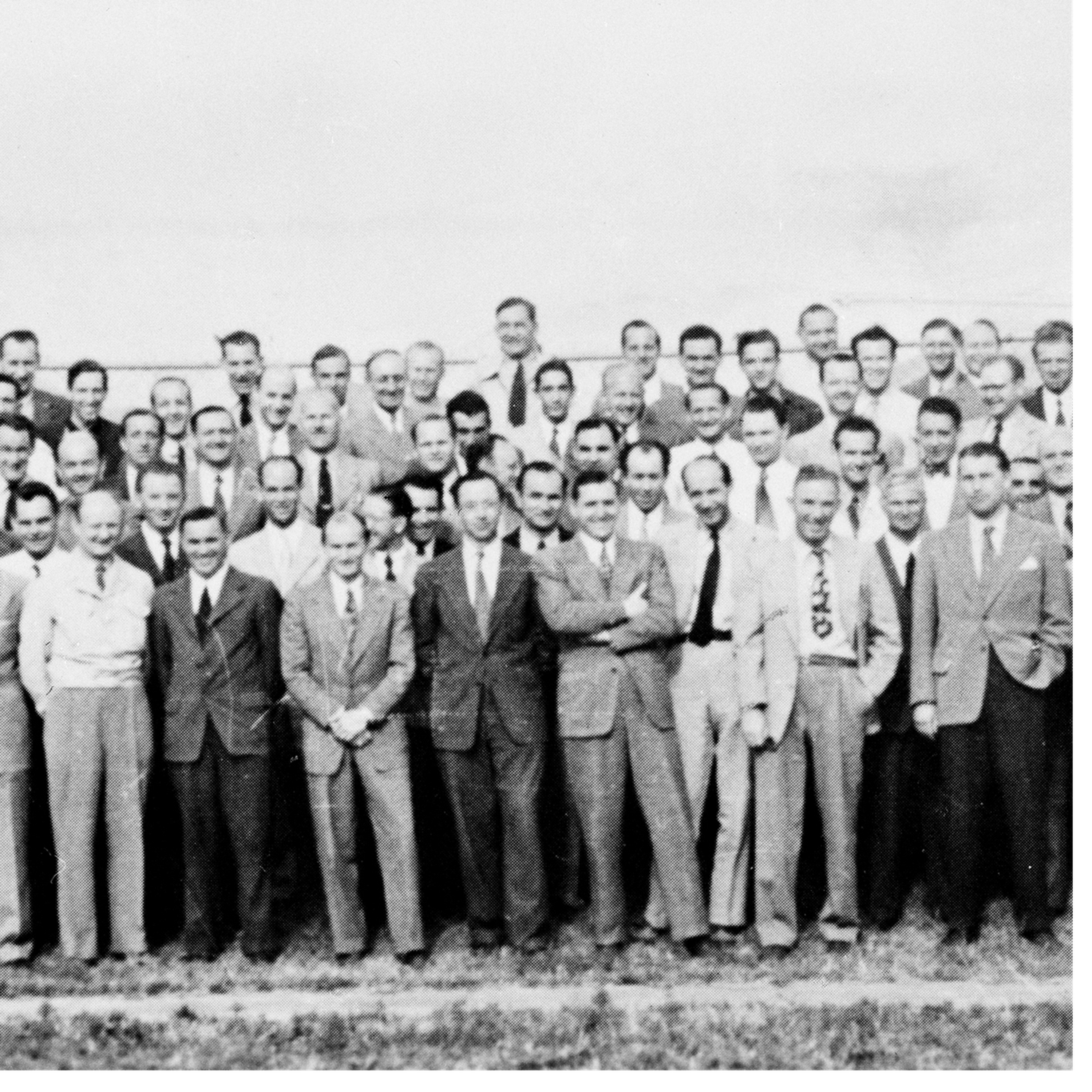
As many as 10,000 members of the Nazi party and the SS are estimated to have moved to the United States after the Second World War, legally and illegally. In the intervening years, around 150 of them have been subject to investigations reaching the stage of deportation or criminal proceedings. This includes Friedrich Karl Berger, who was deported from Tennessee to Germany on 21 February 2021 to face trial for his part in ‘Nazi-sponsored acts of persecution’ as a Camp Guard at Neuengamme. In this episode, Pulitzer Prize winner Eric Lichtblau speaks to James about how America came to be seen as a safe haven for Nazis, and the efforts to bring them to justice. <hr><p style='color:grey; font-size:0.75em;'> Hosted on Acast. See <a style='color:grey;' target='_blank' rel='noopener noreferrer' href='https://acast.com/privacy'>acast.com/privacy</a> for more information.</p>
Life of a Luftwaffe Ace: Hugo Broch
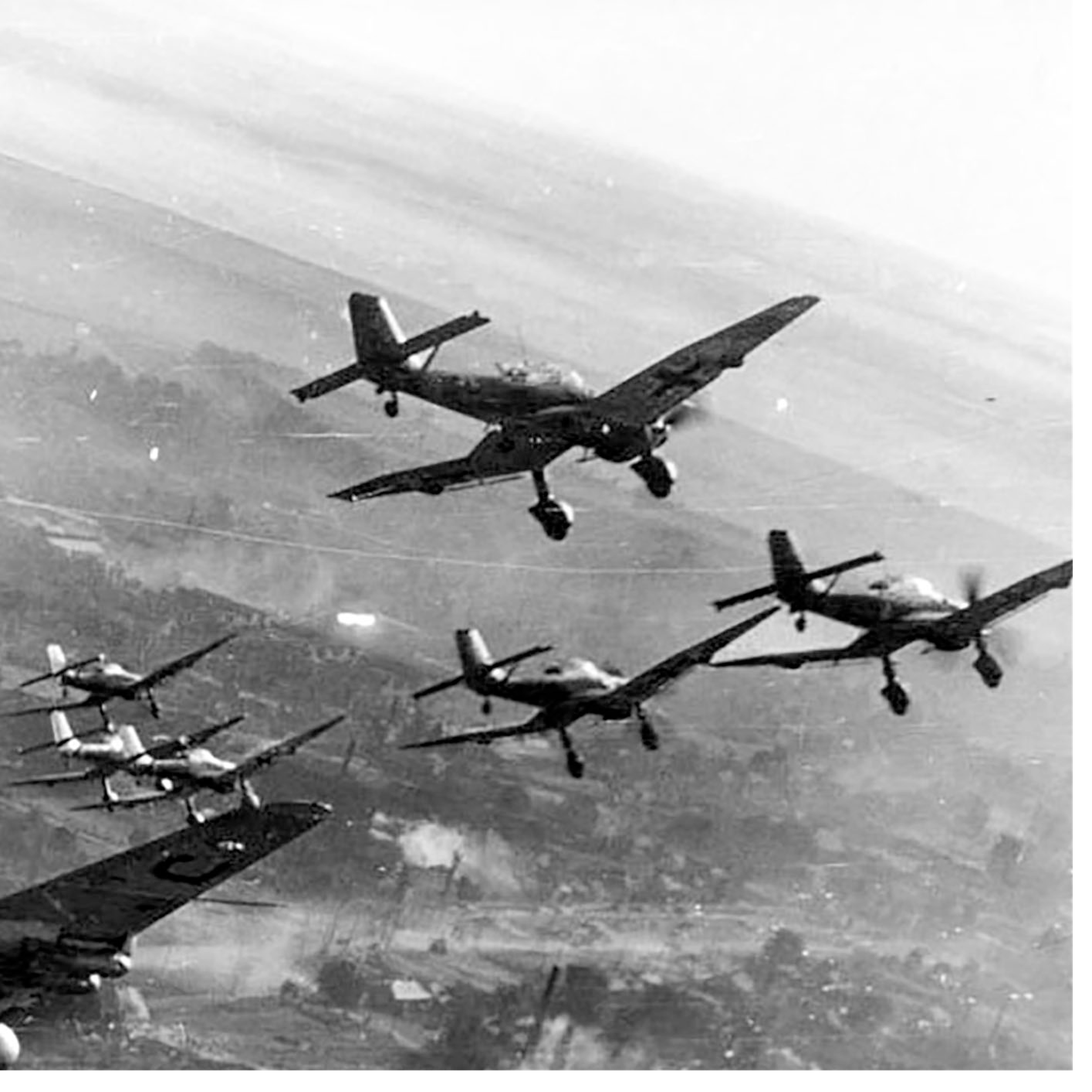
During the Second World War, Luftwaffe fighter pilot Hugo Broch claimed 81 victories in 324 missions on the Eastern Front. At Chalke Valley History Festival, the Iron Cross recipient spoke to Paul Beaver and Rob Schäfer about his experiences fighting for Germany. <hr><p style='color:grey; font-size:0.75em;'> Hosted on Acast. See <a style='color:grey;' target='_blank' rel='noopener noreferrer' href='https://acast.com/privacy'>acast.com/privacy</a> for more information.</p>
Ep 32Daughters of Yalta
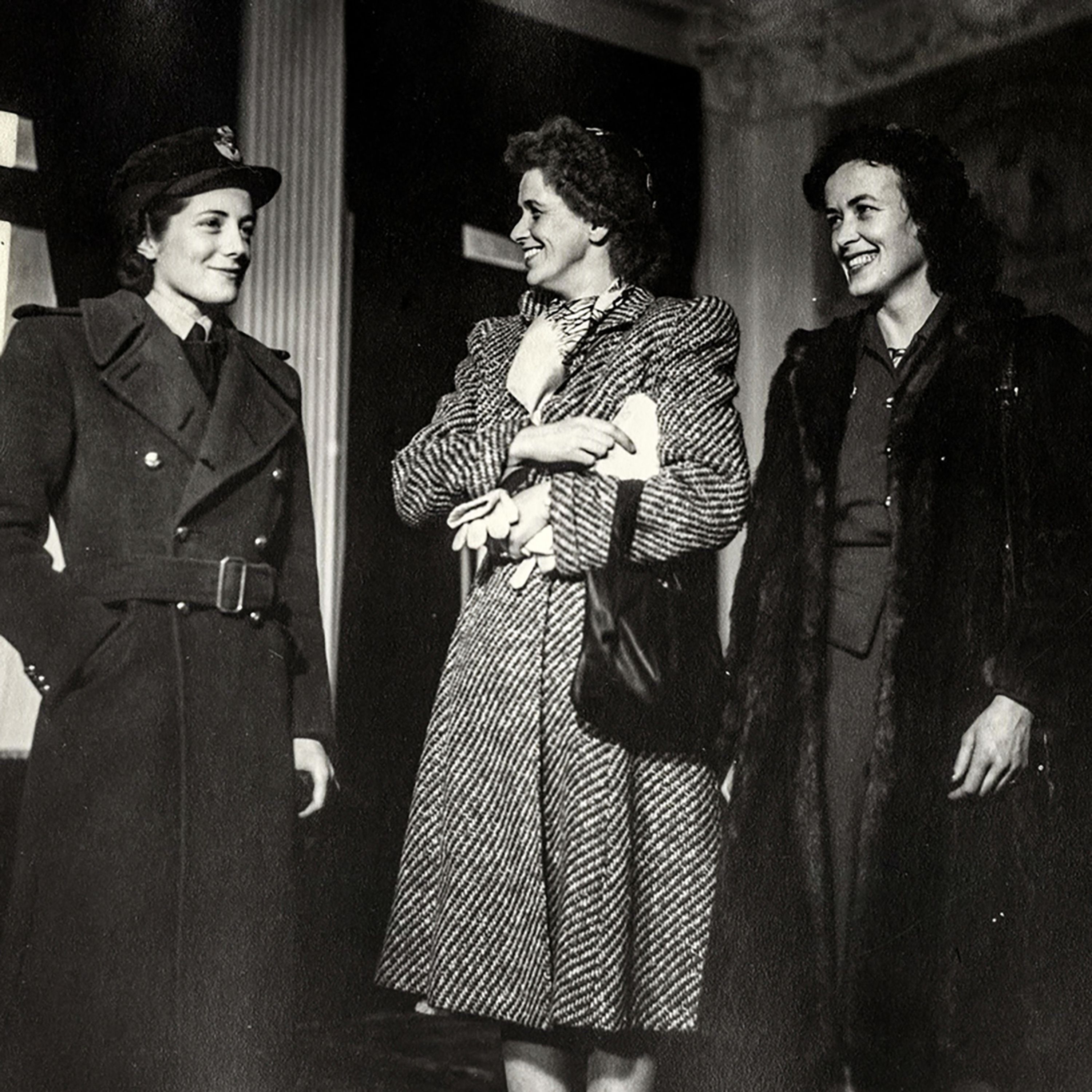
In February 1945, the ‘Big Three’ met for arguably the most important and controversial of the conferences of the Second World War. At the Yalta Conference, Franklin D. Roosevelt, Winston Churchill and Joseph Stalin discussed the post-war reorganisation of Europe. The British and American leaders had come a long way to cooperate with Stalin, but they had not come alone. Roosevelt’s daughter, Anna, Churchill’s daughter Sarah and Kathleen Harriman, the daughter of the US ambassador to the Soviet Union were all in attendance. For her new book, Catherine Grace Katz has approached the Yalta conference from the perspective of these women, each of whom had a different angle and role there. In this episode Catherine shares her understanding of each of these women and what this can, in turn, tell us about the relationships between the United States, Britain and the USSR. <hr><p style='color:grey; font-size:0.75em;'> Hosted on Acast. See <a style='color:grey;' target='_blank' rel='noopener noreferrer' href='https://acast.com/privacy'>acast.com/privacy</a> for more information.</p>
Battle of Britain: Why The RAF Won
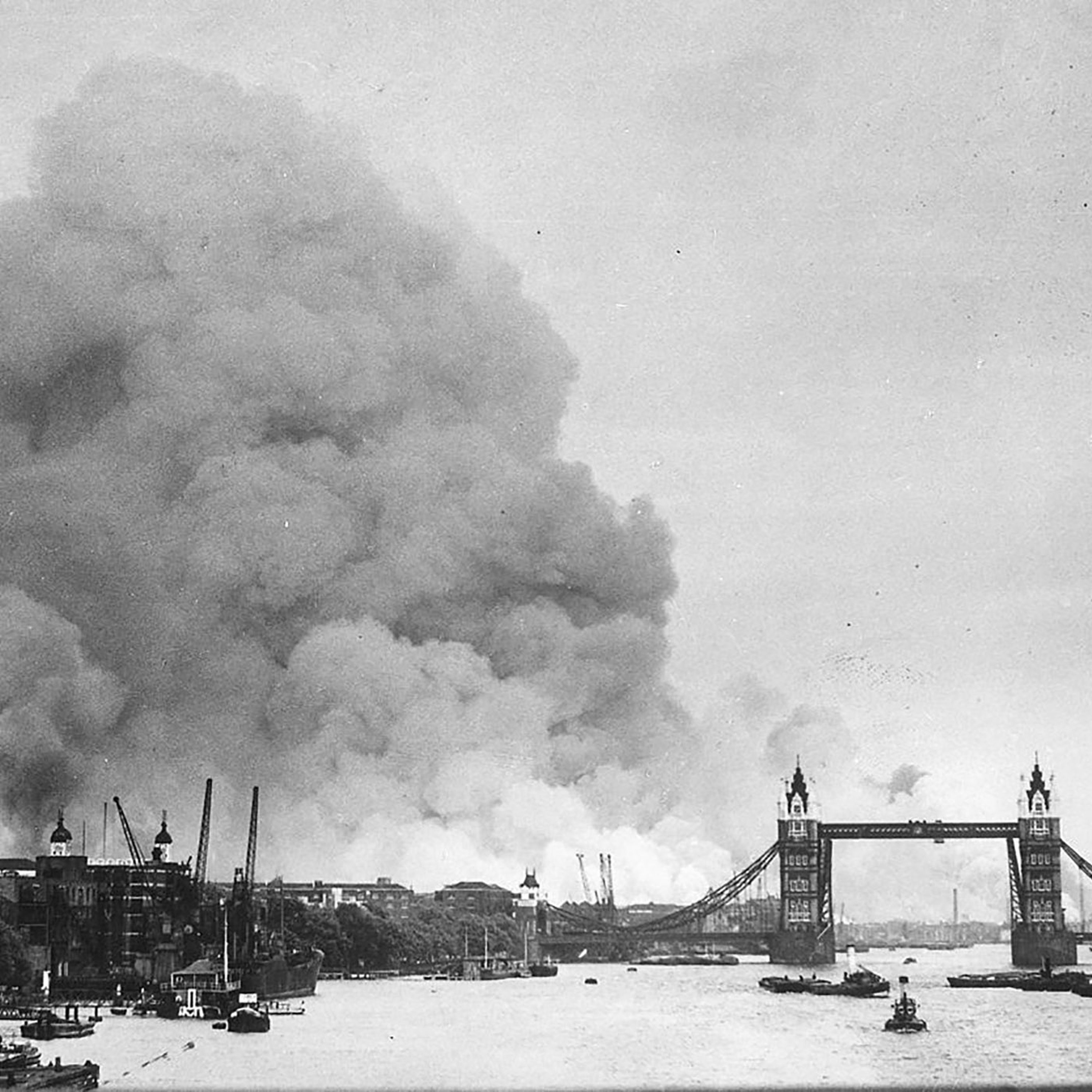
In 15 September 1940, the Luftwaffe made a gigantic aerial assault on London in the belief that the Royal Air Force was down to its last few fighters. They had hoped to finish the RAF and force Britain to the negotiating table, but this was not to be the case. In this episode, Dan is at Bentley Priory, the HQ of RAF Fighter Command, with historian Stephen Bungay. Stephen describes how a combination of technology, leadership, bravery and organisation helped Britain to win the battle for its shores. <hr><p style='color:grey; font-size:0.75em;'> Hosted on Acast. See <a style='color:grey;' target='_blank' rel='noopener noreferrer' href='https://acast.com/privacy'>acast.com/privacy</a> for more information.</p>
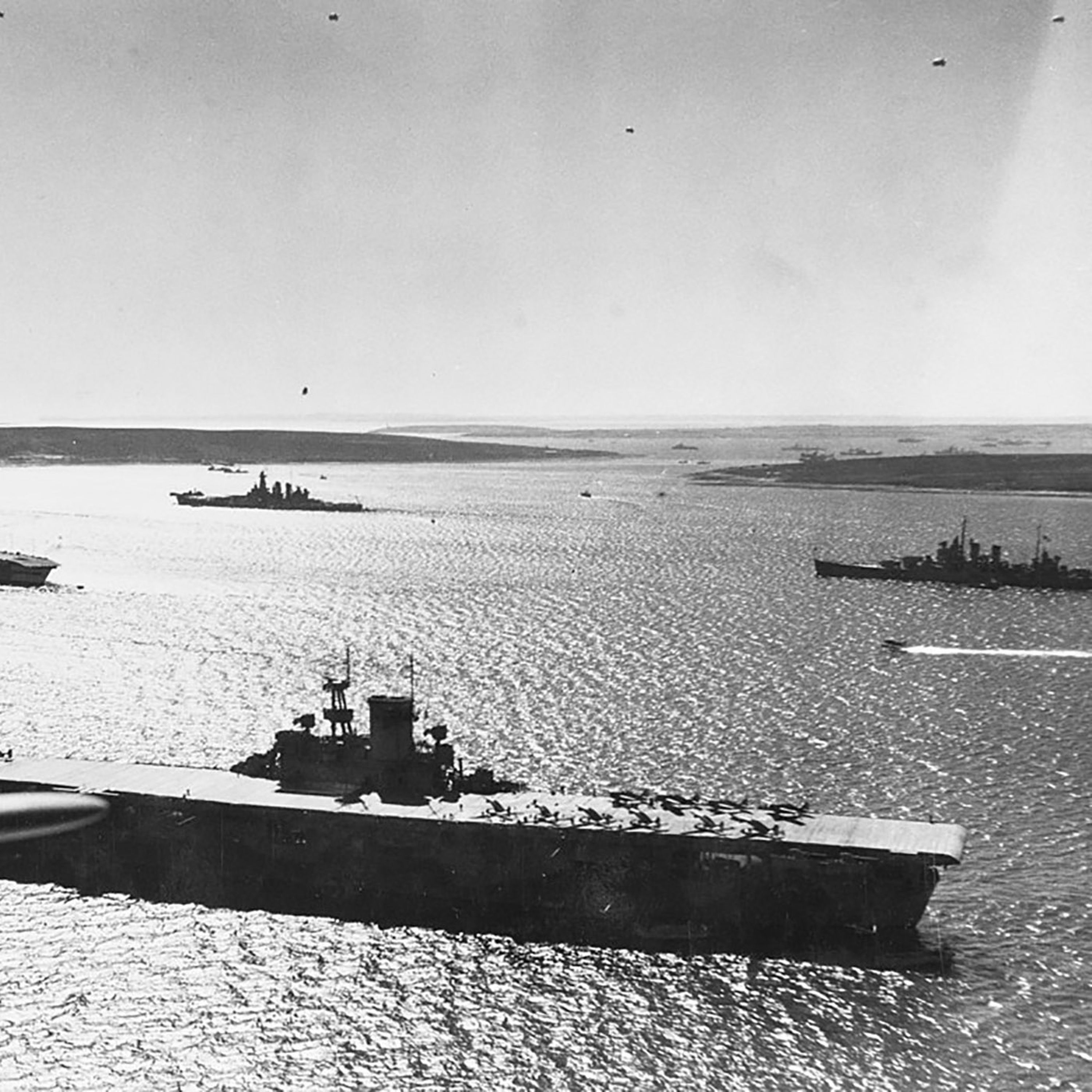
Scapa Flow's Sunken German Battle Fleet
At the end of World War One, the Allies seized the German fleet and held it at Scapa Flow, in Orkney, until the terms of the Treaty of Versailles were announced. At least, that was the plan. The German navy covertly scuttled their own boats under the noses of their captors, rendering the fleet useless, until one firm set out on a massive salvage operation to recover usable material from the boats. Ian Murray Taylor's grandfather was at the top of the operation, and he talks to Dan about the story of Scapa Flow. <hr><p style='color:grey; font-size:0.75em;'> Hosted on Acast. See <a style='color:grey;' target='_blank' rel='noopener noreferrer' href='https://acast.com/privacy'>acast.com/privacy</a> for more information.</p>
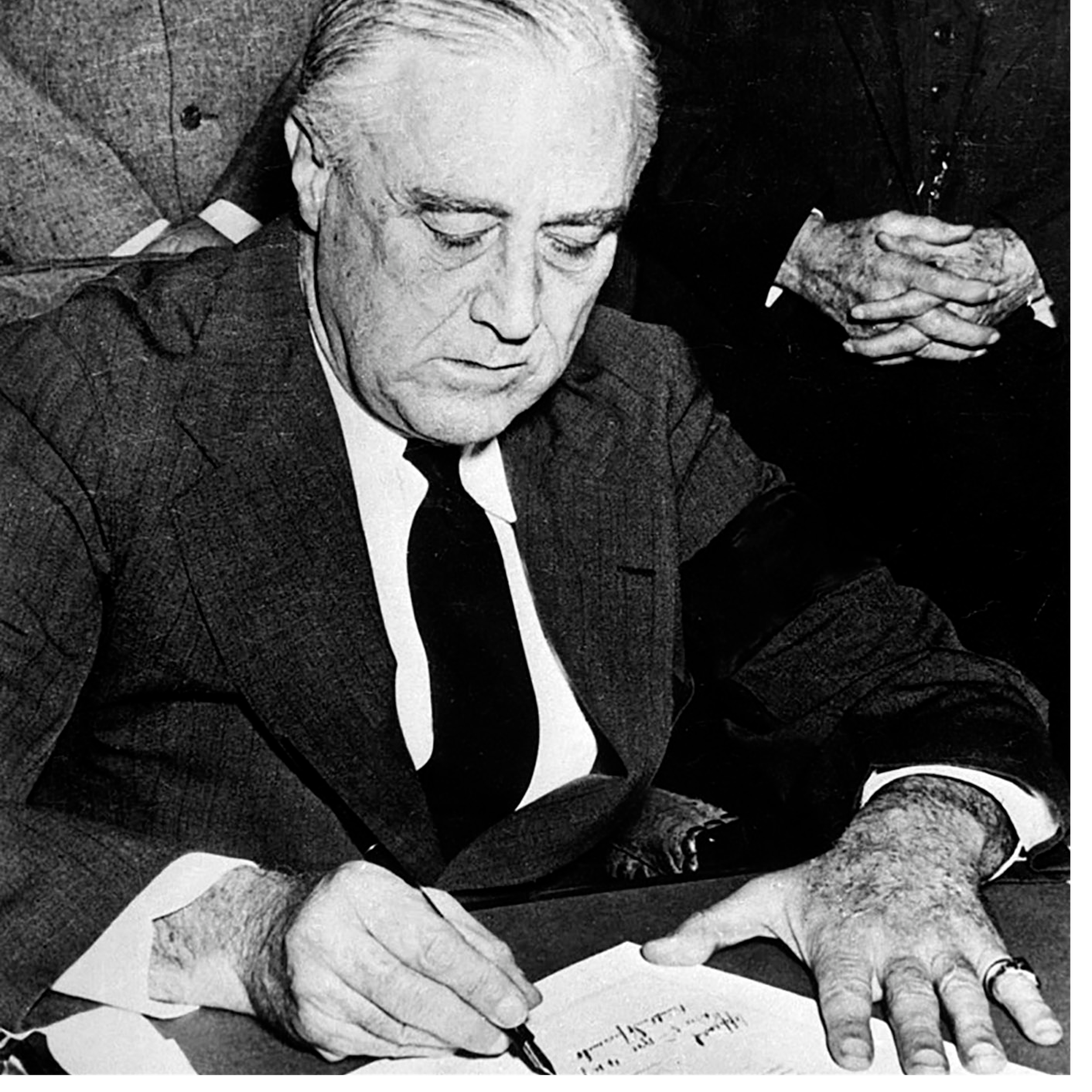
William Stephenson: Declaring War on the Nazis
Henry Hemming talks to Dan Snow about the life of William Stephenson, a British operative who worked hard to pressure Roosevelt into declaring war on Nazi Germany, and ensuring that American troops were directed against German forces in mainland Europe. The tactics adopted were akin to those used today by troll farms in St Petersburg, and involved duplicitous and aggressive use of misinformation. <hr><p style='color:grey; font-size:0.75em;'> Hosted on Acast. See <a style='color:grey;' target='_blank' rel='noopener noreferrer' href='https://acast.com/privacy'>acast.com/privacy</a> for more information.</p>
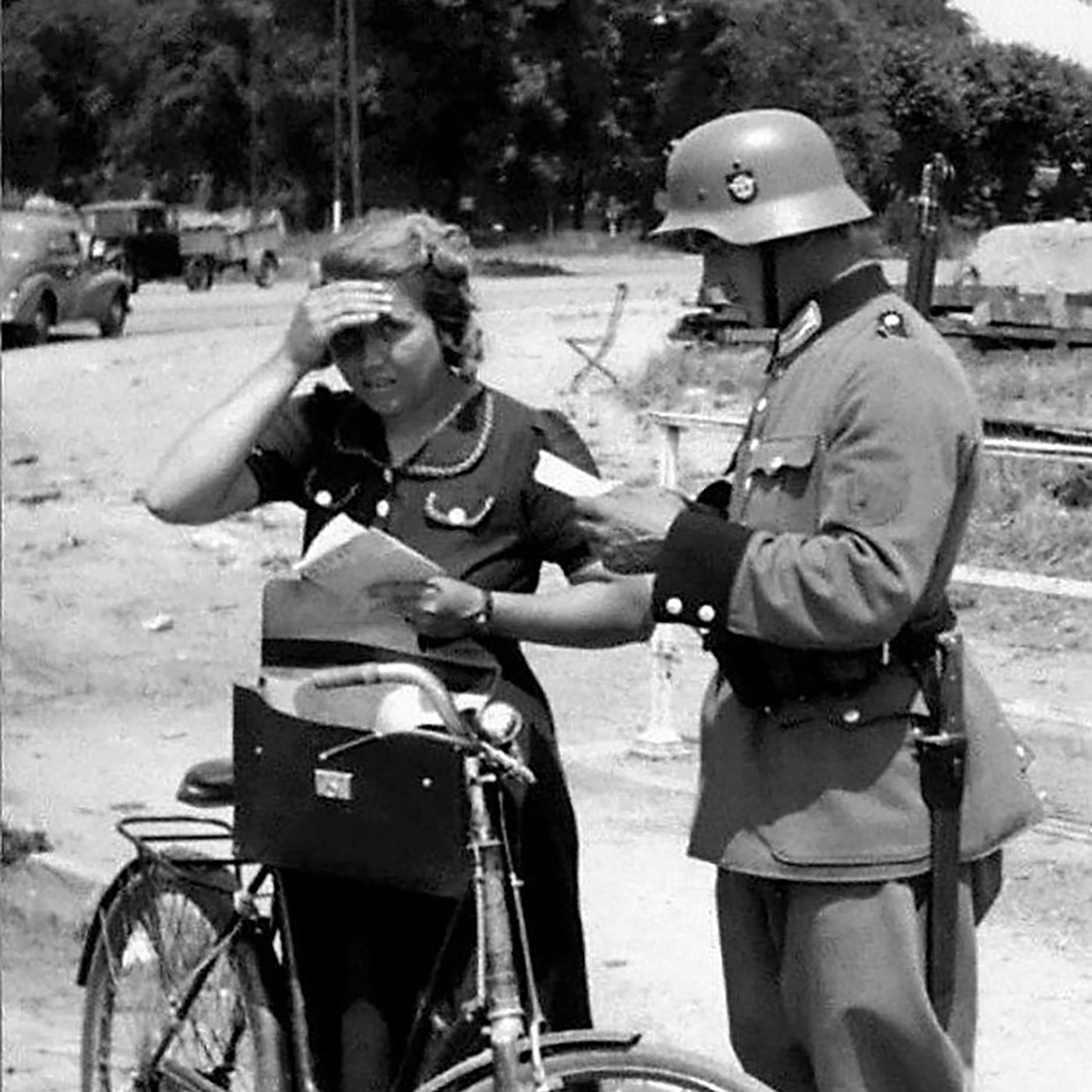
Ep 31War Widows of WW2
<p>After the Second World War, societies across the world struggled under a mass of social and political change. This disjointed period serves as the backdrop for Tara Moss’ new novel, in which her protagonist, female war reporter turned private inquiry agent pushes against the workforce prejudices of 1946 Australia. Through this lens, Tara explores post-war attitudes towards gender, race, disability and religion. Tara takes us straight into her family history with the story of her Oma and Opa’s survival in the Nazi occupied Netherlands. She then shares the stories of the incredible photographers, investigators and nurses who were the inspiration behind her main character. Tara Moss is the author of 13 bestselling books, a documentary maker, presenter, journalist and advocate for human rights and the rights of women, children and people with disabilities. She has been an ambassador for UNICEF Australia since 2007. War Widow can be found here: https://www.penguinrandomhouse.com/books/636233/the-war-widow-by-tara-moss/</p><p><br></p> <hr><p style='color:grey; font-size:0.75em;'> Hosted on Acast. See <a style='color:grey;' target='_blank' rel='noopener noreferrer' href='https://acast.com/privacy'>acast.com/privacy</a> for more information.</p>
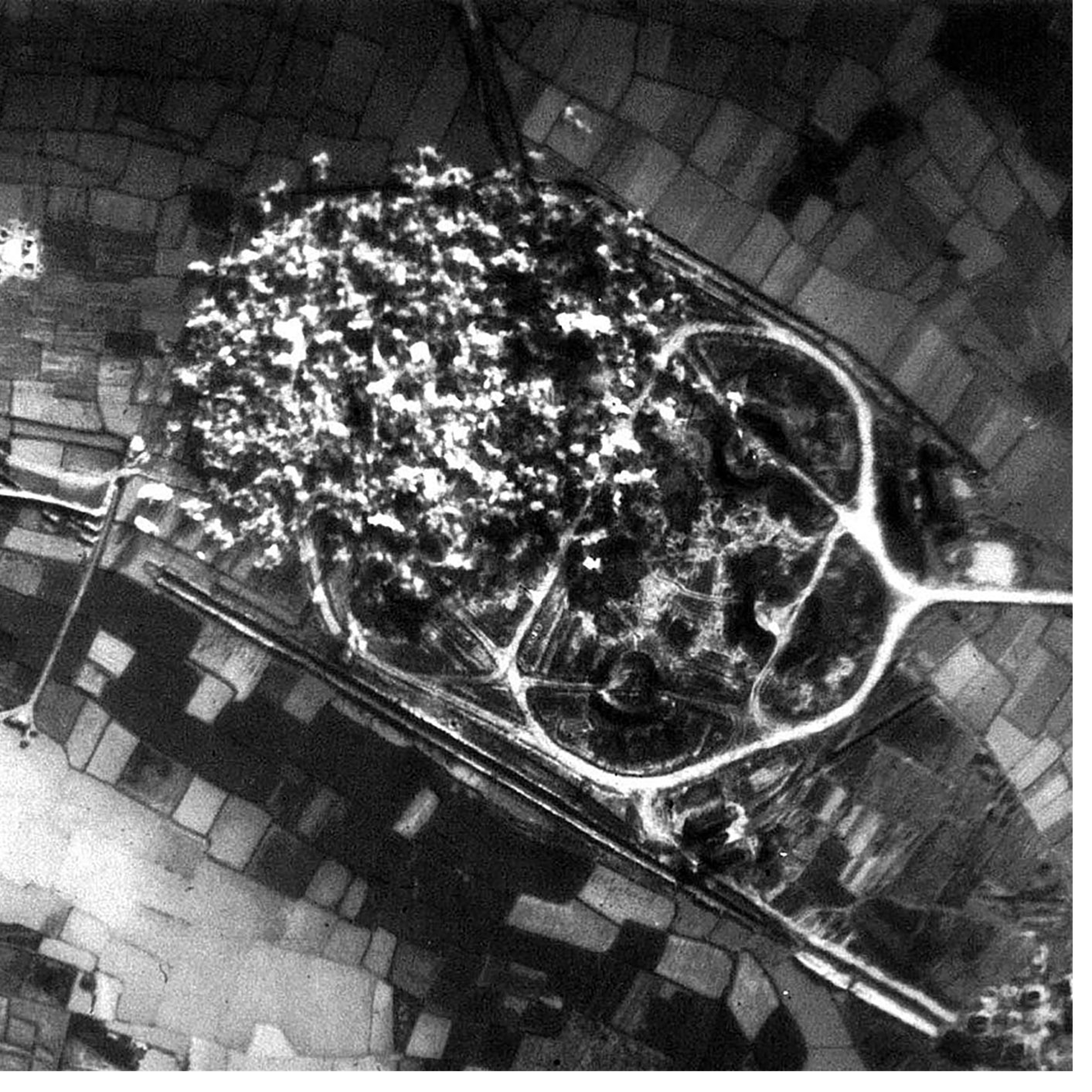
Cluster Bombs
In 1943, Grimsby was hit by a new type of weapon: butterfly bombs, also know as cluster bombs. This episode from Dan Snow's History Hit features the World Wars' very own James Rogers, telling Dan all about the terrifying experience of being attacked by cluster bombs, and how they've been used around the world since. <hr><p style='color:grey; font-size:0.75em;'> Hosted on Acast. See <a style='color:grey;' target='_blank' rel='noopener noreferrer' href='https://acast.com/privacy'>acast.com/privacy</a> for more information.</p>
Alderney's Sunken German Arsenal
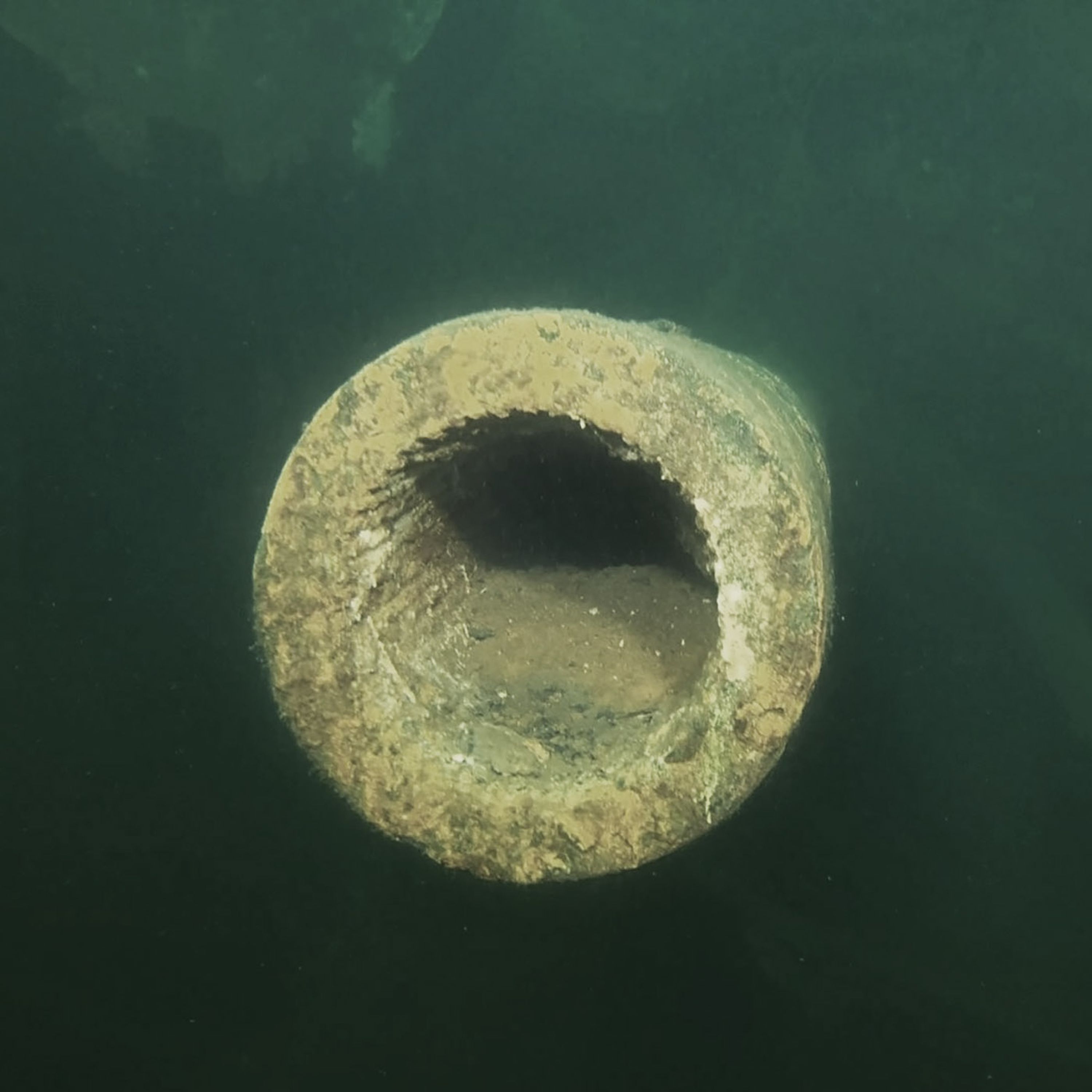
Alderney, like the rest of the Channel Islands, was occupied by German forces from 1940 to 1945. On Hitler's orders it was turned into a fortress, covered in concrete and steel fortifications. After liberation British forces dumped a vast amount of military hardware into a quarry which was then flooded. For 70 years it has remained there, hidden, forgotten..... Until Dan Snow joined a team of divers to uncover it. To watch our documentary about the Islands of Guernsey please head to History Hit TV. <hr><p style='color:grey; font-size:0.75em;'> Hosted on Acast. See <a style='color:grey;' target='_blank' rel='noopener noreferrer' href='https://acast.com/privacy'>acast.com/privacy</a> for more information.</p>
Ep 31The Real 'Testament of Youth'
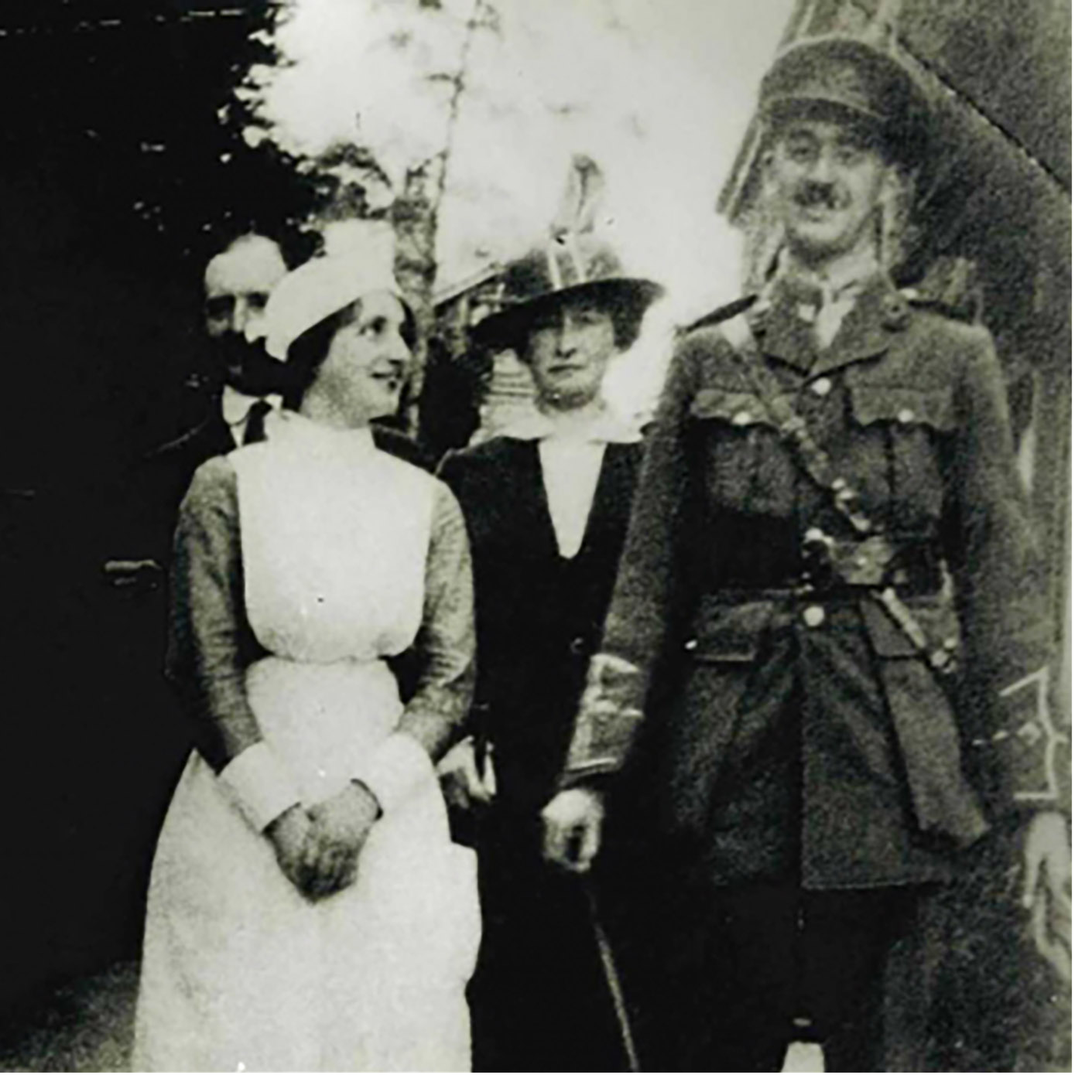
<p>During the first year of the First World War, Vera Brittain went from studying English Literature at Oxford to nursing for the war effort. By the end of the war she had lost two male friends, her fiance and her brother, Edward. By this time, she had also evolved from the sister who encouraged her brother to sign up for duty to the ‘outstanding feminist pacifist of her generation.' In this episode, James speaks to Caroline Kennedy-Pipe from Loughborough University about Vera's life, her route into pacifism and her efforts against warfare before and during the Second World War.</p><br><p>© Somerville College Archive</p> <hr><p style='color:grey; font-size:0.75em;'> Hosted on Acast. See <a style='color:grey;' target='_blank' rel='noopener noreferrer' href='https://acast.com/privacy'>acast.com/privacy</a> for more information.</p>
Battle of the Somme
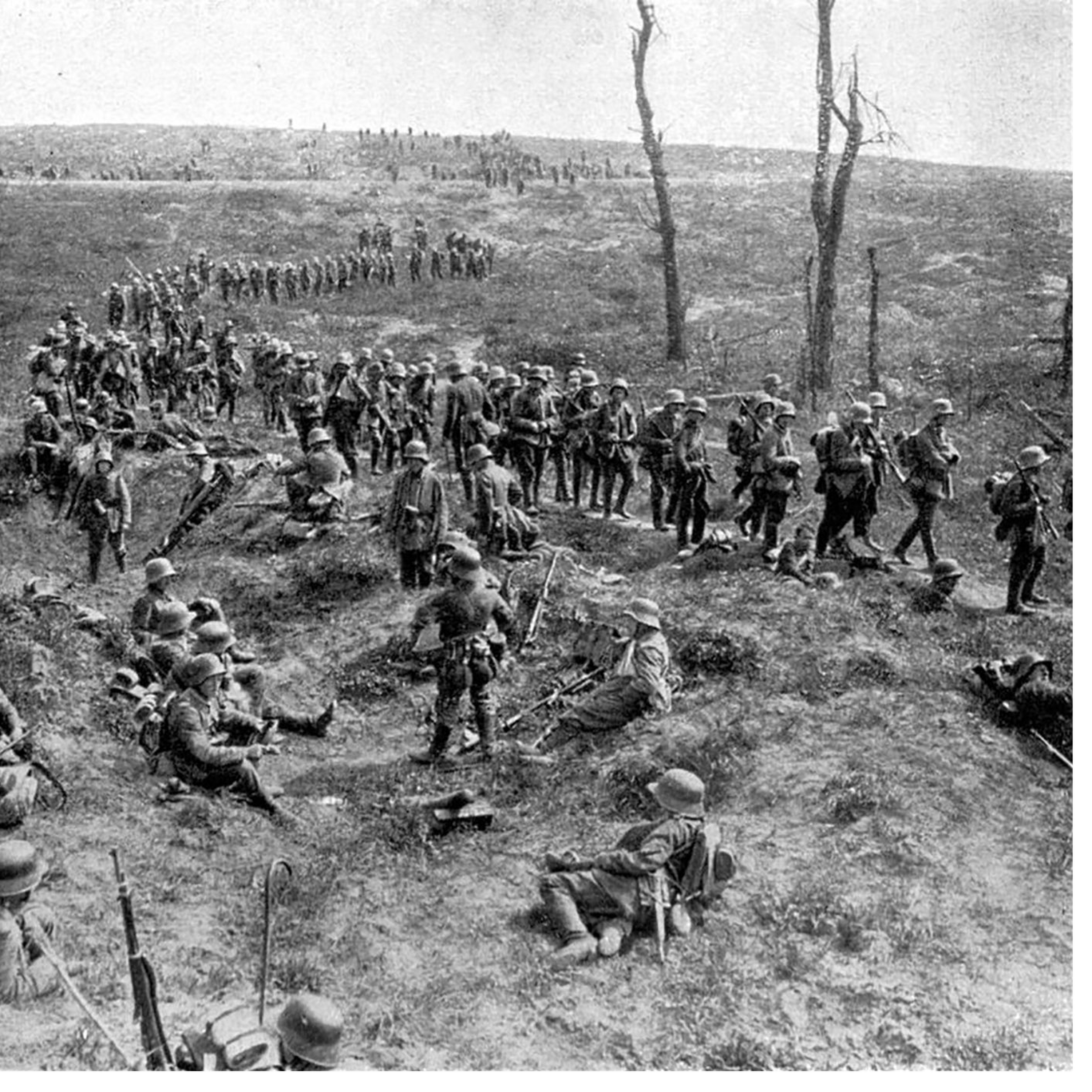
It was the first truly industrial battle, and yet veterans recall hearing skylarks singing just before the whistles blew at the Battle of the Somme. A century later, these birds remain, singing long after the carnage came to an end. Paul Reed&nbsp;is a military historian and author specialising in the First and Second World Wars. He has been conducting battlefield tours for over a quarter of a century. In this episode from the centenary he spoke to Dan Snow. <hr><p style='color:grey; font-size:0.75em;'> Hosted on Acast. See <a style='color:grey;' target='_blank' rel='noopener noreferrer' href='https://acast.com/privacy'>acast.com/privacy</a> for more information.</p>
WW1: Finding The Dead
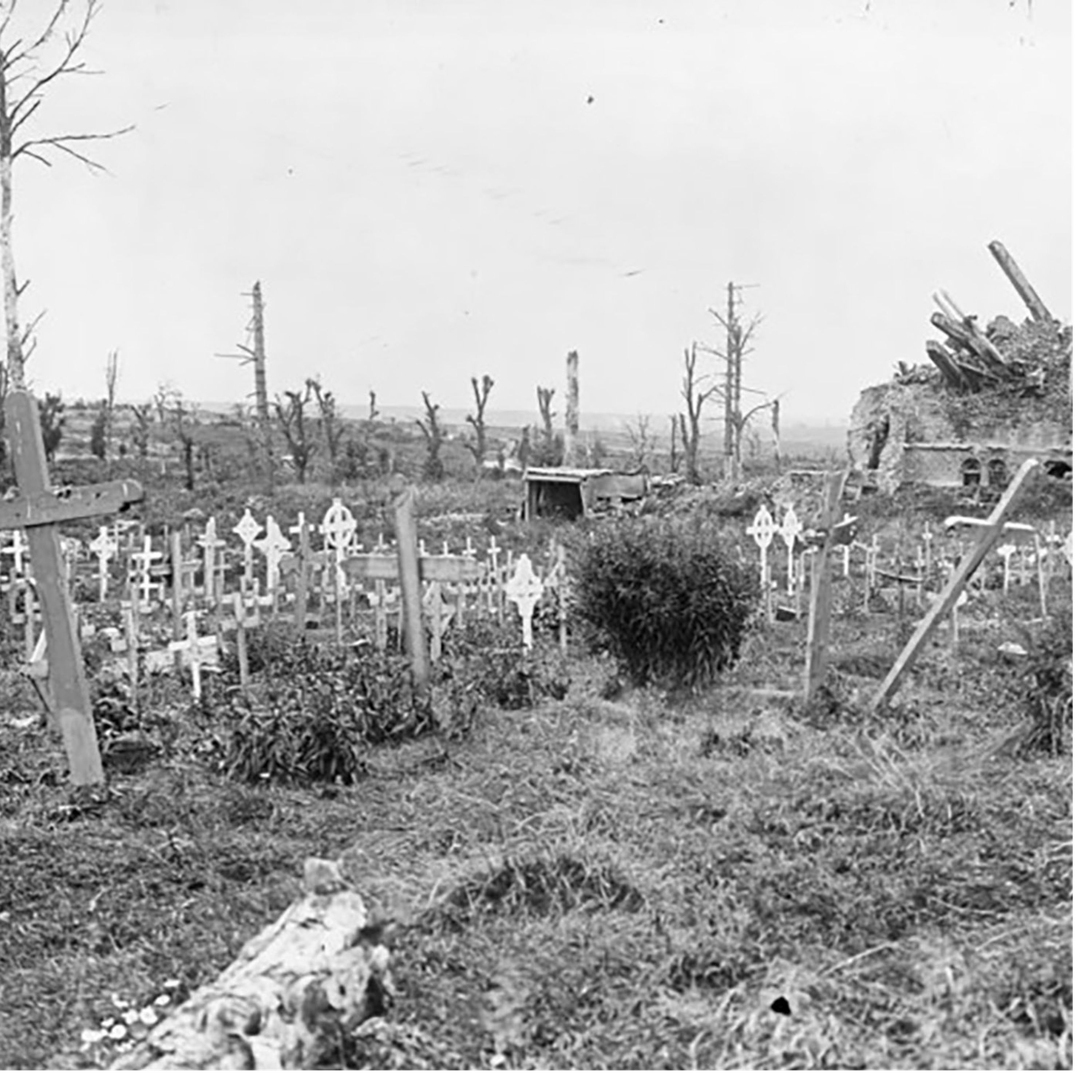
<p>Dan talks to Richard van Emden about his book - Missing: the need for closure after the Great War, in this episode from the History Hit archive. The backbone of the book is based on the best single story of World War One that he has found in 35 years of research. It is the story of one woman’s relentless search for her missing son’s body. A story with incredible twists and turns. Against the odds she finds him in 1923. Richard also looks at the bigger picture: how long should the nation search for its dead and the mistakes made identifying the dead, when exhumation parties were under such intolerable pressure.</p><br><p>(Image <em>© IWM 2793)</em></p> <hr><p style='color:grey; font-size:0.75em;'> Hosted on Acast. See <a style='color:grey;' target='_blank' rel='noopener noreferrer' href='https://acast.com/privacy'>acast.com/privacy</a> for more information.</p>
Ep 29Secret History of Nuclear Testing
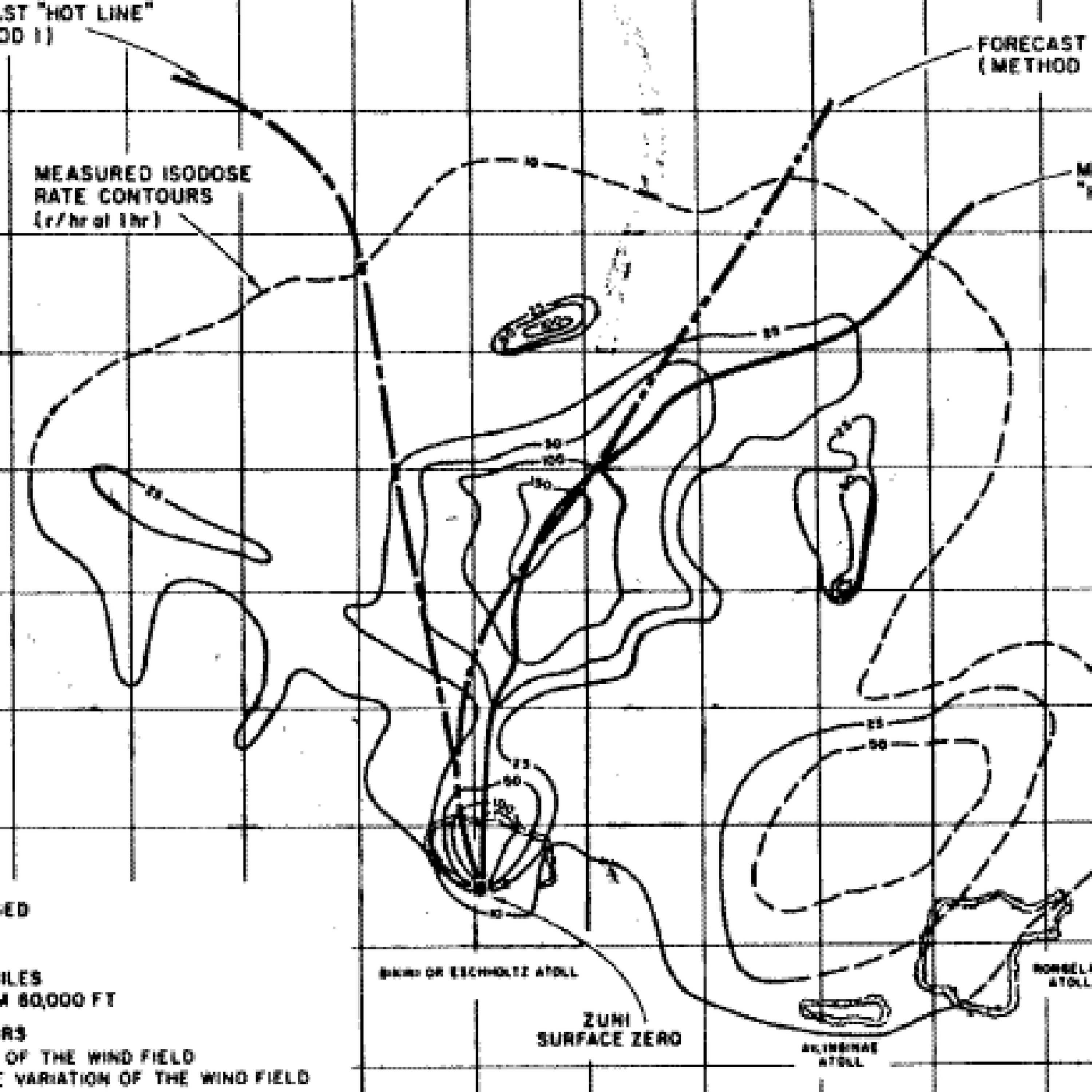
How do you test a weapon of mass destruction? A weapon whose potential you can only estimate. Since 1945, countries with nuclear capabilities have been coming up with solutions to this problem, but they are not without pitfalls. Traces of the fallout from nuclear testing are found across the world, and testing has directly impacted a plethora of communities. From the original inhabitants of the chosen test sites, to the veterans who worked with the weapons, nuclear fallout has had a variety of different effects. Dr Becky Alexis-Martin is a lecturer in Human Geography at Manchester Metropolitan University. She spoke with James about the communities affected by nuclear weapons testing, the topic of her most recent book:<em> Disarming Doomsday: The Human Impact of Nuclear Weapons Since Hiroshima</em>. <hr><p style='color:grey; font-size:0.75em;'> Hosted on Acast. See <a style='color:grey;' target='_blank' rel='noopener noreferrer' href='https://acast.com/privacy'>acast.com/privacy</a> for more information.</p>
Gary Lineker on his 'D-Day Dodger' Grandfather
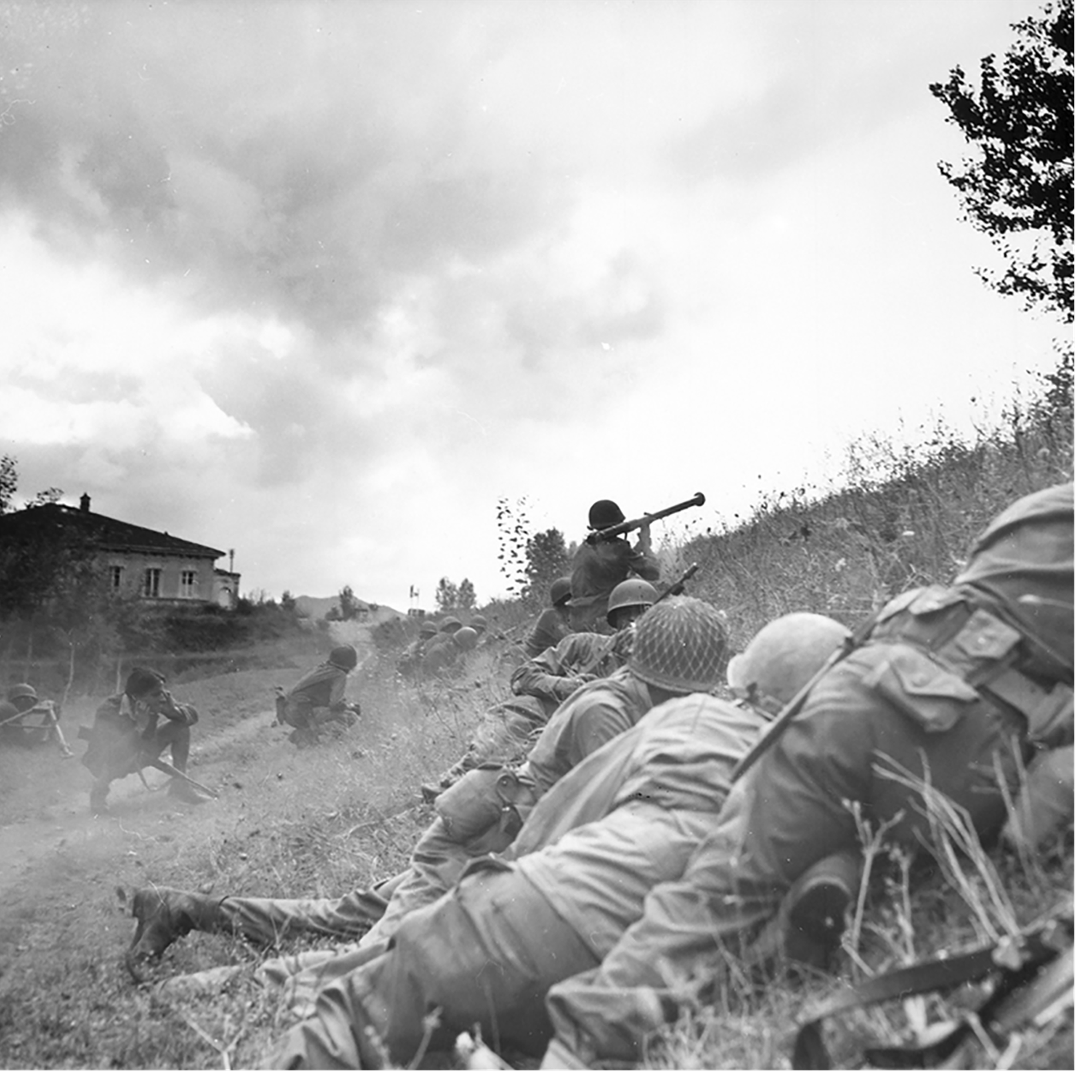
Gary Lineker's grandfather was one of the 'D-Day Dodgers': men who fought in the Italian campaign, who were accused of missing the supposedly harder fighting in Normandy. Of course, this wasn't true. The Italian campaign was one of the hardest military campaigns of World War Two, and Dan talks to Gary about his grandfather who fought in in that theatre of war. They also, unsurprisingly, talk about football. <hr><p style='color:grey; font-size:0.75em;'> Hosted on Acast. See <a style='color:grey;' target='_blank' rel='noopener noreferrer' href='https://acast.com/privacy'>acast.com/privacy</a> for more information.</p>
The Budapest Ghetto
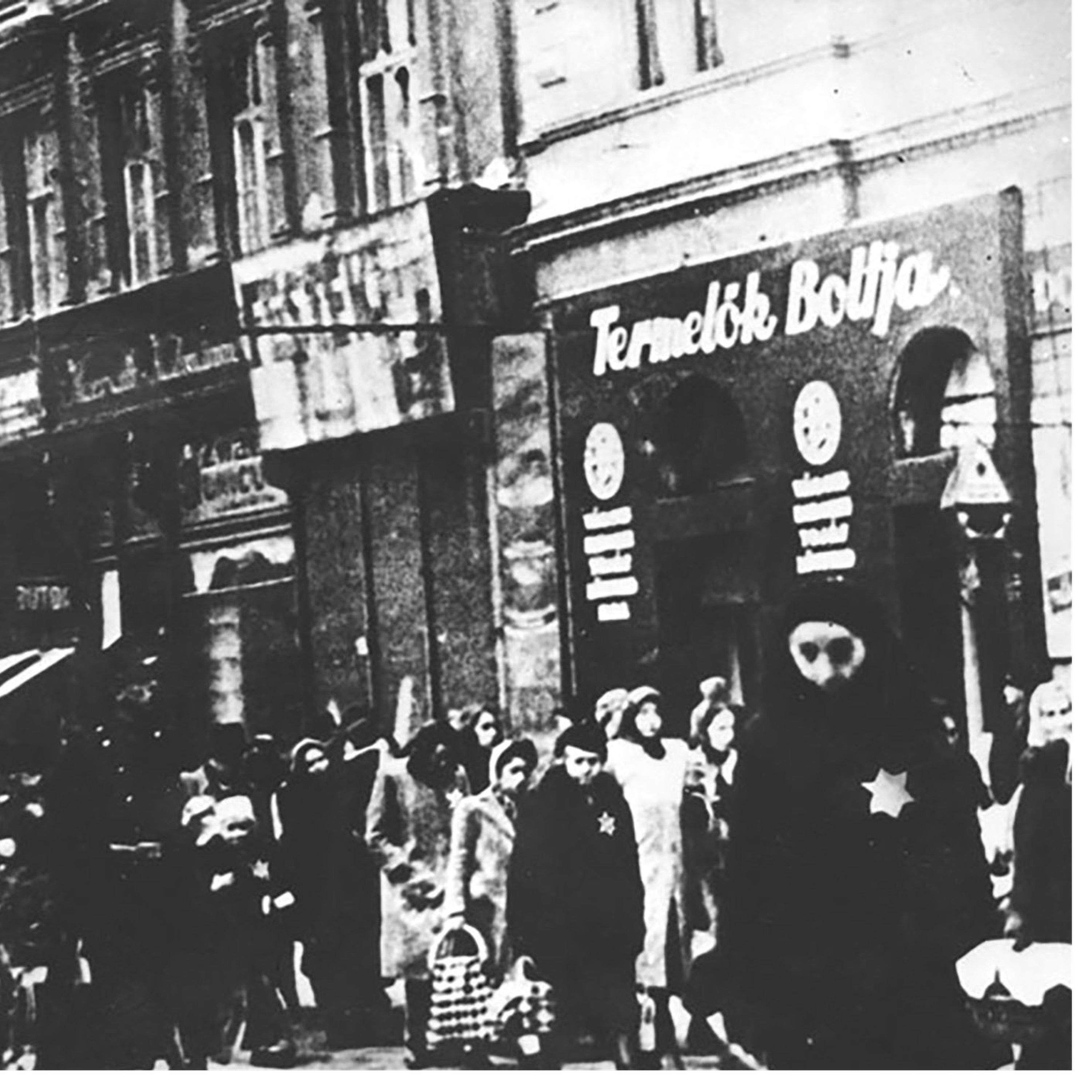
Born in Budapest in July 1944, Agnes Grunwald-Spier resided in the Ghetto with her mother from November 1944 to January 1945. For this week's Holocaust Memorial Day, we have brought her interview out of the archives. Having gained degrees in History & Politics and Holocaust Studies, Agnes spoke to James about her family's experiences during the Holocaust. This personal history includes her mother's time alone in the ghetto with a newborn, the loss of her grandfather and the lasting impact of the Holocaust on her father. <hr><p style='color:grey; font-size:0.75em;'> Hosted on Acast. See <a style='color:grey;' target='_blank' rel='noopener noreferrer' href='https://acast.com/privacy'>acast.com/privacy</a> for more information.</p>
Ep 28Black and Roma Peoples in the Third Reich
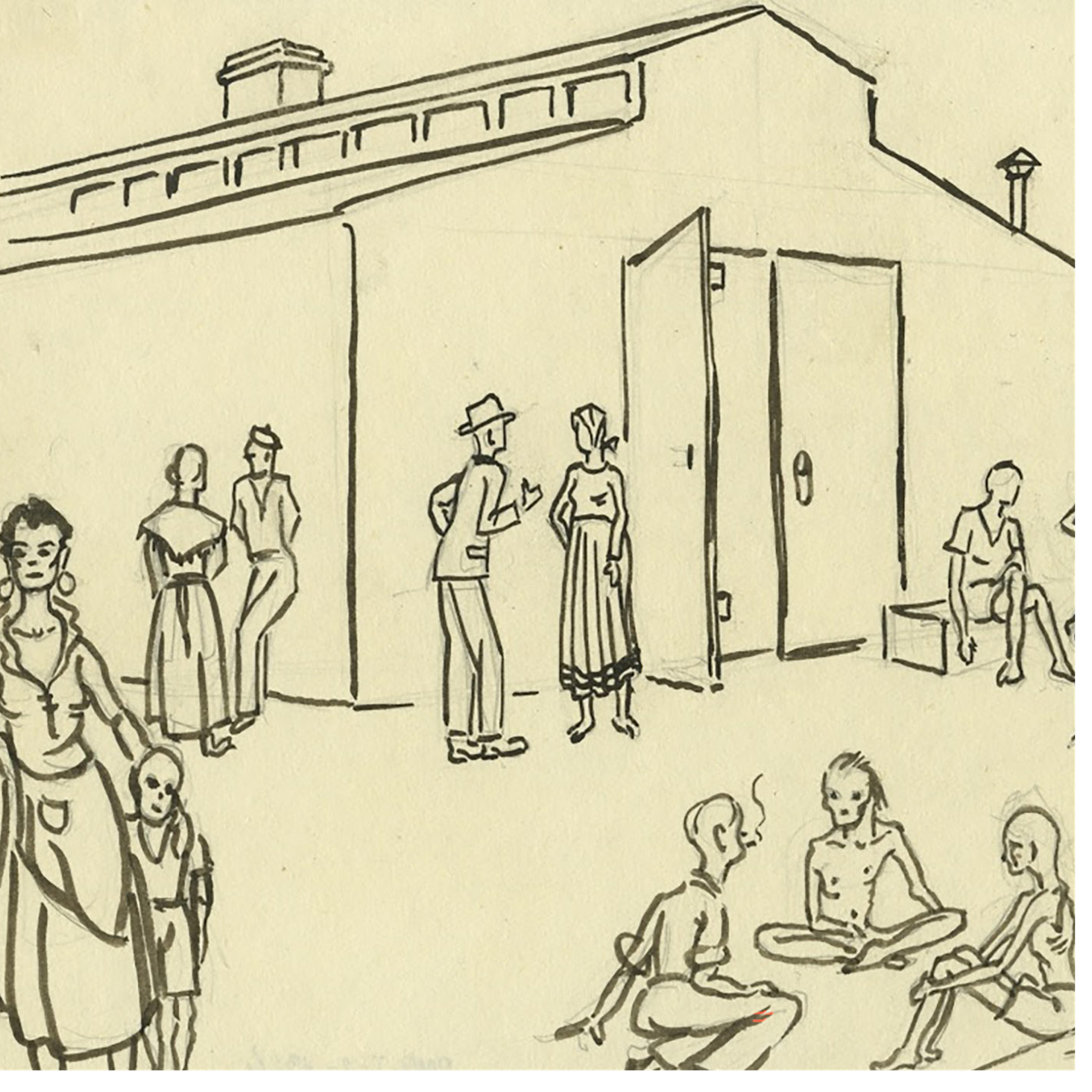
<p>For International Holocaust Memorial Day 2021, James spoke to Professor Eve Rosenhaft about the experiences of Black and Roma peoples during the Third Reich. Eve is a historian at the University of Liverpool. She has been looking into how the persecution of these groups occured under the Nazis; how much of it was a continuation of existing prejudices, and who prompted its escalation.</p><br><p>Image: Francis Reisz, Obóz cygański (The Gypsy Camp), Auschwitz-Birkenau State Museum Collections</p> <hr><p style='color:grey; font-size:0.75em;'> Hosted on Acast. See <a style='color:grey;' target='_blank' rel='noopener noreferrer' href='https://acast.com/privacy'>acast.com/privacy</a> for more information.</p>
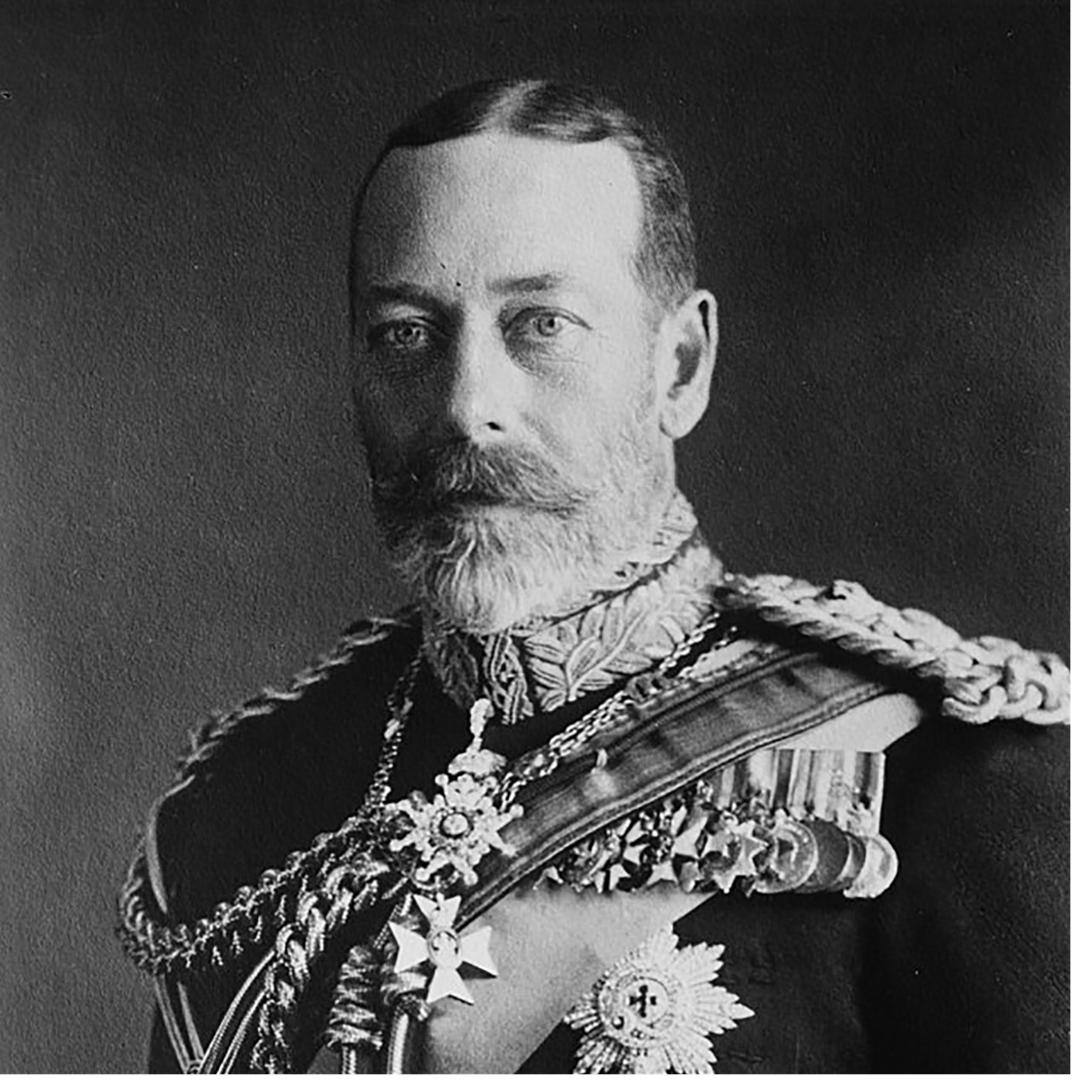
King George V in WW1
King George V played a critical role in Britain's war effort during World War One, from the outbreak of war in 1914, until the King's Pilgrimage in May 1922, to visit cemeteries and memorials being constructed by the Imperial War Graves Commission. Alexandra Churchill has combed the Royal Archives to fully understand George's role in the war, including his frequent disputes with David Lloyd George. So bitter was this relationship, Lloyd George at one point attempted to place control of the British army under French commanders. Famously, King George V had to change his family surname from Saxe-Coburg to Windsor during the war, but Alexandra Churchill also tells Dan about the names that were suggested, including one that suggested George's family were bastards. <hr><p style='color:grey; font-size:0.75em;'> Hosted on Acast. See <a style='color:grey;' target='_blank' rel='noopener noreferrer' href='https://acast.com/privacy'>acast.com/privacy</a> for more information.</p>
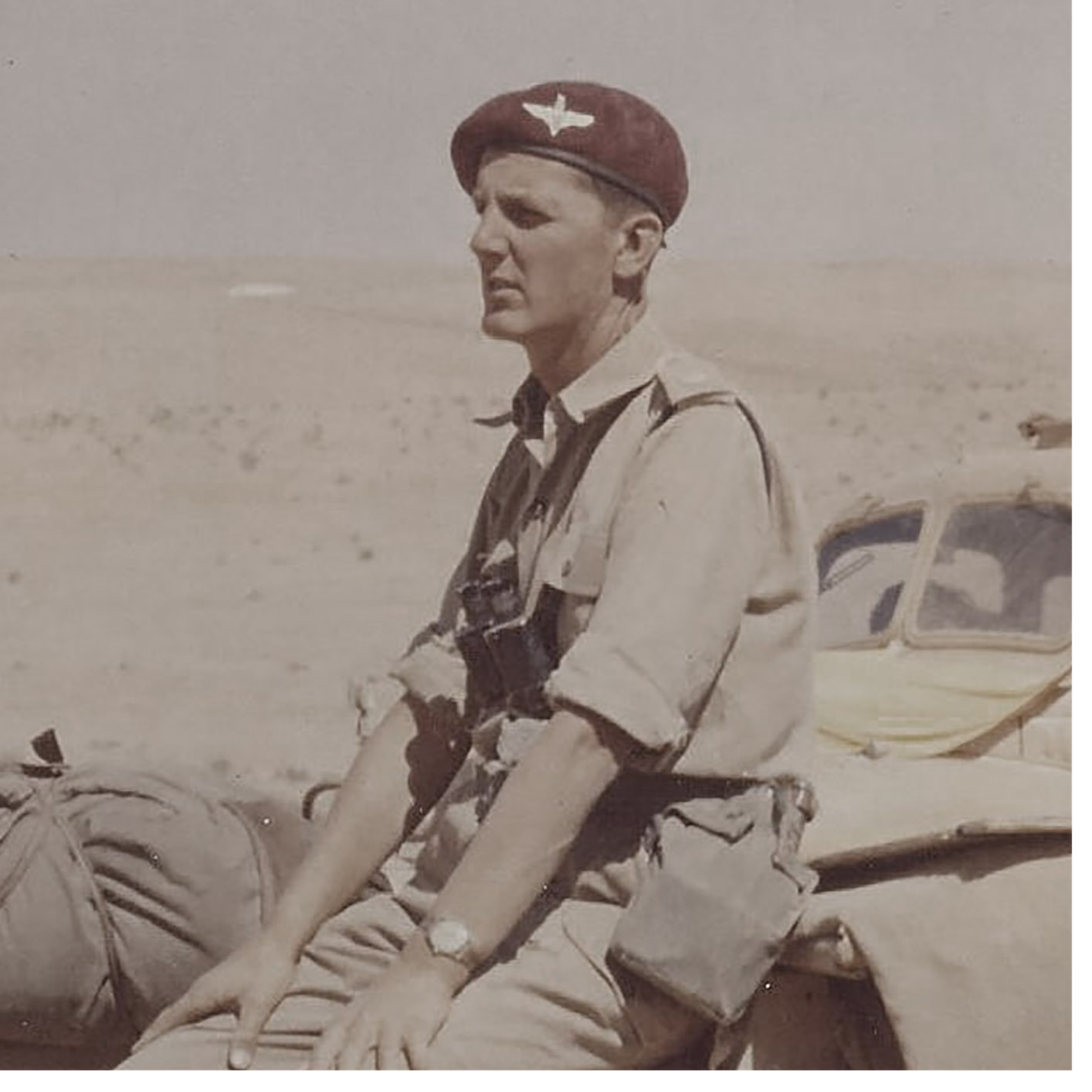
Surviving Arnhem: Colonel John Waddy’s War
For this incredible episode, Dan spoke to the late Colonel John Waddy OBE. John was the last surviving veteran of the battle for Arnhem, Operation Market Garden, in which three quarters of his battalion were killed or, as in John's case, captured. During the Second World War John also served in North Africa and Italy. He was later stationed in Palestine and Malaya, before taking on advisory posts in Washington D.C. and Saigon. Listen as Dan and John discuss the latter's experiences of the Second World War. <hr><p style='color:grey; font-size:0.75em;'> Hosted on Acast. See <a style='color:grey;' target='_blank' rel='noopener noreferrer' href='https://acast.com/privacy'>acast.com/privacy</a> for more information.</p>
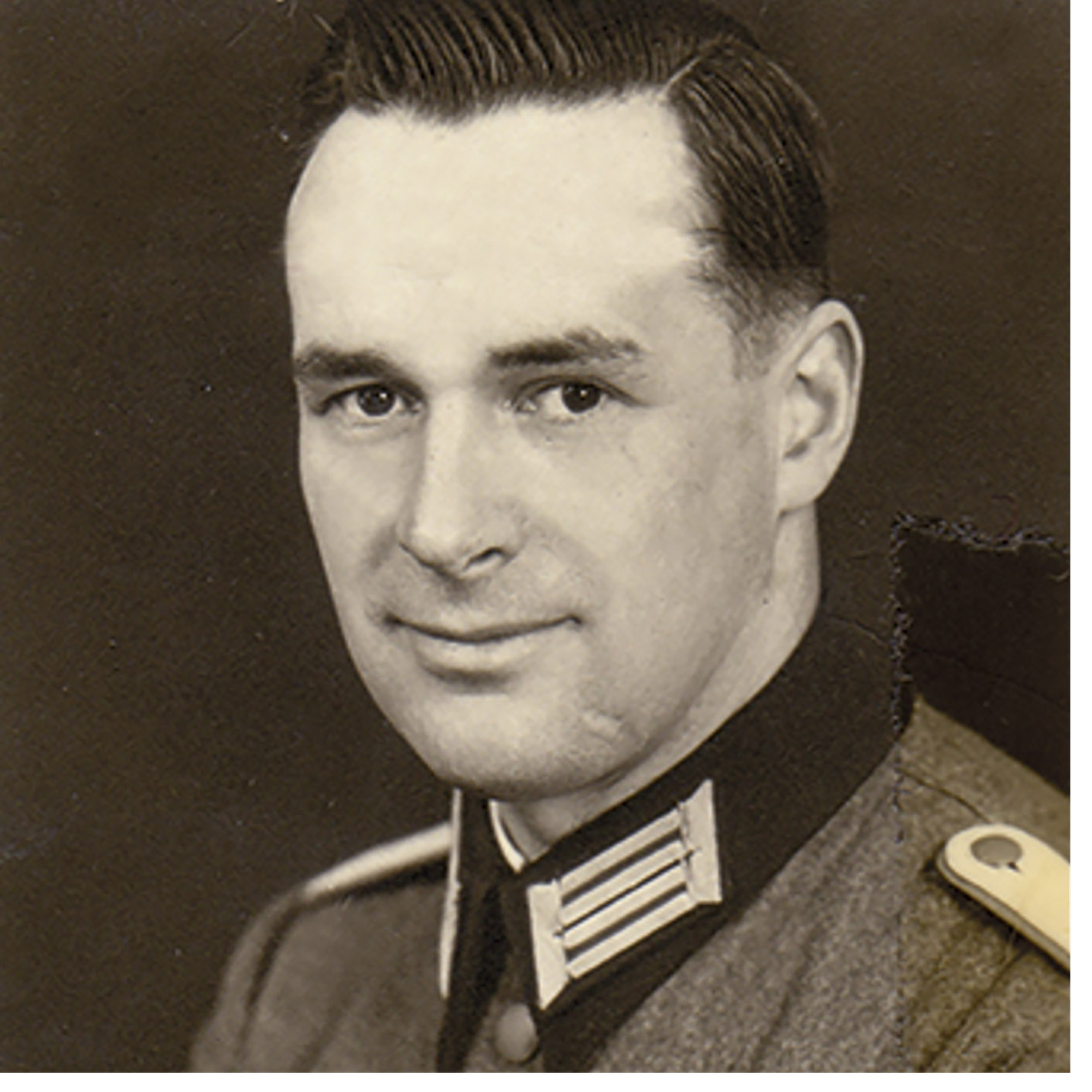
Ep 27The Secret Nazi Found in an Armchair
This episode is all about Robert Griesinger. ‘Who?’ you ask. The name means nothing to most, yet his was a life which impacted upon so many, and was mirrored by many more. Robert Griesinger was a German lawyer, senior civil servant and SS officer. Like many of his rank, his life and contribution to the horrifying events of 1930s and ‘40s Europe had been lost to time and to the destruction of files … until, that is, a second hand armchair was taken to be reupholstered. The chair had been used as a hiding place for Griesinger’s personal documents, and these were the starting point for Dr Daniel Lee’s study into the life, work, beliefs and death of an ‘ordinary’ Nazi. Listen as Daniel - a Senior Lecturer in Modern French History at the Queen Mary University of London - leads us through his discoveries, which include not only Griesinger’s family, but also his own. <hr><p style='color:grey; font-size:0.75em;'> Hosted on Acast. See <a style='color:grey;' target='_blank' rel='noopener noreferrer' href='https://acast.com/privacy'>acast.com/privacy</a> for more information.</p>
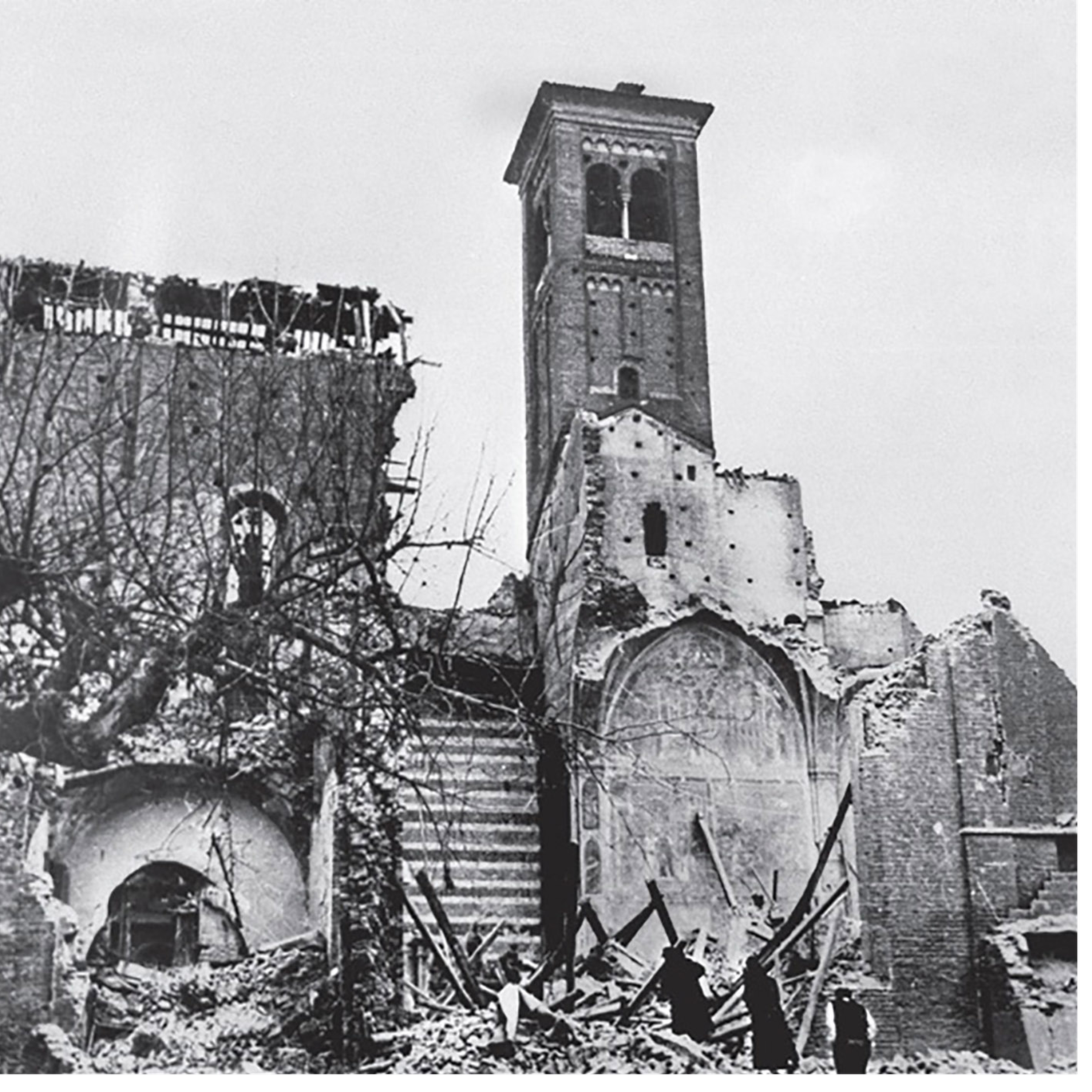
Bombing Campaigns in WW2
<p>In the spring of 1945, the aerial assault on Germany was reaching a crescendo as city after city was devastated by British and American bomber fleets. James Holland, leading World War Two historian and bestselling author, joins Dan Snow on the podcast to talk about why and how the bombing reached such catastrophic levels and whether it actually shortened the Second World War.</p><p><br></p> <hr><p style='color:grey; font-size:0.75em;'> Hosted on Acast. See <a style='color:grey;' target='_blank' rel='noopener noreferrer' href='https://acast.com/privacy'>acast.com/privacy</a> for more information.</p>
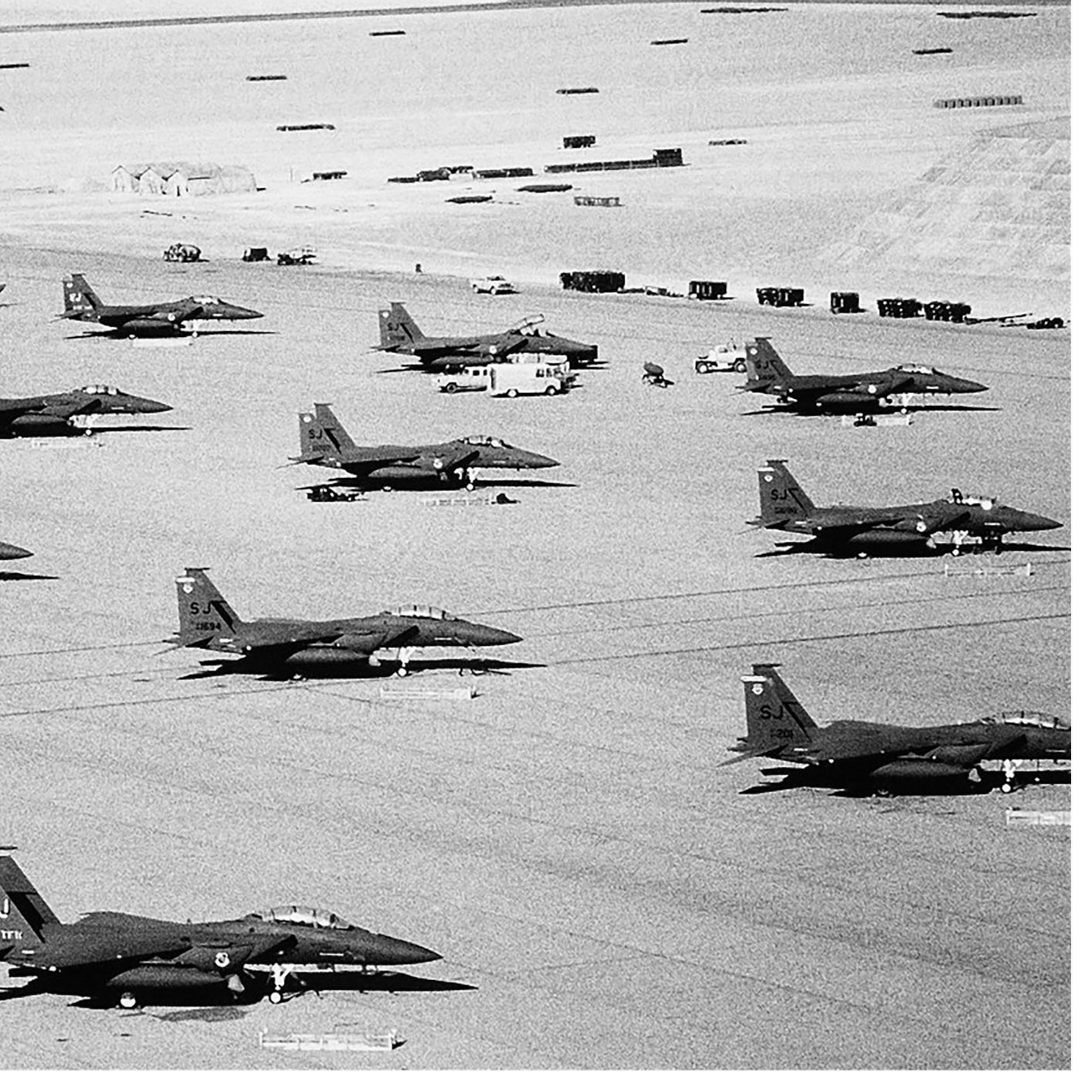
Ep 26Gulf War: Inside the Planning Room
On 17 January 1991, an operation to expel Iraqi forces from Kuwait began. Codenamed Desert Storm, the air offensive continued for 43 days under US leadership. Lt Gen David Deptula was a principal air attack planner, making calls on strategic targets and operations. For this special episode on the 30th anniversary of this operation, he describes the months and then days leading up to the operation, the challenges and disagreements in the ‘Black Hole’ planning room, and his memory of the outcome. David shares his insights into this war and those that have followed it. He also explains why he believes that knowing the desired endgame is so key to planning, and why landpower is not always going to be the centerpiece of war. <hr><p style='color:grey; font-size:0.75em;'> Hosted on Acast. See <a style='color:grey;' target='_blank' rel='noopener noreferrer' href='https://acast.com/privacy'>acast.com/privacy</a> for more information.</p>
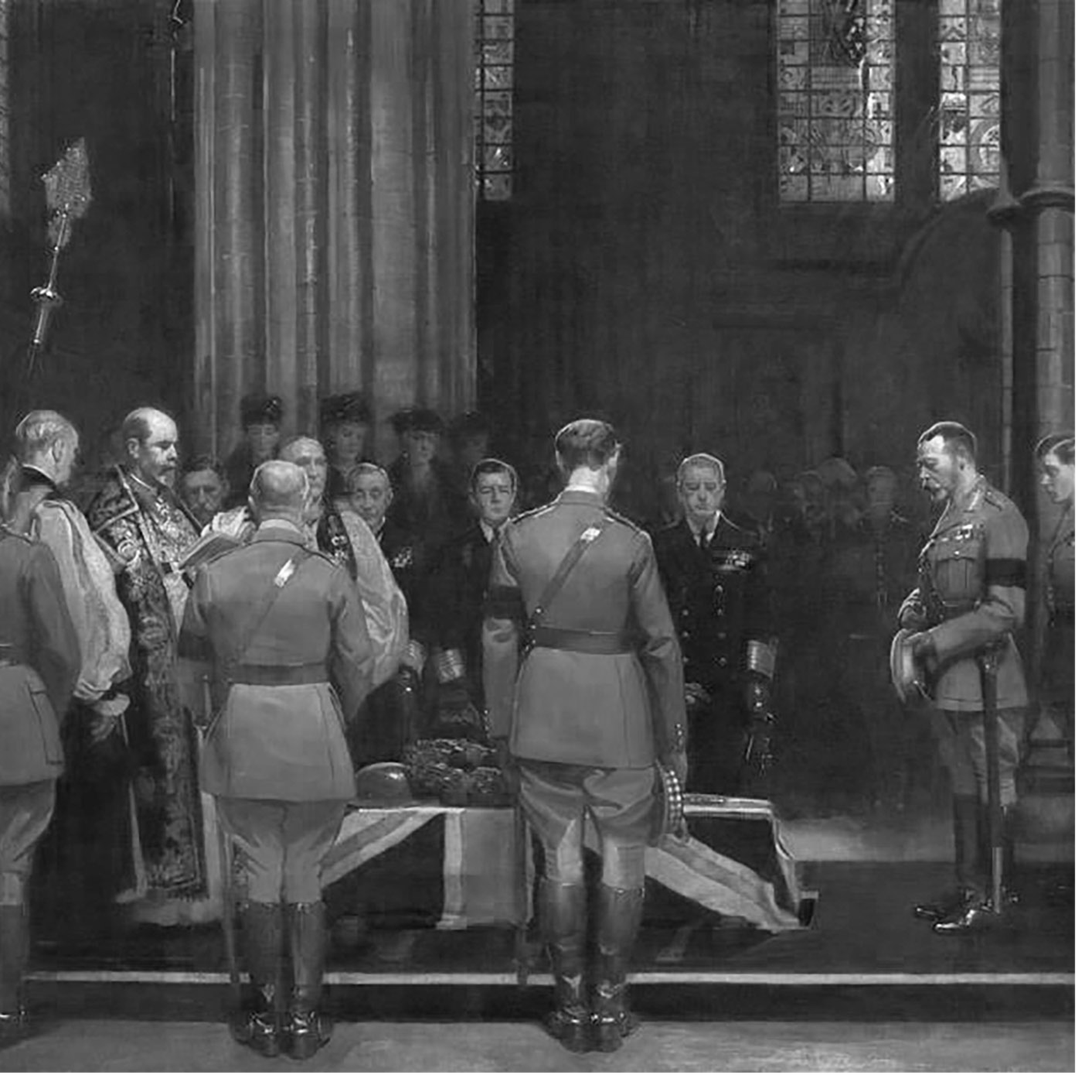
The Unknown Warrior
On 11 November 1920, the Unknown Warrior, a common soldier and an unidentified casualty of war, was buried in Westminster Abbey with all the pomp and ceremony of an empire at its zenith. King George V looked on as 100 Victoria Cross bearers formed a guard of honour and the unknown solider was laid to rest. To discuss the backstory of the Unknown Warrior, Dan was joined by author and historian Juliet Nicolson, who has been researching the lasting shadow of the Great War. <hr><p style='color:grey; font-size:0.75em;'> Hosted on Acast. See <a style='color:grey;' target='_blank' rel='noopener noreferrer' href='https://acast.com/privacy'>acast.com/privacy</a> for more information.</p>