Warfare
423 episodes — Page 5 of 9
Creating the United Nations
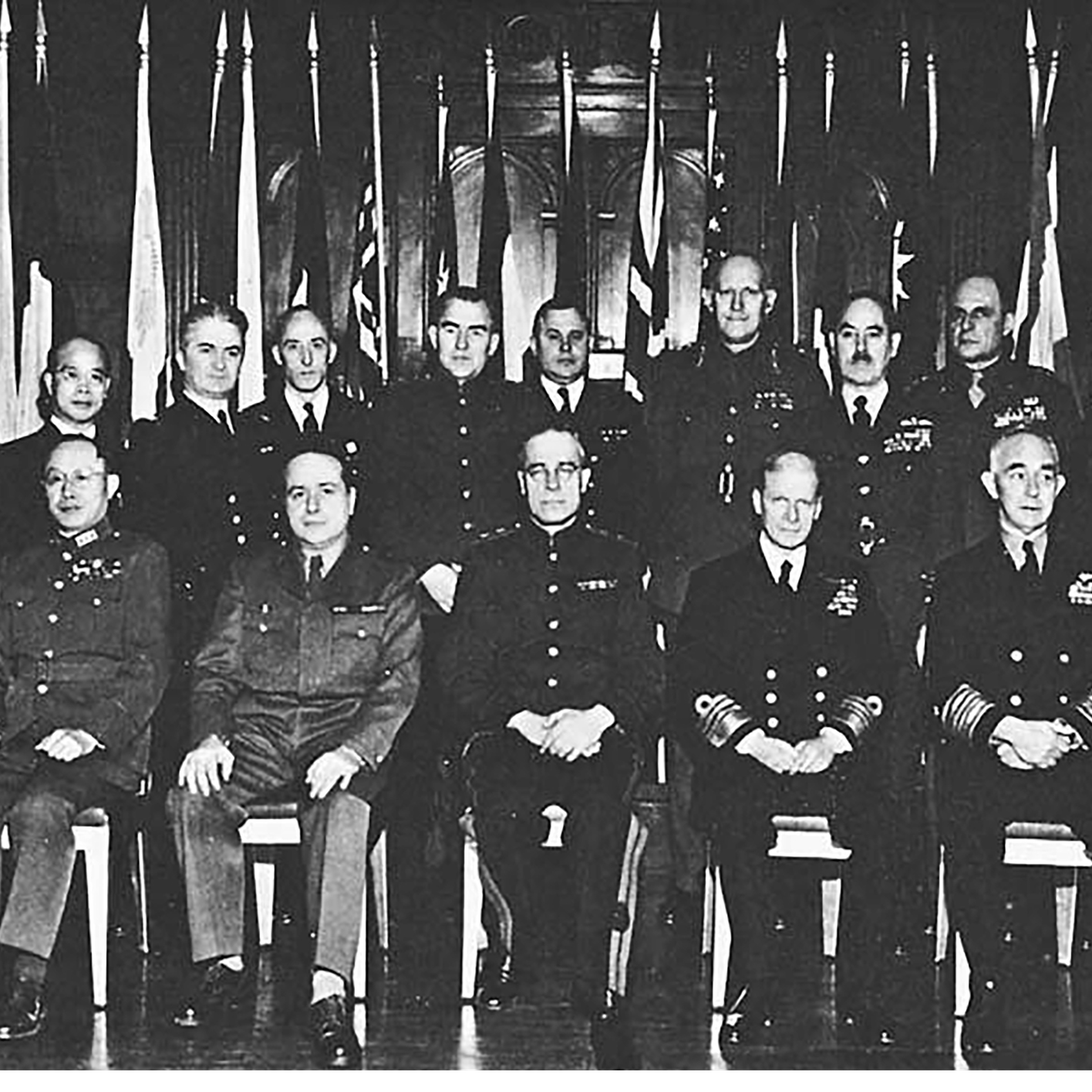
<p>The search for Peace on Earth has spanned centuries, and involved the creation and dissolution of numerous treaties and organisations. So how does the United Nations fit into this story? Why was it created, and has it been successful in its task? Ian Johnson is a historian of war, technology and diplomacy at the University of Notre Dame. He returns to the podcast for a third time.</p><br><p>For more, subscribe to our Warfare Wednesday newsletter <a href="https://www.historyhit.com/sign-up-to-history-hit/?utm_source=timelinenewsletter&utm_medium=podcast&utm_campaign=Timeline+Podcast+Campaign" rel="noopener noreferrer" target="_blank">here.&nbsp;</a></p><br><p>If you'd like to learn more, we have hundreds of history documentaries, ad free podcasts and audiobooks at <a href="https://access.historyhit.com/?utm_source=audio&utm_medium=podcast&utm_campaign=Podcast+Campaign&utm_id=Podcast" rel="noopener noreferrer" target="_blank">History Hit</a> - subscribe today!</p><br><p>To download the History Hit app, go to <a href="https://play.google.com/store/apps/details?id=com.historyhit&hl=en_GB&gl=US" rel="noopener noreferrer" target="_blank">Android</a> or <a href="https://apps.apple.com/gb/app/history-hit/id1303668247" rel="noopener noreferrer" target="_blank">Apple</a> store.</p> <hr><p style='color:grey; font-size:0.75em;'> Hosted on Acast. See <a style='color:grey;' target='_blank' rel='noopener noreferrer' href='https://acast.com/privacy'>acast.com/privacy</a> for more information.</p>
HMS Belfast & the Arctic Convoy
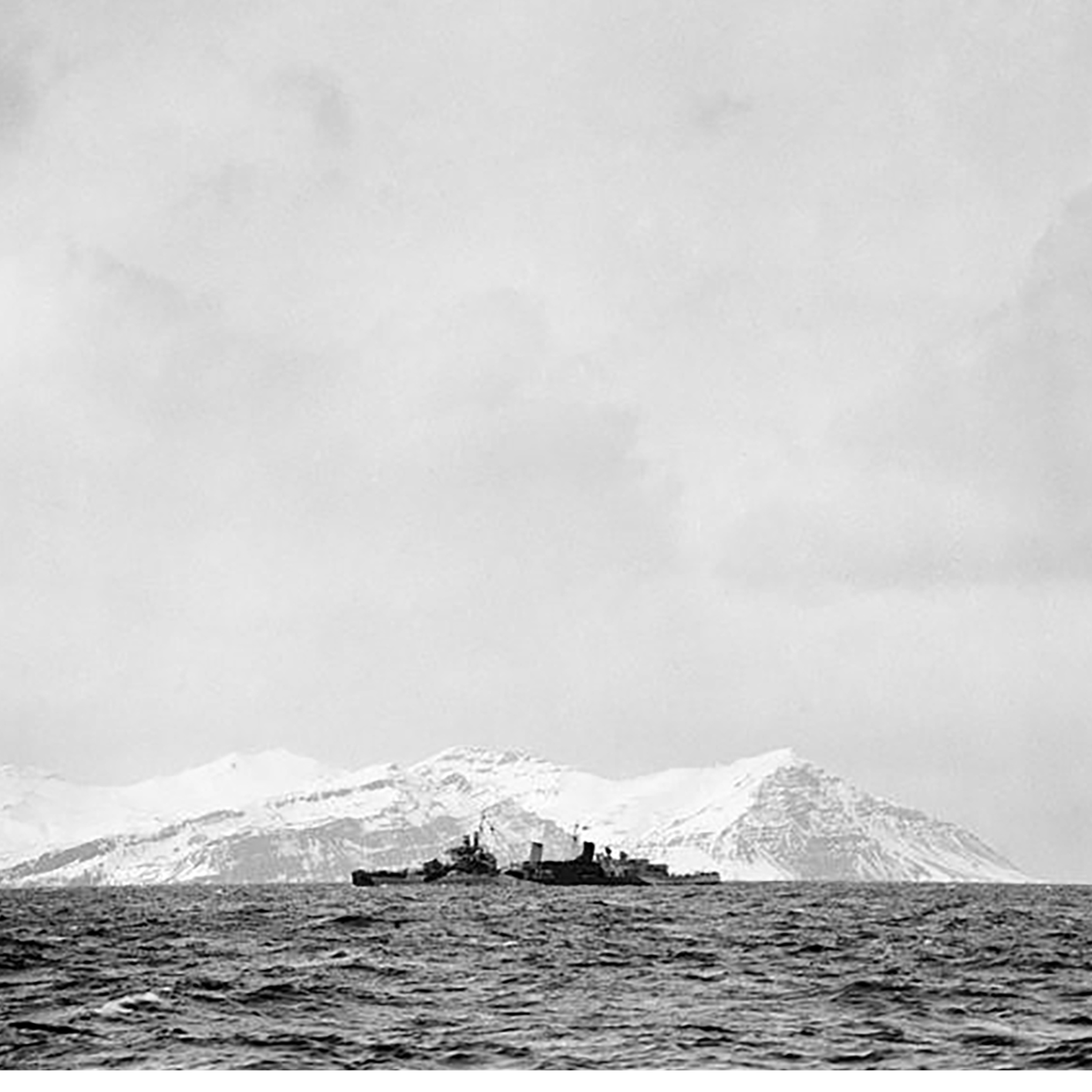
<p>Moored on the Thames, HMS Belfast has become a permanent fixture in the landscape of London, but since her initial launch over 80 years ago she has seen action at D-Day and during the Korean War. In this episode, James speaks to Robert Rumble, lead curator for HMS Belfast, about the ship and, in particular, her service in the Arctic Convoys during the Second World War. Listen to find out about HMS Belfast’s contribution to the Battle of the North Cape, the people on board and the strange (and sad!) story of Olga the reindeer.</p><p>For more, subscribe to our Warfare Wednesday newsletter <a href="https://www.historyhit.com/sign-up-to-history-hit/?utm_source=timelinenewsletter&utm_medium=podcast&utm_campaign=Timeline+Podcast+Campaign" rel="noopener noreferrer" target="_blank">here.&nbsp;</a></p><br><p>If you'd like to learn more, we have hundreds of history documentaries, ad free podcasts and audiobooks at <a href="https://access.historyhit.com/?utm_source=audio&utm_medium=podcast&utm_campaign=Podcast+Campaign&utm_id=Podcast" rel="noopener noreferrer" target="_blank">History Hit</a> - subscribe today!</p><br><p>To download the History Hit app, go to <a href="https://play.google.com/store/apps/details?id=com.historyhit&hl=en_GB&gl=US" rel="noopener noreferrer" target="_blank">Android</a> or <a href="https://apps.apple.com/gb/app/history-hit/id1303668247" rel="noopener noreferrer" target="_blank">Apple</a> store.</p> <hr><p style='color:grey; font-size:0.75em;'> Hosted on Acast. See <a style='color:grey;' target='_blank' rel='noopener noreferrer' href='https://acast.com/privacy'>acast.com/privacy</a> for more information.</p>
The Founding of the SAS
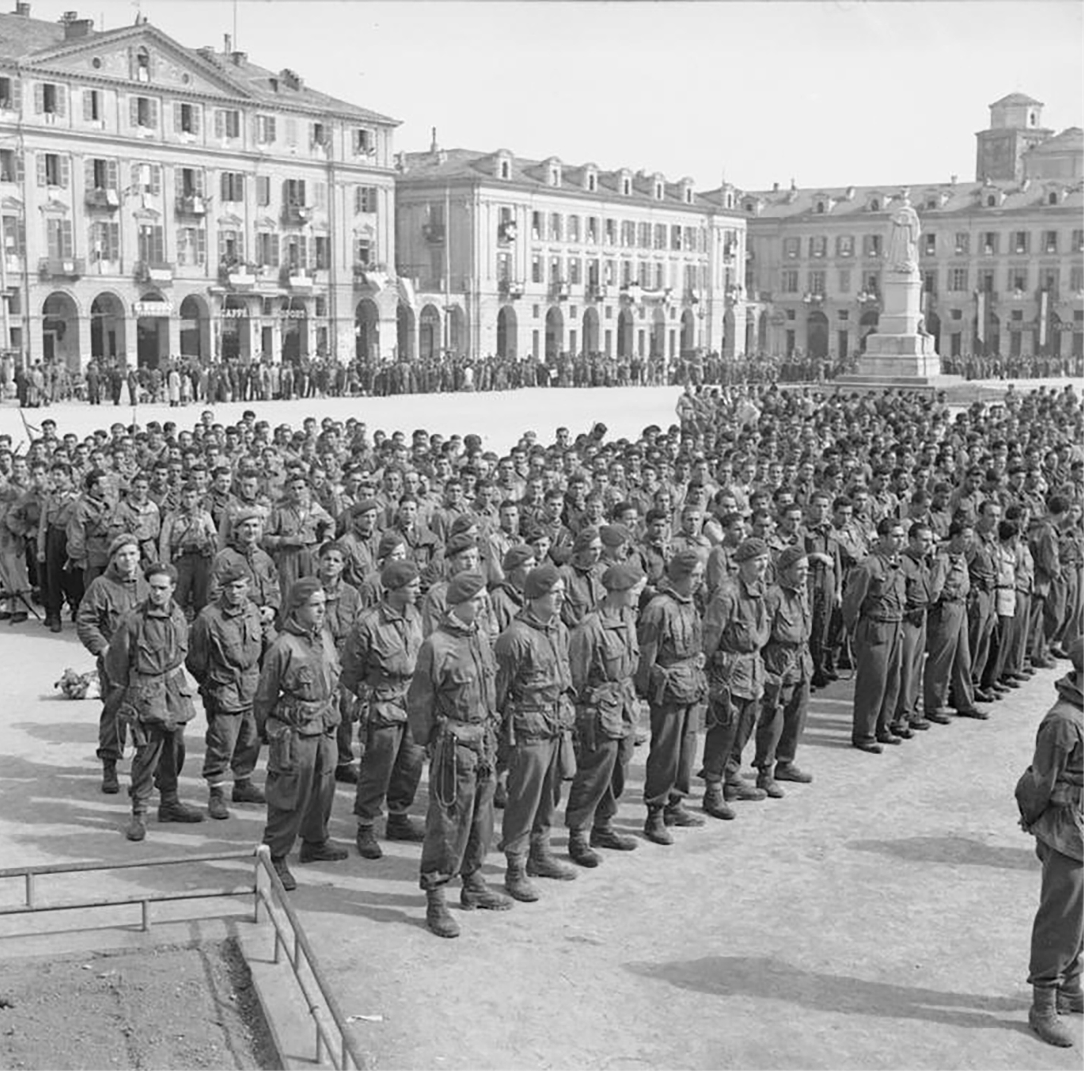
<p>It's a special forces unit known largely for its secrecy, but Damien Lewis is on a mission of his own, to uncover everything about its beginnings. In this episode from the Dan Snow's History Hit archive, he tells us more about the formation of the SAS, starting in autumn 1940, two days after Dunkirk, with Colonel Dudley Clarke.</p><br><p>© IWM</p><br><p>For more, subscribe to our Warfare Wednesday newsletter <a href="https://www.historyhit.com/sign-up-to-history-hit/?utm_source=timelinenewsletter&utm_medium=podcast&utm_campaign=Timeline+Podcast+Campaign" rel="noopener noreferrer" target="_blank">here.&nbsp;</a></p><br><p>If you'd like to learn more, we have hundreds of history documentaries, ad free podcasts and audiobooks at <a href="https://access.historyhit.com/?utm_source=audio&utm_medium=podcast&utm_campaign=Podcast+Campaign&utm_id=Podcast" rel="noopener noreferrer" target="_blank">History Hit</a> - subscribe today!</p><br><p>To download the History Hit app, go to <a href="https://play.google.com/store/apps/details?id=com.historyhit&hl=en_GB&gl=US" rel="noopener noreferrer" target="_blank">Android</a> or <a href="https://apps.apple.com/gb/app/history-hit/id1303668247" rel="noopener noreferrer" target="_blank">Apple</a> store.</p> <hr><p style='color:grey; font-size:0.75em;'> Hosted on Acast. See <a style='color:grey;' target='_blank' rel='noopener noreferrer' href='https://acast.com/privacy'>acast.com/privacy</a> for more information.</p>
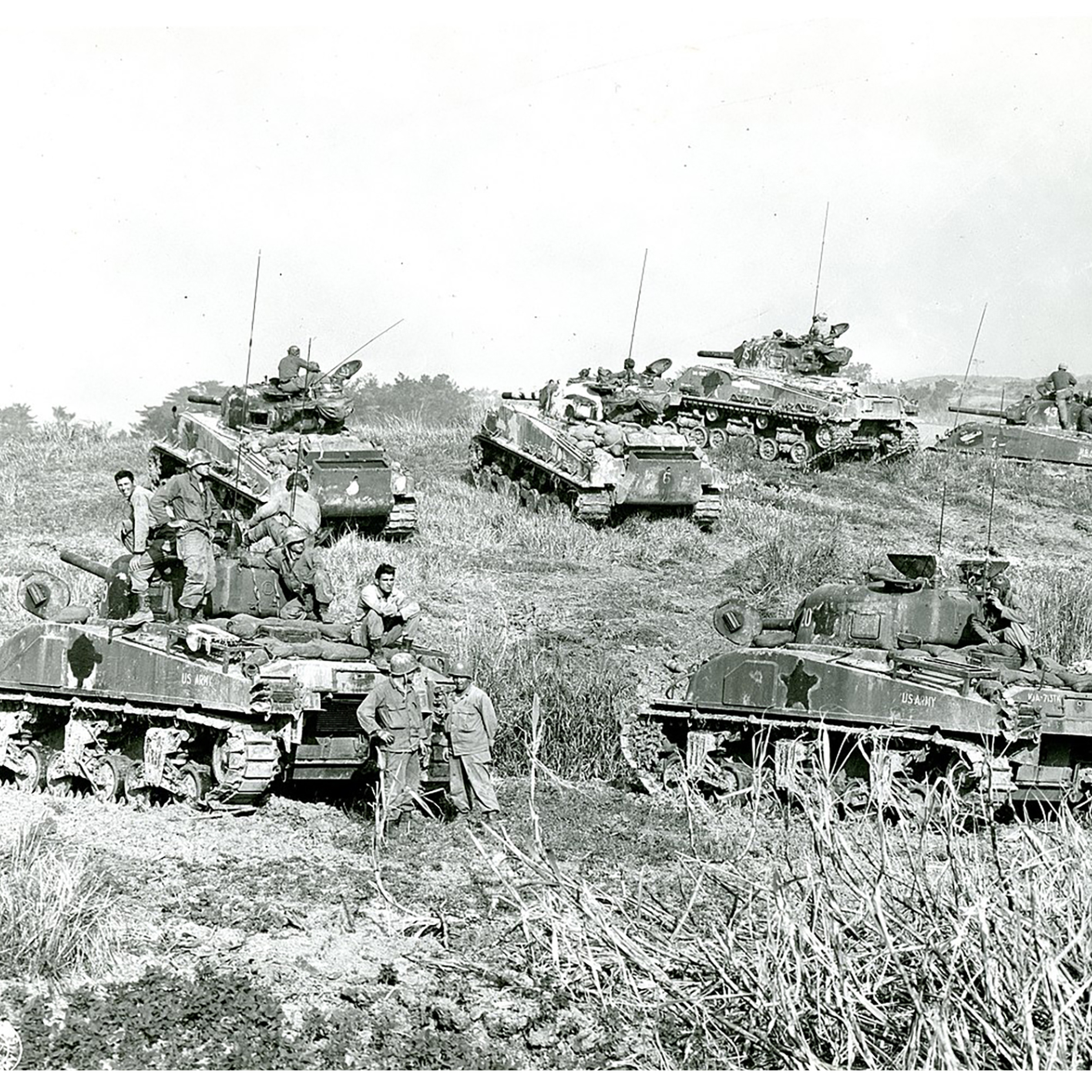
Tanks of WWII with James Holland
Anything that James Holland doesn't know about tanks isn't worth knowing. And in this episode, the greats are warring against eachother as he counts down his top 5 tanks of the Second World War. Agility, climbing ability, speed and practicality are all measured to come up with this ultimate list. James Holland presents History Hit's four-part series on tanks which you can find here: https://access.historyhit.com/ <hr><p style='color:grey; font-size:0.75em;'> Hosted on Acast. See <a style='color:grey;' target='_blank' rel='noopener noreferrer' href='https://acast.com/privacy'>acast.com/privacy</a> for more information.</p>
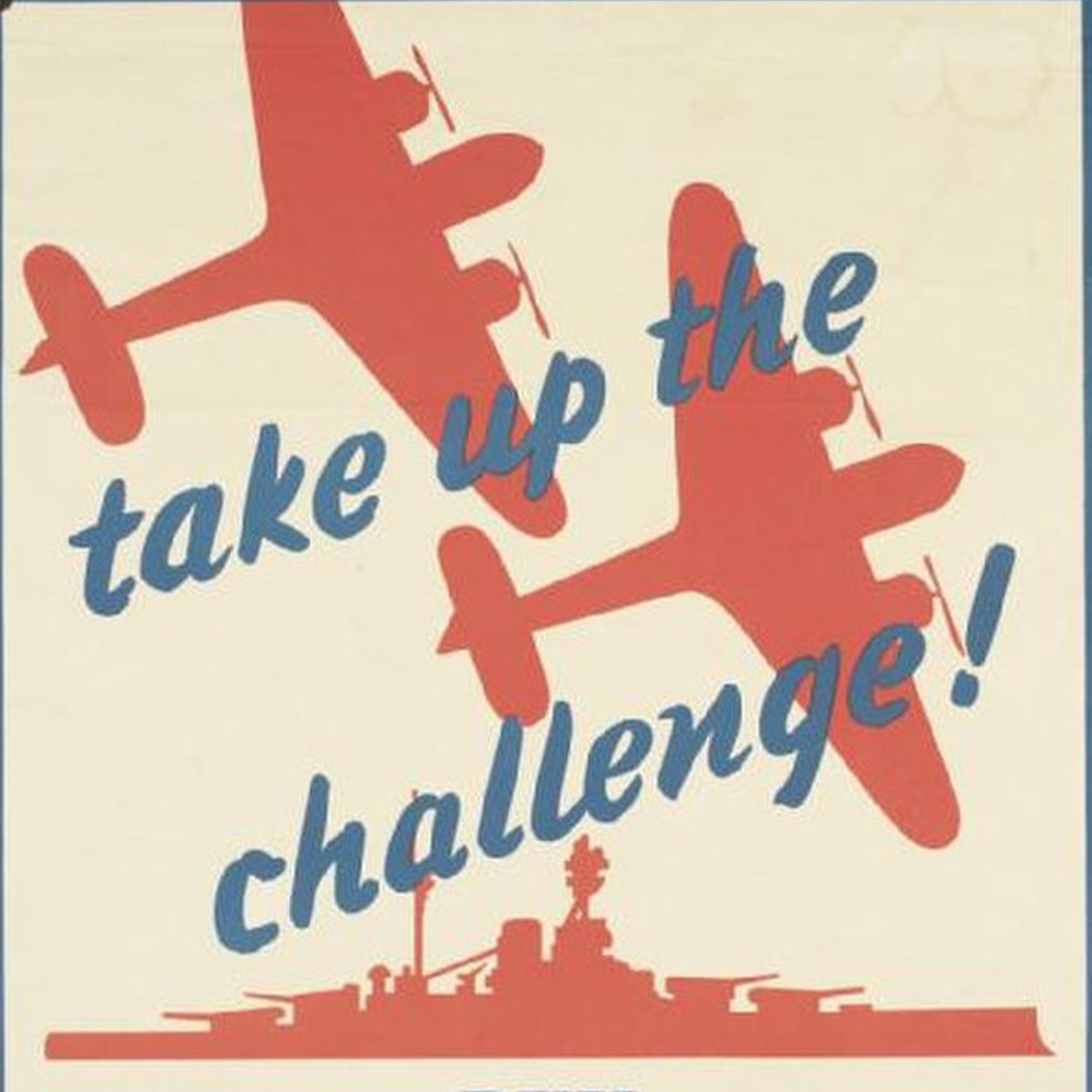
The Ministry of Information: Snoopers, Spies and Censoring in WWII
Despite its Orwellian sounding name - the Ministry of Information was not something from a dystopian novel, but instead a government department that played a vital role in WWII. With so-called Snoopers listening in on conversations in pubs, spies eavesdropping at bus stops, and government censoring throughout-&nbsp;the Ministry of Information was responsible for gathering information about public morale, and helping to ensure that no important military information fell into the wrong hands. This week James is joined by Simon Elliot, where the two delve into the history of the Ministry of Information and the impact it had on the British public during the war. <hr><p style='color:grey; font-size:0.75em;'> Hosted on Acast. See <a style='color:grey;' target='_blank' rel='noopener noreferrer' href='https://acast.com/privacy'>acast.com/privacy</a> for more information.</p>
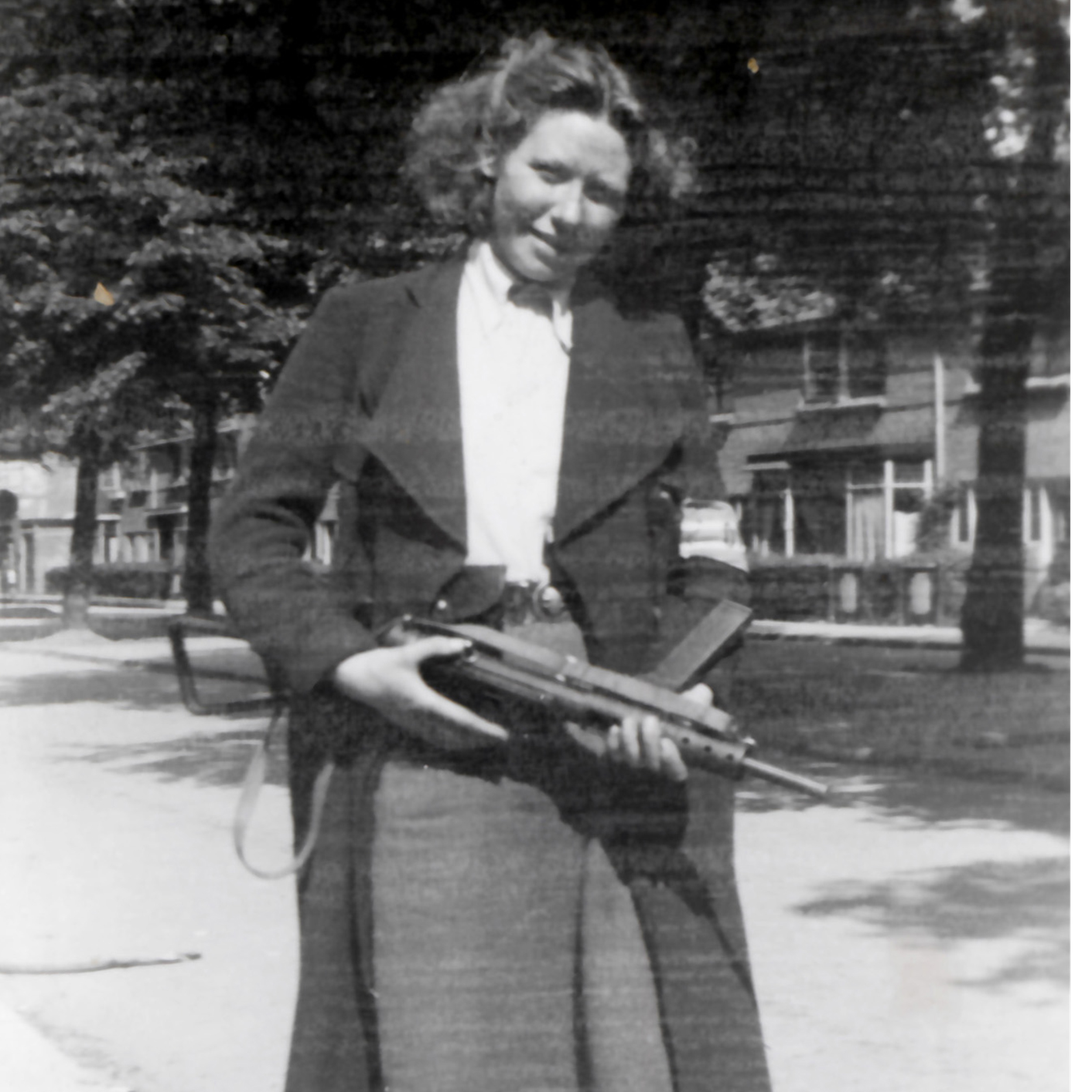
Seducing and Killing Nazis
<p>During the Second World War the Netherlands fell to advancing German forces in just a few hours. The Dutch found themselves under Nazi occupation. Many men and women resisted, which took many different forms. Recently the story emerged of three young women who chose a particularly dangerous way in which to strike back against the German occupiers.</p><br><p>In this podcast from the History Hit archives, Dan Snow talks to the writer Sophie Poldermans about Hannie Schaft and sisters Truus and Freddie Oversteegen. With astonishing bravery these three young women seduced high-ranking Nazi officers, lured them into the woods and killed them. They also provided Jewish children with safe houses and gathered vital intelligence for the resistance. Sophie tells us their story.</p> <hr><p style='color:grey; font-size:0.75em;'> Hosted on Acast. See <a style='color:grey;' target='_blank' rel='noopener noreferrer' href='https://acast.com/privacy'>acast.com/privacy</a> for more information.</p>
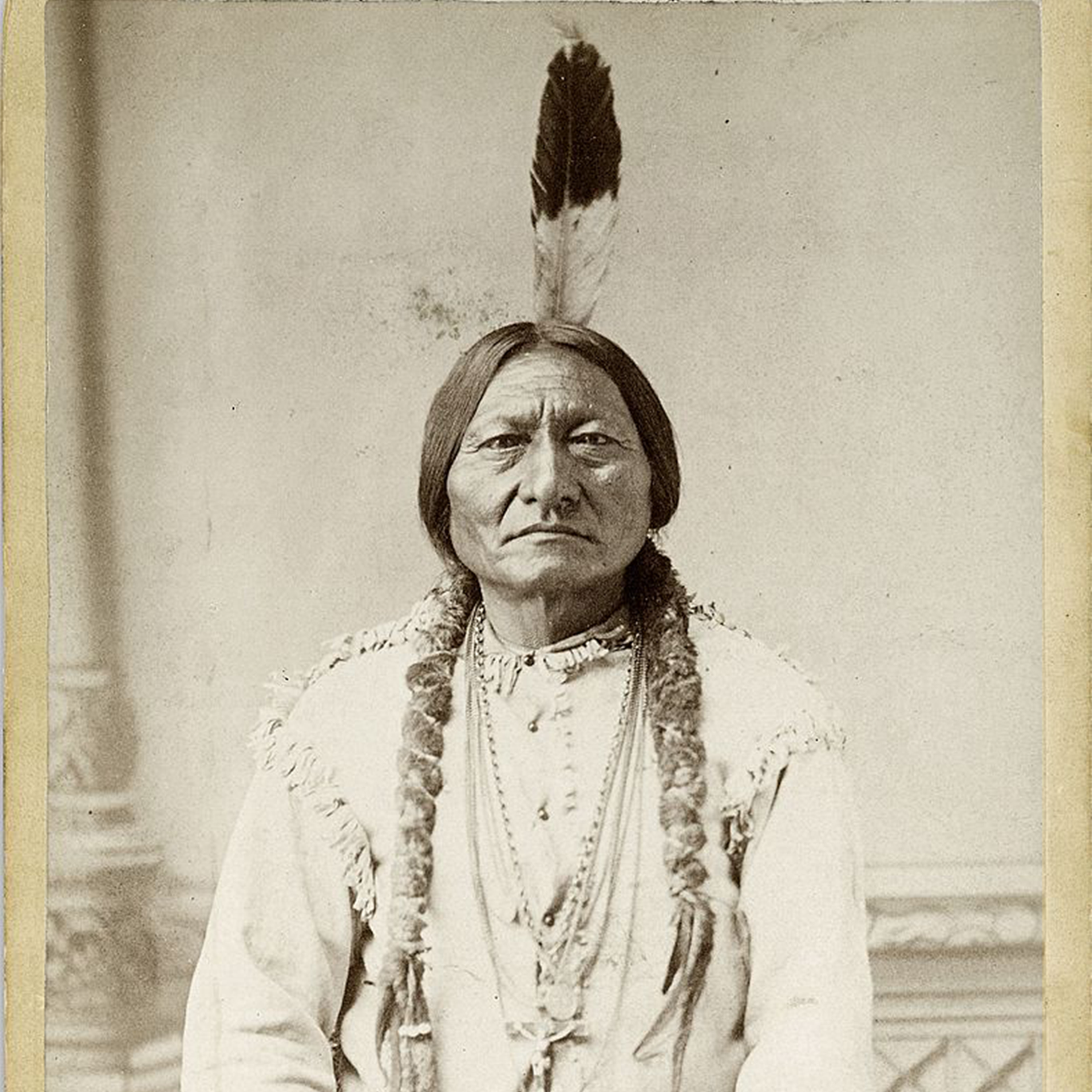
Sitting Bull: the Life and Death of a Native American Chief
Sitting Bull, best known for his initiative and victory at the Battle of Little Bighorn, is a greatly revered Native American Chief. But he was more than a fierce leader of his people. Bestowed the name ‘Sitting Bull’ at only 14 by his father, he showed characteristics of courage, perseverance, and intelligence beyond his years - traits that would come to define him, and the relationship between Native Americans and the US government for generations. This week, James is joined by Professor Jeff Olster, who specialises in the impact of the United States on Native Americans between the 18th and 20th centuries. Together they discuss who Sitting Bull was, the journey that led him to Little Bighorn, and the injustices inflicted upon the Native American people by the US Government. <hr><p style='color:grey; font-size:0.75em;'> Hosted on Acast. See <a style='color:grey;' target='_blank' rel='noopener noreferrer' href='https://acast.com/privacy'>acast.com/privacy</a> for more information.</p>
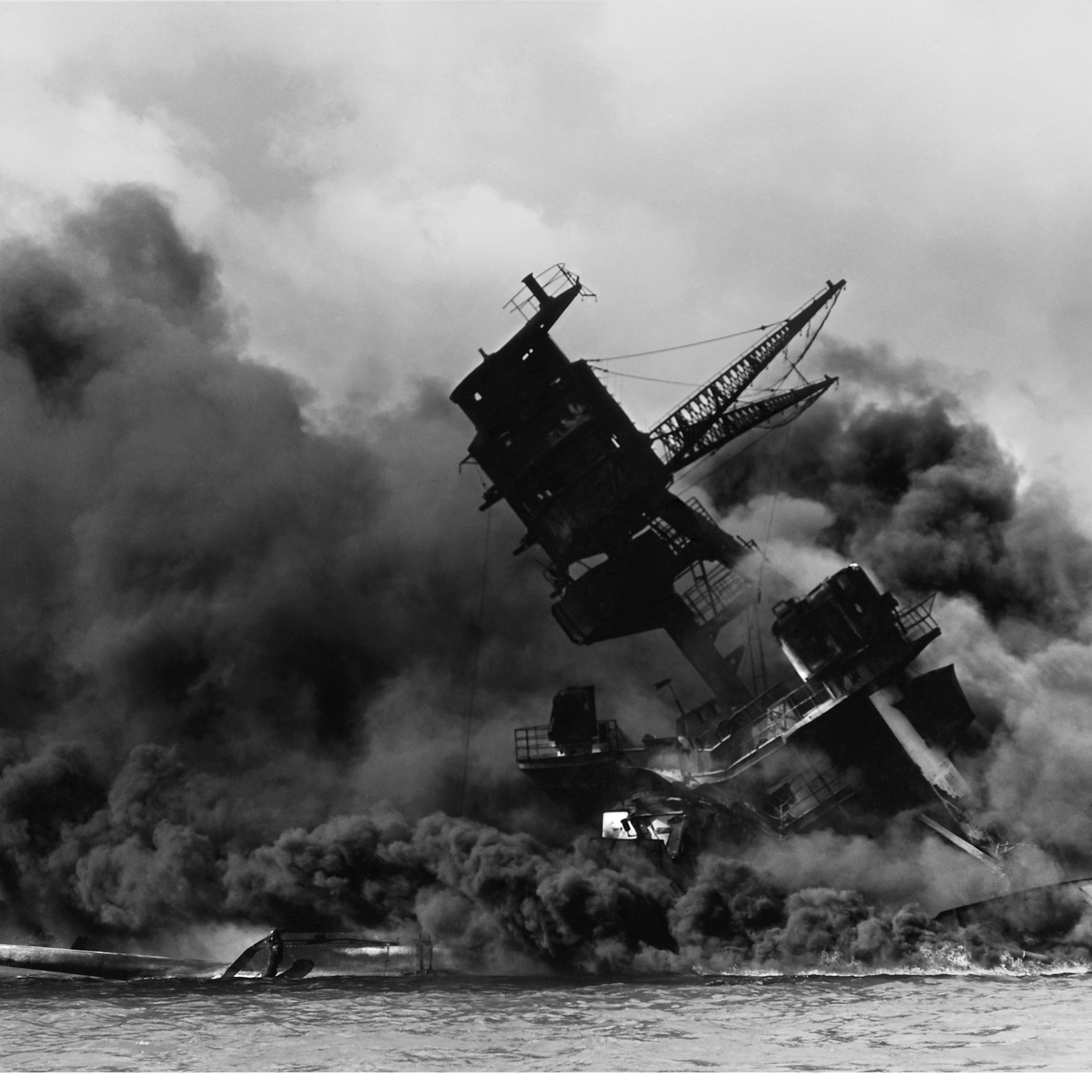
USS Arizona at Pearl Harbor
<p>When the USS Arizona was destroyed on 7 December 1941, it was the United States’ Navy’s single biggest loss of life. Producers Annette Hull and Warren Hull have worked tirelessly to tell the stories of some of those who were on board the ship. In this episode they tell us about the life of Lou Conter, one of the survivors of the USS Arizona, and the USS Arizona band, all of whom were among the more than 1,170 killed when a bomb exploded in a magazine.</p><br><p>Annette and Warren’s productions can be found <a href="https://vimeo.com/481261513" rel="noopener noreferrer" target="_blank">here</a>.</p><br><p>For more Warfare content, follow this <a href="https://www.historyhit.com/sign-up-to-history-hit/?utm_source=timelinenewsletter&utm_medium=podcast&utm_campaign=Timeline+Podcast+Campaign" rel="noopener noreferrer" target="_blank">link.</a></p><br><p>Credit to AnnWar productions for the interview with Lou Conter.</p> <hr><p style='color:grey; font-size:0.75em;'> Hosted on Acast. See <a style='color:grey;' target='_blank' rel='noopener noreferrer' href='https://acast.com/privacy'>acast.com/privacy</a> for more information.</p>
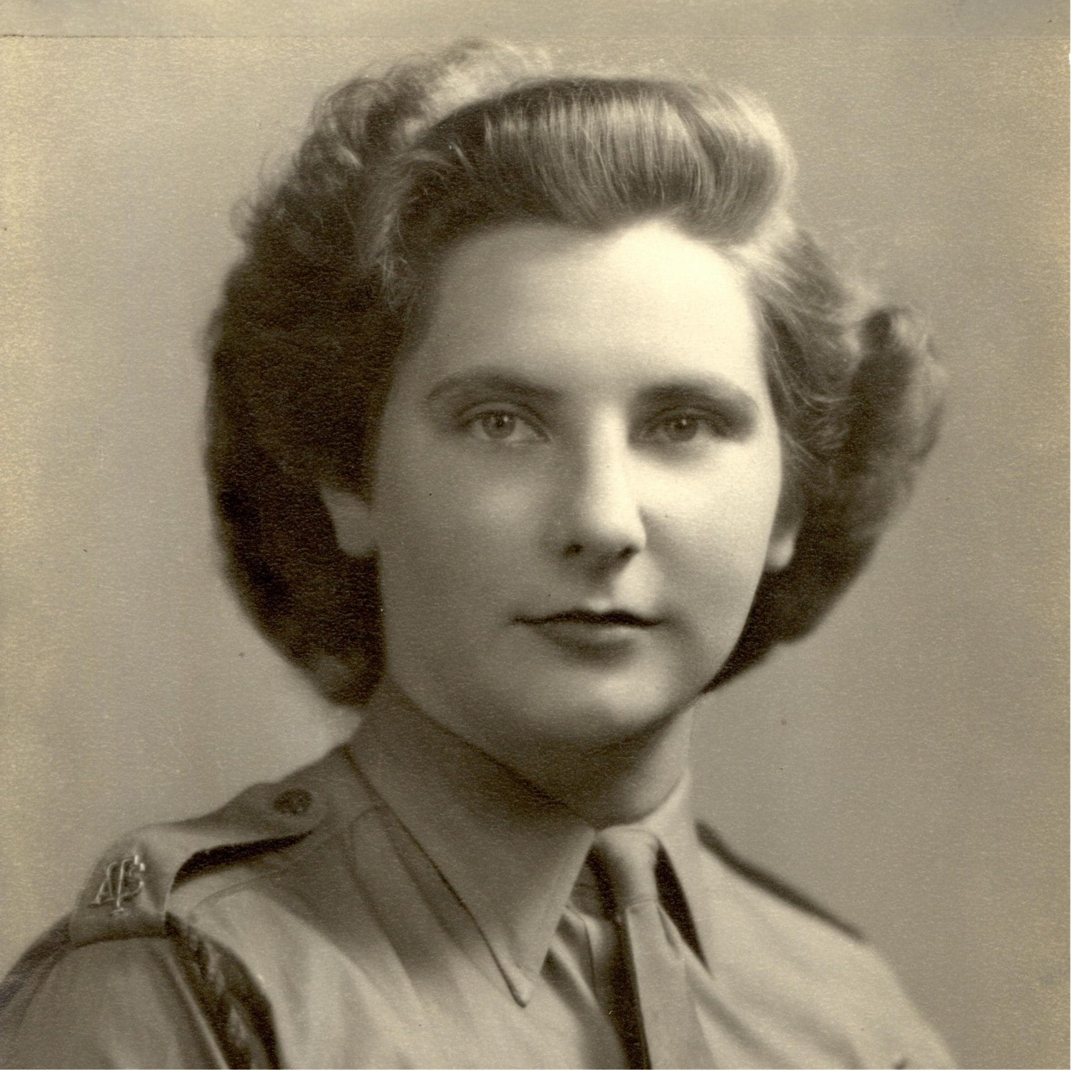
Life at Bletchley Park
Betty Webb was heavily involved with the work going on at Bletchley Park. While she was not part of the code-breaking team, her work was invaluable to the success of Bletchley. In this episode from the History Hit archive, Dan Snow talks to her about her life and wartime experiences. <hr><p style='color:grey; font-size:0.75em;'> Hosted on Acast. See <a style='color:grey;' target='_blank' rel='noopener noreferrer' href='https://acast.com/privacy'>acast.com/privacy</a> for more information.</p>
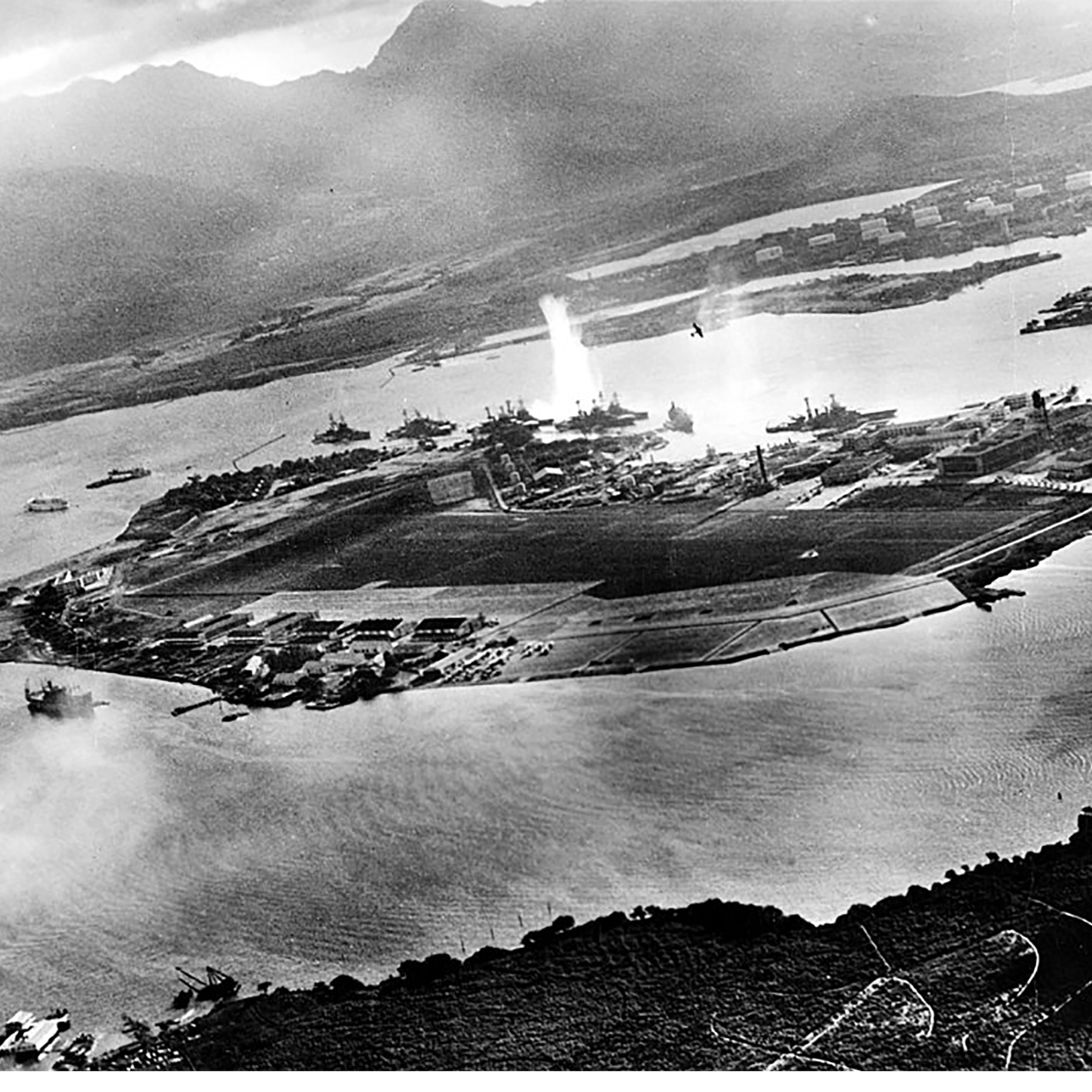
Pearl Harbor: 80 Years Later
On 7 December 1941, Imperial Japan launched an attack on the US naval base at Pearl Harbor. In this episode 80 years later, James speaks to Adrian Kerrison, a curator at the Imperial War Museums. Adrian takes us through the events of that day, the motives behind the attack and its lasting legacy. <hr><p style='color:grey; font-size:0.75em;'> Hosted on Acast. See <a style='color:grey;' target='_blank' rel='noopener noreferrer' href='https://acast.com/privacy'>acast.com/privacy</a> for more information.</p>
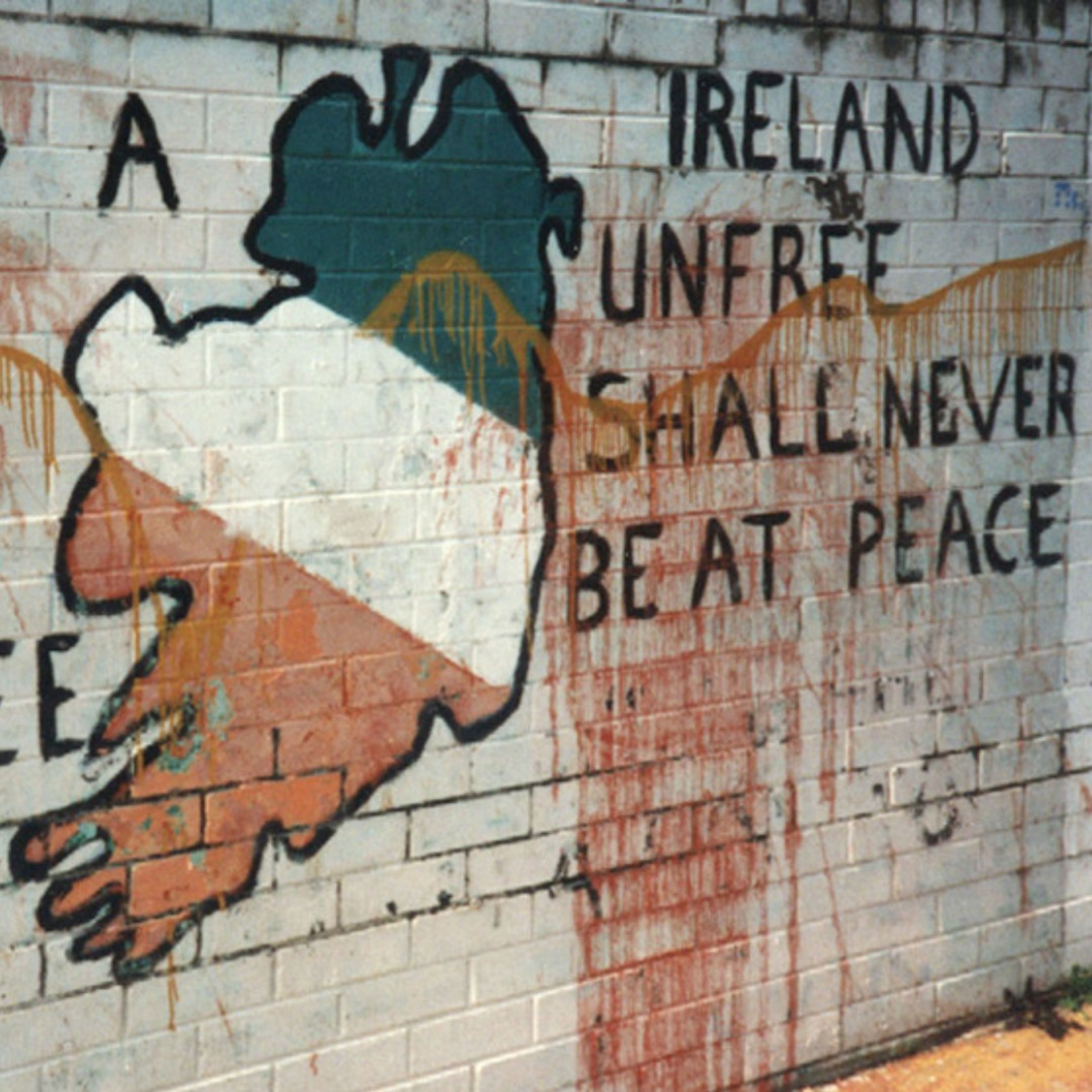
Ep 117The IRA: 22 Years Later
<p>This week marks the 22nd anniversary of the Good Friday Agreement (GFA) coming into effect, a crucial development in the Northern Ireland peace process that ended most of the violence of The Troubles. In today's episode, we commemorate the GFA signed in 1999, marking an important day in UK history, not only for the country and the people but in terrorism and peace. James is joined by Counterterrorism expert Tom Parker, as they examine the IRA and its impact. From personally falling victim to a terror attack to his involvement in the Bishopsgate bombing investigations, Tom takes us through his extensive knowledge and first-hand experience of the IRA. We delve into era-defining cases, monumental rulings, and life-changing acts of terror. How did we progress and get to where we are today?</p><br><p>World Scientific Press is offering a special promotional discount on new purchases of&nbsp;<em>Avoiding the Terrorist Trap: Why Respect for Human Rights is the Key to Defeating Terrorism</em>. Go to&nbsp;<a href="https://eur03.safelinks.protection.outlook.com/?url=http%3A%2F%2Fwww.worldscientific.com%2Fworldscibooks%2F10.1142%2Fp995&data=04%7C01%7Cjrg%40sam.sdu.dk%7C87c936c8e2ef47eef5ac08d9aeab5a42%7C9a97c27db83e4694b35354bdbf18ab5b%7C0%7C0%7C637732873259106599%7CUnknown%7CTWFpbGZsb3d8eyJWIjoiMC4wLjAwMDAiLCJQIjoiV2luMzIiLCJBTiI6Ik1haWwiLCJXVCI6Mn0%3D%7C3000&sdata=0yX6nBB6u7yL7Wj73kwWrRAggVnfhvr0EKHvZgMW3Rk%3D&reserved=0" rel="noopener noreferrer" target="_blank">www.worldscientific.com/worldscibooks/10.1142/p995</a>&nbsp;for 55% off the hardback (use code P995PARKERHC), 30% off the eBook (use code P995PARKEREB), and 20% off the paperback (use code WSSOC20).</p> <hr><p style='color:grey; font-size:0.75em;'> Hosted on Acast. See <a style='color:grey;' target='_blank' rel='noopener noreferrer' href='https://acast.com/privacy'>acast.com/privacy</a> for more information.</p>
The Blitz: An Alternative History
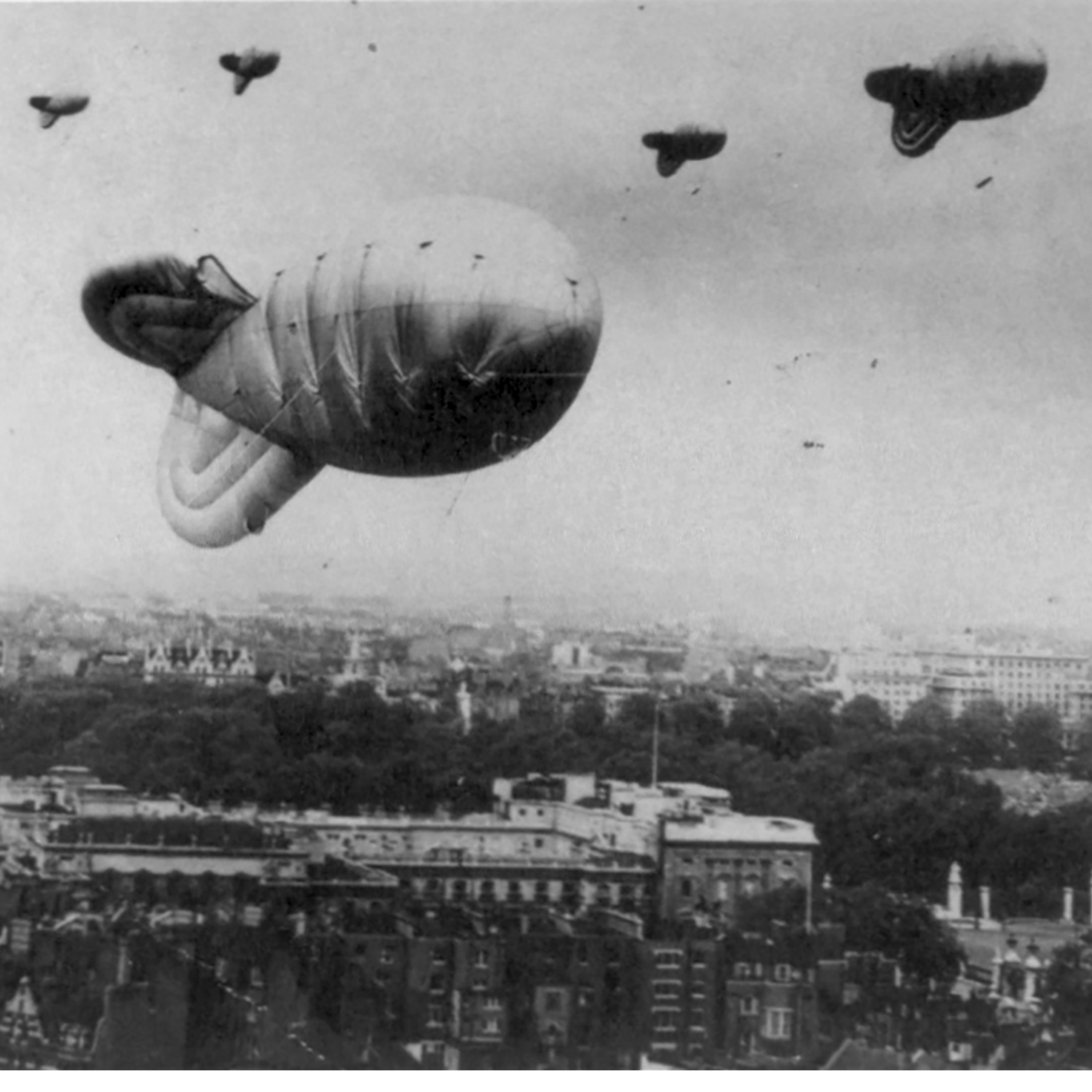
Between September 1940 and May 1941, the German Luftwaffe relentlessly pounded British cities with bombs in an attempt to force the British to surrender. Ultimately whilst killing thousands and causing extensive damage the bombing offensive failed. The morale of the British public was largely undimmed and war production was never seriously impacted. The Blitz has become a key part of the British national psyche with many celebrating the 'Blitz spirit' with people coming together and helping one another during the crisis. But, as with much of history, the reality was much messier and complex. Spivs and looters profited from the chaos, people explored new ideas and sexualities, and there were new opportunities for women. In this interview from the archive of Dan Snow's History Hit the author of The Secret History of the Blitz, Joshua Levine, discusses the myths and realities of the Blitz and the social and political changes it brought about. <hr><p style='color:grey; font-size:0.75em;'> Hosted on Acast. See <a style='color:grey;' target='_blank' rel='noopener noreferrer' href='https://acast.com/privacy'>acast.com/privacy</a> for more information.</p>

Battle of Austerlitz: Napoleon's Greatest Victory
<p>2 December is a special date for those fascinated by Napoleon Bonaparte. Not only is this the date he crowned himself Emperor of France in 1804, but also the date of his greatest victory a year later, the Battle of Austerlitz. James Rogers is joined by world-leading historian Andrew Roberts to dissect the conditions, tactics and aftermath of Napoleon's greatest battle.</p><br><p>If you’re enjoying this podcast and looking for more fascinating Warfare content then subscribe to our Warfare Wednesday&nbsp;newsletter <a href="https://www.historyhit.com/sign-up-to-history-hit/?utm_source=timelinenewsletter&utm_medium=podcast&utm_campaign=Timeline+Podcast+Campaign" rel="noopener noreferrer" target="_blank">here</a>.</p><br><p>Passages read by Matt Lewis</p><br><p>Music:</p><p>Not My Taste (a) - Doug B Rossi, Tony Phillips</p><p>Majesty (a) - Bradley Andrew Segal, Haim Mazar</p><p>Force of Nature (a) - John Christopher Lucas Lemke</p> <hr><p style='color:grey; font-size:0.75em;'> Hosted on Acast. See <a style='color:grey;' target='_blank' rel='noopener noreferrer' href='https://acast.com/privacy'>acast.com/privacy</a> for more information.</p>
The Punjab Soldiers of WWI
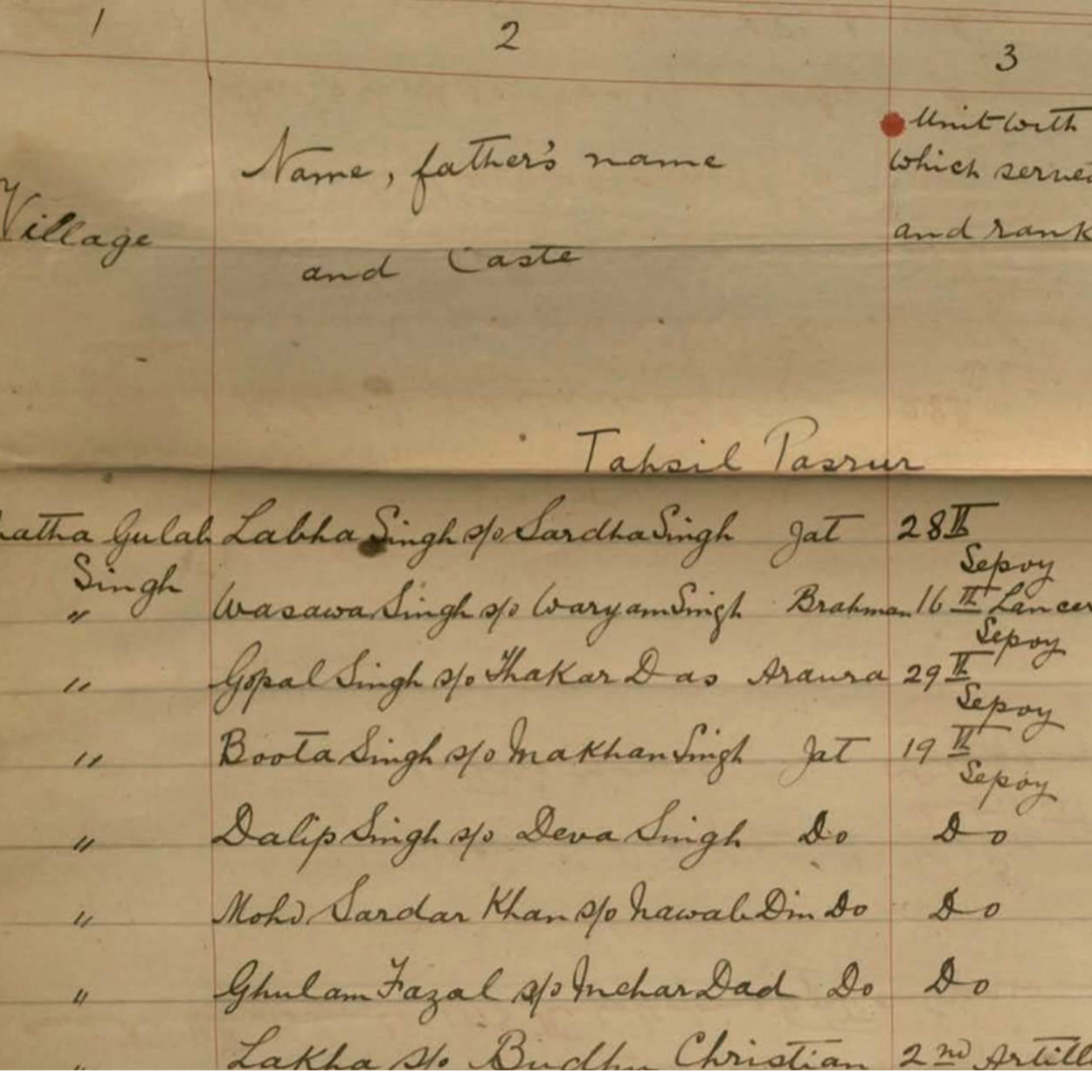
About one in six of the men who served in the First World War came from undivided India. However, unlike those who hailed from Britain and the rest of Europe, records of their service can be difficult to access. After almost one hundred years of being left unread in the archives of Lahore Museum in Pakistan, however, the files of 320,000 troops from the Punjab have now been digitised. In this special episode, James speaks to Gavin Rand from the University of Greenwich about the experiences of men from the Punjab during the First World War. Why they signed up and what they received in return. Next, James speaks to Dr Irfan Malik who, using these new records, has finally been able to understand the roles of not one, but two of his ancestors. <hr><p style='color:grey; font-size:0.75em;'> Hosted on Acast. See <a style='color:grey;' target='_blank' rel='noopener noreferrer' href='https://acast.com/privacy'>acast.com/privacy</a> for more information.</p>
The Battle of Prokhorovka
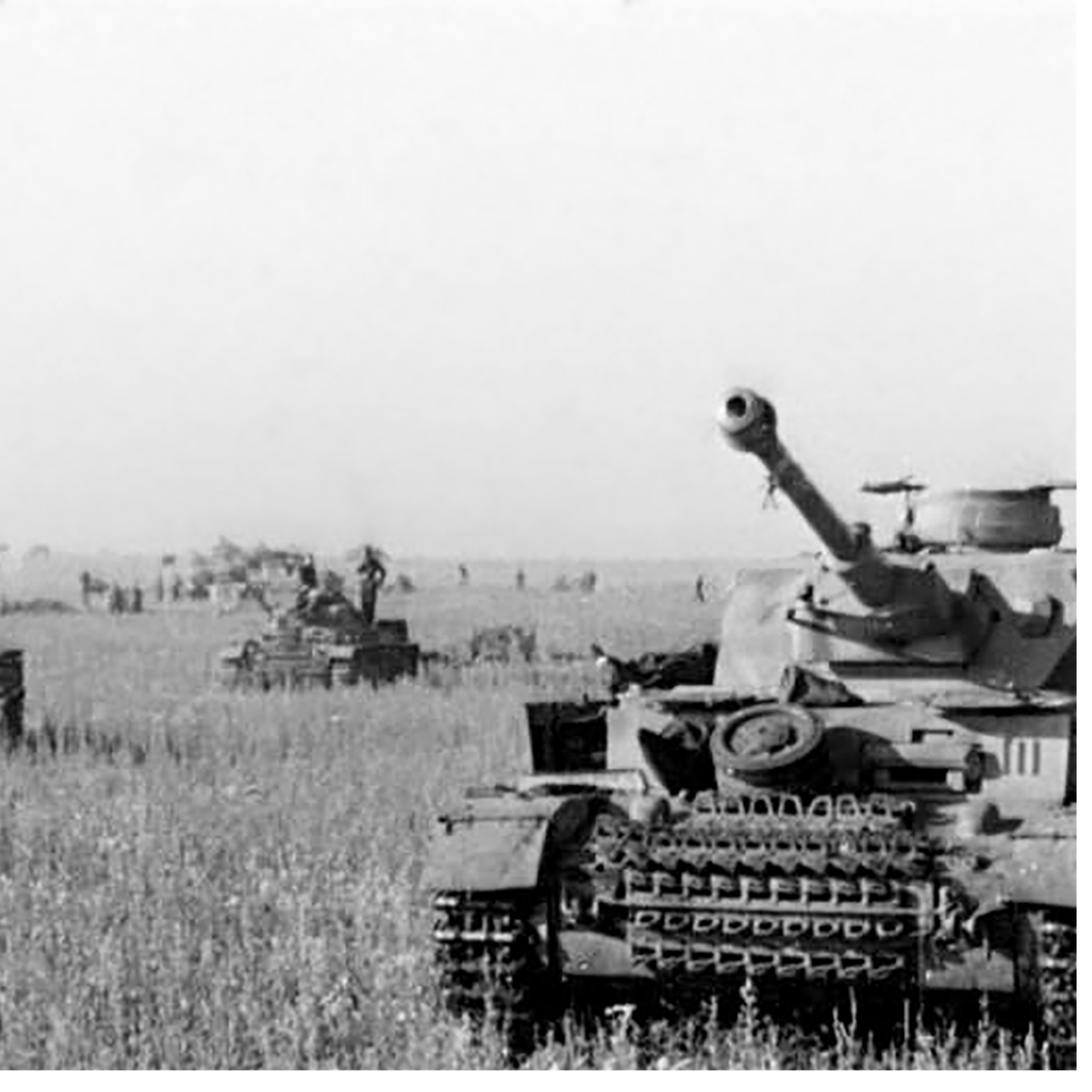
The Battle of Prokhorovka was one of the largest tank battles in military history. Taking place on the Eastern Front, it was fought on 12 July 1943 as part of the wider Battle of Kursk. Two elite SS divisions were obliterated, and about 300 panzers were destroyed as the Red Army began to turn the tide for Hitler. Prokhorovka has always been notorious, but British historian Ben Wheatley has challenged the traditional myths surrounding the battle by fine-combing through the evidence. In this episode from Dan Snow's History Hit, he joins Dan to reveal his findings, and argue how it was impossible for the German's to have suffered the major losses which have been marked out in history books. <hr><p style='color:grey; font-size:0.75em;'> Hosted on Acast. See <a style='color:grey;' target='_blank' rel='noopener noreferrer' href='https://acast.com/privacy'>acast.com/privacy</a> for more information.</p>
The Nazi Hunt for Mona Lisa
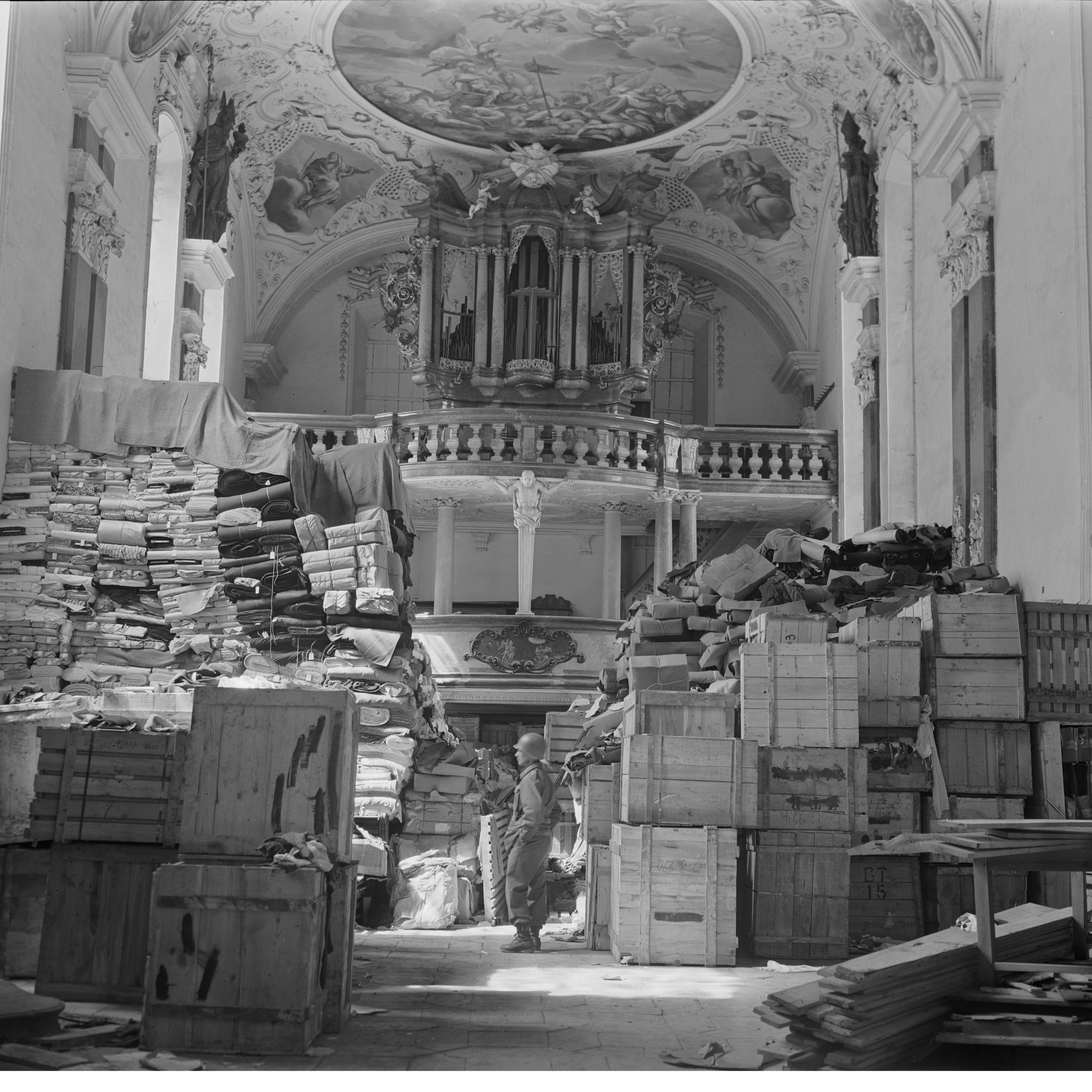
During the Second World War, Leonardo da Vinci’s Mona Lisa left her usual position in the Louvre, Paris. From 1939 to 1945, the portrait was moved between five different hiding places in the French countryside, and she was not alone. In this episode, Laura Morelli guides us through the twin stories of the Nazis who were tasked with finding and seizing treasured artworks from across Europe, and the curators, archivists and others who risked their lives to prevent this from happening. Laura is a USA Today bestselling historical novelist and an art historian. She is the author of ‘The Stolen Lady: A Novel of World War II and the Mona Lisa’. <hr><p style='color:grey; font-size:0.75em;'> Hosted on Acast. See <a style='color:grey;' target='_blank' rel='noopener noreferrer' href='https://acast.com/privacy'>acast.com/privacy</a> for more information.</p>
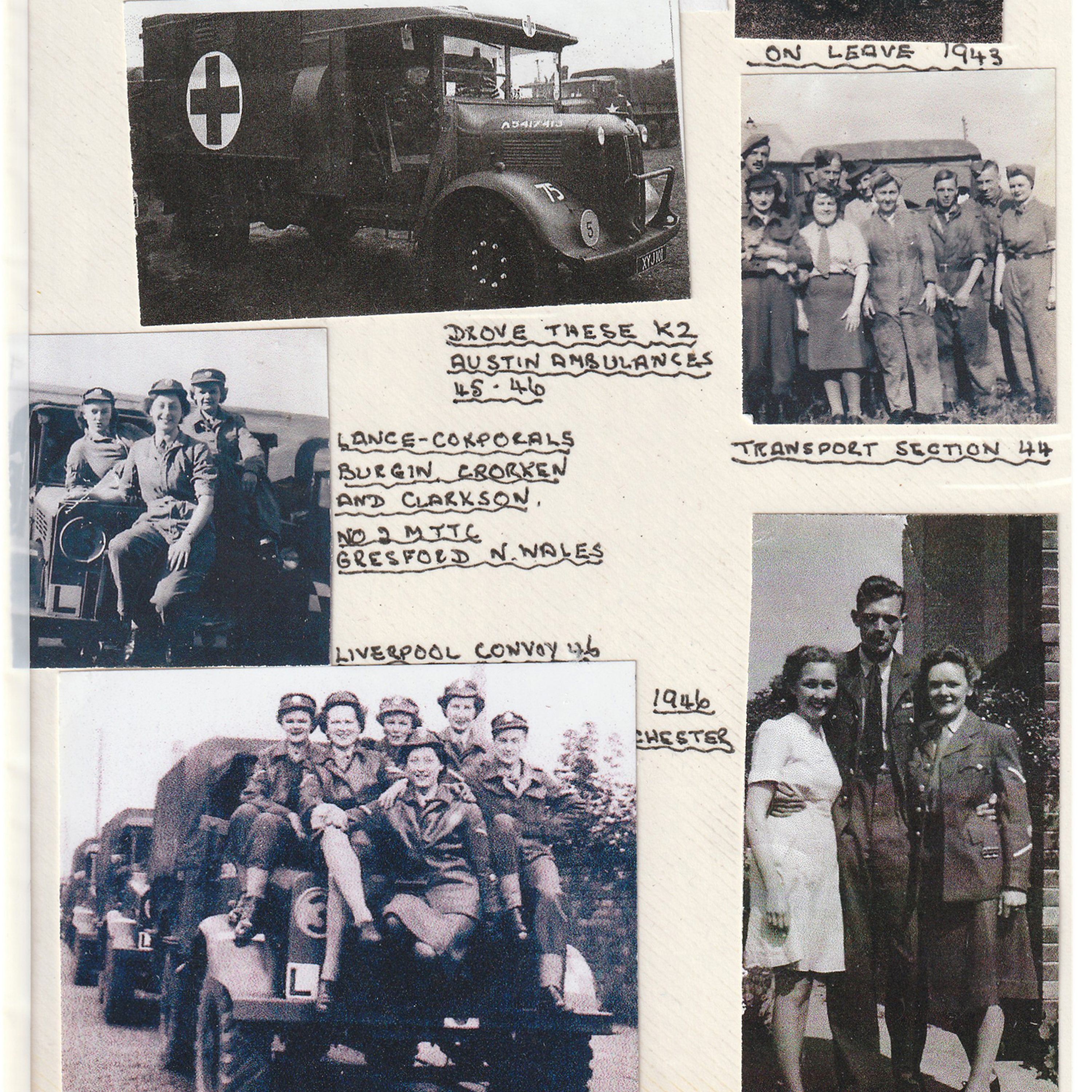
Women on the British Front Line
Whilst battles were fought across the globe, in Britain, the anti aircraft gun sites acted as the British frontline. From 1941, they were also the first operational war zone women were allowed to work on. To commemorate the 80th anniversary of the National Service Act, James Rogers is joined by Tessa Dunlop, author of 'Army Girls', an intimate look at the lives of the final few women who served in World War Two, and the first women called up to serve both king and country. <hr><p style='color:grey; font-size:0.75em;'> Hosted on Acast. See <a style='color:grey;' target='_blank' rel='noopener noreferrer' href='https://acast.com/privacy'>acast.com/privacy</a> for more information.</p>
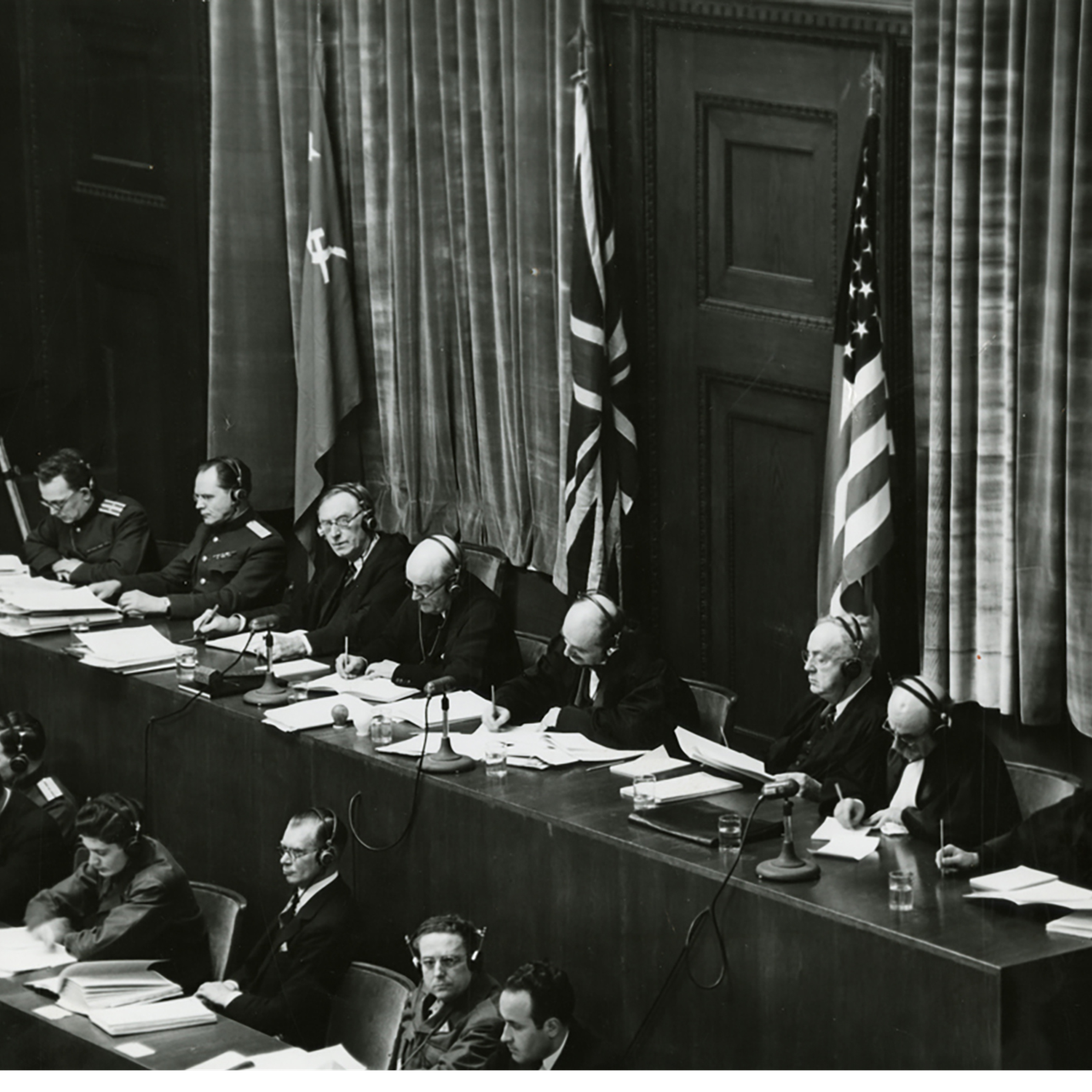
The Nuremberg Trials
On 20 November 1945 the Nuremberg Trials began. In the Bavarian city of Nuremberg, a tribunal set about prosecuting prominent members of Nazi Germany for war crimes, crimes against humanity and crimes against peace. In this episode from the archives, Tom Bower joined Dan Snow to discuss the history and legacy of the Nuremberg Trials. <hr><p style='color:grey; font-size:0.75em;'> Hosted on Acast. See <a style='color:grey;' target='_blank' rel='noopener noreferrer' href='https://acast.com/privacy'>acast.com/privacy</a> for more information.</p>
Ep 109Raj Bisram's Military Career
You might know Raj Bisram best as a TV antiques expert, but he actually started his career by joining the military in the 70s. From becoming an expert skier, to navigating racism, and later becoming a patron for “Tommy Club”, a charity supporting Armed Forces Veterans, it’s a fascinating and frank conversation.&nbsp;&nbsp;To find out more information on “Tommy Club”, or to donate, make sure to check out&nbsp;<a href="http://tommyclub.co.uk/" rel="noopener noreferrer" target="_blank">tommyclub.co.uk</a>. <hr><p style='color:grey; font-size:0.75em;'> Hosted on Acast. See <a style='color:grey;' target='_blank' rel='noopener noreferrer' href='https://acast.com/privacy'>acast.com/privacy</a> for more information.</p>
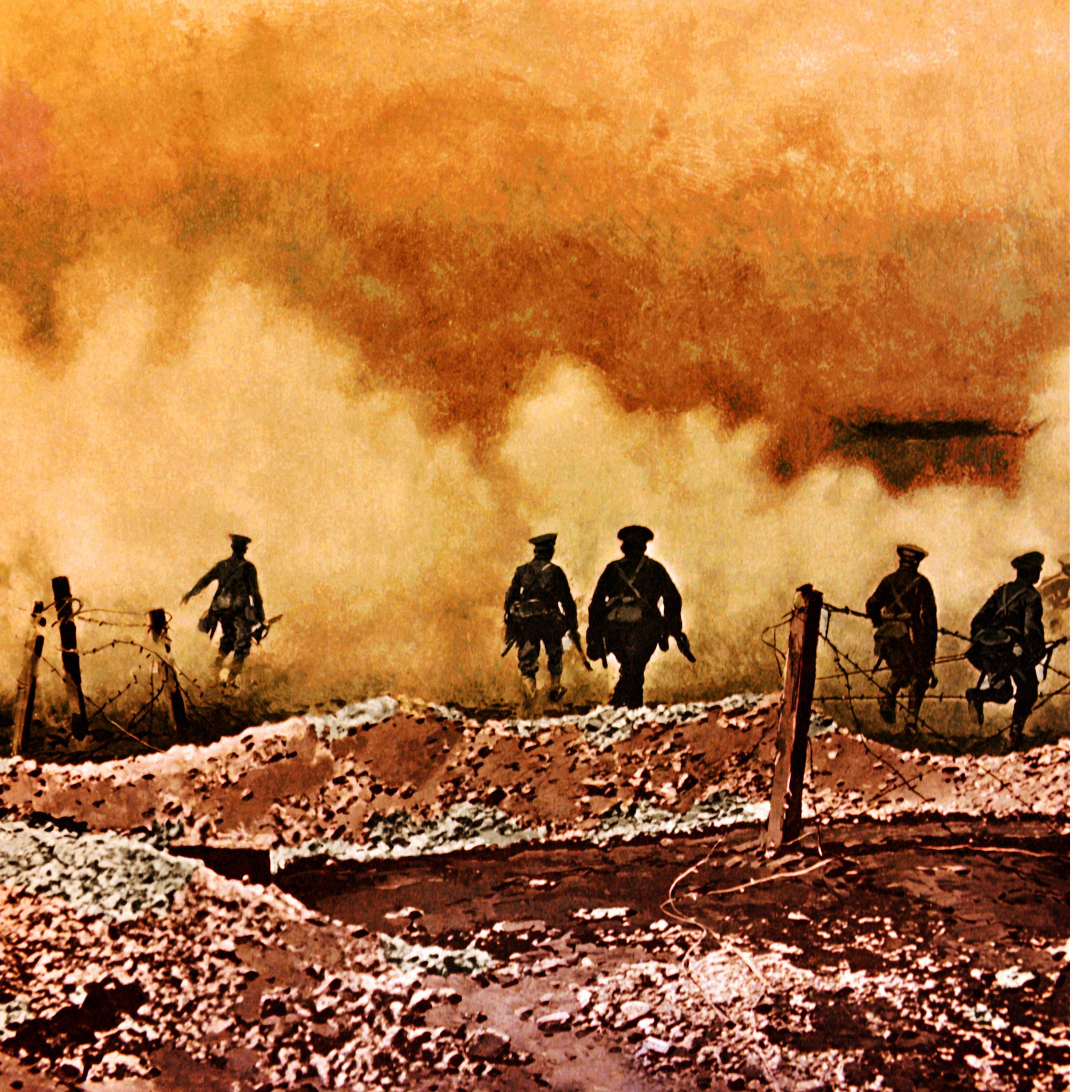
Searching for the Lost of World War One
At the end of the First World War, around one million citizens of the British Empire had been lost, and the whereabouts of about half of these was unknown. Families could be waiting weeks, months or years to hear whether their loved ones were imprisoned, wounded, missing or dead, if they heard at all. This was the task of the searchers. In the years following the war, these volunteer investigators conducted 5 million interviews, finding answers for around 400 thousand families. Robert Sackville-West is on Warfare to bring us the stories of those looking for news of their fathers, brothers and sons, and the evolution of the search to this day. Robert’s book ‘The Searchers: The Quest for the Lost of the First World War’ is out now. <hr><p style='color:grey; font-size:0.75em;'> Hosted on Acast. See <a style='color:grey;' target='_blank' rel='noopener noreferrer' href='https://acast.com/privacy'>acast.com/privacy</a> for more information.</p>
WW1: Lost Wrecks of Jutland
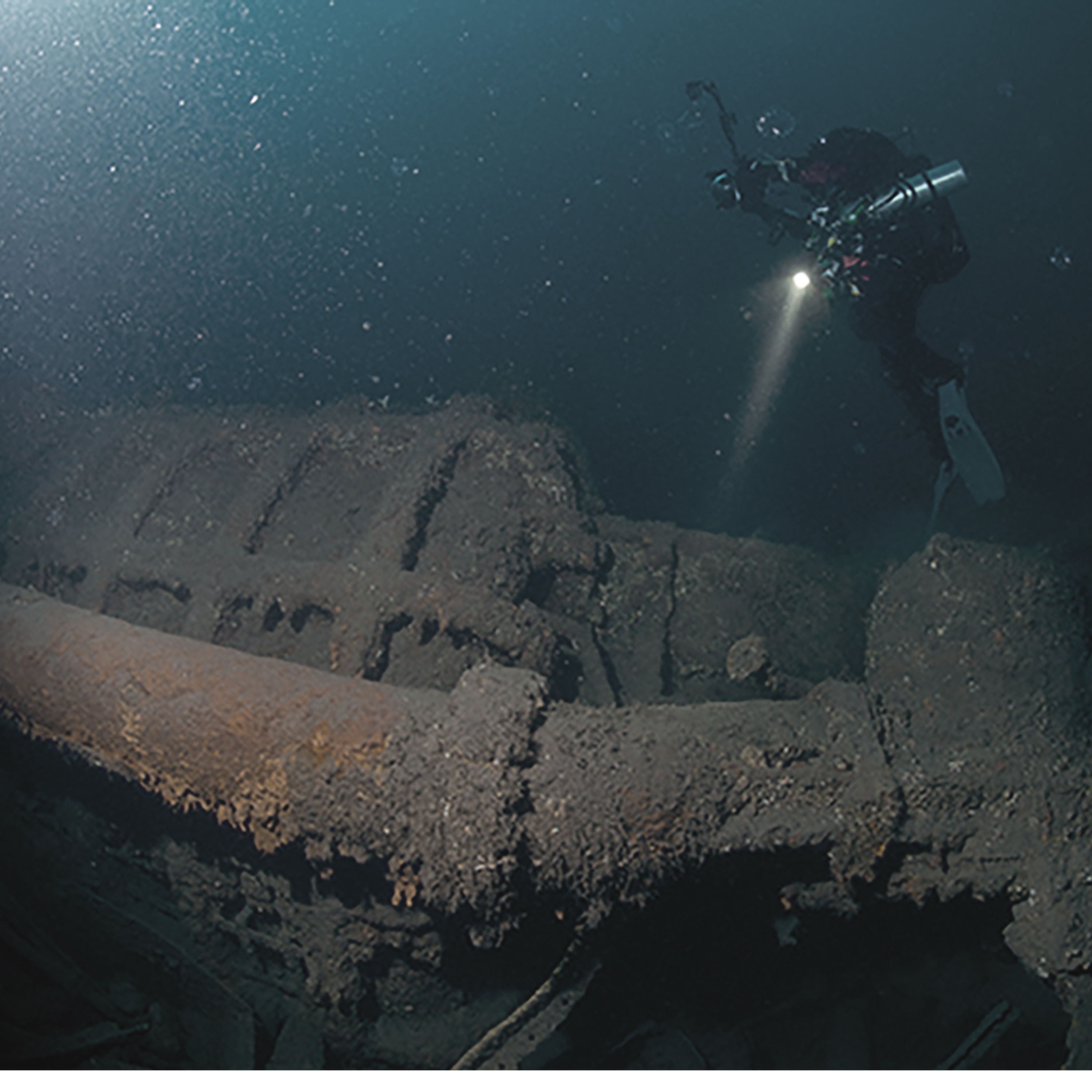
<p>The Battle of Jutland was the decisive naval clash of the First World War, pitting the German High Seas Fleet against the Royal Navy's Grand Fleet in an all or nothing battle for supremacy and survival. At the end of the war, the defeated German fleet was scuttled at Scapa Flow. Or so we thought. New evidence suggests that wrecks in Portsmouth harbour, previously thought to be nondescript vessels, are in fact German veterans of the Battle of Jutland, scrapped at Portsmouth rather than Scotland. Dan Snow joins a team of marine archaeologists to explore these wrecks. But will he make it across the treacherous mud to reach them?</p><br><p><strong>© </strong>Vic Verlinden</p> <hr><p style='color:grey; font-size:0.75em;'> Hosted on Acast. See <a style='color:grey;' target='_blank' rel='noopener noreferrer' href='https://acast.com/privacy'>acast.com/privacy</a> for more information.</p>
Ep 10The Berlin Wall & The Tunnels Beneath It
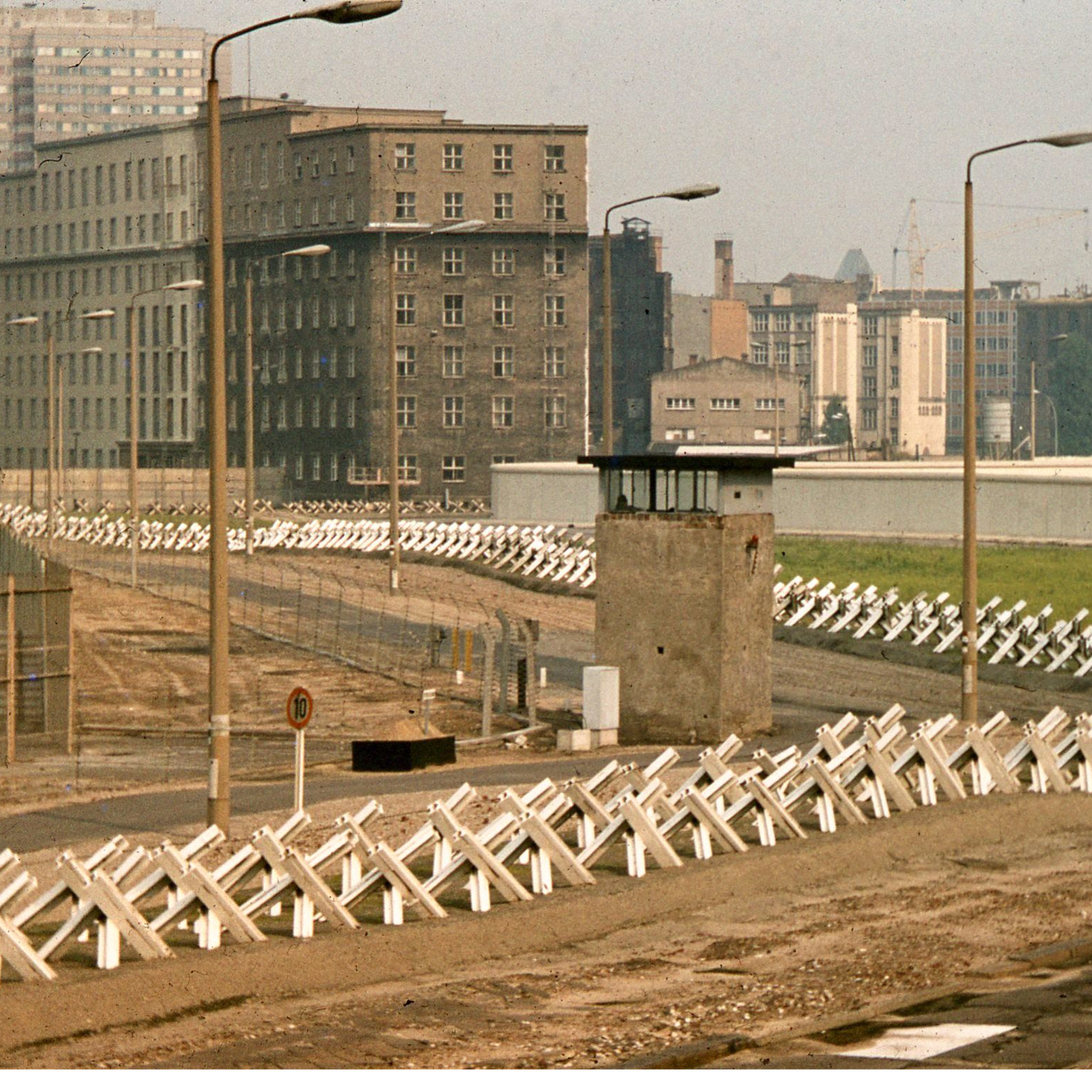
<p>On 9 November 1989, the commander of a Berlin Wall border crossing yielded to demands and allowed guards to open the checkpoints. By the end of the day parts of the wall were being chipped off as souvenirs. In this episode, Helena Merriman takes us through the surprise overnight building of the wall which cut neighbourhoods, streets and families in half. She then takes us through the many methods of escape attempted by East Berliners. In particular, we are introduced to Joachim Rudolph who, very unusually, tunnelled back to the East after his escape in order to help others. Helena is the award-winning creator of the acclaimed BBC Radio 4 podcast, Tunnel 29, and the author of a book of the same title.</p><br><p><strong>© </strong>GeorgeLouis</p> <hr><p style='color:grey; font-size:0.75em;'> Hosted on Acast. See <a style='color:grey;' target='_blank' rel='noopener noreferrer' href='https://acast.com/privacy'>acast.com/privacy</a> for more information.</p>
Ep 105Battle of Beecher Island
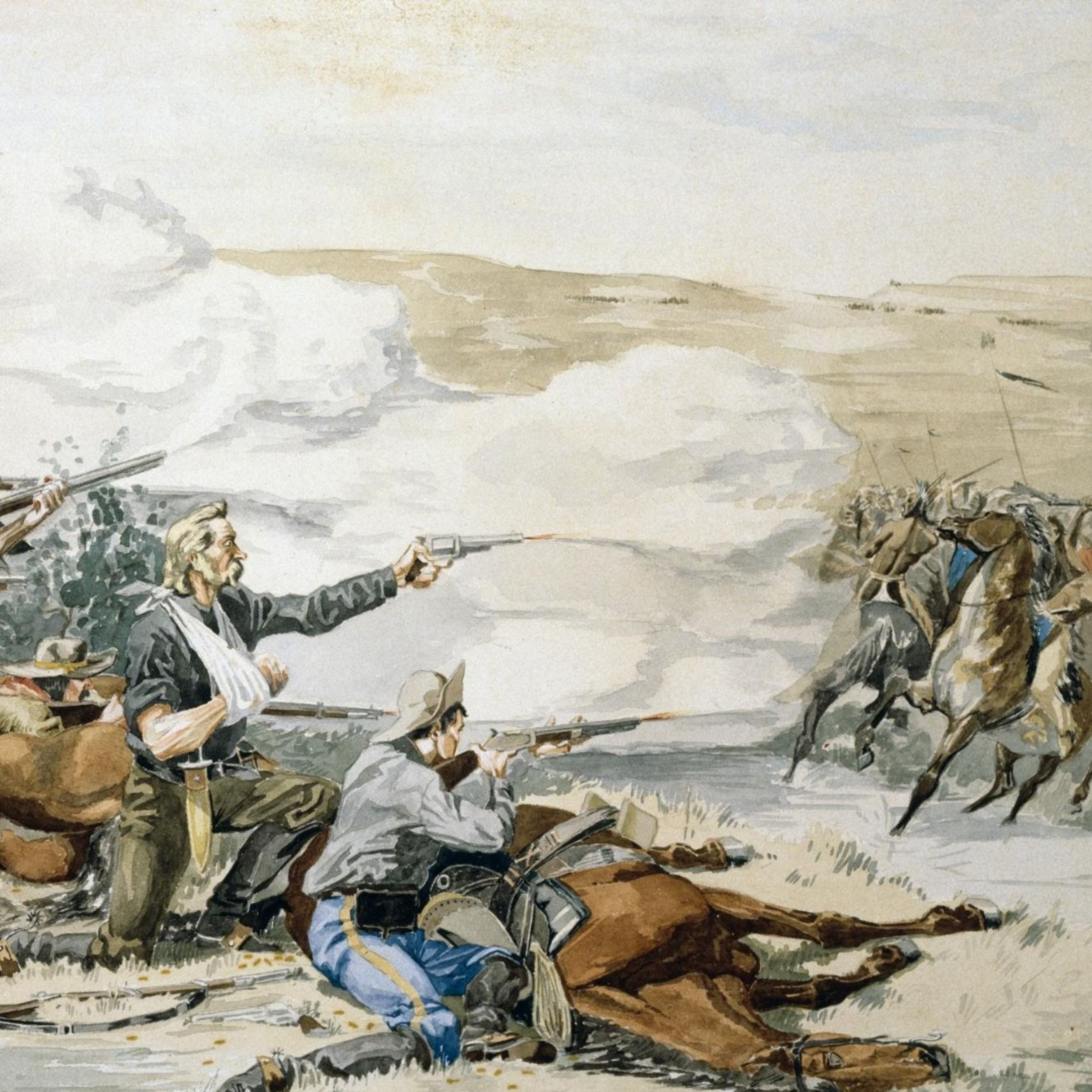
<p>September 1868, 3 years after the Civil War, saw an outnumbered United States Army patrol against six hundred Native warriors on the American Frontier. In this episode, we explore the heroism displayed by the soldiers on both sides of the fight. James is joined by author Terry Mort, as he explains in great detail the Battle of Beecher Island, otherwise known as the Battle of Arikaree Fork.</p><br><p>Terry Mort is the author of "Cheyenne Summer: The Battle of Beecher Island: A History", published by Pegasus Books.</p> <hr><p style='color:grey; font-size:0.75em;'> Hosted on Acast. See <a style='color:grey;' target='_blank' rel='noopener noreferrer' href='https://acast.com/privacy'>acast.com/privacy</a> for more information.</p>
When We Nearly Nuked the Moon
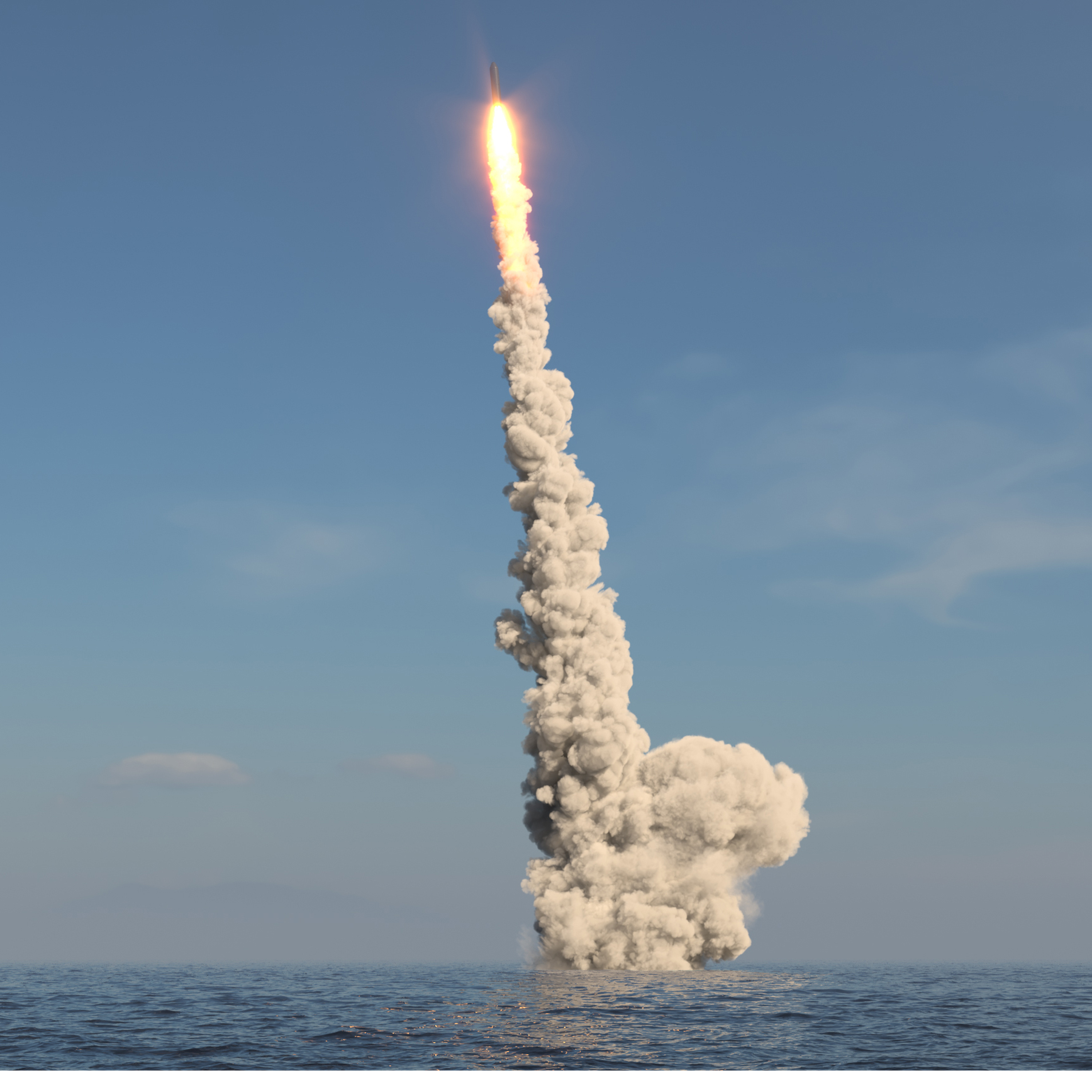
<p>In this archive episode, Vince Houghton joins Dan Snow to talk about some of the weirdest and craziest ideas put forward during the twentieth century. They talk exploding bats, sonic cats, aircraft carriers made of icebergs and detonating a nuclear missile on the moon just to show that you could do it! Vince Houghton is the historian and curator of the International Spy Museum in Washington, DC. He also is the host and creative director of the Museum's podcast, SpyCast.</p><br><p>©Shutterstock</p> <hr><p style='color:grey; font-size:0.75em;'> Hosted on Acast. See <a style='color:grey;' target='_blank' rel='noopener noreferrer' href='https://acast.com/privacy'>acast.com/privacy</a> for more information.</p>
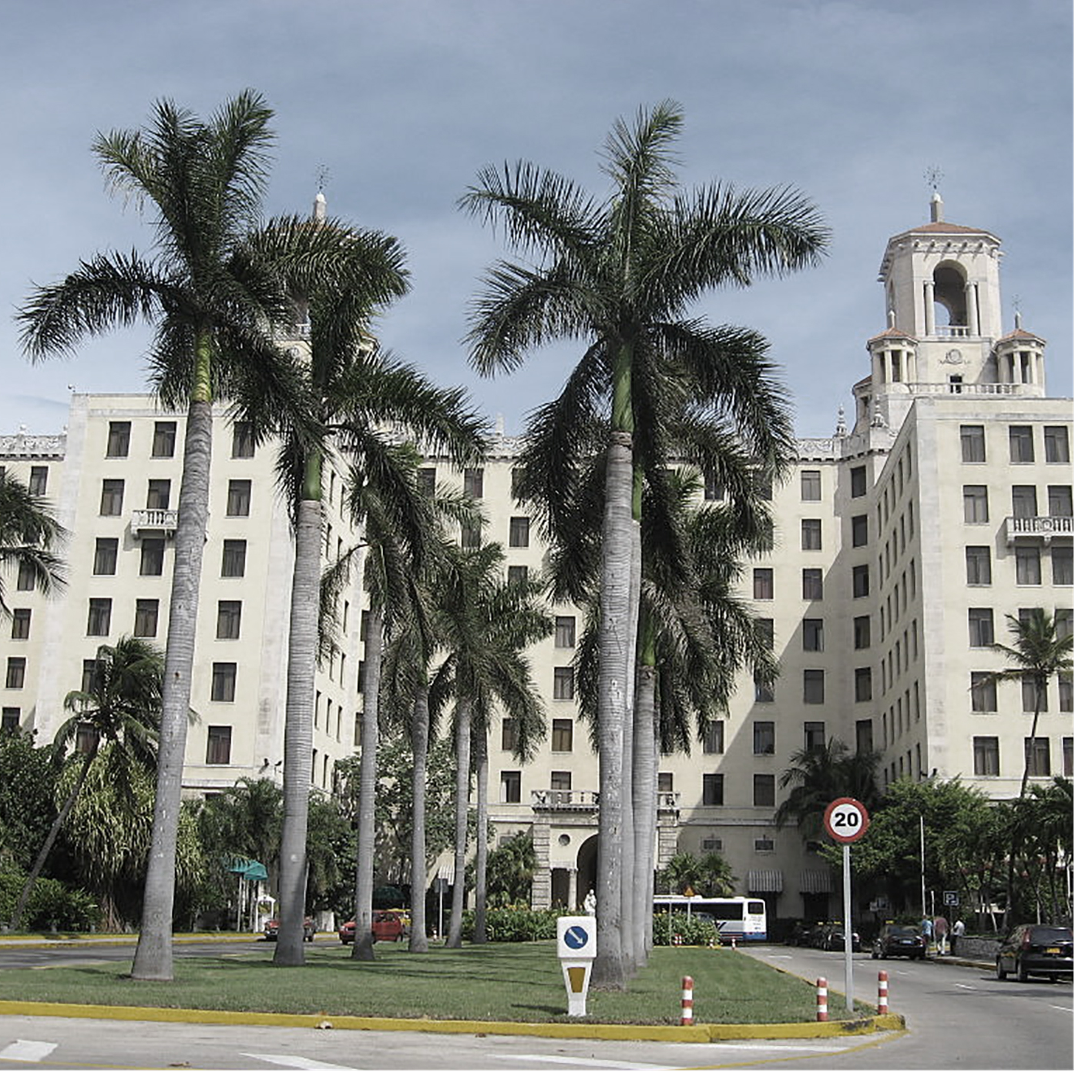
Mass Psychogenic Illness: Havana Syndrome
<p>‘Brain-fog’, dizziness, ringing in the ears, fatigue: everyday symptoms of attacks by a possibly extraordinary weapon. In 2016, a number of CIA agents began to report these symptoms, alongside a possible cause of an unusual sound. Now over 200 Americans and Canadians have reported symptoms, and Kamala Harris, America’s vice president, this August delayed a flight to Vietnam because of suspected cases in Hanoi. But what causes Havana Syndrome? Is it the result of attacks by microwave weapons, or is it something more banal? Robert Bartholomew is on the podcast today to talk to James about reports of Havana Syndrome, and the veracity of the microwave weapon and Frey effect theories. Robert discusses the results of experimentation over the years, and the support for a theory of Mass Psychogenic Illness. Alongside Robert Baloh, Robert Bartholomew is a co-author of ‘Havana Syndrome: Mass Psychogenic Illness and the Real Story Behind the Embassy Mystery and Hysteria’.</p><p><br></p> <hr><p style='color:grey; font-size:0.75em;'> Hosted on Acast. See <a style='color:grey;' target='_blank' rel='noopener noreferrer' href='https://acast.com/privacy'>acast.com/privacy</a> for more information.</p>
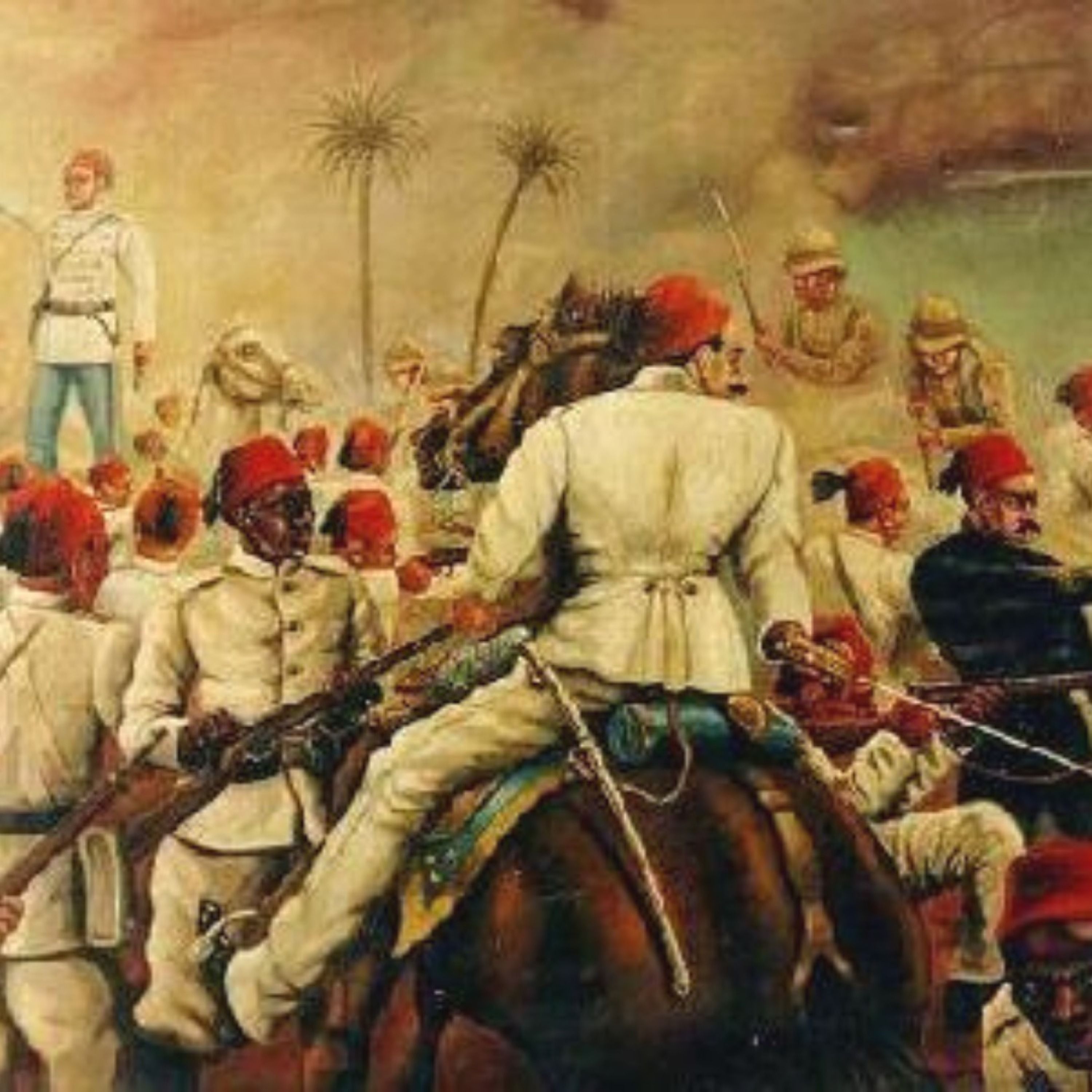
Ep 102The Anglo-Arab Wars
<p>The half century between 1870 and 1920 was one of conflict between British colonialism and the people of the Middle East and North Africa. In this episode, James is joined by archeologist and author Neil Faulkner to examine the clashes of armies, ideologies and forms of oppression, clashes which would prove fatal. Neil explains this revolutionary history, exploring British imperialism in northeast Africa which has repercussions rippling into the 21st century. Can this war be considered the first modern Jihad?</p><br><p>Neil Faulkner is the author of 'Empire and Jihad: The Anglo-Arab Wars of 1870-1920', Published by Yale University Press.</p> <hr><p style='color:grey; font-size:0.75em;'> Hosted on Acast. See <a style='color:grey;' target='_blank' rel='noopener noreferrer' href='https://acast.com/privacy'>acast.com/privacy</a> for more information.</p>
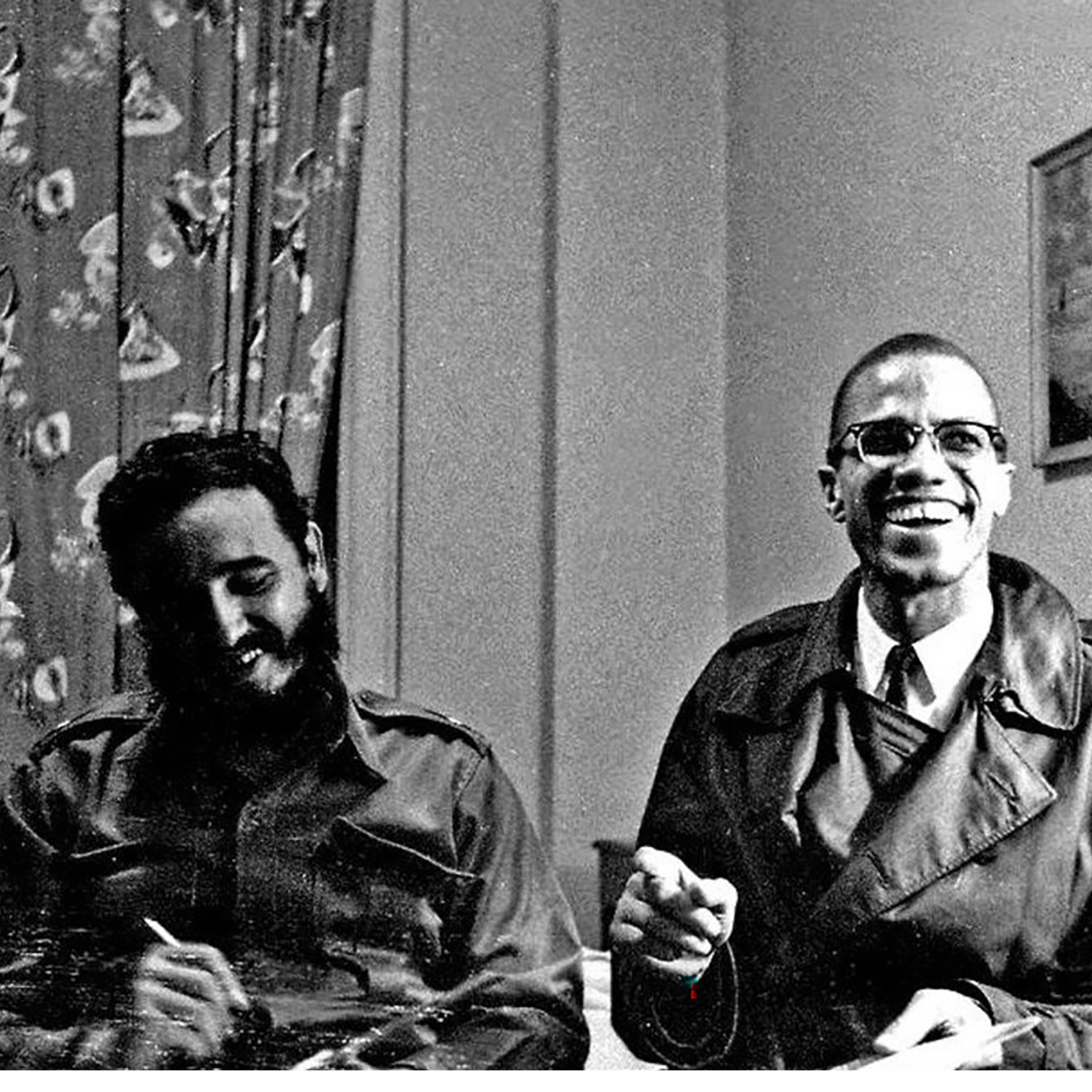
Castro, Malcolm X & Khrushchev in Harlem
For five decades the Cuban revolutionary leader Fidel Castro ran a communist state on the doorstep of the United States. But in September 1960, he crossed into the US and paid a visit to New York. Simon Hall joins Dan Snow in this episode from the archive to talk about Castro’s trip. Based at Harlem’s Theresa Hotel, Castro met with a succession of political and cultural luminaries, including Malcolm X, Gamal Abdel Nasser, Nikita Khrushchev, Amiri Baraka, and Allen Ginsberg. We discuss the coming together of revolutionaries embracing the politics of anti-imperialism, racial equality, and leftist revolution. <hr><p style='color:grey; font-size:0.75em;'> Hosted on Acast. See <a style='color:grey;' target='_blank' rel='noopener noreferrer' href='https://acast.com/privacy'>acast.com/privacy</a> for more information.</p>
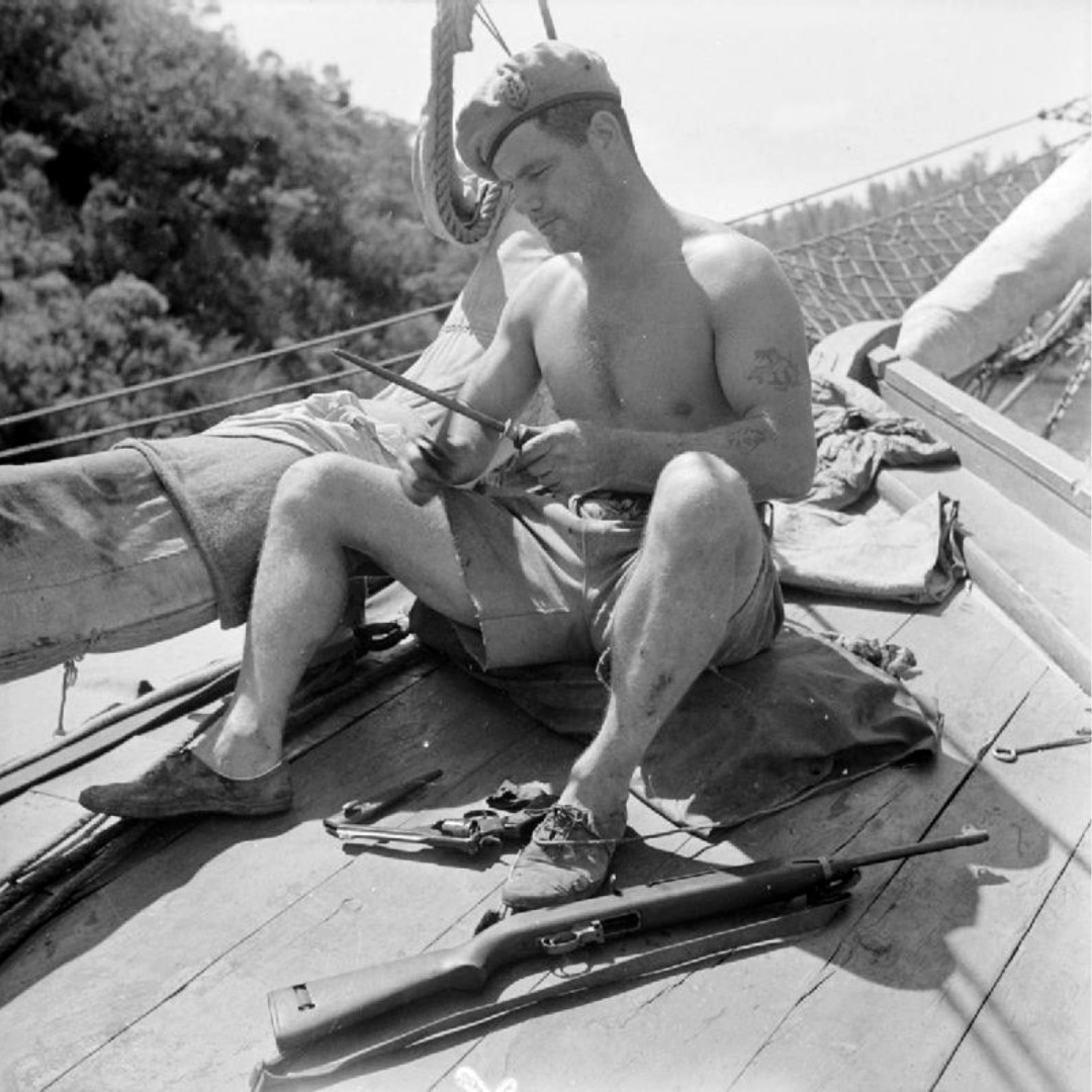
Ep 103WW2: Special Boat Service
Many have heard of the SAS (Special Air Service), but what about the SBS? Britain's SBS (Special Boat Service) was the first operations unit of its kind. Formed in 1940, this unit helped change the course of World War II.&nbsp;In this episode of Warfare, James is joined by Military Historian and author Saul David. Sharing his research with the full cooperation of the SBS, Saul sheds light on the heroic tales of the frontline SBS soldiers. <hr><p style='color:grey; font-size:0.75em;'> Hosted on Acast. See <a style='color:grey;' target='_blank' rel='noopener noreferrer' href='https://acast.com/privacy'>acast.com/privacy</a> for more information.</p>
Drone War in Vietnam
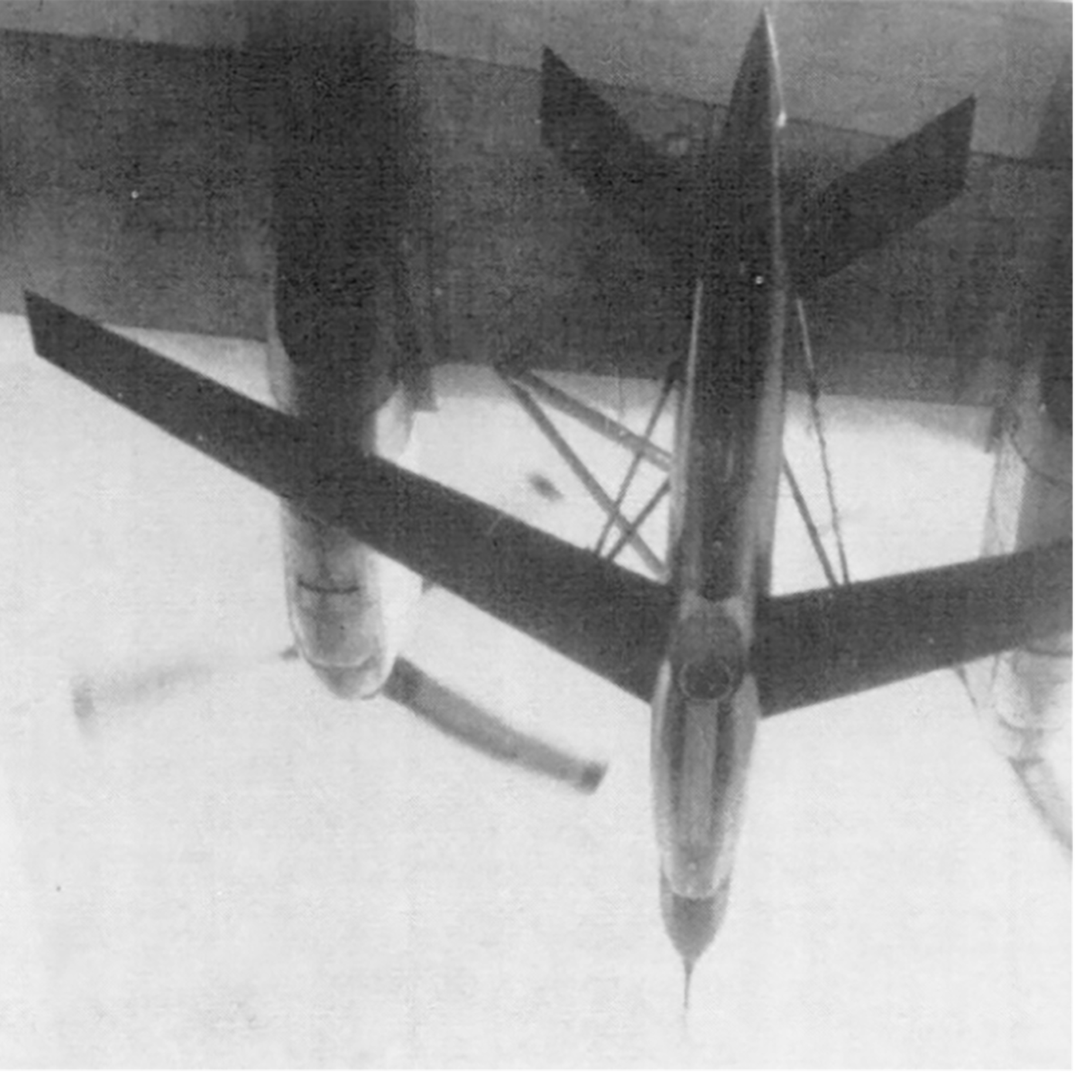
Drones are often considered among the most modern elements of warfare, and their use doesn't regularly feature in stories of the Vietnam War. But as David Axe tells us in this episode, the US use of drones was in its infancy during the 1960s and '70s. Having compiled military records, official histories and published first-hand accounts from early drone operators, David shares the revolutionary, and top secret, use of drones in the Vietnam War. David is an American military correspondent, his book is Drone War Vietnam: https://www.pen-and-sword.co.uk/Drone-War-Vietnam-Hardback/p/19099. <hr><p style='color:grey; font-size:0.75em;'> Hosted on Acast. See <a style='color:grey;' target='_blank' rel='noopener noreferrer' href='https://acast.com/privacy'>acast.com/privacy</a> for more information.</p>
How States Become Sea Powers
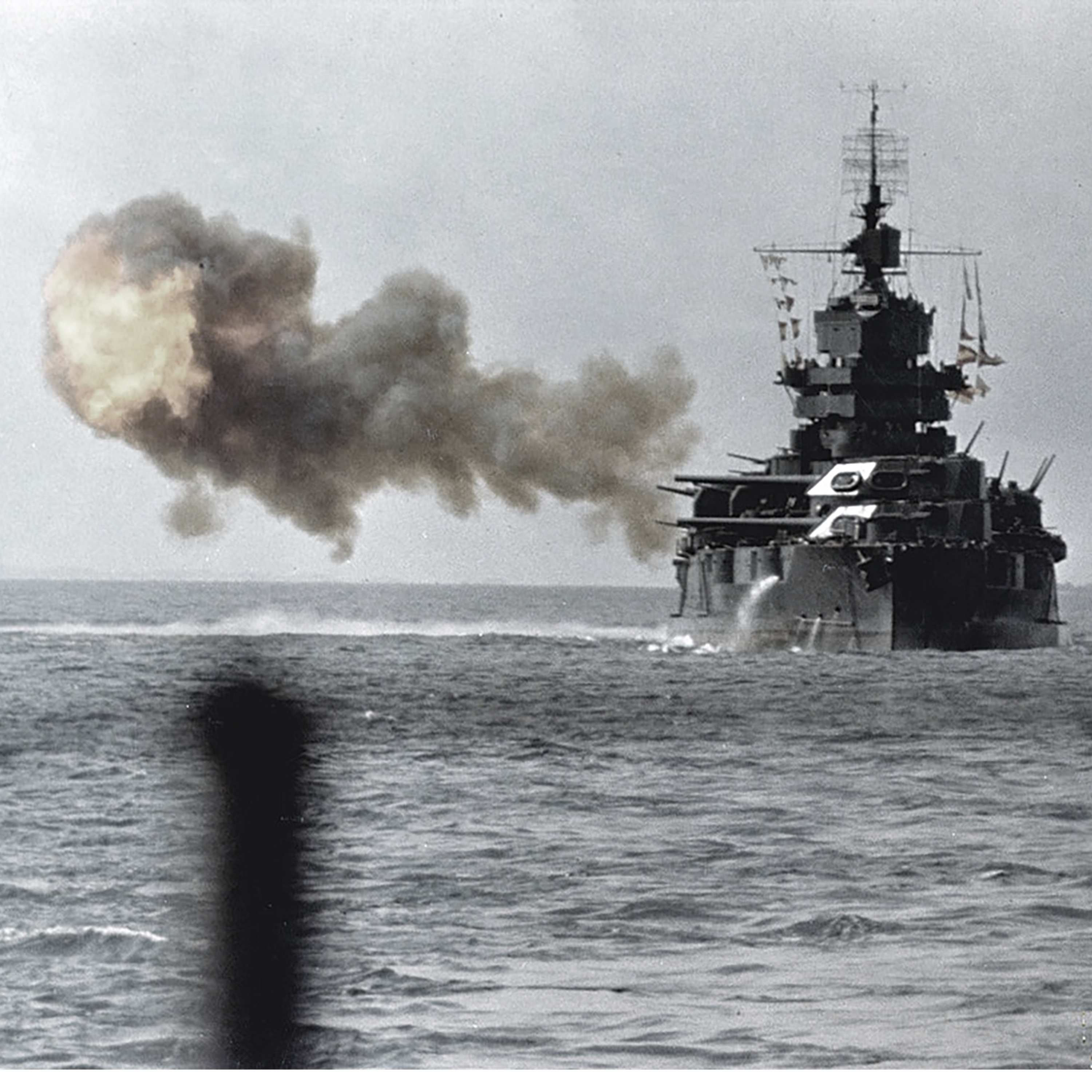
Andrew Lambert has written a magisterial history of sea power states, and the tools and methods of control they used to exert influence. From the Athenians to the British, Lambert discusses the way that states became sea powers, as well as offering insights on whether sea powers can exist in the same way they used to, and how American and Chinese interactions with the sea might change in the future. <hr><p style='color:grey; font-size:0.75em;'> Hosted on Acast. See <a style='color:grey;' target='_blank' rel='noopener noreferrer' href='https://acast.com/privacy'>acast.com/privacy</a> for more information.</p>
Ep 97WW2: The Viking Commandos of Telemark
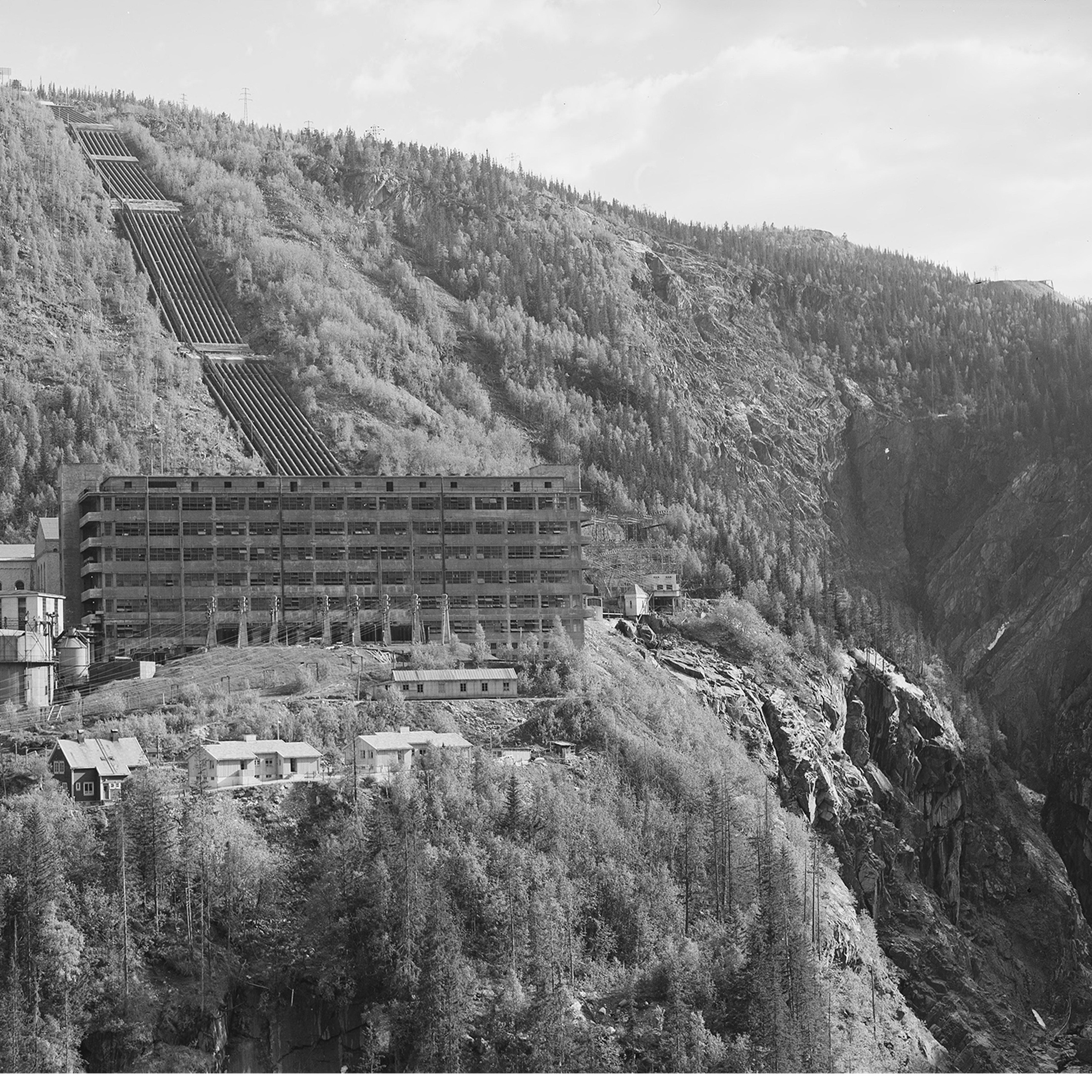
On 18 October 1942, a party of Norwegian agents were dropped into Telemark, Norway, for Operation Grouse. They were part of a mission to sabotage the German nuclear weapons programme by disrupting the stockpiling of heavy water at Vemork Norsk Hydro chemical plant. Arthur Herman is on Warfare today to explore the stories of these brave Norwegians. Why were they best suited to the job? And do their actions reveal anything about the so called Viking hearts of Scandinavia? <hr><p style='color:grey; font-size:0.75em;'> Hosted on Acast. See <a style='color:grey;' target='_blank' rel='noopener noreferrer' href='https://acast.com/privacy'>acast.com/privacy</a> for more information.</p>
Climate Wars
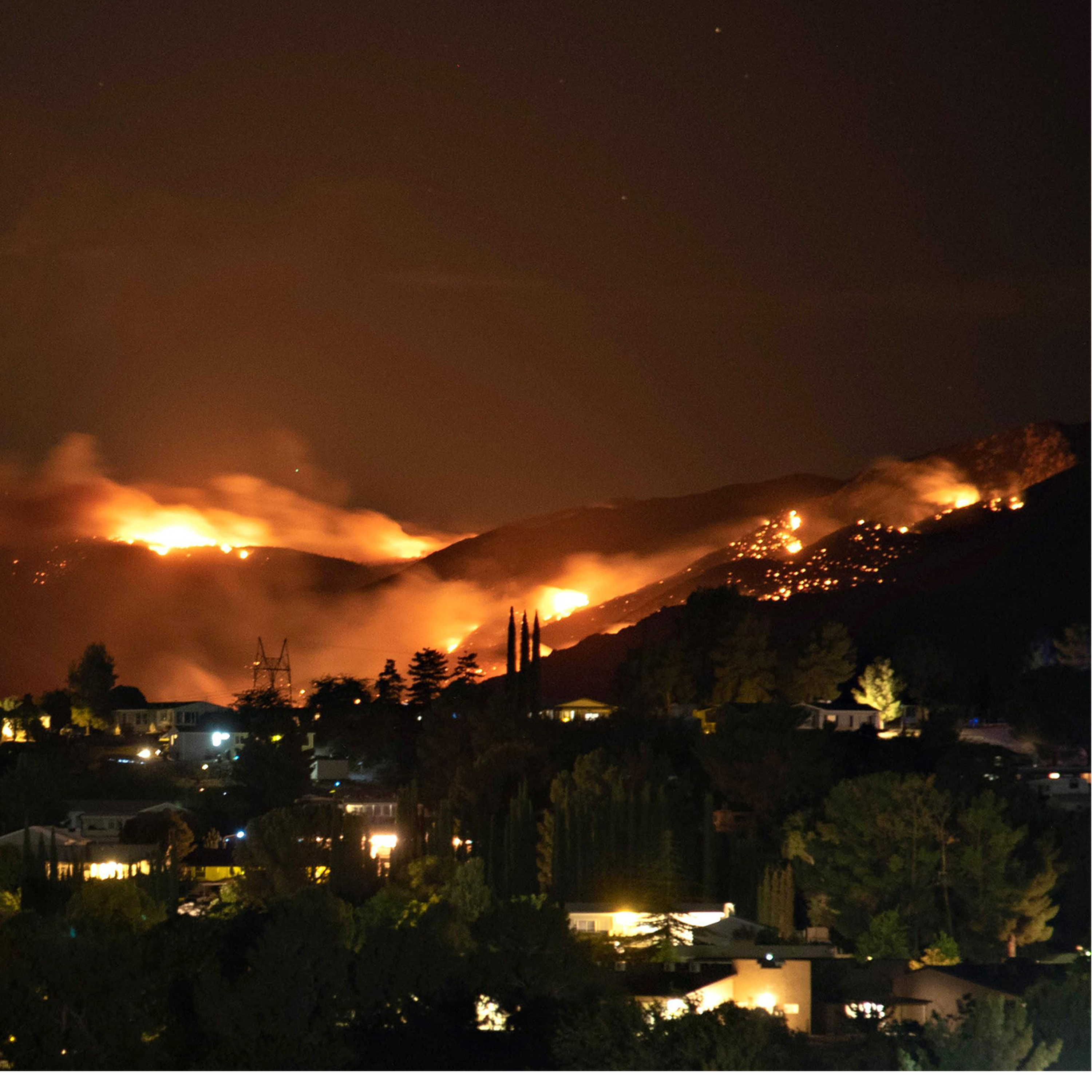
As the planet heats up, competition for resources rises and populations migrate. Even without the impact of natural disasters it’s enough to raise the tensions between nations. Gwynne Dyer is an historian, independent journalist and the author of 2011’s ‘Climate Wars: The Fight for Survival as the World Overheats’. In this episode, James and Gwynne discuss the ways in which climate change could lead to wars in the future, and whether it is possible to prevent this. Gwynne’s new book can be found here: https://www.amazon.co.uk/Shortest-History-War-Gwynne-Dyer/dp/191040084X <hr><p style='color:grey; font-size:0.75em;'> Hosted on Acast. See <a style='color:grey;' target='_blank' rel='noopener noreferrer' href='https://acast.com/privacy'>acast.com/privacy</a> for more information.</p>
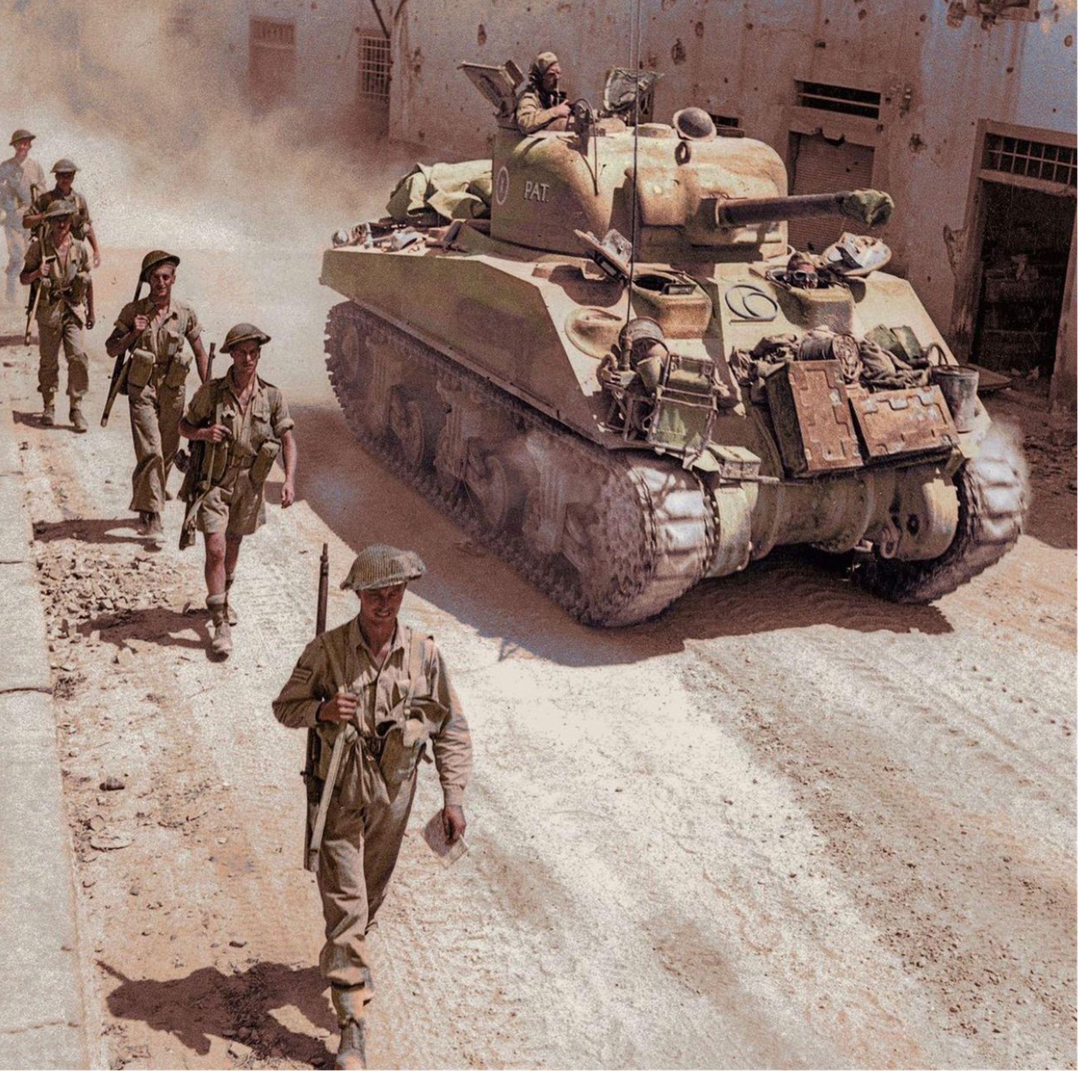
Italy in WW2
<p>On 13 October 1943, one month after surrendering to the Allies, Italy declared war on its former partner, Nazi Germany. In this episde from the History Hit archives, Dan talks to Paul Reed about the role of Italy in World War Two, from the battles that they took part in to the alliances they made. Paul is a leading military historian, specializing in the two world wars.</p><br><p>This photograph shows Warfare presenter James Rogers' grandfather, Sgt Ted Rogers (Coldstream Guards), leading his men into Impruneta, Italy, in 1944. The image was colourised by TIG.</p> <hr><p style='color:grey; font-size:0.75em;'> Hosted on Acast. See <a style='color:grey;' target='_blank' rel='noopener noreferrer' href='https://acast.com/privacy'>acast.com/privacy</a> for more information.</p>
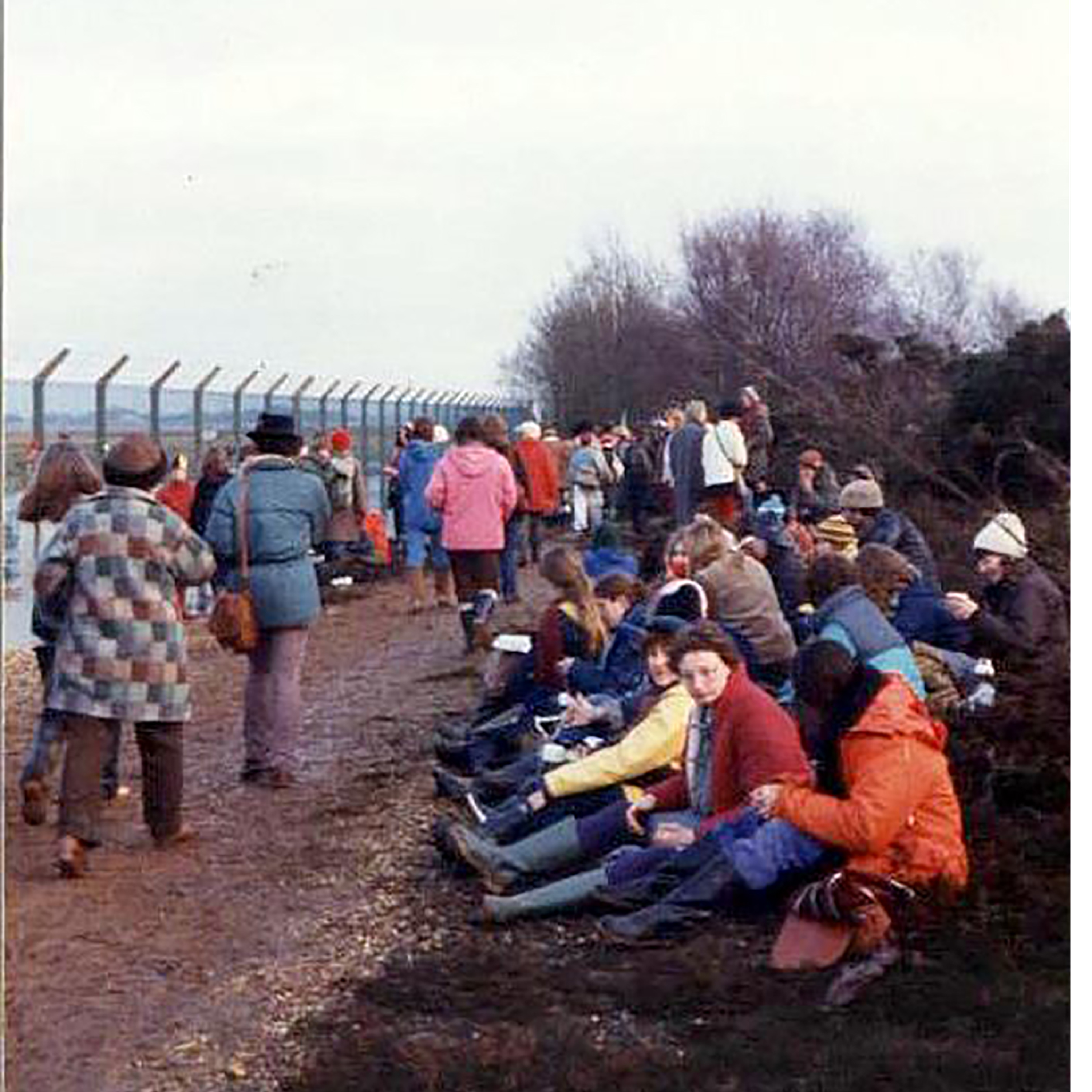
Protesting Nuclear Weapons: Greenham Common
In September 1981 a small group of 36 Welsh women marched 120 miles from Cardiff to RAF Greenham Common and chained themselves to the gates. They were protesting against the storage of not only British, but possibly American nuclear weapons being stored on the supposedly public land at Greenham Common. Over the next 19 years, 70,000 women were involved in history’s most famous feminist protest. In this episode, Rebecca Morden and Jill ‘Ray’ Raymond share their personal stories of protesting nuclear weapons in Britain. <hr><p style='color:grey; font-size:0.75em;'> Hosted on Acast. See <a style='color:grey;' target='_blank' rel='noopener noreferrer' href='https://acast.com/privacy'>acast.com/privacy</a> for more information.</p>

Ep 99IEDs in Afghanistan
October 7th, 2001 marks the beginning of the bombing campaign against Taliban forces. Improvised Explosive Devices (IEDs) caused havoc in Afghanistan, adding a new form of warfare to conflict. As we reach the 20th anniversary of the start of the war in Afghanistan, James is joined by Patrick Bury. Patrick is a former&nbsp;<em>captain</em>&nbsp;in the Royal Irish Regiment who served in Sangin, Afghanistan. Patrick takes us through his first-hand, personal experiences and encounters with IEDs as we reflect on the history of the battle. <hr><p style='color:grey; font-size:0.75em;'> Hosted on Acast. See <a style='color:grey;' target='_blank' rel='noopener noreferrer' href='https://acast.com/privacy'>acast.com/privacy</a> for more information.</p>
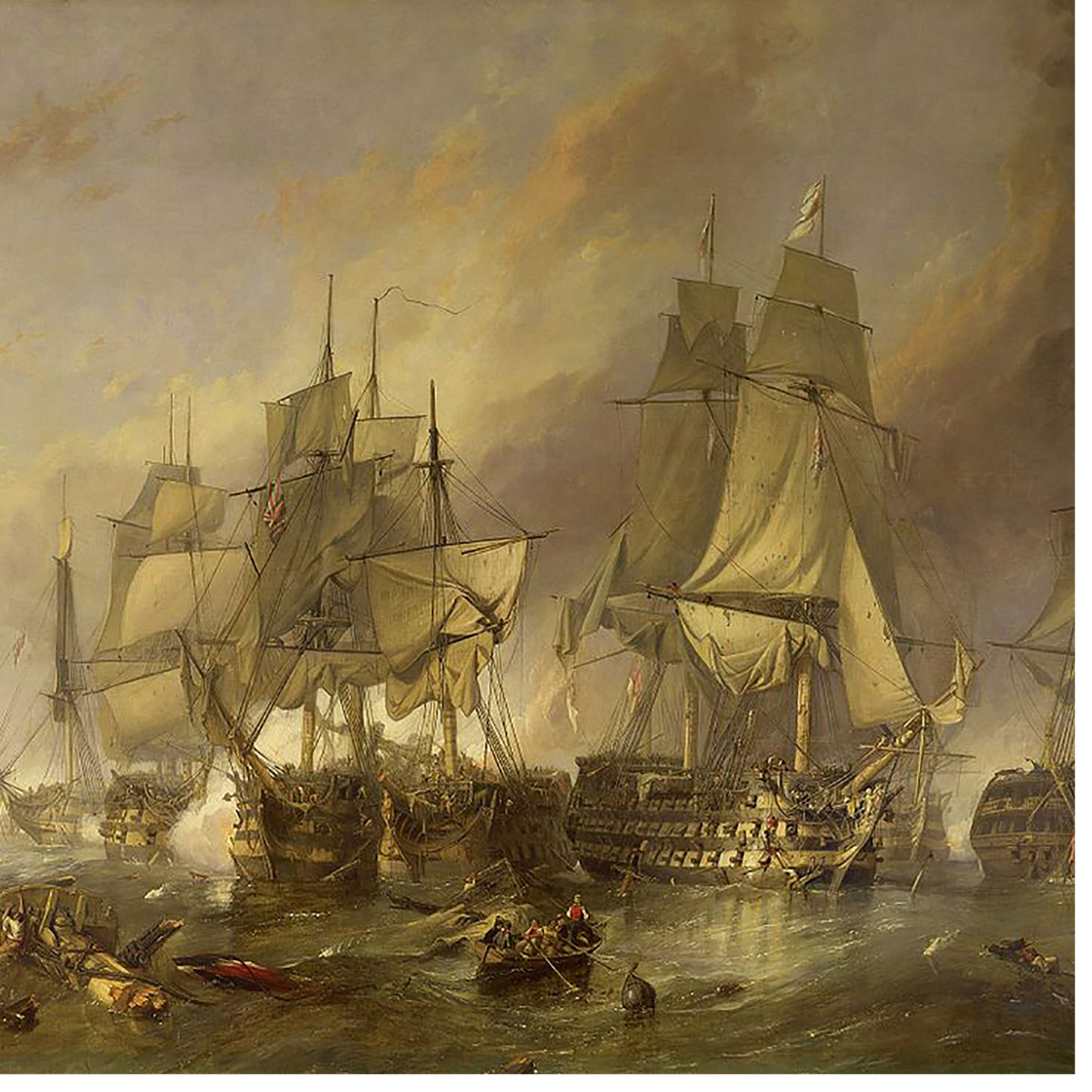
Nelson's Victory at Trafalgar
On 21 October 1805, the British Royal Navy, commanded by Vice-Admiral Horatio Nelson, emerged victorious over the combined French and Spanish fleets. In this episode from the archive, Andrew Baines, curator of HMS Victory, talks Dan through the events of 21 October 1805: the ship, the man, the battle. <hr><p style='color:grey; font-size:0.75em;'> Hosted on Acast. See <a style='color:grey;' target='_blank' rel='noopener noreferrer' href='https://acast.com/privacy'>acast.com/privacy</a> for more information.</p>
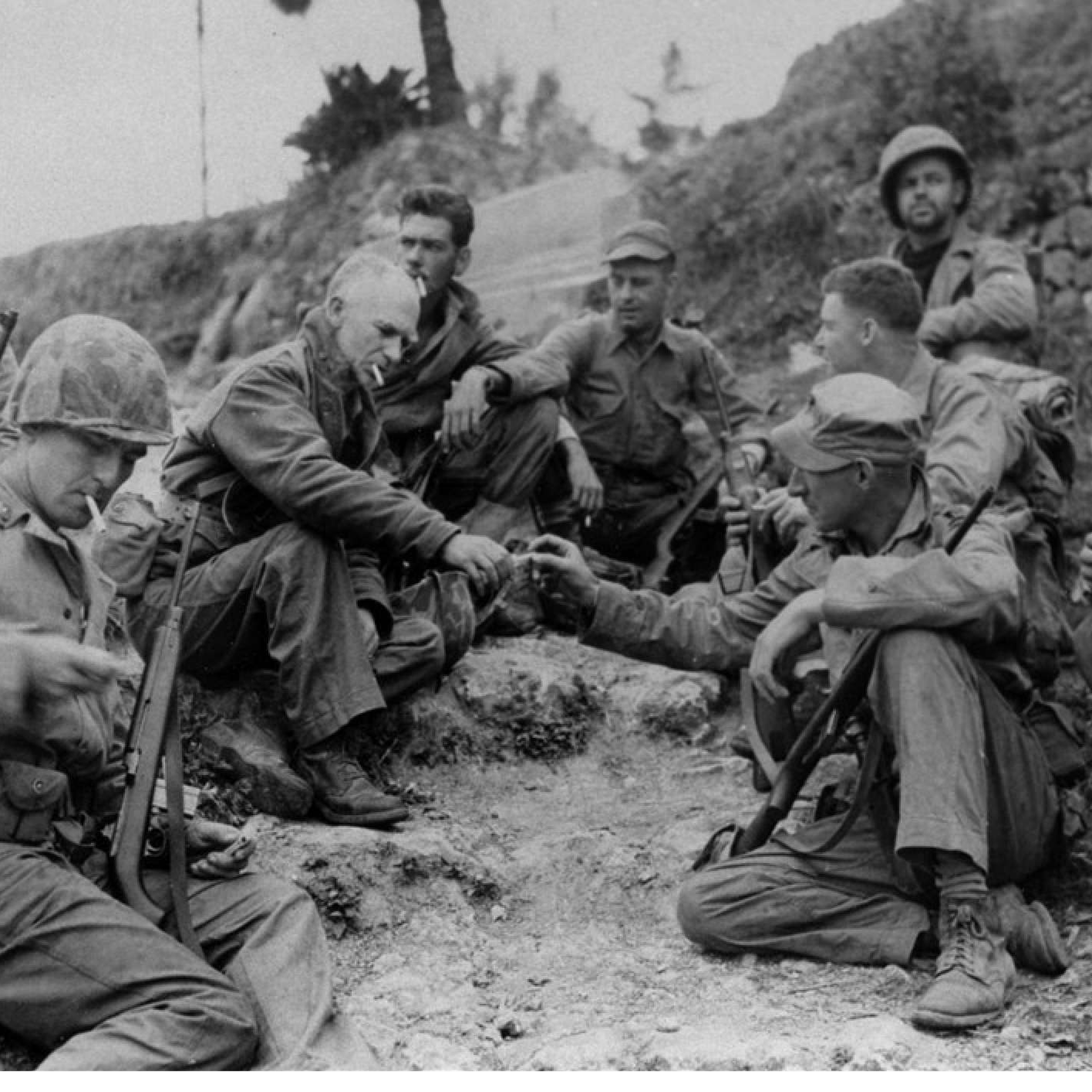
Ep 97WW2: War Reporters in the Pacific Theatre
<p>The Second World War was the first time that many on the home front in the United States were able to see and hear war in action. In this episode, Professor Steven Casey from LSE introduces the correspondents who covered America's war against Japan in the Pacific theatre. He takes us through their experiences and their impact on the home front, shining a light on the critical role that journalists on the frontline played.</p><br><p>Steven Casey is the author of 'The War Beat, Pacific: The American Media at War Against Japan', published by&nbsp;<em>Oxford University Press Inc.</em></p> <hr><p style='color:grey; font-size:0.75em;'> Hosted on Acast. See <a style='color:grey;' target='_blank' rel='noopener noreferrer' href='https://acast.com/privacy'>acast.com/privacy</a> for more information.</p>
Ep 96WW2: Czech Resistance
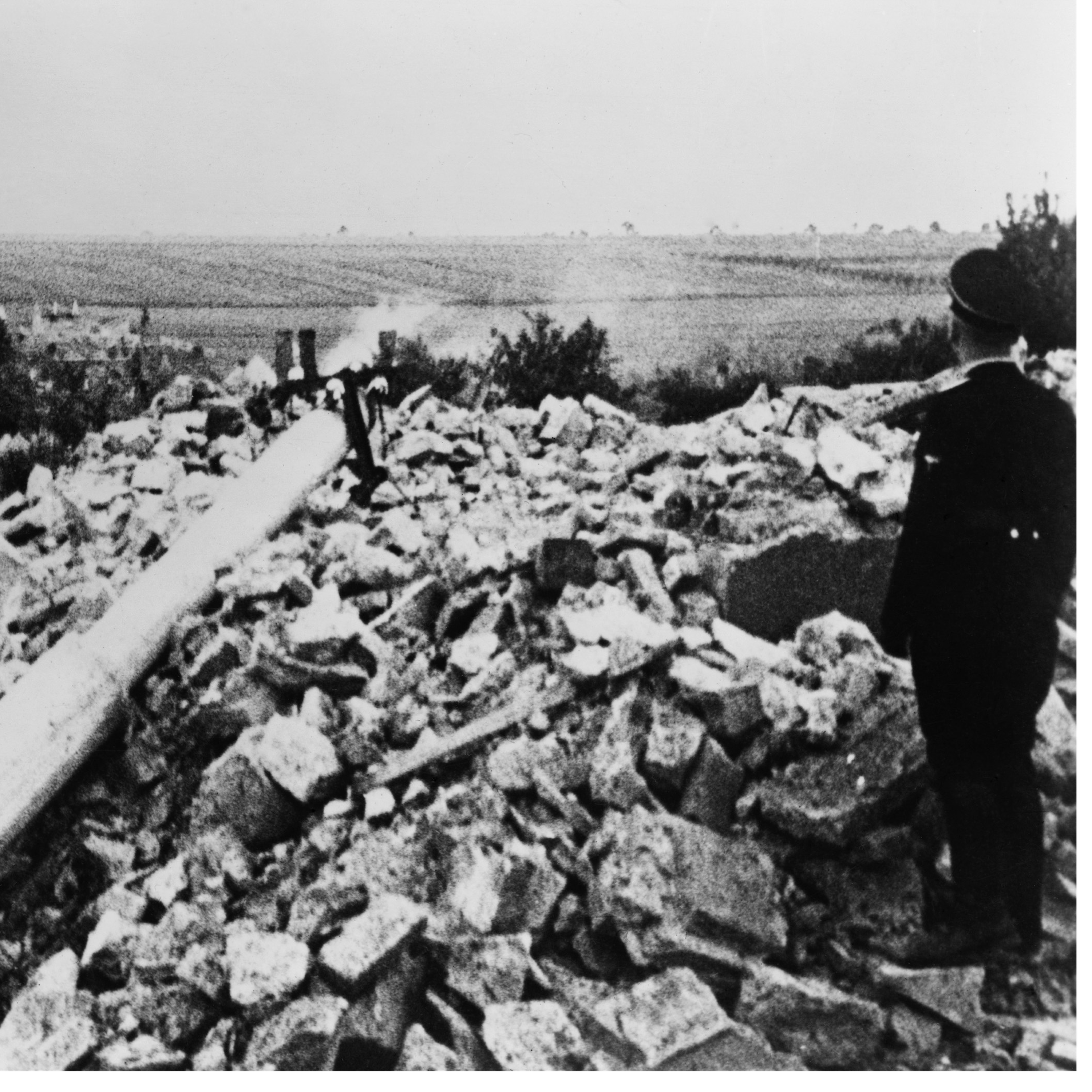
<p>Though excluded from decisions on their occupation in the Munich Agreement in 1938, the citizens of the new country of Czechoslovakia were by no means passive for the rest of the war. The story of Czechoslovakian espionage and resistance is one which spans Europe and the length of the war, including assassinations of Nazi leaders and brave battles to the death. George Bearfield is the grandson of Jaroslav Bublík, a key figure in intelligence and the leader of possibly the last parachute drop of the Second World War. He has been studying his grandfather’s experiences during the war for his book ‘Foursquare: The Last Parachutist’. In this episode he sheds light on this story and whether an operation which was thought to have been cancelled really went ahead.</p><br><p>© Everett Collection/Shutterstock</p> <hr><p style='color:grey; font-size:0.75em;'> Hosted on Acast. See <a style='color:grey;' target='_blank' rel='noopener noreferrer' href='https://acast.com/privacy'>acast.com/privacy</a> for more information.</p>
Drones: A History
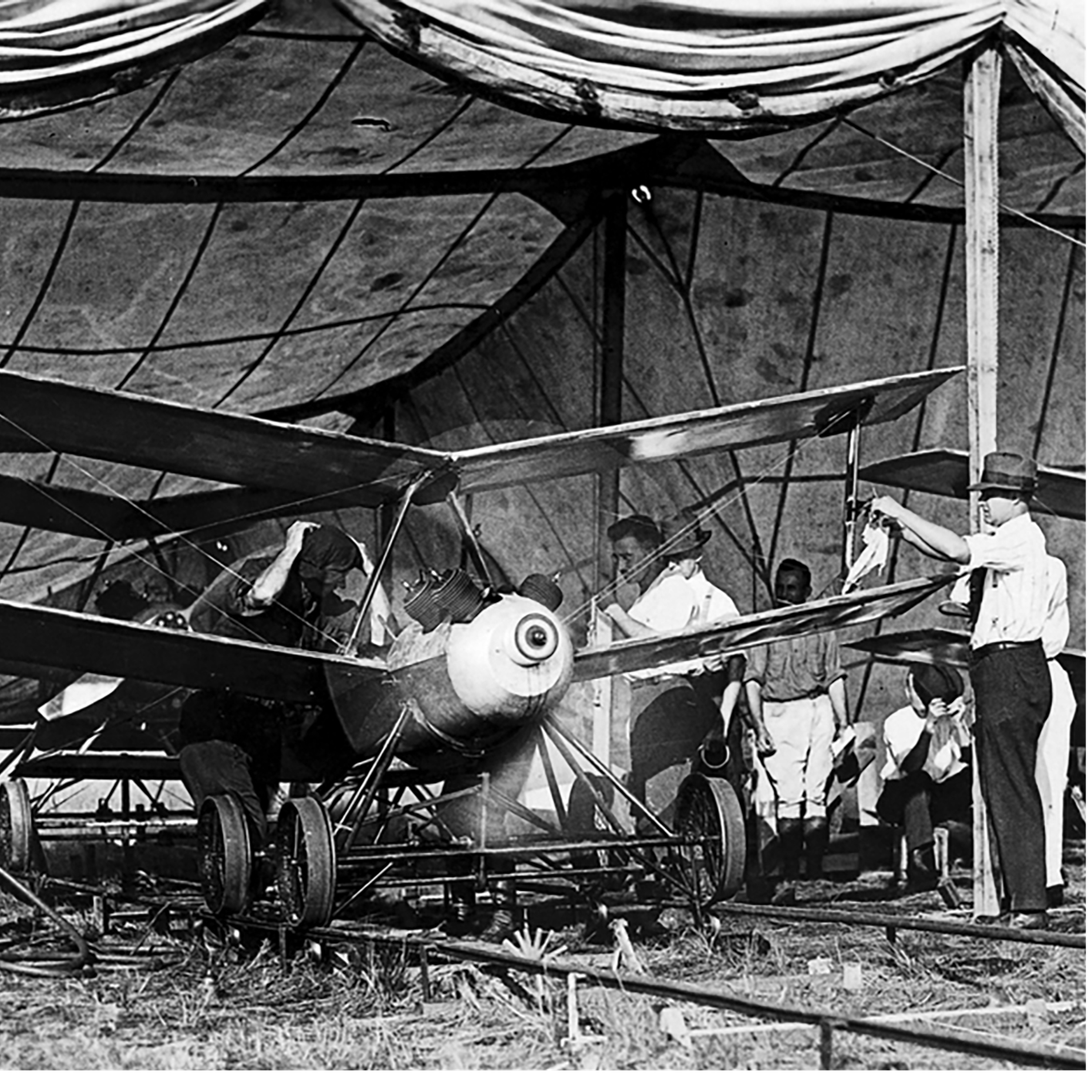
Although the use of drones has become well established and publicised in recent years, the history of unmanned aircraft stretches all the way back to the First World War. In this episode, James and Dan explore the development of drones and their use. <hr><p style='color:grey; font-size:0.75em;'> Hosted on Acast. See <a style='color:grey;' target='_blank' rel='noopener noreferrer' href='https://acast.com/privacy'>acast.com/privacy</a> for more information.</p>
Ep 94Hitler’s North African Genocide
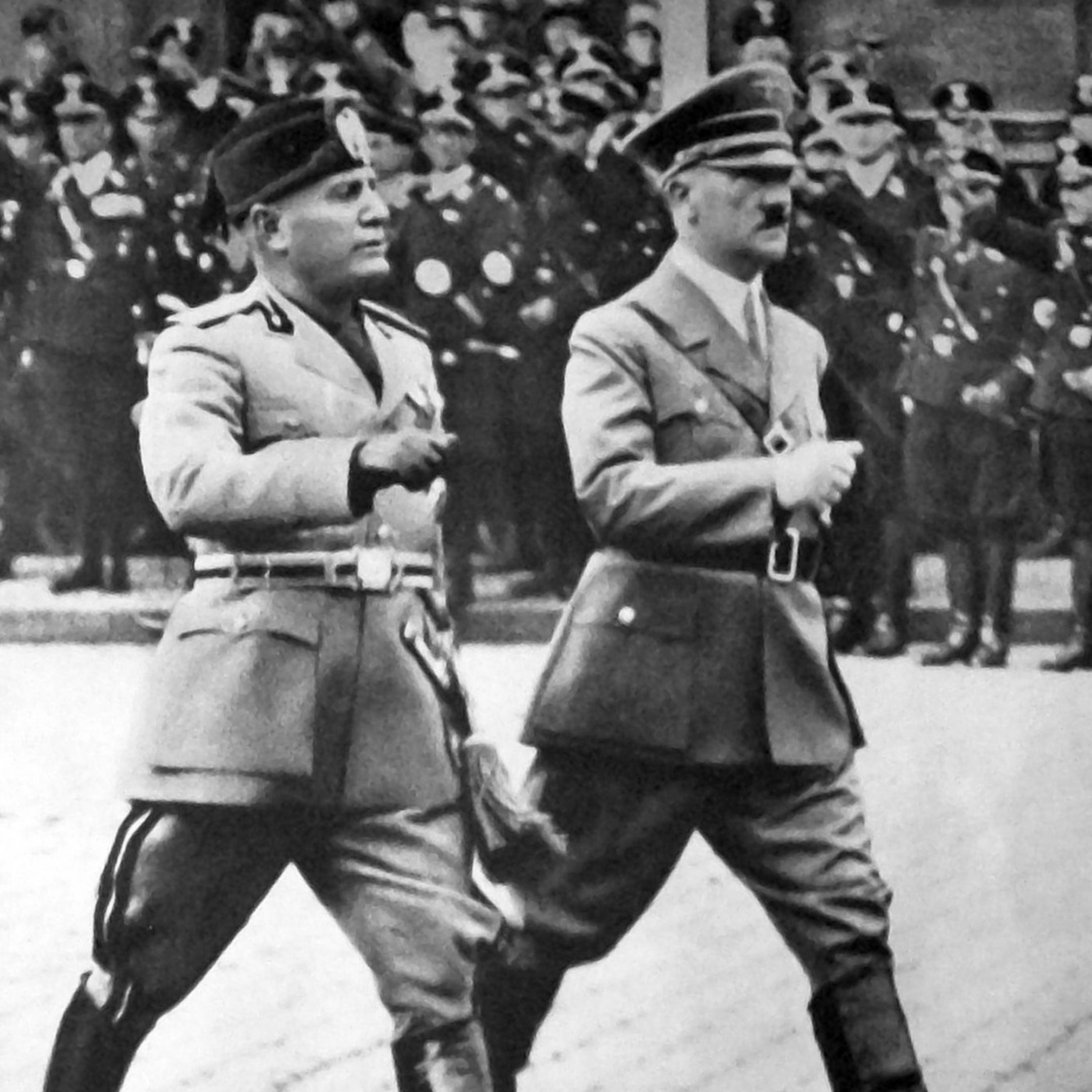
When we think of the Holocaust, we tend to think about Europe and Germany. However, during World War II, Hitler's antisemitic race laws also penetrated North Africa and the Middle East, spreading havoc to countries including Libya, Egypt, Algeria, and even Iraq. In this episode of Warfare, we examine this forgotten aspect of the Holocaust. James is joined by journalist and author Gershom Gorenberg to tell us more about its impact on the people of Africa. <hr><p style='color:grey; font-size:0.75em;'> Hosted on Acast. See <a style='color:grey;' target='_blank' rel='noopener noreferrer' href='https://acast.com/privacy'>acast.com/privacy</a> for more information.</p>
Ep 93Duke of Wellington
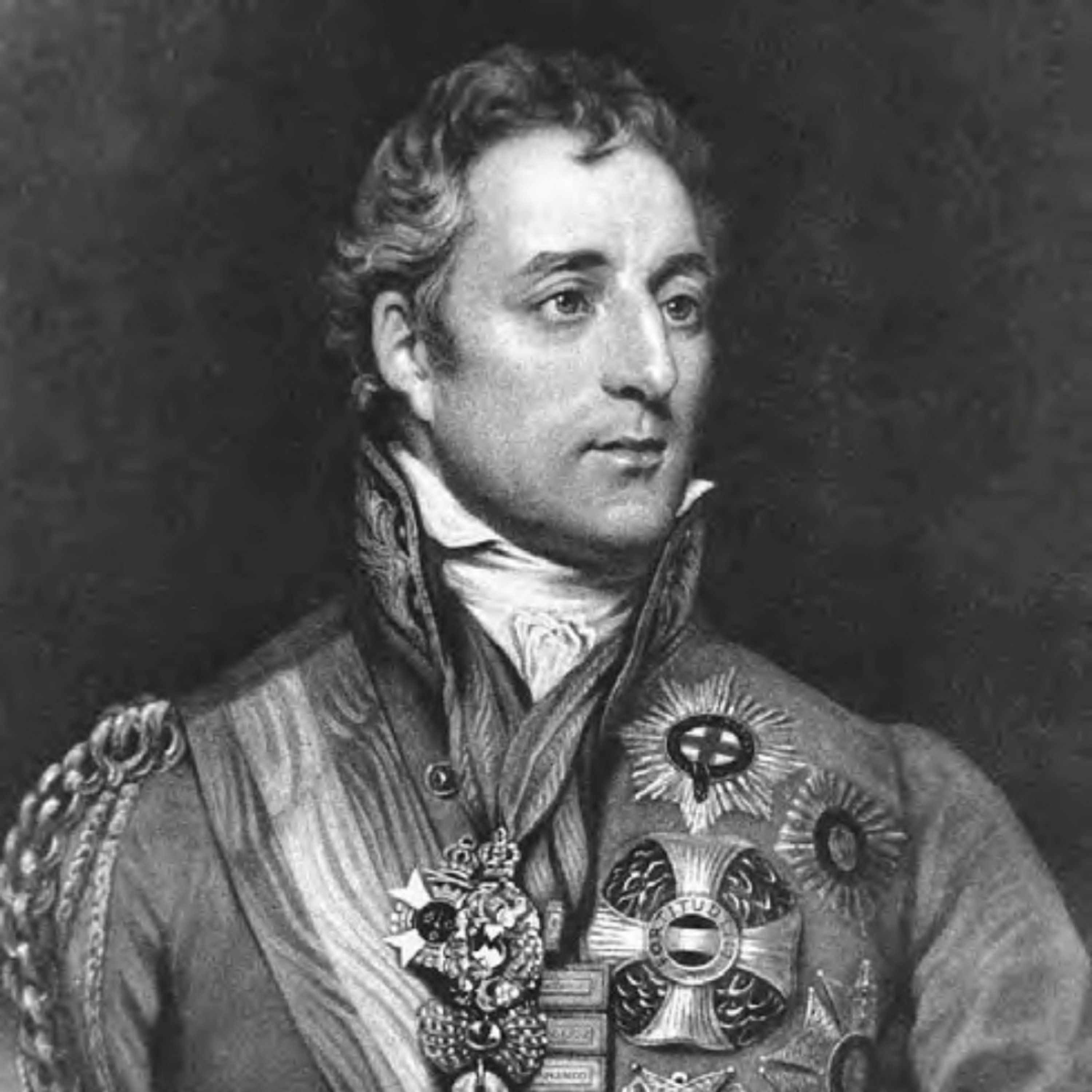
<p>Arthur Wellesley, 1st Duke of Wellington, was a soldier, statesman, and prominent political figure who served the United Kingdom twice as Prime Minister. He is known to many as a successful defensive general, but what about when he was on the offensive? In this episode, we explore the life, career, and death of Wellington. James is once again accompanied by Historian and presenter Zack White as they delve into the complex life of Wellington. Debunking myths, exploring his life, legacy, and controversies.</p><br><p>Zack specialises in crime and punishment in the British Army during the Napoleonic Wars at the University of Southampton and is the creator of the&nbsp;<a href="http://thenapoleonicwars.net/" rel="noopener noreferrer" target="_blank">TheNapoleonicWars.net</a>.</p> <hr><p style='color:grey; font-size:0.75em;'> Hosted on Acast. See <a style='color:grey;' target='_blank' rel='noopener noreferrer' href='https://acast.com/privacy'>acast.com/privacy</a> for more information.</p>
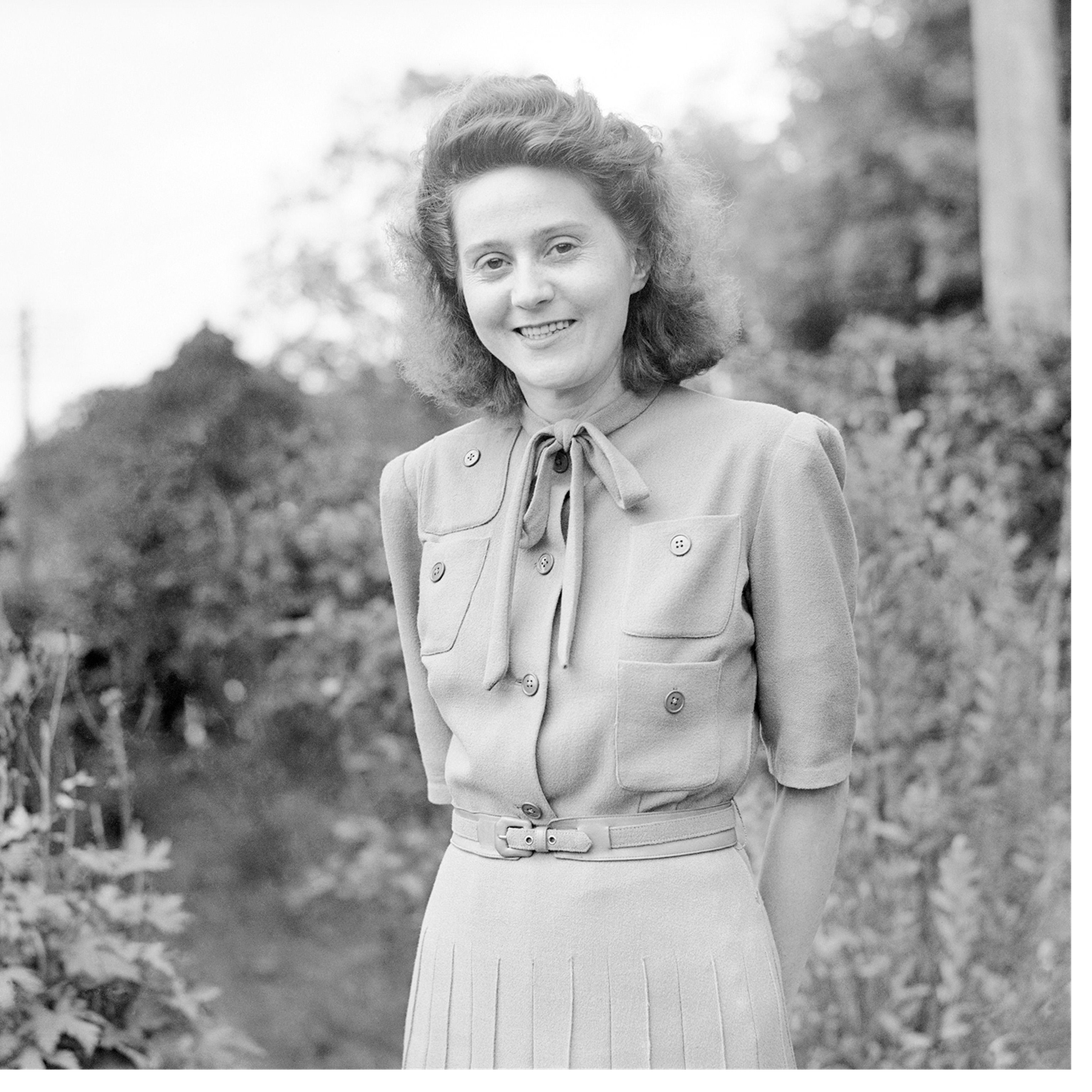
Ep 92WW2: Britain's Most Decorated Spy
<p>Odette Sansom, was the most highly decorated woman, and the most decorated spy of any gender during World War II. She was awarded both the George Cross and was appointed a Chevalier de la Légion d'honneur. Her wartime exploits and later imprisonment by the Nazis were celebrated in the years after the war, but she has fallen out of the spotlight recently. Larry Loftis' book reinstate her as one of the most celebrated members of the Special Operations Executive, the British sabotage and espionage organisation.</p><br><p>© PA Images&nbsp;/ Alamy&nbsp;Stock Photo</p> <hr><p style='color:grey; font-size:0.75em;'> Hosted on Acast. See <a style='color:grey;' target='_blank' rel='noopener noreferrer' href='https://acast.com/privacy'>acast.com/privacy</a> for more information.</p>
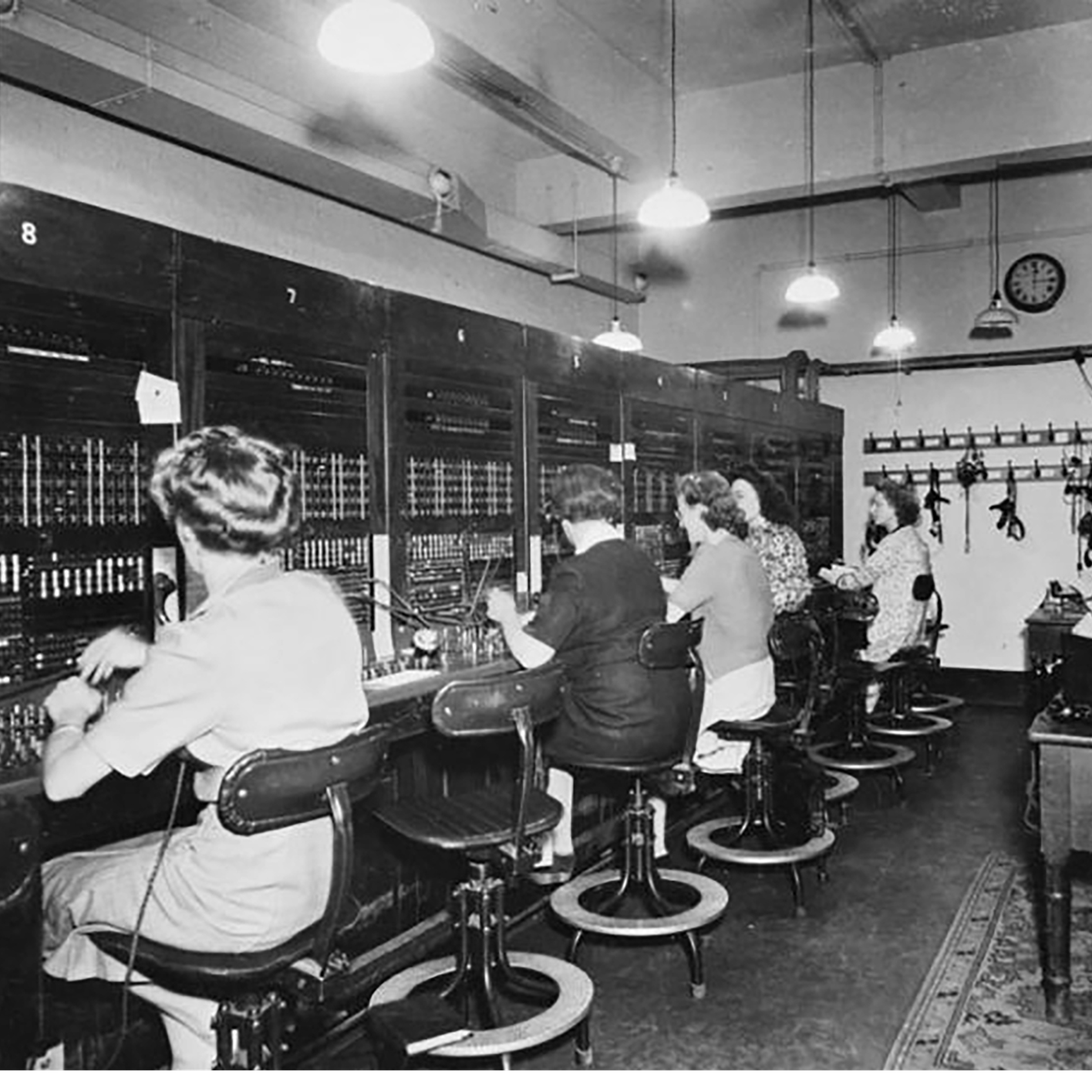
Ep 91WW2: Women & Work
<p>From munitions factories and the cabinet war rooms, to flying aircraft and even shaking hands with Joseph Stalin; during the Second World War women could be found throughout the workforce. Lucy Fisher has been interviewing surviving women of the Second World War workforce and in this episode, she shares some of her favourite anecdotes. Lucy is an author and the Deputy Political Editor for The Daily Telegraph, having formerly been a Defence editor for The Times. Her book ‘Women in the War’ is out now.</p><br><p>© IWM</p> <hr><p style='color:grey; font-size:0.75em;'> Hosted on Acast. See <a style='color:grey;' target='_blank' rel='noopener noreferrer' href='https://acast.com/privacy'>acast.com/privacy</a> for more information.</p>
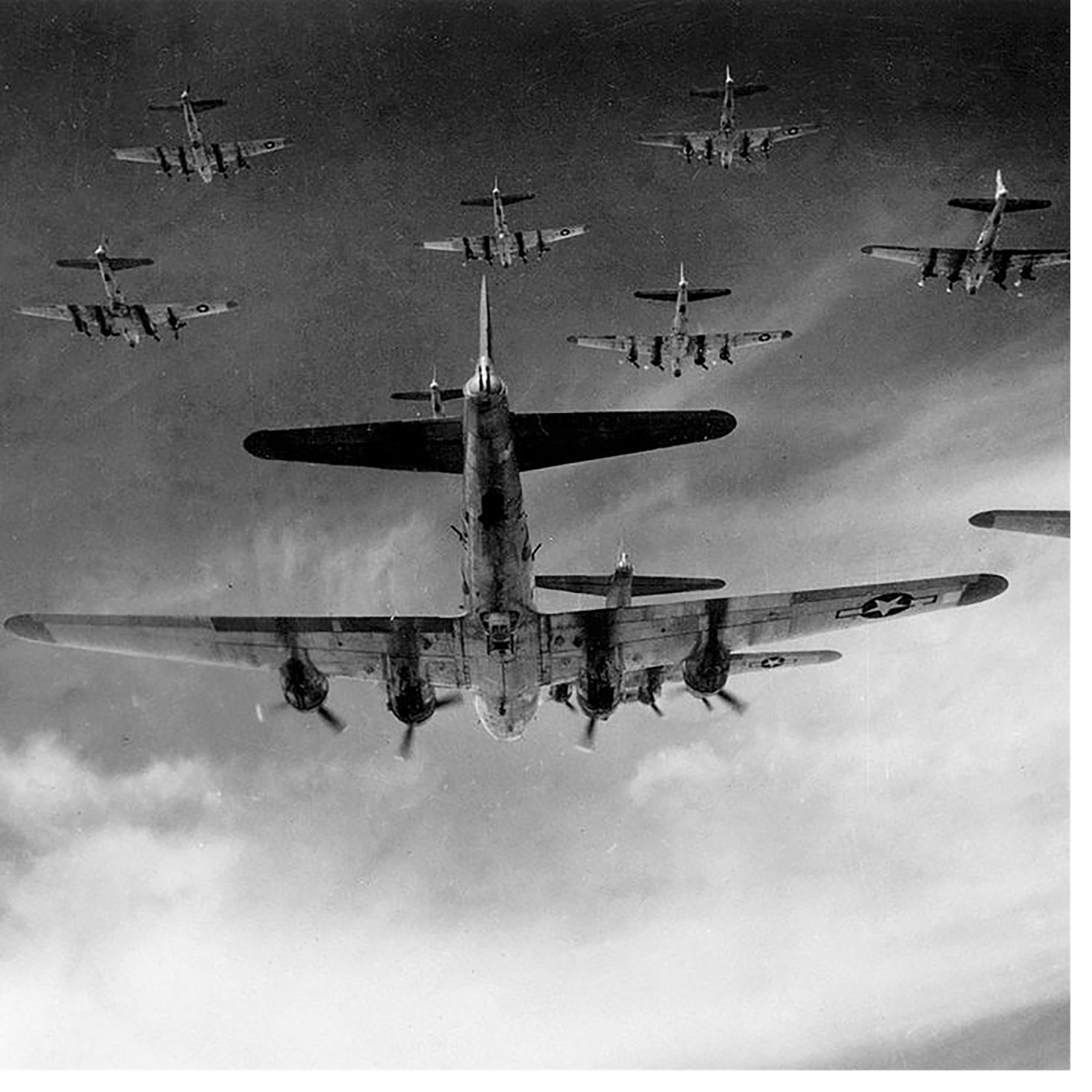
Ep 90Band of Brothers & Masters of the Air
Twenty years after the release of the landmark series Band of Brothers, screenwriter John Orloff is back to bring us Masters of the Air with Steven Spielberg and Tom Hanks. James spoke to John to get some inside information about the ongoing production of this project, including the exact repllication of Second World War aircraft and buildings from American Air Force bases in Britain. John also discusses how writing Masters of the Air differed from writing Band of Brothers, and the involvement of veterans. <hr><p style='color:grey; font-size:0.75em;'> Hosted on Acast. See <a style='color:grey;' target='_blank' rel='noopener noreferrer' href='https://acast.com/privacy'>acast.com/privacy</a> for more information.</p>
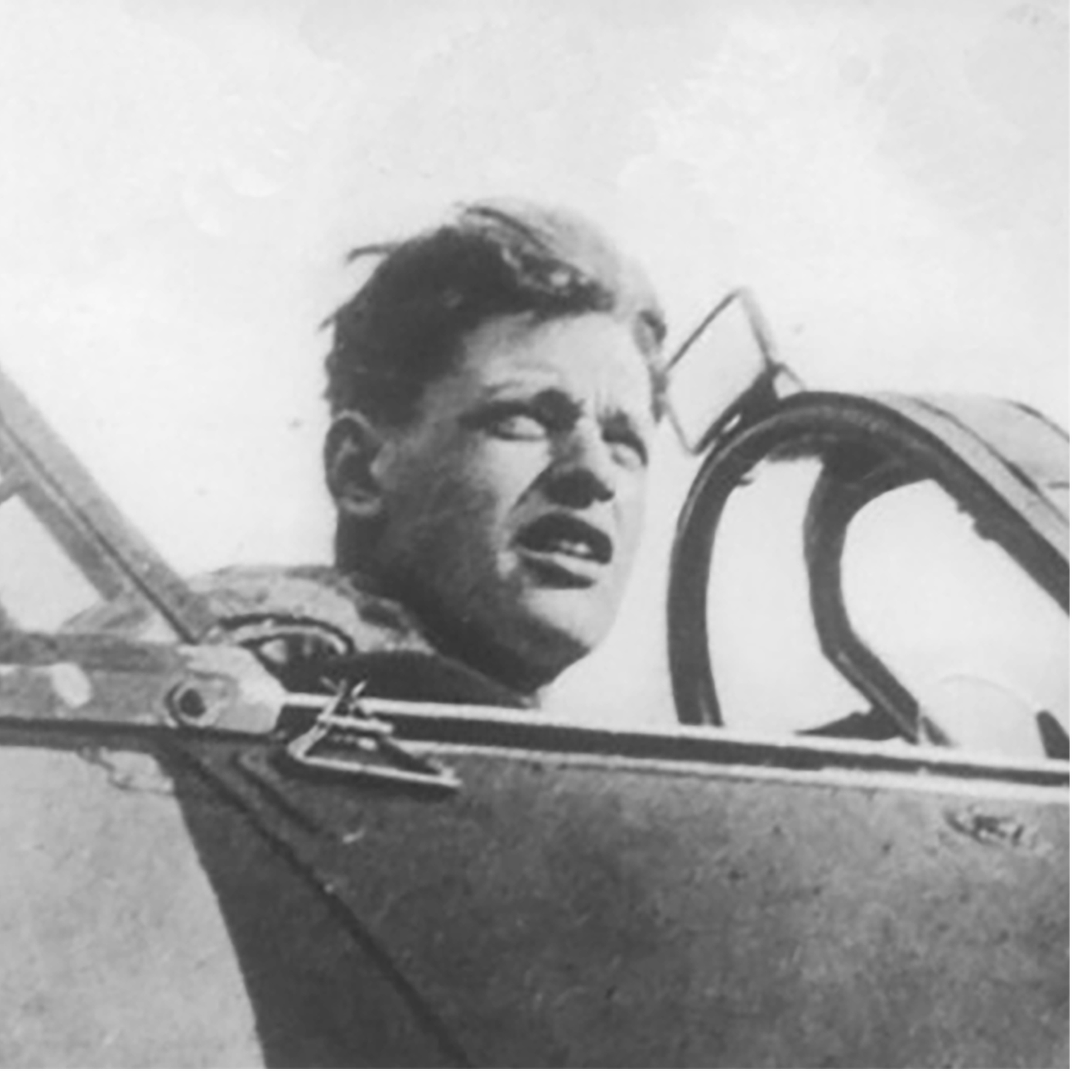
Battle of Britain: Truth vs Myth
In June 1940 Nazi Germany overran France and forced the British army to evacuate at Dunkirk. Severely lacking in military equipment, Britain and its Empire now stood alone against Adolf Hitler's forces. To stand any chance of crossing the English Channel, Germany would have to crush the Royal Air Force and gain control of the skies during that summer. The Battle of Britain, the first major battle to be decided entirely by air power, had begun.&nbsp;Dan talks to military historian Andy Saunders about the Battle of Britain to find out which parts of the narrative we have got wrong and which we have right. Dan also spoke to veteran of the Battle of Britain, Wing Commander Thomas Neil. <hr><p style='color:grey; font-size:0.75em;'> Hosted on Acast. See <a style='color:grey;' target='_blank' rel='noopener noreferrer' href='https://acast.com/privacy'>acast.com/privacy</a> for more information.</p>
Ep 89American Resistance Leader in Nazi Berlin
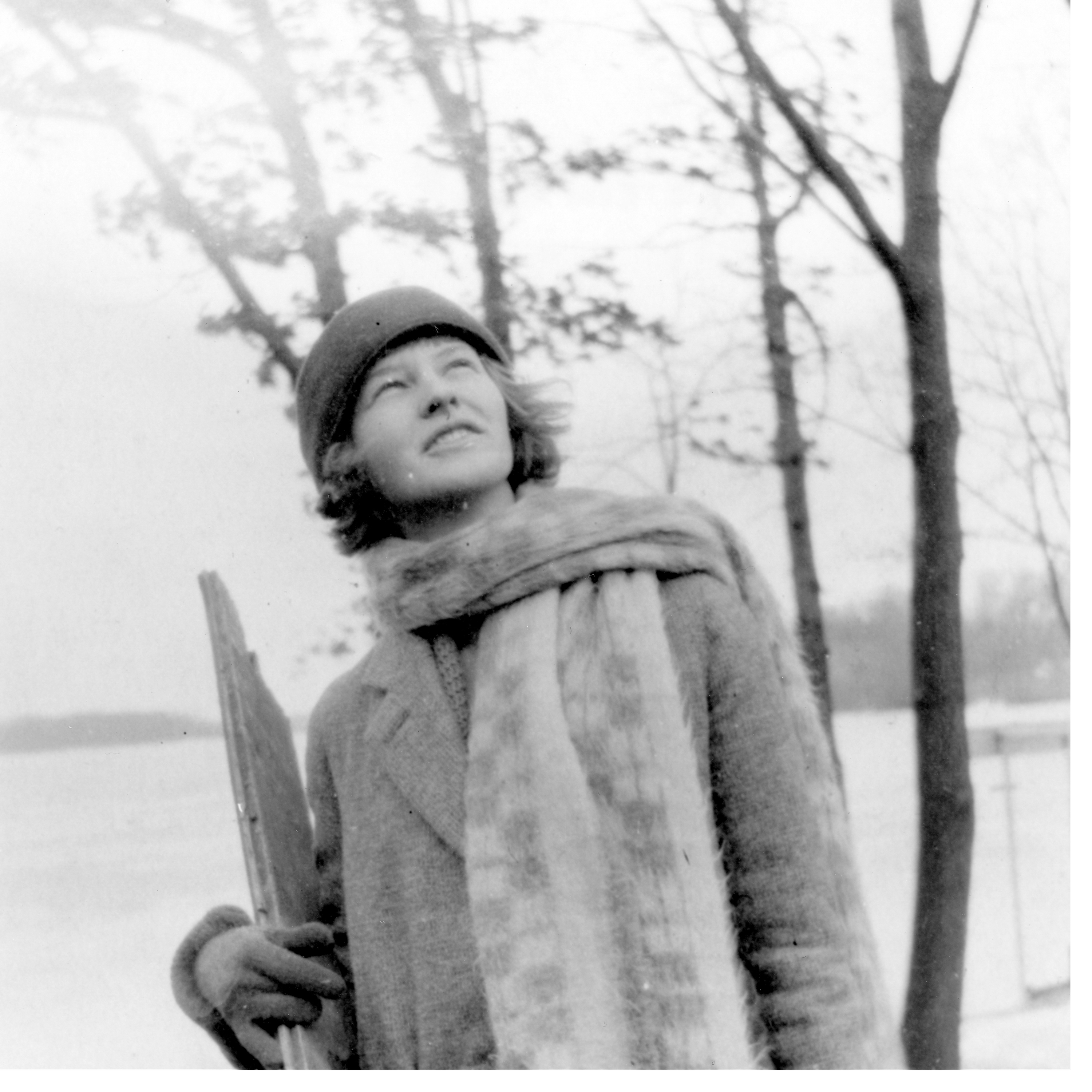
Her American nationality could have offered her protection from the Nazi Regime. Instead, she used it to benefit the resistance movement. Mildred Harnack and her German husband, Arvid, began their underground resistance group in Berlin in 1932. Both contributed bravely to what was later known to the Gestapo as the Red Orchestra, also taking part in espionage, until their capture and execution. In this episode, Rebecca Donner explores the extraordinary life of Mildred, who also happens to be her great aunt. Rebecca’s New York Times bestseller on this topic is called ‘All the Frequent Troubles of Our Days’. <hr><p style='color:grey; font-size:0.75em;'> Hosted on Acast. See <a style='color:grey;' target='_blank' rel='noopener noreferrer' href='https://acast.com/privacy'>acast.com/privacy</a> for more information.</p>

Ep 889/11: From the 105th Floor
<p>For the majority of us, our experience of 9/11 was transmitted through a TV screen, radio, newspaper or even history book. But Joe Dittmar’s experience of these terror attacks was personal. On the morning of the 11 September 2001, he was in a meeting on the 105th floor of the South Tower of the World Trade Center. Joe shares his story of surviving 9/11 in this moving episode.</p><br><p>Joe’s WTC Survivor/ Always Remember Initiative if found here http://www.wtceskp.com/</p> <hr><p style='color:grey; font-size:0.75em;'> Hosted on Acast. See <a style='color:grey;' target='_blank' rel='noopener noreferrer' href='https://acast.com/privacy'>acast.com/privacy</a> for more information.</p>
Ep 879/11: Evacuating Ground Zero
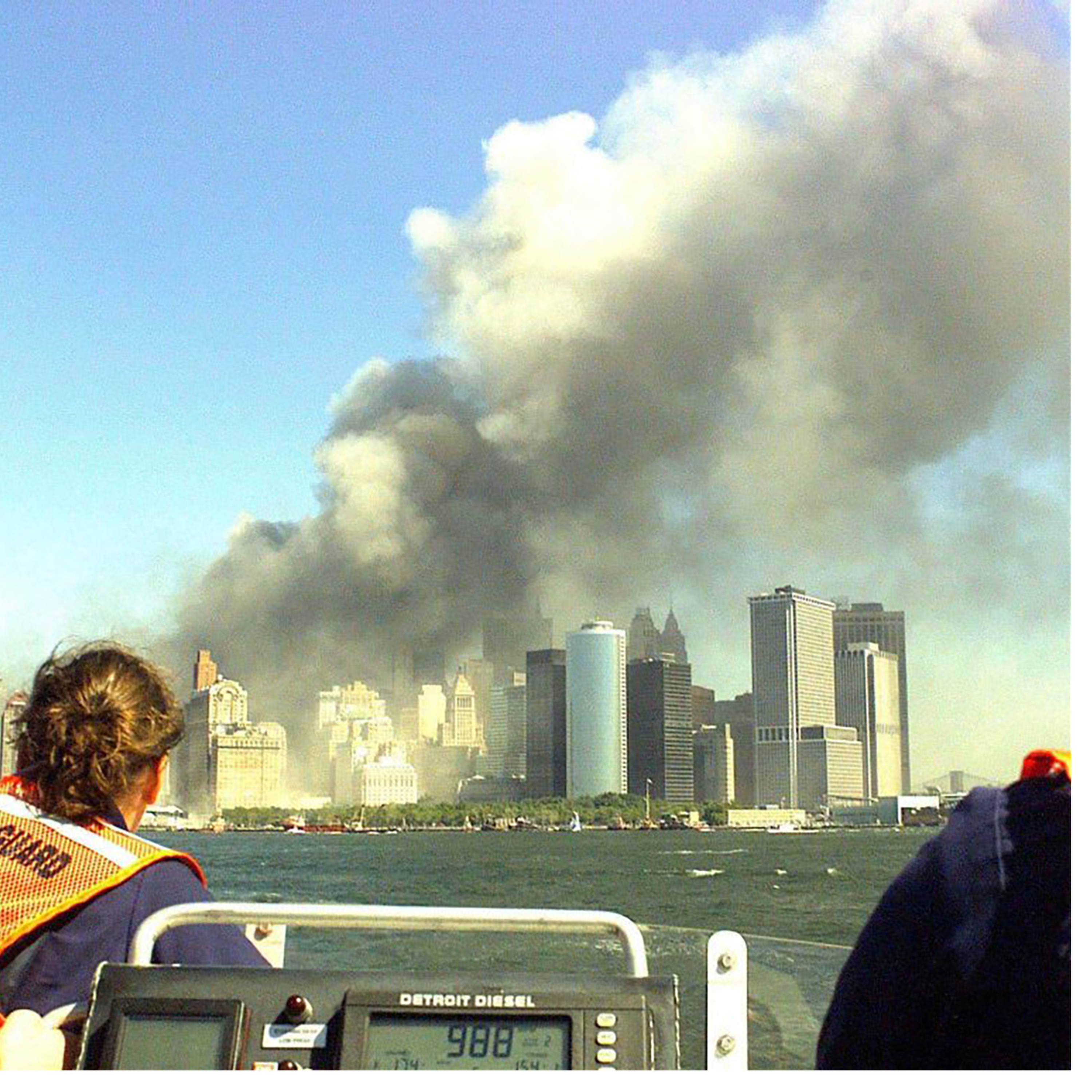
At 8:46 am on 11 September 2001 the first plane hit the North Tower of the World Trade Centre in Lower Manhattan. Over the next 9 hours, almost half a million people were evacuated from that island by boat, many other options being made impossible. Here to share the story of this maritime evacuation is Jessica DuLong. Jessica is a journalist and historian, as well as chief engineer emerita of the retired 1931 New York City fireboat, John J. Harvey. She tells us about the boats involved, the obstacles they faced, and about her own experience of ground zero.&nbsp; Her book on this topic is called ‘Saved at the Seawall: Stories from the September 11 Boat Lift’. <hr><p style='color:grey; font-size:0.75em;'> Hosted on Acast. See <a style='color:grey;' target='_blank' rel='noopener noreferrer' href='https://acast.com/privacy'>acast.com/privacy</a> for more information.</p>
Ep 86Before 9/11: A History of Hijacking
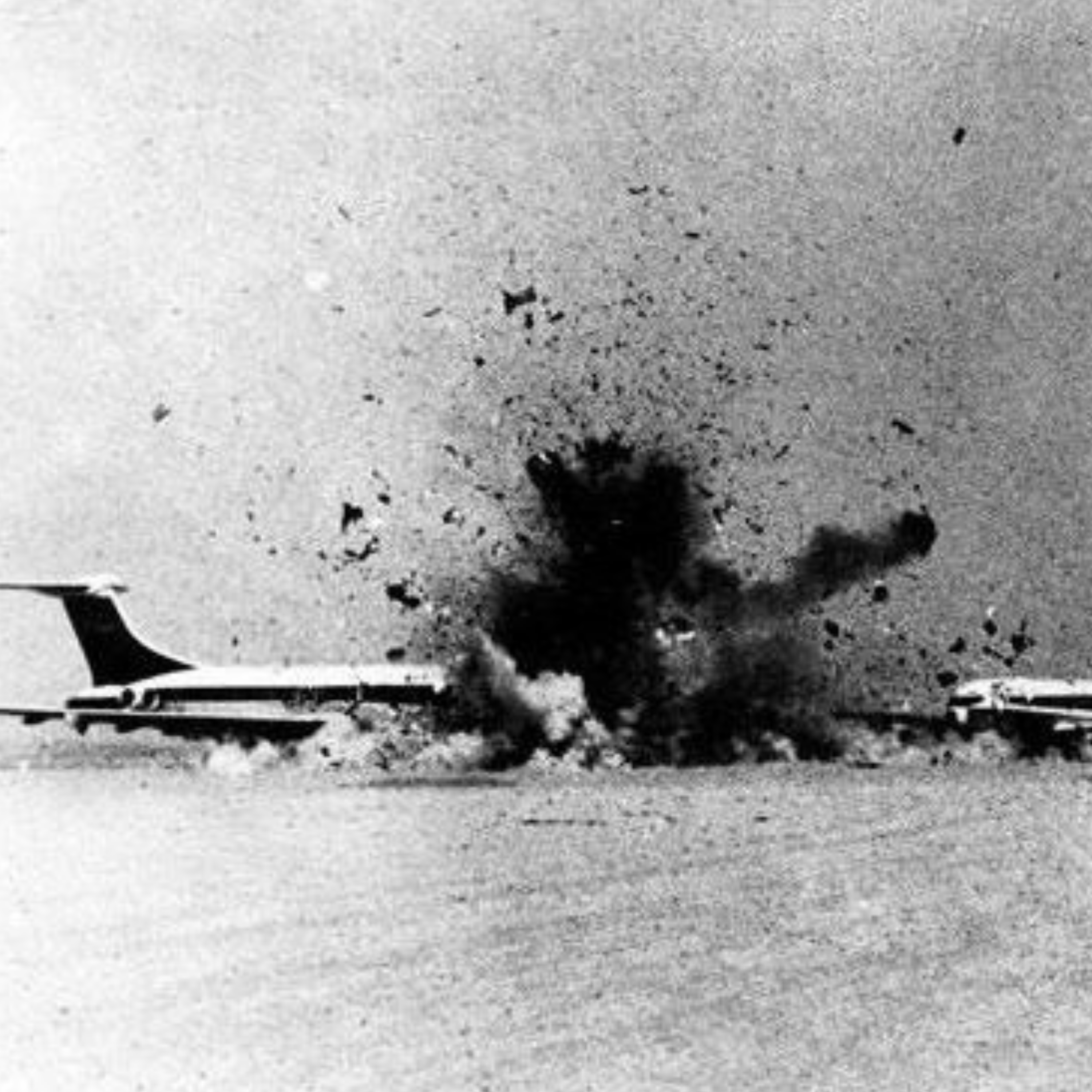
As the world prepares to mark the anniversary of the 9/11 attacks two decades on, we discuss the history of plane hijackings. From politically motivated attacks to propaganda tools used by governments, Dr Yannick Veilleux-Lepage shares his knowledge of the broader context of the attacks of 2001. Dr. Yannick Veilleux-Lepage is assistant Professor of Terrorism and Political Violence at the Institute of Security and Global Affairs at Leiden University. His book, 'How Terror Evolves: The Emergence and Spread of Terrorist Techniques' is published by Rowman & Littlefield. <hr><p style='color:grey; font-size:0.75em;'> Hosted on Acast. See <a style='color:grey;' target='_blank' rel='noopener noreferrer' href='https://acast.com/privacy'>acast.com/privacy</a> for more information.</p>
Ep 85Before 9/11: The Day Wall Street Exploded
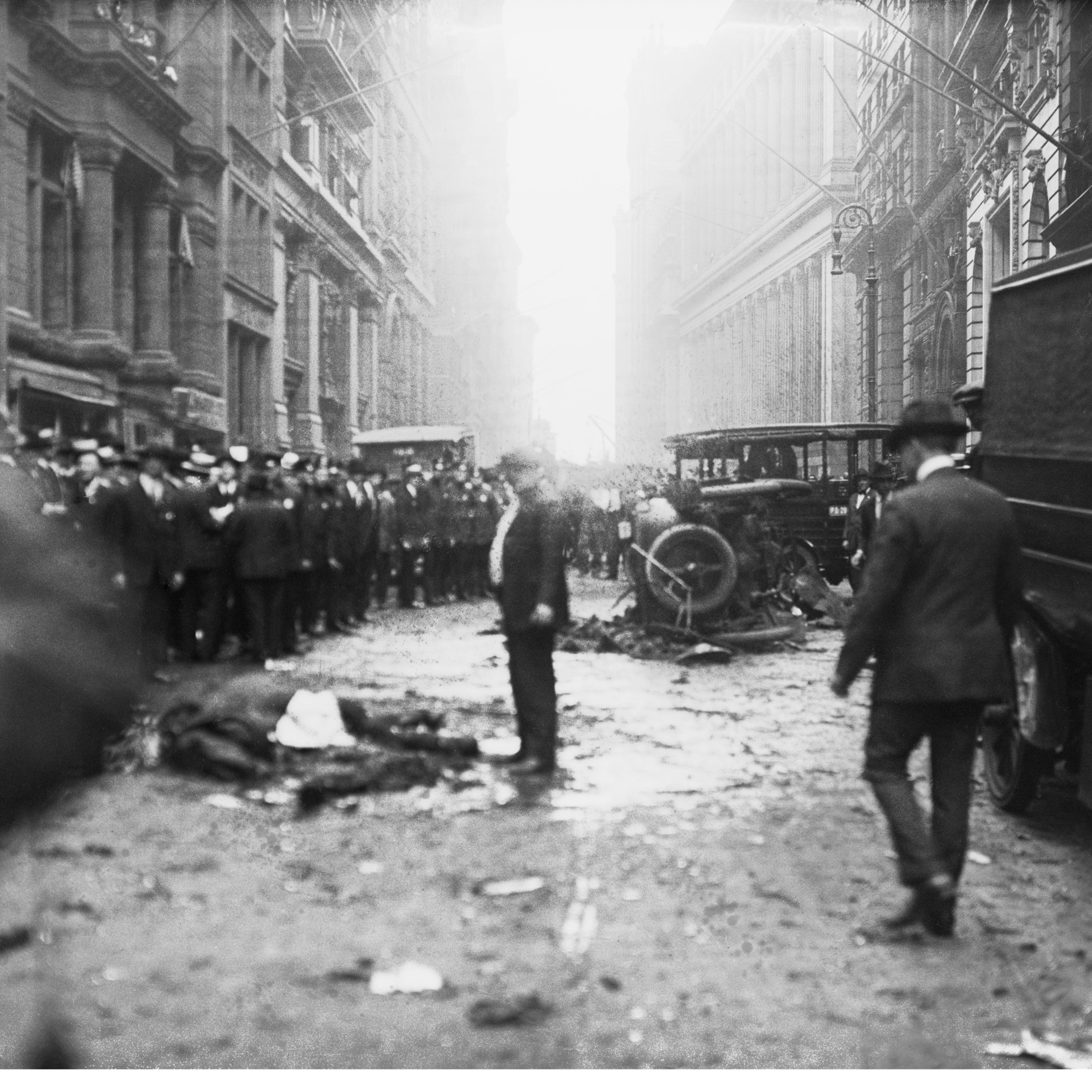
<p>At lunchtime on 16 September 1920, a horse drawn cart exploded on the busiest corner of the Financial District of New York. To find out more about the United States’ first age of terror, James spoke to Professor Beverly Gage. Beverly explains what we know about this attack on Wall Street. Who were its victims, suspects, and investigators and what impact did it have on American society? Beverly is a professor of 20th-century American history at Yale University and author of ‘The Day Wall Street Exploded: A Story of America in Its First Age of Terror’.</p><br><p>© Everett Collection/Shutterstock</p> <hr><p style='color:grey; font-size:0.75em;'> Hosted on Acast. See <a style='color:grey;' target='_blank' rel='noopener noreferrer' href='https://acast.com/privacy'>acast.com/privacy</a> for more information.</p>