Volts
444 episodes — Page 1 of 9
Why can't utilities innovate?
He helped Uruguay decarbonize. Can he help other countries do the same?
Can public EV chargers be as reliable as gas stations?
Another bipartisan housing miracle, this time in Idaho
Grid cybersecurity: how big is the threat & what should we do about it?
What should state policymakers do about data centers?
Best of July 2026
Silicon anodes for batteries unlock greater energy density and faster charging times
Should we feel good about the trajectory of clean energy post-Trump?
The US is terrible at building public transit. Here's how to get better.
Making sense of the data center backlash
Spreading the good news about electrification
Want less sprawl and more urban infill? Try a land value tax!
Forcing utilities to justify their distribution-system spending
A key Arizona race will test clean energy's electoral power
How to keep people cool without making the planet even hotter
America's flagship automaker enters the home energy market
Can the UK stay the course with its climate plans?
Why is NERC so worried about data centers?
This oil shock won't be like the others
Are plug-in DERs going to spark a grid revolution?
Giving clean electricity a political voice of its own
A limited defense of Biden's everything-bagel industrial policy
How to phase out residential gas equitably
Sooner than you think, electricity is going to be cheap, abundant, and boring
Telling the story of the grid
Electrifying industrial steam with heat pumps
The case for using prices rather than VPPs to coordinate distributed energy
Streamlining the difficult work of whole-home retrofits
Enabling ordinary people to invest in renewable energy projects
Tom Steyer wants to be California's climate governor
The big stories from the last year in electricity
Life as a clean energy journalist in an age of madness
Climate finance, interrupted
Doing data centers the not-dumb way
Ruggedized solar power for the hard places
Why climate funders don't fund housing policy, and why they oughtta

Rethinking climate regulation from the ground up
It can be stomach-turning, watching the Trump administration torch federal climate policy. But what if some of what's burning wasn't working particularly well to begin with? Hannah Safford and Loren Schulman of the Federation of American Scientists' Center for Regulatory Ingenuity make the case, not for defending or trying to rebuild the status quo regulatory regime, but for imagining something better. This is a public episode. If you'd like to discuss this with other subscribers or get access to bonus episodes, visit www.volts.wtf/subscribe
Using more of the grid we’ve already built
The US power grid runs at about 50% capacity on average — built for its worst day, underutilized every other day. As demand surges from data centers and electrification, utilities are racing to build more infrastructure. But Ian Magruder, who heads the new industry-backed Utilize Coalition, argues there's a cheaper, faster path: better use what we've already built — it will enable faster growth and bring down ratepayer bills, potentially by billions. This is a public episode. If you'd like to discuss this with other subscribers or get access to bonus episodes, visit www.volts.wtf/subscribe

Should we block some sunlight to cool the planet?
In this episode, Dakota Gruener of Reflective walks me through her organization's new project, which maps the gaps in our scientific understanding of stratospheric aerosol injection — currently the leading candidate for directly cooling the planet. We get into what we don't know (including a factor-of-two disagreement on basic aerosol physics), who's already doing this without oversight, and the unsettling governance question of who controls the Earth's thermostat once humanity has grabbed it. This is a public episode. If you'd like to discuss this with other subscribers or get access to bonus episodes, visit www.volts.wtf/subscribe

For data centers, a little flexibility goes a long way
The explosive energy demand from data centers is breaking our grid, pushing desperate developers to build their own on-site gas plants just to get online. To figure out how we avoid locking in decades of new fossil fuels, I’m joined by Camus CEO Astrid Atkinson and Princeton’s Jesse Jenkins to break down their proposed alternative. We dig into how adopting flexible grid interconnections and clean, battery-backed “power parks” can meet this massive load growth without abandoning our decarbonization goals. This is a public episode. If you'd like to discuss this with other subscribers or get access to bonus episodes, visit www.volts.wtf/subscribe
The high-stakes battle over energy affordability in New York
New York Governor Kathy Hochul is trying to delay or roll back the state’s landmark climate law in the name of affordability. I’m joined by activist Pete Sikora to discuss the governor’s claims, what would actually serve affordability, and the larger politics behind this puzzling own-goal of a fight. This is a public episode. If you'd like to discuss this with other subscribers or get access to bonus episodes, visit www.volts.wtf/subscribe

A Tesla vet tries to master the VPP market
In this episode, I’m joined by Kunal Girotra, who helped start and run Tesla’s residential energy business before leaving to start his own company. With Lunar, he has tried to create the most consumer-friendly possible battery and software ecosystem, which can seamlessly plug into solar panels, other devices, or VPPs. We talk about lessons learned and the future of residential electrification. This is a public episode. If you'd like to discuss this with other subscribers or get access to bonus episodes, visit www.volts.wtf/subscribe
How to design a brand-new city
I’m back with part two of my conversation with Jan Sramek, founder of California Forever, about his plan to build a brand-new city in Solano County. We get into the nuts and bolts of the urban design, discuss affordability and sustainability, get into governance issues, and look forward to what might happen next. This is a public episode. If you'd like to discuss this with other subscribers or get access to bonus episodes, visit www.volts.wtf/subscribe
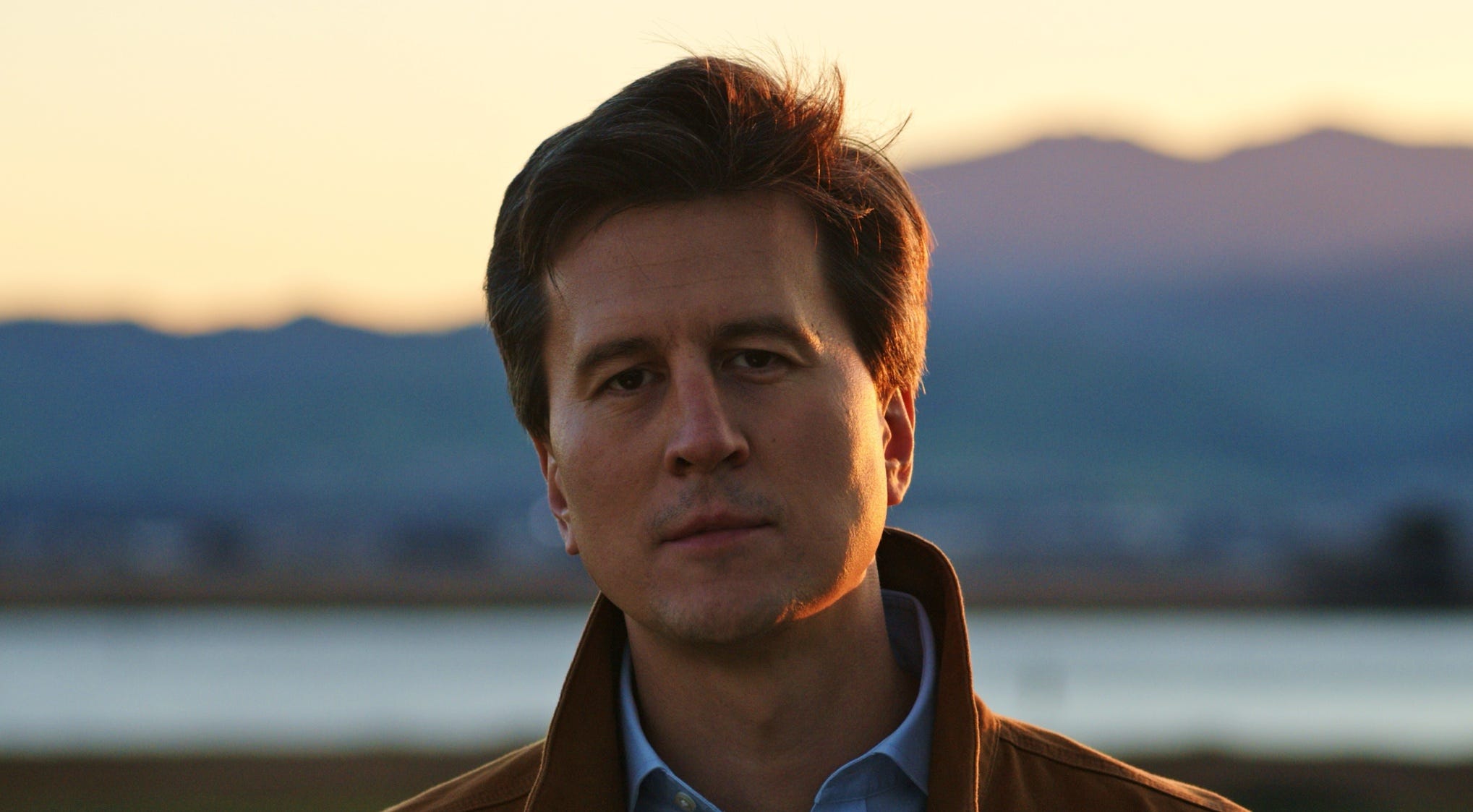
Is the brand new city in California for real?
In this episode, I’m joined by Jan Sramek to discuss California Forever, the much-debated proposal to build a brand-new, sustainably designed city in Northern California. We explore the urbanist vision at the heart of the project, including a street grid inspired by Barcelona superblocks, and address the elephant in the room — the stealthy land acquisitions and the billionaire backers. Is this an urbanist utopia in the making or a grandiose con job? This is a public episode. If you'd like to discuss this with other subscribers or get access to bonus episodes, visit www.volts.wtf/subscribe
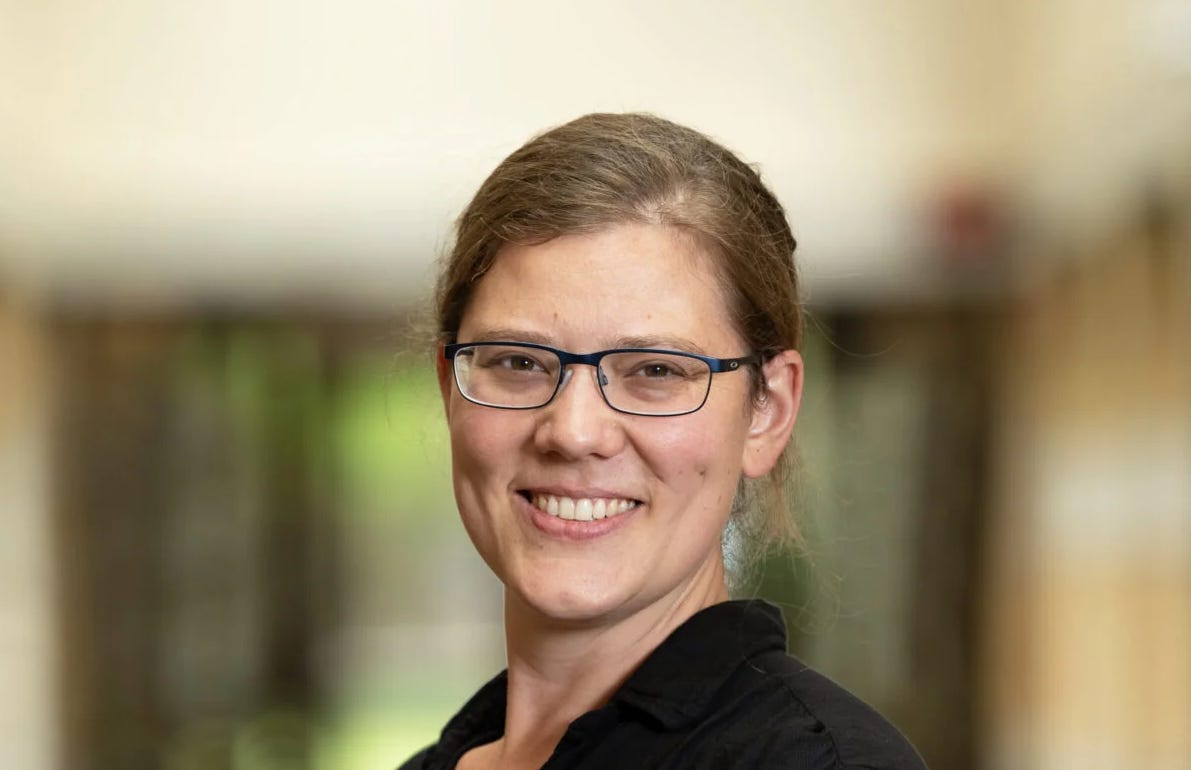
The fate of fossil fuel systems in the "mid-transition"
If the world takes its climate targets seriously, the coming decades will see fossil fuel systems shrinking as clean energy systems grow. In this episode, I talk with associate professor Emily Grubert about the issues that may arise during this “mid-transition” period. She has fascinating new study on the physical and financial cliffs that fossil fuel systems may go over as they decline and reach their “minimum viable scale” — and argues that public ownership of these dying industries might be the only way to gracefully phase them out. This is a public episode. If you'd like to discuss this with other subscribers or get access to bonus episodes, visit www.volts.wtf/subscribe
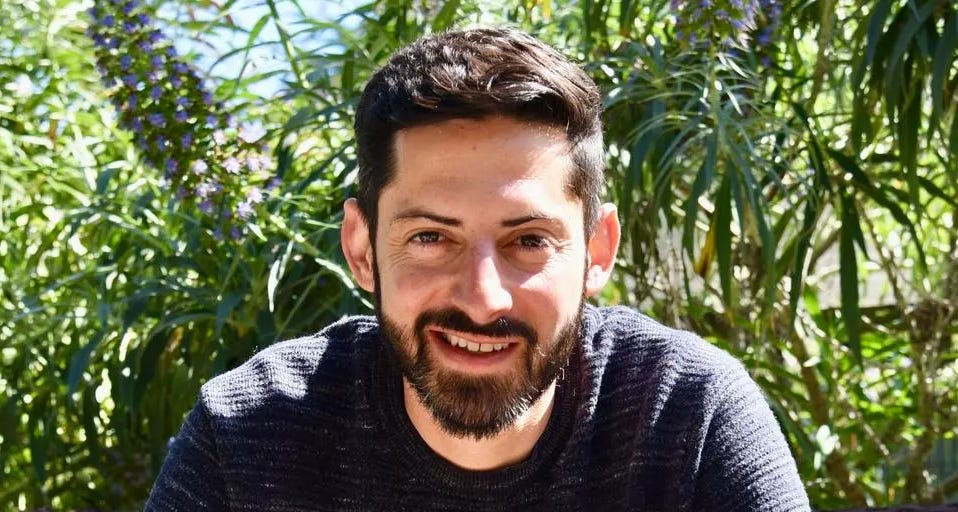
Volts/Catalyst pod crossover: the biggest questions in clean energy
In this episode, I chat with Catalyst host Shayle Kann about the most pressing unresolved questions in the clean energy world today. We explore whether data center gigantism will break the grid, if the smart home revolution is destined for platform enshittification, whether billionaires should start testing solar geoengineering, and more. This is a public episode. If you'd like to discuss this with other subscribers or get access to bonus episodes, visit www.volts.wtf/subscribe
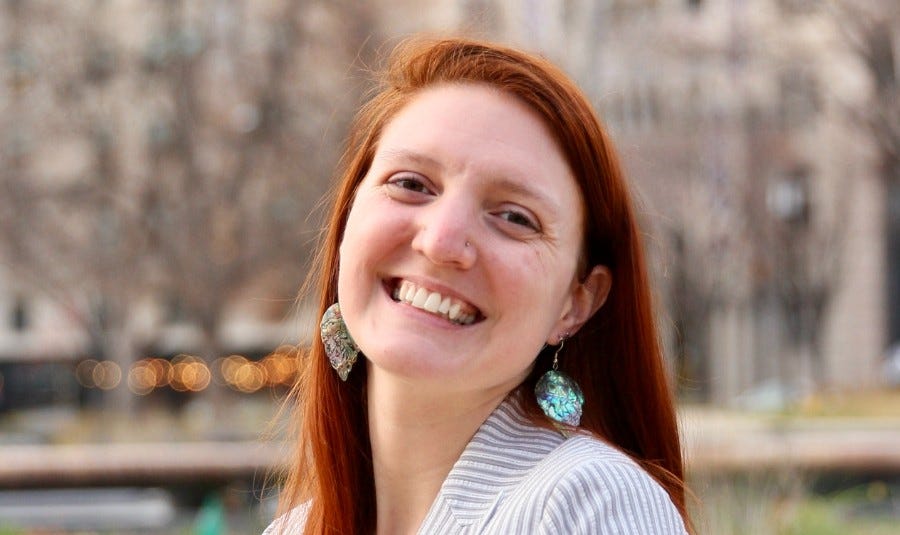
What is PJM and why is everyone so mad about it?
PJM is the largest wholesale power market and transmission planning region in the US. Currently, it is stuck between a rock and a hard place: on one side, rising demand from data centers; on the other, a choked and congested interconnection queue that can’t keep pace. The result: rising prices and political discontent. I talk with Clara Summers of the Citizens Utility Board about how PJM can solve this dilemma and get prices under control. This is a public episode. If you'd like to discuss this with other subscribers or get access to bonus episodes, visit www.volts.wtf/subscribe
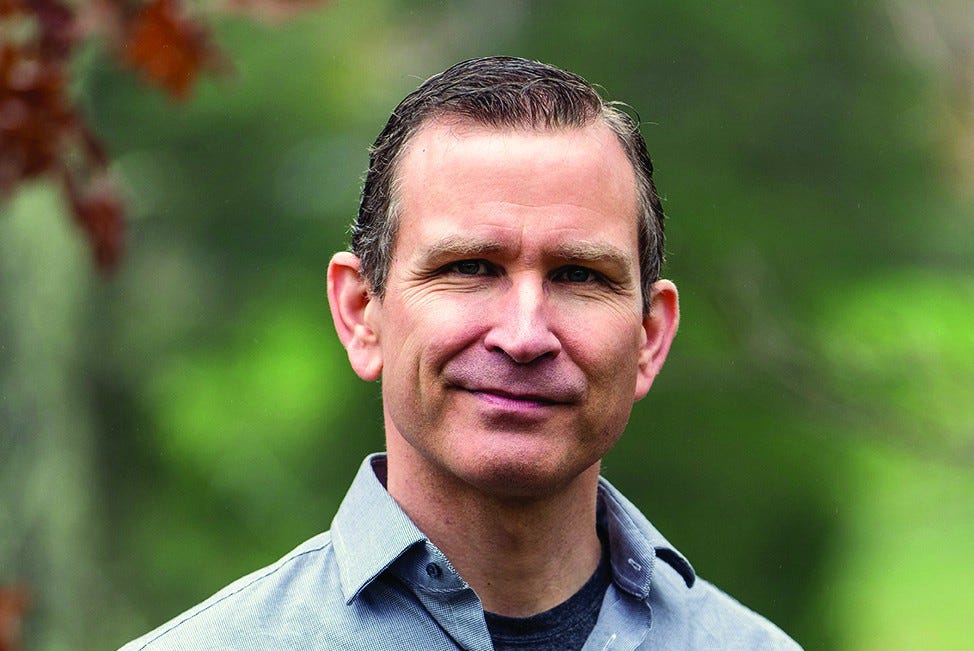
Can fake meat help solve climate change?
Meat is responsible for roughly a fifth of climate change, the lion’s share of deforestation, 70% of our antibiotic use, and quite possibly the next pandemic — and consumption is going up every single year, with no end in sight. In this episode, Bruce Friedrich of the Good Food Institute joins me to argue that the only way out of this mess is better meat: plant-based and cultivated alternatives that can compete on price and taste, the way renewables now compete with fossil fuels. This is a public episode. If you'd like to discuss this with other subscribers or get access to bonus episodes, visit www.volts.wtf/subscribe
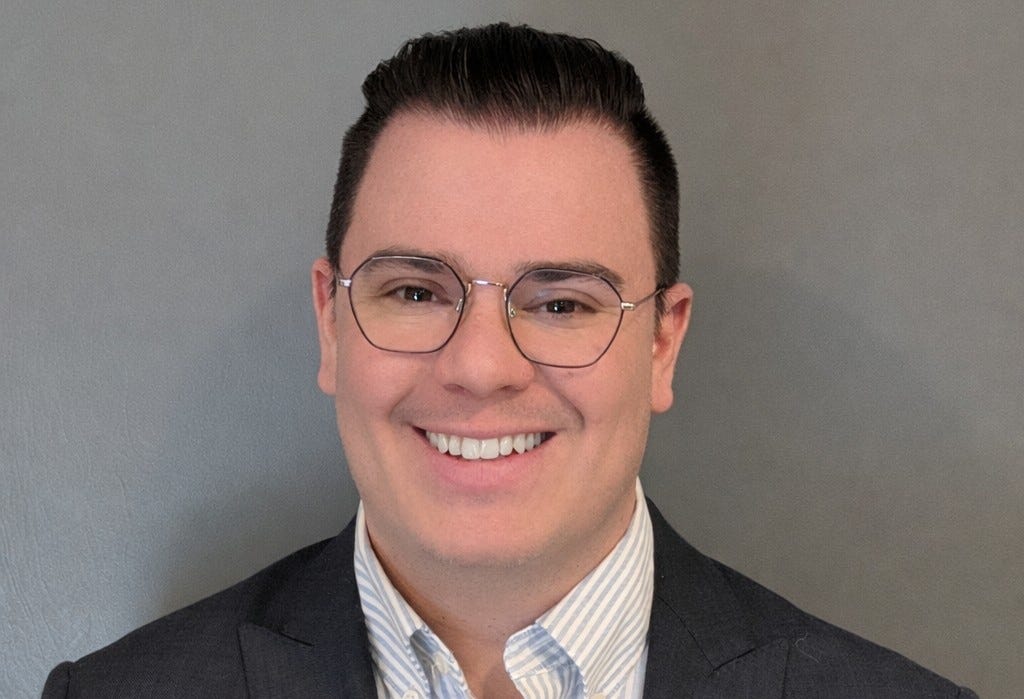
Are utilities making too much money?
Utilities and their regulators are often protected by a "force field of tedium," but in this episode, I pierce the veil to discuss the complex machinery of utility profit-making. I’m joined by Joe Daniel of RMI to unpack the critical distinction between "return on equity" and "cost of equity," and why the former is almost always higher than necessary. We discuss how regulators can close this gap to lower consumer costs without hindering essential grid upgrades. This is a public episode. If you'd like to discuss this with other subscribers or get access to bonus episodes, visit www.volts.wtf/subscribe